Walk in the footsteps of legends and play all of Scotland’s Open Championship venues on our Claret Jug Tour The Claret Jug Tour


Muirfield

Walk in the footsteps of legends and play all of Scotland’s Open Championship venues on our Claret Jug Tour The Claret Jug Tour
I remember Valentine’s Day as a child—wearing red to school, clutching those tiny store-bought cards tucked into crisp envelopes, and quietly hoping one might come from someone special. Even then, February carried weight. Expectation. Emotion. A sense that love— however we defined it—was meant to arrive on cue.
Somehow, we grew up holding onto that feeling.
For me, February has always been a meaningful month, though not only for romance. It’s filled with birthdays in my family—a cluster of celebrations that bring us together around the table, lighting candles and reminding me that life’s most lasting joys are found in shared moments rather than grand occasions.
February also feels like a turning point. The energy of the new year begins to settle, resolutions soften into routines, and we’re given space to pause and consider what—and who—we want to carry forward.
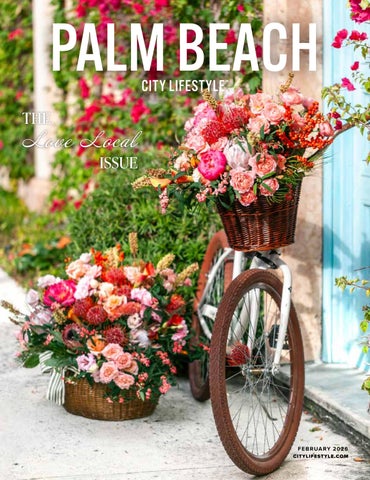
Here at Palm Beach City Lifestyle, February is our Love Local issue, and it remains one of my favorites. One of the greatest privileges of being a publisher is the opportunity to truly listen to local business owners—to understand not just what they do, but why they do it. I’ve been an entrepreneur my entire adult life. I owned my first bookstore at twenty-four—the very place where I met my husband—and together we went on to build several businesses over the course of our thirty-four-year marriage. Community has always been at the heart of our work.
That is what makes this magazine so special. We don’t simply showcase businesses; we tell the stories of the people behind them. People like Meghan, founder of Panthera Palm Beach, whose journey led her to an unexpected bond with a wild mustang. Or Armine, owner of Belden’s Florist, the oldest florist in Palm Beach County, who carries decades of memory and meaning into every bouquet. And at Arlex Jewelers, where mastery spans both clock repair and bespoke jewelry, time itself becomes a storyteller—marking love, milestones, and legacy.
In a region growing as quickly as West Palm Beach and Palm Beach, it’s remarkable how supportive and collaborative the local business community remains. That sense of connection is rare—and worth celebrating.
This month, as Valentine’s Day approaches, we’re reminded that love isn’t confined to a single day. It lives in the places we return to, the people we support, and the stories we choose to tell.
So here's to loving well—our community, our neighbors, and the local businesses that make this place feel like home.

February 2026
PUBLISHER
Denise Wood denise.wood@citylifestyle.com
AREA DIRECTOR
David Wood
david.wood@citylifestyle.com
MANAGING EDITOR
Arsine Kaloustian arsine.kaloustian@citylifestyle.com
ACCOUNT MANAGER
Andrea Stocking andrea.stocking@citylifestyle.com
CONTRIBUTING PHOTOGRAPHERS
Chelsea Victoria Ross
CEO Steven Schowengerdt
President Matthew Perry
COO David Stetler
CRO Jamie Pentz
CoS Janeane Thompson
AD DESIGNER Jenna Crawford
LAYOUT DESIGNER Lillian Gibbs
QUALITY CONTROL SPECIALIST Brandy Thomas












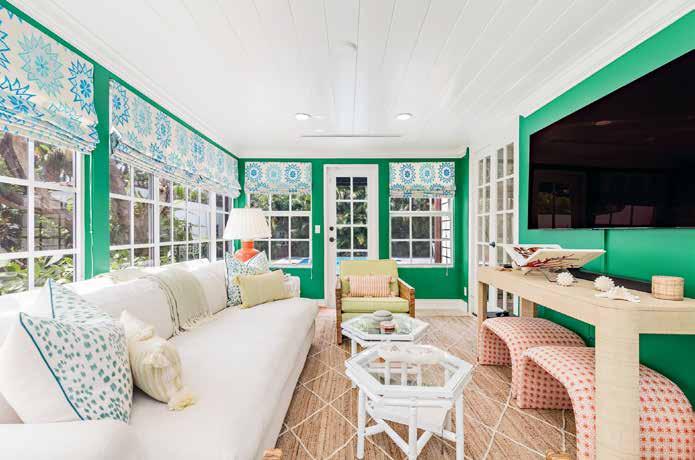
Amazing place and amazing hosts! The place is just as described and close to everything you would need! The house was packed with all the amenities you would need and the hosts go above and beyond to make sure you have a wonderful stay.
I’d recommend and am looking forward to staying with you again!
Moses - January 2025
FEBRUARY 2026
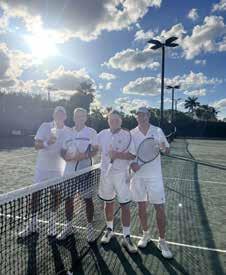



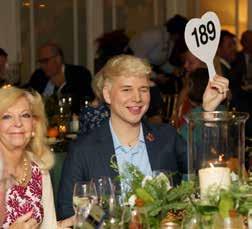

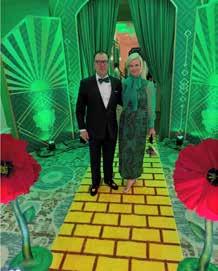
1: Patrick McGowan, David Wood, James Bishop and Frank Piazza at The Beach Club’s 2025 annual tennis tournament 2: Award winning journalist Soledad O'Brien and WPTV's Hollani Davis at The Forum Club of the Palm Beaches 3: Dr. Ilona Fotek of Dental Healing Arts and Dr Chris Coachman, the pioneer of digital smile design 4: Dan Donovan and Rachel Uchitel at Valerie Cooper's birthday fete. 5: Fred Savage and Scott Diament at Provident Jewelry's MB&F Event in Jupiter 6: Max McNamara bids in the live auction at Adopt-a-Family's 41st Annual Tree Lighting Celebration at the Sailfish Club 7: Charles and Lauren Russo at The Star Foundation's Yellow Brick Ball at The Beach Club


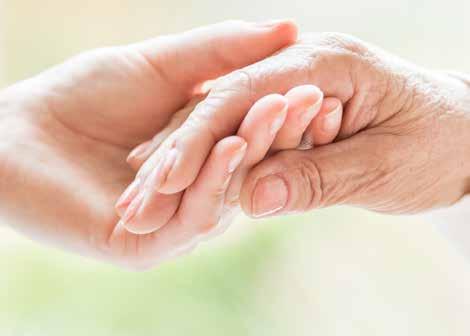


West Palm Beach is getting a Valentine’s weekend with a serious pulse. Palm Tree Music Festival’s announcement brings global DJs, waterfront energy, and a crowd-forward celebration to the city—transforming romance into something shared, electric, and unforgettable. It’s not dinner-and-roses love; it’s dance-floor love, sunset love, the kind you feel in your chest. This February, West Palm Beach proves love sounds better turned all the way up.









Few Valentine’s stories hit like this one. The long-awaited restoration of West Palm Beach’s legendary Sunset Lounge isn’t just a reopening—it’s a triumphant homecoming. Once a heartbeat of the city’s cultural soul, the venue’s revival signals renewed pride, memory, and momentum. Love, in this case, looks like preservation done right: honoring history while inviting a new generation to fall for it all over again.

Luxury chocolatier Bissinger’s, known for artisan handcrafted confections, is opening its first boutique outside St. Louis on Royal Poinciana Way in Palm Beach — bringing centuries-old chocolate tradition to South Florida just in time for Valentine’s Day. The jewel-box shop is poised to become a destination for elegant gifts, truffles, and chocolate indulgences that pair perfectly with champagne and roses this season.


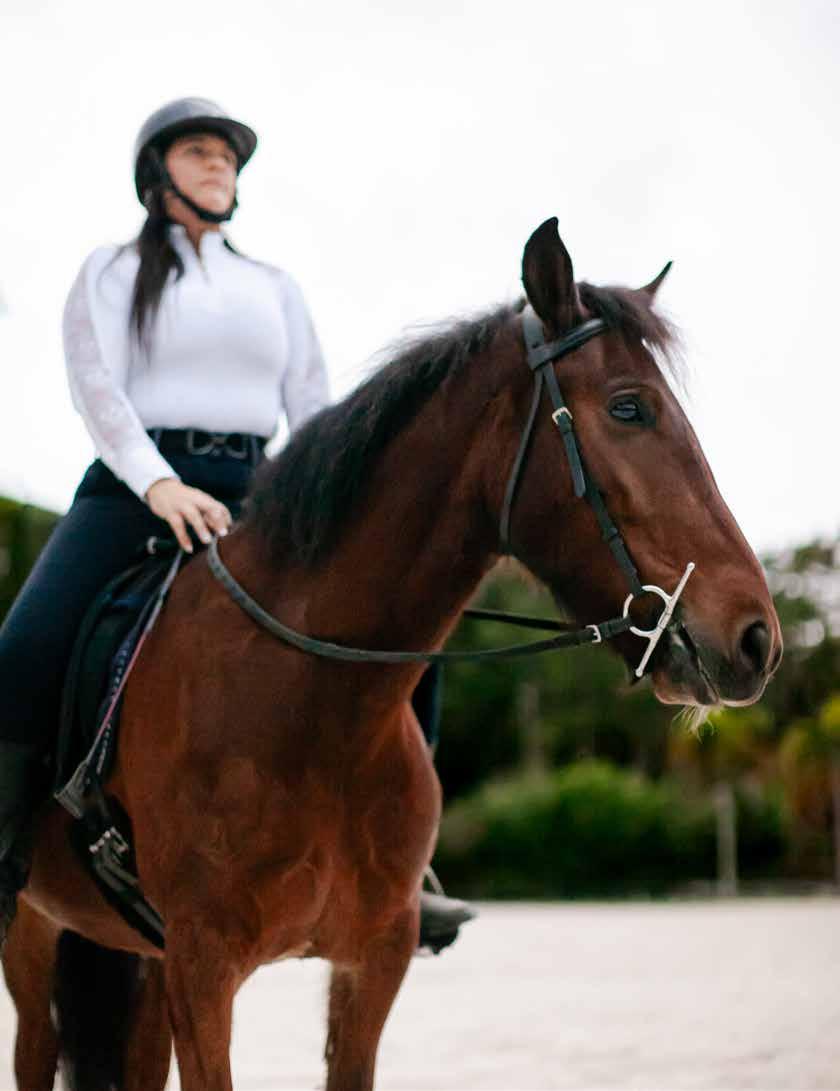
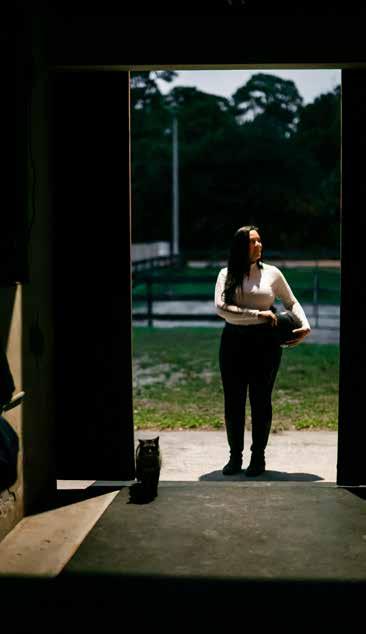
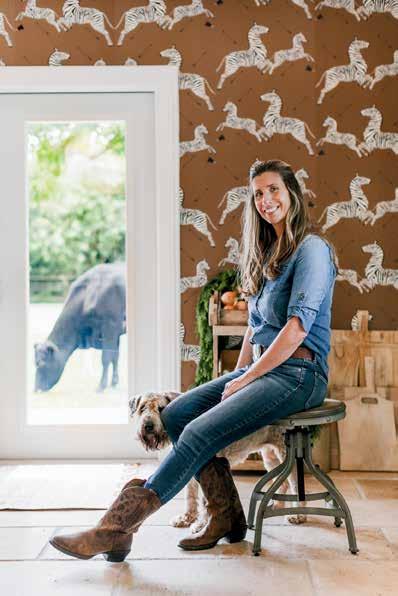
For Meghan Ross, healing has never been about fixing what is broken. It has always been about creating space—space to breathe, to slow down, to be honest about what is carried beneath the surface.
As a U.S. Army veteran, registered nurse, and founder of Panthera Palm Beach, Meghan has spent her life in environments that demand strength. But over time, she has come to understand that true strength often reveals itself in quieter ways: patience, presence, and the willingness to sit with discomfort rather than rush past it.
That understanding deepened when she became involved with Operation Remount, formally known as the Operation Remount Corporation (ORC)—a nonprofit organization that supports U.S. military veterans and first responders coping with PTSD and anxiety.
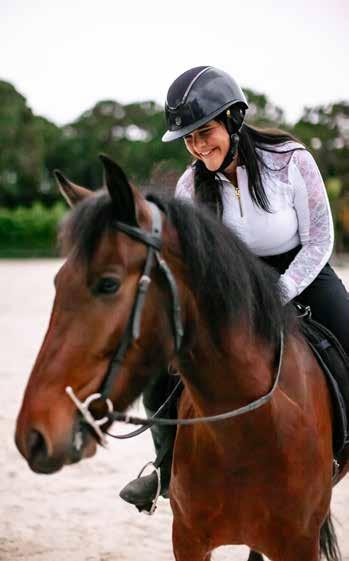
The organization offers a free, six-week residential equine-assisted program at the Mirrored K Legacy Ranch in Wyoming, pairing participants one-on-one with wild mustangs.
Meghan completed the ORC program herself in May 2024, an experience that reshaped not only her connection to the organization, but her understanding of healing. Today, she serves as an Operation Remount Ambassador for the Southeast Region, acting as a point of contact for those interested in learning more about or participating in the program. Her role is grounded not in abstraction, but in lived experience.
Operation Remount is built on the principle of reciprocal healing. Many of the veterans and first responders who arrive at the ranch carry trauma shaped by combat, crisis response, or prolonged stress. The mustangs they are paired with often arrive carrying fear of their own, having been gathered from the wild after years of surviving on instinct alone. The program does not rush either forward. Instead, it centers on gentling, trust-building, and emotional regulation—asking participants to slow their bodies and quiet their minds in order to meet the horse where it is.
For Meghan, that horse was Joker.
Joker was gathered on October 20th, 2021 from Wyoming’s Divide Basin Herd Management Area—a date that holds personal significance for Meghan, as it happens to be her birthday. Young, intelligent, and deeply curious, Joker arrived wary of people and slow to trust. During the early weeks of the program, he kept his distance. Meghan spent nearly half of the six weeks simply earning the right to touch him—a process that tested her patience and required her to stay grounded even when progress felt invisible.
From the beginning, the experience demanded presence.
“From the minute I got there, it wasn’t just about working with the horses,” Meghan recalls. “It was an entirely different experience away from the noise of everyday life, and the ability to be present and focus on my patience and emotional regulation. It was a challenge, and it still is a challenge.”
Over time, that patience was met with trust.
“Horses respond to energy, consistency, and trust,” she says. “I wasn’t even able to touch Joker for the first two to three weeks because we didn’t trust each other, and he could tell I wasn’t calm, so he wasn’t calm. Horses work in the present, not the past or the future, and I had to learn to work the same way with him.”
By the end of the program, Meghan and Joker had formed a bond strong enough to carry beyond the ranch. She adopted him, committing to the long, ongoing work of partnership. Today, Joker—now four years old—continues to test boundaries in the way young horses do, curious and alert, always checking that she is paying attention. He has been under saddle for about a year, supported first by a trainer and now by a close-knit barn community in Florida. Their journey is a dynamic one—marked by progress, setbacks, and trust earned slowly, day by day.
That lesson—about meeting someone where they are— echoes through every part of Meghan’s life, including her work in aesthetics.
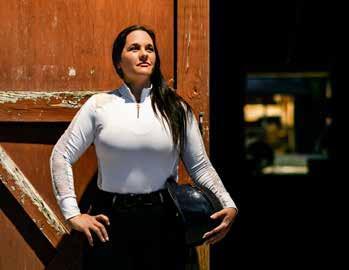
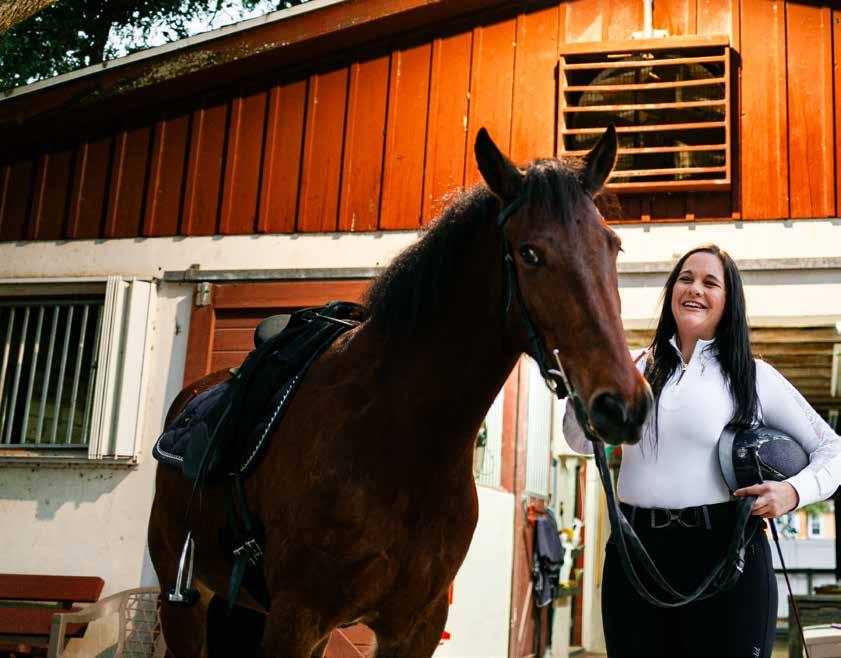
In 2019, she founded Panthera Palm Beach, a luxury medspa and skincare studio with a philosophy that runs counter to many assumptions about the industry. For Meghan, aesthetics is not about chasing perfection, but about restoring confidence in a way that feels grounded and respectful.
“Confidence is about feeling your best, and it is different for everybody,” she explains. “We all struggle with confidence throughout our lives at different points and for different reasons. Aesthetics done with integrity is about restoring a person’s glow inside and outside and helping others feel good in their own skin again.”
That sense of integrity—of care without pressure—is what connects her work at Panthera to her advocacy for Operation Remount. In both spaces, healing is not imposed; it is invited.
“Consistency, respect, and being fully present,” Meghan says, when asked what allows people to feel safe enough to let their guard down. “People can feel when they’re being rushed or judged.
Trust is built when someone knows they’re seen, heard, and never pushed beyond what they’re ready for.”
As a veteran, Meghan is acutely aware of the invisible wounds many carry long after service ends.
“Strength and struggle can exist at the same time,” she says. “Many carry internal struggles that don’t show up on the outside, such as hypervigilance, grief, guilt, or emotional exhaustion.”
That awareness informs how she approaches empowerment—not as a promise of transformation, but as a practice grounded in trust.
“Both are rooted in empowerment,” she says of Panthera Palm Beach and Operation Remount. “At Panthera, my goal is never to ‘fix’ someone—it’s to support them in feeling confident, informed, and in control of their choices. That same philosophy exists at Operation Remount: providing tools, space, and trust so healing can happen naturally.”
Through her experience with Operation Remount and her bond with Joker, Meghan’s understanding of healing has deepened.
“STRENGTH AND STRUGGLE CAN EXIST AT THE SAME TIME.”
“It is not one size fits all; even if we are going through the same experience, it is very individual, and sometimes it’s uncomfortable,” she reflects. “That perspective has made me more patient, more intentional, and more sensitive to each person’s unique journey.”
In a culture that often celebrates resilience without acknowledging its cost, Meghan Ross offers a different model—one based in empathy, restraint, and deep respect for the process of healing. Whether beside a mustang on open land or across from a client in a quiet treatment room, her work is guided by the same belief: when people feel safe, real change becomes possible.


commongroundsbr.com


HOW BEDROOM CLUTTER CAN QUIETLY UNDERMINE YOUR RELATIONSHIP
ARTICLE BY ARSINE KALOUSTIAN
Valentine’s Day is traditionally framed as a celebration of romance—flowers, gestures, grand declarations of love. But in the quieter rhythms of daily life, intimacy is often shaped less by spectacle and more by environment. As the new year settles in and many couples find themselves rethinking their spaces, the bedroom emerges as an unexpectedly powerful place to begin.
According to professional organizer Amy Bergman of Amyzing Spaces, clutter in a shared bedroom is rarely just a visual inconvenience. “Most couples don’t see clutter as a relationship issue,” she explains. “They see it as

cosmetic—something to deal with later. But the emotional impact can be much deeper than people realize.”
Research increasingly supports that idea. Studies in environmental psychology suggest that an overabundance of possessions can disrupt what researchers call our sense of “psychological home”—the feeling that a space supports safety, identity, and emotional restoration. When that sense is compromised, stress rises, rest becomes harder to access, and the subtle conditions that foster closeness begin to erode.
In shared bedrooms, the effects can be particularly pronounced. A space meant for rest and connection can become a source of low-level tension: clothes without a home, surfaces that never quite clear, items that belong elsewhere but linger. Over time, this visual noise translates into mental fatigue, making it harder to unwind, sleep deeply, or fully shift out of work mode. “When the bedroom feels unfinished or chaotic,” Bergman notes, “the body never quite gets the signal that it’s safe to relax.”
That chronic undercurrent of stress doesn’t stay contained. It can affect mood, patience, and even attraction. Surveys of cohabiting couples have found that clutter is a frequent source of tension, particularly when one partner feels responsible for messes they didn’t create. What begins as a pile of belongings can ripple outward, shaping how partners feel about each other and about the shared life they’re building.
This is where the concept of “outer order, inner calm” becomes more than a slogan. Bergman sees it play out repeatedly in her work with couples. “A calm, intentional bedroom lowers friction,” she says. “It removes a layer of daily irritation that couples often don’t realize they’re carrying.”


Maintaining a shared bedroom isn’t just about tidiness—it’s a form of respect. It signals that both partners value each other’s comfort and emotional well-being. In an organized space, intimacy—both emotional and physical—can come more naturally, without visual distractions competing for attention.
Still, Bergman is careful to avoid absolutes. Clutter, she emphasizes, is deeply subjective. What feels overwhelming to one person may feel cozy or meaningful to another. Sentimental items carry different emotional weight than forgotten objects, and organization works best when it’s collaborative, not imposed.
Nor is organization a cure-all. A tidy bedroom won’t resolve deeper relationship challenges or emotional struggles. But as Bergman sees it, creating order can reduce unnecessary stress and make space for clearer communication.
At its core, the bedroom is a microcosm of shared life. How it’s cared for reflects how partners navigate respect, compromise, and intention. Decluttering together can become a quiet ritual—less about perfection and more about alignment.
This Valentine’s Day, love doesn’t have to arrive wrapped in ribbon. Sometimes, it looks like making space—literally—for room to breathe.



By Chef Jennifer Parker






Set your schedule. Make an impact. Build a life you’re proud of.
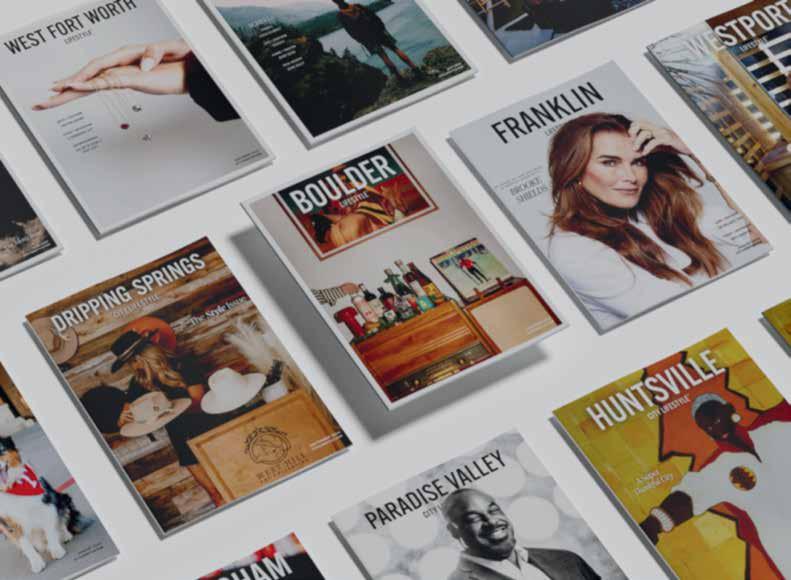
Behind each of our 200+ City Lifestyle magazines is someone who cares deeply about their community. Someone who connects people, celebrates businesses, and shares the stories that matter most. What if that someone was you?
Or maybe it’s someone you know. If this isn’t the right time for you, but you know someone who could be the perfect fit, we’d love an introduction.
Markets available nationwide Learn more at future.citylifestyle.com

ARTICLE BY ARSINE KALOUSTIAN
PHOTOGRAPHY BY CHELSEA VICTORIA ROSS
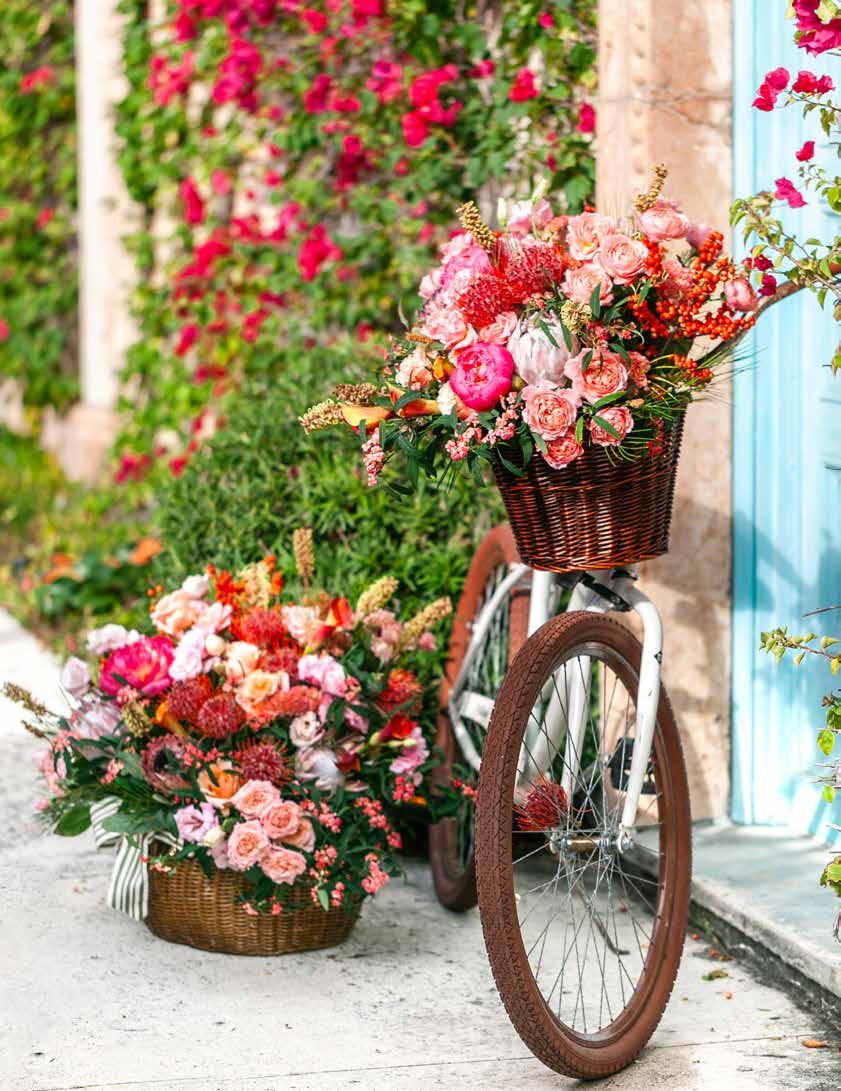
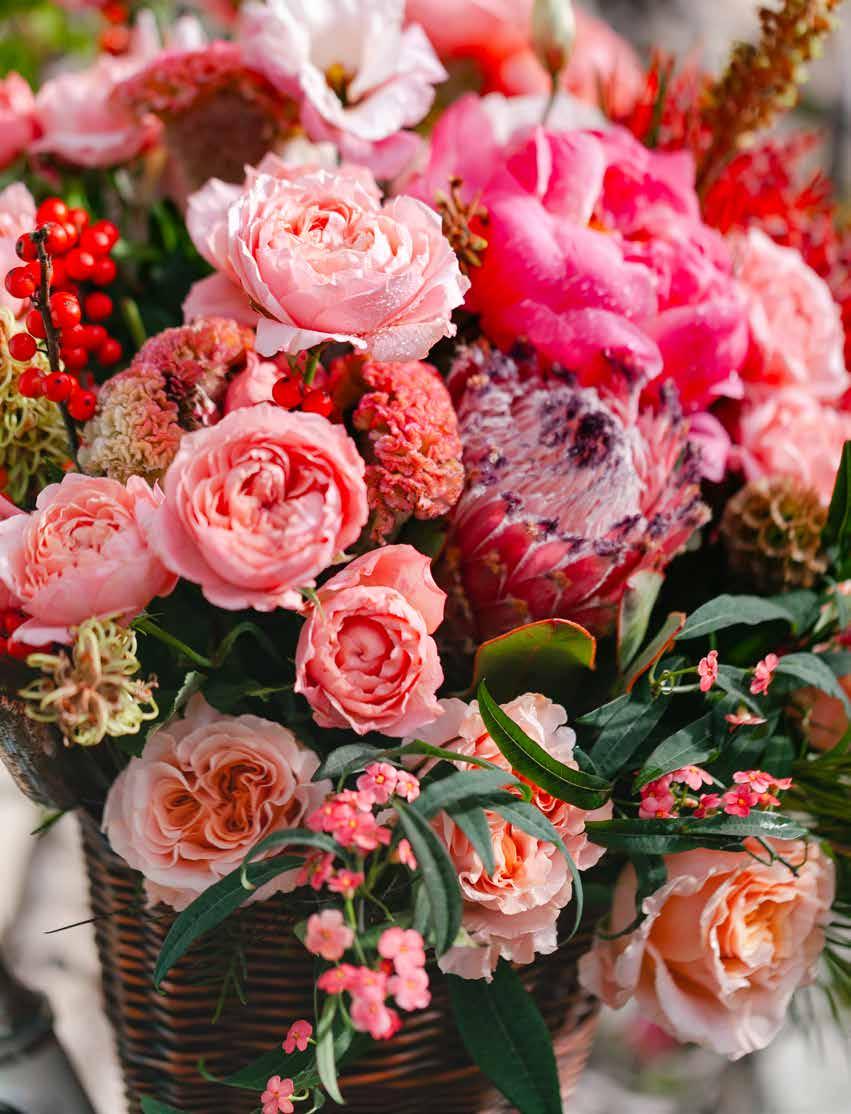
There’s a reason the scent of peonies can transport you back to your grandmother’s garden, or why the feel of a freshly cut rose petal can stir a smile without a word. Flowers are not merely decorative accents; they are powerful sensory and emotional catalysts deeply embedded in the human experience. For more than five thousand years, flowers have been cultivated not for utility but for their emotional resonance—a phenomenon modern science is increasingly validating. Florists who work closely with fresh blooms every day—such as those at long-standing studios like Belden’s Florist in West Palm Beach—see this response play out instinctively,
independent of scientific explanation. Flowers have long functioned as a form of emotional language— conveying sentiment where words fall short.
At the core of our emotional responses to flowers is the olfactory system, the part of our neurobiology that links scent directly to the brain’s limbic region, home to memory and emotion. Unlike vision or hearing, smell has a direct, almost unfiltered path to the centers of the brain that store our emotional experiences. This is why a single breath of jasmine or gardenia can evoke vivid recollections or instantly shift mood.
Groundbreaking research from the Human Emotions Laboratory at Rutgers University demonstrates that flowers do more than beautify a space— they influence happiness, emotional well-being, and even cognitive function. In multiple behavioral studies, receiving flowers elicited immediate positive emotional responses across all age groups, and these effects often persist days beyond first impressions. Participants exhibited genuine, involuntary smiles—known as Duchenne smiles—suggesting a deeply instinctive emotional uplift.
Additional Rutgers research found that older adults who received flowers experienced reduced feelings of depression, increased social engagement, and improved memory performance. These findings underscore that the benefits of fresh blooms are not superficial; they extend into emotional resilience, mental clarity, and human connection.
In an era where silk and faux florals offer convenience and longevity, the emotional and psychological value of real flowers remains unmatched. Artificial blooms may provide visual appeal, but they lack the multisensory engagement—the natural fragrance, organic textures, and subtle impermanence—that activate the brain’s emotional circuitry. Real flowers stimulate sight, scent, and touch simultaneously, engaging the nervous system in ways that promote relaxation, presence, and emotional regulation. Part of this response lies in authenticity: no two petals are identical, and that organic variation subtly heightens attention and emotional engagement.
The scent of fresh flowers, in particular, plays a therapeutic role. Aromatic compounds found in blooms such as rose and lavender are known to
CONTINUED >
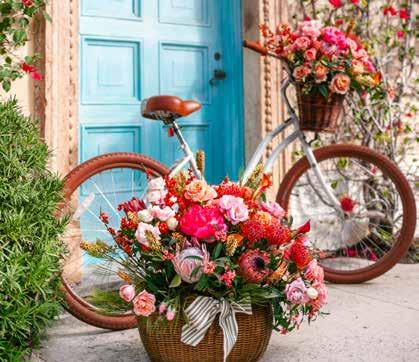
Artificial blooms may provide visual appeal, but they lack the multisensory engagement— the natural fragrance, organic textures, and subtle impermanence— that activate the brain’s emotional circuitry.

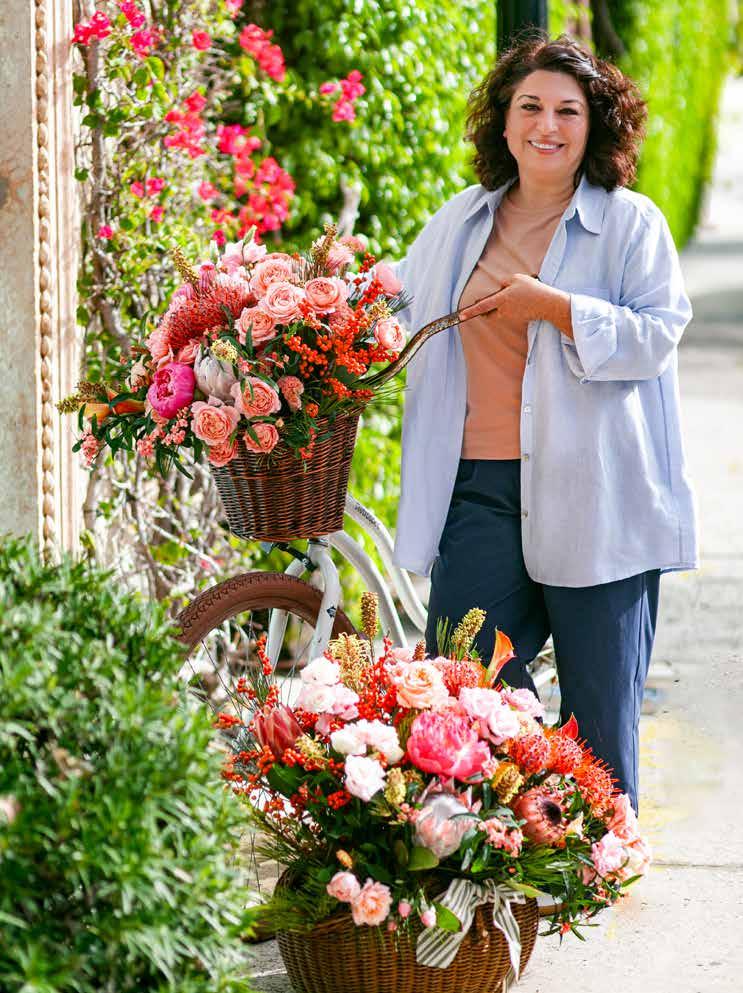
Flowers are expressive tools, and their emotional language becomes richer when not confined by tradition.
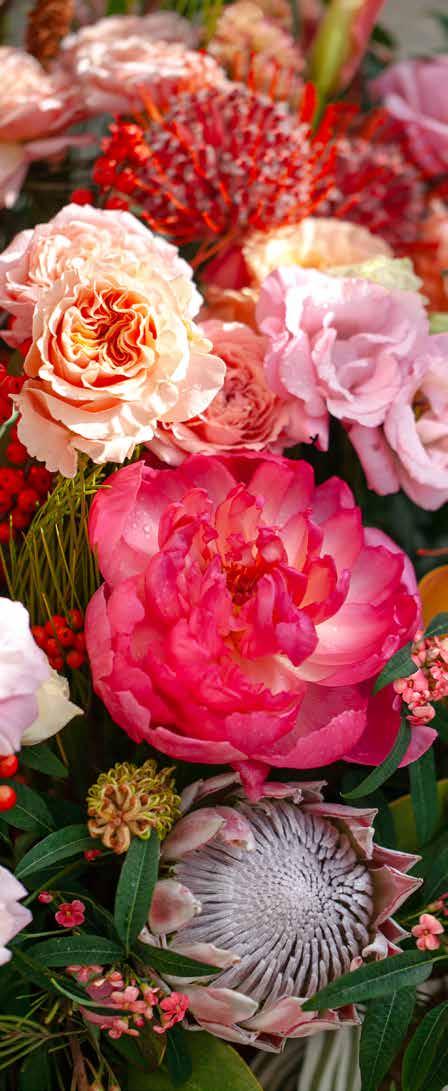
A Valentine’s bouquet doesn’t have to be red to convey love.
reduce stress, calm the nervous system, and elevate mood. These physiological responses help explain why fresh florals often feel restorative—why they change the energy of a room, not just its appearance.
Beyond scent and sight, the feel of fresh flowers plays a quiet but meaningful role in how we experience them. Touch is our first sense to develop and one of the most emotionally regulating; research in affective neuroscience shows that tactile experiences—particularly those involving natural materials—can lower cortisol levels and promote feelings of comfort and safety.
Studies in environmental psychology suggest that interacting physically with natural elements enhances emotional stability and mindfulness, reinforcing why real flowers engage us differently than faux arrangements. Unlike silk or synthetic blooms, fresh flowers respond to touch—they bend, release scent, and subtly change over time—creating a living, reciprocal interaction rather than a fixed visual one. This aligns with what researchers describe as biophilia—the innate human inclination to respond positively to living systems.
As Armine Mnatsakanian, owner and lead designer of Belden’s Florist observes, “Real flowers invite touch. The softness of a petal, the weight of a stem—it’s a sensory moment that grounds you.Those small, physical details are often what people remember most.”
While holidays and cultural conventions have long dictated specific color palettes—red and pink for Valentine’s Day, pastels for Easter, silver and blue for Hanukkah—the emotional impact of flowers transcends prescribed symbolism. Flowers are expressive
tools, and their emotional language becomes richer when not confined by tradition. A Valentine’s bouquet doesn’t have to be red to convey love; soft whites can evoke tenderness, warm peaches and yellows can signal joy, and unexpected combinations can reflect the complexity of real relationships.
“Every bloom has a voice,” Armine says. “Our role is to listen carefully to our clients’ stories and translate them into arrangements that reflect emotion, memory, and intention. Color and scent are tools, not rules.”
At Belden’s Florist in West Palm Beach, these ideas are applied quietly and deliberately. Under Armine Mnatsakanian’s direction, the work begins not with a formula or palette, but with listening—understanding the context, the relationship, and the feeling a client wants to express. Design decisions follow from there, guided by how scent, texture, and form interact, rather than by trend or convention.
“A floral arrangement should never just be seen—it should be felt,” Armine says. “When we design, we think about how the scent will fill a room, how the petals invite touch, and how the arrangement will stay with someone, even after the moment has passed.”
Founded in 1906, Belden’s Florist draws on more than a century of hands-on experience across personal, civic, and cultural occasions throughout Palm Beach County.
Flowers are more than beautiful objects; they are bridges to memory, mood, and meaning. In every petal and every breath of fragrance lies the potential to soothe, uplift, and connect us. The emotional power of real flowers—how they are experienced, remembered, and felt—is something florists like those at Belden’s have understood intuitively for generations.











In an era of infinite choice, commitment has become the rarest luxury
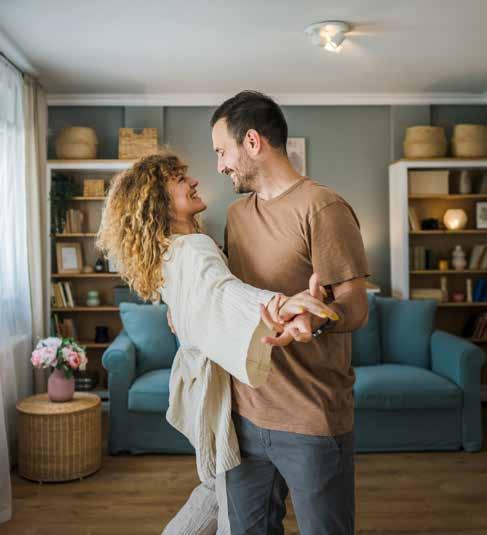
The digital age promises efficiency in nearly every aspect of life—including love. Dating apps offer endless profiles at our fingertips. Social media expands our networks far beyond geography or circumstance. Algorithms claim to know who we are compatible with before we do. On the surface, meeting someone has never seemed easier. And yet, meaningful connection has never felt more elusive.
Convenience has removed friction from dating—but it has also stripped away depth. When connection requires little effort, it is often treated as disposable. Relationships form quickly, fueled by photos, bios, and chemistry, but without the foundation needed to sustain them. When differences surface—often three to six months in—many choose to walk away rather than work through discomfort. The apps are always waiting, offering the illusion of something better just one swipe away.
This pattern reflects a broader cultural shift. We have become accustomed to replacing rather than repairing—objects, experiences, and increasingly, people. Patience has diminished. Commitment is tested the moment novelty fades. Growth, which requires effort and emotional maturity, is often abandoned in favor of starting over.
Dating has become less about building something and more about shopping for it.
ARTICLE BY ROSE LAMBERT, PALM BEACH MATCHMAKER
Social media has further complicated the landscape. Much of today’s dating advice—particularly directed at women—emphasizes financial security, status, and lifestyle. While stability matters, the overemphasis on material provision has quietly transformed dating into a transactional exercise, where emotional compatibility takes a back seat.
The result is imbalance. Wealthy or highly attractive individuals receive disproportionate attention, while many others struggle to be seen. Younger men, particularly those still establishing themselves, often find themselves sidelined entirely. Younger women, influenced by curated online narratives, increasingly date older or wealthier partners, reinforcing a cycle that leaves many disconnected from peers—and from the possibility of growing together.
Ironically, those with the most options often struggle the most with depth. Abundance does not guarantee intimacy. In fact, it frequently undermines it.

Loneliness is not merely emotional—it is physiological. Chronic isolation is linked to depression, anxiety, cardiovascular disease, and cognitive decline. Strong relationships, by contrast, are consistently associated with longer life expectancy, improved mental health, and a greater sense of purpose.
Humans are wired for connection. Yet the very tools designed to bring us together often leave us feeling more alone.
The societal implications are profound. Declining birth rates across the United States, Japan, China, and much of the developed world reflect not only economic pressures, but relational breakdown. As Elon Musk and others have warned, population decline poses serious long-term risks to social and economic stability. Fewer families formed today means fewer communities sustained tomorrow.

Technology can suggest matches, but it cannot teach emotional intelligence. Algorithms do not understand empathy, resilience, or the quiet skills required to sustain love. They cannot guide people through conflict, vulnerability, or growth—the very elements that transform attraction into partnership.
Lasting relationships require human insight.
The path forward begins with recalibration. Real love is built on shared values, emotional availability, mutual respect, and the willingness to work through discomfort. Men deserve to be valued for their character, not their earning power. Women deserve partnerships grounded in care, loyalty, and emotional safety—not just provision.
The greatest deficit in modern dating is not opportunity, but depth. We must move away from instant gratification and toward intentional connection. That means learning how relationships actually work—how to communicate, repair, and grow together. Guidance matters. Experience matters. Investing in emotional literacy is no longer optional if we want relationships that endure. Love was never meant to be effortless. It was meant to be built.











Redesigning heirloom jewelry to be worn — not stored
ARTICLE BY ARSINE KALOUSTIAN
For decades, Arlex Jewelry, Watches and Clocks in Lake Worth has been synonymous with time. Known for the quiet precision of its clocks and the disciplined artistry of its watchmaking, the house has long been trusted with objects meant to last — and to be passed down. But to know Arlex only as “the clock people” is to miss the fuller picture.
At its core, Arlex is a jeweler.
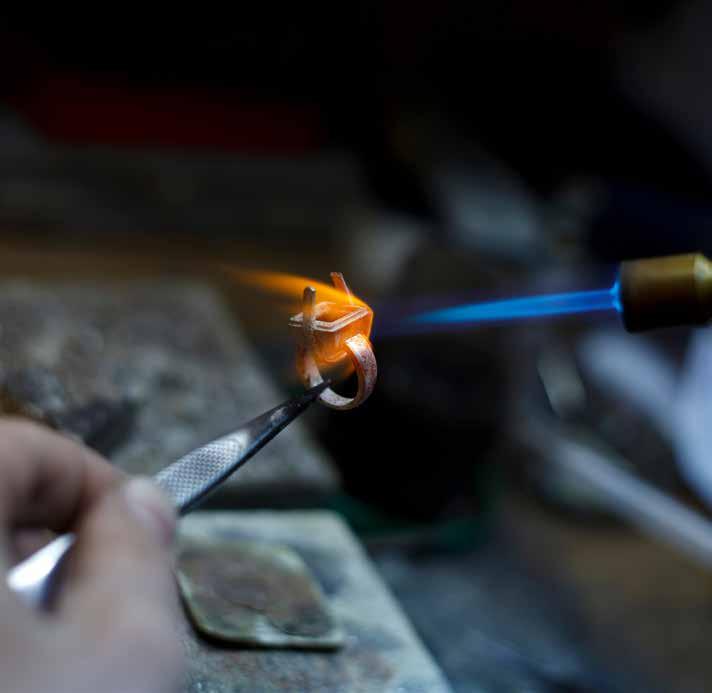
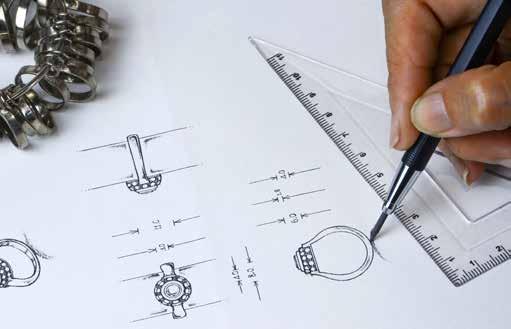
Not simply a retailer, but a working atelier where metal is shaped, welded, soldered, engraved, and set entirely in-house. Where inherited pieces are not relegated to safes or drawers, but carefully studied, honored, and transformed. Where craftsmanship and memory are treated with equal care.
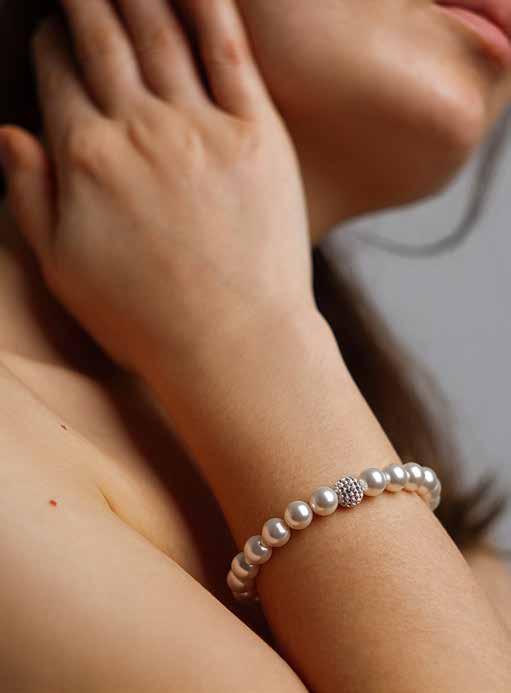
Nearly everyone owns a piece of jewelry that lives quietly out of sight. A ring passed down from a grandmother whose style belonged to another era. A single diamond earring, its partner lost decades ago. A brooch too ornate for modern life. These pieces are rarely discarded — the emotional weight is too great — yet they are often left unworn for years, even generations.
It is a quiet loss.
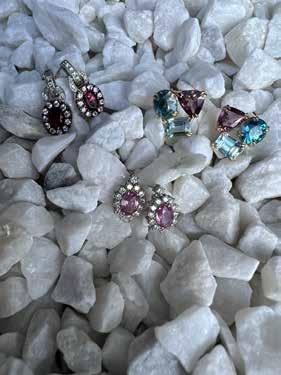
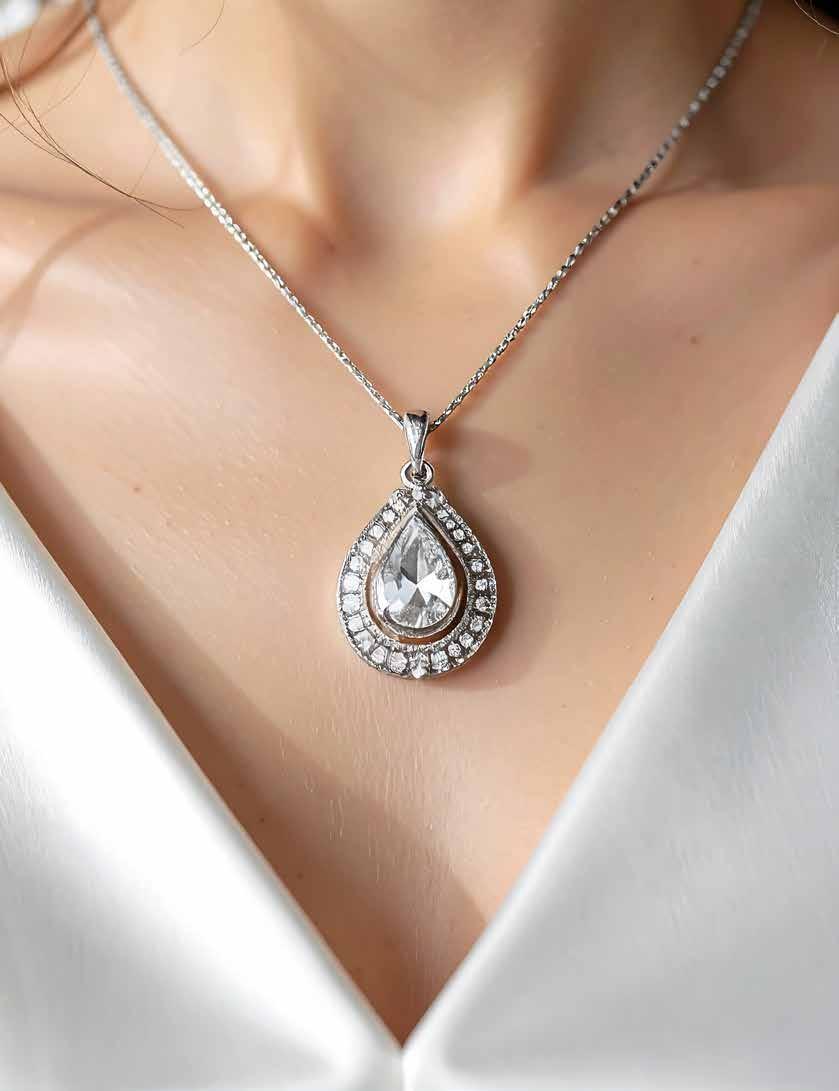
Because many heirloom stones are exceptional — diamonds cut by hand long before modern standardization; Asscher cuts popularized during the Art Deco era; Old Mine and Old European cuts, prized for their depth, warmth, and romantic play of light.
These stones are not easily sourced today — and in many cases, cannot be replaced.
At Arlex, these legacy stones are never treated as limitations. They are the starting point.
“Legacy-cut diamonds and gemstones become the beginning of the design, not a constraint,” says co-owner Yesid Cespedes. “We design around their unique geometry rather than forcing them into settings that weren’t meant for them.”
“A
The result is jewelry that feels timeless rather than trenddriven — where history and modern elegance coexist.
When a client brings an heirloom into Arlex, the process begins not at the bench, but in conversation.
“The first thing we look for is its story and its structure,” says co-owner Catalina (Cathy) Cespedes. “We take time to understand what the piece means, who it belonged to, and what must remain untouched.”
Only then does the technical work begin. Each piece is evaluated for metal integrity, stone condition, wear patterns, and prior repairs — not to erase the past, but to protect it.
“This tells us what’s possible and how to ensure the piece will be safe to wear for generations,” Cathy explains.
For many clients, the idea of altering an heirloom brings hesitation — even guilt. Arlex approaches that hesitation with patience, not pressure.
“Feeling conflicted is completely natural,” says Yesid. “Resetting an heirloom isn’t about erasing its history. It’s about allowing it to continue being part of your life.”
Sometimes that means a full redesign. Other times, it’s a careful restoration: preserving original stones, rebuilding worn components, replacing missing elements, or returning a piece to its former brilliance. In every case, the goal is the same — to ensure the result feels respectful, intentional, and personal.
What truly sets Arlex apart is that every stage of the craft happens under one roof. Metalworking, welding, soldering,
stone setting, engraving — all performed in-house by the same team entrusted with the heirloom from the start.
“Having everything done in-house gives us complete control,” says Yesid. “We can make real-time adjustments and protect delicate or uncommon materials without compromise.”
It also builds trust. Heirlooms never leave Arlex’s care, and every decision is made by craftspeople who understand both the technical and emotional weight of the work.
Wearing a reimagined heirloom carries a resonance that a brand-new piece rarely can.
“A new piece marks a moment,” Cathy reflects. “A reimagined heirloom carries many moments at once — the past, the present, and the choice to carry that story forward.”
Clients often describe the experience as grounding — a sense of continuity and connection across generations.
“It’s memory made wearable,” says Yesid.
Founded in 1987 in Cleveland, Ohio, Arlex was built on a respect for precision, longevity, and craftsmanship. In 2018, Yesid and Catalina (Cathy) Cespedes acquired the business, continuing that legacy with a focus on stewardship rather than reinvention.
“When we reimagine heirlooms, we don’t just think about how a piece looks today,” Cathy says. “We think about how it will function, age, and endure.”
Time may be what Arlex is known for.
But legacy — worn, lived, and loved — is what they truly create.
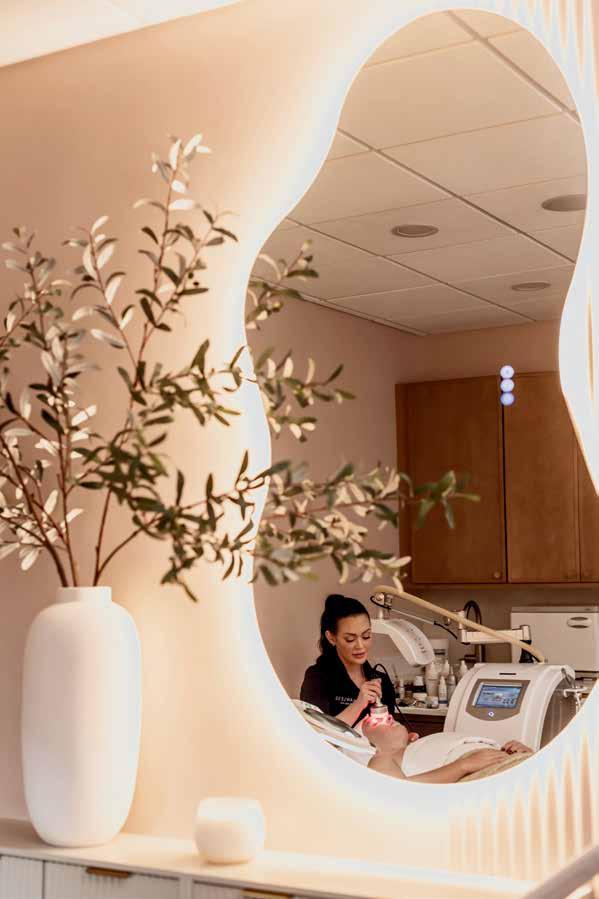

Founded by celebrity, award-winning Biologique Recherche esthetician Melissa Fox, Flawless by Melissa Fox is now in West Palm Beach. We offer a results-driven experience, from our signature Flawless Facial to advanced HydraFacials, IonixLight treatments, and our rejuvenating Head Spa. Every service is designed to leave you feeling and looking your best.
561-791-6994 Flawlessbymelissafox.com





ARTICLE BY JENTE “GOOSE” GEES, THE MACALLAN AMBASSADOR
Designed to be effortlessly approachable yet quietly complex, The Ruby Rouge is an elegant sipper rather than a predictable Valentine’s cliché. It’s a cocktail meant to feel considered but never overworked—polished, modern, and indulgent without excess.
The lush sweetness and distinctive character of strawberries take center stage, delivering a vivid, fruit-forward profile with unmistakable personality. Rather than overpowering the drink, the strawberry syrup provides structure and richness, creating a foundation that feels both familiar and refined. The gentle bitterness of Aperol lingers quietly in the background, adding a refined, almost whispered complexity to the palate and balancing the sweetness with restraint.
A bright squeeze of fresh lemon juice lends a crystalline freshness, an essential element for any cocktail destined for the Florida sun. It sharpens the drink just enough, keeping each sip clean, lifted, and refreshing. For those who appreciate herbal notes, fresh basil can be introduced subtly, offering a green, aromatic accent that enhances the drink’s depth without disrupting its balance.
All of these elements are carried by a generous pour of The Macallan Double Cask 12 Years Old. Vibrant, approachable, and versatile, it is the most expressive offering in the Double Cask range. Its warmth and balance allow the brighter components to shine while grounding the cocktail with quiet luxury and unmistakable structure.
The result is a luxurious, island-ready cocktail that feels entirely at home in Palm Beach—sunlit yet sophisticated, modern yet timeless. The Ruby Rouge is best enjoyed slowly; an invitation to linger, savor, and let romance unfold without pretense.
The Cocktail Ingredients
1.5 oz The Macallan 12 Double Cask
0.5 oz Aperol
0.75 oz strawberry syrup
0.75 oz fresh lemon juice
Optional: fresh basil, for herbal depth
Method
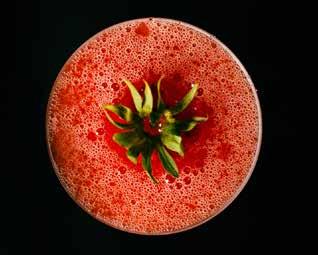
Shake all ingredients vigorously with ice. Double strain into a chilled glass. Garnish with a basil leaf or the crown of a strawberry.

Simmer equal parts cane sugar and water with a generous handful of sliced fresh strawberries. Strain out all solids and cool completely. Refrigerated, the syrup will keep for up to two weeks.