
Tired of Waiting Months for Specialty Eye Care?










a t e T o R e m e m b e r








Tired of Waiting Months for Specialty Eye Care?
a t e T o R e m e m b e r
February invites us to pay attention to what and who we love. Here on Hawaiʻi Island, loving local isn’t a trend or a marketing phrase; it’s a way of life. It’s the choice to support the people who pour their hearts, hands and heritage into the places we gather, the food we enjoy, and the experiences that shape our community.
In this issue, we celebrate those who remind us why local matters. From the early morning hours inside a bakery where flour dust hangs in the air and hands patiently shape each loaf, to cacao grown, roasted and crafted right here on the island. These stories reflect the love and dedication of the people behind them. They are reminders that the best things are often made slowly, thoughtfully and close to home.
We also explore the roots of recreation and restoration. Whether it’s walking the historic fairways of Hualālai Golf Course or learning the cultural depth behind the healing practice of Lomilomi, these experiences are deeply connected to land, lineage and legacy. They invite us to engage with Hawaiʻi not just as consumers, but as participants in its living story.
Loving local also means championing entrepreneurs who see opportunity where others see limitation. Those who build businesses with integrity, create jobs for our neighbors and give back to the community that raised them. Their success is woven into our own.
As you turn these pages, we hope you’re inspired to shop local, support local and invest local. Not just this month, but all year long. Because when we love local, we strengthen the very fabric of our island home. Let’s continue to be a bridge of one generation to the next.
Aloha,
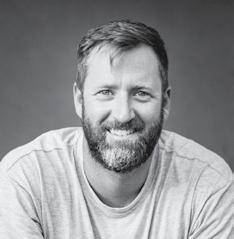
TAYLOR
STUTTS, CO-PUBLISHER
February 2026
PUBLISHER
Johnny Gillespie | johnny.gillespie@citylifestyle.com
CO-PUBLISHER
Taylor Stutts | taylor.stutts@citylifestyle.com
PUBLICATION DIRECTOR
Amanda Troyer | amanda.troyer@citylifestyle.com
EDITOR
John-Mark Dyer | johnmark.dyer@citylifestyle.com
EDITORIAL COORDINATOR
Matias Arredondo | matias.arredondo@citylifestyle.com
CONTRIBUTING WRITERS
Margaret Kearns, Julia Silva Kurppa, Samantha Arredondo, Johnny Gillespie
CONTRIBUTING PHOTOGRAPHERS
Fletch Photography, Anna Velichko
CEO Steven Schowengerdt
President Matthew Perry
COO David Stetler
CRO Jamie Pentz
CoS Janeane Thompson
AD DESIGNER Jenna Crawford
LAYOUT DESIGNER Kathy Nguyen
QUALITY CONTROL SPECIALIST Megan Cagle








Kari Clark Investment Advisor Representative
Money in Hawaii hits differently – and not just because everything costs more. This month’s article breaks down the hidden psychology behind spending, saving, and investing when ohana, community, and island lifestyle shape every choice. If you’ve ever avoided your bank balance, overspent “just this once,” or felt nervous about market swings, this is for you.
Discover mindset shifts and practical next steps that actually fit island life, helping you build more confidence, clarity, and long-term stability.
Scan to read the article.

Hōlualoa’s
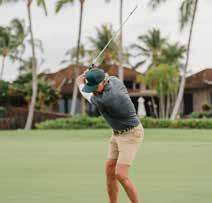
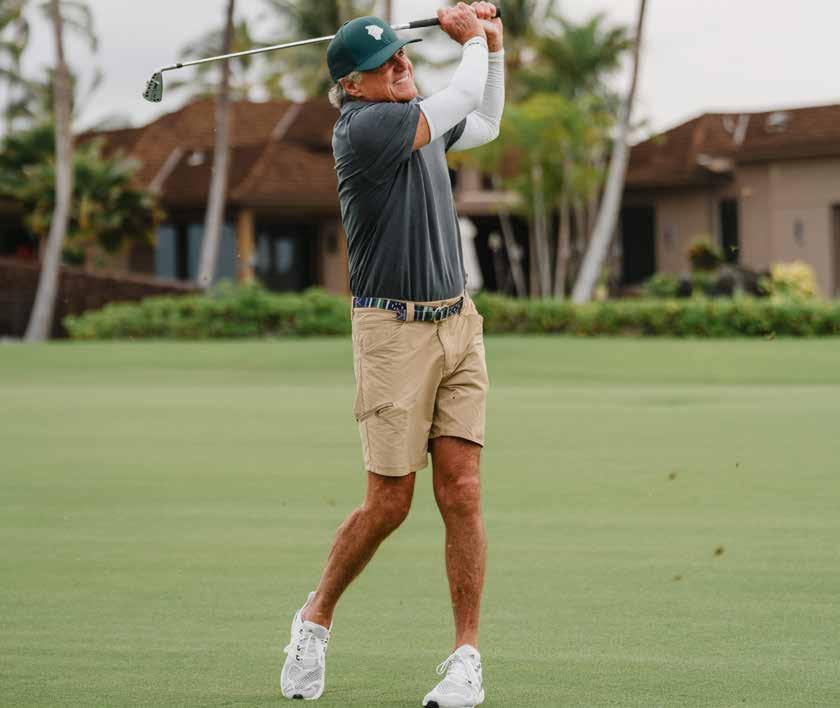
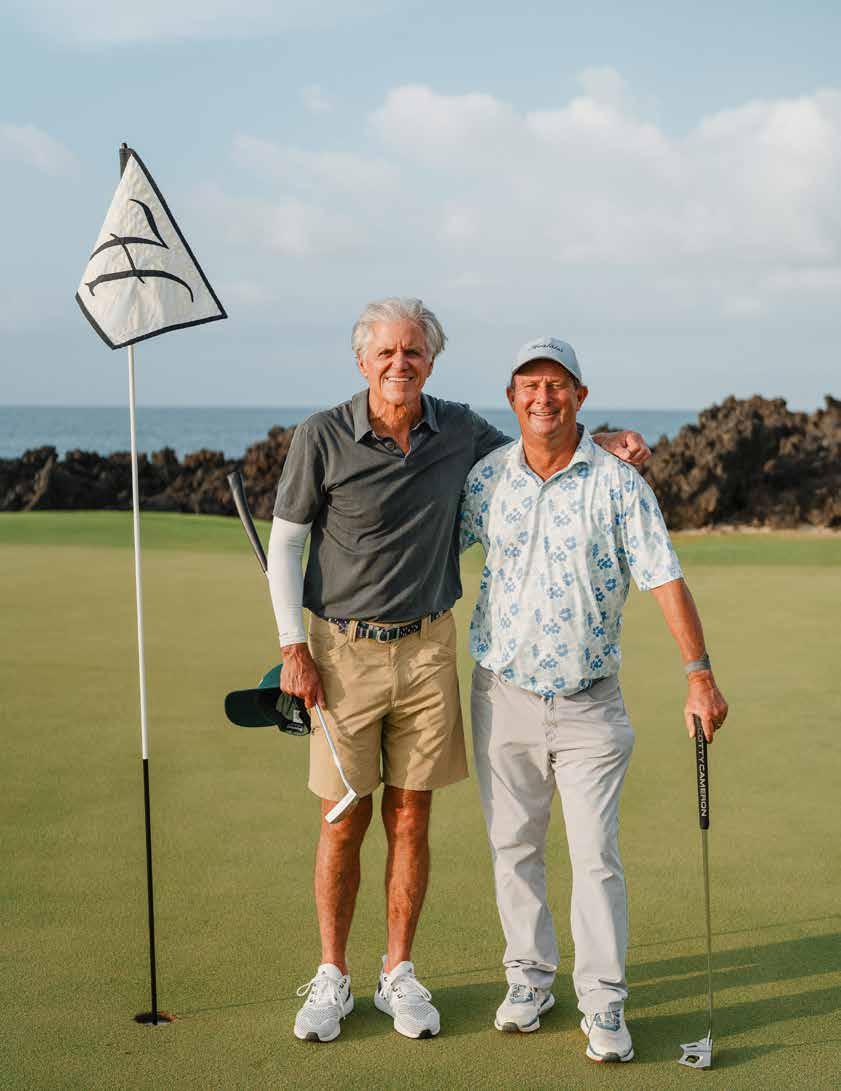
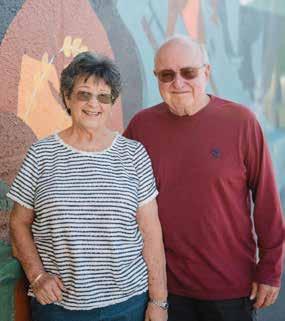
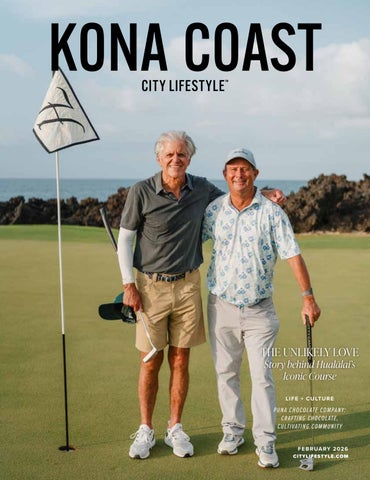
Sam Ainslie and Brendan Moynahan, former and current Director of Golf at Four Seasons Hualalai Resort.
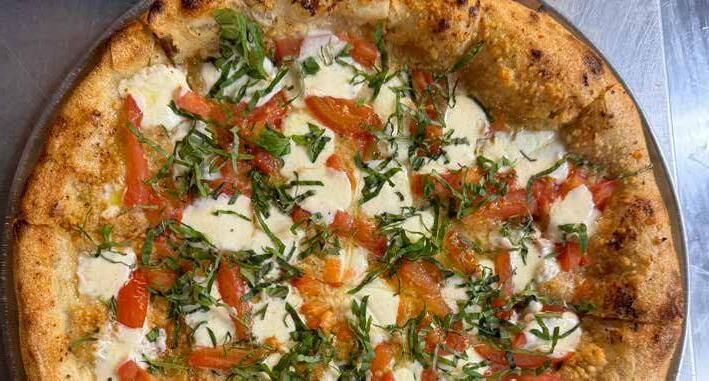








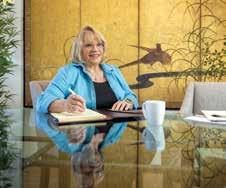
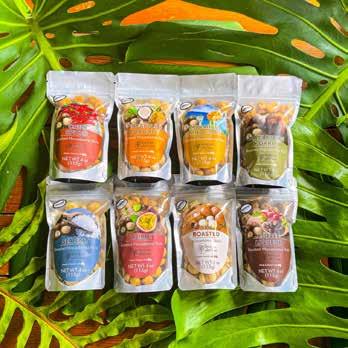
From our delicious hand-picked and roasted Macadamia nuts to our perfectly roasted coffees, Ahualoa Farms has something for everyone. Every product we grow, produce and sell is “No Ka ‘Oi” the best! We grow coffee, Lilikoi, Myer lemons, bananas and juice real Maui onions for our recipes. We never use artificial flavorings or preservatives and our mac nuts are 100% Hawaiian-grown, from the Big Island. AhualoaFamilyFarms.com
Scan to read more
Too many people feel lost when it comes to investing or retirement planning. That’s why we place education and client care at the heart of everything we do, from local seminars to personalized guidance on your financial journey. Here at Stadia Financial, we believe that when you understand your money, you take control of your future. Live with clarity. Retire comfortably. We’re here to help.
StadiaFinancial.com.
Scan to read more
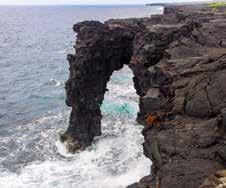
With personalized attention and insider insights, you’ll gain a deeper appreciation for the Big Island’s unique culture and geography. Explore unique places that are rarely seen by visitors. Our small group tours feature a sit-down lunch and a full day of guided exploration in our Mercedes Sprinter Vans. For those wanting a personalized experience, we offer private VIP tours anywhere on the Big Island. Book Now for a Volcano Adventure on the Big Island! HawaiiGeoTours.com
Scan to read more
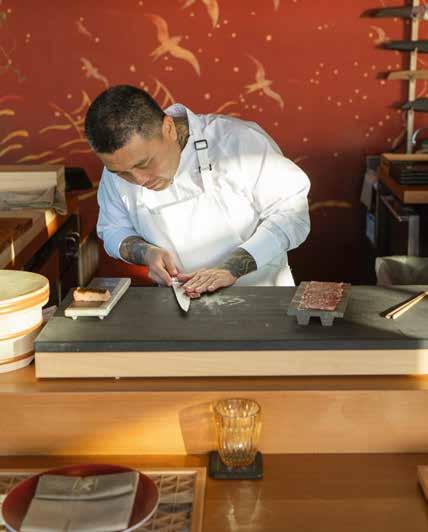
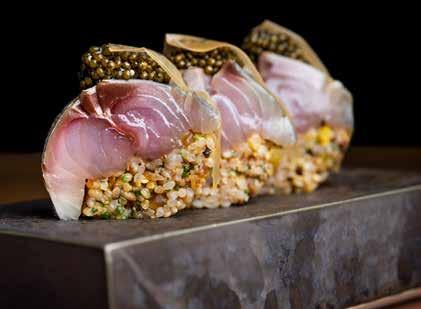
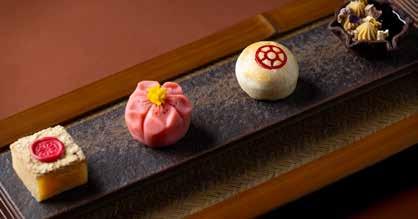
The intimate 12-seat Omakase counter invites you on a six-course journey featuring meticulously crafted creations by Chef Nuri Piccio, accompanied by wagashi, delicate Japanese confections prepared by the Resort’s pastry team. An experience you won’t want to miss!
NOIO is proud to be named: HONOLULU STAR-ADVERTISER’S 2025 ‘ILIMA AWARDS WINNER PUBLISHER’S AWARD
Seatings: 5:45 PM & 8:00 PM À la Carte Dining Also Available Reservations Required - Scan QR Code or Contact Resort at 808-325-8000






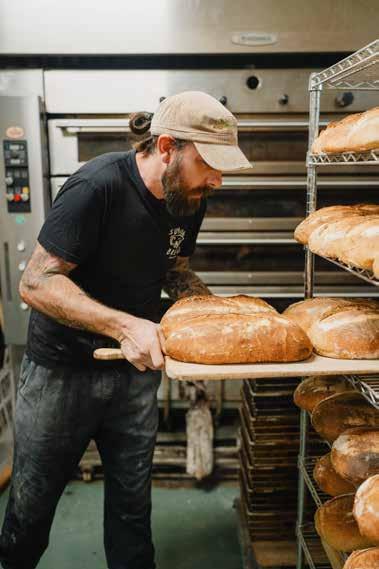
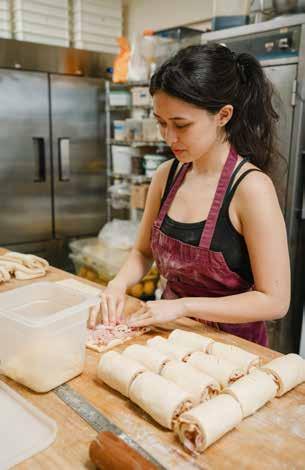
Hōlualoa’s Beloved Sundog Bread is Building Community Around Organic, Wholesome and Thoughtful Food
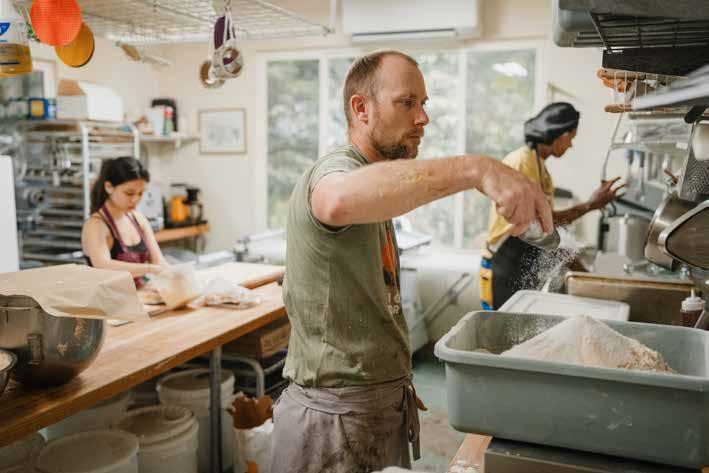
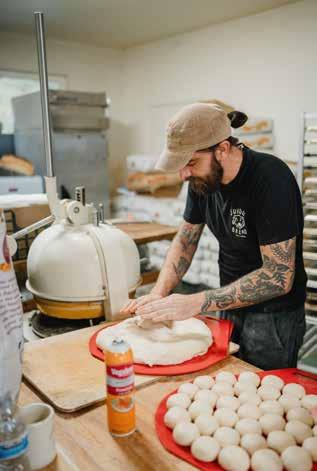
Wesley Ervin, head baker and co-owner (together with wife Sarah) of Sundog Bread in Hōlualoa town, was surrounded by a family that valued food—that is, where it comes from, who cultivates it, and how it is grown.
“Growing up in North Carolina, I was amazed at the number of people who didn’t share those same values—some who didn’t even cook at home,” he says.
By the time he was 17, Wesley was at work washing dishes at a local restaurant when he picked up a copy of “Kitchen Confidential,” a book written by the original culinary bad-boy, the late Anthony Bourdain. In that book, which rocketed him to fame, Bourdain likened restaurants’ back-of-house operations to the trenches where swashbuckling, anti-authoritarian “pirates” (line cooks) battled it out each night.
“It inspired me. I was young, and I liked the idea of being a pirate,” Wesley says.
A humble, gentle soul, Wesley is actually the absolute antithesis of Bourdain’s bad-boy pirate image. He bypassed formal culinary school training, opting instead to learn cooking and baking skills on the job in various culinary positions throughout his home state, as well as in Nashville, TN, and Chicago, IL. Impressively, they included a Michelin-starred restaurant or two.
“Mostly I learned through error, and I’m still doing that almost daily,” Wesley says.
Always passionate about learning more, he developed an interest in producing naturally leavened organic breads and pastries. Using wild yeast, whole grains and locally sourced ingredients, he perfected his skills while working at Pleasant House Bakery
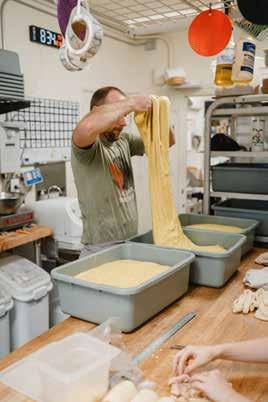
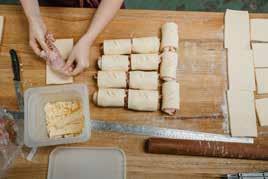
“Whether it’s in a pastry or a loaf, I like to think we’re keeping food exciting and fun for everyone—our team and our customers.” —Wesley Ervin.
and Publican Quality Meats in Chicago. He quickly made the leap from line cook to baker, finding more inspiration in Chad Robertson, the owner of the highly acclaimed Tartine Bakery in San Francisco.
“His specialty is high hydration sourdough loaves with large open holes that create a creamy, moist texture inside and super crunchy crust on the outside. That’s the ideal end result of the sourdough breads I make here on Hawaiʻi Island today,” he says.
From big-city life in Chicago to settling in sleepy Hōlualoa, Wesley claims he and Sarah had no intention of moving to Hawai‘i or starting a small business here.
“In early 2017, we needed a break. My brother, Josh, was living on Oʻahu, serving in the U.S. Coast Guard, and he encouraged us to visit. We’d never been to Hawai‘i; it was a long distance to travel from the mainland Midwest, so we planned on staying a month,” he says.
Little did they know, however, that their new home was about to find them during what was to be a “quick” side trip to Hawai‘i Island before heading home to Chicago.
Serendipity, blind luck, or something simply meant to be, they found a spot to stay for one week on a coffee farm in Hōlualoa—a coffee farm that just
happened to have a wood-fired oven the owner was happy to let them use. That one week turned into a few weeks, and they never looked back.
“The community here was so kind and welcoming, it all just seemed to come together so naturally,” Wesley says.
Before long, they were taking the bread they baked on the farm—just 20 to 30 loaves— to sell roadside in town.
“Those loaves were actually pretty ugly, but thankfully, people saw past that and enjoyed the flavor and texture,” Wesley says.
And so, Sundog Bread was born. “The name really has no connection to the rare atmospheric sundog phenomenon, where crystals form around the sun, creating two bright lights (mock suns) on each side. We just really wanted a name that was bright, cute and memorable,” he says.
In ancient folklore, however, it was believed sightings of the sundog phenomenon signaled a time of clarity, new purpose and new beginnings. Folklore or not, that belief perfectly reflects where the couple found themselves at the time.
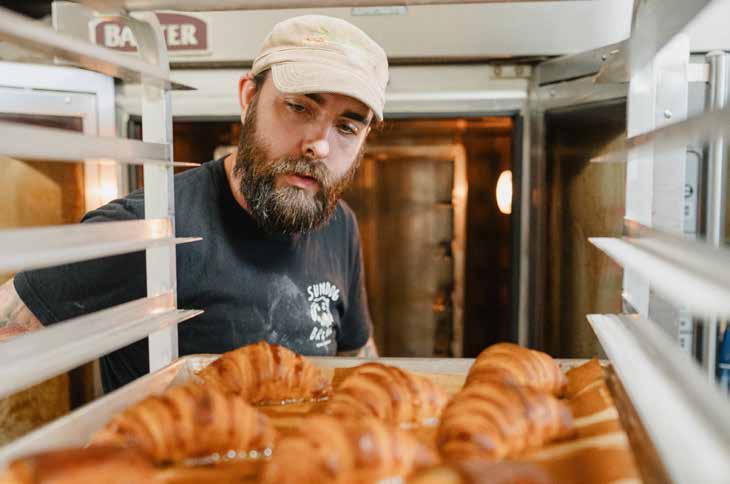
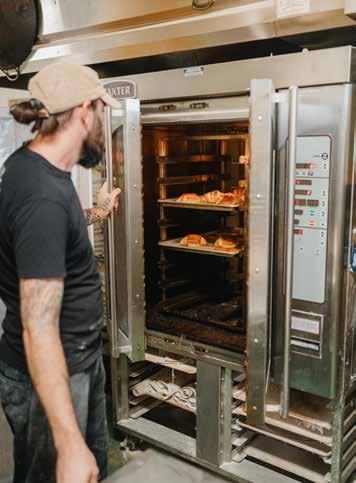
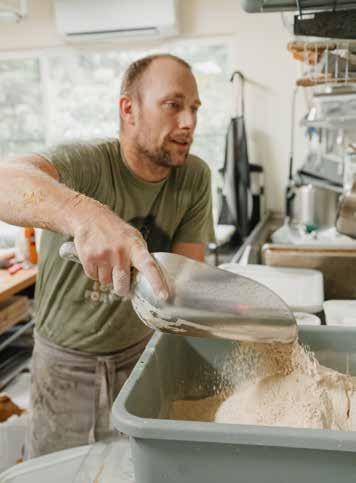
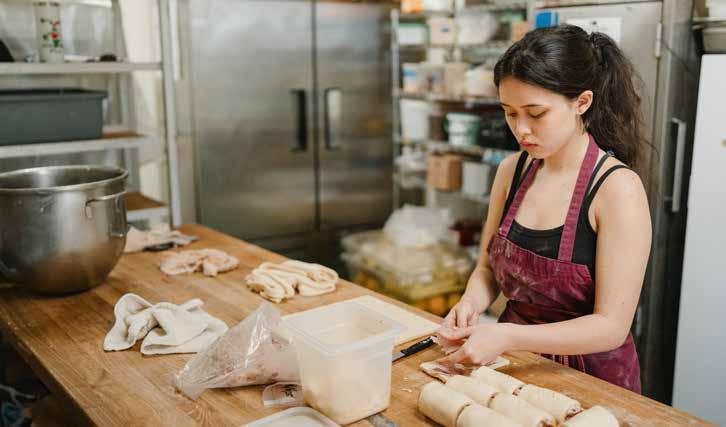
Flash forward nearly nine years, and their small enterprise has grown to include 30 commercial accounts, catering services, stands at community events, and of course, the original venue—a pop-up tent roadside each Wednesday. Fronting the Crown Flower Studio in the heart of Hōlualoa, sales begin at 1:30 PM and continue until sold out. Insider tip: Get there early, as everything goes quickly!
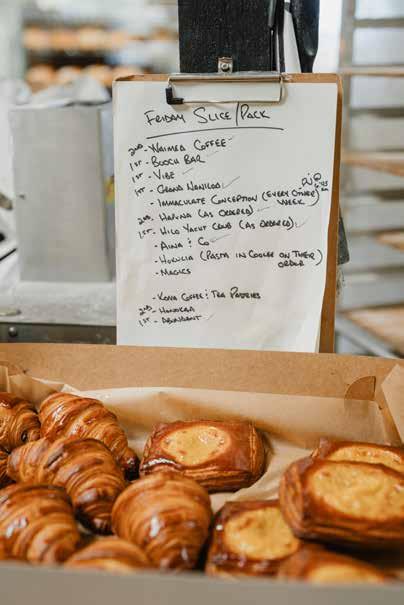
Some freshly baked Sundog goodies can also be found at a number of retail and on-premise locations in West Hawaiʻi. They include Kona Coffee & Tea, HICO, Petals & Provisions, La Bourgogne French Restaurant, Waimea Coffee Company, Big Island Brewhaus, Kukio, Kohanaiki, Hokulia and Westin Hapuna, Wesley says.
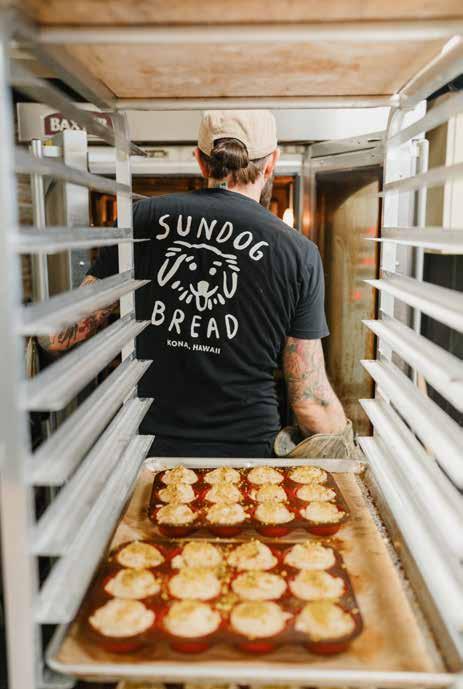
The Sundog team (a handful of full- and part-time employees) operates out of a professionally outfitted commercial kitchen situated on a hillside in Hōlualoa. They turn out 3500 pounds of whole grain sourdough, rye and wheat dough for assorted breads, pastries and pizza weekly, along with about 80 pounds of pasta. Those totals rise to nearly double during Easter/Passover, Thanksgiving and Christmas/Hanukkah holidays, Wesley says. Some of those seasonal specials include pumpkin/ ginger and mountain apple pies; stollen and hot cross buns, and brioche sourdough rolls.
Year-round production includes items found nowhere else on the island, according to Wesley. Among the breads: seven different varieties of sourdough loaves (whole and sliced) and sourdough baguettes. Sweet pastries include: traditional, chocolate and twice-baked jaboticaba mac nut croissants, rye brownies, dark chocolate rye cookies, Persian love
cakes, and lilikoi swirl and cream cheese-topped cinnamon buns. The savory delights are flaky croissants filled with cheese, herbs, spices and some with ham. Make-at-home pizza dough and 10-ounce bags of fresh, organic pasta round out the products found at the pop-up tent on Wednesdays.
Except for grains (they don’t grow in Hawai‘i!), which come from Central Milling in Petaluma, CA, all ingredients are sourced locally from like-minded producers, including the ham obtained from a small farm in Hōlualoa where domestic pigs are raised with care and love, according to Wesley.
“We’re taking all these amazing, exceptional local fruits and veggies and changing the format in which they are usually eaten. Whether it’s in a pastry or loaf, I like to think we’re keeping food exciting and fun for everyone—our team and our customers. I believe in flavor first always, and Hawai‘i makes that easy,” he says.
Among the local providers: Adaptations, Hawaiʻi Island Goat Dairy, Pu‘upale Ranch (free-range chicken eggs), Koloko Mushrooms, McCann Farms, OK Farms, ‘Ulu Cooperative and Dole’s Waialua Estate Single Origin 70% Cacao.
Without a dedicated retail outlet of their very own all these years, something new is in the works, according to Wesley. Plans are nearing completion for a long-awaited retail store/pizzeria conveniently located in Kailua-Kona. Stay tuned for more details by following Sundog Bread on social media platforms.
In the meantime, the only swashbuckling would-be pirate Wesley takes part in today is well away from the kitchen. On rare days off, he’s on shore in upcountry forests, participating in action-packed paintball adventures.
SundogBread.com.









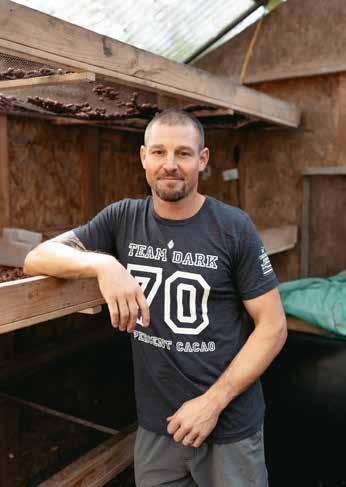
A Story of Adaptability in Times of Turmoil, Puna Chocolate Company Is Built on the Strength of Local Communities
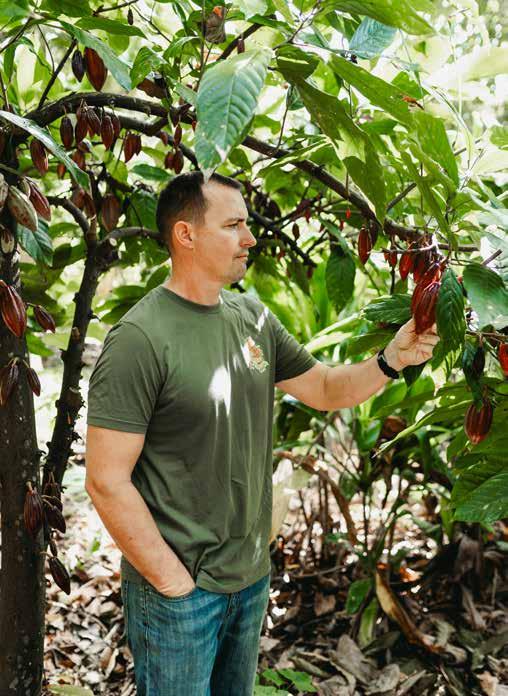
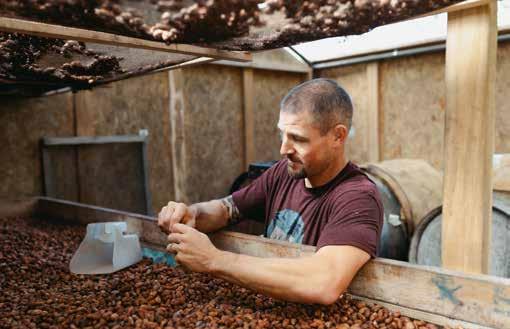
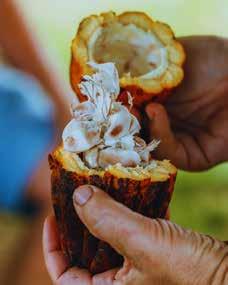
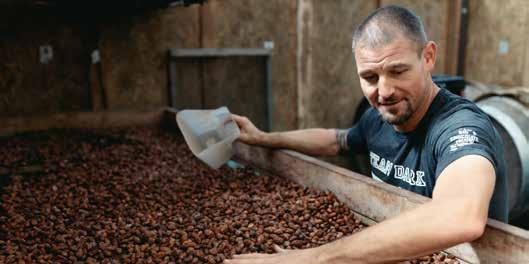
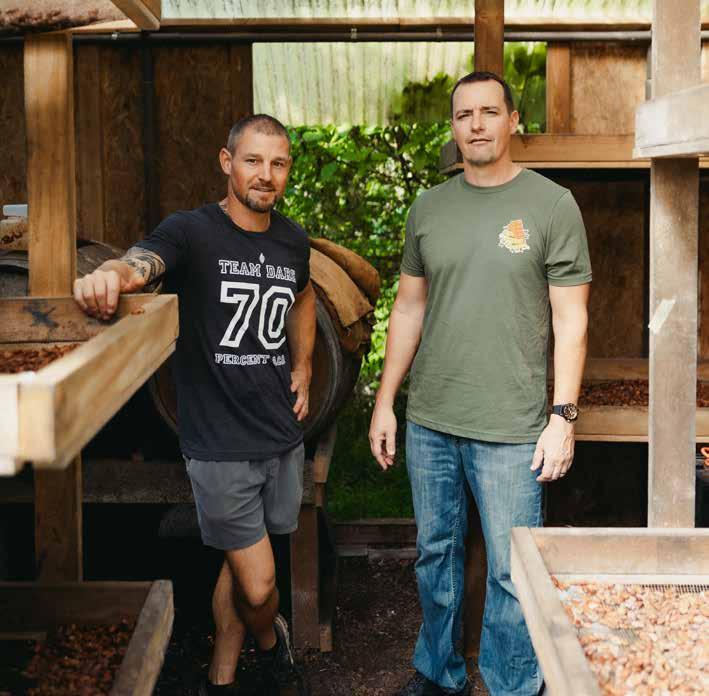
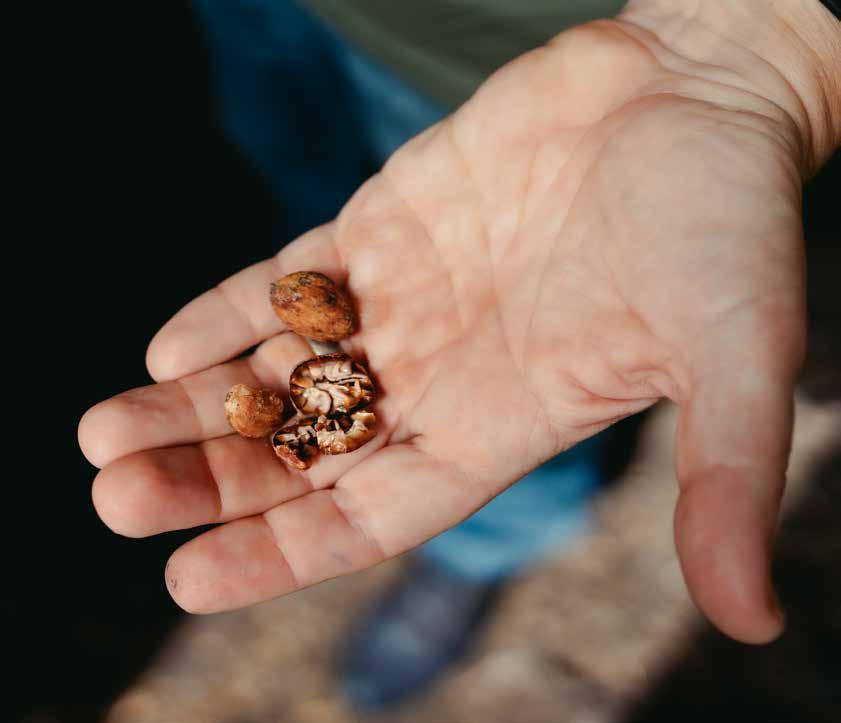
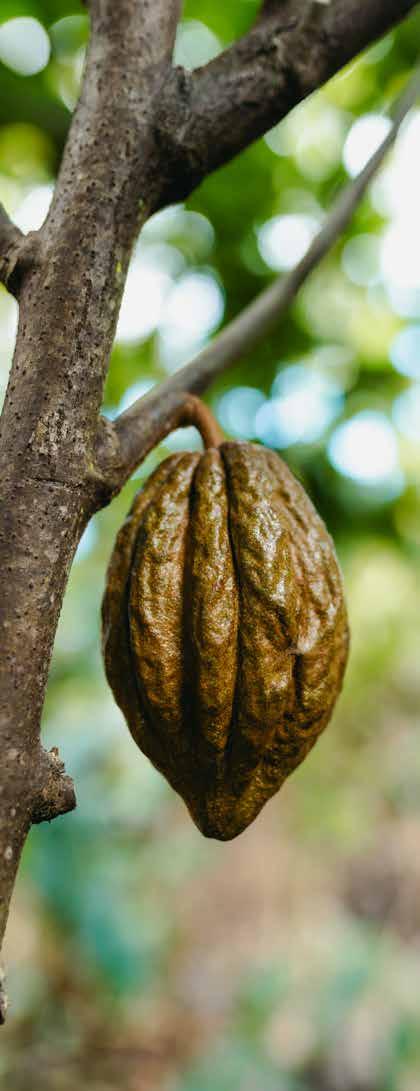
When a 65-acre parcel of land in Pāhoa drastically dropped in price, veteran Adam Potter could not have anticipated that saying yes to the purchase would amount to a company spanning the entire island of Hawaiʻi—and eventually becoming the largest cocoa farmer in the United States.
Puna Chocolate Company, founded by Adam Potter and Benjamin Vanegtern, now boasts of 8 cocoa farms and 5 locations open to the public.
After purchasing the Puna property in 2011, Potter and Vanegtern experimented with growing a variety of crops, until a fateful conversion in a farmers stand in Pāhoa. A local farmer introduced Adam to the idea of growing chocolate in Hawaiʻi. “Why are we not growing cocoa? Chocolate is the number one thing people want!” Potter said.
Potter brought his business degree from Stanford while Vanegtern was studying tropical plants and soil sciences at University of Hawaiʻi at Mānoa. Combining their talents and capacities, they began to map out the possibilities of large-scale chocolate production.
They started planting hundreds of seedlings and observing the results. After a couple of years, the co-founders were confident in expanding their operations in Pāhoa. Though the area was located in a lava zone, volcanic flow had been predictable for decades.
In 2015, just as they prepared to plant several thousand more seedlings, a new eruption altered the lava’s path, and it was headed toward their farm. This was the first moment where the force of nature drove them to pivot.
Potter and Vanegtern posted online, offering their unplanted seedlings to local farmers. The response was overwhelming. Farmers from Hakalau to Kurtistown stepped forward, planting cocoa trees CONTINUED >
across East Hawaiʻi and forming what would become Puna Chocolate’s first distributed farming network. This major shift in the production process proved transformative. By collaborating with local growers, Puna Chocolate tapped into native expertise, expanding its cocoa footprint while strengthening community ties.
In 2017, the company opened its first shop in Hilo and purchased another farm in Hāmākua. By May 2018, they were preparing to build their own factory. Before they were able to do so, a greater plan was unfolding as Fissure 8 erupted. This natural phenomenon and its aftermath led the founders to reconsider their plans. When an unexpected opportunity arose in Kona, they took it, opening a factory and second retail location on the island’s west side.
CONTINUED >
Another defining moment arose from the 2020 global pandemic. In a point in history where many companies struggled, Puna Chocolate grew stronger by answering to the needs of local farmers who lost their cocoa exporting deals.
The company opened its doors to displaced growers, purchased locally grown beans and expanded production. The move stabilized farms, kept families afloat and revealed a deeper network of cocoa growers across the island.
Through those relationships, Puna Chocolate connected with an aging farmer unable to maintain his coffee farm. The company purchased the Hōlualoa property, fulfilling a long-held dream of expanding into coffee production.
Adaptability has long defined Hawaiian agriculture. For generations, farmers have selected crops that thrive in volcanic soil and unpredictable conditions. Puna Chocolate aims to carry that legacy forward by working closely with local growers to develop organic, site-specific farming practices.
“We’re confident with what people have achieved farming-wise,” Potter says. “As we grow cocoa, we tap into what has worked the best. Our starting point is to use what has been proven by the people who have more experience than us.”
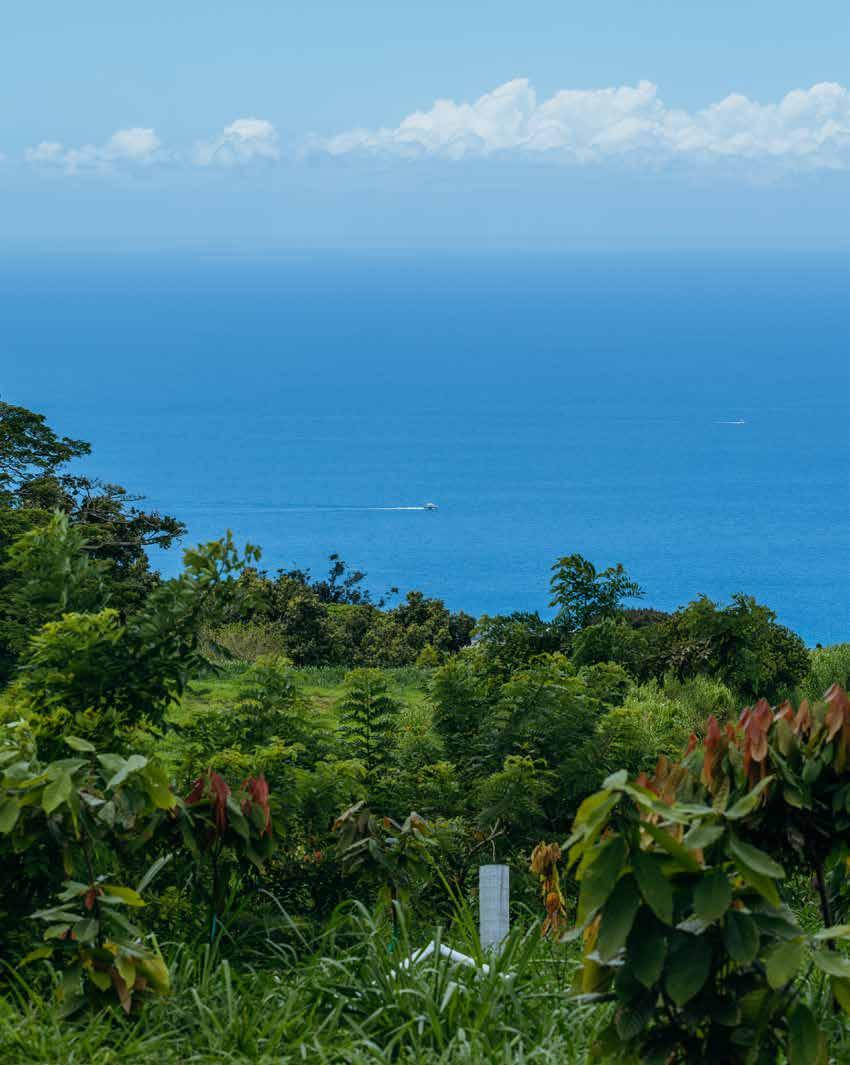
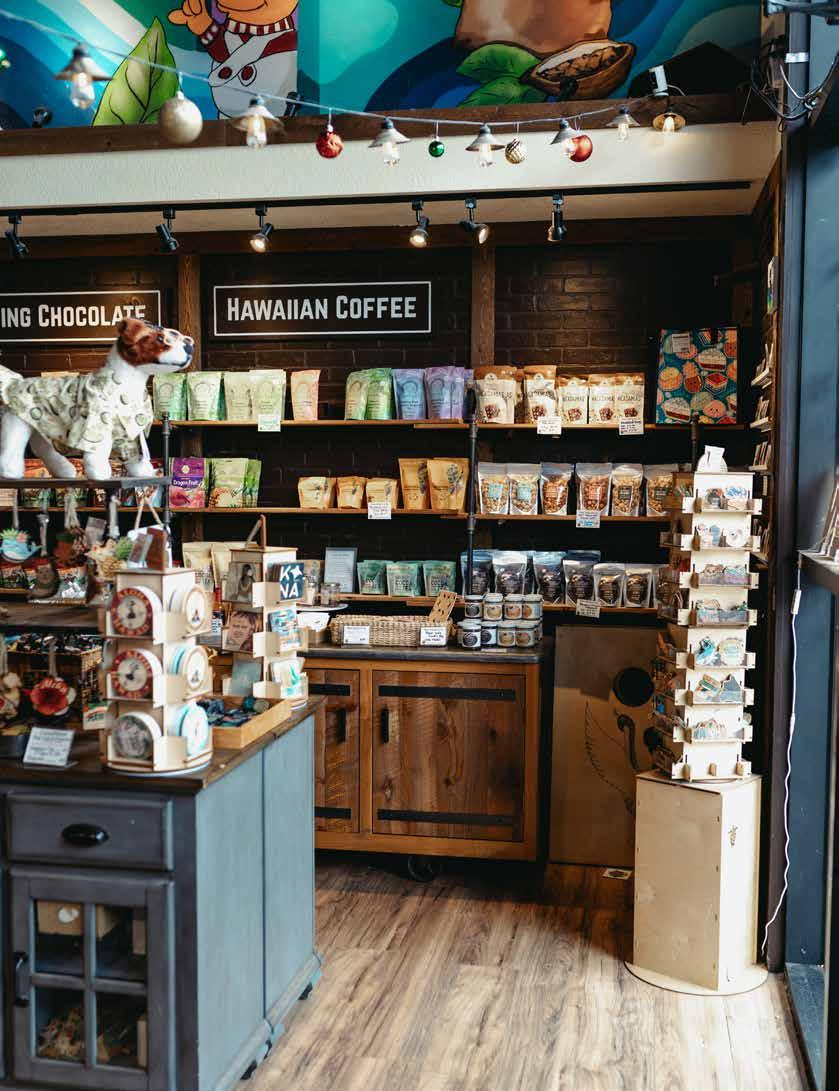
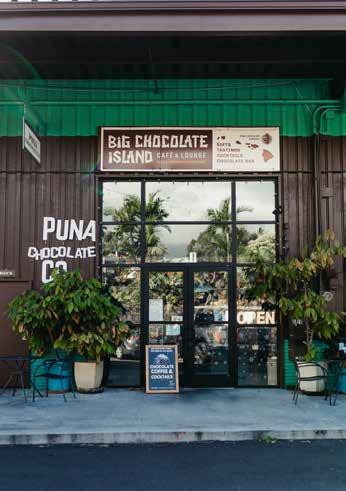
In 2023, the company bought a 14-acre farm along Hawaiʻi Belt Road, planting 2,000 coffee trees and 1,000 cocoa trees. Now known as Hale Cocoa, the property has become their main attraction, featuring a storefront, farm tours, a Polynesian garden, café and cocktail bar.
Additionally, they have opened their first restaurant right next to it, called Theatery.
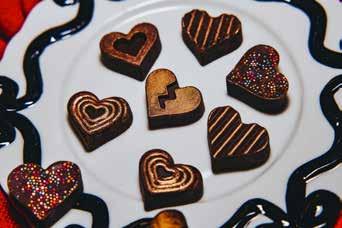
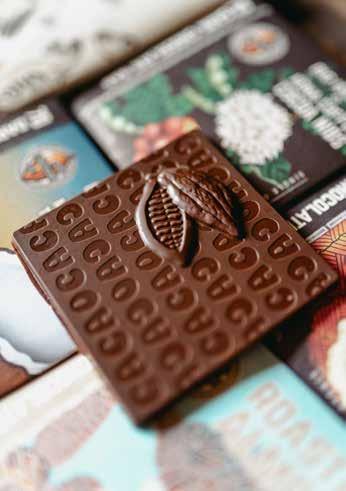
Puna Chocolate aims to provide an authentic experience that fits into the local DNA of each region. The shop in Hilo features products infused with noni and seaweed, while Kona offerings highlight coffee and macadamia nuts.
“Each time you walk into one of our locations, I want you to have unique experiences. I don't want you to assume that it's gonna be the same.”
By appealing to customers who are attuned to the quality of locally sourced chocolate, Puna Chocolate continues to provide stability for Hawaiʻi’s cocoa farmers. The company’s community-centered model ripples outward—supporting local agriculture and offering visitors a deeper connection to the island.
Explore Puna Chocolate’s finely crafted products and services at BigChocolateIsland.com
“Potter and Vanegtern posted online, offering their unplanted seedlings to local farmers. The response was overwhelming. Farmers from Hakalau to Kurtistown stepped forward, planting cocoa trees across East

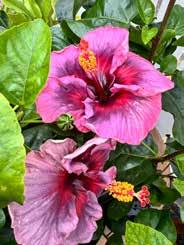
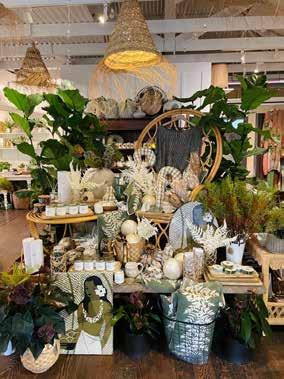

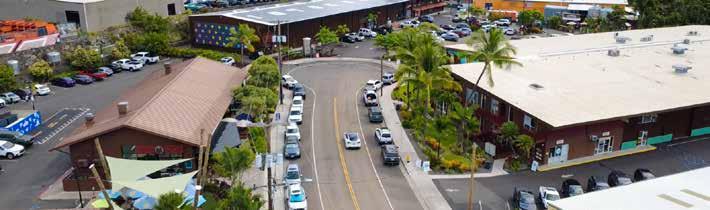
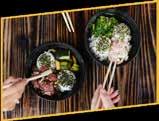
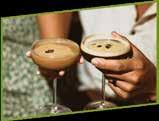
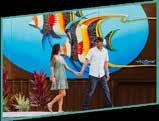
Kona’s destination for food, art, culture, wellness, and community—all in one place
Step inside Kona’s most dynamic destination, where food, art, wellness, and culture meet in one walkable space. At BREW, you’ll find locally sourced eats, craft beer brewed on-site, artisan studios, bold street art, unique shops, and places to move, recharge, and explore. It’s a living community built on creativity, connection, and the spirit of aloha—inviting visitors and locals alike to discover something new every time.
74-5617 Pawai Pl, Kailua-Kona, HI 96740

ARTICLE BY SAMANTHA ARREDONDO | PHOTOGRAPHY BY FLETCH PHOTOGRAPHY
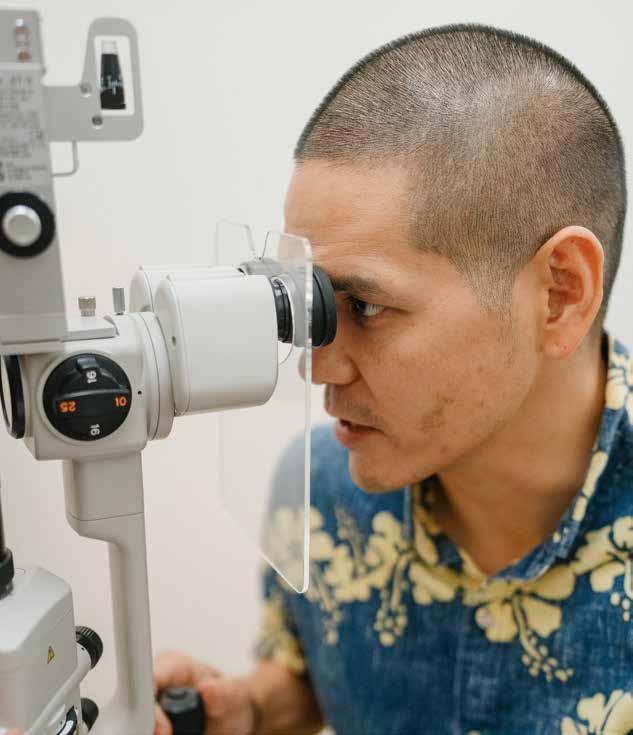
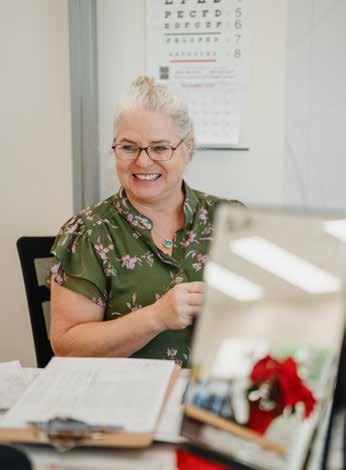
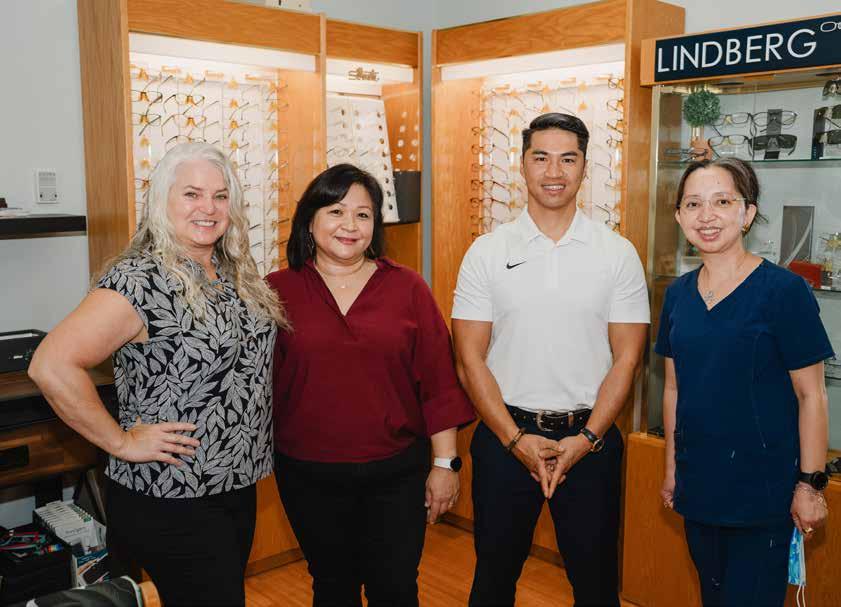
Off Hualālai Road, where ocean air and everyday errands intertwine, Eyewear Kona feels less like a clinical stop and more like a place of intention. A meeting point of craftsmanship, medical expertise and a shared belief that caring for vision is inseparable from caring for the whole person. At the center of it all are three professionals whose paths converged around a common purpose: bringing comprehensive eye health and wellness to the Big Island community.
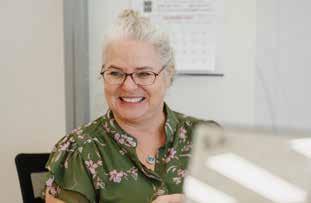
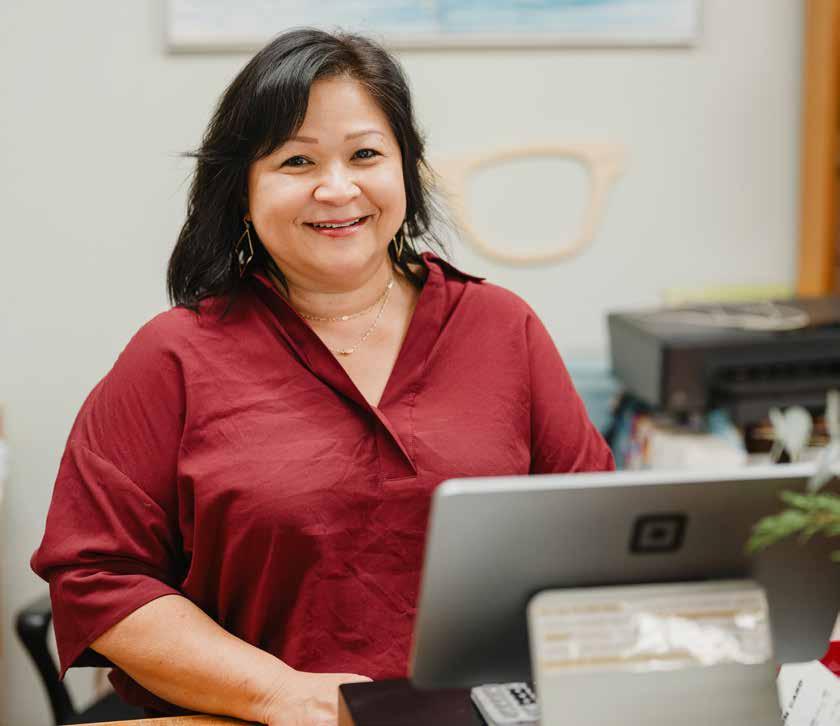
For Darcy Thompson, CEO of Eyewear Kona and Eyecare Waikoloa, this work is both a homecoming and a culmination. An entrepreneur at heart, Darcy has spent more than 25 years immersed in the eyewear industry, building a career at the intersection of design, technology and innovation. Her professional roots stretch back to Silicon Valley, where she owned Wilby Optical and co-founded ThinOptics, Avantek Eyewear, and Wilby Optical Robotics. Along the way, she contributed to projects as varied as robotic surgery lenses for Intuitive Surgical and Snapchat’s original smart glasses.
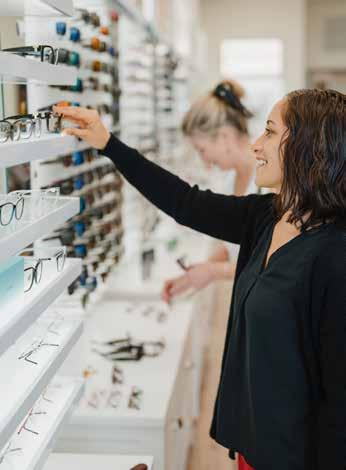
Yet, despite the success and momentum of her mainland career, Hawaiʻi was always the endpoint. In 2016, Darcy returned home and purchased Eyewear Kona from longtime local optician Alvin Fujimoto, continuing a legacy of quality and trust that the community already knew well. Her own family history in the islands dates back to 1886, when her Portuguese ancestors immigrated to Hawaiʻi, and that sense of rootedness shapes how she approaches business. Eyewear Kona, for Darcy, is not about chasing trends— it’s about stewardship, giving back and doing things the right way.
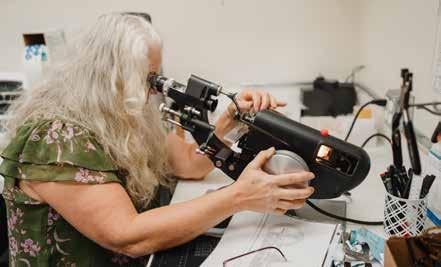
That philosophy shows up in the details. Each of the company’s locations houses a full-service optical lab, allowing many prescriptions to be crafted the same day. Finishing work is done in-house because Darcy believes accountability matters. “Every pair of glasses is made with care, precision and pride—because at the end of the day, the buck stops with us,” she says. A sentiment reflected in every pair that leaves the shop. Fashion and function coexist easily here, informed by Darcy’s global eye for design and her self-professed love of lenses—part artistry, part science.
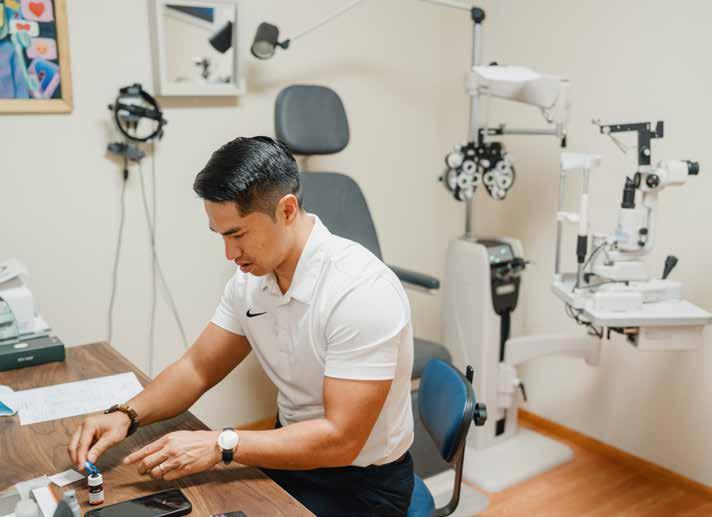
But Eyewear Kona is more than frames and lenses. Its deeper identity began through relationships, most notably with Dr. Khoa D. Nguyen, a licensed Doctor of Optometry specializing in comprehensive medical eye care. “I first met Darcy in 2018 through my mentor and hānai uncle, Alvin Fujimoto. It was a brief introduction, but one that laid the foundations.” When the world slowed down after COVID, their mutual respect led to more purposeful conversations about a serious partnership.
Dr. Nguyen had already spent nearly a decade serving the Hawaiʻi Island community, building a reputation for excellence in diagnosing and managing ocular diseases such as cataracts, glaucoma, diabetic and
“EVERY PAIR OF GLASSES IS MADE WITH CARE, PRECISION AND PRIDE—BECAUSE AT THE END OF THE DAY, THE BUCK STOPS WITH US.” —DARCY THOMPSON, EYEWEAR KONA AND EYECARE
WAIKOLOA’S CEO.
hypertensive retinopathy, macular degeneration and thyroid eye disease. On the Big Island, where volcanic emissions can aggravate eye conditions, he also treats allergic conjunctivitis and chronic dry eye, offering advanced therapies designed not just for relief, but for long-term eye health.
Together, Darcy and Dr. Nguyen reimagined the original optical shop, renovating it into a collaborative eye clinic and optical
boutique. Though the space itself is modest, their shared vision allowed them to maximize every square foot. Medical care and optical craftsmanship now coexist, creating a seamless experience in which patients can receive comprehensive exams and walk out with customized eyewear the same day.
For Dr. Nguyen, this integration is essential. His mission has always been to raise awareness of the importance of regular eye exams—not only for vision correction but also as a window into overall health. Trained at Pacific University, where he served as Class President and earned Student of the Year honors, he brings both leadership and compassion into the exam room. Trilingual in English and Vietnamese, with intermediate Spanish, he serves a diverse patient population and maintains close working relationships with ophthalmologists on Hawaiʻi Island and Oʻahu, coordinating surgical care and managing post-operative treatment locally in Kona.
Adding another layer to Thompson’s collaborative approach is Dr. James Miyasaka, who further strengthens the Waikōloa clinic’s commitment to full-spectrum eye care. A graduate of Kaimuki High School, he earned his Bachelor of Science from Cal Poly Pomona. He later earned his Doctor of Optometry degree from Western University of Health Sciences.
With a therapeutic license and glaucoma certification, Dr. Miyasaka’s own practice in Honolulu spans everything from
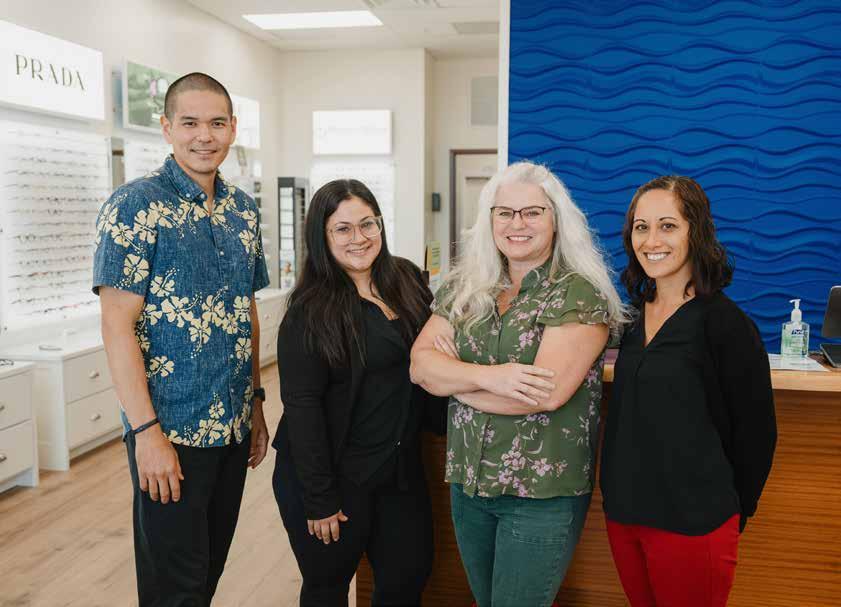
pediatric and neurologic eye care to vision therapy, diabetic exams and dry eye assessments. His presence at Eyecare Waikoloa reinforces the idea that no two patients—and no two pairs of eyes—are the same.
Darcy met Dr. James Miyasaka through LinkedIn, and after interviewing several applicants, she felt he was the right fit for the position.
“I love that he's from Hawaiʻi and a third-generation optometrist. He knows how to take care of clients efficiently and get them exactly what they need,” she says.
What binds Darcy, Dr. Nguyen, and Dr. Miyasaka together is not just shared space, but shared values. Each brings a different strength: innovation, medical expertise and community connection. Together, they form a practice that feels both deeply local and quietly world-class. Giving back is woven
into their work, whether through partnerships with the Lions Club to expand access to vision care or humanitarian missions abroad that reflect a belief in service beyond borders.
“I have a really great team,” Darcy states. “We all share the vision of helping people in our community and bringing fashion to them, too. Putting a pair of glasses on a child for the first time so they can see, or putting on a designer frame for someone, and watching them light up with a smile because of how great they look, it's so rewarding for us.”
In a place like Hawaiʻi, where lifestyle, environment and health are closely intertwined, these practices stand as an example of what happens when collaboration is guided by care. It is a practice built not overnight, but through years of experience, trust and conversation—a reminder that wellness, like vision, is best supported when multiple perspectives come into focus.
For more information or to book an in-person appointment, contact one of our locations on the Big Island:
Eyewear Kona, located at Credit Union Professional Plaza, 75-167 Hualalai Rd., Kailua-Kona. Mondays through Fridays, 9 AM-5 PM. Learn more at EyewearKona.com or call us at 808-329-9308.
Eyecare Waikoloa, located at 68-1820 Waikōloa Rd. Suite 305, Waikōloa Village. Mondays through Wednesdays, & Fridays 10 AM-4 PM. Thursdays, 8 AM-4 PM. Learn more at EyecareWaikoloa.com or call us at 808-315-7020.
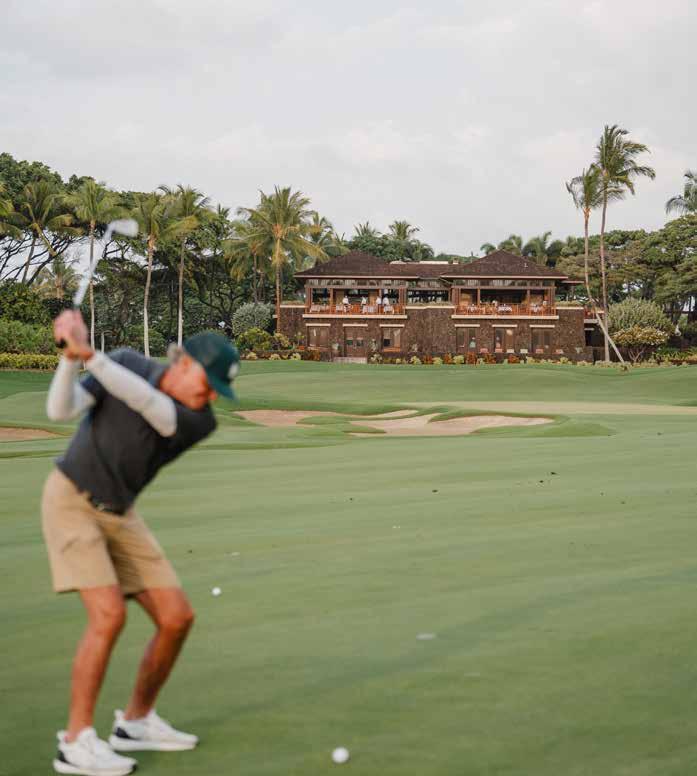
The Unlikely Love Story Behind Hualālai’s Iconic Course
ARTICLE BY JOHNNY GILLESPIE PHOTOGRAPHY
BY
FLETCH PHOTOGRAPHY
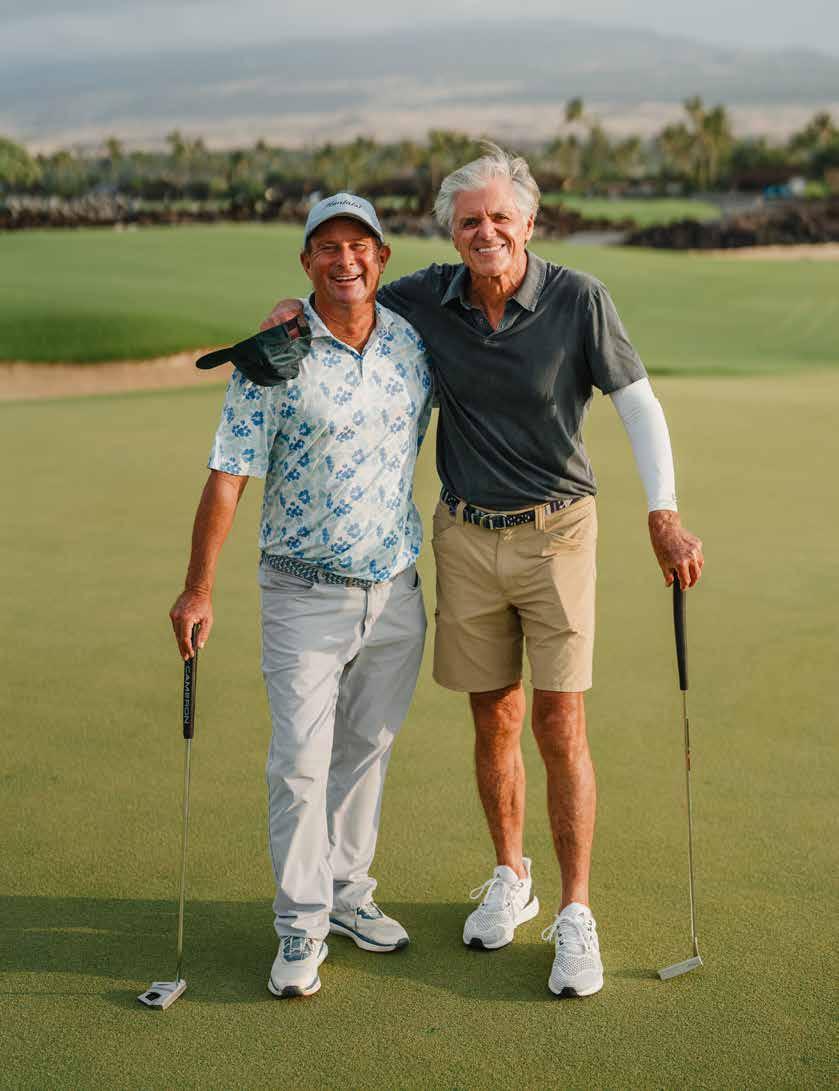
The trade winds were taking a rare afternoon off when I walked onto the Hualālai Golf Course with two men who know it like family.
Brendan Moynahan, the current Director of Golf, has stewarded this place since 2005. Sam Ainslie, the original Director of Golf, was here when “world-class” was merely an aspiration.
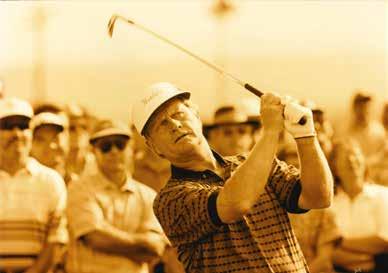
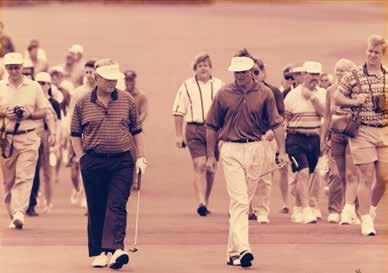
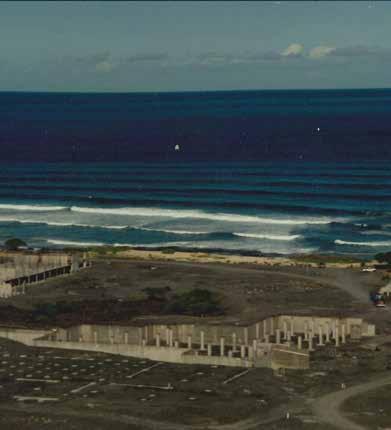
The welcoming, pristine, championship hosting resort course that you see today didn’t happen by accident.
Before the Four Seasons, before the iconic ocean holes, Hualālai was a failed project. "They crunched 14 holes of golf,” Sam remembers, “and then they stopped. It was a real black eye.” Two skeletal stories of a hotel had been built, but construction had ceased.
The problem was timing. In the early 1990s, the second-home market wasn’t what it is now. Interest rates were high. Resort real estate wasn’t the engine it later became. “There was no market,” Sam said of that era.
And yet, the project couldn’t simply be abandoned. Contractual commitments forced a restart. Sam was part of a team hired to rethink and rescue the resort. It was this pressure that, in hindsight, helped forge the standard Hualālai became known for. Sam says it simply: “We do our best work when it’s against all odds.”
In the 90s era, golf architecture often equated difficulty with greatness. But difficulty has consequences: lost balls, slow play, frustration. Sam puts it bluntly: “Too hard means a five-hour round of golf.”
Course designer Jack Nicklaus was already a legend, known for tough designs. Sam and his team fought for a different vision. Resort golf needed to be playable and enjoyable for the everyday guest without losing its championship identity. The goal was to play and enjoy golf. Sam laughs: “If you break 80 for the first time, you think the course is great.”
CONTINUED >
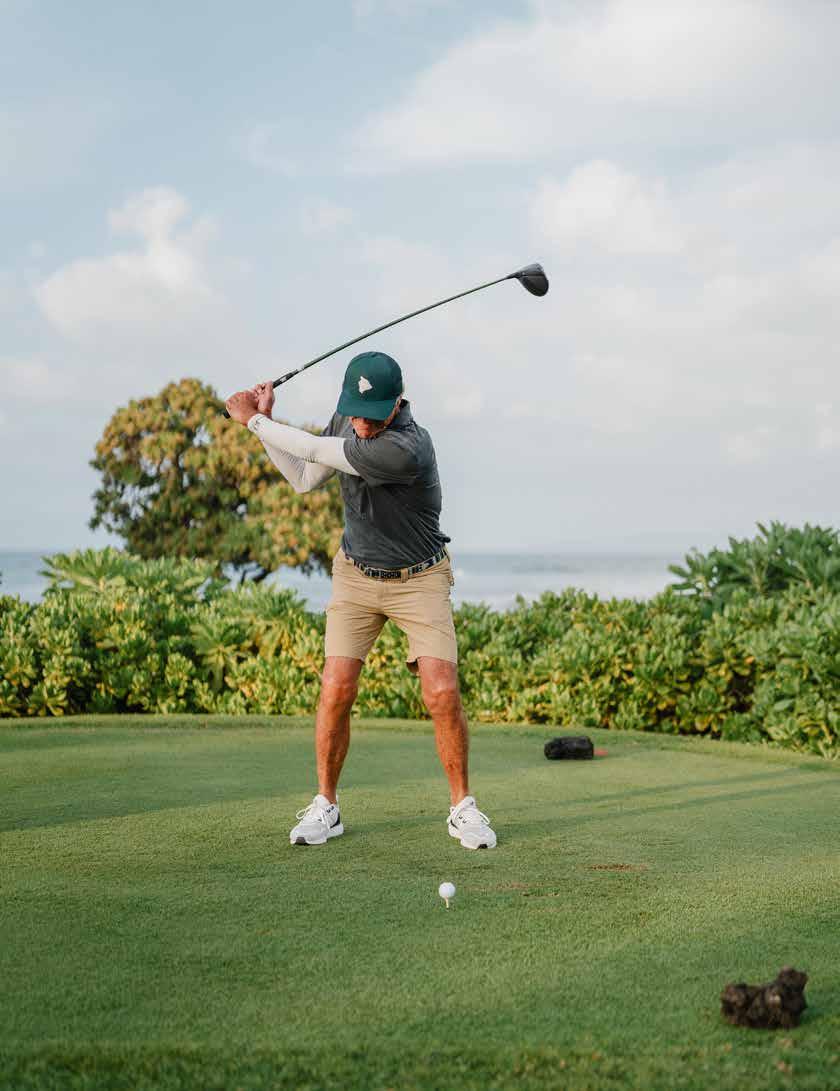
Sam recalls flying to Florida to collaborate with Jack, being picked up at the airport and whisked away to a Dolphins game with the Nicklaus family, then working together to redirect intimidation into invitation. There was an intentional redesign to include two phenomenal oceanfront holes, 17 and 18, which became the now iconic finale.
Hualālai didn’t only change expectations with design, it was to set a new bar with service, conditioning and maintenance. The strategy was to differentiate through excellence, bringing private-club standards to a resort environment.
In Hawaiʻi, beauty is everywhere, and sometimes it can mask sloppy operations. Hualālai was to be a place that felt warm and local, yet run with elite precision. “What you want is friendly, good service,” Sam says. “We’ve all had friendly, bad service… And we’ve also had unfriendly, good service… Friendly, good, sounds real…Obvious.”
When paired with the quiet, relentless discipline of course conditioning, fairways beautifully manicured, greens that roll true day after day, you create a reputation golfers will travel for.
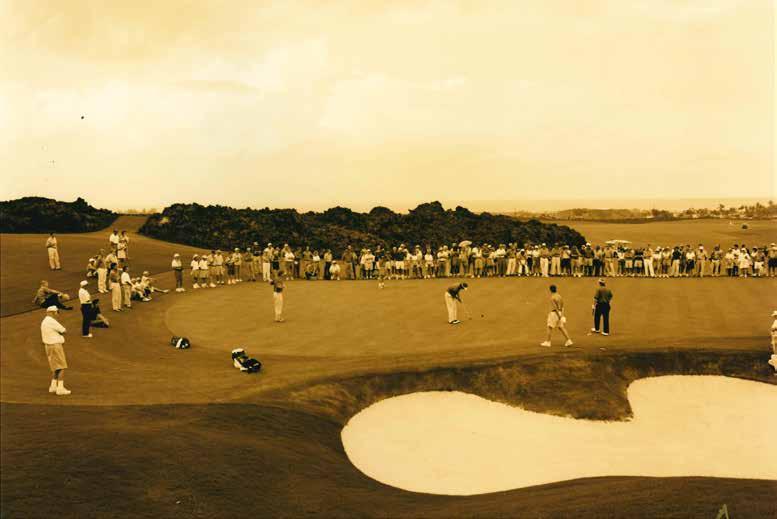
When the course was completed in 1996, Sam paired with Jack to play the inaugural round. “This is the nineties, so Jack had a headset on, and there were speakers in the carts for the gallery,” Sam remembers with fondness. That opening round was the beginning of a legacy of greatness.
Hualālai’s tournament story is iconic: a PGA Tour event that has been here for decades, and is now under contract through 2030. Legends return. The winners' board is a who's who of the greats, reminding you this isn’t just a resort course.
But what makes Hualālai uniquely lovable is what happens when the ropes come down.
Current Director of Golf Brendan Moynahan has carried the legacy forward over the last two decades. His vision culminated in a bold, expensive renovation and a move to seashore paspalum, a grass that performs better in brackish or salty water. It wasn’t simply a cosmetic upgrade. It was a stewardship ensuring the course could remain elite, consistent and healthy in Kona’s punishing conditions.
Today, the result is unmistakable: a course that looks immaculate and plays reliably. A surface worthy of champions, but forgiving enough for resort joy.
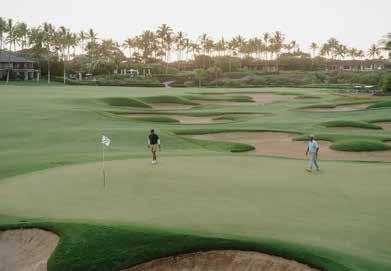
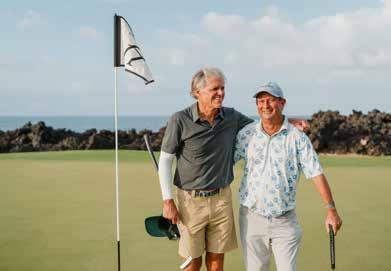
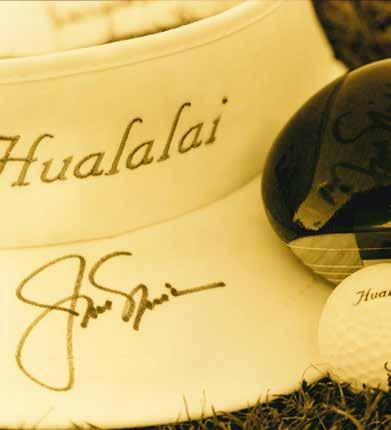
His most recent project is the Golf Hale: a teaching and practice facility with multiple bays, TrackMan technology and a simulator experience robust enough to be genuinely fun. But the detail that matters most for Kona is simple: locals can come for lessons in Hawaiʻi’s premier golf instruction facility. On any given afternoon, you might find the local high school team out on the putting green practicing.
Brendan talks about a member-driven idea called the Happy Hundreds. “The rules are, there really are no rules,” he explains. “You can replay a shot… We just want to enjoy ourselves.” It became a doorway for newer players who might be intimidated by traditional formats.
Sam still sounds amazed by the contrast. Great champions call Hualālai one of their favorite courses, and yet it can be a home for beginners, too. “Those two things don’t happen… That’s so wild,” he says. “Beginners find an approachable resort style course, but if you want a true challenge, simple back up to the tips, and you have a challenge worthy of the best.”
It is wild. And it’s the direct fruit of that early decision: a Nicklaus design shaped by a director of golf who insisted the resort guest mattered just as much as the elite player.
When you walk the course, enjoy the pristine greens. When you listen long enough, you realize Hualālai is not just a golf masterpiece, it’s a testimony to perseverance. A place built through setbacks. A place shaped by vision and conviction. A place where excellence has been carefully cultivated. A private club standard delivered with “friendly, good service.” It’s a course where champions play and where beginners can learn, laugh and fall in love with the game.
When you have the chance to enjoy Hualālai, you might just fall in love, too.