Make movement “snacks” the key to your healthier heart
Weave these small changes into your busy routine to boost heart health
What’s inside:
• how exercise “snacking” can get you started
• exercise myths that may be holding you back
• the power of an exercise routine
How exercise “snacking” can help get you started
If finding time to exercise feels tough, don’t sweat it. Try “exercise snacking”.
This approach involves adding short bursts of activity that raise your heart rate anywhere from 30 seconds to two minutes throughout the day.
You don’t need any special equipment or clothing. Just focus on getting your heart rate up so you’re breathing harder and singing becomes difficult. And if the idea of structured exercise isn’t your thing, think of it like “sneaky exercise.” Small changes to your routine can quickly add up. Even household chores like cutting the grass or mopping the floor count towards your activity!
Other ideas include:
• climbing the stairs instead of taking the elevator
• jumping jacks or jogging in place
• a quick walk/jog around the block
• bodyweight exercises, such as push-ups, lunges or squats
• standing up and sitting down from your chair repeatedly
Exercise snacks are a great way to integrate activity into your day, helping you build a habit of staying active without the pressure of structured workouts.
“These short bursts of exercise can give you an energy boost and improve your productivity.”
– Dr. Scott Lear, leading researcher in the prevention and management of heart disease.
Using technology to support you
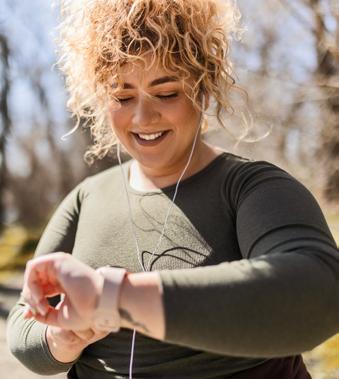
If you have a hard time remembering to get up every so often, technology is here to help. You could use anything from a simple cooking timer to the alarm on your phone to a watch that vibrates. Another effective way may be using a screen time app on your computer, tablet or phone. Some of these apps lock your device for a set period of time motivating you to get up and move. Also, ParticipACTION has created quick and easy ways to move as you watch your favourite TV shows.
And if you still aren’t feeling it...
Physical activity doesn’t have to be a chore. By finding activities that have a purpose and bring you joy, you can find ways to incorporate movement into your daily life that are authentic to you, your lifestyle and your values.
For example, in Indigenous cultures, there are plenty of land-based activities that increase physical activity. You just move because you’re out in the environment. Or maybe you can join a community cleanup project or help out at a community garden centre. There’s a purpose to it, and no treadmill required.
Embrace the opportunities around you, whether it’s through cultural practices, community involvement, playing your favourite sport, or simply taking the stairs instead of the elevator, you don’t always have to step foot into a gym to keep moving. Your health and well-being will thank you for it. Join a community clean-up or a community garden!
The power of an exercise routine
In our busy and fast-paced world, it’s easy to forget about exercise or not make time for it. The good news is that fitting movement into your daily life doesn’t have to be complicated. However, regular physical activity is one of the best ways to keep your heart healthy.
Everyone’s situation is different, and daily demands can quickly add up. Finding time for short movement breaks throughout the day can help:
Decrease your risk of heart disease and stroke
Prevent and control other risk factors like high cholesterol and diabetes
Reduce stress levels, increase energy, improve sleep, and improve digestion
Increase productivity, creativity, and focus
Making time for exercise can be challenging, especially with barriers like mobility issues, low motivation or cold Canadian winters. There are also common misconceptions about what exercise should look like, which can make it hard to stay active. By addressing these misconceptions, we can make exercise more approachable and sustainable.
Exercise myths that may be holding you back
MYTH TRUTH
Morning is the best time to exercise
Ultimately, the best time to exercise is whenever it fits into your schedule and when you’re most likely to stick with it.
Strength training is only for bodybuilders
More sweat is better
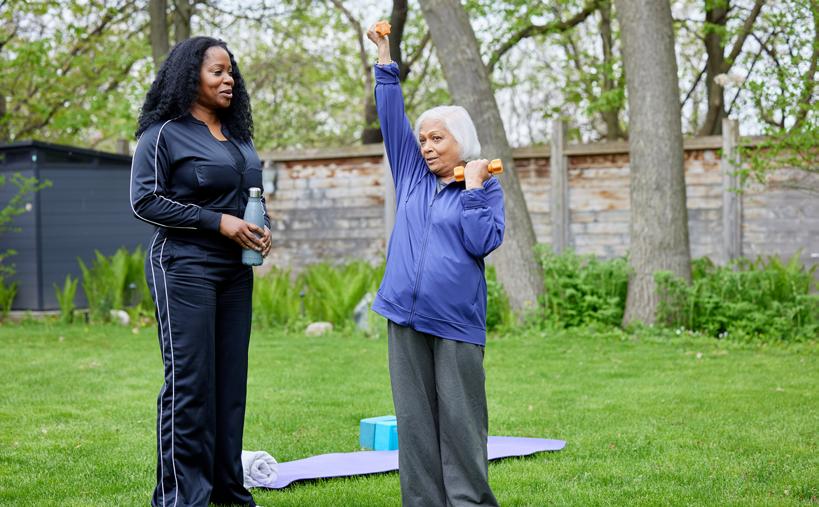
Strength training is for everyone. In fact, the World Health Organization recommends strengthening activities twice a week. Body weight exercises like modified push-ups on a chair or against a wall or standing squats are just as effective as weights at a gym.
You can have a great workout without breaking a sweat as activities like yoga or walking can be just as effective for your health. The amount you sweat can also depend on other factors, like the weather.