
Umer Saleem

Full offering
- Full range vehicles with the most advanced technologies
- Highly customized product driven by market needs and optimized Total Cost of Ownership
High capillarity of aftersales
- Repair and Maintenance contracts and competitive warranty conditions
- Origin 100% IVECO Parts and a widespread network coverage

European technology
- High quality complete line-up in terms of tonnage, power, torque, safety, ergonomics
- High performance and robust trucks for extreme Off-road conditions
Customer centricity
- Comfort, ergonomics and the latest safety technology to make on board easier
- Driver Style Evaluation tool on Heavy ON-road range and optimized vehicle design to improve customer profitability











SIGNATURE MEDIA FZ LLE
P. O. Box 49784, Dubai, UAE
Tel: 04 3795678
Email: info@signaturemediame.com
Exclusive Sales Agent Signature Media LLC
P.O. Box 49784, Dubai, UAE
Publisher: Jason Verhoven jason@signaturemediame.com
Editor: Abigail Mathias abigail@signaturemediame.com
Art Director: Johnson Machado johnson@signaturemediame.com

Printed and Distributed by Masar Printing and Publishing L.L.C., Part of Dubai Media Incorporated Dubai, UAE
Contributor’s opinions do not necessarily reflect those of the publisher or editor and while every precaution has been taken to ensure that the information contained in this magazine is accurate and timely, no liability is accepted by them for errors or omissions, however caused. Articles and information contained in this publication are the copyright of Signature Media FZ LLE & SIGNATURE MEDIA LLC and cannot be reproduced in any form without written permission.
The logistics industry stands at a defining crossroads—where inno vation is no longer optional, resil ience is a strategic imperative, and leadership is being re‑written in real time. This month’s issue cap tures that transformation with a lens on the companies, technolo gies, and visionaries shaping the next era of global movement.
Automation continues to acceler ate the sector’s evolution, and our coverage of HWArobotics high lights how intelligent systems are empowering efficiency at an un precedented scale.
We also explore the rise of new global networks, with J&T Express building a logistics ecosystem that transcends borders and redefines speed and connectivity. In aviation, Turkish Airlines’ 2033 vision and IATA’s latest air cargo insights reveal how the skies are becoming a battleground for innovation, sustainability, and long‑term strategic planning.
Leadership remains at the heart of progress, and our CEO Special ex amines what truly sets standout leaders apart in an industry defined by complexity and constant change. Complementing this, ECS offers a for ward‑looking perspective on the future of air cargo.
Sustainability also takes centre stage. Polygreen’s partnership with Again Please showcases how environmental responsibility is becom ing embedded in logistics operations, not added on. Meanwhile, Safe Logistics’ new JAFZA facility and the debut of Deliver – Middle East underscore the region’s growing role as a global logistics powerhouse.
On the mobility front, the launch of E Canter and UD Trucks’ Kuzer light duty range signals a new frontier for the UAE’s transport land scape.
As the industry continues to navigate disruption and opportunity in equal measure, this issue aims to equip you with insights that matter— and perspectives that inspire.
Let innovation lead the way.
Abigail Mathias Editor
abigail@signaturemediame.com www.globalsupplychainme.com
1500+
150+
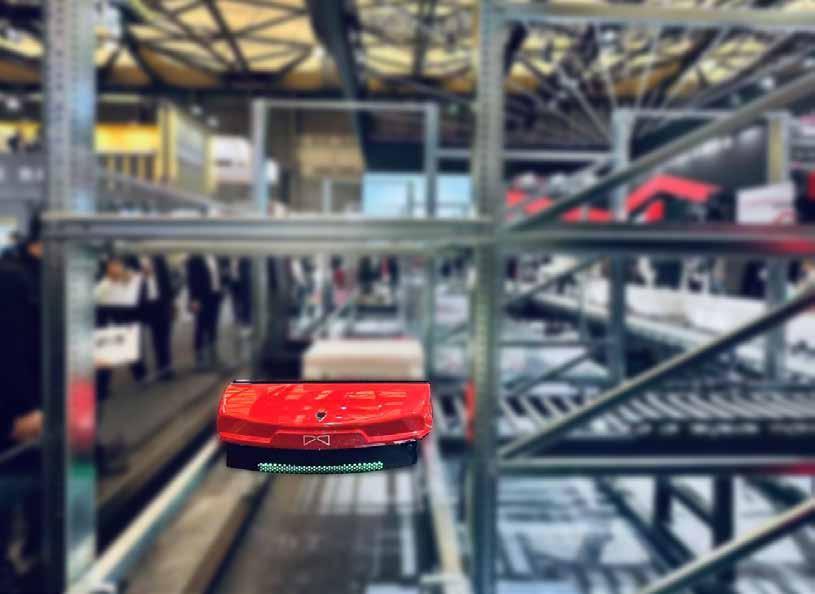
HWArobotics is a global leader in warehouse automation, especially renowned for its automated storage and retrieval systems (ASRS) and shuttle-robot solutions. Founded with a vision to transform traditional warehousing into intelligent, highthroughput operations, the company began its journey in 2003 with the development of its first shuttle robot system — an ambition that would define its future standing in logistics automation.
From the outset, HWArobotics focused sharply on shuttle technology, designed to move goods efficiently within dense racking systems using autonomous robotic vehicles. The company’s early commitment to innovation was underlined in 2007 when it was among the first manufacturers to obtain a patent for a complete tote-handling shuttle system — a key milestone that positioned it as a true innovator in goods-to-person and ASRS solutions.
Over the following decade, HWArobotics expanded its capabilities and its footprint. In 2017 and 2018 it marked significant advances in both product implementation and international market reach, including entry into European and American markets. By this stage, its shuttle systems were being deployed across diverse sectors — from e-commerce and publishing to automotive and retail.
Headquartered in Singapore, HWArobotics has grown into an international enterprise with regional bases in the Dubai - Middle East & Africa, United States, Europe, LATAM and APAC, as well as manufacturing bases in Thailand and China. Its multinational leadership and R&D teams have driven the development of a broad portfolio: from pallet and tote shuttle systems to mini shuttles, split-case picking systems, and advanced control software.
By the mid-2020s, HWArobotics had delivered tens of thousands of shuttle units worldwide, serving major global customers
including Bosch UAES, SONY, Shein, and JD.com. Its solutions have been implemented across continents — from Asia-Pacific to North America — reflecting not only deep technical expertise but also a scalable, modular approach to automation.
In 2025 the company’s impact was recognised with industry accolades such as the “Best Newcomer in Logistics Technology” award at the Transport & Logistics Middle East Achievement Awards, further cementing its reputation as a forward-looking force in intralogistics.
Today, HWArobotics continues to evolve its shuttle and robotic systems, combining two decades of product experience with global reach. Its history illustrates not just technological progression but a sustained commitment to redefining how materials are stored, moved and retrieved in the warehouses of the future.
GSC: How is HWArobotics integrating AI-driven robotics and autonomous systems into warehouse automation?
Umer Saleem: At HWArobotics, AI is not a bolt-on; it is embedded at the core of our robotics and software architecture. We apply machine learning to optimise slotting strategies, predict demand patterns, and dynamically balance workloads across shuttles, lifts, and workstations. Our autonomous systems continuously learn from operational data, allowing the warehouse to self-adjust in real time, improving throughput, energy efficiency, and system resilience without manual intervention.
GSC: What differentiates your shuttle systems from competitors in terms of speed and accuracy?
US: Our shuttle systems are designed around consistent, real-world performance rather than headline speeds. We achieve high throughput through intelligent task sequencing, congestion-free routing, and precise motion control, ensuring stable cycle
times even at peak demand. Accuracy is driven by high-resolution positioning, robust mechanical tolerances, and AI-enabled software that continuously optimises shuttle movements. The result is a system that delivers reliable speed and repeatable accuracy at scale, not just in controlled test conditions.
GSC: How do you see shuttle ASRS (Automated Storage and Retrieval Systems) evolving in the next five years?
US: Over the next five years, shuttle ASRS will evolve from high-density storage solutions into intelligent, modular platforms. We will see greater standardisation, faster deployment times, and deeper integration with upstream and downstream automation. AI-driven orchestration will enable mixed SKU profiles, variable carton sizes, and seamless scalability. The shuttle will no longer be viewed as a subsystem, but as the backbone of the automated warehouse.
GSC: What regions or industries are driving the highest demand for smart warehousing in 2026?
US: In 2026, the strongest demand for smart warehousing is being driven by the Middle East, Asia-Pacific, and parts of Central Europe, alongside continued momentum in North America. Industry-wise, e-commerce, omni-channel retail, pharmaceuticals, food and beverage, and 3PLs are leading adoption. Labour constraints, servicelevel expectations, and the need for rapid fulfilment are accelerating automation decisions across these sectors.
GSC: How is HWArobotics positioning itself against global competitors in the automation and robotics sector?
US: HWArobotics positions itself through engineering depth, cost-performance balance, and flexibility. Unlike some global competitors who offer rigid, one-size-fits-all solutions, we work closely with integrators and end users to tailor systems to operational
By 2030, Robots will handle repetitive, high-speed, and physically demanding tasks, while humans focus on supervision and valueadded activities.
realities. Our strength lies in robust hardware, intelligent software, and a pragmatic approach to ROI, ensuring automation delivers measurable business value rather than complexity.
GSC: Are you exploring partnerships with e-commerce giants or logistics providers to scale adoption?
US: Yes, partnerships are a key pillar of our growth strategy. We actively engage with e-commerce platforms, logistics providers, and system integrators to accelerate adoption across multiple markets. These collaborations allow us to align our technology roadmaps with real operational challenges, while enabling partners to scale quickly using proven, industrial-grade automation solutions.
GSC: How do you envision human-robot collaboration evolving in warehouses by 2030?
US: By 2030, human-robot collaboration will be defined by augmentation rather than replacement. Robots will handle repetitive, high-speed, and physically demanding tasks, while humans focus on supervision, exception handling, and value-added activities. Improved interfaces, safer collaborative designs, and AI-driven decision support will make warehouses more productive, safer, and more attractive places to work.
GSC: What trends in logistics and supply chain resilience do you believe will dominate the next decade?
US: Over the next decade, supply chain resilience, localisation, and digital visibility will dominate logistics strategy. Companies will invest in flexible automation, diversified sourcing, and data-driven decision-making to mitigate disruption. Automation will no longer be viewed purely as a costsaving tool, but as a strategic enabler of continuity, responsiveness, and long-term competitiveness.
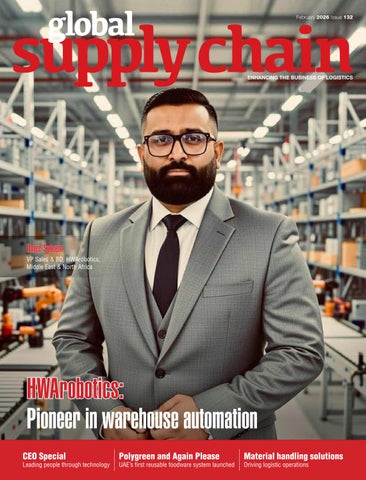
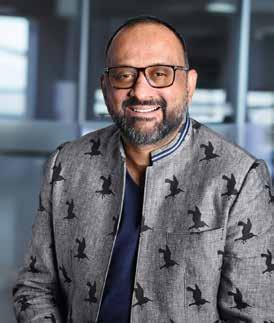
Umer Saleem, VP Sales & BD, Middle East & North Africa
By Umer Saleem, VP Sales & BD, Middle East & North Africa
quiet revolution
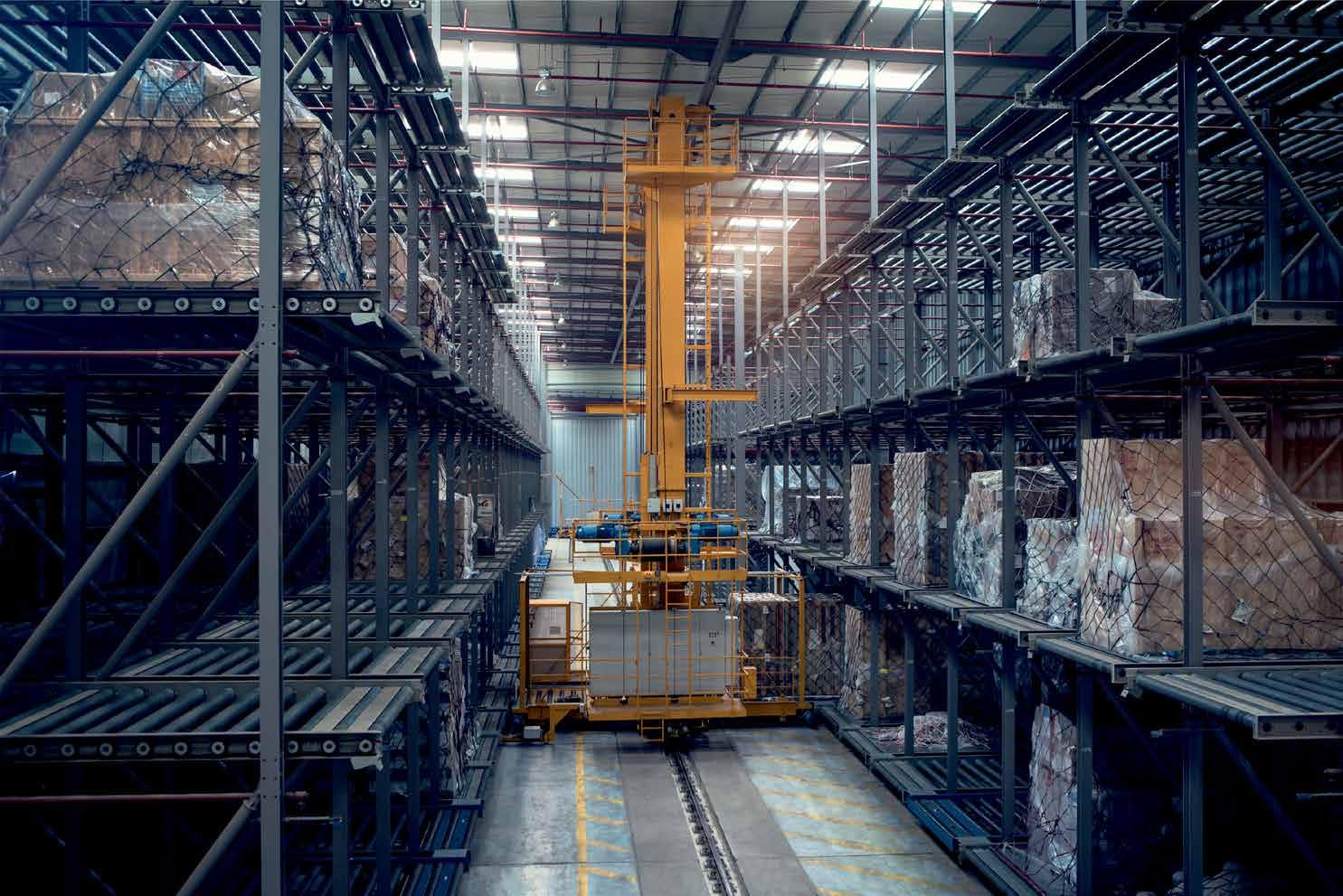
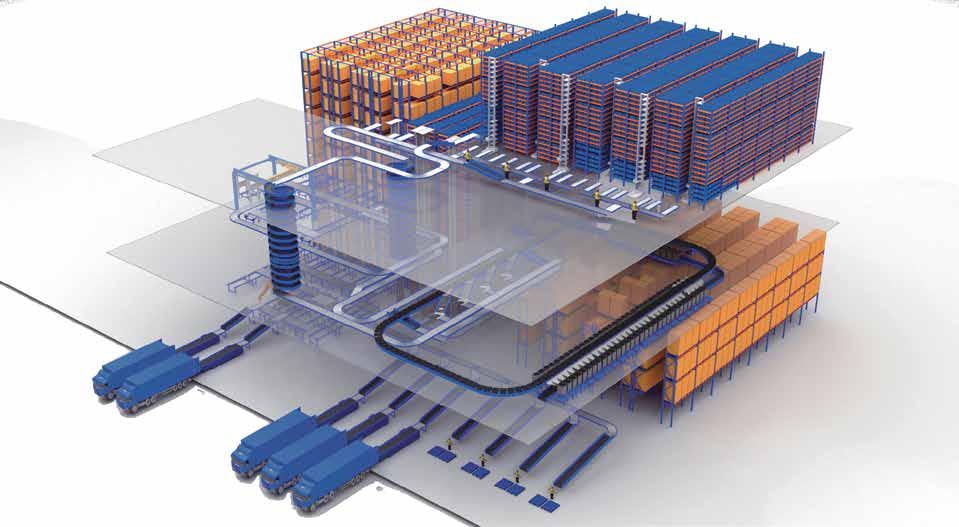
Across the world’s most competitive supply chains, something profound is happening. Warehouses are no longer rows of forklifts and operators walking kilometres a day. They are becoming living, breathing digital factories, driven by autonomous shuttle vehicles, intelligent software and goods-toperson robotics.
At the centre of this transformation sits ASRS shuttle technology – a system designed not merely to store goods, but to orchestrate the entire flow of inventory with speed, precision and reliability.
Instead of people travelling to the
product, the product travels to the people. And that one shift changes everything.
This is not theory. It is happening at scale.
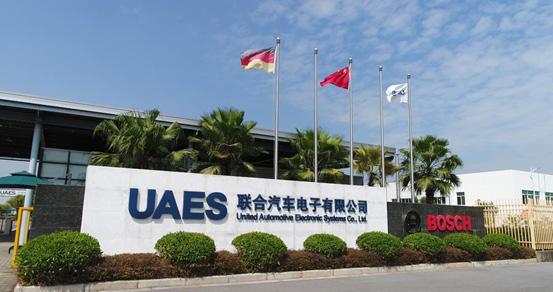
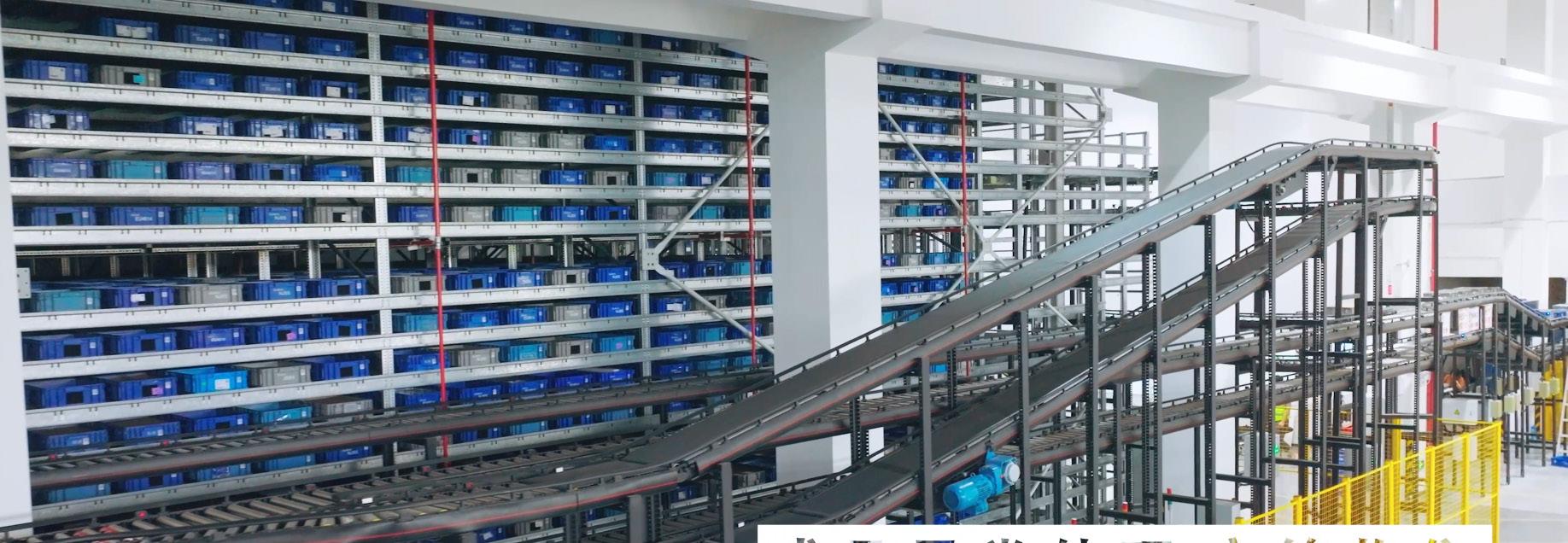
In Liuzhou, China, Bosch’s United Automotive Electronics operation runs a multi-level shuttle ASRS across 40,000 square metres with 13,000 storage locations, 14 shuttle vehicles and inter-level lifts, supporting engine management and electric drive systems for the automotive industry. In Jiangsu Province, Phoenix Publishing distributes books and cultural
products through a 90,000 m² omni-channel logistics centre running 168 shuttles and 40 goods-to-person picking stations. In Wuhan, Zhongbai Group supplies thousands of supermarkets through automated replenishment systems that move 5,200 items per hour with one-third less labour.
Different industries.
Same technology backbone. What unites these operations is the use of compact, multi-level shuttle systems that bring unprecedented control, density and responsiveness into warehouse operations.
United (UAES) venture Electronics GmbH engaged and systems, electronics, trol achieved and ees. Customer
Traditional automation moved pallets and cartons in bulk. Shuttle ASRS systems think in terms of flow.
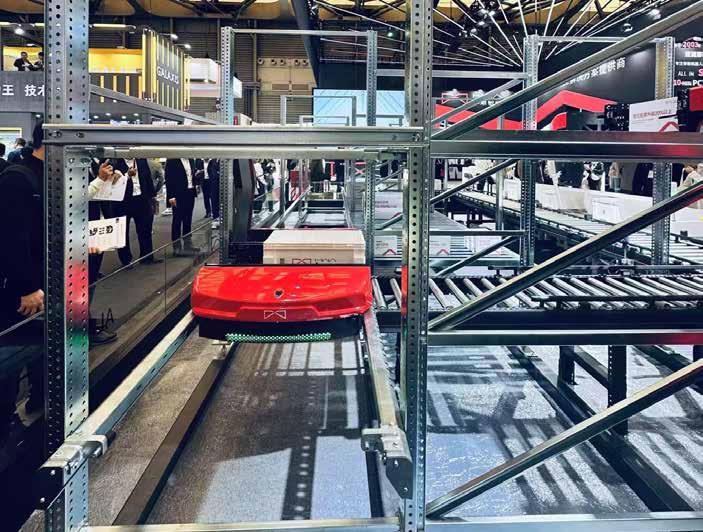
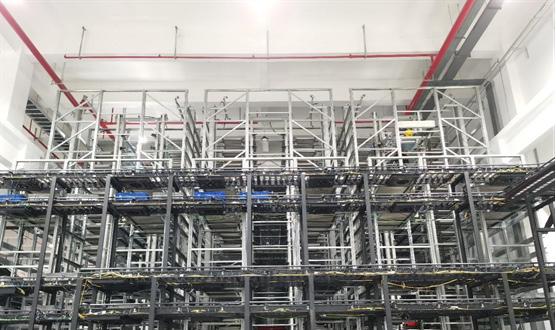
Each shuttle is a self-contained robotic vehicle that runs on rails inside dense racking. It retrieves totes, cartons or pallets and delivers them to lifts, conveyors or directly to goods-to-person stations. Multiply that by dozens or hundreds of shuttles, and the warehouse becomes a parallel-processing engine rather than a linear one.
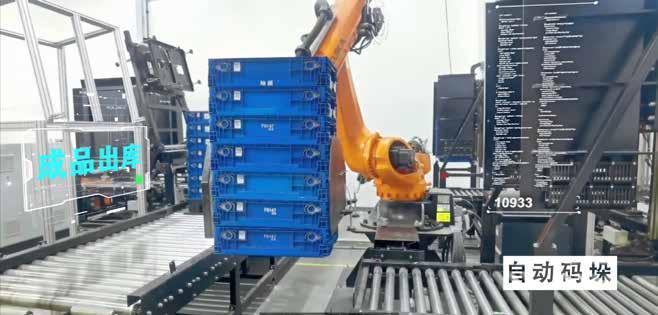
In the Bosch UAES project, 14 shuttle
United Automotive Electronics Co., Ltd. (UAES) was established in 1995 as a joint venture between Zhonglian Automotive Electronics Co., Ltd. and Robert Bosch GmbH in China. The company is mainly engaged in the development, production sales of gasoline engine management systems, gearbox control systems, car body electronics, hybrid and electric drive consystems. In 2019, the company achieved sales revenue of USD 3.0 billion, the company has about 8,740 employees.
vehicles operate across two aisles with interlevel lifts, feeding production lines with a continuous, low-noise, highly stable flow of automotive components. Since going live in 2019, Bosch reports productivity increases of five to ten times, along with significant floor-space and labour savings
This is not just about speed. It is about resilience. If one shuttle is taken out for maintenance, the others continue working. The system does not collapse – it degrades gracefully, which is what industrial engineers care about most.
At Phoenix Publishing, the same principle is applied at massive scale. The system combines pallet shuttles, tote shuttles, 168 autonomous vehicles, European sorters and spiral conveyors to create a fully integrated omni-channel fulfilment engine capable of serving B2B bookstores and B2C e-commerce from the same building.
This is what modern shuttle ASRS enables: different order profiles, different product types, one unified automation backbone.
Goods-to-Person: where technology meets human productivity
The real magic of shuttle systems happens at the picking face.
In Phoenix’s legacy operation, books were placed on the floor and picked manually from printed lists. Turnaround time was two days, space was wasted, and errors were unavoidable. Today, shuttles and AGVs deliver totes directly to ergonomic picking stations. LED lights tell operators what to pick. Automatic case weighing verifies
whether the right books are in the tote. If the weight is wrong, the system flags it instantly
The result is not just faster picking –it is verifiable accuracy at scale.
Zhongbai Group applies the same philosophy to supermarket replenishment. Its automated replenishment system stores
The United Electronics Liuzhou production line logistics project undertaken by HwaChang Intelligent covers an area of more than 40,000 square meters, including 2 aisles of ASRS, 13,000 storage locations, shuttle vehicles, 2 inter-level lifts. The core equipment of the project is multi-level shuttle vehicle AS/RS warehouse, auxiliary goods receiving system, mixed goods to person decanting and picking system and etc.
25,000 items across 6,300 SKUs and feeds stores in real time, eliminating the stopstart chaos of manual picking Operators no longer walk long distances or wait for stock to be replenished. The system knows what is needed and delivers it.
That shift – from people hunting for stock to stock being delivered to people – is where labour productivity jumps by more than 50% and error rates collapse.
One of the most misunderstood aspects of shuttle ASRS is its economics.
In Phoenix’s Xingang Logistics Centre, the use of compact shuttle storage doubled the storage capacity while halving the required floor area compared with a traditional highbay warehouse. That is not an engineering curiosity – it is a real-estate revolution.
In Zhongbai’s case, eight automated replenishment systems each handle up to 380 boxes per hour, supporting both totes and cartons, while reducing overall labour costs by one-third and increasing per-capita productivity by 52%.
Bosch saw similar effects, with massive productivity gains and long-term operational stability.
What makes shuttle ASRS so commercially powerful is its modularity. You do not build it once and freeze it in time. You add aisles, add shuttles, add lifts and add picking stations as volumes grow. Capital investment follows revenue growth, not the other way round.
For CFOs, that matters.
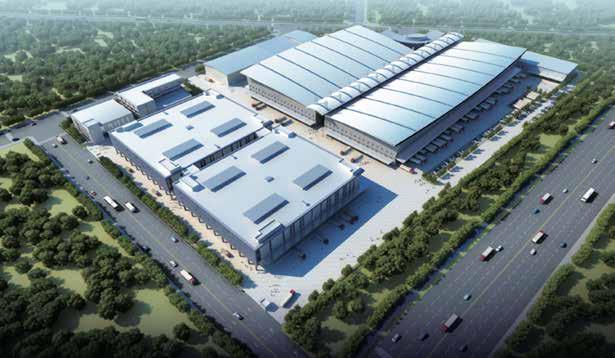
What these three projects demonstrate is not incremental improvement – it is a new operating model for logistics.
Shuttle ASRS turns warehouses into automated factories for inventory. Goods flow continuously. Data flows in real time. Operators are supported by machines rather than exhausted by them. Space is used efficiently. Errors are detected instantly.
Phoenix now saves over USD 1.4 million per year in logistics costs while supporting B2B and B2C channels from one intelligent platform. Zhongbai is future-proofed for its 2030 convenience store expansion. Bosch runs a benchmark goods-to-person system for the global automotive industry.
Different markets.
Same conclusion.
ASRS shuttle technology is no longer the future of warehousing – it is the present. Those who invest in it gain speed, accuracy, resilience and cost control. Those who do not will simply struggle to keep up. And in today’s logistics world, keeping up is no longer enough.
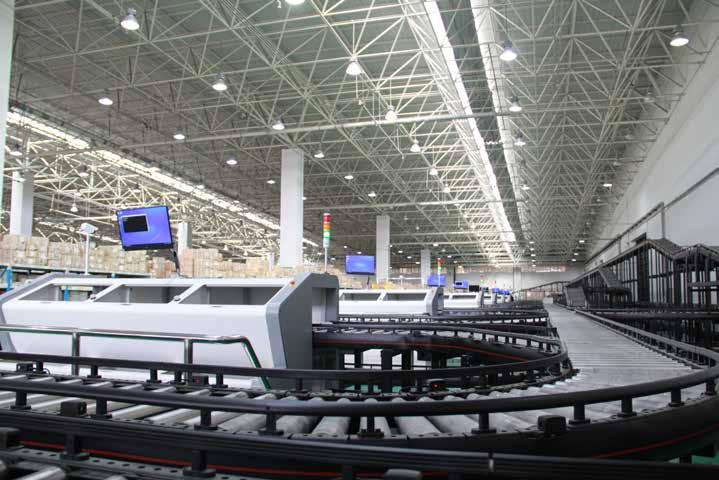
Phoenix Publishing & Media Inc. is mainly engaged in books, periodicals, trade services, warehousing and transportation, and import and export trade. As the largest cultural enterprise listed on the Main Board of Shanghai Stock Exchange, it is among the top ten in the global publishing industry, with an annual turnover exceeding USD 2.8 billion.
J&T Global Express, a global leading integrated logistics service operator, and S.F. Holding Co., Ltd. jointly recently announced that they have entered into a strategic cross-shareholding agreement involving the mutual issuance of new shares, with an investment and transaction amount of HKD8.3 billion.

Mr. Charles Junyi Hou (“Mr. Hou”), Vice President of J&T Express, addressing the operations and commitment to the UAE and the Middle East region, says, “As we continue to expand our global smart logistics network across 13 countries, J&T Express remains dedicated to our mission of ‘connecting the world with greater efficiency.’ The Middle East represents a strategic anchor in this global footprint, where we are applying the scalable, efficiency-based operating model that has cemented our market leadership in China and Southeast Asia. By leveraging our strategic partnership with SF Holding to harmonise their global line-haul strength with our deeply rooted local lastmile network—effectively bringing cargo to the country and delivering it to the door—we are empowering the region’s e-commerce growth with the full weight of our global resources.”

Pursuant to the agreement, J&T Express will issue 822 million Class B Shares to SF Holding at an Issue Price of HKD10.10 per share; simultaneously, SF Holding will issue 226 million H Shares to J&T Express at a Subscription Price of HKD36.74 per share. Upon completion, SF Holding will hold 10% of the issued shares of J&T Express as enlarged by the issuance, and J&T Express will hold approximately 4.29% of the issued shares of SF Holding as enlarged by the issuance.
This collaboration is designed to deeply integrate the resources of both industry leaders. The goal is to jointly construct a
more extensive, efficient, and resilient global integrated logistics network, better positioning both companies to serve Chinese companies expanding overseas and adapt to the evolving landscape of the global e-commerce logistics market.
J&T Express is a global logistics service provider with leading express delivery businesses in Southeast Asia and China, the largest and fastest-growing market in the world. Founded in 2015, J&T Express’ network spans 13 countries, including the UAE, Indonesia, Vietnam, Malaysia, the Philippines, Thailand, Cambodia, Singapore, China, Saudi Arabia, Mexico, Brazil and Egypt.
The cross-shareholding structure aims to unlock highly complementary strategic synergies. J&T brings its extensive last-mile network and localized operational experience across 13 countries, pairing effectively with SF Holding’core resources and mature operating systems in cross-border first-mile and line-haul. Together, the parties will enhance the network coverage and competitiveness of their end-to-end cross-border logistics solutions. In the China market, large complementarities in network resources, customer bases, product structures, and differentiated positioning will create broad opportunities to expand service boundaries.
In a joint statement, Mr. Jet Lee, founder of J&T Express, and Mr. Wang Wei, founder of SF Holding, noted that the two companies are long-standing strategic partners and that this cross-shareholding marks a major milestone, elevating their relationship from operational collaboration to a closer, mutually beneficial strategic partnership. They will work together to build a more efficient global smart logistics network, seize the historic opportunities created by Chinese enterprises going global and the rise of cross-border e-commerce, and deliver greater value to customers across global supply chains.

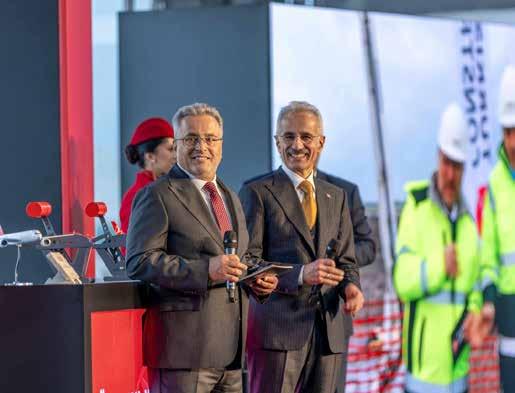
Turkish Airlines has launched a comprehensive investment initiative that will strengthen Türkiye’s aviation infrastructure and further advance its competitive edge. As part of this strategic move, shaped in line with the national flag carrier’s 2033 vision, groundbreaking ceremonies were held for eight new facilities with a total investment value exceeding TRY 100 billion at several locations, primarily Istanbul Airport, homebase of the flag carrier.
The ceremony held at Istanbul Airport was attended by the Minister of Transport and Infrastructure of the Republic of Türkiye Abdulkadir Uraloğlu, Turkish Airlines Chairman of the Board and the Executive Committee Prof. Ahmet Bolat, senior executives of Turkish Airlines and its subsidiaries, and leading figures in Turkish aviation.
Stating that Türkiye will surpass a new threshold in aviation with these investments, Minister of Transport and Infrastructure of the Republic of Türkiye
Abdulkadir Uraloğlu stated: “With a breakthrough that will leave its mark on the skies, opening a new page at the pinnacle of aviation, and further strengthening the wings of our national flag carrier, we will make a determined and ambitious start to 2026. These eight projects’ foundations we are laying today are strong steps taken towards Turkish Airlines’ magnificent rise and its goal of becoming the world’s number one airline. With the second phase of the air cargo terminal SmartIST underway, the facility’s usage area will increase. The cargo handling capacity, currently at 2.2 million tons, will rise to 4.5 million tons, propelling Turkish Cargo to global leadership. These projects will further strengthen not only Turkish Airlines’ wings but also those of Türkiye’s economy. Within the scope of these major investments totaling TRY 100 billion, 26,000 new job opportunities will be generated in 2026, and our aviation ecosystem will continue to grow.”
Commenting on the new investments, Turkish Airlines Chairman of the Board and the Executive Committee Prof. Ahmet Bolat said: “In line with our 2033 targets, we are developing not only our fleet but also the robust infrastructure that will allow us to fully utilize this fleet. This investment initiative, exceeding TRY 100 billion and spanning from our cargo operations to our technical maintenance capacity, from our catering centres to integrated operational solutions, strengthens our global competitiveness and is a concrete evidence of our vision to make Türkiye one of the world’s foremost aviation hubs. These investments, which will provide 26,000 new jobs in 2026, will increase to 36,000 when all phases are completed. With these steps, we are building not only facilities but also an ecosystem for the future of our country’s economy and aviation sector. Today, our company’s contribution to our country’s economy is USD 65 billion, and when we reach our 2033 goals, this figure will reach USD 144 billion.”
As part of its new investments, Turkish Airlines is implementing the following projects to maintain global leadership in Cargo, Technical Maintenance, and Catering: • Turkish Cargo SmartIST Phase 2 project, which will be one of the world’s
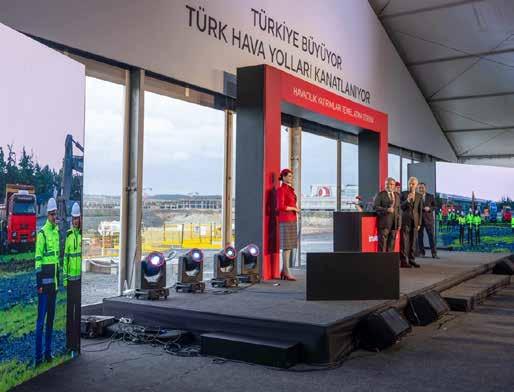
largest air cargo centres with an annual capacity of 4.5 million tons and is planned to be completed gradually during the 2027-2028 period.
• Turkish Airlines Main Catering Facility, positioned as one of the world’s largest inflight catering centres with the capacity to serve more than 500,000 passengers per day and expected to become operational during the 20272028 period.
• Turkish Technic Engine Maintenance Centre, set to be completed in 2027, as one of Europe’s largest new-generation aircraft engine maintenance centres possessing the capability of servicing Trent XWB-84, Trent XWB-97 and Trent 7000 Rolls Royce engines.
• Moreover, Additional Aircraft Maintenance Hangars to be built under Turkish Technic and planned for completion within 2026 will create a simultaneous maintenance capacity for 12 aircraft, increasing the company’s current maintenance capability by an average of 20%.
• E-Commerce Complex, a key element in the logistics and digital transformation vision and planned to enter service within 2026, further strengthens Turkish Airlines’ role in global trade through Widect, its new-generation operational model offering “door-to-door integrated cargo
solutions.”
• Istanbul Data Centre, which will form the digital backbone of operational continuity and is planned to become operational during the 2027-2028 period, will elevate the company’s technology capacity to a new level with its highsecurity infrastructure and advanced data management capabilities, while Flight Training Centre (Phase 1), scheduled for the 2026-2027 period, is positioned at the centre of human resource investments, supporting Turkish Airlines’ long-term growth strategy.
• Turkish Airlines Additional Crew Terminal Building, planned in line with the expanding operational volume and scheduled for completion within 2026, is included among the investments as a complementary infrastructure element that provides seamless logistics flow between ground services, maintenance, and flight operations. These investments form the foundation of an integrated growth model that advances operational capacity, technical infrastructure, and digital capabilities in line with Turkish Airlines’ 2033 objectives to become one of the world’s five largest fleets as the carrier celebrates its centennial. They also serve as the backbone of a strategic aviation ecosystem supporting global operations.
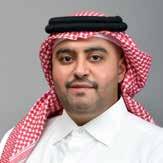
• Sheikh Mohammed Bin Hamad: Committed to cementing our regional leadership
Gulf Warehousing Company Q.P.S.C (GWC), one of the leading logistics providers in the region, has announced its financial results for the year ended 31 December 2025. The company reported total annual revenues of QR 1.38 billion, operating profits of QR 232 million, and a net profit of QR 120 million, while earnings per share stood at QR 0.205 for the year ended on 31 December 2025. The company’s Board of Directors recommended a 10% cash dividend, at QR 0.10 per share.
Sheikh Mohammad Bin Hamad Bin Jassim Bin Jaber Al Thani, GWC chairman, said: “Our focus is on strengthening GWC’s leadership by integrating our portfolio of logistics assets and capabilities into a unified offering that serves regional and global markets, while maintaining a disciplined approach to risk and capital allocation and pursuing measured expansion into new operational sectors that enhances our competitive capabilities.”
He added: “We will continue to strengthen our leading position in the logistics sector. By aligning growth with the objectives of the Third National Development Strategy and Qatar National Vision 2030, GWC continues to support national economic diversification while optimizing value creation and expanding market share in a disciplined manner.”
Sheikh Abdulla Bin Fahad Bin Jassim bin Jaber Al-Thani, GWC Managing Director, said: “The Company is implementing a strategy focused on diversifying its investment portfolio, creating added value
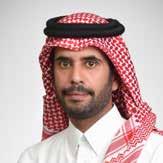
• Sheikh Abdulla Bin Fahad: Advancing portfolio diversification through integration and expansion
for shareholders, facilitating trade across regional and international markets, and delivering innovative logistics solutions that support sustainable profitability. Through this approach, we serve the needs of large enterprise customers while empowering small and mediumsized enterprises to scale efficiently.”
A leadership culture that is highly adaptive to market changes and supported by a solid foundation of integrated assets. Sustainability and responsible business conduct are embedded within our business model, alongside continued investment in technology and innovation to support long-term value creation.”
He further added: “We are scaling our e-commerce offering through end-to-end logistics solutions that span the full value chain, from warehousing and inventory management to fulfilment and last-mile delivery. Supported by intelligent systems and an extensive logistics network, this capability allows us to serve online retailers at scale across the GCC, Europe, and the United States with speed and reliability.”
In October 2025, GWC acquired a strategic, non-controlling stake in European technology and logistics scale-up Quivo. The investment expands GWC’s footprint across three continents and more than 15 cities, enabling homegrown Qatari and GCC brands to gain fast access into major European and US marketplaces and major e-commerce platforms through integrated logistics capabilities

• Matthew Kearns: Scaling an integrated and efficient logistics platform
that seamlessly connect regional infrastructure with global markets.
Matthew Kearns, GWC’s Acting Group CEO, said: “Our priority is to scale the business by transforming our assets into an integrated logistics platform that connects physical infrastructure with digital capability, allowing us to manage growth more effectively and optimize operations as we scale.”
He added: “Through interoperability across systems and services, we are improving scalability and consistency across the Group, allowing our integrated platform to support expansion into specialized, high value sectors, with fine art logistics serving as a clear example through our partnership with QC+.”
“This development represents a significant milestone for GWC and reflects Qatar’s growing role as a regional center for cultural and creative activity, supported by specialized infrastructure that meets the highstandards,” he stated.
GWC has announced, in partnership with QC+, the development of the largest fine art logistics facility in the region, scheduled to be established in the Ras Bufontas Free Zone. The facility will provide museum grade preservation, secure storage, and professional care for artworks and cultural assets, supported by a conservation laboratory, private and shared storage spaces, viewing rooms, and custom bonded areas for art logistics and handling. It will also include learning and collaboration zones designed to advance local expertise in art preservation and management.
• Total demand, measured in cargo tonne-kilometers (CTK), rose by 5.5% compared to November 2024 levels (+6.9% for international operations).
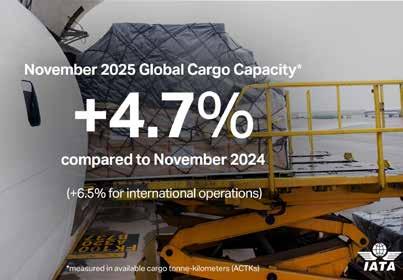
• Capacity, measured in available cargo tonne-kilometers (ACTK), increased by 4.7% compared to November 2024 (+6.5% for international operations).
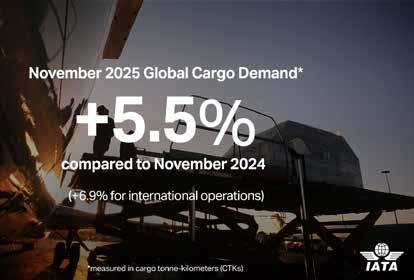
The International Air Transport Association (IATA) released data for November 2025 global air cargo markets.
“Air cargo demand grew 5.5% year-on-year in November 2025, boosted by shippers prioritizing timely delivery in the lead-up to the year-end holiday season. Strong emerging market demand and selective Middle Eastern growth more than made-up for softness in the Americas amid ongoing adjustment to the new US tariff regime. Globally, the fourth quarter for air cargo was resilient as strategic re-routing of trade shaped performance across key markets. The strong end for 2025 bodes well for the air cargo industry as it enters the new year,” said Willie Walsh, IATA’s Director General.
Several factors in the operating environment should be noted:
The global goods trade grew by 3.2% year-on-year in October.
Jet fuel prices rose 5.9% in November despite falling crude prices, driven by refinery disruptions, EU restrictions on Russian-derived products, and limited spare refining capacity, pushing crack spreads close to double last year’s levels.
Global manufacturing sentiment strengthened in November, with the PMI rising for the fourth consecutive month to reach 51.17. New export orders improved slightly to 49.87, but remained below the 50-point expansion threshold, reflecting ongoing caution amid tariff uncertainty.
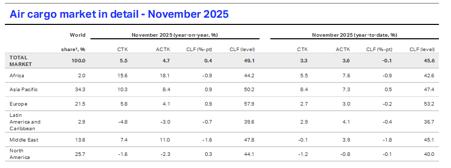
Asia-Pacific airlines saw a 10.3% year-on-year growth in air cargo demand in November. Capacity increased by 8.4% year-on-year.
North American carriers saw a 1.6% yearon-year decrease in growth for air cargo in November. Capacity decreased by 2.3% year-on-year.
European carriers saw a 5.8% year-on-year
increase in demand for air cargo in November. Capacity increased 4.1% year-on-year.
Middle Eastern carriers saw a 7.4% year-on-year increase in demand for air cargo in November. Capacity increased by 11.0% year-on-year.
Latin American and Caribbean carriers saw a 4.8% year-on-year decrease in demand for air cargo in November, the weakest performance of all regions. Capacity decreased by 3.0% year-on-year.
African airlines saw a 15.6% year-on-year increase in demand for air cargo in November, the strongest rise of all regions. Capacity increased by 18.1% year-on-year.

YOUR
FOR AIR CARGO HANDLING AUTOMATION

Leadership isn’t broken, it’s doing what the system rewards

For too long, leadership debates have focused on what leaders lack: courage, vision, decision-making flair, or decisiveness. But that framing is incomplete. In truth, leaders rarely fail because they lack ability. Most fail because they are rationally responding to the incentives embedded in today’s organisations, incentives that reward short-term safety over long-term progress. This is a profound shift: the problem is not people. It is systems.
Decades of leadership research reinforce that leadership isn’t just about personality traits or leadership styles, it’s about context, incentives, and organisational architecture. Strategic leadership research shows that sustainable competitive advantage comes from how leaders make and act on decisions that align human capital with long-term goals.
Research in leadership decision science highlights that many leaders excel early in their careers only to become bottlenecks later, as instinctive approaches fail to scale
with systems-level complexity. Experimental studies on leadership and incentives consistently find that leadership behaviour interacts directly with incentive structures to influence innovation and performance.
In other words, leadership behaviour cannot be separated from what the organisation rewards.
The incentive frame no one discusses Leadership incentives are rarely explicit. They are implicit, shaped by what gets rewarded and what gets punished quietly.
Scholars of organisational culture have long observed that leaders transmit and embed culture not through what they say, but through what they measure, tolerate, and reward.
If an organisation’s incentive system punishes visible failure more harshly than silent stagnation, leaders will naturally gravitate toward safe decisions, not because they fear risk, but because their survival depends on it.
In capital-intensive, operationally complex sectors such as global supply chain, logistics, and industrial technology, the cost of visible failure is amplified, which makes incentive-driven caution not just common, but rational.
This is not a character judgment. It is a functional description of rational behaviour inside a system where failure is punished more visibly than stagnation is recognised.
One of the most trusted phrases in executive hiring is “proven experience.” On the surface, it signals prudence. In practice, it often codifies sameness, the selection of leaders who have succeeded in familiar contexts, solving familiar problems.
But leadership effectiveness is not proportional to how many times someone has done something before. In complex environments, novel problems require novel thinking, not old templates.
Research on executive staffing and decision-making, including Donald Hambrick’s work on upper-echelons theory, shows that leadership choices are heavily shaped by prior experiences and cognitive biases, often reinforcing the status quo.
In this sense, “proven experience” becomes a form of incentive camouflage. It appears rational and defensible but quietly institutionalizes repetition over relevance.
A related but under-discussed behaviour is decision delay. In many organisations, hesitation is reframed as careful consideration. Yet research consistently shows that indecision carries real costs: momentum stalls, high performers disengage, and ambiguity becomes culture.
Leaders who could act decisively often withhold decisions not because they lack wisdom, but because the system’s implicit incentives deem delay less risky than decisive missteps.
High performers rarely leave because of bad leadership. They leave because nothing moves.
The most effective leaders I have observed across technology, industrial, and operationally complex organisations share one counterintuitive trait:
They are willing to disappoint early.
Not because they enjoy conflict, but because they understand that ambiguity compounds into dysfunction faster than clarity does.
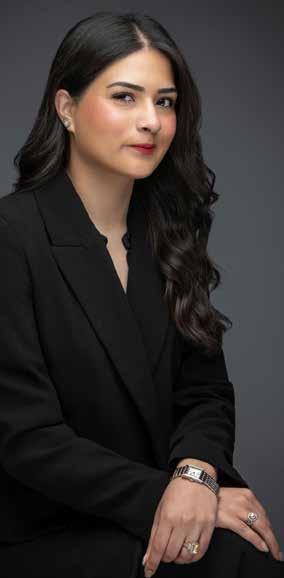
By Marium Dahar, Founder & CEO, Bricks Executive Search
Early disappointment signals clarity before convenience and clarity accelerates alignment.
This aligns with research on participative and empowering leadership, which shows that environments valuing shared accountability consistently outperform those governed by hierarchical avoidance and delayed decision-making.
Here is the unsettling reframe:
Leadership is not the expression of intent. It is the design of consequences.
Great leaders do not simply articulate vision. They shape the incentive architecture of their organisations. What gets rewarded, what gets ignored, and what behaviours become normal.
If leaders reward caution, they get caution. If leaders unintentionally reward stagnation, stagnation becomes culture. If leaders align incentives with progress, even when it causes short-term discomfort, they get movement.
Leadership today is not failing. It is doing exactly what the system rewards.
I. Angelov, I. (2024). Key Leadership Functions for Achieving Long-Term Competitive Advantage in Business. Sciendo. https://www.sciendo.com
II. Harvard Business Review. Strategic Decision-Making and Leadership in Complex Organizations. https://hbr.org
III. Ilyana, S., et al. The Effect of Incentives and Leadership Styles on Creative Performance. Journal of Indonesian Economy and Business. https://journal. ugm.ac.id/jieb
IV. World Bank Independent Evaluation Group. Incentives, Leadership, and Organizational Culture. https://ieg. worldbankgroup.org
V. Harvard Program on Negotiation (PON). Participative Leadership and Organizational Performance. https:// www.pon.harvard.edu
VI. Hambrick, D. C. Upper Echelons Theory: An Update. Academy of Management Review. https://journals. aom.org

Ibelieve the role of a CEO has fundamentally changed. In an era defined by rapid technological acceleration and Artificial Intelligence, leadership can no longer be reduced to managing numbers, processes, or efficiency. Those things matter—but they are no longer enough. Today, a CEO’s real responsibility is to act as a moral and strategic anchor, ensuring that innovation moves society forward, not just markets.
As AI automates more cognitive and operational tasks, what remains distinctly human becomes increasingly valuable. Judgment. Curiosity. Empathy. Purpose. For me, passion for creating long-lasting, useful impact is not a “soft” leadership trait—it is a core business requirement. Technology itself is neutral. It amplifies intent. And it is the responsibility of leadership to decide whether that amplification serves shortterm optimization or long-term progress.
My priority as a CEO is simple: to be useful. When a leader is genuinely driven by usefulness rather than ego or optics, the direction of the company becomes clearer. Decisions are not made solely to win the next quarter, but to build something that matters over time. In that sense, passion becomes a safeguard—it ensures that as technology scales, responsibility scales with it. Innovation, to me, must always be synonymous with improvement in the human condition.
I don’t believe in visions that exist only in slide decks. A meaningful vision must extend beyond trends, beyond hype cycles, beyond the next funding milestone. Especially in the age of AI, a CEO must articulate a future where technology acts as a bridge—between people, industries, and
opportunities—not as a barrier.
This means committing to ethical innovation: systems that are transparent, fair, and designed to augment human potential rather than replace it. A vision rooted in long-term utility gives an organization strategic stamina. Markets shift. Technologies evolve. But the need for meaningful solutions—to real, systemic problems—remains constant.
This is also what attracts the right ecosystem. Investors, partners, and customers today are increasingly valuesdriven. They don’t just ask what you’re building, but why. A vision grounded in usefulness creates resilience, trust, and alignment across every layer of the organization.
Team development: Building a human-first culture
If vision is the compass, people are the engine.
One of the most complex challenges of the AI era is the fear it creates—fear of replacement, irrelevance, or loss of meaning. A mission-driven CEO has a responsibility to address this directly, not by resisting technology, but by reframing its role.
I believe in using AI to remove friction, not purpose. When machines handle the repetitive and mundane, humans are given something incredibly valuable: time. Time to think, to create, to empathize, and to solve higher-order problems. Team development, for me, is about shifting from a culture of “labour” to one of “leverage.”
When people feel connected to a mission that matters, work stops being transactional. It becomes collective. It becomes a legacy. That shared sense of purpose is the strongest tool for engagement, creativity,
By Jessica Panigari, CEO, Founder & Strategic Leader, Goods2Load

and long-term retention in a global, competitive market.
In a world where machine intelligence is becoming ubiquitous, the most valuable differentiator is human intention— expressed through ethics, passion, and responsibility. My goal is to build not just a company, but a welcoming ecosystem for curious, driven, and values-aligned humans who want to contribute to something bigger than themselves. I see the CEO as a
Leadership today is not about predicting the future—it’s about shaping it with care.
By aligning technological progress with social advancement, I aim to ensure that what we build doesn’t just exist in the future, but actively helps make that future better. To me, that is what real leadership looks like in the 21st century—and it is exactly what I aim to achieve through Goods2Load and my position.

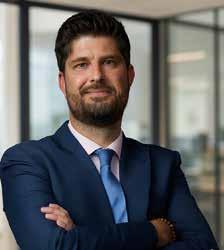
By Robin V., Founder of RV Consultancy
For years, CEOs have been told that digital transformation is the key to staying competitive. Yet the reality inside boardrooms is far more complex. Technology is advancing at a pace that outstrips most organisations’ ability to absorb it, and leaders are expected to make high-stakes decisions in an environment where the rules are constantly being rewritten.
As someone who works closely with executives across industries, I see a consistent truth: adopting new technology is not the hardest part. Leading people through the change is.
Why technology adoption still feels daunting
Despite the clear benefits of digital tools, automation, and AI, many CEOs hesitate. A recent McKinsey study found that 70% of digital transformation initiatives fail to meet their objectives, often due to resistance within the organisation rather than the technology itself. That statistic alone captures the real challenge: transformation is fundamentally a human journey. Three barriers appear repeatedly:
1. Organisational disruption
Introducing new systems can feel like rewiring an aircraft mid-flight. CEOs worry—rightly—that one wrong move could slow operations or unsettle customers.
2. Capability gaps
Technology is only as strong as the people who use it. Many leaders fear their
teams aren’t ready, or that the learning curve will be too steep.
3. Uncertain returns
Boards want clarity. CFOs want numbers.
Yet the ROI of emerging technologies often unfolds over years, not quarters.
As one CEO told me recently, “It’s not the technology that keeps me up at night—it’s whether my people will come with me.”
Leadership skills the modern CEO must master
The role of the CEO has evolved. Today’s leaders must be both digitally fluent and deeply human. The most successful CEOs I work with share five core capabilities:
1. Curiosity over certainty
You don’t need to be a technologist, but you must be willing to explore. Leaders who ask better questions make better decisions.
2. Agility as a strategic asset
The pace of change demands leaders who can pivot without losing direction. Agility is no longer optional; it is a competitive advantage.
3. Empathy as a performance driver
Employees don’t resist technology—they resist uncertainty. CEOs who communicate openly, acknowledge concerns, and involve teams early create cultures that embrace change rather than fear it.
4. Long-term vision
Technology is not a quick fix. It is a long-term investment in capability, resilience, and relevance. Leaders must look beyond immediate metrics and focus on sustainable value.
5. Courage to Experiment
Innovation requires a tolerance for failure. CEOs who create safe spaces for experimentation unlock creativity and accelerate progress.
Where leadership and technology converge
The CEOs who thrive in this era understands that digital transformation is not an IT project—it is a cultural shift. They:
• Lead by example
• Invest in continuous learning
• Break down silos between technology and operations
• Celebrate incremental wins
• Build organisations that learn faster than the competition
When leadership and technology align, companies don’t just adapt—they advance.
A CEO’s responsibility in a transforming
The CEO of today must be a bridge: connecting people to possibility, strategy to innovation, and technology to purpose. The future will reward leaders who embrace technology with confidence while leading with humanity.
In my work at RV Consultancy, I see this every day. The organisations that succeed are not the ones with the most advanced tools—they are the ones with leaders who inspire their people to grow alongside the technology.
The message is clear: technology will continue to evolve. The question is whether leadership will evolve with it.
New data centres in Dubai and Abu Dhabi to host 100+ cloud-based solutions of both Zoho and ManageEngine, the company’s two key brands
Zoho Corporation, a global technology company, recently announced the launch of its data centres in UAE in Dubai and Abu Dhabi. The data centres form a part of AED 100 million investment in the UAE that the company had announced in 2023. The data centre will host solutions from Zoho Corporation’s two key brands: ManageEngine (enterprise IT management) and Zoho (cloud business solutions). We caught up with its CEO and Co Founder Shailesh Davey.
“The opening of our data centres is part of our ongoing investment in the UAE, which remains one of the largest markets in the region for both ManageEngine and Zoho brands,” said Shailesh Davey, Co-founder and CEO, Zoho Corporation. “With this move, Zoho Corporation will be enabling businesses store their data locally, strengthening data sovereignty, and supporting National Cybersecurity Agenda. Furthermore, 100+ solutions across Zoho and ManageEngine, will enable businesses of all sizes, and government and semigovernment organisations adopt cloud technology for digital transformation in nearly every area of operation, and help Dubai become a digital economy line with Dubai Vision 2030.”
The data centres have also received certification from CSP Security Standard Certificate by DESC (Dubai Electronic Security Center). This qualifies Zoho Corporation to serve government and semi-government entities in addition to local businesses. As part of this, the data centres are also compliant with: ISO 27001, ISO 22301, ISO 27017 and CSA STAR Level 2 Certificate for data centres. In addition, the company’s Dubai office has received ISO 27001 certificate.
Zoho has grown by 38.7% in 2025 in UAE, and expanded its partner network by 29% in the same period. It has further increased its employee count by 35% last year to serve the needs of its increasing customer
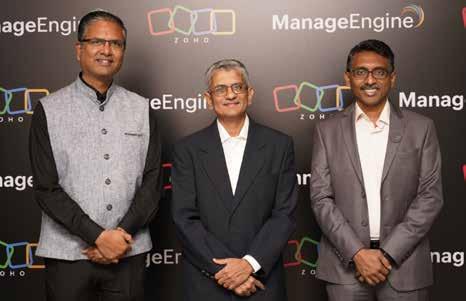
“(From L-R) Rajesh Ganesan, CEO, ManageEngine, Shailesh Kumar Davey, Co-founder and CEO, Zoho Corporation & Hyther Nizam, President, Zoho – Middle East and Africa
base, and expanded into a larger office. The key solutions driving Zoho’s growth are: Customer Experience platform (Zoho CRM, Desk and Zoho CRM Plus), Zoho Books (VATcompliant and FTA-approved accounting software), Creator (low-code app development platform), Zoho Workplace (communication and collaboration platform), and Zoho One (all-in-one suite of 55+ products).
In the past five years, Zoho has invested AED 80 million on enabling over 7,000 businesses in their digital transformation journey through various partnerships such as those with DET and Dubai Culture. In the past few years, Zoho has seen a steady upmarket growth in the country, 48% in 2025, led by its strong platform capabilities that allow enterprises achieve faster time to value and lowers their total cost of ownership.
ManageEngine has grown by 20% in 2025 in the UAE, led by its continued focus on the enterprise sector. The brand has
strengthened its local presence, including through the partner network, to support the increasing adoption of its solutions across both private and government organizations. The key solutions driving the growth are: Endpoint Central (unified endpoint management), ServiceDesk Plus (unified service management) and Site24x7 (cloud-based observability platform).
In the recent years, growth in the UAE for ManageEngine has been particularly strong in BFSI, government and public sector, and manufacturing, fuelled by cloud adoption, which is growing at nearly 35% in the region for the brand’s cloud solutions. This trend reflects a broader shift toward cloudfirst strategies, as organizations prioritise scalability, agility, and faster innovation.
Zoho Corporation is a privately-held, profitable technology company, founded in 1996. Zoho Corporation has more than 18,000 employees globally. It is the parent company of prominent technology brands including ManageEngine, Zoho, TrainerCentral, and Qntrl.

The air cargo sector is entering a new phase of strategic maturity, where competitive advantage is defined not by scale alone but by the ability to integrate data, technology, and commercial execution into a unified performance framework.
At the forefront of this shift is Adrien Thominat, Chairman of AERION, who is reshaping how airlines, GSAs, and digital ecosystems collaborate to deliver measurable, outcome‑driven results.
Discussing this with our Editor, Abigail Mathias, Thominat outlines the industry’s transition from transactional representation to orchestrated value creation, the leadership principles required to align global and regional priorities, and the organisational capabilities needed to navigate an increasingly complex operating environment.
Abigail Mathias: What strategic priorities are shaping the air cargo industry today?
Adrien Thominat: The industry is undergoing a fundamental shift from transactional GSA models toward integrated performance orchestration. The real competitive advantage no longer comes from information access, data is now widely available, but from the ability to interpret and act on it with commercial discipline. Three dynamics are driving this: airlines increasingly demand outcome based partnerships with clear KPIs linked to their bottom line; the convergence of commercial logic and technology means digital tools must be guided by strategic intent; and profitability is now steered continuously through shared metrics and transparent data flows. AERION reflects these priorities by orchestrating commercial
strategy, technology deployment, and operational execution as one system.
AM: What leadership principles guide your decision-making when balancing global strategy with regional markets such as the Middle East?
AT: My principle is: centralise strategic intent and performance metrics, decentralise execution and adaptation. The Middle East operates within the same profitability framework as every other region, but local teams have full autonomy to shape commercial approaches and partnerships that fit market reality.
What matters is coherence across commercial, operational, and technology layers. When all teams work toward the same KPIs and share the same data, regional markets move fast because there are no misalignments to resolve. Leadership in this context is orchestration, not command.
AM: As someone overseeing several departments with specific goals, how do you ensure alignment across teams while empowering local leaders to innovate and adapt?
AT: Alignment doesn’t come from hierarchy. It comes from transparency and a shared performance language. Each
entity operates independently within a unified commercial framework, with full authority over execution.
Local innovation is encouraged because it improves overall performance. What drives alignment is accountability. When every team sees the same data on profitability and customer contribution, and their success is measured against shared metrics, alignment happens naturally.
AM: How has your leadership approach evolved in response to global disruptions — economic, geopolitical, or technological — over the past few years?
AT: Our leadership approach has evolved with each major disruption, and AERION itself is the result of that evolution. It started with the creation of ECS Group, built to give airlines a powerful, agile commercial and operational network at a time when the market needed reach and execution more than anything else. Then came the integration of Global GSA Group, which reinforced this footprint and gave us a unique vantage point on how different markets, products and cycles really behave.
Over time, successive shocks, economic, geopolitical, technological, showed the limits of a purely transactional GSA model. When supply chains break or demand patterns flip overnight, simply “selling capacity” is not enough. That is why the Group deliberately moved beyond representation: by creating CargoTech, we brought together best in class digital capabilities to steer planning, optimisation and distribution, and by building specialised Abilities such as TCE, Healthc’Air, Mail&More and Squair, we industrialised deep expertise in TCM, pharma, parcels, safety, security and back office excellence.
AERION is the hybrid answer born from this journey. It operates as a purpose built GSA, combining the reach and field know how of a classic GSA with the analytical discipline of a data native organisation and the focus of a strategic advisory firm. Instead of reacting market by market, AERION centralises strategic intelligence, commercial data, operational performance, market signals and uses it to coordinate the entire ecosystem around clear, shared profit trajectories.
In this sense, leadership has shifted from managing separate entities to orchestrating a bionic like model, where human expertise and digital capabilities reinforce each other. Healthc’Air and Mail&More, for example, are not side businesses; they are precision instruments for managing pharma and e commerce flows under pressure, plugged into the same data and performance framework as ECS or CargoTech. The role today is less about “fixing problems” after the fact, and more about designing an organisation that anticipates, absorbs and leverages disruption as a source of competitive advantage.
“When all teams work toward the same KPIs and share the same data, regional markets move fast because there are no misalignments to resolve. Leadership in this context is orchestration, not command.”
AM: What qualities do you believe CEOs must cultivate to remain effective in an increasingly interconnected and unpredictable business environment?
AT: Four qualities matter: the ability to connect strategy, technology, and execution into one coherent framework; comfort in leading expert ecosystems rather than controlling everything directly; strong prioritisation discipline in environments exposed to regulatory and geopolitical uncertainty; and relentless execution discipline backed by data and expert insight. A CEO must insist that every decision be grounded in data, every outcome be measurable, and every team be accountable.
AM: How do you foster a unified company culture across your entities while respecting regional differences and market dynamics?
AT: AERION’s culture is built on shared objectives and transparent accountability, not uniformity. Every entity operates with autonomy in execution but aligns around
the same profitability metrics and data transparency standards.
Teams compete on execution excellence and innovation, not on protecting turf. When a Mail&More innovation improves parcel economics in one region, it spreads. Regional differences are not obstacles; they are learning opportunities. We anchor culture in performance metrics and data transparency and let local teams adapt execution to their market reality.
AM: What role does the Middle East play in your global strategy, and how do you adapt your leadership style to the business environment in this region?
AT: The Middle East is not a special case. It is a validation and stress test of AERION’s integrated model. The region concentrates hub dependency, geopolitical exposure, rapid e commerce growth, and pharma flows with strict compliance demands. The need for coordination between commercial, digital, and operational teams is acute.
My leadership approach prioritises speed, reliability, and trust backed by data transparency. Hub dependency means you cannot afford miscalibration. Geopolitical exposure demands real time market intelligence and rapid coordination. The Middle East doesn’t redefine our strategy. It validates it.
AM: Looking ahead, what leadership capabilities will define the next generation of successful CEOs?
AT: Four capabilities will matter: the ability to orchestrate multiple expert entities toward a single performance objective; turning technology platforms into decision accelerators, not support tools; leading specialised capabilities (pharma, parcels, compliance, across volatile regions without losing profitability sight; and shifting from control based leadership to performance enablement.
The best leaders don’t control outcomes. They create conditions, transparent data, clear KPIs, expert teams, decentralised authority, that enable teams to drive outcomes. These capabilities require deliberate practice and intellectual rigor, but they define the leadership model AERION is built on.
Under the leadership of Eng. Mahmoud Sabra since 2020, DRVBOT has evolved from a startup into an SME, delivering complex engineering and material handling projects across the MENA region, with a strong focus on large-scale and government-led initiatives, particularly in Saudi Arabia.
Across the MENA region, logistics companies are operating under growing pressure to deliver faster, safer, and more cost-efficient services while managing increasing volumes, heavier payloads, and diverse cargo types. Traditional, standardised material handling systems are often unable to cope with these realities. As a result, custom-engineered material handling solutions are becoming a strategic necessity rather than a technical upgrade.
Modern logistics facilities face a wide range of operational challenges, including non-uniform pallet sizes, oversized or irregular loads, mixed inbound container profiles, labour shortages, and space constraints. These challenges are particularly common in ports, airports, industrial zones, and government-operated facilities, where operations rarely follow standard patterns. In such environments, off-the-shelf automation systems often fall short, forcing operators to rely on manual processes that increase cost and risk.
Custom material handling solutions address these issues by being engineered around
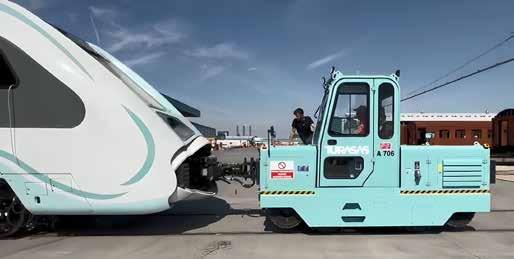
the specific requirements of each operation. Systems such as heavy-duty transfer carts, intelligent mobile robots, automated pallet movers, and container loading and unloading solutions can be designed to match exact payloads, travel paths, environmental conditions, and safety requirements. For logistics companies, this means smoother material flow, fewer bottlenecks, and more predictable operations.
One of the most significant benefits for logistics operators is improved operational efficiency. Tailored automation reduces cycle times and enables higher throughput without expanding physical infrastructure. For example, custom solutions for handling loose or non-standard containers can drastically reduce unloading times while maintaining consistent performance throughout long operating hours. This allows logistics providers to process more volume per day and improve turnaround times for customers.
Safety is another critical factor driving the adoption of engineered handling systems. Logistics operations often involve repetitive tasks, heavy loads, and shared spaces
By Eng. Mahmoud Sabra

between people and equipment. Customdesigned material handling systems reduce human exposure to high-risk activities by automating lifting, transport, and positioning tasks. This not only lowers accident rates but also supports compliance with increasingly strict safety regulations and insurance requirements across the region.
Scalability and adaptability are equally important. Logistics companies must respond quickly to seasonal demand fluctuations, new customer requirements, and changes in supply chain models.
Custom material handling solutions are often designed with modular architectures, allowing systems to be expanded, reconfigured, or integrated with additional equipment over time. This protects capital investment and provides long-term flexibility that standardised systems often lack.
In the MENA region, logistics operations frequently intersect with aviation, oil and gas, heavy industry, and government projects, where requirements are highly specialised. Facilities in these sectors may require equipment capable of handling extreme loads, operating in harsh environments, or integrating seamlessly with existing infrastructure. Engineeringled solution providers play a vital role in translating these operational needs into practical, reliable automation systems.
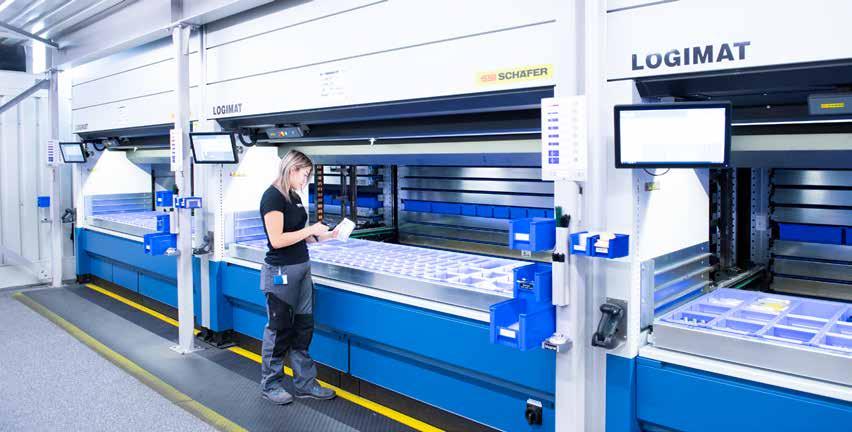
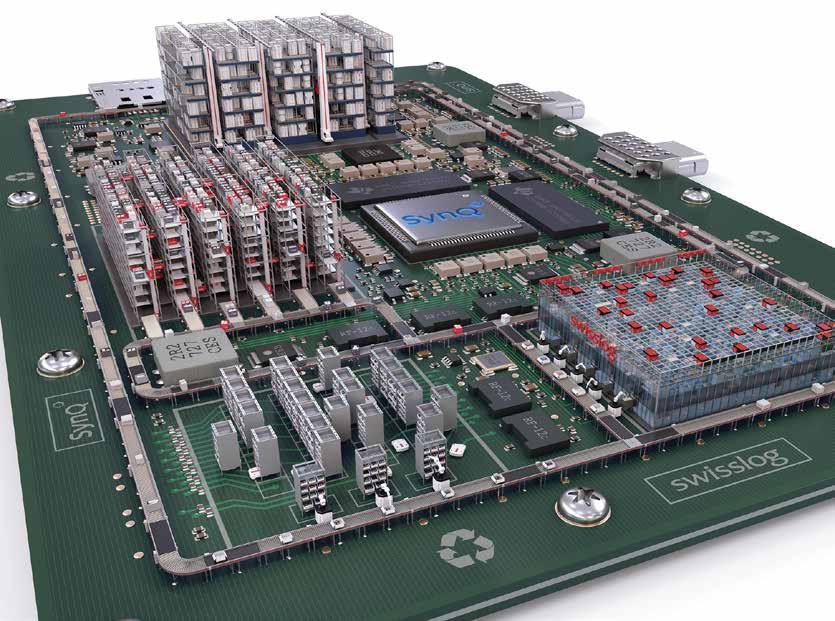
Our SynQ software delivers data-driven intelligence that empowers your business by synchronizing the performance of your people, processes and machines. The result is a level of efficiency and performance you never thought possible.
swisslog.com
How many times do you look at a plastic cup and wish it were recycled?
Polygreen, a leading provider of global circular economy solutions, launched “Again, Please”, a reusable foodware system aimed at replacing singleuse plastics, during the World Future Energy Summit (WFES) at ADNEC Centre Abu Dhabi, as the UAE accelerates its transition towards a circular economy.
As part of the launch, Again, Please hot and cold reusable cups were used across participating exhibitors at ADNEC Centre Abu Dhabi throughout WFES, demonstrating the practical application of reusable foodware at one of the region’s largest sustainability events.
Global Supply Chain offers insights from the people driving this initiative.
Up close and personal with Theodossios Kassapantoniou, General Manager, Again Please
Global Supply Chain: Consumer participation is essential for circular systems to work. What behavioural insights have shaped your business model, and how do you encourage long term engagement from users and clients?
Theodossios Kassapantoniou: Driving a high rate of return is subject to a robust reuse system design, from the reusable cup packaging to the collection, logistics and participation of the consumer, and not to the consumer behaviour alone. The design of the system should ensure that consumers are motivated in adopting a return habit.
GSC: How do you communicate the value proposition of circularity to businesses that may still view sustainability as a cost rather than a strategic advantage?
TK: We focus on operational and commercial outcomes rather than abstract sustainability benefits. Circular systems can offer predictable costs compared to fluctuating single-use procurement, improved operational efficiency, and reduced exposure to regulatory risk.
By providing measurable data on waste reduction and carbon savings, we help businesses understand circularity as a strategic investment that supports resilience, brand credibility, and long-term value creation.
GSC: If you could change one misconception that governments, businesses, or consumers have about waste and resource recovery, what would it be and why?

TK: The most persistent misconception is that recycling alone is sufficient to address the waste challenge. While recycling remains important, it is energy-intensive and still relies on continuous material production. True circularity starts with reducing consumption and prioritising reuse wherever possible. Shifting this mindset is essential for achieving meaningful environmental impact.
GSC: Describe the relevance of being at the World Future Energy Summit (WFES)? What has been the outcome of participating in this event?
TK: WFES provides a unique platform where policymakers, industry leaders, and sustainability innovators converge, making it highly relevant for demonstrating practical circular solutions.
Participating at this summit allows us to move beyond conceptual discussions and showcase a working system in a live, high-volume environment. The outcome has been increased visibility, meaningful stakeholder engagement, and the initiation of conversations around future partnerships and scale-up opportunities beyond the event itself.
GSC: Partnerships are often critical in sustainability ecosystems. What types of collaborations—public, private, or community based—have proven most effective for accelerating your impact?
TK: Public-private partnerships have been particularly effective, as they combine policy direction with operational capability. Collaborations with venue operators and large event organisers are also critical, as they enable scale and normalisation of reuse. Ecosystem-based partnerships, where multiple stakeholders work toward shared outcomes, have proven far more impactful than isolated pilots or one-off initiatives.
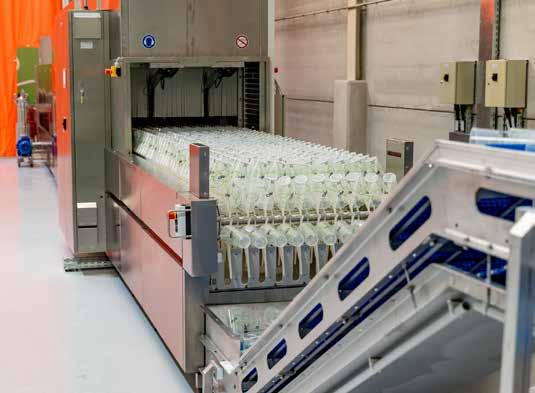
Caption with picture: Again, Please is a reverse logistics (closed loop) reusable foodware packaging solution designed for events, exhibitions, entertainment venues, and F&B operators. The system goes beyond cups, offering tailored reusable packaging formats supported by end-toend infrastructure, including collection points, logistics, industrial washing, and redeployment, ensuring hygiene, convenience, and operational efficiency.
Athanasios Polychronopoulos, Chairman and Group Chief Executive Officer at Polygreen, offers his perspective.
GSC: Circular economy solutions are gaining momentum globally. Where do you see the biggest gaps in current waste management systems, and how are Polygreen and Again Please positioning themselves to fill those gaps?
Athanasios Polychronopoulos: One of the biggest gaps in current waste management systems is the continued reliance on end-of-life solutions such as
recycling, rather than addressing waste generation at the source. There is also a lack of infrastructure to support reuse and reverse logistics at scale.
Polygreen and Again, Please focus on system-level solutions that prioritise reduction and reuse, supported by operational infrastructure and data-driven accountability, rather than isolated or symbolic interventions.
GSC: Many companies talk about sustainability, but few achieve measurable impact. What specific metrics or KPIs do you use to evaluate the success of your circular economy initiatives?
AP: We focus on measurable indicators such as reductions in single-use material consumption, return and reuse rates, carbon emissions avoided, and operational efficiency. We also assess system reliability, partner adoption, and longterm engagement to ensure solutions are delivering sustained impact rather than short-term gains.
GSC: What technological innovations— either developed in house or adopted externally—have been most transformative for your operations and customer engagement?
AP: Digital tracking of reusable assets and data analytics have been particularly transformative. These technologies allow us to monitor return cycles, optimise logistics, and provide transparent reporting to
partners. Integrating operational data with sustainability reporting has strengthened customer engagement and decisionmaking.
GSC: How do you balance the need for rapid innovation with the operational realities of scaling waste management and recycling infrastructure across different markets?
AP: We prioritise piloting solutions in real-world conditions before scaling them further. Innovation is approached pragmatically, ensuring systems are operationally robust and commercially viable. Infrastructure readiness is a prerequisite for expansion, rather than an afterthought.
GSC: Polygreen and Again Please operate in markets with very different regulatory environments. How do you navigate these variations, and what makes a market attractive for expansion?
AP: Navigating regulatory differences requires close collaboration with local stakeholders and alignment with national sustainability frameworks. Markets with clear policy direction, infrastructure readiness, and strong public-private collaboration are particularly attractive for expansion, as they enable faster deployment and long-term impact.
With recent global events, we’re seeing a lot of emerging concepts in supply chain management, designed to counteract a variety of issues. A unique concept one might have heard of is “friendshoring.”

It is something we have been developing recently, as a reaction to the fact that we can no longer overly depend on any particular supplier.
Friendshoring is when countries, or companies, choose to source goods and services from trusted (politically stable) allies rather than from the cheapest or most convenient suppliers, to reduce risk and improve resilience.
Geopolitical factors have been a big contributor to this shift in our supply chain management. For example, when the security and shipping disruptions in the Red Sea saw attacks on commercial vessels, we suffered a lot of disruption with our raw material supply coming in from Europe.
Many vessels which normally arrive here in the UAE in 30 to 40 days took over 60and sometimes even 90 - days to arrive at Jebel Ali Port. This, of course, played havoc
with our production planning, so we had to rapidly diversify our supplier base, despite it being more costly.
With rising tensions and policies on export being unclear, sometimes there is a lot of disparity between our production levels and the availability of raw material at a competitive price.
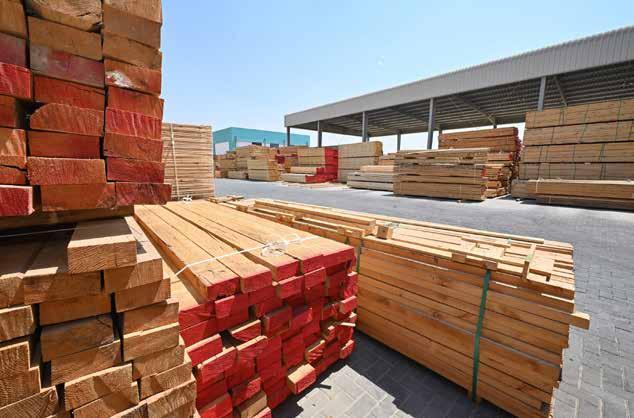
We have seen raw material (timber) costs increase, on average, because of the need to depend on friendshoring. A good example of this was when we had accepted a big order from a key customer, but an issue developed with delivery of the raw material.
Since our reputation was at stake, we decided to take a hit on margins, and procured a lot of the raw material from a merchant in a nearby country.
This move made us realise the need to break away from over-dependence on a particular supplier, or geographical region.
Many companies now see the need to incorporate friendshoring in their supply chain planning and execution.
This became especially visible after the pandemic, when countries began reshaping their trade relationships, a shift that was widely discussed and promoted at global forums such as the World Economic Forum.
A lot of the shift to friendshoring was from cheap supply to reliable supply. The pandemic, trade wars, geopolitical conflicts and climate change disruptions have all been a factor in creating this new trend.
Supply chain resilience is a key argument for the strategy shift. For example, overdependence on Taiwanese semiconductors saw a lot of delays in mobile phone markets in creating newer models. The automobile industry was also heavily impacted by a shortage of semiconductors for chips, resulting in many companies bringing in
the manufacturing to their borders. This also protected a lot of proprietary information.
In terms of resilience, friendshoring also reduces exposure to things like sudden export bans. We saw this with the US putting bans on Nvidia exporting some of its high-performance chips to China. The Chinese then started doing a lot of their own development in the high-tech semiconductor space.
And when sanctions were imposed on Russia, we saw a lot of disruption in importing Russian plywood. That was a big slice of our business that we had to give up. We had to scramble to discover other Asian sources for our plywood requirements and, in many cases, found it difficult to enter into agreements with new suppliers, as they had
order books full with everyone racing to find a replacement for their Russian suppliers.
In terms of advantages from a business point of view, we see low geopolitical risk, in addition to the benefits of higher supply continuity. In the long term, this translates to higher customer trust in our ability to deliver.
Most companies now look at low risk instead of just low cost for their supply chains as the frequency of geopolitical pressures are higher now than ever before.
In an era where disruptions are no longer exceptions but constants, friendshoring is redefining supply chains, transforming trust, alignment and resilience into strategic assets.
By Alex George, Managing Director, Al Ostad Pallet Factory

In today’s competitive business landscape, supply chains are not just about moving goods from point A to point B, they are the lifelines of innovation. Increasingly, companies are realising that the structure of their supply networks can shape not only their operational efficiency but also their ability to develop new products and services. This is especially true in knowledgeintensive industries such as electronics, semiconductors, and automotive, where firms increasingly rely on their knowledge assets and that of specialised suppliers in their supply network to produce innovative products.
In my opinion, two factors in particular stand out as facilitators of innovation within supply chains: the presence of shared suppliers and the centrality of those suppliers in the broader network.
Shared suppliers: double-edged sword of knowledge and risk
Working with suppliers that also serve your competitors can be both a blessing and a curse. On the one hand, shared suppliers give you access to broader industry knowledge and technical expertise. Think of them as hubs where ideas, best practices, and capabilities are aggregated across multiple firms. By tapping into this shared pool of expertise, your company gains insights that might otherwise be out of reach.
For example, in the technology sector, suppliers who serve multiple device manufacturers often become specialists in refining components that can serve several use cases. By sourcing from such suppliers, a company benefits from cutting-edge improvements without having to fund all the R&D itself. In industries like FMCG, where delivery times and customer experience are paramount, working with suppliers that cater to several competitors allows you to leverage efficiencies that come with scale.
But there is a flip side. Shared suppliers also mean that whatever you invest, whether

in product design input, process innovation, or special training, might indirectly spill over to your competitors. Imagine investing in a supplier’s new packaging capability to enhance sustainability. That same supplier may use the upgraded process to serve your competitor, effectively giving them access to innovations you helped fund. This creates constant tension: do you embrace shared suppliers to access knowledge, or do you avoid them to protect proprietary innovations?
Why firms still choose shared suppliers?
Despite the risks, many firms deliberately choose to work with suppliers that are shared with competitors. Why? Cost efficiency is one reason. Shared suppliers often enjoy economies of scale, meaning lower unit costs for all their customers.

Another reason is risk reduction. If you are one of several key clients, the supplier is less likely to prioritise a competitor’s needs at your expense, balancing its commitments more carefully.
Moreover, shared suppliers can improve quality and reliability. Serving multiple buyers pushes suppliers to refine their standards, invest in certifications, and streamline operations. This competitive pressure often benefits all their customers.
For example, in manufacturing, companies that invest in shared suppliers often see better consistency in component performance, as the supplier must meet the requirements of multiple demanding clients.
Supplier centrality: The power of being connected
Beyond whether a supplier is shared, its position in the industry, what we call

centrality, matters even more. Central suppliers are those deeply embedded in the supply network, with strong connections to many other firms. Intel and AMD, for instance, are highly central players in the computer industry. Because they work with a wide range of companies, they accumulate and distribute critical knowledge, set industry standards, and influence the pace of technological change.
Working with central suppliers offers advantages. These suppliers are more likely to be aware of emerging trends, alternative solutions, and new technologies. Their broad network of relationships makes them powerful channels of information flow. For a buyer, this means greater access to external knowledge that can fuel innovation.
However, just like shared suppliers, central ones carry risks. Their wide reach means that the knowledge you provide might flow to
multiple other firms in the network. If your central supplier shares its learnings across its client base, you may end up indirectly enabling competitors. Yet, the scale of opportunities that central suppliers offer often outweighs the risks, particularly for firms that rely on fast innovation cycles.
1. Leverage knowledge hubs but manage spillovers. Shared suppliers can be valuable sources of knowledge, but firms should structure contracts and collaborations carefully to protect proprietary information.
2. Balance cost efficiency with innovation protection. Cost savings from shared suppliers are attractive, but companies must weigh them against the risk of losing competitive differentiation.
3. Prioritise central suppliers for innovation. Central suppliers are often the best positioned to bring in external knowledge and accelerate innovation. Building strong relationships with these players can be a major competitive advantage.
4. Move fast to capitalise on shared innovations. When working with suppliers that are both shared and central, competitive advantage often lies in speed, being the first to integrate supplier-led innovations into your offerings.
5. Think of networks, not just dyads (pairs). Supply chains are ecosystems. Firms that understand not only their direct relationships but also the broader network dynamics are better positioned to thrive
By Dr. Fabienne Chedid, Assistant Professor at Heriot-Watt University Dubai
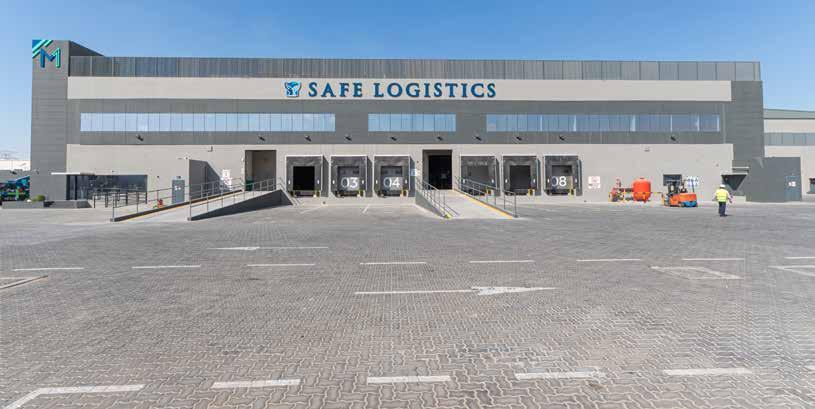
Safe Logistics delivers a personal and accessible service tailored to each customer’s specific needs, with a strong emphasis on reliability, speed, and flexibility. Drawing on close to two decades of industry experience, the company specialises in hazardous chemical logistics and provides efficient, responsive solutions designed to keep operations running safely and smoothly.
Speaking at a recent warehouse expansion, CEO Mahtab Tabatabaei explains, “Today is a milestone for Safe Logistics, where innovation meets infrastructure. As chemical logistics specialists, with over 16 years of experience, we can now store more than 17,000 pallets across three purpose-built warehouses, handling nearly every class of dangerous and non-dangerous goods, delivering endto-end solutions throughout the chemical value chain.” The company is the first licensed hazardous chemical warehousing company established in the Jebel Ali Free Zone, paving the way for a long-standing operational expertise. It now offers end-to-end chemical logistics services managing the flow of products, information, and finances as a single coordinated
network, which enables the team to create demand-driven supply solutions that focus on delivering additional value to international customer base.
Its purpose-built facility is located in South Zone 4 (Chemical Zone) Jebel Ali, Dubai UAE and was completed in 2025 to meet the highest standards for chemical logistics including flame detection, foam system and in-rack sprinklers. The site has 10,500 square metres of built-up warehouse space, designed for safe, efficient and scalable handling of hazardous chemical materials within a fully regulated free zone environment. The facility operates with full approvals from JAFZA EHS, Trakhees and Dubai Civil Defence.
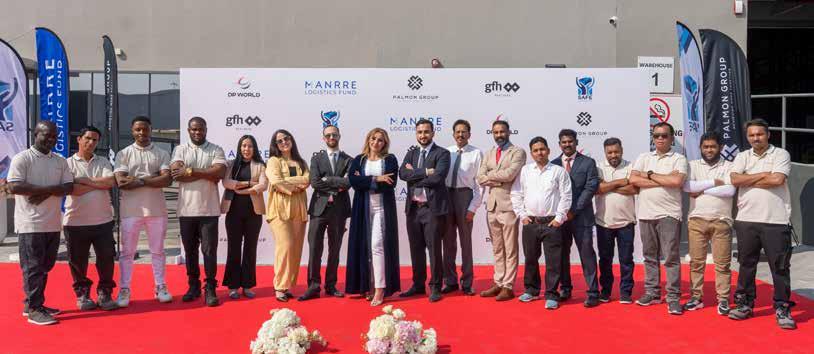
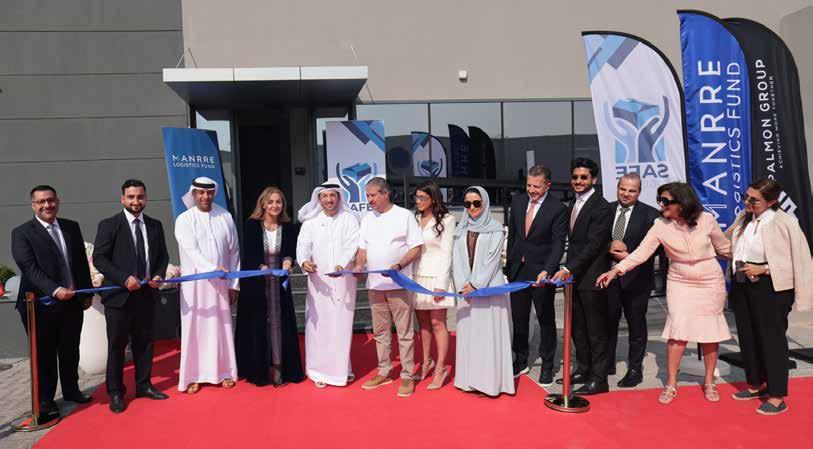
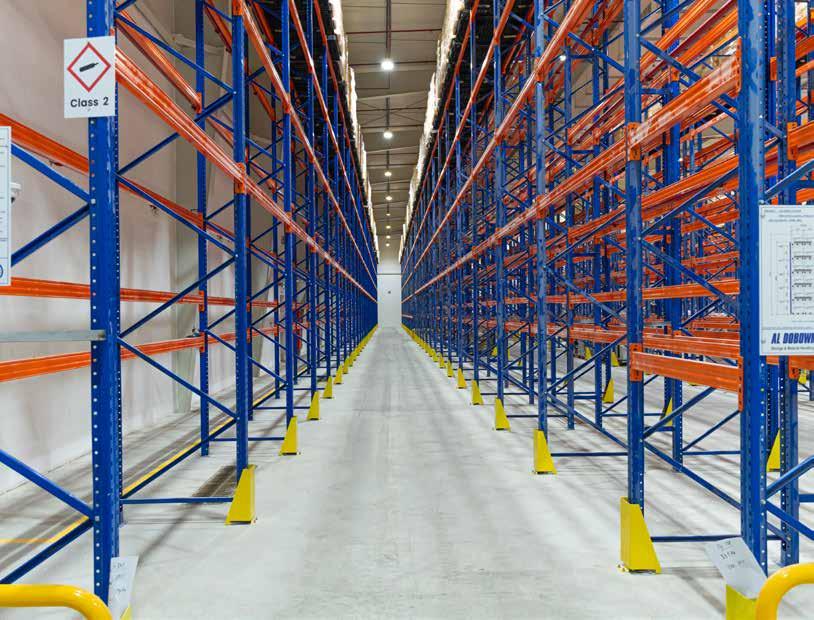
The state-of-the-art facility strengthens Dubai’s position as a regional hub for regulated chemical storage and specialised logistics.
GFH Partners Manrre REIT (CEIC) PLC (“Manrre” or “the Fund”), managed by GFH Partners Ltd. (“GFH Partners”), together with its development manager Palmon Group FZCO (“Palmon Group”), today announced the opening of a specialised temperaturecontrolled chemical warehouse in Jebel Ali Free Zone (Jafza), further expanding the Fund’s Grade A logistics portfolio.
The inauguration ceremony was held in the presence of Mr. Abdulla Bin Damithan, CEO and Managing Director, DP World GC, alongside senior officials and dignitaries from Jebel Ali Free Zone, GFH Partners, and Palmon Group.
Speaking on the launch, Kunal Lahori, CEO of Palmon Group and Board Member of Manrre, said: “This new facility brings together precision engineering, regulatory compliance, and long-term value creation. Specialised chemical storage requires a high degree of control and risk management, and we have developed this warehouse to meet those expectations while offering flexibility and scalability for tenants. As one of the earliest developers in Jafza, Palmon Group remains committed to supporting the UAE’s logistics and industrial growth.”
Mohamed Ali, Head of GCC at GFH Partners, said: “The opening of this warehouse marks another important milestone in the expansion of the GFH Partners Manrre REIT portfolio, particularly in mission-critical industrial and logistics assets that serve high-growth sectors. The UAE continues to see strong demand for specialised storage solutions, and this facility reinforces our strategy to develop resilient, future-ready assets that deliver long-term value for our investors.”
Purpose-built and developed by Palmon Group to meet stringent international safety and compliance standards, the new facility reflects the rising regional demand for certified chemical storage infrastructure that supports manufacturing, energy, industrial services, and third-party logistics. The warehouse is situated on a 180,000sq ft plot with a built-up area of 112,000 sq ft, divided into three temperature-controlled chambers that reach a maximum height of 13 metres. The warehouse has been designed with advanced Early Suppression Fast Response (ESFR), and in-rack sprinkler systems to ensure safety and resilience across all operations.
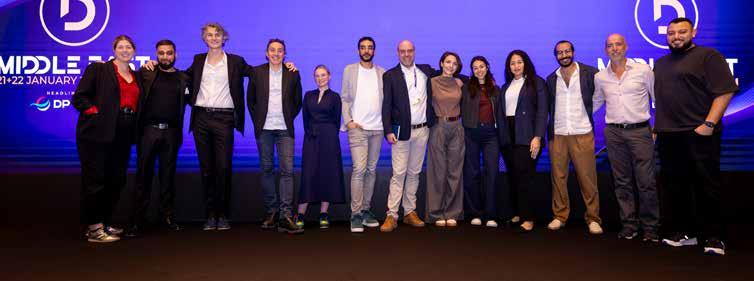
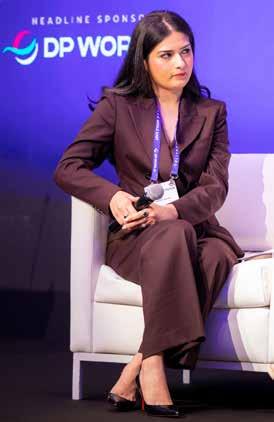
Making its debut in a region that is shaping the future of global trade, logistics and retail innovation, Deliver Middle East was held in Dubai, UAE.
The event took place from 21st and 22nd January 2026 at Hilton’s Dubai Al Habtoor City. In his opening remarks Stéphane Tomczak, Chairman and Founder said, “Launching here marks an exciting milestone for Deliver and we are honoured to do so with DP World as our Headline Sponsor.”
Speaking exclusively to Global Supply Chain a media partner to the event, he added, “The first edition is more than an expansion; it is the beginning of a powerful new chapter. In Dubai, you are connecting with an exceptional community of senior retail and logistics decision makers from
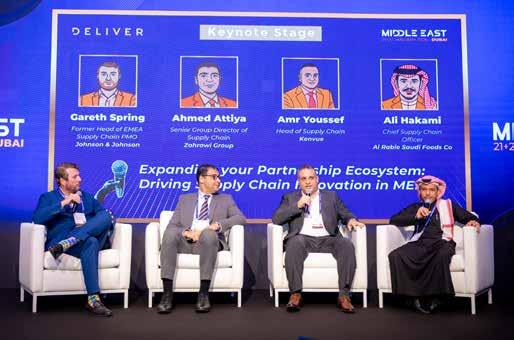
across the Middle East who are ready to engage in high-value conversations that drive real business outcomes.”
The event also hosted a welcome address by Beat Simon, Global Chief Operating Officer, DP World. Over the course of the two days, it featured a number of engaging discussions with stalwarts from the industry. Vendor awards were also handed out to noteworthy candidates who were selected by secret ballot.
After this event, the Deliver team goes global with four editions in Singapore, Amsterdam, Las Vegas and returns for Deliver Middle East from 20-21 January 2027.
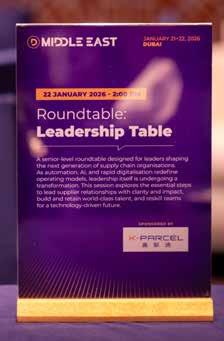

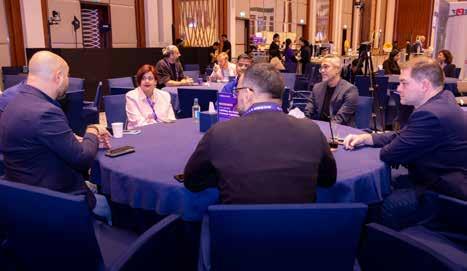
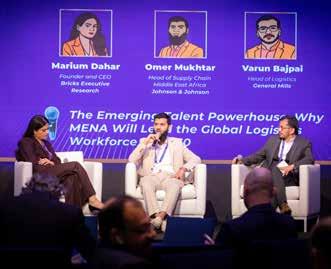
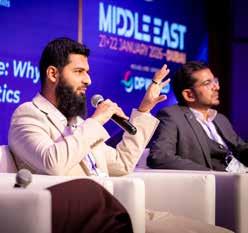
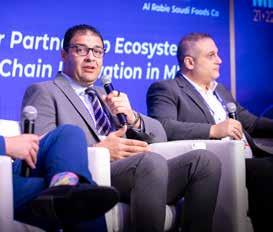
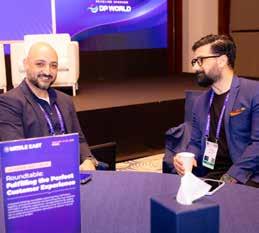
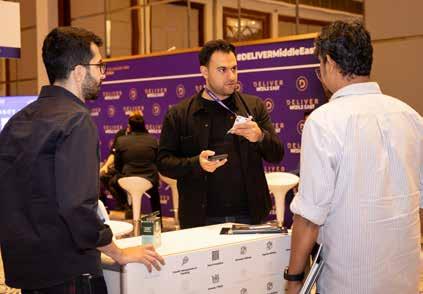
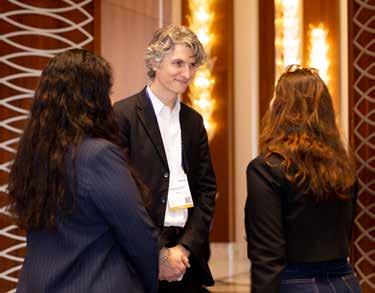
• The company will primarily serve high-growth cargo segments including e-commerce, pharmaceuticals, perishables, general cargo, project cargo, and express logistics.
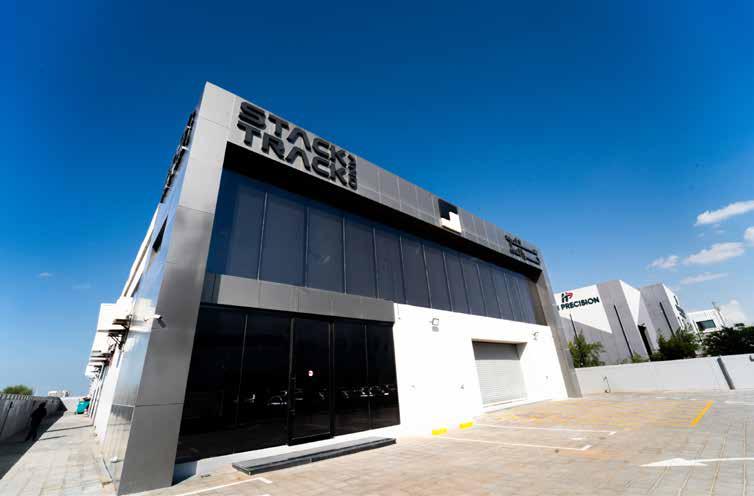
CargoCrew, leaders in global air cargo and logistics, has officially entered the Middle East with the launch of its regional headquarters in Dubai, marking a major step in the company’s international expansion.
The move comes as the UAE cements its position as a leading global logistics and air cargo hub, supported by strong trade growth, expanding e-commerce, and a global hub for international connectivity across continents. CargoCrew’s decision to establish its Middle East headquarters in Dubai reflects the city’s world-class aviation and logistics infrastructure, and businessfriendly regulatory environment, making it the natural base for scalable regional cargo
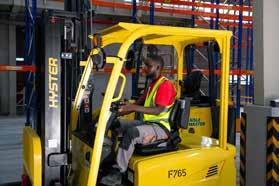
operations and integrated cargo solutions.
“Launching CargoCrew in the UAE is a defining milestone for our group, Dubai gives us a powerful platform to connect continents, airlines, and customers through smarter cargo solutions. Our focus is on flexibility, visibility, and long-term partnership.” said Hakan Ikizoglu, Founder and Chairman of CargoCrew Group.
CargoCrew began its UAE operations in 2025 from where it orchestrates airline representation, commercial cargo management, capacity optimisation, digital cargo solutions, and end-to-end integrated logistics services. CargoCrew will primarily serve high-growth segments including e-commerce, pharmaceuticals, perishables,
general cargo, project cargo, and express logistics, supported by strong partnerships with freight forwarders and shippers.
Operations in the UAE will be supported by CargoCrew’s expanding airline network, established European presence, and strategic partners across Asia and Africa. The company is also investing in warehousing, fulfillment, and last-mile partnerships to offer end-to-end cargo solutions.
Over the next 12–24 months, CargoCrew plans to expand its airline portfolio, scale its regional team, launch digital cargo platforms, and invest in logistics infrastructure and partnerships in the UAE. The Dubai hub will play a central role in driving regional growth and supporting the company’s broader global expansion.
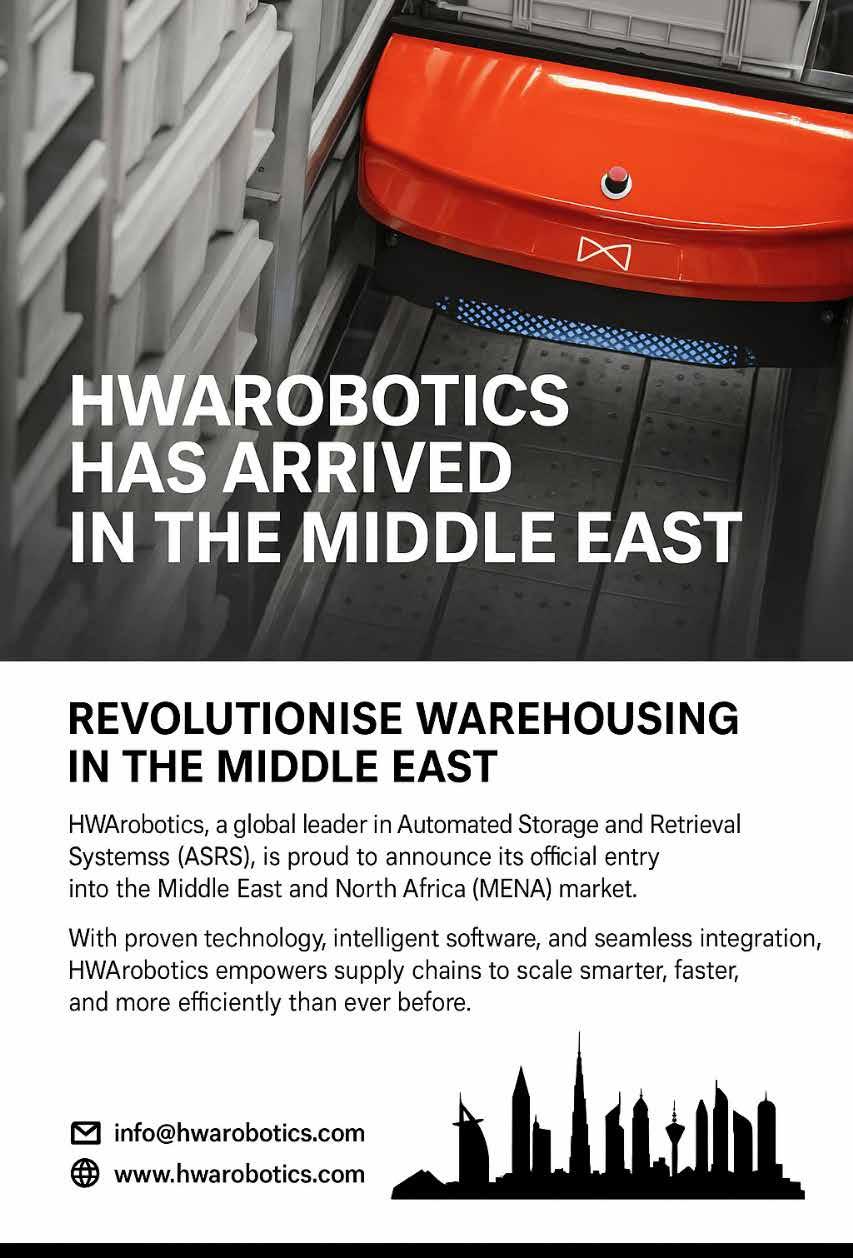
Al Habtoor Motors redefines urban logistics in the UAE with the landmark launch of the all-electric new FUSO eCanter
Al Habtoor Motors, the exclusive distributor of FUSO in the UAE, crossed a defining milestone in the nation’s transition towards sustainable commercial transport with the official launch of the Next Generation eCanter a fully electric light-duty truck engineered to decarbonize urban logistics and last-mile delivery operations.
Unveiled at the prestigious Al Habtoor Polo Resort, Dubai, under the theme “The Future of Commercial Mobility Electrified,” the launch represents a strategic evolution in the long-standing partnership between Al Habtoor Motors and FUSO. Following the formal unveiling at 11:00 AM, invited media, brought together key customers, partners, and stakeholders from across the commercial vehicle sector and industry stakeholders took part in an exclusive
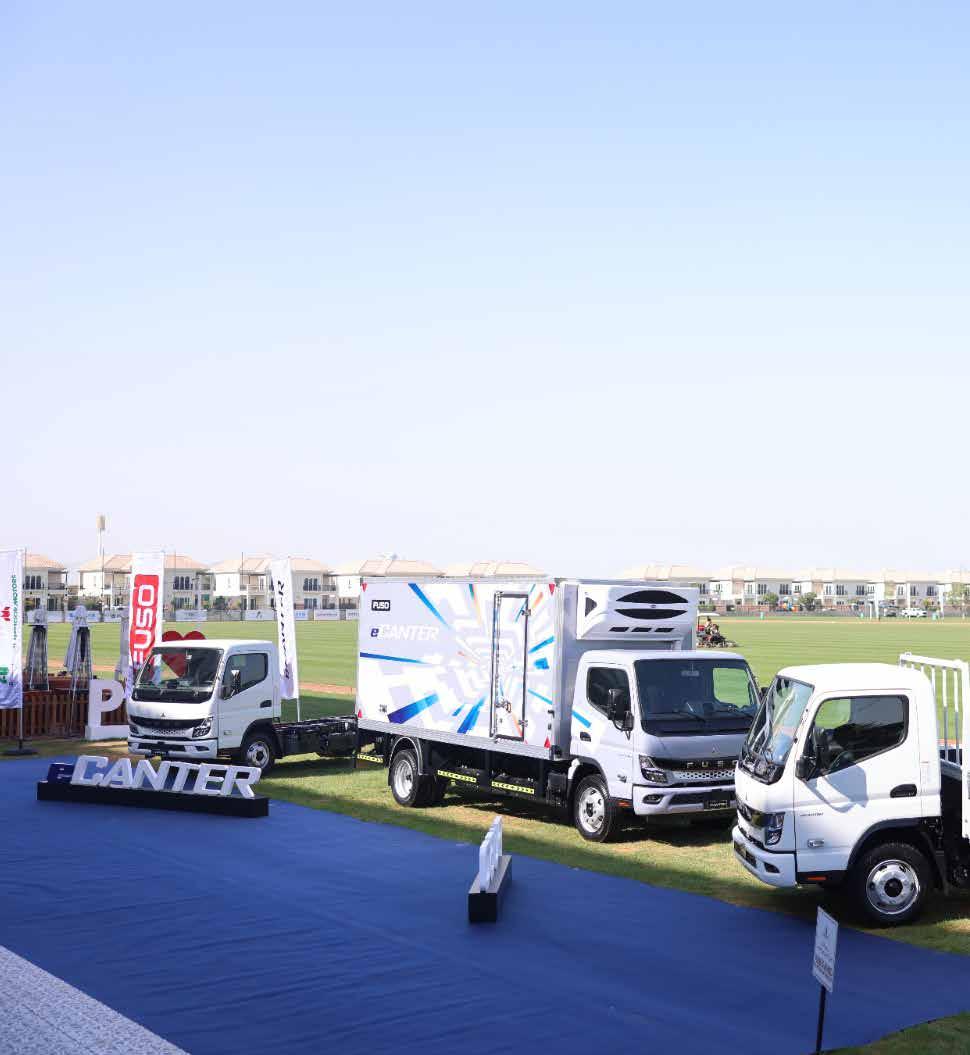
on-site test drive experience, offering first-hand exposure to the new eCanter’s zero-emission performance in real-world conditions.
The UAE debut of the Next Generation eCanter comes on the back of a strong global track record, with the model having accumulated over 8 million kilometres of locally emission-free operation across key international markets, including Europe and Japan. Drawing on more than five years of real-world customer usage data, the new generation eCanter has been refined to meet the high-intensity operational demands and climatic conditions of the Middle East.
“The launch of the FUSO new eCanter
in the UAE marks an important milestone for Al Habtoor Motors as we advance our commitment to delivering cutting-edge, sustainable transportation solutions to the market,” said Mr. Ahmed Khalaf Al Habtoor, CEO of Al Habtoor Motors. “This introduction reflects our strategic alignment with the UAE’s long-term sustainability narrative and Green Transport ambitions, while empowering businesses with futureready mobility solutions that combine zeroemission technology, operational efficiency and proven global performance.”
At the core of the Next Generation eCanter is innovative eAxle technology, which integrates the electric motor directly into the rear axle. This compact
drivetrain architecture reduces mechanical complexity, optimizes space utilization and enhances overall vehicle efficiency delivering tangible benefits for urban commercial operations.
The new eCanter’s modular battery concept enables fleet operators to precisely tailor vehicle specifications to route length and payload requirements, with three scalable configurations available: in Short Wheelbase, Long Wheelbase & XL Wheelbase.
Supporting operational flexibility further, the new eCanter is available in gross vehicle weight classes ranging from 4.25 tons to 8.55 tons, with multiple wheelbase options to suit a wide variety of applications. Customers can also choose between Standard (1,695 mm) and Wide (1,995 mm) cab widths, ensuring maneuverability in dense urban environments without compromising driver comfort.
Charging efficiency is optimized through support for both AC and DC charging, utilizing the CCS standard. With DC fast
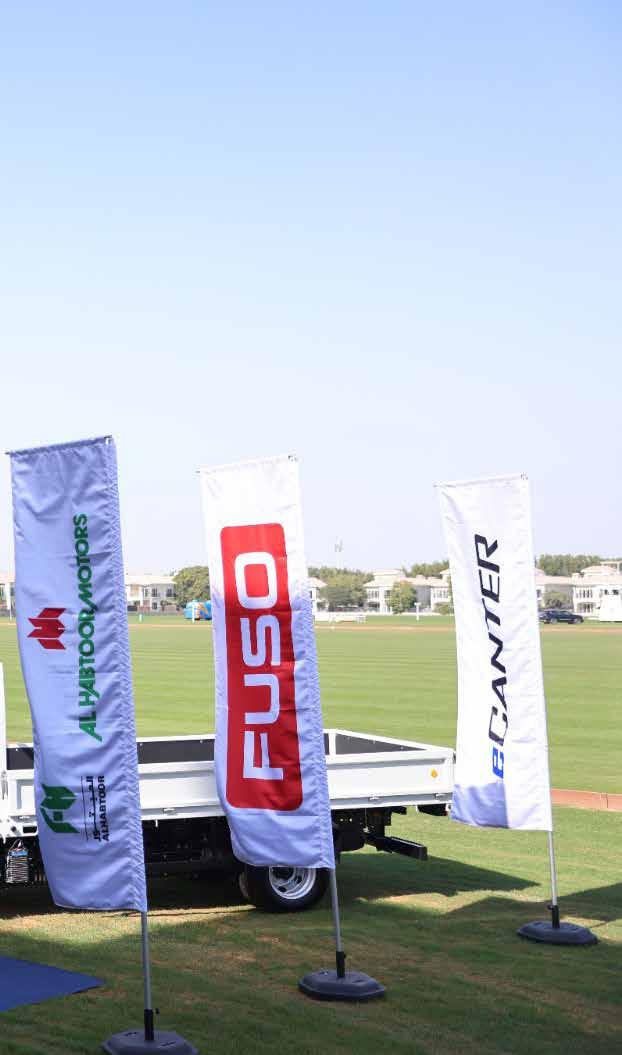
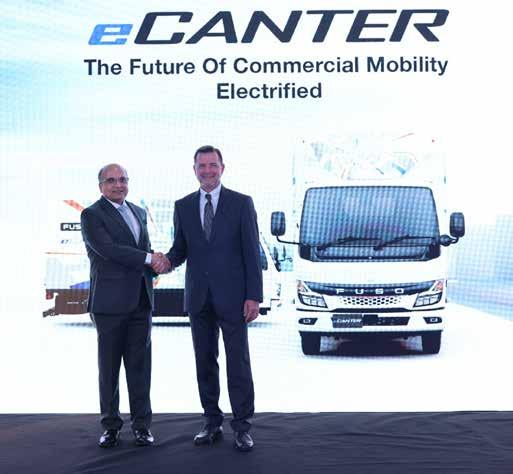
charging, the battery can be replenished from 20% to 80% in approximately 24 to 39 minutes, depending on the selected battery configuration, minimising downtime and maximising fleet utilisation.
Beyond its zero-emission powertrain, the Next Generation eCanter is designed for real commercial versatility. A sophisticated Power Take-Off (PTO) system enables compatibility with specialized bodies such as tippers, cranes and temperaturecontrolled vans, ensuring that businesses can transition to electric mobility without sacrificing functionality or operational scope.
The launch at Al Habtoor Polo Resort stands as a clear call to action for the UAE’s commercial sector, demonstrating that the future of urban logistics is not only electric, but intelligent, proven and ready for immediate deployment.
Annual forklift shipments are now predicted to be in excess of 3,600,000 in 2034, according to a new report released by respected market intelligence company, Interact Analysis.
Maya Xiao, who has written the report, say that this is an increase of 400,000 units on its previous forecasts and is being driven by automation, electrification and emerging markets. The report states a rise in autonomous forklifts is driving faster fleet upgrades and increasing unit value as it “transforms forklifts into connected assets, enabling shorter replacement cycles and higher investment per truck”.
“Fleet replacement with higher-value units and new application demand, positions autonomous forklifts as the fastest-growing segment, with shipments forecast to grow nearly 20% annually over the next five years,” the report adds.
The accelerating use of Li-ion technology and electrification are also playing a role in increasing the forecast of forklift shipments with Li-ion “expected to become the dominant battery technology in new electric forklifts by 2026, exceeding an 80% share by 2034”.
“China plays a central role, with its domestic Li-ion forklift shipments projected to surpass one million units by 2034, supported by strong policies and a mature supply chain.
“At the same time, emerging economies in Southeast Asia, the Middle East, and Africa are injecting strong momentum into the forklift market through infrastructure expansion, manufacturing relocation, and the rise of local e-commerce. Among them, the Indian market is particularly outstanding, with order growth projected at over 11% in both 2025 and 2026.”
The report states that China is the world’s largest forklift producer, consumer and dominant force in technological evolution and price revolution.
“Its Class 3.1 small electric forklifts have achieved economies of scale and low cost, with unit prices falling to around USD1,000. Driven by the “Make in India” initiative and infrastructure policies, India has become one of the fastest-growing markets, with expanding local manufacturing and logistics sectors driving sustained equipment demand,” Xiao’s story continues.
The logistics and retail continue to be the mainstay of the forklift market, with the two accounting for half of all global orders in 2024. This is only expected to grow in the next decade reflecting expanding global supply chains and e-commerce logistics.
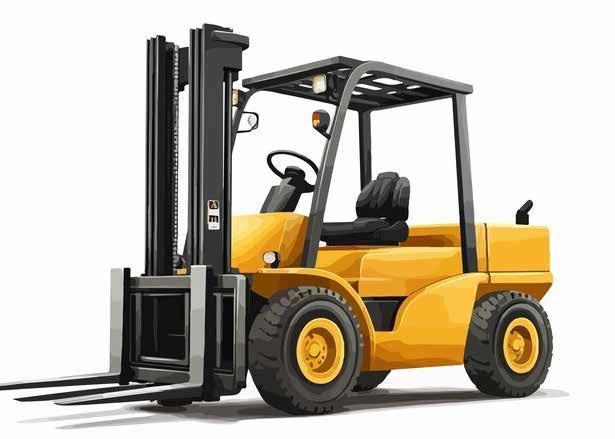
Another factor that comes into play is counterbalance forklifts. These are leading the global market for forklifts, offering high performance, improved efficiency, and effective maneuverability.
Despite this forecast, Interact Analysis believes there is a “confidence gap” between orders and shipments fed by supply chain disruptions, geopolitical risks and insufficient charging structure.
“In response, mainstream manufacturers are transitioning from ‘equipment manufacturers’ to ‘solution providers’,” Xiao continues.
“They are building comprehensive competitiveness centred on TCO by strengthening Li-ion battery technology, developing autonomous systems, and expanding rental and service platforms.”
It remains to be seen how far forklifts can carry the expectations projected for their growth. Despite improved prospects for the forklift market, it still faces challenges such as the “confidence gap” between orders and shipments, supply chain disruptions, geopolitical risks, and insufficient charging infrastructure. In response, mainstream manufacturers are transitioning from “equipment manufacturers” to “solution providers,” states the report.


· UD Trucks expands its product portfolio with the launch of the new Kuzer, a light-duty truck combining first-class productivity and efficiency with dependable everyday performance.
· The new Kuzer is designed to transform day-to-day business operations by maximising uptime and minimising operating costs, helping customers optimise efficiency and profitability.
· Available in 6.5-ton, 7.5-ton, and 8.5-ton gross vehicle weight variants with a choice of two powertrains depending on the application requirements.
UD Trucks introduced the new Kuzer light-duty truck in the United Arab Emirates, as the brand expands its offering to support customers operating in various urban and distribution-focused applications. With a choice of three GVW ranges and two engine options, the new Kuzer is developed, engineered, and produced to support a wide variety of applications across diverse industries, helping operators carry out daily operations efficiently while maximizing uptime and minimizing operating costs.
The launch is supported by UD Trucks’ long-standing partners in the UAE - Al Masaood CV&E, part of Al Masaood Group and United Diesel, part of Al Rostamani Group - reinforcing the brand’s commitment to delivering reliable transport solutions backed by a strong sales, service, and after-sales network built on decades of local experience. The arrival of the new Kuzer allows the brand to now offer a full model range across the light, medium (Croner) and heavy-duty (Quester) segments.
The new Kuzer is a practical and
dependable light-duty truck designed for everyday business operations. Offered in 6.5-ton, 7.5-ton and 8.5-ton GVW variants, with multiple wheelbase options, it allows customers to select the configuration best suited to their operational requirements. Depending on the variant, the Kuzer is powered by either a 3.0-litre or 5.2-litre Euro 4-compliant engine, paired with a 6-speed manual or Automated Manual Transmission (AMT), delivering an optimal balance of performance, payload capability and operational efficiency. The drivetrain is well
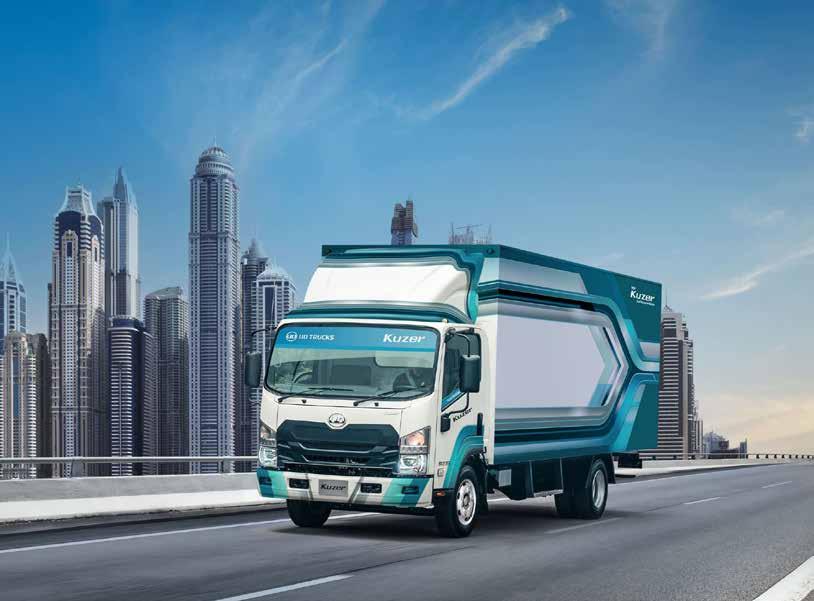
suited to stop-and-go urban and distribution applications, ensuring smooth drivability and dependable daily performance.
Designed for city use, the new Kuzer’s compact dimensions are optimised for maneuverability and visibility in busy urban environments. Depending on the variant, with an overall height of up to 2,294 mm, its flexible wheelbase and rear frame configurations allow it to accommodate a wide range of body types and cargo requirements, with body lengths ranging from 4,300 mm to 6,130 mm.
The new Kuzer cab is designed to create a comfortable, practical, and efficient working environment for drivers, particularly during long operating hours. Features such as climate control, an adjustable tilt and telescopic steering column, and a clear, easyto-read instrument cluster are designed to reduce driver fatigue and support focused, confident driving throughout the day. Thoughtful in-cab details including USB charging ports, a 24-volt power outlet, cup holders and durable seating further enhance everyday usability, helping drivers stay comfortable, connected, and productive on the road.
Safety is always a key focus for UD Trucks, so the new Kuzer is equipped with Antilock Braking System (ABS), traction control with Anti-Slip Regulator and Electronic Brakeforce Distribution (EBD), as well as driver and passenger airbags optional. Additional features including a reverse buzzer, steering lock, and central locking contribute to safer and more secure daily operations.
To support reliability in demanding environments, the new Kuzer is equipped with practical features such as front and rear fog lamps, an HD air filter with precleaner, fuel pre-filter, fuel tank lock, electric disc horn, and position lamps, enhancing visibility, durability, and ease of operation. For customers, the benefits offered by the new Kuzer extend far beyond the product itself - UD Trucks is renowned for the quality of its industry-leading after-sales support, built on decades of global expertise, with the brand recently celebrating its 90th anniversary. Working together with its UAE partners, UD Trucks can count on over 60
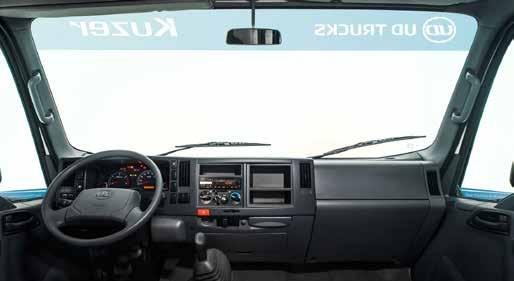
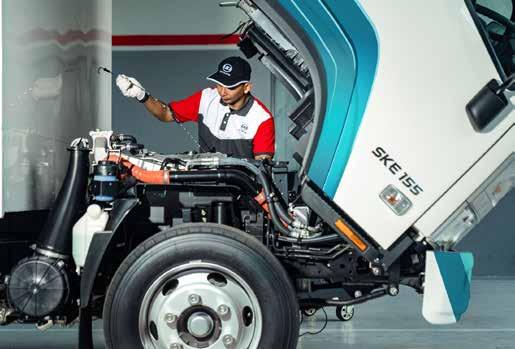
years of experience in the local commercial vehicle sector. Over the past two years, extensive preparation has been undertaken to establish the sales, service, and parts infrastructure required to support the new Kuzer launch, ensuring customers receive reliable, nationwide support.
The Kuzer comes with a competitive warranty coverage of 3 years or 150,000km whichever comes first. Customers will benefit from UD’s comprehensive service and support solutions, designed to maximize uptime and reduce operational disruption. This includes access to UD Genuine Parts which come with a standard two-year fitted parts warranty, as well as UD Trust, which offers fixed-price maintenance plans, priority service scheduling for fleet customers, and roadside assistance support. Service support for the new Kuzer is purposely structured to address the specific needs of light-duty operations, with quicker
response times and flexible walk-in servicing options also available.
“The introduction of the new Kuzer marks a truly significant milestone for UD Trucks in the UAE,” said Mourad Hedna, UD Trucks MEENA President. “A strategic market for us with its well-connected network and rapidly developing infrastructure, the UAE demonstrates a strong demand for reliable and robust light duty trucks. Offered in different configurations to support different customer needs today in this segment, and supported by strong after-sales solutions and an experienced partner network, the arrival of our new light duty reinforces our commitment to helping customers run their daily operations in the most efficient and reliable way possible. With the Kuzer, we now have a complete range offering from 6T to 100T. Along with our trusted partners, we are proud to keep supporting UAE prosperity and our customers’ success.”
• The 10th edition of Breakbulk ME will bring industry leaders together on 4-5 February for indepth discussions and insights
n Held under the patronage of the UAE Ministry of Energy and Infrastructure, Breakbulk Middle East will return to the Dubai World Trade Centre on 4–5 February 2026 for its 10th anniversary edition. As the region’s only dedicated event for the project cargo and breakbulk industry, Breakbulk Middle East has grown faster than any other event in the global Breakbulk portfolio, driven by rising project activity across the Gulf and the expanding role of the UAE as a logistics hub for the world.
Global Supply Chain was a proud media partner at the event and moderated an important session on the GCC Rail Network Revolution on 5th February at 10.30 am.
The 2025 event exceeded expectations by a wide margin. Attendance climbed to more than 10,500 industry professionals, surpassing the original projection by more than 3,000 participants, and underscoring the momentum behind the region’s infrastructure, energy and industrial sectors.
“Breakbulk Middle East serves as an essential forum connecting stakeholders across the UAE’s infrastructure, logistics and energy sectors, reflecting our national agenda to enhance the UAE’s role as a global trade and project cargo hub,” H.E. Eng. Mohammed Al Mansoori, Undersecretary for Infrastructure and Transport at the Ministry of Energy and Infrastructure of the UAE, said. “This event supports our drive to advance more efficient, digitally enabled and sustainable supply chains that contribute to long-term economic growth and the achievement of our net-zero by 2050 goals.”
DP World has hosted Breakbulk Middle East since its move to Dubai in 2019, a period during which the event’s attendance grew 206%.
“Breakbulk Middle East has become a key platform for companies looking to tap into the opportunities created by the UAE’s continued rise as a global logistics hub,” said Shahab Al Jassmi, Chief Commercial Officer – Ports & Terminals, DP World GCC.
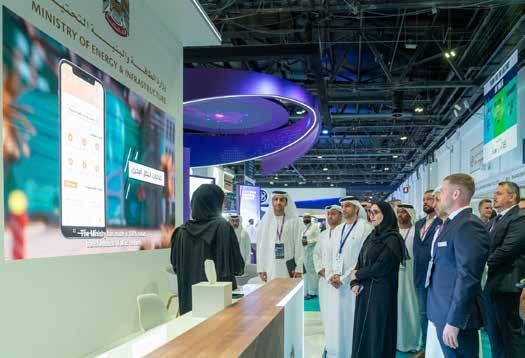
“DP World is proud to support an event that attracts the full breadth of the project cargo community and connects our ports and partners with fast-growing markets across the Middle East, Africa and beyond.”
Ben Blamire, Event Director for Breakbulk Middle East, added: “The growth of this event has been phenomenal, but it is never enough. We want to keep expanding Breakbulk Middle East so more industry players can be part of the transformation underway across the region.”
The 10th anniversary edition continuef to deliver the connections and insights that attendees expect, with a stronger emphasis on future-focused content, including:
• The launch of Breakbulk Future Thinkers, a new initiative exploring what the project cargo and maritime sectors will look like in 2045
• The 2026 Breakbulk Middle East Innovation Awards, the first awards program at this event
• Live Innovation Pitches on the new Breakbulk Voices Stage, where companies introduce ideas aimed at solving industry challenges
“The UAE is at the forefront of innovation, from infrastructure to advanced technology initiatives,” said Leslie Meredith, Product and Editorial Director, Breakbulk Events and Media. “Launching our future-forward programs here is a natural fit. Breakbulk Middle East brings together the companies
and leaders shaping what comes next, and that’s why it’s a must-attend event for the region and the world.”
This year’s Main Stage examined the regions and sectors driving project demand, including:
• Project activity across the Middle East, including GCC giga-projects and new corridors into Iraq
• Africa’s growing role in critical minerals and port development
• A fleet under pressure, covering new fuels, vessel renewal and crew shortages
• Energy transition strategies across oil, gas, LNG, solar and emerging nuclear
• Practical applications of AI in logistics and project operations
“Sponsoring the Main Stage allows us to support the conversations that matter as the region moves through rapid industrial and economic growth,” Arnoud Dekkers, Head of Business Development, DHL
n Dubai Customs has achieved a major milestone reflecting its institutional leadership and proactive approach to future foresight and strategic planning, after receiving a global accreditation in future foresight from the Global Innovation Management Institute (GIMI). This makes Dubai Customs the first customs authority in the region to obtain this specialized international recognition.
The accreditation certificate was presented during an official meeting attended by Dubai Customs’ leadership alongside representatives from GIMI and SIA Partners. Dr. Abdulla Busenad, Director General of Dubai Customs, received the certificate in recognition of the organization’s efforts to embed a foresightdriven culture and strengthen readiness for future transformations.
The meeting was attended by Raphael Lemitre, Partner at SIA Partners and Board Member of GIMI; Carlos Guevara, Partner at SIA Partners; and Abdulrahman Mohammed, Senior Manager at SIA Partners. Dubai Customs was represented by Eng. Adel Al Suwaidi, Director of Strategy
Industrial Projects Middle East and Africa, said. “The agenda at Breakbulk Middle East aligns with DHL’s significant investment plan, which includes more than €500 million for the Middle East and an additional €300 million earmarked specifically for Africa, to expand sustainable logistics infrastructure across the region. This includes a €130 million investment by DHL Supply Chain in a new warehouse located in the KSA Special Integrated Logistics Zone, and the recent announcement of a €120 million commitment for a carbon-neutral multi-user facility in Dubai South.”
Breakbulk Middle East 2026 also featured:
• Three technical workshops covering chartering, heavy-lift operations and practical applications of AI
• Women in Breakbulk luncheon focused on AI implementation and exhibition floor lounge
• An executive summit for senior leaders
• Breakbulk Education Day for students and young professionals entering the industry.
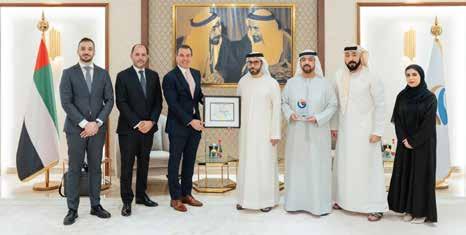
and Corporate Excellence Department, and Khaled Al Zarooni, Head of the Future Foresight Team.
Dr. Busenad said the achievement reflects Dubai Customs’ commitment to shifting from a reactive approach to a proactive, analytical, and long-term planning model that supports sustainable performance and keeps pace with rapid transformations in customs operations and global supply chains. He emphasized that future foresight has become a core pillar
of modern government work, enabling smarter, more agile decision-making and reinforcing Dubai’s global competitiveness.
Eng. Adel Al Suwaidi affirmed that the achievement reinforces Dubai Customs’ position as a leading model in adopting global best practices in future foresight, supporting the Dubai Government’s vision of building a flexible, opportunitydriven government ecosystem aligned with the objectives of the Dubai Economic Agenda D33.
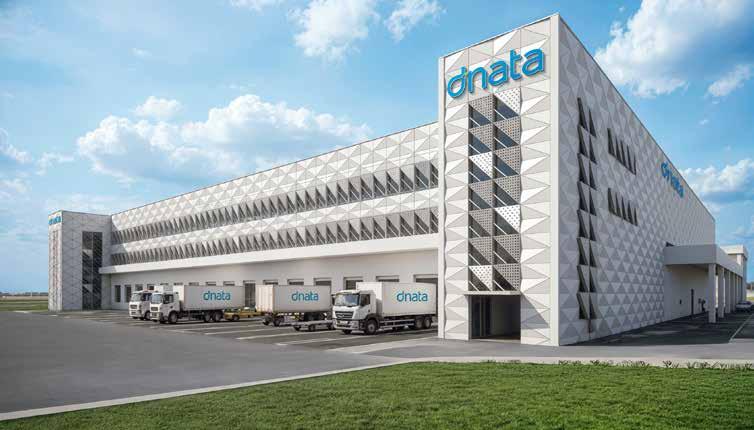
• Global air services provider to invest over €25 million in advanced cargo facility at Milano Malpensa
• Expansion to generate 200 new jobs and boost local logistics sector
n dnata, a leading global air and travel services provider, has announced an investment of over €25 million to develop a cutting-edge cargo facility at Milano Malpensa Airport (MXP) through its whollyowned local subsidiary, Airport Handling.
The strategic project is part of dnata’s broader commitment to building highperformance cargo infrastructure in markets with strong long-term growth potential.
Airport Handling’s expansion follows a competitive tender process by the SEA Group, the operator of Linate and Malpensa airports. The development will create 200 new local jobs, further strengthening the company’s position as Italy’s leading ground services provider.
The new facility will be located in the Cargo City area of the airport and will span 10,000 square meters, with an annual handling capacity of over 100,000 tonnes. Designed to meet the highest industry standards, it will support the efficient and safe handling of all cargo types, including perishables, pharmaceuticals, dangerous goods, live animals, aircraft engines, and vehicles.
Aligned with dnata’s global sustainability strategy, the facility will feature a range of energy-efficient solutions. These include photovoltaic panels for renewable energy, advanced thermal insulation, and high-efficiency LED lighting. Both the warehouse and office spaces are planned to maximise natural light and will be supported by low-consumption heating and cooling systems. The site will also be equipped with infrastructure to enable low-emission ground operations.
Airport Handling’s new facility is scheduled to become operational in September 2027.
Alberto Morosi, CEO of Airport Handling, commented: “Our expansion into cargo is a defining investment for Airport Handling and a clear signal of our long-term commitment to Italy. Milan is a regional hub for aviation and trade, and we see strong fundamentals for sustained cargo growth driven by crossborder e-commerce, pharmaceuticals, and perishables. Our extensive experience in ramp and passenger services provides a solid operational foundation – adding cargo services to our portfolio is a natural evolution.
He added: “We anticipate this investment will energise the local logistics ecosystem, delivering meaningful benefits to businesses and communities. We thank the SEA Group for their trust and look forward to setting new standards in Italy.”
Clive Sauvé-Hopkins, CEO of dnata Airport Operations, added: “Europe remains a cornerstone of our global expansion strategy, and this project allows us to build futureready cargo capacity in a high-potential market. We will continue to invest in advanced infrastructure and technologies to deliver best-in-class services across our operations.”
The new cargo facility will position Airport Handling as a fully integrated ground services provider in Milan. The company currently supports over 60 airlines with ramp and passenger handling, managing 80,000 flights annually across Milan’s two airports. With recent expansion into Rome’s Fiumicino Airport, Airport Handling continues to grow its footprint in Italy.
dnata delivers reliable and safe ground handling and cargo services at more than 90 airports across 16 countries. In the financial year 2024–25, dnata’s teams handled 3.1 million tonnes of cargo globally, marking a 9% year-over-year growth.

3-4 February 2026
Mövenpick Grand Al Bustan




Dr. Alia Alkaabi

Director



Aal-Ali


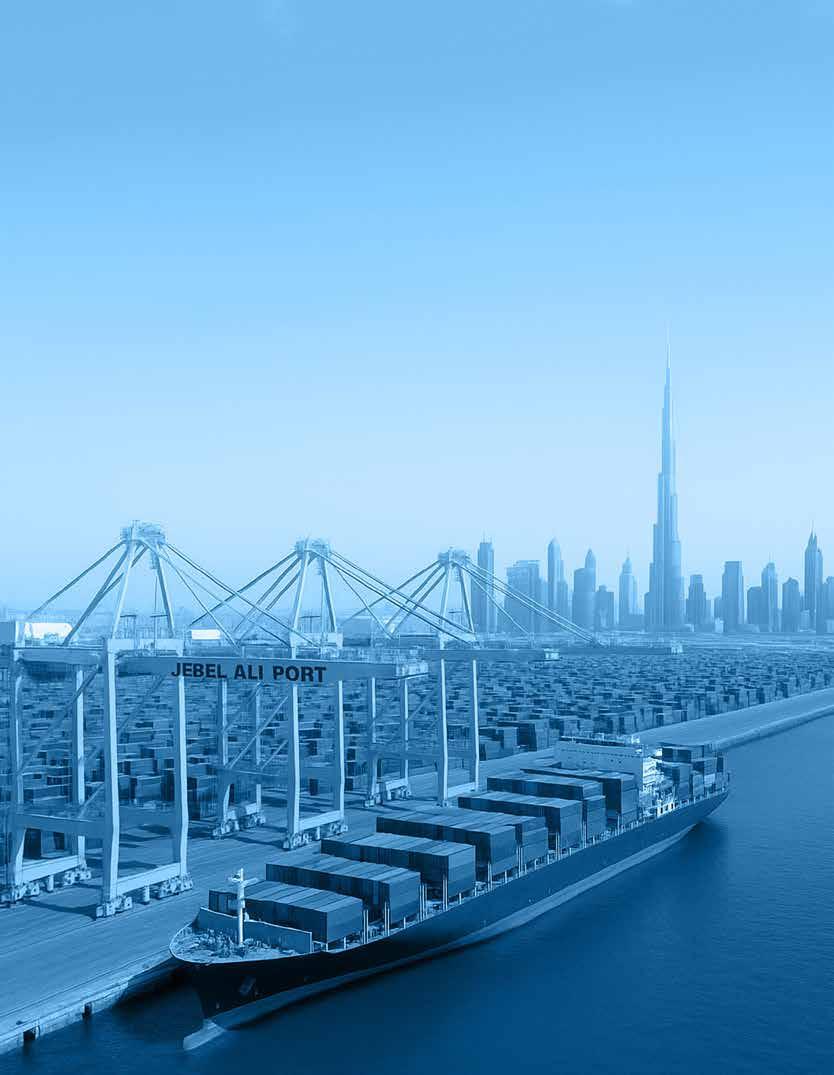


Nemanand Bobade


Dr. Mona Golshan Sorour Head



Rezek Marouche






n CEVA Logistics, a global leader in thirdparty logistics, announced the recent opening of a new warehouse in Dubai South Free Zone, a rapidly emerging logistics hub for the UAE and the wider Gulf Cooperation Council (GCC) region. The facility will play a pivotal role in supporting CEVA’s customers with efficient, scalable logistics solutions.
Targeted at eCommerce customers, the new multi-user contract logistics facility spans 23,000 square meters with 20-meterhigh ceilings. The facility prioritizes a reduced carbon footprint, including LED lighting throughout the entire facility, cardboard and plastic recycling stations and 1,600 m2 of solar panels.
• 23,000-square-meter multi-user eCommerce site in Dubai South Free Zone
• Strategically located in UAE’s emerging logistics hub to support customers with efficient, scalable solutions
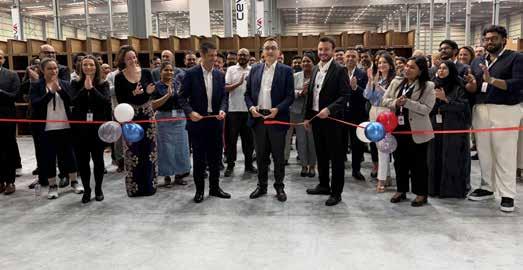
• New facility features LED lighting, recycling stations, 1,600 m2 of solar panels
Due to high customer demand, local CEVA teams rapidly implemented the warehouse layout and operational set up in a matter of weeks with the site already handling more than 30,000 units per day. The Dubai Chamber of Commerce and Industry forecasted eCommerce to generate $8 billion in sales in 2025.
Antonio Munoz, vice president of contract
logistics, IMEA, CEVA Logistics, said: “What we achieved in Dubai South is nothing short of extraordinary. Our determination, creativity and customer-first mindset turned what seemed like an impossible task into reality. This warehouse is a testament to CEVA’s ability to adapt, innovate and deliver responsive logistics for our customers, no matter the circumstances.”
n Cleanco Facilities Management, a company of Cleanco Group, has achieved exceptional milestones in the aviation sector, with its aircraft exterior cleaning robots reducing Aircraft on Ground (AOG) time by over 65 per cent, cutting man-hours by up to 80 per cent and recording a 30 per cent water savings on average. This has led to significant improvements in operational excellence, environmental sustainability, and resource efficiency, contributing to the UAE’s Net Zero 2050 Strategy and The UAE Water Security Strategy 2036.
These exemplary achievements are primarily led by the company’s advanced DINO Robots aircraft washing systems, including DINO 1, DINO 11, DINO 7777 and DINO 4380, which deliver efficient and reliable cleaning operations for commercial and government aircrafts across the UAE. Notably, these systems can reduce water consumption by up to 80 per cent, using only around 1,800 litres per wash as compared to the 11,300 litres generally used in manual cleaning. It can also significantly reduce man-hours, cutting down Boeing 777/Airbus A330 wash time from 36 hours to just 12 and Airbus A380 wash time from 112 man-hours to just 21. It also helps reduce
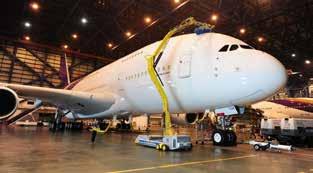
AOG time of narrow-body jets from 3 hours to 1, wide-body airliners from 6 hours to 2 and Airbus A380 from 10.5 hours to just 3.5.
Jamal Abdulla Lootah, Group CEO of Cleanco Group and President of MEFMA, stated: “At Cleanco, we are led by a vision to enhance operational efficiency across critical sectors such as facilities management, medical and hazardous waste treatment for healthcare and industrial sectors, and engineering services. We leverage advanced systems, recognising the pivotal role of environmental preparedness and technology advancements in driving competitiveness and long-term sustainability. This approach is best exemplified by our DINO Robots aircraft
washing system, which promotes realworld efficiency and smarter resource management.”
Shaheen Raja, Operations Director Cleanco Facilities Management: “We are proud of the efficiency improvements achieved with DINO Robots. These systems reflect our commitment to delivering aircraft cleaning services at the highest quality standards since 1998. They prevent corrosion and structural damage, extending the aircraft’s lifespan, while prioritising staff well-being and safety by eliminating the need for crews to work at hazardous heights. For our clients, this translates to consistent, controllable cleaning quality, beyond what manual efforts can reliably achieve.”
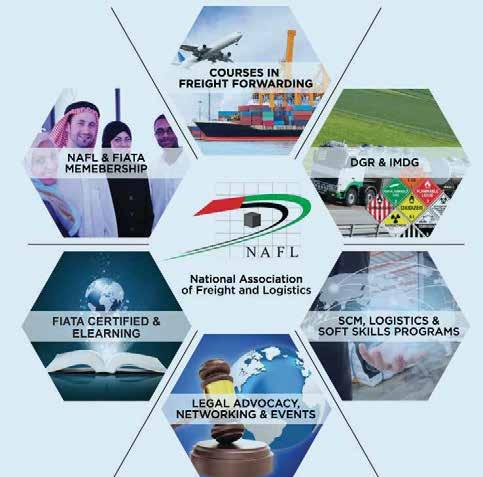
+ The FIATA member certificate
+ Use of the Fiata logo
+ Entr y in the FIATA members directory & networking events
+ Advertising in the FIATA members directory, review and information (FIATA e-Flash)
+ Special Rates for FIATA publication and articles
+ Access to secretariat›s assistance
+ FIATA arbitration code
+ Use of FIATA documents
+ FIATA worldwide member connectivity
+ Talent Connect Worldwide, E-Learning

+ Discountes rates in participating in global and regional conferences
+ Asssistance in case of legal advocacy
+ Discounts for cargo/logistic events and exhibition stands
+ Discount training for NAFL members
+ Training/Certification for regional/international courses
+ Insurance at discounted rates (cargo/liability/medical)
+ Complimentary internship, Skill upgrade and Mentoring & Innovation ideas
+ Discounted supplier rates for industry products

n ECS Group has appointed Yousra Khalihamou as the new Commercial Director of EFIS Maroc, reinforcing its strategy to accelerate commercial performance in one of North Africa’s most competitive and high-potential cargo markets. Her promotion marks a key step in strengthening EFIS Maroc’s leadership as Morocco continues to consolidate its position as a strategic cargo gateway between Africa, Europe, and the Middle East.
Yousra’s career is a clear example of internal talent development within ECS Group. She began her journey with EFIS Maroc seven years ago, over the years, she gained extensive operational and commercial experience, managing the launch of 10 different airlines and contributing directly to the station’s strong growth.
Following the integration of EFIS Maroc into ECS Group, Yousra was promoted to Supervisor in January 2024, a role she executed with measurable success. Her promotion to Commercial Director comes at
a pivotal moment for EFIS Maroc, ensuring continuity, renewed commercial energy, and a stronger focus on securing new airline contracts.
In her new role, Yousra will lead EFIS Maroc’s commercial strategy with three priorities: managing ongoing organizational changes, improving commercial results, and motivating the team to deliver higher performance. With ECS Group’s global network and digital capabilities backing her, she is positioned to elevate EFIS Maroc’s role within Morocco’s rapidly expanding cargo ecosystem.
“Being promoted to Commercial Director is an exciting new challenge,” says Yousra Khalihamou. “I’ve built my career step by step, from launching airlines to growing our market presence. My goal now is simple: drive better results, secure new contracts, and strengthen EFIS Maroc’s position as a top cargo gateway in the region.”
Jean Ceccaldi, Chief Executive Officer of ECS Group, adds: “Yousra represents exactly
n Magma Aviation takes pride in completing the rollout of its new digital transformation strategy with the debut of its fully-customized Cargo Management System (CMS), designed specifically to meet the unique operational needs of the air cargo industry. As a customerfocused organisation, this development demonstrates Magma Aviation’s dedication to creating modern and efficient internal processes that align with its long-term goal of providing its customers with a seamless experience.
As part of its digitalisation vision, Magma Aviation recognised the need to centralise operational data and eliminate the fragmentation that often affects freighter airlines. To date, many organisations still rely on multiple spreadsheets and fragmented systems, resulting in duplicated work, data inconsistencies, and internal misalignment.
To address this issue, Magma Aviation prioritised the creation of a single, connected environment allowing every department, from Commercial, Financial to Operations, to work from the same information source. This ensures that teams are more internally aligned and are capable of operating with more clarity, accuracy, and real-time visibility.
“As a customer-centric organisation, a CMS customised to our business model helps us to seamlessly coordinate internally as a team, and that it reflects the service quality we offer to our customers,” Paul Hoatson, Magma Aviation’s Head of Network Planning & Alliances reiterated.
“As a technology partner, we are proud to be instrumental in helping freighter companies reach their full operational potential through a system solution designed for their business and able to grow

the kind of talent and determination we want to elevate within ECS Group. Her commercial instincts, her ability to win the confidence of international airlines, and her deep understanding of the Moroccan market make her the right leader at the right moment. EFIS Maroc is entering a new phase of growth, and with Yousra at the helm, we are confident the team will strengthen its position as a strategic hub for our airline partners across Africa and beyond.”
with them as they scale in the future,” said Barry Zigner, CEO of Forward Momentum.
Magma Aviation’s customised CMS is a long-term investment in the company’s support system, especially in an era where automation and collaboration are more prevalent than ever. As customer experience continues to be its top priority, Magma Aviation remains fully committed to staying ahead of the competition by building tools and solutions that match its operational standards and its ambition for future growth.

MARCH 2026 25 26
Yas Island, Abu Dhabi
Over 32 million events annually requiring structured logistics Sustained 5.8%–6.5% CAGR, highlighting global stability and scalability Support a $1.5T worldwide events ecosystem
More than 250 million tonnes of event-related freight moved yearly

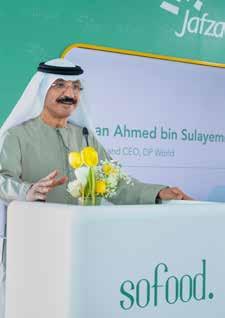
n Solico Group, one of the Middle East’s most established and trusted food manufacturers, has expanded its regional footprint with the launch of SoFood, an AED 130 million ($35.4 million) purpose-built production facility in Jebel Ali Free Zone (Jafza) that will serve as its GCC innovation and international manufacturing hub. The investment marks Solico Group’s largest commitment to the UAE to date and strengthens the nation’s position as a centre for high-value, export-ready food production.
The new site, equipped with advanced European technologies and an initial capacity of up to 40 tons per day, enhances the UAE’s food manufacturing resilience at a time of rising consumer demand. Built on a 5,000 m² site, it features a modular design that enables rapid entry into new food categories with minimal operational disruption.
“The UAE has created one of the most dynamic ecosystems in the world for food manufacturing and economic diversification,” said Mr. Gholamali Soleimani, Founder and Group Chairman, Solico Group. “This investment allows us to deepen our regional footprint, transfer our expertise into the UAE, and build manufacturing capability that will support food security for years to come. It is also a reflection of the values my family built this company on more than 50 years ago.”
As the first builder of a milk refinery facility in Central Asia, Solico Group will bring its advanced manufacturing and innovation capabilities to the United Arab Emirates, enabling local delivery and future expansion of the project. The facility will be executed largely within the UAE, supporting
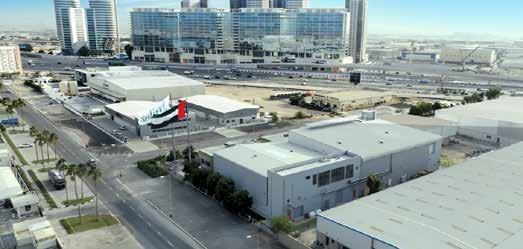
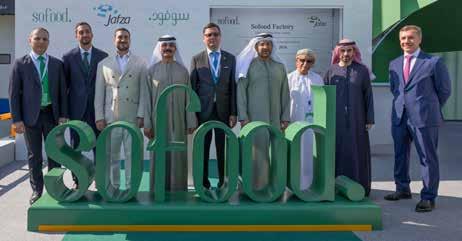
the country’s industrial development and strengthening domestic manufacturing capacity.
The investment marks a strategic step in enhancing the UAE’s food security by shifting supply chains from trading-led models to value-added production infrastructure.
Designed with scale in mind, the project has the potential to increase its total investment value to two to three times the initial level as operations expand.
The first phase will focus on meat and protein production under Solico’s flagship brand Pemina, enabling scaled distribution across GCC and export markets. In subsequent phases, Sofood will introduce additional categories including cheese, dairy, premixes, sauces and co-packed solutions for hotels, airlines, and food service clients. These categories were selected for their strategic alignment with regional food culture, their localisation potential and strong export relevance.
SoFood will also operate as Solico Group’s regional innovation centre, tailoring products to Middle Eastern tastes, shortening supply
chains to enhance freshness and supporting local employment, skills development and knowledge transfer.
His Excellency Sultan Ahmed bin Sulayem, Group Chairman and CEO, DP World said: “Jafza continues to attract manufacturers that want to build for the region and export to the world. Solico’s decision to make its largest UAE investment here reflects the strength of Dubai’s industrial ecosystem and we look forward to seeing it strengthen food security, create high-quality jobs and support the UAE’s ambition to grow a competitive, valueadded manufacturing sector.”
Sustainability is embedded throughout the facility, with energy- and water-efficient systems, waste-minimizing processes, and ISO 22000, HACCP, Halal, and Dubai Municipality Grade A certifications.
Located within the DP World-operated Jebel Ali ecosystem, the facility benefits from direct access to global logistics corridors, enabling Solico to reach more than three billion consumers across nearby markets and supporting the UAE’s “Make it in the Emirates” manufacturing objectives.
• To develop specialised shipping solutions and support industrial integration
n The National Shipping Company of Saudi Arabia (Bahri) and the Saudi Iron & Steel Company (Hadeed) have signed a Letter of Intent (LOI) to explore potential cooperation in maritime transport to meet Hadeed’s Iron Ore shipping needs.
The LOI, signed in Riyadh, states that both parties intend to discuss mechanisms for utilising Bahri capabilities to meet Hadeed’s maritime transport requirements. This collaboration aims to explore potential joint opportunities between Bahri and Hadeed , including the potential development and construction of new vessels tailored to Hadeed’s operational and technical needs within the Kingdom.
On this occasion, Bahri’s Chief Executive Officer, Eng. Ahmed Al-Subaey, said: “This
collaboration marks an important step toward enhancing the national maritime transport ecosystem. At Bahri, we remain committed to supporting supply chains and providing reliable and resilient shipping solutions that enhance operational efficiency for our partners.”
Meanwhile, Hadeed’s Chief Executive Officer, Mr. Abdulqader Al-Mubarak, stated: “Hadeed is continuously working on developing its operational and logistics ecosystem. This collaboration with Bahri represents a supportive step toward securing specialized maritime transport solutions that meet our operational needs and enhance the efficiency of the industrial sector.”
The cooperation aligns with efforts to

strengthen industrial and operational integration and localize value chains. Bahri serves as the Kingdom’s national maritime carrier with a global logistics footprint, while Hadeed is one of Saudi Arabia’s leading national industrial companies in the steel and iron sector.
• Gulfood 2026 capitalises on 8.4% CAGR for global logistics market by uniting global titans at newly launched sector, Gulfood Logistics
n As the global food industry converged on this January, Gulfood 2026 announced the launch of Gulfood Logistics at Dubai Exhibition Centre (DEC) at Expo City Dubai. The move comes as the global logistics and transportation market is projected to grow from $9.4 trillion in 2024 to $23.0 trillion by 20351, underlining the strategic economic weight of logistics in global trade and food supply systems. As global food systems become more interconnected, Gulfood 2026 places a major emphasis on the logistics networks, cold-chain systems and freight innovations that underpin the world’s food supply and the cross-border cooperation that enables them. At a time when an estimated 70–90% of global trade value moves by sea2, logistics efficiency has become a strategic economic lever, directly shaping global GDP, supply reliability and consumer access.
Gulfood Logistics by Gulfood 2026 highlights how collaboration between nations keeps food moving safely, securely

and sustainably across an increasingly complex global landscape. The platform showcases the technologies, infrastructure and partnerships that enable perishables to move fresh, fast and uncompromised across continents, connecting supplier, processor, retailer and consumer. Anchored in Dubai’s position at the crossroads of Europe, Asia and Africa, the UAE has emerged as the Middle East’s largest logistics hub3, accounting for approximately 30% of GCC logistics activity3 and contributing around 8% of national GDP4, reinforcing Dubai’s central role in global trade connectivity and economic diversification.
Mohammed Hamdan, UAE Area Head of Sales, Maersk commented: “Maersk is
proud to exhibit at Gulfood 2026 for the first time, engaging with partners across IMEA and Europe to strengthen supply chains from farm to fork. We’ll showcase strategies to build resilient, adaptive networks that ensure business continuity, alongside localized logistics solutions; from cold chain expertise to integrated supply chain management, designed for today’s complex environment.”
Logistics leaders, cold-chain specialists and global freight operators gathered alongside food producers, importers, exporters and distributors. Attendees will encounter solutions that span temperature-controlled transport, smart warehousing, real-time cargo tracking and seamless cross-border freight optimisation. Industry titans such as Akkon Lines, Africa Global Logistics, DP World, Dubai South, Kezad Group, Maersk, Mohebi Logistics, MSC Shipping, Silo Group and Ship Smart will be on the exhibition floor, demonstrating how advanced infrastructure and global networks keep perishables and food products moving with precision and reliability.
n His Highness reviews various advanced solutions and technologies presented by national, regional and international companies
His Highness: “Intersec has become one of the world’s leading platforms dedicated to security and safety.”
His Highness Sheikh Mansoor bin Mohammed bin Rashid Al Maktoum, Chairman of the Dubai Ports and Borders Security Council, opened the 27th edition of Intersec, the world’s leading exhibition for security, safety and fire protection. The event, was held at the Dubai World Trade Centre, from 12 until 14 January.
This year’s edition brought together more than 1,200 exhibitors from over 60 countries and was expected to welcome over 50,000 visitors from around the world. Intersec 2026 features an extensive
agenda of conferences and events, with participation from more than 250 experts and speakers, while the exhibition spans approximately 65,000 square metres, underscoring the scale of international participation.
His Highness was accompanied during his visit by Lieutenant General Expert Rashid Thani Al Matrooshi, Commanderin-Chief of Dubai Civil Defence; Dr. Abdulla Busenad, Director General of Dubai Customs; His Excellency Lieutenant General Awad Hader Al Muhairi, Vice President of Dubai’s State Security Department; His Excellency Mishal Julfar, CEO of Dubai Corporation for Ambulance Services; and His Excellency Khalifa Ibrahim Al-Sleis, CEO of the Security Industry Regulatory Authority (SIRA).
His Highness said: “Intersec has become
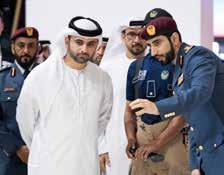
one of the world’s leading platforms dedicated to security and safety, and the scale of international participation reflects the growing confidence in Dubai’s ability to host major global events that help shape the future of key sectors through an environment that supports innovation and knowledge exchange.
• Located on the E11 highway between Abu Dhabi and Dubai, flagship EV Megahub is the sixth largest superfast charging site in the world and is the largest across the Middle East, Africa, and Turkey with 60 charging points
• Launch marks a key milestone in ADNOC Distribution’s comprehensive roadmap to electrify UAE highways, with 20 highway hubs expected to launch by the end of 2027, including 15 planned in 2026.
n ADNOC Distribution, the UAE’s leading mobility and convenience retailer, today announced the launch of the world’s sixth largest superfast electric vehicle (EV) charging hub and unveiled its roadmap to electrify the UAE highway network by the end of 2027. The announcement came ahead of Abu Dhabi Sustainability Week (ADSW) as global leaders convene in Abu Dhabi to discuss the future of sustainable energy and infrastructure. This milestone reflects ADNOC Group’s broader commitment to shaping sustainable energy solutions: leveraging intelligence and innovation to maximize positive impact, today and tomorrow.
Strategically located at Saih Shuaib on the E11 highway between Abu Dhabi and Dubai, the EV Megahub features 60 highspeed charging points capable of charging most EVs from 0 to 80% in approximately 20
minutes. The largest superfast EV charging site in the Middle East, Africa, and Turkey, and the sixth largest in the world, the EV Megahub sits at the core of an ambitious roadmap to build highway EV infrastructure across the UAE.
Under this roadmap, ADNOC Distribution plans to open 20 EV charging hubs by the end of 2027, with 15 of these expected to be open by the end of 2026, providing comprehensive charging services across all core UAE national highways. This infrastructure serves as a critically important enabler of seamless, long-distance EV travel, supporting the country’s transition toward smarter, more sustainable mobility.
Eng. Bader Saeed Al Lamki, CEO of ADNOC Distribution, said: “ADNOC Distribution has powered journeys since 1973 and today, we are building the future of mobility with the UAE’s largest superfast
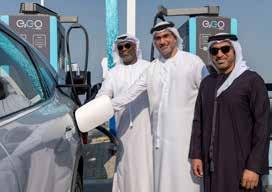
EV charging hub. Our first EV Megahub is strategically located along a vital highway that keeps our nation moving and is also the first The Hub by ADNOC location dedicated to the specific needs of inter-city commuters.”
The UAE Ministry of Energy and Infrastructure has set an ambitious target for 2050 stipulating that 50% of all vehicles on UAE roads be battery-electric. ADNOC Distribution is accelerating this vision through its E2GO network, one of the country’s largest charge point operators (CPOs) with more than 400 charging points installed and a target of up to 750 by 2028.
Allison Kho, is a distinguished leader at SSI Schaefer and a driving force behind the company’s regional growth. As the head of marketing for Asia‑Pacific, the Middle East, and Africa, Allison plays a central role in shaping how the organisation engages with rapidly evolving intralogistics markets. Her work brings together customers, internal teams, and strategic partners to address some of the most complex supply‑chain and automation challenges across these diverse regions. She explains, “I focus on understanding the market needs, highlighting practical solutions to support businesses as they
improve their warehouse logistics efficiency, resilience and long term competitiveness. Through my regional insights and cross market experience, I help to bridge global expertise with local realities. “
Our Editor unravels the journey of this logistics expert who is driven by excellence.
Abigail Mathias: What’s your typical day like?
Allison Kho: No two days look the same, which keeps things interesting. My day often starts with aligning priorities with the regional teams, checking in on progress, and removing roadblocks where needed. From there, it’s a mix of strategy, collaboration, and problem solving. What makes it rewarding is working alongside a highly engaged, supportive team across markets and time zones.
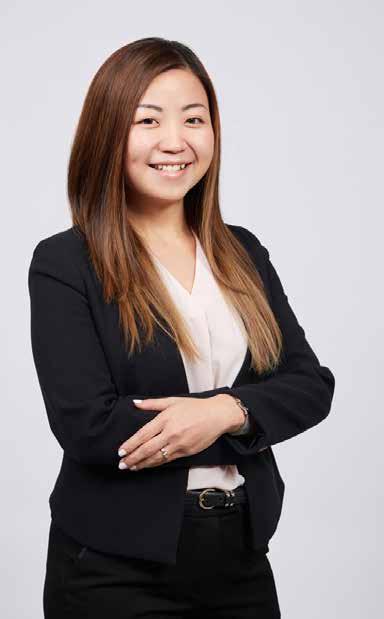
If so, how many cups a day?
Are you a coffee or tea person?
Coffee, without question. Usually, one big cup to kick start the morning, and occasionally a second or even third when the day demands an extra gear.
What do you do to keep yourself fit?
AM: When and to which location is your next holiday?
AK: My next trip takes me to Norway this February. I’m looking forward to a week of reflection, balance, and a deeper appreciation for perspective, which I value greatly.
AM: What advice would you’d give other business professionals juggling time?
AK: Be intentional. Not everything deserves equal attention. Prioritise what truly moves the needle, learn to say no when needed, and protect time for rest. Balance isn’t about doing everything but about doing the right things well.
AM: When do you catch up on world/business events?
AK: Mostly in the mornings and during short breaks throughout the day. In a marketing role, social platforms are also part of how I stay informed, whether it’s tracking industry conversations, market sentiment, or emerging trends. I’m intentional about what I follow, so staying informed remains purposeful rather than overwhelming.
Running is my go to. I run three to four times a week, especially longer runs on Saturdays. It’s a reminder that progress is built through consistency, pacing, and knowing when to go the distance.
What time do you break for lunch?
Lunch is typically late afternoon, but it’s often flexible. Some days it’s a proper break, and other days it’s a working lunch or a quick refuel between meetings.
Around what time of day do you wrap up work at the office?
There isn’t a fixed end time. It depends on priorities, deadlines, and time zones. I aim to wrap up the work in the late evening, but flexibility is part of the role.
How do you unwind in the evening?
I slow things down. A quiet and slow dinner, some reading, or simply switching off from screens helps me reset for the next day.
AM: What excites you about this profession?
AK: The constant evolution of the industry. Logistics sits at the heart of global trade, and being part of an environment that continuously adapts to change, innovation, and new expectations is both challenging and rewarding.
AM: What do you hope to achieve in the logistics arena in the next five years?
AK: I hope to contribute to building more resilient, future ready logistics supply chains while supporting the organisation as we adapt to change in a meaningful and sustainable way.
AM: To me and our association Global Supply Chain Magazine is…
AK: A trusted point of reference that helps make sense of complexity in an industry that’s constantly evolving.

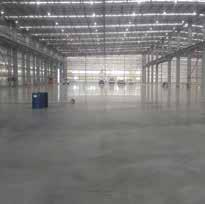

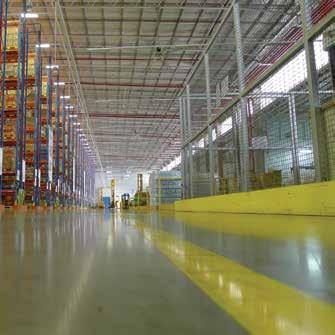
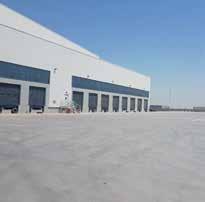
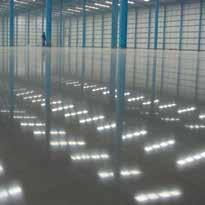

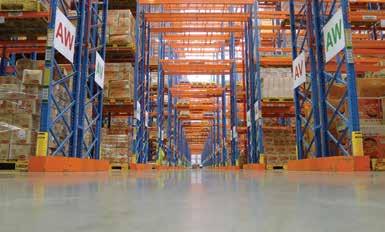

which is why we go beyond borders with our partners to deliver It’s never just an address,