
Poul Erik Bech
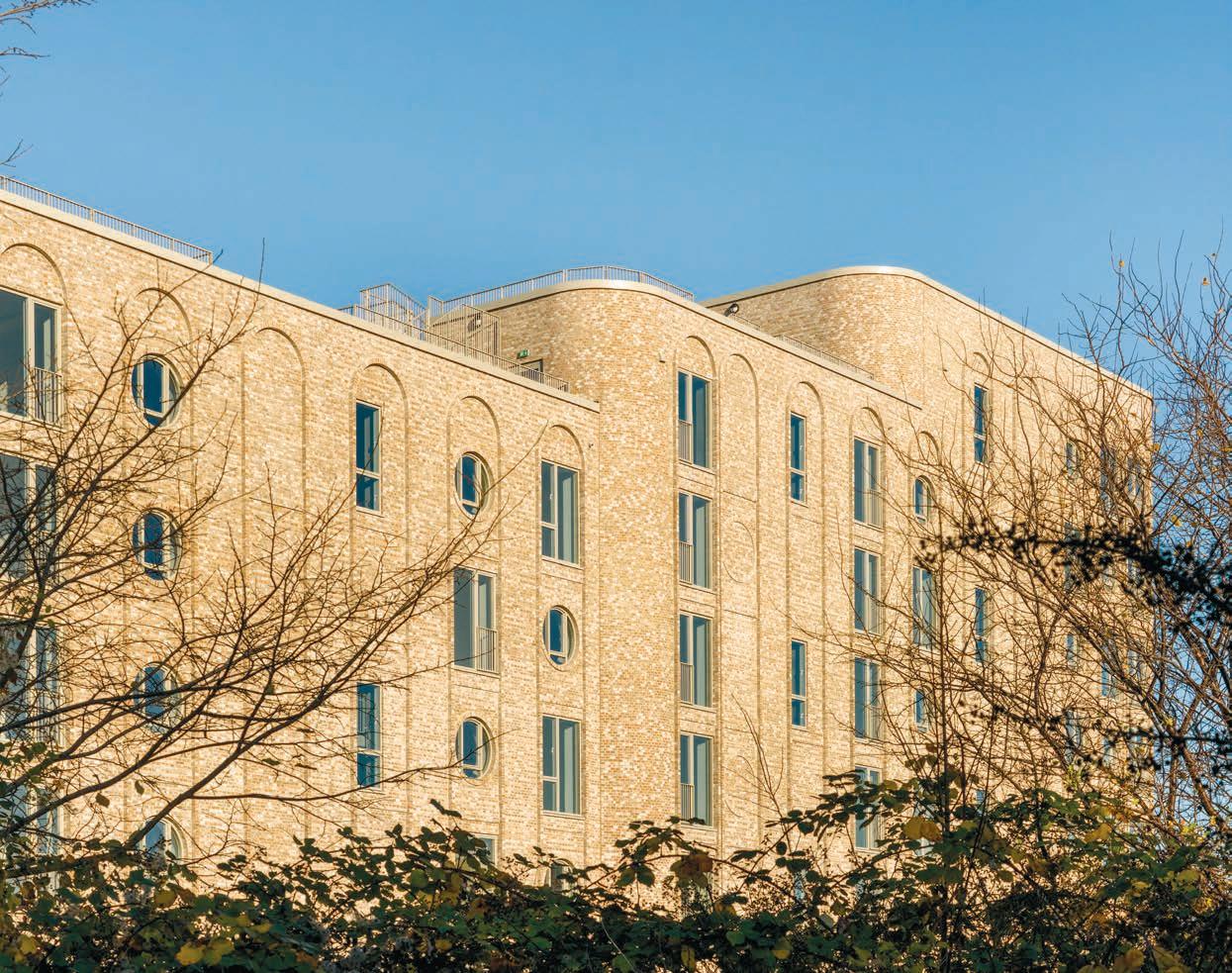
The Danish commercial property market has been booming in 2025, regaining momentum faster than in previous cycles. Transaction volume rose for the second consecutive year – from DKK 45 billion in 2023 to DKK 52.1 billion in 2024 and a preliminary DKK 72.1 billion in 2025, corresponding to an increase of 38%. This places Denmark among the European markets with the highest growth and shows that investors are active again.
This development is driven by favourable market conditions: falling interest rates, stable financing and a robust economy with low unemployment and stable GDP growth. Despite geopolitical uncertainty, investment appetite is increasing, albeit selectively, with a focus on low risk, value creation and privatisation of housing.
Residential rental properties remain the most sought-after segment, accounting for over half of the transaction volume. Urbanisation, housing shortages and stable tenants are supporting demand. International investors accept low return requirements for modern urban properties, while demand for older housing stock is growing among smaller investors. Mortgage credit institutions continue to show willingness to finance quality assets, demonstrating the strength of the Danish model.
The office market is divided, with high demand for modern, energy-efficient offices in central locations on the one hand, while older properties with poor energy standards and peripheral locations struggle with vacancy rates and investment needs on the other. The retail market is stable in prime locations and strong centres, but under pressure in secondary areas, where changing consumer habits and online shopping require active management. Industry and logistics are enjoying structural tailwinds from e-commerce and security of supply, while the hotel market has made a comeback driven by strong tourism.
Strong macroeconomic conditions make Denmark attractive to international investors, and Copenhagen continues to rank highly in European investment analyses. The trend points to a more balanced market in 2026, where rent development, quality, location and sustainability will be key drivers.

The Danish economy is in a moderate upswing following a period of high employment. Labour market pressure is easing, and job growth is expected to slow. GDP grew by 2.2% in Q3 2025, mainly driven by the pharmaceutical sector. Excluding this, the economy still grew by 0.8% measured by gross value added (GVA).
Recent growth has been led by industry, especially pharmaceuticals. Strong export markets and improved household purchasing power have also contributed to a mild recovery across the economy.
According to revised figures from the Danish central bank in September, GDP is forecast to grow by 2.0% in both 2025 and 2026 — a marked downward revision. In contrast, the government’s December 2025 outlook expects 2.6% growth in 2025 and 2.2% in 2026. This upward revision is driven by stronger-than-expected growth in the pharmaceutical sector.
Source: Statistics Demark and The Central Bank of Denmark
Lower inflation and expectations that it will fall below 2% in Europe by 2026 have led the ECB to ease monetary policy. The policy rate was cut in summer 2025, and the ECB has since taken a wait-and-see approach. The US Fed also eased policy, most recently cutting rates by 0.25 percentage points in December, with limited further cuts expected. From summer 2024 to summer 2025, the ECB and Denmark’s central bank cut rates by a total of 2.0 percentage points.
In week 2 of 2026, the long-term mortgage rate was 3.89%, while the short-term rate, more closely tied to ECB and Fed policy, stood at 2.00%. These developments reflect how monetary easing and expectations of further cuts have lowered market rates.
According to the Ministry of Economic Affairs’ December outlook, the 30year Danish mortgage rate is projected at 4.1% in both 2025 and 2026 — a downward revision from the August forecast.
Source: Finance Denmark and Statistics Denmark
The consumer confidence indicator was -17.3 in December, up from -20.1 in November. The 2025 average ends at -16.7, compared with -7.8 in 2024 and -15.6 in 2023.
Despite low inflation, rising real wages, and a strong labour market, Danish consumers remain pessimistic about their own finances and the broader economy. Confidence has mostly declined since June 2024, when it stood at -4.4, though it remains above the October 2022 low of -37 — the lowest in the indicator’s 48-year history.
The persistently negative sentiment is partly due to rising prices on everyday goods and concerns that inflation may surge again. Geopolitical tensions and announced layoffs at major companies also weigh on confidence.
Source: Statistics Denmark
Employment rose by 274,400 from the end of 2019 to October 2025, reaching 3,072,000 – a monthly increase of 3,500. Employment remains historically high and above the structural level. Labour market pressure has eased in recent years and is expected to decline further. This is driven by more international labour and later retirement among older workers. The Danish central bank expects 43,000 more employed by end-2027, mainly due to stronger domestic activity and less labour market pressure.
The Ministry of Economic Affairs projects only a modest rise in employment over the next year due to demographic trends.
From November to December, unemployment rose by 700 people. The jobless rate reached 3.0% in December, equivalent to 89,600 unemployed.
Source: Statistics Denmark and the Central Bank of Denmark
Yield in
Lolland, Falster and Møn
Other South Jutland
market rent in DKK/sq m
Østerbro, Frederiksberg and Gentofte
Falster and Møn
Sønderborg
Other South Jutland
in
DKK 1,350 DKK 1,200 DKK
rent in DKK/sq m 1,350 DKK 900 DKK 650 DKK
By the end of 2025, the transaction volume in the residential segment amounted to nearly DKK 34.2 billion, corresponding to an increase of 32% compared with the same reporting period in 2024. The residential segment thus accounted for approximately 52% of the total transaction volume and remained the dominant asset segment in the Danish investment market.
Transaction activity during the year was characterized by a number of large single-asset and portfolio deals, primarily within newer and unregulated residential properties. Among the largest transactions were Nrep’s sale of the UMEUS portfolio, aimed at young students, as well as Catella’s divestment of Kaktus Towers, targeting “young professionals.”
Demand is largely concentrated in the Greater Copenhagen area and relates primarily to newer, unregulated housing stock. This has put downward pressure on yield requirements, which have shown a declining trend, particularly
in the Capital Region. This development is supported by consensus expectations of rising market rents, driven by a significant drop in construction activity, which in 2025 reached its lowest level in the past 10 years. The decline in construction activity delays new supply and is therefore expected to create a discrepancy between supply and demand, benefiting investors.
The combination of high interest rates and rising taxes has increased the incentive to rent rather than own - especially in the largest cities. Combined with declining construction activity, this leads to increased pressure on the rental market, which is why rent levels in many areas are expected to rise. Vacancy rates have also continued to decline nationally, falling by 0.7 percentage points over the past year to a total area vacancy rate of only 2.3%.
Yield requirements are expected to remain stable in the near term at current levels nationally, while there is a tendency toward declining yields in the Copenhagen area.
Lolland, Falster and Møn
Other Funen
Transaction activity in 2025 amounted to DKK 8.9 billion, corresponding to an increase of 23% compared with the same reporting period in 2024. Significant deals in 2025 included PensionDanmark’s acquisition of Ørestads Boulevard 41 & 45 from Skanska, and Jeudan’s purchase of three office properties from PFA and NREP.
Transaction activity is primarily driven by Danish investors, and there continues to be a noticeable absence of international capital. The Danish office market otherwise differs from international trends, as it is supported by a robust labor market characterized by record-high employment, and because remote working remains far more limited than in major international metropolitan areas.
Many companies are seeking modern office concepts such as serviced offices or simply desk space in business centers, which offer access to more facilities and scalability. In addition to flexibility, both tenants and investors are
Available office space as a percentage of building stock
increasingly demanding modern and sustainable office spaces. Rising ESG requirements play an important role, and increased regulation at both national and European levels is expected, which could have significant consequences for properties with a high climate footprint.
These trends are expected to be reflected in growing demand for certification and energy upgrades of the existing building stock. It is therefore also expected that the value of sustainable properties will eventually exceed the value of other properties. However, it remains more uncertain whether sustainable properties will trade at a lower risk premium, or whether the risk premium will instead increase for less sustainable assets.
The national office vacancy rate was 5.6% in Q4 2025, unchanged year-on-year. Yield requirements are generally expected to remain stable in the near term, which largely also applies to market rents.
Østerbro, Frederiksberg and Gentofte
Lolland, Falster and Møn
Kolding
Sønderborg
market rent in DKK/sq m 2,000 DKK 950 DKK 500 DKK
in
Annual market rent in DKK/sq m 1,800 DKK 1,100 DKK 400 DKK
The retail segment saw positive momentum in 2025, with a transaction volume of approximately DKK 7.1 billion. This volume was supported by several significant transactions, but in particular Slate Asset Management’s acquisition of a portfolio of shopping centres and Live Nation’s purchase of Royal Arena were key contributors to the segment’s growth.
The leasing market is stabilising, and the multi-year trend of declining rental levels has reversed, strengthening confidence across the retail sector. In Copenhagen, demand is strongest along the prime shopping streets, supported by increasing interest from international brands seeking high exposure in the best locations.
The retail market is further supported by a strong rebound in tourism, with Copenhagen’s growing international profile continuing to drive higher customer flows in central urban areas. Outside Copenhagen and Aarhus, traditional street-level retail units in city centres are increasingly being
Available retail space as a percentage of building stock
converted to food and beverage concepts and experience-based uses, reflecting changing consumer patterns and tenant demand.
Demand within the retail segment has generally been driven in particular by geographically diversified grocery portfolios. This can be attributed to their attractive risk profile, as grocery chains typically sign leases with long non-termination periods at strategically important locations. As a result, grocery stores are often priced surprisingly high relative to the rest of the market. However, throughout 2025 there have been several major transactions involving shopping centres, which may indicate a paradigm shift compared with recent years.
Retail vacancy remained stable at the national level at 3.3% in Q4 2025. Yield requirements are assessed to be stable, supported by expectations of continued interest rate cuts, although there is some risk of declining market rents in certain areas.
Source: Ejendomstorvet-ED Statistikken, estimates as of Q1 2026
Lolland, Falster and Møn
Vejle
The logistics segment continues to experience strong demand, with transaction volume in 2025 reaching DKK 8.7 billion. However, this represents a decline of 33% compared with the same reporting period in 2024, when volume exceeded DKK 13 billion. AustralianSuper’s entry into M7’s European last-mile logistics portfolio alongside Oxford Properties Group, as well as Canadian Brookfield’s acquisition of a 14% stake in Associated Danish Ports in 2025, underlines the continued interest from large international investors in Danish logistics and infrastructure.
Demand remains high for newer and modern logistics properties located close to essential infrastructure—i.e., along the primary logistics corridors. A notable example is Verdion’s iPort Zealand project near Ringsted, valued at approximately DKK 7.5 billion. Demand is also strong for light industrial properties, where proximity to Denmark’s largest cities is the most important factor. This is not surprising given that an increasing share of traditional commercial areas in and around major cities is gradually being redeveloped for residential purposes.
There is also a growing focus on sustainable and energy-efficient properties—preferably certified—where DSV’s logistics centre in Horsens serves as a strong example of the future direction of the market.
Demand for sale-and-leaseback agreements with long lease terms remains solid and is broadly anchored across the country. In these cases, tenant creditworthiness and the length of non-termination periods are the key factors driving liquidity, while the specific location is to some extent less decisive.
Vacancy rates for industrial and logistics properties are increasing at the national level, having risen by nearly 0.5 percentage points over the past year to 3.4% in Q4 2025. Yield requirements are assessed to remain stable over the coming year, which also applies to market rents, although there is potential for geographical variations.
Available industrial space as a percentage of building stock Source: Ejendomstorvet-ED
Yield and rent levels estimates are based on primary, secondary and tertiary categories, where primary is the best and tertiary is the worst. Various variables for each property type have been taken into consideration with regards to determine the facility classes, such as: size, floor plan structure, year of construction, lifts, climate control, cabling infrastructure, staff facilities, customer facilities, parking facilities, building energy rating, ceiling height, general accessibility, general condition of the property, etc.
Primary: A property with prime location and class A facilities has the best possible location in an area, the highest standard when it comes to facilities, is modern and ready to move into. This type of property will typically be sold at the lowest yield in the area, have the highest market rent and have a short reletting process.
Secondary: Average in terms of location and condition. Yield and rent levels also reflect the average levels for the area. The re-rental options are market compliant and reflect the general market conditions.
Tertiary: Poor location for the area, low standard, and outdated. This type of property is expected to be able to be sold at a relatively high yield level, and the rent level is low for the defined area. Similarly, vacancy rates can be expected to be higher than the market average.
All yields are initial net yields and are defined as the annualized rent generated by the property after the deduction of estimated annual irrecoverable property outgoings, expressed as a percentage of the property valuation (property valuation is adjusted for the value of rental deposits and prepaid rent). For comparison purposes, it is assumed that all properties are fully let at market-conform conditions.
All rents are headline rents, in other words, the contracted gross rent receivable, which becomes payable after any tenant incentives have expired. Market rent estimates are expressed in DKK/sq m/year. It is assumed that all properties are let at market-conform conditions.
* Area specifications
Copenhagen City = Copenhagen K ex. harbour areas.
Østerbro, Frederiksberg og Gentofte = Østerbro, Frederiksberg and Gentofte municipalities.
Harbour area (Nordhavn, Kalvebod Brygge & Tuborg Havn) = Areas located along Copenhagen’s harbour.
Remaining Copenhagen = Vesterbro, Nørrebro, Nordvest, Valby, Sydhavn (ex. harbour areas), Brønshøj, Husum, Vanløse, København S (ex. Ørestad and harbour areas), Kastrup and Dragør municipalities.
Western suburbs = Hvidovre, Rødovre, Glostrup, Brøndby, Albertslund, Vallensbæk, Ishøj, Høje Taastrup, Ballerup and Herlev municipalities. Northern suburbs = Lyngby, Holte, Farum, Birkerød, Gladsaxe, Rudersdal and Furesø municipalities.
1) Newer residential rental properties are properties that have been occupied after 31.12.1991 and thus covered by the rules on free/market rent according to the Danish Residential Rent Regulation Act section 54 (1, 1).
2) Cost determined rental properties are older residential rental properties that have been occupied before 31.12.1991 and are regulated in accordance with the provisions of the Danish Residential Rent Regulation Act on cost-determined rent.
3) Fully developed older residential rental properties are older home rental properties without further potential for rent increases through modernization pursuant to section 19 (2) of the Danish Residential Rent Regulation Act.
The source of available commercial premises is the latest available supply statistics from Ejendomstorvet. Further information about these statistics can be found at ejendomstorvet.dk/statistik/udbudsstatistik.
Trends
All trends reflect our expectations to the level in 12 months time.
The figure is expected to increase
The figure is expected to remain unchanged
The figure is expected to decrease
Note on estimates
The valuation of a property depends on many specific factors, including conditions of the lease, the tenant, and the property condition. The estimates cannot be used uncritically in the valuation of one specific property but can serve as input related to the valuation. Reproduction or citation only with acknowledgment of source. While every effort has been made to ensure that the information provided is accurate, EDC International Poul Erik accepts no liability for errors.
North Zealand = Gribskov, Helsingør, Allerød, Hillerød, Egedal, Fredensborg, Halsnæs and Hørsholm municipalities.
East Zealand = Greve, Køge, Lejre, Roskilde and Solrød municipalities.
West Zealand = Holbæk, Kalundborg, Odsherred, Ringsted, Slagelse and Sorø municipalities.
South Zealand = Faxe, Næstved, Stevns and Vordingborg municipalities. Lolland, Falster and Møn = Guldborgsund and Lolland municipalities.
Other Funen = All municipalities at Funen ex. Odense.
Other South Jutland = Billund, Fanø, Haderslev, Tønder, Varde, Vejen and Aabenraa municipalities.
West Jutland = Skive, Struer, Holstebro, Thisted, Morsø and Ringkøbing-Skjern municipalities.
EDC Poul Erik Bech’s Research & Analysis department prepares customised analyses for major institutional investors as well as private investors. We have solved assignments for PFA, PensionDanmark, PenSam, Coop, COPI Group and Salling Group with analyses, including due diligence on the buyer’s investigation of the seller’s properties prior to the completion of the transaction. The assignments cover, among other things:
• Commercial Due Diligence
• All relevant aspects of project development and the purchase and operation of investment and user properties
• Analyses for e.g. lawyers who need data for a housing court case
• Analyses of rent levels and realised trade prices
• Analyses of the relationship between supply and demand in major cities as well as smaller provincial towns
• Analyses of housing stock development by ownership in subjective, specific, defined geographical areas
Joseph Alberti Head of Research
joal@edc.dk
+45 5858 7467

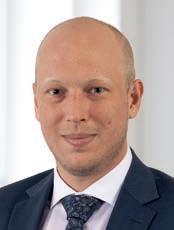
Niclas Holm Research Manager
niho@edc.dk
+45 5858 8784

EDC Poul Erik Bech
Zealand/Funen
Copenhagen +45 5858 8378
Herlev +45 5858 8376
Taastrup +45 5858 8472
North Zealand +45 5858 8377
Roskilde +45 5858 8395
Køge +45 5858 8379
Næstved +45 5858 8380
West Zealand +45 5858 8396
Lolland-Falster +45 5858 8140
Odense +45 5858 8397
Jutland
Kolding +45 5858 8399
Aabenraa +45 5858 8425
Sønderborg +45 5858 8422
Esbjerg +45 5858 8398
Vejle +45 5858 8423
Aarhus +45 5858 8670
Silkeborg +45 5858 8427
Herning +45 5858 8567
Viborg +45 5858 8424
Aalborg +45 5858 8449
Vendsyssel +45 5858 8487
International +45 5858 8563
Research +45 5858 8564
Hotel +45 5858 8371
Camping +45 5858 8130
Agriculture East +45 5858 8574
Agriculture West +45 5858 8683
Project +45 5858 8487
Capital Markets +45 5858 8572
Be the first to know when new properties come up for sale
We have Denmark’s largest buyer/tenant register. If you haven’t found the right property yet, let us help you!
Create your personal wish in our nationwide buyer/tenant register, and be the first to know when new properties come up for sale. We screen all properties for you and only show you the properties that match your wishes.
International Poul Erik Bech