





EDITOR Megan Williams
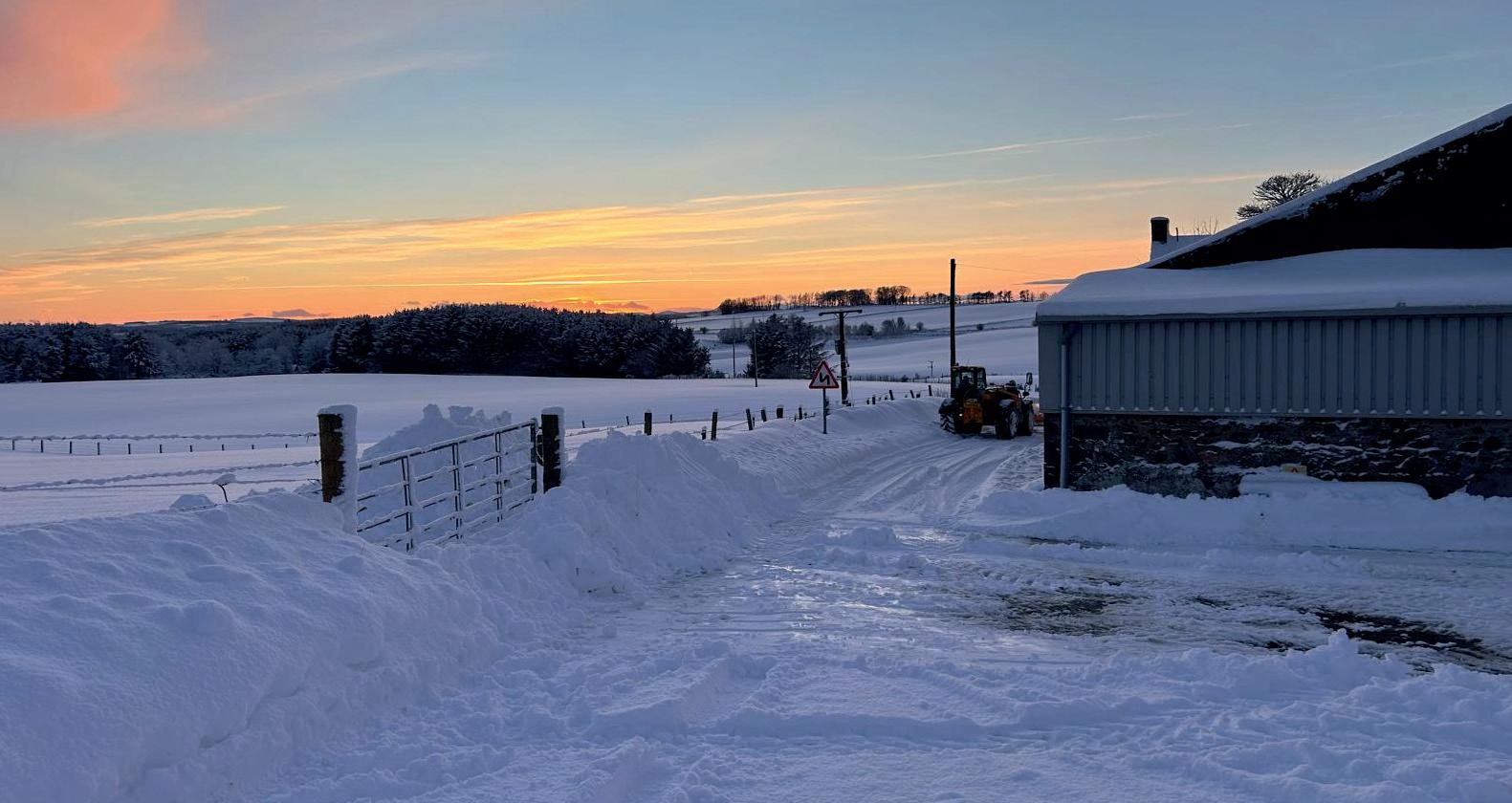
One evening, as I was leaving the office whilst putting this edition together, I cried out audibly: a pink(ish) sky. Even in the depths of winter, a little light still lingered in the sky at 17:11. The feeling of relief was real, and I’m sure no one feels it more than those of you working the land, watching for every change in light, weather, and season.
NFU Scotland, Rural Centre, West Mains Ingliston, Edinburgh EH28 8LT
NFU Scotland, Rural Centre, West Mains Ingliston, Edinburgh EH28 8LT
Tel: 0131 472 4000 www.nfus.org.uk nfuscotland @NFUStweets
Tel: 0131 472 4000 www.nfus.org.uk nfuscotland @NFUStweets
February always invites a forward look. The days are stretching, almost imperceptibly at first, but enough to bring a smile. Decisions that were parked over winter start knocking again. Seed is ordered, budgets sharpened, and conversations turn to the year ahead. A forward look doesn’t mean blind optimism – it means looking ahead strategically.
Editor Diana McGowan editor@nfus.org.uk
Editor Diana McGowan editor@nfus.org.uk
Scottish agriculture stands at one of those moments. The past year tested even the most resilient businesses. Volatile markets, relentless weather, rising costs, and a policy landscape that has too often felt unclear or unfinished – none of that disappears simply because the calendar has turned. But nor has the determination, professionalism, and sheer grit that define farming and crofting in this country.
Managing Editor
Craig Gibson
Managing Editor Craig Gibson
That sense of realism and momentum runs through this issue. You’ll hear directly from those making it happen – discussing everything from water reliance (p.8) to farm clusters (p.30), movements on IHT (p.13), COP30 (p.11), the launch of our new climate forum (p.11) and livestock priorities (p.27).
Design & Production Ryan Swinney
Design & Production Ryan Swinney
The months ahead will be pivotal. Decisions taken in Holyrood and Westminster will shape the future of support, regulation, and the confidence our businesses depend on. The Agriculture and Rural Communities Bill, future funding frameworks, land use debates, and supply chain fairness go to the heart of whether farms and crofts remain profitable, viable, and able to pass on to the next generation. In these pages, we take stock of where these policy discussions are heading, what’s still unresolved, and how our new strategy (p.10) will continue to push hard on behalf of members.
Advertising Sales Clare Stebbing clare@connect communications.co.uk Tel: 0131 561 0024
Advertising Sales Clare Stebbing clare@connect communications.co.uk Tel: 0131 561 0024
A Journey into Farming (p.14) showcases the paths of the next generation – from pupils exploring agriculture with RHET, to Young Agri Leaders at Wallace Hall, and inspiring young people like George Lammie, who returned to his family farm at 22 to discover a passion for sheep and beef farming. Across Dumfries and Galloway, initiatives like Tarff Valley and mentoring programmes are equipping young people with the skills, confidence, and passion to pursue careers in agriculture.
We also find inspiration in Beyond Scotland: Discovering the Scale of American Agriculture (p.32), where Cameron Smith shares his experience on the Young Famers Texas Agri Affairs trip. Cameron’s trip inspires fresh perspectives and insights – from the use of technology to impressive closed loop systems.
Published on behalf of NFU Scotland by Connect Publications (Scotland) Ltd. Studio 2001, Mile End, 12 Seedhill Road, Paisley PA1 1JS
Published on behalf of NFU Scotland by Connect Publications (Scotland) Ltd. Studio 2001, Mile End, 12 Seedhill Road, Paisley PA1 1JS
It’s a great edition – I suggest lighting the fire and making the most of these longer evenings while we’ve still got them.

Editor Megan Williams editor@nfus.org.uk
Design & Production
NFU Scotland Rural Centre, West Mains Ingliston, Edinburgh EH28 8LT 0131 472 4000 www.nfus.org.uk evenings while we’ve still got them.
Mark Shreeve mark.shreeve@micropress.co.uk
Andrew Hirst andrew.hirst@micropress.co.uk
Advertising Sales
Danny Lewis 01502 725862
danny.lewis@micropress.co.uk
Lawrence Kenny 01502 725860 lawrence.kenny@micropress.co.uk
Way, Reydon Business Park, Reydon, Suffolk IP18 6SZ 01502 725800
contactus@nfus.org.uk
HHrealise that positive thought/ silent commitment? Possibly too
never actually realise that positive thought/ silent commitment? Possibly too
In this month’s magazine, our two features cover inspiring stories and highlight just how rewarding delivering on such thoughts can be both for the individual involved and others who may benefit along
In this month’s magazine, our two features cover inspiring stories and highlight just how rewarding delivering on such thoughts can be both for the individual involved and others who may benefit along
We’re only a few weeks away from the Royal Highland Show. Over the course of four days, thousands will flock to the show to compete, judge, exhibit, organise, educate and socialise. We’ll see the best of the best and relish the atmosphere. Among the highlights and away from the main show ring, this year will see the welcome return of the Golden Shears Sheep Shearing and Woolhandling World Championships. Taking place at the MacRobert Theatre, the 2023 Worlds will see more than 30 countries compete for the prestigious title and it promises to be an action packed showcase of the art, skill and techniques required to be a world champion. Perhaps a less well known event taking place at this year’s Highland is the final qualifying round of the 2023 Britain’s Fittest Farmer competition. Taking part in this event for the
We’re only a few weeks away from the Royal Highland Show. Over the course of four days, thousands will flock to the show to compete, judge, exhibit, organise, educate and socialise. We’ll see the best of the best and relish the atmosphere. Among the highlights and away from the main show ring, this year will see the welcome return of the Golden Shears Sheep Shearing and Woolhandling World Championships. Taking place at the MacRobert Theatre, the 2023 Worlds will see more than 30 countries compete for the prestigious title and it promises to be an action packed showcase of the art, skill and techniques required to be a world champion. Perhaps a less well known event taking place at this year’s Highland is the final qualifying round of the 2023 Britain’s Fittest Farmer competition. Taking part in this event for the first time is Kyla Graham from


Andrew Connon President
ABelated Happy New Year. 2025 will be remembered for many things – politics, severe drought, a sober malting barley market, and volatile milk prices. But the first week of 2026, particularly in the North and North East, will be remembered for brutal snowfall and the disruption it caused.
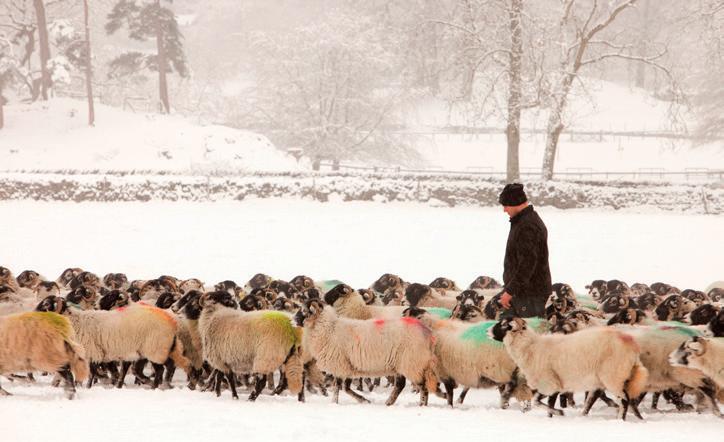
The workload to keep the basics going was immense, and my thoughts are with those who lost sheep in snow drifts. Huge banks behind stone dykes were heartin-the-mouth moments until we could tell whether the sheep were above or beneath the snow. As the snow continued, even quads and pickups struggled, and shovelling out troughs each morning quickly lost its novelty.
It has been inspiring to see how positively the public responded – clearing roads, opening driveways, helping people reach appointments, and assisting with basic provisions. I am proud of how our industry rises to the challenge. Farming and crofting are essential, not only for quality food but for rural communities and the wider economy.
Inheritance Tax Reform has been a recurring focus, and I must mention it again. At the start of January, I had intended to be in Westminster for the final push on the Finance Bill. However, a sudden government shift on 23rd
December came as a massive boost ahead of the festive season. While a full U-turn would be ideal, this change, compared to where things were heading, had to be welcomed.
It has been incredibly encouraging to see our membership and the wider industry come together on this – whether through tractor rallies or engagement with MPs and the public. We must also acknowledge the politicians who fought hard against this proposed injustice. Working alongside the other UK Farming Unions has been refreshing, and a reminder that persistence matters – even
increased, ring-fenced, multi-year budget for Scottish agriculture – essential to invest with confidence while delivering quality food, supporting rural communities, enhancing biodiversity, and addressing climate change.
Looking ahead, we are preparing our Scottish Election Manifesto for the 6th May elections, alongside work to shape future agricultural support. We are also harnessing the ideas of our membership through our Supply Chain Forum, building on the newly revamped Tenancy Working Group, Tenants Forum, and Landlords Forum to create a vibrant, forward-looking
It has been incredibly encouraging to see our membership and the wider industry come together on this –whether through tractor rallies or engagement with MPs and the public
when some suggested we were “wasting our time.”
Later in January, I returned to London for meetings with MPs and DEFRA Minister Dame Angela Eagle MP to gauge opinion on IHT and explore further opportunities for progress. Many other pressing issues also demand attention, including the proposed “Fertiliser Tax” (CBAM), potential loss of capital allowances on double-cab pickups, food labelling, trade deals, and the EU/UK reset.
The Scottish Budget on 13th January highlighted the urgent need for an
tenanted sector.
I am excited to see our Climate Technical Forum evolve, using the knowledge and enthusiasm of members to drive ideas forward. And our Next Generation Committee continues to deliver, creating significant government engagement and opportunities for the youth and I hope to see you soon at our AGM too.
2026 has kicked off in full gear, and I look forward to working with you all to ensure a sustainable, profitable, and exciting future for our fantastic industry.



























IDuncan Macalister Vice President
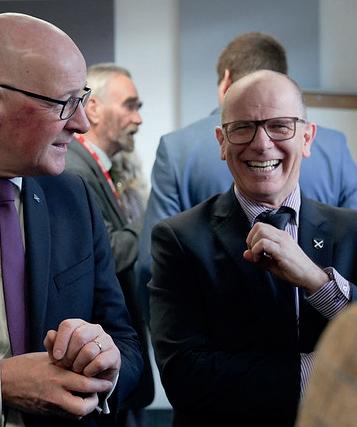
n December, I was encouraged to see the First Minister, John Swinney MSP, Cabinet Secretary Mairi Gougeon MSP and Minister for Agriculture and Connectivity Jim Fairlie MSP take time to meet directly with those who represent the future of Scottish agriculture.
At St Andrew’s House, NFU Scotland’s Next Generation Committee sat down alongside representatives from the Scottish Association of Young Farmers Clubs’ Agri-Affairs Committee for a frank and constructive discussion about what lies ahead for young farmers and crofters – and, just as importantly, the barriers that risk holding them back.
This wasn’t a conversation happening in isolation. Key industry partners were also around the table, including the Chair of Farming Opportunities for New Entrants (FONE), Scotland’s Rural College (SRUC), Lantra Scotland and the Scottish Land Matching Service. That breadth of voices mattered, because securing the future of our industry will only happen if government, education and the sector itself are pulling in the same direction.
Three priorities consistently came through loud and clear.
First, access to finance. For many young people, the ambition to farm or croft is there in abundance, but the ability to raise the capital needed to get started, or even to take the next step, remains a significant hurdle.
Second, access to land. Whether through tenancy, share farming, joint ventures or succession, the pathways into land-based businesses are often complex and uncertain. We need policy that actively supports and encourages workable routes for new entrants.
Third, training and upskilling. Scottish agriculture is evolving rapidly. Ensuring the next generation has access to high-quality, relevant training is essential if we are to build businesses that are productive, resilient and sustainable for the long term.
As we look ahead to the year in front of us, one thing is clear: the next generation must be at the forefront of policymakers’ thinking, not an afterthought. Decisions taken now will shape who is able to farm and croft in Scotland for decades to come.
That is why NFU Scotland has been, and will continue to be, absolutely clear with all political parties about the challenges facing young farmers and new entrants. With the Scottish elections in May, this is a critical moment to ensure that policies are rooted in reality and deliver genuine opportunity.
If we want a thriving, profitable and confident future for Scottish agriculture, we must give the next generation the tools, and the backing, to succeed.




WRobert Neill Vice President
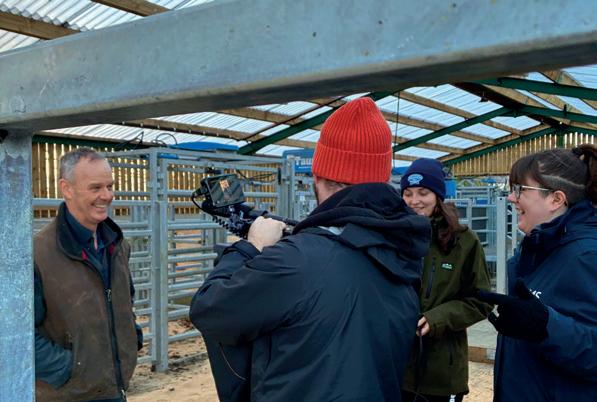
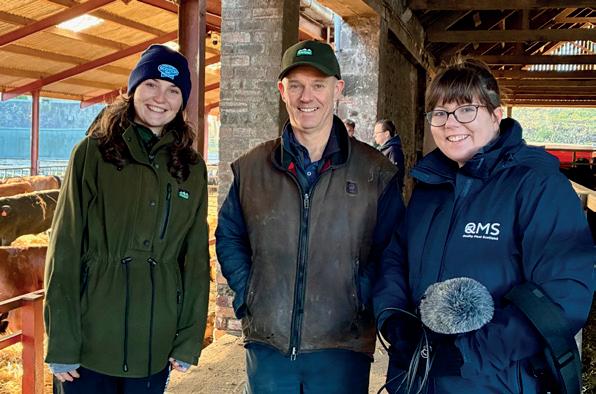
elcome back – I hope it’s been a good start to the year for you. Early December saw our farm buzzing with activity as the filming team from Quality Meat Scotland arrived to capture their Roles in Red Meat campaign (pictured). It was a chance to show the range of roles that keep Scottish red meat production running - from farm management and livestock care to feed supply and specialist tasks. It was a beautiful cold and bright day at Upper Nisbet Farm in the Borders and good to blether whilst we filmed.
During the filming, I had the opportunity to go through my usual day while the cameras captured the work that often goes unseen. Seeing my sons, Andrew and Harry, and those we work with like Hunter, Keiran, and Tim in action highlighted just how many different skills are needed to produce high-quality Scottish red meat.
What stood out to me was the sense of purpose in everyone’s role. There’s job security, opportunities to train and progress, and the satisfaction that comes from contributing to a vital industry. Sharing this with a wider audience helps break down misconceptions and show that farming today is modern, inclusive, and rewarding.
With the launch of the campaign this month, I hope it gives people a real insight into the work we do and maybe even inspires the next generation to explore a career in agriculture. In the meantime, it’s been a busy start to the year and we look forward to our AGM which is just around the corner. I hope to see you there for what promises to be a really incredible few days of discussions and a good celebration of our industry.
Lorna Scott and David Michie
For those of you in the east of the country, 2025 was a dry year. A hot summer followed the driest spring since 1964. Groundwater levels reached record lows in August and September. What was once a problem largely confined to vegetable and potato growers spread to other enterprises. Winter forage stocks were literally eaten into where grazing for cattle and sheep was limited. Dry weather shriveled the grains on secondary tillers, leading to catastrophic levels of grain screenings for many malting barley growers.
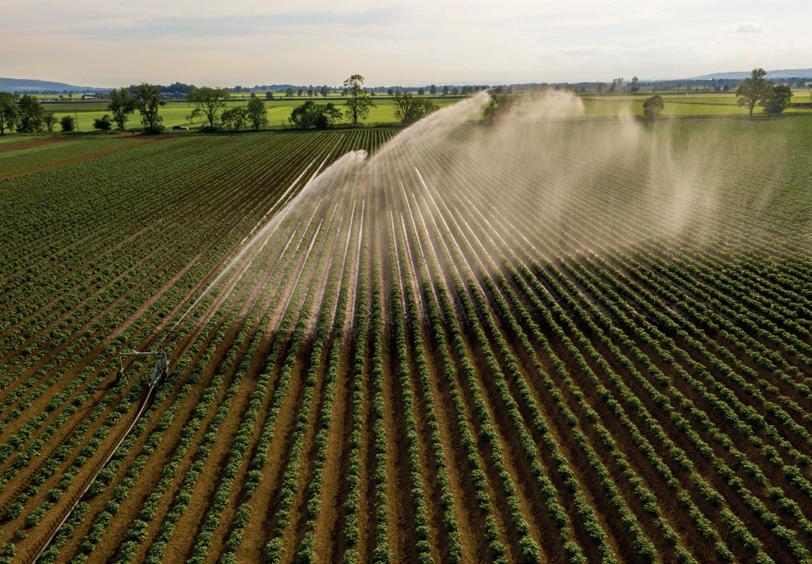
The cost–benefit calculation for investment has changed. Experiencing a difficult dry spell every two or three years justifies far greater investment than in the past, when a very dry period was a one-in-20-year event. Farm businesses across Scotland have shown remarkable adaptability in recent years, but cannot be expected to bear this burden alone. Funding and advice are needed to support investment in water resource management. We are working on your behalf to help deliver this. We have pressed government to make capital funding available for
We are hoping 2026 will be a lot better and that we’ll get back to something approaching “normal”. But this will be difficult. Ground and loch water volumes are so low in some places that we need abnormally high levels of rain and snow this winter to recharge them – which hasn’t happened yet. If we don’t get enough winter recharge, the difficulties of 2025 will carry over into 2026.
A changing climate, in which socalled “freak events” are becoming commonplace, means business as usual is no longer an option. Planning for water resource management will be vital to business viability.
To start thinking about water resource management planning, you should ask yourself a few questions: how are you currently using water on farm? What risks would another very dry year pose to your enterprises? What are the costs and benefits of investing in water scarcity mitigation?
irrigation equipment to ease pressure on farms. The inclusion of water adaptation and resilience options in the Future Farming Investment Scheme (FFIS) offered a glimpse of the kind of future agricultural support that will help businesses adapt to climate change.
We are also asking government to target agri-environment scheme measures that retain water within catchments at a landscape scale, focusing on the driest areas with the highest-value crops. Individual businesses cannot, and should not be expected to, invest in riparian planting or wetland creation on other farms further up the catchment. This is the role of policy.
We continue to engage with SEPA, highlighting the value of crops and their supply chains to farm businesses and to the Scottish economy. We also work with advisory initiatives, encouraging them to provide practical, plain-English advice on water resource management.
While we have questions about how FFIS payment decisions were made, we absolutely welcome government spending on equipment and infrastructure that makes farming and crofting more profitable and sustainable. We want the next phase of FFIS to continue prioritising water resource management. This will be a valuable opportunity to invest in the future of your farm - to cope with inevitable dry spells and to support a more profitable future for your business and for Scottish agriculture.
To help you plan for the year ahead, we spoke to Jack Zuill, an Environmental Consultant at SAC, to offer some practical guidance for farmers and growers. He explained:
“Managing, mitigating, and adapting to water scarcity is becoming a defining challenge for Scottish agriculture. To support the industry in planning ahead, the Scotland Centre of Expertise for Waters (CREW) will release ‘Planning for Water Scarcity – Practical Guidance for Farmers and Growers’ this February. Developed with input from experts across SRUC, the James Hutton Institute, the University of Aberdeen, and SAOS, the guide promotes efficient on-farm water use by reducing pressure on water systems during scarcity, improving irrigation efficiency, and strengthening climate resilience.
“Featuring top tips, self-assessment tools, and case studies, it offers practical methods to enhance resilience in every farming system. The guidance will help farmers and growers protect yields, improve biodiversity, and support rural livelihoods as water stress increases across the country.”
With practical advice like this, farmers and growers can take proactive steps now to safeguard their crops, livestock, and livelihoods against the growing challenge of water scarcity. For more guidance, visit SAC at www.sac.co.uk

HOLP – ROTOP ATTACHMENT SCOTTISH DISTRUBUTOR
– ROTOP ATTACHMENT SCOTTISH DISTRUBUTOR
HOLP – ROTOP ATTACHMENT SCOTTISH DISTRUBUTOR





Distribution, Sales, Hire Fleet, Service, Spares, Training Wheeled dumpers, tracked dumpers, excavators, telehandlers, special machinery
Distribution, Sales, Hire Fleet, Service, Spares, Training Wheeled dumpers, tracked dumpers, excavators, telehandlers, special machinery
Distribution, Sales, Hire Fleet, Service, Spares, Training Wheeled dumpers, tracked dumpers, excavators, telehandlers, special machinery
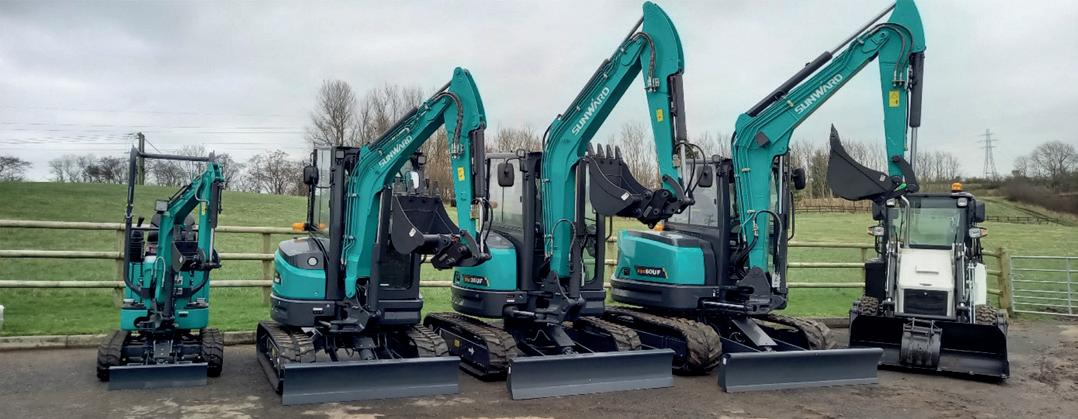
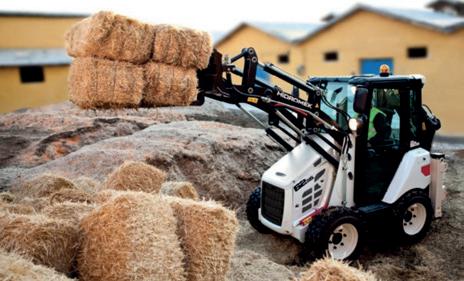
Kattrak International Ltd is proud to be an official Scottish dealer & distributor for Sunward, Hidromek and Holp Rototop Attachments
Kattrak International Ltd is proud to be an official Scottish dealer & distributor for Sunward, Hidromek and Holp Rototop Attachments
Kattrak International Ltd is proud to be an official Scottish dealer & distributor for Sunward, Hidromek and Holp Rototop Attachments
Kattrak offers a broad range of wheeled & tracked dumpers as well as other machinery for hire at competitive rates
Kattrak offers a broad range of wheeled & tracked dumpers as well as other machinery for hire at competitive rates
Kattrak offers a broad range of wheeled & tracked dumpers as well as other machinery for hire at competitive rates


Distribution, Sales, Hire Fleet, Service, Spares, Training Wheeled dumpers, tracked dumpers, excavators, telehandlers, special machinery
Kattrak International Ltd is proud to be an official Scottish dealer & distributor for Sunward, Hidromek and Holp Rototop Attachments
Kattrak offers a broad range of wheeled & tracked dumpers as well as other machinery for hire at competitive rates

Ardoch Farm, Old Glasgow Road, Kilwinning, KA13 7QJ Telephone: 01294 557835, fax: 01294 554095
Ardoch Farm, Old Glasgow Road, Kilwinning, KA13 7QJ Telephone: 01294 557835, fax: 01294 554095
Ardoch Farm, Old Glasgow Road, Kilwinning, KA13 7QJ Telephone: 01294 557835, fax: 01294 554095 E-mail: sales@kattrak.com or info@kattrak.com
E-mail: sales@kattrak.com or info@kattrak.com
E-mail: sales@kattrak.com or info@kattrak.com

Ardoch Farm, Old Glasgow Road, Kilwinning, KA13 7QJ
Telephone: 01294 557835, fax: 01294 554095
E-mail: sales@kattrak.com or info@kattrak.com


Jonnie Hall Deputy CEO/Director of Policy
Writing NFU Scotland’s five themed sub-strategies –Future Agricultural Support, Farming Production Systems, Fairness in the Supply Chain, Land Use and Species Management, and Climate Change, was a very challenging but also rewarding task.
It required not only an understanding of farming and crofting, of the policy and market drivers that shape Scottish agriculture, but also a deep understanding of people (farmers and crofters) who live the realities of these issues every single day.
What follows are my reflections on shaping and writing these five substrategies, which underpin our overarching policy strategy. I’ll explain why we needed them, how I approached the task, and what I hope they mean for the future of our members and Scottish agriculture. You are welcome to cross refence my work with our strategy at NFU Scotland | /policy-strategy. aspx on our website.
We’re at a crossroads
Scottish agriculture is at crossroads. A bit of a cliché, but it’s true.
The legacy of the CAP is slowly drawing to a close. Expectations around climate, biodiversity, and food security have never been higher. And, perhaps most urgently, we’re grappling with a level of uncertainty – economic, political, and environmental –that no one in our industry is immune to, or can afford to ignore.
When I began drafting the Future Agricultural Support sub-strategy, one thing was clear: stability matters, but so does ambition. We need a support framework that doesn’t force a false choice between highquality food production and environmental outcomes – one that recognises that Scotland’s farmers and crofters can deliver both, and more, if they are properly enabled to do so. Farmers and crofters are critical to success. They simply need the right tools, the right incentives, and trust.
That soon became the foundation of all five sub-strategies.
Despite what some may think when they see me on my hind legs, the key to effective policy development is active listening. Too often, strategy becomes an academic exercise - shaped by theory rather than reality. But Scottish agriculture is far too diverse, and far too complex, for top-down thinking.
And it’s the voices and views of our members which have shaped the tone of the strategies. Not abstract. Not ideological. Practical, grounded, and unapologetically centred on active farmers and crofters.
When pulling together the Land Use and Species Management and Climate Change strategies, I was often struck by how easy it is to end up with competing demands and expectations. The real leadership task was to create sub-strategies that accepted this complexity instead of glossing over it.
For example, recognising the need for woodland creation while ensuring it doesn’t come at the expense of productive farmland, supporting peatland restoration while safeguarding the viability of livestock systems that have shaped our landscapes for generations, and advocating for species management frameworks that protect biodiversity without sacrificing the wellbeing, or sanity, of farmers and crofters dealing with predation or crop damage.
Our industry delivers public goods day in and day out. Our sub strategies need to make that visible, valued, and rewarded.
Stitching things together
One thing that’s long been clear to me is that no single issue can be solved in isolation.
Fairness in the supply chain determines the financial resilience needed to adopt new technologies. Climate policy shapes land use decisions. Land reform influences generational renewal. Farming systems and support structures influence our ability to meet biodiversity and climate targets.
Our five sub-strategies must be interconnected – and we can’t afford to think in silos.
Developing the Farming Production Systems sub-strategy illustrates exactly why by highlighting that production efficiencies, environmental outcomes, and
financial performance are not opposing goals - they reinforce one another. Together, they improve margins and profitability and build resilience.
The interconnections within the five sub-strategies are what will give a very diverse Scottish agriculture both coherence and strength.
Strategic thinking and the leadership that must go with it isn’t only about vision, it’s also about honesty. There are tradeoffs ahead. No strategy is meaningful if it pretends otherwise.
We face difficult choices about what our priorities should be – not least given the diversity of our membership, and Scottish agriculture itself, which we represent.
In writing these sub-strategies, I felt a responsibility to acknowledge tensions rather than soften them. Our members deserve clarity, not comfort. And Scottish agriculture deserves policies built on truth, not political convenience.
The five sub-strategies, taken together, represent more than a policy plan. They are a declaration of intent – NFU Scotland will continue to lead from the front, shaping a future where agriculture is valued, farmers and crofters are fairly rewarded, and rural Scotland thrives.
But this is not the end point. It’s the satnav for a journey that requires collaboration – with government, with environmental stakeholders, with supply chain partners, and most importantly, with the farmers and crofters who will turn strategy into reality.
As Director of Policy, my role is to ensure our members’ voices shape and drive all that influences their futures - not just react. These sub-strategies represent the best of what Scottish agriculture can be: confident, resilient, forward-looking, and unwavering in its commitment to feeding the nation while caring for the land and sustaining communities – something farmers and crofters have done over countless generations.
The next chapter will be defined by how well we translate ambition into action. But I have no doubt that with the right support, the right policy framework, and the right recognition, active farmers and crofters will continue to lead the way.
And your Union will be right there with you.

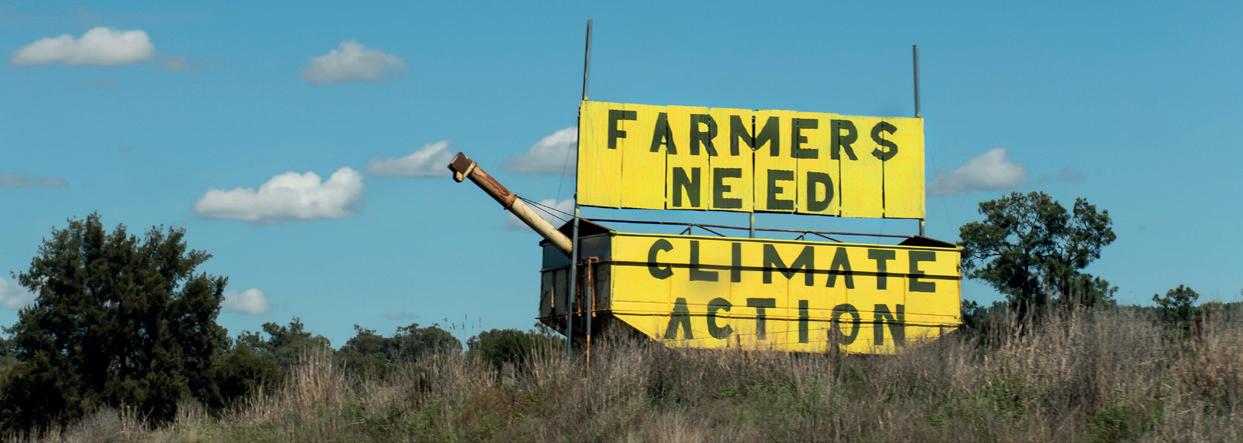


In November 2025, the 30th UN Climate Change Conference, COP30, took place in Belém, Brazil, marking another critical moment in the global climate debate at a time of rising global temperatures, intensifying climate impacts, and increasing pressures on food systems and agriculture.
At the heart of COP30 was the negotiation of a new global climate agreement, referred to as the ‘Belém Package’, a compromise text adopted by 195 parties at the close of the talks. While it reaffirmed collective climate goals and scaled up ambition in some areas, the agreement stopped short of including a binding global fossil-fuel phase-out, an omission that drew criticism from both civil society and many governments.
Scaling up climate finance
Parties agreed to a significant financial mobilisation goal: US $1.3 trillion annually by 2035, aimed at supporting both mitigation and adaptation efforts. Adaptation finance was also slated to be tripled by 2035, a major push to help vulnerable countries deal with climate impacts. For farmers and rural communities, on the frontline of climate impacts, this expansion of climate funding could unlock new opportunities.
Putting farming on the agenda at COP COP30 marked a notable shift in the spotlight on agriculture and food security. The Belém Declaration on Hunger, Poverty and People-Centered Climate Action brought attention to the interconnected crises of climate impacts and food insecurity, underscoring the need for climate policy that also supports livelihoods and sustainable food systems.
Farmers and agricultural stakeholders participated actively during the weeks
leading up to and at COP30. The inaugural COP30 Farmers’ Summit, convened by the World Farmers’ Organisation in Brasília, and attended by David barton, NFU Livestock Chair and Jenny Brunton Senior Advisor at BAB, gave voices to farmers from around the world and emphasised the need for globally recognised metrics for climate action within farming.
While COP30 delivered a framework and articulated significant funding goals, the real test now lies in implementation. Translating commitments into tangible support for farmers, communities and vulnerable nations will determine whether the Belém outcomes can turn climate ambition into action on the ground.
As the world turns its attention towards COP31 and other climate milestones, the voices of farmers, rural communities, and food producers will continue to be crucial in shaping policies that are equitable, science-based, and deliverable.
Lorna Scott Senior Policy Manager – Climate, Land & Business
NFU Scotland convened the inaugural meeting of its newly established Technical Climate Forum in mid-December, marking an important step in advising on policy on renewable energy development and monitoring, reporting and verification (MRV) technologies. The group, which sits below NFU Scotland’s Environment and Land Use Committee, will meet on an ad-hoc basis throughout the year as key issues arise.
The first session was chaired by Duncan Macalister, fresh from a meeting earlier
that day with First Minister John Swinney and NFU Scotland’s Next Generation Committee. A busy day for your Vice President. Despite limited time to tackle such a wide-ranging brief, the Forum made a strong start by offering valuable early insights as it examined the Scottish Government’s draft Climate Change Plan. The Plan proposes policies for how Scotland can decarbonise and reach net zero by 2045.
A consistent message from members of the Forum was the central role of economic viability. Farming and crofting must be profitable if we are to continue delivering Scotland’s climate ambitions and produce high-quality food at home –
meaning that we aren’t off-shoring those emissions. Forum members highlighted opportunities around improved efficiencies and participation in well-designed renewable energy schemes. But we need these policies and approaches to be practical, workable, and fair, where actions complement, not compromise, the sector.
NFU Scotland’s greatest strength has always been its members, and my sincere thanks go to those who have volunteered their time and expertise to help shape this work. Membership of the Forum will remain flexible. Anyone with relevant experience in renewable energy or MRV technologies who wishes to contribute, please get in touch at lorna.scott@nfus.org.uk.
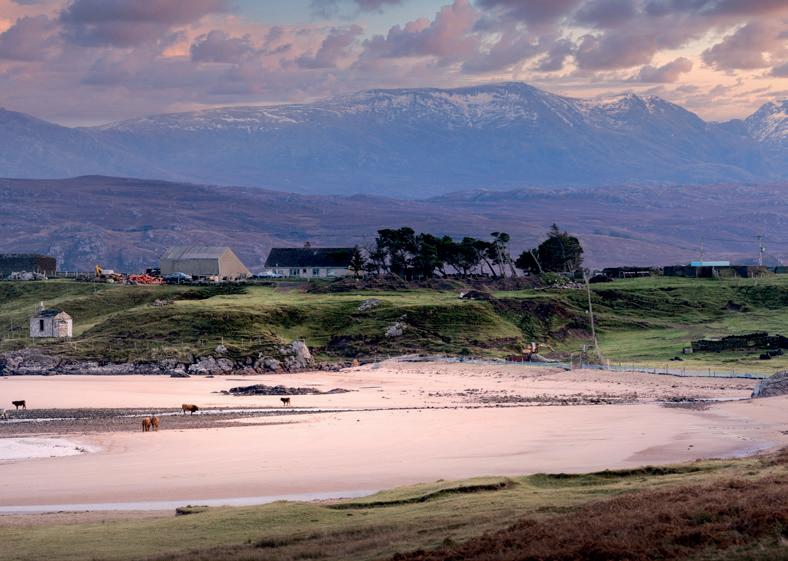
Crofting accounts for approximately one tenth of Scotland’s land mass, covering approximately 750,000 hectares, with just over 21000 registered crofts and approximately 35000 people living in crofting households. A recent report published by the Crofting Commission demonstrates the hidden value of crofting and identifies the considerable financial contribution it makes to the Scottish economy. It calculated that the financial contribution to the wider Scottish economy in 2024 was £588 million gross value added (GVA) per year and supports 30,385 jobs.
The report, titled “The Value of Crofting”, provides the evidence to demonstrate the major role that crofting contributes to Scotland’s rural economy and with 80% of the wealth created by crofting being retained within the crofting counties is sufficient to validate the Scottish Government continuing to support crofting
What is crofting?
Crofting is a unique type of land tenure found only in the Highlands, the northern and west coast islands of Scotland extending to include the whole of the Highlands Islands Enterprise (HIE). It originally covered Shetland, Orkney, Caithness, Sutherland, Rossshire, Inverness-shire and Argyll. Later expanded to include the islands of Arran and Bute and those parts of the newly-
formed Highland council area that were not already within its boundary. The area was further extended to also include the Clyde islands of Great and Little Cumbrae and was extended again to cover Moray.
Crofting is a regulated system of land tenure with its own legislative framework (The Crofting Acts) since 1886 and is administered by the Crofting Commission, the government body appointed by the Scottish Ministers to regulate crofting. Both tenants and owner occupiers of crofts have a statutory duty to be ordinarily resident on, or within 32 kilometres of their croft; cultivate and maintain the croft; not to misuse or neglect the croft; or to put it to some other purposeful use that does not adversely affect the croft, the public interest, the interests of the landlord/owner or the use of adjacent land.
While the origins of crofting are agricultural, traditionally focusing on livestock rearing and growing crops. Modern crofting encompasses a variety of non-traditional activities. This ability to adapt is central to the crofting story but means crofting defies traditional sectoral classification. It is not agriculture, or fish farming or forestry, or tourism, or conservation or renewable energy, but all these combined in a continually changing mix. It is the glue that cements and retains population creating sustainable and thriving communities in the off shore islands and in the most remote, challenging and disadvantaged areas in mainland Scotland.
The starting point for understanding how crofting affects the rural economy is therefore to identify the key ingredients in this mix. Its position in the Scottish
economy and rural sustainability is noteworthy and its contribution from such a small part of Scotland’s population is previously underestimated. Crofting’s position as a leading contributor to Scotland’s rural economy is a very significant part of the nation’s agriculture and food producing contribution to the Scottish Economy is often overlooked, underestimated and misunderstood.
Crofting is an important source of economic activity and a central component of life in the Highland and Islands. Its economic contribution to Scotland’s economy is extraordinary and punches well above its weight generating a Gross Added Value of £588 million and creating in excess of 30000 jobs across the country. It also has exceptional value for investment from the public purse with every £1.00 of public funds it draws in an impressive £13.00 from non-public sources for the Scottish economy. When compared to other agricultural sectors, crofting’s output is far greater than expected, and, when matched to other farming agricultural systems, it is a major player.
In addition to is contribution to agricultural output and food production it tackles population retention as the Crofting Acts requires crofters to live within 32 kilometres of their croft, to equip the croft and provide their own housing and other buildings required to work their crofting business. The Croft House Grant scheme can assist crofters to meet that statutory duty by providing grants to improve existing house or build new croft houses. The scheme is designed to target support for those who would not be able to build or improve their home without grant support. Since the scheme was launched in 2007 more than £24.2 million has been awarded to over 1,100 crofting families and individuals living and working in rural and island communities to build new homes or improve existing ones. Equally important is the Crofting Counties Agricultural Grant scheme which supports crofters and grazings committee by providing a grants towards the necessary capital equipment and agricultural improvements required to sustain their crofting businesses.
The Crofting Highlands and Islands Committee (CHIC), chaired by Archie Macnab (Strathpeffer) and comprising Vice chairs, Laura Sinclair (Shetland) and Jake Sayles (Skye) and crofting representatives from throughout the Highland and Islands reporting through the NFUS Less Favoured Area Committee to the NFUS Board ensures that the views of our crofting members are represented to governments and other public and private institutions that have a crofting responsibility in their remit.
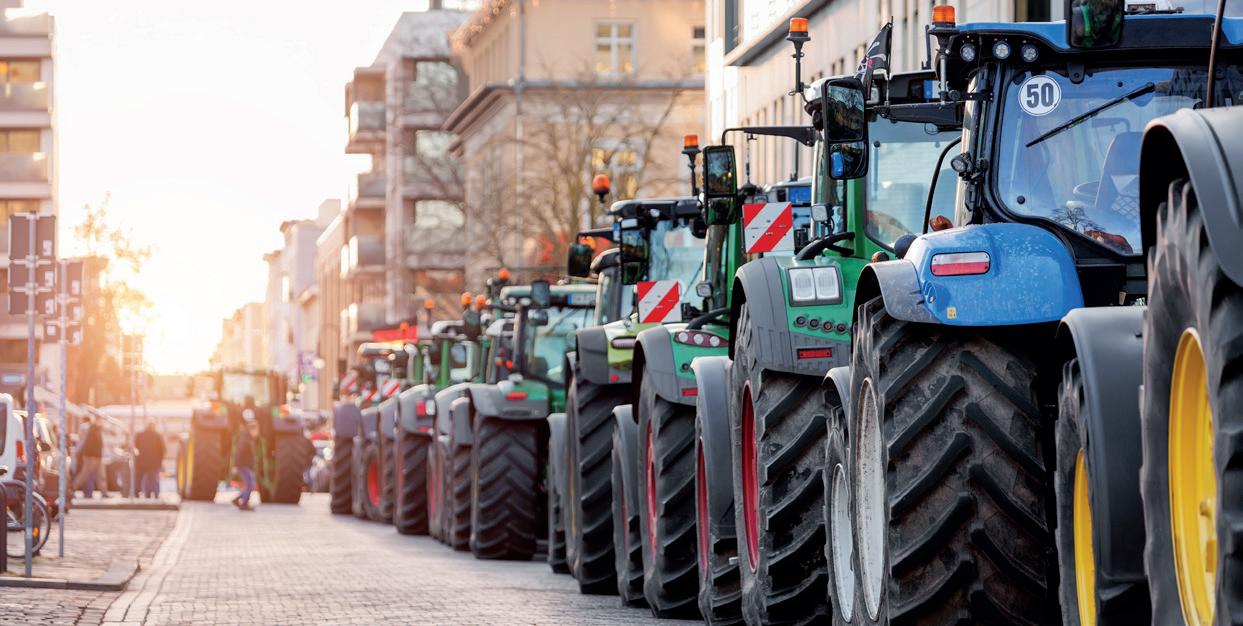
Scottish farming families received a significant boost before Christmas, with confirmation that the UK Government will raise the inheritance tax threshold to £2.5 million per spouse – a major step forward secured after 14 months of sustained lobbying by NFU Scotland alongside the other UK farming unions.
NFU Scotland President Andrew Connon said the change marked “a victory for common sense” and a crucial intervention to protect the future of family farms. The revised threshold, up from £1 million, will significantly reduce the tax burden for many farming businesses
Penny Middleton
2025 certainly bought its challenges for animal health with the Bluetongue Virus 3 (BTV3) outbreak ongoing, Schmallenberg cases, Avian Influenza, as well as fears of a Foot and Mouth Disease (FMD) case and African Swine Fever (ASF). This led to a very busy year for officials, official labs and Animal Plant Health Agency (APHA) and highlights our concerns around capacity going forwards, although I would like to recognise the incredible hard work put in to manage controls and protect the various livestock sectors.
At the start of this year, we’ve been focusing our attention on reviewing the BTV situation for 2026 - including
and ease what had become one of the greatest generational threats facing Scottish agriculture.
The original proposals to reform Agricultural Property Relief and Business Property Relief sent shockwaves through the industry, putting farm succession, domestic food production and rural livelihoods at serious risk. While taxation challenges remain, the increased thresholds and associated reliefs provide much-needed reassurance for farming families across Scotland.
This outcome reflects an extraordinary collective effort – from the NFU Scotland team to thousands of members who
looking at vaccine data – to help Scottish Government develop policies for 2026 regarding BTV controls for Scotland in the Spring when midge activity picks up again increasing the risk of infection.
Avian influenza seems here to stay and it is likely there will continue to be cases in the winter, with risks throughout the year. We will be supporting work on vaccination and policy development to see if it could be a viable option for the sector.
Scottish Government do not have statutory responsibility for non-notifiable endemic diseases, but we are in discussions with them around what more can be done to help address some of the disease of concern, notably sheep scab, johnes, OPA and continuing the work already being done on BVD.
A lot of animal welfare issues were set to be looked at in 2025 and although discussions were started on some it looks like 2026 could be busy for animal welfare. We expect to see consultations
rallied, lobbied politicians and engaged the public to ensure farming voices were heard. NFU Scotland also recognises the support of Scottish politicians who listened and engaged throughout the campaign, with particular thanks to Alistair Carmichael MP for his leadership as Chair of the EFRA Committee.
After an intense and often exhausting period for many in the industry, this decision offers a moment of cautious celebration. While challenges undoubtedly lie ahead, NFU Scotland remains optimistic about the future – and resolute in continuing to stand up for Scotland’s farmers and crofters.
and proposals on topics of: a ban on tail docking and castration of lambs without anesthesia and lasting pain relief, a ban on laying hen caged production, a ban on the use of farrowing crates, a ban on beak tipping hens and culling of male chicks, and banning the use of CO2 stunning in abattoirs.
The SPS agreement is expected to require welfare alignment with the EU animal welfare regulations for at least welfare at transport and killing but potentially also welfare on farm. We know there are currently controversial welfare at transport proposals being looked at in the EU and we need to follow and influence those where we can, and they are also in the early stages of reviewing their rules around welfare on farm.
Finally, welfare labelling was consulted on in 2024 and it remains a key issue in the EU, so we will be closely following any progress or action in this area and keep you informed.
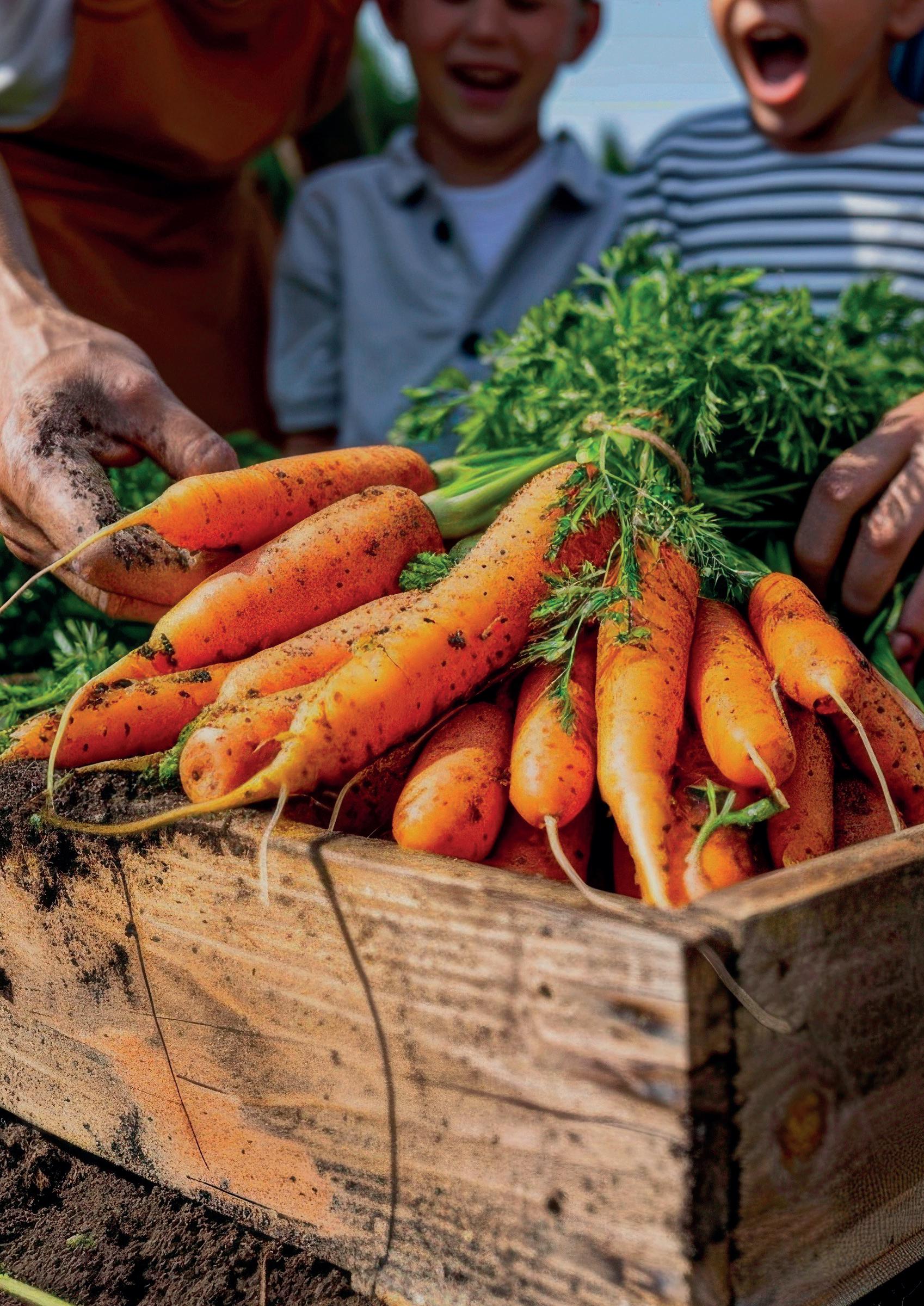
From classroom to countryside: How the next generation are fi nding their feet in the fi eld.



AMhairi Dawson Regional Manager for Dumfries & Galloway
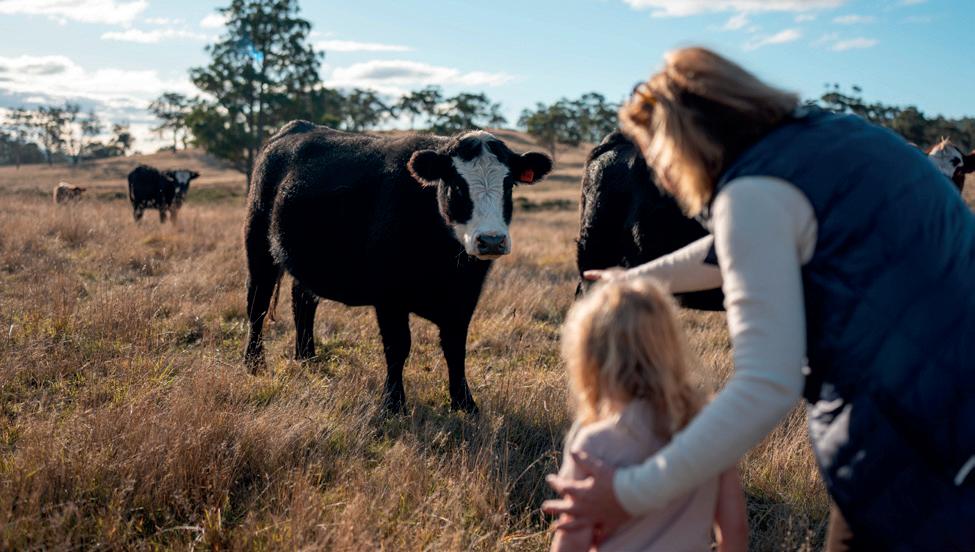
griculture is a journey, and no two paths into the industry are ever the same. In Dumfries and Galloway, there is a huge amount happening to support the next generation – from primary school pupils taking their first interest in agriculture, to young people changing businesses alongside their families. One such inspiring journey is that of George Lammie, who returned to his family suckler beef farm at 22 after years away in Glasgow, discovering a passion for sheep farming and learning the ropes with the support of mentors and the local NFUS network.
For this month’s edition of the Scottish Farming Leader – focusing on A Forward Look – I thought there was no better opportunity to catch up with
Farming has been my journey, and it’s one that continues to teach me every day
some of the organisations and people making it happen to showcase how our next generation is being inspired to pursue a career in this marvellous industry.
Farming has been my journey, and it’s one that continues to teach me every day. I grew up on a hill sheep farm near Cumnock, then a mixed farm in the Borders before returning home to Ayrshire to study at SAC Auchincruive. I then worked in the grass seed industry for 13 years, whilst having my own sheep, before I joined NFU Scotland in June 2023 .I’ve seen firsthand the diversity, resilience,
and passion that defines our industry. It’s this experience that drives me to champion the next generation of farmers in Dumfries and Galloway.
One of the things I’m most proud of locally in 2025 is NFU Scotland becoming an offi cial supporter of Wallace Hall Academy’s Young Agri Leader higher qualifi cation. Looking ahead, we’re also planning a next generation event on Saturday 16 May 2026 at Aileen’s farm near Thornhill. Please put the date in your diary – we look forward to seeing you there.
I really believe that we are lucky to live and work in the best industry in the world, and I hope this piece encourages you to see the opportunities and inspiration that surround us. Across Dumfries and Galloway, initiatives like RHET, Wallace Hall, and Tarff Valley, alongside mentoring and real-life success stories like George’s, are giving young people the skills, confi dence, and passion to make agriculture a vibrant, rewarding career. For all of us, that is something to celebrate and be proud of.
Planting the seeds with the Royal Highland Education Trust (RHET)
Andrena McGill & Joanne Hiddleston
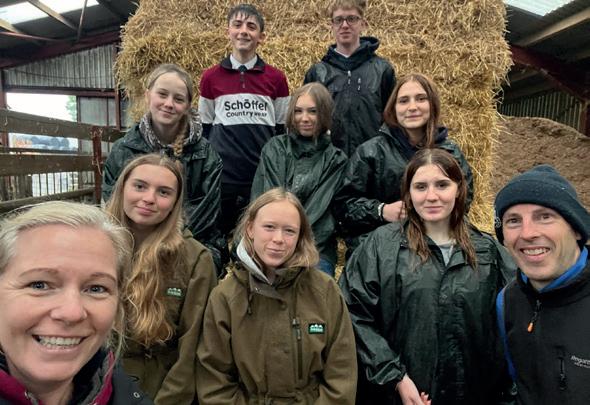
RHET Dumfries & Galloway has been delivering food and farming education across the region for 21 years, offering young people aged 3-18 invaluable opportunities to learn about where their food comes from. Our recent anniversary ball marked over two decades of this work while raising essential funds to ensure RHET remains free and accessible to all schools.
In recent months, we have welcomed two new project co-ordinators: Andrena McGill, covering the West, and Joanne Hiddleston, covering the remainder of Dumfries & Galloway. Both are enthusiastic about building on RHET’s strong foundations and continuing to strengthen our links
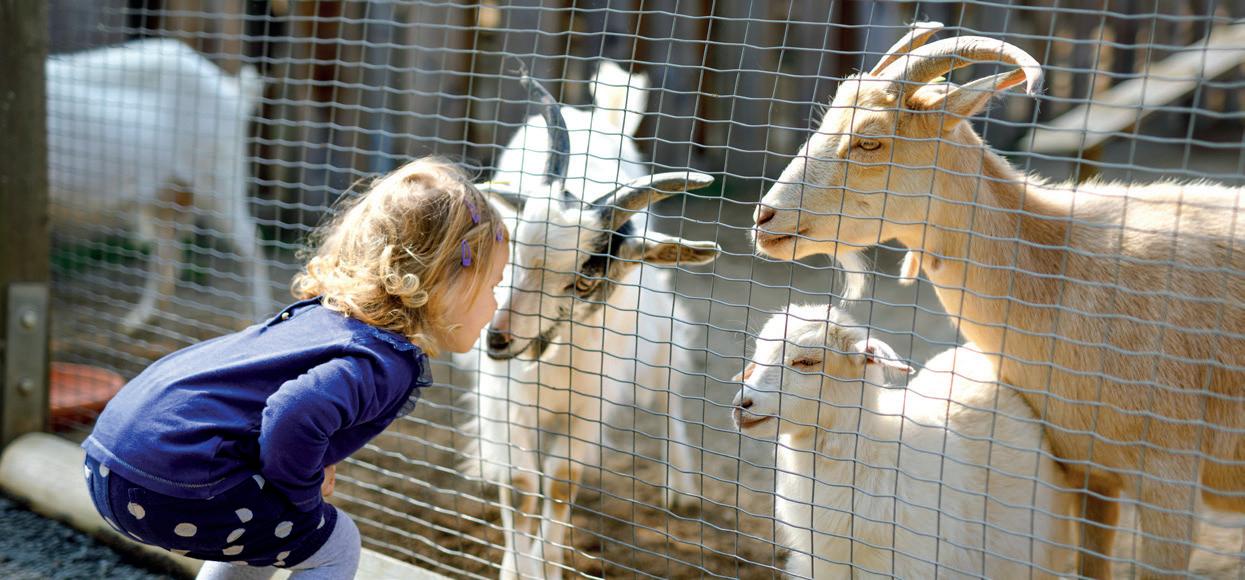
with the local agricultural community. Our work would not be possible without the dedication of our volunteers. We remain incredibly grateful to those who give up their time to host farm visits, speak in classrooms or support food and farming events. Many of these volunteers are also active members of the NFU Scotland, and their involvement is instrumental in ensuring that pupils receive a genuine insight into modern Scottish agriculture. Their willingness to engage with schools reflects the NFUS’s wider commitment to promoting farming’s role in society and supporting the next generation’s understanding of the industry.
To keep up to date with our activities, follow us on Facebook: RHET Dumfries & Galloway and Instagram: @rhetdumgal. Anyone interested in learning more about the charity’s work or discussing volunteering opportunities is encouraged to contact dumgal@rhet.org.uk. Further information can also be found at https://rhet.org.uk
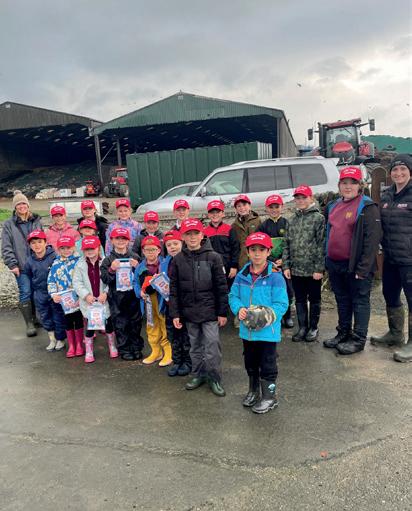
It’s been a busy and exciting time for the Wallace Hall Young Agri Leaders, who are taking part in a brandnew course designed specifically for pupils interested in agriculture, with a focus on leadership, communication, teamwork, and adapting to change!
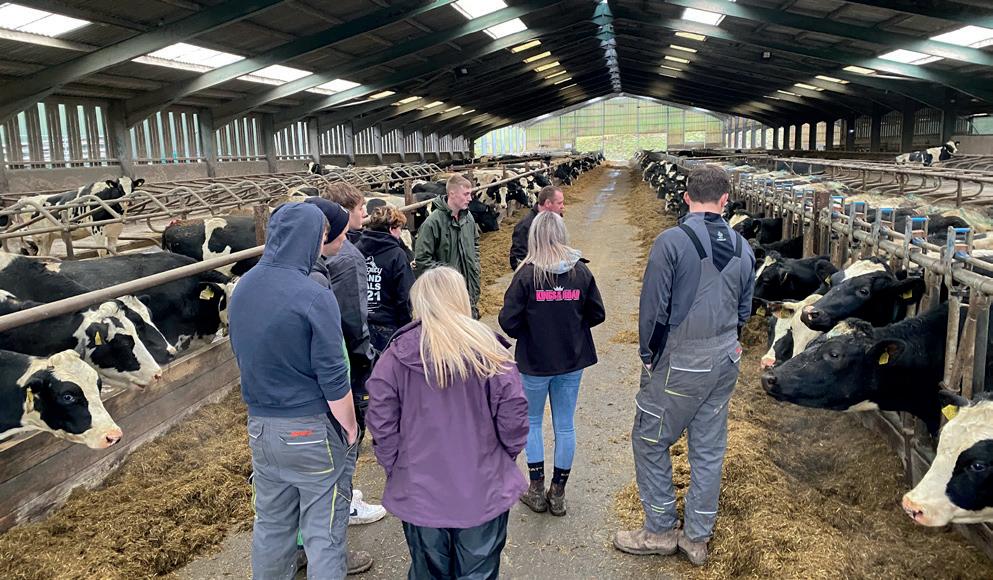
The course kicked off with a three-day residential at Dumfries House. This was a great way to start as we got a chance to get to know each other whilst learning a range of new skills; from archery to lambing, setting up a sheep handling system to making butter, identifying rare breeds and even soil sampling! We thought our luck was in as once we returned from this visit, we headed straight to the RHS! With amazing weather, amazing businesses, amazing machinery and some very kind people who took the time to speak to us about the part they play in the agricultural industry.
Upon returning, our teachers set us to work and told us it was our turn to be the teacher in the Agri Education unit! We thought ‘how tough can this be?’...turns out it’s a lot harder than it looks! We were tasked with creating a food and farming lesson along with a farm visit. Not only did we create, plan and deliver, but we also had to co-ordinate buses, write letters, contribute to the risk assessment, arrange for livestock to be in the right place at the right time as well as keeping the primary pupils entertained and educated.
After this we jumped straight into our Meatbox Challenge. We were so excited about starting up our own enterprise
We had no idea how much opportunity there is within agriculture and each and every one of us can see a future there... we wouldn’t have said that before taking this course
and loved having ownership over our own idea, decision making, negotiations, advertising, dealing with customers and above all promoting the benefits of eating good quality red meat to our community.
The most exciting part of the enterprise was a day at C&D Mart in Dumfries to purchase our lamb, we even managed to enjoy a legendary market breakfast, which did not disappoint! Special thanks for this unit must go to the Carlisle family at The Butchery and Netherdargavel Farm and all C&D Mart for all their advice and support. We still have more to come with our final two units: Field to Fortune and Agri Affairs. We are thoroughly enjoying this course and have loved being part of an industry that has so much to offer. We had no idea how much opportunity there is within agriculture and each and every one of us can see a future there...we wouldn’t have said that before taking this course. Follow us Young Agri Leader on TikTok / Instagram / Facebook.
Katie McCubbin
Looking ahead requires an understanding of what has come before, and for Tarff Services that journey began in 2019 when Tarff Valley took over the activities of the South West Machinery Ring, relaunching them under the Tarff Services banner. Since then, the division has grown steadily, offering a wide range of support including competitive fuel solutions, the Case IH rebate scheme, training courses, electricity procurement, farm assurance support, and a variety of educational opportunities. Tarff Services is an active member of the Scottish Machinery Ring Association, which has several rings across Scotland, serving more than 7,000 members and other rural businesses.
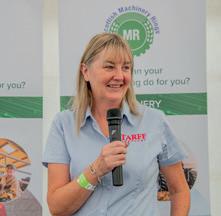
Services Coordinator Tracey McEwan said, “It’s been great to see the growth of the educational pathways as it’s something I’m very passionate about. Encouraging young people into a workplace setting is essential as I believe practical learning helps build confidence and skills, and provide opportunities, whilst not having the pressure of a classroom environment.”
A new development for 2025 was the introduction of Farm Services, a comprehensive support package designed to help members of all scales meet their compliance, safety and business requirements. Tarff Services has recognised growing demand for this type of offering, which aligns closely with existing support services such as short training courses.
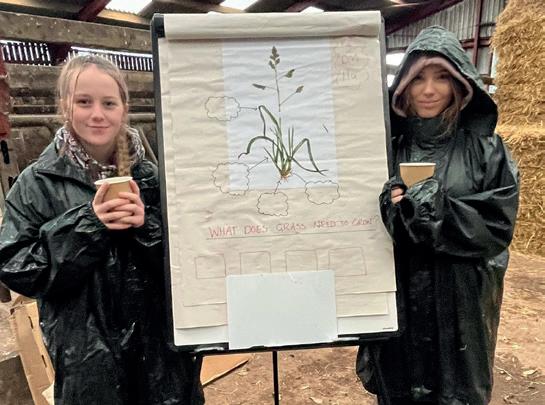
One of the most significant achievements of Tarff Services has been the development of its educational pathways, which provide young people with practical, hands-on routes into agriculture. Over the past year alone, more than 100 young people have engaged with these programmes – whether through a schoolbased National Progression Award in Agriculture, a Pre-Apprenticeship or a Modern Apprenticeship qualification. No prior agricultural experience is required. Only enthusiasm and a willingness to learn!
As we begin another year, Tarff Services is looking to build on its current success and continue working with members and customers across its trading area to offer effective business solutions and the best support possible. With an increasing focus on innovation, collaboration, and practical assistance, Tarff Services aims to strengthen its existing programmes while introducing new initiatives that respond to the evolving needs of the agricultural sector.
If you would like to find out more about Tarff Services, please contact Services Coordinator, Tracey McEwan on 07785 657861 or tracey.mcewan@tarffvalley.co.uk


George Lammie
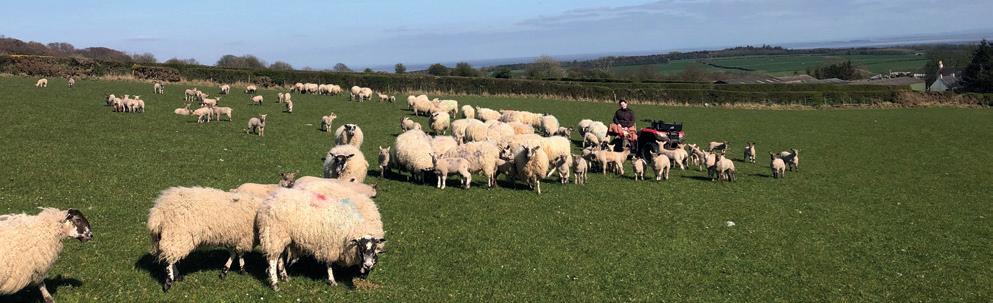
At the age of 22 I decided that I would return home to the family suckler beef farm in Kirkbean, Dumfriesshire after five years away in Glasgow. I had never been particularly involved in the day-to-day work of the farm as a child and was not that interested in agriculture through my school years. It was when I started working in an office for a telecomms company near Bellshill that I started to think that farming might be worth a look. When I first came back, I really wasn’t sure what I was going to make of it but within a fortnight I knew I had made the right choice. I really wasn’t sure what I was going to make of it but within a fortnight I knew I had made the right choice. Having not been involved with Young Farmers –and having few connections in the farming world – I really wasn’t sure what direction I wanted to head in so I decided to learn the industry first before planning a route ahead. In the first couple of years, I went to as many events as I could and visited neighbours as well as family connections to learn how they ran their farms and what advice they might have for me. This was a great way to start working out what I was most interested in, and I was pleasantly surprised how candid people are with showing you things that they have done that they wish they’d done differently.
people coming into agriculture. The support I have received from my mentor made it possible for me to get into sheep farming as I had no family background in sheep – I also really would not have felt confident with managing those livestock without being able to pick up the phone and ask whatever stupid question that had popped into my head.
I’m now in the process of expanding the sheep fl ock to become the primary income source in the business while changing the way our suckler herd is managed to adapt to changing regulations and input prices. I love experimenting with ways to optimise livestock management and being in contact with as many other farmers as you can is the best way to pick up new tips and tricks.
I really wasn’t sure what I was going to make of it but within a fortnight I knew I had made the right choice
One of the events I attended was a ‘Next Generation’ discussion panel hosted in January 2024 by the local NFUS, I met a good few people there that helped and advised me but the most significant was Hamish Waugh (then a Regional Vice Chair). Hamish pointed me in the direction of the Henry Plumb Foundation which is a mentoring organisation for
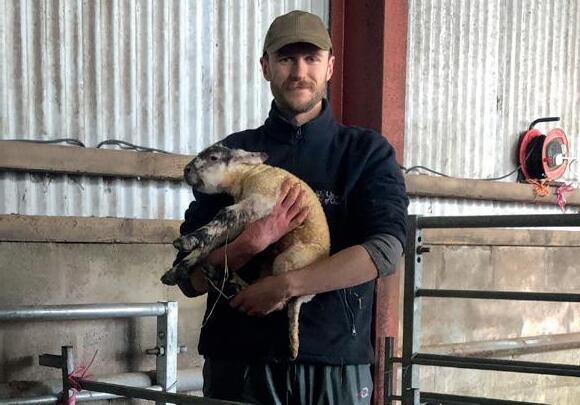
Being in contact with as many other farmers as you can is the best way to pick up new tips and tricks. I think that going out and meeting people while having the mindset of not being afraid to ask questions and seem like a bit of an idiot is my biggest piece of advice for anyone who is new to the industry or coming back to a family farm. It’s amazing how many people really want to help others if you give them a chance.
Hamish Waugh, his mentor, adds:
“It has been a delight to work with George over the past 18 months. Not only have we worked together, our families have become good friends too and have been part of each other’s big celebrations, his wedding to Casey, and a big birthday of mine. His thirst for knowledge is inspiring and has encouraged me to keep looking forward and ask questions for the benefit of my own business. I have been only too pleased to support him through the mentorship programme of the Henry Plumb Foundation, and this is something I hope to continue with more of our enthusiastic, optimistic next generation farmers”
Across Dumfries and Galloway, and Scotland more broadly, initiatives like RHET, Wallace Hall, and Tarff Valley, NFUS Next Generation Committee and mentoring opportunities, are giving young people every reason to see agriculture as a vibrant, rewarding future. By connecting education, enterprise, and real-world experience, we are ensuring that our next generation of farmers has the skills, confidence, and passion to carry Scottish agriculture forward.
This, for all of us, is something to be proud of.
Inspired by what you’ve read? Write to us: editor@nfus.co.uk










KAWWhile many people look forward to traditional festive fare at this time of year, others are unable to afford most basic food for themselves, their families.
hile many people look forward to traditional festive fare at this time of year, others are unable to afford even the most basic food for themselves, and their families.
Learn how to make your money work best for you with advice from NFU Mutual on investing wisely and understanding your allowances
s a farmer, you’ll know that winter doesn’t get in the way of pouring your time, energy and care into the farm - but it also shouldn’t stop you from investing in yourself either. With the darker nights and colder days that winter brings, it’s not uncommon to feel less energised, experience lower mood and give in to the temptation of swapping social events and pastimes for the comfort of your sofa on a rainy evening.
The cost-of-living crisis – and rising cost of even basic foods – has made it even more difficult for many people to put a meal on the table this year. In fact, more than 13 million people in the UK face food insecurity, according to FareShare, the UK’s biggest charity fighting hunger and food waste.
eeping all of your money in cash savings accounts may seem like a safe option. But you may miss out on the potential to grow your money, particularly if interest rates don’t keep up with inflation. Now could be a good time to reconsider how and where to keep your money, and understanding your allowances can be helpful.
WHere are some top tips to help you feel physically, mentally, and emotionally healthier this winter:
1. Food is fuel
The current tax year ends on 5 April 2024. Here are some things for you to consider:
However, according to research carried out by The Farm Safety Foundation in September 2025, 90% of UK farmers rank poor mental health as one of the biggest hidden dangers facing the industry today. That means it’s particularly important for you, as a farmer, to take steps to support your health and wellbeing despite these seasonal barriers.
Talk to an NFU Mutual Financial Adviser. Together we’ll review your financial situation and help you to understand your options.
To learn more about NFU Mutual and our community support initiatives, visit www. nfumutual.co.uk/ fightfoodpoverty/or scan the below QR code with a smart phone
To learn more about NFU Mutual and our community support initiatives, visit www. nfumutual.co.uk/ fightfoodpoverty/or scan the below QR code with a smart phone
ith climate change driving hotter and more extreme weather, it’s no wonder that research conducted by NFU Mutual shows that heat stress in cattle is becoming a bigger consideration for farmers.
At the same time, every year, more than three million tonnes of good-to-eat, surplus food goes to waste on UK farms. That’s enough for seven billion meals, according to FareShare, which takes good-to-eat surplus food from across the food industry, sorts it and passes it onto a network of nearly 8,500 charities and community groups across the UK. In 2022-2023, the charity redistributed 54,000 tonnes of food: enough to make 128m meals, or four meals every second. At NFU Mutual, we see it as part of our role to make positive impacts on the welfare of those working and living in rural communities in the UK, and we are only too aware of the growing impact of food poverty in rural communities.
cost-of-living crisis – and rising of even basic foods – has made it more difficult for many people put a meal on the table this year. In more than 13 million people in UK face food insecurity, according FareShare, the UK’s biggest charity fighting hunger and food waste. the same time, every year, more than three million tonnes of good-to-eat, surplus food goes to waste on UK farms. enough for seven billion meals, according to FareShare, which takes good-to-eat surplus food from across the industry, sorts it and passes it onto of nearly 8,500 charities and community groups across the UK. In 2022-2023, the charity redistributed 54,000 tonnes of food: enough to make meals, or four meals every second. NFU Mutual, we see it as part of our role make positive impacts on the welfare of those working and living in rural communities in the UK, and we are too aware of the growing impact of poverty in rural communities.
Putting money into a pension is one of the most tax-efficient ways to invest for the long term. The government helps you invest – for every £80 you pay into your pension, HMRC currently pays an extra £20 tax relief making your actual contribution worth £100. In a pension, any growth is free from UK Income Tax and Capital Gains Tax. There are however rules on the amount you can contribute to your pension each year and still receive tax relief.
Cooking nutritional dishes, eating three meals per day, and ensuring you have a balanced diet might be lower down on your list of priorities in winter, when your energy is likely to be lower. However, ensuring you take the time to fuel yourself properly benefits not only your physical health, in keeping you strong and nourished, but can help to boost and stabilise your mood throughout the day too.
But what is heat stress and why is it a problem?
2. Sleep well, feel well
• Reduced milk yields from cows.
when you make the gift. Inheritance tax planning is not regulated by the Financial Conduct Authority.
Heat stress can have a major impact on farm businesses but you can protect dairy cattle.
your mood and wellbeing throughout winter, whilst we wait for lighter mornings to come around.
You can invest up to £2,880 per child each tax year into a pension and HMRC will top this up with a further £720 to give a total of £3,600. This is a long-term investment, designed to give children a head start.
As farmers know all too well, this surplus food will often end up getting ploughed back into the ground, used for animal feed or sent to landfill.
As farmers know all too well, this surplus food will often end up getting ploughed back into the ground, used for animal feed or sent to landfill.
She adds:
4. Stay social
• Reduced farm income, putting pressure on fine margins and profitability.
an ISA nest egg
But the Surplus with Purpose scheme avoids thousands of tonnes of surplus fresh fruit and vegetables, meat and dairy products being wasted. Even cupboard items, and chilled and frozen foods, find a new home as part of the scheme.
But the Surplus with Purpose scheme avoids thousands of tonnes of surplus fresh fruit and vegetables, meat and dairy products being wasted. Even cupboard items, and chilled and frozen foods, find a new home as part of the scheme.
• Health-related issues such as increased risk of disease, lameness and reduced fertility. There is also evidence to suggest that it affects the unborn calf and their subsequent performance.
• Provide suitable access to water troughs, ensuring they are in good working order.
This why our NFU Mutual Charitable Trust which exists to promote and support charities working in agriculture, rural development and insurance – is proud to support FareShare’s fight against poverty. Since 2021, the NFU Mutual Charitable Trust has donated a total of £250,000 to the charity.
Heat stress occurs when cows retain more heat than they can release, affecting both indoor and outdoor herds. The cause is due to a rise in environmental temperatures and humidity and an increase in the cow’s heat production associated with increasing milk yields. To monitor heat stress levels, the industry uses the Temperature Humidity Index (THI) which indicates how severe the condition could be and suggests that action needs to be taken.
This is why our NFU Mutual Charitable Trust – which exists to promote and support charities working in agriculture, rural development and insurance – is proud to support FareShare’s fight against food poverty. Since 2021, the NFU Mutual Charitable Trust has donated a total of £250,000 to the charity.
Investing in your sleep quality can help give your brain extra support in recharging and ensuring you’re at your best for the next day. Staying away from screens before bed, sticking to a bedtime, and making your sleeping space like a cavecool, dark, and quiet- are all great ways to improve your sleep health.
3. Light the way
Having a social event to look forward to can make those dark winter days feel a little lighter. For example, attending events like quiz nights or coffee mornings hosted your by local NFU Mutual agency can be fun to do even if the weather is poor. Livestock markets, winter fairs, and conferences can also be great places to spend time with like-minded people.
Furthermore, farmers tell us they’re not always aware of the extent of the financial losses they’re suffering from heat stress in cattle.
5. Take care, give care
Key actions you can take
You can invest up to £20,000 this tax year in an ISA, building up a nest egg free of UK Income tax and Capital Gains tax. The same tax benefits are available with Junior ISAs, which you can use to build up a pot of money for a child – they’ll be able to access that when they’re 18 years old. The maximum Junior ISA contribution is £9,000 in the 2023/4 tax year. Putting money aside for children can also help reduce your potential Inheritance Tax bill.
somebody else’s wellbeing and unsure what to do, your local NFU Mutual Agent is there to support you. They will listen to your concerns and provide helpful information, such as pointing you in the direction of useful resources and organisations, so you don’t have to face it alone.
Things you should know:
How farms are donating their surplus for good Farms and rural businesses throughout the UK are also doing their bit to help. They can participate through FareShare’s Surplus with Purpose scheme, which helps businesses to cover the extra costs of redistributing their unsold food to people who need it most.
How farms are donating their surplus for good and rural businesses throughout UK are also doing their bit to help. can participate through FareShare’s Surplus with Purpose scheme, which businesses to cover the extra costs redistributing their unsold food to who need it most.
In recent years industry studies have highlighted the condition and the impact it can have on farm businesses. It’s generally acknowledged that heat stress can result in:
Just as you’d invest in tech to maintain or improve processes on the farm, sourcing gadgets like light boxes or sunrise alarms clocks that mimic natural light can support
Once you reach 55 (57 from 2028), you can take money from your pension as you wish. The first 25% will normally be tax-free, any amount over and above is added to your other income and taxed. So withdrawing lump sums from your pension could push you into a higher Income Tax bracket. Spreading withdrawals over a number of tax years could help reduce the impact of any tax liabilities. There’s also a limit on the annual pension contributions you and your employer can make if you’ve already taken a taxable withdrawal from your pension. This could mean you miss out on valuable employer pension contributions in addition to your own.
Don’t forget Inheritance Tax planning
One grower making the most of the opportunity presented by the scheme is Southern England Farms, based in Hayle, West Cornwall. The business works over 6,500 acres and is a key supplier to several major UK retailers, including a number of supermarkets, of Cornish-grown courgettes, cauliflower, broccoli, spring greens, sweetheart and savoy cabbage. Co-owner Jane Richards, along with her 400-plus pickers, works with FareShare to ensure any excess vegetables never go to waste. Since 2019, they have donated 396 tonnes of excess produce to the charity.
One grower making the most of the opportunity presented by the scheme is Southern England Farms, based in Hayle, West Cornwall. The business works over 6,500 acres and is a key supplier to several major UK retailers, including a number of supermarkets, of Cornish-grown courgettes, cauliflower, broccoli, spring greens, sweetheart and savoy cabbage. Co-owner Jane Richards, along with her 400-plus pickers, works with FareShare to ensure any excess vegetables never go to waste. Since 2019, they have donated 396 tonnes of excess produce to the charity.
Our latest research has found that just over four in ten (41%) say that heat stress is a priority risk for their business while 70% are yet to take further steps to reduce the risk. *
Should you suspect heat stress with your dairy cattle this summer, Dr Tom Chamberlain** highlights some of the key actions that you can undertake to reduce heat stress whilst cows are grazing:
She adds: “The scheme with FareShare is a brilliant way of ensuring excess produce is redistributed to those who really need it. It is so very rewarding when we find out how many meals our surplus veg has gone on to make. It is great that NFU Mutual has embraced the scheme so wholeheartedly and supports their customers who wish to participate in ‘Surplus with Purpose’ too.”
• When buffer feeding adding suitable feed additives to maintain rumen health and ensure peak nutrition.
Those selling or gifting shares, or property other than their main home, will see the amount of tax-free gain they can enjoy fall from £6,000 to £3,000 from April 2024.
• The tax benefits of pensions and ISAs depends on individual circumstances and may change in the future.
• Implementing ‘Siesta’ Management where appropriate – this technique involves cows grazing directly after milking and then being ‘housed’ at around 10am, with buffer feed available to them. Cows are then sent back out to graze after afternoon milking to graze until dusk.
“The scheme with FareShare is a brilliant way of ensuring excess produce is redistributed to those who really need it. It is so very rewarding when we find out how many meals our surplus veg has gone on to make. It is great that NFU Mutual has embraced the scheme so wholeheartedly and supports their customers who wish to participate in ‘Surplus with Purpose’ too.”
• The value of your pension and investment funds can go down and you may get back less than you invested.
• Adjusting milking times to coincide with the cooler periods of the day.
• Installing shade and fans in holding yards.
We at NFU Mutual applaud Jane and all the team at Southern England Farms for their outstanding efforts in supporting the work FareShare does to alleviate food poverty in our communities.
We at NFU Mutual applaud Jane and all the team at Southern England Farms for their outstanding efforts in supporting the work FareShare does to alleviate food poverty in our communities.
At NFU Mutual, we are committed to protecting rural lives and livelihoods. That’s why we also continue to fund The Farm Safety Foundation (Yellow Wellies), a charity who work throughout the UK to preserve and protect both the physical and mental wellbeing of those living and working in agriculture. Collaborating with over 400 partners from the UK and Ireland, from the 9th-13th February 2026, The Farm Safety Foundation will run its 9th annual “Mind Your Head” campaign, focusing on the importance of treating mental wellbeing with the same care, attention, and open conversations as physical health.
We’re proud to support FareShare –and we praise all farms and rural businesses who participate in the Surplus with Purpose scheme.
We’re proud to support FareShare –and we praise all farms and rural businesses who participate in the Surplus with Purpose scheme.
Jane says: “No farmer ever wants to see their produce go to waste. But sometimes circumstances mean there is a surplus that will often go into the waste trailer or simply become compost.”
Winter can be a lonely time, especially in rural communities where neighbours might live further apart. Make sure to reach out to anybody you know who might be feeling alone this winter, with something as simple as a text message, phone call, or invitation to an event or gathering which will get them out of the house. With over 115 years of farming knowledge and expertise, at NFU Mutual, we understand the challenges farmers face, including those of loneliness, isolation, and poor mental health. If you are feeling lonely or struggling with your mental health, or you’re concerned about
Jane says: “No farmer ever wants to see their produce go to waste. But sometimes circumstances mean there is a surplus that will often go into the waste trailer or simply become compost.”
It’s wise to take a long-term view on inheritance planning, so that your heirs don’t pay more tax than they need to. One way of doing this is to make gifts to your loved ones, taking advantage of the annual £3,000 gift allowance, or the ‘gifts out of normal expenditure’ exemption. Larger gifts can also be exempt from Inheritance Tax as long as you live more than seven years from
To find out more about NFU Mutual insurance or financial services, speak to your local NFU Mutual agency office or visit nfumutual.co.uk/tax-allowances
• Implementing a tree planting programme at the boundaries of grazing paddocks to provide suitable levels of shade within the grazing environment.
For more information about FareShare’s Surplus with Purpose scheme, and how you can participate, visit www. fareshare.org
To find out more visit nfumutual.co.uk/ heatstress or contact your local agency office.
To discover more information and resources on supporting your wellbeing this winter, visit yellowwellies.org or contact your local NFU Mutual agency office.
NFU Mutual Financial Advisers advise on NFU Mutual products and selected products from specialist providers. When you get in touch, they’ll explain the advice service and charges.
For more information about FareShare’s Surplus with Purpose scheme, and how you can participate, visit www. fareshare.org
*Source: NFU Mutual Research with Dairy Farms and Dairies, August 2021 **Source: Dr Tom Chamberlain & Lallemand Animal Nutrition, November 2022
NFU Mutual Select Investments Limited (No 08049488). A member of the NFU Mutual Group of Companies. Registered in England. Registered Office: Tiddington Road, Stratford-uponAvon, Warwickshire, CV37 7BJ. Authorised and regulated by the Financial Conduct Authority.


REDUCED PRICES
1250 LITRE - £2,250
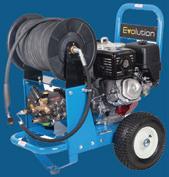
SINGLE PHASE, 3.5HP, 1800PSI, 11LPM.. £2,800
SINGLE PHASE, 5HP, 2200PSI, 14LPM..... £3,025
THREE PHASE, 7.5HP, 2700PSI, 25LPM... £2,950
THREE PHASE, 10HP, 3000PSI, 18LPM.... £3,300
PETROL, 16HP, 3625PSI, 25 LPM ..............£6,075
COMMERCIALMETAL BUNDEDFUEL TANKS
STANDARDSPECIFICATIONS
•3mmBritishsteel
•230 volt /60litreper min pump
•6m deliveryhose
•Water &particulate filter
•Mechanical flowmetre
•Autoshutoffnozzle
•Contentsgauge
•Deadlockwith 2keys
•LiftingEyes
•Steel box sectionacrossthe base forforkliftaccess andtoraisethe tankfromthe floor
•Paintedgreenasstandard(Anti -corrosionpaint)
•BS799,OFST200 & SSAFOcompliant
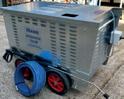
•Heavy dutygalvanised steelcabinet
•Hawk pump
•Mainswaterfeedorwillsuckfrom bowser /IBC
•Ravelelectricmotor /Briggs &Stratton petrolengine
• 10 or20metreshighpressurehose
•Complete lance
•8 metresofelectric cable
•Diesel firedboilercomplete with 20litrefueltank
•20litredetergenttank
•Maxtemp80Corcanberunas a cold pressurewasher
•Pressure can beregulatedfrom maxto500PSI
www.briannixonltd.com E: sales@briannixonltd.com | T. 01789721112
BrianNixon Ltd,BlakesHill,Ullington,NrEvesham,WorcestershireWR118QH
Allpricesquotedare+ VAT, ex works

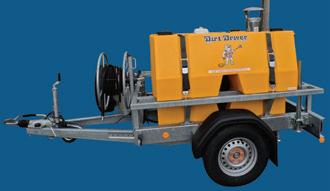
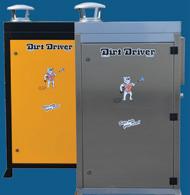
John Syme & Co Ltd is based in Menstrie, Clackmannanshire and we cover the central belt, Fife and the Lothians, extending to Tayside and Border regions. We are happy to cover other areas if required. We supply, service and hire all types of cleaning equipment. Our main brands are Dirt Driver, Earle, Systemwash and DTE Nilfisk.
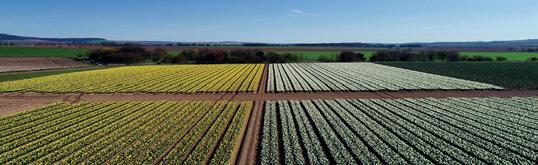
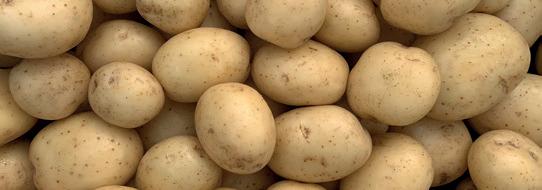
Based on the fertile East Coast of Scotland, Grampian Growers is a trusted partner in agricultural supply and export.
• Premium Seed & Ware Potatoes
• Daffodil Bulbs & Flowers
• Extensive Storage, Packing & Distribution facilities, built for quality and efficiency.
• Farmer-owned UK growers, quality led
• Grown in Scotland’s ideal climate
• Certified high-standards, fully traceable crops
• Established expertise with industry knowledge
Grampian Growers
Logie, Montrose Angus, DD10 9LD T: +44 (0)1674 830555
E: info@grampiangrowers.co.uk W: grampiangrowers.co.uk






Beatrice Morrice Head of External Affairs


Al Walker Political Affairs Advisor
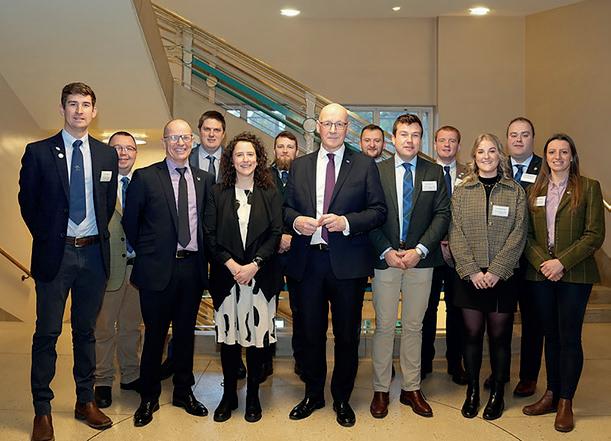
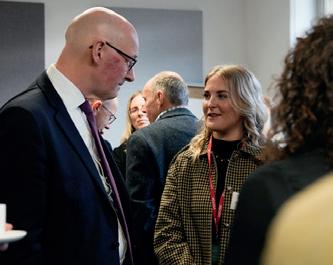
First Minister John Swinney MSP, Cabinet Secretary Mairi Gougeon MSP and Minister for Agriculture and Connectivity Jim Fairlie MSP met with NFU Scotland’s Next Generation Committee and Scottish Association of Young Farmers Clubs (SAYFC) Agri-Aff airs Committee representatives in December at St Andrew’s House to discuss the future of agriculture in Scotland and the opportunities and obstacles facing the next generation of farmers and crofters. Other key industry stakeholders included Farming Opportunities for New Entrants (FONE) Chair, alongside Scotland’s Rural College (SRUC), Lantra Scotland, and the Scottish Land Matching Service.
The summit focused on three priorities for new entrants: access to finance, access to land, and training and upskilling opportunities. As we look ahead to this year it is vital that our next generation are at the forefront of policy makers decision making which is why we have and will continue to raise the challenges described to all political parties ahead of the Scottish Elections in May.
NFU Scotland worked hard to underline our asks to the Scottish Government in advance of the Scottish Budget on 13 January. Scottish farmers and crofters deliver high-quality food production, help to tackle climate change, restore nature and support rural communities and agricultural funding delivers a significant return of investment to the government.
In the run up to the Scottish election in May, we will continue to highlight our asks so as to secure a sustainable and profitable agricultural sector. With hustings events, briefings for current MSPs and Prospective Parliamentary Candidates, and ensuring our manifesto asks are well understood across all parties, will be a focus over the coming months.

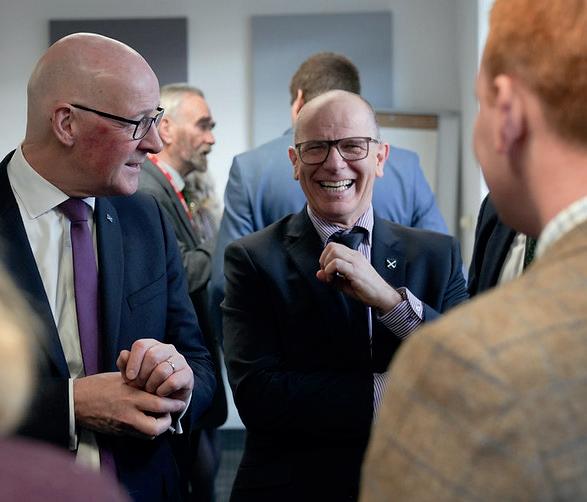
President Connon, Jonnie Hall Deputy CEO and Director of Policy, and Beatrice Morrice Head of External Affairs held a number of positive meetings in Westminster to highlight concerns about changes to inheritance tax. We met with a group of Scottish Labour MPs, Scottish Conservative MPs, Scottish Liberal Democrat Alistair Carmichael MP and SNP MP Seamus Logan underlining that changes need to be made to the proposed changes to Agricultural Property Relief and Business Property Relief. Briefings to Scottish MPs and engagement with the Scotland Office continued throughout the progress of the Finance Bill setting out the urgent need for overall changes as well as the removal of the anti-forestalling clause which penalises anyone who transfers the farm but dies within seven years – creating a substantial IHT bill.


Jonnie Hall Deputy CEO/Director of Policy
As Director of Policy at NFU Scotland, a large part of my role is looking ahead –anticipating where agricultural policy is going, understanding what that means for members on the ground, and making sure we influence decisions before they are set in stone.
One area generating increasing discussion, and, understandably, some concern, is the Scottish Government’s work on extending Ecological Focus Areas (EFAs) into permanent grassland (PGRS). These PGRS EFAs would sit within the Tier 2 Enhanced payment and, while not expected to be introduced before 2028, are clearly moving up the policy agenda.
Why permanent grassland is now in the spotlight
Tier 2 Enhanced support is intended to reward environmental delivery alongside
food production. The introduction of Arable EFAs for 2026 is the initial step in that direction.
From the Scottish Government’s perspective, PGRS EFAs are a way of making Tier 2 a more ‘universally accessible’ payment, with almost all farming and crofting businesses contributing in some way to outcomes around biodiversity, soil, and water.
I have consistently recognised the intent behind Tier 2, but I have also been clear about the potential risks: excessive bureaucracy, poorly designed options, disproportionate penalties, and measures that might undermine productive farming – all of which would do little or nothing to foster good practice. These concerns are real and central to how we should approach the development and delivery of PGRS EFAs.
So what is being proposed?
While details on requirements and options are still under development, the current policy direction is relatively clear.
PGRS EFAs would apply only to permanent grassland. Rough grazing
and wetlands would be excluded, as would common grazing. A minimum area threshold, currently modelled at more than 15 hectares of permanent grassland, would determine whether a business is required to participate.
PGRS EFAs would also operate separately from Arable EFAs, meaning mixed arable and livestock businesses could face two EFA requirements. Organic businesses would be automatically compliant, reflecting existing arrangements.
The proposals will be built around a set of PGRS EFA options. These are likely to include low-input grassland, grassland enhancement, wildlife-friendly grazing, margins, hedges, low-density trees, wetland management, and rotational livestock management. Many of these are practices that livestock farmers and crofters are already delivering, often without recognition or reward.
Scottish Government modelling suggests that, at a 7 per cent EFA requirement, just under 11,000 businesses could be affected, bringing around 61,000 hectares of permanent grassland into Tier 2 Enhanced management.
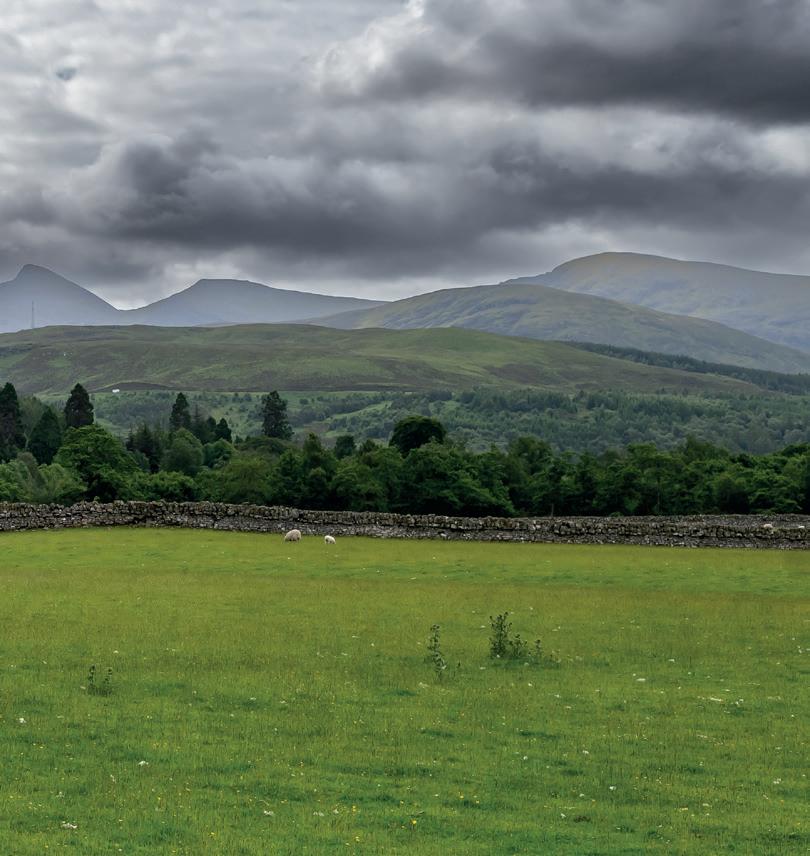
Mixed arable and livestock farms could face a higher cumulative burden, having to meet two separate EFA requirements. There is also a real risk that increasing complexity pushes some businesses out of Tier 2 altogether – particularly those already finding Enhanced requirements challenging.
There are also clear interactions with the Agri-Environment Climate Scheme (AECS). If poorly handled, PGRS EFAs could encourage land to be moved out of AECS to free up area, potentially weakening the delivery of longer-term environmental outcomes.
Perhaps the biggest concern is flexibility. Grassland systems depend on the ability to respond to weather, markets, and livestock needs. Any EFA option that restricts grazing management or effectively pressures stocking rates risks undermining confidence from the outset.
The opportunity if this is done properly
It is equally important to recognise why PGRS EFAs matter. Across Scotland, livestock farmers and crofters already deliver a huge amount of environmental benefit through their day-to-day management of permanent grassland –from species-rich swards and clover-based
systems to wetlands, margins, and wildlifefriendly grazing. A well-designed PGRS EFA framework could finally recognise and reward that existing good practice.
Extending EFAs to permanent grassland also strengthens the case for maintaining, and defending, Tier 2 Enhanced funding. Currently, that is £142 million per year and makes up a significant chunk of direct support.
There is also a critical strategic consideration, given that the Scottish Government has already committed to expanding Greening within Tier 2. If we disengage, PGRS EFAs will still happen - but without our influence to effectively shape outcomes that work for active farmers, crofters, and active farming systems.
The risks we must address
None of this means giving the proposals a free pass. Administrative burden
and disproportionate costs remain the biggest threats to uptake and confidence. Complex rules, unclear definitions, or heavy-handed inspection regimes would quickly undermine any potential benefit.
Protecting productive capacity is another red line on a green issue. PGRS EFAs must be compatible with pragmatic and practical grazing and forage management. Environmental delivery cannot come at the expense of viable livestock enterprises.
Mixed farms, upland units, and smaller businesses must also not be disproportionately affected. Thresholds, exemptions, and regional fairness must be central to our approach.
Not all options will deliver the same benefits in all places, which reinforces the need for flexibility and proportionality rather than rigid prescriptions.
For these reasons, my view is that we should support the principle of PGRS EFAs, but only on the basis that the policy is designed to work with active farming and crofting – not against it.
Engaging proactively allows us to push for recognition of existing practice, simple delivery models, proportionate inspections, and clear alignment with AECS and future Tier 3 Elective options. Critically, it also strengthens our hand in defending direct support budgets, especially for our grassland and livestock sectors, in future negotiations.
The alternative, stepping back or opposing in principle, would not stop PGRS EFAs from happening. It would simply reduce our influence over how they are developed and delivered.
Scottish Government officials have been clear that PGRS EFAs cannot be introduced before 2028, largely due to IT and delivery constraints. That gives us time – but only if it is used properly.
As part of the development and delivery, we must press for full and clear guidance well in advance, adequate lead-in times, and, if necessary, phased implementation. We must also continue to reflect member feedback directly into negotiations.
PGRS EFAs are not without risk, but they are also an opportunity to secure recognition for grass-based farming systems, protect access to direct support, and demonstrate that livestock systems are central to Scotland’s environmental and food production ambitions.
Our job is to make sure the final policy strengthens Scottish farming and crofting. That is exactly what I intend to do.

SAFETY FIRST
A
UKCA/CE safety specification at an amazing price. With the look of Oz you love combing strength with light weight that redefines the notion that cheaper equates to lesser.
A

Wider fitting with breathable water resistant leather uppers and a premium comfort insole - this is a boot you can wear all day, every day.

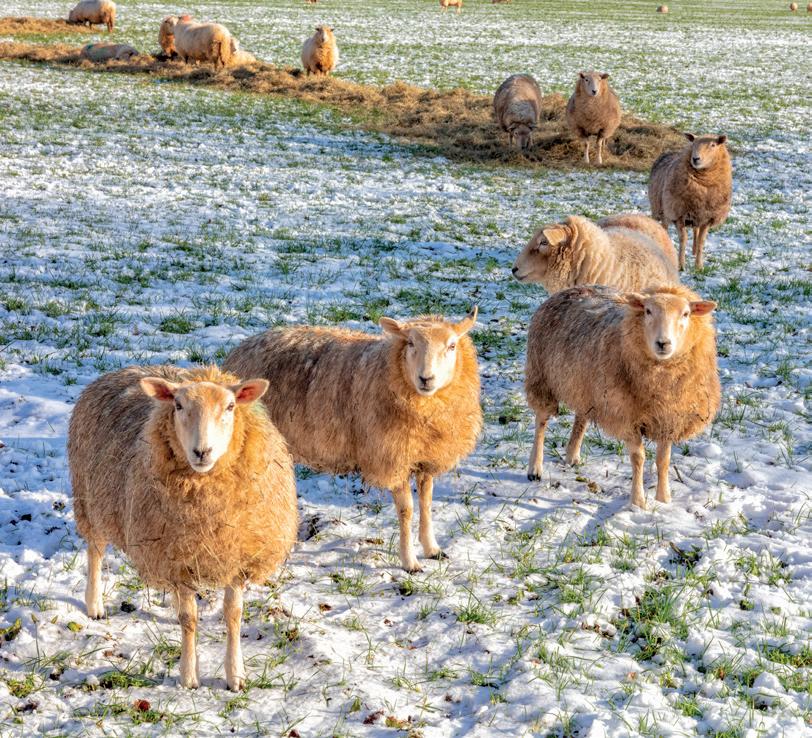


TLucy McGillivray Policy Manager
his year has brought important developments for Scotland’s livestock sector, with prices reaching unprecedented highs and restoring a degree of confidence across the industry. While several policy commitments have been welcomed, a range of issues still require sustained attention as we move into a key period for future agricultural policy.
A significant announcement came in response to the Climate Change Committee’s recommendation for a 27% reduction in livestock numbers. Through persistent engagement, the sector secured clear assurances from senior ministers that Scotland has no policy to reduce stock numbers. Instead, the Government has committed to an emissions-reduction pathway that supports, rather than threatens, rural Scotland and its livestock businesses.
Progress was also made through a small-producer derogation in the SSBSS, exempting claimants of 10
calves or fewer from the calving-interval requirement. This marks an important precedent for future policy areas, including Whole Farm Plans, where safeguarding smaller producers remain essential. Another notable achievement
was the Scottish Government’s commitment to introduce UHF bovine electronic identification after decades of lobbying. However, implementation challenges persist due to EU regulatory constraints following the UK/EU SPS agreement, and further work is required to reach a workable solution.
For LFA, the continuation of the
LFASS scheme until 2028 provides welcome stability and avoids a funding cliff edge. The Government also reaffirmed its commitment to retain direct payments, including LFA support, within the future support framework. Arrangements for the Cabinet Secretary’s to attend an onfarm meeting with the Committee are still underway.
Looking ahead, work is already progressing to shape the future support system beyond 2028. The LFA Committee will continue to focus on influencing and securing a welldesigned future support framework that reflects the realities of farming and crofting in Scotland’s less favoured areas. This means ensuring policies are fair and targeted to active farming.
Scotland’s livestock farmers want to run profitable, futurefocused businesses that contribute meaningfully to climate and nature objectives while continuing to deliver high-quality food. Achieving this will require holistic policy that recognises the environmental benefits delivered by grazing livestock – and the private costs borne by farmers in providing those public goods. Securing a stable emissions-reduction pathway that enhances both efficiency and profitability, without reducing stock numbers, will therefore be a key priority for 2026.
Animal health and welfare issues continue to pose practical and policy challenges. Bluetongue dominated attention this year, with regular communication between Committees and Scottish Government to address potential restrictions and risks. Scab continues to be a concern, alongside upcoming consultations on tail docking and castration. Committees are pressing for realistic, evidencebased approaches that reflect the realities of extensive hill systems.
Engagement will also continue with initiatives such as QMS’s Meating our Potential campaign, which highlights the growing gap between global beef demand and Scotland’s current production levels - and the opportunities this presents.
I look forward to working closely with both Committees in the year ahead to ensure these developments translate into practical, effective policy for Scotland’s livestock sector.


Bob Carruth Policy Manager
The milk price crisis that Scottish producers now face as we enter an uncertain 2026 underlines the ongoing importance of the Union as a strong lobbying voice.
As the Union enters its 113th year, it is worth remembering that supporting the nation’s dairy farmers was at the heart of its formation.
The meeting that offi cially inaugurated the Farmers Union of Scotland was held on 1 October 1913 and was preceded by a number of informal meetings.
History records that the most signifi cant informal meeting that led to the formation of the Union was held at the 1913 Paisley ‘Highland’ show. At the Paisley event, a number of farming stalwarts met and decided to establish an organisation that would represent the views of Scottish farmers and particularly Scottish dairy farmers.
They also watched the record entry of 124 Ayrshire cattle, vastly outnumbering the seven Jersey cows, 12 Shetland dairy cows and 24 British Holsteins: the last being the newcomers to the show ring.
At that time, it was estimated that two thirds of the country’s food was coming in from abroad. And the report from the Paisley Highland Show determined that there was a need for the farming industry to be represented, both at local and national level.
The first formal meeting of the Farmers Union of Scotland, as it was called for the first four decades of its life, was held in the Religious Institution Rooms,
Farmers’ Union.”
The first annual general meeting of the Union was held in Renfrew Street, Glasgow on the 25 February 1914. The first resolution debated by the Union at that AGM was submitted by a Mr Frood on ‘the present poor price of milk’ and it was passed unanimously.
By 1919, the Union had set up a committee structure to deal with the wide range of challenges faced at that time.
The meeting that officially inaugurated the Farmers Union of Scotland was held on 1 October 1913 and was preceded by a number of informal meetings
Buchanan Street, Glasgow where the packed hall unanimously supported the setting up of the organisation with William Donald, Kilmarnock as president – a post he held until 1919.
Four resolutions were put to the packed meeting in 1913. The most important stated: “This meeting of farmers and others resolves and pledges itself to form a Union with the object of mutual help and the furthering of the interests of farmers in general and dairy farmers in particular to be called The
The committees included: Insurance, Beef and Mutton, Milk, Parliamentary Representation, Constitution and Rules, Local Taxation, Diseases of Animals, Milk Standards, Minimum Wages, District Committees, Game Laws and Heather Burning, Finance and Trading.
Milk is the only committee within NFU Scotland to survive unaltered for one hundred and twelve years and has been continually co-ordinating the lobbying eff orts of all Scottish dairy farmers since then.


Lisa Hislop Policy Manager
We concluded 2025 with the launch of our key asks for public procurement, building on the momentum from our roundtable discussions with procurement specialists who face the impossible challenge of balancing stagnant budgets and regulations that do not encourage or enable them to prioritise Scottish produce. We have written to the Scottish Government, calling for leadership to create a way forward that will review the T&Cs around the food served in public places, to encourage consistency and best practice.
For the next year, there are still many untapped areas when it comes to post-farm-gate supply chain policy. We will continue our ShelfWatch Campaign in 2026, building on this useful tool to gather data and engage with retailers.
However, it is the conversations we have in and around ShelfWatch that are crucial. Over the course of 2025, we upped the ante, having more discussions with retailers on cross-supply-chain challenges, as well as focusing on our fi ve key asks to improve Scottish sourcing, promotion, branding, stop
the regulations. However, a commitment from the Scottish Government to support our asks for transparency and clarity would be very welcome.
We will also work closely with the UK Government on the next round of proposals for fair dealing regulations for Fresh Produce and Combinable Crops.
excessive discounting, and ensure clearer labelling.
Our work around labelling will be a key priority over the coming months. We will work collectively with our counterparts in the NFU on labelling, as it is not a devolved area and the majority of regulations are held by Defra. To see real traction on our asks, such as country of origin or standardisation of provenance features, we will need the UK Government to show willingness to revisit
We continue to work closely with our Horticulture and Crops Committees to ensure that the proposals will work in practice. There must be a careful balance that does not overly complicate growing agreements, yet has enough teeth to ensure fairness between intermediaries and primary producers. We continue to highlight this through ongoing engagement with the Agricultural Supply Chain Adjudicator (ASCA) and the Grocery Code Adjudicator (GCA) in due course.
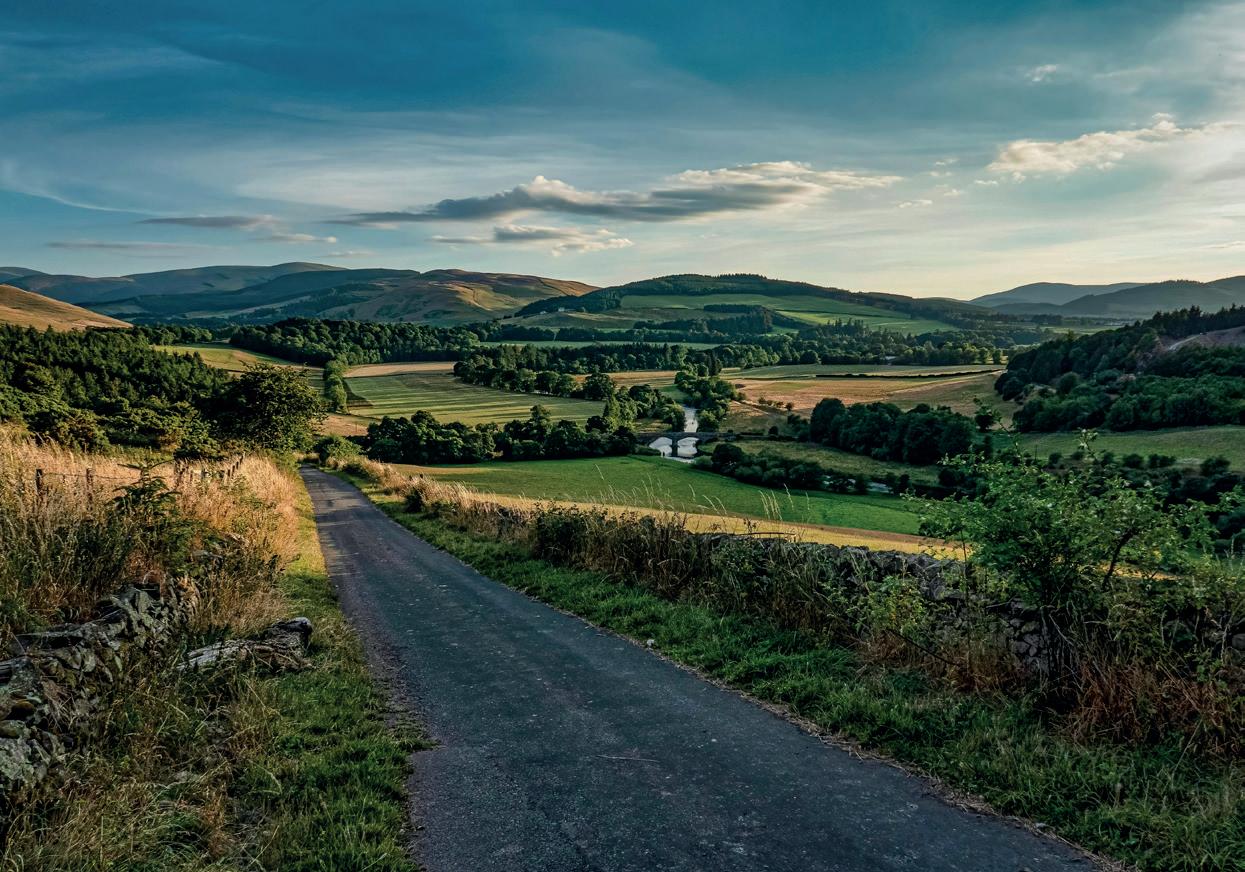


Georgia Watson Climate, Land & Business Policy Manager
Nature does not respect farm boundaries. Farm clusters were set up in recognition of this. Connected habitats do much more for nature than the sum of their parts. The term “cluster” is used because many of the projects are clustered around a landscape feature, such as a river or woodland.
The Game and Wildlife Conservation Trust was one of the first organisations to support the formation of clusters. Now, there are a range of groups and advisors supporting their development. In Scotland, we have established cluster farm groups such as Strathmore Wildlife, West Loch Ness, and Lunan Burn.
The Scottish Government and NatureScot are prioritising co-operation at a landscape scale. The Scottish Climate Change Plan, Regional Land
Use Frameworks, and the Scottish Biodiversity Strategy Delivery Plan all reference the importance of accelerating landscape-scale delivery.
Cluster farm models enable collaboration, even if very simple to start with. Developing a farmer-led,
landscape-scale approach only feels more relevant and benefi cial with the need to build evidence of good practice and show progress for nature to qualify for funding.
It’s not just the government that is interested in this cluster approach. Accessing nature capital finance is more likely to be successful at a landscape or catchment scale. Examples include the LENs project in the Leven catchment, where farmers are getting paid (on top
of their BPS and EFA payments) by food and drink companies for management practices. The Scottish Agricultural Organisation Society (SAOS) is working with a group of farmers in the Dreel Burn catchment in East Fife. They are exploring forming a natural capital producers’ co-operative to connect parcels of land, share risks, and reach the scale often necessary to access nature finance markets without having to commit large areas of their farm business.
The nature benefits of collaborating at a landscape scale are obvious. Now that government and food and drink businesses are interested, the income opportunities are growing. And it’s not just about the money: cooperating with your neighbours on a shared project enables you to learn from each other and take joint pride in seeing more wildlife around the place.
The government’s nature ambitions are big. Lots of farmers working together, each playing a small part and being rewarded for it, is surely a better approach than Scottish agriculture losing large areas of productive land.


Penny Middleton Policy Manager
It is with sadness that the poultry committee says goodbye to its chair Robert Thompson. He has worked tirelessly for the group for the last 6 years, seeing the group receive full committee status last year and with it a permanent seat on the board, as well as raising the profile of the poultry sector within the Union. We would like to thank Robert for all the passion and hard work he brought to the role.
The biggest priority for our new chair in 2026 will be establishing a focus group to explore how the egg sector can support the development of spent
hen processing plant in Scotland. The group needs to find innovative ways to attract a business willing to build a facility and work with partners to grow a strong market for spent hen meat to support a viable business for the future. With assurance standards demanding shorter journey times for hens and changes to transport regulations being looked at in Europe, which under the proposed EU SPS agreement will directly affect Scottish producers, a Scottish processing plant is looking essential for the sector and is unlikely to happen unless the sector itself drives it.
Other issues the committee will be looking to progress include access to foreign workers, possible ban on the use of colony cage production, beak trimming, culling of male chicks, environmental and IPPC regulations, planning issues and of course all whilst dealing with the threat and impacts of Avian Influenza.
Following a relatively strong start to 2025, markets have been on the decline towards the back end of the year at a time when policy decisions on the horizon look set to bring big changes to the sector that will require signifi cant investment from the sector. The pig industry is in dire need of support from government, processors and consumers to provide them with the confi dence they need to move forward with the investments they may be required to make going forwards. Key issues for the sector to tackle in 2026 include probably proposals to ban the use of farrowing crates for sows, further restrictions on tail docking piglets and access to foreign workers. Ongoing concerns the committee will be continuing to get traction on environmental and IPPC regulations, planning issues, feral pig control and border biosecurity to prevent any incursion of African Swine fever which could potentially wipe out the sector. I am certain it will be another busy year ahead.


David Michie Senior Policy Manager
Acloser trading relationship with the EU will be good for the UK economy and, overall, good news for Scottish farming. But in amongst the trade benefits, there are a few potential risks and difficulties.
One of these is mycotoxins in grain from fungal pressure. Specifically low Minimum Residue Levels (MRLs) for mycotoxins in EU Regulations. These levels are very low –much, much lower than we need to worry
about for human health. Our wetter climate means a lot of Scottish grain for processing, particularly for oatcakes and other biscuit markets, would exceed these levels. This would be a problem for oat processors, and for those supplying them. What can be done about it?
Firstly, we are asking the UK government to negotiate a “technical exemption” to this requirement. Secondly, we are speaking to researchers about agronomic and supply chain practices that mitigate mycotoxin risk.
A few things could potentially be done to mitigate risk. The main mycotoxin culprit is Fusarium. Infection at levels that cause the MRL problem doesn’t impact crop yield, so breeding and spray programmes often do not take Fusarium into account.
Research indicates that crop rotations, fertiliser applications, and storage are all risk factors.
Further research, involving farmers, could be done to provide evidence for guidance. Integrated Pest Management (IPM) plans, a part of the Whole Farm Plan (WFP) requirement, could be used to guide good practice. Storage specifications could be a requirement of milling oat supply chains. And best practice could be communicated through the Farm Advisory Service (FAS) and AHDB.
Things can be done to address this potential problem. But they need to be done quickly. If the UK government doesn’t negotiate a technical exemption, changes may have to be made by 2027, which is only one harvest away.












Words by Megan Williams
For Cameron Smith, farming is both a career and a journey of discovery. At 30, he farms in partnership with his father near Kinross, central Scotland, running a diversified arable business that now includes 72,000 free-range hens and a Christmas tree enterprise producing 12–15,000 trees annually.

“I’m a first-generation farmer,” Cameron explains. “My dad worked in finance, but the opportunity came up in 2014 to take on our family home farm. We started small and have been building ever since.” His integrated approach sees cereals grown to feed the hens, with manure returned to the fields – a self-sustaining cycle that blends arable and poultry production seamlessly. It’s a system that balances practicality, efficiency, and environmental responsibility, and it’s one that has drawn attention beyond Scotland.

Cameron’s journey into farming wasn’t conventional. While his uncles and grandfather had farming backgrounds, he didn’t grow up on a farm, and the decision to take over the family farm was partly driven by opportunity. “When the farm came up for sale, I saw it as a chance to invest and build something from the ground up,” he says. “I went away to SRUC Edinburgh for four years and, when I came back, I was determined to take the reins and grow the business.” That determination has paid off. Today, his diversified farm not only produces grain and eggs but also supports a Christmas tree business that complements the winter months when arable work is quieter.
Beyond managing the day-to-

day operations, Cameron has been heavily involved with Young Farmers for more than 16 years. This engagement opened the door to one of the most formative experiences of his young career: the Texas Agri Affairs trip. This intensive two-week programme offered a first-hand look at large-scale agricultural production in the United States and provided a unique opportunity to compare farming practices, policies, and cultures with those in Scotland.
“The Texas trip was incredible,” Cameron recalls. “I’d been on holiday in the U.S. before, but this was completely different. It was all about agriculture, and the scale was unlike anything I’d seen before. From cattle ranches to poultry production, cotton and sorghum to watermelon, we were constantly seeing something new every day.”
The Texas trip is highly competitive. Over 80 applicants vied for just 18 places, and the selection process included written applications and interviews with prominent figures in Scottish agriculture, including John Davidson, David Lawrie and Gilmore Lawrie with Fraser Graham chairing. Cameron credits his preparation and experience in Young Farmers with helping him stand out. “I tried to make the interview a little different,” he says. “Texas isn’t just cattle and ranching. I highlighted that it’s one of the largest egg-producing states in the U.S., which helped me demonstrate a broader understanding of agriculture.”
Cameron’s perspective on Texas agriculture was shaped by the sheer scale of the operations. “Some of the farms had 9,000 cattle, while a broiler processing plant handled 265,000 birds a day. We also visited rice, cotton, and pecan farms, vineyards, and even a cattle auction site on-farm. It was overwhelming, inspiring, and eye-opening all at once.”
He notes striking differences between
Scottish and Texan farming systems. “In Texas, many farms focus on a single enterprise, whereas in Scotland, we’re more mixed – arable, beef, and sheep often coexist. Water management and extreme weather were also major factors. In one area, they relied on advanced irrigation techniques to maximize efficiency and yield despite low rainfall. That’s something we can learn from, especially as climate challenges become more pressing here.”
tape stood out as the clearest and most significant contrast.
Cameron also observed the cultural side of Texan agriculture. Hospitality and community were central to the experience, with hosts welcoming the group into their homes, sharing meals, and offering tours of farms. “Some families even drove six hours just to meet us. It was impressive and made the trip really special. We also went to rodeos, line-danced, and attended
The Texas trip was a culmination of that experience, and it has opened my eyes to what’s possible in agriculture, both at home and abroad
The Texas trip also highlighted the strong connections between farming and government. “Many of the people we met in Texas had farming backgrounds and were directly involved in agricultural policy. Each commodity had its own commission lobbying at the state level. It was clear that they had a strong voice in decision-making, and it showed me the importance of having advocates who understand farming from experience.”
Another defining difference was the notable absence of excessive bureaucracy. With minimal red tape and fewer regulatory barriers, farmers and producers were largely free to focus on their work and maintain productivity – something that stands in stark contrast to the environment faced by many in the UK today. Although many of the shared challenges were familiar - rising costs, market volatility, and weather pressures - this relative lack of red
American football games – the social side was just as enriching as the farming side.”
A significant part of the trip was learning how different farming systems manage risk and finance. “In Texas, there’s a lot more access to agricultural-specific funding and insurance. Farmers use insurance as a safety net for extreme weather events, rather than relying on subsidies. It was fascinating to see how this approach helps them manage risk in a volatile environment.”
Despite the scale and industrial approach of some Texan farms, Cameron found similarities with Scotland in terms of family involvement, succession issues, and the challenges of attracting the next generation into agriculture. “It was reassuring to see that these are universal issues. Young farmers everywhere need guidance, mentorship, and practical experience, and that’s something we can
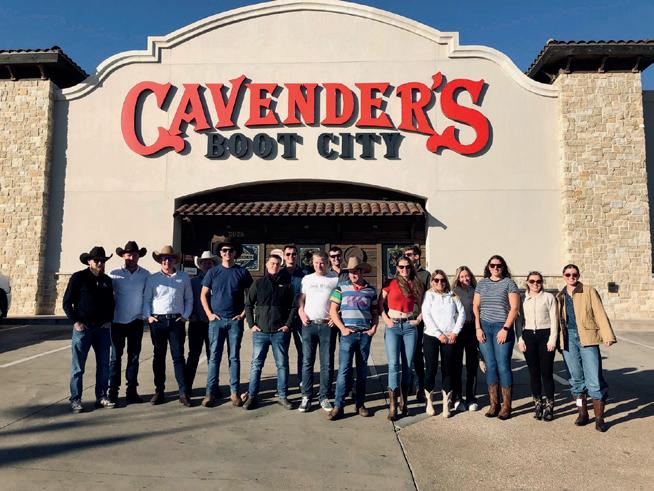

continue to strengthen at home.”
The trip also gave Cameron insights into practical aspects of modern poultry production. “We visited a massive broiler plant and saw the whole process from live bird to final product. Everything ran with remarkable efficiency. They were using white birds, which are more productive, and most of the produce stayed within Texas, which helped control market prices. There’s a lot we can learn from their systems, even if the scale is different.”

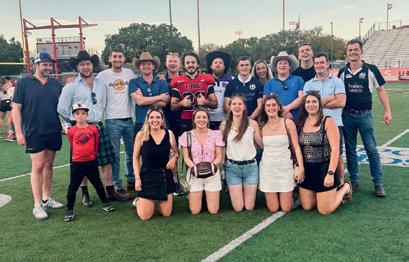





















Cameron reflects on the wider implications of the experience. “Farming is about resilience and adaptability. We saw how Texan farmers invest in technology, water management, and enterprise diversification to thrive. It reinforced the importance of being prepared, taking risks, and continuously learning. Coming back to Scotland, I feel more confident in the strategies we’re implementing on our farm and more inspired to share these lessons with others.”





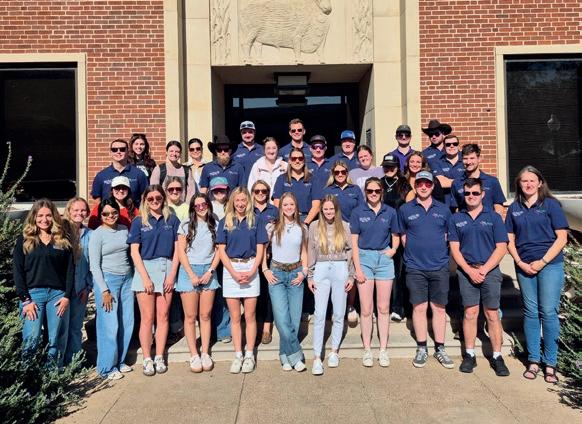



For young farmers considering similar opportunities, Cameron offers clear advice: “Put yourself out there. Apply for trips, visit other farms, and be curious. You’ll see things you’d never imagine, meet amazing people, and come back with ideas and confidence you can apply at home. It’s an investment in yourself and in your future.”
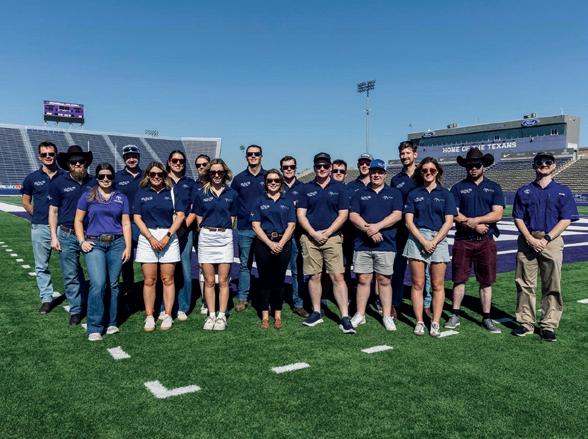




















Cameron’s experience demonstrates the power of exposure, learning, and networking in shaping the next generation of farmers. Through programs like Young Farmers, international exchange trips, and hands-on farm experience, young Scottish farmers can gain skills, inspiration, and perspectives that go far beyond traditional classroom or local farm training.
“Being part of Young Farmers has been invaluable,” he says. “It’s not just about farming – it’s about leadership, teamwork, and problemsolving. The Texas trip was a culmination of that experience, and it has opened my eyes to what’s possible in agriculture, both at home and abroad.”




As Cameron reflects on his journey, it’s clear that the next generation of Scottish farmers is ready to meet the challenges ahead. From managing diverse enterprises to learning from international peers, their commitment, curiosity, and innovation promise a bright future for the industry. For Cameron, and many like him, the path is clear: embrace opportunity, stay adaptable, and never stop learning.



“Ultimately, it’s about building a sustainable, rewarding future in farming,” Cameron concludes. “And experiences like this remind you why agriculture is such an exciting, dynamic industry. It’s challenging, but it’s also incredibly fulfilling – and there’s always more to discover.”

















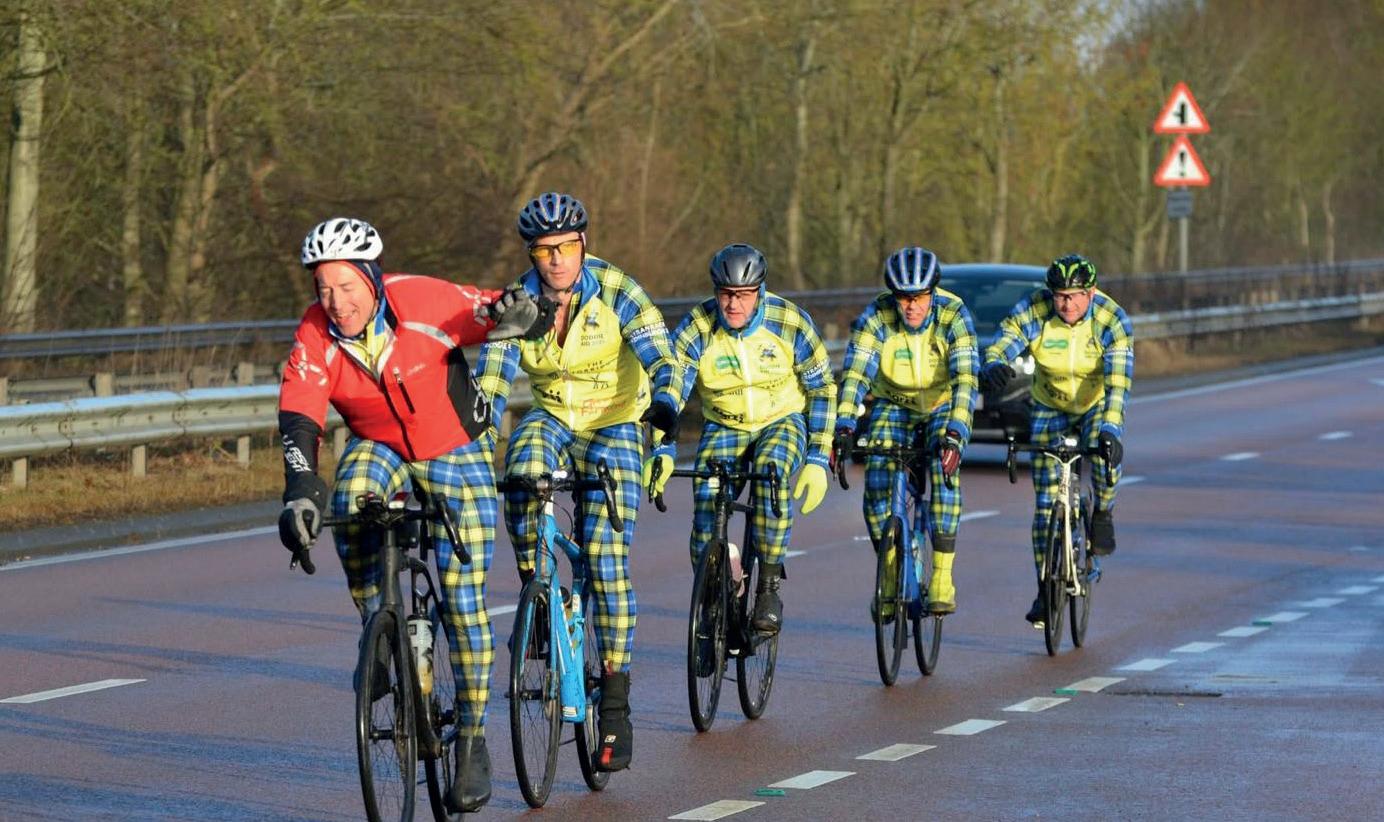


REGIONAL MANAGER
Kate Maitland
07919 001 23 kate.maitland@nfus.org.uk
Happy New Year to you all – here’s hoping for a good one. A new year often brings new challenges, and thanks to some Perthshire members, I’ve been asked to take part in Doddie’s Triple Crown 2026, Rob Wainwright’s epic annual cycling challenge, to raise funds for the My Name’5 Doddie Foundation. Life can be so cruel at times, and it would make such a difference if a cure could be found to combat MND. I’m sure we all know someone, or families, who have been affected.
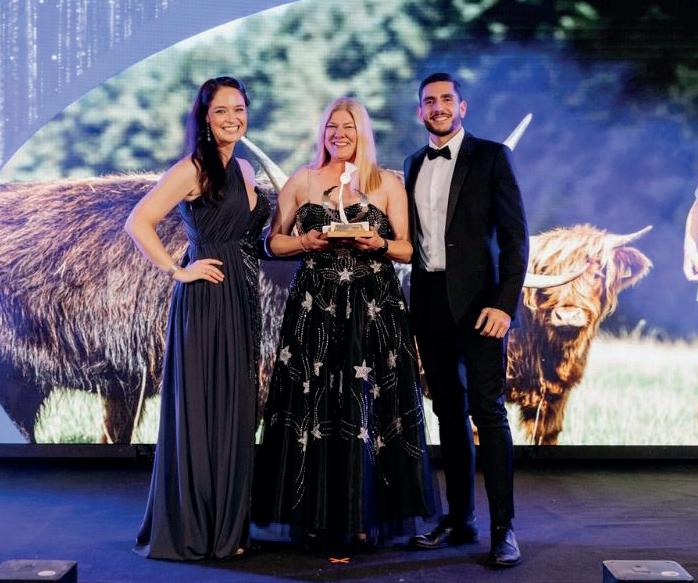
This year’s challenge will take place from Tuesday 10 to Friday 13 March. Teams will cover 800 miles over four days, leaving Melrose on the Tuesday and arriving in Dublin on the evening before Scotland take on Ireland at the Aviva Stadium. It’s yet to be decided, but we may also take on the Dundee to Melrose leg. Fingers crossed for a good rugby result. This is certainly a challenge for me, as I am very much a fair-weather cyclist. If you would like to sponsor the team, please follow this link: https://www.justgiving.com/page/ specsavers-dundee-doddie5
Ahuge shout-out goes to the Nicoll family of Newton Farm Holidays and Tours in Angus following their success at the Scottish Thistle Awards. After winning at regional level, the family went on to secure the national award for Best Outdoor or Adventure Experience.
Speaking after the awards ceremony, Louise Nicoll said: “Winning the national award for Best Outdoor or Adventure Experience is an incredible honour. Every experience at Newton Farm Holidays & Tours shares our authentic farming life, creating unforgettable memories while connecting visitors to rural Scotland. We’re so grateful to VisitScotland, our amazing team, and the visitors who make this possible.” Well done to the Nicoll family and to all the award winners.
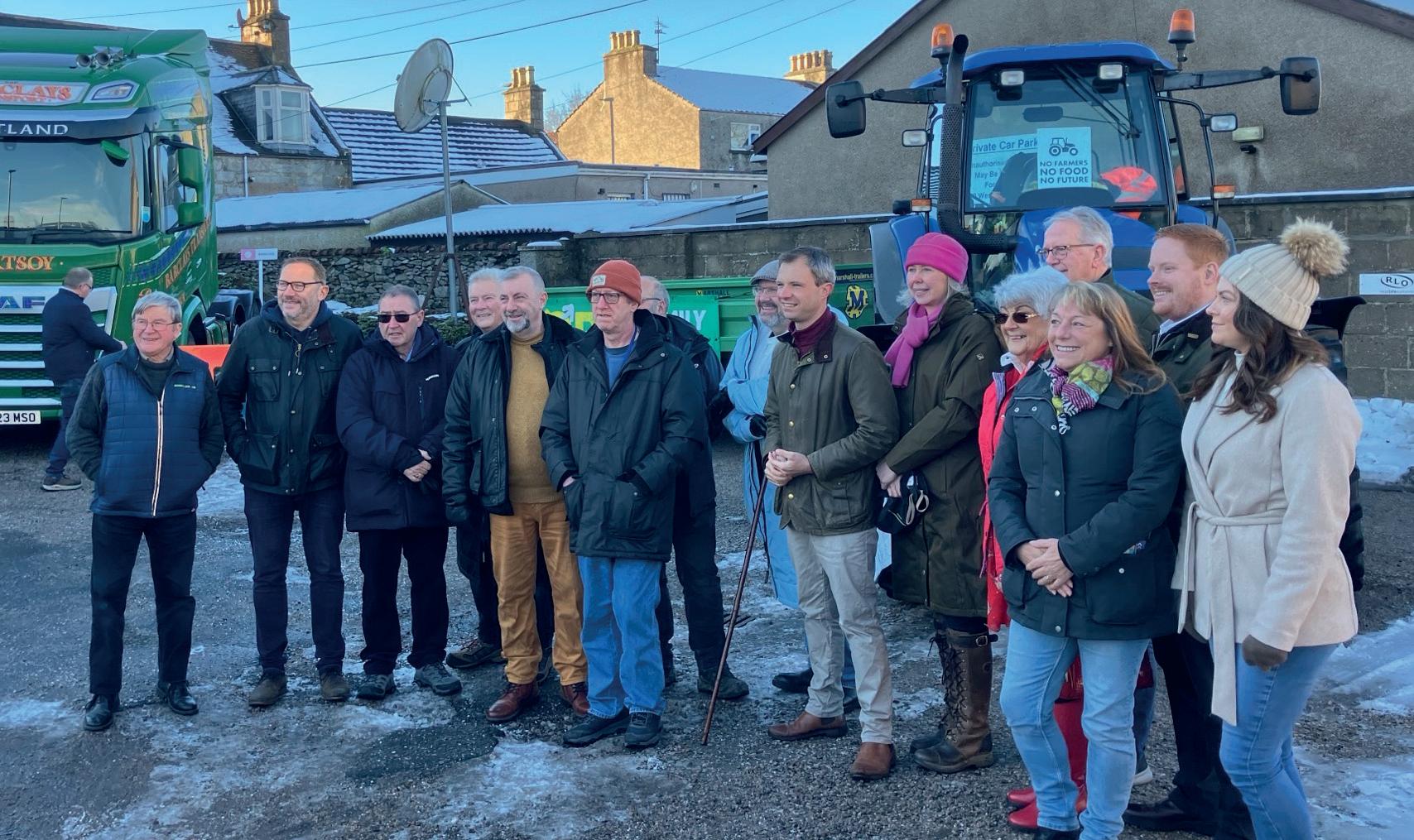


REGIONAL MANAGER
Lorna Paterson


07786 860 453 lorna.paterson@nfus.org.uk
The National Board hosted its first-ever roving board meeting at Thainstone House Hotel, bringing commodity representatives and Regional Chairs together to interact with local members. Kevin chaired the session, where our commodity representatives updated members on key workstreams, wins from 2025, and challenges ahead for 2026. Earlier that morning, National Board members enjoyed a fascinating tour of Farmlay Eggs at Strichen. Many thanks to hosts Robert, Ethel, and Iain Chapman for giving up their time to facilitate such an impressive visit.
Members also hosted a joint event with the fishing and haulage industries in Inverurie on the weekend preceding the Westminster budget announcement. The objective was to raise public awareness, via media coverage, about the potential impact of key proposals,
under the theme: “Don’t wreck our rural communities.” We were delighted to be supported by Ellen Davidson from Barclays Transport (Portsoy), Jimmy Buchan, CEO of the Scottish Seafood Association, and Elspeth Macdonald, CEO of the Scottish Fishermen’s Federation. Kevin, David, Danny, Scott, and Russell ensured excellent press and TV coverage. Special thanks go to all members, Aberdeenshire Council staff, Provost Judy Whyte, politicians, councilors, and the press for joining us on that bitterly cold, snowy day. Huge thanks also to our sponsors: Ahren, Louise, and Rose Urquhart for providing and cooking fantastic bacon rolls, Bruce Mackie for sponsorship support, and Keith and Carole
Walker for allowing us to use their private car park.
Kevin and I also hosted a stand at the Nuffield Conference at P&J Live, Aberdeen, where we met many incredible scholars and future entrepreneurs – a real boost for confidence in the future of our industry.
Branch AGMs have taken place with Buchan, Huntly-Insch, Turriff, Banff shire, Aberdeen, Dee Don, New Deer, Stonehaven, Laurencekirk and Central Branches enjoying strong member participation and fantastic speakers. Well done to our Group Secretaries and Branch Chairs for all their hard work. The regional AGM has also taken place with some new faces on the board.
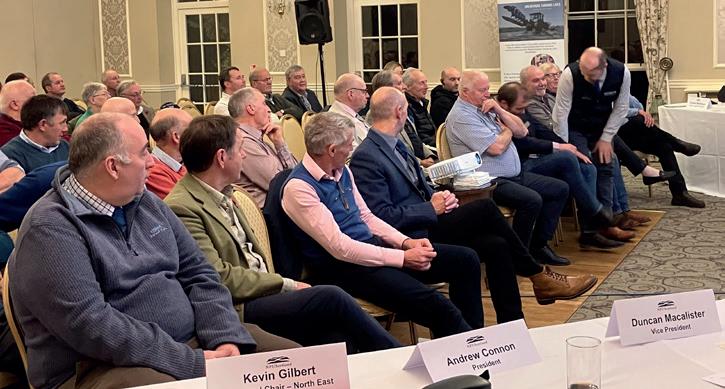


REGIONAL MANAGER Lucy Sumsion

07787 434 104 lucy.sumsion@nfus.org.uk
At the end of 2025, members of the Argyll & Islands Regional Board met online with local politicians Jenni Minto MSP and Brendan O’Hara MP to discuss key regional concerns. Topics included the low success rate for applicants from this region in the Future Farming Investment Scheme, the development and delivery of future support, and the need for ringfenced, multi-year funding—particularly for the Less Favoured Area Support Scheme (LFASS) and the management of species such as geese and white-tailed eagles. Issues around ferries and the Rest & Be Thankful were also raised. Most importantly, the Board highlighted the loss of veterinary cover on the Island of Tiree and the wider implications for other remote island veterinary practices. Also towards the end of 2025, NFUS representatives from Arran, Bute, Islay,
Mull, and Tiree met with senior CalMac staff to discuss ongoing agricultural and ferry-related issues. Conversations focused on the reviewed livestock guidance and difficulties in securing online bookings for livestock trailers. Tractor fares were also addressed, with CalMac confirming that tractors used for agricultural purposes can purchase
Bute, and Arran to review the new requirements for Ecological Focus Areas (EFAs) in 2026. David Keys, Senior Agricultural Officer at the Rural Payments and Inspections Division (RPID) in Oban, outlined the enhanced greening rules, which came into effect in January 2026. A greater number of farmers, including more dairy
Most importantly, the Board highlighted the loss of veterinary cover on the Island of Tiree and the wider implications for other remote island veterinary practices
a campervan-equivalent ticket rather than being charged at commercial rates. Members who believe they have been overcharged for transporting a tractor on a ferry can contact CalMac to request a refund.
More recently, an online meeting was held for farmers in Kintyre, Islay,
businesses than in previous years, will now need to manage EFAs. Any farm with at least 15 hectares of arable land, including temporary grass, must undertake greening measures.
Further information is available on the Rural Payments website: https://www.ruralpayments.org/topics/
LOTHIAN AND BORDERS


REGIONAL MANAGER
Lindsay Brown


07780 441 750 lindsay.brown@nfus.org.uk
Back in November, East Lothian Branch held a social meeting to watch Haddington XV play Murrayfield Wanderers in the Cup game, with Haddington emerging as the winners. Members enjoyed lunch and the match, with plenty of time for everyone to catch up and have a good blether.
We continue to engage with representatives regarding the possibility of reintroducing lynx into Kielder Forest, Northumberland. Alongside D&G, NFU Scotland policy
staff, and NFUS representatives, we continue to register our deep concern about introducing an apex predator into the wild with the freedom to roam. The project has already consulted locally through an exhibition and is now consulting more widely. If you would like to provide feedback, please visit the Missing Lynx Project – Share Your Views page for the consultation. AGMs have been taking place across the region, and we thank everyone who has taken on roles. Peebles held a dinner at the Hydro with VP Robert Neill as speaker. Kelso & St Boswells and Hawick & Jed held dinners at the Auld Cross Keys in Denholm with VP Duncan Macalister speaking. Bathgate & West Calder and Midlothian held meetings at Ingliston with speakers from Davidson & Robertson Rural, though Midlothian

Forestry Operations


did not reach quorum. Berwickshire held a dinner at Duns Golf Club with speakers from Oxbury Bank and SAC. East Lothian concluded the voting of branch positions with a lunchtime Zoom meeting.
East Lothian Climate Hub and Forth Rivers Trust, working with Propagate, have received two years of funding to oversee a Cluster Farms project, with the aim of spreading it as widely as possible across the county. They are seeking farmers to take the lead and help shape the direction and focus of the project. The aim is to have neighbours working collaboratively for increased environmental benefit.
With events planned for 2026, anyone interested in learning more can contact Tess at the East Lothian Climate Hub: tess@eastlothianclimatehub.org



REGIONAL POLICY ADVISOR
Lee Smith
07554 741 030 lee.smith@nfus.org.uk
National Recruitment Day in Shetland coincided with the annual Shetland Flock Book Day, which this year was held in Unst. Joining NFUS Shetland Group Secretary Darren and myself were NFUS President Andrew Connan and NFUS Shetland Branch Vice President Laura Sinclair, both invited as guest speakers.
Shetland Flock Book Day was an informative and social gathering, giving both members and non-members the opportunity to learn more about the fl ock book, meet fellow crofters and farmers, and take part in stock judging, games, and tastings of fantastic local produce. Andrew delivered a short
presentation highlighting the local and national issues NFUS has been tackling, along with the lobbying work being carried out on behalf of farmers and crofters. He then spent the rest of the day meeting and speaking with many local crofters and farmers, listening to their thoughts and concerns on a range of issues affecting Shetland.
It was an informative & sociable event, & I thoroughly enjoyed catching up with folk I haven’t seen in a while & meeting new faces
Laura gave an overview of the new Crofting Bill and what it means for Shetland crofters and farmers. She outlined the benefits of fast-
tracking family assignation and the positive impact this could have for crofters.
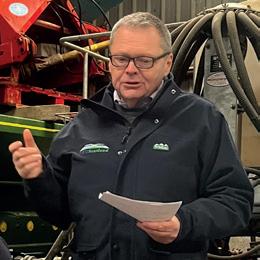
However, she also stressed the importance of ensuring the proposed three-croft limit be removed from the Bill and highlighted the potential negative effects this may have on family members who already hold three crofts.
Reflecting on the day, Laura commented: “It was an informative and sociable event, and I thoroughly enjoyed catching up with folk I haven’t seen in a while and meeting new faces. I’d like to thank the Shetland Flock Book Committee for having us along. It was great to hear everyone’s views on the various issues our industry is facing. The representations we make as the Shetland committee are only as strong as the feedback we receive from our local crofters and farmers, and this was a valuable opportunity to learn what’s working well and what folk are concerned about.”

















Synchronised A.I., Freeze Branding Pregnancy Scanning (DEFRA licensed)
Semen Sales and Products
Supplier of Easy Boss E oral distraction devices and Moocall SMS calving alert sensor
Nitrogen Top Up Service
Tel: : 01501 7885323
Mobbilee: 07850 184 3113
Emaail: : srccattlleseerrvices@bbtconnnnect..com m www s srcattleservicees co uk


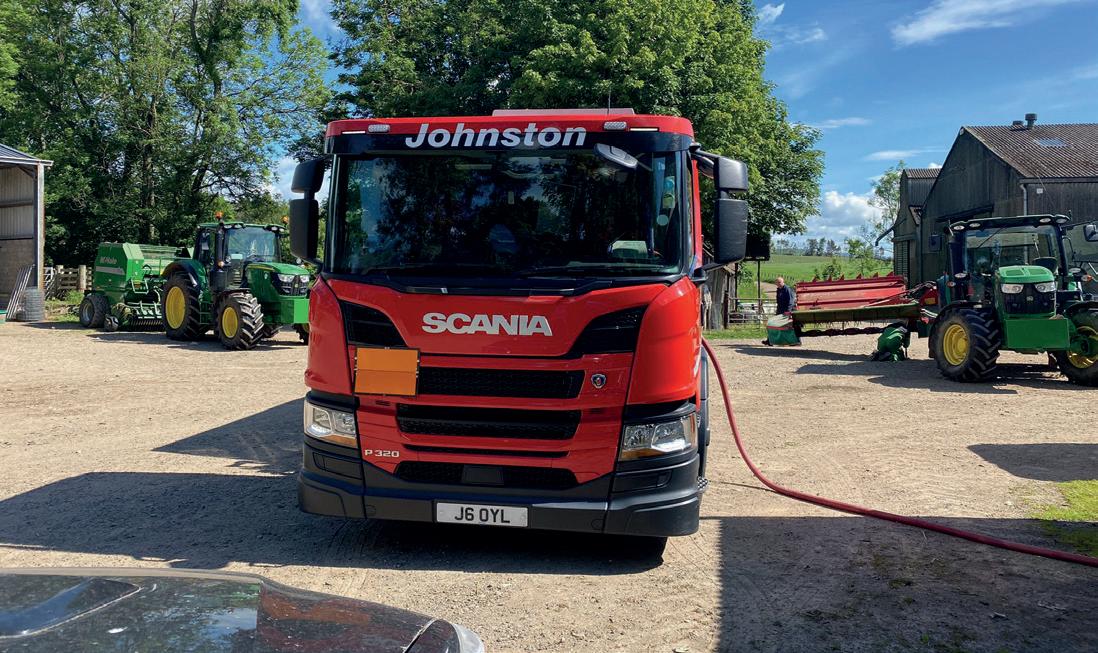

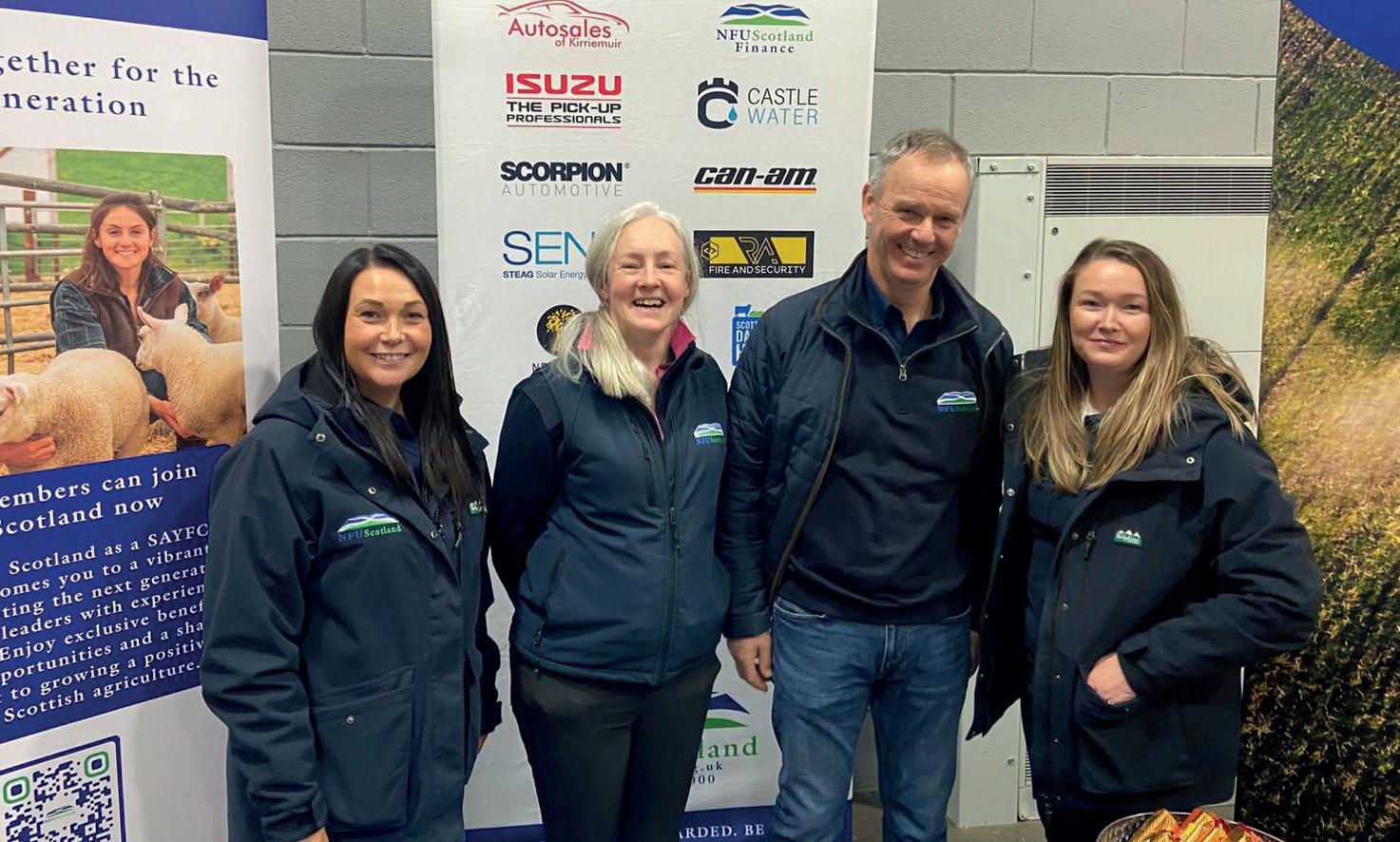
FORTH & CLYDE


REGIONAL MANAGER
Sheena Foster


07789 796 582
sheena.foster@nfus.org.uk
December certainly kept our group secretaries, and myself, on our toes with a full schedule of branch AGMs. A big thank you and congratulations to everyone who has stepped into roles within their branches, and an equally heartfelt thank you to those who have stepped down. We truly appreciate the time, commitment, and contribution you have given.


At the recent Forth Valley Branch AGM, the Sydney Platfoot Trophy was presented for the best half dozen eggs. This long-standing trophy, first awarded in 1957, is presented annually for a diff erent category of farm produce, as decided at the previous AGM. The 2025 results were: first place to John Owen’s children, Muirpark; second place to John Owen, Muirpark; and third place to John


Scobbie, Shannockhill. Congratulations to all entrants for their high-quality produce and continued contribution to the Forth Valley Branch.


As part of our ongoing recruitment and visibility eff orts, we were delighted to host a stand at Livescot 2025 at Lanark Market. The event provided an excellent opportunity to connect with farmers and industry professionals from across the region. I was joined on the stand by Vice Chair Robert Neill, along with Holly, Mhairi, and James, and together we enjoyed strong engagement with both potential and newly joined members throughout the day. It was also a pleasure to welcome many existing members for a friendly catch-up over a cuppa. Thank you to everyone who stopped by the stand, asked questions, or simply had a chat, and congratulations to the organisers for delivering another successful and well-run event.
Finally, I’m delighted to share some personal news. At the beginning of November, I got married, and Stuart and I enjoyed a wonderful day of celebrations at the Lochside Hotel, surrounded by
family and friends. As a result, you may start to notice a small change in my communications going forward, as my surname will gradually change from Foster to Murray. Please rest assured, it’s still the same familiar face behind the emails and updates.

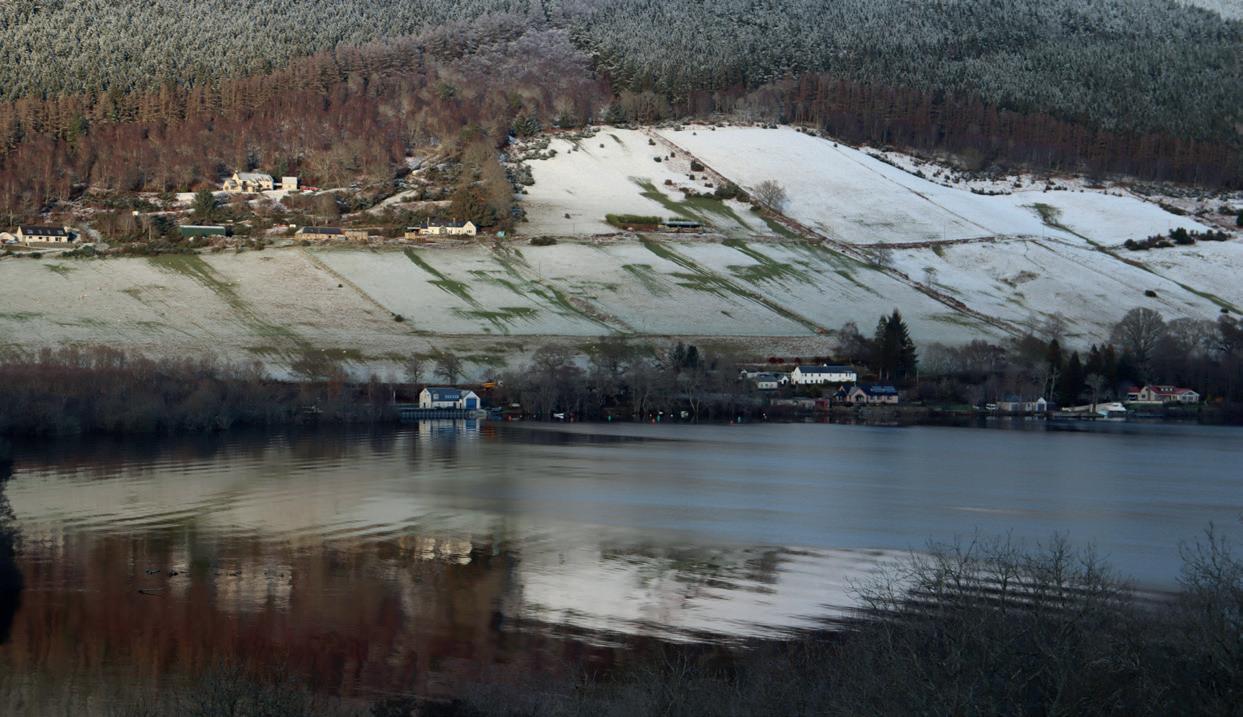
HIGHLAND


REGIONAL MANAGER


Ian Wilson
07775 915 988
ian.wilson@nfus.org.uk
The MINS branch held its AGM in December, and I have to say it was one of the best branch AGMs I have attended. It began with a very interesting visit hosted by Will Downie and Laura Stewart at Wester Hardmuir Fruit Farm near Nairn. We were given an insightful introduction to the challenges and opportunities they have encountered over the past couple of years since purchasing the farm.
They spoke openly about managing staffing demands - not only for fruit picking, but also for running the farm shop and covering the many other ongoing tasks involved in the business - using a mix of local staff and overseas seasonal workers. It is a well-run enterprise, and this young couple clearly demonstrated the work ethic and willingness to learn that will help make the business a success.
This was followed by supper and then a presentation from local farmer and butcher Jock Gibson on his recently completed Nuffi eld Scholarship, which
focused on beef eating quality – what influences it and how it varies around the world. Jock explained that some countries favour tenderness over flavour, while others prioritise flavour over tenderness. One of his key findings was
meat yield, providing plenty of food for thought. Well done to branch secretary Lucy Little and chair Robbie Newlands for organising an excellent afternoon and evening, enjoyed by all who attended. I also attended a meeting organised by
It is a well-run enterprise, and this young couple clearly demonstrated the work ethic and willingness to learn that will help make the business a success
that animals which grow consistently, without a prolonged or overly tough store period, tend to produce a more consistent eating experience. He also noted that systems based on grass production followed by rapid finishing on cereal-based diets were common in many of the countries he visited. Grading systems that rewarded eating quality rather than yield tended to favour more native-type cattle, with Hereford, Angus, and Shorthorn performing well, and, surprisingly, Jersey cattle too. This led to a lively discussion on how we might move towards a grading system that rewards eating quality rather than simply
Highland Adapts on adapting to climate change. The meeting brought together more than 50 attendees from a wide range of backgrounds and organisations. While there were varied views in the room, many supported the idea that, as a temperate region with plentiful water, one of our key roles should be to produce more food to help feed the rest of Britain, rather than cutting back in a knee-jerk reaction to climate change. In fact, it could be argued that we have a moral responsibility to produce as much food as we sustainably can, reducing the need for imports from countries where food is produced in less sustainable ways.
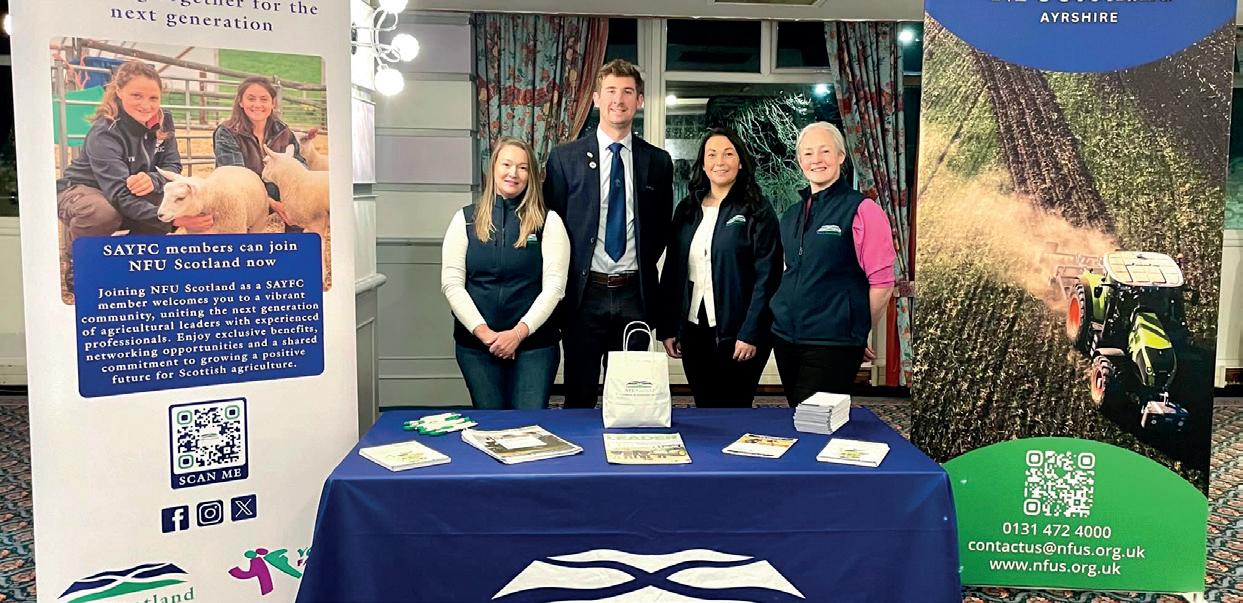
AYRSHIRE


REGIONAL CHAIR John Kerr
It is with some trepidation that I write this, having been asked to produce a positive article for the Leader. Unfortunately, as a dairy farmer, the recent turbulence in the milk market has been a real gut punch, so I’ve had to look around for what is going well and see what I can highlight.
The summer in Ayrshire, and much of the rest of Scotland, was a good one, with plenty of high-quality forage
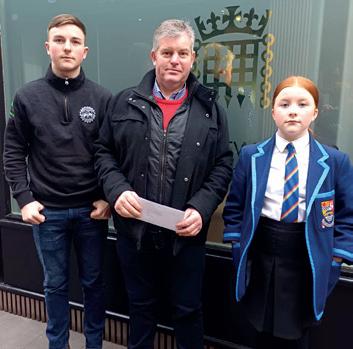
made at home – helping to make the winter months a bit less expensive. Coupled with continuing strong prices for livestock, many farmers have plenty to be pleased about. Even the cereal sector, despite poor prices in recent months, has reasons to be optimistic: growing interest in UK-grown protein crops for animal feed provides another potential avenue for these businesses.
The FFIS grant scheme may have disappointed more than it excited, but there are positives here too. Few industries would complain about receiving £21 million of public funding, and if this support continues, future schemes can only improve.
Finally, perhaps the biggest positive of all is that we get to live in Scotland. Not only is it one of the
AYRSHIRE


REGIONAL MANAGER
Holly Fitzsimmons
07775 838 926
holly.fitzsimmons@nfus.org.uk
To those of you who wrote letters, made videos, hosted meetings, and attended surgeries and rallies – thank you for all your lobbying efforts in 2025. With so many different groups seeking the attention of politicians, it is so important
most beautiful countries in the world, we know that better than anyone, but it is also a place where our government broadly understands that farming and food production matter. Farming
Perhaps the biggest positive of all is that we get to live in Scotland
is not only a vital part of the economy but also the engine room for the environmental improvements the public wants to see.
that as an industry we make ourselves known to local MPs and MSPs and continue to promote our value to the economy, nature, and food security, and possibly more importantly, to myth-bust! Whilst we wait, and in the wise words of Anna Patrick, who asked her local MP to “stand up for rural families and common sense,” please keep up the enthusiasm for the sector and its future. Finally, we were delighted to support Fraser Graham in welcoming young farmers from across Scotland to the SAYFC Agri and Rural Affairs Conference held on his home turf here in Ayrshire.
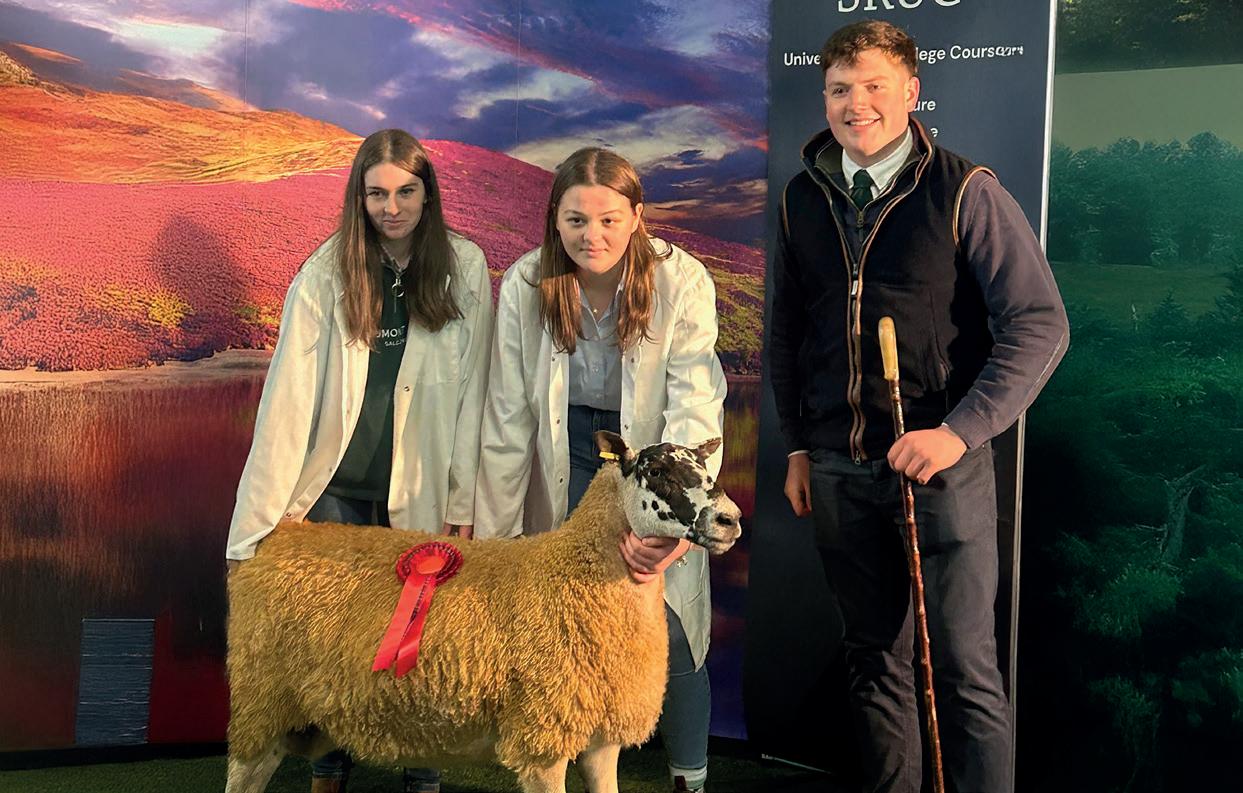
DUMFRIES & GALLOWAY
BREGIONAL MANAGER Mhairi Dawson 07718 425 053 mhairi.dawson@nfus.org.uk
ack in November, we were proud to support the SRUC Barony Winter Show. Regional Board member Simon Redman attended with his wife Sarah to support
by all, with animals brought out in great condition. A huge credit goes to all the students and staff. It was a well-supported event showing much enthusiasm for Scottish agriculture.”
Daisy, who began her HNC in Agriculture at The Barony earlier this year, added: “As a 17-year-old studying at SRUC Barony College, I loved the buzz of the Winter Show. Experiences like this make me want to pursue a future in agricultureworking with animals, learning new skills, and being part of the next generation of
their daughter Daisy. He said: “The dreich, cold day certainly didn’t put off the students at SRUC Barony putting on their winter show. A first-class effort was made
young farmers making a difference.”
“Experiences like this make me want to pursue a future in agriculture”
In December, D&G Next Generation
representative John McCulloch attended a Next Generation at St Andrew’s House with the First Minister, Cabinet Secretary, and Minister for Agriculture. The focus was on access to finance, access to land, and training and upskilling. It was an incredibly positive meeting, and do get in touch if you would like to support the work of the Next Gen committee.
Finally, at the time of writing, we have just completed the four branch AGMs. It was great to see new names suggested for our committees and for members to enjoy informative and entertaining talks from Lisa Hislop-Smith (NFUS Policy Manager for Supply Chains), Scott Connolly (NFU Mutual Finance), Andrew Laird (NFUS Finance), Thomas Murdoch (Future Farmer of the Year), and Scott Brown (Moredun).
As ever, thank you to group secretaries Michael, Innes, Sally, and Louise for all their hard work throughout the year, and to all the elected members who served in 2025. We’d love to hear what sort of meetings and events you would like to see throughout 2026 – please get in touch with your group secretary, branch chair, or myself with your suggestions.
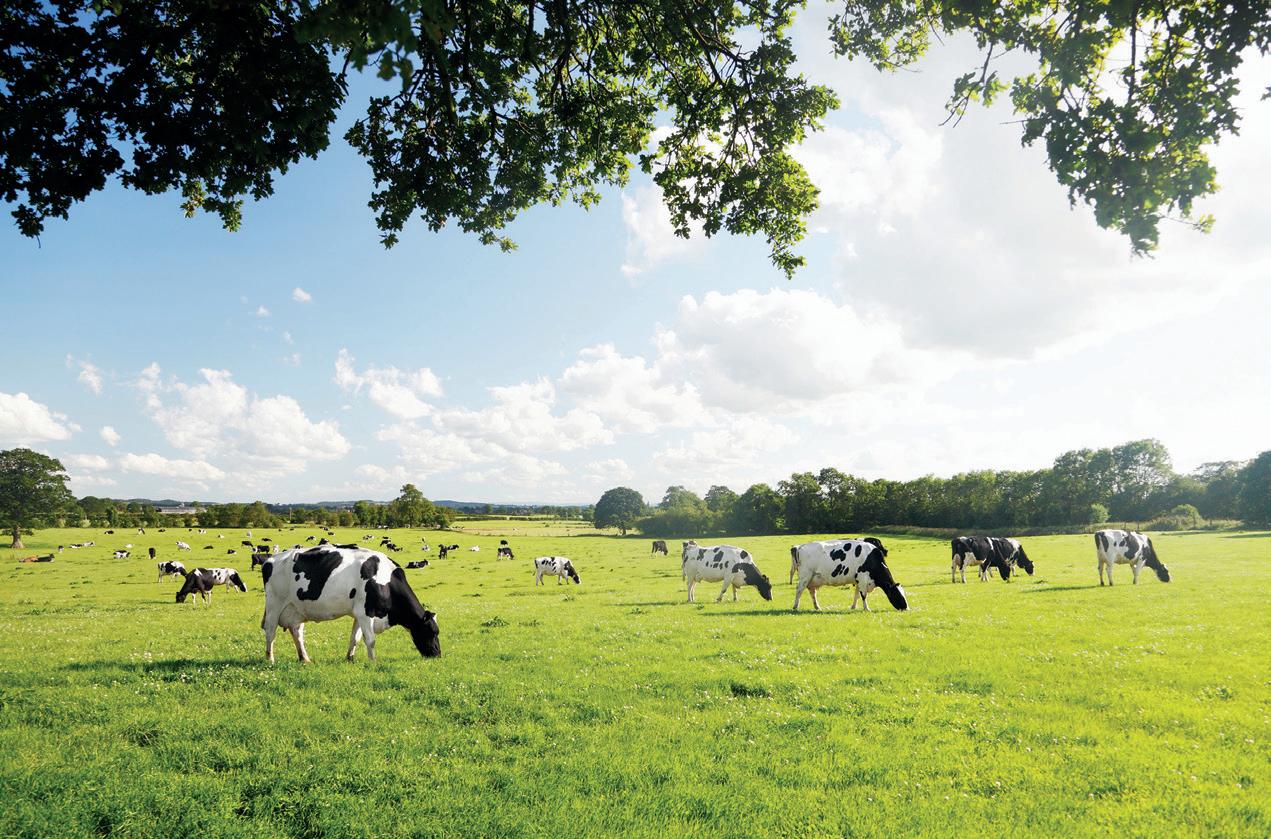
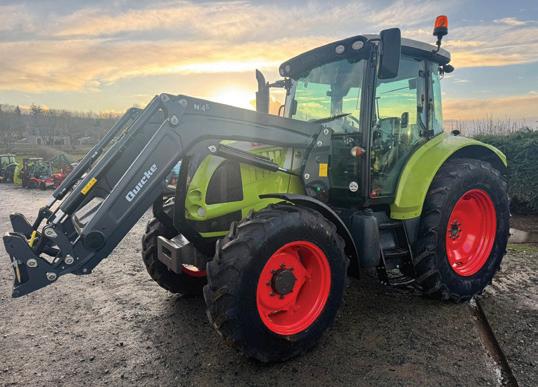
Bruce Farm Machinery is a family-owned agricultural machinery supplier based in Banff. They are main dealers for CLAAS tractors, Strautmann, Gregoire
Besson, and other brands, offering:

New and used machinery sales

Parts supply
Servicing and repairs
Forestry and land-clearing equipment
01261 821659
brucefarmmachinery.co.uk
Banff, Aberdeenshire AB45 3LX



Building Homes for Your Future

With 30+ years of industry experience, we’re your local experts in Skye and the surrounding areas. From high-quality bespoke houses to minor renovations, we provide a “one-stop” service delivered on time, on budget, and to the highest standards.

New Builds & Extensions
Bespoke homes, bungalows & conservatories
Renovations
Kitchens, bathrooms & complete building conversions
Civil Engineering
Drainage, site clearance, roads & landscaping

Eco-Solutions
Solar panels, rainwater harvesting & energy-saving heating
Specialist Roofing
Approved contractors for Alwitra single-ply systems


Contact Allen for a free estimate & friendly advice
T: 01470 552313 • M: 07928 856556
E: info@acb-skye.co.uk W: acb-skye.co.uk
3 Hungladder, Kilmuir, Portree, IV51 9YT


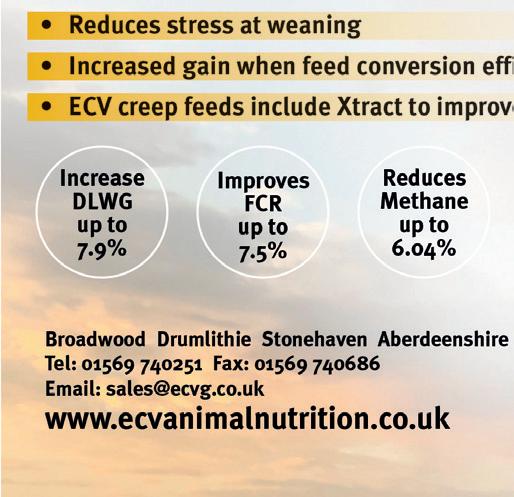

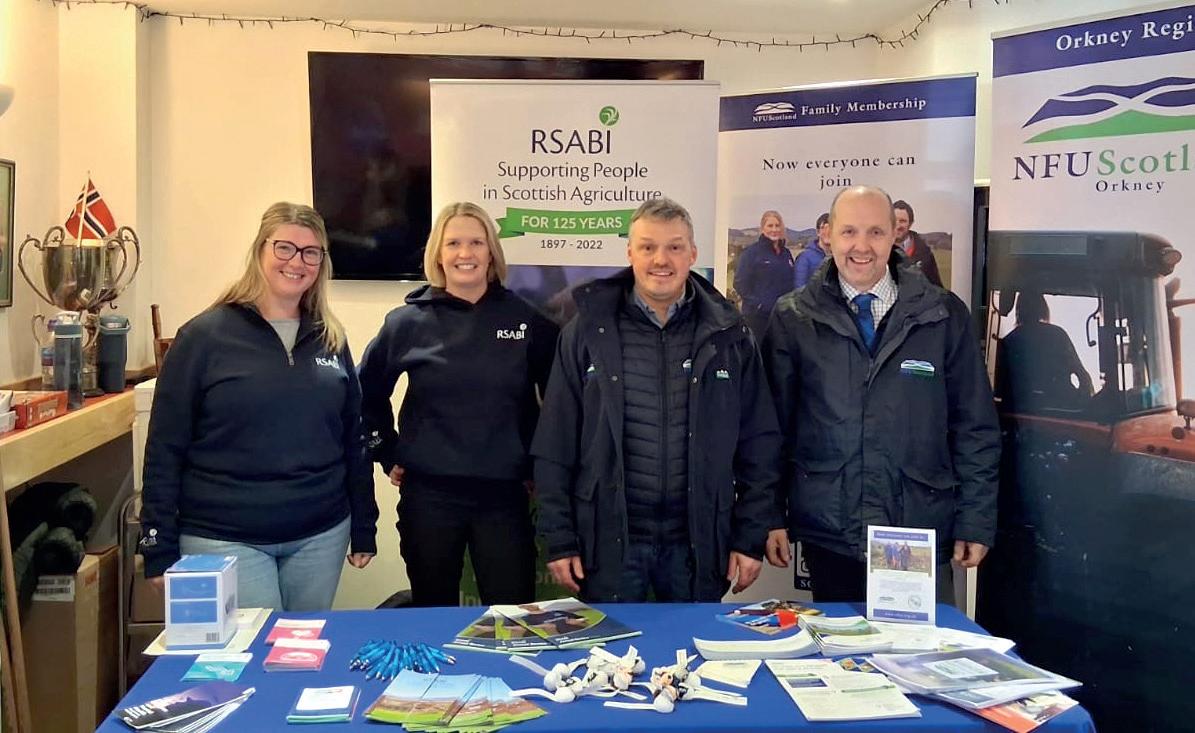
ORKNEY


REGIONAL POLICY ADVISOR
John Laughton
01856 872 048 john_laughton@nfus.org.uk
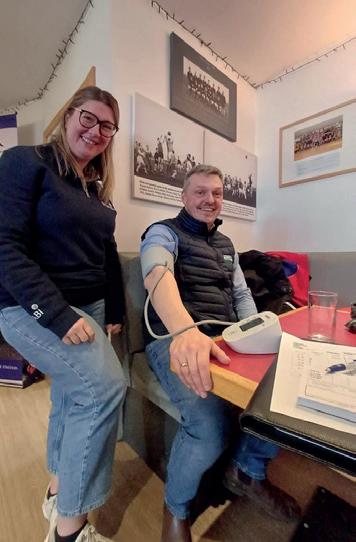
On Saturday 29th November, in collaboration with ORFC and RSABI, a Farmers Day was held at the clubhouse to celebrate the local farming community, which has strong ties to the eggshaped ball game. Many of Orkney’s greats continue to juggle the huge commitment of playing for ORFC alongside their farming responsibilities.
Attendees enjoyed a hearty Farmers Lunch, featuring a winter BBQ with meat kindly supplied by Williamson Butchers and Donaldsons Butchers, accompanied by a pint. The RSABI Health Hut, expertly manned by Shirley Hasting and local nurse Kirsten Moar, offered health MOTs, including blood pressure checks, as well as a friendly chat.
It was a fantastic opportunity to meet up, enjoy good food and company, and support local rugby
It was a fantastic opportunity to meet up, enjoy good food and company, and support local rugby. Although the Orkney Firsts narrowly lost to Strathmore 19–21, the day was a great success, with a packed clubhouse before and after the game.


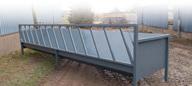
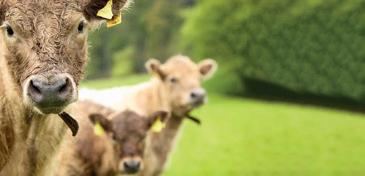
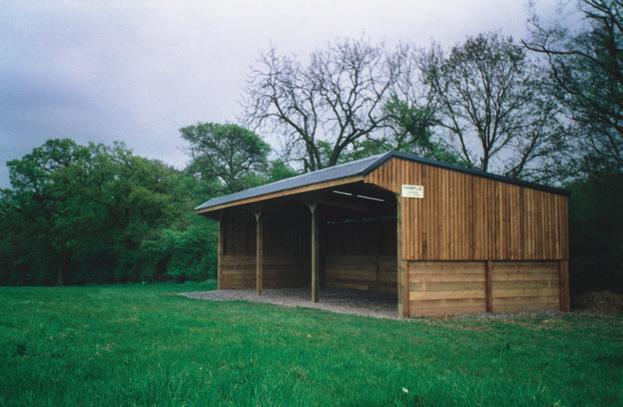


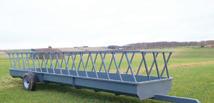

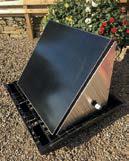



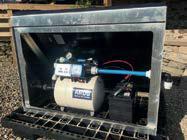


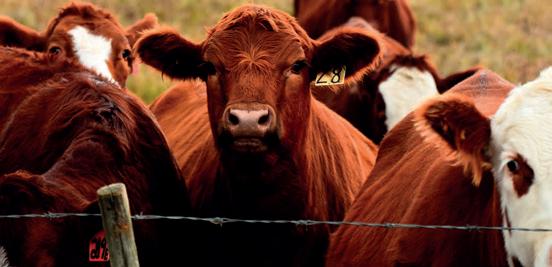


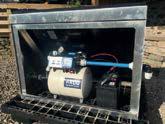




















Over 50% of professional mechanics trust the Portable Power 1800RC to do one thing, start engines, time and time again, without fail!
• Up to 50 starts on a single charge
TRACTORS & COMBINE HARVESTERS
ATV’S & QUAD BIKES
PICK UP TRUCKS
TELEHANDLERS


Just bought my second portable power from these guys. Absolutely brilliant to work with. This is my second unit in about 12 years and there’s nothing wrong with the first one, I just decided a nice shiny new one would be good, and at the price per year of use you can’t go wrong.
Trevor Holliday


• Rapid Charge: Will fully charge from flat in under 3 hours and with only 10 mins charge, will jump 1-2 vehicles
• Full 2 year, no quibble, manufacturer warranty (including the battery)
• 30 day money back guarantee


I purchased the 1800RC jump starter. Most of the other jump starters won’t start a completely dead battery so I was a little skeptical when I purchased this one. I used it for the first time today and it started 2 diesel vehicles with totally dead batteries!!

Highly recommend this product. The
customer service was excellent too, and it made in Britain.


What a company! I bought my first jump pack in 2012 and it’s still working with no faults! I recently run over the jump pack & broke the casing, I thought it was done for but with just one phone call and couple days later these guys had it all sorted! Literally cannot be more


impressed with them!

Matthew Bryant






Robert Alan








Trusted legal and tax advice for you and your rural business
Agriculture Tenancies and Crofting
Commercial Contracts
Planning & Renewable Energy
Employment Law
Land Use and Management
Wills & Succession Planning
Business Structuring
Land Reform
Purchase and Sale
Courts, Tribunals & Disputes
Proud supporter of NFU Scotland
We offer NFU Scotland members up to 20 minutes free legal advice - get in touch with our advisers to discuss further.
nfus@gillespiemacandrew.co.uk 0131 271 8585