
FREE cambridgenews.nz
By Viv Posselt
Not many mums and daughters share a January 1 birthday when one of them is turning a lofty 100.
That was the case in Cambridge this month when Irene Blount and her daughter Margaret ‘Maggie’ Windle enjoyed two days of celebrations that started on December 31 and finished with a shindig at Maggie’s home on their shared special day, January 1, when Irene turned 100, and Maggie 76.
The newly-minted centenarian has been a resident at Cambridge Life for almost two-and-a-half years. They put on a slap-up birthday tea for her on December 31.
English-born Irene was brought up with four brothers and three sisters in Essex. She joined the women’s auxiliary services, met her first husband and came out to New Zealand as a war bride. All four of their children were born Kiwis.
“I loved it right away, loved the big city,” Irene said. She remembers being unable to find the right bus to get home one day and asking a nearby policeman for help. He enlisted the aid of a young woman whom he knew lived in the same street as Irene, and she escorted the newcomer home.
“That was Jean… we got on so well that we became friends for life.”
Irene worked as a medical receptionist for years, enjoying engaging with people across the boards. Time spent on committees, school PTAs, St John and her local Citizen’s Advice Bureau provided even more opportunities for that. She visited Cambridge but thought it too small after the big city lights, then lived in Tīrau and again in Auckland before settling here to be closer to Maggie.
Mobility and sight issues may have clipped Irene’s wings but there is no shortage of sparkle. She never misses the
6pm news on the telly, enjoys chats with fellow residents, still eats like a horse and happily shows off some of her exquisite embroidery work done on beautiful tablecloths.
“Mum was a great sewer and knitter all her life,” said Maggie. “She made all our
clothes as we grew up. She was also a very keen gardener.”
Irene is thrilled at the slew of birthday cards she received from important folk, both here and abroad. She is particularly tickled at the one from King Charles and Queen Camilla.


Happy birthdays…
When asked what her secret to a long life might be, she suggested it was as simple as getting up each day with purpose… making the best of each day.
If her descendants do the same – four children, 10 grandchildren and 16 greatgrandchildren so far – they’ll be set for life.
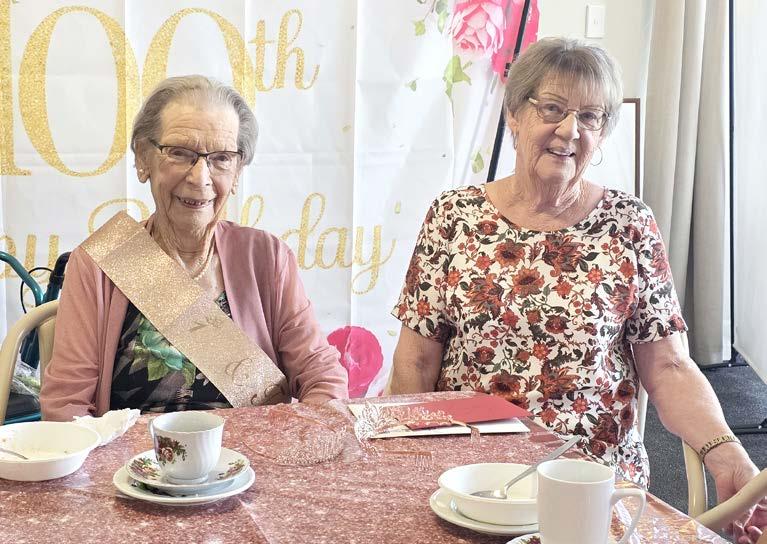




Irene Blount and her daughter Maggie Windle pictured at Irene’s 100th birthday tea at Cambridge Life.








Roy Pilott editor@goodlocal.nz
027
maryanne@goodlocal.nz
viv@goodlocal.nz
chris@goodlocal.nz
janine@goodlocal.nz
Faces of a town’s history
By Chris Gardner
She has watched over Cambridge intersection of Alpha and Victoria streets for almost a century.
The face of a young woman peers out from a plaster frieze atop the 1931 building that now houses a coffee shop.
The frieze is unusual both for Cambridge and the period it was commissioned by businesswoman Frances Davies.
“The romantic in me says that it is of Frances,” said Cambridge Museum manager Elizabeth Harvey on her new historic walking tour of the town. “I would hope it is Frances.”
The free tour, which starts at the museum on Victoria Street, lasts from 45 minutes to an hour depending on how much input Harvey receives from participants.
The town, participants are surprised to hear, was named after the Commander-inChief of the British Army Prince George, Duke of Cambridge rather than after British university town on the River Cam.
Harvey starts her tour with a reminder of the mana whenua who occupied the land after the arrival of the Tainui waka at Kāwhia around 800 years ago.
“The land that we stand on today has been lived on and fought over before this town was built,” Harvey said.
They named the river Waikato, or the flowing water, with it becoming the principal means of travel in the upper North Island.
A Māori proverb emerged, using taniwha as a metaphor for the many Waikato powerful tribal leaders in Waikato.
“Waikato of a hundred taniwha - at every bend a taniwha.”
Cambridge Police Station, built on Fort Street in 2022, includes architectural elements designed to represent taniwha teeth - a meld of ancient and modern. Street names give clues to the history of the town, this one reminding us of the redoubt that was built during the land wars.
If you were European in those days, Harvey said, leaving town for the hills in Māori territory was a death sentence.
At the intersection of Duke and Victoria
Frances’ legacy

Born in 1896, Frances Davies came to New Zealand from Somerset, United Kingdom, with her parents, William and Mary, and her brother Geoffrey just before the First World War. Her father worked as a greengrocer and fruiter, and the family settled into life in Leamington.
In 1931, aged 35, Frances commissioned the building crowned by a distinctive frieze. It was a bold statement.
admin@goodlocal.nz

streets, named for the duke and the queen, the builders of the town demonstrated their vision for the future with a bank, grocery store, hotel, and post office all within a stone’s throw.
Cambridge experienced a growth spurt in the early 1900s after Francis Buckland was elected mayor of the town.
The sale yards were moved to make way for the Town Hall in 1907, and the project was labelled “Buckland’s white elephant.” It endures as a popular venue.
“We’ve been told the acoustics are one of the best in the country.”
Buckland’s administration also built gas works and the high-level Victoria Bridge over the river.
Leamington-based Keith Rimmer told the tour about the time a bus driver nudged his push bike tyre with its bumper as he biked over the bridge.
Buckland Road, which connects Karāpiro with Matamata, is named after his family, not the Buckland that appears in The Lord of the Rings books – though Hobbiton is situated on this road
In 1884 a railway came to town, opening up trade with Hamilton, Auckland and further afield. Passenger services continued until 1946, and freight until 1999 when trucks put the train out of business.
A kissing gate remains on the station site in Lake Street, at the entrance to Lakewood. It was designed to keep livestock in.
Harvey finished her tour overlooking Lake Te Koo Utu, labelled the wash bowl by the second Māori King.
Rimmer enjoyed his tour.
“There was so much,” he said. “There’s always something to learn.”
Her life was shaped by both hope and loss. In October 1917, her brother Geoffrey was killed in action in Belgium. Nearly 20 years later, in 1936, Frances married Victor Benn. The couple farmed for many years on Redoubt Road and, though they had no children, they built a life grounded in community.
Victor died in 1966. Frances followed 12 years later, in 1978. The following March, the Cambridge Independent reported that she had left $150,000 to local organisations, including St Andrew’s Church, the RSA, the Red Cross, the Society for the Prevention of Cruelty to Animals, Resthaven, and several children’s charities.



Frances Benn (née Davies), probably pictured with her husband Victor, in the late 1930s.
Photo: Cambridge Museum
Frances Davies commissioned the plaster frieze containing a face that has gazed upon Cambridge for almost a century.
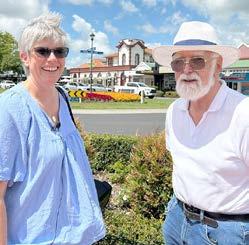
Leamington resident Keith Rimmer, right, says he learned a lot about Cambridge from museum manager Elizabeth Harvey on her historical tour.
Photo: Chris Gardner
French connection
Former Cambridge resident David Miller has been given a host of excellent leads in his search for information about World War II French resistance agent Andrée Baker, who married Cambridge resident AB Baker. A call for help in last week’s Cambridge News attracted nine positive responses.
Health hack update
A clearer picture of the damage from the Manage My Health cyberattack has emerged. Fewer than 80 patients from Pinnacle Midlands Health Network’s Waipā practices and fewer than 30 at its northern King Country practices have been affected. However, these numbers are still indicative only, a spokesperson from the Primary Health Organisation said.
Tourism funding
Tourism and Hospitality
Minister Louise Upston – the MP for Taupo - has announced more than $450,000 in funding for an international tourism campaign. The funding will support seasonal travel deals and itineraries designed to attract international visitors, particularly from Australia, to experience the heart of the North Island via direct flights to Hamilton Airport.
Polo clash
Mystery Creek club players
John Paul Clarkin and Dean Fullerton have been selected for the New Zealand team to take on a rest of the world combination at the club’s Kaipaki Road home on January 30. The day is billed as a premier day of top-level polo, and also feature the New Zealand women’s team taking on an invitational South African side.
Craft Fair
St Andrews Anglican Church in Cambridge will host its 30th Giant Craft Fair next Monday and feature around 140 stalls.
Organiser Ian Dunn said the first fair was held on a wintry Queen’s Birthday Weekend in 1996 with 30 stalls. Some stallholders have remained with the fair for the entire 30 years.
Paddlers wait for sign off
By Chris Gardner
Karāpiro Waka Ama Club is waiting for the Department of Conservation to sign off its lease of Taumatawiwi Reserve on Lake Karāpiro.
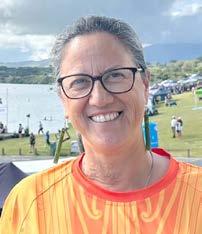
Club chairperson Lee Ann Muntz said the club met regularly at the reserve after it was vacated by Brooklyn Water Ski Club in 2024, as well as other parts of the lake.
“We just need DOC sign off and are still waiting for that,” Muntz said.
The Department of Conservation says it expects sign off to be completed in the next few weeks.
“In January 2025, we were informed we were successful in getting the lease in three five-year leases, but we still need final sign off.”
The lease, Muntz said, is off the reserve and not the club house built by Brooklyn Water Ski Club and stripped of fixtures and fittings when they left in July 2024.
Karāpiro Waka Ama Club was formed in 2017 when Ngāti Korokī-Kahukura gifted it the Tuu Rangatahi waka and Ngāti Itoua gifted it the Tuu Rangakura waka.
It now has several six seat and one seat waka stored at Pōhara Marae at Pukeatua, but Muntz hopes to secure some permanent storage near the Don Rowlands Centre to support its
members.
They are looking for somewhere to store rigged waka, saving them time before launching and after retrieving waka from the lake.
Domain site manager Liz Stolwkyk said she hoped to be able to accommodate the club in the next month or so.
Muntz said the club was currently at capacity.
Members of all ages were out in force for last week’s Waka Ama National Sprint Championships.
The Waka Ama National Sprint Championships, held annually at Lake Karāpiro, is the country’s largest waka ama event.
It brings together thousands of paddlers from across the country to compete in sprint races ranging from 250 to 1000 metres. More than just a sporting competition, the championships celebrate Māori and Pacific culture, whānau support, and environmental guardianship. The event is known for its vibrant atmosphere, with
cultural performances, food stalls, and a powerful sense of community, making it a highlight on the waka ama calendar.
“It’s always an honour to be here because it’s our place and space, our mountain, our river,” Muntz said.
“It’s about looking after the environment and people. It’s about kaitiakitanga,”
Club members paddled for many weeks to prepare for the event.
“The last two months have seen 7am meetings,” Muntz said.
“It’s been a great week, the biggest waka ama event ever, our kids are all champions in our eyes, it’s not about winning and when they come back, we cheer as if they have won.”
Tommy Riini Tauroa, 10, was among the younger paddlers at the event.
He’s been paddling half of his life.
His grandfather, Tao Tauroa, 71, is one of the oldest and has only been paddling six months.
“I thought I might as well hop in a waka,” he said.
MPs want another three years
By Mary Anne Gill
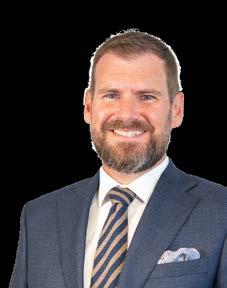
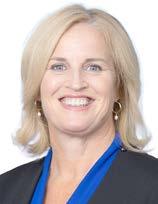
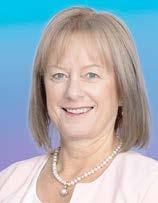
Louise Upston and Barbara Kuriger want to serve another term as MPs in a National led government.
Taupō MP Upston – one of the busiest members in the house with five portfolios –told The News this week she is standing.
The 54-year-old, who married long term partner Hamish Craig last month in Cambridge, has been an MP since 2008 and is into her sixth term.
She was returned in 2023 with almost 25,000 of the 43,500 votes cast for six candidates.
Kuriger, MP for TaranakiKing Country, also confirmed she intends to seek re-election for a fifth term.
Speaking ahead of the party’s caucus meeting in Christchurch this week, Kuriger dismissed speculation about her future, saying she remains committed to serving her
constituents.
“My selection’s not yet confirmed, but I’m planning on staying around.”
Kuriger, 65, who entered Parliament in 2014, holds one of the largest electorates in the country - a sprawling rural seat that includes Raglan to the north and will soon expand south to include Taumarunui.
It covers three regional councils and seven district councils. At the 2023 election she secured 24,760 votes to beat Labour’s Angela Roberts by 14,000. Since then, she has been deputy speaker of the House, a job she relishes.
She acknowledges the challenges of covering such a vast area.
“Yes, it’s big and you can’t be everywhere every day, but I love it. I wouldn’t swap it for some tiny little place, that’s for sure.”
Kuriger, who collected her gold card last year, is upbeat about continuing in politics suggesting that 65 is the new
45.
“When we were growing up, men retired at 60 and many passed away soon after. Life just isn’t like that anymore - there’s so much you can do at 65.”
Kuriger also reflected on her enjoyment of parliamentary duties, particularly her role as assistant speaker.
“I love it. I haven’t had to chuck anyone out yet because I build respect. If I have to tell someone off, it’s because I’m operating from the rule book, not because I don’t like people.”
While the formal selection process is still underway, Kuriger says she has not been approached by anyone intending to challenge her for the seat.
“Last time we had an inkling there was a contest, but at the moment I’m not aware of anything specific.”
Because of the size of the electorate, Kuriger spends considerable time on the road, often splitting her time

between her Taranaki farm and a base in Te Awamutu.
“Seventy per cent of the people I represent are within an hour of Te Awamutu,” she says. “It makes the job achievable.”
Kuriger’s commitment comes as Prime Minister Christopher Luxon prepares to announce the election date later this week, amid speculation that several long-serving MPs may retire.
For now, Kuriger says she is “pretty keen to stay around” and continue representing her rural community.
In the coming weeks she and husband Louis intend travelling to the south of the electorate - heading down the Whanganui River to the Bridge to Nowhere and Blue Duck Station on the banks of the Whanganui and Retaruke rivers.
“Every year we tend to do a great walk somewhere and this year we’ve decided the walk will be this epic tour of the Whanganui River.”
“I love the electorate, and I’m up for it to give it another go.”
Your funeral plans in the hands of people you trust.
Grinter’s Funeral Home is locally owned, long-established, and committed to the highest professional standards.
If you want the assurance that your arrangements will be honoured with dignity and care, our experienced team is here to help. Pre-planned funeral arrangements can be transferred to us easilywe’ll take care of everything, and honour your loved ones wishes.
Grinter’s Funeral Home
a name Cambridge has trusted for decades.
Karāpiro Waka Ama chairperson Lee Ann Muntz. Photo: Chris Gardner
Barbara Kuriger
Louise Upston
– EXCEPTIONAL BUILD PROMISES CUSTOM-DESIGN LIVING AND WORKSPACES




A bespoke development combining commercial ground floor space with quality upstairs living sets a new standard for Cambridge. When completed in September this year, ‘The Colliery’ will introduce a new European-style fusion of lifestyle and function, one that is ideal for those seeking flexibility without compromise.
The purpose-built live/work development is the most recent in a series of considered spaces designed and delivered by Progressive Property.
The company, owned by Cambridge brothers Yann and Mario Wernli, has already won accolades for its chic, lock up and leave townhouses at various locations around town. Bringing The Colliery on stream marks another move forward as Progressive seeks to add a commercial element to its established portfolio.
The project is being built in Gilles Street, Carter’s Flat, with a 2000sqm footprint.
The space will incorporate five live/ work units offering 80m2 of high-spec apartments upstairs and 80m2 of garage or flexible office space downstairs along one side of the building, with four additional and slightly larger commercial spaces along the other side.
LIVE/WORK CONFIGURATION:
Each of the upstairs apartments on the combined live/work side of the building will have two bedrooms and two bathrooms. The open-plan living and lounge areas will be enhanced by a large outdoor deck with glass balustrade, a walk-in wardrobe and ensuite, ducted heating, stone kitchen benchtop, and keyless entry. With a elevated stud of 2.7m, the apartments will be spacious and light, offering a New York loft-feel for discerning homeowners wanting the practicality of living and working out of one chic footprint.
The downstairs garage or office
space has been designed with a 4m internal stud, a negative ply ceiling, a kitchenette, separate WC, polished concrete floors and high-end LED recessed lighting. It is fronted with a 5.5m automatic sectional hangarstyle custom garage door. Separate entrances to the apartments add further flexibility, giving owners of the live/work units the option of renting out either the commercial or living floors without having shared entry.
COMMERCIAL CONFIGURATION:
The four purpose-built commercial areas on the other side of the building each provide a more spacious 135m2 of office and storage space, with an airy 6m stud and 4.5m roller door, an office area, functional mezzanine floor and stainless-steel kitchenette. The message being sent here is that core commercial areas can also look good, whilst being a practical workspace … it’s a dynamic space, easy to customise to particular needs.
“This is a purpose-built development,” says Progressive Property. “Real commercial space on the ground floor with high-quality living upstairs. The commercial area is genuinely commercial … it has proper stud heights, access, acoustics and durability. The commercial use was designed first.”
This is a transformative style of living, one that reflects the changing norms of today’s workforce. More people than ever are running businesses or working flexibly. Rather than take on the burden
HOME GROWN EXPERTISE

Progressive Property owners Yann and Mario Wernli have an insightful understanding of Cambridge’s needs that can come only from being wholly local.
of living at one address and commuting for work, they are looking for one welldesigned live/workspace.
The Colliery is aimed at small business owners, creatives, consultants, tradespeople and downsizers who still want business space. Investors point out its future-proofing benefit alongside its flexibility.
The design mix makes sense from a practical standpoint, and the dualpurpose spaces are a better option financially; it is simply more cost-effective to have one address than hold separate commercial and residential properties.
Progressive elected to build The Colliery in Gillies Street, Carter’s Flat. When a council re-zoning decision saw some of the bigger industrial businesses move to Hautapu, the Wernli brothers felt the time was right to introduce a new model to the area undergoing revitalisation. The building’s heritage red brick and black finish will see it stand out in its light industrial surroundings. They say it responds to the way people live and work today. The live/work blend is known to result in fewer car movements and quieter activity than in a large-scale commercial environment. It attracts vibrancy and diversity in terms of business, making the area an attractive option for entrepreneurs.
The Wernli brothers say The Colliery offers the kind of space they themselves like to live and work in … it’s practical, well thought-out, genuinely useful and visually appealing.
“This isn’t just a trend … it is built to last.”
They are both former Cambridge High School students who have made this town the place they want to live and work into the future. Driven by his success as the founder and director of Cambridge Drainage and Earthworks, Yann Wernli started Progressive Property in 2015. He was later joined by his brother Mario, who after a successful career in sales and marketing grew the business into what it is today. Together they have delivered a range of high-end properties across Cambridge and its surrounding areas.
A mix of style, affordability and location has been key throughout and some of their most successful developments have been with townhouses. They delivered the Monte Rosa townhouses on the corner of Taylor and Vogel streets, then completed 21 townhouses and four standalone homes making up the Sardona on Swayne Rd development. Their most recent project has been a completed 10-townhouse development in Thompson Street. All are bespoke homes that have attracted a crosssection of buyers, from young families to singles, downsizing retirees to businessfolk working from home.
The location of each was carefully chosen to ensure the homes were close to essential amenities and would stand the test of time. As a local, familyowned and operated business, the Wernli brothers know what Cambridge wants and needs, and make a point of employing local expertise to deliver it.
• More information on Progressive Property is from 07-827 0740, or via the website at progressiveproperty.nz

An illustration of The Colliery, showing it from the front with its five bespoke apartments in the live/work configuration.
The Colliery from the rear side, reveals four larger commercial spaces.
An impression of the live/work apartment’s main interior. It can be finished in a multitude of cabinetry tones
An artist’s impression defines one of the live/ work layouts.
Progressive Property’s Yann and Mario Wernli.
Wetlands day
A free event at Lake Rotopiko just south of Ōhaupō on February 1 will mark World Wetlands Day and celebrate work done over the past few years at Rotopiko’s wetland forest and lake. World Wetlands Day is held annually to raise awareness about the importance of wetlands. This year’s theme is ‘Wetlands and traditional knowledge: Celebrating cultural heritage’, and visitors will hear Ōtorohanga’s Ringi Morgan-Fifield talk about the medicinal plants – Rongoā - found within wetlands.
This will be the seventh such collaborative event organised by groups including the National Wetlands Trust, district and regional councils, Landcare Trust, the Department of Conservation and Te Awamutu Rotary.
Property values
Waikato has been the standout property price rise performer among the major centres over the past decade.
Realestate.co.nz figures show prices rose an average 95.9 per cent to almost $800,000. The national average asking price increased by 55.1% to $863,747 and the Central North Island recorded the third highest increase overall of 119.2% to an average to $764,000.

Gabby leaves the house
By Viv Posselt
By the time this goes to print,
Gabby Byrne will have left her job as Cambridge Community House (CCH) general manager and started a new one in Hamilton.
CCH Trust chair Carolyn Casey said they were ‘very sad to see her go’.
“Gabby has been an outstanding GM. She has a caring, compassionate, inclusive leadership style which is appreciated and valued by both the staff and the community at large.”
The now former GM spent her final day last Friday sharing goodbyes with the team she described as crucial in helping her do the job over the past four years.
“I have great respect for them all… the team here at CCH, the board of trustees, and our bedrock of volunteers. I’ve loved being here, and shoot, I’ve learned a lot,” she said. “This is a complex, multilayered job, but it is so rewarding. It’s also presented me with some of the most intense work I’ve experienced by far.”
Gabby started her new job in recovery co-ordination at ACC in Hamilton on Monday. She said it allows her to step away from leadership for a while, ‘downsize’ her role and see what opportunities might arise. Home will still be Cambridge.
excited about that.”
When Gabby became manager in early 2022, she brought a raft of Kiwi experience with her, and a whole lot more from the UK where she worked for the National Autistic Society and was a trainer in the aged care sector. Both jobs benefitted from her psychology degree and postgraduate qualifications in human nutrition and special education.
Once back in her native New Zealand, she clocked up further management experience working in Sport Waikato and in Waikato Public Health before joining CCH when previous manager Harriet Dixon left. Almost immediately she appreciated how much faster decisions could be made in a standalone charitable trust than in the multi-layered, central government environment.
“Harriet did a fantastic job. Covid came under her watch, and she still managed to get our big extension completed. I came in immediately post-Covid, when the economic downturn really hit.”
surrounding rural areas, and Gabby has watched the workload grow along with the population. There have been increased social problems linked to job and housing insecurity, and more seniors than ever are seeking assistance.


“I’m simply at a different stage of my life. We’re expecting our first grandchild in June… I’m very

Gabby also tackled some hefty building alterations. She oversaw the reallocation of internal spaces, including the switch-out of a food cupboard to make room for the accountant. She got the new fourroomed whānau whare built in 2024 to add capacity, she had the main Te Whare Atawhai space renovated and re-roofed, renovated the corrections offices, covered the walkway, and early on covered in the rear deck to make space for a staff room.
She described the significant increase in drug and alcohol counselling as being a game-changer and said low wages and high rentals continued to impact people across the board.
CCH reaches into the town’s
Hailing the work done by the Waipā District Council in the
pensioner housing space, she said it had done more for seniors than most councils around the country. Extracting funds from central government was an ongoing challenge linked to the job and she expressed gratitude to the wider Cambridge community, many of whom supported the frequent fundraising activities she organised. “I feel really honoured to have been here,” Gabby said. “It’s made me learn that you can’t really achieve anything on your own … you need a good team behind you.”







































































































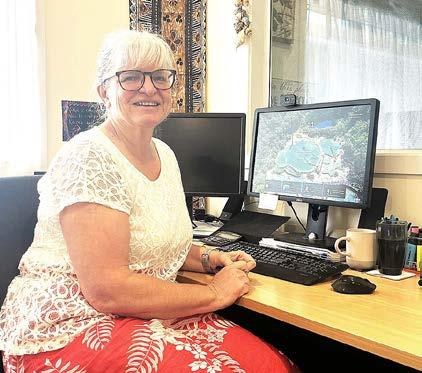
Gabby Byrne at her desk during her last few days as Cambridge Community House manager.
Photo: Viv Posselt







Ingredients of disaster
By Janine Krippner
We hopefully all know by now that we live on a very active planet. According to the United States Geological Survey, records suggest that we can expect around 16 major earthquakes in any given year - roughly 15 earthquakes within the magnitude 7 range and one magnitude 8.0 or greater. In 2010 there were 23 earthquakes of M7.0 or greater. One of those devastated Haiti on January 12.
Just reporting a magnitude is only part of the story; depth of the rupture is important as that strongly influences intensity felt at the surface. Is it just 13 km below the surface like the Haiti earthquake? Or 107 km depth like the one I felt in Wellington a couple of weeks ago.
Then there is location: how close is it to population centres and critical infrastructure? The fault that ruptured in 2010 was close to Port-au-Prince, Haiti’s capital.
Next, are those population centres prepared with funding and efforts put into earthquake safe housing and infrastructure? Or are they already in a vulnerable situation? Unfortunately, Haiti was, and still is, the latter category and the consequences were catastrophic. The numbers vary but all are staggering, with estimates of around 316,000 dead or missing, 300,0001 injured, and over 1.3 million homeless. One of the most destructive modern earthquakes, globally.
Housing loss was immense, with an estimated 300,000-plus homes collapsed or critically damaged. Roads and other lifelines were impacted, making response more difficult.
The buildings themselves can put a population at greater risk. Prior to the event there was a lack of seismic building codes and building materials, consisting largely of poorquality, reinforced but lower strength concrete
(compared to the USA for example), that does not flex during earthquake shaking.

Work done to prepare for an event itself, and for the aftermath, is critical, but they do not create immediate or flashy results. This may make it seem less of a pressing issue. Haiti is a heartbreaking example of how disaster risk is shaped not only by geology, but also by vulnerability and capacity, and why preparedness cannot be allowed to fade into the background. When it does, the result can be utterly devastating.
Geologically, Haiti sits on the boundary region between the Caribbean plate and the North American plate, and the 2010 earthquake was caused by shallow strikeslip faulting where two sides of a fault move sideways past each other.
Their vulnerability is also shaped by a traumatic history of slavery and harmful financial reparations for their freedom, which still very much ripple into their current struggles. Our histories and current social makeup influence how we can respond, and therefore, how we come out the other end.
When I hear of a large magnitude earthquake hitting the news, these are all the thoughts that go through my head. How deep? How close to people and infrastructure? And how prepared are those communities? The faulting style (e.g., strike-slip or subduction zone earthquake) whether it occurs on land vs under the ocean (tsunami risk) are some of the other aspects that influence impacts.
A simple earthquake magnitude is a great headline grabber, but it only tells a fraction of a story.


Corolla Cross
FENZ seeks river solution
By Chris Gardner
Fire and Emergency New Zealand wants to find a solution as to who could own the capability for Waikato River rescues after volunteer firefighters were banned from operating rescue boats and jet skis.
The ban was implemented in May after Maritime New Zealand said the Huntly and Ngāruawāhia fire stations were operating maritime rescue craft outside of maritime rules.
In Cambridge Fire Station officer Richie Gerrand had been working for some time on purchasing a couple of rescue jet skis for Cambridge because the brigade had no equipment to use in a river
rescue”.
Waipā mayor Mike Pettit and his Hamilton and Waikato colleagues Tim Macindoe and Aksel Bech asked the service for a rethink.
“By Fenz standing down these two well equipped, trained and certified brigades with proven incident-free track records, Fenz is in our view putting lives at risk,” they said in a letter sent in December.
Fenz chief executive Kerry Gregory has suggested Waikato councils apply for a maritime transport operator certificate.
Fenz deputy chief executive Megan Stiffler said three volunteer brigades, included Okere Falls in the Bay of Plenty, had independently acquired motorised

watercraft.
“I understand and acknowledge their wish to deploy their own watercraft to serve their communities in an emergency,” Stiffler said.
“Fire and Emergency New Zealand wants everyone to be safe on the Waikato River’s waterways, but we cannot support our brigades operating their motorised watercraft because we don’t as an organisation have the capacity or capability to support motorised watercraft being deployed safely,” she said.
“Such incidents need to be responded to by the most appropriate agency.
“Police, Surf Lifesaving NZ, and Maritime NZ are the lead agencies and organisations for operation and oversight of this activity.
“We are continuing to work with the relevant organisations including local councils to find a solution as to who could own the capability for Waikato River rescues and ensure it is delivered safely, legally and effectively in an emergency,” Stiffler said.
The News sought comment from Waikato police, asking whether police had been involved in discussions about councils potentially taking on maritime rescue responsibilities and whether they supported councils obtaining Maritime Transport Operator Certificates.
The News sought comment from
police – asking how many rescue boats police they in the Waikato region and whether they could meet demand during the peak summer period.
We also wanted to know how many water related incidents police had responded to since Fenz implemented its ban.
Waikato operations and support district manager Neil Faulkner responded that if police are the lead in a rescue situation, “we will make use of any and all resources available to us, depending on the location of the incident and what it involves – and deploy whatever assets are required”.
“This can include Coastguard, the Police Maritime Unit, Fire and Emergency NZ, WRC, SLSNZ, rescue helicopters, or other craft or resources from a range of agencies or individuals.
He said the Waikato Regional Council’s Harbour Master already
has capability to assist in incidents where required.”
Surf Lifesaving NZ search and rescue manager Matt Cairns said his organisation worked closely with police, the Rescue Coordination Centre New Zealand, and other partners as part of the national search and rescue system.
“We’re open to constructive conversations with our partners about how we might support community needs, but any involvement must be carefully considered to ensure it can be delivered safely and sustainably,” he said.
“We wouldn’t want to comment on specific locations until we’ve had the right conversations with our partners and properly worked through the facts, and our priority remains maintaining the services we currently provide to communities both between and beyond the flags.”

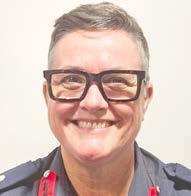
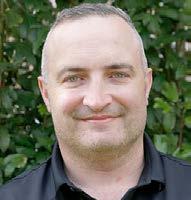
Megan Stifler Matt Cairns
Waikato fire brigades have been taking on responsibility for river rescues – but have now been told not to.
Should three be four?
By Peter Carr
The mad period has begun.
Those who attempt to exert their influence over our lives are now starting to scramble madly to adjust, alter, deviate or just cancel a number of major projects less their effect affects the outcome of what is to come.
And, no doubt, trumpet new worldshattering theories to smooth the way ahead for the Big Event.
So, what is the event to which I refer? It is, no less, the upcoming national election, the date for which will, any minute now, be formally announced for some time in October or November.
The media will then rush into a lolly scramble of opinions, projections, (mainly) left-leaning criticism and prognostications as to the possible – and even probable –outcome.
We are to be showered for about nine months with meaningless chatter, thinly disguised opinions, attention seeking political wannabees and senseless responses from all quarters.
So, the question to be asked is – why do we have to suffer this mindless babble every three years?
Why do we persist in electing a government – of any colour – which cannot govern effectively over such a short period?
Simply put, a triennium permits only a single year for an elected government to be provide effective governance.
Year One – be seen (if not even doing it) to provide solutions to sometimes wild and impossible pre-election lolly-scrambling promises.
Year Two – actually do the stuff for which national politicians are elected in the first place.





Year Three – prostrate their bodies before the populace in undoing some of their plans to provide vote-grabbing sweeteners for the spring hustings.
We share three-year national government processes with Australia, Mexico, Nauru and the Philippines.
So why are the (far) greater majority of nations enmeshed in longer terms? And do they enjoy more balanced democratic processes and more meaningful governance as a result?
Well, all is not lost. During the first quarter of 2025 a bill was introduced to the New Zealand House of Representatives proposing a four-year term.
This went through hearings of the Justice Committee, receiving 515 submissions and now sits awaiting the late summer reawakening of our parliamentary heroes to go through a Second Reading. It has a firm recommendation that a four-year term be put through a referendum process (possibly in 2029) which could move us to a four-term government in 2032.
ACT are tinkering (surprise) with the make-up of select committee balances but generally there is multi-party support for the longer term. Associated – or not necessarily linked with this - is a suggestion that local bodies align also with a four-year existence although only 17 (out of about 72) showed any interest.
So, the key question is – do we – trust our current breed of national politicians? And further – should we at the same time, take a hard look at MMP and review its being also? Watch this space.
Fact or fiction?
By Murray Smith, Bridges Church
It used to be fun ‘sharing’ images or clips of people accomplishing amazing exploits, humorous activities going ‘pear-shaped’, or cute animals performing crazy antics.
Now I’m cautious because getting (lovingly) mocked by my kids for being gullible wasn’t cool. An adult daughter smiling patronisingly at me, piteously saying, “Oh Dad... that’s just AI,” eroded my confidence to share lest I appear naïve. The line between what’s real and what’s fake has become very blurred. And that’s increasingly a problem for the age we live in.
The growing inability to distinguish between what’s true and what isn’t on our phone and computer screens ought to concern us. This applies to content be it commentaries, documentaries, news feeds or countless visuals purporting to tell stories that never happened. Multiple examples exist, but easily dismissed was the AI image showing President Trump with Israeli PM Benjamin Netanyahu wearing board-shorts, reclining shirtless, in deckchairs on the Gaza coast, sharing drinks.
Some argue, does it matter? Risking losing our capacity to establish the truth of what is unfolding around us is what’s at stake. Soon, we may give up trying and just accept the loudest most convincing and compelling ‘voice’ without testing it.
Disenchantment with traditional journalism is driving many to social media for their ‘world news’ increasing the risk of imbibing non-factual material from the AI pool.
Our planet is convulsing under turmoil and brokenness. Like a slow motion train-wreck unfolding before our eyes, evil escalates, society’s wrestle under corrupt controlling regimes, smothering compliance



threatens freedom, global economic and political tensions increase while wars, violence, cruelty, injustice and unmitigated upheaval runs rampant.

Can we consider anything absolutely trustworthy and true in this conflicted world? What foundation stands solid, as an enduring, unchanging reliable constant that we can confidently base our life on? To our needy generation, Jesus Christ’s words carry piercing relevance.
He claims to be the rock - the king whose kingdom eternally eclipses all others. His words will never pass away, bringing comfort and assurance to countless millions - even in the face of death, they provide perfect peace and perspective.
Jesus described two types of people - a man, hearing and obeying His words was likened to someone building a house on rock. Another man, wise in his own eyes, disregarded Jesus’ words, building on sand. (Life’s) terrible storm beat against both houses - a swelling torrent obliterated the house on sand. The house built on rock stood immovable.
C.S. Lewis, knowing well the line between fact and fiction, wrote… “You must make your choice. Either this man was, and is, the Son of God, or else a madman or something worse. You can shut him up for a fool, you can spit at him and kill him as a demon or you can fall at his feet and call him Lord and God, but let us not come with any patronising nonsense about his being a great human teacher. He has not left that open to us. He did not intend to.”














































Master the art of layering
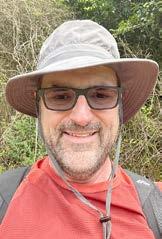
Chris Gardner, a New Zealand Outdoor Instructors’ Association Bush Leader, continues his series on how to get it right.
Wearing the right clothes on a hike or tramp could save your life, wearing the wrong clothes could end it.
Layering your clothing is essential in New Zealand where you can experience subtropical to subantarctic conditions in one day on the trail.
The hiker or tramper’s challenge is to maintain their core temperature at around 37 degrees Celsius. Dropping below 35 degrees can cause hypothermia, rising above 38.5 can cause hyperthermia. Left untreated both can cause death.
Hiking and tramping clothes should be selected based on the principles of layering. Air is trapped in both the clothes and in the layers between them. Many thin layers give the hiker and tramper better control than a few thick layers.
The base layer, mid layer and outer layer all work together to keep the hiker and tramper just right.
Look for a base layer made from a moisture wicking material designed to move moisture, whether its sweat, rain, or river water, away from your skin. A polypropylene thermal top and leggings will keep
you dryer, warmer, and less prone to hypothermia in the winter and at altitude. Sea scouts wear polypropylene underneath quick dry shirts, shorts, and personal floatation devices, because they retain the heat even when they are wet.
Merino wool tops and leggings also makes an excellent base layer, as they absorb moisture. They take longer to dry than polypropylene.
Mid-layer clothes trap warm air close to the body as they work with the base layer to regulate heat.
Examples of mid-layer clothes include a polyester fleece jacket, a synthetic insulated jacket, and a down jacket. A down jacket is particularly good on the trail as it packs down but it will lose its insulation properties if it gets soaked.
Quick dry walking shorts or pants are also essential mid-layer clothes.
Good outer layer clothing, such as a waterproof and windproof jacket and pants, will protect the hiker and tramper from a soaking. But if the rain is heavy enough, seeking shelter is a wise precaution. Some native trees in the bush make for an

excellent umbrella.
I’m with Scottish comedian Billy Connolly who said: “There’s no such thing as bad weather, just the wrong clothing, so get yourself a sexy raincoat and live a little.”
Cotton should be avoided at all costs. Chief Ambassador of World Scouting Bear Grylls popularised the saying: “Cotton kills in the hills.” It absorbs water, holds it against your skin, loses all insulation properties and chilling you rapidly. Another saying is: “Cotton is rotten and should be forgotten.”
Next Week: Essential gear to keep you safe on every adventure




Jessica collects top scout award
By Chris Gardner
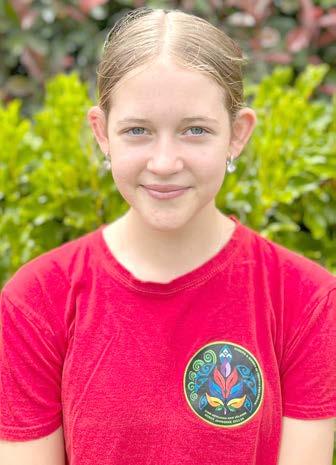
Jessica Hill became the first Cambridge Scout Group member to earn the highest award in the scout section in a decade late last year.
The 13-year-old received the Chief Scout’s Rimu Award.
Cambridge based Kirikiriroa and St Peter’s Scout Group member Tristan Wang also earned the Chief Scout’s Rimu Award alongside three other scouts from his group.
Jessica, who is about to attend Cambridge High School, completed the award after asking for support from facilitators of the annual Waikato Scouts Aotearoa Sandford Leadership Training Course, held at Epworth Retreat and Recreation Centre in 2024.
She had to progress in any of nine adventure skills such as boating, camping, emergency skills, tramping and water safety.
She also completed four Better World projects, contributing to the community in the areas of conservation, kai, and
sustainability, and 25 community engagement hours over at least six months.
Her biggest challenge was planning and carrying out a
with three other scouts supported by two Kaiarahi or adult leaders.
JOIN US FOR AN INSPIRING TRAVEL SHOWCASE!
WHERE: The Clements Hotel, Cambridge
WHEN: Tuesday, 3rd February 2026 | 3:00 pm – 7:00 pm
RSVP: IS ESSENTIAL by 31st January 2026 to secure your spot
30-Minute Presentations
Be inspired – come to one or stay for them all!
AGENDA: 3:30 pm – Intrepid Tours with Leah Johnson
4:15 pm – Ponant with Alan Wilcock
5:00 pm – APT Travel with Vaughan Kitchener
5:45 pm – Journey Beyond with Thomas Gentz
Enjoy nibbles, beverages & a chat with our Travel Advisors between presentations. Discover incredible destinations, unique experiences, and expert insights to plan your next adventure!


Chris Gardner
three-day journey, choosing to tramp through Whirinaki Te Pua-a-Tāne Conservation Park
Jessica Hill
Alys Antiques & Fine Art

Letters…
From Tom Roa...
Marketplace scam
By Chris Gardner


E te hoa e Roy. I send you this more than just as a letter to the editor but as a thank you for the article ‘Treasuring Tom Roa’ mostly in its tone. You caught in our interview what my wife Robyn describes as the real me! It was clear to her and our children with whom she shared the article that our interview was more than an interview for a newspaper but an intimate chat between friends. You caught a depth that was only glimpsed in national television and radio, and newspapers which serve a larger population base. Profoundly exemplifying the intimacy of your/ our newspaper in the smaller rural audience where neighbours are so much more than people who just share a space. Thank you, my friend. I also want to thank, through this publication, those who dropped in to see us at home, who phoned me or someone in the family, dropped a text or an email, stopped me or my wife in the street, with real joy such that I enjoyed more their joy than anything else to do with this honour!
A Cambridge man who sold an iPhone on the online Marketplace discovered the buyer has cancelled the $1450 payment he agreed to make.
“I verified the bank account name, account number, and the amount, but I didn’t realise it was a scheduled payment until he was gone,” Dawei Wang said.
It is understood police caught the buyer, who was using a fake profile, doing the same thing in Auckland and a 21-year-old man is now before the courts.
Wang, who has not received his phone or payment for it, will now insist on cash, or a verified bank transfer, before he hands over any future goods to buyers.
authenticity. It also recommends the use of secure payment methods, such as PayPal, and a meeting in a public location so goods can be inspected before the exchange. Victims of scams are encouraged to document the incident, report it to Facebook and the police and contact the appropriate bank.
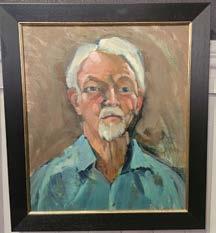
CharlesRose,NZ,1921-2017. Portraitofaman,Orginaloilpainting, Conservationframed,Provenance:collection CharlesRoseandPeterBrown.
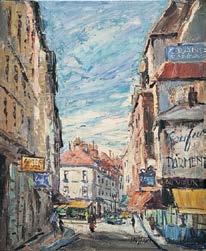
Jules Duffart, French, 1924- French Town View, Oil on Board, Signed
Chest of Drawers, Mahogany, Finely moulded Ogee Feet, 104cm high, 119 wide, 52 deep, End 18th, early 19th C, good condition.
87A Victoria St, Cambridge P: 07 827 6074 Mob: 021 65 19 49 W: www.alysantiques.co.nz

Tūturu tēnei hõnore hakē I te mea he whakanui noa I ahau … ehara taku toa I te toa takitahi, he toa takimano - this honour is not solely a celebration of me. My strength is not of me as an individual, but that of the collective.
May I wish for all our readership the very best for 2026.
Tom Roa Horotiu
Netsafe, New Zealand’s online safety organisation, advises Marketplace users to take extra steps to protect themselves when buying or selling online.
It says sellers and buyers should verify each other’s identities by reviewing profiles and conducting online checks to confirm












Dawei Wang



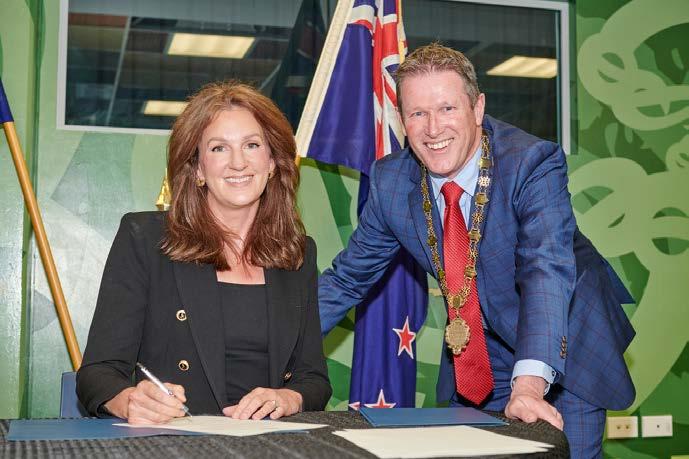
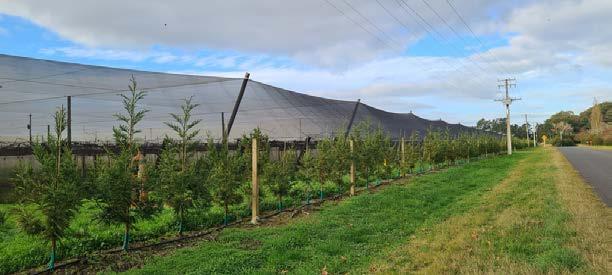
Waipā District Council is proposing new rules for shelterbelts and crop protection structures in rural areas
Proposed Plan Change 25 is now open for submissions
The proposed changes cover where structures can be located, how shelterbelts should be planted and maintained, setbacks from boundaries and utilities, and limits on the size, height, and colour of crop structures
If you live in, or next to, a rural area, these changes could affect you!
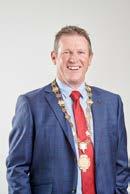
Familiar face, new role: Jo Davies-Colley’s new chapter
From community board chair to Deputy Mayorit ’s been a big few months for Cambridge local Jo Davies-Colley, and she’s loving it
Since being elected to Waipā District Council and then appointed Deputy Mayor in October, Jo says the role has been busy but incredibly rewarding “I’ve really enjoyed meeting more of the amazing organisations and community groups across the district, as well as getting to know my fellow councillors during our induction ”
Jo spent six years on the Cambridge Community Board between 2019 and 2025, with the last three years as chair She says that experience, along with strong local and council connections, has been very valuable and has reinforced her belief that strong working relationships and respectful partnerships are the foundation of good decisionmaking and effective teamwork
Before entering local government, Jo was a stayat-home mum to her three children, and previously worked as a hospital midwife, primarily in high-risk antenatal wards


Jo says her motivation for entering local body politics came from a strong desire to give back to the town she loves “Cambridge is such a special place, and I wanted to play a part in shaping its future To now have the opportunity to serve the wider Waipā community is a real privilegewe’re incredibly fortunate to live here ”
Looking ahead, Jo is excited to see longer-term projects start to take shape, including Cambridge Connections and the district ’s Long-Term Plan budget “Continuing to support Mayor Mike is my main priority, while also spending time getting to know the many community groups that make Waipā such a great place to live ”
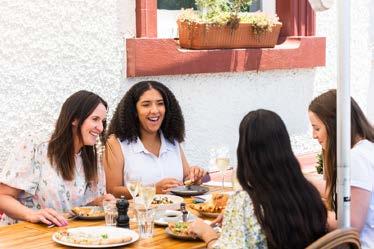
Outside of Council, Jo enjoys early morning walks around town with the family dog Nimmy, watching her children play sport, picking up treats from the Saturday Farmers’ Market, and cycling into town to catch up with friends at the Tivoli or one of Cambridge’s great restaurants
“I feel very lucky to call Waipā home It ’s a wonderful place to live, and I’m honoured to be part of the team helping shape its future ”




Auckland Anniversary (Monday, January 26) and Waitangi Day (Friday, February 6) public holidays are right around the corner The good news is that your recycling will still be picked up as usual!
Just make sure to have your bins out by 7am on your recycling day
Remember, we don't collect rubbish so please check with your service provider to confirm their collections on public holidays
Big thanks to our awesome staff who will be working through the long weekends to keep things running smoothly!





Mike Pettit Mayor Jo Davies-Colley Deputy Mayor Roger Gordon Aidhean Camson Pip Kempthorne Clare St Pierre Les Bennett
Shane Walsh Dean Taylor Marcus Gower Mike Montgomerie Dale-Maree Morgan Your Elected Members
Scholar offers new insight
By Chris Gardner
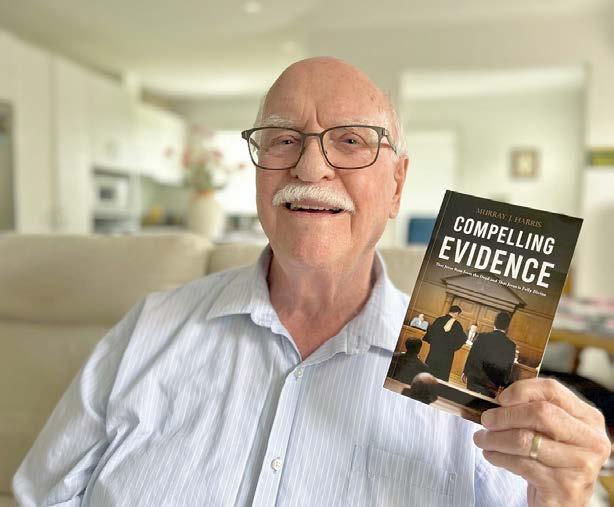
Cambridge based Murray Harris, the only Australasian scholar on the New International Version Bible translation committee, has published his 22nd book.
An expert in koine - the everyday Greek spoken between 300 BC and 300 AD - Harris helped translate Colossians and Ephesians for the NIV Bible.
His latest work, Compelling Evidence, was written at the suggestion of Jeremy Suisted, a New Zealander who graduated from Trinity Evangelical School in Illinois, where Harris worked for 19 years and now is Professor Emeritus of New Testament exegesis and theology. Suisted encouraged

Harris to make his technical research accessible to general readers.
“Murray’s magnum opus was Jesus as God (1992), but you need to know a little Greek to work your way through it,” Suisted said.
“That’s what prompted me to talk to him.”
Suisted, a former youth pastor of Raleigh Christian Centre in Cambridge and now a lecturer at Pathways Bible College in Tauranga and teaching fellow at the University of Waikato, was deeply moved when Harris dedicated the book to him.
Compelling Evidence draws on material from Harris’s earlier works, including Three Crucial Questions About Jesus (2008) and Death, Resurrection, Immortality, Eternity, and the Afterlife (2025).
“I love to look at the evidence, since my background is in the classics and history,” Harris said.
Harris began his career teaching in Auckland and later served as warden of Tyndale House - a worldleading biblical research centre - in Cambridge, England
Today, he is a member of Cambridge Baptist Church, where his new book is available to the congregation.
Although Harris describes Compelling Evidence as evangelistic, most of his writing has been pastoral or theological, with notable contributions in exegetical and apologetical genres. He believes his most enduring legacy may be his
insistence on translating the Greek word doulos as “slave” rather than “servant” - a choice explored in his 1999 book Slave of Christ.
“The disciples Paul, Peter, James, and John, all introduced themselves
as slaves of Jesus,” Harris said.
“Most English translations soften this to ‘servant,’ but there’s a subtle difference.”
However, the tide is turning with slave now being adopted in updated
versions of some bibles. Harris’s work prompted the bible translator Edgar J Goodspeed to remark, “How can it be that in 56 years of writing, I failed to see this gem?”
Couple's generosity 'hard to measure'
Te Kūiti and the wider King Country community will benefit from a newlydonated emergency ambulance gifted by Te Awamutu couple Dorothy and Graham Harker.
The vehicle was officially dedicated last week at Te Awamutu’s Highfield Country Estate, where guests included the Harker family, Hato Hone St John dignitaries and emergency
ambulance staff.
Once in service, it will become the new Te Kūiti ambulance, but it will continue to be housed at Te Awamutu’s Hato Hone St John station as it is from there that crews begin and end their shifts.
The Harkers elected to donate an ambulance as a meaningful way to give back to frontline ambulance staff who have supported them
over the years.
“Their service when called upon has been exceptional for us,” they explained. “We have had a few more needs recently due to our ageing stage in life and appreciate the emergency ambulance crews immensely. We hope this new vehicle will assist Hato Hone St John in continuing to support our community with their wonderful service.”
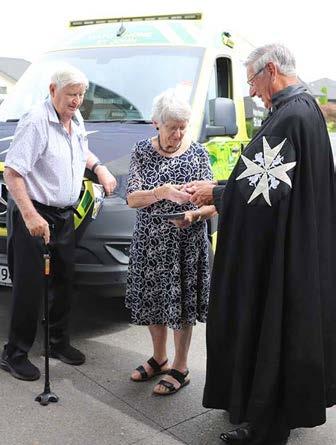
Last week’s event was opened and emcee’d by Gunner Lovich, Hato Hone St John donor relationship specialist. The Harkers handed the ambulance keys to Gary Salmon, Hato Hone St John central region trust board chairperson, who received the gift on behalf of the organisation.
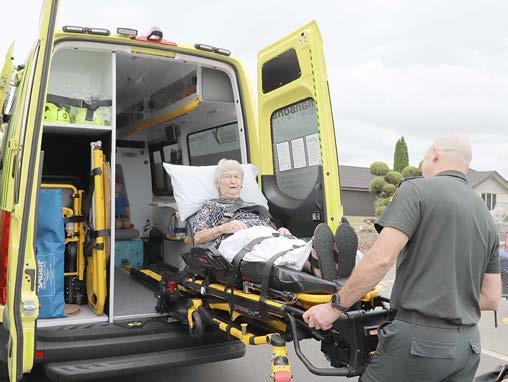
The new Generation 4 emergency ambulance is the newest model of ambulance with improved safety and driving capabilities. They are fitted with equipment that includes a power-load electric stretcher and stair carry chair to help facilitate the easier movement of patients in and out of the vehicle.
Debbie Hayward, Hato Hone St John group operations manager, said emergency ambulance vehicle donations are appreciated more than donors realise.
“It will become the new Te Kūiti ambulance, replacing an older model,” she said. “It will travel thousands of kilometres within our region. The Harkers’ donation also benefits our ambulance officers, who will continue to have access to up-to-date equipment to support the
people of Waitomo and the surrounding areas.
“Great generosity such as this is hard to measure as its impact on our communities and our people extends so far. We are incredibly grateful.”
The transporting ambulance is supported by the volunteer-led Te Kūiti First Response Unit, which has grown from two volunteers to a team of four over the past year. That number is expected to rise following a 2026 recruitment drive.
New Testament scholar Murray Harris has reworked decades of research into a 59-page book. Photo: Chris Gardner
Jeremy Suisted
Dorothy and Graham Harker hand over the ambulance keys to Hato Hone central region trust board chairman Gary Salmon.
Dorothy Harker samples the ambulance’s power-load electric stretcher.
Festival to return
By Jon Rawlinson
After five years off the menu, the Kāwhia Kai Festival is about to make a welcome return.
Known as the home of the Tainui Waka, Kāwhia will host this year’s event at Omimiti Reserve on February 7, the day after Waitangi Day. It will dish out a feast of food and entertainment while commemorating and celebrating Te Tiriti.
“There will be hāngī, seafood and other kai, schools will showcase weaving and other crafts,” festival chair Bruce Brendon said. “For a stage, we’ll be using a curtain truck – we’ll have entertainment including kapa haka as well as bands and we’re hoping to have a waka out on the water too.”
Past festivals have also featured other crafts including carving and tā-moko tattooing.
The event’s full name is the Kāwhia Moana, Kāwhia Kai, Kāwhia Tangata Festival.
After running annually from 2005, the festival received international recognition fromy Lonely Planet, Brendon said. However, in 2021 it was put on the backburner due to the Covid-19 pandemic and its fallout.
Latest Rollie Arrivals
“Covid had the biggest influence and then because of that, some of our contractors weren’t available and costs went up.”
Substantial increases in costs associated with toilet facilities, refuse collection, fuel and more detailed traffic management plans all contributed to make the event untenable.
Tree disease on four fronts


Vaccinated trees are on Waipā’s healthy list - but more cases of Dutch Elm Disease have been revealed by the district council.
James Richardson said. “Dutch Elm Disease spreads fast and there is no cure or treatment. We’re keeping a close watch on all our elm trees.”
was a 100-year-old elm in Cambridge’s Victoria Square.
Funding issues now appear to be in hand thanks to hard mahi by organisers and strong support from businesses as well as community and council grants.
The festival’s revival will be widely enjoyed, Ōtorohanga District Council’s Kāwhia-Tihiroa Ward rep Kit Jeffries said.


“The new committee has endorsed a previous decision to just have a koha as an entry fee to make it as affordable as possible for families, leaving more in their pockets to spend at the stalls and enjoy the day,” he said.

�ootloose
SINCE 1974

“We’ve had crowds of 4000–5000 people here in the past, so the benefits to the community were huge. I’m absolutely delighted that it’s going ahead again and I’m really looking forward to it.”
Cambridge
46 Duke St 07 827 0405 footloose.co.nz

Shop at Cambridge
Tiles and support a locally owned business, and your local tradespeople. Visit our new website which showcases our outstanding range of tiles as well as offering trend and design inspiration, valuable tips and advice on FAQs.

Suspected cases of the fungal disease, initially detected in the district two years ago, have been found in Cambridge, Te Awamutu, Kihikihi and Ōhaupō.
Proud supporters of KRI and Maadi rowing
The council started using a vaccine on about 250 specimen street and park elms on council land in late 2024 and it was repeated this year. The disease has not been found this season in any of those trees.
Duke St, Cambridge 07 827 0405 footloose.co.nz
46 Duke St, Cambridge. P 07 827 0405 footloose.co.nz
“The increase in cases is not unexpected,” council arborist planner





Two of the suspected cases involve trees on Waipā District Council land. One is a stand of around 20 mostly saplings near the Gaslight Theatre in Cambridge, the other is a single tree on the edge of the SH3 road reserve just north of Ōhaupō.
Wood samples are being tested to confirm infections, and the trees will be removed. There is no cure for the disease.
One victim of the disease last year
Councils use a product called Dutch Trig, a harmless fungus strain which is injected annually into trees and boosts their natural defence against Dutch Elm Disease. The cost works out to $92 a tree.
Signs of an infection in elms, include wilting, curling or yellowing leaves, and dead or dying branches.
“Our vaccination programme is helping protect trees in public spaces, but we need residents to be aware and act quickly if they see symptoms on private trees,” Richardson said.








The Kāwhia Kai Festival in its heyday

Summer days are salad days. Crunchy vegetable salads are delicious topped with lashings of good mayo, but they are healthier when sprinkled with lemon juice, verjuice or a fruit vinegar.
Salads are a great way to use up leftover roast meats, baked ham, turkey or chicken. However, you can also add protein by opening a can of beans, such as cannellini, kidney, chickpeas (also called garbanzo beans), or black beans. Or try roasted nuts, such as cashews, Brazil nuts, almonds or pine nuts. Add carbohydrate to a salad with cooked pasta such as macaroni, spirals, bow ties or orzo.
Refresh salad greens before use. Carefully wash in cold water, then shake or pat dry gently with a paper towel. Place loosely in a plastic bag. Do not pack tightly or squash. Refrigerate for at least one hour before using.
My quick-to-make favourite salads include:
• Frozen peas blanched and drained combined with diced watermelon, mint leaves and drizzled with warmed mint jelly.
• Baby potatoes boiled and tossed with olive oil, red wine vinegar, salt and pepper, then when cool, combined with mint leaves and pomegranate seeds.
• Quarters or eighths of iceberg lettuce, topped with crumbled blue cheese and drizzled with ranch dressing.
PEACH CAPRESE SALAD
(Caprese is pronounced ‘Ka-pray-zay’) To prevent the peaches and avocado from discolouring, place them in a bowl, then add 1/2 cup of water and 1/4 teaspoon of vitamin C powder. Or add 2 tablespoons of lemon juice to the water. Drain before serving.
Dressing: 1/4 cup extra virgin olive oil
2 cloves garlic, crushed pinch sugar
2 tablespoons lemon juice
Salad: 3 ripe peaches, stoned, peeled and sliced
1 avocado, peeled, stoned and sliced
1 large ball (about 100g) fresh mozzarella, thinly sliced
6 cherry tomatoes halved. freshly ground black pepper to taste

fresh basil leaves to garnish
Whisk the ingredients for the dressing in a bowl until combined and place aside.
Alternate the sliced peaches, avocado and mozzarella in a single layer on a serving plate. Top with the cherry tomatoes. Season. Garnish with basil leaves.
Just before serving drizzle with the dressing. Serves 3-4 as a light meal or starter.
ASIAN Noodle & CHICKEN Salad
This dressing makes 1 cup. Any leftover dressing is excellent with potato or pasta salad. Store in the fridge for up to 5 days.
Spicy Ginger Dressing: 6 tablespoons each: creamy peanut butter, soy sauce
3 tablespoons each: rice vinegar, water
2 large cloves garlic, chopped generous knob root ginger, peeled and chopped
1 teaspoon chilli paste
Salad: 50g Asian vermicelli noodles
300g cooked chicken, thinly sliced
2 medium carrots, coarsely grated
2 large spring onions, chopped
2 medium tomatoes, pulp removed and thinly sliced 1/2 cup coriander leaves and chopped stems
Blend the peanut butter, soy sauce, rice vinegar, water, garlic, ginger and chilli paste, until smooth. Add more water if too thick.


Soak the noodles in cold water for 10 minutes to soften. Simmer for 1-2 minutes until tender. Drain well. Separate the noodles a little. Add 2 tablespoons of the dressing and mix well. Transfer the noodles to a large bowl. Add the chicken, carrots, spring onions, tomatoes and coriander. Add about a 1/4 cup of the dressing and toss to blend. Serve the remaining dressing on the side. Serves 4.
WATERMELON SALAD WITH RANCH DRESSING
1 cup bowtie pasta
1 tablespoon olive oil
1 clove garlic, crushed
freshly ground black pepper to taste
1/2 cup Ranch Dressing
100g streaky bacon
400g watermelon
8-10 crisp lettuce leaves
Cook the pasta according to the packet instructions. Drain and wash under cold water. Drain well. Add the oil, garlic, black pepper and 1-2 tablespoons of the ranch dressing. Toss gently to combine.
Grill or microwave the bacon until crisp. Cool, then chop. Peel and seed the watermelon. Cut into medium wedges. Arrange the lettuce on a serving plate then top with the pasta, watermelon and bacon. Drizzle with the remaining dressing just before serving. Serves 4.


Peach caprese salad
Asian noodle & chicken salad
CountryLife
Breed of champions
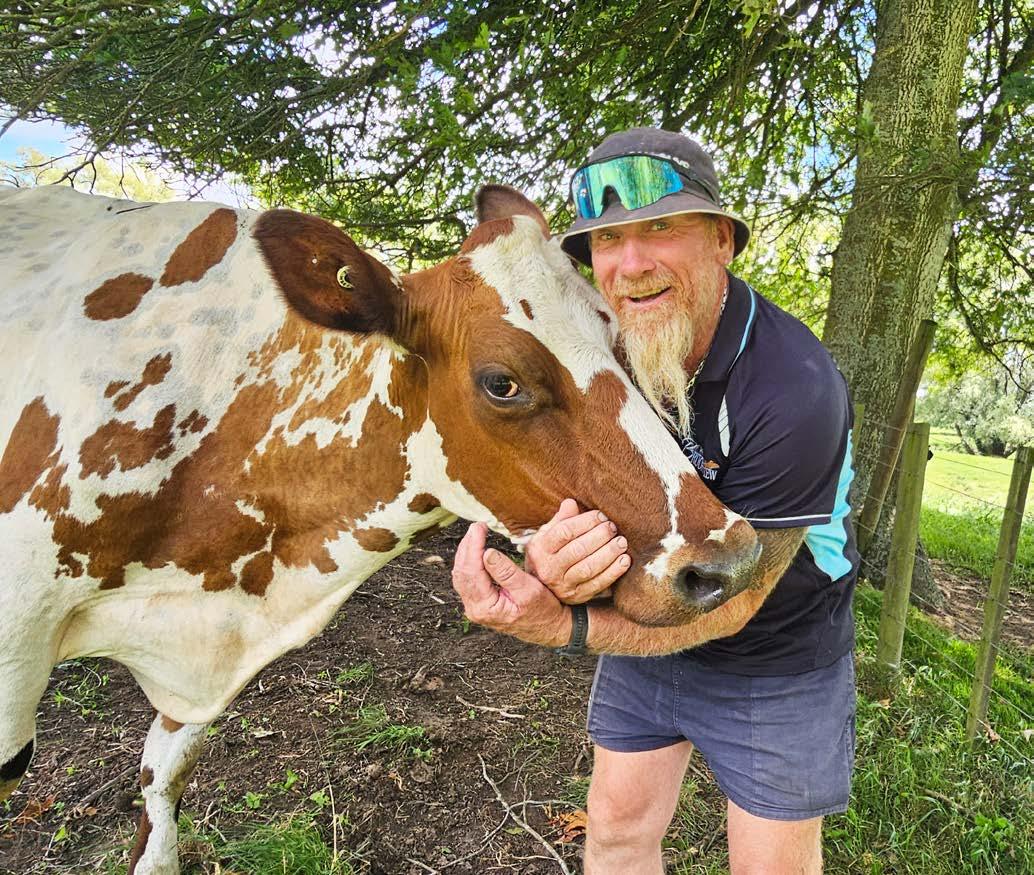



From a nine-year-old’s first cow to global leadership, Vince Steiner’s lifelong love for Ayrshires shines through every time he interacts with his herd. Senior writer Mary Anne Gill meets Steiner, pictured, and his partner Trudy Garland in Roto-o-Rangi. See pages 14 and 15.
Photo: Mary Anne Gill

The importance of recording construction and building agreements in writing
In the construction industry, it can be tempting to rely on handshakes, verbal promises, or informal agreements, especially when strong business relationships exist. However, this approach can expose parties to significant risk if disputes arise or a project does not proceed as planned. To protect all parties involved, construction and building agreements should always be clearly recorded in writing.
Written contracts provide certainty by setting out the rights and obligations of each party. They ensure that both sides have a shared understanding of essential terms, including the scope of work, project timelines, contract price, processes for handling variations, and dispute resolution.
Changes to construction projects are common, making clear procedures for variations essential. Where a contract includes a variation process, that process should be followed carefully. If no procedure exists, the parties should discuss the proposed change, agree on its scope and cost, and record the agreement in writing. Documenting variations helps avoid misunderstandings and disputes during or after the project.
The Construction Contracts Act 2002 also plays a critical role in construction agreements. This legislation governs payment processes, dispute resolution, and remedies for recovering unpaid amounts. It is especially relevant when parties do not have a written contract or when their agreement lacks key terms typically found in construction contracts.
One of the central principles of the Act is “pay now, argue later.” Contractors must ensure that payment claims are issued correctly, either in accordance with the written contract or, if none exists, in line with the Act’s requirements. Similarly, payers must respond promptly if they dispute a payment claim. This is done by issuing a payment schedule within the timeframe specified in the contract, or within 20 working days if no timeframe is stated.
Failure to provide a payment schedule can have serious consequences. If no schedule is issued, the payer may become liable for the full claimed amount, which the payee can then seek to recover through the courts.
Although contracts, documentation, and compliance with statutory requirements may seem timeconsuming, they provide crucial protection.

Clear written agreements help prevent disputes, support smoother project delivery, and ultimately safeguard the longterm interests of construction businesses.
Kristin O’Toole

An Ayrshire legacy…
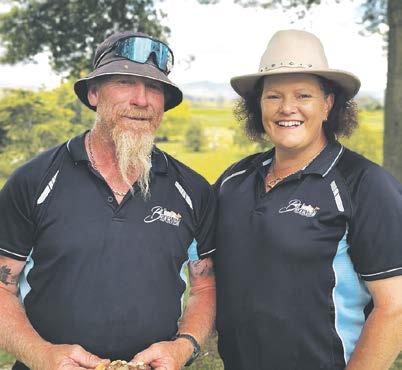
Vince Steiner’s devotion to Ayrshire cows has taken him from a childhood dream to global leadership. Senior writer Mary Anne Gill met him and his partner Trudy Garland.
At Brookview Genetics, Vince Steiner moves among his 300 Ayrshire cows with quiet familiarity, calling each by name.
As he hugs Blueprint, Vince’s passion for these red-and-white beauties is unmistakable.
For Vince, Ayrshires are more than a breed –they’re a lifelong calling, rooted in family history and rural tradition.
“Mum and Dad bought my first Ayrshire for me when I was nine years old,” he recalls, eyes bright with the memory.
That first cow, bought at Kaipawa, was the beginning of a lifelong journey - a journey that’s shaped not just Vince’s career, but his sense of community, family, and purpose.
“One of those cows had a bull calf, and Dad ran that bull with his yearling heifers the following year. All the heifer calves born that year were mine. I can actually trace some cows here right back to one of those heifers.”
That early passion grew into Brookview Genetics in Roto-o-Rangi – midway between Cambridge and Te Awamutu - where Vince and his partner Trudy Garland share milk 600 cows on 200 hectares.
Sharing and caring for the river
By Liz Stolwyk, Waipā/King Country Regional Councillor
Over the summer holidays, the health and wellbeing of the Waikato River have been a hot topic. Writing this as we are in the middle of the National Waka Ama championships, with close to 5000 children and adults on the water, the question feels immediate and unavoidable: how do we balance the needs of recreational users with the long-term health of the river that sustains us all?
The Waikato River is far more than a body of water. It is a living taonga, central to identity, culture, recreation and regional wellbeing. On any warm summer’s day, it carries rowing crews, swimmers, anglers, jet skis and families enjoying the riverbanks. Major events bring people that provide a huge economic benefit to our region as well as fostering a deep connection with the river. That connection matters - because people are more likely to protect what they value. But the river is under increasing pressure.
This summer, the fast-growing hornwort weed has been particularly exasperating. On New Year’s Day, I watched a continuous trail of weed. For recreational users, hornwort clogs propellers, fouls paddles, restricts
swimming areas and disrupts events. For the river, it is a visible sign of wider ecological imbalance.
Each year an annual hornwort spray programme is completed by mid-December. While necessary, it captures only a small portion of the problem. The programme costs over $100,000 annually and is not without controversy, particularly due to the use of the herbicide ‘diquat’. Community concerns about effectiveness and environmental impact deserve to be heard and addressed openly.
Complicating matters further is the spread of the invasive gold clam, which has now taken hold in parts of the Waikato River. These clams are extremely efficient water filterers. While that might sound positive, clearer water allows more light to penetrate the river, creating ideal growing conditions for hornwort. Many recreational users are now observing what science is confirming: the gold clam invasion is likely accelerating weed growth and changing the river system in ways we are only beginning to understand.
Hornwort and gold clams are symptoms of a stressed system rather than isolated problems. Nutrient runoff, sediment, invasive species and

warming conditions all interact, creating cumulative impacts that cannot be solved with a single tool or programme.
Balance does not mean choosing recreation over river health, or vice versa. A healthy river is the foundation for recreation. Without clean water and resilient ecosystems, there is no future for summer swimming or the simple enjoyment of being on the water.
So, what does balance look like? It starts with shared responsibility. Councils, Central Government, Iwi, Farmers, Industry, Event organisers and everyday river users all have a role. It means investing in long-term, catchment-wide solutions, supporting science-based management, and respecting our obligation to care for the river for future generations.
Seeing thousands of paddlers moving together on the Waikato River is powerful. If we can bring that same collective spirit to caring for the river, we can protect both its health and our ability to enjoy it - now and into the future.
• Liz Stolwyk is site manager at Lake Karāpiro Domain.


REGIONAL COUNCILLOR’S VIEW
Vince Steiner and partner Trudy Garland have some big decisions to make in the next few weeks but whatever they are, they will involve Ayrshires.
Continued next page
An Ayrshire legacy…
The farm hums with visitors, laughter, and the gentle lowing of cattle during the Ayrshire On Farm Challenge – a showcase of top-quality cows, a BBQ, and an international judge.
Vince is Hamilton-based Ayrshire New Zealand president leading a board of directors responsible for governing the breed and its 16 clubs nationwide. He is also the world organisation’s vice president.
Brookview has produced more excellent classified Ayrshire cows than any other breeder in New Zealand over the past five years.
For Vince, Ayrshires are more than just cows - they’re a way of life.
“Ayrshires are the best cow out,” he says.
It’s a breed with deep roots – Ayrshires originated in Scotland’s rugged County of Ayr in the 18th century, arriving in New Zealand in 1849. Vince champions their adaptability and temperament.
They are a great forager and can deal with poorer quality feed.
“People grumble about their temperament at times. I’ll challenge anybody to come here and see mine,” says Vince.
“They’ve had a bad rap – kicky, bad-tempered. But breeders have stamped that out. Today, Ayrshires rank best for milking adaptability and temperament.”
The Open Day is more than a showcase - it’s a gathering of friends, neighbours, and fellow enthusiasts. Among them is Angus Thomson, just 11 years old but already steeped in Ayrshire lore.
Angus comes from Carmel Glen Ayshires, the oldest Ayrshire stud in New Zealand, and speaks with the authority of someone twice his age about Vince’s Ayshires.
“They’re overall very well put together and they’re better than others.
“They have very good udder support and then
they’ve just got an overall very good memory system.”
Asked where he learned all this, Angus says:
“Basically, yeah, when I was born.” Just like Vince.
Sue Gibberd and Jeanette Keen reminisce about growing up together in Te Kowhai, while Sue reflects on her experience with the breed.
“Ayrshires suited our country. They are lovely to handle. They are very intelligent actually. That’s why some people don’t get on with them, I think. But we never had any trouble.”
For Peter Berresford, who’s travelled from Derbyshire to judge New Zealand Ayrshires in the paddocks, they are a breed with global reach.
“We’re registering pedigrees between four and six thousand a year in the UK, and then there’s commercial herds as well.”
Peter’s judging criteria is practical.
“I like a bigger cow than the average, but I’m looking for big, open, deep-ribbed cow with a great udder that can move. I need good legs and feet. Cows need to walk a lot in New Zealand.”
Bill Moore, Waikato livestock agent from PGG Wrightson, brings a pragmatic eye to the herd.
“A good cow is a good cow, and there’s tons of good cows in here. If you’ve got a cow that’s a little bit weak, you can put a bit of Ayrshire across, it’ll be a bit of strength.”
Bill’s admiration for Vince’s herd is clear. While the herd is not for sale – yet – Bill has his eyes on them all.
“There is such a depth of breeding and it’s a testament to Vince and his team and what they’ve done here. This is an exceptional herd that all these animals will continue to breed on. There’s style and milk in abundance here.”
But for all their strengths, Ayrshires are still a minority breed in New Zealand - less than one per cent of the national herd.

But around the world, Ayrshire milk is prized for its taste and digestibility.
“The healthiest milk for you,” Vince says.
“The actual fat globule in the milk is smaller and easier to digest.”
Studies in the 1990s suggested Ayrshire milk was the best tasting and most easily digestible, with higher butterfat and protein making it richer, creamier, and some say sweeter than standard milk.
The day’s conversations drift from genetics to market trends, from the challenges of milking to the realities of farm life and the health of the herd in the heat.
Vince is candid about the future.
“We’re not going to be on this farm next season. We’re just working through what our future looks like and one of those things that we’re looking at is the possibility of buying a little farm. And in doing that we’re going to have to sell a lot of cows.”
But Ayrshires will remain at the heart of whatever comes next. Each cow has a name, a story, a place in the Brookview family.
As the barbecues sizzle with Ayrshire beef steaks, it’s clear Ayrshires are more than just a breed – they’re a tradition, a community, a way of life.
Whatever the next chapter brings for Vince and Trudy, Ayrshires will remain at the heart of their life – each cow a name, a story, a legacy.
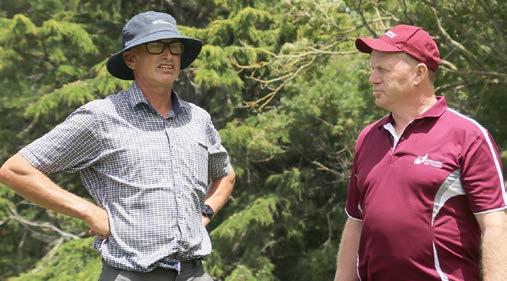
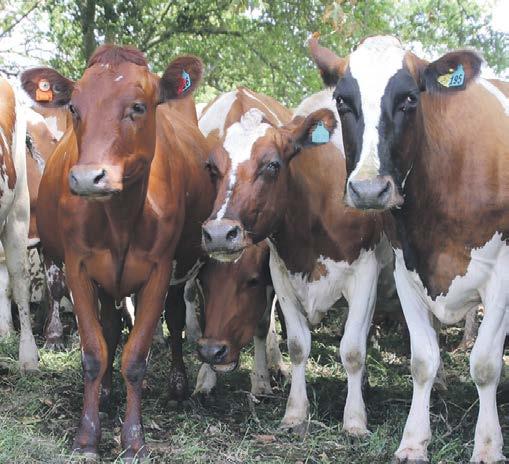
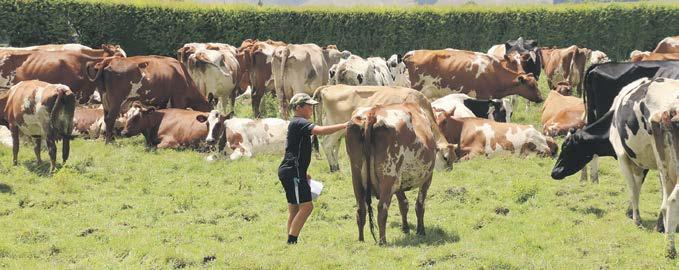
We are your trusted source for quality tractors and farm equipment.
We have got finance deals across the range — from compact machines, to the big horsepower gear that gets it done. Give us a call, or pop in for a yarn about what’s right for your setup.
Hamilton • 07 843 7237 Otorohanga • 07 873 6221 sales@waikatotractors.co.nz waikatotractors.co.nz @waikatotractors Continued from



PGG Wrightson livestock agent Bill Moore, left, with international judge Peter Berresford, discuss the herd’s merit
The curious Ayrshires up close and personal.
Photos: Mary Anne Gill
What 11-year-old Angus Thomson doesn’t know about Ayrshires, is not worth knowing. He eyes up one of Vince Steiner’s cows in the paddock.
Bond aid for Charlotte
A new crop of rural vets is set to ensure farmers have access to quality care for their animals, the government expects.
Thirty-two new vets have been assigned throughout the regions under the Voluntary Bonding Scheme for Veterinarians.
Variety is the spice of life for Cambridge’s Charlotte Dargaville.
“No two days are ever the same, one moment I might be castrating a piglet, trimming the feet of Valais Blacknose sheep, or performing a vasectomy on a bull calf, and the next I’m caring for a working dog puppy in the clinic.
“I find it very fulfilling to apply both medical and surgical skills across such a diverse range of animals.”
Based at Tīrau Veterinary Centre, Dargaville says the scheme has enabled her to begin her career in a supportive rural community while helping address a shortage of veterinarians.
Vets in the scheme receive $55,000 over five years in return for working in rural areas with a focus on production animals and working dogs. This has certainly been beneficial for Dargaville.
“The path to becoming a veterinarian involves many years of study and often significant student debt, so the scheme helps to ease some of that financial pressure in the early stages of my career.
“It’s allowed me to focus on developing my clinical skills, gaining
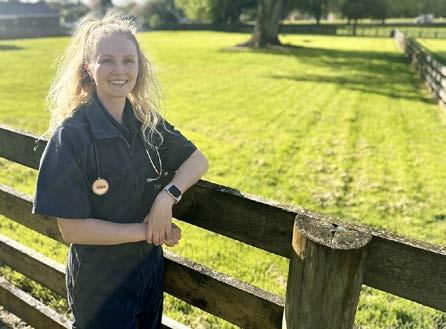
experience, and building relationships with farmers and clients, all while contributing to the health and success of our rural communities.”
Dargaville says she was fortunate to be placed close to home.
“I had always dreamt of a countryside lifestyle and working with farm animals. When my family moved to Cambridge (from Auckland) in 2014, it was the perfect opportunity to trade city life for something more rural,” she says.
“Cambridge is a wonderful place to live. I commute to Tīrau each day, which isn’t too far, and I really enjoy the drive. It’s a beautiful part of the Waikato to travel through.”
To date, 516 recipients have been placed throughout New Zealand.
Veterinarians are essential to animal health and the productivity of our primary sector, agriculture minister Todd McClay says.
“This scheme not only helps ease the rural vet shortage but also gives young professionals a strong financial start to their careers. It remains a key part of the government’s commitment to supporting rural resilience and primary sector growth.”
While the scheme benefits farmers, it also helps grow rural communities, associate minister Andrew Hoggard says.
“It ensures farmers have access to high-quality animal care, which is essential for maintaining productivity and animal welfare standards, but it also gives new vets the chance to gain diverse experience in supportive, close-knit communities.”
•
•
•
•
•
•
•
•
Driving rural change
Mike Siermans isn’t just stepping into a role – he’s stepping into a legacy. After months as interim chief executive at Federated Farmers, he’s now officially at the helm. His vision is bold: modernise, grow, and make the voice of farming louder than ever.
“Federated Farmers has always been the true voice of farming in New Zealand – I want to make that voice even stronger,” says Siermans.
Federated Farmers president Wayne Langford calls the appointment a game-changer.
“We ran a thorough search with many strong candidates, but Mike stood out,” Langford says.
“He brings a rare mix of leadership and commercial acumen that will help us deliver on our ambitious growth strategy.”
That strategy is already paying off: membership numbers are climbing for the first time in a generation, and the organisation has chalked up a string of policy wins.
Now Siermans is tasked with building on that momentum.
“Strong advocacy needs to be backed by sharp commercial nous – and Mike gets that,” says Langford.
Before joining Federated Farmers, Siermans carved out a career across fast-moving consumer goods, pharmaceuticals and technology, holding senior roles at Douglas Pharmaceuticals, Pfizer Animal Health and Taura Natural Ingredients.
He says that experience will shape his approach to leading one of New Zealand’s most influential rural organisations.
“My job is to make sure we’ve got the right strategy, team and culture to succeed for the next 125 years,” Siermans says.
“That means modernising operations, creating sustainable revenue streams and expanding products and services.
“We’ll keep employing the best advocates, communicators and policy experts – because farmers deserve results.”
Siermans lives in Tauranga with his wife and has three adult children.
As he steps into the role permanently, his focus is clear: building a future-ready organisation that continues to deliver real results for Kiwi farmers.



•
•
• Latest in electronic technology , wireless & alert systems
•
•
•
•
• Servicing the Waikato, Bay of Plenty, Taranaki & Gisborne
•
•
•
•
•
•










Charlotte Dargaville of Cambridge works at Tīrau Veterinary Centre.








St John Cambridge Health Shuttle
Across 1. Slogan (6) 5. Portable computer (6)
8. Charge (3) 9. Exploit by overcharging (3,3) 10. Changes (6) 11. Saucer-shaped object (4) 13. Merchant (8) 14. Torment (5)
Last week
Defrost (4)
Fume (6)
Go up (6)
(5) 19. Congregate (8)
A reduction (3)
Acknowledgement (6)
Become invalid (6)
Across: 1. Idiom, 4. Fabled, 7. All, 8. Slip-on, 9. Unique, 10. Poignant, 12. Leap, 13. Escape, 15. Reader, 16. Idea, 17. Prestige, 19. Grotto, 20. Eyelet, 22. Dam, 23. Adhere, 24. Yours. Down: 1. Ill-considered, 2. Imp, 3. Mania, 4. Fluster, 5. Brilliant, 6. Educated guess, 11. Guarantee, 14. Explode, 18. Enemy, 21. Emu.


CAMBRIDGE OPEN HOMES

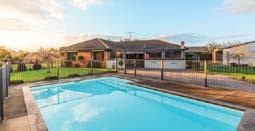

51 Grosvenor





Tauwhare 624 Scotsman Valley Road

Welcome home
Situated on one of Cambridge's most celebrated, tree-lined streets, 80 Hall Street is an elegant, near-new character home that blends timeless architectural charm with the ease of modern living, all framed by sensational, established gardens.
The heart of the home is a beautifully appointed open-plan kitchen with a central island, flowing seamlessly into the dining and living areas and out to a covered deck overlooking lush greenery and mature flower gardens. There is a separate guest suite that offers a versatile space with endless options. It has its own bathroom ideal for extended family, a home business or guests. bayleys.co.nz/2351041
Cambridge 48 Bruntwood Road
Two homes, one enduring lifestyle
Rich in character and shaped by its past, this remarkable Cambridge holding traces its origins to 1884 as the former railway ticketing office. Carefully extended and upgraded, it preserves original detail while offering comfort and flexibility. Set on 4,340sqm (more or less) of established, park-like grounds, two separate dwellings support multigenerational living, guest accommodation, or working from home, just minutes from town. The original threebedroom home of around 115sqm (more or less) showcases native timbers, high ceilings, and a classic verandah, flowing to landscaped gardens. A second dwelling of approximately 183sqm (more or less) adds generous, adaptable living. A setting of space, heritage, and evolving potential, ready for its next chapter. bayleys.co.nz/2630184
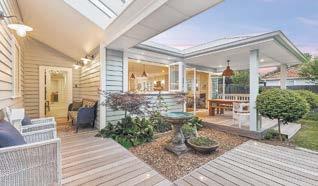

687 sqm 4 3 2
Auction (unless sold prior) 11am, Tue 10 Feb 2026
Lakewood, Unit 1, Block C, 36 Lake Street, Cambridge View by appointment Sacha Webb 021 363 387 sacha.webb@bayleys.co.nz
SUCCESS
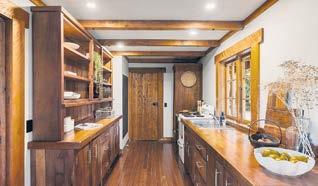
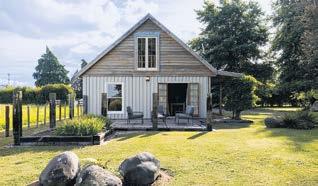
6 2 2
Tender (unless sold prior)
Closing 3pm, Tue 17 Feb 2026
96 Ulster Street, Hamilton View 1-1.45pm Mon 26 Jan & 11-11.45am Sun 1 Feb Olivia Peek 022 456 7850 olivia.peek@bayleys.co.nz SUCCESS
Cambridge 80 Hall Street



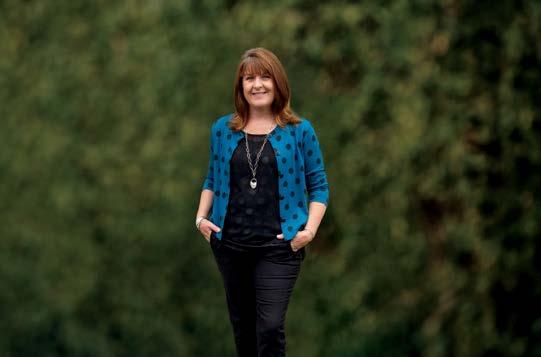
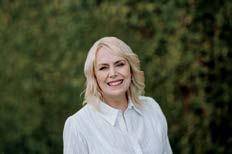
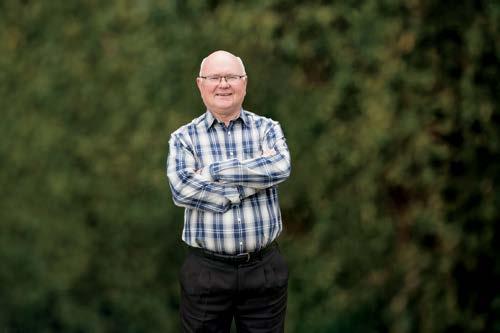
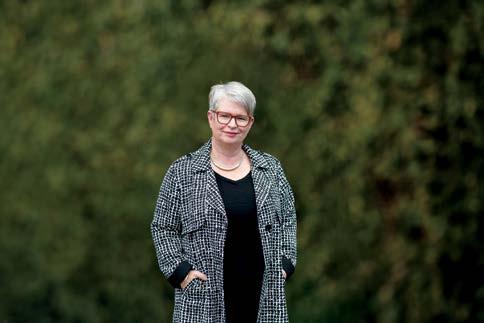


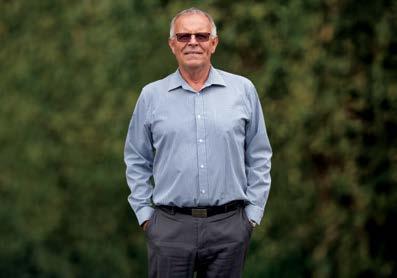



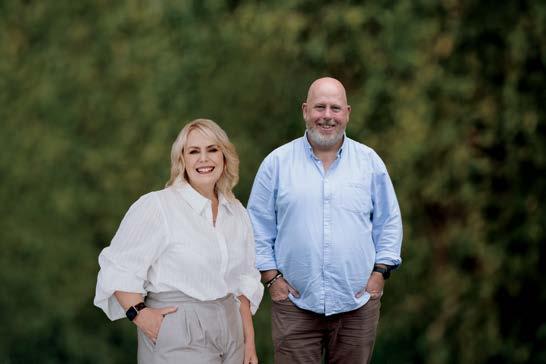

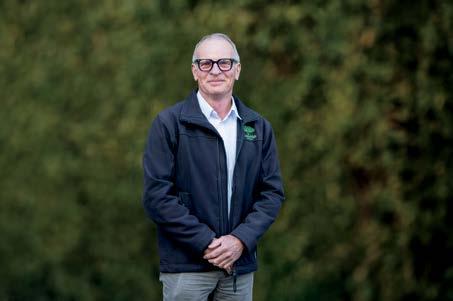




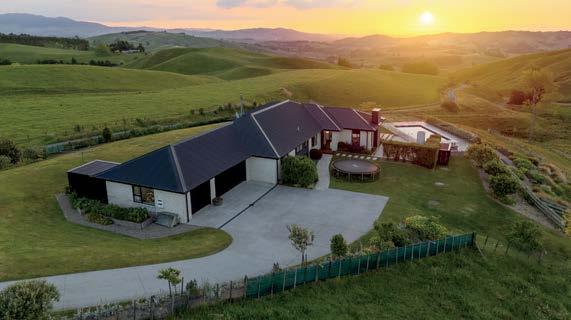
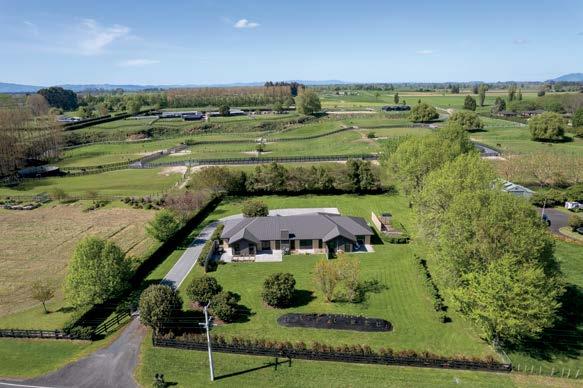
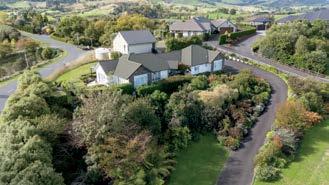

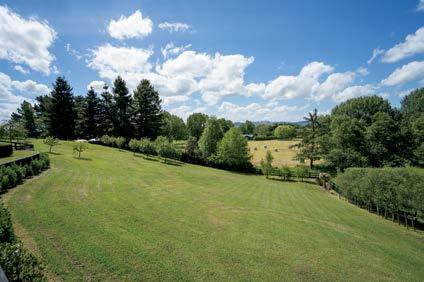

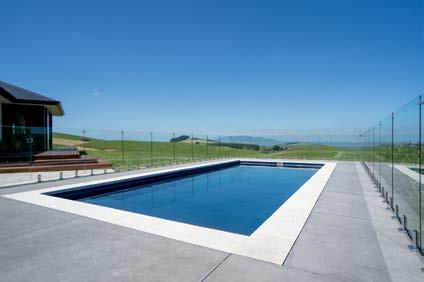

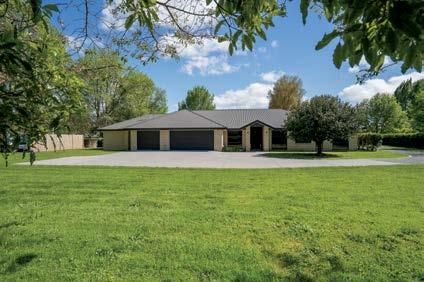
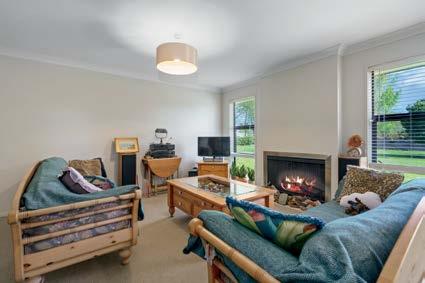
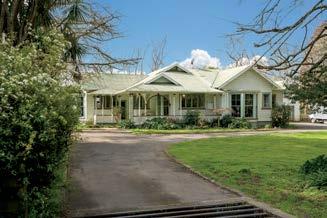


Old Friends Are Calling
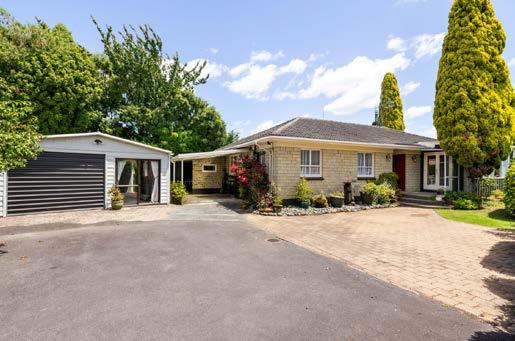

- Set back down a private driveway in one of Cambridge’s most
central locations.
- Spacious main lounge with conservatory and deck access, alongside a second room that has adapted over time – dining room, second lounge or hobby room.
- Kitchen is of good size and presents excellent storage and practicality, the updated cabinetry.
- Sleep-out features on this generous 1194m² (more or less) section.
Fine at Number 9
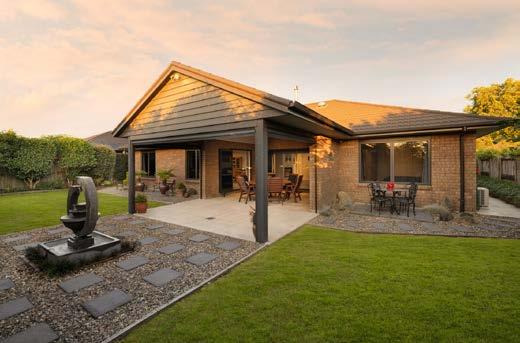
- Built by Select Homes, this
- All bedrooms are generously sized and feature double wardrobes.
- multiple living areas including a separate lounge with a gas fire.
- Four heat pumps throughout the home provide excellent climate control year-round, while double glazing, fly screen and security doors add to both comfort and peace of mind.
- Covered veranda, with 3 pull-down sides, a versatile outdoor living space that can be enjoyed in a range of weather conditions.


- Designed fully utilising its footprint to house a very large master bedroom and ensuite, and a second, double bedroom, a separate bathroom and a large living area off the kitchen and dining space.
- Facing a northerly direction, it really captures the sun, filling the home with warmth & light, lovely décor enhancing this feeling.
- Add to this the outdoor flow to the decking off the living area, and you get that continued feeling of space to enjoy life in.
- Low maintenance section, this is an ideal lock and leave.
Time
- This 1940s bungalow has been well maintained over the years, and presents as the cosy home it is, on a large 809m2 section oozing with opportunity.
- With its polished floors, modern décor that includes a remodeled kitchen & a very efficient fire to add a glow to those wintery nights.
- Outside, you will find ample room to enjoy the summers either with a bit of backyard cricket or further establishing the gardens.
- Alternatively, you may like to look at it from an investment or development aspect.















































Company Description
Lewis Lawyers is a reputable, longstanding Waikato firm.
Our legal services cover an extensive range of practice areas, and we pride ourselves on building lasting relationships with clients.
Role Description
This is a full-time on-site Administration role located in our Cambridge office. The Administration personnel will be expected to carry out daily office tasks such as data entry, managing phone calls and correspondence, greeting clients, back up to our Trust Account Administrator and assisting with client services among other administrative duties.
The ideal candidate will have excellent organisational skills, the ability to multitask, strong attention to detail, confidence with numbers and thrive in a fast-paced environment.


Te Awa Lifecare is one of New Zealand’s leading privately owned residential villages.
Located in the beautiful town of Cambridge in Waikato, NZ, in a spacious rural setting, Te Awa Lifecare is an outstanding purpose-built facility offering a full range of independent and assisted living care options including a rest home, hospital and dementia care suite.
We pride ourselves on being a community within a community, offering not only quality care but also companionship, security and new experiences. Our housekeeping team contributes significantly to the experience, the culture and the community of Te Awa.
Housekeeper
It is time to add a housekeeper to our existing team. Our staff are chosen for their skill and caring approach and we aim to create strong connections and trust with them. We will choose the right housekeeper for their attitude and fit in the team. Our team is proud of the environment they work in and the part they play in making it look at its best for our residents and guests. Why you should work with us at Te Awa Lifecare:
• You will work in a team that is supportive of each other and proud of the reputation they have developed
• Your physical working environment and the resources you have access to are first class
• You will feel a sense of belonging to the wider community of residents and staff
Your working hours will be sociable, and family orientated.
You will have:
• an enjoyment of housework and helping people keep their homes in tip top condition
• a passion for great customer service and respect for people personal space
• the ability and flexibility to work as part of a team
• excellent communication skills
• common sense and a solutions focussed approach
• a positive and professional attitude
If this sounds like you and you are motivated to be part of our unique and energising culture, please send a cover letter explaining why you are interested, along with your CV, to: employment@teawalifecare.nz.
Come and be part of the community, get to know our wonderful residents, support them to embrace life. We look forward to hearing from you! Apply now!









Applicants for this position should have NZ residency or a valid NZ work visa.










GLADWIN, Alan Robert –Passed away peacefully at Resthaven on 17th January 2026 aged 89. Much loved husband of the late Delza. Loved uncle of Matthew & Julia and Richard & Dianne. Will be sadly missed. Rest in peace.
TIOTIA, Teananga –Suddenly passed away while enjoying a swim on Saturday, 10th January 2026. Aged 25 years. Dearly loved son of Kabua Tuanako and Buakaia Kaiae. Loved brother to Konorio, Tebaana, Miriana and Tematuao. Loved uncle to his many nephews and nieces. Special friend to all his New Zealand family. The service for Teananga has been held. Messages to the Tiotia Family can be sent c/3 Hallys Lane, Cambridge, 3434 or in Teananga’s online tribute book at www.grinters. co.nz

• Engagements
• Weddings • Births
• Anniversaries
• Bereavements
• In Memoriam etc
Call Janine 027 287 0005 e: janine@goodlocal.nz