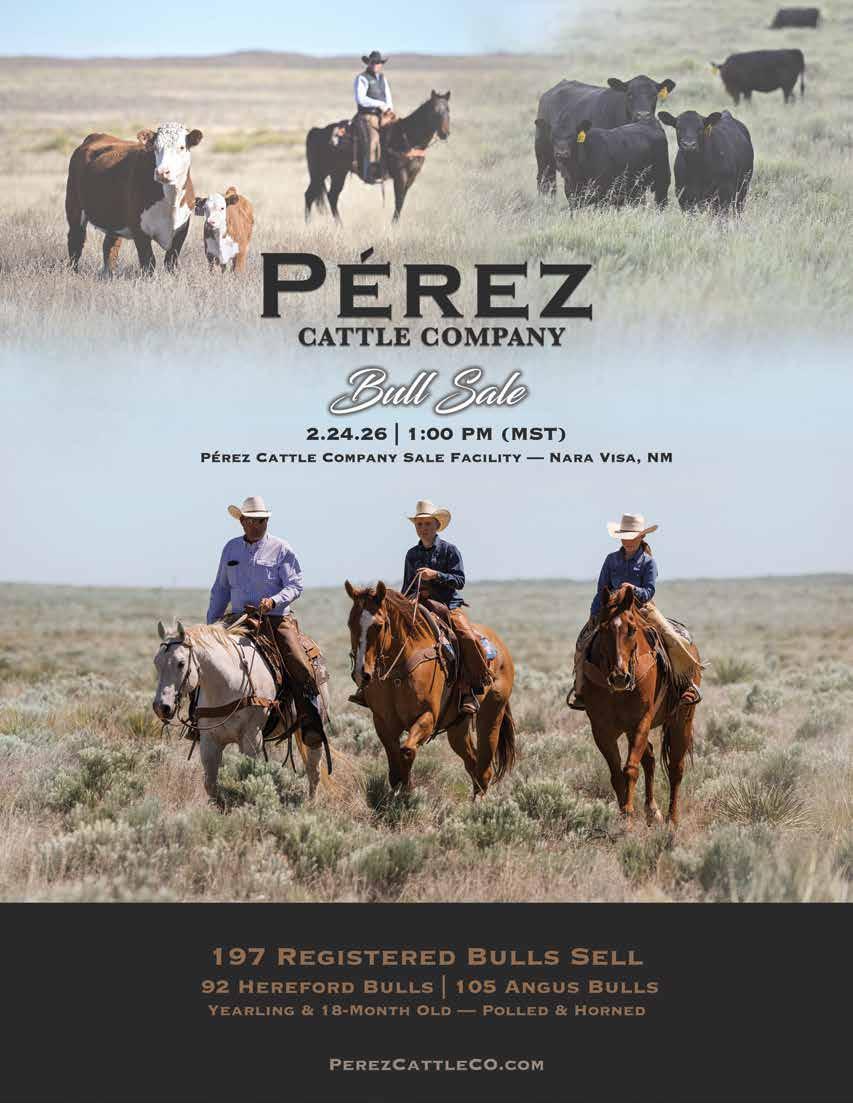
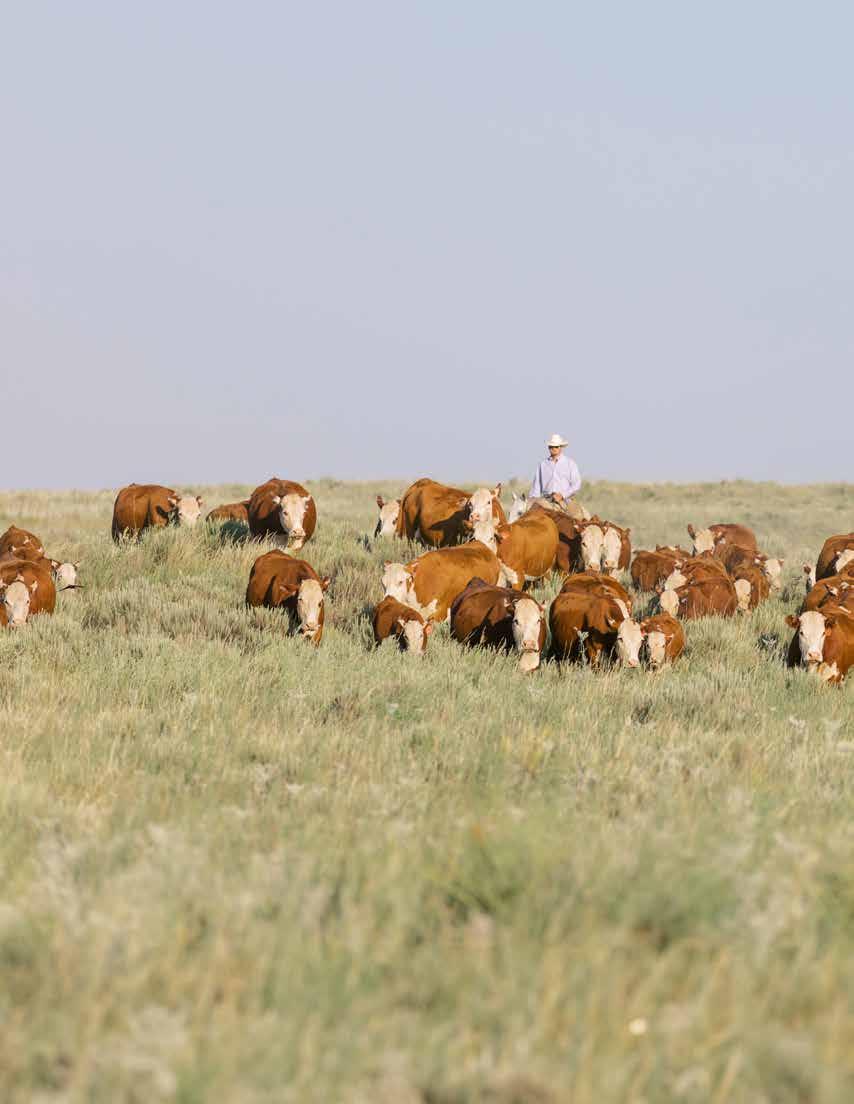
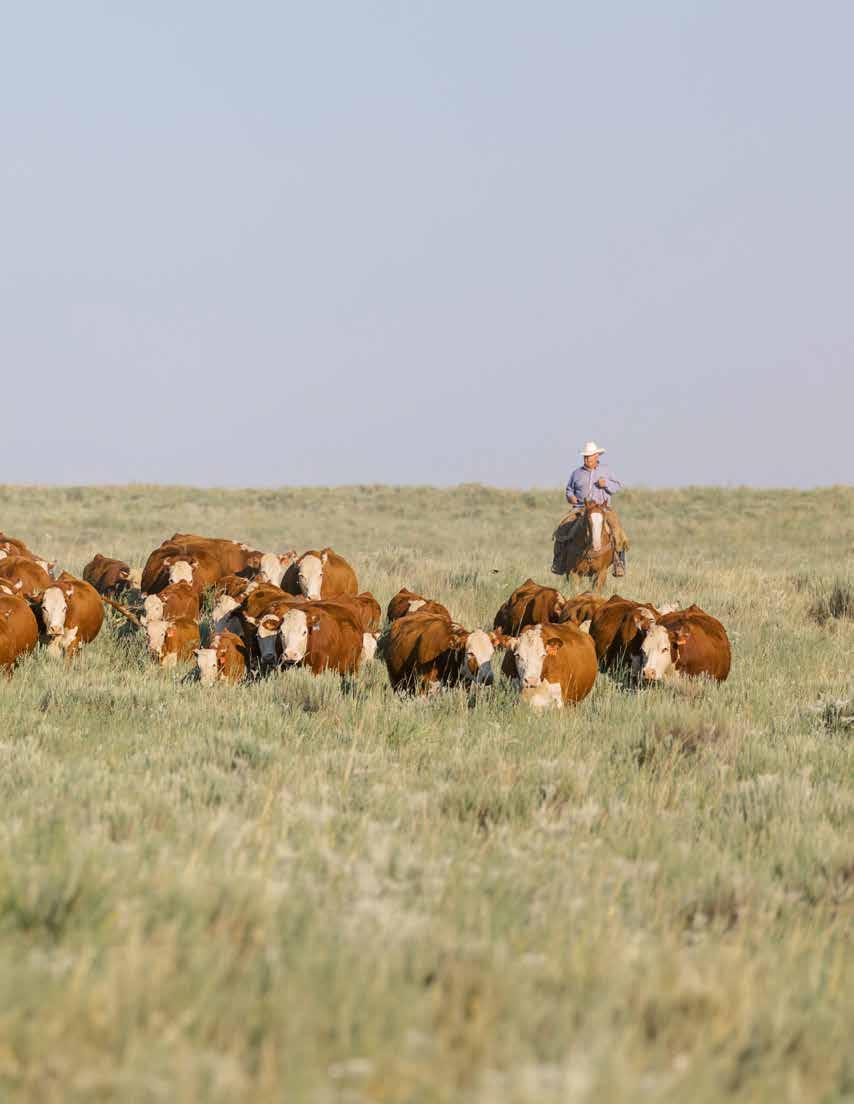
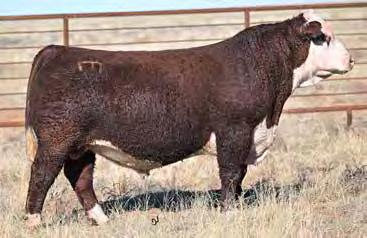
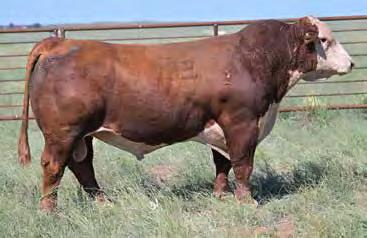
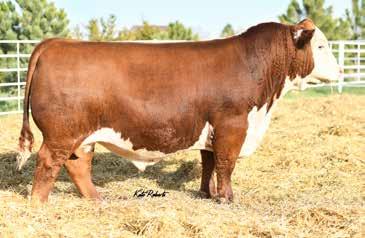
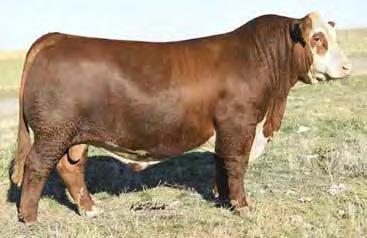
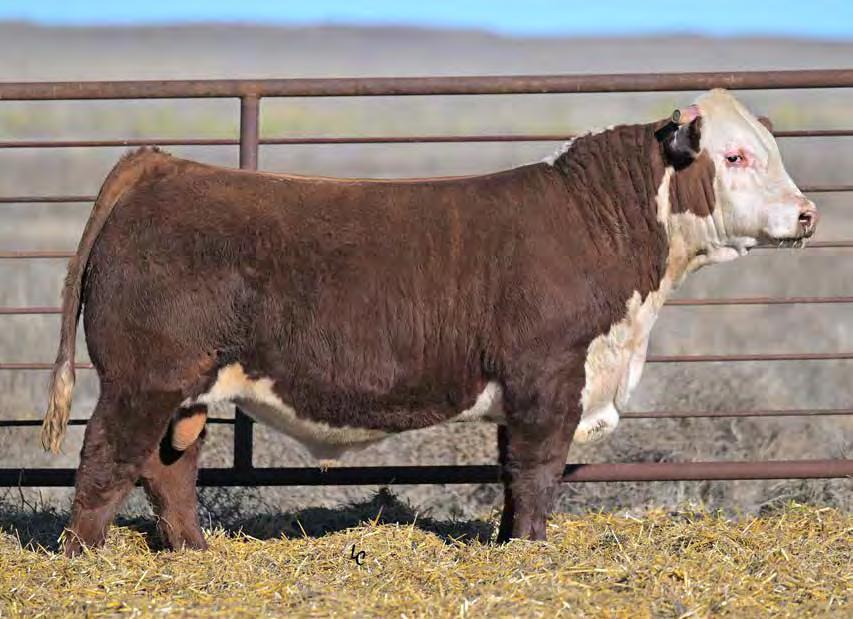
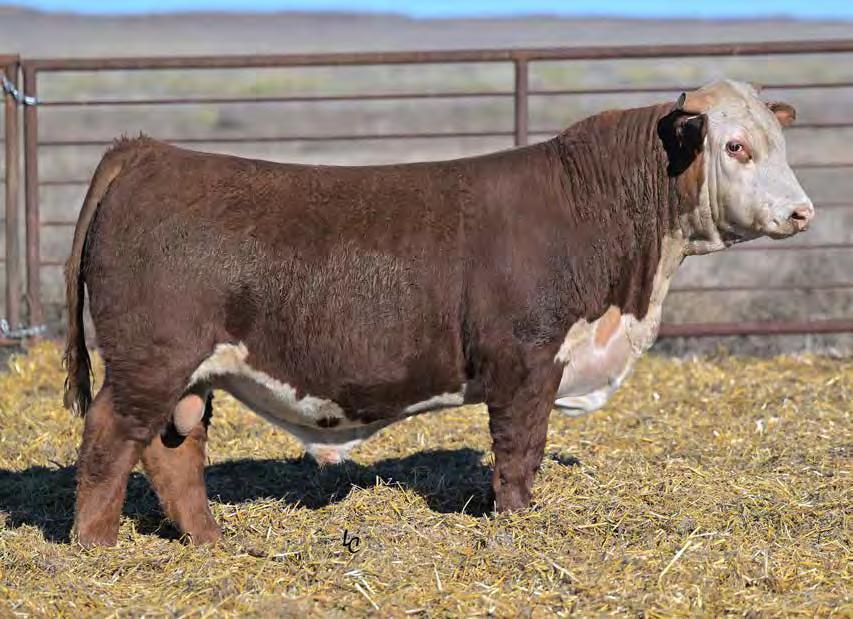
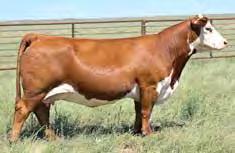
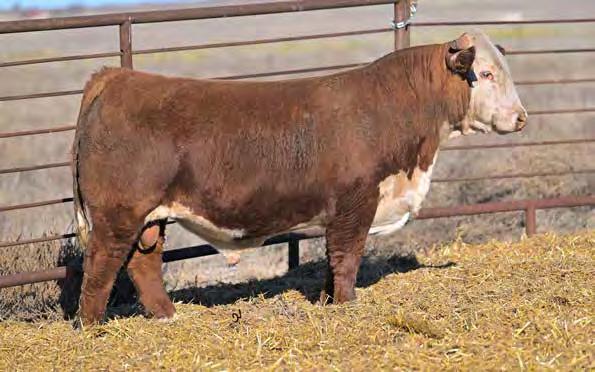
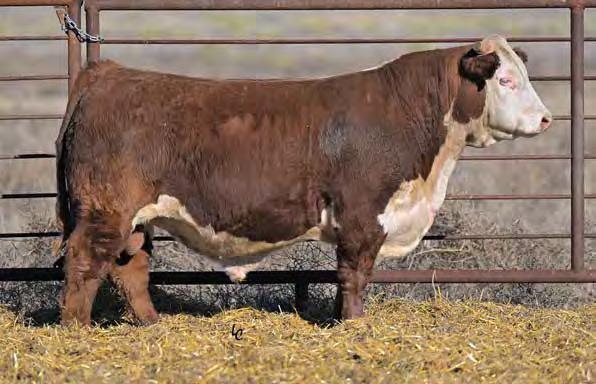
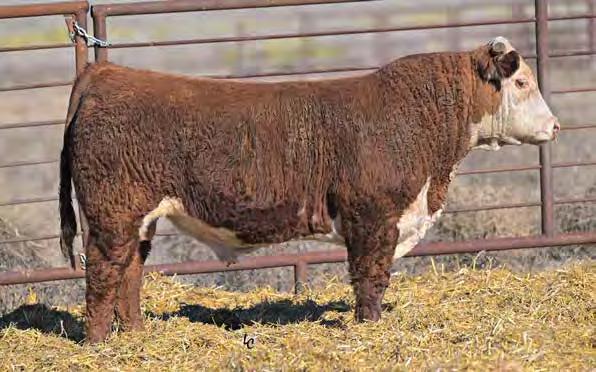
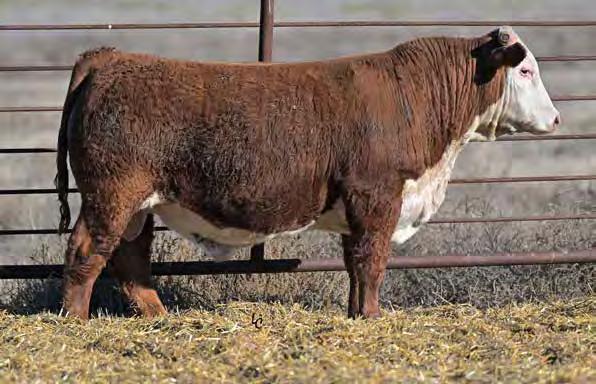
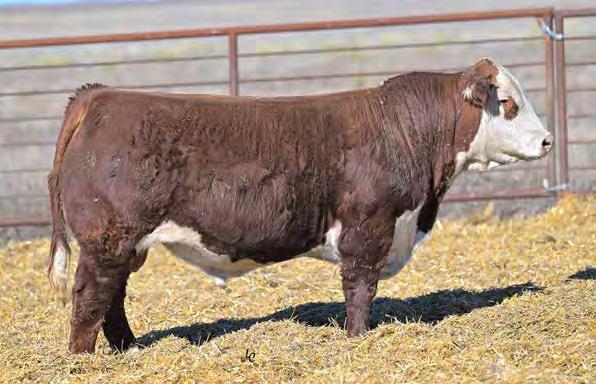
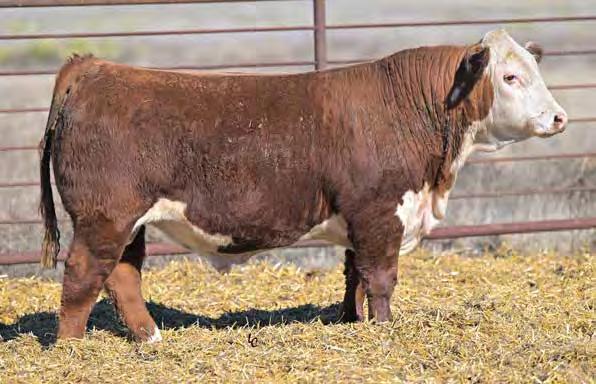
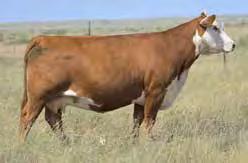
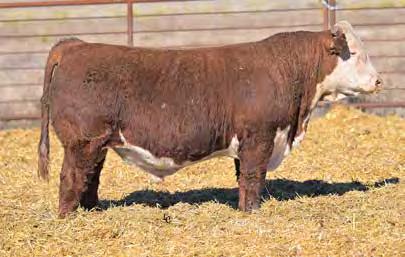
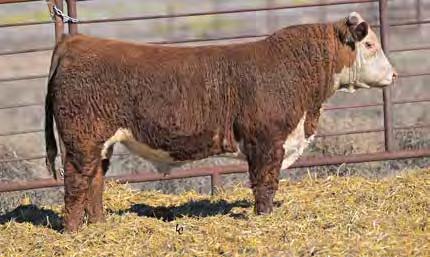
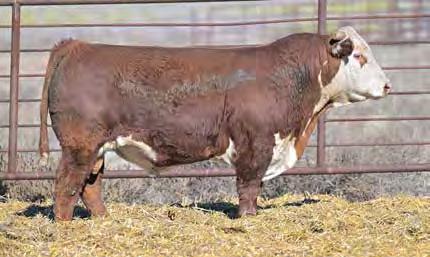
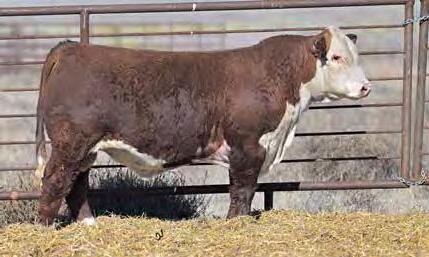
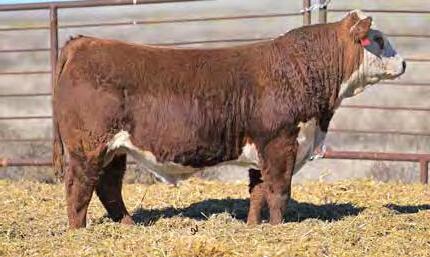
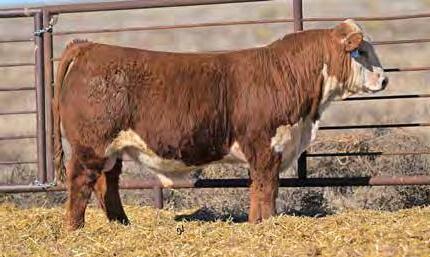
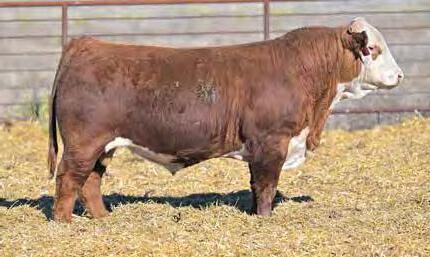
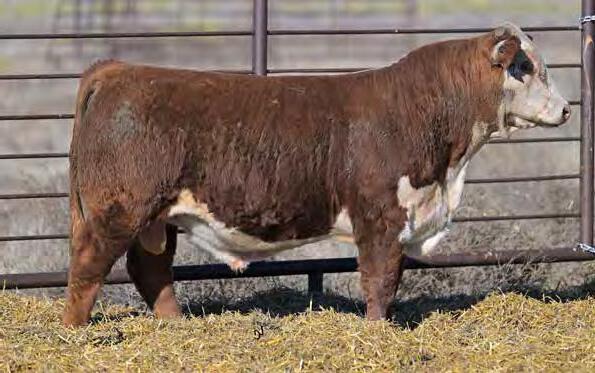
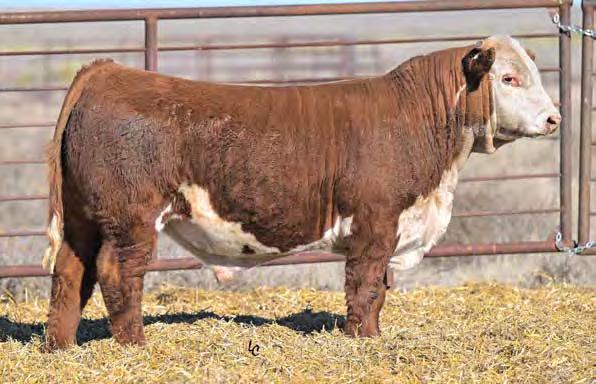
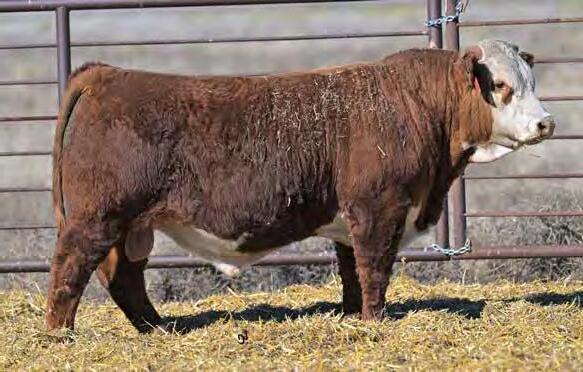
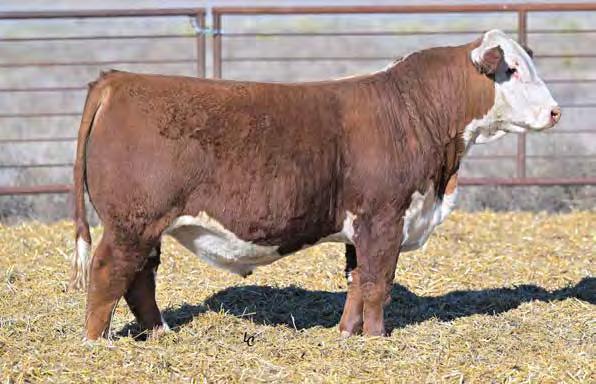
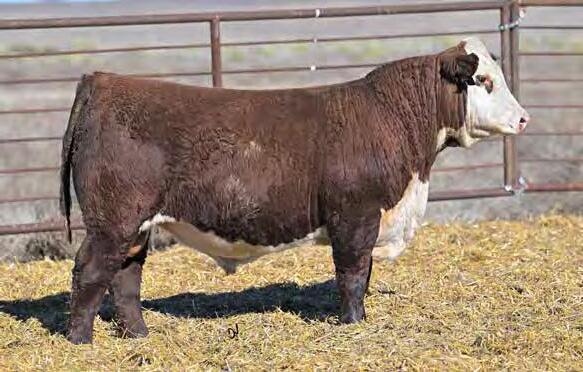
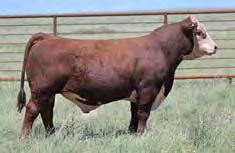
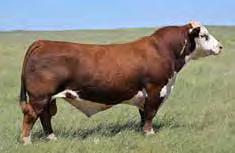
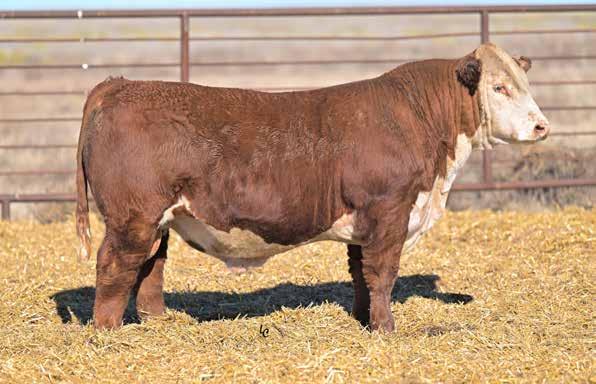
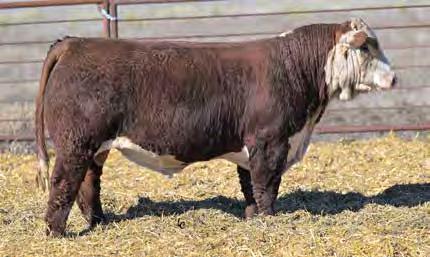
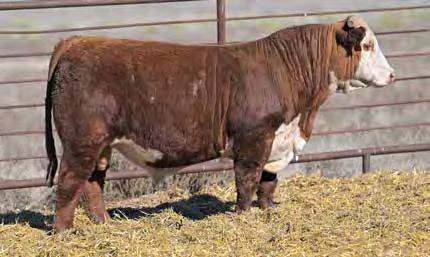
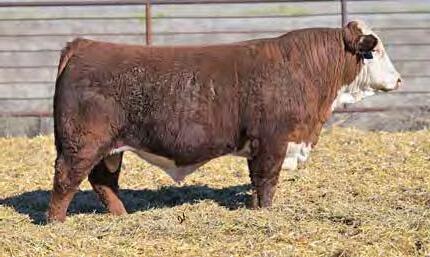
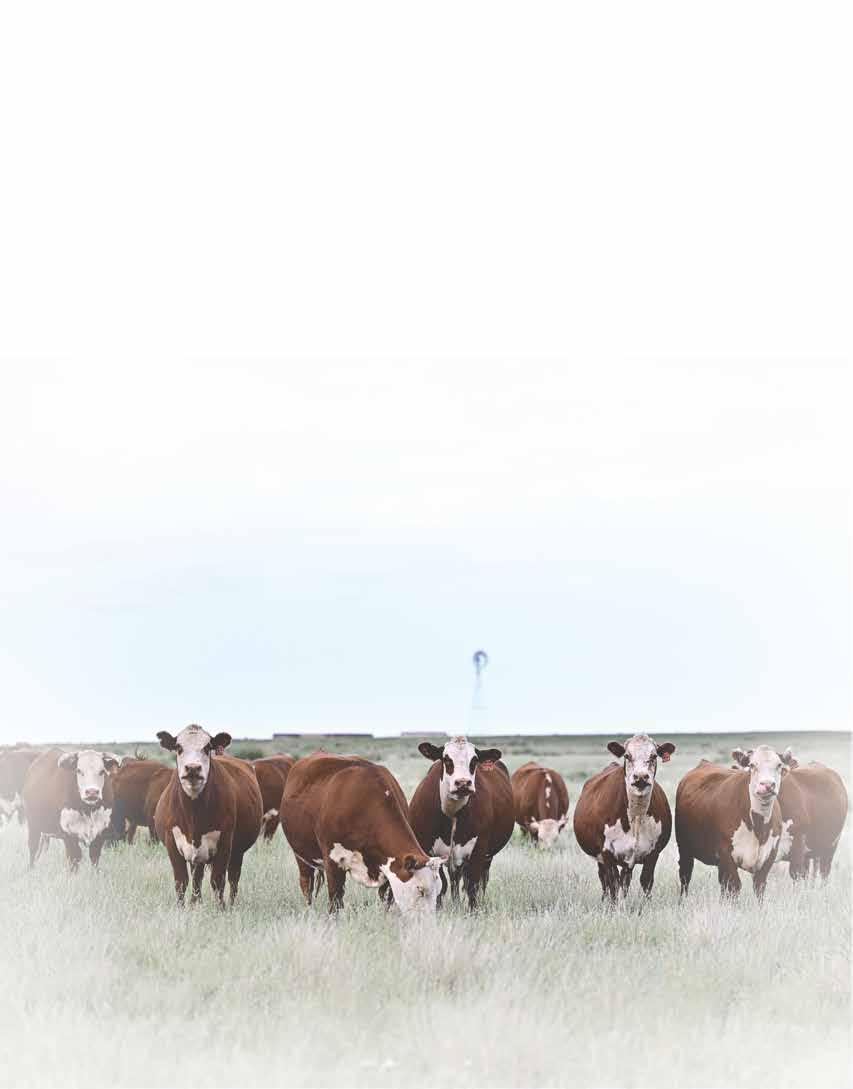
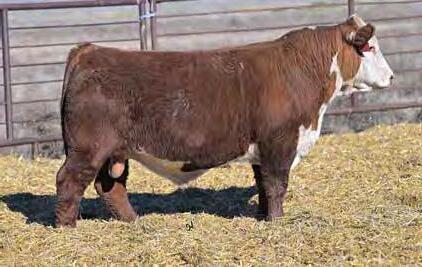
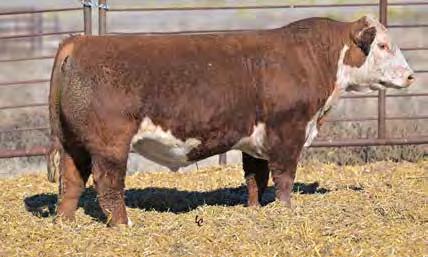
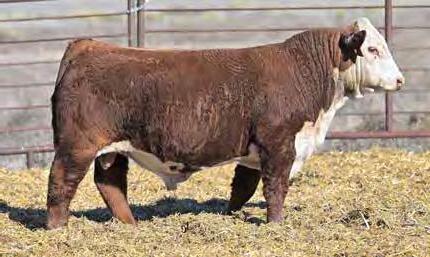
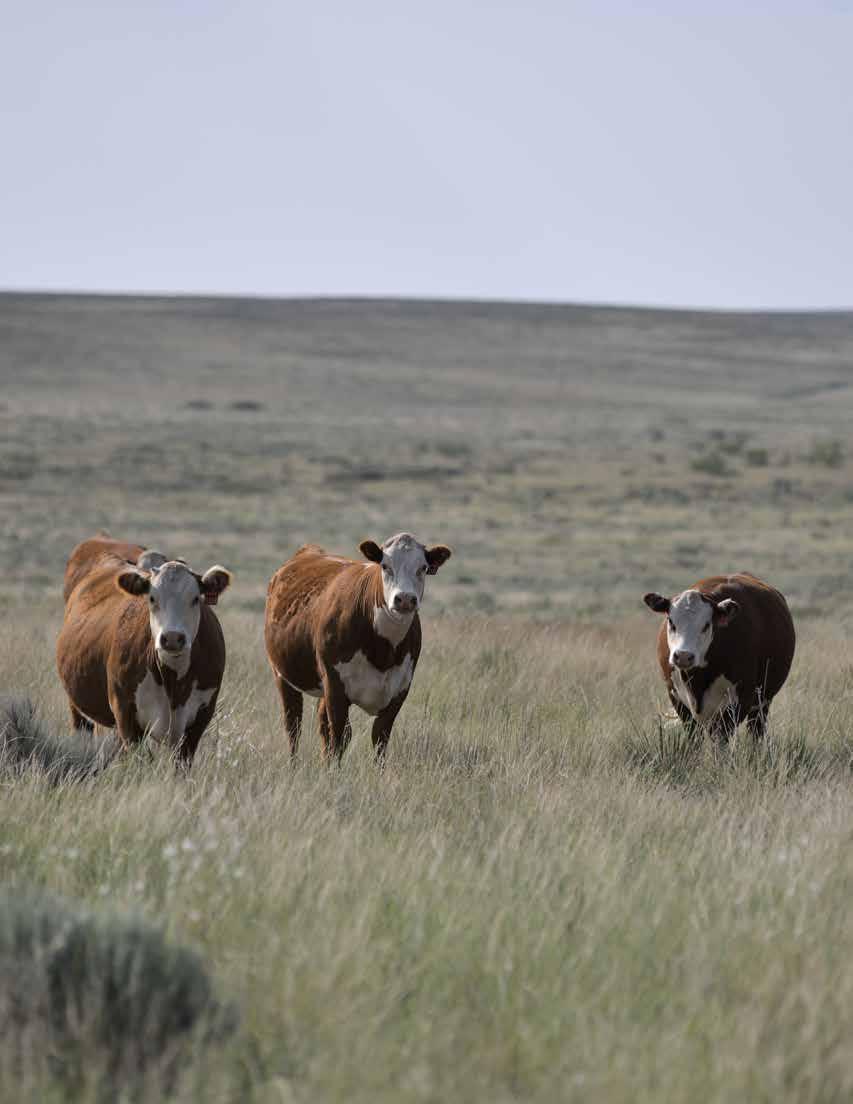
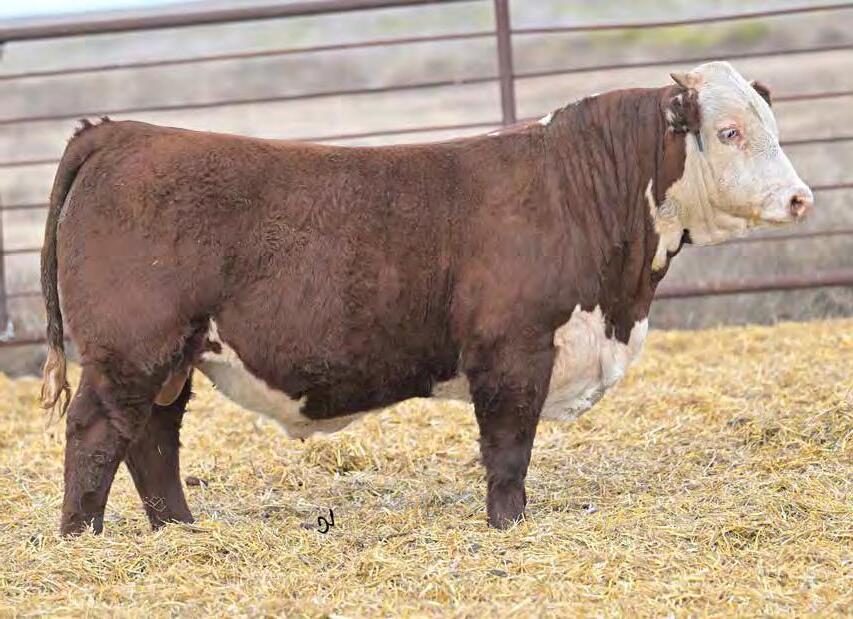
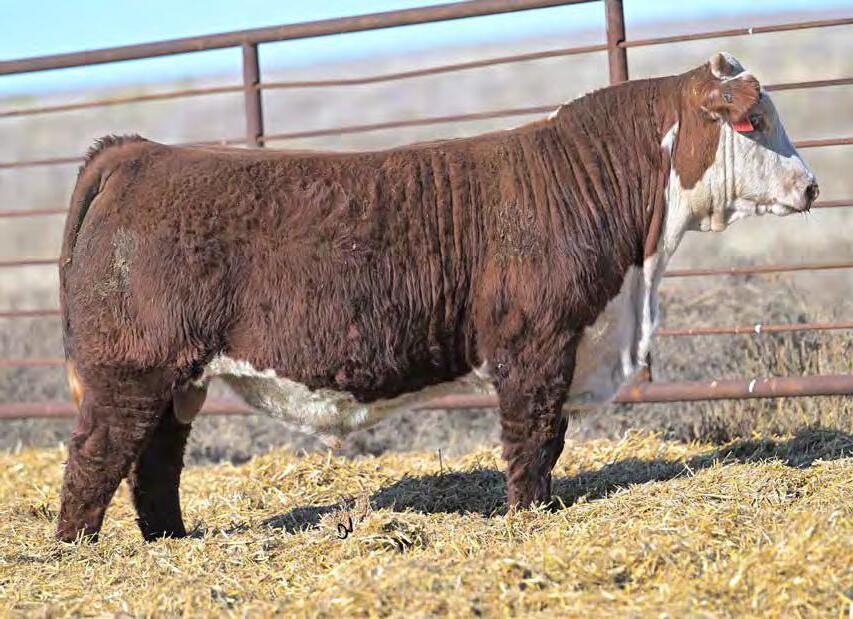
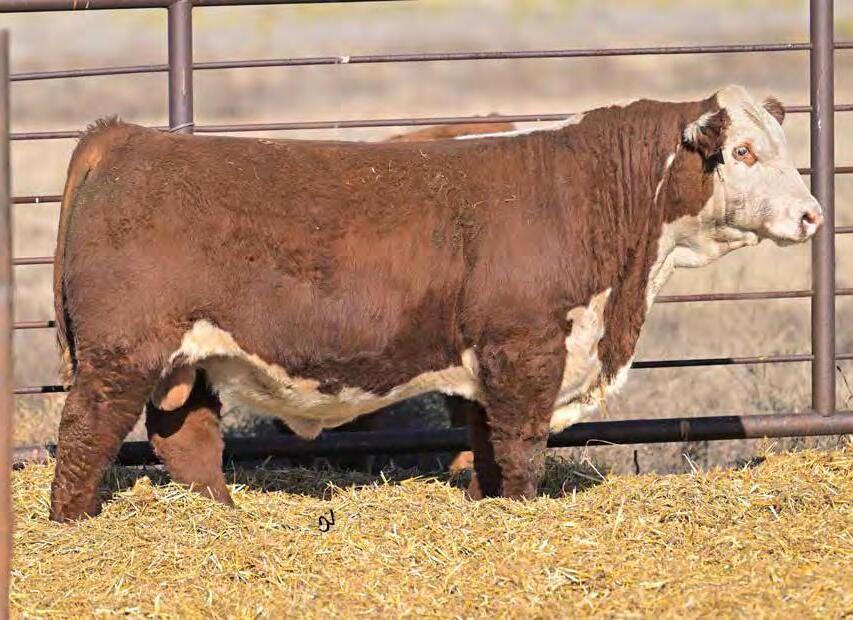
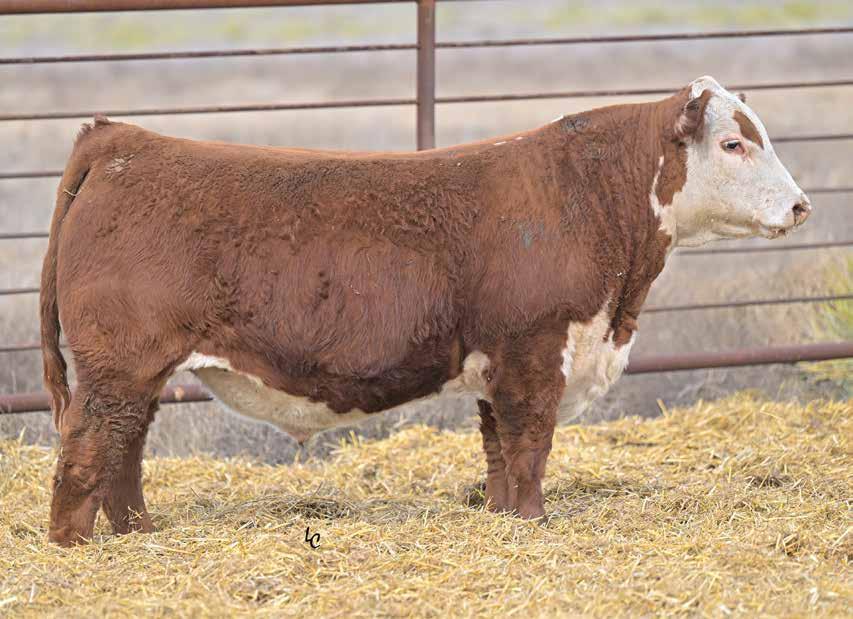
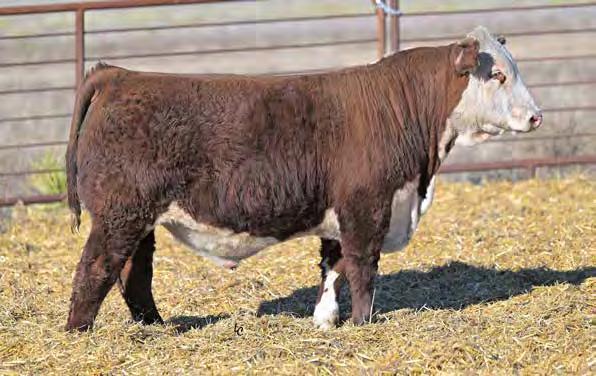
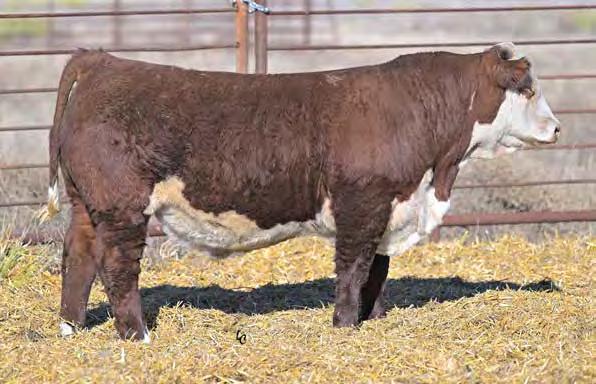
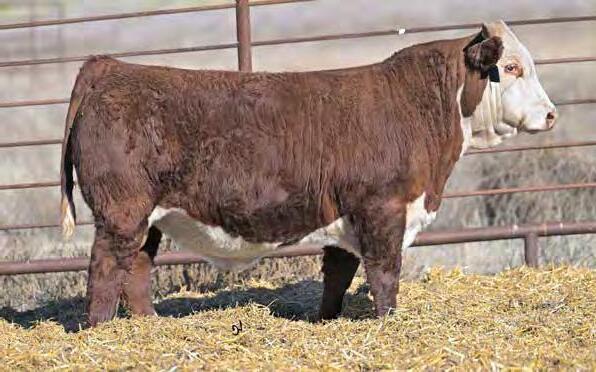
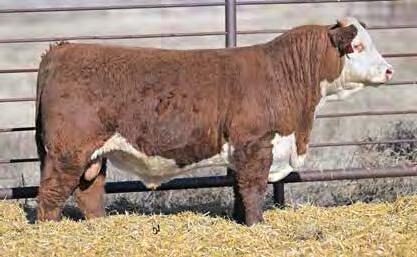
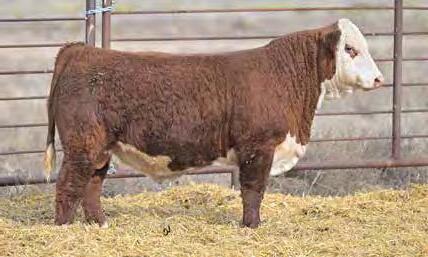
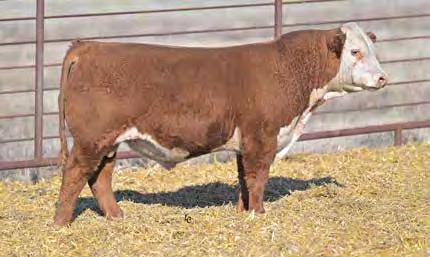
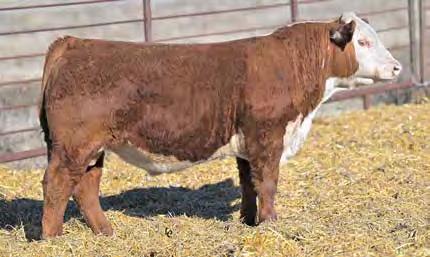
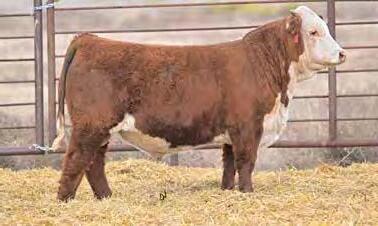
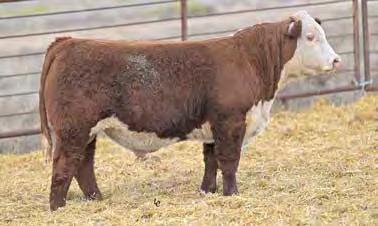
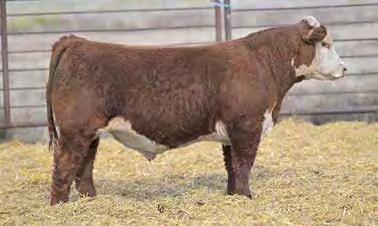
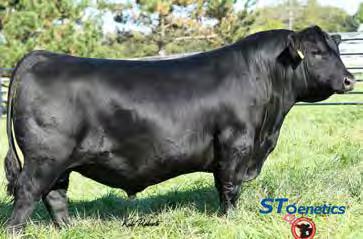
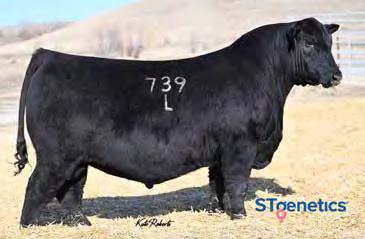
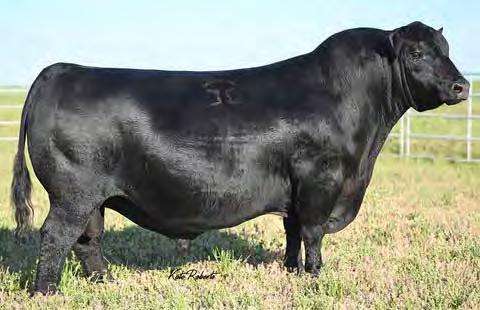
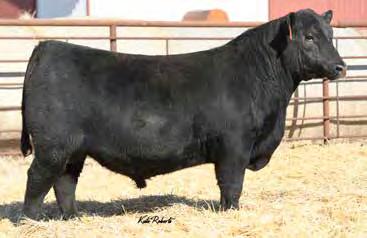
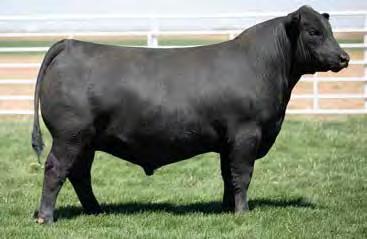
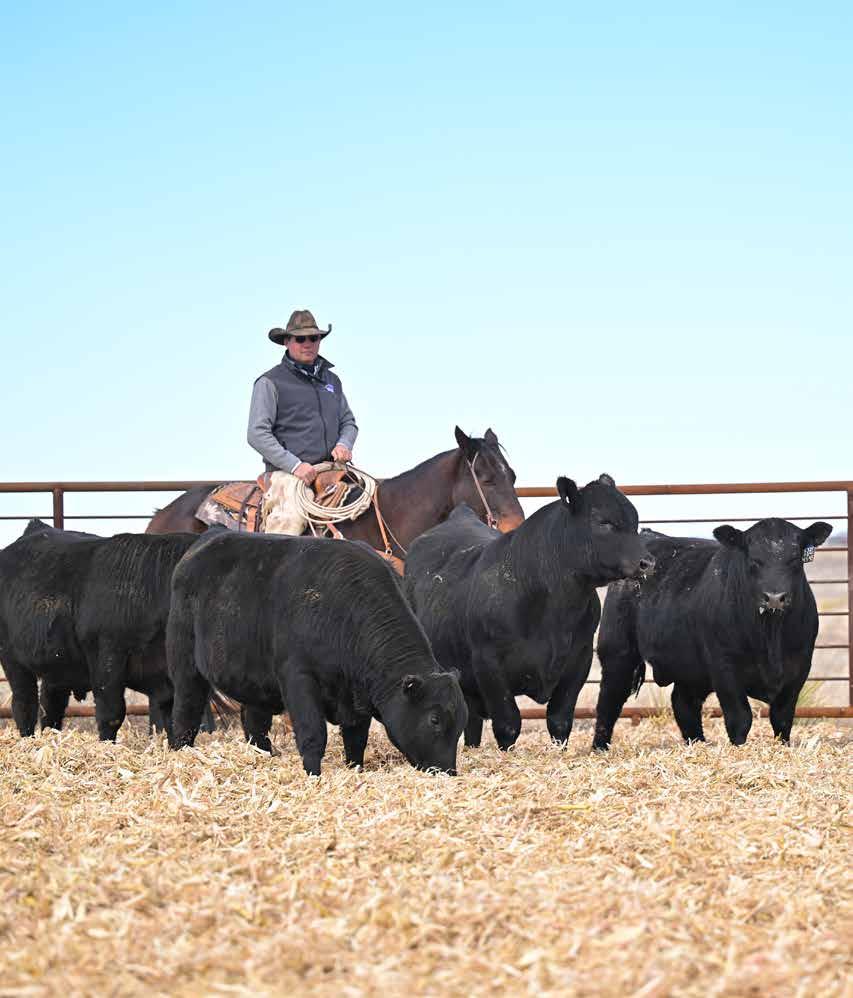
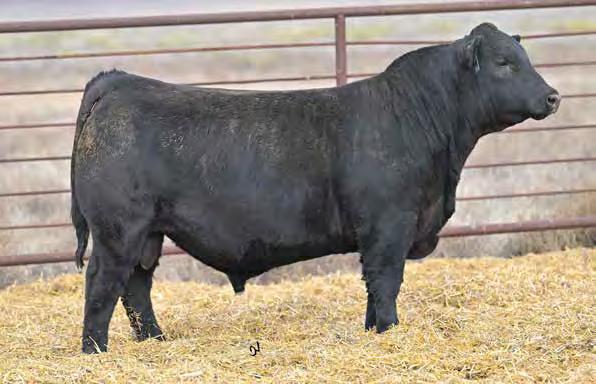
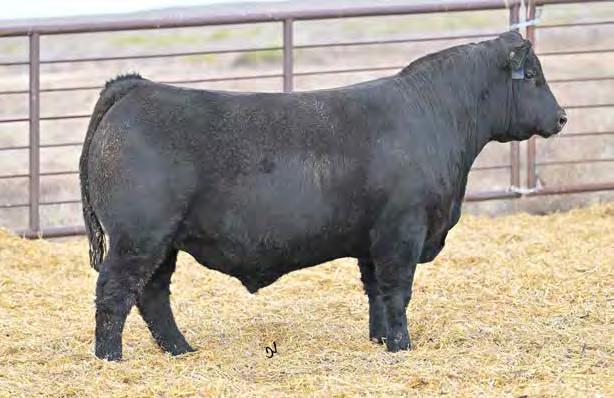
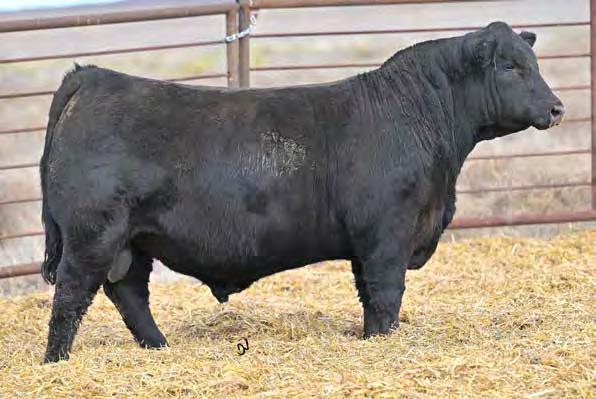
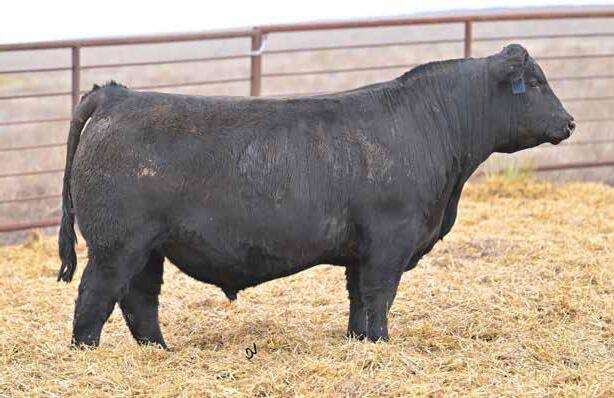
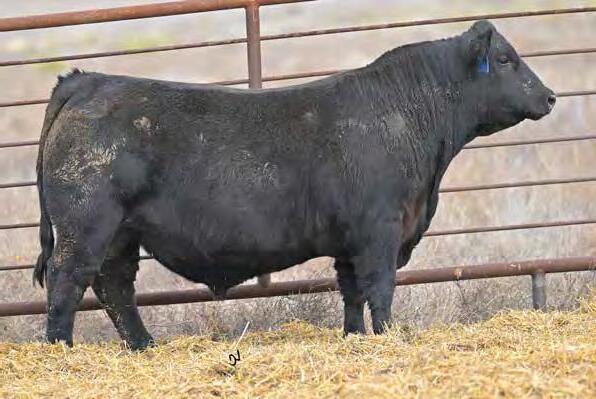
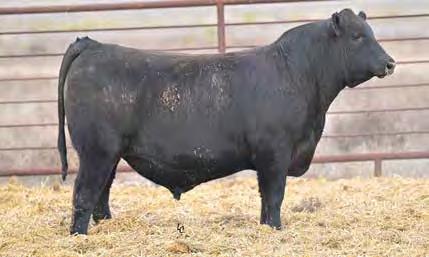
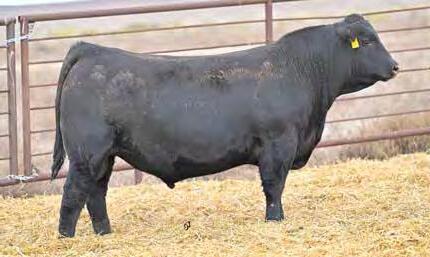
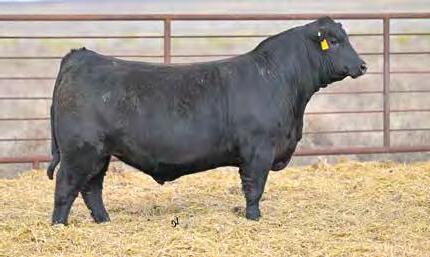
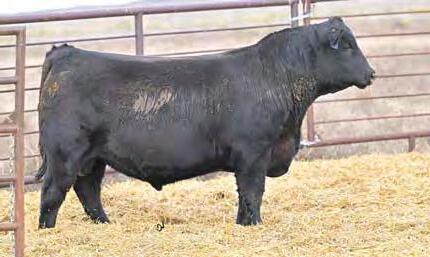
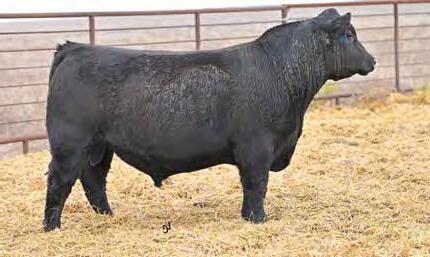
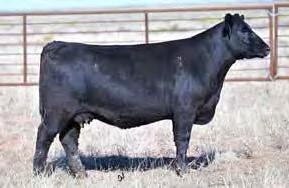
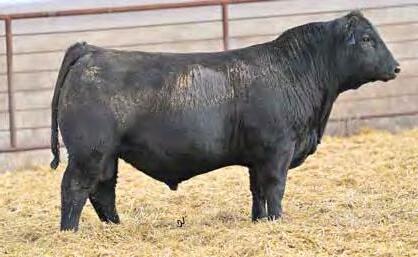
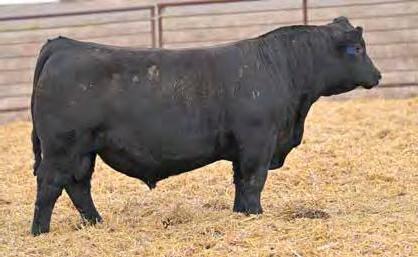
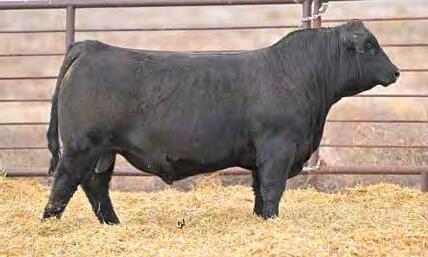
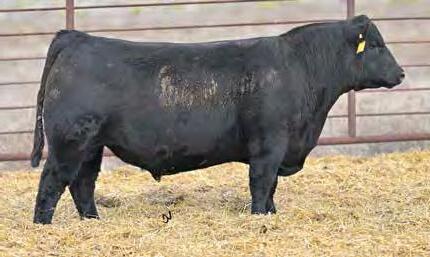
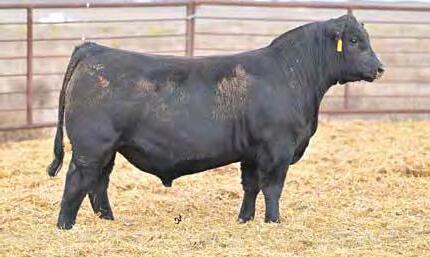
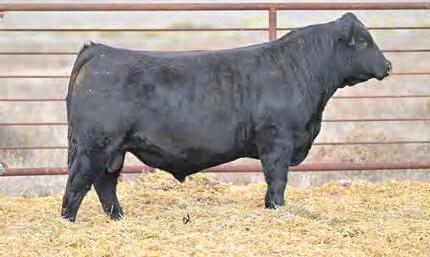
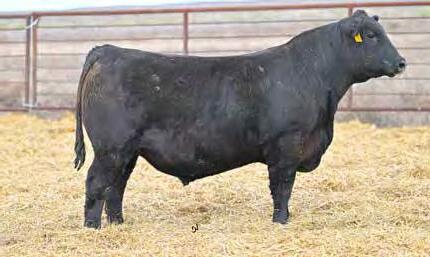
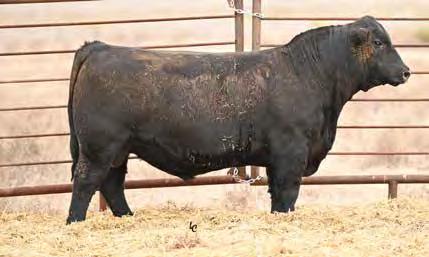
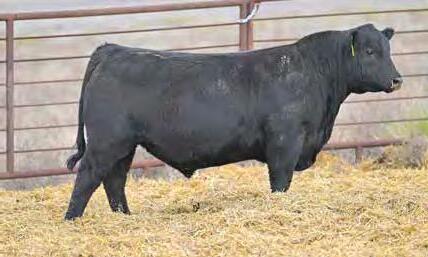
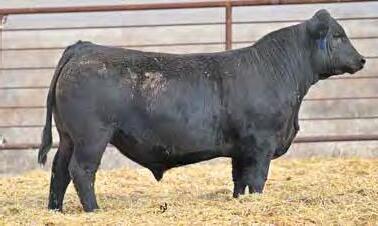
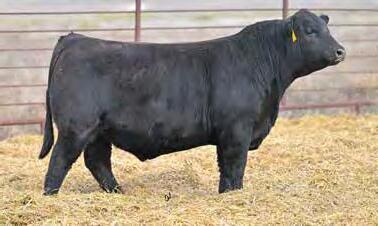
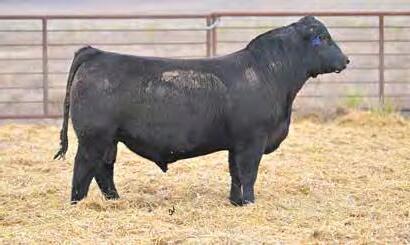
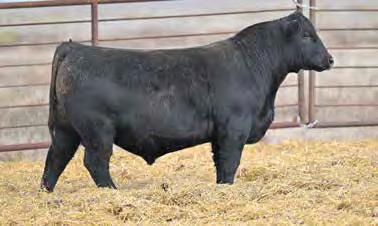
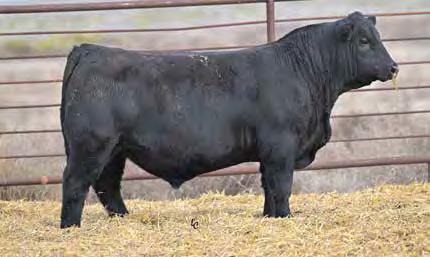
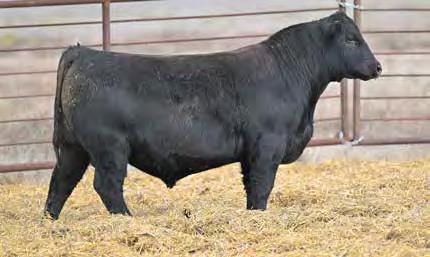
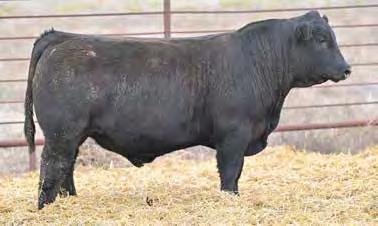
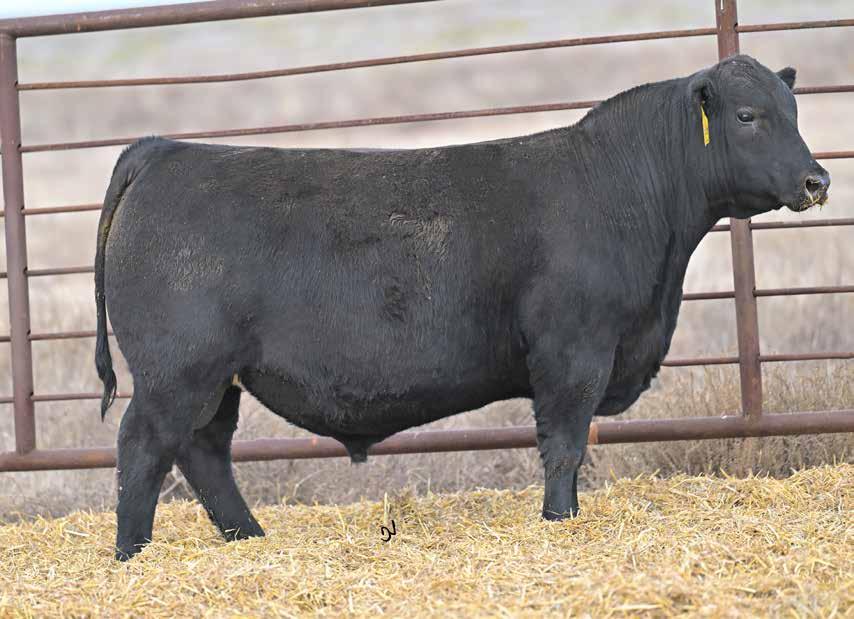
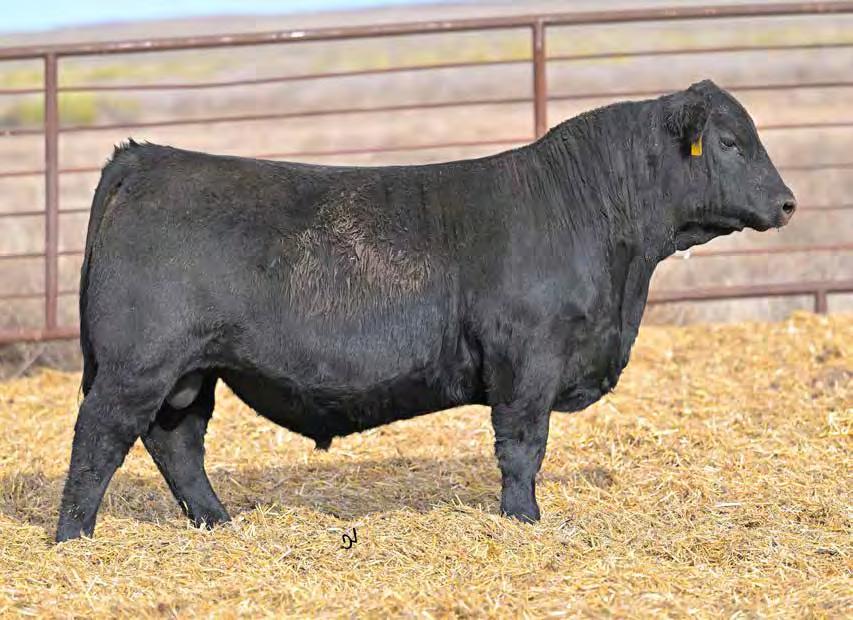
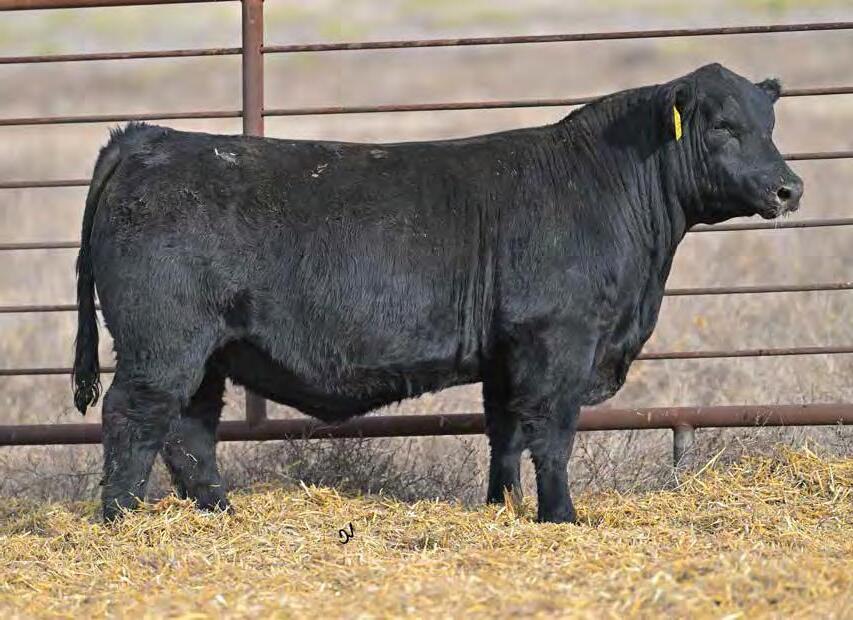
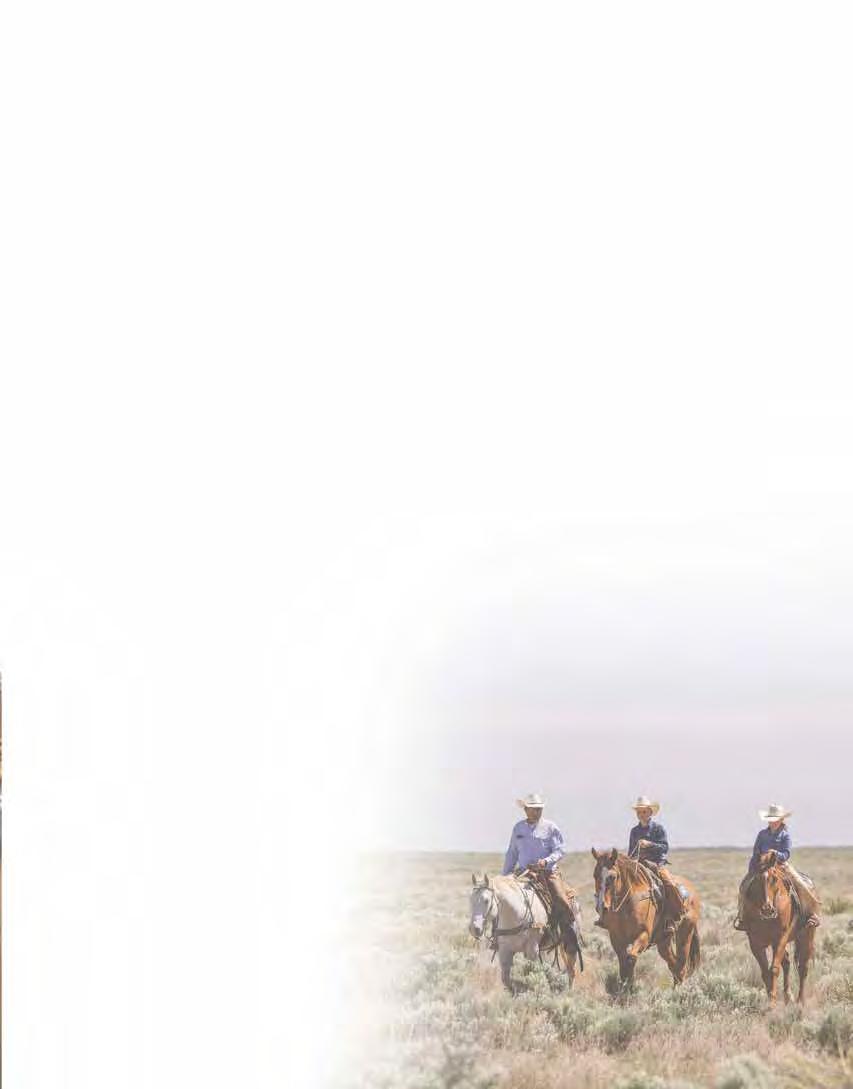
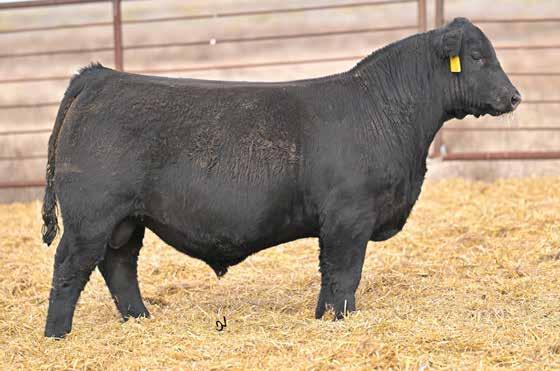
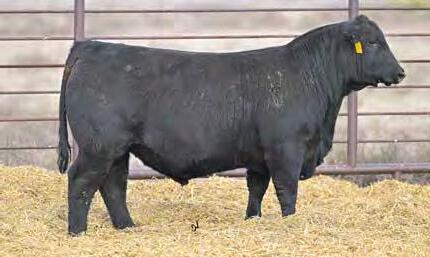
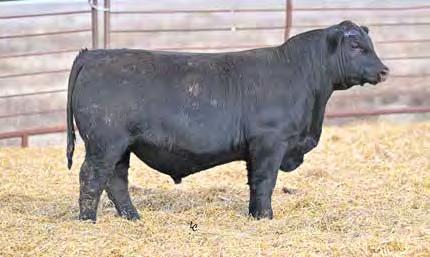
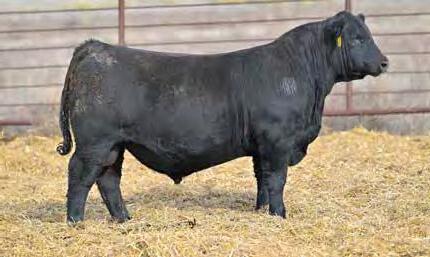
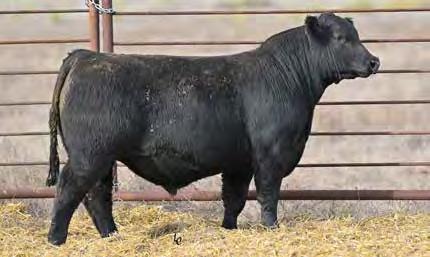
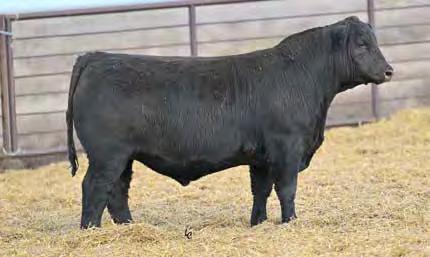
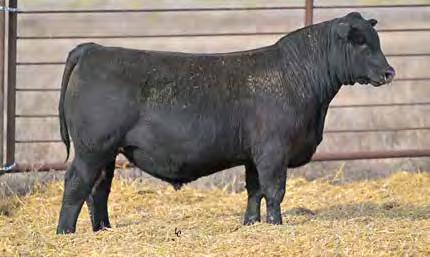
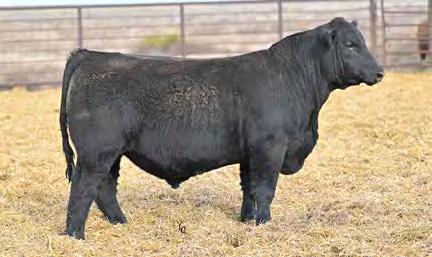
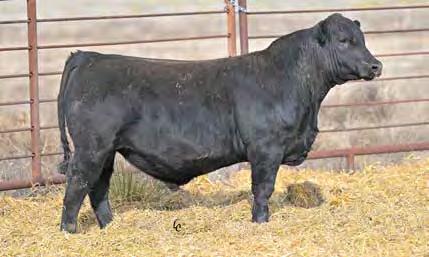
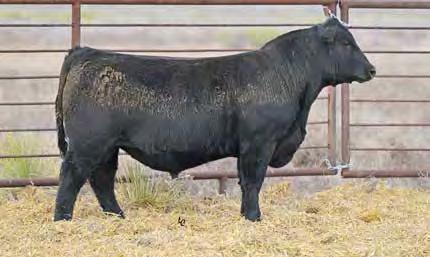
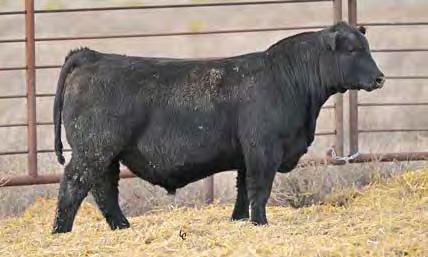
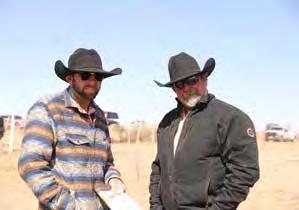
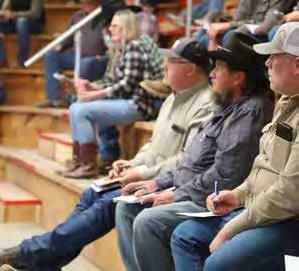
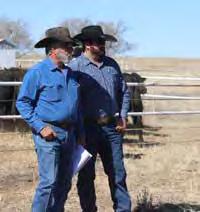
We are excited to invite you to our new on-ranch sale facility.
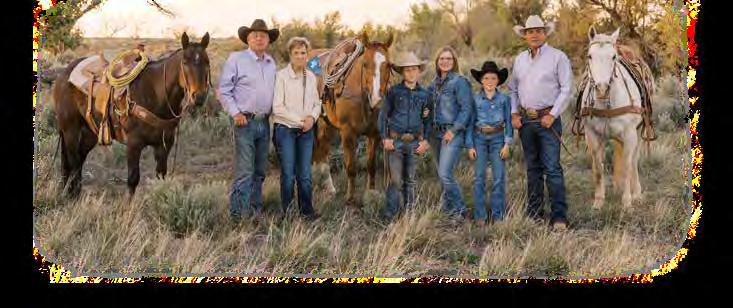
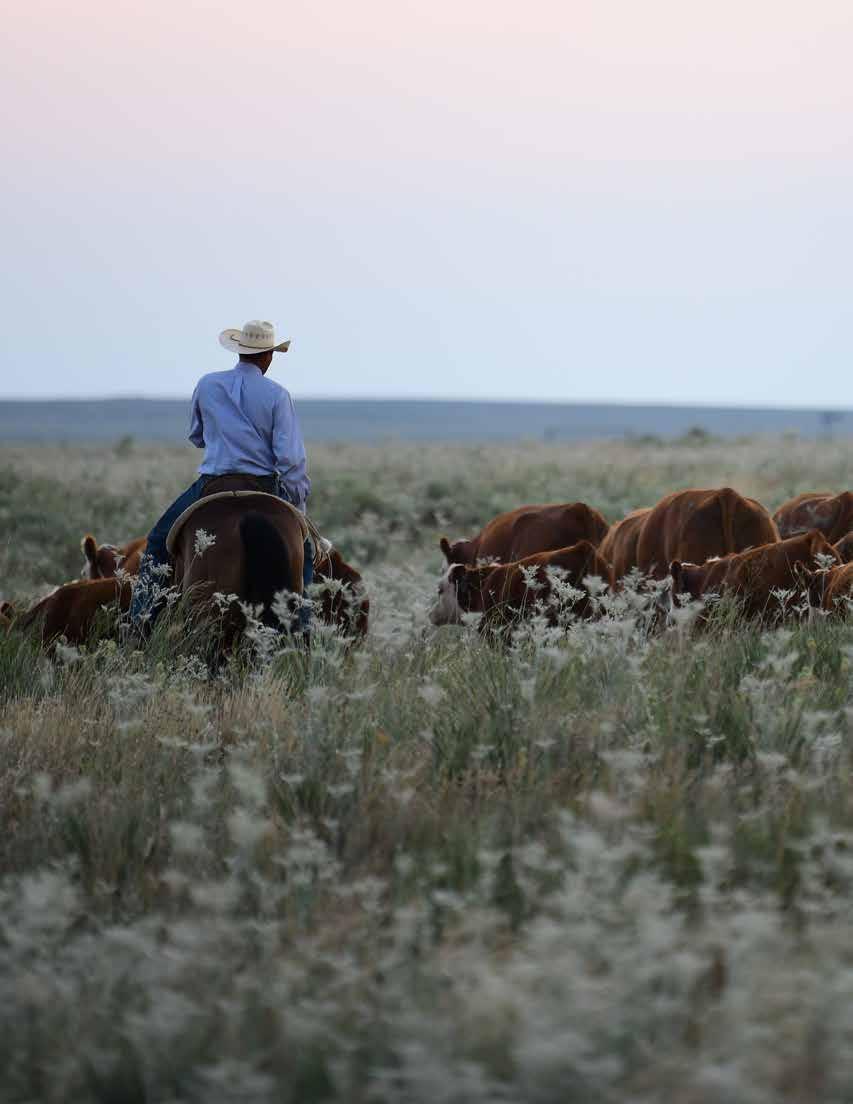
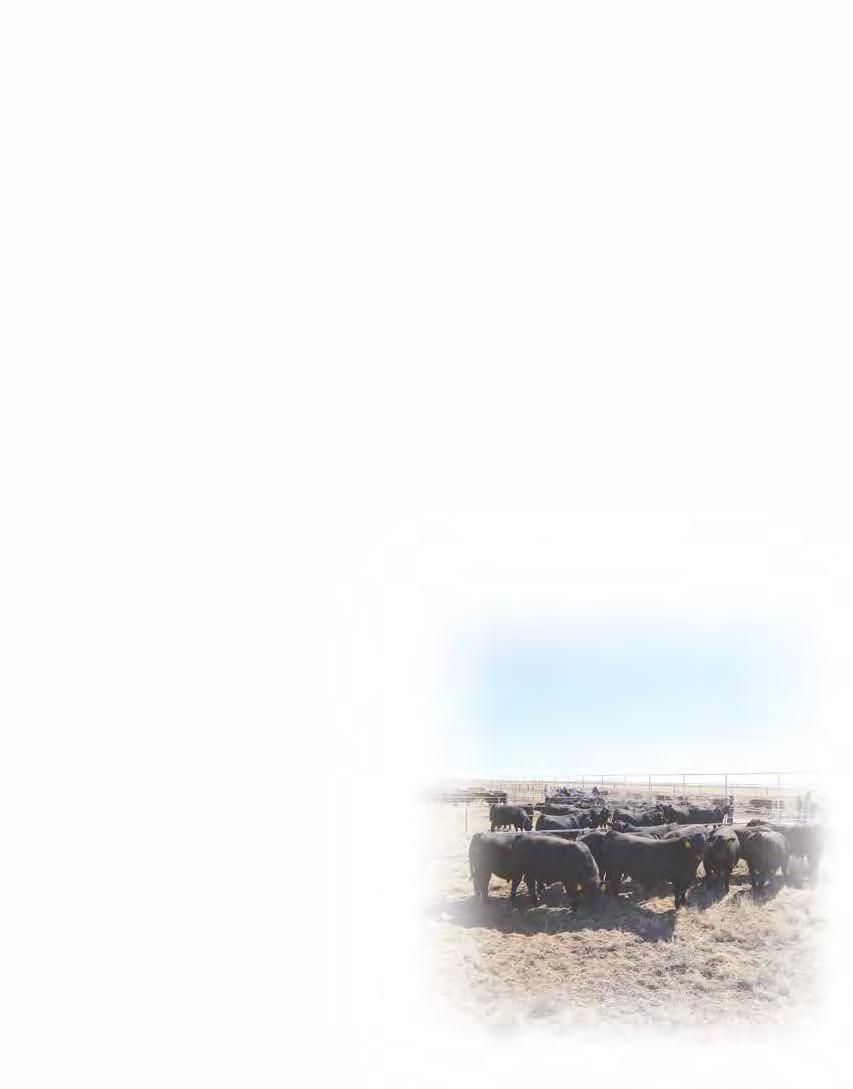
It is my privilege to invite and welcome you to the 2026 Pérez Cattle Company Spring Bull Sale on Tuesday, February 24, and to do so from an exciting new chapter for our program—our new on-ranch sale facility. Hosting the entire sale on the ranch in one location has long been a goal of ours, and we are proud to finally have a permanent home for the sale.
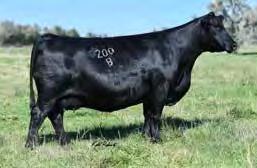
We are operating in a cattle market unlike anything we have seen in years. High calf prices, tight supplies, and strong long-term demand have placed the cow-calf producer squarely in the driver’s seat. In an environment like this, genetics that improve efficiency, consistency, and replacement female quality matter more than ever. I can confidently say the depth of quality at Pérez Cattle Company has never been stronger, in both the Hereford and Angus divisions.
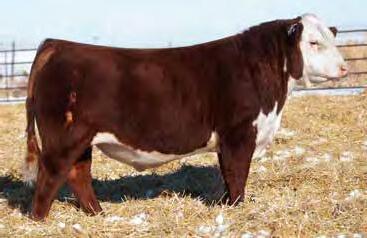
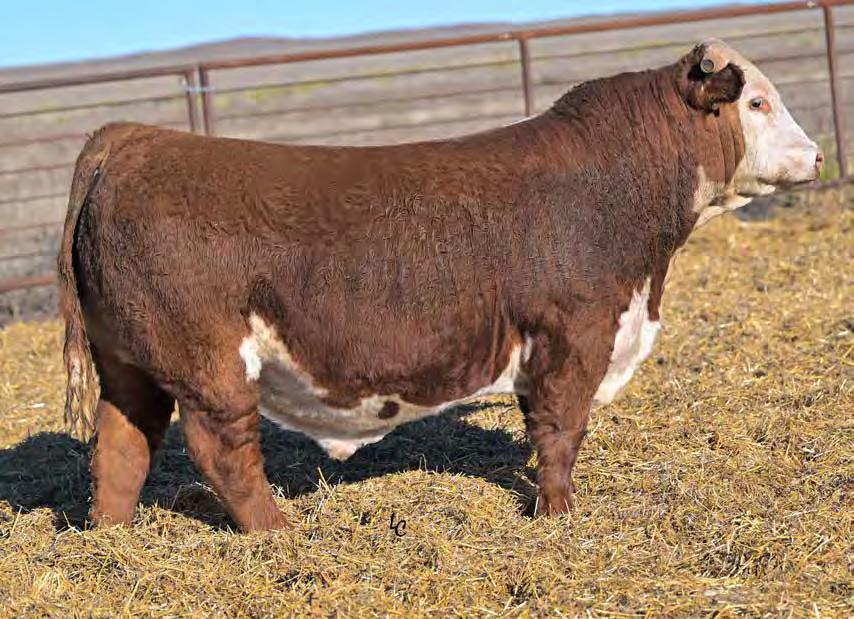
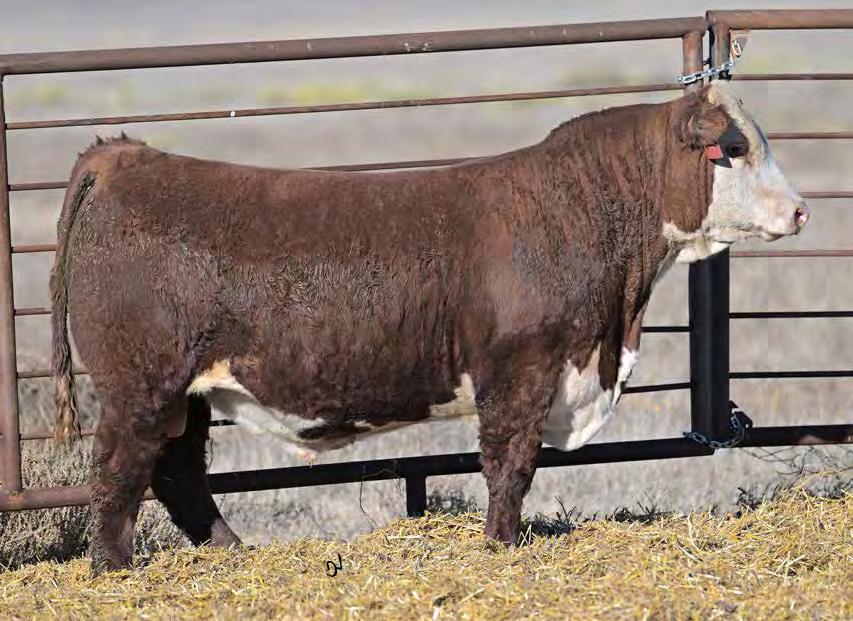
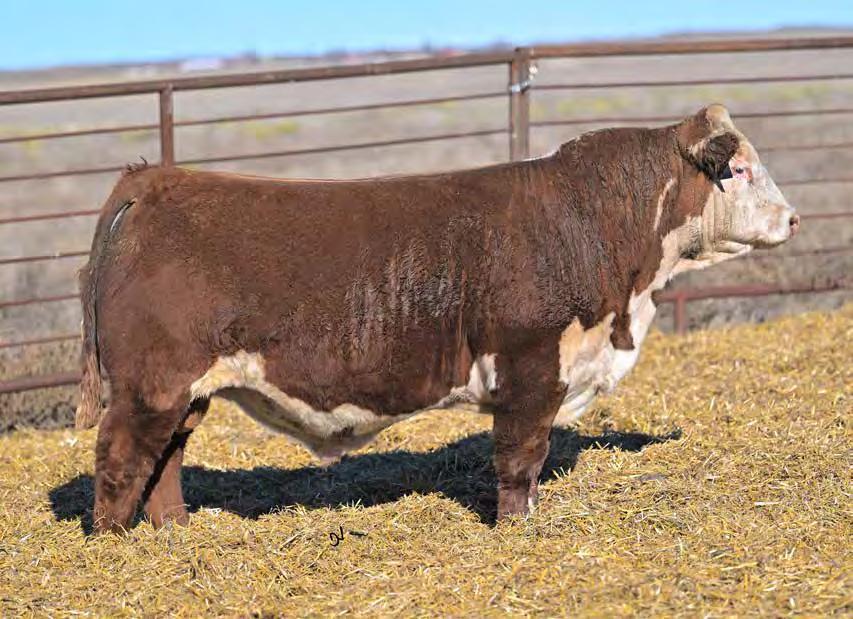
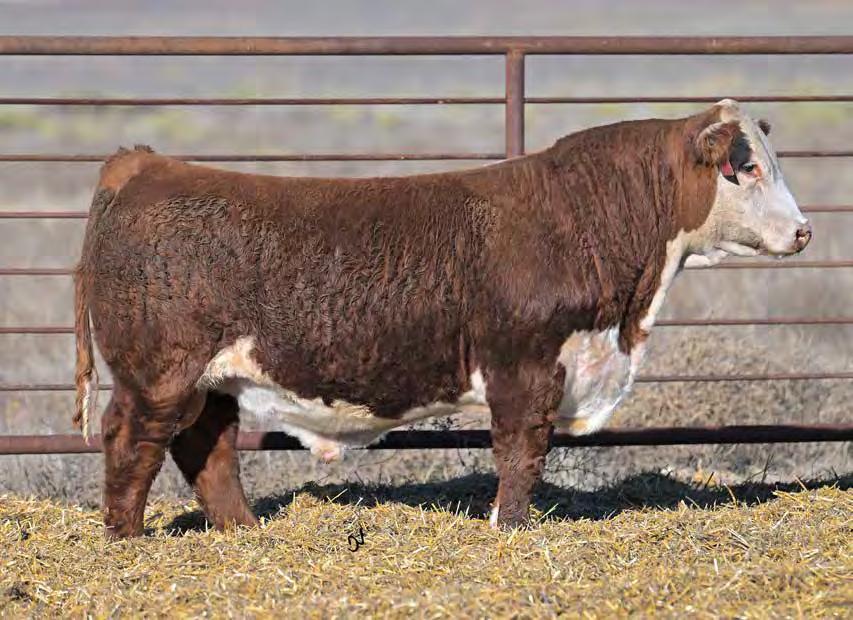
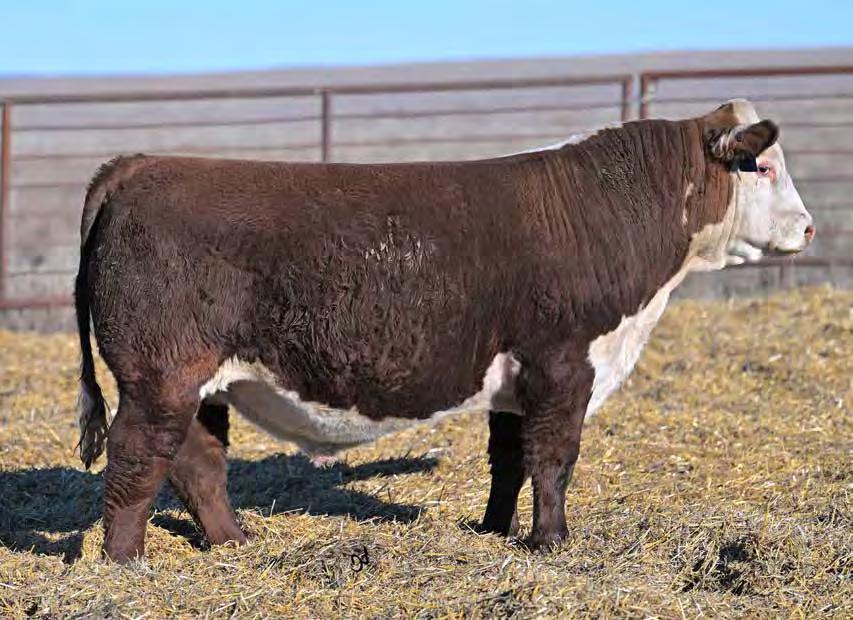
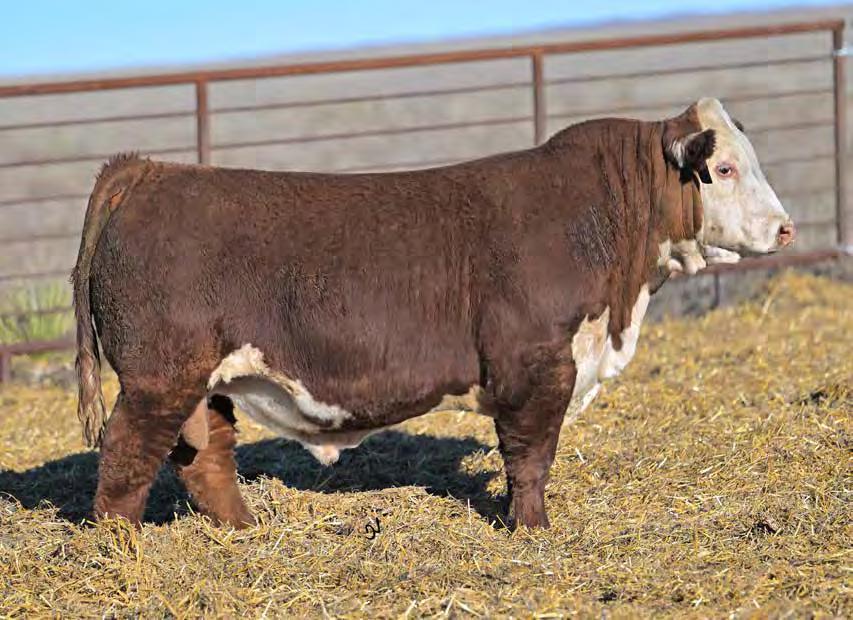
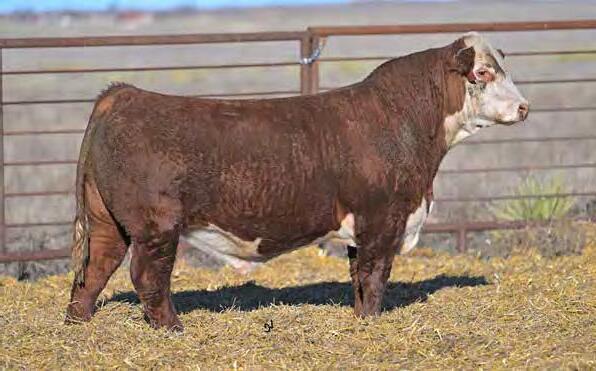
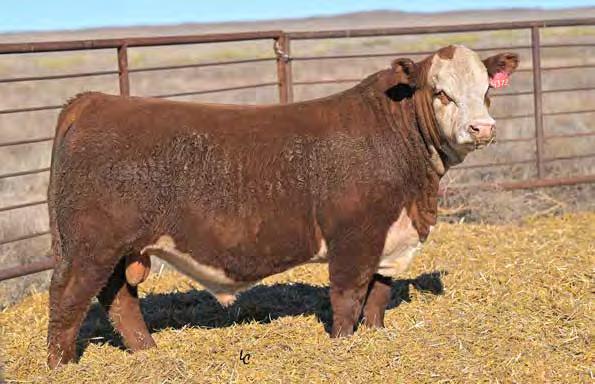
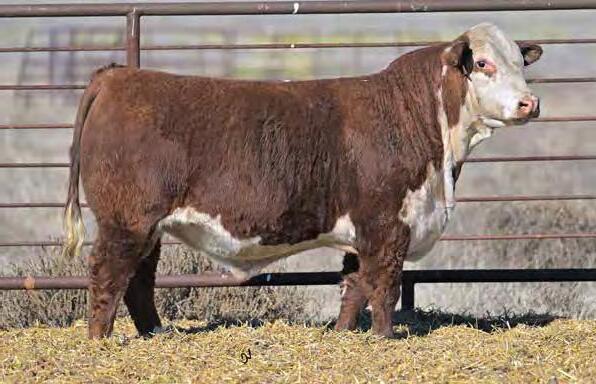
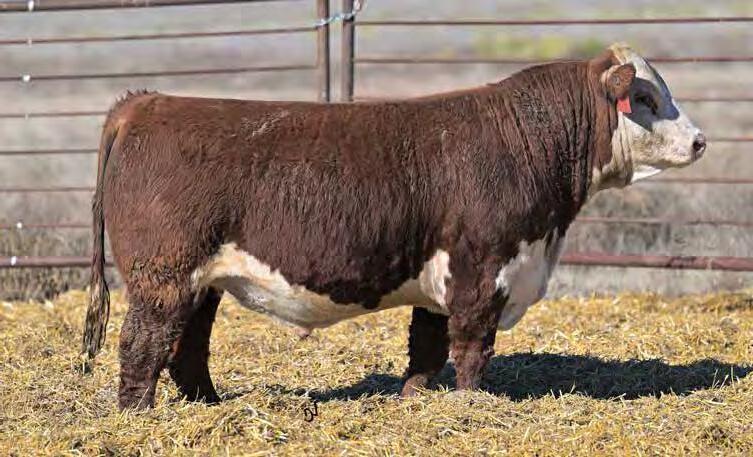
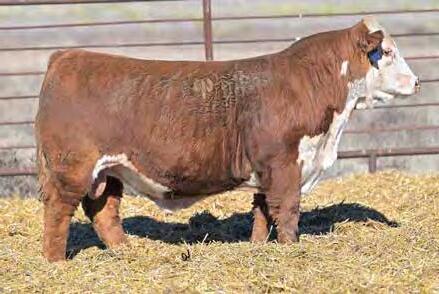
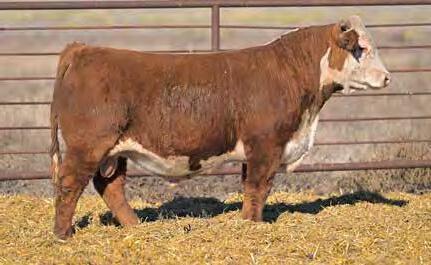
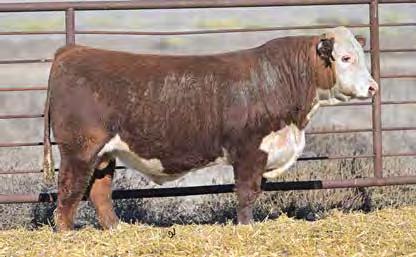
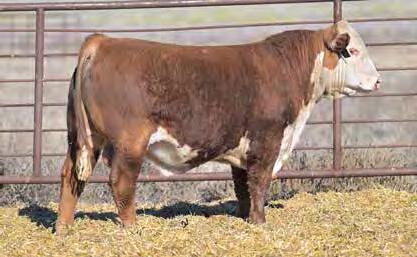
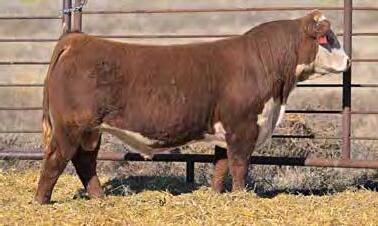
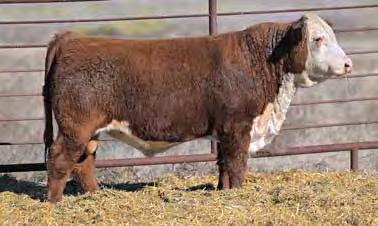
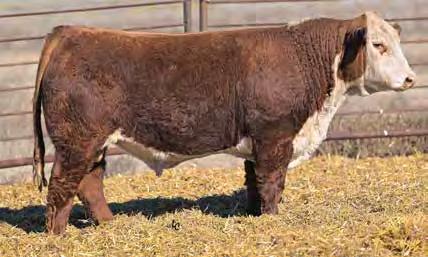
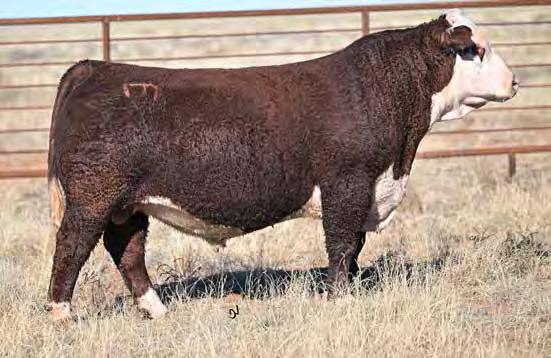
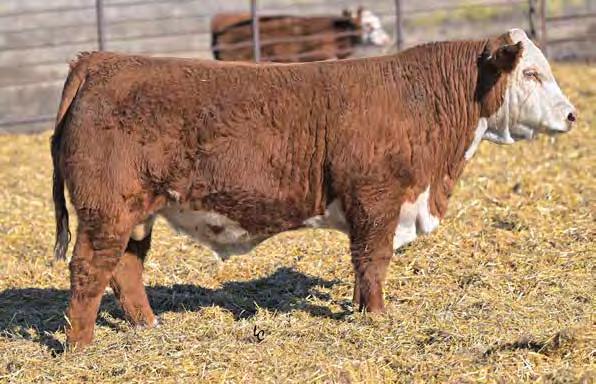
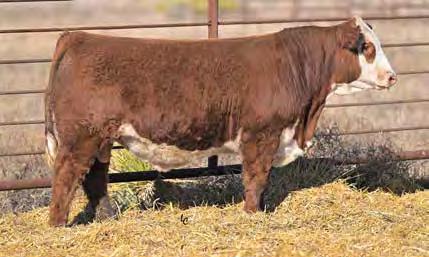
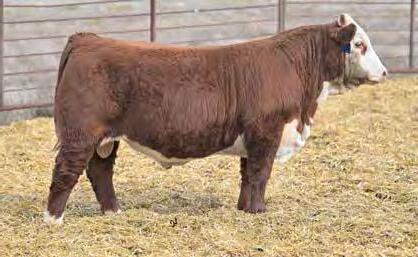
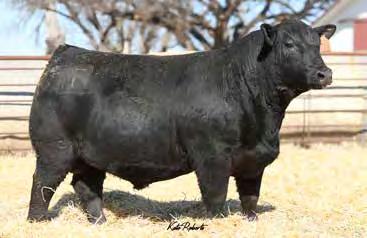
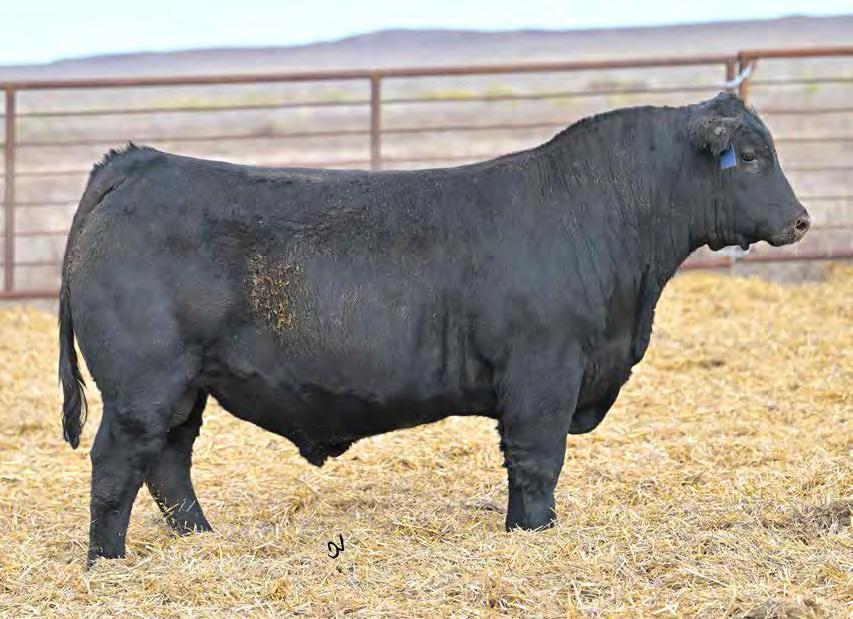
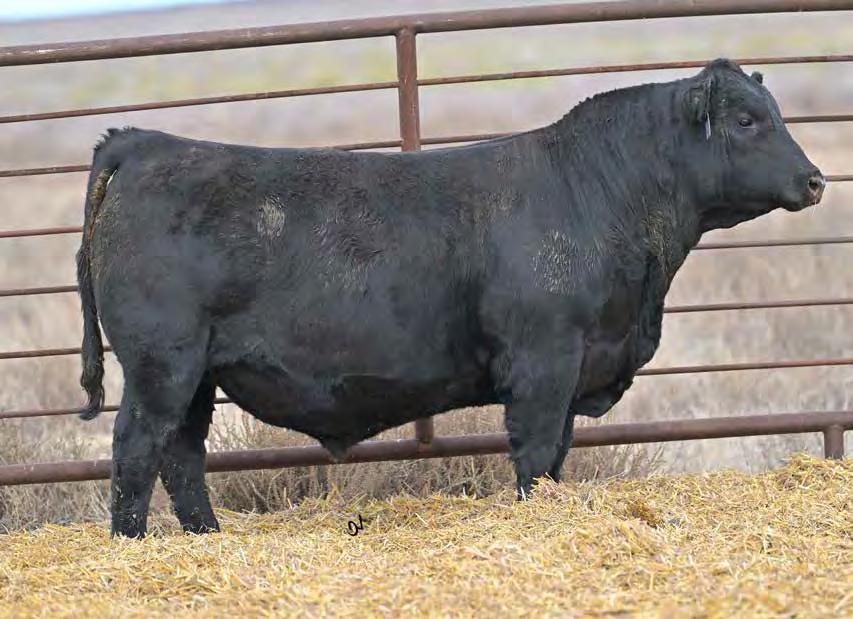
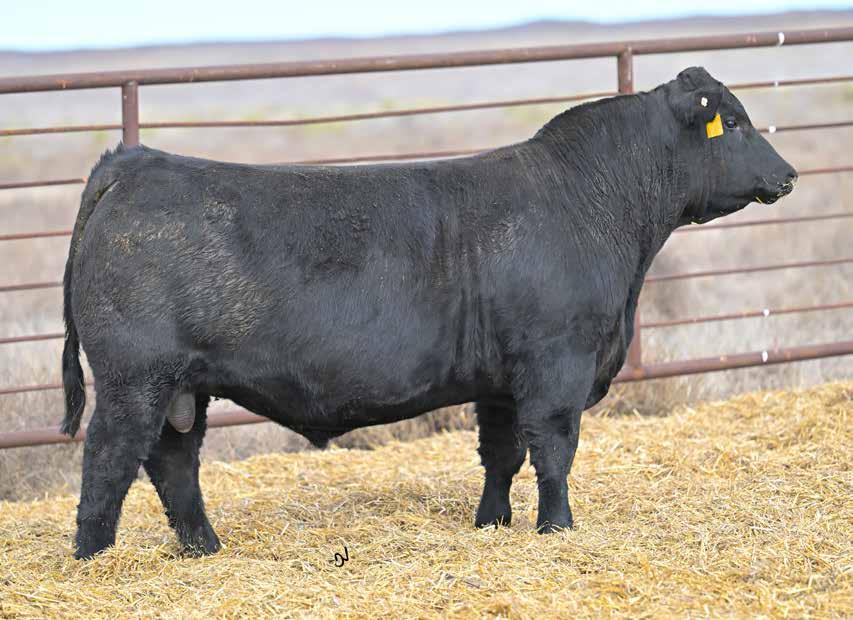
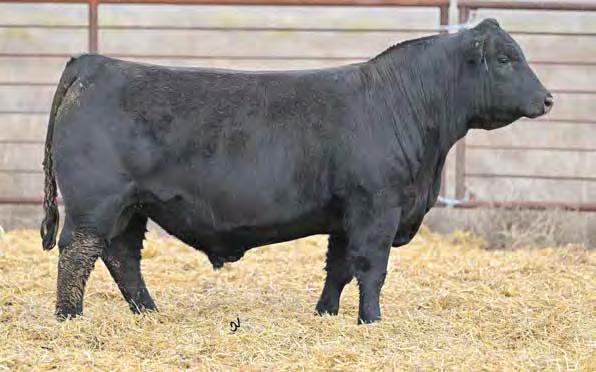
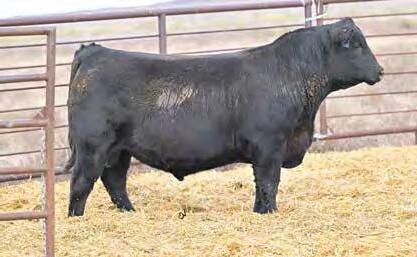
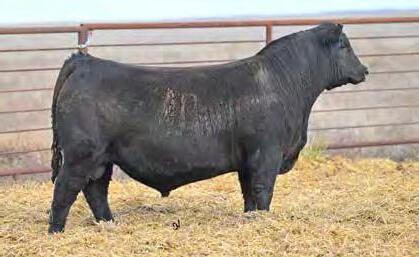
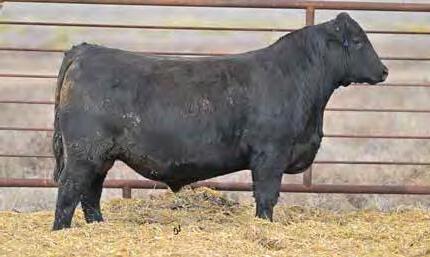
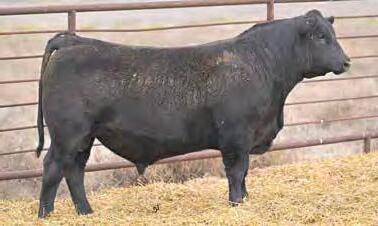
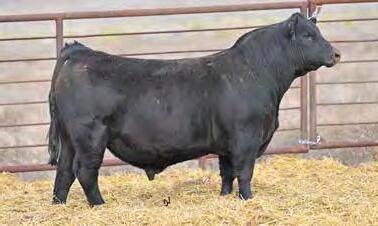
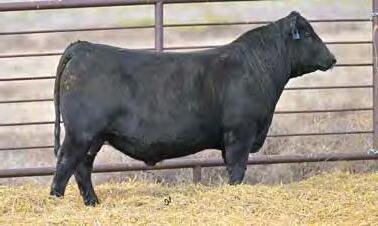
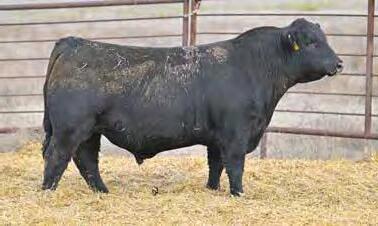
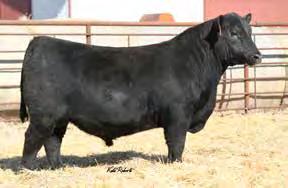
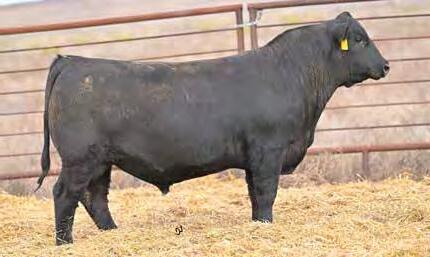
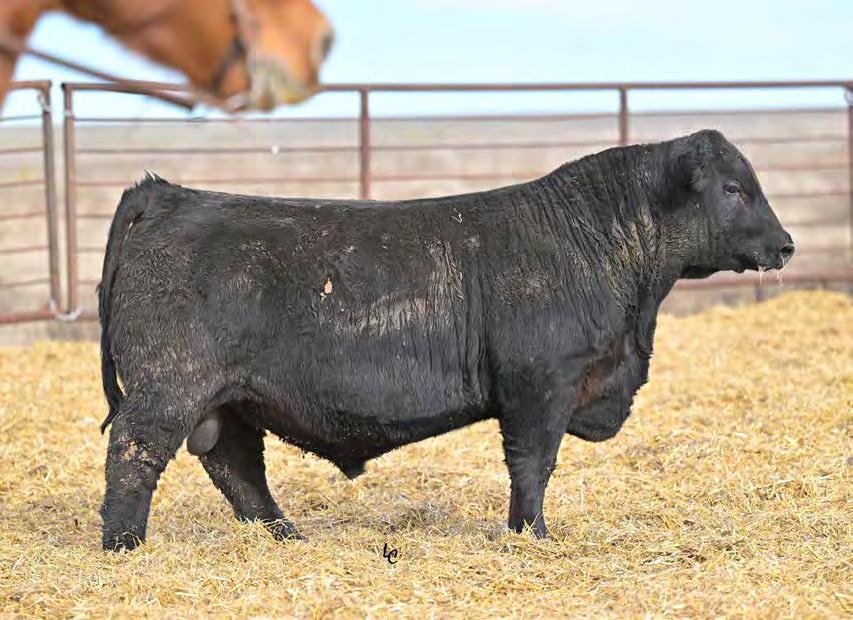
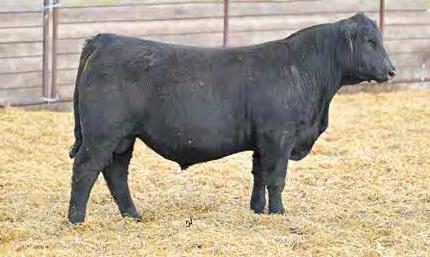
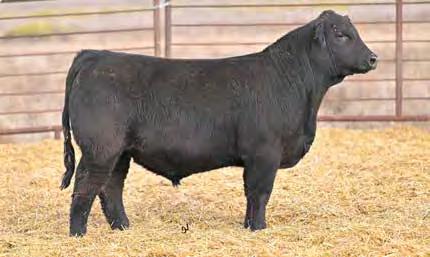
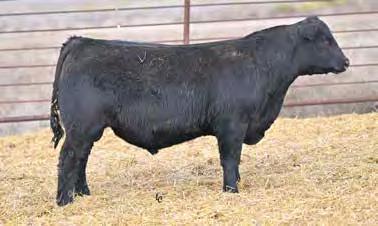
Our mission remains unchanged—to raise real-world cattle built for real-world ranching conditions. My vision of the ideal beef bull is one that is massive-ribbed, dense, robust, sound-structured, and functional, with added length, balance, and muscle. Large, uniform sire groups allow you to build a uniform herd bull battery with full, three-quarter, and half brothers—creating consistency in your calf crop and helping you capture added premiums at marketing time.
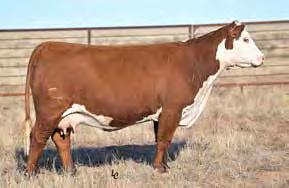
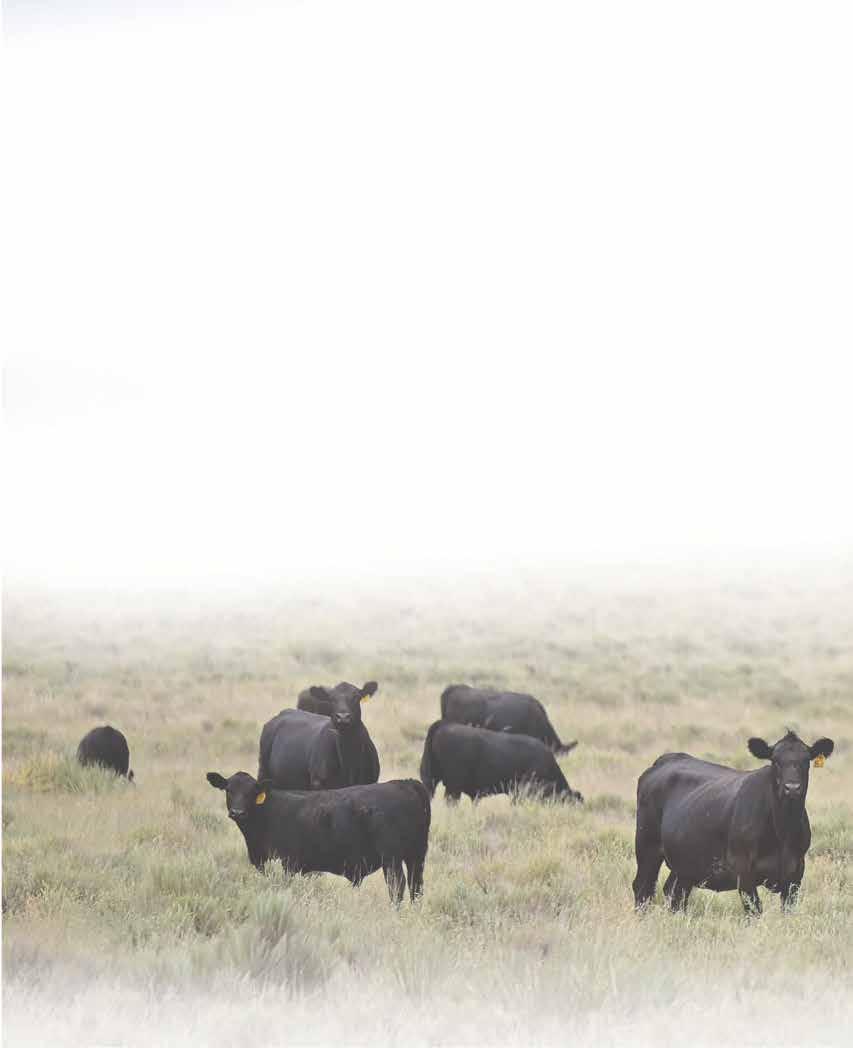
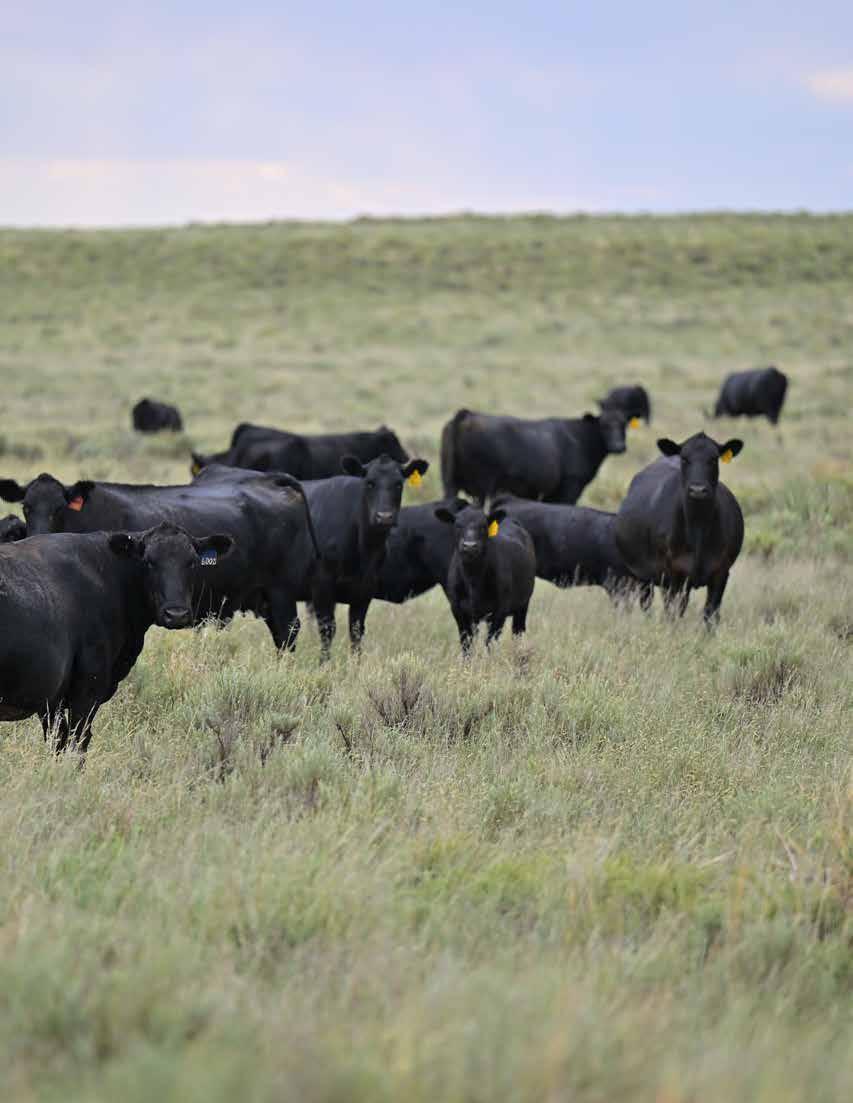
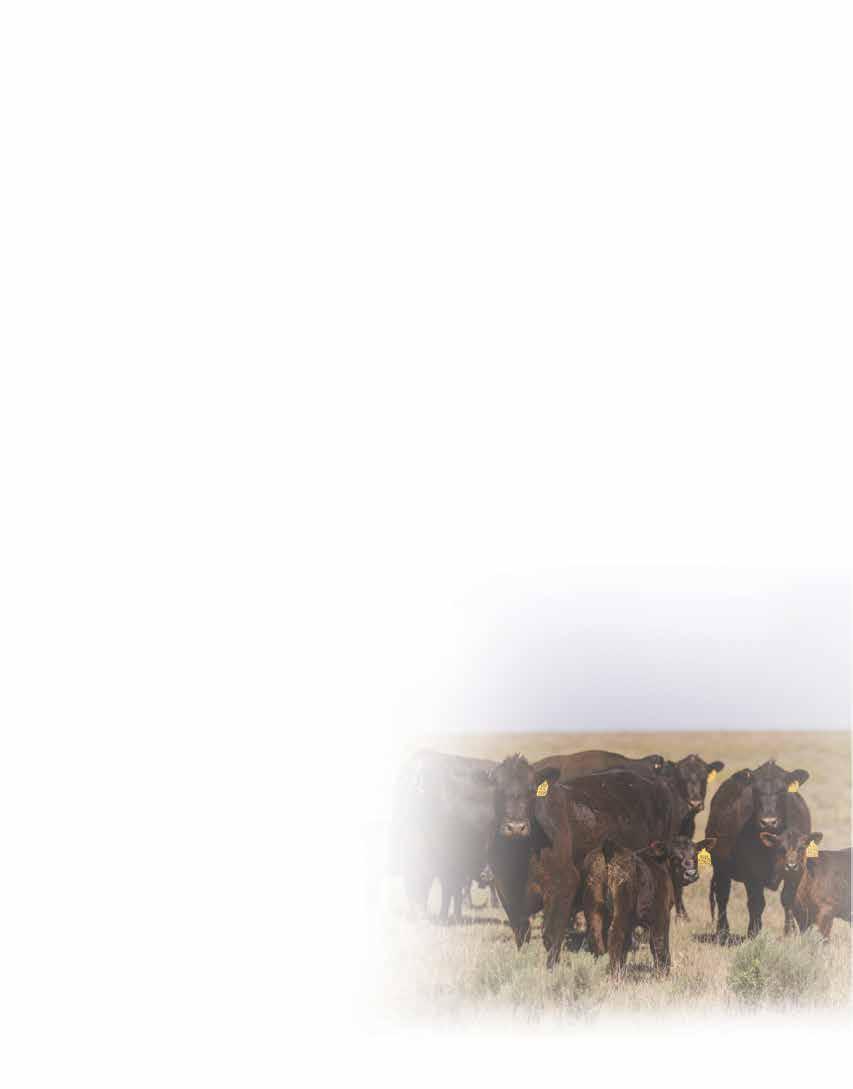
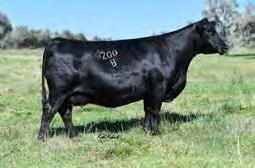
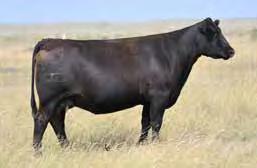
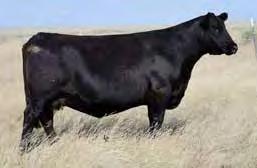
At the heart of our program is an unwavering focus on female excellence, because we believe the greatest value your next Pérez bull will bring is the replacement females he leaves behind. Our Hereford and Angus cow herds are built to thrive in the Southwest, emphasizing fertility, longevity, udder quality, fleshing ability, and structural integrity. These cows are the foundation behind every bull we sell.
In closing, I am deeply honored that you continue to place your trust in Pérez Cattle Company as your source for bulls. We understand that your success determines our success, and we do not take that responsibility lightly. To our returning customers, thank you for your continued confidence. To those considering us for the first time, I invite you to study this offering and challenge you to find a more powerful, maternally focused set of Hereford and Angus bulls in the Southwest.
We look forward to welcoming you to the ranch on sale day, where you can enjoy a complimentary steak lunch, tour our new facility, and experience our program firsthand.
Sincerely, Kyle
Pérez
| Pérez Cattle Company | 575-403-7971
Cant join us?
Bid Online at Bid.Live-Ag.com
» Log into your existing account or create an account by clicking “Register for an Account” button on the bottom of the Bid.Live-Ag.com.
» Once logged in, click on the auction you are interested in. Click on the green “Register to Bid” button.
» First time buyers and returning buyers will be approved shortly after request is submitted. Register prior to sale day to avoid any delays.
» You are not required to register to just watch the auctions.
» For questions or help call Live-Ag at (817) 533-6699.
» If you are a winning bidder, you will receive an invoice from Pérez Cattle Company.
Jim Banner, Southern Livestock………..…...210-867-6862
Delivery
Free delivery for the first 500 miles with purchases of $6,000 or more in the continental USA.
Guarantees
We guarantee all bulls sold to be sound and healthy breeders. Sight unseen purchases are guaranteed 100%.
Sale
Terms
Terms are cash. The cattle will sell under the standard terms and conditions as recommended by the American Hereford Association and American Angus Association. Announcements from the auction block will take precedence over any catalog information. The animal becomes the property of the purchaser as soon as sold, but it shall be the responsibility of the seller to see that animals are properly cared for until delivery to the purchaser. Any death or injury after the animal is sold is at the buyer’s risk.
Cattle are current on all vaccinations and will be accompanied with proper health certificates for immediate shipment to most locations in the United States. Any additional tests required for entry into certain states or countries will be performed after the sale at the seller’s expense and prior to delivery.
All Hereford cattle are IE, HY and diluter-free by pedigree. All bulls will be Trich, semen and fertility tested.
Load Out
Load out will take place after the completion of the sale.
Liability
Pérez Cattle Company shall not be held responsible for any injury, loss, damage, or illness.
Insurance
Frank Garnett, Garnett Insurance LLC....575-487-0515
Sale Videos & Pictures
Videos will be posted on PerezCattleCo.com and Bid.Live-Ag.com roughly two weeks prior to the sale. If you like to be notified when they are available follow us on Facebook or fill out the contact form on our website.
Supplemental Information
A supplement sheet will be available sale day and will be posted online at PerezCattleCo.com
Accommodation & Air Transportation
See inside back cover.
Acknowledgments
Dr. Michael Atha, Vet.................................806-244-0110
Dr. James Tompkins, Vet...........................575-403-7225
Trans Ova, ET Work....................................712-722-3605
Bid Online on Bid.Live-Ag.com Questions? (817) 533-6699
195 Hereford & Angus Bulls
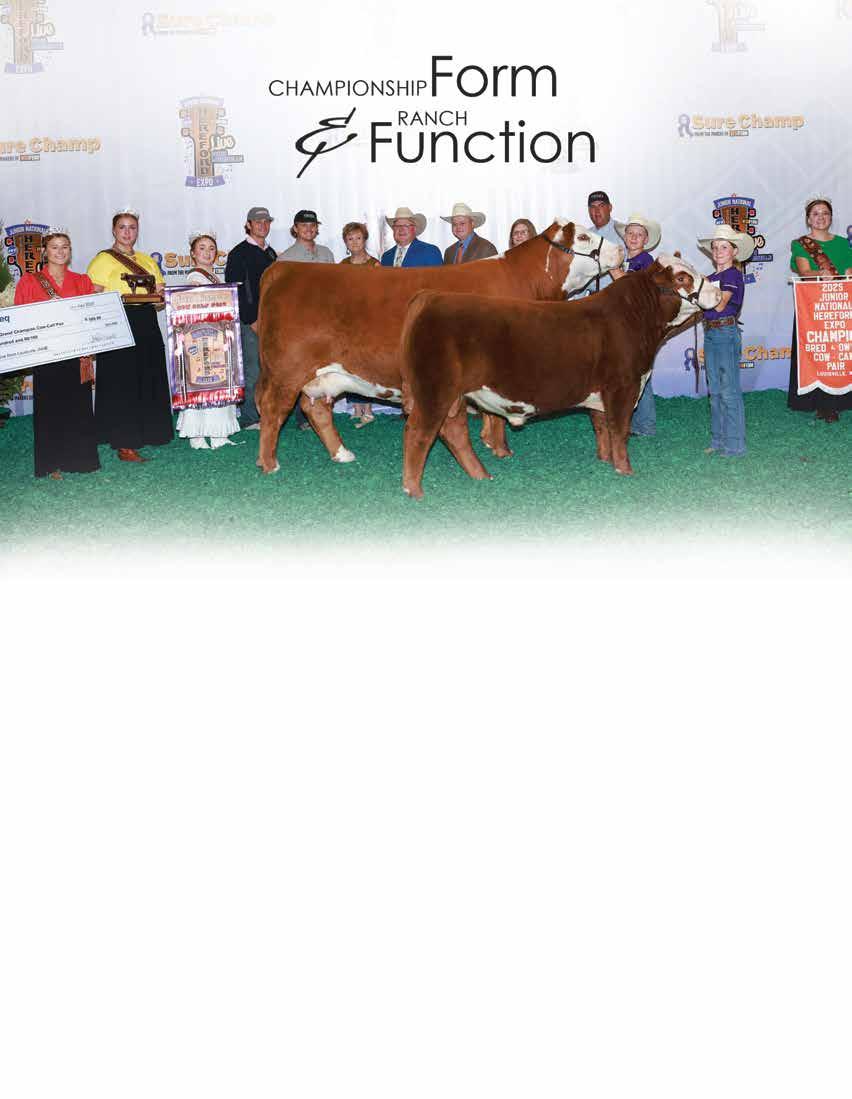
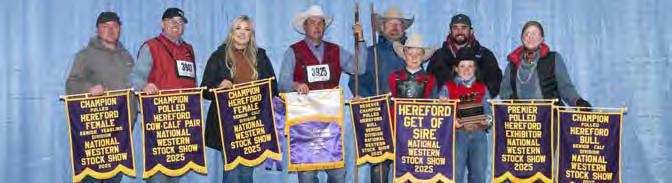
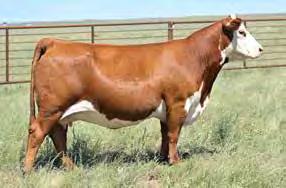
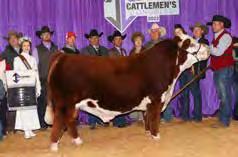
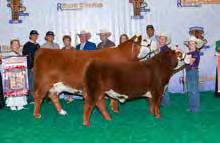
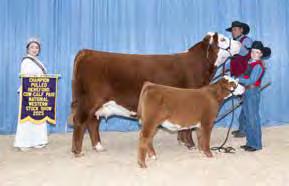
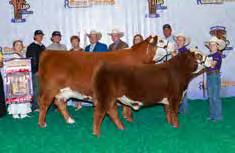
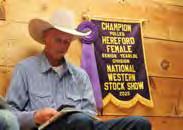
Our champions are the result of breeding functional, low-maintenance cows that work in the Southwest and look good doing it.
2025 National Western Stock Show
2025 Hereford Jr Nationals
2025 NJHE Premier Exhibitor
PCC New Mexico Lady 1107 3-Time National Champion Pair Bull Sells as Lot 11
Hereford Bulls on Angus Cows
Proven Profits
25–30 lb more weaning weight per cow exposed
5-10 % higher fertility
15-20 % longer cow longevity
8-10 % higher calf survival
Profit breakdown per cow exposed:
• More Pounds Weaned = $60–$75
• More Live Calves Sold = $35–$50
• Lower replacement Costs = $65–$90
This cross doesn’t chase trends it pays bills.
18-month old
Hereford Bulls
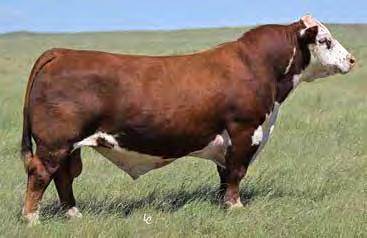
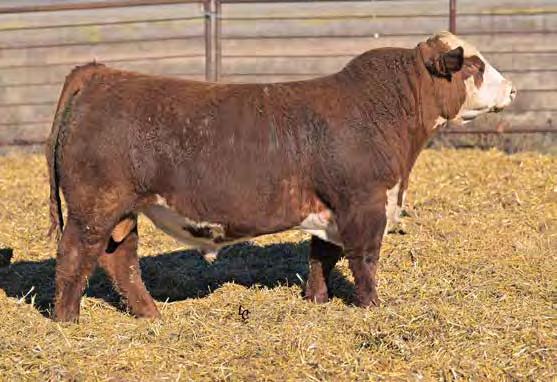
PCC 7009 173D MAVERICK 0183 ET — 34 Sons Sell
FR DAYBREAK 3514 ET – 15 Sons Sell
RST UNIQUE 1030 — 9 Sons Sell
PCC 6020 173D KUPER 9372 ET — 7 Sons Sell
PCC 7009
Lot 2 - PCC 457Y 8G BENTON 4355 ET
Lot 9 - PCC 7035 0183 MAVERICK 4432 ET
LOTS 13 & 14
PCC
26
Lot
PYRAMID
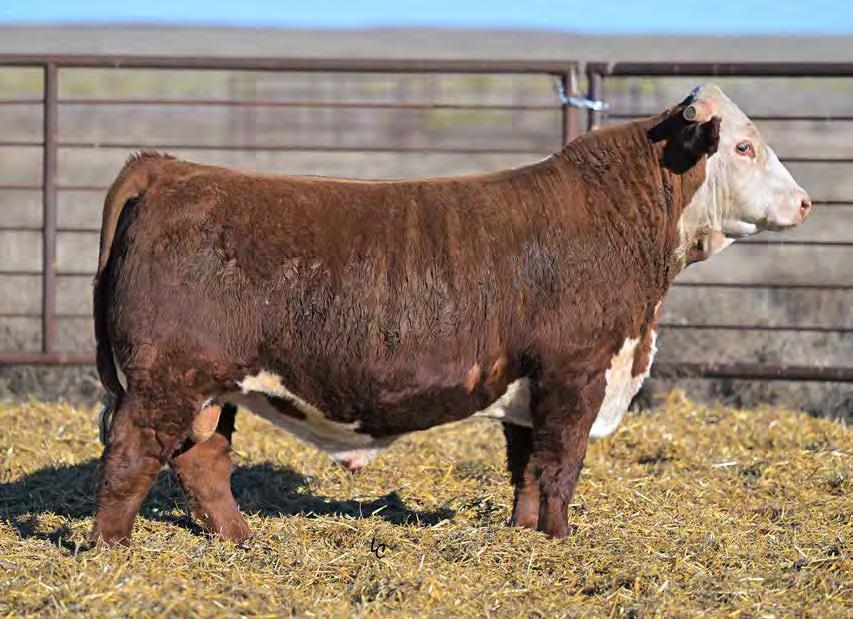
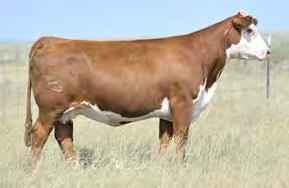
PCC NEW MEXICO LADY 7009 ET - Dam of lot 41
61 PCC 2387 1030 UNIQUE 4323
YEARLING Hereford Bulls
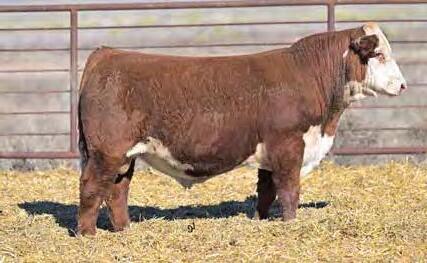
Lot 75 - PCC 143 3514 DAYBREAK 5013
75 PCC 143 3514 DAYBREAK 5013
Reg#: 44668745 DOB: 2/17/25 Tattoo: 5013HORNED
SHF DAYBREAK Y02 D287 ET SHF YORK 19H Y02 FR DAYBREAK 3514 ET SHF MISS M326 T08 ET H FHF 322 RITA 12F ET CRR 109 CATAPULT 322 FHF 408 RITA 21W CHURCHILL SENSATION 028X UPS DOMINO 3027Z MISS SDWL 143 E CHURCHILL LADY 7202T ET SR TAMMY 568C BCC BILLY THE KID 330A
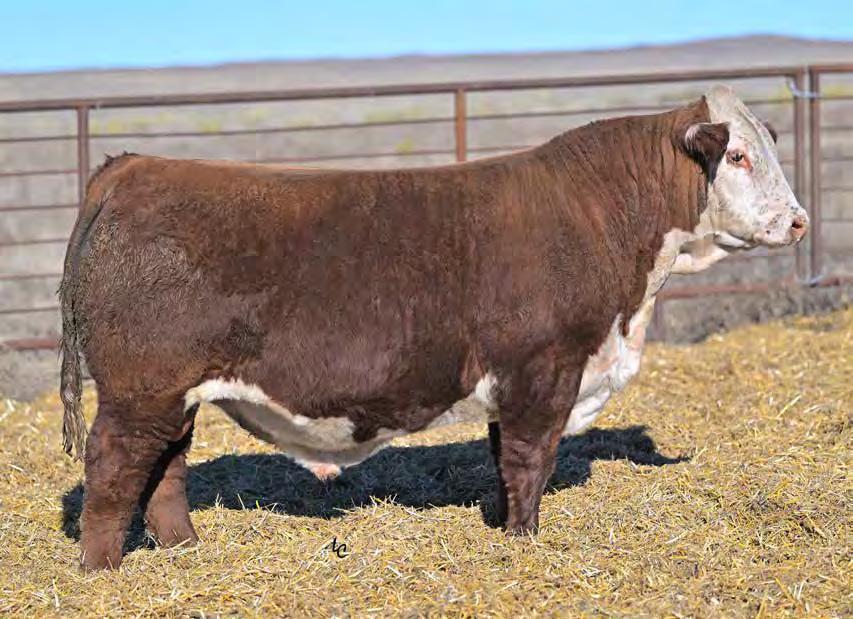
• A rugged, powerfully constructed beef bull with muscle, depth, and substance. A real rancher kind of bull that has added mass from every angle.
• 100% pigmented
• Top 1% YW, 13% REA
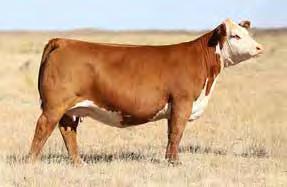
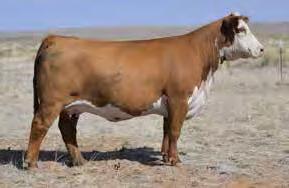
MISS SDWL 143E - Dam of lot 75
•
Lot
Angus Reference Sires
HOFFMAN HIGH ROAD — 29 Sons Sell
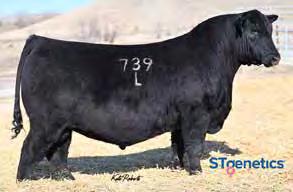
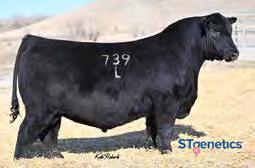
SITZ ETERNITY 739L — 22 Sons Sell
BASIN TRUE GRIT 1021 — 13 Sons Sell
MCCURRY CONFEDERATE 1190 — 10 Sons Sell
MCCURRY BARRICADE 1224 — 3 Sons Sell
MCCURRY JUSTIFIED 0198 — 10 Sons Sell
18-Month Old
Lot 93 - PCC 8836 HIGH ROAD 4829 ET
Lot 94 - PCC 8836 9961 HIGH ROAD 4878 ET
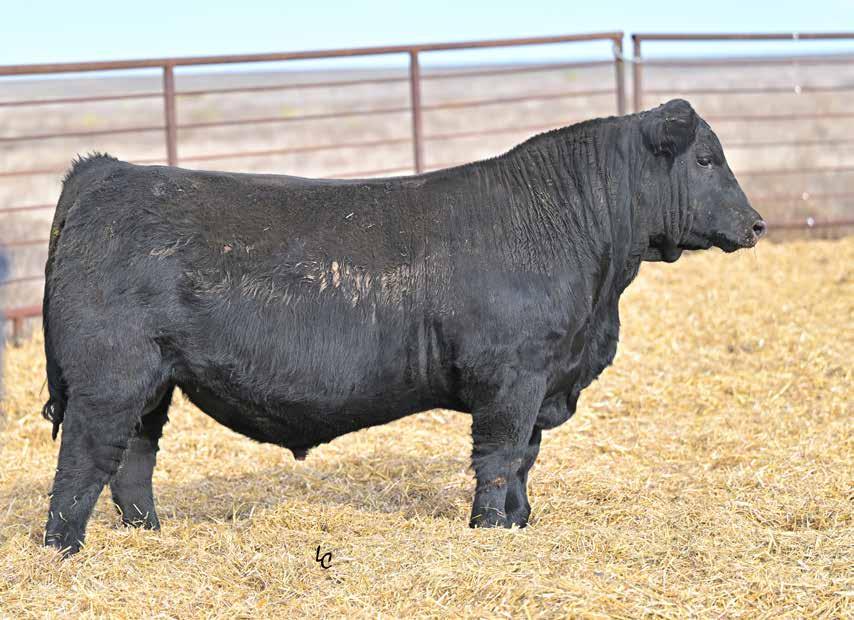
95 PCC 2863 1021 TRUE GRIT 4851
Reg#: 21452237 DOB: 09/22/24 Tattoo: 4851
SQUARE B TRUE NORTH 8052 S A V RAINFALL 6846
BASIN TRUE GRIT 1021
ELBANNA OF CONANGA 1209
BASIN CAMILLA 9044 BASIN RAINMAKER 4404
BASIN CAMILLA 7026
SITZ BARRICADE 632F SITZ STELLAR 726D
PCC NEW MEXICO LADY 2863 SITZ BARBARAMERE NELL 765D
PCC NEW MEXICO LADY 9843 MCCURRY RESOURCE 4223
•
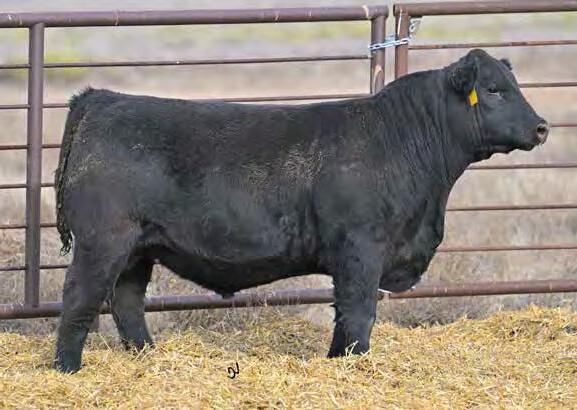
107 PCC 9825 0198 JUSTIFIED 4860
MEXICO LADY 2826 - Dam of lot 110
Lot 123 - PCC 8836 HIGH ROAD 4877 ET
Lot 127 - PCC 0807 9916 HIGH ROAD 4826 Lot
137
154 PCC 4139 9961 HIGH ROAD 4854
155 PCC HIGH ROAD 4858
BASIN CAMILLA 9044 - Grandam of Lot 161 & 162
Lot 161 - PCC 3522 1021 TRUE GRIT 5501
Lot 163 - PCC 9506 739L
165 - PCC 9501
168
188
194 PCC JUNCTION 5584
195 PCC 0826 637J BARRICADE
AMERICAN ANGUS ASSOCIATION SELECTION TOOLS
Expected Progeny Difference (EPD), is the prediction of how future progeny of each animal are expected to perform relative to the progeny of other animals listed in the database. EPDs are expressed in units of measure for the trait, plus or minus. Interim EPDs may appear on young animals when their performance has yet to be incorporated into the American Angus Association National Cattle Evaluation (NCE) procedures. This EPD will be preceded by an “I”, and may or may not include the animal’s own performance record for a particular trait, depending on its availability, appropriate contemporary grouping, or data edits needed for NCE.
Birth Weight (BW), expressed in pounds, is a predictor of a sire’s ability to transmit birth weight to his progeny compared to that of other sires.
Weaning Weight (WW), expressed in pounds, is a predictor of a sire’s ability to transmit weaning growth to his progeny compared to that of other sires.
Yearling Weight (YW), expressed in pounds, is a predictor of a sire’s ability to transmit yearling growth to his progeny compared to that of other sires.
MATERNAL
Maternal Milk (Milk), expressed in pounds of calf weaned, is a predictor of a sire’s genetic merit for milk and mothering ability in his daughters. In other words, it is the part of the calf’s weaning weight attributes to milk and mothering ability.
Heifer Pregnancy (HP), is a selection tool to increase the probability or chance of a sire’s daughters becoming pregnant as first–calf heifers during a normal breeding season. A higher EPD is the more favorable direction, and the EPD is reported in percentage units.
Calving Ease Maternal (CEM), expressed as a difference in percentage of unassisted births, with a higher value indicating greater calving ease in first-calf daughters. It predicts the average ease with which a sire’s daughters will calve as first-calf heifers when compared to daughters of other sires.
MANAGEMENT
Pulmonary Arterial Pressure EPD (PAP), expressed in millimeters of Mercury (mmHg), with a lower EPD being more favorable indicating a sire should produce progeny with a lower PAP score to decrease the risk of progeny contracting high altitude disease most commonly experienced at 5,500 ft or greater in elevation.
CARCASS
Ribeye Area (RE), expressed in square inches, is a predictor of the difference in ribeye area of a sire’s progeny compared to progeny of other sires.
Marbling (Marb), expressed as a fraction of the difference in USDA marbling score of a sire’s progeny compared to progeny of other sires.
$VALUE INDEXES
$Value Indexes, expressed in dollars per head, are multi-trait selection indexes where a higher value suggests more profit. The $Value is an estimate of how future progeny of each sire are expected to perform, on average, compared to progeny of other sires if sires were randomly mated to cows and if calves were exposed to the same environment.
Maternal Weaned Calf Value ($M), expressed in dollars per head, predicts profitability differences in progeny due to genetics from conception to weaning by decreasing mature cow size and improving docility, foot structure and fertility while maintaining weaning weights consistent with today’s production.
Beef Value ($B), expressed in dollars per carcass, represents the expected average differences in the progeny post-weaning performance and carcass value compared to progeny of other sires. This index assumes commercial pro ducers wean all male and female progeny, retain ownership of these animals through the feedlot and sell on a carcass merit grid.
Combined Value ($C), expressed in dollars per head, which includes all traits that make up both Maternal Weaned Calf Value ($M) and Beef Value ($B) with the objective that commercial producers will replace 20% of their breeding females per year with replacement heifers retained within their own herd. The remaining cull heifer and steer progeny are then assumed to be sent to the feedlot where the producers retain ownership of those cattle and sell them on a quality-based carcass merit grid.
Across Breed EPD Adjustment Factors
EPDs across different breeds and database cannot be directly compared. The information below allows producers to adjust EPDs from different breeds to make them directly comparable.
Researchers at the Roman L. Hruska U.S. Meat Animal Research Center (MARC) in Clay Center, Neb., develop breed adjustment factors annually so that expected progeny difference (EPD) values can be compared across breeds. This process allows the estimation of across-breed EPDs, sometimes referred to as AB-EPDs. The across-breed EPD concept was introduced in the late 1980’s and continues to spark interest with commercial bull buyers using more than one breed of bull. This is mostly due to the fact that without adjustments, the within-breed EPDs cannot be used to directly compare animals of different breeds, since the values are typically computed separately for each breed.
Table 1 presents the most recent MARC adjustment factors that can be added to the EPDs of animals of different breeds, adjusting their EPD values to an Angus equivalent. The adjustment factors, given relative to an Angus equivalent of zero for each trait, take into account breed differences measured in the Germplasm Evaluation Project at MARC, as well as differences in breed average EPDs and base year. Animals of various breeds can be compared on the same EPD scale, after adding the specific adjustment factor to EPDs produced in the most recent genetic evaluations of the representative breeds. Use of these factors does not change differences in EPDs among bulls within a breed. However, it does affect differences among bulls of different breeds. The example below illustrates EPDs for Angus and Simmental bulls after across-breed adjustment factors have been applied to estimate AB-EPDs. The AB-EPDs for Simmental Bull #002 are on an Angus-equivalent scale and can be directly compared with values for Angus Bull #001.
It is important to remember that EPDs are not perfect when comparing bulls even within a breed; therefore, AB-EPDs are somewhat less accurate when comparing animals of different breeds. AB-EPDs are most effective for selecting bulls of two or more breeds for use in systematic crossbreeding. When evaluating the potential application of AB-EPDs as a tool for a particular breeding program, commercial cow-calf producers must first examine the needs of their individual operations. Producers must diligently review their breed choices and crossbreeding systems in order to provide the best sire selection match to cow genetic type, environment, feed resources, and market targets.
Table 1. Adjustment Factors to Estimate across-breed EPDs.
UNDERSTANDING HEREFORD EPDS
The American Hereford Association (AHA) currently produces expected progeny differences (EPDs) for 17 traits and calculates three profit ($) indexes. AHA’s genetic evaluation makes use of a Marker Effects Model that allows the calculation of EPDs by incorporating the pedigree, phenotypic and genomic profile of an animal. Animals that have a genomic profile will be denoted with a GE-EPD logo..
Calving Ease — Direct (CED)
CE EPD is based on calving ease scores and birth weights and is measured on a percentage. CE EPD indicates the influence of the sire on calving ease in females calving at 2 years of age. For example, if sire A has a CE EPD of 6 and sire B has a CE EPD of -2, then you would expect on average if comparably mated, sire A’s calves would be born with an 8% more likely chance of being unassisted when compared to sire B’s calves.
Birth Weight (BW)
BW EPD is an indicator trait for calving ease and is measured in pounds. For example, if sire A has a BW EPD of 3.6 and sire B has a BW EPD of 0.6, then you would expect on average if comparably mated, sire A’s calves would come 3 lb. heavier at birth when compared to sire B’s calves. Larger BW EPDs usually, but not always, indicate more calving difficulty. The figure in parentheses found after each EPD is an accuracy value or reliability of the EPD.
Weaning Weight (WW)
WW EPD is an estimate of pre-weaning growth that is measured in pounds. For example, if sire A has a WW EPD of 60 and sire B has a WW EPD of 40, then you would expect on average if comparably mated, sire A’s calves would weigh 20 lb. heavier at weaning when compared to sire B’s calves.
Yearling Weight (YW)
YW EPD is an estimate of post-weaning growth that is measured in pounds. For example, if sire A has a YW EPD of 100 and sire B has a YW EPD of 70, then you would expect on average if comparably mated, sire A’s calves would weigh 30 lb. heavier at a year of age when compared to sire B’s calves.
Maternal Milk (MILK)
The milking ability of a sire’s daughters is expressed in pounds of calf weaned. It predicts the difference in average weaning weights of sires’ daughters’ progeny due to milking ability. Daughters of the sire with a +14 MM EPD should produce progeny with 205-day weights averaging 24 lb. more (as a result of greater milk production) than daughters of a bull with a MM EPD of -10 lb. (14 minus -10.0 = 24 lb.). This difference in weaning weight is due to total milk production during the entire lactation.
Maternal Milk & Growth (M&G)
Maternal Milk & Growth reflects what the sire is expected to transmit to his daughters for a combination of growth genetics through weaning and genetics for milking ability. It is an estimate of daughters’ progeny weaning weight. A bull with a 29 lb. M&G EPD should sire daughters with progeny weaning weights averaging 19 lb. heavier than progeny of a bull’s daughters with a M&G EPD of 10 lb. (29 minus 10 = 19 lb.). It is equal to one-half the sire’s weaning weight EPD, plus all of his MM EPD. No accuracy is associated with this since it is simply a mathematical combination of two other EPDs. It is sometimes referred to as “total maternal” or “combined maternal.”
Maternal Calving Ease (CEM)
MCE EPD predicts how easily a sires daughters will calve at 2 years of age and is measured on a percentage. For example, if sire A has a MCE EPD of 7 and sire B has a CE EPD of -3, then you would expect on average if comparably mated, sire A’s daughters would calve with a 10% more likely chance of being unassisted when compared to sire B’s daughters.
Udder Suspension (UDDR)
UDDR EPDs are reported on a 9 (very tight) to 1 (very pendulous) scoring scale. Differences in sire EPDs predict the difference expected in the sires’ daughters’ udder characteristics when managed in the same environment. For example, if sire A has a UDDR EPD of 0.4, and sire B has a UDDR EPD of -0.1, the difference in the values is 0.5, or one-half of a score. If daughters of sires A and B are raised and managed in the same environment, you would expect half a score better udder suspension in daughters of sire A, compared to sire B.
Teat Size (TEAT)
TEAT EPDs are reported on a 9 (very small) to 1 (very large, balloon shaped) scoring scale. Differences in sire EPDs predict the difference expected in the sires’ daughters’ udder characteristics when managed in the same environment. For example, if sire A has a teat size EPD of 0.4, and sire B has a teat size EPD of -0.1, the difference in the
values is 0.5, or one-half of a score. If daughters of sires A and B are raised and managed in the same environment, you would expect half a score smaller teat size in daughters of sire A, compared to sire B.
Ribeye Area (REA)
REA EPDs reflect differences in an adjusted 365-day ribeye area measurement based on carcass measurements of harvested cattle. Sires with relatively higher REA EPDs are expected to produce better-muscled and higher percentage yielding slaughter progeny than will sires with lower REA EPDs. Ultrasound measurements are also incorporated into this trait and have been shown to be highly correlated with the performance of slaughter progeny. All data is expressed on a carcass scale.
Marbling (MARB)
MARB EPDs reflect differences in an adjusted 365-day marbling score (intramuscular fat, [IMF]) based on carcass measurements of harvested cattle. Breeding cattle with higher MARB EPDs should produce slaughter progeny with a higher degree of IMF and therefore higher quality grades. Ultrasound measurements are also incorporated into this trait and have been shown to be highly correlated with the performance of slaughter progeny. All data is expressed on a carcass scale.
Baldie Maternal Index (BMI$)
The Baldy Maternal Index is a maternally focused index that is based on a production system that uses Hereford x Angus cross cows. Progeny of these cows are directed towards Certified Hereford Beef. This index has significant weight on Sustained Cow Fertility, which predicts fertility and longevity of females. There is a slightly positive weight on Weaning Weight, Mature Cow Weight and Milk which accounts for enough growth but ensures females do not increase inputs. There is some negative emphasis on Dry Matter Intake, but a positive weighting on Carcass Weight which is anticipated to provide profitability from finishing of non-replacement females and castrated males. Marbling and Rib-eye Area are also positively weighted to keep the harvested progeny successful for CHB. This index is geared to identify Hereford bulls that will be profitable when used in a rotational cross with mature commercial Angus cows.
Brahman Influence Index (BII$)
The Brahman Influence Index is a maternally focused index that is based on a production system that uses Brahman x Hereford cross cows. Progeny of these cows are directed towards a commodity beef market since Certified Hereford Beef does not accept Brahman influenced cattle. This index has significant weight on Sustained Cow Fertility, which predicts fertility and longevity of females. There is a slightly positive weight on Weaning Weight, Mature Cow Weight and Milk which accounts for enough growth but ensures females do not increase inputs. There is some negative emphasis on Dry Matter Intake, but a positive weighting on Carcass Weight which is anticipated to provide profitability in finishing non-replacement females and castrated males. Marbling and Rib-eye Area are also positively weighted to keep harvested progeny successful for a variety of commodity based programs. This index targets producers that use Hereford bulls on Brahman influenced cows.
Certified Hereford Beef Index (CHB$)
The Certified Hereford Beef Index is a terminal sire index that is built on a production system where Hereford bulls are mated to mature commercial Angus cows and all progeny will be targeted for Certified Hereford Beef after the finishing phase. This index has significant weight on Carcass Weight to ensure profit on the rail. As well there is a positive weighting for Average Daily Gain along with a negative weighting on Dry Matter Intake to ensure efficient pounds of growth in the finishing phase. Keep in mind, this production system takes advantage of complimentary breeding with the commercial Angus cow. Although Marbling is weighted positively in this index, a positive weighting for Rib-eye Area and a negative weighting for Back Fat are a greater priority in this index to allow for optimum end-product merit. This is the only index that has no emphasis on fertility. Remember that no replacement heifers are being retained.
Sale Day Location
Sale Location
Cattle Viewing & Sale Location
Pérez Cattle Company Sale Facility
9767 Quay Rd O
Nara Visa, NM 88430
From Logan, NM head east on Hwy 54 for 17 miles. At Obar (there is a semi turnout at this intersection), turn left (north) onto Quay Road L. Follow Quay Road L for 8.5 miles to a “T” intersection at Quay Road 96. Turn left (west) onto Quay Road 96 and continue for 2.5 miles. At the Pérez sign and cattle guard, take a slight right, cross the red cattle guard, and follow the signs to the sale facility
From Dalhart, TX X head west on HWY 54 for 41 miles. At Obar (there is a semi turnout at this intersection) turn right (North) on Quay Road L. Follow Quay Road L for 8.5 miles to a “T” intersection at Quay Road 96. Turn left (west) onto Quay Road 96 and continue for 2.5 miles. At the Pérez sign and cattle guard, take a slight right, cross the red cattle guard, and follow the signs to the sale facility.
From Clayton, NM f head south on HWY 402 for 58.5 miles. At to Quay Road 96, turn right (west). Follow the dirt road for 8 miles to the Pérez sign and cattle guard, take a slight right, cross the red cattle guard, and follow the signs to the sale facility.
Airport & Drive Times
Amarillo, TX International Airport — 2 hours
Albuquerque, NM International Airport — 3 1/2 hours
Private aircraft can fly into Dalhart, TX or Tucumcari, NM
Accommodations
Logan, NM – 30 Minutes
Old Country Inn |575-487-2929
501 US-54 | Logan, NM 88426 OldCountryInn.org
Yucca Motel |575-487-2272
401 US-54 | Logan, NM 88426
Dalhart, TX—1 Hour (Note: Dalhart is on Central Time)
Holiday Inn Express | 806.244.1001
Highway 87 South | Dalhart, TX 79022
Hampton Inn | (806) 244-0111
700 Liberal St | Dalhart, TX 79022
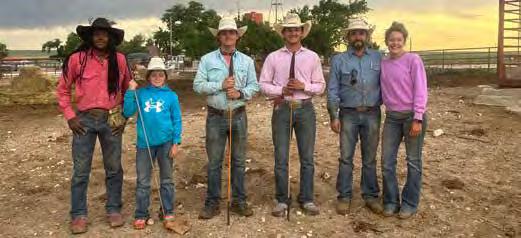
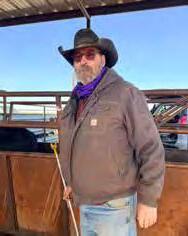
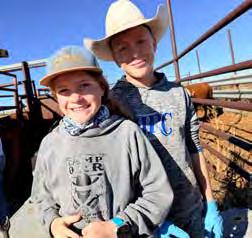
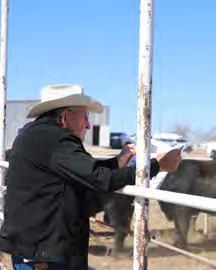
— We are deeply grateful for our crew — the heart, hands, and backbone of this ranch.
Thank You Buyers
We sincerely thank our buyers for believing in our program and allowing our genetics to go to work in your herds.