The Rise of the HyperPersonalised Tech Home
Luxury has always been about distinction. From bespoke tailoring on Savile Row to one-off motorcars coachbuilt to a client’s exacting tastes, true refinement lies in the personal. Today, that philosophy has found its most intimate expression within the home. The hyperpersonalised tech home is no longer a futuristic fantasy but a fast-emerging reality for Britain’s most discerning homeowners, redefining what it means to live well in the digital age.
At its core, the hyper-personalised tech home is not about gadgets for their own sake. It is about designing a living environment that understands its occupants, anticipates their needs and quietly adapts to their preferences. Unlike the smart homes of a decade ago, which

often prioritised novelty over nuance, this new generation of residences places human experience firmly at the centre.
In the UK luxury market, particularly in London, the Cotswolds and prime coastal enclaves, homeowners are commissioning properties that respond uniquely to how they live. Morning routines are choreographed with subtle precision. Lighting shifts gradually to mirror natural daylight patterns, easing the body awake rather than jolting it. Heating zones learn individual comfort levels, adjusting room by room, person by person. Even scent is curated, with gentle fragrances released at specific times to evoke calm, focus or relaxation.
What distinguishes hyper-personalisation from standard smart home automation is intelligence layered with emotional awareness. Artificial intelligence systems analyse long-term behavioural patterns, not to intrude but to refine. If a


homeowner consistently lowers the blinds in the late afternoon, the home learns this preference and offers it automatically. If weekends demand a different ambience from weekdays, the house adapts without instruction. Over time, the technology becomes almost invisible, working in harmony with daily life.
British homeowners, known for their appreciation of understatement, are particularly drawn to this discreet approach. The most successful tech homes are those where technology is felt rather than seen. Touchscreens are replaced by voice, gesture or predictive systems. Speakers are concealed within architectural features. Servers and control hubs are hidden away, leaving interiors calm, elegant and timeless.
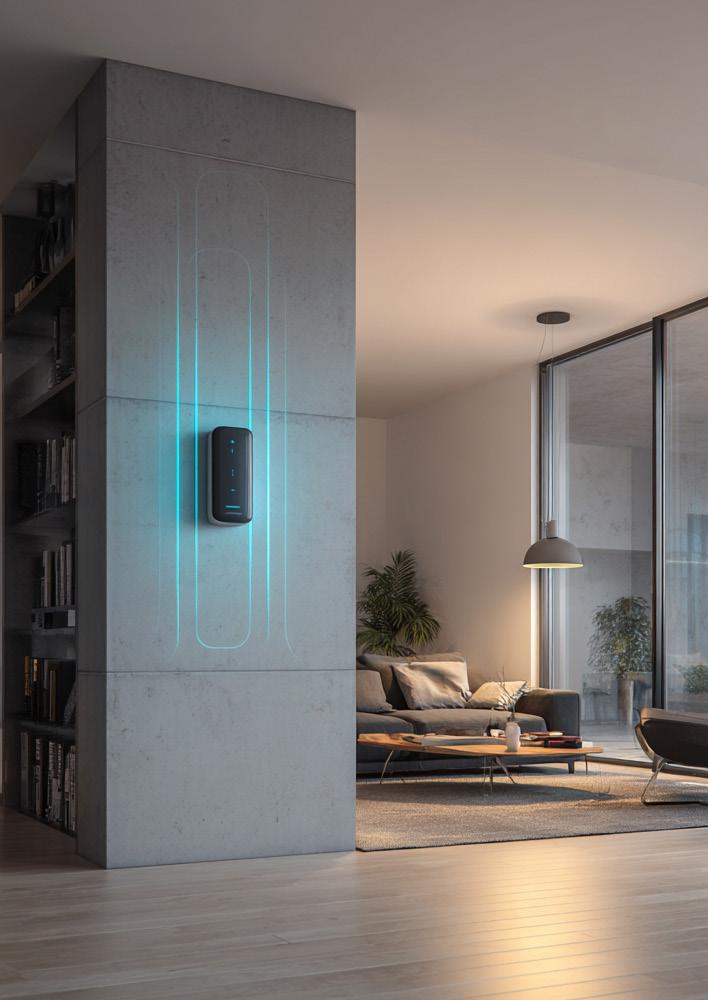
Privacy and security are paramount, especially in a world increasingly conscious of data. In response, luxury tech homes in Britain are shifting away from cloud-reliant systems towards locally hosted solutions. Personal data remains within the property, encrypted and controlled by the homeowner. Biometric access systems, using facial recognition or fingerprint scanning, replace traditional keys, offering both convenience and peace of mind without compromising discretion.
Hyper-Personalised Tech Home
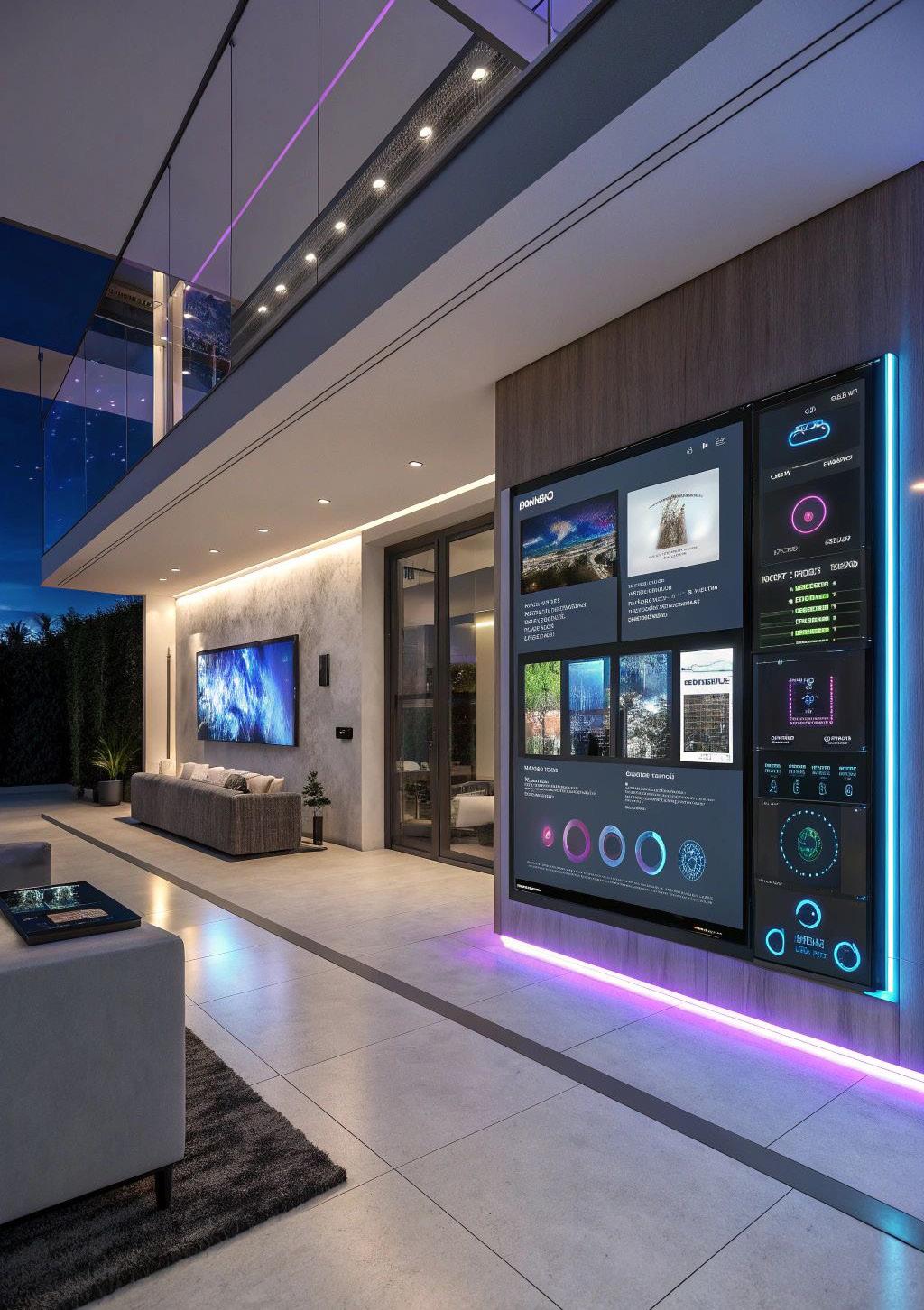
Entertainment has also evolved into something far more tailored. Home cinemas no longer simply replicate the commercial experience. They are calibrated to the owner’s exact visual and acoustic preferences, from colour grading to sound profiles. Music follows occupants seamlessly from room to room, adjusting volume and tone based on activity and mood. For collectors, digital art walls display rotating selections curated to personal taste, transforming living spaces into private galleries.
Wellness has become a defining pillar of hyper-personalised living. British luxury homes are increasingly designed as sanctuaries that actively support physical and mental health. Sleep optimisation systems track rest patterns and adjust bedroom conditions accordingly. Air and water quality are continuously monitored and refined. Bathrooms resemble private spas, with steam, lighting and temperature presets tailored to individual users.
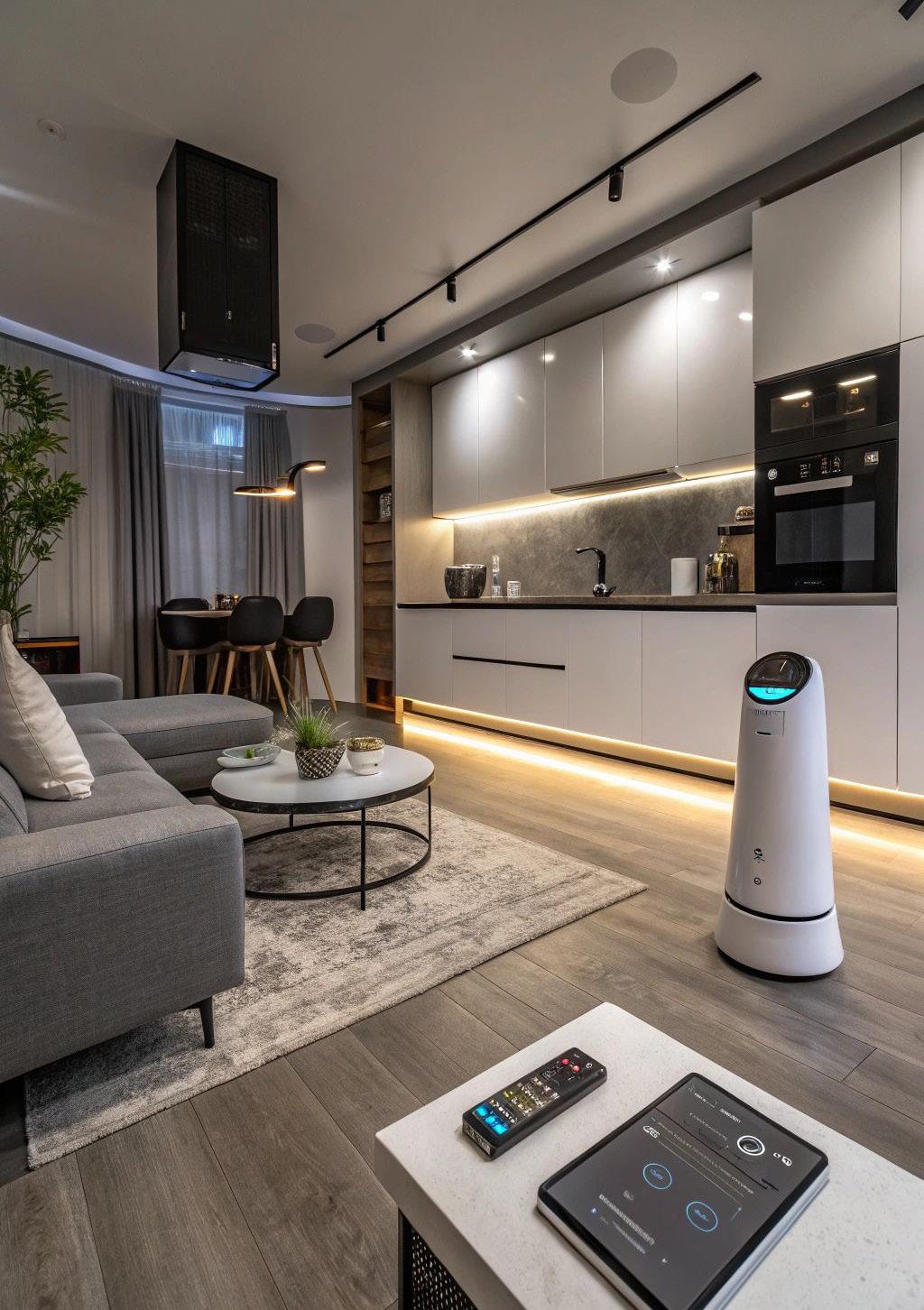
Even kitchens are becoming responsive environments. Appliances suggest recipes based on dietary preferences, nutritional goals and what is available locally and seasonally. For those with household staff, systems can differentiate between users, ensuring that a chef’s workflow differs from a homeowner’s casual breakfast routine. The result is a space that feels intuitive rather than instructional.
The role of the architect and interior designer has expanded significantly in this landscape. Technology is no longer an afterthought but an integral element of the design process from the earliest stages. Collaboration between designers, technologists and clients is essential to ensure that systems enhance rather than disrupt aesthetic vision. In Britain, where heritage properties often meet contemporary lifestyles, this integration requires particular sensitivity. Period townhouses and listed country homes are being quietly transformed with state of the art systems that respect their architectural integrity.
Sustainability, too, is woven into the fabric of hyper-personalised tech homes. Intelligent energy management systems optimise consumption based on occupancy and usage patterns. Solar panels, battery storage and heat pumps are coordinated seamlessly, reducing environmental impact without compromising comfort. For many luxury homeowners, this alignment of responsibility and indulgence is no longer optional but expected.
Perhaps the most compelling aspect of hyper-personalised tech homes is their capacity to evolve. Unlike static luxury features, these systems grow more refined over time. Software updates introduce new capabilities. Learning algorithms deepen their understanding of the household. The home becomes a living entity, shaped continuously by those who inhabit it.
Yet for all its sophistication, the ultimate success of the hyper-personalised tech home lies in restraint. True luxury is never loud. The finest examples are those where technology recedes into the background, allowing life to unfold effortlessly. Guests may sense an atmosphere of ease and refinement without ever noticing the mechanisms behind it.
As Britain’s luxury market continues to mature, hyper-personalised tech homes represent a natural progression. They reflect a desire for homes that do more than impress. They comfort, protect and adapt. They recognise that luxury today is not defined by excess but by relevance.
In an era where time is the most precious commodity, the greatest indulgence may be a home that understands you completely. Quietly, elegantly and without asking.