February 2026


February 2026
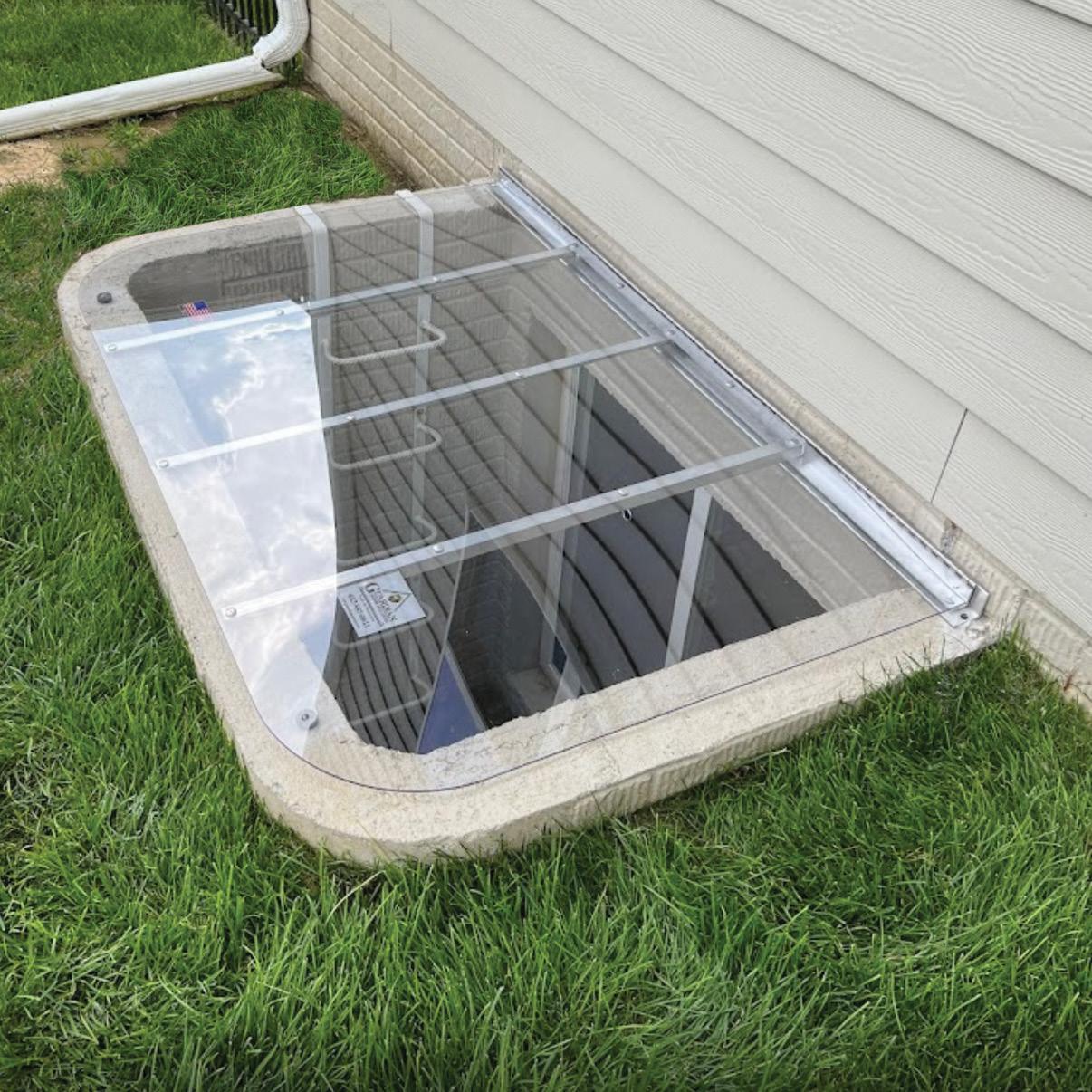
Stop worrying about children, pets, wildlife and debris falling into your window wells.
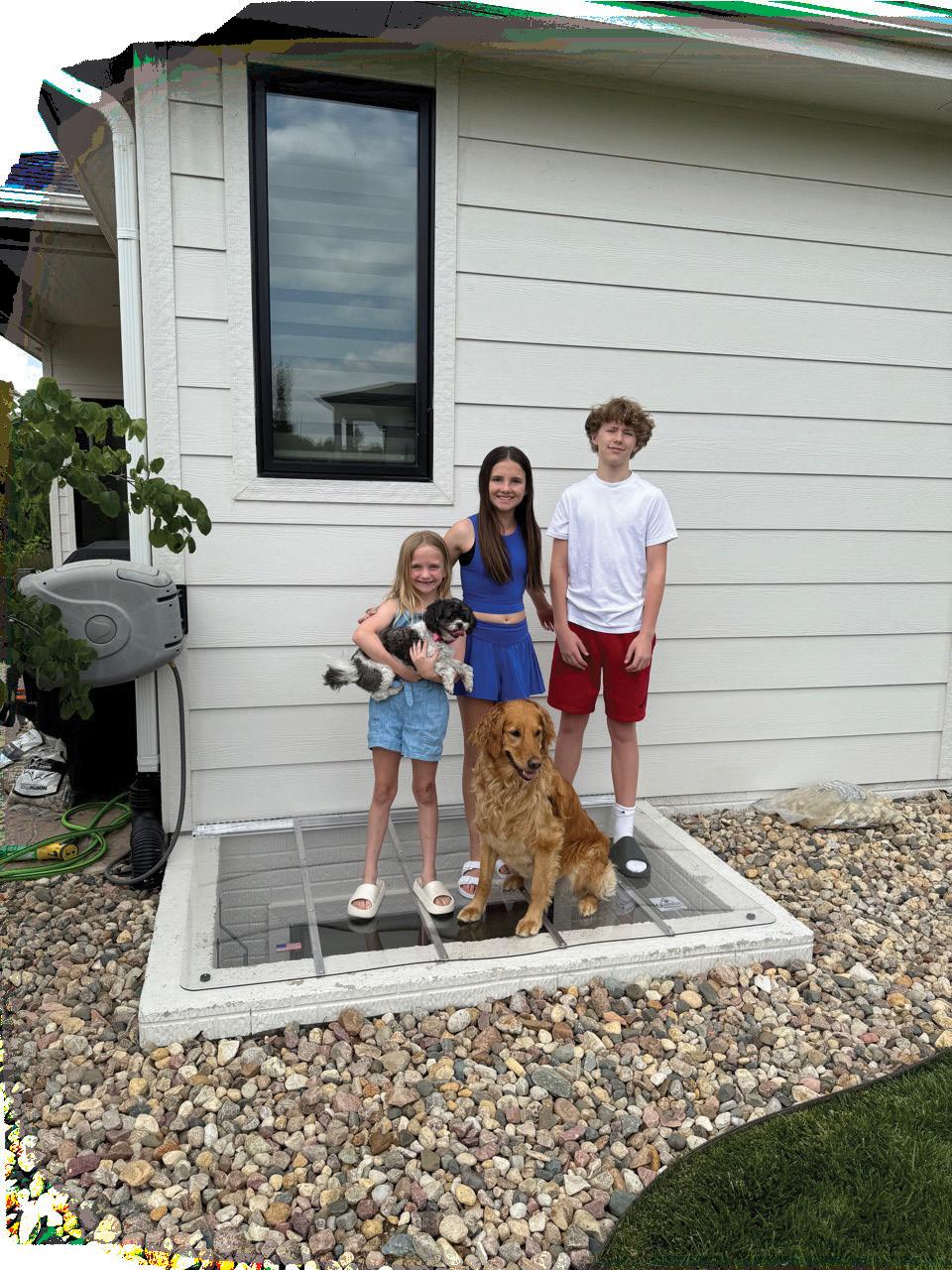
Since 2017, Guardian Window Well Covers has been creating custom cover designs to enhance the safety and functionality of egress window wells. Our covers keep children and pets protected from falling into window wells, while keeping your window wells free of debris and elevating the aesthetic appeal of your home. These USA-made products are built to last and are backed by a 5-year warranty.
25% Off Expires 2/28/25
*With the mention of Women’s Edition
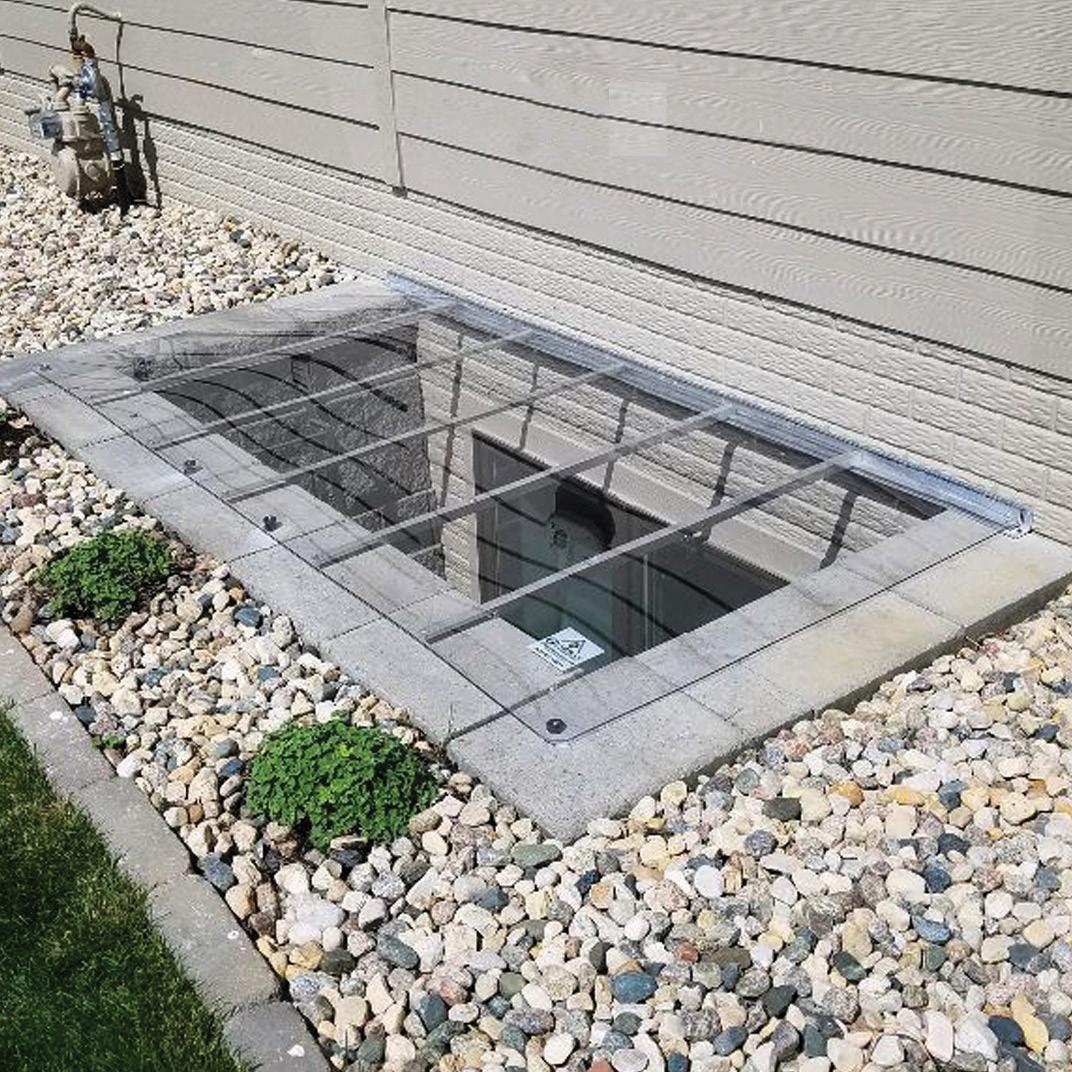
Custom-built for your home • Elevating both function and beauty
Industry-Leading Innovation • Unmatched Quality

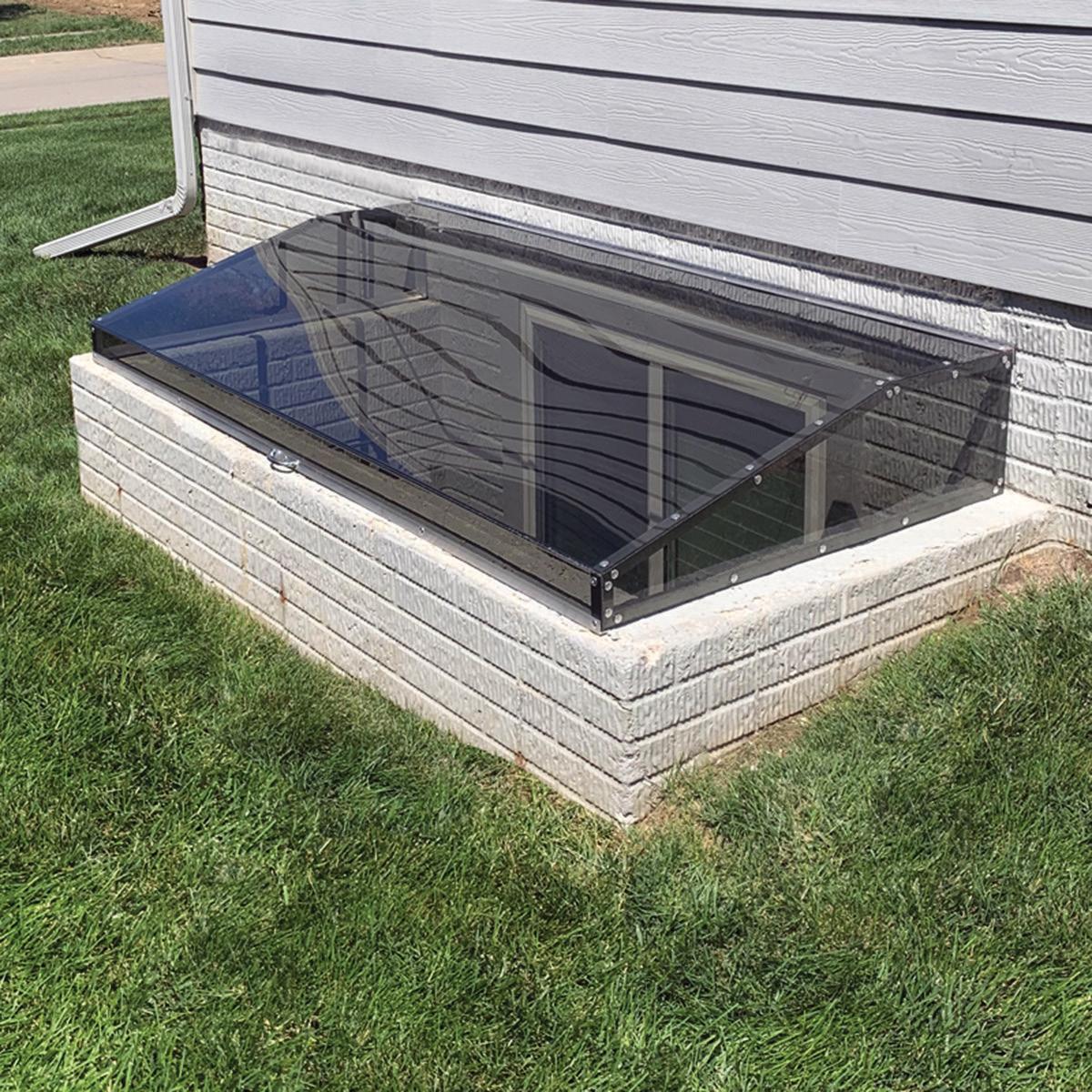

“Afterresearchingoptionsforwindowwellcovers,wedecidedtouseGuardian andcouldn’tbehappier.Afterourinitialcontact,theirrepcameoutanddouble checkedourmeasurements.Lessthan2weekslater,theywerebackoutand installingthecovers.ThefolksatGuardianaregreattoworkwithandthe coversarephenomenal.Ihighlyrecommendedthem!!”—MikeWilliams




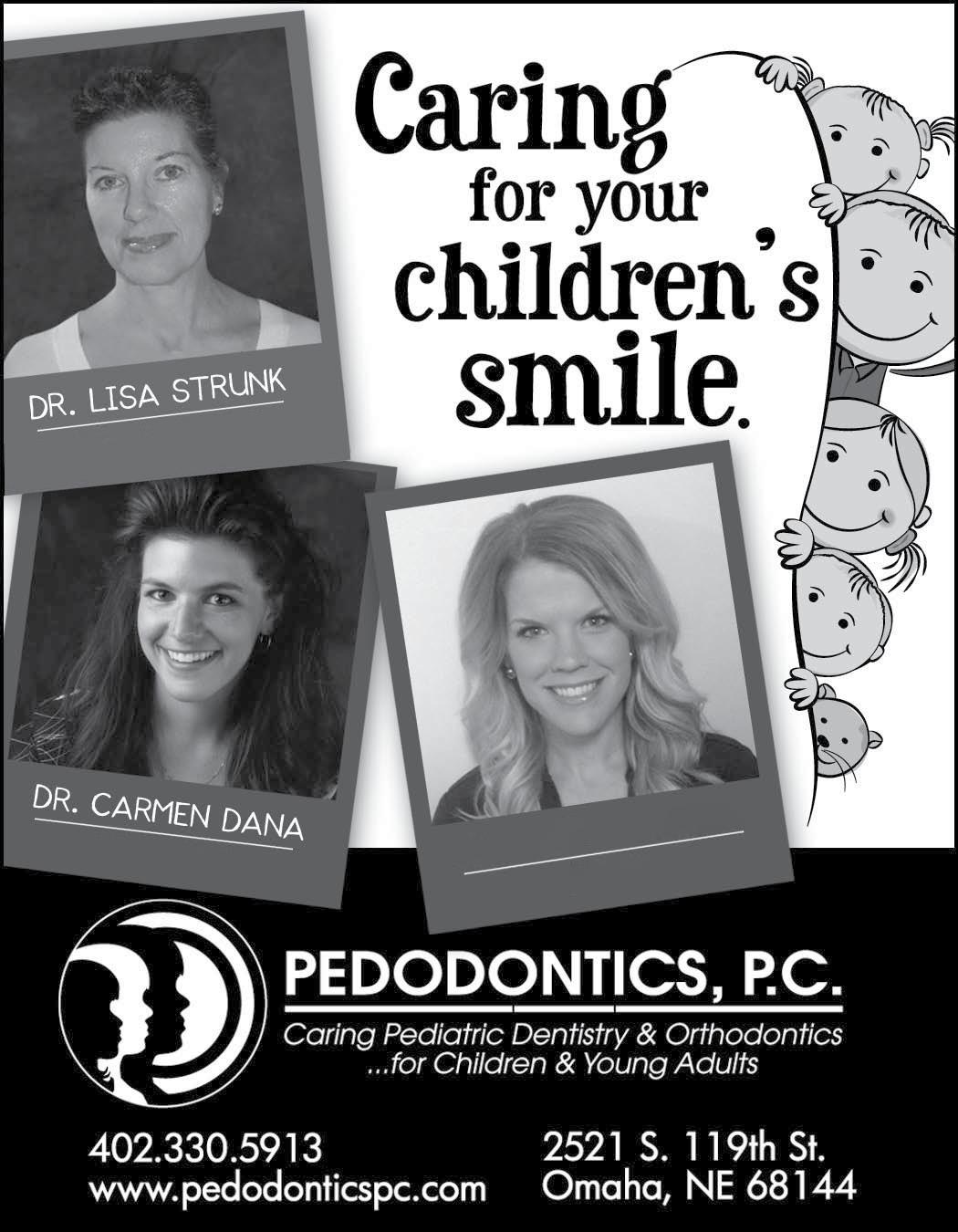
EBOO (Extracorporeal blood oxygenation and ozonation)
is one of the most effective forms of ozone therapy available in the world today!
Benefits of EBOO IV Therapy are:
• Inactivate viruses, bacteria, yeast, parasites, fungi, and protozoa
• Boost immune system
• Relieve pain and inflammation
• Enhance athletic performance
• Stimulate oxygen metabolism
• Improve energy
• Decrease chronic function
• Decrease inflammation
• Detoxify the body
• Promote longevity
• Improve circulation
• Heal or recover faster from wounds, surgery, etc.

At Omaha Health Therapy Center, we are always searching for effective ways to advance and improve human health! Call today 402-763-9335 to schedule. or schedule an appointment online today at www.chelationomaha.com




As I write this column, it is Sunday, January 4th. It is 51 degrees outside and sunny. Wild! I have lived in Omaha my entire life, and weather is always at the top of everyone’s mind. We talk about it with strangers standing in line at the grocery store. We watch our weather apps like hawks because, as we all know, everything could change this afternoon. We also know that those weather apps are wrong more than they are right! The long-range forecast for the next two weeks has our highs mostly in the mid to high 40s, with a few days in the 30s. I will take it. I admit, however, that it’s kind of strange.
February brings us lots of different days to celebrate. February 2nd is Groundhog Day. It’s the day when Punxsutawney Phil emerges from his burrow in Pennsylvania. If he sees his shadow, we’ll have six more weeks of winter. If not? Winter is over. February 2nd is also my niece, Amber McClelland’s, birthday. Happy birthday, Amber!
Next is February 14th—Valentine’s Day. Hearts, flowers, candy, love! This is a terrific day to tell the people in your life how much they mean to you. This is a day to connect not only with your romantic interest but with your family and friends. Seize the day to tell those people that you love them…give them a hug, send them a text…whatever works best for you.
February 17th is also Random Acts of Kindness Day, which was founded in 1995. The concept is to make kindness the norm. I love this day! The goal is to perform anonymous or unexpected acts of kindness. There are lots of ways to participate—buy a coffee for the person who is behind you in the coffee line; buy a meal for the family next to you at the restaurant; donate food to the food bank; leave positive sticky notes in public places. The concept is that those who receive kindness will pay it forward.
One fun February celebration that many people don’t know about is on February 20th— national Hoodie Hoo Day. This is crazy fun! At noon, everyone goes outside, waves their arms, and yells “Hoodie-Hoo!” This demonstration is to chase away winter and welcome spring. It will also make you all laugh out loud.
Back to Valentine’s Day…I want to wish my husband, Manny, a very happy Valentine’s Day! I love you, Manny! We are into our seventh year of marriage, and it keeps getting better. We are learning, growing, changing, and loving each day.
Manny and I recently added a daily affirmation to our shared calendar. It is simple: Same team. Same heart. It reminds me every day how important our marriage is to me. I think it does the same for Manny!
Hope you all enjoy each and every day this month!
Janet Van deWalle, National Publisher
Positive Thought of the Month
“Being deeply loved by someone gives you strength, while loving someone deeply gives you courage.” – Lao Tzu

Writers Wanted: Looking for fame, not fortune? Women’s Edition is seeking writers eager to gain recognition and experience in professional publishing. Many of our contributors have gone on to become nationally published. To apply, please email Carissa Rosa, Operations Manager, at carissa@wew3.com.
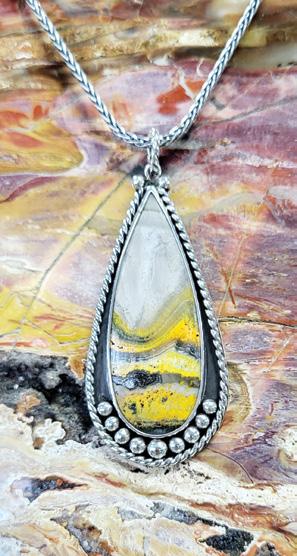
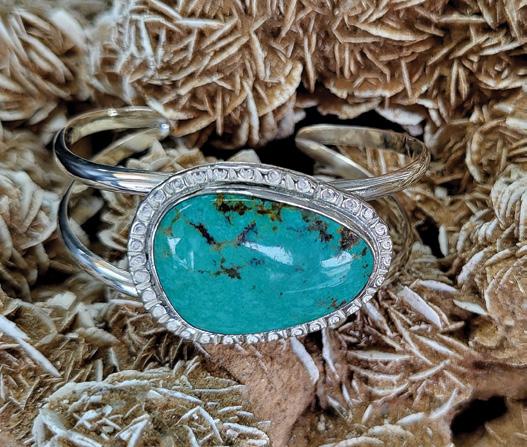
Looking for that special gift idea for Valentine’s Day—or Galentine’s Day? See Faces’ ad on page 26 for a gift that brings the relaxation each and every one of us deserves. Regg & Wally’s Tack & Saddlery is hosting its final Winter Clearance. If you haven’t yet visited this amazing store, now is the perfect time to check it out. See their ad on page 45. Custom Gems is a one-of-a-kind store and so much more than just jewelry. They are your source for all your jewelry, collecting, and crafting needs. Check out their vast selection of tools, supplies, crystals, gems, and minerals. See their ad on page 31.
Want to shop local for your pets? Visit Nature Dog Pet Store. They’re committed to carrying natural pet foods and supplies. See their ad on page 45.
Have cabin fever? Enjoy the great outdoors all year long by investing in a home spa. Learn more about spas in our Home Works column on page 58, and check out Home Innovations’ ad on page 59. They are a local company that also carries swim spas, cold plunges, and saunas.
Foot problems? Visit the experts at Tufly’s Shoes. With 50-plus years of experience, they offer custom orthotics, shoes for medical issues, and an impressive selection of brands. With a certified Pedorthist on staff, they can help. See their ad on page 14.












• Jon Morton, M.D., F.A.C.S. • Steve Koukol, M.D., F.A.C.S.
• Andrew Trainer, M.D., F.A.C.S., C.P.I.
• Patrick Leu, M.D.
• Emily Kean-Puccioni, M.D., F.A.C.O.G.
• Brett Hill, M.D., B.C.
• Rebecca McCrery, M.D., F.A.C.O.G., F.A.C.S.
• Charles Brent Wakefield, M.D.
• Judson Davies, M.D.
• Andrew Arther, M.D.
Advanced Practice Providers
• Michaela Duggan, MPAS, PA-C
• Carrie Cadorna, MSN, ACNP-BC
• Marnie Dellutri, MPAS, PA-C
• Cara Schiessler, MSN, ACNP-BC
• Adele Harrison, MSN, FNP-C
• Megan Lusienski, MPAS, PA-C
• Alexei Rosenthal, DNP, FNP-C
• John Bishay, M.D.
• Amandeep Mahal, M.D., F.A.C.O.G.
• Christopher Corder, M.D.
• Jennifer Dwyer, M.D.
• Anthony Oberle, M.D.
• Sida Niu, M.D.
• Euclid DeSouza, M.D., F.A.C.S.
• John Horgan, M.D., F.A.C.S.
• Caleb Miller, M.D.
• Andrew Blazek, M.D.
• Jordan Stegman, M.D.
• Cole Bowdino, M.D.
• Brandi Edgman, MSN, FNP-C
• Taylor Hepp, MPAS, PA-C
• Marty Ussery, MPAS, PA-C
• Megan Johnson, MSN, FNP-C
• Ashley Au, DNP, FNP-C
By Kate Beiting
In a large soup pot, melt 1/4 cup of butter. Add 1 chopped onion and sauté until translucent, about 15 minutes. Add a bay leaf and 1 small head of cabbage (rinsed, cored, and shredded). Cook until wilty, about 5 minutes. Add 3 and 1/2 cups of chicken stock. Simmer for 15 minutes and then remove the bay leaf. Add 1/4 pound of crumbled bleu cheese and stir until it is melted. Stir in 2 cups of heavy cream, then heat through but do not boil. Stir in a bit of black pepper and 1 teaspoon of dry sherry, if desired. Top with a few additional cheese crumbles.
Brown 1 pound of ground chuck with 1 chopped-up onion and a clove of minced garlic. Keep the meat loose and crumbly. Drain grease. Add 1/2 cup of water and 1 cup of thick chili sauce, barbeque sauce, or ketchup. Add 1 Tablespoon of chili powder, salt and pepper to taste, and 1/4 teaspoon each of cumin, turmeric, allspice, and cloves. Cover and simmer for 30 minutes. Add 1 can of drained red kidney beans. If the sauce is too thick, add a bit of water, beef broth, or tomato juice. Serve over cooked pasta (or hot dogs), topped with chopped green onions, shredded sharp cheddar cheese, and oyster crackers.
Slow-Cooked Pork and Squealy Pig Sauce
In a small bowl, mix together 1 Tablespoon of dried orange peel, 1 and 1/2 Tablespoons of ground black pepper, 1 and 1/2 teaspoons of chili powder, 1/4 cup of kosher salt, 3 Tablespoons of sugar, and
1 and 1/2 teaspoons of paprika (smoked, sweet, hot—your choice). Take a 2–3 pound pork butt roast and cut into 4 pieces. Liberally rub the spice blend over the roast. Place on a rack (over water) and place in oven at 225 degrees for 5–6 hours. (You could also smoke on a smoker or put in a slow cooker.)
When the meat is fully cooked (use an instant-read thermometer), remove and chop or shred. For the sauce, heat 1/2 cup of your favorite barbecue sauce in a large skillet along with 1 cup of cider vinegar, 1/4 cup of apple cider, 1/4 cup of sugar, and 1/4 cup of water. Add the cooked pork and heat through. Serve on soft rolls, on garlic bread, or naked (that is, no bread). Coleslaw optional.
To a slow cooker, add 1 large box of cubed Velveeta-type cheese, 1 pound of cooked and drained hamburger, 1/2 pound of cooked and chopped Italian sausage, and 1/2 can of Ro-Tel style tomatoes.








Cook on low for 3 hours, stirring often. Serve with veggies, nacho chips, and toasted garlicky bagel bites.
Mix together 1 cup of flour, 2 teaspoons of Herbes de Provence (in the spice aisle), 1 teaspoon of kosher salt, and 1/2 teaspoon of ground black pepper. Place the flour mixture in a pie plate or shallow pan. Pat 1 and 1/2 pounds of sole with a paper towel. Heat 3 Tablespoons of olive oil and 1 Tablespoon of butter in a large non-stick skillet. Dredge the fish in the flour mixture (tap off the excess flour). Cook the fish for about 2 minutes per side, until golden brown (do this in batches, if you need to). Transfer the fish to a platter. Lower the heat to medium. Stir in the juice from half of a lemon and whisk in 3 Tablespoons of capers and 2 Tablespoons of caper juice. Whisk in 1 Tablespoon of melted butter. Drizzle the pan sauce over the fish and garnish with freshly chopped parsley.
Mix together 5 cups of frozen (pitted) cherries, 1 cup of sugar, and 2 Tablespoons of tapioca. Pour the mixture into a prepared pie shell. For the crumb topping, melt 1 stick of butter and set aside. In a separate bowl, combine 1 and 1/4 cups of flour, 1/2 cup of brown sugar, 1/4 cup of granulated sugar, 1 and 1/2 teaspoons of cinnamon, and 1/4 teaspoon of salt. Mix well. Pour the melted butter into the flour mixture, then mix everything with a fork—leave some clumps! Sprinkle the topping over the pie. Bake (on a cookie sheet) at 400 degrees for 15 minutes. Reduce the heat to 325 degrees, then bake for 30–40 minutes or until the crumb top is golden and the pie is bubbly.
Slow-Cooked Ribs
Make sure the silver skin is removed from the back of 1 rack of pork baby rack ribs. Season the ribs with salt, pepper, and the rub of


your choice. Place ribs into the slow cooker (cut them between every other rib if they don’t already fit). Pour in 1 can of cola (not diet) and 1/2 bottle of your favorite barbecue sauce. Cover and cook on low for 8 hours or on high for 4 hours. If you want to crisp them up before serving, place the cooked ribs on a cookie sheet, brush the rest of the barbecue sauce on top, and broil for 5 minutes, until caramelized.
Valentine Brownies
For the brownies: Mix together 2 eggs, 1 stick of soft butter, and 1 cup of sugar. Melt 2 squares of unsweetened chocolate and stir in 1/2 teaspoon of peppermint or almond extract. Mix in 1/2 cup of flour and stir lightly. Pour the batter into a greased 9x9-inch baking pan. Bake at 350 degrees for 30 minutes.
For the frosting: Mix 2 Tablespoons of soft butter with 1 Tablespoon of milk, 1 cup of powdered sugar, 1/2 teaspoon of peppermint extract, and 3 drops of red food coloring. Frost the cooled brownies. Melt another square of unsweetened chocolate with 1 Tablespoon of butter. Pour and spread over the frosted brownies. Top with a few crushed peppermint candies.
Blend 1 and 1/2 cups of sugar with 1 cup of soft butter; mix until well blended. Add 3 eggs and beat. Dissolve 1 teaspoon of baking soda into 2 Tablespoons of hot coffee and add to the sugar mixture. In another bowl, whisk together 3 cups of cake flour, 1 teaspoon of cinnamon, 1/2 teaspoon of nutmeg, and 1/2 teaspoon of ground cloves. Add half of this mixture to the egg mixture. Add 2 cups of chopped dates, 1 and 1/2 cups of chopped nuts, 2 Tablespoons of molasses, and the rest of the flour. Mix. Drop onto parchment-lined cookie sheets by teaspoonfuls. Bake at 350 degrees for 9 minutes. Cool on a rack.



By Holly Bell
Baby, it’s still cold outside! Winter in the Midwest is no joke. Snowy mornings and sub-zero temperatures leave us figuring out how to be as warm and comfortable as possible without looking as bulky as an abominable snowman. Layering is often the key! You get the cumulative warmth of multiple items along with the advantage of removing some of them as you warm up.
Start with a stretchy, body-skimming top with long sleeves. This is the foundation for all your layers and ensures warmth. A turtleneck, funnel neck, or crew neck are all good choices for this layer.
Next, add a fuzzy, cozy sweater or a blouse topped with a vest for ultra warmth and style. Vests are on point this season and are so versatile! They can be worn in any type of weather. If it warms up a little, try wearing your vest over a long-sleeved tee in a lighter fabric, instead. Remember to leave the bottom button of the vest open to hit the current styling trend. If it gets colder, you can introduce a blazer for an extra layer of warmth.
Pants are the favored bottom for most of us in the Midwest. If you prefer to wear a dress or skirt, leggings are needed for maximum heat insulation (even if you’re wearing tall boots). Top it all off with a complementary winter coat and let your outfit sing comfort.
If you want to freshen up your outerwear this year, look for a coat that is longer than usual. Longer is on trend for 2026, and it creates a look of refined drama that is also functional (that is, it covers your legs!). Many coats seem to make you feel bulky—a longer length helps to create a slimming vertical line.



One of my favorite trends this year is the cape coat. This season, many coats come with a matching scarf built right in, creating a cape effect over your shoulders. The extra piece has a swanky appearance that is also practical.
In past seasons, coats were puffy and oversized. For 2026, a straight or nipped-in waist is now the cult of fashion. With the longer length and extra scarf attachment, these fresh styles are not only beautiful and chic but also keep you warm from head to toe.
Brown is the new black this year, popular in flattering tones like chocolate and espresso. Classic leather was popular on the runway in trench coat styles. These are warm, insulating, and timeless. Leather is a bit of an investment, but it ages beautifully, acquiring softness and shape as it wears. The leather cut this year is more structured, with clean lines and beautiful tailoring.
Last year’s oversized scarves are still stylish and indispensable on those very cold mornings. Wrapped around your neck several times, tied over your shoulder, or used as a cape, soft wool and cashmere scarves will instantly elevate even the simplest outfit.
The triangle scarf is a new addition, creating an intentional face-framing and sculptured look that works well with the tailored coat trend. If you’re not sure how to add a triangle scarf to your outfit or coat, check out styling videos online for inspiration.
Faux fur in natural tones is still tasteful and elegant for winter. Fur collar and cuff embellishments add fun to a plainer style of coat. You will also be able to choose faux fur scarves, hats, and purses—even boots trimmed with faux fur. The fur look is very glamourous and winter-ready. Faux fur brings texture, softness, and style to any outfit.
Oversized structured handbags are the perfect accessory to go with this year’s more tailored and refined winter look. In neutral colors such as on-trend browns, grays, and black, the larger tote carries everything you need while keeping its shape and looking elegant and current. Suede or leather is the look for these bags, which you will keep for many seasons.
To go along with the elegant, simple, structured looks of the season, statement jewelry comes into play again. After so many years of minimal jewelry taking center stage, bold structural pieces are back and work well with the simple elegance of today. Bold cuff bracelets, as well as artfully sculptured earrings and necklaces, work perfectly with this season’s tailored silhouettes.
Winter can be a tricky fashion season. It is not easy to stay warm and still look stylish instead of bulky. This is the time to experiment with layers and rich fabrics. Focus your look on quiet luxury and simple lines. This approach will leave you looking polished and feeling warm all winter long.









For many families, the conversation about senior living starts quietly but can turn into something overwhelming. Maybe Mom has fallen once too often, or Dad’s memory isn’t what it used to be. Maybe they want to downsize and enjoy life in a 55+ community without the burden of home maintenance. Wherever the journey begins, one thing is almost universal: Families don’t know where to start. That’s when Hannah Diediker, the cofounder of Simple Senior Solutions, steps in. Hannah is a certified senior advisor (CSA). She and her team of advisors understand that a senior living transition isn’t just physical—it’s also a very emotional process.
Founded on the belief that no family should navigate the transition to senior living alone, Simple Senior Solutions has become a trusted local resource for families across the region—from Blair to Plattsmouth, from Fremont to Council Bluffs. Their mission is simple, compassionate, and powerful: guiding seniors and their loved ones to the right living solutions with clarity, dignity, and peace of mind.
“Think of us as real estate agents for senior living,” says Hannah. But instead of selling houses, Hannah and her team guide families through one of the most emotional and complex decisions they may ever face. Whether someone is considering independent living, assisted living, memory care, or a 55+ community, Simple Senior Solutions looks at the whole picture, beginning with a free consultation. Instead of information overload, clients get clear directions and a trusted guide every step of the way.
“We look at finances, needs, and their health picture, and we narrow it down to just a few communities that meet that criteria,” Hannah shares. “That way, families aren’t cold calling all over the place or touring endlessly.”
What truly sets them apart, Hannah says, is their deeply personalized service. From the first consultation, everything is tailored to the client’s unique situation. Advisors don’t just make recommendations; they attend tours, asking all the right questions to help families see past brochures and sales pitches. They stay involved until a decision is made.
“We travel to our clients,” she notes. “We know transportation can be an issue, so we make it as easy as possible. We can move them in and unpack their things in their new home.” That’s another thing that makes Simple Senior Solutions unique—they’re trained to bring the muscles for the move as well as the emotional support that’s needed.
Another unique detail is that the senior living consulations are free to clients. The advisors are paid through referral partnerships with senior living communities, which means that families pay literally no consultation fees at all. This structure allows advisors to focus on what matters—finding a living community that fits both care needs and budget. The result is less stress and less time researching.
By Janette Calabro

“We make it easier for families and the client to make a decision,” Hannah explains. “We make sure clients aren’t moving into a place above their means, which is beneficial for asset preservation. There are places out there that offer great care. Some may not have all the bells and whistles, but they’re more affordable.”
Hannah understands that senior living decisions don’t just affect one person. The team is there for spouses and family members as well, and their outreach extends even further. The company is veteran-owned and operated—Hannah and her husband, Andrew, are both veterans— with advocacy for senior veterans as a core part of its mission. “We make sure senior veterans can tap into the benefits they’re eligible for that help pay for long-term care.”
In June, Tiffany Hagget joined the team as an advisor. A Council Bluffs native, Tiffany brings a wealth of experience as a community educator with the Alzheimer’s Association. Prior to joining the team, she served as the executive director of a senior living community. She’s proud to strengthen the company’s commitment to education, memory care, and local connection. “We have a mission to provide outreach and community education,” says Hannah. “Everything we do is 100 percent individualized for our clients and their situations.”
For families who feel stuck, overwhelmed, or unsure of their next step, the guidance and compassion they receive from Simple Senior Solutions is priceless. Literally. “Helping a parent find the right senior living is the ultimate act of love,” says Hannah. “Love looks like planning ahead, reducing stress, and building independence with dignity.”
Free senior living consultations are available for families (the only paid service is moving support). When it comes to the people we care about, Hannah Diediker believes that no family should have to do it alone. If you and your family would benefit from this kind of guidance, please call Simple Senior Solutions at 402-990-0341 or visit sssmidwest.com.
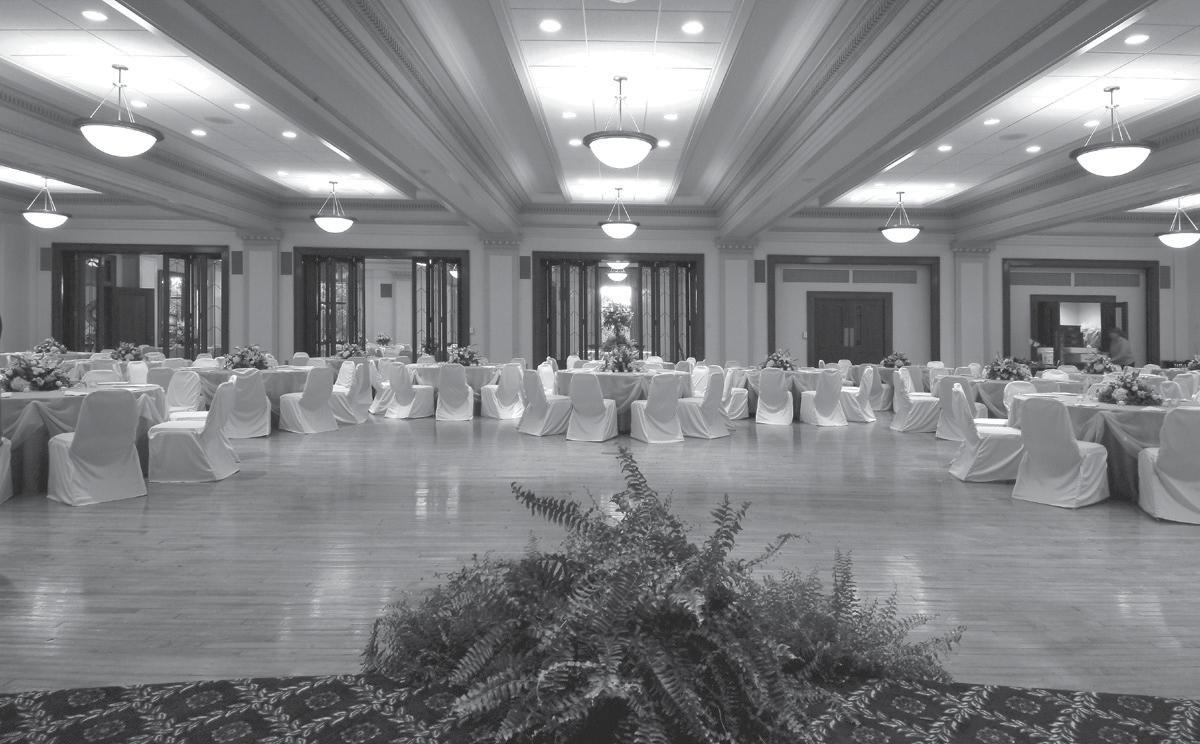
• Accommodates up to 250 guests
•
• The Lounge is second to none with its marble-topped bar & fireplace
• Dimmable lighting, audio and video capabilities
• You can use your own caterer
• Easy accessible service areas Ample attached garage parking
Rite Masonic Center is truly an impressive venue to host any personal or corporate event. Whether you use the ballroom, lounge or take advantage of the 400 seat auditorium, this is a special place for receptions or events.
Let us help you make your event extraordinary.

Love Your Heart— It’s the One That Keeps You Going
February is Heart Month—a perfect time to focus on small, meaningful steps that support a healthier heart and a healthier you.
TAKE CARE OF THE HEART OF IT ALL
Heart health isn’t just about one checkup or one habit— it’s about everyday choices that add up over time.
This month, make space for:
• Regular wellness checkups
• Heart-smart nutrition
• Movement you enjoy
• Managing stress and prioritizing rest











This month encourages balance between independence and connection. You may feel inspired to redefine personal goals or routines that no longer serve you. Friendships and collaborations can be especially rewarding if you remain open-minded. Take time to connect with your community or join a group that shares your interests.
Pisces (Feb. 19- Mar. 20) Emotional clarity is a major theme for you in February. Lean on loved ones for support. This month is also ideal for tying up loose ends. Exploring art, music, or meditation can help you reconnect with your inner wisdom.
Aries (Mar. 21- Apr. 19) Energy and motivation surge this month, pushing you toward bold decisions. Career-related matters move quickly. Be mindful not to rush emotional conversations, even if you feel confident. Take short breaks to help maintain clarity.
Taurus (Apr. 20- May 20) February invites you to slow down and savor the present. Financial planning or revisiting budgets can bring peace of mind. Small gestures go a long way in deepening emotional connections.
Gemini (May 21- Jun. 20) This month is an excellent time to network and reconnect with others. You may also find yourself drawn toward learning new skills. Expressing your ideas creatively could open doors to exciting opportunities.
Cancer (Jun. 21- Jul. 22) Home and emotional security take center stage in February. This is a nurturing period that supports healing and emotional bonds. Trust your intuition; it will guide you toward what feels fulfilling.
Leo (Jul. 23- Aug. 22) Creativity and self-expression shine brightly for you this month. Social opportunities increase, but be mindful of overcommitting. This is a great time to showcase your talents, whether
through performance, art, or leadership.

Virgo (Aug. 23- Sep. 22) February is ideal for tying up loose ends and refining plans. In relationships, practical support and thoughtful listening strengthen your bonds. You might be inspired to reorganize your workspace or start a new health routine.
Libra (Sep. 23- Oct. 22) This month brings harmony and renewed inspiration. Social energies are favorable, making it a good time to deepen connections. Trust your sense of balance as you navigate new beginnings. Collaborations may bring unexpected benefits.
Scorpio (Oct. 23- Nov. 21) Inner transformation is a key theme for February. You may feel compelled to let go of old habits or emotional patterns that no longer serve you. This release creates space for growth and empowerment.
Sagittarius (Nov. 22- Dec. 21) Travel ideas, educational goals, or new ventures may spark excitement this month. Grounding your plans in reality will ensure success. Meaningful conversations with others can open doors you didn’t expect.
Capricorn (Dec. 22- Jan. 19) Long-term plans begin to show signs of progress, and your patience finally pays off. Stay disciplined but flexible; an unexpected opportunity may require quick action. Honest conversations help strengthen trust and mutual respect.
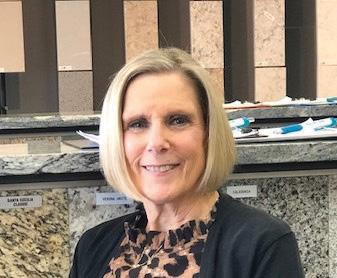
Since working with Women’s Edition, my call volume has increased exponentially in just a matter of months. The customers reaching out to me fit my target market and are quick to share with me where they saw my ad. Women’s Edition took the time to get to know me and understand my needs in reaching out to, and connecting with, the right customer. Advertising in Women’s Edition is producing results even faster than expected!

—
Sonja Skadberg,
3 Day Kitchen & Bath Authorized Dealer
By Savannah Rosa
I love February for more than just chocolate hearts and pink decorations. It’s a chance to rethink how we celebrate love in all its forms and to remind ourselves that affection isn’t limited to one day or one kind of relationship. Valentine’s Day is typically about romance. Galentine’s Day, which is celebrated on February 13th, honors friendships between women. To me, it’s one of the most unique celebrations of the season. Galentine’s Day has become a tradition among my friends, one we eagerly anticipate each year to reconnect, reminisce, and create new memories together.
Galentine’s Day has evolved significantly since its introduction. Originally a fictional holiday that debuted on the NBC sitcom Parks and Rec, it quickly moved from television screens into real-life brunches, dinners, and creative get-togethers. Women everywhere embraced the idea, bringing their own traditions to the table. Some host themed parties, others exchange small tokens of appreciation, and many simply use it as a chance to reflect on the value of their friendships. This flexibility has made Galentine’s Day meaningful for women of all ages and backgrounds, making it a truly inclusive celebration.
Galentine’s Day celebrates the vital bonds between women, which can often be overlooked next to romantic love. In recent years, it has inspired gatherings that center on friendship, showing how much women value one another’s company and support in all stages of life. For some, Galentine’s Day is a chance to reconnect with old
Family-Owned. Veteran-Owned. Focused on You.
friends and rekindle bonds that might have faded with time and distance. Social media has played a role, too. Many women now use the day to publicly share stories, photos, and heartfelt messages about their friends, spreading positivity and gratitude. These public affirmations inspire others to recognize and appreciate the women in their lives.
Female friendships form the backbone of our lives, providing intimacy and support through every high and low. Unlike Valentine’s Day, Galentine’s Day welcomes all women, offering a space for presence and connection, whether through big outings or small gestures. It’s about finding love in everyday moments shared with friends.
There’s also an important element of healing and support involved. Female friendships can be a crucial lifeline during difficult periods such as breakups, career shifts, personal losses, or childbirth. Galentine’s Day gives us a dedicated moment to check in on one





another and offer encouragement. It’s a reminder that friendship is a source of strength and resilience, helping women navigate challenges together. This annual tradition is more than just a fun event; it’s an opportunity to build trust and deepen emotional connections.
The value of platonic love is often underestimated, but the joy of spontaneous adventures, late-night conversations, and unconditional support can be as fulfilling as any romance. Galentine’s Day encourages us to honor these moments and recognize that friendship deserves its own place at the table. In a society that tends to prioritize romantic relationships, this day offers a healthy counterbalance, reminding us that friendships are vital to our happiness and well-being. Galentine’s Day redefines fulfillment by affirming that friendship is as meaningful and rewarding as romantic love.
In recent years, Galentine’s Day has become more than just a day to celebrate existing friendships; it can also be a time to make new connections. Community groups, clubs, and local organizations now host Galentine’s Day events, making it easier for women to expand their social circles and find support networks. Whether you’re surrounded by old friends or meeting new ones (or both), the spirit of the day lies in supporting one another and fostering a sense of belonging.
For many women, female friendships are where we feel most fully understood. These are the relationships where vulnerability is encouraged, not feared. Growth is celebrated, even when it means change. Galentine’s Day highlights the emotional labor, loyalty, and care that women pour into one another year after year. It allows us to refocus on collective joy. We celebrate one another’s individuality, resilience, and accomplishments. In a world that often pits women against each other, Galentine’s Day is a reminder that connection is more powerful than competition.
Galentine’s Day creates space for gratitude. Expressing appreciation, even in simple terms, strengthens bonds and reminds us not to take friendships for granted. It expands how we define love, fostering belonging and community for all women.
Each February, I look forward to Galentine’s Day, which proves that nurturing female friendships is as important as celebrating romance. No matter how you celebrate, remember: Female friendships deserve recognition and appreciation yearround. Galentine’s Day reminds us to honor these essential bonds. The love we nurture with friends shapes our lives!








It is difficult to talk to your family about your wishes for your funeral or memorial service—that’s just true. Another truth is that it is a very loving gesture to do so. It will be easier for your family if they can celebrate your life as you wished without having to worry about whether or not you would have approved of their choices for the service.
If you are young and healthy when you’re reading this, you may think that you have plenty of time to think about this, and you may well be right. However, it is always a good time to pre-plan your funeral service. The more details you plan for your funeral in advance, the easier it will be for your family to execute your wishes in their time of grief. I speak from experience when I say that grief can make the simplest decisions seem exceedingly difficult. The stress on a family can be daunting. If you have not made your wishes clear in advance, your family will be left to guess what you may or may not have wanted. What a gift it would be to them if you have done that work beforehand, allowing them to use their strength to support each other.
Heafey Hoffmann Dworak Cutler provides the opportunity to pre-plan all aspects of a funeral and follows through with your specific wishes. The advantages of planning your services with a pre-planner are numerous. First, you will greatly reduce the stress on your family. Second, you may also help prevent family conflict by pre-planning. If your family is left to guess about what you wanted, it is easy for family members to disagree, which leads to unnecessary tension and strife during a time when no one is at their best.
Another advantage to pre-planning is the ability to save money. Purchasing funeral arrangements is just like purchasing anything else—if you have time to shop around, you can get the best deal for the price. If your family is frantically trying to get all your arrangements in order with no guidance from you, they may end up spending more than they need to.
One particular advantage to pre-planning may not have occurred to you. Discussions with your family about this topic may, in fact, encourage some meaningful conversations with them. People often feel awkward about discussing the end of life. If you start the conversation, however, you may be surprised by what you find out about your final wishes as well as your family members’ wishes.
Jeff Meuret, a pre-need counselor with Heafey Hoffmann Dworak Cutler, is a very resolute man who has been in the pre-planning business for 39 years. This kind and caring counselor is dedicated to giving personalized service to those seeking his advice. Jeff can suggest ways to gather information that you may need before you start making your plans. He will make sure that your wishes and desires are recorded, from music to pall bearers to who should speak at your service.
By Linda Sutherland

Jeff is wholly committed to creating a pre-planning experience that provides freedom from anxiety. “The peace of mind and comfort that we can give our customers, and the burden that we can lift from them, is so gratifying,” he shares. The most difficult part of his position, he says, is “getting past the obstacles with people who have never considered the advantages to planning ahead and not leaving that burden for their family to contend with.” Jeff can create a personal funeral profile to record your wishes. If you choose to pre-pay, today’s prices are locked in and guaranteed.
Heafey Hoffmann Dworak Cutler is the largest funeral home business in the Omaha and Council Bluffs area, with six locations. They are locally owned and operated and have been in the funeral business for over 140 years. These caring funeral professionals are devoted to making each service a personal experience that honors the deceased’s life. They have a fulltime grief counselor on staff to help with the challenges that come with losing a loved one.
Jeff encourages people to pre-plan their own service to ensure that they have a voice in that planning, and he can make sure you’ve covered all the bases with your selections. This is one of the most loving actions that you can take to make sure your family is not left with the burden of decisions in the wake of your death. To reach Heafey Hoffmann Dworak Cutler, call 402-391-3900. To learn more about the funeral products and services they offer, or to complete their pre-planning survey, visit heafeyheafey.com.






By Janette Calabro
Cosmetic body procedures are booming, and it’s easy to see why. Many of us dream of a sleeker silhouette, a perkier bosom, or restoring the look of a body that has lived through life’s big plot twists (hello, pregnancy and weight loss). When diet and targeted exercise aren’t sufficient, surgical procedures can get the job done. Cosmetic body procedures help reshape, restore, and build confidence to make us look and feel like our best selves.
There are many reasons to choose cosmetic surgery. Reshaping what doesn’t respond to diet and exercise is commonly cited. Improving appearance to boost self-confidence is common, too. Many people choose surgery to restore the body to its previous shape after life changes like pregnancy, aging, or weight loss. On the other hand, some people want to change the appearance of something congenital (that is, something they were born with). Surgery can also restore function or reconstruct the body after injury or trauma. Let’s take a tour of some of the most popular body procedures, why people choose them, and what to expect in recovery. Then we’ll take a peek at what’s next in the cosmetic surgery industry.
What are the differences between a plastic surgeon and cosmetic surgeon? The American Society of Plastic Surgeons (ASPS) notes that cosmetic surgeons (a term often used interchangeably with aesthetic surgeons) primarily focus on enhancing the appearance of the body. Plastic surgeons, on the other hand, may perform both cosmetic and reconstructive procedures, aiming to restore both appearance and function.
A cosmetic procedure is elective and focuses on improving appearance, symmetry, and proportion, while reconstruction aims to repair or restore form and function after injury, illness, or congenital challenge. For example, breast augmentation increases the size of the breasts, while breast reduction decreases the size of the breasts. An augmentation would be an elective, cosmetic procedure. A reduction may be medically necessary to relieve back and neck pain or skin issues. Both of these procedures would change what the patient looks like, but only one is considered a strictly cosmetic procedure. Remember: The goal of cosmetic or aesthetic surgery is usually to enhance appearance and proportion, not to make an improvement in function.
What’s trending now? Plastic surgeons were busy last year, with liposuction topping the charts and breast augmentation along with tummy tucks close behind. ASPS reported about 349,700 liposuctions; 306,000 breast augmentations; and 171,000 tummy tucks performed in 2024— part of 1.6 million cosmetic surgical procedures. The numbers show that Americans are signing up for body work, although trends change with the ebb and flow of motivation and technology.
Now, let’s dig into the most popular body procedures and the reasons that patients choose them. Liposuction is at the top for a reason…it removes fat deposits. This procedure removes pockets of fat (usually from the abdomen, thighs, arms, and flanks) to smooth and sculpt body contours. Some patients seek liposuction to remove stubborn fat deposits that remain after diet and exercise have provided only limited results. They want better proportion or tightening up after weight loss.
Traditional liposuction (often used for larger areas) uses a cannula to suction out fat. It is the most common lipo procedure, but there are
other options. Tumescent liposuction injects a solution that causes tissue to become firm and swollen, which reduces bleeding and discomfort during the procedure. It is often used when a smaller amount of fat is to be removed. There’s also an ultrasound-assisted procedure that uses high-frequency sound waves to liquefy fat before removal, targeting those pesky fat cells directly. Ultrasound caters to dense or fibrous fat. Patients who undergo liposuction should expect to wear compression garments for several weeks and to see full results in months.
Abdominoplasty (often called a tummy tuck) removes excess skin and fat from the abdomen, tightening the muscles along the way. Many women seek this surgery after pregnancy or after a major weight loss to flatten the tummy area, repair abdominal muscles that have separated, and remove loose skin.
A standard tummy tuck is most common. It firms and tightens, focusing on both the upper and lower abs, with a horizontal incision right above the pubic bone. A mini tuck improves only the area below the belly button. This procedure is less invasive because the incision is smaller; most patients can return to work in one or two weeks. To remove a lot of excess skin on the abdomen and flanks, a patient can request an extended tummy tuck.
Restrictions during a tummy tuck recovery are tighter than during a liposuction recovery. After all the repositioning and reshaping, you’ll need about four to six weeks of downtime before returning to work.
Next, let’s talk about body lifts. A lift for the lower body removes and tightens excess skin across the abdomen, flanks (love handles), and rear end (buttocks). Most commonly, patients choose this procedure to wrap up a weight-loss journey. During significant weight gain, the skin stretches out, and no diet will firm up sagging skin. Aging affects the lower body, too, as skin loses elasticity. The decline in collagen and elastin is big motivator for aging Americans to ask for a body lift. We’re all subject to gravity’s pull!
Options for a standard lower body lift include a combination tummy tuck and lower body lift to tighten up the abdomen. If you don’t desire abdominal tightening, you can choose a combination of lower body lift with an inner thigh lift instead. Your board-certified surgeon can personalize the procedures to meet each patient’s specific needs, so talk to them about the results you want to see.
Thanks to weight loss and aging, many of us end up with the dreaded batwing—that droopy, swinging flap of skin that hangs down when you raise your arms. There’s no need to suffer through summer in long sleeves when you can remove those unsightly wings with a brachioplasty (arm lift)! This surgery reduces pockets of fat, removes excess skin, and tightens supportive tissue. You’ll walk away with smooth arms.
A mini arm lift, often more suitable for mild to moderate skin laxity, is sometimes combined with liposuction. A small incision under the armpit makes a mini arm lift less invasive. Expect a few weeks of limited activity afterwards.
Breast procedures include different types of surgeries to address different breast issues. Augmentation usually involves implants or fat grafting to increase volume and change shape. Who chooses breast augmentation? Those seeking aesthetic enhancement and confidence. Some choose to restore volume after pregnancy, some want to adjust asymmetry, and some simply desire different body proportions.
A breast lift (mastopexy) lifts and reshapes the breasts without changing size. This procedure is for people who are satsified with the size of their breasts but want to address breast sagging caused by pregnancy and nursing, weight loss, or aging.
On the flip side, some women would prefer smaller breasts, and they choose to remove excess breast tissue in a breast reduction procedure. Some women choose breast reduction for physical relief of symptoms like neck and back pain or for improved mobility and posture. Psychological benefits from an improved self-image
enhance quality of life for patients who undergo virtually any breast procedure, whether the size is increasing, decreasing, or staying the same.
Breast reconstruction is often a restoration of body image after breast cancer treatment. Most women choose breast reconstruction after a mastectomy. Surgeons can create a natural breast shape using tissue from other parts of the body (flap reconstruction) or by using implants (silicone or saline).
What’s next in body cosmetic surgery? Some exciting trends are reshaping the future. Weight-loss drugs are stealing the spotlight— think GLP-1 medications like Ozempic and Wegovy. The technology driving pre-operative visualization continues to improve, giving you and your surgeon a better look at the the results you can expect. There are refinements in regenerative techniques for better fat grafting methods, and less invasive tools like lasers and assisted devices can reduce scarring and speed recovery. Stem cell research looms even bigger on the horizon.
Whatever choices you make, keep your expectations realistic, and make sure to discuss them thoroughly with your surgeon. The recovery time after your procedure can be generally estimated, but it will vary from person to person. When you’re discussing risks and complications with your surgeon, be sure to check for their board-certification and ask to see before and after photos. Once the two of you are on the same page about the results you can expect, you’re ready to jump in and make the changes you desire.
Sources for this article included: plasticsurgery.org, ambrdfcs.org, and mayoclinic.org.




Trusted Life Choices (formerly Key Home Care) is a locally owned, woman-led home care company serving the Omaha metro for the last 10 years with heart, integrity, and unmatched compassion. We provide non-medical in-home support that helps older adults and individuals with disabilities remain safe and independent in their own homes. Our carefully selected caregivers go beyond tasks—they build relationships. At Trusted Life Choices, care isn’t just what we do, it’s who we are. Call us at 402-982-9254.
Liquidation merchandise from Target, Walmart, Hobby Lobby, Sam’s Club, Costco, and more! Every item is pre-inspected and includes a 48-hour warranty for your peace of mind. Shop furniture, small appliances, home décor, kids’ toys, baby gear, home storage, outdoor and sporting equipment, seasonal items, and much more! Our store is clean and well-organized to make shopping easy and enjoyable. Inventory changes daily—follow us on Facebook, Instagram, and TikTok to see what’s new! Find us at 2411 South 156th Circle in Omaha—just off Bob Boozer Drive, between Pacific and Center.
Vein disease isn’t about appearance as much as it is about your health. Do you suffer from leg pain, swelling, restlessness, and skin discoloration? These are very common symptoms of vein disease. Left untreated, it can cause serious health issues. At VENUS, you may be surprised at how easily and comfortably you can improve your daily life. There is no downtime to recover, there’s no sedation or heavy medicines needed, and treatments are covered by medical insurance. You can go right back to work or exercise, and you will feel better and look better, too.
VENUS Vein Clinic—Your Go-To Vein Clinic. Don’t wait a day longer, call today at 402-979VEIN (8346) or visit VenusVeinClinic.com.



The Paw Spa Pet Resort
At The Paw Spa Pet Resort, we offer first class boarding, daycare, and grooming! Our knowledgeable staff are passionate about what they do. We love all dogs that walk through our doors! Our state-of-the-art facility was designed with your dog’s safety and comfort in mind.
Our expert groomers will also have your pup looking and feeling like the bark of the town! Call us at 402-516-8888 and check out our website ThePawSpaPetResort.com. Plan your next visit with peace of mind, whether it’s for boarding, day care, or grooming.
Unlock the power of advanced light therapy with beem® Light Sauna. The only solution offering all 5 therapeutic wavelengths in a single session. Experience the rejuvenating effects of blue (450nm) and green (525nm) light for skin clarity and mood, while red (650nm) light promotes cellular repair and vitality. Dive deeper with dual near-infrared (810nm & 980nm) wavelengths, penetrating muscles and joints to relieve pain and accelerate recovery. Whether you seek beauty, wellness, or performance, beem® delivers powerful, full-spectrum therapy in one convenient session. Step into the future of healing. beem® Light Sauna – total wellness at the speed of light.
Book your first session and experience the light your body has been craving. Call 531-205-2130 or visit beemlightsauna.com.
Founded in 1984, Home Pride Contractors is a family owned and operated roofing company with years of experience in the home improvement industry. We provide high quality service and treat each customer with respect. We specialize in roofing, siding, windows, and gutters. We have a passion for serving the wonderful people of Nebraska and Iowa. We know that in order to have the opportunity to serve you, trust needs to be earned. We want you to have the home or building you desire. Feel free to contact us if you have any questions: by phone at 402592-5577 or online at homepride.net.

Your Session Today.


First-Class Pet Daycare • Overnight Lodging Grooming • Petcams At the Paw Spa Pet Resort, we love your pet as much as you do. Best of Omaha 12 years running! Call today to book 402-516-8888 16912 Audrey St • thepawspapetresort.com off 168th & Harrison Now offering Baths and Nail Trims on Saturdays and Sundays.


By Angella A. Arndt
If you’re feeling restless from spending too much time at home this winter, you’re certainly not alone. What a great time to explore new interests! Crafts and hobbies offer an opportunity to immerse yourself in creativity, have fun, and find an activity that your family can enjoy together.
Interest in recycling clothing and creating personalized fashion have also contributed to the rise in popularity of sewing. Not interested in making clothing? Consider creating stuffed animals or decorative pillows or customizing totes with embroidery. Quilting is also popular, and sewing machines really cut down the time it takes to make an heirloom-quality quilt. Whether your tastes are modern, traditional, or artsy, there is a quilting style for you. Sewing and quilting provide stress relief, improve hand-eye coordination, and help fight dementia. Your local fabric stores, quilt shops, and sewing machine stores are great resources for classes and materials.
If you have ever gazed at a painting and wondered what it would be like to create one, now is the perfect time to give it a try. Your local craft or art supply store can provide everything you need: paper or canvas, brushes, and paint. Give them a call to talk through paint options and find out whether you want to try acrylics, oil paints, or watercolors. Find inspiration from household items like plants, food, and vases or focus on the beauty of nature outside your door. Painting improves concentration and critical thinking skills, sharpens fine motor skills, provides relaxation, and promotes creativity. If you’re interested in instruction, ask the staff at the craft store or check with local art organizations. Local artists may offer personal instruction.
How would you like to turn a lump of clay into a piece of art or a functional dish? If you like getting your hands dirty, pottery may be for you. It’s possible to create pottery pieces in the comfort of your home. All you need is clay, a table with a good light source, a few tools, and shelves for storage. Pottery provides a creative outlet, improves focus, alleviates stress, and boosts creativity. Pottery studios, and art studios may also offer classes.
Scrapbooking is a great way to celebrate and document significant moments for future generations. Scrapbooking can be as simple as organizing photos and documents in an album or as complex as journaling about those moments and embellishing album pages with decorative paper and stickers. Scrapbooking promotes the preservation of family history, encourages creativity, and creates a sense of community. You can find supplies and ideas at scrapbooking stores, hobby shops, and craft stores.
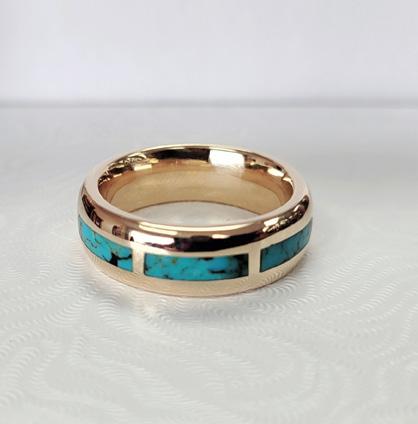
If you like to express yourself with jewelry, try designing and creating your own jewelry at home. You’ll need some specialty tools such as pliers, tweezers, and wire cutters. Depending on the type of jewelry, you will also need items like beads, gemstones, gold and silver, and metal wire. Your workspace can be as simple as your kitchen table as long as you have good lighting. Create unique jewelry pieces that embrace your style and personality. Custom jewelry also makes a great gift! Find inspiration and supplies at a local jewelry supply store or craft shop. Photography is a great way to preserve images of special mo-

ments or places in your life. All that’s required is a camera and your imagination. Photography is good for the brain, as learning new skills exercises your brain and improves memory. Exploring landscapes has the added benefit of providing exercise. Express your creativity through different lighting, angles, and exposure settings. If you want to learn more about photography techniques, local camera stores and community colleges likely offer classes.
Many people are also means eating more at home. Home cooking and baking are creative outlets that reduce stress, improve self-esteem and focus, and produce delicious results! Have fun replicating favorite restaurant recipes, exploring different cultural recipes, and involving your family in the kitchen. Cooking at home can save you money, give you more control over your nutrition, and promote family bonding. Community colleges, culinary stores, and some restaurants offer cooking classes if you want to refine your cooking skills.
Hobbies and crafts are wonderful outlets to embrace your inner child and immerse yourself in creativity. The possibilities are virtually endless! Try something you’ve seen here, or get involved in something else that interests you, like brewing beer at home, making birdhouses out of natural materials, creating stained glass masterpieces— whatever you choose! If you’re ready to have some fun (aren’t we all?), get started by unleashing your creativity at home!
Sources for this article included: craftindustryalliance.org, discoverahobby.com, and healthfitnessrevolution.com.








Whether you’re spending Valentine’s Day with a romantic partner or with friends, why not take the time to pamper yourself in preparation? When you look your best, you feel your best! This Valentine’s Day, boost your confidence and put your best look forward. Once you see how quickly and easily you can elevate your natural beauty, you might put these ideas into your regular schedule!
A professional blowout is one of the easiest glow-up tricks. Hair frames the face and adds a lot to your appearance. A fresh style with extra volume and definition will leave you feeling prepared and confident for your Valentine’s Day plans. (And that style is likely to last a few days, too!) Drybars are one of the new beauty crazes that seem to be popping up all over. These are salons that specialize in giving the perfect blowout to complement the haircut you already have. The stylists are well-trained hairdressers who can even provide tips to try at home if you want to attempt to replicate it.
When it comes to skin care, aestheticians will tell you that prevention is much preferred over correction. By getting facials on a monthly basis (instead of as a special-occasion treat), you are taking an active step into finding out what your personal skin care needs are and how to help skin stay clear and youthful

By Annabelle Hayes
for as long as possible. There are many different treatments that can help with expedited results, especially if you have particular areas of concern. Microneedling has been very popular to remove acne scars, and a hydrofacial can help during these dry months to give a bounce back to your skin.
I think that it’s fair to say that most women wear some form of makeup, but how do you know what kind of makeup looks the best on you? It can be so hard to find what colors complement what or how to discover your undertones! One of the easiest ways to figure these things out is to go see a professional makeup artist. For important events, it is crucial to see someone who can get you looking your best and guide you through the process of getting ready.
A makeup artist can also answer any questions you may have about skin types, color correction, and what kinds of makeup to mix. It truly is an art to know which liquid products and powder


February

products to use in combination. A visit to a professional makeup artist can be a great way to get a younger woman set up on her makeup journey. And don’t forget that makeup needs change as our skin ages! If your skin has been changing but your makeup routine hasn’t, it’s time for another visit.
Getting your nails done once a month at a salon is a simple way to make sure that your nails stay strong. Choosing a professional nail artist isn’t just about how your nails look! Contact dermatitis has been on the rise because of failed gel nail attempts at home. It is better to leave this task to the trained professionals.
In the nail world, there is an influx of gel-X nails, as they are more natural and don’t have the same harshness as acrylics. French tips are classic for a reason, but we are seeing them done with more fun colors and designs. We’re also seeing an uptick in cat eye nails. This is a fun way to give movement to your nails by moving the glitter in the polish with a magnet before nails are cured. They’re bound to be a conversation starter!
When you’re planning your glow-up, don’t forget your eyes! There is an old saying that the “eyes are the windows to the soul,” and there is a reason for that. Your eyes tend to be one of the first things that people notice when they meet you. Any simple way to enhance them can cause a huge shift in appearance.
To tidy up your eye area, consider eyebrow waxing or threading. To add volume to lashes, consider a lash lift or extensions. If you have thin lashes, extensions can boost the volume and provide a bold look. If you have the lashes but no curl, a lift may be perfect for you. Think of it as a perm for eyelashes.
Whether you’re preparing for a special event, a fun night out, or a more satisfying look in the mirror, there are many small steps you can take to elevate your appearance. You are worth that little extra. It’s okay to indulge and spend time pampering yourself!






Sources for this article included: theskininstitute.org, backerentandallergy.com, and avedafi.edu.






By Loretta McCollum
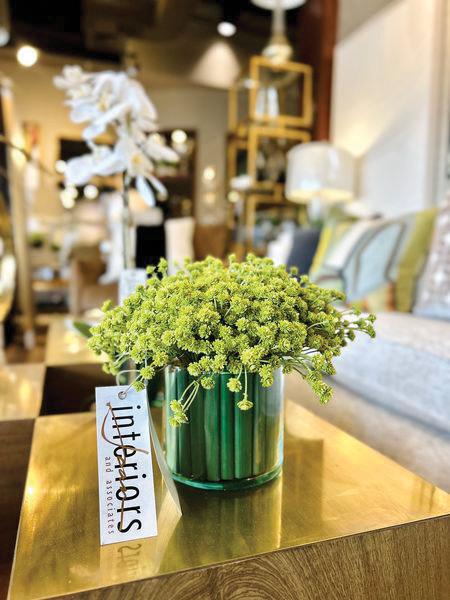
Decorating your home is an exciting opportunity to express your personal style and create your own space. Art and accessories provide aesthetic appeal and convey emotion, personality, and creativity. The right pieces can elevate a room, making it feel cohesive and uniquely yours. Here are some insights to help you bring your vision to life.
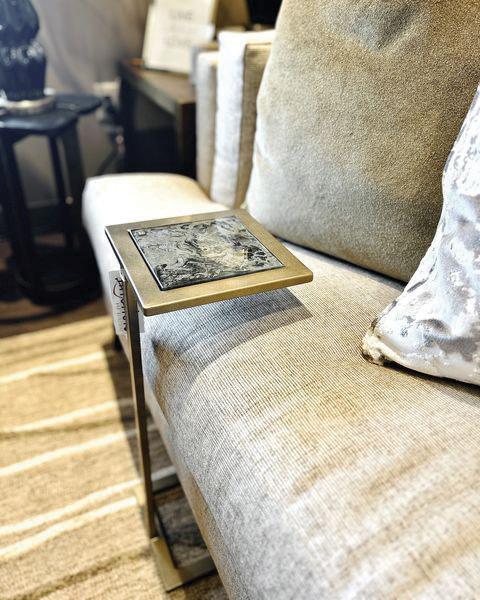
Art and accessories are not just decorative elements; they’re tools for shaping the feel and energy of a room. The right artwork sets the tone, evokes emotions, and tells a story. Accessories provide texture, color, and contrast, bringing the room together and curating a space that’s both comfortable and complete.
If furniture in a space feels too stark or unfinished, art and accessories can soften the edges and add character, creating harmony in the room. For example, a large piece of artwork can be the focal point of a room, around which all other elements are arranged. Accessories and decorative objects can complement the artwork, tying everything together.
When choosing pieces, consider how the items interact with the colors, textures, and proportions of your room. In a minimalist room with neutral colors, bold art pieces and colorful accessories create a striking contrast, adding energy to the space. Conversely, a space with intricate patterns and textures may benefit from simple artwork and subdued accessories that allow the room to breathe.

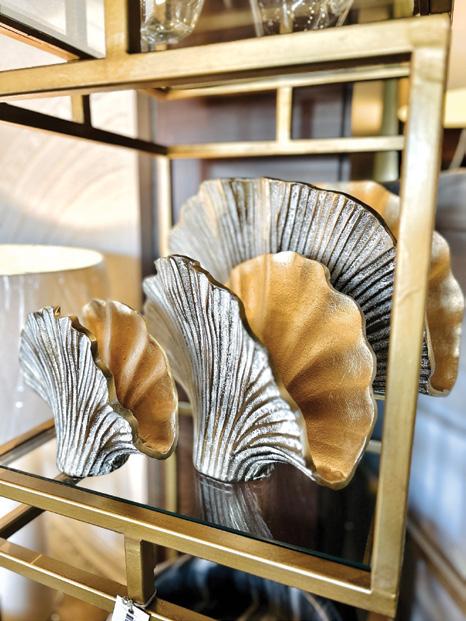
The first step in accessorizing your home is to understand your personal style. Do you prefer modern and sleek, rustic and cozy, or vintage and eclectic? Consider what makes you feel at ease when you’re in a room: muted tones or vibrant colors? Once you identify your style, it will be easy to curate a collection of pieces that resonate with you.
Color is a powerful tool in setting the mood of a room. Colors can evoke different emotions and create specific atmospheres. Warm tones like reds, oranges, and yellows make a space feel cozy and welcoming, while cool colors like blues and greens create a calming, tranquil effect. If you want to encourage conversation and connection in a room, choose colors that stimulate interaction and energy, such as warm neutrals, bright accent colors, and lively artwork.
Maybe you want to focus on colors that promote relaxation and focus, like soft blues, greens, or muted pastels. The artwork you select should align with the emotional tone you want to set in the room. A large, dramatic abstract painting brings a sense of drama and excitement to a space, while a calming landscape or







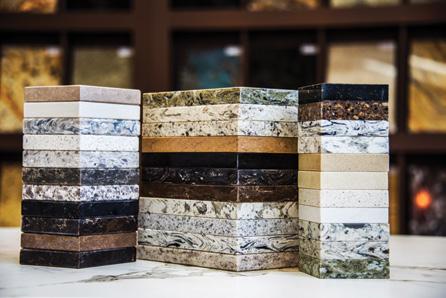

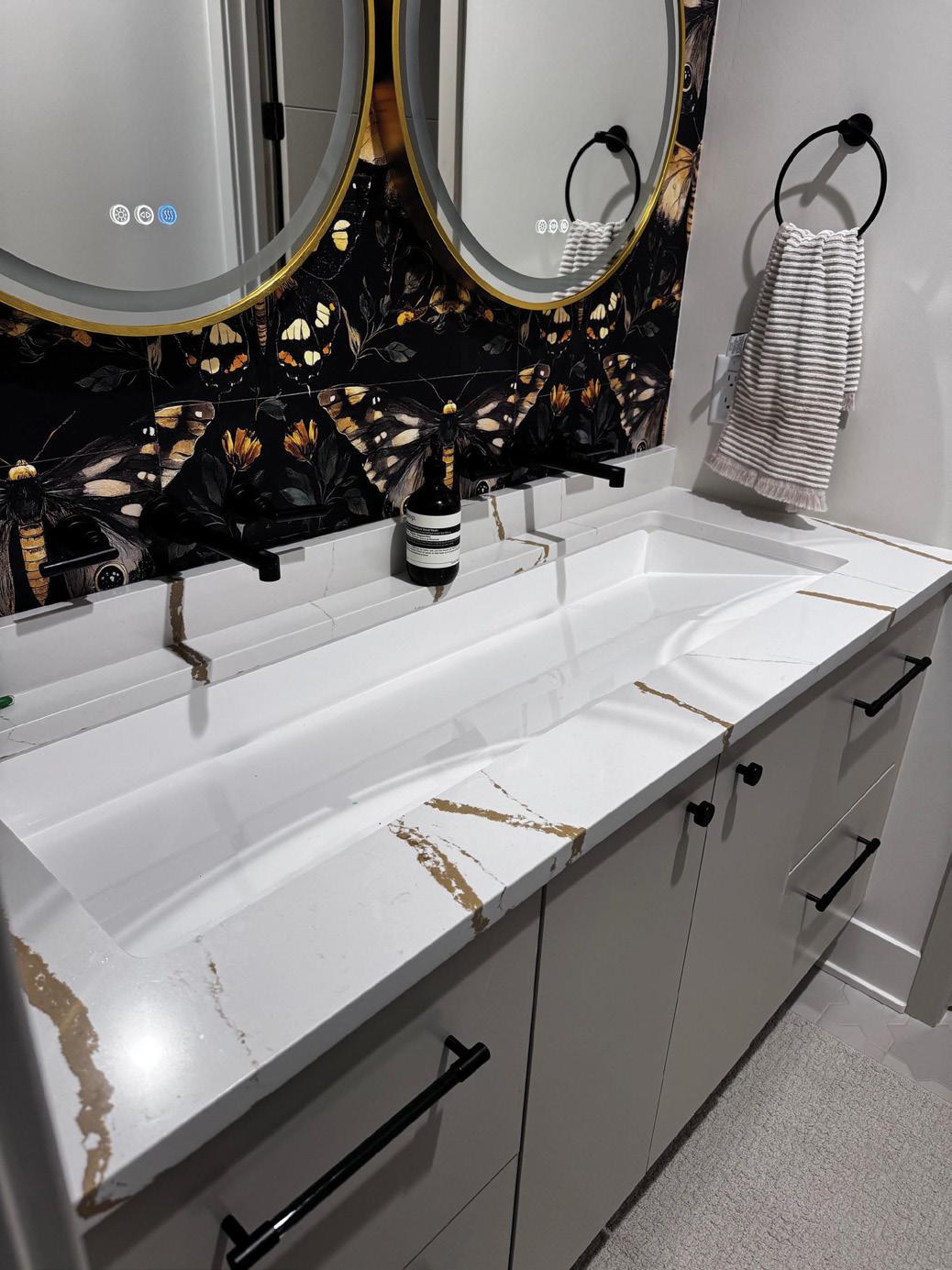
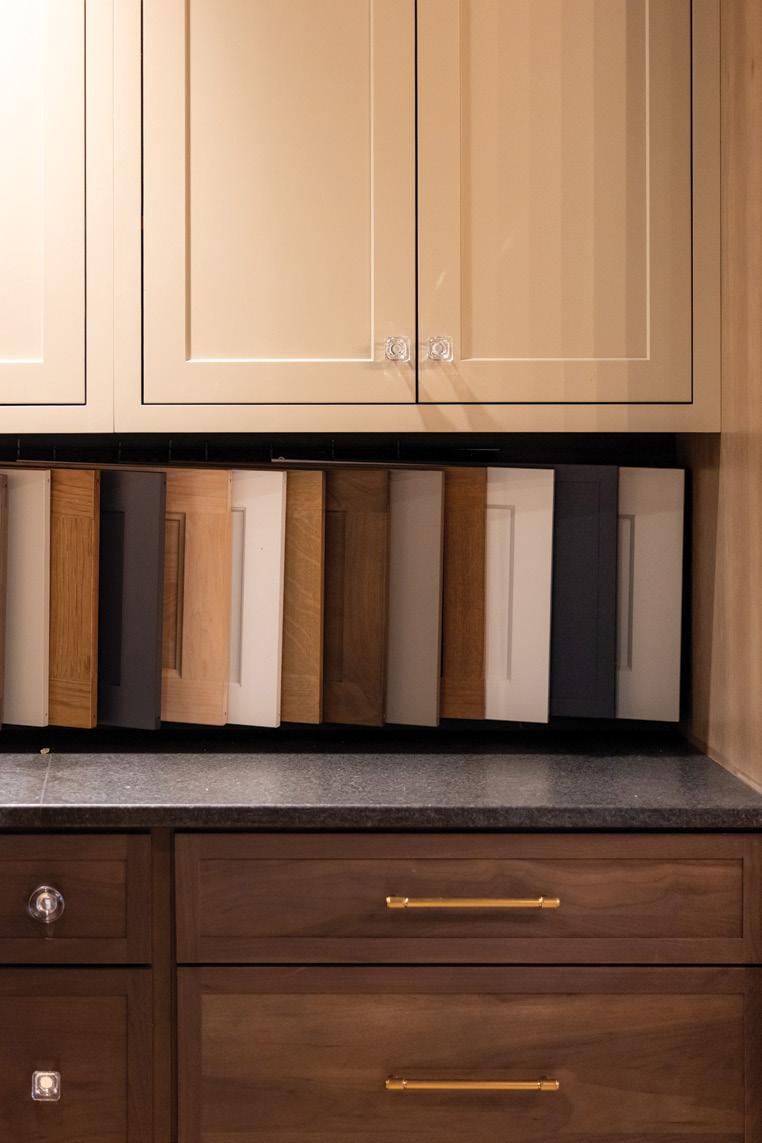
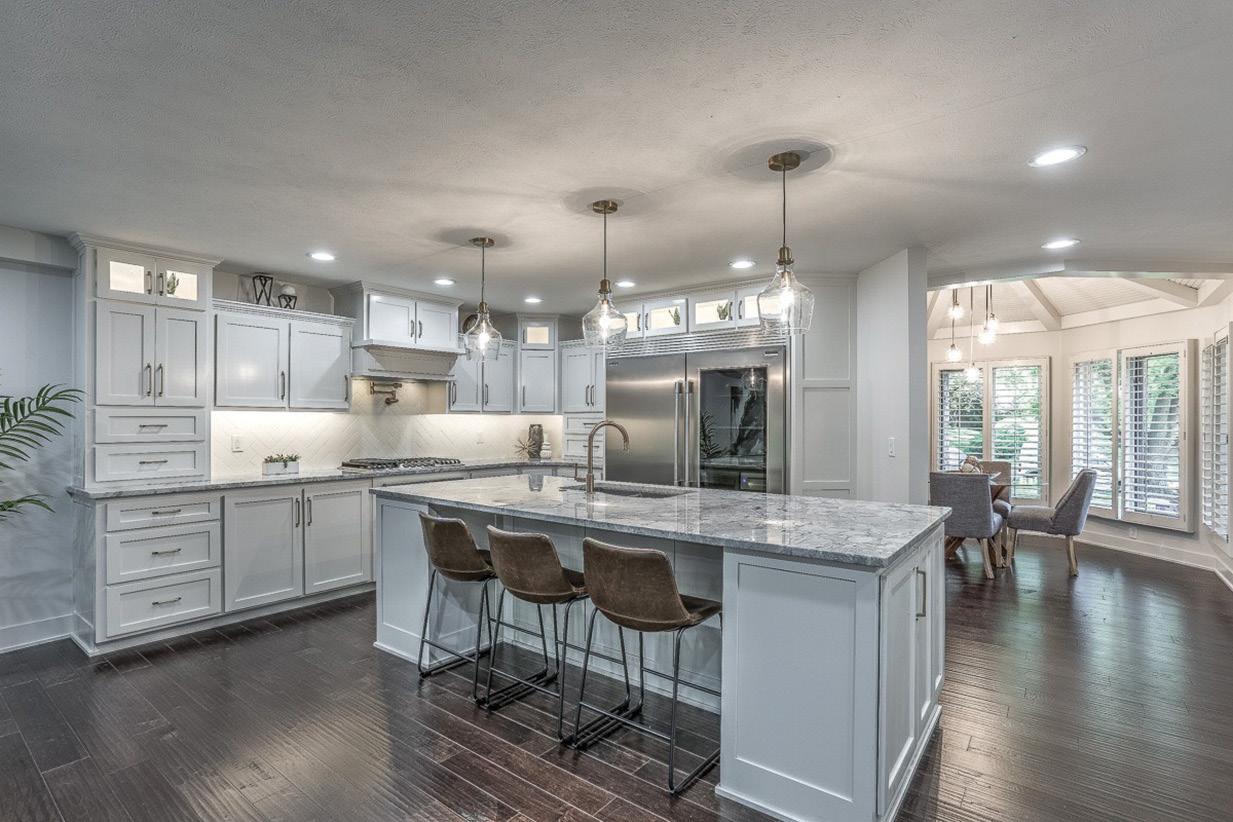
from the initial meeting with this group to the end of installation process. I love cooking in my new
—Cathy Meyers

One Should Go Hungry
Do you dream of seeing your name in print? Women’s Edition, publishing for over 39 years, is looking for dependable freelance writers who want to build their reputation and see their work published.
Writers receive assigned topics and interviews with local businesses. This is a great opportunity to develop your portfolio, meet inspiring people, and be part of a trusted community magazine.
This is your chance for fame, not fortune perfect for writers eager to gain recognition and experience in professional publishing. Many of our contributors have gone on to become nationally published
To apply, call Janet Van deWalle, Publisher, on her cell phone: 402-681-8203.



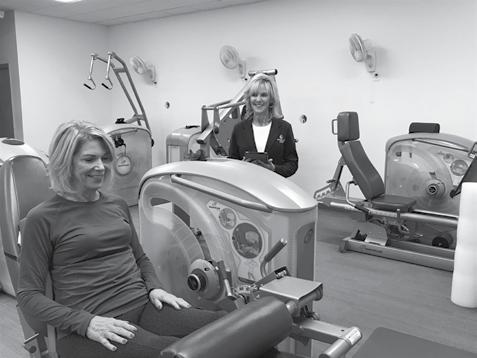
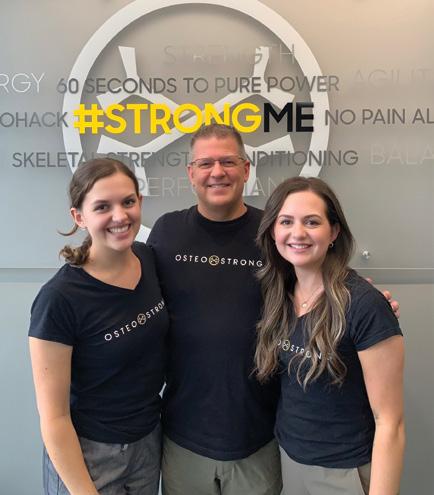
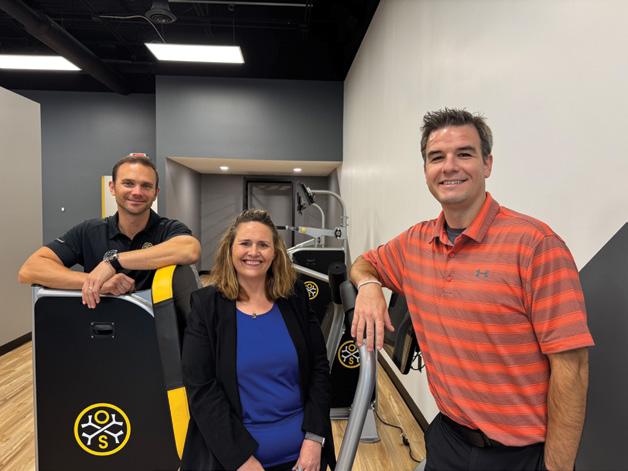
OsteoStrong® works for people of all ages and levels of activity to promote skeletal strength, which impacts the entire body in many ways, using a process known as Osteogenic Loading.
531-867-3013
10050 Regency Circle, Ste. 125 omaharegency@osteostrong.me
“I can walk up the stairs without help again! After nearly 15 years of chronic hip pain, my hips have never felt as good as they do now, since starting OsteoStrong two months ago.” - Kelley



black-and-white photography creates a more serene atmosphere.
Scale and proportion are crucial to achieving balance in a room. Small rooms can quickly feel overcrowded if large pieces dominate the space. Conversely, a large room might feel empty or disconnected without enough focal points. A large piece of art can be a striking focal point, but it still needs to feel proportionate to the size of the room.
Proportional accessories are also important. Don’t overcrowd your coffee table with small items or have oversized lamps that dwarf the space. Create balance and flow by mixing larger pieces with smaller, subtler items. This visual harmony makes a room feel complete.
A common mistake is overcrowding a space with too many pieces. Clutter quickly disrupts a room’s tranquility. Focus on a few carefully selected pieces that complement one another. A well-curated space with a few meaningful, well-placed items feels more sophisticated and inviting than a room jammed with too much great stuff.
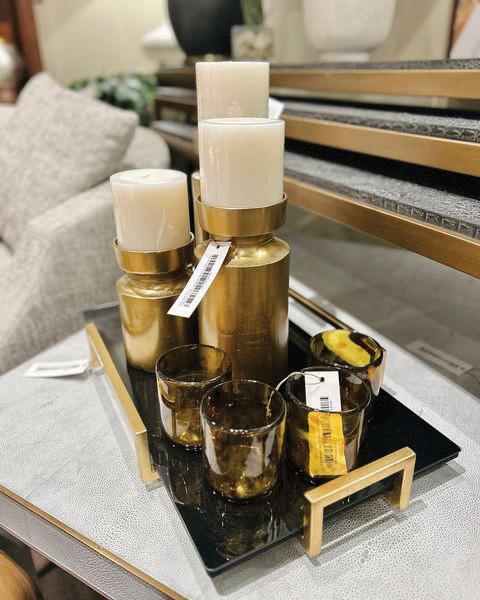
To avoid clutter, choose accessories that are both decorative and functional. A tray keeps your coffee table organized. Decorative baskets add both texture and storage. Remember that sometimes less is more. One stunning piece can make a greater impact than a collection of smaller works.
Set a realistic budget and stick to it. You can incorporate statement pieces without breaking the bank. Many retailers offer art and accessories that fit a wide variety of budgets. Mix splurge items with budget-friendly finds to create a balanced and cohesive look. Remember, art and accessories don’t have to be expensive to be pleasing to the eye.
Supporting local shops is beneficial for both you and the community. In-store experts are invaluable resources. They can provide advice on color selection, help you choose artwork, and suggest pieces that suit your room’s layout. If you’re unsure about furniture arrangement, or how to find that perfect art piece, they will guide you toward choices that complement your home’s style.
Art and accessories are essential elements of a well-curated home. By considering personal style, mood, scale, and proportion, you can select pieces that enhance your home’s aesthetic appeal, making it a space that reflects your personality and creative vision.
Sources for this article included: theinteriordesigninstitute.com, datacalculus.com, artandhome.net, and getinteriored.com.


By Leslie Byrne
February is Heart Health Awareness Month! When you’re making plans for your year and deciding which habits to break or develop, remember that the most transformative place to start may be with your heart. Heart disease remains the number one cause of death for women in the United States, taking more lives than all cancers combined. So many women underestimate their risk of heart disease! This disconnect is one of the biggest challenges facing women’s heart health, and it’s a powerful reminder of why awareness matters for every woman, from young professionals to busy mothers to retirees.
A common misconception is that heart disease is mainly a men’s health issue. In reality, women develop heart disease at significant rates, but the symptoms can look and feel very different. According to the American Heart Association, 64 percent of women who die suddenly of coronary heart disease had no previous symptoms. Unlike the dramatic chest-clutching heart attack seen in movies, women’s symptoms are easily mistaken for stress or fatigue.
Shortness of breath, nausea or vomiting, jaw or back pain, dizziness, pain in the upper abdomen or lower chest, and unusual exhaustion are all possible signs of coronary heart disease. Many women (and the people around them) chalk these symptoms up to fatigue or indigestion, which delays treatment and tends to worsen outcomes.
It can be especially dangerous when healthcare providers are looking only for classic chest pain, because women may not fit the stereotypical profile. It’s important to have honest conversations with your doctor and seek evaluation from a cardiologist when needed. They can help you distinguish between common discomforts and true warning signs.
While men and women share many traditional risk factors for heart disease, such as obesity, smoking, diabetes, high blood pressure, and family history, women also face gender-specific risks. Estrogen offers a degree of cardiovascular protection. As estrogen declines during menopause, a woman’s risk of heart disease naturally increases. Keep in mind that menopause itself isn’t the cause of heart disease; it simply occurs at a time when risk factors are already climbing. Aging often comes with higher rates of stress and depression, autoimmune illnesses like rheumatoid arthritis, and hypertension…all of which can elevate risk.
Pregnancy also carries cardiovascular considerations, and heart disease is a leading cause of maternal mortality. Add in the fact that many women, especially those juggling families, careers, aging parents, and community roles, tend to downplay their own health needs, and the result is a perfect storm of overlooked symptoms and unrecognized risks.
When it comes to treatment for heart disease, women deserve
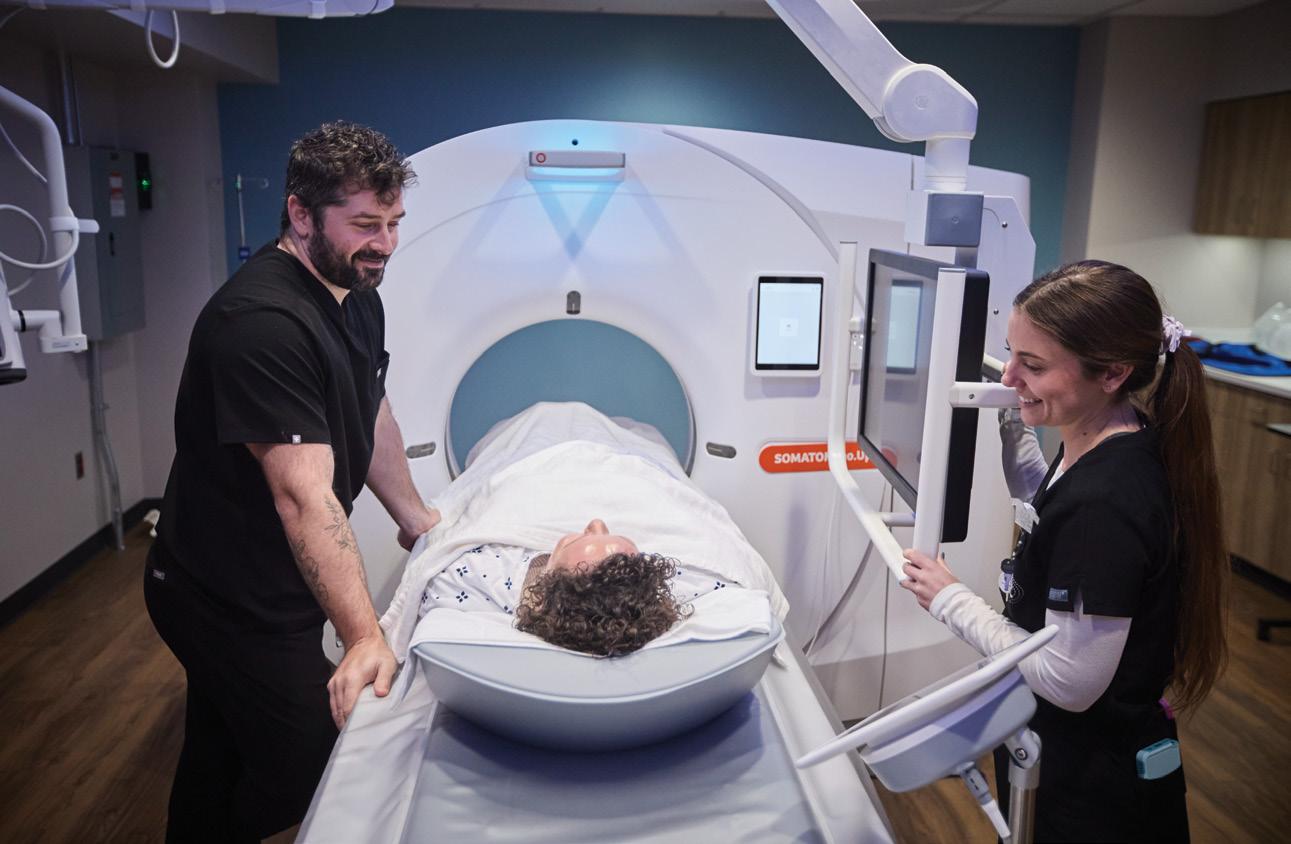
the same aggressive and effective interventions that men receive, yet research shows that disparities persist. Women are less likely to be prescribed aspirin or statins, even though the benefits are similar for everyone. They are also less likely to undergo coronary artery bypass surgery, which may be partly due to anatomical differences such as smaller arteries or more small vessel disease.
After a cardiac event, women are also referred to cardiac rehabilitation at lower rates, despite the fact that rehab significantly improves recovery and long-term outcomes. Awareness of these patterns empowers women to advocate for themselves by asking more questions, seeking second opinions, and insisting on evidence-based care from both their primary care physicians and cardiologists.
The good news is that so many risk factors are within our control. Even small lifestyle changes can make a measurable difference! A heart-healthy lifestyle includes avoiding smoking or vaping; choosing foods rich in fiber, lean protein, and whole ingredients; reducing saturated fats and processed foods; and exercising at least three times a week for 30 minutes or more.
Stress management is also powerful, whether it’s through yoga, meditation, journaling, laughter, or simply learning to say no. Yes, there is evidence that laughter is good for your heart! Taking ownership of your heart health can be as simple as scheduling a discussion with your family practice doctor about preventive screenings or getting a referral to a cardiologist if you have elevated risk factors or concerning symptoms.
If there is one thing every woman should know about heart disease, it’s to trust your instincts. If something feels “off,” seek medical attention. Know your numbers (blood pressure, cholesterol, and glucose), and schedule screenings guided by your healthcare provider, especially if family history puts you at higher risk. Recognizing that women’s symptoms can be quieter and more nuanced is not cause for alarm; it is a call to awareness.
Show your heart the same dedication you give to your family, community, and career. Taking charge of your heart health is one of the most meaningful ways to invest in your future.
Sources for this article included: mayoclinic.org, hopkinsmedicine.org, and goredforwomen.org.








Natural health treatments are growing in popularity. This is not surprising, since many natural health techniques are proving themselves to be as effective as traditional medicine in many cases, and they often have fewer side effects. Acupuncture is a relatively safe, effective, drug-free treatment that can reduce pain and relieve symptoms of a multitude of health issues, including chronic pain, allergies, depression, anxiety, and insomnia.
Acupuncture is an ancient Chinese medical practice. Traditional Chinese medicine practitioners believe that the human body has thousands of pressure points connected by pathways that create an energy flow through the body. This flow is known as Qi (pronounced chee) and is responsible for overall health. They also believe that disruption of this energy flow can result in disease or ill health. Acupuncture is believed to improve the body’s energy flow, or Qi, by activating our natural, self-healing abilities.
Acupuncture is believed to stimulate the central nervous system, releasing chemicals into the muscles, spinal cord, and brain. These chemical changes release natural pain-killing opiates and improve blood flow, promoting the body’s natural healing abilities, as well as improving physical and emotional well-being.
To determine the treatment that will provide the most benefit for your needs, an acupuncturist considers your specific symptoms and which body parts are affected. They will also consider your overall physical health and lifestyle. An initial evaluation and treatment can take up to 60 minutes. A common treatment plan typically involves one or two treatments per week. The number of treatments depends on the condition being treated and its severity.
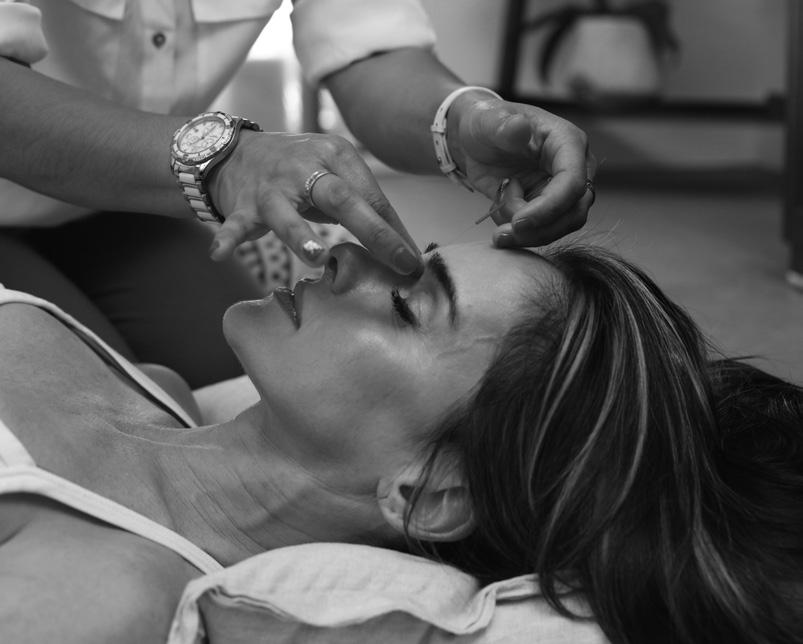
During treatment, five to 20 very thin needles are inserted at various depths into strategic points on the body while the patient lies on a padded table. Since the needles are so thin, there is little discomfort—you may not even feel them being inserted. A mild aching sensation may be noticed when a needle reaches the correct depth. The practitioner may apply heat to the needles or gently move them after placement. In most cases, the needles remain in place for 10 to 20 minutes while you relax. There is usually no discomfort when the needles are removed.
Following the procedure, some individuals feel relaxed, while others may feel energized. Side effects are typically minimal and may include bruising, skin rash, and dizziness immediately following the procedure. Single-use, disposable needles are now the standard, so the risk of infection is minimal. Always let your acupuncturist know if you are experiencing discomfort.
Your acupuncturist may use additional techniques during your session. Moxibustion involves the use of heated sticks made from dried herbs, held near the acupuncture needles to warm and stimulate the acupuncture points. Electroacupuncture utilizes an electric device connected to several needles, providing a weak electrical current to stimulate the needles. Cupping is where glass or silicone cups are applied to the skin, creating a suction effect that helps increase circulation and balance your energy.
Studies have shown that acupuncture is effective in treating a multitude of emotional and physical conditions. Many people turn to acupuncture for chronic conditions such as lower back and neck pain, knee pain, sciatica, bursitis, tendonitis, and arthritis. It can be effective in addressing migraine and tension headaches. It is sometimes used to treat headaches, in conjunction with traditional pain medication.
By Loretta McCollum

It has also been effective in treating emotional and psychological issues like depression, anxiety, stress, and addiction.
Symptoms of eye, ear, nose, and throat disorders such as allergies or sinusitis, as well as respiratory conditions like hay fever or bronchitis, can be lessened through acupuncture. It can treat digestive issues, including gastritis, irritable bowel syndrome, colitis, abdominal bloating, constipation, and diarrhea. Individuals with other physical conditions like menstrual cramping, chronic bladder infections, and side effects from chemotherapy, may also experience a reduction in symptoms through acupuncture.
If you decide to visit an acupuncturist, be sure to check his or her credentials. Most states require a license, certification, or registration to practice acupuncture. A diploma from the National Certification Commission for Acupuncture and Oriental Medicine is usually required for licensing. Some traditional medical practitioners, including physicians and dentists, also practice acupuncture. Ask your practitioners about their training and experience. Inquire as to the anticipated treatment plan and cost. Some insurance companies may cover the cost, while others may not. It’s also important to give your provider a full picture of what you do to manage your health.
If you’re having difficulty managing pain or other health issues, or are searching for a more natural approach to well-being, you may want to consider giving acupuncture a try
Sources for this article included: healthline.com, clevelandclinic.org, and mayoclinic.org.




By Linda Barnes
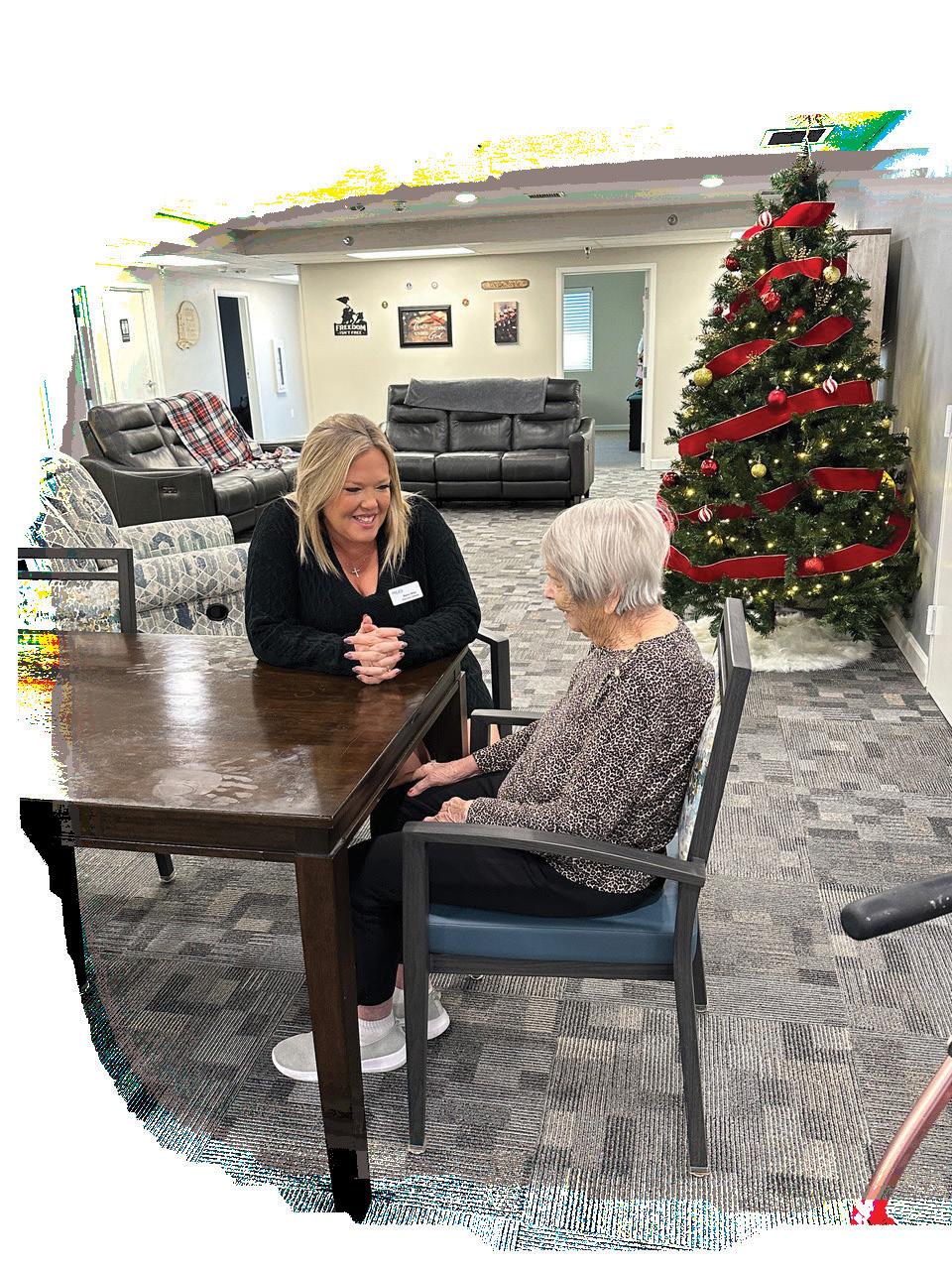
If you’ve never experienced the benefits of hospice care, you may have some misgivings about it. What exactly is hospice care? Who does it help? Does it just focus on dying? As many people can attest, hospice care is a tremendous help to both patients and caregivers when all avenues to cure have been exhausted. Hospice enters the picture with a plan for medical care, emotional support, and symptom management.
The hospice team aims to provide the best quality of life possible for the patient. The team may include a physician, aides, nurse, clergy, social worker, and volunteers. This specialized care can occur in one’s home, in a hospital, or at a hospice facility. There’s no denying that hospice care is reserved for those with a life expectancy of six months or less. However, the focus is not on dying, but rather on living well for the remainder of one’s life.
Most professionals agree that hospice is most beneficial when entered early rather than late. They recommend beginning a conversation before a crisis. Establishing what is most important to you or your loved one can be a starting point. Some will say they do not want to be in pain. Others may have a desire not to burden their children with their care. Would the patient prefer to remain at home, or would a hospice facility be more advantageous?
Although the central focus is comfort and symptom relief for the person receiving hospice care, caregivers and family receive support, as well. The hospice team creates a care plan specifically for the
patient. Family members are provided with helpful information and any training needed, along with a 24/7 phone number to reach a hospice provider should concerns arise.
Hospice care is supplemental support. The patient may remain wherever they live, whether that is their own house, assisted living, or a skilled nursing facility. At one’s own home, family and friends typically provide daily care. If “home” is a care facility, the staff provides daily care with the hospice team bringing additional support.
A team member will order needed equipment, supplies, or medication to be delivered. Equipment might include an adjustable bed, commode, oxygen supply, wheelchair, or shower chair. Common hospice supplies include those for wound care, continence care, or special personal care needs. A team member will teach caregivers how to use equipment and supplies.
Regular visits by a nurse and hospice aides begin promptly, providing medical care for the patient and support for caregivers. Caregiving can be stressful, but many find it fulfilling to provide care and
“At Haven Hospice, our purpose is to inspire patients and their loved ones, provide a safe space to navigate their journey, and allow us to walk beside them as they write their final chapter.”
Hospice is a Medicare covered service
We offer a variety of services including—
• Physician services
• Skilled Nursing services
• Hospice aide visits 5 times a week (Mon.-Fri.)
• Social service visits
• Bereavement support

• Religious and spiritual support
• Volunteer visits
• Medical equipment and supplies
• Massage Therapy
• Music



companionship for a loved one. Respite care is often a possibility for the patient to give caregivers a chance to recharge. Hospice care, including equipment and supplies, is normally covered by Medicare, Medicaid, and most private insurance.
When hospice care at home is not feasible, many people opt for a residential hospice care facility that specializes in the care of people near the end of life. Typically with a homier atmosphere than a nursing home or hospital, these facilities provide comfort and compassion.
Besides excellent medical care, these residential facilities often provide special amenities for their residents. Private rooms are typical, as are landscaped outdoor areas. Families and visitors are welcome, with space provided for larger gatherings. In addition to a cheerful atmosphere, a high degree of safety is assured.
Physical or massage therapy is often available, along with activities designed to engage the residents. Music and art events provide relaxation and social interaction. Residents can join in community meals if they wish. With effective pain and symptom management, residents enjoy optimal quality of life.
Signs that hospice care may be needed include increased pain or fatigue, breathing issues, or treatments that are not improving the medical condition. With curative treatments no longer effective and health declining, one’s physician may determine that the patient’s life expectancy is six months or less.
A physician will recommend hospice care, but the patient makes the decision to avail themselves of hospice care, along with the counsel of trusted family and friends. They should understand that curative treatment for their condition will be discontinued, although treatment for other issues is still possible.
Hospice care does not extend life, but it also does not shorten life. The focus is maintaining the best possible quality of life for as long as one lives. Should a hospice patient’s serious illness improve, hospice care can be discontinued.
Hospice is a boon for patients and their loved ones. Understanding how hospice care improves well-being with pain and symptom relief, we can approach it with optimism rather than fear. Hospice care is here to help patients and families best enjoy the time they have left together.
Sources for this article included: nia.nih. gov, aarp.org, and hospicefoundation.org.



“Our mission is to offer small- to medium-sized businesses an affordable way to reach women, ages 25 to 64 plus, in the middle to upper income level. This demographic group makes or influences over 85% of all buying decisions in this country.”
—Janet Van deWalle, Founder/National Publisher

By George Morgan
I bought my first car the summer I graduated from high school. It was a 1946 Ford, and I paid $75 cash. It ran okay, though it had a stopping issue, and the front seat looked like a slice of Swiss cheese. I went to Pep Boys and bought a universal seat cover for $9.98. What a deal! One problem: The seat in my 1946 Ford wasn’t a universal seat. It was like trying to put 10 pounds of dog food in a five-pound bag.
Participants in 401(k) plans have something in common with the owners of 1946 Fords. The “universal” solutions that are offered may or may not suffice, since one size doesn’t really fit all. Wall Street’s universal product for 401(k) participants is called a target date fund.
Target date funds contain a mix of stock and bonds, and the ratio of stock to bonds varies with the owner’s age. For young whippersnappers, the majority of the fund is in stocks and a small portion is in bonds. As the fund’s owner flips over more numbers on their odometer, the fund’s formula switches to a majority of supposedly safe bonds and a smaller portion of supposedly volatile stocks.
Based upon this line of thinking, one would assume that the majority of target date funds shareholders would be older workers because young workers would seek the higher returns of an aggressive total stock portfolio. That’s the way it’s supposed to work. According to the Bureau of Labor Statistics, 39 percent of all 401(k) participants own target dated funds. But the conundrum is that the participation levels are the opposite of what was originally intended. Forty-eight percent of participants under 30, who need them the least, own target date funds. Twenty-five percent of participants over 60, who need them the most, own target date funds.
A plausible explanation for this contradiction lies in the fact that many states have mandated target date funds as the default option for 401(k) investment. Back in the day, if a 401(k) participant didn’t choose a mutual fund, their investment stayed in cash. Then, about 20 years ago, states started mandating that the default option was money market funds. The problem with that was that money market funds don’t pay anything to the broker. One of the reasons that target date funds have become the default option is that they have the highest maintenance fees and, thus, the highest payouts to the broker. Don’t get me wrong—I’m not saying brokers are necessarily wicked. What they are is incentivized by the system to choose target date funds.
Currently, 45 percent of all 401(k) participants have one or more target date funds in their portfolio. And—surprise, surprise—these are the most expensive of all the alternatives available on most 401(k) plan menus. According to Morningstar, the average target date management fee is 1.25 percent, but some go as high as 2.15 percent. Currently, there are $4 trillion worth of target date funds held in 401(k) plans. They generate $60 billion in revenue for Wall Street. Compare this to the $7 trillion in passive index funds, which produce $1.3 billion in revenue to Wall Street, and it’s easy to see which type of fund Wall Street brokers would prefer.
The 900-pound gorilla in the room is the conflict created by a 2015 US Supreme Court ruling that requires employers to include some “reasonably priced” mutual funds in their 401(k) investment menu. The ruling did not, however, define what constitutes a reasonably priced fund.
Earlier this year, the Trump administration directed the Department of Labor to allow cryptocurrency and private equity to be included in 401(k) plan menus. Before you could blink twice, Wall Street started offering something called Collective Investment Trusts (CITs). Unlike mutual funds, CITs aren’t sold directly to the general public. They are only available in 401(k)s and related retirement funds. And CITs are overseen by bank regulators, not the Securities and Exchange Commission. As a result, they require less disclosure and transparency.
The new CIT target date funds are no longer the simple bundle of underlying funds they once were. Crack one open, and you’ll find growth and value stocks, midsize companies and small stocks, in addition to a jumble of illiquid assets such as private equity and cryptocurrency. The resulting pile is unlikely to outperform a simpler, cheaper autopilot portfolio that consists of one or two index funds. And—surprise, surprise again—because of a CIT’s minimal disclosure requirements, even a rocket scientist may have difficulty determining exactly how much they cost.
All of these changes don’t mean you should avoid target date funds all together. What it does mean is that before buying a universal investment, you need to decide whether or not you are a universal investor. After all, one size doesn’t fit all…but it does fit some!
Editor’s Note: George Morgan has five decades’ experience in all phases of the investment process. He is currently the Founder and Principal of Morgan Investor Education. His website is morganinvestoreducation.com.
The opinions voiced in this material are for general information only and are not intended to provide specific advice or recommendations for any individual. To determine which investments may be appropriate for you, consult your financial advisor prior to investing.
By Jackie Williams
This time of year, many vacationers flock to warm weather destinations in Mexico and the Caribbean, but now is actually the perfect time to go play in the snow. How about visiting the various Colorado Rocky Mountain towns? Whether you prefer to snowshoe, ski, or ride, you can enjoy the fresh powder and then relax in the crisp weather under starry skies. Let me give you an idea of what a springtime trip to the Rockies can offer!
One of my favorite ski resorts is Winter Park. It happens to be the closest major ski resort to Denver and has well over 150 trails. The consistent snowfall makes for great powder runs and longer seasons. There is something for every type of skier and rider, no matter your skill level. If you happen to be a little rusty, or want to try something new (like snow bikes), just take a lesson! You will have much more fun after a little refresher course, even if you have experience. Maybe it will inspire you to take on one of the advanced trails on the Mary Jane mountain.
You don’t even have to rent a car to get to Winter Park. Have your travel agent book you on the Amtrak Winter Park Express ($9), take a shuttle from Denver International Airport (DIA), or try ride sharing. Once you are there, hop on and off the free Lift community buses. After a day of fun in the snow, avoid the dreaded I-70 traffic on the way down the mountain on weekend evenings by spending the night.
My advice is to catch a ride over to Tabernash, which is only about 20 minutes away, where you can stay at another one of my favorites—Devil’s Thumb Ranch Resort & Spa. This is the best place to cross-country ski, in my opinion. You can ski (or snowshoe) from yurt to yurt along the forest trails. Take breaks in the heated teepees with a crackling fire while you open up a thermos of hot cocoa (or something a little stronger).
Their Ranch Creek Spa is one of the best I have visited. The views of the Continental Divide and surrounding area are just gorgeous; add in the mountain décor, aromatherapy room, and a deep tissue massage, and you will just melt. Your sore body will be relaxed and rejuvenated after an hour or two enjoying the spa and outdoor hot tub. After spending a night or two, then you can head down the mountain back to Denver.
Another springtime snow vacation option is to head to Steamboat Springs. Fly into Yampa Valley Regional Airport (HDN) and either hail a ride from a ride share app or hop on the free Steamboat Springs Transit buses. Many of the lodging properties run shuttles, too, so getting around is cheap and easy.
One of my favorite things to do in Steamboat Springs is a full moon snowshoe hike that ends at the Strawberry Park Hot Springs. Another popular activity is snowmobiling! It is a lot of fun racing around Rabbit Ears Pass with a group of snowmobilers. Your agent can book tours in advance for these, as well.
If you are up for trying a big adventure, I would recommend going to Breckenridge for dogsledding. You heard that right—what a blast! You can sit on the sled and be pulled smoothly through the snow surrounded by forest…or you can stand up, tell those dogs to “Mush!” and go on a thrill ride. Dogsledding is the kind of fun that you will not forget.

If you would rather tone it down a notch (or three), then I would direct you to some hot springs therapy in Glenwood Springs, located between Vail and Aspen. You can soak in geothermal bliss as you visit all three of the town’s offerings: Glenwood Hot Springs Resort, Iron Mountain Hot Springs, and Yampah Spa & Vapor Caves (two of which have been designated National Natural Landmarks). Sure, it’s a lot of lying around, but you’re not lazy—you’re recuperating!
Don’t be scared off by the cold temperatures—enjoy those bluebird days! If you’re feeling rowdy, take some time to play in the snow with ample opportunities to ski, snowboard, cross-country ski, or snowshoe. Or be an observer and submerse yourself in nature; enjoy being surrounded by snowcapped peaks. Even better, work on wellness and spa your way through the Rockies! Heading for the snow will make for a great escape and much needed relaxation after the hustle of the holidays. Don’t forget to pin these spots on your map because they are fantastic destinations the rest of the year, too.
Sources for this article included: winterparkresort.com, devilsthumbranch.com, and colorado.com.
By Savannah Rosa
February is a good time to pay attention to something that’s often missed in pet care: dental health. Many pet owners stay on top of nutrition, exercise, and vet visits, but teeth and gums can get overlooked. Good dental habits keep your pet’s breath fresh and help prevent pain, illness, and expensive health problems down the road. By making dental health a priority, you are not only safeguarding your pet’s immediate well-being but also helping them enjoy a longer, more active life. Regular attention to oral hygiene can make all the difference!
Dental disease is, unfortunately, quite common in dogs and cats. The American Veterinary Medical Association (AVMA) says that most pets show signs of gum disease by age three. It starts when plaque builds up and turns into tartar. Over time, bacteria can move under the gums, causing swelling, infection, tooth loss, and even harm to organs like the heart, liver, and kidneys. In addition to bad breath and oral pain, dental issues can make it difficult for pets to eat, play, or groom themselves.
Professional veterinary dental care is an important part of protecting your pet’s oral health. A dental cleaning at the vet usually includes a full-mouth check, removing plaque and tartar above and below the gum line, polishing the teeth, and taking X-rays to see what’s happening under the surface.
Since pets can’t sit still for this, cleanings are done under anesthesia to keep them safe and comfortable. Vets may also remove
damaged or infected teeth, if needed, which helps prevent pain and worsening infection. Regular cleanings at the vet can catch dental problems early, before they get serious.
Between professional visits, keeping up with at-home care is essential. As with humans, tooth brushing is considered the gold standard for at-home pet dental care. Using pet-safe toothpaste and a soft-bristled toothbrush or finger brush can significantly reduce plaque buildup.
If you and your pet are new to brushing, start slowly and keep sessions short—this can help your pet adjust to the new routine. Many local pet stores carry a wide selection of dental tools, and staff can help you choose products that fit your pet’s size, age, and comfort level. It’s also helpful to ask your veterinarian for tips and demonstrations, as they can recommend techniques specific to your pet’s needs.

A re you a stay-at-home mo m, college
s tu d ent, or retiree who wo u l d like to m ake some extra mone y, vis it some g reat b usinesses, and get a l ittle exercise?
We n e ed your help with our distribution o f Wome n’s Edition o n e to two days a month.
If you have a relia b l e vehicle, can lift 4 0 lbs., feel comfort able walking into m ultiple types of bu sin esses, and know how to smile and enjoy yourself, this is a perfect job for you.
Call Carissa at 402-39 7-0732.
Dental chews, treats, and toys can also help keep your pet’s mouth healthy. Look for products approved by the Veterinary Oral Health Council (VOHC), as they are designed to reduce plaque and tartar while letting your pet chew. Chew toys and textured treats help clean teeth, especially if you use them regularly. Dental water additives and oral sprays are gaining in popularity, and they can be good options for pets who don’t like brushing. Incorporating a mix of these products into your pet’s daily routine can make oral care more enjoyable for both you and your pet. Remember to introduce new products gradually, and always supervise your pet with chews and toys to ensure safety.
Pet dental care is always improving, and new advances are making prevention easier and more effective. Some dental diets now have kibble shapes and textures that help clean teeth as pets chew. New treatments combine cleaning with ingredients that fight bacteria. There are even gels and powders that can be added to food to support oral health.
At the vet, better imaging and safer anesthesia have made dental procedures more accurate and less stressful. Some clinics even use laser therapy for gum disease to reduce swelling and help healing. These new options mean better results and more comfort for pets. Staying informed about new products and veterinary techniques can help you take advantage of the best care available.
Prevention truly is the best medicine when it comes to dental health. Establishing a routine early in your pet’s life helps them become comfortable with mouth handling and oral care. Preventative dental care reduces the risk of painful infections, minimizes the need for extractions, and can save pet parents money in the long run by avoiding more serious medical treatments. Most importantly, it helps pets stay happier, healthier, and more comfortable as they age.
Local pet stores and veterinarians are great partners for keeping your pet’s teeth healthy. Store staff can suggest dental products that fit your pet, and vets can tell you how often your pet needs professional cleanings. By combining professional veterinary care with consistent at-home habits, pet parents can make dental health a manageable and rewarding part of their routine. A little time and attention each day can lead to years of wagging tails, happy purrs, and healthy smiles.
Sources for this article included: avma. org, vohc.org, and aaha.org.
Locally owned. established 1998 Pet Lover approved.






Roses, particularly red roses, have long been associated with passion, romance, and desire. This association, you may be surprised to know, dates back to ancient societies. In ancient Rome and Greece, roses were linked to Aphrodite, the goddess of beauty, love, and fertility. According to the myth, Aphrodite’s tears and the blood of her lover, Adonis, created the first red rose. This forever tied the red rose to undying love and devotion!
The color red is often linked to strong emotions and desire. Roses can be described as the perfect metaphor for love because of their delicate balance of fragility and beauty. The commercialization of Valentine’s Day in the 19th century cemented the role of roses as the ultimate gift of love. As Valentine’s Day became increasingly popular, florists capitalized on the holiday by promoting roses as the optimal romantic gift.
Today, roses are still the most sought-after flower for Valentine’s Day. In preparation for this holiday of love, millions of roses are cultivated, shipped, and sold worldwide. The timeless significance of this beloved floral tradition is kept alive by couples who continue to embrace the act of giving roses.
There may be a science behind roses and their attraction. Studies suggest that the fragrance of roses has mood-enhancing properties and can increase feelings of happiness. Additionally, the color red is known to stimulate attention and attraction. That is one reason why we see red used in so many forms of marketing and branding.
While a bouquet of red roses is always the classic choice, there are other ways to personalize this romantic tradition. You could create a bouquet made up of different colored roses that have different meanings. White roses symbolize purity; pink represents admiration; and yellow signifies friendship. Combining different colors in a rose bouquet makes for a very striking gift. The most beautiful bouquet I ever received was two dozen roses in colors of cream, peach, pink, and white. It was stunning and unforgettable.
Valentine’s Day is named after St. Valentine, a mysterious figure who may have been a priest in ancient Rome. St. Valentine apparently secretly performed marriages for soldiers, in defiance of Emperor Claudius II’s ban on marriage for young men. St. Valentine was eventually martyred for this defiance. Because of that, his legacy is closely associated with love and devotion.
The connection between romantic gestures and St. Valentine was solidified in the Middle Ages. The English poet Geoffrey Chaucer wrote a poem in the 14th century that linked the mating season of birds with Valentine’s Day. This reinforced the idea that February 14th was a day of love. By the 18th century, Valentine’s Day became recognized as a day of romance, which included exchanging love letters and gifts of roses.
Roses display delicacy and beauty that, some people feel, make them a perfect metaphor for love. One could even say that the beautiful velvety petals, in contrast with their deep thorns, symbolize the highs and lows of passionate relationships. Is it any wonder that roses are the favorite among romantics?
I would be remiss in talking about roses without bringing up growing them yourself. Many people recoil at the thought of raising roses, believing that they are fuss-budgets who need fawning over like newborn babies. This is not the case. Today’s roses are less susceptible to disease and are actually quite easy to grow. That said, you’ll have better luck if you attend to a few rules.
By Linda Sutherland

I have planted roses as bare-root and I have planted roses that are already big and blooming from a nursery. If you go for the blooming ones, make sure you look over the leaves and blooms for any signs of disease or insects before you purchase.
When you’re deciding where to plant your roses, consider your yard’s sun exposure. Rose bushes require a minimum of six hours of sunlight every day. If you plant them in an area that is too shady, they will not thrive.
Always water rose bushes at ground level. Roses do not like their leaves to stay wet, and you will avoid black spot if you avoid wetting their leaves. Water them in the morning hours, if at all possible. That way, if you do water spot the leaves, they will have time to dry out during the day. Watering roses at night is a never a good idea.
Like many plants and shrubs, roses need more frequent watering right after they are planted to ensure that their roots get a good start. Yellow leaves can indicate too much watering. See? Whether they’re telling you what care they need or telling your loved ones how you feel, roses are great at expressing themselves. Behold the beautiful, meaningful rose!
Our homes are our personal sanctuaries. Americans spend considerable time and capital refining them. Just think of your last home remodeling project. How much excruciating effort went into selecting every color, every solid surface material, every tchotchke that graced your shelves? It often requires a significant amount of human energy, not to mention money, to create the perfect space for our homes. Does that ring true?
On your last project, whether large or small, how much attention was paid to the method by which the updated space was illuminated? After all, we can fill our homes with the nicest finishes and accents, but what is the one thing that overarches the entire room? Simply put, it is lighting.
By now, we have all had some encounters with LED lighting. It entered our collective lives in some capacity around 2010. Early on, it was associated with high prices, an uncomfortable “cool” blue hue, and issues with flickering when we replaced our old “warm” incandescent bulbs.
LED lighting today is a different animal entirely. While LED bulbs are still more expensive than traditional bulbs, properly selected LED lighting can offer an array of important features to enhance our lifestyle significantly.
At its most basic, LED lighting allows us to select a fixed color temperature. Our traditional incandescent bulbs were 2700 kelvin, and they naturally got warmer in color temperature (that is, more red or yellow) as they dimmed. Today, you can select color temperatures from “warm” (2700K or below) to “daylight” (5000K – 6500K). Understanding what is right for your family often takes consultation with an expert. Daylight color temperature may seem like a great idea, until you are trying to relax with an evening movie!
The next tier is called warm dim. These bulbs may be 3000K or 3500K at their brightest, but they warm up to 1800K (“candlelight”) when dimmed. These are often only slightly more expensive than a fixed color temperature. It is a great solution for those who are nostalgic for our old incandescent world. One downside, however, is that they produce less light as they warm up.
A third tier is called tunable white. This technology offers the best of both worlds. Not only can you select a range of color temperatures to match your mood, but the bulbs can maintain higher light or “lumen” output at warmer color temperatures, as well.
The cutting edge of lighting today is called circadian rhythm. This type of fixture automatically shifts its color temperature throughout the day, matching the sun to help regulate human circadian rhythm. While more expensive, this technology has a profound impact on the health and well-being of a home’s inhabitants.
This may all sound complicated, but there’s an easy solution. One of the region’s foremost experts on luxury lifestyle technology is available to help.
Contact Doug Dushan at simplifiyourhome.com or at 402-800-7862 for more information.



Calco Enterprises, Inc.
Calco Enterprises has been in the business for over 48 years. We can provide phenomenal masonry work for residential and commercial projects alike.
“While looking through your monthly edition of Women’s Edition, I saw an article regarding Calco Enterprises. I needed 2 retaining walls repaired so I contacted Calco Enterprises. Cal was professional and his team was amazing. The work was done in a timely manner and after the job, his team cleaned up everything so well you couldn’t even tell they were ever there. Very pleased with the results.” A.B.
Call today for a free estimate 402-630-2100.
Garden View Manor
It has been a dream come true for Christi and Bret to open up a residential senior living home that provides high quality assisted care in a beautiful and cozy home setting. We are dedicated to providing a safe and secure home where our residents live with comfort, dignity, and the respect they deserve. Make our home, your home!
Visit our website gardenviewelkhorn.com for a virtual guided tour or call us today at 531-999-2264.
Heafey, Hoffmann, Dworak & Cutler
Celebrating life since 1852. Heafey, Hoffmann, Dworak & Cutler provide caring and compassionate funeral and cremation services to the families in our area. Our staff and directors are committed to serving families by solving problems and providing personal satisfaction.
We have expanded our facilities and staff over the past 13 years to meet the growing funeral service and cremation needs of today’s families. Being family-owned and -operated for four generations is one of the cornerstones of our development.
Every detail is considered in planning a meaningful tribute to your loved one. Though not a complete list of our services, the following are several that are available: traditional service, graveside service, memorial service, and “celebration of life” service.




The Grout Doctor®
The Grout Doctor® of Omaha is the one to call for all of your grout and tile restoration needs! We are locally owned and operated and backed by a nation-wide network.
Why The Grout Doctor®? Because we specialize in tile, grout, and stone repair, and we care. We are highly trained and knowledgeable, professional, timely, and insured. We use our own proprietary products, which are safe, effective, and gentle on our environment. We have been breathing new life into old tile, grout, and natural stone for over 25 years. Call today 402-393-2565 for a Free Estimate!
New to View has something for everyone! From the Adventures of Kool-Aid Man to the Omaha Supernovas, find a piece of Nebraska’s pop culture and recreation history that everyone in your family can enjoy. See new and never-before-displayed items, discover new pop culture and sports stories from Nebraska, and learn about the people, events, and objects shaping Nebraska’s history. New to View: Showcasing Sound, Screen, & Sports is on display for a limited time. See it now at the Nebraska History Museum, 131 Centennial Mall North, in downtown Lincoln. Visit our website: history.nebraska.gov.
“If you need to have an amazing experience while you’re not feeling amazing, you need to visit Midwest Urgent Care. The staff made me feel very welcome and everybody was just phenomenal. They take the time to get to the bottom of your health issues and make sure you are 100% taken care of. I encourage you to visit Midwest Urgent Care, if you need to be taken care of. Thank you Midwest Urgent Care for taking such good care of me and my family!”
—Megan
At 120th & Dodge: Open M-F, 9 a.m. - 7 p.m., Sat.-Sun., 9 a.m. - 3 p.m.
At 167th & Maple: Open M-F, 8 a.m. - 8 p.m., Sat.-Sun., 9 a.m. - 5 p.m.








Passion! What an incredible, positive, and powerful word.
Because February is the month of romance and passion, I want to tell you about my passion in life. Prior to meeting my wife, Janet, I had been married once (for seven years), engaged three times, in multiple relationships, and single for 22 years. I had come to the conclusion that no one understood what “passion” really meant.
“If you can’t figure out your purpose, figure out your passion. For your passion will lead you right into your purpose.” – Bishop T.D. Jakes
In 2014, I was in a training class with 200 people. We were all asked this simple question: What is your passion? Many people offered answers like sports, work, hobbies, travel, a vacation…but one person said, “my wife.” Wow!
“Why your wife?” the instructor asked him. The man replied, “I hear what everyone has said about what their passion may be, but what connects them all for me and reciprocates…is my wife.” Then the instructor asked the men in the room how many of us had our wives attending this class? Oops.
The next question the instructor asked was, “Who would you be today if you had no passion in your life?” The answer: a lost soul.
“A life without passion is not a life—it is merely an existence.”
– Leslie Fieger
By Manny Chavez
After my divorce, I started reflecting on my behavior and past relationships. The question that kept coming to mind was how to find the passion in my life. I needed to be a better person, a better gentleman, a better partner, a better husband, and a man of romance and passion. My journey started every month in the local library or bookstore, finding self-help books or books about romance and passion. The book which helped me most in my journey was 1001 Ways To Be Romantic by Gregory J.P. Godek. I certainly suggest reading page 1, chapter Romance 101, number 1: “Romance is a state of mind.” (Side note: If you choose to read this book, don’t tell your significant other, trust me!)
“Love is friendship that has caught fire.” – Ann Landers
On August 25th, 2019, two passionate, hungry hearts found each other—Janet and I. We had spent hours in deep conversation about mutual likes and desires in a relationship. We both felt we had found the one who would fill our hearts with passion and romance.
Today, we have been married for seven years, and we continue to enjoy romance and passion. The lesson to be learned? When you are ready and have learned how to have romance and passion within yourself, then romance and passion will find you. I love you, Janet! Happy Valentine’s Day!
“You have to be burning with an idea… if you’re not passionate enough from the start, you’ll never stick it out.” – Steve Jobs
Women’s Edition has been a great tool for our business. With their guidance on graphics and wording, we are getting calls and emails from great fitting customers, so the message is clear in regard to the problem we solve. We have been able to reach new customers on an individual basis. We are so happy to have formed this relationship. It helps us help our customers transition into senior living with a lot less stress!
—Hannah Diediker, CSA


No matter what type of home you live in, the plumbing system usually gets very little care and attention…until there’s a problem. When plumbing goes wrong, it doesn’t just disrupt your daily life; it can lead to bigger issues that affect the safety and integrity of your home. It’s always best to be proactive and call a plumber at the first sign of trouble, before you are ankle deep in water.
Call a professional if you notice slow drains or recurring clogs, banging or gurgling pipes, discolored water or foul odors, a sudden spike in your water bill, or leaking faucets, pipes, or toilets. These symptoms often signal hidden issues behind the walls or under the floors. I have lived in my home for over 20 years and, unfortunately, we have definitely had to deal with some unfortunate plumbing incidents. One year, we didn’t realize we had a pipe break until the water came up through our carpeting and up the wall. That was definitely an emergency!
We have also had a toilet back up that couldn’t be cleared. Our plumber kindly explained that roots from the tree in our front yard had grown into the sewer line. Apparently, many customers in older neighborhoods with mature trees run into this issue. We were advised it would be a good idea to have someone come out every few years to clear the line out to the street so that it didn’t happen again. Many people regularly schedule this service, putting it on their calendar like they would any other recurring preventative maintenance.
If you are lucky enough to have not needed a plumber yet, you might still want one. A good plumber can help with more than emergency situations. They can also perform routine maintenance like drain cleaning or annual water heater checkups, as well as specialty services like sewer line repair or sump pump maintenance. They can provide installation and remodeling assistance for new fixtures or kitchen and bath upgrades. When we remodeled a bathroom, we called a plumber to handle the sink and toilet installation.
It’s vital to know where your home’s shut-off valves are located in case you need to shut off the water to minimize damage during an emergency. Your plumber can show you where everything is. Depending on the age of your home, fixtures and appliances may have dedicated valves on the wall behind them. Because our home is older and it was not code to install multiple shut-off valves like these when it was built, we hired a plumber to install them in our bathrooms and kitchen. These have definitely come in handy over the years.
Another important aspect of plumbing maintenance that homeowners often overlook is water pressure. Low water pressure might seem like a minor inconvenience, but it can signal bigger issues within your plumbing system. Over time, pipes can develop blockages due to mineral buildup, or they can degrade because of age and wear. If your faucets, showerheads, or appliances like dishwashers and washing
By Carissa Rosa
machines are showing signs of weak water pressure, it’s essential to have a plumber inspect your system.
Having a good plumber is invaluable. So how do you choose? Make sure the company or individual is licensed and insured. Preferably, they will have a good reputation, experience with your specific plumbing need, and emergency hours (that you will hopefully never need). They should also have clear pricing and communication on what they are doing. Make sure you understand how the price will change if the job becomes larger or more complicated than expected.
As with most things, prevention is always easier (and cheaper!) than remediation and repair. Always use drain strainers to catch food particles and hair. Treat your garbage disposal with care—it’s not a trash compactor! Garbage disposals come with a long list of instructions that should be followed. Never pour grease or oil down the sink, and don’t try to flush anything unusual down the toilet. Know where your main water shut-off valve is, and schedule regular plumbing inspections to catch potential problems early. These simple habits can save you a lot of time, money, and frustration.
Nobody likes unexpected expenses, but there are some ways to minimize some of them. Remember that a healthy plumbing system isn’t just about keeping the water flowing—it’s about protecting your home and your peace of mind. By understanding the warning signs and knowing how to pick the right professional, you can avoid major headaches (and expenses) later on. Luckily, there are plenty of trusted plumbing experts right in our community who are ready to help when you need them.
Sources for this article included: epa.gov, nachi.org, and aspe. org.
An old adage reminds us that “history repeats itself.” It’s important that kids and others we love are prepared for the future by learning about the past. Comments are often made about how the events of today remind people of events in the past. This offers multiple opportunities for conversations comparing past and present with friends and—especially—our kids.
As I’m writing this column, a “Day of History” has been emphasized. I overheard someone ask, “What’s so special about December 7th? Isn’t it just another day?” I hope that person came across…and paid attention to… some of the special broadcasts offered about Pearl Harbor Day and its importance in our nation’s history. If your kids showed an interest, encourage them to look it up…and then talk to you about what they find.
I’ve always found history fascinating. Whenever our family relocated, Mom and Dad would make sure we learned about the area. Grandpa said, “If you live in a place for a year, you should know its history.” Mom would take us to the library for books about state history. Then we’d visit some of the historical sites in the area.
Searching for historical sites became an ingrained habit. On road trips, when our kids were little, I’d keep watch for historical signs or sites and suggest we pull over. I may have overdone it a bit! When the kids got older, they’d divert my attention when they saw a sign for something historical ahead.
a
in-depth evaluation to understand your child’s needs, with a clear roadmap to set them up for success. Learn more or book online at www.clurepsychology.com


By Marge Shoemaker
On one memorable trip with the Grands, we headed south by going north. This was NOT to be a quick trip taking them home to Arizona. We started by leaving Omaha for the Black Hills via a trip up the Missouri River to Lewis & Clark Lake, and then west through northern Nebraska and South Dakota to the Black Hills. From there we went to Devil’s Tower (we’d watched Close Encounters and found it on a map) and then south through Wyoming. The Grands liked trains at the time, and they spotted a sign for train museum at Douglas. “Can we go there?” they asked. Of course! My kids say, “Everything is ‘on the way’ on Mom’s Map!” It’s still true.
Many families traveling with their kids simply want to get from Point A to Point B …it’s the destination that’s important. You can still locate and plan for visiting historical sites ahead of time! When making plans, noting activities and climate, throw in a little history.
It’s also a good idea to remind the kids they are guests in the places they visit. Customs may be different. On one excursion, I reminded the Grands, “Stay to the right. Leave room for others.” Someone behind us commented that not everyone follows the same “rules of the road.” What a great reminder that there’s always something to learn!
If you have questions or comments, please email Marge Shoemaker at marge7463@cox.net.
Just like our bodies, our vehicles need regular care to stay healthy. Think of your trusted mechanic as your car’s doctor, who steps in when professional attention is needed. A little knowledge and self-care on your part goes a long way.
Let’s start with tires, the “shoes” of your vehicle. Good tread is essential for gripping the road, especially in wet or icy conditions. A quick way to check tread depth is the penny test: Insert a penny upside down into the tread. If Lincoln’s head is partially covered, your tires are still in good shape. If you can see the top of his head, it’s time for new tires. Check tires monthly for uneven wear, bald spots, or bulges in the sidewall. If something looks off, visit your mechanic. Most tires last three to six years or up to 80,000 miles, depending on driving conditions.
Brakes are just as important as tires. Have pads and rotors inspected regularly to avoid dangerous wear. If you hear squealing or scraping sounds during regular braking, ask your mechanic to take a look.
Tire pressure also matters, and you’ll need just an inexpensive tire gauge to check it. The recommended tire pressure, measured in pounds per square inch (PSI), can be found on the label inside the driver’s door. Remove the valve cap on the tire, press the gauge into the valve firmly, and read the number. Low pressure means it’s time to add air. A portable air compressor is a smart investment, but gas stations and tire shops also offer air. These compressors are often coin-operated, so keeping quarters in your glove box is helpful.
Engine oil should be changed on a regular schedule. During the oil change, your mechanic will also check the brake fluid, transmission fluid, engine coolant, power steering fluid, and windshield washing fluid. As a rule, having the mechanic check them with the regular oil change is all the attention these fluids are likely to need. If you’d like to learn to check some of them yourself, ask your mechanic to show you how. Dashboard warning lights should never be ignored, and windshield wipers should be replaced as soon as they stop clearing rain effectively.
Head lights and brake lights are essential to safe driving. Check the status of these lights by turning them on and walking around your vehicle to check for burned out bulbs. Brake lights can be checked by backing up toward a garage door while holding down on the brake pedal and checking your reflection in the rear-view mirror. (This is easier to see in the dark.)
Starting your vehicle requires a good battery, which should last several years. Battery voltage can be checked with a digital tool called a multimeter. With the ignition off, touch the red lead of the multimeter to the positive battery terminal and the black lead to the negative terminal. If the multimeter displays a voltage under 12.4, replace the battery.
To slow down the oxidation of your vehicle’s exterior due to salt and chemicals, it’s important to wash off the mud, salt, and other debris from your vehicle’s paint and underbody. Having your car waxed at least once a year helps prevent sun damage and adds an extra layer of protection to your vehicle’s clear coat.
By Liz Hebda

Keeping the interior of your vehicle clean makes it more enjoyable to be in and preserves resale value. I recommend a weekly inspection. Take two small trash bags out with you. Pick up anything that is trash and put in the first bag. Use the other bag to gather the stocking cap, the water bottle, and anything else of value that got left in the car on a previous trip. A great way to cut back on the cleaning chore is to keep a small trash receptacle in the car.
Depending on the condition of the interior, you may want to vacuum every week or just once a month. How thoroughly you wish to clean the interior is a personal matter, but the floor mats should be taken out, shaken out, and vacuumed well at least twice a year. If stubborn stains remain, you may need a cleaner that is designed for this purpose. For rubber mats, dish soap and a garden hose work great.
Don’t forget to wipe down the steering wheel and door handles—this is where germs from our hands gather. Wipe out the cup holders. Dust the control panel, dashboard, and console. The improvement will amaze you!
Routine attention helps your car run smoothly, keeps you safe, and saves money in the long run. If you need advice, ask your mechanic.
Sources for this article included: hertz.com, sparkhopeautomotive, and automaniacs.us.
By Linda Sutherland
Lynne Clure, PhD, is a local child psychologist who started her own practice after many years of experience and training. Dr. Clure earned her PhD from the University of Nebraska at Lincoln. She trained at such prestigious institutions as St. Jude Children’s Research Hospital, the Munroe-Meyer Institute, and the University of Tennessee Health Science Center. Before opening her private practice, she spent 10 years as a psychologist and training coordinator at Children’s Nebraska, helping to train other professionals in her field.
What is a child psychologist, and how can they help our kids? A child psychologist is a mental health professional who uses various forms of therapy and psychological evaluations to help children and adolescents learn how to cope with life and relationship issues as well as mental health conditions. Child psychologists can treat emotional, mental, social, and behavioral conditions as they help our community’s children learn to be their best selves.
As a parent, you may be concerned that your child has a condition that affects their learning or social interaction. This could be a condition such as ADHD, autism spectrum disorder, or a learning disability. You may need some help in managing emotional or behavioral problems. This is where Dr. Clure comes in! She can perform a comprehensive evaluation of your child and help you determine how to navigate developmental issues.
Dr. Clure works with children between two and 18 years of age. She uses a wide range of procedures when working with children and adolescents. She takes pride in accurate psychological assessments that include intellectual, academic, and behavioral testing.
In order for Dr. Clure to get the whole picture, she will interview both the parents and the child to determine if an individual testing plan is indicated. She may also ask for rating scales from parents and teachers to gather information about how the child behaves and copes in different environments—kids are not always the same at home and at school!
She then can determine if a child needs parent-child interaction therapy (PCIT), needs short-term therapy, or may have underlying learning disabilities. She works with children on the autism spectrum and can accomplish clinical testing for autism and developmental concerns.
Many parents reach out to Dr. Clure because things seem more difficult for their child than for other children of the same age. Children may be struggling academically or socially, unable to focus or remember what they’ve been taught. A child may exhibit disruptive behavior disorders, communication disorders, anxiety, or even sensory sensitivities.
By the time parents contact Dr. Clure, they may have done some research, or even talked to their child’s pediatrician, but they are still uncertain as to what tools and resources they may need to employ. Dr. Clure can assist with proven strategies that help children thrive and equip them with the skills needed to succeed in their lifetime.

Lynne Clure, PhD
Dr. Clure’s approach to testing is to get to know your child and to help identify both their strengths and the areas in which they may benefit from more support. Dr. Clure offers early childhood neurodevelopmental evaluations for ages five and under. She offers neurodevelopmental evaluations for children ages six to 18. She also offers learning disability/ psychoeducational evaluations for children ages seven and up. Her proven strategies for identifying and then supporting developmental and learning challenges provide an excellent framework for families as they move forward.
Dr. Clure greatly appreciates all the supportive mentors in her life. “The people who supported me throughout my career, who always pointed me in the right direction, and who gave me focus to hone in on what my goals would be,” she says, were so great in number that she couldn’t possibly narrow it down to just one…but she wouldn’t be where she is today without their support.
This Omaha native decided to start her own practice a year ago, and she couldn’t be more pleased that she made that decision. For business success, she notes that it’s vital “to learn the business side of whatever field is your expertise because that’s a very important aspect of any business.” She recommends learning from as many people as possible, getting all the information that you can. And, as in all parts of life, she recommends that we “always pay kindness and compassion forward.”
If you have noticed any learning or developmental differences in your child or if your child has difficulty focusing, formal psychological testing may be the next best step. To learn more about what Dr. Clure has to offer, you can visit her online at clurepsychology.com. Dr. Clure has a new office this year, at 11620 Arbor Street, Suite 200, in Omaha.

February does have a certain sparkle, but the shine may already have dulled on January’s treadmill goals. If you’re motivated to try something different in the realm of fitness, there’s good news! Some of the most exciting, effective, and downright enjoyable ways to move your body happen off the treadmill. Does a candlelit yoga studio seem interesting? Does a music-pumping boot camp sound more your speed? Let’s explore some fun, energizing ways to get fit!
High-energy fitness boot camps combine strength training with cardio intervals. They incorporate functional movements (think squat jumps, lunges, pushups, and agility drills) that mimic everyday life for improved strength, balance, and flexibility.
Classes are great for people who love variety but get bogged down in the decisions that a self-designed fitness program requires—you can just show up at the right time and place, and you and your classmates will receive all the instructions you need. Benefits will far outweigh the effort to get to class. You’ll achieve total-body strength and burn more calories in a shorter amount of time.
If you would prefer a personally guided strength program, it’s time to sign up for a coached workout at a strength training studio. No more wandering around the gym, wondering how to use the equipment! Instructors place emphasis on form—the safest and most effective way to carry out an exercise. Whether you’re a beginner intimidated by traditional gyms or someone who needs to build muscle gently, strength training is one of the most powerful investments for yourself. You’ll reduce your injury risk, watch the fat slide off, and increase your metabolism. Bonus: Strength training is well-known for building bone density and muscle mass, and (dare we say it?) it’s fun!
Short on time? Seek out a training studio for a full-body 20-minute workout once or twice a week. If you’re a busy professional, a parent juggling several packed schedules, a fitness beginner, or anyone overwhelmed by long workouts, these health training workouts will be your new secret weapon. With compounded exercises that tackle multiple muscle groups in a quick 20 minutes, you’re using your time well. You’ll burn fat, reduce stress, and get results—without the burnout. Consistency beats intensity! Just show up and work out.
No fitness plan is the same without a little (or a lot of) Pilates. Small movements build big results. Don’t be fooled—these movements may look subtle, but Pilates is really a powerhouse for building a long, lean body. The history of Pilates is rooted in the physical culture of Joseph Pilates, who developed a way to strengthen the human mind and body for injured soldiers during World War I. Modern Pilates teaches core principles like breathing to facilitate movement, control, centering, precision, and flow.
Think of Pilates as a way to develop your core (pelvic floor, transverse abdominals, diaphragm, deep spinal stabilizers). You’ll strengthen your deep belly and back muscles, gain muscle control and coordination, and improve posture and spinal alignment.
By Janette Calabro
Anyone who wants to develop real core strength through a low-impact but challenging workout will love it, along with people who want less back pain and better posture. Beginners can try a mat Pilates class before moving on to the reformer (imagine a spring-loaded machine that looks like a massage table).
You don’t have to be a dancer to take Pilates, but you may come out looking like one! After all, Pilates has always been linked to professional dancers with a lean, sculpted look and a whole lot of grace.
You don’t have to be a dancer to go to a barre workout, either, but expect a place where ballet meets burn! Barre workouts combine ballet-inspired movements with Pilates, yoga, and strength training, all of which results in an elegant, intense, and surprisingly addictive workout. Expect tiny pulses and reps of different muscle groups and isometric holds as you hold the barre. The benefits stack up. This beginner-friendly fitness class is great for people who love rhythm and structure. You’ll walk out with stronger hips, glutes, longer muscles, better balance, and lots of grace and agility.
What about yoga? Those who crave more flexibility, balance, and mental calm will love this ancient art. Beginners can ease in, and athletes can improve mobility. People with injuries can benefit, too, but it’s best to get professional guidance first. Before you go all downward dog, remember the option of hot yoga for greater calorie burn and improved circulation. Prepare to sweat!
The truth that no one ever tells you is that the best workout is the one you’ll actually do. If you’re tired of your old routines, go find something new!
Sources for this article included: realsimple.com, forbes.com, and health.com.
What does self-defense mean to you? Being able to physically defend yourself? Knowing how to use a weapon correctly? Self-defense classes and various types of martial arts can improve your physical wellbeing, build confidence, increase awareness, and prepare you for the unexpected.
Self-defense classes teach you strategies and techniques to protect yourself during an assault. Classes focus on physical and mental preparation so that you can defend yourself in a dangerous situation or avoid it altogether. Physical skills taught include positioning yourself during an attack, strikes and blocks, and breaking free of a hold or choke. Psychological skills taught include awareness of surroundings, threat recognition, negotiating techniques, and remaining calm.
For those interested in intense self-defense training, Krav Maga, meaning “contact combat,” is another option. Martial arts such as boxing, Brazilian jiu-jitsu, karate, and Muay Thai also teach specific self-defense skills.
Krav Maga combines techniques from various martial arts and is used by law enforcement and military organizations. You will learn self-defense techniques using punches, kicks, elbows, and knees, as well as how to defend against chokes, strikes, and headlocks. Krav Maga focuses on offense and quick counteracts.
Boxing focuses on punching, dodging, and agility. An essential component of self-defense is keeping an attacker away. If you can create distance between yourself and an attacker, you’ll be able to keep moving, defend yourself from punches, and throw accurate punches.
Brazilian jiu-jitsu teaches techniques to take opponents down to the ground and subdue them. If you end up on the ground, you’ll be better prepared to defend yourself. These techniques allow smaller, weaker individuals to overcome bigger opponents—making size less of an issue.
Karate teaches you how to defend yourself to avoid injury and survive a confrontation. It involves several movements, including blocks, strikes, kicks, punches, and evasion techniques. You’ll learn to use your hands and feet to protect yourself during an assault.
Muay Thai is known as the “Art of Eight Limbs,” because it uses fists, elbows, knees, and shins to create eight points of contact. Various punching and kicking techniques are utilized to strike and subdue an opponent effectively. A combination of footwork, defensive moves, and offensive strikes can help you defend yourself against multiple attackers.
Self-defense and martial arts classes provide multiple health benefits. These classes offer great workouts to get you in shape, build strength, enhance cardiovascular health, improve stability and balance, increase awareness and confidence, boost stamina and endurance, develop discipline, and improve mental and emotional well-being.
For some, self-defense means a combination of physical
By Angella A. Arndt

preparedness and firearms training. If you’ve thought about owning a firearm, do your homework. Laws, safety, education, and legal permits are important items to consider.
Firearm safety is vital to minimize property damage, injury, or unintentional harm to another person. Proper possession, storage, and handling of firearms is crucial to responsible firearm ownership. Essential components of firearm safety include treating firearms as if they’re always loaded, not pointing at anything you’re not going to shoot, staying away from the trigger until you’re set to shoot, and being certain of your target and the surrounding area. Firearms safety and instruction classes are good ways to ensure that you’re properly educated in the handling and storage of firearms.
Firearms training centers, shooting ranges, and training organizations offer firearm instruction and safety classes. Basic firearm safety classes cover safety protocols and teach you how to safely load, fire, disassemble, clean, and store a firearm. Some facilities provide firearms for use in class. Frequently, these organizations also offer a wide variety of services such as firearms cleaning, shooting facilities, self-defense classes, survival skills classes, retail shops, and customer lounges with food and beverages. In addition to individual courses, many facilities have membership packages that offer discounts.
It’s important to note that firearm laws vary among states. Some states require a “permit-to-purchase” before buying a firearm. Open carry and concealed carry laws differ from state to state, as do firearm purchasing permits and licensing requirements. Check with your state’s Attorney General’s Office or a local law enforcement agency to obtain the most up-to-date information about lawfully owning and carrying a firearm in your state.
If you want to be better prepared to defend yourself in an unexpected or dangerous situation, taking a self-defense or martial arts class is a great way to get started. Safety protocols and proper training are essential for those interested in owning firearms.
Sources for this article included: bjjsuccess.com, kravmaga. com, thekaratelifestyle.com, worldofselfdefense.com, and lawcenter. giffords.org.
By Loretta McCollum
Once considered luxuries reserved for resorts and high-end homes, spas and hot tubs have steadily moved into the mainstream. As interest in outdoor living and personal well-being continues to grow, today’s home spas and hot tubs offer far more than warm water and bubbles. Advances in design, technology, and energy efficiency have transformed them into accessible, wellness-focused additions that suit a wide range of homes and lifestyles.
Although the terms are often used interchangeably, spas and hot tubs do have distinct definitions. A hot tub generally refers to a self-contained, above-ground unit designed primarily for relaxation and social use. These models are often easier to install, with many offering plugand-play convenience that requires minimal electrical work and little permanent construction.
A spa, on the other hand, traditionally emphasizes hydrotherapy and wellness. Spas may be built into a deck, patio, or pool environment and often feature advanced jet configurations, ergonomic seating, and integrated water-care systems. In recent years, the distinction has blurred as hot tubs adopt more therapeutic features, but the difference still helps clarify whether a buyer is seeking casual relaxation or a more health-focused experience.
Modern spas and hot tubs reflect a shift toward smarter, more efficient living. One of the most notable developments is the rise of smart technology. Many units now allow owners to control temperature, jets, lighting, and filtration from a smartphone or tablet. Some models integrate with smart home systems, while remote diagnostics and automated maintenance alerts help simplify ownership and reduce the guesswork traditionally associated with water care.
• Get A FREE assessment and estimate to see if your roof qualifies
• Roof replacement alternative that will save you thousands
• Important repairs and maintenance are included in your roof tune-up
“The Roof Max team was very knowledgeable and professional. They repaired one leaking area, caulked all vents and chimney. They coated the roof and it looks better now. We had a heavy rain all day Tuesday and the roof was fine.” Sally D.
Energy efficiency has also become a defining trend. Improved insulation, high-efficiency pumps, and smarter heating systems reduce energy consumption and operating costs. These upgrades not only make ownership more affordable over time but also align with growing interest in environmentally responsible home improvements. For many buyers, long-term efficiency now outweighs flashy add-ons.
Design has evolved alongside function. Today’s spas feature clean lines, neutral color palettes, and materials that blend seamlessly with outdoor spaces. Compact models suit urban patios and smaller yards, while larger units serve as focal points in backyard retreats. Increasingly, spas are treated as intentional design elements rather than standalone accessories.
Hydrotherapy remains central to spa design, but it has become far more refined. Adjustable jet systems now target specific muscle groups, allowing users to customize pressure and placement for a personalized experience. Neck, shoulder, and lower-back jets are common, while premium models may include foot and calf therapy inspired by reflexology techniques.
Water care has seen significant innovation, as well. Saltwater systems, ozone purification, and UV sanitation reduce the need for



At Home Innovations, we have chosen a wide variety of brands that will offer anything you want in an in-home luxury swim spa or hot tub, and our experts will help you find the spa or hot tub that fits your lifestyle. Our delivery and set up service allows you to relax and enjoy your new spa or hot tub, making this experience easy and hassle-free for you and your family.
Hot Tubs • Swim Spas • Saunas Cold Tubs • Delivery • Service
“The team at Home Innovations Spa did a fantastic job leading us through the selection, purchase, installation, and the training for our new Master Swim Spa. Our Spa has been used every day for the last 30 days including some 0 degree mornings! We are so glad we chose Home Innovations and we recommend them and Master Spa completely!”—D. Buchanan

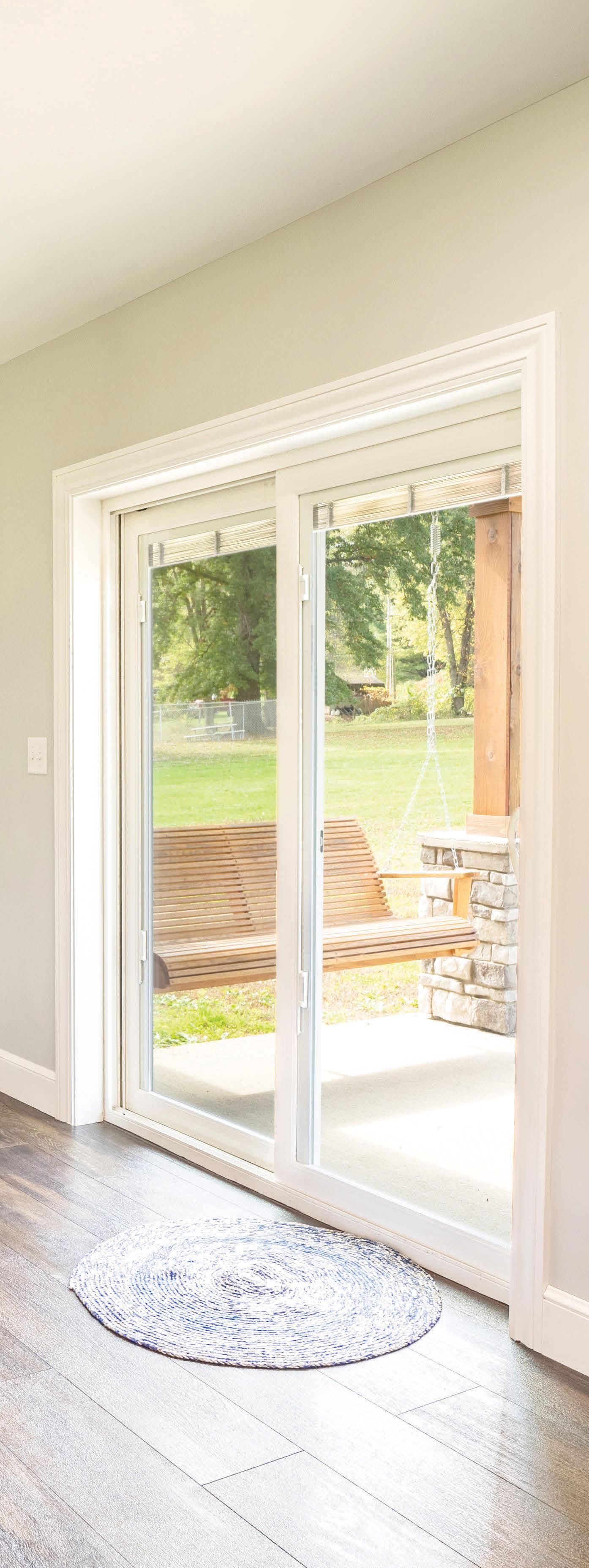
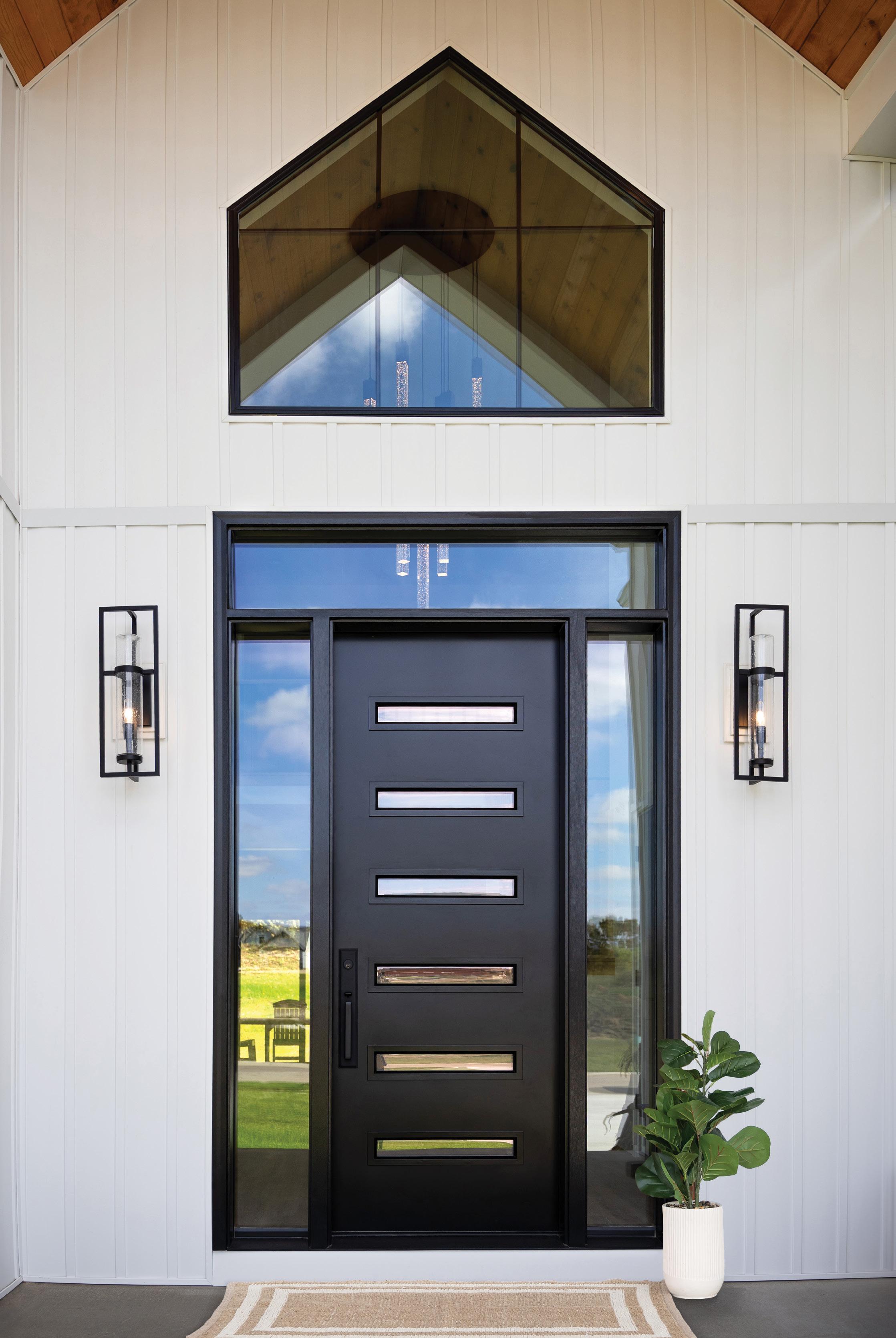
harsh chemicals and help maintain cleaner, clearer water. Continuous circulation systems keep water filtered even when the spa is not in use, improving hygiene while lowering maintenance demands and time commitment.
Lighting and ambiance play a larger role than ever. Soft LED lighting, subtle waterfalls, and optional aromatherapy features help transform spas into calming environments designed for both daytime relaxation and evening use.
Choosing the right spa or hot tub begins with understanding how it will be used. Consider whether your primary goal is relaxation, therapeutic relief, social gatherings, or a combination of all three. Seating capacity, jet placement, and temperature range all influence how enjoyable the experience will be over time.
Installation requirements are another key consideration. Plug-and-play models offer speed and simplicity, while hardwired or built-in spas allow for greater customization and integration into outdoor designs. Longterm operating costs should also be factored in, with insulation quality, energy efficiency, and water-care systems playing major roles in overall value.
Comfort is essential. Ergonomic seating, varied seat depths, and non-slip surfaces contribute to a safer and more enjoyable experience, particularly for longer soaks or regular use.
The appeal of home spas extends well beyond indulgence. Regular use can help ease muscle tension, encourage relaxation, and support better sleep. Warm water immersion promotes circulation and provides low-impact relief for people with active lifestyles, physically demanding jobs, or everyday stiffness.
There are also mental and emotional benefits. A home spa creates a dedicated space to slow down, disconnect from screens, and spend time outdoors. For families and friends, it becomes a place to gather, talk, and unwind together. When thoughtfully chosen and well maintained, a spa can enhance daily life while reflecting a broader shift toward wellness at home.
Today’s spas and hot tubs combine comfort, technology, and thoughtful design. With improved efficiency, easier maintenance, and greater personalization, they have become practical additions rather than occasional indulgences.
Whether it is chosen for therapeutic benefits, relaxation, or simple enjoyment, a modern spa or hot tub offers something increasingly rare: a reason to slow down, recharge, and reconnect right in your own backyard.
Sources for this article included: goodhousekeeping.com, healthline.com, and hottubdigest. com.








When Kim Stewart began her business, she didn’t just enter a male-dominated industry—she carved out her own way of doing things. At the time, there were virtually no women general contractors in Omaha. Kim didn’t see that as a limitation. She saw it as an opportunity.
The name of Kim’s business—Jill of All Trades—evolved over the years due to her ability to handle whatever was put in front of her. In the early days, a custom home builder told her, “Kim, you’re not a jack of all trades—you’re a Jill of all trades.” The phrase stuck, and over the decades, so did her reputation for quality, honesty, and a deeply personal approach to renovation.
Kim’s path into construction wasn’t a straight line. She began her career in environmental services at Mercy Hospital in Council Bluffs, Iowa, before launching Kim’s White Glove Janitorial Services—a business that is still operating today. One commercial client introduced her to the construction world, and Kim took it from there, learning on job sites, building relationships, and formally establishing Jill of All Trades in 1978.
More than four decades later, Kim remains hands-on in every sense. She designs projects, estimates costs, manages timelines, coordinates subcontractors, and is on job sites daily—always arriving before the crew and returning again at the end of the day. Organization and communication, she says, are non-negotiable.
“Subcontractors want to work with someone who’s prepared, who has the materials onsite, and who is good to work with,” she notes. “And clients want to know what’s happening in their home every single day.” That’s why Kim arrives before work begins and explains to the property owner who will be arriving that day, what time they’ll arrive, and what work will be done.
One of the most noticeable shifts in recent years has been how people think about their homes—and how much they enjoy improving them. Bathrooms, in particular, have become a focal point.
“I can’t believe how many bathroom remodels I do now,” Kim says. “Sometimes two or three in one house. I average about five bathroom projects a month.”
Zero-entry showers, built-in benches, larger vanities, heated floors, back-lit mirrors, and discreet grab bars are now common requests. While the features may be high-end, Kim consistently encourages timeless design.
“Kitchens and bathrooms sell houses,” she says. “I always remind people that someday, they’ll sell the home. You can have the bells and whistles, but the foundation should be classic.”
What truly sets Kim apart, though, is how she helps clients envision their space—and enjoy the process. One of the most beloved parts of working with her is the shopping. “I go shopping with my clients,” Kim says simply. And for many, that’s a game changer.
Unlike most contractors, Kim doesn’t just hand over a list of materials or leave decisions to chance. She walks through tile showrooms, granite shops, and lighting stores alongside her clients, helping them select finishes that flow together.
“People have a hard time picturing the final result,” she explains. “Shopping together makes it real—and it’s fun.” Clients love it. The experience turns what can feel overwhelming into something collaborative and enjoyable. Starting with tile—because it’s permanent—Kim helps build the rest of the design around it, ensuring everything works together visually and practically. The process eliminates costly mistakes and gives homeowners confidence in their choices. As Kim puts it, “It’s not just about picking pretty things. It’s about making sure the whole space makes sense.”
Her design philosophy extends naturally into aging-in-place work. As
By Leslie Byrne
a Certified Living In Place Professional (CLIPP), Kim is passionate about helping people stay in their homes safely and comfortably. Still, she notes, many people don’t want to think ahead.
“There’s a lot of denial,” she says. “But people want to stay in their homes.” One project illustrates why those conversations matter. A client initially hired Kim for painting, and during the walkthrough, Kim noticed an outdated bathroom and wasted space next to a large laundry room. She suggested a zero-entry shower and thoughtful layout changes—“just in case.” A year later, the client was diagnosed with cancer. Hospice nurses were surprised by how accessible the bathroom was and assumed it had been remodeled because of the diagnosis. Those earlier choices allowed the client to remain at home.
A common misconception, Kim says, is that accessible design looks institutional. “People think hospital or assisted living,” she says. “But when they see frameless shower doors, beautiful tile, and lighted niches, it’s easy to fall in love with the space.”
As a woman in a still male-dominated field, Kim has seen progress, but surprises remain. “People are still shocked when a woman shows up at the door,” she laughs.
She believes communication—and yes, shopping together—plays a role. “A lot of women tell me their husbands won’t shop with them,” she says. “I will. And we have fun doing it.”
Giving back has always been part of Kim’s values. She remains active in her parish, Suburban Rotary, the BBB, and other community organizations. She’s also known for taking on small jobs for older clients—projects many contractors turn away.
“Some of the smallest jobs turn into the biggest relationships and often grow into larger projects,” she says. “I’ve worked with grandparents, then their children, and now their adult grandchildren.”
Those values are summed up on the back of Kim’s business card—a quiet mission statement she lives by every day:
To always maintain a good working relationship with my clients, subcontractors, and vendors. To never put quantity ahead of quality. To act honorably, operate with the highest morals and ethics, act in the best interest of my clients, and never forget to give back to the community that has given me so much.
Looking ahead, Kim hopes her grandson may one day take over the business. Until then, she’ll keep showing up, learning, and doing what she’s always done best—bringing craftsmanship, care, and a little fun into the places people call home.
Now Open—Villas at South Stream Residences 20145 “W” Street, Omaha, NE 68135 Near 204th & George B. Lake Parkway
• Work directly with Richie & Jay
• Uncompromising focus and attention to detail
• Expert, hands on builders committed to quality craftsmanship
• Proudly building for families since 1993






“We have always enjoyed working with Women's Edition over the past 30 some years. Over the years, we have created many new customers, after they saw one of our ads or one of the write-ups on our shop. The articles they have written on the store and owner over the years are always well written, in depth, and continue to create buzz for our business. We love that they know us all by name and really strive for us to get the most out of our advertising. Women's Edition will always be a place we will happily advertise.”
— Dwaine Ferguson, Owner
Kindness isn’t a complicated concept. It’s a simple yet profound virtue that most of us strive to live by. And yet, lately, I find myself noticing it less and less in everyday life. I truly believe that most people want to be kind. I know I do. I feel like I’m usually doing my best—especially when I’m paying attention. But that’s the key, isn’t it? Paying attention.
It’s all too easy to get busy, frustrated, or distracted…and when that happens, my kindness meter quietly slips. I’m not saying I get mean, but I do become less patient. I’m less likely to let someone merge in traffic. I sigh more when I’m interrupted. I rush through moments instead of being present in them. Even so, I know that kindness is one of the simplest ways to make someone feel seen and appreciated—and being kind almost always improves my own mood in the process.
“The world is full of kind people. If you can’t find one, be one.” –Unknown
I can recognize that I have been grouchy and easily frustrated lately. I could blame it on the stress for the holidays, work, family… but that’s life, and life will always have stressors. It’s how we choose to respond that sets us up for happiness.
Moving forward, I’m making a conscious effort to be more intentional with my emotions and my reactions. I’m committing to at least one kind act each day. It doesn’t have to be big. A genuine smile. A sincere compliment. A moment of patience. These small gestures can make a lasting impact—sometimes more than we realize.

By Carissa Rosa
“One kind word can change someone’s entire day.” – Unknown
The great thing about being kind is that it is very easy to do. Hold the door for the person behind you. Be understanding when someone cuts you off in traffic. Realize that you have no idea what is going on in someone else’s life. The amazing thing is that when you do something nice for someone else, it tends to start a ripple effect. You may not see how far it goes, but you can hold on to some of that positive emotion.
“Be kind whenever possible. It is always possible.” – Dalai Lama
When my family and I have volunteered together, it has greatly improved our moods as well as the moods of the people we were helping. Research has shown that witnessing acts of kindness can inspire others to behave in similar ways. For example, when we see someone help a stranger or volunteer their time for a good cause, we are more likely to do the same. This collective effort of kindness can have a profound impact on society, creating a culture of compassion and cooperation that benefits everyone.
“A single act of kindness throws out roots in all directions, and the roots spring up and make new trees.” – Amelia Earhart
I challenge you today and every day to perform one single act of kindness. It can be to a stranger or to someone you know. Give it a try and see what springs up!

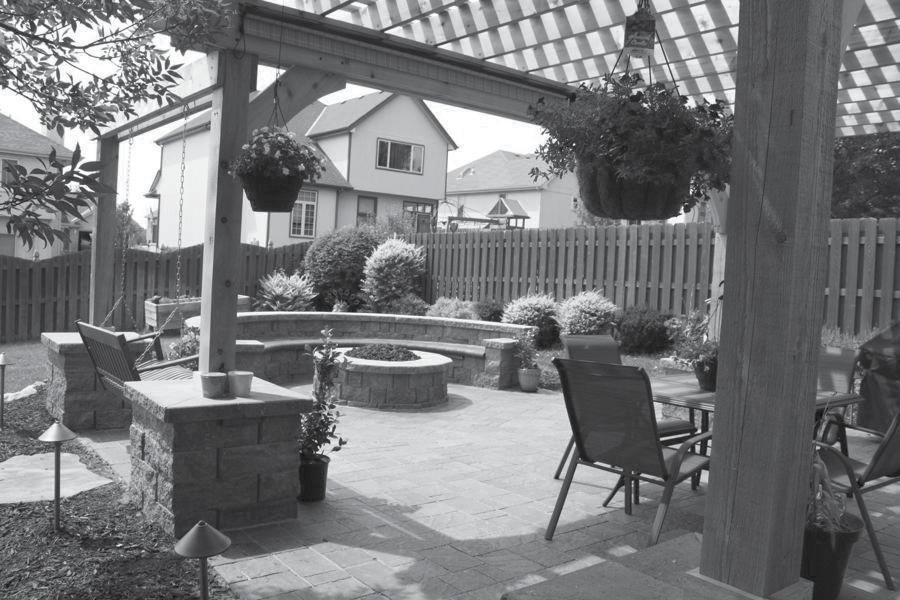





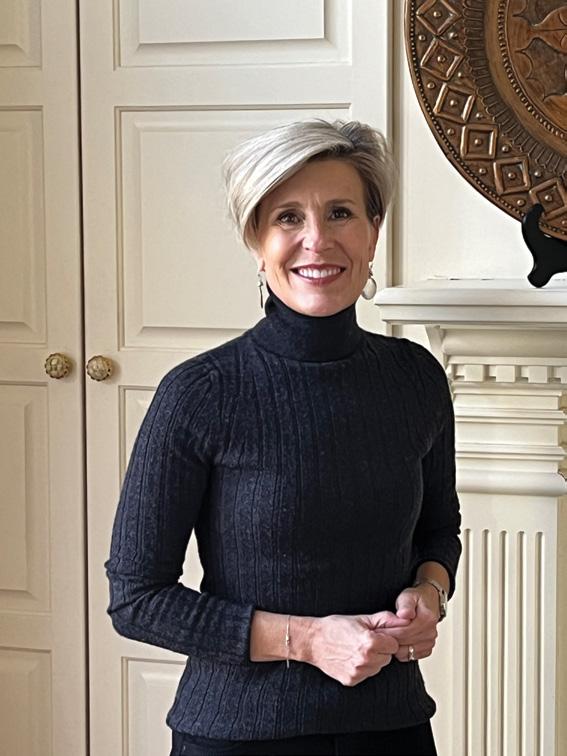
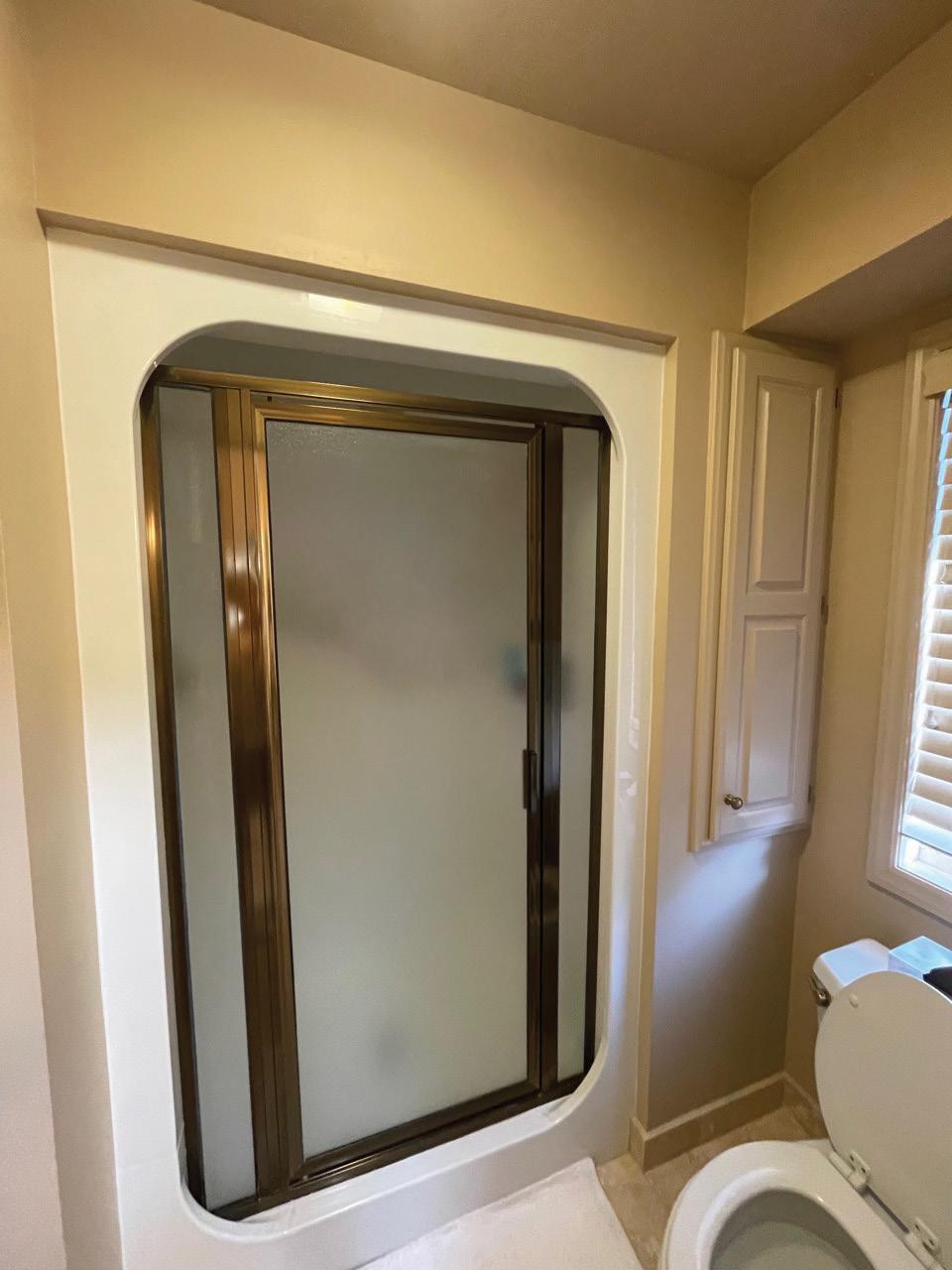
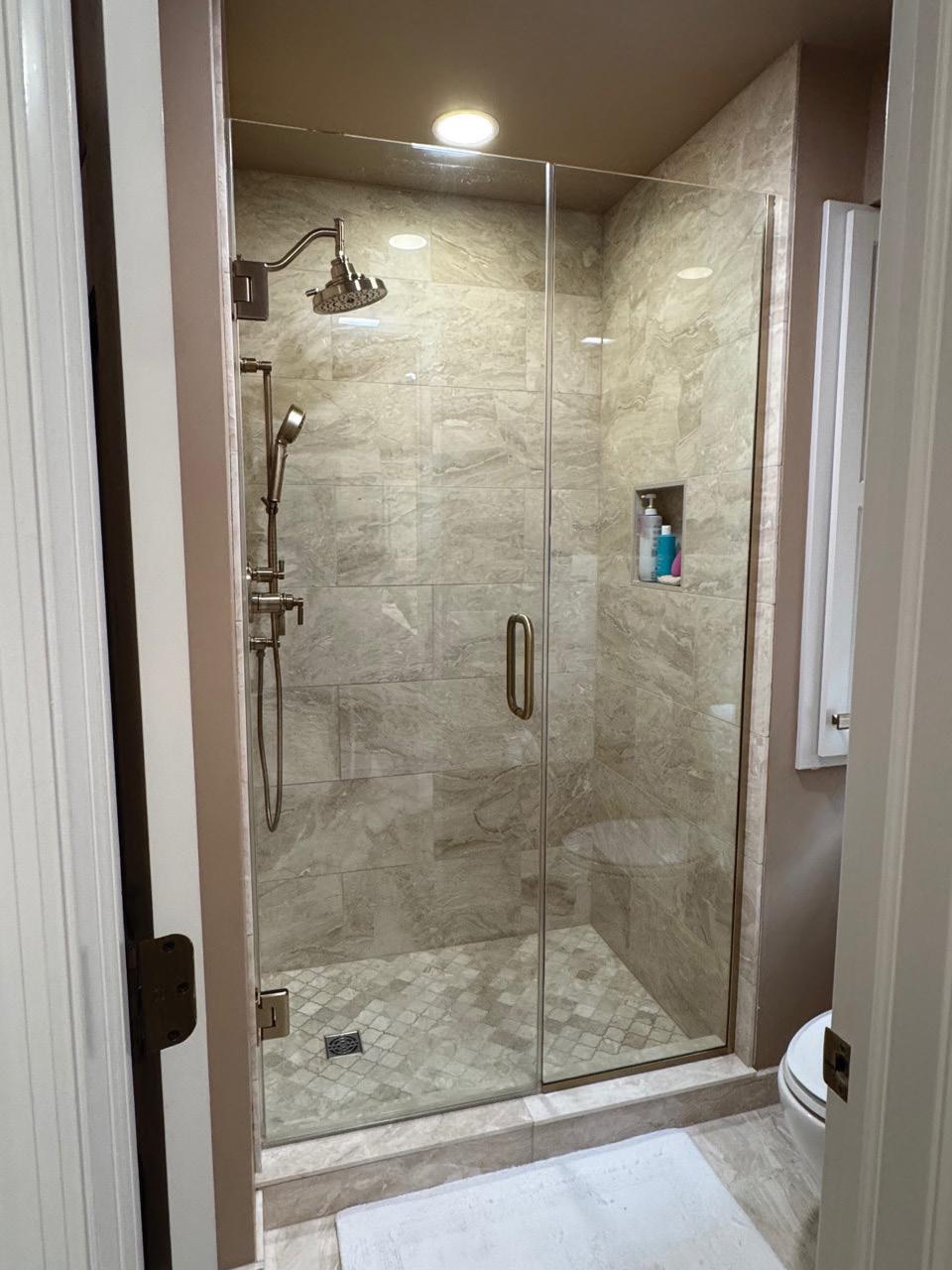
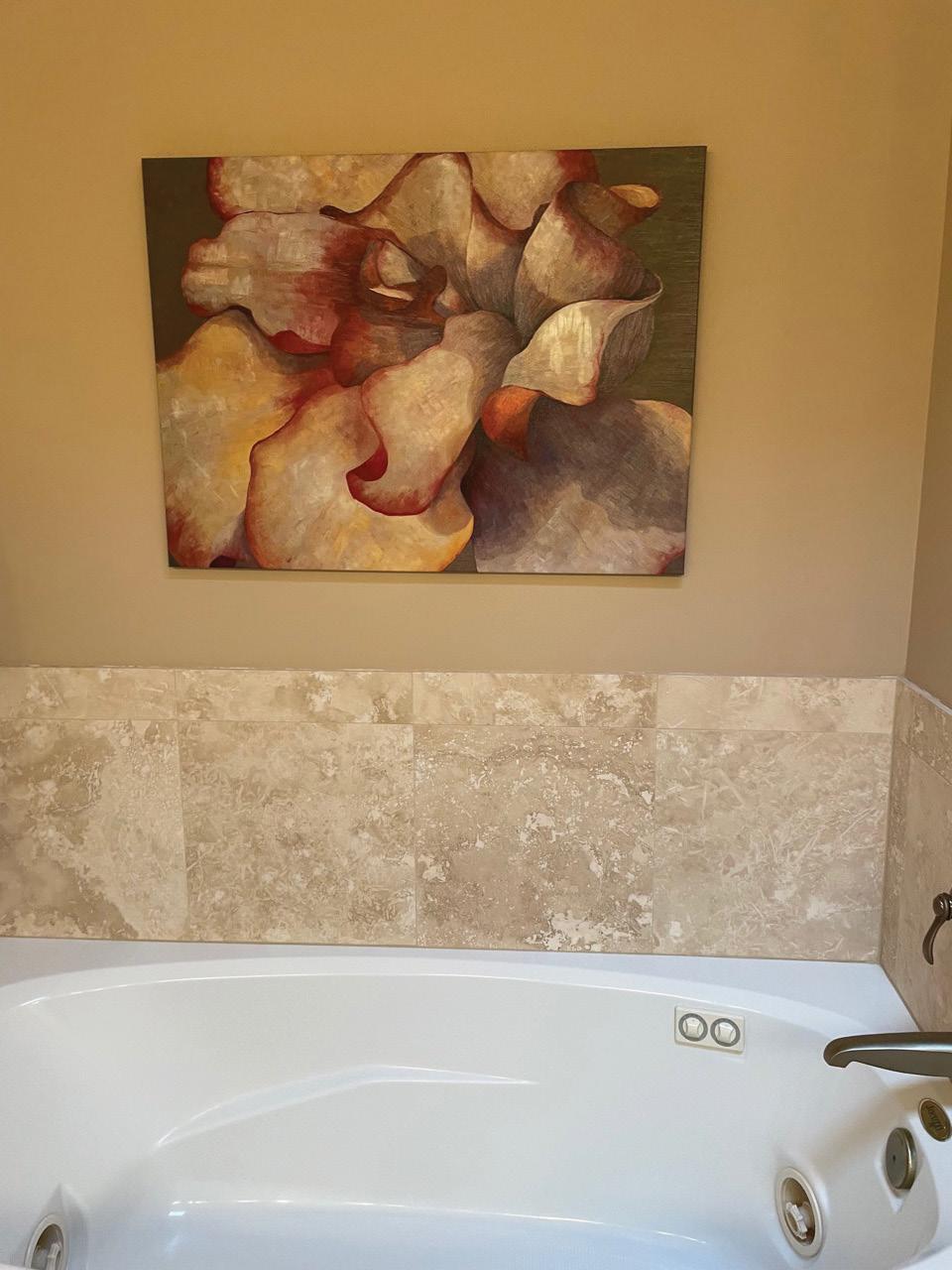
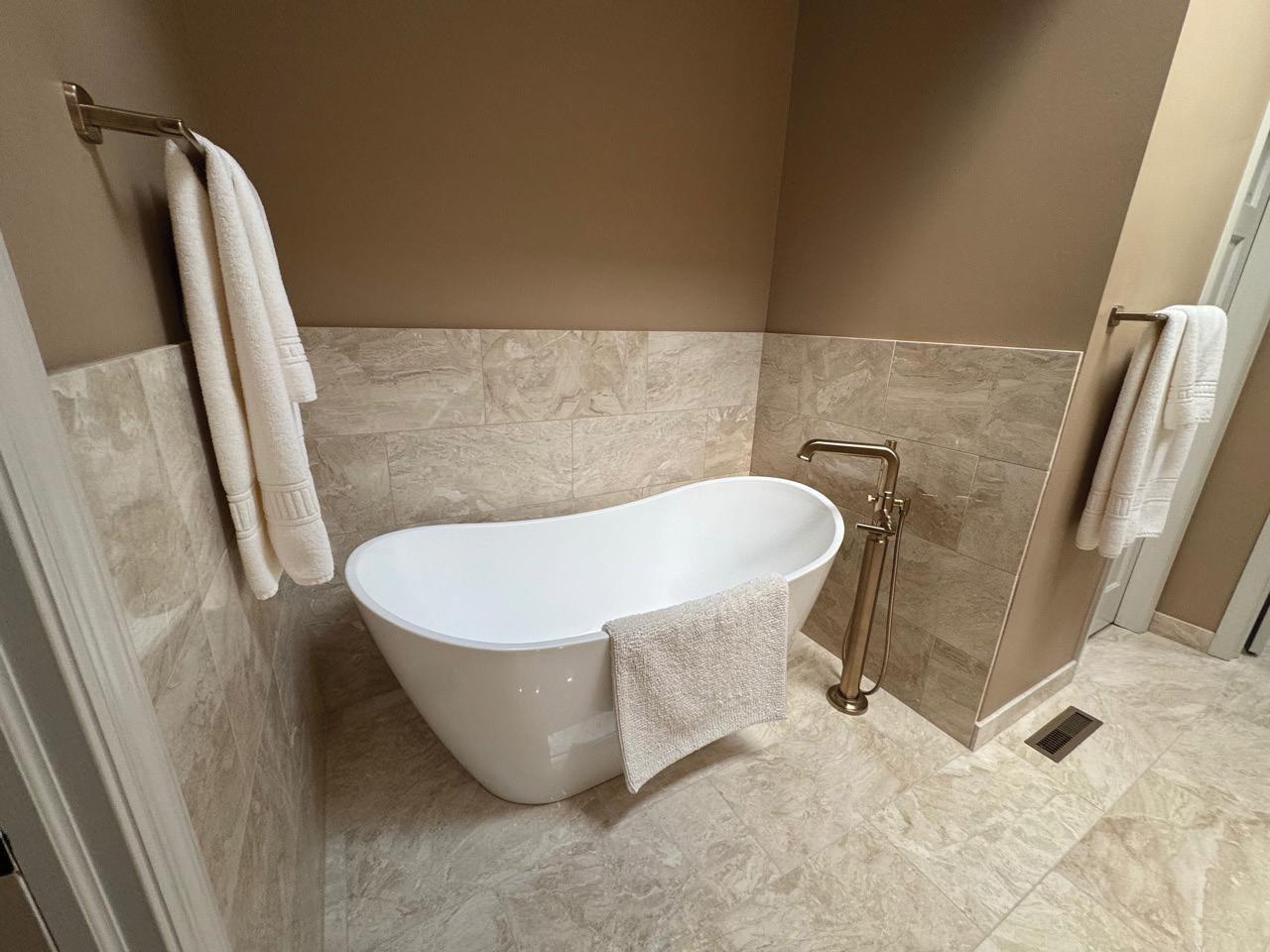
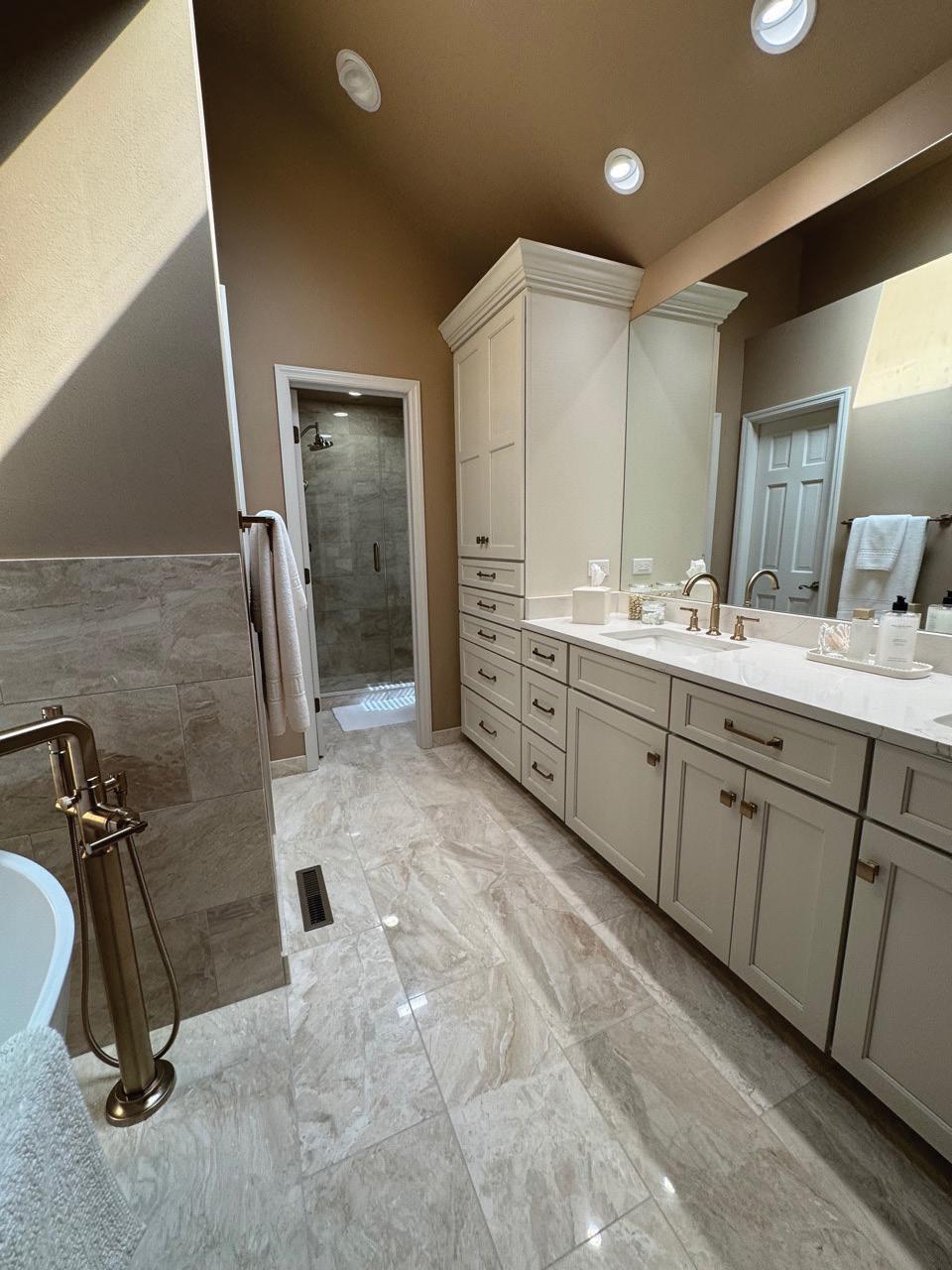

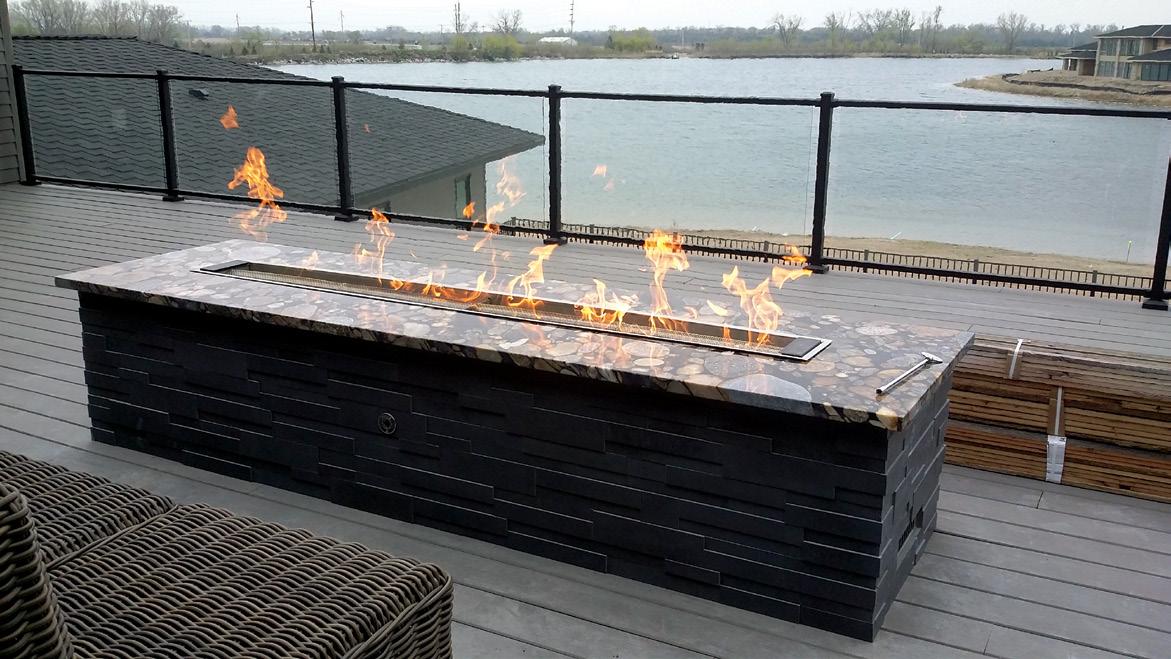
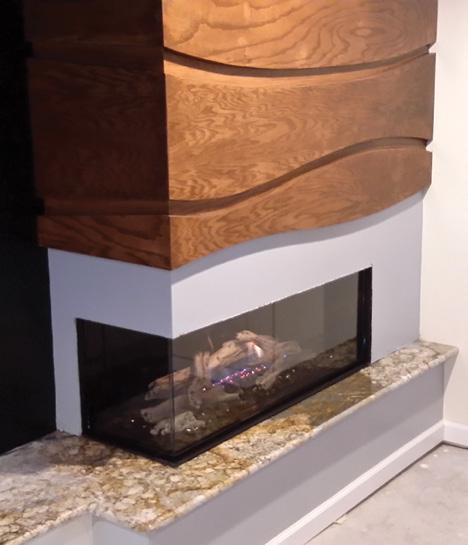
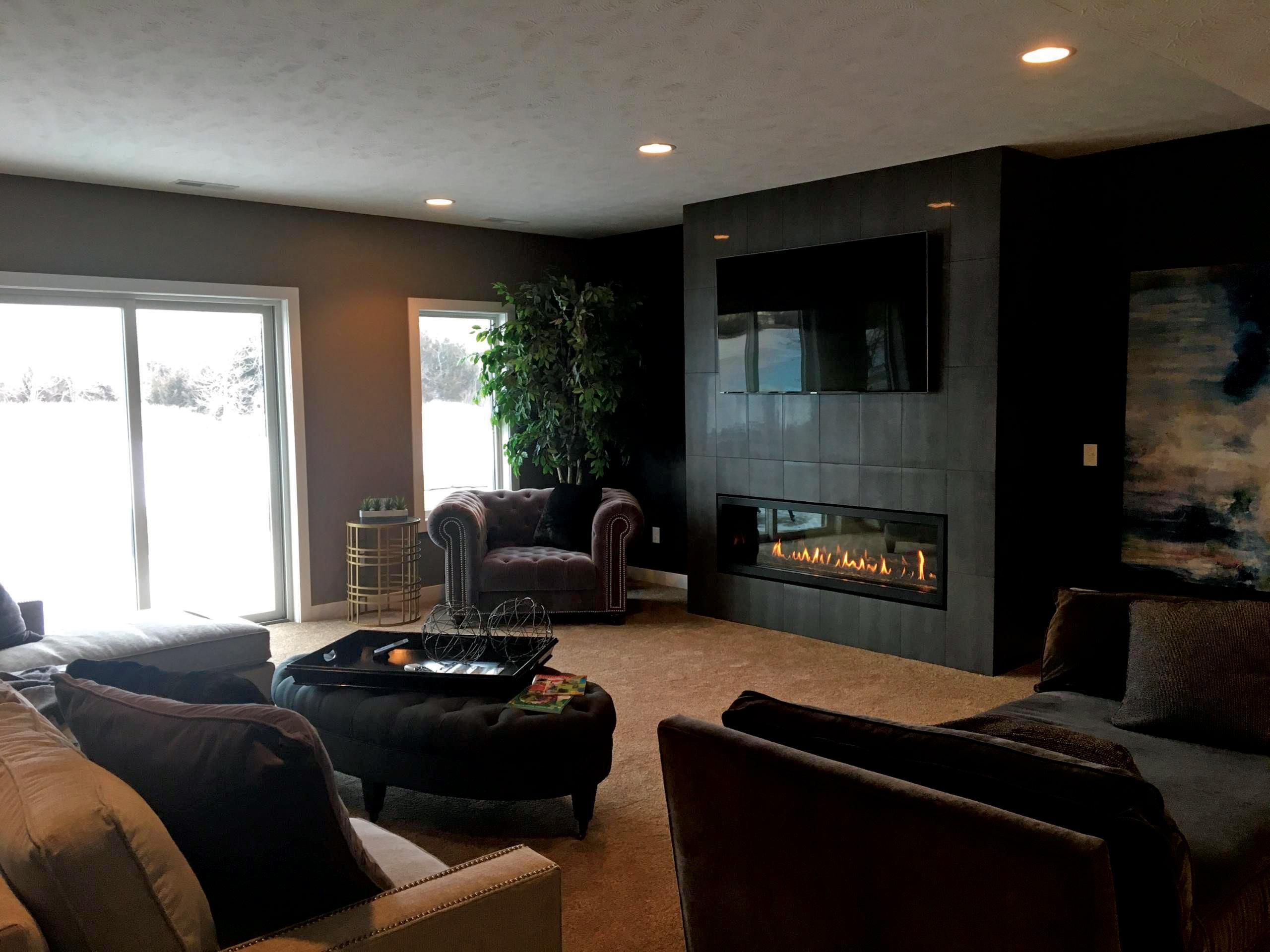
Turning your drafty fireplace into a high efficiency heater will add value and comfort to your home. Whether you are thinking of redesigning or refacing the look of your current fireplace or adding a fireplace to any room of your home, Claxton Fireplace Center can assist you with all your needs. We offer In-House design and complete installation services. FEATURING REGENCY HEARTH PRODUCTS FOR 35 YEARS WITH A STYLE FOR EVERY HOME DÉCOR.