





2020 Through the Eye of a Needle
Remembering the Covid-19 Pandemic in 2025
2020 Through the Eye of a Needle
Remembering the Covid-19 Pandemic in 2025
This year marks five years since the World Health Organisation declared Covid-19 to be a global pandemic. The spread of the disease had devastating consequences worldwide, with appalling loss of life, terrible emotional strain, extreme social disruption and economic devastation.
This anniversary offers us the opportunity to reflect on that time, by considering a series created by Mapula Embroidery Project artists. This is a community art collective of women embroiderers in the Winterveld and in Hammanskraal, impoverished areas about 60km northwest of Tshwane. The Mapula project has been in operation since 1991 and aims to create a sustainable income and creative outlet for artists in the community.
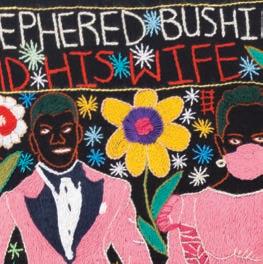
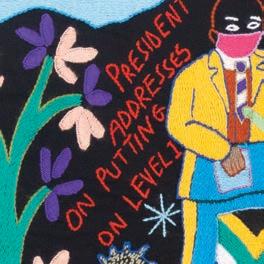
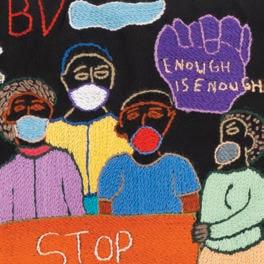
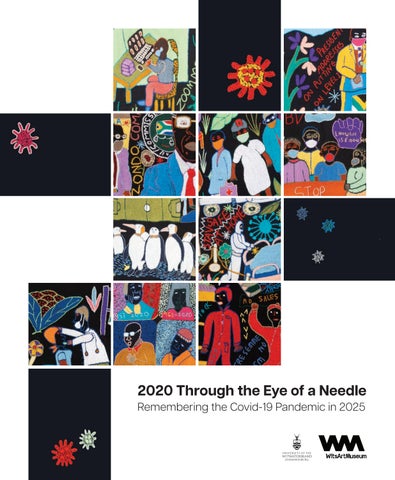
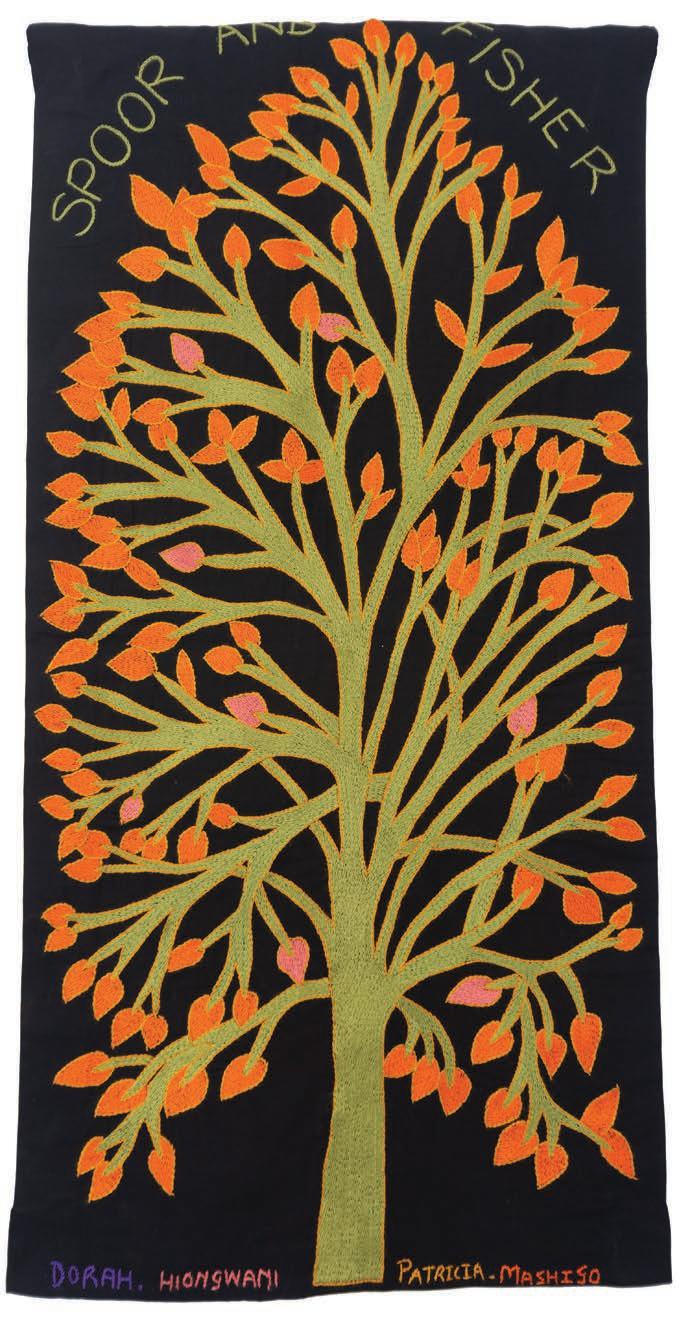
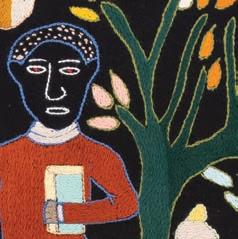
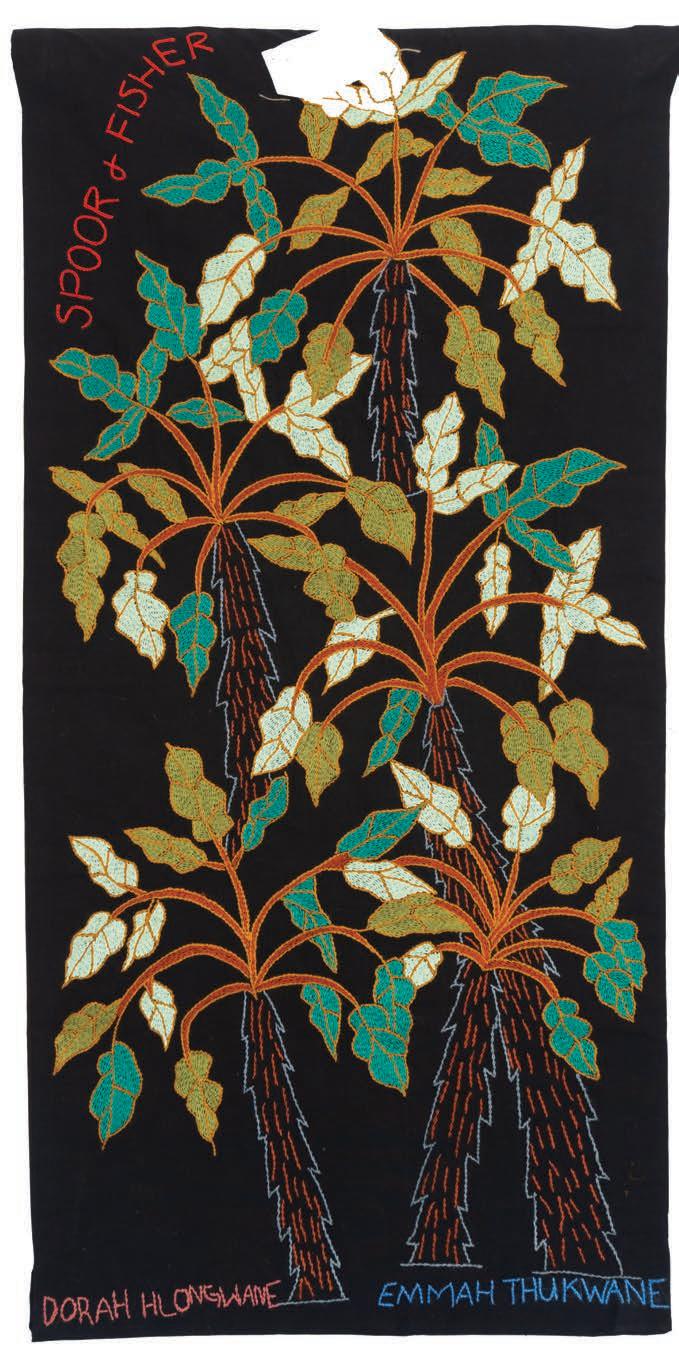
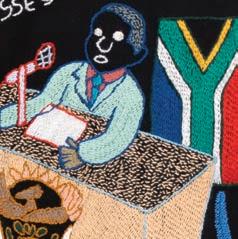
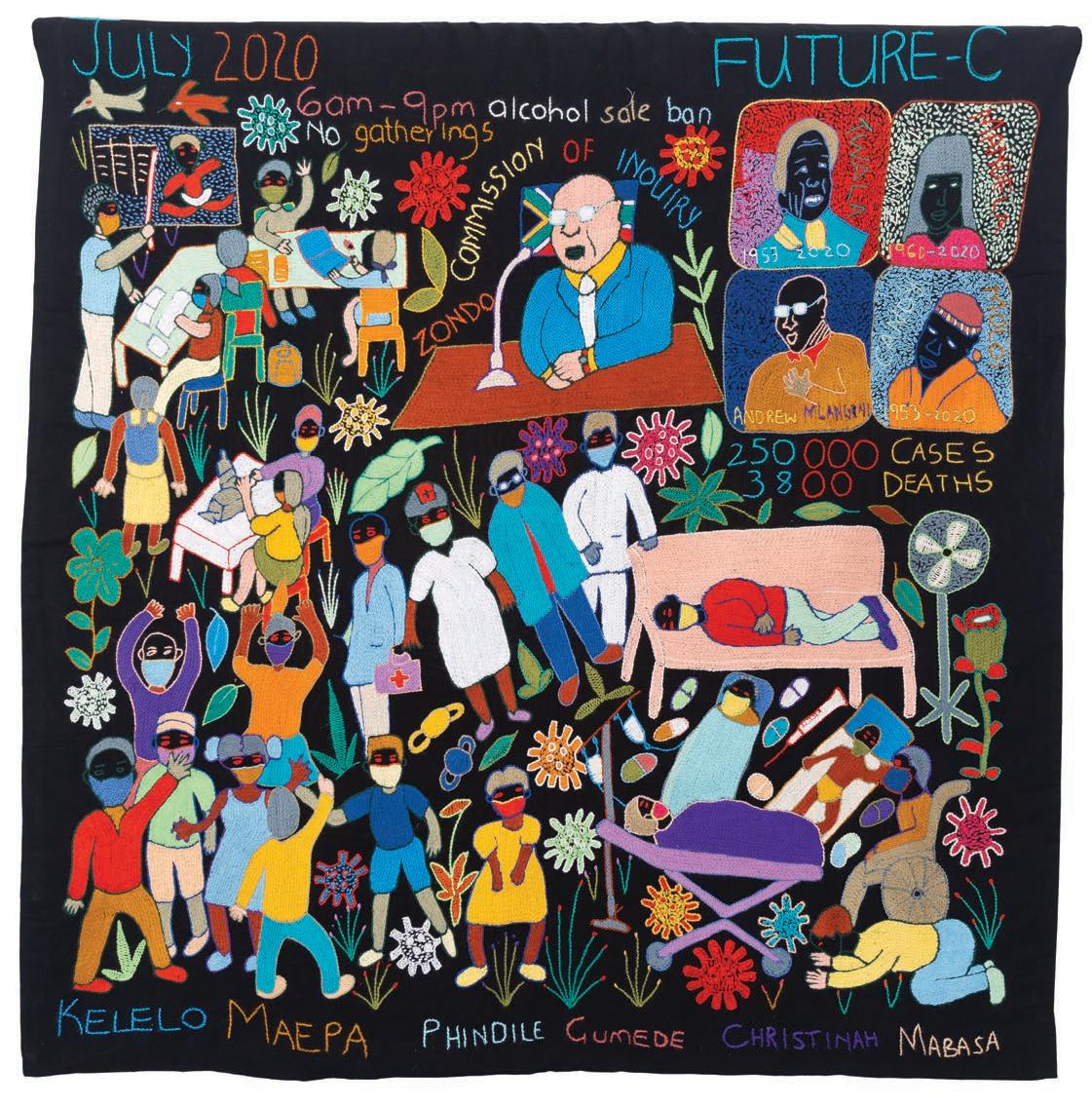
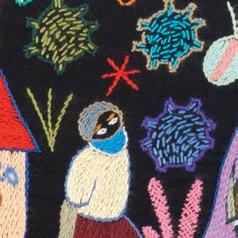
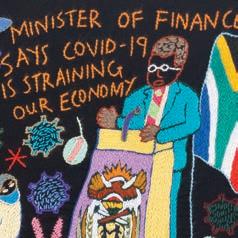
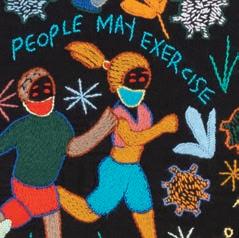
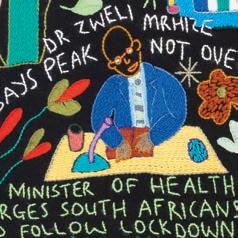
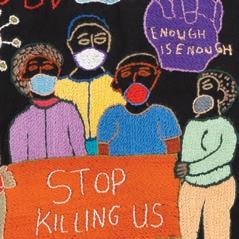
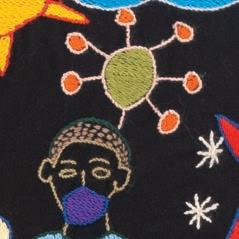
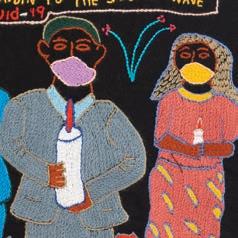
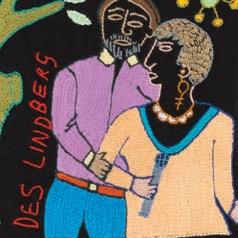
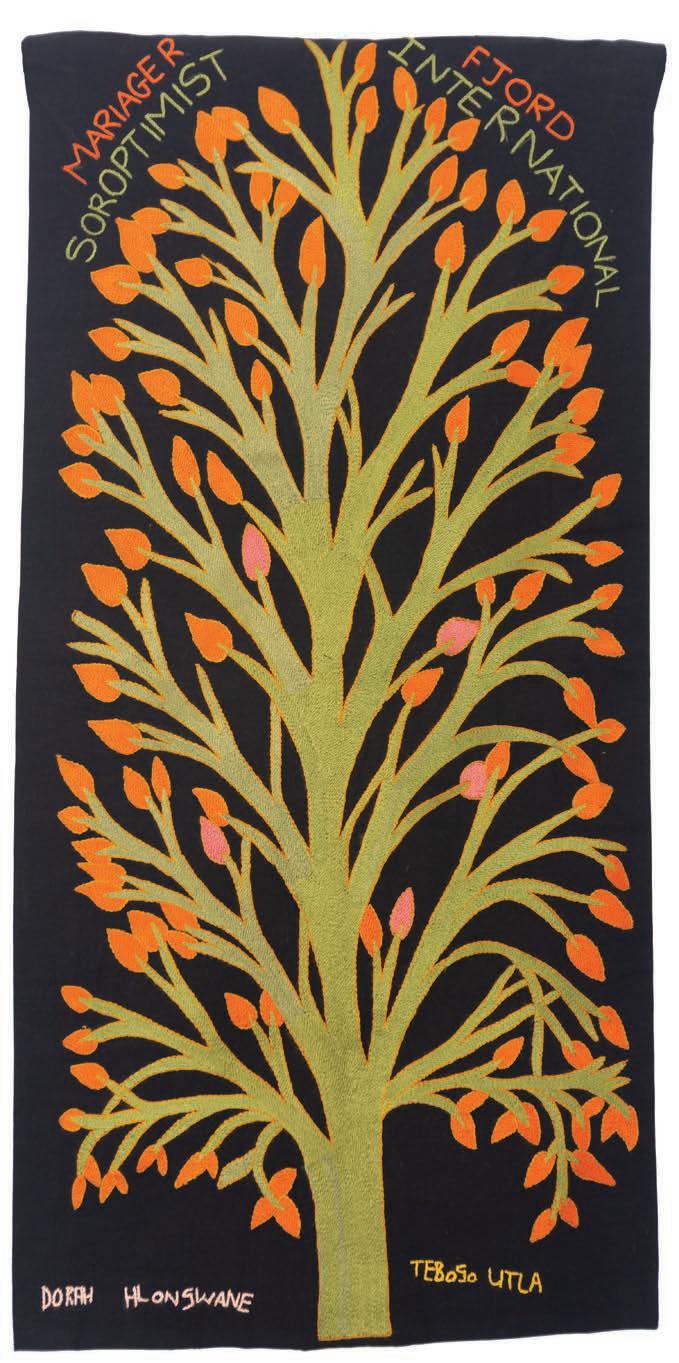
2020 Through the Eye of a Needle comprises a series of 17 panels – one for each month of 2020 – and 5 panels that feature indigenous trees. The trees bracket and punctuate the year into seasons. The panel for each month includes events that occurred at that time, things that we experienced but perhaps have forgotten in the intensity of feeling and speed of change that overtook daily life. The artists selected references from their daily lived experience, official government communications, TV and online sources.
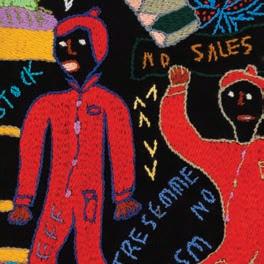
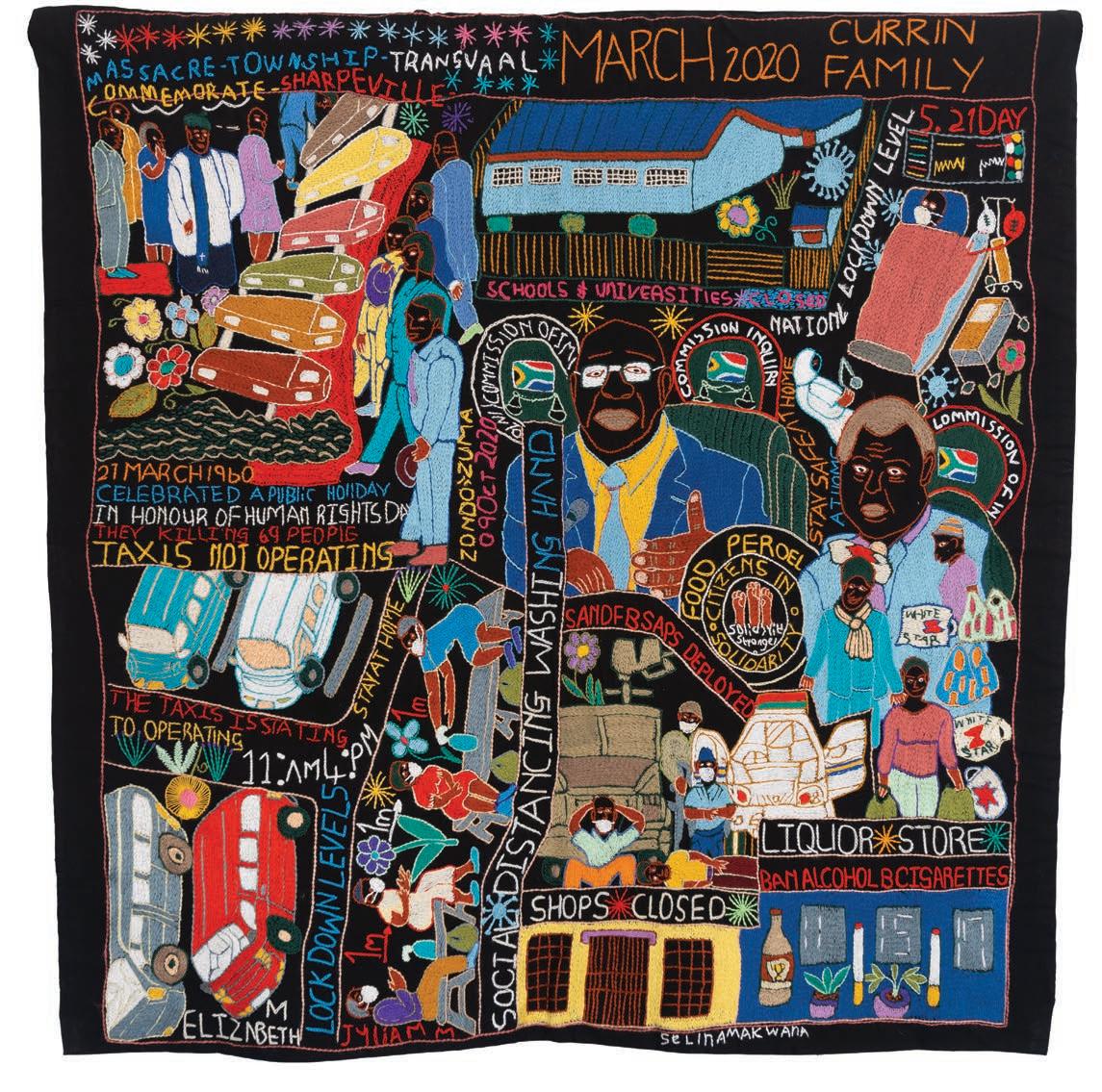
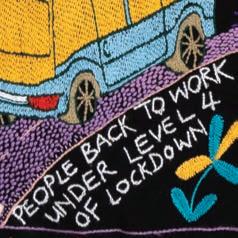
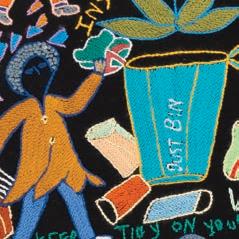
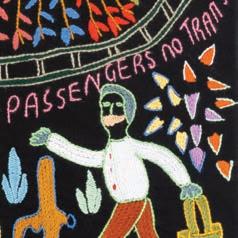
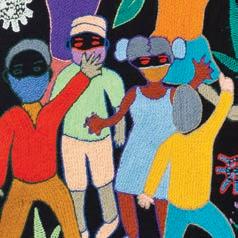
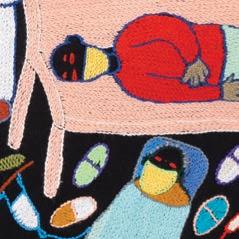
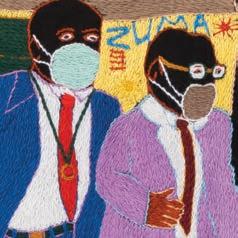
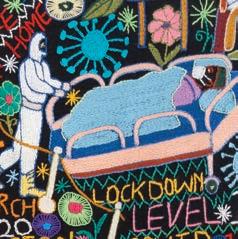
We South Africans entered our first hard lockdown on 27 March 2020, with very severe social controls in place. The period of 21 days initially announced was instead extended for two years, with varying levels of restrictions enforced as the severity of the disease fluctuated and new strains emerged. Millions of infections and over 100 000 deaths were recorded, until the national State of Disaster was finally lifted on 4 April 2022. The pandemic affected everyone. Our lives were massively interrupted by the pandemic and overnight we had to adapt to new ways of interacting. The virus spread through contact with others and isolation was one of the key means to try and keep safe. Mechanisms intended to minimise the spread of the disease were enforced, such as sheltering at home, wearing masks, sanitising, social distancing, travel restrictions, military deployment, reduced physical contact and closing schools. Many experienced difficulties in implementing these mechanisms due to their home environments.
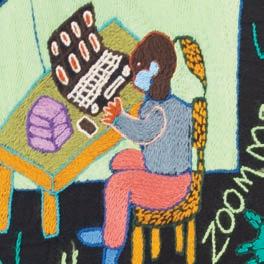
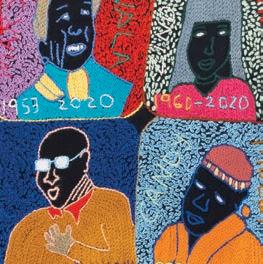
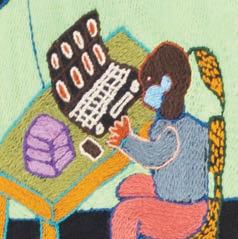
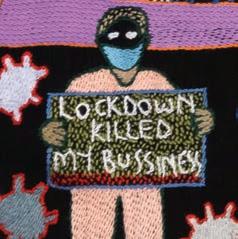
We experienced fear: of being infected, of physical proximity, of sharing public space, of each other. Funeral restrictions denied bereaved family members the opportunity to mourn loved ones, schools closing prevented children from learning, businesses folded, people lost their jobs and incomes, unemployment soared. Contact with people other than those in our immediate proximity was largely reduced to communicating through a screen.
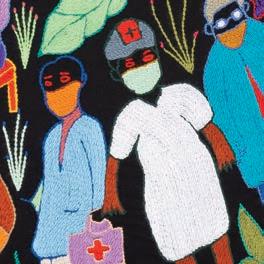
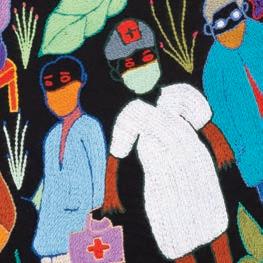
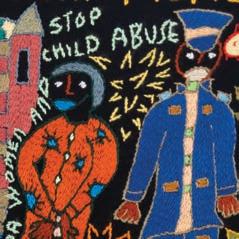
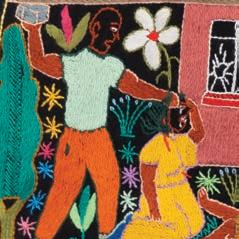
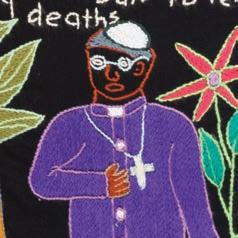
South Africa witnessed dedication and sacrifice by many healthcare workers grappling to administer to the ill and contain the disease, as well as rocketing societal scourges of genderbased violence, theft and corruption, inadequate public health facilities, food scarcity, black market trading and substance abuse. The Covid-19 vaccination programme was rolled out from 17 February 2021, and while the disease has not disappeared, and new strains are continually emerging, this particular version has been relegated to one among many virus strains. The impact of that time though is still with us. The speed with which our lives were turned upside down, and the need to do whatever was necessary to carry on and move forward has disrupted a reckoning of what those ‘lost’ years cost us. For many of us the trauma remains.
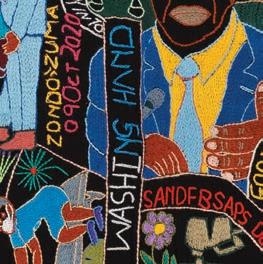
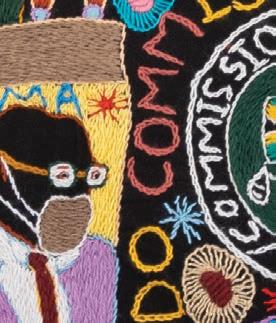
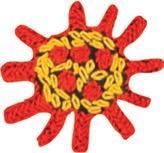
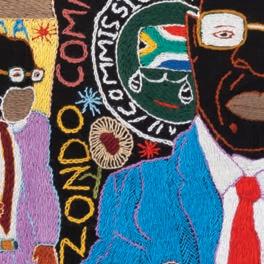
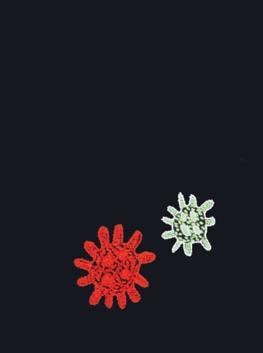
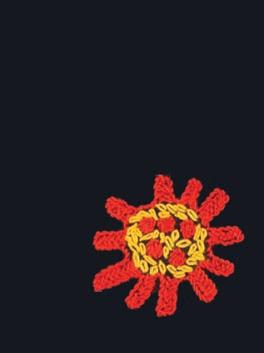
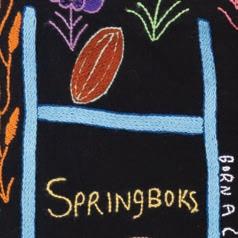
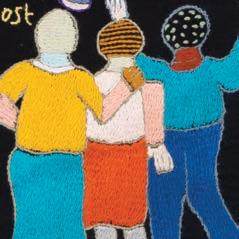
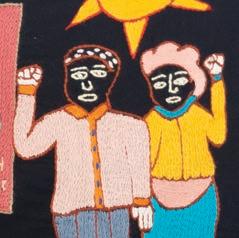
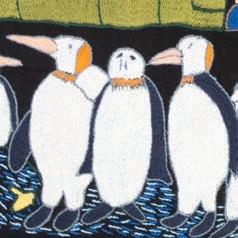
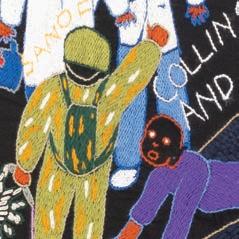
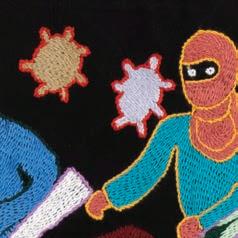
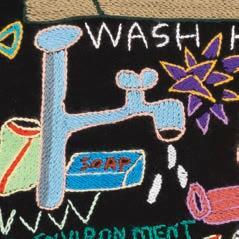
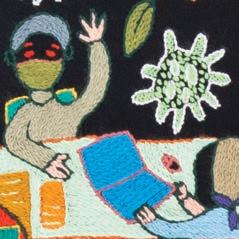
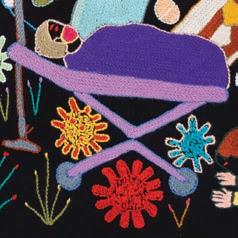
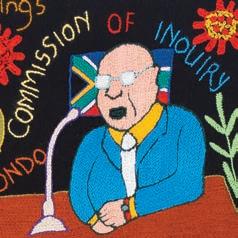
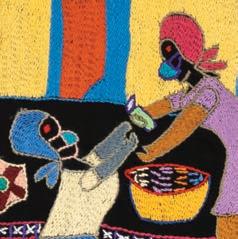
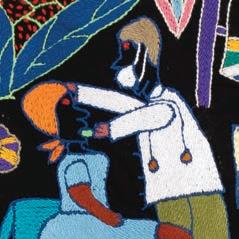
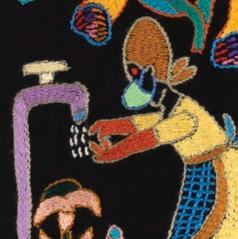
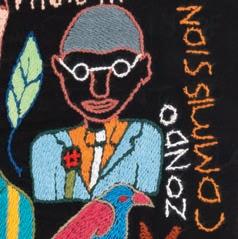
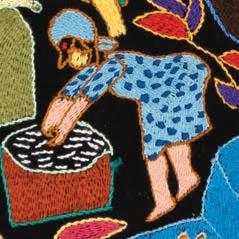
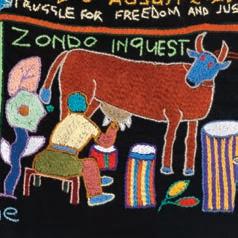
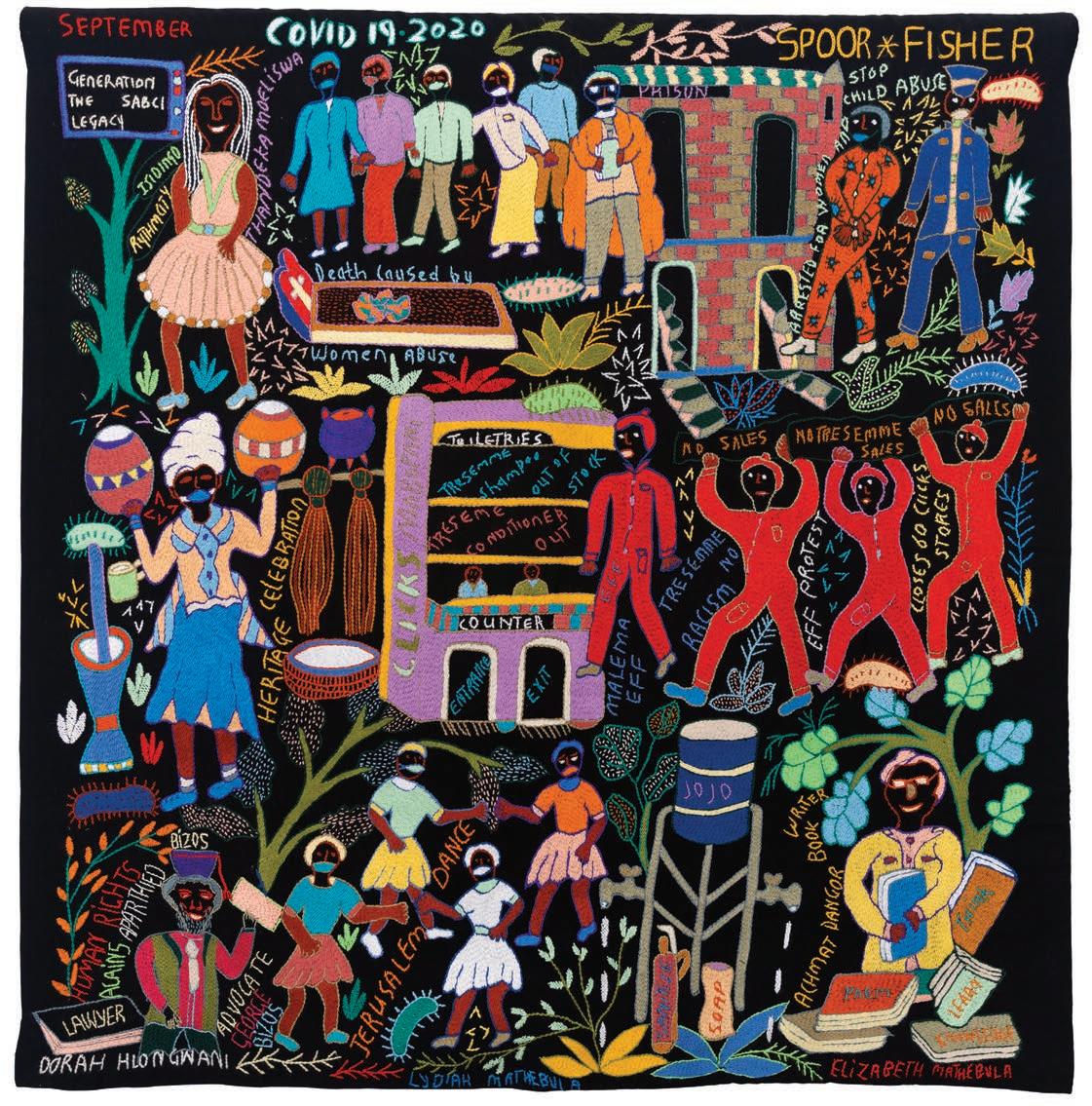
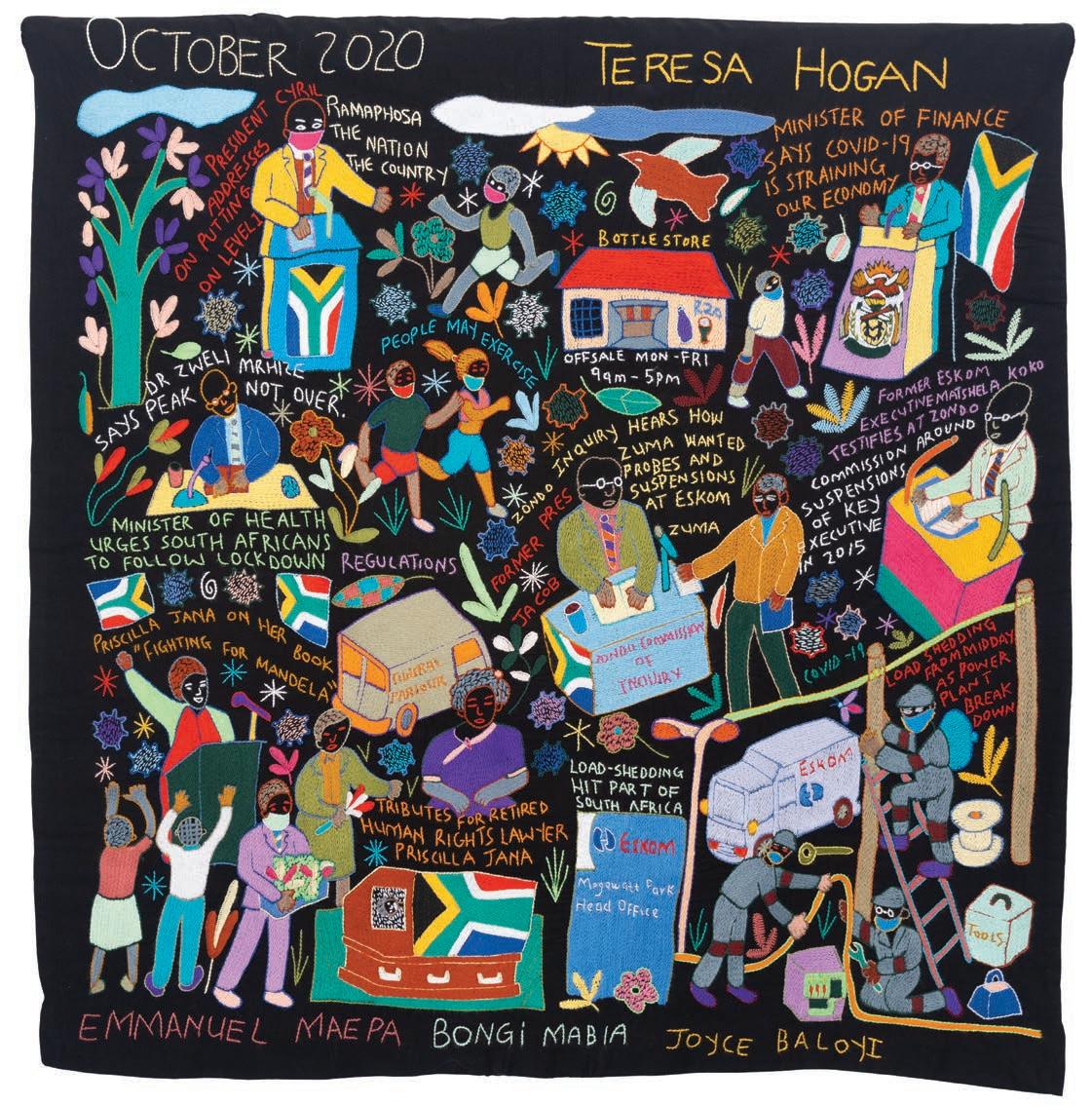
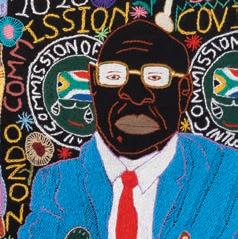
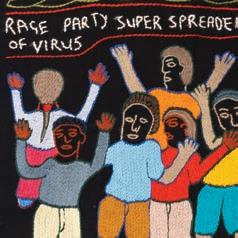
Covid-19 was more than mere statistics. With the opportunity offered by passing years and distance from the immediacy of the extremes, we can remember the impact on individuals and pay tribute to all affected. The vignettes depicted in 2020 Through the Eye of a Needle –coronavirus symbols, hospital gurneys, Zoom meetings, food parcels, penguins in the streets, alcohol and cigarette bans, soldiers, Cuban doctors, family meetings, the Zondo commission, the Springbok rugby team, hand washing, load shedding, super spreader parties - provide a lens through which to revisit the Covid years we experienced, but perhaps have not yet been able to comprehend.
We all have a story of loss and change from those years, big losses and small losses, Covid and other. All are deserving of remembrance and commemoration.
Julia Charlton Senior Curator, Wits Art Museum
Designer: Dorah Hlongwane
Embroidery artist: Patricia Mashigo
Embroidery thread on fabric 100cm x 50cm
Bank
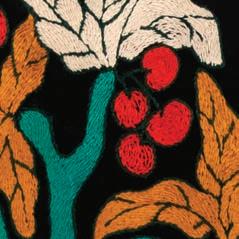
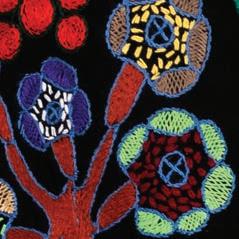

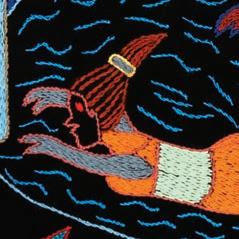

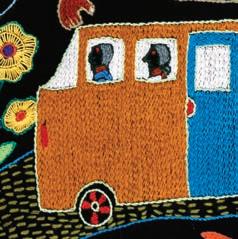
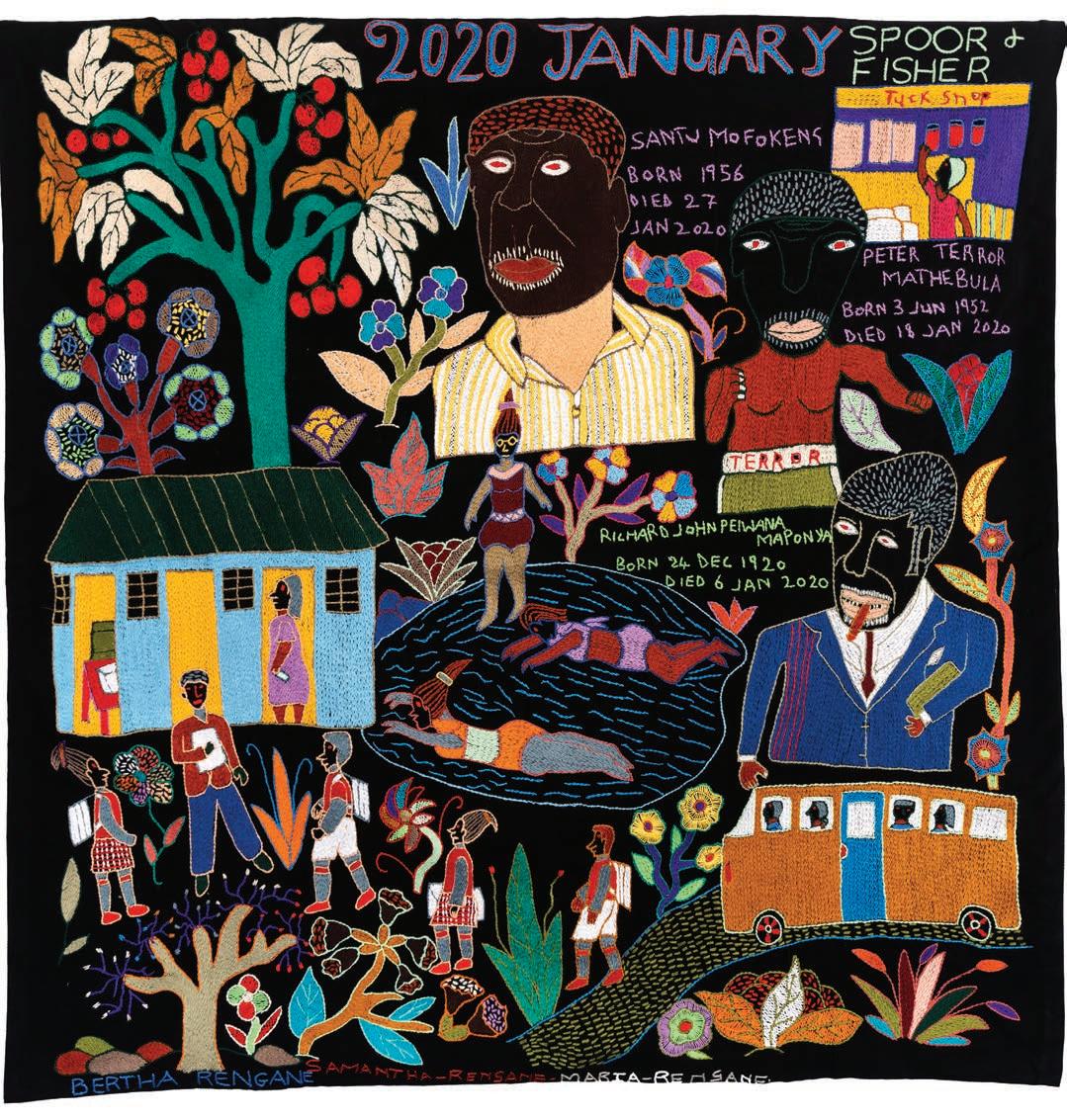
Designer: Maria Rengane
Embroidery artists: Bertha Rengane and Samantha Rengane
Embroidery thread on fabric 100cm x 100cm
Standard Bank African Art Collection (Wits Art Museum)
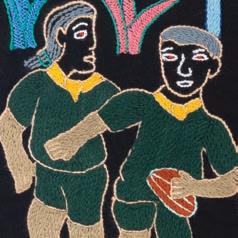

Designer: Elizabeth Malete
Embroidery artists: Fransina Maiketso and Matha Phalatsi
Embroidery thread on fabric 100cm x 100cm
Standard Bank African Art Collection (Wits Art Museum)
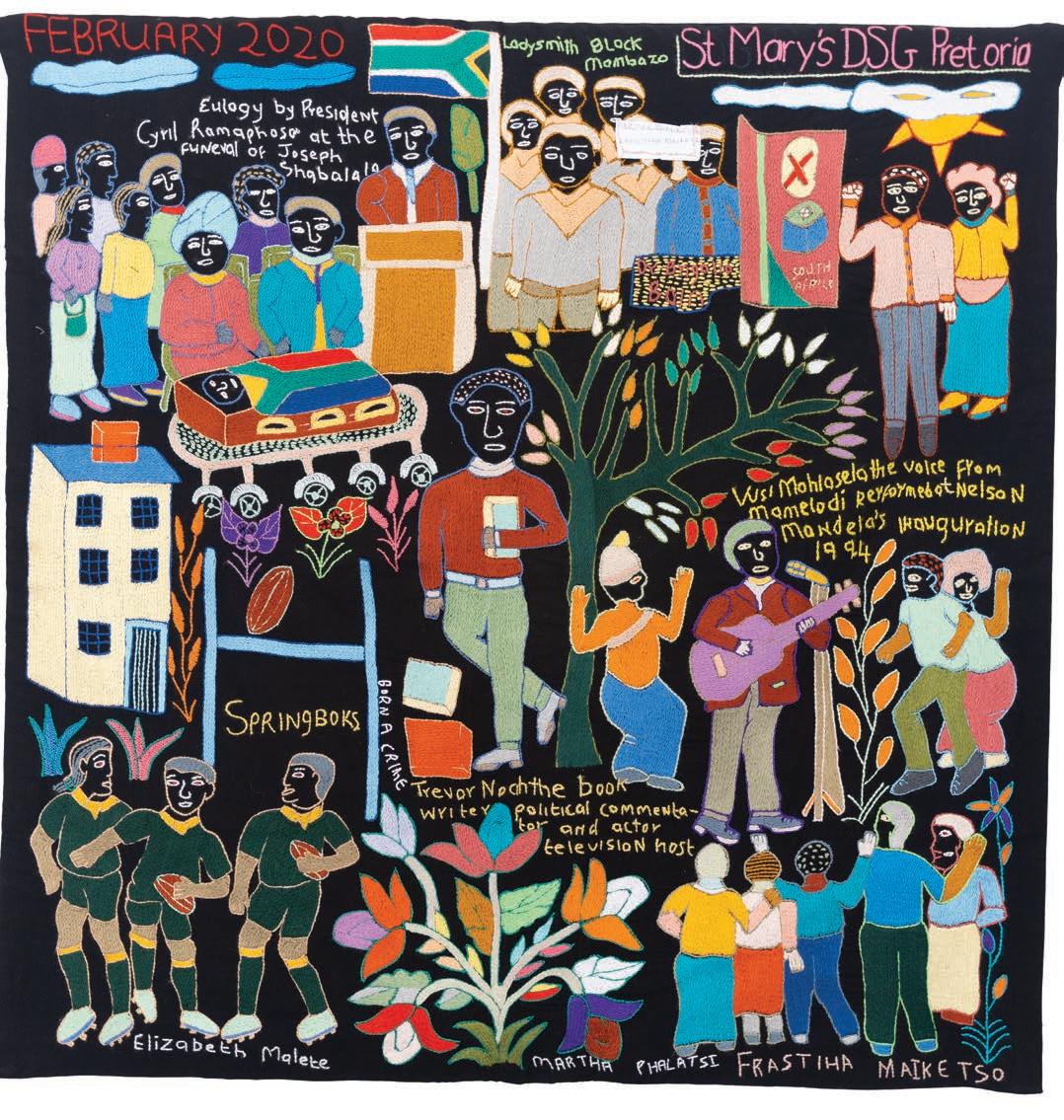
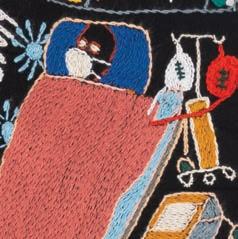
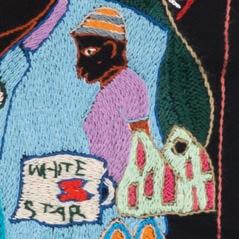
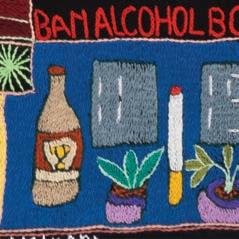
Designer: Selinah Makwana
Embroidery artists: Selinah Makwana, Elizabeth Mabia and Julia Makoana
Embroidery thread on fabric 100cm x 100cm
Standard Bank African Art Collection (Wits Art Museum)
Designer: Dorah Hlongwane
Embroidery artist: Emmah Thukwane
Embroidery thread on fabric 100cm x 50cm
Standard Bank African Art Collection (Wits Art Museum)
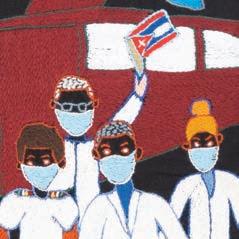
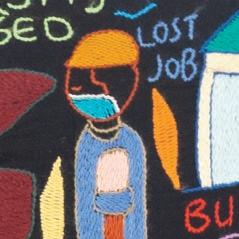
Designer: Kelelo Maepa
Embroidery artists: Selinah Ngobeni and Innocent Maredi
Embroidery thread on fabric 100cm x 100cm
Standard Bank African Art Collection (Wits Art Museum)
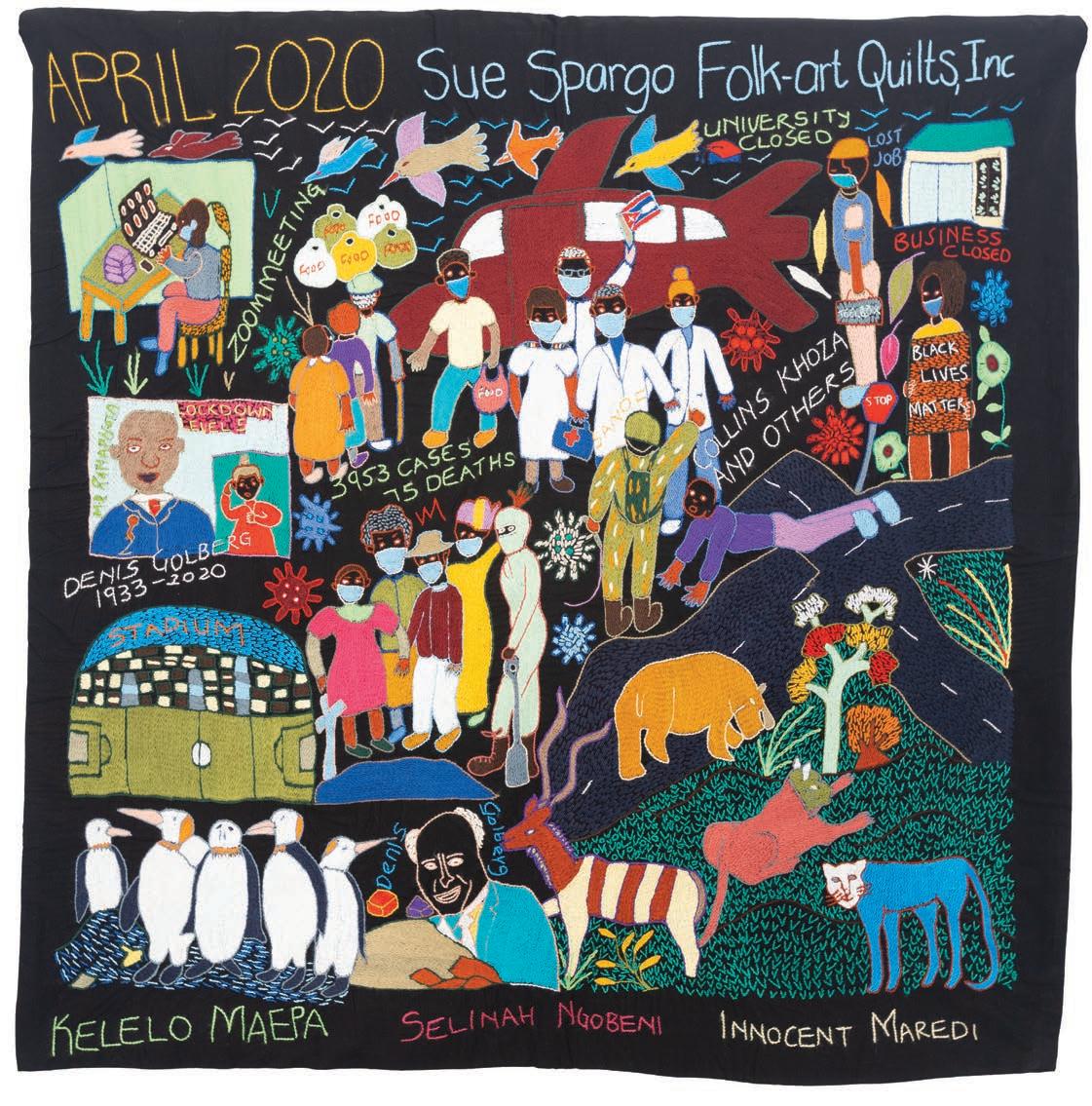
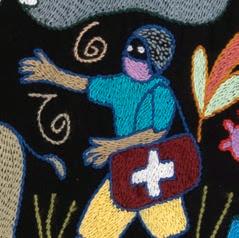
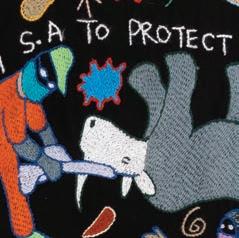
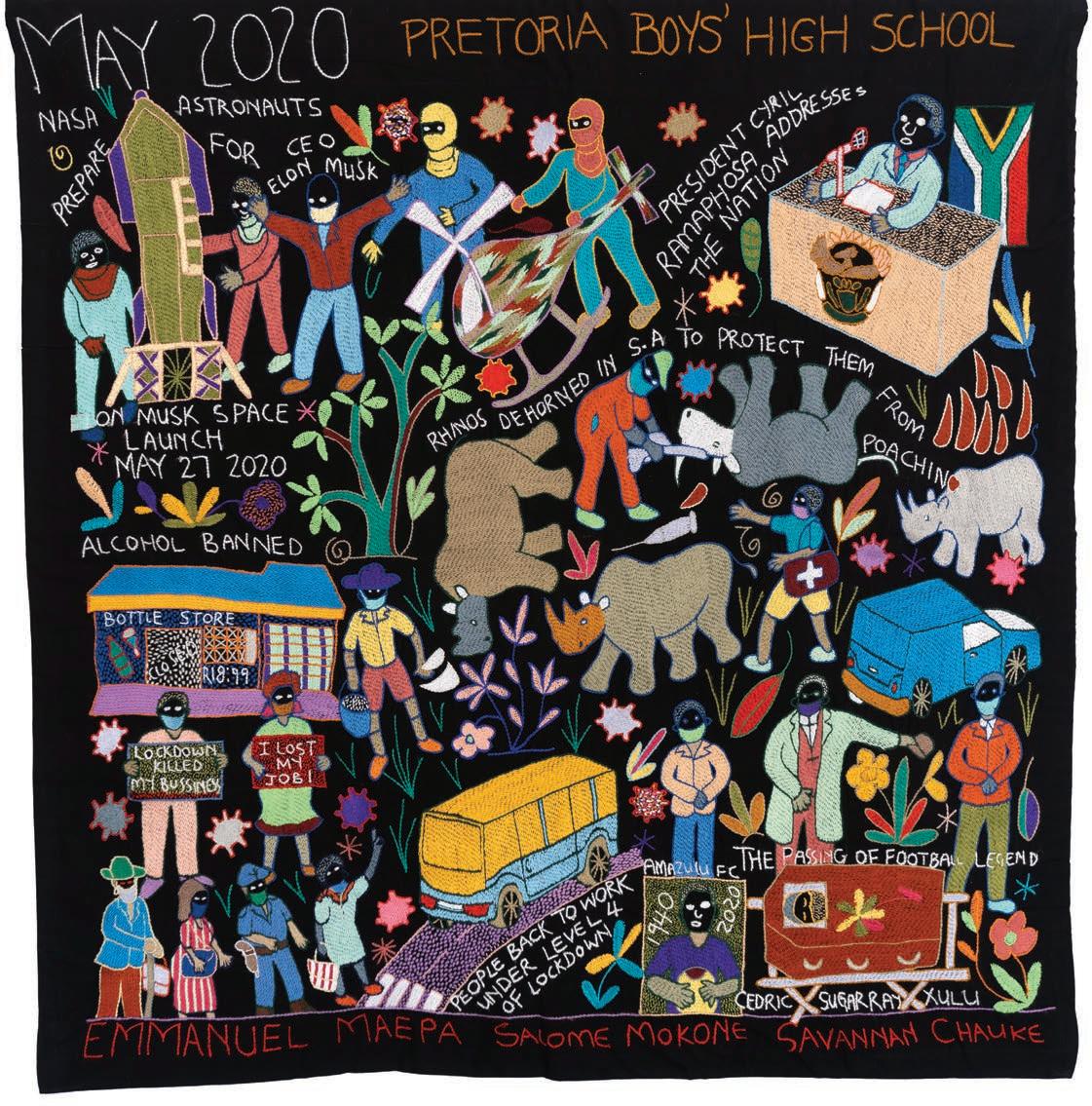
Designer: Emmanuel Maepa
Embroidery artists: Savannah Chauke and Salome Mokone
Embroidery thread on fabric 100cm x 100cm
Standard Bank African Art Collection (Wits Art Museum)
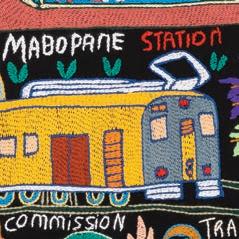
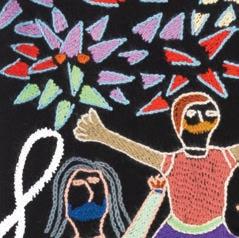
Designer: Dorah Hlongwane
Embroidery artists: Thandi Sondlo and Stella Mnisi
Embroidery thread on fabric 100cm x 100cm
Standard Bank African Art Collection (Wits Art Museum)
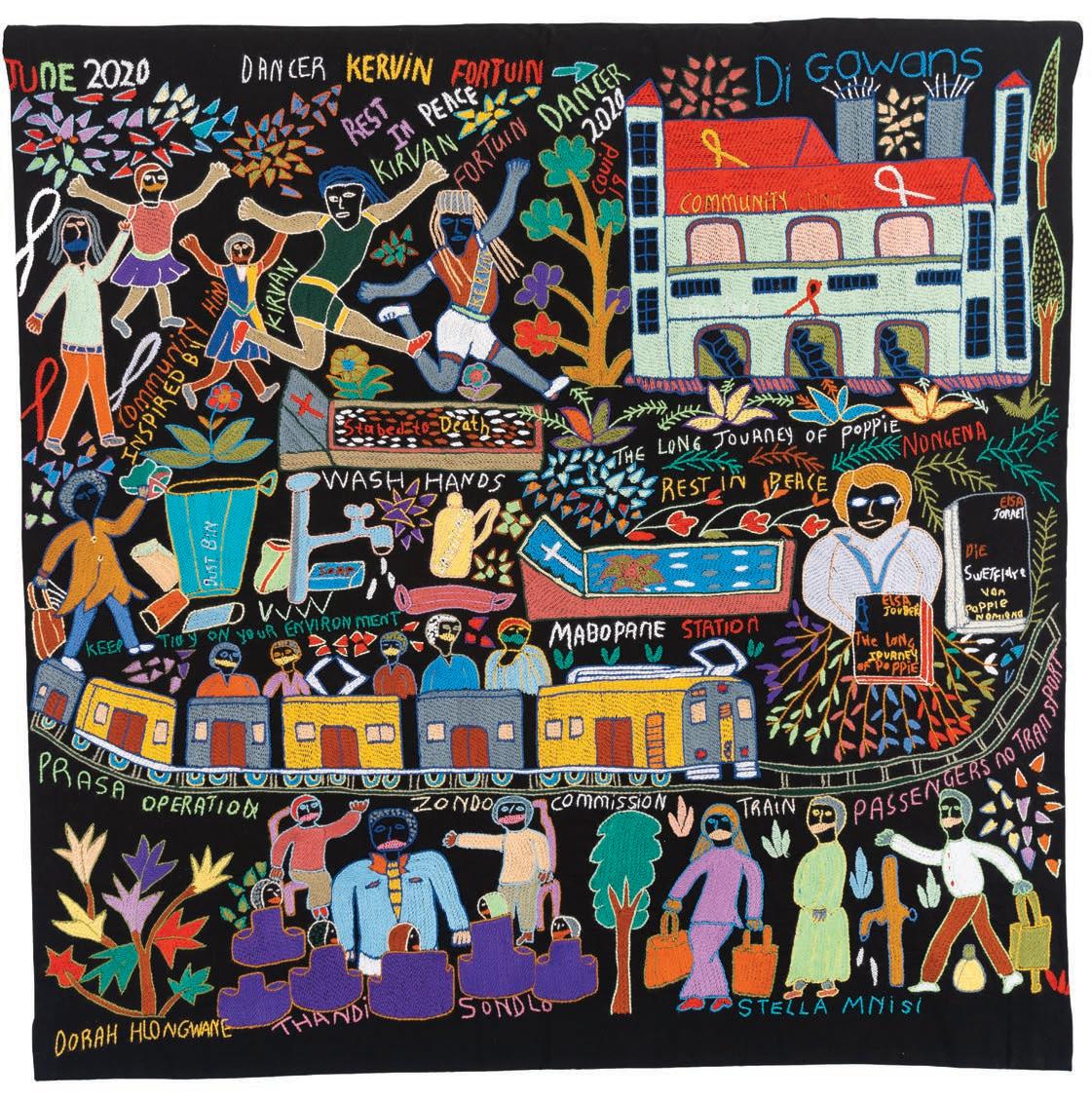
Designer: Dorah Hlongwane
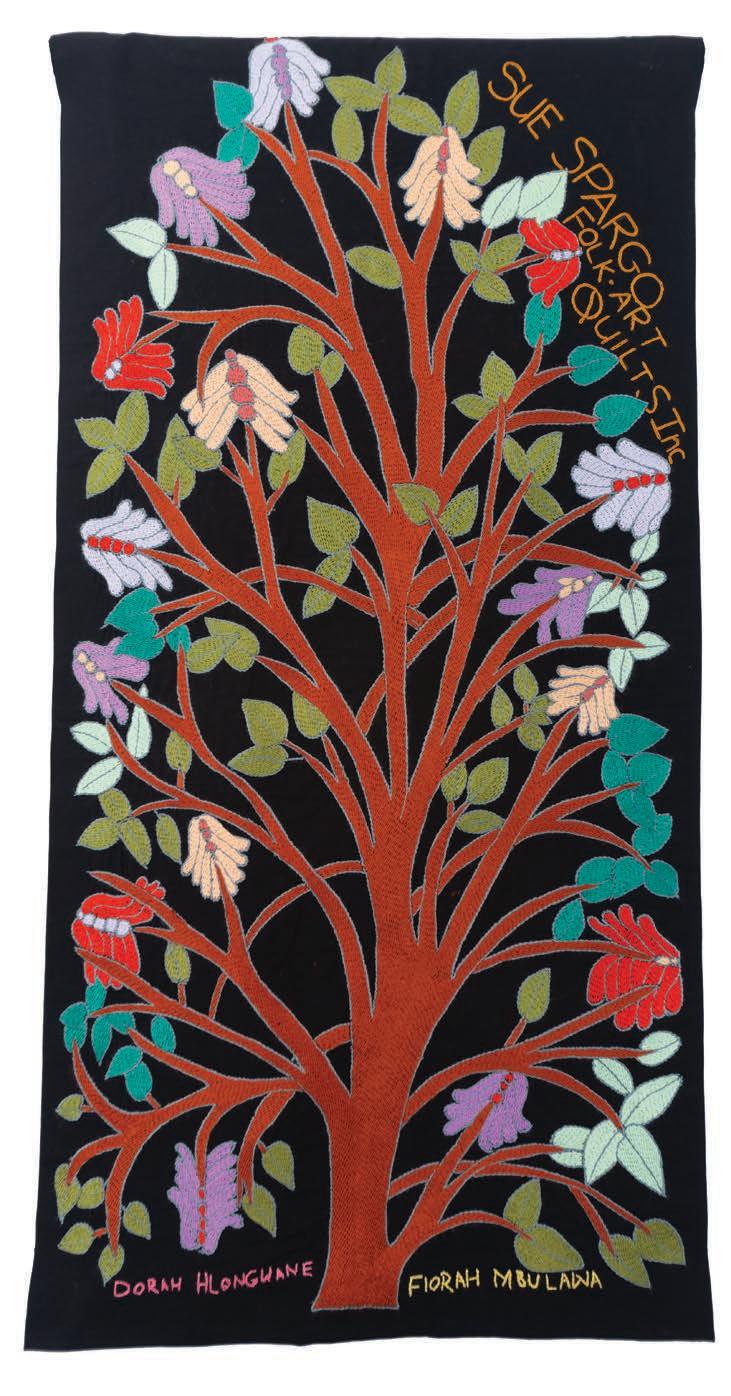

Designer: Kelelo Maepa
Embroidery artists: Phindile Gumede and Christinah Mabasa
Embroidery thread on fabric 100cm x 100cm
Standard Bank African Art Collection (Wits Art Museum)
Designer: Maria Rengane
Embroidery artists: Gladys Maringa and Johannah Sibaya
Embroidery thread on fabric 100cm x 100cm
Standard Bank African Art Collection (Wits Art Museum)

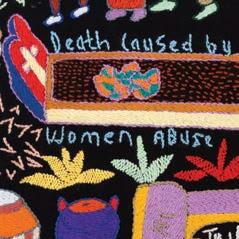
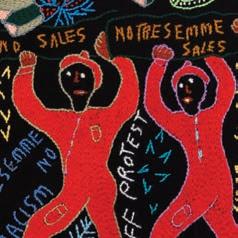
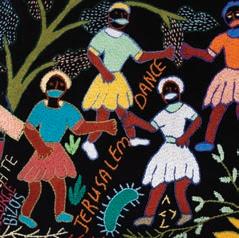
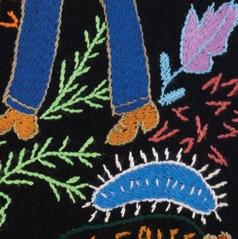
Designer: Dorah Hlongwane
Embroidery artists: Lydia Mathebula and Elizabeth Mathebula
Embroidery thread on fabric 100cm x 100cm
Standard Bank African Art Collection (Wits Art Museum)
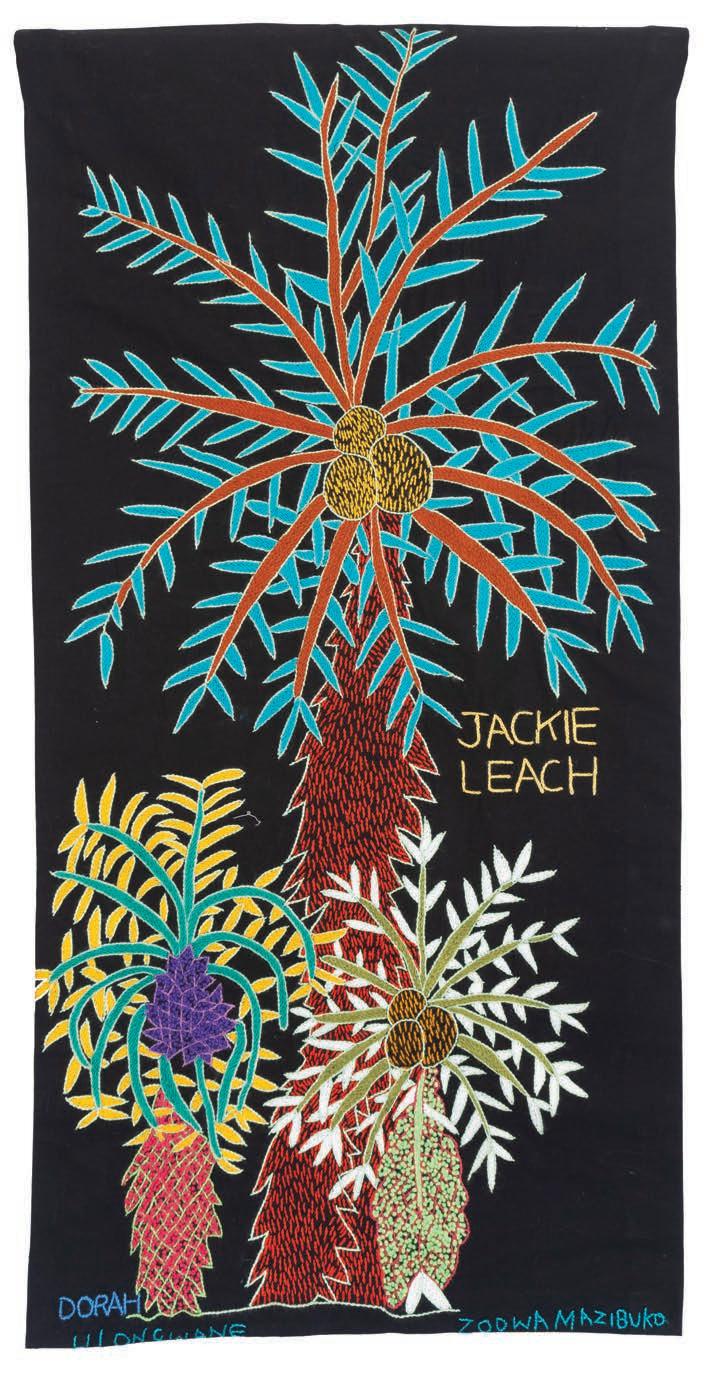
Designer:
Embroidery
Embroidery thread on fabric 100cm x 50cm
Standard Bank African Art Collection (Wits Art Museum)
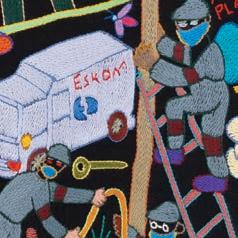
Designer: Emmanuel Maepa
Embroidery artists: Bongi Mabia and Joyce Baloyi
Embroidery thread on fabric 100cm x 100cm
Standard Bank African Art Collection (Wits Art Museum)
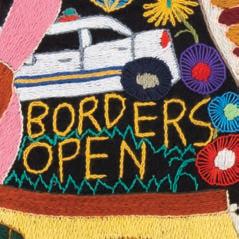
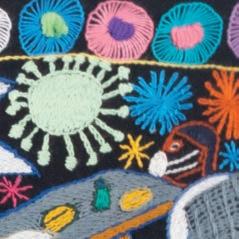
Designer: Selinah Makwana
Embroidery artist: Glory Mnisi
Embroidery thread on fabric 100cm x 100cm
Standard Bank African Art Collection (Wits Art Museum)

Designer: Elizabeth Malete
Embroidery artists: Agnes Monyane and Christina Seema
Embroidery thread on fabric 100cm x 100cm
Standard Bank African Art Collection (Wits Art Museum)

Designer: Dorah Hlongwane
Embroidery artist: Tebogo Utla
Embroidery thread on fabric 100cm x 50cm
Standard Bank African Art Collection (Wits Art Museum)
The Mapula Embroidery Project artists who worked on the 2020 Through the Eye of a Needle series are the following:
Designers:
Dorah Hlongwane, Emmanuel Maepa, Kelelo Maepa, Selinah Makwana, Elizabeth Malete and Maria Rengane
Embroidery artists:
Joyce Baloyi, Savannah Chauke, Phindile Gumede, Christina Mabasa, Bongi Mabia, Elizabeth Mabia, Flora Mabulawa, Fransinah Maiketso, Julia Makoana, Selinah Makwana, Innocent Maredi, Gladys Maringa, Patricia Mashigo, Elizabeth Mathebula, Lydia Mathebula, Zodwa Mazibuko, Glory Mnisi, Stella Mnisi, Salome Mokone, Agnes Monyane, Selina Ngobeni, Martha Phalatsi, Bertha Rengane, Maria Rengane, Samantha Rengane, Christine Seema, Johannah Sibaya, Thandi Sondlo, Emmah Thukwane, Tebogo Utla
Support from donors enabled the creation of the panels. Their names are embroidered on each panel, usually at the top.
2020 Through the Eye of a Needle was first exhibited as a digital exhibition hosted in 2021 by Professor Brenda Schmahmann, the SARChI Chair in South African Art and Visual Culture at the University of Johannesburg. The exhibition was curated by Laylaa Randera.
The series of embroideries then travelled to Texas where it was installed as part of the 2021 International Quilt Festival in Houston. On its return to South Africa, it was purchased by Wits Art Museum.
This booklet was produced by Wits Art Museum to accompany 2020 Through the Eye of a Needle: Remembering the Covid-19 Pandemic in 2025 22 July – 13 September 2025.
Published by Wits Art Museum, 2025 Private Bag 3, PO Wits, 2050 www.wits.ac.za/wam info.wam@wits.ac.za
Artworks © Mapula Embroideries www.mapulaembroideries.org info@mapulaembroideries.org
Photographs courtesy of Paul Mills