THOMAS ETCHANCHU PORTFOLIO 2022-2023 ENSA VERSAILLES ARCHITECTURE
CURRICULUM VITÆ
Thomas Etchanchu
53 Avenue des États-Unis 78000 Versailles
thomas.etchanchu@gmail.com +33 6 37 99 98 01
education
Software Rhinoceros 3D AutoCAD Sketchup Blender Adobe creative suite
Technical Competence Model making Drawing Graphism Team working Language French, native language English, C1 German, B1
skills extras
Student contest, «Archibois», March 2021
Athleticism, currently Piano, 8 years
Fencing, 3 years
Hiking, drawing, photography, culture, arts, news...
2020 - ongoing Bachelor École Nationale Supérieure d’Architecture de Versailles, France
2017 - 2020 «Baccalauréat» with great honours French diploma in social and economic sciences, specialization in Mathematics and fine arts La Bruyère High School in Versailles, France
work experience
April 2021
Internship at the Potager du Roi in Versailles Work in the vegetable garden, maintenance and planting of fruit trees
July-September 2022
Internship at Allard Architecture, Amsterdam, NL
Assigned to projects alone and in group (renovation of canal houses and public buildings)
personal experience
July 2018
One month in a host family Oak Ridge, Tennessee, USA
2007-2010 Education and living in Casablanca, Morocco + other trips abroad
2 3
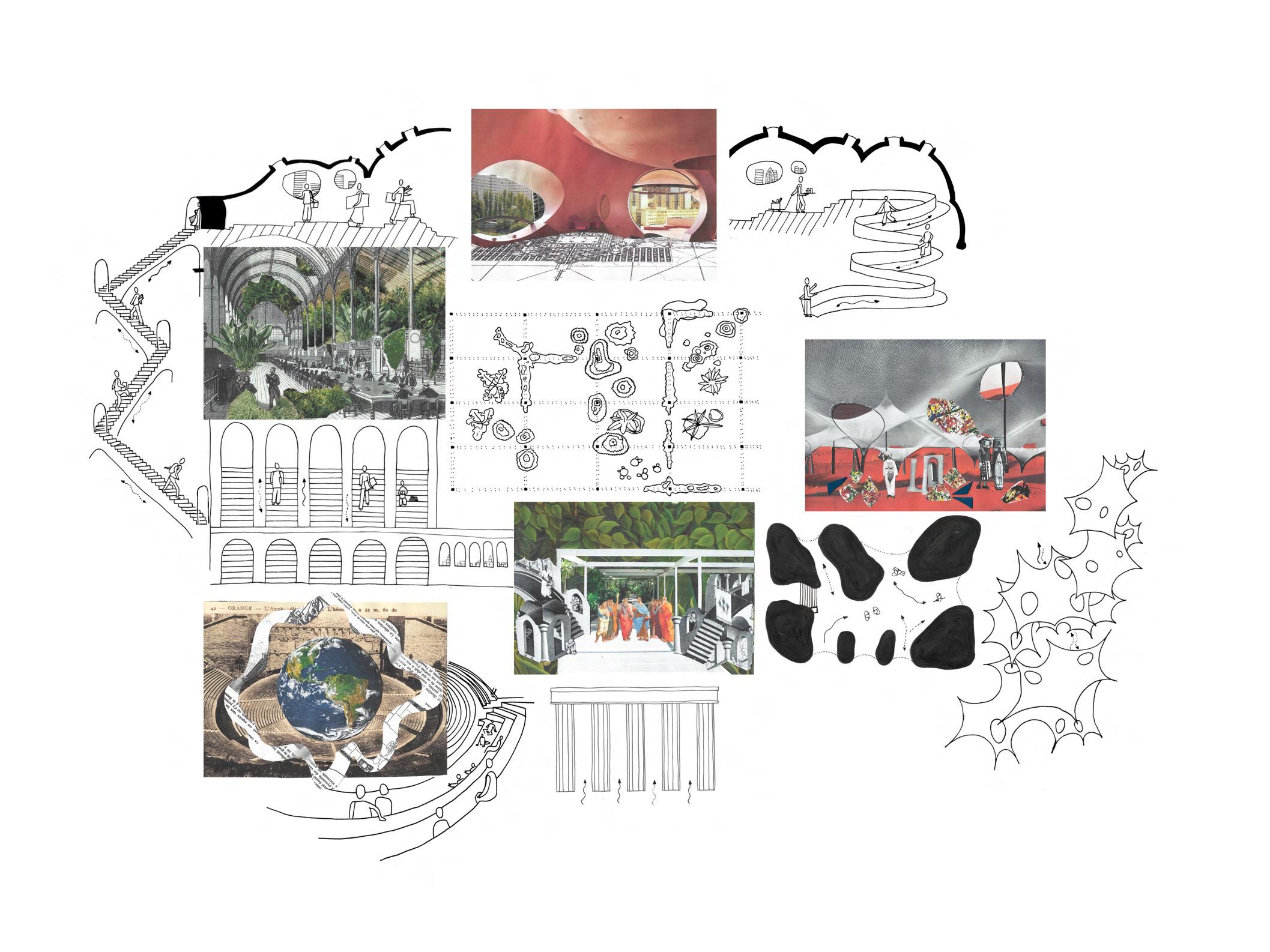
4 Manual collages THE IDEAL SCHOOL OF ARCHITECTURE 3 December 2020
SUMMER HOUSE
Pièce d’eau des Suisses, Versailles, May 2021
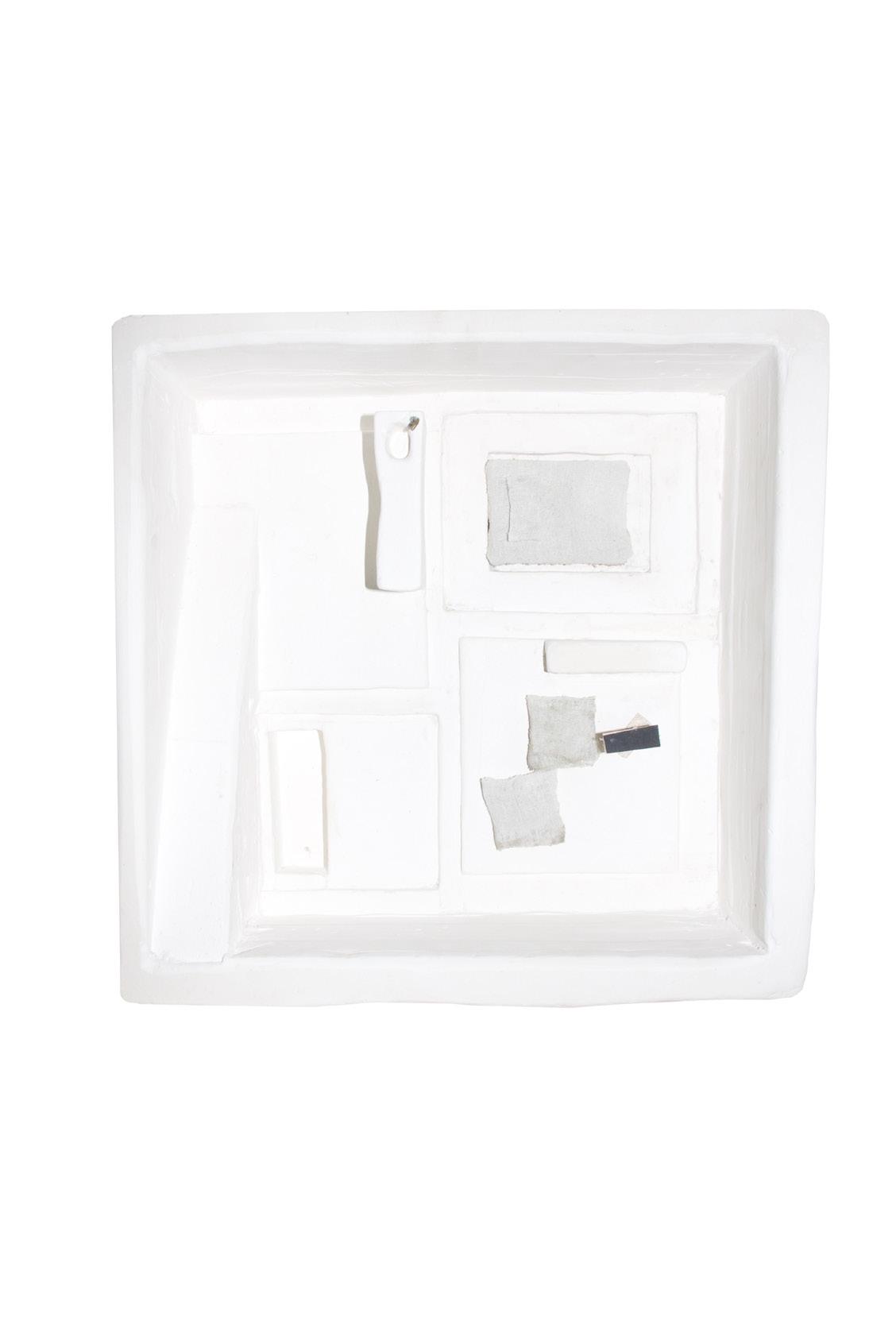
This summer house is located in the park of the Palace of Versailles. Its location in front of the Pièce d’eau des Suisses places it in a strong historical context which has sought to be translated by the use of two main materials to answer the question of temporality.
5 6
SUMMER HOUSE
1
2
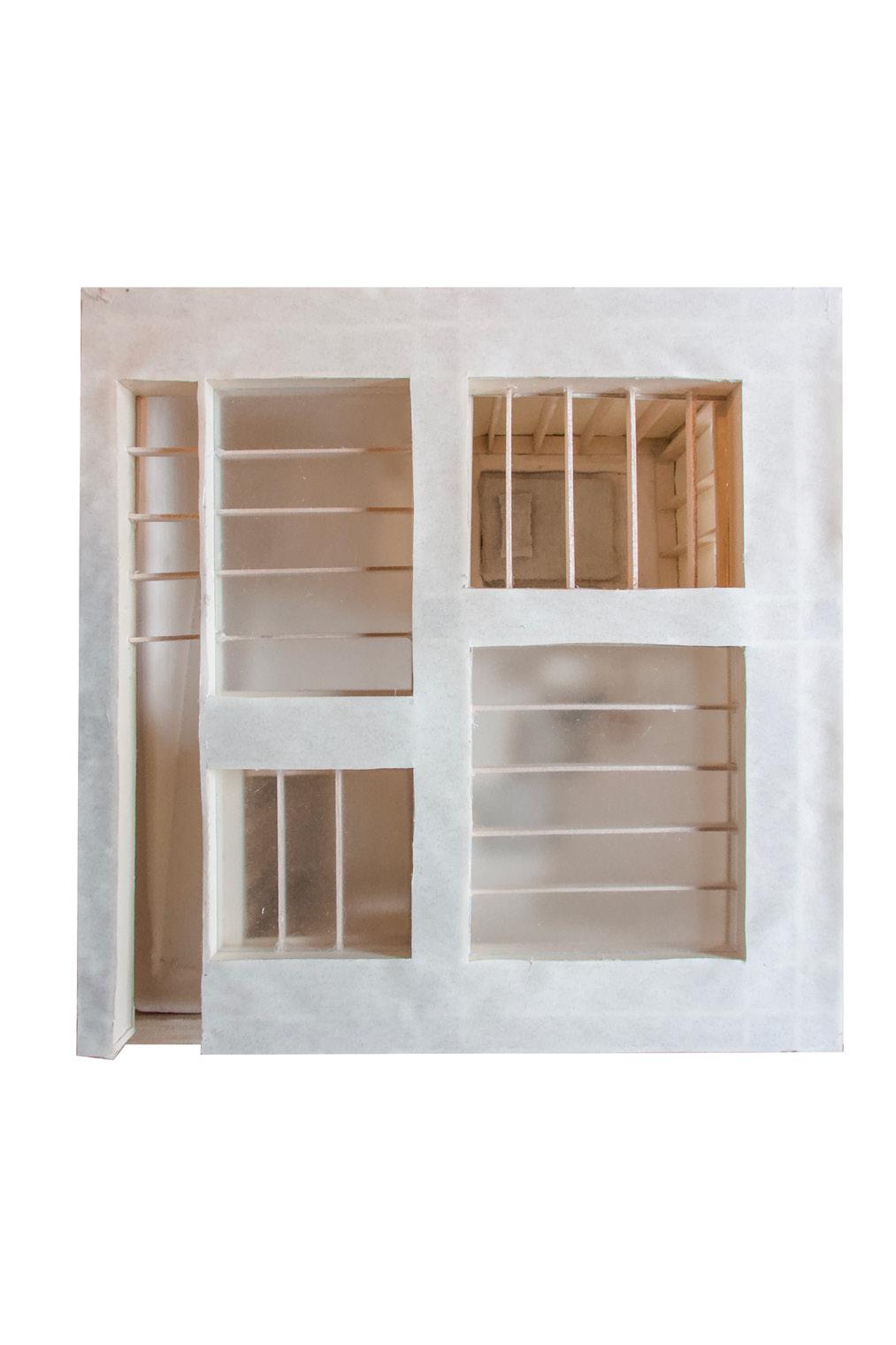
3 : View of the concrete «tank»
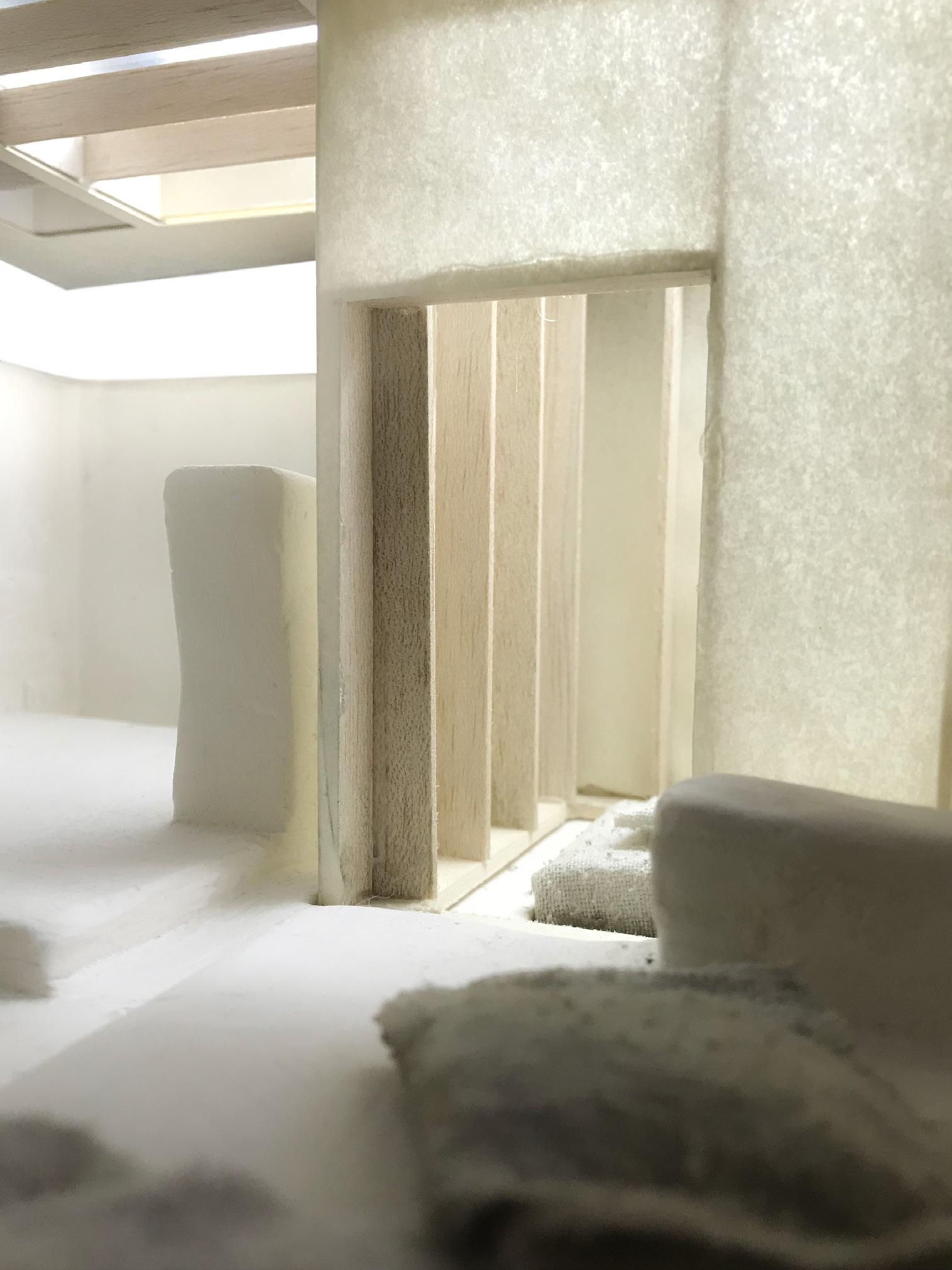
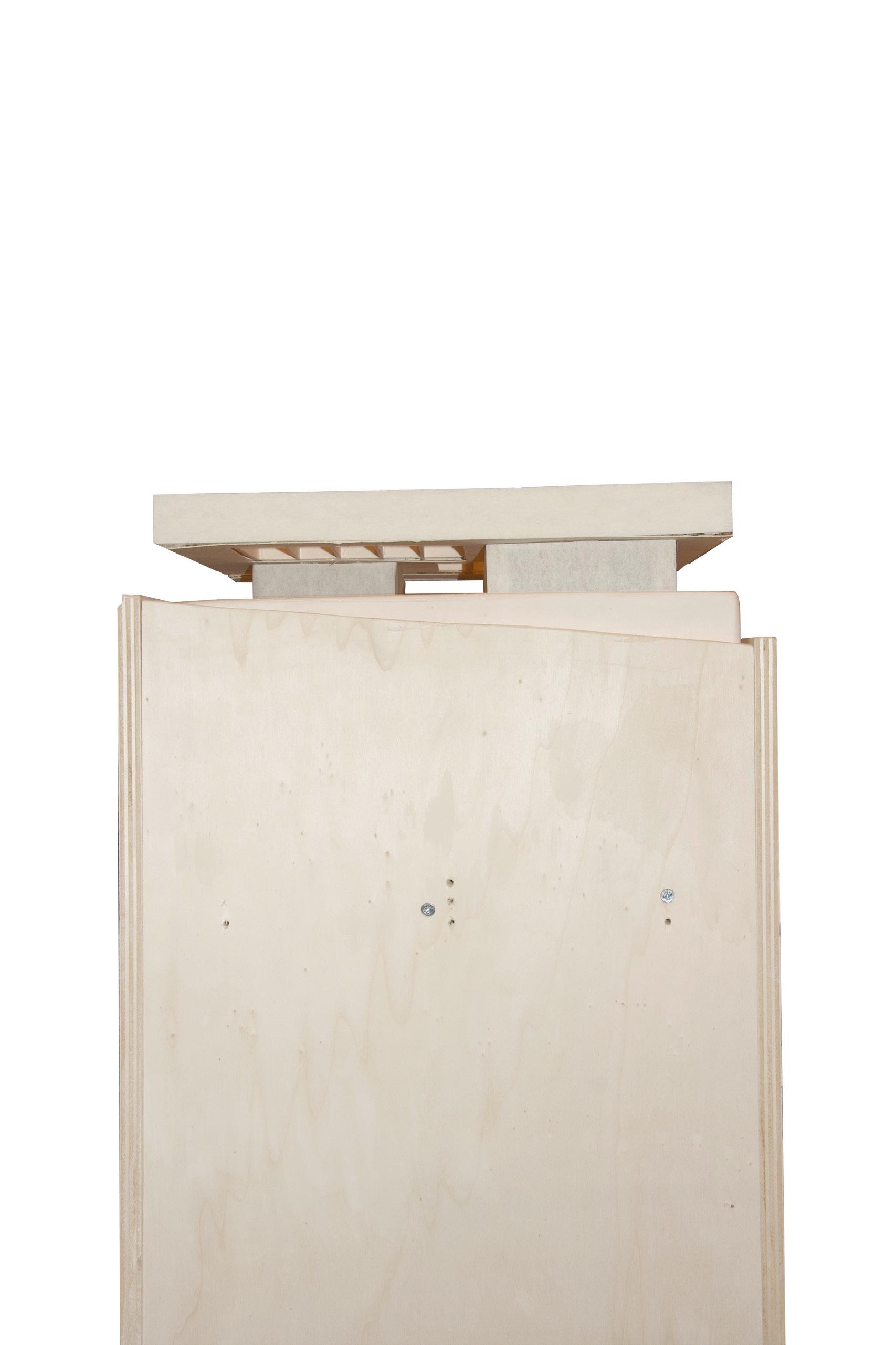
Because of its mass, concrete is the centerpiece of this project. As a theater of domestic life, it integrates uses and furniture that are structured by the different heights of the landings. Semi-underground and accessible by a ramp, its visual footprint is minimal. Characterized by its lightness, the wood frame is crossed by light thanks to the overhead openings. Supported by two blocks that waterproof the intimate spaces, the roof seems to float and the peripheral opening allows a soft integration
8 7
: Ground level plan
: Model seen from the roof
1 2 3
Sections and model in its base which evokes the relief of the ground
SUMMER HOUSE
10
9
Top left to right: Design and organization process ; in chronological order : «clay», «intercellular development and communication», «the body in space», and «public level - common level - private level»
CELLULAR HABITAT
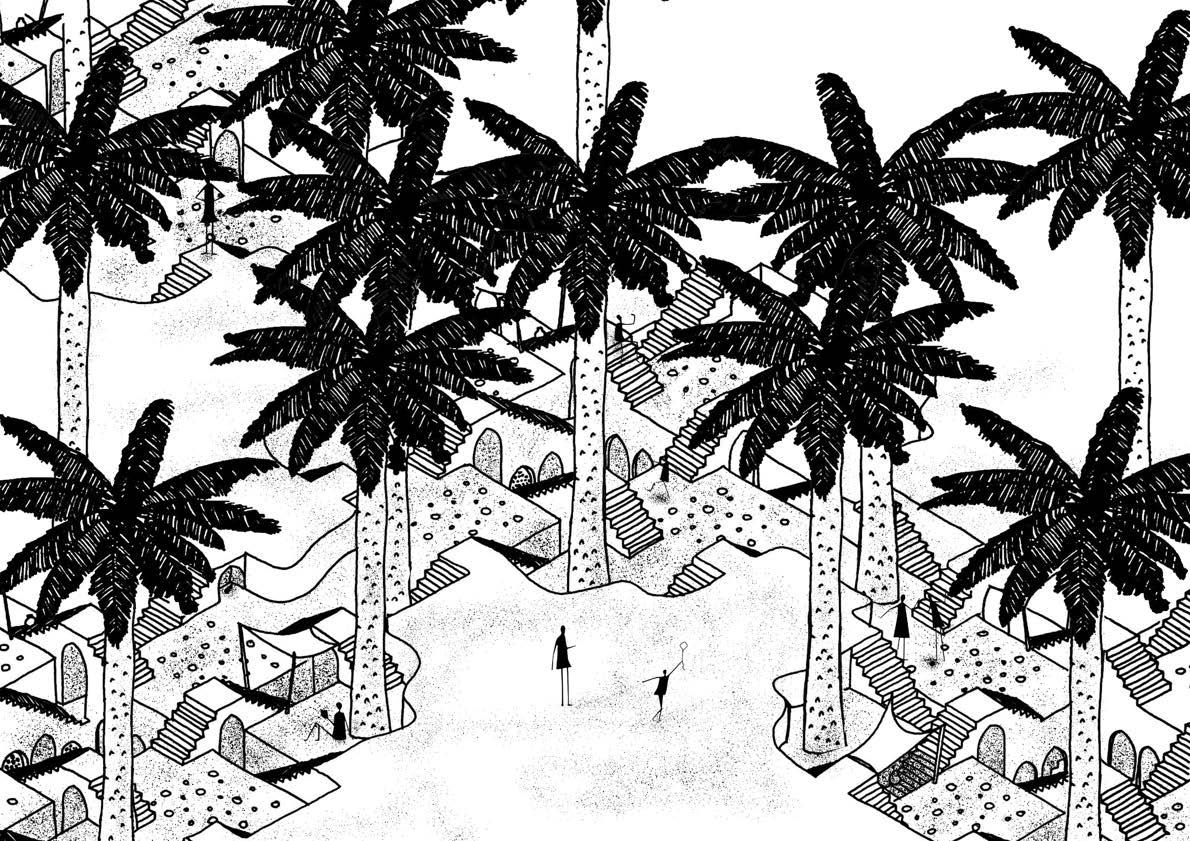
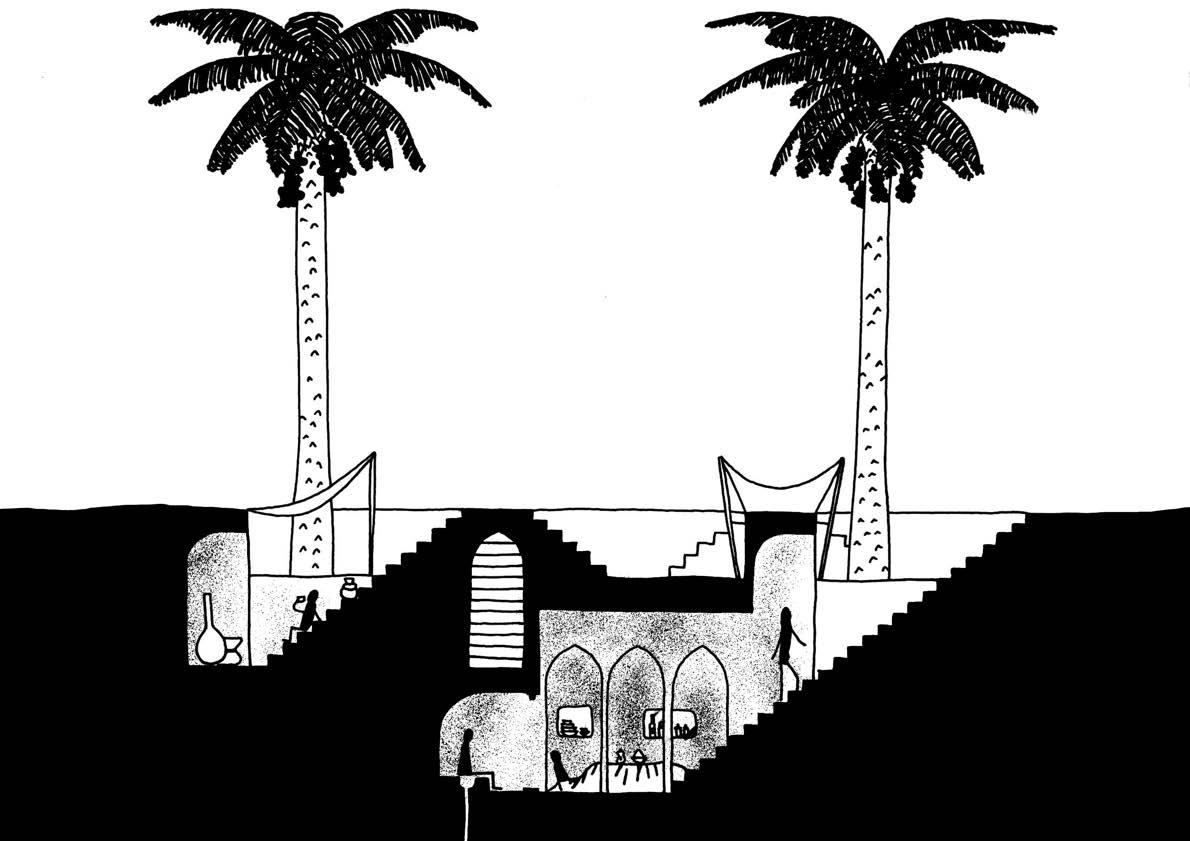
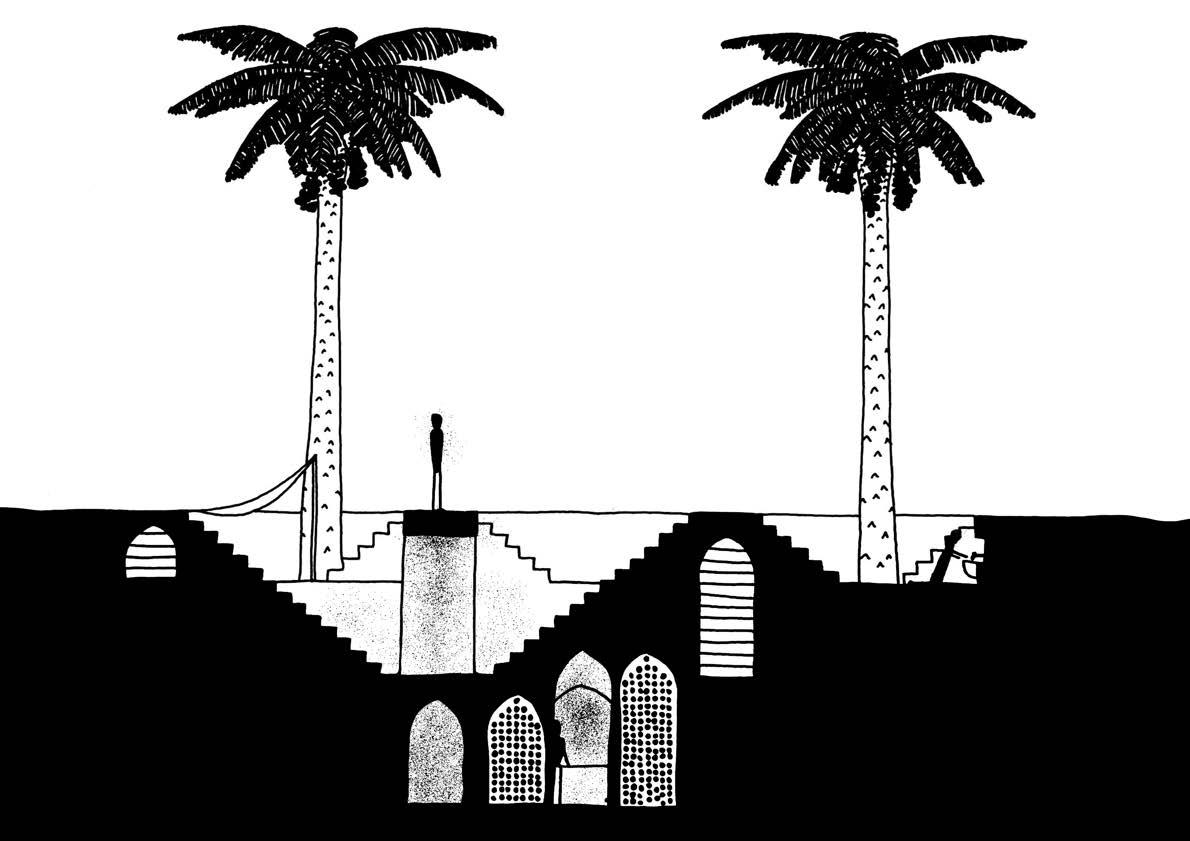
The cellular habitat, built underground, consists of rough clay bricks made of excavation waste. This habitat, thought as an aggregate of cells with precise DNA, can be integrated into a larger space, like an organism that develops and forms a village, a city, a Medina where inhabitants and passers-by can move freely under the shade of the palm grove. It is divided into three levels: the public at ground level, the communal between the two and the private deep. The stairs organize and regulate these various layers of intimacy. Arranged around a courtyard, the lower, intimate spaces are designed for the human body and its needs in its relationship to space through hollowed out cavities that respond to specific uses.
11 12
Bam in Iran, December 2021
CELLULAR HABITAT
&
13 14 Plans and section of a cellular habitat
CELLULAR HABITAT
1: Clay model and wooden base.
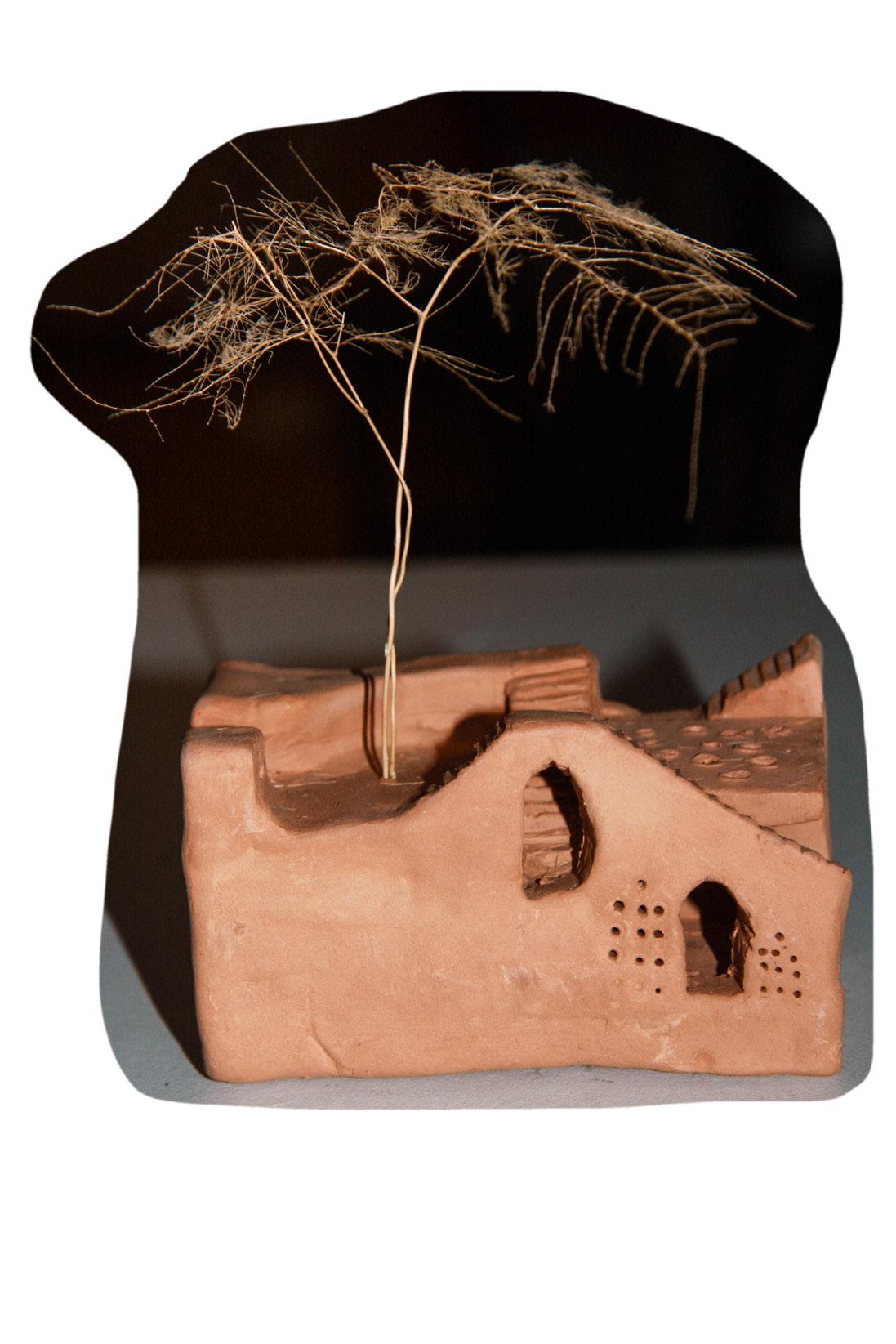
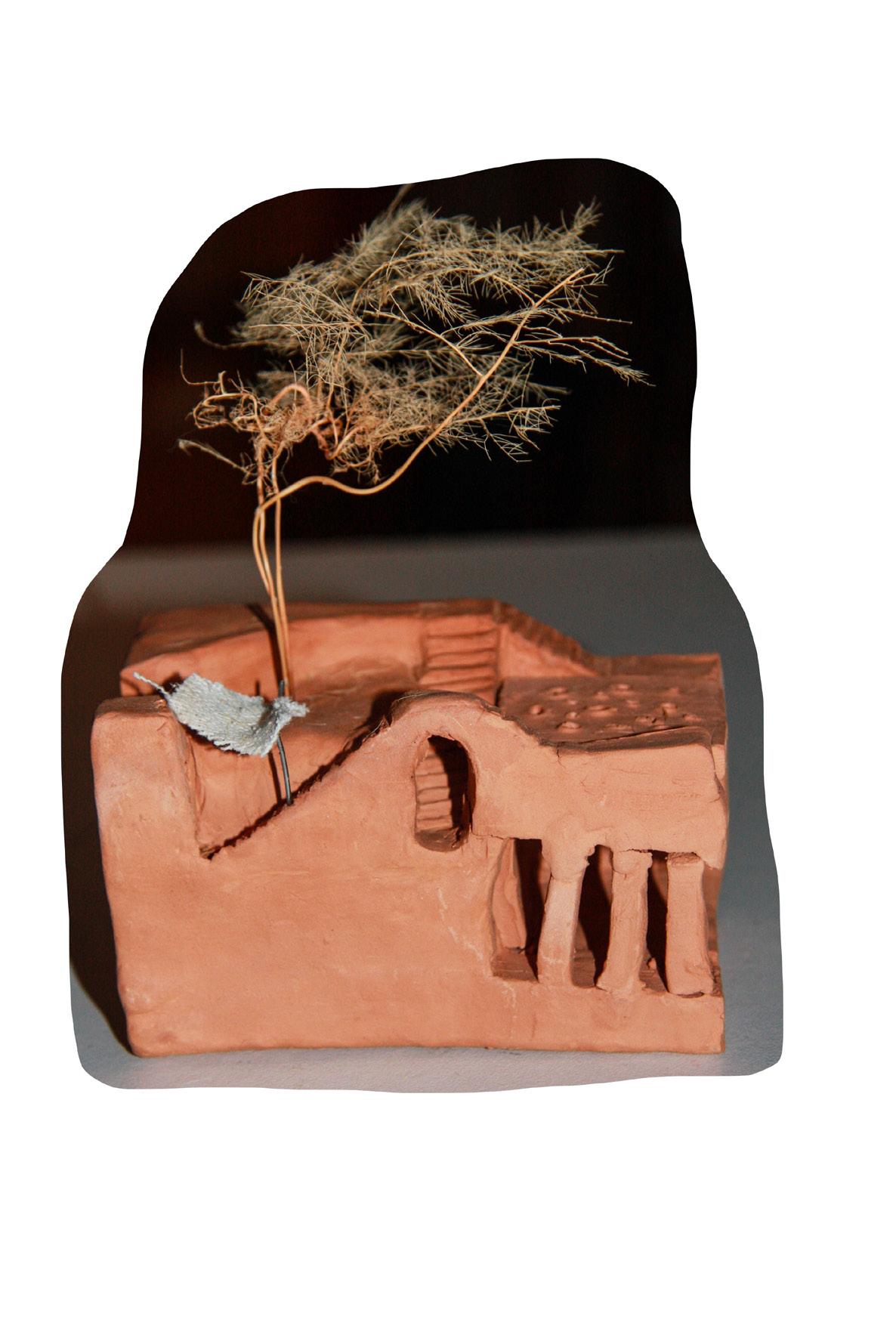
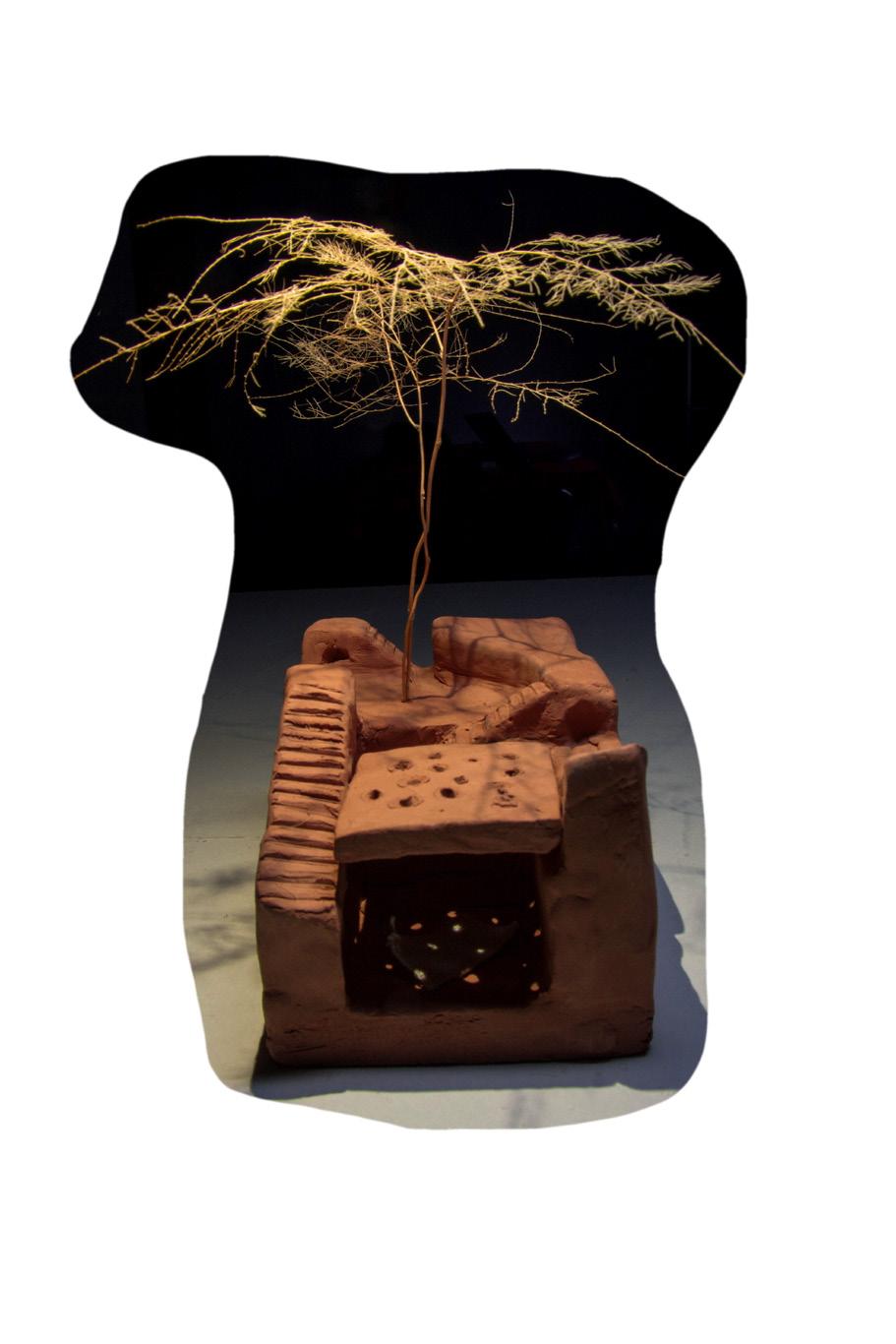
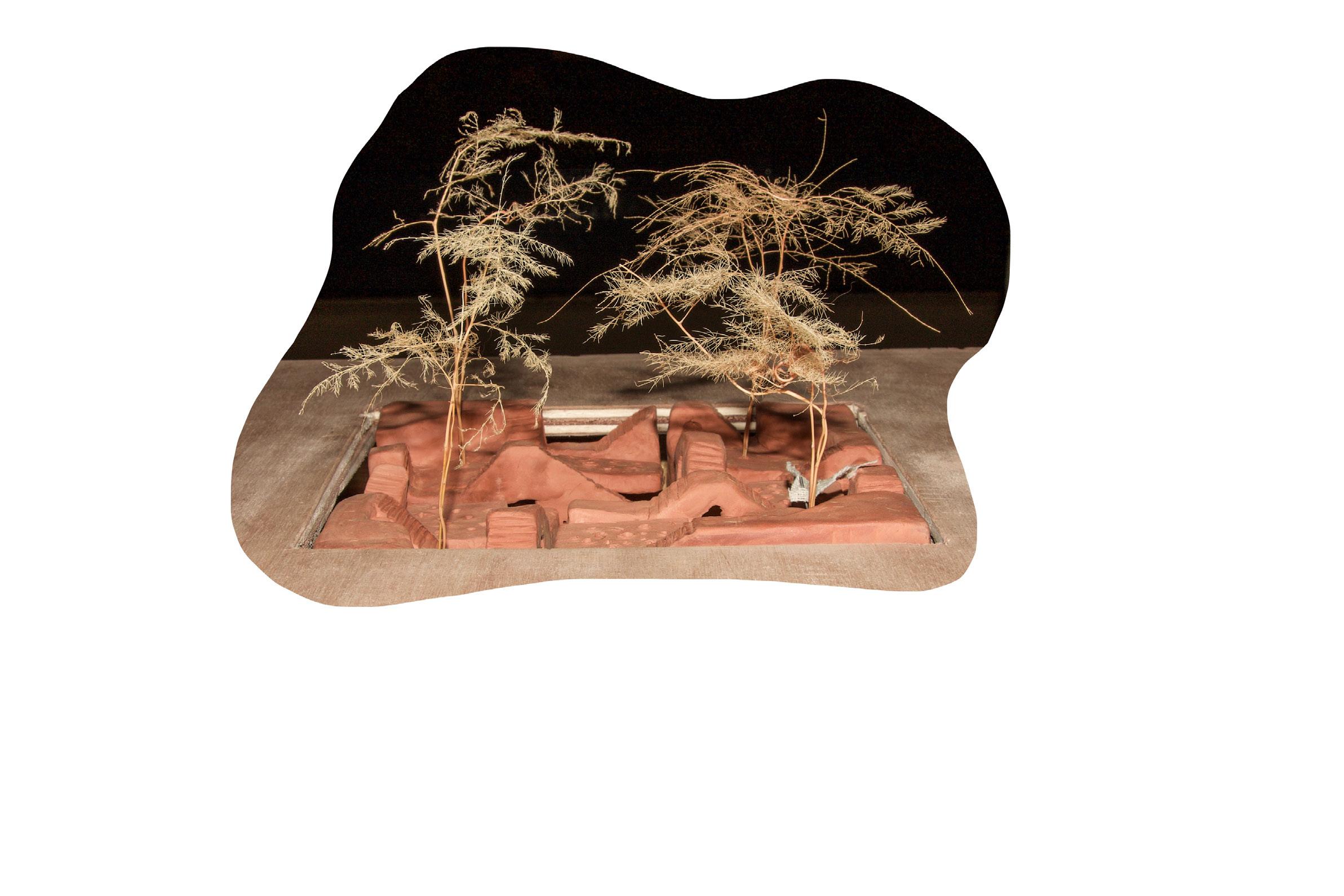
2: The pierced roof lets in low light to minimize the heat inside.
3: The two «sub-modules» that repeat to form a cellular habitat: one allows to go down into the dwelling, the other to offer a public circulation through the habitats.
15 16
Sections of a cellular habitat
Models
2 1 3
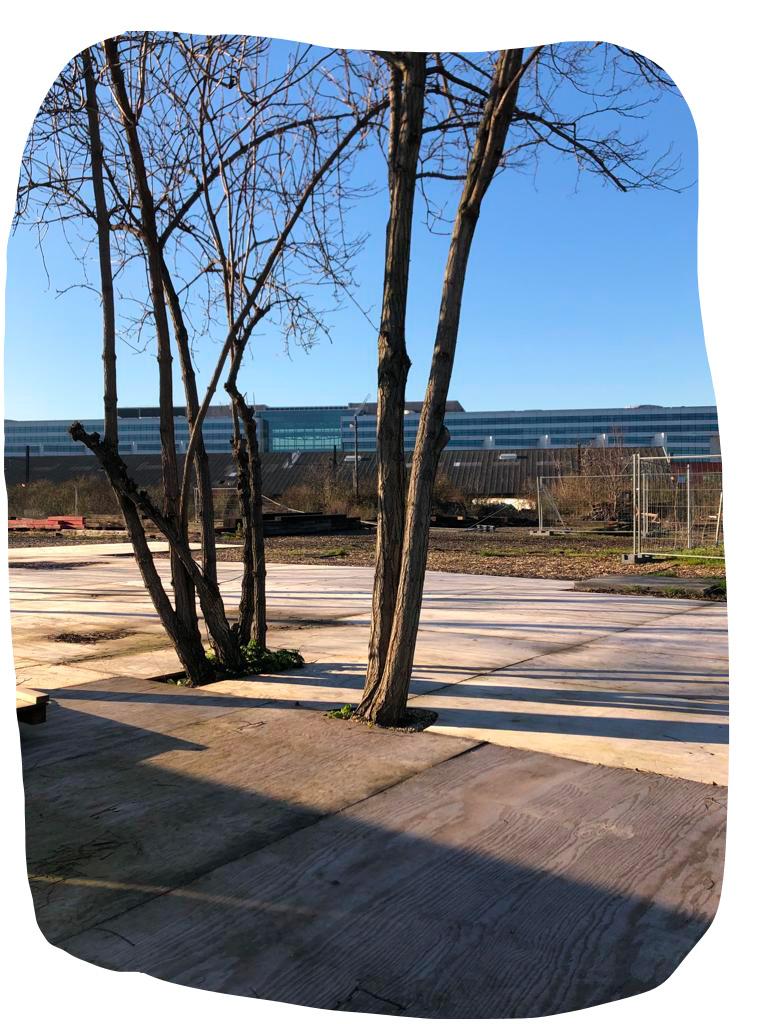
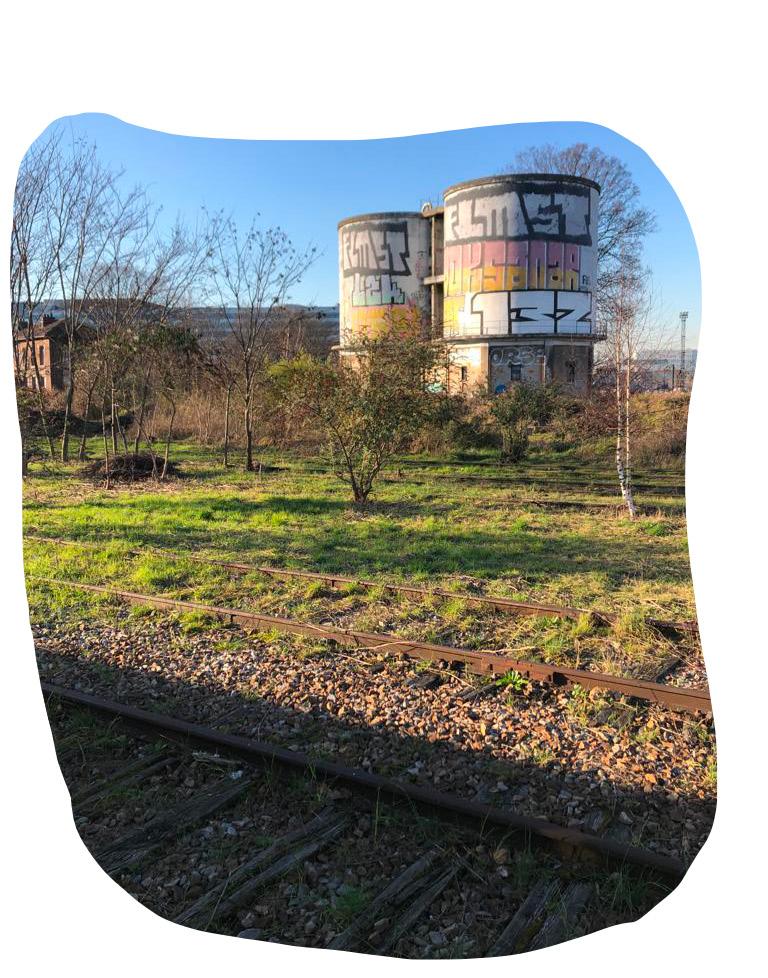
Top: photos of the wasteland
Bottom: ground plan
WAYS OF DOING
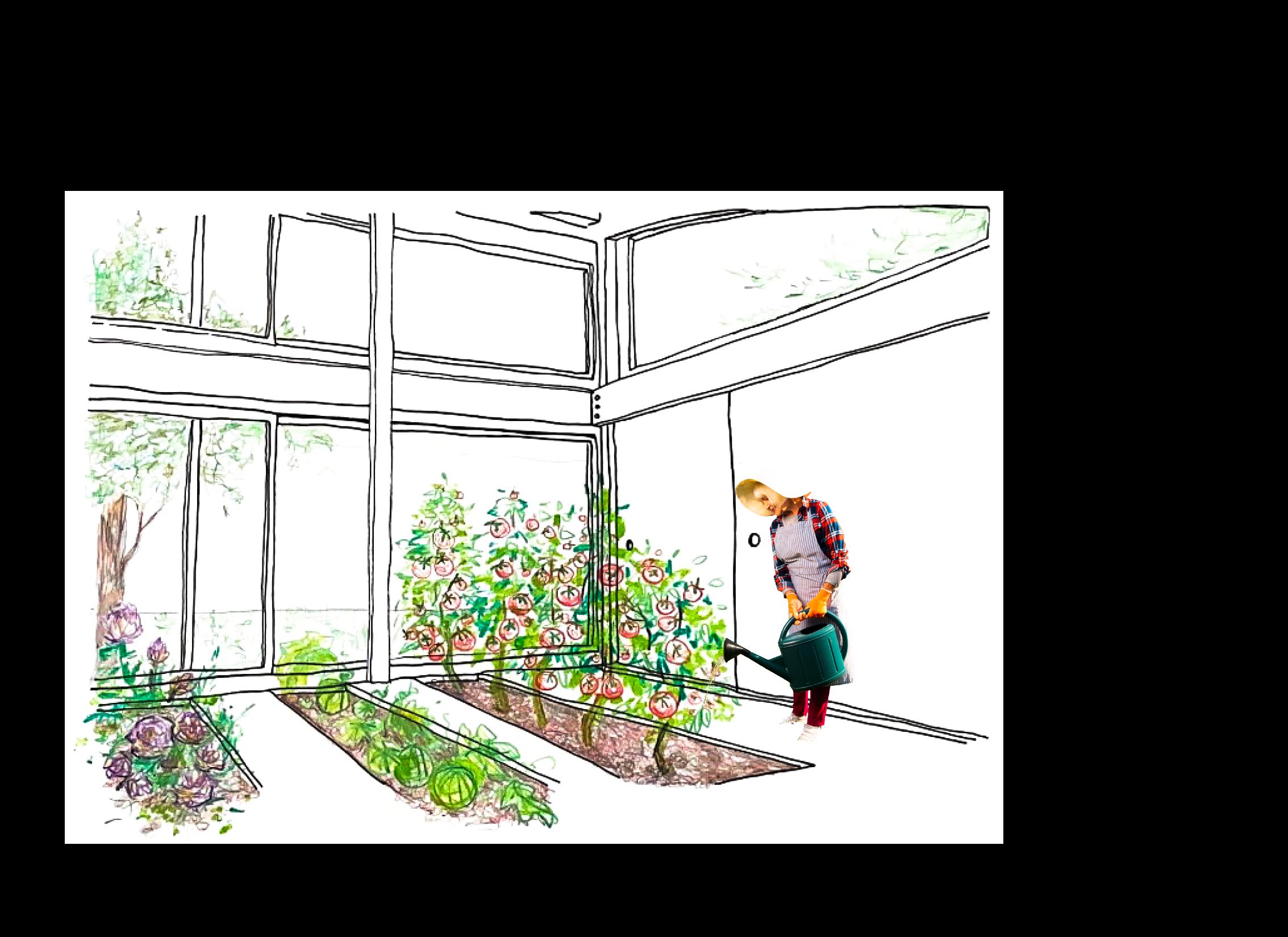
Top: interior view of a greenhouse
Bottom: floor plan
Wasteland of Bercy-Charenton in Paris, March 2022, «Archibois» contest in team with Julia Sonmez and Louise Hermant
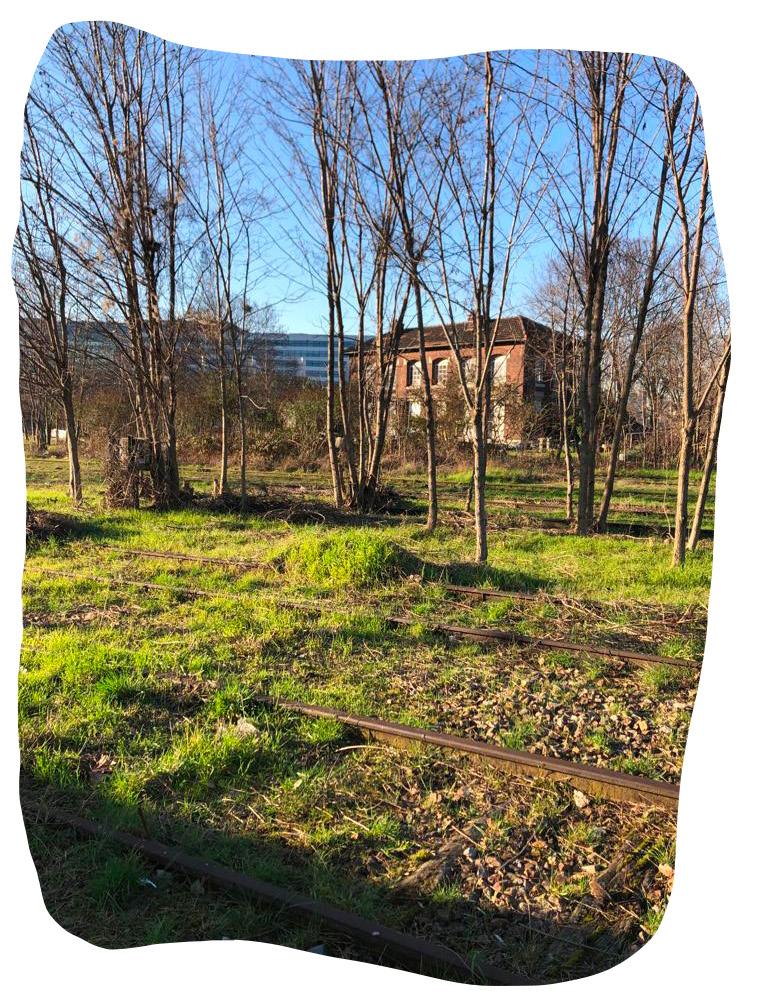
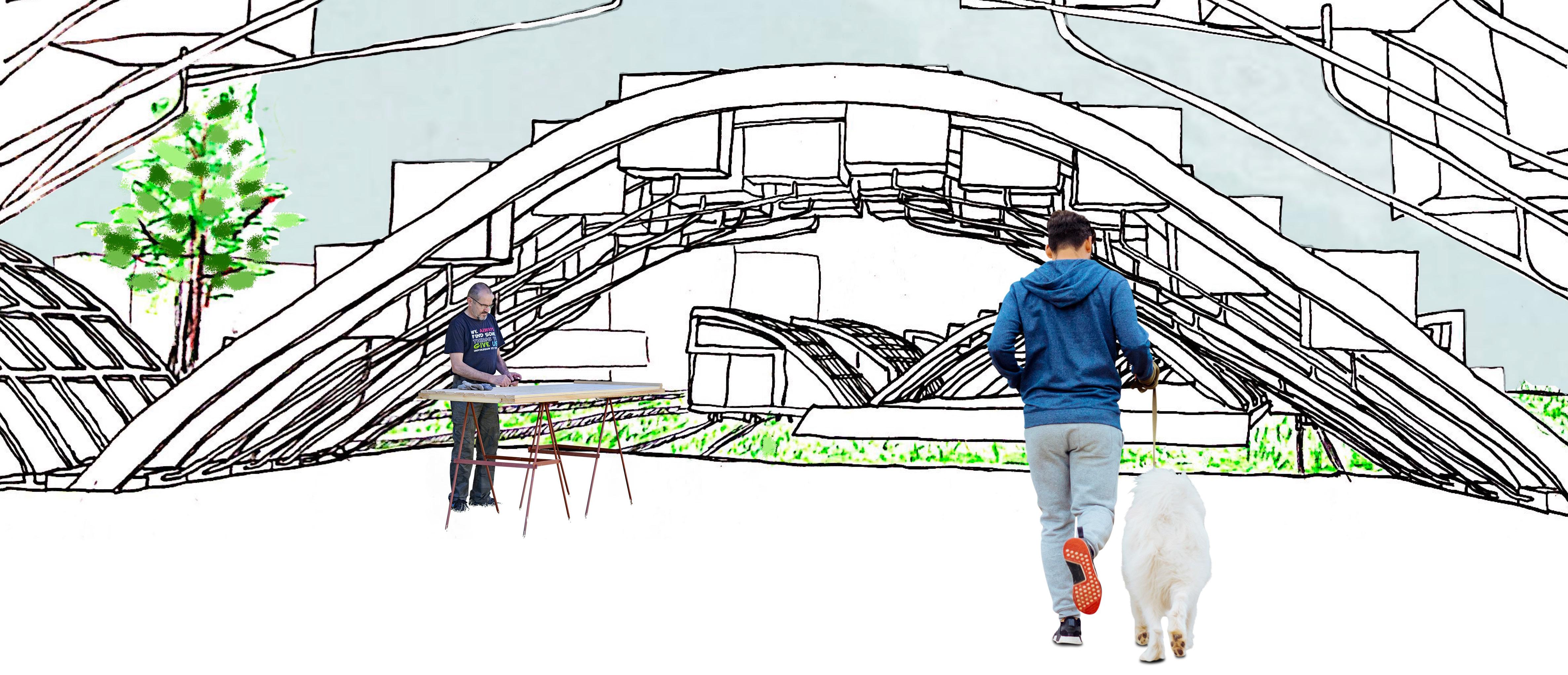
Located in an isolated crossroads site, this mainly wooden structure seeks to create a symbiosis with the environment and its users. Like a spine, its flexibility allowed by small modules on rails allows for a variety of programs ranging from urban agriculture to emergency accommodation. Like a living skin, its porous and veiny roof collects, filters and stores water using clay pots. Both as a way of preserving local biodiversity and as a new centre for urban dynamism, this space offers a break in an increasingly congested city.
17 18
Top: interior view of the central space
Bottom: longitudinal section of the half of the structure
WAYS OF DOING
19 20
WAYS OF DOING
Assembly details of a small unit
laminated purlin 120x175mm frame 40x20mm alveolar polycarbonate 6mm
Trombre wall in earthen clay/straw insulating douglas wood false ceiling entered 140x100mm frame 30x50mm window rail secondary beam 140x300mm frame post rail hook douglas wood fluoring 50mm douglas spacer 140x410mm already existing and restored train rail
21 22
Section
2 1 1:
2:
3:
3
Mid-joist and dowel connection of the small unit structure
Method of assembly between the joists and the post
Diagram of the path of the water collected, filtered, stored and consumed in the structure
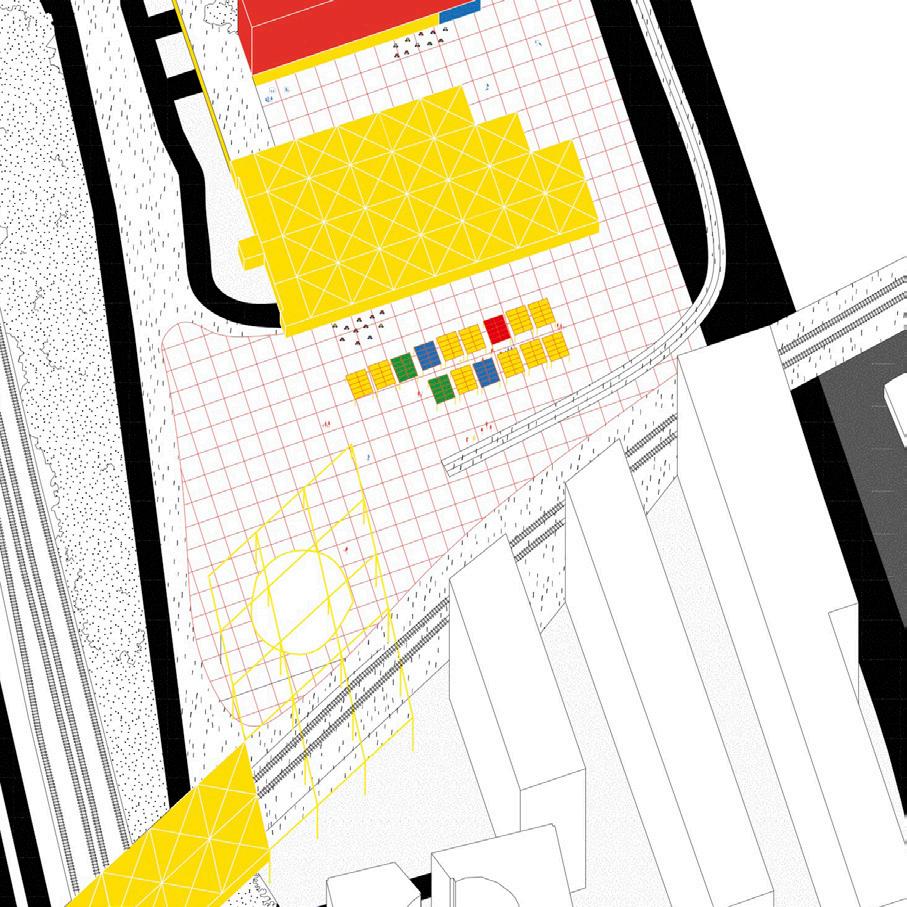
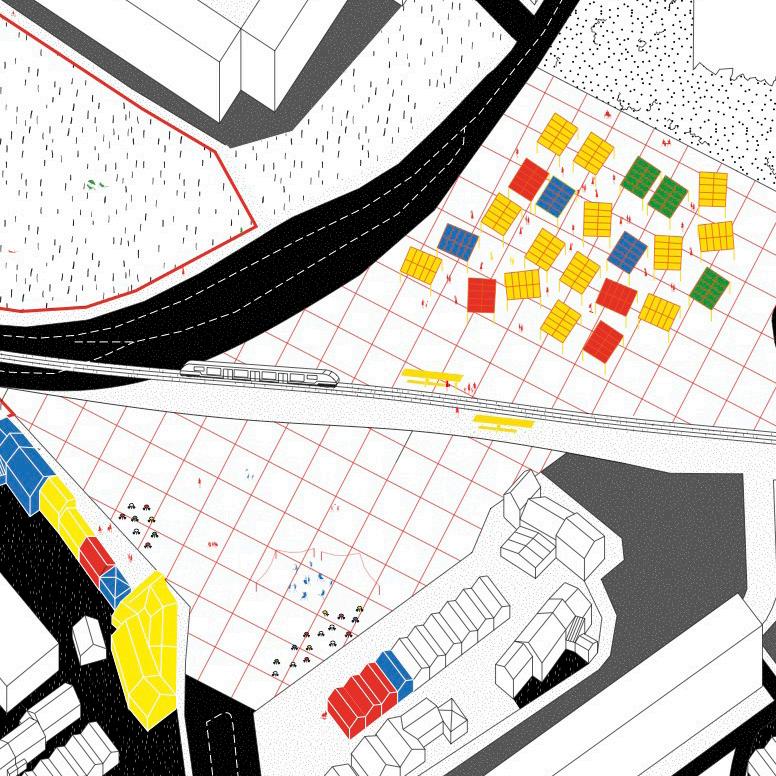
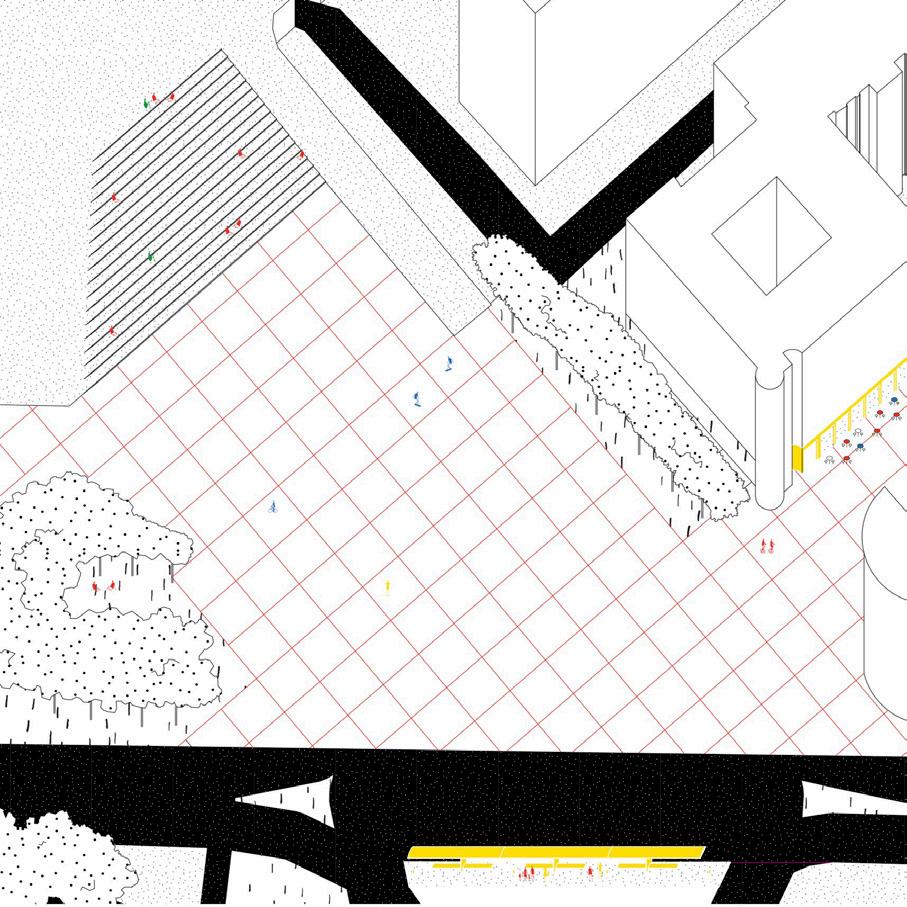
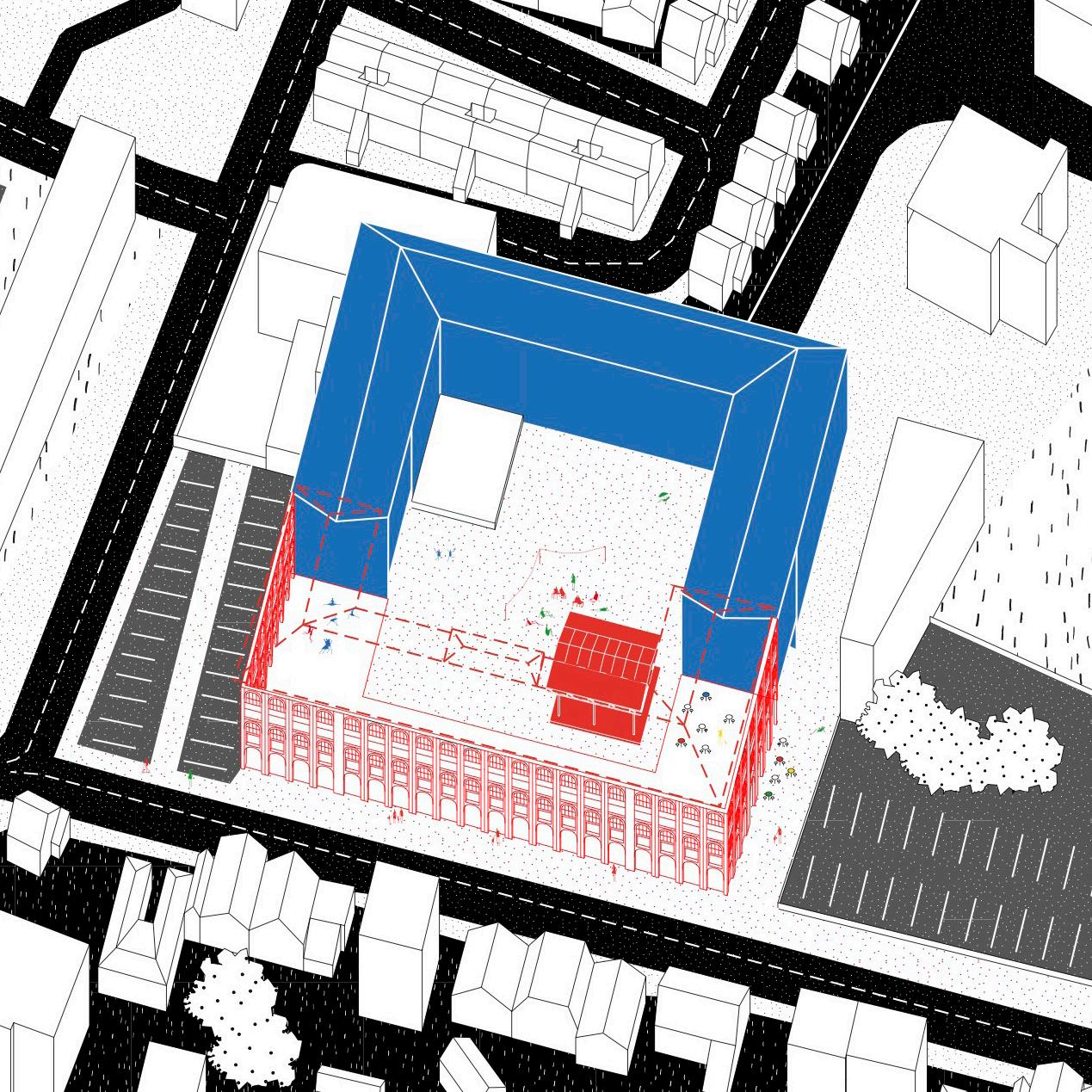
URBAN CAVITIES
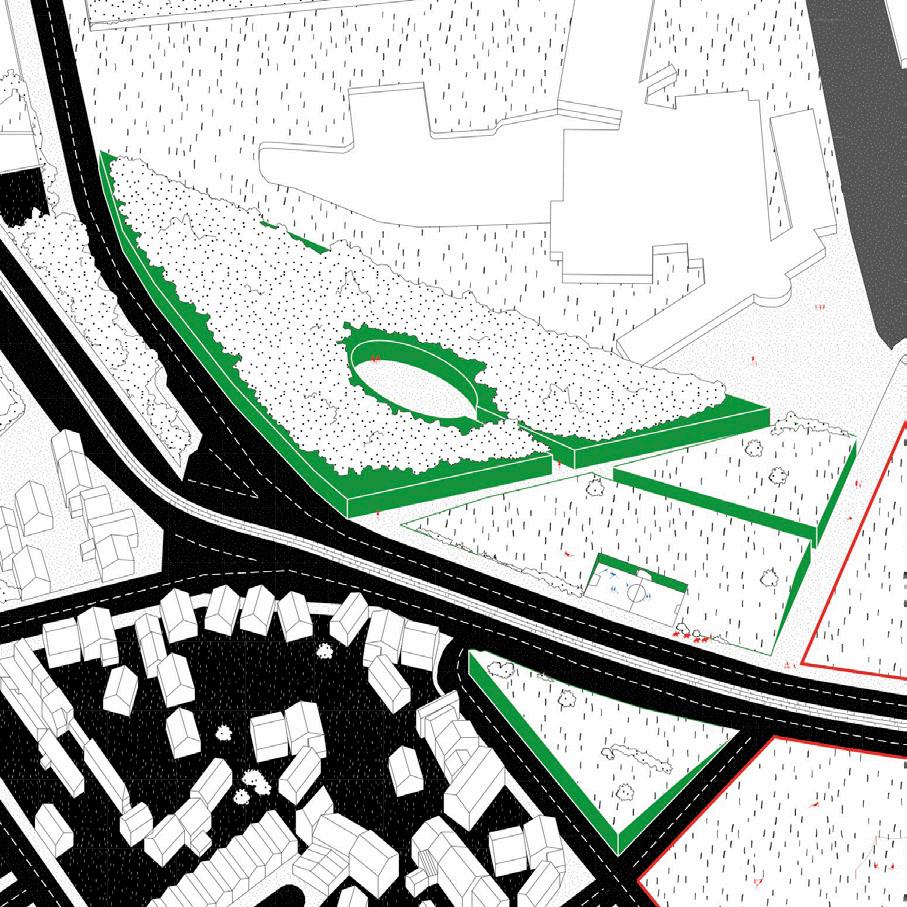
Right: map of revitalized hubs, providing air to the city
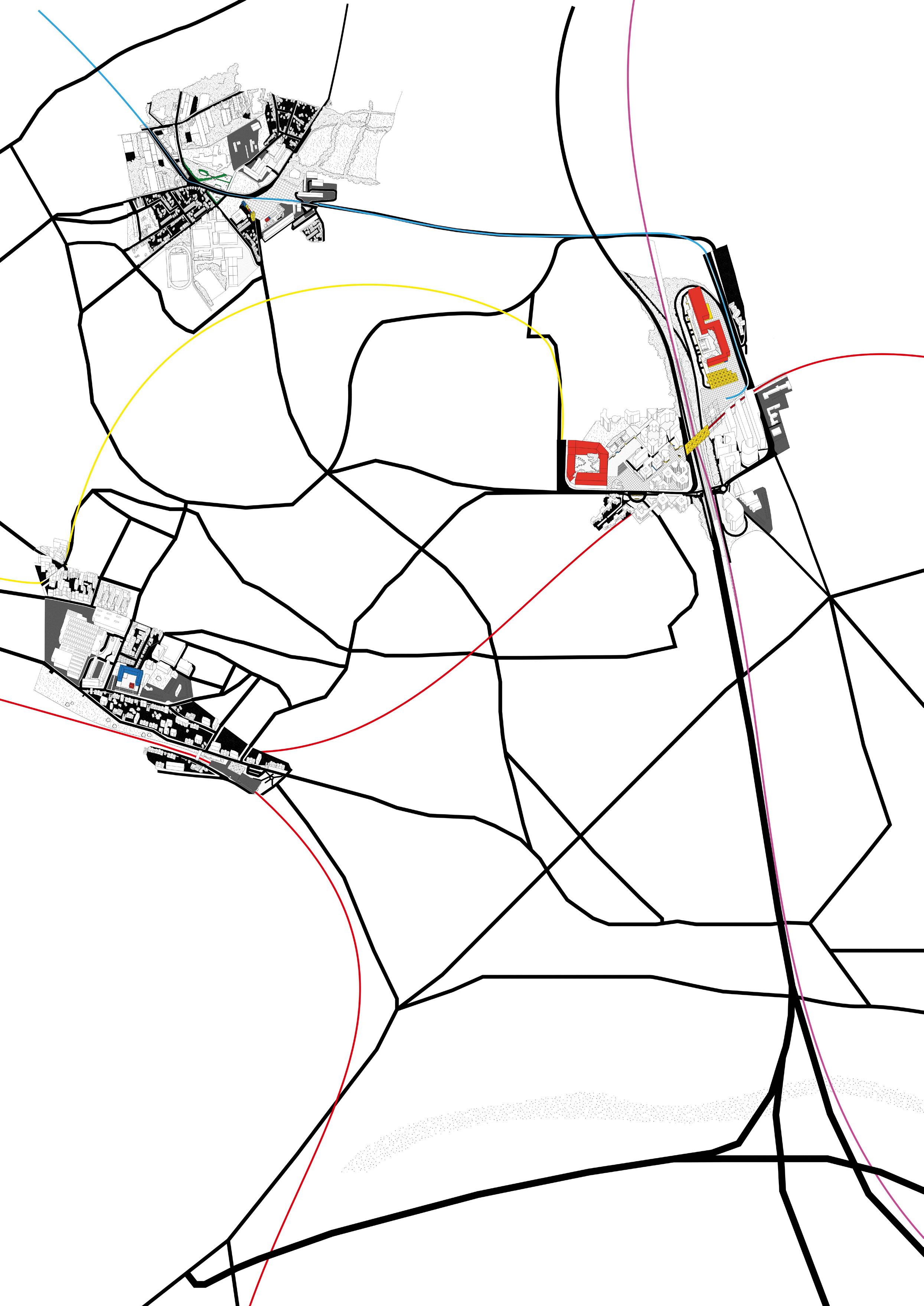
Fontenay-sous-Bois, May 2022, in group with Julia Sonmez
In anatomy, a cavity is a void in a solid body between organs. In the same way, the city has spaces, residual to the urban fabric, which have no function as such. Yet they are intense places of exchange and appropriation by both man and nature. Their analysis therefore makes it possible to grasp the stakes and the impact they have on the community at different scales, as vectors of meeting, utility, leisure and landscape. The extrapolation of these qualities through their sublimation allows the reactivation of these residual spaces to create lungs where the urban, the human and the vegetal dialogue. The living city with its air cavities encourages social and environmental development and enlivens the community.
24
23
URBAN
25
CAVITIES 26 Focus on the different revitalized hubs Color code legend Meet Use Contemplate Play and learn 1: Fontenay-sous-Bois train station 2: The Ruffins intersection and the peach trees 3: The old Gaveau piano factory 1 2 3
Bottom: longitudinal section
Right: ground plan
CANOPY
Pantin in France, December 2022, in a group with Sabrina Ayer
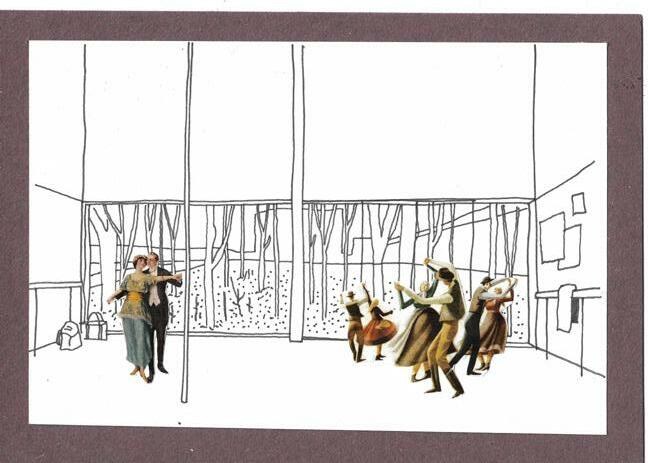
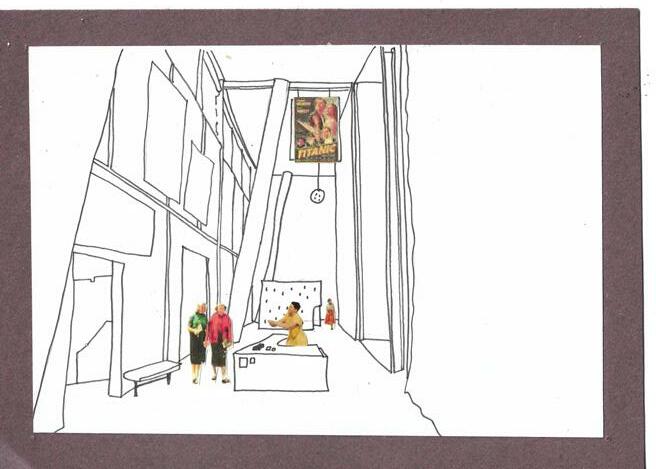
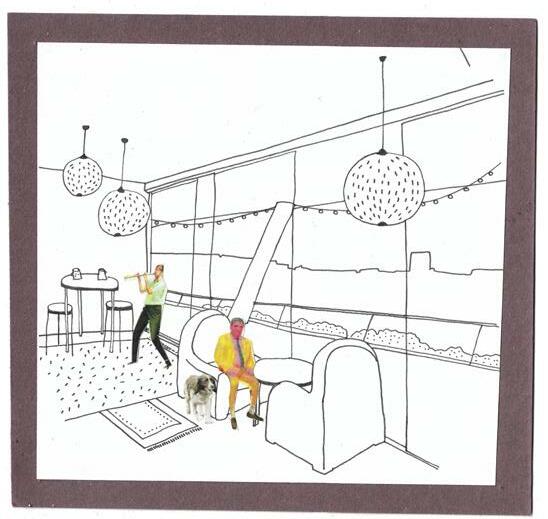
« Give the ground back to the city through the conservation of a historical and socially anchored place «. The challenge here is to reuse this pre-existing connection to the urban and to the citizens in order to continue its story and propose a theatre offer, at the service of the community and the territory.
27 28
coupe perspective
Left: conceptual diagrams
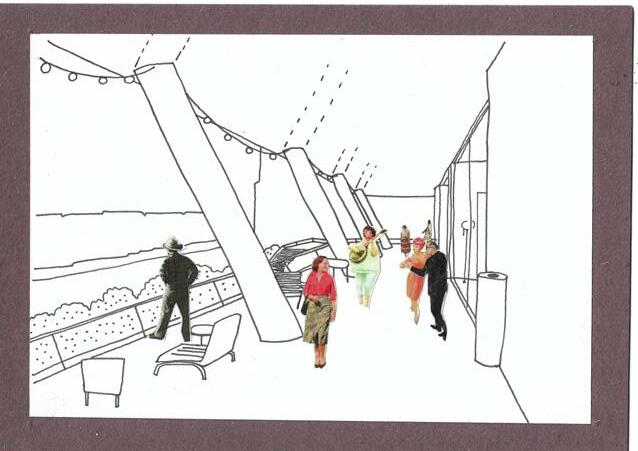
Middle: Frontal section
the existing: conservation of the original theatre
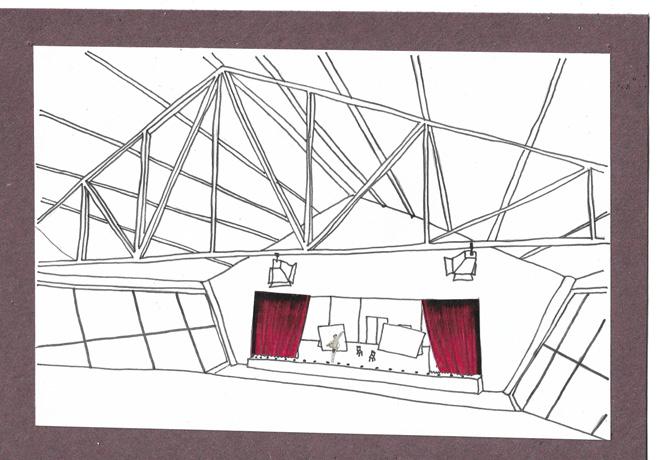
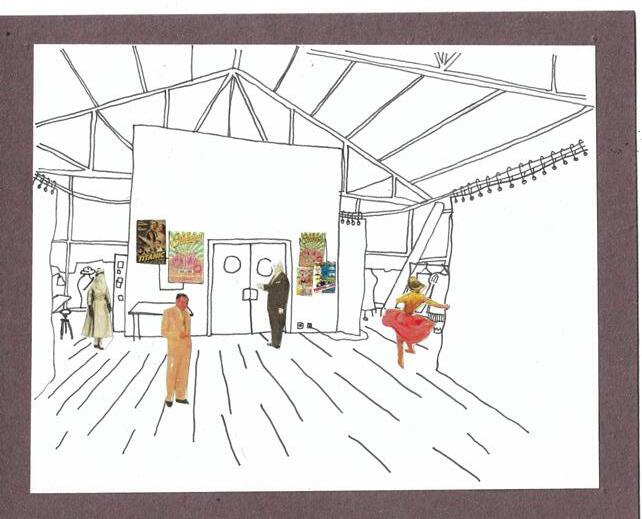
the structure: re-use of original elements (red) combined with a new structure (blue)
CANOPY
Right: ambience hand collages
the cores: structural systems that connect the different spaces
air: creation of a public void between the two spaces
soil: conservation of the topography generated by the construction site to start an afforestation process
the party: the theatre and its surroundings as a place for gatherings and festivities
29 30
10m 5 1 0
march 2021
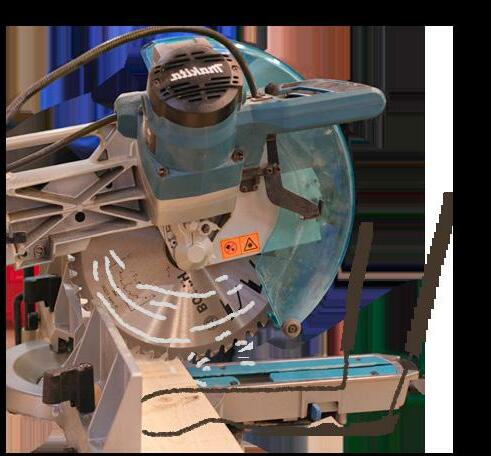
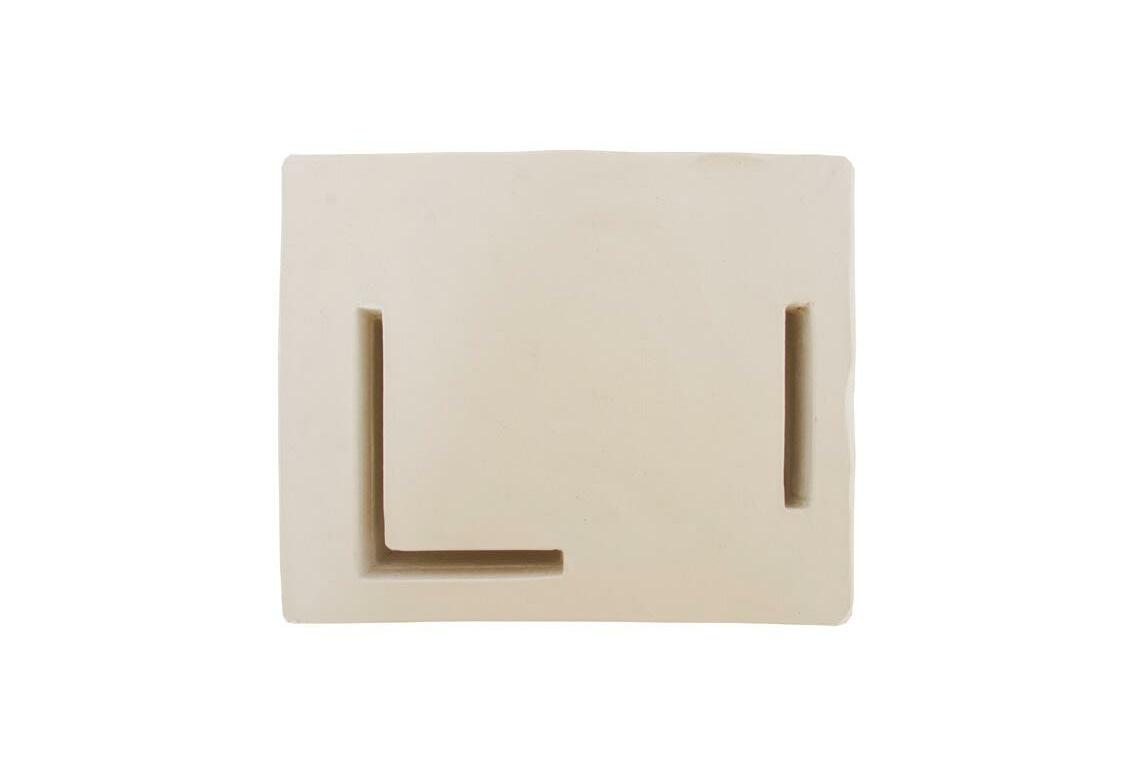
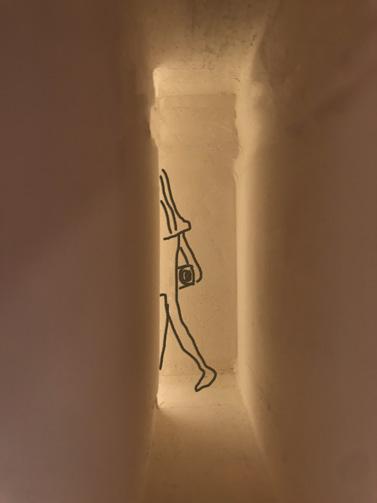
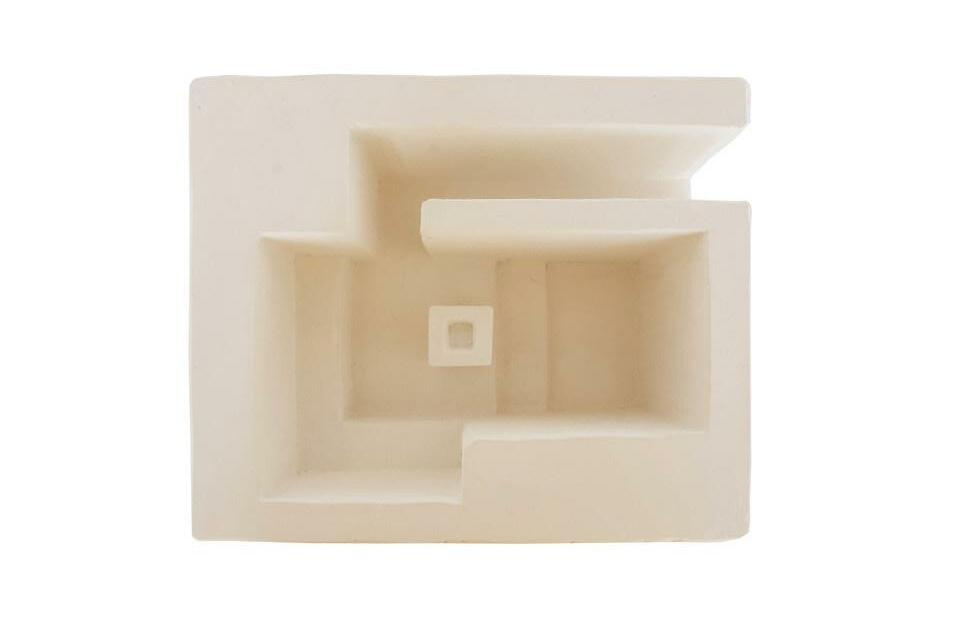
COLLECTION OF SMALL PROJECTS
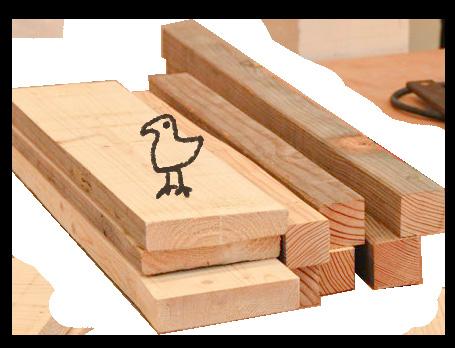
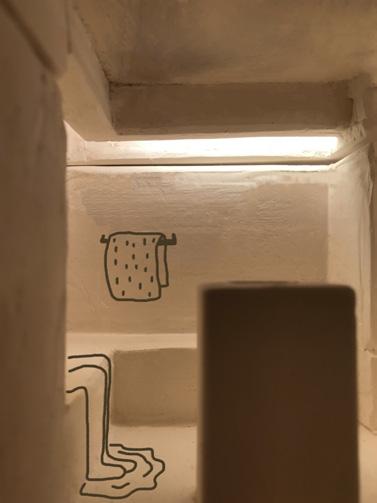
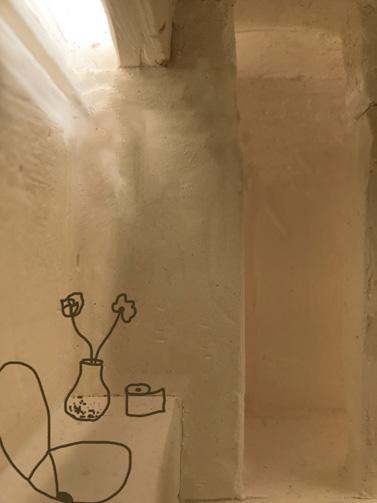
OMU
december 2021
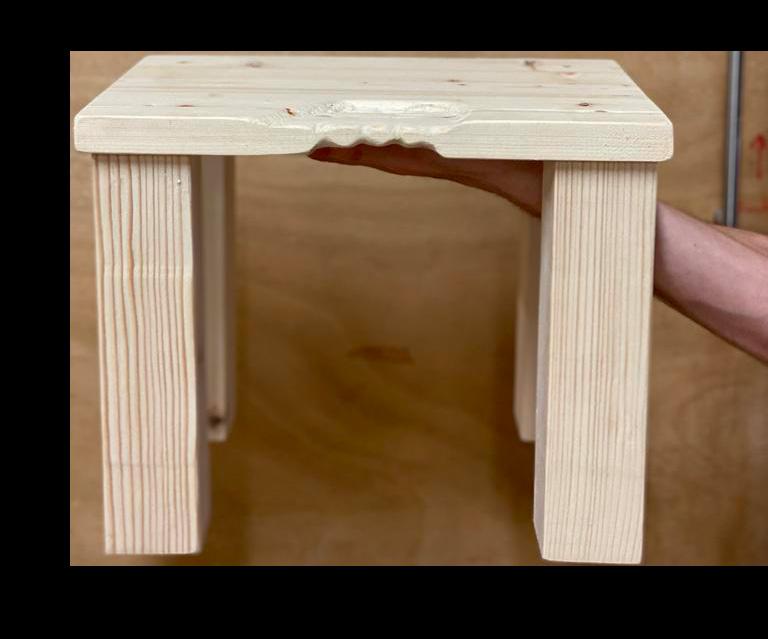
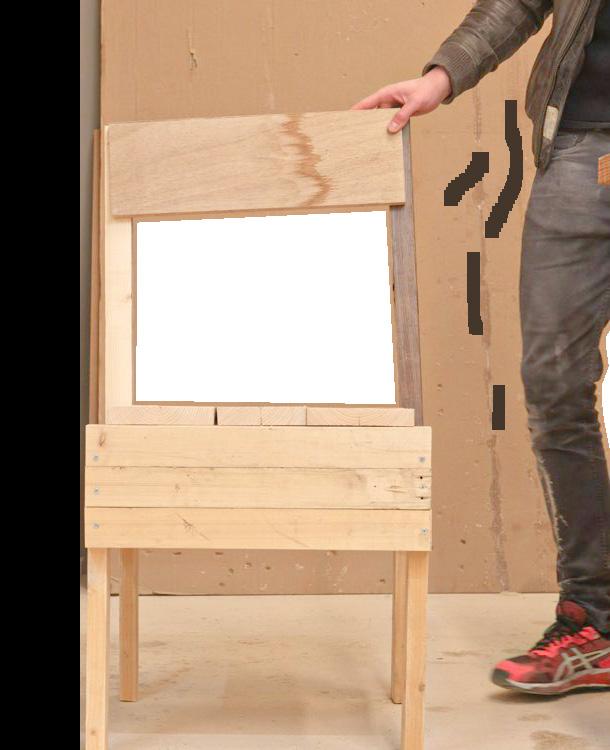
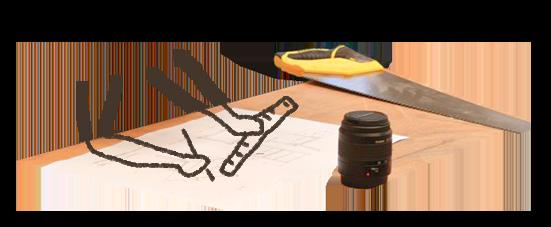
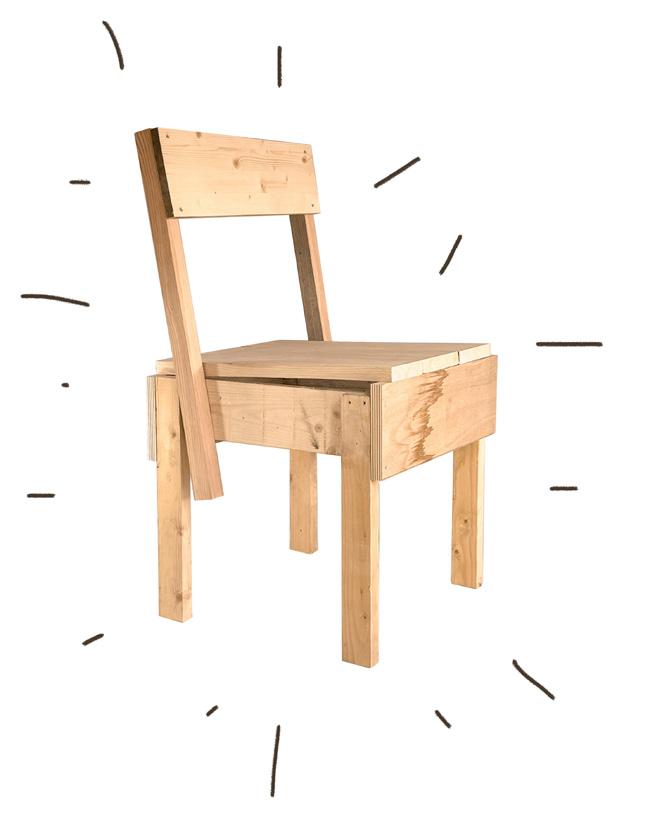
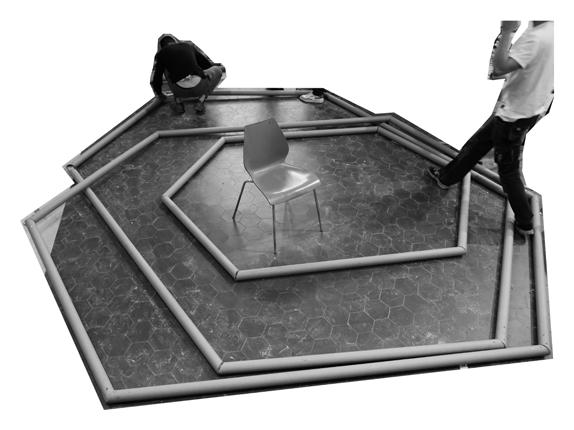
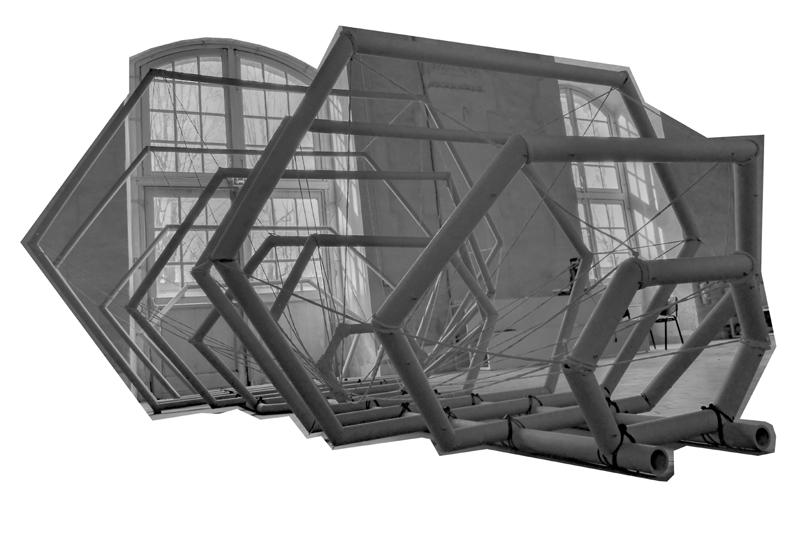
A chair may 2022 A stool
31
Versailles, january 2021, group project 32
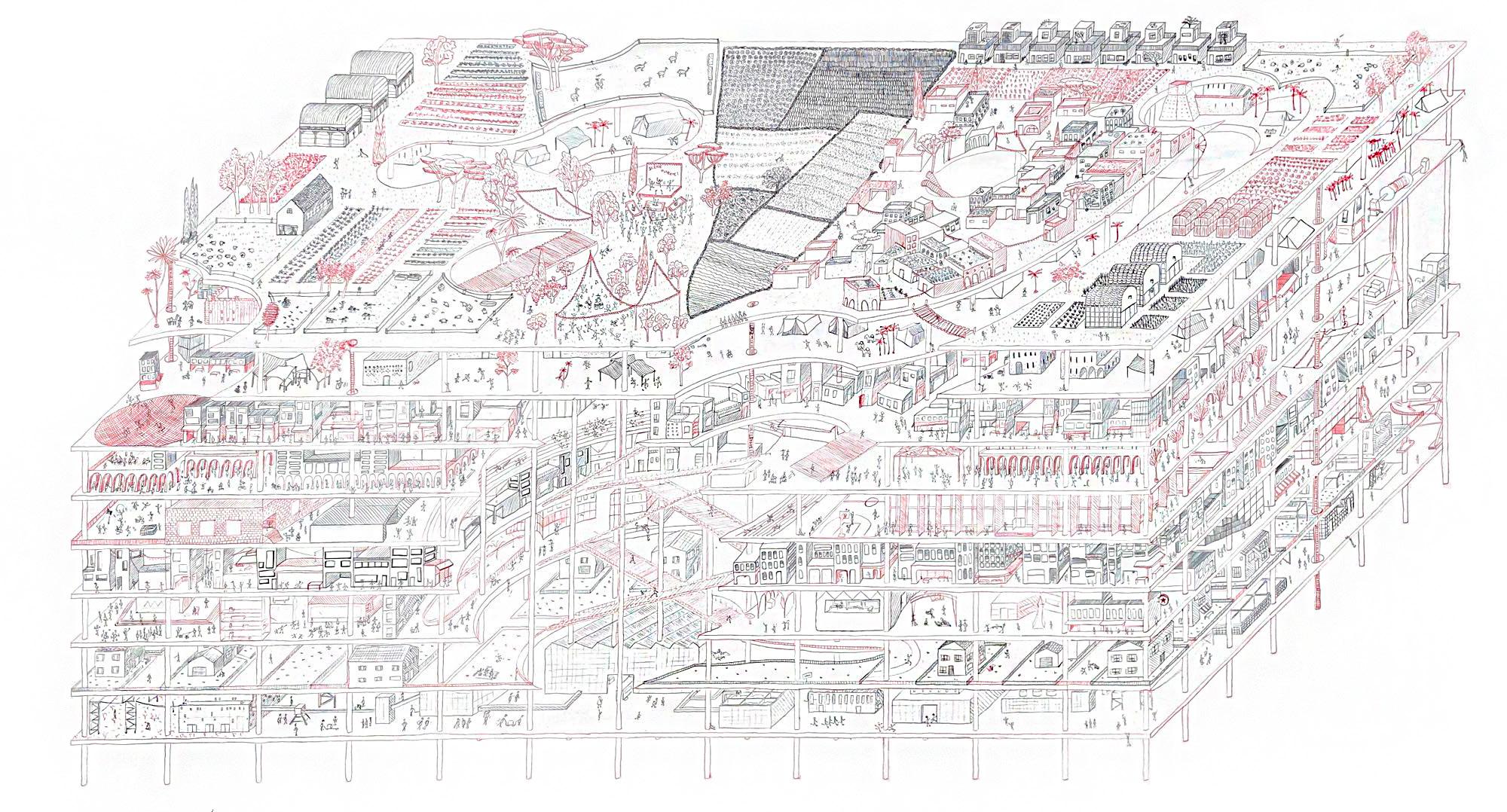
HOW TO DEAL WITH DENSITY ?
33 34
march 2022, teamwork
PERSONAL DRAWINGS
A walk in Paris; a street in Amsterdam 35 36
THOMAS ETCHANCHU PORTFOLIO 2022-2023 ENSA VERSAILLES ARCHITECTURE