

A Look at Nigeria Then & Now


A Look at Nigeria Then & Now
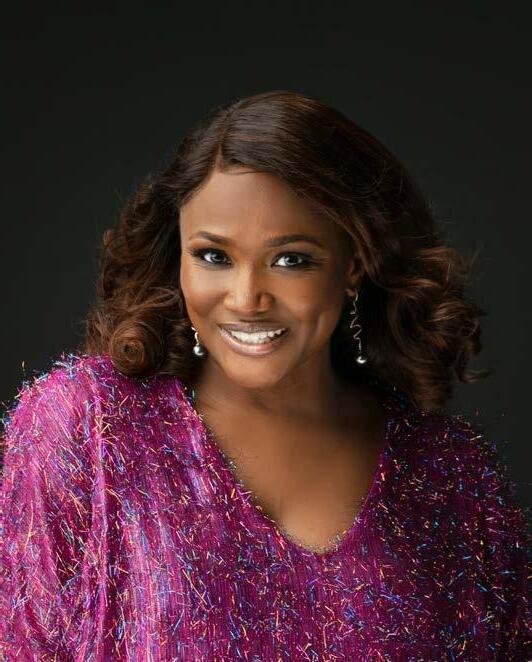

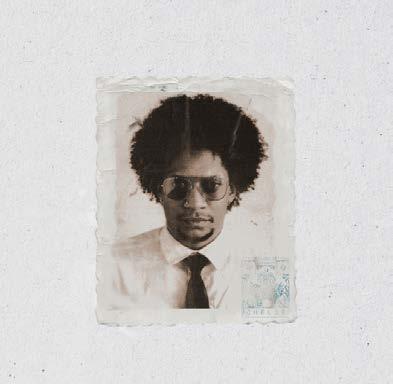
SPhoto: Kola Oshalusi @insignamedia Makeup: Zaron
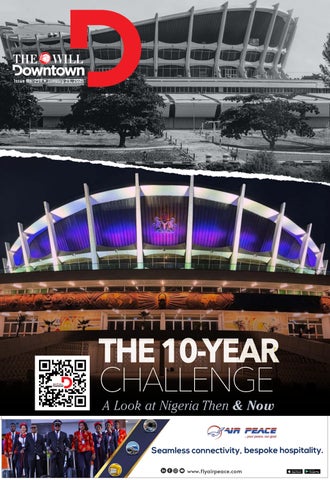
ocial media has been abuzz with the 10-year challenge, so we decided to hop on it for our cover story, this time looking at Nigeria 10 years ago versus now.
Looking back over the past ten years, Nigeria’s culture has quietly but powerfully transformed. From the bold makeup of 2016 to the natural beauty, global fashion, and digital creativity of 2026, every part of our lives tells a story of growth, resilience, and imagination. Entertainment has crossed borders, and music and films now inspire the world, while social media connects millions in ways we never imagined. Religion has embraced technology, making faith accessible in every corner of the country, while institutions like the National Theatre have been reborn, symbolising a nation proud of its creativity and heritage.
Read our cover story about Nigeria then and now, on pages 8 to 10 of this issue.
When people dream of an island getaway, it’s usually to Mauritius, the Seychelles, or the Maldives, but there are hidden gems beyond these islands that travellers rarely explore. Our travel page explores them. Scroll to page 15 to learn more.
Skincare in 2026 is no longer about trial and error. People want treatments tailored to their skin concerns, and this is where AI comes in. AI helps people understand their skin, choose the right products, and build a routine tailored to their specific skin type. See how AI is personalising skincare this year on the beauty page—page 12.
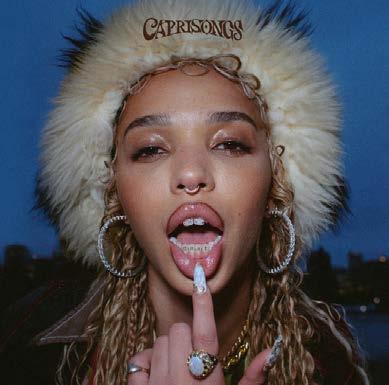
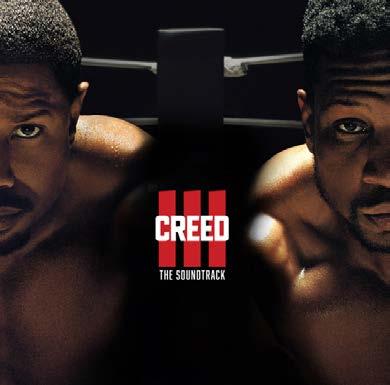
Check out our movie review page for the movies we reviewed this week, and don’t forget you can download the playlist we have curated just for you.
Until next week, enjoy your read.

@onahluciaa

AUSTYN OGANNAH
PUBLISHER/EDITOR-IN-CHIEF
Executive Editor: Onah Nwachukwu @onahluciaa
Writer: Johnson Chukwueke
Design & Layout: Olaniyan John ‘Blake’
Digital Media: Oladimeji Balogun
Consulting Art Director: Sunny Hughes ‘SunZA’

#UNSHAKABLE TRUTHS
Untold Truths When Letting Go Does Not Come With Closure 07 Stylish Ways to Wear Burgundy Right Now 04-05 FASHION
11
There Was Never a Shared Clock
4 Ways AI Is Revolutionising Personalised Skincare in 2026 13 12
DOWNTOWN ZODIAC
How to Recharge Without Pulling Away From Loved Ones

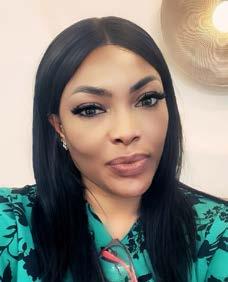
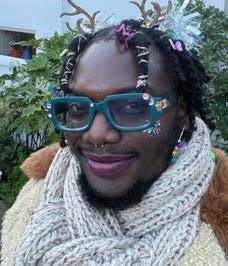
Boluwatife Adesina @bolugramm
- Contributing Writer
Boluwatife Adesina is a media writer and the helmer of the Downtown Review page. He’s probably in a cinema near you.
Dorcas Akintoye @mila_dfa_ - Contributing Writer
Dorcas Akintoye is a dedicated writer with 5 years prolific experience in writing articles ranging from food, entertainment, fashion and beauty. She loves writing, listening to music and playing scrabble. She is a highly-skilled, enthusiastic, selfmotivated professional writer.
Sally Chiwuzie @unshakable.is.a.state.of.mind
- Contributing Writer
Sally Chiwuzie is a non-practising barrister who owns the brand #Unshakable. She is the author of Silent Symphonies, a fictional love story, and the creator of the podcast Chronicles of #Unshakable Truths.
Ada Obiajunwa @aaddaahh
- Contributing Writer
Ada Obiajunwa writes from Lagos about the big truths tucked inside ordinary moments — friendship, self-discovery, and the quiet revolutions of everyday life. She believes in the power of presence, good banter, and decoding the unsaid. Through her fragrance studio, WhiffWonders, she also crafts scents that weave memory and emotion into experiences that feel like home.
Kehindé Fagbule - Contributing Writer Inspired by the events happening around him that weren't quite right, Kehindé picked up writing as a medium of self-expression early into his adolescence. His pieces, often espousing liberal ideologies, aim to set the ball rolling on difficult conversations that society would otherwise dodge.
African Islands You Didn’t Know Existed
28 Days Later: The Bone Temple 8-10 16 15 19 17 20 WELNESS REVIEW DÉCOR TRAVEL DOWNTOWN CONFIDENTIAL COVER The 10-Year Challenge A Look at Nigeria Then & Now
5 Inexpensive Ways to Makeover Your Kitchen Hidden Gems
The Soft Skills Edge Why Emotional Intelligence Wins Over Degrees
Falling Slowly Restarting Fitness After a Long Break Aquarius Energy Thinking Different, Living Bold









BY DORCAS AKINTOYE
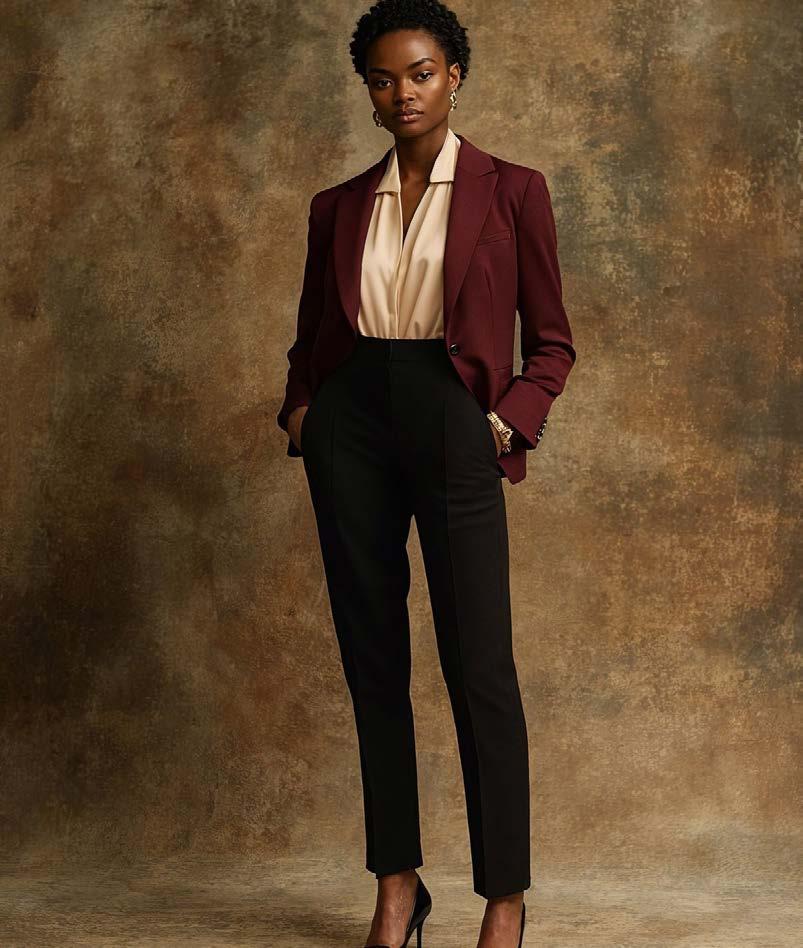
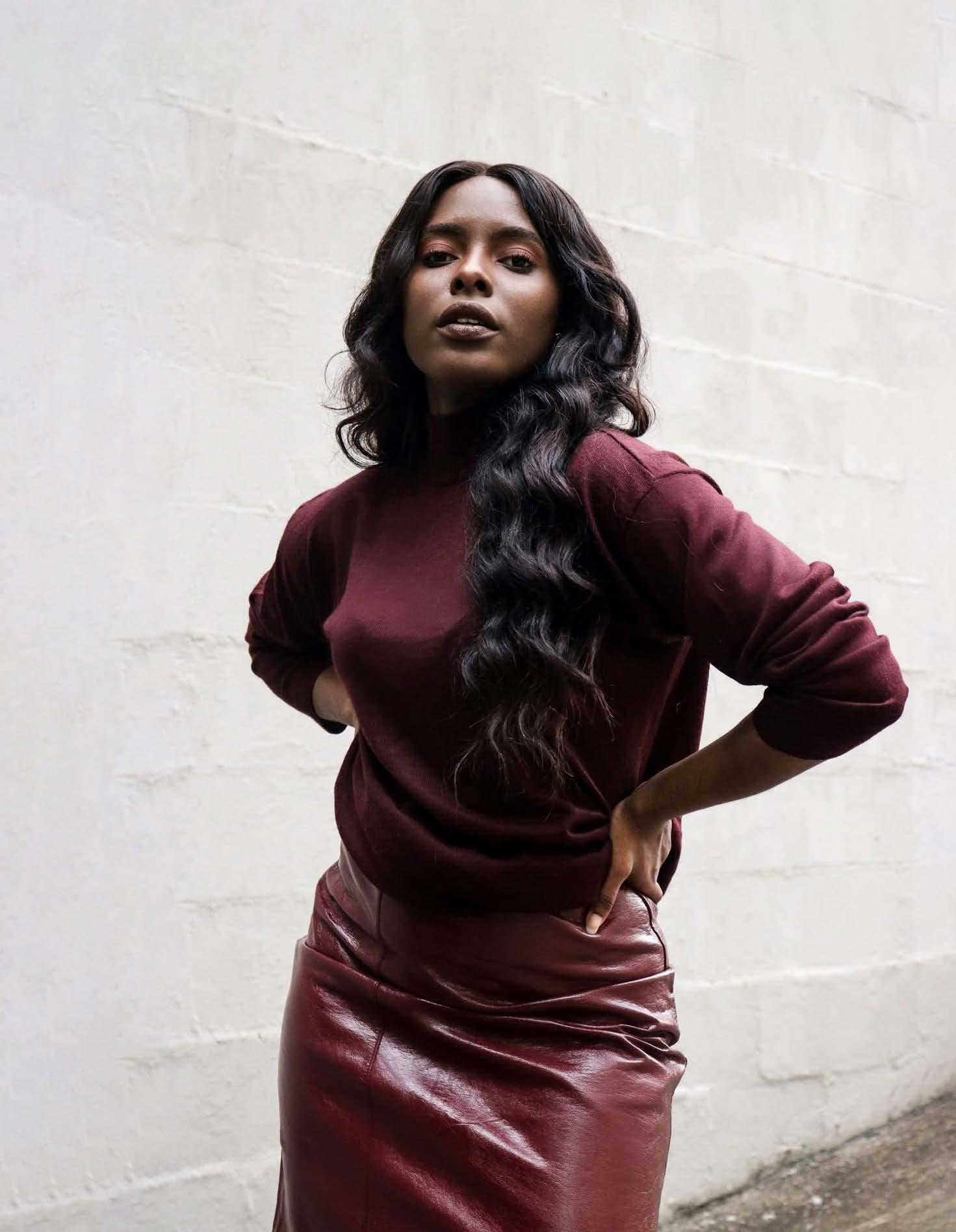
Burgundy is one of those colours that never feels out of place. It is rich, calm, and stylish without trying too hard. It sits between red and wine, making it bold yet easy to wear. Burgundy works for both day and night, and for both casual and dressy looks. If you have always loved the colour but feel unsure about how to style it, this article will show you stylish, easy ways to wear burgundy right now.
One of the easiest ways to wear burgundy is to let it stand on its own. This means wearing it as a complete outfit or as your main piece of clothing. A burgundy dress, jumpsuit, or twopiece set instantly looks classy and well-put-together. You do not need to do too much when the colour is already doing the work for you.
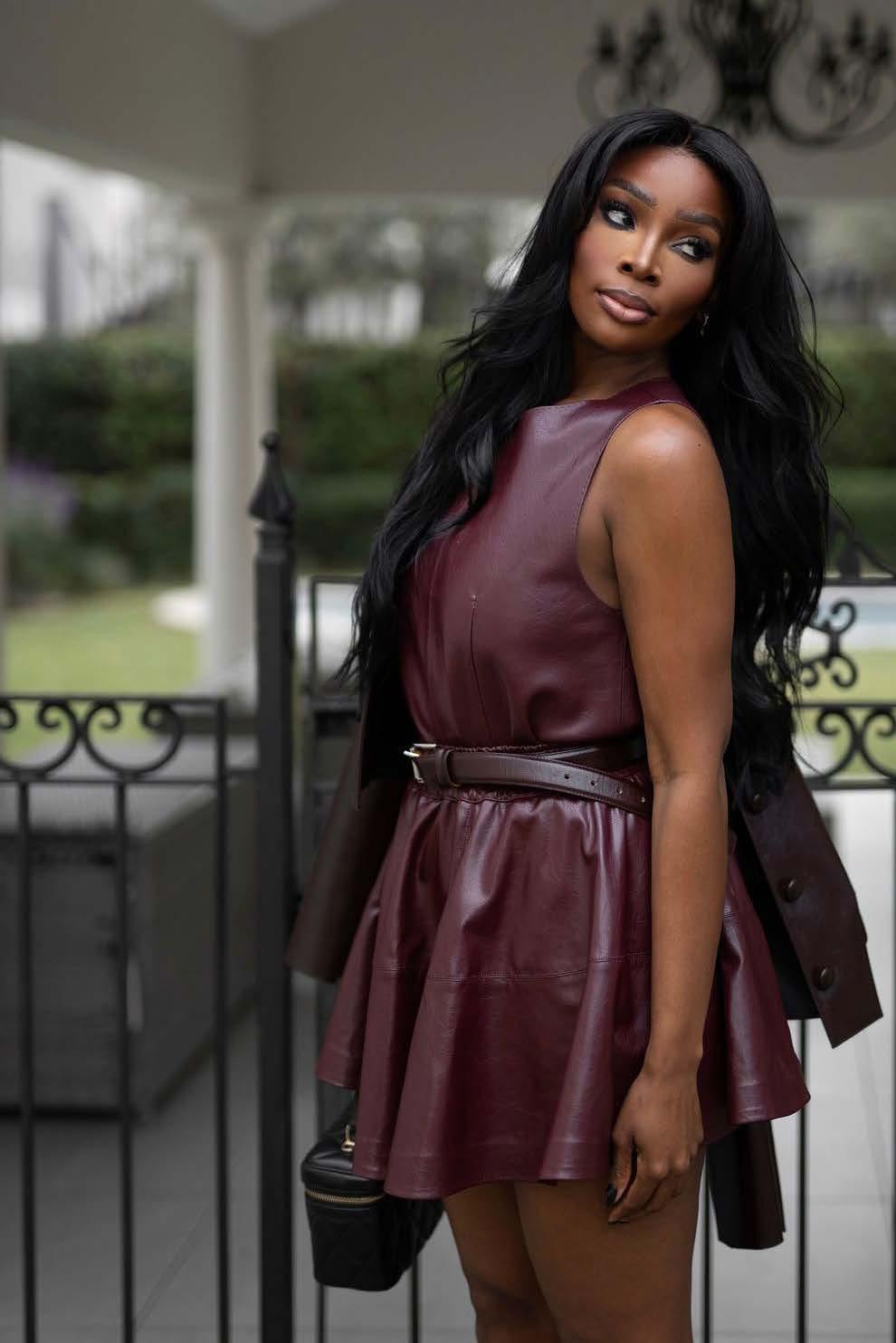
USE BURGUNDY AS AN ACCENT COLOUR
If you are not ready to burgundywear as a complete outfit, you can start small. Burgundy works beautifully as an accent colour. This means adding it through shoes, bags, belts, scarves, or even makeup.
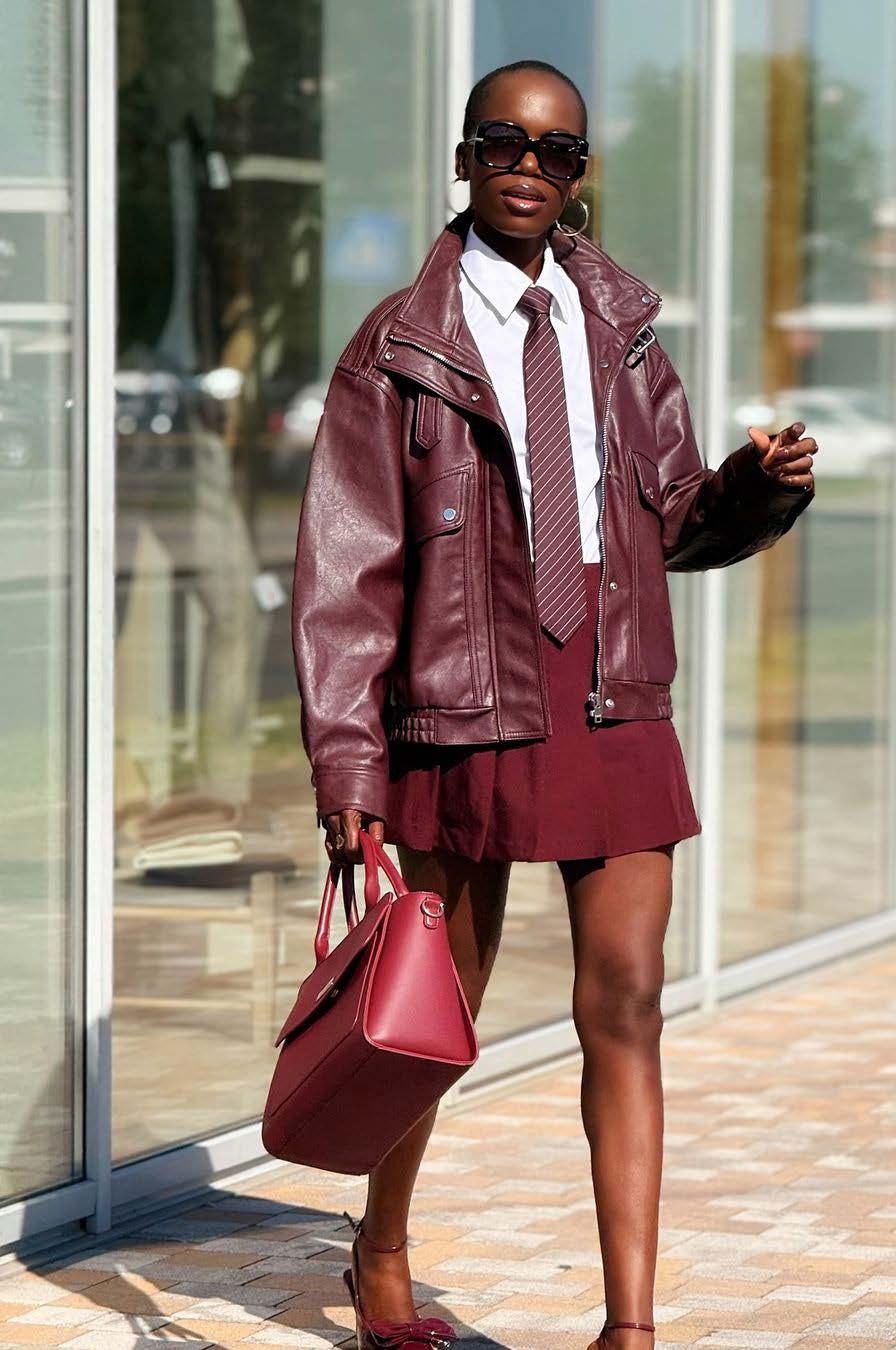
Burgundy and denim are a perfect match. Denim gives a relaxed, casual feel, while burgundy adds a touch of Together,elegance. they create a balanced look that works for many occasions.
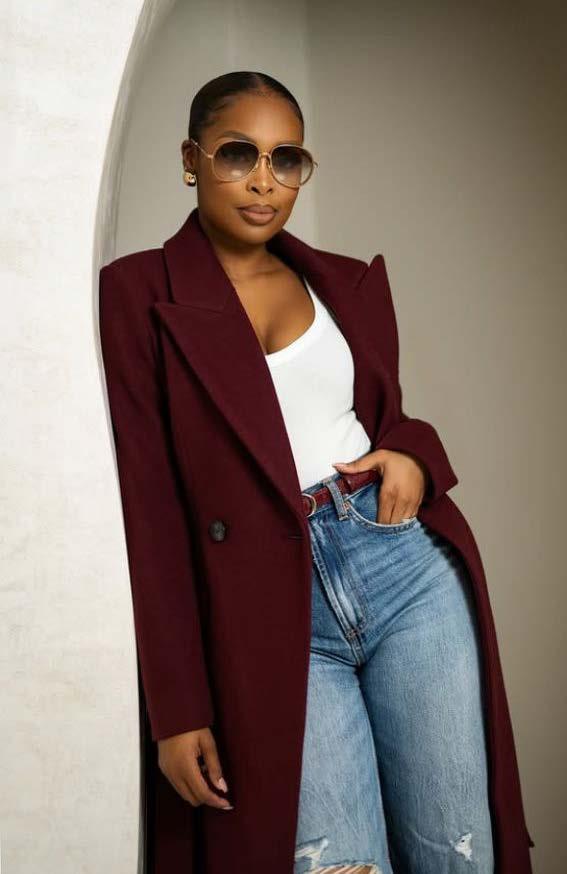
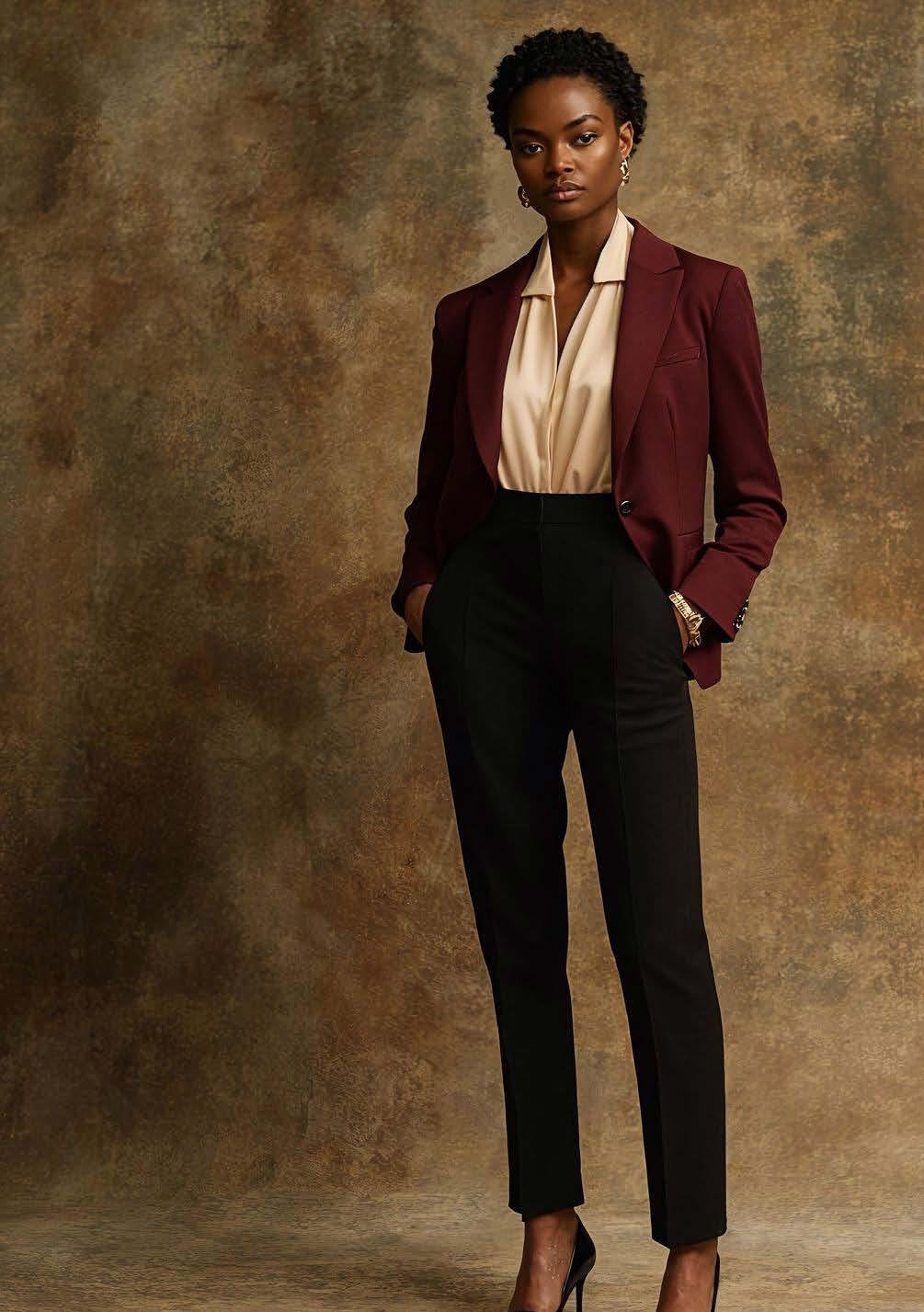
Layering is another stylish way to wear burgundy. Burgundy jackets, blazers, cardigans, or coats instantly elevate an outfit. You can layer a burgundy blazer over a simple top and trousers, or wear a burgundy jacket over a neutral outfit.
Burgundy is a timeless colour that adds beauty and confidence to any outfit. Whether you wear it boldly, mix it with neutrals, or use it as an accent, there is always a stylish way to make it work. The key is to keep things simple and balanced. With these easy styling ideas, you can wear burgundy and look chic.


SALLY CHIWUZIE @unshakable.is.a.state.of.mind
We are taught, quietly and persistently, that closure is something we get. An apology, an explanation, or perhaps a conversation that lands neatly and ties the story up with a bow. However, we will come to realise that real life is rarely that generous.
Sometimes, closure is the thing we never receive, and we will have to learn to live without. For example, I am a soft person by nature… an empath – sensitive, a believer in grace and second (or twelfth) chances. I am the kind of person who loves deeply, gives freely, and often assumes that if I explain myself well enough, I will be understood. It makes me open. It makes me hopeful, and sometimes, it makes me easy prey.
There are two relationships that come to mind as I write this – one was bound by something close to a soul-tie, and another was bound by blood. In both, I gave love in abundance and expected, well, perhaps unfairly, the same depth of commitment in return. This was not because I believed we had to be identical, but because I assumed love spoke one language. It doesn’t.
Humans are individuals. We arrive with different capacities, different emotional vocabularies, and different thresholds for accountability. Yet, I tried. I tried to explain. I tried to bridge the gap. I tried again and again, fuelled by a deep need to be understood, and to have my heart translated accurately into theirs. When those relationships collapsed, they didn’t end cleanly. They hovered in some kind of emotional coma. I attempted resuscitation. Gentle check-ins. Hard conversations. Silence. Space. More effort. Less effort. Eventually, I
understood that I had reached the point where love without reciprocity had begun to cost me too much. Letting go was not as dramatic as I had feared. It was slow, reluctant, but still quite painful. It was also followed by a long season of justification. Sleepless nights replaying conversations, imagining alternative outcomes, wondering how many ways I could have prevented the bridge from burning, or in fact, whether I could unburn said bridge if I just tried hard enough. That season lasted years.
What I learnt, slowly and humblingly, is this: we will not always receive the apology we believe we deserve; AND equally uncomfortable — we are rarely entirely blameless. The truth usually lives somewhere in between.
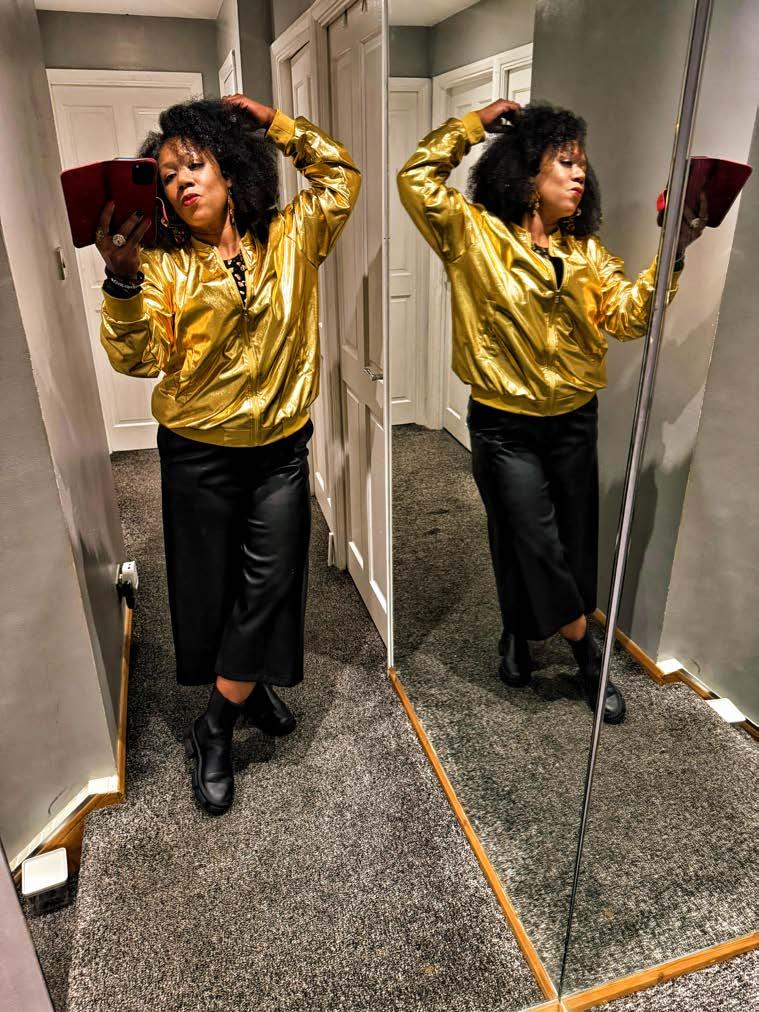
At some point, I had to accept that there would be no twoway apology flowing, no shared agreement on what went wrong, no mutual closure. We would simply be two people standing on opposite sides of the same story, seeing entirely different truths. Then came another realisation: birds of the same feather flock together, and when someone’s feather is fundamentally different from yours, it does not make them wrong; it simply means that they belong to a different tribe. If they belong to a different tribe, why would you expect them to see, feel, or respond the way you do?
Closure, I have learnt, is not about winning understanding, but about releasing the demand for it. Sometimes closure is agreeing to disagree. Sometimes it is loving
someone enough to stop asking them to become who they are not. Sometimes it is recognising that staying would cost you your peace, and leaving, though harder, is the truer act of selfrespect. Letting go does not always mean forever. Sometimes it means not now. Sometimes it means creating distance until clarity arrives. And sometimes it simply means accepting that this chapter ends without the answers you hoped for. That is not failure. That is growth.
I no longer measure healing by whether the bridge is repaired. I measure it by whether I can sleep, whether my nervous system has settled, and whether I can hold the memory without bleeding.
Closure does not always arrive wrapped in understanding. Sometimes it arrives as quiet acceptance. As the decision to stop rehearsing old conversations. As the moment you realise that peace is no longer negotiable. Perhaps the untold truth we don’t say enough is this: not every ending comes with explanation, but every ending can still make room for wholeness.
See you next week.
BY DORCAS AKINTOYE
The10-Year Challenge is not just a social media trend. For Nigeria, it is a reminder of how much our everyday lives have changed quietly, slowly, and sometimes without us noticing. Ten years ago, the things we considered normal felt different. The music on our phones, the clothes in our wardrobes, the way we went to church, the celebrities we admired, and even how we expressed ourselves online have all evolved.
This article looks at Nigeria then and now through culture. It focuses on the small things Nigerians remember easily: beauty trends, fashion choices, entertainment, religion, social media habits, and lifestyle shifts. It also looks at the National Theatre, which was once forgotten but now revived, serving as a symbol of how Nigerian culture itself has moved from neglect to relevance. From what we wore and listened to, to the platforms we used and the personalities we followed, this is a cultural throwback many Nigerians will recognise.
In 2016, the Nigerian beauty industry was still finding its voice. Makeup trends were bold and heavy, driven by Instagram and makeup fairs. Matte foundations, sharp brows, liquid lipsticks, baking, and strong contouring defined beauty looks. The focus was mostly on colour cosmetics like foundations, eyeshadows, concealers, and lip kits. Most products were imported, with a few local pioneers adapting formulas for Nigerian skin tones. Shopping was mainly physical, through beauty stores, open markets, and large exhibitions. Brands like House of Tara, BM|Pro (Banke Meshida Professional), Arami Essentials, Nuban Beauty and Zaron, among many others, stood out as trusted names, building early loyalty and shaping professional makeup culture across Nigeria.
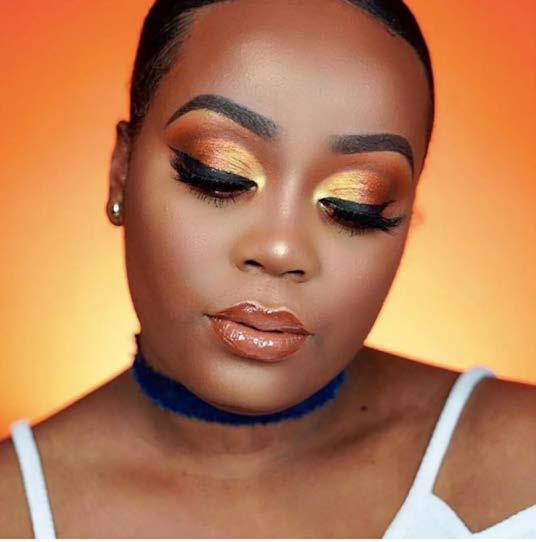
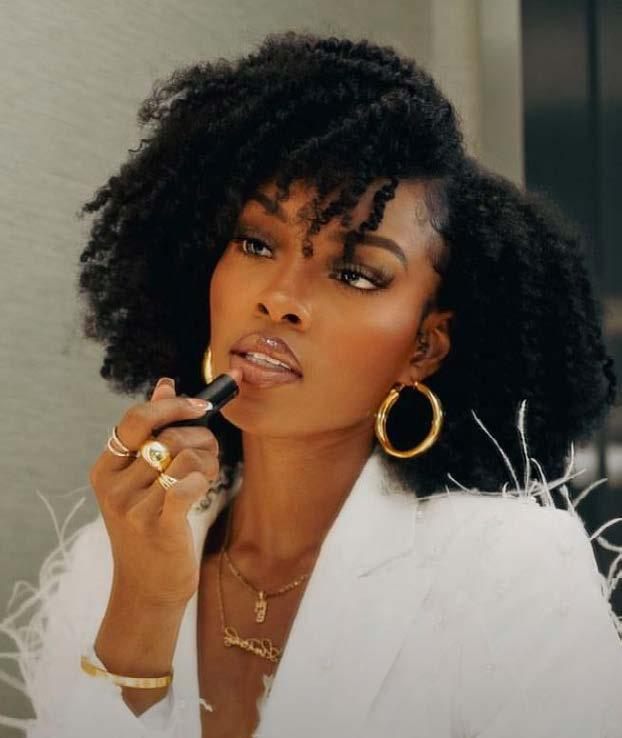
In 2026, the Nigerian beauty industry is projected to grow into a multi-billiondollar market, valued between five and ten billion dollars. Beauty trends have shifted toward soft, naturallooking skin, glossy lips, and layered blush instead of heavy contouring. Skincare now leads the market, especially clinical and dermo-cosmetic products focused on long-term skin health. Local bio-ingredients like shea butter, moringa, and baobab are widely used. Brands such as ORÍKÌ, Arami Essentials, Narganics, and Beauty by AD are thriving, while men’s grooming has expanded rapidly. Technology now drives beauty, with AI skin analysis, personalised products, and online shopping dominating.
Without any doubt, the Nigerian beauty industry has grown and moved from copying global standards to refining local ones.
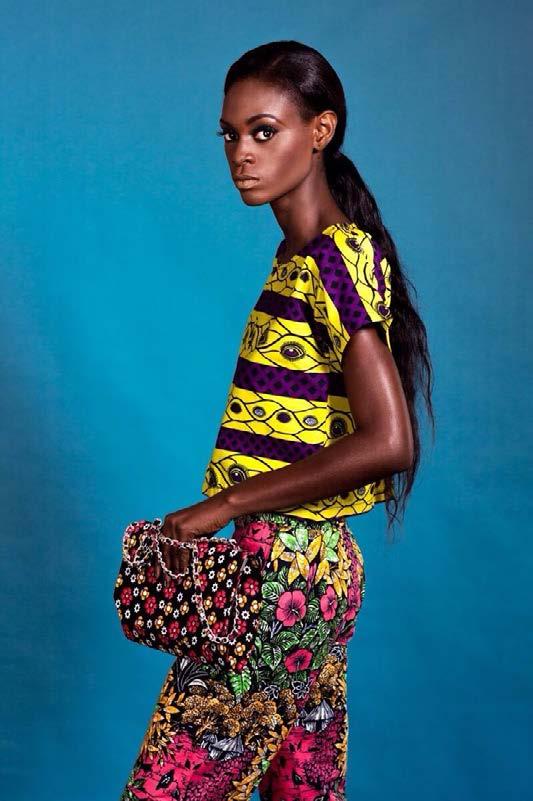
A decade ago, Nigerian fashion was already rich with talent but mostly familiar in its expression. Traditional fabrics like Ankara and lace were widely worn at events such as weddings and church services, and many people paired them with Western styles like jeans, tailored blazers, and fitted dresses. Big names and rising brands such as Ejiro Amos Tafiri, Style Temple, Toju Foyeh, and Fablane by Derin were among the top brands that people recognised on red carpets and social occasions in 2016. These designers used classic techniques, flattering silhouettes, and detailed tailoring to create looks that reflected elegance and local identity, even as global fashion influences began to surface in streetwear and everyday styles. Fashion then was bold but still rooted in familiar patterns and event dressing rather than everyday innovation.
In 2026, Nigerian fashion has expanded far beyond traditional and casual looks into a thriving world of creative fusion, heritage revival, and global influence. Fashion in Nigeria today is a creative powerhouse with global visibility. GTCO FSHN WKND and similar platforms have become major stages where designers blend tradition with innovation, using Ankara, Aso-Oke, and tribal prints in bold, modern ways. Many Nigerian designers now feature on global runways. Designers such as Lisa Folawiyo Studio, LDA, Yutee Rone Andrea Iyamah, Banke Kuku, and Maxivive are now household names, and Nigerian fashion regularly appears on international runways and in global media. Fashion retail houses have become more popular with retail houses like, Alara, Vane Style, Zinkata and Temple Muse to name a few. Stylists have become more popular with names like Medlin Boss, Tosin Ogundadegbe, Ifeoma Odogwu leading the way. Young designers are reinventing Aso Oke, Adire, and Ankara with new cuts, eco-friendly fabrics, and bold silhouettes that blend culture with contemporary style. Oversized bubu gowns, cowrie accessories, vibrant prints and denim with artistic shapes are trending among youth and fashion lovers, often styled with sneakers and modern accessories for an everyday look. Streetwear brands like Severe Nature and WafflesNCream bring Lagos street culture into the mainstream, growing Nigeria’s influence in global urban fashion. Looking back at both periods, the change is striking. Nigerian fashion has moved from being locally admired to globally respected, and youth culture now drives trends that reflect identity, creativity, and personal expression in bold, new ways.
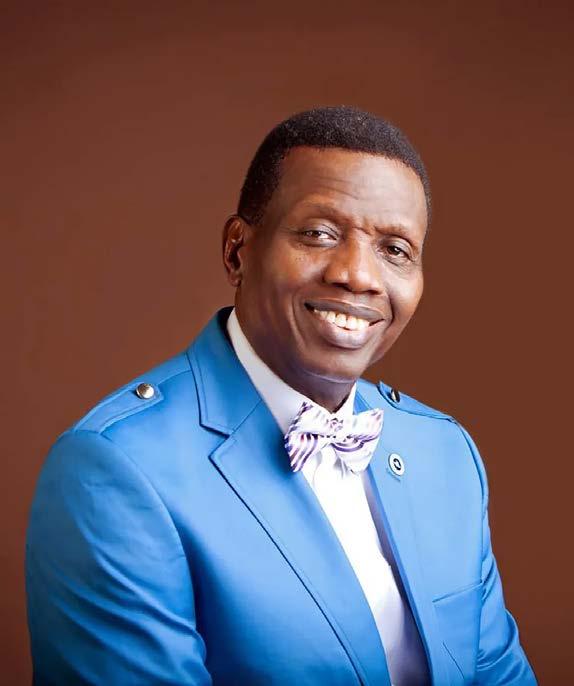
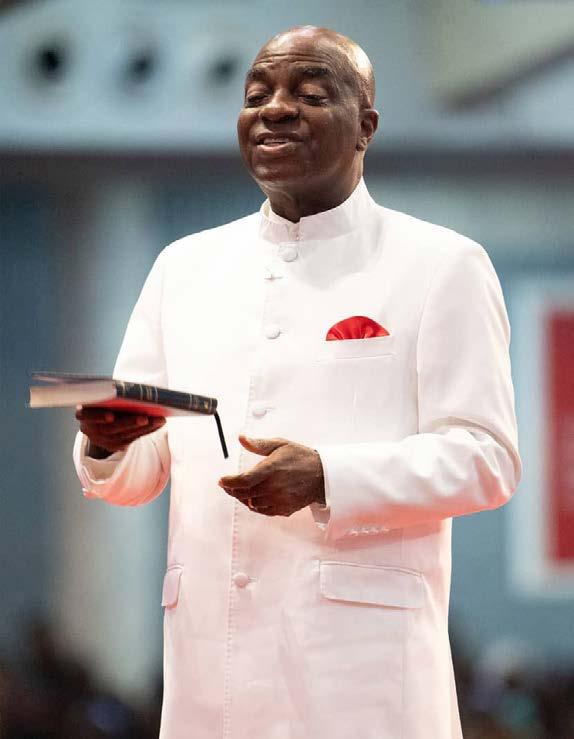
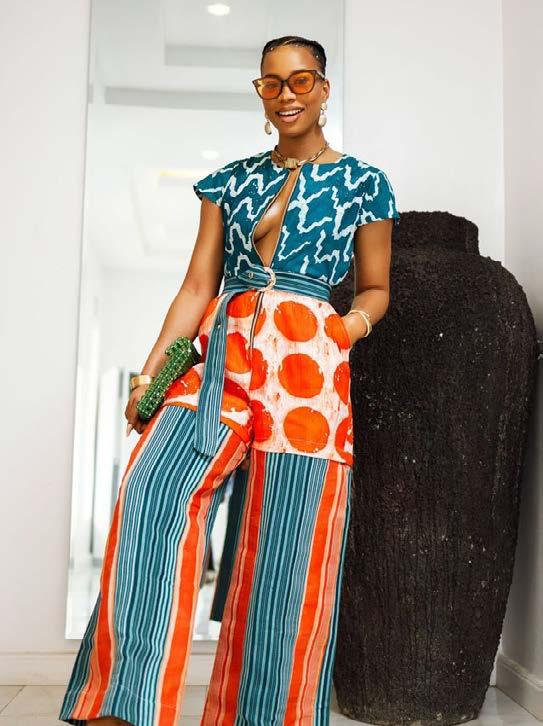
Ten years ago, Nigeria’s religious landscape was dominated by well-established pastors who had long shaped Christian life in the country. Leaders like Pastor Enoch Adeboye of Redeemed Christian Church of God (RCCG) and Bishop David Oyedepo of Living Faith Church Worldwide (Winners’ Chapel) were household names known for mega-events, large congregations, and influence across Africa and beyond. Megachurch culture was strong, and many Nigerians attended services weekly in packed auditoriums or large open grounds. Television broadcasts and radio programs were primary ways people connected with church services if they could not attend physically. During this time, digital presence existed but was still in early stages, with many pastors using social media only to share short clips or announcements rather than full services.
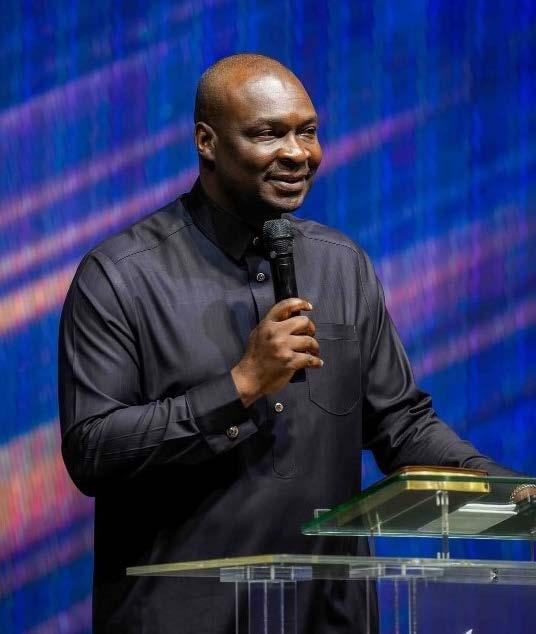
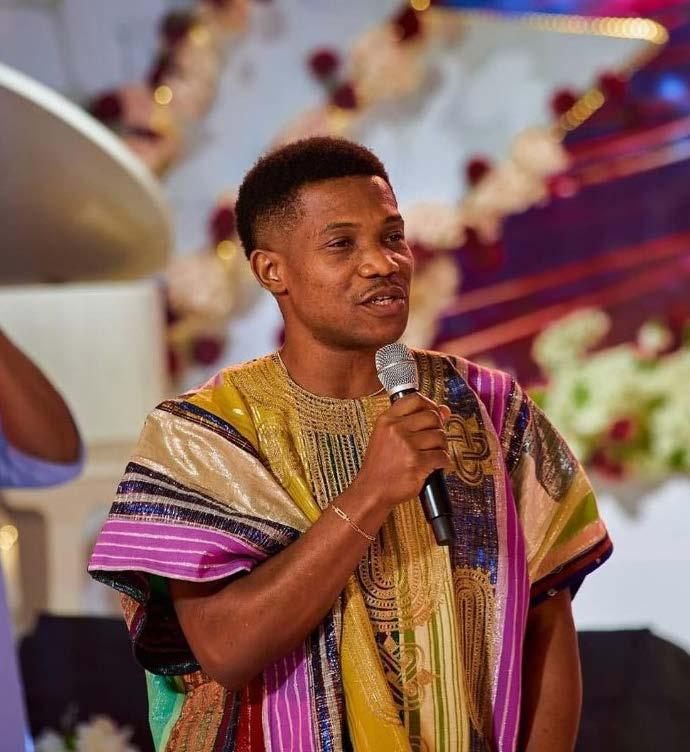
In 2026, religion in Nigeria has shifted dramatically toward digital platforms, changing how people worship and connect with ministries. The rise of online churches and livestreamed services has become a major trend, with pastors like Pastor Jerry Eze, founder of Streams of Joy International and convener of New Season Prophetic Prayers and Declarations (NSPPD), gaining millions of followers through daily online prayer sessions streamed on YouTube, Facebook and Instagram. These digital services attract large live audiences from Nigeria and around the world, making faith accessible to people who cannot attend physical churches. Other pastors, such as Apostle Joshua Selman and Bishop David Oyedepo, also use social media to share sermons, teachings, devotionals, and prayer moments, blending traditional preaching with modern digital reach. Most churches now have dedicated online services, mobile apps, and donation links, making virtual fellowship a daily routine for many believers.
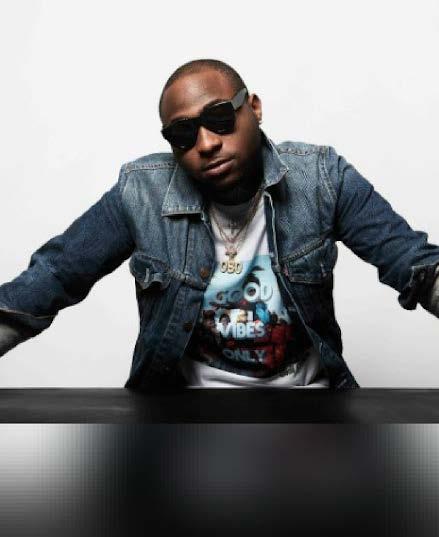
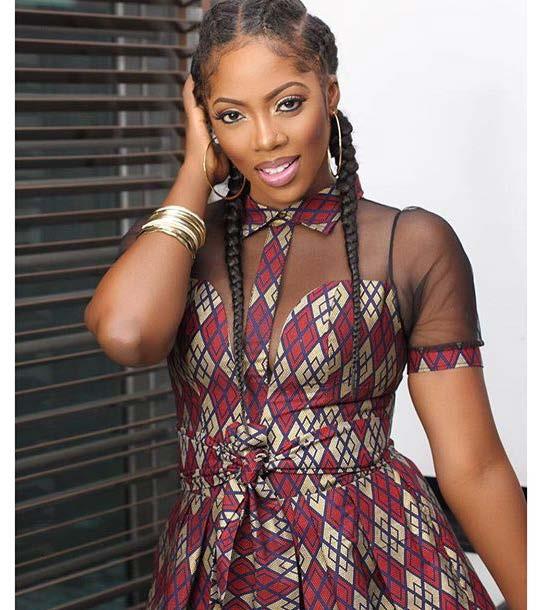
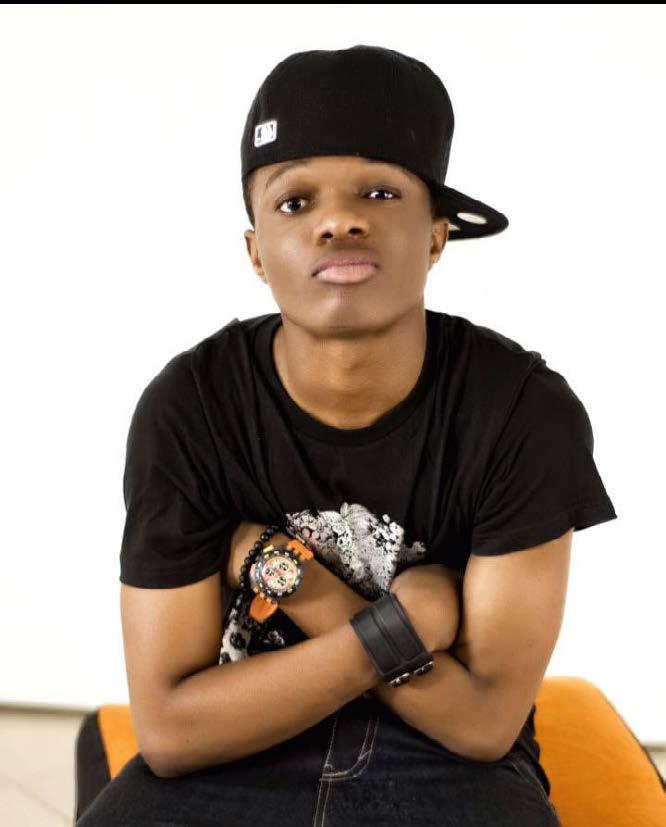
In 2016, Nigerian entertainment was already building momentum but largely centred on domestic fame and African pride. Afrobeats had begun its rise, with artists like Wizkid, Davido, Tiwa Savage, Burna Boy and Olamide among others drawing major crowds and radio play in Nigeria and across Africa. We also had artists like D'banj, Flavour, Korede Bello, PSquare, Wande Cole and some others making waves. Music videos, live concerts, and street buzz drove trends then, and many hit songs were captured on DVDs, CDs, and YouTube clips that Nigerians shared widely. Local music streaming was still early, and opportunities for global chart success were rare. On the movie side, Nollywood, although prolific, produced films with lower budgets and local distribution, and many movies were watched on TV or DVD at home. By the end of the decade, films like Wedding Party and ’76 had become classics that people still watch today.
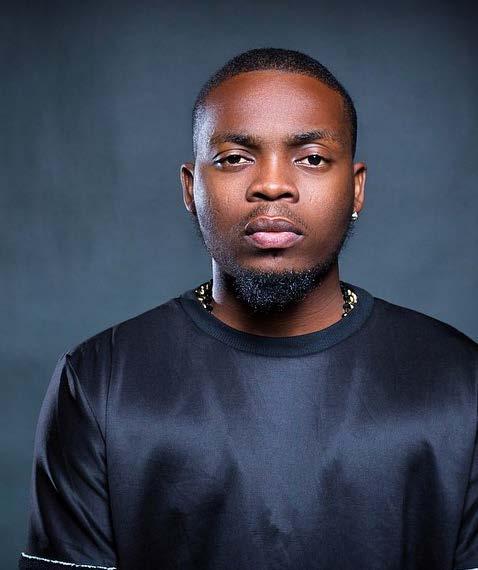
a
cultural
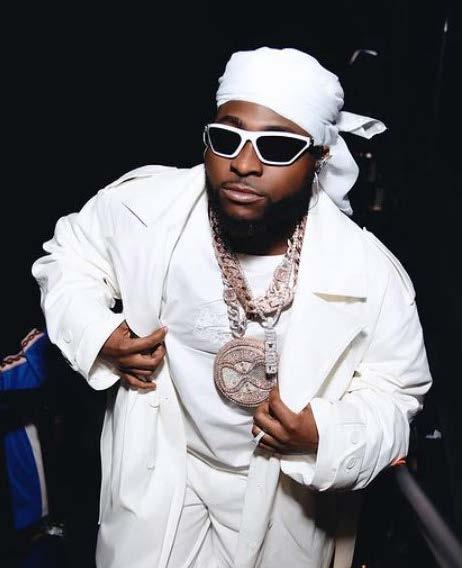
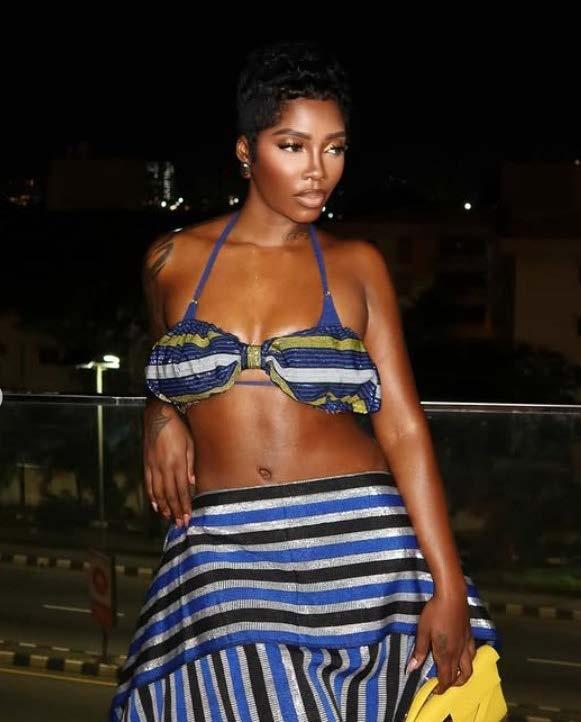
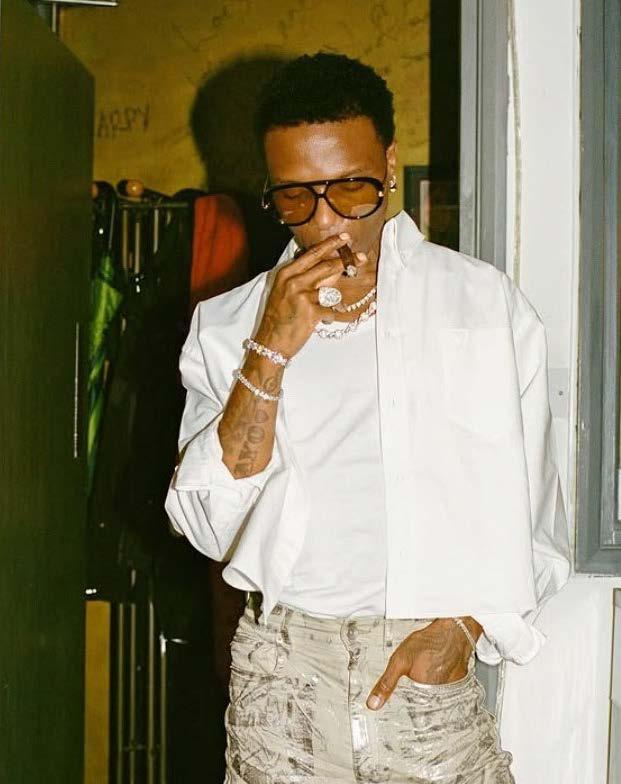
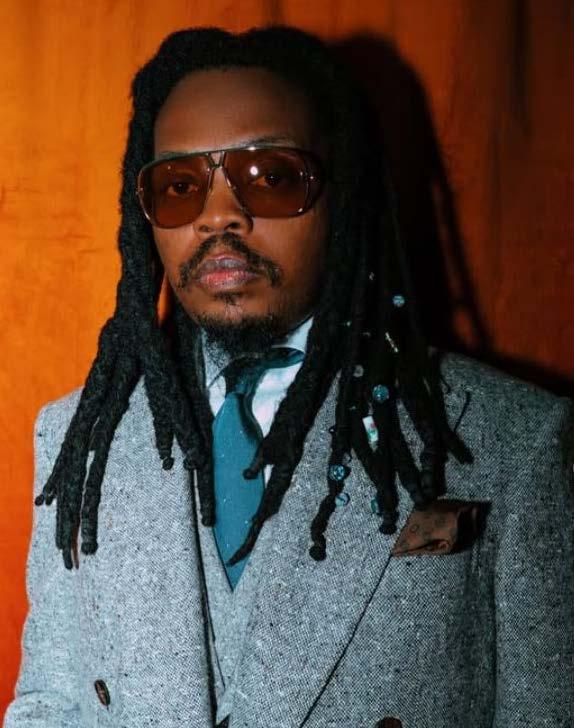
headline arenas worldwide, with Burna Boy even producing a movie. Artists like Rema, Tems, Ayra Starr, Asake, Lojay, and rising voices such as Mavo, and the likes now shape the new sound of Afrobeats, blending pop, hip-hop, Afro fusion and street styles with global appeal. Nigerian songs repeatedly land on Billboard and Shazam charts, while streaming platforms like Spotify and YouTube pay out record royalties as Nigerian music earns millions of plays worldwide. Meanwhile, Nollywood has strengthened its storytelling, production quality and distribution, moving films onto international streaming platforms where stories from Lagos, Abuja and beyond reach global audiences and earn critical acclaim. Looking back, the difference is striking. In 2016, Nigerian entertainment was exciting and growing within Africa, driven by artists and filmmakers creating local hits, but now, Nigerian music and film reach every corner of the world, influencing global pop culture. Today, every major streaming playlist feels the pull of Afrobeats, and Nollywood films sit alongside Hollywood and Bollywood on international platforms. Nigerian entertainers have not just entertained, they’ve put the country’s creative spirit on the world stage with wider reach, higher production standards, and deeper cultural impact than ever before.
A decade ago, social media in Nigeria was largely dominated by older platforms and basic engagement styles. Facebook was one of the first networks most Nigerians joined to post status updates, share photos, and connect with friends and family. Instagram was popular among youth for photos, while Twitter (now X) was the place for debates, trends, and conversations, especially among students and professionals. WhatsApp was already widely used for messaging and group chats, but it wasn’t yet the centre of business or social commerce that it is today. The concept of viral short-form videos was barely a thing; platforms like Vine had shut down, and Musical.ly, the lip-sync app many teens loved, had not yet merged into TikTok, not until 2018. Early social media was slower and more text or image-based, with slower data speeds and fewer entertainment features shaping how Nigerians used the internet.




In 2026, Nigerian social media has become dynamic, video-first, and trend-driven. Platforms like TikTok have exploded, showing rapid growth and nearly matching Facebook in user numbers as home to short videos, challenges, dance trends, comedy, advice clips, and brand promotion. TikTok’s creative format helped everyday Nigerians become content creators, skit makers, and entertainers with large followings. Facebook remains strong, but its role is now more community and group-oriented than trendsetting. Snapchat, YouTube, LinkedIn and even X play unique roles in niche communities, whether for professionals, long-form video fans, or live discussion. WhatsApp is central to messaging, business communication, and even e-commerce conversations. New local platforms like Banter and UWA Social, as well as WhatsApp channels, have also emerged, giving Nigerians homegrown social experiences and ways to earn from content. Overall, social media usage today is faster, more interactive and more business-oriented than a decade ago. This evolution shows a deeper change in how people communicate, express identity, and use the internet to connect, create and influence beyond Nigeria’s borders.
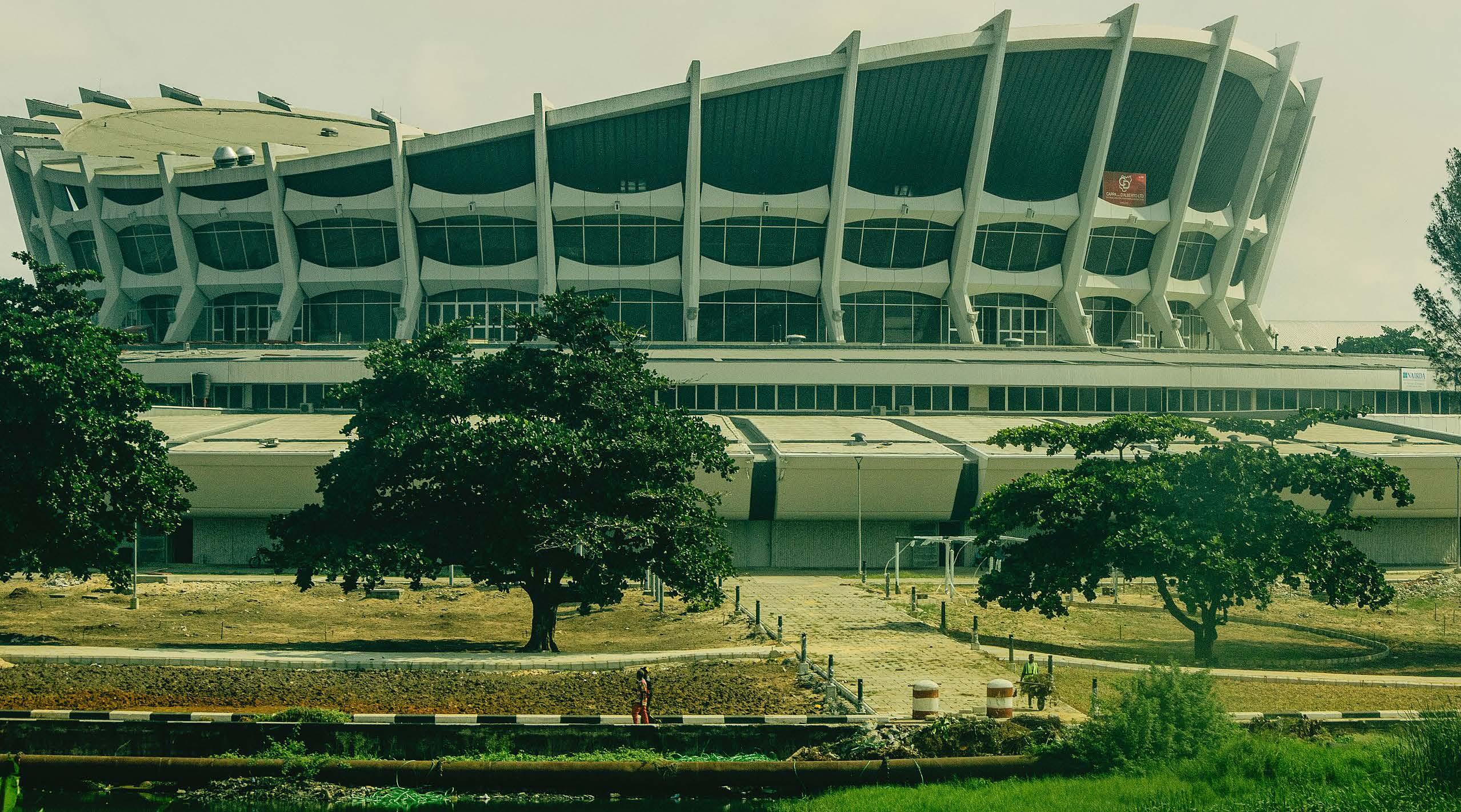
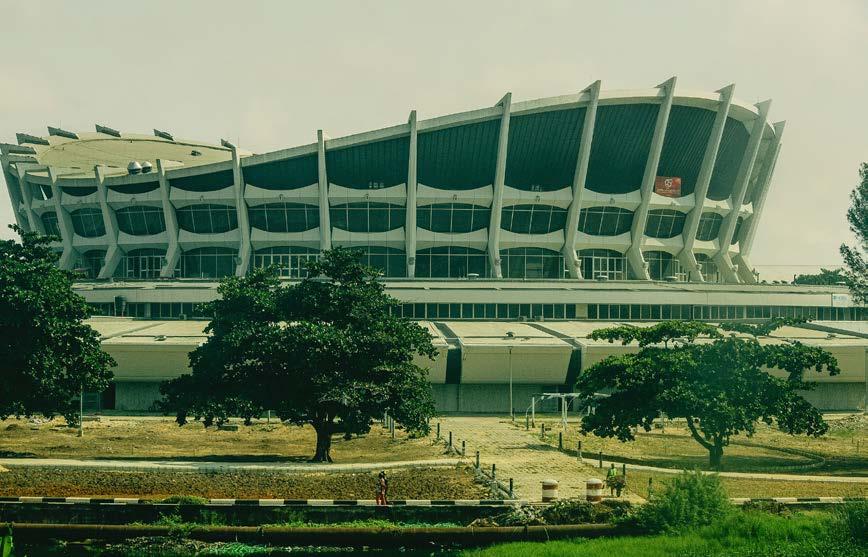
In 2016, the National Theatre in Iganmu, Lagos, stood as a proud symbol of Nigeria’s cultural promise, but was struggling deeply. Built in the 1970s for FESTAC ’77, the theatre was once a hive of drama, music, dance, literature and creative expression. Over time, however, years of neglect, lack of maintenance, and shifting priorities meant the building deteriorated. What was designed to highlight African arts faded into a shadow of its former glory, as many artists and performances migrated to smaller, informal spaces because the venue was unsafe or unusable.
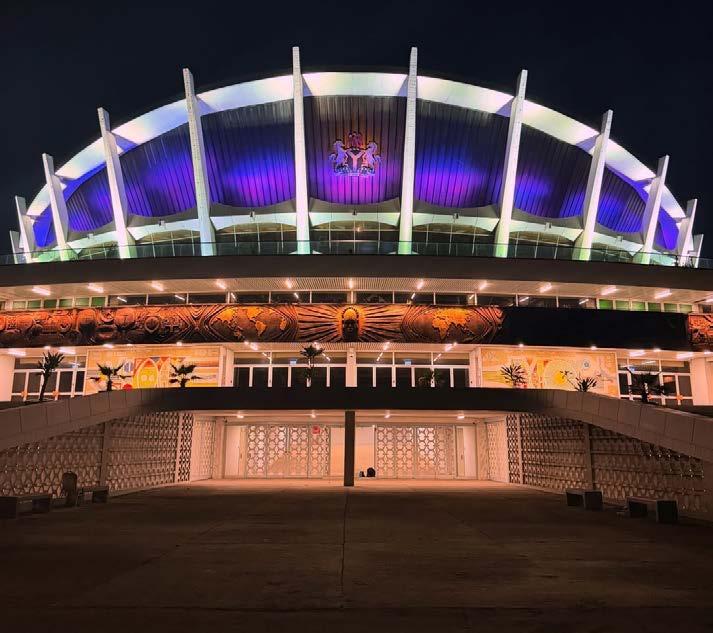
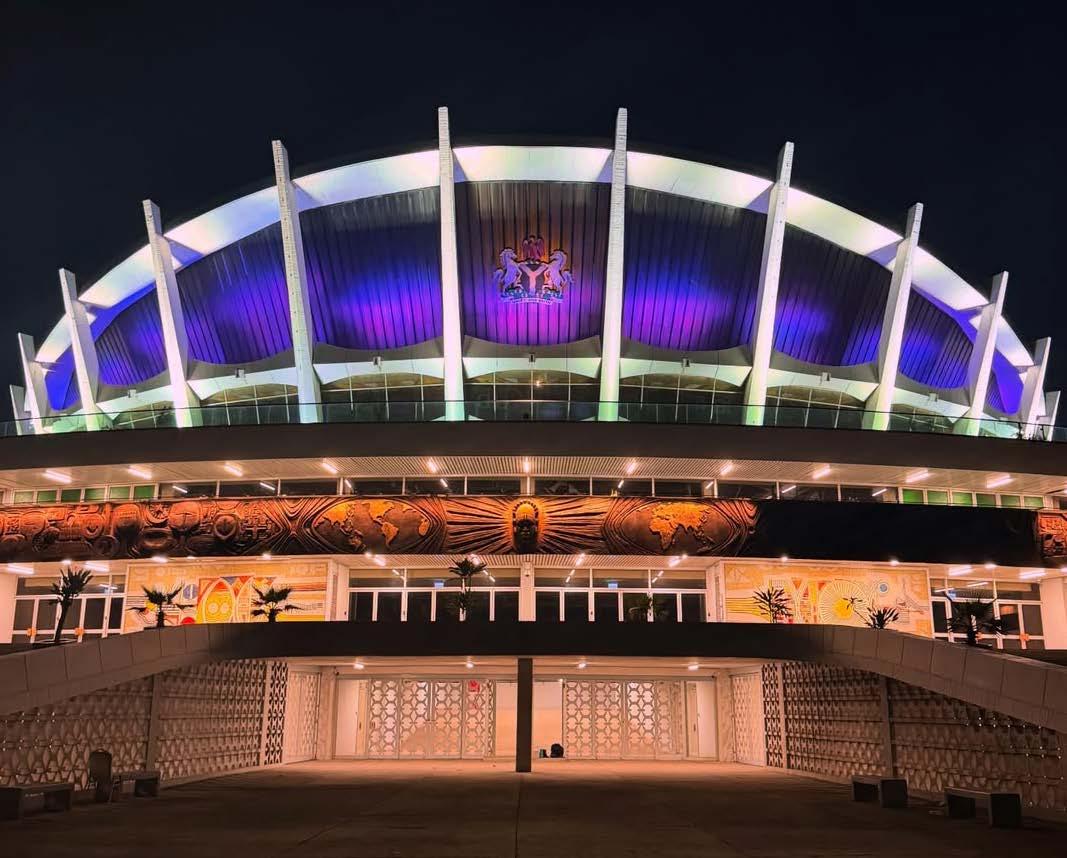
Now in 2026, that narrative has changed dramatically. The National Theatre has been fully renovated and renamed the Wole Soyinka Centre for Culture and Creative Arts, reflecting both respect for Nigerian artistic heritage and a bold new role in the cultural economy. Financed through a public–private partnership led by the Central Bank of Nigeria and the Bankers’ Committee, the restoration brought world-class performance halls, cinemas, exhibition spaces, modern technical systems, improved safety, upgraded infrastructure and even integration with the Lagos Blue Line rail system for better access. The venue now hosts theatre, music, film, fashion and creative industry events, and offers facilities such as galleries, rehearsal spaces, and an African literature library, creating jobs and promoting cultural tourism.
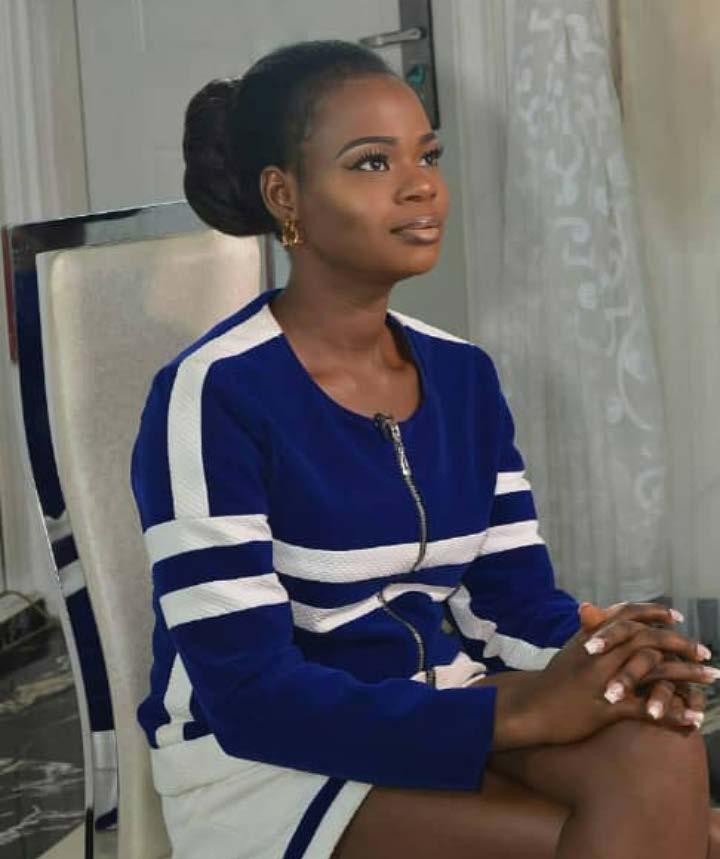
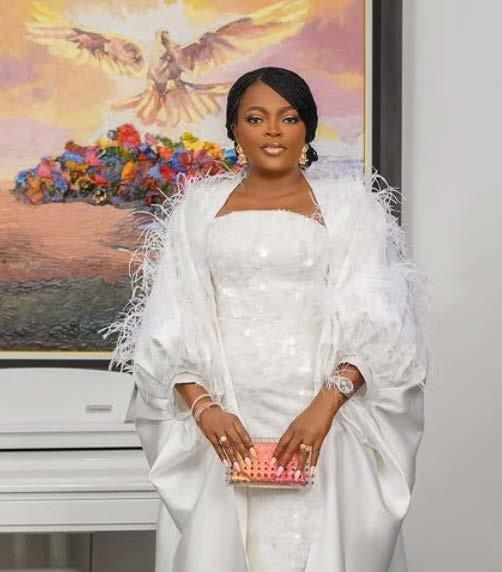
A decade ago, Nigeria had many celebrities who dominated hearts and headlines across music, film, fashion, and social media. Davido was already one of the most talked-about music stars, known for hit songs and large social media followings. Wizkid had also risen to national fame with Afrobeats hits, becoming a defining voice in Nigerian music. Tiwa Savage was earning acclaim as a leading female singer with a powerful voice and major performances. In film, Funke Akindele was a Nollywood favourite for her role in Jenifa’s Diary and other box-office successes. A more unusual but unforgettable figure was Olajumoke Orisaguna, the bread seller who went viral after accidentally appearing in a high-profile photo shoot and briefly became a symbol of the “Nigerian dream” overnight. These personalities were loved for their creativity, relatability, and the way they captured the public’s imagination.
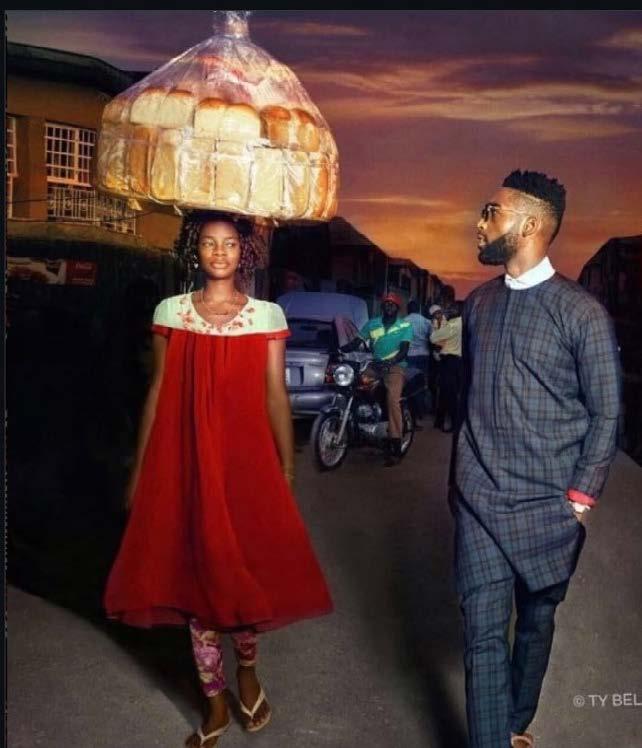
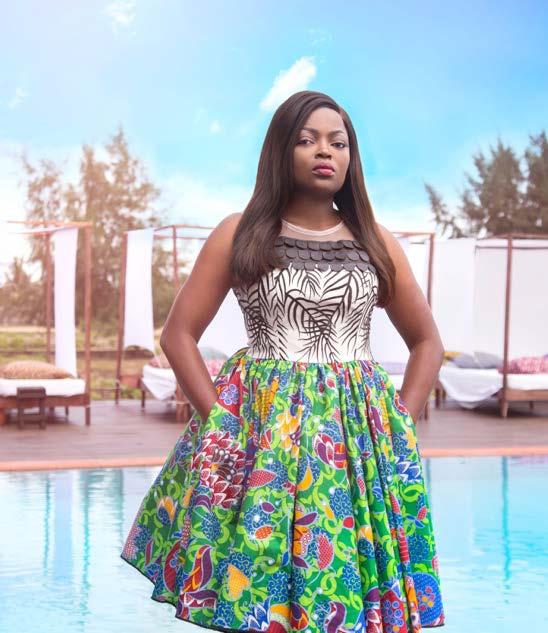
In 2026, many of these stars have evolved and expanded their impact both within and beyond Nigeria. Davido continues to dominate music with global tours, hits, brand deals, and massive social media influence, making him one of Africa’s most followed music icons. Wizkid has become a Grammy-winning artist whose songs chart internationally and shape global music conversations. Tiwa Savage retains her title as a top Afrobeats queen, performing on major stages and influencing fashion, music and empowerment movements. Funke Akindele remains a powerhouse in Nollywood with boxoffice records and production successes, solidifying her place as one of the industry’s biggest names. Meanwhile, Olajumoke Orisaguna has shifted away from modelling fame and is reinventing herself as a radio presenter, using her platform to inspire and connect with everyday Nigerians. One major shift to note was that, in 2016, fame often came from breakout hits, classic TV roles, and memorable public moments. By 2026, fame is layered with global recognition, social influence, business ventures, and creative reinvention. Some stars now host international tours, direct films, launch brands, and speak on social issues, all while inspiring the next generation of Nigerian talent.
This decade of change is not just about trends or fame; it is about identity. It is about Nigerians choosing how to express themselves, celebrating who they are, and shaping culture in ways both seen and unseen. What was once local has become global, what was once niche has become mainstream, and what was once small has grown into something remarkable.
ADA OBIAJUNWA
@aaddaahh
Adulthood has a way of making you feel behind without ever telling you what you were supposed to be on time for. It’s not panic. And it’s not failure. It’s just that quiet sense that you’re slightly off-pace. Like everyone else, started earlier, moved faster, or understood something you missed. You notice it in small ways. In conversations where people talk confidently about plans you’re still thinking through. In milestones that seem to arrive for others with less hesitation. In the comparisons you make before you remind yourself not to compare.
From the outside, people look settled. Decisive. Like they’re moving forward with a kind of confidence you don’t always recognise in yourself.
What’s easy to miss is how much of that confidence comes from familiarity, not clarity. Most of what we call being “ahead” is simply repetition.
People look certain not because they know exactly what they’re doing, but because they’ve done the same things enough times to stop hesitating. They’ve learned which questions matter and which ones don’t need answers anymore. That familiarity reads as progress from the outside.
But familiarity isn’t speed. It’s exposure. It’s like sitting in a meeting you’ve already attended before. You know which parts matter. You know which ones don’t. You stop taking notes on everything. You stop bracing for every slide. Someone in that same meeting, for the first time, looks slower. More tentative. They’re listening harder. Writing more. Pausing before they speak. You’re usually comparing your first encounter with someone else’s fifth repetition. Your questions against their shortcuts. Your learning curve against their muscle memory. No one looks unsure when they’re already familiar with the agenda. So it’s easy to believe you’re behind, when what you really are is new to this part of the path.

signal that says, by now, you should be here. Life just keeps moving, and people step into different parts of it at different times, carrying different things.
So timing becomes personal, but comparison stays public.
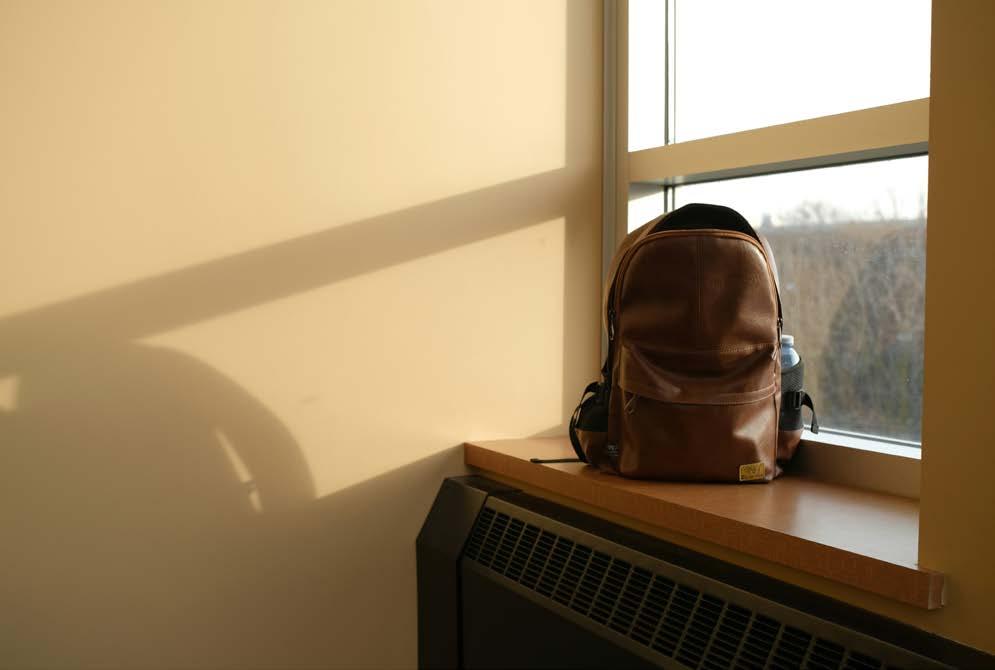
And new always feels slower from the inside. What makes this feeling linger is that adulthood never gives you a shared clock.
There’s no clear starting point. No universal
You see outcomes without seeing how long it took someone to get comfortable with the questions you’re still asking. You see ease without seeing how often it was practised. Adulthood rewards familiarity quietly. Not foresight. Not certainty.
The more often you face the same kinds of decisions, the less they announce themselves as decisions at all. They become background. Automatic. From the outside, that can look like being “sorted”. From the inside, it just feels like not stopping anymore. Which is why it’s so easy to misread your own pace.
If you’re still asking questions, it doesn’t mean
you’re late. It usually means this part of the path is still new enough to register.
Most people aren’t ahead. They’re just familiar.
And most people who look settled didn’t arrive there by knowing more. They arrived there by staying long enough for uncertainty to stop feeling like a problem.
So if it feels like you’re moving slower than everyone else, it might not be slowness at all. It might just be first exposure.
The early repetitions. The part where things still require thought.
That phase doesn’t come with applause. Or proof. Or a neat sense of arrival.
It just feels like this.
And maybe recognising that is enough to loosen comparison’s grip a little. Not because everything suddenly makes sense, but because you realise there was never a universal pace you were failing to keep.
There was only your timing.
Your repetitions.
And the quiet work of becoming familiar.
And maybe that’s the Luxury Silk.
AI SKIN ANALYSIS THROUGH SMARTPHONES AND SMART DEVICES
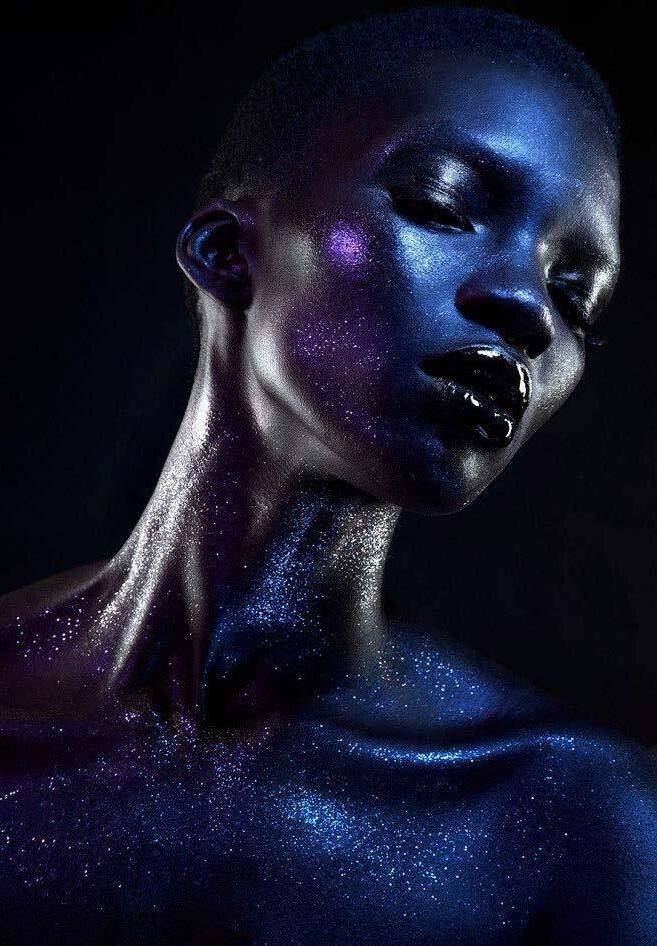
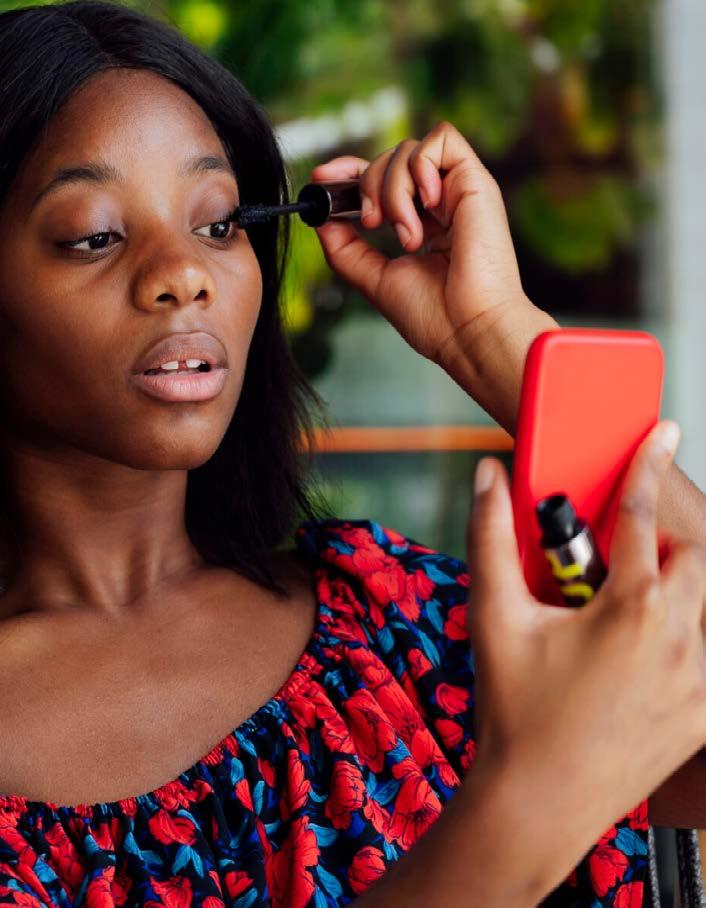
In 2026, AI makes it easy for anyone to understand their skin without visiting a clinic. With just a smartphone camera or a smart beauty device, AI can scan a face and identify skin concerns such as acne, dark spots, wrinkles, dryness, and uneven texture. The technology compares your skin image with thousands of other skin samples to give accurate results. It also tracks changes over time, helping users see whether their skincare routine is working.
BY DORCAS AKINTOYE
Skincare in 2026 is no longer about trial and error or copying what works for someone else. People now want skincare that understands their skin, their lifestyle, and their environment. This is where Artificial Intelligence (AI) comes in. AI helps people study their skin, choose the right products, and build routines that actually work. In this article, we will show you how AI is revolutionising personalised skincare in 2026.
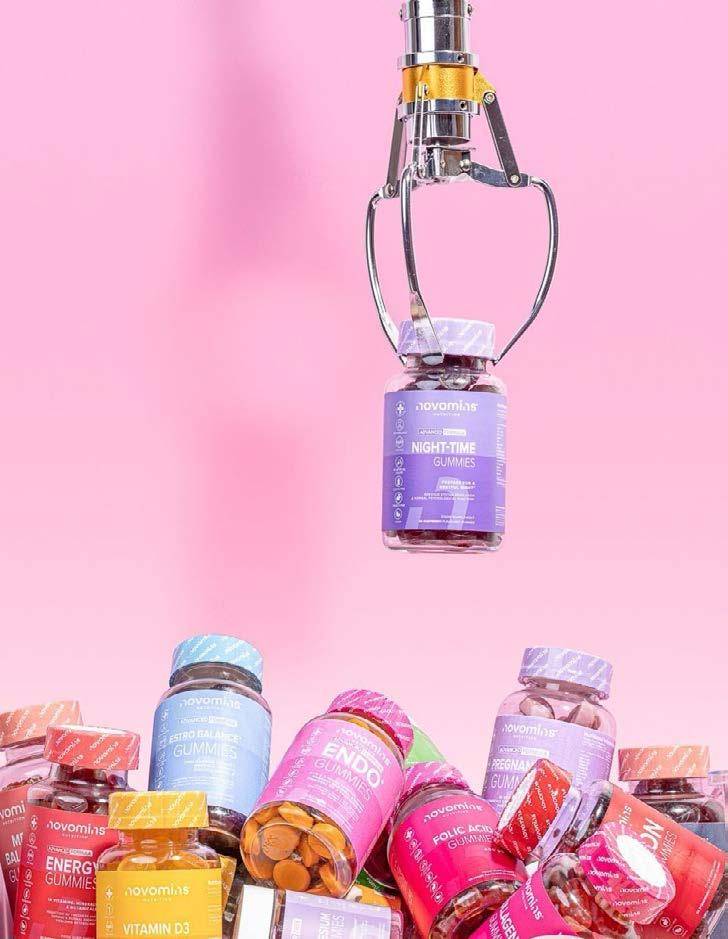
AI is helping beauty brands create skincare products that are designed for one person, not everyone. In 2026, AI studies your skin type, concerns, and reactions to past products, then helps brands decide the right ingredients and formula for you. This reduces irritation, saves money, and helps people stop using products that do more harm than good.
Many people struggle with skincare routines because they do not know what to use or when to use it. AI solves this by creating simple daily routines that match each person’s skin. In 2026, AI-powered apps guide users on what to apply in the morning and at night, how to layer products, and when to change or stop using something. These routines can also change based on weather, sun exposure, pollution, and lifestyle habits. This makes skincare less confusing and helps people stay consistent without feeling overwhelmed.
One major way AI is changing skincare is by predicting skin issues before they become serious. In 2026, AI analyses skin history, lifestyle, and environmental factors to detect early signs of conditions such as acne, dryness, or premature ageing. Instead of waiting for breakouts or wrinkles to appear, AI warns users in advance and suggests small changes to prevent them.

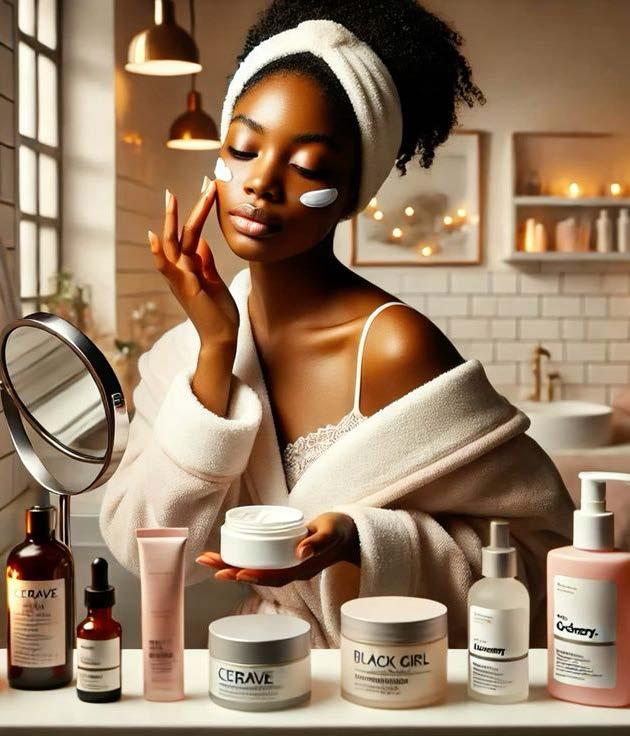
In 2026, AI is not replacing skincare experts; it is making skincare smarter, simpler, and more personal. From skin analysis to custom products and daily routines, AI is helping people take better care of their skin with confidence.

BY JOHNSON CHUKWUEKE
Are you feeling drained but still wanting to show up for the people who matter? Not to worry, it’s very much normal for you to want to help and be there for your loved ones, but you can’t be of much help if you are not in good shape. We all joke about our “social battery,” but if we’re being honest, it’s not always funny. Life pulls us in a hundred directions at once: work deadlines, family duties, friendships that deserve attention, and a personal life that constantly gets pushed to the back burner. It’s no surprise that many of us end the day emotionally wrung out. Yet, even in those low-energy moments, we still want to nourish the relationships that matter. We want to be present without pretending, and loving without losing ourselves. This is where the real magic happens, learning how to recharge in the midst of noise instead of escaping from everyone to find peace. Contrary to what people think, taking space doesn’t mean withdrawing, and needing rest doesn’t mean you love anyone less. It simply means you’re human.
In this guide, we will explore practical ways to refill your emotional tank without ghosting the people you care about. Let’s help you maintain balance, protect your peace, and still show up as the best version of yourself, no guilt attached.

Communicate Your Capacity Clearly
People can’t respect boundaries they don’t know exist. Whether you need a quiet evening, a slower reply, or a weekend off, saying so kindly prevents misunderstandings. A simple text or phone call saying “I’m recharging today but thinking of you,” keeps connections warm without draining you. Communication is connection, even when it’s brief.
Not every hangout has to be a full outing. Try bonding in quieter, softer ways: watching a show together, voice notes instead of calls, sending memes, sharing a meal in silence, or running errands like shopping side by side. These tiny touchpoints keep relationships thriving without exhausting you.
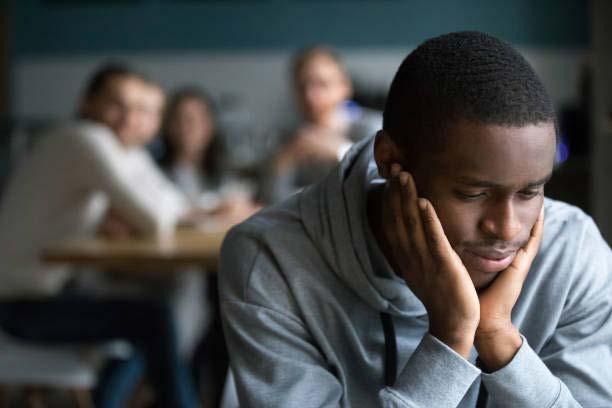
Does conflict drain you? Crowds? Too many plans back-to-back? Emotional intensity? Selfawareness prevents burnout. Understanding what drains you helps you set boundaries before you reach the point of shutting down.

If you don’t prioritise rest, the world won’t magically create space for you. Treat your recharge time like a non-negotiable meeting, whether it’s journaling, a nap, a walk, or simply sitting in silence. When you intentionally refuel, you become more present, patient, and emotionally available to those you love.

You don’t always have to be the strong one or the “giver.” Allowing others to show up for you strengthens relationships and reduces emotional fatigue. Connection goes both ways, let the people who love you refill your cup too. Let People Love You Back
Your social battery isn’t a flaw; it’s a guide. When you learn to manage it rather than fight it, you create healthier relationships, stronger boundaries, and a healthier you. Balance isn’t about choosing yourself or others; it’s about learning how to honour both.
BY JOHNSON CHUKWUEKE
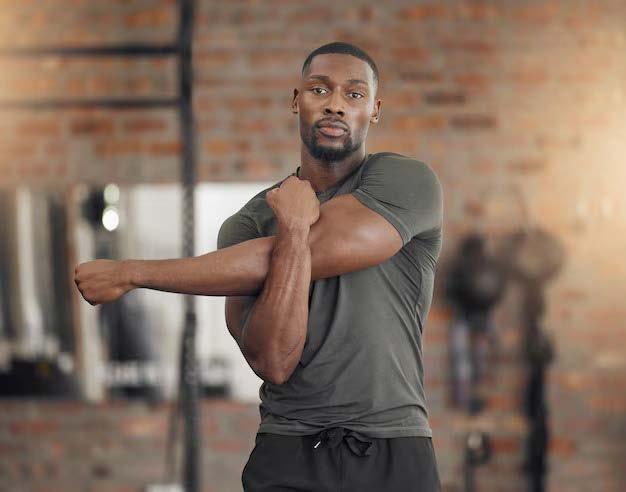
It’s tempting to jump straight into beast mode, but that’s the quickest route to burnout (and sore muscles you’ll regret). Instead, start with low-impact workouts, such as brisk walks, cycling, or yoga. Focus on consistency over intensity; even 20 minutes a day can reignite your fitness engine. Remember, progress beats perfection every time.
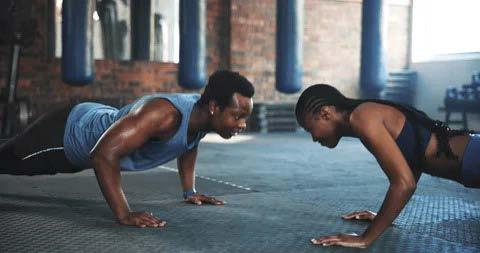
Find a workout buddy, join a fitness group, or follow an online trainer who motivates you. Accountability makes a world of difference. Share your goals, celebrate your wins, and laugh off the inevitable off-days. Fitness is easier and way more fun when you’re not doing it alone.
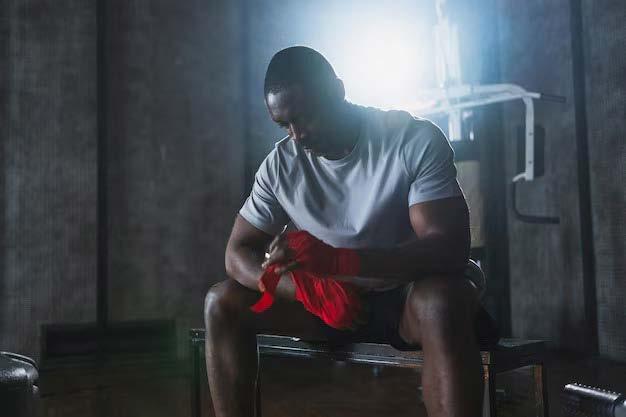
Reset Your Mindset
The biggest obstacle to restarting isn’t your body; it’s your mind. Ditch the guilt and the “I used to be able to…” talk. Fitness is about forward momentum, not comparison. Set realistic, achievable goals and celebrate every small win. You’re not starting from scratch; you’re starting from experience.
After a long hiatus, your muscles will need time to adjust. Stretch, rest, hydrate, and don’t underestimate the power of sleep. Recovery isn’t a reward; it’s part of the plan. You’ll perform better, feel better, and stay injury-free. Treat your body with the same patience you’d give a friend making a comeback.
Did you fall off your fitness routine? You’re not alone. Whether it’s been weeks or years since your last proper workout, let’s be honest, getting back into fitness after taking a break can feel like waking up from a long nap you didn’t plan to take. Your running shoes stare at you like old friends you ghosted, your yoga mat has turned into a glorified dust collector, and the gym suddenly feels like foreign territory. But here’s the truth: no matter how long you’ve been away, you can always make a comeback. And this time, it might just be your best one yet. Whether life, a holiday, or pure procrastination got in the way, restarting your fitness journey isn’t about punishment; it’s about rediscovery. Your body remembers more than you think, and your mind is stronger than you realise. Here’s how to get back in the game, smartly, safely, and with a little bit of fun.
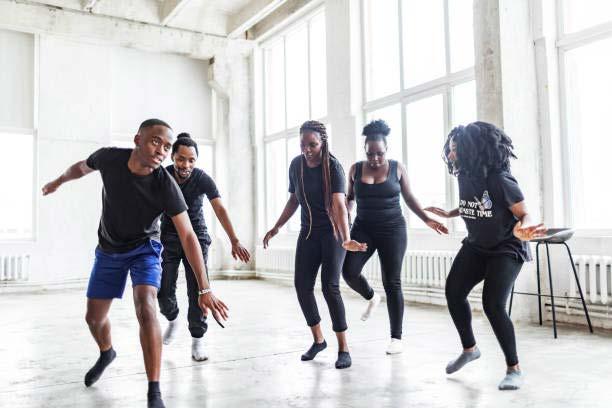
If your workout feels like a chore, you’re doing it wrong. Find activities that make you look forward to moving, such as dance classes, hiking, swimming, or even home workouts with your favourite playlist blasting. The more you enjoy it, the easier it’ll be to stay consistent. Think of exercise as playtime for adults.
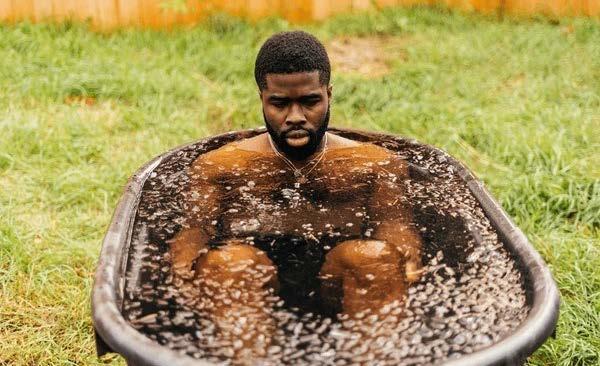
Every fitness journey has highs, lows, and rest stops. What matters most is that you keep showing up. So lace up those sneakers, press play on that playlist, and take that first step. You’re not just working on your body, you’re rewriting your story. And this time, it’s a comeback worth cheering for.

BY JOHNSON CHUKWUEKE
When people dream of island getaways, the usual suspects come to mind: Mauritius, Seychelles, or the Maldives. But Africa’s coastline holds secrets that most travellers have yet to discover. Scattered across its turquoise waters are islands where history whispers through colonial architecture, spice plantations perfume the air, and beaches stretch endlessly with barely another soul in sight. These islands may not dominate Instagram feeds just yet, but for adventurous travellers seeking beauty with depth, they are the continent’s best-kept secrets. Here are five African islands you probably didn’t know existed.

Dubbed Africa’s “Chocolate Islands,” São Tomé and Príncipe boast lush rainforests, volcanic peaks, and secluded beaches. With its Portuguese colonial charm and thriving cocoa plantations, this twin-island nation is perfect for eco-tourists. Hike through Obo National Park, snorkel in crystal-clear waters, or simply indulge in locally grown chocolate while soaking in serenity.

Nestled between Madagascar and Mozambique, the Comoros are a hidden blend of African, Arab, and French influences. Known as the “Perfumed Isles” thanks to their vanilla and ylang-ylang farms, they offer vibrant markets, coral reefs for diving, and untouched lagoons. If you’re after authenticity over luxury crowds, Comoros delivers.

A UNESCO World Heritage Site, Lamu feels like stepping back in time. With its car-free streets, traditional dhows gliding across the water, and centuries-old Swahili culture, it’s both peaceful and culturally rich. Travellers can explore winding alleyways, sip spiced tea on rooftop terraces, and soak in the coastal charm that has enchanted visitors for generations.

While small in size, Gorée Island holds immense significance. Once a centre of the Atlantic slave trade, it now serves as a living museum, with pastel-coloured colonial houses and the haunting “House of Slaves.” Beyond its history, Gorée offers vibrant art, relaxed cafés, and an atmosphere that blends reflection with beauty.

Overshadowed by its famous neighbour, Zanzibar, Pemba is where travellers go to escape the crowds. Known for its spice farms, mangroves, and some of the world’s best diving spots, Pemba is a paradise for adventurers. Its laid-back charm makes it the perfect balance of culture, relaxation, and natural beauty.
Africa’s islands are more than sunsoaked escapes—they’re stories wrapped in turquoise waters, where history, culture, and nature collide. From the cocoa-scented hills of São Tomé to the spice-scented breeze of Pemba, these hidden gems invite travellers to step off the beaten path and discover a different kind of luxury: authenticity. So next time you plan an island getaway, look beyond the familiar. Africa’s secrets are waiting.
PAINT THE CABINETS INSTEAD OF REPLACING THEM
Buying new cabinets can be very expensive, but painting the ones you already have is a simple and cost-effective solution. A fresh coat of paint can completely transform your kitchen. You don’t need to be a professional painter to do this; just sand them down a bit and use good-quality paint, and you’ll be surprised by the transformation.
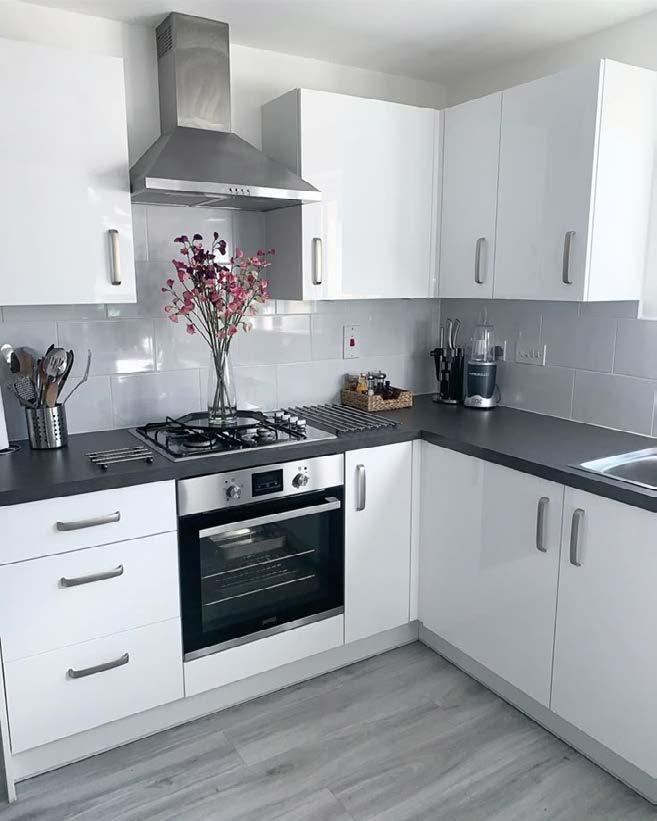
Something as small as handles can make a big difference. Old or worn-out knobs and handles can make your kitchen look tired, but replacing them with modern, stylish options gives an instant upgrade. You can find affordable handles at hardware stores or online, in a range of styles from classic to contemporary.
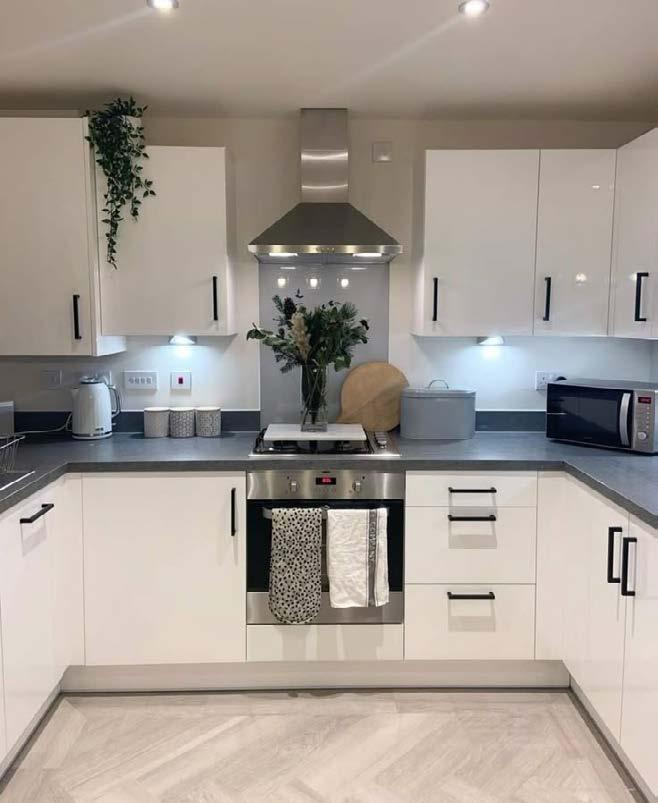
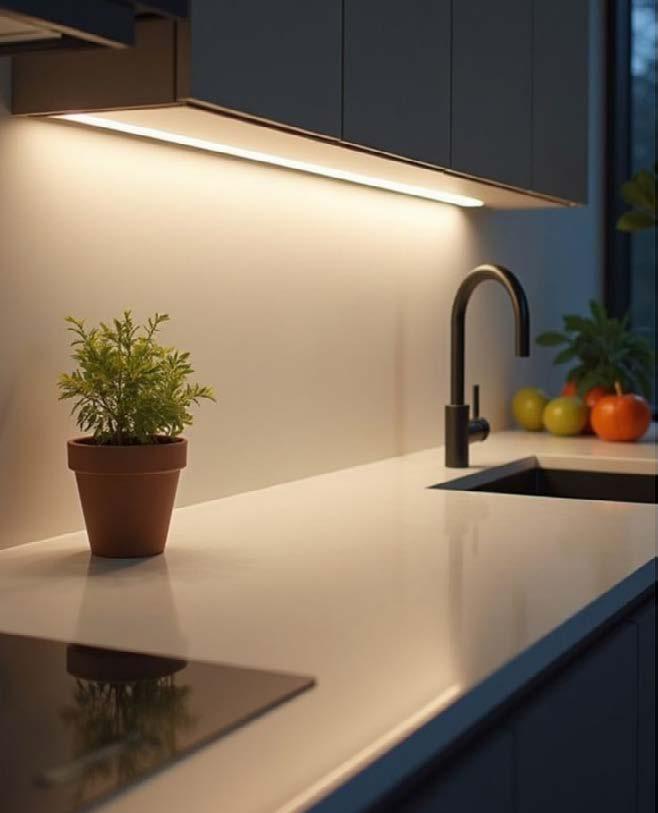
Lighting sets the mood in any room, including the kitchen. If your lighting is dim or outdated, replacing it can make the space feel fresh and inviting. You don’t need to buy expensive chandeliers; simple pendant lights, under-cabinet lighting, or even brighter bulbs can make a huge difference. Good lighting not only enhances the kitchen’s appearance but also makes cooking and cleaning easier.
CHANGE THE CABINETS HANDLES AND KNOBS UPDATE YOUR LIGHTING ADD A BACKSPLASH OR PEEL AND STICK TILES
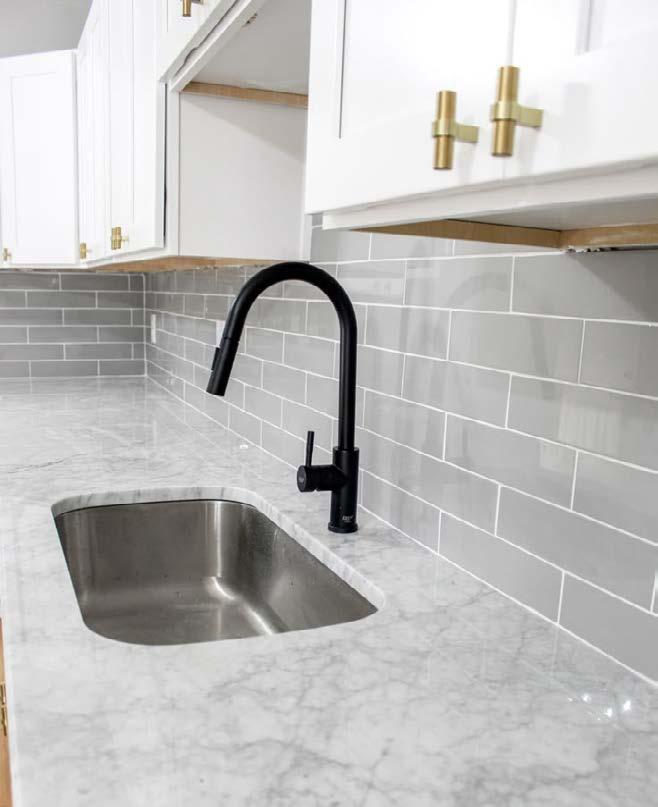
A backsplash can completely change the style of your kitchen without costing much. If you can’t afford traditional tiles, peeland-stick options are budgetfriendly and easy to install yourself. They come in different colours and patterns, so you can choose one that matches your style.

BY DORCAS AKINTOYE
The kitchen is often called the heart of the home because it’s where family and friends gather, meals are prepared, and conversations happen. But over time, it’s easy for the kitchen to start feeling dull or outdated. The good news is, you don’t need to spend a fortune to give it a fresh new look. With a few inexpensive changes, you can transform your kitchen into a brighter, more stylish, and welcoming space.
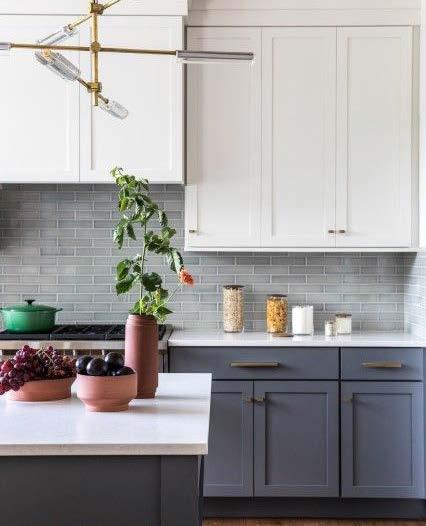
Sometimes the best makeover doesn’t cost a thing. A cluttered kitchen can make the space feel smaller and messier than it really is. Start by clearing countertops, organising cabinets, and getting rid of items you don’t use. You can also buy inexpensive organisers, jars, or baskets to keep everything neat.
You don’t need a big budget to give your kitchen a fresh new look. These inexpensive changes show that with a little creativity, you can achieve a big makeover without spending too much.

BY JOHNSON CHUKWUEKE
Once upon a time, a shiny degree was the golden key to career success. Walk into a job interview with a certificate from a prestigious university, and you’re halfway hired. Fast forward to today, and the rules of the game have changed. Your degree might get you into the room, but it’s your soft skills, especially emotional intelligence, that keep you there, help you climb the ladder, and even open doors you never imagined. Think about it. Nobody remembers the co-worker who got an “A” in statistics. But everyone remembers the colleague who knows how to calm the storm during a tense meeting, cheer up a frustrated teammate, or speak with empathy that makes clients feel heard. That’s emotional intelligence in action, and it’s fast becoming the new workplace superpower.

EMOTIONAL INTELLIGENCE IS THE NEW
Self-awareness, empathy, and people skills are no longer just “nice-to-haves.” They’re career currency. Bosses want leaders who can manage both projects and people—because let’s face it, Excel sheets don’t throw tantrums, but people do.

Sure, degrees prove you studied hard. But can they teach you how to manage a stressed-out team or close a deal with charm? Not really. Today’s workplace rewards adaptability, collaboration, and resilience—skills no classroom can fully prepare you for.
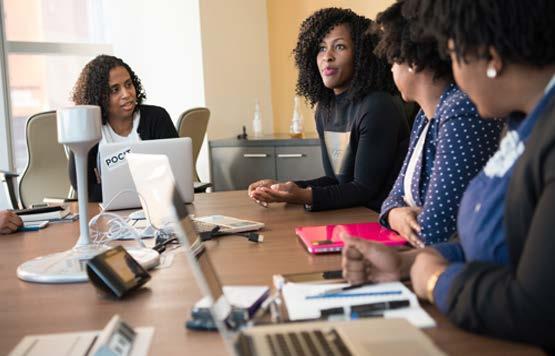
Imagine two candidates: one with three degrees but zero people skills, and the other with average credentials but stellar emotional intelligence. Who do you think gets promoted faster? (Hint: it’s the one people actually like working with.)

Soft skills are like the seasoning in a dish— you can have all the right ingredients (technical skills, degrees, certifications), but without the right flavour (EQ), the meal falls flat.
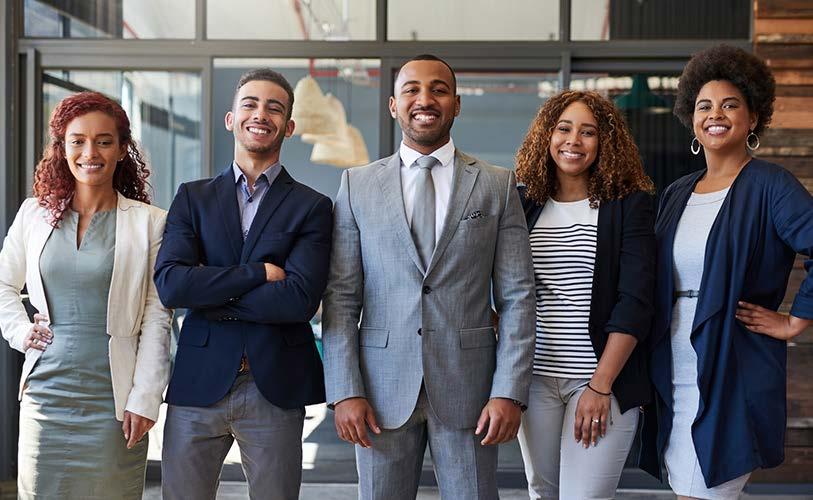
The best part? EQ isn’t something you’re born with—it’s something you build. Practice listening more than you talk, pause before reacting, and put yourself in someone else’s shoes. Small shifts, big rewards.
In the modern workplace, brains alone won’t take you far; heart smarts matter too. Emotional intelligence is what makes leaders inspiring, colleagues dependable, and professionals unforgettable. Degrees may open the door, but EQ is what makes people invite you in and want you to stay.

JANUARY 20TH - FEBRUARY 18TH

ELEMENT: AIR
RULING PLANET: URANUS SYMBOL: WATER-BEARER FLOWER: ORCHID
BIRTHSTONES: AMETHYST, GARNET, OPAL, JASPER, SUGILITE
BY JOHNSON CHUKWUEKE
Aquarius season announces itself with ideas, originality, and an irresistible sense of “different.” Born between January 20 and February 18, Aquarians are known for marching to the beat of their own drum, often creating the rhythm while they’re at it. They are the thinkers, the disruptors, and the quiet rebels who challenge norms without asking for permission. Ruled by Uranus, the planet of innovation and change, Aquarius thrives on progress, individuality, and freedom. They are the friends who question traditions, the creatives who see the future before it arrives, and the people who make you rethink what’s possible. Loving an Aquarius means accepting that predictability is overrated, and that’s exactly the charm.
In this week’s Zodiac editorial, we will be looking at some traits that make Aquarians unique in every sense.
Visionary Thinkers
Aquarians don’t just think outside the box; they forget the box exists. They are naturally drawn to ideas about the future, social change, and innovation. Conversations with them often drift toward bigpicture topics, making them inspiring companions who push others to see beyond the obvious.
Fiercely Independent
Freedom is non-negotiable for Aquarius. They value autonomy in relationships, careers, and personal expression, and they resist anything that feels restrictive. This independence allows them to stay true to themselves, even when it means standing alone.
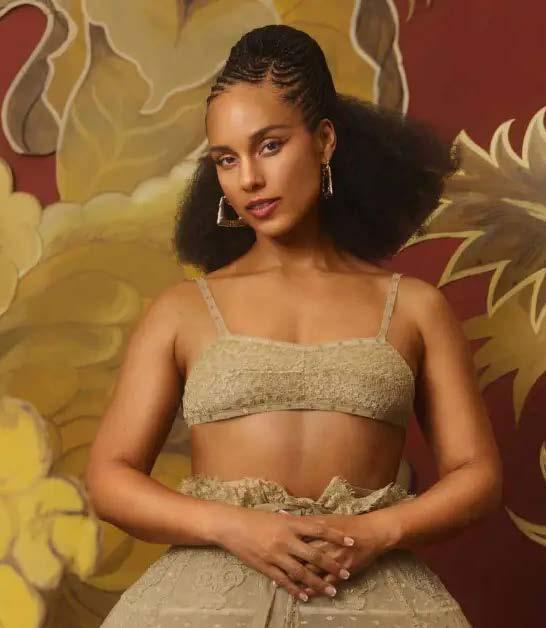
While deeply caring, Aquarians express emotions differently. They may seem detached, but beneath that cool exterior is a strong sense of empathy for humanity as a whole. They care deeply, just not always in conventional ways.
Aquarius energy reminds us that it’s okay to be different, to question systems, and to live authentically. They are proof that individuality is powerful and that change often starts with one person daring to think differently. In a world that loves conformity, Aquarius chooses originality, and that’s their magic.

Itold myself I was done with love after the last heartbreak. Not the dramatic kind with shouting and slammed doors, but the quiet one that leaves you doubting yourself. The kind that makes you replay conversations at night, wondering where you became too much or not enough. I carried it with me everywhere. It made me cautious. It made me tired. It made me build walls even when I craved connection.
Moving on didn’t feel like healing. It felt like survival. Smiling when you want to cry. Saying “I’m fine” until you almost believe it. Wanting to love again, but being scared of losing yourself one more time. That was where I was when Seun came into my life.
Seun was gentle. Consistent. The kind of man who listened without interrupting and remembered small things. There were no games. No pressure. Still, I stayed guarded. I liked him, but liking someone felt dangerous. Commitment felt like handing someone a weapon and hoping they wouldn’t use it. When he invited me to his place one evening, I almost said no. My mind raced with fears. What if I led him on? What if I felt nothing? What if I felt too much? But something in me was tired of hiding, so I went.
We talked for hours. Not small talk. Real things. Love. Fear. The past. I told him how heartbreak makes you shrink, how it makes you question your worth. He didn’t try to fix me. He just listened. That was when I saw him differently. Not as a risk, but as a safe place. The air shifted quietly. The kiss came slowly, like a question. When I answered it, everything I had been holding back rushed forward. I felt wanted, not rushed. Desired, not pressured. When I hesitated, he whispered that he could wait. That he didn’t mind. That choice alone relaxed my body.
But I didn’t want to wait. I wanted him.
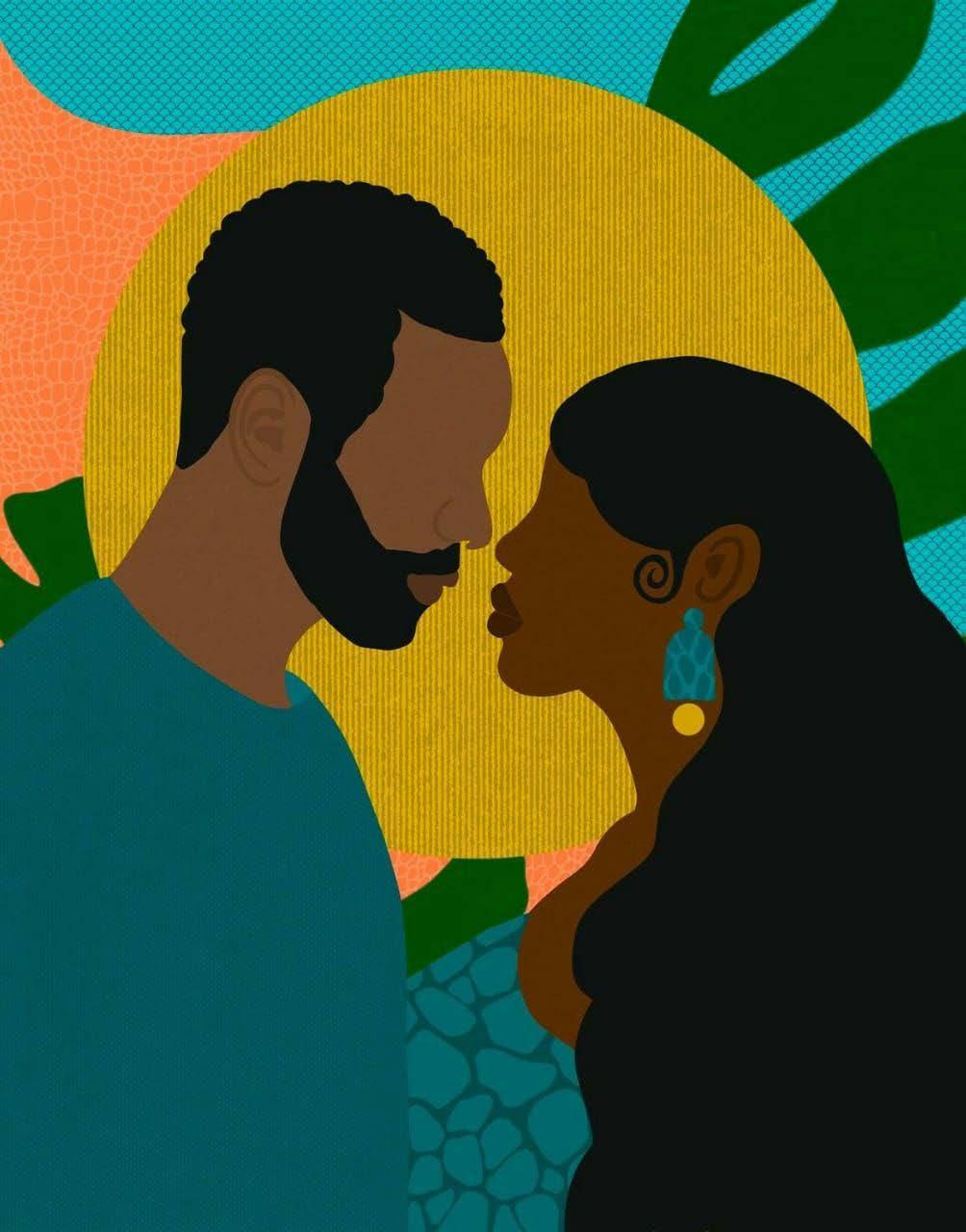
The clothes came off without urgency, just hunger mixed with trust. His hands explored me as if he were learning my language. I felt seen. Felt present. Felt alive in a way I hadn’t in a long time. When he finally entered me, I gasped, not just from pleasure, but from how safe it felt to
open myself again. Every movement was slow, intentional, and deep. I wrapped my legs around him, pulling him closer, afraid of nothing in that moment.
I climaxed with his name on my lips, tears slipping down my face. Not from pain but from release. From realising I hadn’t lost my ability to feel.
After, we lay tangled together. His arm around me. My head on his chest. The silence wasn’t
awkward. It was full. That was when it hit me. I didn’t fall in love because of the sex. I fell because of how it made me feel human again.
That night didn’t heal everything, but it changed something. It reminded me that heartbreak doesn’t get the final word. Sometimes, love comes softly, through trust, touch, and the courage to open yourself one more time.
BY BOLUWATIFE ADESINA
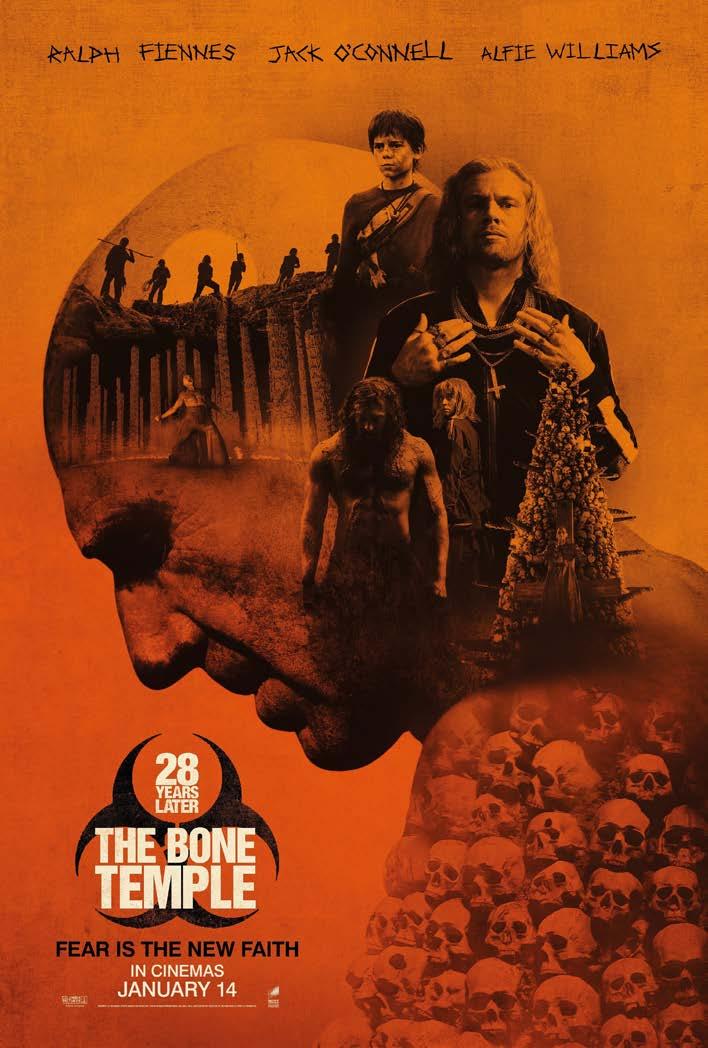
In Nia DaCosta’s 28 Years Later:
The Bone Temple, zombies are the least scary thing lurking in the postapocalyptic wilderness of England. Sure, the “rage” virus infects people, making them want to violently eat flesh and rip innocents from limb to limb — but at least it’s a known quantity. Humanity, with its propensity for cruelty, dishonesty and evil, however, is much more of a dangerous unknown.
That danger and how humanity can account for its mistakes is what The Bone Temple is most interested in exploring. Rather than focusing on the relentless hunger of the zombies, the film instead turns its gaze to the people who have carved out a life in the hellscape of a virus-ravaged England and how they often pose a greater threat to one another.
The evilness of the times is deftly encapsulated by Sir Lord Jimmy Crystal (the wickedly frightening Jack O’Connell), an unhinged gang leader with a love of gold jewellery and sadistic torture. The Bone Temple picks up mere moments after its predecessor, 28 Years Later, left off with Spike (Alfie Williams) being forcibly taken in by Jimmy’s murderous cult-like gang. Donning blond wigs and velveteen tracksuits, Jimmy and his “fingers” (all called Jimmy) roam the English countryside terrorising enclaves of survivors with perverse acts of “charity” to absolve them of their sins.
Their violence is reminiscent of Alex and his droogs from A Clockwork Orange — extreme and deeply sinister. In the gang, Spike tries to retain some semblance of benevolence to survive, finding solidarity with member Jimmy Ink (Erin Kellyman), who seems to doubt Jimmy’s claims that he is the son of Satan. DaCosta leans into the graphicness
of the gang’s terrifying techniques, depicting the torture scenes with a focused, unflinching viscerality that feels all too real.
On the other hand, the film also follows kindhearted Dr. Ian Kelson (a fantastic Ralph Fiennes), who serves as a foil to the Sir Lord’s barbaric ways. The Bone Temple he spent years building, the doctor says, is a memento for the infected and uninfected dead. It gives a real scale to the lives lost during the outbreak, blending the bones of human and zombie alike, underscoring Ian’s belief in the inherent goodness of all souls.
That belief is further strengthened by Ian’s connection to Samson (Chi LewisParry), the Alpha of a nearby infected clan who Ian named and learns has a taste for morphine, which seems to quiet the rage virus. As the two develop their bond, taking morphine and listening to the doctor’s old vinyl records, the doctor believes he might see a light at the end of the tunnel for the infected.
“Do you have memories?” Ian rhetorically asks Samson at one point. “A trace of what you once were?”
It’s a question that could be extended to any of the other characters who managed to survive the initial outbreak and have hardened themselves over the years to one another and themselves. While Ian and Jimmy vaguely remember a world before the virus took over, the young adults who surround them know only the Mad Max-like postvirus society where fear reigns supreme.
In light of that, the movie asks what really makes us human: Is it our ability to change? The ways we inflict the harm we’ve received onto others? Or how we enjoy the breeze in the trees? That line of inquiry pays off when the two storylines finally converge in an ecstatic climax that sees every character grappling with their own idea of salvation and redemption.
Director Nia DaCosta took the reins from original director Danny Boyle, starting the shooting of The Bone Temple just after 28 Years Later wrapped production. The film shifts away from Boyle’s frenetic, punk shooting style and editing, with DaCosta and cinematographer Sean Bobbitt incorporating longer shots into the mix, reflecting the psychologically penetrative aspect of Alex Garland’s script. Her style, which I first encountered in 2021’s Candyman remake, fits the less frenetic, more introspective nature of the screenplay. Still, DaCosta takes some big stylistic swings — particularly with the soundtrack — that sometimes make you feel as if you’re watching a comedy rather than a horror film. It’s a welcome, offbeat balm to the more intense moments sprinkled throughout and reflects the movie’s more pondering approach to a story that questions who the real monsters are.
Rating: 8.5/10
It’s Great!

Scan this with your camera or click to access the playlist (Youtube Music)
The new thriller The Rip answers a few of this era’s most important Hollywood-centric questions.
Can Netflix produce an original movie that feels like it could legitimately play in movie theatres and not just on your phone while you complete various household tasks? Do Matt Damon and Ben Affleck still possess the bouncy camaraderie that the pair used to launch their careers nearly three decades ago? Does Joe Carnahan deserve to be freed from director jail after delivering last year’s double dose of dumb, Shadow Force and Not Without Hope? And is Teyana Taylor the cinematic equivalent of dopamine, instantly energising every film that she’s briefly airdropped into? Fortunately for The Rip, the answer is a “yes” – or at least a solid “sure, why not” – to all of the above.

Scan this with your camera or click to access the playlist (Spotify)
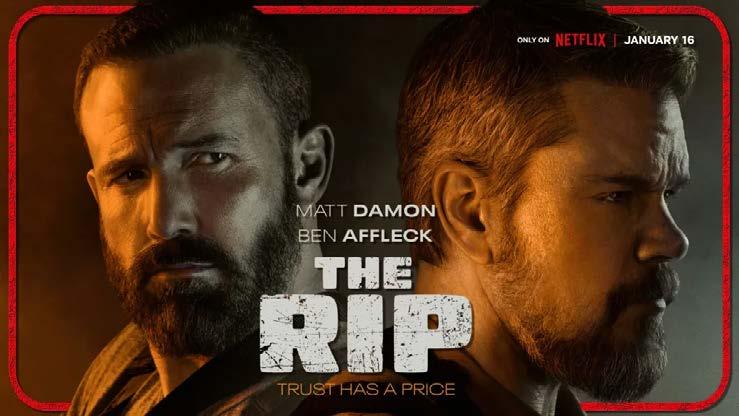
The script from Carnahan is not especially enticing – there are a few decent third-act swerves, but too often the filmmaker best known for Narc and Smokin’ Aces (the latter also featuring Affleck) relies on a kind of tough-guy talk that feels outdated. Did Carnahan title his film “The Rip” to acknowledge his own habit of appropriating the styles and techniques of his contemporaries?
A corrupt-cop drama that is mostly aware of its B-minus-movie aspirations, Carnahan’s film is a thoroughly enjoyable if not particularly original mashup of Training Day, Cop Land, Triple 9 and a dozen-plus other films in which it is up to One Good Cop™ to solve a mystery involving a dead police captain, dirty officials and millions of dollars in drugcartel money.
The ostensible hero in this case is Miami lieutenant Dane Dumars (Damon), whose task force specialises in “rips” – seizing ill-got cash from the city’s various gangs, who have become so brazen as to gun down Dane’s chief in the film’s opening minutes.
After Dane receives an anonymous tip about a stash house filled to the brim with contraband that might be connected to his boss’s murder, the cop finds himself falling into a twisty tale of shady allegiances and questionable motives.
Is Dane willing to risk his career for millions of untraceable dollars?
Or is he falling into a trap set up by one of his possibly compromised teammates, who include the hot-headed detective J.D. (Affleck), a shifty officer named Mike (Steven Yeun), and two female cops who badly need more character details (played by Sasha Calle and One Battle After Another breakout Taylor)?
God only knows, and Carnahan’s world isn’t one that is kind to snitching, no matter if it’s of divine provenance. The director also shoots much of the film according to Netflix’s unofficial house style: poorly lit, unimaginatively blocked, and edited with one eye toward making sure audiences will be comfortable enough darting their attention to a second screen without missing anything all that important. For a movie about heavily armed cops unafraid of unleashing hell, so much of The Rip’s action feels sanitised
and safe, a smooth kind of grittiness whose aesthetic and emotional impact clears long before the artificial smoke.
Yet it is difficult to ignore all the same thanks to Damon and Affleck, who eagerly oscillate between playing comrades and combatants. With the two taking on roles that stick awfully close to their natural personas – Damon is the clean-cut brawler while the hair-trigger Affleck is constantly one second from going completely off the rails – the longtime buddies are simply having a ball playing cops and robbers, lending an explosive potency to a script that simply doesn’t deserve such ambition and chemistry.
Although the pair have spent much of their careers running away from each other rather than getting closer – The Rip marks only their fifth onscreen collaboration, with three of those films coming out over the past five years – it’s clear that as they age out of their respective action-hero playgrounds, they’ve found strength in digging into their shared history as benevolent bros. There is a love and respect between the two men that instantly deepens whatever flick they’re asked to participate in. Case closed.