
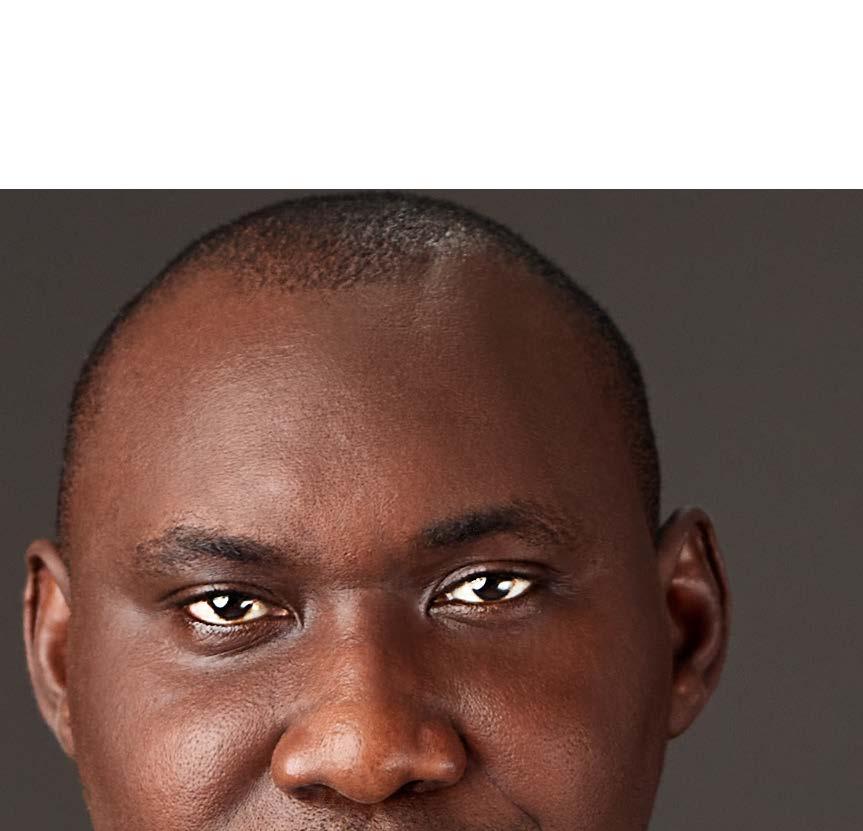





Dayo Adu represents a new generation of legal leaders who understand that today’s legal practice must move beyond tradition to meet the demands of a rapidly evolving Africa. As managing partner at Moroom Africa, he and his partners saw a gap in Africa’s legal ecosystem that inspired their law firm. They realised businesses wanted to enter the African market to connect, but there was a gap, so they filled it. This does not come without its challenges, which Adu does his best to clarify in this cover interview.
Adu balances commercial success and ethical responsibility through ethics. He believes a name is anything you leave behind, not just for yourself, but for the next generation as well, something that must be guarded jealously.
Read Dayo Adu’s story as a lawyer in modern times on pages 8 through 10.
Planning a luxury trip does not have to break the bank. While we assume a well-rounded trip will be expensive, there are hidden gems in Africa that offer luxury at an affordable price. These destinations offer exclusivity and comfort through thoughtful details rather than overt extravagance. Scroll to page 15 to learn more.
If you enjoy exercising, you may have noticed a different energy when working out with a group compared to solo sessions. Group exercise introduces a sense of accountability and motivation—perhaps driven by mutual encouragement and the desire to perform at your best among peers. Explore this dynamic further on page 14.
Don’t forget you can download a playlist from our movie review page, now on page 20. You’ll enjoy the selection.
Until next week, enjoy your read.


@onahluciaa + 2348033239132

AUSTYN OGANNAH
PUBLISHER/EDITOR-IN-CHIEF
Executive Editor: Onah Nwachukwu @onahluciaa
Writers: Johnson Chukwueke And Dorcas Akintoye
Design & Layout: Olaniyan John ‘Blake’
Digital Media: Oladimeji Balogun
Consulting Art Director: Sunny Hughes ‘SunZA’





Boluwatife Adesina @bolugramm - Contributing Writer
Boluwatife Adesina is a media writer and the helmer of the Downtown Review page. He’s probably in a cinema near you.
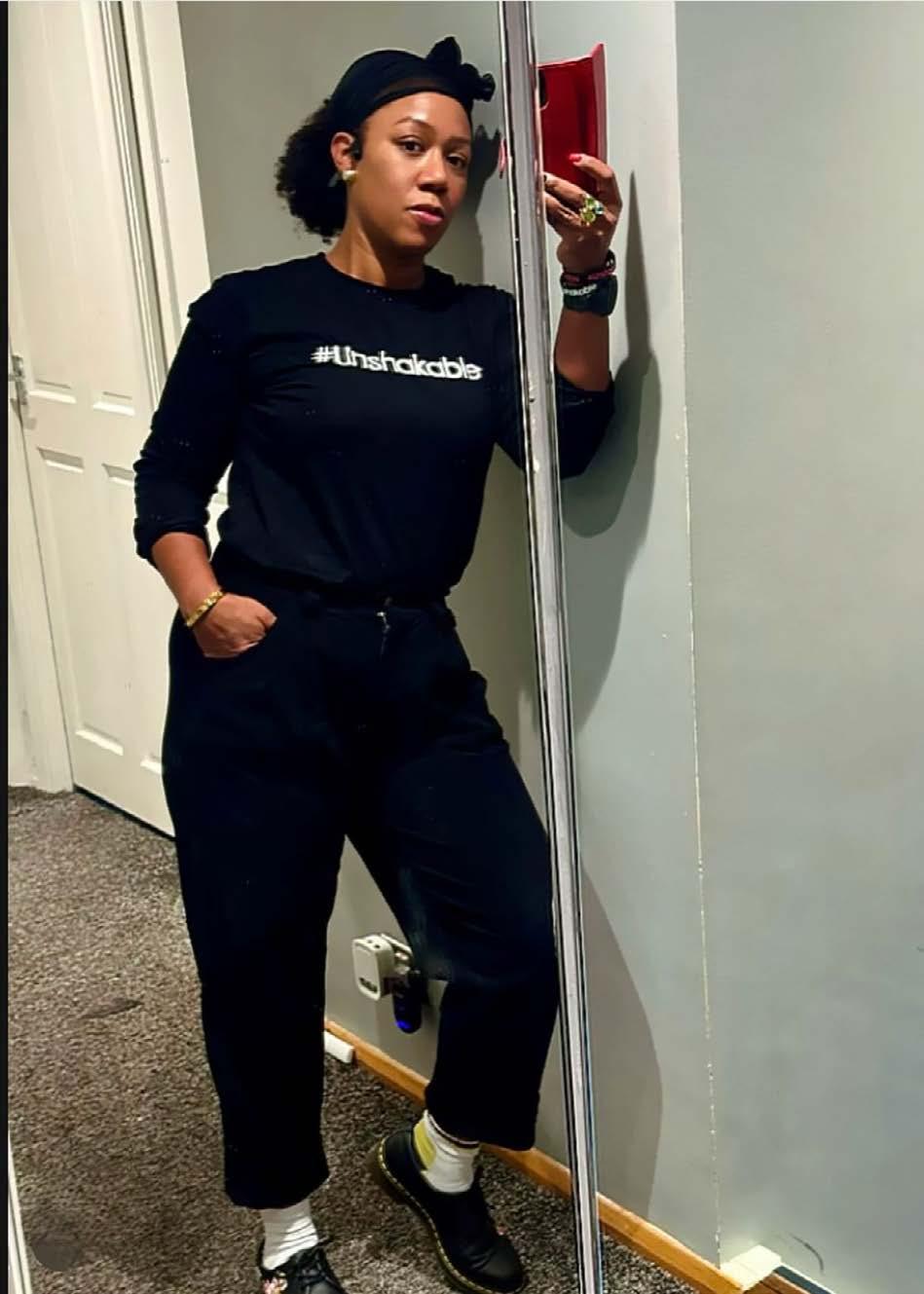
Sally Chiwuzie @unshakable.is.a.state.of.mind
- Contributing Writer
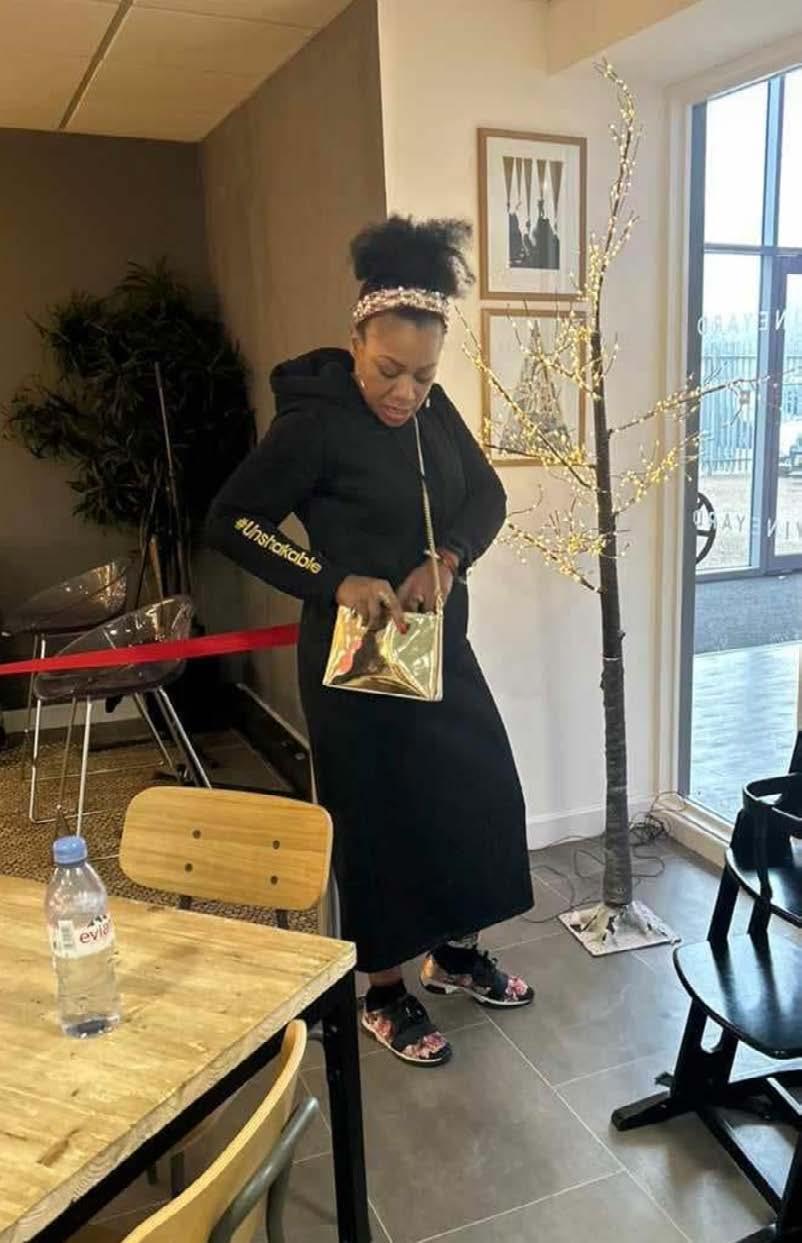
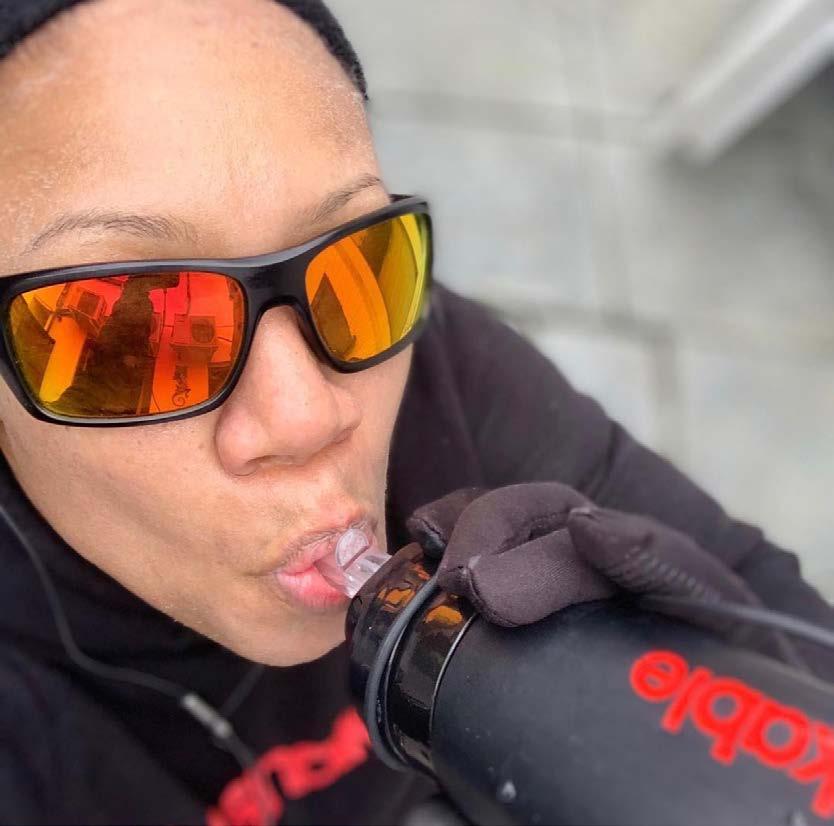
Sally Chiwuzie is a non-practising barrister who owns the brand #Unshakable. She is the author of Silent Symphonies, a fictional love story, and the creator of the podcast Chronicles of #Unshakable Truths.
Ada Obiajunwa @aaddaahh
- Contributing Writer
Ada Obiajunwa writes from Lagos about the big truths tucked inside ordinary moments — friendship, self-discovery, and the quiet revolutions of everyday life. She believes in the power of presence, good banter, and decoding the unsaid. Through her fragrance studio, WhiffWonders, she also crafts scents that weave memory and emotion into experiences that feel like home.
Kehindé Fagbule - Contributing Writer Inspired by the events happening around him that weren't quite right, Kehindé picked up writing as a medium of self-expression early into his adolescence. His pieces, often espousing liberal ideologies, aim to set the ball rolling on difficult conversations that society would otherwise dodge.








BY DORCAS AKINTOYE

Do women dress to impress men?
This question has lingered for decades and continues to spark debate across cultures, social media, and everyday conversations. Everyone seems to have an opinion: women, men, feminists, traditionalists, and even those who claim not to care at all.
At the centre of fashion are two key factors, namely comfort and personal style. Every fashion choice we make, whether as women or men, is influenced by these elements. What works for one woman may feel completely wrong for another, and that difference is valid. Style is personal, and comfort is subjective.
Yet beyond comfort and individuality, another layer complicates the conversation. We often see women go the extra mile, wearing revealing outfits, extremely tight clothing, or uncomfortable pieces designed to snatch the waist or exaggerate certain features.
Even in spaces like the gym, clothing choices have become increasingly bodyconscious. When asked why they dress this way, many women respond with statements such as, “I’m an adult, I can wear whatever I like,” “I dress for myself,” or “If a man is uncomfortable, that is his problem.”
While these statements are not untrue, they do not fully answer the question. They often end the discussion rather than explore it. The reality is that whether women dress for men is a personal matter. It varies from woman to woman, from situation to situation, and even from moment to moment. It ultimately boils down to intent and motive.
So, what does dressing to impress men really mean? Dressing to impress men is not just about looking attractive or stylish. Attraction is not exclusive to men, and wanting to look good does not automatically equal seeking validation. Dressing for men comes into play when the primary motivation behind an outfit is male attention, approval, or acceptance rather than comfort, expression, or confidence.
The issue becomes more complex when fashion is used to create an illusion, presenting a version of oneself that exists mainly for external approval. This is not a moral judgment or an attempt to police women’s bodies. Women have autonomy. They are allowed to enjoy fashion, desire attention, and feel confident in their appearance. However, autonomy does not erase influence. Society, media, beauty standards, and the male gaze have long shaped what is considered desirable. At the same time, it is important to



acknowledge that many women genuinely dress for themselves. Fashion can be empowering. It can be art, identity, rebellion, or selflove. A woman can wear a revealing outfit simply because it makes her feel confident and powerful, without men being the intended audience. Perhaps the better question is not whether women dress to impress men, but why we dress the way we do, and who we hope is watching. The answers are rarely simple or universal. Some women dress for men. Some do not. Some do, sometimes. Recognising this complexity allows for a more honest conversation about fashion, choice, and self-awareness.




SALLY CHIWUZIE @unshakable.is.a.state.of.mind
They did everything together for four decades. Birthdays. Breakups. Latenight phone calls that started with laughter and ended with silence. They were the kind of friends people assumed would grow old side by side, with grey hair, inside jokes no one else understood, funerals attended together long before either imagined it would be their turn.
Then cancer came. It arrived first for Brioche. Lung cancer. Aggressive. Ruthless. The kind that neither asked for permission nor waited for the timing to make sense. A couple of weeks later, it came for Kris with a K too. Breast. Breast cancer. They uttered the same prayer in different voices and with identical desperation.
were hugs and tears and plans postponed, suddenly resurrected. A thanksgiving service was carefully and lovingly organised. They had coffee, doughnuts, and the best praise and worship leader, booked months in advance. It was gratitude curated into a programme. A couple of days later, Kris with a K was sitting in a hospice room, holding Brioche’s hand. She prayed her into transition. She spoke softly about peace and rest and about Jesus waiting on the other side. She spoke with courage on the outside, yet on the inside, something else was happening. She was furious, confused and heartbroken. She was bargaining silently with a God she was no longer sure how to address.
“What about Brioche?”
Did she not pray hard enough? Not loud enough? Did God not hear her? Did He hear her and choose not to answer? After all, they prayed the same prayers.
Her sister had no answer. Neither do I. Every week, I try to offer a conclusion. Even when the ending is uncomfortable, I usually find a way to wrap it neatly. A bow on top. A lesson. A sentence that lands with purpose.
This story resists that.
Kris with a K lived and felt guilty for it. She wondered why she was spared when Brioche wasn’t. She wondered what she was meant to do with a life that felt borrowed, undeserved, heavier than before. Survival did not feel like victory. It felt like responsibility without instructions. Brioche became the unanswered prayer that lives quietly in all of us. The one we revisit when life feels unfair. The one we don’t know how to reconcile. The one that makes gratitude feel complicated and faith feel fragile.
Nearly one in three women will be diagnosed with cancer in their lifetime, they say – a statistic meant to prepare us, perhaps, or numb us. But statistics feel strangely hollow when they land on two best friends within weeks of each other, just like lightning striking twice in the same place, on the same street, in the same lifetime.
They prayed together. Separately. Loudly. Quietly. They prayed in hospital corridors and in cars parked outside oncology wards. They prayed through chemotherapy, through physiotherapy, through nausea and hair loss and the kind of exhaustion that sleep doesn’t fix. They prayed for strength. They prayed for healing. They prayed with the same words, the same hope, the same belief that if prayer meant anything, it would mean something here.
Kris with a K beat cancer. The doctors said the words everyone waits for. The scans were clear. The treatment had worked. There
Brioche never knew that Kris with a K was cancer-free. Kris with a K told herself that Brioche would find out anyway. She thought that if the spirit world worked the way people said it did, then knowledge would come with peace and knowing would not change the outcome. She told herself that love didn’t require disclosure.
After Brioche died, Kris with a K didn’t attend her own thanksgiving service. Her sister found her in the morgue, standing in front of Brioche’s lifeless, still, unmistakably gone body. Gently, almost apologetically, her sister reminded her of the service and how much effort had gone into it. She reminded her that she ought to be grateful because God had answered her prayers. Kris with a K turned and asked one question.
I don’t know why one lived and one didn’t. I don’t know why prayers that sound identical yield different outcomes. I don’t know why healing arrives selectively. I don’t know why love doesn’t seem to tip the scales.
What I do know is this: eventually, everything works out exactly as it should, even when we never understand how.
Perhaps that is why, in the absence of answers, the only prayer that remains is the simplest one.
May thy will be done. See you next week.
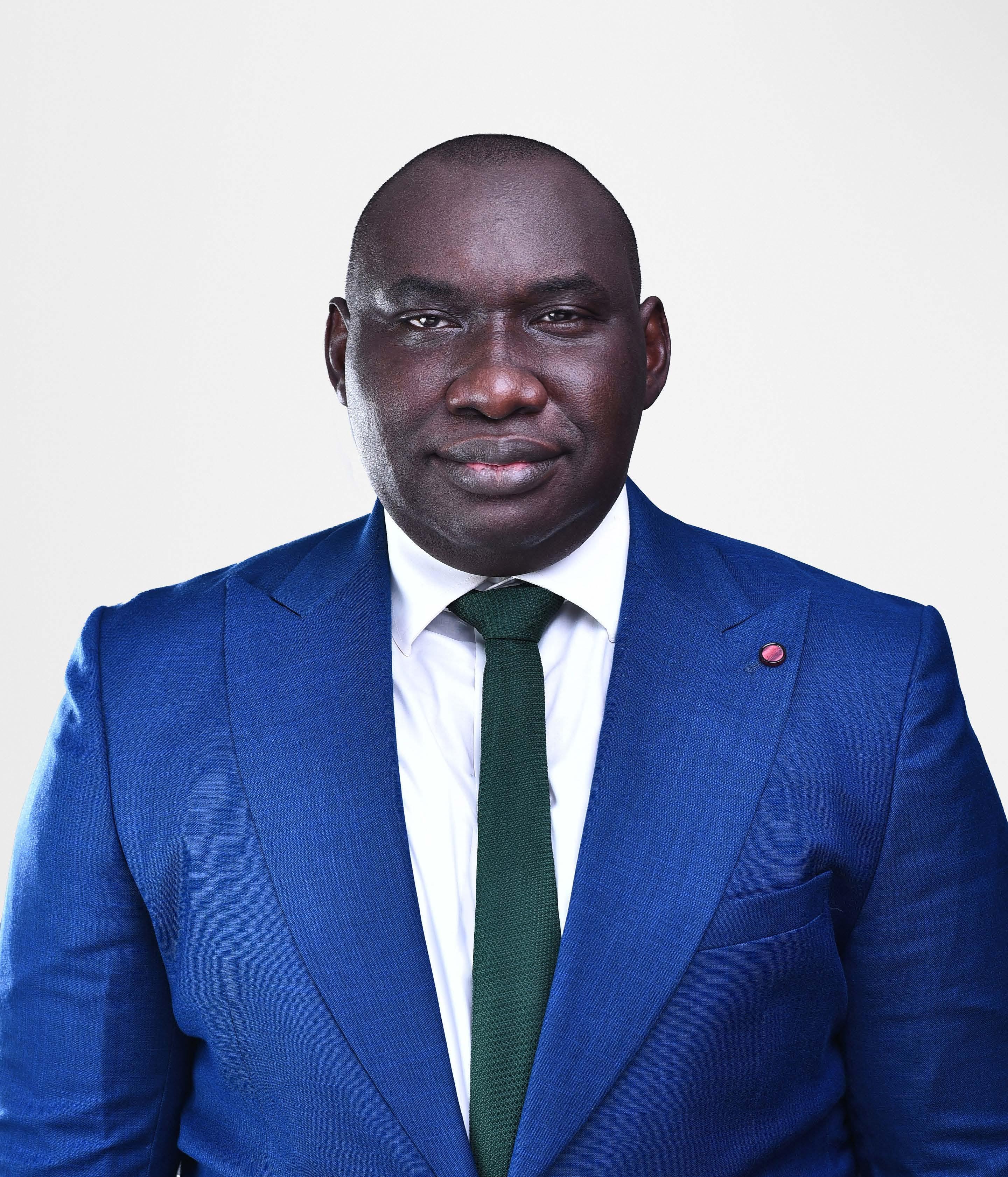
Inan era where African businesses are expanding across borders faster than regulations can keep up, Dayo Adu stands at the intersection of law, technology, and continental ambition. As the Managing Partner of Moroom Africa, he represents a new generation of legal leaders who understand that today’s legal practice must move beyond tradition to meet the demands of a rapidly evolving Africa.
With over a decade of experience advising local and international companies, Adu has built a reputation as a forward-thinking legal mind, specialising in corporate and commercial law, employment, immigration, regulatory compliance, and environmental, social, and governance (ESG) matters. But it is his vision for a truly panAfrican legal standard that sets him apart. Under his leadership, Moroom Africa has positioned itself not just as a law firm but as a tech-enabled legal platform built to support cross-border business with consistency, speed, and clarity.
Adu’s career reflects a balance between depth and progress. From global legal recognition to sustainability leadership training at the University of Cambridge, his work signals a shift in how African professionals are shaping institutions, intentionally, strategically, and with a long-term view. Beyond the courtroom, he is also an active thought leader, engaging in conversations around governance, labour, and the future of work.
In this interview with THEWILL DOWNTOWN’s Johnson Chukwueke, he sits down with Dayo Adu to discuss leadership, innovation in legal practice, and what it takes to build systems that work for Africa — not someday, but now.
You lead a pan-African law firm—what gap in Africa’s legal ecosystem did you see that inspired Moroom Africa?
What we realised is that there is a lot of interest, there’s interest in Africa. Businesses want to come to Africa, people want to connect on the African market, but there is this gap, and we asked ourselves how African businesses can be much more integrated. For context, there’s the EU, with legislation on immigration and trade-related matters. We don’t have such legislation in Africa. But there’s a particular block in Nigeria, and anyone practising in that block advises on legal matters affecting about 10-12 countries. So we felt it was time for us to start thinking Africa-wide, and playing Africa-wide. As a matter of fact, we were already getting queries about other African countries, so it was time for us to make that shift, and now we are able to work with clients across African countries as one structure.
What does “One Africa. One Standard.” mean in practical terms for businesses operating across borders?
It simply means “The quality standard of service you get from us here in Nigeria is the same you can expect in other countries.” When clients intend to do business in terms of legal advice and support, we have ensured
everyone is onboarded, vetted, they meet our service level, and they can be trusted, and the same service here in Nigeria is what you would get anywhere else.
How is technology changing the way legal services are delivered on the continent?
The truth is, we look at international firms ahead; of course, there are many global firms miles ahead of us, and they have many AI platforms. These AI platforms are being utilised by various international firms in delivering legal services. People might see it as an advantage or disadvantage, but the truth is, technology is supposed to support and assist us as professionals to ensure that not only do we deliver excellent services to clients, but it also allows us to probably take on much more, and also reduce the amount of time spent on a particular task because the tech is helping us.
and dedication, as well as structure and partnership. We are there, and I believe once mindsets are focused on the ultimate goal, everything will be under control.
“I think we are in our early years, and we are loyal to our vision 2035, which is our 10-year vision, which we started in 2025. It is basically an internal document that guides us as to where we are now and where we hope to be in a few years. We hope that by the grace of God, by 2035, we will be able to look at that roadmap and see that we have met 80-90% of our objective, or even more.”
What have been the biggest challenges in building a modern legal firm in Africa?
The aspect is one. Almost everybody wants to set up a small shop, everybody wants to be their boss and run their shop, and there’s nothing wrong with that. However, it leads to so much fragmentation of the backlog. There are too many small shops; we don’t have large firms that can become institutions that will be there in the next 2, 3, 4 years. That’s the people aspect. The solution to this issue is that we need to work on a strategy that allows firms to come together and combine resources to become even stronger firms. That’s why I am a bit happy, as there are some new rules that are coming up in the profession, in terms of inspection of law offices, since we have too many small shops that don’t help us, and it also doesn’t help give the regard, and respect that society accords lawyers or law firms, and by extension, even our billing capability and capacity as well is being affected because of the fragmentation of the market. I would also say capital contribution. The economy has not been comfortably pulling capital together to invest in firms; it’s never been so easy. Then there’s the cultural aspect of how difficult it is to make the shift. You tend to hear about people focusing more on the negative stories of partnerships that don’t work, but the truth is that it takes a lot of resilience, commitment,
As a leader, how do you balance commercial success with ethical responsibility? Ethics has to be number one. I believe in that. I believe a name is anything you leave behind, not just for yourself, but for the next generation as well, something that has to be guarded jealously. I don’t think it’s something we should do side by side or try to create a balance like they are the opposing ends. I think ethics should be the foundation, and every other thing must sit on ethics. If other things can’t sit on the ethics, I think that’s a compromise. I don’t think there should even be a discussion on compromising ethics. I think your moral compassion should be so sharp that everything is built on ethics.
What leadership lessons have surprised you the most on your journey so far?
“It simply means “The quality standard of service you get from us here in Nigeria is the same you can expect in other countries.” When clients intend to do business in terms of legal advice and support, we have ensured everyone is onboarded, vetted, they meet our service level, and they can be trusted, and the same service here in Nigeria is what you would get anywhere else.”
One of my goals this year is learn more about psychology because I realised that, as leaders, essentially, what you are doing is getting the right people, supporting them, and letting them try. You also have the ability to see things through your own lens, cause it’s your vision. So you need to understand what drives them, what they want to achieve, and ultimately, how you can help them to achieve it. So what surprised me the most is that it’s not so easy to find people who are visionaries or even align with visions. So when you find these types of people, you have to give them all the encouragement. What you will realise is that most people don’t have the ownership mindset, so before anything, you have to prioritise those who have an ownership mindset and those attuned to the vision of any organisation. Those people are the ones you must hold close and keep close. So yeah, the best thing one can do is give such people the opportunities. I am an optimist; I give people the drive they need, but you should also keep in mind that you should give them room to fail as well. As much as you are giving them the tools to succeed, also have it at the back of your mind that it doesn’t necessarily mean it will translate to success.
What misconceptions do people often have about corporate law and legal entrepreneurship?
People see you travelling, they just see you here, they see you there, they see you driving a nice car, but they don’t see the work that goes into it, the effort and investments that go into it. It feels good to win mandates, get chosen to be on panels, and be on multinationals and large corporates, but a lot of work goes into it; there’s no shortcut. You must burn the midnight oil. Hard work goes as far as even sacrificing immediate gains for your ultimate goal.
How do you manage pressure and decision-making at the level you operate? Processes, systems, policies. Once you have most of these things in place, I think it helps set things in the right order. For me, I can be democratic when making my decisions, I listen, and I also have a deputy that I ensure I speak with to get another perspective before making any critical decision.
How do you personally define success at this stage of your career?
Success for me at this stage is more or less about how many people I can keep the door open for to come in and do their best work, and to have the opportunity to climb the ladder to partnership. That’s success for me. How do we go about building an institution that’s not just about one man, but about bringing in today’s leaders and also


letting tomorrow’s leaders know they can contribute and become today’s leaders as well. Basically, keeping the pipeline open.
Looking ahead, what legacy do you hope Moroom Africa — and your leadership — will leave on the continent?
I wouldn’t talk about legacy yet. I think we are in our early years, and we are loyal to our vision 2035, which is our 10-year vision, which we started in 2025. It is
basically an internal document that guides us as to where we are now and where we hope to be in a few years. We hope that by the grace of God, by 2035, we will be able to look at that roadmap and see that we have met 80-90% of our objective, or even more. However, we will continue to be a very ethical firm that wants Africa to try and succeed in doing business the right way.
ADA OBIAJUNWA @aaddaahh
One of the first things Lagos teaches you is that size is negotiable.
You’ll see an okada (motorcycle) doing things that even the laws of physics did not agree to.
Sometimes it’s carrying something bigger than the okada.
Sometimes bigger than the rider.
Sometimes you just stare and wonder which calculation led to this moment.
You’ll think, this cannot be safe.
Then the okada will move off confidently, like this setup went through a meeting you were not invited to.
No panic.
No hesitation.
Just movement.
And somehow, the man arrives. You might not understand how. You might not agree with the method.
But he gets there.
That’s Lagos.
Once you start noticing, you see it everywhere. A keke (tricycle motorcycle) carrying more people than it was ever designed for.
A danfo (bus) door that hasn’t closed properly in years but still shows up for work every morning.
A generator that sounds like it’s tired of life, yet is powering three shops, a freezer, and someone’s plans. None of it makes sense on paper.
Most of it works in real life.
You’ll also see someone selling gala and cold drinks in traffic that hasn’t moved in a long time. He walks between cars like this was part of the plan.


Here, the goal is getting there, not looking good while doing it.
If it works, it works. Even if it looks questionable.
Once you see that, everything else makes more sense.
You watch people fix things as they go.
No long explanations.
No perfect setup.
He already knows who will buy. And then there’s the Fan Ice vendor. In this heat.
Under this sun.
In traffic that is clearly not going anywhere. Someone is selling Fan Ice. Still cold.
Still intact.
You don’t ask how.
Because asking would raise questions you are not emotionally prepared for.
You just buy it, accept the miracle, and move on.
At some point, it clicks.
Lagos isn’t trying to look sensible. It’s just trying to work.
Just what do we have, and what can we do with it.
You’ll see a man directing traffic.
Not because anyone asked him to.
Not because he’s trained.
But because everyone is stuck, and someone decided to try.
And somehow, traffic listens. You also notice the different styles of survival.
On the Mainland, people leave early.
Very early.
Not because they love mornings, but because they know better.
They don’t argue with traffic.
They plan around it.
On the Island, especially Lekki, people learn optimism.
You can leave your house early, fully dressed, fully hopeful, and still arrive late with a straight face. You understand this isn’t your fault. This is geography.
You’ll say, “I left on time,” and mean it.
You also learn that rain in Lagos is not just rain. It’s an event.
One drop falls, and everyone immediately rethinks their plans.
Lagos teaches adjustment without announcement.
People don’t say, “This is hard.”
They just adjust and keep moving.
And that’s the real lesson.
Lagos doesn’t teach comfort.
It teaches figuring things out.
It teaches you that waiting for the perfect conditions will take a while.
That progress can be messy.
That sometimes you move first and understand later.
Yes, the city is loud.
Yes, it’s chaotic.


Yes, it will test your patience in ways you didn’t plan for.
But there’s also a quiet competence here.
A belief that things will work out somehow.
That the destination still matters, even if the journey is rough.
You start to respect that.
Not the chaos.
The people moving through it.
You realise resilience here isn’t dramatic. It’s practical.
It’s deciding to keep going.
To carry what needs to be carried.
To make it work with what you have.
And slowly, without making a big deal of it, you soften.
You still complain.
You still get tired.
You still roll your eyes in traffic.
But you also notice it.
The effort.
The creativity.
The way people keep showing up.
I’m learning to love Lagos.
Not because it makes sense.
But because it gets you where you’re going.
And maybe that’s the Luxury Silk.
BY DORCAS AKINTOYE
Retinol is a star ingredient in skincare. It helps reduce fine lines, smooths skin texture, and boosts collagen production. But not everyone’s skin can handle retinol, and some prefer natural solutions over chemical ones. The good news? Mother Nature has alternatives that give similar benefits without harsh side effects. In this article, we will show you five natural retinol alternatives that really work.
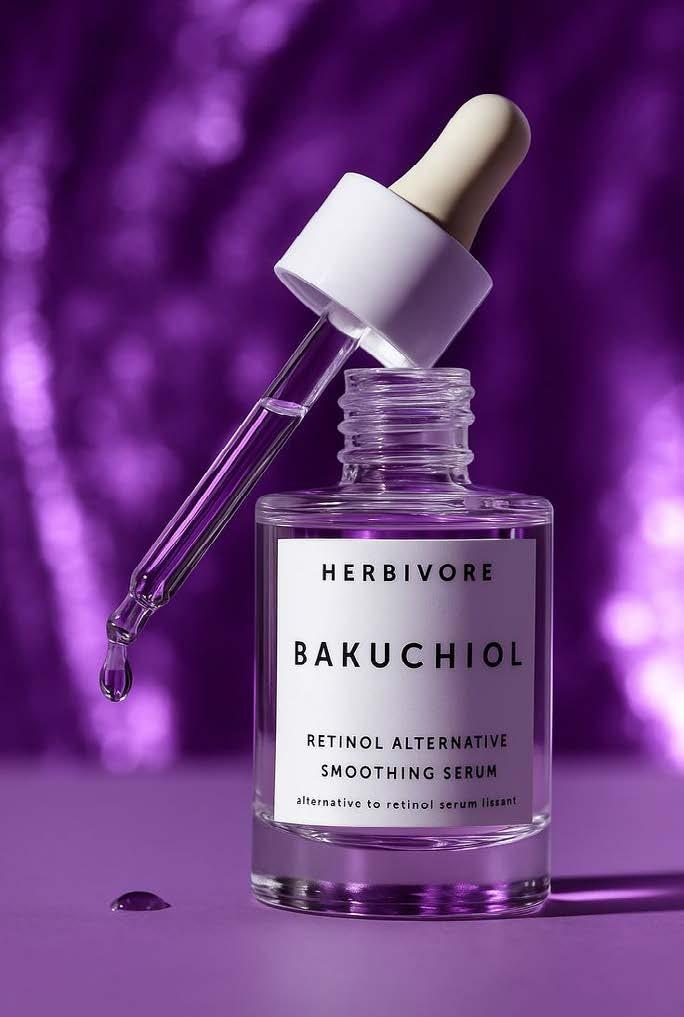
Bakuchiol is a plant-based compound found in the seeds and leaves of the Psoralea corylifolia plant. Studies have shown it works similarly to retinol by improving skin elasticity, reducing wrinkles, and evening out skin tone. Unlike retinol, bakuchiol is gentle and can be used during the day without causing sun sensitivity. It’s ideal for sensitive skin or those who react badly to traditional retinol.
Rosehip seed oil is rich in natural vitamin A, the same vitamin retinol is derived from. It helps promote skin cell turnover, reduces the appearance of scars, and improves overall skin texture. Its fatty acids also deeply hydrate the skin, making it perfect for dry or mature skin. Using rosehip oil consistently can brighten your complexion and leave your skin soft and smooth.
Carrot seed oil contains betacarotene, a powerful antioxidant that your body converts to vitamin A. It helps repair damaged skin, stimulate cell regeneration, and protect against environmental stressors like pollution and UV rays. Applying carrot seed oil in your skincare routine can naturally support anti-ageing while nourishing the skin.


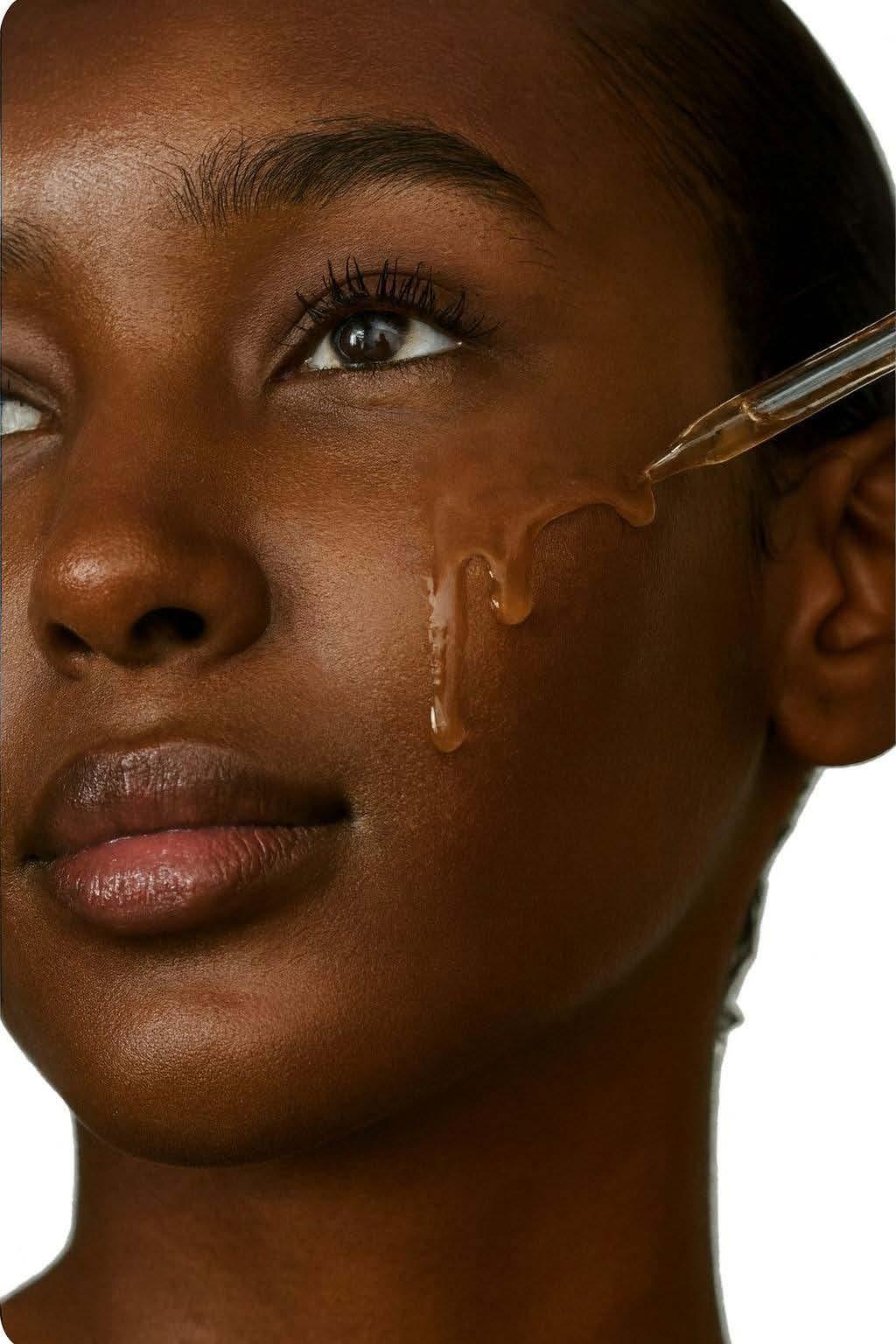
Sea buckthorn oil is packed with vitamin C, vitamin E, and carotenoids. These nutrients help boost collagen production, repair skin damage, and improve elasticity, effects similar to retinol. It also has anti-inflammatory properties, making it excellent for calming redness and irritation. Regular use can give your skin a healthy, youthful glow without the dryness sometimes caused by retinol.
Almond oil is rich in vitamin E and natural retinol-like compounds. It nourishes the skin, smooths fine lines, and improves texture over time. Almond oil is also lightweight and absorbs quickly, making it suitable for all skin types. When massaged gently into the face, it supports skin regeneration and keeps the skin soft and hydrated.


If your skin is sensitive or you prefer natural skincare, these five alternatives are effective ways to get retinol-like benefits. They help reduce wrinkles, brighten skin, and improve elasticity without irritation. By incorporating them into your routine, you can achieve naturally healthy, glowing skin.

BY JOHNSON CHUKWUEKE
Rest doesn’t always announce itself with exhaustion or illness. Sometimes, your body whispers long before it screams, and learning to listen could change everything. In a culture that celebrates being busy, tiredness has become almost normal. We power through long days, ignore discomfort, and convince ourselves that rest is something we’ll “earn” later. But the body doesn’t always wait for permission. Before burnout, breakdowns, or forced time off, it sends subtle signals, quiet nudges asking you to slow down. The problem is that these signs are easy to dismiss. We blame stress, work, or “just one of those weeks,” without realising that our bodies are keeping score. Wellness isn’t only about reacting when something goes wrong; it’s about recognising when your system needs care before it reaches a breaking point.
Here are some quiet but important ways your body might be asking you for rest, even if you think you’re doing just fine.

When sleep no longer feels refreshing, it’s a sign that rest goes beyond hours in bed. Mental overload, emotional stress, and constant stimulation can leave your nervous system exhausted. Your body isn’t asking for more sleep; it’s asking for deeper rest, slower days, and fewer demands.

If everyday activities suddenly feel overwhelming, it may not be laziness or lack of motivation. Fatigue often shows up as mental resistance. When your body is stretched thin, even simple decisions can feel draining. That heaviness is a cue to pause, not push harder.

Irritability, low patience, or emotional numbness can all signal exhaustion. When rest is missing, your emotional regulation suffers. You may find yourself snapping easily or feeling disconnected. These mood shifts are often your body’s way of asking for gentler days and emotional space.

Frequent headaches, colds, or body aches can indicate a weakened immune response due to chronic stress and insufficient rest. Your body needs downtime to repair and protect itself. Ignoring rest doesn’t make you stronger; it makes recovery harder.

You Feel Disconnected From Yourself
When you’re constantly busy, it’s easy to lose touch with how you actually feel. A sense of emptiness, restlessness, or being “on autopilot” is often a sign that your body and mind need quiet moments to reconnect. Rest creates room for awareness.
Rest is not a reward for productivity; it’s a requirement for well-being. The body speaks softly at first, hoping you’ll listen. Paying attention to these quiet signs isn’t weakness; it’s wisdom. When you choose to rest early, you protect your energy, your health, and your peace. Sometimes, the most powerful thing you can do is stop and listen.
BY JOHNSON CHUKWUEKE
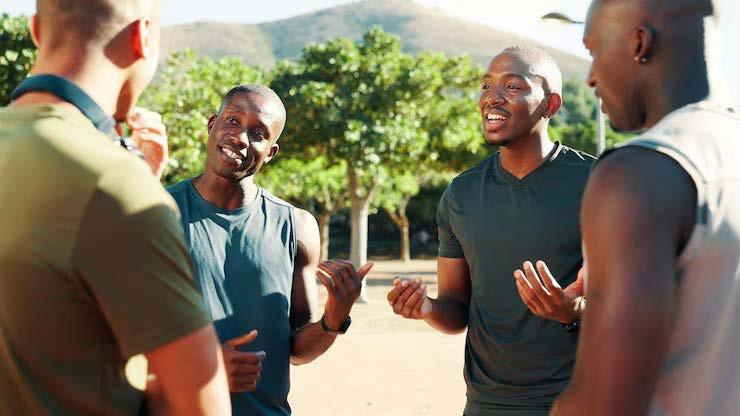
Working out alone can get the job done, but working out together might just change everything. From motivation to mental health, group fitness is quietly becoming the secret sauce to consistency and joy. For many people, fitness starts with good intentions, a gym membership, a playlist, maybe

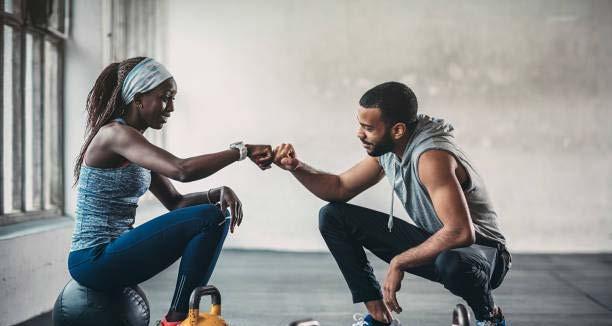
One of the biggest benefits of group workouts is accountability. When others expect you to show up, skipping feels harder, but not in a stressful way. Seeing familiar faces creates a gentle push to stay consistent. You’re not competing; you’re committing. Over time, this consistency becomes a habit, and habits are what truly change bodies.
Motivation You Can Feel
Energy is contagious. In a group setting, enthusiasm spreads fast; one person pushing harder inspires the next. Instructors, music, and collective movement lift motivation in ways solo workouts often can’t. On days you feel tired, someone else’s energy carries you through. Before you know it, you’ve done more than you planned.
even a cute workout outfit. But somewhere between week two and week three, motivation fades. Life gets busy, energy drops, and suddenly that solo workout feels like a chore. This is where group workouts step in.
Across gyms, parks, studios, and even WhatsApp communities, people are rediscovering the power of sweating together. Group workouts are no longer
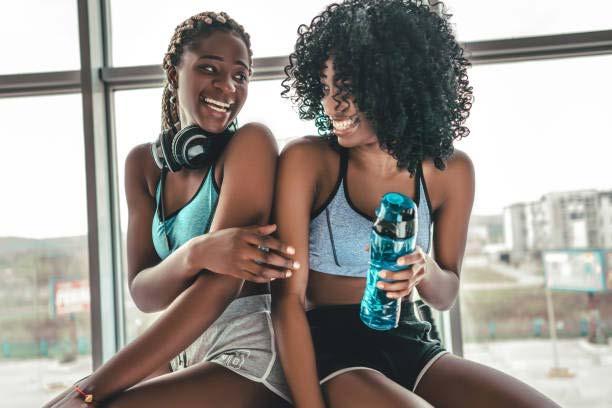
Exercise already boosts mood, but adding social interaction multiplies the effect. Group workouts reduce feelings of isolation, ease stress, and create a sense of belonging. Laughing between sets, exchanging encouragement, or celebrating small wins together makes fitness feel lighter and more enjoyable. It’s therapy, without the couch.
just about fitness classes; they’re about shared energy, accountability, and human connection. Whether it’s spin class, bootcamp, yoga, dance fitness, or weekend runs, there’s something special about moving your body alongside others. It turns exercise from a lonely task into a social experience, one that makes you fitter, happier, and more likely to keep showing up.
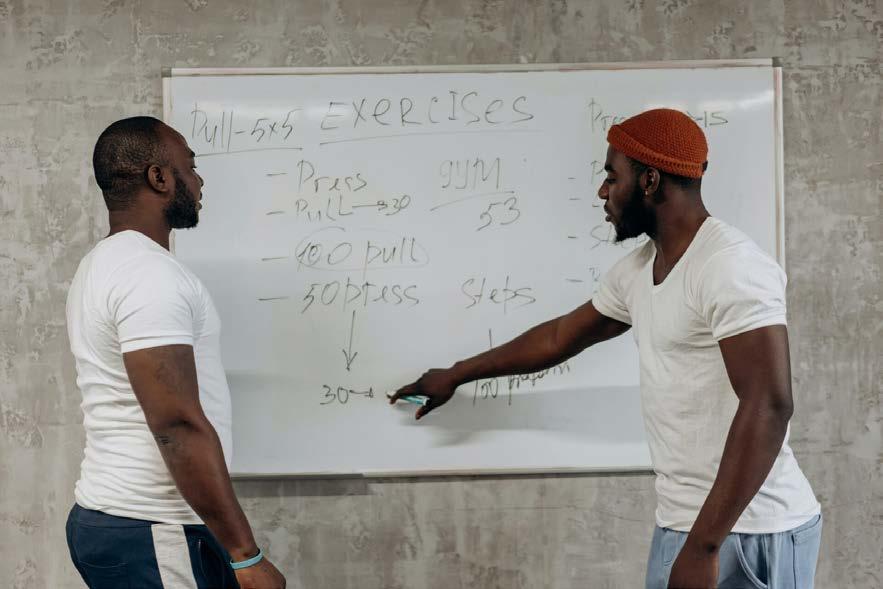
Group classes offer structure: set times, guided routines, and clear goals. This removes decision fatigue; you don’t have to plan your workout; you just show up. Structure helps beginners feel confident and keeps experienced fitness lovers challenged and engaged.
Fitness doesn’t have to be lonely, intimidating, or boring. Sometimes, the missing piece isn’t a new routine or stricter discipline; it’s people. Group workouts remind us that progress doesn’t happen in isolation. When you move together, laugh together, and grow together, fitness becomes more than exercise. It becomes a community, and that might be the strongest muscle of all. Accountability Without
When workouts come with friendships, playlists, post-session chats, or shared goals, fitness blends naturally into daily life. It stops being something you “have to do” and becomes something you look forward to. That joy is what sustains longterm wellness.
BY JOHNSON CHUKWUEKE

Marrakech feels like a city designed for indulgence. Hidden riads with tiled courtyards, rooftop views over terracotta buildings, vibrant souks, and traditional hammams create an experience that feels cinematic. What makes Marrakech special is how accessible this luxury is: beautiful riads are affordable, meals are rich and inexpensive, and even spa experiences are affordable. The city offers a sensory richness that feels curated and timeless.

Few African cities combine nature and sophistication as effortlessly as Cape Town. With ocean views, mountain backdrops, botanical gardens, wine farms, and stylish neighbourhoods, the city delivers a premium lifestyle experience. Dining is world-class yet affordable, boutique hotels are plentiful, and outdoor adventures are often low-cost. Compared to global cities with similar scenery and culture, Cape Town offers exceptional value while still feeling polished and luxurious.

Accra’s luxury lies in its energy. From beachside restaurants and art galleries to fashion-forward cafés and cultural spaces, the city feels confident and expressive. Accommodation and food remain affordable, while the city’s creative pulse adds depth to every visit. Accra offers a lifestyle-driven luxury that is relaxed, stylish, and culturally rich, and feels authentic rather than staged.
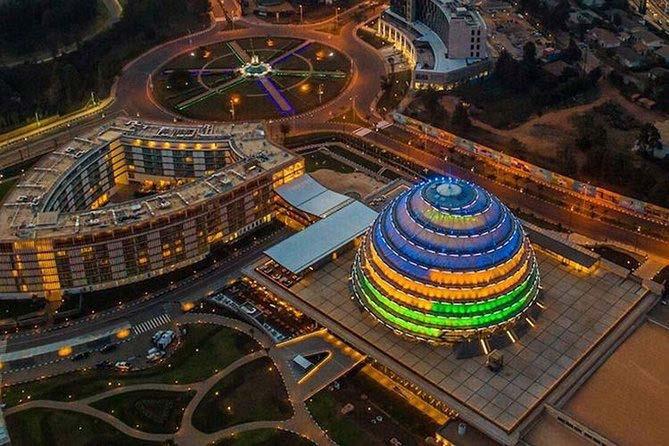
Kigali is the definition of understated luxury. Clean streets, scenic hills, modern cafés, and thoughtfully designed spaces make the city feel calm and refined. Hotels are comfortable without being overpriced, food is affordable, and the overall atmosphere is intentional and peaceful. Kigali may not be loud, but its quiet elegance leaves a lasting impression.
Luxury travel in Africa is often misunderstood as something reserved for exclusive resorts, private safaris, or five-star hotel bills. In reality, some of the continent’s most memorable cities offer beauty, comfort, culture, and indulgent experiences at surprisingly affordable costs. These destinations don’t scream luxury; they embody it quietly, through atmosphere, design, food, and lifestyle. If you’re looking for African cities where your money can give you sweet memories and the experience still feels refined, then these destinations are proof you need that luxury is as much about feeling as it is about spending.

Dakar blends culture, music, fashion, and ocean views into a city that feels vibrant and soulful. From coastal relaxation to dynamic nightlife and rich art scenes, the city delivers a premium cultural experience. Costs remain reasonable, and Dakar’s rhythm, energetic yet grounded, makes it a destination that feels alive without being overwhelming.
Luxury today isn’t just about expense; it’s about experience, ease, and emotional impact. These African cities offer comfort, beauty, and culture that feel indulgent without excess. They remind travellers that some of the best trips aren’t defined by how much you spend, but by how deeply you enjoy where you are. Sometimes, the most luxurious journeys are the ones that surprise you.
BY DORCAS AKINTOYE
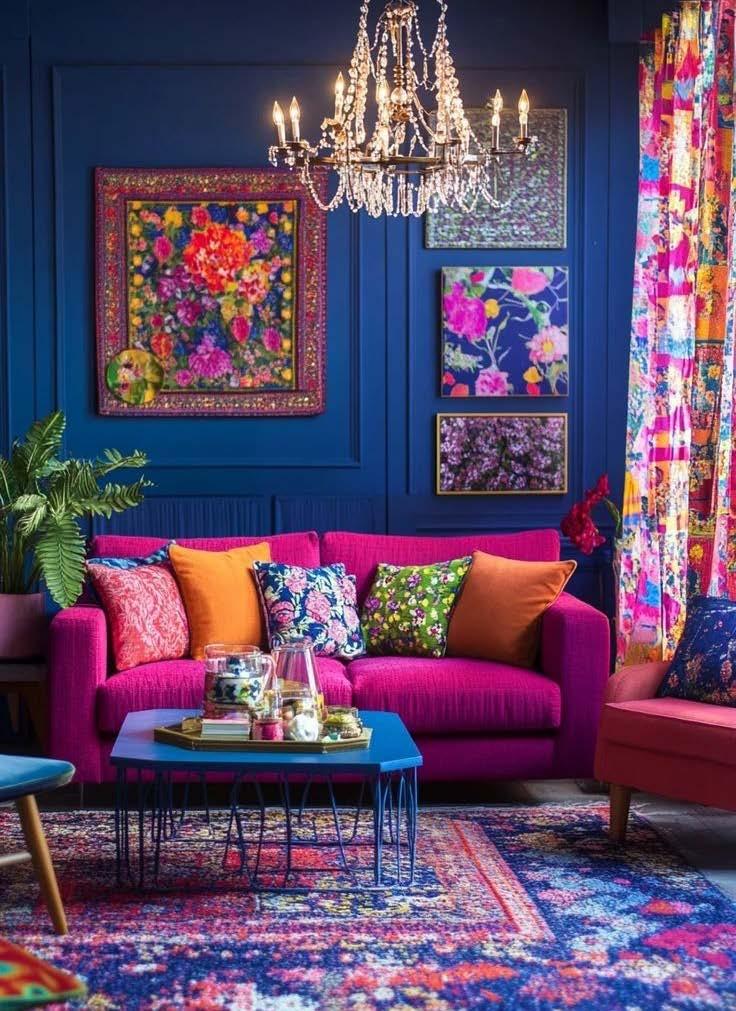
The decor industry has been dominated by minimalism over the years, thanks to its simple lines, subdued hues, and a less-is-more philosophy. Try maximalism for a change. Maximalism is all about bringing personality, colour, patterns, and important objects into your home to make it feel alive. Think bold colours, layered textures, and eye-catching pieces that speak to who you are. And the good news? You don’t need to be an interior designer to pull it off. Here are four easy and effective ways to embrace maximalism in your home.
The use of colour is essential to maximalist design. Neutral tones are not the best option at this time. Opt for striking and vibrant hues such as emerald greens, burnt oranges, mustard yellows, deep blues, or even hot pink. A wall can be painted a vibrant colour, or you can add vibrant furniture and accessories, such as carpets, pillows, and curtains. Don’t stress too much about everything matching. Strict adherence to norms is not what maximalism is about. It all comes down to selecting hues that uplift you and give your room vitality. The goal is to make the space feel lively and energising.

Maximalism involves combining various patterns and textures because it loves layering. You can pair floral prints with stripes, animal prints with polka dots, or geometric shapes with tropical designs. Use these patterns on your chairs and sofas, as well as on your cushions, carpets, curtains, and wallpaper. Your space feels rich and comfortable thanks to the layering that adds depth. Having a few base colours that tie everything together is the key to keeping things from appearing overly disorganised.
Do you have books, vintage items, artwork, travel souvenirs, or even funky mugs that you love? Display them proudly! Maximalism permits you to fill your space with things that matter to you. Use open shelves, gallery walls, or decorative trays to show off these items.
Maximalism is the perfect excuse to go bold with at least one or two statement pieces. A large artwork, a striking chandelier, an original sculpture, or a couch with a striking design could be the item. These pieces draw attention and immediately give your house personality. Don’t be afraid to choose something unusual or even a little overthe-top. The goal is to create a space that’s anything but boring.


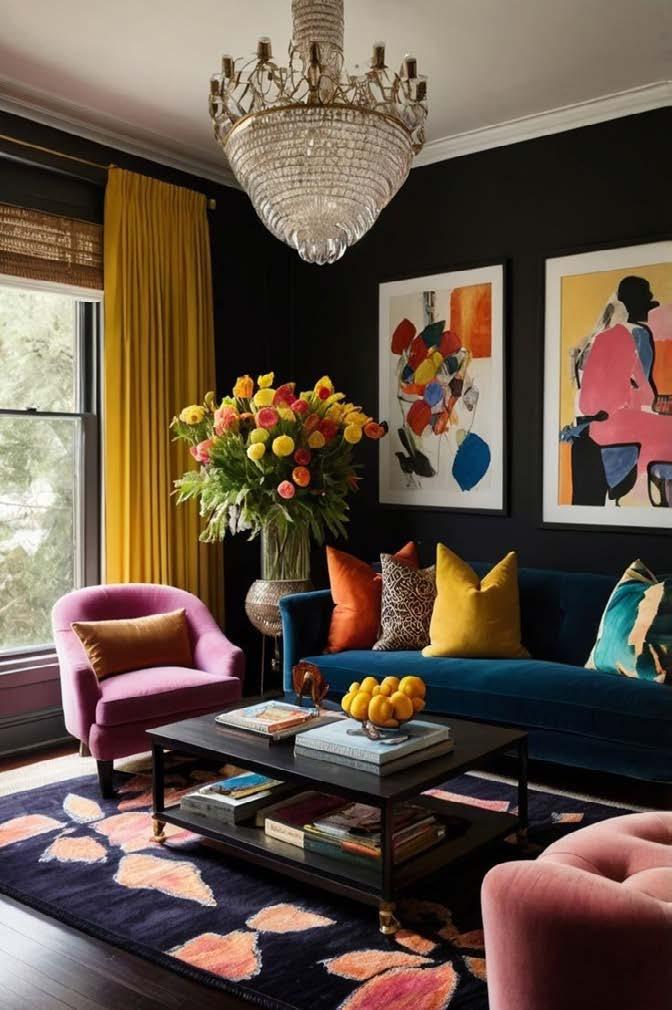
Maximalism isn’t about just stuffing your space with random things. It’s about creating a home that feels exciting, meaningful, and full of personality. It allows you to be creative, bold, and unapologetically you. So if you’re tired of plain walls and minimal decor, give maximalism a try.

BY JOHNSON CHUKWUEKE

VIDEO CHATTING WITH A PURPOSE
Yes, FaceTime, Zoom, and Google Meet are now part of our daily vocabulary—but it’s not just about catching up. Families are now using scheduled virtual “hangouts” to watch shows together via Netflix Party, co-cook dinner via recipe screen share, or play trivia games in real time. With a little structure, video calls go from awkward pauses to bonding experiences.
SHARED CALENDAR APPS THAT ACTUALLY SAVE RELATIONSHIPS
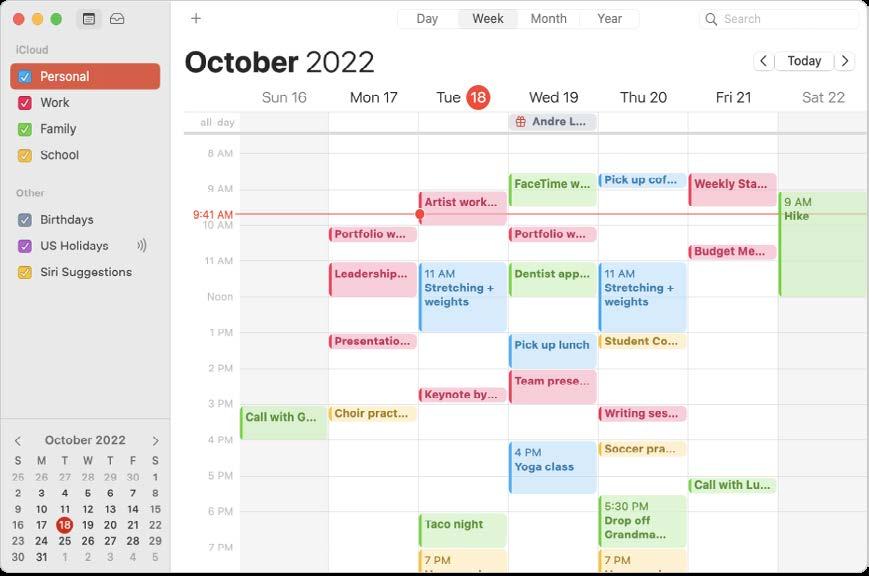
Apps like Cozi and Google Calendar aren’t just for office meetings anymore. These familyfriendly tools help coordinate school pickups, soccer games, meal plans, and even chore rotations. Shared digital calendars ensure everyone stays in sync, reducing last-minute chaos and passive-aggressive Post-it notes.

HEALTH AND WELLNESS APPS THAT KEEP THE FAMILY IN CHECK
Apps like Fitbit Family, Headspace for Kids, and YouTube Kids yoga channels bring fitness, mindfulness, and health education into the home in engaging, accessible ways. Whether it’s setting a family step challenge or winding down with guided meditation, these tools help families stay well together.

SMART HOME DEVICES THAT MAKE LIFE
From Alexa reminders to Google Nest routines, smart home tech helps organise and automate family life. Set up morning routines with alarms, weather updates, and motivational quotes, or create nighttime wind-downs with soothing playlists and dimmed lights. It’s tech that sets the mood for more mindful moments.
In today’s fast-paced, scroll-heavy world, tech is often seen as the villain behind fading family dinners and “just one more email” evenings. But what if we flipped the script? What if, instead of pulling us apart, technology could bring us closer than ever?
Welcome to the era where FaceTime isn’t just for checking in—it’s a lifeline for long-distance love. From digital game nights to wellness apps for families, tech is redefining what it means to stay connected, not just online but emotionally.
Here are some of the most meaningful, clever, and surprisingly heartwarming ways technology is helping families reconnect and create stronger bonds.

DIGITAL GAME NIGHTS AND VIRTUAL ADVENTURES
Gaming has evolved far beyond the days of solo consoles. Platforms like Jackbox Games, Minecraft Realms, or even mobile-friendly games like Uno and Scrabble Go offer digital arenas where families, whether across the street or across the globe, can laugh, compete, and connect. It’s about reclaiming playtime, no matter the distance.
The key to building stronger family bonds through technology isn’t about limiting screen time—it’s about being intentional with it. When used with purpose and creativity, tech can be a bridge, not a barrier. Whether it’s a parent videocalling from a business trip to help with homework or siblings playing online hide-and-seek, today’s gadgets are quietly revolutionising family time. So go ahead— schedule that FaceTime call, challenge your cousin in online Monopoly, or set up a Sunday trivia night. Because when used wisely, the glow of the screen might just lead to warmer hearts.
BY DORCAS AKINTOYE
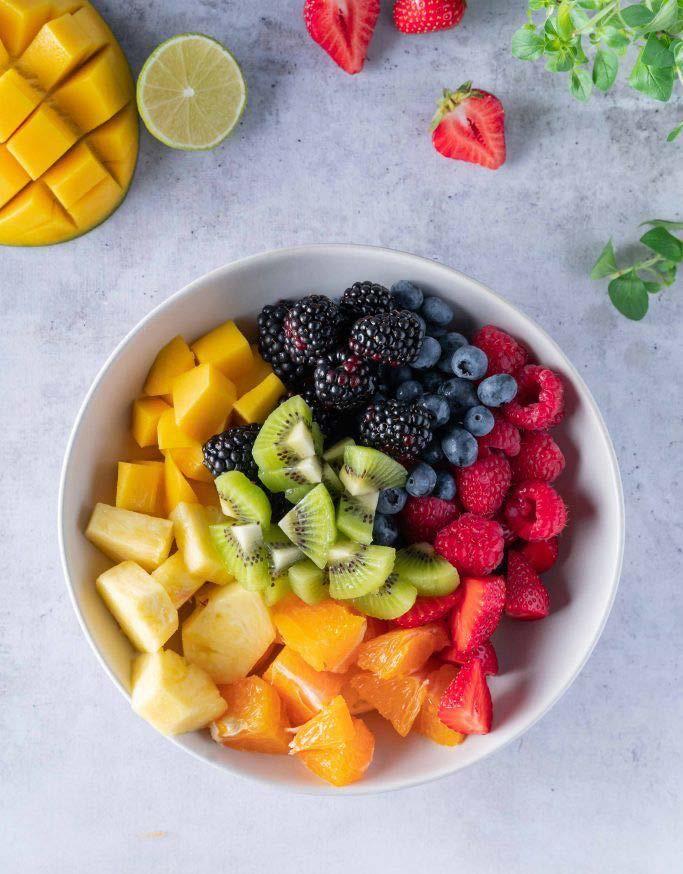
Many people associate skincare with products like serums, creams, and other beauty products. Despite their usefulness, genuine skin health starts from the inside. Your diet, particularly fruits, can profoundly affect your skin. Fruits are a natural source of moisture, vitamins, and antioxidants that nourish your skin, help it stay smooth and glowing, and combat common issues like acne, dryness, and dullness. This article will introduce you to four fruits that promote radiant, healthy skin.
Oranges are well-known for having a high vitamin C content, which is essential for healthy skin. Vitamin C increases the synthesis of collagen, a protein that maintains the firmness and elasticity of your skin. It also shields your skin from UV damage and helps lighten dark spots. Oranges are also rich in antioxidants, which prevent premature ageing by combating free radicals. Regularly consuming oranges or freshly squeezed orange juice will keep your skin moisturised and radiant. Their natural oils can also help hydrate your skin from the inside out.
Watermelon is the ideal fruit for you if you frequently have dry or dull skin. It is a great way to hydrate your skin because it contains more than 90% water. Lycopene, a potent antioxidant that helps shield your skin from UV rays and maintain its youthful appearance, is another abundant ingredient in watermelon. Its blend of vitamins A, C, and E helps to repair and nourish the skin. You may instantly revitalise your skin and give it a natural glow by eating a bowl of fresh watermelon.
Antioxidants and vitamin C found in abundance in strawberries shield your skin from harm. They also contain alpha-hydroxy acids (AHAs), which help unclog pores, lessen acne, and exfoliate dead skin cells. Strawberries include ellagic acid, which can stop collagen from breaking down and lessen wrinkles. Consuming these berries or incorporating them into a homemade face mask will revitalise your skin.




Potassium, which is abundant in bananas, hydrates and softens skin. Additionally, they include vitamins A, B, and E, which help to maintain a flawless complexion by repairing damaged skin cells. Bananas' natural sugars help retain moisture, which leaves your skin feeling supple and soft. Bananas are also excellent for lowering inflammation and calming sensitive skin. To reap these benefits, mash a banana into a face mask or eat it as a snack.
Healthy skin comes from what you apply on the outside and what you put inside your body. By incorporating the listed fruits into your diet, you can nourish your skin and help it stay hydrated, healthy, and radiant. Your skin will naturally transform as soon as you start including these fruits in your regular meals.



Ididn’t know it was going to happen. If I did, maybe I would have prepared my mind better. Or at least warned myself that my body was about to surprise me.
It wasn’t our first time together. Deji was my sweet boy, and that was what made the night feel easy. No pressure. Just two people enjoying each other without overthinking it.
Sex, for me, had always followed a pattern. I knew what to expect. I knew when to breathe, when to relax, when it would end. It had always been good, but it was also predictable.
That night proved me wrong.
While we were at it, he was thrusting in and out just the way I wanted it, then suddenly, I felt this slow build-up that made me pause. Something felt different, deeper. My body felt heavier, fuller, as if it were responding before my mind could catch up. I tried to stay calm, to stay in control, but my body wasn’t interested in control at all. Then it happened.
For a moment, I froze and released the grip of my fingers on his skin. My first reaction was confusion, followed closely by embarrassment. I pulled away slightly, my heart beating fast, my mind racing ahead of my emotions.
For a few seconds, neither of us said anything. I was still catching my breath, my heart beating faster than my thoughts. My body felt light and heavy at the same time, like something had just passed through me.
Deji was the first to speak.
“Wait,” he said softly. “What just happened?”
I laughed, but it came out shaky. I was still trying to understand it myself. My chest was rising and falling too fast, my head spinning between surprise and disbelief.
“I think…” I paused, inhaled, then said it, half-breathless. “I think I just squirted.”
The words hung in the air.
He blinked. Then blinked again.
“You’re serious?” he asked.
I nodded, still staring at the ceiling like it might explain things better than I could. “I think so. I mean… I know what it is.
He sat back, smiled and said, “So… does this mean I did something right?”
I laughed. Proper laughed.
I covered my face with my hands, suddenly shy. “Please don’t make this weird.”
“I’m not,” he said quickly. “I’m just surprised. In a good way.”
I was glad he wasn’t dramatic about it. Afterwards, we stayed there longer than usual. Talking about random things. About how strange bodies can be. About how there’s still so much we don’t understand, even about ourselves.
Later, when I was alone, I kept replaying it in my head.
That night reminded me that knowing something in theory is very different from experiencing it yourself.
BY BOLUWATIFE ADESINA

Timur Bekmambetov seems determined to make us look at screens when we go to the movies. Several of his films, including Unfriended, Searching and Profile (he produced the first two and directed the third), helped popularise the trend of so-called “screenlife” movies, in which the action is shown entirely via screens of one type or another (the horribly bad yet hilarious War of the Worlds movie from 2025 is the worst of these). He branches out a little with his latest effort, starring Chris Pratt as a man on trial for the alleged murder of his wife, with his fate to be decided by an artificial intelligence (AI) judge. Unfortunately, Mercy still contains so much footage shot from the perspective of doorbell cams, body cameras, drone cameras, iPhones, etc., that it should be avoided by anyone suffering from screen addiction—which these days is pretty much everybody.
Bekmambetov does his screenlife schtick here as well, but what he mostly gives us is Pratt strapped to a chair for much of the film’s running time as his character, Chris Raven, desperately attempts to prove his innocence to the impassive Judge Maddox. Maddox, played by Rebecca Ferguson in an appropriately poker-face fashion, is an AI creation, one that Raven formerly championed as a police detective in a Los Angeles that has become hopelessly crime-ridden. The film is set in 2029, a mere three years from now, demonstrating an optimism about the potential of AI that this writer does not share.
Raven wakes up after an alcoholfueled blackout in the “Mercy Chair,” which conveniently features an attachment capable of instantly killing him if he’s found guilty. He doesn’t remember anything that happened the morning before, when he supposedly killed his wife (Annabelle Wallis), but he has 90 minutes to prove his innocence
to the unyielding AI judge, who has access to all the video footage in the world to either support or counter his arguments.
Like a contestant on Who Wants to Be a Millionaire?, Raven has opportunities to phone his friends (via video screens, naturally). He reaches out to his teenage daughter, Britt (Kylie Rogers, from Yellowstone), to proclaim his innocence; to his friend, Rob (Chris Sullivan, from This Is Us), in search of answers; and to his police partner, Jaq (Kali Reis, from True Detective Night Country), to help track down the real murderer. It’s eventually revealed that his wife has been having an affair, which unfortunately only provides a motive for him to have killed her.
The constant use of low-res footage quickly proves wearisome, with the film’s three credited editors working their hardest to make it all look dynamic. Toward the end, Mercy does feature a very well-orchestrated, exciting truck-and-car chase through the streets of Los Angeles, which feels like eating a sweet dessert after a bland meal.
While Pratt can be effective in the right vehicle (Jurassic World, Guardians of the Galaxy), he’s very dependent on his athletic physicality. Watching him as he sits motionless in a chair for nearly 90 minutes, not able to resort to the humour with which he often peppers his performances, mainly serves as a demonstration of his limitations as an actor. Ferguson comes off much better, especially when she subtly reveals the hints of emotionality that begin to seep into her character’s data-driven persona.
Taking place in real time, Mercy mercifully moves along fairly briskly. But after it’s over, you’ll definitely feel the need for a digital detox.
Rating:4/10
I fully admit to nearly dozing off 4 times.

Scan this with your camera or click to access the playlist (Youtube Music)
Huge sigh of relief – they got it right. The second Game of Thrones prequel, returning us once more to the vast fantasy realm of author George R.R. Martin, is essentially a retort to its predecessor, House of the Dragon That series, which has a third season on the way, tried to duplicate the Game of Thrones phenomenon and painfully missed the mark. A Knight of the Seven Kingdoms essentially sidesteps the franchise’s grand legacy. As a television show, it’s a welcome tree change: downsized and thoughtful.

Scan this with your camera or click to access the playlist (Spotify)

And, to be clear, the show’s creators, Martin and Ira Parker, have embraced that pivot. The first time a stirring moment occurs, you hear the opening notes of Ramin Djawadi’s signature Game of Thrones theme, but it’s swiftly cut off by a thunderous bowel movement, as if they’re pooping on fanboy expectations. The medieval Kingdom of Westeros remains a brutal realm, but it’s peacetime. The only dragons are in a puppet show, and there’s time for chatting to horses and morning breakfast on the campfire.
The big unit eating that breakfast is Dunk (Peter Claffey), a child of the King’s Landing slums whose years as a teenage squire are revisited in flashbacks dominated by backhanders and itinerant living. Dunk is a hedge knight – no standing, no lord, little money. When he tries to enter a
tourney, seeking fame by competing with representatives from the ruling Targaryen family and various great houses, he’s knocked back. The chirpy kid who follows him around, Egg (Dexter Sol Ansell), explains why: “Your belt is made of rope”. Dunk is naive and lacking in self-belief, but also a straight shooter and likeable. He’s a terrific guide for a tour of Westeros that gets back to sharply drawn bit players and some anthropological details. Once again, there’s dirt under the character’s nails and clothes




gets to awkwardly dance – at a party thrown by this era’s cavalier Baratheon, Ser Lyonel (Daniel Ings) – long before the swords come out.
With its concise first episode and chirpy dialogue between the mismatched leads, Seven Kingdoms offers a fresh take on Game of Thrones. It won’t make new fans, but it may well satisfy old ones who’d grown restless. And it’s not simply a matter of lightening the tone. Everything here is a matter of contrast. There are good people and terrible people, while betrayal remains a constant. A victory here is not simply about winning a battle; it’s about staying true to yourself in the face of systemic