
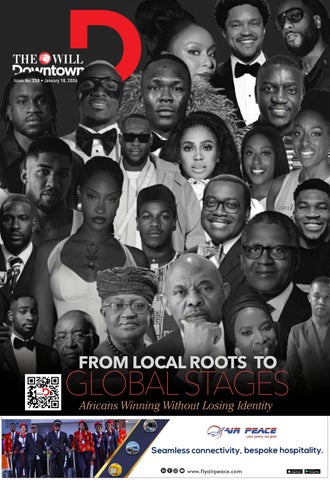






From boardrooms to world stages, from studios to stadiums, this week’s cover story reminds us of one powerful truth: African excellence does not need translation. The individuals profiled did not achieve global relevance by erasing their origins; they did so by standing firmly in them. Their journeys show that identity is not a limitation to success; it is its foundation. What unites these trailblazers is not industry or geography but conviction. A belief that Africa’s stories deserve space, that African leadership belongs in global conversations, and that progress does not require severing ties with home. Whether through business, culture, governance, or philanthropy, each figure carries Africa with intention, dignity, and pride.
At a time when the world is paying closer attention to Africa’s potential, these leaders offer a blueprint for sustainable influence. Not borrowed power, but earned presence.
Read this story on pages 8 to 11.
It’s a new year, so there are definitely new trends to look out for. Our fashion pages spotlight some of these trends, which we already saw Michael B. Jordan and other stars rock at the recent Golden Globes. Don’t miss out on the trends; scroll to pages 4 and 5 to catch up on them.
The world has gone digital, and with it, cyber threats are evolving every day. Protecting your digital space is a must these days, as you never know what new trick digital intruders have up their sleeves. Our tech page outlines the steps you should take to stay safe from them.
Don’t forget to download the playlist on page 16.
Until next week, enjoy your read.


@onahluciaa + 2348033239132
AUSTYN OGANNAH
PUBLISHER/EDITOR-IN-CHIEF
Executive Editor: Onah Nwachukwu @onahluciaa
Writer: Johnson Chukwueke
Design & Layout: Olaniyan John ‘Blake’
Digital Media: Oladimeji Balogun
Consulting Art Director: Sunny Hughes ‘SunZA’

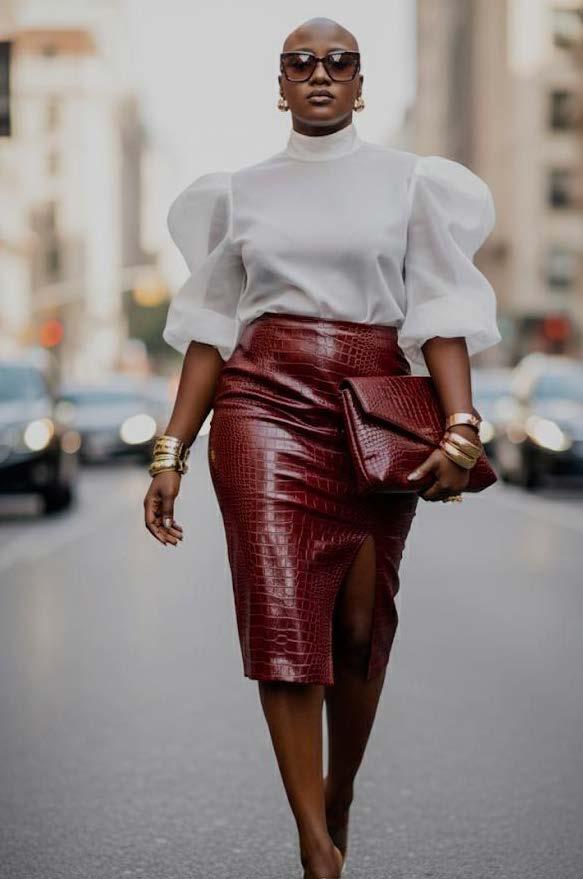
The Trends Everyone Will Be Wearing in 2026
Untold Truths The Answer You’re Avoiding
From Local Roots to Global Stages Africans Winning Without Losing Identity
How You Learn to Cope Without Noticing 4 Beauty Trends Setting The Tone For 2026

Boluwatife Adesina @bolugramm
- Contributing Writer
Boluwatife Adesina is a media writer and the helmer of the Downtown Review page. He’s probably in a cinema near you.
Dorcas Akintoye @mila_dfa_
- Contributing Writer
Dorcas Akintoye is a dedicated writer with 5 years prolific experience in writing articles ranging from food, entertainment, fashion and beauty. She loves writing, listening to music and playing scrabble. She is a highly-skilled, enthusiastic, selfmotivated professional writer.
Sally Chiwuzie @unshakable.is.a.state.of.mind
- Contributing Writer
Sally Chiwuzie is a non-practising barrister who owns the brand #Unshakable. She is the author of Silent Symphonies, a fictional love story, and the creator of the podcast Chronicles of #Unshakable Truths.
Ada Obiajunwa @aaddaahh
- Contributing Writer
Ada Obiajunwa writes from Lagos about the big truths tucked inside ordinary moments — friendship, self-discovery, and the quiet revolutions of everyday life. She believes in the power of presence, good banter, and decoding the unsaid. Through her fragrance studio, WhiffWonders, she also crafts scents that weave memory and emotion into experiences that feel like home.
Kehindé Fagbule - Contributing Writer
Inspired by the events happening around him that weren't quite right, Kehindé picked up writing as a medium of self-expression early into his adolescence. His pieces, often espousing liberal ideologies, aim to set the ball rolling on difficult conversations that society would otherwise dodge.









BY DORCAS AKINTOYE
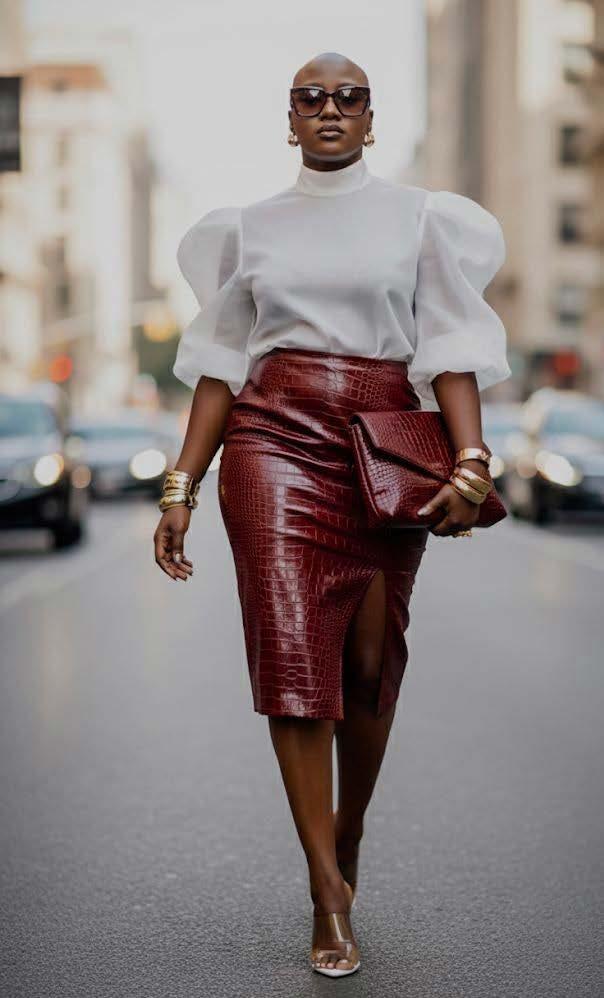
Fashion in 2026 is not about trying too hard. It’s about ease, confidence, and pieces that speak for you before you say a word. The trends taking over are playful but intentional, stylish but comfortable, and most importantly, easy to wear. These are some of the trends you should expect to see everywhere, street style, Instagram feeds, and even your favourite thrift store finds.
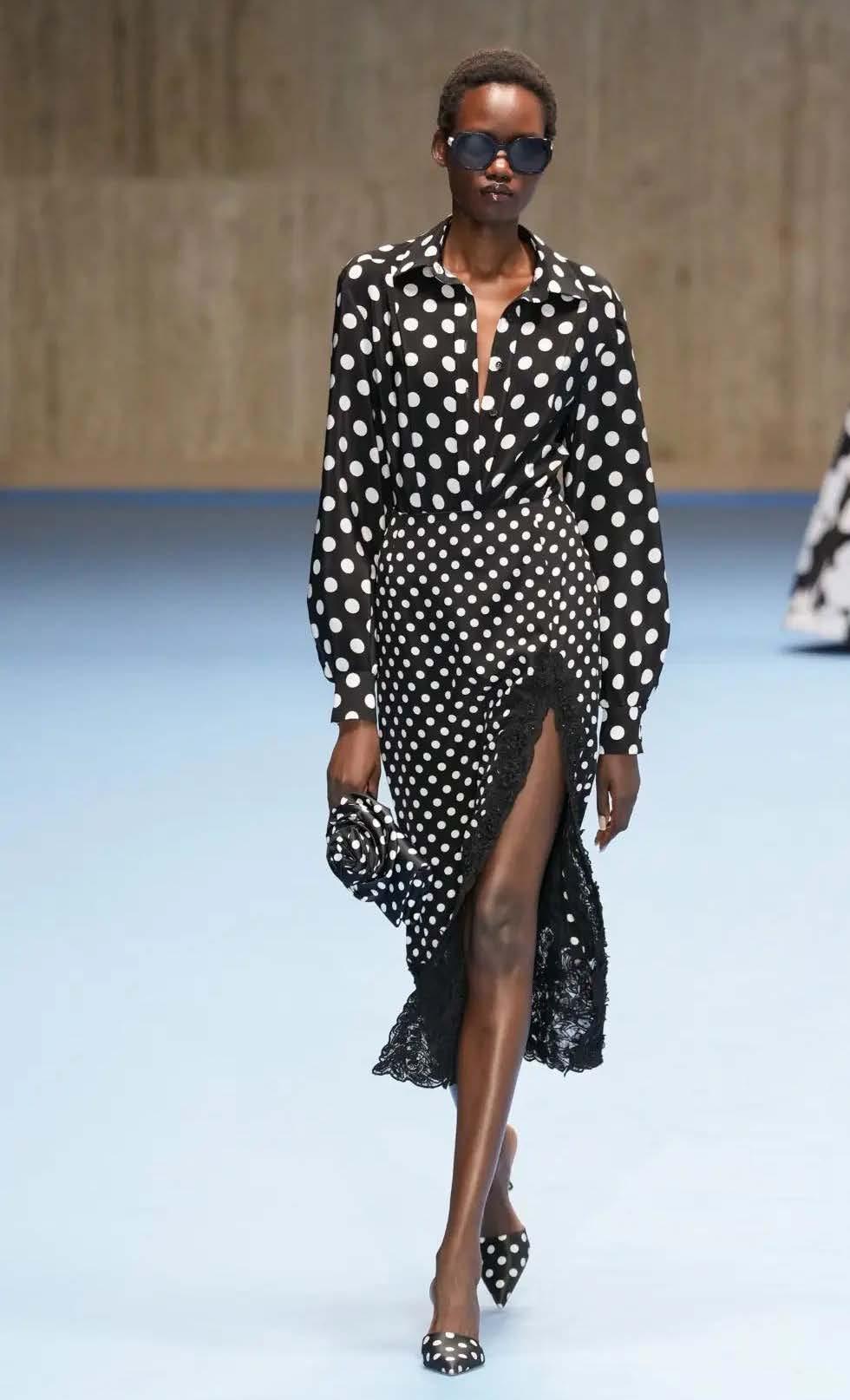
Polka dots are no longer just cute or retro. In 2026, they are bold and confident. Designers are moving away from tiny, neat dots and embracing bigger, irregular, and dramatic ones. You’ll see polka dots on flowing dresses, sheer tops, tailored suits, and even accessories like scarves and handbags. The colours are also more daring, for example, black on neon, white on red, or mixed prints. What makes this trend everywhere-worthy is how easy it is to wear. A polka dot piece instantly adds interest without looking like you tried too hard.
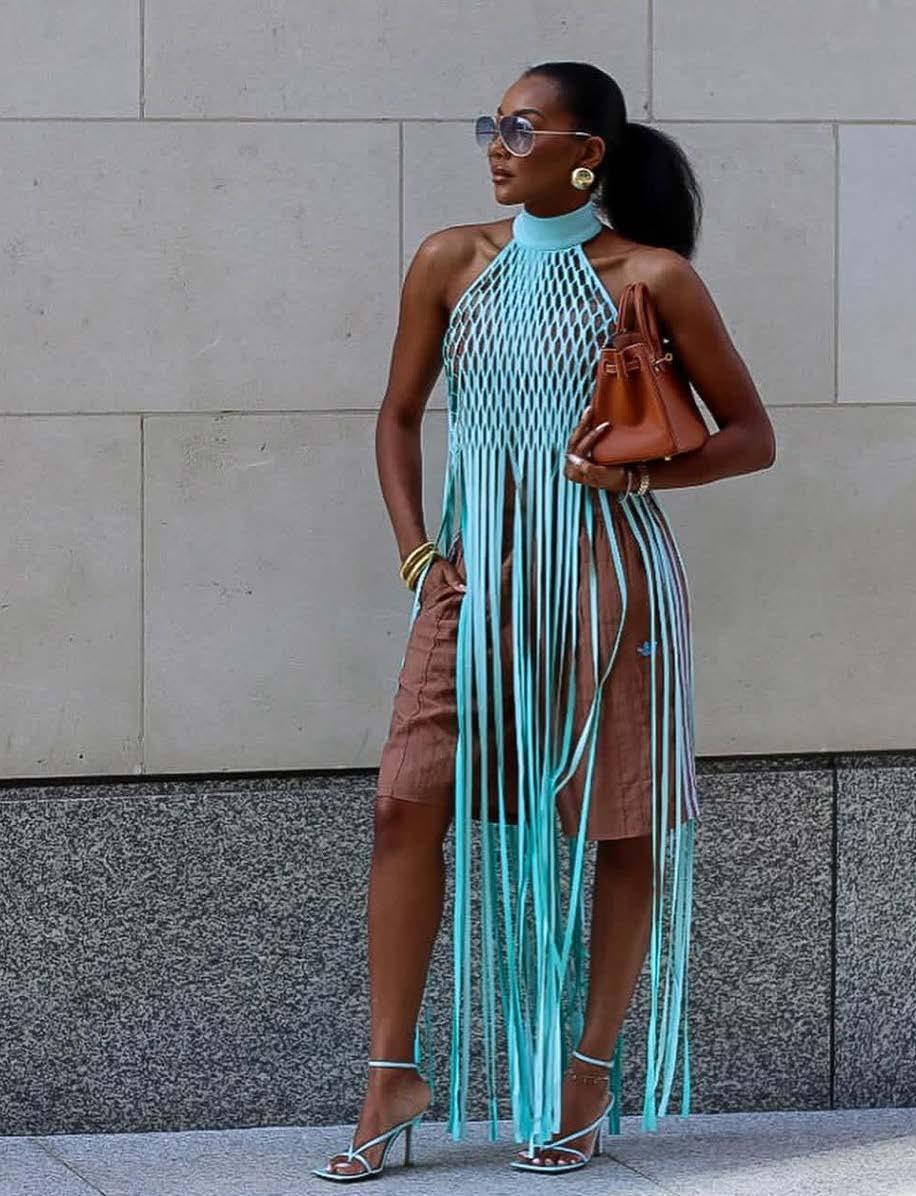
Fashion in 2026 is not just about how clothes look, but how they move. Tassels and fringing are everywhere, on skirts, dresses, jackets, bags, and even shoes. Every step, turn, or dance move comes with drama. And that’s the point. This trend adds life to simple outfits. A plain dress instantly becomes interesting with fringe details. A basic bag becomes a statement piece with tassels. It’s playful, expressive, and perfect for people who like their fashion to feel alive.
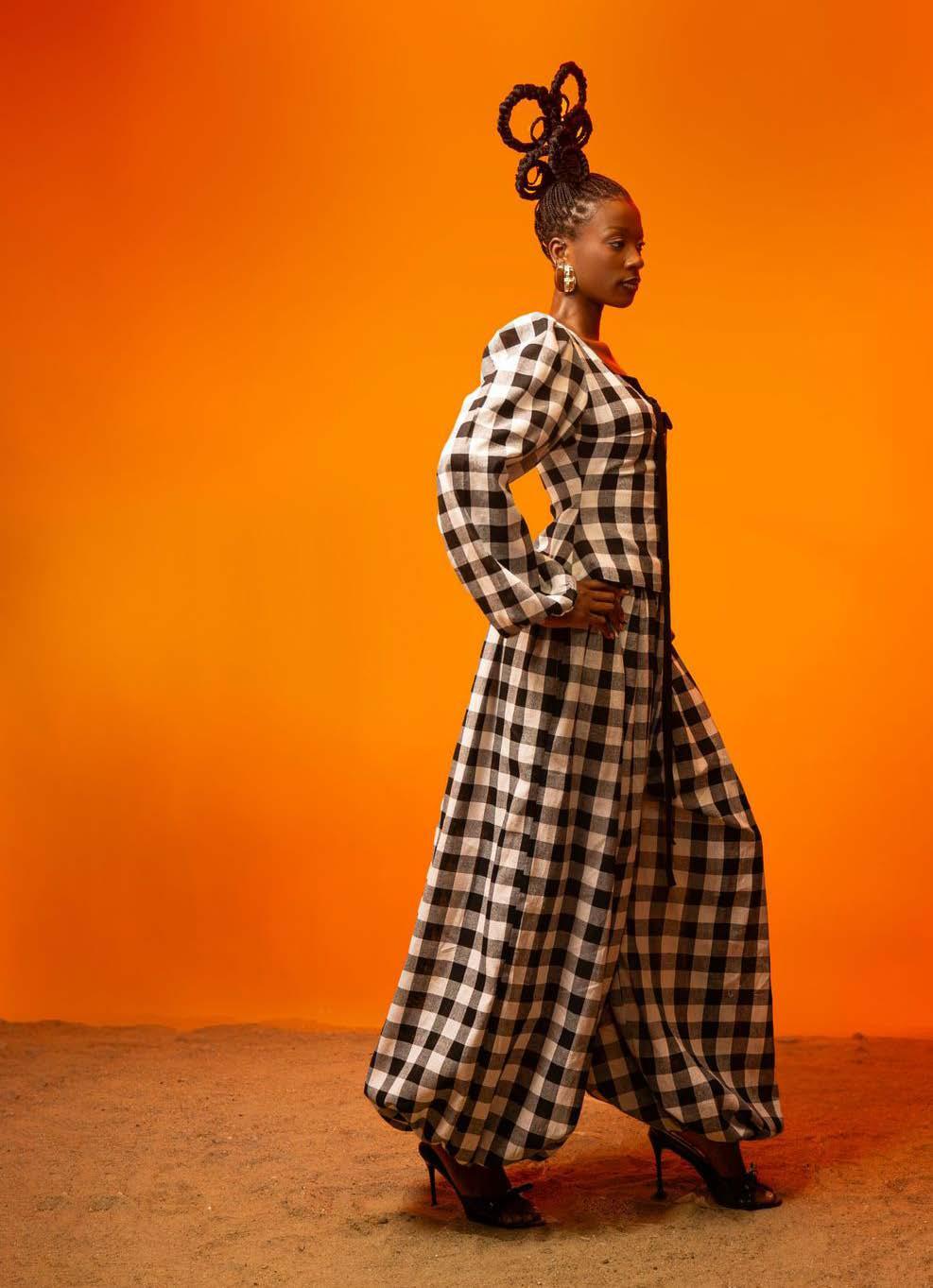
Checks are no longer reserved for school skirts or old suits. In 2026, checkered prints are cool, edgy, and very street. We’re seeing checks in unexpected places, oversized jackets, wide-leg trousers, co- ord sets, mini skirts, and even casual shirts. The patterns are bolder, the colours are louder, and the styling is more relaxed. This trend works because it blends structure with comfort. You can dress it up with heels and accessories or dress it down with sneakers.
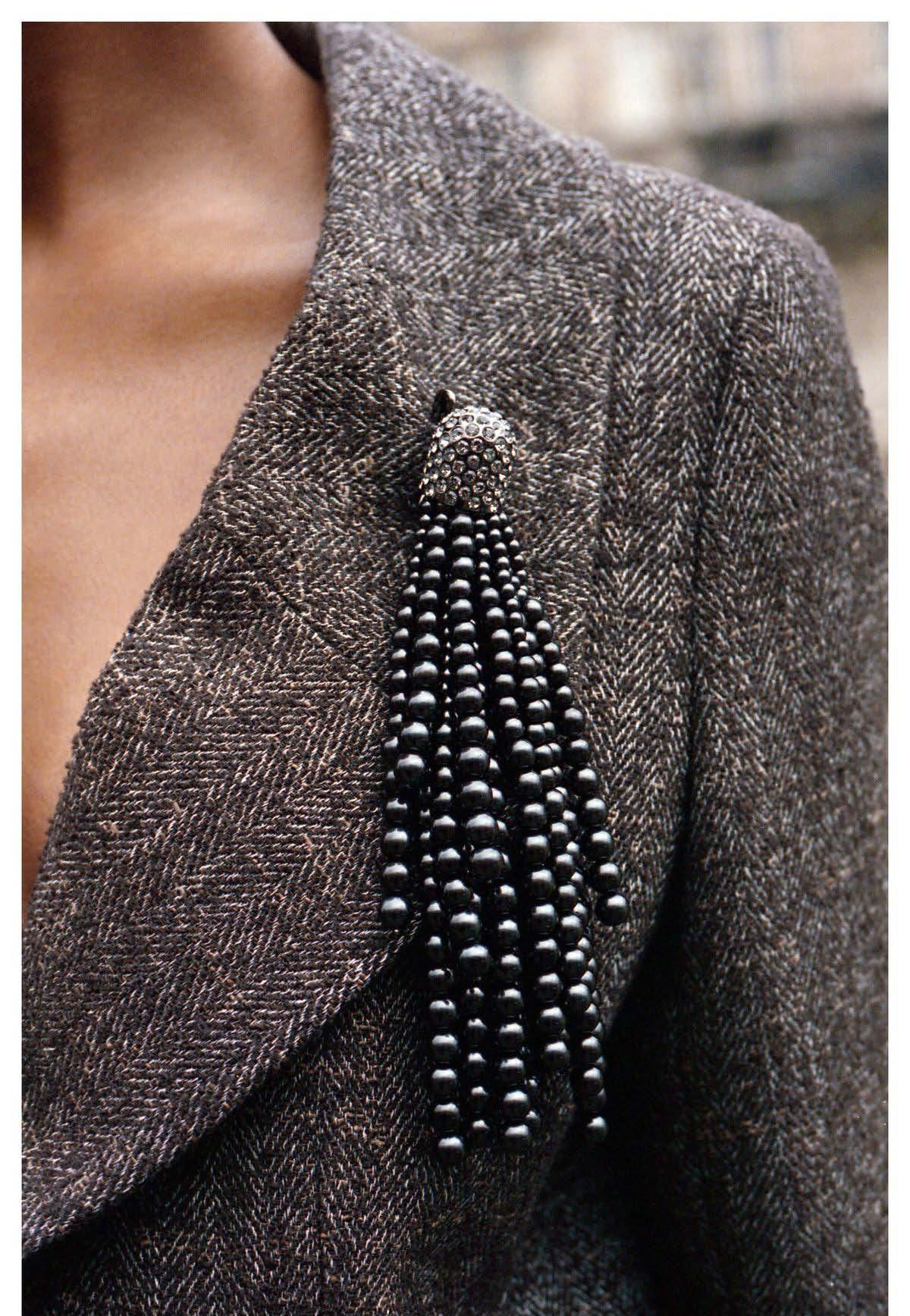
In 2026, brooches are being styled in fresh and unexpected ways, not just on blazers, but on dresses, scarves, bags, hats, and even denim jackets. People are stacking them, mixing designs, and using them to tell stories.personal This trend is all about individuality. A brooch can be vintage, bold, playful, or sentimental. It lets you yourpersonalise outfit without buying something new.


SALLY CHIWUZIE @unshakable.is.a.state.of.mind
There is a particular kind of stuck that doesn’t come from confusion, but from knowing – knowing roughly what the problem is, knowing that something needs to change, knowing that a decision is overdue; and still… not moving.
I have been here more than once. In fact, I can name at least three moments in my life where I knew exactly what needed attention but couldn’t bring myself to confront the answer. The first was a relationship I already knew had no future. Another was a situation where I realised I would have to be the bigger person… to offer forgiveness I might never receive in return. Then the third - quieter but just as unsettling: an identity question, a sense of being untethered and of needing direction, but not knowing which version of myself to trust anymore.

I thought prayer (or intuition or whatever the place where honesty is harder to hide is called) might help. When it came time to actually sit with myself, I realised something uncomfortable. I didn’t know what to ask for. Asking meant admitting what I wanted, and admitting what I wanted meant facing what it might cost.
I wasn’t avoiding the answer because I didn’t believe one existed. I was avoiding it because I suspected it would ask something of me.
That’s the part we don’t talk about enough. Sometimes we say we want when what we really want is reassurance. Sometimes we say we are praying for guidance, when we are actually hoping the decision will be made for us — without requiring courage, accountability, or loss.
are waiting to feel ready. The truth is, readiness rarely arrives first.
What eventually shifted for me wasn’t a lightning bolt moment. It was exhaustion.
The kind that comes from carrying a decision unmade for too long.
I stopped trying to force an answer and settled into a different posture altogether — one that felt less controlling, less performative, and more honest. I let go of needing to know how everything would turn out. Whether you call it prayer, intuition, or simply listening more closely to yourself, I reached a place where the only thing I could genuinely say was: let what needs to happen, happen — even if I don’t yet understand it. It was neither resignation nor passivity, but a willingness to stop arguing with the truth.
And slowly, things became clearer — not because the situations changed overnight, but because I did. I stopped pretending the relationship could be something it wasn’t. I stopped waiting for validation before offering forgiveness. I stopped forcing myself into identities that no longer fit. None of it was neat. None of it came without grief. However, something loosened.
Different problems. Same paralysis. What made it harder was that everyone had an opinion. I talked. I consulted. I listened. I gathered advice the way people do when they are hoping someone else will say the thing they want to hear. The result was noise. Mixed reviews, no average sticking, no peace. So eventually, I turned inward, not because I had suddenly become brave, but because I had run out of distractions.
Being stuck, I have learned, is often less about confusion and more about fear – fear of hurting someone, fear of being alone, fear of choosing wrong, fear of becoming the villain in someone else’s story, fear of letting go of a version of life we have already mourned in advance. So instead, we hover. We complain quietly. We circle the same conversations. We rehearse explanations we have not yet needed to give.
We sit at the red light of our own lives, convincing ourselves we’re waiting for a sign, when really, we
Clarity doesn’t always feel like relief at first. Sometimes it feels like loss. Sometimes it feels like standing alone with a decision you wish someone else would make for you. But there is a strange peace that comes when you stop avoiding the answer you already know. So if you’re stuck right now, I don’t think you need more advice, another conversation, or a better vision board. I think you need to ask yourself one honest question: If I stopped asking everyone else… what do I already know?
The #Unshakable truth is this:
Most answers don’t arrive loudly. They surface quietly, when you are finally willing to hear them, even if they change everything.
See you next week.
BY JOHNSON CHUKWUEKE
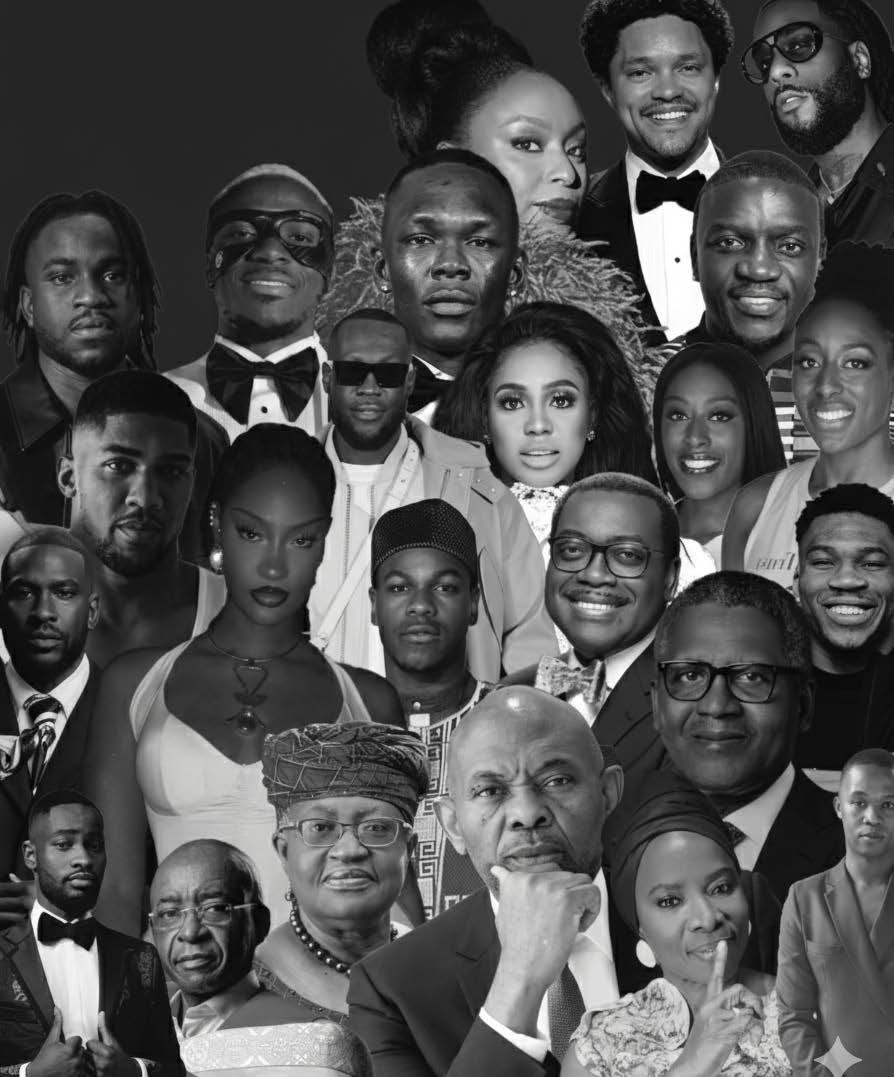
Onceupon a time, global success for Africans came with an unspoken condition: blend in, soften your accent, dilute your culture, make yourself more “acceptable.” However, today, a new generation is rewriting that narrative, loudly, proudly, and unapologetically. Across music, film, business, sports, philanthropy, and culture, Africans are stepping onto the world’s biggest stages without shedding their roots. Instead of assimilation, they are choosing authenticity, and the world is paying attention. This moment marks a powerful shift. African excellence is no longer defined by proximity to Western approval, but by confidence in oneself. From sold-out arenas to boardrooms, award stages to global platforms, these trailblazers are proving that identity is not a limitation; it is an asset. Their stories are not about escape, but expansion. Not about leaving Africa behind, but about carrying it forward. What unites them is more than talent or ambition. It is an intentional act. A deep understanding of who they are, where they come from, and why their voice matters. Whether through sound, style, leadership, storytelling, or service, they are reshaping global culture while remaining grounded in African values, community, and perspective.
Our cover story this week celebrates Africans who win on their own terms, those who refuse to shrink themselves to fit into global spaces and instead reshape those spaces entirely. They remind us that success does not require erasure and that cultural pride can coexist with global relevance.
From local roots to global stages, these individuals are not just making history; they are redefining what it means to belong everywhere, without losing yourself anywhere.
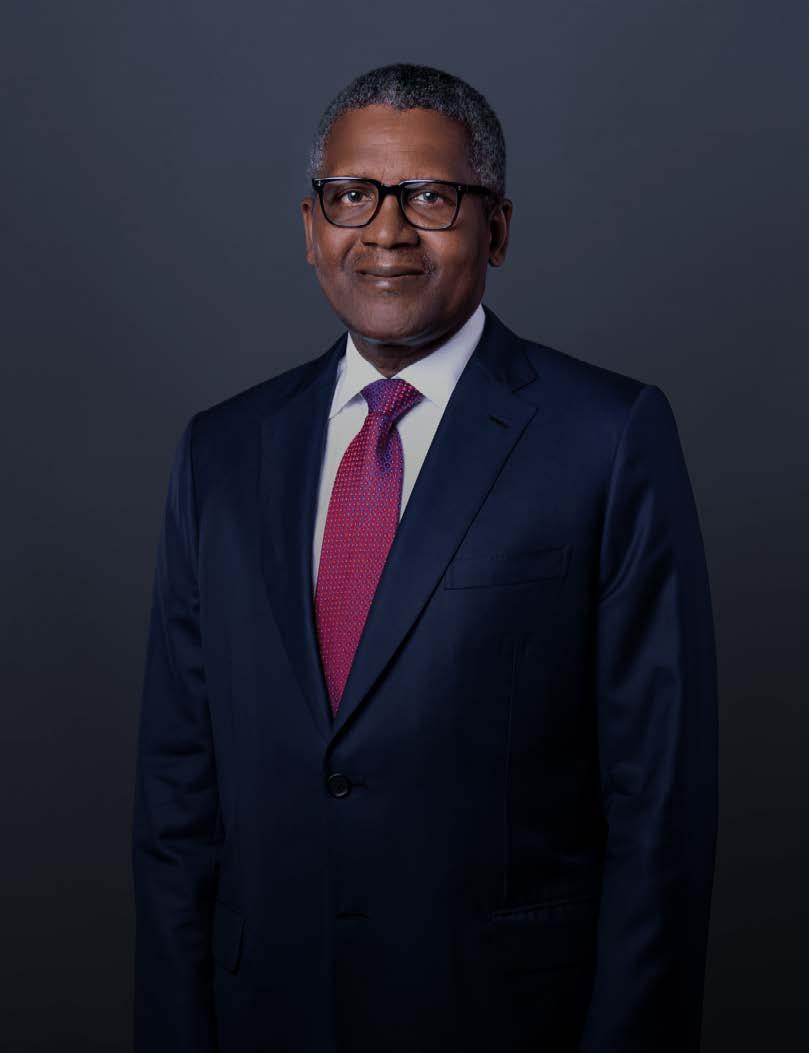
Aliko Dangote’s journey is a powerful reminder that global success does not require abandoning home. Built on African soil and driven by African ambition, his rise from a small trading business to the founder of the Dangote Group has reshaped the continent’s industrial landscape. Today, his empire spans a refinery, cement, sugar, salt, flour, and energy industries that directly support Africa’s growth and self-reliance.
What makes Dangote essential to this cover story is not only scale, but purpose. His investments are rooted in the belief that Africa must build for itself. The Dangote Refinery, one of the world’s largest, stands as a bold statement of confidence in African capability, infrastructure, and long-term vision. Despite global recognition and immense influence, Dangote remains grounded in values of discipline, patience, and legacy-building. He represents a model of African leadership that is ambitious yet intentional, global yet deeply local. On the world stage, Aliko Dangote proves that staying rooted can be the strongest strategy of all.
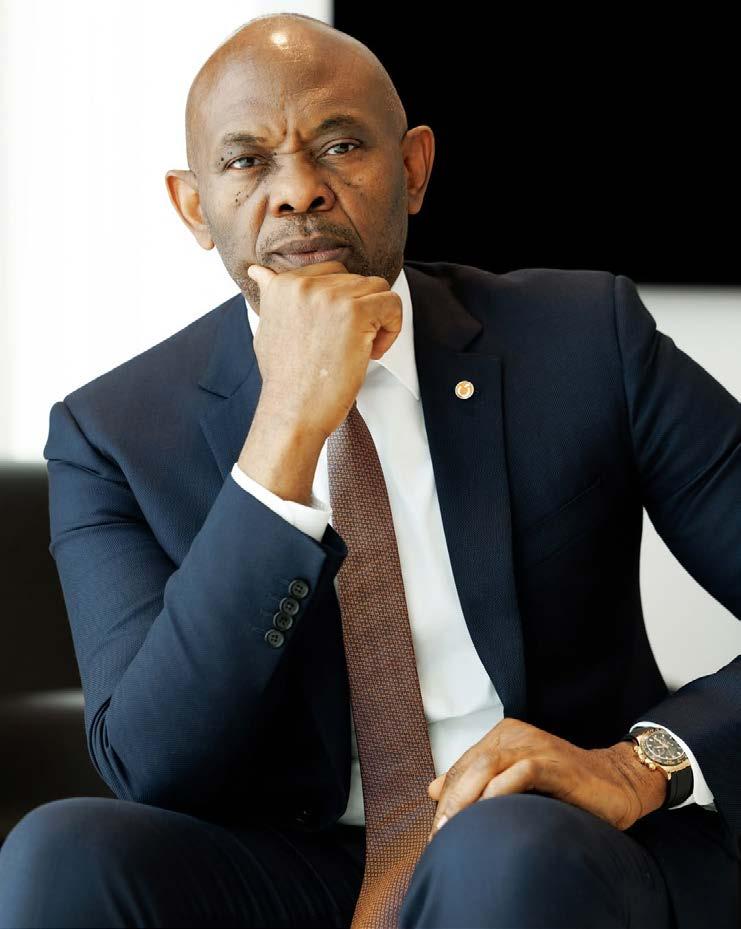
Tony Elumelu represents a modern African vision of success, one that measures impact as carefully as profit.
From banking to energy and investments, his influence spans Africa’s economic landscape, yet his philosophy remains deeply rooted in the continent’s future. As Chairman of UBA Group and founder of the Tony Elumelu Foundation, he has consistently championed African-led solutions to African challenges.
Tony Elumelu’s works and progress show that the private sector must play a
transformative role in Africa’s development. Through this lens, wealth creation is inseparable from social responsibility. His foundation’s commitment to empowering thousands of African entrepreneurs across 54 countries reflects a longterm investment in people, not just industries.
On the global stage, Tony Elumelu stands as a respected African voice in business, policy, and philanthropy. Yet his work remains anchored in the continent’s growth. He embodies leadership that is globally engaged but locally committed, proof that African success can expand worldwide without losing its purpose or identity.
Angélique Kidjo’s voice carries more than melody; it carries history, heritage, and Africa’s soul. For decades, the Beninese music icon has stood as one of the continent’s most powerful cultural ambassadors, blending traditional African rhythms with global sounds while remaining unapologetically rooted in her identity. Her music travels effortlessly across continents, languages, and generations, yet its heartbeat remains unmistakably African.
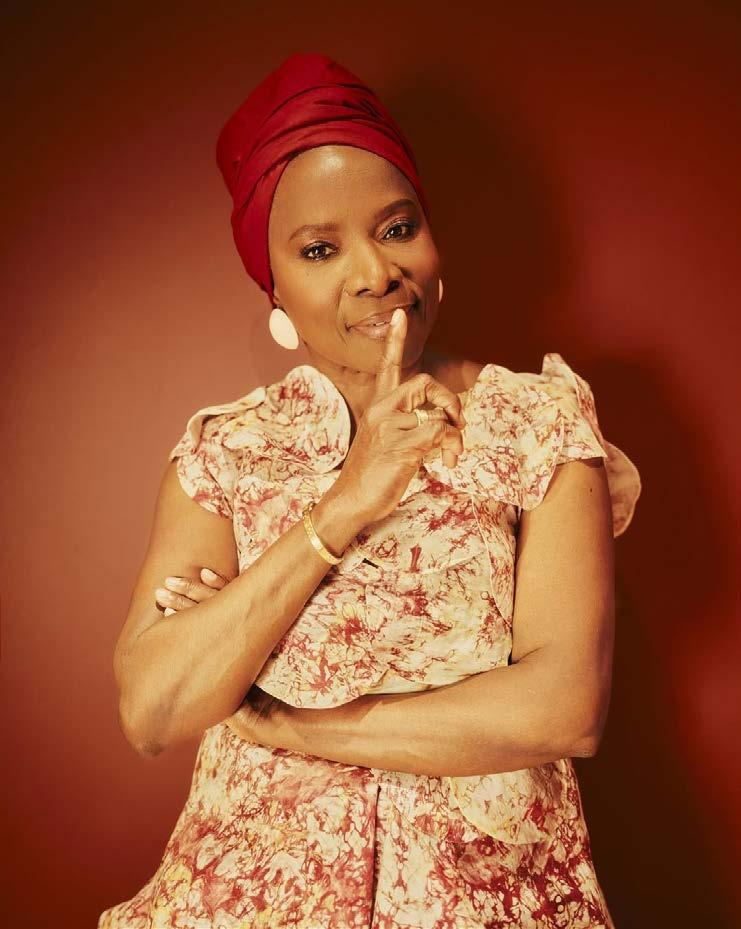
What makes Kidjo central to this cover story is her refusal to separate art from purpose. Beyond her Grammy-winning career, she has used her global platform to advocate for education, women’s rights, and social justice across Africa through initiatives like the Batonga Foundation. Her activism is not performative; it is deeply personal and intentional.
On the world stage, Angélique Kidjo represents Africa with dignity, confidence, and authenticity. She proves that cultural pride can be expansive, influential, and globally celebrated, a reminder that African identity, when embraced fully, has the power to move the world.
Ngozi Okonjo-Iweala stands as one of Africa’s most influential voices in global leadership, proving that intellect, integrity, and identity can travel far without dilution.
From her early career in international finance to her historic role as DirectorGeneral of the World Trade Organisation, she has consistently carried an African perspective into spaces where global policies are shaped. What makes her vital to this cover story is her ability to lead globally while remaining firmly grounded in African realities. As Nigeria’s former Minister of Finance, she championed transparency, economic reform, and accountability, earning respect far beyond national borders. Her leadership style blends discipline with empathy, policy expertise with lived experience. On the world stage, Okonjo-Iweala represents African excellence with quiet authority. She does not perform identity; she embodies it. Her presence affirms that African leadership belongs at the highest levels of global decision-making, not as an exception, but as a standard.

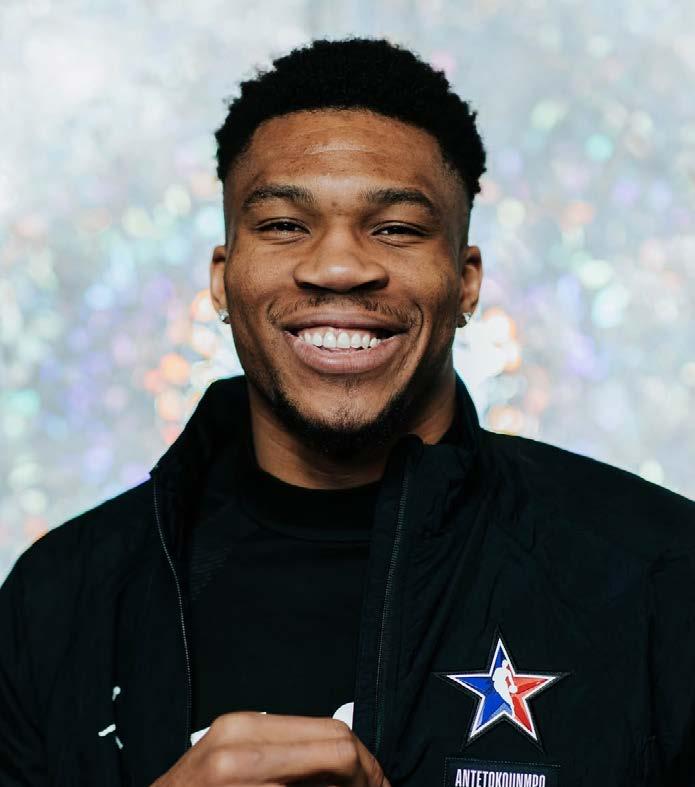
Giannis Antetokounmpo’s life is a “Naija Odyssey” played out on the world’s grandest stage. Though born in Greece and nicknamed the “Greek Freak,” the two-time NBA MVP and 2021 NBA Champion has always been anchored by his Nigerian heritage as his household was strictly Nigerian, built on Yoruba and Igbo values. Beyond his 50-point masterpiece in the NBA Finals, Giannis has used his global platform to celebrate his dual identity, famously rocking a Super Falcons jersey and launching initiatives to promote Igbo literacy in Lagos. He isn’t just a sportsman; he is a bridge-builder who recently fulfilled a lifelong dream by returning to his ancestral home. Giannis fits this narrative as a global titan who proves that you can represent a European nation while remaining fiercely, proudly, and undeniably an African “Ugo.”
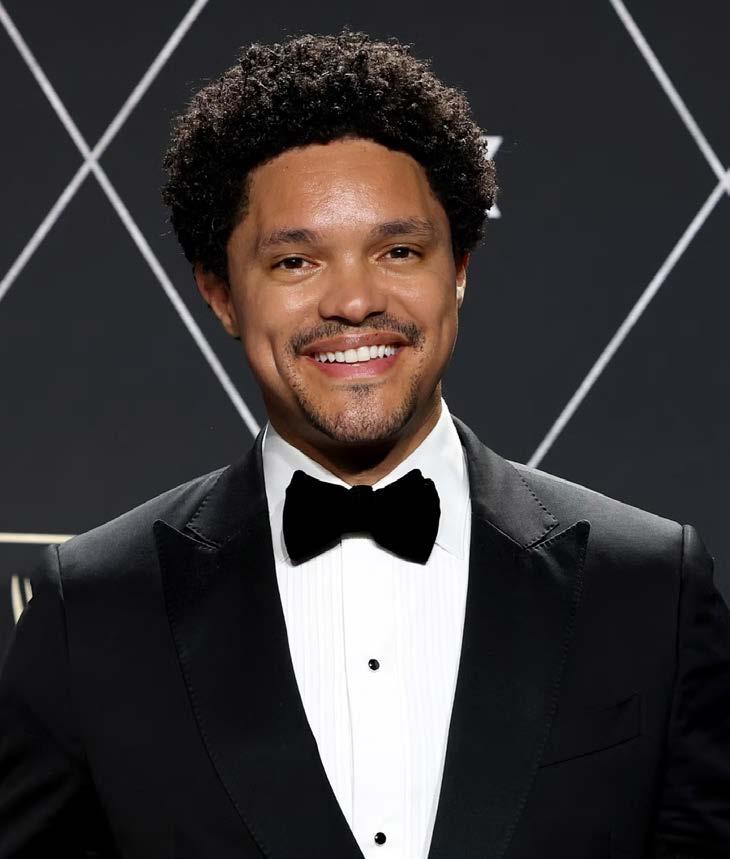
Trevor Noah’s ascent from the townships of Soweto to the pinnacle of American latenight television is a masterclass in cultural authenticity. As a two-time Emmy Award winner and the record-breaking host of the Grammy Awards for six consecutive years (2021–2026), Noah has conquered the global stage by leaning into his African perspective rather than mimicking Western styles. His #1 New York Times bestseller, Born a Crime, used his specific South African upbringing to speak to universal themes of resilience, selling over 3 million copies. Beyond comedy, his Day Zero Productions and the Trevor Noah Foundation reflect a deep commitment to his roots. Noah fits this narrative because he uses his gift for languages and observation to bridge continents, proving that an African voice can provide the most incisive commentary on global affairs while remaining unapologetically rooted in his home.
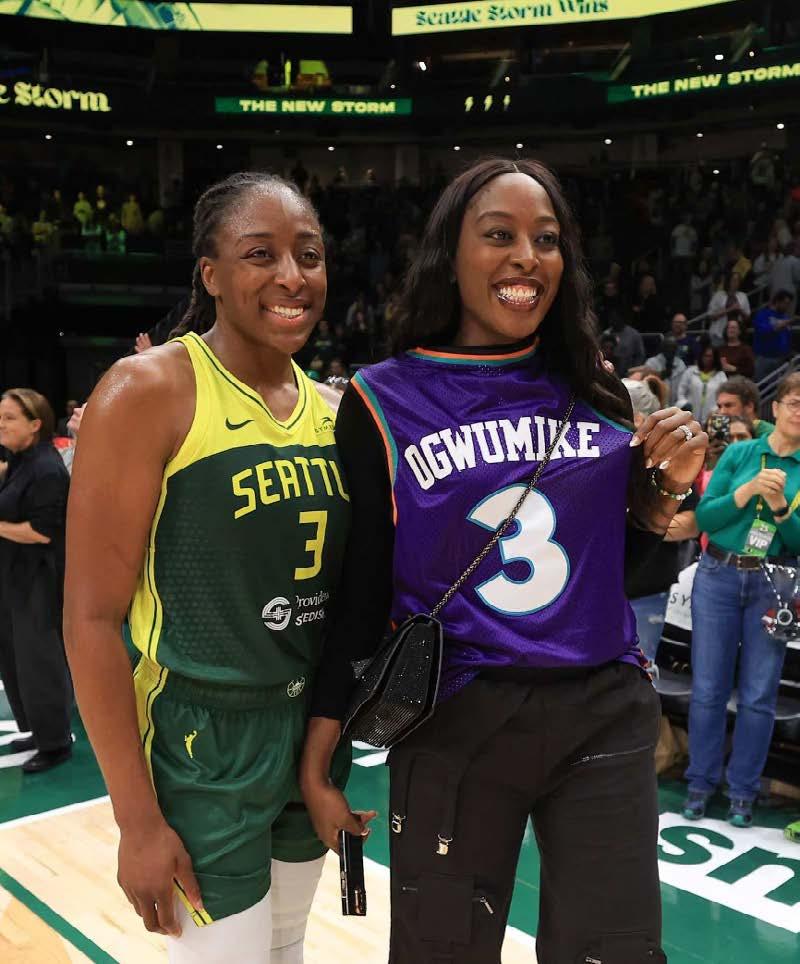
Nneka, the Seattle Storm forward, and Chiney Ogwumike have redefined what it means to be a “multi-hyphenate” African athlete. As the only siblings ever to both be drafted No. 1 overall in a professional sports league, they have conquered the WNBA with multiple All-Star titles, Rookie of the Year awards, and Nneka’s 2016 League MVP and Championship. Yet, their impact transcends the hardwood.
Chiney Ogwumike, who has retired from basketball, has made history as a top ESPN analyst and the first Black woman to host a national daily sports-talk radio show, while Nneka has led the WNBPA as its President through eradefining negotiations. Deeply rooted in their heritage, they serve on the White House Advisory Council on African Diaspora Engagement and are ambassadors for the Basketball Africa League (BAL). By leveraging their global platforms to fund girls’ education and sports infrastructure in Nigeria, the Ogwumikes prove that winning on the world stage is most meaningful when it paves the way for the continent’s next generation.
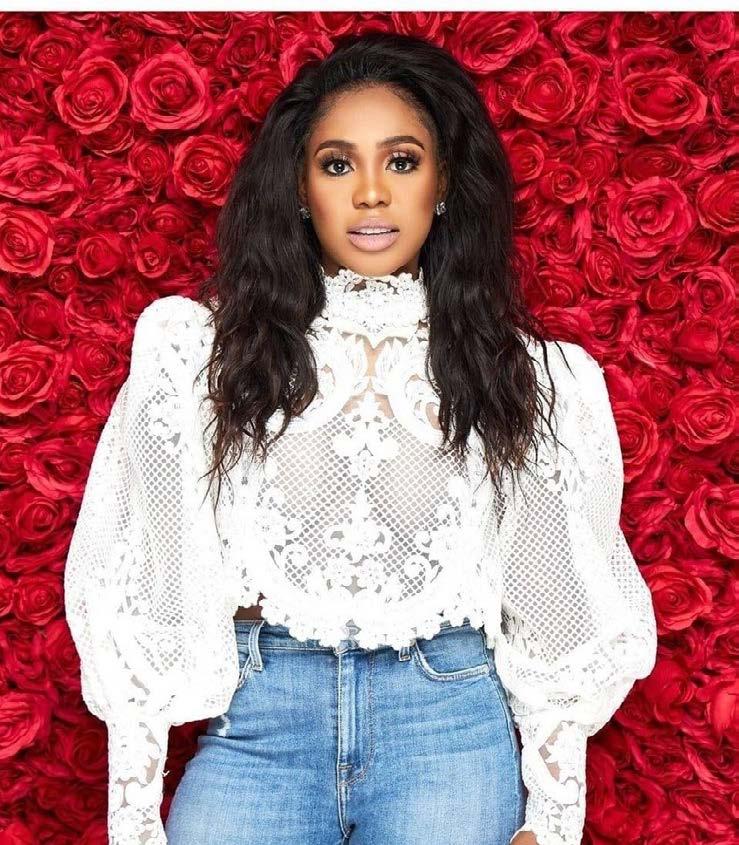
Esé Azénabor’s transition from a Master’s in Accounting to the pinnacle of haute couture is a testament to the “unstoppable African spirit.” Born in Nigeria and based in Dallas, Azénabor launched her brand in 2012, eventually becoming the first Nigerian-born designer to open an atelier on New York’s prestigious Madison Avenue. Her craftsmanship fuses heavy hand-beading with Nigerian opulence, and has caught the eye of the world’s most elite fashion circles. Notably, her designs have reached Beyoncé’s inner circle, with the iconic Tina Knowles wearing her custom creations, cementing Azénabor as a go-to for global “royalty.” With a celebrity clientele including Taraji P. Henson and Michelle Williams, Azénabor has successfully exported African luxury to the grandest stages. She fits this narrative perfectly as a visionary who transformed her cultural heritage into a global empire, proving that African artistry is the new gold standard in high fashion.
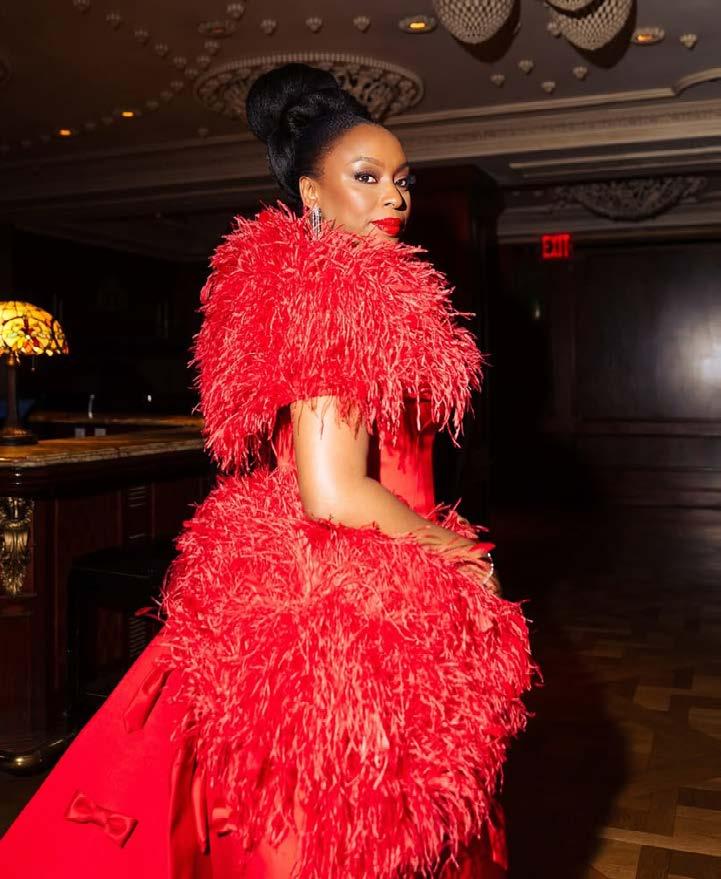
Chimamanda Ngozi Adichie is more than a literary icon; she is a cultural force who has reshaped how the world perceives African stories. From her debut with Purple Hibiscus to the globally acclaimed Americanah, Adichie has used her “local roots” in Nsukka to challenge the “danger of a single story” on the world’s most prestigious stages. Her influence transcends books. By being sampled in Beyoncé’s anthem Flawless and collaborating with luxury houses like Dior, she has brought African intellectualism into the heart of global pop culture and high fashion. With over 16 honorary doctorates from institutions like Yale and Harvard, and the UN Foundation Global Leadership Award, she remains fiercely rooted, often using her “Wear Nigerian” initiative to promote local designers abroad. Adichie fits this narrative as a woman who conquered the global stage while refusing to dilute her Igbo identity, proving that the African perspective is essential to the global conversation.
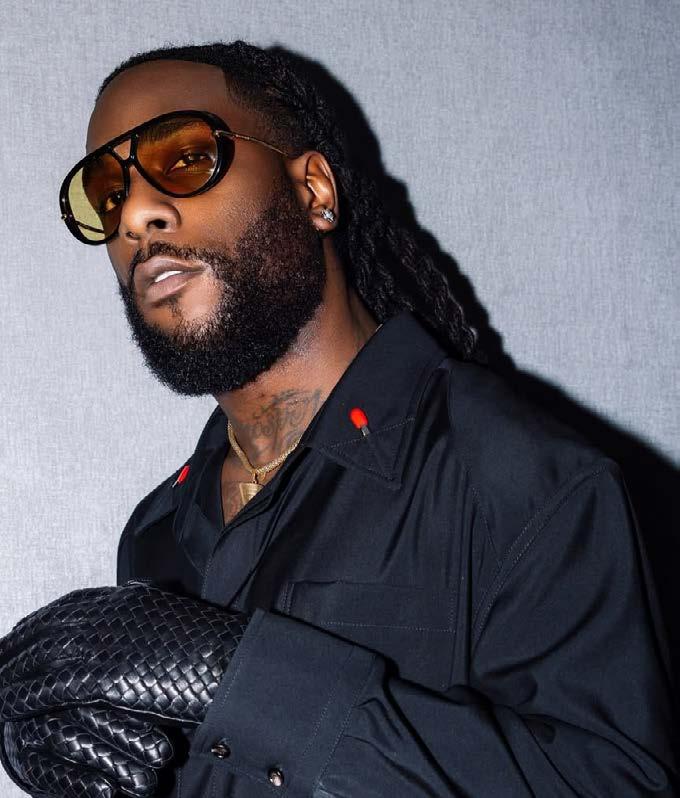
Burna Boy has transitioned from a Nigerian superstar to a global cultural phenomenon, proving that African identity is a superpower. As the first African artist to sell out massive stadiums in the US (Citi Field), the UK (London Stadium), and France (Stade de France), he has turned Afrobeats into a universal language. His I Told Them tour became the highest-grossing tour by an African artist in history,
generating over $30.5 million and proving that the world is willing to pay premium prices for authentic African artistry.
With a Grammy Award for Twice as Tall and five consecutive album nominations, including his 2025 project No Sign of Weakness, Burna Boy’s consistency is unmatched. He fits this narrative perfectly because he refuses to “cross over” by diluting his sound; instead, he forces the world to cross over to him, carrying the spirit of Fela Kuti into sold-out arenas worldwide.
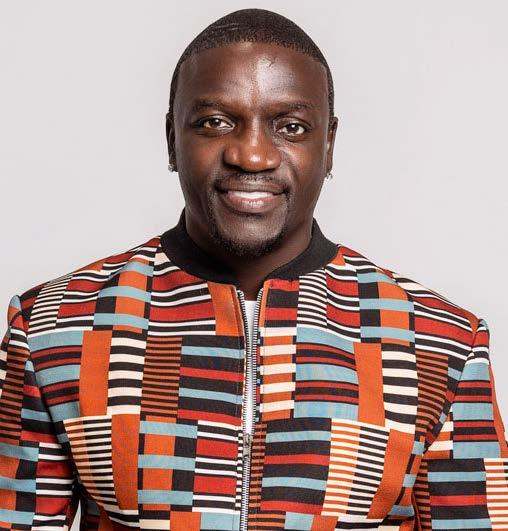
Aliaune Akon Thiam is not just a diamond-selling music icon, but a continental nation-builder, in the ultimate “Global Stages” evolution. While he dominated the mid-2000s with hits like Lonely and Smack That, Akon’s true legacy is written in the light he brought back to his roots. Through his Akon Lighting Africa initiative, he has successfully provided solar-powered electricity to over 25 million people in rural communities across 25 countries, proving that African solutions are most effective when led by those who understand the terrain.
Beyond energy, Akon has been a pivotal bridge for African music, famously signing Wizkid and P-Square to his Konvict Muzik label early on, providing the structural “global stage” that helped Afrobeats explode. Despite the ambitious challenges of his “Akon City” project, his commitment remains unwavering. He fits this narrative as a pioneer who used his Western success to advocate for African sovereignty, reminding the world that the continent’s greatest resource is the vision of its own people.
Temilade Openiyi, known globally as Tems, represents a major shift in the African musical narrative. Leaving behind a secure career in digital marketing to self-produce her own records, she bypassed the traditional “crossover” route by leaning into a soulful, “Alte” sound that was entirely her own. Her strategy worked; today, she is a two-time Grammy winner and the first Nigerian female artist to win a solo Grammy for her hit Love Me JeJe in 2025.
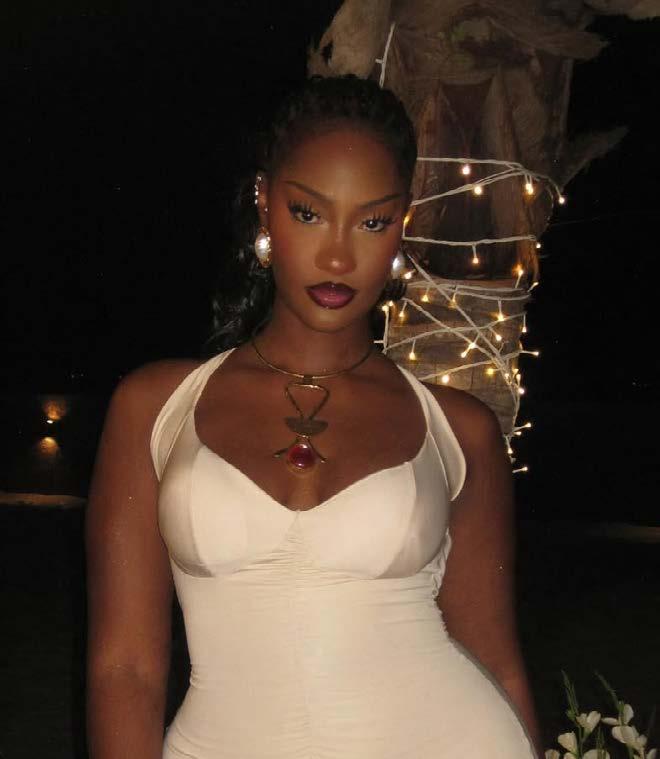
Beyond the charts, Tems has become a staple in the world’s most elite creative circles, co-writing with Rihanna and appearing in global campaigns for Burberry. Through her company, The Leading Vibe, she is now investing in the next generation of African women in music and tech. She fits this story as a pioneer who conquered the global stage by refusing to compromise her essence, proving that authenticity is the ultimate currency.
Ademola Lookman’s ascension to the peak of football is a masterclass in turning “pain into power.” Born in London to Nigerian parents, he initially represented England at the youth level before pledging his future to the Super Eagles in 2022. This decision proved to be a defining moment; today, he stands as the 2024 CAF African Player of the Year, the first Nigerian to win the award back-to-back with Victor Osimhen since the 1990s. His legendary status was cemented in May 2024, when he scored a
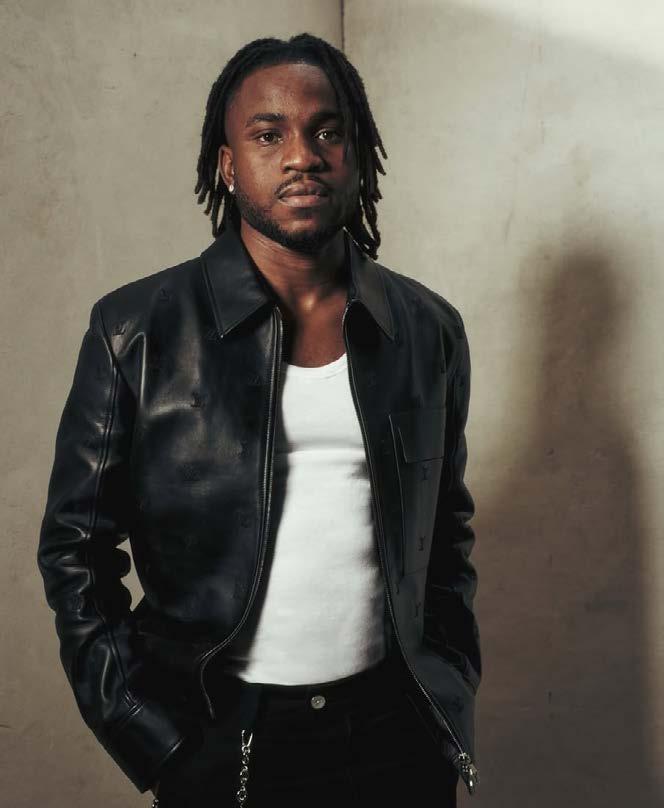
historic hat-trick in the UEFA Europa League final for Atalanta, the first player ever to do so, ending Bayer Leverkusen’s 51-match unbeaten run. Ranked 14th in the 2024 Ballon d’Or, Lookman has become a global household name. He fits this narrative as a man who honours his roots by wearing traditional agbada to world-class ceremonies and speaking Yoruba on global stages, proving that true success is found when you embrace the heritage that shaped you.
Israel Adesanya’s journey from a young boy in Lagos to becoming one of the most dominant forces in UFC history is a testament to the power of authentic self-expression. A former two-time UFC Middleweight Champion with the second-most title fight wins in the division’s history, Adesanya has transformed the octagon into a stage for his dual identity. Known for his flamboyant walkouts that blend Yoruba traditions with modern anime culture, he has refused to “fit in,” instead forcing the world to embrace his multi-faceted African heritage.
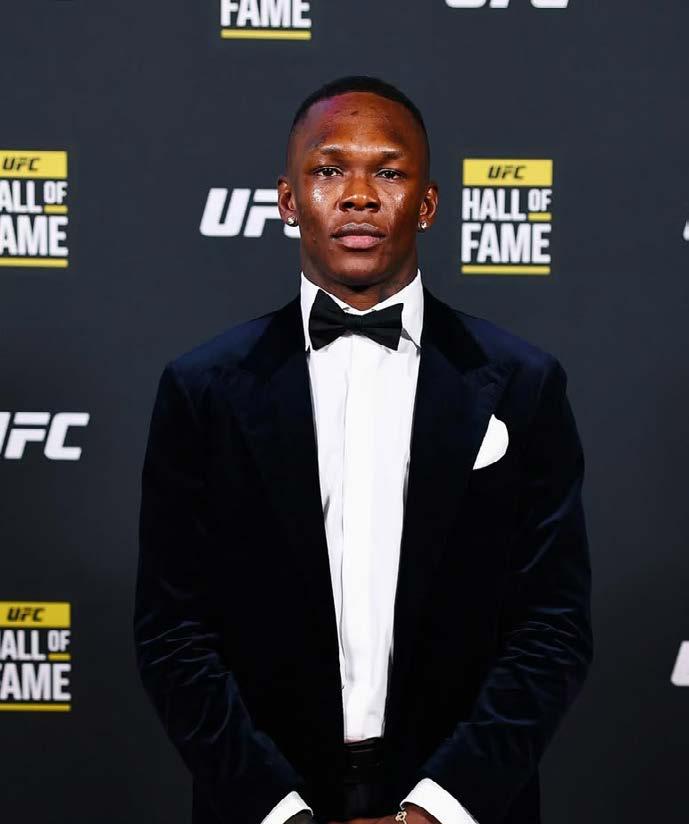
Beyond the cage, his influence is felt through massive global partnerships, including becoming the first MMA athlete to sign a global deal with Puma. Whether he is promoting Nigerian street food to his millions of followers or using his platform to launch anti-violence campaigns, Adesanya remains unapologetically “The Last Stylebender.” He fits this narrative as a global titan who proves that true greatness comes from mastering your craft without ever forgetting the soil that raised you.
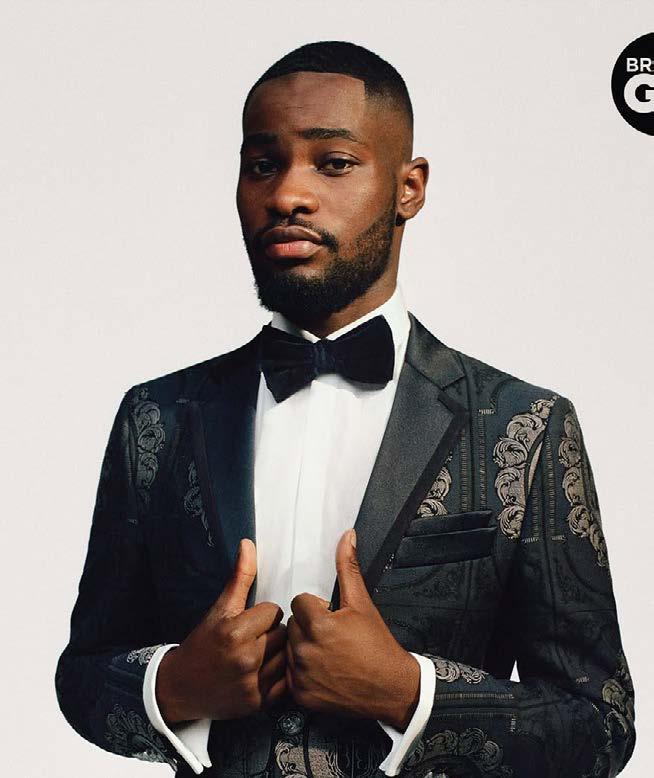
David Orobosa Omoregie, known as Dave, is the definitive voice of the modern African diaspora. Since becoming the youngest winner of the Mercury Prize and a BRIT Award for his debut album, Psychodrama, Dave has used the global stage to bridge the gap between Streatham and Benin City. In 2025, he made history with his third album, The Boy Who Played the Harp, becoming the first UK rapper to debut three consecutive albums at No. 1. His music is a deep dive into identity; from the multi-platinum Location featuring Burna Boy to his latest collaboration with Tems on Rain Dance, Dave treats his Nigerian roots not as a gimmick, but as a foundation. By filming cinematic visuals in Lagos and referencing Bini culture in his bars, he has created a new blueprint for winning in the West while staying tethered to home. Dave fits this narrative as a storyteller who proves that being “unapologetically African” is the most powerful way to speak to the world.
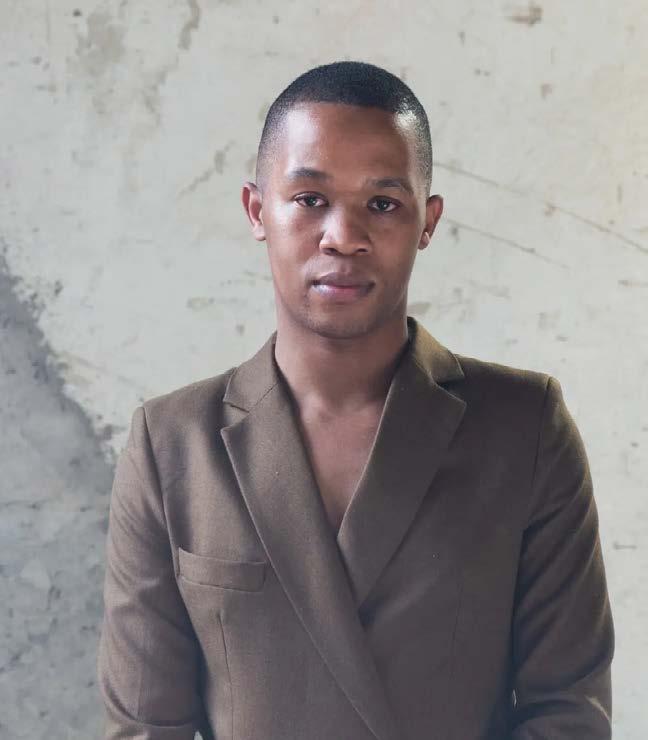
Thebe Magugu is a visionary using fashion as a tool for “African preservation.” In 2019, he became the first African designer to win the prestigious LVMH Prize, catapulting his brand from the streets of Johannesburg to the global stage. Rather than adopting generic Western silhouettes, Magugu builds his collections around South African history, from the Spy Girl aesthetic of the apartheid era to the traditional healing practices of the Basotho people. His global influence is undeniable; his work has been exhibited at the Metropolitan Museum of Art (The Met) and worn by icons like Rihanna and Naomi Campbell. Through high-profile collaborations with Dior and Adidas, he has proven that African stories are not just “local folklore” but a global luxury commodity. Magugu fits this narrative as a designer who wins by looking inward, showing that the most modern way to move forward is to never lose sight of where you come from.
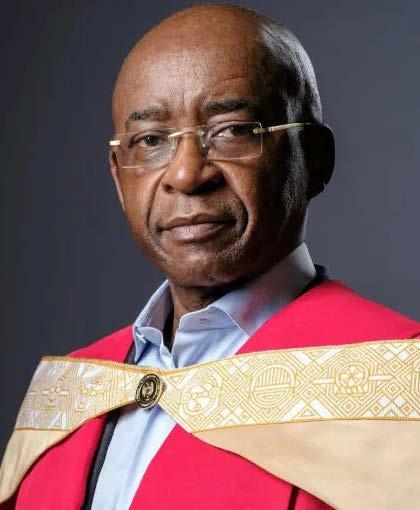
Strive Masiyiwa’s journey is an ideal example of resilience and panAfricanism. After a landmark legal battle to break the state monopoly on
telecommunications in Zimbabwe, he founded Econet Wireless, a move that fundamentally democratised mobile access across the continent. Today, as a billionaire and a member of the Bill & Melinda Gates Foundation board, Masiyiwa has leveraged his global seat at the table to champion African interests, most notably leading the African Vaccine Acquisition Task Team during the global pandemic. His achievements extend into the future of tech through Cassava Technologies, Africa’s first integrated tech giant. Despite his global stature and influence in London and New York circles, Masiyiwa remains deeply tethered to his roots through his extensive philanthropy, providing scholarships to over 250,000 African orphans. He fits this narrative as a titan who proved that an African entrepreneur can build a world-class empire by solving local problems with global standards.

Before he was a global household name, Anthony Joshua was a young man in Sagamu, discovering the discipline that would later define his life. The two-time unified Heavyweight Champion has reached the pinnacle of global sport, headlining sold-out stadiums from London to Riyadh. Yet, for Joshua, the “local roots” are literally etched into his right shoulder as a tattoo of the African continent, with Nigeria clearly outlined. Whether he is walking out to the sounds of Fela Kuti or prostrating before traditional royalty, Joshua has used his global fame to shine a spotlight on his Yoruba ancestry. Beyond the ring, his business empire and partnerships with global giants reflect a sophisticated African aesthetic. He fits this narrative perfectly because he has never traded his identity for marketability. Instead, he has made being “Nigerian-British” a premier global brand, proving that you can reach the top of the world while remaining fiercely grounded in the heritage that shaped your discipline.
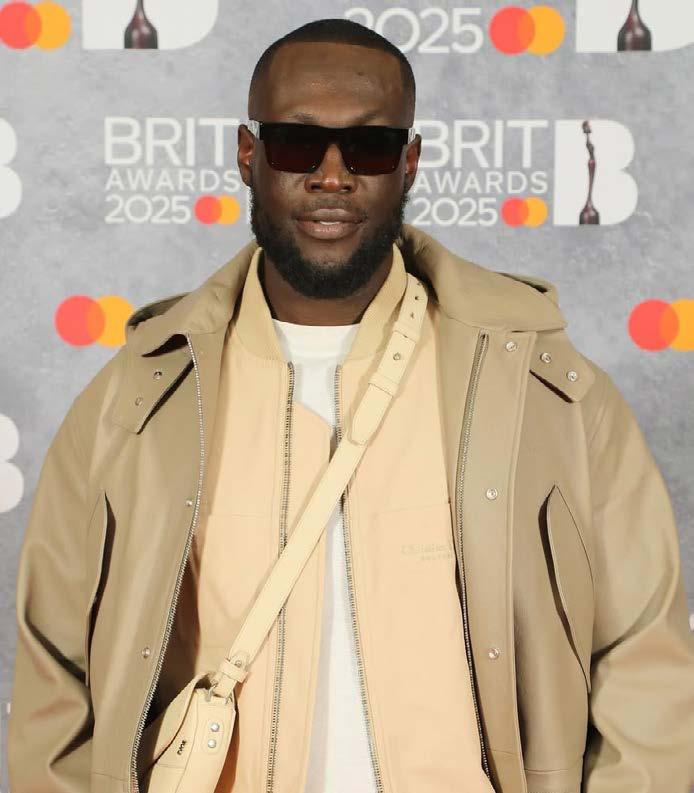
Michael Omari, known worldwide as Stormzy, is a pioneer who redefined what it means to be a “Global Citizen.” Born in London to a Ghanaian mother, Stormzy has turned his record-breaking music career, including three consecutive No. 1 albums and a historic Glastonbury headline set, into a vehicle for structural change. In 2025, he reached a new pinnacle of intellectual recognition, receiving an honorary Doctorate in Law from the University of Cambridge, a nod to his Stormzy Scholarship, which has funded dozens of Black British students at the elite institution. His connection to his roots is profound and active. Whether headlining the Global Citizen Festival in Accra or launching #Merky FC to create career pathways for Black youth, Stormzy operates with a “Ghanaian heart and a global vision.” He fits this narrative as a man who conquered the Western mainstream without ever compromising his values, proving that the most successful Africans are those who use their seat at the table to build more chairs for others.
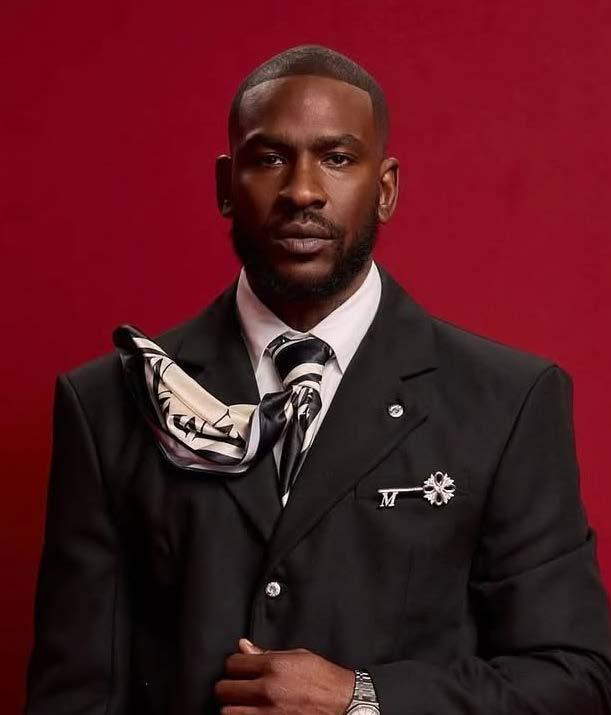
Fashion Week, showcasing a “hood luxury” aesthetic that was shot on the streets of Lagos and featured local street-cast talent, tethering his Tottenham roots to his Nigerian heritage.
His connection to home is not just artistic; it is official. In 2018, he was installed as the Amuludun of Odo-Aje (Chief Entertainer), a chieftaincy title in his parents’ hometown in Ogun State. From launching the Big Smoke Festival in 2025 to his debut film Tribal Mark, Skepta operates as a cultural architect. He fits this narrative as a man who exists between worlds, too African for London and too British for Nigeria, yet uses that very friction to create a brand that is globally unrivalled.
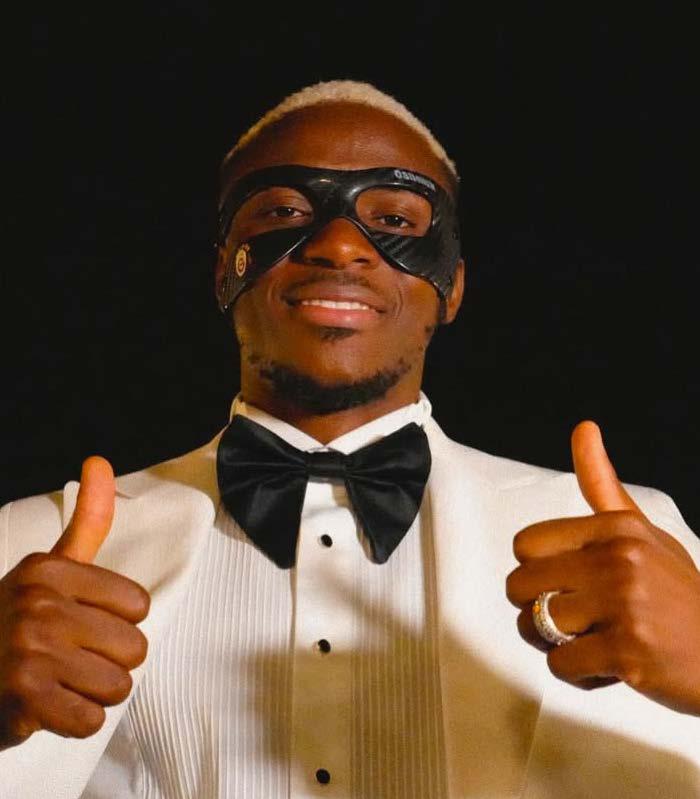
Long before he was the most feared striker in Turkey, Victor Osimhen was hawking sachet water in the chaotic traffic of Lagos to help his family survive. This “school of hard knocks” forged the relentless physicality that defines his game today. As the talisman who fired Napoli to their first Serie A title in 33 years, Osimhen didn’t just win; he dominated, becoming the first African to ever win the Capocannoniere (Serie A Top Scorer) and breaking George Weah’s record for the most goals by an African in the league.
His 2023 crowning as the CAF African Player of the Year, the first Nigerian to win since 1999, was a homecoming of sorts. Now spearheading Galatasaray in Turkey and continuing his prolific form into 2026, Osimhen remains deeply connected to his roots, frequently returning to Olusosun to support the community that raised him. He fits this narrative as a symbol of pure resilience, proving that no matter how far you travel, the grit of the Lagos streets is a global advantage.
Akinwumi Adesina embodies African leadership driven by vision, courage, and an unshakable belief in the continent’s potential. An economist by training and a reformer by instinct, Adesina rose from Nigeria’s agricultural policy space to become President of the African Development Bank (2015–2025), where he reshaped development finance with clarity and confidence. His tenure championed food security, energy access, industrialisation, and youth empowerment, priorities rooted firmly in Africa’s realities.
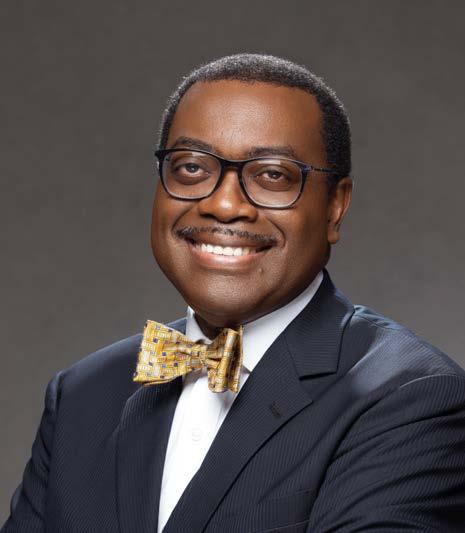
What makes Adesina central to this cover story is his refusal to accept limited expectations for Africa. On global platforms, he spoke boldly about African dignity, investment, and selfbelief, positioning the continent not as a recipient of aid, but as a partner in progress. His leadership blended data with passion, policy with purpose. Beyond institutions, Adesina’s work reflects a philanthropic commitment to long-term impact. He represents a generation of African leaders proving that global influence is strongest when grounded in service, identity, and an unwavering commitment to Africa’s future.
Joseph Olaitan Adenuga Jr., better known as Skepta, is a pioneer who has spent over two decades proving that independence is the ultimate luxury. Beyond his Mercury Prizewinning music, Skepta has built a multifaceted empire through his Big Smoke Corporation, which spans music, film, and fashion. In 2024, his brand MAINS made a triumphant return to London
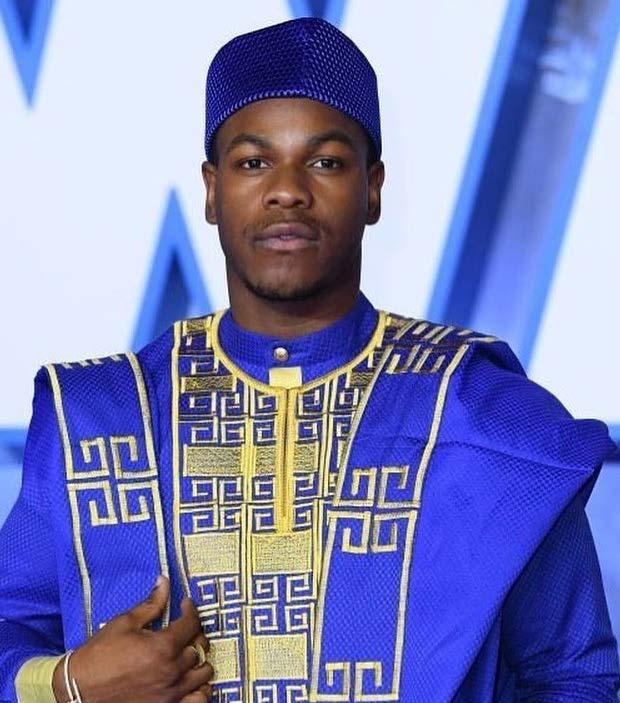
John Boyega is never one to shy away from his Nigerian heritage, as he has established himself as a renowned actor who has achieved global fame and uses it as fuel for local impact. From his breakout in Attack the Block to his iconic role as Finn in the Star Wars trilogy, Boyega has consistently reached the highest heights of Hollywood. However, he has never been content with just being a “face” on a poster. Through his company, UpperRoom Productions, he has pioneered a $25 million initiative to merge Hollywood standards with Nollywood’s raw energy, aiming to produce high-quality African stories that don’t dilute the culture for a Western gaze. Whether he is speaking Yoruba at the RMB Think Summit in Lagos or advocating for Black actors to have “a seat at the table,” Boyega remains fiercely connected to his Nigerian heritage. In 2025, his debut in the Pirelli Calendar and his lead role in the Otis Redding biopic proved his versatility, but it is his commitment to “bringing the skills back home” that defines him. He fits this narrative as a titan who proves that you can conquer the galaxy while remaining firmly rooted in the soil of your ancestors.
BY DORCAS AKINTOYE
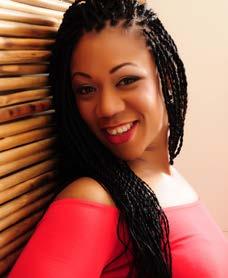
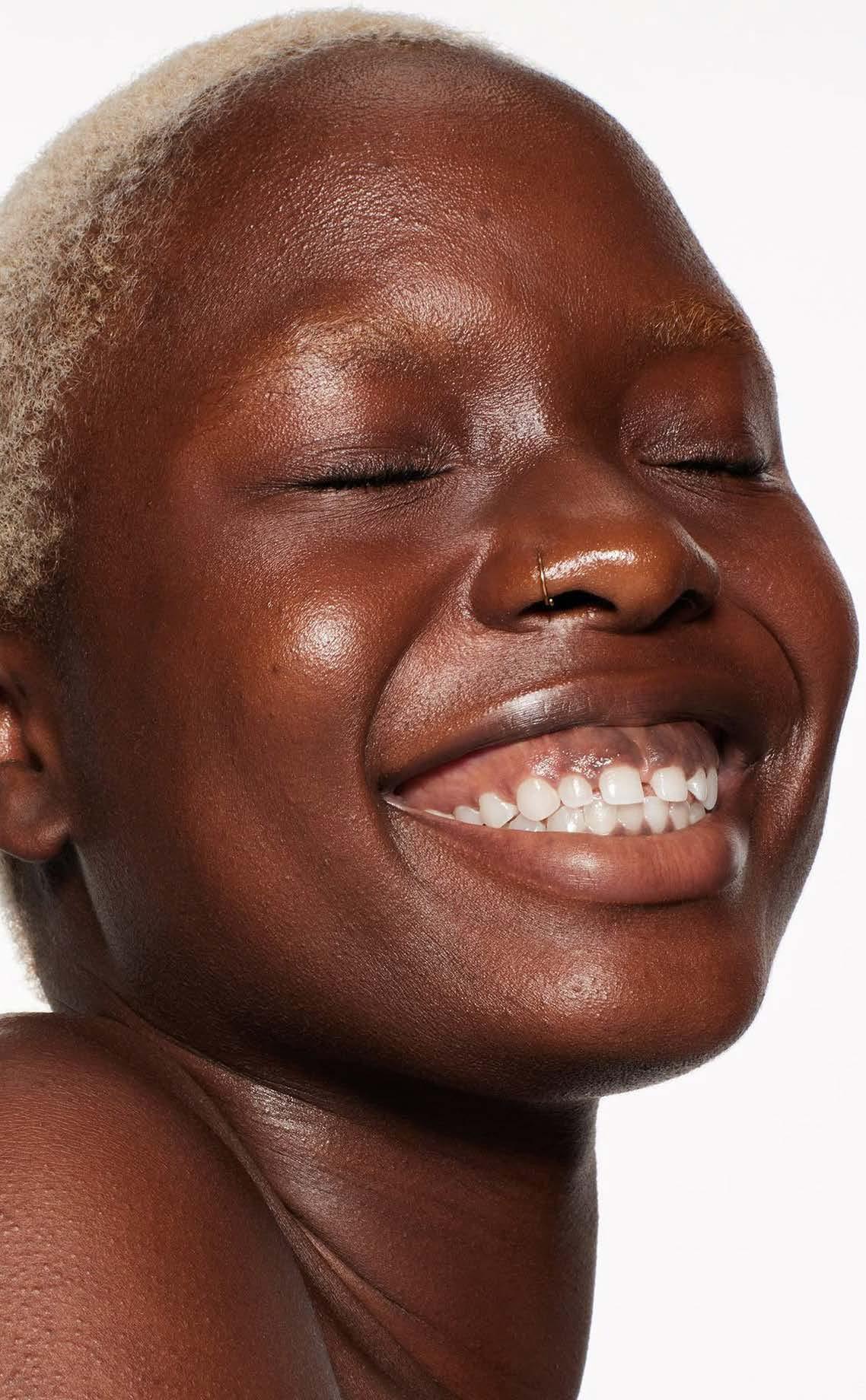
Beauty in 2026 is not about doing too much. It’s about doing things on purpose. The trends taking over are playful, thoughtful, expressive, and at the same time wearable. Makeup is no longer just about looking “pretty”; it’s about mood, personality, and self-confidence. From colourful lashes that steal the show to skincare-meets-science treatments that work beneath the surface, 2026 beauty is all about expression, balance, and smarter choices. In this article, we will show you beauty trends you’ll be seeing everywhere in 2026.
Colour-drenched lashes mean wearing mascara in bold shades like cobalt blue, emerald green, cherry red, lilac, and even neon tones. Instead of focusing heavily on eyeshadow, people are letting their lashes do the talking. This trend works because it’s simple but striking. You can wear bare skin, light brows, glossed lips, and then add bright lashes for instant impact.
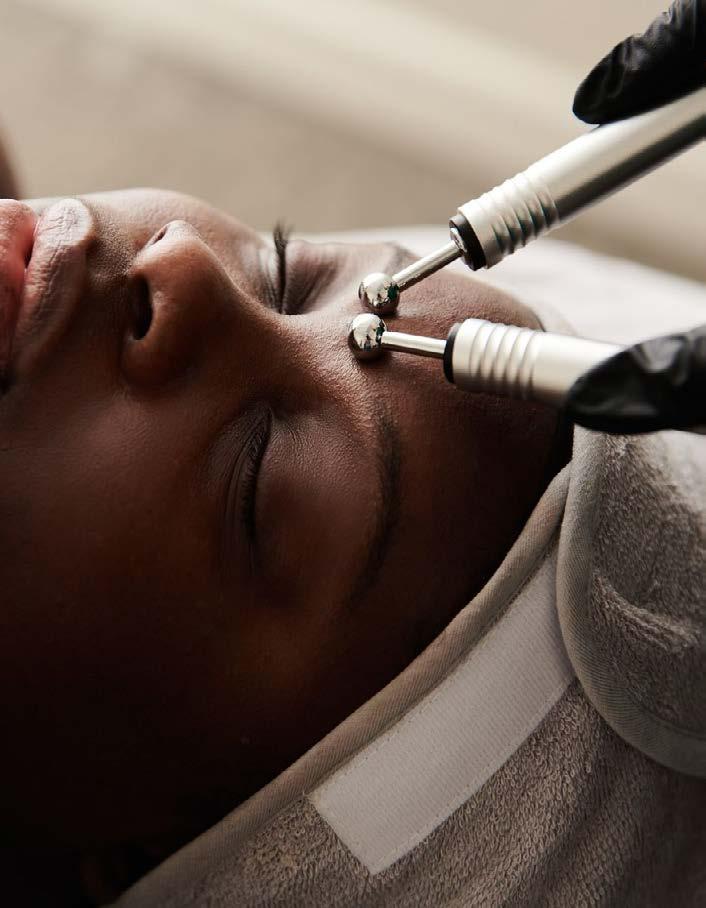
Beauty in 2026 is not just about what you put on your skin, but what you do within it. Biostimulators and regenerative treatments are becoming more popular because people want long-term results, not quick fixes. These treatments work by encouraging the skin to produce its own collagen and repair itself naturally over time. Instead of chasing dramatic changes, the focus is on healthier, firmer, more youthful-looking skin that still looks like you.
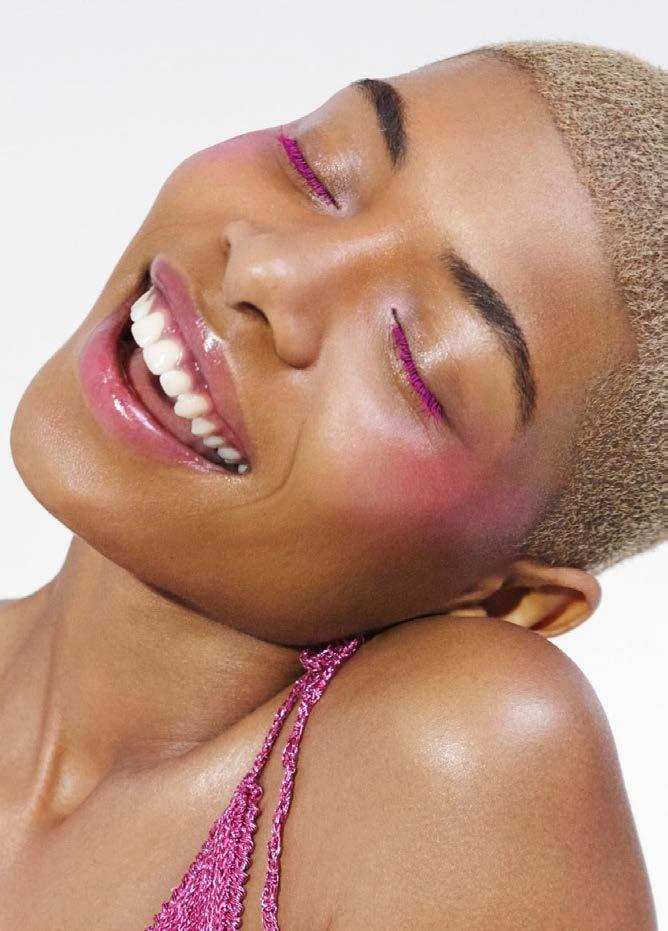
Tone-on-tone makeup is exactly what it sounds like: using similar shades across your eyes, cheeks, and lips for a clean, put-together look. In 2026, makeup is less about sharp contrasts and more about harmony. This trend works because it’s easy, flattering, and wearable for everyday life. It gives that “effortless but intentional” look, like you didn’t try too hard, but you still look good.
Blush is no longer just one swipe on the cheeks. In 2026, it’s all about layering. Blush layering means using different blush textures, like cream, liquid, and powder or mixing shades to create depth and dimension. Instead of a flat colour, the cheeks look fuller, fresher, and more alive. This trend shows how beauty is becoming more expressive again. Blush is not just an add-on; it’s a key part of the entire face.

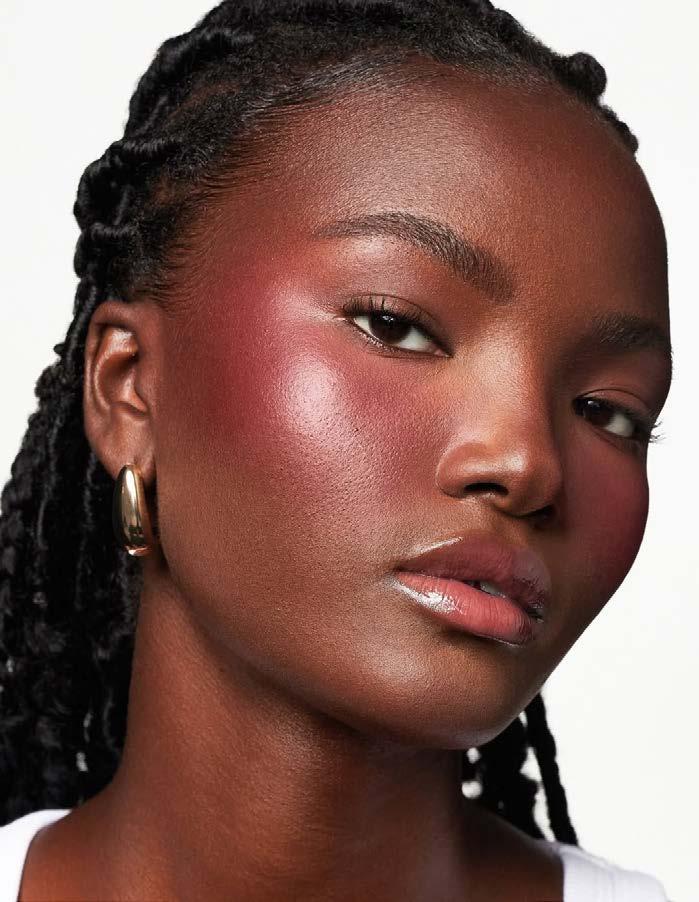
Beauty in 2026 is confident, expressive, and intentional. It’s not about perfection or heavy rules. It’s about knowing what works for you and having fun with it. 2026 is a year that encourages us to experiment, without losing ourselves in the process.
ADA OBIAJUNWA
@aaddaahh
By the time you realise you’re responsible, the shift has already happened.
The year has changed. The calendar has turned. And somehow, life has already resumed its pace.
You don’t announce it. You don’t mark the moment. You just start doing things differently. Small adjustments at first. Things you assume are temporary. Ways of managing that feel practical, not personal.
You take a little more on.
You speak a little less about it. You move a little faster through decisions.
Nothing dramatic changes. And yet, something has.
The first thing most people learn is silence.
Not a wounded silence. Not withdrawal. Just a functional one. The kind that saves time. The kind that keeps things moving.
You stop explaining every decision. You stop narrating your thought process.
You stop checking whether what you’re carrying is reasonable before you carry it.
“I’ll handle it” becomes a complete sentence. Sometimes it also becomes a lifestyle.

Not because you don’t have anything to say, but because saying it doesn’t always help. Silence becomes efficient. It reduces friction. It also saves you from having to explain yourself for the fifth time.
So you quiet yourself, just a little. Enough to cope. Enough to keep going without turning your life into a group project.
Then, without consciously deciding to, you start adjusting your expectations.
Not in a dramatic, disappointed way. More like recalibration. Like realising the version of life you planned for assumed unlimited energy and perfect timing.
You stop expecting things to work out neatly. You stop waiting for ideal timing. You stop measuring your life against versions of success that only exist in theory.
You choose what’s workable instead of what’s impressive. Which is less glamorous, but far more survivable.
You aim for progress instead of certainty.
You learn to live with things being unfinished.
It’s not that you’ve given up. It’s that you’ve learned how to keep going. And somewhere in all of this, you become “fine”. Not fine as in untouched. Fine as in functional.
“I’m fine” starts meaning, “I can carry this today.” Not forever. Just today. It becomes shorthand for competence, not comfort. A way of signalling that things are under control, even if they’re not fully resolved.
Quietly.
Gradually.
Without asking for permission. What people don’t always notice is that coping has a cost.
It works. That’s why it sticks. But it asks for small payments along the way, usually when you are not looking.
You flatten things without realising it. Not your joy entirely, just your range. You become less reactive. Less surprised. Less inclined to check in with yourself unless something is clearly wrong.
You postpone rest. Not intentionally. Just practically. There’s always something that feels more urgent. Something that needs handling first. You tell yourself you’ll circle back when things settle, even though things have not been settling for a while.
You become good at functioning through uncertainty. So good that you forget uncertainty is still there, sitting quietly in the background like an unpaid tab.
None of this feels alarming in the moment. It feels like competence. Like growth. Like maturity doing what maturity does. And in many ways, it is.

You still feel things. You just don’t stop for them as often. You keep moving, trusting that you’ll deal with whatever surfaces later, when there’s more room. Or when you finally get five minutes of silence that you did not schedule.
This is how coping settles in.
This is how people become capable. Not through confidence, but through repetition. Through learning that life keeps moving, whether you feel ready or not, and adjusting accordingly. You don’t wake up and decide to be resilient. You just keep responding. Keep adapting. Keep finding ways to make things work.
Over time, that becomes your baseline. The danger isn’t that you’re doing something wrong. It’s that adaptation is so quiet, you don’t notice it’s happening. You don’t always mark the shift from “this is temporary” to “this is how I live now.”
You don’t always ask yourself what you’ve normalised.

What you’ve absorbed. What you’ve stopped questioning. So this isn’t about undoing how you cope. It’s about recognising it. About noticing the habits you built to survive a phase, and asking whether you still need all of them now. About understanding that becoming capable often happens before you fully realise what it’s costing you. Most people don’t realise they’ve learned how to cope until they stop and see the pattern.
This is how people become steady without ever deciding to.
And maybe that’s Luxury Silk.

BY JOHNSON CHUKWUEKE
It’s a hyperconnected world we currently live in where passwords, devices, and personal information hold so much value, and staying digitally secure has become a must. Cyber threats are evolving daily, targeting individuals and businesses alike, and a single misstep can expose you to identity theft, data breaches, or worse. Protecting your digital life may sound a bit difficult, but with a few smart, proactive measures, you can really reduce your risks.
In this guide, you will find practical, easy-to-follow tips to safeguard your online presence, protect your personal information, and confidently navigate the ever-changing digital landscape.

Passwords And Two-Factor Authentication (2FA)
The first line of defence in protecting your digital accounts is a strong password. Avoid using predictable combinations like “password123” or your birthday. Instead, craft passwords that are at least 12 characters long, including uppercase and lowercase letters, numbers, and symbols. Tools like password managers can generate and store these complex passwords for you. Adding an extra layer of security through two-factor authentication (2FA) is another must. This ensures that even if someone gets hold of your password, they’ll need a second verification step—like a code sent to your phone—to access your account.

Hackers often take advantage of weaknesses in outdated software to gain access to your devices. Regularly updating your operating systems, apps, and antivirus programs ensures these vulnerabilities are patched. Enable automatic updates on your devices to stay ahead. This small step goes a long way in maintaining a secure digital environment.

Phishing attacks are designed to trick you into revealing sensitive information, such as login credentials or financial details. These scams often come in the form of deceptive emails, texts, or websites that mimic legitimate organisations. Always examine messages asking for personal details. Check the sender’s email address for inconsistencies, avoid clicking on unsolicited links, and verify requests directly with the organisation. Remember, a reputable company will never ask for sensitive information via email.

The digital landscape is constantly evolving, and so are cyber threats. Stay informed about the latest scams and cybersecurity practices by following reliable tech news sources. Regularly review your digital habits and educate yourself on best practices. Sharing your knowledge with family and friends can also help create a safer online community.

Public Wi-Fi networks are convenient but risky. Hackers can intercept your data on unsecured networks, potentially stealing sensitive information like passwords or credit card details. When using public Wi-Fi, avoid accessing sensitive accounts or making financial transactions. Consider using a Virtual Private Network (VPN) to encrypt your data and protect your online activity.
By adopting these strategies, you’ll be well-equipped to navigate the digital world safely and confidently. In an era where technology touches every aspect of life, safeguarding your online presence is not just essential—it’s empowering. Click smart, stay safe, and own your digital future.

Everyone already thought we were dating.
We laughed about it every time someone asked. “Please,” I would say, rolling my eyes. “He’s just my friend.” And he would nod, smiling too fast, acting like it didn’t matter, even though somehow the way he responded to that question mattered to me.
We were close in a way that made people uncomfortable. Always together. Always touching. We knew each other’s bad days and favourite songs. I liked him long before I admitted it to myself. Long before I let my body betray me.
That night at the club, we got drunk in the easy way friends do. We had Tequila. The music at the club was so loud. I remembered his mouth close to my ear so I could hear him over the noise. I also remember laughing too much, dancing too close, his hands steadying my hips like it was normal.
One thing led to another. It always does. We had sex.
That night at his place, when it was over, and I lay beside him, heart racing, body buzzing, telling myself not to imagine anything beyond this moment. The next morning, we laughed.
me, playful, half-serious. And every time, my body responded before my mind could stop it.
To him, it was fun.
That part hurt more than I expected. We joked about how drunk we were. He pulled me into a hug, long and tight, the kind he always gave me. No awkwardness. No tension. Just us. Just friends. I told myself that was good. That was safe. That was how everything started.
After that, I noticed everything more. The way he flirted like it meant nothing. The way he teased me about that night, leaning in too close, lowering his voice like it was our little secret. Sometimes he’d try to kiss
To me, it was hope.
I didn’t bring up the sex. I refused to. I didn’t want to sound needy. I didn’t want to be the girl who caught feelings first, the girl who ruined the friendship. So, I smiled. I laughed. I pretended it didn’t matter.
Until the day he told me he liked someone else. Someone from his workplace.
He said it casually, like he was telling me about traffic or lunch. My chest tightened, but I kept my face calm. I even asked questions. I surprised
myself with how well I played the role.
That night, I cried quietly in my room, replaying every touch, every look, every almost-kiss. I felt stupid for assuming.
For believing sex meant something when nobody said it did.
Still, he kept flirting. Still, he acted like nothing had changed.
I wanted him again. God, I did. But not like that. Not as a mistake. Not as a drunk memory he could laugh about later.
I wanted him to want me on purpose.
So one evening, when he leaned in, teasing, lips hovering close to mine, I didn’t move. I looked at him and smiled softly.
“What exactly are we doing?” I asked.
He laughed softly, like it was a joke.
I didn’t laugh back.
“I want more,” I said. Louder this time. My voice was steady, even though my chest was shaking. “I can’t keep pretending this is nothing.”
He looked at me for a long moment.
“I care about you,” he said. I nodded. I already knew that. Care was easy. Care was safe.
“But you like someone else,” I added quietly. He didn’t deny it.
That was when I understood. The sex meant something to me because I wanted it to mean something. To him, it was just a moment we never named.
I stepped back before he could pull me close again.
“I don’t want half of you,” I said. “Not anymore.”
I don’t know how this story ends yet. Maybe he chooses me. Maybe he doesn’t. But I chose myself.
Finally accepting the fact that some loves don’t end with a kiss.
Some end with a sentence you were brave enough to say out loud.
BY BOLUWATIFE ADESINA
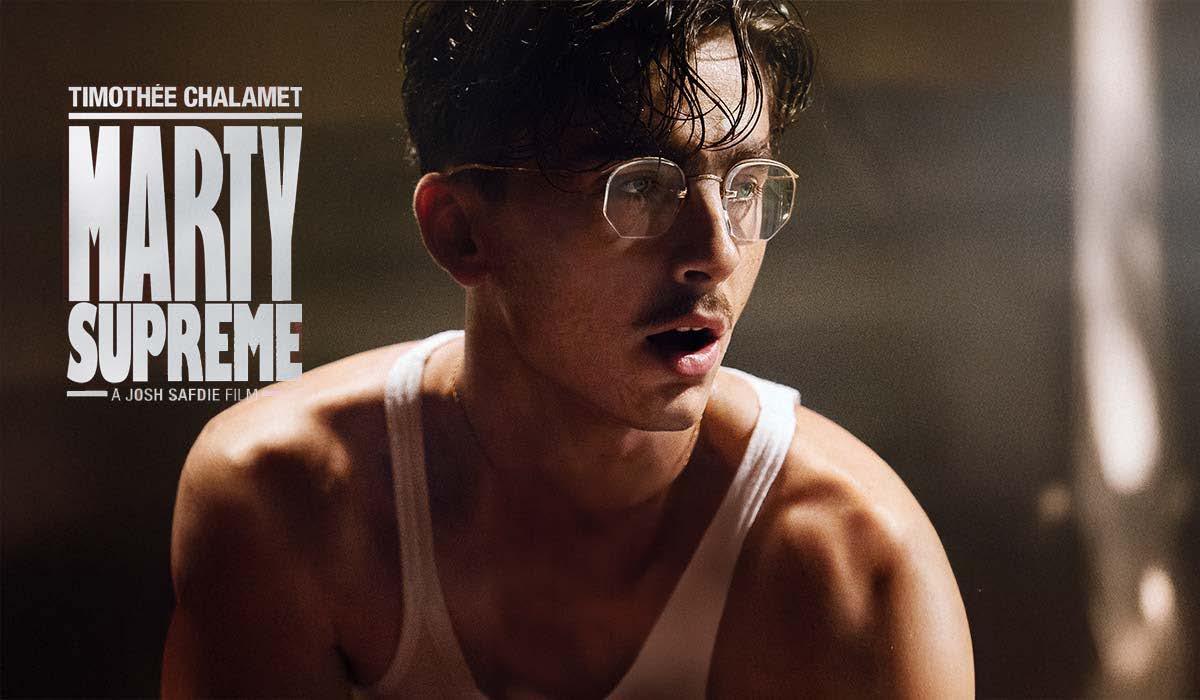
A24 really know their audience.
The studio has been on a hot streak for a while now with hits like Everything Everywhere
All At Once, Uncut Gems, Midsommar, Moonlight, Beef on Netflix, Euphoria on HBO and have a very distinctive sensibility for what movies they think will do well, and Marty Supreme is no different.
Directed by Josh Safdie, this film makes no qualms about what it is. It’s sweaty, anxious, filled with fairly unlikeable characters for the most part and is not trying to endear you to anyone, least of all Timotheé Chalamet as Marty Mauser; loosely based on real life US table tennis champion Marty Reisman. I always have time for a sports movie, but this movie is really not that. It’s closer to a movie about a sportsman than a sports movie. In the end, it doesn’t matter because Chalamet gives one of the best performances of the year in this film.
Marty Supreme follows Chalamet as the eponymous character, who tries to make table tennis as big in America as it was in Asia in the early 1950s, shortly after World War II. Marty is brash, overconfident and honestly an asshole. The film starts with him being humbled at the final British Table Tennis Open, and that defeat sends Marty spiralling. He returns home to the US with his pride wounded and seeks to make up for it at the next tournament, in Tokyo, a month later. There’s only one problem: he’s flat broke. Thus starts a trail of scams and shenanigans in order to get the money for the trip.
That’s the synopsis of the film, but there’s a lot more going on in the characters’ interpersonal relationships than there is in the actual plot of the movie. It’s an interesting choice that had me curious as to how the movie would resolve itself, given its extensive 2hr30min runtime. I must mention again that this movie made me feel anxious in the cinema. I remember thinking I haven’t felt that particular brand of sticky tension in a film since
Uncut Gems, which just so happens to be helmed by the same director. Initially, I thought it to be a little derivative, but that’s just his style. Anxiety-inducing films tangentially related to sports with an asshole as the lead character (Adam Sandler in Gems and Chalamet here).
The cast as a whole is superb. Chalamet has already won the Golden Globe for best Comedy/Drama actor for this film, and I wouldn’t be surprised if he were in the running for the Oscar for best lead actor. It’s also really him playing table tennis in the film, no stunt double, which is impressively cool. He’s our new DiCaprio, and I’m here for it. Gwyneth Paltrow is surprisingly quite fun as the jaded wife of an ink magnate (played by Shark Tank’s Mr Wonderful, Kevin O’Leary). Her chemistry with Chalamet was a fun bit of the movie. Odessa A’zion, Tyler, the Creator, and Luke Manley round out the main cast and are all great.
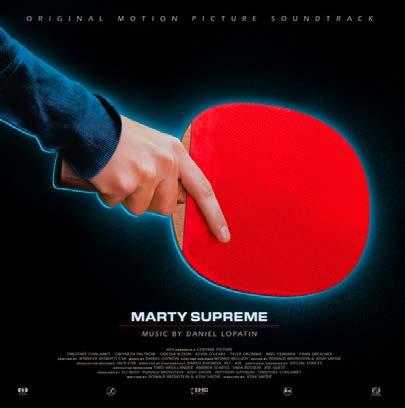
I also have to mention that I really enjoyed the score and soundtrack of this movie.
The score, by Daniel Lopatin (also known as Onehotrix Point Never), is propulsive yet claustrophobic, elevating the film to make it feel grandiose and relentless. For a film set in the 50’s, the soundtrack of the film is chock full of anachronistic 80’s music, my favourite being Tears For Fears – ‘Everybody Wants To Rule The World’.
Overall, I liked the film. It was carried mostly by Chalamet’s riveting performance, but that doesn’t mean he’s the only draw. My issues with the film are that it’s a bit too long and doesn’t even have that solid an ending. A lot is left to our interpretation when the lights come up at the end, and I have to admit I found it a little difficult to root for an asshole for 150 minutes. Maybe that’s just me. It doesn’t detract from the fact that this is a well-made movie and should win Chalamet a lot of awards.
Rating: 7.9/10
I liked it, but I definitely don’t love it.

Scan this with your camera or click to access the playlist (Youtube Music)

Inhealthcare, a lot of value is rightfully placed in “continuity of care”. It’s the belief that patients are best served by building relationships with regular physicians, people who have all the right information and expertise – and most importantly, those who have earned your trust. The same is true in TV.
The Pitt proved this in its first season, a wordof-mouth hit enriched by the creative talent and experience of ER alums, including R. Scott Gemmill, Joe Sachs and Noah Wyle. But this much-celebrated medical drama is even better in its second season, delivering the required doses of raw emotion and unflinching gore (it’s just nine minutes into Episode 1 until a man’s chest is casually opened like a book) and now operating from a more stable base of characters we already know

Scan this with your camera or click to access the playlist (Spotify)
and are ready to root for. And better yet, we only had to wait a year to see them again.
This season takes place 10 months after the events of season one. It’s Dr Robby’s (Wyle) last shift before riding his motorbike off into a well-earned three-month sabbatical, prompted by his breakdown during the mass shooting the last time we saw him. And, just like a movie cop one day out from retirement, that means he’s bound to have another rough day.
It’s also Dr Langdon’s (Patrick Ball) first shift back after a mandatory break to treat the prescription pill addiction that got him dramatically kicked out of the ER, and charge nurse Dana (Katherine LaNasa) is thankfully still at her station despite intimations that the PittFest shooting – never mind the carpark assault – was her last straw. The effects of that day are deeply




felt, though only occasionally addressed in the show, with each character scarred, strengthened or humbled in small yet affecting ways.
One drawback of the first season, necessitated by the real-time structure, was the way each character was overburdened with expository dialogue, often summing up grand motivations and morals in load-bearing lines that felt clunkily counter to the naturalistic action. There’s less of that this time around. Though there’s no shortage of topical cases and issues to discuss: from the application of AI in medicine to the collection of evidence for sexual assault, the quality of care for incarcerated or unhoused patients and the profound failures of US health insurance. The show wears its politics proudly.
And yes, it will also test the limit of how many notable things can happen in one day. But it’s a credit to the construction of the series that this onslaught of drama doesn’t feel too indulgent or overbearing. More Emmys, stat!