


The hospitality sector has never been short of new ideas. New products, new formats and new suppliers arrive constantly, each promising to save time, improve margins or lift the customer experience. In steady periods, operators are open to exploring them. Under pressure, buying behaviour changes.
When labour tightens, costs rise or service reliability slips, hospitality buyers do not go searching for the most inventive solution. They look for what will work, quickly and without complication. Decision time compresses. Risk tolerance narrows. Familiarity becomes an advantage.
This is why visibility carries far more weight in hospitality than is often acknowledged. When a chef, café owner or multi-site operator needs to solve a problem, they default to what they already recognise. A supplier who is known and clearly understood often beats one that is new, even if the price or product spec is marginally stronger.
In this environment, disruption does not announce itself neatly. It may arrive as a missing delivery before service, a sudden cost increase, equipment failure or an unexpected menu change. There is rarely time for long discovery phases. Buyers want options that feel safe and usable.
That buying reality explains the longevity of the Restaurant & Café Buyers Guide. It was not created as a promotional exercise or trend watch. It exists because hospitality buyers need a reliable place to orient themselves when something shifts. When pressure hits, they go to where information already sits, not where it has to be hunted for.
Over the years, the way hospitality operates has changed dramatically. Menus evolve faster. Labour is tighter. Operators juggle more suppliers across fewer hours. Buying windows are no longer seasonal or predictable. They open when they have to. The Guide has remained relevant because it reflects that reality: it is always there when needed.
For suppliers, this point often gets missed. Many focus on campaign-led outreach or timed promotions, assuming decisions align to tidy planning cycles. In hospitality, they rarely do. Opportunities emerge between services, during staffing crunches, or when an existing supplier can no longer keep up.
The suppliers who benefit in those moments are not necessarily the most visible that week. They are the ones

Publisher: Tania Walters, tania@reviewmags.com
General Manager: Kieran Mitchell, kieran@reviewmags.com
Editor-in-Chief: Caitlan Mitchell, caitlan@reviewmags.com
Brand Manager: Sarah Mitchell, sarah@reviewmags.com
Editorial Associate: Sam Francks, Jenelle Sequeria
Advertising: Caroline Boe, caroline@reviewmags.com
Graphic Designer: Raymund Santos


who were already known before the issue arose. Being listed, referenced and easy to find reduces friction. It allows operators to move quickly without adding risk.
This is not an argument against innovation or storytelling. Both have value. But under pressure, clarity beats creativity. Familiarity beats novelty. Visibility beats persuasion.
The reason the Restaurant & Café Buyers Guide has endured is simple. Hospitality does not wait for the perfect moment. When operators need solutions, they reach for what helps them act with confidence. Being present in those moments is not marketing for appearance’s sake. It is how suppliers remain commercially relevant in a sector where disruption is not the exception, but part of everyday trade.
For the hospitality industry, in particular, this has been a demanding year and the Christmas period often adds pressure rather than pause, with challenges and successes felt differently across the country. Thank you for your continued support and for sharing your insights, opinions and perspectives throughout the year. From our team to yours, we wish you a safe and enjoyable Christmas.
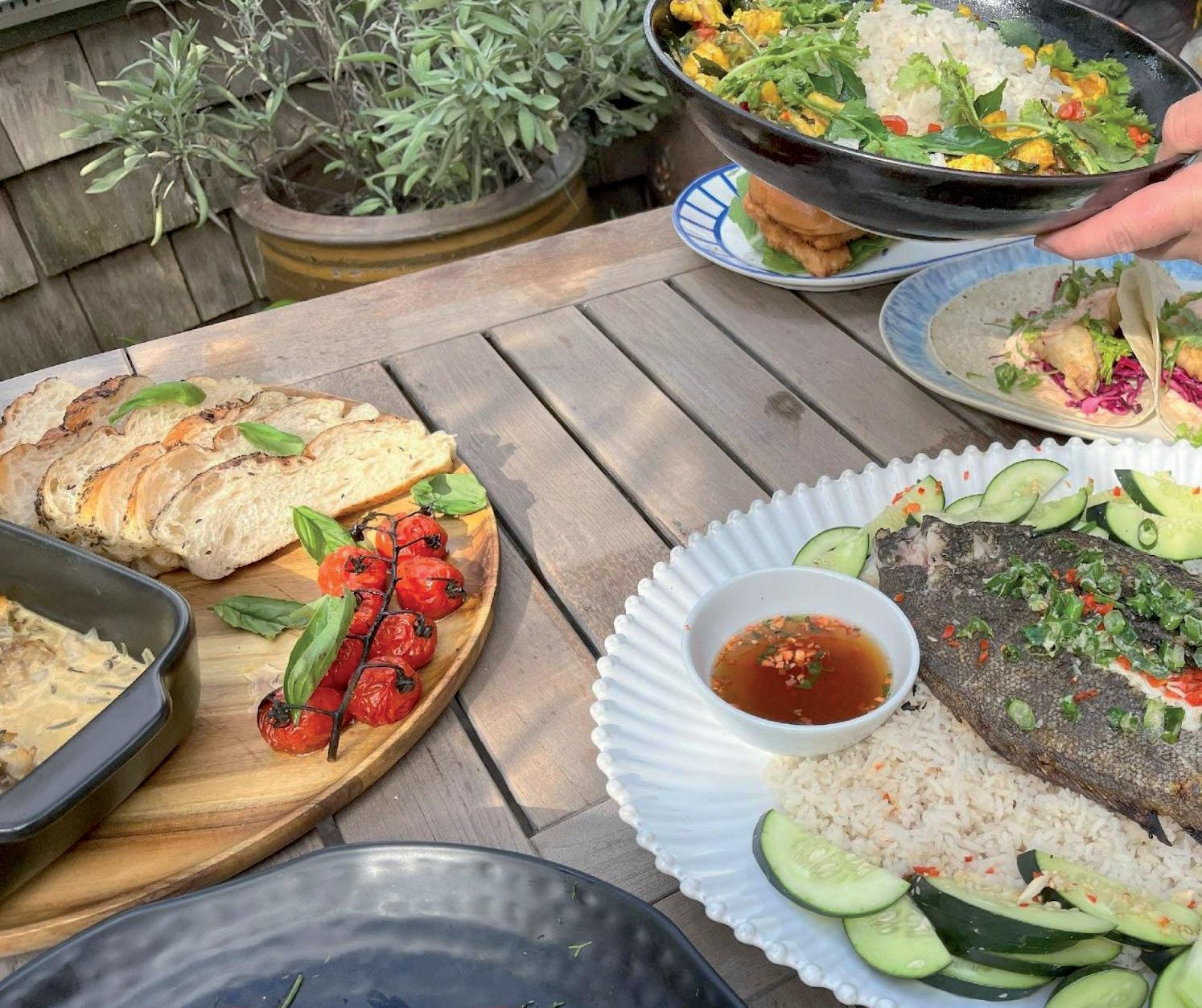
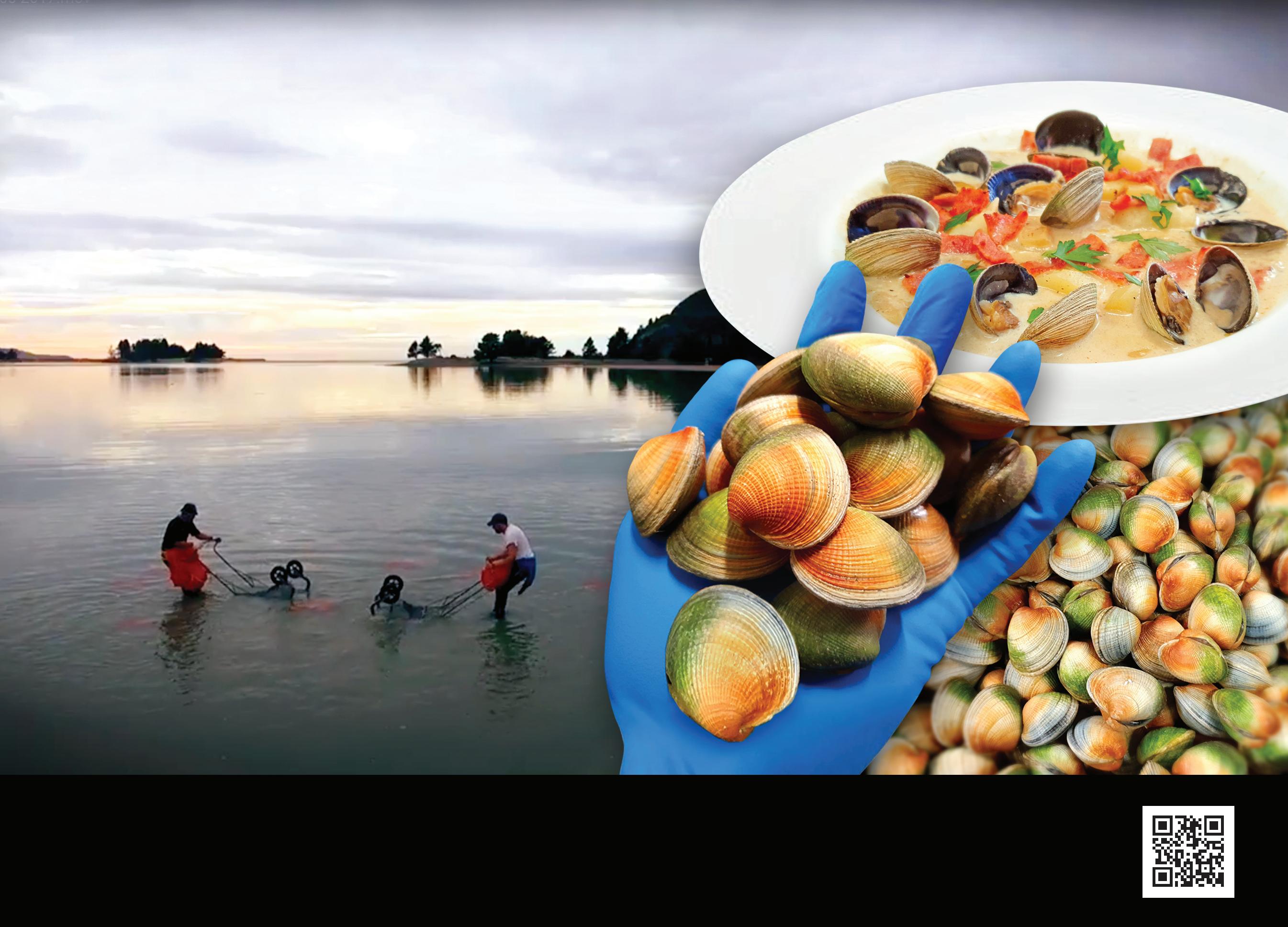
A former skipper and a fisheries policy expert have teamed up in the kitchen to create fourteen simple, delicious seafood recipes showcasing the wide variety of species available in New Zealand.
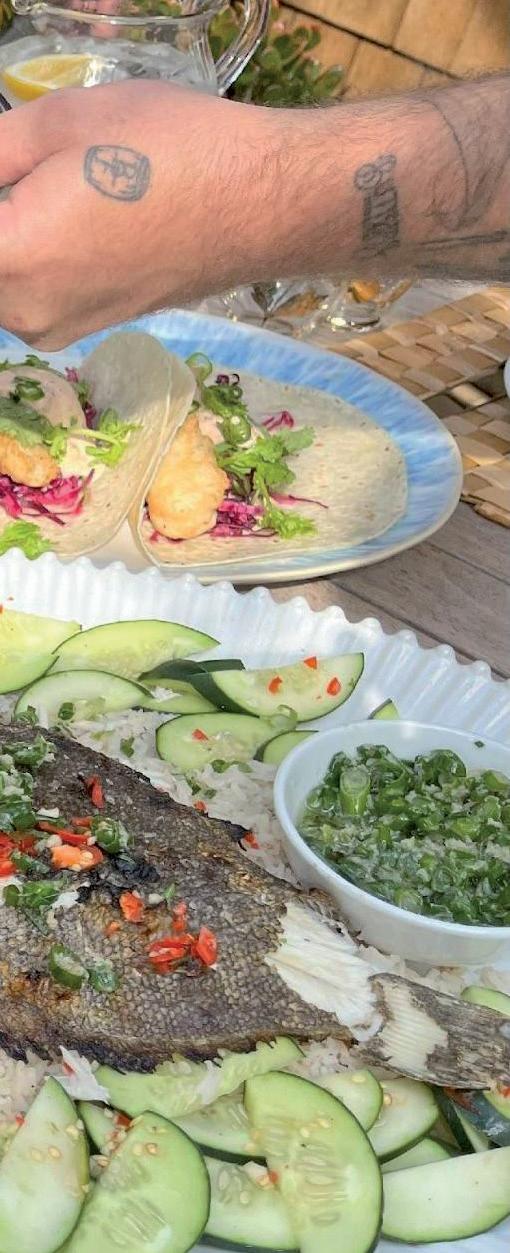
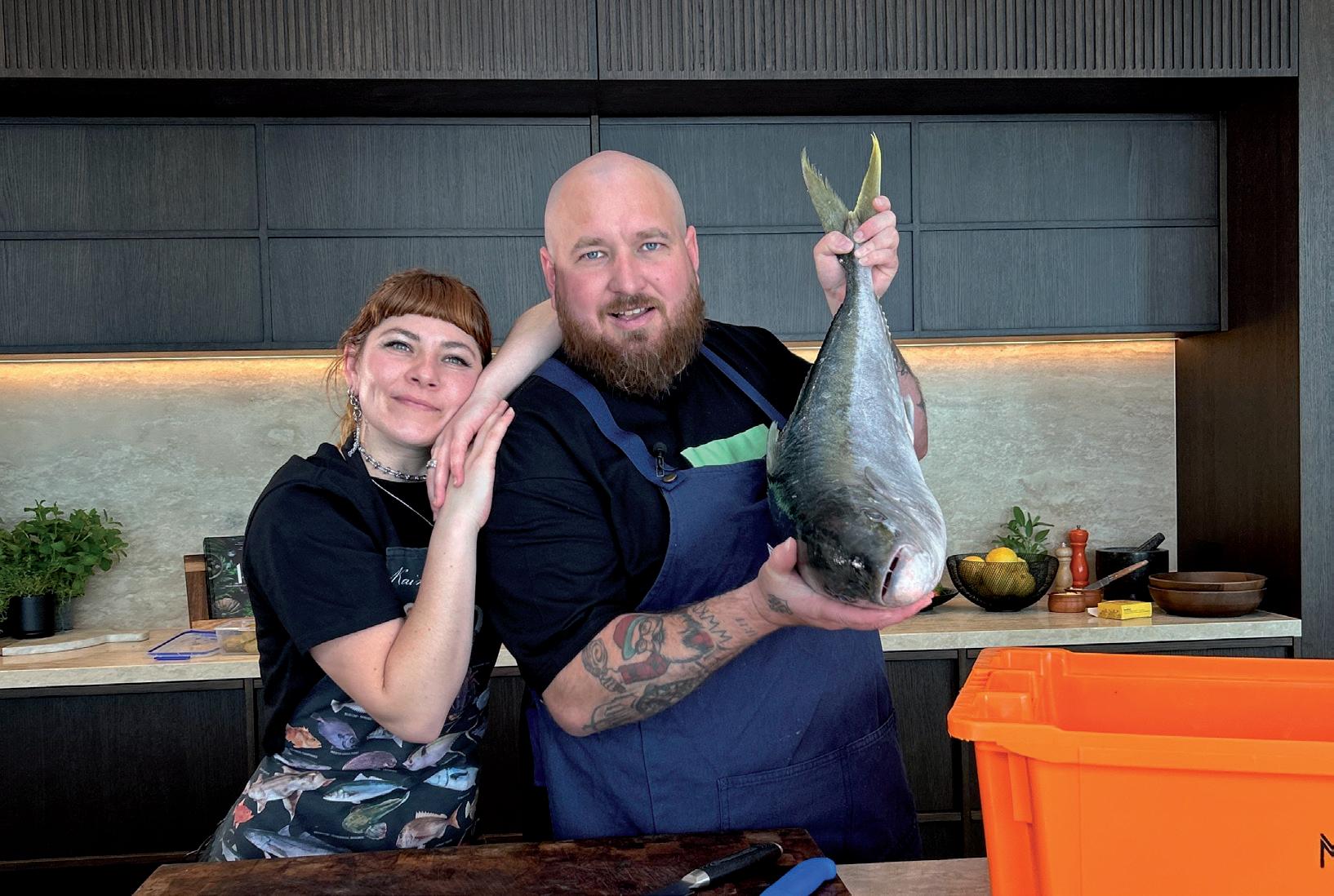
In 2025, Zak Olsen from Moana New Zealand and Tamar Wells from Seafood New Zealand collaborated in a new-to-them kitchen to prepare a series of recipes for a video series called Zak & Tamar’s Fishy Bits, followed by a second season titled Zak & Tamar's Sprat Summer.
Their partnership was inspired by a trevally ceviche recipe Wells had first shared in 2024, and Olsen immediately joked that the redheaded duo should “do a collab.”
It has been a winning combination. Together, they have created fourteen simple and tasty recipes featuring some of New Zealand’s lesser-known fish species, including monkfish, leatherjacket, moki and more, all provided by Moana New Zealand.
Their goal was to showcase these often-overlooked fish as an easy, nutritious and delicious way to feed a crowd, giving people the confidence to
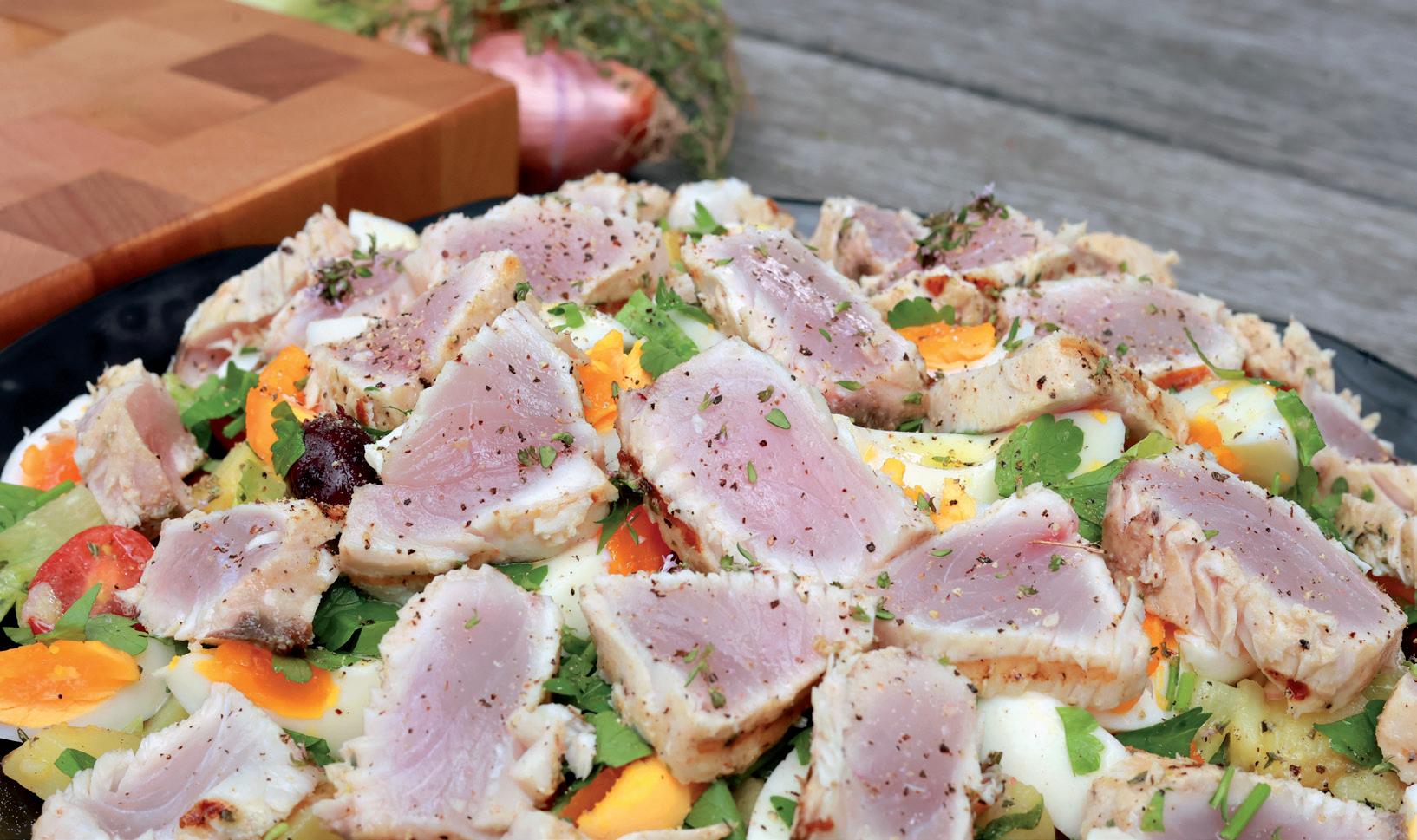
take advantage of all the sustainable seafood options available to them in supermarkets and fishmongers.
“The number one thing I hear about cooking seafood is actually the cost. That’s why when we did this, we went with affordable, alternative fish – we focused on fish that are readily available and underutilised,” said Olsen.
“We both immediately had the same fundamental idea in that we wanted to make lesser-known fish easy and accessible to people. We wanted people to see that every part of a fish has a purpose, just like you'd use different cuts of meat from a cow for different things, you can do the same with fish," said Wells.
Their recipe series comes on the back of an encouraging 2025 report by the Food and Agriculture Organisation of the United Nations (FAO) about the state of the world's marine fishery resources.
The FAO identified New Zealand’s
fisheries area as one with “levels of sustainable stocks being among the highest globally” due to our rigorous assessment and fisheries management framework.
The takeaway? People can feel confident the Kiwi fish they are putting on their tables is coming from wellmanaged stocks, caught by fishers who care about the long-term health of the marine environment.
Since its launch, Zak & Tamar’s recipe series has reached tens of thousands of people through social media. It's a testament to the power of a personal recommendation and the right amount of levity about an ingredient to open everyone’s culinary horizons.
In addition to being delicious, seafood is a wonderfully healthy food. It is a good source of protein, contains a range of essential vitamins and minerals and many species are a good source of omega-3 fatty acids.
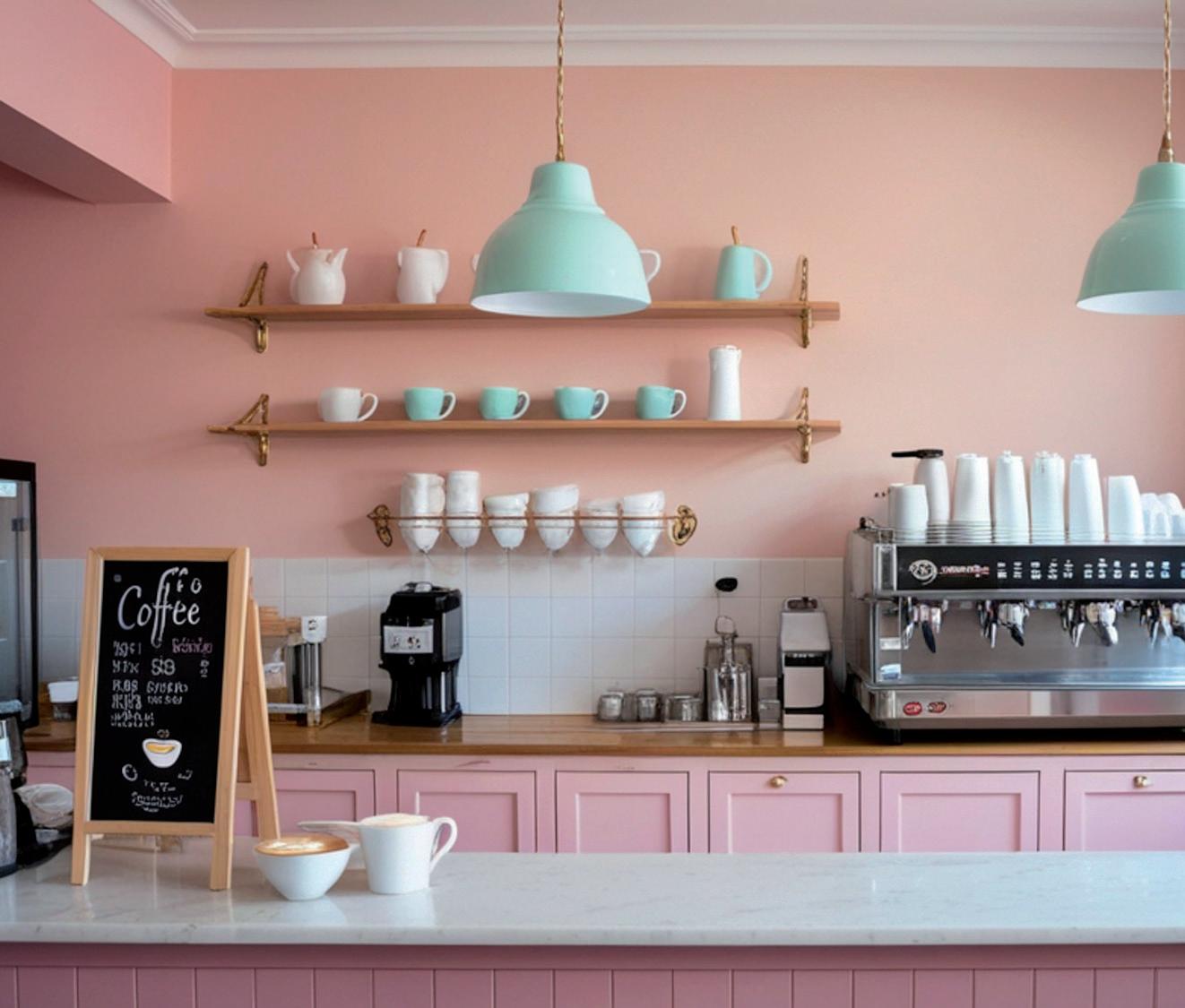
Chairman of the Franchise Association of New Zealand, Brad Jacobs, said there has been a noticeable increase in multi-brand franchisors and multi-unit franchisees, whether within one brand or across multiple.
Jacobs said the quote, “being in business for yourself, but not by yourself,” summed up the benefits of joining a franchise nicely. He said a strong franchise network system will provide all the foundations for success, along with solid training and support to assist a new franchisee to get their new hospitality business trading successfully.
“An independent operator simply won’t have that same level of training and support. They will likely spend significant time and resources on establishing their operations, menu, branding, marketing
materials, etc, that a franchise will already have in place and available to a new franchisee,” he said.
Jacobs added that one of the franchisor’s key roles is to provide support systems to navigate challenges like rising operational costs, staff shortages and supply chain issues. Be it group negotiating and buying power for better COGs, simplifying day-today admin tasks for franchisees, or providing assistance when there are staffing challenges, this is where being a part of a franchise network is beneficial

compared to an individual operator doing it all by themselves.
Operating a food and beverage business successfully and being a good franchisor are two very different tasks.
He said that operators wanting to franchise their food concept should first undertake a feasibility study on the business model, consult with an experienced franchise professional, and, assuming the results are positive, they should then undertake to develop their own skills as a franchisor.
There are multiple ways to learn and develop skills as a franchisor, according to Jacobs, who highlighted the work of the Franchising Association of New Zealand. He said this is an opportunity to work with experienced franchise consultants and form relationships with other franchisors that can provide mentorship, be it formally or informally.
A franchisor’s role is not simply just to provide a brand and charge a franchise fee, they are forever working across all elements of the business, from operations to marketing and people.
A common misconception is that franchising is easy.
“Franchising is a fantastic way to do business, and can be very rewarding for both franchisees and franchisors alike, but it’s certainly hard work being a great franchisor.”
He added that supporting franchisees, maintaining brand standards, monitoring compliance, and continuously developing the products and procedures or the brand are all serious undertakings.
“A franchisor’s role is not simply just to provide a brand and charge a franchise fee, they are forever working across all elements of the business, from operations to marketing and people.”
From Jacob’s own experience as a franchisor of The Coffee Club, there are six building blocks that the company works from in its franchise model: mission and core values, people, marketing, operations and supply, network and financial management.
The Coffee Club has implemented an extensive training and support focus, both at start-up and ongoing. Working across all six of its company building blocks, there is a range of training and development resources available to franchisees and their teams.
Regular business ‘health checks’ are undertaken to assess product compliance, operational performance and statutory requirements.
“The underlying objectives of our franchisee support structure are to ensure exceptional customer experience, sales and business growth, and Compliance and The Coffee Club brand protection.”

Brad Jacobs Franchise Association of New Zealand Chairman
Hospitality industry leader Greg Cornes said understanding cost breakdowns was a fundamental tool for operators to learn, largely because cafes don’t fail from a lack of passion; they fail from a lack of financial clarity.
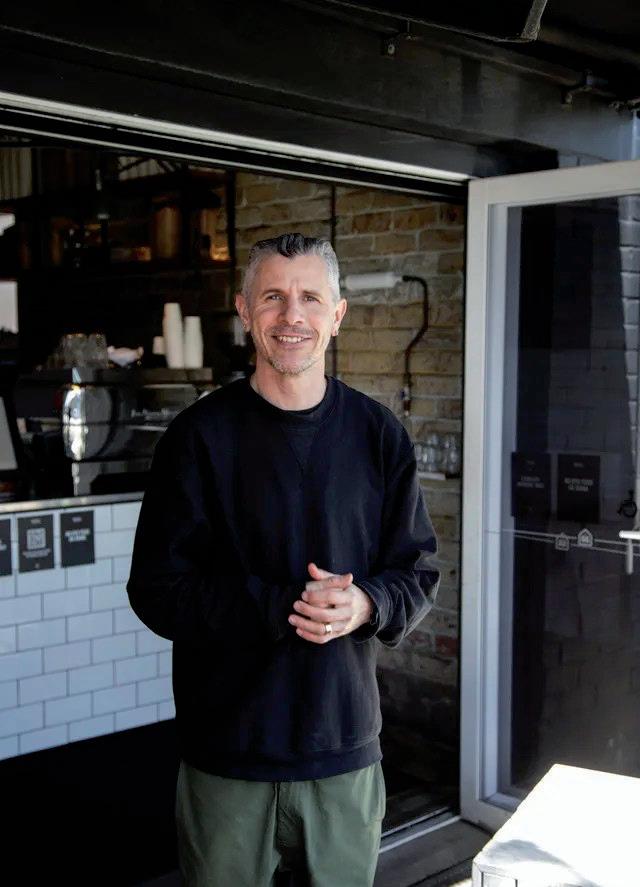
Greg Cornes Goodness Gracious Founder
dollar is doing, whether it’s labour, ingredients, rent, insurance, compliance, power, technology, waste or repairs. The margins in the hospitality industry are already thin, and if operators don’t understand cost structures at a granular level, they end up making emotional decisions instead of economic ones.
“Clear breakdowns let you design a business model that is viable before you even open the doors,” said Cornes. He said this was more important now than ever before.
The last five years have reshaped the hospitality market in New Zealand. Labour costs are up 40 to 50 percent, ingredients have jumped, insurance and compliance costs continue to climb, and
disposable income is tighter.
Cornes said all this has meant that operators can’t rely on feel or optimism, as they need real numbers, real thresholds and real discipline.
“Viability is no longer assumed; it has to be engineered.”
Heading into the new year, Cornes said it was vital that operators prioritise three integral elements. Firstly, labour efficiency is achieved not by cutting people, but by organising work better. He said simple menu engineering, better workflows and small-format spaces can increase output per labour hour.
Cost visibility is equally important. Weekly profit and loss tracking will allow operators to have a clearer picture of their situation, rather than yearly surprises. Cornes said that cashflow forecasting and understanding rent-torevenue were also important.
Heading into the new year, he added that format discipline was something that every operator should adopt. The model has to fit 2026 conditions, not 2016 conditions. Smaller footprints, focused menus and tech that removes friction are all assets.
Cornes said that operators can scale back anywhere that doesn’t directly improve product or service. For most cafes, this means overly broad menus, excessive prep items that quietly burn labour, unnecessary subscriptions or tech tools, design choices that add cost but not throughout, space (anything over 40sqm has to be justified line-byline), and that small, sharp, consistent beats large, slow and expensive.
He believed that 2026 would be a year
of recalibration rather than relief.
“Costs won’t fall, but operators who have tightened their model will feel more stable. The businesses that survive will be the ones that redesign themselves around viability, footprint, labour, workflow, service model, and brand clarity. I see an industry with fewer players, but stronger ones.”
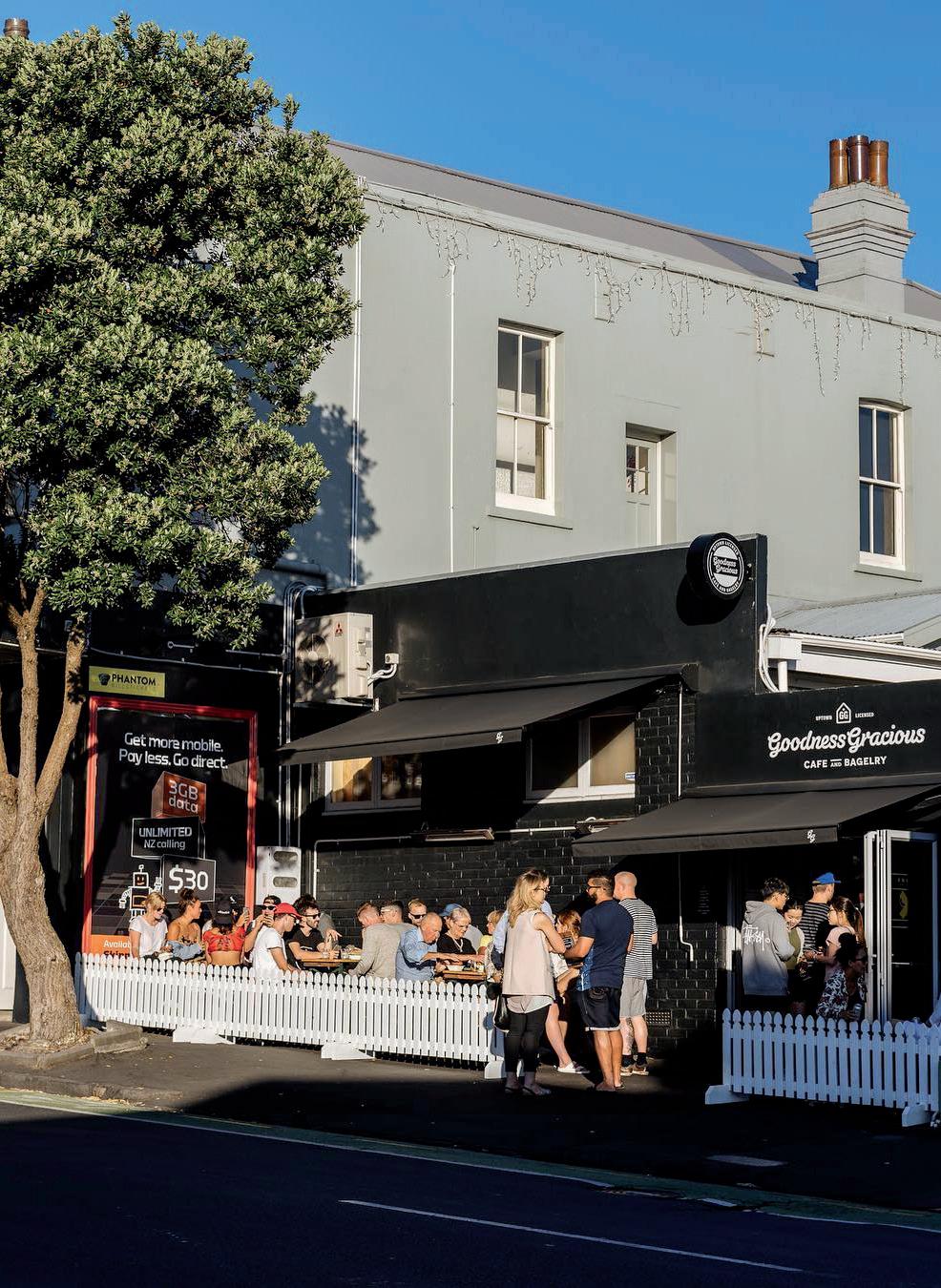
It has been a demanding year, but also one of the most rewarding according to Cornes. Goodness Gracious opened its fourth cafe, refined its systems across all sites, and continued to build a strong internal culture.
“We also deepened our tech integration, which has helped us stay consistent without drifting away from the human side of hospitality. A big highlight has been seeing customers continue to support small-format cafés even in tough conditions.”
Like most operators, challenges for Goodness Gracious this year have been wage pressure, insurance increases and the general slowdown in discretionary spending. Cornes added that the operational reality of running multiple sites, staying present, keeping standards high, training constantly and maintaining energy when the industry feels heavy has also been difficult to balance this year. He considered it to be a year where leadership was more important than ever.
“Cafés remain an important part of community life. Even in a difficult economy, people still want connection. If operators can design for viability and stay true to their values, there’s still a future here, it just might look different to the past.”
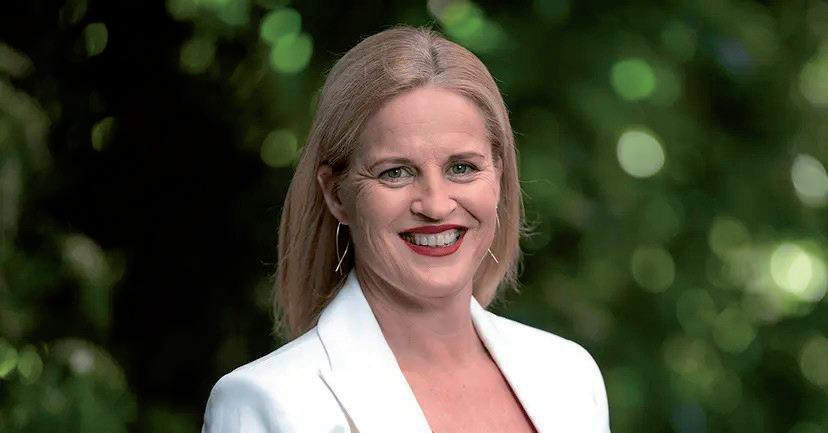
Since becoming the Minister of Hospitality and Tourism in January this year, Louise Upston has been incredibly proud of the work done so far to boost both sectors and support further growth.
Upston said that the industry was recovering, and a more optimistic approach has been taken to encourage its future development.
She said the industry has continued to work closely together amid challenging economic times, and that announcements like the arrival of the MICHELIN Guide to local shores was a testament to the dedication and commitment of the industry and its leaders.
The MICHELIN Guide’s expansion to New Zealand was something essential to the industry, according to Upston.
“I met with leaders of various associations, and asked them what we needed to do in order to grow these industries, and the unanimous answer was to get the MICHELIN Guide here. And that is exactly what we did,” she said.
The Minister’s initial meetings followed on from the 2024 Hospitality Summit, where the industry outlined its desire to bring the MICHELIN Guide to New Zealand. Upston said it was a huge accomplishment to achieve the end goal
of getting the Guide to New Zealand in only 12 months. This included inviting representatives from the Guide to explore the landscape of cuisine in New Zealand, and ensuring the sector was to the calibre of the Guide’s standards, which it was.
The first MICHELIN Guide featuring New Zealand restaurants will also be published sometime in the middle of 2026.
Since she took up the portfolio, Minister Upston has believed there wasn’t enough promotion of the hospitality industry, and that New Zealand’s food culture is an essential element in elevating international visitor numbers back to 2019 levels.
“We are ready to share our food and culture with travellers from all over the world. New Zealand restaurants have a great story to tell,” said Upston.
While 2025 may have been a challenging year for many, Upston was confident that 2026 would deliver the growth the industry needs, supporting the businesses that are the backbone of

the hospitality and foodservice sectors.
A highlight on the calendar will be the second Hospitality Summit, which the Minister said will be in the first half of the year. She considered the 2025 summit to be a key initiative that allowed greater alignment across the hospitality and tourism sectors.
“The input of hospitality leaders has been instrumental in delivering our Tourism Boost. The shared knowledge of leaders has been invaluable in helping chart future directions.”
Collaboration will also continue with industry leaders and the Government to attract more visitors to New Zealand, but
also ensure they explore the best of the country’s culinary and tourism offerings.
The hospitality workforce has risen by 15 percent since 2022, and international visitors have reached 88 percent of 2019 arrivals. This has largely been led by visitors from Australia, who make up a larger percentage of arrivals in 2025 than in 2019, while markets like China have recovered to a lesser extent. Visitors from the United States and the United Kingdom have also shown a general trend of recovery as well.
With this industry growth, a strong priority for 2026 will be to attract more people into the hospitality workforce,
especially younger generations. Minister Upston said there were so many opportunities for career development and longevity in the hospitality industry.
Another standout priority for Upston has been the Tourism Growth Roadmap, which has outlined the Government’s plan to increase the number of international visitors to New Zealand, double the value of tourism exports and grow the number of Kiwis in tourism and hospitality jobs.
Future targets for the Minister have included doubling the value of tourism exports and protecting the reputation of the local hospitality industry.
In New Zealand, there is a growing generational shift towards moderate drinking and healthy lifestyles, as overall beer, wine and spirits consumption changes.
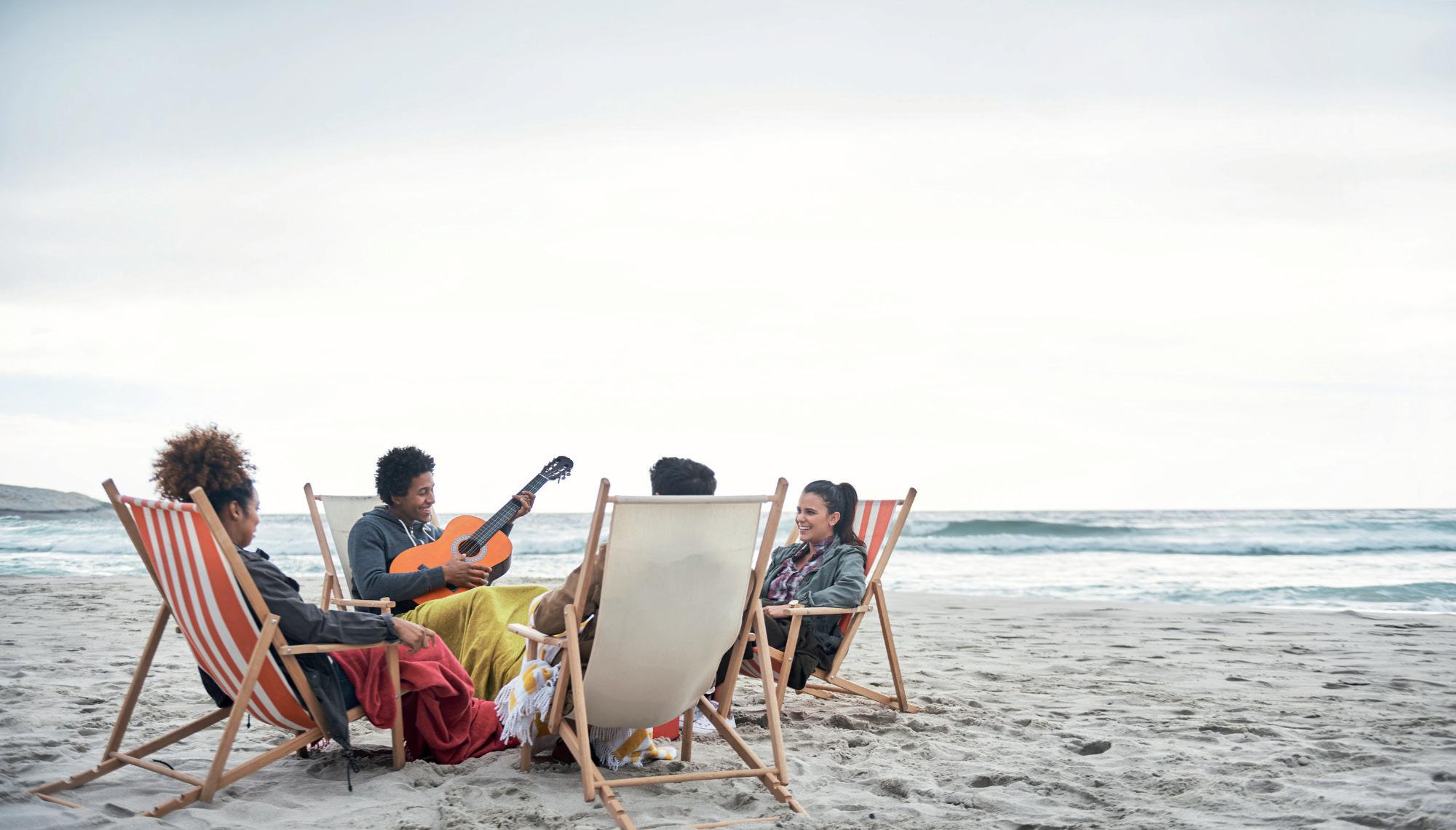

TVirginia Nicholls NZABC Executive Director
he most recent NZ Health Survey 2024 shows that five out of six New Zealanders (83.4 percent) drink responsibly, and there has been an across-the-board decline in different measures of riskier drinking as compared to 2016/17, when the data started.
Three-quarters of Kiwis currently drink alcohol (76 percent) and fewer under18s are drinking alcohol and those who do are drinking less hazardously.
In the Statistics NZ data in the year to March 2025, we had the lowest amount of alcohol available for consumption, per capita, falling by more than 30 percent since 1986.
This cultural shift includes being mindful of consumption, and part of that
is an understanding of low-risk alcohol guidelines and knowing when to say no.
The Southern Cross Healthy Futures Report 2024 also highlights shifting alcohol consumption patterns, with more people embracing low or no-alcohol options.
One quarter of people reduced their previous intake for health reasons in the six months to March 2024. Four in ten abstain, and average consumption remains below Ministry of Health guidelines.
The NZ Ministry of Health guidelines for low-risk drinking are no more than two standard drinks a day for women, and three standard drinks a day for men, with at least two alcohol-free days each week.
The NZABC Curia market research 2024 shows us that 55 percent of Kiwis said they had tried a low or no alcohol product in the past year.
The real question we are asking ourselves is why this has been happening. We know that there has not been any significant legislative change, and yet we are seeing a significant cultural change in the way that we are drinking.
There are some answers in the Australian NIQ 2025 consumer interviews: 62 percent of consumers are moderating their alcohol consumption in some way to be more mindful, and some are actively drinking less as well.
Across the total population, NIQ looked at the main motivations for moderation, 37 percent of consumers
said to save money, 32 percent to improve health and well-being, and 22 percent due to lifestyle changes. Motivations also vary by age group, with 18-34-year-olds motivated by being a better version of themselves and to improve their sleep quality. The 3554 year old age group are moderating to avoid hangovers and to maintain better control over their actions, while the 55+ age group are doing this to save money and to improve health and well-being. When we compare our drinking with other countries in the OECD, Kiwis are drinking less than the OECD average. This includes less than the US, UK, Australia, Germany, France and Ireland.
Kiwis are embracing mindful drinking, choosing to drink less often and consuming fewer standard drinks on each occasion. Equally important is socialising responsibly with friends and family, which not only strengthens connections but also delivers significant benefits for overall health and wellbeing.



As we close out 2025, it’s clear that this has been a defining year for hospitality. Not because the pressures of rising costs, fluctuating consumer confidence or workforce challenges vanished, but because our sector finally saw meaningful progress on some of the most persistent issues holding operators back.

Marisa Bidois Restaurant Association Chief Executive Officer
This was a year where policy shifted, partnerships strengthened and long term efforts began to bear fruit.
Much of this momentum can be traced back to the inaugural Hospitality Summit held at Parliament at the end of 2024. That event brought together industry leaders, operators and government decision makers to co-design a roadmap addressing workforce development, immigration settings, compliance, sustainability and the sector’s need for better data. Throughout 2025 we focused on implementing that plan, and many of the recommendations have now moved from conversation into action. A follow-up session will be held early in 2026 to measure progress and set the next phase of work.
One of the most significant outcomes has been the launch of a new national hospitality insights portal developed by the Restaurant Association, Hospitality New Zealand and Data Partner DOT Loves Data. Supported by the Tourism Data Partnership Fund, this platform gives operators unprecedented access to reliable, frequent and consistent
sector data for the first time. Until now, businesses have had limited visibility of regional trends or meaningful spend insights. The new portal puts that information directly into operators’ hands, showing who is spending, where they are spending and what is driving behaviour. With monthly regional breakdowns, visitor origin insights, loyalty patterns and average spend, our members now have the ability to plan and benchmark with confidence, something the industry has been seeking for more than a decade.
Progress on regulatory settings has also been encouraging. Moves to simplify food safety compliance recognise the complexity and cost that operators have long been forced to navigate, signalling a shift toward a more practical and enabling system. At the same time, payment regulation changes, particularly the ban on surcharges, have added new pressure points for businesses already operating on tight margins. While the intention is to benefit consumers, we continue to push for transparency and fairness so the burden does not fall disproportionately on operators.
Tourism strategy has evolved this year too, with a long-term Government roadmap and continued International Visitor Levy investment acknowledging the central role hospitality plays in the visitor experience. The NZD 70 million investment in major events is already stimulating activity in our cities and regions, showing how critical event-driven visitation is to hospitality wellbeing.
A defining moment for the sector in 2025 was confirmation that the MICHELIN Guide will launch in New Zealand. This milestone reflects the extraordinary talent, innovation and manaakitanga within our dining culture and reinforces our advocacy over many years. It also begins a new chapter of
opportunity for operators, and we are preparing resources and education to support members as New Zealand enters this global culinary landscape.
This year also saw the introduction of The Chevrons, our new national hospitality awards programme voted by the industry. It has been heartening to see operators celebrating each other’s achievements and elevating the stories and people who make this sector what it is.
As we look toward 2026, our priorities centre on maintaining and accelerating this momentum. We will focus on turning policy commitments into practical improvements for businesses, ensuring the new data portal becomes a powerful decision-making tool for members, strengthening workforce pathways, advocating for sensible immigration and regulatory settings, and continuing to showcase New Zealand’s food story on the world stage, particularly as Michelin’s arrival draws nearer. The early 2026 Summit follow-up will be an important checkpoint to ensure progress remains on track.
While trading conditions remain challenging, 2025 demonstrated what can be achieved when industry and government work with shared purpose. As we move into 2026, the sector does so with renewed direction, stronger partnerships and real opportunities to shape a more sustainable and thriving future for hospitality in New Zealand.

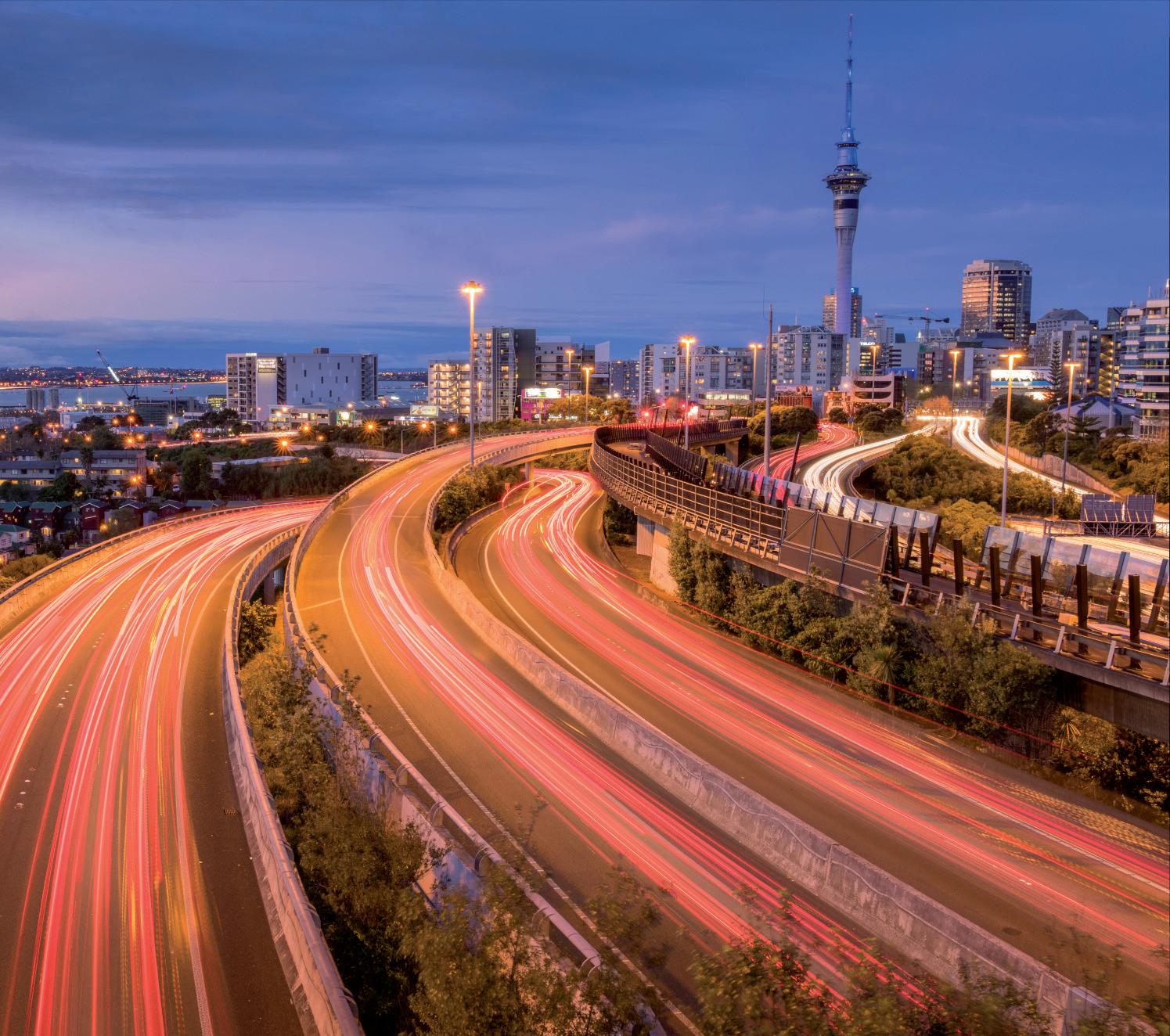
This year has been one of contrasts for Auckland city centre’s dining sector. While a tough economy and impacts of a decade of disruption have lingered, dining remains a very important sector which continues to perform well overall.

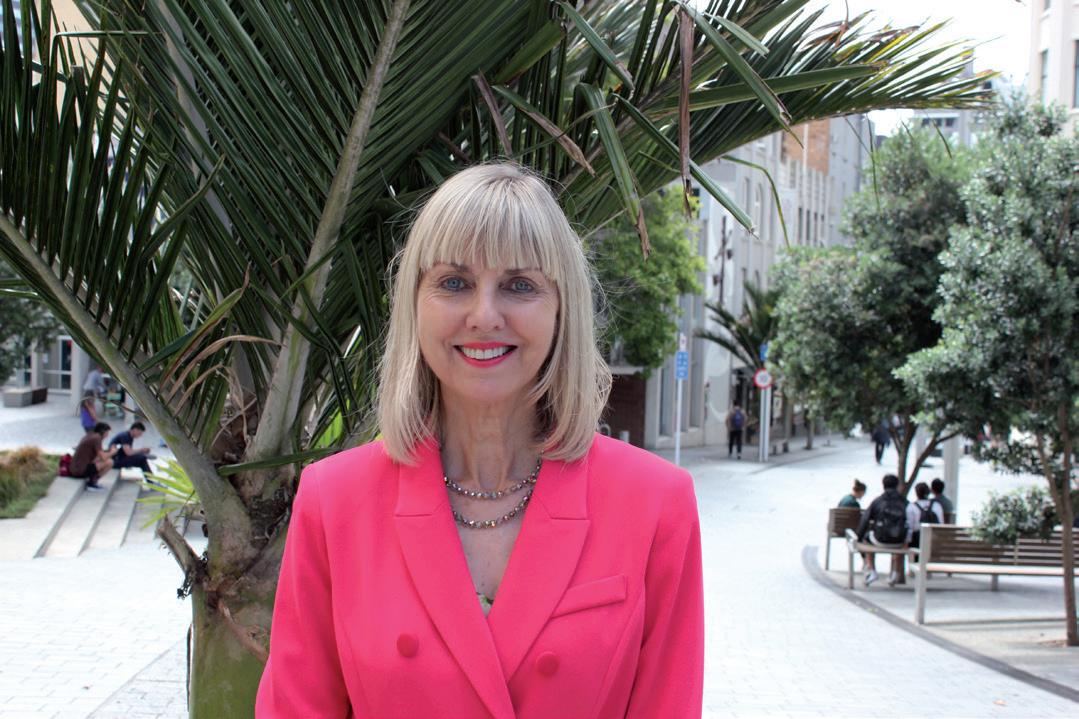
YBeck Heart of the City Chief Executive
city centre. Domestic visitor spending jumped by 93 percent compared with the previous weekend, cafés and restaurants recorded a 37 percent increase in spend, and foot traffic rose by 18 percent. Hotel occupancy peaked at 90 percent, while the concerts alone generated NZD 8.19 million in tourism spend.
Major events provide many experiences you can only find in the city centre, and data throughout the year suggests people are hungry for them. The Aotearoa Art Fair reported its largest turnout in the event’s 20year history, and the Auckland Writers Festival matched its 2024 record, with 85,000 attendees.
83 percent of those surveyed telling us the programme was “successful for their business.” One restaurant said “This year’s Restaurant Month was so far the most successful one…1400+ booked and dozens of walk-ins.”
Te Manaaki, the giant Christmas tree launched in 2025 will be back in lower Queen Street throughout December. Last year, 73 percent of Aucklanders surveyed said that events like Te Manaaki attract them to visit the city, and more than two thirds planned to do other activities during their visit, including dining out (20 percent).
Foundations Are Key 2025 underscored two essentials for success: collaboration and getting the basics right in how the city is experienced by customers and visitors. Important strides were made within the realm of safety, thanks to joint efforts, including increased police presence and the return of a city centre police station.
There is also collaborative work underway to address other residual impacts from the covid period and this work will make a difference in ensuring a welcoming environment to support tourism growth and major events.
ear in and year out, dining is one of our key attractions and the quality of the offering continues to shine in industry awards.
As the city centre prepares for a milestone year in 2026, with the opening of both the New Zealand International Convention Centre (NZICC) and the City Rail Link (CRL), announcement of the Michelin Guide coming to New Zealand has brought an added boost of optimism.
Major events continue to be an important way to drive visitation. In January, a weekend of sold-out Luke Combs concerts and the SailGP event brought a surge of activity across the
The announcement of a NZD 70 million one-off injection into New Zealand’s tourism and events fund was welcome, although a long-term, sustainable funding solution remains critical to ensure certainty for the sector. There’s already a number of events scheduled over the summer, from Lorde to Laneway Festival, SailGP to the ASB Classic. We look forward to seeing an expanded major events calendar in 2026 from the additional funding.
The fifteenth iteration of Heart of the City’s Restaurant Month programme in August reinforced the power of unique dining experiences. With event capacity doubled from Restaurant Month 2024, ticket sales surpassed last year’s entire programme in just two weeks. Momentum continued throughout the campaign, with 86 percent of all tickets sold.
Over fifteen curated events - from masa-making workshops to a speakeasy soirée - boosted winter trade during a traditionally quiet period.
Businesses that took part in Restaurant Month 2025 recognised its value, with
Despite 2025’s challenges, optimism is growing and there is excitement for what lies ahead in 2026.
It will be a joy to see the NZICC open after its long gestation. Its unique offering is set to drive visitation growth when it opens in February, with 104 events confirmed for 2026 to date, along with 80,000 delegates and 194,000 visitor days. And while many are expected to travel beyond the city centre location, all attendees will experience New Zealand’s arts, culture and hospitality in a memorable way.
Combined with the opening of the CRL, other investments coming to completion, and with international tourist numbers projected to rise, this will mark a major turning point for the city centre.

As one of the North Island’s most popular tourist hubs, Rotorua is known for its share of widely recognised restaurants and hospitality hotspots.
With the offset of a difficult economy and scaling costs for local businesses,
Rotorua’s hospitality industry has managed to navigate its way through extremely difficult circumstances over the past 12 months.
Rotorua Business Chamber CEO, Bryce Heard, said the best way to describe the local hospitality sector was “steady”.
Heard said that visitor spend at the point of sale for domestic visitors had run between NZD 314 and NZD 330 million per year since 2021. However, international spend had moved up from the post-covid lows, from NZD 24 million in 2022 to NZD 126 for the 2025 (year end September).
He added that, as always, summer had remained the peak season for Rotorua. Many hospitality businesses and accommodation providers reported strong bookings this past summer, as well as at weekends.
The local economy has been supported by a strong influx of international visitors, who have flocked to the area during the post-covid travel buzz. International visitors have mainly come from Australia, the United States and the United Kingdom, which currently make up twothirds of all international visitors to the region. Heard said that, although strong in the past, there had not been a resurgence of Chinese visitors to a significant level since they halted during the pandemic.
While Australian and United Kingdom travellers have flatlined since pre-covid levels, the most noticeable increase had
been from American tourists, having grown strongly to almost double their international spend from NZD 21 million in 2019 to NZD 41 million in 2025.
Heard said that the local hospitality economy had been supported by three primary sectors of the region: forestry, tourism and farming.
“In normal times, two of the three are strong, which has provided an inbuilt resilience to Rotorua’s economy. Forestry has suffered from a weak spot in the Chinese economy, which has impacted our extensive engineering and manufacturing sector in Rotorua.”
He added that in recent, post-covid times, Rotorua has shared all the effects of high inflation and high interest rates, much the same as the rest of New Zealand. He said that offsetting the local building sector had remained stronger than most other places, largely due to significant government building programmes.
“This has been welcomed as it addresses the former issue of displaced people in motels, which is now receding rapidly. The rapid fall in the OCD is also encouraging and our member surveys are indicating growing confidence as we move into 2026.”
Plans to set a new vision for the city have also advanced through the chamber’s work, which is expected to offer a new level of excitement and opportunity for investment.
“Overall, Rotorua is a resilient place with a lot to offer both visitors and citizens alike.”

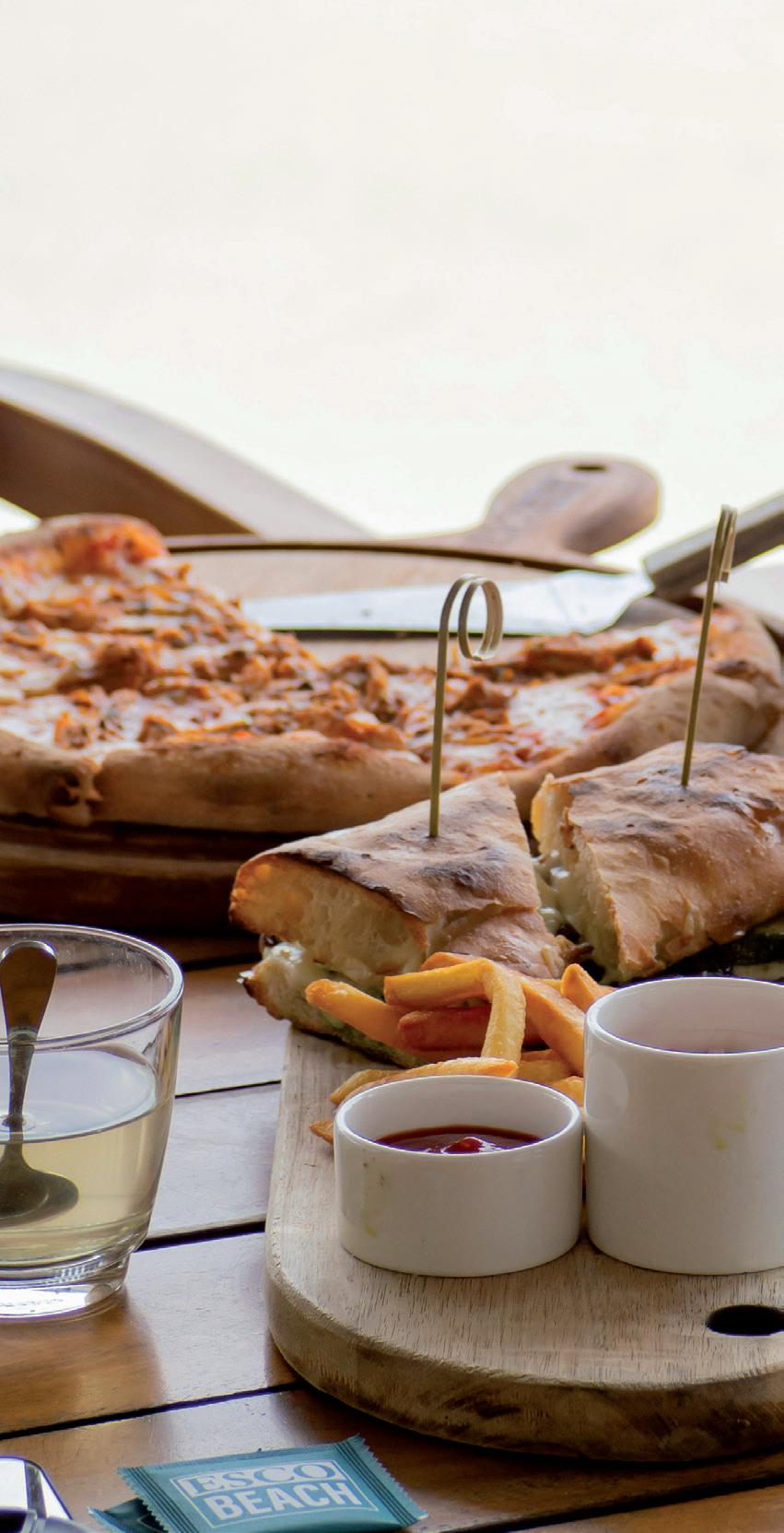

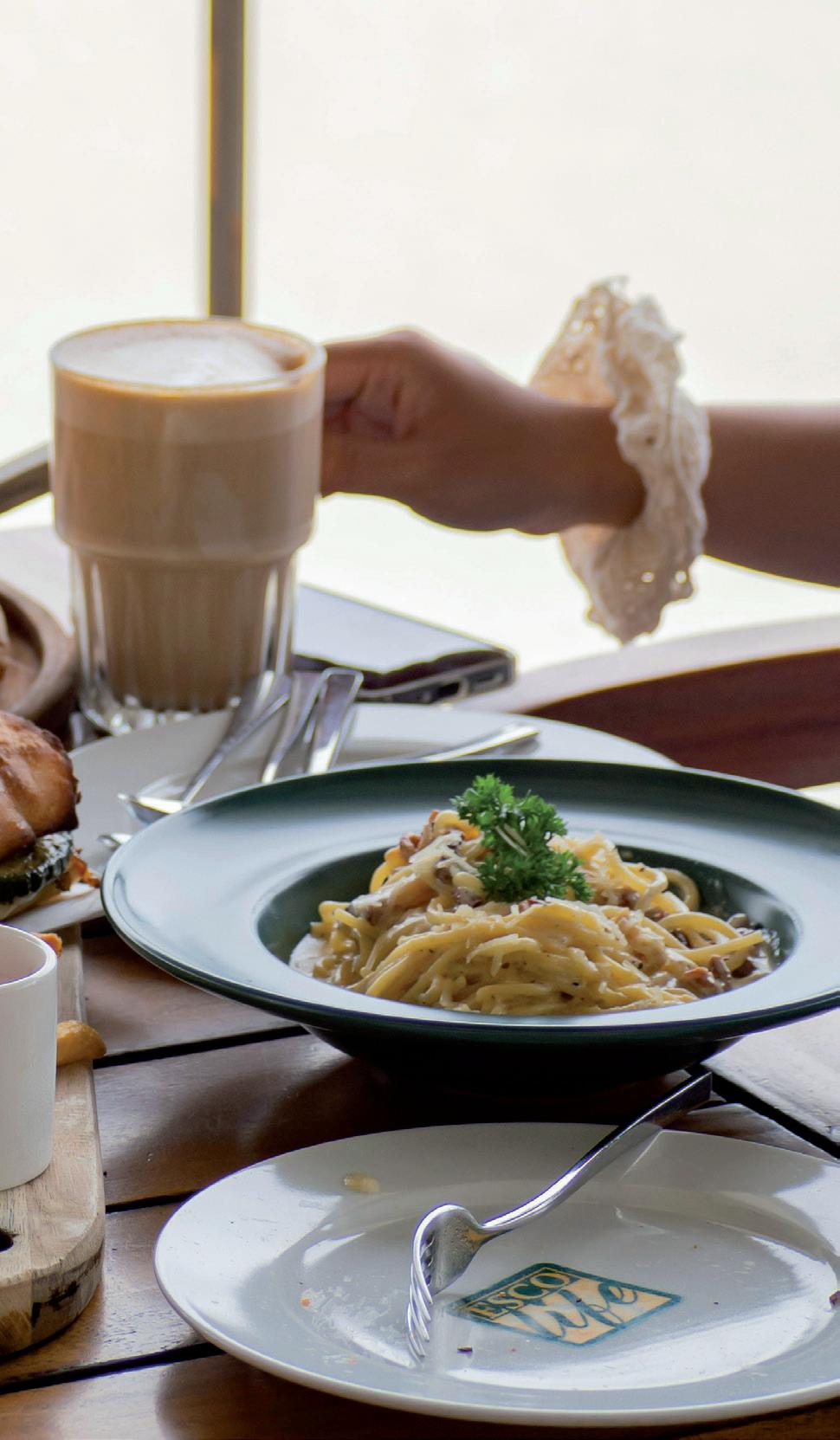
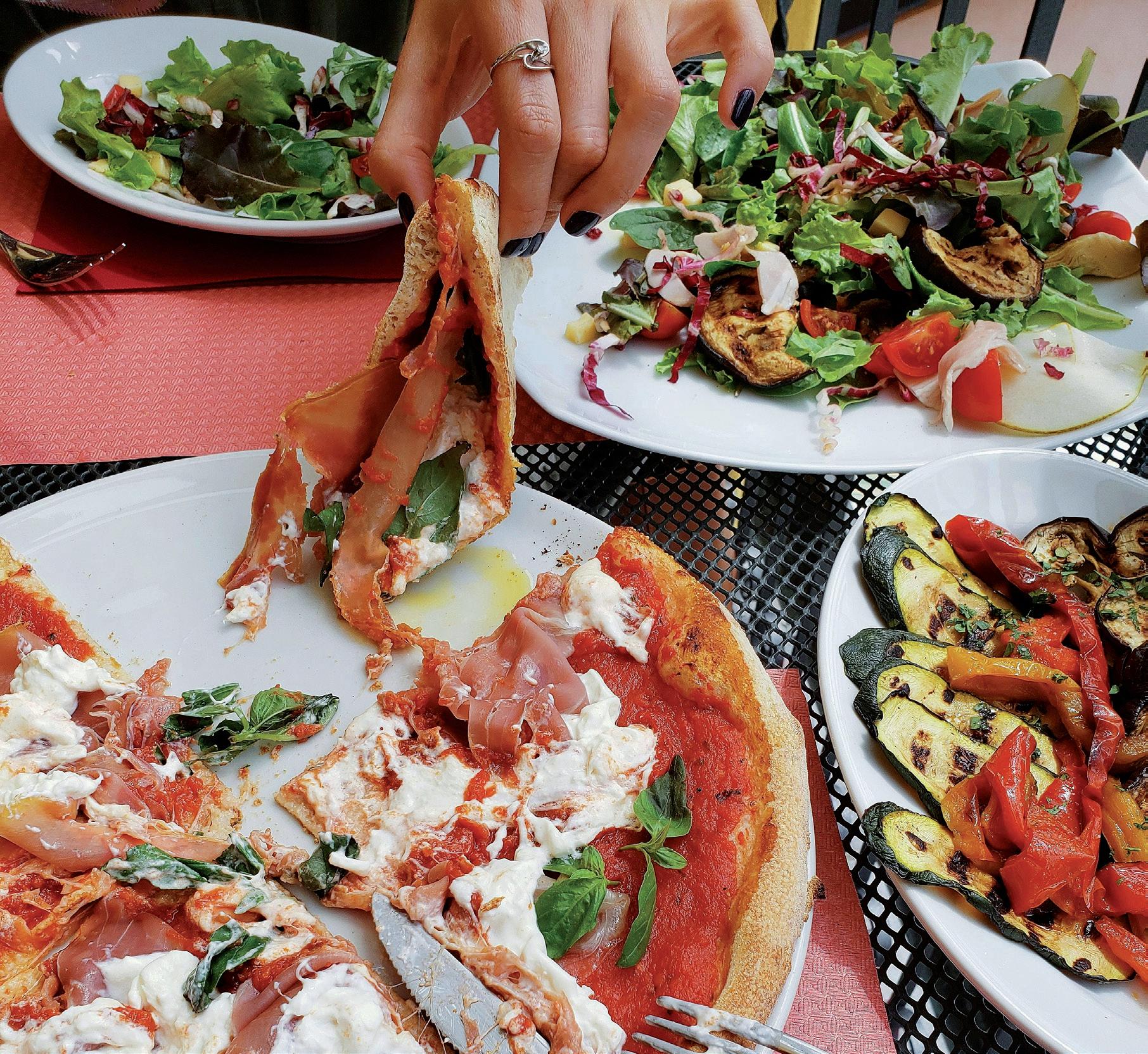
From bustling brunches to late-night dining, music shapes the mood and elevates every moment. When you curate the music for your customers, a OneMusic licence ensures you’re doing it the right way - simply, legally, and fairly.
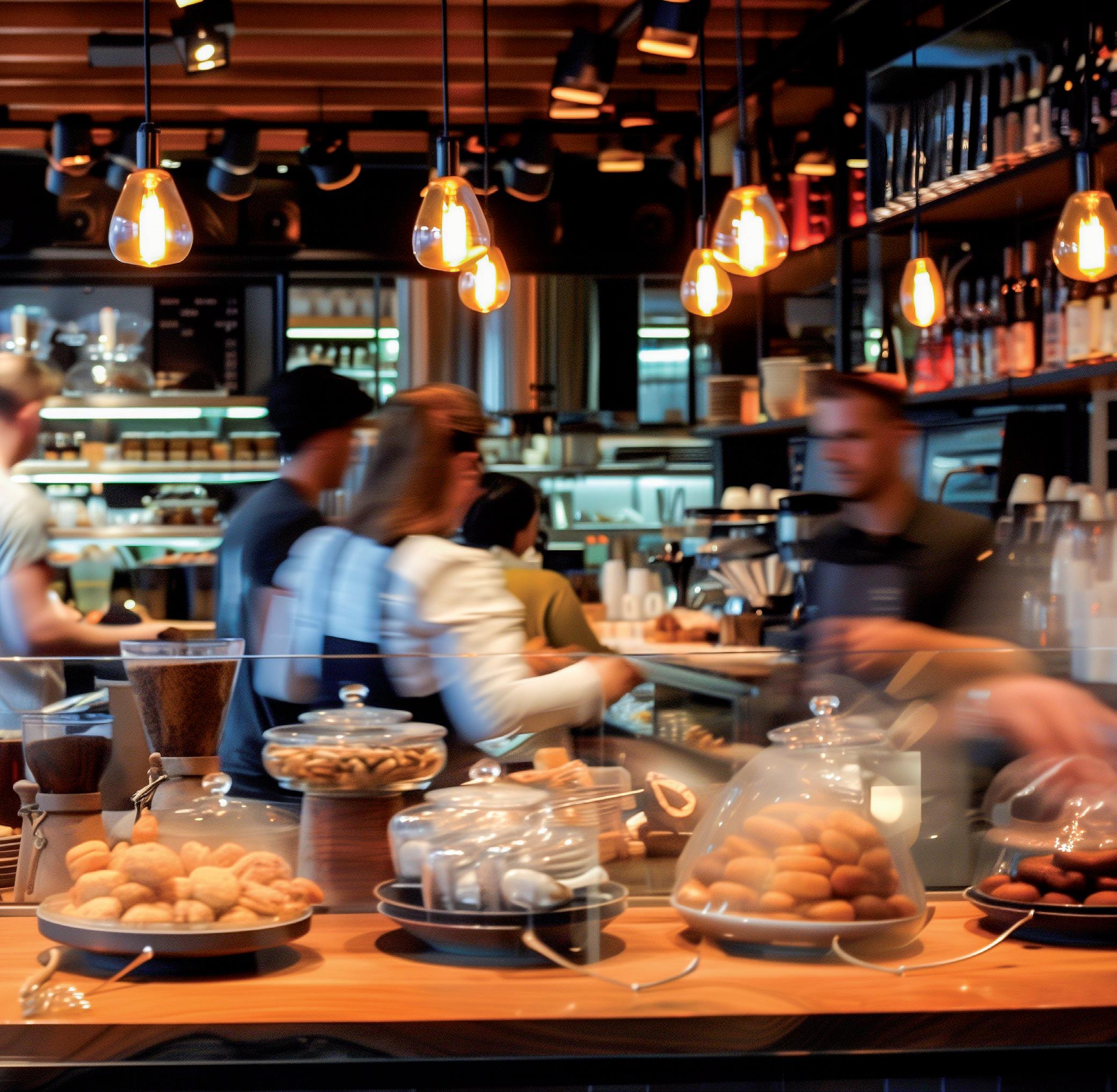
Playing music in a business is different from listening at home. A OneMusic licence covers the rights you need to play music across your premises - helping you avoid compliance risks while supporting the artists who make the music you and your customers love.

Set the tone for every dining experience. Music makes spaces feel welcoming, vibrant, and memorable.
Protect your business with the correct permissions to play music in public spaces. No guesswork, no gaps.
Your licence helps ensure songwriters, composers, and recording artists are paid for their work. Royalties. That’s what we do.

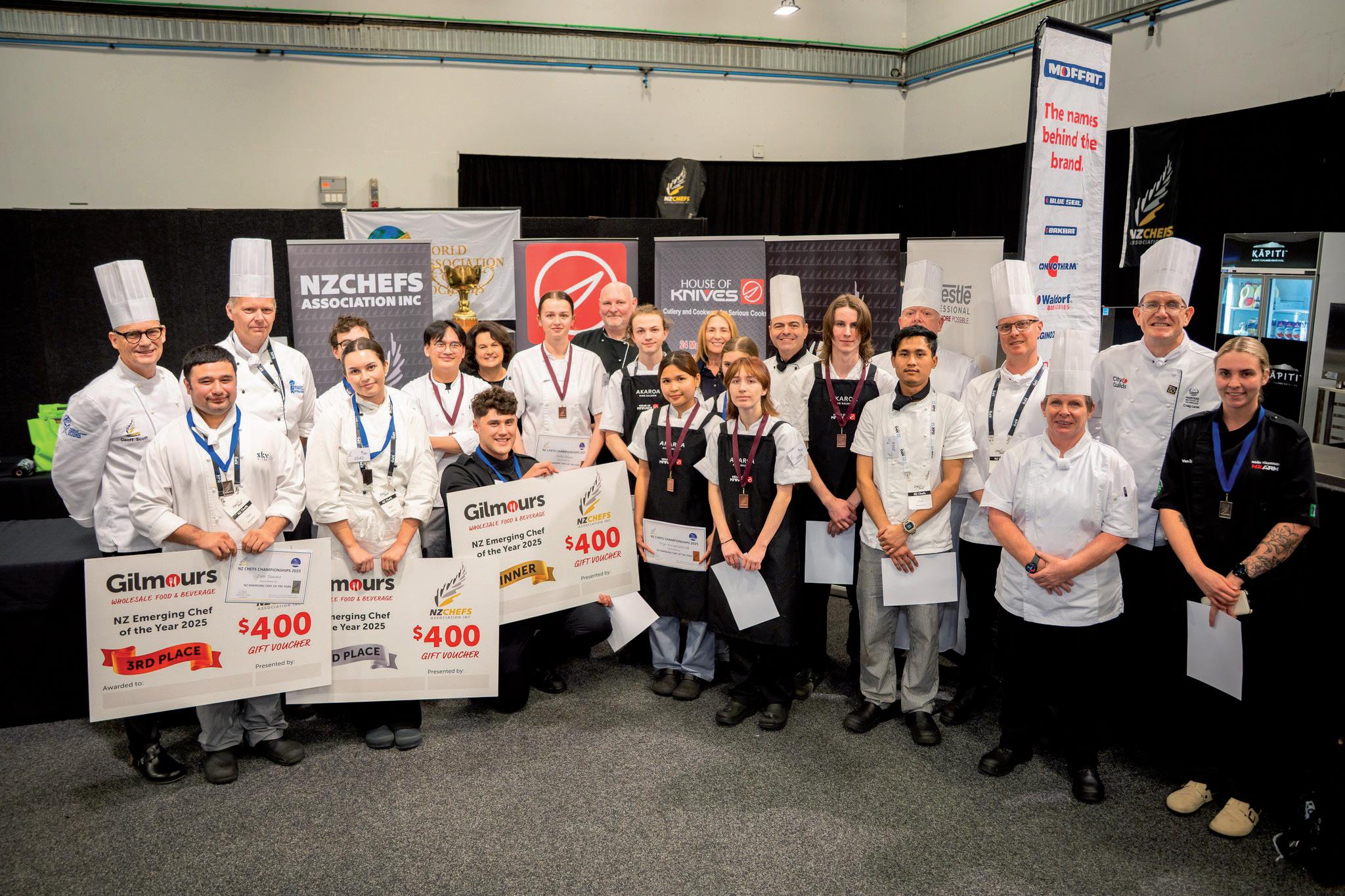
For NZ Chefs, the 2026 calendar is shaping up to be a year of professional growth and development for up-andcoming chefs and local culinary creatives.
NZ Chefs President, Shannon Fryer, said the stage was set for 2026 to offer chefs opportunities to showcase their skills on a national and international level.
“Looking ahead, 2026 is set to be an exciting year for NZ Chefs. The Auckland Regional Competitions will be held in May at MIT, and we are thrilled to announce that the NZ Chefs Hospitality Championships will take place on 3, 4, and 5 October, also at MIT,” said Fryer. These Championships will include the long-awaited return of Statics, Barista,
and Front of House, a welcome revival for many members.
Other highlights on the 2026 agenda include the Worldchefs Congress in Newport, Wales, the National Restaurant Show in Chicago, the Restaurant and Foodservice Show in Sydney, Foodpro, Melbourne, and Fine Food Australia in Melbourne.
“A big well done to the Chefs Club in Auckland, where four members have been selected to attend the Billy Gallagher Forum and Young Chefs Club at the Congress in Wales. The fundraising bake sales have been a real
hit, offering amazing and tasty treats. Good luck with all the fundraising efforts, and see you in Wales,” he said. There are also plans to launch the Chefs Club in Wellington and Canterbury too. The recommended upper age limit for members of the Young Chef Club is 25 years old. There may be exceptions for Young Chef Club members exceeding the age of 25, as they may still be studying in a culinary institution or serving as a committee member of the club in a mentoring role. Fryer added that the NZ Chefs Board for 2025/26 has some excellent ideas
and events in planning as well. He also highlighted the support and guidance of the Board.
“Special thanks to new board members Andy Corder and Kenny Halloway for being first out of the starting blocks with their work on updating membership criteria. Kenny Halloway and Matt Shuker have joined Craig Lucas on the NZ Chefs Hospitality Championships 2026 sub-committee.”
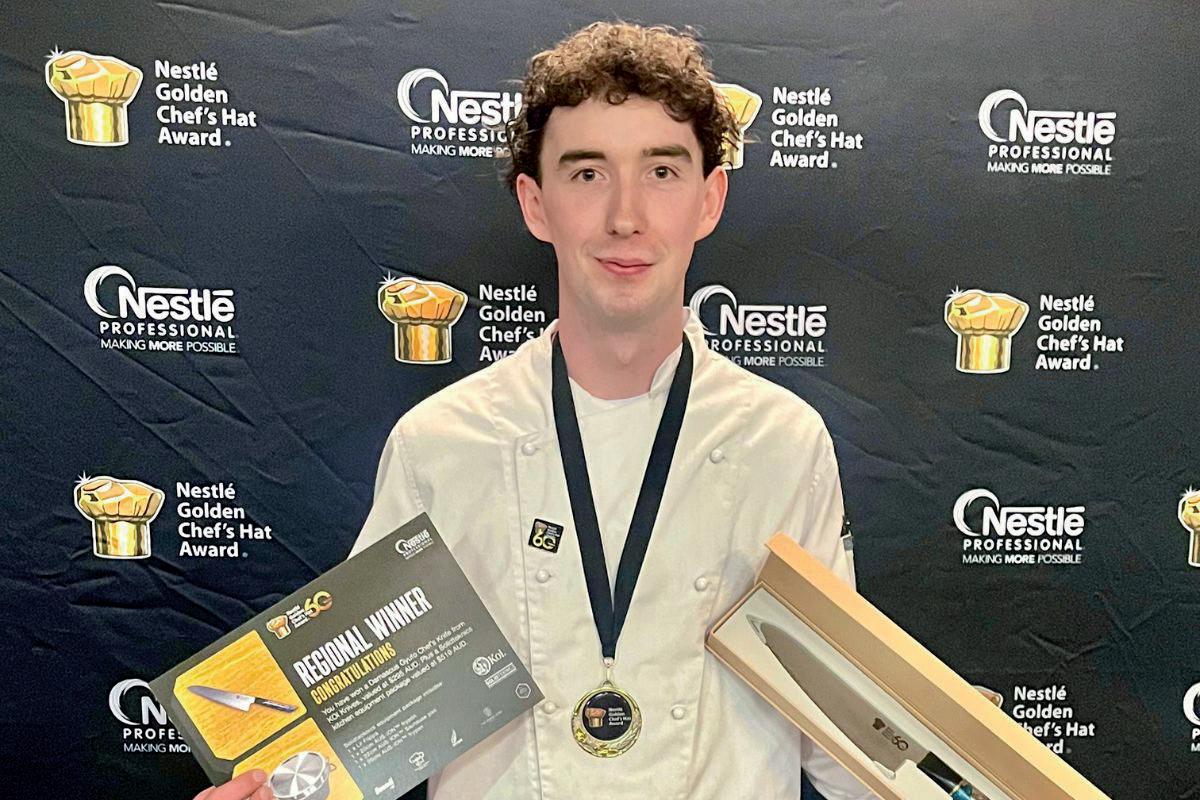
NZ Chefs is proud of the many successes and accomplishments that 2025 brought. One noticeable standout saw Emily Morgan take home the gold when she was crowned the 2025 Nestlé Golden Chef of the Year.
“It’s been an honour to share the stage with such talented chefs, and I am so grateful to each of the finalists for their ongoing support and friendship throughout this experience. This is certainly a milestone moment, and I hope there will be many more to come as I look ahead to new opportunities and travel through food,” said Morgan.
Fellow Kiwi competitor Sam Kissell was also one of two treble gold winners for his performance in the competition.
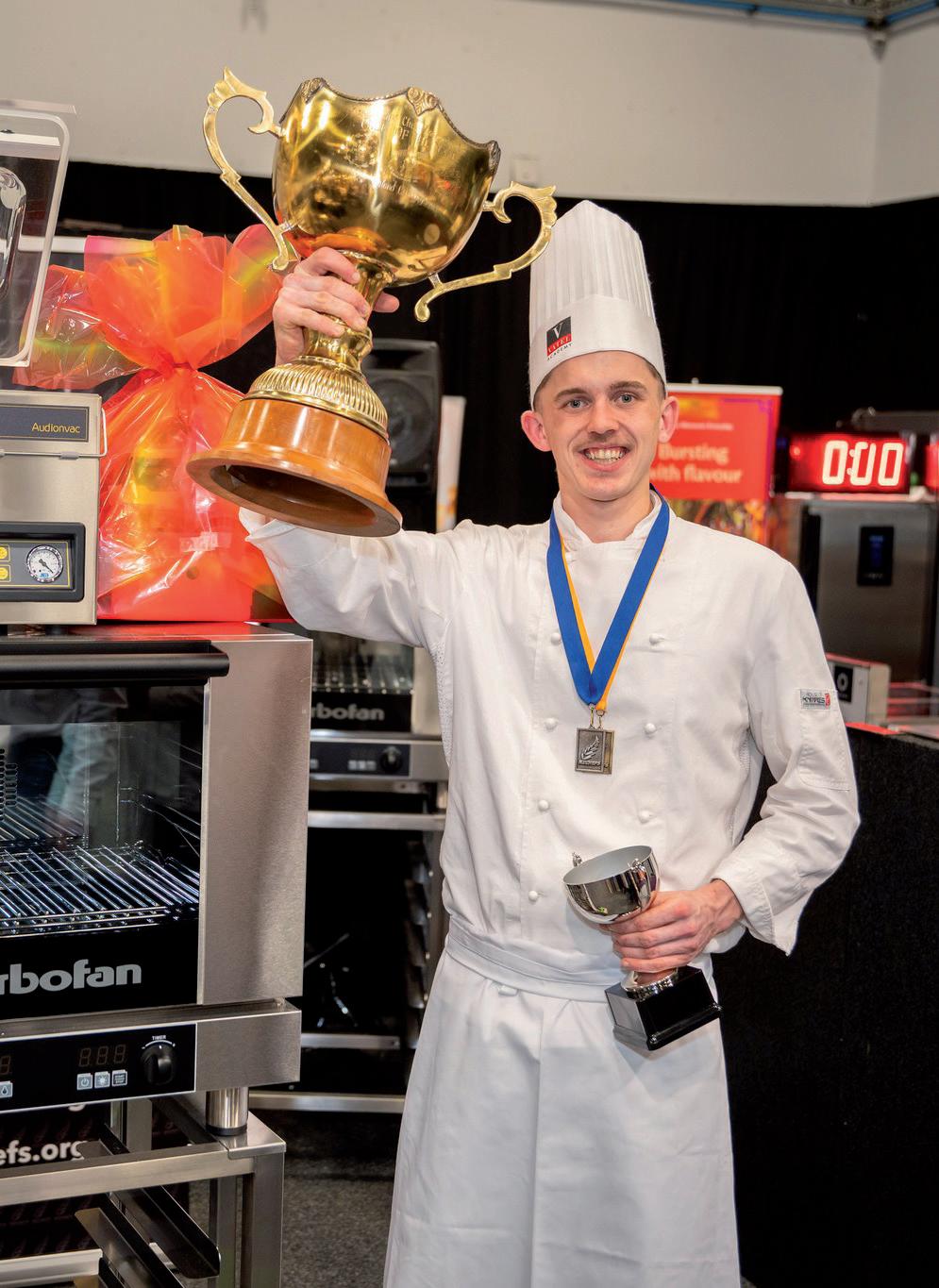
A standout moment was the NZ Chefs Championships at Fine Food NZ, where the best of local culinary talent was on show. NZ Chef of the Year was won by Sam Gradowski-Smith, who had previously won the Emerging Chef of the Year. Gradowski-Smith said that gaining experience by working in modern kitchen environments was a primary career objective, and experiences like these allowed him to join the brigade of young talent in the industry.
Chef Achira Kular Kularatine, who travelled from South Canterbury, was named NZ Pastry Chef of the Year, and New Zealand Defence Force chef Blake Cranch was named NZ Emerging Chef of the year.
Glenn Stridiron, Program Manager for Hospitality and Cookery at SIT, said Kissell has been a standout student.
“It has been an honour and a privilege to work with Sam on his journey from being a student at SIT, then his first
competition in the 2024 Golden Chef Hat, through to the 2025 finals, and hopefully again in the future. Sam is an inspiration to young (and older) chefs, due to his passion, commitment, professionalism and composure in the kitchen,” said Stridiron.
Rick Stephen, Global Vice President of the World Chefs Association, was also in Auckland for this year’s championships. Stephen said that competitions were incredibly important for a chef’s personal growth.
“When I used to compete in the competition, we used to train and practice, and then you try and develop techniques or different dishes that you probably would not do in a normal circumstance. So I used to always think that I'd virtually gain four years of training just from that one competition,” he said.
As a new year approaches, Fryer hoped for a busy and successful year in 2026 for all chefs.
“Stay safe and best of luck for the months ahead.”

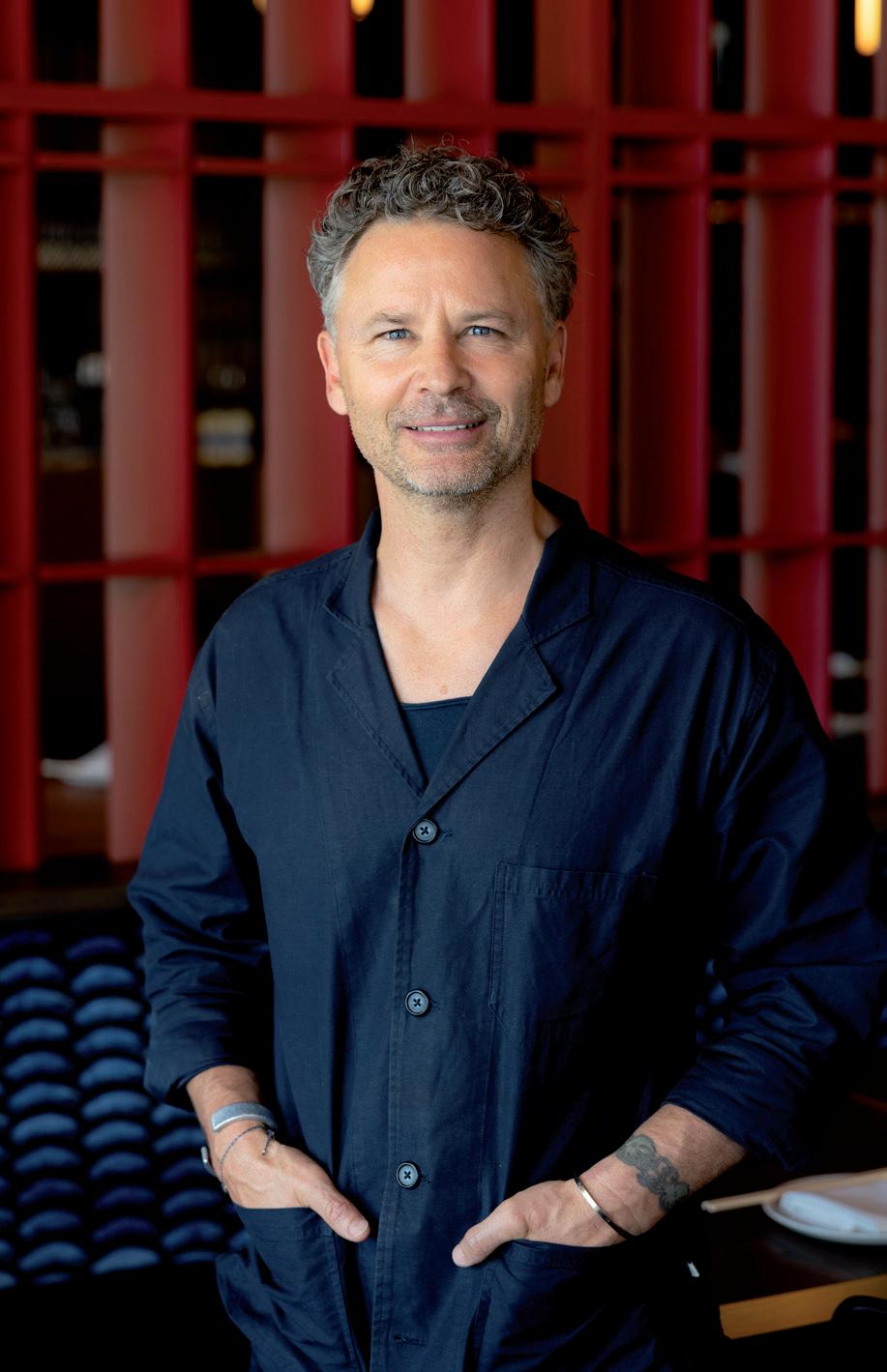
While economic tensions have been volatile and the hospitality sector has been considered uncertain at times, the passion, dedication, and commitment of industry leaders indicate how determined chefs are to succeed in unprecedented conditions.
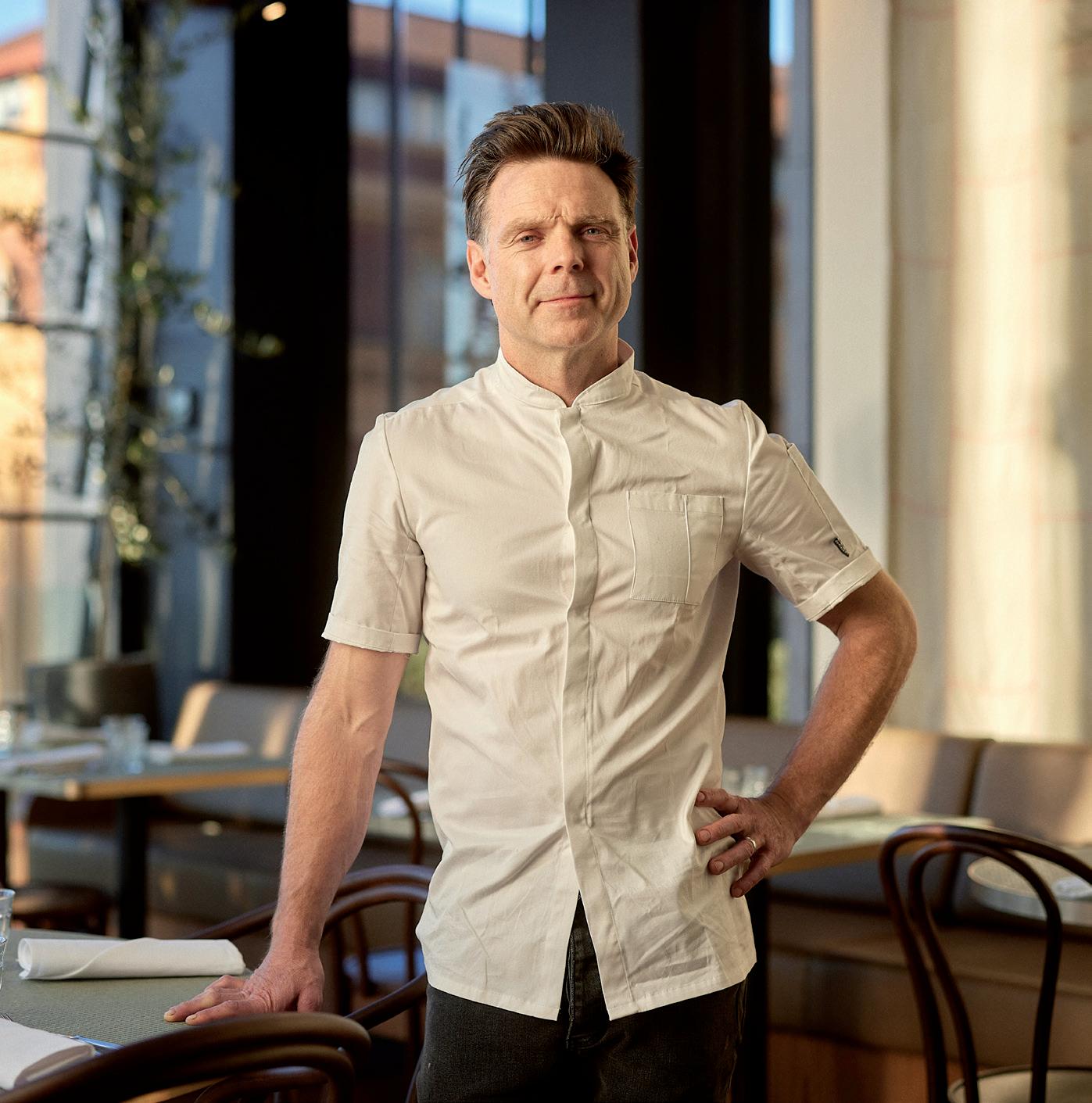

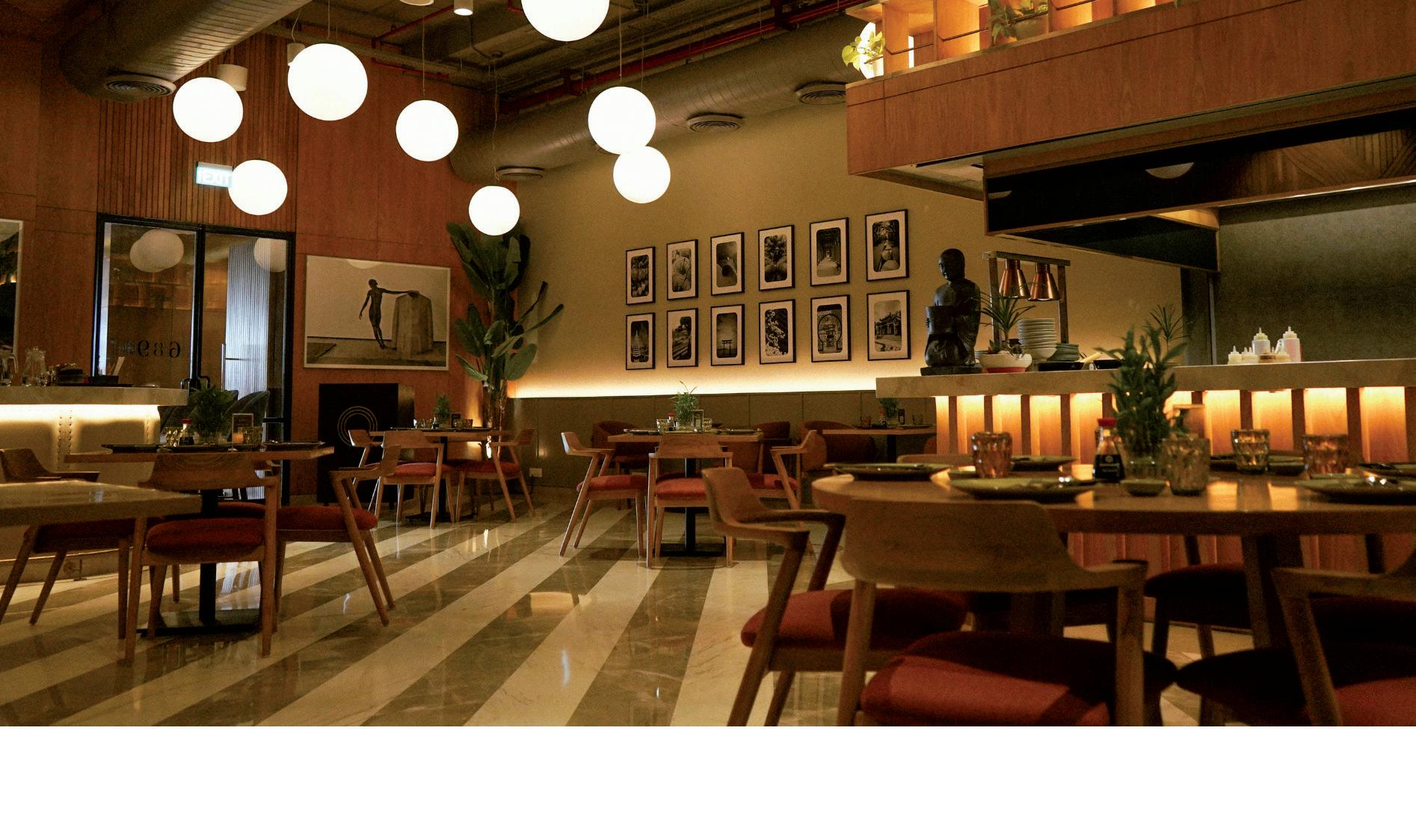
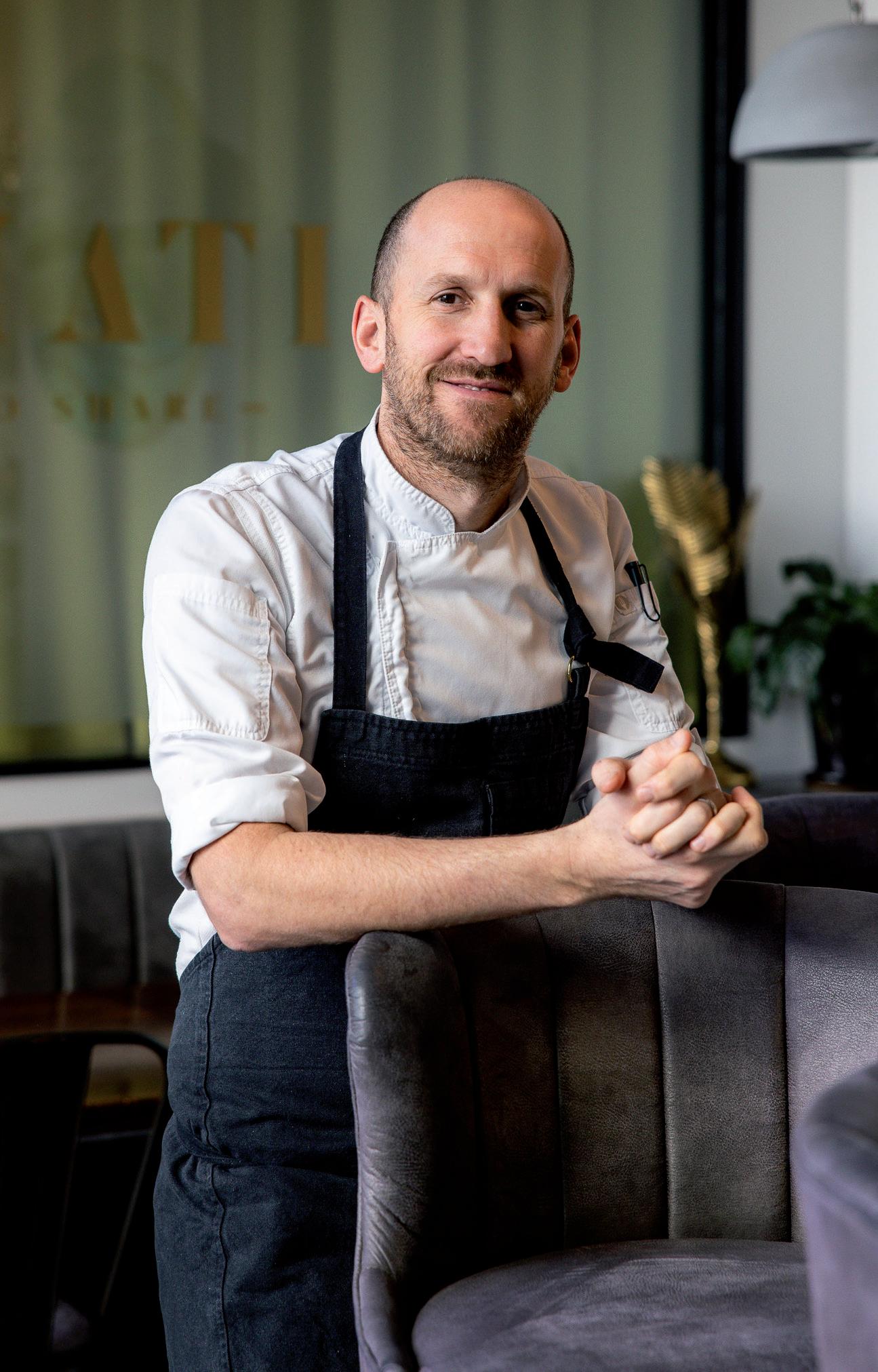
Down south, the market has also proven its challenges. Simon Levy, Head Chef at INATI in Christchurch, said winter was too long and the affordability of dining out has become challenging for New Zealanders.
Ben Bayly, the name behind some of Auckland’s most prominent restaurants, including Ahi, Origine, The Bathhouse, Aosta, and Little Aosta, said 2025 has been another busy year adapting to the constant changes in revenue. He added that this year has been a continuation of the past five years and has left him thinking “what else?”
“We thought this year was going to be great, I think next year will be what this year was meant to be,” said Bayly.
He also expected the economy to improve slowly and to see higher numbers of tourists flocking to New Zealand.
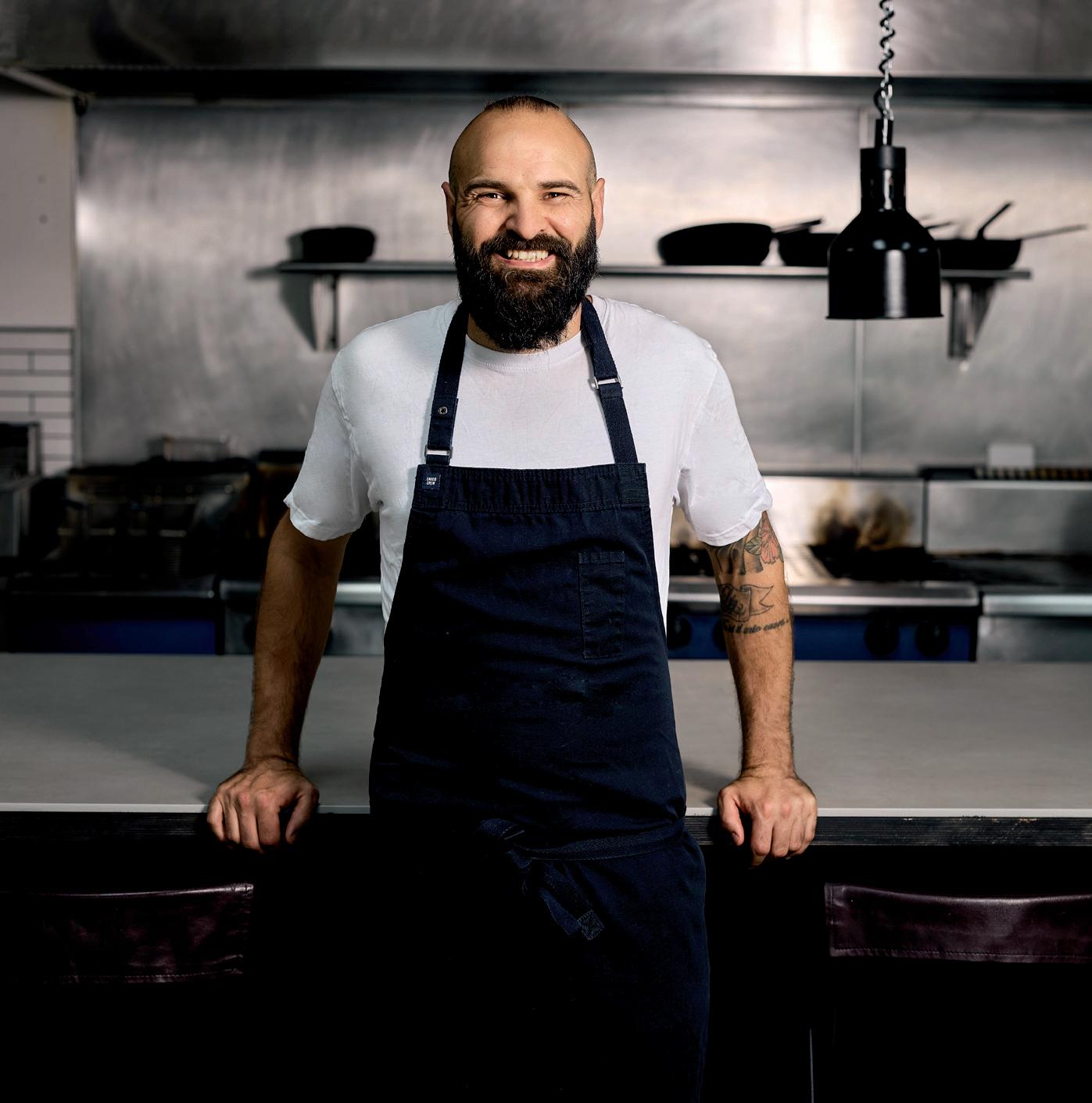
Lucas Parkinson, Chef and Owner of Aryeh Restaurant in Piha, said 2025 has been like walking a tightrope over the cliffs of financial failure, whilst being praised for being so good at tightrope walking.
He hoped that the new year would bring sunny days, a fruitful summer trade and an overall uptick in the industry.
He predicted that cheap eats and casual bars were going to thrive, and that high-end dining and owneroperated restaurants would shift back
towards smaller premises with smaller teams operating efficiently, and that restaurant groups would operate more of the larger venues.
“I imagine we will see new styles of food and cooking evolve out of a pure need to lower food costs whilst upholding flavour and quality,” said Parkinson.
Chef and Restauranteur Nic Watt, INCA and MASU, said 2025 has essentially been a continuum of 2024, with lower than anticipated customer footfall and lower guest confidence.
Watt hoped for some stability in 2026 and the ability to forecast revenues that have a pattern.
“Great confidence in the market will help boost the hospitality sector. A reduction in the need for a heavily discounted market,” Watt added.
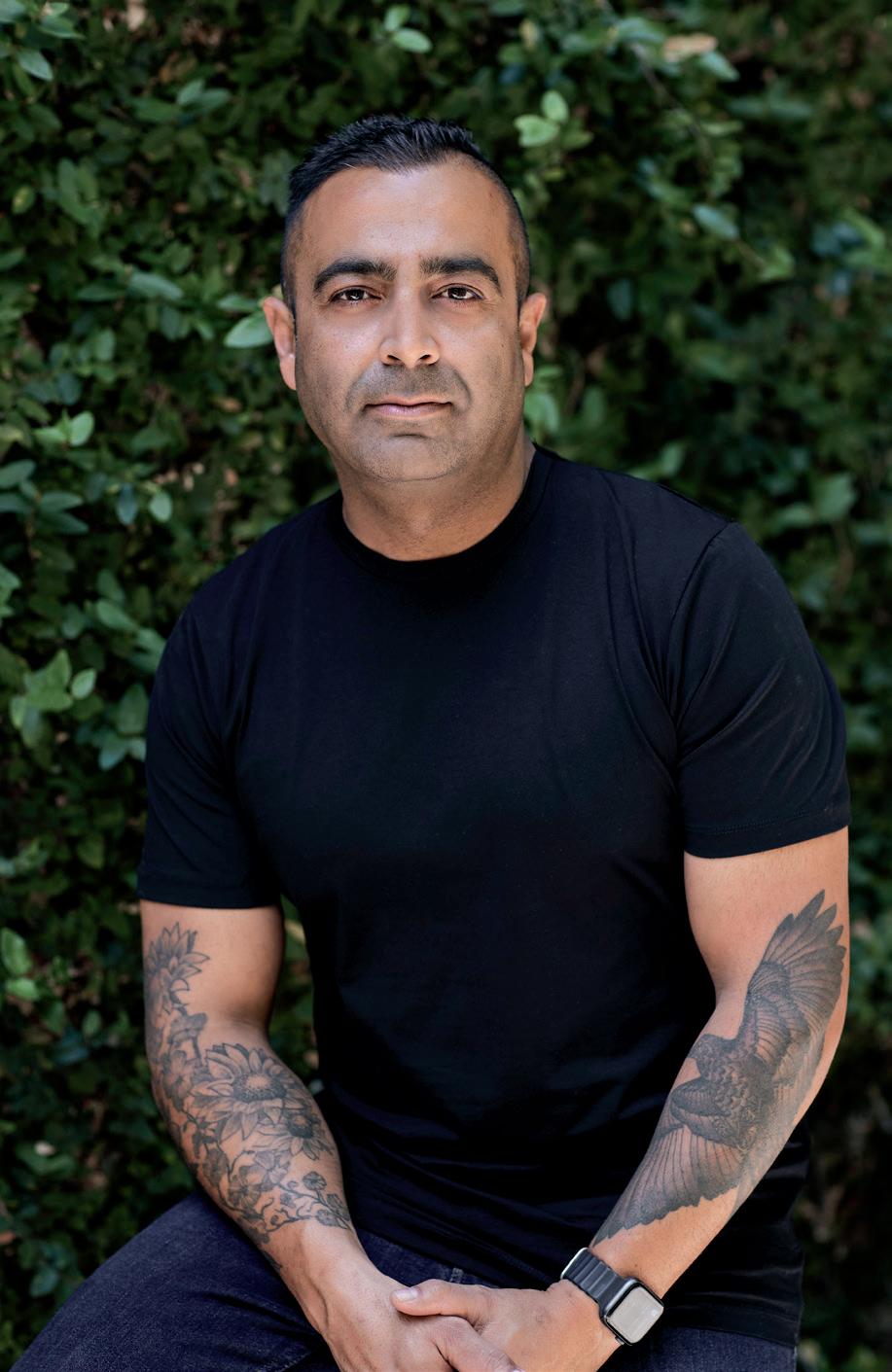
Auckland culinary icon Sid Sahrawat said 2025 had actually been better than 2024, and diners had become more adventurous and keen to get out and try new restaurants.
Despite feeling that dining standards have continued to grow each year, Sahrawat would like to see more energy
in Auckland city about the vast range of cuisine available.
Down south, the market has also proven its challenges. Simon Levy, Head Chef at INATI in Christchurch, said winter was too long and the affordability of dining out has become challenging for New Zealanders.
“We have events strategically scheduled throughout the winter months to encourage guests to dine out, wine evenings, truffle dinners and chef collabs.”
Levy predicted that 2026 will bring lower interest rates, and with people moving from higher fixed interest rates to lower ones, there will be more disposable income for dining out.
“The strong tourism strategy employed will encourage people to come to New Zealand. Predict we will see conscious spending on quality rather than quantity.”
When asked to describe 2025 in one word, Bayly said “survival”, Parkinson said “nerve-wracking”, Watt and Levy described it as “tough”, and Sahrawat labelled it as “difficult”.
All looked forward to 2026 with optimism, but were cautious at the same time.
Retail NZ’s latest Retail Radar survey revealed that while retailers were cautiously optimistic heading into the new year, most did not plan to hire additional staff for peak season trading.

The survey, which captured insights from retailers across the country, showed that 64 percent of respondents are not planning to take on extra help at Christmas. This reflected the ongoing pressure many businesses have continued to face, with tight margins, cost-of-living concerns and subdued consumer confidence continuing to shape trading conditions.
“Retailers are walking a fine line between caution and creativity,” Retail NZ Chief Executive Carolyn Young said.
“While some are investing in fresh product lines and in-store experiences, many are holding off on hiring due to financial constraints. It’s a pragmatic response to a challenging environment. However, it will mean that university and college students will find it more difficult to get work over the summer holidays. And this will then impact the wider economy.”
The Retail Radar report highlighted that although two-thirds of retailers remain confident about the future, 62 percent
have not met their sales targets for the preceding six months. Some said they are adapting by streamlining operations and being selective with stock levels, rather than expanding teams.
Retail NZ has continued to advocate for its members, including appearing before Parliament’s Finance and Expenditure Committee in order to raise concerns about the proposed ban on card surcharges, which many retailers say will further impact their bottom line.
Despite the challenges, Young said there are signs of resilience, as 66 percent of respondents said they were confident or very confident about the future, similar to the same period of 2024 when it was 65 percent.
Some businesses have seen positive results from targeted investments, on-premise upgrades and customer experience.
Retail NZ encouraged consumers to support local businesses and reminded retailers that its Advice Service is available to assist with staffing, performance and compliance matters.




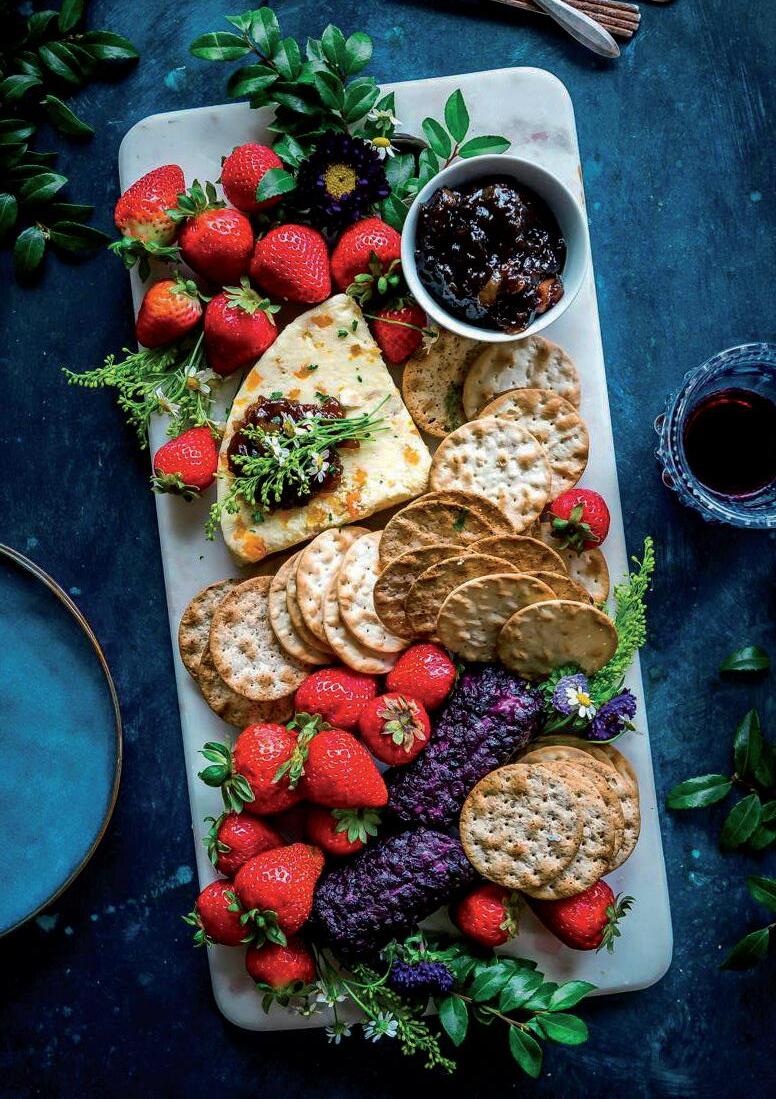



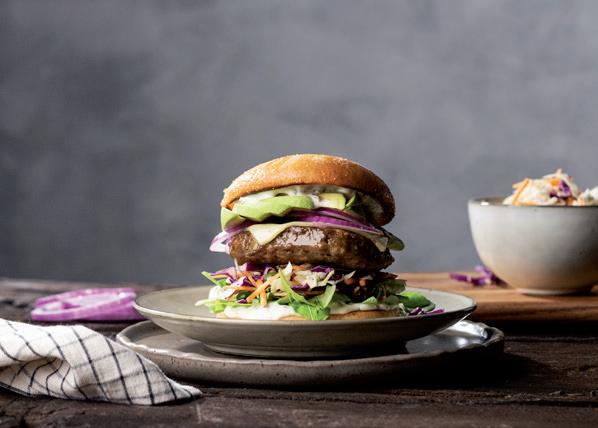
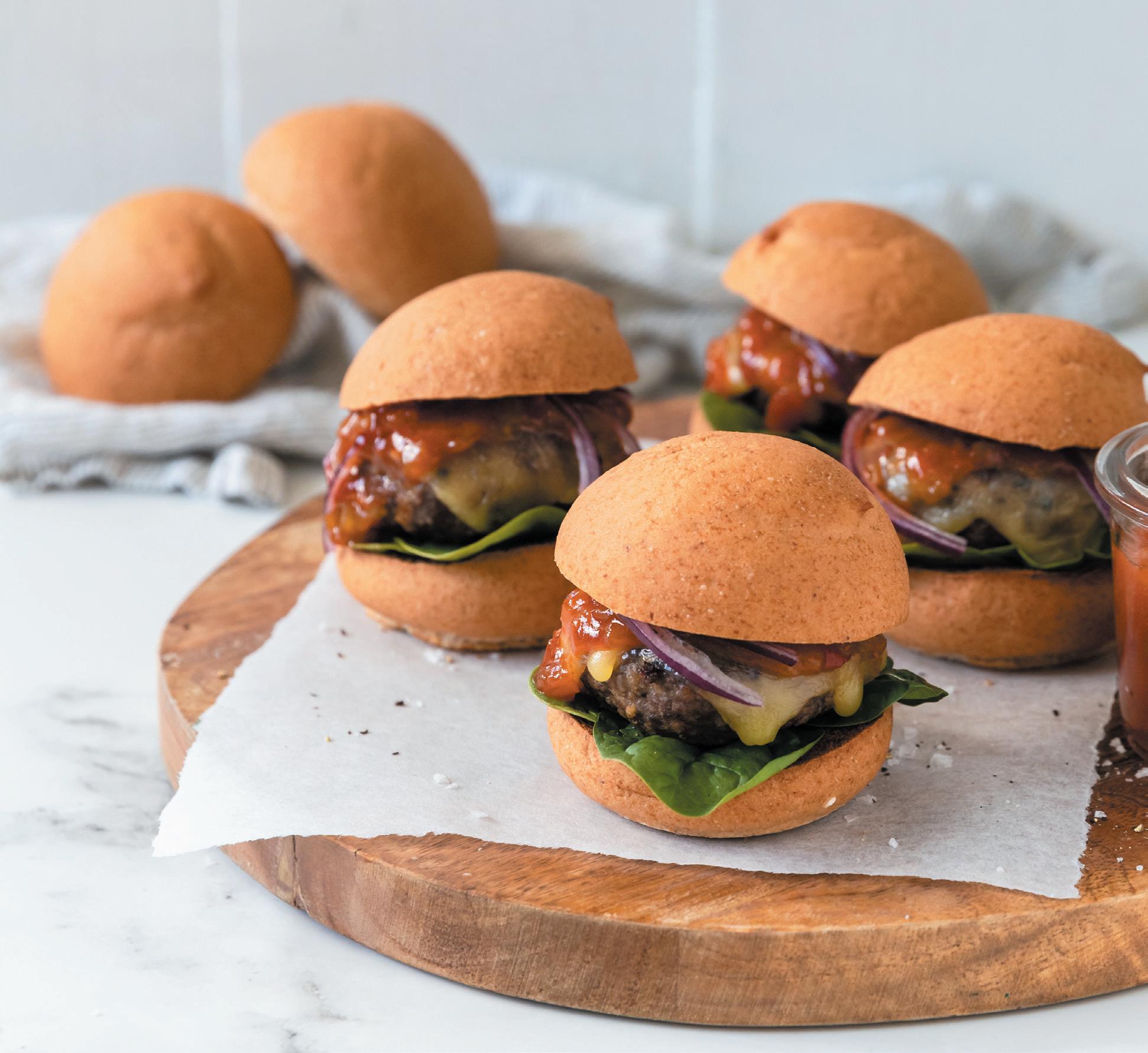
At Angel Bay, we’re passionate about the delicious taste of our products. Whether your customers are craving a juicy burger, a hearty sub, a mouth-watering pizza, or something lighter, we’ve got just the inspiration you need. Scan the QR code for recipe ideas: WANT TO TRY BEFORE


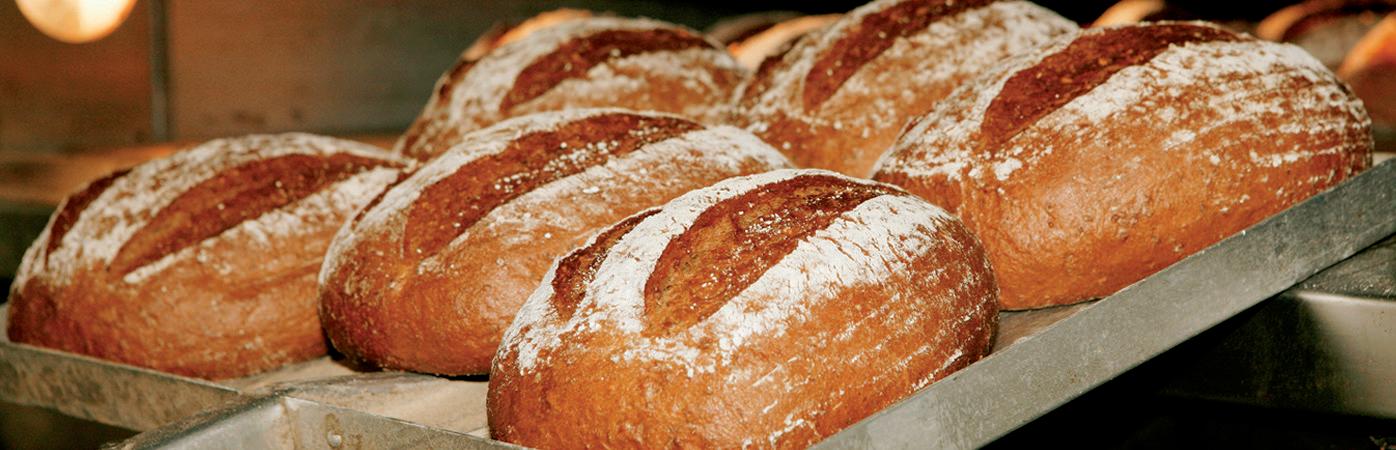
Champion has a wide range of authentic products to meet every professional baker’s need, cost structure and performance criteria. They are superior, fit-for-purpose solutions designed to maximise our customers’ productivity and profitability. Where a customer requires specific, highly defined product characteristics, we come up with individually tailored solutions that consistently perform in the commercial environment. Along with our products, Champion people have the skillsets, knowledge and drive to find the right answers.








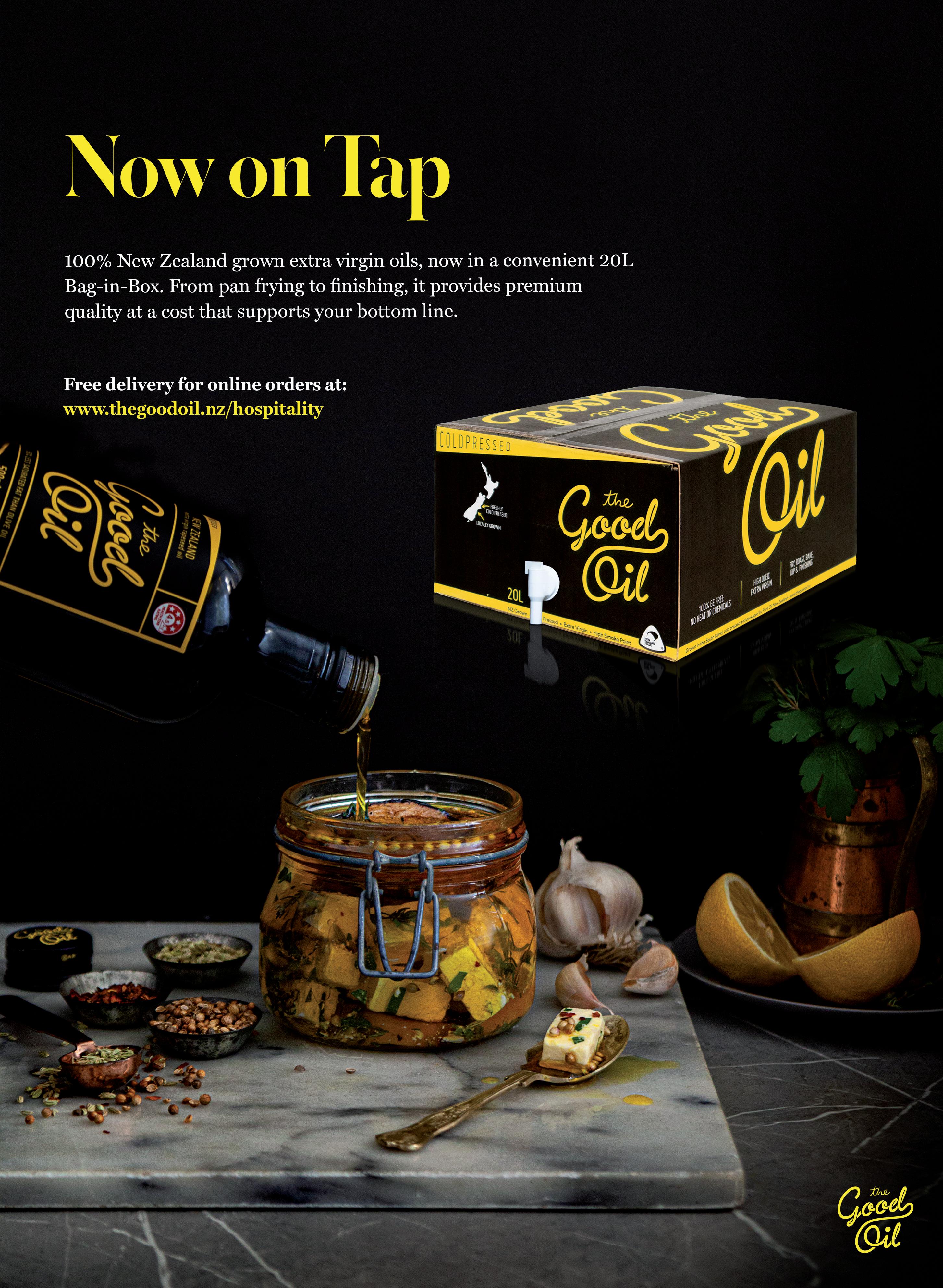
From our New Zealand base, Bakels Edible Oils helps businesses reach millions of customers around the world with their food creations.








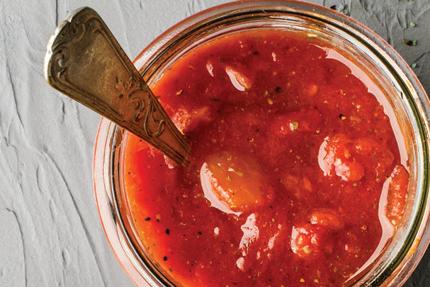






















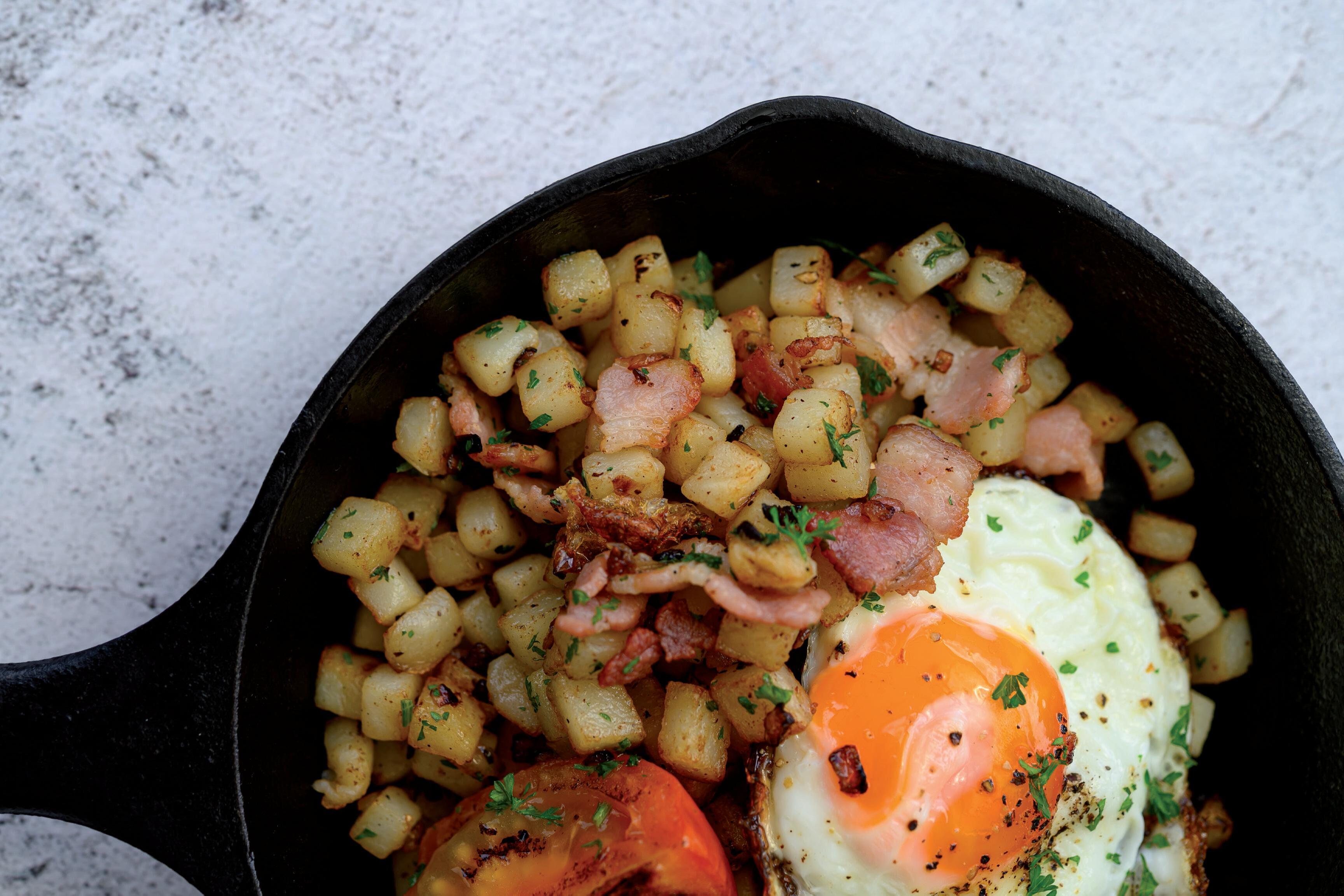











Olliff Farm nurtures small micro-flocks in customdesigned moveable coops, allowing hens to forage naturally on fresh pasture.
This slow, considered approach produces eggs reminiscent of backyard chicken-raising - rich, golden yolks and full, rounded flavour. Ethically raised and thoughtfully farmed, Olliff Farm eggs celebrate care, craft, and authenticity and are truly like no other.
438 Waitoki Rd, RD1 Silverdale, Auckland
ollifffarm.co.nz


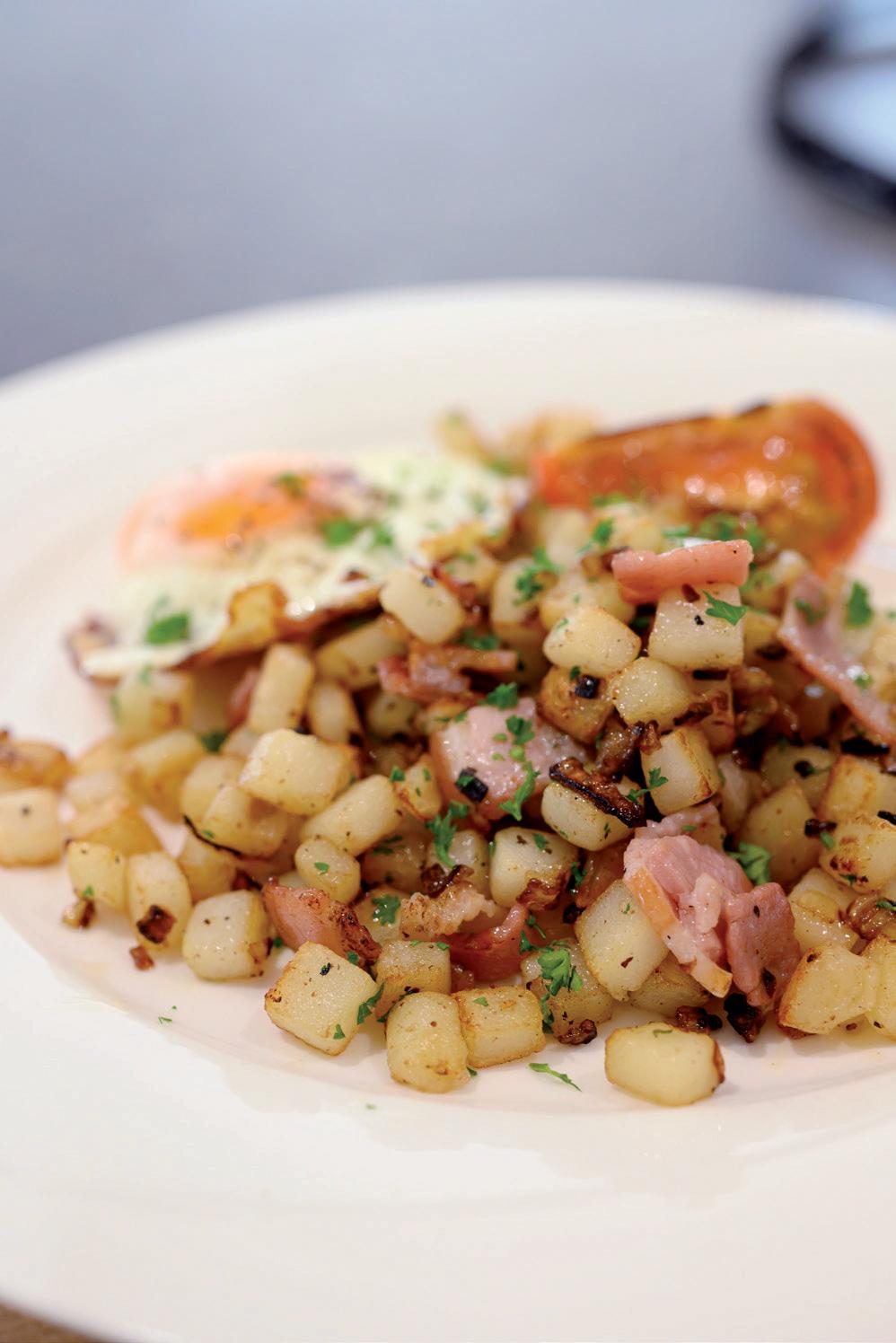
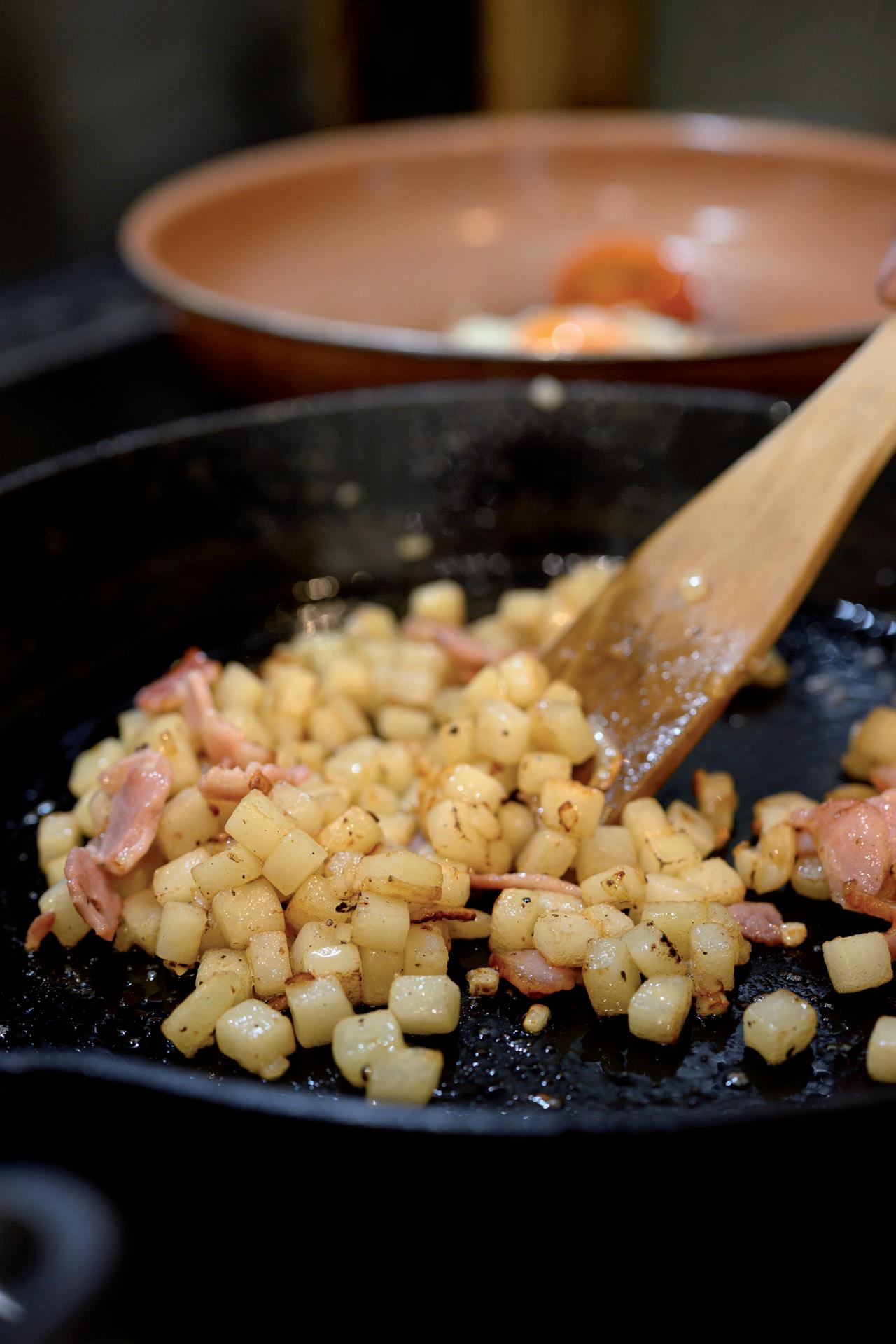
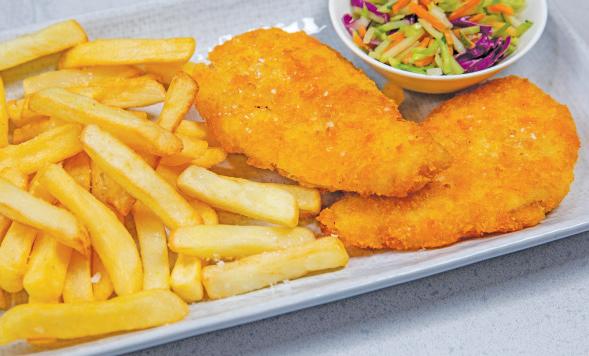
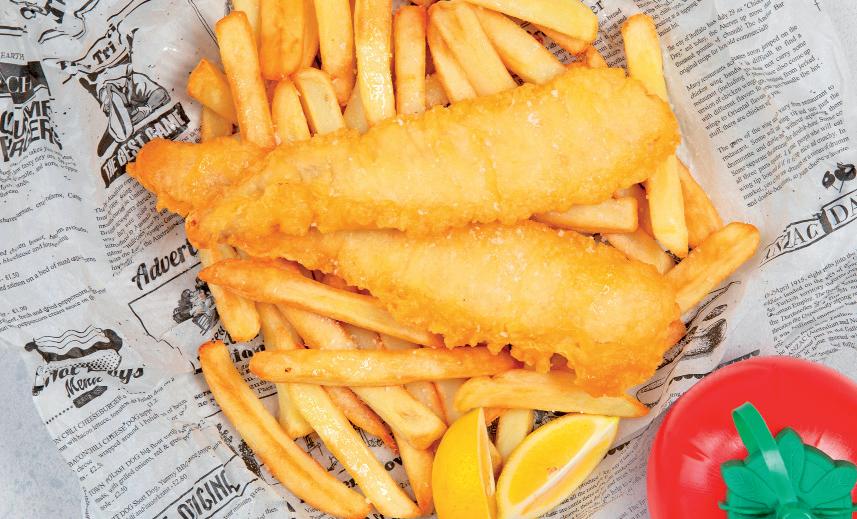
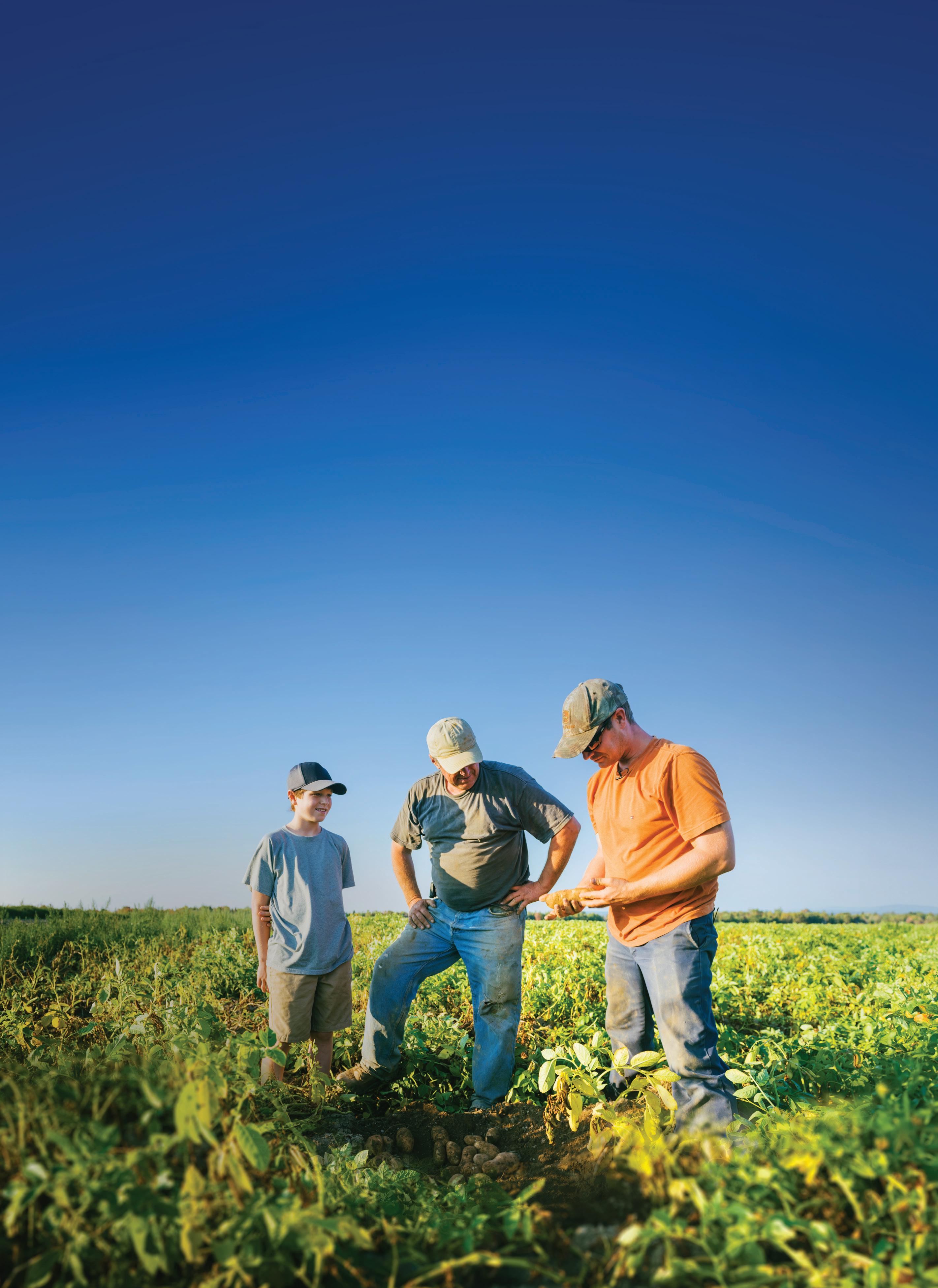
Whether it’s fresh potatoes, New Zealand communities or a sustainable future, McCain is proud to support local and help businesses serve the absolute best home-grown produce.





Rejuva is the top-selling brand in the popular Aloe Vera Drinks Segment, with a huge 50.49% value share in total NZ supermarkets which means consumers love Rejuva’s delicious, refreshing taste and the goodness from its huge 41.9% aloe vera content. For people wishing to lower their sugar intake Rejuva Light uses natural stevia extract to reduce sugar by 50% - while still offering the 41% aloe vera. Rejuva light has a drier, fresh flavour so is the ideal drink on a summers day. Available in 1.5l and 500ml PET bottles.
Add Rejuva to your drinks menu or drinks fridge today!
For more details visit www.rejuva.co.nz or phone 09 302 1190
*Source: Nielsen Scan Data Total NZ Supermarkets MAT to 7/9/25
Straight from Dole’s famous pineapple plantations comes the delicious Dole 100% Pineapple Juice in a convenient 240ml can. Its sweet tropical flavour delights the tastebuds. Dole 100% Pineapple Juice has a thousand uses – terrific on its own and enhances a hose of favourites including cocktails, marinades, and smoothies.
It’s a great source of vitamin C and contains no artificial flavours colours.
For more information, visit www.pavefmcg.com or contact 09 302 1190








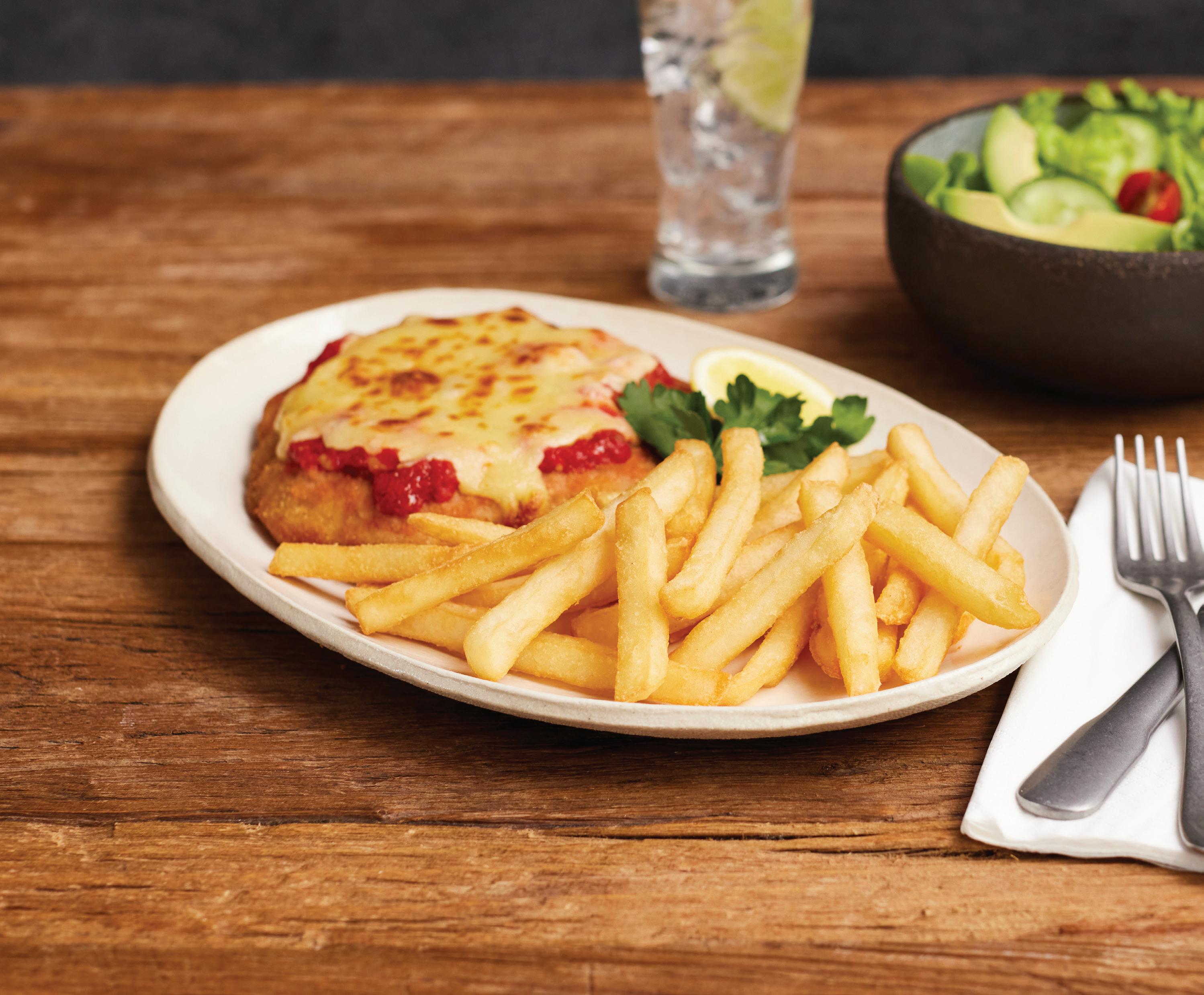










































































We d e velop e xc iting new product s that ar e on trend, tast e deliciou s a n d are qui ck and easy to cook . E ve r y thing is designed to go f ro m freezer to table in under 10 minutes .
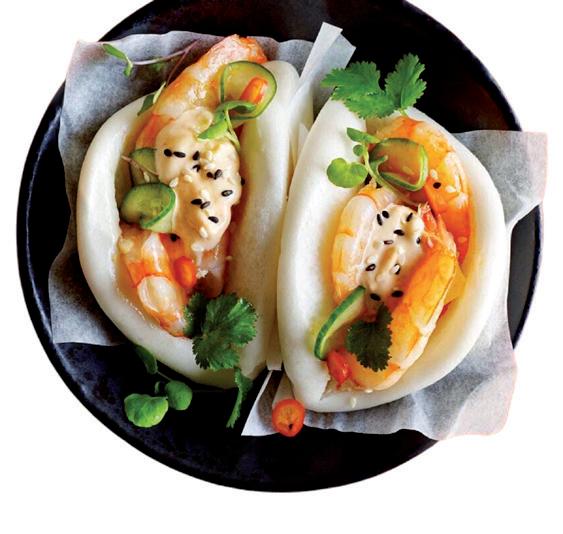
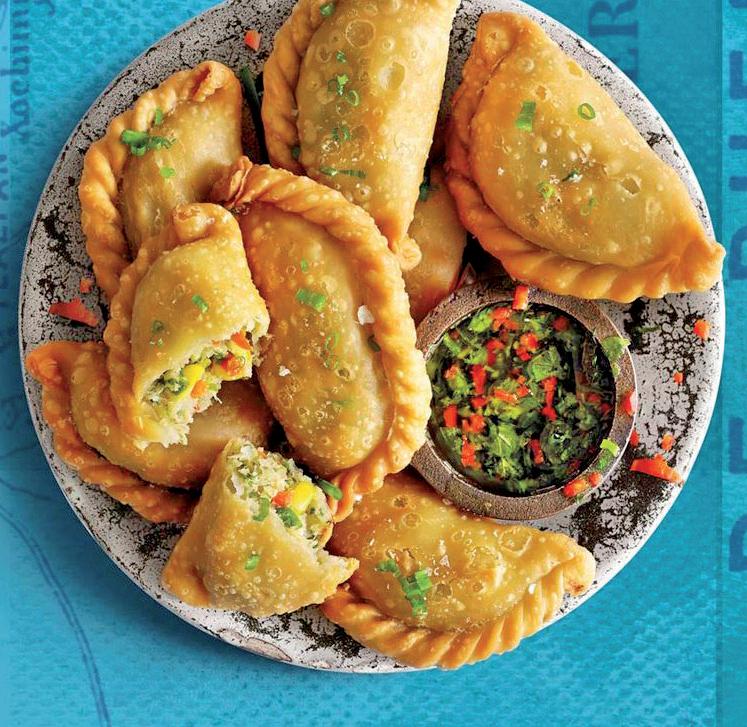
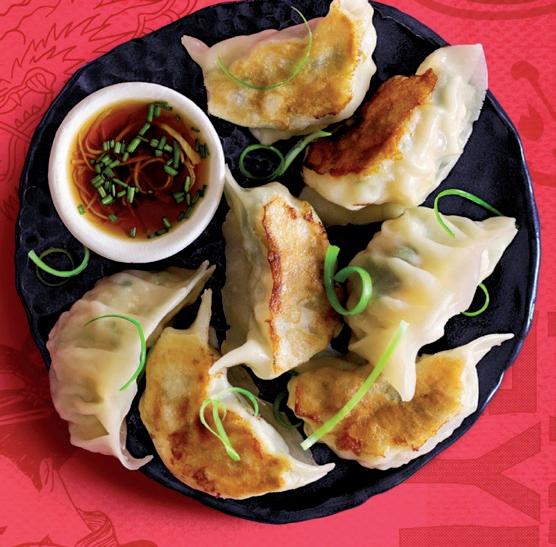
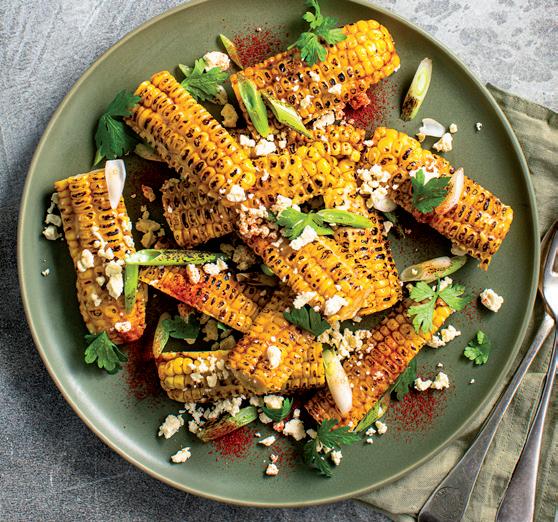
We have an extensive range of Asian, Japanese, Mexican and Indian inspired products. For enquiries on these or our other quality products, please contact your local United Fisheries Account Manager or Distributor.
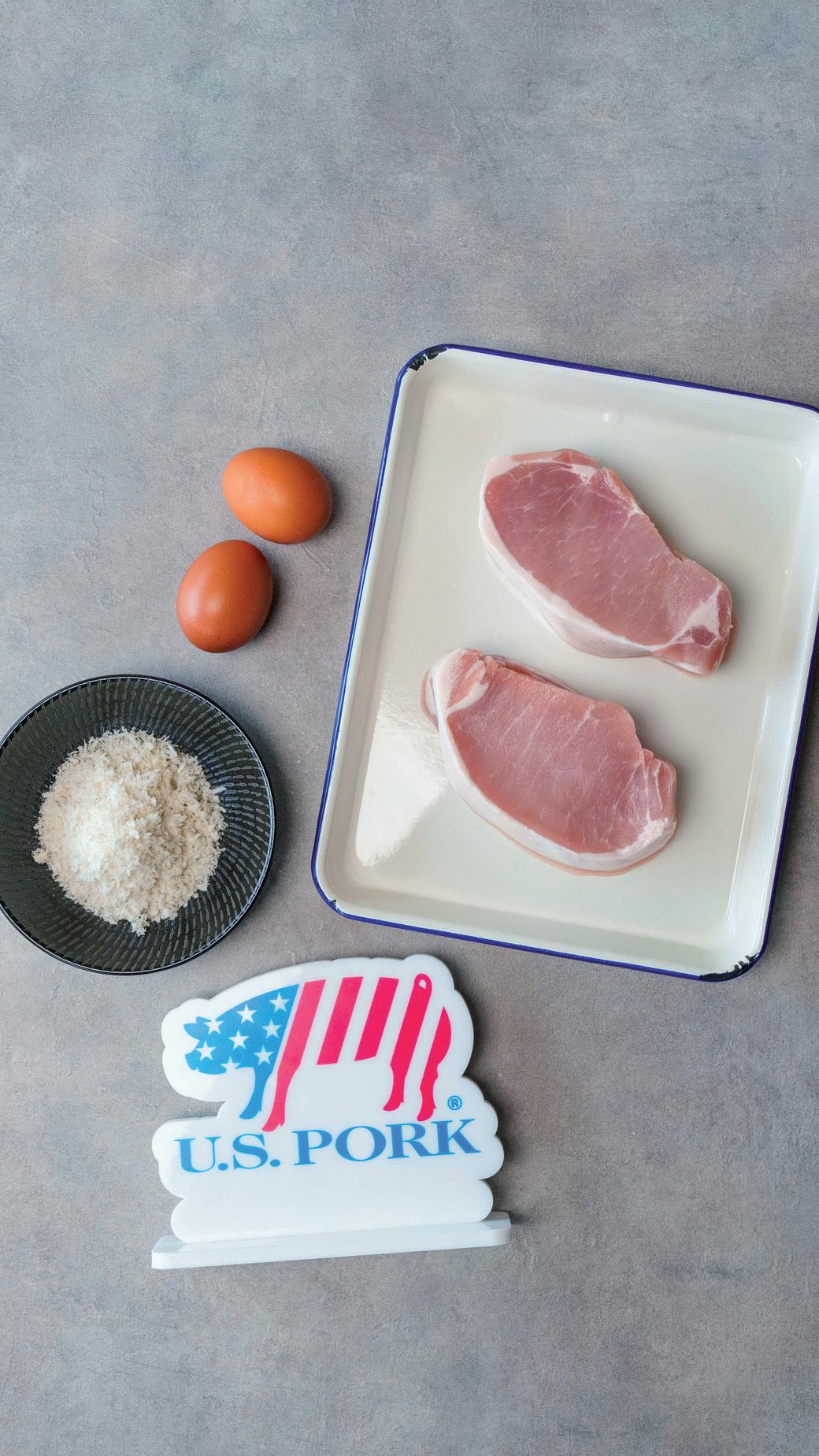
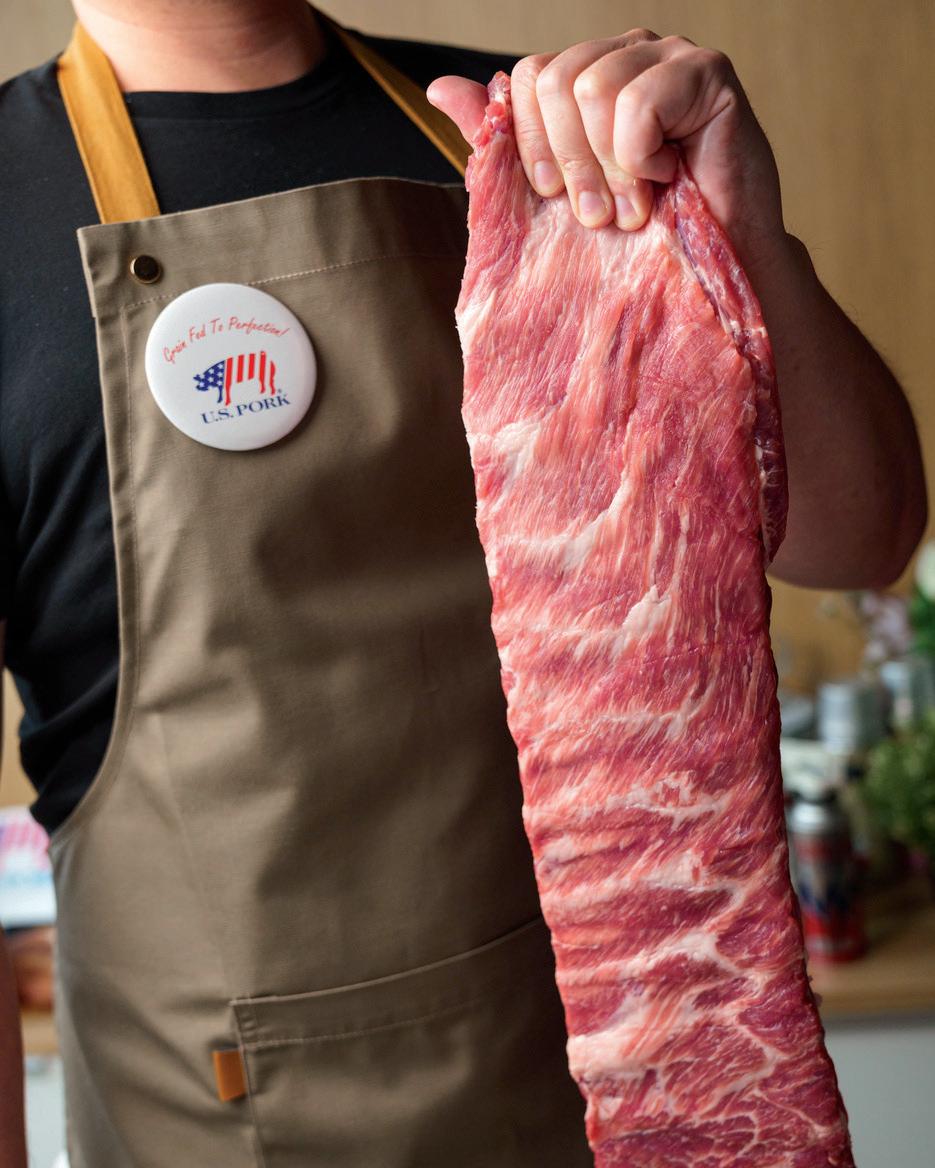











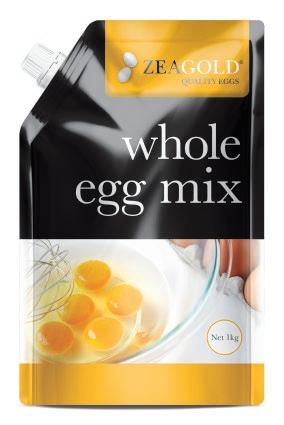
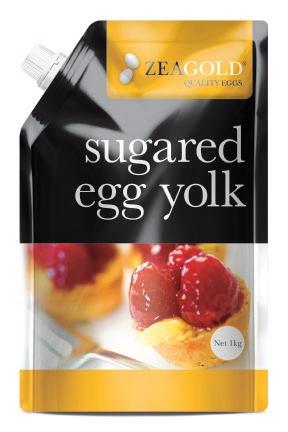
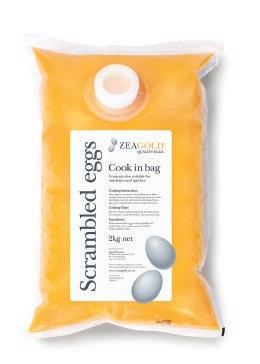
New Zealand’s leading egg producer, supplying a complete range of liquid whole egg, whites, yolk, blends, cooked peeled and shell eggs.
Liquid eggs are indistinguishable from fresh eggs in nutritional value and flavour. All Zeagold egg products are produced under MPI audited programmes
New Zealand
Made locally with 100% New Zealand eggs.
Food Safety
All liquid and cooked peeled products are micro-tested prior to release.



Longest possible shelf life on frozen and chilled products.
A range of size options available (1kg, 10kg, 2kg, 2.5kg, pallecon) in frozen and chilled formats.
Economical
Benefit from reduced waste, more accurate volume control and time saved.



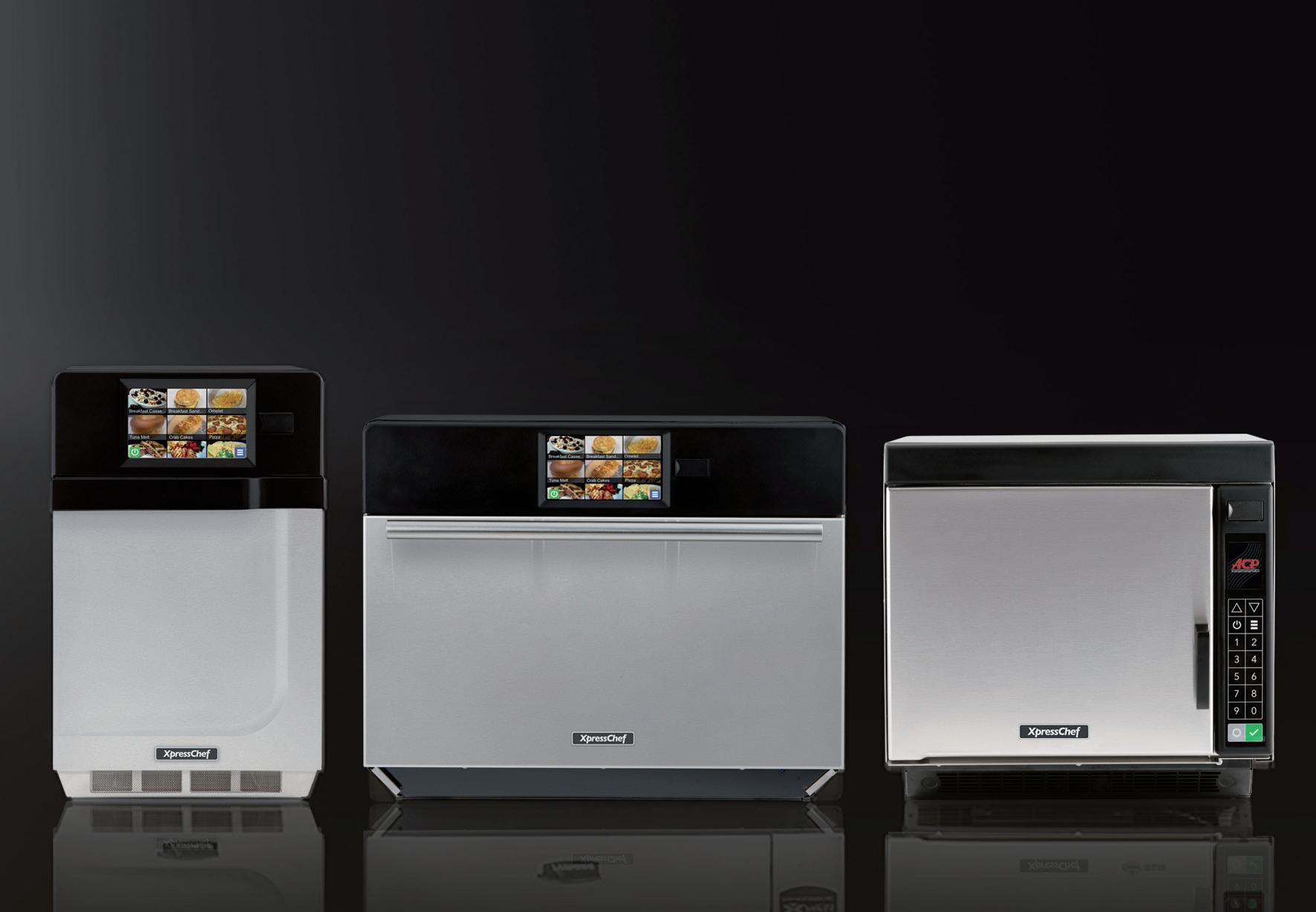
REVOLUTIONISE YOUR HEAT AND EAT OFFERING WITH MENUMASTER
Menumaster delivers speed, efficiency, strength, and durability – which is why it is the microwave oven of choice for fast food chains, service stations, supermarkets, convenience stores, cafés and restaurants. Comprising a complete range of commercial microwave and accelerated microwave, convection, infra-red ovens designed to meet the needs of the most demanding hot food serving environments. STOCK AVAILABLE IN OUR AUCKLAND WAREHOUSE

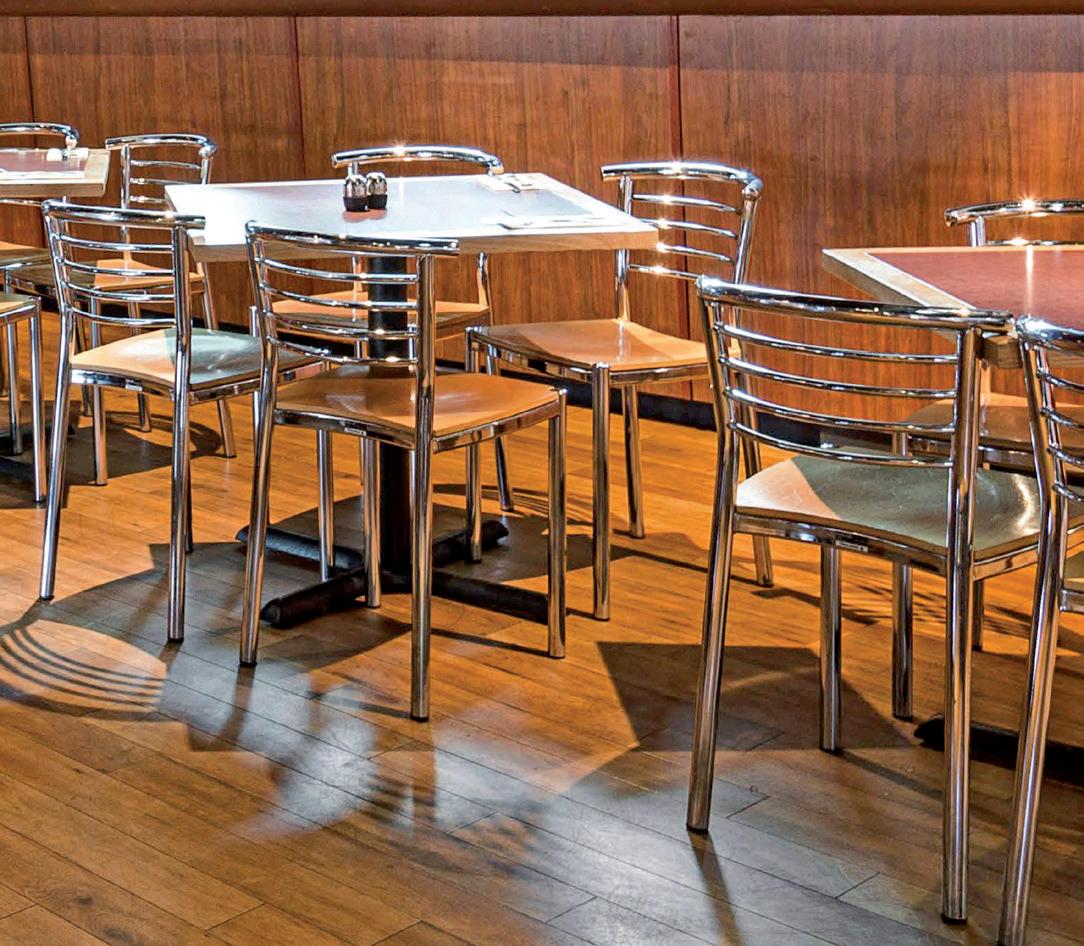
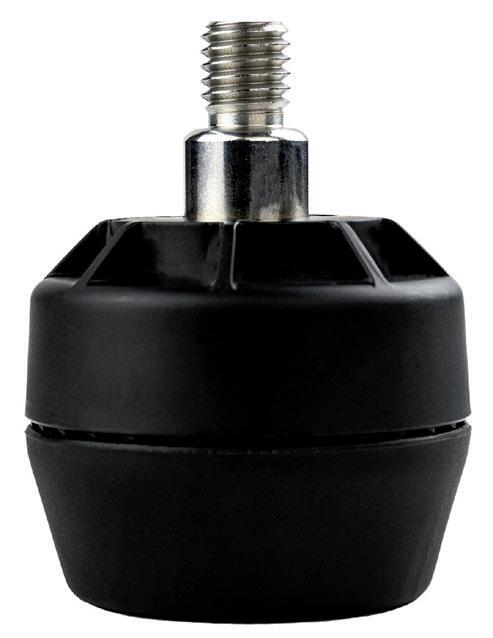
Stabilises tables with a press of the table top Internal locks provide
Enables
Exceeds
Install
Saves


Standard monthly rental prices: Small / Medium $195+GST - Large $225+GST - Extra Large $255+GST - Jumbo $290+GST. Minimum 4 month term. Delivery & Returns freight charges may apply. *Out of Auckland customers are equipped to self-service. Monthly chemical supply included in rental. Offer available while stocks last.










Cooks up to 40 16” pizzas per hour
Separate temperatures and fan speed settings across both cavities
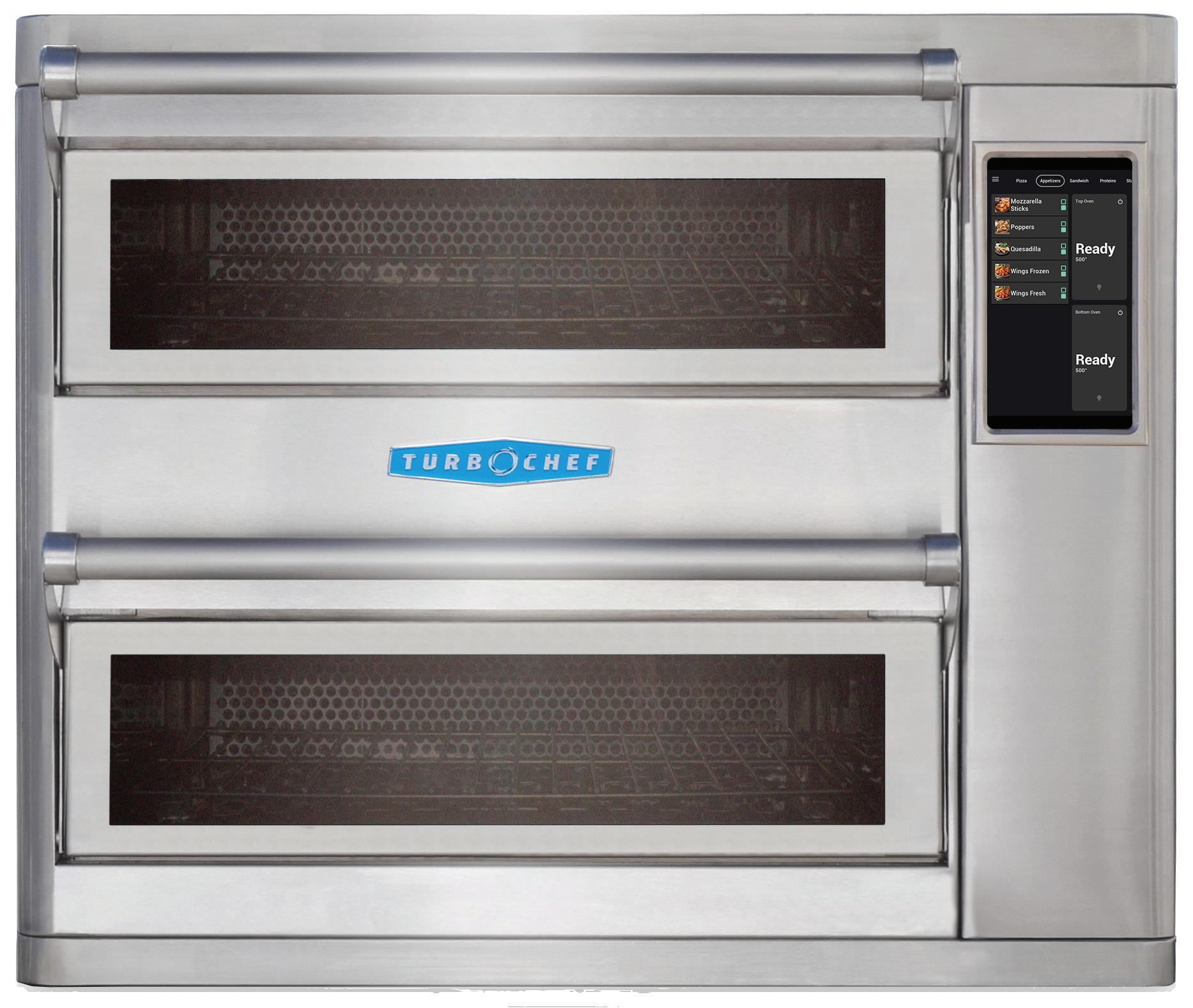
Patented impingement airflow with oscillating rack ensures even top and bottom bake

Smart menu system capable of storing unlimited recipes
Simple and intuitive one-touch controls with icons

Stackable design up to two units high (requires stacking kit)
Turbochef ventless ovens have internal systems for eliminating grease vapour. Air remains clean and allows the units to be used without external extraction.
Scan to learn more about the double batch and TurboChef range.
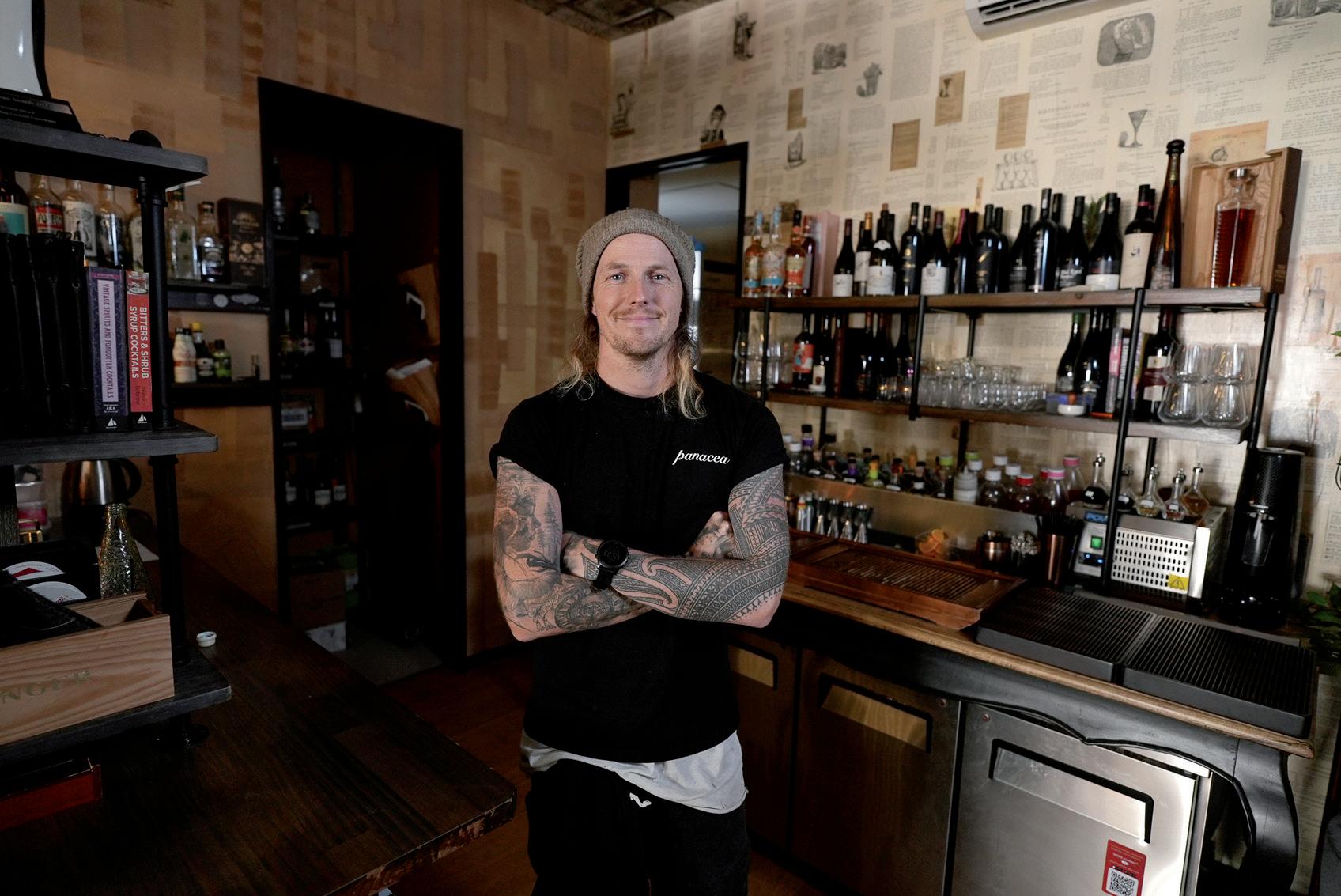
I couldn't have af forded the furniture, fridges, freezers. Without help from Silver Chef to do that par t , it wouldn't be possible "
Dany Dentith SilverChef customer

For 35+years SilverChef Group has supported more than 85,000 hospitality customers, investing $2.6 Billion+ into the hospitality equipment industry. We understand hospitality and its challenges, and we know how to support you at every stage of your business journey.