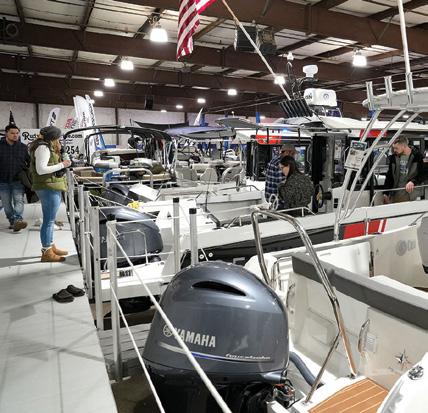
Jim’s Marine, Inc. | 410.648.5106 96 East Cross St, Galena, MD jims-marine.com
Anchor Boats, Inc. | 410.287.8280 448 N Mauldin Ave, North East, MD anchorboat.com
VIRGINIA
Centerville Waterway Marina | 757.547.4498 100 N Centerville Turnpike, Chesapeake, VA centervillemarina.com
Jett’s Marine, Inc. | 804.453.3611 18477 Northumberland Hwy, Reedville, VA jettsmarine.com
Legasea Marine | 757.898.3000 821 Railway Rd, Yorktown, VA legaseamarine.com
The Artful Angler, Part III: Devil’s in the Details
Let’s wrap up our rod-building experience with some beautiful custom touches. Decals, Throop tigers, and dragon scales—oh my!
By Eric Packard
40
Jigging Spoons for Beginners
Jigging spoons are a must-have for all sorts of anglers.
By Lenny Rudow
42
Snow Daze
Do these 10 things and you’ll catch more fish come spring.
By Staff
44
Potomac Crossing
A near-reef experience.
By Wayne Young
46
Tackle Organization Strategies
Strategies for organizing your lures and terminal gear during the offseason to be better prepared before, during, and after your next fishing trip.
By Adam Greenberg
48
Shore Thing
Walking the shorelines of reservoirs can make for winter magic.
By Staff
50
Rockin’ it at Stone Rock
The Stone Rock is a rather famous Middle Bay hotspot, and with good reason.
By Lenny Rudow
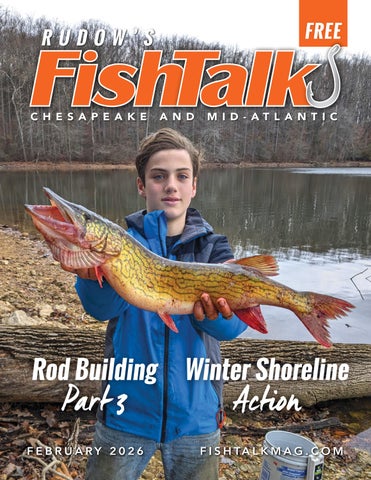
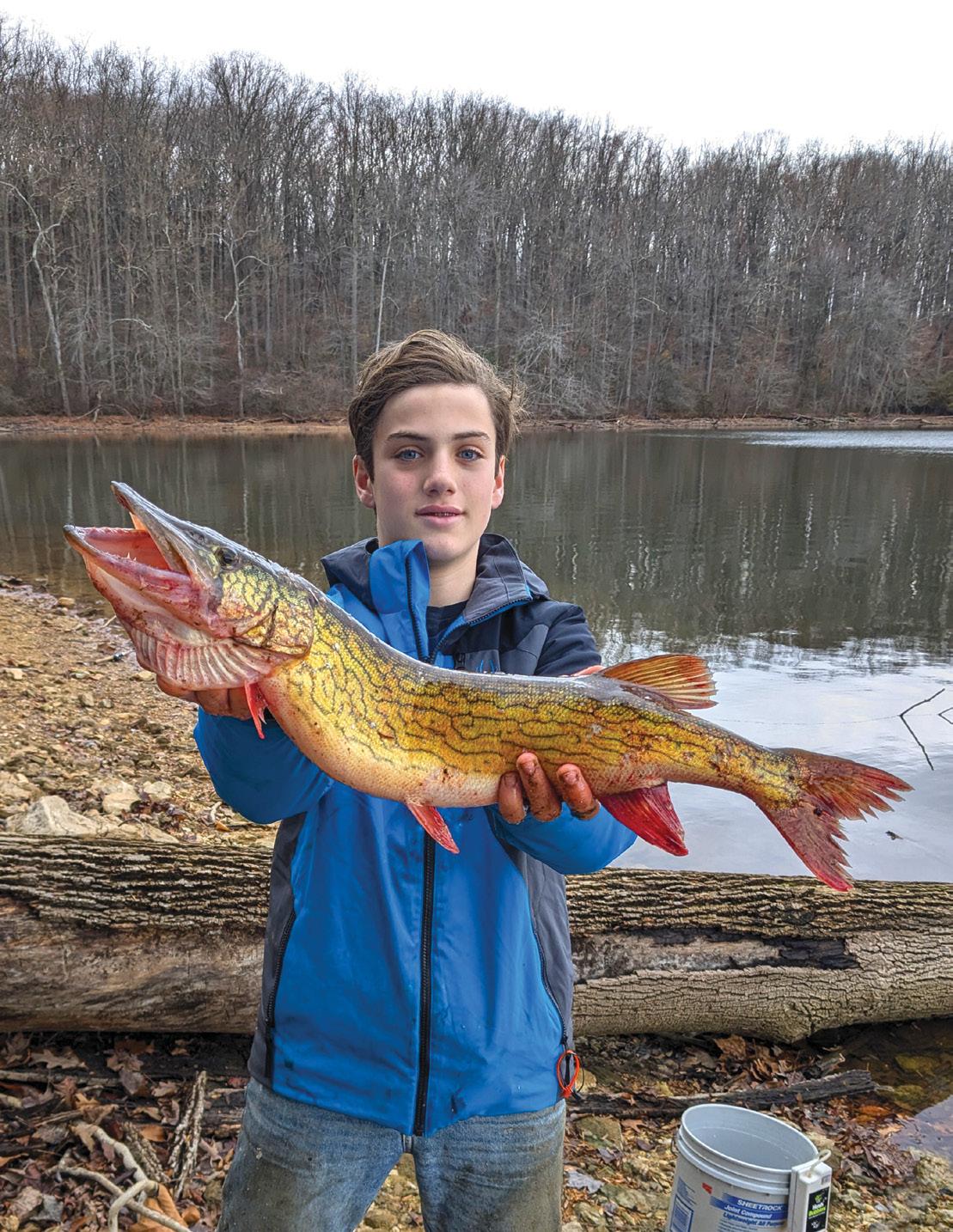
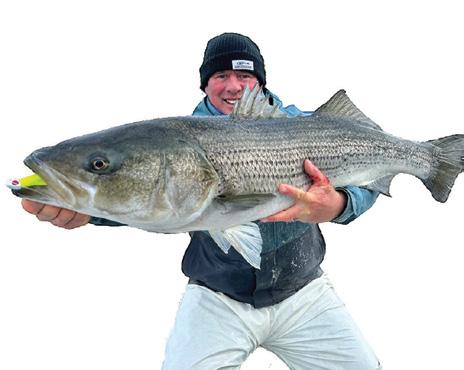
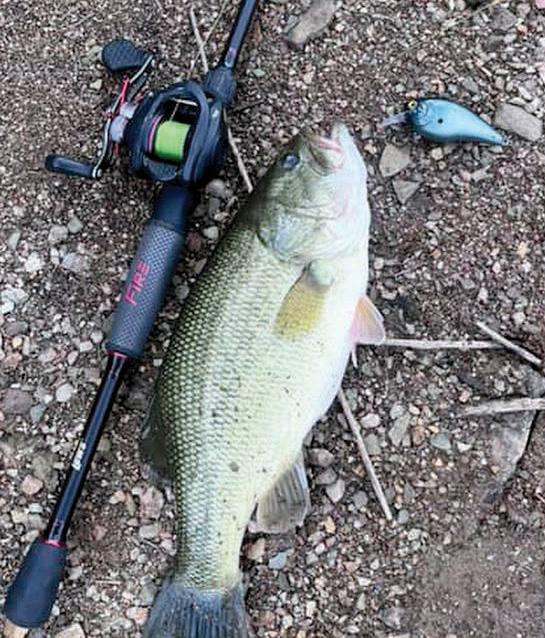
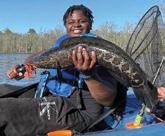
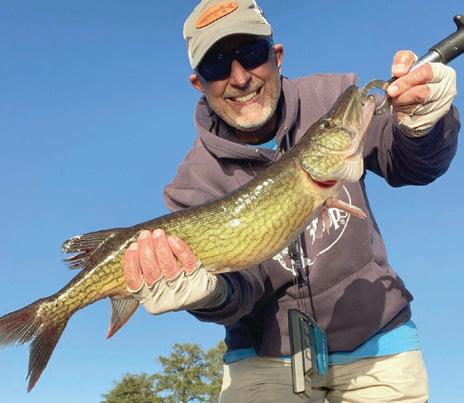
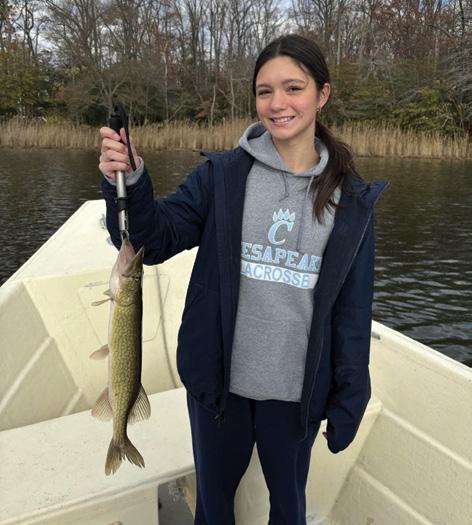
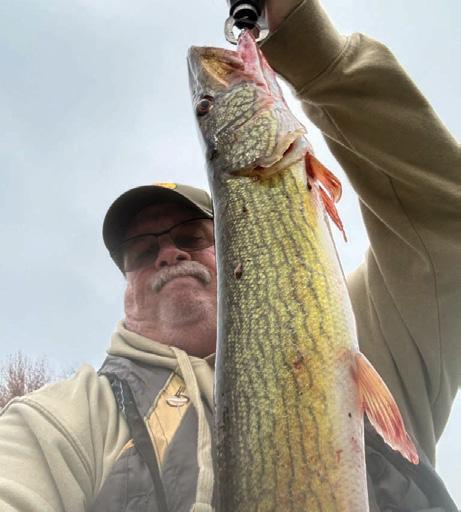
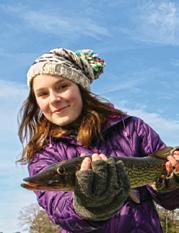
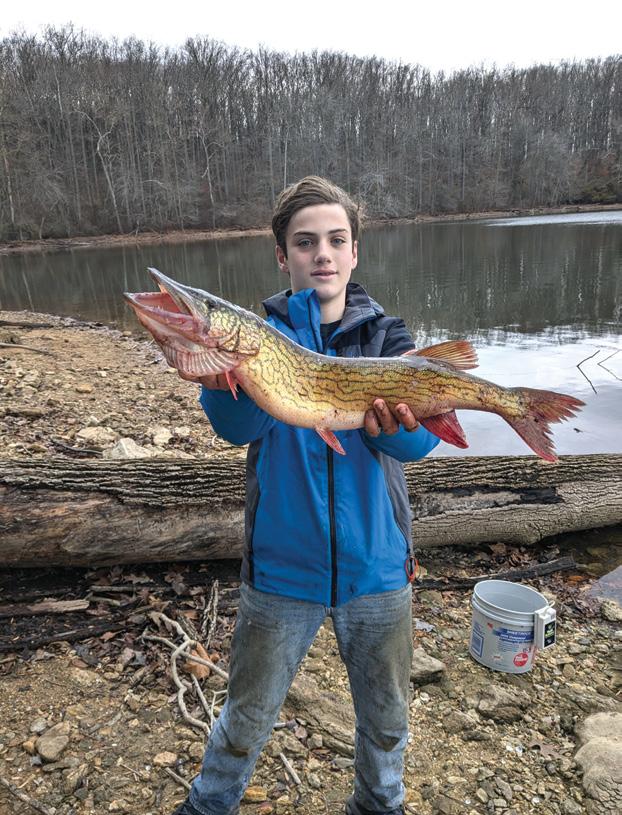
Last winter Miles caught a 26.5” pickerel—and won the Biggest Pickerel and Youth divisions in the CCA Winter Pickerel Championship—while fishing the shorelines of a reservoir. Photo courtesy of Gary Simpson.
DISTRIBUTION / BROKERAGE / CLASSIFIEDS MANAGER Beatrice M. Mackenzie, beatrice@fishtalkmag.com
ART DIRECTOR / PRODUCTION MANAGER Zach Ditmars, zach@fishtalkmag.com
GRAPHIC DESIGNER / PRODUCTION ASSISTANT Royal Snyder, royal@fishtalkmag.com
COASTAL CORRESPONDENT EMERITUS John Unkart
CONTRIBUTING WRITERS
Adam Greenberg, Jim Gronaw, Chuck Harrison, Capt. Monty Hawkins, Eric Packard, David Rudow, Wayne Young
DISTRIBUTION
Martin and Betty Casey, Jennifer and Al Diederichs, Gregory and Dorothy Greenwell, Dave Harlock, Mark Schlichter
Rudow’s FishTalk is a monthly magazine for and about Chesapeake and Mid-Atlantic anglers. Reproduction of any part of this publication is strictly prohibited without prior consent of the officers of Rudow’s FishTalk LLC. Rudow’s FishTalk LLC accepts no responsibility for discrepancies in advertisements.
Rudow’s FishTalk is available by first class subscription for $45 a year, and back issues are available for $4 each. Mail payment to Rudow’s FishTalk Subscriptions, 612 Third Street, Suite 3C, Annapolis, MD, 21403.
Rudow’s FishTalk is distributed free of charge at more than 850 establishments along the shores of the Chesapeake and the DelMarVa Peninsula. Businesses or organizations wishing to distribute Rudow’s FishTalk should contact the Rudow’s FishTalk office, (410) 216-9309 or beatrice@fishtalkmag.com.
Are you ready to embark on your next on-water adventure? Before you set sail, here are ve things to know about boat insurance.
1. Boat insurance isn’t just for accidents
With comprehensive coverage, you’ll also be protected nancially for theft, vandalism, and unexpected events like storms if you need repairs or replacements due to damage.
2. Accidents can happen to anyone
When accidents happen, boat insurance offers liability coverage for damages or injuries you cause while boating, up to speci ed limits. It can also cover lawsuit costs if you’re sued.
3. Boat insurance can cover medical payments
Boat insurance offers a range of optional medical payments coverage limits, helping to cover medical expenses if you’re in an accident or someone is hurt on your boat, regardless of fault.
4. Most lenders require boat insurance
If you nanced your boat, you’ll likely need boat insurance since most lenders require boat insurance to protect their investment. Additionally, some marinas or municipalities require proof of insurance for docking.
5. Progressive offers specialized boat coverages
Ever worry about getting stuck on the water?
Progressive’s Sign & Glide® On-Water Towing coverage** can help. It’s an additional coverage that steps in if your boat is disabled or breaks down on the water, paying for on-water towing, jump starts, soft ungroundings, and fuel delivery. Fuel cost isn’t included.
Don’t let unforeseen circumstances disrupt your voyage. Cruise with con dence thanks to Progressive Boat insurance. Because when it comes to your boat, peace of mind is the ultimate luxury.
Progressive Casualty Ins. Co. and af liates. Product features are subject to policy terms and conditions and may not be available in all states or for all vehicles and coverage selections.
*No. 1 rating based on boat market share data from Rate lings.com.
**Sign & Glide® is an optional coverage you can add to any Progressive Boat policy and costs $30/annually ($50/annually in Florida). Prices are subject to change.
Scan to get a quote in as little as 4 minutes.
Go to progressive.com to learn more.
3
POP QUIZ!
By Lenny Rudow
It’s been a while since you put your Chesapeake and Mid-Atlantic angling know-how to the test? Well, maybe so—it is, after all, February. So, let’s find out how you rank as the 2026 fishing season gets ready to crank up.
You haven’t been out in weeks and you have no recent intel. To choose a lure color, you will:
A. Glance out at the water.
B. Choose something realistic.
C. Choose the gaudiest thing in the tacklebox.
D. Squint.
In most cases braid line works best for casting and retrieving lures. One exception is:
A. Inline spinners.
B. Jigging with spoons down deep vertically.
C. Walk-the-dog topwater lures.
D. The Alex Langer Flying Lure.
You forgot to remove a Gulp! from your lucky jighead when you got home, and now it’s hardened up like cement. To get it off without ruining the jighead you’ll need:
A. A bucket of water.
B. Sharp scissors.
C. A segment of 20-pound braid.
D. A blowtorch.
4
Which species of Chesapeake Bay sportfish is known for hitting lures when they’re “dead-sticked” (hanging static with no jigging action added by the angler).
A. Bluefish.
B. Flounder.
C. Weakfish.
D. Sockeye salmon.
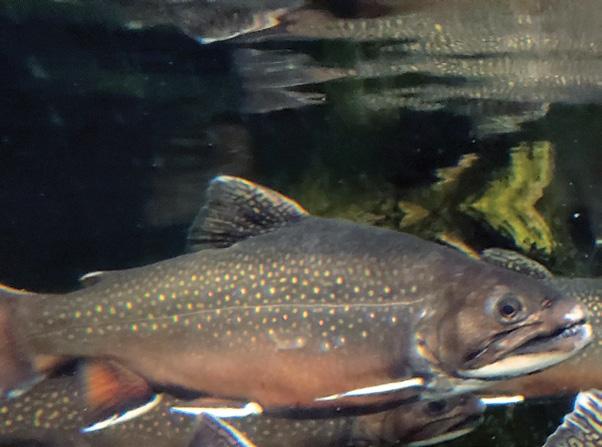
# You Chesapeake anglers totally recognize that fish, right? Right?!
You plan to fish around shallow weedbeds for redfish this spring in your new boat. Good thing you know that out of these four items, the ________ has the most potential to spook fish.
A. The livewell pump.
B. Your fishfinder.
C. Your electric trolling motor.
D. None of the above, reds don’t spook.
The rockfish are down deep and you have a livewell full of spot but no weights. To get that bait to the fish you’ll:
A. Hook it through the nose.
B. Hook it through the back.
C. Hook it through the belly.
D. Chop up the spot and drop down chunks.
The first hint of light is cracking the horizon, the water is like glass, and fish are in the shallows. You reach for:
A. An Aborgast Hula Popper.
B. A Zara Spook.
C. A Chug Norris
D. A beer.
You’re fishing live eels for cobia. The best way to handle them when putting them on the hook is to have:
A. A roll of paper towels.
B. Gloves.
C. A rag.
D. A stun-gun.
You’re hunting for salt-loving species and you often find yourself fishing the Eastern Shore. The water along the Eastern Shore of the Bay is higher salinity than the water on the Western Shore in part because of:
A. It isn’t, salinity is evenly spread from east to west.
B. The rotation of the moon.
C. The Coriolis Effect.
C. The QAnon Effect.
January 23-25, 2026
Greater Richmond Convention Center New models on-display from Axopar, Contender, Monterey and Phenom brands.
January 30 - February 1, 2026
Virginia Beach Convention Center New models on-display from Axopar, Contender, Monterey, Parker and Phenom.
Notes from the Cockpit
You want to get in on the snakehead action during the “spring push” when the fish become concentrated. This is when the fish:
A. Push far upriver.
B. Push far downriver.
C. Push up against the shorelines.
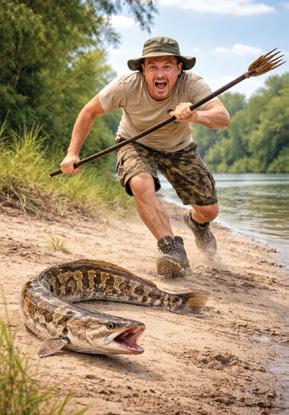
D. Push up onto shore and slither around where you can spear them with a frog gig.
Bonus Question: You drift out to sea on your kayak with nothing but your fishing gear. Your best chance for survival is to:
A. Yell really loud.
B. Hold off starvation by eating your soft plastic lures, which have digestible plastisol.
C. Hold off dehydration by drinking Gulp! juice.
D. Catch some fish and eat the eyeballs.
Answers:
1 – A. Matching lure color with water color is always a good start.
2 – C. Stretchy mono helps prevent skipping the lure out of the water and the stretch aids in slowing down the hook-sets.
3 – A. Drop it in and let it soak for several hours and the Gulp! will rehydrate, then slide right off.
4 – C If you answered “D” you get an automatic zero on this quiz.
5
– C All these things have some potential to spook fish, but electric trolling motors create prop noise with the intensity and pitch related to speed. Creep along at slow speeds and you aren’t likely to scare anything, but crank the motor up and prop noise can become a significant problem.
6 – B. Hooked through the back they usually head for bottom all on their own. Chopping them up might work at times, too, but definitely isn’t as likely to produce bites.
7 – B. Poppers and chuggers can spook fish in these conditions, and a quieter walk-the-dog presentation is likely to catch more fish. If you answered “D,” you have a problem.
8 – A. A pair of gloves or a rag will get slimed after a few eels and lose its grip. The stun gun might be a good move, but we haven’t actually tried it so we can’t say for sure.
9 – C. Flowing water in the northern hemisphere is pushed to the right, so salty water coming in from the ocean veers towards the east. The larger number of major westside freshwater tributaries plays a role in east-west salinity, too.
10 – A. This usually happens in April and can lead to a very hot pre-spawn bite.
Bonus: D, actually. Fish eyeballs are over 90-percent water. A, B, and C are likely to do more harm than good.
0 – 5 correct – Have you ever considered taking up golf? 6 – 8 correct – Keep reading FishTalk, there’s hope! 9+ correct – Congratulations, you’re a highliner.
RIPTIDE TERROVA ®
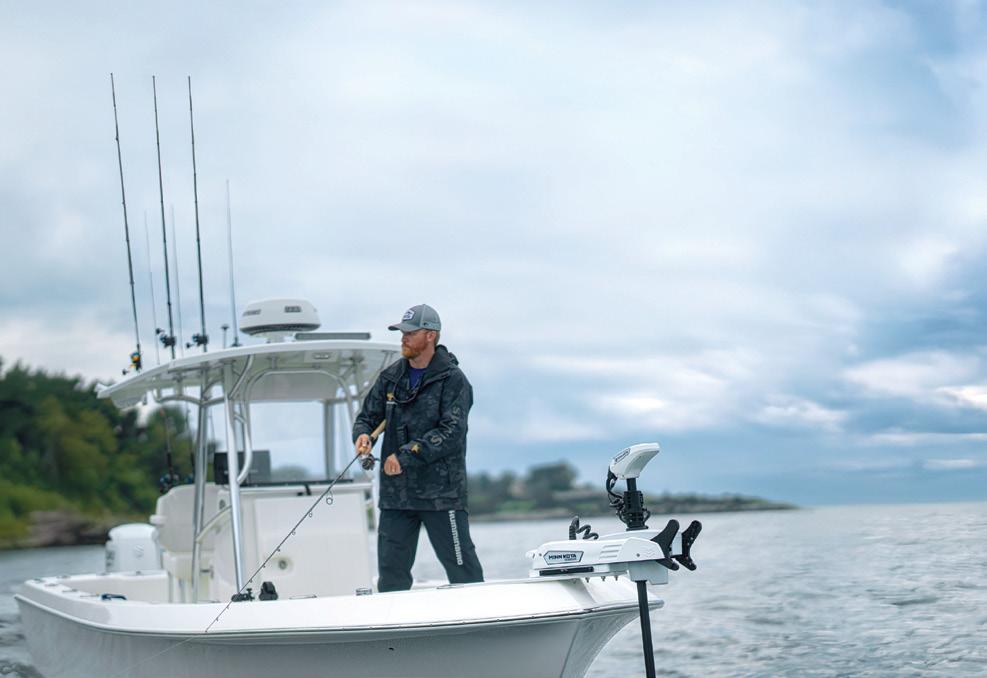
Imagine if all you had to focus on was fishing Minn Kota® Riptide Terrova® trolling motors are built to deliver saltwater dependability, season after season, so you can own your spot and stay locked into the moments that matter.
BUILT TO FISH
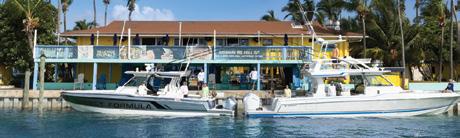
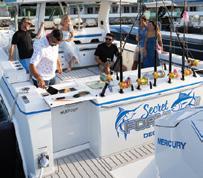
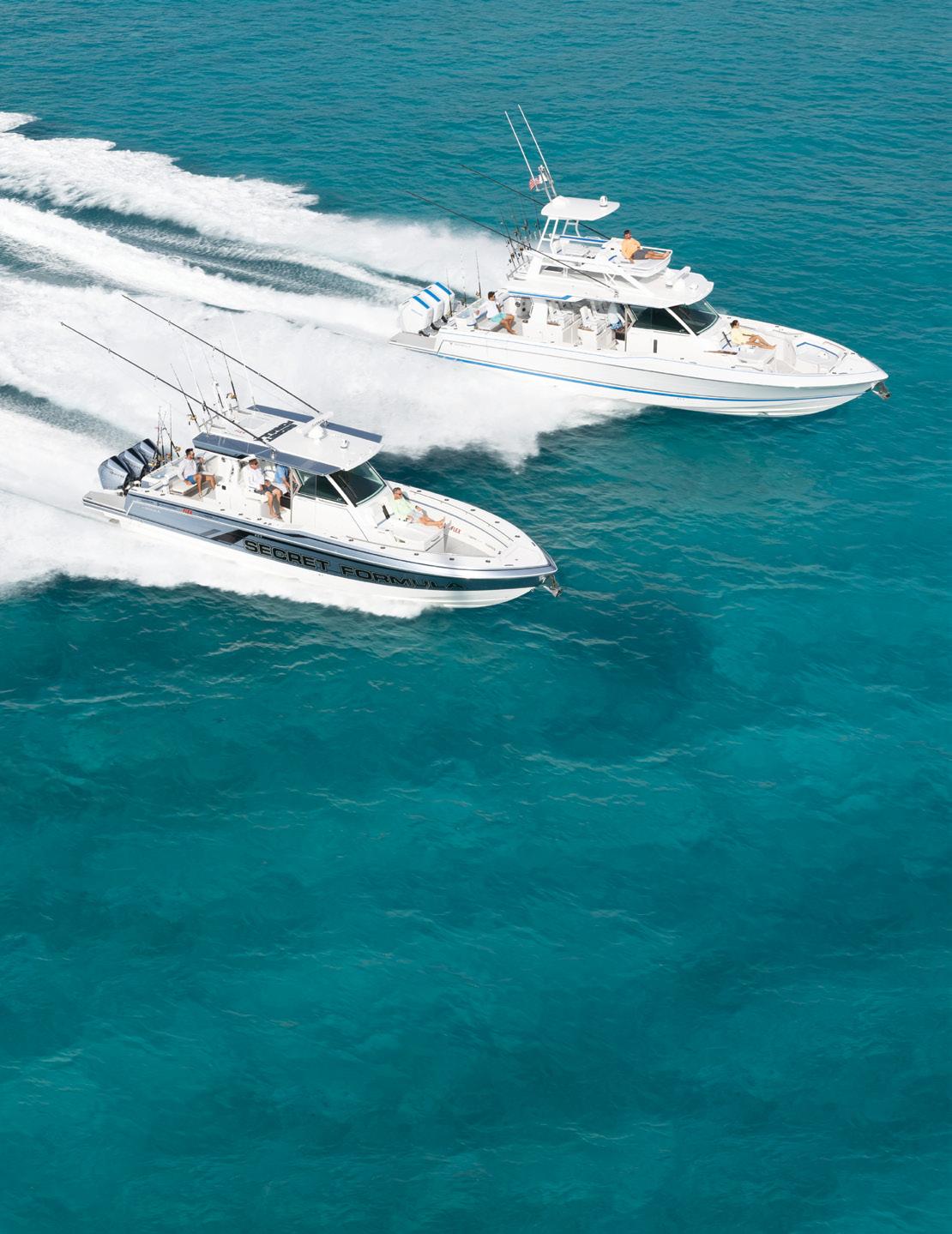
WITH THE FORMULA CENTER CONSOLE FISH your best days are finally here! Now celebrating 70 years, the CCF models promise a top-quality, superbly-performing fishing battlewagon for the center console world. The all-new 457 CCF exceeds every expectation with a length of 45'7" and a 13'9" beam, offering triple Mercury Verado 600 outboards to power you through any journey you take. And, boasting a base length of 38'7" and a 12' beam, the 387 CCF can be powered by twin Mercury Verado 600 outboards and several triple Mercury options. Surefooted, solid and dependable, the FAS 3Tech ® hull will take you to far-flung, bold adventures with absolute confidence.
A sculpted, generous-width hardtop features a curved windshield that powers open. The CCF models offer dual live wells and fish boxes, and premium GEMLUX ® outriggers. Highly styled seating includes the flip-down bench seat aft, triple helm seating, second row 457 seating, dual forward-facing sun lounge and bow seating with available power table.
The impressive mid station brings a trove of innovations, including a rigging station/wetbar with slide away bench, Corian countertop and molded sink with cutting board for bait
rigging or refreshments. The Plano tackle box drawer plus three more drawers stow supplies, while a large cooler below powers out, keeping your beverages cold and providing extra seating. The pull-out YETI® cooler or fridge to port plus sidewall and cockpit deck storage keep it all stowed yet at the ready.
The captain’s electronics suite includes dual or triple widescreen color chartplotters, Mercury Joystick Piloting, Bennett trim tab system and a trove of upgrade configurations. Everyone will enjoy the Rockford Fosgate stereo with JL Audio speakers, along with charging ports and wireless mounts, plus a high number of drink and rod/drink holders throughout.
The Center Console cabin brings generous headroom with a U-lounge/double berth with wood table, aircraft galley with Corian countertop, microwave, fridge, sink, abundant storage and 8,000 BTU AC. Aft is a private head with vanity, vessel sink, and shower. Experience these elite Center Console game-changers now!
The Formula Center Console Fish –70 Years of Delivering the Best!
Smart Maneuver
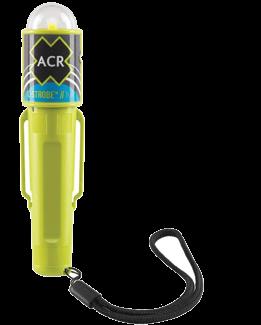
Dear FishTalk, Igot a strobe light for my life jacket after some anglers lost their lives in a tournament, and the survivor from the group said rescuers couldn’t see them even though they were all around. These are rated at 120 hours, activate manually or when immersed, and are USCG approved. $25 is worth your life.
-Roger L., via email
Dear Roger, We 1000 percent agree, these are an invaluable addition to life jackets. It’s also a good idea to equip your life jackets with a whistle (which costs next to nothing) and reflective tape. If you can add a personal locator beacon (PLB, from around $300 and up) that’s even better.
Poetic Paralichthys
Dear FishTalk, Let’s try something new: There once was a flounder named Gray He lived in Chesapeake Bay Each moment was a test And he considered it best If he wasn’t made catch of the Day -Anonymous
Send your fish photos, questions, and comments to lenny@fishtalkmag.com
Understanding and Avoiding Thunderstorms
FISH NEWS
By Lenny Rudow
Back in the Brook
AMaryland DNR repopulation program seeking to bring brook trout back to streams they no longer inhabit (which includes 62 percent of their historic range) seems to show promise. Because of the isolated nature of brook trout habitat, natural recolonization often doesn’t take place even when water quality conditions improve. In 2024, in three streams with no recent record of brook trout populations, DNR biologists released native brook trout carefully collected from streams with thriving populations. In late 2025, electroshocking surveys in these same streams turned up young of the year. In the future the DNR is also hoping to raise brook trout offspring to fingerling size in a hatchery setting for release in additional areas where the species is locally extinct.
Dead Zone Report
The 2025 Virginia Institute of Marine Science/William & Mary Dead Zone report is out, and ranges for the total annual hypoxic volume, daily maximum, and average summer volume were all within historical norms. Hypoxic zones have less than two milligrams of oxygen per liter and can’t support fish or crabs. As usual the peak of hypoxic water in the Chesapeake was in late July, but as Hurricane Erin passed offshore in August, hypoxia decreased thanks to elevated winds and reduced temperatures. The dead zone remained relatively small through September as more wind and cooling temperatures helped conditions improve.
Cops, Watercop Style
The Virginia Department of Wildlife Resources (VDWR) started a YouTube podcast called True Wildlife Crime awhile back, and it’s now up to seven episodes. More of the episodes deal with hunting than fishing, but anglers will likely be interested in discovering just how much effort and police work goes into something as straightforward as proving someone’s guilty of keeping too many rockfish—it isn’t always as easy as one would think. Check it out at the VDWR YouTube channel.
Photo Finish
The CCA Maryland Winter Pickerel Championship will wrap up this month, with the final days of fishing drawing to a close as March approaches. As we go to press there are some big fish on the board but there’s also plenty of room for improvement, and you can join in at any time this month; so sign up on iAngler, get out there, and fish hard—remember, the biggest pickerel of the tournament are often caught in late February.
# With a helping hand, brook trout could be coming back to a stream near you.
Boats, Gear, and More!
While the tournament scene goes mostly dark during these winter months, the show schedule comes alive. The first show taking place in February actually kicks off in the final days of January, the Mid-Atlantic Sports and Boat Show in Virginia Beach. It runs from January 30 through February 1 at the Virginia Beach Convention Center. Hours are noon to 7 p.m. on Friday, 10 a.m. to 7 p.m. on Saturday, and 10 a.m. to 5 p.m. on Sunday. If you go, be sure to swing by the PropTalk/FishTalk booth!
A biggie in February is The Chesapeake Bay Boat Show. This one cranks up February 5 and runs through the 8th, with more than 300 boats from 30-plus dealers and more than 100 exhibitors setting up shop at the Maryland State Fairgrounds in Timonium, MD. Hours run from 12 p.m. to 6 p.m. Thursday (VIP day); 10 a.m. to 6 p.m. Friday; 10 a.m. to 7 p.m. Saturday; and 10 a.m. to 4 p.m. Sunday. There are some cool new perks to look forward to this year, including an expanded Fishing Hall where you’ll find tackle, gear, and guides; a Kid’s Corner with family-friendly activities; daily fishing and boating seminars; and—get this, people—the 5000-gallon Hawg Trough will be there full of fish. FishTalk and PropTalk will be at this one, too. Check out thechesapeakebayboatshow.com to learn more.
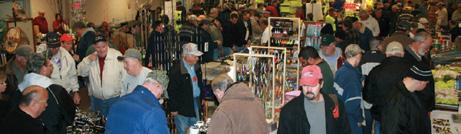
February 14 and 15 the Pasadena Sportfishing Club’s annual fishing expo will be happening at Kurtz’s Beach in Pasadena, MD. This is a fun one, folks, with multiple buildings and tents stuffed with fishing tackle, clothing, artwork, and more. The show runs from 8 a.m. to 2 p.m. daily, and FishTalk’s Angler in Chief will be in attendance.
2026.
# Winter boat shows are a great place to find your new ride. Courtesy of The Chesapeake Bay Boat Show
HOT NEW GEAR
Editor’s Note: We wish we could personally test every item that appears on these pages, but that simply isn’t possible. So that you know the difference between when we’ve physically tested a piece of gear and when we’re writing about it because it’s newsworthy and we think you’ll want to know about it, we’ve developed this FishTalk Tested button. When you see it printed next to something in this section, it means we’ve personally run it through the wringer.
IInkreduble Action
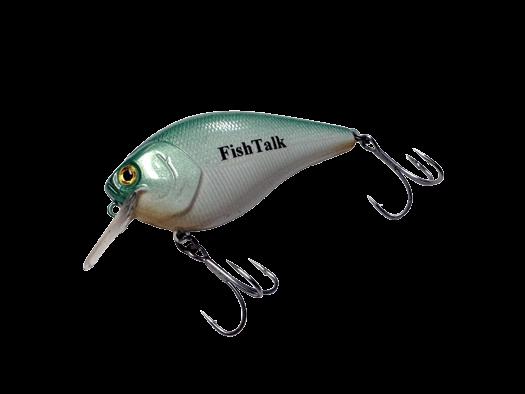
f you appreciate fishing with lures that have a slick custom touch and catch the heck out of fish, check out Inkreduble Custom Lures. These custom-painted lures come from Chesapeake Country, in Hanover, PA, and look phenomenal because they’re painted with Ultra 9K automotive paint before being clear coated. They offer up a variety of small and medium square-bill crankbaits, large coffin-bill cranks, crickets, crawfish cranks, and topwater lures, and glide baits are on the way. They feature realistic eyes and Inkreduble puts BKK Ultra Antirust hooks on lures headed for use in saltwater. What’s even better is that Inkreduble is a custom shop in every way—reach out to them on social media and you can request a batch of lures with whatever color pattern you like the most (they can do just about any), a company logo added on, or a note to a friend… or the fish. Price: varies; ask for a quote by reaching out to Inkreduble Custom Lures on Instagram of Facebook, or give Derrick a text/shout at (443) 244-0080 if you want to cast—and catch— with something totally kool.
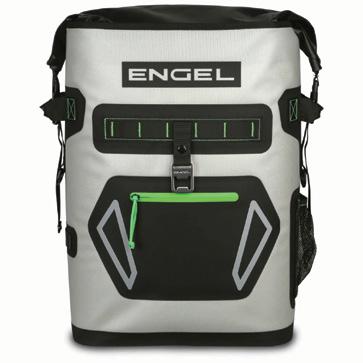
If you enjoy hiking out to remote fishing hotspots and you like to enjoy a cool frosty beverage upon arrival, the Engel Roll Top High Performance Backpack Cooler will be of interest. This roll-top cooler is insulated with inch-thick foam and ensconced in 840-denier fibers and a laminated thermal plastic urethane (TPU) film for strength and puncture-resistance. It also boasts a foam-padded back support, chest strap, and ventilated mesh padded shoulder straps. What really sets it apart, however, is that all of its seams are welded rather than being sewn. We won one at a recent CCA Maryland event and discovered it’s not only ruggedly constructed, but also quite comfortable to wear. Cargo capacity is 25 quarts (36 cans), and Engel says it can hold ice for up to three days. Like other Engel backpack coolers, it has an integrated bottle opener, a water-resistant front pocket, D-rings and side straps, and a mesh pocket sized just right to hold an Engel tumbler. Price: $189.99. Visit engelcoolers.com when you’re ready to chill out.
Size Matters
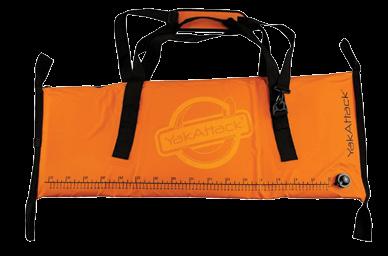
Fishing from a kayak can be uber-effective, but when you’re after big fish and you want to take them home for dinner icing down the catch can be very problematic. Most coolers that fit in the space of a crate simply can’t hold large fish. That’s why YakAttack rolled out the Insulated Fish Cooler Bag. Modeled after the fish bags that offshore anglers working with compact coolers and fishboxes use, the 38” by 13” Insulated Fish Cooler bag has a PVC exterior, closed-cell foam insulation, carry straps and a padded shoulder strap, a drain plug, and tie-downs. Fold it up and shove it under the seat, and when you make the next big catch you’ll be ready to haul home dinner—for a week. Price: $55 Visit yakattack.us if you’re aiming for an ambitious harvest.
Slam Time
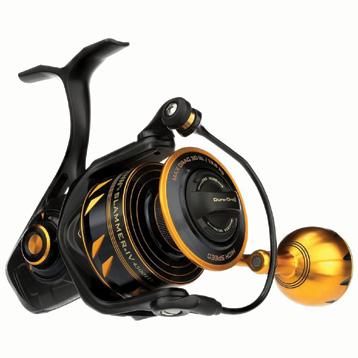
The Penn Slammer line has been long known for longevity in quality spinning reels, and the latest-generation slammer IV has now been out long enough to know that it lives up to the reputation. We’ve been casting and cranking with a 4500 in the briny Chesapeake while fishing for the likes of trophy winter rockfish, and found it more than merely up to the task. The Slammer IV is sealed to IPX6 specs, has a full metal body and sideplate, a CNC brass main gear, nine ball bearings, and a sealed Dura-Drag drag system. We found the handle particularly comfortable to use, and discovered that the drag is uber-potent with the ability to put out a whopping 30 pounds. Note that if you want a spinning reel capable of taking on monster pelagics, the 7500 and 8500 put out 50 pounds of drag and the 10500 has a shoulder-ripping 60-pound max drag rating. Price: $329.95 for the 4500; $309.95 to $469.95 for the rest of the Slammer IV line. Visit pennfishing.com to check out the reel deal.
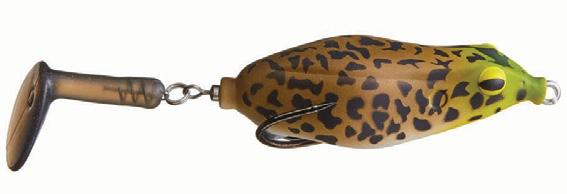
A Prop(er) Frog
It’s a topwater frog. No, wait—it’s a plopper. No, wait again, it’s a prop bait? Frankly we’re not even sure what to call the Teckel USA Sprinkler frog, which is a combination of all these lures. The body is hollow and frog-shaped, but attached to the back via a swivel there’s a tail that’s half plopper, half spinner. The Sprinkler Frog is 4.5” long including the tail, weighs in at five-eighths of an ounce, and there are 15 color patterns in all. The maker claims it’s as weedless as regular topwater frogs and also asserts that the lure makes its own unique commotion that the fish haven’t seen before, so it should work exceptionally well in highly pressured waters where fish yawn at most popular offerings. Price: $17.99. Visit teckellure.thebase.in if you can read Japanese (but you can find these at US-based online retailers—ganbatte, ryoshi).
Better Buoyancy
Many anglers wear Mustang inflatables when fishing, especially when fishing alone, and the HIT and Elite lines have been top picks for years. Now there’s a better way to gain buoyancy, with the Mustang Atlas DLX190 and Elite 190 and 120 inflatable PFDs. These redesigned inflatables have become more ergonomic to sit off the back of your neck, and the back panel improves breathability while reducing bulk. The pull handle is now stowable so it doesn’t get in the way, and the tether loop is now soft instead of a D-ring. The air bladder has been improved, too, keeping airways clear and reducing spray inhalation. The Atlas inflates via a hydrostatic or manual trigger, and Elite models are manual. Price: $399.99/$324.99/$299/99. Visit mustangsurvival.com to float if outside of the boat.
Bolder Holder
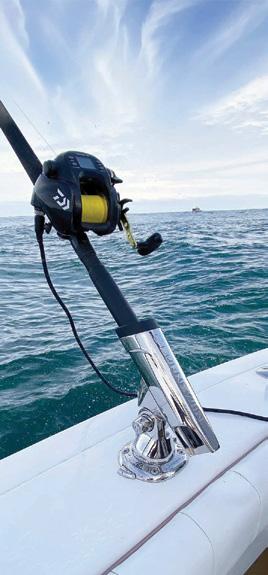
Receiver-mount fishing rod holders work great, until they break—most are made of plastic and simply can’t stand up to hard duty. An exception is Burnewiin’s RH8420, an investment-cast 316L stainlesssteel rodholder. The holder has a lock-in gimbal in the base and is adjustable to 360 degrees of rotation in 22.5-degree increments and from horizontal to vertical. It fits a GM650 flush gunwale mount, which mounts just like a gunwale rodholder, is beefy enough for heavy-duty applications like holding a downrigger under load, and also supports accessories like tables, cutting boards, and whatever else you might want to add with Burnewiin’s base system. Price: $495. Visit burnewiin.com to take holding rods to the next level.
Super Fun
If you love micro-fishing in small streams you’ll be psyched to hear that Orvis has brought the Superfine line back to life. Based on the same sizes and available in one- to five-weights, the new lineup features Helios construction and low modulus graphite for slow to moderate action, chrome snake guides plus chrome/aluminum oxide stripping guides, a black anodized aluminum reel seat, and a cigar-style cork grip. Rod lengths range from 7’6” to 7’11”. The Superfines are four pieces and come with a cloth-covered tube and rod sock so they can be easily packed in to remote streams. Price: $598. Visit orvis.com if you want to catch brookies with bravura.
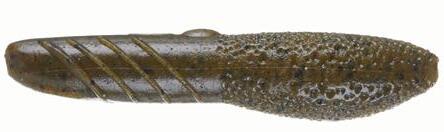
WA Piece of…
e’ve seen some strange lures through the years, but the Deps Scat is the first one we’ve seen that not only resembles but is even named after… well, you know. They call this lump of plastic poo a stick-bait, and say that the bulbus end “has a dimpled exterior with the same texture and vibration as a crawfish.” We must ask: do they mean a pre-digested crawfish, or one that’s been run through the system? Price: $10.99/sixpack. Visit depsfishing.org or cast into the commode.
CHESAPEAKE CALENDAR
FEBRUARY
Jan 30 - Feb 1
The 73rd Annual Mid-Atlantic Sports and Boat Show
At the Virginia Beach Convention Center. Boat dealers from all over the state will be under one roof with their inventory and ready to make a deal! Plenty of family fun, too. Tickets cost $10, children under 12 are free.
Jan 31 - Feb 1
Edgemere Bait and Tackle Fishing Expo
At the Edgemere VFW Hall in Sparrows Point, MD. Entry fee is $5 per person, ages 15 and under are free. All proceeds go directly towards the youth fishing rod giveaway.
Jan 31 - Feb 1
Kent Island Fisherman’s 15th Annual Fishing Flea Market
8 a.m. to 3 p.m. both days at the Kent Island American Legion Post #278 in Stevensville, MD. Admission $4 (ages 16 and under are free). Fishing rods, reels, lures, boating accessories, crabbing supplies, fishing charters, door prizes, and more. Free on-site parking. Plenty of good food and beverages.
through Feb 28
CCA Pickerel Championship Register any time before the end of tournament. Open to MD, DC, and DE tidal and non-tidal waters. This is a catch-photo-release tournament using the iAngler Tournament app. CCA membership is required to enter.
4
Free State Fly Fishers Club Meeting
Join us for a “smorgasbord” of presentations, about 10 minutes each, of club member’s favorite fly fishing trips over the last year(ish). 7 p.m. at the FSFF Club House, Davidsonville Family Rec Center (3789 Queen Anne Bridge Rd, Davidsonville, MD).
5
AMM Winter Lecture Series
7 p.m. at the Annapolis Maritime Museum. Available virtually and inperson. Pre-registration required, $10 per person. Topic: The American Revolution and the Fate of the World with Dr. Richard Bell: historian, professor, and author.
5-8
The 5th Annual Chesapeake Bay Boat Show
At the Maryland State Fairgrounds in Timonium, MD. Presented by the Marine Trades Association of Baltimore County, this annual event features over 300 boats and more than 100 marine exhibitors showcasing the latest in sport fishing boats, cruisers, performance boats, ski boats, cabin cruisers, and top marine gear.
7
FSFF Club Fly Tying
10 a.m. to 12 p.m. at the Free State Fly Fishers Clubhouse at the Davidsonville Family Rec. Center (behind Ford Hall). Join FSFF as one of its members instructs on how to tie a couple of fly patterns and demonstrates proper tying techniques. Patterns to be determined. All materials will be provided. Please bring your vise and tying tools if you have them.
12
AMM Winter Lecture Series
7 p.m. at the Annapolis Maritime Museum. Available virtually and in-person. Pre-registration required, $10 per person. Topic: Ben Ross’ Homeplace, Harriet Tubman Birthplace Archaeology with Julie B. Schablitsky: PhD, chief archaeologist and director of the Office of Cultural Resources.
12
CCA Kent Narrows Chapter Angler’s Night Out 5:30 to 7:30 p.m. at Fishermen’s Inn in Grasonville, MD. Speaker: Capt. Steve Griffin of Griffin’s Guide Service. Topic: Sidescan mastery - interpreting structure, spotting fish, and turning intel into action. Free and open to the public.
13
CBMM Lecture
5:30 p.m. in the Van Lennep Auditorium (and available virtually) at the Chesapeake Bay Maritime Museum in St. Michaels, MD. Topic: Ecomyopia on the Chesapeake: Social and Cultural Barriers to Climate-Induced Managed Retreat. Suggested ticket price: $8 per person. Register online.
13-16
Ocean City Boat Show
At the Ocean City, MD, convention center. Featuring approximately 350 boats, over 140 exhibitors, over 50 boat dealers, and more. Tickets cost $10, children under 14 cost $1.
14-15 Pasadena Sportfishing 33rd Annual Fishing Expo 8 a.m. to 2 p.m. both days at Kurtz’s Beach in Pasadena, MD. New and used fishing tackle, crabbing supplies, nautical crafts, artisan distilleries, hunting and gun sportsmanship vendors, food (including oysters), full bar, and more. The biggest local expo in Maryland! Tickets cost $5 each day, children 12 years and under are free.
18 Annapolis Anglers Club Monthly Meeting
Speaker, food and drink, table raffle, and 50/50. Food starts at 6 p.m., followed by meeting at 7 p.m. At the American Legion Post 7, Crownsville Road, Annapolis, MD.
26
AMM Winter Lecture Series 7 p.m. at the Annapolis Maritime Museum. Available virtually and in-person. Pre-registration required, $10 per person. Topic: Ospreys on the Patuxent with Alex Pellegrini: Avian Ecologist.
28 CCA Southern Maryland Chapter Annual Fundraising Banquet 6 to 9:30 p.m. at the Calvert Marine Museum in Solomons, MD. Oyster bar, dinner, open bar, live music, raffles, and more. This fundraising dinner directly supports CCA Maryland’s focus on ensuring the health of our marine resources and anglers’ access to them, and our objective to conserve, promote, and enhance our marine resources for the benefit of the general public.
28 Haven Harbour Seminar Series: Session 2
Haven Harbour Yacht Services will host monthly educational seminars from 9 a.m. to 12 noon at Haven Harbour South’s Ark & Dove Restaurant. Free and open to roughly 35 attendees per class. Coffee and pastries will be provided. Guest speaker: Vetus Company. Topic: Thruster maintenance, installation, best practices. Windlass equipment, installation, maintenance, and service. Solid state batteries and applications.
28 Sea Kayaking 101 9 a.m. to 3 p.m. at Cult Classic Brewery in Stevensville, MD. Presented by Chesapeake Paddlers Association. This popular event highlights kayaking safety as it guides participants through everything from the purchase of their first true sea kayak to opportunities for adventures throughout the Chesapeake Bay region and beyond. This is the perfect venue for a beginner to launch a voyage toward more advanced skills and equipment and a lifetime of enjoyment of the sport. Cost is $40; lunch, snacks, and beverages provided. Pre-registration is required as this event is always a sell-out.
MARCH
through Mar 31
The Great Chesapeake Invasives Count Help collect important data while competing for great prizes! Log your invasive species catches (northern snakehead, blue catfish, flathead catfish) on iAngler, and FishTalk will present live, monthly prize drawings. Register: ccamd.org
7 17th Annual GBFA Fishing Flea Market 8 a.m. to 2:30 p.m. at the Virginia Beach Field House (2020 Landstown Centre Way). Presented by the Great Bridge Fisherman’s Association. New and used rods and reels, fresh and saltwater gear, custom lures, boats and trailers, food, and more. Admission: $5 cash (children 12 and under are free).
7 CCA Kent Narrows Chapter Annual Fundraising Banquet 5:30 to 9 p.m. at the Kent Island Volunteer Fire Department in Chester, MD. Oyster bar, dinner, open bar, live music, and more. This fundraising dinner directly supports CCA Maryland�s focus on ensuring the health of our marine resources and anglers’ access to them, and our objective to conserve, promote, and enhance our marine resources for the benefit of the general public.
ENJOY LIFE
January 30 - February 1, 2026
MARCH
(continued)
7
FSFF Club Fly Tying
10 a.m. to 12 p.m. at the Free State Fly Fishers Clubhouse at the Davidsonville Family Rec. Center (behind Ford Hall). Join FSFF as one of its members instructs on how to tie a couple of fly patterns and demonstrates proper tying techniques. Patterns to be determined. All materials will be provided. Please bring your vise and tying tools if you have them.
12-26 Understanding and Avoiding Thunderstorms on the Chesapeake WEBINAR This 3-part live webinar series by Mark Thornton of LakeErieWX will examine the various types of thunderstorms and ingredients that lead to their formation, why thunderstorms often �pop-up� late on summer afternoons, and why some storms have short lifespans while others persist for several hours. Will introduce resources for forecasting and monitoring thunderstorms. March 12, 19, and 26 from 7 to 8:30 p.m. $90 for the series.
14
CCA Virginia›s Save a FishBuild a Reef Banquet 6 to 9 p.m. at Arlington Fairfax Elks Lodge in Fairfax, VA. Enjoy dinner, appetizers, beer, wine & farm raised oysters while ensuring the health and conservation of our marine resources and anglers� access to them.
18 Annapolis Anglers Club
Monthly Meeting
Speaker, food and drink, table raffle, and 50/50. Food starts at 6 p.m., followed by meeting at 7 p.m. At the American Legion Post 7, Crownsville Road, Annapolis, MD.
21
Haven Harbour Seminar
Series: Session 3
Haven Harbour Yacht Services will host monthly educational seminars from 9 a.m. to 12 noon at Haven Harbour South’s Ark & Dove Restaurant. Free and open to roughly 35 attendees per class. Coffee and pastries will be provided. Guest speaker: Vetus Company. Topic: Spring commissioning, products, and services; est practices. Guest speakers to attend.
21 Maryland fly Fishing Show 9 a.m. to 4 p.m. at West Village Commons at Towson University in Towson, MD. The event brings together fishing enthusiasts throughout the mid-Atlantic region with high-quality fly-fishing dealers for a day of tackle review, sales, demonstrations, seminars, clinics, and conversation.
21-22
Southern Maryland Fishing and Outdoor Adventure Fair 8 a.m. to 3 p.m. Saturday, 9 a.m. to 2 p.m. Sunday at the St. Mary’s County Fairgrounds in Leonardtown, MD. Admission $5 cash at entrance, kids 12 and under are free. Fishing and outdoor vendors, food, kids casting contest, door prizes, and more.
22 Annapolis Saltwater Fishing Expo 9 a.m. to 3 p.m. at the Annapolis Elks Lodge in Edgewater, MD. Presented by Annapolis Anglers Club. Local tackle dealers, charter captains and guides, seminars, and more.
Reader Photos
and even
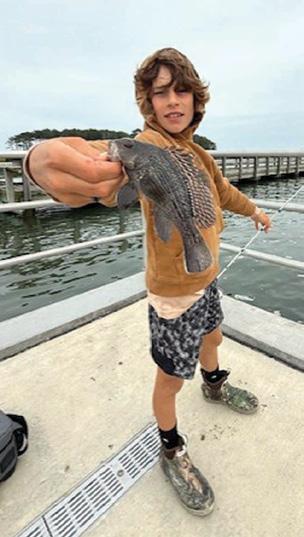
# Webb had some fun pier fishing,
pulled in a black sea bass.
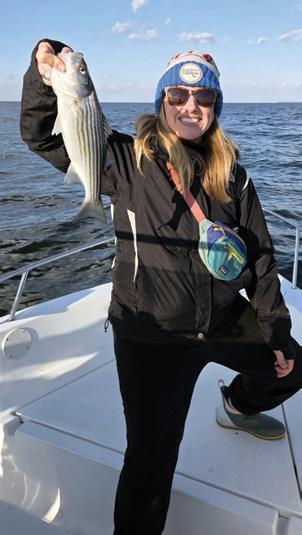
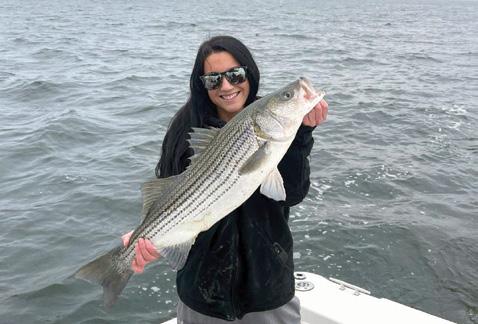
# Michelle caught her first rockfish out near Love Point.
# Brandon scored trolling Capt. John’s Spoonbrellas out by the ships off the Severn.
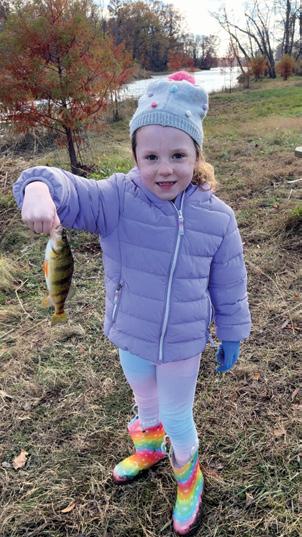
# Callie caught her first yellow perch on the Bush River. WTG, Callie! (PS – we love your boots!!)
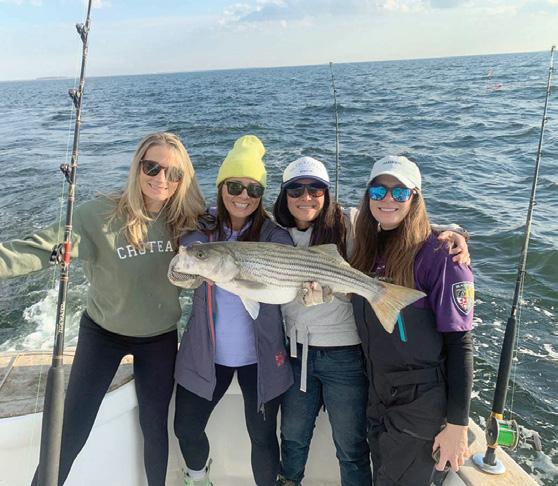
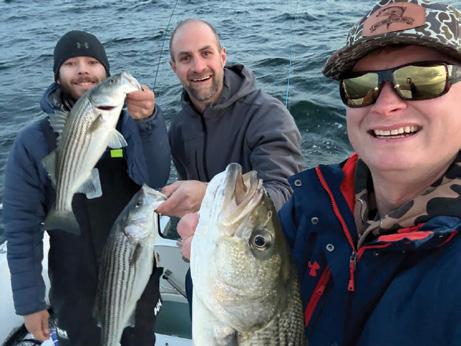
# Tracy, Emily, Nina, and Kristine caught ‘em up fishing on the Heatwave
# Gunther with his first rockfish – WTG, Gunther!
# Teddy got his first catfish! Teddy got his first catfish!
# Waylon tried night fishing in the Back River and did some dancing in the dark!
# Herb hit the Eastern Shore millponds and found the pickerel responsive.
# Andy tied into ‘em in the Middle Bay.
# Mike enjoyed some excellent action in Tuckahoe Creek.
OF THE MONTH
# Guy travelled to Oswego, NY, and caught king salmon on a Mepps. S-W-E-E-T!
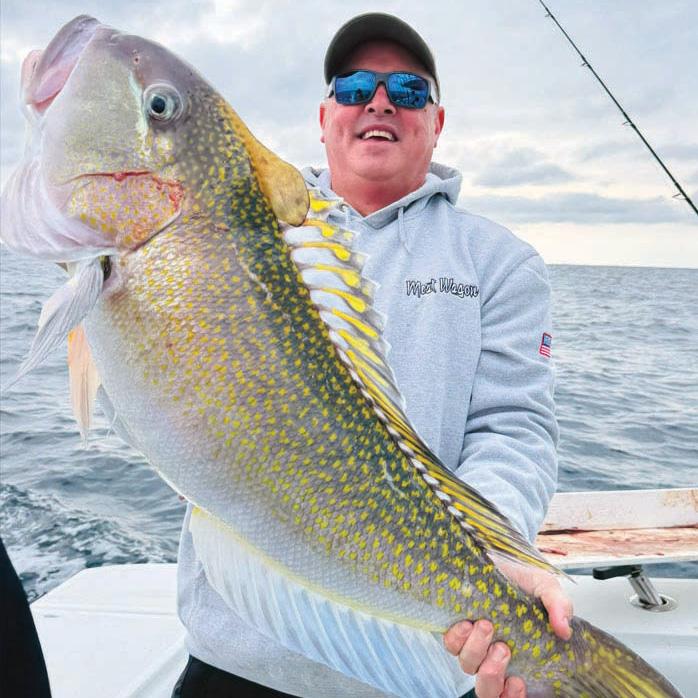
# Boomer hooked into a stud of a golden tilefish while dropping deep in the Washington.
# Jenna tied into a nice one this fall while fishing off Chesapeake Beach.
# John caught his first pickerel on the fly. Congrats, John.
# Megan enjoyed the month of Rocktober on the Upper Bay.
# John got into ‘em thick off the radar towers this fall.
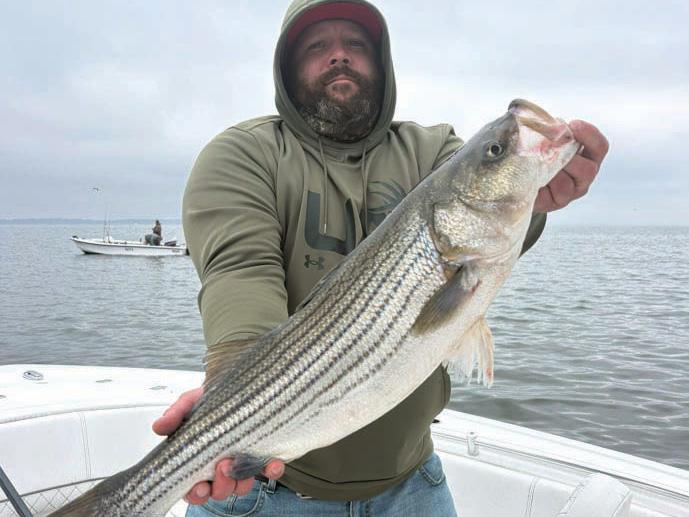
# Craig, Vince, Jason, and Sean mashed ‘em up at the Bay Bridge last fall.
# Carmen got in on a hot pickerel bite in the Magothy this fall.
# Robert pounded on pickerel in the Patapsco.
# Simon is the man!
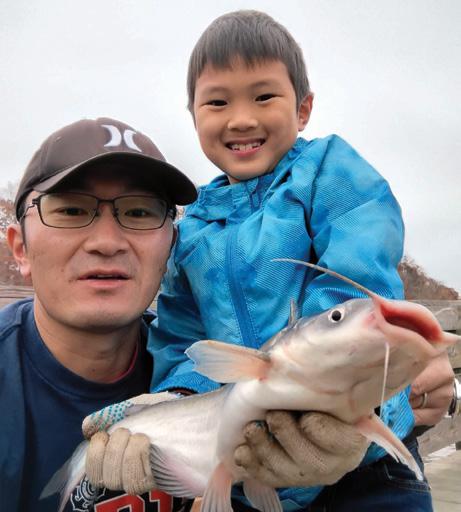
# Masataka and Soichiro pulled up this 16.5” blue cat at Kings Landing. Awesome teamwork, fellas!!
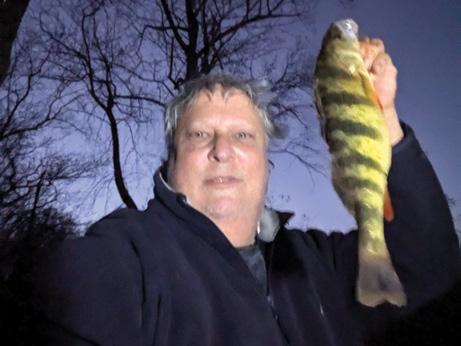
# Gary found a MONSTER perch in Loch Raven Reservoir.
# Kaitlin out-fished Kevin, handsdown. (Again. To no one’s surprise.)
# Michael, David, and Kevin found ‘em chewing this fall.
Hot New Fishboats
By Lenny Rudow
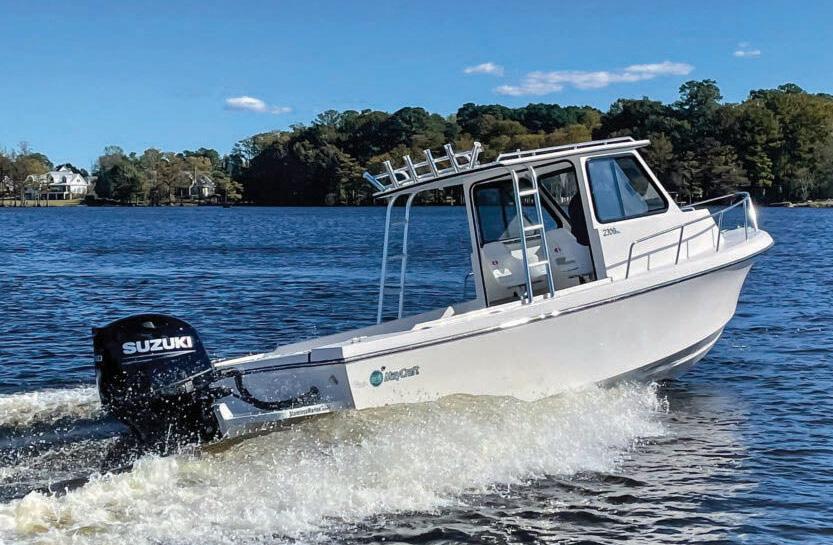
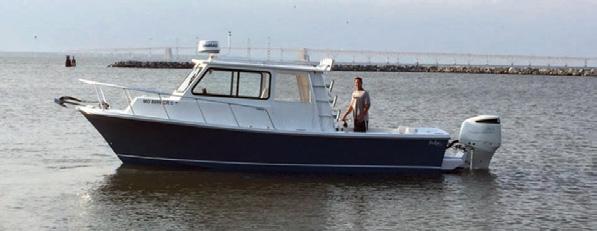
MayCraft 2300 Pilothouse: Warm and Toasty
Coming off of late fall and early winter striper fishing, many Chesapeake Bay anglers are having the same thought:
GEEZE it was cold out there! Racing around looking for bird shows here, there, and everywhere in an open, unprotected boat gets very chilly, very quickly. Add in some spray, and you’re paying a hefty price to be out there looking for the fish. The answer to your comfort woes is obvious—all you need is a pilothouse boat. That answer, however, is an extremely costly one. Relatively affordable, small, trailerable pilothouse boats are few and far between. That’s why the MayCraft 2300 is a stand-out offering.
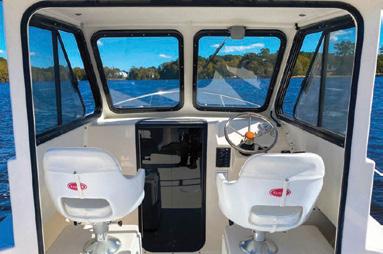
The 2300 Pilothouse is an allcomposite boat, which can be had with a full bulkhead aft or side and aft curtains. It’s also a relatively simple boat, built to go fishing rather than being jam-packed with a bunch of frou-frou stuff that drives up cost. The lower cabin has just a berth with stowage compartments underneath
Quick Facts
LOA: 22’6”
Beam: 8’0”
Displacement: 2800 lbs.
Fuel Capacity: 81 gal.
Max. Power: 225 hp
and a spot for a portable MSD. The pilothouse has seats with stowage in the bases, and a helm station. And the cockpit is just as straightforward with open acres of angling territory and little else.
That simplicity has an advantage beyond keeping the sticker price low, too. It also means that there’s very little to go wrong, and as a general rule, the more complex a boat is the more issues you’re likely to have with it. But don’t think that means the 2300 Pilothouse isn’t equipped with the items you really need, like flush gunwale rodholders, a windshield wiper at the helm, and a stainless-steel bowrail. Also note that the extended hard top comes stock, adding some shade to the cockpit for those angling adventures taking place when the temperatures are way up instead of way down. One option we’d definitely recommend getting is the rack of six rocket launchers for the back of that hard top—you can never have enough rod holders, and this will allow for setting out plenty of lines on planer boards. Some anglers will also want to add the bait
station, and a raw water washdown will certainly come in handy when the fishing gets epic.
One big downside to a lot of pilothouse boats is an inability to fish the shallows, but remember that the 2300 Pilothouse has a modified-V hull design and tips the scales at just 2800 pounds. This keeps draft quite svelte at 1’1” with the engine up, so it can creep into spots with even less depth than some center consoles can get to. The downside to any mod-V is that you won’t want to go blasting across rough seas at high speeds, but there’s an upside here, too, in that you can rig the boat with just 150 or 200 horses and enjoy incredible fuel economy. Or, slap on a max-power 225 and blaze across the Bay when conditions permit. Heck, if you keep the boat on a trailer and haul it from hotspot to hotspot you won’t be worrying about long cruises in the first place. If there’s a pilothouse boat better suited for this role we sure can’t think of it, because combining that relatively light weight with the eight-foot beam you’ll find it among the easiest pilothouse boats to tow, period, whether you’re crossing the Bay Bridge or navigating the beltway.
Did you find yourself pining for protection from the cold, wind, and spray when you were fishing this winter? Did you gaze upon the pilothouse boats and wish you’d opted for a cabin? If so, you might want to consider checking out a MayCraft 2300 Pilot. Remember, the warmth that’s heading our way soon will only last for so long.
Five Custom Picks
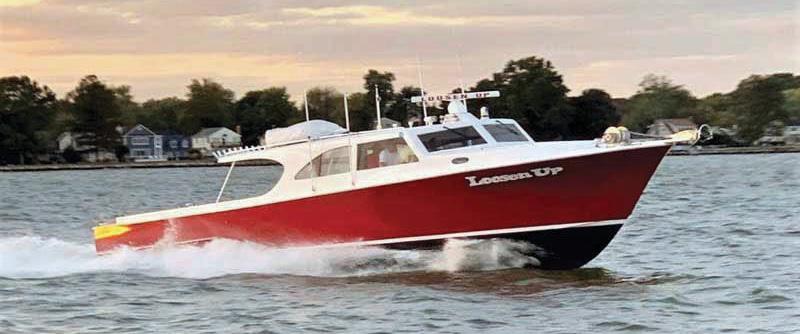
You say you want a fishing boat that’s anything but average? A real head-turner that can handle the Bay on its worst days, fish with the best of ‘em, and is built to your own personal specifications? Sounds like it might be time for a custom boat built right here in Chesapeake country. Here are five (wildly different) top picks.
Available as either a singlescrew inboard or with a single or twin outboards, the CY 26 will make a classic boat lover’s mouth water—but delivers the latest and greatest construction and performance. Drop 500 horses on the bracket and you’re looking at a 60-mph boat, which
Quick Facts
LOA: 26’5”
Beam: 9’6”
Draft: 1’6”/2’0” (outboard/inboard)
Displacement: 5500 lbs. (approx.)
can be configured to fish however you’d like. Composite has in-house design capabilities and the ability to laminate just about anything you’d want, so keep the bow open, put seats up front, or incorporate a casting deck as you please. Offshore anglers can add in a rigging station, family anglers can get a head in the console, and trollers can get rodholders lining the gunwales and rocket launchers lining the hard top. It’s all your call.
Quick Facts
LOA: 40’0”
Beam: 13’4”
Draft: 2’10”
Displacement: 15,000 lbs.
Mathews Brothers 40
If classic Chesapeake Bay deadrise lines get you excited, a Mathews Brothers 40 should grab your attention. The interior can range from workboat to yacht-level, laid out
We know you’ve already seen this model fishing on the Bay, because there are a bunch of ‘em out there
with the helm/galley/seating to your own personal tastes. Down below choose between a centerline berth or V-berth, and a head with or without a separate stall shower. Cherry trim below and
Judge Chesapeake 27
including a number of light tackle guide boats. True, the Judge 27 isn’t as custom in nature as the other boats we’ve included here, but if you
Weaver 50 Bay Built
Eteak trim above are standard. Angling accouterments can include rocket launchers, an aft steering station, or even a flybridge, and power comes via a single or twin diesel inboards.
bug Bill Judge long enough, he’ll build your boat more or less just how you like it. (Sorry, Bill). And these are proven fishing machines, for a wide range of styles from light tackle casting to open water jigging to trolling. Don’t take our word for it, just look around out there.
Quick Facts
LOA: 26’4”
Beam: 8’10”
Draft: 1’0”
Displacement: 5700 lbs.
ach and every custom cold-molded boat is unique, and they also have a unique feel on the water—often out-shining their fiberglass brethren when it comes to taking on angry seas. Weaver builds the 50 with encapsulated Douglass Fir stringers, layered Okoume ply, and a layer of Kevlar under a layer of E-glass. Inside, the boat can be personalized as you like. Yet the lines of the 50 Bay Built aren’t an unfamiliar sight to Chesapeake anglers, as there’s one in service as a charter on the Middle Bay. If there’s a prettier charter boat out there, we haven’t seen it.
Quick Facts
LOA: 51’7”
Beam: 15’0”
Draft: 4’2”
Displacement: 32,300 lbs.
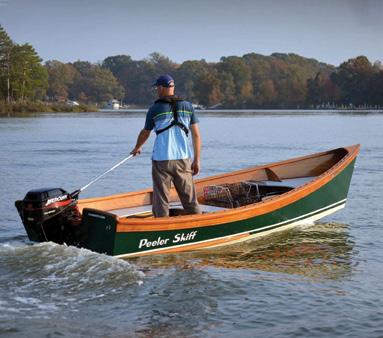
Chesapeake Light Craft Peeler Skiff
Wait a sec, why have someone else build you a custom boat when you could build one yourself? That’s the idea behind the Chesapeake Light Craft Peeler Skiff, a fishing and crabbing machine that you can buy in plansonly form or as a pre-cut kit. Wood parts are CNC-cut with predrilled holes for stitch-and-glue construction, and you can also order optional parts like a console, nonskid decking, and more.
Quick Facts
LOA: 15’2”
Beam: 6’0”
Draft: 6” (hull only)
Displacement: 313 lbs. (hull only)
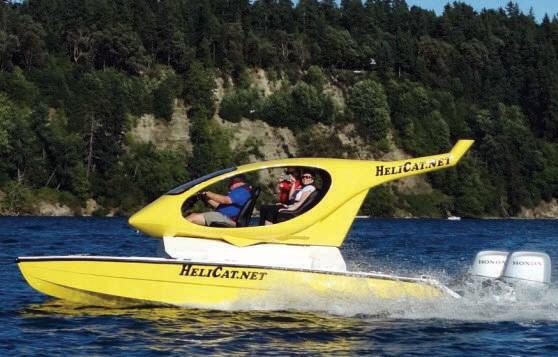
Helicat: Just for the Heck of it
Wouldn’t it be great if you could walk out the back door, step into your fishing machine, fly it directly to the hotspot, then fly your fresh fish right back home? If that idea appeals to you the Helicat will be of interest. This half helicopter, half catamaran… hey, wait a sec—there are outboards on that thing! And, where are the rotors? Turns out the Helicat can’t actually fly, it’s just a boat that (for some reason we can’t fathom) is designed to look like a helicopter. Bummer.
r u D ow’s e - g ui D es
The Artful Angler
Part III: Devil’s in the Details
By Eric Packard
Let’s wrap up our rod-building experience with some beautiful custom touches. Decals, Throop tigers, and dragon scales—oh my!
Building a custom fishing rod is satisfying and something to take pride in, and I’m loving my custom piece of fish-catching art. I was a little nervous that the guides would come loose or the handle would twist, but none of that happened. What did happen? My work held up great, I found the rod ideal for the type of fishing I had intended, and I caught fish! I even added a few small details that I’m
proud of, and that got me wishing that I had taken the time to do a bit more customizing. So, after besting a few striped bass I started thinking about what I could do to make the rod even better.
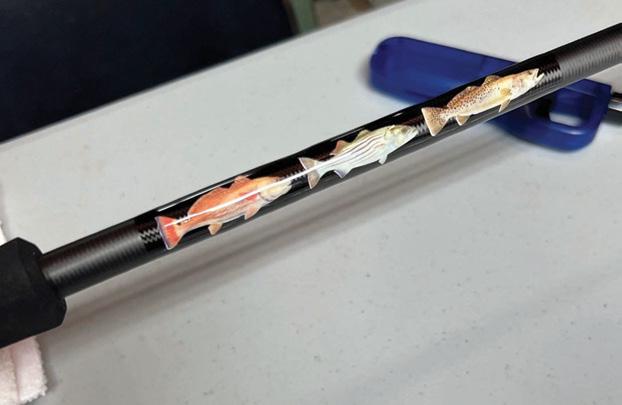
Adding decals and/or custom wraps are two options. I bought three fish decals to consider: a redfish, a striper, and a speckled trout. Once I received them in the mail, I thought, what the heck I’ll install all three.
Decorative Decals
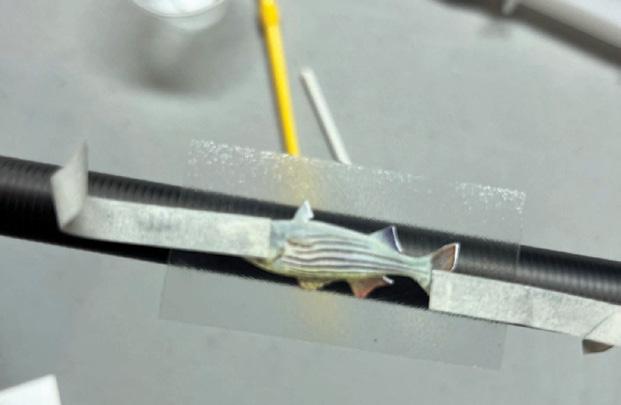
To start the installation you need to lay down the decals on the rod blank. In addition to the decal, you’ll need scotch tape or masking tape, your burnishing tool, and a sharp pair of scissors. You may or may not have to trim the decal. If you do need to trim it care should be taken to not touch the image or words on the decal. You don’t want to touch the decal with your hands because oils from your
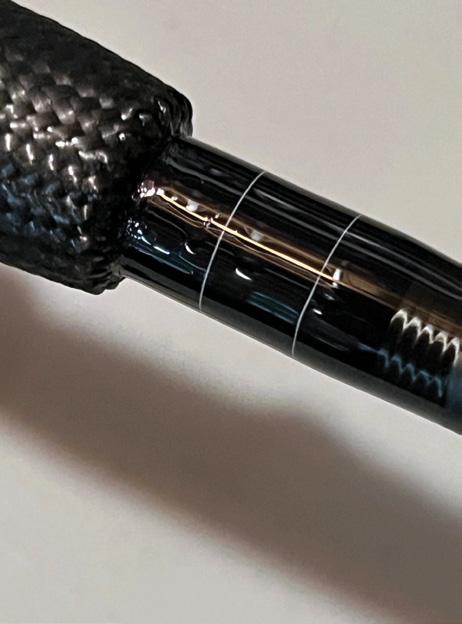
# Adding single inlay bands at the base of the rod or in the guide wraps give a subtle custom touch to the rod’s appearance.
hands can interfere with it adhering properly, and if a fingerprint gets on the face of the decal it will show through the finish once applied. We don’t want that.
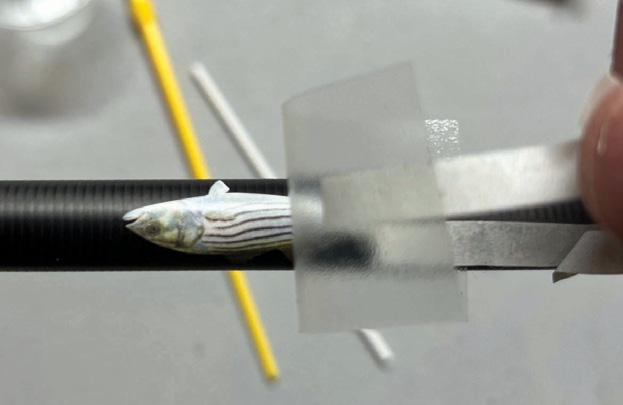
Once you’ve trimmed the decal take a piece of tape that is longer than the decal and touch it to your shirt, arm, or other surface, making it less sticky. You can do this once or twice. Then take the piece of tape and put it over the decal’s clear protective overlay, lightly pushing down to have the viewing side of decal show through. Take a shorter piece of tape and apply it to the backing, then peel it back to remove the backing and expose the sticky side of the decal. You will now have the decal ready to be placed on your rod blank. Before you do so, be sure you have the rod and decal situated exactly as you want. Place the decal in the wrong location or install it crooked, and you won’t be able to peel it back off the rod—you’ll have to start all over again with a new decal.
Once it’s in place use your burnishing tool, and starting in the center of the decal, apply pressure and work your way out. Be sure to remove any air bubbles that may be under the decal and take care to prevent wrinkles forming in the decal as well. Once it’s fully pressed onto the rod, grab one end of the scotch tape, and pull at a sharp angle slowly to remove the clear overlay. If you pull the tape straight up it may lift the decal off the rod and we don’t want that. Now the decal is affixed and ready for finish. (See last month’s article “The Artful Angler Part II: Building the Dream” now at FishTalkMag.com, for how to apply a finish to a rod build.)
Rapping on Wraps
Next I decided to install single inlay bands in a wrapping. There are a number of ways this can be done, and you can also do this in the original guide wraps to give them a unique look. You can find “how to” tutorials on these and other types of decorative wraps on the Anglers Resource website, anglersresource.net, by clicking on the “Learn” tab.
Start by cutting a short piece of thread to use as the inlay,
# Use the tape to peel off the overlay.
# Be careful to place the decal exactly where you want it before taping it down.
# Once the decals are in place clear-coat over them with rod finish.
The Artful Angler
about six inches long. I used white thread for my inlay. Take wraps to make it as large as you want then lay the end of the thread on the rod blank, and spin the rod about five turns over the inlay tread. This will lock it down where you want the white thread to be. You can do a single inlay at the start of any wrap, in the middle, or at the end. This is totally your call. After the five wraps over the white thread with the second color, you now want to take white thread and do a single wrap around the rod. Start by going under the second thread (black in my case) and make the wrap, coming back to where it meets itself then back under the black thread while holding it under tension. Then cut off the tag end and continue the wrap to its completion.
So, I assume you are totally confused at the moment—this is a tough process to describe and you really need to see it. But wait, go to the Learn tab on the Angler’s Resource website and scroll down until you see the “Single Turn Inlays and Trim Bands” video. Once you see it dem-
onstrated you’ll know exactly how the process works.
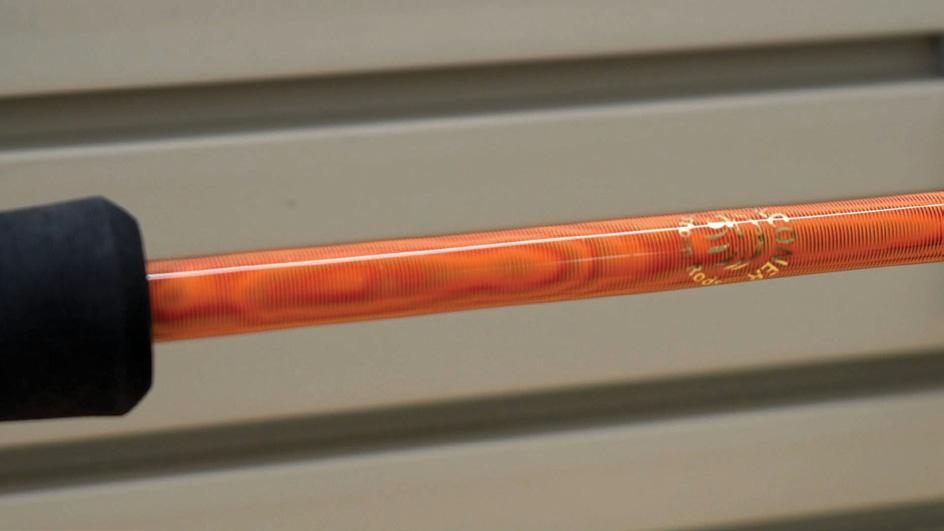
If you are up for it, you can customize your rod further with some wraps including intricate patterns, colors, and designs. Tiger wraps are an interesting thread layering technique which creates an optical illusion of motion by using multiple color threads in close parallel lines. There are under wraps and over wraps with finishes applied partway through the completed wrap. The important thing to remember is
that you want to use colors that contrast one another, usually a lighter thread and a darker thread with a metallic or some other prominent colored thread in between.
You’ll start the wrap with all three threads (of the same size) under the same tension or you can start with a “base” wrap of just one color, but that should be the thread that you will use as the final wrap on the overlay of the under wrap. Go slow and be sure that you don’t have any overwraps or gaps during
# Tiger wraps can give a very unique look to a custom rod. Photo courtesy of Angler’s Resource
# Dragon scales add another cool look. Photo courtesy of Angler’s Resource
the laydown of the under wrap. Once the under wrap is complete you will then need to apply finish over it. You should put no less than four coats of finish over the wrap. You will need to wait four to six hours between applications or the manufacturer’s requirement. Yes, this project takes time, but it will give depth to your wrap.
Once you have waited the required time after each application of finish and it is completely dry, you can start the next process. It’s time to do the over wrap. You will need to start the wrap in the opposite direction, that is, if the under wrap went from left to right the over wrap will need to go from right to left. You’ll need to start with your base thread, the thread that is to remain. Once you have the base line in place you will cut in the other two sacrificial threads (these will be removed once the wrap is complete) in the same order that you had on your underlay. Make a few simple wraps and tape the loose ends to the blank, then start the wrap with all
three threads. Your tension on the threads must be light. They cannot cross each other and need to stay even as you make the wrap.
At the end of the over wrap you will cut loose the two sacrificial threads and make two wraps to hold them in place, then pull them to the side. Continue to wrap the thread that remains and make the tie-off wrap.
Now it’s time to take your burnishing tool and run it across the threads, disrupting the even pattern, which will make “S” curves and wavy movement or rather irregular patterns. You want to do this with as little pressure being applied as possible. Now let it all sit for two or more hours. At the end where you taped the two sacrificial threads take them and start to unwind them, but not by pulling the threads, but rather unwinding them by turning the blank with your other hand. You do not want to move the remaining thread or it will mess up the illusion that you want when the wrap is complete. Once the two sacrificial threads are removed you will apply the
finish. Do not apply too much pressure and take care to not get bubbles mixed in. You can also do two-thread Tiger wraps, which have a similar visual effect.
Again, it’s best to lay eyes on this process before trying it. You can find tutorials for how to do this wrap at Anglers Resource, too.
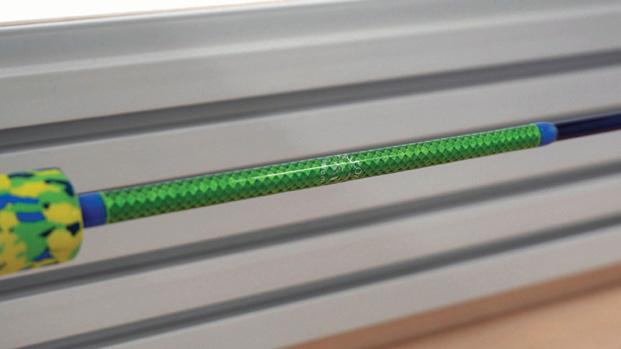
There are diamond and chevron wraps, and dragon scale wraps as well. Dragon scale wraps are a bit more time consuming but have great visual appeal. You can achieve the effect by applying fiberglass mesh tape and then wrapping it with a metallic thread. You can also do a thread base wrap in a diamond pattern then wrap it with a metallic thread. There are more complicated dragon wraps that have intricate under wraps and are covered by gold leaf.
Do a little research before you get started, and check out the visual effect each of these different wraps can have. Get creative—it’s up to you to decide what type of look you want to achieve, and then make it come to life in that new custom rod.
JIGGING SPOONS
for Beginners
Jigging spoons are a must-have for all sorts of anglers.
By Lenny Rudow
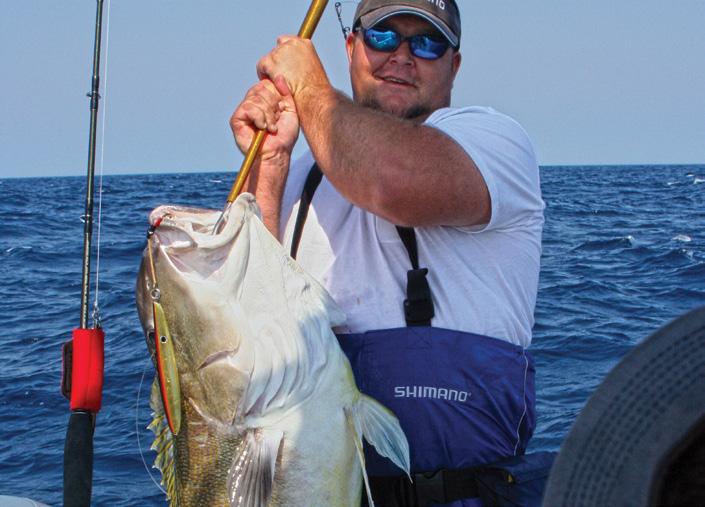
When the fish go deep getting a lure down to ‘em can become challenging—and jigging spoons can save the day. With a super-fast sink and fish-attracting flash they’re ready-made to jiggle and dart 20’, 30’, or even deeper down below.
What Are Jigging Spoons?
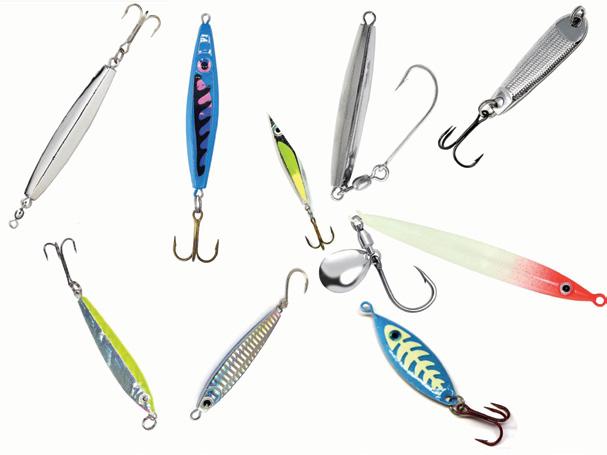
For a beginner this is perhaps the most important question to ask, because there are a number of different types of spoons and if you try jigging deep with a wobbling spoon designed for trolling or retrieving in shallow water, you’ll wonder why you can never reach bottom.
Jigging spoons are dense and thick, maximizing weight. They also tend to be more bullet-shaped than most other types of spoons so they sink as fast as possible. Wobblers, on the other hand, are usually thin and some are almost shell-like in nature. They also usually
have a broader profile and/or more of an oval shape.
You’ll see jigging spoons in every imaginable size, color, and finish. Some have a hook dressed with a feather and others have plain hooks. And you’ll also see a mix of single hooks and treble hooks. Remember that you won’t miss many more fish by using a single hook, and especially in catch-and-release fisheries, using trebles will harm a lot of fish. They’ll harm you, too, if you get one of those trebles in your hand. So as a general rule of thumb it’s best to stick with singles and/or swap out trebles for single hooks.
When To Fish Jigging Spoons
Unlike most aspects of fishing, there’s actually a simple and straightforward answer to this question: when the fish go deep. With a one-ounce jigging spoon you can jig clear down to 100’ if the wind and current are cooperative, and down to 30’ or so in most conditions. With a two-ounce jigging spoon you can hold bottom in 50’ even on a breezy day and when it’s calm out you can drop it down just as far as your line capacity allows.
To use an example that just about everyone within FishTalk’s area of coverage can relate to, that makes jigging
# Jigging spoons (left) are usually more bullet-shaped, while wobbling spoons are thin and light (right).
spoons ideal for catching striped bass in the colder months of the year when they often prowl along bottom in depths of 40’ or 45’. These fish might chase bait to the surface during brief bursts of action, but often spend the bulk of the day hunkered down near bottom. Getting an offering down to them and keeping it down there can be tough, but jigging spoons will do the trick.
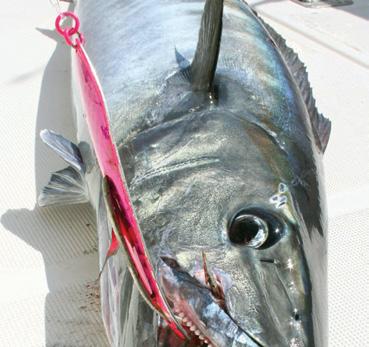
But don’t think that this is the only type of time or place they come into play. When largemouth bass go deep in reservoirs during the heat of summer jigging spoons can reach them and trigger attacks, and small jigging spoons are deadly on white perch when they school up in deep water. There’s also one very different scenario where jigging spoons become an asset: when toothy critters like bluefish or Spanish mackerel are breaking water, jigging spoons can be a good choice because they’re bite-proof and can be cast a country mile. In this case, however, rather than jig them deep the move is to cast them out and rip them back at high speeds before they have a chance to sink.
How To Fish Jigging Spoons
That one exception noted, most of the time you’ll want to fish a jigging spoon vertically. Drop it to the depth of the
fish or to bottom, then sweep your tip up and immediately drop it back down. Match the speed you drop the rod tip with the speed the jig sinks, so you allow the spoon to fall as naturally as possible while maintaining minimal tension so you can feel the bites.
# Jigging spoons come in a million different colors and sizes, but most have the same basic shape.
Often you’ll feel the fish smack the lure, but sometimes you won’t. A clue to watch for is when you’re bouncing the spoon on bottom, and it seems to hit bottom earlier than it should. Let’s say you’re sweeping the tip up to one o’clock and the jigging spoon is hitting bottom when your rod tip drops back down to five o’clock. But this particular time it hits bottom when your rod tip is at three o’clock—set the hook ASAP, that means a fish has grabbed the lure.
Sometimes sweeping the rod slower will help, and other times using a rather fast and aggressive motion does the trick. If the fish are hugging bottom it might be best to keep the sweeps short, but if they’re at middepth it can help to sweep that rod as high as possible and let the tip fall until it touches the water, so you cover the widest depth range possible. As is always the case when fishing, try doing it differently until you figure out what will work on any given day. But whatever the day of fishing may bring, make sure you have some jigging spoons in that tacklebox before heading out for the hotspot.
# All sorts of fish will hit jigging spoons—and jigging spoons can get very deep, very quickly.
Snow Daze
DO THESE 10 THINGS AND YOU’LL CATCH MORE FISH COME SPRING.
By Staff
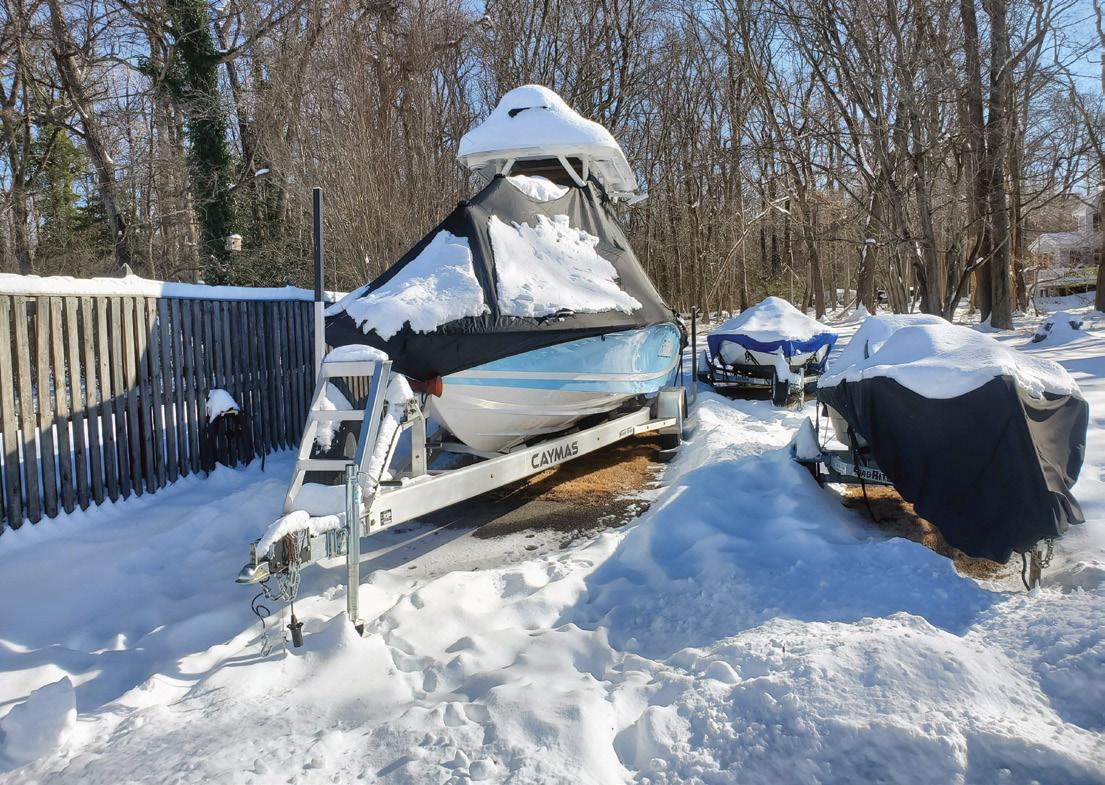
Maybe you get out regularly during February, maybe it only happens a time or two, or maybe you hang up your rods and reels until the trees start budding. But even the heartiest of the diehard anglers among us must, every once in a while during the middle of the winter, cancel his or her fishing plans due to the weather. Whatever your attitude might be towards winter fishing, it’s a sure bet that at some time this month you’ll be sitting at home staring out the window as the wind gusts and the snow blows, pining for spring. And when that time arrives, there’s only
# Hum. Maybe we won’t go fishing today…
one cure for your ills: fiddling around with fishing tackle.
The unfortunate outdoor environment may be a hindrance at the moment, but it’s also an opportunity because that fishing tackle would surely benefit from a midwinter tune-up. Ready to start fiddling with a purpose? These 10 tasks will not only keep you busy, they’ll also help you catch more fish come spring.
Strip down any reel spooled with monofilament three or more seasons old, and put on new line. Regardless of how much use it may have had,
monofilament loses strength over time due to UV deterioration. It also grows more brittle, and becomes springy with “memory,” which causes more tangles. Three years is the most you can get out of a spool of line before it either starts snapping prematurely and/or becomes difficult to use.
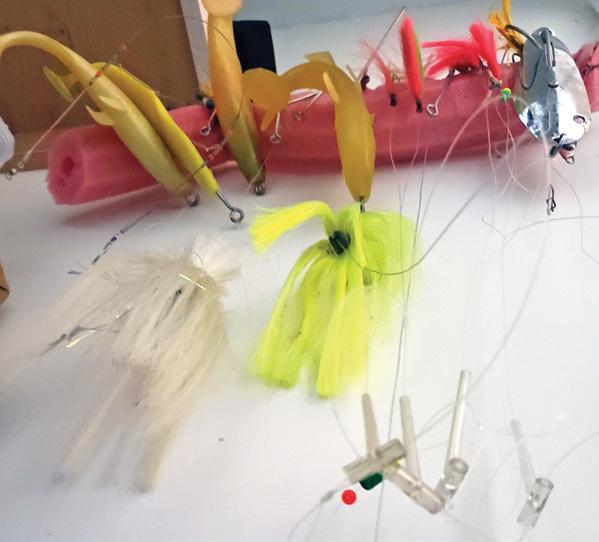
Un-coil pre-tied leaders and hang them in a dark, UV-free environment. This is to avoid the same problems with your leaders; leave them coiled tightly in a pouch or binder and they’ll be wound up as
tight as a Slinky come spring. A great way to prevent this is to mount a pool noodle as high as possible in a closet, plant the rig’s hook(s) in it, and let the leader hang loosely. Next spring you can repackage it and it’ll have far less memory when you break that leader back out.
Cut the first 10’ of line off every rod and reel, regardless of line type. This is the section of line that gets the most wear and tear, from rubbing up against structure, boat hullsides, tree branches, and more. On top of that, knots weaken over time and depending on a knot tied months ago is a surefire way to break off come spring. Chop away the first 10’ of line and you eliminate both problems at once.
Loosen the drags on all your reels. Ideally you’ll do this anytime a reel will sit for more than a month or so, but if you didn’t loosen those drags months ago now’s the time. Leave them fully tightened and the drag washers can deform, which will make them jerky and uneven when a fish pulls out line.
Cut a rubber band in half and saw it back and forth across the bail rollers on all your reels to test how smooth and silky they are—or are not. When you find a sticky one, lube and/or replace the roller bearing. The same trick works well for offshore rods with roller guides.
Get some metal polish and shine up your spoons. Chances are they’ve grown pretty dingy over time, and if you want that flash to call in fish from afar you’ll want to purge the patina. Luckily, a few minutes with a rag and some polish is usually enough to make a spoon look like new.
Isolate powder-coated jigheads that have chipped, and seal them in a small zipper-lock baggie before putting them back in your tacklebox. They still work just fine, but once the paint on a lead jighead chips it will get paint flakes and lead dust all over the place. Leave it loose in the tacklebox and as it sluffs off this stuff will migrate through all the different compartments, contaminating everything from soft plastics to bucktails.
BONUS TIP for fly anglers: Strip the line off your fly reels and into a bucket of warm, soapy water. Then clean it by pinching the line with a rag and pulling it through. That will get rid of grime and mineral build-up on the line’s porous surface, which can reduce casting distance and increase weight.
Get some cotton balls or pantyhose and pull them through the guides on all your fishing rods. If any catches, you’ll have ID’d a burr or chip in a guide’s liner. This will lead to serious line wear and premature break-offs down the line. Either have the guide replaced, or (painful though it may be) retire the rod.
Go through your tacklebox and pull out any hooks or lures with hooks that have become rusty. Throw away and replace the bad ones or at least sharpen them. But remember, thanks to the laser- and chemically-honed points on the market today you’ll never be able to make them as sharp as they were when you ripped open the package.
Go through your tacklebox and remove every treble hook you find. You already know you should have swapped those things out for single hooks, so you do less damage to released fish—and to yourself, if you get a hook in the hand! Now that you’re sitting around inside and unable to fish, it’s the perfect time to do the deed.
Yes, we’re just as bummed out as you are by our temporary inability to fish. No, we can’t wait for spring, either. But let’s put the postponement of our piscatorial pursuits to good use by fiddling with our tackle—and soon we’ll be catching more, bigger fish than ever before. (We hope!)
# Mount a foam pool noodle way up high in a closet and let those rigs relax.
A near-reef experience. Po toma c C r o s s i ng Po toma c C r o s i ng
By Wayne Young
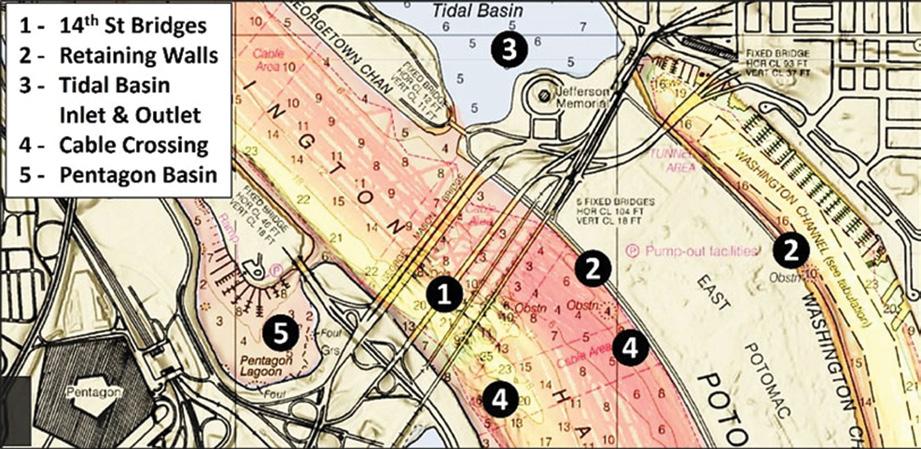
John Duffy, the late great mandolin player with Washington’s bluegrass group Seldom Scene, once famously said he thought “Roe versus Wade” were alternate ways to cross the Potomac. The primary way to make a Potomac crossing is, of course, by one of the many bridges going over it. Among them is the 14th Street Bridge complex consisting of three highway bridges (Chart 1). Immediately downstream are a railroad bridge and a Metrorail bridge. The railroad bridge is slated for replacement. Within the complex are many bridge piers to target as fishing structure, especially the stone railroad bridge piers with wooden cribbing. Current roars through the openings on the ebb tide. As a former three-time commuter
to Coast Guard Headquarters when it was located at Buzzards Point in southwest DC, the highway bridge holds many memories for me—and of course I used to think about fishing those piers while creeping over the bridge during traffic jams.
Structure at 14th Street Bridge Complex
Chart 1 shows the general location of primary features on both sides of East Potomac Park, which separates the river from Washington Channel. The park is reclaimed land constructed using dredged material from river clearing and deepening projects. There are a lot of structural fishing options around the 14th Street Bridge Complex (Site 1). The stone retaining walls
marked in general as Site 2 provide fishing opportunities for catfish, bass, and stripers along their length. Site 3 is the tidal basin, which holds a lot of fish, some quite large, providing shore fishing opportunities. (See “Delighted in DC” at FishTalkMag.com for some details on fishing here.)
What we see around bridge piers are extensive scours trailing off downriver. With a large inflow of freshwater into the upper tidal Potomac, strong ebbs are produced during falling tidal action. The net discharge under the bridge is downstream. The denser saltwater wedge that works its way up from the Chesapeake Bay entrance is way downstream, so strong counterflows upstream along the bottom aren’t present here as they are in the lower Potomac.
Current carries baitfish to the piers; check the leading edges and the sides. If they’re not producing, check the down-current ends.
Site 4 is a cable crossing, which creates structure but is a do-not-anchor zone. Site 5 is the Pentagon Lagoon, a well-known bass fishing hotspot. This sheltered lagoon provides a destination when conditions on the main river are unfavorable. The Boundary Channel immediately north of the last dock in the Columbia Island Marina, a National Park Service facility, is very shallow and falls bare during blowout conditions. This is kayak water at best when water levels are up.
Memorial Bridge Structure
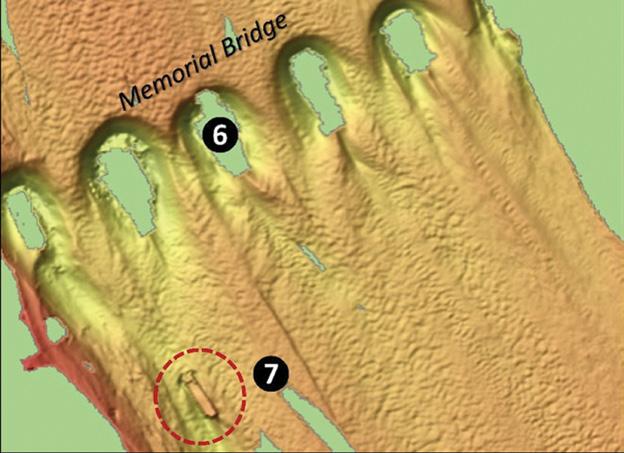
Arlington Memorial Bridge (Site 6), the next bridge to the north, is covered by the “BAG” Color Shaded Relief data layer. Huge scour holes are evident around the pier bases. Scour would be expected around the base of the piers on the western side of the bridge as well. The east side pier appears to border sediment rather than a hard bottom, although the image is inconclusive. Try dropping bait into the drop-off at the upriver end of the bridge piers as well as down along the sides.
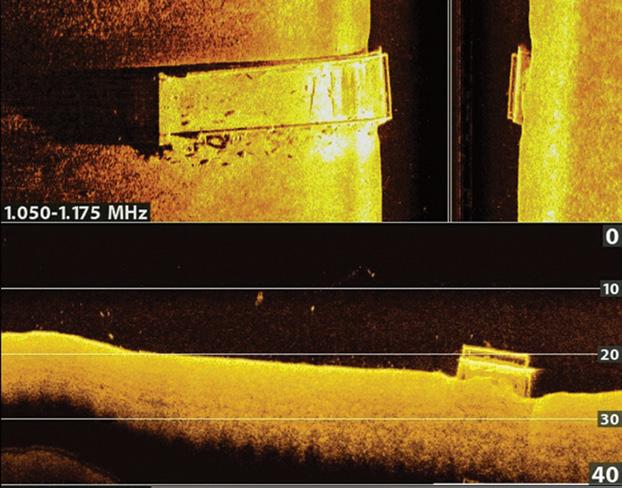
Inside the dashed-line oval (Site 7) was recorded as a “new wreck” during a 2012 hydrographic survey at coordinates 38°53.1516 x 77°03.3133. Imagery shows a rectangular shape that presents as a barge or perhaps a canal boat in a scour hole. The estimated dimensions using the embedded BDV distance scale are 100’ long and 15’ to 20’ wide, which suggests a canal boat. Although recorded as a “new” wreck, it’s anything but new, but how long it has been there is unknown. The wreck provided a good target for my Humminbird Helix 10” MEGA+ fishfinder while catfish fishing during August of 2023. The top screenshot is a side-scan sonar image and by appearance, the wreck is a flat-deck wooden vessel. It measures about 130’ long and 15’ to 20’ wide. There is a railing around the ends and sides as one of my catfish rigs will attest. The bottom screenshot is a downlooking scan which shows the wreck resting on a gradual slope. Dark shadows at one end, where there appears to be a hole in the hull, mark some catfish.
If hard structure isn’t producing, try drifting the channel edges or anchoring at
the up-current end of holes and dropping circle hooks on fishfinders tipped with your favorite catfish bait. The boat ramps available for this section of the river are the public ramp at Gravelly
Point and at Columbia Island Marina. A kayak can be launched at the parking lot for Roosevelt Island. Note that these are District of Columbia waters and a DC fishing license is required.
As well as being a regular contributor to FishTalk, Wayne Young is the author of multiple books detailing wrecks and fishing reefs in the Chesapeake Bay, Delaware Bay, and beyond. All are available at Amazon.com, and you can find his Facebook page at “Chesapeake Bay Fishing Reefs.”
# Sonar scans of wreck immediately south of Memorial Bridge on the west side of the channel. Sonar screenshots by author.
# Annotated “BAG” Color Shaded Relief data layer showing scours at Memorial Bridge and a canal boat or barge wreck. Screenshot from NOAA Bathymetric Data Viewer.
Tackle Organization Strategies
Tips for organizing your lures and terminal gear during the offseason to be better prepared before, during, and after your next fishing trip.
By Adam Greenberg
It’s the crack of dawn and the autumn sun is rising over Tilghman Island. Fishing was tough during the transition from summer to fall, but this late September morning, I’m hopeful. All the sudden a full-on bird show ensues right in front of the boat. Peanut bunker fly out of the water as I cast my paddletail into the foaming fury. My lure gets whacked, and a second later is gone forever. Aha! Bluefish. This is going to be fun. I scramble over to my tackle box and unlatch it, working frantically to untangle my mess of jigs, plugs, and metals. Finally, I manage to work free a Stingsilver and tie it on. But… the bird show is already over.
And that was all the action I saw that morning. I failed to capitalize on that school of bluefish, and it wasn’t a skill issue, a boat problem, or uncooperative fish. It was a lack of organization and preparedness that was my downfall this day.
Tackle organization is an often overlooked yet essential tool for maximizing efficiency and effectiveness while on the water. Those few minutes it took me to untangle my lures was the difference between bluefish in the cooler and a skunk. So, I now make it my mission every winter to completely and meticulously organize my tackle. There are a few methods that have worked well for me, and I’m happy to share them today for the sake of maximizing time spent with a lure in the water, saving hours of digging through boxes the night before a big trip, and knowing exactly what you’re tying on without a second thought.
Method #1:
Organizing by Species
My system consists of several tackle trays, Ziplock bags, and an old bookbag. The fishing industry pushes hundreds of different products relating to tackle storage and many of them are fantastic, however I find that my “budget” method works perfectly well and keeps me organized. Each trip, I bring a selection of tackle trays filled with assorted lures and zip lock bags filled with soft plastics, and I stuff them into my backpack along with other essential gear.
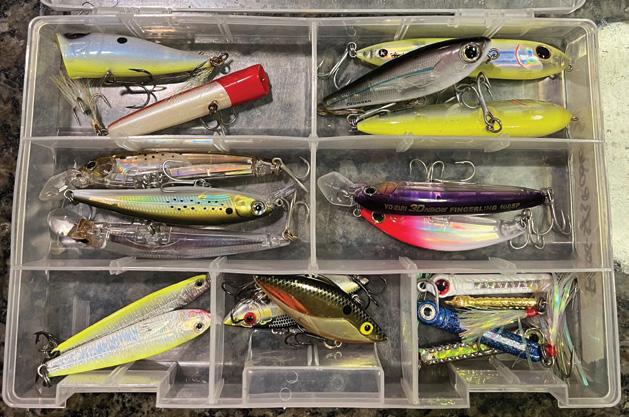
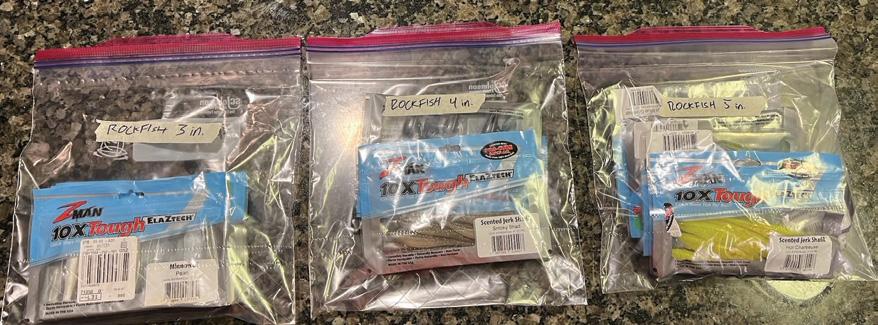
To discuss organizing by species, let’s use rockfish as an example. I have a tackle tray full of plugs and metal jigs, but it’s important to note that they are not just thrown in willy-nilly. Most tackle trays come with little plastic dividers. Use them. I’ll divide the box up into sections, and fill each section with no more than a few lures. This way, if hooks do get tangled, it’s easier to deal with just a couple lures as opposed to a ton. I usually slap a piece of masking tape on the box and write, “Rockfish Plugs.” A second tackle tray will contain soft plastic jigs, organized into sections by jig head weight, labeled “Rockfish Jigs.” Finally, I’ll fill three plastic bags with different sized soft baits. One is full of three-inch tails, another with four-inchers, and a third with five-inch baits. Obviously we upsize as the weather gets colder, but for the sake of this example we’ll leave it at that. Each bag gets a label: “Rockfish 3 Inch,” “Rockfish 4 Inch,” “Rockfish 5 inch.”
Now, on the eve of your striper outing, you can head to wherever you store your tackle and grab your rockfish gear without having to scramble and spend time putting a box together at the last minute. And when you’re on the water, you won’t have a tangled mess of hooks and you’ll know exactly what jig size you’re throwing at all times.
Method #2:
Organizing by Tackle Type
Not every piece of tackle can be sorted into a species-specific box, especially if you’re like me and have way more gear than you need. This is where organizing by tackle type can be extremely beneficial.
Let’s use terminal tackle for this example. I’ll typically have a box for all my hooks, with as many sections as I can possibly make using the dividers. Each hook is put into a section according to the type and size. So, I’ll have a row in my tackle tray of circle hooks arranged in sections from left to right, smallest to largest. In the next row I’ll have J hooks, and EWG hooks in the next. This way, I can use this box as general storage when building species specific boxes that may include hooks, or I can take this whole box with me on a bottom fishing outing. The same method of organization is applied to sinkers, with a row of pyramids arranged by weight, another row of egg sinkers arranged by weight, etc.
Organizing by tackle type can be very effective for anglers with excess gear in need of coordinated storage, and just as
much for bait fishermen who want easy access to the exact weight and hook they require for a specific application while on the water.
Method #3:
Organizing by Body of Water
If you’re a multispecies angler who doesn’t necessarily head out on the water with a target fish in mind, this system should speak to you. Say you’ve just gotten off work and have a brief window of daylight left, so you decide to head to your neighborhood lake or pond. Wouldn’t it be nice to skip the digging through your tackle for a random selection of lures, and instead have a box already nicely put together in your car?
The biggest thing to keep in mind when putting together a tackle tray that covers an entire body of water is to minimize tackle fatigue. What I mean by that is, only fill the box with what you know can catch fish—your confidence baits—and eliminate the excess time you spend thinking about what lure, in what color, and what size that you should tie on. No, you don’t need every color X-Rap in every size. Just pick one or two.
My ideal freshwater box is organized into divided sections with just a few different lure types and some terminal tackle to cover most conditions. I’ll fill compartments with one or two of each of the following lures: jerkbaits, squarebill crankbaits, lipless crankbaits, topwater frogs, and
inline spinners. Then, I’ll fill a section with some pre-rigged plastics like Senkos, Ned rigs, and paddletails. Finally, the rest of the sections get filled out with extra EWG hooks and jig heads. For my plastic bag of soft baits, I’ll throw in extra Senkos, creature baits, and paddletails. Of course, both the bag and the tackle tray get labeled, “Freshwater.”
This method can be applied to any body of water, whether it’s a pond or lake, the Bay or the surf. It’s a great way to condense your gear but remain organized and ready to tie on any lure for any condition in the place you may be fishing.
Marrying the Methods
Now, what if I want terminal tackle in my rockfish box for live-lining? And what about a largemouth tackle tray that doesn’t cover all freshwater species for my quick, after work outings? That’s where you and your creative mind come in. Every individual has a unique school of thought, a particular method to their own madness. These systems of organization are not meant to be a set of rules, but rather a foundation of inspiration for your own tackle management scheme. So, bite the bullet next time you have a free day and get your gear organized. You’ll look back and thank yourself for it during the upcoming season, I promise.
# This rockfish plugging box is ready to grab and go for your next striper outing.
# Soft plastics can be easily organized by simply utilizing Ziplock bags, masking tape, and a sharpie.
Shore Thing
By Staff
Walking the shorelines of reservoirs can make for winter magic.
Some of us spend enough time walking reservoir shorelines to get from here to Florida and back. Especially when the salty zones of Chesapeake country are quiet, hitting reservoir shorelines is an option that has constant appeal—and the potential for producing big fish.
The How
As with all types of fishing, there’s more than one way to skin a cat and you might find it effective to fish with Lure X or Method Y. Many will find, however, that it’s extremely tough to beat casting out a live shiner when reservoir fishing during winter. If you’re hoping to pick up crappie or white perch stick with smalls; yellow perch like mediums the most; and apex predators like bass, pike, and walleye generally like larges.
Rigging can be as simple as it gets. An eight- to 12-pound class spinning rod works well for this task and when using mono line you don’t even need a leader unless pike, pickerel, or walleye are the target, and can tie a hook directly onto the end of your line. If toothy fish are likely in the mix, a couple feet of 15- or 20-pound fluorocarbon will minimize the biteoffs (as will choosing a long-shank hook). About two feet up from the hook, add one to three large split-shot depending on how far you need to cast to reach the desired depth range. Half- or quarter-ounce rubber-cores work just fine, too, but remember that using minimal weight will provide the least resistance for a fish to feel when it snaps up the bait.
The way you fish these rigs is simple, too—just cast ‘em out, and let ‘em sit. Some slack drooping off the rod tip is a good thing, and if the wind and wave action allows for it, leave your bail open and simply watch the lines. If not, make sure there’s some extra slack and leave the rod sitting
with a loose drag. When a line starts going taut and begins moving away pick up the rod, point the tip towards the fish, reel tight, then set the hook. When you aren’t having much action check the baits every hour or
so to make sure the shiner hasn’t died or managed to wiggle off the hook. But try not to check too terribly often because an average shiner is only good for two or three casts before it dies.
# Last winter Miles caught a 26.5” pickerel—and won the Biggest Pickerel and Youth divisions in the CCA Winter Pickerel Championship—while fishing the shorelines of a reservoir. Photo courtesy of Gary Simpson
The Where
Any of the reservoirs in our area can be effectively fished from shore, from the Baltimore area lakes out to Deep Creek down to Kerr. The one potential showstopper for the northern and western lakes is, of course, ice. Even a skim is enough to shut you down, and an ice shelf five or six feet from the shoreline can be enough to prevent you from landing a fish even when you do hook one up. So at times, part of the “where” you’ll need to consider will be where there’s ice and where there isn’t.
That said, don’t let a little freezing weather stop you. These reservoirs wind and turn and some portions will get blasted by the wind while others may not, so quite often when half the lake is frozen, half of it isn’t. In some other cases areas around bridges can provide an opening—literally—thanks to the warming effect of the pilings plus salty runoff from the roadway.
Assuming your choices aren’t severely limited by ice cover, looking for areas with access to deep water within casting distance is often a key. That’s not to say that you’ll only catch fish down deep (though this often is the case during the colder months of the year) but during the chill of winter even when fish might move shallow to soak up the afternoon sun, they’ll do so where they can get back to the depths with a few pumps of the tail. What this often boils down to is fishing points.
Large points where you pick out a spot and set out a line in 10’ to 12’ of water, another in 20’ to 25’ of water, and a third in even deeper water, are ideal. Try fishing along one side of the point, and if it’s fruitless after an hour or so shift to the other side. If you’re still going biteless pull up stakes and head for a different point.
The Icing on the Cake
Fishing reservoir shorelines you have a good shot at success with a wide range of species. You can get in a nice hike going to and from the hotspot. And you don’t need to trailer a boat nor buy a bunch of fancy gear. It’s a form of simple winter fishing—and one that you can enjoy no matter where in FishTalk’s zone of coverage you might live.
# Look for points that allow you to hit multiple depth zones, including deep water, at the same time. Imagery via Humminbird Lakemaster charts.
Rockin’ it at Stone Rock
By Lenny Rudow
Year after year, decade after decade, anglers in the Middle Bay zone constantly hear about the Stone Rock. It’s one of those “old reliable” hotspots that produces fish on a regular basis throughout the ages. No, the Stone Rock doesn’t hold fish all the time. But looked at over the long haul it certainly ranks among the top few areas to look for those finned critters.
The Stone Rock is an area of bottom to the west of Sharps Island shoal, where the island’s underwater remnants drop off into the channel. There’s some debate about the origin of the rocks there, lore being that the palm-sized rounded stones lining the bottom here were ballast dropped overboard to lighten the load of sailing ships before they headed up the tributaries, where reduced draft became a factor. Many scientists, however, say they’re a naturally formed geological feature. Whatever the origin, fish here long enough and sooner or later you’ll snag an oyster shell or mussel attached to one of these rocks, and realize that they support a large area of live bottom. Add to that the fact that the currents flow strongly along some portions of the Stone Rock on both incoming and outgoing tides, often pushing bait up against the edge of the shoal, and it’s easy to understand why fish of all sorts are often found here.
Depending on who you talk to, the Stone Rock has different dimensions. Some people have a single spot in their GPS, and others would consider the
entire stretch from the red 80A nun buoy (north of the lighthouse) down to the red 80 channel marker (southwest of the lighthouse) to be part of this hotspot. There’s no rock-solid definition, but this entire zone often does hold fish. And since it’s such a large area, when it does attract fish it often attracts a fleet as well.
Depending on how deep an area you’re in, the bottom is likely covered by oysters, mussels, or both, from about 15’ down to 25’ or 30’. The most productive zone(s) on any given day can be anywhere in this
depth range, usually right along the craggy drop-off but also outside of it sometimes when bait gets swept along by the currents and concentrated somewhere near the edge—especially if bluefish and/or Spanish mackerel are in town.
Spring at the Stone Rock
Historically the Stone Rock enjoyed a reliable and often-epic spring black drum bite. From the second half of May through mid to late June massive beasts would form up in schools and patrol up and down the edges, and
The Stone Rock is a rather famous Middle Bay hotspot, and with good reason.
# The craggy drop-off all along the edge the Stone Rock is often hot. Far left imagery shows the general area, with progressive zooming in at about the middle of the Stone Rock zone. High-res bathymetric imagery courtesy of Humminbird Coastmaster charts.
catching multiple fish from 30- to 80-pounds in a day was common. That run was among the most reliable in the Middle Bay until 2010 or so, but after that slowly petered out to nothing and hasn’t made the headlines since.
During the same timeframe it wasn’t unusual to find flounder along this edge. They weren’t usually present in big numbers but they were big fish, sometimes stretching to 24plus inches. Rockfish did and still do sometimes school up along the edge during the spring months. And
although this is another bite that’s been less impressive in recent years, croaker sometimes move in along the shallower areas of the shoal edge and set up shop. The Stone Rock is a zone where an early push of bluefish often moves through, too. Many seasons, including just last year, it’s one of the first Middle Bay spots to find those early-bird blues. Like the flounder, their numbers usually aren’t great compared to later in the season but the quality of the fish is often better than expected.
Summer at the Stone Rock When the waters warm up all bets are off as to what species you might find here. July and later sometimes brings a long-term invasion of Spanish mackerel, bluefish, or a combination of these species chewing on glass minnow and/or bunker. The bite could last an afternoon, or it might provide steady action until the waters begin cooling off as fall hits.
Mid-summer this spot sometimes sees a run of the Middle-Bay’s heaviest-hitting fish, as well. Cobia and bull drum can show up here, usually in August though both July and September offer some possibilities. Again, the action might be short-lived, but it might also last for a few weeks. Bottom fishing is often productive at the Stone Rock during the summer months, too.
Fall at the Stone Rock Fall is when we look forward to those bird shows, and this is often a good place to find them. It’s also when black sea bass sometimes start popping up, and in some years that’s included a surprising number of keepers. Although some recent seasons have been a bit of a disappointment in that regard there’s no telling what we’ll see here next fall, and often when the sea bass do make a showing they’ll be biting well into December.
The Stone Rock by Species & Tactics
Though any form of fishing could prove productive at the Stone Rock, as the species and the seasons change the most effective way to fish here is constantly changing. Here are some top ways to target the different fish found prowling the area.
Black Drum – If this run sees a revival we can expect the traditional tactic—meander the edges until you find fish on your meter then drop half a soft crab on top of their heads—to work.
Bottom Fish, Flounder and Sea Bass – Drift fishing or anchoring/ Spot Locking over a specific spot and dropping bait is often the way to go. Note that when drift fishing here
# The Stone Rock was historically the epicenter of Middle Bay black drum fishing.
snags are very common, so many anglers choose to fish from a static position. Bloodworms are generally best for bottom fishing, live minnow or jigging plastics are good offerings for flounder, and sea bass often strike small but heavy jigging spoons tipped with a Fishbites (shrimp and crab flavors work great for this) or squid bits.
Blues and Spanish Mackerel – If the fish are up top and busting the surface, light-tackle casting with just about any tooth-proof offering can be awesome. When they remain hidden from view trolling is the go-to method. Stick with #1 planers unless you stay away from the shallower zones (even these will start banging bottom if you get shallower than 15’ or so) trailing small spoons in gold, silver, or matte (when it’s overcast or low light) finishes. Surgical hoses don’t usually draw strikes from mackerel but the blues love them and if any cobia are around they’ll smack them too, so at times these belong in the spread as well.
Cobia and Redfish – These fish are more often a surprise bonus than a target species here, picked up while trolling. However, if bait stacks up and toothy fish start smashing it when these species are in the area, jigging below the fray can result in epic hook-ups. Sometimes sharpies who anchor up right on top of a productive edge get them while dropping live spot or half a crab, too.
Rockfish – When rock school up here pretty much any of the above tactics can work. If the fish are concentrated in one area jigging is a good move, but when they’re scattered trolling is more effective. And if they’re up top, toss anything in the tacklebox and hold on tight.
Of course, plenty of other species will show up here. In the past couplefew years at different times there have been loads of lizard fish and reams of ribbonfish. Weakfish have been reeled to the boat, a kingfish or two has been caught, and we even had an (unconfirmed) report of a sheepshead showing up here. As is true of many Chesapeake Bay hotspots, you just never know what will appear at the Stone Rock. Unlike many other Chesapeake Bay hotspots, however, there’s something to catch here most of the season, one year after the next. #
# John caught this monster mack casting at the Stone Rock.
Trolling from a Paddle Kayak
By John Veil
When I owned pedal-drive kayaks I often trolled four lines at a time. The pedal drive kept my hands free and allowed me to keep moving forward while I was fighting a fish. I could continue to make forward headway, allowing the other lines to trail behind the kayak in a mostly parallel manner. In my paddle kayaks, however, I typically troll two or three lines at a time. When a fish hits I must set down the paddle, pick up the rod, and start winding in, and if I had been traveling against the wind or current, the kayak would soon begin turning and moving backwards. This is intimidating for beginners, but with some practice you can learn to deal with those conditions.
Setting up the kayak
I installed four rod holders on my kayaks, two in front of me and two more behind. They are all in positions where I can reach them easily to rotate them from traveling position to trolling position without straining or leaning out to the side. The two front ones are turned at a 45-degree angle toward the front of the boat and a rear one is turned at a 45-degree angle toward the rear.
The other rear rod holder is not pivoted out—it remains in line with the hull and is used to store an extra rod.
Putting out the lines
Paddle to get up to speed, then cast one line out. By the time the lure hits the water place the rod in its holder and paddle a few more strokes to get back up to speed so the lure doesn’t hit bottom. Continue this pattern to get the second and third rods out.
I’m often asked how much line I put out when trolling. I am not terribly precise about this. For the rods in the
front rod holders, I choose whichever are the lightest of the lures I am trolling that day and make a “half-cast” out to the side or behind me before setting the rod in its holder. The rod that goes in the rear rod holder generally has the heaviest of the lures in the spread and I toss that out with a full cast. By using different weights on the lures and different lengths of line, the lures are separated and less likely to tangle when I make a turn.
Moving along and trolling
Much of my trolling is done in water of three to six feet. Even when using light lures, I need to worry about the lures dragging on the bottom and picking up debris. So, I need to keep moving most of the time, stopping only to reel in a fish or check my lures.
If stopping is necessary, reel in all the lines to make sure the lures didn’t get fouled while dragging on the bottom. Also keep a watch on the rod tips and the degree of bend in the rods. You may see a rod tip bounce, then return to its normal position. That may indicate that a bluefish
has nipped off the tail of a jig or the lure bumped into a submerged branch. You may also notice that the bend in the rod seems greater than when you started. That often indicates that the lure has snagged a piece of vegetation.
Catching fish
When it’s clear a fish is on the line, lay the paddle across your lap, remove the rod from the holder, and give a tug to make sure the hook is set. Then you can begin winding in the fish. You will lose forward momentum as soon as you stop paddling and the kayak may twist sideways or drift backwards. If necessary with larger fish, hold onto the rod with one hand and use the paddle in the other hand to make small adjustments to the kayak’s angle and position. Still, some tangling of lines after hooking a fish is inevitable. When coaching inexperienced kayak trollers, I suggest that they start by trolling just one or two lines to reduce tangles. Once they grow comfortable with the motions, they may add a third rod. Excerpted from “The Way I Like to Fish, A Kayak Angler’s Guide to Shallow Water, Light Tackle Fishing” by John Veil. You can find John’s books at amazon.com or email him at javeil09@gmail.com.
# While trolling from a paddle kayak is tougher than on a pedal kayak, it can still be a very effective way of fishing.
FISHING FORECAST
Gathered from our reports by Dillon Waters CHESAPEAKE
Editor’s Note: We all know printed fishing reports are generalized, and weeks have passed before the report gets into your hands. For timely, up-to-date reports, visit our website FishTalkMag.com. Current reports will be published every Friday by noon — just in time for your weekend fishing adventures. In the meantime, here’s our monthly prognostication.
Coastal
There often isn’t a heck of a lot going on along the coast at this time of year, but one bright spot is the Virginia special February sea bass season. The bite is usually pretty darn good, so bundle up and go for it if the opportunity arises. Another good target is tautog, that perennial cold-water option, which often runs hot and cold and will hopefully be hot if you get a good weather window. Crab baits set dead on bottom are the ticket for the tog, people.
Freshwater
It may be cold outside but watch for those brief warmups and sunny afternoons, because the biggest pickerel of the year are usually caught in February. Any ice-free reservoirs or millponds are a good bet, and the upper tribs can produce some monsters, too. Float a minnow on a dart with one rod while you cast a jerkbait, Roadrunner, or inline spinner with another. You’ll tie into some bass at this time of year, too, but remember to work deeper water than usual. Speaking of deep water: reservoir bridge pilings are a great place to check out at this time of year for crappie.
Way North
It’s perch time, people! As long as the river isn’t blasting with melt-off or covered with the hard stuff this is a prime time to drop down small jigs tied in tandems and/or minnow, and crank back those yellow neds. And remember, last February was when Thomas Dembeck, Jr. set a new state record with his 2.3 pound, 16-incher in the
lower Susquehanna. You say you feel the need for a heftier tug? In that case, drop some baits for blue cats.
Upper Bay
Look to the Baltimore-area creeks and the upper reaches of the tribs for excellent pickerel action this month. Fish minnow and you have a pretty good shot at encountering some yellow perch, too.
Middle Bay
Unless you want to visit the CCNPP expect the main Bay to be quiet, unless we see a nice warm spell that triggers
activity. Either way there are always fish in the tribs. Especially on the Eastern Shore there’s a shot at pickerel, yellow perch, crappie, and even some bass.
Lower Bay
It’s a great time to head up the tributary rivers and target monster blue catfish, and all you need to do is get ahold of some cut bait or chicken livers and sink it down to the bottom. You’ll also likely find yellow perch if you locate a deep hole just downstream of one of the feeder creeks and rivers they spawn in—minnow on bottom rigs are a killer in that scenario.
# You never know what will bite in the cold, as our intrepid fishing reports editor Dillon Waters knows well.
Tangier, Pocomoke, and Lower Shore
Heading up the tribs is the ticket for hot action during this cold month, and crappie, bass, yellow perch, and pickerel are all strong possibilities. Hit the channels and holes with minnow when the tide is low for the best bite. Don’t dismiss heading for one of the area millponds, either, especially if you’re on the hunt for a fat February pickerel.
Way South and VA
Many anglers in this zone will be tempted to head for oceanic action and take advantage of the February special sea bass season, if they can access it. That said, there’s always a shot at specks and reds in the inlets if the weather cooperates. Especially if we enjoy a few days of warm, sunny weather, the action can go from nada to hot in short order.
# Landon and Mason braved the cold last February and it paid off big-time.
MARKETPLACE & CLASSIFIED SECTIONS
HELP WANTED
Seasonal WATERFRONT Jobs – Dock Hands and Ticket Sales/Customer Service Full-Time & PartTime positions available, April–October. Dock Hands earn hourly pay plus tips $$ tying up boats at a lively Annapolis dock bar. Office role handles ticket sales and provides customer service for Schooner Woodwind guests. Boating and customer service experience a plus. For more info or to apply, visit: www.schoonerwoodwind.com/employment
MARINE SERVICES
To
contact beatrice@fishtalkmag.com
RENTALS
Waterview Office For Rent in Eastport –Annapolis, MD Studio office, ideal for one or two people. $650/month. The office is adjacent to SpinSheet World Headquarters in Eastport and within walking distance of Davis’ Pub, Leeward Market, Boatyard Bar & Grill, Forward Brewing, and more. Email for more info or to schedule a viewing: info@fishtalkmag.com
Riverside Marine, Inc. announces the promotion of Jason Baumgartner to president and Chief Executive Officer. As a third-generation owner, Jason personifies the boating lifestyle with a passion for the marine industry. Launching his career at Riverside when he was 14, he learned the operations of a successful boat dealership and marina from the ground up. With nearly 25 years of experience, he developed skill sets concentrated on operational excellence, successful team building, and quality control.
Family meant everything to the founders of Riverside Marine, Bob and Veenie, which holds true today.
David Baumgartner, president and CEO for the past 35 years stated, “Our family-owned company proudly carries on its legacy spanning three generations. The third generation actively contributes to the growth and success of Riverside through their innovative approach and dedication. With Jay at the helm as we celebrate our 50th anniversary in 2026, I am proud the next generation will continue our legacy of family fun on the water.”
And that wasn’t the only bit of big news from Riverside Marine. The company was recognized with the 2025 Marina of the Year–Business Operations Category award by Marina Dock Age Magazine and the Docks Expo for all of the hard work they have put into the marina over the past few years. Scott Baker was also announced as the Top Salesman for Sportsman Boats for the third consecutive year. And to top it all off, the company is celebrating its 50th anniversary this year. Congratulations to Riverside Marine! riversideboats.com
New Process
Suzuki Marine USA has introduced Suzuki Edge eCoat, an advanced new engine anodizing process that delivers two very important things: superior corrosion protection for saltwater use and significantly reduced environmental impact. This new factory process was first used in August 2024 to manufacture Suzuki’s popular DF140B outboard. As of September 2025, the application of Suzuki Edge eCoat was expanded to include the DF140BG, DF140B, DF115BG, and DF115B models, and will progressively be adopted across Suzuki Marine’s model line-up. This anodizing process was developed by Suzuki Motor Corporation specifically to protect key engine components, including the cylinder block, cylinder head, and crankcase. It is designed to withstand high temperatures and provide superior corrosion resistance by uniformly coating cooling water passages and other engine components that have contact with cooling water. This treatment is the first of its kind to be adopted for mass-produced outboard motor engine components (according to Suzuki research). This entire process not only provides superior protection for key internal engine components, but it also allows for an approximately 50 percent reduction in CO2 emissions compared to traditional treatment methods. Guiding Suzuki Marine’s conservation ethos is the company’s Clean Ocean Project, a far-reaching program involving grassroots clean-up events, technological advancements, and waste reduction efforts designed to minimize the environmental impact of boating worldwide. This ongoing commitment helped Suzuki Marine win the inaugural 2025 EPIC Award in the Sustainability Category from Soundings Trade Only Magazine. suzuki.com
New Places To Pick Up FishTalk
Let’s give a warm welcome to these new FishTalk distribution stops!
• Shady Side Market in Shady Side, MD
• Canine Cloud 9 in Virginia Beach, VA
• West Marine in Ocean City, MD
• Larry’s Outdoor Store in Rock Hall, MD
Businesses or organizations wishing to distribute FishTalk Magazine should contact (410) 216-9309 or beatrice@fishtalkmag.com