
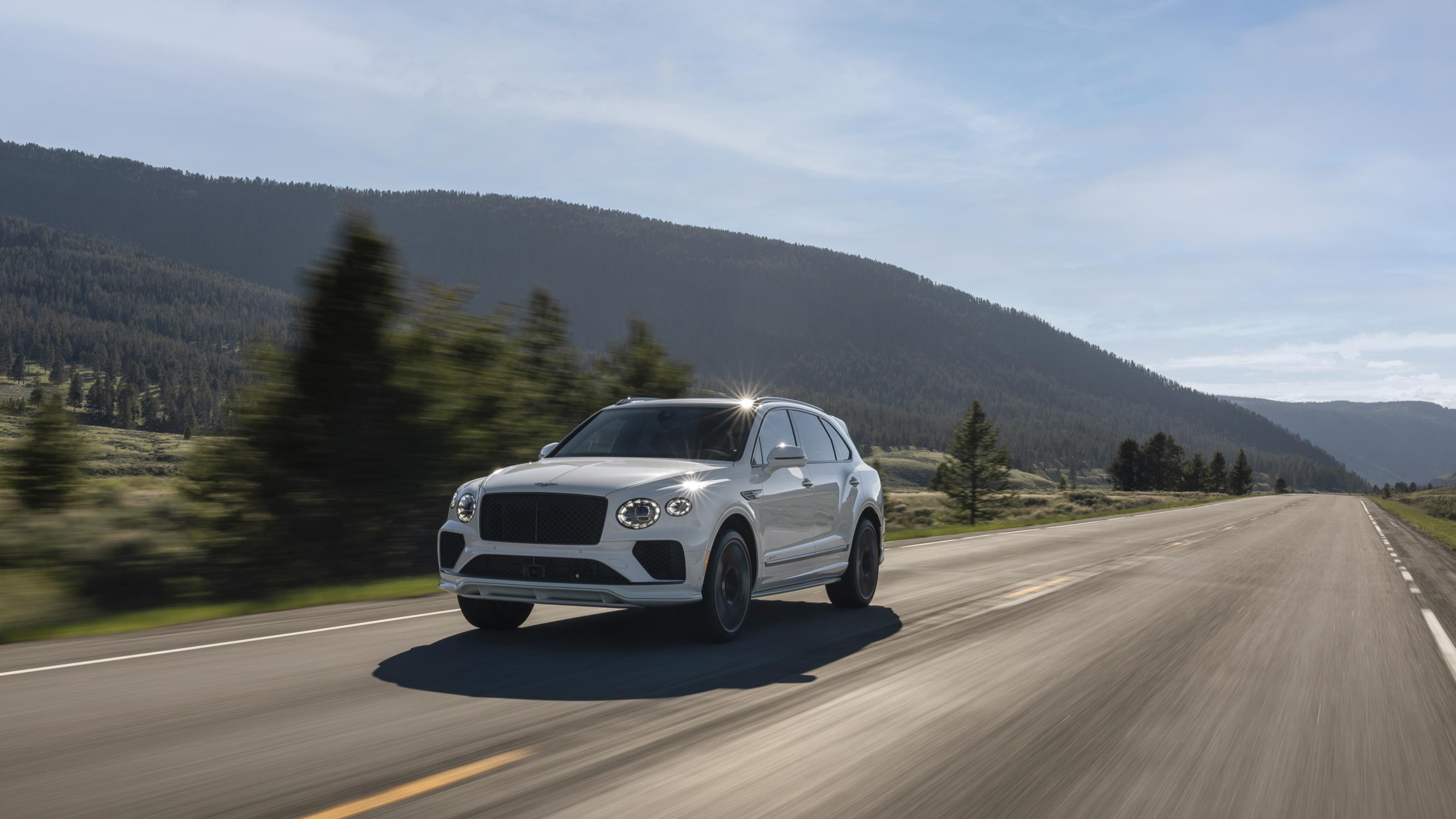
BENTLEY ESP Y10 2025
Daanish Khan About me
Kasper Winstanley About me

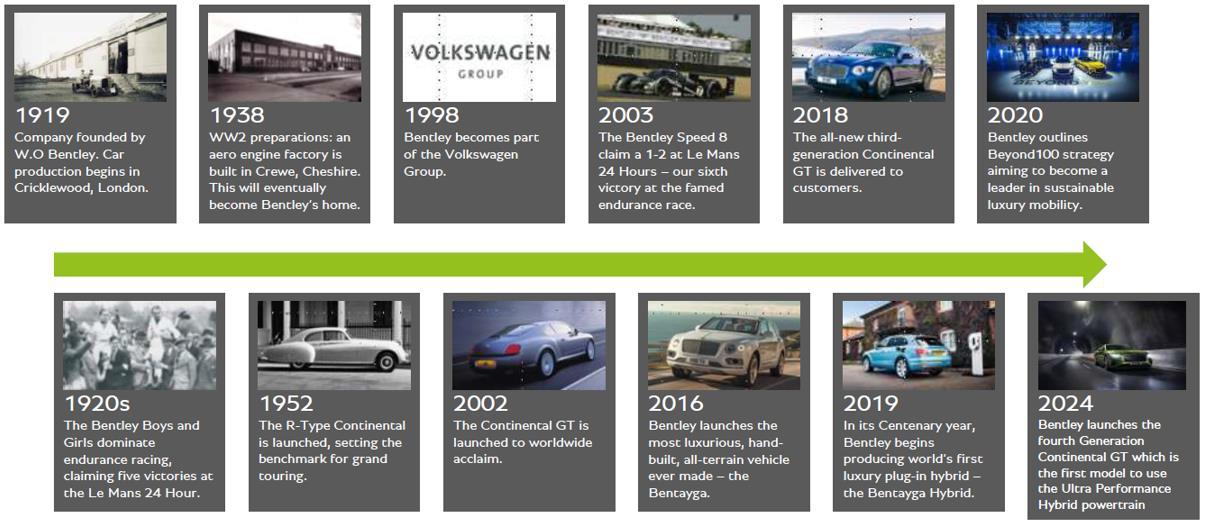
Background
•Founded in 1919 by W.O. Bentley in England.
•Renowned for blending luxury and performance—iconic in motorsport and craftsmanship.
•Acquired by Volkswagen Group in 1998, strengthening global presence.
Present
•Headquartered in Crewe, UK with over 4,000 employees.
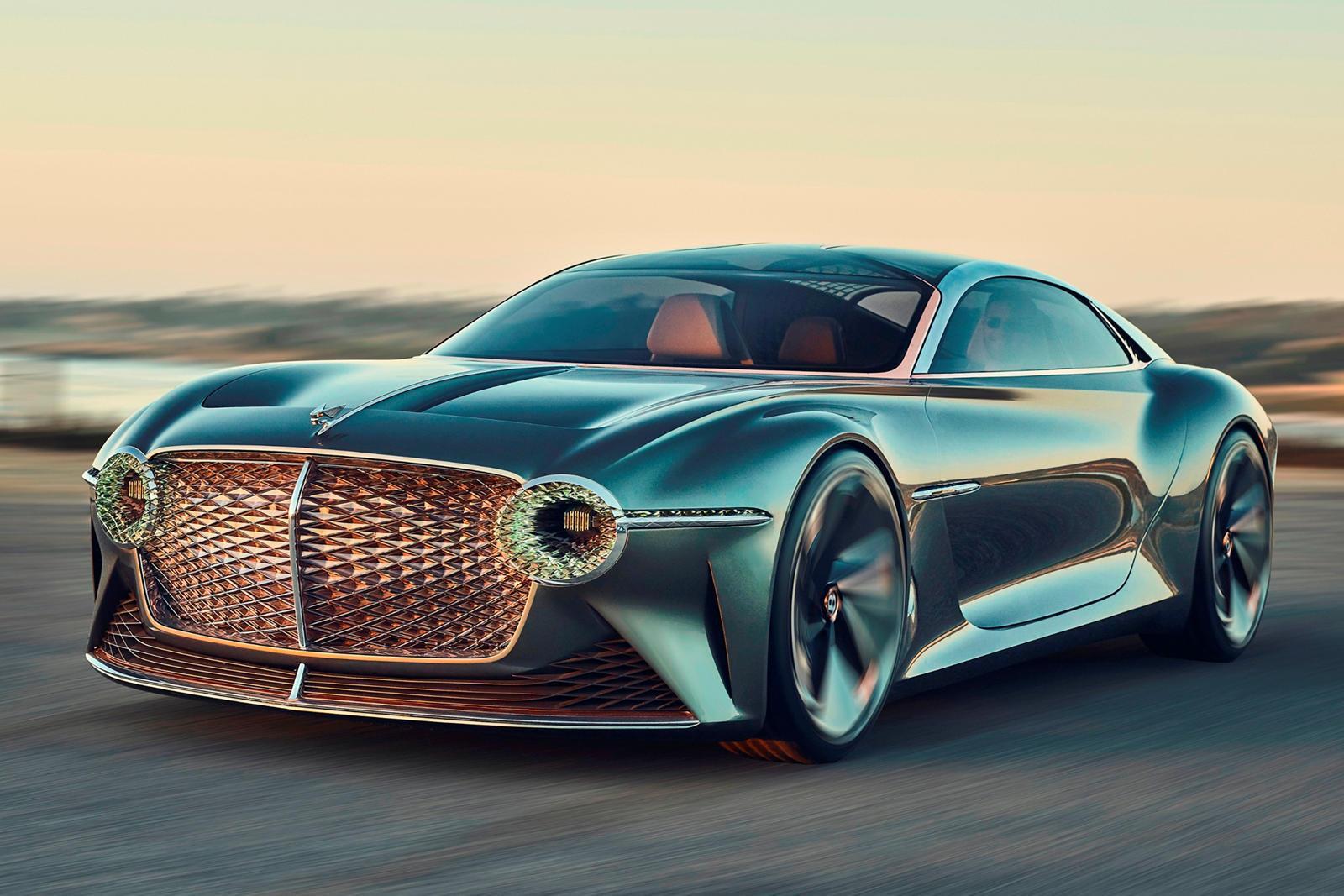
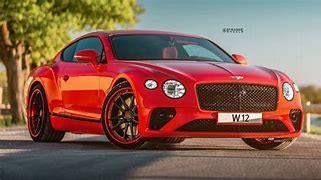
•Flagship models: Bentayga, Flying Spur, Continental GT.
•Leading in bespoke luxury, with emphasis on sustainability and craftsmanship.
•Culture: Pride in heritage, commitment to innovation, and a focus on employee well-being and diversity.
Future
•"Beyond100" strategy: All models to be electric by 2030.
•Targeting climate-neutral operations.
•Investing in next-gen design, AI, and sustainable materials.
•Aims to be the most sustainable luxury car brand in the world.
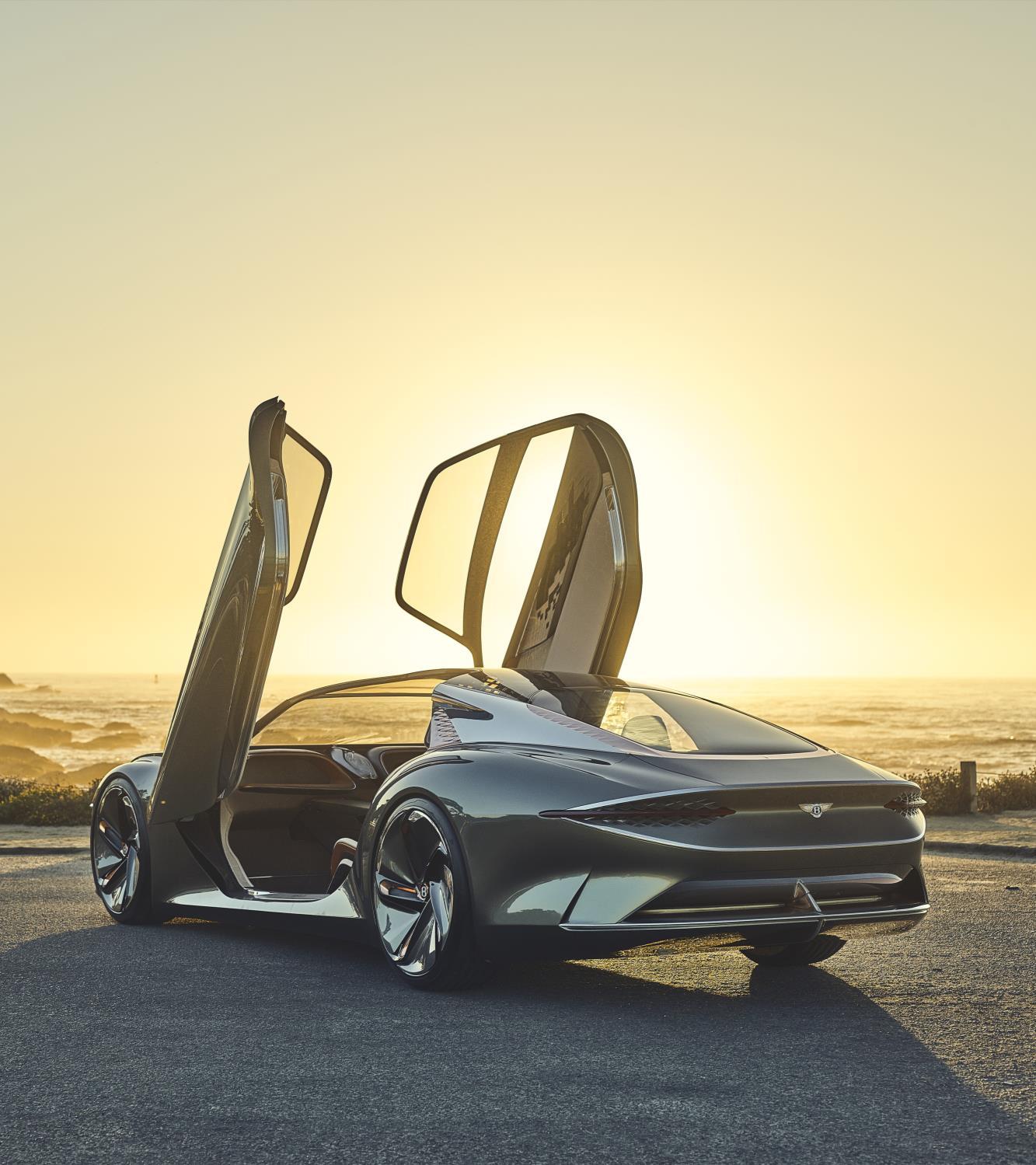
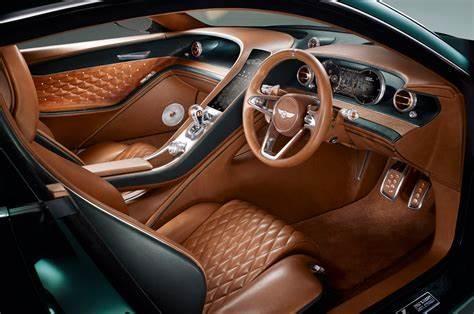
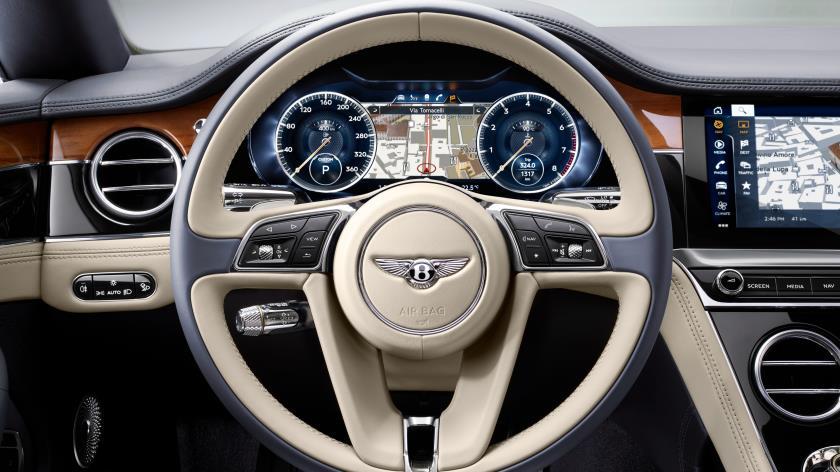
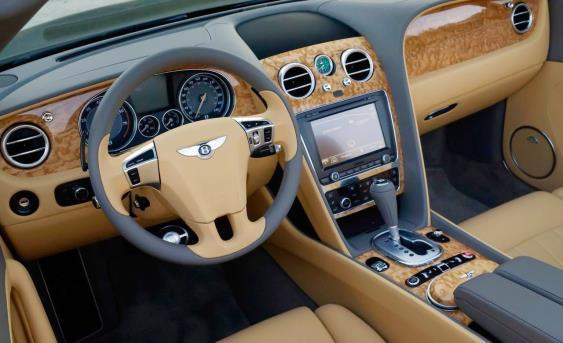
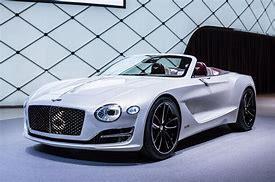
Task A – Research
1. Produce a mind map for the project, exploring the problem.
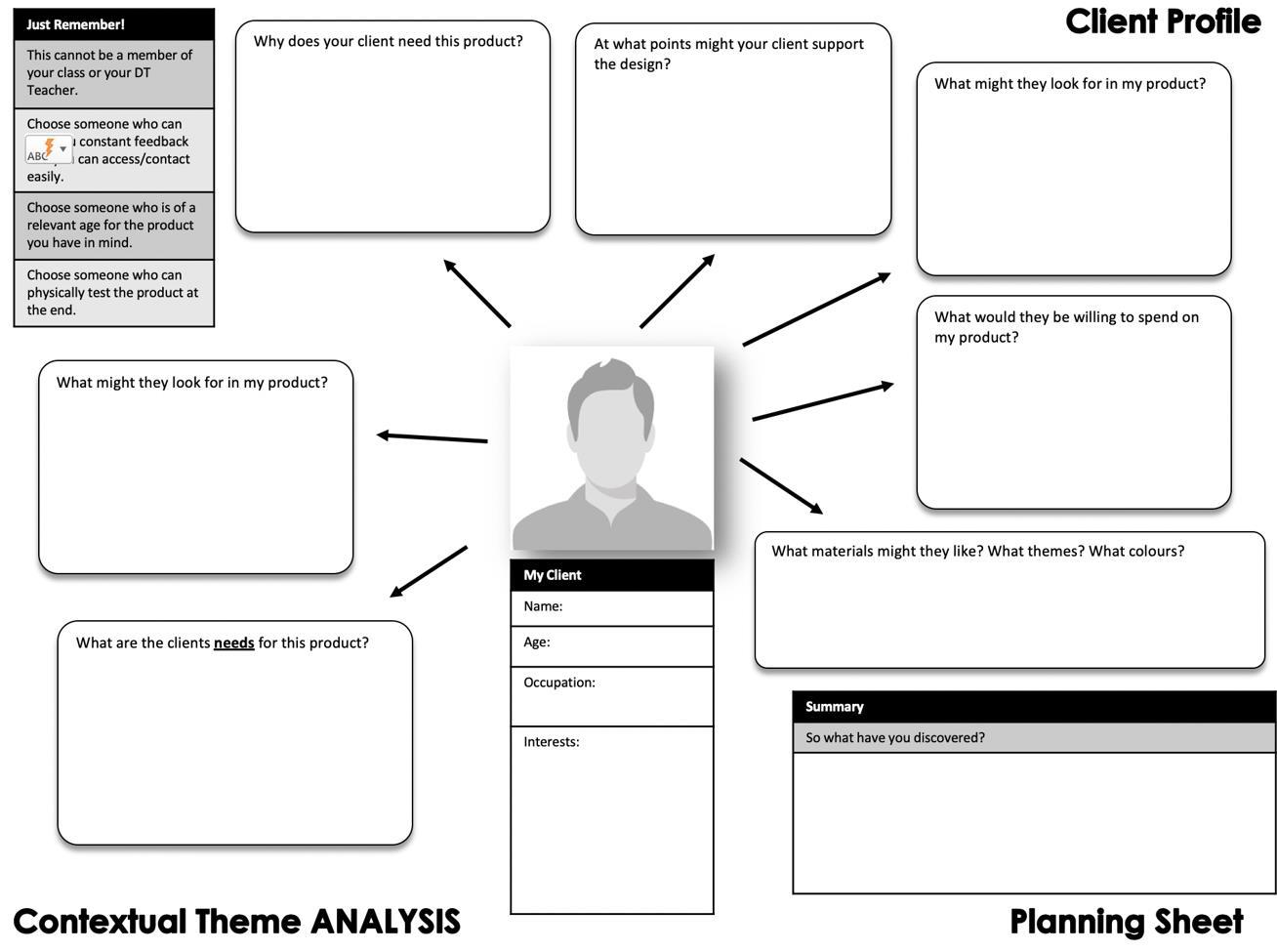
2. Identify your client using the template (see next slide)
3. Complete a research slide on Bentley as a brand
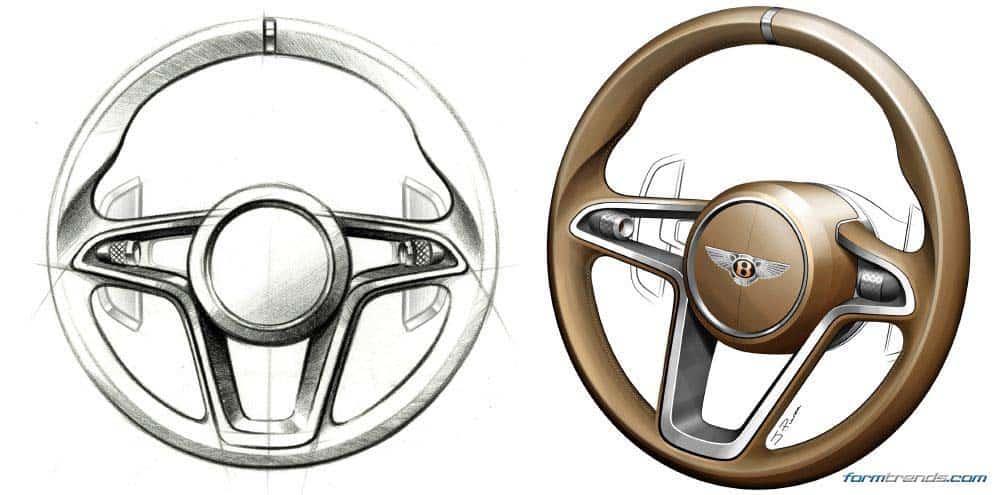
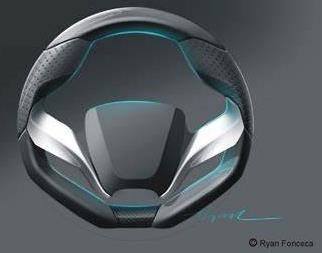
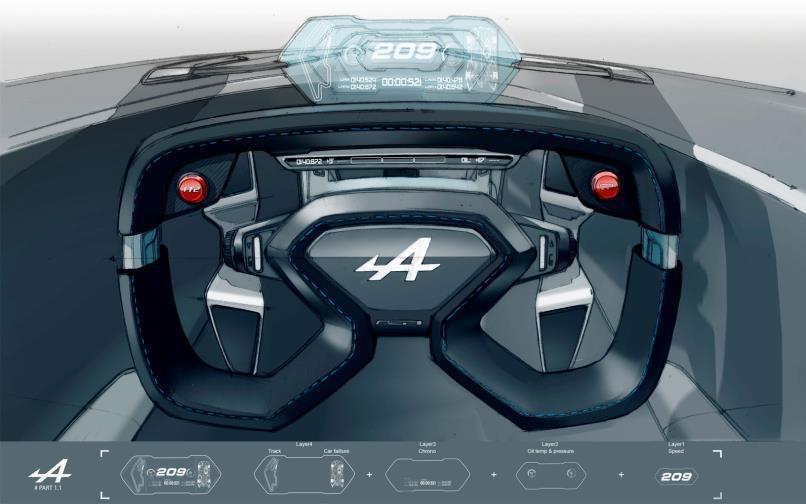
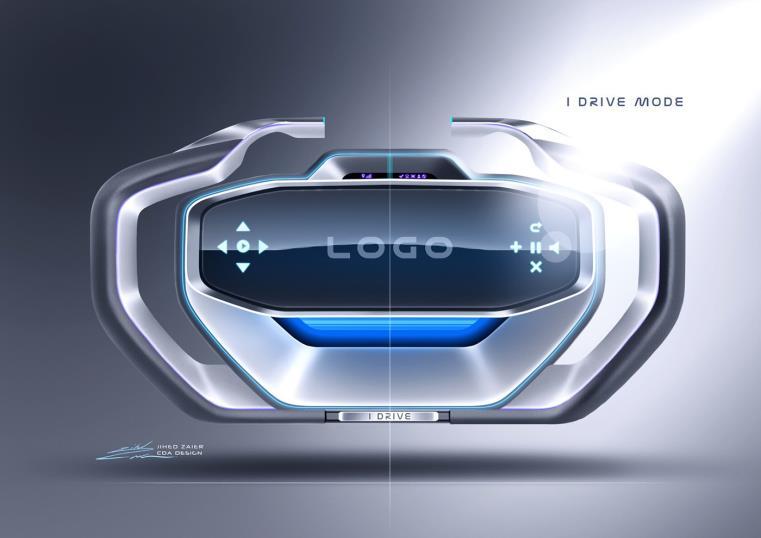
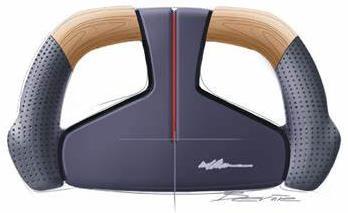
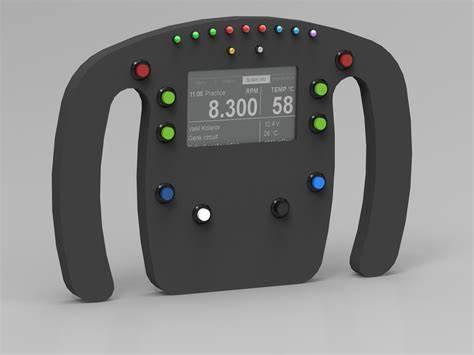
4. Research slide on different type of steering ‘wheels’ /controls – doesn’t have to be round!
5. Research slide on ergonomics – what human factors must you consider? – such as hand size but what about visual needs of the driver?
6. Any other research you think is relevant to the project –such as materials, features that are needed etc. Include in this any research into materials done in science lessons, or any work on costings done in maths lessons.
Task B - Ideas
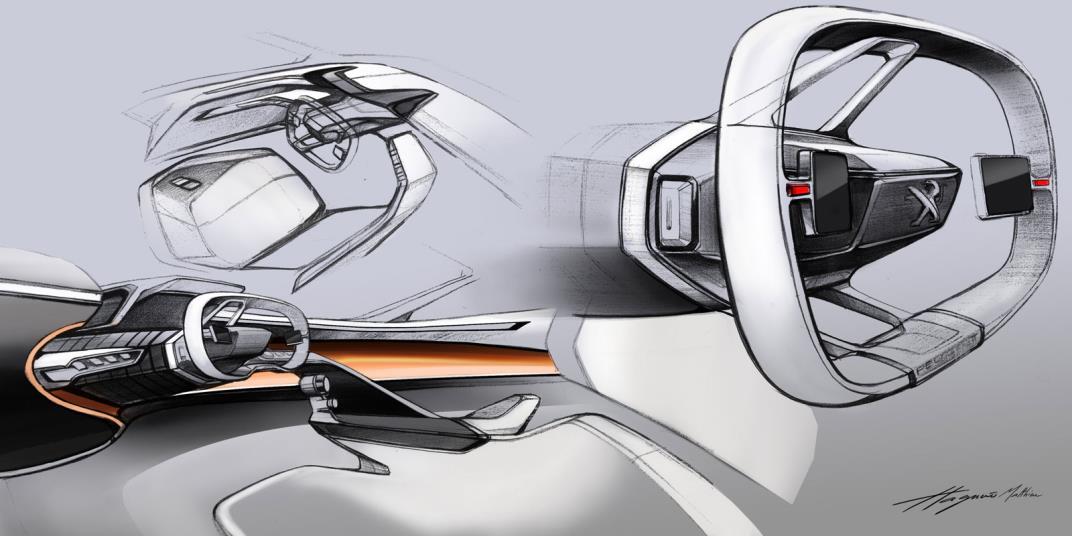
1. You must draw on A3 paper at least 10 ideas (at least 2 per person in your team) for your steering wheel – these must all be different; make it stand out compared to existing steering wheels (use the idea support sheet to help with ideas and presentation)
2. Each idea must be annotated – this means you must analyse the design and explain features of it.
3. Practice speaking about each idea as you will need to in judging.
Success Criteria:
• You have created a detailed research document on PPT that prepares you for the project.
• You have produced a range (at least 10) different design ideas for your steering wheel that are well presented on A3 paper and all ideas are annotated in detail.
Task A – 3D Physical Prototype
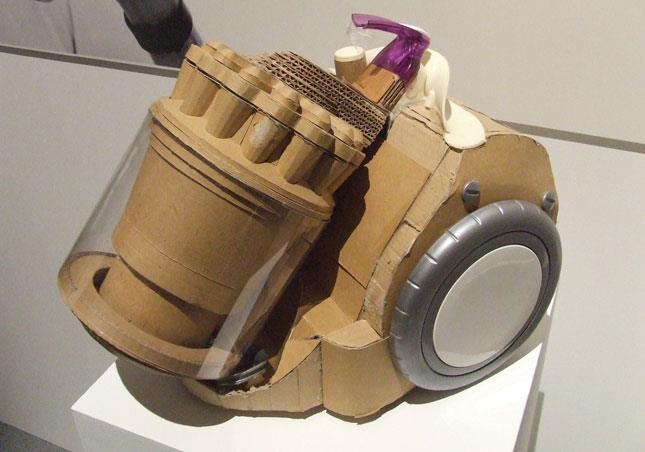
1. Split your team into 2 pairs, each pair will make a model of their favourite idea – so 2 separate models per team in total
2. You will use Card as the modelling material; the models must be FULL SCALE so you can test the ergonomics.
3. Photograph your models and add onto your PPT – analyse each model in detail.
Success Criteria:
• You have produced 2 3D Physical Prototypes of your 2 favourite ideas
• These have been photographed and put onto your PPT
Task A – CAD Model Development
1. Each team member chooses a design EACH to model in CAD.
2. Draw your design on 3D CAD such as SolidWorks
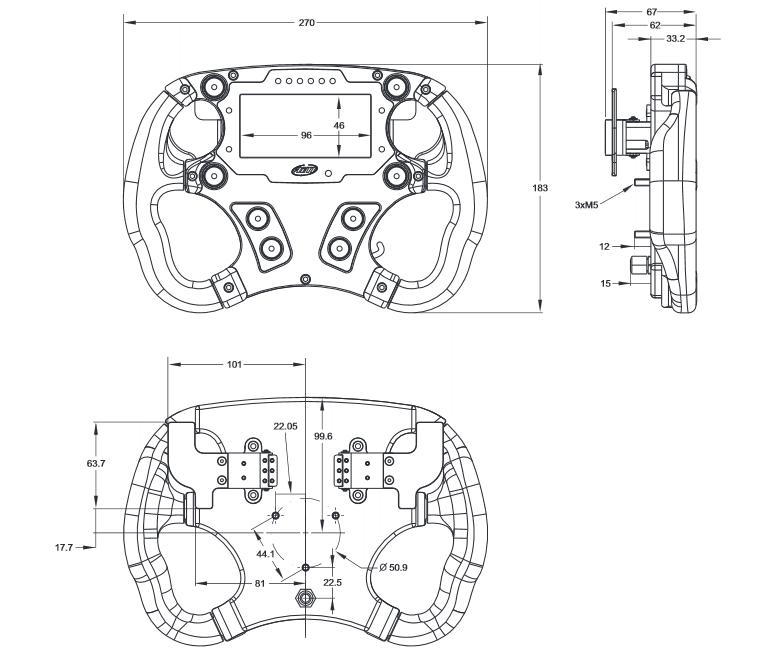
3. Draw your design on 2D Design – ensure that you include dimensions – like an orthographic drawing (see next slide)
4. Print Screen ALL CAD work and add it onto your PPT
5. Analyse your CAD work and practice talking about each idea.

Success Criteria:
• You have produced 3D and 2D CAD models of your favourite ideas (at least 4 – one per person in your team).
• You have screen shot your CAD work and put it into your PPT.
• You have analysed your CAD work on your PPT
Task 4 – Prepare your presentation
1. Research from Task 1, including materials done in science lessons and costings done in maths lessons
2. A3 Ideas sheets from Task 1
3. CAD work from Task 2 (3D and 2D CAD)
4. 3D models from Task 3 to show judges
5. Your PPT from the project
6. A 5 minute presentation of all your work – sell your idea to the judges. Explain why you have designed it that way, who is it aimed at etc. Make prompt cards/scripts – decide who is saying what.
Success Criteria:
• You must prepare all of your materials ready to present to the employer – see the checklist to ensure you have all areas covered.
• PPT will be displayed.

Task 5 – Present to a Judging Panel
• Use scripts/prompt cards
• Reference all of your work, use the PPT and models to show your design
• Speak clearly and confidently
• Decide who is saying what
• Justify your design decisions
Success Criteria:
• You will confidently present all your work to a judging panel.
• Answer any questions that may be asked
• All items on the checklist are referenced.
Project Checklist:
1. Research from Task 1:
a) You have produced a mind map for the project, exploring the problem.
b) You have identified your client (using the template if you wish)
c) You have completed a research slides on Bentley as a brand
d) Research slide on different type of steering ‘wheels’ /controls – doesn’t have to be round!
e) Research slide on ergonomics – what human factors must you consider? – such as hand size but what about visual needs of the driver?
2. Any other research you think is relevant to the project – such as materials, features that are needed etc.
3. A3 Ideas sheets from Task 1 – photographed with annotations and on PPTs
4. CAD work from Task 3 (3D and 2D CAD) – Screen shots on PPTs with annotations
5. Card 3D models from Task 2 to show judges – photos annotated on PPTs, have your models ready to take into the presentation, these can be given to judges to hold as you describe your designs.
6. Your PPT from the project
1. A 5 minute presentation of all your work – sell your idea to the judges. Explain why you have designed it that way, who is it aimed at etc. Make prompt cards/scripts – decide who is saying what.
Team name/ Introduction
The presentation includes detail on the team’s research and ideas. What were your initial ideas? What ideas did you take forward and why? How did these ideas develop through the project? How are these ideas different to existing steering wheels? What is the benefit to the customer and the business?
Technical knowledge is evidenced throughout the project.
Think about: materials, weight, how to engineer the product, cost to manufacture and so on. How does the design comply with health and safety?
Students show clear evidence of teamwork throughout the project and presentation. How did you work together? How did you utilise each other’s skill sets?
How is the design ergonomic?
An effort is made to share the responsibility of presenting among team members.
The presentation uses appropriate text and imagery to support visual delivery of the project. The presentation is logically ordered and includes visuals of the CAD model development and 3D prototype of idea.
How has your team collectively learnt from your design iterations and implemented any lessons learnt? How have you personally improved an aspect of technical/team -work competency?
What would you do differently if given another opportunity?