
















































































































































































































OLD BILLINGSGATE, LONDON
• Access the tools, technologies and strategies so your school or academy can thrive.
• Discover practical solutions from an inspirational line-up of educationalists and policymakers.






















Academy21 provides DfE-accredited online education for students who may be vulnerable or face challenging circumstances.
Working in partnership with schools and local authorities we ensure our students have a calm, structured and consistent learning environment, as well as expert academic and wellbeing support. Our trauma-informed approach prioritises safety, predictability, and relationshipbuilding helping students to regain confidence and re-engage with learning.
Our programme at a glance
High-quality provision for Years 5 to 11
Experienced, subject-expert, compassionate teachers
Quick set-up and flexible commissioning options
Support for Internal AP, hybrid learning and part-time timetables


The government has set out plans to introduce inspections of multi-academy trusts. The measure, added to the Children’s Wellbeing and Schools Bill, delivers on the commitment made in the government’s manifesto to bring multi academy trusts into the inspection system.
High-quality academy trusts play a vital role in raising standards and widening opportunity for children. Educating most pupils in England, they oversee key decisions that shape children’s education – from curriculum to staffing.
Academy trust inspections will ensure those decisions are subject to clear, independent scrutiny, while recognising, celebrating and backing strong trusts so every child benefits from the highest standards, wherever they live or go to school.
Education Secretary Bridget Phillipson said: “Trust inspection will recognise excellence, support improvement and ensure no child is overlooked, especially those with the greatest needs.”...


The government is launching a new app allowing students to view their GCSE results on their phones for the first time from this summer.
This will make it easier for young people to enrol in their post-16 destination and will give them access to their results at anytime, providing employers with clear, accurate information on a job candidate’s education history without relying on paper certificates which can be easily lost.
Pupils will still go into school on results day to meet face-to-face with their teachers and receive their results. Their results will later become available on the app.
Schools and colleges will also be able to easily access information about which students need extra support, including whether they need to continue working towards English and maths GCSEs, have SEND requirements or qualify for free school meals.
It is estimated to save schools and colleges up to £30 million per year in administrative costs once the full roll out is complete.
The Education Record app is part of the wider government drive to overhaul how the public sector uses technology and innovates.
Work is already underway to link the Education Record and the GOV.UK Wallet. It paves the way for citizens to store everything from exam results to driving licences in one secure digital space...


The Scottish Government is increasing investment in its free after school activities programme so that it reaches more children.
Called the Extra Time Programme, the programme is delivered in partnership with the Scottish Football Association, and supports local football clubs and trusts to provide free before school, after school and holiday activity clubs to primary school children from low income families.
Last year up to 5,000 children across 28 local authority areas were able to attend regular services which provide childcare options for their parents.
The 2026-27 Scottish Budget is increasing investment to expand the programme’s delivery and reach.
First Minister John Swinney said: “We know that families greatly value the services provided through the Extra Time Programme, which extend the school day, helping parents enter and sustain employment.
“The clubs are also hugely popular with children, enabling them to take part in football and other activities, learn new skills and access healthy food – helping improve their physical and mental wellbeing.
“The Scottish Government has supported the successful delivery of the programme through grassroots football clubs and trusts across the country, working closely with schools and community organisations.
“This is an excellent example of how we are improving outcomes for families and delivering on my priorities for Scotland –tackling poverty and growing our economy.”
The government and the National Literacy Trust have kicked off the National Year of Reading, with a campaign called ‘Go All In’.
The campaign aims to tackle the worrying decline in reading for pleasure. Reading rates among young people has dropped to its lowest level since 2005, with just one in three 8- to 18-year-olds saying they enjoy reading in their spare time. Teenage boys are affected the most – in 2025, just 25 per cent of boys aged 8-18 said they enjoy reading, compared to 39 per cent of girls.
The campaign aims to address this challenge by bringing together everyone from families and schools, to libraries, businesses and ambassadors to connect people of all ages with the benefits of reading for pleasure.
The campaign is calling on everyone to make time to ‘Go All In’ and read about the everyday things they love in whatever way that works for them, whether reading a novel, an e-reader, a comic, or an online blog.
Teachers will be able to access resources to help support them to encourage children to discover the joy of reading for pleasure.
Women’s Super League star Leah Williamson, authors Cressida Cowell, George the Poet, Michael Morpurgo and Julia Donaldson, as well as social media star Jack Edwards alongside Richard Osman and Joe Wicks are just some of the ambassadors who will use their voices and platforms to encourage the nation to get reading.


An additional £20 million of funding has been allocated to support essential capital repairs and maintenance across schools and colleges in Wales this year.
The funding is part of the Sustainable Communities for Learning Programme and will support large scale maintenance works such as replacement of roofs, window systems, heating, ventilation systems, and electrical works.
The Sustainable Communities for Learning Programme has rebuilt or refurbished 20 per cent of the school estate over the last decade, and the funding for capital maintenance during 2025 to 2026 now totals £50 million.
The Welsh Government’s total 2025-2026 investment through the Sustainable Communities for Learning Programme is now £391 million – the highest annual investment since commencing in 2014.
The programme also assists Wales’s climate goals as all maintenance works funded through this allocation must help reduce energy use and carbon emissions. The funding aids improvements such as better insulation, efficient heating and energyefficient windows creating more sustainable learning environments that are cheaper to run and better for the environment.
The Cabinet Secretary for Education, Lynne Neagle said: “Maintaining our schools and colleges in good condition is essential for providing the best learning environments for our young people. Since 2018, we have invested £314 million in maintenance


London’s universal free school meals programme has eased financial pressure and reduced stress for families, but has not led to improvements in pupil attainment during its first year, according to an interim evaluation by the Education Endowment Foundation (EEF).
The report examined the first 10 months of Mayor of London Sadiq Khan’s policy to provide free school meals (FSM) to all primaryaged children in London, which was launched in February 2023 in response to the cost of living crisis.
Researchers surveyed parents and headteachers, carried out interviews with families and observed lunchtime provision in 14 schools across London. They found that uptake among children newly eligible for FSM was around 90 per cent.
Families viewed the policy positively, particularly those just above the threshold for means-tested support. Of the 1,475 parents surveyed, 80 per cent said the scheme had helped their family finances, while 64 per cent reported reduced stress at home.
The EEF compared attainment outcomes for pupils in London who gained access to FSM with similar pupils elsewhere whose eligibility had not changed, but found no additional progress on average.
Researchers suggested this may be because the scheme had only been in place for one academic year, while key stage 2 SATs measure learning accumulated across the entire primary phase, making short-term effects difficult to identify...

Teachers warn students are unprepared for an AI future
Almost half (46 per cent) of teachers across Europe do not think schools are equipping students with the skills needed for an AI future — a concern shared by two in five teachers in the UK (41 per cent).
According to the research from Epson, nearly six in ten teachers (58 per cent in EU, 54 per cent in the UK) say the education system does not know how to prepare today’s students for a job market that will be very different from that of previous generations, thanks to the advent of AI.
Teachers across Europe are reporting worrying declines in students’ critical thinking skills, despite believing these abilities are essential for success in an AI-driven job market. More than half (56 per cent) say students’ critical thinking abilities have declined in recent years, while 79 per cent report seeing no improvement at all. UK teachers are slightly less pessimistic, though concerns remain, with 40 per cent reporting a decline and 34 per cent saying there has been no improvement.
These concerns are heightened by strong agreement among teachers and academics that uniquely “human skills” will be vital as AI reshapes the world of work. Across Europe, nearly two thirds of teachers (64 per cent) say critical thinking will be the most important skill for students in an AI-dominated job market, while UK teachers place greater emphasis on problem-solving, cited by 58 per cent as the most essential capability...
Yet many believe these skills are already in decline. More than half of teachers across ...
A new report by the All Party Parliamentary Group (APPG) for Young Carers and Young Adult Carers has highlighted the negative impact of caring responsibilities on the future prospects of young carers across the UK.
It is based on the findings of a wide-ranging inquiry by the APPG in the context of the government’s ambition for every young person to be in education, employment or training. The report highlights the many barriers young adult carers encounter when trying to move on to further and higher education, training or jobs. These range from not enough financial support available when studying, to the lack of flexibility offered by universities and employers, to the toll caring for many hours every week takes on young people’s physical and mental health.
The report finds that 75 per cent of young adult carers responding to the inquiry said their caring role made it difficult to take part in training or education opportunities. Thirty eight per cent have either had to turn down, or not apply for, a job because of their caring responsibilities. And almost half (49 per cent) said they had missed out on education or training because of their caring role...
www.educationbusinessuk.net
Junk food ad ban to tackle childhood obesity: READ MORE
Call for evidence on early years safeguarding launched: READ MORE
UK to rejoin Erasmus scheme for education abroad: READ MORE
Ofqual fines Pearson £2 million for rule breaches : READ MORE
Funding to expand training facilities in colleges: READ MORE
Consultation launched on regulating onscreen exams: READ MORE
As Education Business magazine marks its 30th anniversary, we reflect on the key changes that have shaped the UK’s education system over the past three decades – from the rise of academies and the influence of Ofsted, to the lasting impact of the pandemic and the rapid advance of technology
Over the past few decades, the UK’s education system has undergone profound change, shaped by political reform, social pressures, technological advances and unexpected global events. Together, these shifts have redefined how schools are run, how they are judged and how they support the children most in need.
One of the most significant structural changes has been the rise of academies and multi-academy trusts. Introduced in 2000 under Tony Blair’s Labour government, academies were originally conceived as “City Academies”, designed to replace
failing inner city secondary schools and raise standards in disadvantaged areas.
The first opened in 2002, but the model expanded dramatically following the Academies Act 2010 under the Coalition Government. This legislation allowed all schools, including primaries, to convert to academy status, laying the foundations for today’s system in which responsibility for many schools sits outside local authorities. Academies are state-funded schools that operate independently of local authority control, receiving their funding directly


from central government and being overseen by academy trusts. Over time, different models emerged, including schools that voluntarily converted, those that were required to convert after poor Ofsted judgments, and free schools established to meet demand for school places. While academies enjoy greater freedoms than maintained schools – including flexibility over the curriculum and staff pay – they remain bound by national rules on admissions, special educational needs and exclusions, and pupils sit the same exams as their peers elsewhere.
Multi-academy trusts, which oversee groups of schools, have become an increasingly dominant feature of the system, particularly for underperforming schools issued with academy orders. Some trusts have driven significant improvements through shared expertise and resources, while others have struggled, raising questions about oversight and accountability. Although individual academies are inspected by Ofsted, trusts themselves are not formally graded, with inspections limited to summary evaluations.
One of the most significant structural changes has been the rise of academies and multi-academy trusts. Introduced in 2000, they were originally conceived as “City Academies”, designed to transform failing inner city secondary schools
However, the government has recently said that it will introduce multi-academy trust inspections from 2027, subject to approval. These inspections will ensure decisions made by MATs are subject to clear, independent scrutiny. Despite ongoing debate, academisation continues to expand. By the 2023/24 academic year, academies accounted for nearly half of all schools in England, educating more than half of all pupils.


Alongside structural reform, the past 30 years have seen a growing emphasis on accountability. The introduction of school performance tables and the creation of Ofsted in the early 1990s marked a turning point, rooted in the Citizen’s Charter movement and a desire to make public services more transparent. Parents and communities were given access to exam results and inspection judgments, enabling direct comparison between schools.
Today, inspections and performance data are deeply embedded in the school system. Thousands of inspections are carried out each year and results for most schools are published annually. International evidence suggests that this form of accountability can raise attainment, yet it has also brought unintended consequences. Critics point to perverse incentives around admissions, pressure on staff recruitment and retention, and the toll on wellbeing.
The death of headteacher Ruth Perry intensified scrutiny of the inspection regime, prompting Ofsted’s recent “Big Listen” exercise and resulting reforms to the inspection framework.
Now, since 10 November 2025, inspections follow a renewed framework that introduces updated grading, new report cards for parents, and a stronger focus on inclusion, staff wellbeing, and professional collaboration.
Few events have tested schools as severely as the COVID-19 pandemic. In 2020 and 2021, classrooms closed for prolonged periods, forcing schools to pivot rapidly to remote learning. The effects of that disruption continue to ripple through the system. Teachers report widespread emotional and social delays linked to lockdowns, with disadvantaged pupils particularly affected. Research suggests that the educational damage may be long-lasting, with some forecasts predicting historically low GCSE attainment well into the 2030s. The crisis also exposed weaknesses in preparedness and coordination. Parliamentary scrutiny was highly critical of the Department for Education’s response, arguing that the absence of clear standards for remote learning led to starkly unequal experiences for pupils. Yet the pandemic also accelerated change. Most schools are now better equipped for remote or hybrid learning, capacity that can be redeployed during future disruptions such as severe weather or building safety closures, like those with the unsafe concrete known as RAAC.
Technology has played a central role in reshaping education, both before and during the pandemic. Digital tools have transformed classrooms by enabling more personalised


learning, supporting pupils with special educational needs, and reducing administrative burdens on teachers. Adaptive software and data analytics allow lessons to be tailored to individual pupils, while interactive platforms and game-based learning have made subjects more engaging. Technology has also enhanced collaboration, enabling pupils to work together across schools and providing teachers with real-time insights into progress.
Beyond teaching and learning, education technology has strengthened pastoral care, safeguarding and wellbeing support. At the same time, concerns about the digital divide have driven government efforts to improve connectivity and infrastructure, particularly in disadvantaged areas. Looking ahead, schools are expected to meet core digital standards by 2030.
On-screen exams are also being mooted. Ofqual has launched a public consultation on its proposed approach to regulating digital exams, with the aim of supporting responsible innovation while protecting fairness, standards and the integrity the qualifications system.
Artificial intelligence, too, is expected to play an even greater role in curriculum delivery and workload reduction.

A focus on disadvantaged pupils Running parallel to these developments has been a growing focus on disadvantage and inequality. The introduction of the Pupil Premium in 2011 marked a major shift, providing targeted funding to schools to support pupils from low-income backgrounds and those who have experienced care. The aim was to close longstanding attainment gaps through early intervention, additional staffing and evidence-based approaches.
The funding is allocated based on eligibility criteria such as free school meals and care history, and while it is not ringfenced for individual pupils, schools are expected to use it strategically to raise overall standards. However, debate continues over whether funding levels are sufficient. Recent research indicates that the vast majority of school leaders believe the current allocation falls short of what is needed to fully support disadvantaged pupils. According to the Sutton Trust report for 2025, 88 per cent of senior leaders say that pupil premium funding is less than they need to fully support disadvantaged pupils. Taken together, these changes tell the story of an education system in constant
Few events have tested schools as severely as the COVID-19 pandemic, when classrooms closed for prolonged periods, forcing schools to pivot rapidly to remote learning
evolution. From academisation and accountability to digital transformation and targeted funding, each reform has aimed to raise standards and expand opportunity. With the government committed to its mission to “break down the barriers to opportunity”, the Children’s Wellbeing and Schools Bill signals a renewed effort to reshape how academy schools operate and are held to account. At the same time, the rapid evolution of technology and artificial intelligence is poised to transform classrooms, assessment and school leadership in ways that are only just beginning to emerge. Together, policy reform and technological change will play a decisive role in shaping the next chapter of the UK’s education system. L






If we are still dealing with damp and mould in buildings, will a shorter timeline assist the desired outcomes?
Following previous winter periods dealing with constant reports of damp, condensation and mould, are we ready for this next one? We should not be experiencing repeat issues year on year regarding internal structural conditions. Awaab’s Law should represent a significant shift in damp and mould regulations by establishing strict enforceable time limits for investigating, reporting and resolving these hazards. With a recognised number of complaints relating to untimely responses, actions and guidance, this new legal introduction should demand more than operational adjustments. It should require a fundamental shift in culture, competency, systems and supplychain alignment, representing a unique opportunity to ‘reset’ our approach with key expert trades recognising the impacts of each task and their expected outcomes.
Having witnessed repeat problems for a host of clients, Cornerstone are of the opinion a uniform framework is a key deliverable to uphold tailored approaches to such reported problems. Why? Because we are passionate about protecting the health of all those living, learning and working in our buildings throughout the UK.
With many years of expert, trusted, independent experience surveying properties following reports of these issues, we remain committed to sharing our diagnostic findings and consequently, the reasons behind such issues alongside credible and understandable recommendations for long-term costeffective solutions and not short-term fixes.
To assist your journey we deliver a number of balanced CPD accredited Damp, Mould and Ventilation training courses for administrative through to technical staff, delivering a unique understandable approach to the root causes of damp and mould alongside embedded yet simple and effective solutions for immediate guidance and improved resident interaction.
For example did you know: mould is only a ‘symptom’ of a problem; removing it alone will not resolve the issue ,and it will likely return. What’s more, there is always more than one reason for its outbreak; winter atmospheres hold less moisture than the summer periods; and opening windows for a short period can break the cycle needed for mould. There are recognisable simplistic solutions for immediate improvements. You can replace ‘blame’ with ‘did you know’. M
FURTHER INFORMATION
www.propertyhealth.co.uk
E: info@cornerstone-ltd.co.uk T: 0344 846 0955


Academy trusts will be brought into the Ofsted inspection system under proposals in the Children’s Wellbeing and Schools Bill, introducing formal scrutiny of trust leadership, governance and impact, alongside new powers for intervention where standards fall short. So what do we know so far?
The government has set out its intention of bringing academy trusts into the Ofsted inspection system, marking a significant shift in how they are held to account.
The proposals, which could begin in the 2027-2028 academic year, have been added to the Children’s Wellbeing and Schools Bill. They deliver on a manifesto commitment to introduce formal inspection of academy trusts. Ministers say the move reflects the central role trusts now play in the school system and the need for clearer, more consistent scrutiny of the decisions made at trust level.
High-quality academy trusts are widely credited with helping to raise standards and widen opportunity for children, particularly through collaboration between schools. Trusts oversee decisions that directly shape pupils’ experiences, from curriculum design and staffing structures to the use of
funding and support for vulnerable learners. The government argues that inspection will ensure these decisions are subject to independent oversight, while also recognising and celebrating strong trusts so that best practice can be shared more widely.
Education secretary Bridget Phillipson said the proposals were about matching collaboration with accountability. She said: “Every child no matter their background should be able to achieve and thrive, and strong schools working together through high quality trusts help make that possible.
“That collaboration must be matched by clear, fair accountability. Trust inspection will recognise excellence, support improvement and ensure no child is overlooked, especially those with the greatest needs.”

Under the proposals, trust inspections will focus on leadership, governance and impact. Inspectors will look at how effectively trusts improve their schools, the quality of education they provide across their academies, how they support and develop staff, how well they use their resources and how they promote pupil wellbeing. They will also examine the effectiveness of governance and executive leadership.
The government says the approach will be designed not just to identify weaknesses, but to celebrate excellence and recognise trusts that play a wider role in supporting schools and children across their local communities.
The Bill will also introduce new intervention powers for the Department for Education. Where trusts are not meeting acceptable standards, these powers would allow ministers to step in, including by moving academies to stronger trusts.
Trusts will be notified ahead of an inspection and will, in turn, be required
Inspectors will look at how effectively trusts improve their schools, the quality of education they provide, how they support and develop staff and how they promote pupil wellbeing
to inform parents and staff. No timeframe has yet been specified, with further detail expected to be set out in due course.
The Bill also significantly expands Ofsted’s powers. Inspectors would be able to enter any premises of a trust or its academies, or any location where its pupils are being educated, at any reasonable time. They would have the power to inspect, copy or remove documents and records, including those held electronically, and to access and check computer systems believed to have been used in connection with those records.
The sector has broadly understood the need to inspect academy trusts, while cautioning about how the process is implemented.
Cathie Paine, chief executive of REAch2, said: “The key will be making sure this is done proportionately and in a way that reflects the different sizes and approaches across the system. If we get that balance right, it won’t just strengthen accountability - it will give a clearer picture of how trusts support schools, add value and, most importantly, how we can make things better for every child.
Paul Whiteman, general secretary at school leaders’ union NAHT, said: “It is understandable that the government is looking to introduce the inspection of multi-academy trusts given the increasingly prominent role they play in the school sector.
“It will be vital that the policy is developed with great care and consideration as there are risks attached to it.
“Foremost in the government’s mind must be the need to avoid adding any additional pressure or burdens onto individual schools that are already highly accountable in multiple ways.”
Ofsted will first be tasked with devising a new inspection framework, and the government has said it plans to engage closely with the sector as this is developed. The Department for Education will also consult on its new intervention powers, and inspections will be piloted before being rolled out more widely.
These steps mark a major step towards a more transparent and accountable academy system, with trust-level inspection seen as a key lever for driving improvement across schools and the outcomes for pupils. L

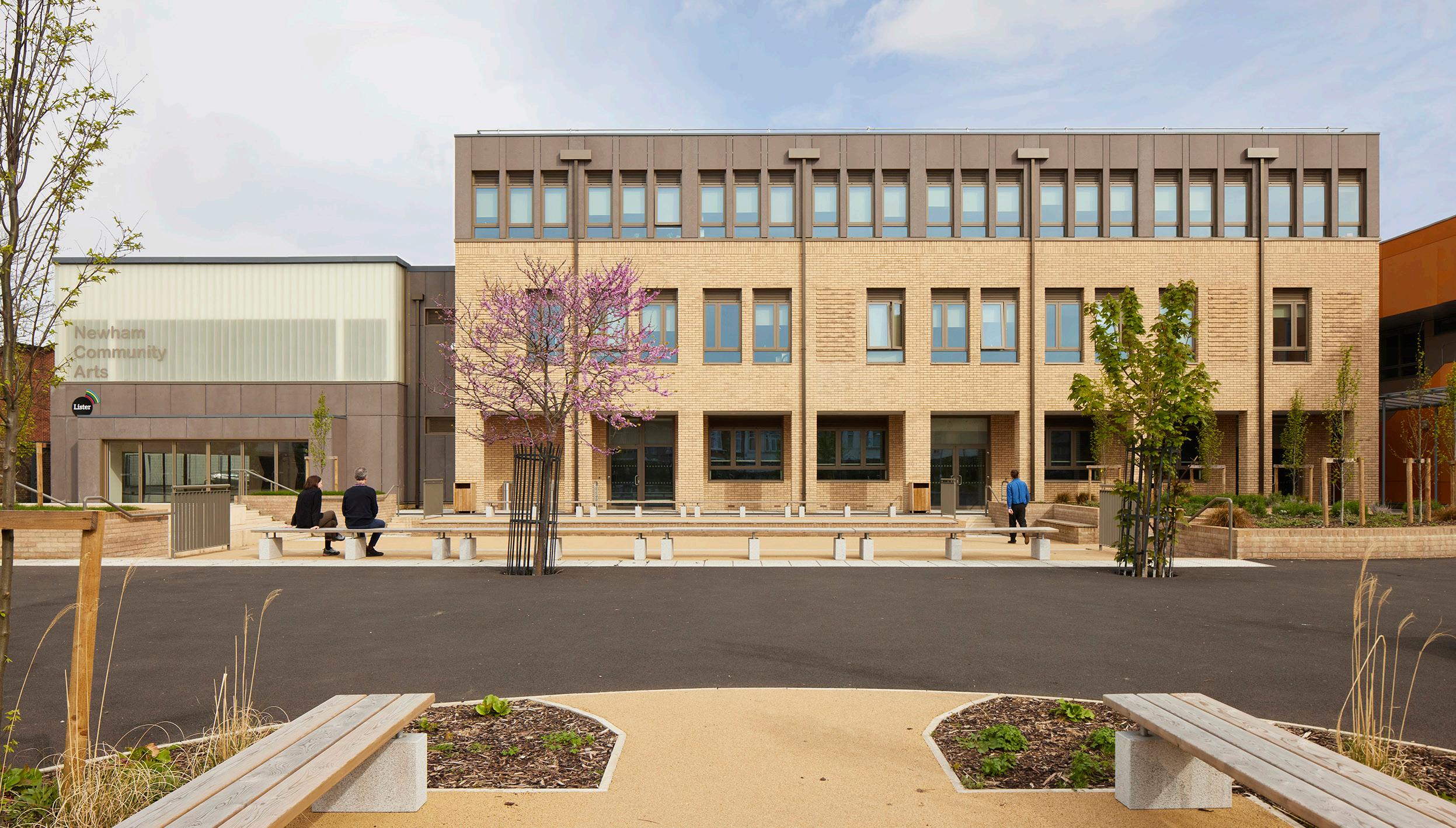
With education estates under pressure to cut carbon while still delivering inspiring, affordable learning spaces, the way schools are built has never mattered more. Jackie Maginnis, chief executive of the Modular and Portable Building Association, outlines how the MPBA’s new Roadmap to Net Zero is providing a clear, practical framework to help the sector embrace low-carbon, modular solutions
The UK education sector faces mounting pressure to create learning environments that both inspire students and align with ambitious climate and carbon reduction targets. Schools, colleges and universities are being urged to rethink how they design, construct and manage their estates – embracing energy efficient, low carbon solutions, sustainable materials and modern methods of construction such as modular technology to cut waste and emissions. This shift demands more than incremental change. It requires a strategic rethinking of the entire building process – from
developing climate action plans and setting measurable sustainability targets to partnering with contractors who can deliver genuinely sustainable outcomes. Recognising the urgent need for decisive leadership and a unified vision, the Modular and Portable Building Association (MPBA) has launched a landmark initiative – a clear, evidence-based roadmap to guide the sector toward a truly sustainable, low carbon future. So what are the driving forces and critical importance behind the MPBA’s Roadmap to Net Zero? E
From nurseries and primary schools to colleges and universities, our washrooms are trusted on new build and refurbishment projects across the UK and worldwide.
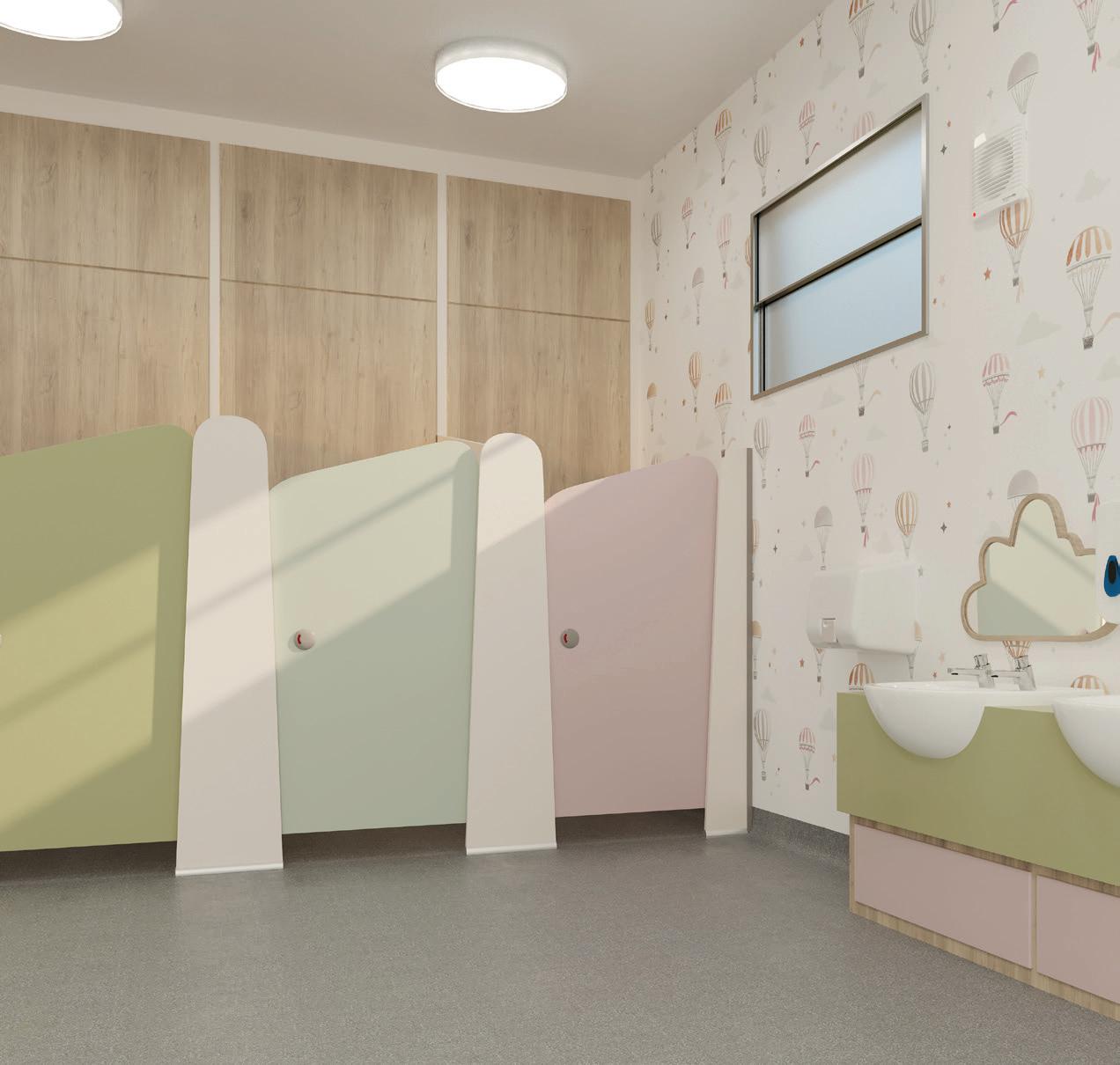
Find out more about our education ranges.
01474 353333 www.venesta.co.uk marketing@venesta.co.uk

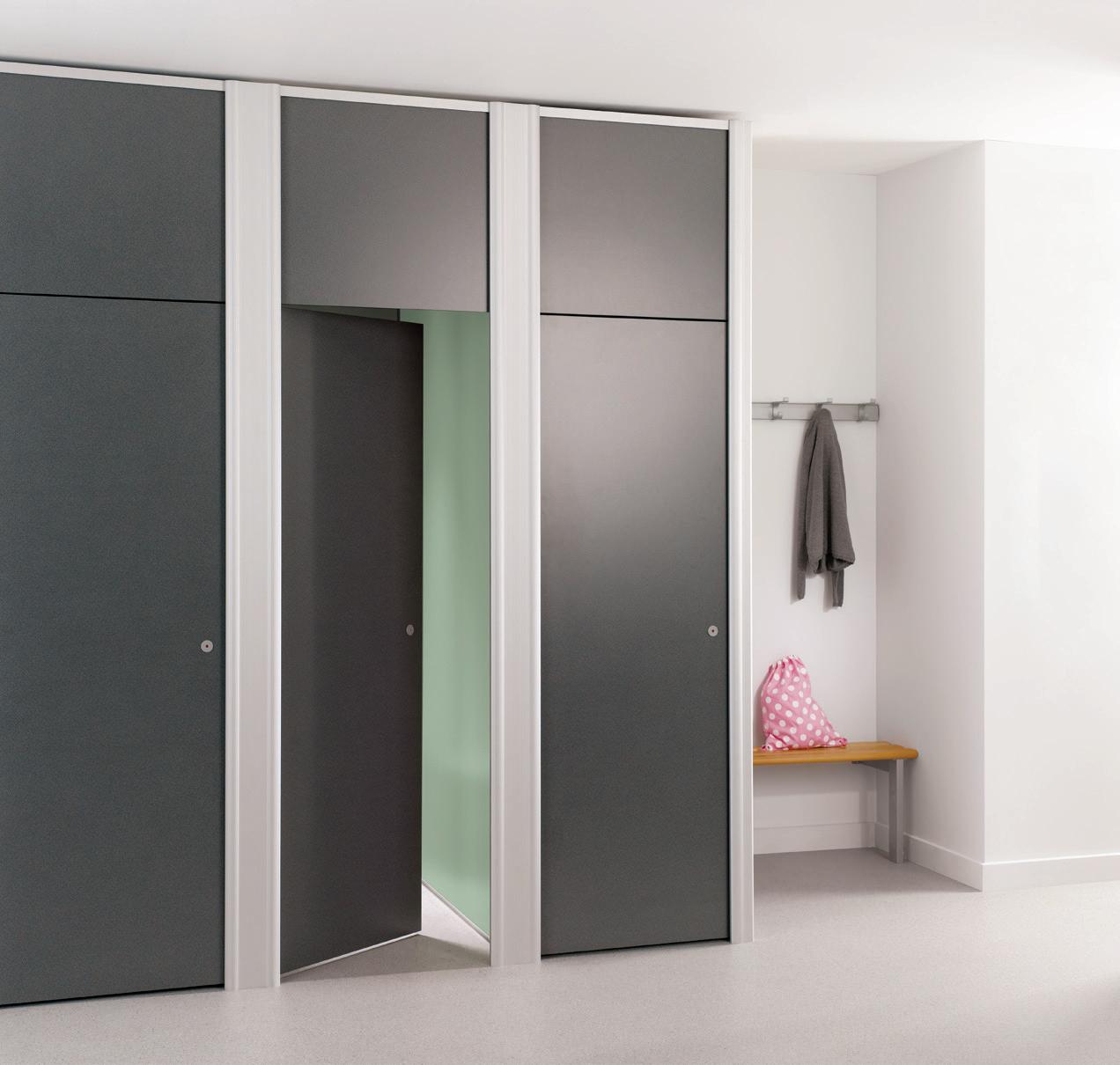
With safety, privacy, performance, hygiene and value for money considered from the start, you can specify complete commercial washroom packages with confidence, supported by a 10-year product guarantee. We know
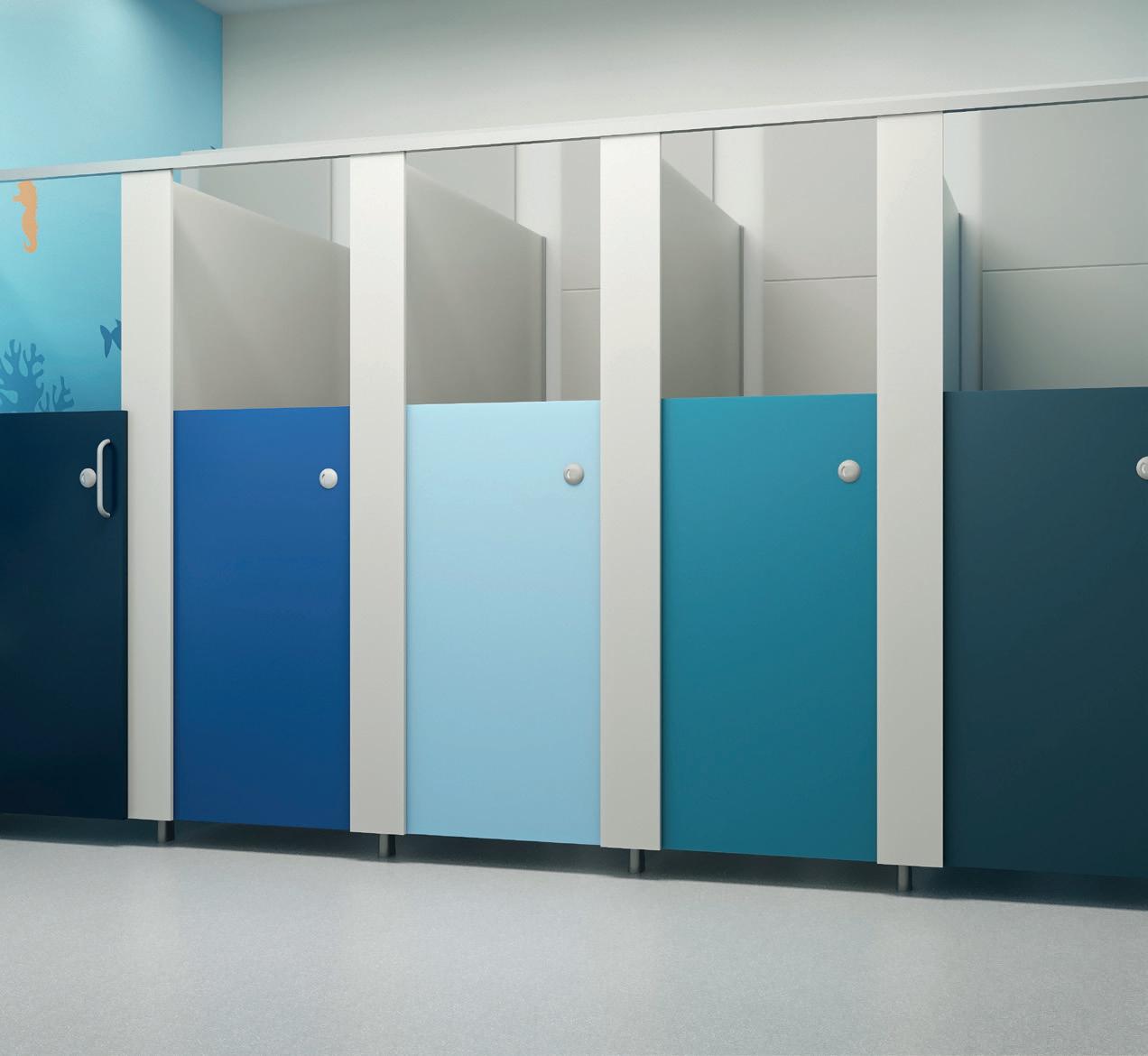
We know washrooms
From early years settings to universities –modular and offsite construction already play a vital role in providing rapid, costeffective solutions to meet growing demand for educational spaces. The MPBA’s Roadmap to Net Zero builds upon this foundation, offering a clear and practical framework to help the sector and its education partners contribute meaningfully to net zero targets.
In 2024, the MPBA and our members established a dedicated Sustainability Committee to lead the industry’s collective journey to net zero. The Committee’s work is guided by three core pillars – understanding, assessing and implementing – which together provide the foundation for lasting change.
Understanding the needs of the sector and the challenges facing organisations across the modular and portable building supply chain involves identifying the specific barriers and opportunities that exist in education related construction, from temporary classrooms to large scale campus expansions.
The second pillar involves assessing current progress and performance, both collectively and within individual member organisations. By establishing consistent benchmarks and data-driven insights, the Committee aims to create a clear picture of where the industry currently stands on sustainability and what steps are needed to move forward.
The final pillar involves implementing a comprehensive plan to accelerate sustainability
Whole life carbon considers the total greenhouse gas emissions associated with a building throughout its entire lifespan. From the extraction and manufacture of materials right through construction and operation, to end-of-life processes such as deconstruction or reuse
across all aspects of design, manufacture, transport and the installation operation. This involves creating practical guidance, tools and measurable milestones to help our members and their education clients take meaningful action. This structured approach ensures that sustainability is not treated as an add-on or marketing claim, but as a fundamental part of how modular buildings are conceived, delivered and maintained.
Central to the MPBA’s strategy is a commitment to tackling whole life carbon – an area of growing focus across the education sector. Whole life carbon considers the total greenhouse gas emissions associated with a E
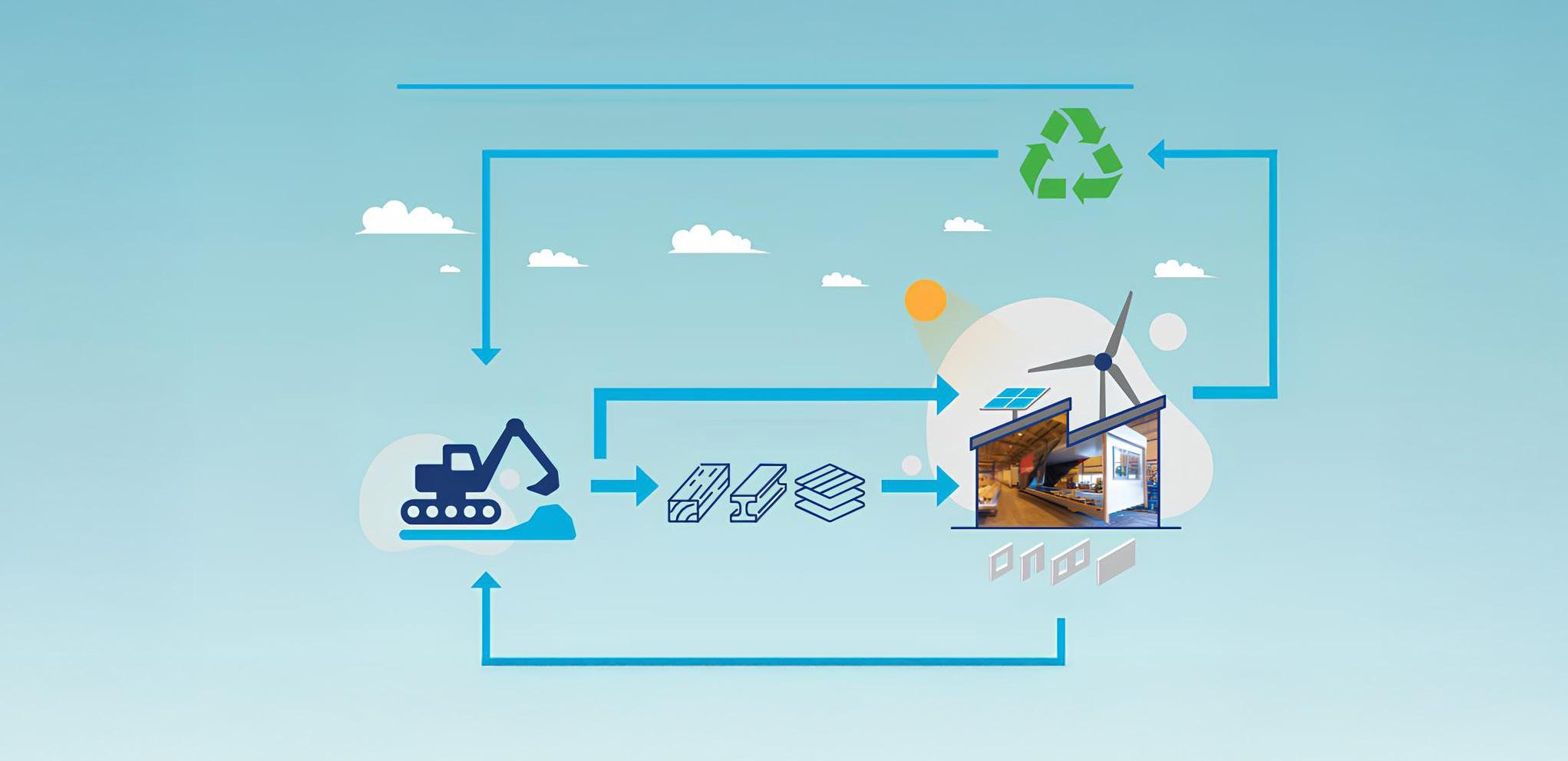
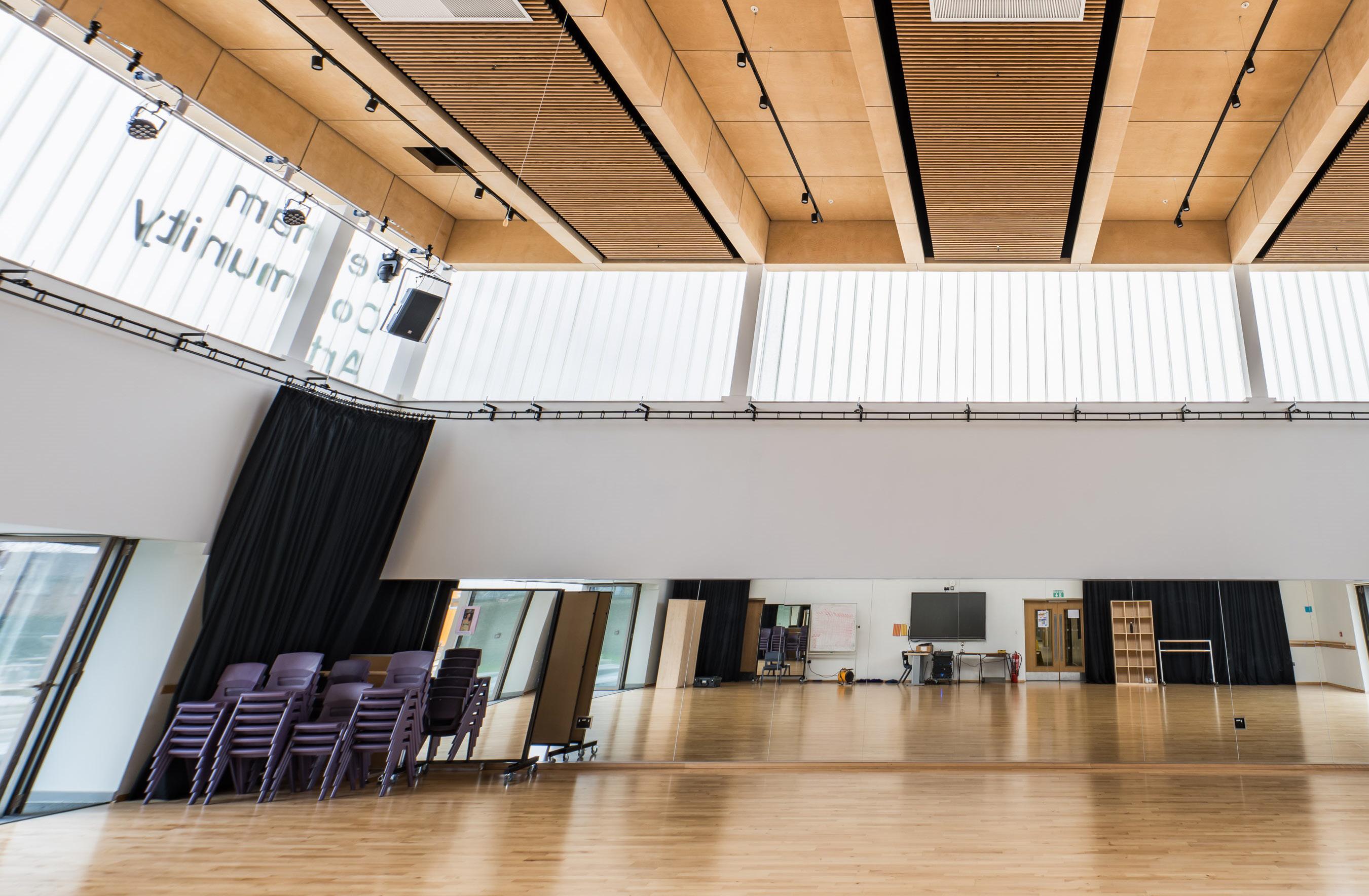
Modular buildings are inherently more resource efficient than traditional builds. Factory controlled manufacturing allows for precision in material use, reduction in waste and improved quality control
F building throughout its entire lifespan. From the extraction and manufacture of materials right through construction and operation, to end-of-life processes such as deconstruction or reuse.
By embedding this into design, specification and manufacturing processes, MPBA members will support schools, colleges and universities to move beyond simply reducing operational emissions (such as heating and electricity) towards understanding and minimising embodied carbon – the emissions locked into building materials and construction processes.
For the education sector, this shift offers both environmental and practical benefits.
Modular buildings are inherently more resource efficient than traditional builds. Factory controlled manufacturing allows for precision in material use, reduction in waste and improved quality control. Whilst the ability to disassemble and relocate buildings supports the principles of a circular economy. These qualities make modular construction a natural ally for education providers seeking sustainable and adaptable infrastructures.
Evidence of sector wide commitment
To better understand current practices and priorities, we conducted a sustainability survey among our members. The results reveal a sector that is not only aware of its environmental responsibilities but is actively taking steps to meet them.
Over 80 per cent of respondents identified sustainability and net zero as major drivers of their business strategy. Nearly 50 per cent have already carried out Life Cycle Assessments (LCA) or Embodied Carbon Assessments, demonstrating a sophisticated level of understanding of their buildings’ environmental impacts.
These findings highlight a strong alignment between the MPBA’s goals and the values of

our members – many of whom are already supporting education clients in delivering lowcarbon buildings that meet stringent energy and environmental performance standards.
Education institutions across the UK are setting ambitious sustainability targets. From the Department for Education’s Sustainability and Climate Change Strategy to local authority net zero action plans, there is growing recognition that education estates must play a key role in achieving net zero target.
Our Roadmap to Net Zero directly supports these ambitions. By aligning modular building standards with government frameworks and sustainability benchmarks, our association is helping to ensure that modular construction continues to meet the evolving needs of the education sector –delivering buildings that are energy efficient, affordable and adaptable to future demands.
By developing sector-specific guidance, tools and benchmarks – the MPBA helps
standardise how organisations measure and reduce carbon across the building lifecycle. Through events, training and case studies, the MPBA promotes practical examples of how modular buildings can support sustainable education – from zero-carbon classrooms to circular design approaches that extend building life.
Building on the work of the Sustainability Committee, the MPBA is preparing to launch a Net Zero Charter for our members. This initiative will set out clear commitments, milestones, and responsibilities – providing a robust framework for action and transparency. For education clients, the Charter offers reassurance that suppliers are not only aligned with the UK’s sustainability goals but are actively measuring and reporting their progress. Members who sign up to the Charter will be able to display a visible mark of credibility, reinforcing trust and accountability across the supply chain.
Our Roadmap to Net Zero represents more than an industry plan – it is a shared vision for a sustainable, resilient, and forwardthinking built environment. For the UK education sector, it offers a clear route to decarbonisation, backed by research, collaboration and practical guidance. By combining modular construction’s proven efficiency with a rigorous approach to whole life carbon, the MPBA is empowering schools, colleges, and universities to make confident, sustainable choices – creating modern learning spaces that are better for people, budgets, and the planet.
As part of a dynamic community, the Modular and Portable Building Association provides an environment where like-minded professionals collaborate, share ideas and forge meaningful connections that drive innovation and growth. As the construction industry continues its shift towards net zero – the MPBA remains the industry’s leading body for ensuring members are positioned for success. M
Your one-stop shop for education sector frameworks, consultancy services and learning & development opportunities.
We're a registered charity that gives back to the education sector.
Discover our full range of services:
Frameworks – Save time and money with CPC frameworks, designed for education and covering everything from products to services.
• 80+ compliant frameworks covering a range of categories.
• The Department for Education recommend 24 CPC frameworks to schools & academies.
• Free purchasing advice from our RPAs and Contract Managers.
Learning & Development – Benefit from free training, resources, templates and guidance to support your team.
• Stay informed with the latest information on Procurement Act 2023.
• Try one of our CPD accredited courses.
• Access procurement workshops and guidance for FREE.
Giving Back – Apply for education project grants through our charity initiative.
• Over £2m reinvested in the education sector since 2019.
• A charity focused on SEND, absenteeism and wellbeing projects.
• Our Giving Back initiative is what makes CPC unique from other PSBO's.


We help the education sector to save time and money through our frameworks, training and one-to-one procurement support. We o er:

Managed Procurement Services
Receive first-class on-site or remote procurement support from our regionally based procurement consultants.

Catering Consultancy
Get a delicious new catering service! CPC has a specialist catering procurement team so we can ensure that you remain compliant whilst ge ing the best commercial results.

On Demand Tender Support
Get expert help! CPC is a leading provider of tendering services to the education sector, completing 140+ tenders a year across many categories.

Procurement Health Check
We’ll work with your management team to optimise spend, ensure compliance with Procurement Act 2023, and identify future savings.

Building Cleaning Consultancy
Save money and time whilst ge ing an improved cleaning service. We have a record of success working with hundreds of organisations across the education sector.
Our services also include:
Mentoring Services
Tender Publication
Contract Management
Merger Support
Interim Procurement
consultancy@thecpc.ac.uk

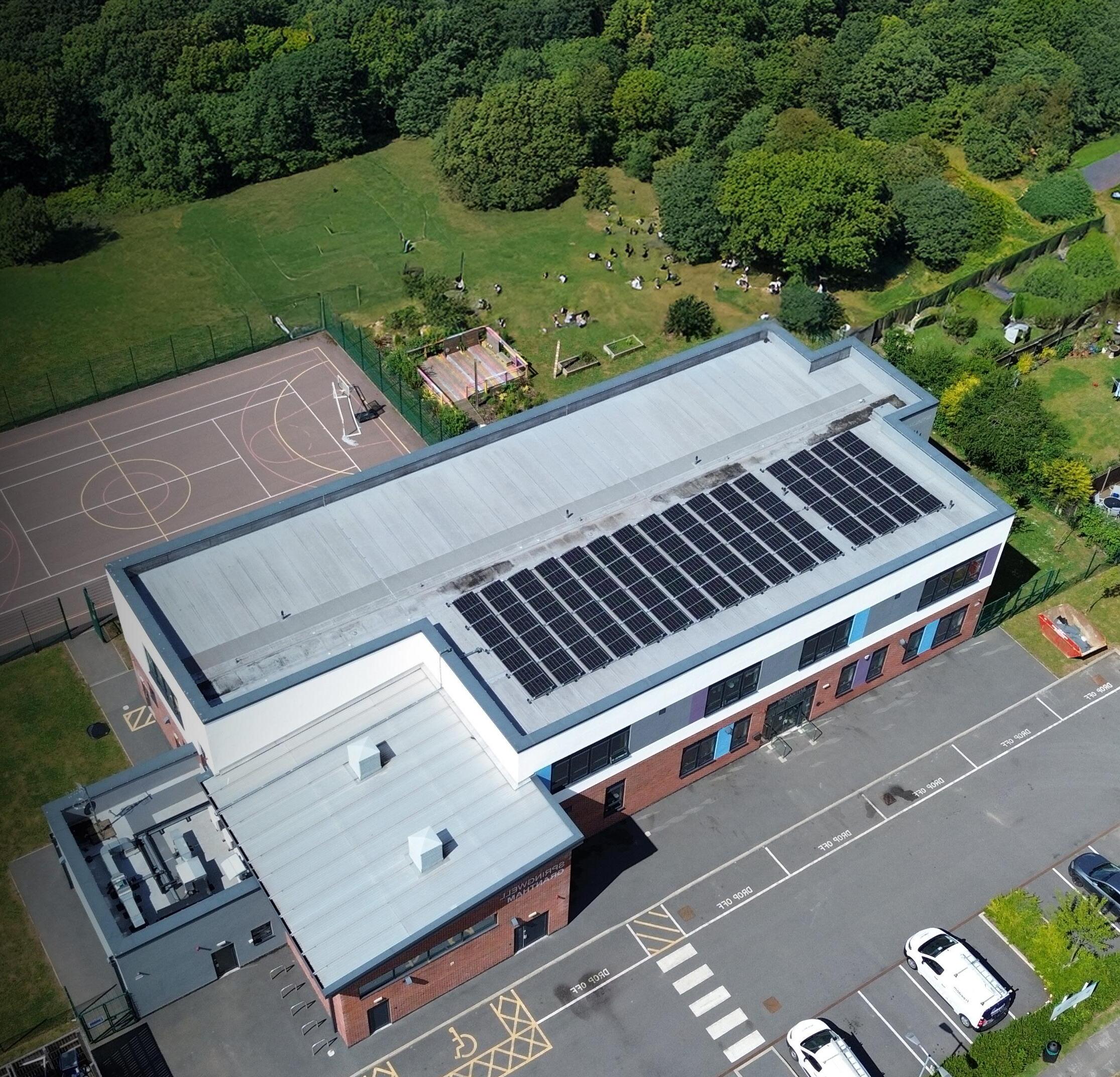






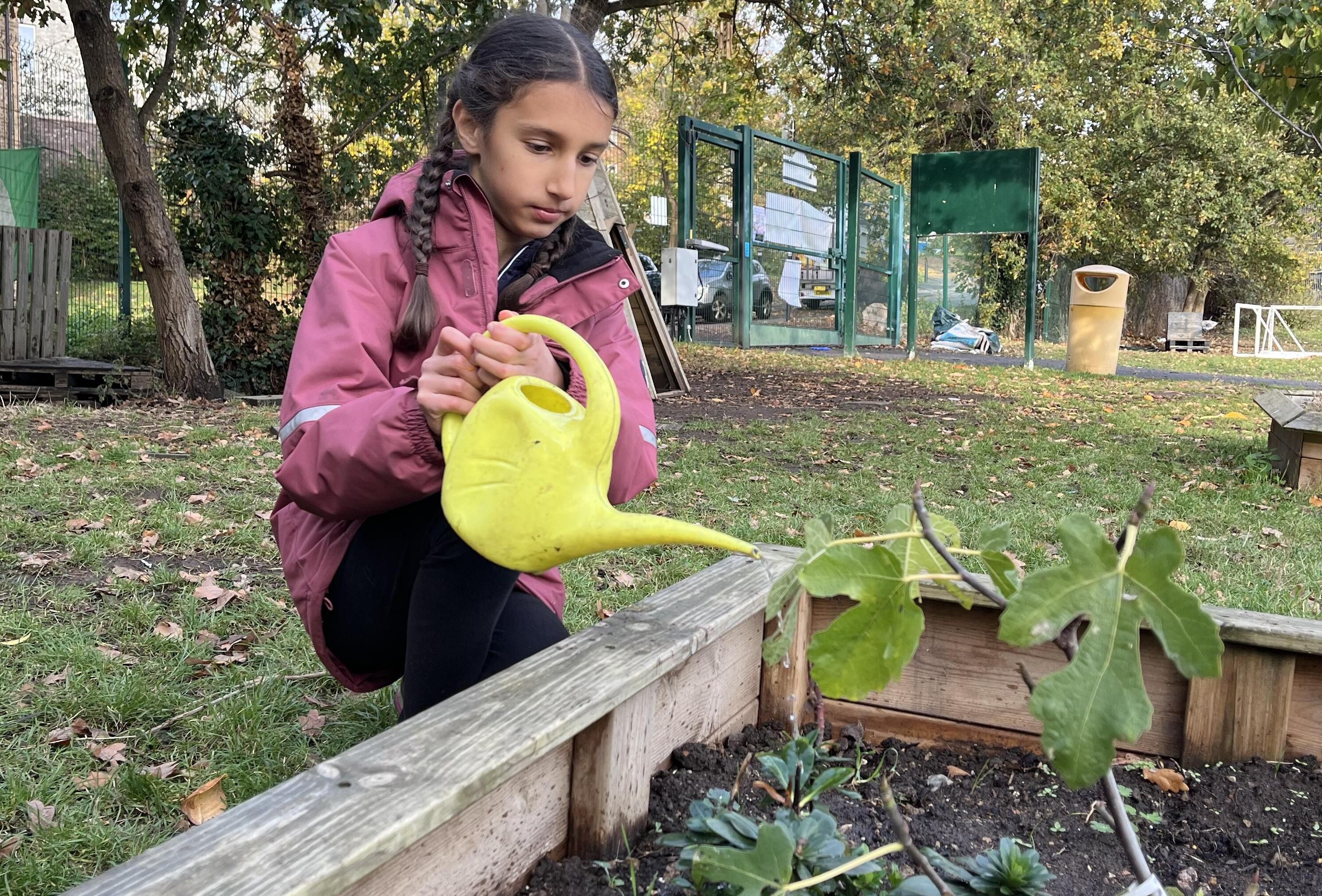
As schools look ahead to 2026, turning climate ambition into practical action has never been more important. Drawing on real-world examples from the Let’s Go Zero campaign, this article shares simple, proven steps schools can take to cut energy use, save money and embed sustainability across their whole community
The New Year is a great time to power up climate action at your school – or take your first steps towards greater sustainability. Let’s Go Zero is Ashden’s campaign for all schools, colleges and nurseries to be zero carbon by 2030. With support from us, many of these schools have made significant progress across their priority areas –which range from cutting energy bills, to securing funding for great green spaces. Whatever impact they’ve achieved, these schools all started with a clear, practical Climate Action Plan that enabled them to
turn ambition into action. If your school is ready to create or strengthen its plan, why not get free advice and inspiration from Let’s Go Zero? This could include tailored support from your own Climate Action Advisor. You’ll be in good company – over one in four UK schools have now joined the campaign.
Energy: small changes, big savings
Low-cost, high impact changes will make sure your school community is motivated and invested in climate action. That was the case at E
F Kilburn Grange Primary School in London. The school was keen to tackle high gas use – which their Climate Action Advisor calculated was its largest source of emissions. Kilburn Grange’s story shows how examining your carbon footprint is a great first step for any school.
By understanding when energy use peaked during the day, Kilburn Grange made targeted behaviour changes and small adjustments to its Building Management System (BMS), cutting energy use by 35 per cent. Its Display Energy Certificate (DEC), the measure of a building’s energy performance, improved from G to B.
At Whitefriars School in Harrow, our advisor suggested that staff begin monitoring energy use after they raised concerns about high bills. Using Energy Sparks (a school-specific energy management tool) Whitefriars identified a common, but often overlooked, problem: high electricity usage over weekends and school holidays.
Once the school’s site manager began actively monitoring the data and addressing unnecessary out-of-hours usage, consumption over the holidays fell by 43 per cent, contributing to significant overall reductions. If Whitefriars keeps up its new approach, it projected to save £12,000 over the year. Sharing this progress across the school proved critical. The data was a practical teaching tool for students, and incentivised behaviour change such as switching off lights in empty classrooms. What began as a cost-saving exercise has since gathered momentum: sustainability is now embedded in the school’s culture, with action snowballing across other initiatives through their Climate Action Plan.
Looking for one straightforward change? Here are some ideas
Firstly, power down over the holidays. If you’re not currently monitoring your holiday energy usage, it is very likely there are savings to be made here. The most effective approach is creating an end of term switch off checklist: Energy Sparks have a great one you can download to get started. Then tweak your temperature, one degree at a time. It’s common for thermostats to be set at a higher temperature than what students and staff need to be comfortable. A 1C reduction can lower your heating costs by up to 10 per cent. Schools can sign up to Let’s Go Zero. Our advisors and resources can help you tackle energy use, a critical issue for any school.
For Little Heath School in Reading, having the whole school onboard was critical to their success. Many schools have a passionate sustainability lead, but it is much easier for them to implement long-lasting change with staff and students supporting change too.
Recent ‘switch-off campaigns’ have seen Little Heath cut electricity consumption by 19 per cent, and gas by 69 per cent (factoring in changes to outside temperature). Emma Saunders, their sustainability lead, attributes these impressive results to bringing on board a whole team: “Our Climate Action Plan has been really good to help the senior leadership team focus on sustainability, which was missing before. That’s been the change… looking at the data, which we weren’t able to see before, and sharing that with staff has been eye opening for everyone.”
A standout success of their whole school approach has been their departmental
power-downs. Recognising that departments know their own buildings best, Emma gave the school’s heads of department responsibility for switch-offs over weekends and holidays. Staff have seen thousands of pounds saved for re-investment elsewhere in the school. As a result, uptake has been strong, with all heads responding promptly to Emma’s pre-holiday email reminders.
Stuart Lonsdale, premises manager reflected:
“Our previous bills have been eye watering. Now it’s out to a wider variety of staff, we’re able to make a real change. Staff are pleased we’re reducing our carbon footprint, but what’s really motivated us are the cost savings, which have transformed how staff and students take part.”
Little Heath School shares the following top tips. Firstly, direct early-starting staff to one block which has been heated earlier than the rest of the building.
Secondly, shut down all heating and hot water during the holidays, leaving just
If you’re not currently monitoring your holiday energy usage, it is very likely there are savings to be made here. The most effective approach is creating an end of term switch off checklist
frost protection on. Staff who go into Little Heath during the holidays use individual heaters, such as plug in radiators.
Finally, keep communicating. Little Heath raises energy-saving in weekly staff briefings, and feeds back positive progress updates to staff and students.
We all know sustainability is so much more than energy bills and carbon emissions. E

F What’s more, the latest government Curriculum and Assessment Review has reaffirmed the importance of climate education, recommending access to nature as a crucial element of learning. So now is the time to expand your sustainability approach beyond buildings.
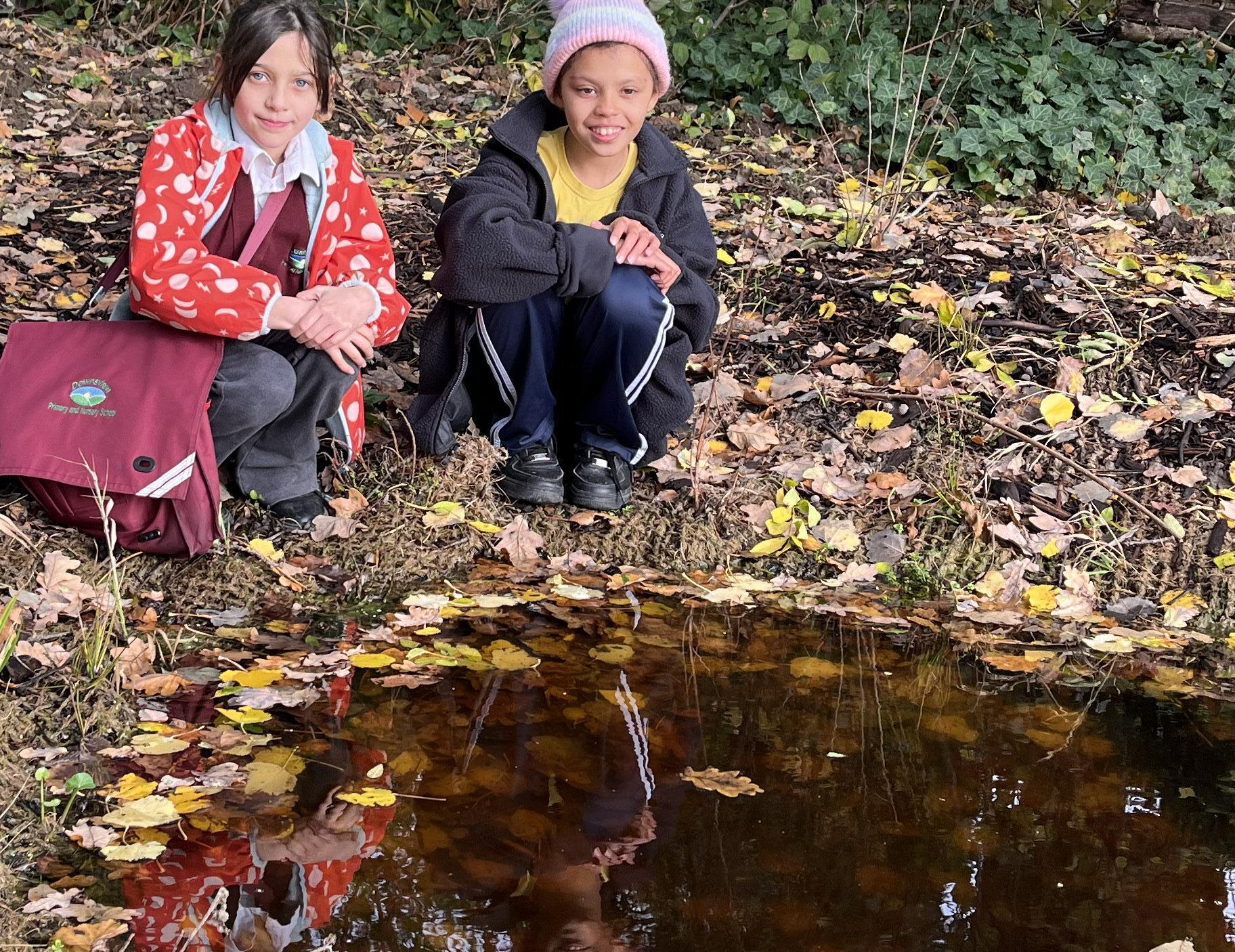
For many schools, nature-based action is where climate work really comes to life. One great example is Downsview Primary School in Croydon. As a Let’s Go Zero school, they were able to enter the annual OVO Nature Prize. The competition offers schools grants for bold and inclusive green projects.
Downsview used their prize to transform a what their Sustainability Lead described as a “grass desert” into a Serenity Garden: a biodiverse sensory space used daily by pupils. Staff say this had led to reduced screen time and better mental health for students. There are unique learning opportunities too: pupils saw how introducing ladybirds to broad bean plants fixed their blackfly problem – a teachable moment you can’t replicate in the classroom. At Downsview, outdoor learning has sparked interest in sustainable careers, strengthened relationships with families through community gardening days, and created a calm space that benefits wellbeing as much as learning. The impact has been “absolutely amazing”, according to one parent. Green spaces have also been a priority at William Morris School. Before becoming a Let’s Go Zero school, they were involved in lots of different awards and initiatives. Although

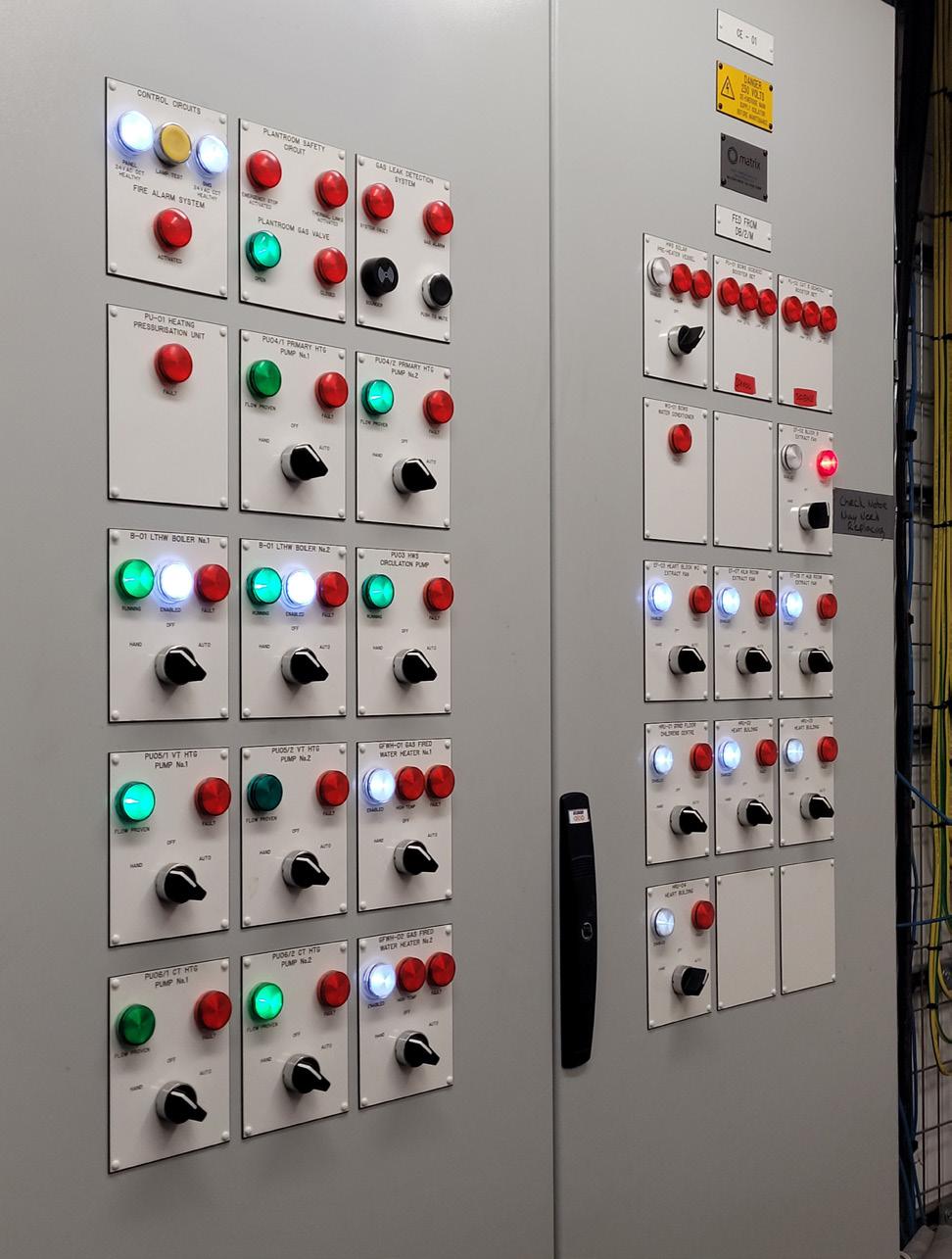
engaging in these schemes has been beneficial for this school, their Climate Action Plan gave them clarity and direction. Their sustainability lead described their plan as a way to accept that “you can’t work on everything” and instead encouraged them to prioritise a few key areas each year. Last year, the OVO Nature Prize enabled them to focus on food waste and growing, with a new greenhouse becoming both a learning resource and a wellbeing space.
Both schools’ experiences show how funding and structure are needed to turn ideas into reality. As William Morris’ headteacher explained, “we wouldn’t have naturally had funds or grants [for this work], so having this additional funding has made this possible.”
Just as important is having a team and a shared plan in place. At William Morris, starting with a student eco team and using the curriculum as an anchor helped the school’s sustainability efforts snowball. Whether they related to waste or water, energy or food, activities were all framed as meaningful learning opportunities. The Climate Action Plan then helped staff check progress and maintain momentum over time.
Whatever your school’s priorities, you can take action that benefits students, staff and the wider community. Ready to go? Joining Let’s Go Zero will connect you with resources and support, as well as great opportunities like the OVO Nature Prize. M
The final report from the Curriculum and Assessment review has put forward a series of recommended changes affecting primary, secondary, and further education. So what will the impact be?
schools uncertain about how they will meet the significant expenses associated with curriculum redevelopment.
While the ambition to modernise and improve the curriculum is welcome, there are significant concerns regarding the feasibility of implementing these reforms, particularly in light of existing pressures on schools.
One of the most pressing issues is whether schools possess the capacity, both in terms of time and resources, to enact these changes effectively. The report itself offers little detail on the practicalities of implementation, instead advising against a dramatic, all-atonce approach and recommending a phased rollout to support teachers during the transition. Notably, research by BESA points to a lack of preparedness among schools, with 64 per cent of school leaders expressing concern that their teams may not have the capacity to respond adequately to the new curriculum and assessment demands.
Adding to these challenges, The Autumn Budget has increased financial risks for schools. Importantly, the budget fails clarify whether schools will be financially supported in implementing its extensive recommendations. This oversight leaves
BESA’s research further illustrates the sustained pressure on school budgets over recent years, with 84 of schools describing their budget situation as worse than 12-months ago. Increases in teacher pay that are not fully funded, increased national insurance contributions, and general inflationary pressures have all been identified by schools leaders as being key contributors to financial pressures within the system right now.
Budget papers reveal that a substantial share of SEND funding will shift from Local Authorities to the education budget. This reallocation is projected to cost the Department for Education over £6 billion in the first year, rising above £9 billion by 2028. The Office for Budget Responsibility notes that no clear plan exists to meet this expenditure. With reforms expected to embed more SEND provision in mainstream settings, schools are likely to absorb part of these costs, placing further strain on already stretched budgets.
The juxtaposition of the ambition of the Curriculum and Assessment review amidst a sector facing major reforms to complex issues, and major workforce and financial challenges, highlights the urgent need for a coherent and realistic plan that aligns aspirations with the day-to-day realities in schools. M

While the Schools White Paper has yet to be published, we examine the steps the government has already taken to reform the SEND system – from saying it will take on long-term funding risk, to investing in early intervention, local provision and enabling closer collaboration with health services
Rising demand for support for children and young people with Special Educational Needs and/or Disabilities (SEND) has undoubtably placed strain on both education budgets and local authority finances.
Over the past decade, real-terms council spending on SEND provision has increased dramatically, rising by around two-thirds between 2015–16 and 2024–25, according to the
Institute of Fiscal Studies. In the current financial year alone, spending is forecast to rise by a further 13 per cent in real terms. These pressures have exposed deep structural weaknesses in how SEND is funded and delivered, prompting the government to embark on what it describes as a fundamental reform of the system.
A pivotal shift was announced in the 2025 Budget, when the government confirmed that

from 2028–29 it will meet the full cost of SEND provision directly from departmental spending budgets. This represents a significant transfer of financial risk away from local councils, which have long struggled to manage rising demand within constrained budgets. By taking responsibility for any gap between planned funding and actual spending, central government is acknowledging that SEND pressures are a national issue.
The Institute for Fiscal Studies has described the move as logical, arguing that while some councils have been more successful than others in controlling costs, only central government has the levers required to reform the system as a whole. Shifting the risk sharpens incentives for more realistic budgeting and creates greater pressure for reforms that might slow the growth in spending, rather than simply managing its consequences.
Alongside this, SEND spending will now be subject to official forecasts from the Office for Budget Responsibility. Until now, public understanding of future SEND costs relied
on estimates from bodies such as the IFS, the County Councils Network and historic government forecasts referenced by the National Audit Office. The introduction of OBR forecasts marks an important step forward in transparency, making the scale of the challenge clearer and harder to ignore when future budgets are set.
Concerns that rising SEND costs might be met by diverting funding from the core schools budget have also been addressed. The Department for Education has confirmed that this will not be the case, stating that the Treasury will absorb the costs across the wider government budget. Decisions on funding allocations will be taken at the next Spending Review, due to take place in 2027.
Beyond funding reform, the government has made clear that changes to the SEND system will be underpinned by a renewed focus on early identification and intervention. Ministers have said future reforms will aim to make E
Support for the early identification of SEND is also being embedded into the government’s plans for Best Start Family Hubs, which are due to be rolled out in every local authority next year
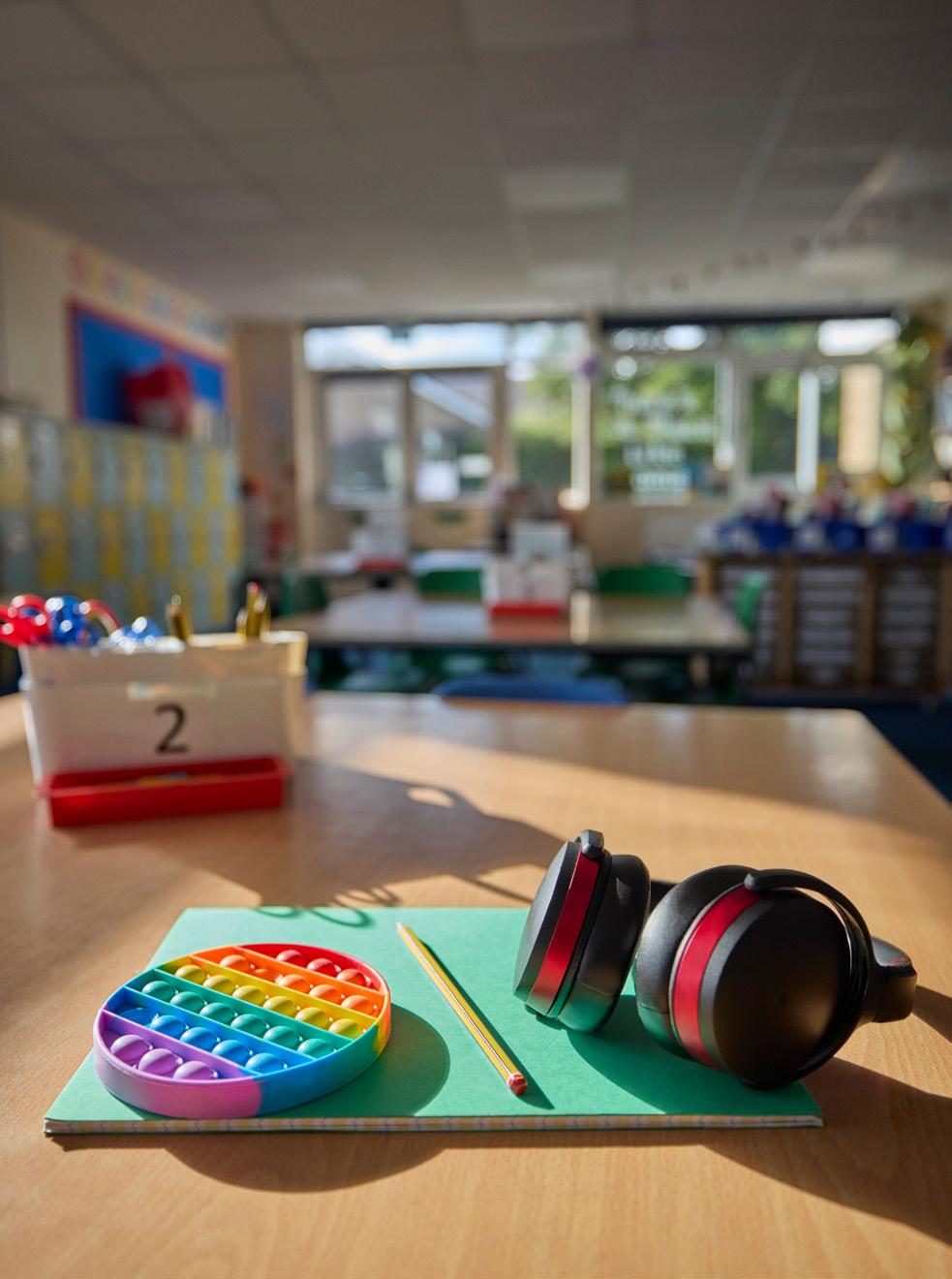

F support early, local, fair and effective, although full details are expected in the long-awaited Schools White Paper – which is due to come out in early 2026.
Early identification is widely recognised as one of the most effective ways to improve outcomes for children with SEND. Identifying needs early allows schools and services to put timely support in place, reduce barriers to learning and prevent difficulties from escalating. It can also improve long-term educational and life outcomes, strengthen wellbeing and reduce the risk of later mental health challenges.
As part of this approach, the government has announced £3.4 million in funding for the Early Language Support for Every Child (ELSEC) programme, which is expected to benefit up to 20,000 additional children. The programme deploys specialist teams across primary schools and early years settings to help identify and address speech and language needs, particularly among children with SEND. The Education Committee has recently called for ELSEC, alongside the Nuffield Early Language Intervention programme, to receive sufficient funding to enable universal rollout across England.
Support for the early identification of SEND is also being embedded into the government’s plans for Best Start Family Hubs, which are due to be rolled out in every local authority next year. Each hub will include a dedicated SEND practitioner, providing direct, familyfacing support and helping to identify needs earlier, before problems become entrenched.
Alongside early intervention, the government is placing renewed emphasis on strengthening local provision. An aim of its Plan for Change is to ensure that children and young people with SEND can attend a school close to home and learn alongside their peers wherever possible.
At least £3 billion has been announced to create tens of thousands of new specialist SEND places within mainstream schools. This investment will support the expansion of calm, specialist learning spaces equipped to meet a range of needs, while enabling pupils to join mainstream classes for parts of the school day where appropriate. The intention is to reduce long journeys to distant specialist settings and

limit reliance on costly transport, which currently supports more than 180,000 pupils with SEND, including many travelling alone by taxi.
Education Secretary Bridget Phillipson has framed these changes as the foundations of a more inclusive system. She has said the £3 billion investment will open up opportunities for tens of thousands of children with SEND to learn, belong and succeed within their own communities.
“This government will fix the broken education system for children and young people with SEND by making sure that their local school is also the right school. Ahead our reforms, we’re laying the foundations of a new system that shifts children with SEND from forgotten to included and earns the confidence of parents,” Phillipson explained.
A problem shared Crucially, ministers have also acknowledged that SEND cannot be addressed by education alone. Effective reform depends on education, health and care services working together, alongside local government, families and the voluntary sector. An Education Committee report has highlighted longstanding concerns
that SEND has not been given sufficient priority within the health system, with services often operating separately from education and playing too passive a role in joint working.
The committee has called for SEND to be treated as a priority across the NHS, with current health system restructuring used as an opportunity to strengthen accountability and collaboration. Integrated Care Boards, it argues, must be fully engaged in local SEND systems, with clearer responsibilities for joint planning and delivery, stronger senior leadership for SEND, and appropriate financial contributions to meet statutory duties and provide timely access to therapies and assessments.
Taken together, the government says these measures mark the beginning of a long-term reset. It points to early progress in creating new specialist places in mainstream schools, expanding teacher training, strengthening early speech and language support and embedding SEND professionals in Family Hubs nationwide. While many details are still to come, the government has acknowledged that the system needs to change. L



By investing in quality ingredients, on-trend menus and fully redesigned dining spaces, Dolce is helping schools boost meal uptake, re-engage pupils and deliver a high-street experience
For many schools, catering has long been viewed through a purely cost-saving lens. With tight budgets and rising pressures, it has become commonplace to focus on sourcing the most affordable products and reducing investment in dining environments. Yet this ‘race to the bottom’ often leads to uninspiring food, inefficient spaces and meal uptake that continues to fall –particularly among secondary pupils.
At Dolce, we have chosen the opposite path. Although there are always costs to be considered, we have also focused on investing heavily in quality ingredients, ontrend menus, and complete dining space transformations. The results speak for themselves: higher Free School Meal (FSM) uptake, increased paid meal revenue, more engaged pupils and a dining experience that aligns with what young people expect in 2025.
Young people are surrounded by dynamic, branded eateries on the high street and across social media, and they expect the same level of excitement, choice and modernity in their school dining hall. By elevating quality rather than cutting corners, schools can create environments that pupils want to be in - and food they genuinely want to eat.
This approach isn’t just about the food itself – we offer a full fit-out and design service, delivered entirely in-house. Where other caterers typically outsource the design work, adding cost and complexity, by having our own in-house team of specialist designers, builders, and brand creators under one roof means we can offer refits in a much more affordable way.
The team undertakes full overhauls of flooring, seating, lighting, cladding and
layouts, creating contemporary dining spaces that rival high-street cafés. With experience on TV set designs, Glastonbury festival installations and national supermarket café refurbishments, means inspiring, on-trend dining environments can come to life at a lower cost than outsourced alternatives.
Crucially, many redesigns require no upfront investment from the school. We absorb the cost, with the shared understanding that increased meal uptake will organically drive revenue. This model removes financial barriers and ensures no school has to accept substandard catering due to budget limitations.
Case study:
Hawarden High School, Wales
Hawarden High School - one of the oldest schools in Wales – recently partnered with Dolce to completely redesign its dining hall. With over a thousand students aged 11–18 passing through every day, the school needed a service that was efficient, modern and reflective of pupils’ expectations.
Following the fit-out Hawarden achieved a 98 per cent FSM uptake and 76 per cent paid meal uptake between September and December 2024 - far exceeding typical national averages.
Simon Budgen, Headteacher, said: “We’re a busy, thriving school – we see over a thousand students come through our lunch hall every day. Since we started working with Dolce, service speeds have become much more efficient thanks to the innovative till system, there is a wide variety of food on offer and students are more engaged; they
From our early days serving a handful of schools, Dolce has grown significantly and now caters for one in every 20 schools across England, with strong and accelerating growth in Wales.
That success has not gone unnoticed. In 2025, Dolce was named Contract Caterer of the Year at the Public Sector Catering Awards. The company also secured the top position in the first ever School Contract Caterer Ranking by ProVeg UK in 2025, recognising Dolce as the most planet-friendly school caterer in the country. With a growing need for caterers to prioritise health and sustainability, the ranking makes it easy for schools to choose a caterer that aligns with their planet-friendly goals.
often comment on what they’ve tried and suggest dishes to me. It’s wonderful to see so many pupils enjoying their lunchtime and refuelling for an afternoon of learning.” M
www.dolce.co.uk






















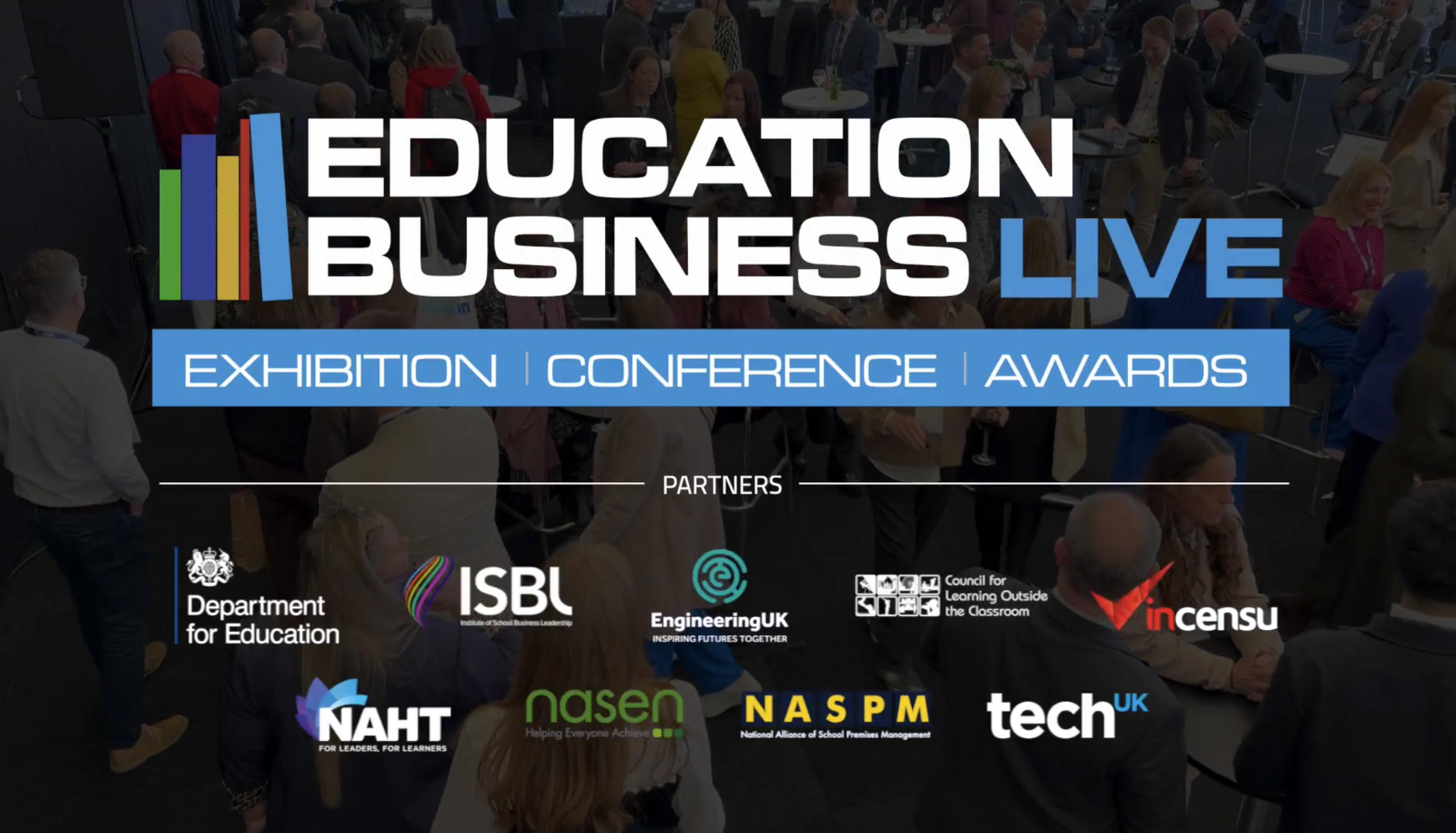
Designed to support the efficient and successful running of education settings, Education Business LIVE Conference & Exhibition returns for its second year on 26 March 2026, bringing together professionals who are dedicated to effective school leadership, management and teaching
Taking place at London’s Old Billingsgate, Education Business LIVE will welcome school and trust leaders, teachers, business managers, policymakers and sector experts for a full day of insight, discussion and networking. The event will feature an inspirational lineup of educationalists, central government policy-makers, interactive sessions, Q&As and networking opportunities, alongside
leading solution providers sharing best practice and innovative ideas to support schools and academies across the UK.
Co-located with the conference is the Education Business Awards. Now in its 17th year, the awards celebrate excellence in the sector across more than twenty categories, including outstanding progress, leadership, SEND provision, education technology, and more. E

If you’re looking for extra classroom space to support a growing student body or to temporarily accommodate pupils and staff during renovations or construction, Pickerings offers the highquality modular buildings you need.
Our modular classrooms are available for hire, purchase, or lease, ensuring you have flexible, reliable options to meet your specific needs.
Get in touch with our team, cms@pickeringshire.co.uk.

The conference programme is built around the key challenges affecting school management today, with themed streams covering leadership, inspections, teacher training, procurement, SEND provision, estates management and technology.
The agenda will open in Theatre One with a leadership-focused session featuring Stephen Morales, chief executive of Institute of School Business Leadership (ISBL), and Emma Balchin, chief executive of the National Governance Association (NGA). Together, they will explore the essential ingredients of operational effectiveness, including strong leadership, clear processes and productivity monitoring. They will also consider how schools can build the right mix of people and roles to achieve success.
This will be followed by a session on Initial Teacher Training (ITT). James Coleman, head of operations at the National Association of School-Based Teacher Trainers (NASBTT), will focus on preparing teachers for real-world challenges, highlighting the importance of human skills such as critical thinking, emotional intelligence and
The conference programme is built around the key challenges affecting schools today, with themed streams covering leadership, inspections, teacher training, procurement, SEND, estates management and technology
problem-solving, and how embedding these skills into training can support classroom success and improve teacher retention.
Professor Samantha Twiselton OBE from Sheffield Hallam University, will then explore how ITT can move beyond overly prescriptive models while remaining rigorous and intentional in meeting trainees’ needs at every stage of their professional journey.
SEND will be a major focus of the programme, with a collaborative session on SEND provision E


F and design for inclusive learning. This session will examine current good operational practice that supports SEND integration in mainstream schools and inclusive learning design, drawing on the perspectives of school staff, parents and carers, and those leading inclusive strategies.
Professor Twiselton returns to discuss the current SEND landscape and what schools can expect going forward. She will be joined by Heba Al-Jayoosi, assistant headteacher and inclusion leader at Mayflower Primary School, who will share practical insights on integrating SEND learners. Ali Durban MBE, co-founder of Gesher School, will speak about her experiences as a SEND parent and establishing a specialist school in London. Meanwhile, Terry White, chair of the Association for Learning Environments, will focus on inclusive design in mainstream schools and connected hubs for SEND learners.
The SEND strand will also include an insightful presentation from Adam Sproston, Senior His Majesty’s Inspector, SEND and Inclusion at Ofsted, who will outline SEND considerations within Ofsted’s renewed inspection framework.
Theatre Two will open with a session on procurement best practice, focusing on ensuring budgets are well spent and schools are effectively resourced.
Speakers include Peter Melville, chief operating officer at South West Essex Community Education Trust, Emma Wigmore, CEO of Chelmsford Vine Schools Trust, and Elizabeth Shirley, strategic finance & business manager at Newham Pupil Referral Units (PRUs).
This will be followed by a session on school estates management, delivered in partnership with the National Alliance of School Premises Management (NASPM) and sponsored by Cornerstone. Stuart McGregor, director of operations at NASPM, alongside Paul Jackson, head teacher, and Chris Coyle, operations manager at NASPM, will lead a roundtable discussion on critical health and safety responsibilities, core standards, the duty holder role, and effective risk management, including what “so far as is reasonably practicable” really means in practice.
The final session of the day will focus on AI and EdTech, delivered in partnership with techUK. Opening remarks will come from Austin Earl, education & EdTech lead at techUK and chair of the EdTech Advisory Panel on AI in Education. The session will explore how research-led certification can help schools adopt AI tools with confidence, ensuring they are safe, effective and ethically grounded. Speakers include Rob Peters from the NGA and Chris Goodall, head of digital education at the Bourne Education Trust. E


F Alongside this, a session on digital maturity will examine how education leaders, government and industry partners can work together to drive coherent progress. Contributors include Elizabeth Anderson, CEO of the Digital Poverty Alliance, and Cheryl Shirley, director of digital learning at LEO Academy Trust. Both panel sessions in this seminar will be chaired by Edtech legislator, Jim Knight, The Rt Hon Lord Knight of Weymouth.
There will be a number of roundtable sessions taking place throughout Education Business LIVE. These will be small gatherings where everyone has an opportunity to contribute to the conversation with industry experts, tackling subjects such as sustainability, cyber security, curriculum design, and SEND.
The Education Business LIVE exhibition will showcase the latest products and services for the education sector, with solution providers spanning technology, finance, facilities management, security, health and safety, catering, SEND provision and more.
Delegates will have the opportunity to network with peers, engage in live
demonstrations and gain hands-on experience of products and services designed to support their roles and improve school operations.
The day will conclude with the Education Business Awards, following the conference sessions. Since 2009, the awards have recognised outstanding achievements in thousands of state and independent schools.
With more than twenty categories, including outstanding progress and leadership, SEND best practice and provision, ICT innovation, procurement, security, environmental practice, school buildings and catering, the awards promise to be a highlight of the education calendar.
Entry is free of charge – simply submit a 500-word entry statement. Shortlisted organisations will receive two complimentary tickets to the awards ceremony, including drinks reception and a complimentary brunch at Education Business LIVE.
Education Business LIVE 2026 offers a unique opportunity to learn, connect and celebrate excellence across the education sector, all in one iconic London venue. M
FURTHER INFORMATION
www.educationbusinesslive.com
Trusted consultancy services for schools, trusts, and boards.
Expert governance support tailored for your board’s success – from strategic planning and executive appraisal to independent reviews and complaint investigations. Delivered by NGA’s team of 44 trusted consultants across England, our practical consultancy helps you lead with clarity and confidence.
A full diagnostic review to assess governance effectiveness to drive improvement and impact.
Includes:
z Independent analysis and detailed report
z Development workshop
z Follow-up and 3-month NGA Gold Advice access
Support in managing executive performance that aligns leadership with strategic goals.
Includes:
z Prep guidance and 1:1 meetings
z SMART objective setting
z Full written record

“I have been impressed by the professional, well-organised and astute perception demonstrated by the consultant throughout the whole process.”
MAT CEO
nga.org.uk/consultancy
Executive Appraisal support Discounts for NGA members
End-to-end IRP services with trained governance expertise, ensuring fair, compliant decision-making.
Includes:
z Panel role support (chair, clerk, member)
z Admin and process guidance
z Post-panel advice

January 2026 marks a significant milestone for the National Governance Association: the start of a year-long celebration of 20 years dedicated to strengthening and championing governance. Emma Balchin, the NGA’s chief executive, shares some insight into this milestone year
Since 2006, NGA has worked alongside governing boards, trustees, executives and governance professionals to shape a sector in which robust, ethical and informed governance drives strategic direction and shapes the right culture for educational success. This anniversary is more than a moment of reflection – it is a commitment to the future. Throughout 2026, NGA will bring together stories, evidence and voices from across England to demonstrate what good governance achieves, why it matters, and what the next decade must expect from the system and those involved in school governance. We will highlight the expertise, dedication and public service shown by governors, trustees and governance professionals, shining a light on the impact they create every single day. Through storytelling, research, digital content and national events, the campaign will celebrate the people who give their time selflessly to ensure every school and trust is well led.
The first major landmark of the campaign is The Case for Governance, launching this month. It presents the indisputable case for good governance, exploring its role so far across the sector, and two decades of NGA’s work to present the strongest articulation yet of why governance is essential to an ambitious, fair and sustainable school system. In a landscape where governance is too often underestimated or poorly understood, the report brings together evidence, research and lived experience to show what effective oversight delivers – and what is lost when it is overlooked. At its heart, The Case for Governance advocates a simple truth: good governance has the power to change lives. As a minimum,
it provides critical, consistent, contextaware oversight that no inspection cycle or performance measure can replicate. It is local, democratic, strategic leadership that gives voice to communities and holds decision-makers to account. It is the foundation of trust, transparency and long-term ongoing improvement.
A central theme of the anniversary year will be the importance of school or community level governance, whether in a trust or maintained school, reflecting how strong governance, with agency can underpin the community confidence needed when tackling big issues like those surrounding how the sector supports children and young people with Special Educational Needs and Disabilities (SEND) and whilst we see where this is effective dramatically reducing complaints, it can more importantly improve outcomes too.
Above all, this anniversary honours the 230,000 volunteers and countless governance professionals who sustain our education system. As the sector enters a period of change, the message is clear: good governance is essential – and NGA will continue to confidently champion it for the next 20 years and beyond. M


Registration is now open for Tes SEND Show North 2026, the North of England’s largest dedicated event for special educational needs and disabilities (SEND)
Taking place on 13–14 March 2026 at Emirates Old Trafford Cricket Ground in Manchester, the two-day event brings together professionals from education, health and care to explore inclusive practice, effective SEND provision and improved outcomes for children and young people.
SEND continues to be a central focus across schools, trusts and local authorities. Rising numbers of Education, Health and Care Plans (EHCPs), increasing complexity of need, workforce capacity pressures and constrained budgets have placed SEND firmly at the heart of strategic planning and governance. Tes SEND Show North has been developed in response to these challenges, offering affordable, accessible professional development that reflects the realities professionals face every day.
Over the course of two days, delegates can access a broad programme of CPDcertified seminars delivered by experienced practitioners, researchers and SEND specialists.
Sessions address the key elements of effective SEND practice, including inclusion, communication and interaction, sensory needs, emotional regulation, assessment, behaviour support and legal responsibilities. The focus throughout is on practical guidance, supporting professionals to translate learning into meaningful action within classrooms, specialist settings, services and multi-agency teams.
The event is particularly relevant for those working with learners who have diverse and complex needs, including communication and interaction differences, sensory processing needs, social, emotional and mental health challenges, and additional learning needs. With demand for specialist SEND expertise growing across mainstream and specialist provision, Tes SEND Show North provides affordable, evidence-informed training shaped by current research, professional experience and inclusive practice. Delegates can explore strategies to support learning, adapt
environments, promote wellbeing and create settings where all learners are able to thrive.
Alongside the seminar programme, the event features exhibitor-led workshops and a largescale exhibition showcasing more than 60 SEND suppliers. The exhibition offers hands-on access to specialist resources, assistive technologies, sensory equipment, therapeutic interventions and support services. For schools, trusts and local authorities, this provides a valuable opportunity to explore practical solutions, engage directly with providers and make informed decisions about SEND investment at a time when value for money is critical.
SEND Leadership Summit
A key addition for 2026 whichs the SEND Leadership Summit, which runs within Tes SEND Show North on Friday 13 March. This one-day conference has been designed for senior leaders, headteachers, SENCOs, service leads and local authority teams who hold responsibility for SEND strategy and delivery. The Summit offers a smaller, more focused environment, creating space for discussion, reflection and shared problem-solving.
The Leadership Summit programme explores system leadership, inclusion, policy change and strategic decision-making. By bringing together national expertise and local insight, the Summit supports leaders involved in planning, commissioning and improving SEND provision across schools, trusts and local areas. The programme allows time for networking and collaborative problem-solving, supporting open discussion and shared learning among peers facing similar challenges.
Tes SEND Show North is highly relevant for those involved in governance and oversight, including governors and trustees. As accountability around SEND outcomes continues to increase, boards require a clear understanding of statutory duties, provision models and inclusive practice. The event offers context,
clarity and professional insight to support informed decision-making at both operational and strategic levels, helping leaders fulfil their responsibilities with confidence.
Affordability remains one of the defining strengths of Tes SEND Show North. By keeping ticket prices low and offering group booking options, the event enables schools and services to prioritise staff development without adding pressure to already stretched budgets. This approach supports wider attendance across teams and encourages shared understanding and consistency in SEND practice.
Hosted at Emirates Old Trafford, the venue provides excellent transport links and accessible facilities, making the event easy to attend for professionals across the North of England. The scale and layout of the venue support a wide-ranging programme while maintaining a professional, welcoming environment for delegates.
Tes SEND Show North 2026 offers two days of learning, collaboration and practical support for professionals committed to strengthening SEND provision. By bringing together expertise from across education, health and care, the event supports confident practice, informed leadership and improved outcomes for children and young people with SEND.
It brings the SEND community together to share knowledge, insight and practical solutions.

Bring
School to Life with the Digital Signage Bundle Built for Education

The Education Exclusive Bundle Includes:
The Education Exclusive Bundle Includes:
ViewSonic 43” Screen
ViewSonic 43” Screen
Lenovo Chromebox Micro
Lenovo Chromebox Micro
Chrome Education Upgrade
Chrome Education Upgrade
TrilbyTV 1 Screen Licence
TrilbyTV 1 Screen Licence
Getech, in collaboration with ChromeOS, TrilbyTV, Lenovo and ViewSonic, is offering the UK’s first integrated digital signage bundle designed exclusively for education
If you’ve upgraded your school’s digital signage from a USB stick to a generic business Content Management System (CMS), you’re adapting school workflows to systems designed for retail environments and office lobbies. Staff abandon systems that demand technical expertise and content stagnates because updates turn into IT tickets, not teaching tasks. The result: expensive displays showing last term’s notices while critical communication remains trapped in email.
Digital signage solutions built specifically for education, such as TrilbyTV, recognise that school communications are for empowering staff, safeguarding students and fostering community. When teachers can update screens by simply editing a Google Slides presentation, or when your Designated Safeguarding Lead (DSL) can broadcast an emergency lockdown across every display in a few clicks, you’ve moved beyond signage towards strategic infrastructure.
To support schools and trusts whose current digital communications are lacking (and worry about the impact on Ofsted outcomes), Getech, in collaboration with ChromeOS, TrilbyTV, Lenovo and ViewSonic, is offering the UK’s first integrated digital signage bundle designed exclusively for education.
Four components, one integrated ecosystem
The power of this solution lies in guaranteed performance, minimal maintenance, and education-specific functionality.
TrilbyTV, a leader in education-first content management, delivers a purpose-built, cloudbased system tailored for school workflows. Secure yet familiar access for designated staff to take control of their own departmental announcements, such as last-minute room changes, celebrating achievements or important safeguarding messaging.
ViewSonic CDE30 Series displays provide commercial-grade durability with a full metal chassis and scratch-resistant tempered glass, ideal for high-footfall areas, while the 4K UHD resolution and high-haze surface treatment ensure clarity, even in bright lighting. Crucially, LED technology delivers superior energy efficiency compared to legacy screens, directly supporting institutional sustainability goals.
The Lenovo Chromebox Micro, running ChromeOS, fundamentally changes your TCO model. Where legacy Windows media players demand constant patching and troubleshooting, ChromeOS handles security updates automatically in the background. Boot-up speeds under ten seconds means your important school messaging is displayed in an instant, not after a few minutes.
The stack is completed by the Chrome Education Upgrade, which unlocks the Google Admin Console – something your institution likely already uses to manage student Chromebooks. Admins can manage every screen across multiple locations from a single interface, pushing content, enforcing security policies and monitoring device health remotely.
This bundle, provided exclusively by Getech, Google’s #1 Premier Partner for Education in the UK and Ireland, is more than an upgrade. It’s operational insurance that guarantees your important messages are shared with your community, exactly when they need to be seen, without fail. M

As schools work towards the government’s digital standards, new research reveals how technology is being used in classrooms and across school operations to support teaching, inclusion, pastoral care and staff workload – alongside the challenges that remain
Digital technology is playing an increasingly central role in how schools operate, teach and support their pupils. When used effectively, technology has the potential to reduce staff workload, increase inclusivity and equip young people with the digital skills they need to thrive in a modern economy. Recognising this, the Department for
Education (DfE) wants every school to have access to reliable, safe and effective technology that supports both learning and organisational efficiency. As part of this vision, the DfE has set an ambition for all schools to meet six core digital and technology standards by 2030. To better understand how technology is currently being used in schools, and

how it can support cost savings, workload efficiencies and improved pupil outcomes, the DfE commissioned IFF Research to carry out its Technology in Schools survey. Running annually since 2022, the survey
One of the most significant shifts highlighted in the survey is the rapid growth in the use of assistive
technology. Among primary teachers, reported use of these tools has almost doubled, rising from 34 per cent to 60 per cent in just a year
provides valuable insight into how schools across England are embedding digital tools in everyday practice. The latest findings from 2024–25 suggest that technology use remains widespread and is evolving, particularly in areas such as inclusion and pastoral care.
Classroom technology continues to be a familiar feature of teaching and learning. Interactive whiteboards, laptops and desktop computers remain the most commonly used tools, with nearly nine in ten teachers using whiteboards to some extent and more than four in five making use of laptops. While tablets are more readily available in primary schools, their use in lessons has dipped slightly since 2023, suggesting that availability does not always translate into regular classroom use.
One of the most significant shifts highlighted in the survey is the rapid growth in the use E



F of assistive technology. Among primary teachers, reported use of these tools has almost doubled, rising from 34 per cent to 60 per cent in just a year. Secondary schools have seen a similar increase, with use rising from 40 per cent to 59 per cent. This trend reflects a growing focus on inclusion and personalised support, as schools look to technology to help meet a wider range of pupil needs. Despite the widespread presence of devices in schools, most pupils are still using them in only a small proportion of lessons. Nearly four in five primary teachers and more than two thirds of secondary teachers said that devices were used in fewer than a quarter of lessons, a figure largely unchanged from the previous year. At the same time, fewer schools are allowing pupils to take portable devices home. In secondary schools, just over seven in ten IT leads said at least some pupils could take devices home, while this figure fell to 15 per cent in primary schools. Both represent a decline compared with 2023 and may reflect concerns around cost, safeguarding and device management.
Beyond the classroom, digital tools remain deeply embedded in the day-to-day running
of schools. Almost all schools use technology to support data management, parental communication, governance and financial administration. While use is slightly lower in areas such as estate management and flexible working, digital systems are still widely relied upon to keep schools functioning efficiently.
Patterns of classroom use also differ between phases. Primary teachers continue to use technology more frequently for phonics teaching, while secondary teachers are more likely to use digital tools to support feedback and metacognition. Across both phases, there has been notable growth in the use of technology for pastoral purposes. Teachers are increasingly relying on digital systems for safeguarding, tracking pastoral support, liaising with external agencies and providing guidance to pupils, with some of the largest increases seen in primary schools.
However, the survey also highlights persistent challenges that limit further uptake. Cost remains the most significant barrier, with almost all school leaders citing budgetary constraints and the high cost of technology as obstacles. Other commonly reported challenges

include limited access to technology within schools, difficulties accessing high-quality training, and gaps in staff skills and confidence. Issues such as connectivity, procurement guidance and uncertainty about the benefits of technology were mentioned less frequently, but still affected around two fifths of leaders.
Encouragingly, schools appear to be making progress in how they engage staff in decisions around education technology. Compared with 2023, more teachers feel that their school or trust clearly communicates its digital strategy. Nearly half of primary teachers and two in five secondary teachers reported greater clarity in this area, a significant increase on the previous year. The vast majority of teachers also said their school had a policy to guide decisions about classroom technology use, with many feeling they had the flexibility to make their own choices within that framework. When it comes to workload, perceptions are mixed but generally positive. A majority of school leaders believe technology has helped to reduce staff workload compared with the
The majority of school leaders believe technology has helped to reduce staff workload compared with the start of the 2021/22 academic year
start of the 2021/22 academic year. Teachers are more divided, but more than four in ten reported that technology had reduced their workload, while a similar proportion felt it had made little difference. A smaller group said that technology had increased workload, highlighting the importance of thoughtful implementation and adequate training.
Taken together, the findings suggest that while digital tools are now firmly embedded in schools, there is still significant potential for further impact. As schools work towards meeting the DfE’s digital standards by 2030, continued investment, staff engagement and targeted support will be essential to ensure technology delivers meaningful benefits for both pupils and staff. L


Education is changing, and at ISE 2026 – which is returning to Fira de Barcelona on 3-6 February – the AV and EdTech communities will showcase how technology is making learning more inclusive, immersive, and impactful. The event highlights AI-driven platforms, hybrid-ready classrooms and AV innovations transforming schools, universities, corporate training and lifelong learning
Explore the Unified Communications & Education Technology Zone
ISE 2026 offers attendees a chance to discover the latest educational tools and network with industry peers. Visit Halls 1 and 2 to experience the Unified Communications & Education Technology Zone, featuring interactive displays from brands like SMART Technologies and ViewSonic, wireless presentation systems from Airtame and ScreenBeam, AI-powered learning tools from Google and Microsoft, and audio solutions by Nureva and QSC/Q-SYS. This technology aims to support collaboration, personalised learning, and efficient classroom management for both in-person and virtual participants.
For those seeking a curated experience, the EdTech Show Floor Tour, taking place Wednesday 4 February, 10:30-12:00, will guide attendees through the most innovative education technology solutions on display at ISE 2026. This tour is designed to highlight key exhibitors and emerging trends, offering valuable insights for the education market.
ISE continues to invest in the EdTech market with initiatives like the Connected Classroom, powered by Logitech, returning for ISE 2026. The Connected Classroom is an immersive showcase, featuring the
latest EdTech innovations in a 120sqm classroom setup, located on stand 2W100. The Connected Classroom highlights cutting-edge advancements in education technology while demonstrating how digital and physical spaces can be bridged to create interactive, ‘connected’ learning environments across four zones: AI, Gaming, Virtual, and Collaboration Spaces.
Attendees can interact with Logitech’s video learning kits, AR/VR devices, and more from leading partners, making the Connected Classroom essential for those interested in future education environments. In addition to the technology available in the Connected Classroom, there will be a series of presentations between 11:0014:00 each day, from partnering brands shaping the education landscape.
Following its debut at ISE 2025, much of the technology was donated to the UNICEF/ ITU Giga programme, helping connect classrooms worldwide to the internet, with plans to continue this initiative in 2026.
Education Technology Summit: a learning future for all
Taking place on Tuesday 3 February (14:00–18:00, CC5.1), the Education Technology Summit is a must-attend. Chaired by Dr Gill Ferrell, executive director Europe for the 1EdTech Consortium, this year’s programme blends archaeology, philosophy, and time travel to explore the alignment between technical possibility and human intent. Sessions will address: using AI, immersive

platforms, and data to enhance learning; strategies for improving inclusivity and personalisation; and the skills, mindset, and tools needed to build equitable and sustainable learner-driven futures.
In an exciting move, ISE is partnering with EduTech Cluster and Fira de Barcelona to co-host EdTech Congress Barcelona 2026, taking place alongside ISE on 4–5 February at the nearby Palau de Congressos. This international event brings together education leaders, innovators, and technology providers to explore how AI and digital tools can close learning gaps, empower teachers, and E


F scale meaningful solutions. It’s a strategic collaboration that reinforces ISE’s commitment to advancing education through purposeful innovation. This strategic partnership reinforces ISE’s commitment to Barcelona and its evolving legacy within the city. The involvement of ISE marks a pivotal moment in EdTech Congress Barcelona’s evolution as it enters a new phase focused on driving innovation in education and advancing professional development, reinforcing its commitment of creating a purpose-led community. With an extensive content programme rich in industry knowledge, the next congress will focus on AI and delve into its ability to effectively enhance education processes and environments.
Don’t miss your chance to see first-hand how AV technology is playing a role in Barcelona through ISE’s unmissable Tech Tour Programme, organised in collaboration with Catalan Audiovisual Cluster. Curated to offer unique experiences, the tech tours include experiences such as La Salle Campus Barcelona to explore its Interactive Arts & Science Laboratory (IASlab), Monday 2 February 14:00-17:00. The IASlab brings together art, science, and technology, featuring labs for visual effects, VR/AR, AI, animation, digital arts, interactive robotics, audiovisual
post-production, and acoustic research, including reverberant and anechoic chambers. On top of these exclusive tours, once again ISE has partnered with some of Barcelona’s exciting attractions to offer visitor’s discounts through its Visitor Benefits Programme. These include the ‘Leonardo vs Michelangelo’ immersive challenge by Layers of Reality at IDEAL Digital Arts Center, where visitors explore the lives, minds, and masterpieces of the genius through large-scale projections, 360º virtual reality, and metaverse environments.
Don’t miss your chance to be at the heart of innovation and push beyond. Join us at ISE 2026 - register for free with the code ‘educationbusiness’ and secure your place at the industry’s most anticipated event. M
https://www.iseurope.org/ welcome/registration

In an era where schools and trusts face mounting resource challenges, the Institute of School Business Leadership (ISBL) is leading the way with its Operational Excellence (OpEx) for Education training programme
Delegates gain ISBL accreditation, evidencing their commitment to operational excellence.
Benefits for schools and trusts
Designed specifically for the education sector, OpEx for Education equips leaders and teams with the tools and mindset to drive efficiency, reduce waste, and create the optimal conditions for teaching and learning.
Operational Excellence is more than a set of processes. Rather it is a cultural transformation. ISBL’s research shows that schools and trusts adopting OpEx for Education principles can achieve 20–30 per cent capacity savings, freeing up resources to reinvest in pupil outcomes. By embedding continuous improvement and data-driven decision-making, organisations can streamline operations, improve service quality, and foster collaboration across teams.
A structured pathway to excellence
ISBL offers a progressive training pathway across three levels:
Associate Level (1 day): Introduces core principles, operational waste reduction, and improvement techniques.
Lead Level (2 days): Builds leadership systems, capacity planning, KPIs, and team-based problem solving.
Strategic Level (2 days): Focuses on developing and managing OpEx for Education strategies, stakeholder engagement, and influencing skills.
OpEx for Education training aligns with Department for Education and Treasury priorities on efficiency and innovation. By adopting this framework, schools can expect reduced duplication and waste; better deployment of staff and technology; stronger governance and accountability; and a culture of continuous improvement. Ultimately, this translates into improved educational outcomes for pupils – a goal shared across the sector.
Upcoming opportunities
ISBL’s calendar includes multiple OpEx training sessions throughout the year, alongside consultancy support to tailor implementation plans for your organisation. For senior leaders, progression to Strategic Level is recommended, while Associate and Lead Levels provide essential skills for operational teams.
With the ISBL National Conference recently spotlighting OpEx as a “game-changing opportunity,” now is the time to act. Schools and trusts that embrace this approach will not only optimise resources but also future-proof their operations in an increasingly complex landscape. M
INFORMATION
Find out more and book your place at ISBL OpEx Training.

Durable high-quality windbreaks designed for

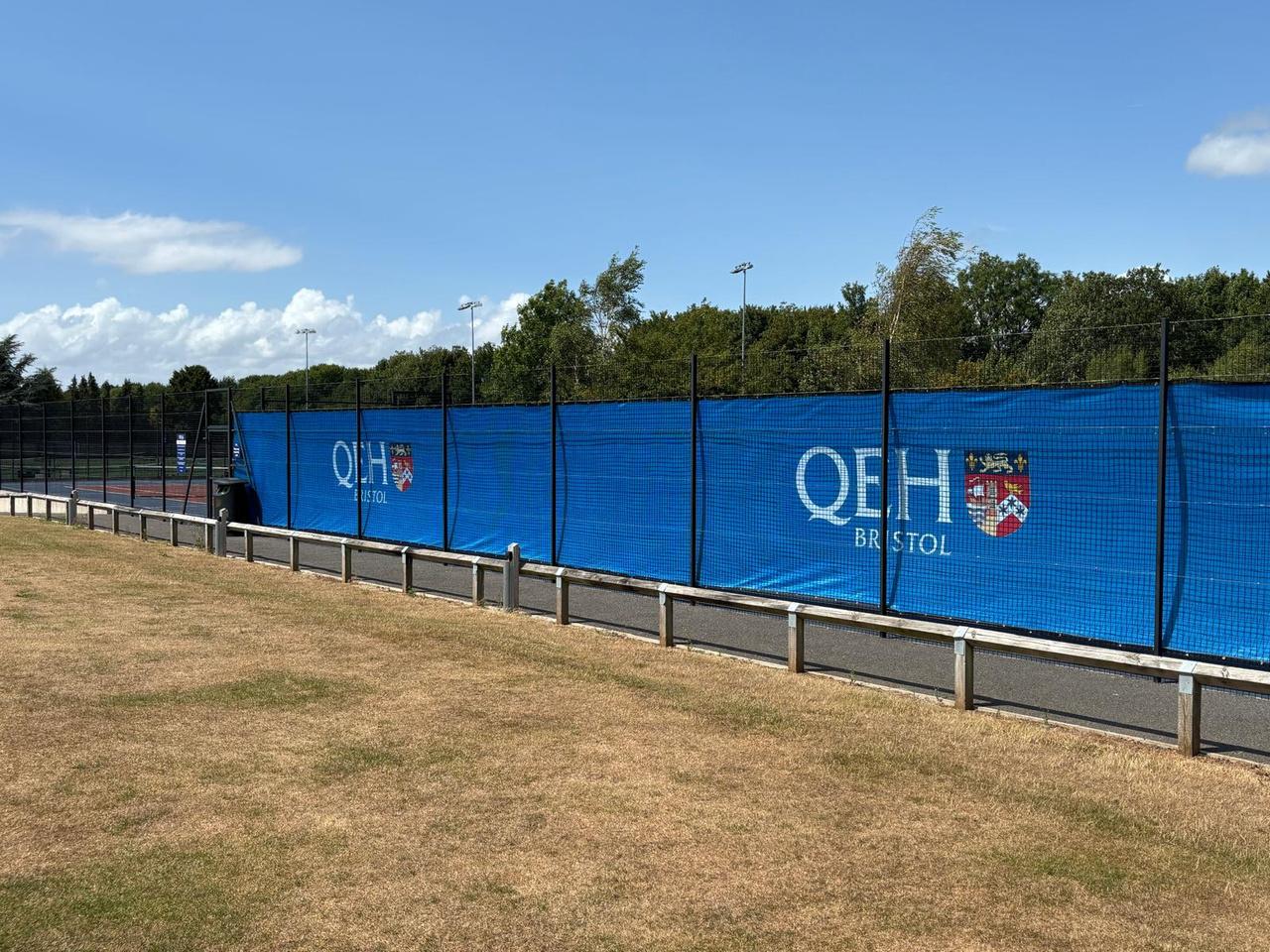


Jo Harris, education manager for the Field Studies Council, explores how outdoor learning experiences can help achieve the government’s newly proposed ‘outside the curriculum’ enrichment goals
The modern educational landscape is undergoing a necessary transformation, driven by the curriculum and assessment review and the idea that traditional, knowledge-centric curricula alone are insufficient to prepare students for 21st-century life and work.
The children who started school in September 2025 will be in their thirties by the 2050s when the UK aims to reach net zero carbon emissions.
The government’s Climate Literacy in School Leavers Report states that more than half of school leavers said they had been taught about climate change in the last year (one in 10 couldn’t remember when) and that just over a quarter said they did not know how much the
climate has warmed. Eight in 10 school leavers were concerned about climate change and seven in 10 believed they will be impacted by it. It’s clear the climate crisis is high on young people’s agendas.
We also know many young people are interested in sustainability careers despite not always knowing how to get started on this career pathway.
To quote a Field Studies Council Youth Panel member: “Nature connection isn’t just for geographers or biologists - it’s for artists, engineers, teachers, designers, and beyond. Every subject and career can hold space for the natural world.” E

F A study by Miles Richardson at the University of Derby, shows nature connection among teenagers is dropping. His work, which looks at the time people spend in nature, highlights a significant dip in connectedness from 11 years old, with recovery by the age of 30. This is important as nature connection is linked with our ability to care enough to change our behaviour to protect the world. Global recognition from organisations like the UN indicates falling human relationships with nature is an underlying cause of the environmental crisis.
If we add into the mix the mental health issues facing young people today with Young Minds reporting one in five children and young people aged eight to 25 facing a probable mental health condition, then the need for the government’s proposed enrichment entitlement to become a central pillar of successful student development has never been greater. It is not only timely but critical for the future of our young people and our environment.
This enrichment mandate necessitates experiences that cultivate resilience and promote time in nature, adventure activities, critical thinking, practical skills, and cultural capital beyond the classroom. It is in this context that outdoor learning, integrated fieldwork and outdoor residential trips emerge not as an optional add-on for schools, but as a necessary engine for them to deliver on the government’s enrichment goals.
The fundamental objective of the enrichment agenda is to foster ‘holistic development,’ allowing for personal and social development, resilience building and life skills alongside curriculum learning. Education should be more than teaching to the test. Traditional classrooms, constrained by time, space, and teaching convention, struggle to replicate the real-world pressures and uncertainties that forge these attributes.
Residential and outdoor learning experiences resolve this deficiency. By placing students in natural, challenging, and novel environments, they engage in authentic problem-solving and collaboration.
This shift forces students to actively participate in risk assessment, practical resource management, and navigation – activities that build independence and confidence. Where classroom theory discusses

The enrichment mandate necessitates experiences that cultivate resilience and promote time in nature, adventure activities, critical thinking, practical skills, and cultural capital beyond the classroom
resilience, fieldwork requires its application, developing the self-efficacy central to the government’s desired outcomes for students. Furthermore, outdoor learning provides an unparalleled avenue for integrated curriculum

delivery. For example, fieldwork we deliver at our centres transcends the abstract nature of textbook diagrams and equations by providing immediate, tangible context. For the scientist, a biology residential transforms concepts like succession, population dynamics or quadrat sampling from definitions into active, hands-on investigations. For the geographer, mapping an erosion process or assessing flood risk makes abstract models come alive.
At our centres we can also combine this with real world adventure – not just tackling an abseil tower, but rock climbing whilst discovering the geology that makes it safe to climb or canoeing whilst identifying bird
song and recording dragonfly species. This integrated approach helps students to develop nature connectedness, personal and social skills and a love of learning outdoors.
The government’s focus on assessment review demands that students develop higher-order cognitive skills: analysis, synthesis, and evaluation. These are the very skills honed by high quality fieldwork. Students are required not just to collect data, but critically evaluate the methods they use, troubleshoot equipment failure, interpret noisy, real-world data sets, and synthesise findings into conclusions.
This cycle of practical application and critical reflection mirrors the demands of university-level study and professional roles. By combining this with the benefits of E
F a residential – making your own lunch, dealing with the elements, midnight feasts, reflective moments around the campfire – students secure the skills and resilience needed for academic and life success.
Multi-day residential structures act as a lever for both social and academic enrichment. Removing students from their familiar domestic and school routines accelerates the development of personal and environmental responsibility and collaboration skills.
Students learn to share, negotiate domestic duties, and communicate effectively. This environment is a space for building social capital and understanding diverse peer perspectives, addressing a key objective of ensuring equitable access to broadening, high-quality experiences for all students. For many students, a residential may be their first, and sadly sometimes only, meaningful engagement with scientific methodology, environmental connection, or extended time in a diverse geographical setting. Through our work with Access Unlimited and programmes like Generation Green 2 and our Grants for Schools initiative, we’ve provided more than 10,000 learners with day and residential visits in the last year alone to ensure that enrichment is available regardless of a student’s background.
Where residential trips are not possible for schools due to funding, transport or other barriers there is still opportunity for including quality opportunities for outdoor learning and nature connection into school timetables.
At the Field Studies Council we provide free resources for both primary and secondary to support teachers: from geography fieldwork throughout every key stage, to primary outdoor learning support for teachers to include in cross curricular planning. We would love to see teachers taking pupils into the school grounds for all lessons, not just due to the intrinsic value of being outside, but the natural world can be a living, breathing, ever changing classroom, full of free resources. Learning shapes, area calculations and trigonometry through measuring leaves and trees can support maths studies; writing poetry based in nature or reading a wildlife identification guide promotes literacy and oracy in English. Environmental art linked to artists such as Andy Goldsworthy
and Agnes Denes can link to nature and natural materials. I could go on.
And, citizenship will play a bigger part in school life in line with the curriculum and assessment review recommendations to bring climate education onto the agenda. Enrichment opportunities combined with citizenship subject knowledge means that fieldwork should be seen as an opportunity to get out in the school grounds.
As an organisation that has been delivering environmental education for more than 80 years, we welcome the government’s call to arms for enrichment, practical work, life skills and climate education and we’re here to help schools answer this call.
Investing in and integrating outdoor learning through residential experiences shouldn’t be seen as a supplementary activity - it is an essential investment in a future curriculum that successfully prepares all young people to be resilient, skilled, and holistically developed contributors to society. M
www.field-studies-council.org


Mauldeth Road Primary School in Manchester recently embarked on an exciting playground revitalisation with the help of Project Playgrounds – and the results have been truly transformative. The school’s aim was to replace tired and worn-out markings with a space that was vibrant, inclusive, and inspiring for every child. When we were invited to take part, we were thrilled to help bring this vision to life.
From the outset, the project was guided by a clear purpose: to create a safe, welcoming, and accessible outdoor area where all children – regardless of ability – could play, learn, and grow together. We designed an environment that promotes active play, social interaction, creativity, and physical wellbeing. The addition of a dedicated fitness and exercise zone was especially popular and instantly loved by the pupils. The impact has been incredible. Teachers have reported a noticeable improvement in student
engagement and social inclusion. Children who previously felt left out are now taking part with enthusiasm and confidence. By involving both staff and pupils in the design process, the playground now perfectly reflects the school’s values and community spirit. This project proved that with thoughtful design and collaboration, outdoor spaces can become truly inclusive, empowering and fun-filled environments for all. M
customercare@dolce.co.uk
www.dolce.co.uk
Dolce Schools Catering has grown significantly, now serving one in 20 schools across England, with accelerating growth across Wales. In 2025, Dolce was crowned ‘Contract Caterer of the Year’ at the Public Sector Catering Awards and topped ProVeg UK’s first ever School Contract Caterer Ranking, recognised for their planet-friendly menus.

Yeoman Shield provides high-quality wall and door protection solutions, ensuring durability and reduced maintenance costs. We deliver a full turnkey service with nationwide supply or installation available, combining expert craftsmanship with tailored protection for commercial and public buildings. We also offer fire door services, including inspections, installations, maintenance and protection.


Standing in the Wings offers dynamic confidence workshops that empower students to explore voice, presence and self-expression. In safe, creative settings, they build resilience, social skills and self-belief. The result? Students emerge more confident, calm and connected – boosting wellbeing both inside and outside the classroom. STANDING IN THE
kathryn@standinginthewings.co.uk
kathryn@standinginthewings.co.uk
www.standinginthewings.co.uk
www.standinginthewings.co.uk
Standing in the Wings offers dynamic confidence workshops that empower students to explore voice, presence and self-expression. In safe, creative settings, they build resilience, social skills and self-belief. The result? Students emerge more confident, calm and connected – boosting wellbeing both inside and outside the classroom.
www.keysplease.co.uk
What is the easiest way to replace lost keys?
For any lockers, filing cabinets, pedestals and other office furniture simply tell KEYSPLEASE the code on the lockface and we can ship them straight to you often as quick as next day. Easy order direct online or call/email for friendly helpful advice.


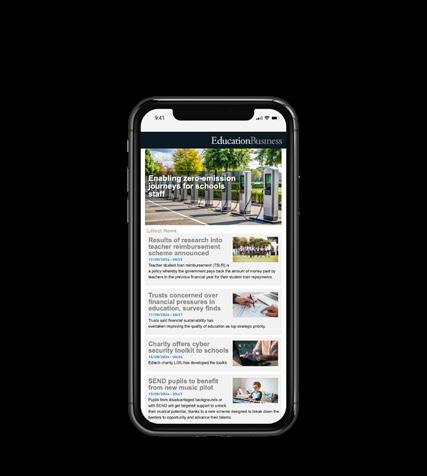


DreamBox Reading Plus and DreamBox Maths can help!
Daisy Education helps students thrive through its online adaptive development programmes:
DreamBox Reading Plus - improves reading fluency, vocabulary and comprehension.
DreamBox Maths - builds confidence and core maths skills with proven, adaptive learning.
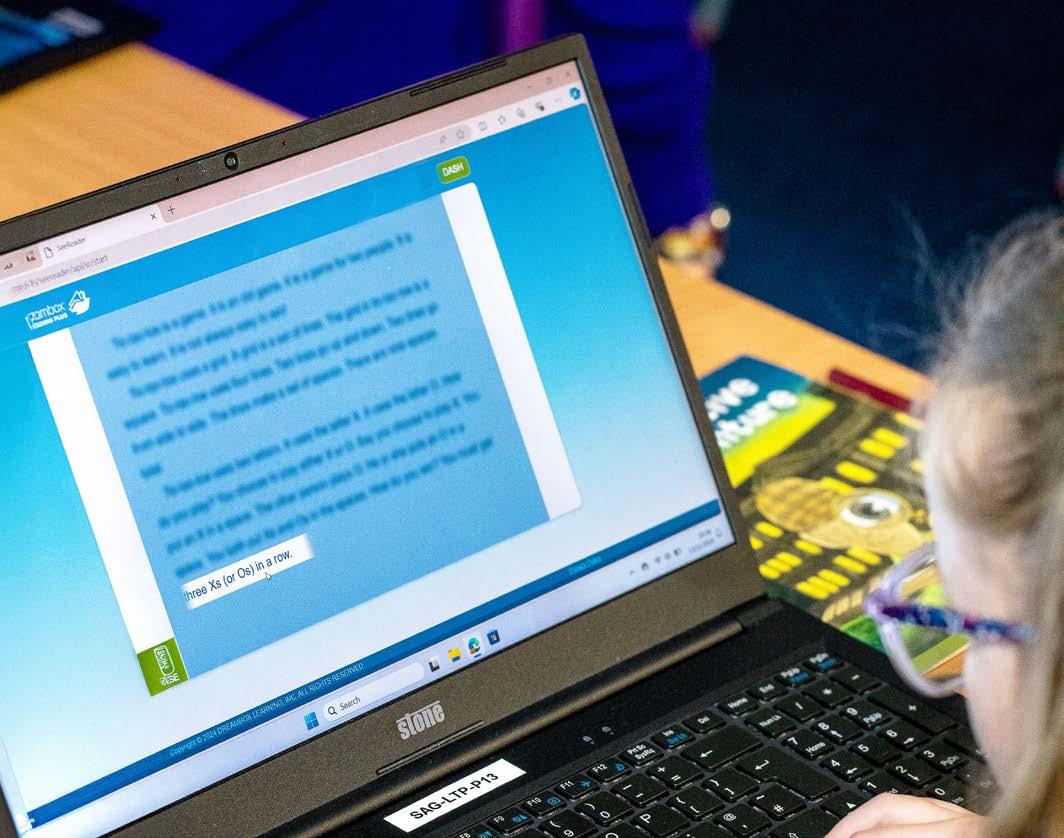
“The impact is self-evident. Every teacher wants the best for their children and Reading Plus helps us provide that.”
Kieran Roberts Deputy Head at St Elisabeth’s CE Primary School
“DreamBox Maths has had the most impact we’ve ever seen from a maths programme.”
Nichola Clark Principal at Hill Top Academy
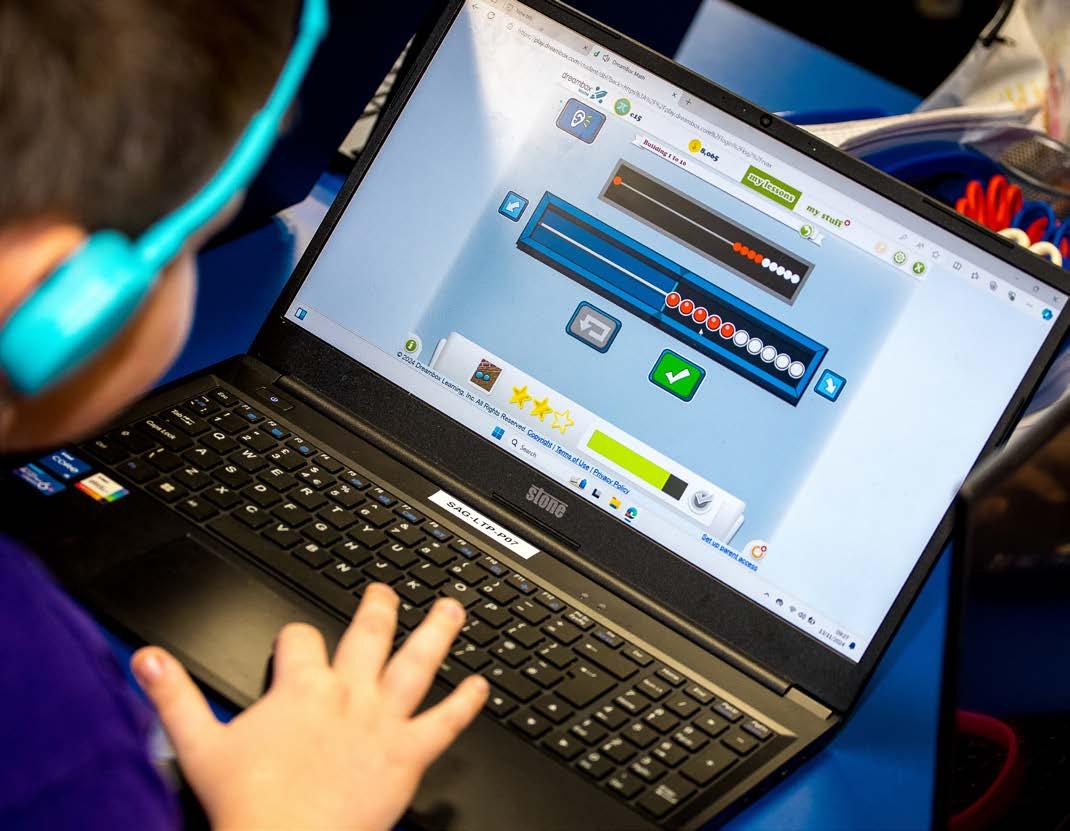
Click here to book a free trial
Try our award-winning programmes at no cost, so you can see the impact on your students’ progress and confidence.




































































































































DreamBox Reading Plus and DreamBox Maths can help!
Daisy Education helps students thrive through its online adaptive development programmes:
DreamBox Reading Plus - improves reading fluency, vocabulary and comprehension.
DreamBox Maths - builds confidence and core maths skills with proven, adaptive learning.
“The impact is self-evident. Every teacher wants the best for their children and Reading Plus helps us provide that.”
Kieran Roberts Deputy Head at St Elisabeth’s CE Primary School
“DreamBox Maths has had the most impact we’ve ever seen from a maths programme.”
Nichola Clark Principal at Hill Top Academy




































































































The UK’s leading minibus supplier, with over 20 years of experience in designing and building high-quality, customisable minibuses to meet your specific needs.

















Click here to book a free trial Try our award-winning programmes at no cost, so you can see the impact on your students’ progress and confidence. Visit
or call 0800 916 3011 to find your new minibus. For All Your Minibus Needs