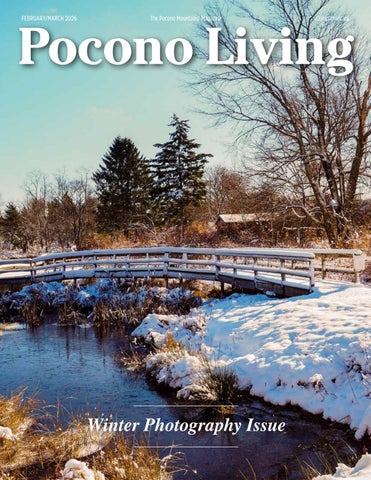
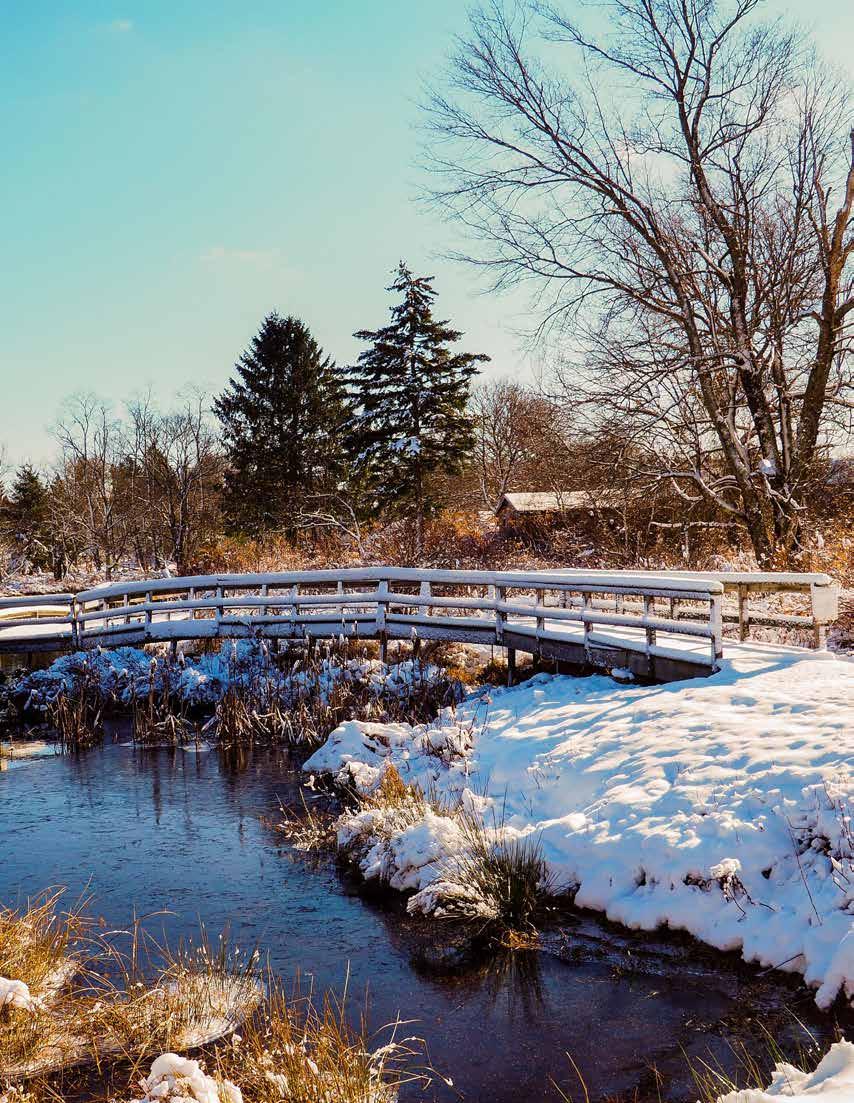
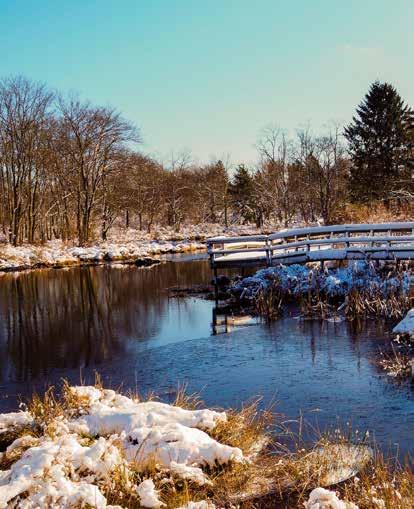
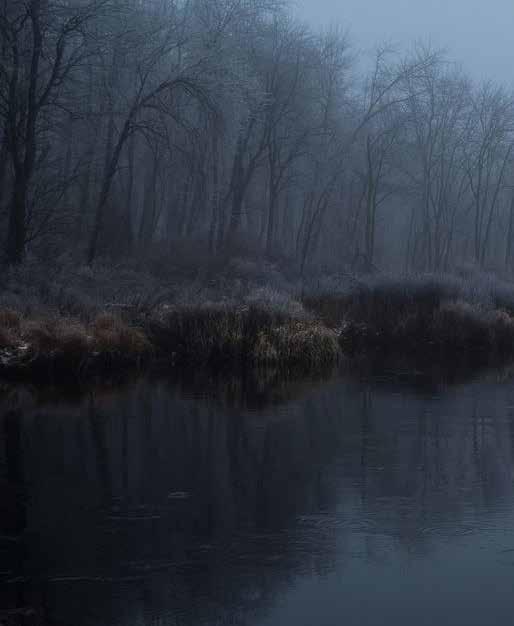
Winter Photography Issue
Pocono Mountains'


Pocono Living Magazine and Pocono Family Magazine, two regional publications filled with articles, features and photography exploring and capturing the real Pocono Mountains living experience.
Our publications can be found at many locations throughout the Pocono Mountains region, and are available by subscription.
Pocono Magazines, LLC
PUBLISHING
Pocono Living Magazine© &
Pocono Family Magazine©
1929 North 5th Street
Stroudsburg, PA 18360
570-424-1000 pmags@ptd.net www.poconomagazines.com
PUBLISHER/EDITOR
Larry R. Sebring
larry@poconomagazines.com
ACCOUNT REPRESENTATIVES
larry@poconomagazines.com
MAGAZINE & WEB DESIGN
Smart Blonde Creative
Food & Wine Editor
Jamie Marra
PHOTOGRAPHY & ART
John Anzivino
Gayle C. Brooke
Ray Caswell
Pat Coyle
Randall FitzGerald
Ashley Hall
Maurice Harmon
Susan Hartman
Marlana Holsten
Ann H. LeFevre
Barbara Lewis
Marie Liu
Harry Loud
Regina Matarazzo
Janet Mishkin
John L. Moore
Michael Murphy
Justine Nearhood
Roseanna Santaniello
Tom Stone
CONTRIBUTING WRITERS
Kimberly Blaker
Roseanne Bottone
Kathy Dubin-Uhler
Sandra Gordon Tanni Haas
Rebecca Hasting
Amanda Kuhn
Amy Leiser
Marie Liu
Sara Lyons
Jamie Marra
Suzanne McCool
Janet Mishkin
John L. Moore
Allison Mowatt
Jim Werkheiser
Kim Williams
Marty Wilson
ADMINISTRATIVE ASSISTANTS
Kristen Sebring
Linda Spalluto
PROUD MEMBERS OF






St. Luke’s rated BEST by US Government.
St. Luke’s hospitals received the best possible rating – five stars –from the annual quality and safety hospital review by the U.S. Centers for Medicare & Medicaid (CMS).
St. Luke’s is the ONLY health network in the Lehigh Valley to receive the best ratings.
“Thank you and congratulations, St. Luke’s employees! This official recognition from the US government is a credit to our incredible 20,000 employees and their unwavering commitment to all-around excellence.”
– Donna Sabol, St. Luke’s Senior Vice President & Chief Quality Officer

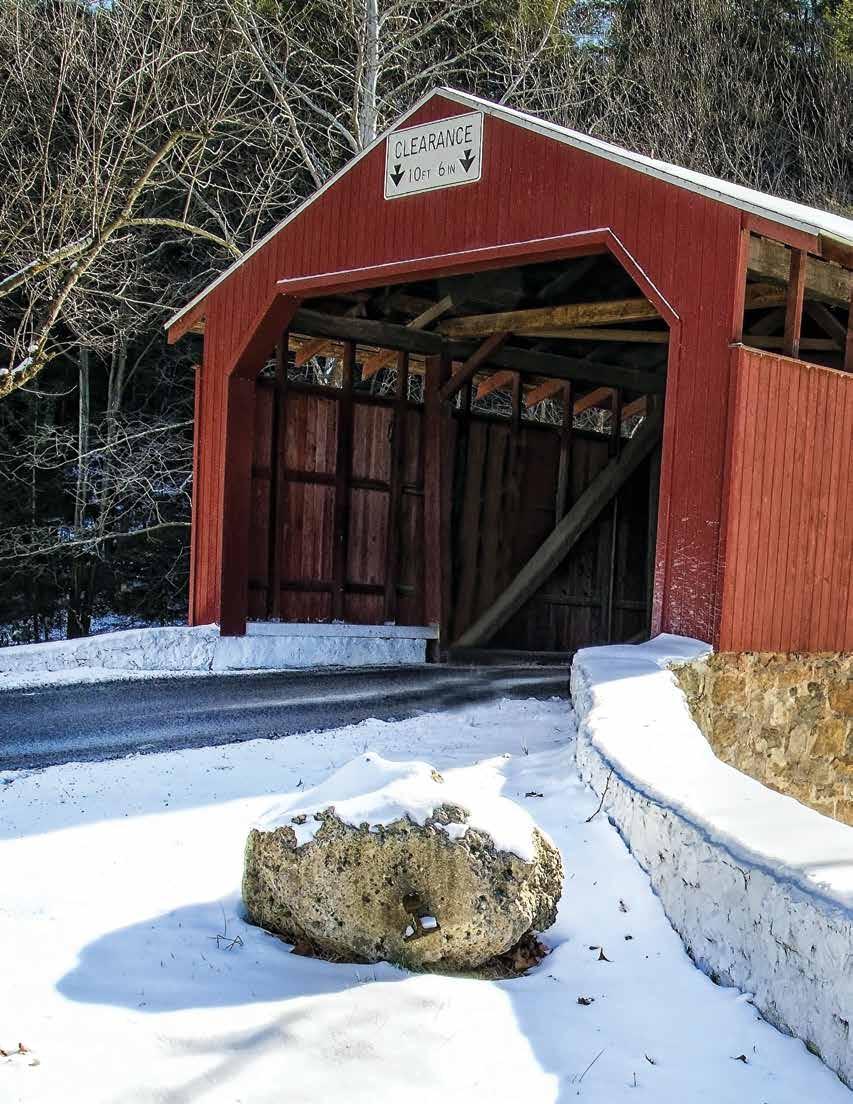
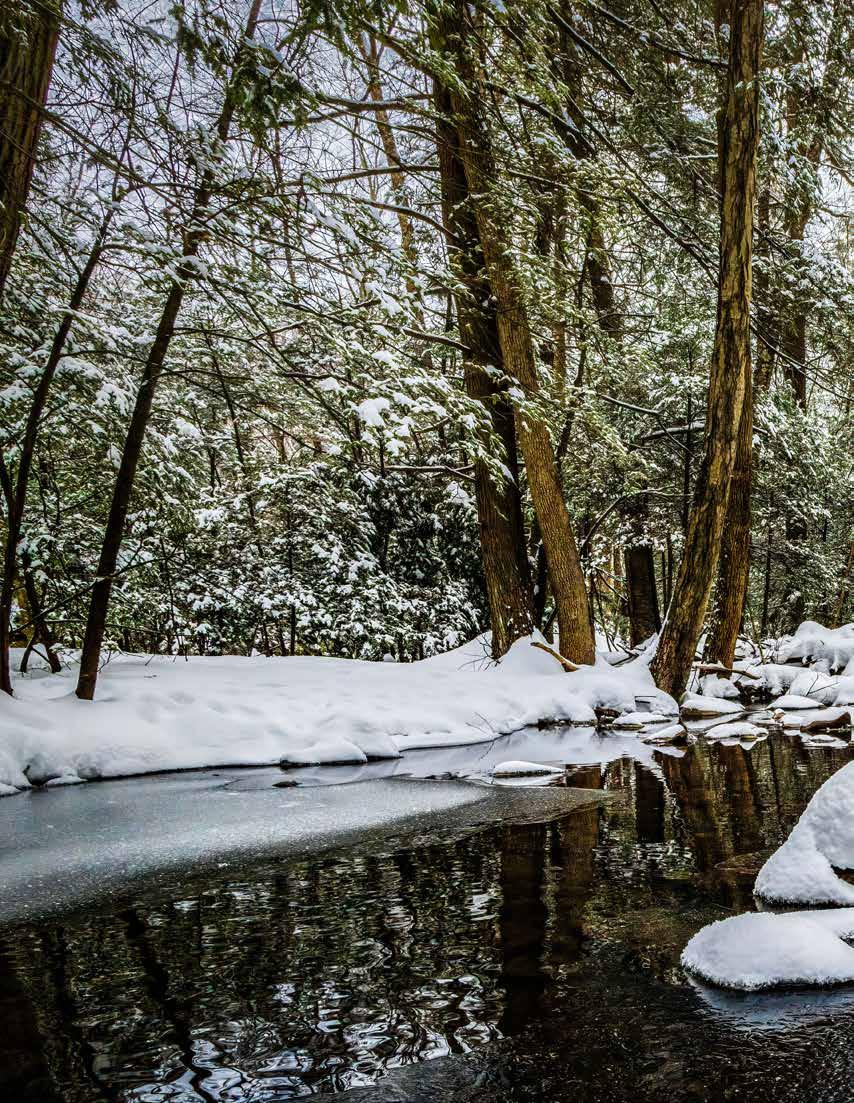
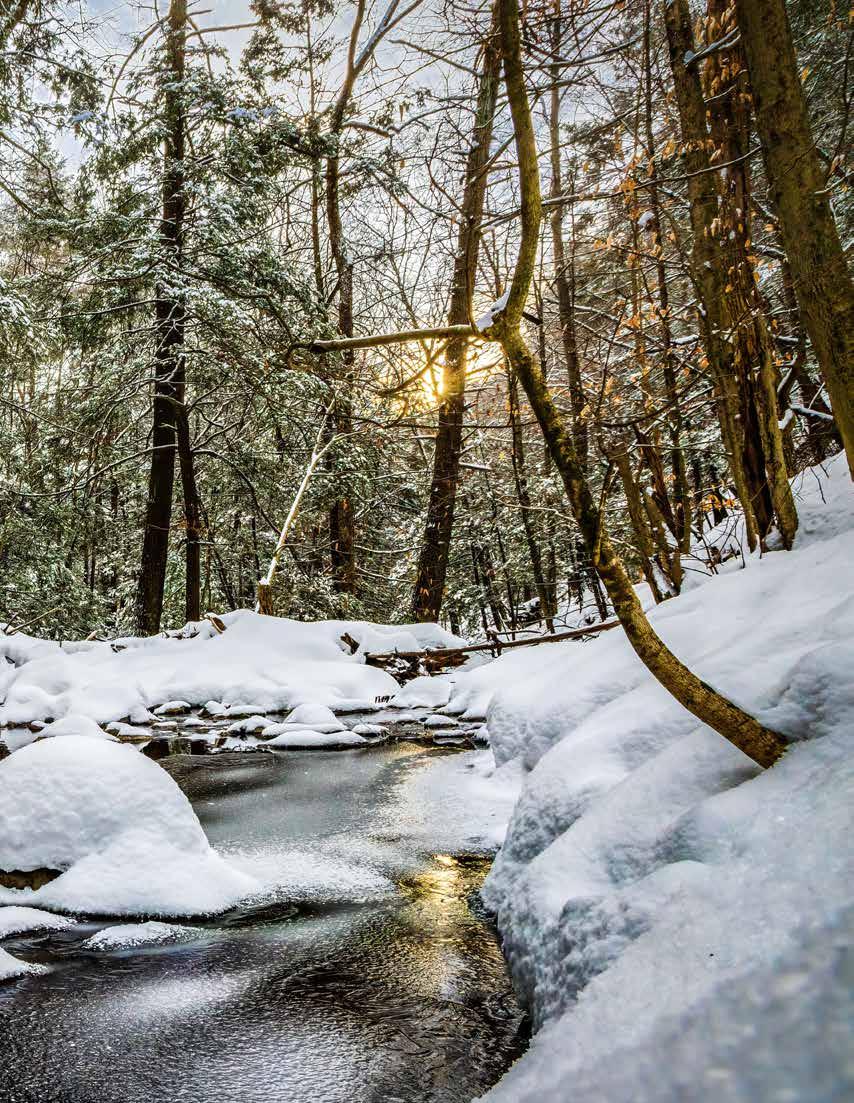
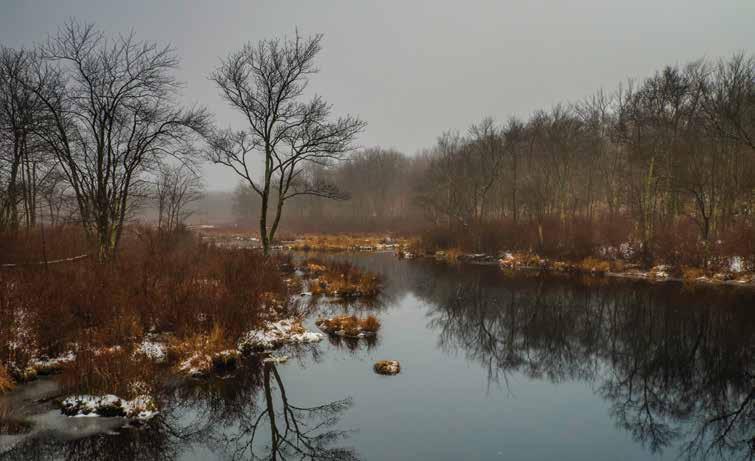
“What good is the warmth of summer, without the cold of winter to give it sweetness.”
― John Steinbeck
> Photo by Dave Sandt
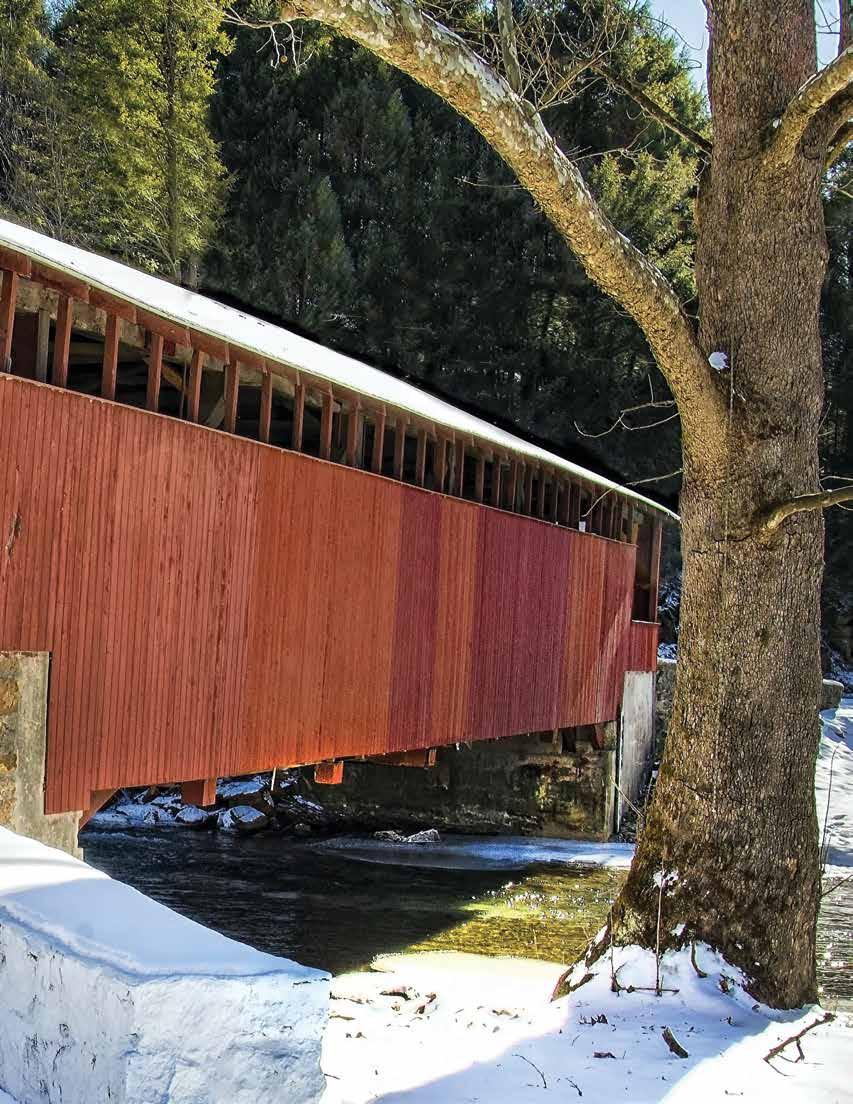
Lynne Shelly
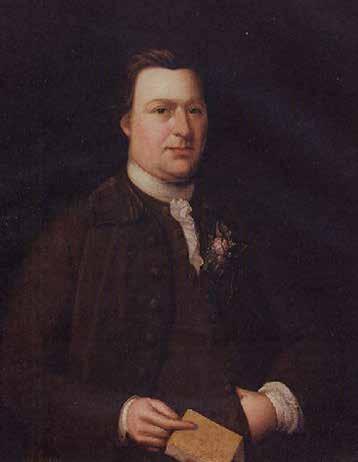
> Button Gwinnett
Revolutionary War
DANIEL BRODHEAD
By John L. Moore
Gunshots ended the rise of Button Gwinnett, who as a Georgia delegate to the 2nd Continental Congress had voted for and signed the Declaration of Independence.
Gwinnett was acting governor of Georgia when in early 1777 he made a remark that angered a rival, Lachlan McIntosh. McIntosh was a brigadier general in the Continental Army responsible for protecting southern Georgia from British forces based in Florida.
McIntosh retorted publicly that Gwinnett was “a scoundrel and lying rascal.” Gwinnett took offense, and, as was still fashionable in the late 18th century, challenged McIntosh to a duel – pistols at 12 paces in a pasture near Savannah.
They met on May 16, 1777, a Friday. Gwinnett was a good shot, but McIntosh was better. Each shot and wounded the other, but McIntosh, who was 50, recovered from his wound. The 42-year-old Gwinnett did not. He died several days later.
Born in Scotland, McIntosh had emigrated to Georgia with his family as a child. He became a surveyor, and, when the American Revolution began, he joined the Georgia militia. Among other things, he helped repel a British attack on Savannah.
Gwinnett’s death angered his political allies, and McIntosh soon found himself formally accused of murder. He was acquitted at trial, but remained highly unpopular. Later in the year, Gen.
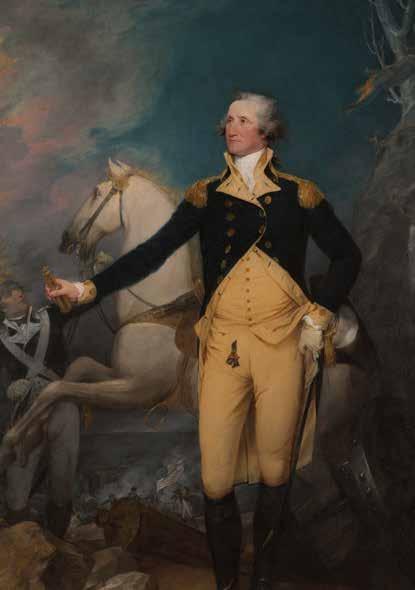
George Washington transferred him to Pennsylvania. January 1778 found McIntosh at Valley Forge with a new command, the North Carolina Brigade, which consisted of several battalions.
During his months at Valley Forge, McIntosh’s handling of the North Carolina troops clearly made a good impression on Washington. On May 26, Washington informed McIntosh that he wanted the Georgian to become the commander of Fort Pitt at Pittsburgh “and in the Western Frontiers.”
“I am induced, but not without reluctance, from the sense I entertain of your merit, to nominate you, as an officer well qualified from a variety of considerations,” Washington said.
Following Washington’s order, McIntosh went to York, where Congress was meeting. He expected to receive instructions soon after he arrived and then depart for Fort Pitt, but Congress wasn’t in a hurry to deal with him. While McIntosh waited, he received the “most distressing accounts from the frontier settlements” of Indian attacks.” Worse, the garrison at Fort Pitt had only 100 soldiers and was “unable to give them any assistance.”
“This is the ninth day since I have been in York,” an exasperated McIntosh wrote to Washington on June 7, 1778.
Reinforcements were clearly needed at Fort Pitt, and McIntosh requested that Washington send “the two small regiments commanded by Col. John Gibson and Lt. Col. Butler to march
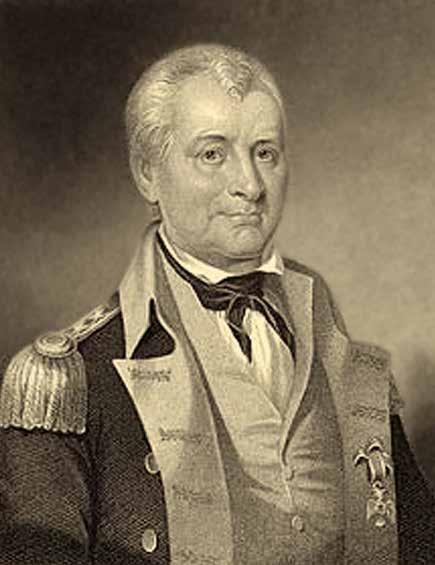
> Brig. Gen. Lachlan McIntosh
It was mid-summer when McIntosh left York, bound for Fort Pitt, some 200 miles to the west. He had orders to march an army west across Ohio, swing north into what has become southeastern Michigan, and attack the British fort at Detroit.
“an expedition is ordered against the Northwestern Indians and Detroit. The army to consist of 500 regulars and 2,500 militia. ”
Arriving in Pittsburgh on August 6, McIntosh accepted command from the outgoing commander, General Edward Hand. In a sense, his arrival was anticlimactic. News of his mission had reached Pittsburgh before he did. Indeed, on July
8, a Virginia officer, Colonel William Christian, had written to a friend that “an expedition is ordered against the Northwestern Indians and Detroit. The army to consist of 500 regulars and 2,500 militia. The whole to be commanded by General McIntosh of Georgia, a brigadier in the Continental Army.”
Any assault against Detroit would require the Americans to cross territory controlled by Native American tribes, only some of which were friendly to the United States. Many indigenous nations were already siding with the British. To secure their consent, McIntosh and other American leaders invited the Ohio Indians to a treaty at Pittsburgh in mid-September.
Attendance was low. Only a small number of Delaware Indians turned out, along with a handful of Shawnee. The Revolution had split the allegiance of the Delaware Nation.
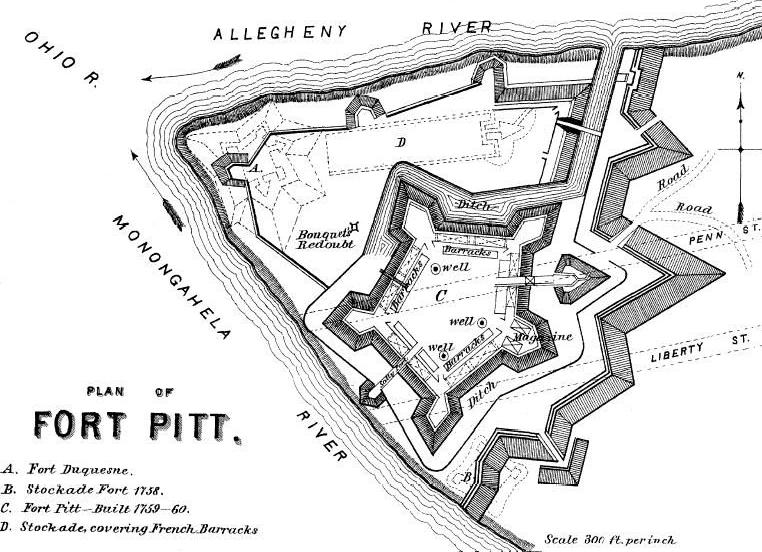
> Fort Pitt Diagram shows Fort Pitt located where the Monongahela and Allegheny rivers join to form the Ohio River.
Many Delawares were allies of the British, and they were angry that some Delawares were siding with the rebellious Americans.
Colonels Brodhead and Gibson joined McIntosh at the weeklong meeting, which ended with the Delawares – led by three chiefs: White Eyes, Captain John Killbuck and Captain Pipe – pledging to help the Americans on the expedition. When General McIntosh was ready to move into the Ohio Country, “as many of our warriors as can possibly be spared shall join you and go with you,” White Eyes said. “We desire you not to think any of our people will have any objection to your marching through our country. On the contrary, they will rejoice to see you.”
White Eyes had a condition. Delawares who helped the Americans should expect to be attacked by pro-British Delawares as well as by other tribes allied with the British.
“The enemy Indians as soon as they hear it will strike us,” White Eyes said. “We desire that our brethren will build some place for our old men, women and children to remain in safety, whilst our warriors go with you.”
In other words, the chief wanted the Americans to build a fort near the Delaware villages deep in Ohio.
Perhaps McIntosh, accustomed to the relatively mild winters of Georgia, didn’t understand how early northern winters could set in or how severe they could become. At any rate, rather than leave Pittsburgh on a 300-mile forced march to Detroit soon after the treaty ended, the general didn’t lead his army out of Pittsburgh until late October.
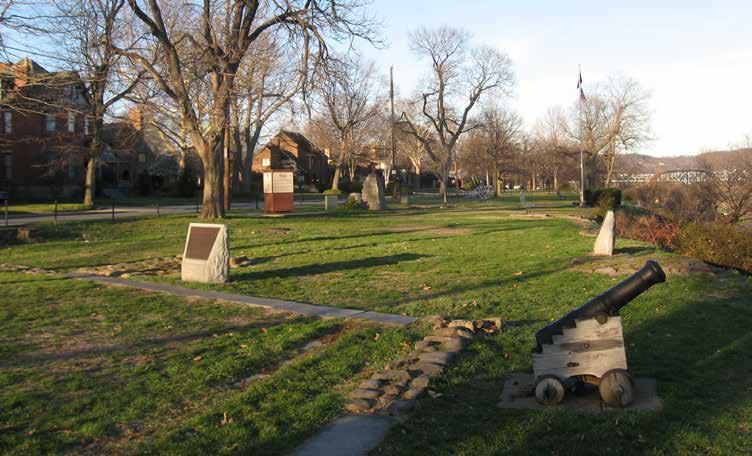
About 30 miles down the Ohio River from Fort Pitt, McIntosh stopped and began building a log fort on a high bank overlooking the river. Near present-day Beaver, Pa., the location would allow boats carrying supplies from Fort Pitt to have easy
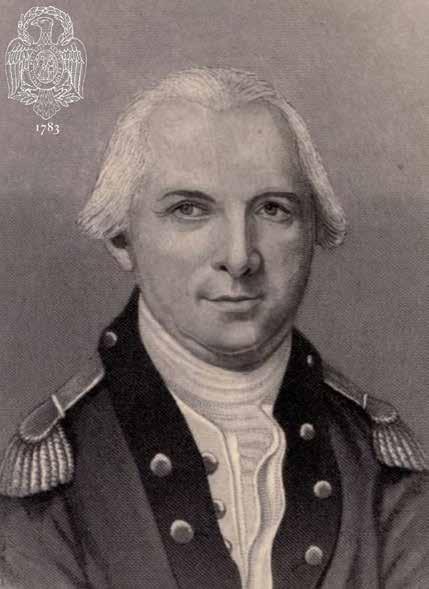
> Col. Daniel Brodhead by John Trumbull
> Gen. George Washington by John Trumbull
access to the post, which the general called Fort McIntosh. He also had his soldiers cut a wagon road along the river from the new post to Pittsburgh so that supplies could also be sent It appears that the relationship between General McIntosh and Colonel Brodhead began to break down during the construction of Fort McIntosh, which the general regarded as “a good strong fort.” The colonel, however, criticized its location harshly.
“There is neither meadow, pasture, garden, or spring water convenient to that post,” Brodhead complained. Horses and cattle would need meadows and pastures. Fresh food for the garrison would come from a garden, and a spring or well inside the stockade walls would offer protection to soldiers on water details from attacks by hostiles.
But the fort’s water came directly from the river. Troops assigned to draw water from the river had to walk down to the river’s edge, fill their buckets, and carry them back up to the fort. At some point, log walls were installed on each side of the path to the river to protect the water carriers.
McIntosh may not have realized how badly a severe winter could snarl his plans to attack Detroit. On Nov. 4, he left Fort McIntosh with a thousand men, following a native trail that led from the Forks of the Ohio at Pittsburgh, passed Fort McIntosh, and continued on to Detroit. Known as the Great Path, this path crossed the Tuscarawas River near Bolivar, Ohio, about 75 miles from Fort McIntosh.
It had taken the general much longer to reach the Tuscarawas than he had anticipated. He blamed the slowness of his march on the poor condition of the pack horses carrying provisions and other supplies. “Above one half of them tires every day before we travel two or three miles, and the woods is strewed with those that have given out and died,” he said.
Ten days after leaving Fort McIntosh, the column still hadn’t reached the Tuscarawas, which McIntosh said was at least 16 miles away. “I much fear I shall not be able to carry our provisions and stores that length,” the general said.
By Nov. 21, the column had finally reached the river, and McIntosh decided to stop and build another post. This one he called Fort Laurens. He sent the soldiers into nearby forests to chop down hard-wood trees straight enough to serve as logs in the fort’s walls. They also cut timber for use in constructing the barracks and other buildings in the fort’s interior.








Otter Lake Otter Lake
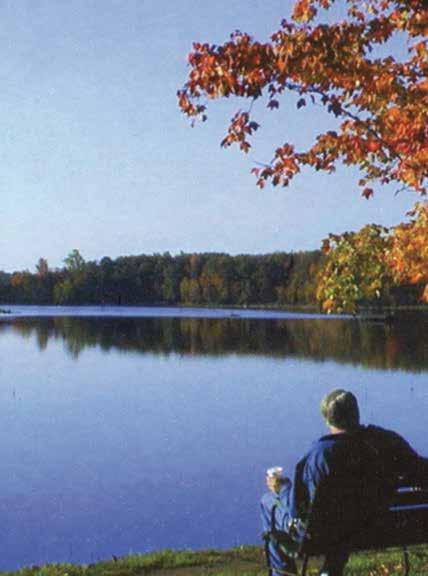
• 60 acre lake with 300 campsites
• Paved roads
• Electric, water and cable TV hook-ups; 100 campsites have sewer hook-ups
• 8 heated bathouses, store, laundry and propane
• Boating, boat rentals and fishing (no fishing license required)
• Indoor pool with 2 Jacuzzis and Sauna
• Outdoor Pool
• Swimming Beach
• Lighted tennis, racquetball and basketball courts
• Softball field
• Game room, planned activities
• Open all year
• Woodall 5W rated
P.O. Box 850 • Marshalls Creek, PA 18301 570-223-0123
Reservations only: 800-345-1369 www.otterlake.com
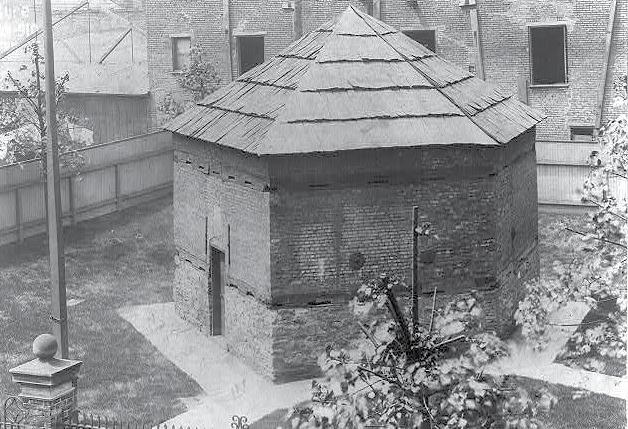
> The old blockhouse at Fort Pitt was built before the Revolutionary War.
> Photo shows the site of Fort McIntosh at present-day Beaver, PA.
The weather soon became wintry, and the food supply began to run out.
Noting that deliveries of food supplies had become “uncertain,” McIntosh curtailed rations. Each soldier would receive “one pound of flour per man until a supply arrives.” Also, “each man is to be served with one pound and a half of beef per day.”
Drovers had brought a herd of beef cattle into camp, but the animals had found little forage along the road since leaving Fort McIntosh. They were starving by the time they reached the Tuscarawas. Years later, an elderly veteran named John Cuppy remembered that “the beeves got very poor towards the close of November and early December.”
“Decades later, veterans of the campaign remembered having had little to eat on the road. ”
Provisions became so scarce that friendly Indians from the region came to the garrison’s relief. The natives “frequently visited the camp, and brought fine fat haunches of venison, bear meat and turkeys,” Cuppy said. In return, the officers “gave them ... fire-water.”
By early December, McIntosh realized it was too late in the season for a successful attack on Fort Detroit. He decided to withdraw.
Leaving a small garrison of 171 soldiers at Fort Laurens, McIntosh began the trek back to Fort McIntosh around Dec. 9. Cuppy remembered that “snow had fallen before they left the Tuscarawas” and that the soldiers traveled over “ground covered with some half a dozen inches of snow while marching from the Tuscarawas to Fort McIntosh.”
The return trip took only four days. The troops weren’t slowed by pack horses, if only because there were few supplies to return to Fort McIntosh.
Decades later, veterans of the campaign remembered having had little to eat on the road. Cuppy described coming upon “one poor young fellow named John Bell, sitting by the roadside crying, saying he was so weak he could not proceed any further.” Cuppy shared his bread with him “and encouraged him to renew the march, which he did.”
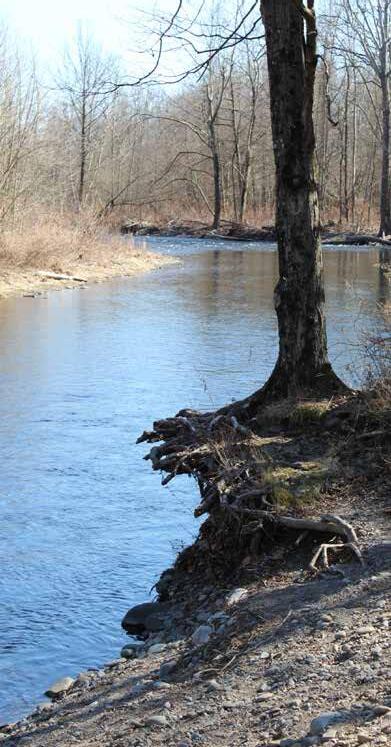
> Brodhead Creek Park
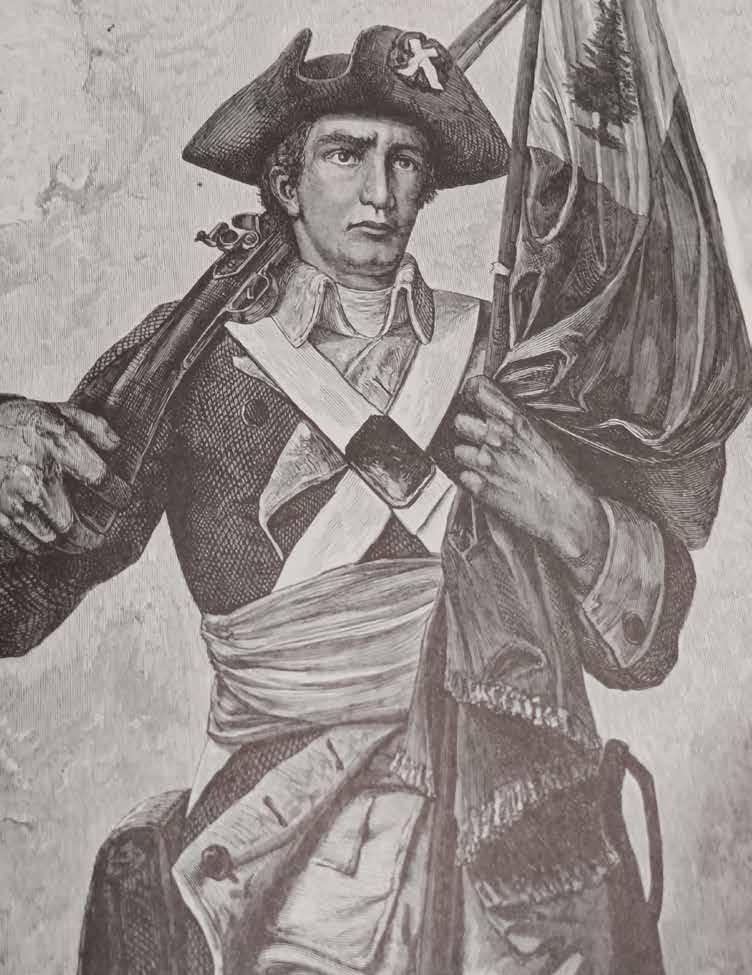
> “76” An American Soldier of the Revolution by George W. Maynard
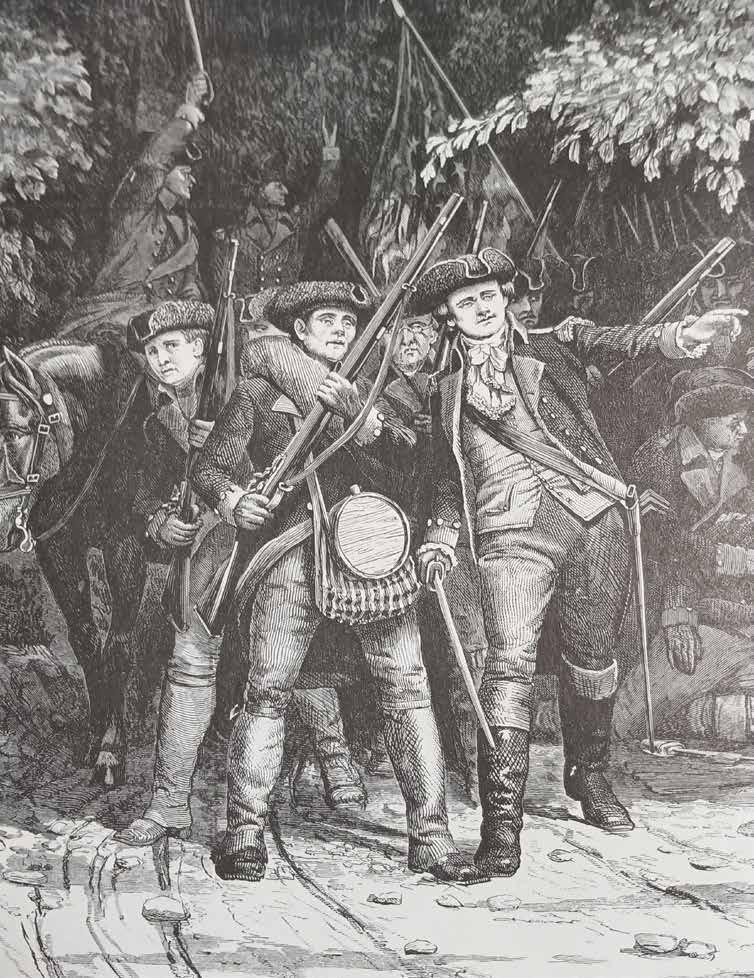
> Revolutionary War - American Soldiers by Julian Scott
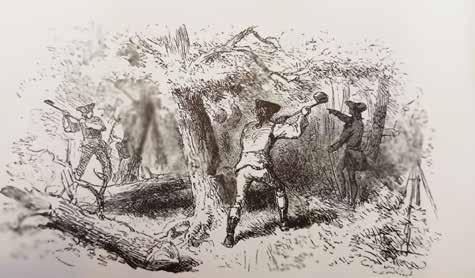
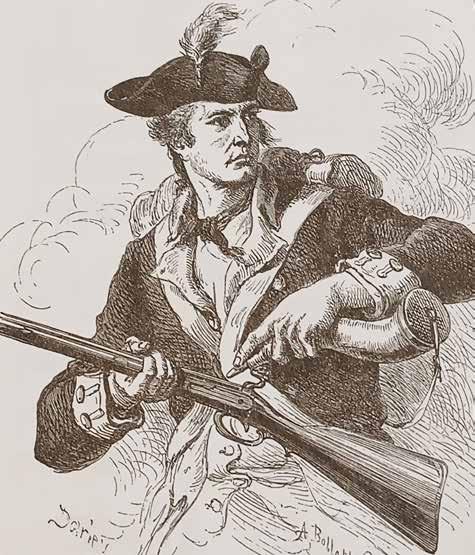
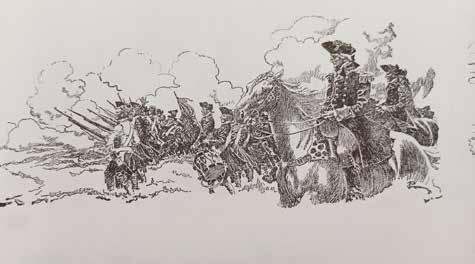
Cuppy and two other elderly veterans – Jesse Ellis and Stephen Burkham – reported that as the men marched back to Fort McIntosh in the snow, they frequently found the hides of cattle along the road. These animals had been slaughtered for food for the troops during the November march to the Tuscarawas, and their hides had been discarded.
Many of the returning troops had become so hungry that they cut strips from these hides and roasted them over open fires and, in Cuppy’s words, “eat them as they could.”
After General McIntosh returned to the Ohio, the soldiers who remained at Fort Laurens continued their practice of letting their horses roam freely outside the fort at night. The men made sure that each horse was wearing a bell that would help them find it in the morning.
One night at some point after McIntosh left, hundreds of pro-British warriors approached the fort. Before the garrison realized this, the warriors “caught most of the horses ... and taking them off some distance into the woods, they took off their bells,” according to I.D. Rupp, an 19h century historian.
As the night passed, the hostiles “formed an ambuscade by the side of a path, leading through the high grass of the prairie, at a little distance from the fort. In the morning the Indians rattled the horse bells at the farther end of the line of the ambuscade,” Rupp said.
“The plan succeeded. A fatigue (party) of sixteen men went out for the horses and fell into the snare,” he said. “Fourteen were killed on the spot, (and) two were taken prisoners.”
That evening, Rupp reported, “the whole Indian army in full war dress and painted, marched in single file, through a prairie in view of the fort. Their number, as counted from one of the bastions, was 847.”
The warriors then camped “on an elevated piece of ground at a small distance from the fort, on
> Illustrations of American Soldiers during the Revolution
the opposite side of the river,” Rupp said. They let the fort know that they “were much exasperated at the Americans for attempting to penetrate so far into their country.”
As the winter progressed, General McIntosh couldn’t keep Fort Laurens supplied. Pro-British natives were attacking soldiers sent out from Fort McIntosh with provisions for the troops on the Tuscarawas.
The continuing fiasco of the Fort Laurens campaign did little to endear the general to either his officers or his men. One officer in particular, Colonel Brodhead, who reported directly to McIntosh, felt compelled to act.
Months earlier, McIntosh had specifically asked Washington to assign Brodhead to the Western District. In light of this, it’s surprising if not startling to find among Washington’s military correspondence a letter that Brodhead wrote to the commanderin-chief from Fort McIntosh on January 16, 1779.
“General McIntosh,” Brodhead wrote, “is unfortunate enough to be almost universally hated by every man in this department both civil and military, therefore whatever his capacity may be for conducting another campaign, I fear he will not have it in his power to do any thing salutary. I wish my fears may prove groundless, but I have no reason to think them so.”
Brodhead didn’t offer any details, nor did he level any accusations against McIntosh. Instead, he expressed his opinion that “there is not an officer who does not appear to be exceedingly disgusted, and I am much deceived if they serve under his immediate command another campaign.”
On Feb. 15, Washington acknowledged receipt of Brodhead’s letter, but didn’t express an opinion either agreeing or disagreeing. Instead, he remarked that “as it is my duty and wish on the one hand to redress every just complaint, so it will be expected of me on the other to discountenance every ill founded uneasiness that may prejudice the service.”
It’s unlikely that Brodhead knew it, but by February 20, General McIntosh had requested a reassignment, and Congress had authorized General Washington to appoint another officer to succeed him.
Mail moved slowly in 1779, especially in winter when the writer of a letter was east of the Appalachians, and the recipient was west of the mountains. Washington’s March 5th letter to McIntosh eventually arrived. It said bluntly that McIntosh had been recalled, “you having requested to be relieved” as
commander of Fort Pitt and the Western Department. Command was being passed to one of McIntosh’s subordinates.
“I have . . . directed Colonel Brodhead to take the command,” Washington said.
General McIntosh left Fort Pitt in early April. He had traveled more than 300 miles by April 27, the day he rejoined the Continental Army at Camp Middlebrook in the Watchung Mountains near Bound Brook, New Jersey.
Washington was then busy planning a major offensive against the Iroquois Indians in western New York. McIntosh didn’t participate in the 1779 campaign, but Brodhead did. He conducted the campaign’s western offensive. The colonel led a force of 600 soldiers up the Allegheny River. His troops destroyed a number of Iroquois towns and cornfields in the upper Allegheny Valley.
Brodhead remained commander of Fort Pitt and the Continental Army’s Western Department until September 1781.

John L. Moore continues to pursue his lifelong interests in Pennsylvania’s colonial history and archaeology. The Northumberland writer has published 15 nonfiction books about Pennsylvania during the 17th and 18th centuries. His most recent book, “Border War,” is the seventh volume in his ongoing Revolutionary Pennsylvania Series. It is available in bookstores and online at the Sunbury Press Bookstore. Over the years John has participated in archaeological excavations of Native American sites along the Delaware and Susquehanna Rivers. A professional storyteller, he specializes in telling historically-accurate stories about real people and actual events in Pennsylvania history. These include the true story of Frances Slocum, a 5-year-old girl who lived as a Native American after being kidnapped by Indians during the American Revolution. Frances Slocum State Park near WilkesBarre was named for her.
JOHN L. MOORE
Photos
of Rebecca Hastings
A TRIP LIKE NO OTHER
By Rebecca Hastings
Ispent just 24 hours at The Preserve with my family, and my only regret is that we couldn’t stay longer.
From the moment we pulled up to the towering stone pillars at the entrance, it was clear we were someplace special. Flaming lanterns flanked the massive gates at the guardhouse, casting a warm glow against the winter evening. As the gates opened and we were welcomed in, it felt less like arriving at a resort and more like crossing into another world.
I had read about The Preserve before our visit, a Rhode Island destination known for blending luxury accommodations with outdoor experiences for all ages. Having lived in New England my entire life, I thought I had a pretty good sense of what this region has to offer. I’ve vacationed along the coast, escaped to the mountains, and spent time in quiet rural settings. But The Preserve was unlike anything I had experienced before.
After passing through the gates, we drove a winding road through the woods, tall trees lining either side. Even in winter, when much of the landscape is bare, there was a quiet magic to it. We slowed as we passed a fenced area where goats grazed peacefully, an unexpected and charming detail that made us all smile. It was the first hint that this place manages to be both refined and refreshingly down to earth.
SETTLING IN
Check-in was smooth, and before long, we were escorted to our home for the night. Along the way, we were handed a schedule of daily activities, which made the property feel exciting rather than overwhelming.
The Preserve offers a mix of places to stay, from expansive homes to cozy townhouses, and even a tiny home village that’s still growing. The tiny homes especially caught our eye: small in footprint but carrying the same thoughtful touches and careful design as the larger residences. Some felt perfect for couples, others for larger families, and each one seemed to fit seamlessly into the natural setting.
Throughout our stay, staff checked in as needed, offering guidance, answering questions, and quietly ensuring everything ran smoothly, so we could simply relax and enjoy our visit.
LAUREL RIDGE GRAND LIVING
Our family stayed in a Laurel Ridge Grand Home. With over 2,000 square feet of space spread across three levels, it felt both welcoming and indulgent. The home offered four bedrooms and spa-like bathrooms that instantly elevated the experience. Heated tile floors, rainfall showers, and built-in Bluetooth sound systems made everyday routines feel luxurious.
The décor struck a perfect balance between rustic and refined. Leather sofas, soft upholstered chairs, and reclaimed wood-style furnishings created a warm atmosphere. It was a space designed to invite you to settle in, to linger over conversation, stretch out after a full day, and truly relax. Thoughtful touches like stocked snacks and beverages made us feel genuinely cared for. My family felt completely comfortable—and more than a little spoiled.
“After passing through the gates, we drove a winding road through the woods, tall trees lining either side. Even in winter, when much of the landscape is bare, there was a quiet magic to it.”
AROUND THE TABLE
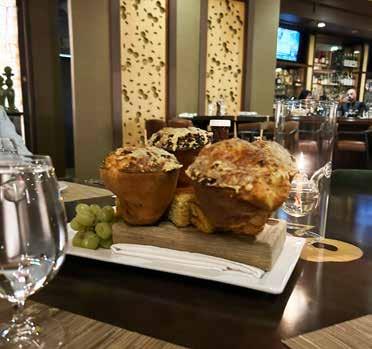
That evening, we enjoyed dinner at Double Barrel Steakhouse. The bread service alone is worth mentioning: Gruyère popovers that were impossibly light and fluffy, served warm and quickly declared a must-have at the table. My filet was perfectly cooked, tender and flavorful, and the truffle fries quickly became a shared favorite. The atmosphere struck the same balance the resort does so well—elevated but relaxed, refined without feeling stuffy.
The next morning, we opted for in-room dining, with breakfast delivered directly to our kitchen from the main restaurant. It was a simple luxury, but one that made the morning feel unhurried and indulgent, setting the tone for the day ahead.
OFFERING SOMETHING FOR EVERYONE
With 3,500 acres to explore, it was easy for each of us to find something that sparked our curiosity. While the boys headed off to the Sporting Shoppe—a space that includes retail offerings and an indoor firing range—the girls and I were whisked away to the Hilltop Spa.
Perched high above the landscape, the spa offers sweeping views that make it easy to forget everything else. The outdoor infinity pool was stunning, even in cooler weather, while the indoor whirlpools and saunas provided spaces to unwind. One of my favorite features was the hydrotherapy whirlpools paired with a cold plunge shower—a bracing and surprisingly refreshing experience.
Later, my daughters returned to meet the boys for a shooting lesson at the indoor range, where expert instructors provided guidance in a safe, supportive environment. Meanwhile, I stayed behind a little longer to enjoy an aromatherapy massage, savoring the rare luxury of uninterrupted quiet.
As a parent, I appreciated how easy it was to relax. The property is fully fenced and gated, and the discreet presence of highly trained security staff meant we could let our teens head off on their own while we enjoyed our activities.
Even with full days, we knew we were only seeing a small slice of what The Preserve offers. We passed horseback riding trails and heard stories of Bentley off-roading adventures, worldclass golf, and guided hunting experiences scattered across the property. It felt like the kind of place where no two visits would ever look the same.
A HIGHLIGHT WE’LL TALK ABOUT FOR YEARS
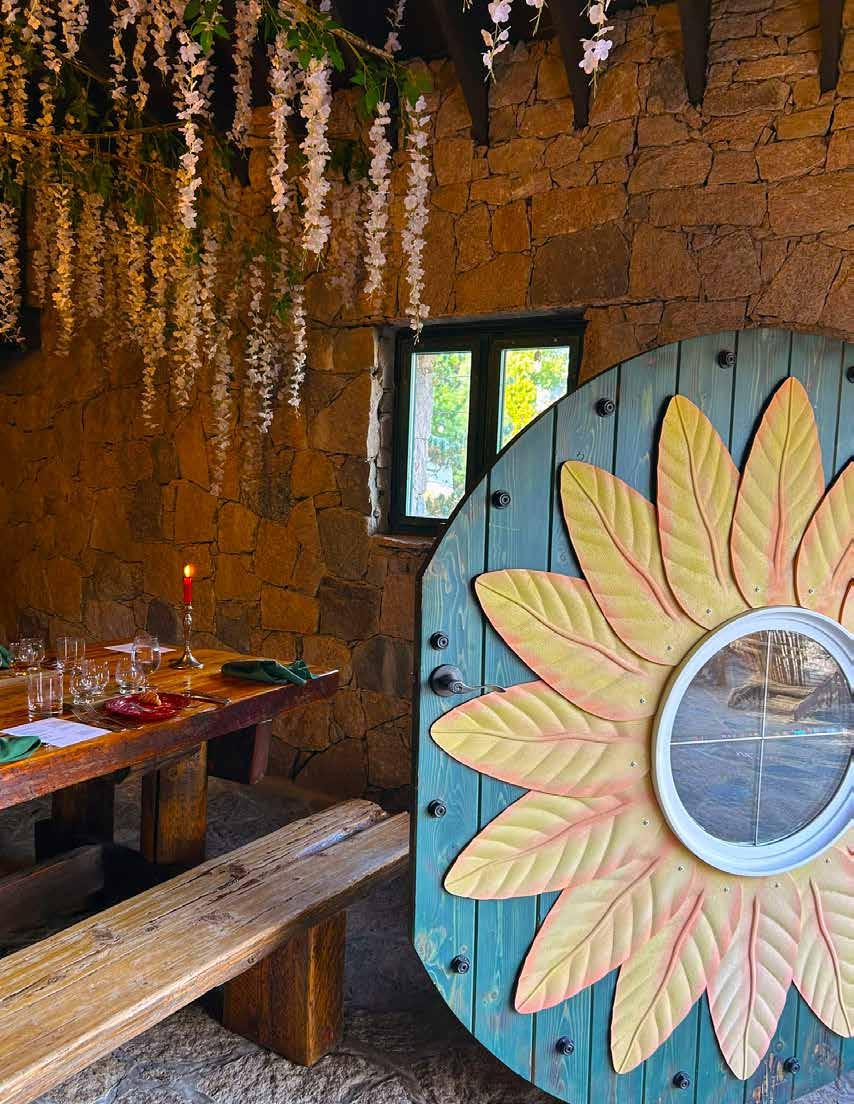
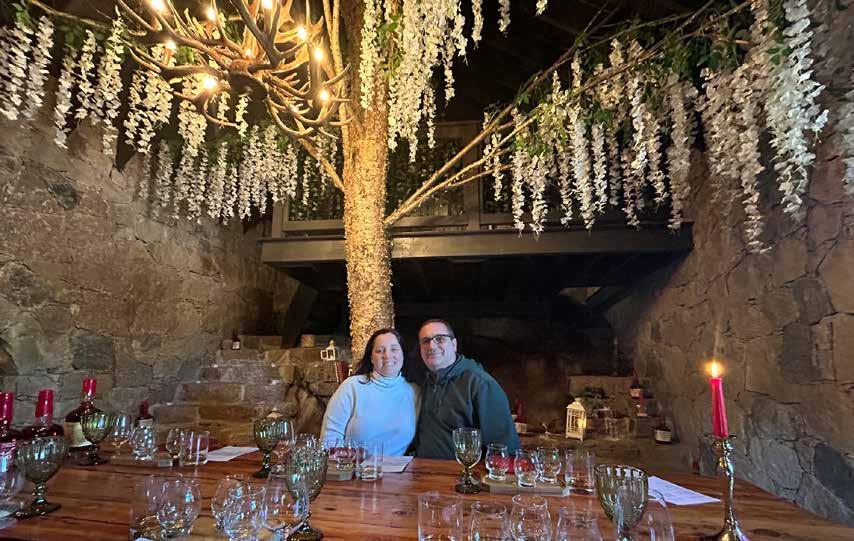
If I had to choose one moment that defined our trip, it would be the private Hobbit House dining experience.


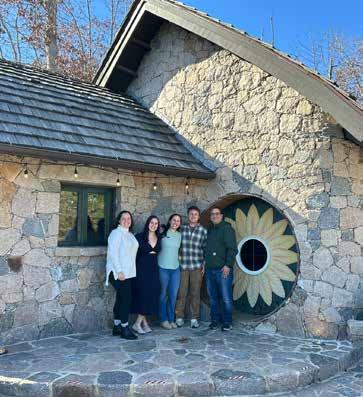
Tucked into the landscape, the Maker’s Mark Hobbit Houses feel like something out of a storybook. With massive round doors and a cozy, cave-like interior, the space instantly transports you somewhere that feels like Middle Earth.
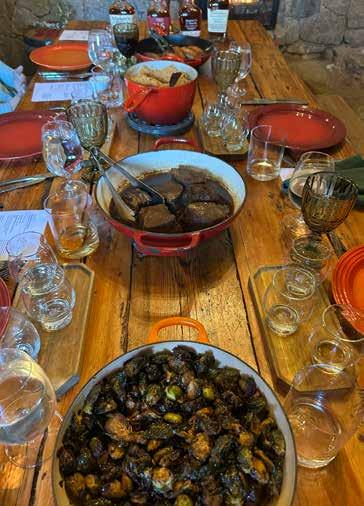
The farm-to-table menu was prepared course by course using Le Creuset cookware, with each dish thoughtfully paired with a Maker’s Mark tasting. The experience felt intimate and immersive, more like a private event than a meal.
Halfway through dinner, my oldest looked around and declared, without hesitation, “This is better than Disney!” After the final course, we gathered around our private fire pit at the Hobbit House and roasted marshmallows for s’mores.
TRYING SOMETHING NEW TOGETHER
The next adventure took us fly fishing—another first for our entire family. Picked up in two Bentleys by expert guides, we were driven to one of the fully stocked fishing areas on the property.
Our guides patiently taught us the basics, offering individualized instruction as each of us tried our hand at the sport. Their one-on-one attention made all the difference. Every member of our family caught fish (except me, but I was too busy cheering everyone else on). It was one of those shared experiences that we’ll all remember.
ALREADY PLANNING OUR RETURN
Leaving The Preserve felt a little like waking up from a dream you weren’t ready to end. As we drove back through the gates, we found ourselves replaying favorite moments like the quiet magic of the grounds, the laughter around the Hobbit House fire pit, and the thrill of trying something new together.
The Preserve doesn’t ask you to choose between comfort and adventure, or between luxury and the outdoors. It offers all of it, thoughtfully and seamlessly, in a way that works for families, couples, and travelers of every age. We came for a quick getaway and left with memories we’ll be talking about for years—and a shared hope that we’ll be back sooner rather than later.


REBECCA HASTINGS
Rebecca is a former teacher and mom of three who is passionate about authenticity, faith, and family. Her books are available on Amazon and she has been featured on sites such as The Washington Post and Parents. In real life, she can often be found typing words, driving her kids places, or wherever there is chocolate.
> Photo by Ray Roper
> Photo by Jason Philibotte





> Photo by Ray Roper
> Photo by John Anzivino
> Photo by Maurice Harmon





> Photo by Dave Sandt
> Photo by Maurice Harmon






> Photo by Marlana Holsten




> Photo by Dave Sandt
> Photo by Ray Roper

Celebrate the holidays surrounded by great company and even better cuisine in the Pocono Mountains. From romantic dinners by candlelight to farm-to-table experiences, our local chefs are serving up something for every palate. Visit PoconoMountains.com to see all of our mouth-watering dining options and make your reservation.
> Photo by Randall FitzGerald
> Photo by Ronald Dickey
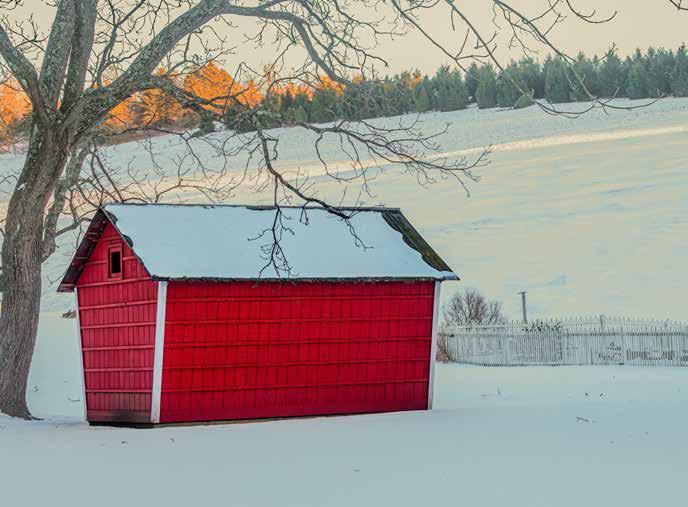
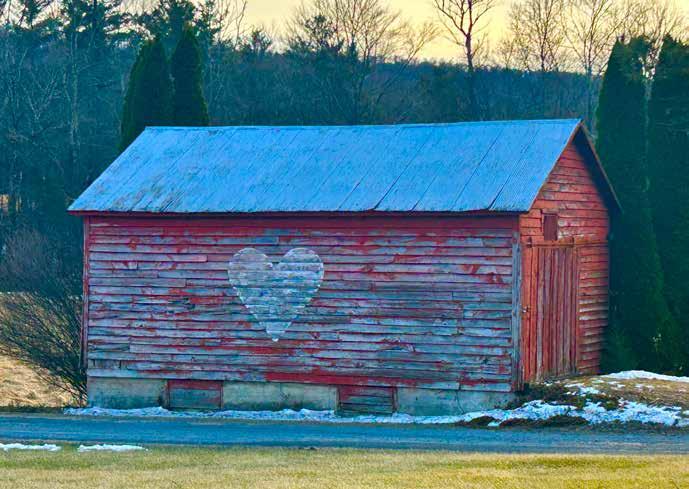
> Photo by Mark Ristine
> Photo by Donna Dougherty
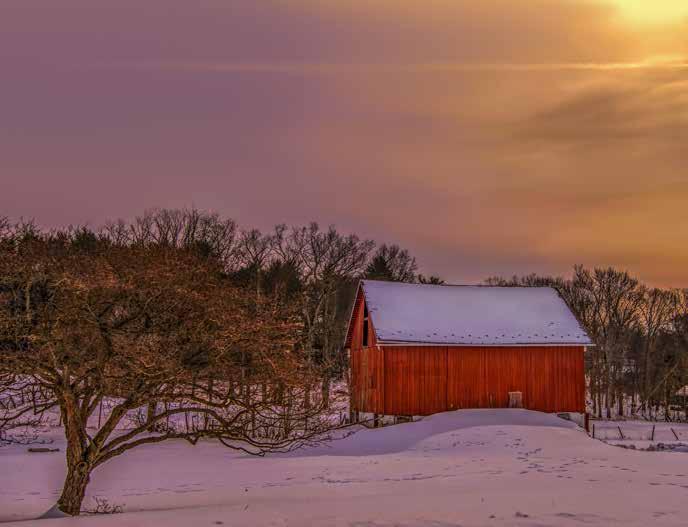
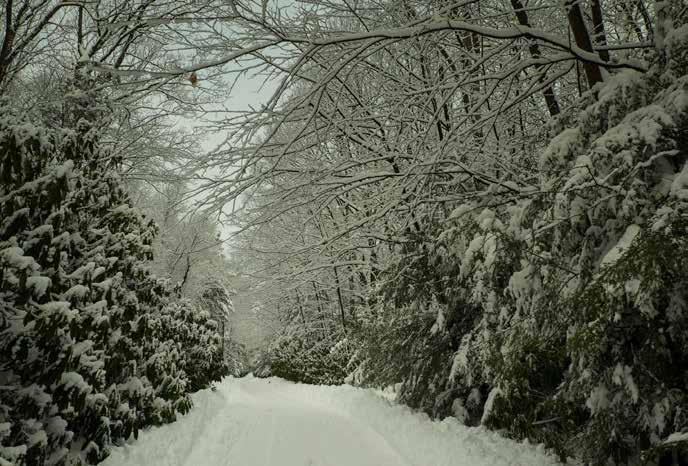
> Photo by Dave Sandt
> Photo by Maurice Harmon


> Photo by Lynne Shelly
> Photo by Maurice Harmon
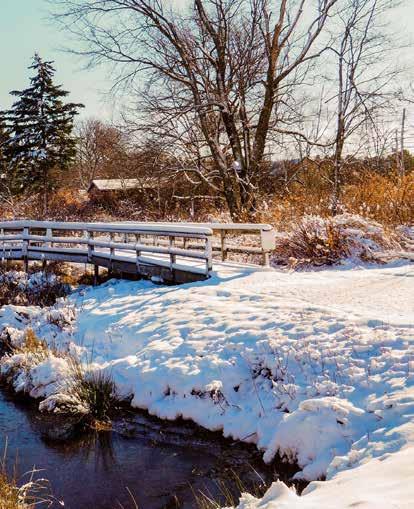
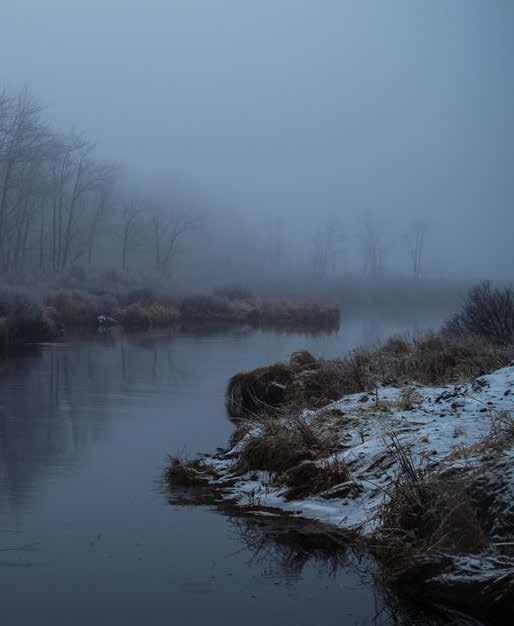





> Photo by Virginia Gercie
Lehigh Valley Hospital–Pocono Creek Now Open
Neighborhood hospital, with full-service ER, offers convenience and access in Bartonsville
Full-service hospital
A new year brings yet another way Lehigh Valley Health Network (LVHN), part of Jefferson Health, is making your health care more convenient and accessible.
Monroe County’s newest hospital, and LVHN’s first neighborhood hospital in the Poconos, is now open, giving you more health care options than ever for you and your family.
Together with LVH–Pocono about 10 miles to the east, the new campus creates a leading-edge health care hub for everyone who lives, works and visits here.
How does a neighborhood hospital benefit you?
Shorter ER wait times
LVH–Pocono Creek is a licensed and accredited acute-care facility with 10 inpatient beds for people who might need additional care. And while walk-in urgent care facilities offer appropriate care for many types of minor illnesses or injuries, they aren’t designed for serious health issues. In those cases, the 24/7 ER at LVH–Pocono Creek has the capability to assess and treat more complex cases, right on-site.
Smaller size, same great care

Lehigh Valley Hospital (LVH)–Pocono Creek officially opened Jan. 27, on the site of the former Hunter Pocono Peterbilt truck dealership on Golden Slipper Road in Bartonsville, close to major roads including Interstate 80 and Routes 33 and 611. On the same site is Health Center at Pocono Creek, offering a wide variety of medical services.
LVH–Pocono Creek is open 24/7 every day of the year. Emergency rooms are full service and state-of-the-art with 11 bays.
In the event of a more serious medical issue, LVH–Pocono Creek can stabilize someone and quickly transfer them to another LVHN hospital, including LVH–Pocono.
Medical emergencies come without warning. For those living and working in the communities and neighborhoods near here, LVH–Pocono Creek is here for you. Smaller size doesn’t mean less service. You’ll receive the same high-quality, compassionate care and exceptional patient experience you’ve come to expect from LVHN.
The new hospital also features outpatient services including imaging.
Health center services
Health Center at Pocono Creek offers a variety of services to help make getting the health care you need hassle free. Services include: HNL Lab Medicine, adult physical therapy, family medicine, cardiac diagnostic center, cardiology and vascular surgery.
Here for you
As the region’s premier health partner, we want you to know we’re always here for you when you need us, providing more expert care right in your backyard. It’s neighbors helping neighbors. It’s just what the doctor ordered.
For more information, visit LVHN.org/poconocreek.



SHOW YOUR PET LOVE THIS VALENTINE’S DAY
Courtesy of Family Features
For pet parents in the U.S., Valentine’s Day is another chance to shower their pets with love. This Valentine’s Day, animal lovers can show their affection in special ways.
Extra attention and extra playtime may be in store, but Americans are expected to spend a record $27.5 billion this Valentine’s Day, 32% of whom plan to purchase gifts for their pets, according to an annual survey conducted by the National Retail Federation and Prosper Insights & Analytics.
“Dogs are very in tune with their pet parents’ emotions,” said Dr Aziza Glass, expert vet for Freshpet. “Pups are sure to feel the love from the actions and little things pet parents do.”
Consider these vet-recommended ways to show your pets just how much you love them:
♥ Cook a batch of pet-friendly treats: Since the classic Valentine’s Day gifts of chocolate and candies are out of the question for dogs, homemade treats are a great alternative. Dehydrated veggies and fruit treats are easy options. All you need to do is choose pet-safe fruits and vegetables and bake them for a few hours. Some pet-friendly foods include strawberries (loaded with vitamins C, B1, B6, K and more), cranberries (include antioxidants to help prevent inflammation) and beets (packed with fiber, vitamins and minerals).
Photos courtesy of Shutterstock
♥ Switch to a fresh, healthy diet: The way to your pet’s heart is often through his or her stomach. One of the best ways you can show your love is by making the switch to fresh food like Freshpet, the leading fresh pet food brand. Freshpet is not only nutritious, but also made with fresh meat and veggies, so it’s great for picky eaters.
“Dogs
are very in tune with their pet parents’ emotions”
♥ Create sustainable DIY toys: Sure, you can buy your pup a new toy this Valentine’s Day, or you can make your own with items lying around your house. It’s quick and easy to make a crinkle chew toy. If your dog likes that crinkle sound, try covering an empty plastic water bottle with a sock or two. Your dog will go nuts for the sounds it makes when chewing and it’s a green way to reuse before recycling.
♥ Plan a doggie play date: Socialization is important for everyone – dogs and humans alike. Head to a nearby dog park or plan a play date with some neighborhood friends to get your dog out and playing with others. In addition to providing an excuse to run around with friends, your pup will thank you for it later.
By sharing these thoughtful gestures, dogs will be showering their pet parents with kisses, which triggers endorphins in both dogs and humans, reinforcing the bond between the two even more.
Discover more ways to show your pets some love by visiting Freshpet.com.




BEAR BEGINNINGS DEAD OF WINTER BRINGS CUBS TO LIFE
By William M. Williams, PA Game Commission NE Region Information and Education Supervisor
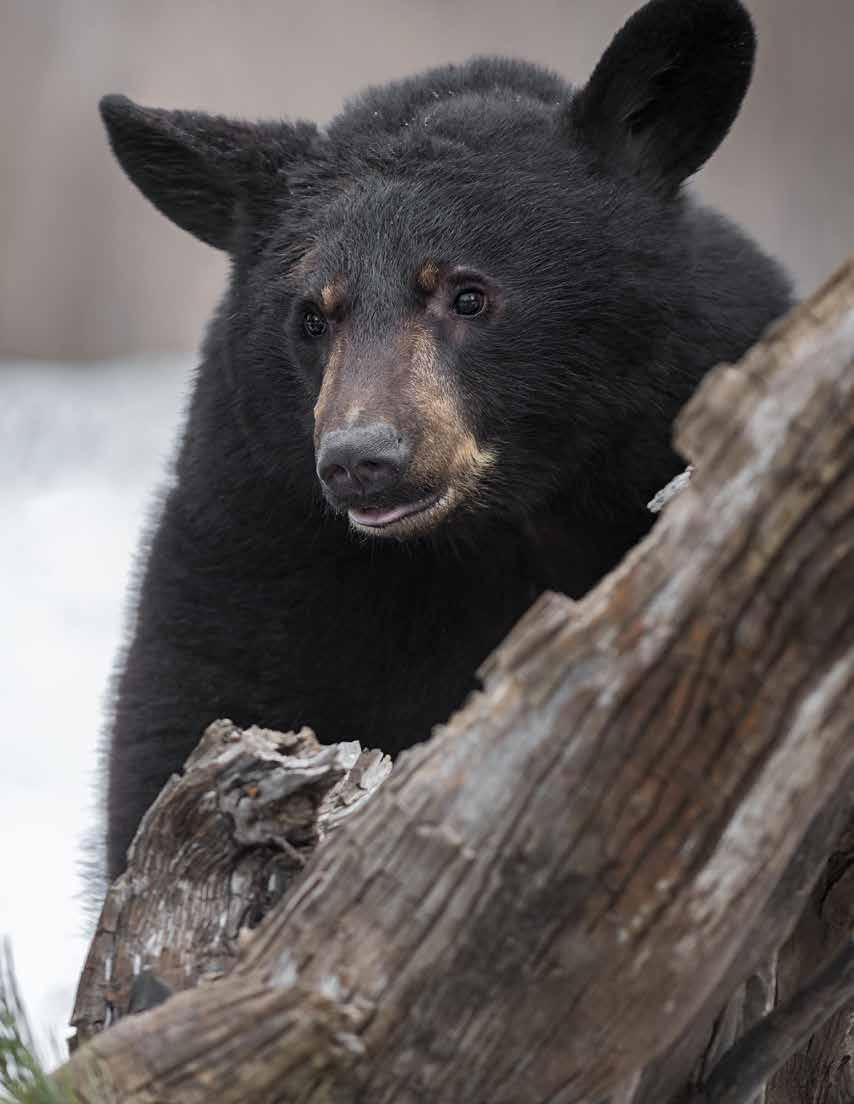
Photo Courtesy of Shutterstock
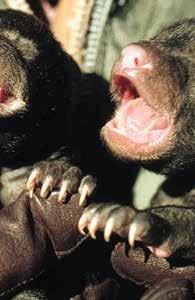
Aemale black bear stirs just long enough to give birth to her cubs in the pitch darkness of an excavated den. Weighing no more than a can of soda and covered in fine, black fur, one cub cries out as a storm rages outside. The newborn bear, only 9 inches long, has rudimentary ear buds and will not open its eyes for another six weeks. An innate ability to seek out heat stimulates it to crawl clumsily through a black forest of hair toward the sow’s breast where it begins to nurse. Two littermates soon follow and join in the feeding. The three hum contentedly. Scenes such as this will play out unseen under the frozen landscape of Pennsylvania throughout much of the month of January.
Nature sees that bear cubs are given an optimal chance of survival. Female black bears breed every two years, with the peak of mating season taking place from mid-June through mid-July when dominate males search for receptive sows. Males fight one another for the opportunity to breed and many will mate with multiple females. While eggs are fertilized immediately, only tiny balls of cells called “blastocysts” will develop initially. These bear embryos are about the size of pinheads and will float freely in the sow’s uterus for the next several months.
Changes in the amount of daylight during late October and early November trigger hormonal changes in the sow, causing the blastocysts to attach to the uterine wall in a process called delayed implantation, and growth begins again. Delayed implantation postpones investment in a pregnancy until after the critical fall foraging period as the bears gorge on autumnal food. It results in the synchronized births of thousands of black bear cubs born in Pennsylvania each year, in the safety of protective dens.
For implantation to be successful, the female needs to weigh at least 110 pounds by late fall. If fat reserves are poor because of unexpected food shortages, cub survival during hibernation could be compromised, in which case blastocysts may be aborted, freeing the female to breed again the following summer.
When the factor of decreased food availability outweighs the amount of energy a bear is forced to expend finding adequate nutrition, bears seek out areas protected from the elements and slow down their metabolism. Pregnant females typically den first, followed by females with cubs from the previous winter and juveniles of both sexes. Adult males are the last group to den, sometimes remaining active



into January. Because some pregnant females typically begin denning in early November, prior to Pennsylvania’s bear-hunting season, they are afforded additional protection.
Pregnant females also tend to select sheltered dens more so than other bears. Seventy-nine percent of pregnant female dens studied in northeast Pennsylvania were rock cavities, brush piles, or excavations.
Conversely, ground nests and open brush piles are more typical of males. Most dens, regardless of type, are lined with dry leaves, grass, broken twigs, or some other material collected by the bear. Bear dens are seldom reused.
The question of whether a bear is considered a hibernator may be largely a matter of semantics. The body temperature of a denning bear decreases from about 100 degrees F to 88 degrees F, which is different from almost all other hibernators (such as bats and groundhogs) with body temperatures that drop to near-ambient temperatures. The heart rate of a bear will decrease from around 40 beats per minute to only 8 to 10
beats per minute. Although bears appear lethargic during hibernation, they are easily aroused and capable of fleeing.
Females will groom and nurse their cubs daily despite their own body remaining in a physiological state of hibernation. They also protect the cubs from winter’s elements by hunching over them, but unless disturbed, will not step out of the den despite the activity involved with caring for cubs.
Bears do not eat, drink, defecate, or urinate while hibernating. They live off of a layer of fat built up prior to hibernation. Waste products that are produced through metabolism are recycled, with toxic urea being broken down into nitrogen that is used by bears to build protein, which allows them to maintain muscle mass and organ tissues. Despite this incredible biological adaptation, a lactating female may lose up to 40 percent of body weight during hibernation but remain in relatively good condition. Although a hibernating bear drinks no water, it does not become dehydrated and maintains almost
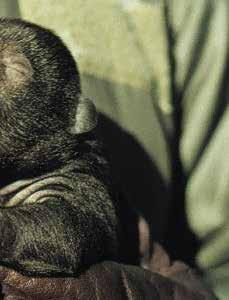
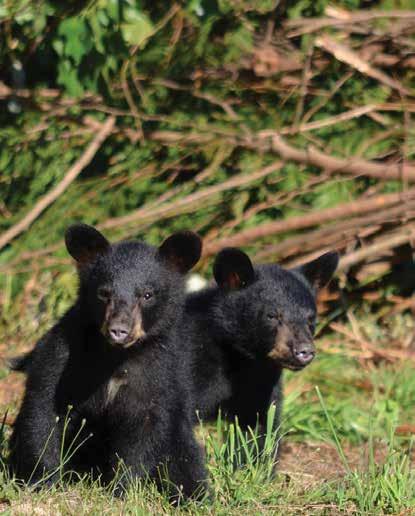
> A newborn bear cub enters the world with eyes closed.
> PA black bear cubs are born during the first three weeks of January and weigh 8 to 10 ounces.
perfect water balance after several months. Biologists have long acknowledged that studying hibernating bears may be useful in helping us understand, and eventually cure, renal disorders and a host of other human ailments.
Black bear cubs in Pennsylvania are born during the first three weeks of January and grow rapidly. Bear milk has a fat content of similar to whipped cream and is high in calcium and iron. In northeastern Pennsylvania, the average litter size is three cubs, with older females producing larger litters. Litters of two are about as common as litters of four. Bears over 9 years of age are the ones most likely to have litters of five. Sex ratios within litters are typically equal.
A number of female black bears in the Pennsylvania Game Commission’s Northeast Region are captured by Wildlife Conservation Officers and fitted with radio collars each summer. The dens used by these bears are visited by Game Commission biologists in early spring, before the female and young emerge. The sow is anesthetized and biological data is collected from both the sow and her cubs including body






















weight, vital signs, and overall health conditions. Understanding aspects of reproduction, such as average litter size, the age when females begin producing cubs, and the interval length between consecutive litters are critical to monitoring the health of Pennsylvania’s bear resource.
Knowing the location of hibernating lactating bears has the additional benefit of offering a suitable location to place displaced cubs. If a sow with cubs is killed by a motor vehicle in early spring, a small window of opportunity exists to place these cubs - one cub per den - with surrogate sows that still are in hibernation. The sow rarely recognizes the extra member of her litter and feeds the new addition as one of her own. There are eight radio-collared sows denning in Pike and Monroe counties this year; three with last year’s cubs and five expected to bear young.
Anyone who finds a hibernating bear should report the location to a Game Commission Region Office. They should also leave the area to avoid disturbing the bear. Some bears are sensitive
to disturbance during hibernation, and might abandon the den and any cubs present.
It is mid-April when our three bears emerge from the darkness of their den and view their surroundings for the fist time. They weigh between 7 and 10 pounds as they bounce and tumble over each other. The sow looks on with quiet resignation. She will soon begin the task of teaching her young how to find food, climb trees, and avoid danger. The four of them will den together once more and, in the following summer when the urge to breed wells up in the sow again, the three young bears will venture off on their own.
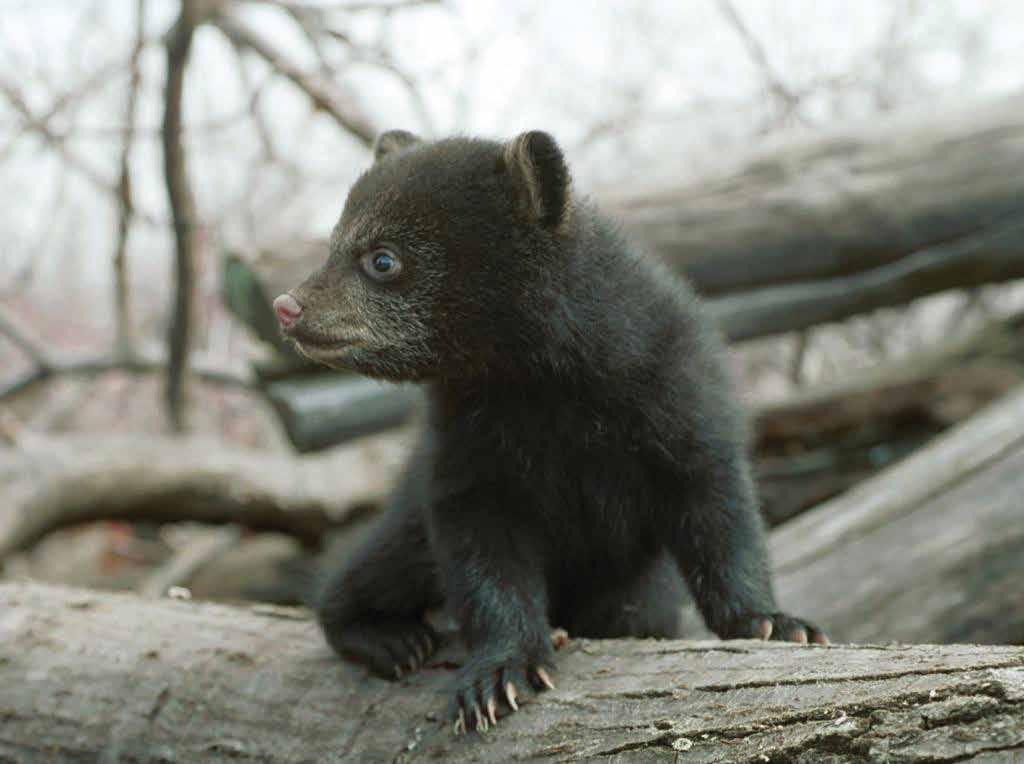
> Bear cubs leave the den at about 3 months of age and will be weaned at 7 months.
“Biologists have long acknowledged that studying hibernating bears may be useful in helping us understand, and eventually cure, renal disorders and a host of other human ailments.”
WILLIAM M. WILLIAMS
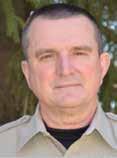
William M. Williams is a Wildlife Conservation Officer and the Information and Education Supervisor for the Pennsylvania Game Commission’s Northeast Region. “Bill” is responsible for administering the Hunter/ Trapper Education program for the 13 county region and serving as both media and legislative liaison for the agency. Prior to working for the PA Game Commission, Bill served in the U.S. Navy as a Hospital Corpsman and worked as an Environmental Education Specialist for the PA Department of Conservation and Natural Resources. He is an active member of the Pennsylvania Outdoor Writers Association and Outdoor Writers Association of America. Bill lives near Bento and enjoys spending time on his hobby farm with his wife Michelle, Chesapeake Bay Retriever Rocco, alpacas, goats, and chickens.
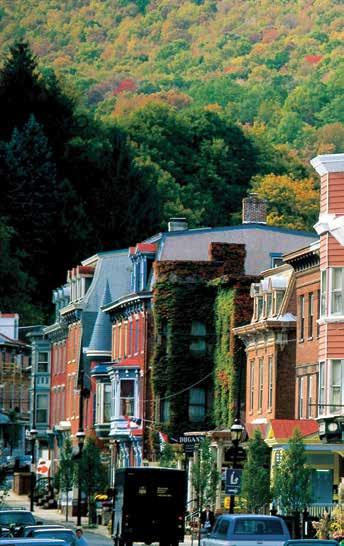


It’s not just a day of shopping here in the Pocono Mountains—it’s an experience. Wander our historic streets. Explore our art galleries. Find unique local goods. And stop for a bite at one of our top-rated neighborhood restaurants along the way. Discover all of our shopping and sights now at PoconoMountains.com.

“A
bathroom can be one of the easiest rooms in your home to give a little extra TLC toward creating a healthier lifestyle.”
Photo Courtesy of Family Features
IMPROVE WELLNESS WITH AFFORDABLE BATHROOM UPGRADES
Courtesy of Family Features
Wellness is at the forefront of nearly everyone’s mind, including keeping germs at bay and creating surroundings that promote mental and physical health. Even small, but important, spaces like the bathroom can benefit from changes with wellness in mind.
A bathroom can be one of the easiest rooms in your home to give a little extra TLC toward creating a healthier lifestyle. These cost-effective measures can turn your bathroom into a more practical, functional space that promotes your well-being.
SWITCH UP SURFACES
The countertops in your bathroom, much like the flooring, must be able to withstand a lot of water. Nonporous vanity tops, such as those made from quartz, hold up to being wet constantly and can help keep germs from breeding. In addition to being easy to clean, a solid-surface option like quartz never needs to be sealed or polished, making it an aesthetically pleasing, longlasting option.
CLEAN GREEN
Bathrooms are often hot and steamy places, and water vapors in the air can carry potentially harmful chemicals from cleaning products. Green cleaning products are made to control the spread of bacteria and viruses using safe and effective means. Not only are they helpful in preventing asthma attacks and other respiratory ailments, but they are a low-cost way to improve overall indoor air quality.
What you use to clean yourself is just as important. Using green or organic personal care items can help reduce toxin exposure and lessen the likelihood of an allergic reaction.
REDUCE HUMIDITY
All that steam can affect your health in other ways, too, since it creates a humid environment that encourages mold and mildew. A heated towel rack is an inexpensive way to add a touch of luxury to your space while generating heat that helps reduce humidity and the growth of mold and mildew, therefore benefitting indoor air quality.
Heated towel racks like those from Amba Products come in a variety of finishes and styles to coordinate with your decor. For modest accommodations, the Radiant Small is a space-saving choice, and freestanding models are available if wall space is at a premium. Another advantage: Since the racks dry towels, they’ll stay mildew-free longer and don’t need to be washed as often, which helps save valuable natural resources.
ENHANCE AIR QUALITY
Creating a green, spa-like oasis with plants can bring wellness benefits that don’t break the bank. Indoor plants help rid the environment of pollutants, and the energy and ambiance they add may have mental health benefits, too. Plants like mother-inlaw’s tongue or peace lily are popular options to incorporate as natural air purifiers.
EXPLORE COLOR
A bathroom’s color palette can also play a role in your wellness goals. Warmer shades like red and orange enhance energy while cooler colors like green and blue can be calming.
Begin planning bathroom upgrades that improve your health and well-being with more tips and ideas at ambaproducts.com.







With Lehigh Valley Health Network’s Same Day/ Next Day Cancer Care, you can schedule a video visit with a clinician in 48 hours or less.
The wait to talk to someone who can guide your next steps is over.