








As the calendar shifts to 2026, Sisters residents reflect on what they want to feel like in the year ahead, and how they turn goals into reality. Insert Mellness, a heart-centered wellness studio designed to redefine your wellness, and help you confidently achieve your goals. Offering affordable and sustainable services to address each client’s unique needs, Mellness meets you where you are. Whether you’re an athlete increasing strength and agility, or an outdoor enthusiast improving balance and mobility, whatever your age or stage, Mellness will help you do what you love

By Lilli Worona
Winter cold getting you down? Try bone broth!
If you’re looking for a fail-safe way to warm up this winter and to stay healthy during cold and flu season, look no further. One of the most soothing and health-enhancing solutions for the wintertime blues can be easily made with a few simple ingredients and will stay fresh for several weeks in the fridge. This miracle cure, called bone broth, is a savory, nutrientrich liquid made by slow cooking animal bones for an extended period, extracting collagen, essential minerals, and amino acids in the process.
Bone broth is delicious to drink on its own, but can also be used as a stock base for soups, stews, gravy, and sauces. In addition to containing a host of vitamins and minerals, bone broth is hydrating and said to help support muscle growth, cartilage repair, and promote skin and hair health. There are infinite ways to make your own bone broth, but the best technique is to experiment and change up your recipe each time you make it until you find a unique combination of ingredients that appeal to your palate.
Here are two basic recipes that I’ve honed over the past several years, with help from a nutritionist friend who has been drinking bone broth since childhood. Again, bone broth is not an exact science and can (and should!) be tweaked according to your tastes.



SAVORY BEEF BONE BROTH:
1.5-2 pounds of beef soup bones
longer, with ease and confidence.
Mellness offers a variety of fitness and yoga classes in a nurturing, small-group environment where connection matters. Strength and core-based classes build resilience and power, while yoga enhances flexibility, recovery, and nervous system balance.
Achieving goals is about creating lasting habits, supporting long-term health, and moving into 2026 empowered, capable, and ready. Visit Mellness today to experience the difference, and know you don’t have to be wealthy to be well.



(can be purchased from a local butcher)
1-2 celery stalks, roughly chopped
Half a yellow onion, roughly chopped
3-4 garlic cloves, roughly chopped
A splash of apple cider vinegar
1 tsp. each of different savory spices
(sage, rosemary, tarragon, thyme)
2 bay leaves
Salt and pepper to taste
Water
Yield: 2-3 quarts of bone broth.

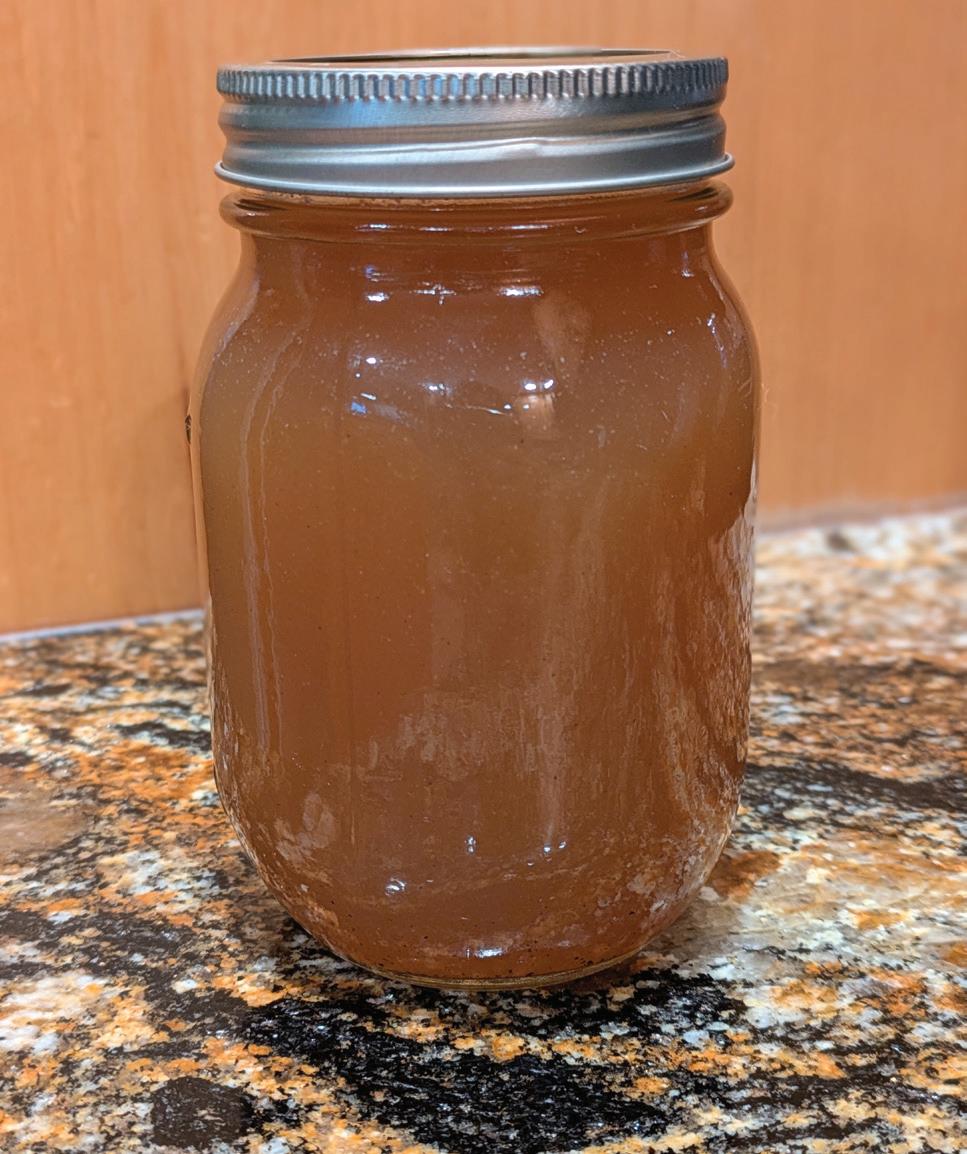
broth offers a delicious, nutritious, warming tonic for the wintertime blues.

1 large ham bone ideally with a small amount of meat still intact
1-2 celery stalks, roughly chopped
Half a yellow onion, roughly chopped
Instructions: Place all ingredients in a 3–4 quart slow cooker and fill to the top with water. Slow cook all ingredients on low for 12-24 hours (more time will yield a stronger broth). After cooling, remove bones and vegetable pieces and run the remaining liquid through a large mesh strainer and into glass canning jars or storage containers and place in the refrigerator for later use. Upon refrigeration, your bone broth will form a “fat cap” (tallow) over the top of the broth. Keep this fat cap intact for longer preservation. When ready to use your broth, skim off the fat cap and either discard or use in place of cooking oil for any recipe that requires it. Broth can be diluted before use if the flavor is too rich, or used without dilution for maximum benefit. Broth will last up to two weeks in the fridge with the fat cap intact.


1 carrot, roughly chopped
Half of an apple, roughly chopped (gala, pink lady, or honey crisp)
3-4 garlic cloves, roughly chopped
1/4 cup of apple cider vinegar
1 tsp. each of different spices (sage, rosemary, nutmeg, cinnamon)
2 bay leaves
Salt and pepper to taste
Water
Yield: 2-3 quarts of bone broth
Instructions: Follow the same instructions above for savory beef bone broth and enjoy!




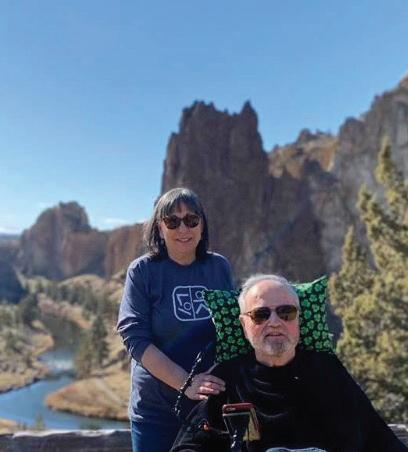





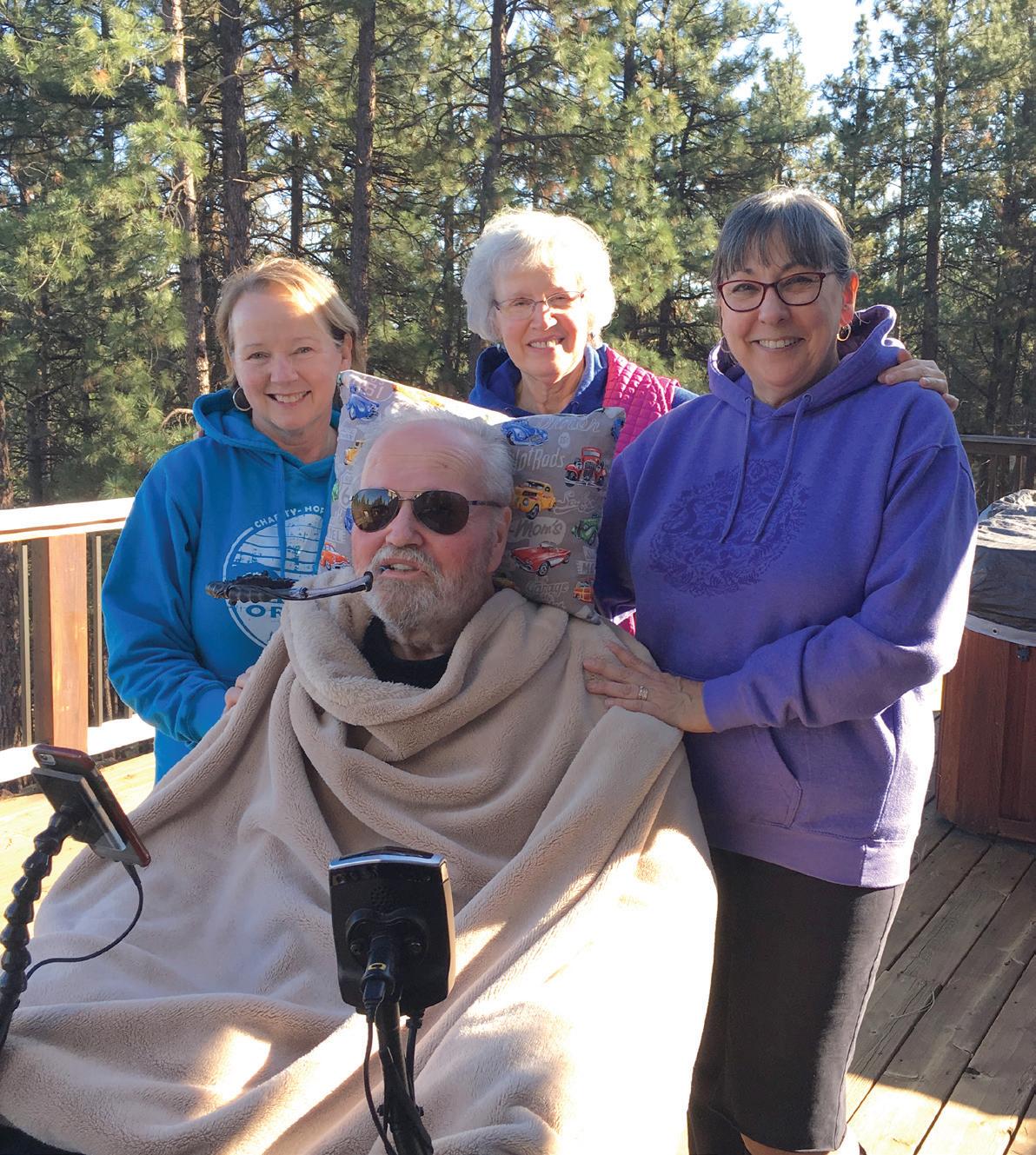
Terry Hardin knew right away that life had fundamentally changed in an instant.
It was December of 2018. Terry and her husband Larry were on their first “snowbird” trip as retirees, motorhome camping near Joshua Tree in the California high desert. Larry was sitting in a camp chair when it suddenly collapsed, throwing him backwards.
“He hit his head on the steps of the motorhome and broke his neck,” Hardin recalled.
It was the second time Larry had broken his neck; the first time he had fully recovered. This time was different. He couldn’t feel anything from his upper chest down.
“He said, ‘I think I really did it this time,’’ Terry said. “So he knew and I knew.”
A retired nurse, Terry knew better than to move him. An ambulance crew responded to the scene, and Larry was airlifted to the Desert Regional Medical Center in Palm Springs, California. And from there, Terry Hardin embarked on a three-year journey as a caregiver.
Larry spent three months at the Craig Hospital neurorehabilitation center in Denver, Colorado. There, he began to learn how to live as a quadriplegic. He learned to maneuver a wheelchair using a breath tube. After his time at Craig, the Hardins came home to Sisters, where light modifications enabled Larry to stay in his home.
“He was able to stay home for three years,” Terry said. “We were very blessed that he could stay home.”
The couple took many local excursions to wheelchair accessible spots, like Suttle Lake and the Whychus Creek Overlook. A neighbor signed on to daily visits to help Terry get Larry up.
The turn of events was, of course, devastating, but the couple remained close and enjoyed the best quality of life they could find.
“He had the best sense of humor,” Terry recalled. “He really did.”
Larry died on December 18, 2021, three years almost to the day after the accident, due to inevitable complications of his injury. He was 73.
“He died peacefully, surrounded by his
family,” Terry said.

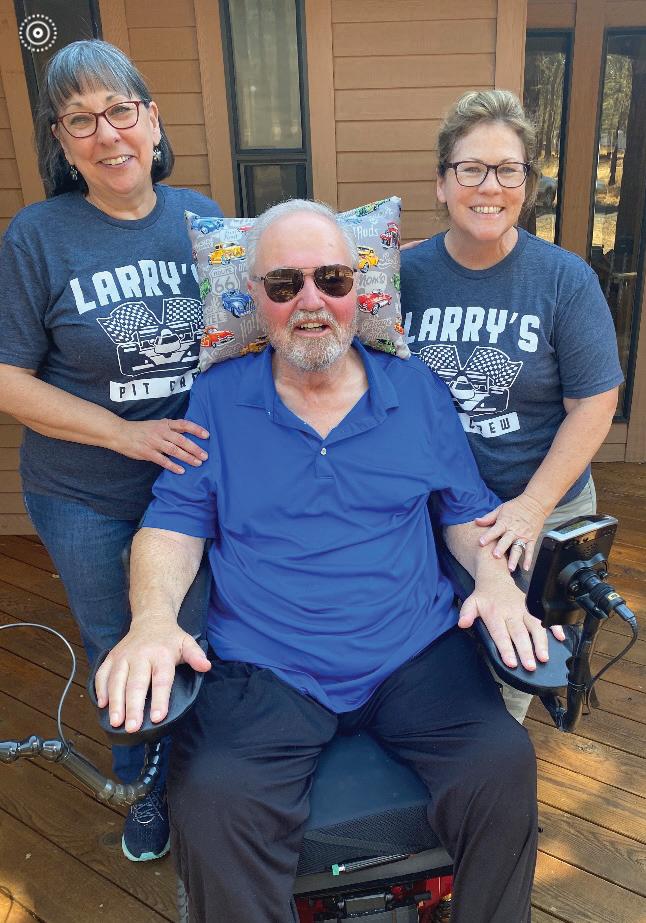
Looking back, Terry contemplates her journey as a caregiver and offers some thoughts to those setting on a similar road. She acknowledges that it is hard

“It wasn’t easy,” she said. “There were times I’d just cry.”
Faith, which she shared deeply with Larry, was important to seeing the couple through the darkest hours. Terry clung to a phrase that she kept in front of her each day: “El Roi, the God who sees me.”
“I don’t know what people without faith do,” she said. “I really don’t.”
Terry’s background as a nurse set her up well in some ways for her role as a full-time caregiver. But in another sense, it impeded her, because she was oriented toward helping others, not toward asking for help for herself.
“You have to ask for help,” she said.
Self-care for the caregiver is vital. Terry saw a counselor regularly, which she found to be a valuable outlet. And she paid attention to her own well-being.
decided to delay Larry’s Celebration of Life,

decided to delay Larry’s Celebration of Life, a decision she thinks was very important.
“Our culture kind of rushes us through the grieving process,” she said.
Waiting a few months made the celebration truly a celebration — a joyous moment, full of good memories along with sadness.
Terry lives a good life now in Sisters, with friends and a faith community that continue to support her. She misses Larry and thinks of him all the time — but she can now talk about him without crying.
“Humans are much more resilient than we give ourselves credit for,” she said.
Asked what she might tell her previous self, before the accident, or someone embarking on a journey similar to her own, Terry reflected for a moment and said: “It’s going to be hard — but it’s OK.”
“Be kind to yourself,” she advised. “Take care of yourself. Eat even if you’re not hungry, hydrate. Go for a
“Be kind to yourself,” she advised. “Take care of yourself. Eat even if you’re not hungry, hydrate. Go for a walk.”
Get as much sleep as you can.
“It’s hard to cope if you can’t sleep,” she said.
No matter how responsible a caregiver feels, he or she must get a break from the arduous day-to-day, moment-to-moment grind of caring for someone who can’t take care of themselves.
“Respite is so important,’” she said.
Just going out to lunch or having an afternoon to yourself can be critically restorative, she notes.
The journey does not end with the passing of a loved one. Hardin noted that her family



Physical Therapy • Aquatic Therapy
Post-Surgical • Sports-Specific Training


Strengthening & Conditioning

541-549-3574
Desperado Trail, Ste 201 at Sisters Athletic Club www.therapeuticassociates.com/Sisters
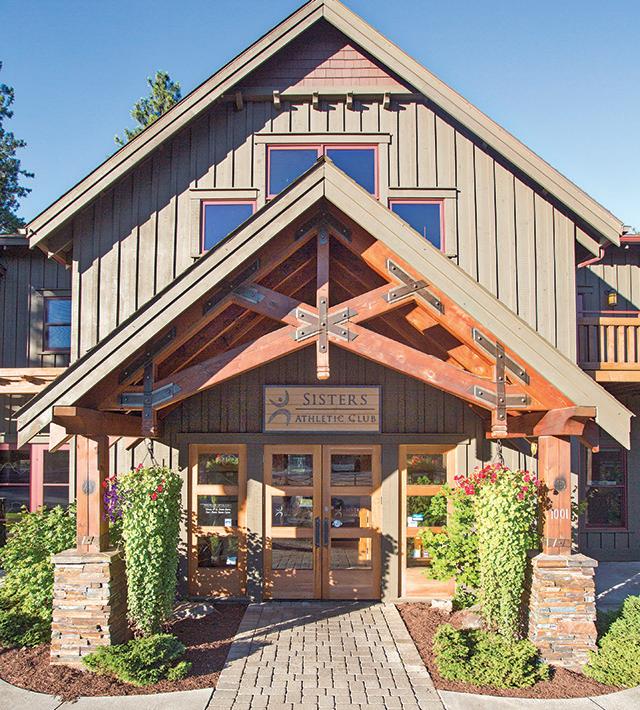
Therapeutic Associates welcomes new therapist Jessica Johnson to the team. That means the clinic is fully staffed with highly-trained physical therapists to help you recover from injury, enhance performance, and keep going with all the Sisters Country activities you love to do.
Johnson is an orthopedic clinical specialist with two decades of experience in helping clients from athletes to elders stay strong and robust. She is Titleist Performance Institute certified, which means that she can work with golfers to repair and prevent golf-related injuries.
Therapeutic Associates not only treats and rehabilitates injury, they can help you prevent injury.
Therapeutic Associates offers a unique step-down program with Sisters Athletic Club, and access to the SAC pool makes working through your program easy and effective.
Therapeutic Associates is also committed to educating clients on how to stay active. They are staffed to see patients quickly and get them back into action, whether it’s on the trail, in their garden, on the golf course, or on the court.



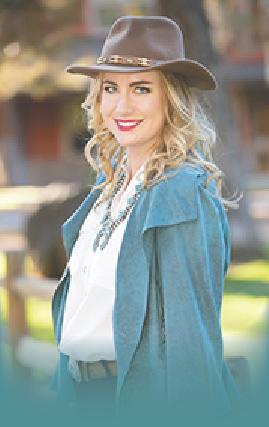







Audry Van Houweling of She Soars Psychiatry notes that, statistically, only about 10 percent of us will find a way to sustain our goals year-round.
Perhaps one outcome worth practicing is not becoming overly attached to outcomes at all. In an outcome-driven culture, letting go can feel counterproductive and risky. Yet the burnout rate is high when we chase control, especially when control is ultimately an illusion.
Van Houweling cites John Keats’ concept of negative capability: the ability to maintain composure amid ambiguity and uncertainties. By embracing doubt and unknowns, we grow more tolerant when solutions are undefined. When open to uncertainty, we invite patience and curiosity from which creative processes can bloom. Furthermore, negative capability softens the rush to fix, suppress, or numb emotional complexity.
Negative capability offers a grounding counterbalance sharpening resilience, perception, and wisdom. Our egos can rest as we can better allow complexity to unfold, which delivers an understanding that cannot be reached otherwise.
“Cheers to uncertainty,” she says. “Happy New Year!”



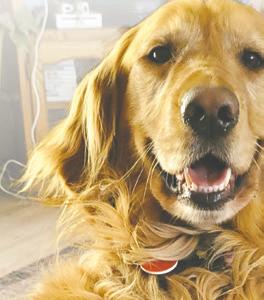












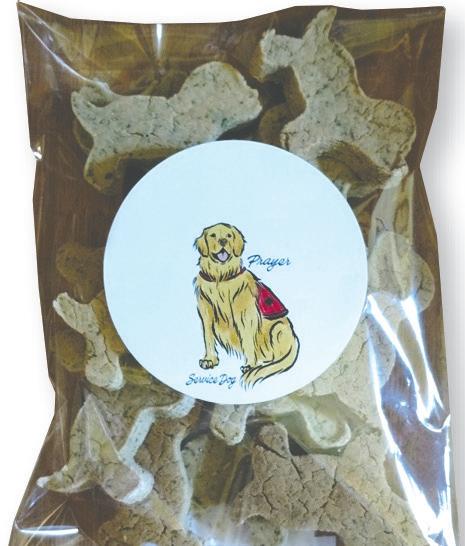

Prayer’s Dog Biscuits is a small business in Sisters. Owners George and Missy started the business after making the biscuits during the two years of service dog training for Missy’s golden retriever Prayer. After using the biscuits and receiving comments from others, Prayer’s Dog Biscuits was started in 2022. All biscuits and training treats are made from minimal ingredients to help avoid exposure to preservatives, additives, flavorings, fillers, and meat products that may be harsh on some dogs’ health. The biscuits are handcut individually. Packaging is done by hand to ensure quality. Products are available in Cheese, Molasses, and Vegetable (Spinach and Green Beans). There is also a combo pack with all three flavors. You can purchase Prayer’s Dog Biscuits in Sisters at Oliver Lemon’s and Sisters Feed; in Bend at Locavore Market, Newport Market, Local Acres, and Paws & Purrs Groomery; in Redmond at M&W Market; and in Terrebonne at Oliver Lemon’s.
As a retired disabled veteran Missy knows firsthand just how powerful a connection we can have with our dogs and by feeding Prayer these biscuits she feels she is able to continue to nurture that connection.






We all know that diet and exercise play a critical role in health and well-being. There is another component that is now recognized as perhaps the most critical element of all: social fitness.
“The quality of your social relationships is on a par with not drinking and not smoking,” Audry Van Houweling of She Soars Psychiatry in Sisters told The Nugget. “It’s that important.”
Van Houweling says that powerful studies have established a clear link between loneliness and mortality — loneliness is literally a killer. Conversely, people with strong social relationships manifest better physical, mental, and emotional well-being. And they live longer. It is critically important to have real, in-person relationships with people whom we know will be there for us when we need them, people with whom we feel comfortable giving and receiving empathy.
“It’s that feeling of being connected — I know I have people to lean on,” Van Houweling said.
Van Howling emphasized that, while deep connections are significant, “micro-connections” can be just as important.
“Research is behind this — they’re really important,” she said.
Micro-connections are those friendly, everyday interactions we have at the bank, or with a barista, or with a server at a restaurant. Neighborliness; a kind of interaction that is easier to find in Sisters than in most places. According to Van Houweling, interactions like these serve fundamental needs that are wired deep into our consciousness.
“We are, in our basic state, a social species,” she said. “Social relationships have always been part






of our safety net and survival.”
There are measurable physical and chemical responses tied to our interactions — or lack of them, Van Houweling notes. Cortisol a “stress hormone,” goes up with isolation; oxytocin, a hormone and neurotransmitter often colloquially called the “love hormone,” falls in isolation and rises with connection. Feelings of risk and vulnerability increase in isolation and are reduced by connection.
“I think in COVID, people lost a little of that,” Van Houweling said.
Online “connection” is a poor substitute for in-person interaction.
“It doesn’t have the same impact on cortisol and oxytocin as face-toface does,” she said.
Van Houweling urges folks in Sisters to actively practice social fitness. Ask yourself if you can build a social network around your interests — quilting, music, outdoor recreation — whatever aligns with the things that are valuable and meaningful to you. It may take a little work, especially if you’re “out of shape.”
“Just like exercise, it’s not going to be comfortable right off the bat,” Van Houweling said. “It takes practice.”
And just like simply going to the gym is often the hardest part of the workout, getting out our door and mingling with others is often the toughest step; once we’re part of things, we tend to relax into it and have fun.
“It has to have some intention behind it,” Van Houweling said. “The why has to be there — because we’re not always going to want to do it.”
Fortunately for folks in Sisters, there are many opportunities to






make connections, and many people working with strong intention to help each other build their social fitness.
Letʼs Get Together and Feel Alright
Citizens4Community started as an organization to promote civil discourse. While that’s still a key part of the C4C mission, it would be fair to describe the organization now as a promoter of social fitness. The premise is simple, as described by Executive Director Kellen Klein: “Get to know your neighbors through activities.”
Klein has experienced an uptick in his own sense of social fitness since moving to Sisters from Portland during the COVID pandemic. He believes that Sisters has inherent qualities that lend themselves to fostering a sense of belonging and connection.
“Before we knew it, we felt like we had more social fitness here than we did in Portland after living there for eight years,” he said. “There’s something inherent in small-town living that is conducive to social fitness. There’s an element of serendipity that makes it easier to build relationships in a small town, because you run into the same people over and over.”
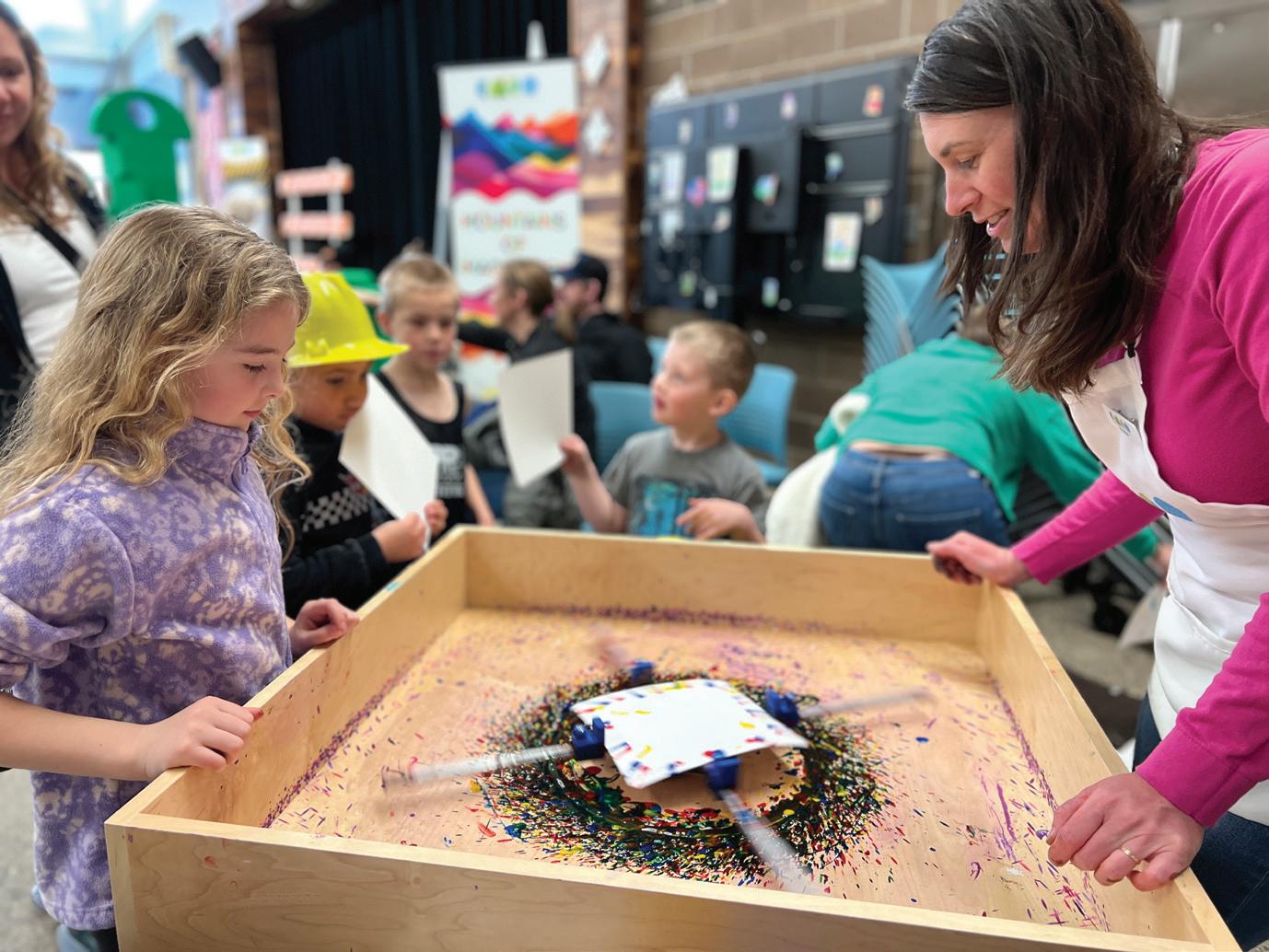
Through creating events that bring diverse elements of the community together with no agenda, C4C seeks to foster connections between individual people in Sisters Country.
“I think the best example of that is our Let’s Get Together series,” Klein said.
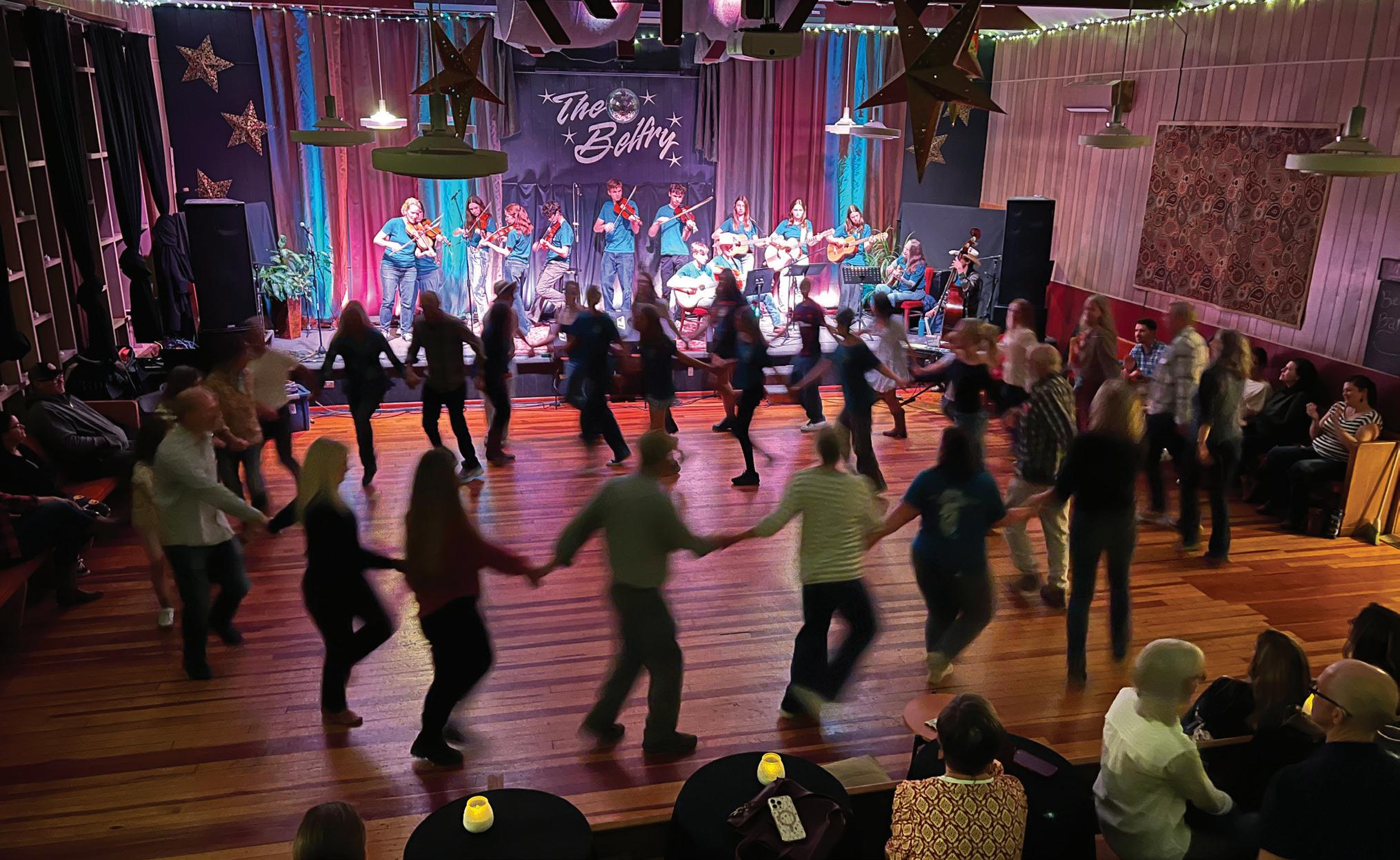
Let’s Dance and Let’s Sing events bring people together in a participatory environment around love of music — and they make and build



By Jim Cornelius


connections that have individual and social benefits. Those connections show when people get together to tackle community-wide challenges.
“It makes all the harder work of community-building easier,” Klein said.
Klein concurs with Van Houweling that the COVID-19 pandemic atrophied a lot of people’s social fitness muscles.
“The longest tail of COVID has been the loss of social fitness,” he said.
People got used to hunkering down, and getting what sense of connection they could from online activity.
“Our digital infrastructure has made us weaker when it comes to social fitness,” Klein asserted.
Physical infrastructure that keeps us in our cars contributes, too. So, like Van Howling, Klein urges people to be intentional about getting out and interacting with people through C4C events and other activities — building the social fitness skills and muscles to lead healthier, more engaged and satisfying lives.
“To fully thrive as humans, we need to be in relation to others,” he said.
Called to bring others into community
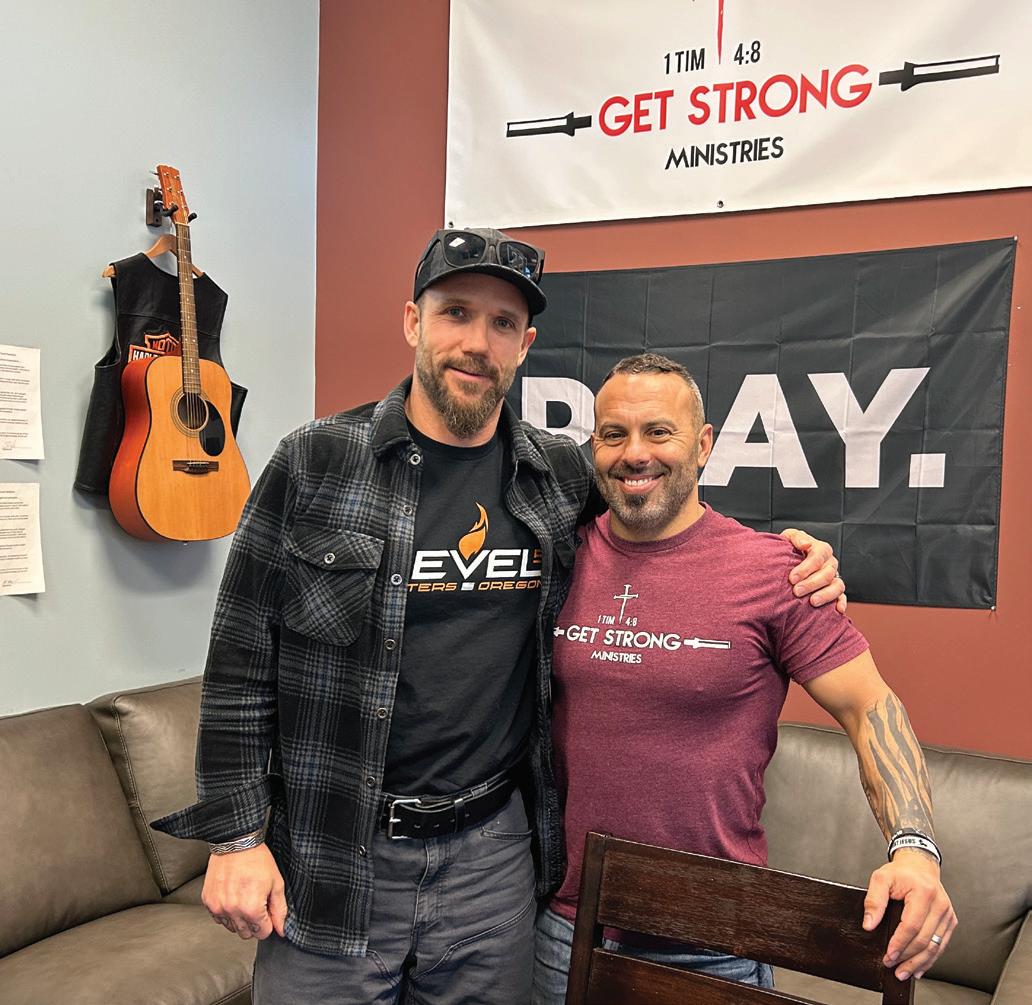
Ryan Hudson has built a successful coaching career and business around helping people get physically fit. He owns and operates a row of gyms on Arrowleaf Trail near Ray’s Food Place: Cascade Fitness, Level 5 CrossFit and Strongbow Strength. He has competed internationally as a weightlifter, and coached others to success in that arena. As a CrossFit coach, he has seen the way tough, demanding workouts in a group setting can bring people together

— and profoundly enhance their individual well-being.
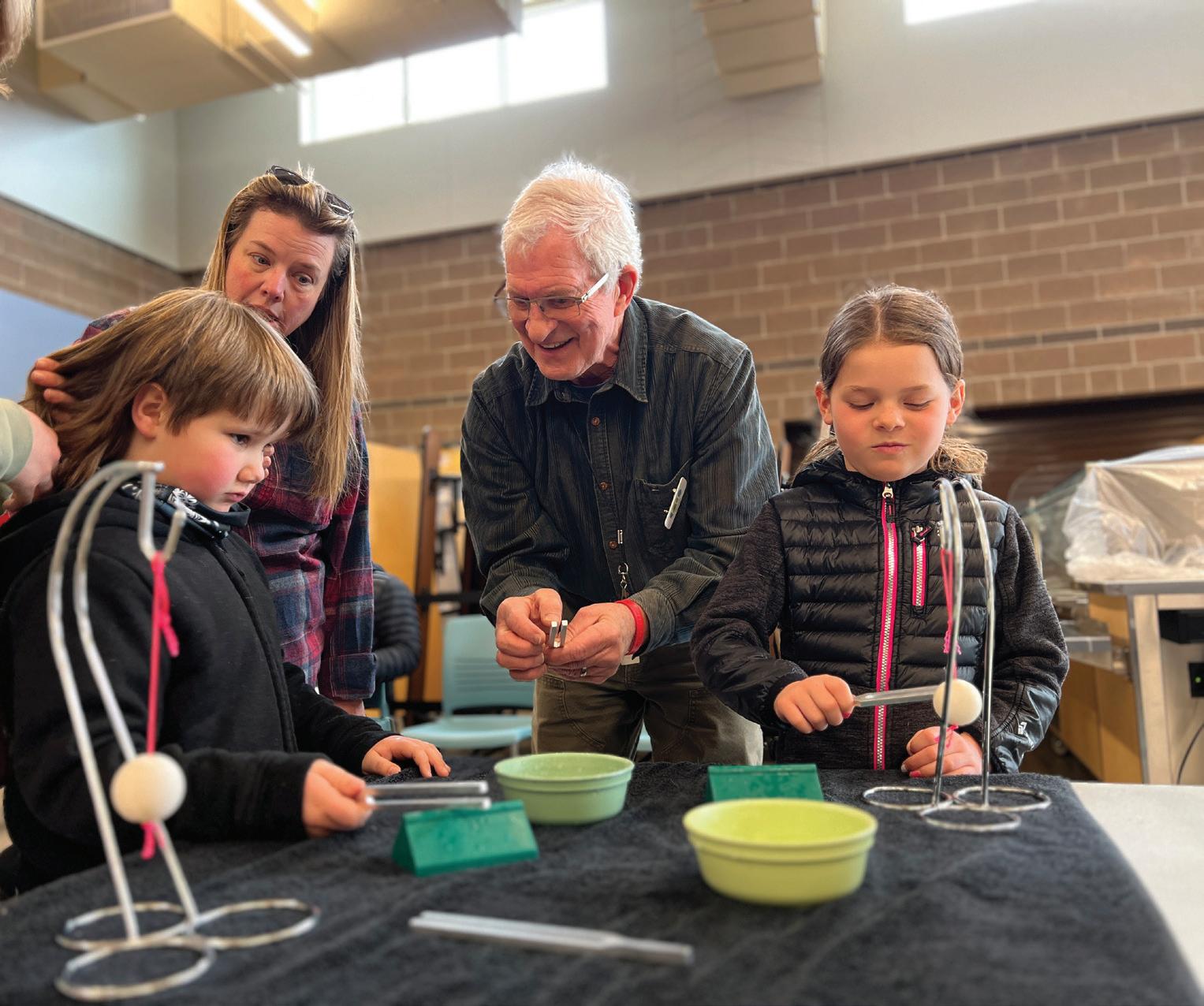
“I think one of the biggest draws sof CrossFit is the camaraderie that comes with it,” Hudson told The Nugget. Magnus Johnson, co-founder of the veteran group Mission 22, works closely with Hudson. A Green Beret combat veteran, he understands the bonding that comes from people working together through hard challenges.
“When people’s true character is revealed, they can form real relationships,” he said.
In recent years, Hudson’s focus has shifted from competing and coaching competitors into a mission he describes as a calling: To pull people out of isolation and into community. Working off the foundation of Level 5 CrossFit and Mission 22, the men are bringing others into a community built around physical endeavor and spiritual work through Get Strong Oregon. The 200 or so participants in Get Strong Oregon meet in various settings and talk about their journeys. They gather at such places as Sisters Coffee Co. every Saturday from 6 to 8 a.m. for men’s open Bible study. Women have their own group meeting at 8 a.m. Get Strong hosts a monthly men’s breakfast at Spoons Restaurant, and a monthly men’s bonfire night at Resilient Ranch, a property owned by NFL tight end Jacob Hollister. Get Strong Oregon discipleship teams have taken mission trips to Nicaragua, where they built a CrossFit gym to promote the kind of fitness and fellowship that had transformed and enhanced their own lives.
Hudson and Johnson created a Mission 22 CrossFit WOD (workout of the day) which has been adopted by gyms across the country. Not only does it honor and promote Mission 22’s efforts to prevent veteran suicide, it builds the kind of community that helps individuals become more resilient. The workout

is designed to be a partner workout — it requires that the participants work together and support each other.
Johnson notes that people bring forth more of themselves through a group dynamic.
“They’re going to push each other way farther than they would go on their own,” he said. “I think it’s human nature that we either step down or step up to the people around us.”
If you are part of a group that is working hard and striving to improve, “you’re going to elevate to the median of that community.”
In Johnson’s work, he sees the most acute impact of isolation. Veteran suicides usually come amid drinking and the loss of relationships. Isolation and loss of connection is literally deadly. Through their ministry work, Hudson and Johnson seek to help people build their physical fitness, their mental health, and their spiritual well-being — which are profoundly interconnected. Deficiencies in one or more areas can bring us down, while building strengths in each area feeds the strength of the others.
The spiritual component of the work usually follows the connection formed in the physical effort. The opportunity for bible study and devotional work is offered in a community they already trust,” Hudson noted.
“Just let natural conversations grow from there,” he said. “This opens the door gently to where they can explore it with curiosity with their peers.”
“There’s also the attraction piece,” Johnson noted.
When people see their peers getting stronger, happier, and more socially fit, they are drawn
to the practices that make that possible. And working with coaches that they already trust from previous experience makes delving into unfamiliar areas more comfortable.
“It’s not long until you realize that the biggest component [of social fitness] is spiritual,” Johnson said. “And they’re hungry for it.”
Like Van Houweling and Klein, Hudson and Johnson recognize that not all connections have to be deep and profound to be valuable. They see the micro-connections of gym and community as important tools in building social fitness.
“I see them as little mirrors everywhere,” Johnson said. “Your world is more full. [They are] micro accountabilities; micro-spotchecks.”
Hudson notes that social fitness doesn’t mean that troubles and trials are eliminated — it means that they are shared. People are often burdened by feeling that they are the only ones struggling while others are enjoying successful lives. When you can share your burdens with a trusted group of friends and comrades, “you can actually embrace the suck,” he said. “It might be hard, but it’s going to be worth it; it’s going to be real.”
Like the others cited in this piece, Johnson and Hudson insist that there is no substitute for in-person interaction. Johnson equates interaction to nourishment — dense nutrition vs. junk food. Online “connection” is just a substitute for real social nutrition — but it’s addictive and actively interferes with genuine connection. And in recent years, people have been conditioned to pursue and imbibe that addictive substitute.
“Any time you imbibe a substitute, you’re just going to need more,” he said.
Through Get Strong Oregon, Hudson and Johnson are committed to a mission to help their neighbors thrive physically, mentally, and spiritually. The door is open for everyone.
“Wherever you feel led, come,” Hudson said. “There’s a place for you.”
By Sue Stafford Correspondent
Editor’s note: In the third and final installment of available services for seniors in Sisters, miscellaneous services that don’t fit in a specific category as well as in-home nonmedical care will be discussed.
• Pets are often the source of companionship and love for seniors, but the expenses of food and medical care for them can be a limiting factor in the feasibility of keeping their four-legged friends. Fortunately, Sisters has the nonprofit Furry Friends Foundation which offers a free full-service pet food and pet supply bank, a free spay/neuter program, and free vaccinations. They can be reached at 541-797-4023 or by email info@ furryfriendsfoundation.org. They also accept donations of pet food and supplies.
• The Sisters Camp Sherman Fire District Fire Corps will conduct home safety assessments, wildfire home assessments, blood pressure screenings, and CPR trainings. They also provide the File of Life into which goes all emergency medical and contact information needed in an emergency as well as house number address signs that can be seen from the road. The Fire Corps is a voluntary organization made up of Sisters residents. The Corps is part of the Fire and Life Safety Division at 541-549-0771 or sistersfire.com.
• Kaufman’s Home Maintenance can provide help with home and yard chores that can no longer be done safely by a senior living on their own. Zane Miller performs preventive and fire-wise home maintenance, professional handyman services, home repairs, updates, and adaptive modifications to ensure safety, comfort, and independence. Contact at 541-728-1680 or info@kaufmanhelp.com.







certain issues need to be addressed such as making sure you have a
if desired), among other legal docu-
estate planning, guardianship, contrusts. 541-241-7673 or christie@
• As one prepares for later life, certain issues need to be addressed such as making sure you have a will that is current, any necessary powers of attorney, specific instructions regarding end-of-life wishes (advance directive and POLST form if desired), among other legal documents. Christie Martin, of Martin & Richards PLLC, is an attorney specializing in elder law. She can assist clients with elder law issues, estate planning, guardianship, conservatorship, probate, wills, and trusts. 541-241-7673 or christie@ cascadialawyers.com. Ashley Tuttle
See AGING IN PLACE on page 18


















Historical perceptions of the flows and rhythms of the female menstrual cycle have long been shaped by a cacophony of superstition, disgust, mistrust, and — at times — intrigue, fascination, and reverence. Religious doctrine and mythology have framed the dynamism of female hormonal cycles as both a blessing and a curse — sacred in some traditions, punitive in others. The lived realities of being tethered to lunar and seasonal rhythms, environmental cues, and fluctuating perceptions of safety create an ephemeral hormonal experience that can at times, be very challenging to navigate for many women and girls.
Throughout the 19th and 20th centuries many women were institutionalized and subjugated to forced hysterectomies and ovariectomies founded on the Victorian-era belief that “hysteria” originated in female reproductive organs. And thus, the “cure” was to disrupt or remove the very cycle that represents the life-sustaining force shared by the planet.
In 1960 the first contraceptive “pill” was first made available and thereafter, women and girls were given a more accessible and acceptable method to foster reproductive autonomy. This was a game changer. With more reproductive choice, women had more agency to pursue career pathways, education, and could be more selective with future partners. Representing liberation and choice, the rise of contraception has been central to women expanding their opportunity.
And yet, decisions in choosing a contraceptive method can be daunting, sometimes rushed, and sometimes made hastily as a short-term placater to quiet deeper concerns. While we
AGING IN PLACE: Sisters offers a range of services that help seniors maintain quality of life
Continued from page 17
of Evashevski Elliott PC also offers estate planning, including trusts and wills, and offers a 30-minute free consultation. She can be reached at 541-588-2414.
Aging, disability, illness, or injury can make living at home a challenge. In-home care providers offer a range of services depending on the needs of the client and their family. The core of assistance is similar for most in-home nonmedical care agencies including personal care like dressing and hygiene, help with daily tasks and routines, housekeeping and meal preparation, and errands and appointments. They also provide companionship for the client and respite for the care provider. Most can provide services from a few hours to 24/7 care.
• Home Instead of Central Oregon offers nonmedical in-home care using customized care plans for each client. They provide hospital-to-home support, reducing the chances for









must acknowledge the empowerment that reliable contraception allows for, we must also recognize that agency rests on informed consent. Potential risks and particularly those associated with prolonged hormone disruption, deserve thoughtful consideration.
The life-giving event in the female menstrual cycle is made possible with the natural rise of estrogen (estradiol) culminating in ovulation mid-cycle. Ovulation triggers the release of an egg/ovum from the ovary presenting an opportunity for fertilization. Encased around the egg is the corpus luteum housing progesterone that helps prepare the uterus for a potential pregnancy and helps support the later luteal phase.
The majority of oral contraceptives — as well as methods such as Depo-Provera, Nuvaring, and the patch — are all known to consistently block ovulation. Other methods such as hormonal IUDs, progestin-only pills, and Nexplanon may suppress ovulation intermittently. The copper IUD (Paragard) in addition to barrier methods, fertility awareness methods, and spermicides, do not block ovulation.
Certainly, there are clinical scenarios where disrupting ovulation can help relieve distressing symptoms. However, the natural rhythms of estradiol and progesterone are also intimately connected to our physical and emotional health. Prolonged suppression of ovulation and the natural rhythms of our body’s hormones can have potential consequences.
By suppressing ovulation, we blunt the cyclical rise of estradiol. Estradiol is by nature, a builder: of the uterine lining, muscles, bones, cardiovascular tissue, and our brains. It assists with metabolism, cardiovascular function,
readmission. Caregivers help with daily tasks and routines, light housekeeping and meal preparation, and errands and appointments. 541-3306400 or marissawhite@homeinstead.com.
• Hallmark Home Care provides independent caregivers who are hired directly by the client. They use the Ideal Caregiver Profile filled out by the client to search for and vet the best matches. They then connect the clients to those caregiver matches to meet and interview, allowing the client to select and hire their choice. Hallmark conducts the background checks and employment history and verification. They also cover the caregiver with liability insurance and occupational accident insurance. They offer the usual services up to 24/7 as well as coordination with and referral to other resources in Central Oregon. 541-647-1166 or knothiger@ hallmarkhomecare.com.
• Right At Home Central Oregon provides inhome assistance guided by care plans uniquely tailored to the individual client. They can provide support to the client and family if hospice is brought in. They also work with chronic health issues like diabetes and Parkinson’s. 541-6337436 or info@rightathomecentraloregon.com.
• Visiting Angels of Central Oregon offers
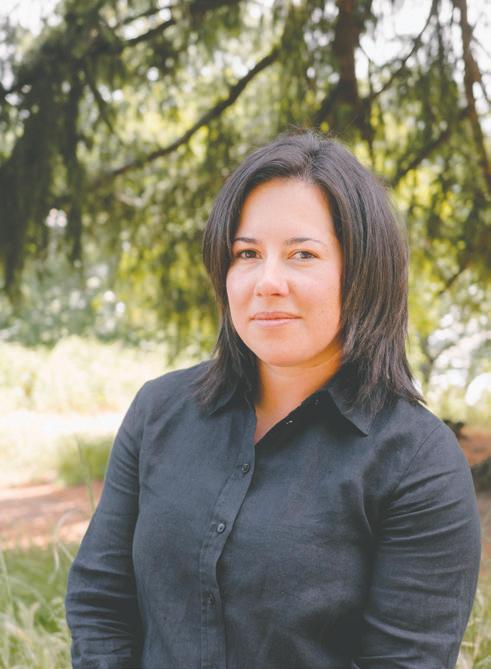
By Audry Van Houweling, PMHNP-BC

cognitive function, and immunity. It promotes important neurotransmitters such as serotonin, dopamine, and glutamate integral to emotional well-being.
Ovulation is also essential for our bodies to reap the benefits from progesterone housed in the corpus luteum. Natural progesterone has special roles in promoting a neurotransmitter called GABA, known for its impacts on reducing anxiety, sleep quality, and stabilizing the nervous system. Progesterone is also necessary to balance estrogen levels and regulate the uterine lining.
I find it interesting that we are in a moment where mainstream culture is quick to emphasize the value of estradiol, progesterone, and hormone replacement later in life, yet often overlooks the importance of these hormones in our younger years — when their presence, suppression, or absence may influence future health trajectories.
While decisions must be made in collaboration with primary care and women’s health providers, there have been more than a few cases in my office where we can trace mental health changes back to certain birth control methods and more than a few cases where symptoms were alleviated when such methods were discontinued or modified.
Health literacy around hormones and women’s health is thankfully becoming more mainstream. Yet, we have a long way to go. The modification of our hormones has impacts — some good and some not so good. Informed consent is critical along with continued education and research. Ultimately, true empowerment is rooted in knowledge.
all the standard in-home care options as well as transitional care coordinated with hospice until end of life. Their Ready-Set-Go Home transitional care service provides the personalized support that older individuals require to recover successfully after a stay in the hospital and avoid rehospitalization. The Ready-Set-Go Home program begins with in-hospital assistance and support with planning for the upcoming discharge. The home care plan helps the care recipient feel most comfortable and at ease during recovery. 541-617-3868 and dmmartin@visitingangels. com.
• Heart and Home Care in Sisters provides in-home care especially for those with memory issues. They offer bathing, meal preparation, shopping, medical transportation, care provider respite, and hospice care in conjunction with Partners in Care. 541-729-1402 or heartandhomehelp@gmail.com.
In next week’s Nugget there will be information about the upcoming free Senior Resource Fair where all the agencies in the three articles will be present to answer questions and provide information. Light snacks will be provided. Tuesday, February 17, noon to 2 p.m., Sisters Fire Community Hall, 301 S. Elm St.

Challenges surrounding mental health affect people in Sisters as well as in other communities. It is vital that we come together to support each other and strengthen our community through mental health awareness.
NAMI, the National Alliance on Mental Illness, is a grassroots nonprofit dedicated to helping individuals and families across Deschutes, Jefferson, and Crook counties. Now more than ever, we need free mental health tools that utilize our lived experiences to uplift each other through coping strategies and shared wisdom.
All NAMI support groups, classes, and workshops are free — and always will be. Our programs assist individuals living with mental health challenges, as well as families and loved ones. They are seeking volunteers in Sisters to help lead these initiatives and further our mission. Your involvement can significantly enhance mental health resources in our area.
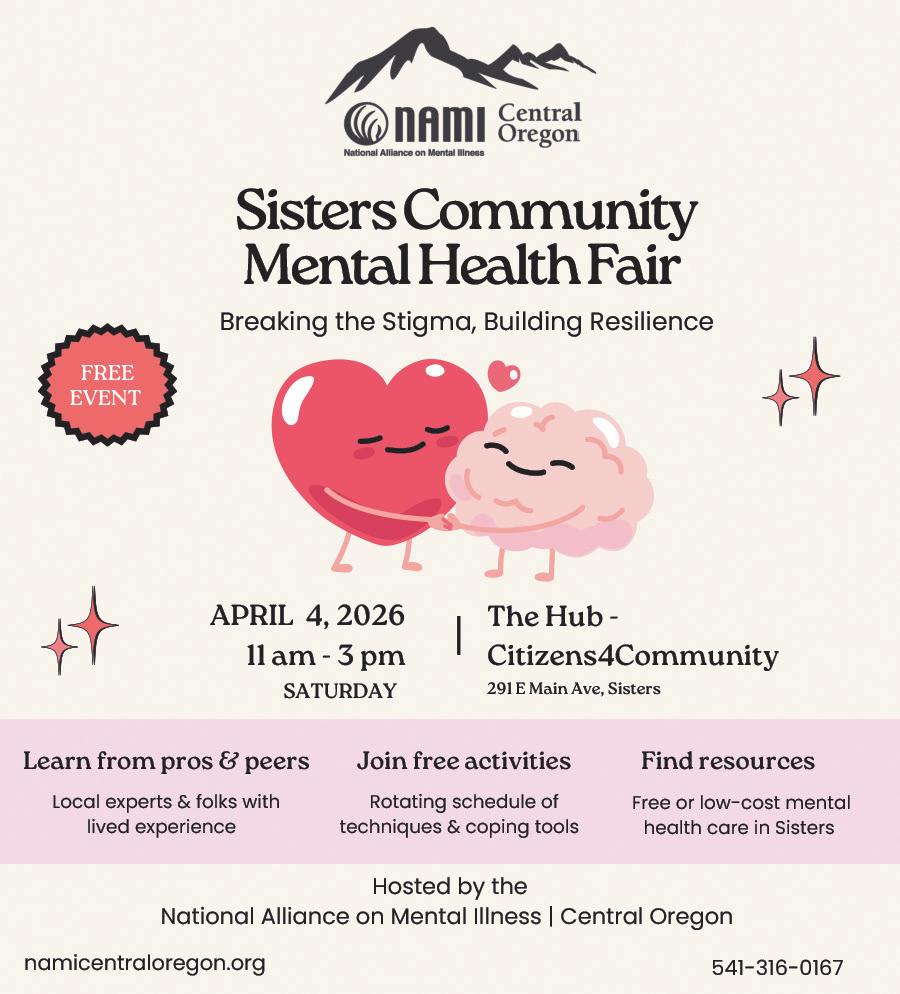
NAMI is hosting a community mental health fair on Saturday, April 4, at The Hub, Citizens4Community, as part of our effort to build a supportive mental health network in Sisters. This community can break the stigma and create a nurturing environment for everyone.



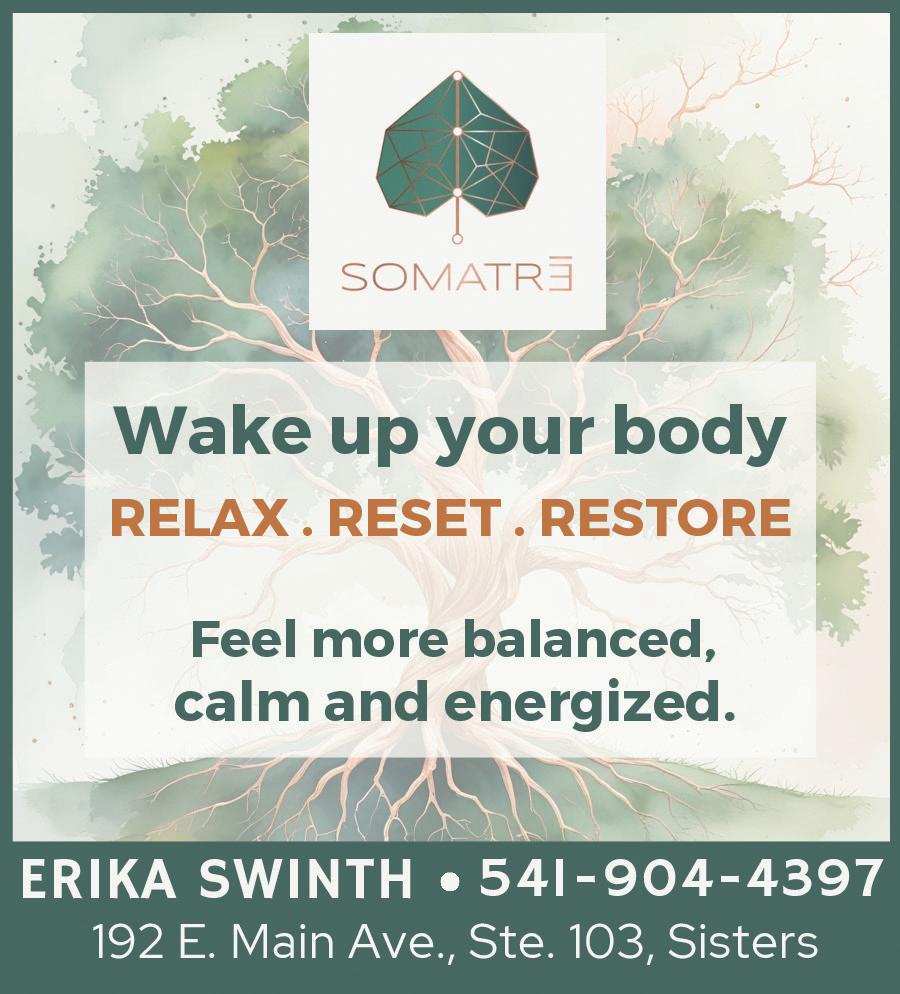


As the body changes over time, many people find themselves feeling more fatigued, achy, or simply less connected to how they once felt. SOMATRÉ was created as a calm, welcoming space where the body is given the opportunity to rest, rebalance, and restore.
At SOMATRÉ, wellness is not about pushing harder or fixing what is “wrong.” It’s about creating the right conditions for the body to do what it already knows how to do. Each visit is thoughtfully designed as a personalized recharge experience, supporting relaxation, circulation, and overall vitality through a blend of wellness technologies and hands-on care.

Guests often describe feeling more grounded, clearer, and lighter after sessions, with a renewed sense of calm and energy. Services may include frequencybased bodywork and massage, PEMF and terahertz technology, ionic foot soaks, and wellness scanning to better understand what the body needs in the moment.
Every visit also includes a complimentary hydration bar, reflecting the belief that true wellness begins at the cellular level. SOMATRÉ invites individuals to reconnect with themselves and move forward feeling more balanced, supported, and restored.


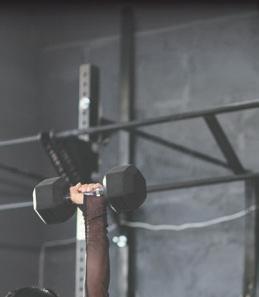

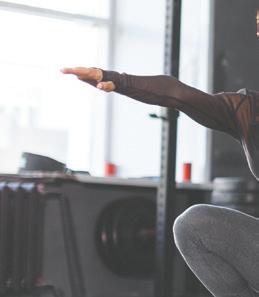
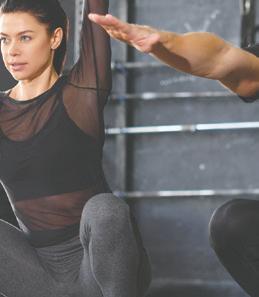
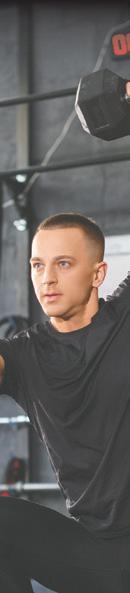











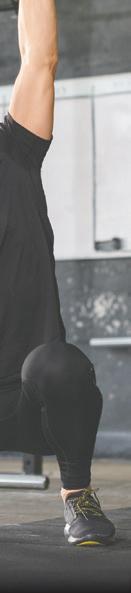

With three gyms with different profiles in Sisters, Ryan Hudson has created a range of options that offers strength and fitness for everyone, from elite level athletes to people who just want to stay fit and enjoy their life.
A free, no-obligation consultation can help you find a program and/or a set of classes that fits your goals and your capabilities.
Classes are supportive and many people find a valuable sense of community there. If you’re just getting started on your fitness journey, or just getting back to it after a layoff, there are options like L.I.F.E. Class, a gentle version of CrossFit with emphasis on mobility and longevity; Mobility Class, focusing on range of motion and building strength within that range; or a slow, self-paced barbell strength class. You can introduce yourself to HYROX, a global fitness race program that welcomes everybody, or you can step up the intensity with CrossFit classes, or build your sense of community along with your physical strength in Get Strong Saturday.
And as you move through your fitness journey, you can move from one level to the next. Visit https://cascadefit.com/ schedule/ for class details.
Most of us train for a reason. Sometimes that reason is clear: a race, a season, a competition, a goal with a date on the calendar. But for many people, training is not about a finish line. It is about feeling good in their body, managing stress, staying capable, and preserving independence as they age. That distinction matters more than we realize.
When you are training for an event, pushing hard for a defined period makes sense. There is an endpoint. A recovery phase follows. But when you are training for life, the end game is different. The goal is not peak performance on one day. The goal is sustained performance over decades. That requires a different strategy.
From a biological standpoint, more is not always better. Exercise is a powerful stimulus, but it is still a form of stress. Every workout activates stress hormones, challenges the nervous system, and creates microscopic damage in muscle and connective tissue. That stress is necessary. It is what tells the body to adapt. But the adaptation itself does not occur during the workout. It occurs during recovery.
This is a fundamental principle of physiology. Muscle strengthens during rest. Mitochondria increase efficiency when stress hormones fall. The brain clears metabolic waste and consolidates learning in downregulated states. Hormonal systems rely on rhythmic cycles of activation and restoration to remain balanced.
Without recovery, those systems never fully reset.
When recovery is consistently neglected, the body shifts into a state of chronic low-grade stress. Cortisol remains elevated. Inflammation accumulates. Sleep quality declines. Injury risk rises. Progress stalls. Many people interpret this as a need to train harder, when in reality the missing ingredient is restoration.
This is especially relevant for people who are not training for a specific event but for longterm health. Healthspan, the number of years you remain strong, mobile, cognitively sharp, and independent, depends less on how hard you push and more on how well your body can recover and adapt.
Recovery is also not just about muscles. Chronic psychological stress, long work hours, and constant mental stimulation activate the same stress pathways as physical exertion. The body does not differentiate between a hard workout and a hard day. Both tax the nervous system. That is why someone can feel exhausted despite doing everything right from a fitness standpoint. Importantly, recovery does not mean inactivity. It means shifting the body into a physiological state that allows repair. Heat exposure such as sauna use improves circulation and activates protective cellular pathways. Cold exposure can reduce inflammation and train the nervous system to become more resilient. Gentle movement

By Siobhan Gray, MD
like walking, yoga, or mobility work supports joint health and blood flow without adding load. Rhythmic activities such as dancing challenge balance, coordination, and brain health while remaining restorative. Breathwork and slow, intentional breathing directly influence heart rate variability, a marker of nervous system adaptability. Even social connection plays a role, as strong relationships are one of the most consistent predictors of longevity across populations.
When training is framed through a longevity lens, recovery becomes a form of training in its own right. It preserves muscle, protects the brain, supports hormonal balance, and keeps the nervous system flexible. It allows you to continue doing the activities you love not just this year, but for decades to come.
And here is the simplest place to start: when you pencil in your workouts for the week, pencil in an intentional recovery day too. Treat it as scheduled training for repair, not reluctant rest. Recovery is not what you do when you fall behind. It is what allows you to keep going.
If your goal is to feel good in your body for the long haul, the question is not how much you can push. It is how well you can recover. The most underrated training for longevity is not found in the gym. It is found in the intentional moments that allow your biology to repair, adapt, and endure.

By Edie Jones

The need for more mental health resources for our teens and young people, coupled with alarming suicide rates, raises the question of why there is this need. What’s happening in their lives that deteriorates their well-being?
A 2001 book addresses those questions and offers suggestions relevant today. “Too Much of a Good Thing,” by Dan Kindlon, Ph.D., offers ideas for how families can make a difference in their children’s mental health. Its primary focus is on giving children too much and expecting too little. Even though the book was written years ago, its message is still current.
Dr. Kindlon discusses what separates toogood-to-be-true teens from their peers. Of 639 teens researched, 81 of them did not drink, smoke, do drugs, or engage in sex. They weren’t depressed, had no eating disorders, and worked to their “intellectual ability” without being driven. They also weren’t regarded as bullies, spoiled, or self-centered. Doing the math, we find that only 12.5% of the 639 did not fall into any of the above negative descriptions.
The book talks about what occurs when parents indulge kids with material items such as excessive toys, cellphones, cars, and credit cards, as well as emotionally indulging their children. When too much negotiation, overprotection, and an overall sense of entitlement are coupled with too few character-building experiences, true happiness and psychological health can be eroded. In today’s busy world, it is often easier to give in than to teach the values that come from denying requests. Good mental health follows an understanding of consequences and what it means to take personal

responsibility.
In “Too Much of a Good Thing,” the author outlines the consequences of a generation of children surrounded by a sea of choices without limits or boundaries. Not surprisingly, what is described are high levels of depression, anxiety, body image problems, and weak character development. How often do we hear the above descriptions assigned to teens of today?
So, what can parents do to ensure their children grow into adulthood emotionally mature? How do we help them become responsible, caring, competent grown-ups? The book shared several things consistent for the kids who made up that 12.5 percent. I believe they still have credence. They are:
• Families frequently ate together. A difficult thing to accomplish if family members have different work, sports, or activity schedules. In my family, with four competitive swimmers each at a different level and practice times, there were years when this wasn’t possible at dinner. We solved it by having breakfast together, sharing plans for the day, aligning schedules, discussing problems, and offering encouragement. However you manage it, find a way to do it. The dividends pay off.
• Parents not divorced or separated. Not something possible in every family. Important here is consistency between parents. Whenever possible, try to share the same discipline practices and responsibilities. When kids feel that mom and dad are on the same page, the effects of separation are minimized.
• They had to keep their rooms clean. Keep in mind, the best parenting is by example. Observe
your own room. What do your kids see? If they have learned the benefits of putting things back where they belong and the satisfaction of keeping things tidy, this probably won’t be too difficult.
• They didn’t have a phone in their room. Because the use of cellphones by kids is considerably different today, the question now is probably, “Do they have a phone in their pocket?” Have a serious, concrete, age-appropriate conversation, and be clear about what you expect and what you feel is appropriate. Set limits and boundaries that change as they get older (for all screens), with clear consequences that are respectful to both of you and follow through.
• They did community service. This is one of the most important things we can ask of our children. It doesn’t matter what it is. It only matters that they perceive it is important and that they make a difference. This leads to a high degree of self-worth, an important aspect of growing up.
From my years of working with families and children, I recognize two other aspects of parenting as paramount.
• First, believe in your child, no matter their abilities, and be sure they know you believe in them.
• Second, discover what is most important to them. All kids, especially as they enter adolescence, have something they are passionate about. Once you discover it and feel it is positive, embrace it with as much support as you can (being mindful of your finances and time commitments, without overindulging them). If it’s not positive, work hard to find a substitute that they get excited about. Then, enjoy it together.














BREATHE • MOVE • RECOVER SMALL GROUP & PERSONALIZED TRAINING
• Blend of mobility, strength, Pilates
• New routines every day
• Fascial stretch therapy


• Clinics for run, ski, stretch, pickleball & more 541-390-8334 • www.sweatpnw.com

392 W. Main Ave., Sisters


Sweat PNW is a community-driven fitness studio offering small group classes and clinics that blend heavy lifting, heartpumping cardio, Pilates, core work, and mobility.
Every workout is coached with clear guidance and real-time feedback, prioritizing safety, proper form, and smart progression. The goal of each class is functional fitness, replicating movements done in the real world so you can ski, run, bike, hike, and even unload the dishwasher more efficiently.
Led by an owner with a background in physical therapy, Sweat PNW delivers challenging, balanced training with proper form and an emphasis on moving correctly for injury prevention and treatment. Classes are designed to help you move better, get stronger, and feel confident in your body — inside and outside the gym.
Upcoming clinics include running, backpacking, learning to do a proper pull up, and lifting for peri- and menopause. They will also be hosting a trail running and hot cold exposure retreat.
This studio welcomes everyone and modifications can easily be made to help you reach your own individual goals.


OPENINGS FOR INDIVIDUAL COUPLE & FAMILY THERAPY
Available in Sisters or online
— Accepting most insurances — 541- 640-9310

www.foragewellnesscollective.com
Forage Wellness Collective is a group of Restoration Therapists committed to holistic and effective mental health care, to restore peace and well-being that lasts a lifetime.
Improve your mental health individually, as a couple, or as a family with a therapist who will help you gain insight and skills that align with your goals and identity!
The Forage Wellness counseling team has hundreds of combined training hours in the Restoration Therapy approach. Restoration Therapy (also known as “RT”) uses the latest developments in Attachment Theory, Emotional Regulation and Mindfulness in an understandable and effective framework that empowers clients to clearly identify and name fight/ flight reactions in order to promote selfregulation and facilitate growth. All therapists at Forage receive extensive training and supervision in RT in order to help you reach your mental health goals meaningfully and efficiently.
Forage also offers group therapy sessions, and will be leading a free Anxiety Intensive in Sisters on April 17-19, 2026 at our new office: 392 W. Main Ave., #102







Suppor t your body’s natural healing with acupuncture and biofield tuning Allison Conachen LAc and Jillian Faldmo www.sisterswellnesscollective.com
Suppo acup www
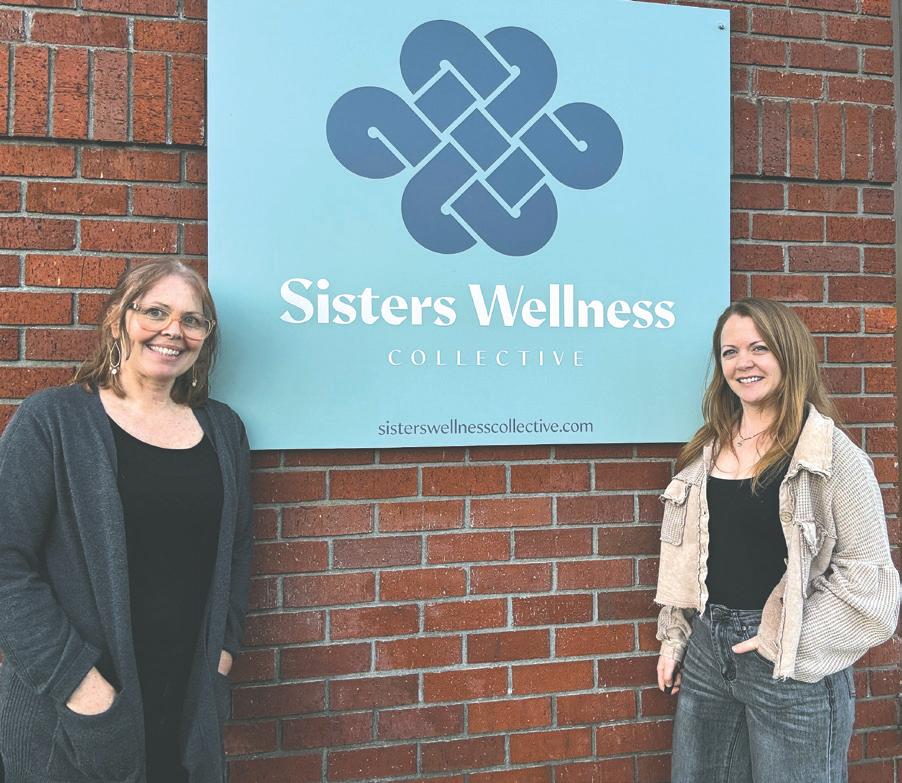
As practices affiliated with Sisters Wellness Collective, Mandala Acupuncture and Jillian Faldmo Coaching offer modalities to help clients optimize their health and well-being.
Allison Conachen brings a background in massage therapy and 20 years in holistic health to her practice at Mandala Acupuncture, helping people of all ages address pain, neurological issues, their mental health and mood disorders like anxiety and PTSD. She also helps with women’s health issues and insomnia. Conachen notes that clients find an array of beneficial side effects when accessing acupuncture to address a particular issue.
Jillian Faldmo is a Biofield Tuning practitioner, educator, and coach who specializes in helping people reconnect with their bodies and nervous systems in a gentle, non-invasive way. Her work centers on creating a safe, supportive space where the body can release stored tension and come back into balance naturally.
“In my practice, I focus less on fixing and more on listening,” Faldmo says. “When people feel truly supported, their systems often know exactly what to do.”