


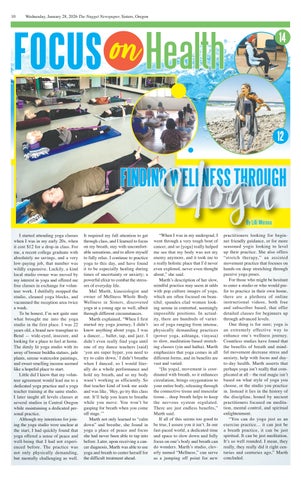



I started attending yoga classes when I was in my early 20s, when it cost $12 for a drop-in class. For me, a recent college graduate with absolutely no savings, and a very low-paying job, that number was wildly expensive. Luckily, a kind local studio owner was moved by my interest in yoga and offered me free classes in exchange for volunteer work. I dutifully mopped the studio, cleaned yoga blocks, and vacuumed the reception area twice a week.
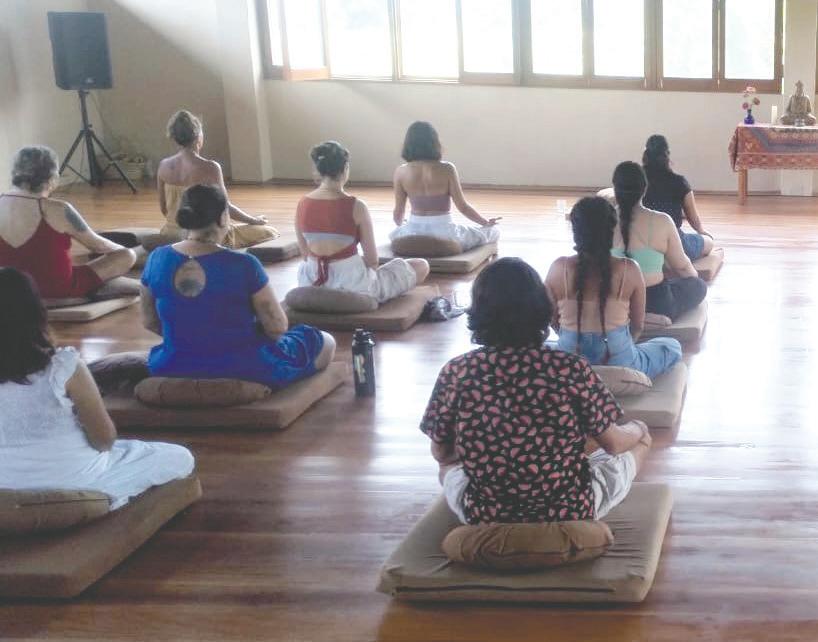
To be honest, I’m not quite sure what brought me into the yoga studio in the first place. I was 22 years old, a brand new transplant to Bend — wide-eyed, insecure, and looking for a place to feel at home. The dimly lit yoga studio with its array of bronze buddha statues, jade plants, serene watercolor paintings, and sweet-smelling incense seemed like a hopeful place to start.
Little did I know that my volunteer agreement would lead me to a dedicated yoga practice and a yoga teacher training at the same studio. I later taught all levels classes at several studios in Central Oregon while maintaining a dedicated personal practice.
Although my intentions for joining the yoga studio were unclear at the start, I had quickly found that yoga offered a sense of peace and well-being that I had not experienced before. The practice was not only physically demanding, but mentally challenging as well.




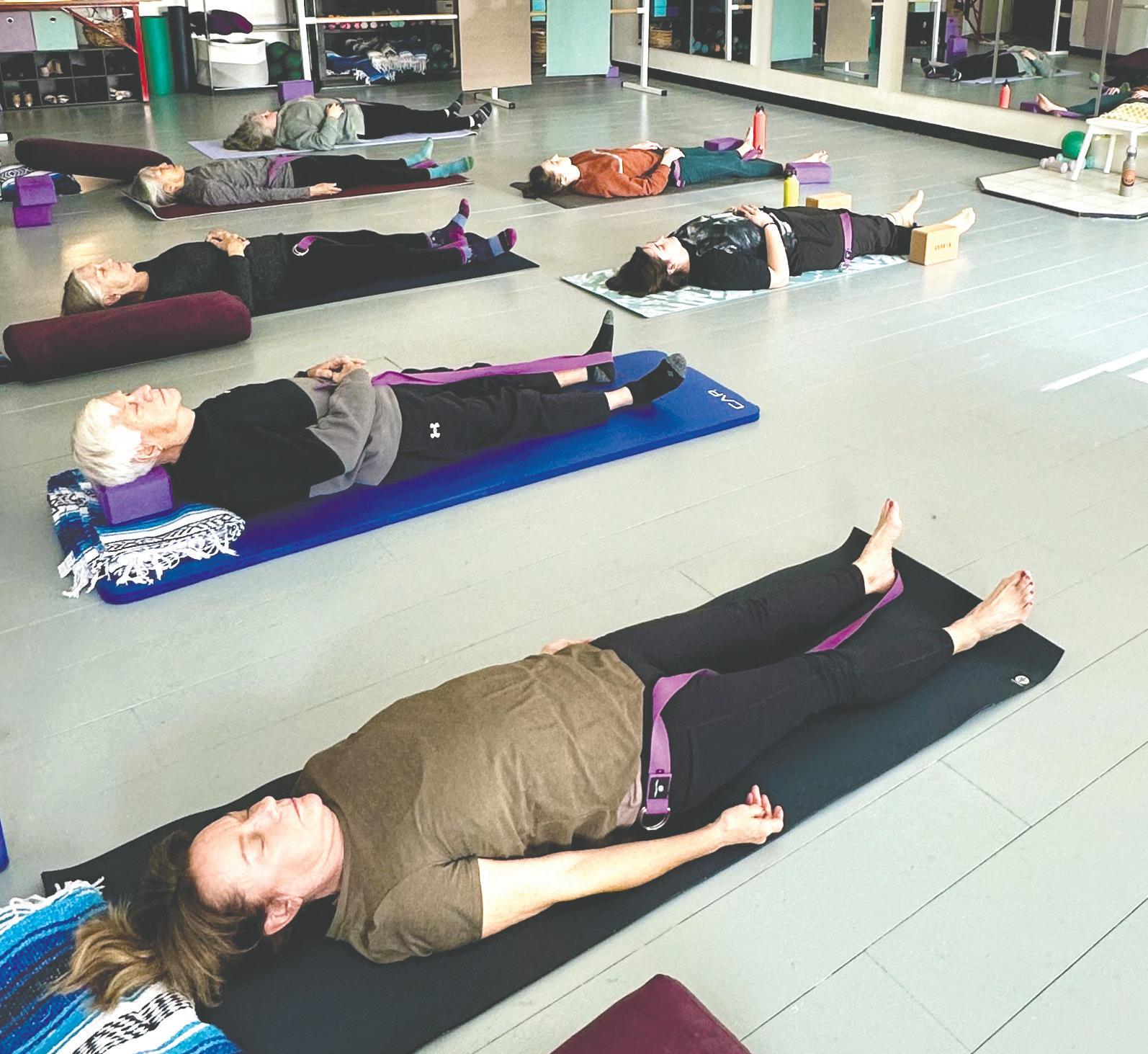
It required my full attention to get through class, and I learned to focus on my breath, stay with uncomfortable sensations, and to allow myself to fully relax. I continue to practice yoga to this day, and have found it to be especially healing during times of uncertainty or anxiety; a powerful elixir to combat the stressors of everyday life.
Mel Marth, kinesiologist and owner of Mellness Whole Body Wellness in Sisters, discovered yoga at a young age as well, albeit through different circumstances.
Marth explained, “When I first started my yoga journey, I didn’t know anything about yoga, I was a dancer… ballet, tap, and jazz. I didn’t even really find yoga until one of my dance teachers [said] ‘you are super hyper, you need to try to calm down,’ I didn’t breathe when I danced, so I would literally do a whole performance and hold my breath, and so my body wasn’t working as efficiently. So that teacher kind of took me aside and was like, ‘Hey, go try this class out. It’ll help you learn to breathe while you move. You won’t be gasping for breath when you come off stage.’”
Marth not only learned to “calm down” and breathe, she found in yoga a place of peace and focus she had never been able to tap into before. Later, upon receiving a cancer diagnosis, Marth was able to use yoga and breath to center herself for the difficult treatment ahead.











“When I was in my undergrad, I went through a very tough bout of cancer, and so [yoga] really helped me see that my body was not my enemy anymore, and it took me to a really holistic place that I’d never even explored, never even thought about,” she said.
Marth’s description of her slow, mindful practice may seem at odds with pop culture images of yoga, which are often focused on beautiful, spandex-clad women looking serene in contorted, seemingly impossible positions. In actuality, there are hundreds of varieties of yoga ranging from intense, physically demanding practices (power yoga, ashtanga, vinyasa) to slow, meditation-based stretching classes (yin and hatha). Marth emphasizes that yoga comes in all different forms, and its benefits are vast and varied.
“[In yoga], movement is coordinated with breath, so it enhances circulation, brings oxygenation to your entire body, releasing through the connective tissue and muscular tissue... deep breath helps to keep the nervous system regulated. There are just endless benefits,” Marth said.
If all of this seems too good to be true, I assure you it isn’t. In our fast-paced world, a dedicated time and space to slow down and fully focus on one’s body and breath can do wonders. Marth’s studio, cleverly named “Mellness,” can serve as a jumping off point for new


practitioners looking for beginner friendly guidance, or for more seasoned yogis looking to level up their practice. She also offers “stretch therapy,” an assisted movement practice that focuses on hands-on deep stretching through passive yoga poses.
For those who might be hesitant to enter a studio or who would prefer to practice in their own home, there are a plethora of online instructional videos, both free and subscriber based, that offer detailed classes for beginners up through advanced levels.
One thing is for sure; yoga is an extremely effective way to enhance one’s wellness journey. Countless studies have found that the benefits of breath and mindful movement decrease stress and anxiety, help with focus and dayto-day health. Marth asserts that perhaps yoga isn’t really that complicated at all – the real magic isn’t based on what style of yoga you choose, or the studio you practice in. Instead it lies in the history of the discipline, honed by ancient practitioners focused on meditation, mental control, and spiritual enlightenment.
“You can do yoga just as an exercise practice… it can just be a breath practice, it can be just spiritual. It can be just meditation. It’s so well rounded. I mean, they really, they really did it right centuries and centuries ago,” Marth concluded.


Let’s start with a conversation! Call to schedule a FREE 30-minut estate plan consultation.





Health and well-being involve a great deal more than focus on the body. Having our lives in order is critical to our wellbeing — relieving looming stress that affects every aspect of our lives.
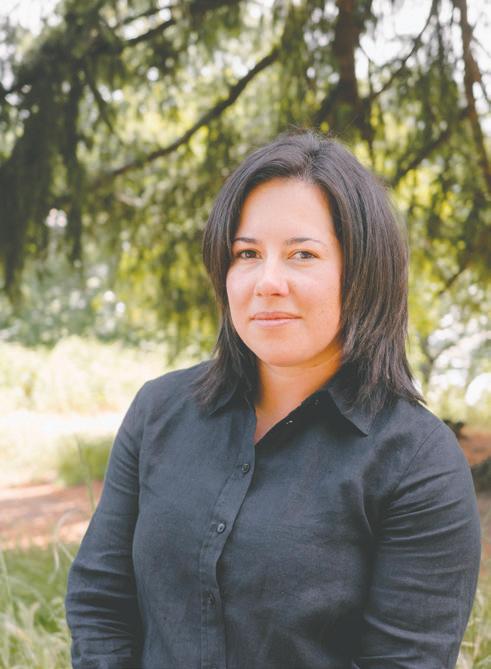
Evashevski & Elliott PC helps families in Sisters achieve precious peace of mind by navigating them through estate planning. That’s not just about the important issues of making sure your assets go where you want them to go — it has a direct bearing on your health. Proper planning means that if you experience a health emergency, you have the right person taking care of you. An advance directive gives you a health representative who can communicate what kinds of treatments you want or don’t want. By making these kinds of decisions part of a plan, you are protecting yourself and your family, and not leaving them trying to figure out what you would want.
Estate planning is not just for people with significant wealth and assets — it’s important for any family. Consult early with Evashevski & Elliott PC. The earlier you plan, the better, because it offers financial wellness — and the all-important benefits of peace of mind.












Living Well With Dementia has become a vital resource for families facing a lifealtering diagnosis. Their care partner support group draws people from across Central Oregon because it offers a critical element of support and solidarity to those who face what can be an arduous and isolating journey.
“To know that you are not alone helps bring some peace of mind to the caregivers, and that’s huge,” says Executive Director Debbi McCune.
Participants can share their experiences and learn from those who have been longer on the journey in a safe and supportive environment. Practical tips deal with the reality of circumstances, and can help care partners learn how to communicate effectively with friends and family who want to be helpful and supportive but may not understand the circumstances.
Living Well With Dementia is seeking to expand their services, and is seeking volunteers to help facilitate discussions. No professional experience is necessary.
“All that’s really required is your ability to listen and to guide the group,”says McCune.

As the calendar shifts to 2026, Sisters residents reflect on what they want to feel like in the year ahead, and how they turn goals into reality. Insert Mellness, a heartcentered wellness studio designed to redefine your wellness and achieve your goals.
Mellness offers affordable and sustainable services to address each client’s unique needs. Whether you’re an athlete building strength and stability, or an outdoor enthusiast improving balance and mobility, Mellness will help you do what you love longer with more ease.
Mellness also offers a variety of fitness and yoga classes in a nurturing, smallgroup environment. Strength and corebased classes build resilience and power, while yoga enhances flexibility, recovery, and nervous system balance.
The underlying philosophy is rooted in the belief that wellness is a holistic experience, not just about diet or exercise, but about understanding and nurturing the interconnectedness of mind, body, and surroundings.
Achieving goals is about creating lasting habits, supporting long-term health, and moving into 2026 empowered and ready.































By Lilli Worona














Lilli Worona prioritizes “flow” activities like playing the violin to counter the effects of digital overload.


My superpower used to be my ability to get things done deftly and efficiently. In college, I could pound out a 10-page research paper from a quiet corner of the campus library in under four hours. I wouldn’t get up from my seat once, and I barely paused to drink water. In my 20s, I could clean my whole apartment top to bottom without taking a break, or sit and read an entire book, cover-to-cover, without pausing for a snack.
In the past several years, however, I’ve found that my superpower is waning. Actually, to be more precise, my superpower has fractured. I have trouble staying on one task for more than a few minutes, and I always seem to get distracted — projects frequently go unfinished and I often feel like I’m spinning my wheels, constantly trying to catch up, but making little progress.
In an attempt to find some solutions and regain some semblance of my super power, I’ve spent the past few months searching for explanations for this phenomenon. In addition to finding tons of information about the subject, I also discovered that I am far from alone. In fact, millions of people throughout the world are struggling with this same problem, and research all points to one consistent culprit — our constant connection to our smartphones.
If you’re like me, you have your phone nearby at almost all times. If I’m midway through a task and my phone pings with a text, that small distraction can send me down a rabbit hole of responding, adding something to my digital calendar and checking email. Practical apps on my phone that I only open for a specific purpose, such as a digital guitar tuner, can quickly take me down a similar rabbit hole of distraction.
In his book “Stolen Focus,” Johann Hari shares stories about his own personal experiences that are eerily similar to mine. For him, writing the book served as a reckoning of sorts; a personal quest to regain his focus through varying degrees of digital detoxing. Hari delved into the subjects of brain chemistry
and evolutionary psychology to explain why so many of us get stuck in unhealthy patterns with our phones, and how to use this knowledge to reset our focus.
I won’t get into brain chemistry in this article, but I’d like to share a few behavioral hacks that I gleaned from his book, as well as other ideas I’ve been investigating through articles and podcasts on the subject. For me, digitally detoxing is a work in progress, but the effort is helping. I feel that my superpower is returning slowly but surely.
DIGITAL DETOX LIFE HACKS:
1. TAKE SOCIAL MEDIA OFF OF YOUR PHONE:
Taking social media off your phone reduces constant alert interruptions, making it easier to focus, think deeply, and be present in your daily life. As Hari explains in “Stolen Focus,” these apps are deliberately designed to hijack our attention, so removing them helps restore control over our personal time and mental energy.
2. PUT YOUR PHONE IN ANOTHER ROOM WHILE WORKING OR SPENDING TIME WITH OTHERS:
In a recent experiment conducted at the University of Texas at Austin, people who left their phones in another room did significantly better on concentration and memory tests than those with their phones on the desk, in a pocket, or even turned off but nearby. Researchers concluded that putting your phone out of reach reduces the subtle cognitive “pull” it exerts on your attention, making distractions less likely and helping you stay focused on tasks or social interactions.
3. CREATE PHONE-FREE ZONES OR TIMES:
Bedrooms, meals, and the first and last hour of the day are especially powerful times for restoring calm and focus. Prioritize connection with others or quiet time alone during these particularly influential daily time periods.
4. PRIORITIZE “FLOW” ACTIVITIES:
A state of “flow” is achieved when a person loses complete track of time doing something they enjoy and are fully attentive to. For me, playing music or going for a run triggers this flow state. According to Mihaly Csikszentmihalyi, an influential psychologist who coined the term, “flow” boosts motivation and creativity, often leaving people feeling energized, connected to others, and mentally resilient.
5. CONSIDER DITCHING YOUR SMARTPHONE: Disclaimer — I have not tried this one, but it is something I have seriously considered and am hoping to do in the near future.
Did you know that you can still buy flip phones without any internet capabilities? If this seems too extreme, there are also newer models that are especially designed for digital detoxing with minimal modern features. These phones only allow you to access “necessities” such as maps for driving, a digital calendar, and a music library.
A favorite brand that I discovered is called the light phone (thelightphone.com). Like I said, I haven’t made the switch yet, but perhaps I’ll report back when I do!






Mosaic Community Health operates seven pediatric locations in Central Oregon. Six of these sites are SchoolBased Health Centers (SBHC), including the Sisters SBHC (535 N. Reed St.) which opened in 2023. SBHCs are independent pediatric healthcare clinics located on or near school grounds. Anyone age 0–18 can be seen at an SBHC: Patients do not need to be students at the school, health insurance is not required, and care can be established with a different provider.
SBHCs offer convenient, accessible healthcare near schools to increase student attendance and help families take less time off work to get children to appointments. And SBHCs collaborate with schools to improve student wellness. In addition to medical and behavioral health care, providers at Mosaic SBHCs emphasize prevention, early intervention, risk reduction, and the development of healthy habits with their young patients.
Mosaic accepts most private or commercial insurance and all local OHP (Medicaid). They offer reduced rates based on a sliding scale to all Mosaicestablished patients.
L ight Therapy
• Salt Water Lap Pool & Hot Tub
• 39 Classes Per Week





Make 2026 the year you prioritize your well-being. Sisters Athletic Club is here to support your mental and physical health.
Whether you’re looking for the camaraderie of an exercise class or the quiet solitude of swimming laps, the Club has something for everyone. Work with a certified personal trainer to reach your goals. Find mindfulness in a yoga or meditation class, unwind in our Wellness Lounge, or reward yourself with a relaxing soak in the hot tub and steam room. And afterward, enjoy a cup of coffee and conversation with friends in our Cafe.

We understand that everyone has different fitness goals, preferences, and budgets, so we’ve created Wellness Your Way membership options. Whether you’re interested in swimming, or fitness classes, or a combination of both, we have a membership that’s right for you. We even have a mid-day, lower priced option.
There are certified and degreed personal trainers on staff to help you determine and meet your fitness goals.
Sisters Athletic Club truly offers something for everyone — your way.
This is the year to prioritize your overall health and well-being. You deserve it.



us get seniors, disabled and underserved residents in Sisters Country to their non-emergency medical appointments!

TO VOLUNTEER email us at volunteer@starsride.org or visit starsride.org/vounteer/drive-for-us
STARS impacts community health in Sisters. When a doctor says it’s time to stop driving, patients often feel a loss of independence, security, and peace of mind. In Sisters, that moment is met with reassurance and hope because of Sisters Transportation and Rideshare (STARS) — a service Dr. May Fan of Sisters calls “a real treasure” for our community.
In 2025, STARS delivered 832 roundtrip medical rides, helping neighbors arrive safely and on time for non-emergency care. These rides helped vulnerable residents manage chronic conditions, avoid emergency care, and stay healthier at home.
More than 50 volunteer drivers and dispatchers donate over 4,000 hours annually, offering not just transportation, but kindness, conversation, and dignity. Riders share how these connections ease isolation and brighten hard days, while volunteers describe the work as deeply meaningful.
Together, volunteers, grantors, and donors are keeping Sisters healthy — one ride, one relationship, one life-changing act of service at a time.








BREATHE • MOVE • RECOVER
SMALL GROUP & PERSONALIZED TRAINING
• Blend of mobility, strength, Pilates
• New routines every day
• Fascial stretch therapy
• Clinics for run, ski, stretch, pickleball & more 541-390-8334
• www.sweatpnw.com

392 W. Main Ave., Sisters















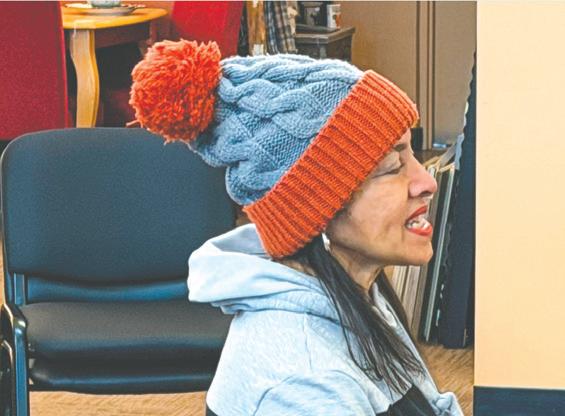
It’s not a normal winter. The trails are uncharacteristically filled with hikers and bikers and a fair number of equestrians. Golf is alive and well on some local courses. And pickleball courts are full.
There is a lot of winter left and as temperatures drop, many people assume their fitness routines must hibernate with the season. But winter offers its own opportunities to stay active, healthy, and engaged — often without stepping foot in a gym. From brisk outdoor walks to chair-based exercise, a mix of movement, routine, and small lifestyle shifts can keep bodies strong and spirits bright through the cold months.
Outdoor cardio is a good place to start, especially when people learn to embrace rather than avoid winter conditions. Brisk walking burns calories and boosts mood. Even short daily walks, especially after meals, improve circulation and digestion, and exposure to natural light can help regulate sleep and fend off seasonal blues.
Indoor options don’t need to be elaborate. Bodyweight exercises such as push-ups, squats, lunges, and planks build strength with no equipment and can be scaled for nearly any fitness level.
A simple circuit of five exercises repeated three times takes 20 to 30 minutes and raises the heart rate while improving muscular endurance. Resistance bands, a pair of dumbbells, or even household stand-ins like backpacks or water jugs can add variety and challenge.
Shannon Rackowski, a longtime Sisters fitness instructor makes it simple.
“Make an indoor track, do laps around your house,” she advised. “If you have stairs, work them –up and down. And if you’re sitting – reading, watching tv – rotate and flex your ankles. Side to side and






heel to toe and back. If you can, add leg lifts.”
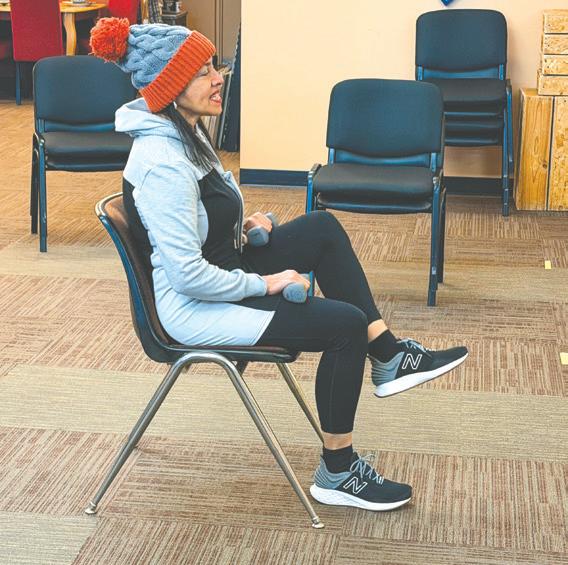
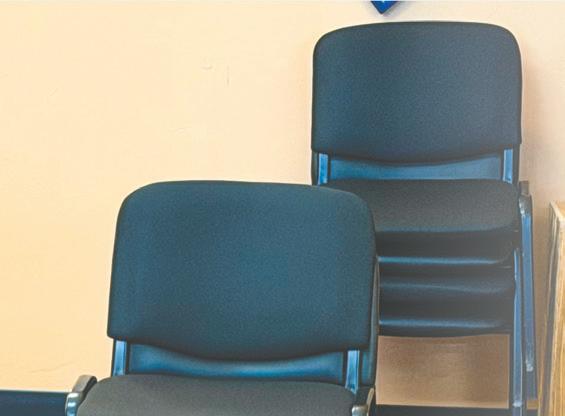
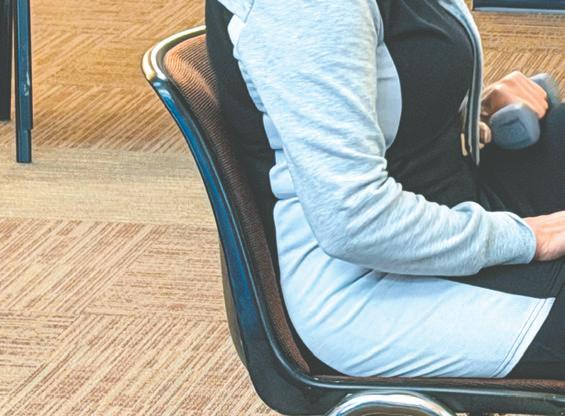
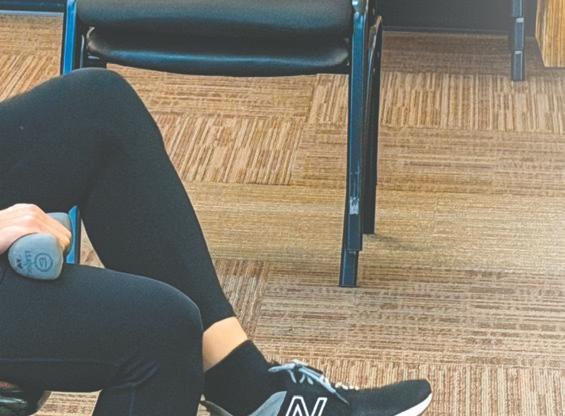
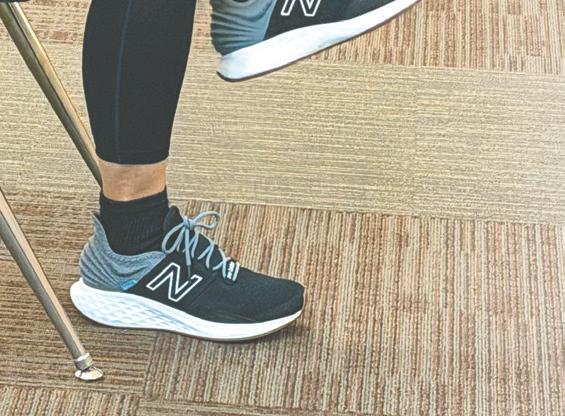
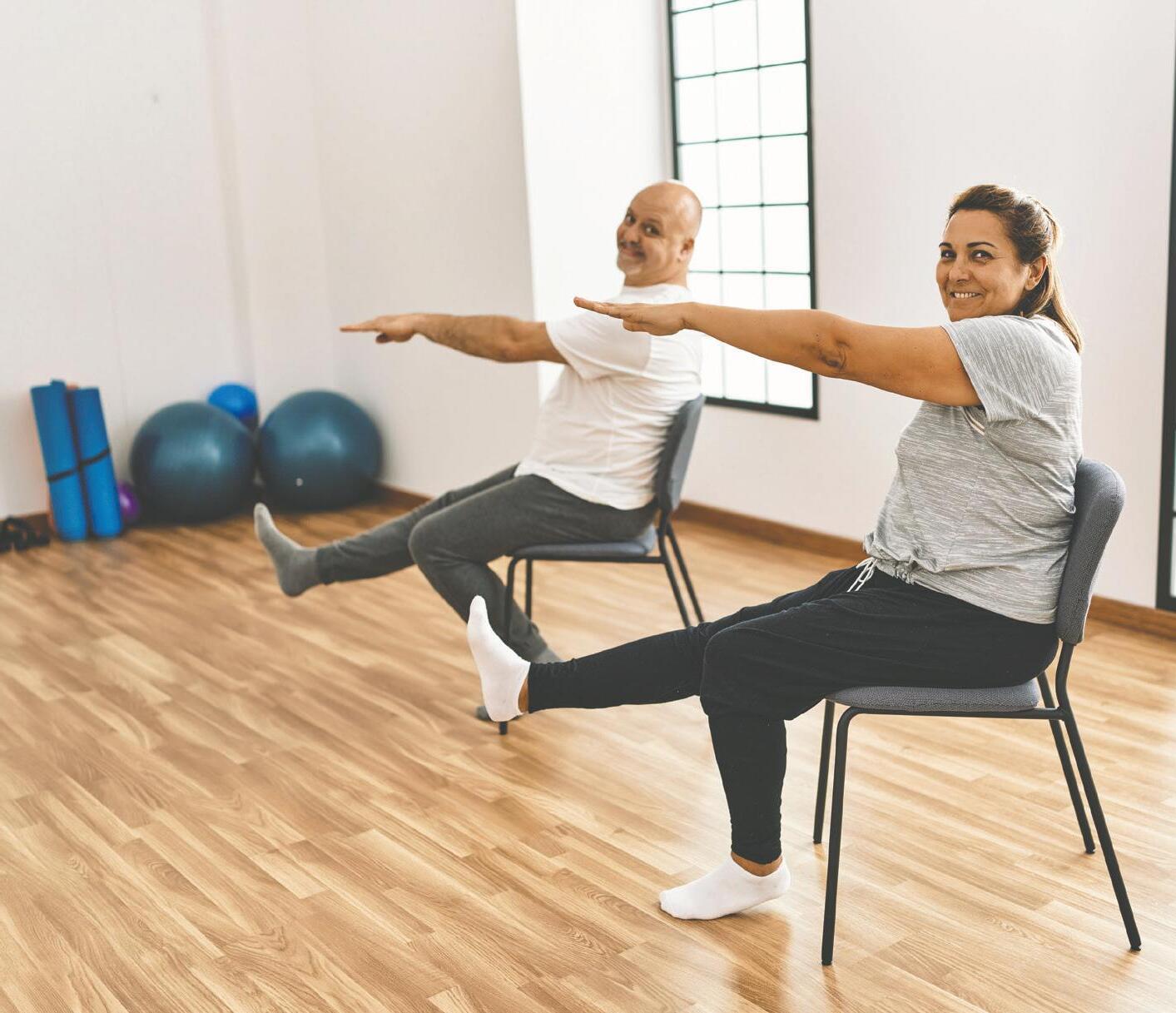
Another trend gaining traction during the winter months is chair exercise and chair yoga. Once viewed mainly as a last resort for people with significant mobility limitations, chair-based movement has quietly and rapidly moved into the mainstream.
“Don’t say yoga,” says 74-year-old Marla Evers in Sisters, a retired yoga instructor. “Men especially are not easily attracted to the practice seeing it as feminine or not aerobic enough. But when you say chair exercise, it’s an easier sell. And after just one session at home or in a studio, they are easily hooked.”
The appeal is practical. Chair formats remove common barriers such as balance concerns, joint pain, and fear of falling, making movement feel accessible rather than intimidating. As the population ages and communities invest more in healthy aging initiatives, demand has grown.
Health organizations and research increasingly endorse chair yoga for improving balance, flexibility, and mental well-being, helping it spread beyond rehab settings into general recreation and workplace wellness programs.
Sisters Park & Recreation District offers a variety of weekly drop-in group fitness classes including Better Bones & Balance and Zumba, and a number of seasonal, registration-based, specialty fitness classes, such as Tai Chi, throughout the year. All classes take place at the Sisters Community Recreation Center and are offered on a first-come, firstserved basis. Due to limited space, they have implemented a maximum capacity for some classes


By Bill Bartlett


Normally in winter, Sisters folk have long stored their bikes and paddle boards or taken their horse trailers out of service. And if not skiers, boarders, or snowshoers, they hole up for months awaiting spring’s return.
encouraging participants to arrive early to guarantee the best chance of a spot in class.
“ Don’t say yoga. Men especially are not easily attracted to the practice seeing it as feminine or not aerobic enough. But when you say chair exercise, it’s an easier sell. And after just one session at home or in a studio, they are easily hooked.”
colder months and lower the risk of injury. Short morning routines that combine gentle movement with breathing exercises can set a calm tone for the day while preparing the body for activity.
Finally, practical habits support any exercise plan. Prioritizing sleep, staying hydrated even when thirst cues are lower, and eating a balanced diet rich in protein and seasonal vegetables all matter.
— Marla Evers
Making movement social can also improve consistency during winter. Walking groups, virtual workouts with friends, or informal neighborhood activities turn exercise into a shared ritual rather than a solitary chore.
Mindful practices deserve a place in winter fitness plans as well. Yoga, stretching, and mobility work reduce stiffness that comes from sitting more during
Experts recommend setting realistic goals and focusing on consistency rather than intensity. Tracking progress in a simple journal or with a step counter can help, as small wins compound into meaningful gains over time.
Winter need not be a season of decline. With creativity, community, and a few reliable routines, staying fit without a gym is not only possible, but often more varied and enjoyable. The cold, it turns out, can be an ally, rewarding preparation and making every warmup feel earned.


Sisters Dental is here for your whole family, through every stage of life. From early childhood visits to long-term adult and senior care, the goal of Sisters Dental is to build healthy habits, reduce dental stress, and support lifelong oral health.
Dr. Trevor Frideres offers some dental milestones that families can use to keep tabs on their dental health:
Birth–3 years: First teeth typically appear around six months. The first dental visit is recommended by age one or when the first tooth appears. Establish nightly brushing habits and talk with your dentist about fluoride options.
Ages 4–6: All primary teeth are present. This is an ideal time for sealants and growing independence with brushing. When you can tie your shoes, you can brush your own teeth.
Ages 7–12: Cavity risk increases (this is the most common time) and early orthodontic evaluations are important.
Teens–Adults: Wisdom teeth, tooth wear, and gum health become priorities.
Ages 60+: Preventing tooth loss and monitoring for oral health changes supports overall quality of life.
Schedule an appointment to talk about your family’s milestones.






Solecare Pedicure Studio owner Shannon Durbin offers a specialized approach to foot care. After years working in office environments, Shannon felt called to make a more meaningful difference in people’s lives. Three years ago, she entered the beauty industry, finding her niche in pedicuring.
“I wanted to help people feel better in their bodies,” Shannon said. “The condition of our feet has a huge impact on quality of life.”
Solecare Pedicure Studio was created to bridge the gap between traditional nail salons and medical podiatry. Services focus on long-term foot comfort. Many clients have been returning regularly for maintenance since the start of Shannon’s practice.
The studio specializes in waterless pedicures, an innovative method chosen for hygiene and skin health. Services are performed in a relaxing, private studio setting, emphasizing individualized care rather than volume-based services.
“I wanted to create a space where people feel genuinely cared for,” Shannon said. “Every detail is intentional.”
For more information or to schedule: www.solecarepedicurestudio.com.





At Growth Rings Family Therapy
Dr. Kelly Davis Martin works with teens, children, and their families to navigate through challenging behaviors. The practice draws on Dr. Davis Martin’s lifetime of work in behavioral therapy and specialized experience working with family systems, children, and young adults.
The work builds skills so that a child struggling with issues such as ADHD can achieve success in school, in relationships with friends and at home.
She also has a specialty in Therapeutic Adoption Competency, a specialized training that helps behavioral health professionals address the unique needs of families connected to adoption.
Dr. Davis Martin is hosting a parent discussion group around the book “The Whole Brain Child” (you don’t have to have read the book to participate). Discussion will center around simple, brain-based tools to help kids regulate emotions and manage big feelings. The event is set for Monday, February 9, 5:30 to 7 p.m. at Paulina Springs Books. The emphasis is on a relaxed, supportive atmosphere helping parents create connection and community.