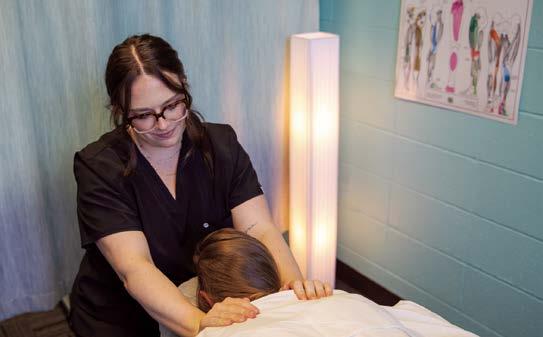
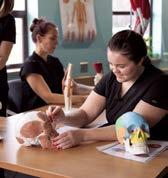
Embark on a fulfilling career path with Anoka-Ramsey Community College’s Therapeutic Massage program. This comprehensive diploma offers a unique opportunity for individuals passionate about clinical massage.
• Learn from experienced instructors in a small, hands-on learning environment.
• Participate in an internship and clinical massage practicum, providing real-world experience and fostering professional growth.
• Prepare to sit for national exams, paving the way for a seamless transition into the workforce with a highly recognized qualification.
• Projected 28% employment growth for massage therapists.
• Explore diverse career prospects, from private practice to employment in medical facilities, wellness centers, hospice care, rehabilitation clinics and more. Program recognized by National Certification Board for Therapeutic Massage and Bodywork (NCBTMB).






Publisher Jordan Peschek
Editor Randy Kambic
Design & Production Suzzanne M. Siegel
Sales & Marketing Jordan Peschek
Website Nicholas Bruckman
Distribution Metro Periodical Partners
CONTACT US
Sales: 262-623-7948
Publishing/Editing: P.O. Box 2413
Brookfield, WI 53008-2413
Ph: 262-623-7948
Publisher@NATwinCities.com NATwinCities.com
February is often associated with hearts—on cards, in shop windows and in familiar gestures of affection. Yet beneath the symbolism lies something far more meaningful. Our hearts are living, responsive organs shaped every day by how we eat, move, rest, connect and care for ourselves and one another.
Behind sobering statistics about cardiovascular disease is a quieter and more hopeful truth: small, consistent choices matter. The way we nourish our bodies, manage stress, sleep at night, move through our days and relate to others all leave an imprint on heart health over time. This month invites us not toward perfection or fear, but toward awareness and compassion.
Our February feature story, “A Whole-Hearted Life: The Daily Choices That Help Our Hearts Thrive,” by Hannah Tytus, explores heart health as an integrated experience—one that extends beyond cholesterol numbers and blood pressure readings. Through research and expert insight, the article reminds us that cardiovascular well-being is shaped as much by optimism, connection and purpose as it is by food and fitness. The heart, it turns out, responds not only to what we do, but how we live.
CEO Kimberly B. Whittle
CMO Vee Banionis
Sr. VP Operations Brian Stenzler, DC
National Sales Darleene Lee
National Editor Sandra Yeyati
Editor Brooke Goode
Copy Editor Melanie Rankin
Print Production Specialist Kevin Rankin
Design Director Agnes Mazeikaite
Production Flip180
Customer Service Dani Bucad
CONTACT US
Natural Awakenings
Publishing Corporation
350 Main Street, Suite 9B
Bedminster, NJ 07921
Ph: 239-206-2000
NaturalAwakenings@KnoWEwell.com
Cover image courtesy of Adobe Stock
© 2026 by Natural Awakenings. All rights reserved. Although some parts of this publication may be reproduced and reprinted, we require that prior permission be obtained in writing. Natural Awakenings is a free publication distributed locally and is supported by our advertisers. Please call to find a location near you or if you would like copies placed at your business. We do not necessarily endorse the views expressed in the articles and advertisements, nor are we responsible for the products and services advertised. Check with a healthcare professional regarding the appropriate use of any treatment. AI was used in some editing and production of this issue.
Natural Awakenings is printed on partially recycled and fully recyclable newsprint with black soy ink.
Throughout this issue, you will find practical and accessible ways to support heart health from multiple angles. From nutrition and movement to mindfulness, sleep and time in nature, these pages emphasize that care does not need to be extreme to be effective. A short walk outside, a few mindful breaths, a shared meal, a good night’s rest or reaching out to someone you love can all be acts of cardiovascular care.
At Natural Awakenings, we believe health is not built in isolation. It is cultivated through community, education and daily choices that honor the whole person—body, mind and spirit—within a living ecosystem. As you explore this issue, we hope you feel encouraged rather than overwhelmed, inspired rather than instructed.
May this month be an invitation to listen a little more closely to your heart, tend to it with patience and kindness and remember that caring for yourself is not separate from caring for the world around you.
In health and gratitude,
Jordan Peschek, RN-BSN, Publisher



Fitness inspiration, or “fitspiration”, is a social media-related term that describes the prevalence of photos depicting people with slender, idealized figures. Although these beautiful images may be intended to inspire fitness, past research has demonstrated that viewing such photographs can lead to body dissatisfaction and negative mood among women.
A 2023 study published in Body Image involving 238 college females investigated whether a values affirmation intervention could reduce the detrimental effects of viewing fitspiration. The participants— divided into three groups—were asked to view idealized pictures of women on Instagram after either completing a simple writing task, looking at travel images or reflecting on their most important personal values.
The study demonstrated that contemplating personal values helped protect college women from the negative body image effects of fitspiration. The affirmation group experienced a stable mood and body image compared to the control group, where negativity rose significantly. This suggests that affirming personal values outside of appearance can act as a buffer against social media comparison, potentially offering a simple self-help strategy.

A 2021 review of 16 studies published in the European Journal of Psychotraumatology found that somatic experiencing, a body-centered therapy for trauma, helped reduce symptoms of post-traumatic stress disorder and also improved emotional and physical well-being. The studies demonstrated notable improvements in anxiety, mood and physical symptoms such as muscle tightness and pain. Benefits were observed in individuals with traumatic histories, as well as those without trauma, suggesting that somatic experiencing may support overall nervous system regulation.
Conceived by Dr. Peter A. Levine, the therapy seeks to address the accumulation of stress, shock and trauma in the body and nervous system. It empowers people to cultivate increasing tolerance for

A 2024 randomized, controlled study published in EPMA Journal explored whether a structured “eye yoga” routine could help people with primary, open-angle glaucoma—the most common form of glaucoma that often damages the optic nerve due to increased eye pressure and reduced blood flow. Researchers measured the effects of eye-focused relaxation on eye pressure, vessel function and vision.
Twenty-seven adults were randomly assigned to either a one-hour daily reading of a relaxing book or an eye yoga program that included guided eye movements, gentle massage around the eyeball, hand-covering for relaxation and slow-breathing meditation. After one month, the eye yoga group experienced a 6 percent reduction in intraocular pressure. They also improved visual-field measurements and displayed less retinal vessel constriction. Retinal arteries showed mild widening, suggesting improved blood flow, with no adverse events reported. These effects were not observed in the control group. Researchers concluded that this type of eye yoga could be a safe, home-based complement to standard care.
difficult bodily sensations and suppressed emotions by paying close attention to internal sensations, including body tension, breathing patterns and even their heartbeat.

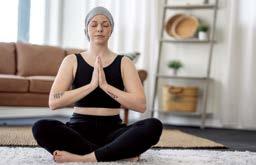
A multisite study published in the Journal of Clinical Oncology involving 587 cancer survivors compared two mind-body programs: Mindfulness-Based Cancer Recovery (MBCR), which incorporates meditation and awareness practices, and Tai Chi/Qigong (TCQ), which uses gentle, slow movements to promote relaxation and balance. The participants—mostly women around age 61—selected their preferred program or were randomly assigned if they had no preference. The most prevalent cancer types among them were breast, prostate and gastrointestinal.
Both MBCR and TCQ demonstrated a positive impact on mood scores, surpassing those observed in the control group. Notably, TCQ produced the most relief from anger and depression, as well as an increase in energy levels. MBCR proved particularly effective in reducing tension and anxiety, although it did not significantly affect depression. Neither program exhibited any effect on confusion or fatigue, and the selection of a preferred program did not influence the outcomes.
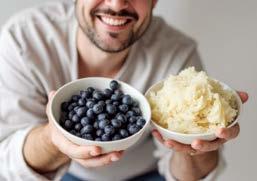
A 2025 systemic review published in BMC Psychiatry involving 34 clinical trials and more than 3,300 people found that depression symptoms could be effectively treated by targeting gut bacteria with the use of probiotics (beneficial bacteria), prebiotics (nutrients that feed good bacteria) and synbiotics (a combination of both). The therapies were shown to reduce depression scores, increase levels of BDNF (an important protein for brain health) and mitigate systemic inflammation.
Notably, synbiotics exhibited the most pronounced effectiveness, followed by prebiotics and probiotics. Treatment for longer than 12 weeks was not considered helpful. Those without other medical conditions fared better, while individuals with digestive disorders and pregnant women did not experience the benefits. These findings suggest that enhancing gut health may be a useful complementary tool for depression management.
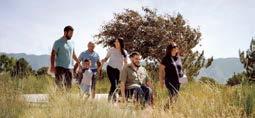
Colorado’s new wildlife overpass crossing I-25 is among the world’s largest animal-crossing structures over a major roadway. Spanning six lanes of interstate traffic, it seamlessly connects 39,000 acres of habitat on either side. This gradually sloped, 200-by-209-foot bridge is expertly designed to encourage the larger wildlife to use it.
Unlike tunnels, which big game animals avoid due to restricted mobility and antler clearance, this open structure offers clear sight lines. The project aims to link wildlife corridors and to preserve open spaces near water in an area known for high movement of large game such as elk, mule deer and pronghorn antelope. Studies predict a 90 percent reduction in wildlife-vehicle crashes, where there was once an average of one collision per day. The $15 million multi-agency project marks a bold step in wildlife conservation, balancing transportation needs with ecosystem health and ensuring the safety of both motorists and wildlife.

Rockalina, an eastern box turtle, was rescued in early 2025 by Garden State Tortoise (GST), a New Jersey reptile rehabilitation center, after spending nearly 50 years living in captivity on a kitchen floor, eating only cat food, which left her with discolored skin, deformed claws and blindness. Showing remarkable resilience, she has recovered and thrived after a treatment of warm baths, proper food and days spent in a forest-like setting with natural light and plenty of space for burrowing, hiding, exploring and even hunting and eating live earthworms.
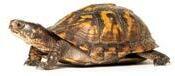
Rockalina’s inspiring journey gained global fame through GST videos and photos, showing her enjoying a strawberry, displaying curiosity and natural instincts, walking tall and recently meeting a baby turtle companion. Rockalina’s recovery demonstrates the ability of animals to bounce back from severe neglect and underscores the importance of proper care for reptiles and all creatures.
According to the National Wildlife Federation, eastern box turtles are five to six inches long, and they inhabit ponds, fields, meadows and woodlands throughout the eastern United States. Their diet includes berries, insects, roots, flowers, eggs and amphibians. When threatened, they retract their limbs and close their shells. While they are very popular pets, many people release them into the wild when they no longer wish to care for them. This practice can be detrimental to domesticated turtles that struggle to adapt to a vastly different environment. It is best to drop them off at a local animal shelter or veterinarian.
Karl Bushby, 56, is about to complete his “Goliath Expedition”, a monumental journey to walk or swim around the entire Earth without using motorized transport. The epic trek began in Chile in 1998 and is set to conclude in his hometown of Hull, England, by September 2026. As a former British Army paratrooper, Bushby is driven by a thirst for travel and adventure, leading him to make a bet with friends to achieve this seemingly impossible feat.
Bushby has conquered 25 countries, navigating deserts, mountains, jungles and war zones, often camping outdoors or occasionally staying in people’s homes. He has faced the perilous Darien Gap between Panama and Colombia, crossed the icy Bering Strait between Russia and Alaska, and more. Despite extreme weather, visa issues, the COVID-19 pandemic and periods of loneliness, he has remained steadfast in his quest of 27 years.
Imagine being able to bike or walk on a paved path that connects to towns, state parks and mountain trails without ever having to fight cars or worry about road crossings. This ambitious project is underway in Utah, setting a precedent for other states to emulate.
Construction has begun on the Utah Trail Network, a 3,100-mile system of paved, unmotorized trails that will connect people of all ages and abilities to their destinations and communities. This interstate network will be entirely separate from vehicle traffic, ensuring comfort and accessibility for walking, biking or “rolling”. Approximately 500 miles are already in place.
The mission is to enhance recreation, boost tourism and provide safer commuting by linking cities, schools, workplaces and trailheads. Upon completion, 95 percent of Utah residents will live within a mile of the network. The state legislature has committed $45 million in ongoing funding and an additional $45 million one-time funding to the Utah Department of Transportation to plan, build and operate this regional trail network.

Support has come from family, individual donors and corporate sponsors. His memoir, Giant Steps, was published in 2008, and there is even talk of a potential feature film deal. Overwhelming kindness from strangers has followed the mission, affirming his belief that the world is kinder than it often appears. What began as a friendly wager has transformed into a life-changing experience, inspiring others to keep moving forward and embrace adventure.





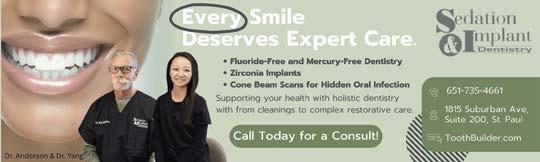
Sedation & Implant Dentistry, a biological dental clinic in St. Paul, offers a holistic approach to oral health focused on identifying and addressing hidden infections in the mouth. Led by Dr. Karl Anderson and Dr. Kassy Yang, holistic dentists and naturopathic doctors, the practice emphasizes minimally invasive care that supports wholebody wellness rather than symptom-based treatment.
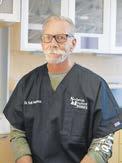
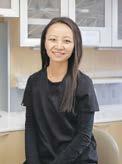
Dr. Karl Anderson Dr. Kassy Yang
Using advanced cone beam computed tomography technology and ozone therapy, the clinic evaluates areas of chronic inflammation and infection that may otherwise go undetected. Patients can expect fluoride-free and mercury-free dentistry, zirconia dental implants, comprehensive scan reports for hidden oral infections and general dental services ranging from cleanings to complex restorative care.
There is great correlation between dental toxins and chronic disease,” explains Dr. Anderson. “As a Naturopathic Medical Doctor, I am passionate about not only removing toxins from the oral
environment safely, but also about educating our clients on the importance of healthy dental practices to support overall health.”
Dr. Anderson and Dr. Yang are actively involved with the International Academy of Oral Medicine and Toxicology and the International Academy of Biological Dentistry and Medicine, reflecting their commitment to evidence-based biological dentistry and patient safety. “I am deeply passionate about dentistry and consistently seek out advanced courses and conferences to stay up-to-date with the latest advancements in the field,” Dr. Yang shares. Their work supports individuals who seek dental care aligned with integrative and naturopathic health principles.
The practice is located at 1815 Suburban Ave. in St. Paul. For more information or to schedule an appointment, contact the office at 651-735-4661 or email Info@ToothBuilder.com See ad on this page.
IV infusion therapy offers a fast, effective way to support immune health and hormone balance by delivering a potent blend of nutrients directly into the bloodstream—bypassing digestion for quicker results. Customized infusions are designed to target hormone-related symptoms with vitamins and minerals essential for endocrine function.
Vitamin B12 plays a key role in neurotransmitter production, influencing mood, sleep and stress regulation. It is often used in IV therapy and can ease symptoms like fatigue, mood swings and hormonal imbalances tied to B12 deficiency.
Glutathione is one standout nutrient, known as the “master antioxidant” that reduces oxidative stress and supports liver detoxification, crucial for estrogen metabolism. This helps prevent estrogen dominance, often linked to PMS, endometriosis and thyroid disorders.
Vitamin C is an antioxidant known for supporting immune defense, helping the body fight infection and protect against oxidative stress. Vitamin C also fuels adrenal health and cortisol production, helping the body respond to stress while aiding in progesterone synthesis.
These nutrients can help restore balance, improve energy and support overall hormonal harmony—offering a natural and efficient
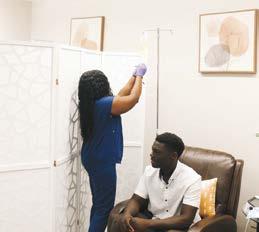
boost to your wellness routine. Many other nutrients can be incorporated into IV infusions as well, such as magnesium chloride and zinc which boost electrolyte balance and immune system support. Ask a practitioner about IV therapy options that may be best for your specific health needs.
Infuse IV Wellness: 3209 W. 76th St., Ste. 303, Edina. For more information or to book an appointment, call 612-564-2282 or visit Infuse.Health. See listing on page 29.
Livly Wellness: 790 Cleveland Ave., S., Ste. 224, Saint Paul. For more information or to book an appointment, call 612-662-5531 or visit LivlyWellness.com See ad on this page.


by Hannah Tytus
Ahealthy heart is built from the inside out. Each day presents opportunities to nurture vitality through dietary choices, physical activity, restful periods, social connections and personal fulfillment. These ordinary decisions profoundly impact the long-term trajectory of cardiovascular well-being.
According to the World Health Organization, cardiovascular disease is the leading cause of death worldwide, accounting for 32 percent of global fatalities and affecting families across diverse communities. The U.S. Centers for Disease Control estimates that one in three deaths in the United States can be attributed to this devastating disease.
Behind these sobering statistics lies the reassuring fact that small, daily choices can help protect the heart.
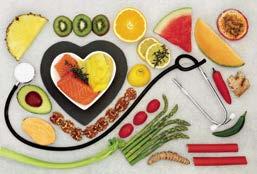
Among the most studied heart-supportive eating strategies are the Mediterranean Diet and the Dietary Approaches to Stop Hypertension (DASH) Diet, which help regulate cholesterol levels and reduce inflammation. Both emphasize the consumption of vegetables, fruits, whole grains and nuts, while limiting saturated fat and processed meats. Additionally, eating fatty fish provides whole-food omega-3 fatty acids, which have been shown to be more effective than comparable supplements in supporting heart

health, according to a 2018 study published in JAMA Cardiology.
Dr. Regina Druz, based on Long Island, New York, is the founder of Holistic Heart Centers of America and a board-certified specialist in cardiology and functional medicine. Her expertise lies in heart disease prevention through holistic, lifestyle-driven care. She is the author of a forthcoming book, Longevity Code: How to Age-Proof Yourself for Optimal Health
A proponent of the Mediterranean Diet, Druz encourages patients to build a way of eating that feels natural, flavorful and balanced. She emphasizes the significance of meal timing and its alignment with a person’s circadian rhythm. She also often recommends moderate intermittent fasting, as long as it is done safely, sustainably and personalized to the individual.
According to Druz, dietary changes are most powerful when they are part of a larger, three-pillared foundation that includes exercise, nutrition and sleep. She discourages people from searching for a single magic bullet and instead invites them to build a way of eating that feels natural, flavorful and balanced.
The intricate connection between the mind and heart is often underestimated. Chronic stress can elevate blood pressure and induce inflammation, placing a burden on the cardiovascular system. Stress reduction does not have to be complicated. Even a few minutes of mindful breathing or meditation can shift the body into a more relaxed state, offering the heart a small but meaningful reprieve.
Mindful awareness practices appear to have favorable effects on blood pressure, cortisol levels and inflammatory markers, suggesting that everyday mind-body tools can provide meaningful support. A 2007 report published by the Agency for Healthcare Research and Quality found that Transcendental Meditation (TM), qigong and Zen Buddhist meditation yielded modest reductions in high blood pressure. A 2019 meta-analysis of TM for heart disease demonstrated improvements in blood pressure levels.
Biofeedback involves measuring bodily functions, particularly heart rate variability, to enable individuals to consciously alter these functions. It can track how slow breathing techniques help the heart relax. Notably, biofeedback has been shown to be effective in lowering blood pressure levels, according to a 2024 meta-analysis study published in Nature
Sleep is integral to heart health. A 2017 study published in Chest reports an association between insomnia and cardiovascular disease, including high blood pressure and heart failure. Furthermore, a 2011 study in Circulation demonstrates a link between insomnia and a moderately increased risk for a heart attack.
Druz collaborates with sleep specialists that use wearable technology, such as the SleepImage device, to assess sleep quality in real time. She has observed that even modest adjustments to sleep habits can yield significant improvements—from changing sleep positions and recalibrating room humidity to optimizing sleep times and reorienting bed pillows. By tracking sleep patterns over time, individuals can identify subtle shifts that contribute to a quantifiably better night’s rest.
Regular physical activity remains a cornerstone in reducing cardiovascular risk. The 2004 INTERHEART study, involving nearly 30,000 participants from 52 countries, revealed that moderately intense exercise for four or more hours per week reduced the risk of a heart attack by 12.2 percent.
A 2011 cohort study published in Lancet involving more than 400,000 participants showed that engaging in as little as 15 minutes of daily physical activity can reduce the risk of mortality by 14 percent and extend life expectancy by an average of three years. Each additional 15-minute interval can further decrease mortality across all age groups, including individuals with preexisting cardiovascular disease.
High-intensity interval training (HIIT) has emerged as an effective regimen for promoting cardiovascular fitness. According to Druz, HIIT maximizes VO2 max (the maximum volume of oxygen a body can use during intense exercise), a key indicator of cardiovascular health and strong predictor of longevity. However, she acknowledges that HIIT may not be accessible to everyone because it alternates short periods of intense, explosive exercise with brief recovery periods to the point of exhaustion.
In such cases, she recommends incorporating “exercise snacks” into
daily routines, which involve brief bursts of movement throughout the day. Walking the dog, carrying groceries, completing household chores or simply standing more frequently can contribute to a less sedentary lifestyle. These accessible steps make it easier to integrate movement into daily living.
Spending time outdoors provides more than aesthetic appeal and access to fresh air. Living closer to nature has been linked to lower incidences of cardiovascular disease, stress, diabetes and stroke. Exposure to green space is associated with lower blood pressure, improved heart rate variability and reduced cardiovascular mortality. A 2016 study in Nutrition, Metabolism and Cardiovascular Diseases involving nearly 12,000 participants observed that the more recreation time someone spends outdoors, the less likely they are to die of cardiovascular disease.
Outlook influences physiology. Positive emotions, optimism and life satisfaction are associated with lower rates of cardiovascular disease and reduced mortality. The American Heart Association (AHA) notes that compared to pessimistic individuals, optimistic people have better vascular health, fewer heart attacks and lower cardiovascular mortality. Among individuals with established


disease, those that are optimistic about their treatment and recovery often experience better rates of long-term survival and enhanced function.
Optimism is a skill, not a fixed trait. The AHA identifies Type D (or “distressed”) personality traits, characterized by negative emotions and increased self-criticism, as being linked to poorer cardiovascular outcomes. Encouragingly, Type D individuals often respond favorably to cardiac rehabilitation programs that combine physical activity with counseling and psychological support.
Volunteer work also contributes to well-being. A 2017 study in BMC Public Health determined that regular volunteering is associated with enhanced self-rated health and reduced mortality. Older adults that engaged in volunteer work at least 200 hours per year experienced a 40 percent reduction in hypertension over a fouryear period.
These findings underscore the significance of joy and purpose in human life. They are integral to the biology of the heart. When individuals cultivate a more compassionate perspective toward themselves and others, their hearts experience a measurable positive impact.
Relationships exert a powerful influence on health. In a 2016
meta-analysis study published in Heart, researchers determined that poor social relationships were associated with a 29 percent increased risk of cardiovascular disease and a 32 percent increased risk of stroke. Humans are inherently wired for connection, and extended loneliness can have measurable physiological consequences.
“We need each other,” Druz emphasizes. “We are living in a sea of loneliness, and loneliness can be a hugely impactful factor on health.” Making time for family, friendships, community groups or new social circles fosters both emotional well-being and heart resilience.
Cardiovascular health encompasses not only disease prevention, but also the cultivation of a lifestyle that enhances vitality, connection, rest and overall well-being. These choices do not need to be drastic. Incorporating more green vegetables, spending more time in the sun, taking a moment to breathe mindfully, taking a short walk outside, getting a good night’s sleep and reaching out to loved ones can collectively contribute to a foundation that can extend life expectancy and enhance the quality of life.
Hannah Tytus is an integrative health coach, researcher and content creator at KnoWEwell, P.B.C., and former writer at the National Institutes of Health.









by Marlaina Donato
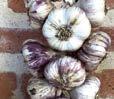
Fresh garlic is a pungent delight that can jazz up any meal, from hearty winter stews to sautéed vegetables on a bed of healthy grains. Allicin, the compound that gives crushed garlic its distinctive smell, protects the plant from pests and offers humans many health benefits, acting as an antioxidant, antimicrobial and anti-inflammatory agent; improving gut balance; and supporting cardiovascular and immune health.
Research published last year in Nutrition Reviews indicates that consumption of garlic significantly improves key cardiovascular
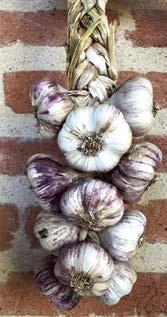
risk markers, including cholesterol and blood sugar levels, blood pressure, oxidative stress and inflammatory biomarkers. In a 2022 article, the Cleveland Clinic suggests that red blood cells respond to the sulfur in garlic by creating nitric oxide and hydrogen sulfide gases, which relax and expand blood vessels. A 2019 meta-analysis of clinical trials published in Experimental and Therapeutic Medicine concludes that supplementation with an aged garlic extract offers similar results to blood pressure-lowering medications. While more research is needed to understand the full-spectrum potential of this kitchen staple, regularly spicing up meals with a clove or two can foster better health.
Mincing, grating or pressing garlic intensifies its pungency, waking up ordinary steamed vegetables when tossed with olive oil or spicing up homemade hummus. Whether regular grocery store-bought, traditional heirloom or locally grown, garlic offers benefits, but following a few easy tips ensures that its nutritious perks remain intact.
According to Natalie Ledesma, a board-certified oncology dietitian and the founder of Natalie Ledesma Integrative & Functional Nutrition Consulting, in San Francisco, it is best to allow chopped or crushed garlic to sit for about 10 minutes before consuming it, cooking with it or adding it to vinaigrettes or other salad dressings. This waiting period maximizes the formation of allicin. Notably, the acidic nature of vinegar or lemon juice compromises allicin’s stability.
“If you compare raw garlic to garlic that
has been cooked by various methods, you can see dramatic drops in allicin, one of the purported active ingredients,” advises Dr. Michael Greger, founding member of the American College of Lifestyle Medicine and author of several national bestsellers, including How Not to Die, The How Not to Die Cookbook and How Not to Age
If garlic must be cooked, he suggests roasting to retain vital qualities that are quickly lost through simmering, high-heat stir-frying and boiling. “It is simple to prepare and can be used to add flavor to almost any dish,” he explains. “After roasting the garlic, you can also puree it in a blender or food processor until smooth, then portion and freeze it for future use.” A head of roasted garlic yields about one-and-a-half to two tablespoons of a delicious paste, which can be slathered on warm bread or sandwiches, whipped into zesty dips, and stirred into creamy mashed potatoes or a bowl of pasta.
“There are other beneficial compounds in garlic that are not deactivated by heat. They include ajoene, diallyl disulfide, diallyl trisulfide and S-allyl cysteine, which have anti-inflammatory and anti-clotting benefits,” advises Dr. Joel Fuhrman, a board-certified family physician, president of the Nutritional Research Foundation and author of several bestsellers, including his Eat to Live Cookbook.
Garlic should be avoided by anyone on pharmaceutical or herbal blood thinners. For those that experience stomach or intestinal upset, Ledesma suggests removing the green sprout inside the garlic clove, a prime culprit for indigestion, or eating only the garlic scapes (the curly green flower stalks that grow on the garlic plant), which are generally well-tolerated.
For less discomfort and added convenience, Fuhrman endorses dehydrated raw garlic granules, noting that they will soften, expand and partially cook when sprinkled
over veggies as they are steamed in a pot, enhancing its digestibility.
When purchasing garlic, choose intact heads that are firm to the touch, have plump cloves and do not have a strong odor of garlic— an indication of damage and loss of vital benefits. After chopping or peeling, rubbing cutting boards and hands with fresh lemon juice will remove the pungent garlic aroma.
Marlaina Donato is an author, painter and composer. Connect at WildflowersAndWoodSmoke.com.
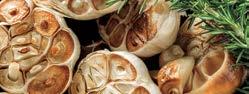
YIELD: 1½ TO 2 TBSP OF GARLIC PASTE
1 whole head of garlic or more
Preheat the oven to 400° F.
Use a sharp knife to cut about ⅓ inch off the top of the whole head of garlic to expose the tops of the garlic cloves. Place the bulb inside a terracotta garlic baker or wrap it securely in parchment paper.
Bake in the oven, cut side up, for 30 to 40 minutes or until the garlic cloves are soft. Remove from the oven and open the garlic baker or parchment paper to let the garlic cool.
Remove one garlic clove and squeeze it over a small bowl, allowing the soft, roasted garlic to slip out of the papery skin. If it is not soft and golden brown, return the rest of the bulb to the garlic baker or rewrap it in parchment paper and bake for a few more minutes.
When the garlic is soft inside and cool enough to handle, squeeze out each roasted garlic clove into the bowl. It is now ready to enjoy. To give it a uniform texture, mash it with a fork or puree it in a food processor.
Tip: Roasted garlic can be stored in the refrigerator in a jar or other container with a tight-fitting lid for up to 5 days or portioned and frozen for up to a month.
Recipe courtesy of Dr. Michael Greger.

YIELD: 4 SERVINGS
Mango adds color and a touch of sweetness to this luscious stew. Make it as spicy as desired, adding more or less jalapeño to taste. If purple sweet potatoes are unavailable, any sweet potato varietal will do. Substitute thawed, frozen mango for fresh if the fruit is not in season.
1 large red onion, chopped
2 fresh garlic cloves, minced
2 large purple sweet potatoes, peeled and diced into ½-inch cubes
1 medium red bell pepper, cored, seeded and diced
1 small jalapeño, seeded and minced (optional)
2 cups vegetable broth or water
2 tsp white miso paste
¼ cup hot water
3 cups salt-free black beans, home-cooked or from BPA-free cans, drained and rinsed
1 14.5-oz BPA-free can of salt-free, diced tomatoes, undrained
1 ripe mango, peeled, pitted and diced
½ cup fresh cilantro, chopped
In a large pot, heat a few tablespoons of water over medium heat. Add the red onion, then cover and cook until softened, stirring occasionally, about 7 minutes. Stir in the garlic and cook another 2 minutes. Add a little more water, if needed, to prevent the onion and garlic from sticking to the bottom of the pot.
Add the sweet potato, bell pepper, jalapeño (if using) and vegetable broth. Bring to a boil. Lower the heat to medium-low, cover and simmer until the sweet potatoes are tender but still firm, about 25 minutes.
Blend together the white miso paste and ¼ cup of hot water.
Stir in the beans, tomatoes in their juice and miso mixture, then simmer gently, uncovered, until heated through, about 5 minutes. Add the mango and cook for 1 more minute, then stir in the cilantro and serve hot.
Recipe courtesy of Dr. Michael Greger.
by Maya Whitman
Often overlooked in fitness routines, the feet and ankles are essential to whole-body function, especially as we age. They support balance, proper posture, mobility and even circulatory and lymphatic flow. “The venous system does not have any capability to pump blood from the lower extremities to the heart and relies on our movements to assist the return of blood,” explains Kim Henderson, a chiropractic physician and the founder of Health Clarified, in Northbrook, Illinois. When we walk or exercise, our leg muscles—especially in the calves—contract and compress the deep veins, acting like a pump to force blood upward.
For older adults, runners or anyone focused on holistic health, strengthening and mobilizing the toes, feet and ankles can enhance cardiovascular support, reduce fall risk and restore lower body mechanics. Every year, more than 2 million people suffer from plantar fasciitis-related heel pain, one in four adults over 65 experience falls, and more than 2 million visit emergency rooms for sprained ankles. Simple, consistent exercises can enhance quality of life and prevent injuries at any age. Strong calves, flexible ankles and healthy fascia (connective tissue) make every step more stable.
Overpronation is when the foot rolls excessively inward while walking or running, causing the arch to flatten and the ankle to angle inward, leading to potential pain
in the feet, ankles, knees, hips, back and beyond. “We have seen chronic neck and shoulder pain be reduced, even eliminated, by supporting the arch,” notes Henderson, whose patients complete a series of exercises to strengthen the affected muscles.
According to Chicago-based fitness expert Stephanie Mansour, host of the PBS show Step It Up With Steph and a fitness contributor to The Today Show, foot instability and discomfort can have multiple causes, such as wearing ill-fitting shoes, overdoing activities without proper warm-up, ignoring pain, excessive barefoot walking, being overweight and medical conditions like diabetes. Listening to the body, rather than pushing through
pain, and promptly addressing minor discomfort are paramount.
“Independence depends on functioning feet. That limp will lead to imbalances up into the knees, hips, spine and even shoulders,” underscores orthopedic and corrective exercise specialist Matt Hsu, founder of Upright Health, in California. The most common issue, he says, is a lack of dorsiflexion—the ability to pull the toes and forefoot toward the knee. “This throws off our gait and sets us up for Achilles tendon injuries, especially.” Hsu adds that bunions can also affect our ease of movement and suggests wearing shoes with wider toe boxes to prevent the condition.
To cultivate good balance, the National Institute on Aging recommends engaging in three sessions of balance exercises per week, including tai chi, yoga or standing on one foot for five to 10 repetitions per leg, holding each for 10 to 30 seconds. To loosen the arch and increase range of motion, the American Association of Retired Persons suggests rolling a small ball for one minute under each foot daily.
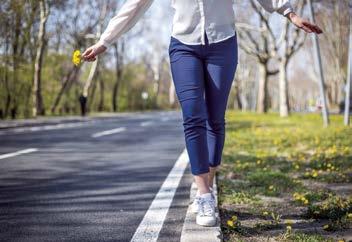
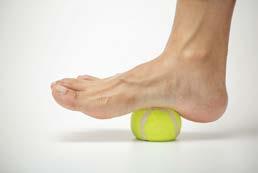
“Regular exercise can improve circulation, reduce stiffness and enhance proprioception, which is your body’s awareness of its position in space. This contributes to better overall mobility,” says Mansour, who recommends that the following four exercises be done three or four times a week. Aim for two to three sets of 10 to 15 repetitions for each foot.
Calf Raises: Using a wall or chair for support, slowly rise onto the balls of the feet, lifting the heels off the ground. Hold for a moment, then slowly lower back down. This strengthens calf muscles and the Achilles tendon.
Toe Curls With a Towel: Sit in a chair and place a flat towel under the feet. Keeping heels on the floor, curl the toes to grab the towel and raise it toward the body. Relax and repeat. This strengthens feet muscles and helps with arch support.
Ankle Circles: In a seated position, move each foot in circles, first clockwise and then counterclockwise. This improves flexibility, balance and range of motion, while also preventing stiffness and injury.
Toe Spread: While sitting or standing, try to spread all the toes apart as wide as possible. Hold for a few seconds, then relax and repeat. This creates a wider base for better balance during movement, strengthens foot muscles and combats bunions, hammertoes and plantar fasciitis.
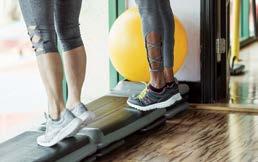
Henderson recommends Heel Raises on Stairs: Stand on a step with both heels hanging over the edge. Slowly lift the heels, keeping the legs straight, while standing on the balls of the feet. Now lower the heels down past the level of the step as far as comfortable before repeating the upward movement again. Aim for two sets of 15 to 20 repetitions, four to five times per week.
Hsu suggests incorporating Tibial Raises: Lean back against a wall with feet 12 to 20 inches apart. Keeping heels down, gently lift the
toes toward the shins, then lower them slowly. Repeat until reaching medium fatigue in the shin muscles. Do two sets. This strengthens shins and improves balance, knee support and ankle stability.
Before starting any routine, consult a health professional. Strive for consistency over intensity. Exercise should be a challenge, not cause pain.
Maya Whitman is a frequent writer for Natural Awakenings.
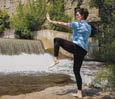
Tai Chi continues to gain growing recognition as a gentle yet powerful practice supporting whole-body health. Originating as a self-defense martial art in ancient China, Tai Chi is now widely embraced as a form of “moving meditation”, valued for its ability to nurture physical balance, mental clarity and emotional calm.
Practiced through slow, flowing movements paired with mindful breathing, Tai Chi offers a low-impact approach to exercise accessible to people of all ages and fitness levels. Practitioners often report reduced stress, improved mobility and greater body awareness. Health professionals note that consistent practice may help lower blood pressure and ease anxiety by calm ing the nervous system and encouraging present-moment focus.
Scientific research supports these benefits. Studies published in the Journal of Clinical Psychology and the Journal of the American Geriatrics Society find Tai Chi effective in decreasing anxiety and significantly reducing fall risk among older adults. A widely cited meta-analysis about the impacts of Tai Chi on balance shows that participants experience up to 50 percent fewer falls compared with non-practitioners, underscoring Tai Chi’s role in injury prevention and healthy aging.
Wellness experts recommend practicing Tai Chi three times a week to support balance, memory, joint health and emotional well-being, including relief from osteoarthritis symptoms. Affordable and
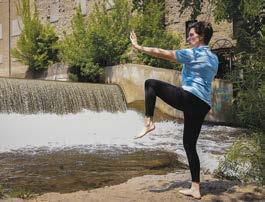
adaptable to indoor or outdoor settings, Tai Chi aligns easily with sustainable lifestyle choices that emphasize long-term vitality of body, mind and spirit.
Bobbie Drew is a certified personal trainer and board-certified instructor through Dr. Paul Lam’s Tai Chi for Health Institute. She is the founder of Better Forever Training located at 816 7th Ave. S., in Saint Paul. Bobbie is available for instruction and scheduling at 651-300-9735 or via email at BetterForeverTraining@outlook.com. Learn more at BetterForeverTraining.com See listing on page 29.





by Christina Connors
After a day of fun at the park or swimming at a neighbor’s house, children may complain of a little soreness, primarily in the legs. By morning, the discomfort will have disappeared, and the kids will resume their active lifestyles. This phenomenon is commonly referred to as growing pains, although there is limited evidence to suggest a direct correlation with bone growth. The aches are most likely a result of muscle fatigue.
Growing pains are a common occurrence, although their exact cause remains elusive. According to Nina Gold, a board-certified pediatrician at the Paterson Community Health Center, in New Jersey, with 25 years of experience in pediatric emergency care, “The
definition, diagnosis and cause of growing pains remains unclear. Despite the name, there may not even be any connection to growing. Most agree it consists of episodic pain, usually in the lower extremities, mostly in the evening or nighttime.”
Typically characterized as aching, cramping or throbbing sensations, they often strike at night or after an active day, leading some researchers to surmise that the pain stems from tired or overworked muscles. A 2025 study published in Nutrients involving 916 young athletes found that 78.5 percent of the children (ages 8 to 12) and 93.5 percent of the adolescents (ages 13 to 17) self-reported growing pains. The researchers noted that this musculoskeletal pain was notably higher among kids engaged in regular sports practice, as only 11 to 15 percent of children and 33 to 44 percent of adolescents in the general pediatric population self-report pain.
Numerous studies have linked vitamin D deficiency to growing pains in children, and supplementation has been shown to reduce it. A 2015 study published in Medical Principles and Practice involving 120 children with growing pains reported that 86.6 percent were deficient in vitamin D, and oral supplementation resulted in a significant reduction in pain intensity.
Common growing pains usually involve both legs, occur at night and do not cause redness, swelling or daytime limitations. “Parents should be concerned if there is pain on only one side, morning stiffness, joint swelling, redness, persistent or severe pain, or other symptoms such as fever, weight loss or malaise,” cautions Gold. “Children with typical growing pains remain active during the day, so a sudden decrease in daytime activity also warrants evaluation.”
Once more serious conditions are ruled out, gentle, home-based strategies can effectively alleviate discomfort and promote relaxation. “Reassurance can go a long way for parents and then, by extension, the child,” Gold says. “Knowing that this is benign and self-limiting, and knowing what to watch for should take the worry out of it.”
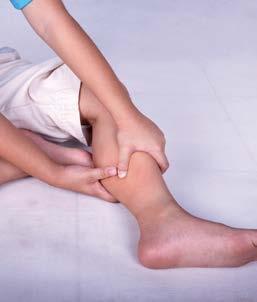
Gentle Massage and Warmth: Light massage to the calves, thighs or feet helps reduce muscle tension and calm the nervous system. A warm bath can also provide soothing relief.
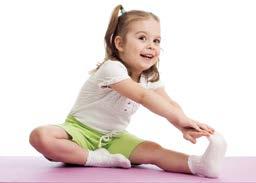
Stretching and Gentle Movement: Stretching exercises maintain flexibility and may reduce nighttime cramping. Gold recommends stretching the calf by flexing the foot, stretching the thigh by flexing the knee and stretching the hamstring by extending the leg. Short evening walks or gentle bedtime stretches can help kids unwind after busy days.
Balanced Nutrition and Hydration: “Eating a well-rounded diet is always ideal and should be encouraged to facilitate good muscle, bone and joint health,” says Gold. Check vitamin D levels and then supplement if a deficiency is found. Magnesium-rich foods like bananas, green vegetables and nuts may help with muscle relaxation. Gold recommends a multivitamin and stresses the importance of proper hydration. The American Academy of Pediatrics recommends four cups of fluids daily for 1-to-3-year-olds, five cups for 4-to-8-year-olds and seven to eight cups for older children. Plain water is the best choice.
Mind-Body and Sensory Techniques: Simple relaxation strategies can reduce nighttime discomfort. “During the day, kids tend to be busy, and then at night there is more focus on the pain,”
explains Gold. “Sometimes children like a different sensation, such as gentle tickling of the extremity followed by a light massage and warm compress, to replace the pain sensation with a more pleasant feeling.” Breathing exercises, guided imagery or calming bedtime routines can also ease stress around recurring discomfort.
Occasional Medication: Growing pains are noninflammatory and self-limiting, so medication is not usually necessary. Still, Gold reassures parents that an occasional dose of acetaminophen or ibuprofen for pain relief is also an option.
Prevention Strategies: For active kids, “Taking rest breaks during an intense exercise day and participating in a variety of sports or activities so that several muscle groups are used might help prevent or lessen the pain,” says Gold.
Growing pains can be frustrating, especially when they interrupt sleep or cause worry. Most children outgrow them by late childhood. With gentle, supportive strategies families can help children move through these phases more comfortably.
Christina Connors is a writer, keynote singer and workshop facilitator. Learn more at ChristinaConnors.com
by Ruth Roberts, DVM, CVA, CVH, CVFT, NAN
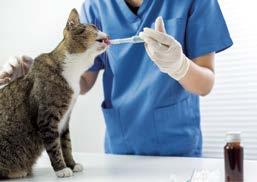
As dogs and cats age, their joints can gradually degenerate, causing stiffness and pain. Instead of vocalizing their discomfort, animals tend to alter their movement patterns and behaviors. Signs may include hesitation on stairs, stiffness after rest, or reluctance to jump or remain active. While conventional medications such as non-steroidal anti-inflammatory drugs are commonly prescribed, they are not the sole best, long-term solution. Natural and integrative therapies can complement standard veterinary care, assisting pets in maintaining comfort and mobility in everyday life.
The most common cause of joint stiffness in older pets is osteoarthritis, a form of cartilage degeneration that can arise from aging, past injuries, excessive body weight, prolonged overuse or poor joint structure, such as hip or elbow dysplasia, where the joint surfaces do not fit properly. As the cartilage thins, the joint becomes inflamed and painful, leading to decreased movement, muscle loss and further stiffness.
In the 2017 review article “Physical Rehabilitation for the Management of Canine Hip Dysplasia” published in Veterinary Clinics: Small Animal Practice, orthopedic surgeon David Dycus and colleagues highlight the significant impact of osteoarthritis on mobility, particularly in large-breed dogs. They stress the importance of using appropriate support strategies

to preserve comfort and mobility. A comprehensive treatment plan may combine medication, weight management, supervised exercise, rehabilitation and complementary therapies such as ice and heat application, massage, acupuncture and other physical modalities.
These restorative therapies work best when veterinarians coordinate their administration within a comprehensive and individualized treatment plan.
Acupuncture has been shown to help alleviate pain and inflammation in pets affected by chronic or mobility-related conditions. This traditional Eastern medicine practice involves inserting needles into specific acupoints to influence nerve pathways, circulation and pain processing. A 2017 prospective study published in The Canadian Veterinary Journal examined 181 dogs with neurological or musculoskeletal disease. Dogs receiving acupuncture exhibited a reduction in chronic pain. A 2023 meta-analysis of 21 animal studies in Frontiers revealed that acupuncture treatment for arthritis increased tolerance to pain and reduced joint swelling.
from Getty Images/CanvaPro
Underwater treadmill therapy is especially useful for dogs with hip dysplasia. The buoyancy provided by the water supports much of the dog’s weight, resulting in less painful movement, while simultaneously strengthening muscles. Dycus notes that when the water is elevated to hip level, dogs can bear approximately 38 percent of their body weight on their limbs, enabling them to engage in range of motion and endurance exercises without straining their affected joints.
Massage therapy was found to be effective in lowering pain scores and boosting the frequency of positive quality-of-life ratings in 527 dogs with chronic pain, according to a 2021 cross-sectional study published in Veterinary Record

Therapeutic, or cold, laser therapy uses specific light wavelengths to reduce pain, support tissue repair and minimize inflammation. Clinicians apply the laser to designated regions during brief, generally well-tolerated sessions. Over a series of treatments, some pets exhibit a smoother gait and greater willingness to move. Owners see these effects most frequently when they simultaneously optimize weight management, environmental conditions and daily activity levels.
“Keeping joints healthy involves making sure we are providing the causes of health in the foods and treats we feed each patient,” says Dr. Barbara Royal, founder of The Royal Treatment Veterinary Center, in Chicago. She advocates for species-appropriate, nutrient-dense diets made from well-sourced ingredients, while limiting excessive carbohydrate consumption, highly processed additives and environmental exposures that can promote inflammation and compromise joint function. She also emphasizes an individualized approach to joint supplementation, recognizing that no single product meets the needs of every pet.
Royal supports targeted combinations of nutrients that include omega-3 fatty acids from small fish sources like sardines or anchovies to help modulate inflammation, along with turmeric for its antioxidant and
anti-inflammatory effects. A 2025 review article, “Nutritional Strategies for Managing Joint Health in Companion Animals”, published in Animal Advances, supports this strategy, highlighting omega-3 fatty acids and antioxidant-rich compounds like curcumin in modulating inflammation and slowing joint disease progression.
Additionally, Royal incorporates cartilage-supporting nutrients such as glucosamine and botanicals like boswellia to promote joint comfort and alleviate the
effects of osteoarthritis. Given the influence of gut health on systemic inflammation, Royal frequently recommends probiotics and, in select cases, periodic vitamin B12 supplementation to maintain nerve, gut and joint function as part of a comprehensive care plan.
Ruth Roberts, an integrative veterinarian and holistic health coach for pets, is the creator of The Original CrockPet Diet. Learn more at DrRuthRoberts.com.
Until one has loved an animal, a part of one’s soul remains unawakened.
—Anatole France

by Marlaina Donato
In the depths of winter, our sorrow, disappointment and old longings can feel heavier, making us question if sunlight will ever return to our hearts. Like a bare February landscape, pain strips us to the honest bone.
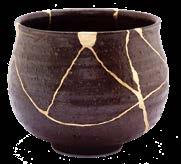
Kintsugi, the Japanese art of mending broken pottery with precious metals like gold, serves as an inspiration for life. When our joy or stability shatters, we can transform the remaining pieces into something beautiful. Our hard-earned wisdom, self-compassion and unwavering faith act like precious metals, softening the edges and filling the deep cracks of our brokenness.
Witnessing a loved one fall apart is challenging, but sometimes our greatest act of support is allowing them the space to unearth the metaphorical gold needed for their own repair. Healing is a private and unique journey into the deep self, enabling the art of being fully human.
“In three words I can sum up everything I’ve learned about life: It goes on,” said poet Robert Frost, who endured the unspeakable loss of both parents at a young age, as well as the deaths of his wife and four of their six children. Like Frost, who turned tragedy into an artistic legacy, we can cultivate new life from our barren seasons and ruined harvests. We can take our darkest hours in hand to become mended vessels capable of holding future joy.
To embody the ancient metaphorical art of Kintsugi, consider these inspirations:
• Handwrite your losses on one piece of paper and the things that remain on another. Frame the latter and place it somewhere as a daily reminder.
• Tear heavy craft paper into large pieces; write a loss on each one, then reassemble the pieces. Pour metallic paint between the seams, let it dry and frame under glass as an art piece.
• Visualize being a tree with deep roots reaching into an underground river of gold, drawing up nourishment.
Marlaina Donato is an author, artist and composer. Connect at WildflowersAndWoodSmoke.com.
Sunday, February 1
Workshop: Safety and Self-Empowerment in Uncertain Times 1:30-4:30pm
Learn to recognize trauma triggers, regulate the nervous system, understand human energy fields and practice grounding techniques for greater resilience. Facilitated by Laure Schwartz, MA, LPC, and Allison Dawn Runchey, MA. $150. Highland Park Library 1974 Ford Pkwy, St. Paul, MN 612-269-9635
HealingHouseSaintPaul.org
Tuesday, February 3
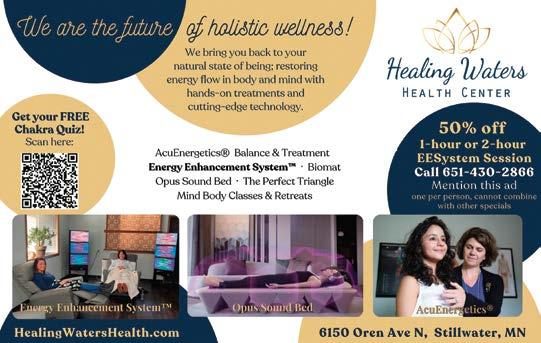
In-Person Meditation – 6–7pm. A beginner-friendly meditation class with Susan Schultz introducing two simple and powerful practices. Designed to help participants learn the fundamentals of meditation in a supportive, in-person setting. $57. Healing Waters Health Center, 6150 Oren Ave. N., Stillwater. 651-430-2866. HealingWatersHealth.com
Wednesday, February 4
Energy Enhancement System Experience & Healing Waters Presentation – 6:30-8pm. Learn about restoring energetic flow to body, mind and spirit, including 30 minutes in the EESystem. FREE. Register: 651-430-2866. Healing Waters Health Center, 6150 Oren Ave N, Stillwater. HealingWatersHealth.com
Thursday, February 5
Integrated Sound Bath with EES 6:30-7:30pm
Experience deep relaxation and healing through the combination of sound therapy and the Energy Enhancement System (EES). Please bring a blanket, water bottle, and indoor shoes or socks. $65.
Healing Waters Health Center 6150 Oren Ave N, Stillwater 651-430-2866
HealingWatersHealth.com
February 5–8
AcuEnergetics® Level 2 (4-day class) 9am-6pm
Advance your energetic healing skills through deeper meditation, increased energy sensitivity, and advanced balancing techniques. Learn Second Gate opening, Release work Level 2, how to open and balance sacral and energy centers, spinal and wind gates, stomach 4s, how to give a thrusting channels balance, ancient Sephiroth meditation for opening the light body and more. Prerequisite required. $1,195 (credit card) or $1,095 (cash/check).
Healing Waters Health Center 6150 Oren Ave. N., Stillwater 651-430-2866
HealingWatersHealth.com
Tuesday, February 10
In-Person Meditation – 6–7pm. A beginner-friendly meditation class with Susan Schultz introducing two simple and powerful practices. Designed to help participants learn the fundamentals of meditation in a supportive, in-person setting. $57. Healing Waters Health Center, 6150 Oren Ave. N., Stillwater. 651-430-2866.
HealingWatersHealth.com
Wednesday, February 11
Ladies Night In: Crown Chakra – 5:307:30pm. Enjoy deep relaxation in the EE System, a session on the Opus sound bed, and time to gather with tea and conversation. An evening of healing, connection and self-care. $55. 651-430-2866. Healing Waters Health Center, 6150 Oren Ave N, Stillwater. HealingWatersHealth.com
Tuesday, February 17
In-Person Meditation – 6–7pm. A beginner-friendly meditation class with Susan Schultz introducing two simple and powerful practices. Designed to help participants learn the fundamentals of meditation in a supportive, in-person setting. $57. Healing Waters Health Center, 6150 Oren Ave. N., Stillwater. 651-430-2866. HealingWatersHealth.com
Thursday, February 19
Integrated Sound Bath with EES 6:30-7:30pm
Experience deep relaxation and healing through the combination of sound therapy and the Energy Enhancement System (EES). Please bring a blanket, water bottle, and indoor shoes or socks. $65.
Healing Waters Health Center 6150 Oren Ave N, Stillwater 651-430-2866
HealingWatersHealth.com
Tuesday, February 24
In-Person Meditation – 6–7pm. A beginner-friendly meditation class with Susan Schultz introducing two simple and powerful practices. Designed to help participants learn the fundamentals of meditation in a supportive, in-person setting. $57. Healing Waters Health Center, 6150 Oren Ave. N., Stillwater. 651-430-2866. HealingWatersHealth.com
Wednesday, February 25
Ladies Night In: Crown Chakra – 5:307:30pm. Enjoy deep relaxation in the EE System, a session on the Opus sound bed, and time to gather with tea and conversation. An evening of healing, connection and self-care. $55. 651-430-2866. Healing Waters Health Center, 6150 Oren Ave N, Stillwater. HealingWatersHealth.com
Friday, March 13–Nov. 20
Develop Intuition:
A Grounded Foundation
9–11am
A 9-month online class designed to help you ground and balance energy, strengthen energetic boundaries and connect with inner guidance. Explore intuitive development, Clair Senses, emotional clarity, and tools for manifesting a purposeful life in a supportive, structured environment. Ideal for caregivers, sensitives, and anyone seeking deeper self-connection. $1620. Virtual event. MichelleSeets.com
Saturday, April 11
Space Clearing for Grief & Loss – 9am–12pm. A gentle online class focused on clearing and rebalancing the energy of your home or workspace after grief or loss. Learn practical, grounded tools to release heavy or stagnant energy and invite in a more peaceful, supportive environment with clear intention and emotional steadiness. $50 per person. MichelleSeets.com
Sunday
Unity in the Heart Sunday Service – 10:3011:30am every Sunday. In-person and online worship service. Embrace our positive, practical Christianity with our message, music and meditation. Unity in the Heart of St. Paul, 1898 Iglehart Ave., Saint Paul, MN. 651-399-3679. UnityInTheHeart.org.
Friday
Discover Your Highest Purpose Fridays at 7pm
Sri Harold Klemp, spiritual leader of Eckankar, shares wisdom through stories & spiritual insights that bring meaning, connection & humor to the workings of Spirit in everyday life. Watch on Channel 6 or via MCN6.org For more information, visit TempleOfECK.org or Facebook.com/Eckankar
Weekly
Tai Chi Small Group Classes
Available Monday-Saturday Enjoy mindful movement virtually from anywhere. Better Forever Training. 651-300-9735
BetterForeverTraining.com
Tabata Small Group Classes
Available Monday-Saturday. High-intensity virtual workouts you can join from anywhere. Better Forever Training. 651-300-9735
BetterForeverTraining.com

Community Resource Guide
Connecting you to the leaders in natural health care and green living in our community. To find out how you can be included in the Community Resource Guide, email Publisher@NATwinCities.com to request our media kit.
ALLOY ACUPUNCTURE
6053 Hudson Rd, Ste 152, Woodbury 920-838-1526
AlloyAcu.com

Acupuncture, cupping, herbal treatments, ultrasound and more brings patient focused, customized healing. Get treatment today for infertility, headaches, auto accident injuries, pain, anxiety and more! See ad on page 8.
NATURAL AWAKENINGS MAGAZINE
Jordan Peschek, RN-BSN, Publisher 262-623-7948
NATwinCities.com
Are you passionate about wellness? Trying to reach more clients you can help? Natural Awakenings is our community’s #1 multimedia resource for natural, holistic health and eco-friendly living. Reaching over 40,000 loyal print and digital loyal readers each month. Call or text 262-623-7948 to learn more or book your 10-minute discovery call today.
CARING HANDS MASSAGE & SPA
427 Vermillion St., Hastings 651-480-8244
CaringHands@CreatingReality.com ByCaringHands.com

Offering holistic massage, spa, Ayurveda and more. Relax, relieve stress, restore balance and vitality with natural healing services. With personalized care, the practice provides rejuvenation that feels like a true retreat. It’s where you want to be and how you want to feel. Schedule a service or book an overnight stay with The Suite Experience By Caring Hands. See ad on page 19.
MYOFASCIAL RELEASE & CRANIOSACRAL THERAPY
Barb Ryan, CMT, CSD • 612-922-2389
Bhakti Wellness Center
7300 Metro Blvd., Suite 340, Edina WisdomSisterStudio.com

Specializing in persistent and chronic pain and mysteries of the body. Also for people seeking the experience of deep relaxation and increased self-connection. Skilled and compassionate care. See ad on page 14.
SACRED OAKS HEALING
Sara Anondson
10700 Normandale Blvd., Suite A, Bloomington 612-255-4213
SaraAnondson@SacredOaksHealing.com

SacredOaksHealing.com
Supports mind, body and soul through mentorship, doula work and holistic healing experiences and classes.
HEALTH CENTERED DENTISTRY
N7915-902 St, River Falls, WI 715-426-7777
HealthCenteredDentistry.com

Whole Person Dentistry observes and deals with the mind, body and spirit, not just your teeth. This approach to dentistry encompasses both modern science and knowledge drawn from the world’s great traditions in natural healing. See ad on page 7.
NATURAL SMILES DENTAL CARE
3434 Lexington Ave. N., Ste 700 Shoreview | 651-483-9800
NaturalSmilesDental.com

We’re an integrative practice committed to promoting dental wellness and overall assistance to the whole person. We desire to participate in the creation of healthier lives, while being sensitive to physical, philosophical, emotional and financial concerns. See ad on back cover.
1815 Suburban Ave, St. Paul 651-735-4661 | ToothBuilder.com

We are a holistic dental practice devoted to restoring and enhancing the natural beauty of your smile using conservative, state-ofthe-art dental procedures that result in beautiful, long-lasting smiles! We specialize in safe removal of infected teeth, ceramic implants and restorations. See ad on page 10.
1401 Main St, Hopkins 952-475-1101 • ToothByTheLake.net

We build a foundation of trust by treating our patients as individuals. Understanding how uneasy some patients may feel about their dental visits, we make a difference by providing a relaxing and positive experience. See ad on page 9.
ANOKA-RAMSEY COMMUNITY COLLEGE ALLIED HEALTH PROGRAMS
763-433-1100
AnokaRamsey.edu/AlliedHealth

Embark on a fulfilling career path with Anoka-Ramsey Community College’s allied health programs including therapeutic massage, integrative health and wellness coaching, nursing and more. Learn more and start your future of healing and wellness. See ad on page 2.
UNIVERSITY WISCONSIN
School of Pharmacy Online Degree Program
CUW.edu/NPS

Take the next step toward a career that makes a difference! Discover Your Future in Natural Product Sciences with our flexible graduate programs. Choose from a 30-credit online Master’s degree or a 12-credit graduate certificate, both designed to fit your life and goals. Specialize in medical cannabis or nutraceuticals, and prepare for exciting roles in health care, pharmacy, research and development, manufacturing, business and beyond. See ad on page 25.
HEALING WATERS HEALTH CENTER
6150 Oren Ave N, Stillwater 651-430-2866
HealingWatersHealth.com

We bring you back to your natural state of being; restoring energy flow in body and mind with hands-on treatments and cutting-edge technology. See ad on page 13.
EMOTION CODE HEALING
Master Hong
Certified Emotion Code Practitioner 11012 Cedar Lake Rd., Minnetonka 952-513-7285 or 914-708-9463

Chronic pain? Suffering from emotions? Relationship problems? Life not going as planned? The Emotion Code is a tool I use to help you break through any emotional and spiritual blocks so you can live your best life. Trial session is only $35.
BETTER FOREVER TRAINING
Bobbie Drew
816 7th Ave S, St. Paul
651-300-9735
BetterForeverTraining@Outlook.com
BetterForeverTraining.com

Online one-on-one personal training and small group fitness classes including tai chi and nutrition consultations. All services begin with a free initial consult and tech check.
BETTER FOREVER TRAINING
Bobbie Drew 816 7th Ave S, St. Paul 651-300-9735
BetterForeverTraining@Outlook.com
BetterForeverTraining.com
Online one-on-one personal training and small group fitness classes including tai chi and nutrition consultations. All services begin with a free initial consult and tech check.
MASTEL’S HEALTH FOODS
1526 St Clair Ave, St. Paul 651-690-1692
Mastels.com

Mastel’s Health Foods is Minnesota’s oldest health and wellness store. We carry a full line of vitamins, minerals, supplements, herbs and more. We emphasize organic, biodynamic, biodegradable, holistic and hypoallergenic products, and pride ourselves on stocking hard-tofind items. See ad on page 23.
DR. KRISSY HAGLUND, NMD
Naturopathic Medical Doctor DrKrissy.com
DrKrissy.NMD@gmail.com

Caring for patients skeptical of the conventional paradigm. Experienced treating mental health & the brain naturally: anxiety, depression, ADD, autism, behavioral disorders, postpartum, OCD and TBI. See ad on page 20 .
GENEVIEVE WACHUTKA
7801 East Bush Lake Rd., Suite 240, Bloomington 763-222-8600
GenevieveWachutka.com

Genevieve specializes in the practical application of time-tested tools and metaphysical wisdom to embody more of your potential, and experience greater clarity, joy, and purpose in life. Benefits include increased intuition and clarity; upleveled daily baseline of joy; peace within your heart and mind; improved relationship with self; and the ability to navigate a path of self-mastery to realize your greatness. Text 763-222-8600 or email Hello@GenevieveWachutka.com to schedule a complimentary discovery session. See ad on page 20.
LLC
Michelle Seets MASeetsCoaching@gmail.com 612-743-2592
MichelleSeets.com

Feeling lost or navigating grief? Gain clarity through Soul Readings and supportive classes focused on emotional growth, grounding, healthy boundaries, intuitive development, and reconnecting with your inner guidance.
3209 W 76th St, Suite #303 Edina 612-564-2282
Infuse.Health

Infuse IV Wellness, in Edina, MN, offers IV hydration and vitamin treatments, NAD+ therapy, sermorelin, vitamin D optimization, and personalized weight-loss programs to rejuvenate your body, boost energy and enhance overall well-being.
790 Cleveland Ave. S, Ste. 224, St. Paul 612-662-5531
Info@LivlyWellness.com
LivlyWellness.com

A holistic approach to medically supervised weight loss with Semaglutide and Tirzepatide, IV infusions (in-clinic or mobile), hormone therapy, NutraFi vitamin sprays and pharmaceutical-grade supplements. See ad on page 11.
2489 Rice St N, Ste 130, Roseville 651-340-1233
RosevilleOptimalWellness.com

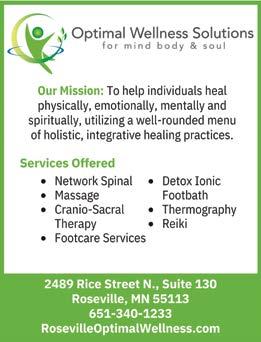
We provide a well-rounded menu of holistic, integrative healing practices to support your mind, body and spirt including massage, network spinal, craniosacral therapy, thermography, detox ionic footbaths, Reiki and footcare services. See ad on page 14.
—John Steinbeck
Be sure to let our ad partners know you found them in
DR. KRISSY HAGLUND, NMD
Naturopathic Medical Doctor Scott County, MN
DrKrissy.com
DrKrissy.NMD@gmail.com
Caring for patients skeptical of the conventional paradigm. Experienced treating mental health & the brain naturally: anxiety, depression, ADD, autism, behavioral disorders, postpartum, OCD and TBI. See ad on page 20.
MYOFASCIAL RELEASE & CRANIOSACRAL THERAPY
Barb Ryan, CMT, CSD • 612-922-2389 Bhakti Wellness Center
7300 Metro Blvd., Suite 340, Edina WisdomSisterStudio.com
Specializing in persistent and chronic pain and mysteries of the body. Also for people seeking the experience of deep relaxation and increased self-connection. Skilled and compassionate care. See ad on page 14.
DR. KRISSY HAGLUND, NMD
Naturopathic Medical Doctor Scott County, MN DrKrissy.com
DrKrissy.NMD@gmail.com
Caring for patients skeptical of the conventional paradigm. Experienced treating mental health & the brain naturally: anxiety, depression, ADD, autism, behavioral disorders, postpartum, OCD and TBI. See ad on page 20.
INTEGRATIVE HEALTHWERKS
Dr. Audrey Schenewerk
651-447-7200
Info@IntegrativeHealthwerks.com
IntegrativeHealthwerks.com

Here to guide you through hormone and metabolic imbalances, gastrointestinal disorders and symptoms, autoimmune conditions, chronic fatigue, and those who want to optimize health and prevent disease.
Barb Ryan, CSD Wisdom Listening 612-922-2389
WisdomSisterStudio.com
Longing for someone who will listen without judgment? Facing a tough decision and need a space to explore possibilities? Have some secrets corroding your being? Need a place to vent about loved ones without repercussions? Wisdom Listening can help. It’s not therapy or coaching. My sole objective is to provide a safe and supportive space for you to unburden and explore your mind, heart, and soul. Book your virtual session now. See ad on page 14.
2489 Rice St N, Ste 130, Roseville 651-340-1233
RosevilleOptimalWellness.com

We provide a well-rounded menu of holistic, integrative healing practices to support your mind, body and spirit including massage, network spinal, craniosacral therapy, thermography, detox ionic footbaths, Reiki and footcare services. See ad on page 14.
CARING HANDS MASSAGE & SPA
427 Vermillion St., Hastings 651-480-8244
CaringHands@CreatingReality.com ByCaringHands.com
Offering holistic massage, spa, Ayurveda and more. Relax, relieve stress, restore balance and vitality with natural healing services. With personalized care, the practice provides rejuvenation that feels like a true retreat. It’s where you want to be and how you want to feel. Schedule a service or book an overnight stay with The Suite Experience By Caring Hands. See ad on page 19.
MAR SEETS COACHING, LLC
Michelle Seets 612-743-2592
MASeetsCoaching@gmail.com
MichelleSeets.com
Feeling lost or navigating grief? Gain clarity through Soul Readings and supportive classes focused on emotional growth, grounding, healthy boundaries, intuitive development, and reconnecting with your inner guidance.
ECKANKAR TEMPLE OF ECK 7450 Powers Blvd., Chanhassen 952-380-2200
TempleofECK.org

Are you looking for the personal experience of God? Eckankar can help you fulfill your dream. We offer ways to explore your own unique and natural relationship with the Divine through personalized study to apply in your everyday life.
UNITY IN THE HEART OF ST. PAUL 1898 Iglehart Ave. Saint Paul, MN 55104 651-399-3679 (VM only)
UnityInTheHeart.org

Services every Sunday from 10:30 to 11:30 am. Join us in person or online! Discover Unity in the Heart of the Twin Cities. Embrace our positive, practical Christianity with our message, music and meditation. Note: we are working on being handicapped-accessible; child care not available.
OPTIMAL WELLNESS SOLUTIONS 2489 Rice St N, Ste 130, Roseville 651-340-1233
RosevilleOptimalWellness.com
We provide a well-rounded menu of holistic, integrative healing practices to support your mind, body and spirt including massage, network spinal, craniosacral therapy, thermography, detox ionic footbaths, Reiki and footcare services. See ad on page 14.
You don’t love someone because they’re perfect, you love them in spite of the fact that they’re not.
—Jodi Picoult
INFUSE IV WELLNESS
3209 W 76th St, Suite #303 Edina 612-564-2282
Infuse.Health
Infuse IV Wellness, in Edina, MN, offers IV hydration and vitamin treatments, NAD+ therapy, sermorelin, vitamin D optimization, and personalized weight-loss programs to rejuvenate your body, boost energy and enhance overall well-being.
CARING HANDS MASSAGE & SPA
427 Vermillion St., Hastings 651-480-8244
CaringHands@CreatingReality.com ByCaringHands.com
Offering holistic massage, spa, Ayurveda and more. Relax, relieve stress, restore balance and vitality with natural healing services. With personalized care, the practice provides rejuvenation that feels like a true retreat. It’s where you want to be and how you want to feel. Schedule a service or book an overnight stay with The Suite Experience By Caring Hands. See ad on page 19.
HEALING WATERS HEALTH CENTER
6150 Oren Ave N, Stillwater 651-430-2866
HealingWatersHealth.com
We bring you back to your natural state of being; restoring energy flow in body and mind with hands-on treatments and cutting-edge technology. See ad on page 13.
2489 Rice St N, Ste 130, Roseville 651-340-1233
RosevilleOptimalWellness.com
We provide a well-rounded menu of holistic, integrative healing practices to support your mind, body and spirt including massage, network spinal, craniosacral therapy, thermography, detox ionic footbaths, Reiki and footcare services. See ad on page 14.

Be sure to let our ad partners know you found them in


• Mercury / Amalgam / Silver Filling Removal
• Biocompatible Dental Materials
• Orthopedic Orthodontics
• Tongue & Lip-Tie Revision
• Ceramic / Biocompatible Implants


• Biological Extractions with PRF
• Ozone Therapy
• Invisalign
• Myo-Functional Therapy
• Craniosacral Therapy
• BioMeridian Testing
• Acupuncture

• Dynamical Neurofeedback 3434 Lexington Ave. N Shoreview, MN 55126 (651) 483-9800 www.NaturalSmilesDental.com