Свідоцтво про реєстрацію: ДП № 2181-919Р від 10 серпня 2017 р.
Адреса редакцїї: 49000, м. Дніпро, вул. Театральна, 3 www.milleniumra.com.ua, e-mail: millenium-maket@i.ua
З питань розміщення реклами звертатися за т.: +38 050 320–15–83
Відповідальність
24 РОКИ
Dear friends, partners, clients,
my unbreakable Millenium team!
This year has been another challenge for us — we have been working in conditions that are difficult to believe for those who live in a stable world. We prepared materials and edited texts without electricity, communicated without heat and the usual comforts.
But we did not stop for a single day.
On the contrary — this year, we felt once again that our mission is alive, growing, and reaching far beyond Ukraine.
We have new partners abroad, clients find us themselves, call us, order publications, and recommend us to each other.
Ukrainian content, Ukrainian leaders, Ukrainian stories — today, they are of interest to the whole world. And we are proud to represent our country at the international level.
A special event of the year is the completion of the large-scale project “Book of Honour — 2025”.
This publication is about dignity, professionalism and people who are shaping the future of Ukraine today. We are preparing the book for printing and will welcome the New Year with a finished product that will remain in national history.
And in January, we are launching a new major project — Chronicle. Millennium Leaders.
It will be a profound, powerful, and very contemporary story about those who shape the values of our time: business, culture, science, medicine, creativity, and social projects.
And I am confident that this project will be an important step for our entire community.
I would like to thank all our clients and partners.
Thank you for your trust, for choosing Millenium Club even in such difficult times.
Your stories are the strength of Ukraine.
I am immensely grateful to my team.
You are incredible, ladies. We worked in the dark, under fire, in cold offices, on the road, in shelters — but we remained a team that supports, inspires and never gives up.
I am proud of each and every one of you.
And my warmest words go to the Ukrainian people.
We live in a country that proves every day that darkness has no power over light.
We will stand strong. We will cope. We will prevail.
Because our hearts are stronger than any storm.
May the New Year bring us more warmth and light — both in our homes and in our souls.
I wish everyone peace, hope, faith and new opportunities.
May 2026 is the year in which the dreams we have carried in our hearts for so long come true.
With love and gratitude — Liudmyla Akimenko, Founder of MILLENIUM CLUB International Magazine
Ваші історії — це сила України.
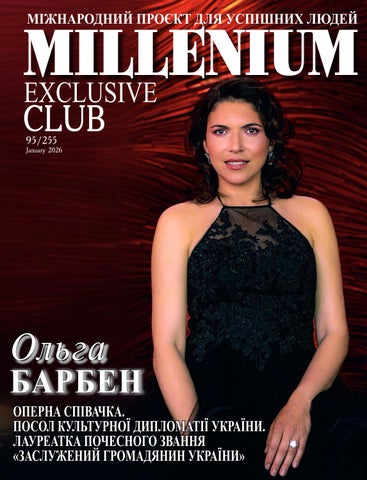
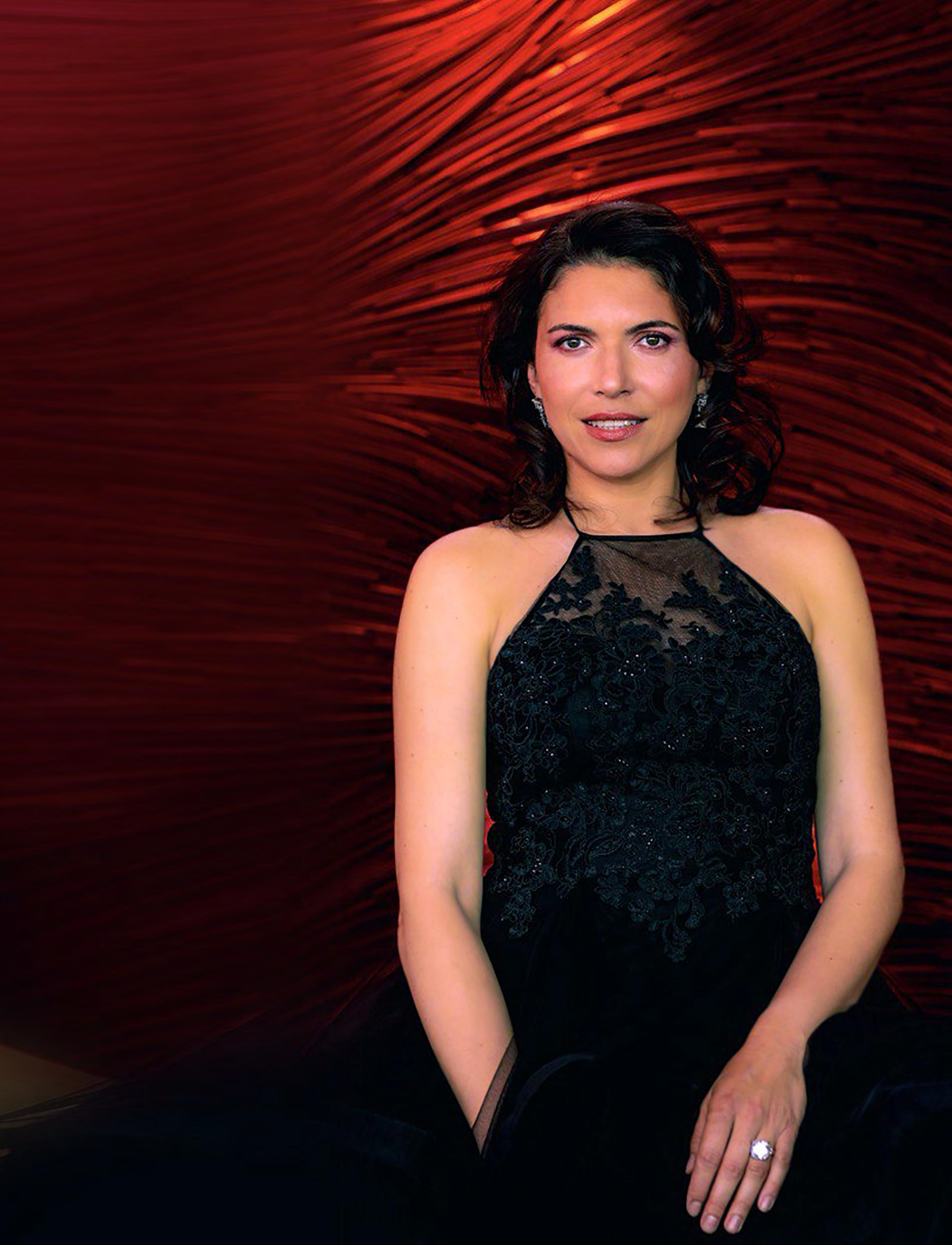
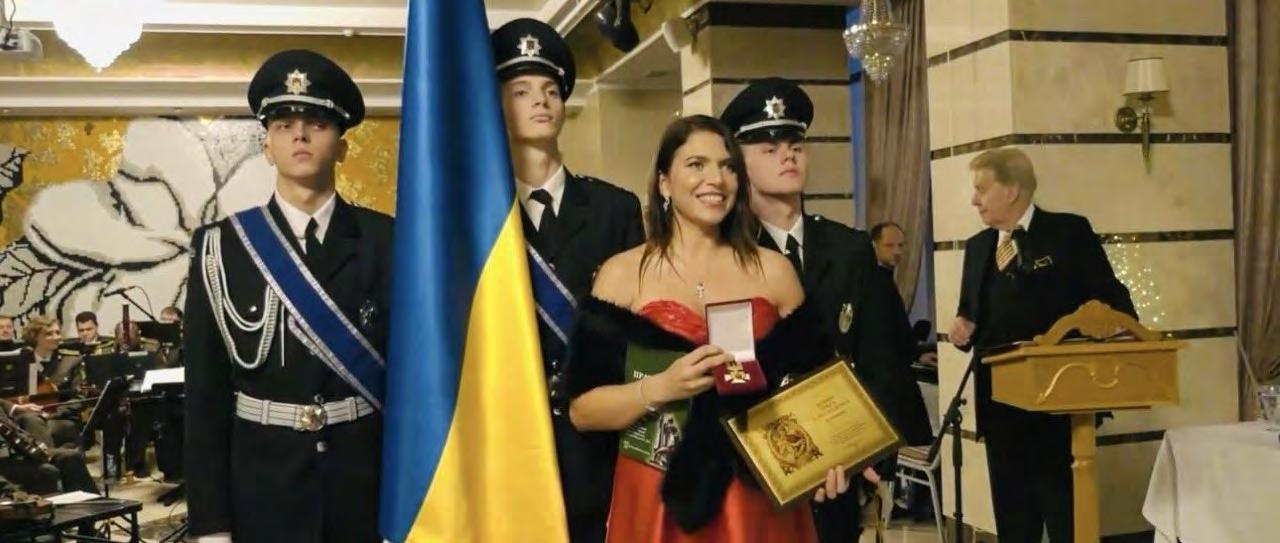
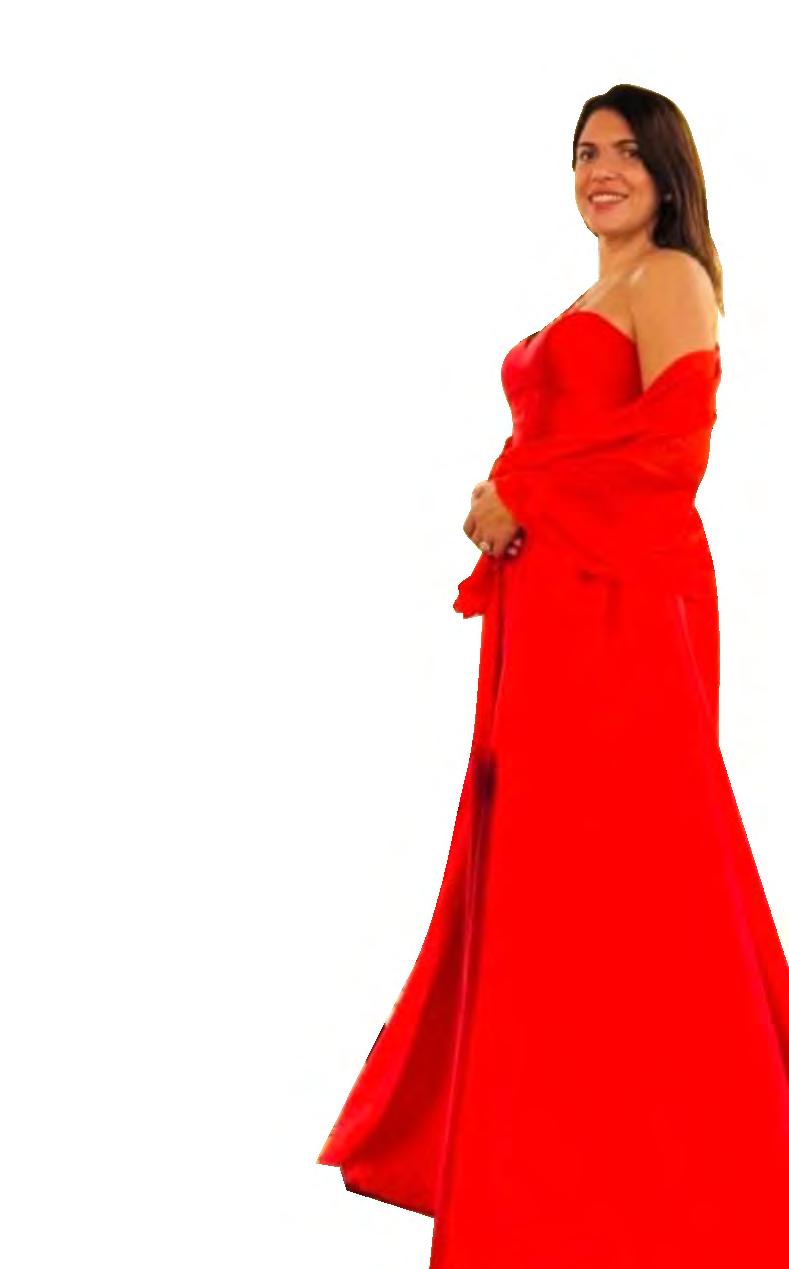
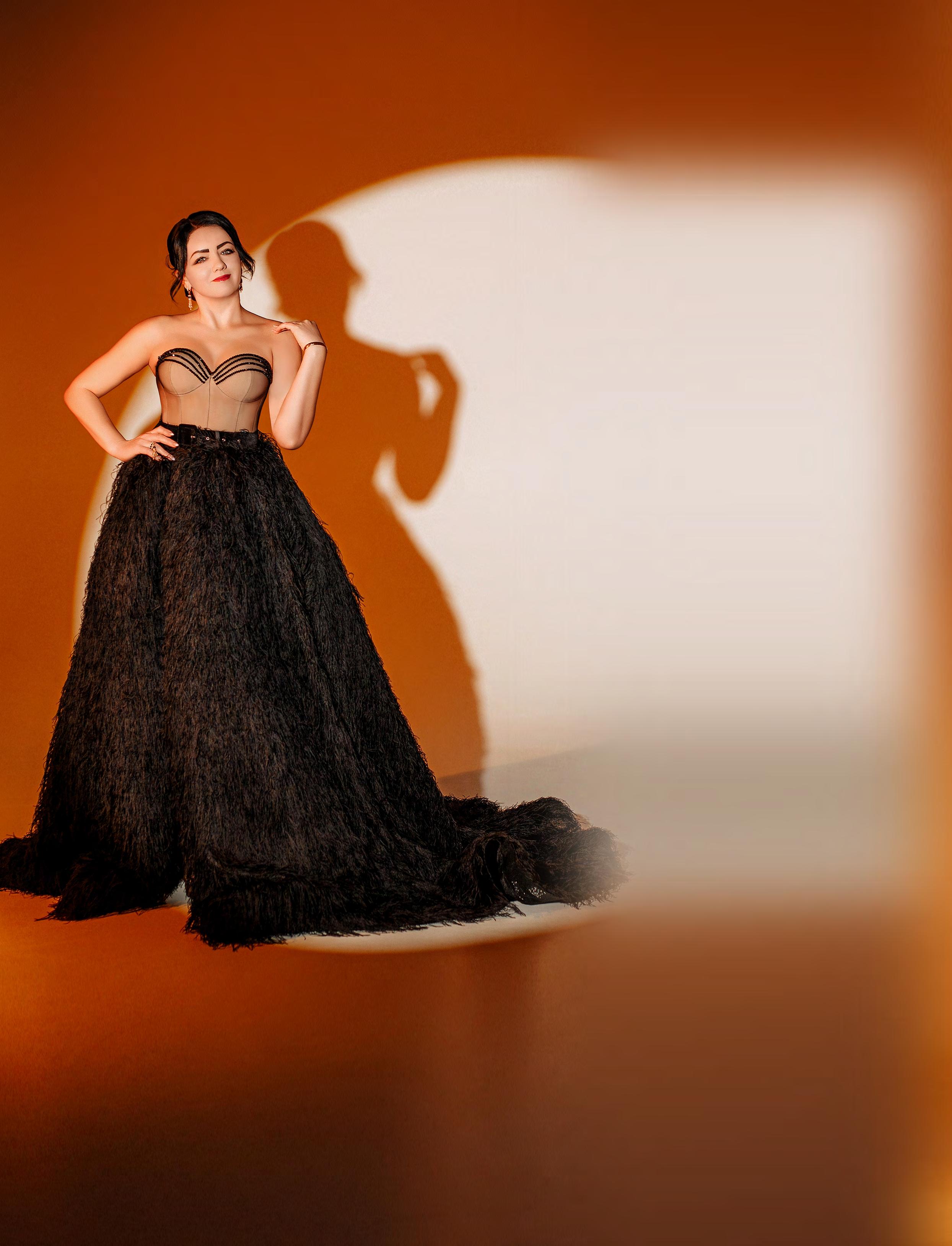
lha BARBEN is a Ukrainian opera singer for whom the stage is a way of serving others. Her voice can be heard on prestigious stages in Ukraine and Europe, and in difficult times for the country, she uses art as a source of support and hope. In 2024–2025, Olha Barben received a number of significant awards: the international Order of Queen Anne “Honour of the Fatherland”, the national public award “For Civic Valour”, and the Order of Ivan Mazepa. In an interview for MILLENIUM CLUB, Olha Barben talks about how the voice can bring light and warmth, as well as the responsibility and power of music in difficult times.
OLHA BARBEN: THE VOICE CAN WARM HEARTS AND BRING LIGHT
— Mrs. Olha, you have been honoured with several prestigious awards. What does the Queen Anne International Order “Honour of the Fatherland” mean to you?
— This is a very symbolic award. For me, it represents trust and recognition that my work is significant not only as art, but also as a statement. My voice should serve people, culture, and Ukraine.
— You have also received the national award ‘For Civic Valour’. How important is the civic component in your work?
— I do not separate the stage from life. When there is war in the country, an artist cannot stand aside. If you have a voice and people hear you, you must speak and sing for those who are suffering the most right now.
— The Order of Ivan Mazepa within the framework of the “Leaders of the 21st Century” programme is about historical continuity and cultural mission. How do you feel about this?
— This award has a very deep meaning. It is about identity, cultural heritage, and responsibility to history. I am close to this
idea: to be modern, but to remember your roots and carry Ukrainian culture into the world with dignity.
— So, is the combination of tradition and modernity in your work a conscious choice?
— This is my conscious path. Tradition must live and be renewed. Ukrainian culture allows us to speak in modern language without losing depth.
— When you go on stage abroad, what is most important to you?
— The awareness that I represent Ukraine. Every note embodies the Ukrainian character, our tenderness and our strength. I am always proud to belong to Ukrainian culture and try to convey this through music.
— One of the most remarkable moments recently was your solo lyrical concert in Kyiv during the blackout. How do you remember that evening?
— It was a chamber charity concert in the “Tsinnosti” (“Values”) space, at a time when the city was without light and heat. But inside there was light — from the
people, from the music, from the silence between the notes. It is gratifying that the International Women’s Movement “For Family Values” supports art that truly touches people’s hearts.
— And this is yet another proof of your active civic position. What does art mean to you in times of trial?
— It is, first and foremost, a way of serving. When I sing for Ukraine or Ukrainians, my voice becomes a prayer, a gesture of solidarity, a way of being there for them.
— How do you manage to maintain inner balance and spiritual strength today?
— My support lies in my faith, in the silence within myself, and in the awareness of the meaning of what I do. When you know why you are going on stage, you feel inner peace. Your voice is a reflection of your inner state.
— What would you like to say to Ukrainians and our readers today?
— I wish to preserve dignity and selfconfidence. Let everyone do their job honestly, with love and dedication — and our voice will be heard in the world.
чергу, спосіб служіння. Коли я співаю для України
сьогодні? — Українська жінка сьогодні — це поєднання сили й ніж
відчувати, бути красивими й чутливими.
— це
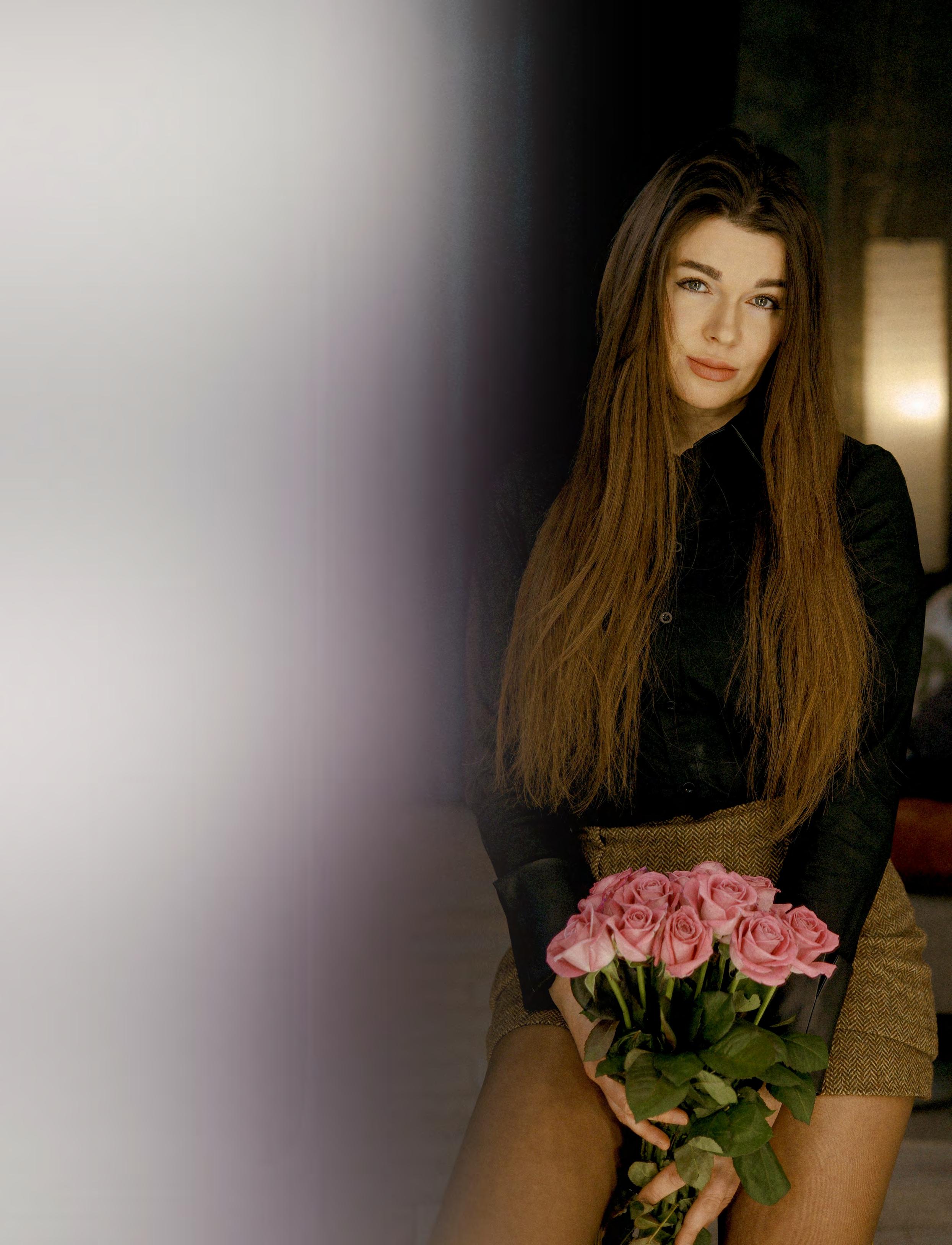
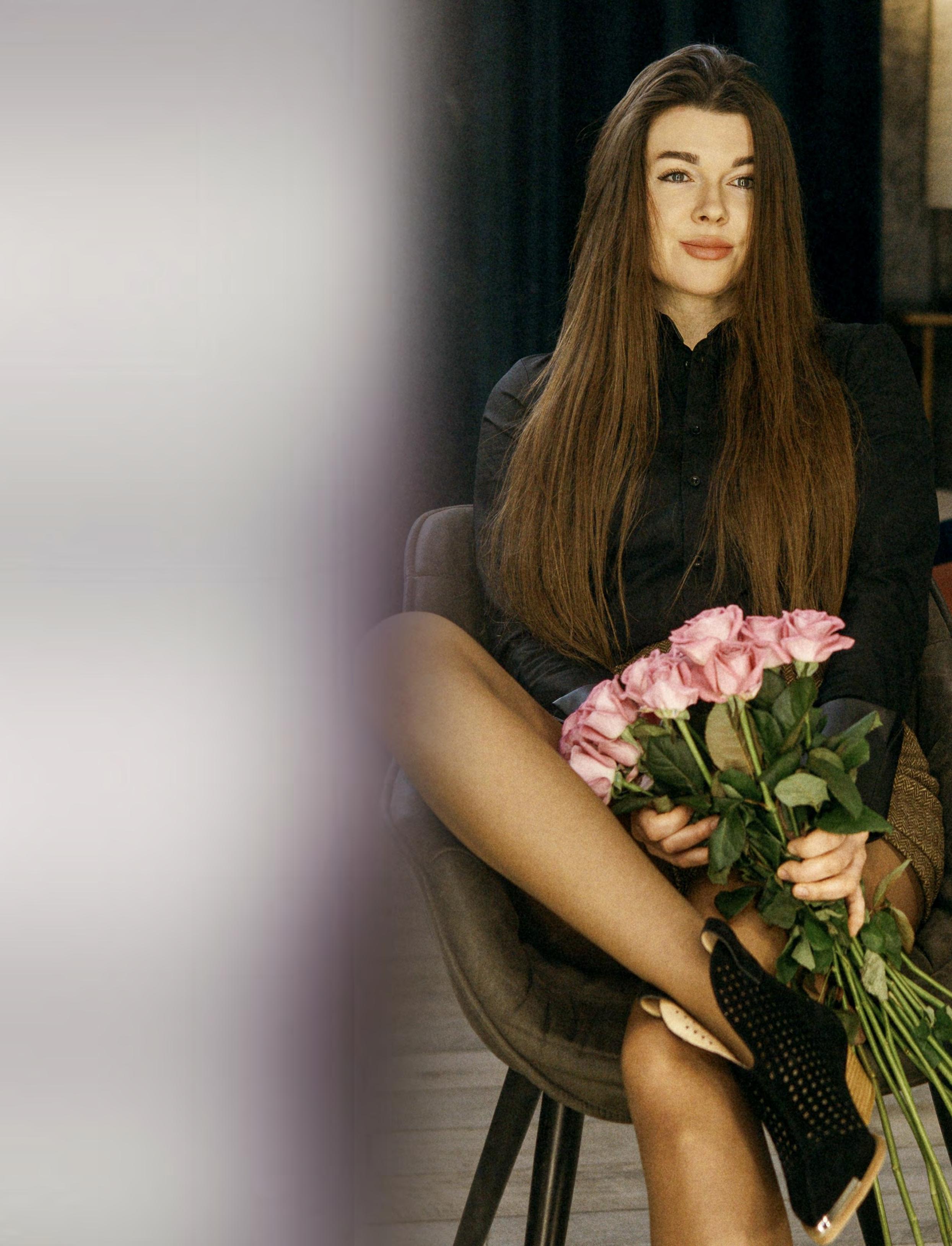
А ANASTASIIA TARASIUK:
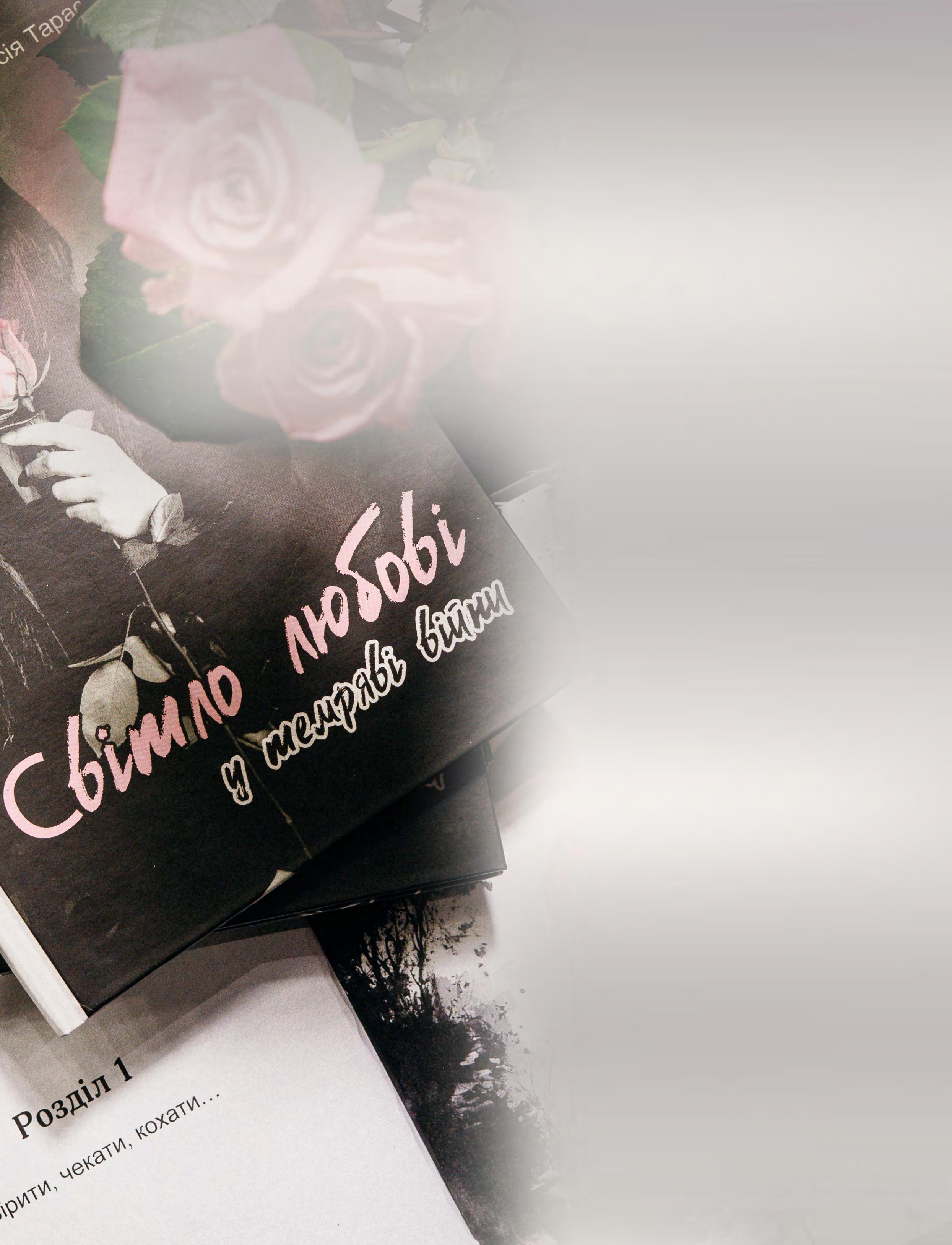
THE LIGHT OF LOVE IS A CHOICE WE MAKE EVEN IN THE DARKNESS OF WAR
t a time when war is changing not only cities and destinies, but also the very optics of perception of life, words take on special significance. They cease to be decoration — they become support, a form of internal dialogue and a way to preserve humanity.
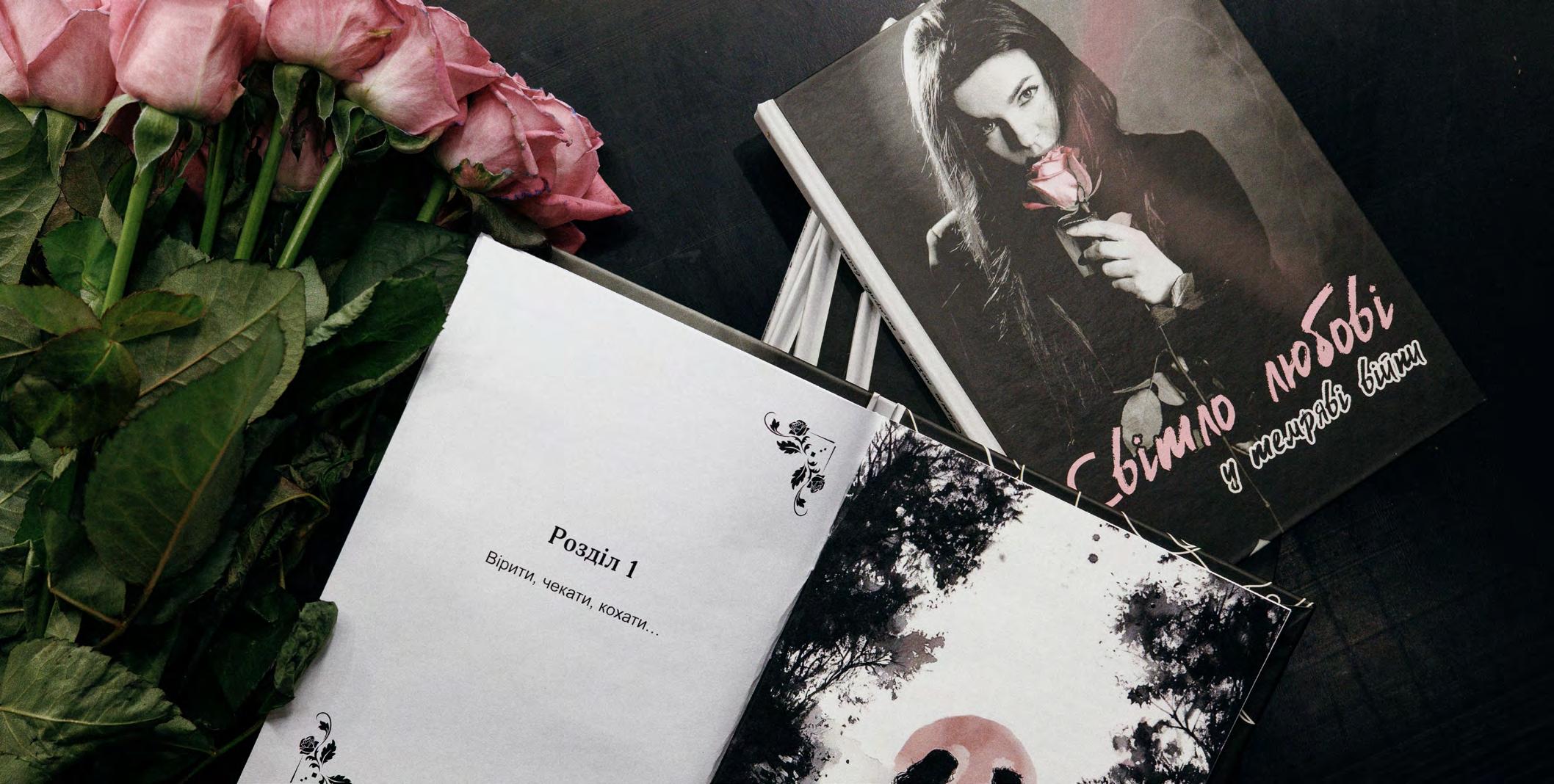
Anastasiia TARASIUK’s poetry is just that. Quiet, deep, honest. Her book “The Light of Love in the Darkness of War” is not about escaping reality, but about the ability to remain alive, sensitive and strong at the same time. These are texts about love as an inner support, about feminine strength without pathos, about faith that does not shout but holds.
In an interview for MILLENIUM CLUB, Anastasia talks about love as a choice, about the value of the moment, about words as a form of responsibility, and about the light that each of us is capable of carrying even in the darkest times.
— The title of your book, “The Light of Love in the Darkness of War,” sounds very symbolic. What does love mean to you today — a feeling, a choice, or an inner support?
— For me, love is both a feeling and a conscious choice, as well as an inner support. It begins as an emotion, a state of the heart, but over time it turns into a decision — to remain human, to preserve warmth and openness, even when darkness surrounds you.
Love gives you wings. It supports you when you feel like you have no strength left. It is love that helps us not to lose faith in ourselves and in the world. I am deeply convinced that when love lives within us, we want to share it — through words, through presence, through care.
There are people with whom our souls seem to embrace each other. And then you realise: this is no coincidence. This is a meaningful encounter.
— War heightens all the senses. How has it changed your feelings of love and intimacy?
— War sets priorities very clearly. It shows who is yours and who is not. It teaches you to appreciate the moment and the people around you.
Today, I feel particularly keenly that we live here and now. That is why I want to devote my time and attention to those who are truly close to me in spirit. For me, love has become not a loud emotion, but a quiet, deep presence.
It is about moral security, shared values, and inner resonance. When two people cherish these things like crystal, true intimacy is born. It is not perfect, but it is alive and honest.
— Your poems are often perceived as very personal. Who are you addressing when you write?
— First and foremost, to myself. I write from my own experiences, my feelings, and my inner world. For me, poetry is a way to hear myself and be honest with myself.
But at the same time, I know that people find something very personal in these lines: a piece of their own pain, hope or love. And that is extremely valuable to me.
My texts are for those who feel with their hearts. For Ukrainians who love their country, who have learned to be strong but have not hardened their souls. It is a kind of mirror in which everyone can recognise themselves.
— Saint Valentine’s Day sounds different in wartime. What does this holiday mean to you today?
— Today, it’s not just about romantic gestures or flowers. It’s about reminding ourselves that love doesn’t disappear even in the most difficult times.
For me, this day is about closeness, about the connection between people that cannot be broken by distance or circumstances. Even if we cannot be physically close, we can be close in our hearts.
This is another reason to allow ourselves tenderness, warmth and sincerity. Small joys are especially valuable today — they help us hold on.
— Can words be a form of love?
— Absolutely. Words have enormous power. Through them, we convey support, care, and acceptance.
My poems are about love in its various manifestations: love for oneself, for loved ones, for a partner, for one’s country. It is a love that does not idealise, but supports. It does not escape reality, but helps us to live it.
— There is a quiet but very strong feminine presence in your work. How do you see femininity today?
— Today’s Ukrainian woman is a combination of strength and tenderness. We have learned to be resilient, responsible and decisive. But at the same time, we have not lost our ability to love, feel, be beautiful and sensitive.
Femininity is not weakness. It is inner dignity, the ability to hold space, to be a support for oneself and others. It is strength without pathos — quiet but very steadfast.
— What helps you keep the light inside, despite all the challenges?
— Appreciating the value of every moment. Time spent with loved ones. Nature.
For me, forests, mountains and water are living meditation. There, I recharge, return to myself and feel connected to life. It helps me remember that even in darkness, there is always light — if you allow yourself to see it.
From editors
The editorial staff of the international magazine MILLENIUM CLUB sincerely thanks Anastasiia Tarasiuk for her profound conversation, honesty, and the light that her words bring to readers. At a time when silence sometimes speaks louder than loud statements, such poetry becomes a form of support and inner strength.
Happy Valentine’s Day!
May this day—and every day of your life—bring more warmth, sincere feelings, and bright emotions. May love inspire you, fill you with calm, and give you faith and inner balance. I wish that you are surrounded by people with whom it’s easy to be yourself, to share thoughts, enjoy each day, and feel supported.
May tenderness live in your heart, sincerity in your words, and trust and mutual understanding in your relationships. May love reveal itself through care, attention, and simple everyday moments that make life warmer and brighter.
I wish you harmony, joy, and peace of mind. May each day bring reasons to smile, and may love become a source of inspiration, strength, and happiness.
Happy Valentine’s Day!
Iryna Skrypnyk
In a world where the pace of life is accelerating and external challenges intensify inner tension, love is no longer a romanticized abstraction. Today, more and more people are seeking not idealized stories, but real ones — grounded in depth, responsibility, and inner freedom. About mature love without illusions, personal boundaries, conflict as a point of growth, and forgiveness as a path to psychological wholeness — a conversation with Mariana Rusyn, psychologist and psychotherapist, for the international magazine MILLENIUM CLUB.
MARIANA RUSYN:
LOVE WITHOUT ILLUSIONS: HOW TO BUILD INTIMACY WITHOUT LOSING YOURSELF
— What does true love mean to you?
— From a psychological perspective, true love is a stable bond in which there is safety to be oneself. It is the acceptance of differences, the ability to endure tension, change, and inevitable crises. True love begins where idealization ends. It is neither fusion nor dependency, but a meeting of two separate, whole, mature individuals who consciously choose to be together without losing themselves.
— What difficulties most often arise in relationships between partners?
— The most common difficulties have an internal nature. These include the inability to speak openly about one’s needs and feelings, the expectation that a partner will “just know,” and the projection of childhood traumas and unresolved emotional patterns. Often, fear of intimacy or, conversely, fear of loss becomes activated. Most conflicts within a couple are not about the present situation, but about old inner wounds that surface in close emotional contact.
— How can intimacy and trust be preserved in a couple when conflicts arise?
— Intimacy disappears through silence and devaluation. Trust is maintained through the ability to express one’s feelings without accusations, the capacity to listen rather than defend oneself, and the willingness to take responsibility for one’s part in the interaction. Conflict becomes a point of growth when partners remain in contact instead of entering a struggle.
— Why is it important to work on oneself even in harmonious relationships?
— Harmonious relationships create a safe space in which deeper layers of personality become visible. Working on oneself is essential because a partner cannot compensate for inner emptiness. Responsibility for one’s emotional state cannot be delegated. Mature relationships require two mature individuals — not one conscious partner and another who merely hopes.
— How can modern women avoid losing themselves in love and instead раскрыivate through it?
— A woman loses herself when she abandons her personal boundaries. Maintaining and revealing oneself is supported by staying in contact with one’s own needs — not only the partner’s — having the right to say “no” without guilt, and maintaining personal fulfillment outside of relationships. Healthy love does not diminish a woman; it strengthens her, provided she allows herself to remain alive, diverse, and imperfect.
— What role does forgiveness play in building healthy relationships?
— Forgiveness is an inner choice not to live in constant resentment. Psychologically, it releases energy trapped in pain, allows either the restoration of connection or a conscious ending of it, and returns a person to a position of agency. Without fully experiencing the pain, forgiveness becomes false. And without forgiveness, relationships gradually turn into a field of hidden aggression.
— How can Valentine’s Day become an occasion to rethink one’s relationships?
— It is a good moment to ask oneself honest questions:
Do I feel heard?
Is there space in this relationship for my true self?
Am I staying with my partner out of choice, or out of fear?
Sometimes the most valuable expression of love is the willingness to look at a relationship without illusions.
You often say that etiquette for you is a way of life, rooted in your family. How did your parents’ example shape your inner sense of culture and respect for people, and become the foundation of the expertise you now share with others?
This is an interesting question because it immediately reveals a method of how parents can teach children etiquette. My parents taught me through play and reading fairy tales together. Every little girl dreams of becoming a princess — and where have you ever seen a princess holding a spoon who does not know how to use a knife and fork or who does not respect other people?!
That is exactly how, in a light and playful way, my parents taught me the rules of etiquette. At the table, we created our own world: table settings like at a royal reception, or a battlefield where glasses were warriors, and during tea time the samovar acted as the commander-in-chief. It was fun and educational at the same time.
Every parent wants their child to become better, so they pass on traditions, values, and knowledge. And if we approach this question philosophically, from the moment a child is born, their personality is shaped by the parents’ status, and only later does their own status take shape — formed by knowledge, the beginning of professional activity, and the surrounding environment.
My parents taught me that even in the smallest details — at the table, in conversation, or during shared work — a person’s inner culture is revealed.
In your work, you break the stereotype that etiquette is about strict rules and prohibitions. How would you define the modern meaning of etiquette for a person of the 21st century — in life, communication, and inner comfort?
Let’s start with the fact that etiquette is neither a code nor a law. It does not prohibit anything; it only provides opportunities. The more tools you have, the more opportunities open up. Etiquette helps a person feel confident in any situation. I would rather compare etiquette to an instruction manual — an “instruction for life.” When you buy, for example, a
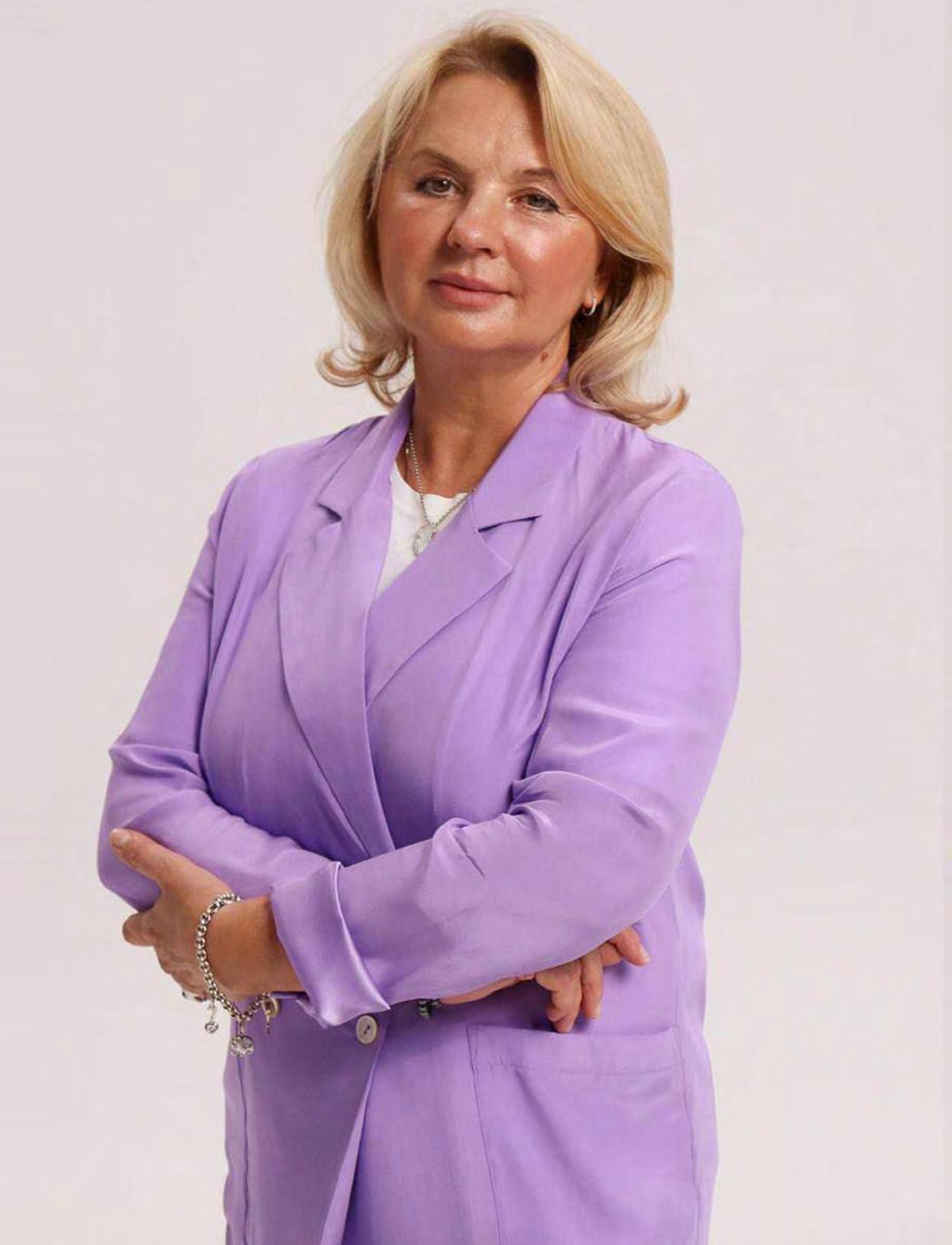
In the 21st century, etiquette goes far beyond rigid rules and formalities. It is about the culture of everyday life, respect for oneself and others, and the ability to feel confident and comfortable in various social and professional situations. In this conversation, etiquette expert Oksana Datii shares her personal experience: how family shapes the foundation of inner culture, why etiquette is an “instruction for life,” which skills are most valuable for families today, and which values she strives to bring into the world through her work.
OKSANA DATII: ETIQUETTE
AS FREEDOM AND INNER COMFORT: FAMILY VALUES, DIGNITY, AND CONFIDENCE IN ANY SITUATION
washing machine, you first read the manual and only then press the buttons step by step — and that is what creates comfort.
The same applies to etiquette. Knowing the rules, you will not discuss business matters before dessert — because the time for dessert has not yet come, and addressing important issues at the wrong moment will not be effective. Not knowing how to use a cloth napkin or cutlery draws unnecessary attention and causes a person to lose inner confidence. And so on.
Therefore, my main message is this: etiquette is not about limitations, but about the freedom to feel confident in any situation.
You teach not only rules, but also the ability to smooth sharp edges, avoid unintentional offense, and feel confident in any situation. Which etiquette skills do you consider most valuable today for women, children, and families in general?
In my opinion, the most important skill is the ability to truly hear one another — not just listen, but hear. Families should have shared values that unite them.
Remember childhood: your father decorates the Christmas tree and you help him. Year after year, this becomes a family tradition. You may ask — what does etiquette have to do with this? It is very simple: helping, creating comfort for yourself and others.
A mother sets the table, decorates it with flowers and cutlery, takes beautiful dishes from the “grand” cabinet — and the child wants to learn to do the same. Later, these skills are carried into adult life and passed on to one’s own children. This is harmony.
At courses and events, I only add professional touches to your ability to set a table, showing how to place everything correctly, even using elements of mathematics. But the foundation always begins in the family.
You are the author of books on etiquette, including “Etiquette Cheat Sheets,” where you combine theory with real life. What was more important for you to convey to the reader —
rules or a sense of culture, confidence, and inner dignity?
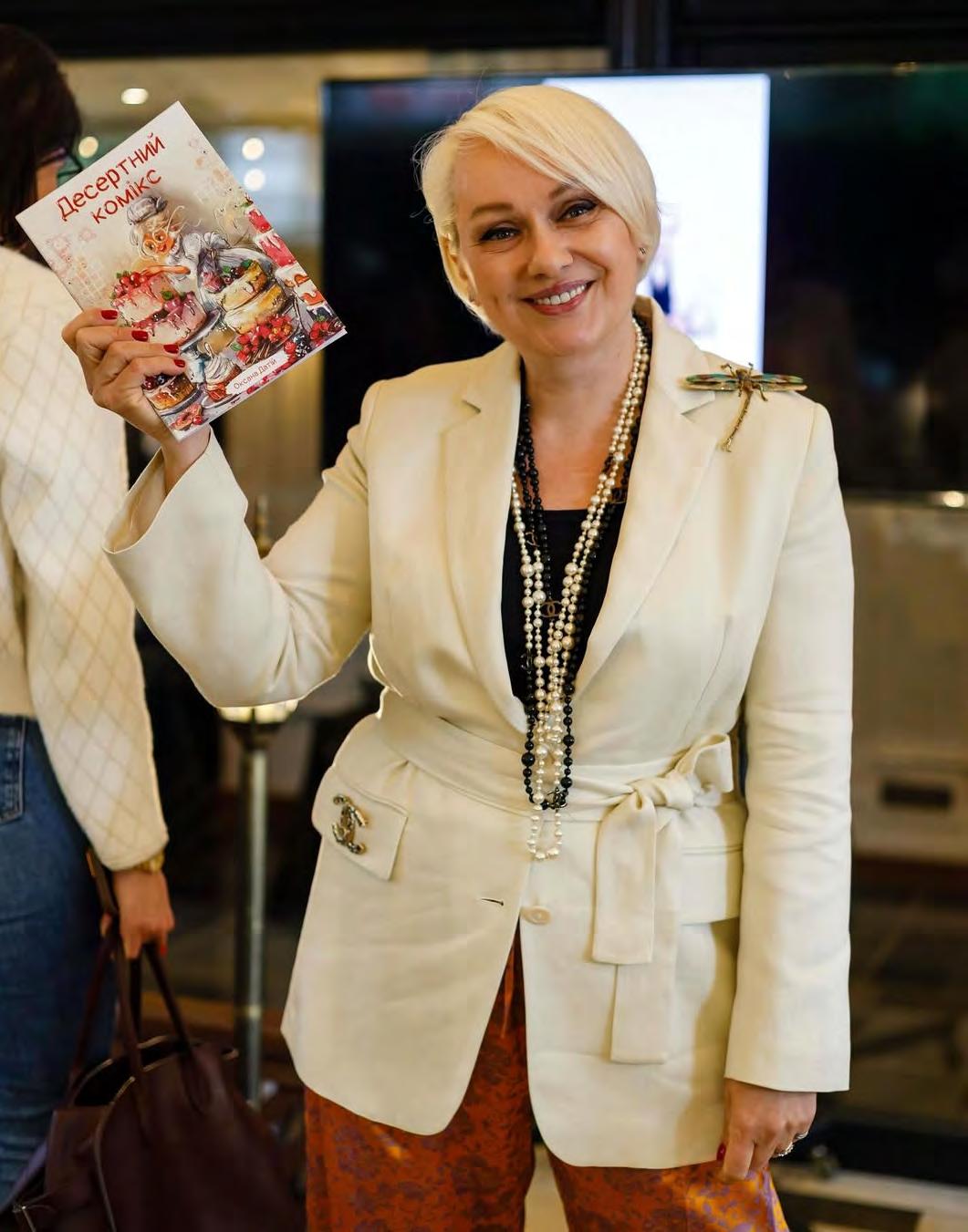
Yes, I had the honor of presenting my etiquette books for both children and adults. “Etiquette Cheat Sheets” is the first book with practical lessons and simple explanations of the rules my parents taught me.
For me, it was important to convey not only the rules of etiquette, but first and foremost a sense of culture and confidence. Rules matter only when they stand on a solid foundation of culture.
For me, etiquette begins in the family — with the formation of our worldview. Later, in adult life, these basic values are complemented by new tools that help a person feel confident in different situations.
You say that etiquette helps a person be truly happy. How, in your view, do culture of behavior and respect for oneself and others change a person’s worldview, and which values do you strive to bring into the world through your work?
In my view, etiquette forms an inner support. When a person possesses etiquette skills, there is less tension and fear of making mistakes or being misunderstood in their life. They feel confident and calm when communicating with any people. Culture of behavior gradually changes one’s worldview: attentiveness to details, to words, and to the feelings of others appears. This is not about external correctness, but about inner dignity.
My colleagues use different metaphors for etiquette: some compare it to a cake, others to a wardrobe. I also have my own comparison — a traffic light. Etiquette in our life is like a traffic light: some people are always on red — they believe they do not need it and are not interested; others are on yellow — they hesitate, decide whether they need it, and begin to study etiquette rules when a situation arises and additional tools are needed; a person on green — with knowledge of etiquette — feels confident in any life situation. Through my work, I strive to bring simple but fundamental values into the world: respect, tact, mindfulness, and the culture of everyday life.
MARIIA ROHOVETS:
“HELPING IS NOT A CHOICE, IT IS MY ESSENCE”
Her path is a daily, quiet work of the heart, in which love turns into action. Mariia ROHOVETS — a mother, volunteer, head of a public organization and founder of a family-type orphanage — has been living with a sense of responsibility for those who are most in need for many years. In a conversation with our magazine, she speaks frankly about the calling to help, motherhood in times of war and the strength that is born of faith, family and humanity.
an inner need to be with those who were struggling— with children who needed warmth, acceptance, and family. When you see the pain and can alleviate it even a little, you can’t walk away. Over time, I realised: helping others is not what I do, it’s who I am. It became a part of my life and my responsibility to God and people.
— How did the decision to create a family-type orphanage come about and what was the most important thing in this step?
— This decision came from the heart and from a deep understanding that love is action. My husband and I saw children who had everything they needed except a family. It was important for us not just to give them a roof over their heads, but to create a real home — with warmth, support, rules, and a sense of security. We were aware of the scale of the responsibility, but we knew that if God gave us the opportunity, He would also give us the strength.
— Mrs. Mariia, at what point did you realise that helping others was not just a choice, but your true calling?
— It probably wasn’t one specific moment. It was a path. Long before the war, I felt
— You have ten children in your family. How do you manage to maintain a genuine family atmosphere?
— Every child is a separate universe with their own history, pain and hopes. I try
to see and hear everyone, even in the smallest details. In our family, we talk a lot, do things together, and have simple daily traditions. The most important thing is for every child to know that they are loved here not “for something” but simply because they are who they are. Family is not about perfection, but about acceptance.
— How has your life changed since February 2022, and what helps you keep going?
— With the start of full-scale war, life was divided into “before” and “after.” Volunteering became daily, continuous work. There was more pain, more loss, and more responsibility. But at the same time, there was a clear realisation: we are needed here and now. I am driven by faith, by the people around me and by our defenders, who are giving their most precious gift. When they are holding the front line, we have no right to stand still in the rear.
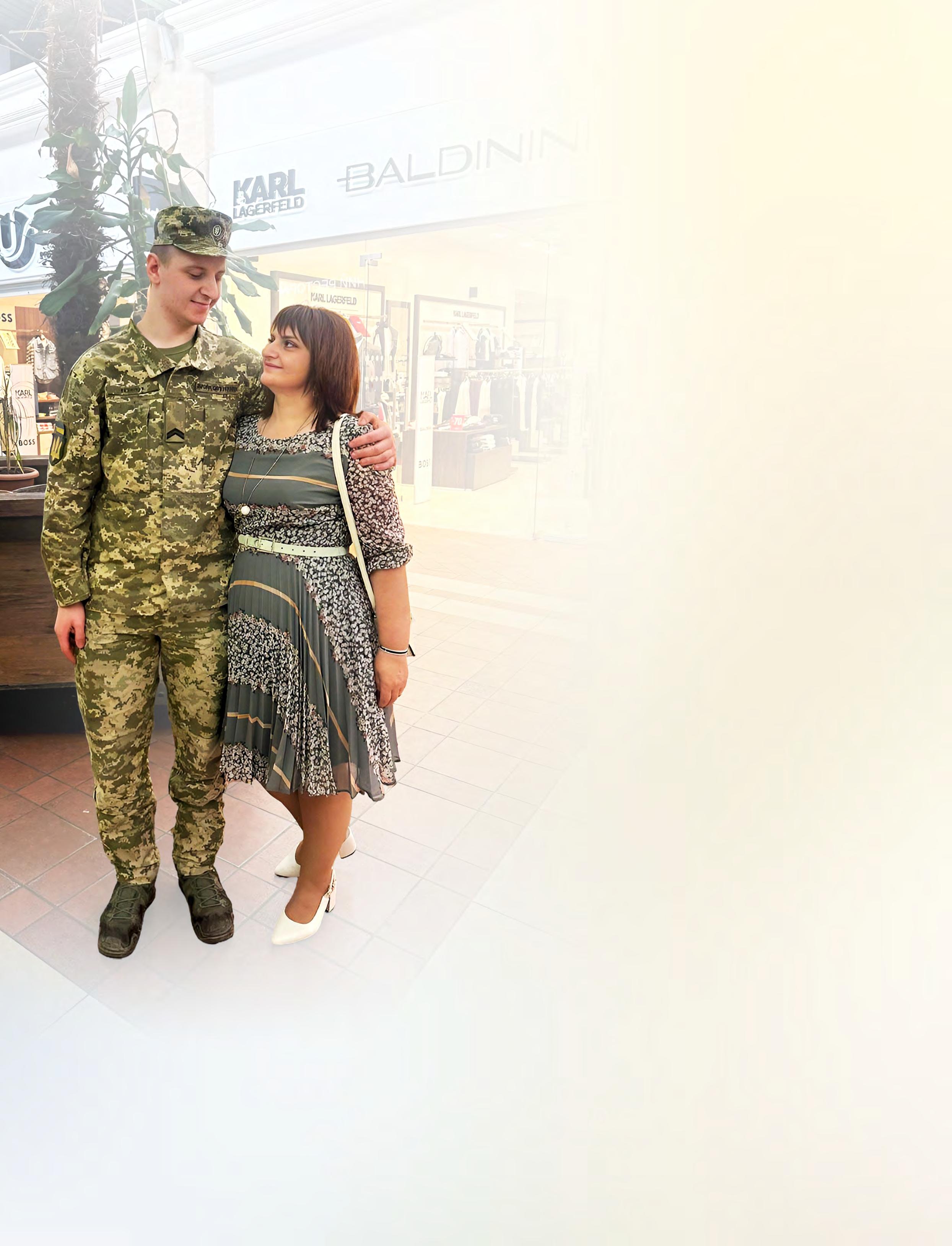
— Your son is defending Ukraine. How are you coping with this experience and how has it affected your volunteer work?
— As a mother, I live in constant anxiety and prayer. It is very difficult to let your child go to war. But at the same time, I feel pride and deep respect for his choice. That is why my volunteer work has become even more personal. For me, every soldier is someone’s son. And I do everything I can to make them feel supported and know that they are remembered.
The editorial team would like to express its sincere gratitude to Mariia Rohovets for her openness, trust and daily work, which is of great value to society. Thank you for your stance, warmth and tireless assistance where it is so needed today.
From the Editorial Board of MILLENIUM CLUB
нас було важливо не просто дати їм дах над головою, а створити
і відчуттям безпеки. Ми усвідомлювали масштаб відповідальності, але знали: якщо Бог
— Good afternoon, Viktoriia, nice to meet you! You have a keen sense of the inner world of young people. How do teenagers experience anxiety and uncertainty today, and what helps adults to understand them better?
— In recent years, teenagers have been experiencing significantly more stress than before. In addition to age-related changes, they have to deal with moving house, breaking habitual ties, increased responsibility in the family, and combining study and work. Many have had to grow up quickly and lose their bearings. That is why it is important for adults not only to listen, but also to be there — without rushing and without trying to fix
From the Editorial Board of MILLENIUM CLUB
VICTORIIA HAVRYSH
INNER STRENGTH AS AN ART: THE PSYCHOLOGY OF INTEGRITY IN TIMES OF CHANGE
In a world of constant change, specialists who can create a space of safety and awareness are especially valuable. Viktoriia Havrysh is a psychologist, psychotherapist, and coach who combines a deep understanding of the human psyche, empathy, and practical support tools. In her work, she accompanies teenagers, young people and adults, helping them to restore their inner balance and find strength and support even in difficult periods of life.
everything at once. Presence, stability, and genuine interest often provide more support than advice.
— Your experience allows you to see the processes of personality formation in depth. What shapes the inner support of young people today?
— Support is born from trusting relationships, activities that give a sense of “I can do,” and supportive feedback from significant adults. It is especially important when youth feel that their efforts are noticed and recognised. Even small steps, reinforced by attention and support, help build self-confidence and inner resilience.
— You inspire people to find strength in change. What is the path of Ukrainians abroad — from loss to a new beginning?
— First, they create islands of stability: everyday life, traditions, and contact with loved ones. Next comes learning new things, accepting a different culture, and gradual integration. Over time, a feeling emerges that life has meaning and direction again. This is how new experiences, new opportunities, and a new version of oneself are formed.
— You work with people in a state of deep uncertainty. What helps you maintain your resources and
inner balance?
— The most important thing is not to remain alone with your feelings. A psychologist, community, or close circle of people can help you experience difficult emotions without self-deprecation. Additional support comes from physical exercise, movement, quality sleep, and allowing yourself to rest regularly without feeling guilty. Another resource that is sometimes underestimated is humour. A sense of humour does not deny the complexity of the situation, but it allows you to breathe more freely and endure what is happening.
— You often say that you can carry your home inside yourself. How is that possible?
— Our “inner home” consists of memories, traditions, music, small rituals, and important people. It is these simple but profound elements that help us feel connected to ourselves and our roots, regardless of where we are.
— What is key in the process of selfdiscovery and returning to oneself?
— Accepting change, relying on your own abilities and experience, and being willing to try new things. People have far more inner resources than they usually realise. True strength comes from small steps, self-awareness, and the ability to be your own ally rather than your own critic.
The Millenium Club editorial team would like to express its sincere gratitude to Victoriia Havrysh for her insightful and candid conversation and wishes her continued professional growth, inner harmony, and the realisation of projects that change people’s lives for the better.
у сім’ї, поєднання навчання й роботи. Багатьом довелося різко подорослішати та втратити орієнтири. Саме тому дорослим важливо не лише слухати, а й бути поруч — без
поспіху та без спроб одразу все виправити. Присутність, стабільність і щирий інтерес часто дають більше підтримки, ніж поради.
— Ваш досвід дозволяє глибоко бачити процеси становлення особистості. Що формує внутрішню опору молоді сьогодні? — Опора народжується з довірливих стосунків, діяльності, яка дає відчуття
I HOW TO BUILD HAPPY RELATIONSHIPS: SECRETS FROM EXPERT NADIYA LIMA
t is not normal if betrayals happens regularly in your family and you forgive it. If conflicts and insults have become a habitual part of communication, if your partner constantly says that he or she does not want intimacy because sex is no longer relevant to them...
I am a psychologist-sexologist Nadiya LIMA, a member of the Association of Psychologists of Ukraine and the National Association of Sexology and Sexual Medicine, author of the motivational “Happiness Notebook”, a guest expert on radio, women’s brunches and private men’s clubs.
Olya (name changed), 38 years old, married, mother of four children, approached me. Her request was as follows: “I am tired of my husband’s betrayal. I love him, and we live peacefully, but… We talk about it, he repents, and after six months everything repeats again.”
During the work, I realised that everything is far from harmonious in their family. Olya’s self-esteem leaves much to be desired, and her desire to be loved and needed has led to the fact that her husband avoids her, seeking attention on the side. Now we continue to work, and there are already the first positive developments. Olya temporarily decided to move away from her husband.
The biggest problem is that many couples get used to the toxic scenarios they live in. They endure it, complain to friends or acquaintances, and then return home and put up with their circumstances again.
Women imitate orgasm and avoid intimacy, while men believe that their task is to bring their partner to the peak of pleasure. All of these distorted ideas about sexuality, family and relationships distort a couple’s lives.
Relationships are healthy
• when you can say frankly: ”I am capable of living without a partner, but I don’t want to”;
• when you immediately react to discomfort;
• when you take care of yourself, your needs and desires.
I understand that for many people the topic of sex remains taboo. Therefore, I recommend my Telegram channel, where you will find simple techniques to improve your intimate life, as well as the opportunity to communicate with like-minded people.
If you have any questions about relationships, sexuality, or life in general, I invite you to an individual consultation. To make an appointment, write to the direct mail on my Instagram page.
Remember: “Always choose yourself in your life.”
nadezhda_lima_psychologist
+38(093) 347 06 70
член Асоціації психологів України і Національної асоціації сексології та сексуальної медицини, авторка мотиваційного «Блокнота щастя», запрошена експертка на радіо, жіночі бранчі та закриті чоловічі клуби.
olga
людина уникає ситуацій, що викликають страх чи дискомфорт, не вирішуючи їх. Це як ховатися в тіні, сподіваючись, що проблема зникне сама. – Як відрізнити корисні й шкідливі психологічні захисти?
– Механізми захисту самі по собі нейтральні – їхня мета полягає у збереженні позитивного сприйняття себе. Однак спосіб, у який вони працюють, залежить від рівня емоційного інтелекту та самосвідомості.
Наприклад, уникнення почуття сорому чи провини впливає на рішення, які стосуються самооцінки і того, як нас сприймають інші. У деяких випадках людина досягає своїх цілей, не боячись помилок і готова приймати неочікувані результати. В інших – знаходить тисячу причин, чому «ще не час», і відтерміновує дії.
– Як психологічний захист може са-
ботувати добробут?
– Кожна людина – це унікальний світ, наповнений досвідом і переконаннями.
Однак через страхи та невпевненість виникає уникнення, що блокує проявлення потенціалу.
Поширені думки, як-от «А раптом я недостатньо готова?», «Що, якщо я розчарую інших?», «Можливо, варто ще трохи попрацювати над собою?» – призводять
до зупинки. З кожним днем це саботує
не лише проявленість, а й реалізацію потенціалу, дохід і розвиток.
– Українці переживають значне
виснаження. Що Ви порадите для
збереження позитивного мислення?
– У часи стресу й невизначеності
EXPERT OLENA BORYSOVA
ON PSYCHOSOMATICS AND WAYS TO OVERCOME IT
n the modern world, psychosomatic disorders are becoming more and more common, especially among Ukrainians. How to recognise psychosomatics, what to do with spring exacerbations and how to help yourself cope with apathy, depression, and PTSD? These questions are answered by psychosomatics expert Olena BORYSOVA.
– Mкs. Olena, Ukrainians are increasingly facing psychosomatic disorders. What would be your recommendations?
– Ask yourself a few questions: Have my fear, resentment, feeling of guilt, shame, negative thoughts that cause unpleasant experiences disappeared forever thanks to food, medication, antidepressants, or any addictions? Do they return again and again? How do all these emotions affect my health? Can I change this? If it is so, then how it can be done? After that, you should contact a psychosomatic specialist and learn to cope with anxiety states with the help of movements, breathing practices, and visualisations that help you get out of this state.
– Spring exacerbations are coming soon. How to protect oneself from their manifestations?
– It is important to learn to understand yourself, your needs and regularly satisfy them. This includes timely rest, quality sleep, adherence to a regimen and skills in managing your emotional state. You should use psychological techniques to cleanse yourself of unnecessary information and other people’s stories as this directly affects the immune system.
– Ukrainians have changed. Apathy, depression, PTSD, OCD, etc. What should we be prepared for?
– Such people need support, attention, peace, and setting new goals. It is worth contacting specialists who can help with these issues: explain, guide, inspire and support. Everything is individual, so it is important to formulate specific requests, listen to recommendations, and get help.
– I would like to summarise your achievements over the past year and your plans for 2025.
– Last year, I launched two powerful projects aimed at spiritual development, self-knowledge and understanding of psychosomatics. We work with various symptoms at the level of psychological causes, and this gives incredible results. Our clients are satisfied with the changes in their lives and health. Sign up for a diagnostic consultation and get professional help.
I wish everyone a good psychological state and good health!
сучасному світі психосоматичні розлади стають дедалі поширенішими, особливо серед українців. Як розпізнати психосоматику, що робити з весняними загостреннями та як допомогти собі
пресією та ПТСР? На ці питання відповідає експертка з психосоматики Олена БОРИСОВА.
– Пані Олено, українці все частіше стикаються з психосоматичними розладами. Якими будуть Ваші рекомендації? – Поставити собі кілька запитань: Чи
переживання, зникали назавжди завдяки їжі, лікам, антидепре
«LIVING HERE AND NOW»: ADVICE FROM PSYCHOLOGIST AND GESTALT THERAPIST KATERYNA SHEREMETYEVA
ateryna SHEREMETYEVA — psychologist, Gestalt therapist, and co-founder of Courcetoleanness — shares her achievements, reflections on important issues, and plans for 2025 in a conversation with us.
— Kateryna, we are happy to talk to you again in 2025. Tell our readers with what achievements 2024 was notable for you.
— Greetings! I am glad to answer your questions. To be honest, I believe that there are always achievementseven our desire to live is already an achievement. And from the new: to distract myself from this disturbing background, I started another training. More precisely, this is the next stage of advanced training in Gestalt therapy. Now I am studying to be a supervisor and teacher in this field.
— Ukrainians, despite the circumstances, continue to believe in miracles and our victory. Is it worth it? How not to lose touch with reality and be able to analyse events?
— I am not against hope and faith, but they often postpone life for later. And I am for the «here and now». It is important to notice what is happening right now: what are your feelings, desires or unwillingness. I support interest in yourself and timely switching to different activities.
— Today, unfortunately, many people lose their loved ones at the front. It is an indescribable pain. How to cope with it?
— Losing loved ones is an indescribable pain. No one and nothing can replace a loved one. I deeply sympathize with every loss. But at the same time, it is important to remember that you are needed by yourself and those around you. If the pain is unbearable, you should seek help from specialists - a psychiatrist or psychotherapist. Or at least share your experiences with loved ones. Don’t keep it to yourself. Always keep love in your heart and live on - at least for the sake of those who gave their lives in this struggle.
— How should we deal with circumstances that we cannot influence?
— War is a loss of control over your normal life. It is the ultimate frustration. It is important to regain a sense of influence, at least in the things that are within your control: taking care of your health, taking care of yourself, supporting those who need help. This is a way to regain a sense of power over your own life.
— Finally, please share your plans and dreams for this year.
— It’s hard to make plans, but I’ll try anyway. I’ll continue my studies at the third level of Gestalt therapy in Vienna and I dream of traveling to South Africa.
відповісти на ваші запитання. Якщо чесно, я вважаю, що досягнення є завжди — навіть наше прагнення жити вже є здобутком. А з нового: щоб відволіктися у цьому тривожному