pired at 11:59 p.m.
Iingenuity of our community.
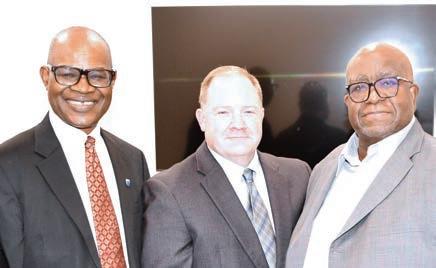
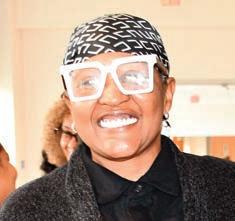
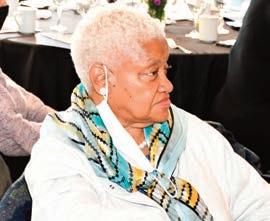
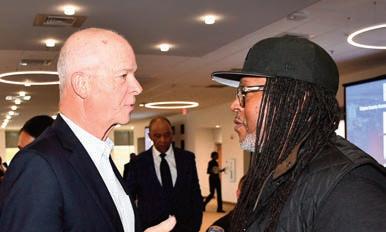
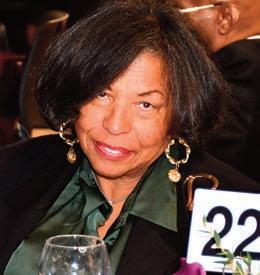
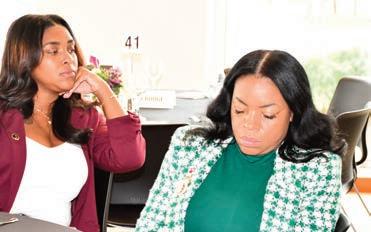
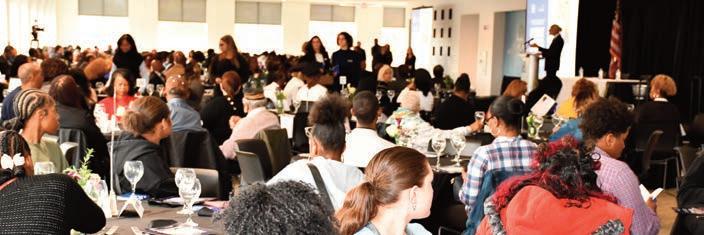
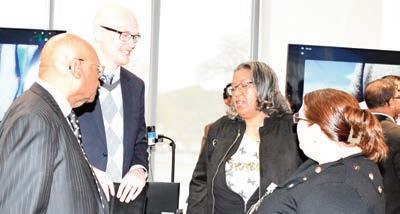
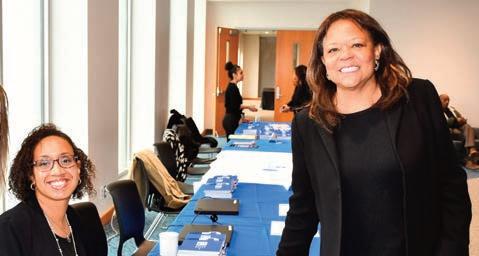
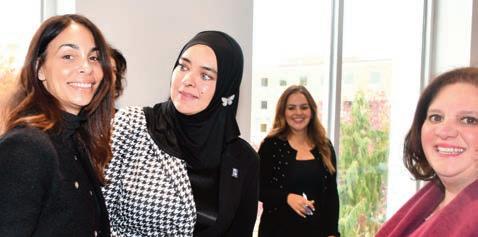
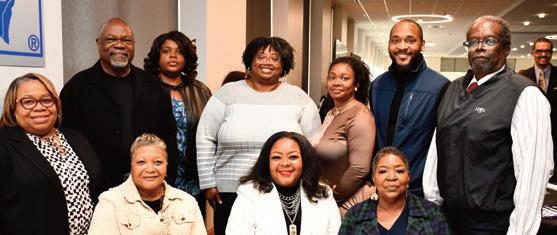
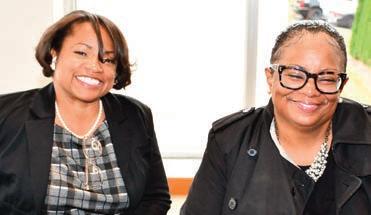
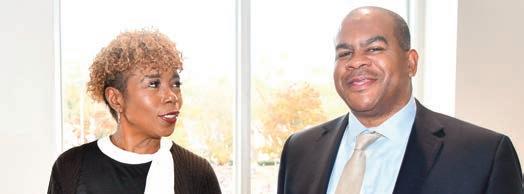
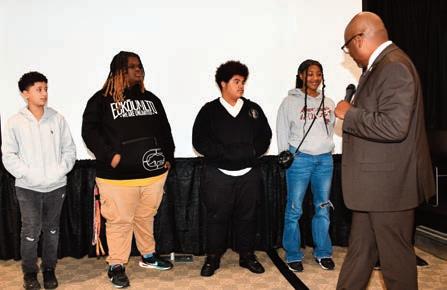
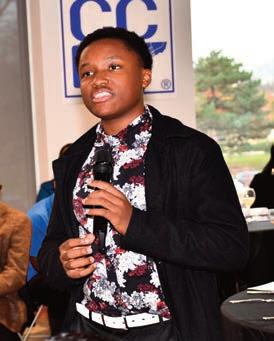
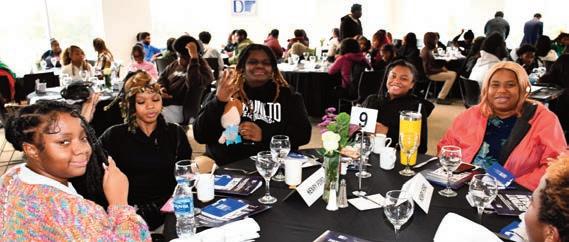
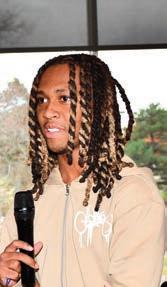
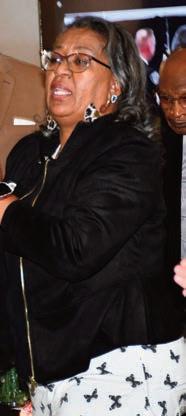
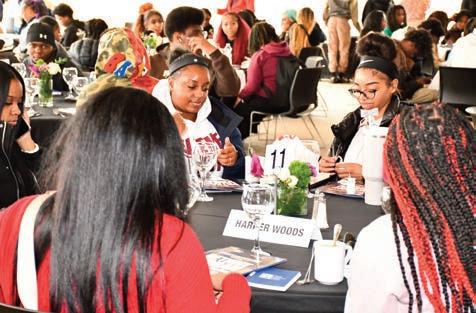
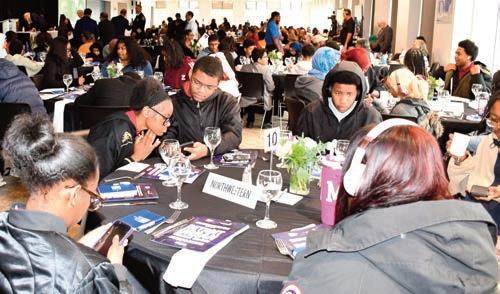
n a breathtaking celebration of talent, determination, and the unyielding spirit of Black excellence, the Michigan Chronicle marked its 10th Annual 40 Under 40 event Thursday evening. This year’s soirée, drenched in the theme “All Black Everything with Gold Accents,” transcended expectations and essentially illuminated the golden gems within the true essence of Black excellence. Hosted by the charismatic duo of Andre Ash and Lynzee Mychael from Michigan Chronicle’s Finally Friday, the night was a triumph for the city of Detroit and its vibrant community of young Black professionals.
By Ebony JJ Curry SENIOR REPORTER
Shortly before midnight on Sept. 14, GM released a statement expressing disappointment with the strike action, despite offering what it termed an “unprecedented economic package” that included historic wage increases. Stellantis also expressed disappointment in a statement, saying the company immediately went into contingency mode to protect its operations.
As the night unfolded, we had the privilege of honoring other outstanding individuals, each carving their own path to success. Clement “Fame” Brown, the creative mind behind Three Thirteen Detroit’s Brand Name, received the prestigious Entrepreneur of the Year Award. Brown’s commitment to empowering the city through fashion and entrepreneurship has left an indelible mark.
The evening sparkled with a golden promise as we celebrated remarkable individuals from various walks of life. Among the honorees were the brilliant and visionary co-founders of Detroit Hives, Nicole Lindsey and Timothy Paul Jackson. Their work has not only changed the landscape of beekeeping and urban farming in Detroit but also exemplified the transformative impact Black professionals can have on their communities.
T“Entrepreneur of the year – that’s a big deal,” said Brown. “It’s always an honor to be honored and it’s always a blessing to be in a room full of so many talented, accomplished, and popular people that look like me. I’m geeked. I started making and selling clothes as a kid and I always knew that I would have a business, but I never knew it would be Detroit’s brand name business, so I take a lot of pride in the fact that our business represents our city’s pride.”
he city’s focus has now shifted from Mary Sheffield’s bid to become mayor to the powerhouse transition team she’s put together that will help guide her focus for her first 100 days in office.
By Ebony JJ Curry SENIOR REPORTER
“Together we have created a social, environmental, and financial impact through bees,” said Jackson. Lindsey followed that sentiment with, “It is through our local partnerships and collaborative efforts that we exist in over 28 plus locations managing the health of 4.5 million honeybees – humbly speaking our movement has inspired others locally, nationally, and even internationally to take on similar missions.”
Detroit Hives, a pioneering organization founded by Lindsey and Jackson, harnesses the power of urban beekeeping to revitalize neighborhoods in the Motor City. Their initiative not only addresses critical issues like environmental conservation but also provides valuable education and employment opportunities to Black De-
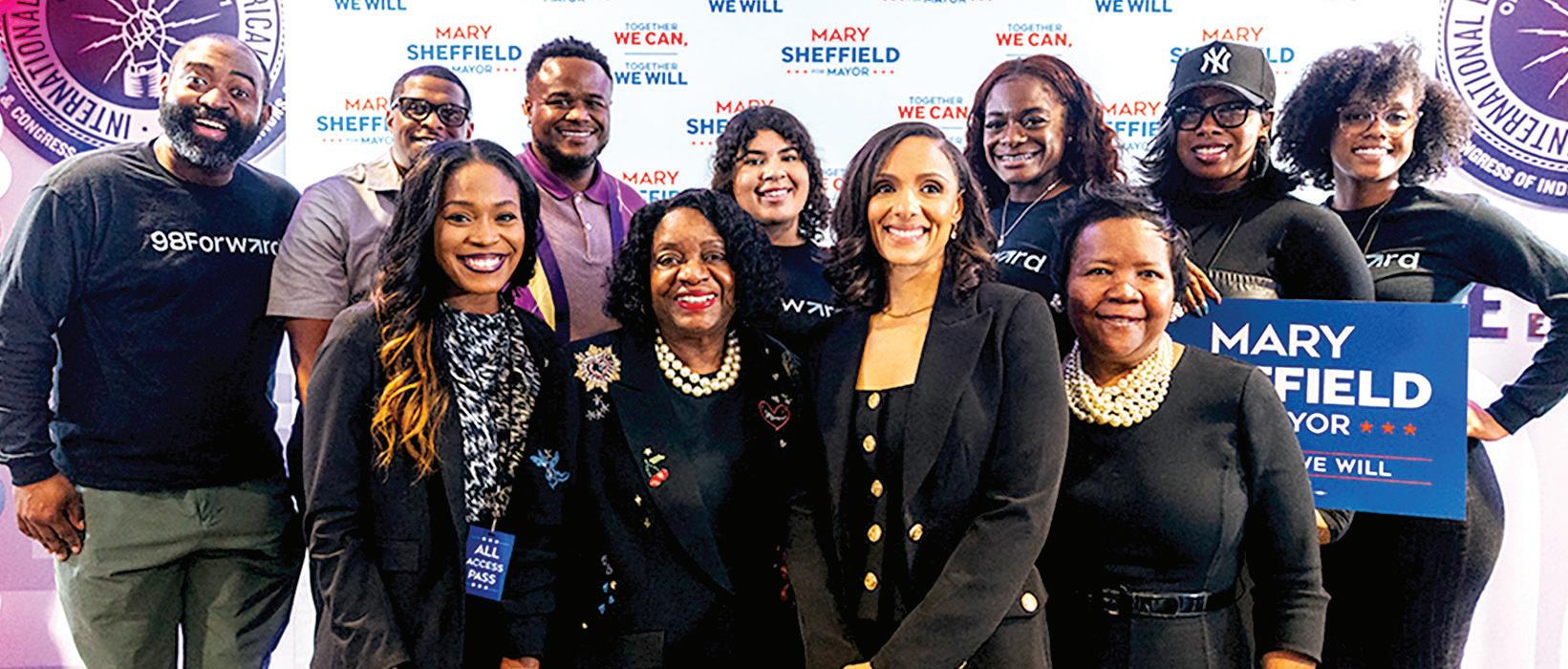
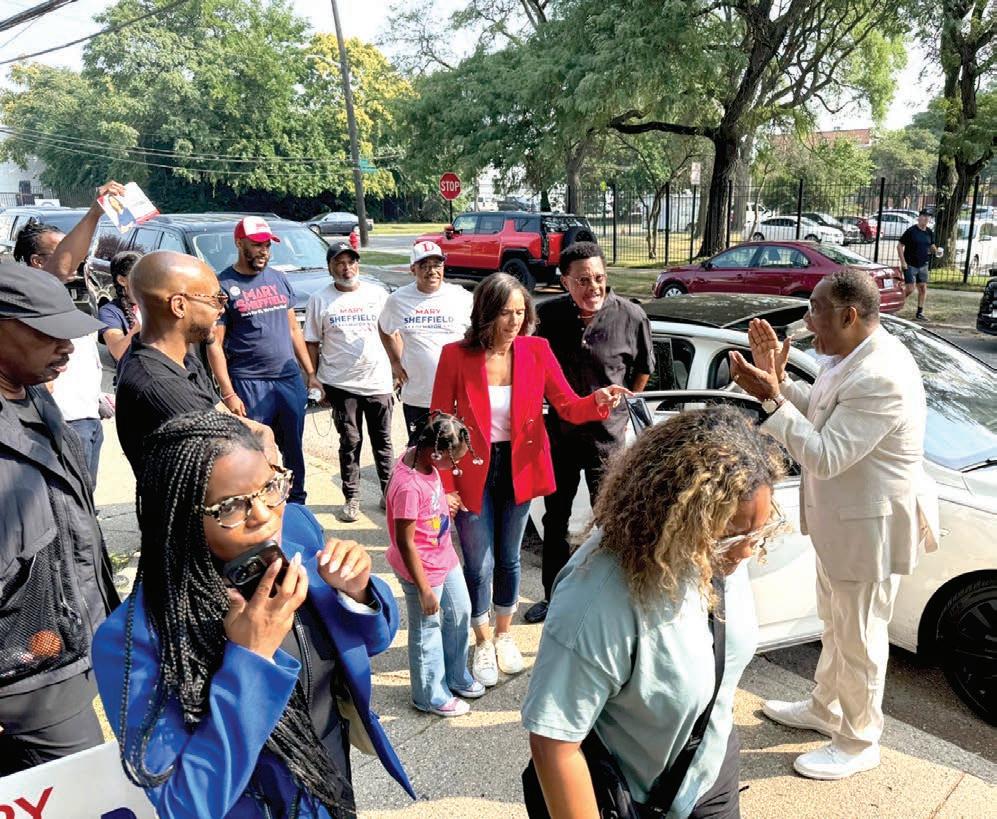
But before she was elected by the city to be its next mayor, there was a different team –one led by Black women – that helped lead the now-mayor-elect to one of the largest landslide victories in the city’s history. History rarely announces itself before it arrives, but it offered an early signal on an otherwise ordinary night when Brittni “Bee” Brown — Senior Director of PR + Events at 98Forward and the communications lead for Mary Sheffield’s mayoral campaign — sent a text message to then–Council President Sheffield about her interview schedule the following morning. Sheffield expressed that she felt a sickness coming on. Brown urged her to rest. Sheffield refused.
The UAW has branded the industrial action as the “Stand-Up Strike,” focusing on specific plants within each automaker. UAW President Shawn Fain stated, “This strategy will keep the companies guessing. It will give our national negotiators maximum leverage and flexibility in bargaining. And if we need to go all out, we will. Everything is on the table.” Union leaders have also indicated that additional plants could be targeted in future waves if negotiations remain stalled.
For the first time in Detroit’s 324-year history, a woman had been elected mayor. And it was more than a moment for Detroit. It was the first time a major U.S. city (with a population over 200,000 residents) had elected a Black woman as young as Sheffield to become its mayor.
she is naming a generational truth: if they failed, the door behind them could close for an entire generation.
Taking home the Corporate Excellence Award was Dannis Mitchell, Director of Community Engagement at Barton Malow.
For many Detroiters, Interstate 375, or I-375, has long been just another stretch of urban highway, a concrete artery connecting different parts of the city. To some, it’s a mere convenience; to others, it’s an unremarkable part of their daily commute. However, there’s a deeper, far more troubling story beneath the surface of this seemingly ordinary freeway—a story of pain, displacement, and the lasting impact on Black Detroiters.
DPD Chief James White Says Increased Police Presence Culled Violence By Andre Ash
DIGITAL ANCHOR
ness district that had been the lifeblood of the community.
That milestone did not arrive in isolation. It sits atop generations of Black women whose labor shaped Detroit politics without ever being granted full executive authority.
“It is so important to recognize that there are young leaders across the country, many that are born here in Detroit. I represent our city nationally and I tell people, ‘Yea I’m a D-girl I’m from the west-side of Detroit,’” Mitchell expressed. “But more importantly, I’ve been able to have experiences within an industry that not many of us, specifically women of color, have the opportunity to engage in and I’ve been the youngest person in the room, the only Black person in the room, and the only Sistah in the room, and I really had to articulate the importance of showing up, giving chances when others won’t, and being persistent.” As a trailblazing Black woman thriving in a predominantly male-dominated industry, her unwavering commitment to fortifying the connections between businesses and Detroit’s communities is unde-
Congresswoman Carolyn Cheeks Kilpatrick ran one of Detroit’s sharpest political machines, directing millions in federal investment back home while fielding scrutiny tied not to her work, but to controversies surrounding others. Her accomplishments rarely made headlines. The suspicion did.
It’s a history marred by pain, injustice, and economic devastation. More than 130,000 residents, primarily Black, were forcibly displaced. Families were uprooted, generational wealth was obliterated, and a thriving community was torn asunder. The wounds inflicted by I-375 run deep, transcending the physical barrier of a freeway to penetrate the very soul of Black Detroiters.
Irma Henderson became the first woman — and the first Black woman — to serve as Detroit City Council President in 1977, presiding over a chamber still controlled by men who would go on to lead the city.
Brown had known Sheffield since 2016, long before the mayoral speculation began. Her job on this campaign required a pace that blurred the boundaries of a workday: two calendars at once — Sheffield’s council commitments and her mayoral schedule — each requiring preparation, legal precision, talking points, tone setting, community sensitivity, and never-ending adjustments.
towards mending the wounds inflicted on Black Detroiters and restoring a sense of belonging that was so callously torn away in the past.
A string of shootings in Greektown in mid-April left both visitors and residents of this bustling downtown destination in awe. One of these shootings tragically claimed the life of a popular and beloved security guard following a dispute with a patron.
“For my role, it was making sure she was well prepared from top to bottom,” Brown said.
The I-375 Boulevard Project is about more than just correcting historical injustices; it’s about redefining the future. It will connect downtown Detroit to surrounding neighborhoods, bridging the gap that was placed upon the city decades ago.
In May, Brown fully inherited campaign communications leadership. It was the moment she realized she had crossed from brand building to movement stewardship.
“I can’t take a day off until I win,” Sheffield said. Brown sat with that line. It was clarity. And she realized something in that moment too: “If she can’t rest, I can’t rest either.”
By Andre Ash DIGITAL ANCHOR
Fain clarified the union’s strategy: “I want to give a major shoutout to the thousands of members who are on the picket lines right now fighting for all of us. The Stand-Up Strike is a new approach to striking. Instead of striking all plants at once, select locals will be called on to stand up and walk out on strike. This is our generation’s answer to the movement that built our union – the sit-down strikes of 1937. We told the Big 3 that Sept. 14 was the deadline and we meant it. We gave the companies our economic demands eight weeks ago and it took more than a month to get to the table.”
That quiet insistence, exchanged through a latenight message with no witnesses, captured the ethos of a campaign that would soon deliver Detroit’s first woman mayor — and reveal the Black women who held its structure, its narrative, and its pace behind the scenes.
The tale begins in what is now Lafayette Park, once known as Black Bottom—a neighborhood rooted in African-American culture and history. Named after its dark, fertile soil, Black Bottom flourished during the mid1900s, nurturing the dreams and aspirations of prominent Detroiters like Coleman Young, Joe Louis, and numerous other Detroit legends. But in the name of urban renewal in the 1950s, this vibrant neighborhood was systematically dismantled, erased from the map, and replaced by a lifeless stretch of asphalt.
Community organizers like Rev. Dr. JoAnn Watson and Maureen Taylor mobilized voters block by block, carrying the political weight of neighborhoods long after elections ended.
This painful legacy can be traced back to the nation’s interstate highway program of 1956—a program that aimed to connect the country but often did so at the expense of marginalized communities. In the case of I-375, it meant carving a path through the heart of Black Detroit, reinforcing segregation, and perpetuating inequality.
The male suspect allegedly shot the guard before fleeing the scene, while his female companion is accused of concealing the weapon in her bra.
“The hardest shift was remembering that this wasn’t a campaign about image — it was a movement about impact,” she said. “When you’re used to working with brands, you think about awareness or engagement. But this was about representation, trust, and what it means for Detroit to be led by someone who truly reflects its people.”
These incidents unfolded during an unseasonably warm spring, leading to increased pedestrian traffic and heightened tensions in the densely populated downtown area.
That difference showed up in the moments no campaign camera recorded.
A Holistic Approach to Providing Shelter and Support for Detroit’s Unhoused People
Sheffield’s victory is not simply historic because she is first, it is historic because it interrupts the long-standing expectation that Black women deliver power but never inherit it.
For one to aptly recognize the harm caused by such projects, it is vital to note that some of the planners and politicians behind those projects built them directly through the heart of vibrant, populated communities—oftentimes to reinforce segregation and sometimes as part of a direct effort to replace or eliminate Black neighborhoods.
Today, the resurgence of Paradise Valley stands as a testament to the indomitable spirit of Black Detroiters and the enduring legacy of Black excellence. This historic district, once a vibrant hub for Black businesses and culture, is experiencing a renaissance that harkens back to its glory days. The destruction of Black Bottom may have torn apart a thriving community, but the resolute determination of a new generation of entrepreneurs and visionaries is reclaiming that lost legacy.
The surge in crime and the influx of visitors to Detroit’s downtown core garnered the attention of the Detroit Police Department (DPD), catching them somewhat off guard.
Standing behind Sheffield’s rise was 98Forward — Detroit’s longest-standing Black-woman-led public relations firm — whose strategy, discipline, and protection work formed the scaffolding of a campaign that understood both the weight of history and the work required to meet it.
While the residential areas bore the brunt of this demolition, the heart of Black Bottom, its thriving business center, remained largely untouched. Restaurants, theaters, clubs, and bars—the very places that brought Detroit’s Black community together—were concentrated around Hastings Street, the epicenter of African-American culture in the city.
With 429 of 430 precincts reporting, the Associated Press and CNN called the Nov. 4 race for Sheffield, who won 77 percent of the vote to Triumph Church Pastor Solomon Kinloch Jr.’s 23 percent.
The union is pushing for a comprehensive list of demands. This
Homelessness continues to plague urban communities, with families and individuals grappling with the challenges of making ends meet in today’s economic climate. Whether it’s struggling to meet monthly mortgage payments or coping with soaring rental costs in a housing market marked by shockingly high prices, a variety of factors contribute to the growing issue of people becoming unhoused.
A campaign can win on message, money, or machinery. This one won on control of narrative, discipline, and of the quiet work that kept the campaign from ever being defined by forces outside of it.
“We felt the weight of the world, honestly,” said Brown. “From the start, we understood this campaign wasn’t just about winning an election it was about shaping history and doing so with integrity.”
Housing Resource Helpline in response to the challenges that residents face in navigating the complex system of housing services. The helpline provides a single point of contact for people seeking housing assistance and connects them with the resources they need.
For years, Detroit’s mayoralty — even under Black leadership — remained a male-dominated institution, while Black women served as the strategists, fundraisers, turnout engines, and crisis managers who made electoral victories possible. When Brown says weight,
Meagan DunnJulie Schneider
Historically, shelters have provided a temporary respite for those in need, often serving as the first or second option after exhausting alternatives like staying with friends or family. Shelters offer a place to rest one’s head and a warm meal, albeit sometimes for extended periods. For others, being unhoused means living in cars or makeshift outdoor
Then, in a cruel twist of fate, Hastings Street, too, was obliterated a few years later, making way for the construction of I-375. This marked the final blow, sealing the fate of Black Bottom and signaling the beginning of the end for Paradise Valley, the Black busi-
Support for the helpline comes from the Gilbert Family Foundation, which has pledged $10 million over three years to fund the program. Wayne Metro Community Action Agency manages the helpline, making it accessible to all Detroit residents. This initiative simplifies access to the City’s various housing services, ensuring that residents in need can easily find assistance.
But now, after decades of enduring the scars of I-375, there is a glimmer of hope on the horizon. Plans have been unveiled to transform this once-divisive freeway into a vision that seeks to right the wrongs of the past while heralding a new era of inclusivity and community revitalization.
Brown remembers a young man who walked into the campaign office one afternoon and admitted he had never voted before. There was no sales pitch. Sheffield asked him what he believed, what he wanted his neighborhood to look like, and whether he understood what it meant when other people made decisions for him. Brown recalls how this moment was far from a performance, but much more of political education happening in real time. Detroit has always taught democracy this way: one person explaining to another why their voice matters, long before it ever shows up in a precinct tally.
James White, Chief of Police for the Detroit Police Department, said: “We were caught somewhat flat-footed right out the gate. By design we went into the spring deployment, which is less than the mid-summer deployment, and saw we say an uptick in violence that first warm weekend.”
Chief White attributes the violence in Greektown to a combination of weather conditions and a surge in population.
Detroit campaigns have always lived in these spaces. Coleman A. Young earned votes in union halls and block club meetings. Mothers registered neighbors
Fueled by more than $100 million from the Infrastructure Investment and Jobs Act and other partners, this ambitious project aims to create jobs, remove barriers to economic growth, and reconnect the neighborhood with the rest of Detroit. It is a step
In the heart of Paradise Valley, Blackowned businesses are not just flourishing but thriving, offering diverse services, products, and experiences that pay homage to the past while paving the way for a prosperous future. From jazz clubs to soul food restaurants, the Black Press, and art galleries to fashion boutiques, this revival is breathing life into the very essence of what once made this neighborhood a vibrant cultural epicenter. It’s a resurgence that extends beyond brick and mortar; it represents the resurgence of a spirit that refuses to be subdued.
Detroit City Councilman Fred Durhal III, representing District 7, where Eastern Market resides, told the Michigan Chronicle, “It’s still very early in the process, MDOT is
He explained, “ We saw numbers downtown that we have not seen, ever. People are emerging from COVID and there’s a feeling that we’re in a post-COVID era… and with the venues downtown and the reasons to come down with all the activities that are going on, we saw hundreds of more people and, in particularly, young folks, teenagers that we hadn’t seen.”
Responding swiftly to the surge in violence, DPD

Who’s Who in Black Detroit 2025 Yearbook Unveiling Set for Dec. 5 in Paradise Valley
By Lynzee Mychael MULTIMEDIA JOURNALIST
The causes of homelessness are as diverse and complex as the individuals experiencing it. In response, the City of Detroit has adopted a holistic approach to combat this issue.
“Providing services and high-quality housing to persons at risk of or who are experiencing homelessness is a key priority of the City of Detroit, said Julie Schneider, Director of Detroit’s Housing and Revitalization Department.
Tickets are on sale for Detroit’s celebration of the season, as Michigan Chronicle and Real Times Media honors excellence and achievement.
“The city and its partners offer a lot of great services to help Detroiters with their housing needs, but they don’t mean much if people don’t know how to access them,” said Mayor Mike Duggan. “Thanks to the efforts of our partners and the generous support of the Gilbert Family Foundation, we now have a simple process to guide residents to the right housing resource and a growing number of programs to help them.”
What a Federal Government Shutdown Could Mean for Detroiters?
“This means focusing on building the pipeline of supportive housing and coordinating with the Continuum of Care on the delivery of critical resources such as emergency shelter, rapid rehousing, and diversion and prevention programs. It also means preserving and expanding affordable housing options for Detroiters of all incomes and improving housing stability though comprehensive service offerings available through the Detroit Housing Resource HelpLine and Detroit Housing Services Division within HRD.”
DDOT to Replace Diesel with Hybrid Buses Using $50M Federal Grant
In May 2023, the City of Detroit launched the Detroit

From the days of the Great Migration when thousands of Black families flocked to Detroit in search of jobs and a better life, to the pivotal role they played in the city’s cultural and musical heritage, Black Detroiters have left an indelible mark on the city. However, in recent years, Detroit has experienced significant gentrification, which has raised concerns about the displacement of long-standing Black residents. Similar to a setting sun, there’s a rising spirit, and Black Detroiters
Who’s Who in Black Detroit is proud to announce the unveiling of the Who’s Who in Black Detroit – 2025 Yearbook, taking place on Friday, Dec. 5, 2025, at the historic Harmonie Club in Detroit’s Paradise Valley. The celebration, located at 311 E. Grand River, is set to be the premier event of the season, bringing together leaders, innovators, and influencers from across metropolitan Detroit.
This year’s edition of the Who’s Who in Black Detroit Yearbook captures the
The Gilbert Family Foundation’s broader commitment involves pledging $500 million to support projects across Detroit over the next ten years, with housing initiatives being a significant part of their contribution.
Notably, Detroit has witnessed a consistent decrease in recent years, with the number of unhoused residents steadi ly declining. In 2019, approximately 7,847 people were unhoused and entered the City’s community response system. In 2021, about 5,687 people experienced homelessness.
According to the City of Detroit, since the start of the fiscal year 2019 to 2021, Detroit saw a 28% decrease in the
impact and accomplishments of some of the region’s most dynamic individuals. The publication will introduce the 2025 Newsmaker of the Year and highlight several signature categories, including Living Legends, Game Changers, Most Influential individuals, and Notable Professionals who are shaping the future of their fields. It also serves as a comprehensive directory of every person recognized through the Michigan Chronicle’s awards and recognition programs this year, including Women of Excellence, Men

were also coming because Black people was doing some stuff. When did Black people start doing things in the city? They started doing things in this area in the 1800’s. In the 1800’s the major thing that they were doing in Detroit is they were the leaders in the fight against slavery.
between overnight shifts.
Political participation in this city has never been abstract, it is face-to-face, memory-driven, rooted in who shows up and who stays when the national cameras leave.
For decades, Black women built and maintained that political machinery without ever being allowed to lead it. Now, even with Black women finally running the operation themselves, bias still found its way in.
“Being a Black woman managing another Black woman’s historic run — you feel every win and every hit personally,” Brown said. “You don’t get the luxury of separating the work from the weight.”
Black women in political communications do not simply manage message — they absorb blowback. They correct falsehoods, contain disrespect, and withstand the scrutiny that male campaign leads are never asked to answer for. “We move with grace, never distractions,” Brown said.
“There were times when things were said that were not factual or flat-out disrespectful,” she said. “I had to remind myself: this is bigger than that. Protecting her peace and staying focused on purpose became just as important as managing the message.”
The communications operation behind her was small by national campaign standards but airtight in execution.
Though Brown, Miranda Bryant, and Cydney Foster formed the core leadership team, the full 98Forward agency supported the campaign in phases from December 2024 through November 2025. The communications roster included Brown as lead strategist, managers Miranda Bryant and Cydney Foster, associate strategist Cheri Hollie, and support staffers Ernest Wilkins and Nat Synowiec. Every person touched messaging, logistics, or narrative development at some stage of the campaign.
“Overturning
The size of the team mattered less than its cohesion.
“The biggest internal risk was keeping the chaos organized — making sure our team stayed intact, that trust never broke, and that we met every deadline while protecting the Mayor-Elect’s peace of mind in how we showed up,” Brown said.
Their media strategy was designed around one central principle: Sheffield would control her own narrative.
Schumer and Gov. Whitmer in support their efforts to preserve right to reproducfreedom,” said Chair Alisha Bell, on behalf of Wayne County Commission.
Every interview, press request, and media placement was filtered through a structured communications framework that centered two pillars — her proven record of leadership and
her forward-looking agenda for Detroit. They refused to chase visibility for its own sake. Instead, they chose interviews strategically, phrasing every message to reinforce her priorities, values, and long-standing credibility with Detroiters.
“We wanted to make sure that all messaging aligned with her vision for Detroiters,” Brown said.
That decision, to speak only when it served purpose, not performance, allowed Sheffield to remain the narrator of her own story rather than the subject of commentary.
Every modern Detroit victory has had this kind of scaffolding: unseen, disproportionately carried by Black women, rarely credited in the official story. This campaign did not break that tradition. It exposed it.
Behind the scenes, messaging decisions followed a strict internal process.
Talking points were drafted to reflect the issues Sheffield had already been fighting for, housing stability, economic equity, community-rooted development, and reviewed with campaign leadership for clarity, resonance, and alignment.
Every public appearance had a purpose. Every answer was designed to reinforce the same narrative: that Sheffield was not running to become something new, but to continue the work she had already proven she could do. The result was consistency — not just in tone but in trust.
Earlier in the cycle, Antonice Strickland, Vice President of PR & Business Development at 98Forward, provided early vision and structural leadership before shifting back to oversee agency operations.
“Watching Brittni’s diligence, expertise, creativity and ability to rally the troops anchored each moment of this campaign,” Strickland said.
When asked directly how the communications strategy helped Sheffield win, Brown’s answer was
blunt: “By making sure the messaging never drifted from what Detroiters care about most.” They did not try to reinvent her. They made the political press catch up to the leader she already was.
Election night revealed the emotional architecture of all that labor.
Brown was not standing beside Sheffield when the Associated Press called the race. She was upstairs, ensuring Sheffield’s grandmother — the person she wanted to hear it from first — was in place.
When the alert finally hit her phone, Brown allowed herself what she had avoided for nearly a year: stillness.
Later, in an elevator surrounded by security, she watched Sheffield close her eyes and whisper, “Thank you, Heavenly Father.” A moment of stillness no strategist could script.
“This experience stretched me in every way possible,” Brown said. “Purpose isn’t always pretty — sometimes it’s pressure, sometimes it’s patience.” She added, “It reminded me that alignment is everything.”
Alignment — not just message alignment, but ancestral alignment. Political lineage aligned with lived experience. Skill aligned with calling.
98Forward has been here before. The agency’s founders served under Coleman A. Young. They shaped narrative during the Dennis Archer and Kwame Kilpatrick eras. They helped elect Michigan’s first Black woman to the state Supreme Court, Kyra Harris Bolden. They have navigated Detroit’s political evolution for nearly 30 years — mostly unseen.
gence. It elected the strategy of Irma Henderson and the political muscle of Carolyn Cheeks Kilpatrick. It elected the block club captains, the PR women writing statements at 2 a.m., the organizers who held rallies when no cameras showed up, the daughters who inherited political rooms they were never allowed to lead.
Sheffield will raise her hand alone when she is sworn in.
But she did not arrive alone.
And history will remember — if this story is told honestly — that Detroit’s first woman mayor was not delivered by miracle, but by Black women who refused to rest until she won.
Leaders, and the Power 50.
Hiram E. Jackson, CEO of Real Times Media and Publisher of the Michigan Chronicle, described the publication as an essential snapshot of Detroit’s strength. “This isn’t just a publication—it’s a cultural marker,” Jackson said. “It captures the stories of those who are moving our city forward, and this year’s class represents excellence in every sector—business, philanthropy, education, innovation, and leadership.”
The 2025 Yearbook also benefits from meaningful contributions by two respected community leaders. The Foreword is written by Dr. Curtis Ivery, Chancellor of the Wayne County Community College District, and the Introduction is authored by Evette Hollins, Vice President of Customer and Community Engagement. Their perspectives frame a collection of stories that collectively speak to Detroit’s continued evolution and the people driving it.
Cathy Nedd, Associate Publisher of Who’s Who in Black Detroit, encouraged the public to be part of the celebration. “This year’s edition features more than names—it celebrates impact,” she said. “From our five Living Legends to our Game Changers, Most Influential honorees, and the many Notable Professionals
included in this directory, we’re recognizing individuals who have made a measurable difference. This event is not only a celebration of their achievements, but an opportunity for Detroiters to come together, be inspired, and honor the incredible talent in our community.”
Tickets for the unveiling are available for $125, which includes a copy of the 2025 Yearbook – and $90 without the book. Pre-orders for the publication are already moving quickly, and event organizers anticipate a sellout crowd. Tables may also be reserved for groups wishing to celebrate together. Guests are encouraged to purchase their tickets early by visiting www.michiganchronicle.com/wwibdetroit25.
The evening promises to be a festive gathering filled with high-energy networking, red carpet moments, music, live filming, and opportunities to connect with Detroit’s most influential figures. Attendees will enjoy a vibrant program, followed by a celebratory afterglow that embodies the spirit of Detroit’s excellence.
The Michigan Chronicle invites the community to join in recognizing and uplifting the individuals featured in this year’s publication. As Nedd noted, “Everyone should come ready to celebrate excellence and achievement in our community. It will be a night to remember.”

Mary Sheffield’s election will be recorded as the moment Detroit finally elected a woman mayor.
The truer story is this:
Detroit did not simply elect a woman. It elected the generation of Black women who carried this city through bankruptcy, emergency management, mass school closures, predatory taxation, and resur-











By Jeremy Allen EXECUTIVE EDITOR
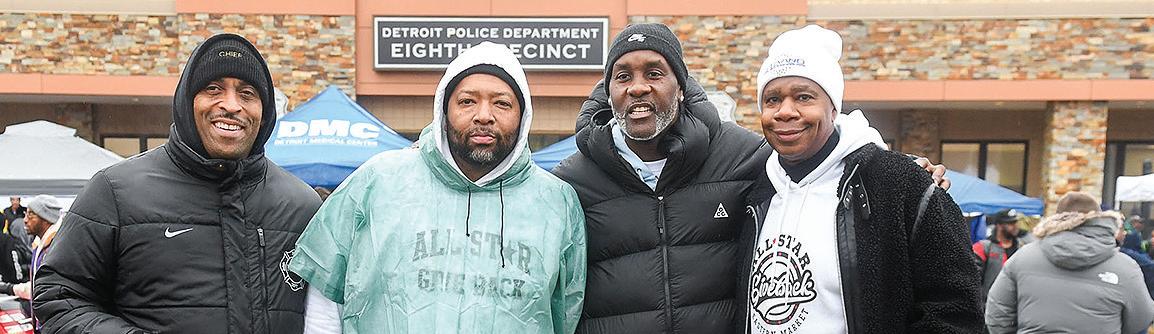
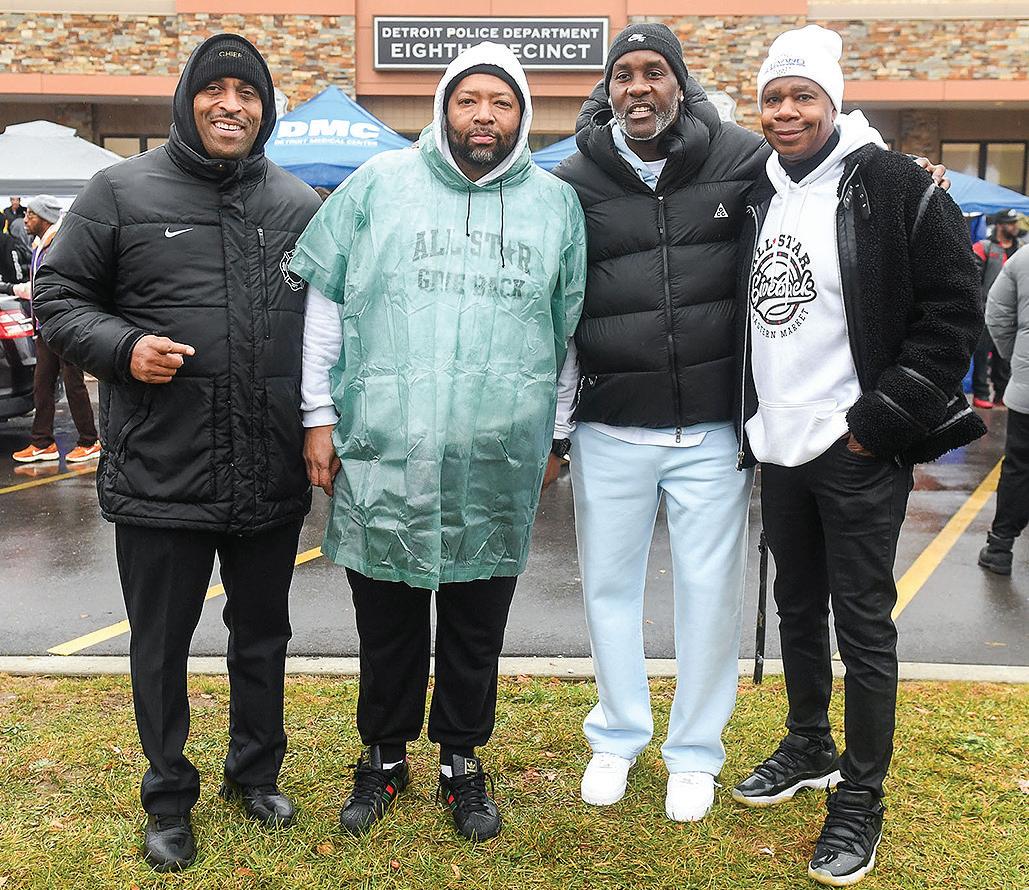
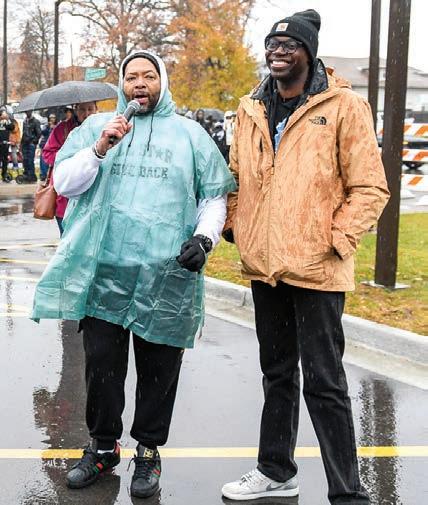
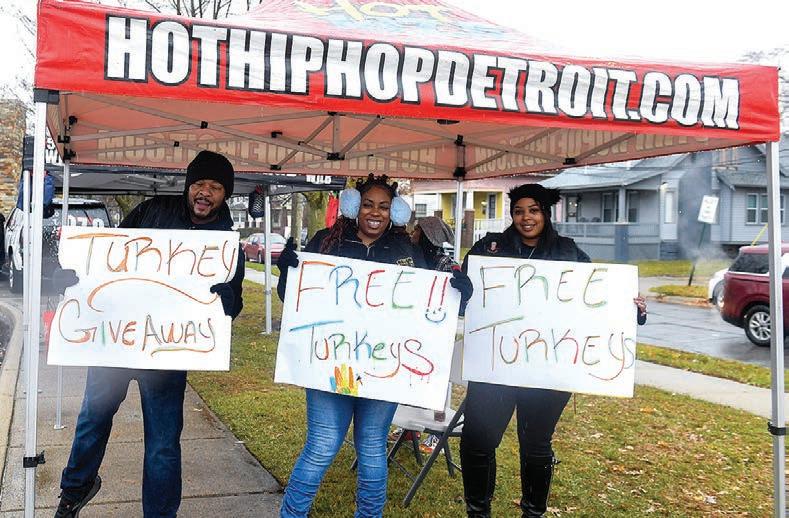
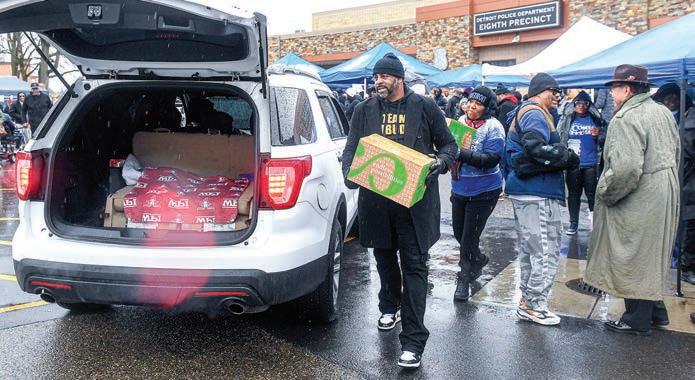
Just days before Thanksgiving, the Detroit community came together for the annual All-Star Giveback event at the Detroit 8th Precinct Station on Nov. 25. With the holiday season in full swing, local organizations and volunteers united to provide a warm and hearty meal to individuals and families facing hardship.
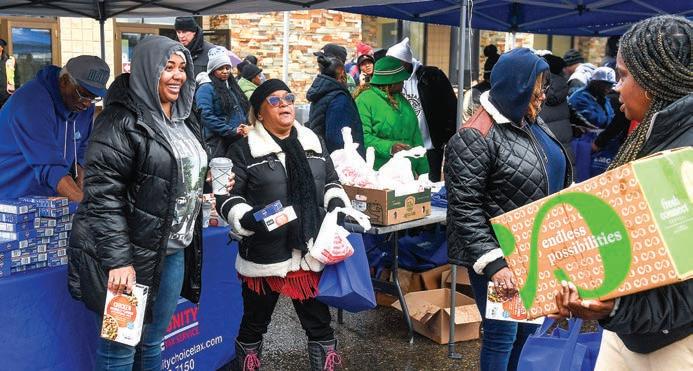
The event, which started at 11 a.m., featured a drive-up food distribution, with the goal of giving back to the community through generous food donations. The firstcome, first-served event saw long lines of cars waiting for their turn to receive a festive turkey dinner. The generosity of sponsors, including Meijer, DTE Foundation, and Detroit Medical Center (DMC), helped ensure that no one went hungry this holiday season.
Volunteers arrived early to set up, creating an atmosphere of camaraderie and excitement among local residents eager to participate in the holiday spirit. As the event kicked off, a steady stream of vehicles and pedestrians, known as “walkers,” lined up to receive their food. This inclusive approach meant that no one was left out, no matter how they arrived.
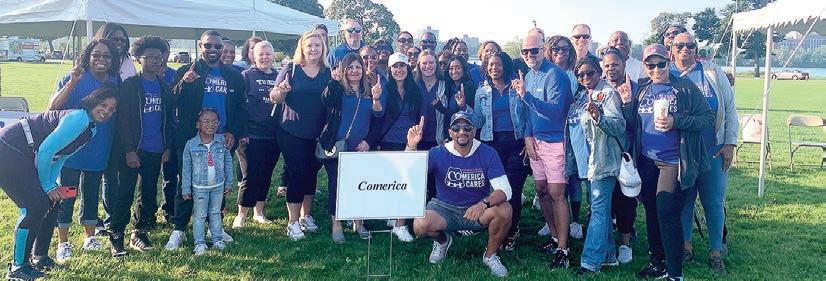
Among the many groups and organizations that made the event possible were Forgotten Harvest, which works to fight hunger in Michigan, and STAND, an organization dedicated to supporting underprivileged communities. The collaboration also included Comerica, Chick-fil-A, and other generous partners who provided everything from food to financial support for the event’s success.
The event was not only about providing a Thanksgiving meal but also about fostering a sense of community. The Sean Anderson Foundation and I AM Derrick helped to ensure that the event was a success, spreading the message of support and giving back. Local radio stations, such as 97.9 WJLB and MX 92.3, were on hand to promote the event and share the stories of those involved, as well as a mix of celebrities, including NBA legends Derrick Coleman and Gary Payton, and even Michigan’s lieutenant governor Garlin Gilchrist.
One of the highlights of the day was the display of unity from all corners of the city, from the police department to local businesses, all working together for a common cause. As the event unfolded, the importance of community and collaboration was felt by all, making this year’s All-Star Giveback an unforgettable experience for Detroiters.
As the holiday seasons approach, the All-Star Giveback has once again proven that no one is too far to help, and when the community comes together, incredible things happen.

By Jeremy Allen EXECUTIVE EDITOR
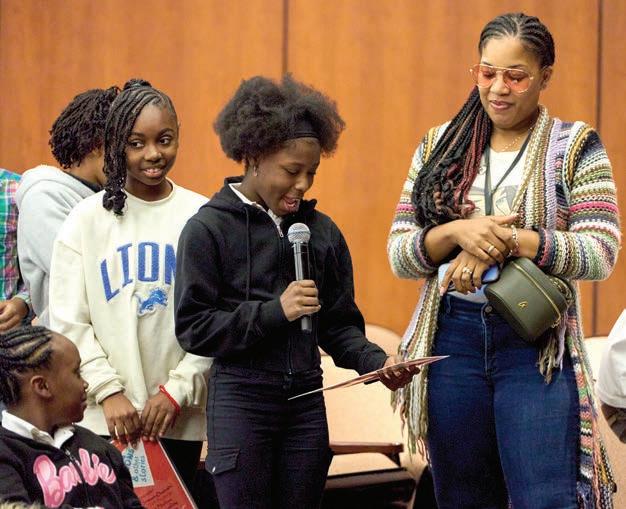
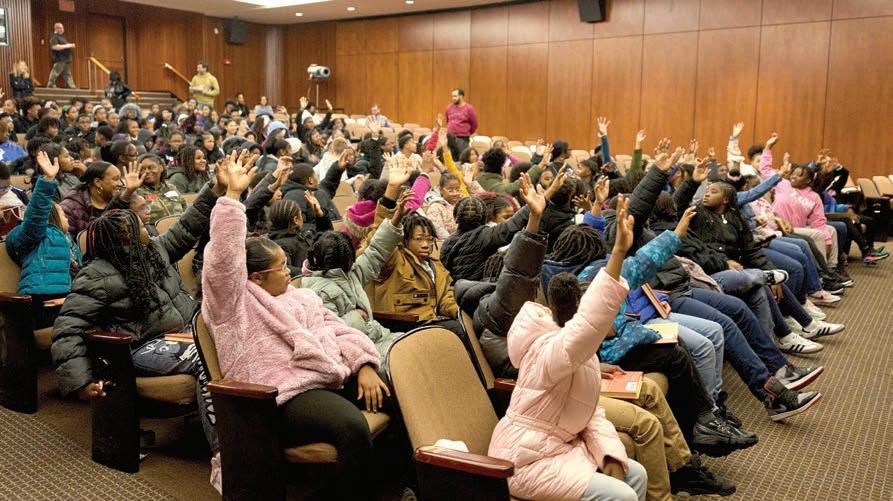
More than 1,600 middle school students from across Wayne County gathered this week for an unforgettable experience as part of Literacy for Kids’ annual event series. The program, which took place at the iconic Music Hall Detroit and the Detroit Public Library, brought students from 10 schools in Detroit, Hamtramck, Redford, and Harper Woods together to meet acclaimed authors Matt de la Peña, Soman Chainani, and Kelly Baptist.
The event was a celebration of their contributions to Flying Lessons and Other Stories, an anthology that encourages young readers to explore their imaginations and discover the power of storytelling.
The lively and inspiring event aimed to inspire the next generation of writers and thinkers, emphasizing the value of reading, writing, and creative expression. For many students, this was the first time meeting published authors face-to-face, making the experience all the more special. The students were not only given the opportunity to engage with the authors during a panel discussion, but also received signed copies of Flying Lessons and Other Stories, which had been integrated into their classroom curriculum in the weeks leading up to the event.
Sitting in the spotlight on stage, the three authors shared their personal journeys into the world of literature, offering insights into what inspired them
to become writers. The conversation was moderated by Joel Fluent Greene, a celebrated Detroit-based poet, author, and spoken-word artist who helped guide the panel through discussions on creative process, overcoming challenges, and the importance of perseverance in writing.
Matt de la Peña, the Newbery Award-winning author of books like Last Stop on Market Street and Carmen’s World, praised the Literacy for Kids initiative, calling it one of the most impressive literacy programs in the country. “Literacy for Kids is doing incredible work,” said de la Peña. “The organization has created a platform that not only introduces students to accomplished authors but also
helps them realize that they too can become writers and storytellers. It’s programs like this that keep literature alive for young minds.”
The event wasn’t just about authors speaking to students; it was also about listening to them. After the authors read excerpts from the anthology, the students had the chance to ask questions and engage in lively discussions. Many asked the authors about their writing habits, what it takes to get published, and how they deal with rejection—topics that resonated with the students as they considered their own dreams of becoming writers or creators.
Jayne M. Rose-Vallee, the founder and president of Litera-
The City of Detroit’s workforce agency, Detroit Employment Solutions Corporation (DESC), has named Talitha Johnson as its new communications director. In this role, she will lead communications, branding and media relations for a wide range of major workforce initiatives managed by the agency, including key programs for the Detroit at Work system and Grow Detroit’s Young Talent.
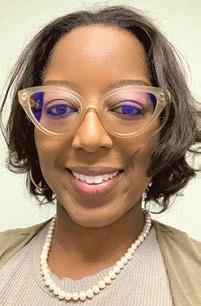
Johnson joined DESC in mid-November after serving as director of communications at the Downtown Detroit Partnership (DDP).
“We are delighted to have Talitha joining to lead our communications team,” said Dana Williams, President of Detroit Employment Solutions Corporation. “This announcement is the result of a thorough recruitment process that highlighted the depth of talent that is available in the city. Talitha brings with her a wealth of experience and knowledge that will serve both the organization and residents.”
DESC has managed the Detroit at Work system since its launch in 2017, as well as the expanded citywide summer youth jobs program, Grow Detroit’s Young Talent (GDYT), since 2015. The agency is responsible for implementing the vision of the Mayor of Detroit’s Workforce Development Board and provides residents and employers with a centralized hub for all workforce development resources, including a career center network, recruitment services, workforce insights, training programs, and stra-
tegic partnerships.
“I am excited to help elevate the many impactful initiatives and resources offered by DESC,” said Johnson. “Being able to serve my hometown and connect with the community on a deeper level is invaluable.”
During her time at DDP, Johnson led social media, corporate media relations, and a variety of strategic communications initiatives. She also played a key role in helping to promote several major events throughout downtown.
“Effective communication is central to how we connect Detroiters to opportunity,” said Terri Weems, Group Executive of Workforce Development and Detroit at Work at the City of Detroit. “Talitha’s background in this area will strengthen our visibility with employers, elevate employer led strategies, and tell a clearer story about the pathways we create for our residents. This role will help us expand our reach to jobseekers – ensuring more Detroiters are aware of upskilling opportunities, training programs, and high-quality jobs – while also deepening partnerships with companies that power our region’s economy.”
Prior to her time at DDP, Johnson worked with the Detroit Regional Partnership, Michigan State University and UAWFord. She is a native Detroiter and Wayne State University alumna. She replaces Robin Johnston at DESC, who has retired and also led the recruitment process.



cy for Kids, spoke about the significance of bringing such a high caliber of talent to Detroit and Wayne County. “These nationally recognized authors exemplify Literacy for Kids’ mission,” she said. “They are passionate about getting young people excited about reading and writing. Through programs like this, we’re able to provide students with access to world-class creative talent, which in turn helps them develop their own passion for storytelling. It’s an experience they’ll carry with them for the rest of their lives.”
The authors’ presence and their interaction with the students exemplified the core values of Literacy for Kids: promoting literacy, imagination, and the power of
poetry. The nonprofit organization, founded in 2019, is dedicated to teaching children to recognize the art in reading and writing. Its mission is to provide young people with the resources and inspiration to develop their creative abilities and reach their full potential as thinkers and writers.
The panel discussion, which also featured a live poetry performance from Greene, captivated the audience with its combination of storytelling, humor, and heartfelt advice. By the end of the event, it was clear that the students had walked away inspired—not only by the authors themselves but also by the possibilities of what they could achieve with their own voices and creativity.
For Literacy for Kids, this event was just one of many in its ongoing efforts to support students in Detroit and across Wayne County. With a goal to inspire young minds and encourage a lifelong love of reading and writing, the program continues to grow, offering more opportunities for students to engage with authors, poets, and storytellers from all walks of life.
As the event wrapped up, students clutched their signed copies of Flying Lessons and Other Stories, buzzing with excitement about the new ideas and perspectives they had gained. For many of them, the day served as a reminder that reading and writing are gateways to a world of possibilities—one where they can create, imagine, and ultimately change the world through their words.

A5 | December 3-9, 2025
Sponsored by JPMorganChase
As 2025 draws to a close, it’s a great time to reflect on the year and set yourself up for success in 2026. Whether you’re building new habits or refining your financial strategy, Annette Washington, a Chase Community Manager in Detroit, shares practical tips to strengthen your financial health journey.
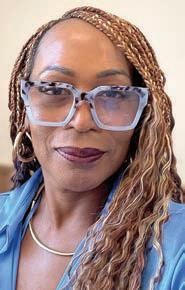
Q: What’s been a key financial health learning for you in 2025?
A: This year, I’ve been really inspired by the enthusiasm in Detroit for financial education. People here aren’t afraid to dream big—buy a home, save for retirement, plan for college, or grow their business—and are really excited about the process to get there. One of the most rewarding parts of my job is helping connect them with the tools and knowledge to turn those dreams into reality.
One trend that stands out is the increasing complexity of fraud and scams, which can have a serious impact on financial wellbeing. That’s why I’ve made it a priority to host workshops focused on fraud prevention—covering the latest scams, warning signs, and practical steps to help safeguard your personal information. Staying informed and proactive is the best way to keep yourself and your loved ones safe.
Q: As the year wraps up, what should the Detroit community keep in mind about their finances?
A: The new year is a fresh start, and it’s the great time to build habits that set you up for success. Here are a few ways to get started:
• Think of your budget as your personal roadmap— it shows you exactly where your money is going and helps you steer toward your goals. Take a little time each month to track your income and expenses. When you set a budget that truly reflects your priorities, you’re not just managing money—you’re empowering yourself to make confident decisions
• Saving doesn’t have to be overwhelming. Even small, consistent deposits can grow into something meaningful over time. Try automating your savings so it happens without you even thinking about it—like paying yourself first. Watching your savings grow, no matter the amount, is a powerful way to build financial security and peace of mind.
• Your credit score is more than just a number—it’s a key that can unlock new opportunities, from buying a home to starting a business. Strengthen your credit by paying bills on time and keeping your balances manageable.
Q: What are some tips for your neighbors to start the new year on the right financial foot?
A: No matter where you are in your financial journey, I think everyone should do a year-end financial check-up. Review your budget and savings, set realistic goals, and make a plan you can stick to in the new year. Anyone can visit their local Chase branch and ask about getting access to a financial health check-up at no cost—available to all, no matter who you bank with. Our teams live, work, and are rooted here – and we are deeply committed to uplifting the communities and serving our neighbors every day.
As Community Manager, I’m focused on financial education and community partnership to help strengthen financial health journeys. I host free workshops on essential topics like budgeting, saving, building credit, and preventing fraud and scams. These workshops are open to all, not just Chase customers, and can help you start the new year on the right foot.
Q: What financial health initiatives are you excited about in 2026?
A: I’m especially excited to help demystify credit for our community. Credit can feel intimidating, but it’s actually a powerful tool that can help you unlock new opportunities—whether that’s buying a home, starting a business, or simply getting better rates on everyday purchases. In my workshops, I break down the basics: why it’s important to know your credit score, how to
See FINANCIAL NEW YEAR Page A-6
By Sam Robinson SENIOR REPORTER
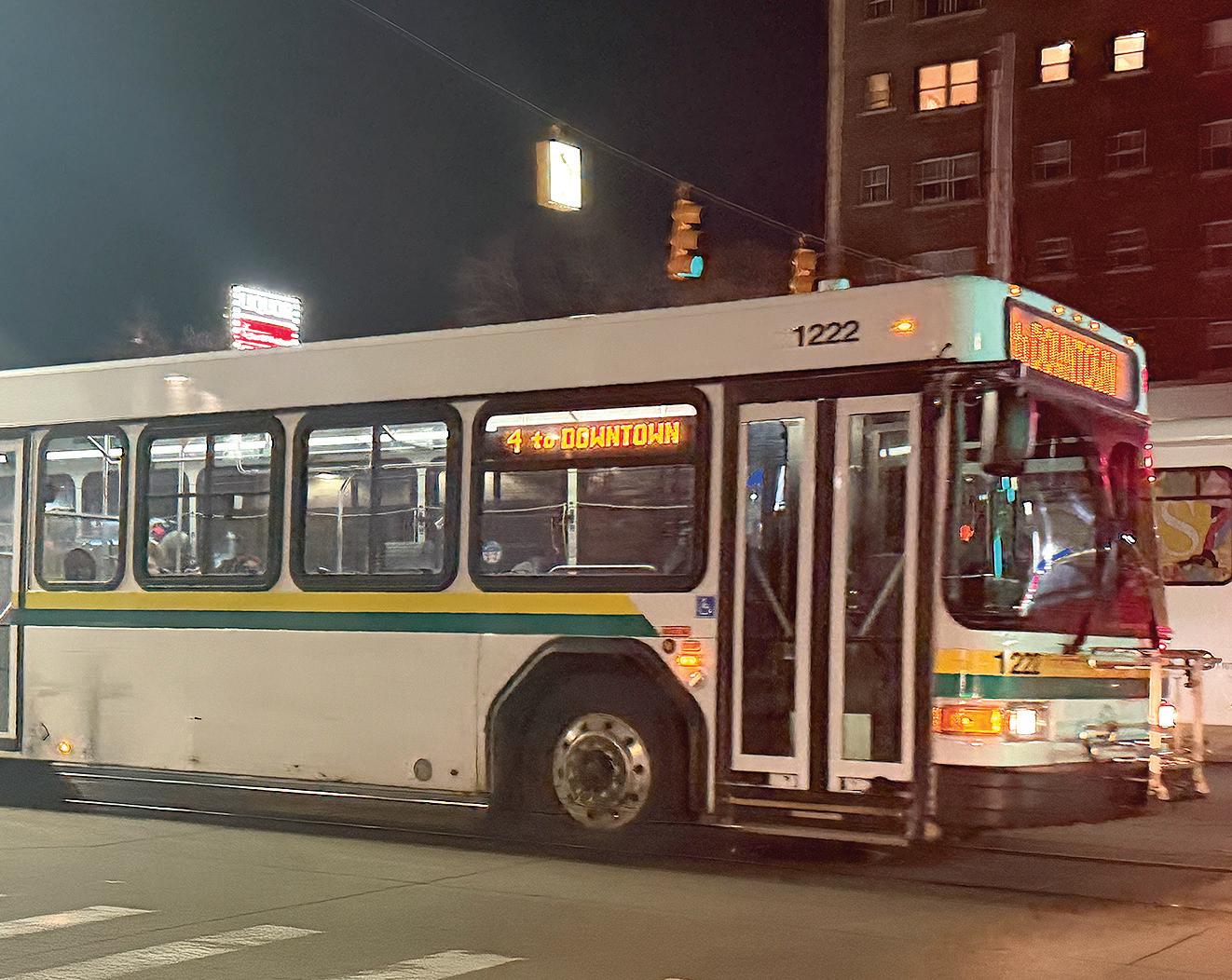
The Detroit Department of Transportation announced Monday morning inside a nearly finished maintenance facility the system is boosting wages and getting 53 new buses thanks to a $50.8 million federal grant.
The new hybrid buses and newly ratified contracts with DDOT drivers and mechanics will usher in a new era for the city’s transportation system, Mayor Mike Duggan said Monday.
The Trump administration announced the awardees last week. Detroit will receive funding for new hybrid buses to replace older aging diesel buses that have reached their useful life.
The total award is $50,854,529.
Megan Owens, the president of Transit Riders United, thanked Duggan, DDOT director Robert Cramer and city council president and Mayor-elect Mary Sheffield.
“Some of us ride the DDOT system — all of us need it. It is a critical part of this city to function and to grow and to thrive. This is a great step in the right direction but there’s a long way to go,” Owens said. “It’s out of crisis, it’s got a solid position, we’re excited to really see it move to good and a great system that this city can be proud of.”
The DDOT Reimagined plan aimed to improve rider experience after being known for long delays, no-show buses and poor customer service.
The plan has included shifting routes to ensure 90% of Detroit residents live near a bus stop to get wherever they need to go. DDOT is currently installing 21 new elevated bus boarding platforms along East Jefferson Ave. to enhance safety.
President of ASFCME Local 312, Muneer Islam, a union leader for Detroit’s DDOT mechanics, said it’s a group effort to get buses on the streets.
“Sometimes those people in the smaller classification feel like they’re overlooked,” Islam said.
Mechanic pay was at the center of activist’s unsuc-
cessful demands to double DDOT’s budget during the budget negotiations earlier this year.
The American Federation of State, County and Municipal Employees union ratified a new contract that will pay mechanics up to $34.50 per hour. Earlier this month, more than 500 bus operators represented by the Amalgamated Transit Union Local 26, ratified a contract that increases wages by $6 per hour.
Islam said the new maintenance facility at Coolidge Terminal that’s nearly complete on Schaefer Highway will energize employees who don’t get public facing credit. He said that Detroit can be a top city in the country for public transportation.
“I think we’re going in the right direction to get there,” he said.
City council approved an increase to the department’s budget by $20 million in the 2025-26 fiscal budget, though activists with Transit Riders United called for more. The extra funds are being used to pay mechanics improve bus stop shelters and seating.
“I also have to thank all of the advocates who come down to the City Council on a regular basis to ensure every single budget we are investing in this system,” Sheffield said, adding that she plans to stand with advocates as mayor.
Duggan said no one has been a stronger champion in securing pay raises for bus drivers and mechanics than Sheffield.
Bus drivers and advocates say Detroit’s transportation system which is used by more tha 150,000 people daily has improved greatly over last few years since the pandemic.
Federal grants to purchase 76 new buses have already been awarded over the last two years, bringing the total number of new buses to 129. That means 44% of the entire fleet will be replaced with new buses by 2027.
The department announced last year it would use state and federal funds to purchase 21 hybrid and hydrogen buses to replace the city’s 25 diesel buses.
You can reach Sam at srobinson@michronicle.com.
By Sam Robinson SENIOR REPORTER
Detroit Mayor-elect city council president Mary Sheffield has joined U.S. Rep. Rashida Tlaib in a fight against record companies they say aren’t fairly compensating artists.
Tlaib recently reintroduced the the Living Wage for Musicians Act, which aims to increase the compensation that musicians receive when their music plays on streaming services.
The bill would create a new streaming royalty to compensate artists and musicians more fairly when their music plays on streaming services.
Currently, musicians make tiny fractions of a penny per stream, making it difficult for professional artists to support themselves, Tlaib said in a video posted to Instagram this week.
Streaming services have become the dominant method of music consumption, accounting for 84% of total recorded music revenue in the United States in 2024, according to the Recording Industry Association of America (RIAA). Revenues from paid subscription services have grown for 9 consecutive years and reached $11.7 billion in 2024, the recording association reports.
According to Luminate’s year-end report, there were more than 4.8 trillion songs streamed on demand in 2024.
Although the royalty rate varies slightly across streaming platforms, many artists earn a royalty rate as low as $0.003 per stream. At that rate, it would take more than 800,000 monthly streams for a recording artist to earn the equivalent of a $15-per-hour full-time job.
“Detroit and the surrounding region is home to thousands of artists who

check it, and simple steps you can take to improve it—like paying bills on time, keeping balances low, and avoiding unnecessary debt. We also talk about how your credit score can be a stepping stone to achieving your biggest goals. My advice? Don’t shy away from learning about credit. The more you understand, the more control you have over your financial future.
Q: How can neighbors get involved and benefit from your community work?
A: Getting involved is easy—and it can make a real difference in your financial journey. We have Community Managers in every state and D.C., all dedicated to supporting their local neighborhoods. Our free workshops cover essential topics like budgeting, saving, building credit, and protecting yourself from fraud and scams. These sessions are open to everyone, not just Chase customers, and are designed to be practical and welcoming. Whether you’re looking for guidance, want to ask questions, or just want to connect with others who are working toward similar goals, we’re here for you. I encourage you to join us, bring a friend, and take advantage of the resources and support available right in your community.
Q: If you could give one piece of financial advice to the community for 2026, what would it be?
A: My top advice is to be proactive: take the time to review your finances, set clear and achievable goals, and create a plan to reach them. Don’t wait for a crisis or a big life event to get started—small steps today can lead to big results tomorrow. And remember, you don’t have to do it alone. Our team is here to help, whether you need a quick check-up, want to talk through your options, or need help building a plan. You don’t need to be a Chase customer to benefit from our expertise and support. We’re committed to helping our neighbors build a stronger, more resilient financial future—one step at a time.
The bottom line
The end of the year is the perfect time to reset your financial goals and take positive steps toward a stronger future. Stop by your local Chase branch for a free financial check-up, sign up for one of my free workshops, and let our team help you start 2026 with confidence.

Sheffield’s resolution.
Council president asked the legislative policy division to draft a resolution earlier this month.
Marcus Miller of of Menace Media came to council Tuesday to thank Sheffield and council for backing the effort to raise the payout for streaming artists.
“We built the middle class
wrote in
here, made it a viable thing for people to have a 40-hour working week; right here in Detroit,” Miller told Michigan Chronicle Tuesday.
Artists typically are able to make money from merchandise, sponsorships, gigs and touring, Miller says. The amount record labels and streaming services like

Spotify and Apple Music take affects artists with big and small audiences alike.
“If you’re generating X amount up here, but you’re only getting X amount down here, it’s like for this to be a viable career you have to lessen that gap.”
The bill would direct a portion of streaming platforms’ subscription and non-subscription revenue to a non-profit distribution fund that would pay artists proportionately to their monthly streams. It also includes a maximum payout per track, per month, to generate more sustainable income for a broader and more diverse set of artists.
Sheffield has been a long supporter of the city’s hip-hop and entertainment community, hosting rappers at her annual Occupy the Corner events.
Sheffield has defended rappers against pearl clutching critics, saying she uses hip-hop as an instrument “to bridge the gap” and get more civic engagement.
“I actually got pushback when I first got in office because I associated with so many artists in the hip-hop community,” Sheffield told Axios in 2024 at a gun buyback and job fair her office hosted on the eastside.
You can reach Sam at srobinson@michronicle.com.


By Ebony JJ Curry SENIOR REPORTER
Public relations professionals across Southeast Michigan gathered at Wayne State University on Nov. 20 as PRSA Detroit confirmed its 2026 Board of Directors and honored members whose work has shaped communications standards in the region. The meeting remains one of the largest annual convenings of communicators in metro Detroit, drawing representatives from corporate, nonprofit, education, government, and agency sectors.
PRSA Detroit is the local chapter of the Public Relations Society of America, a national organization formed in 1947 to strengthen ethics, accreditation, and professional development across the communications field. Detroit’s chapter, established 78 years ago, is one of the earliest in the country and has long functioned as a professional hub for practitioners navigating some of the region’s most complex public-facing issues.
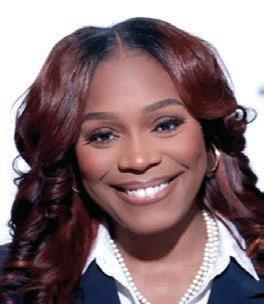
The chapter elected Antonice Strickland, MPS, vice president of public relations and business development at 98Forward, as its 2026 president.
Strickland has built her career inside Detroit’s PR ecosystem, working at the intersection of public policy, community engagement, and media strategy. Her portfolio includes campaigns tied to city government, statewide initiatives, philanthropy, and frontline community organizations. At 98Forward, she has helped lead crisis communications, narrative strategy, and coalition-based messaging for Detroit-area partners navigating intense public scrutiny and high-impact regional
Strickland told members that the year ahead will prioritize collaboration and accessible entry points for both young and seasoned practitioners.
“2026 will be a defining year for PRSA Detroit — one rooted in connection, collaboration and community,” said Strickland. “In Detroit, we carry a unique energy, creativity and resilience that sets us apart.”
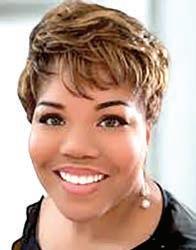
The Executive Board also adds Chrystal Wilson, APR, assistant superintendent of communications for the Detroit Public Schools Community District, as secretary. Wilson has led DPSCD’s district-wide communications during a period of major policy shifts, enrollment changes, and facility planning, making her one of the most visible public-sector communicators in the city.
The remaining 2026 officers include: Jeff Adkins, Henry Ford Health, president-elect Rachel LePoudre, APR, REP PR, treasurer Megan Bonelli, Bosch, immediate past president
Newly appointed board members, serving three-year terms, are Jeff Sell of the Detroit Zoological Society and Michelle Franzen Martin, APR, of Corewell Health.
Returning board members represent organizations that regularly navigate Detroit’s public-facing work: Detroit Medical Center & Children’s Hospital of Michigan, Stellantis, Detroit Rescue Mission Ministries, 98Forward, Trestle Advisors, Chem-Trend, Toyota North America, Detroit Regional Chamber, and Gleaners Food Bank.
The chapter also recognized individual leaders for their contributions to the profession. Tina Kozak, CEO of Franco, was inducted into the PRSA Detroit Hall of Fame for 2025. Kozak, Franco’s first woman CEO, has spent nearly two decades at the agency leading client strategy, internal development, and organizational planning.
The Robert Hefty Distinguished Service Award went to Sharon Garcia, APR, vice president of marketing and communications at the Downtown Detroit Partnership and the chapter’s 2021 president. The Nancy Skidmore Distinguished Service Award was presented to Georgie Kirsten, APR, head of corporate communications at Freudenberg Chemical Specialities and a current board director.
“This year, our Chapter will look, feel and breathe Detroit in everything we do — from the venues we gather in to the voices we amplify and the partnerships we cultivate,” said Strickland.
The meeting closed with a clear signal that the chapter is positioning itself for a more active role in Detroit’s communications landscape. With new leadership, returning board members, and a growing focus on professional standards across the region, PRSA Detroit enters 2026 with an agenda shaped by the city’s evolving media needs and the practitioners who manage them every day.
You can reach Ebony at ecurry@ecurry@ michronicle.com.


By Hon. Scott Benson and Dr. K. Dara Hill, CONTRIBUTING COLUMNISTS
One of the biggest challenges for any urban city, especially Detroit, is education; and as we all know, education is the key to future success in work and life. Our children deserve the finest education possible and tools that will help them succeed not only now, but in the future.
Some want the city to take over the K-12 education system, but this a quixotic solution, which would fail as we have neither the expertise, nor the resources, to manage such a transition. Instead, we should support Detroit Public Schools Community District (DPSCD) through initiatives like my Wealth Generation Task Force’s tutoring and early childhood learning programs. These programs provide essentials like certified, free academic support to boost early literacy, reading and math skills. By focusing on targeted, evidence-based programs like high-quality tutoring and early childhood learning, we can address specific achievement gaps, promote educational equity, and directly contribute to workforce readiness and long-term wealth generation, all while maintaining a collaborative relationship with our school system.
As my task force outlined, an educated citizenry is important to a thriving city. Businesses often make decisions about siting a new factory or headquarters based on many important factors, but an educated workforce and strong schools are two of the top factors. And as everyone knows, strong schools impact Detroit’s ability to attract new employers who offer good jobs and good wages.
In Detroit, we offer tutoring for students in grades 2-5 through Soar Detroit. Soar Detroit is a high-impact tutoring program, which provides students one-on-one tutoring 2-3 times a week that can lead to improved academic success, while building better study skills and boosting students’ confidence. Consistent and well-structured, Soar Detroit has shown that a child who spends a year in their tutoring program can improve two grade levels in reading. This is essential work given that 86 percent of our third graders cannot read at their grade level.
My task force called for offering intensive tutoring programs in Detroit public libraries and recreation centers during after school hours and/or on Saturdays. These programs work, as after-school enrichment programs in Detroit are linked to an increase in high school graduation rates – reaching 74.3 percent for the 2022-23 DPSCD school year – and supporting overall student success, talent, and college and career readiness.
A citywide approach would cost about $1,875 a student for 25 hours of tutoring. Twenty-five hours of tutoring translates to 25 weeks over the duration of a school year. This investment would cover 12.5 weeks during the fall and winter semesters and aligns with the academic calendar at local universities. University students who are training to be teachers could offer two 30-minute tutoring sessions per week. An expenditure of $9.4 million could serve about 5,000 students annually.
Submitted by Marsialle Arbuckle, Sr.
Dear Editor,
Drunk driving remains the leading cause of traffic deaths in Michigan. Every year, our state loses between 250 and 350 people in alcoholimpaired crashes. In 2024 alone, a recent MLive report found that impaired driving was responsible for 447 deaths on Michigan roads.
These are not just numbers – they are family members, friends, and neighbors whose lives were cut short by a preventable choice.
One proven way to save lives is to lower the legal Blood Alcohol Content (BAC) limit for drivers from 0.08% to 0.05%. This simple change costs taxpayers nothing and can have an immediate impact. Research shows that virtually all drivers experience impaired driving performance at 0.05% BAC. Reaction times slow, judgment declines, and the risk of a deadly crash increases.
For students who are from lower income families, tutoring is an important intervention. A 2017 study showed that tutoring is one of the most impactful approaches for students from lower income households. Of all the interventions studied, tutoring was the most effective.
Highly qualified tutors may benefit lower income families by offering onsite family literacy workshops and resources. When tutors collaborate with the families of the children they tutor, they ensure that families incorporate evidence-based family literacy practices at home. Resources include developmentally appropriate, culturally relevant literature and strategies to support reading foundational skills, reading fluency, comprehension, and writing skills.
Culturally relevant literature is relatable to students because of characters who look like them, who speak as they do, and have similar interests and experiences. Students who have on-going experiences with culturally relevant literature become more proficient readers who use effective reading strategies.
The academic and skill-building benefits of tutoring far outweigh any cost. Tutoring has been shown to increase learning gains by an additional 3 to 15 months across grade levels.
Scaling up our tutoring efforts will only help our children succeed in school and in life. This must be a priority in Detroit because the educational success of our children is connected to our city’s economic success. An educated, skilled workforce is an essential and critical necessity for our city.
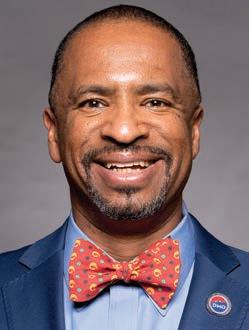
Hon. Scott Benson is a Detroit City Councilman who represents the 3rd District on Detroit’s north eastside. Scott also serves his community by sitting on numerous boards, is an avid cyclist, and a proud husband and father.
K. Dara Hill is a Professor of Literacy, Language, and Culture in the College of Education, Health and Human Services at U of M-Dearborn, where she is also the director of the summer literacy program. She prepares teachers for culturally sustaining literacy practices in urban and diverse school settings. She is also a mother, wife and triathlete.

Michigan is behind the curve. Most industrialized nations already use 0.05% or lower as the legal limit, and states that have adopted 0.05% have seen meaningful reductions in alcohol-related crashes and fatalities.
Lowering the BAC limit to 0.05% is a common-sense, evidence-based step we can take right now to make our roads safer. I urge our lawmakers to prioritize this life-saving policy and for readers to contact their elected officials in support of a 0.05% BAC law.
More information and references supporting this change can be found at: https://micap.org/05-saves-lives/.
Sincerely, Marsialle
Arbuckle, Sr. CEO The
Center for Urban Youth and Family Development

















B1 | December 3-9, 2025

By Miss AJ Williams
Chubby Cattle Wagyu Shabu House has landed in Novi, bringing with it a meticulous, globally inspired approach to the all-you-can-eat hotpot experience.
Situated on Grand River Ave, this is the Chubby Group’s first Michigan outpost, a bold Midwest debut that leans into Japanese culinary traditions while offering a lively, modern environment for communal cooking and discovery.
The concept is rooted in premium wagyu, particularly Japanese A5, complemented by seafood, sushi, and an assortment of broths and sauces. Guests select from three pricing tiers, starting at $48 and topping out at $78 for access to the most exclusive A5 cuts. Even at the highest tier, the price remains remarkably accessible considering the quality and variety of ingredient
Let’s start with the standout: the Japanese A5 wagyu shoulder clod and chuck ribeye, which deserve a category of their own. These cuts are deeply marbled and arrive fresh to the table, ready for quick cooking in a simmering pot. At just 3 to 5 seconds per slice, they’re best enjoyed lightly swished—what the Japanese call shabu-shabu—until the fat begins to soften and the beef takes on a velvety texture. The flavor is rich and clean, with an almost creamy mouthfeel that doesn’t linger heavily on the palate. It’s an indulgence, yes, but one that feels purposeful and restrained rather than over-the-top. Five out of five stars.
Equally deserving of recognition are the house and sukiyaki broths. The
By Miss AJ Williams
Saksey’s may be inspired by a throwback tavern spirit, but there’s nothing dated about the experience. This polished, intimate lounge lands as a modern hideaway built for people who appreciate a well-executed cocktail, smart design, and a little personality in their night out.
Ambiance is the star. The room is a moody 5-star jewel box—dark cherry wood, deep green velvet, lacquered paneling, warm brass, and perfectly dim lighting that flatters everyone and everything. It’s ideal for date nights, a pre-game with flair, or a solo reset at the bar. Seating is intentionally tight and intimate, so save the large-party energy for another venue.
The drinks deliver the same thoughtful balance of technique and play. Under the direction of Darryl Chan and Head Bartender Tara Wong, the menu bends classic recipes with a touch of mischief. Standouts include the bright and elegant
By Donald James
CONTRIBUTING WRITER
It will be the most wonderful time of the year - once again, when the annual “A Christmas in the Park and City Tree Lighting” spectacular is held on Saturday, Dec. 6, 2025 (3:00 p.m. – 5:30 p.m.), at Massachusetts Park, 12170 Woodward Ave. (corner of Massachusetts Street) in Highland Park. The Parker Pride Foundation, the City of Highland Park, and Rehab Highland Park are inviting the community to join them for the festive event. Admission is free.
“It’s going to be a fun time again for the entire family,” said event founder and organizer Sydney Spight, who also oversees the Parker Pride Foundation. “There will be live music, treats, toy giveaways, arts & crafts, and a lot more for the community to enjoy.” As in past years, Santa Claus will make a much-anticipated appearance, delighting the kids and kids at heart.

former is a savory, balanced base that complements both seafood and red meat without overshadowing their natural flavors. The latter offers a gently sweet soy profile that clings beautifully to wagyu, enhancing the umami without becoming cloying.
From the seafood platter, the mussels, abalone, and tilapia were particularly well-handled. The mussels were plump and fresh, the abalone tender with just enough bite, and the tilapia surprisingly delicate, holding its own in the broth. The shrimp tempura was a welcome addition—crispy and light, though not the focus

Modelito Sidecar and the Aged Everything Dr. Pepper Cherry, both layered and inventive. And yes—PBR Beer Bottle Service exists, executed with just the right blend of cheek and craft. Cocktails run $19–$25, but the Teeny ‘Tinis flight—a trio of mini martinis for $28—offers one of the best values and an easy way to explore the menu.
Food lands at a solid 4 stars with polished comfort classics. The burger is the clear winner—juicy, unfussy, and deeply satisfying. The little lobster buns with a caviar bump add a luxe bit of fun, and the cornflake chicken bites bring nostalgic crunch elevated with grown-up flavor. A few items feel more playful than memorable, but nothing dips below enjoyable.
Where Saksey’s shines most is cohesion. The vibe, the cocktails, the food— everything feels intentional without trying too hard. It’s warm, stylish, and a little cheeky, a lounge that knows exactly what it wants to be: a place where craftsmanship and comfort meet effortlessly.


throughout the year,” Spight
event memorable.
According to Spight, unlike past years, this year’s Christmas Holiday spectacular will feature live entertainment.
“We are excited that Loren D. Harper, featuring The David Whitfield Production Choir, will be performing a spectacular Christmas show,” Spight said. “Loren is a former Highland Parker and is planning to do a Christmas show
“Santa Claus will arrive at Massachusetts Park riding on the top of a fire truck,” Spight said. “He will then board a huge sleigh, interact with the children, and pass out toys to every kid possible. It’s going to be a really fun time.”
like never-before-seen in the city.” Spight added that Massachusetts Park, courtesy of Rehab Highland Park, will be transformed into a “Christmas Oasis,” to serve as a breathtaking backdrop for the Holiday festivities. At the conclusion of A Christmas in the Park’s portion of the event at 5:30 p.m., the City Tree Lighting ceremony will begin immediately under the auspices of the City of Highland Park and Mayor
Glenda McDonald. Rehab Highland Park, a 501 C3 organization, focuses on community revitalization, historic preservation, and neighborhood beautification throughout the City of Highland Park. The organization is the brainchild of Maurice Turner and Blake Mims.
“We are thankful for the support given to the Parker Pride Foundation by Rehab Highland Park, not only for this event, but
“I can honestly say that this year’s ‘A Christmas in the Park and City Tree Lighting Ceremony’ will be way bigger and better than past years,” said Spight. “We want to continue building this event and others in the city to make positive things happen that will uplift our youth, adults, families, and the entire City of Highland Park.” For more information about Highland Park’s “A Christmas in the Park and City Tree Lighting” event, contact Sydney Spight at 248.228.6369 or via
By Ebony JJ Curry SENIOR REPORTER
The Detroit People Mover is adding something new to the mix this holiday season, and it goes beyond trains circling downtown. Detroit Transportation Corporation (DTC), which operates the system, has opened its first online retail store and is marking the launch with a limited-time offer: a free Detroit People Mover T-shirt available through December 8, with buyers only covering shipping.
The move comes after a year of expanded accessibility efforts for the system. Since February 2024, the People Mover has been free to ride — a decision that changed how residents, workers, and visitors move around the central business district. The elevated rail has long served as a connector between major destinations, from the RenCen to Grand Circus Park, but eliminating fares made it more accessible for Detroiters who rely on public transit to navigate the city’s core. Ridership has steadily grown since the fare-free announcement, supported by new service hours and station improvements.
The online store is the system’s next step in strengthening its presence with riders and Detroit residents who have embraced the People Mover as part of everyday life. The site, PeopleMoverStore.com, offers a range of branded items from shirts, sweatshirts, hats, drinkware, bags, and office accessories all manufactured through Detroit-based supplier MyLocker.
The Corktown company uses print-on-
demand technology, meaning items are made to order and produced in Detroit.
The partnership keeps the operation local. MyLocker employs Detroiters and supplies custom merchandise for schools, leagues, and organizations across the country. For DTC, the collaboration also means customers can personalize items with several People Mover logos, select colors, and choose where graphics are placed on apparel.
The free T-shirt is the launch’s main draw.
To claim it, users select the Gildan G500 cotton tee from the store, choose a color and one of the available Detroit People Mover designs, and add it to their cart. At checkout, the price automatically adjusts to zero. No additional purchase is required, and the offer is limited to one per order. Shipping costs still apply.
The promotion gives Detroiters a chance to wear the system they’ve been riding for more than three decades. The People Mover opened in 1987 and has become part of the visual and cultural landscape of downtown Detroit. The elevated track has carried workers to office towers, families to events, and visitors to attractions along its near 2-mile loop. For many residents, the rail line remains a reminder of a period when the city explored new approaches to transit, automation, and downtown mobility.
As Detroit continues discussing longterm transit needs, from bus frequency to regional rail, the People Mover has held
From page B-1
of the experience.
A sleeper hit was the minced wagyu and wagyu curry over rice, served in portions precisely measured by an automated rice machine. The curry had depth and spice without overwhelming the subtle wagyu, and the rice was perfectly cooked. It’s a humble dish presented with care and precision, a reminder that wagyu doesn’t always need theatrics.
The atmosphere is bright and animated, thanks to its anime-inspired design language and an open, fastpaced layout. It’s meant to be an interactive experience, which works well for groups and dates but may not appeal to those seeking a slow, intimate dinner. The 90-minute dining window
reinforces this rhythm. Ambiance: 4 out of 5 stars.
As a whole, the value is undeniable. The quality-to-price ratio, especially for those indulging in the Japanese A5 tier, is rare in this category of dining. Tiered pricing allows flexibility without compromising on freshness or variety. Price rating: 5 stars.
Food overall earns a 4.5, with the A5 wagyu as the undeniable centerpiece, warranting its own perfect score. Chubby Cattle’s Novi location successfully balances playful design with culinary seriousness, offering an experience that’s both accessible and deeply satisfying.
10.0" x 10.5".pdf 10 11/24/25 13:54
Final rating: 4.5 out of 5 stars – a well-executed, high-value introduction to wagyu hotpot that delivers on both concept and flavor.

steady as a small but consistent part of the city’s transportation network. Making rides free extended that stability. Offering free shirts adds another way for residents to show support for a system they use, recognize, or remember. The promotion runs through December 8. Orders are typically produced within





There will be an optional Walk-through for this solicitation on December 10, 2025 at 1:00 p.m. at Spain Elementary Middle School, 3700 Beaubien Street, Detroit, Michigan. No questions will be answered at the walk-through. Proposals are due electronically via DemandStar by 12:00 p.m. on January 6, 2026. Late bids will not be accepted. A virtual Public Opening will occur at 12:00 p.m. on January 6, 2026, and can be viewed using the below link: https://tinyurl.com/24j2hkb8
Call-In: +1 313-462-2305 Conference ID: 948 782 449#
This Project is subject to Michigan State Prevailing Wage Laws (Michigan Public Act 10 of 2023) and the Contractor must pay prevailing wages and fringe benefits to all of Contractor’s, and is subcontractors’, construction mechanics working on the Project in accordance with Michigan Public Act 10 of 2023. All bids must be accompanied by a sworn and notarized statement disclosing any familial relationship that exists between the submitting company and any employee of DPSCD. DPSCD shall not accept a bid that does not include this sworn and notarized disclosure statement. A bid bond in an amount not less than five percent (5%) of the base bid is also required. If you have questions, please contact the Procurement Department at (313) 873-6531.
U.S. District Court, Eastern District of Michigan –Space& Facilities Coordinator Vac ancy Announcement at http://www.mied.uscourts.gov. Located in Detroit, the employee is responsible for the management and oversight of space & facilities maintenance, issues, and projects. EOE




(StatePoint) True Love is at it again this holiday season – and paying more than ever. Accord-
ing to PNC’s Christmas Price Index (CPI), the final price tag to buy all of the gifts in the song
“The Twelve Days of Christmas,” comes to $51,476.12 this year, headlined by drastic increases in the price of gold and the famed partridge’s Pear Tree.
For more than 40 years, PNC has tracked the price of the birds, entertainers, and other gifts that comprise the classic holiday song as part of its Christmas Price Index, a light-hearted take on the Bureau of Labor Statistics’ Consumer Price Index. Fulfilling True Love’s shopping list will cost 4.5% more in 2025 than it did in 2024, outpacing the BLS index, which rose 3% from October 2024 to October 2025.
“This year’s index reflects pressures from a tight labor market and lingering global economic uncertainties,” said Amanda Agati, chief investment officer of PNC’s Asset Management Group. “However, tariffs are not a driver at all because True Love’s shopping list only includes domestically produced goods and services.”
Highlights from this year’s index:
• The gold standard
For two years the price of The Five Gold Rings stayed flat, but that brief run of stability is over.
The rings jumped by 32.5% – the biggest increase in the CPI this year. That’s an actual annual price increase of more than $400, reflecting a surge in gold prices overall. Inflation, expected Federal Reserve interest rate cuts, and a declining U.S. dollar have pushed investors to precious metals in 2025.
Overall, just more than half the gifts rose in price in 2025. Aside from gold, the biggest movers were the Partridge and the Pear Tree, and the Ten Lords-a-Leaping. For the former, the overall 13.5% increase is entirely attributable to the Pear Tree, reflecting increases in the price of labor, land and fertilizer and also serving as a proxy for U.S. housing costs.
The Ten Lords-a-Leaping have consistently grown in price over the life of the index – aside from 2020 pandemic restrictions on live entertainment. The lords remained the highest priced overall gift in the index at $15,579.65 and are a reflection of the growing cost of performers. The four entertainment-related gifts all increased in price in 2025, with the aggregate price increasing by 5.4%.
• Status quo for birds
Aside from the Six Geese-a-Laying, which rose by 3.3% this season, the other four gifts consisting entirely of birds cost the same as they did in 2024. Historically, the bird gifts are some of the most consistently priced in the CPI, with both the Four Calling Birds and the Seven Swans-a-Swimming remaining unchanged for more than a decade. The Swans – formerly the most expensive gift in the index are only roughly $5 more than they were in 1984. Despite their consistency, their elevated total price of $13,125 has historically inflated the index, leading to a “core index,” which measures growth in the CPI independent of the Swans. This year that grew by 6.1%.
• Online shopping relief
Trekking from store to store for all these goods can be cumbersome, but it’s ultimately cheaper than fulfilling True Love’s list online for $55,748.05 – shipping and packaging all those birds is expensive.
• Getting technical If you’ve ever heard or sung “The Twelve Days of Christmas,” you know the verses repeat after each gift is introduced. If you’re feeling traditional and wanted to buy all the gifts as the verses repeat, you’ll pay the “True Cost of Christmas,” which is $218,542.98 in 2025.
PNC’s Christmas Price Index is now in its 42nd year. Visit the PNC Christmas Price Index website for more information and interactive charts.
“With the Fed’s recent focus on looser monetary policy, it will be interesting to see where the CPI shakes out in 2026,” says Agati. “Will we get the gift of substantially lower inflation, or will still-elevated inflation be the proverbial lump of coal in shoppers’ and investors’ stockings? It all depends on whether the purple haze of policy uncertainty dissipates in the new year.”

Stress and parenting go hand in hand, but during the holiday season, many parents find their stress levels rising to new heights. Between coordinating schedules, shopping, traveling and managing children’s expectations – plus the disruption to the school routine that everyone had finally settled into – the season can feel more like mayhem than merry.
However, by thoughtfully planning and implementing a few practical strategies, parents can protect their wellbeing and support their families.
Early childhood experts from The Goddard School share guidance to help parents stay grounded and make the most of their meaningful family moments this holiday season.
Clarify Priorities
One of the most empowering steps is to decide in advance what truly matters to your family. Consider:
■ Which traditions or gatherings are nonnegotiable?
■ Are there holiday events you can skip this year without regret?
■ What obligations are you taking on out of habit rather than genuine desire?
By reducing the number of “must-do” activities, you can avoid overextending your family. It’s OK to decline invitations when your calendar is already full.
Establish a Budget
Holiday spending can weigh heavily on your mind. Create a family holiday budget that includes gifts and activities, then stick to it. Use the opportunity to teach your children about responsible spending and gratitude. Remember, the most meaningful gifts are often those made with time, attention or creativity, not the highest price tag.
Set Boundaries
Stress often arises when family dynamics, expectations or traditions clash. You can reduce this by setting boundaries and communicating them early. Speak openly with the relatives and friends you’ll see about what’s comfortable for your family and what isn’t (e.g., physical space, travel, topics to avoid). Let your children know what to expect, as the lack of routine during this time can be particularly challenging. Modeling clear boundaries helps your children learn to express their own needs, too.
Amid the hustle, your own basic care often slips, but your well-being is key to being present for others. Consider establishing routines, such as:
■ Sleep: Aim for 7-8 hours per night whenever possible.
■ Nutrition: Keep healthy staples in the mix, even if treats abound.
■ Movement: A short walk, stretch breaks or gentle exercise may help reset your nervous system. Stepping outside can be especially helpful. Also, if illness strikes, listen to your body and give yourself permission to pause. Pushing through tends to backfire.
Even the best-laid plans don’t prevent tension or unexpected emotional triggers. Anticipate stress by creating fallback strategies. For example, plan to use a playlist, a quick breathing exercise or a sensory object to help you regroup when your stress escalates. These strategies work for children as well.
If you’re worried about unwanted questions – such as a family member asking about politics or your plans to have another child –rehearse your response in advance with a friend. When these stressful moments arise, having a toolkit gives you a sense of control.

Screens are omnipresent. While they serve a purpose, they can be an unwelcome distraction, especially when you’re spending time with loved ones you don’t get to see often. Try to designate screenfree times, such as during meals, after dinner or when gifts are being exchanged. Use screens intentionally, such as video calling out-of-town family members, rather than passively scrolling. Focus on in-person connection by playing games, telling stories, making crafts or taking walks. Remember to lead by example, as your children are watching. Being fully present at key moments is the one gift your family will remember above all else.
As the holidays approach, the pressure to do it all can loom large. By clarifying priorities, setting boundaries and safeguarding your health, you can minimize stress and maximize joy. That said, even with careful planning, things can go off course, and that’s OK. Practice selfcompassion and allow for imperfections. Enjoy every laugh, surprise and even the occasional moment of calm.
For more parenting guidance and insights, including a blog and webinar series, visit the Parent Resource Center at GoddardSchool.com.
Wayne County Community College District’s Institute for Social Progress presents

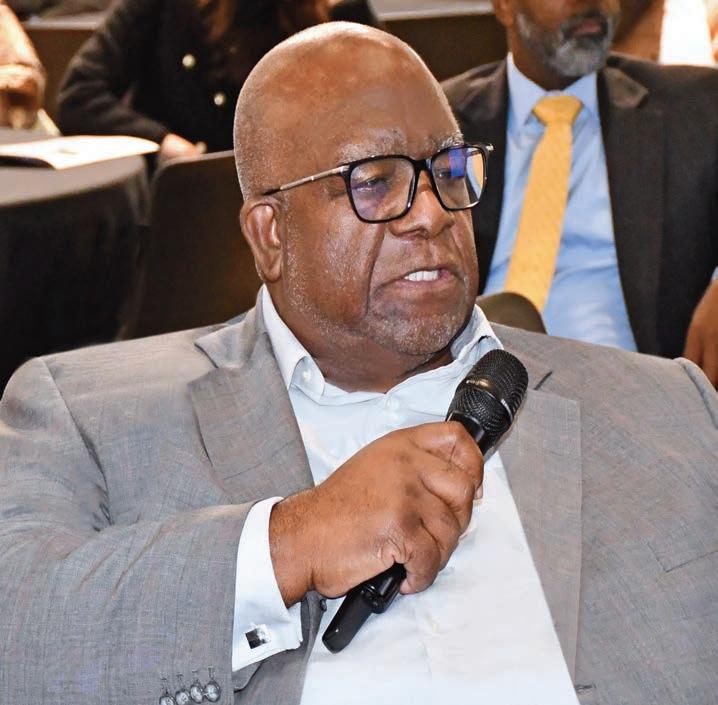
We proudly launched the Detroit Urban Summit Series around issues that affect youth, drawing educators, students, civic leaders, and community advocates from across the region to confront some of the most pressing challenges facing younger generations across the nation.
The Summit, “Youth Mental Health, Substance Abuse, and Rebuilding Communities and Lives,” held at the Northwest Campus, offered an inspiring day of dialogue, learning, and shared commitment to the support and development of our next generations.
“This is more than a conversation—it’s a movement toward rebuilding lives and empowering our youth. Detroit’s strength has always been its people, and events like this remind us what’s possible when we come together.”
~ Dr. Curtis L. Ivery
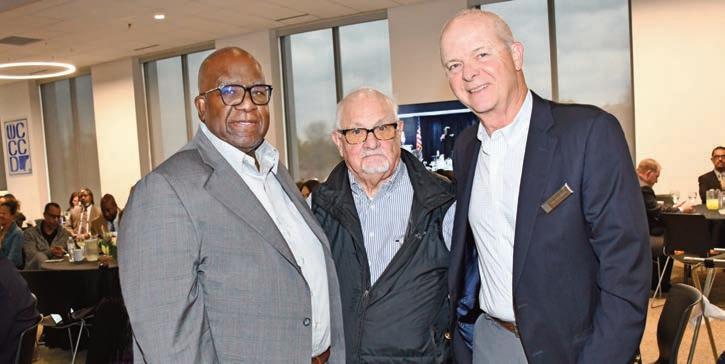
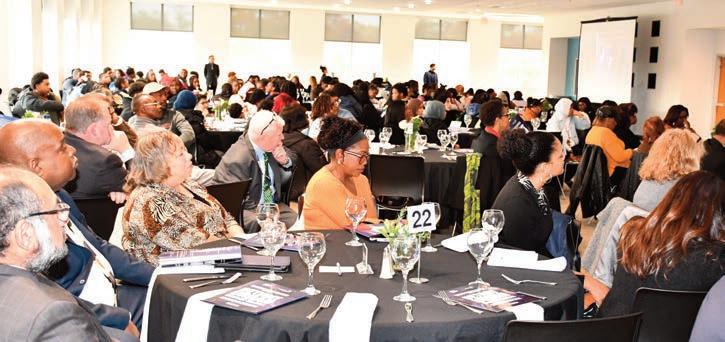
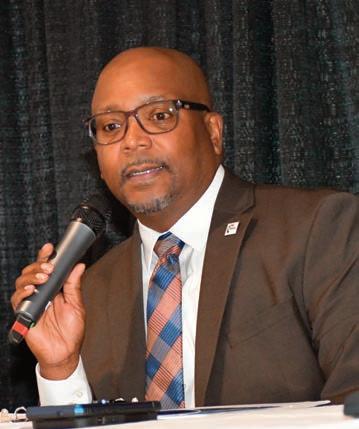
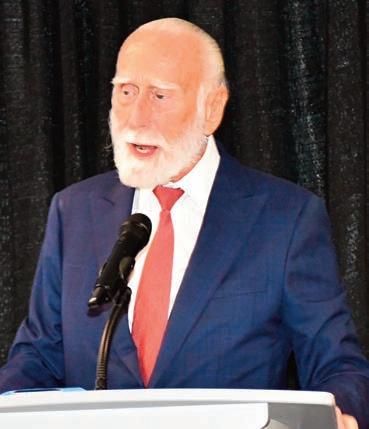
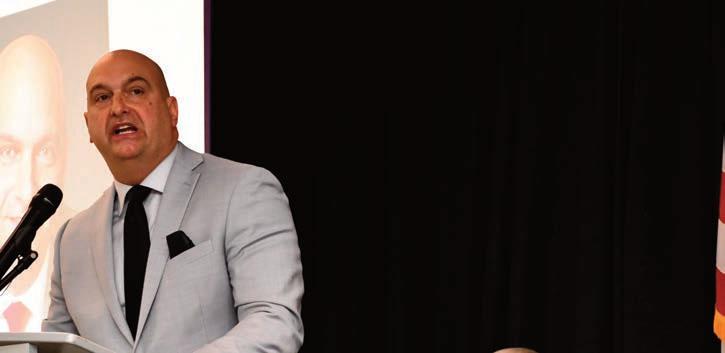
Dr. Nikolai Vitti, Superintendent of DPSCD, led an engaging discussion where he explored the evolving educational landscape, youth-mental health issues, and collaborative solutions to advance student success.
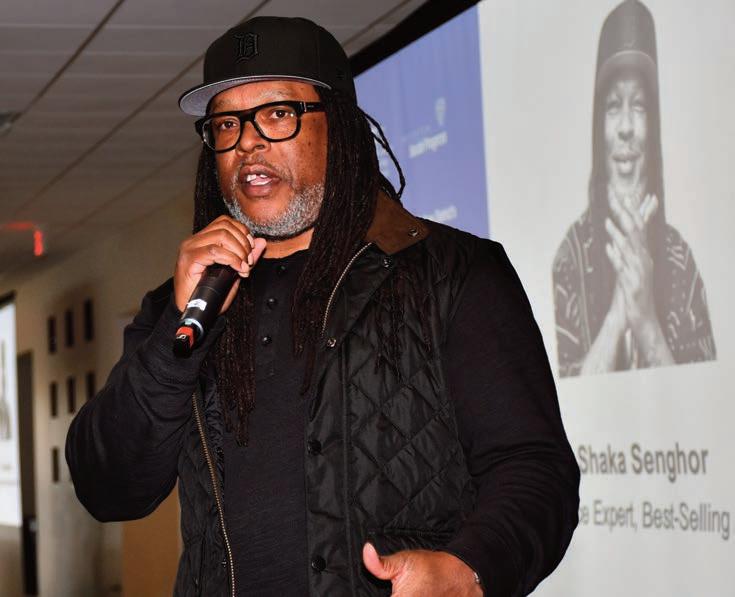
Keynote speaker Shaka Senghor, bestselling author and youth advocate, delivered a stirring message about resilience, redemption, and the transformative power of mindset and community.
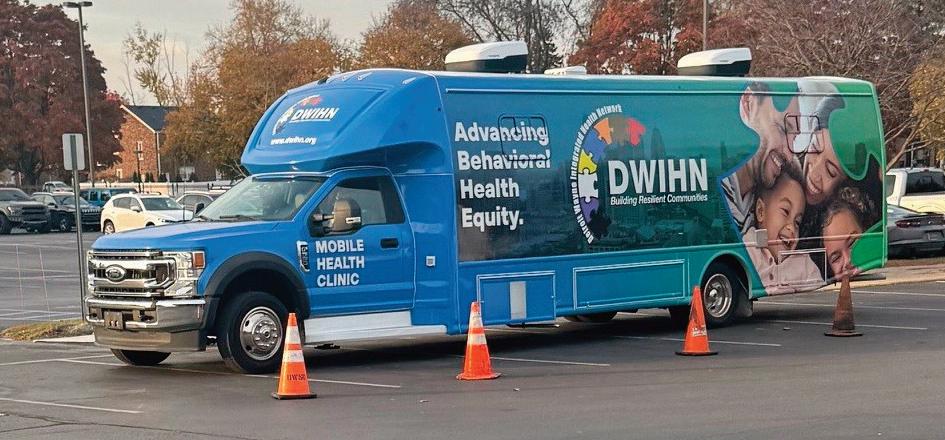
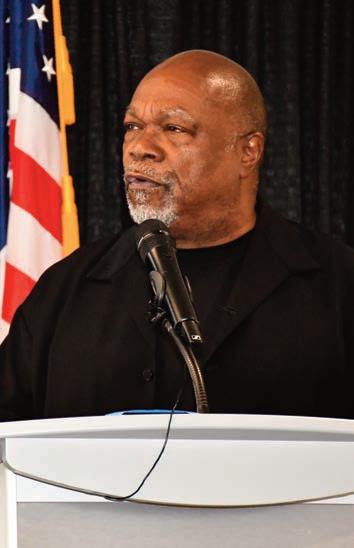
Rev. Dr. Wendell Anthony, President of the Detroit Branch NAACP, gave a powerful call to action to come together as a community to support young people towards healthy and successful lives as they navigate how mental health and substance abuse intersect with education, social justice, and economic opportunity.
Community partners and leaders with Detroit Wayne Integrated Health Network (DWIHN) connected with attendees to share resources and ongoing initiatives to support youth well-being and recovery.
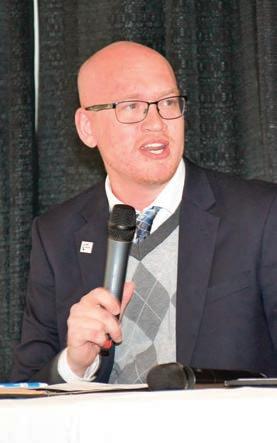
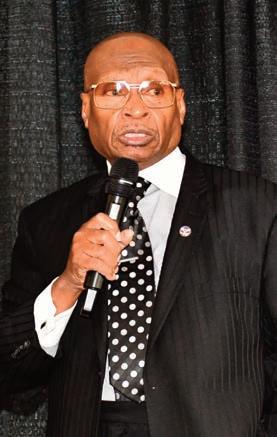
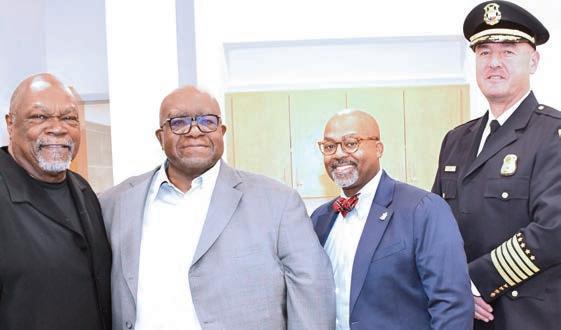
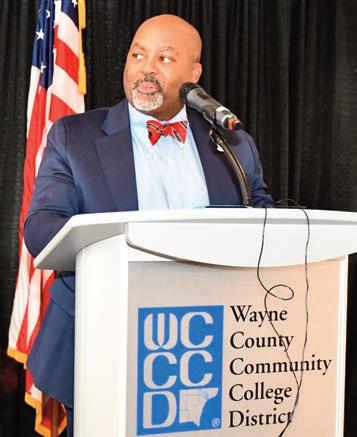
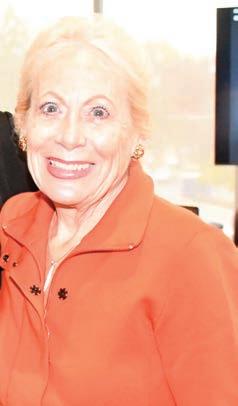



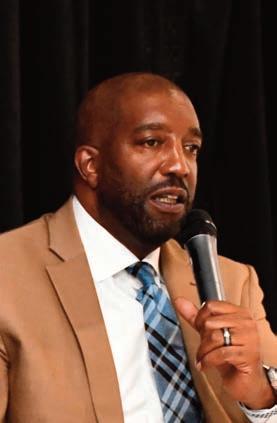
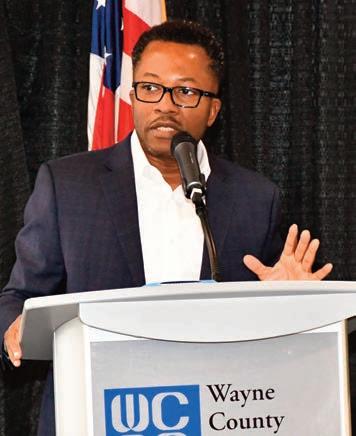

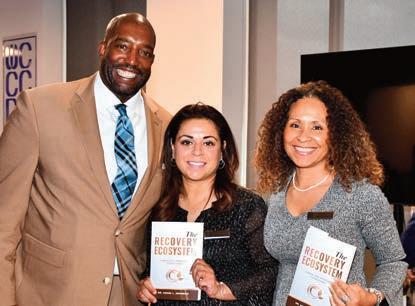

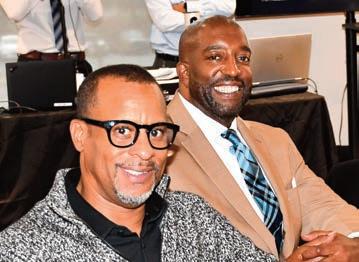
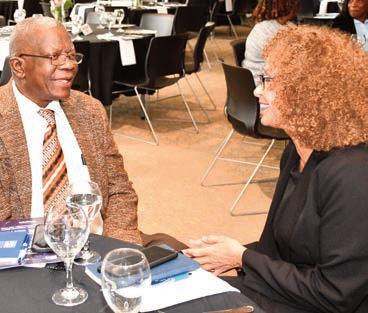
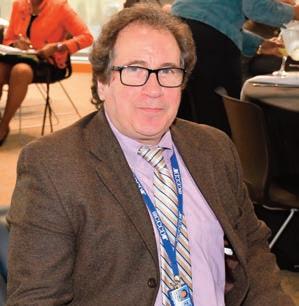

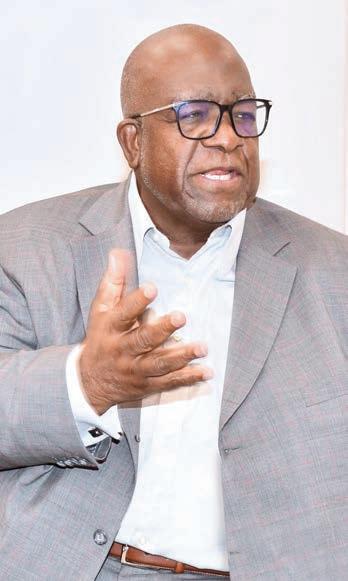

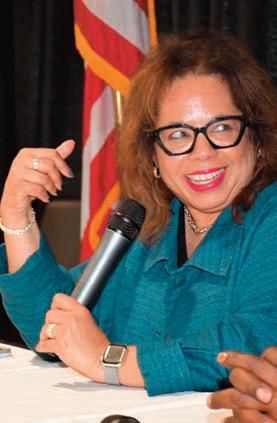

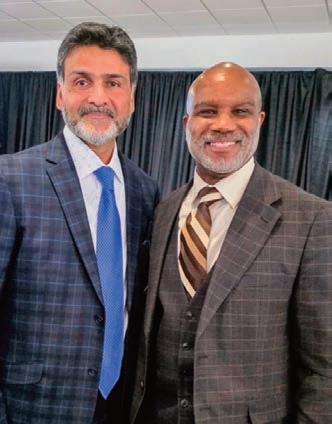
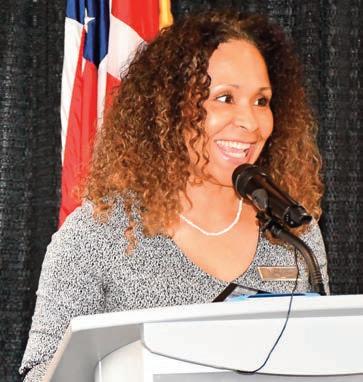
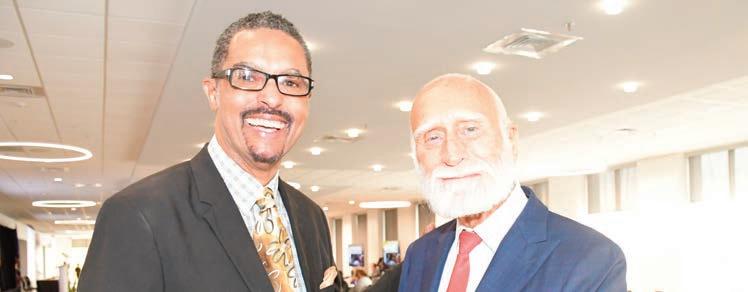
“I wanted to take a moment to express my genuine appreciation for the outstanding 2025 Detroit Urban Summit Series: Youth Mental Health, Substance Abuse, andRebuildingCommunitiesandLives. TheSummitwas both engaging and thought-provoking—timely, relevant, and deeply needed during these challenging times that affect us all. Your vision shines brightly, and is truly blessed to have a dynamic, dedicated team that shares his unwavering commitment to strengthening our community. The work being done here truly makes the world a better place.”
~ Greg Dunmore