
Spring 2026

Spring 2026
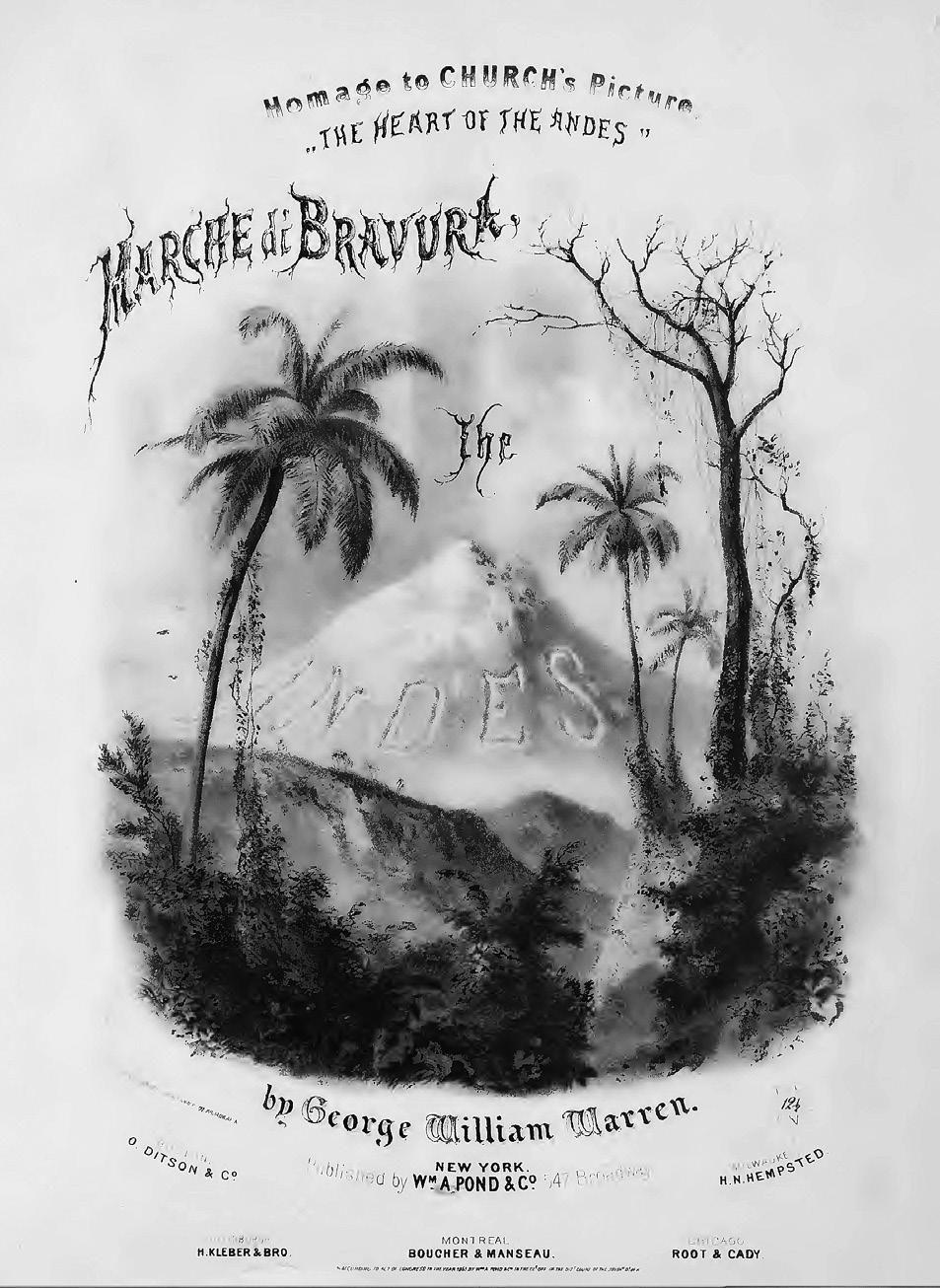
ANNIK LAFARGE
208 pages, 100 b/w illustrations 9781531513078, Paperback, $24.95 (TP), £18.99 Simultaneous electronic edition available
“Composing Olana is both a meditation and a companion—a way of seeing Frederic Church’s home and landscape with eyes newly opened. Drawing on years of historic research and traversing its winding paths and studying its panoramic views, LaFarge reveals how Church created his enduring masterpiece, which, to this reader, becomes as daring a design as its predecessor, Central Park.”—Sara Cedar Miller, author of Before Central Park
“A highly readable, informative guidebook to the landscape and views around Frederick Edwin Church’s unique hilltop house . . . it gives us the compelling and dramatic history not only of Church’s original remaking of the landscape to conform to his vision, but also of more contemporary efforts to save the viewshed and keep that vision intact. All of this unfolds naturally and beautifully, in an engaging style.”—Benjamin Swett, author of The Picture Not Taken, Route 22, and The Hudson Valley: A Cultural Guide
“Here is another story about a quintessential American landscape, this one created by an artist in the heart of the Hudson Valley. As she did with On the High Line, LaFarge takes us on a rich, fascinating walking tour, uncovering countless stories, characters, relics of the industrial past, Ice Age geology, art, and insights into the cultural history and preservation of this beautiful, singular place.”—Robert Hammond, co-founder, Friends of the High Line and co-author of High Line: The Inside Story of New York City’s Park in the Sky
The first and only book devoted to the landscape Frederic Church designed at Olana—what he considered his greatest work of art—timed to coincide with the bicentennial of his birth
Modelled on her acclaimed On the High Line (now in its third edition from Fordham University Press), Composing Olana unfolds as a series of walks along the seven carriage roads Frederic Edwin Church built here in 1860s–1880s. Along the way, LaFarge unpacks the history of everything we see, and much that we don’t, in the greater landscape, from the Ice Age geology that created it to the artists and conservationists who preserved it. We learn about lesser-known women painters of the Hudson River School; the Native Peoples who lived here before the Europeans arrived; and the mentorship of Church’s only teacher, Thomas Cole.
Archival letters, diaries, and historic accounts reveal Church’s vital role in preserving Niagara Falls; his contributions to Central Park and the Metropolitan Museum of Art; and his engagement with music, photography, and global exploration throughout the second half of the nineteenth century.
Published to coincide with the 200th anniversary of his birth, Composing Olana enables readers to finally comprehend Church’s vital, and still not properly recognized, place in the American story. Illustrated with dozens of historic and contemporary photographs, it is both a guidebook and a meditation on American art, landscape, and preservation.
An innovative companion website, OlanaBook.com, provides hundreds of photos, audio clips from the soundscape, and an interactive version of the specially created “Rambler’s Map.” Designed as an accessible and lively companion for armchair readers and park visitors, Composing Olana shows why this landscape, still intact today, matters so profoundly in the history of American art and public parks.
ANNIK LAFARGE is a writer, editor, photographer, and lecturer who has been writing about American parks and landscapes since 2008. Author of On the High Line and Chasing Chopin, a New York Times Book Review “Editors’ Choice,” her work has appeared in numerous publications including the New York Times, Publishers Weekly, Huff Post, and the Library of Congress’s National Recording Registry. She is a Trustee of the Waterfront Museum in Brooklyn.




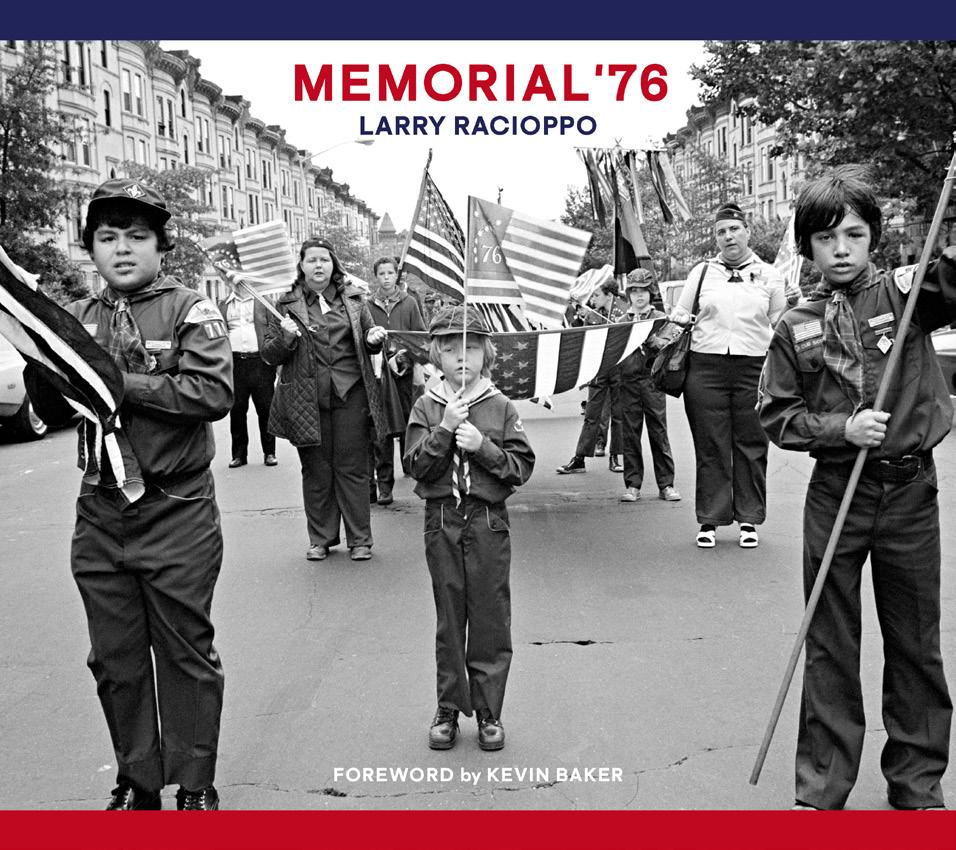
LARRY RACIOPPO
FOREWORD BY KEVIN
144 pages, 9 x 8, 80 b/w illustrations 9781531513191, Hardback, $39.95 (HC), £32.00 Simultaneous electronic edition available
BAKER
“Larry Racioppo is the Robert Frank of Brooklyn: a witness-with-camera to the city that once was, and the one that would be. We should all give thanks that he has taken the trouble to record it over so many years.”—The late Tom Robbins, NYC Journalist
“Simply put, to do history is to tell the story of change over time. Larry Racioppo’s photographs allow us all to be historians; though we all may notice different changes, and recall different times, everyone who picks up this book will be left marveling at the infinite stories that Brooklyn has to tell.”—Dominique M. Jean-Louis, Chief Historian, Center for Brooklyn History, Brooklyn Public Library
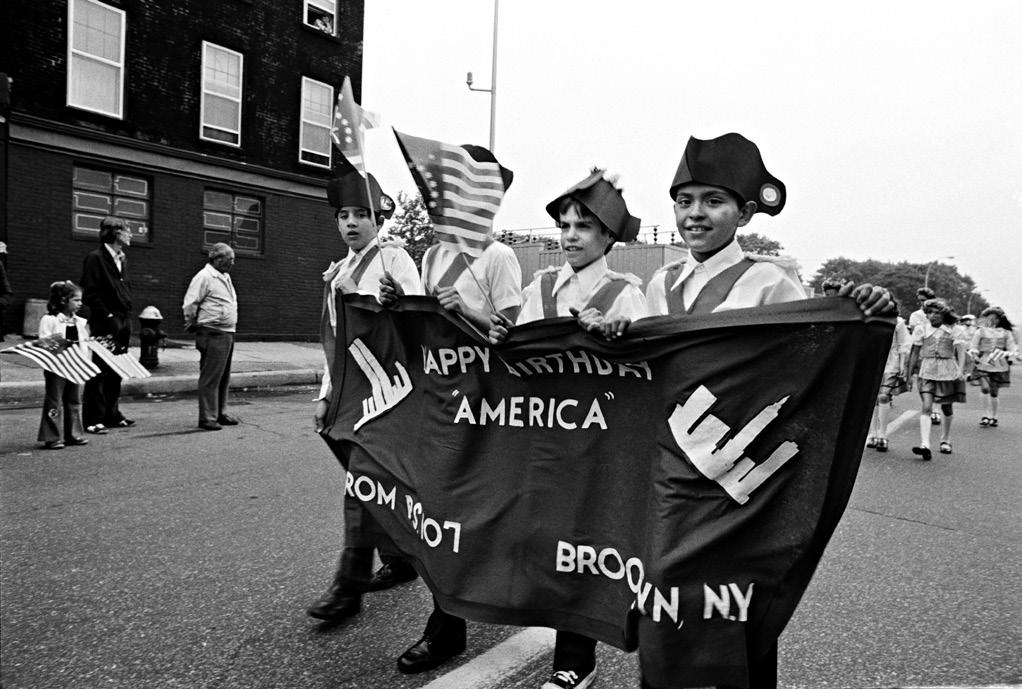
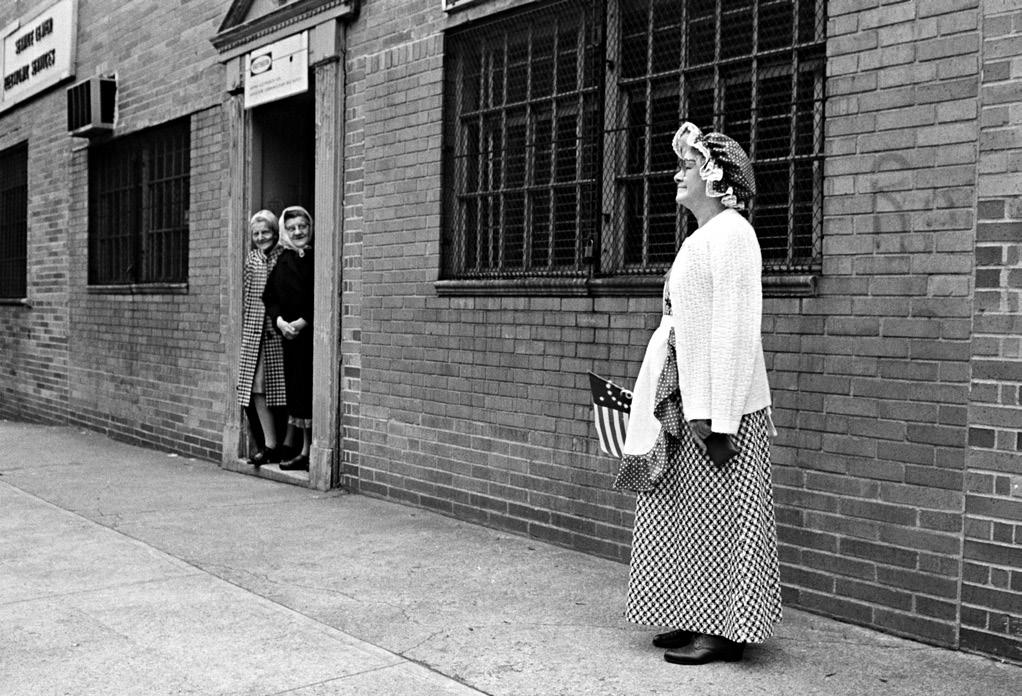
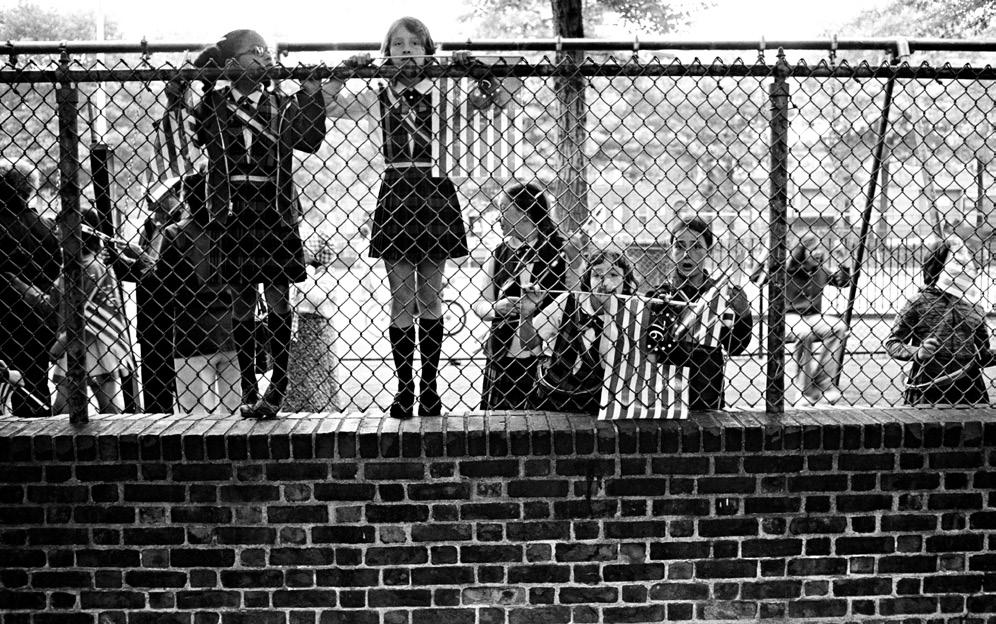
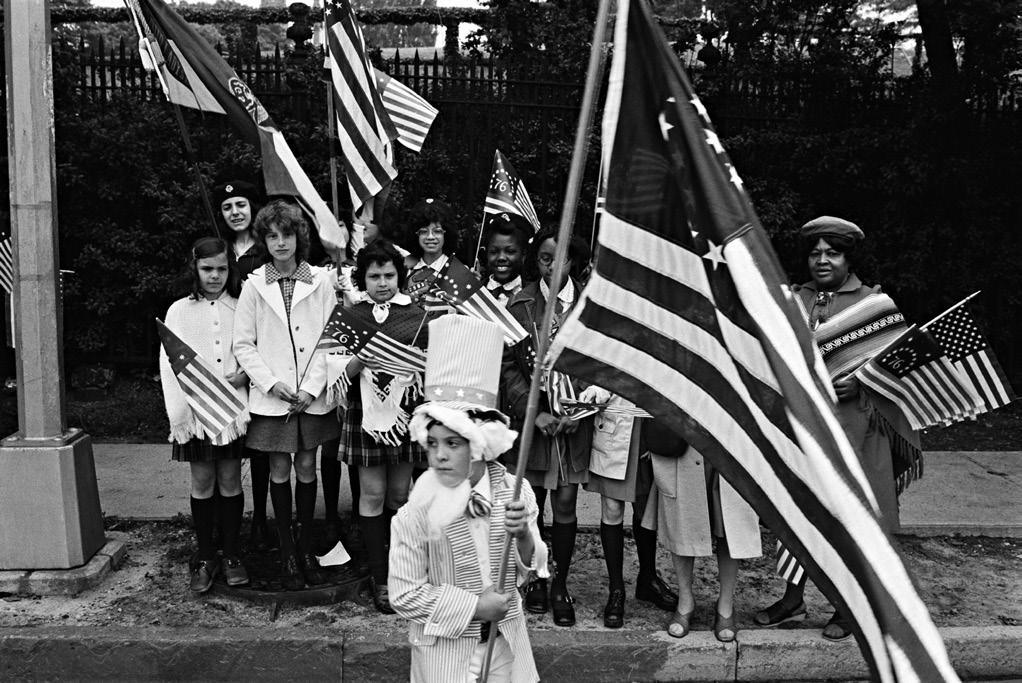
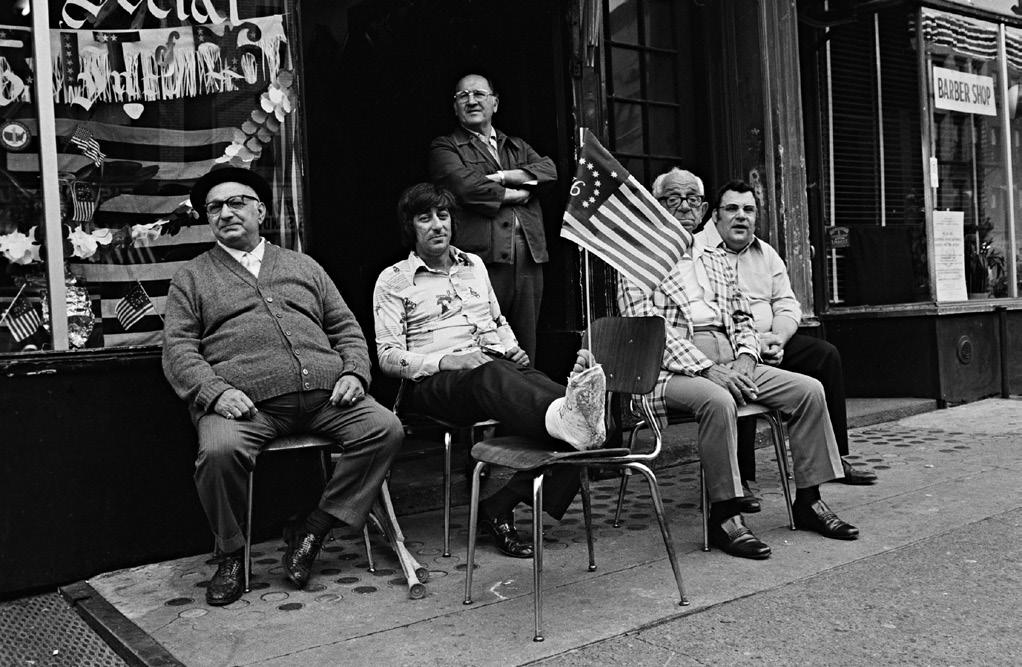
A photographic time capsule of a pre-gentrified South Brooklyn Memorial Day parade that preserves a neighborhood and a moment now largely vanished
On Memorial Day 1976, weeks before the nation marked its 200th birthday, South Brooklyn filled with flags, brass bands, scout troops, and families along Fifth Avenue. A vivid portrait of South Brooklyn in 1976, patriotic, diverse, and on the cusp of change, this book gathers more than fifty photographs by lifelong New Yorker Larry Racioppo, who left his nearby apartment that morning to record the pageantry of “America’s Birthday.” What he captured is a timeless record of Brooklyn’s people and pride during the Bicentennial year, now published as the United States marks the 250th anniversary of the Declaration of Independence in 2026.
Italian-, Puerto Rican-, Irish-, and Polish-American neighbors appear as marchers and as spectators on stoops, at bar windows, inside ethnic clubhouses, and in second-story windows. The pictures register storefronts and fraternal halls, homemade floats and uniforms, and the easy mingling of ritual and everyday life that defined the blocks then. Seen together, they preserve a local parade and the social world around it, including mom-and-pop businesses, clubs, and gathering places, at a moment when the city and neighborhood were about to change.
A foreword by novelist and historian Kevin Baker situates the work within the civic culture of 1970s New York. Racioppo’s Afterword traces the 1976 route from Green-Wood Cemetery to the Old Stone House Park and reflects on five decades of photographing Memorial Day parades, from South Brooklyn to Rockaway, as generations of veterans and families pass the tradition along.
Part civic history and part street-level portrait, Memorial ’76 expands Racioppo’s acclaimed chronicle of New York’s neighborhoods, standing alongside Brooklyn Before and Here Down on Dark Earth, and offers scholars and general readers an essential visual archive of working-class pride, urban ritual, and the everyday textures of a Brooklyn that has largely disappeared.
LARRY RACIOPPO was born and raised in South Brooklyn and has photographed New York City since 1971. A Guggenheim Fellow and former staff photographer for NYC’s Department of Housing Preservation and Development, his work is held by the Museum of the City of New York, the Brooklyn Museum, El Museo del Barrio, the Brooklyn Public Library, and the National September 11 Memorial & Museum. Recent books include Here Down on Dark Earth: Loss and Remembrance in New York City (Fordham) and Brooklyn Before: Photographs, 1971–1983.


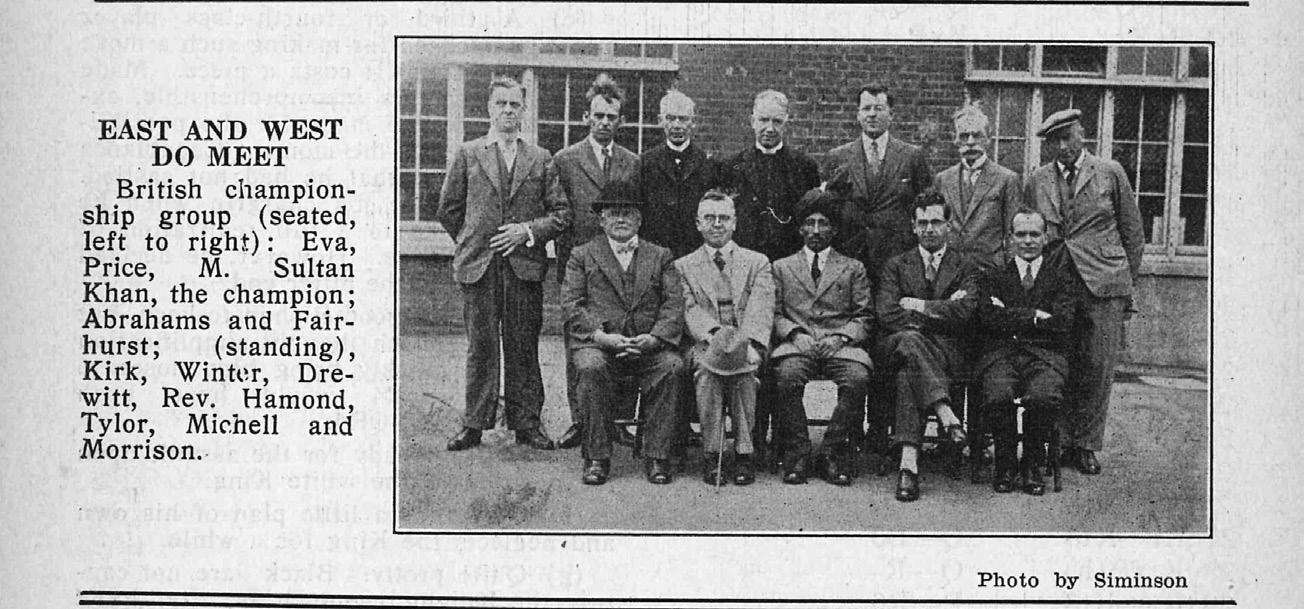
The definitive biography of a South Asian genius who conquered the international chess world on the eve of decolonization
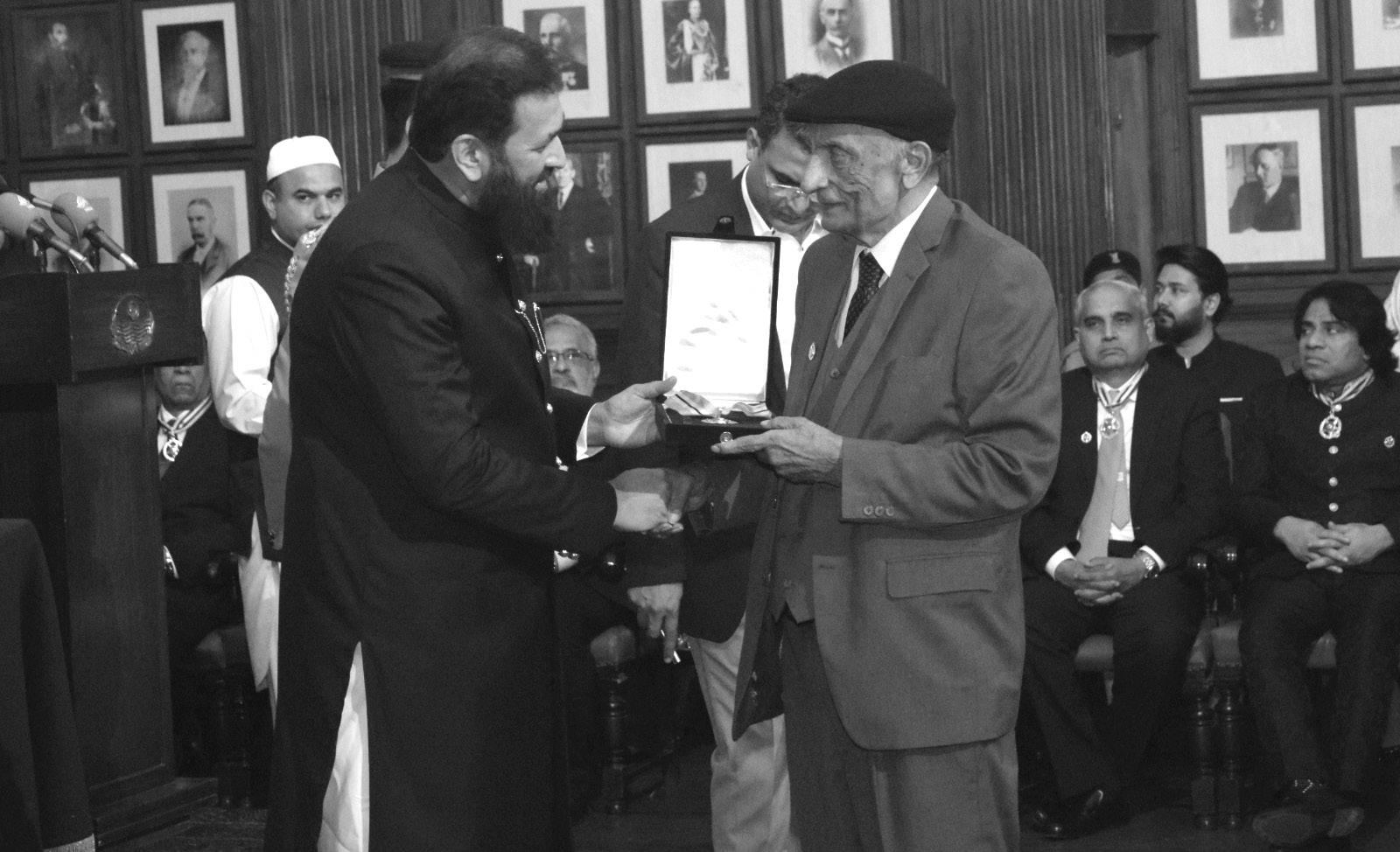
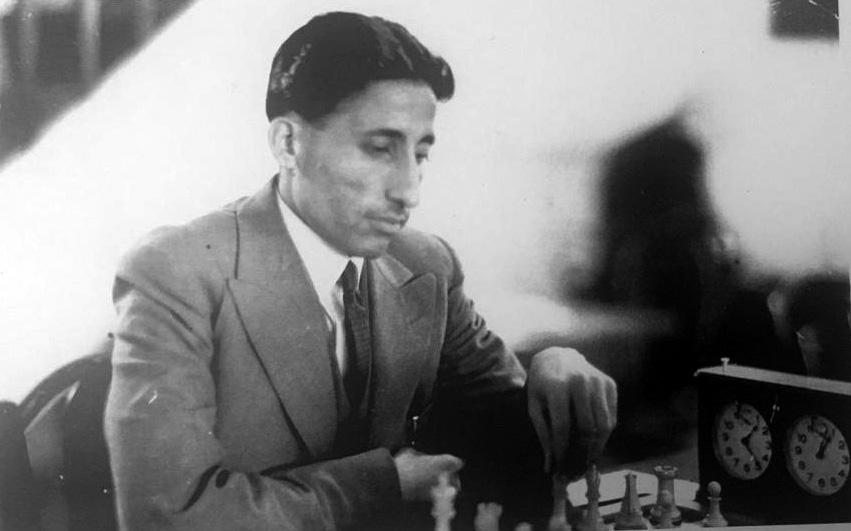
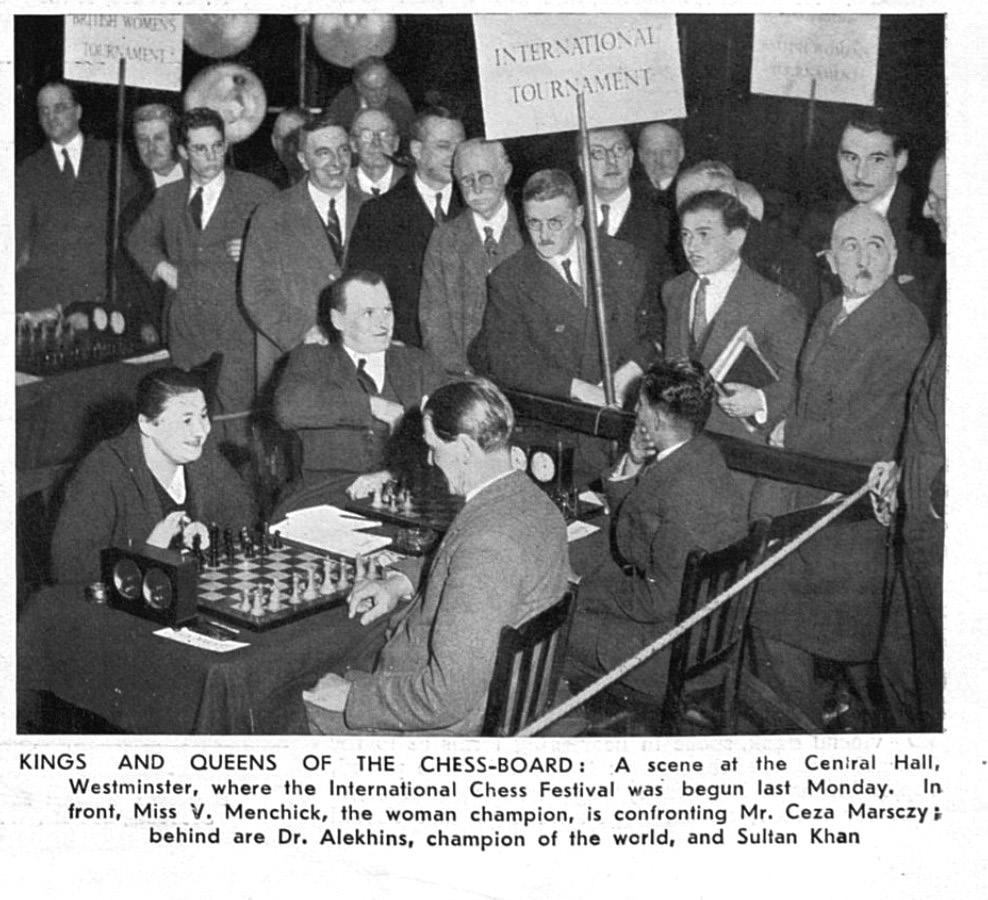
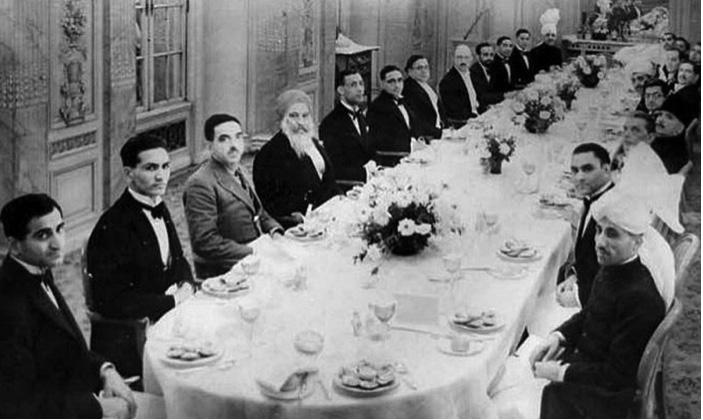
In the late 1920s and ’30s, the international chess scene was rocked by the success of Sultan Khan, a self-taught prodigy from colonial Punjab. In a brief international career, Khan stunned the chess elite by repeatedly defeating the world’s best players and winning the British Chess Championship three times. Despite his dazzling creativity and peerless endgame technique, Khan’s legacy has long been marginalized or inaccurately portrayed. Written by Khan’s son and granddaughter, Endgame of Empire offers a comprehensive biography of this trailblazing genius who became the first Asian and first person of color to rise to the top of international chess.
From its origins in South Asia, chess had developed into an emblem of European culture. With Khan’s arrival to reclaim the game, it became a catalyst for the many ways in which individuals, ideologies, and empires clashed in the interwar period. Endgame of Empire offers a vivid portrait of Khan as he navigated challenges on and off the chessboard. His rise was meteoric, but also fraught with prejudice and ultimately cut short by the political realities of his time. Set in the broader context of race, empire, and decolonization, the book celebrates Khan’s genius as a strategist while also uncovering the difficult circumstances under which he conquered international chess. It also provides the first extended accounts of Khan’s life in colonial India before his chess career and his life after professional chess in the Pakistan whose arrival he had long desired.
In an appendix, former US Chess Champion Sam Shankland walks the reader through six of Khan’s finest victories. This instructive commentary provides both an account of Khan’s style and a lesson for beginning and experienced chess players alike in the strategic ideas at which Khan was ahead of his time.
At a moment of emergent nationalism in South Asia, Khan’s unassuming brilliance on the chessboard came to represent something greater: a graceful assertion of equality and a prelude to independence. Blending intimate family recollections, archival discoveries, and sharp historical analysis, Endgame of Empire reclaims a legacy long overshadowed by race, empire, and myth and offers a playbook in holding one’s own through adversity.
ATHER SULTAN is a retired Inspector General of Police from the Police Service of Pakistan and taught public administration as a visiting faculty member at Quaid-i-Azam University in Islamabad for over twenty years. He holds degrees in English literature from Government College Lahore, economics from the London School of Economics, and law from the University of Punjab. He is the oldest son of Sultan Khan.
ATIYAB SULTAN is a career civil servant in the Pakistan Administrative Service and holds a doctorate from the University of Cambridge. She is the author of A Broken Record: Institutions, Community and Development in Pakistan (2022) and has coedited the Gazetteer of the Lahore District. She is Sultan Khan’s granddaughter.
SAM SHANKLAND is a grandmaster and former US Chess Champion. His latest book is Converting an Extra Pawn in Chess (2025).
“A beautifully written and important book on Sultan Khan’s meteoric career. While presenting Khan’s devotion to family as well as his sensational achievements, like winning three British championships, Endgame of Empire does not shy away from the forces that cut Sultan Khan’s career short, like the pervasive racism and Orientalism that have distorted his legacy to this day. Endgame of Empire brilliantly elaborates the triumphs of a groundbreaking grandmaster whose strategic originality and precision toppled the best players in the world, from Capablanca to Tartakower. The annotations by one of America’s top grandmasters, Sam Shankland, are accessible and instructive and help bring Sultan Khan’s genius to life.”—WGM Jennifer Shahade, two-time US Women’s Chess Champion and author of Thinking Sideways: How to Think Like a Chess Player and Win at Life
“A book devoted to the life, time, and achievements of the legendary chess master Sultan Khan has been long overdue. It is rare to come across as captivating a story as that of Khan, who through sheer determination, skill, and brilliance upset the established norms of spatial and social distancing between the rulers and the ruled.”—Ayesha Jalal, author of Muslim Enlightened Thought in South Asia
Phyllis Ross
Foreword by Judith Jones
PHYLLIS ROSS
FOREWORD BY JUDITH JONES
256 pages, 7 x 10, 43 color and 43 black and white illustrations 9781531513252, Hardback, $39.95 (HC), £32.00 Simultaneous electronic edition available AUGUST African American Studies | Art & Visual Culture | Urban Studies
“This is a fascinating book that combines, in a unique way, elements of business history, visual art history, and African American urban history. . . .The author brings an original story and a deeply researched book that specialists will welcome. . . . Ross’s contribution to scholarship on New York City, Brooklyn specifically, and the history of the 1970s is welcomed to the field. . . . I think this book is important and special.”—Brian Purnell, author of Fighting Jim Crow in the County of Kings: The Congress of Racial Equality in Brooklyn
The untold history of a pioneering Black design company in Bed-Stuy whose creativity garnered national attention in the 1970s
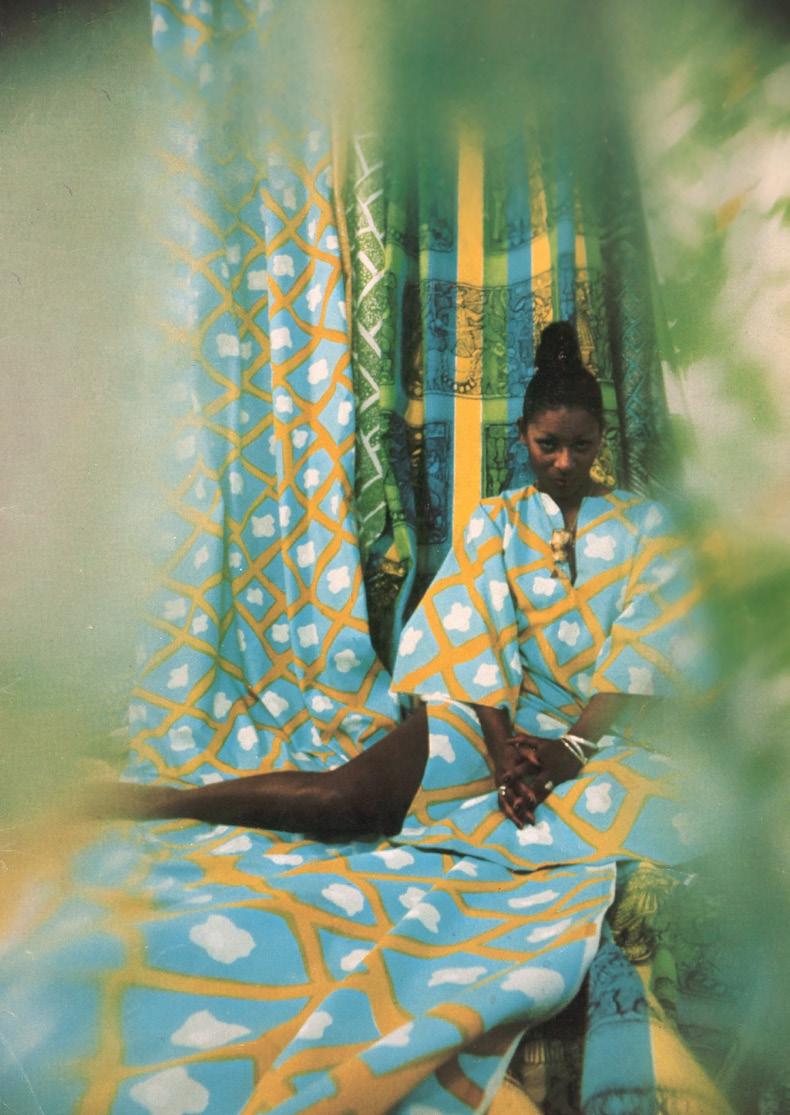
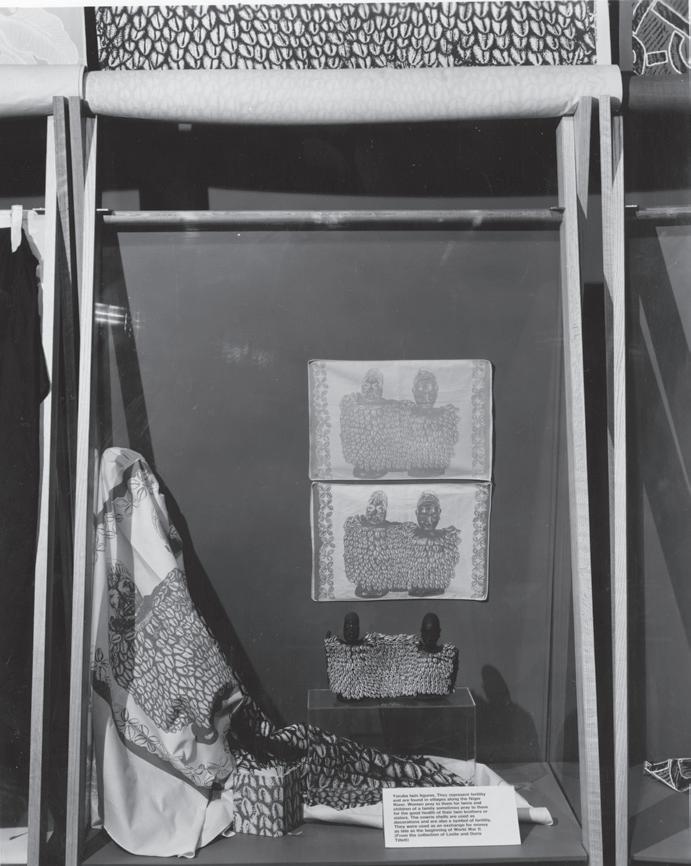
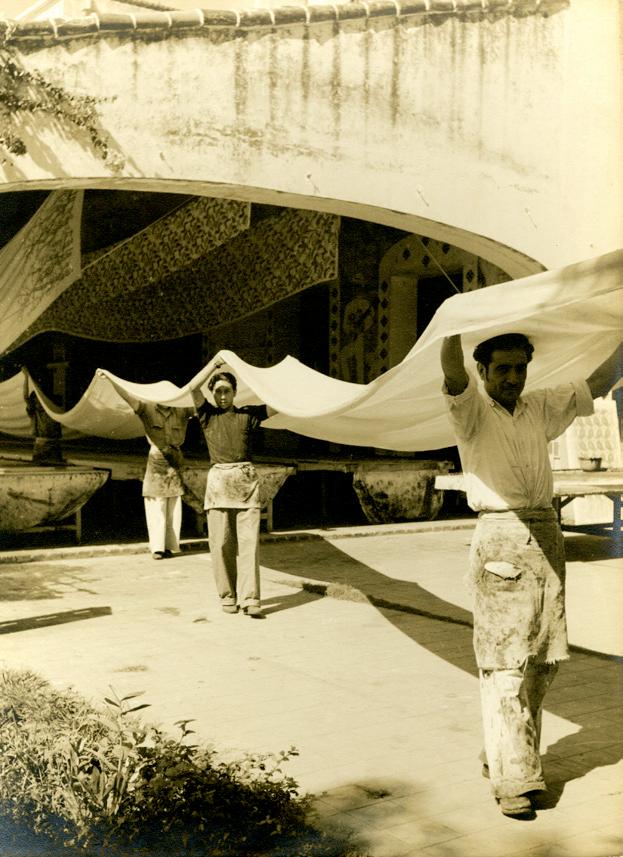
In Stories in Fabric: The Design Works of Bedford Stuyvesant, design historian Phyllis Ross uncovers the rise of a groundbreaking African American textile studio founded in Brooklyn in 1969. The Design Works of Bedford Stuyvesant began as a collaboration between Jacqueline Kennedy Onassis and textile designer Leslie Tillett. Through Senator Robert F. Kennedy’s urban renewal vision, they grew it into a nationally recognized brand that celebrated African sources and Black pride, bringing national attention to neighborhood ambition.
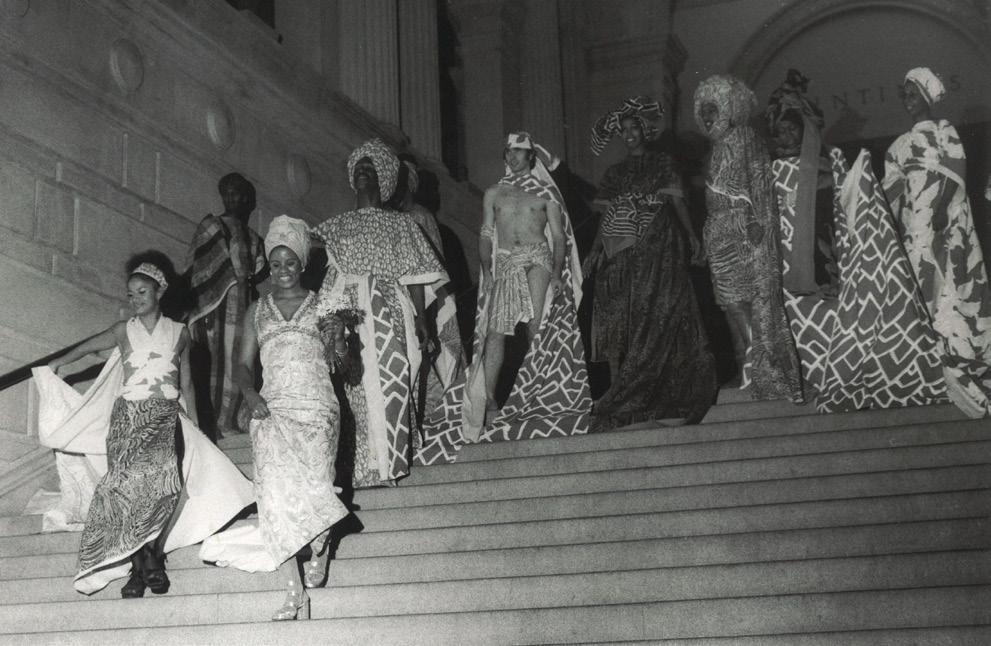
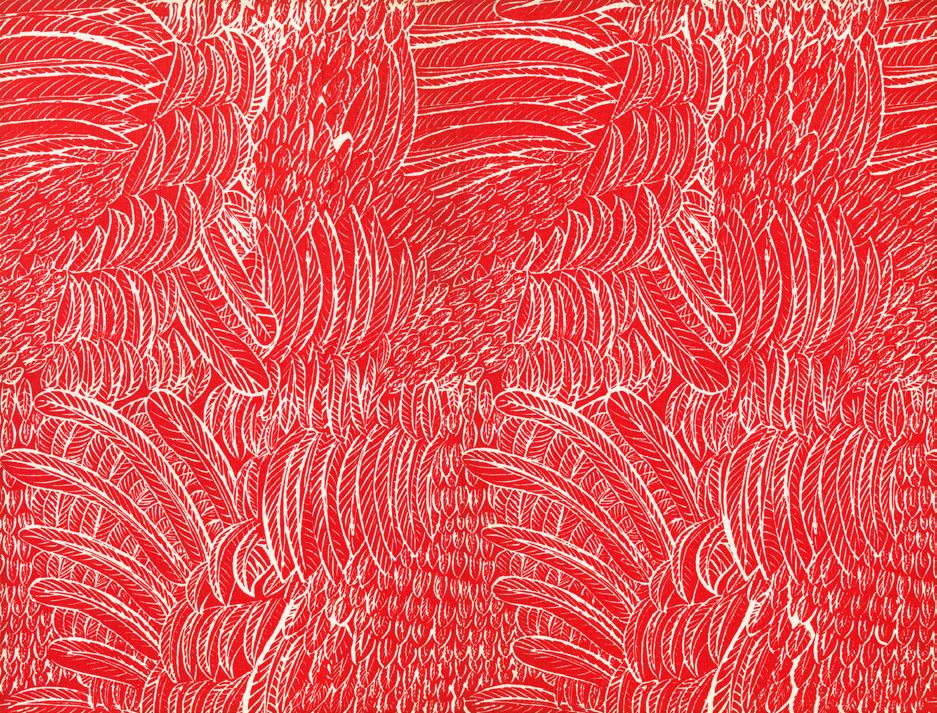
Ross follows Design Works from hand-printed textiles to a broader licensing and printing operation that put African-inspired patterns into homes across the country. The company’s visibility soared through high-profile showcases and museum partnerships, including a spectacular Metropolitan Museum event and later exhibitions that showed how its patterns connected to African art, flora, and fauna. These collaborations helped shift perceptions of Bed-Stuy from crisis to creativity and possibility.
At the heart of the story are the people who made the designs and made the business work, including post-war textile designers D. D. Tillett and Leslie Tillett. Early artistic direction came from designers such as Callie Simpson Thomas, followed by head designer Sherl Nero, whose talent and market instincts shaped the brand’s evolution. Under president Mark Bethel, the pivot to licensing carried Design Works into the national marketplace, even as the company continued to navigate tensions among social mission, profitability, and cultural representation.
Drawing on deep archival research and interviews, Ross traces Design Works’ evolution against the backdrop of the Civil Rights and Black Power movements, and the practical realities of community development and corporate partnerships. The result is a vivid portrait of collaboration across communities and institutions, and a reclamation of a significant episode in twentieth-century design and African American urban history.
PHYLLIS ROSS is an independent scholar of twentieth-century decorative arts and design. She is the author of Gilbert Rohde: Modern Design for Modern Living. In 2020 she received a Schomburg Scholars-in-Residence Fellowship for this project. Her work spans research, curation, and public programs at the Yale University Art Gallery, Cooper Hewitt, the Museum of the City of New York, and the Bard Graduate Center.





PAUL SCHMITZ
“From the shelves of the grocery store aisles to the pages of this book, this biography of a New York city grocery store drops us into immigration history, Italian American history, food history, business history, and the life story of a great city. Everything has a history worth telling and this book on D’Agostino’s surely demonstrates that.”—Hasia Diner, Professor Emerita, New York University
“Poignant, incisive, and full of judicious insights into the inner workings of the American grocery business and the immigrant entrepreneurs who transformed it, this deeply researched, beautifully written book stakes out the intersection of ethnic identity, business history, and the culture of food in twentieth-century America. Investigating New York City’s most famous upscale grocer, Schmitz explores the transformation of D’Agostino’s and similar businesses from immigrant fruit sellers to successful supermarket chain. New York’s Family Grocer demonstrates how D’Agostino’s Italian roots and its founders’ gruff, earthy style—the very ethnic authenticity that originally labeled it lower class and a public nuisance—eventually became the secret of the market’s appeal to upscale consumers. This book will make major contributions to business history, the study of ethnicity, and the politics of food in the modern United States.”—Bruce Schulman, William E. Huntington Professor of History, Boston University
From pushcart to pantry staple in the city that never sleeps
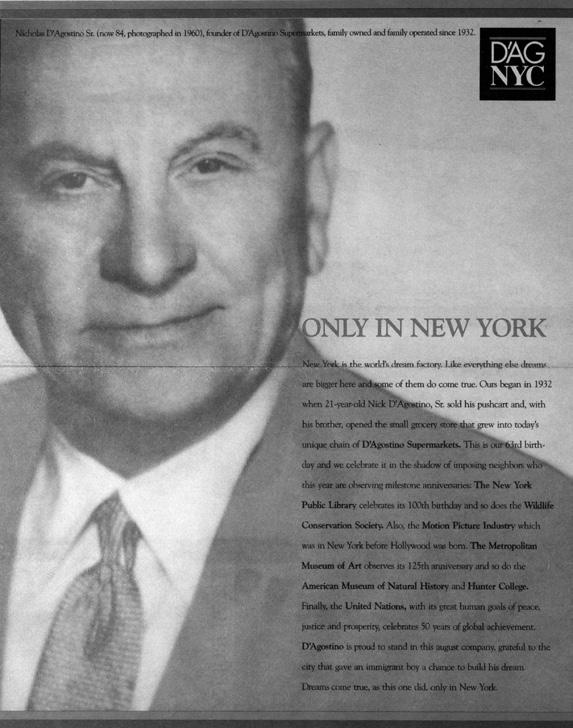
New York’s Family Grocer tells how a neighborhood name became part of the city’s daily rhythm. Patsy and Nicholas D’Agostino arrived from Italy, learned their trade on crowded sidewalks, and opened a small shop in 1932. The idea was simple. Treat people well. Keep the shelves full. Make everyday shopping feel easy by offering meat, produce, and dairy in one location. That approach turned one store into a local favorite and, in time, a chain that stretched across Manhattan.
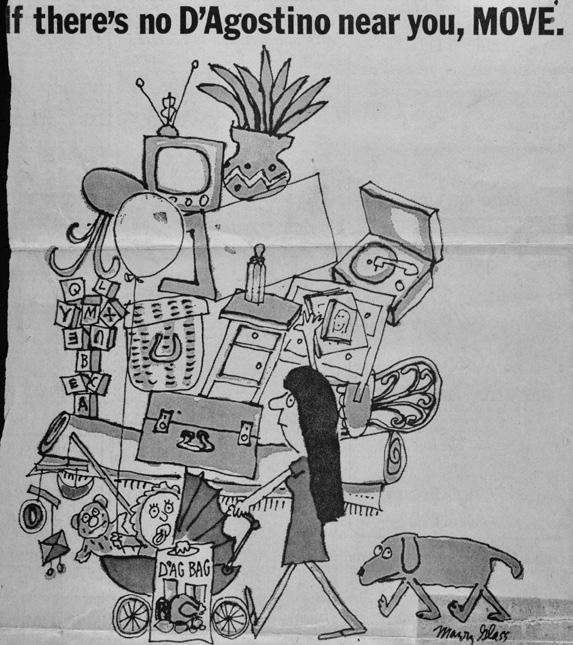
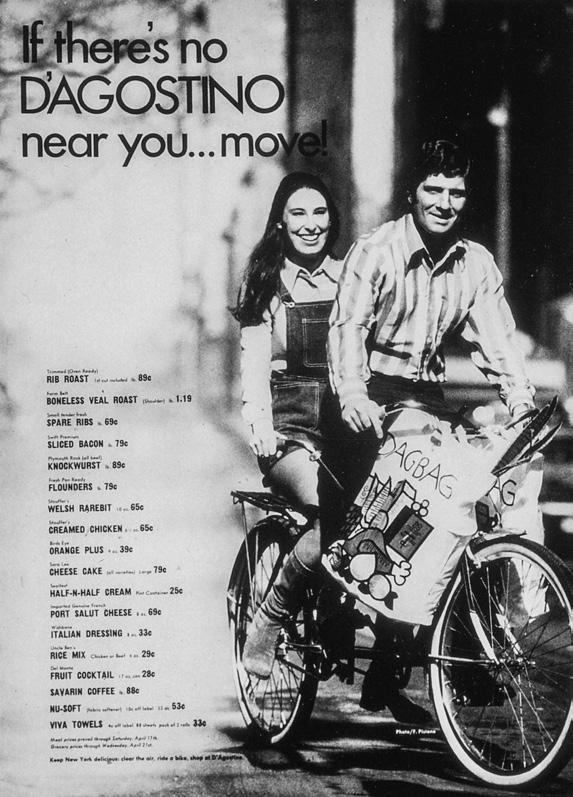
The book brings back moments shoppers remember, including the jingle “Mr. D’Agostino move closer to me.” The move from street stands, pushcarts, and market stalls to bright aisles. Fresh produce piled high. A butcher who knew your order. A name on the corner that signaled quality on the walk home from the subway. Ads and window displays gave the stores a friendly voice, and family ownership carried that spirit for three generations.
Archival photos, ads, clippings, and interviews show how immigrant networks raised capital, how storefronts doubled as social spaces, and how a surname became a trusted brand. Readers watch the shift from street markets to self-service, then into an era of gourmet counters, convenience, and delivery. Labor, supply, and competition tested the company, and the city kept changing around it.
Led by the D’Agostino family, the company tried new ideas and kept what worked for shoppers. The results include wins, losses, and chapters that feel unmistakably New York. At its heart, this book is about work and pride and the promise that a small business can grow without losing its touch. It shows how food shopping shapes daily life and how a family brand becomes part of the map of a city.
PAUL SCHMITZ is Associate Teaching Professor in the History and Society Division at Babson College and has taught courses on the Modern American City, the History and Culture of American Business, and Immigration and Race. His research focuses on issues of food, business, and identity within the Italian and immigrant communities of New York City.






Art/Essays/América
ROBERTO TEJADA
FOREWORD BY MARY
320 pages, 7 x 10, 32 color and 80 b/w illustrations
9781531513290, Paperback, $34.95 (TP), £26.99 9781531513283, Hardback, $125.00 (SDT), £100.00
Simultaneous electronic edition available AUGUST
Art & Visual Culture | Latinx Studies | Latin American Studies
“You do not know American art history until you have read Along the Diagonal: Art / Essays / América Roberto Tejada traces a diagonal across the hemisphere, bringing Latino and Latin American artists into view—not as an addendum to US art history, but as a site of open-ended contemplation on the larger, often silenced histories and asymmetrical entanglements that shape the region. Bridging disciplines, this book is indispensable for art history, cultural theory, hemispheric studies, and gender, sexuality, ethnic, and Indigenous studies.” —Chon Noriega, Distinguished Professor, UCLA
The first book to offer an expansive view of both major figures and emerging voices in Latin American and US Latinx art
With a poet’s eye and a critic’s insight, Guggenheim Fellow and celebrated scholar Roberto Tejada brings together a dynamic collection drawn from decades of lectures, articles, cultural criticism, and catalog essays that reframe our understanding of Latin American and US Latinx art throughout the diaspora.
A landmark work from one of today’s most vital minds in art criticism and cultural thought, Along the Diagonal moves fluidly between close readings of memoir, visual analysis, and political history to offer an expansive and deeply personal journey. Rather than defining Latinx or Latin American art as fixed categories, Tejada explores them as overlapping and diverging trajectories shaped by migration, colonization, media culture, and institutional visibility. He pushes against narrow conceptions of Latinx identity as well as isolated histories of Civil Rights movements to situate artists, works of art, and images in sociopolitical contexts and within a web of identity, memory, and often-contested meanings.
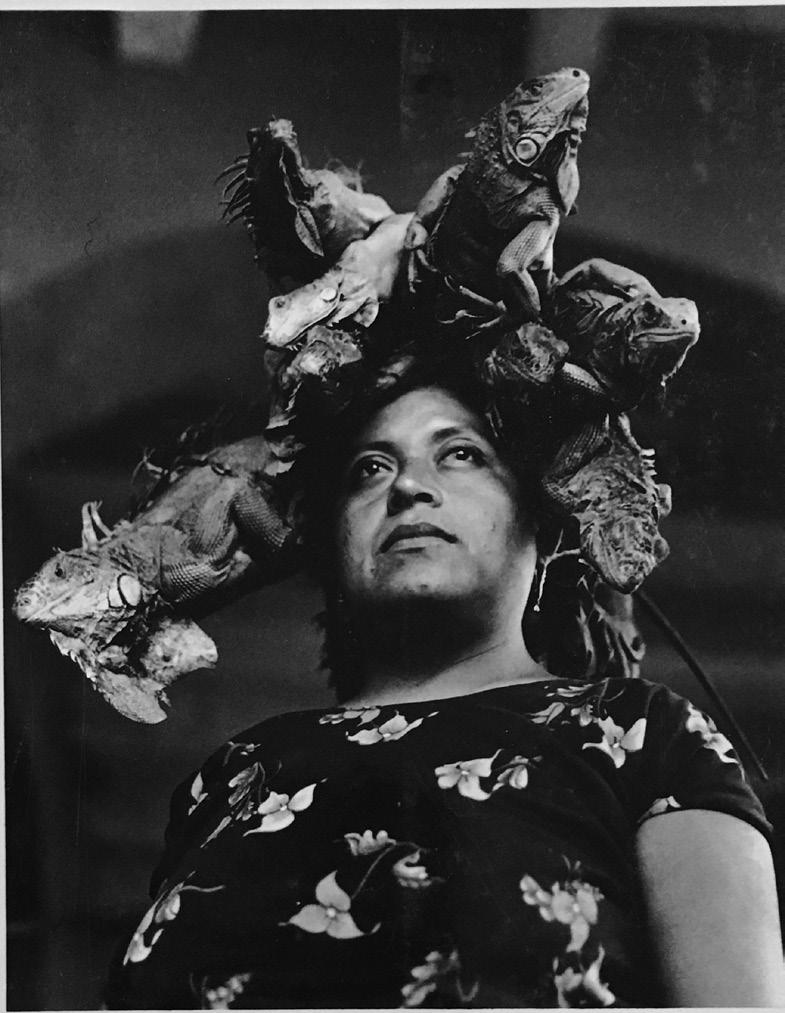
Opening with Celia Álvarez Muñoz’s participatory installation, A Brand New Ball Game, Tejada sets the tone for his diagonal approach: one that favors slantwise perception, speculative connection, and aesthetic risk. From there, the book spans the street-level murals of Chicano Los Angeles, the photobooks of contemporary Brazil, and the multimedia installations of Puerto Rican duo Allora & Calzadilla. Tejada draws on his personal experiences in Mexico City in the 1990s, the theory of Roger Caillois and Vilém Flusser, and the activism of queer and Latinx artists to stage a rich and restless conversation about art as both a record and agent of historical change. Tejada offers sharp insights into the work of influential precursors such as Mexican muralist José Clemente Orozco and contemporary artists Miguel Angel Ríos, Francis Alÿs, and Allora & Calzadilla, while also amplifying emerging and lesser-known voices, including Jenni(f)fer Tamayo and Jesús Macarena-Ávila.
A vital contribution to the evolving conversation about Latinx and Latin American art, Along the Diagonal opens new paths for thinking about how art lives in, and helps shape, the social and political worlds we inhabit.
ROBERTO TEJADA is the author of numerous poetry collections, including Carbonate of Copper (Fordham), Why the Assembly Disbanded (Fordham), and Exhibition Park. The recipient of a John Simon Guggenheim Memorial Foundation Fellowship, he is the Hugh Roy and Lillie Cranz Cullen Distinguished Professor in Creative Writing and Art History at the University of Houston.



JONATHAN ALEXANDER
JONATHAN ALEXANDER
160 pages, 9 color and 8 b/w illustrations
9781531513160, Trade Paperback, $24.95 (TP), £18.99 Simultaneous electronic edition available
Photography | LGBTQ Studies | Health & Medicine
“This work is original and stimulating. The particular method of critique and address is unique—drawing from autotheory and memoir, this author explicates several artists’ work by implicating themself in both interpretation and personal consequence. This sometimes-brutal dance of explication and implication is a tour de force of personal writing. At the same time, the author skillfully brings in critical theory and philosophy to make the case for a new way of encountering queer art. It’s really well-done. Specialists in rhetoric and writing studies would welcome this book as a leading example of how to do queer rhetoric instead of just talk about it.” —Jacqueline Rhodes, Joan Negley Kelleher Centennial Professor of Rhetoric and Composition at the University of Texas at Austin
A personal, critical guide to seeing queer art’s wounds and possibilities
Damage asks how to look at images marked by queer pain without turning that pain into shock or pretending it isn’t there. Writer and critic Jonathan Alexander answers by pairing close looking with lived experience. The result is intimate and analytic at once, a book that stays with hard feelings while still making room for possibility.
Damage blends personal story with cultural criticism. Here, first-person stories advance the ideas. Alexander uses scenes from his life to test claims about seeing, care, and repair. The “I” works as a method that keeps theory accountable to bodies and communities, to the facts of illness, stigma, racism, and homophobia.
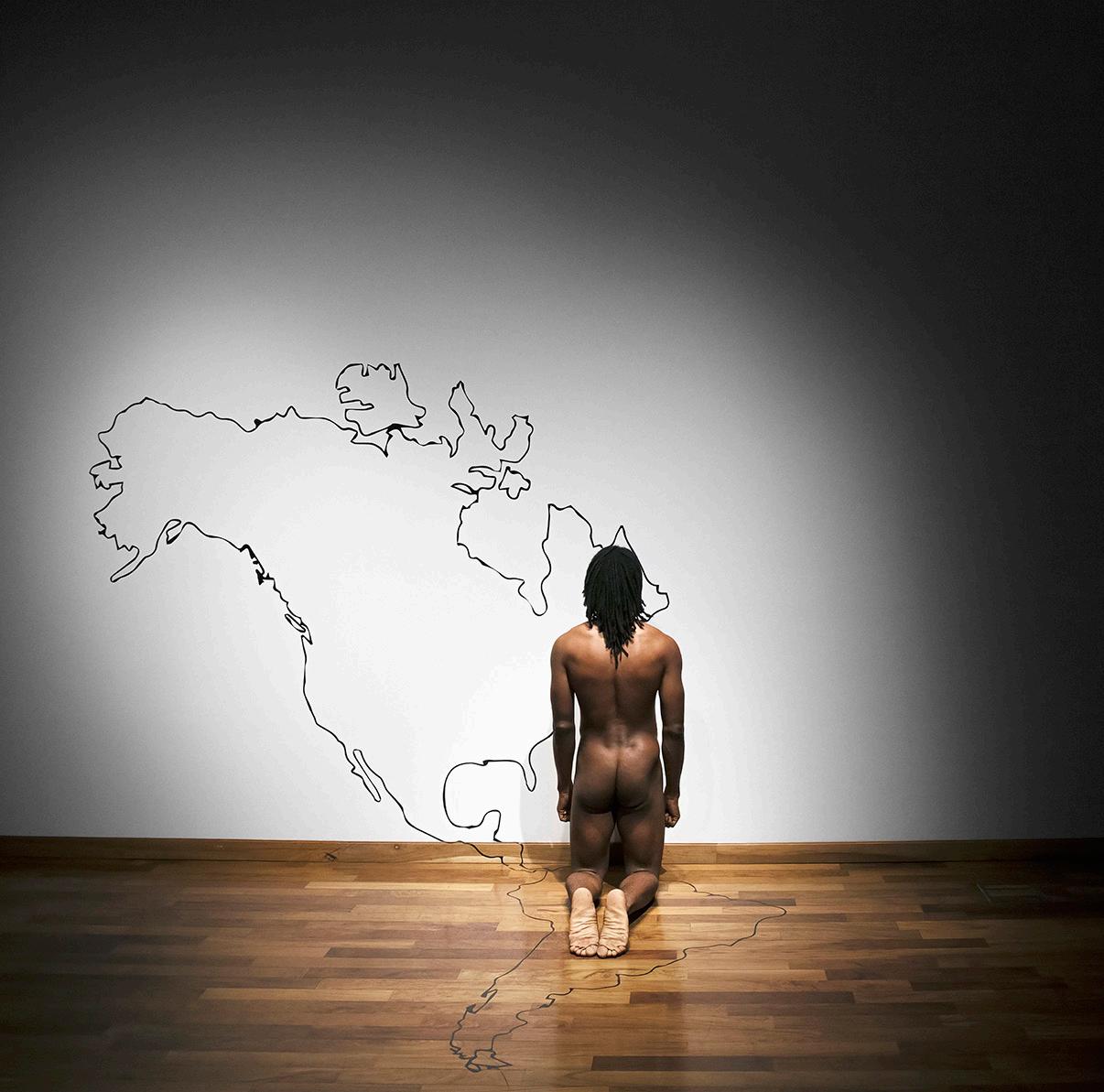
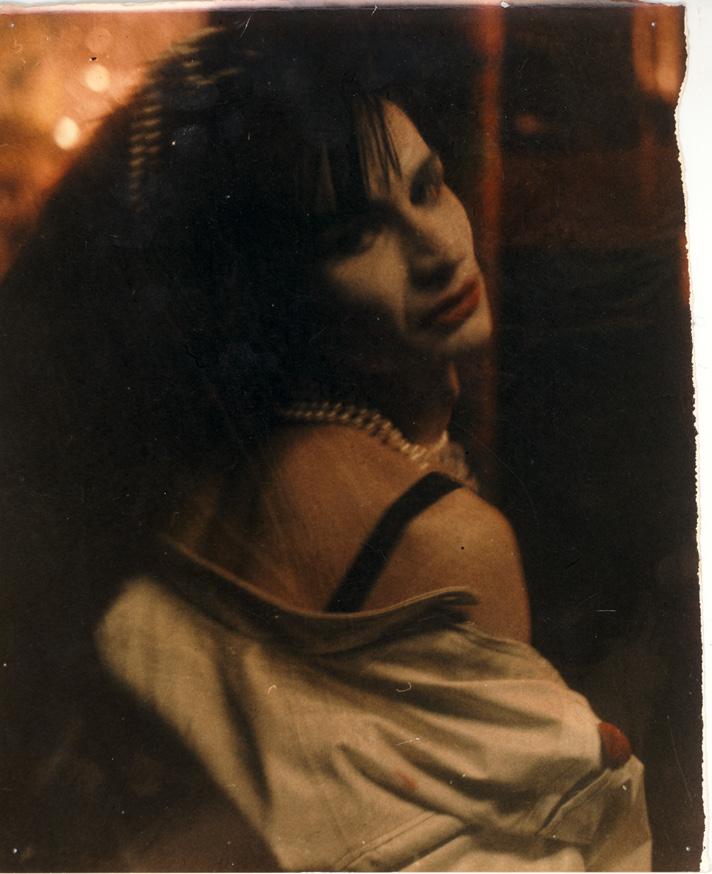
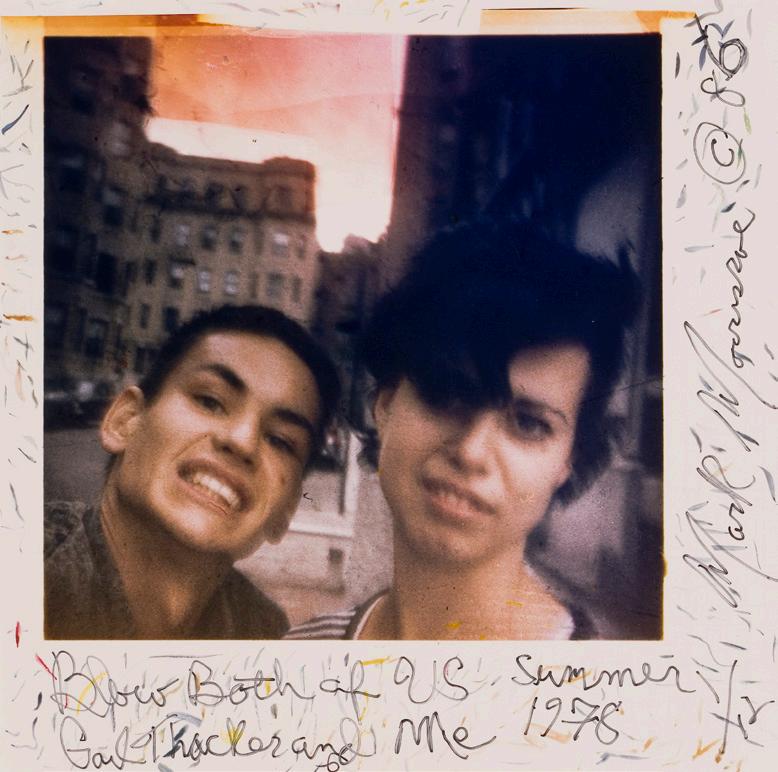
Across five artists, Alexander traces how damage becomes material for art and a spur to relation. With Hervé Guibert, he considers self-imaging in the AIDS era as testimony and technique. With Mark Morrisroe, he follows Polaroids and punk intimacy to find a grammar of tenderness inside grit. Laura Aguilar anchors a practice of self-portraiture that scales from a solitary body to community, land, and kinship. Carlos Martiel turns performance into a register of how nations write on bodies through race, migration, and discipline. Catherine Opie models an ethic of looking that includes self-portrait and community portrait, attending to the marks of pleasure and hurt while asking what repair might involve.
Damage is compact and teachable. Each chapter opens with a scene of looking and moves to ideas readers can use. An interlude asks how beauty persists amid harm. A closing “Aftermath” offers practical ways to stay with difficult images without going numb. The prose is precise and direct. The claims are careful. The aim is not to cure pain, but to help readers recognize it, live with it, and act in its wake.
JONATHAN ALEXANDER is Chancellor’s Professor of English and Gender & Sexuality Studies at UC Irvine. A writer of 20+ books, he blends memoir and criticism in work often described as autotheory. His titles include Writing and Desire, Stroke Book (Fordham), and a trilogy—Creep: A Life, a Theory, an Apology; Bullied: The Story of an Abuse; and Dear Queer Self. Honors include a Lambda Literary finalist nod, a gold IPPY, an INDIES finalist citation, and the Lavender Rhetorics Award.



JENNIFER BAUM
272 pages, 37 b/w illustrations
9781531513511, Paperback, $19.95 (TP), £14.99 [Hardback available: 9781531506216]
“Baum excels at capturing the allure of interdependent, close-knit communities. . . . Informative and nostalgic, this makes for a bittersweet look at a time when America’s cities were affordable.” Publishers Weekly
“Just City, by the filmmaker turned writer, Jennifer Baum, is a highly interesting combination of a sociological analysis of the rise and fall of subsidized housing policy in New York during the 20th century, where decent housing was a civil right for all citizens and not solely as a privilege for the rich, and her memoir of growing up in such housing, during the peak of the progressive housing movement.”—Journal of Urban Affairs
“Just City provides a deep and thoroughly contextualized understanding of subsidized housing for the middle- and lower-class in postwar Manhattan: the goals that brought politicians to create it; its actual development on the streets of New York; its rise and fall in popularity; and the broader state of mind that made such widespread urban policies possible. The book is a fascinating combination of memoir and urban studies.”—Jennifer A. Low, professor emerita at Florida Atlantic University and author of Dramatic Spaces: Scenography and Spectatorial Perceptions
“Mitchell Lama housing was always more than low-cost apartments in tower blocks. For many sponsors and residents, cooperation and mutual aid were just as important as shelter. Jennifer Baum captures that broader spirit in this readable autobiographical account, integrating personal memoir and housing policy analysis. For a rising generation excited about housing cooperation, Baum’s vivid description of the promise and challenge of earlier efforts is instructive.”—Nicholas Dagen Bloom, Hunter College, City University of New York
WINNER, 2025 ASSOCIATION OF UNIVERSITY PRESSES BOOK, JACKET, AND JOURNAL SHOW IN THE JACKETS & COVERS CATEGORY
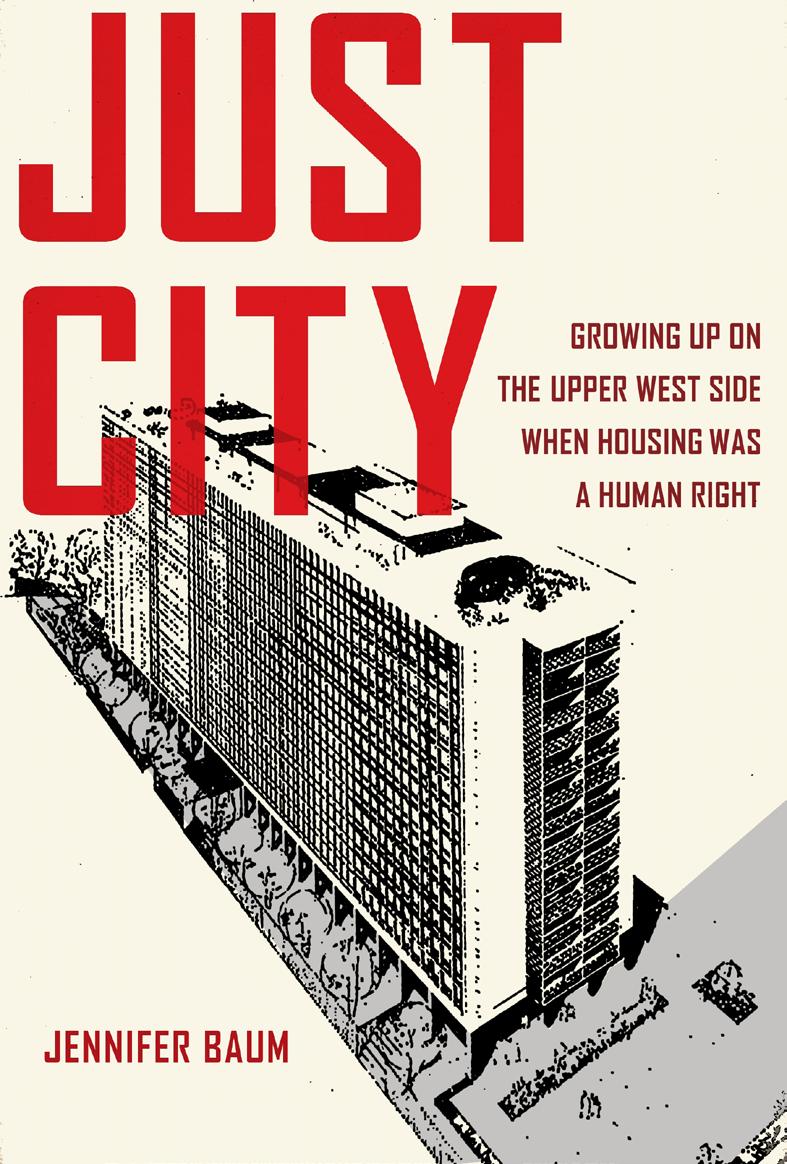
A captivating memoir of New York’s Historic Upper West Side at a time when community and unity defined the neighborhood
JENNIFER BAUM is a filmmaker turned writer. Her writing has been published in New York Daily News, Guernica, Jacobin, The Village Voice, The Phoenix Jewish News, Canadian Jewish Outlook, The Jewish Observer Los Angeles, MUTHA, Hip Mama, and Newfound, which nominated her essay “A Different Set of Rules” for a Pushcart award. Baum teaches composition at Montclair State University and occasionally works as a freelance editor, most recently for a series of reports for the World Bank on poverty in Ghana.
RAJ TAWNEY
160 pages, 16 b/w illustrations
9781531513542, Paperback, $18.95 (TP), £13.99 [Hardback available: 9781531504571]
Simultaneous electronic edition available MARCH
Memoir | Food Studies | New York City & Regional
“A multicultural memoir full of food and love.”—New York Public Library
“A heartfelt memoir. The author’s ability to follow his passions and find his place in the world will resonate with many readers, especially those interested in multicultural narratives.”— Library Journal
“Chronicling his coming of age through the recipes, music, clothes, and New York City that shaped him, Tawney’s Colorful Palate is a loving look at food and family that doesn’t shy away from interrogating race and identity.”—PEN America
“Food is not only a way for Raj Tawney to tap into his cultural roots, but he sees it as a gateway for people to explore other cultures comfortably.”—Liz Tracy, Miami New Times
“Raj takes us on an intimate journey of beautifully told stories that dive into his childhood of growing up mixed race in America. It’s thought-provoking, as well as delicious, with each chapter, uncovering assumptions and exploring family, culture, and race.”—Carla Hall
“Raj Tawney deftly explores his culturally-rich upbringing, unearthing pivotal answers to one of the most fascinating questions in the world: Who am I? Through a captivating mix of intimate stories of family, tradition, and flavor, he paints a poignant portrait of identity and what it really means to be an American. Coupled with mouth-watering recipes that reflect his multifaceted heritage and his respect for food, Colorful Palate is a touching example of the power we can all yield when we embrace our roots as we partake in—to use Tawney’s words—the ‘Great American Experiment.’”—John Leguizamo
“Being an immigrant myself, I have always appreciated the cultural diversity and acceptance of it in the United States. Raj Tawney is born American and, in this delightful book, he relates to his identity, his life, and growing up in three cultures. The recipes that follow in each chapter are a delicious recall of memories and flavors of each culture. He connects to his roots with tenderness, appreciation, and understanding of his multiethnic family that ends in the kitchen cooking those favorite recipes. Overcoming, with understanding, some of the difficulties he encountered as a multiethnic child growing up, he knows that there are many young Americans that are of different cultural blends as he is and that is evermore what America is, and what makes America the great country it is. A great read, the tasteful recipes are the bonus.”—Lidia Bastianich
WINNER, 2025 NATIONAL INDIE EXCELLENCE AWARD, MULTICULTURAL NON-FICTION
WINNER, 2025 IPPY AWARD, MULTICULTURAL NON-FICTION - ADULT (GOLD)
WINNER, 2024 BEST INDIE BOOK AWARD, CULINARY MEMOIR
WINNER, 2024 LIVING NOW BOOK AWARD, INSPIRATIONAL MEMOIR - MALE (BRONZE)
A NEW YORK PUBLIC LIBRARY & FOREWORD REVIEWS BOOK OF THE DAY • NAMED A BEST BOOK OF 2023 BY ZED BOOK CLUB & INDIA CURRENTS • LA WEEKLY BOOK PICK • RECOMMENDED BY BOOK RIOT & ELECTRIC LITERATURE
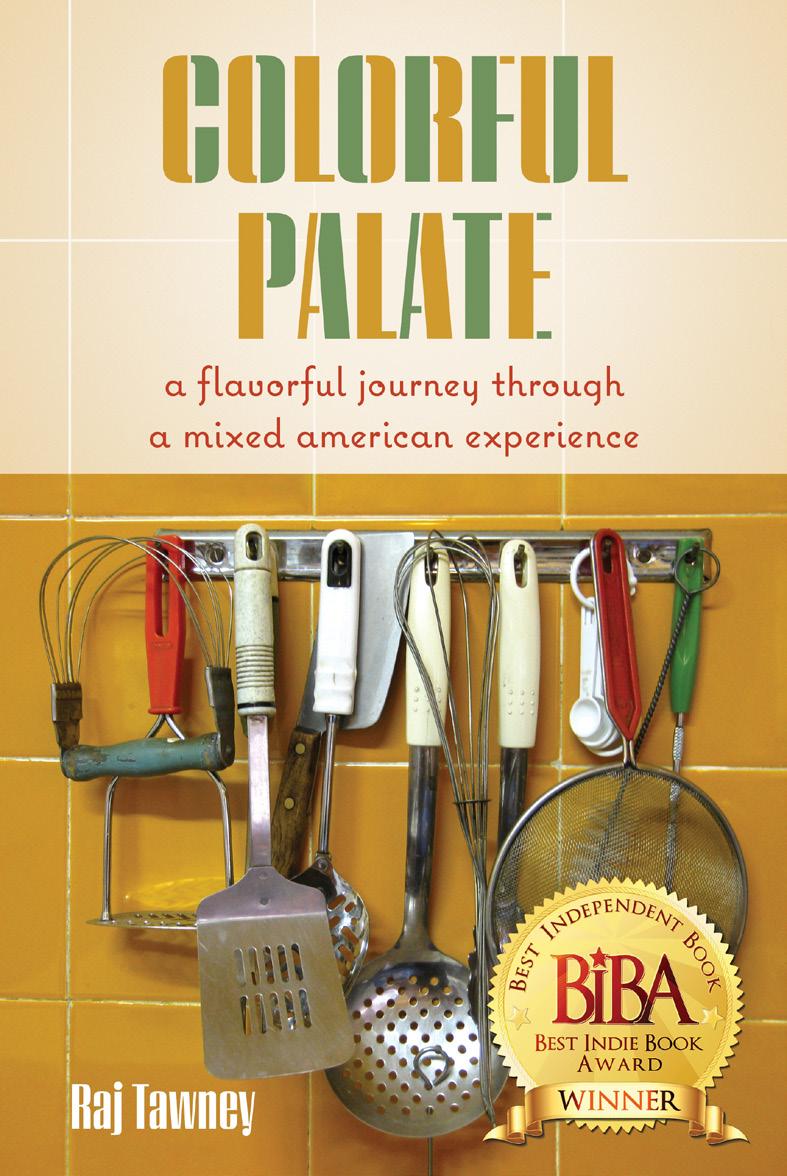
A timely self-examination of the “mixed” American experience featuring exclusive recipes and photographs from the author’s multicultural family
RAJ TAWNEY is a writer and journalist whose work largely reflects his New York–area upbringing and sensibility. Raised in an Indian, Puerto Rican, and Italian-American household, Tawney has explored his own race and identity through stories published in The New York Times, The Washington Post, NBC News, USA Today, Smithsonian magazine, and other outlets. He is the author of the middle-grade novel All Mixed Up, a New York Public Library Best Books for Kids pick.
JONATHAN BUTLER
384 pages, 68 b/w illustrations 9781531513528, Trade Paperback, $22.95 (TP), £16.99 [Hardback available: 9781531508159] eBook available JUNE
“[Includes] well-constructed protest scenes, including the 1968 Democratic National Convention in Chicago . . .Vivid, suspense-filled.”—Publishers Weekly
“People, times, and dates are meticulously recorded here, sourced to a combination of media reports, public records, and firsthand accounts. In his rigor and exactitude, Butler proves himself a worthy successor to the late sociologist and activist Todd Gitlin, whom he cites frequently.” The Washington Independent Review of Books
“A fascinating and surprisingly timely political biography . . . a seminal work of meticulous scholarship, Join the Conspiracy is extraordinarily well written, organized, and presented.” Midwest Book Review
“Never heard of George Demmerle—aka, Prince Crazie? Well, so much the better. Here was a man at the center of a crazy place (the East Village) in a crazy time (the late Sixties), plotting a revolution—while secretly working as an FBI informant. Jonathan Butler recreates it all in vivid, cinematic detail, while adding a whole new chapter to the history of the American Left. Clear your calendar and buckle up for a wild ride.”—Jonathan Mahler, author of Ladies and Gentlemen, the Bronx Is Burning and a staff writer for the New York Times Magazine
“A story so wild it had to be true. Butler has unearthed an important slice of history and presented it with smarts and style. Like all the best history books, this one will help you understand the present as well as the past, and probably the future.”—Jonathan Eig, author of King: A Life
“Delving deep into a hidden history, Jonathan Butler relates an extraordinary drama with betrayal at its heart. Deeply researched and beautifully written, this previously unknown story, set in the passionate, violent politics of the 1960s, stands with Conrad’s The Secret Agent.”—Andrew Cockburn, Washington Editor, Harper’s Magazine
“An entertaining study of a right-winger who spied on the New Left. Through focusing on the story of George Demmerle, Butler uncovers just how far the surveillance state went to stop the social movements of the 1960s.”—Michael Koncewicz, author of They Said No to Nixon: Republicans Who Stood Up to the President’s Abuses of Power
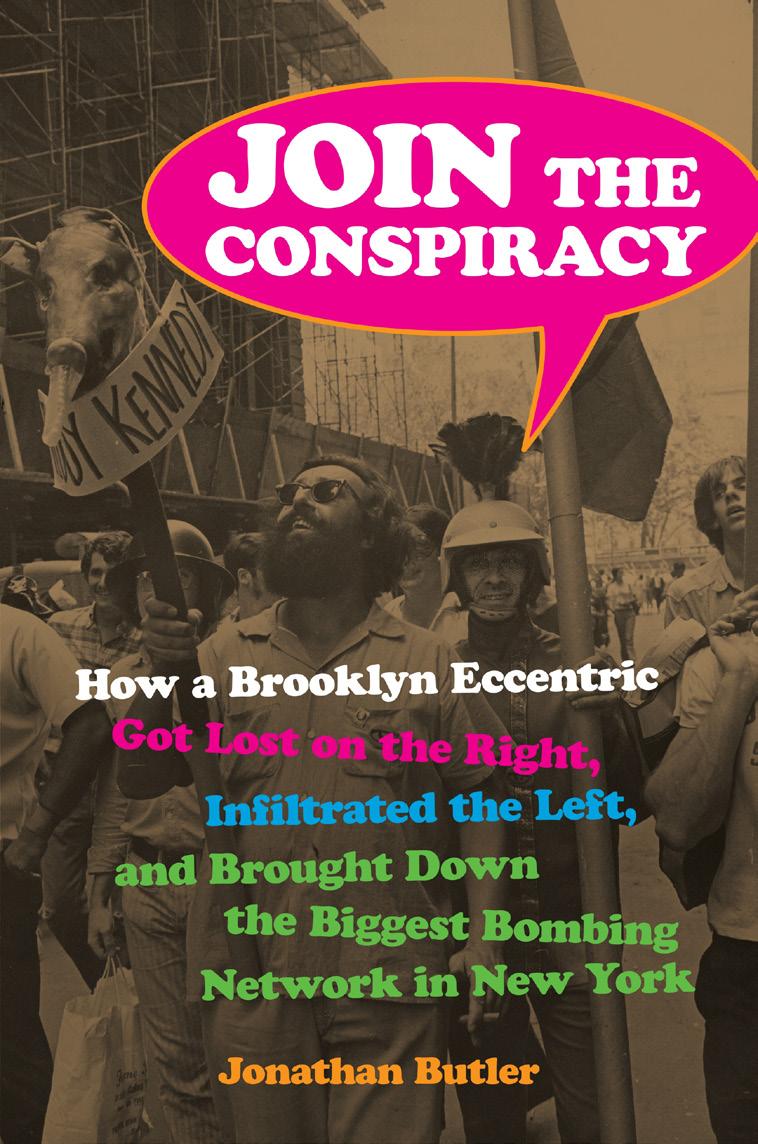
Dive into the electrifying tale of a Brooklyn-born patriot turned radical activist, in an era when America was torn by its ideological extremes
JONATHAN BUTLER , a Brooklyn-based writer and entrepreneur, has made significant contributions to journalism, local culture, and the arts. His ventures include founding Brownstoner.com, the Brooklyn Flea, and Smorgasburg, all of which have attracted widespread attention and accolades. Featured in top publications like the New York Times, the Wall Street Journal, and the New Yorker, he has been honored with awards from the Municipal Art Society, New York Landmarks Conservancy, Brooklyn Historical Society, and others.
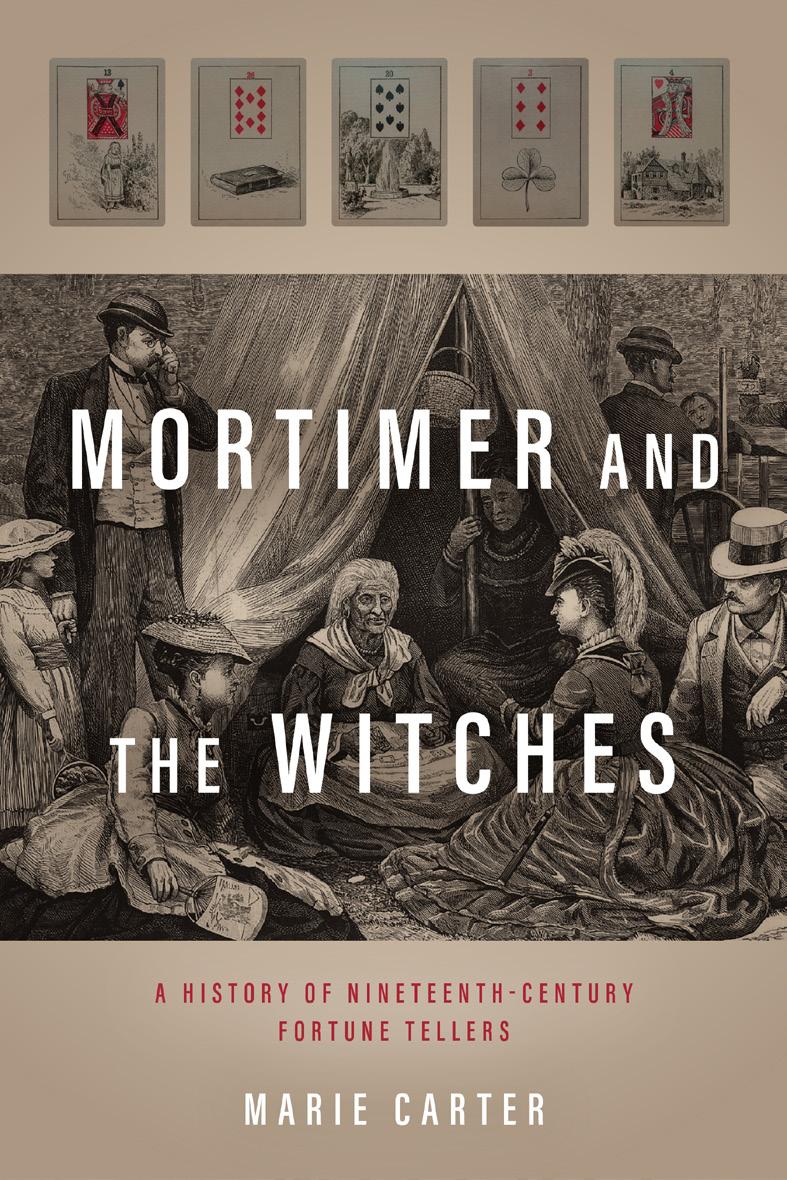
MARIE CARTER
“Mortimer and the Witches is an unflinching cultural history covering the social ills of nineteenthcentury New York through the lives of women who were, at the time, memorialized in mocking print.”—Foreword Reviews
“Using a newspaper reporter’s expose of fortune tellers/psychics, Marie Carter gives us a unique look at how sexism played out in the 19th century. While robber barons pillage the country (sound familiar?), the reporter Mortimer Thomson goes after women struggling to get by in a time when they had few options. These women are con artists—some worse than that—but are they criminals or the victims, or both? Carter manages to bring them to life, while also humanizing Mortimer. He’s not some cartoon Snidely Whiplash bad guy. Mortimer and the Witches is a gripping mix of the history of discrimination, and our continued failure to focus on the true villains. It’s such a fascinating look at a relatively unexamined back-alley struggle for survival, I ate it up.”—Stacy Horn, author of Damnation Island: Poor, Sick, Mad & Criminal in 19th-Century New York
“Every turn of the page of Mortimer and the Witches brings on that same anticipation of revealing a tarot card and wondering what the storyteller will say. Not only does it fill a gap in our historical understanding of 19th-century sexism and classism, but it’s chock-full of facts I could never have predicted. I feel fortunate to have made the acquaintance of Mortimer and these hard-working women of Old New York.”—Peggy Gavan, author of The Cat Men of Gotham: Tales of Feline Friendships of Old New York
“Mortimer and the Witches explores, in fascinating detail, the magical, occasionally criminal, underworld that simmers beneath the surface of so many cities around the world. But Marie Carter’s tale of 19th-century New York is also an insightful, don’t-miss examination of the prevailing suspicion and prejudice against women operating at the margins of society.”—Deborah Blum, Pulitzer-prize winning author of Ghost Hunters: William James and the Search for Scientific Proof of Life After Death
NEW YORK: THE BEST NYC BOOKS OF ALL TIME
The neglected histories of 19th-century NYC’s maligned workingclass fortune tellers and the man who set out to discredit them
MARIE CARTER is a Scottish-born writer and licensed New York City tour guide who has called the city home for twenty-three years. She specializes in its macabre, little-known histories, researching and developing tours for Boroughs of the Dead and leading walks in Astoria, Roosevelt Island, Manhattan, and Brooklyn. A frequent guest lecturer at QED Astoria, she is the author of The Trapeze Diaries and Holly’s Hurricane (2018), a finalist for the 2019 Montaigne Medal, and the editor of Word Jig: New Fiction from Scotland
An Annotated Edition
Edited, and with a New Preface, by Lawrence Kramer

Annotated Edition
AND WITH A NEW
BY LAWRENCE KRAMER
“Hart Crane’s The Bridge is generally agreed to be one of the great long poems of the early twentieth century, but its obscure allusions and habitual double entendres have made it a difficult poem to digest. Lawrence Kramer’s excellent annotated edition, produced with the help of a devoted group of graduate students, thus fills what is a real lacuna. Not only are Kramer’s annotations deeply learned and precise; they also display great tact and common sense, refusing to overwhelm us with data or tangential matter. No student of Hart Crane—indeed no lover of Modernist poetry—will want to be without this necessary edition of The Bridge.”—
Marjorie Perloff, Stanford University
“No great poem is more deceptively titled than The Bridge, a work whose restless dynamics exceed all architectural containment. Hart Crane set out to celebrate America but what he produced was a rhapsody to New York City, conceived as a fount of immense power and an ideal perch for assessing national values in a ‘Jazz Age.’ And now, under Lawrence Kramer’s capacious annotation, The Bridge expands into its fullest dimensions, becoming historical fantasia, dream-text, combative retort, personal document, national epic, queer libretto, and machine-age homage. Frank O’Hara’s claim that Crane’s writing is ‘better than the movies’ is exuberantly realized in Kramer’s detailed dramaturgy.”—Edward Brunner, author of Splendid Failure: Hart Crane and the Making of The Bridge
Now in paperback, with a new preface and clear, reader-friendly annotations that unlock Crane’s landmark poem
Hart Crane’s modernist masterpiece The Bridge has steadily grown in stature since its 1930 publication. Once dismissed by influential critics as a noble failure, a view that hardened into conventional wisdom, it is now widely regarded as one of the major achievements of twentieth-century American poetry. The poem unites mythology and modernity to reckon with the promises, kept and broken, of American experience.
The Bridge is challenging in the best sense, exacting and ultimately rewarding. Beloved yet often misunderstood, it threads indirect and finely grained allusions through period-specific references to 1920s life that can elude contemporary readers. Crane’s elaborate compound metaphors braid disparate sources, making the poem’s movement at times hard to track. Its topical and geographic markers call not only for identification but for explanation. Without specialized knowledge, much of it not readily available even online, many passages remain opaque.
Until now, there was no single, convenient resource to help readers unlock Crane’s vision. This book is that guide. Its detailed, far-reaching annotations make The Bridge fully accessible, whether you are a scholar, a student, or a devoted reader of poetry.
HART CRANE (1899–1932) was one of the preeminent poets of American modernism.
LAWRENCE KRAMER is Distinguished Professor of English and Music at Fordham University. He is the author of fifteen books and editor of Walt Whitman’s Drum-Taps: The Complete 1865 Edition and Lola Ridge’s The Ghetto and Other Poems: An Annotated Edition (Fordham).
DANIEL TIFFANY
86 pages, 6 x 8
9781531513139, Trade Paperback, $18.95 (TP), £13.99 Simultaneous electronic edition available
“Daniel Tiffany’s Our Prediction assembles a collective voice that seems to arise from a polis at the edge of history. Lines jostle for position like the members of a restless, uprooted population. A profane sublimity flickers in these samples from an impossible, yet all too real quotidian. Whatever fate holds in store for humanity, the plural voice in these poems unsettlingly anticipates its outlines.”—Andrew Joron, author of The Absolute Letter
“Our Prediction reaches back through the past and down our collective throats to deliver a terrifying and tender new tongue. Perverse and hallucinatory, language in these poems sounds off an erotic charge, haywiring us with shady intelligence and unsettling humor. Even if you know Tiffany’s work, you will still be blown away by this astonishing book—his best yet!”—Christine Hume, author of Saturation Project
"If only things didn’t happen / to us forever,” Daniel Tiffany writes in Our Prediction, and these poems testify beautifully both to that longing for a final separateness from which to observe life, and the equally powerful longing to record one’s entanglement with life. As in all the best books, here the timeless is wedged into time, and made new thereby.”—Shane McCrae, author of Two Appearances After the Resurrection
An intimate archive emptied and overwritten by a fear of words, a book of mingled fates
The poems of Our Prediction are lifted from a folder of sketchy reports recalling the strange neutrality of the ancient chorus. And this intimate archive exposes a fear of language concealed at the root of poetry, delivering a book in which doubt, shame, and dread overtake poetry’s stereotypical love affair with words, a book that crosses over into the exclusion zone of stupidity and never returns. Breeding and scavenging without scruple or restraint, the “bare life” of these unauthorized poems invariably confuses reading and writing. Listening becomes the business of speaking, of saying we but not asking who. And in its crooked way, the crooked text may begin to sound like a campfire oath of senseless plots and garbled refrains. For the listener soon will be surrounded by an accident of voices—a cassandrian short cut—exposing the particulars of not-yet-being.
DANIEL TIFFANY is the author of collections of poetry from presses including Wesleyan, Action Books, Noemi, Tinfish, Parlor Press, and Omnidawn. His poems have been published in many journals, including Poetry, Boston Review, Brooklyn Rail, Lana Turner, Bomb, and Paris Review. In addition to his own writing, he has published translations of texts from French, Greek, and Italian. Tiffany is also the author of five volumes of academic criticism from presses including Harvard, Chicago, and Johns Hopkins. His entry on “Lyric Poetry and Poetics” can be found in the current edition of the Oxford Encyclopedia of Literature, and he is a recipient of the Berlin Prize from the American Academy in Berlin. www.danieltiffany.com
RICHARD CIMINO
HANS
352 pages, 46 b/w illustrations
9781531513412, Paperback, $35.00 (AC), £26.99 9781531513405, Hardback, $105.00 (SDT), £84.00
Simultaneous electronic edition available Polis: Fordham Series in Urban Studies
“An important contribution to the sociology of religion in urban areas. Micro-City demonstrates how faith inspires community building within identity groups and cooperation with people across identity groups. An inspiring read for our isolated and polarized times.”—Eboo Patel, author of We Need To Build: Field Notes for Diverse Democracy; Founder and President, Interfaith America
An on-the-ground study of how faith communities create belonging and build bridges across one of the most diverse urban landscapes in the world
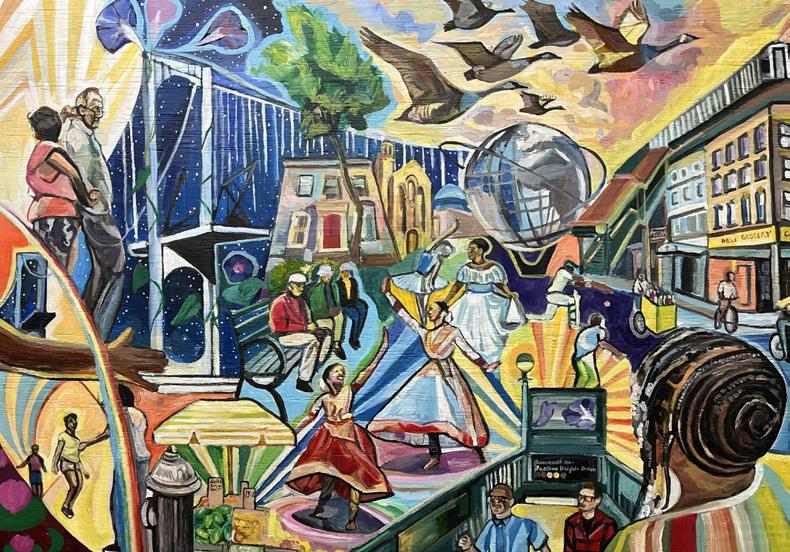
Micro-City follows congregations, clergy, and everyday New Yorkers across twelve Queens neighborhoods to show how religious life both shelters difference and connects it in public. Blending theories from urban sociology and the sociology of religion with fieldwork, Richard Cimino and Hans Tokke map a borough where no single group is the majority and where people cluster into micro-communities that feel like home, yet still meet, trade, vote, and celebrate across lines of ethnicity, language, and creed.
For readers interested in neighborhoods, culture, and faith, it offers a street-level tour of festivals, storefront churches, temples, parades, and parks. For scholars, students, and practitioners in urban studies, sociology of religion, and American studies, it sets out a usable framework for superdiversity grounded in interaction rituals and congregational niches, showing how bonding and bridging social capital take shape. Clergy, community organizers, and planners will find practical insights into how congregations act as specialist and generalist hubs, shaping neighborhood belonging, civic life, and cross-group cooperation.
Readers encounter Little Guyana’s Liberty Avenue, Greek Astoria, Pan-Asian Bayside, Holy Hip-Hop in Hollis, Jain, Buddhist, and Hindu temples, and hipster Hunters Point. Along the way the authors introduce archetypes such as pastor- and pundit-preneurs, civic Catholicism and charismatics, Black-clergy groups, and show how religious culture influences neighborhood politics and everyday coexistence. The result is a field guide to how plural cities work, and how they can work better.
RICHARD CIMINO is Lecturer in Sociology at SUNY Old Westbury and founding editor of Religion Watch. His books include Ecologies of Faith in New York and Atheist Awakening.
HANS TOKKE is an urban sociologist, consultant, designer, and ordained minister. He is Adjunct Associate Professor of Sociology at CUNY New York City College of Technology and Western Connecticut State University and directs the Microcity Movement.
TENDING
TO THE HARM
WITHIN CATHOLICISM

ANNIE SELAK
within Catholicism
ANNIE SELAK
224 pages, 3 b/w illustrations
9781531513375, Paperback, $29.95 (AC), £22.99 9781531513368, Hardback, $105.00 (SDT), £84.00
Simultaneous electronic edition available JUNE Religion | Catholic Studies | Theology
Confronting racism, sexism, and clericalism in Catholic life and inviting real conversion and justice
In The Wounded Church, theologian Annie Selak argues that the Catholic Church must confront its own injuries in order to credibly be the Church. Using a feminist framework, she develops a new ecclesiology around three wounds, racism, sexism, and clericalism, that actively harm the Body of Christ and distort its witness.
Attentive to history, pastoral practice, and lived experience, Selak shows how each wound is both inflicted by the Church and borne within the Church. She offers the resurrected body of Jesus, scarred yet no longer bleeding, as a guiding metaphor for ecclesial renewal, a body that does not deny its wounds but is transformed through them. Drawing on Karl Rahner, she grounds hope in the reign of God while insisting on concrete institutional and spiritual conversion.
Written for students and scholars, ministers and lay leaders, The Wounded Church uncovers overlooked histories tied to racism, sexism, and the clergy sexual abuse crisis, and proposes clear theological principles for reform. The result is a constructive, pastorally engaged vision that tells the truth about harm and imagines credible paths toward change, accountability, and justice.
ANNIE SELAK is a feminist theologian based in Washington, DC, and a visiting scholar at Georgetown University. She has more than fifteen years of experience in Catholic ministry. Her teaching and writing focus on ecclesiology, feminist theologies, and ethics.
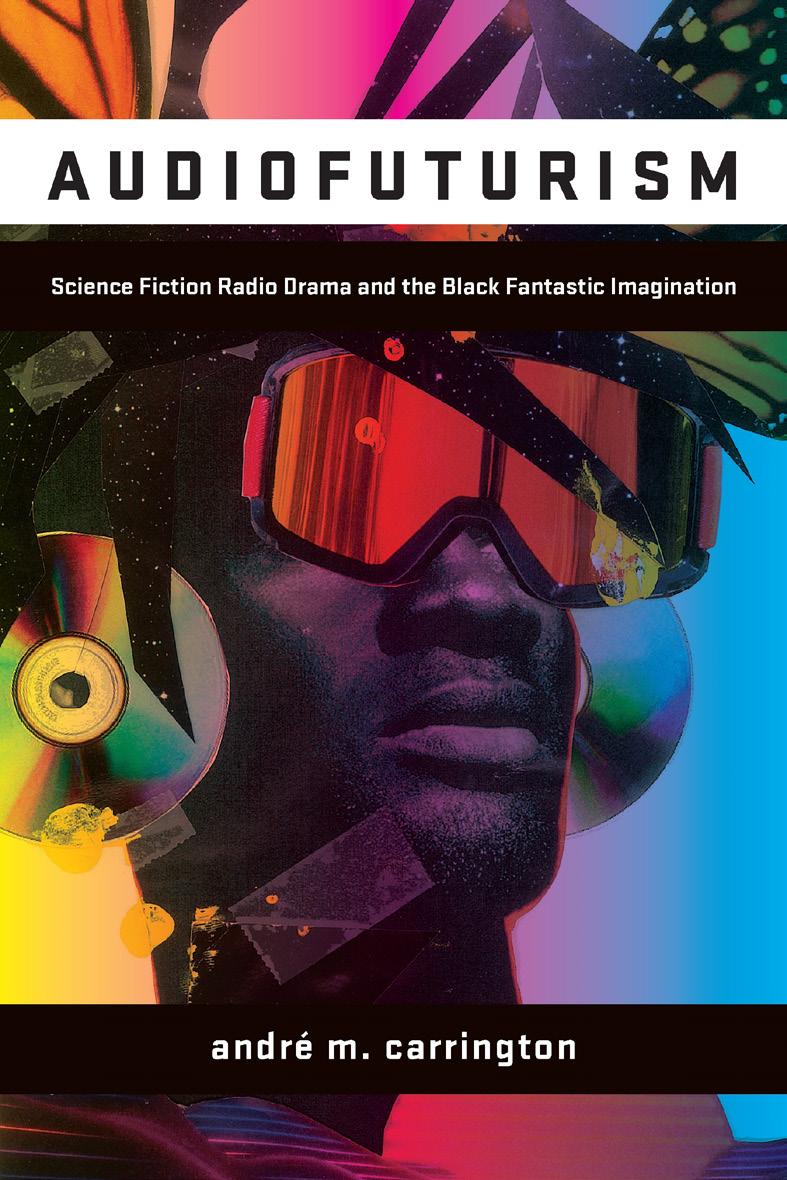
andré m. carrington
208 pages, 6 b/w illustrations
9781531513337, Paperback, $27.95 (AC), £20.99 9781531513320, Hardback, $100.00 (SDT), £80.00
Simultaneous electronic edition available APRIL
African American Studies | Cinema & Media Studies
“An indispensable contribution to the study of Black speculative production.”—Reynaldo Anderson, co-editor of Afrofuturism 2.0: The Rise of Astro-Blackness
“Meticulous and exciting, Audiofuturism fills in a major gap in the history science fiction, radio dramas, the Jim Crow era, and speculative Black studies.”—Shanté Paradigm Smalls, author of Hip Hop Heresies: Queer Aesthetics in New York City
A revelatory history of Black radio productions from the 1950s to the present
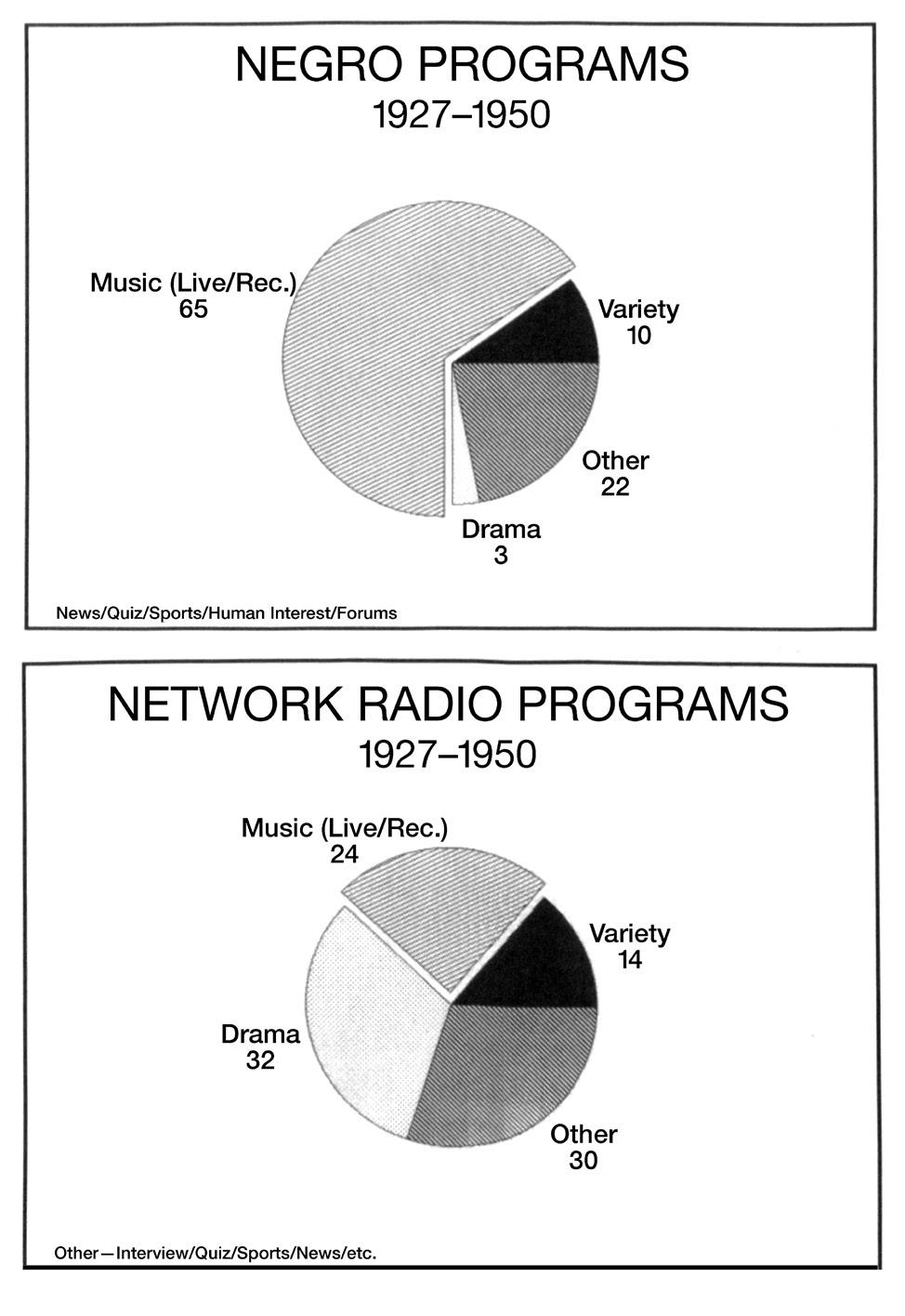
Audiofuturism uncovers the vibrant, overlooked history of radio adaptations that placed Black speculative writing before mass audiences, showing how sound shaped the politics and pleasures of twentieth- and twenty-first-century culture. While adaptation studies has long privileged film and sound studies has centered Black music, andré m. carrington redirects attention to radio drama to demonstrate how performance translates the Black fantastic imagination into an audible cultural heritage. Drawing on scripts, surviving recordings, production files, and author archives, the book reconstructs how radio made listeners hear literature differently and how those sonic interpretations reverberate through American Studies, media history, and Black literary traditions.
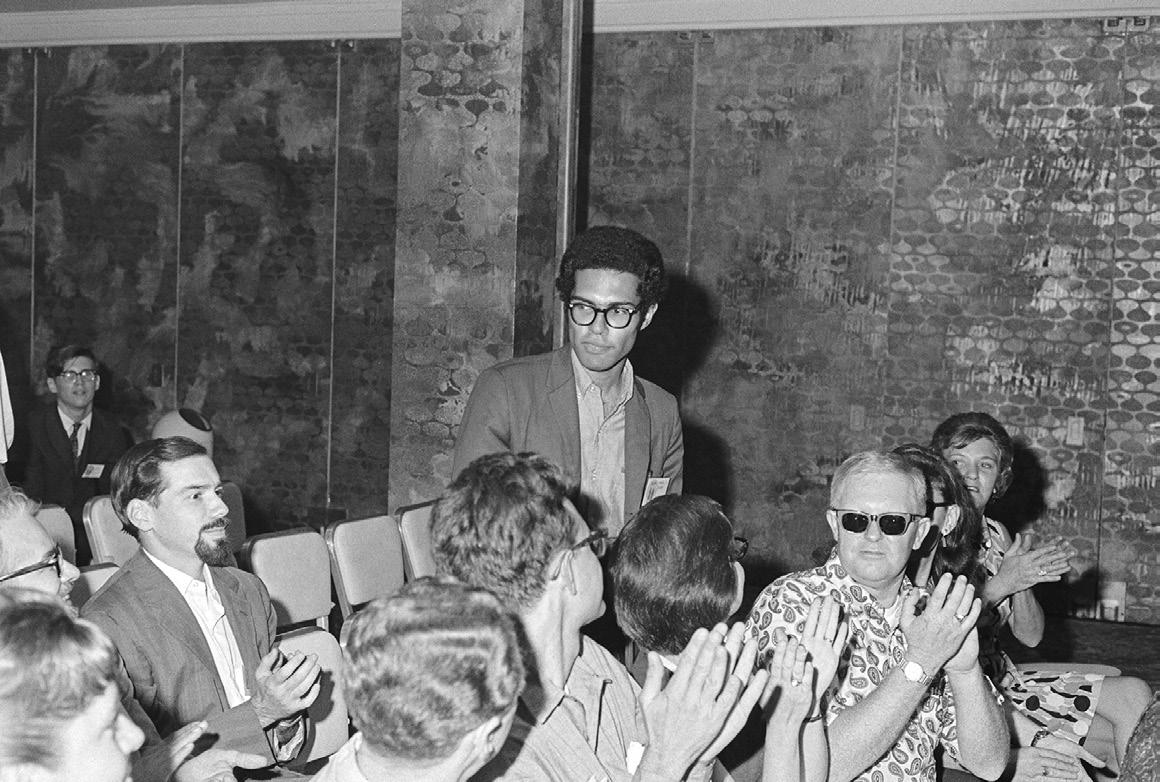
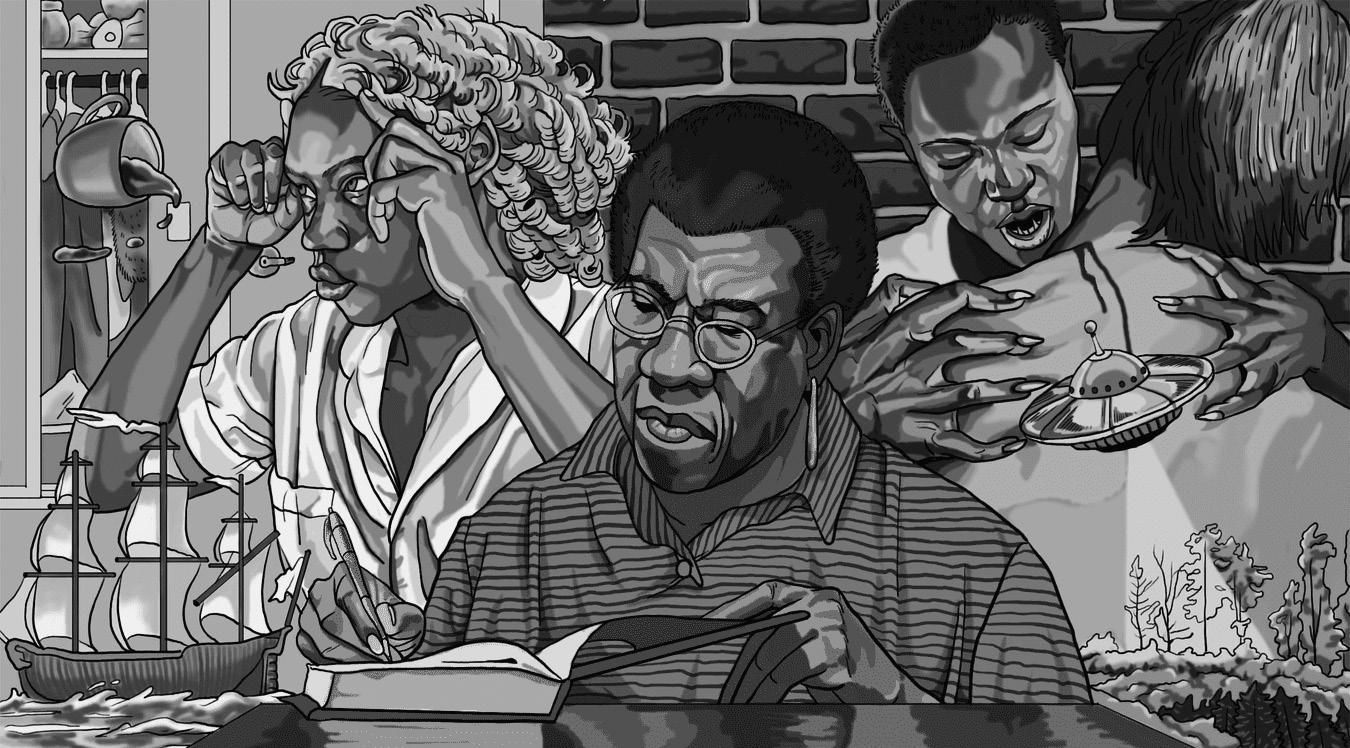
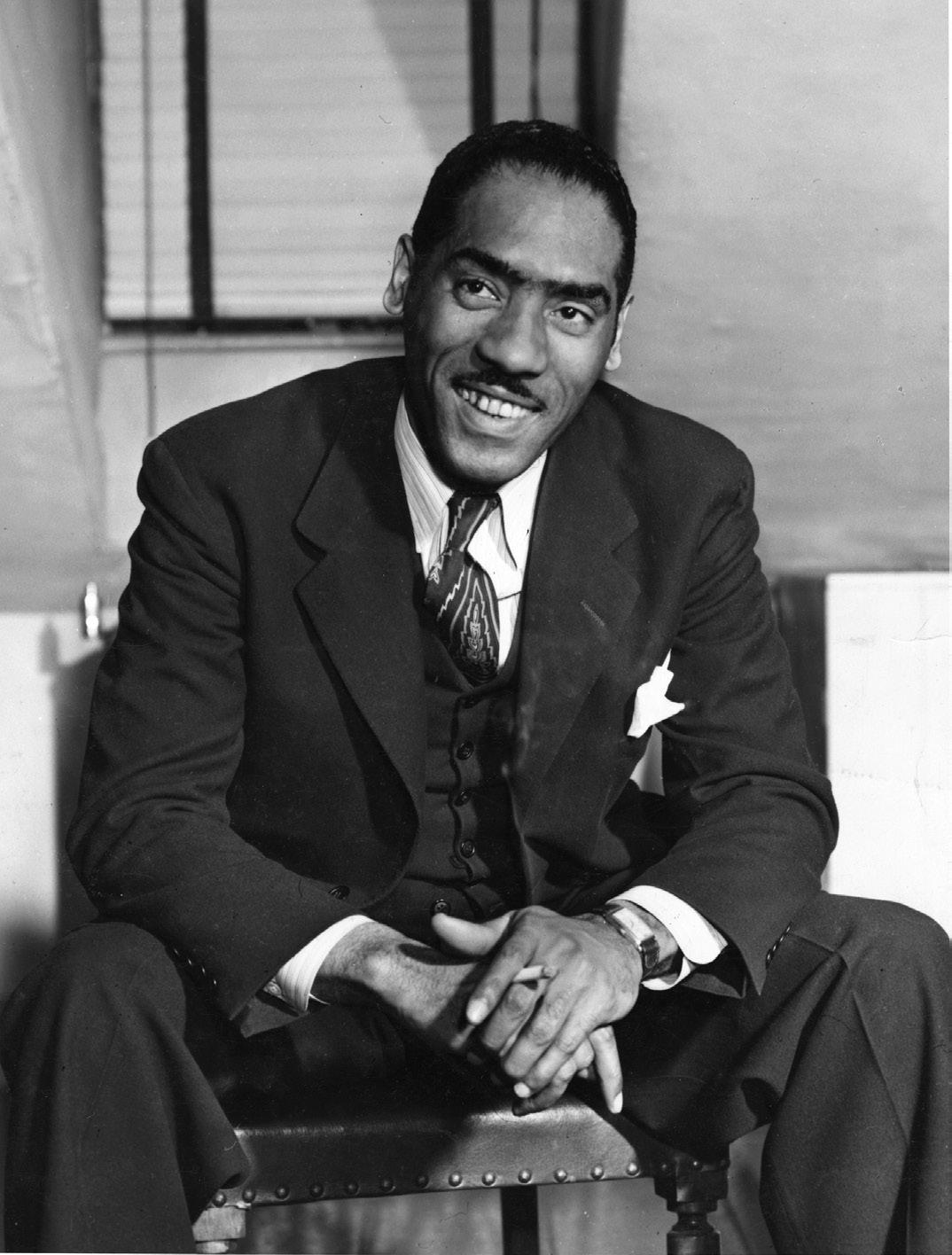
Organized as a scan across the dial, the study moves from World War II to the digital age. It begins with New World A-Coming, a wartime series inspired by Roi Ottley that folded antiracist reporting and Popular Front ideals into weekly dramatizations aligned with the Black press’s Double Victory campaign against fascism at home and abroad. It then tunes to bohemian 1960s New York, where Samuel R. Delany’s The Star-Pit became a striking radio play in which voice, silence, and experimental effects stage queer futurity. The book next considers the 2002 Seeing Ear Theatre adaptation of Octavia E. Butler’s Kindred, showing how audible epigraphs drawn from enslaved women’s narratives converse with Butler’s negotiations over dramatic audio rights, and how performance intensifies the novel’s reckoning with slavery and memory. Finally, Audiofuturism listens to the BBC’s 2016 adaptation of Toni Morrison’s Beloved, written by Patricia Cumper, to track how Black British theatre traditions and national broadcasting reshape a canonical American ghost story for twenty-first-century ears.
Across these case studies, carrington shows how radio dramatists and authors collaborated, compromised, and innovated to make speculative literature speak. The result is a fresh account of adaptation that enlarges the archive of Black sound, reframes radio as a site of cultural worldmaking, and invites scholars and general readers to listen again to the past in order to imagine different futures.
andré m. carrington is an English professor at the University of California, Riverside, where he directs the program in Speculative Fictions and Cultures of Science. He is the author of Speculative Blackness: The Future of Race in Science Fiction and editor of The Black Fantastic: 20 Afrofuturist Stories.
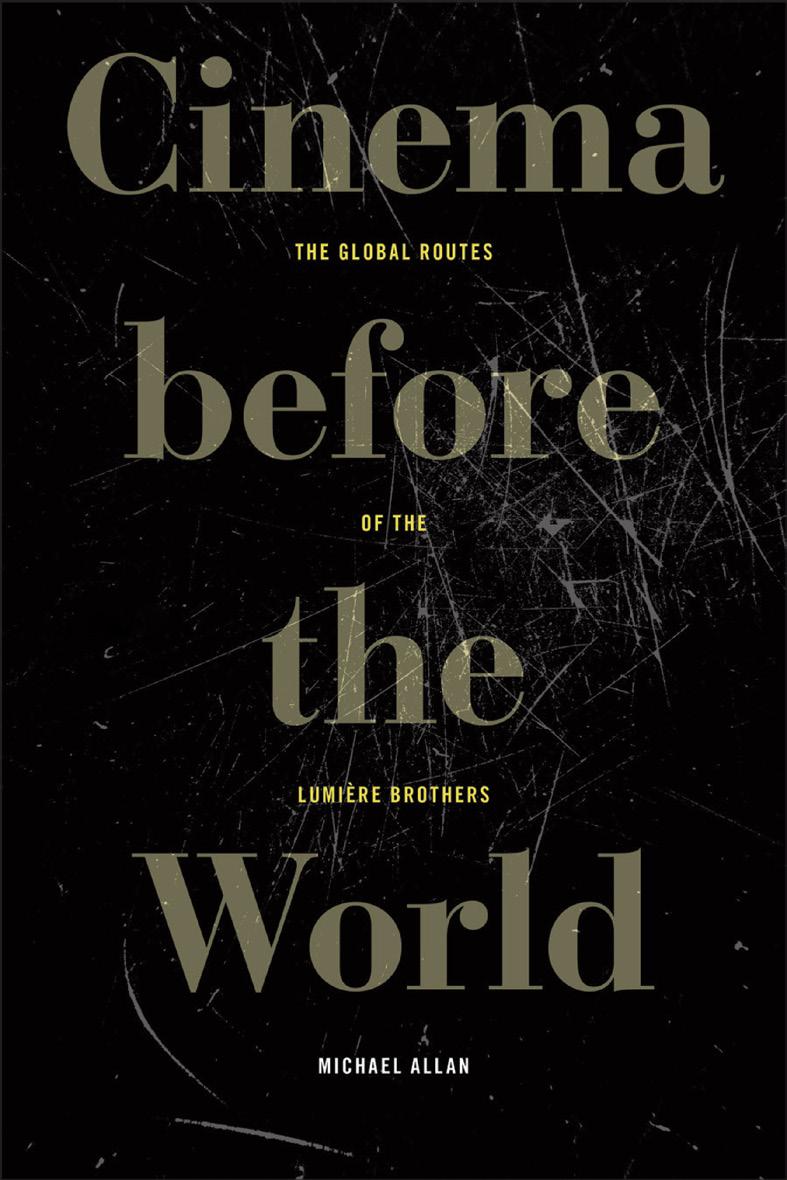
The Global Routes of the Lumière Brothers
MICHAEL ALLAN
240 pages, 38 b/w illustrations
9781531514044, Paperback, $30.00 (SDT), £22.99
9781531514037, Hardback, $105.00 (SDT), £84.00
Simultaneous electronic edition available MARCH
Cinema & Media Studies | Middle Eastern Studies | Postcolonial Studies
Tells the global story of the cinematograph while modeling a film scholarship committed to transnational analysis across languages, regions, and media
“In this boldly original work, Michael Allan scrutinizes films of the Middle East shot by Alexandre Promio for the Lumière company in 1897. Analyzed formally and in terms of their historical and cultural significance, these films, lasting less than a minute, reveal the promise of a world cinema yet to be fulfilled.”—Tom Gunning, University of Chicago
“Early ‘travelogue’ films are often perceived as static: at worst Orientalist clichés, at best indexical witnesses. In contrast, Allan conceives of the Lumières’ films from cities like Cairo and Jerusalem as in motion, in relation, inexhaustible: worthy of being the origin moments of a decolonized world cinema.”—Laura Marks, Simon Fraser University
Cinema before the World investigates the transnational origins of filmmaking by focusing on a case study in world cinema—the 1896–1897 voyage of one of the Lumière Brothers camera operators, Alexandre Promio, across North Africa and the Middle East. The book shows how the sites in these early films are not simply backdrops, but integral to film form and its global history.
Connecting a series of filmic principles (framing, tracking shots, close-ups) to the sites where they are made visible (a rooftop in Algiers, a train station and the Jaffa Gate in Jerusalem), Allan unsettles a familiar narrative of imperial vision. In the interplay of local history and global media, he highlights tensions between ethnography, observation, and visual capture, revealing how the Lumière Brothers films persist as living archives.
The book evokes a formative moment when cinema stood before the world—both as a technological marvel and as a medium that shaped how space and time were perceived. Tracing a journey from Algeria to Egypt and Palestine, and moving across media from lithography to photography and panoramas, Allan shows how in the hands of later filmmakers, such as Egyptian director Youssef Chahine and the Syrian collective Abounaddara, the Lumière films continue to enrich and inform visions of what cinema—and the world—can be.
Cinema before the World offers a critical historical intervention in the global story of the cinematograph and a visionary method for film scholarship grounded in transnational analysis across languages, regions, and media.
MICHAEL ALLAN is Associate Professor of Comparative Literature and Cinema Studies at the University of Oregon. He is the author of In the Shadow of World Literature: Sites of Reading in Colonial Egypt (winner, MLA First Book Prize) and serves as editor of the journal Comparative Literature.

“Konya distinctively theorizes inappropriability in protesters’ lived material practices of play and humor. The book offers something genuinely new to the study not only of protest but of democratic theory more generally.”—Lida Maxwell, Boston University
“Inappropriable Force offers a compelling, beautifully written, and theoretically rich account of popular action, exposing how analytical frameworks predicated on popular sovereignty produce impoverished readings of protest. Focusing on Gezi and theorizing from the ground up, Konya deftly shows how novel resistance practices often refuse the very language and premises of the state.”—Çiğdem Çıdam, Union College
Explores Turkey’s 2013 Gezi Uprising to theorize protest as a political meaning-making practice irreducible to sovereign claims
In the aftermath of the global mass protests of the 2010s, democratic theorists have shown renewed interest in conceptualizing popular mobilization and “the people.” A series of provocative works have theorized assembled crowds in the streets as sources of democratic authority, legitimacy, and sovereignty. These insightful accounts nevertheless often remain detached from the full range of the situated experiences of protesters.
Inappropriable Force brings the concrete, on-the-ground practices of Turkey’s 2013 Gezi Uprising into the foreground of theoretical reflection, asking what people gathered in the streets shared, desired, or refused, and what their public experimentations with politics, language, and aesthetics made possible. Working from the empirical particularities of Gezi to political theory, the book theorizes protest as a political meaning-making enterprise that reconfigures everyday regimes of sense, speech, and engagement.
Drawing on Gezi’s archives and engaging democratic and critical theorists such as Judith Butler, Giorgio Agamben, Walter Benjamin, Jacques Rancière, Joan Copjec, and René Girard, the book identifies a surplus in protest irreducible to the categories of popular sovereignty, authorization, or legitimation. This surplus—an inappropriable force—can only be experienced in practice, through collective action. Not predicated on unified will or hegemonic claims to peoplehood, it unfolds in plural modes of thinking, sociality, affect, creativity, and imagination that emerge when people assemble out of doors.
Adopting a practice-oriented and deparochializing approach, Inappropriable Force treats the political activities and cultural artifacts of the Gezi protests as texts of political theory in their own right. In doing so, it conceptualizes popular protest as a generative reservoir of political meaning and critical insight.
NAZLI KONYA is Assistant Professor of Government at Colby College.

SUSAN THOMAS AND ANTONIO T. TIONGSON, JR., EDS. FOREWORD BY CHANDAN REDDY AFTERWORD BY IYKO DAY
336 pages, 4 b/w illustrations
9781531513641, Paperback, $35.00 (SDT), £26.99 9781531513634, Hardback, $125.00 (SDT), £100.00
Simultaneous electronic edition available JULY
A critical engagement with and interrogation of the dominant tropes of racial violence
This volume brings together a diverse cohort of contributors working to trace the genealogies, geographies, and the entanglements of anti-Asian violence. Representing a range of critical perspectives, these essays—a collection of works by scholars, students, and community organizers—open up lines of inquiry that unsettle the taken-for-granted framings of anti-Asian violence as simply a matter of “hate.”
Intimacies of Anti-Asian Violence makes crucial connections enabled by transnational, intersectional, comparative, and critical lenses, collectively interrogating the complex linkages between imperialist and settler colonial histories, modalities of violence, and the geopolitical formation of Asia and Asianness.
Working through and between a range of critical frameworks, including but not limited to the Black radical tradition, feminist and queer critiques, Indigenous and decolonial perspectives, critical pedagogies, and the anti-caste movement, this volume provides an original and layered intervention that strives to complicate the discourse of anti-Asian violence and attends to the multiple and different ways Asia and its diasporas can be located in relation to varied permutations of violence.
Importantly and powerfully, the insights offered in Intimacies of Anti-Asian Violence point toward the possibilities for solidarities and movement-building across racial, ethnic, class, and gendered lines in the contemporary moment.
CONTRIBUTORS: Abolisyon!, Mona Bhan, Anita Chikkatur, Sue-jin Green, Quynh Nhu Le, Danika Medak-Saltzman, Edward Nadurata, Brian Lozenski, James McMaster, Deepti Misri, Soham Patel, Juliana Hu Pegues, Red Canary Song Collective, Dylan Rodriguez, Munna Sannaki, Shebati Sengupta, Jess X. Snow, Nishant Upadhyay
SUSAN THOMAS is Associate Professor in the Cultural Foundations of Education program and a Senior Research Associate with the South Asia Center at Syracuse University. She is the author of Indebted Mobilities: Indian Youth, Migration, and the Internationalizing University.
ANTONIO T. TIONGSON, JR., is Associate Professor in the Department of English at Syracuse University. He is the author of Filipinos Represent: DJs, Racial Authenticity, and the Hip-hop Nation and co-editor of Filpinx American Studies: Reckoning, Reclamation, Transformation (Fordham).
CHANDAN REDDY is Associate Professor in the Department of Gender, Women & Sexuality Studies at the University of Washington. He is the author of Freedom with Violence: Race, Sexuality, and the U.S. State.
IYKO DAY is Elizabeth C. Small Professor of English. She is the author of Alien Capital: Asian Racialization and the Logic of Settler Colonial Capitalism.

Christiana Zenner
Engages with the prehistory and contemporary afterlives of Laudato Si’ through critical and constructive engagement with the humanities, social sciences, and natural sciences using an intersectional, anti-colonial feminist methodology
Laudato Si’: On Care for Our Common Home, Pope Francis’s encyclical on ecology, was addressed to “every person living on the planet” and released in the of summer 2015 to critical skepticism and enthusiastic acclaim. From the professoriate to political pundits, from the apathetic to the atheistic, from Harvard economists to secular Jewish feminist thought leaders, Laudato Si’ (LS) got people’s attention. It remains the most important legacy of Pope Francis and stands as a historical referent of global moral clarity in a period of ecological degradations, racial capitalism, and widespread social suffering.
Beyond Laudato Si’ advances an intersectional feminist, anti-colonial method to explore the LS’s prehistory, its claims, its impact, its key contributions, and its recursively freighted concepts. With chapters that chart the trajectory of theology and science in the Catholic Church, the allure of integral ecology, the dangers of gendered theological abuse, and the turn to Indigenous values, Beyond Laudato Si’ elegantly charts the intellectual and ethical patterns that emerge and resurface in various theoretical and practical contexts of papal ecotheology. These topics, while not often considered together, reflect larger theological histories and collective behaviors and must be oriented toward integrity in theological reasoning and pursuit of equitable social formations in the present and future.
Characterized by rigorous interdisciplinarity (among the humanities, social sciences, and natural sciences) and grounded in an intersectional, anti-colonial feminist viewpoint, Beyond Laudato Si’ amplifies and engages key concepts from LS and its afterlives, while also elucidating persistent themes, troubles, and methods in Catholic ecotheology and ethics.
CHRISTIANA ZENNER is Associate Professor of Theology, Science, and Ethics at Fordham University in New York City. An intersectional, anti-colonial feminist working at the intersections of theology, religious studies, and ecologies, Dr. Zenner is the author of Just Water: Theology, Ethics, and Fresh Water Crises (rev. ed. 2018) and co-editor of two volumes on bioethics and sustainability.
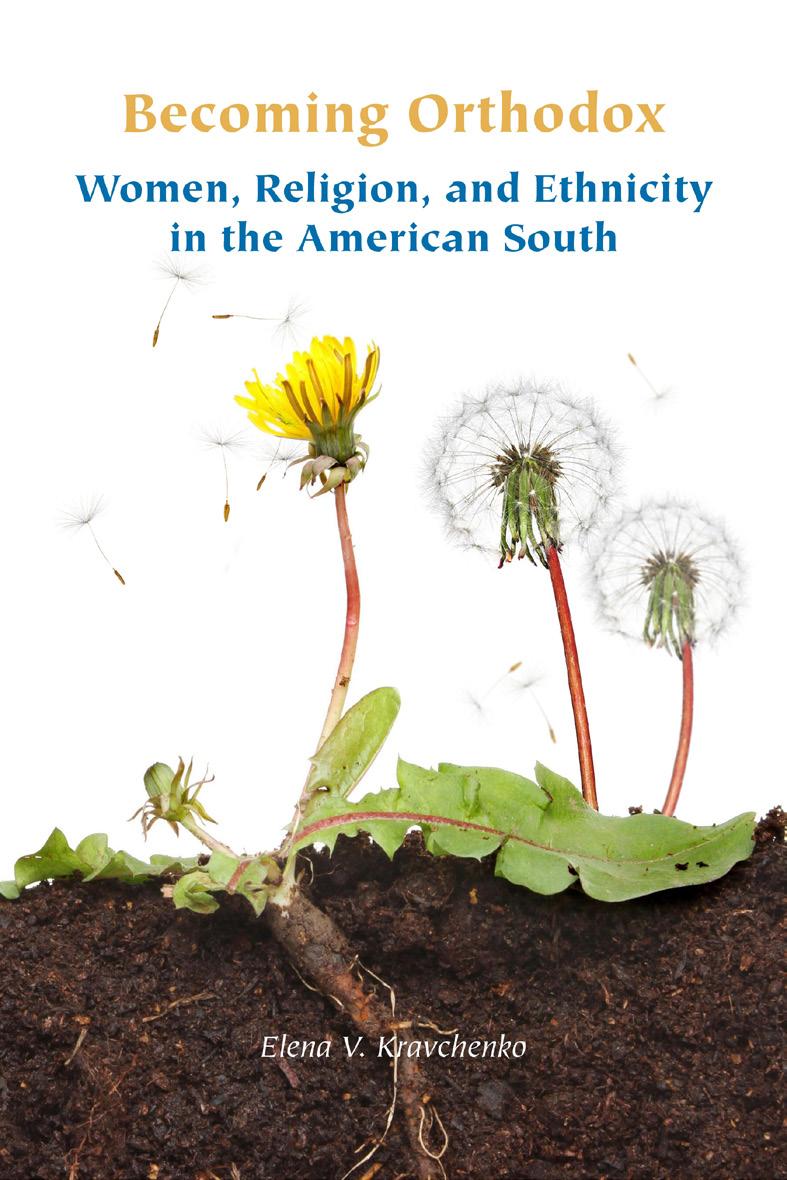
ELENA V. KRAVCHENKO
An exploration of an embodied, practice-centered, and continuous process through which Orthodox Christian women in the American South cultivate a compelling religious womanhood
Becoming Orthodox is a multi-lingual, ethnographic study of two Orthodox Christian communities in the US. Utilizing interview material, participant observation, and participant participation, Kravchenko argues that Russian women who immigrate to the United States and American women who convert to Orthodox Christianity engage with the materiality and visuality of the Orthodox Church to embrace conservative gender roles of a patriarchal tradition in a way that propels them to actively advocate for the equality, freedom, and empowerment of women.
Becoming Orthodox adds a new angle to the literature on the conservative religious women because of its attention to the intersection of religion, gender, and ethnicity. By attending to how Russian immigrant and American convert women—in the midst of their simultaneously sympathetic and antagonistic relationships—made choices about what icons to venerate, what prayers to use, how to dress, what food to cook, and how to raise their children, the book demonstrates that the project of becoming a good Orthodox woman was entangled in the project of defining what it means to be authentically “Russian” and “American.” Through performative ethnographic writing, the book illuminates how, in the social context of immigration and conversion, Russian and American women commonly sought to create a place of belonging by constructing meaningful ethno-religious homes and producing their respective Russian Orthodox and (Un)Russo-American Orthodox identities.
ELENA V. KRAVCHENKO is a Senior Lecturer in the Religious Studies program at the Washington University in St. Louis. She holds a PhD from the University of Texas at Austin. Her research interests include religion and material culture; religion, immigration and diaspora; and race, ethnicity, gender and Orthodox Christianity.

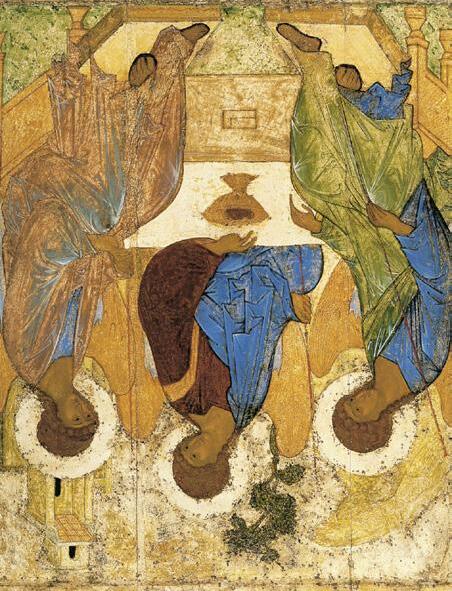
Reflection and Religion in Byzantium and the Middle East

Zachary Ugolnik
Reflection and Religion in Byzantium and
ZACHARY UGOLNIK
256 pages, 7 b/w illustrations
9781531514204, Paperback, $40.00 (SDT), £31.00 9781531514198, Hardback, $140.00 (SDT), 112.00
Simultaneous electronic edition available Orthodox Christianity and Contemporary Thought AUGUST Religion | Philosophy & Theory | Theology
Reveals a conception of selfhood in Byzantine and Middle-Eastern sources that is fundamentally collective rather than merely individual, challenging Western-centric narratives of the modern self and enriching contemporary discussions on communal ways of being
What if the story we tell ourselves about of the modern self is incomplete? The Collective Self challenges narrow histories of Western selfhood that limit our understanding of both past and present. Drawing on mirror imagery as a unifying thread, this book brings overlooked sources from the eastern Mediterranean, Middle East, and Orthodox Christian tradition into conversation with Western genealogies of “knowing thyself.” Reflections and mirrors—an ancient technology—become embedded in discussions of self-knowledge. From the Odes of Solomon and Plotinus’s Enneads to the writings of Evagrius, Athanasius, and Ephrem the Syrian, and concluding with medieval Syriac writers and a few emblematic Sufi sources, Ugolnik reveals a conception of selfhood that is fundamentally collective rather than merely individual.
The Collective Self intervenes in current debates about embodiment, interdependence, and communion by demonstrating that reflexivity and communal selfhood are not exclusively modern or post-modern innovations. By highlighting optical theories that allow convergence in perception and embodied notions of the self, this book problematizes the assumption that introspection is only mental or individual and challenges typical associations of what is ancient or modern, Eastern or Western.
In these texts, mirror imagery articulates a convergence of gazes between oneself, the divine, and glorified beings—what Ugolnik calls “I and We.” This synthesis occurs through communal practices of prayer, liturgy, psalm, and hymn singing that create pathways for practitioners to participate in each other’s subjectivity across space and time.
As we enter a new bio-technological and computational age, this alternative history of selfreflection offers vital resources for imagining more inclusive models of identity, empathy, and collective flourishing—reminding us that technology has long served as a medium for understanding who we are.
ZACHARY UGOLNIK is a scholar and writer specializing in interdisciplinary approaches to life’s biggest questions. He currently works in philanthropy at the intersection of the social sciences, philosophy, and theological studies. He earned his master’s from Harvard University and his PhD from Columbia University’s religion department. He has co-edited and authored scholarly articles in outlets such as Dædalus, The Journal of Religion, Religion & Literature, and Harvard Divinity Bulletin.
The Cultural and Material Production of Italian Prisoners in Allied Hands (1940–1947)

Giorgia Alù and Elena Bellina, Editors
The Cultural and Material Production of Italian Prisoners in Allied Hands (1940–1947)
GIORGIA ALÙ AND ELENA BELLINA, EDITORS
432 pages, 60 b/w illustrations
9781531513603, Paperback, $40.00 (SDT), £31.00 9781531513597, Hardback, $140.00 (SDT), £112.00
Simultaneous electronic edition available
World War II: The Global, Human, and Ethical Dimension
JULY
History | World War II | Art & Visual Culture
“This is a major piece of research. Its overall aim is to study—in a broad sense—the artistic, creative, and other forms of material production linked to the hundreds of thousands of Italian prisoners of war who spent time in camps across the world during and after World War Two. This is a highly original collection of chapters and studies, crossing over disciplines around the core area of research as outlined above.” —John Foot, Professor of Modern Italian History in the Department of Italian, University of Bristol and author of Blood and Power: The Rise and Fall of Italian Fascism
A groundbreaking volume that represents the first examination of cultural production amongst Italian prisoners of war
Captivity and Creativity explores the artistic and material production by Italian prisoners of war (POWs) and some civilian internees who were captured by the Western Allies in 1940–43 and detained in prison camps scattered across Africa, Australia, India, the United Kingdom, and the United States during World War II. Twelve chapters discuss from different theoretical and historical angles the various artistic activities (e.g., theatre, music, visual arts, architecture, chapels, and material objects), technical contributions (e.g., maps, photography, radio), writings (e.g., memoirs, diaries, letters, and fiction), as well as the documentary evidence that resulted from the diverse experiences and transnational exchanges between the prisoners and their captors as military personnel and local civilian populations in different parts of the globe between 1940 and 1947.
The book describes the prisoners’ economic importance for the Western Allied powers in their war effort to fight Nazi-Fascism and the enforced diaspora through which POWs were moved across different allied countries. It analyzes the prisoners’ daily camp life, work, and treatment before and after the 1943 Armistice, when POWs were asked to sign an agreement to renounce Fascism and become cooperators of war, underlining the different treatment reserved for cooperators of war and noncooperators of war. The book also investigates the legacy of the prisoners’ artistic and material production, the cultural heritage and the practices of memorialization (e.g., photography, monuments, museums, anniversary celebrations, exhibits) that have derived from the Italian presence in camps in different countries up to this date, through reference to groups and communities that preserve that heritage.
GIORGIA ALÙ is Chair of Italian Studies at the University of Sydney. She is the author of Journeys Exposed: Women’s Writing, Mobility, and Photography and co-editor of Enlightening Encounters: Italian Literature and Photography
ELENA BELLINA is Visiting Assistant Clinical Professor in Italian Studies at New York University. Her research and publications focus on war and captivity studies, cultural memory, autobiographical writing, and the performing arts.
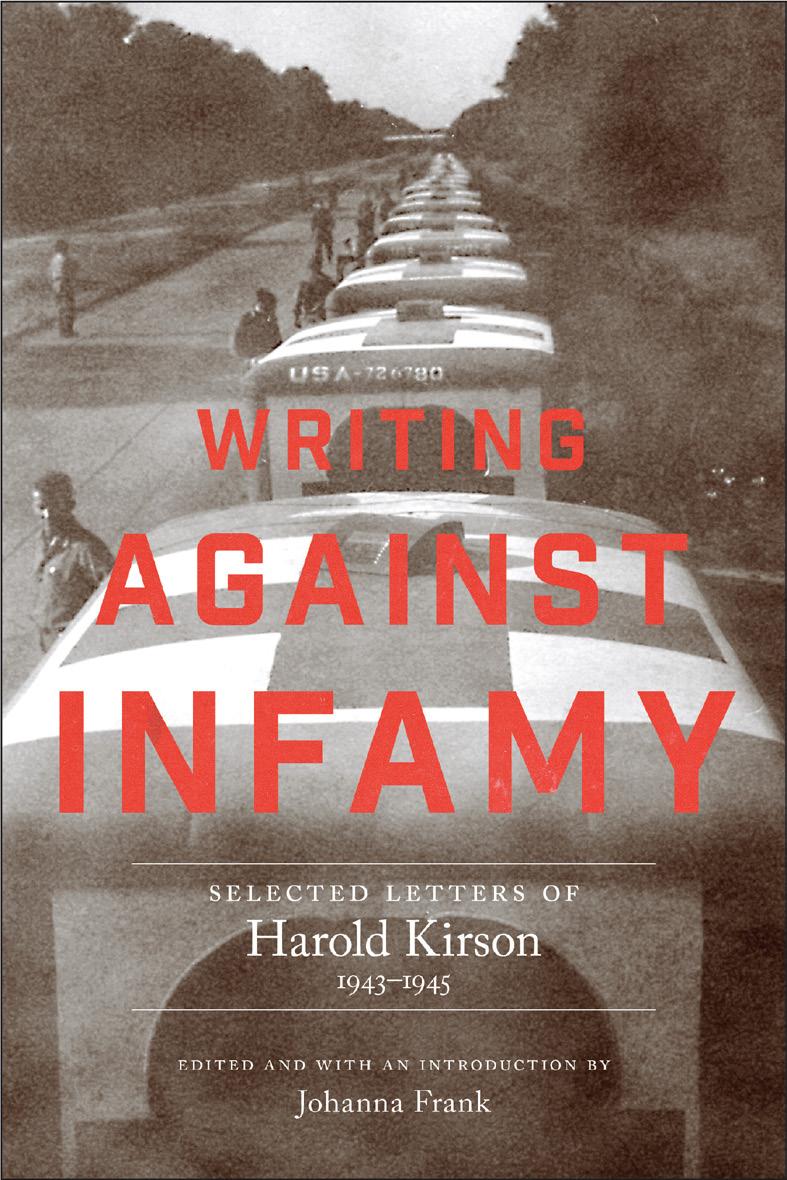
Selected Letters of Harold Kirson, 1943–1945
HAROLD KIRSON
EDITED AND WITH AN INTRODUCTION BY JOHANNA FRANK
304 pages, 31 b/w illustrations
9781531514006, Paperback, $35.00 (SDT), £26.99 9781531513993, Hardback, $105.00 (SDT), £84.00
Simultaneous electronic edition available World War II: The Global, Human, and Ethical Dimension AUGUST
“Letters and diaries of GIs abound. However, there are relatively few collections of letters by Jewish GIs. Kirson is a devoted writer, doing his best to keep his wife informed within the constraints of his situation (overseas that means his knowledge that an officer is reading and censoring his mail). The collection of letters lets a reader into a real time account of the war, which is truly valuable. Kirson writes well and clearly, has a sense of humor, comes across as a loving husband and father, and is engaging to read.” —Deborah Dash Moore, Jonathan Freedman Distinguished University Professor of History and Judaic Studies at the University of Michigan, Ann Arbor and author of Walkers in the City: Jewish Street Photographers of Midcentury New York
A rare documentation of a Jewish American serviceman in the war
Writing Against Infamy presents a personal account of the Second World War through the correspondence of Harold Kirson, a Jewish American soldier and ambulance driver in Patton’s Third Army. Drawn from an archive of more than 600 letters, the collection chronicles the rhythms of his wartime life: evacuating wounded soldiers, securing daily necessities, maintaining relationships, navigating Jewish identity and belonging, and grappling with the moral complexity of war and its aftermath. The letters trace his journey from the United States to the United Kingdom and across Europe, where he supported combat troops by transporting the wounded from clearing stations to evacuation hospitals. After V-E Day, as a part of the Army of Occupation, he continued public health work, moving soldiers, former prisoners of war, Holocaust survivors, and displaced persons across occupied zones.
The narrative unfolds gradually, mirroring how war was lived—day by day. It spans the mundane and the extraordinary, engaging humor and levity, often revealing moments of grace amid grim circumstances. For Kirson, writing becomes a means to record observations, make sense of experience, and sustain perseverance. By 1945, as his thoughts turn toward difficult questions of retribution, responsibility, and the limits of compassion, the end of the war offers no clear resolution but only a drawn-out and uncertain transition. His final letters, marked by speculation, convey a measured hope of returning home.
Beautifully written and blending wit with thoughtful reflection, the letters are accompanied by an introduction and notes that provide personal and cultural context to enrich the reading experience. JOHANNA FRANK is professor of English at the University of Windsor, Ontario.
240 pages, 15 color and 11 b/w illustrations
9781531513689, Paperback, $35.00 (SDT), £26.99
9781531513672, Hardback, $125.00 (SDT), £100.00
Simultaneous electronic edition available
Verbal Arts: Studies in Poetics
APRIL
Literary Studies | Latin American Studies
“Bessa persuasively situates the Noigandres group—the missing link between Modernism and the poetics of our digital age—within an artistic and philosophical lineage. Providing an accessible and incisive summary of the theoretical background and the particular cultural conditions of post-war Brazil, Bessa’s book is the ideal guide for understanding this novel, challenging, and important poetry.”—Craig Dworkin, author of The Sound of Thinking: A Listener’s Companion to Conceptual Music
“Bessa renews our understanding of the Noigandres poets. His readings, with an eye on contemporary concerns, will introduce the movement to new generation of scholars.”—Marília Librandi, author of Writing by Ear: Clarice Lispector and the Aural Novel
Explores a key moment in Brazilian modernism, supplemented with primary texts by Augusto de Campos, Décio Pignatari, Haroldo de Campos, and Ezra Pound
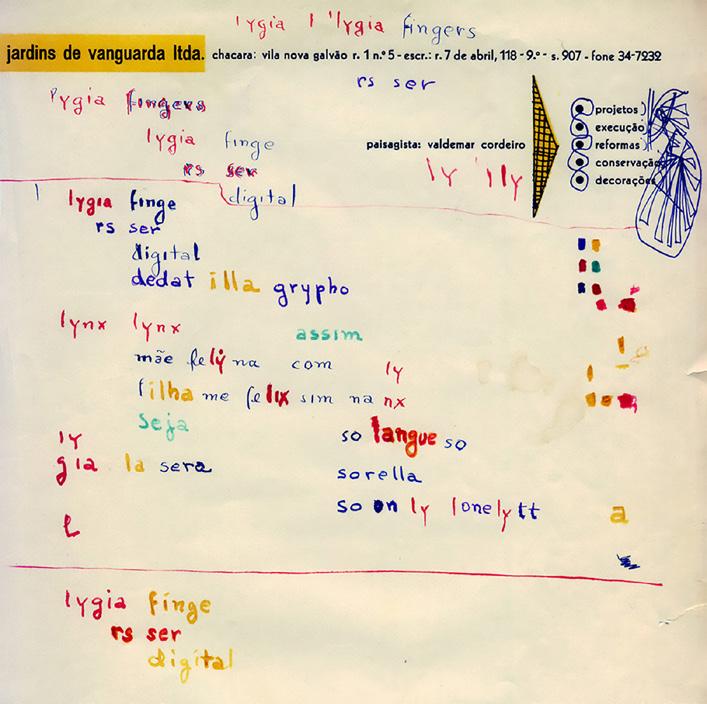
The Noigandres group was one of the key movements in Brazilian modernism. Bessa’s account works through the specific poetic innovations that are the hallmark of the concrete poetics the group developed. These include their unprecedented reevaluation of Brazilian literary history, their distinctive exploration of graphic space inspired by emerging studies on cybernetics, and their embrace of a range of Modernist traditions, from Mallarmé’s vision of poetry as a constellation of words, to Joyce’s concept of the “verbivocovisual,” to Pound’s writings about the Chinese ideogram.
Bessa’s account begins with the core traits of concrete poetry developed by the Noigandres poets throughout the 1950s (the so-called “heroic phase” of concretism) and continues to the poetic experiments the group undertook after the military coup of 1964 in Brazil. The book concludes with translations of key primary texts: essays by the poets Augusto de Campos, Décio Pignatari, and Haroldo de Campos and correspondence between the three poets and Ezra Pound.
ANTONIO SERGIO BESSA is a scholar of concrete poetry and the author of Öyvind Fahlström: The Art of Writing. He has edited several volumes on concrete poetry including Novas: Selected Writings of Haroldo de Campos (in collaboration with Odile Cisneros) and Mary Ellen Solt: Toward a Theory of Concrete Poetry.
Mere Materialism
Aesthetics of Attrition in Paint, Text, and Paper
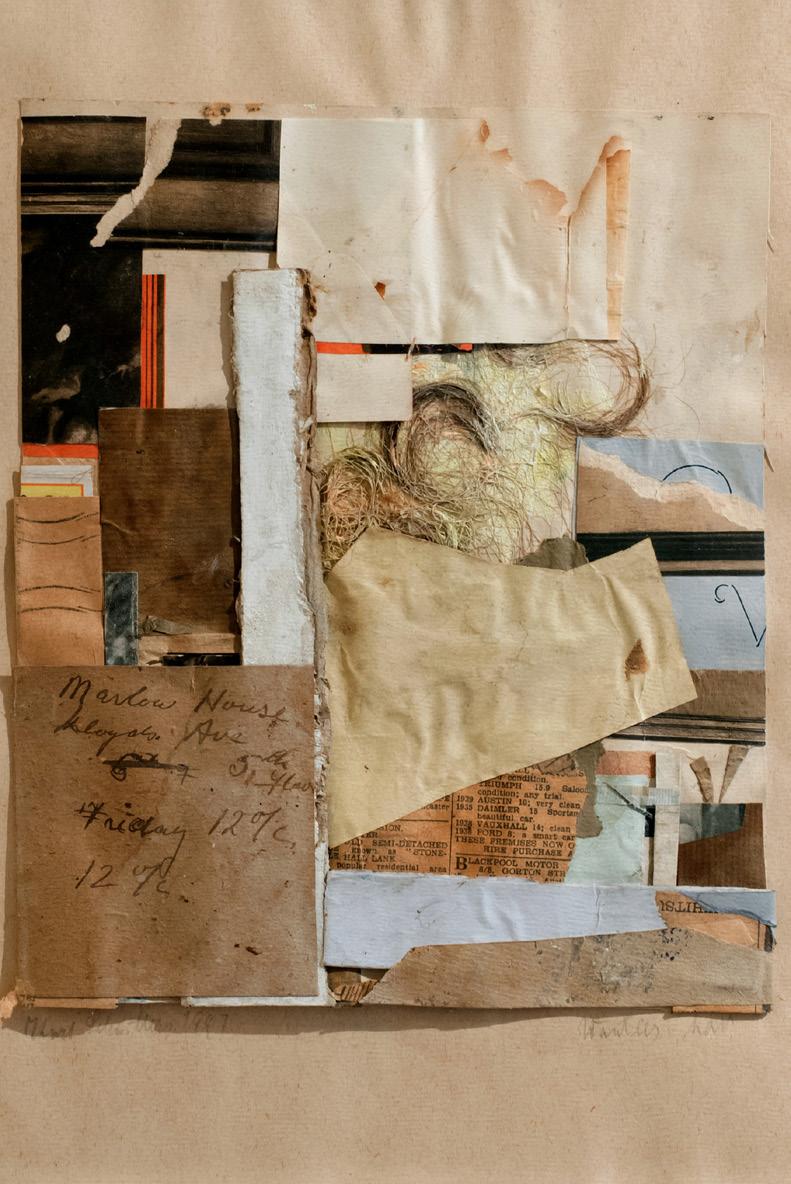
Aesthetics of Attrition in Paint, Text, and Paper
GOLDSMITH
“
Mere Materialism is a rare thing that appears every so often, capturing the reader with its intelligence, clarity, and sober lyricism. It is stylistically wondrous and strange, thoughtfully argued, urgent, movingly personal and yet rigorous in its scholarship that spans historical periods, genres, and media.”—Jacques Khalip, Brown University
“Goldsmith deepens the concept of ‘mere materialism’ by bringing it to bear on elemental philosophy and the contemporary concern with climate change and geological perspective. The book deftly bridges disciplinary gaps as it captures the legacies of slavery and resource extraction that inflect the precarity of human existence and embodiment.”—Amanda Boetzkes, author of Plastic Capitalism: Contemporary Art and the Drive to Waste
Shows how art and literature can both describe and instantiate the slow, unredeemed violence of physical deterioration
Mere Materialism challenges us to recognize a neglected, transhistorical aesthetics of loss. Against the affirmative materialisms prevalent in cultural criticism today, mere materialism in art and literature documents the slow, ordinary violence of routine physical deterioration, including art’s own. It inhabits a space where loss can remain nothing but loss, without having to serve any productive or redemptive purpose.
Attending to material surfaces and the processes of attrition Goldsmith examines works from Rembrandt to the present that that stand in counterpoint to the typical materialist emphasis on dynamic, generative possibility. These works turn aside from such future horizons to pose a central question: Amid the urgent purposes we ask art to serve, and amid the many values we invest in the concept of materialism, is it possible for art to occupy the everyday damage of erosion and, on occasion, simply let loss be?
Wide-ranging in philosophical reference and in discussions of specific materials, conservation theory, and reception histories, the book draws out the phenomenon of mere materialism through a series of extended case studies: a Rembrandt portrait of Saint Bartholomew; Melville’s slave-revolt novella Benito Cereno; a Dada collage by Kurt Schwitters; and recent “gray” writings by Karl Ove Knausgaard and C. S. Giscombe. Together, these works index an aesthetics of fragility and decay, without presupposing that material vulnerability is in a dialectical relationship with deeper meaning, and without assuming that an encounter with it has a redeeming cognitive, affective, political or social function.
STEVEN GOLDSMITH is Professor Emeritus of English at the University of California, Berkeley. He is the author of Blake’s Agitation: Criticism and the Emotions and Unbuilding Jerusalem: Apocalypse and Romantic Representation.
“Brittany Murray’s wonderful analyses reveal the complex mediations between the novels and films of 1970s France and the great social upheavals of that era. Her eyes are also constantly on the present, demonstrating convincingly that these aesthetic and political interventions from the 1970s help us make sense of our world.”—Michael Hardt, author of The Subversive Seventies
“Time on the Brink of Impasse shows what we can learn, fifty years on, about how to restore to humanity a sense of historicity, an apprehension that the past inflects the present but does not necessarily determine the future.”—Jennifer Willging, Ohio State University
“Murray provides a rich alternative account of the aesthetic, political, and economic dimensions of postmodernity. Her revisionist narrative demands that we attend to the powerful political work of artists and collectives that exists underneath or against dominant ideological formations of the era.”—Christopher Breu, Illinois State University
Examines the economic, political, and cultural transitions in 1970s France through literature and cinema to reconsider historicity after postmodernity
Time on the Brink of Impasse explores a pivotal decade in French cultural history through the lenses of literature, film, and critical theory. The 1970s in France are often dismissed as a period of blocked historical imagination. This book argues that the period’s literature and cinema reflect not disorientation or despair but a decade animated by artistic responses to new experiences of time.
Returning to influential theorists of postmodernity, including Fredric Jameson, Jean-François Lyotard, and Jean Baudrillard, Time on the Brink of Impasse investigates how artists represented new experiences of time. Through close readings of writers and filmmakers including Agnès Varda, Rachid Boudjedra, Chantal Akerman, Georges Perec, Sarah Maldoror, and Carole Roussopoulos, the book examines how aesthetic form registered new temporal imaginaries.
By situating culture within the broader context of work, housing, migration, and gender activism, Murray’s book offers a fresh perspective on how historicity was rethought after the end of the postwar period. Historically grounded and theoretically lucid, Time on the Brink of Impasse reveals a period alive with possibility.
BRITTANY MURRAY is Assistant Professor of French in the Department of World Languages and Cultures and the Cinema Studies Program at the University of Tennessee, Knoxville. She is the coeditor of Migration, Displacement, and Higher Education: Now What? She has also coedited special issues of South Atlantic Quarterly, CLCWeb: Comparative Literature and Culture, and EuropeNow.
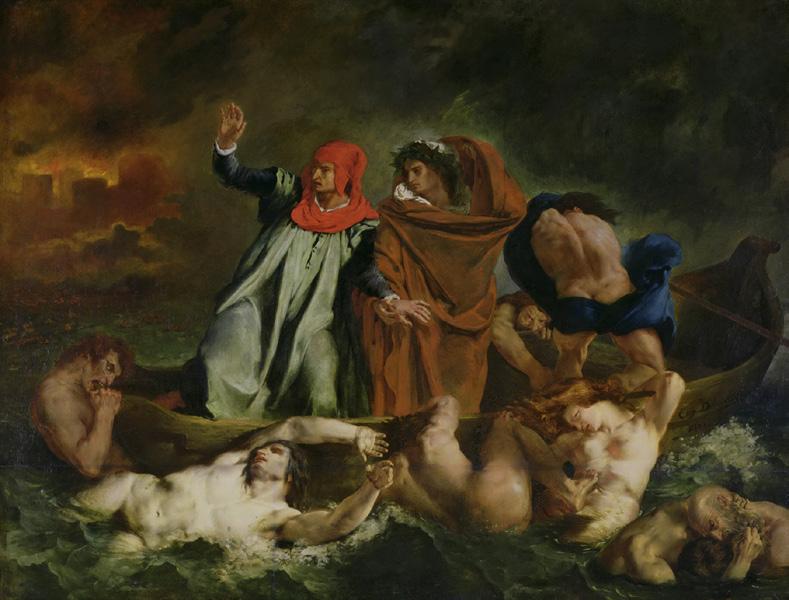

204 pages, 6 b/w illustrations
9781531514242, Paperback, $30.00 (SDT), £22.99
9781531514235, Hardback, $105.00 (SDT), £84.00
Simultaneous electronic edition available
Idiom: Inventing Writing Theory
March
LITERARY STUDIES | PHILOSOPHY & THEORY
“With a kind of omniscient curiosity, Nathan Brown probes so deeply into the metaphysical bestiary of Les Fleurs du Mal that he can emerge from its cavernous depths with an armload of dripping seaweed named Kant. Wonders never cease in this sumptuous, even clairvoyant, examination” Jed Rasula, University of Georgia
“In the most philosophically serious engagement with Baudelaire’s Les Fleurs du Mal that we have, Nathan Brown takes on the mysteries of poetic existence and of poetic determination with rich, surprising readings of such poems as ‘Les Sept Vieillards,’ ‘Obsession,’ ‘Un Voyage à Cythère,’ and ‘Les Petites Vieilles.’ An unusually stirring and eloquent tour de force.”—Jonathan Culler, Cornell University
Traces the connection between poetic content and form in the contradictory logic of determination that permeates Baudelaire’s The Flowers of Evil
Baudelaire’s fame and notoriety have been established through the representation of his complex work through reductive profiles: the poet of the modern city, of erotic obsession, of Satanic revolt, of colonial fantasies, of mystical correspondences, of corporeal decay . . . But what is it that holds these facets of the work together? Is there a logic underpinning the proliferation of themes, styles, and personae in The Flowers of Evil, while suturing content and form?
Baudelaire’s Shadow argues that what is most fundamentally at stake across the manifold layers of Baudelaire’s poetic project is the problem of determination: a contradiction between determining and being determined, a dialectic of agency bound up with its negation. This approach enables a new understanding of conceptual, formal, and figural cruxes traversing The Flowers of Evil, including the relationship between writing and reading, the anticipation of death, the negativity of the void, the representation of race, the poetics of ekphrasis, the singularity of the aesthetic, the actuality of the social, the indeterminacy of sense, and the materiality of the signifier.
With philosophical precision and poetic élan, one of Baudelaire’s finest translators reconstructs what we thought we knew about The Flowers of Evil from the ground up, revealing the dialectical logic at the heart of this major work of modern literature.
NATHAN BROWN is Professor of English at Concordia University, Montréal, where he is founding director of the Centre for Expanded Poetics. He is the translator of Baudelaire’s The Flowers of Evil and the author of Rationalist Empiricism: A Theory of Speculative Critique (Fordham) and The Limits of Fabrication: Materials Science, Materialist Poetics (Fordham).
Remembrance

Form and Remembrance after National Socialism
SIMONE STIRNER
272 pages, 7 b/w illustrations
9781531514129, Paperback, $35.00 (SDT), £26.99
9781531514112, Hardback, $125.00 (SDT), £100.00
Simultaneous electronic edition available
Verbal Arts: Studies in Poetics
APRIL
Literary Studies | Jewish Studies | Philosophy & Theory
“Poetic Grief offers a stirring meditation on loss in the wake of the Shoah and in conversation with other histories of violence. Resisting the closures and containments that sanctioned forms of remembrance seek to install, Stirner reveals how poetry opens up grief—and how grief opens up poetry—in ways that are uncontainable but can enable difficult solidarities.”—Michael Rothberg, author of The Implicated Subject: Beyond Victims and Perpetrators
“Stirner provides an original, nuanced, and expansive analysis of poetry emerging in the prolonged aftermath of National Socialism. By examining poetic grief as a force that structures and de-structures, orients and disorients, she greatly advances our understanding of Holocaust and post-Holocaust poetry.”—
Katja Garloff, Reed College
A comparative account of post-Holocaust poetry, showing the relation between poetic form and the affective experience of grief
Grief is non-linear and destabilizing. It can unravel our sense of time and relation to the world. Poetic Grief follows these effects across poems written in the wake of National Socialism. Moving beyond established paradigms of trauma and representation, the book offers a formally grounded and affect-oriented approach to post-Holocaust poetry that develops a new framework for understanding the relationship between reading poetry and the experience of grief.
Bringing together phenomenologically informed close readings and historical-political analysis, Poetic Grief considers how poetry can affect embodied experiences through rhythm and breath, how its complex semantic patterns can collapse epistemic certainty and upend the flow of time— like grief does. New readings of poets familiar to the context of Holocaust remembrance such as Paul Celan, Dan Pagis, Charlotte Delbo, and Irena Klepfisz appear alongside analyses of poets remembering National Socialism at different historical moments, including May Ayim, Audre Lorde, Ghayath Almadhoun, and Max Czollek. In their poetry, reading becomes an act of participating in relations that the book’s respective chapters describe as “withness,” “ongoingness,” and “solidarities of grief”—modes of answering to and being with loss.
In a world shaped both by decolonization and the aftermath of the Shoah, Poetic Grief offers a new vocabulary for poetic remembrance alongside reflections about the role of grief in cultures of memory: To confront the force of grief in poetry is to rethink its place in cultures of remembrance, to see where it has been repressed and instrumentalized, and to create openings that respond to what cannot be contained and conceptualized about loss.
This book is a recipient of the Jordan Schnitzer First Book Publication Award, administered by the Association for Jewish Studies.
SIMONE STIRNER is Assistant Professor of Germanic Languages and Literatures at Harvard University.
CATHERINE MALABOU
Edited and Translated by Tyler M. Williams and D. J. S. Cross Introduction by Adrian Johnston
“Formations offers a striking glimpse into the emergence of a singular, transformative, and genuinely philosophical voice—one that continues to reshape our understanding of form, meaning, and life itself.”—Alenka Zupančič, author of Let Them Rot: Antigone’s Parallax
“One of France’s foremost living philosophers, Malabou stands as a transitional figure in the history of philosophy in the late twentieth and early twenty-first centuries, a bridge from the exceptional group of post–May ’68 thinkers. Formations provides a window into the importance of literature to her praxis of philosophy.”—Emily Apter, New York University
A collection of essays by one of France’s leading philosophers, showcasing the development of her influential articulation of plasticity
Catherine Malabou’s elaboration of the concept of plasticity has made her one of the most innovative philosophers working today. Formations collects eighteen of Malabou’s early writings, spanning 1986 to 2003, within which her initial articulations of plasticity take shape.
Though Malabou might be most famous for bringing neurobiological discourse into conversation with continental philosophy, she has always maintained, as the essays in Formation make clear, that “plasticity” circulates dynamically within the history of philosophy. Across readings of Hegel, Marx, Derrida, Rousseau, Heidegger, Ricoeur, Plato, Aristotle, and many others, these essays highlight the deep entrenchment of plasticity within the history of philosophy.
Formations puts on full display Malabou’s associations with deconstruction, her negotiations with structuralism, her interdisciplinary investments in philosophical calibrations of literature, and the unique form of dialectics that will shape her later thought. A critical introduction by Adrian Johnston situates these essays within the contexts of French Hegelianism and Marxism, showing both the continuity of these early essays with Malabou’s later work as well as their singular contributions to the development of these still-relevant critical fields. An afterword by Malabou herself offers a biographical and bibliographic retrospective to these essays.
Never just an archive of precursory traces of a later project, Formations exhibits the plastic metamorphosis of Malabou’s own thought by revealing any oeuvre, including any translation or editorial arrangement of that oeuvre, to be a product constituted by its ongoing formations. In this sense, the title reflects one of the most enduring features of Malabou’s thought: “formation” stands doubly for the rigidity of an identity and the processes by which that identity changes and takes shape.
CATHERINE MALABOU is Professor of Comparative Literature at the University of California, Irvine, and Visiting Professor of Modern European Philosophy at Kingston University. Her many books include Stop Thief! Anarchism and Philosophy, Pleasure Erased: The Clitoris Unthought, The Ontology of the Accident: An Essay on Destructive Plasticity, The New Wounded: From Neurosis to Brain Damage (Fordham), and What Should We Do with Our Brain? (Fordham).
TYLER M. WILLIAMS is Associate Professor of English, Humanities, and Philosophy at Midwestern State University. He is editor of Catherine Malabou’s Plasticity: The Promise of Explosion
D. J. S. CROSS is Assistant Professor of Translation at the University of North Carolina at Charlotte. He is the author of Deleuze and the Problem of Affect.
ADRIAN JOHNSTON is Distinguished Professor of Philosophy at the University of New Mexico. His most recent book is Infinite Greed: The Inhuman Selfishness of Capital.
EMMANUEL FALQUE
TRANSLATED
BY GEORGE HUGHES
pages 9781531513924, Paperback, $40.00 (SDT), £31.00 9781531513917, Hardback, $140.00 (SDT), £112.00 Simultaneous electronic edition available Perspectives in Continental Philosophy AUGUST Philosophy & Theory | Theology | Religion
A remarkable interrogation of the corporeality of the divine undertaken by a renowned philosopher/theologian
Does God appear “in flesh and bones,” that is to say, “made of flesh and bones”? Or is the resurrected Christ’s appearance simply “in person”? These questions, which might appear inconsequential at first sight, obsessed the Fathers of the church and medieval scholars, but are neglected nowadays. Perhaps we no longer dare to ask them to ourselves. The Flesh of God attempts to return to what Paul Ricœur calls a “second naïveté,” analyzing important questions concerning the Resurrection and trying to face head-on the problem of the embodiment of the divine.
This book retraces a philosophical triduum (Holy Thursday, Good Friday, and Easter Sunday) but also highlights the crucial and neglected topic of Holy Saturday. It emphasizes that Christianity can no longer sustain itself by forgetting the organic and disregarding the soul. Far from getting bogged down in questions of boundaries, or erecting barriers, we come back in the book to finding out how we can “cross the Rubicon” between philosophy and theology. The confrontation of these disciplines and their different fields can revitalize thought and faith, for those who feel the importance of sharing it.
EMMANUEL FALQUE is professor and honorary dean of the Faculty of Philosophy at the Institut Catholique of Paris. He is a specialist in medieval philosophy, phenomenology, and the philosophy of religion. His book published in English translation include: The Metamorphosis of Finitude, The Wedding Feast of the Lamb, The Guide to Gethsemane, and Crossing the Rubicon: The Borderlands of Philosophy and Theology. His most recent publications in English are The Book of Experience, from Anselm of Canterbury to Bernard of Clairvaux; Spiritualism and Phenomenology: The case of Maine de Biran; and with Nikolaas Cassidy-Deketlaere, The Emmanuel Falque Reader GEORGE HUGHES was formerly Professor of English and Comparative Literature in the Faculty of Letters at Tokyo University. He is the author of Reading Novels and the translator of four other books by Emmanuel Falque: The Metamorphosis of Finitude (Fordham), The Wedding Feast of the Lamb (Fordham), The Guide to Gethsemane (Fordham), and The Book of Experience.
GIULIO
256 pages
9781531513962, Paperback, $35.00 (SDT), £26.99
9781531513955, Hardback, $125.00 (SDT), £100.00
Simultaneous electronic edition available AUGUST
Literary Studies | Renaissance Studies
“Hexameral Poetics is breathtaking in its learning and scope. Pertile is a brilliant close reader of lyric metaphors, verse enjambment, and the allusive play of language in a literary form embedded in exegesis and hermeneutics while reaching beyond language to the natural world.”—Julia Reinhard Lupton, University of California, Irvine
“Pertile’s brilliant and learned book reveals the intellectual depth and radical aesthetic possibilities of early modern European hexameral poetry. Hexameral Poetics shows how this neglected tradition provides the period’s most profound meditations on the relation between God’s acts of Creation and the ongoing human activity of creation. Pertile rewrites the prehistory of modernity’s fixation on creativity by recovering and, in effect, redeeming the powers of an all but forgotten genre.” Timothy Harrison, University of Chicago
Draws on early modern poetry of the Creation to offer a new account of human creativity in the Renaissance
Hexameral Poetics tells the story of a forgotten genre: poetry about the creation of the world. The hexameral poems, as they are known, expand at length on the six days of Creation described in the first chapter of the Bible. Yet where we might expect such works to be conservative in nature, defending a traditional cosmos and ceding creative power to God, Pertile argues that they undertake an unprecedented investigation into the nature of our relationship to the universe. Foregrounding their own creative processes, they seek at the same time to reconcile their inescapable artifice with the world as already created. What follows from this attempt is a new model of creativity itself, incompatible with the traditional idea of creation ex nihilo.
Rather than emphasizing their absolute sovereignty, poets from Du Bartas to Milton thus seek out a poetics that would bridge the difference between human and divine creators without simply collapsing one into the other—a poetics free of domination and in alignment rather than in contest with the generative powers of the cosmos. In so doing they are not merely powerfully modern but may also lead us to revise our notions of modernity itself. Drawing on French, Italian, Spanish, and English poetry, Hexameral Poetics brings a transnational approach to urgent questions concerning the intersection of poetry, religion, and human impact on the planet at the origins of modernity.
GIULIO J. PERTILE is Senior Lecturer in English at the University of St. Andrews. He is the author of Feeling Faint: Affect and Consciousness in the Renaissance and coeditor of Imagining Andrew Marvell at 400.
Autopoiesis,
CHRISTOPHER PYE
208 pages, 5 b/w illustrations
9781531513849, Paperback, $32.00 (SDT), £23.99
9781531513832, Hardback, $110.00 (SDT), £88.00
Simultaneous electronic edition available APRIL Renaissance Studies | Literary Studies | Art & Visual Culture
“Pye treats readers to riveting and insightful interpretations of Shakespearean theater, while, in the process, making a brilliant case for the province of aesthetics. The Antic Root is not only a major contribution to Shakespeare studies but also a compelling philosophical-ethical meditation on aesthetics.”—Russ Leo, Princeton University
“The scholarship, depth of theoretical insight, and close literary analysis are superb and come together in an admirably lucid, invitingly written book about something that most scholarship today chooses to forget: the simple but inescapable fact of subjective mediation in matters concerning not just art, but also politics and the apprehension of a world. Pye’s study is compulsively readable, erudite, and philosophically sharp.”—Steven Swarbrick, Baruch College, CUNY
Shows how Shakespeare reveals the world we inhabit neither as objectively nor subjectively given but as always bringing itself forth
The Antic Root explores the relations among art, sense-experience, and the conception of the world in the early modern era. Against vitalist and posthumanist accounts that presume to grasp the world beyond its interpretive framing, Pye argues that any possibility of conceiving a world beyond us depends on acknowledging the fact of its mediated condition, a condition Shakespeare explored with particular acuity.
Rather than either a subjective or objective phenomenon, Pye shows how the world should be understood as an autopoietic one, that is, as a function of the process through which the very distinction between self and environment is constituted, a formative mechanism extending from the creation of the world as a phenomenal domain to the most intimate dimensions of affective life.
Coinciding with the separation of spheres during the era, autopoiesis lies at the heart of Shakespeare’s reflexive art, revealing the grounds of the works’ generic distinctions. Engaging plays from Twelfth Night to King Lear to the late romances, and concluding with an in-depth consideration of the painter Diego Velázquez, The Antic Root enlists autopoiesis to rethink the boundaries of the human in relation to affect, disability, animality, environment, and law.
Ultimately, autopoietics lets us imagine community, human and otherwise, beyond economic notions of equivalency, and justice beyond the assignation of guilt and innocence, as a condition of indebtedness that amounts to the origin of being as such.
CHRISTOPHER PYE is Class of 1924 Professor of English Emeritus at Williams College. He is the author of The Storm at Sea: Political Aesthetics in the Time of Shakespeare (Fordham); The Vanishing: Shakespeare, The Subject and Early Modern Culture; and The Regal Phantasm: Shakespeare and the Politics of Spectacle, and editor of Political Aesthetics in the Era of Shakespeare.

Building Inequalities in Ethiopia’s Capital UNJUST

Building Inequalities in Ethiopia’s Capital MARCO DI NUNZIO
288
“This book is an outstanding achievement. It makes a major contribution to knowledge on the dynamics driving urban change and redevelopment in cities of the Global South. It does this by focusing on the author’s long-term ethnographic fieldwork in Addis Ababa, Ethiopia, and draws on his observations, experience, and ethnography in the city over twelve years or so, when the city was at the height of a construction boom.” —Claire Mercer, Professor of Human Geography at the London School of Economics and Political Science and author of The Suburban Frontier: Middle Class Construction in Dar es Salaam
“This is an important and singular work in urban studies. While there are many books on urban infrastructure and the political economy of the built environment, Di Nunzio’s manuscript covers the different modalities, actors, scales, and narratives of a construction boom in an African city, which represents something unprecedented in African urban history. The event and the analysis are well matched in terms of their singularity.”
—AbdouMaliq Simone, Senior Professorial Fellow at the University of Sheffield and author of The Surrounds: Urban Life Within and Beyond Capture
Why does injustice often deepen during moments of rapid urban growth? And what does the pursuit of more just urban futures look like when the realization of alternatives seems impossible?
African cities have boomed over the last two decades. Large-scale infrastructure projects, highrises, and real estate ventures have transformed urban landscapes. While urban poverty levels have declined, rising housing costs, stagnant wages, and forced evictions—twinned with political authoritarianism—have intensified precarity and injustice.
Drawing on more than a decade of ethnographic research in construction sites, design offices, and new developments, anthropologist Marco Di Nunzio narrates the tensions animating the urban transformation that has reshaped Addis Ababa, Ethiopia’s capital, beyond recognition.
Unjust Developments reminds us that city building in Addis Ababa, as elsewhere, is not only about economic accumulation. It is a moral project, rooted in the belief that modern infrastructure will generate opportunity and uplift the poor. These promises have often failed the poor. Commitments to infrastructure have given political leaders, investors, planners, developers, and architects the leverage to prioritize their own visions of development and dismiss demands for better wages and affordable housing as politically irrelevant or economically unviable. Government and corporate investments in the built environment have helped entrench unequal hierarchies of entitlement and rights.
Yet city building remains a fragile achievement. It is marked by struggles not only between developers and displaced communities, or companies and workers, but also among the city builders themselves. Demands for a more just city and frictions within the building industry open space for rearticulating what counts as political necessity, moral action, expertise, and the future of development.
In conversation with critical urbanism, anthropology, and moral philosophy, Unjust Developments offers a powerful account of city building as both a site of injustice and a terrain of struggle—where justice is not guaranteed, but persistently demanded.
MARCO DI NUNZIO is Associate Professor in Urban Anthropology at the University of Birmingham. He is the author of The Act of Living and the director of the documentary A Day in Arada. Marco is also the founding editor of OtherwiseMag, a magazine of ethnographic storytelling.
The Spectacular History of Women at the United States Attorney’s Office for the Southern District of New York
LISA ZORNBERG

The Spectacular History of Women at the United States Attorney’s Office for the Southern District of New York
LISA ZORNBERG
272 pages, 83 b/w illustrations
9781531513023, Hardback, $34.95 (HC), £27.99
Simultaneous electronic edition available
Published by the Feerick Center for Social Justice of Fordham Law School
Distributed by Fordham University Press
NOVEMBER
Law | Gender & Sexuality | History
The first comprehensive history of women lawyers in America’s most influential US Attorney’s Office
This book tells the spectacular history of women lawyers at the US Attorney’s Office for the Southern District of New York (SDNY). SDNY is a storied institution, the oldest federal prosecutor’s office in the United States and its most renowned—and a critical player in New York City’s high-stakes legal arena. But its history has been only sparsely written about, and this is the first book to share the riveting account of how SDNY’s doors came to open to women lawyers. Remarkably, SDNY hired women lawyers far earlier than the Wall Street firms and other elite legal institutions. This book explores why that was. It begins in 1906 with Henry Stimson’s hiring of Mary Grace Quackenbos, the very first woman to hold an Assistant title anywhere in the Department of Justice. It continues with the SDNY women lawyers who intrepidly entered the arena throughout the Roaring Twenties, the Great Depression, and World War II, and who overcame the strict social conformities of the 1950s, when women who entered the law were seen as social “deviants.” It tells the previously untold full story of how women challenged the SDNY blockade of the 1960s that prevented them from serving as criminal prosecutors. And it culminates in the 1970s—when that blockade came down and the door to women’s entry was irrevocably blown off the hinges. Those SDNY women of the ’70s went on to transform the bench and bar. Throughout, this book dissects and examines the close connection between SDNY’s hiring of women and its legacy of nonpartisan leadership, which is what drove SDNY’s emergence as an important American institution in the twentieth century and beyond.
LISA ZORNBERG is a partner at the law firm of Morvillo Abramowitz Grand Iason & Anello PC in New York City. She formerly served as Chief of the Criminal Division at the United States Attorney’s Office for the Southern District of New York, and as Chief Counsel to the mayor of New York City.
“This is a remarkable story that needs to be told. Zornberg traces the overlooked history of women in the Southern District US Attorney’s Office, showcasing the courageous trailblazers as well as the men who blocked them from serving and others who championed them. Zornberg’s compassionate narrative is particularly timely in demonstrating that the historical strength of the Office lies not only in the quality of the prosecutors, but in its tireless fight to remain fiercely apolitical.”—Karen Seymour, former co-head of Sullivan & Cromwell litigation Department and former General Counsel of Goldman Sachs
“Like a juror who has just listened to a Lisa Zornberg closing, I am blown away. Lisa brings to life the vital, moving, often humorous—yet, until now, largely overlooked—history of women in the SDNY. As Lisa demonstrates through careful research and engaging storytelling, these women embodied the highest prosecutorial ideals.”—Elie Honig, CNN Senior Legal Analyst
“Entering the Arena is a gem. It is a fascinating, never before told history of the incredible women of the most powerful prosecutor’s office in the country told in an engaging, quick-witted story telling style. . . . Most importantly, this book comes at a crucial moment with a message everyone needs to hear: A strong democracy requires strong institutions, and strong institutions come from strong leadership.”—Mimi Rocah, former Westchester District Attorney
“Entering the Arena is a lively and illuminating history of women prosecutors in the fabled Southern District of New York. Starting in the earliest days of the twentieth century and running up to the modern era, former SDNY Criminal Division Chief Lisa Zornberg presents compelling mini-biographies of the extraordinary women who, against all odds, made a major impact in what was until relatively recently a ‘man’s world.’”—Elkan Abramowitz, founding partner of Morvillo Abramowitz Grand Iason & Anello
“Zornberg provides a masterclass in blending meticulous research with sharp wit. . . . A must-read not only for lawyers but for anyone interested in women’s history.”—Tatiana Martins, partner at Davis Polk
“Lisa Zornberg has ensured that a slice of the history of an institution many of us treasure and love will be preserved for future generations. . . . The story of the Southern District parallels the history of the US in a way that Lisa demonstrates vividly. Bravo!”—Andrew Ceresney, co-chair of Debevoise & Plimpton Litigation Department
The Years of Blood
Adedayo Agarau
96 pages, 6 x 8
9781531511616, Paperback, $19.95 (TP), £14.99
Poetic Justice Institute
Brooklyn Is
Southeast of the Island: Travel Notes
James Agee, Preface by Jonathan Lethem
64 pages, 5 x 7
9780823224920, Hardback, $25.95 (HC), £20.99
Fabulous Fountains of New York
Stephanie Azzarone Photography by Robert F. Rodriguez
384 pages, 8 1/2 x 11, 154 color illustrations
9781531511838, Hardback, $44.95 (HC), £36.00 Empire State Editions
Ten Thousand Central Parks
A Climate-Change Parable
David Brown Morris
224 pages, 38 b/w illustrations
9781531511647, Hardback, $34.95 (HC), £27.99 Empire State Editions
Twentieth Anniversary Edition, with a new preface by the author
Judith Butler
176 pages
9781531509972, Paperback, $24.95 (TP), £18.99
The Artists of Westbeth
Miriam Chaiken
208 pages, 44 b/w illustrations
9781531511777, Hardback, $29.95 (HC), £23.99 Empire State Editions
The Animal That Therefore I Am
Jacques Derrida, Edited by Marie-Louise Mallet, Translated by David Wills
192 pages
9780823227914, Paperback, $31.00 (SDT), £24.99 Perspectives in Continental Philosophy
Grace of the Ghosts
A Theology of Institutional Reparation
Jeannine Hill Fletcher
336 pages
9781531509873, Paperback, $29.95 (AC), £22.99
The Prop
Elena Gorfinkel and John David Rhodes
176 pages, 5 x 7, 9 b/w illustrations
9781531509613, Paperback, $19.95 (TP), £14.99 Cutaways
Greek
An Intensive Course, 2nd Revised Edition
Hardy Hansen and Gerald M. Quinn
868 pages, 7 x 10
9780823216635, Paperback, $60.00 (SDT), £46.00
South Bronx Rising
The Rise, Fall, and Resurrection of an American City
Jill Jonnes
481 pages, 5 1/2 x 8 1/2
9780823221998, Paperback, $44.00 (SDT), £34.00
Queer Callings
Untimely Notes on Names and Desires
Mark D. Jordan
176 pages, 5 x 8
9781531504540, Paperback, $19.95 (AC), £14.99
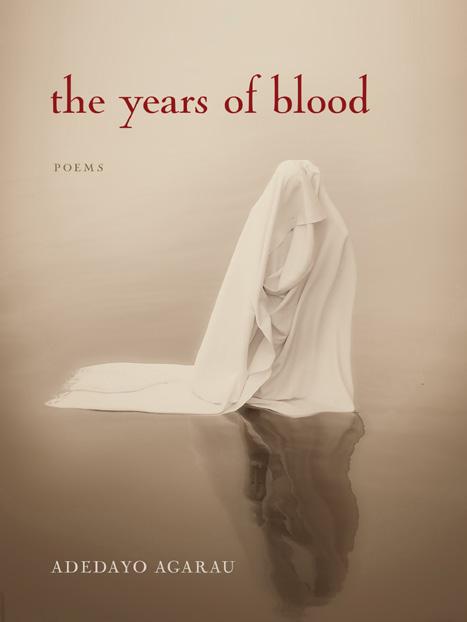
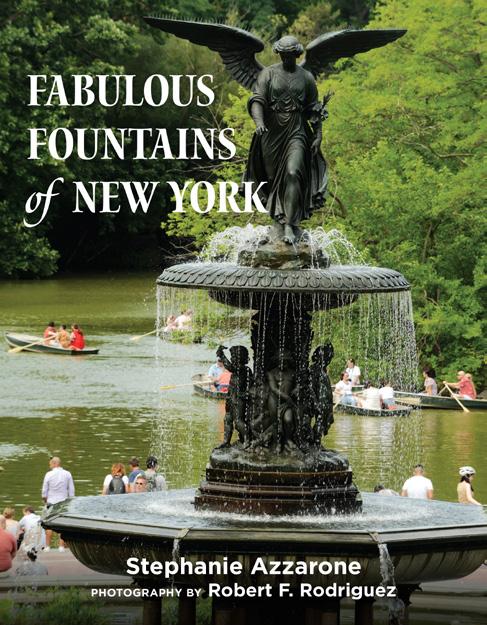
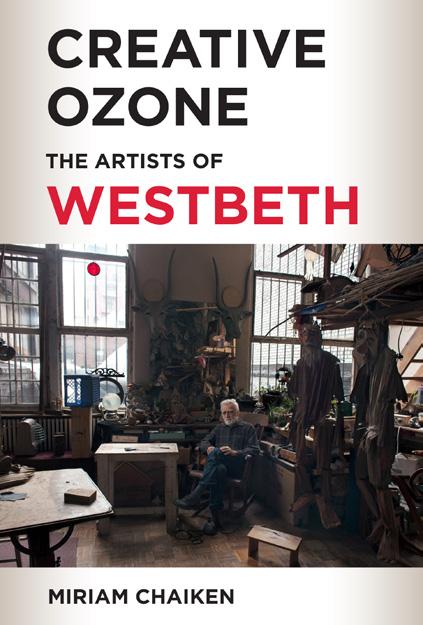

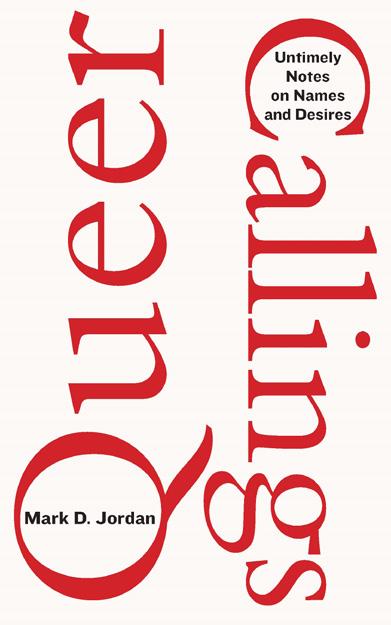
Queen of Bohemia
Predicts Own Death
Gilded-Age Journalist Zoe Anderson Norris
Eve M. Kahn
304 pages, 31 color illustrations
9781531511678, Hardback, $29.95 (HC), £23.99
Empire State Editions
Like the Sea
Dancing with Mary Glass
Carol Mavor
192 pages, 5 1/2 x 8 1/2 , 25 b/w illustrations 9781531509545, Paperback, $19.95 (TP), £14.99
Hotels
Jules O’Dwyer
144 pages, 5 x 7, 8 b/w illustrations
9781531509651, Paperback, $19.95 (TP), £14.99 Cutaways
Here Down on Dark Earth
Loss and Remembrance in New York City
Photographs and Introduction by Larry Racioppo, Essays by Clifford Thompson and Jan Ramirez
208 pages, 12 x 9, 330 color illustrations
9781531509491, Hardback, $49.95 (HC), £40.00 Empire State Editions
Routes Not Taken
A Trip Through New York City’s Unbuilt Subway System
Joseph B. Raskin
336 pages, 7 x 10, 100 black and white illustrations.
9780823267408, Paperback, $21.95 (TP), £16.99
Empire State Editions
White Reconstruction
Domestic Warfare and the Logics of Genocide
Dylan Rodríguez
256 pages, 6 b/w illustrations
9780823289394, Paperback, $30.00 (SDT), £22.99
My Antiracist Education
David Roediger
256 pages, 18 b/w illustrations
9781531509576, Hardback, $27.95 (HC), £21.99
Honest Living
A Memoir of Peculiar Itineraries
Steven Salaita
178 pages
9781531511593, Paperback, $19.95 (TP), £14.99
Hamilton Heights and Sugar Hill
Alexander Hamilton’s Old Harlem Neighborhood Through the Centuries
Davida Siwisa James 434 pages, 128 b/w illustrations
9781531511586, Paperback, $22.95 (TP), £16.99
Empire State Editions
Roberto Tejada
144 pages, 6 x 8, 16 b/w illustrations
9781531509705, Paperback, $17.95 (TP), £13.99
How to Read Like an Anti-Fascist
Storytelling and Narrative Literacy for Young People
Annette Wannamaker
224 pages, 4 b/w illustrations
9781531509804, Paperback, $24.95 (TP), £18.99
Too Good to Get Married
The Life and Photographs of Miss Alice Austen
Bonnie Yochelson, Foreword by Victoria Munro and Jessica B. Phillips
288 pages, 8 x 10, 142 b/w illustrations
9781531509507, Hardback, $39.95 (HC), £32.00
Empire State Editions
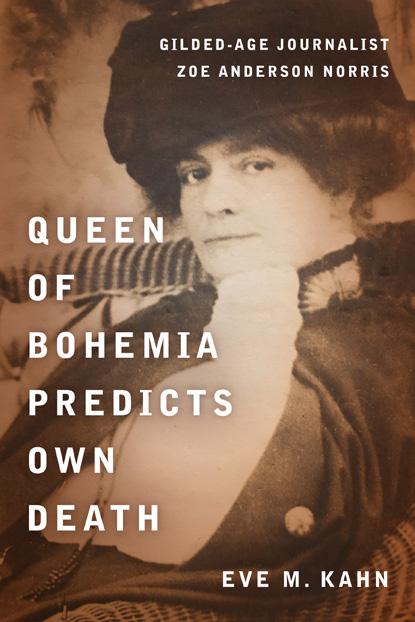

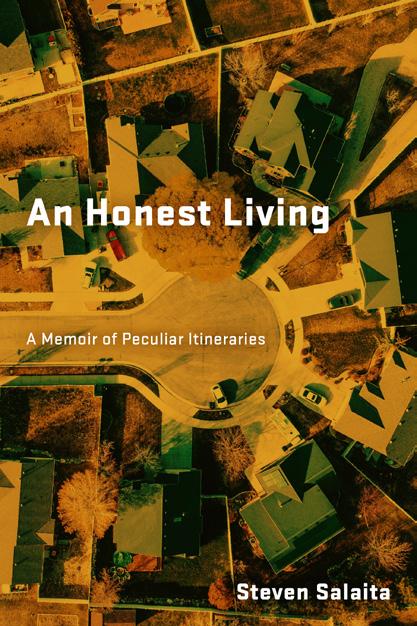
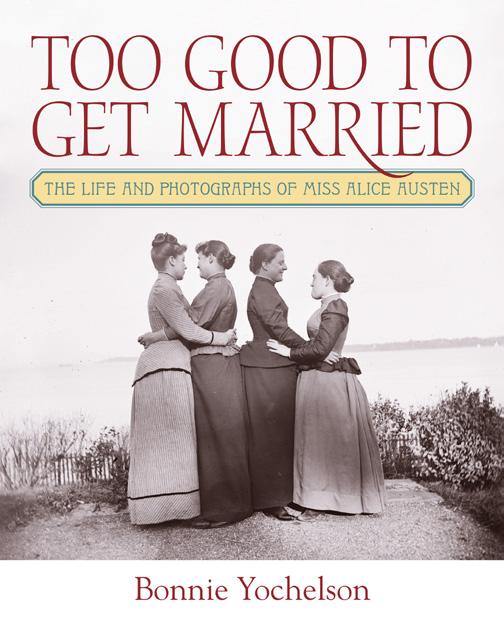
United States & Canada
Fordham University Press is distributed to the trade by Ingram Academic and Professional, an Ingram brand.
Orders and Customer Service: Ingram Content Group LLC
One Ingram Blvd. La Vergne, TN 37086 (t) 866-400-5351
ips@ingramcontent.com
Field Sales
Leslie Jobson
Senior Manager, Field Sales
Tel: 510-809-3732 leslie.jobson@ingramcontent.com
Chithra Vedentam
Sales Rep
chithra.vedantam@ingramcontent.com
SPECIAL AND GIFT SALES
Specialty Retail & Gift Sales
Gift Sales Manager
ipsgiftsupport@ingramcontent.com
Sandy Hernandez
Senior Manager, Special Markets
Tel: 818-914-9433 sandy.hernandez@ingramcontent.com
Steve Quinn
Sales Manager, Specialty Retail Tel: 401-209-9869 steve.quinn@ingramcontent.com
Tom Lupoff
Sales Rep, Special Markets Tel: 510-809-3754 tom.lupoff@ingramcontent.com
Mollie Silverman
Gift Sales Manager
mollie.silverman@ingramcontent.com
Isabel Krause
Sales Assistant, Special Markets isabel.krause@ingramcontent.com
Alexia Cervello
Sales Specialist
1400 Broadway, Suite 3200 New York, NY 10018
alexia.cervello@ingramcontent.com
Canadian Manda Group 664 Annette Street
Toronto M6S 2C8
Canada
Tel: 416-516-0911
info@mandagroup.com
Alexia Cervello
Sales Specialist
1400 Broadway, Suite 3200
New York, NY 10018
Alexia.Cervello@ingramcontent.com
INTERNATIONAL SALES
UK, Europe, Middle East, Africa, Pacific, including Australia and New Zealand
Mare Nostrum Group
39 East Parade
Harrogate
North Yorkshire
HG1 5LQ
UK
Tel: + 44 (0)1423526350
Customer Service enquiries@mare-nostrum.co.uk
Distribution, Orders & Customer Services
Wiley Customer Service Books
European Distribution Centre
Oldlands Way
New Era Estate
Bognor Regis
West Sussex PO22 9NQ, UK
Tel: +44 (0) 1243 843291 trade@wiley.com
China, Hong Kong and Taiwan
China Publishers Marketing
Benjamin Pan
Email: benjamin.pan@cpmarketing.com.cn
Tel/Fax: 0086-21-54259557
Mobile: 0086-13061629622
South-East Asia - Brunei, Cambodia, East Timor, Indonesia, Japan, Laos, Malaysia, Philippines, Singapore, South Korea, Thailand, Vietnam Publishers International Marketing
Chris Ashdown
Tel/Fax: +44(0)1202 896210 chris@pim-uk.com
South Asia - Bangladesh, Bhutan, India, Maldives, Nepal, Sri Lanka
Manohar Publishers and Distributors
4753/23, Ansari Road, Darya Ganj, New Delhi 110002
Tel: 011- 43583973 manoharbooks@gmail.com