HEALING THE MIND
AS WELL AS THE BODY
integrated behavioral healthcare for treating the whole person
FORECASTING TRENDS

integrated behavioral healthcare for treating the whole person
FORECASTING TRENDS
A holistic view of wellness encompasses mind and body. Healthcare practitioners today understand that the mind/body connection is profound, and that the health of one system can impact all others. However, while challenges to healthcare access exist across the continuum of care, barriers to access for behavioral healthcare are especially pervasive. Delays in treatment can have devastating consequences for patients, their families, and their communities.
According to the National Institute of Mental Health, as of 2017 almost 20% of American adults are living with some form of mental illnesses (4.5% with severe mental illness). Mental illnesses can range from depression and anxiety to substance use disorders to psychosis, with a broad spectrum of impacts to patients’ ability to function. With limited access to healthcare,
stigmas surrounding mental health issues, inability to afford treatment, and other obstacles, many of these individuals will delay or avoid seeking the assistance that could make their conditions more manageable.
The COVID era has amplified concerns about the growing need for behavioral healthcare. Though the long-term effects of this global health crisis are as yet unknown, factors including stress, grief, trauma, financial insecurity, and isolation can create or exacerbate behavioral health issues. The CDC reports that the most vulnerable groups for adverse impacts from stress during an outbreak include vast swaths of the population: essential workers, people at elevated risk for serious illness, the elderly, caregivers, people impacted economically, people with existing conditions, and many others.
shortage of beds
access to urgent care
During and after the COVID crisis, the need for expanded behavioral health services is almost certain to grow. A number of other existing and emerging trends are likely to impact behavioral healthcare and the design of related facilities for the future as well.
focus on safety
access to geriatric psychiatry
crisis intervention teams
university mental health
covid response
integrative treatment
co-occurrence
The number of available inpatient hospital beds for behavioral health patients has been declining precipitously for decades, with the result that bed shortages frequently lead to last-resort measures such as “hoteling” patients in the emergency room until a bed opens. According to the Treatment Advocacy Center, in the roughly six decades between 1955 and 2016, the number of state hospital beds decreased by 97%, even as the population and the need for services continued to grow. Lack of services has ripple effects impacting every system. The Treatment Advocacy Center also documented that more people with serious mental illnesses were incarcerated than in state mental hospitals- by a factor of 10.
This decline in beds is due in large part to budget cutting; however, advances in psychotropic medication are also allowing many patients to better manage serious mental illnesses at home. Patient advocacy groups have long fought for patients to be treated in the least restrictive environment appropriate for health and recovery, meaning that patients have more options for treatment outside of state hospitals. If behavioral healthcare providers can intervene before patients reach a crisis stage requiring inpatient hospitalization, the impacts will be lessened for patients, families, and communities. Early intervention will require the expansion of treatment all along the continuum of care.
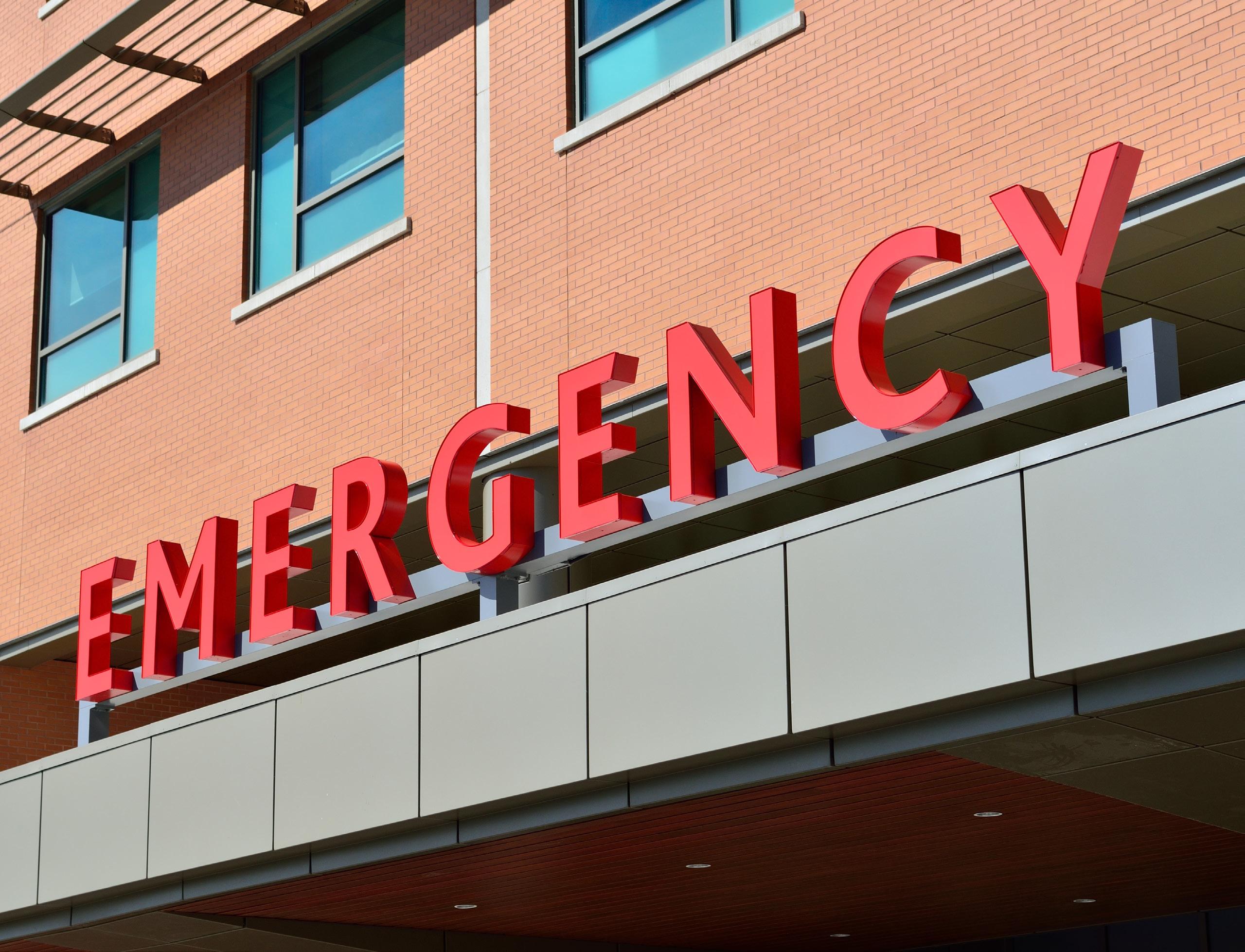
To address the prevalent situation of housing behavioral health patients in the emergency room while awaiting a bed- an inefficient solution for all involved- some health systems are creating behavioral health urgent care facilities. These facilities offer 24/7 access, and patients can be triaged and recommended for a 23-hour observation period, discharged, or referred to an onsite inpatient care center (with separate facilities for pediatric and adult patients). This model relieves the burden on emergency room physicians while providing a more compassionate treatment experience for patients and their families.
The World Health Organization reports 93% of mental, neurological, and substance use services have experienced service disruptions due to COVID-19. Outpatient and community based services have been most profoundly affected.
The increased focus on patient safety by the Joint Commission, along with the “National Patient Safety Goals Effective 2020 for the Behavioral Healthcare Program” report, will have lasting impacts on patient safety in behavioral health settings. Though current guidelines exempt residential and outpatient facilities, even in facilities for patients of lesser acuity, health systems are paying closer attention to ligature and other patient safety threats for people at their most vulnerable patients.
LS3P Associate Principal Jeff Mural is a national expert in risk assessment and self harm in behavioral heatlhcare settings and presents at conferences on the differences between national behavioral health design guides.
The aging population impacts every facet of healthcare. This demographic will increase demand for behavioral healthcare services as they age and thereby create increased demand for infrastructure. According to the American Association for Geriatric Psychiatry, “by the year 2030, there will be just one geriatric psychiatrist per 5,862 older adults with a psychiatric condition.”
As we age, our physical and brain functions change. Mental health issues, including dementia and Alzheimer’s can compound the effects of aging. Senior living facilities need to be equipped to mitigate the physical and mental health of the residents.
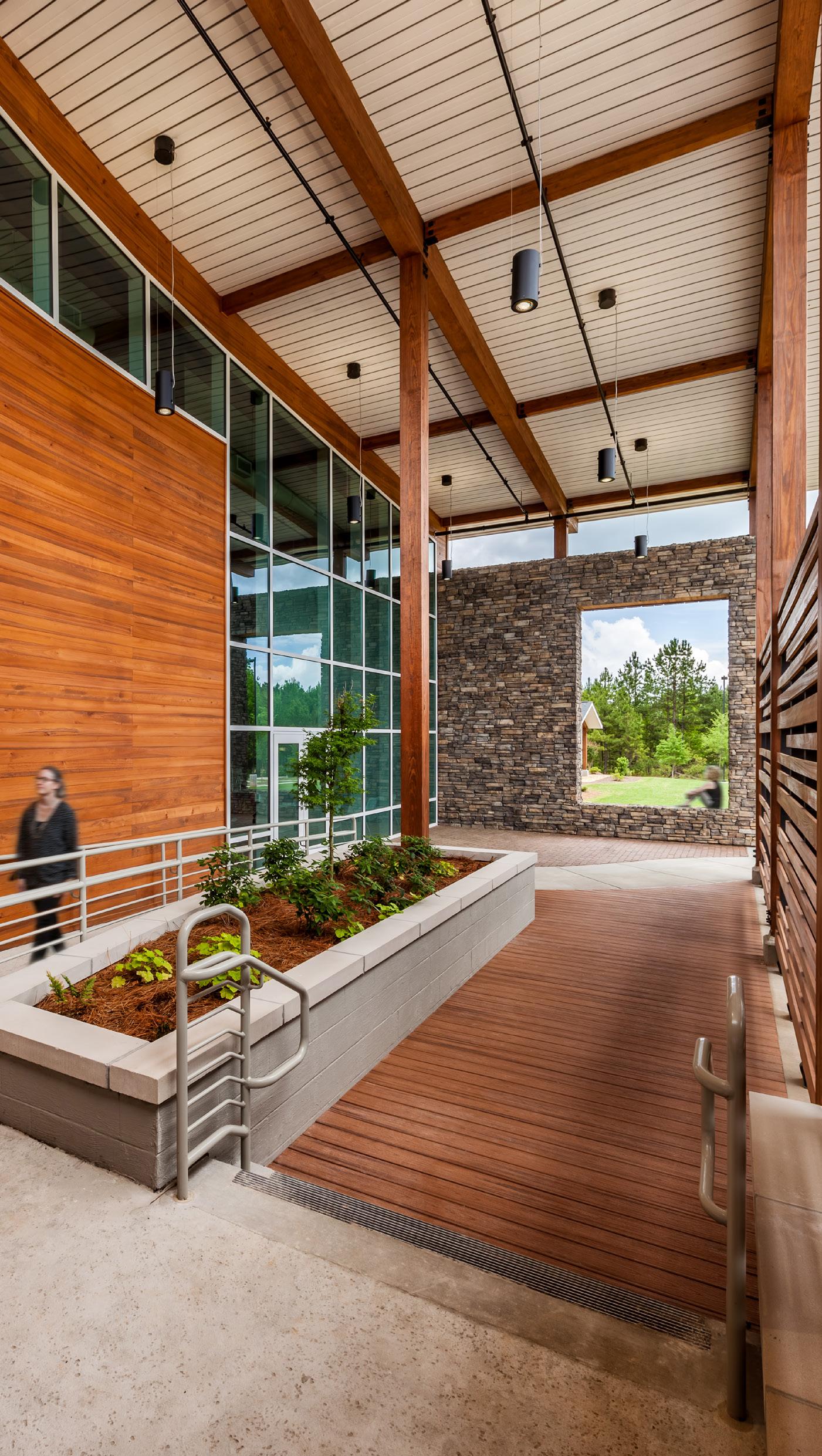
In a mental health emergency requiring a 911 call, police are often the first to respond. An increasing number of police departments are providing Crisis Intervention Training for their officers. Recognizing mental health crises in the moment allows officers the critical ability to de-escalate hazardous situations. Some communities have deployed crisis intervention teams which include police officers, mental health professionals, and substance abuse specialists who are trained to respond to patients in a behavioral health crisis and connect them with appropriate care. This strategy can be a life-or-death intervention, as the Treatment Advocacy Center reports that people with untreated mental illness are 16 times more likely than other populations to be involved in a fatal police shooting.

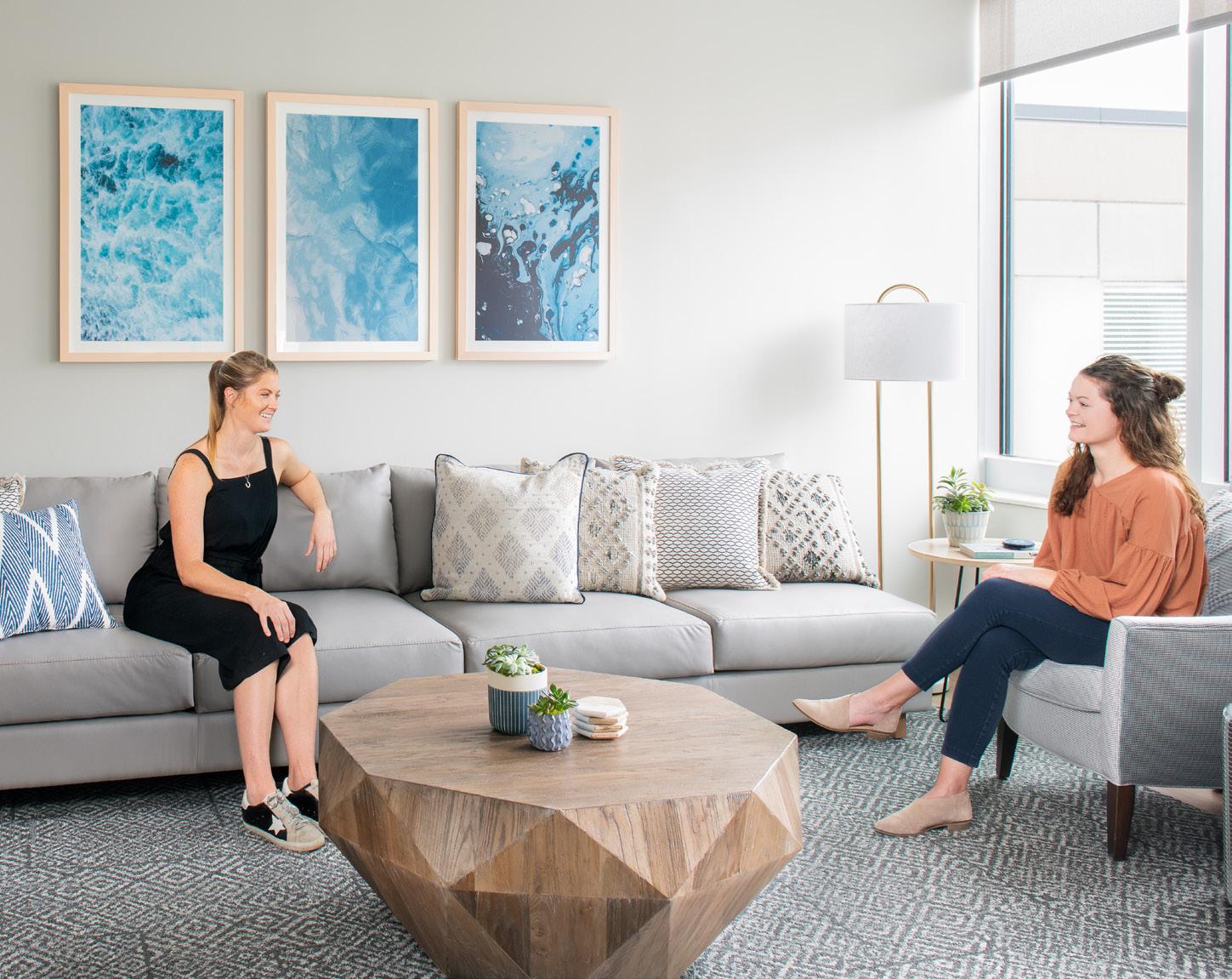
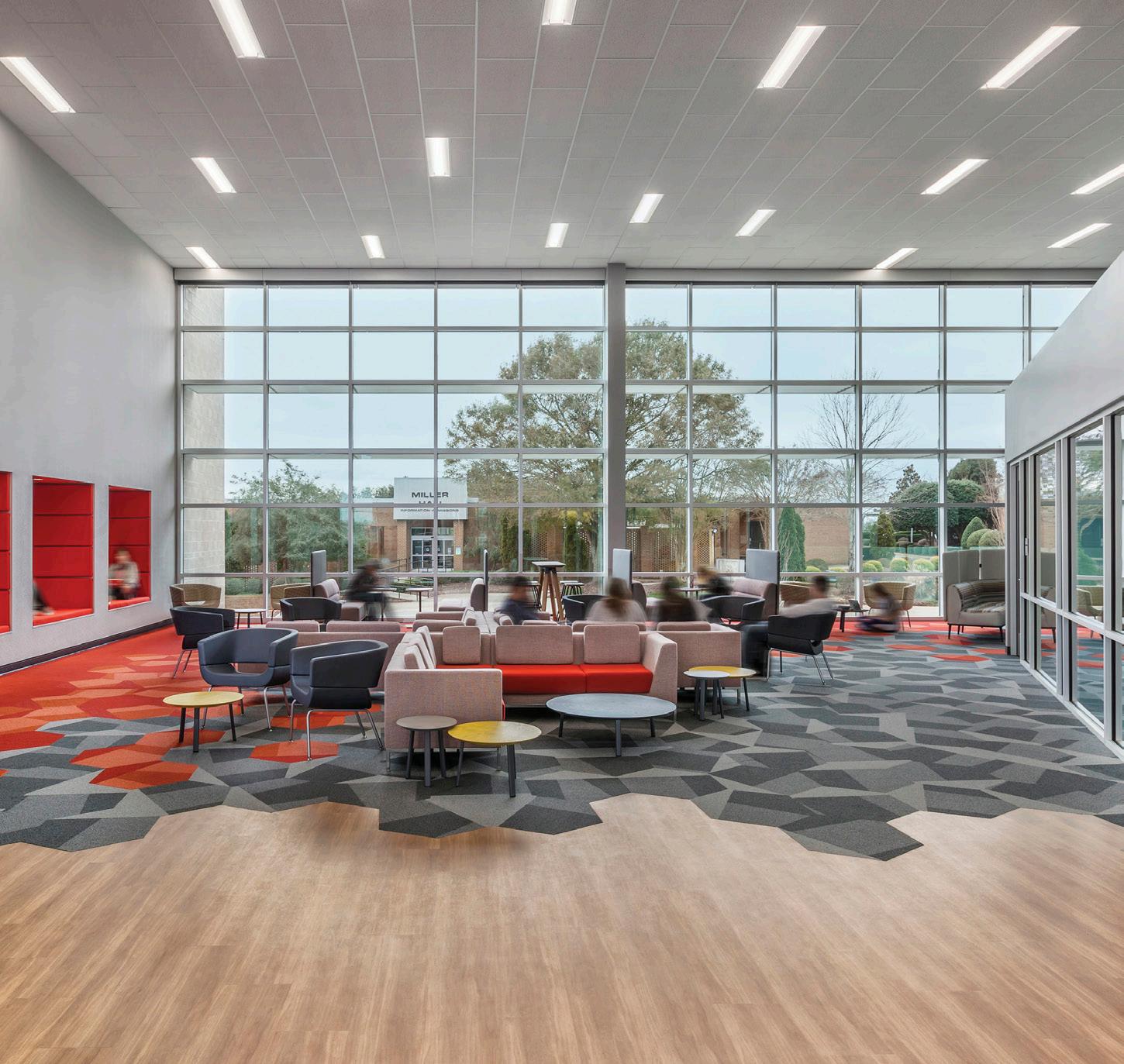
University behavioral health providers often struggle to keep up with demand, as young adults away from home for the first time are learning coping strategies and dealing with new stressors. The generation currently entering college has already experienced weighty issues, if not trauma: they’ve potentially felt the effects of multiple recessions, the COVID crisis, climate change, civil unrest, and uncertainty in a rapidly changing world. As students grapple with these and other challenges while they navigate student life, they are likely to require expanded access to services.
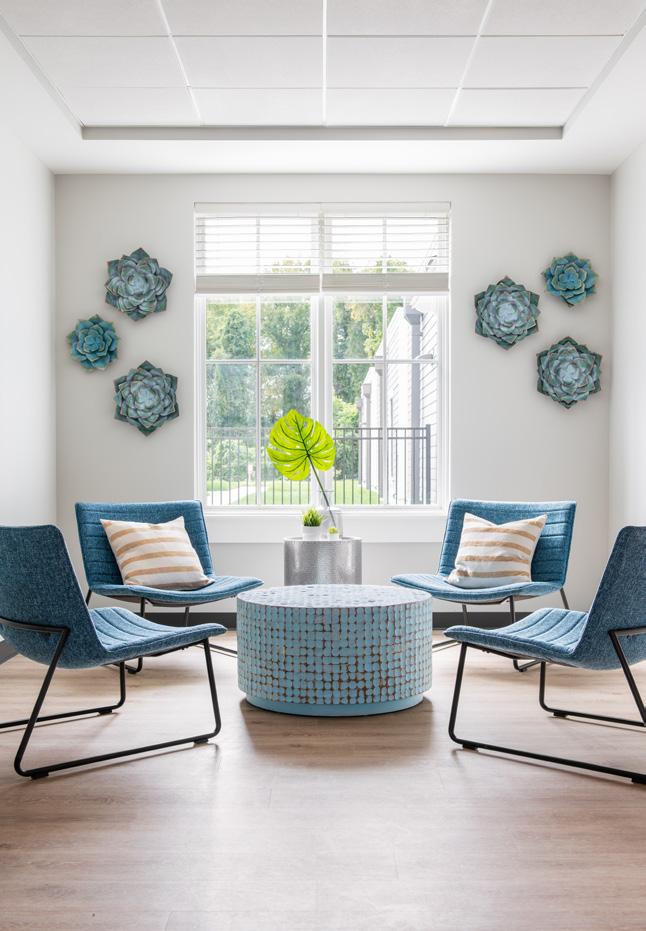
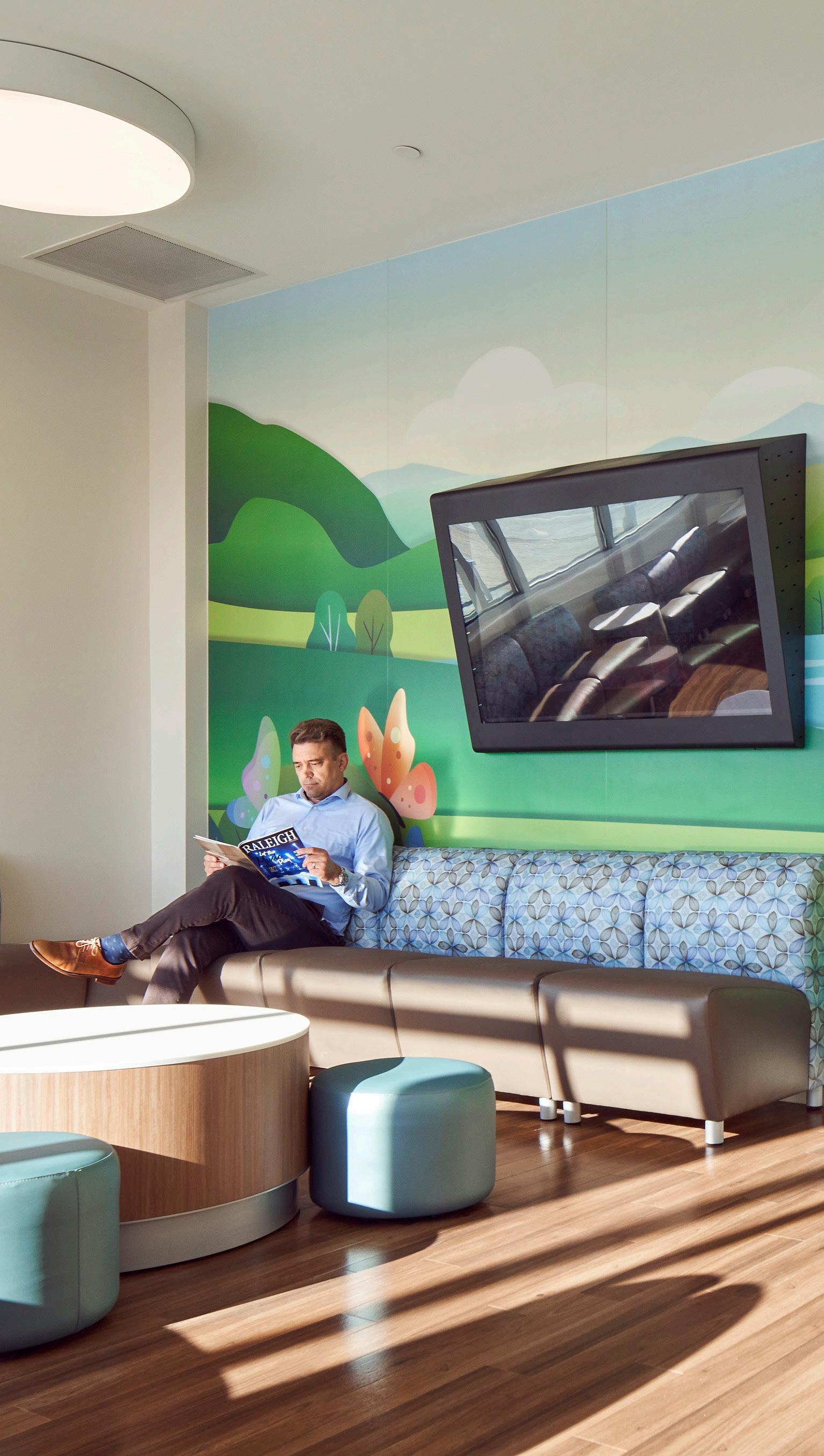
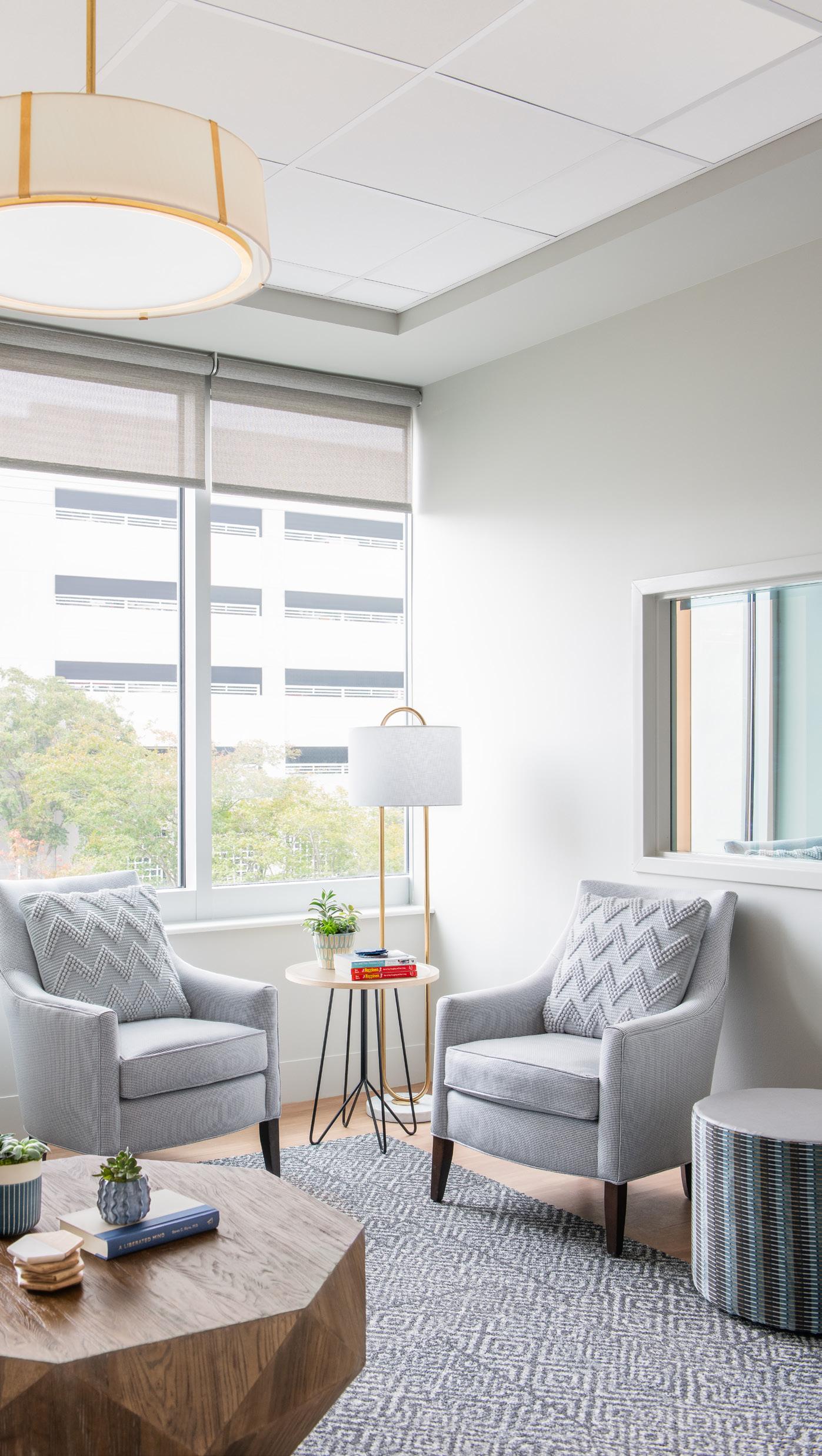
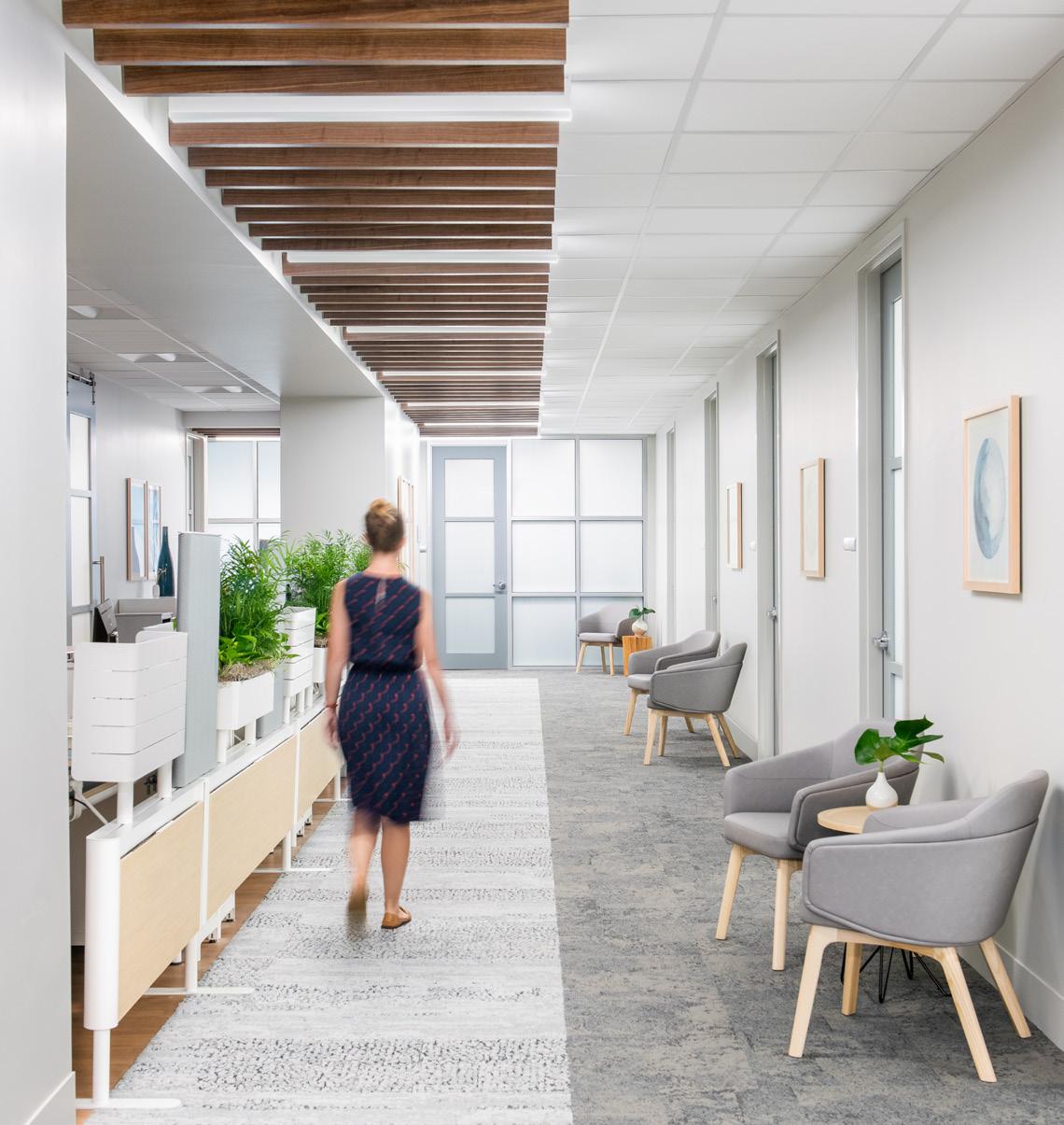
The delay between the initial onset of symptoms and seeking treatment is often due to the stigmas which have been associated with behavioral health issues. Facilities which highlight “brain health” as a part of whole-body healthcare help to normalize treatment as part of the human experience. Settings that provide welcoming atmospheres can reduce barriers to seeking treatment; changing the language and changing the aesthetic can create a more welcoming environment.
An estimated 31.1% of U.S. adults experience any anxiety disorder at some time in their lives.
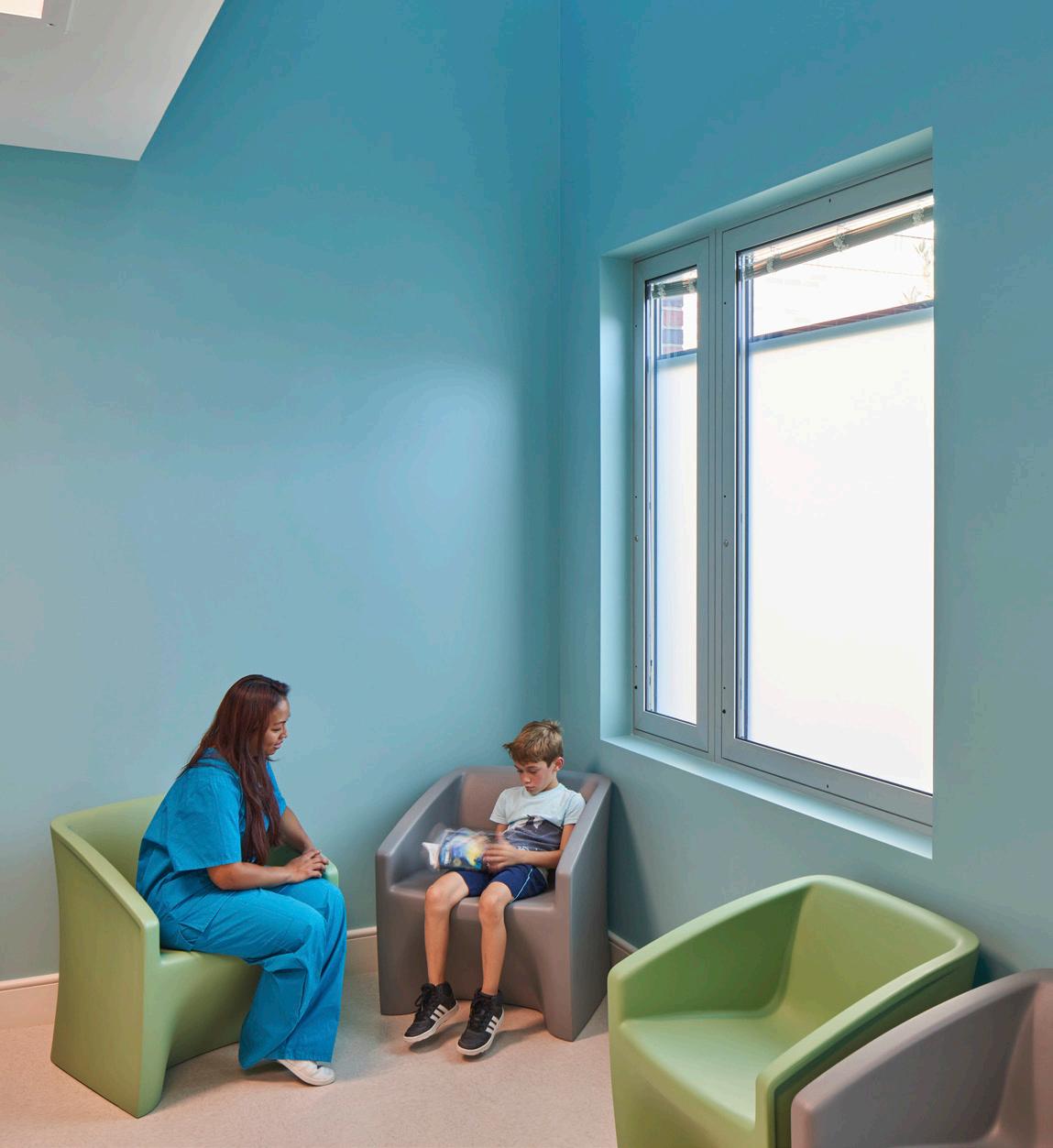
Behavioral health issues, don’t always occur in isolation. Comorbidities with other health or environmental issuessubstance abuse, socioeconomic stressors, family trauma, and the unexpected demands of responding to COVID-19, are common. Addressing the needs of the whole patient, including providing resources for managing coinciding conditions which complicate behavioral health conditions, is an essential part of the treatment process.

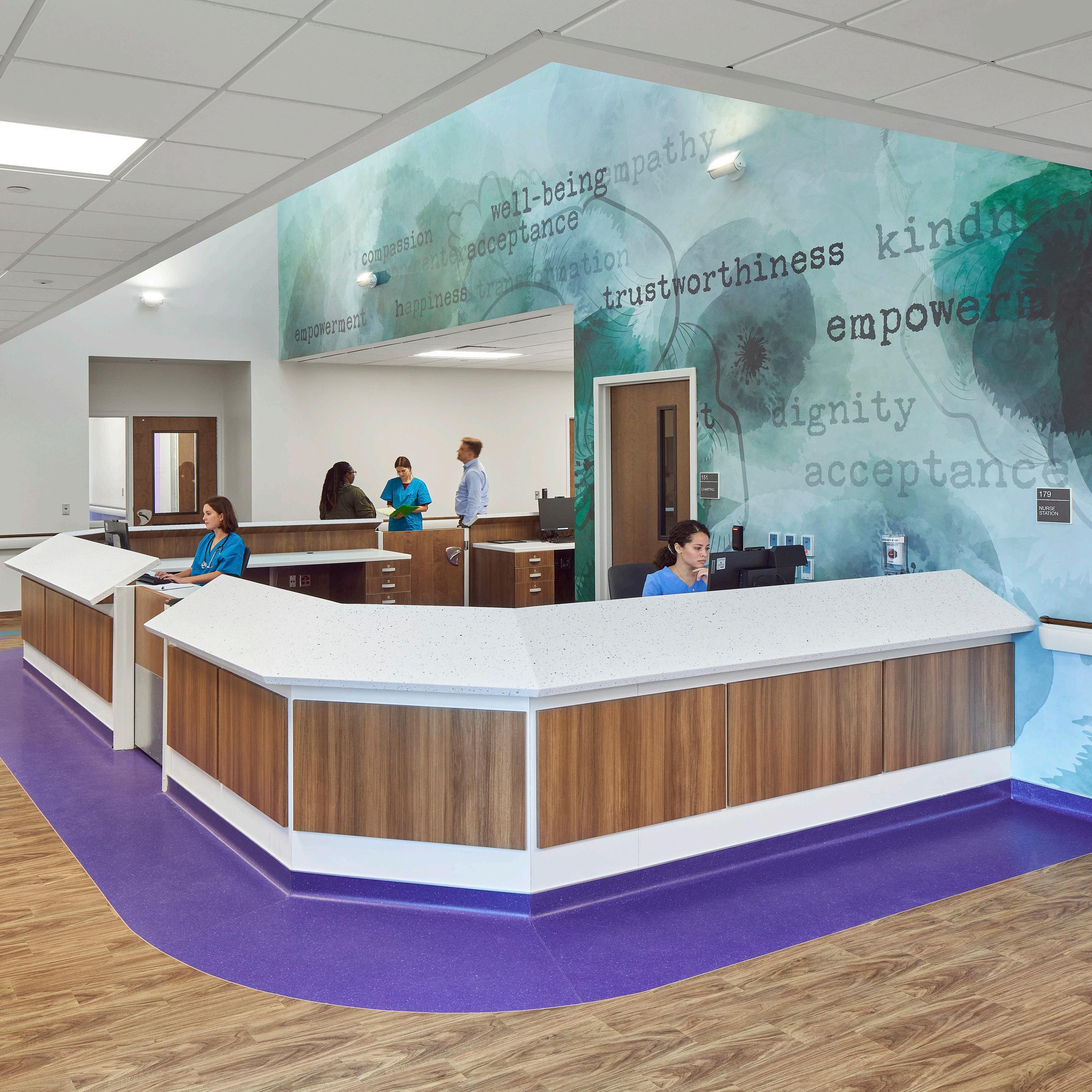
Greensboro, NC
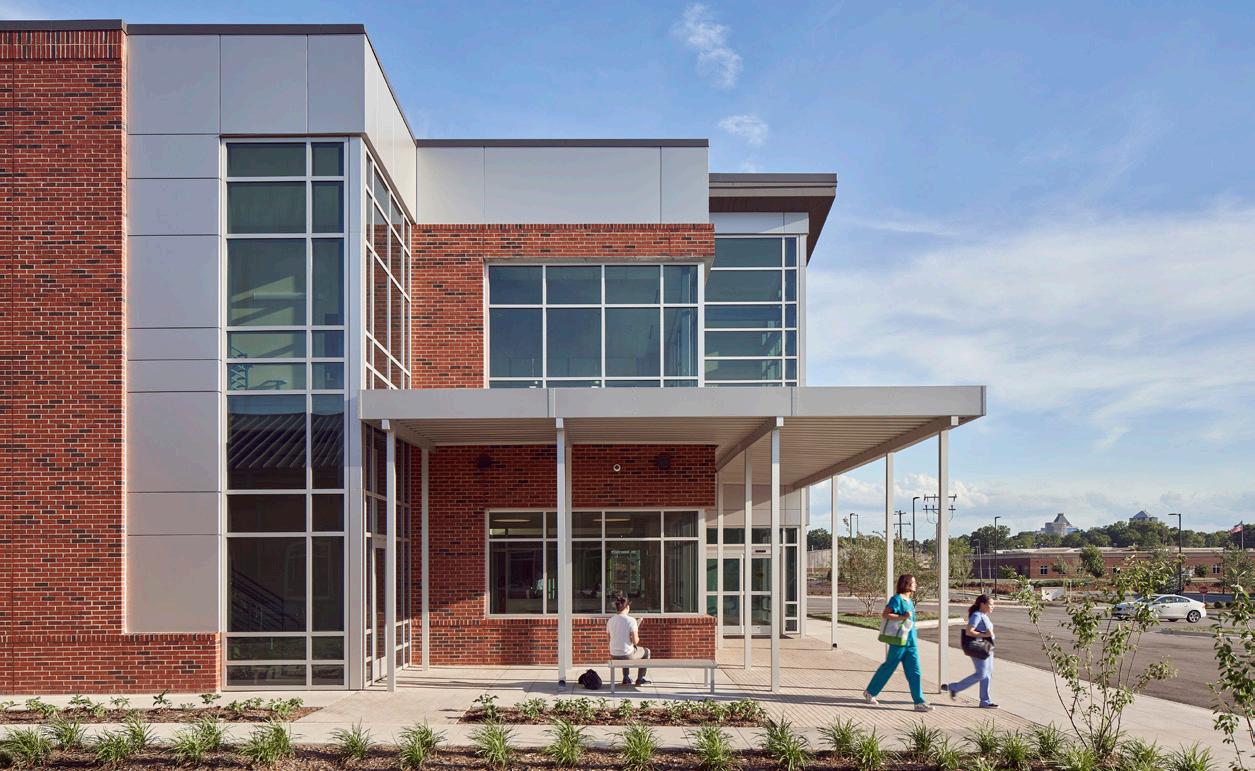
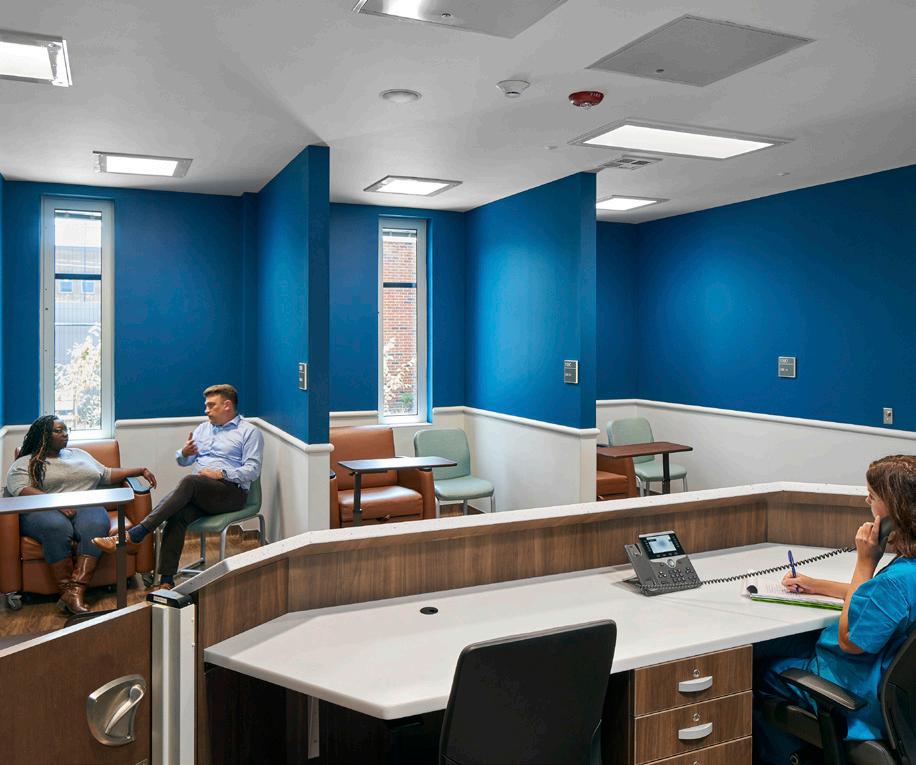
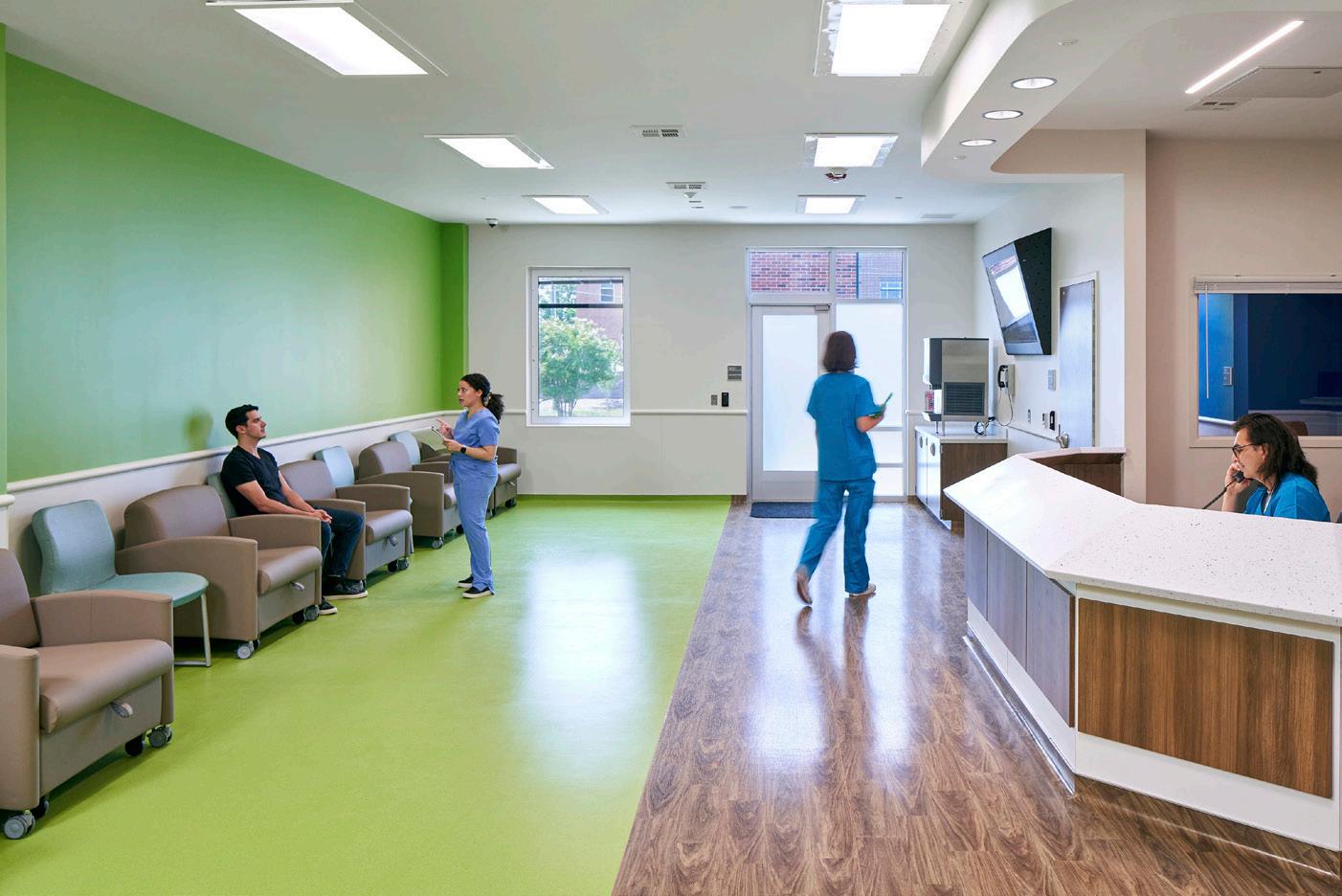
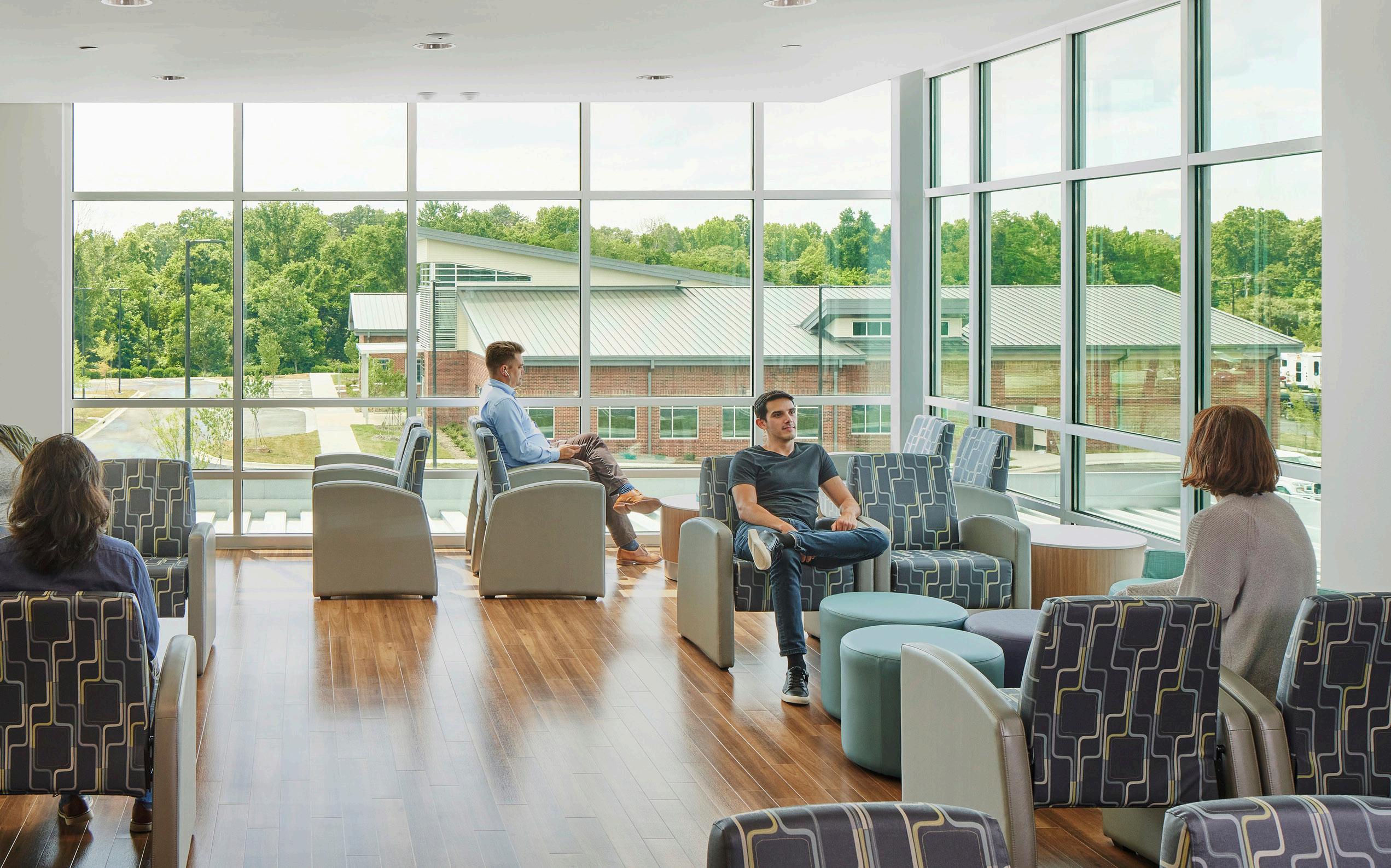
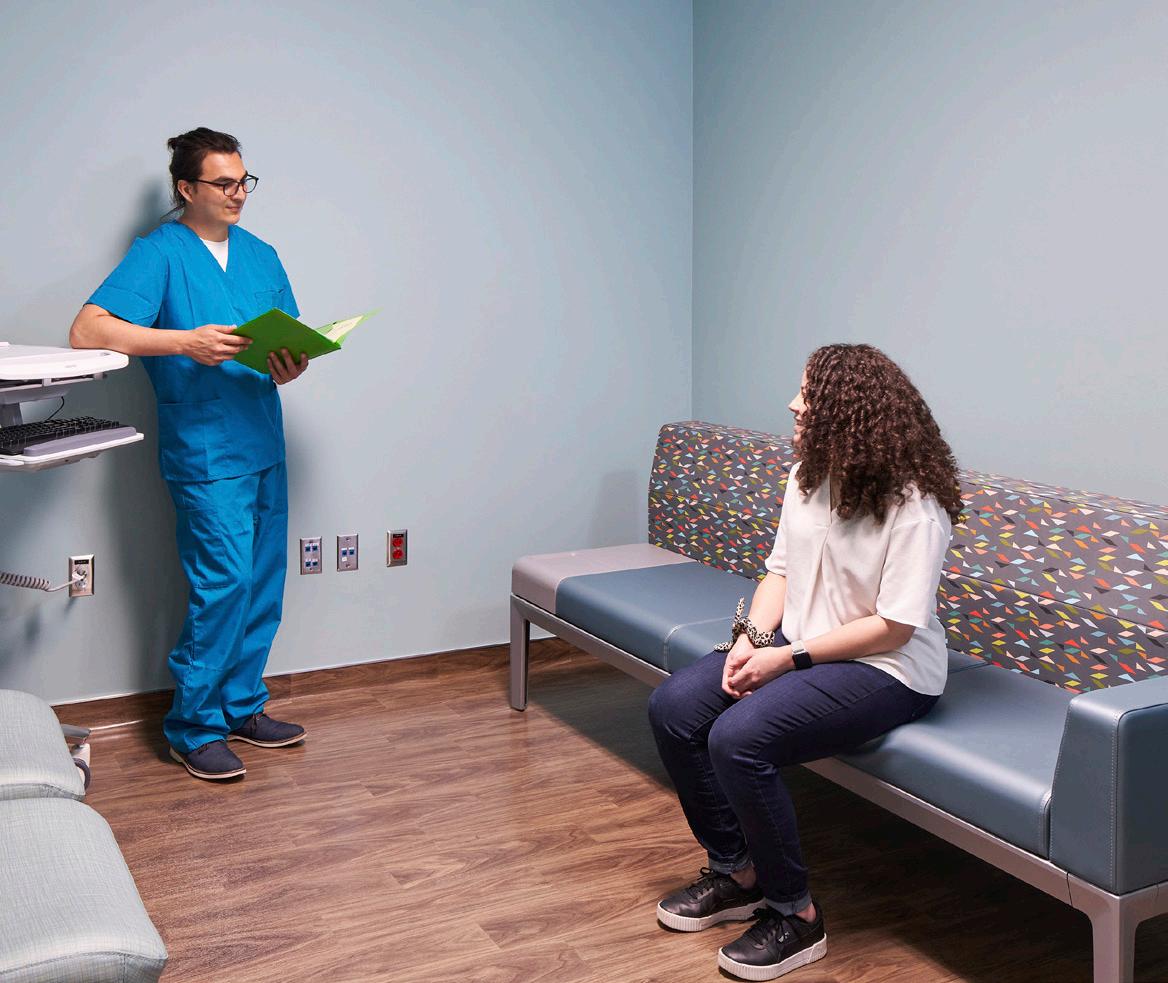
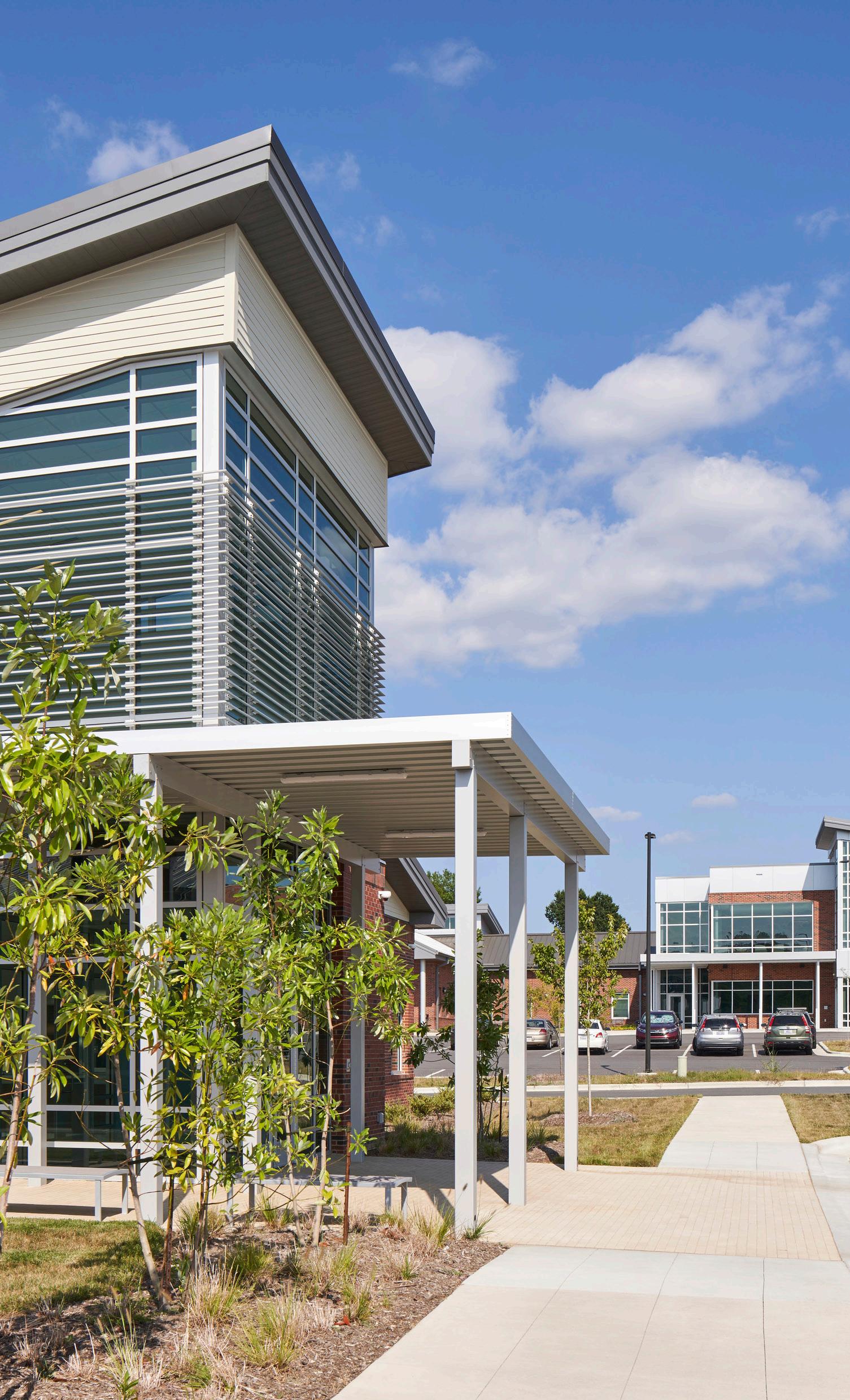
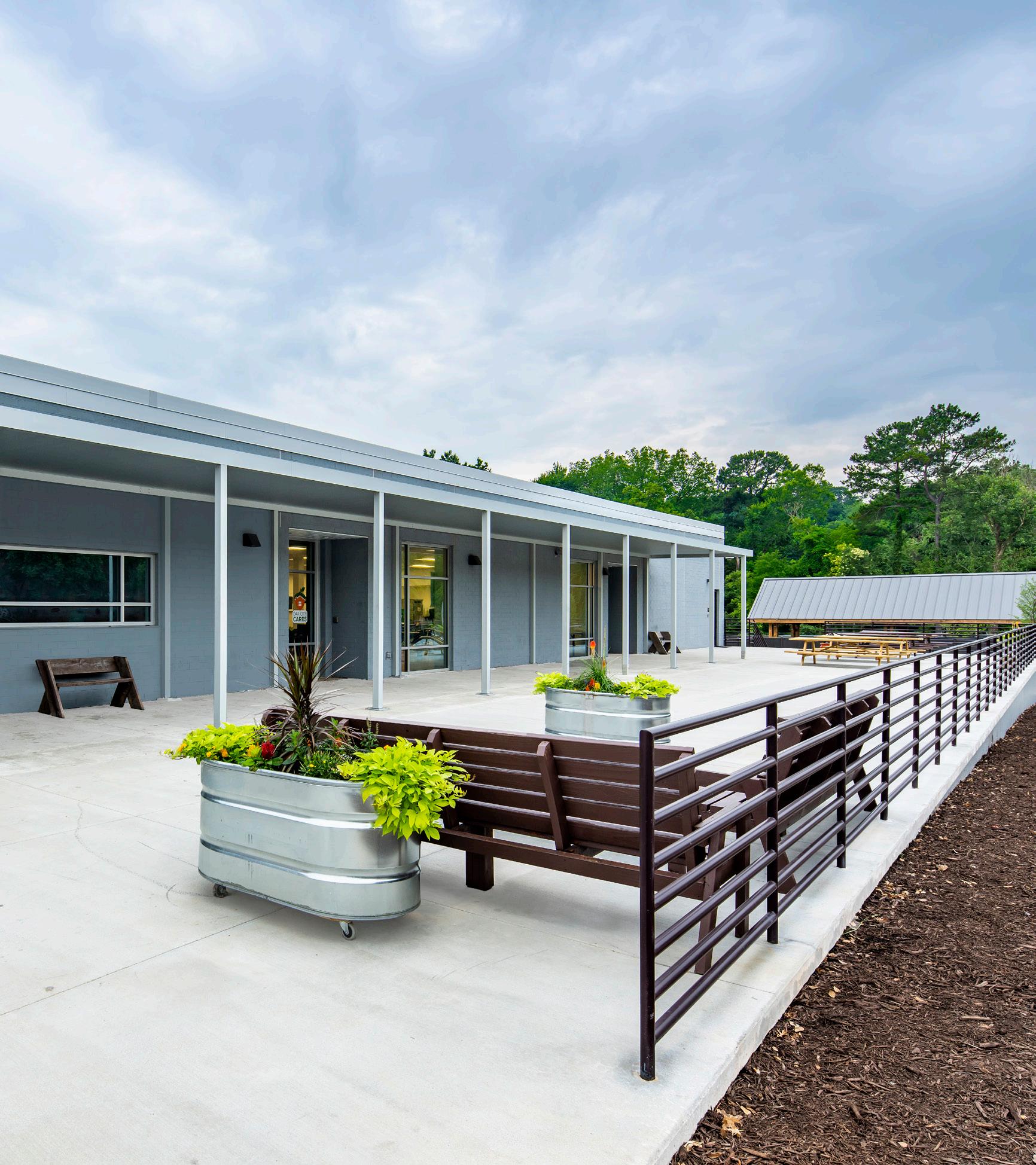
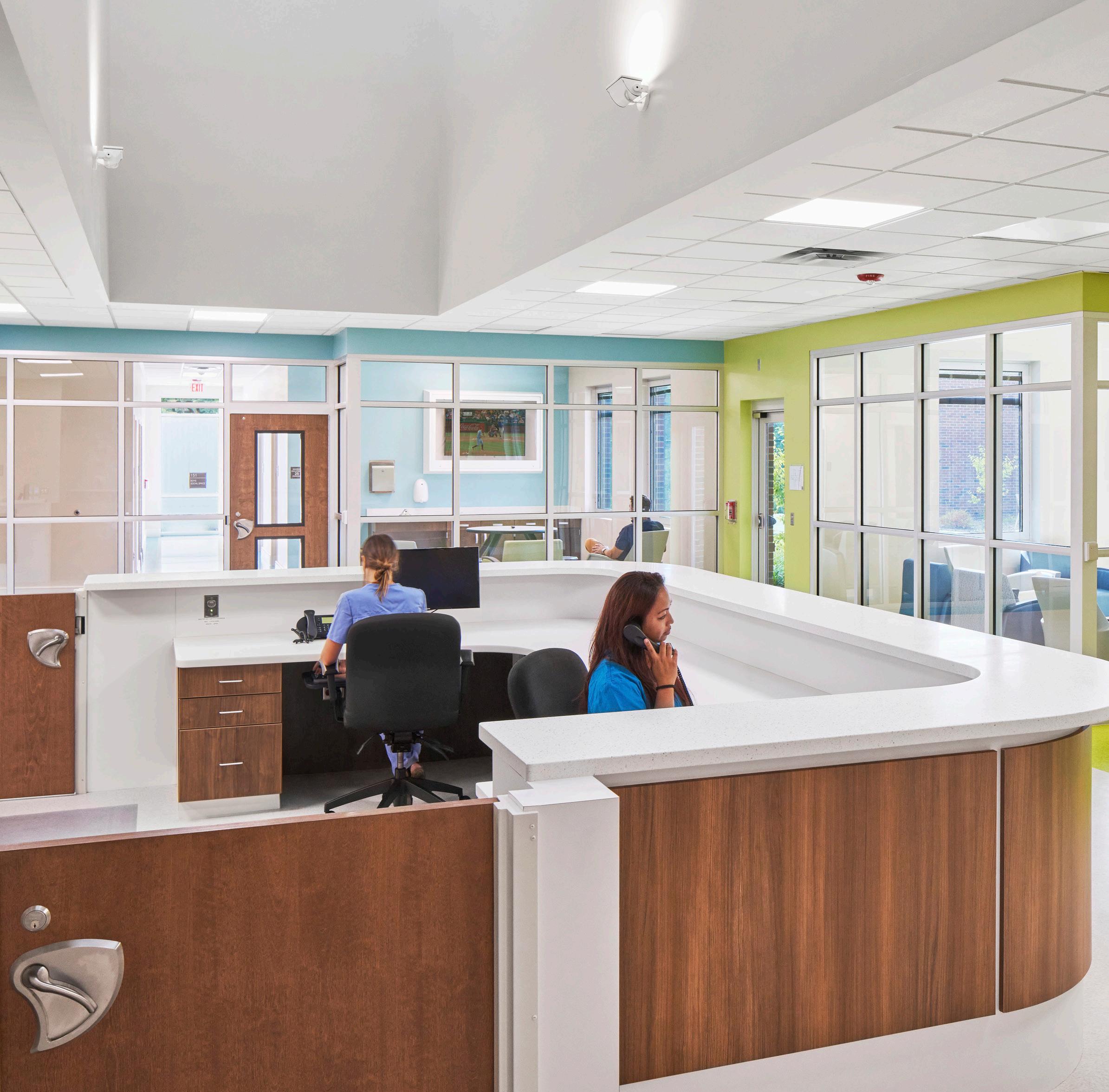
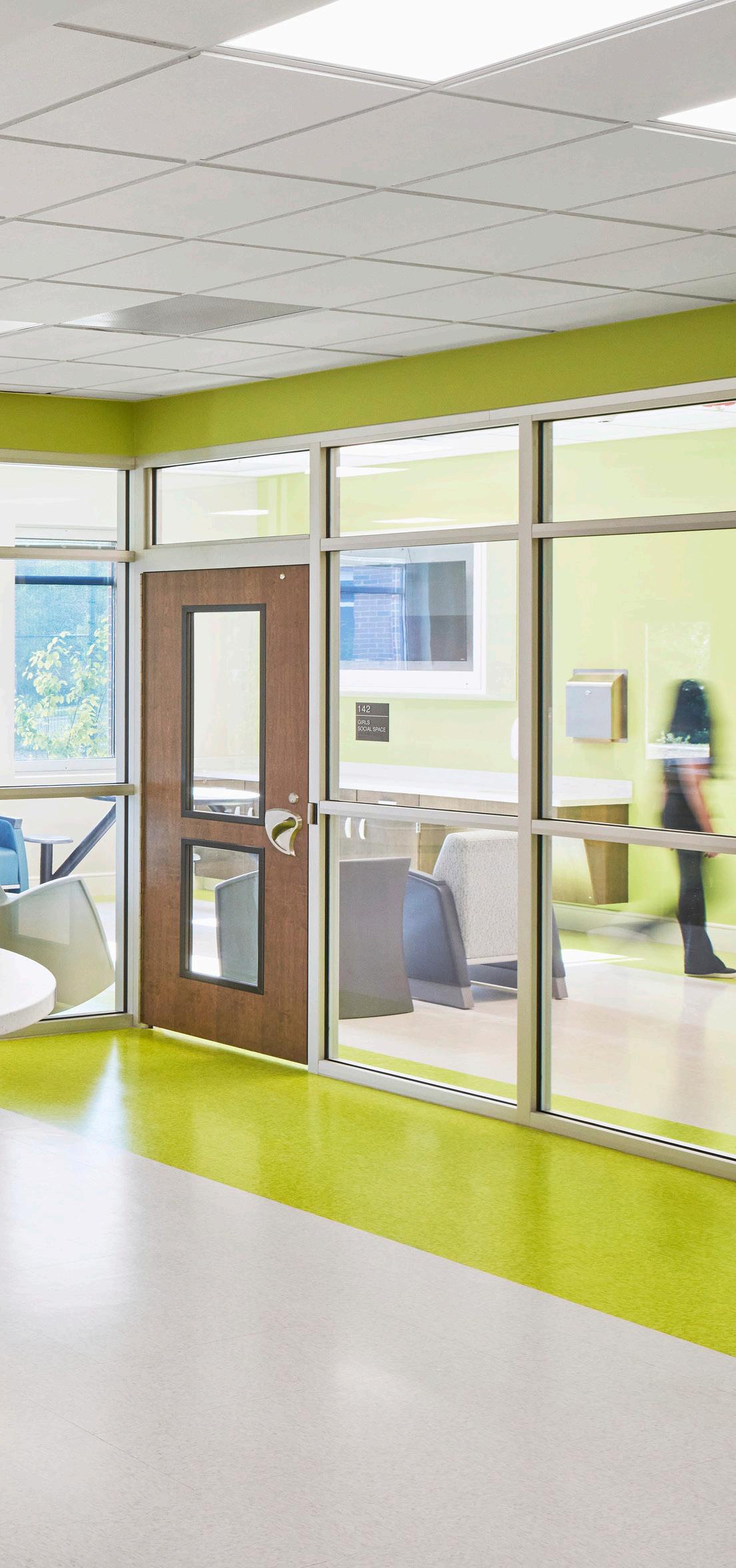
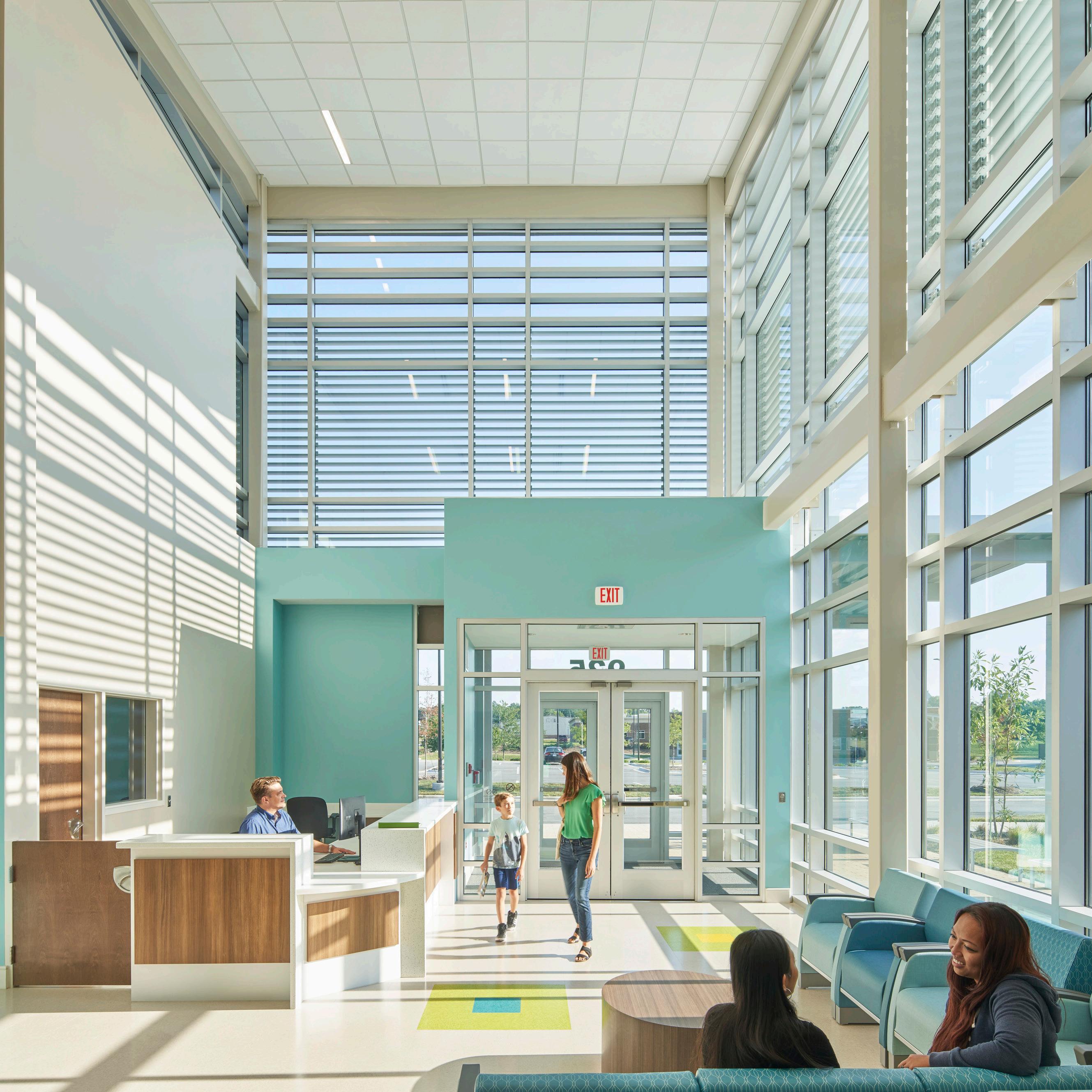
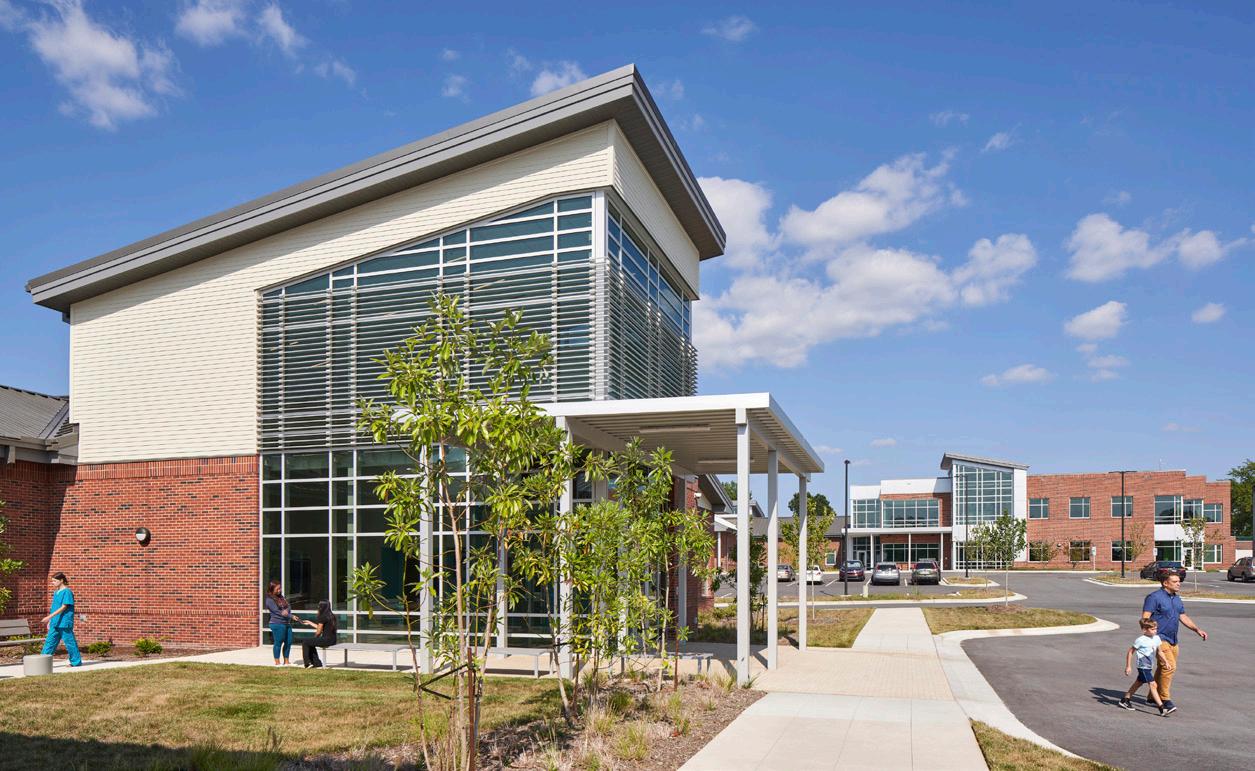
Guilford County developed a vacant property in Greensboro, NC to create a new mental health center comprising a Peer Center, Outpatient Center, a 16-chair Behavioral Health Urgent Care, and a 16-bed Adult Facility Based Crisis Center. This facility will provide integrated acute and behavioral healthcare and functions as a better alternative to an emergency department for urgent mental health crises. The Facility Based Crisis Center will be licensed by the NC Division of Health Service Regulation.
LS3P provided behavioral healthcare planning, programming, and design for the architect of record, TFF Architects. This new facility will be operated by Cone Health and provide a state-of-the-art safe and therapeutic environment for mental health treatment. It is being constructed at the same time as a child and adolescent facility by Sandhills Center on an adjacent site.
Greensboro, NC
NEW CONSTRUCTION
SIZE
16,000 GSF
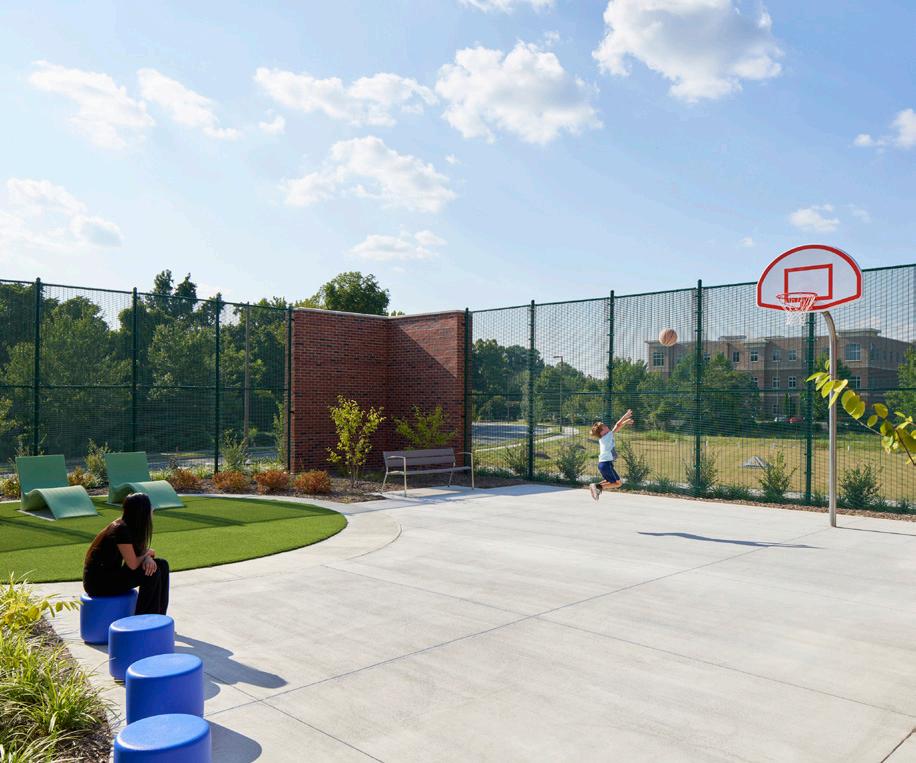
Three entities – Cone Health, Guilford County, and Sandhills Center – formed a unique partnership dedicated to expanding behavioral healthcare services in the community. Working with healthcare providers Cone Health and Alexander Youth Network, and with input from North Carolina’s Department of Health and Human Services, and architecture firms LS3P and TFF Architects, the team envisioned the Guilford County Crisis Center: a place where children, adolescents, and adults could come to receive walk-in care, residential treatment, and outpatient services.
Sandhills Center has developed a 16-bed child and adolescent FBC center on these co-located sites. Alexander Youth Network is contracted by Sandhills Center to provide services.

3,400 GSF
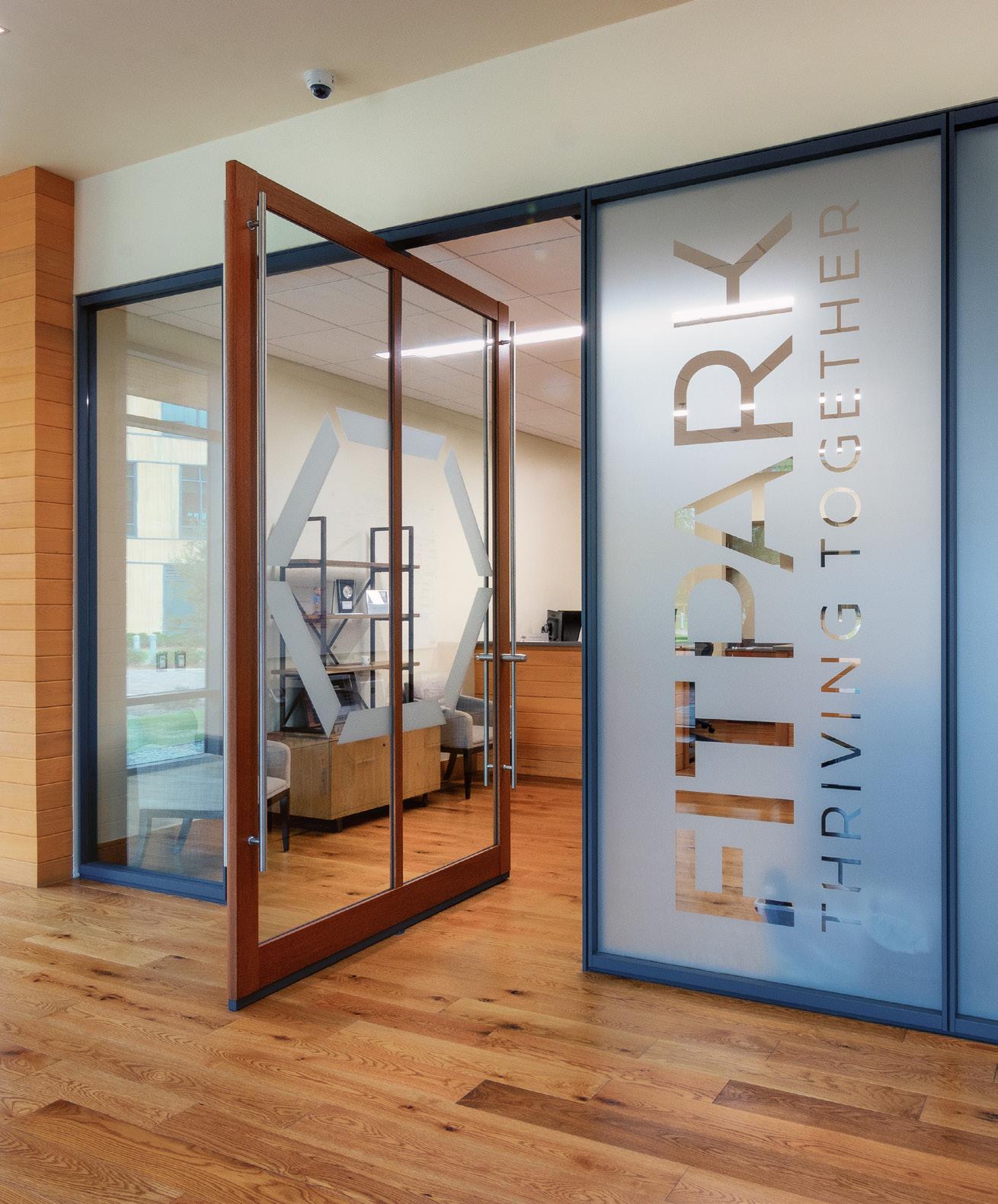
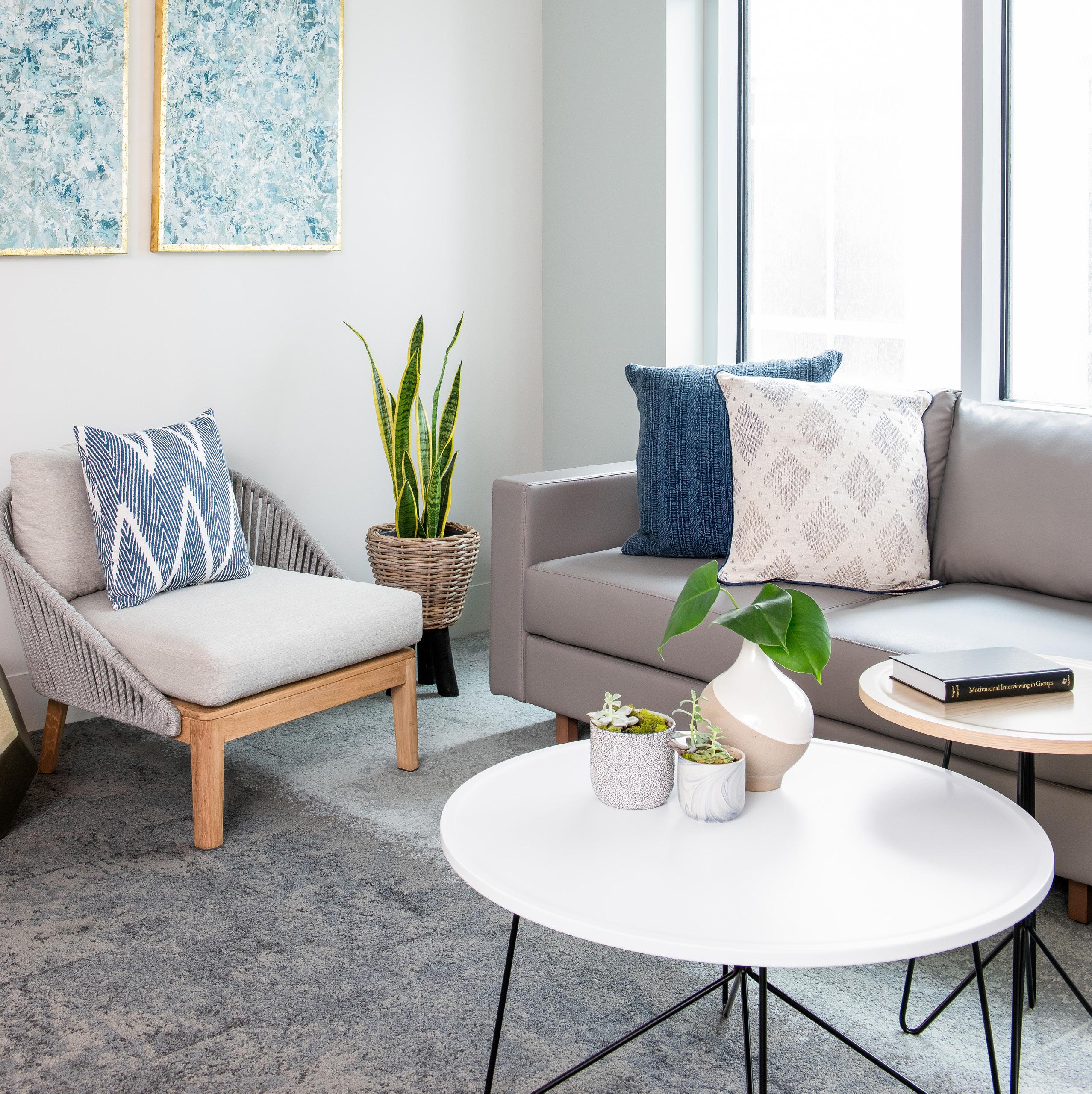
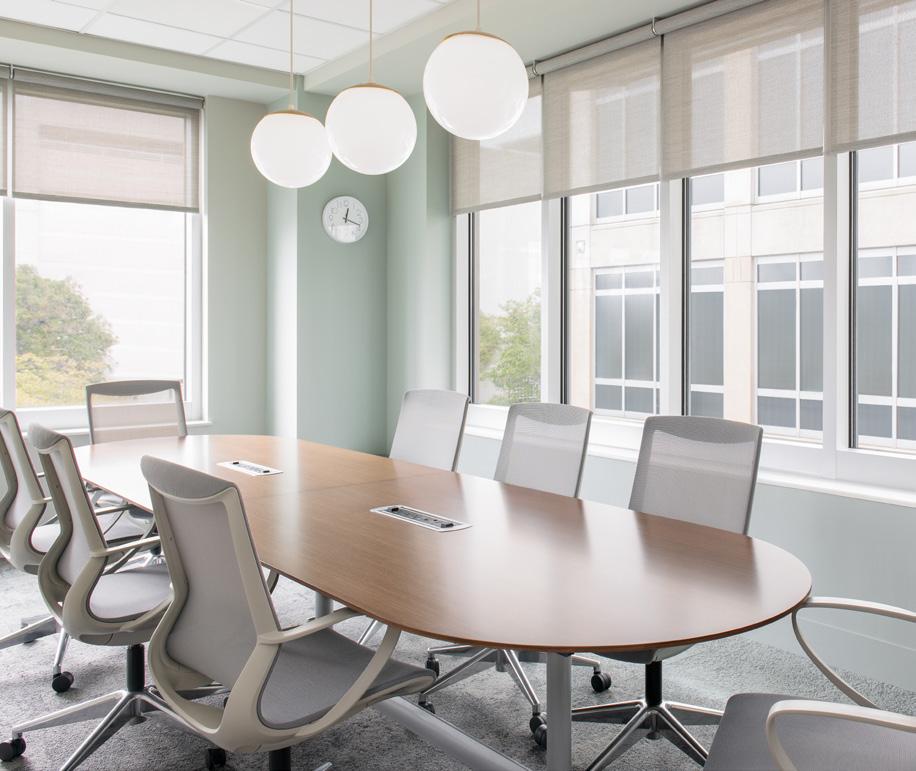
This innovative mental health and wellness center provides treatment for adults who are struggling with mental wellness, as well as those who are seeking growth in their personal and professional lives. The renovation includes check-in and waiting areas, a private waiting area, consult rooms, a group therapy room, an observation room, and both private and open offices.
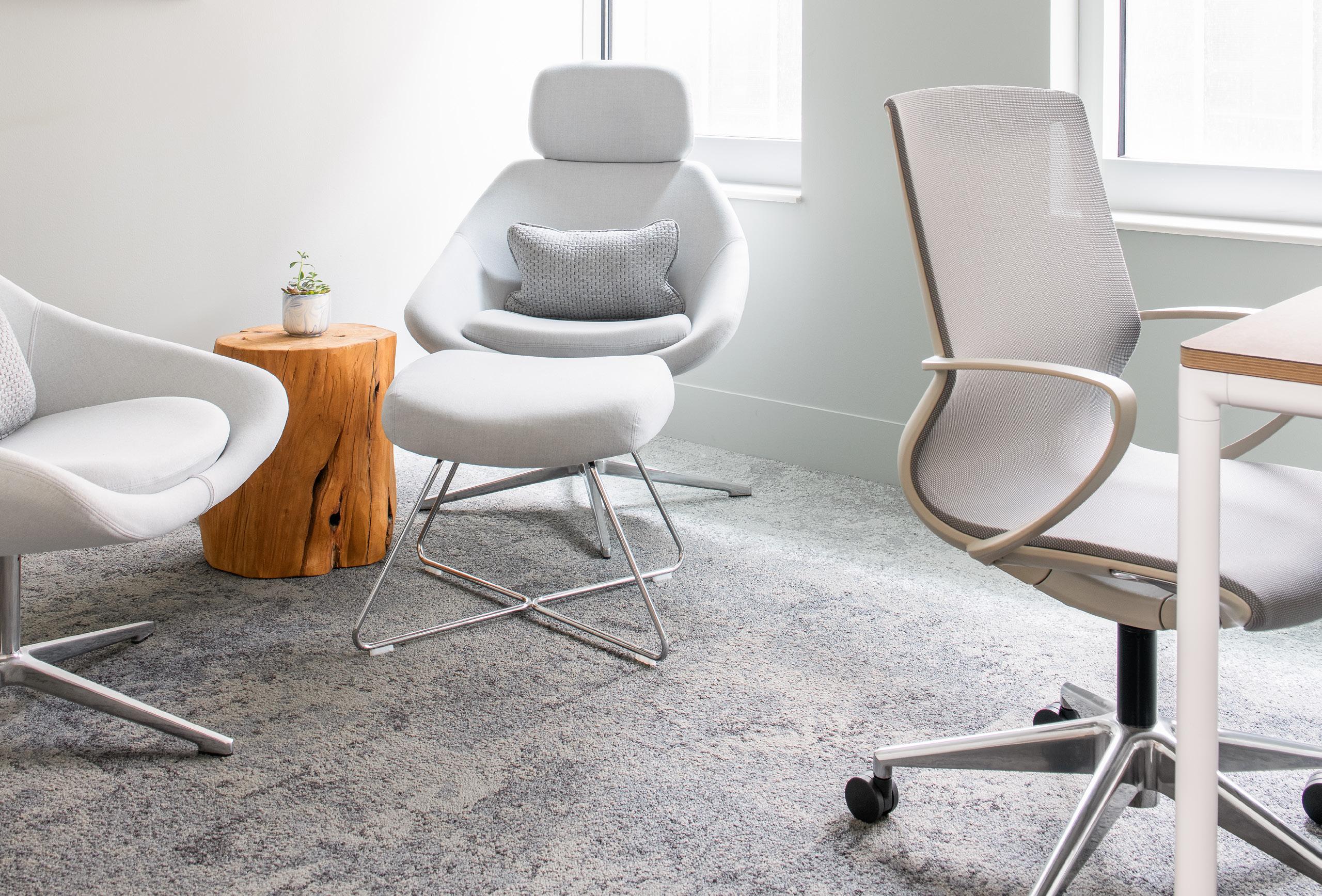
The design features a soothing environment to reduce stress and remove the stigma of receiving mental health services. LS3P provided schematic planning, construction documents, and interior design, including structural finishes, furniture, and artwork.
Charleston, SC
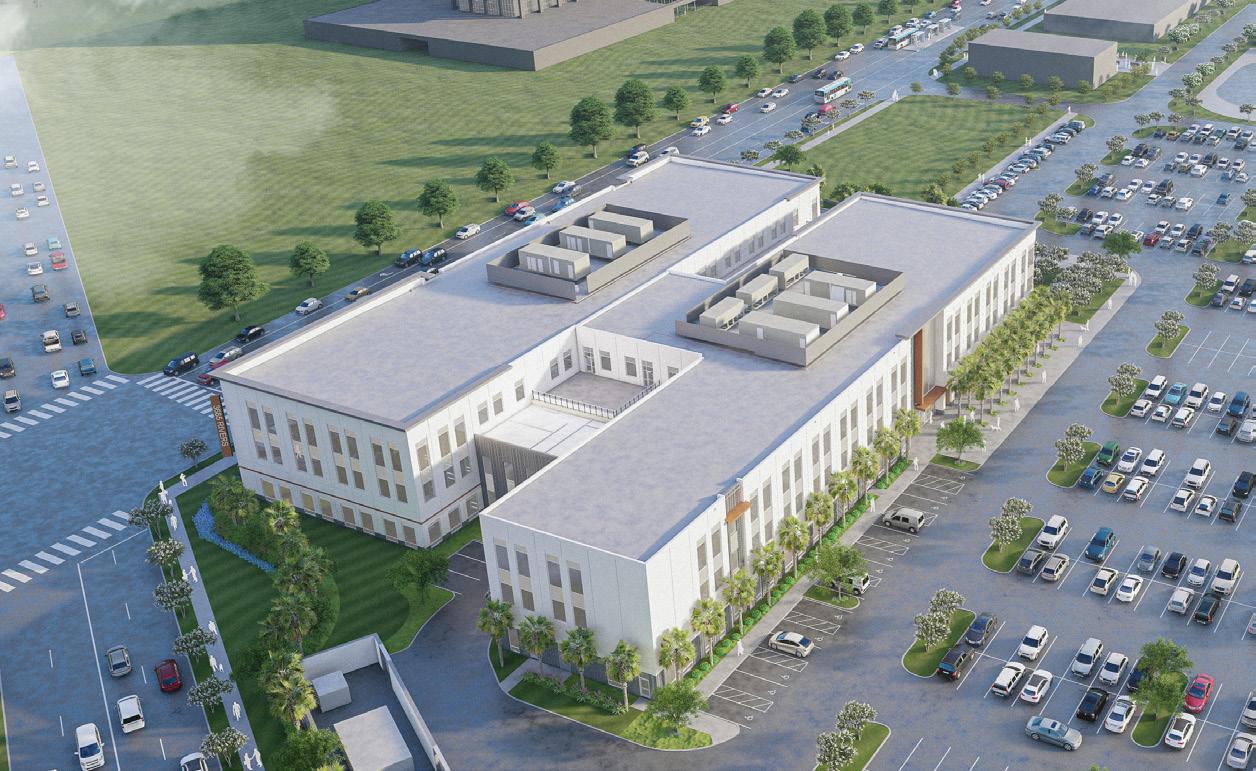
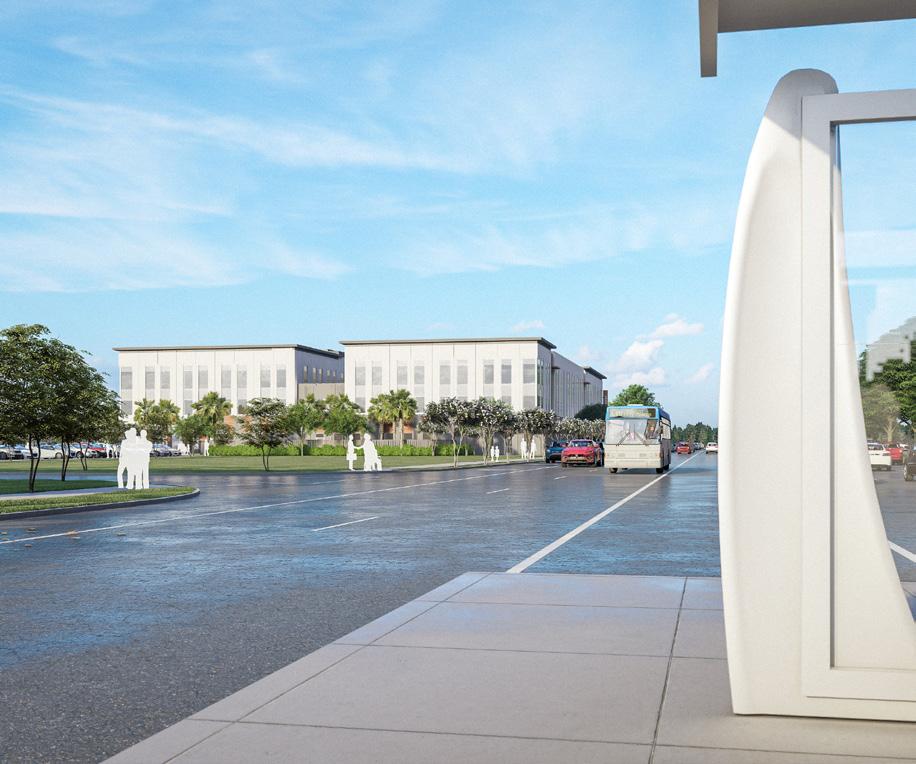
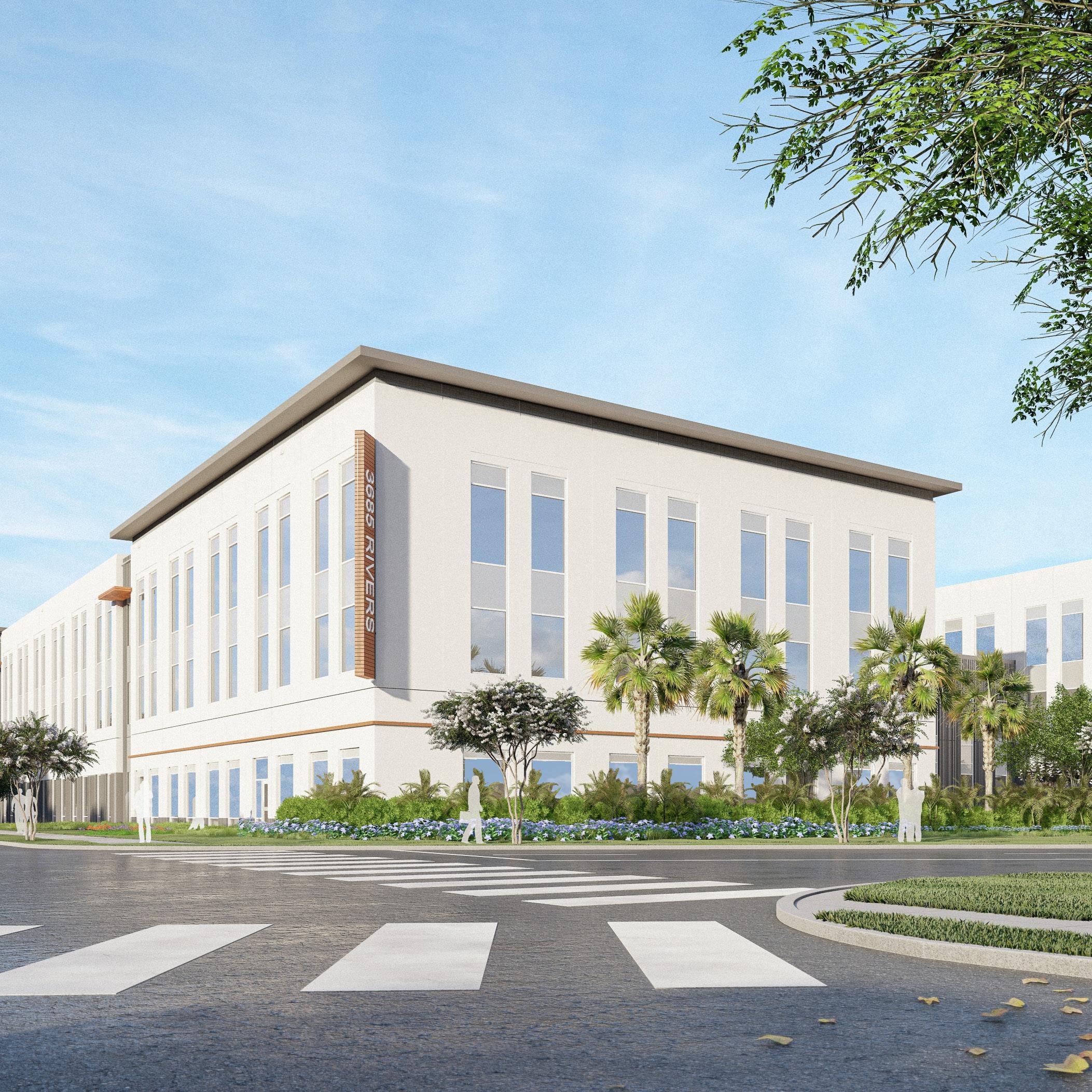
Charleston County’s Social Services Hub will serve as a central location with multiple community service outreach departments co-located within one “home.” The design aesthetic embodies the values of “community,” incorporating guiding principles to develop a civic facility focused on the common good through a human-centric approach. The facility provides space for the Department of Social Services, Department of Health & Human Services, Department of Health & Environmental Control Clinics
& Vital Records, and also outpatient and inpatient treatment areas for the Department of Alcohol and Other Drug Abuse Services. These include residential treatment facilities, an opioid treatment program, a daycare for residents’ children, and a residential crisis stabilization unit. With the diverse activities planned in the building, the design aspires to create an environment that embraces second chances, inspires recovery, and lifts the human spirit.
Charlotte, NC
38,000 GSF
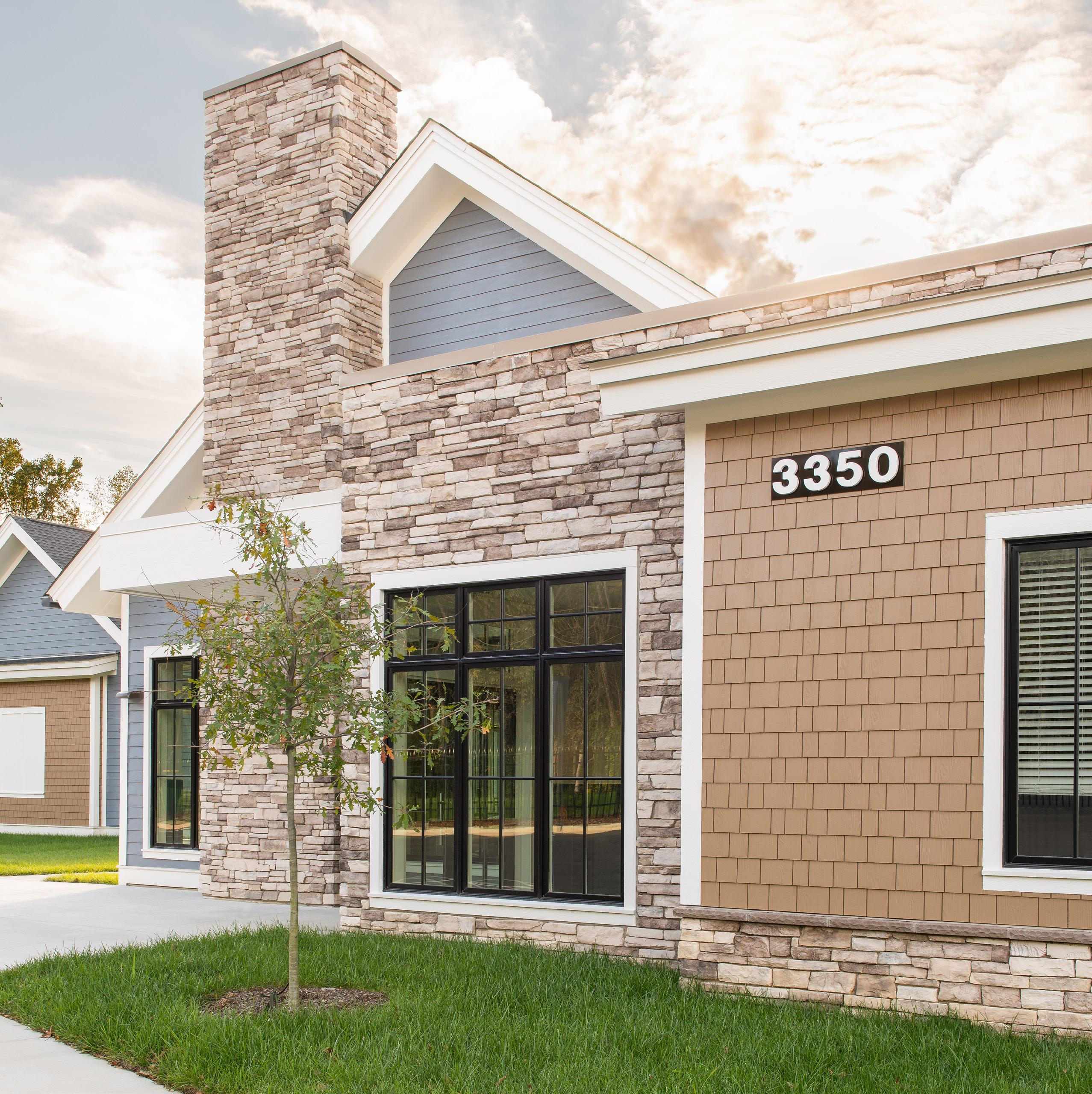
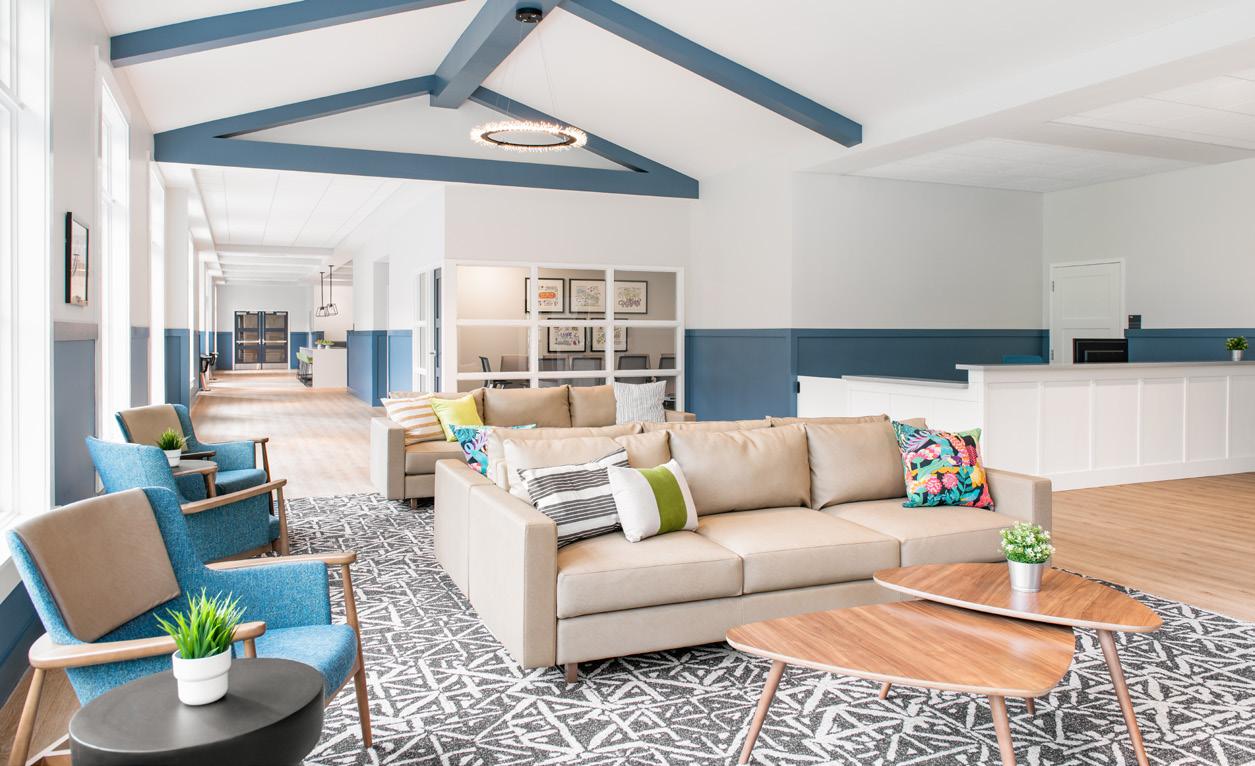
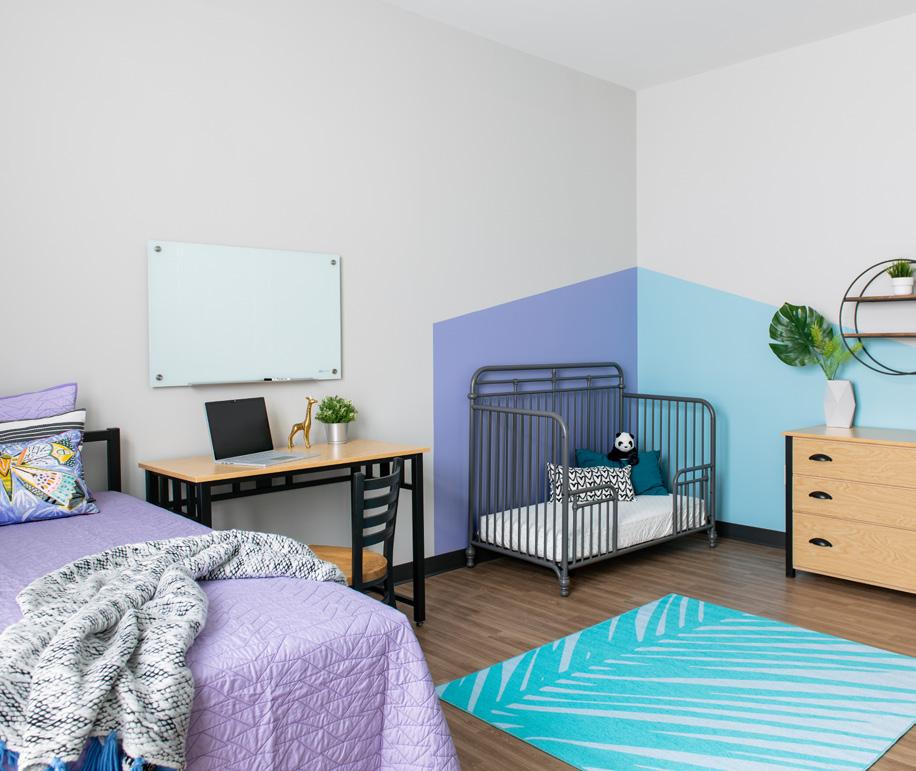
This new residential facility provides a welcoming, supportive facility for young single mothers with services and counseling to help guide the personal growth of each individual. Within the facility, each program has its own dedicated wing with comfortable rooms for each young mother and baby to bond, shared activity spaces and play areas, colorful residential lounges, common areas, and kitchen spaces for socializing.
An efficient “H” shaped single-story design provides living areas, gathering spaces, amenities, and security features for residents and staff. The entry opens to a reception area and family living space with adjacent conference rooms and administrative suite.
The connector area of the design contains the shared amenity spaces such as a relaxation lounge, learning/computer lab, classrooms, fitness and activity spaces, and art room.