







PUBLISHED BY: Traveling Blender, LLC.
10036 Saxet Boerne, TX 78006
PUBLISHER: Louis Doucette louis@travelingblender.com
BUSINESS MANAGER: Vicki Schroder vicki@travelingblender.com
GRAPHIC DESIGNER: Jennifer Nelson jennifer@travelingblender.com
ADVERTISING
AUSTIN: Sandy Weatherford sandy@travelingblender.com SAN ANTONIO: Gerry Lair gerrylair@yahoo.com
For more information on advertising in San Antonio Medicine, Call Traveling Blender at 210.410.0014 in San Antonio
San Antonio Medicine is the official publication of Bexar County Medical Society (BCMS). All expressions of opinions and statements of supposed facts are published on the authority of the writer, and cannot be regarded as expressing the views of BCMS. Advertisements do not imply sponsorship of or endorsement by BCMS
EDITORIAL CORRESPONDENCE:
Bexar County Medical Society 4334 N Loop 1604 W, Ste. 200 San Antonio, TX 78249
Email: editor@bcms.org
MAGAZINE ADDRESS CHANGES: Call (210) 301-4391 or Email: membership@bcms.org
SUBSCRIPTION RATES: $30 per year or $4 per individual issue
ADVERTISING CORRESPONDENCE: Louis Doucette, President Traveling Blender, LLC.
A Publication Management Firm 10036 Saxet, Boerne, TX 78006 www.travelingblender.com
For advertising rates and information Call (210) 410-0014
Email: louis@travelingblender.com
SAN ANTONIO MEDICINE is published by SmithPrint, Inc. (Publisher) on behalf of the Bexar County Medical Society (BCMS). Reproduction in any manner in whole or part is prohibited without the express written consent of Bexar County Medical Society. Material contained herein does not necessarily reflect the opinion of BCMS, its members, or its staff. SAN ANTONIO MEDICINE the Publisher and BCMS reserves the right to edit all material for clarity and space and assumes no responsibility for accuracy, errors or omissions. San Antonio Medicine does not knowingly accept false or misleading advertisements or editorial nor does the Publisher or BCMS assume responsibility should such advertising or editorial appear. Articles and photos are welcome and may be submitted to our office to be used subject to the discretion and review of the Publisher and BCMS. All real estate advertising is subject to the Federal Fair Housing Act of 1968, which makes it illegal to advertise “any preference limitation or discrimination based on race, color, religion, sex, handicap, familial status or national origin, or an intention to make such preference limitation or discrimination.
SmithPrint, Inc. is a family-owned and operated San Antonio-based printing and publishing company that has been in business since 1995. We are specialists in turn-key operations and offer our clients a wide variety of capabilities to ensure their projects are printed and delivered on schedule while consistently exceeding their quality expectations. We bring this work ethic and commitment to customers along with our personal service and attention to our clients’ printing and marketing needs to San Antonio Medicine magazine with each issue.
Copyright © 2026 SmithPrint, Inc. PRINTED IN THE USA

Does Your Disability Policy Check All the Boxes? Most individual policies don’t. TMA Member Long Term Disability Plan is issued by The Prudential Insurance Company of America, Newark, NJ. The Booklet-certificate contains all details, including any policy exclusions, limitations and restrictions, which may apply. CA COA #1179, NAIC #68241. Contract Series 83500. 1088890-00001-00

Protecting your income shouldn’t mean piecing together coverage or paying extra for the benefits you actually need. That’s why the TMA Member Long Term Disability Insurance plan, issued by The Prudential Insurance Company of America, offers physicians comprehensive coverage from the beginning Save 25% on Own-Specialty Coverage, exclusive to TMA Members. It’s part of our Insurance For Good promise, providing access to comprehensive benefits that support Texas physicians.
No Tax Returns Required – Apply for up to $5,000/ month with no income questions, or up to $18,000/ month without providing proof at application
Higher Benefits – Up to $18,000/month with simplified underwriting and member pricing
Coverage That Grows – Future Increase Coverage without new underwriting
Specialty-Specific – Own-Specialty coverage pays if you can’t work in your medical specialty
Recovery Support – Partial or Residual Disability benefits if you return part-time while recovering
Extra Help for Serious Conditions – Catastrophic Coverage increases benefit by 20% if two or more Activities of Daily Living can’t be performed
Student Loan Protection – Up to 25% additional (max $250k) for loan payments
Dedicated Claims Support – A staff member personally assists with forms and updates throughout your claim process
No Offsets – Benefits paid in full, even if you receive benefits from other sources
Proof Required – Tax returns or income documentation often needed
Higher Amounts Available – Often with stricter underwriting and higher premiums
Requalification – More coverage usually means renewed underwriting
Broad Definitions – May only cover total disability, not your specialty
All-or-Nothing – Often requires total disability; partial may cost extra
Not Covered – Usually excluded or costly to add
Rarely Included – Typically not offered, or only available as an expensive add-on
Limited Assistance – Claim handling is typically left entirely to the insurance company
Reduced Payouts – Benefits often reduced by Social Security, employer, or other insurance, with added limits and potential tax implications

Discover the advantages of TMA Member Disability Insurance. Visit tmait.org or call 800-880-8181, Monday through Friday, 8:00 AM to 5:00 PM CST. SCAN TO CALL


Jennifer Rushton, MD, President
Lauren E. Tarbox, MD, Vice President
Lubna Naeem, MD, President-Elect
Dan Powell, MD, Treasurer
Lyssa N. Ochoa, MD, Secretary
John Shepherd, MD, Immediate Past President
Heather Aguirre, DO, Member
Alexander Arena, MD, Member
Woodson “Scott” Jones, MD, Member
John Lim, MD, Member
Sumeru “Sam” Mehta, MD, Member
M. “Hamed” Reza Mizani, MD, Member
Priti Mody-Bailey, MD, Member
Saqib Z. Syed, MD, Member
Nancy Vacca, MD, Member
Luis O. Rohena, MD, Military Representative
Jayesh Shah, MD, TMA Immediate Past President
John Pham, DO, UIW Medical School Representative
Lori Kels, MD, UIW Medical School Representative
Robert Leverence, MD, UT Health Medical School Representative
Cynthia Cantu, DO, UT Health Medical School Representative
Ronald Rodriguez, MD, UT Health Medical School Representative
Melody Newsom, BCMS CEO/Executive Director
George F. "Rick" Evans, Jr., General Counsel
Melody Newsom, CEO/Executive Director
Brissa Vela, Chief Membership & Development Officer
Yvonne Nino, Controller
Betty Fernandez, BCVI Director of Operations
Phil Hornbeak, Auto Program Director
Al Ortiz, Chief Information Officer
Jacob Hernandez, Advocacy and Public Health Specialist
Jennifer C. Seger MD, Chair
Shiv Goel, MD, Member
Animesh Chidanandrao Gour, MD, Member
Soma S. S. K. Jyothula, MD, Member
Rajam S. Ramamurthy, MD, Member
Adam V. Ratner, MD, Member
Patrick Todd Reeves, MD, Member
Amith Skandhan, MD, Member
Francis Vu Tran, MD, Member
Elizabeth Allen, Volunteer
Rita Espinoza, DrPH, MPH, Volunteer
Melissa Rosales, Volunteer
Andrea Wazir, MS, Volunteer
Ayomide Akinsooto, Student
Youyou Cheng, Student
Gabrielle Holliefield, Student
Kreny Savaliya, Student
Gabriella Bradberry, Staff Liaison
Trisha Doucette, Editor
Louis Doucette, Consultant


Every physician carries a story — moments that shaped you, challenges that tested you and insights that continue to guide your practice. These experiences hold tremendous power, not only for personal reflection but also for inspiring colleagues who walk similar paths.
We invite you to contribute your personal stories, professional challenges or accomplishments, and unique viewpoints to our “Perspectives” collection in San Antonio Medicine magazine for the Bexar County Medical Society — a column created by doctors, for doctors. Whether it’s a breakthrough moment, a difficult lesson, an unexpected joy or a perspective that changed the way you practice medicine, your voice matters.
Your contribution will help build a space where physicians can learn from one another, feel seen, and find renewed purpose in the work you all share.
If you’re willing to participate, please submit your story to editor@bcms.org. Submissions can be brief or in-depth — whatever feels authentic to you.
Thank you for considering this opportunity to uplift and inspire fellow physicians. Your experience could be exactly what someone else needs to hear.
By Jennifer Rushton, MD, President, Bexar County Medical Society
Dear friends and colleagues,
It’s an exciting time to be a physician. We are surrounded by innovation and are experiencing significant changes in how we care for our patients. From new technologies and therapies to new tools to improve access to care and reduce administrative burden, innovation can improve our lives and the lives of our patients.
Bexar County is a remarkable place to practice medicine. San Antonio is home to centers of innovation including academic institutions, military medicine and the biotechnology industry. I am continually inspired by the ingenuity within our community.
Many recent inventions are technological. Artificial intelligence (AI) is transforming healthcare, as it becomes more integrated into diagnostics and care delivery. Precision medicine tailors treatment to each patient’s biology. Novel therapeutics and advanced surgical technologies are expanding our limits for treating patients. The increasing use of wearable devices for the collection of health data and remote patient monitoring (RPM) allows patients and physicians to monitor symptoms and biometric data, and make treatment changes in real time with the potential to improve chronic disease management and population health.

"previously undetectable. Image-based AI applications can scan previously stained glass slides to predict if patients with prostate cancer will benefit from hormonal therapy. AI algorithms can also be embedded into the electronic medical record to scan pathology reports for opportunities for follow-up or suggest reflex testing based on initial laboratory results. The ability of AI to generate actionable insights from complex data sets will help shorten the time to diagnosis and identify patients that can benefit from specific therapies.
Next generation sequencing and comprehensive genomic profiling characterize tumors at the molecular level in the hopes of identifying targetable mutations. A pathologist’s work doesn’t end with an accurate diagnosis. We now help guide targeted cancer therapy, personalized prognosis and risk stratification.
If you want to go quickly, go alone. If you want to go far, go together. - African proverb
"Innovation in my specialty of Pathology and Laboratory Medicine is significantly altering how we diagnose disease and manage laboratory workflows. At Oculus Pathology and the Baptist Health System (BHS), we are utilizing telepathology to deliver more efficient care within a complex and growing hospital system, while maintaining the highest level of quality. A pathologist at one hospital can deliver a rapid off-site diagnosis on tissue and slides generated at another hospital using real-time remote intraoperative review by digital pathology. Telepathology also enhances collaboration and enables the delivery of care to underserved areas with limited access to subspecialty expertise. Digitization of glass slides results in more precise and accurate evaluation of immunohistochemical staining, for example the quantification of HER2 protein expression in breast cancer, another technology we employ at Oculus and BHS.
Digitized slides also form the foundation for AI interpretation tools that assist pathologists with detecting subtle findings that were
Automation is revolutionizing the way the clinical lab functions. Fully automated analyzers and robotics can handle time-consuming repetitive tasks like sample sorting and processing. Some aspects of analysis also require less human intervention than previously. Digital microscopy is used for blood and body fluid differential counts and microscopic urinalysis. These enhancements improve throughput, turnaround times and standardization, and allow medical laboratory scientists to focus on other tasks.
While these advancements are exciting, innovation also brings challenges, including maintaining the human relationship between patients and physicians, protecting data integrity and privacy, and eliminating bias. Technology can solve many problems, but it can also be a barrier for some of our patients. We will need to consider access to these new tools so as not to increase health disparities. Education and tech literacy are critical to ensure equity.
For these reasons, innovation must be accompanied by policy advocacy. The Bexar County Medical Society (BCMS) and the Texas Medical Association (TMA) will continue to engage legislators and advocate for policies that promote responsible innovation while protecting access to care and physician autonomy. For example, TMA policy emphasizes that AI should augment physician decision-making, enhance patient care, and reduce physician burden, rather than replace
clinical judgment. TMA stresses that physicians must remain central in all clinical decisions. The use of the term “augmented intelligence” reflects the belief that AI is a supportive tool for physicians, enhancing and not replacing human potential. Augmented intelligence combines machine learning with emotion and intuition.
Physician leadership is essential. Innovation should be physician-led and patient-centered. Physicians must be involved in the development of new tools to ensure they are created with patients and physicians in mind, and maintain focus on improved patient outcomes.
I look forward to this new year with optimism and curiosity about what new ideas we will introduce and embrace. Change is coming to our profession, and we must decide whether we will adapt to an evolving environment or suffer the consequences of failing to innovate. We will need to stay educated and learn new technologies to be able to deliver the best care to our patients.
BCMS will continue to be a resource for all of us. We can use our collective voice to help shape the evolving healthcare landscape so that innovation is aligned with our values. Our diversity — academic, military and community physicians — is our strength, and we can innovate
in ways that support the practice of medicine, improve outcomes for our patients, and advance health equity. Please reach out to share your ideas and to discuss how the society can support you as you innovate in your practice.
With gratitude, Jennifer R. Rushton, MD
Jennifer Rushton, MD, 2026 President of the Bexar County Medical Society, is a partner at Oculus Pathology and the Medical Director of Pathology and Laboratory Medicine for the Baptist Health System. She is board certified in Anatomic and Clinical Pathology, Hematopathology and Molecular Genetic Pathology. Dr. Rushton currently serves as Chief of Staff for Baptist Medical Center Hospital. She is a long-time member and co-chair of the BCMS Legislative, serves on the TMA Council on Healthcare Quality, and is a Texas Delegate to the AMA.



The strength of the Alliance is built statewide — but its heart lives locally. "
By Jenny Shepherd
The Texas Medical Association Alliance is about supporting medicine by supporting the people behind it. Built around three simple pillars — supporting physician families, advocacy and community outreach — the Alliance brings people together across Texas to connect, learn and find meaningful ways to support physicians, their families and the communities they serve.
These pillars matter because none of us walks this journey alone. Families supporting one another — sharing experiences, learning together and building friendships — create a sense of community that strengthens everyone involved. Advocacy gives families a voice in the issues that affect medicine and their communities, and it helps ensure that decisions reflect real people and real lives. Through shared experiences, conversation and education, the Alliance turns complex topics into opportunities to support one another and stand together.
Community outreach is another important part of who we are, and it’s often where the joy lives. Through philanthropy and partnerships with local organizations, Alliance members keep medicine visible, trusted and connected close to home. In Bexar County, that philanthropy has looked like providing free bike helmets to children to prevent head injuries, The Period Project, and putting books into the hands of kids who have none, but it can just as easily become something else entirely. That’s the point: our outreach can be anything our members care about, from children’s safety to literacy to causes that speak to the moment. We make a difference by helping build healthier communities one project at a time.
While the Alliance has a strong presence across the state, its heart truly lives at the local level. In Bexar County, the Alliance feels personal. This is where friendships grow, ideas turn into action and members find hands-on ways to get involved. Local activities reflect the interests and energy of our own community while still contributing to the larger statewide mission.
If you’ve ever thought about getting more involved — or if you’ve been a member for years and life simply got full — now is a great time to reconnect. If you’re new to the medical community in Bexar County, this is also a wonderful place to find your people. The Bexar County Medical Society Alliance continues to exist and thrive not because of checkbook members but because of active participation We’re looking for members to serve on the steering committee and to help plan and support events throughout the year. Involvement doesn’t have to mean taking on a huge role (though we’d love it if you would). Saying yes to one small thing — attending a gathering, lending a hand at an event or offering a skill you already have — adds up quickly when many people do the same.
Whether you enjoy book club, writing for San Antonio Medicine magazine, planning social gatherings or helping behind the scenes, there is a place for you — especially if you’ve been meaning to jump back in or you’re brand new and not quite sure where to start. The Alliance is what our members want it to be, and your interests and passions help shape what we do next. If you’re curious about what’s coming up, find us on our Facebook page and watch for our members-only newsletters. We’d love to see familiar faces again and to welcome new ones too!
The Alliance is what our members want it to be — that’s the magic. " "

Jenny Shepherd is the Immediate Past President of the TMA Alliance, Chair of First Tuesdays at The Capitol and acting BCMSA President with a legacy of supporting physicians, their families and the broader health of the community.
“The Alliance thrives when members turn passion into participation.” " "
TOGETHER, WE CAN IMPROVE COMMUNICATION AND HEALTH LITERACY SKILLS
TOGETHER, WE CAN IMPROVE COMMUNICATION AND HEALTH LITERACY SKILLS
TOGETHER, WE CAN IMPROVE COMMUNICATION AND HEALTH LITERACY SKILLS
Join us for a free online learning series designed to empower health professionals with health literacy education, resources and knowledge-sharing tools. The series is presented by Health Confianza, an award-winning health literacy nonprofit funded by Bexar County and housed at The University of Texas Health Science Center at San Antonio.
Join us for a free online learning series designed to empower health professionals with health literacy education, resources and knowledge-sharing tools. The series is presented by Health Confianza, an award-winning health literacy nonprofit funded by Bexar County and housed at The University of Texas Health Science Center at San Antonio.
Join us for a free online learning series designed to empower health professionals with health literacy education, resources and knowledge-sharing tools. The series is presented by Health Confianza, an award-winning health literacy nonprofit funded by Bexar County and housed at The University of Texas Health Science Center at San Antonio.
Who is this for? Health professionals, including physicians, nurses, community health workers, social workers and pharmacists.
Who is this for? Health professionals, including physicians, nurses, community health workers, social workers and pharmacists.
Who is this for? Health professionals, including physicians, nurses, community health workers, social workers and pharmacists.
Join our expert team the first and third Friday of each month
Join our expert team the first and third Friday of each month
Join our expert team the first and third Friday of each month
TOPICS:
TOPICS:
TOPICS:

• Health misinformation and disinformation
• Health misinformation and disinformation
• Health misinformation and disinformation
WHAT: Free, six-part series
WHAT: Free, six-part series
WHAT: Free, six-part series
REGISTER:
REGISTER:
REGISTER:
bit.ly/CommunicatingwithCon fianza
bit.ly/CommunicatingwithCon fianza
bit.ly/CommunicatingwithCon fianza
• Internet literacy
• Internet literacy
• Internet literacy
• Interprofessional teams
• Interprofessional teams
• Interprofessional teams
• Supporting individuals with disabilities
• Supporting individuals with disabilities
• Supporting individuals with disabilities
• Organizational health literacy
• Organizational health literacy
• Organizational health literacy
• Health literacy advocacy
• Health literacy advocacy
• Health literacy advocacy


DATE/TIME: Feb. 6 - May 1, 1st and 3rd Fridays of the month, 12:00-1:00 p.m., CST.
DATE/TIME: Feb. 6 - May 1, 1st and 3rd Fridays of the month, 12:00-1:00 p.m., CST.
DATE/TIME: Feb. 6 - May 1, 1st and 3rd Fridays of the month, 12:00-1:00 p.m., CST.


CE credits are available after each session
CE credits are available after each session
CE credits are available after each session

By Claire Kowalick
A healthy 40-year-old man visits his primary care physician for a mass on his neck. He doesn’t smoke, has no risk factors for head and neck cancer, and has no symptoms beyond the lump. He’s given antibiotics for a possible infection and told they will monitor it over time. Months later, the mass persists — and he tests positive for human papillomavirus (HPV)-related head and neck cancer.
This scenario has become all too familiar across the country. Over the past decade, so-called p16+ oropharyngeal cancers have surpassed cervical cancer to become the most common HPV-related cancer in the United States. Many affected patients are young, otherwise healthy adults with no traditional risk factors and often only vague or minimal symptoms.
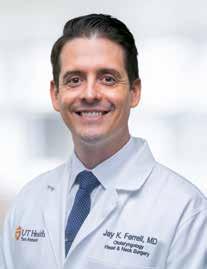
“Because head and neck cancers are unexpected in otherwise healthy young adults, treatment can be delayed, and by the time they see a specialist, the cancer may be beyond the scope where surgery would be impactful,” said Jay Ferrell, MD, FACS, associate professor in the Department of Otolaryngology in the Joe R. and Teresa Lozano Long School of Medicine at The University of Texas at San Antonio, chief of the Division of Head and Neck Surgery and leader of the head and neck robotic surgery program at UT Health San Antonio’s Mays Cancer Center and Multispecialty Research Hospital.
When caught early, the overall cure rate of HPV-related head and neck cancers exceeds 80% to 90%. However, because patients are so young, physicians must weigh not only the benefits of survival but also the decades-long consequences of radiation and chemo -
therapy. Over the last 10 to 15 years, a new, evolving technology is offering hope for improved treatment, shorter recovery, fewer complications and the possibility of reducing or avoiding radiation or chemotherapy altogether.
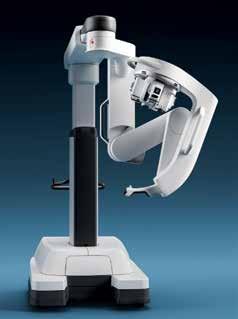
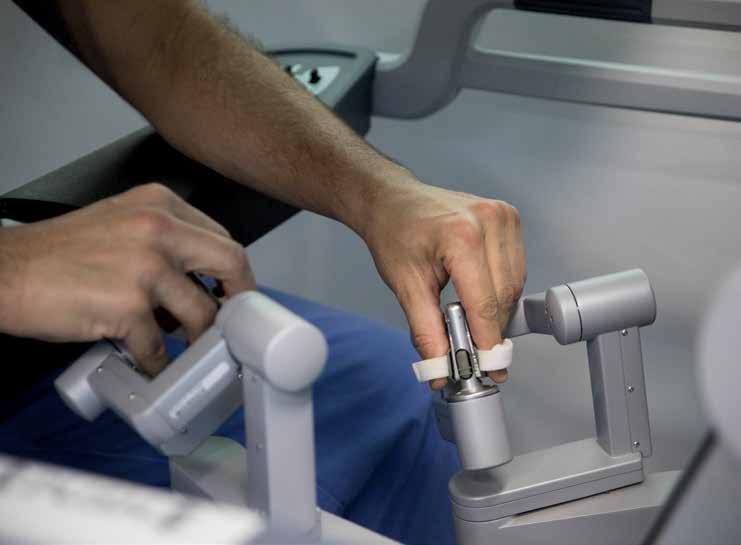
Transoral robotic surgery (TORS) using the newest generation single-port (SP) system is one of the most transformative advances to date in the treatment of head and neck cancers. During the procedure, the surgeon sits at a control panel to operate robotic arms and a camera. The SP robot used at the UT Health San Antonio Multispecialty Hospital is specifically designed and FDA-approved for head and neck surgeries and is smaller and more maneuverable than older generation robotic systems. It is equipped with a much smaller camera than older systems that provides the same high definition, simulated three-dimensional visualization. Additionally, because the camera can rotate 360 degrees within the surgical field, surgeons can achieve enhanced visualization that were previously either precluded by anatomic constraints or required repositioning the entire setup. Robotic surgery also offers enhanced surgical precision as the system filters out a surgeon’s natural, subtle tremor.
During TORS, the surgeon uses the natural opening of the mouth to access malignancies in the oropharynx, including the tonsils and base of the tongue. By performing an “en bloc” resection — removing
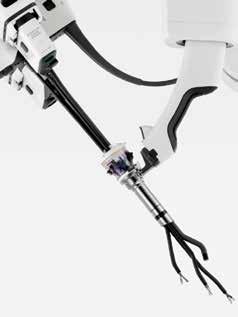
the tumor along with a margin of healthy tissue — surgeons can send the specimen to pathology and determine whether additional treatment is needed.
Before robotic technology, performing true, oncologic resections of these deeper regions of the throat often required large, invasive surgeries with prolonged recoveries and significant impacts on speech and swallowing. In the late 1990s, following the landmark VA Larynx Trial, head and neck cancer care shifted toward concurrent chemotherapy and radiation as these treatment modalities provided overall high-cure rates with better preservation of native tissue compared to “traditional” surgeries. However, by the 2010s, robotics had matured across several specialties including urology, gynecology and oncology, and head and neck surgeons began to adopt it.
“It is minimally invasive, with the additional technology of the robot,” Ferrell said. “We began using it in head and neck surgery and it provided in-depth, high-definition visualization that was previously lacking. It also allows for instrumentation to reach around corners and achieve angles that were previously inaccessible.”
Ferrell emphasized that proper patient selection is critical. TORS is particularly effective for early-stage tumors that are relatively limited to the tonsils or base of the tongue. In the right patient, robotic surgery can eliminate the need for chemotherapy and significantly reduce radiation doses that patients would otherwise receive with standard, concurrent chemo-radiation therapy regimens. This treatment de-escalation is the primary value proposition for TORS.
TORS is not appropriate for all patients. Individuals with advanced-stage disease, anatomic limitations — such as restricted oral opening or cervical spine immobility — or significant medical comorbidities that increase overall surgical risk may not be suitable candidates. Even with the enhanced access provided by the TORS system, adequate surgical exposure remains essential to ensure safe resection and complete tumor removal.
Every head and neck cancer patient at UT Health San Antonio is reviewed in a weekly multidisciplinary board. The team evaluates

whether surgery can be performed safely, whether it will meaningfully reduce the need for chemotherapy or radiation and whether the tumor’s size and characteristics make it a candidate for TORS.
Head and neck cancer researchers became increasingly aware of HPV’s link to tonsil and base-of-tongue cancers about 15 years ago, and the incidence of HPV-related oropharyngeal cancer has only continued to rise in the United States since that time.
“With robotic surgery, there is often less radiation overall, and with every reduction in dose that we can safely do, we reduce both acute toxicity and long-term sequelae,” Ferrell said. For young patients with HPV-mediated cancers, this matters. Though these cancers respond well to radiation, the long-term effects can be considerable. “These patients have a much longer time horizon to experience potential sequelae from full-dose chemo-radiation protocols,” Ferrell said. “Treating cancer is most important, but preserving long-term function is a very close second.”
TORS also reduces the likelihood of short- and long-term issues like throat pain, swelling, scarring and swallowing difficulty — concerns that carry major quality-of-life implications for decades to come.
“Traditionally, these cancers affected older men with heavy smoking histories. Now we’re treating patients in their 30s and 40s. We don’t yet know what the effects of radiation will look like when they’re in their 60s, 70s and 80s,” Ferrell said.
TORS has been in use at UT Health San Antonio since 2017, and today the institution has one of the most prolific head and neck robotics programs in the region and is the only program offering this level of expertise in South Texas as part of a larger National Cancer Institute-designated Cancer Center.
Ear, nose and throat (ENT) residency provides broad surgical training, but advanced procedures like TORS typically require fellowship-level specialization.
At UT Health San Antonio, robotics is increasingly integrated into resident education. With Ferrell and two additional TORStrained surgeons, trainees now have expanded opportunities to participate.
The single-port system enables dual-console training, similar to driver’s education. Residents can operate in tandem with the attending surgeon or serve as first assistants, gaining familiarity with robotic setup, positioning and soft-tissue handling. Over time, senior
residents may safely perform limited parts of a procedure, such as taking margins or removing a benign contralateral tonsil.
Ferrell’s path to head and neck oncology was a blend of curiosity, technology and the desire to provide hope for patients in their darkest times. Early in his medical training, he found himself drawn to ENT surgery’s blend of technical skill and the connection with patients that is crucial in cancer treatment. “Even on the best days, it’s challenging,” he said. “You meet patients during some of the worst periods of their lives. Cancer sometimes has its own plans, and you must be prepared to be there with them, even when options are running out.”
The National Cancer Institute-designated Mays Cancer Center’s partnership with MD Anderson provides standardized protocols and collaborative expertise. The associated UT Health San Antonio Multispecialty Research Hospital offers integrated robotic surgery with seamless access to speech-language pathology, nutrition, rehabilitation, radiology and oncology, creating a comprehensive continuum of care.
“For community physicians, the message is simple,” Ferrell said. “If you have an adult patient with a neck mass, have a low index of suspicion for possible head and neck cancer, send them to us if there is any concern. HPV-driven cancers are on the rise, and early detection is key. Maybe they’re a candidate for robotic surgery, maybe not. But we can evaluate them and build a customized treatment plan that is best suited for each individual patient.”
HPV-related head and neck cancer is no longer an obscure disease affecting older smokers. It can affect patients of all ages and from all walks of like. And with early detection and access to advanced tools like TORS at the UT Health San Antonio Multispecialty Research Hospital, patients can expect highly effective, personalized treatment with the best chance of preserving their equally precious quality of life.
For more information about head and neck cancer treatment at UT Health San Antonio, call 210-450-1000 or visit MaysCancerCenter.org.
To schedule an appointment, visit MaysCancerCenter.org/appointments.

Claire Kowalick is a science writer and senior public relations specialist at The University of Texas at San Antonio’s Health Science Center. She is a graduate of the University of North Texas. As a science writer, she combines her passion for writing with a deep appreciation of biomedical science to tell people about the groundbreaking research and novel discoveries happening at South Texas’ largest academic research institution.


By Shiv Kumar Goel, MD
An estimated tens of millions of U.S. adults are either on, or recommended to be on, statins, and global use has risen roughly 25% in just five years. Yet in the exam room, it is increasingly hard to answer a deceptively simple question: for this individual in front of me, are we truly helping — and at what cost?
That tension became very real for one 55-year-old man in my practice.
In his mid-40s, he had a small myocardial infarction. He stopped smoking, changed his diet, began exercising, and — appropriately — was started on high-intensity statin therapy for secondary prevention, with the expectation he would likely remain on it indefinitely. His LDL responded exactly as the guidelines would hope. On paper, his lipid panel was exemplary.
A decade later, his labs still looked excellent. He did not.
He described constant burning and tingling in his feet and calves, a gradual decline in exercise capacity, and a marked reduction in libido and overall vitality. He and his partner had assumed this was “normal aging.” When we compared prior records and checked new labs, his total testosterone was substantially lower than in earlier years, and his estradiol and progesterone were at the low end of age-appropriate ranges.
The one piece of his regimen that had never been re-evaluated was his statin dose.
His case crystallized a larger question: as statin evidence, risk tools and our understanding of side effects evolve, how can we innovate beyond one-size-fits-all therapy and individualize long-term cardioprotection for the middle-aged men we see every day?
Under current U.S. cholesterol guidelines applied to NHANES data, an estimated 46 million U.S. adults — nearly one in five — would be recommended statin therapy for primary or secondary prevention.1 Global utilization increased by roughly a quarter between 2015 and 2020, with North America among the highest users.2
At the same time, newer modeling suggests that more than 14 million U.S. adults currently on statins might not clearly meet treatment thresholds if updated risk calculators and more conservative absolute risk cutoffs were applied.3 Meanwhile, many high-risk patients — especially those with diabetes or markedly elevated LDLC — still do not receive statins despite robust evidence of benefit.4
This is exactly where innovation in practice is needed: not to replace statins, but to refine who gets them, at what dose and for how long, with more attention to outcomes patients actually feel.
Statins remain one of the most effective tools we have for reducing cardiovascular events, particularly after acute coronary syndromes and in clearly high-risk patients. But we now have better data — and better tools — than when many long-term statin regimens were first written.
From a biologic standpoint, it is not surprising that very aggressive or prolonged cholesterol lowering could have non-cardiac consequences. Cholesterol is the substrate for steroid hormone synthesis and a structural component of cell membranes and myelin. Emerging evidence reflects this:
• A systematic review and meta-analysis found that statin therapy is associated with a modest but statistically significant reduction in total testosterone in men.5 Most values remain within reference ranges, but men near the lower end of normal may cross into symptomatic “low T,” with reduced libido, fatigue and decreased vigor.
• Observational and electrophysiologic data link long-term statin exposure to a higher risk of peripheral neuropathy, with increased odds of neuropathic symptoms or abnormal nerve conduction among chronic users.6
Absolute risks appear small, but at population scale, even infrequent adverse effects matter. For an individual like the man above, the convergence of very low cholesterol, progressive distal sensory symptoms and hormonal decline should prompt us to ask whether the original risk-benefit calculation still holds.
Innovation here is not about abandoning statins; it is about changing how we think about long-term therapy. Several practice shifts can help modernize statin management:
1. From “forever” to “for now, with reassessment.”
Instead of treating high-intensity therapy after an MI as permanent, we can build in reassessment points. Periodically recalculating 10-year risk, reviewing event history, and revisiting the rationale for intensity allows us to adapt therapy as patients’ risk profiles and life circumstances change.1
2. From lipid-only outcomes to functional outcomes. Incorporating simple questions about distal burning/tingling, libido, fatigue and stamina into chronic care visits brings endocrine and neurologic tradeoffs into view. This shifts our “quality” lens from labs alone to lived outcomes.7
3. From fixed dose to individualized intensity.
For a patient a decade beyond a small MI, event-free with improved lifestyle, the absolute benefit of continued high-intensity therapy
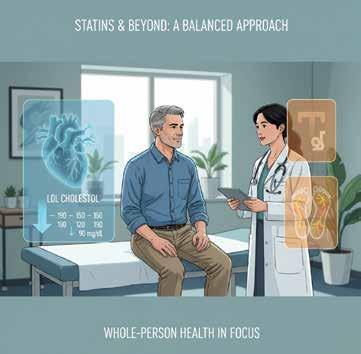
may be quite different than in the immediate post-MI period. In selected men with clear adverse effects and lower current risk, de-intensification to moderate-intensity therapy — or, in older multimorbid adults, supervised deprescribing — may be consistent with emerging deprescribing research.8
4. From siloed management to integrated endocrine and neurologic awareness.
Recognizing that statins can modestly lower total testosterone and may contribute to neuropathic symptoms invites collaboration with endocrinology and neurology when indicated, rather than dismissing these complaints as “just aging.”5,6
For the 55-year-old in my clinic, we did not simply stop his statin. We:
• Reassessed his current cardiovascular risk.
• Adjusted his statin regimen to a lower-intensity strategy consistent with his present risk.
• Evaluated and treated his hypogonadism and neuropathy.
• Intensified lifestyle interventions — nutrition, resistance training, sleep and stress management — to support both cardiovascular and hormonal health.7
• Over time, his leg symptoms improved, his energy and libido began to return, and his cardiovascular profile remained favorable.
This is what medical innovation at the bedside can look like: not a new molecule, but a more nuanced, patient-centered application of familiar therapies, guided by updated risk tools and a broader view of outcomes.
Statins remain foundational in cardiovascular prevention, and many high-risk Texans still need better access to them. At the same time, the expansion and duration of statin use, combined with evolving evidence on hormonal and neurologic effects, challenge us to move beyond the “one high-intensity path for everyone with a prior MI” mindset.
The next evolution of statin care will not be about choosing between “pro-” or “anti-” statin positions. It will be about individualizing therapy: using modern risk assessment, functional outcomes and honest conversations about tradeoffs to protect the heart without quietly eroding the quality of life patients are working so hard to preserve.
1. Zhang, Y., et al. (2022). Recommended and observed statin use among U.S. adults
2. Salami, J.A., et al. (2022). Global, regional, and national trends in statin utilisation
3. Kulikowski, J., et al. (2024). More than 14 million U.S. adults on statins might not really need them under new risk equations
4. American Medical Association. (2025). 24 million aren’t getting the statins they need. Let’s fix that
5. Corona, G., et al. (2024). Do statins decrease testosterone in men? A systematic review and meta-analysis
6. Sathasivam, S., and Lecky, B. R. (2021). Prolonged use of statins and peripheral neuropathy: A systematic review
7. Porter, M.E., et al. (2019). Why measuring outcomes is important in health care
8. Benetos, A., et al. (2025). Rationale and design of “discontinuing statins in multimorbid older adults”: A randomized trial
9. Gaist, D., et al. (2002). Statin drugs may increase risk of peripheral neuropathy
10. Oldridge, N. B. (2000). Functional health outcomes as a measure of health care quality in cardiovascular disease
11. Raso, F.M., et al. (2025). Rethinking global statin guidelines for older adults

Shiv Kumar Goel, MD, is a board-certified internist, visionary physician-author and founder of Prime Vitality in San Antonio, Texas. He has served as Medical Director at Methodist Specialty and Transplant Hospital and as Assistant Professor of Medicine at Texas Tech University Health Sciences Center. Recognized among “America’s Best Doctors,” Dr. Goel writes on innovative, whole-person approaches to cardiometabolic and functional health. Dr. Goel is a member of the Bexar County Medical Society.

By Claire Kowalick
Gastrointestinal cancers were previously believed to primarily affect older adults, but over the past two decades, rates of these cancers have increased dramatically in people under age 50. A new report from the Dana-Farber Cancer Institute reveals that colorectal, pancreatic, esophageal and other gastrointestinal cancer rates are rising sharply, with younger individuals seeing steeper increases and more advanced cancers.
Among gastrointestinal cancers, colorectal cancer is increasing the most in this younger population. In the past 20 years, colorectal cancer has risen from the fourth leading cause of cancer-related death in men under age 50 to number one, and it is the second leading cause of cancer death for women under 50, with breast cancer remaining number one, according to a study published in July in the British Journal of Surgery
Taking the challenge head-on is Matheus C. Franco, MD, MBA, MSc, PhD, director of endoscopy at the UT Health San Antonio’s Multispecialty and Research Hospital, director of the third-space endoscopy program and associate clinical professor of gastroenterology at the Joe R. and Teresa Lozano Long School of Medicine.
“This is something the younger population should be aware of and be aware that they have time to change it,” Franco said. “Colorectal cancer has highly effective screening and treatment options that can often prevent the disease before it develops.”
The Dana-Farber report also said that between 2010 and 2019, the incidence of early-onset gastrointestinal cancers jumped nearly 15%, with the rise especially pronounced among women as well as Black, Hispanic and Indigenous populations.
While most early-onset cancers are related to genetic cancer risk mutations, much of the recent increase appears to be sporadic, or without a known cause. Rather than inherited risk, this expansion is believed to be driven primarily by lifestyle and environmental factors such as obesity, alcohol use, smoking, inactivity and diets high in red meat and processed foods.
Franco said the pattern mirrors what clinicians are seeing locally in South Texas, where more than half of adults are overweight or have obesity, which is a major risk factor for colorectal cancer. “We
can’t pinpoint one cause, but there have been major changes in diet, physical activity and weight over the last few decades,” Franco said.
A 2020 study published in Gastroenterology Research and Practice found that when gastric cancer arises in younger people, it may also present differently. While the overall rate of gastric cancer worldwide has greatly declined in recent decades, cases in younger people have increased. In this younger population, cancers are seen more often in women, have more aggressive tumor behavior and are diagnosed at a more advanced stage. However, younger people usually have fewer comorbidities, are better treatment candidates and have better survival outcomes than older populations. The study noted that early-onset gastric cancer often goes undetected because screening guidelines rarely start before age 40, contributing to delayed diagnosis.
A recent review from Children’s Hospital Los Angeles indicates that metastatic stomach cancer in young adults is rising by about 2% each year. They noted that young people of Hispanic and Asian descent have more than three times the risk for metastatic stomach cancer. One differentiator they found was that younger adults with gastric cancer tend to have cancer lower in the stomach while older adults had cancer higher, near the esophagus. Scientists are also investigating a potential link to Helicobacter Pylori — common stomach bacteria connected to gastrointestinal cancers.
The endoscopy team at the hospital uses state-of-the-art imaging and artificial intelligence to catch cancer earlier. While there are more diagnostic options than ever before, Franco said endoscopy and colonoscopy remain the gold standard for detecting these types of cancer because they allow direct visualization of the area and biopsy of suspicious tissue can be performed at the same time.
His team uses high-definition magnifying scopes that can zoom in up to 100 times and artificial intelligence-assisted visualization to automatically flag suspicious tissue during procedures. “With AI, while the doctor is evaluating, the system also detects possible lesions and flags them on the screen,” Franco said. “That helps us catch abnormalities that might otherwise be missed and makes the procedure safer and more efficient.”
Propofol-based sedation allows for faster recovery, meaning most patients go home within an hour after the procedure.
As part of the region’s only advanced endoscopy fellowship, UT Health San Antonio trains the next generation of gastroenterology specialists in endoscopic ultrasound, endoscopic retrograde cholangiopancreatography and complex resection procedures for early cancers. “With the new hospital, we were able to relaunch the program and expand to two advanced endoscopy positions [in the fellowship program],” Franco said. “It’s an important step for South Texas.”
Team-based collaboration is also key. At the hospital, gastroenterologists work closely with the Mays Cancer Center at UT Health San Antonio, and surgeons, oncologists and radiologists work together to tailor treatment plans. “At an academic health center, you truly work as a team,” Franco said. “We meet regularly to discuss complex cases and make the best plan for each patient.”
Franco said pioneering research indicates that years from now, the future of gastrointestinal cancer diagnostics could be as simple as a blood test. Liquid biopsy is a technique where a small sample of blood can be used to detect cancer DNA fragments. The test is currently approved by the Food and Drug Administration for some advanced cancers, but Franco said he hopes it can someday be used to diagnose gastrointestinal cancers earlier, especially ones that are notoriously difficult to detect. “In the future, it may be as simple as a blood draw in your 40s to detect early signs of pancreatic, biliary or colorectal cancer,” he said.
Heightened awareness of risk factors for gastrointestinal cancer, efforts for earlier evaluation and lifestyle interventions are more important than ever before for younger adults. Franco urges individuals to make lifestyle modifications if needed, such as increasing activity, losing weight, avoiding alcohol and smoking, increasing fiber intake and decreasing red meat, saturated fat and processed foods. He said to also be aware of colorectal red flags such as blood in the stool, abdominal pain, changes in size or shape of stool, unintended weight loss and anemia. “Colorectal cancer appears to be highly influenced by environmental conditions. This can be good news for young people because they have time to make lifestyle modifications to prevent this type of cancer,” Franco said.
Franco said all adults should begin colorectal screening at age 45, or earlier if there is a family history of cancer. “The bottom line is — just do it,” he said. “Early screening saves lives, and our technology makes it more comfortable and precise than ever before.”
Claire Kowalick is a science writer and senior public relations specialist at The University of Texas at San Antonio’s Health Science Center. She is a graduate of the University of North Texas. As a science writer, she combines her passion for writing with a deep appreciation of biomedical science to tell people about the groundbreaking research and novel discoveries happening at South Texas’ largest academic research institution.

By Guillermo Ramirez, OMS III; Ravi Patel, OMS III; Angelo Amato Jr., OMS III; and Ramaswamy Sharma, MS, PhD
Approximately 486,000 burn-related cases are treated annually in the United States, with 30,000 of those cases requiring admission to specialized burn centers, resulting in an estimated $1 billion in healthcare costs. Residential fires, workplace accidents, vehicular incidents and scald burns in children and older individuals comprise most of these cases. Within Bexar County and San Antonio, approximately 500 burn-related hospitalizations occur annually, in addition to several hundreds of emergency department visits for fire and scald injuries. The U.S. Army Institute of Surgical Research Burn Center, situated next to Brooke Army Medical Center at Joint Base San Antonio-Fort Sam Houston, serves as a national hub for burn care, underscoring the importance of San Antonio in advancing burn treatment.
Burn therapy has evolved continuously over centuries. Although earlier practices may have existed, traditional approaches to fluid resuscitation in burn therapy can be traced to Sneve’s reporting in 1905, which said that administration of 0.9% saline was effective in preventing "burn shock." Over the years, newer regimes were developed by Harkins in 1942, Cope & Moore in 1947, physicians at the Brooke Army Medical Center including Pruitt and colleagues (1950s and 60s), Evans in 1952 and Meyer in 1965; these were largely replaced by the Parkland formula, recommended in 1968 by Dr. Charles Baxter at Parkland Memorial Hospital in Dallas, Texas, as well as by a modified Brooke formula. It prescribed 4 mL of lactated Ringer’s solution per kilogram of body weight per percent of total body surface area burned, administered over the first 24 hours, with one-half given in the first eight hours. This regime revolutionized burn care by dramatically reducing mortality from hypovolemic shock and standardizing resuscitation protocols. However, a risk of “fluid creep” has been recognized with this formula, wherein excessive fluid administration can lead to complications, such as abdominal compartment syndrome and pulmonary edema. These findings have necessitated a paradigm shift from a “one size fits all” rigid adherence to formula to patient-specific, individualized fluid resuscitation strategies, guided by urine output, hemodynamic monitoring and computerized decision support systems. Current guidelines from the American Burn Association (ABA) recommend initiating resuscitation at 2 mL/kg/%TBSA (total body surface area), with adjunctive use of colloids, such as albumin in larger burns. Weight considerations play an important role in children as, for example, overweight children frequently receive erroneously more fluid than obese patients. The ABA also recommends monitoring intra-abdominal and intraocular pressures to ensure patient safety.
Wound care and infection control have evolved together as cornerstones of burn therapy. Ancient remedies included the application of resin and honey to burns (Edwin Smith Papyrus, 1600 BC),
mud, excrement, oil, plant extracts and other substances (Ebers Papyrus, 1550 BC), tea leaves extracts and tinctures (Chinese medicine, 600 BC), wine, vinegar and others. Muhammad ibn Zakariya al-Razi (854 CE – 925 CE), an Arabian physician, is credited with recommending cold water for the relief of pain from burns. Germ theory and the introduction of antibiotics in the 19th and 20th centuries resulted in increased emphasis on sterile dressings and topical antimicrobials, thereby establishing the foundation for modern burn wound management. Early excision and grafting, pioneered in the mid-20th century, further reduced infection risk, marking a turning point in burn care. Additionally, enzymatic debridement agents for selectively removing necrotic tissue while preserving viable structures, use of advanced dressings that contain silver-impregnated materials, and application of topical antimicrobials, such as silver sulfadiazine, are other modalities employed in wound care. Systemic antibiotics are prescribed based on culture results. Strict environmental controls, such as surveillance cultures, antimicrobial stewardship programs and coordinated infection prevention measures encompassing hospital systems and patient environments, are employed in burn units to lower microbial load.
Pain management in burn therapy has also evolved significantly. Historically, topical applications of honey, vinegar and animal fats were used to soothe pain, though their effectiveness was limited. Modern pharmacology has led to opioids as the cornerstone of burn pain management. While effective, opioids introduced challenges, such as tolerance, dependence and side effects. Current guidelines advocate for individualized pain assessment, followed by multimodal strategies that combine opioids with non-opioid analgesics, regional anesthesia and non-pharmacologic interventions, such as cognitive-behavioral therapy and relaxation techniques. Procedural pain, particularly during dressing changes, is addressed via ketamine and regional blocks but remains a major challenge. Chronic pain and pruritus during rehabilitation are now recognized as significant burdens and are treated with gabapentinoids, antidepressants and integrative therapies.
Skin grafting, tissue engineering and scar management have also contributed toward advancing burn therapy. Autologous skin grafting has been described in ancient texts and remains the gold standard, particularly with the introduction of split-thickness techniques. However, limitations in donor site availability have led to the development of allogeneic grafts, cultured epithelial autografts, bioengineered skin substitutes, spray-on cell therapies, stem cell therapies and regenerative medicine approaches to reduce hypertrophic scarring; these advances have paralleled the growth of bioengineered scaffolds and nanotechnology-based dressings to reshape wound healing, offering faster closure and improved functional outcomes. Scar management
now incorporates compression garments, laser therapy and pharmacologic interventions targeting fibroblast activity and TGF-β pathways. Thus, comprehensive strategies that extend beyond pharmacology are being developed to address physiological and psychological burdens in burn recovery.
Advances in burn management over the past decade reflect a growing emphasis on early intervention, precision-based fluid resuscitation and timely referral to specialized burn centers. Current field protocols emphasize immediate (or within three hours) cooling of burns with running water for optimally 20 minutes to reduce tissue damage and improve outcomes, rapid assessment of burn size and depth, initiation of fluid resuscitation guided by modern formulas and monitoring, aggressive pain management, early wound excision and infection control, and integration of tissue engineering for definitive closure and scar modulation. Clearly, a paradigm shift has occurred, from survival-focused interventions to long-term functional and aesthetic recovery. Ongoing research and refinement of evidence-based guidelines remain essential to improving outcomes and reducing the long -term burden of burn injuries.
control in burns services: Guidance from the Healthcare Infection Society. Journal of Hospital Infection, 165, 202–221. https://doi. org/10.1016/j.jhin.2025.06.008
8. Lee, K.C., Joory, K., and Moiemen, N.S. (2014). History of burns: The past, present and the future. Burns & Trauma, 2(4), 143620. https://doi.org/10.4103/2321-3868.143620
9. Long, V. (2017). The evolution of burn therapy—Then and now. JAMA Dermatology, 153(2), 136. https://doi.org/10.1001/jamadermatol.2016.0164
10. Ozhathil, D.K., Tay, M.W., Wolf, S.E., and Branski, L.K. (2021). A narrative review of the history of skin grafting in burn care. Medicina, 57(4), 380. https://doi.org/10.3390/medicina57040380
11. Schlottmann, F., Bucan, V., Vogt, P.M., and Krezdorn, N. (2021). A short history of skin grafting in burns: From autologous grafting to immunomodulatory approaches. Medicina, 57(3), 225. https:// doi.org/10.3390/medicina57030225
12. Settle, J.A.D. (1982). Fluid therapy in burns. https://pmc.ncbi. nlm.nih.gov/articles/PMC1440495/
13. Siu, W.S., Ma, H., and Leung, P. C. (2025). Review on current advancements in facilitation of burn wound healing. Bioengineering, 12(4), 428. https://doi.org/10.3390/bioengineering12040428
14. Summer, G.J., Puntillo, K.A., Miaskowski, C., Green, P.G., and Levine, J. D. (2007). Burn injury pain: The continuing challenge. The Journal of Pain, 8(7), 533–548. https://doi.org/10.1016/j. jpain.2007.02.426
References:
1. Baxter, C.R., and Shires, T. (1968, August 14). Physiological response to crystalloid resuscitation of severe burns. Annals of the New York Academy of Sciences, 150(3), 874–894. https://doi. org/10.1111/j.1749-6632.1968.tb14738.x
2. Boehm, D., and Menke, H. (2021). A history of fluid management—From “one size fits all” to individualized fluid therapy in burn resuscitation. Medicina, 57(2), 187. https://doi.org/10.3390/ medicina57020187
3. Cartotto, R., Johnson, L.S., Savetamal, A., Greenhalgh, D., Kubasiak, J.C., Pham, T.N., Rizzo, J.A., Sen, S., and Main, E. (2024). American Burn Association clinical practice guidelines on burn shock resuscitation. Journal of Burn Care & Research, 45(3), 565–589. https://doi.org/10.1093/jbcr/irad125
4. Cartotto, R., and Zhou, A. (2010). Fluid creep: The pendulum has swung back yet! Journal of Burn Care & Research, 31(4), 551–558. https://doi.org/10.1097/BCR.0b013e3181e4d732
5. Church, D., Elsayed, S., Reid, O., Winston, B., & Lindsay, R. (2006). Burn wound infections. Clinical Microbiology Reviews, 19(2), 403–434. https://doi.org/10.1128/CMR.19.2.403434.2006
6. Cuttle, L., Kempf, M., Liu, P.Y., Kravchuk, O., and Kimble, R.M. (2009). The optimal duration and delay of first aid treatment for deep partial thickness burn injuries. Burns, 36(5), 673–679. https://doi.org/10.1016/j.burns.2009.08.002
7. Jumaa, P.A., Teare, L., Hoffman, P.N., Young, A.E., Smailes, S., Edwards-Jones, V., Thomas, C., Moore, L.S. P., Booth, S., Mugglestone, M.A., and Moiemen, N. S. (2025). Infection prevention and
15. Wiechman, S., and Bhalla, P.I. (2025). Management of burn wound pain and itching. UpToDate. https://www.uptodate.com
16. Zhao, M. (2025). Burn scar pain: From mechanisms to treatments. Frontiers in Physiology, 16, 1627798. https://doi.org/10.3389/ fphys.2025.1627798

Guillermo Ramirez, OMS III, is a medical student at the University of the Incarnate Word School of Osteopathic Medicine, Class of 2027. He is interested in burn care, pain management and community-based health outcomes, with additional interests in emergency medicine, hospital medicine and sports medicine.

Ravi Patel, OMS III, is a medical student at the University of the Incarnate Word School of Osteopathic Medicine, Class of 2027. He is interested in emergency medicine and in the application of artificial intelligence in improving multiple clinical aspects of medicine.

Angelo Amato Jr., OMS III, is a medical student at the University of the Incarnate Word School of Osteopathic Medicine, Class of 2027. His current interests include emergency medicine, cardiology and lifestyle approaches to reduce the instance of cardiovascular diseases.

Ramaswamy Sharma, MS, PhD, is a Professor of Histology and Pathology. He is interested in delineating the multiple molecular and cellular roles of melatonin in maintaining our quality of life. Dr. Sharma served on the BCMS Publications Committee.
By Youyou Cheng, MS, OMS-III; Kerry Jiang, MS; and James Mayberry, MD, FAWM
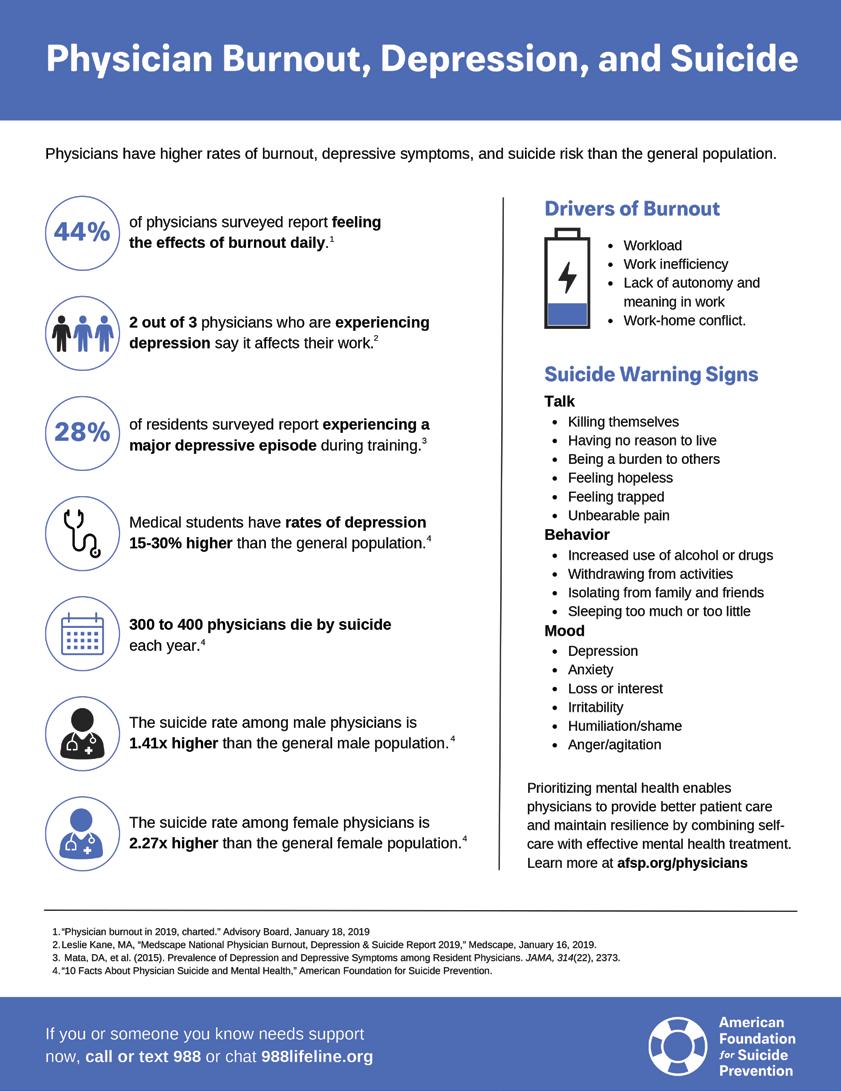
Medicine in South Texas rarely slows down. Clinics are full, hospitals are crowded, sometimes patients arrive acutely ill and distressed. Clinicians stay steady, but that composure hides a growing strain. National evidence consistently links clinical work to high levels of distress including but not limited to depression, anxiety, burnout and, in some cases, suicide. So, it would be surprising if Bexar County were insulated from the same forces.1-4 Even without robust physician-specific surveillance locally, many clinicians recognize the pattern: the mental health crisis is not only something we treat in our patients; it is also the environment we practice within, and sometimes the burden we carry ourselves.
Physicians face higher mental health risks than other professions. The oft-cited estimate that hundreds of U.S. physicians die by suicide each year appears in consensus and epidemiologic work and remains a troubling benchmark.1-3 The risk also appears pretty alarming among female physicians, with meta analytic and national registry analyses reporting higher suicide rates in women physicians compared with women in the general population.2,3 Trainees sit close to the same fault line: a large systematic review found high prevalence of depression and depressive symptoms among medical students, reinforcing the urgency to identify risks and intervene early on during physicians’ training.⁴
Burnout weaves in another thread: emotional exhaustion, cynicism and diminished sense of professional efficacy. Physicians experience distress affecting sleep, mood, relationships and meaning at work.⁵ Burnout has become common enough to affect workforce stability and the quality of care.5,6
Clinicians fear that disclosing treatment, or even acknowledging a diagnosis, could harm licensure, credentialing or professional standing.1,9 That fear can coexist with practical constraints that would challenge anyone: long hours, clinic backlogs, after hours documentation, and the constant pressure of responsibility leave little room for appointments or recovery.⁵ Medical culture can intensify the problem by rewarding endurance and framing vulnerability as a deviation rather than an expected human response to chronic stress.¹ In settings where behavioral health services are already full, even motivated clinicians may find themselves stuck in delays and unclear pathways.7,8 Over time, those frictions help explain why many healthcare workers wait until distress becomes severe before functioning, rather than well-being, becomes the goal.
Clinicians in Bexar County face the same ecosystem as their cohorts. Local reports describe significant mental health needs and rising service pressures since the COVID-19 period.⁷ Longer waitlists, increasing acuity compound with the baseline stresses of clinical work, especially in regions with uneven medical resources. Clinicians shoulder complex care with fewer supports, and their own help seeking becomes harder, not easier.
Chatbots with large language models (LLMs) have drawn interest as a possible bridge. They shouldn’t be marketed as a substitute for diagnosis or therapy from a licensed professional. For clinicians, the promise is a low friction first step when time is scarce. Chatbots
prompt can be designed to reflect the realities of medical work: moral distress, difficult patient encounters, workload imbalance and the emotional residue of adverse events, to provide users with practical strategies rather than vague reassurance.
A practical requirement for any clinician-facing mental health AI tool is privacy by design — not because physicians want “special treatment,” but because many still worry that seeking care could trigger disclosure on licensure, credentialing or insurance paperwork. Research has shown that state medical license applications have historically included broad mental health questions that are inconsistent with national recommendations and can deter physicians from getting help.¹⁰ In response, major organizations now emphasize a better standard: applications should focus on current functional impairment (not diagnosis history or past treatment), and health systems should build confidential pathways that let clinicians access support early without unnecessary punitive consequences.11-13
In practice, the most valuable role for LLMs may be navigational. Clinicians struggle to translate medical knowledge into action. A prompted LLMs tool could reduce the cognitive load of “what do I do next?” by pointing users toward vetted resources, peer support and crisis options. Evidence for digital conversational interventions remains mixed and context dependent, but at least one randomized trial suggests that a CBT-informed conversational agent can reduce symptoms of depression and anxiety in a non-clinician population.¹⁴ That kind of evidence should inform careful, bounded optimism, especially if we design clinician-facing tools as adjuncts within a broader system of human care.
Importantly, this idea is not purely theoretical. AI-enabled conversational mental health tools have already been studied in healthcare worker populations. During the COVID-19 period, a large real-world service evaluation piloted an AI-led mental health app (“Wysa”) inside a national tertiary healthcare cluster and found strong uptake and repeated engagement: among 527 staff onboarded, about 80% completed at least two sessions, averaging ~11 sessions over ~4 weeks, with sleep and anxiety modules most used.¹⁵ This does not prove replacement-level care, but it does support feasibility and acceptability when deployed through trusted health-system channels — exactly the kind of “low-friction first step” model proposed for clinicians. Evidence also exists in the general population: a randomized controlled trial of a CBT-based conversational agent (“Woebot”) showed short-term reductions in depression/anxiety symptoms compared with an information-only control,¹⁴ and broader reviews/meta-analyses suggest small-to-moderate benefits for psychological distress while emphasizing the need for guardrails and appropriate clinical governance.¹⁶
Any serious proposal starts with safety. Without guardrails, AI tools spread misinformation or cross safety boundaries by being overly agreeable with users. We need rigorous testing and conservative deployment, not optimistic assumptions. If we’re going to use these tools, they must be built on a foundation of hard evidence, clear limits and strict clinical governance.
Crisis detection isn’t a feature; it’s a requirement. The system must recognize the nuances of language suggesting suicidal ideation or acute danger instantly and respond with urgency. It must route users to real resources, connecting a doctor in Bexar County while displaying the 988 Lifeline. These tools are assistants, not replacements. They can’t pretend to be psychiatrists when lives are at stake.
Clinicians won’t trust the system if they don’t trust its privacy. Period.
Mental health data demands the highest level of protection. Platforms must stop hoarding identifiable data and state their policies in plain English. If interaction logs are used to improve the system, say so plainly. De-identify data by default and minimize what is stored. Trust grows when clinicians can see who is accountable and how the system catches its own mistakes.
In Bexar County, what does responsible implementation look like?
Don’t flip a switch for a massive rollout. Start small, with an opt-in pilot embedded in the wellness systems we already have. Get the local health systems in a room with actual therapists and frontline docs. Let them vet the language, the scope and the privacy rules before a single user logs in.
AI should be a bridge, not a destination. Pair the tech with humans, such as peer supporters, wellness champions or facilitated hand offs to counseling.
We know clinicians in Bexar County are struggling; the data proves it.7,8 The real question isn’t whether they are stressed, but whether we’re going to keep relying on “suck it up and deal with it” as the default response. We have to build systems that make getting help easier and safer. AI isn’t a silver bullet. It won’t cure burnout. But if it were built right — secure, private and locally connected — it offers a confidential, low-barrier first step. For those who care for everyone else, that first step might be exactly what they need.
References:
1. Center, C., Davis, M., Detre, T., et al. Confronting depression and suicide in physicians: a consensus statement. JAMA. 2003;289(23):3161-3166. doi:10.1001/jama.289.23.3161
2. Gold, K.J., Sen, A., Schwenk, T.L. Details on suicide among U.S. physicians: data from the National Violent Death Reporting System. Gen Hosp Psychiatry. 2013;35(1):45-49. doi:10.1016/j. genhosppsych.2012.08.005
3. Schernhammer, E.S., Colditz, G.A. Suicide rates among physicians: a quantitative and gender assessment (meta-analysis). Am J Psychiatry. 2004;161(12):2295-2302. doi:10.1176/appi. ajp.161.12.2295
4. Rotenstein, L.S., Torre, M., Ramos, M.A., et al. Prevalence of depression, depressive symptoms, and suicidal ideation among medical students: a systematic review and meta-analysis. JAMA. 2016;316(21):2214-2236. doi:10.1001/jama.2016.17324
5. Dyrbye, L.N., West, C.P., Sinsky, C.A., et al. Burnout among health care professionals: a call to explore and address this underrecognized threat to safe, high-quality care. NAM Perspectives. 2017. doi:10.31478/201707b
6. American Medical Association. Physician burnout and mental health. Updated 2024. Accessed March 2025. https://www. ama-assn.org/practice-management/physician-health
7. University Health System. Bexar County Behavioral Health Assessment Report. San Antonio, TX; 2023. Accessed March 2025. https://www.universityhealth.com/public-health
8. Bexar County Community Mental Health Collaborative. Criminal Justice and Behavioral Health Task Force Interim Report. Bexar County, TX; 2023. Accessed March 2025. https://www.bexar.org
9. The Physicians Foundation. 2022 Survey of America’s Physicians. Accessed March 2025. https://physiciansfoundation.org/physician-survey/
10. Douglas, R.N., Fetters, M.D., Dyrbye, L.N., et al. Mental Health Questions on State Medical License Renewal Applications and Consistency With FSMB Recommendations. JAMA Network Open. 2023.
11. American Medical Association. Are licensing/credentialing bodies required to probe into past mental health care? 2025
12. National Academy of Medicine. National Plan for Health Workforce Well-Being
13. National Alliance on Mental Illness (NAMI). Medical professionals: licensure application questions on mental health
14. Fitzpatrick, K.K., Darcy, A., Vierhile, M. Delivering cognitive behavior therapy to young adults with symptoms of depression and anxiety using a fully automated conversational agent (Woebot): a randomized controlled trial. JMIR Ment Health. 2017;4(2):e19. doi:10.2196/mental.7785
15. Chang, C.L., Tan, S.M.B., Ong, H.L., et al. AI-Led Mental Health Support (Wysa) for Health Care Workers During COVID-19: Service Evaluation. JMIR Formative Research. 2024. (PMCID: PMC11034576; PMID: 38640476)
16. Li, H., Sui, Y., Wang, Y., et al. Systematic review and meta-analysis of AI-based conversational agents for mental health. npj Digital Medicine. 2023
17. Skjuve, M., Følstad, A., Fostervold, K.I., Brandtzaeg, P.B. My chatbot companion: a study of human–chatbot relationships. Int J Hum Comput Stud. 2021;149:102601. doi:10.1016/j.ijhcs.2021.102601

Youyou Cheng, MS, OMS-III, is a medical student at the University of the Incarnate Word School of Osteopathic Medicine, Class of 2027. Youyou is driven by a passion for psychiatry and pm&r. She is committed to delivering the best patient care by actively engaging in research to keep her clinical knowledge at the forefront of the field to improve quality of life and long-term functional recovery. Youyou serves on the BCMS Publications Committee.

Kerry Jiang, MS, is an entrepreneur, the founder of a 501c3 nonprofit and a 2026 MD-PhD applicant. With a strong interest in perioperative medicine and surgery, she is committed to integrating cutting-edge research and emerging technologies into her future practice.

James Mayberry, MD, FAWM, is a professor at the University of the Incarnate Word School of Osteopathic Medicine. His professional interests include Aerospace Medicine, Wilderness Medicine, Integrative Medicine, Genetics and Metabolism. Dr. Mayberry serves on the BCMS Publications Committee.
By Rita Espinoza, DrPH, MPH
You may have seen or heard about the notice that Deputy Secretary of Health and Human Services Jim O’Neill, in his role as Acting Director of the Centers for Disease Control and Prevention (CDC), signed a decision memorandum1 accepting recommendations for a new recommended childhood vaccine schedule. The number of routine recommended childhood vaccines were reduced from 17 to 11.
The recommendation remains that all children should still be vaccinated against measles, mumps, rubella, varicella (chickenpox), pertussis (whooping cough), tetanus and human papillomavirus virus (HPV). This is the first tier under the updated recommended vaccine schedule for children.
Tier 2 contains immunizations recommended for Certain HighRisk Groups or Populations and include vaccines against respiratory syncytial virus (RSV), hepatitis A, hepatitis B, meningococcal ACWY and meningococcal B.
Tier 3 contains immunizations that should be administered based on shared clinical decision-making between the parent/ guardian and the healthcare provider. Vaccines in this tier provide protection against rotavirus, COVID-19, influenza, meningococcal disease, hepatitis A and hepatitis B.
In Texas, there are minimum vaccination requirements for childcare and Pre-K facilities (see Figure 1) and students grades K-12 (see Figure 2). These vaccination rules and requirements in Texas remain and must be followed,
Texas allows exemptions from required immunizations for students. Texas Administrative Code (TAC) §97.62 covers the conditions under which an exemption from getting immunizations to enter their school or college can be requested. There are three conditions for exemption:
1. If a healthcare provider determines that it is not safe for the student to get a certain vaccine.
2. If the student has a religious or personal belief that goes against getting immunized (reasons of conscience).
3. If the student is in the United States military.
Another important note is that it has been stated that the insurance companies are being required to cover all vaccines regardless of the tier without families having to share the cost.
This chart summarizes the vaccine requirements incorporated in the Texas Administrative Code (TAC), Title 25 Health Services, §§97.61-97.72. This chart is not intended as a substitute for consulting the TAC, which has other provisions and details. The Department of State Health Services (DSHS) is granted authority to set immunization requirements for childcare facilities by the Human Resources Code, Chapter 42.
For medical exemptions, a licensed physician must submit a written statement clearly indicating the medical reason a child cannot receive specific vaccines. Unless the statement specifies a lifelong condition, medical exemptions are valid for one year from the date signed. For exemptions for reasons of conscience, parents or guardians have the following options for obtaining the official exemption affidavit from the Texas Department of State Health Services:
2025 - 2026 Texas Minimum State Vaccine Requirements for Childcare and
A child shall show acceptable evidence of vaccination prior to entry, attendance, or transfer to a childcare facility in Texas.
1 Serologic evidence of infection or serologic confirmation of immunity to measles, mumps, rubella, hepatitis B, hepatitis A, or varicella is acceptable in place of vaccine.
1 Serologic evidence of infection or serologic confirmation of immunity to measles, mumps, rubella, hepatitis B, hepatitis A, or varicella is acceptable in place of vaccine.
2 A complete Hib series is two doses plus a booster dose on or after 12 months of age (three doses total). If a child receives the first dose of Hib vaccine at 12 - 14 months of age, only one additional dose is required (two doses total). Any child who has received a single dose of Hib vaccine on or after 15 - 59 months of age is in compliance with these specified vaccine requirements. Children 60 months of age and older are not required to receive Hib vaccine.
2 A complete Hib series is two doses plus a booster dose on or after 12 months of age (three doses total). If a child receives the first dose of Hib vaccine at 12 - 14 months of age, only one additional dose is required (two doses total). Any child who has received a single dose of Hib vaccine on or after 15 - 59 months of age is in compliance with these specified vaccine requirements. Children 60 months of age and older are not required to receive Hib vaccine.
3 If the PCV series is started when a child is seven months of age or older or the child is delinquent in the series, then all four doses may not be required. Please reference the information below to assist with compliance:
• For children seven through 11 months of age, two doses are required.
3 If the PCV series is started when a child is seven months of age or older or the child is delinquent in the series, then all four doses may not be required. Please reference the information below to assist with compliance:
• For children 12 - 23 months of age: if three doses have been received prior to 12 months of age, then an additional dose is required (total of four doses) on or after 12 months of age. If one or two doses were received prior to 12 months of age, then a total of three doses are required with at least one dose on or after 12 months of age. If zero doses have been received, then two doses are required with both doses on or after 12 months of age.
• Children 24 months through 59 months meet the requirement if they have at least three doses with one dose on or after 12 months of age, or two doses with both doses on or after 12 months of age, or one dose on or after 24 months of age. Otherwise, an additional dose is required. Children 60 months of age and older are not required to receive PCV vaccine.
• For children seven through 11 months of age, two doses are required. For children 12 - 23 months of age: if three doses have been received prior to 12 months of age, then an additional dose is required (total of four doses) on or after 12 months of age. If one or two doses were received prior to 12 months of age, then a total of three doses are required with at least one dose on or after 12 months of age. If zero doses have been received, then two doses are required with both doses on or after 12 months of age.
• Children 24 months through 59 months meet the requirement if they have at least three doses with one dose on or after 12 months of age, or two doses with both doses on or after 12 months of age, or one dose on or after 24 months of age. Otherwise, an additional dose is required. Children 60 months of age and older are not required to receive PCV vaccine.
4 For MMR, Varicella, and Hepatitis A vaccines, the first dose must be given on or after the first birthday. Vaccine doses administered within four days before the first birthday will satisfy this requirement.
5 Previous illness may be documented with a written statement from a physician, school nurse, or the child’s parent or guardian containing wording such as: “This is to verify that (name of child) had varicella disease (chickenpox) on or about (date) and does not need varicella vaccine.” The written statement will be acceptable in place of any, and all varicella vaccine doses required.
4 For MMR, Varicella, and Hepatitis A vaccines, the first dose must be given on or after the first birthday. Vaccine doses administered within four days before the first birthday will satisfy this requirement.
5 Previous illness may be documented with a written statement from a physician, school nurse, or the child’s parent or guardian containing wording such as: “This is to verify that (name of child) had varicella disease (chickenpox) on or about (date) and does not need varicella vaccine.” The written statement will be acceptable in place of any, and all varicella vaccine doses required.
1. Via website: Affidavit Request for Exemption from Immunizations for Reasons of Conscience, https://co-request.dshs.texas.gov
2. By mail:
Texas Department of State Health Services Immunization Section Mail Code 1946
P.O. Box 149347, Austin, Texas 78714-9347
3. Fax: (512) 776-7544
4. In person:
Texas Department of State Health Services 1100 West 49th Street, Austin, Texas 78756
The completed, signed and notarized original affidavit must be submitted to the school or childcare facility.
Vaccines remain one of the top ten greatest public health achievements in the 20th and 21st centuries.2,3 It is important to have conversations with your patients about vaccines to ensure they make informed decisions about vaccinating their children. If you need information on how to talk to parents about vaccinations, please visit Immunize.org. This site contains educational resources for provers and parents.
2025 - 2026
References:
1. HHS. CDC Acts on Presidential Memorandum to Update Childhood Immunization Schedule. 1/5/26. https://www.hhs.gov/press-room/ cdc-acts-presidential-memorandum-update-childhood-immunization-schedule.html
2. CDC. Achievements in Public Health, 1900-1999 Impact of Vaccines Universally Recommended for Children -- United States, 1990-1998. April 02, 1999 / 48(12);243-248. https://www.cdc.gov/mmwr/preview/ mmwrhtml/00056803.htm
3. CDC. Ten Great Public Health Achievements — United States, 2001— 2010. May 20, 2011 / 60(19);619-623. https://www.cdc.gov/mmwr/ preview/mmwrhtml/mm6019a5.htm

This chart summarizes the vaccine requirements incorporated in the Texas Administrative Code (TAC), Title 25 Health Services, §§97.61-97.72. This document is not intended as a substitute for the TAC, which has other provisions and details. The Department of State Health Services (DSHS) is granted authority to set immunization requirements by the Texas Education Code, Chapter 38.
City of San Antonio Metropolitan Health District SA.gov/directory/departments/SAMHD
Rita Espinoza, DrPH, MPH, has served as the Chief of Epidemiology for the San Antonio Metropolitan Health District since April 2015. She has over 20 years of experience in Infectious Disease Epidemiology at the state, regional and local level in Texas. She has led numerous disease investigations and has responded to statewide and local public health events, such as hurricanes, tropical storms and disease outbreaks. She was instrumental in leading the response to the COVID-19 pandemic. She is now co-leading the Office of Epi Analytics & Informatics, which is focused on enhancing public health decisionmaking by strengthening data and technology infrastructure, advancing data modernization, and ensuring access to timely and actionable data. Dr. Espinoza obtained her master’s degree of public health in epidemiology from Tulane University and her doctoral degree in public health leadership from the University of Illinois at Chicago.
A student shall show acceptable evidence of vaccination prior to entry, attendance, or transfer to a public or private elementary or secondary school in Texas.
Vaccine Required (Attention to notes and footnotes)
Diphtheria/Tetanus/ Pertussis(DTaP/DTP/DT/ Td/Tdap)
Minimum Number of Doses Required by Grade Level
Notes Grades K - sixth Grade seventh Grades eighth-12th K
Five doses or four doses Three dose primary series and one booster dose of tdap / td within the last five years
Three dose primary series and one booster dose of tdap / td within the last 10 years
For K – sixth grade: five doses of diphtheria-tetanus-pertussis vaccine; one dose must have been received on or after the fourth birthday. However, four doses meet the requirement if the fourth dose was received on or after the fourth birthday.1 For students aged 7 years and older, three doses meet the requirement if one dose was received on or after the fourth birthday.1
For seventh grade: one dose of Tdap is required if at least five years have passed since the last dose of tetanus-containing vaccine.*
For eighth – 12th grade: one dose of Tdap is required when 10 years have passed since the last dose of tetanus-containing vaccine. **Td is acceptable in place of Tdap if a medical contraindication to pertussis exists.
Measles, Mumps, and Rubella 2 (MMR)
Hepatitis B2
Four doses or three doses
Two doses
Three doses
Varicella2, 3 Two doses
Meningococcal (MCV4)
Hepatitis A2
Two doses
One dose
NOTE: Shaded area indicates that the vaccine is not required for the respective grade.
For K-12th grade: four doses of polio; one dose must be received on or after the fourth birthday.1 However, three doses meet the requirement if the third dose was received on or after the fourth birthday1
Polio vaccine is not required for persons eighteen years of age or older.
For K – 12th grade: two doses are required, with the first dose received on or after the first birthday. 1 Students vaccinated prior to 2009 with two doses of measles and one dose each of rubella and mumps satisfy this requirement
For students aged 11 – 15 years, two doses meet the requirement if adult hepatitis B vaccine (Recombivax®) was received. Dosage (10 mcg /1.0 mL) and type of vaccine (Recombivax®) must be clearly documented. If Recombivax® was not the vaccine received, a three dose series is required.
For K – 12th grade: two doses are required, with the first dose received on or after the first birthday.1
For seventh – 12th grade, one dose of quadrivalent meningococcal conjugate vaccine is required on or after the student’s 11th1 birthday.
For K – 12th grade: two doses are required, with the first dose received on or after the first birthday.1
NOTE: Shaded area indicates that the vaccine is not required for the respective grade. ↓ Notes on the back page, please turn over. ↓
1 Receipt of the dose up to (and including) four days before the birthday will satisfy the school entry immunization requirement.
2 Serologic evidence of infection or serologic confirmation of immunity to measles, mumps, rubella, hepatitis B, hepatitis A, or varicella is acceptable in place of vaccine.
3 Previous illness may be documented with a written statement from a physician, school nurse, or the child’s parent or guardian containing wording such as: “This is to verify that (name of student) had varicella disease (chickenpox) on or about (date) and does not need varicella vaccine.” This written statement will be acceptable in place of any and all varicella vaccine doses required. Information on exclusions from immunization requirements, provisional enrollment, and acceptable documentation of immunizations may be found in §97.62, §97.66, and §97.68 of the Texas Administrative Code, respectively and online at dshs.texas.gov/immunizations/school

By Elizabeth Allen; All images courtesy of University Health
On a mild November morning, Andres Tapia walked into University Health Vida for his first adult preventive healthcare visit. “I’ve never done my checkups,” Tapia said. “The clinic being built nearby is the reason I made the appointment.”
Having a healthcare facility close to home is a major factor in a person’s — and a community’s — overall health, ranking high alongside economic stability, education quality, safe streets and a strong community. The South Side has long lagged in healthcare options, and University Health has answered the community’s call for better access.
That’s why so much excitement surrounds Vida. The 3-story, 60,000-square-foot multispecialty health center is the first building on the University Health Palo Alto Campus and sits directly across from Texas A&M University San Antonio on Jaguar Parkway. Its
clinics and urgent care center are already open, and late January saw the opening of the upper floors with University Health’s Institute for Public Health, its partners and additional mental health services. University Health Palo Alto Hospital will follow in 2027, bringing a community hospital to this part of the South Side that will allow residents to receive emergency treatment and routine hospital procedures like minor surgeries and low-risk deliveries close to their homes and families. Palo Alto Hospital will be a 166-bed hospital designed to grow to 286 beds. The two facilities together will create a comprehensive range of medical and health options that is trusted, close and convenient, with a direct line to University Hospital, Women’s & Children’s Hospital and a series of outpatient clinics for complex and specialty procedures and conditions.
Vida increases much-needed access to prevention and primary care services for adults and children, as well as women’s health services and prenatal care. An entire floor will be devoted to mental health services when the full facility opens in January.
Continuing to expand access to care in areas that have been underserved and have fast-growing populations like southern Bexar County is especially important, and key to that stronger community is the ability to establish a medical home close to home, said Pat Jasso, member of the Bexar County Hospital District Board of Managers.
“This is important because the doctors, nurse practitioners and healthcare team here at Vida carry out the mission of University Health every day,” Jasso said. “Our mission — to improve the good health of the community through high quality, compassionate care, innovation, education and discovery — is front and center in everything they will do here, one individual patient at a time.”
Patients at Vida and Palo Alto will also benefit from the SaludArte pieces that have been incorporated into the building — both on the walls and built into the structure. SaludArte, established by University Health in 2010, integrates artwork as a healing component in our built environments.
At Vida, works by local and national artists have been chosen to integrate the colors and textures of the South Texas natural landscape and culture. A massive 3-story signature mosaic tile piece by
San Antonio artist Louis Vega Treviño is built into the exterior wall. The brilliant yellow “Esperanza” flower sculpture by Mexican artist Sebastian, which had been removed from University Hospital for construction of the University Health Women’s & Children’s Hospital, will be installed as a landmark centerpiece at Palo Alto Hospital.
Fittingly, Vida will be the headquarters for University Health’s Institute for Public Health. With key local partners, the institute will offer health education information, classes and events, aimed at helping break the cycle of poverty and chronic disease that too many families struggle with today.
“University Health Vida is about changing health outcomes because of access to preventative health measures and health equity,” Bexar County Precinct 1 Commissioner Rebeca Clay-Flores said. “Vida is a one-of-a-kind center and an important stepping stone for better health, economic development and, ultimately, a stronger, more vibrant community with longer life expectancy and better quality of life.”
The Institute for Public Health also extends beyond Vida, serving as a critical hub for teams across all University Health locations to help patients achieve optimal health and eliminate health disparities in our county. A primary goal is to connect people to resources that help them remove barriers to good health. The institute is also focused more broadly on improving non-medical drivers of health.
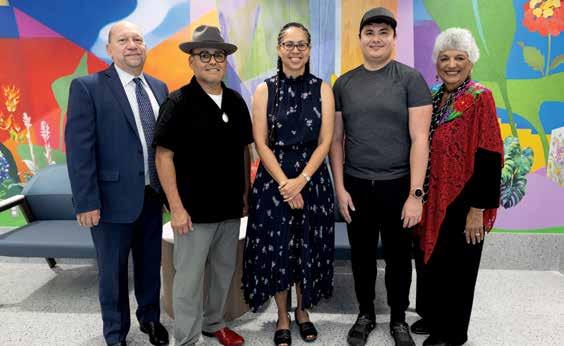
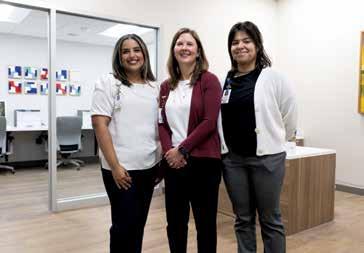
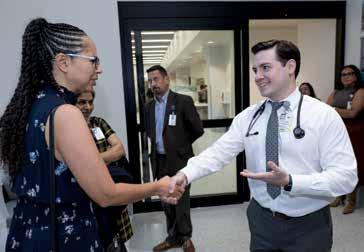
“We’ve often said it takes a village to raise a child, but what does it take to raise a village?” said Dr. Carol Huber, University Health Institute for Public Health vice president. “There are significant opportunities to address food insecurity, lack of transportation and housing instability at a community level, but we can only be successful if we work together with local businesses, government and other mission-oriented partners.”
The Institute’s headquarters are at Vida for a reason: a 20-year life expectancy gap exists between South Side residents and those in many North Side communities.
One of the most innovative aspects of the Institute for Public Health’s approach is the Community Commons Collaboration Suite. Approved nonprofits, academic partners and public service groups can use space in the Commons, enabling them to work closely with clients and other South Side partners.
The three ways mission-oriented partners can work together at University Health Vida to extend services to South Side residents include:
• Community Commons, a co-working collaboration hub
• Community spaces to hold cooking, parenting, stress management, financial literacy and other classes
• As referral sources when University Health patients have non-medical needs like housing, food insecurity and transportation
The Bexar County Public Health Department is also working to extend access to its services with a presence at University Health Vida, Huber said.
Along with services that support the community now, the Palo Alto campus will serve as an education pipeline to expand health training opportunities. In the long run, people who train in a community are more likely to remain and serve that community, expanding access and economic opportunity at the same time.
In 2022, University Health signed an affiliation agreement with Texas A&M San Antonio and Texas A&M Health Science Center. This created the foundation to expand health services and healthcare training to benefit the people of this community and to help build a pipeline of health professionals.
The partners envision a collaboration that will accelerate the training of healthcare professionals, expand medical research and provide needed care to underserved southern Bexar County residents as well as those in South Texas.
The opening of Vida is an absolute game-changer for the South Side community.

Elizabeth Allen is Director of External Communications for University Health and served as a 2024 Fulbright Specialist in Communications to the government of Kosovo, working with both the Ministry for Communities and Returns and the Constitutional Court of Kosovo. She volunteers locally with her neighborhood association and community sustainability group, working on local issues of water conservation and food security.


The Bexar County Medical Society is committed to helping our members find personal balance and improve general well-being.

BCMS Physician Wellness Program
Resources and services provided to help BCMS members maintain a healthy and well-balanced lifestyle through confidential counseling, educational resources, local events, webinars and more.


A BCMS provided resource for physician members who seek counseling from Texas-licensed professionals, discretely and confidentially through BetterHelp. Free 30 days counseling.

Wellness Coaching Webinars & Events
Nora Vasquez, MD, an Internal Medicine Doctor and Advanced Certified Physician Coach, helps physicians and healthcare professionals overcome burnout so that they can lead with joy and confidence while creating a more harmonious work-life balance that is fulfilling!

Utilize our free Find a Doc service when looking for a new physician. Our members can be found by the specified tabs provided to narrow down your preferred physician.
Physician Support Line (888) 409-0141
Psychiatrists are available to help physicians and medical students navigate the balance of a personal and professional life. Free, confidential and anonymous. No appointment necessary. Call for any issue, not just a crisis.

Physician Coach Support

Free Confidential Physician-to-Physician support line. A group of volunteer physicians using their own personal development skills and life coaching certifications to support other physicians!

Physician Health & Rehabilitation Program
Confidential advocacy group of BCMS physicians that identify and facilitate recovery success for physicians with substance use disorder (Alcohol and/or Drugs) and depression, through support and monitoring.
Please scan QR code for more information and available resources for BCMS Members


By Rajvi Patel, OMS-II; Davika Patel; Arya Bietz; and Gabriel Bietz, MD
Private medical practices face rising financial pressures driven by administrative complexity, regulatory compliance, staffing challenges and technological demands. Because of this, there is an increasing demand for an effective cost management approach that focuses on disciplined control of fixed and indirect costs that erodes margins regardless of patient volume. Practices also need strategic implementation of modern cost reduction methods that enhance efficiency while maintaining regulatory compliance. This article focuses on outlining current cost structures of private practices and presents evidence-based strategies to decrease expenses without negatively affecting quality or compliance.
Operating a private medical practice requires navigating a multidimensional cost structure: direct medical, direct non-medical, indirect, fixed and variable expenses. Of these, fixed costs are of most importance as they remain constant regardless of variations in patient volume — leaving a critical impact on financial stability during low revenue periods.
Direct medical costs often vary with patient load and service complexity, and entail salaries of physicians and clinical staff, medical supplies, pharmaceuticals and equipment for patient care.
Direct non-medical costs include administrative expenses such as billing, insurance interactions, regulatory compliance and documentation requirements. In fact, administrative tasks driven largely by billing and insurance activities make up 25% to 31% of U.S. healthcare expenditures.
Indirect costs are less visible but contribute greatly to overall financial burden as it covers staff turnover, onboarding, lost productivity and time spent on non-revenue tasks.
Fixed costs are largely predictable but inflexible. They are composed of rent/mortgage payments for clinic space, utilities and insurance premiums, long-term leases for diagnostic or office equipment and ongoing HER subscriptions or compliance-related IT upgrades. Practices are adopting new technologies, software maintenance, cybersecurity requirements and mandated reporting systems to further add to fixed expenditures.
Effective financial management relies on activity-based cost accounting to guide resource allocation and detect inefficiencies. It further
requires benchmarking performance against national practice standards to determine and address spending outliers. Routine review of these lease terms, service contracts and IT subscriptions, along with vendor consolidation for utilities, supplies or equipment leasing, and strategic sharing of clinical space or services through partnerships strengthens overall financial performance. In conjunction, these strategies can help practices maintain stable operations by controlling expenses that do not fluctuate with patient numbers.
As healthcare evolves, it is crucial for practices to adopt progressive cost-limiting techniques that lower expenses without compromising quality or violating regulatory requirements. The cornerstone of the most effective approaches draw attention to administrative simplification, workforce optimization, technology integration and supply chain efficacy.
The largest cost drivers in modern practice are administrative workload. Some methods to streamline the high demands include standardizing billing workflows and consolidating claim forms, implementing transparent payment rules and consistent coding protocols, reducing redundant documentation and prior authorization steps, and adopting recommendations from professional bodies to eliminate unnecessary administrative tasks. These efforts increase clinical capacity and reduce time spent on nonrevenue-generating tasks.
Cost effective staffing models positively impact both productivity and financial performance. For instance, designating nurse practitioners and physician assistants for appropriate clinical tasks, transitioning suitable procedures to lower-cost settings such as outpatient or ambulatory facilities, transferring administrative functions such as scheduling or inbox management to support staff, and incorporating flow managers or optimizing EHR task routing to enhance physician efficiency. These are some models in which direct medical costs are lowered while maintaining care quality.
As the world of technology advances, using it strategically can significantly reduce expenses. In the generation of automation and AI, it can be used to assist with prior authorizations, documentation and image interpretation, offering potential savings of 5% to 10% of total spending. Additionally, effective deployment of EHR features (e.g., templates, order sets, automated reminders) can help lower the burden of manual
work. However, a key drawback practices must be vigilant of and avoid is over-investing in platforms with high-fixed costs or unnecessary features. An important precaution practices should take to prevent costly violations is pairing IT investments with compliance needs such as HIPAA, data security and quality reporting.
A commonly overlooked aspect of private practice financial burden is supply chain and inventory management. These, if monitored closely, can support actionable savings by just-in-time ordering to avoid overstocking, vendor consolidation and group purchasing, monitoring inventory turnover to identify and limit waste, and downsizing office supply inventories. All the methods mentioned can be implemented to reduce overhead without affecting the quality clinical care.
A major factor influencing administrative burden is payment models. Transitioning from the traditional fee-for-a-service model towards value-based arrangements can decrease billing complexity, align financial incentives with preventive care, limit necessary documentation, and focus on reporting fewer higher-impact quality measures. For instance, the content management system is an initiative that supports simplified reporting and easing compliance burdens while maintaining the standards of private practice.
For private medical practices to balance the rising administrative and regulatory burdens with the need to maintain financial sustainability, managing fixed costs such as rent, insurance, technology and overhead is foundational. The integration of modern cost saving strategies offers additional flexibility by streamlining administrative tasks, optimizing the workforce, leveraging targeted technology, and improving supply management to reduce expenses without alteration to quality or function of the institution.
References:
1. Introduction to Health Economics for Physicians. Meltzer, M.I. Lancet (London, England). 2001;358(9286):993-8. doi:10.1016/S01406736(01)06107-4
2. Physician Practice Competition and Prices Paid by Private Insurers for Office Visits. Baker, L.C., Bundorf, M.K., Royalty, A.B., and Levin, Z. JAMA. 2014 Oct 22-29;312(16):1653-62. doi:10.1001/ jama.2014.10921
3. Practice Management. Althausen, P.L., Mead, L. Journal of Orthopaedic Trauma. 2014;28(7 Suppl):S12-7. doi:10.1097/ BOT.0000000000000138
4. Administrative Costs Associated with Physician Billing and Insurance-Related Activities at an Academic Health Care System. Tseng, P., Kaplan, R.S., Richman, B.D., Shah, M.A., and Schulman, K.A. JAMA. 2018;319(7):691-697. doi:10.1001/jama.2017.19148
5. Otolaryngology Business Finance 101: Revenue Cycle Management, Insurance Contract Negotiation, and Benchmarking. Dauer, E., Lieser, A., Ressemann, A., and Koprek, S. Otolaryngologic Clinics of North America. 2022;55(1):183-191. doi:10.1016/j.otc.2021.07.019
6. Manage Indirect Practice Expense the Way You Practice Medicine: With Information. Zeller, T.L., Senagore, A.J., and Siegel, G. Diseases of the Colon and Rectum. 1999;42(5):579-89. doi:10.1007/ BF02234130
7. Measuring Changes in the Economics of Medical Practice. Fleming, C., Rich, E., DesRoches, C., Reschovsky, J., and Kogan, R. Journal of General Internal Medicine. 2015;30 Suppl 3:S562-7. doi:10.1007/ s11606-015-3368-5
8. Saving Billions of Dollars — and Physicians' Time — by Streamlining Billing Practices. Blanchfield, B.B., Heffernan, J.L., Osgood, B., Sheehan, R.R., and Meyer, G.S. Health Affairs (Project Hope). 2010;29(6):1248-54. doi:10.1377/hlthaff.2009.0075
9. Putting Patients First by Reducing Administrative Tasks in Health Care: A Position Paper of the American College of Physicians. Erickson, S.M., Rockwern, B., Koltov, M., and McLean, R.M. Annals of Internal Medicine. 2017;166(9):659-661. doi:10.7326/M16-2697
10. Ways to Save Money in Health Care. Cutler, D.M. JAMA Health Forum. 2024;5(11):e244956. doi:10.1001/jamahealthforum.2024.4956
11. Expanding Primary Care Capacity by Reducing Waste and Improving the Efficiency of Care. Shipman, S.A., and Sinsky, C.A. Health Affairs (Project Hope). 2013;32(11):1990-7. doi:10.1377/hlthaff.2013.0539
12. Time and Financial Costs for Physician Practices to Participate in the Medicare Merit-based Incentive Payment System: A Qualitative Study. Khullar, D., Bond, A.M., O'Donnell, E.M., et al. JAMA Health Forum. 2021;2(5):e210527. doi:10.1001/jamahealthforum.2021.0527
13. Significant Clinical Practice Cost Savings Through Downsizing Office Supply Inventory and Just in Time Ordering. Gonzalez, C.M., Jang, T., Raines, M., Lys, T.Z., and Schaeffer, A.J. The Journal of Urology. 2006;176(1):267-9. doi:10.1016/S0022-5347(06)00501-5
14. Waste in the US Health Care System: Estimated Costs and Potential for Savings. Shrank, W.H., Rogstad, T.L., and Parekh, N. JAMA. 2019;322(15):1501-1509. doi:10.1001/jama.2019.13978.
15. How Not to Cut Health Care Costs. Kaplan, R.S., and Haas, D.A. Harvard Business Review. 2014;92(11):116-22, 142

Rajvi Patel, OMS-II, is a medical student at the University of the Incarnate Word School of Osteopathic Medicine, Class of 2028. She is interested in pursuing a career in cardiopulmonary health, and is passionate about leading global mission trips to provide medical care in underserved areas.

Devika Patel is a high school student and the founder of Fueling Future Leaders in San Antonio with an interest in healthcare law and business.

Arya Bietz, a junior at Alamo Heights High School, has won numerous journalism contests sponsored by the University Interscholastic League. After high school graduation, she aspires to pursue a degree in construction science with a sub-specialty in healthcare facility development.

Gabriel Bietz, MD, is a board-certified vascular surgeon and Chairman of the Board for San Antonio Surgical Center of Excellence. He is a partner at Texas Cardiac and Vascular Institute, serving patients across San Antonio, Seguin and Corpus Christi. He is recognized for his expertise in both open and endovascular procedures, along with his leadership in advancing patient-centered vascular care. In addition to his medical career, Dr. Bietz is a serial entrepreneur with ventures spanning healthcare and private investments, and is a member of the Bexar County Medical Society.

It is with profound sadness that we announce the passing of Dr. Robert “Bob” Bruce Gledhill, MD, FRCS(C), FACS, on December 26, 2025, at the age of 89. Born in St. Catharines, Ontario, on April 29, 1936, Dr. Gledhill lived a life defined by service, curiosity, compassion and an unwavering devotion to his family.
Dr. Gledhill received his medical degree from the University of Western Ontario in 1960. He completed his early medical training at the Montreal General Hospital, followed by advanced orthopaedic training at the Robert Jones and Agnes Hunt Orthopaedic Hospital in Oswestry, England — one of the world's leading centers for orthopaedic surgery.
Returning to Montreal, Dr. Gledhill built an extraordinary career in pediatric orthopaedics, dedicating his life to children with complex musculoskeletal and neuromuscular conditions.
A pioneer in multidisciplinary care, Dr. Gledhill co-founded the Spina Bifida Clinic at the Montreal Children's Hospital and established its first Muscular Dystrophy Clinic in 1976, which later expanded into a comprehensive neuromuscular clinic integrating orthopaedics, neurology, genetics, respiratory care and home support. These programs transformed care pathways and remain a lasting part of his legacy.
Dr. Gledhill was widely respected for his expertise in scoliosis and complex pediatric deformities, and served as a consulting pediatric orthopaedic surgeon to the Shriners Hospital for Crippled Children, the Montreal General Hospital and the Douglas Hospital, among others. His clinical judgment, calm leadership and compassion made him deeply trusted by families and colleagues alike.
Later in his career, Dr. Gledhill and his wife Sue moved to San Antonio, Texas, where he continued his practice and held appointments across multiple hospitals, including Women's and Children's Hospital, Methodist Hospital and Santa Rosa Children's Hospital. He remained deeply engaged in clinical care, hospital leadership and com-
munity service well into the later years of his career. He was a member of the Bexar County Medical Society for 21 years and a dedicated TEXPAC participant.
Medicine was never "just a job" to Dr. Gledhill — it was a calling. He loved to heal, to teach, and to lead, always believing in service for the betterment of others.


By Sandra Zaragoza
Given the abundance of health information available online and through technology, patients and clients are asking complex questions about their health that are pushing health professionals and community health workers to sharpen their health communication skills.
Some common questions may include, “‘My father had a thyroid problem. I assume I’ll have one as well. Should I get tested? Or everyone in my family has had a bad reaction to vaccines. Will I have a bad reaction?’” said Matt Dacso, MD, MSc, FACP, director of the Charles E. Cheever Jr. Center for Medical Humanities & Ethics and professor of medicine.
Today it’s not unusual for a health talk to touch upon genetics, environment, lifestyle and testing, and how they all interact to influence health, he added. As such, there is a growing need for health communication strategies to help professionals navigate this complex information environment, Dacso said. He tackled the topic in a Health Confianza ECHO presentation titled, “Genetics are Not Always Destiny – Communicating the Complex Relationship Between Nature and Nurture.”
“We have greatly expanded our knowledge about what genetics, what our DNA, does for our bodies and what it does for our risk [for disease],” Dacso said. “And we also are constantly learning more about how lifestyle, how environment, how socioeconomic conditions play
with the DNA and affect our bodies in a way that actually can cause health conditions to integrate into our health and our next generations.”
Technology and its rapid evolution are also adding complexity. “This influx of health information can be very hard for our patients, clients or members of the community who are just trying to figure out what to do for their health,” he said.
Today, conversations around health require layered and thoughtful consideration of multiple factors: genetics (individual genes and inheritance), genomics (the interaction of multiple genes and environmental factors), as well as the role of social determinants of health, Dacso said. “We have to figure out how to communicate with our community about how complex this is,” he said.
When weighing risks for certain diseases and illness and assessing the next steps, experts look at social determinants, such as stress. “We know from adverse childhood events literature that there are potential limitations or delays in developmental milestones for youth that are living in poverty or in situations of lower socioeconomic status,” he said.
It’s also important to recognize that when a health professional is talking about what the environment is doing to an individual’s
genes, they are discussing Epigenetics — the study of how environmental stressors (such as diet, stress and toxins) can turn on or off certain genes influencing development, health and disease, he said.
“The point here is not that we need to be experts in genetics. It’s to show that there’s actual science behind what people say and what they feel,” Dacso added. While some diseases are purely genetic, including sickle cell and Huntington’s disease, other health conditions illustrate varying degrees of genetic and environmental influence — complex conditions like diabetes, cancer and autoimmune disorders.
Another consideration for health practitioners is that patients and clients are on the receiving end of a flood of health information from technology and AI platforms. For instance, direct-to-consumer genetic testing has yielded unprecedented access to health information, which offers individuals empowerment but also raises concerns about interpretation, cost and privacy.
Even with the availability of health information, health providers should keep in mind that the average health literacy level in the U.S. is low. A large majority of adults (around 88%) at some point struggle with tasks like understanding medication instructions or health insurance information.
When having conversations with patients and clients, it’s good to point out that medicine is inherently uncertain, said Dacso, quoting William Osler: “Medicine is a science of uncertainty and an art of probability.”
“When you are transparent about what is known, unknown and subject to change, you are able to build trust,” Dacso said. “The main message is that patients can understand uncertainty if it is explained honestly and clearly.”
People accept risks more readily when they understand the benefits and are part of a shared decision-making process. “They want to make the best decisions for themselves or, when caring for others, for their loved ones. But the amount of information can feel overwhelming,” Dacso said.
Overall, Dacso said, “Have awareness, empathy, humility, transparency, and then empower the people who are around us.”
Watch Dacso’s video at https://wp.uthscsa.edu/echo/echo-programs/ communicating-with-confianza-a-health-literacy-echo/ and see the following tips and resources.
Practical Communication Strategies from Dr. Dacso Include:
1. Present information in multiple formats: (e.g., percentages and frequencies), avoiding framing bias, and using relatable denominators (e.g., “1 in 10” instead of “1 in 10,000”).
2. Remember, less is more: Avoid overwhelming patients with technical details unless they ask. Emotional factors often distort risk perception, so empathy and reassurance are key.
3. Use visual tools like the Swiss cheese model, which was popularly used to explain the COVID-19 pandemic, and simple risk charts help make complex concepts understandable.
Plain Language Definitions:
Source: Justplainclear.com
Genetics: The study of how parents pass certain genes to their children.
DNA: A tiny substance that has instructions for making every part of you.
mRNA vaccine: Also known as Messenger RNA vaccine — A new type of vaccine to protect against infectious diseases where parts of your DNA (chemical makeup of cells) are taught how to create a protein.
Social Determinants: Also known as health disparities — Conditions that may influence a person’s risk for developing health problems and health outcomes. Social determinants of health include where a person lives, works, learns and plays.
References:
1. The de Beaumont Foundation, https://debeaumont.org
2. Personalized risk calculators to support informed decision-making — American Heart Association: https://professional.heart. org/en/guidelines-and-statements/prevent-calculator
3. NIH Breast Cancer Assessment Tool: https://bcrisktool.cancer.gov/

Sandra Zaragoza, MA, is a Senior Marketing and Communications Specialist with Health Confianza, located at UT San Antonio Health Science Center. She has decades of experience as a communicator with specializations in media relations, science writing and health communications.
As a BCMS member, you can find exclusive discounts on premium products and services that you and your practice use every day.

Sol Schwartz & Associates P.C. (HHH Gold Sponsor)
Sol Schwartz & Associates is the premier accounting firm for San Antonio-area medical practices and specializes in helping physicians and their management teams maximize their financial effectiveness.
Christopher Davis, CPA 210-384-8000, ext. 118 cbd@ssacpa.com www.ssacpa.com
“Dedicated to working with physicians and physician groups.”
CLA - CliftonLarsonAllen LLP (HH Silver Sponsor)
Transform complexity into opportunities. Work with professionals who understand the specific financial, operational, clinical, and strategic needs of physician practices and medical groups. Our team is made up of knowledgeable, accessible, and responsive individuals devoted to the health care industry.
Bryan Garcia 210-298-7924
Bryan.Garcia@CLAconnect.com www.CLAconnect.com
"We'll get you there."

Aspect Wealth Management (HHH Gold Sponsor)
We believe wealth is more than money, which is why we improve and simplify the lives of our clients, granting them greater satisfaction, confidence and freedom to achieve more in life.
Michael Clark President 210-268-1520 MClark@aspectwealth.com www.aspectwealth.com
“Your wealth. . .All aspects”

Atlas Retirement Strategies LLC (HHH Gold Sponsor)
Atlas Retirement Strategies LLC is a comprehensive financial planning firm dedicated to serving the unique needs of the medical community. We offer customized strategies in business planning, retirement planning, risk management, wealth preservation, estate planning, and wealth transfer – empowering healthcare professionals to achieve long-term financial security, clarity, and peace of mind.
David M. Webb, Ph.D., MSM, CLF, CLTC, LACP
Founder & Principal 210-281-4400
David@atlas-plans.com www.atlas-plans.com

Bank of Texas (HHH Gold Sponsor)
Bank of Texas, powered by BOK Financial, is a top U.S.-based financial services company, offering sophisticated wealth, commercial, and consumer products and services. Still, we do business one client at a time—focused on delivering thoughtful expertise and tailored advice—because we know that when our clients succeed, we succeed.
Daniel Ganoe
Mortgage Banker, Physician Mortgage Expert NMLS# 1646757 361-425-6503
DGanoe@bankoftexas.com
George Pedraza
SVP, Private Wealth Management Market Executive 210-568-7685
GPedraza@bankoftexas.com
“We go above. So you can go beyond.”

Broadway Bank (HHH Gold Sponsor)
Healthcare banking experts with a private banking team committed to supporting the medical community.
Thomas M. Duran
SVP, Private Banking Team Lead 210-283-6640
TDuran@broadway.bank
www.broadway.bank
“We’re here for good.”

Texas Partners Banks (HHH Gold Sponsor)
Our private banking team specializes in healthcare banking and will work with you to craft and seamlessly integrate financial solutions for you and your practice, including practice loans, lines of credit and custom local lockbox solutions headquartered in San Antonio.
Maria Breen
210-807-5562
Maria.Breen@texaspartners.bank www.texaspartners.bank
Amegy Bank of Texas (HH Silver Sponsor)
We believe that any great relationship starts with five core values: Attention, Accountability, Appreciation, Adaptability and Attainability. We work hard and together with our clients to accomplish great things.
Robert Lindley
SVP | Private Banking Team Lead 210-343-4526
Robert.Lindley@amegybank.com
Denise Smith
Vice President | Private Banking 210-343-4502
Denise.C.Smith@amegybank.com
Scott Gonzales
Assistant Vice President | Private Banking 210-343-4494
Scott.Gonzales@amegybank.com www.amegybank.com
“Community banking partnership”
First Citizens Bank (HH Silver Sponsor)
For more than 125 years, First Citizens Bank has served the financial needs of our clients and communities with specialized support and an emphasis on service. We bank on a first-name basis, taking a genuine interest in our clients' well-being. Our values-driven approach combines deep sector expertise with high-touch service, helping clients achieve their financial goals and aspirations.
Jorge Saenz Jr.
VP Business Banker III 210-749-3022
Jorge.SaenzJr@firstcitizens.com
Robert Moreno
VP Business Banker II 210-310-8411
Robert.Moreno@firstcitizens.com www.firstcitizens.com “Forever First”

Synergy Federal Credit Union (HH Silver Sponsor)
Looking for low loan rates for mortgages and vehicles? We've got them for you. We provide a full suite of digital and traditional financial products, designed to help physicians get the banking services they need.
Synergy FCU Member Services 210-750-8333 info@synergyfcu.org www.synergyfcu.org
“Once a member, always a member. Join today!”
Huffman Developments (HH Silver Sponsor)
Building spaces that inspire success. Huffman Developments specializes in custom commercial and medical projects from concept to completion. With over 40 years of experience, our team delivers high-quality, long-lasting facilities tailored to each client’s vision and business goals. Steve Huffman President 210-979-2500 x207 (direct) 210-213-2421 (cell) SHuffman@huffmandev.com www.huffmandev.com
"Building Excellence One Project at a Time"

Bexar Credentials Verification, Inc. (HHHH 10K Platinum Sponsor)
Bexar Credentials Verification Inc. provides primary source verification of credentials data that meets The Joint Commission (TJC) and the National Committee for Quality Assurance (NCQA) standards for healthcare entities.
Betty Fernandez Director of Operations 210-582-6355
Betty.Fernandez@bexarcv.com www.bexarcv.com
“Proudly serving the medical community since 1998”

Avid Wealth Partners (HHH Gold Sponsor)
For over 15 years, Avid Wealth Partners has been the trusted financial partner for local physician specialists and practice owners.
We specialize in physician-focused financial advising, offering proactive tax planning, customized investment strategies, and comprehensive risk management solutions. Our approach addresses every aspect of your financial life, protecting your hardearned assets and building lasting wealth. With a team of credentialed specialists, we simplify complexity so you can focus on what you do best— caring for patients
210-864-3333
MDWealth@avidwp.com www.avidforphysicians.com

Elizabeth Olney with Edward Jones (HHH Gold Sponsor)
We learn your individual needs so we can develop a strategy to help you achieve your financial goals. Join the nearly 7 million investors who know. Contact me to develop an investment strategy that makes sense for you.
Elizabeth Olney Financial Advisor 210-858-5880
Elizabeth.Olney@edwardjones.com www.edwardjones.com/elizabeth-olney
Aspect Wealth Management (HHH Gold Sponsor)
We believe wealth is more than money, which is why we improve and simplify the lives of our clients, granting them greater satisfaction, confidence and freedom to achieve more in life.
Michael Clark President 210-268-1520
MClark@aspectwealth.com www.aspectwealth.com
“Your wealth. . .All aspects”
Hancock Whitney (HH Silver Sponsor)
Since the late 1800s, Hancock Whitney has embodied core values of Honor & Integrity, Strength & Stability, Commitment to Service, Teamwork and Personal Responsibility. Hancock Whitney offices and financial centers in Mississippi, Alabama, Florida, Louisiana and Texas offer comprehensive financial products and services, including traditional and online banking; commercial, treasury management, and small business banking; private banking; trust; healthcare banking; and mortgage services.
John Riquelme
San Antonio Market President 210-273-0989
John.Riquelme@hancockwhitney.com
Serina Perez San Antonio Business Banking 210-507-9636
Serina.Perez@hancockwhitney.com www.hancockwhitney.com

UT Health San Antonio
MD Anderson Cancer Center
(HHH Gold Sponsor)
UT Health provides our region with the most comprehensive care through expert, compassionate providers treating patients in more than 140 medical specialties at locations throughout San Antonio and the Hill Country.
UT Health San Antonio
MD Anderson Mays Cancer Center
Laura Kouba Business Development Manager 210-265-7662
NorrisKouba@uthscsa.edu Appointments: 210-450-1000
UT Health San Antonio 7979 Wurzbach Road San Antonio, TX 78229

Genuine Health Group
(HHH Gold Sponsor)
Genuine Health Group partners with primary care providers to help them successfully adopt value-based payment models and demonstrate better health outcomes. Providers choose us for our proven expertise and consistency both for their patients
enrolled in Medicare Advantage plans and for their patients with traditional Medicare who can align with one of ACOs. We have a track record of effectively reducing the cost of care while simultaneously improving care quality.
786-878-5500
info@genuinehealthgroup.com www.genuinehealthgroup.com

Billing & Benefits (HHH Gold Sponsor)
Golden Billing is owned and operated for over 20 years in Houston, TX. The owner, Marcus Yi, is focused on creating a partnership with clients. We are dedicated to optimizing the small business doctor’s productivity and maximizing practice cash flow by accurate claims coding and timely processing. Call today for a free consultation. If you don’t want to use us at lease maybe we can help you fine tune your decision.
Marcus Yi 713-263-0054
MYi@goldenbilling.com www.goldenbilling.com
(HH Silver Sponsor)
Dialops is a trusted U.S.-based medical answering service and virtual receptionist solution designed specifically for healthcare practices. We provide 24/7 live call handling, HIPAA-compliant messaging, appointment scheduling, and reliable after-hours and overflow support. Our medically trained agents answer every call with professionalism and care— just like your in-office staff—ensuring your patients always feel heard and supported. From solo providers to busy clinics, Dialops helps reduce missed calls, ease front desk overload, and improve the patient experience—all at a fraction of the cost of hiring in-house.
Rachel Caero Rachel@dialops.net 877-2-DIALOPS/210-699-7198 www.dialops.net
Equality Health
(HH Silver Sponsor)
Equality Health deploys a wholeperson care model that helps independent practices adopt and deliver value-based care for diverse communities. Our model offers technology, care coordination and hands-on support to optimize practice performance for Medicaid patients in Texas.
Cristian Leos Network Development Manager 210-608-4205
CLeos@equalityhealth.com www.equalityhealth.com
“Reimagining the New Frontier of Value-Based Care.”
SpeedE'z (HH Silver Sponsor)
For over three decades, SpeedE’z has been Bexar County’s truly local partner for answering service, contact center and courier solutions. R.N. owned and family-led, we combine compassionate care with professional expertise. Our HIPAA Certification, SOC 2 Type II Compliance and Woman-Owned HUB status reflect our commitment to integrity and security. Ranked Top Ten nationally in the ATSI Award of Excellence, our team delivers results that stand out –rooted right here in San Antonio!
Lauren Garza
President 210-615-0964
Lauren@speedez.com www.speedez.com

TMA Insurance Trust (HHHH 10K Platinum Sponsor)
TMA Insurance Trust is a full-service insurance agency offering a full line of products – some with exclusive member discounts and staffed by professional advisors with years of experience. Call today for a complimentary insurance review. It will be our privilege to serve you.
Wendell England Director of Member Benefits
512-370-1746
Wendell.England@tmait.org 800-880-8181
www.tmait.org
“We offer BCMS members a free insurance portfolio review.”

Texas Medical Liability Trust (HHHH 10K Platinum Sponsor)
With more than 20,000 healthcare professionals in its care, Texas Medical Liability Trust (TMLT) provides malpractice insurance and related products to physicians. Our purpose is to make a positive impact on the quality of healthcare for patients by educating, protecting and defending physicians.
Patty Spann Director of Sales and Business Development 512-425-5932
Patty-Spann@tmlt.org www.tmlt.org
“Recommended partner of the Bexar County Medical Society”
Continued on page 42
MedPro Group
(HH Silver Sponsor)
Rated A++ by A.M. Best, MedPro Group has been offering customized insurance, claims and risk solutions to the healthcare community since 1899. Visit MedPro to learn more.
Kirsten Baze, RPLU, ARM AVP Market Manager, SW Division 512-658-0262
Fax: 844-293-6355
Kirsten.Baze@medpro.com www.medpro.com

EnviroMerica
(HHHH 10K Platinum Sponsor)
Eliminate all liabilities caused by non-compliance with state and federal regulations and enjoy true peace of mind. Protect your practice by becoming audit proof as a subscriber to our compliance software that’s affordable and guaranteed. We have been protecting physicians for over 27 years and in 2013 were selected as the exclusive vendor of choice for compliance and medical waste by the 2nd largest Medical Association in the nation.
We work with certified experts who understand the specific compliance requirements imposed by OSHA, HHS/OCR (HIPAA), Boards, DOT, EPA, DTSC, CMS & many more. Everything we do, say, or develop for is guaranteed against fines and backed by our insurance policy that covers all our clients for up to $2 Million per occurrence. This is true peace of mind that is invaluable.
Julian Goduci
Founder/CEO
650-655-2045 or 1-888-323-0583
JulianG@enviromerica.com www.enviromerica.com
"Providing True Peace of Mind."
Henry Schein Medical (HH Silver Sponsor)
From alcohol pads and bandages to EKGs and ultrasounds, we are the largest worldwide distributor of medical supplies, equipment, vaccines and pharmaceuticals serving officebased practitioners in 20 countries. Recognized as one of the world’s most ethical companies by Ethisphere.
Kelly Emmon
Field Sales Consultant
210-279-6544
Kelly.Emmon@henryschein.com www.henryschein.com
“BCMS members receive GPO discounts of 15 percent to 50 percent.”
SpeedE'z (HH Silver Sponsor)
For over three decades, SpeedE’z has been Bexar County’s truly local partner for answering service, contact center and courier solutions.
R.N. owned and family-led, we combine compassionate care with professional expertise. Our HIPAA Certification, SOC 2 Type II Compliance and Woman-Owned HUB status reflect our commitment to integrity and security. Ranked Top Ten nationally in the ATSI Award of Excellence, our team delivers results that stand out – rooted right here in San Antonio!
Lauren Garza President 210-615-0964
Lauren@speedez.com www.speedez.com
Methodist Physician Practices (HH Silver Sponsor)
Methodist Physician Practices is committed to providing exceptional care for patients in greater San Antonio and South Texas. As part of Methodist Healthcare, we are dedicated to raising the standards of performance excellence while advancing the health and well-being of the communities we serve. Our extensive network of highly-skilled
primary care physicians, specialists and surgical care providers ensures patients receive comprehensive, coordinated and compassionate care. As part of the Methodist Healthcare System, our physicians are committed to delivering personalized, high-quality services that meet the diverse needs of our patients. At Methodist Physician Practices, we go beyond healthcare — providing hope, healing and unwavering support for each individual we serve.
Erin Fitzgerald Methodist Healthcare I Methodist Physician Practices 281-673-7350
Erin.Fitzgerald2@hcahealthcare.com www.methodistphysicianpractices.com
The Health Cell (HH Silver Sponsor)
“Our Focus is People” Our mission is to support the people who propel the healthcare and bioscience industry in San Antonio. Industry, academia, military, nonprofit, R&D, healthcare delivery, professional services and more! Kevin Barber President 210-308-7907 (Direct) KBarber@bdo.com
Valerie Rogler Program Coordinator 210-904-5404
Valerie@thehealthcell.org www.thehealthcell.org
“Where San Antonio’s Healthcare Leaders Meet”
San Antonio Medical Group Management Association (SAMGMA) (HH Silver Sponsor)
SAMGMA is a professional nonprofit association with a mission to provide educational programs and networking opportunities to medical practice managers and support charitable fundraising. Jeannine Ruffner President info4@samgma.org www.samgma.org

Favorite Healthcare Staffing (HHHH 10K Platinum Sponsor)
Serving the Texas healthcare community since 1981, Favorite Healthcare Staffing is proud to be the exclusive provider of staffing services for the BCMS. In addition to traditional staffing solutions, Favorite offers a comprehensive range of staffing services to help members improve cost control, increase efficiency and protect their revenue cycle.
San Antonio Office 210-301-4362
www.favoritestaffing.com
“Favorite Healthcare Staffing offers preferred pricing for BCMS members.”




By Stephen Schutz, MD
I drove the 2025 Chrysler Pacifica recently and discovered that the modern minivan is neither modern nor mini, but it’s a good family vehicle nevertheless.
The groundbreaking 1984 Dodge Caravan and Plymouth Voyager minivans brought innovations like sliding side rear doors, smaller size, four-cylinder fuel efficiency and lower step-in height to the family van segment, and were immediate sales home runs. Given the alternatives at the time — not-very-utilitarian station wagons, and thirsty and expensive full-size vans — it surprised almost no one that the pioneering Chrysler minivans became best sellers.
Forty-two years later, minivans have faded mostly into irrelevance as SUVs and crossovers have taken over as preferred family conveyances. I blame Chrysler and other manufacturers who over the years have allowed minivans to become caricatures of what they were originally, and almost kryptonite for self-respecting moms (and dads).
Too bad, because the latest minivans have evolved into excellent family haulers. As they've grown with time, they’re no longer the diminutive space efficient vehicles they used to be, but they’re still better in many ways than the SUVs and crossovers that have supplanted them in the minds and wallets of customers.
During my time with a 2025 Chrysler Pacifica, I enjoyed its family-friendly utilitarian virtues a lot but found its look quite off putting. Sadly, the Pacifica, like most modern minivans, is ugly. Not ugly ugly like you can’t even stand to look at it, but ugly
like, “Are you an Uber driver?” or "I work two jobs and have a seven-year car loan” ugly.
Nevertheless, the Pacifica is indeed highly utilitarian, and objectively more so than a “cooler” Ford Explorer, Honda Pilot or Toyota Highlander.
First of all, the low ride height of the Pacifica makes loading kids and gear a cinch compared with the aforementioned best-selling family vehicles. In addition, dual sliding rear doors are way better than standard SUV doors for accessing the cabin, and the wonderful “Stow N Go” second and third row seats allow for a fully flat floor behind the front seats if that’s what you need.
The real-world utility of the Pacifica is worth a minute of discussion. Many parents and grandparents drive Suburbans or
the like because they regularly carry children and their stuff. But the space advantage of those big SUVs compared with minivans is less than you might think — cargo room behind the third row (third row folded up) is: Pacifica 32.3ft 3 , Suburban 41.5ft 3 ; behind second row (third row down): Pacifica 87.5ft 3 , Suburban 93.8ft 3 ; and with second and third rows folded down: Pacifica 140.5ft3 , Suburban 144.5ft3. Pretty similar. Obviously, neither the Explorer, Pilot nor Highlander, which are smaller than a Suburban, can seriously compete with the Pacifica when it comes to interior space and utility.
Now consider that the Pacifica gets 19 MPG city, 28 highway compared with the Suburban’s much less impressive 15/20 numbers.


And don’t forget price: average transaction prices for 2025 Pacificas were around $45,000, while average Suburban buyers paid $60,000 to $80,000 depending on trim levels. That’s quite a difference.
By the way, driving the Pacifica is better than piloting a big SUV. The lower center of gravity, decreased weight and shorter wheelbase work together to make Chrysler’s minivan drive more like a car than any Suburban ever could.
Obviously, the Pacifica is no sports car, but the 3.6L V6’s 287HP provides plenty of oomph to get you where you’re going (an optional plug-in hybrid system is available if you’re so inclined).
I get it that SUVs like Ford Explorers or Chevy Suburbans are much more desirable than Pacificas — personally, I’d buy a Suburban every time over any minivan including a Pacifica — but it’s worth having this conversation because minivans actually make more sense in many ways than SUVs.
If you’re looking for a family vehicle that can seat up to eight, is highly configurable, relatively fuel efficient and affordable, give the Chrysler Pacifica a look. It’s neither cool nor visually attractive, but you can’t have everything in life.

Stephen Schutz, MD, is a boardcertified Gastroenterologist who lived in San Antonio in the 1990s when he was stationed here in the U.S. Air Force. He has been writing auto reviews for San Antonio Medicine magazine since 1995.



GUNN ACURA
11911 IH 10 West San Antonio, TX 78230
Coby Allen
210-725-5447

GUNN HONDA
14610 IH 10 West San Antonio, TX 78249
Mark Hennigan 210-941-4556
• We will locate the vehicle at the best price, right down to the color and equipment.
• We will put you in touch with the right person at the dealership to handle your transaction.
• We will arrange for a test drive at your home or office. We make the buying process easy!
• When you go to the dealership, speak only with the representative indicated by BCMS.

AUDI DOMINION 21105 West IH 10 San Antonio, TX 78257
Rick Cavender 888-901-8483

MERCEDES BENZ OF BOERNE
31445 IH 10 West Boerne, TX 78006
William Taylor 830-981-6000


NORTHSIDE CHEVROLET
9400 San Pedro Ave. San Antonio, TX 78216
Emilio Gonzalez 210-341-3311


NORTHSIDE FORD 12300 San Pedro San Antonio, TX 78216
David Starnes 210-319-5684
NORTHSIDE HONDA 9100 San Pedro Ave. San Antonio, TX 78216
Daniel Garcia 210-988-9644
NORTH PARK LEXUS
611 Lockhill Selma San Antonio, TX 78216
Jose Contreras 210-308-8900

NORTH PARK TOYOTA
10703 SW Loop 410 San Antonio, TX 78211
Justin Boone 833-669-2401
MERCEDES BENZ OF SAN ANTONIO 9600 San Pedro San Antonio, TX 78216
James Godkin 210-366-9600

PORSCHE OF SAN ANTONIO 9455 IH 10 West San Antonio, TX 78230
Jordan Trevino 210-738-3499

CAVENDER TOYOTA
5730 NW Loop 410 San Antonio, TX 78238
Spencer Herrera 210-862-9769

NORTH PARK LEXUS AT DOMINION 25131 IH 10 W Dominion San Antonio, TX 78257
James Cole 210-816-6000

NORTH PARK SUBARU 9807 San Pedro San Antonio, TX 78216
Steven Markham
726-226-0028
NORTH PARK LINCOLN 9207 San Pedro San Antonio, TX 78216
Sandy Small 210-341-8841
NORTH PARK SUBARU AT DOMINION
21415 IH 10 West San Antonio, TX 78257
Phil Larson 888-718-9510
As of October 9, 2025, our loan rate will be