





The Lowcountry’s most truste d name in luxury p o ol building since 1991.






by Patrick O’Brien
HALLIE AND JOHN OLSEN ASHLEY AND JOE RUSSO
Major League Pickleball’s top athletes take over The Sports Pavilion for two days of elite play, lively clinics, and Kiawah camaraderie.
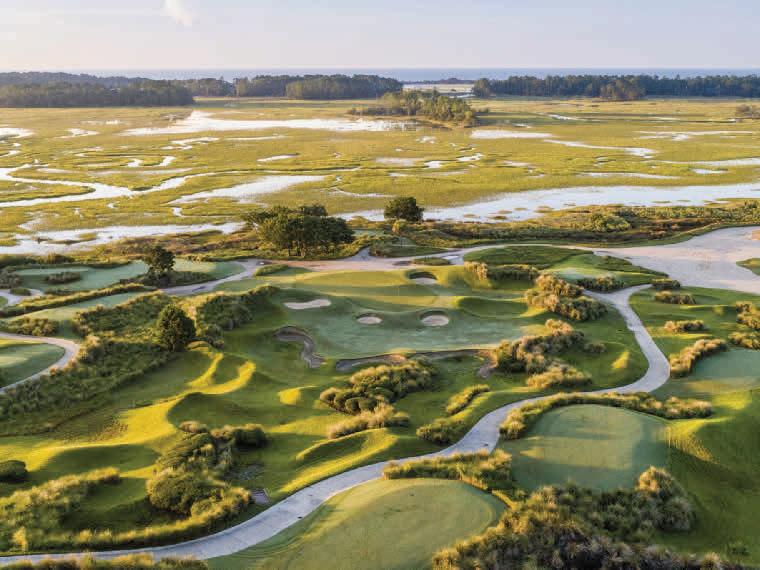
The story of collaboration and creative design that made Cassique distinct, with Tom Watson’s course at its heart.
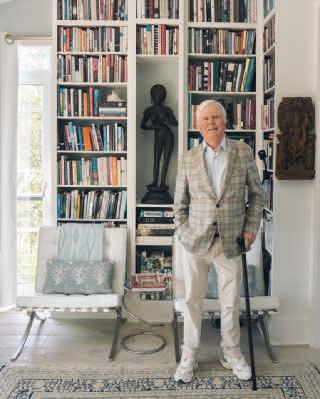
Inside Michael and Sandy Collins’s art-filled sanctuary on Kiawah, where curiosity, travel, and serendipity shape a life lived beautifully with the works they love.
FROM THE SEA
A poetic look at Lowcountry seashells—their history, artistry, and the coastal stories they carry from shore to hand.
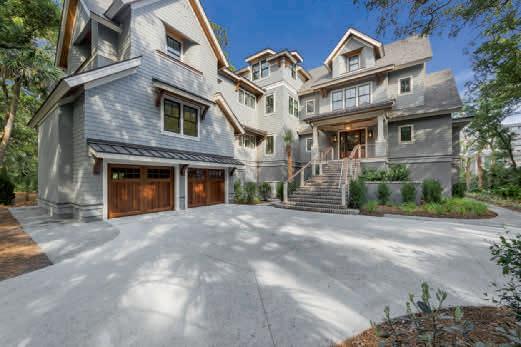
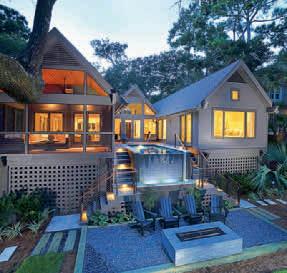
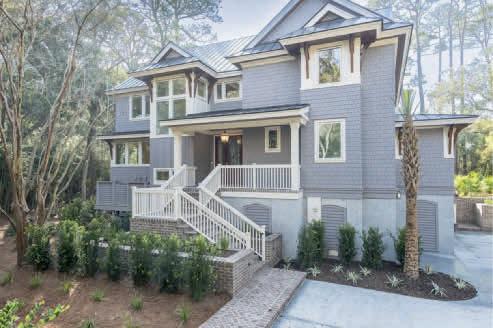
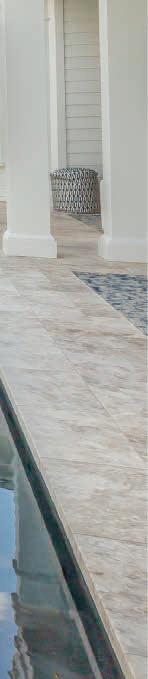
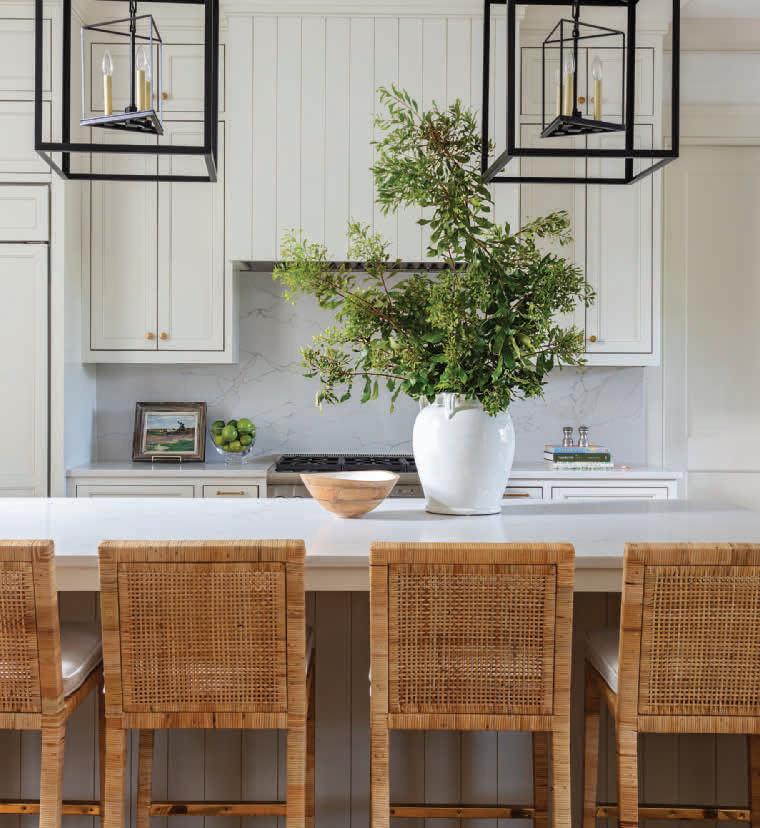
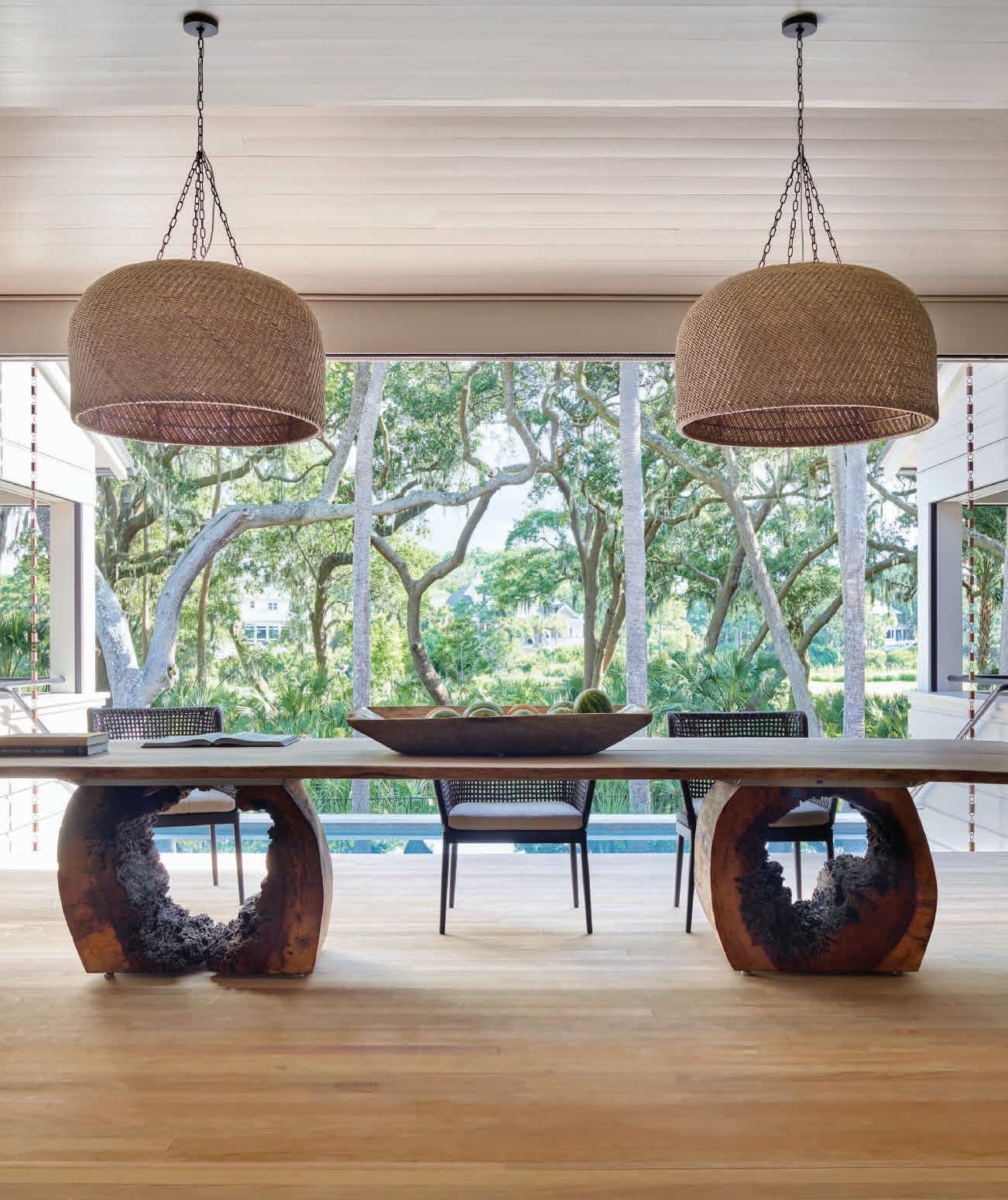
A built-for-sale home on Estuary Lane blends thoughtful design and natural harmony.
78
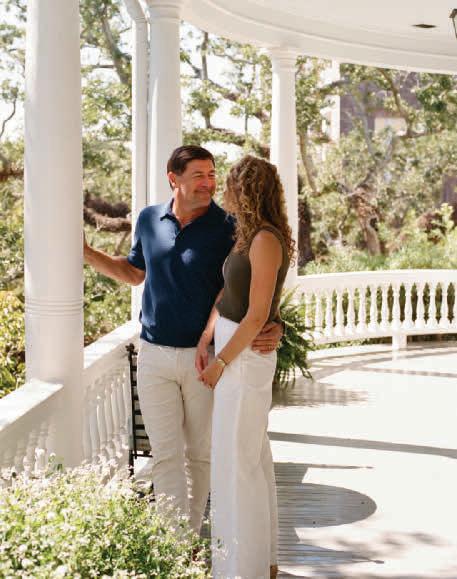
Chef Mike and Jenni Lata share their favorite spots across the Holy City—from contemporary art and heritage spirits to design gems and standout dining.
90
A GAME OF HER OWN
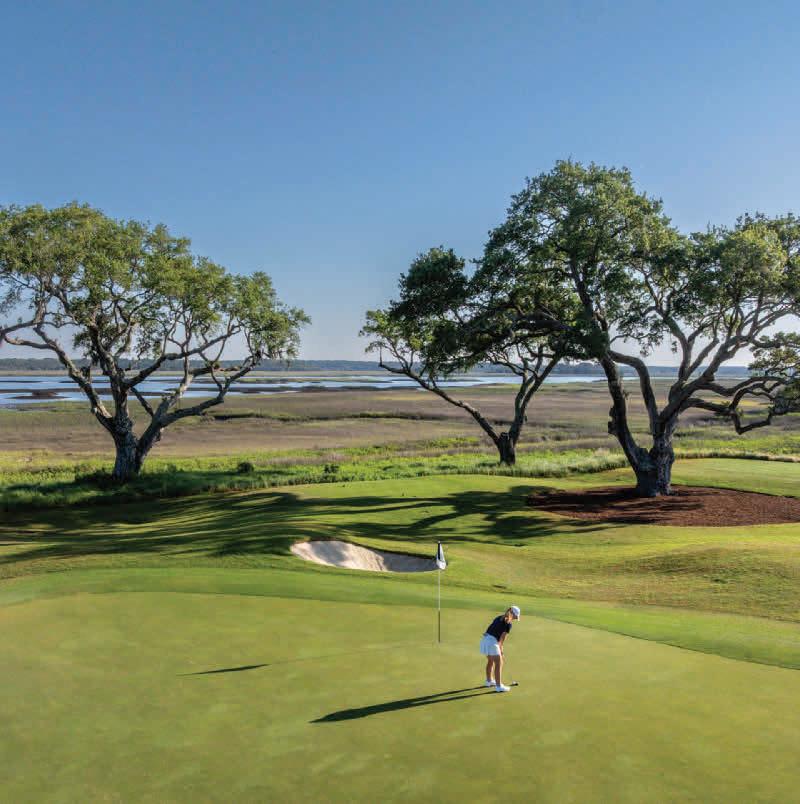
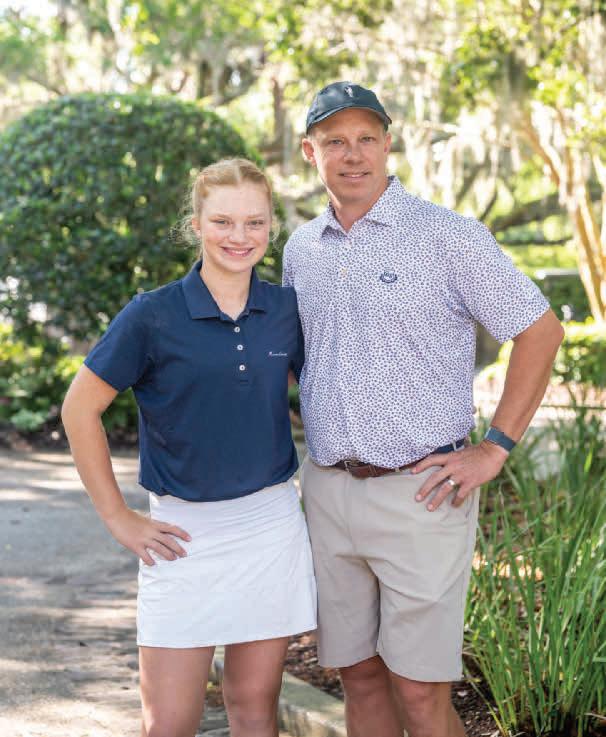
Fifteen-year-old rising golf star Sadie Westbrook balances school, tournaments, and life between Houston and Kiawah with grit, calm, and pure love of the game.
104
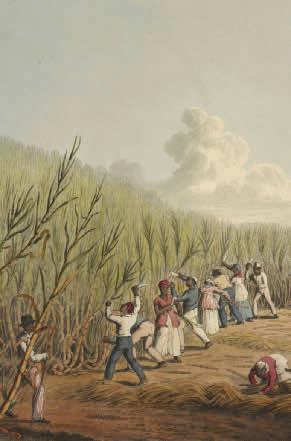
A look at the centuries-old bond between Barbados and South Carolina—shaped by empire, migration, and agriculture.
114
These four distinct accommodations offer Members immersive stays that reflect Kiawah’s landscapes, craftsmanship, and way of life.
124
ARCHITECTURE OF IDEAS
The Charleston Library Society partners with Kiawah Island Club to extend nearly three centuries of ideas and dialogue.
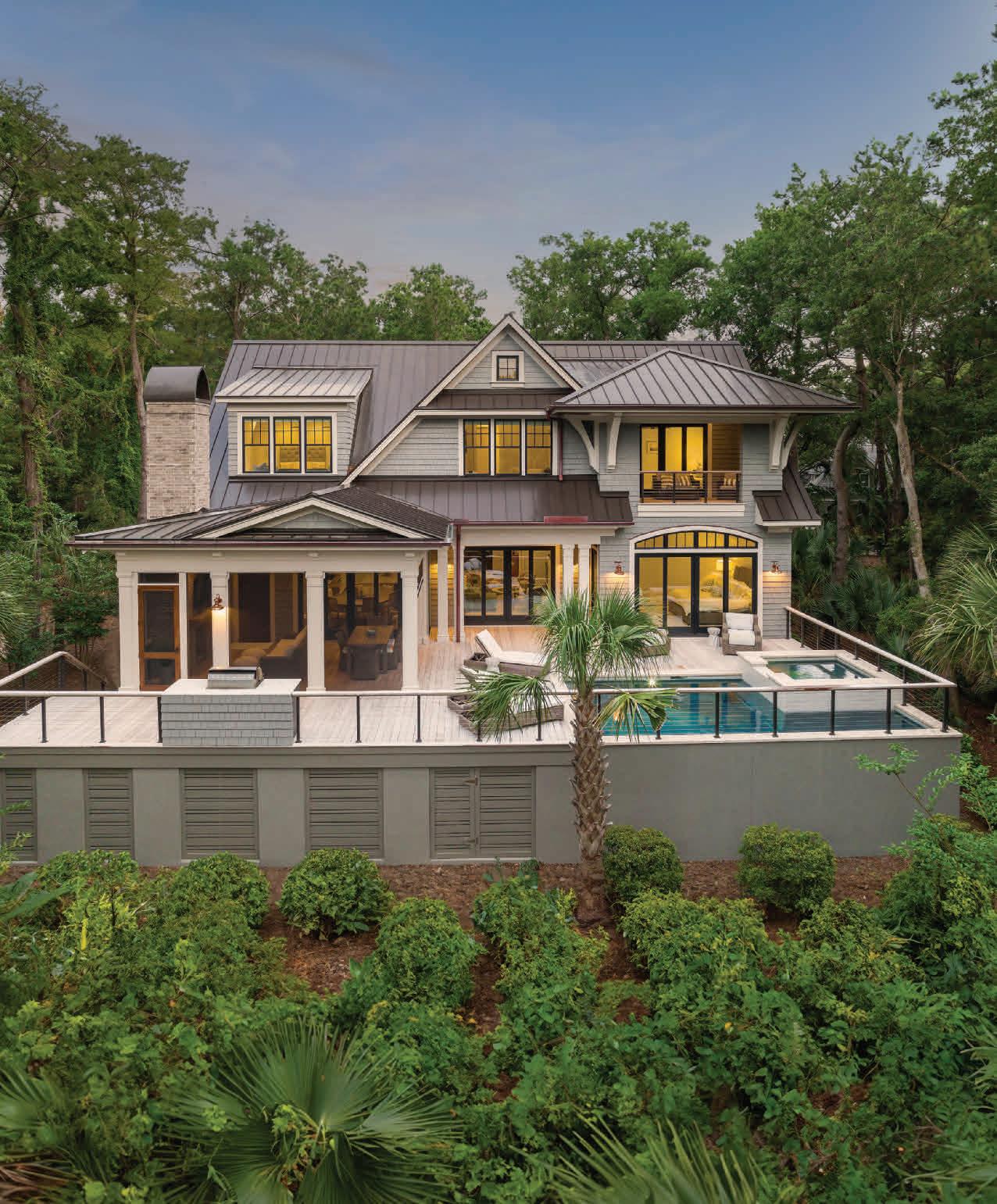
Dolphin Architects + Builders crafts homes where families gather for generations. With seasoned expertise, our team provides one source for creative architecture, interior design and construction. Dolphin delivers the highest-quality results and an unsurpassed, 5-year warranty. Experience our proven track record of designing, building, and renovating the Lowcountry’s finest homes since 1990. dolphinbuilders.com | 843-768-2404
EXECUTIVE EDITOR & DESIGNER
Hailey Wist
MANAGING EDITORS
Jessica Puder
Brittany Nelson
COPY EDITOR
Sunny Gray
PHOTO EDITOR
Nathan Durfee
PUBLISHER
Kiawah Partners
SPECIAL THANKS
Amy Anderson
Charlie Arrington
Henry Blackford
Scott Blackwell
Candice Bondi
Katie Charlotte
Taylor Cochrane
Michael Collins
Sandy Collins
IN DEDICATION
Lucinda Detrich
Mary Doyle
Josh Dunn
Shannon Fischer
Saltina Graphics
Poppy Green
Elliot Hillock
Shelby Taylor Kolb
Lia Burke Libaire
Jenni Lata
Mike Lata
Ethan Linen
Ann Marshall
Amanda Mole
Stephanie Molster
Dawn Nakamura
Nicole Nowling
Evie Olsen
CONTRIBUTORS
Christina Rae Butler
Peter Frank Edwards
Heidi Harris
Stephanie Hunt
Bryan Hunter
Barry Kaufman
Sandy Lang
Julia Lynn
Alexandra Malloy
Patrick O’Brien
Lizzy Rollins
Blake Shorter
Katherine Barry Verano
Cameron Wilder
Charlotte Zacharkiw
Hallie Olsen
John Olsen
Pace Olsen
Ryan Olsen
Femi Oyediran
Joanny Palsson
Laura Pelzer
Mark Permar
Jordan Phillips
Chris Randolph
Ashley Russo
Joe Russo
Bill Senst
Kris Westbrook
Sadie Westbrook
Traci Westbrook
Cameron Wilder
Miles White
This issue is dedicated to the memory of Chris Shope, who worked alongside the Kiawah marketing team for decades as a trusted print representative and was beloved by all who knew him. A true people person with a deep passion for the art of printing, Chris brought warmth, good humor, and genuine care to every project and every relationship. His dedication left a lasting mark on this publication and on the many people behind it.
Kiawah Island Legends is a publication of Kiawah Island Publishing, Inc., an affiliate of Kiawah Island Real Estate. Copyright 2026. To inquire about advertising opportunities in Legends , please contact hailey@mwist.com.
All rights reserved in all countries. Contents may not be reproduced in any manner without the written permission of Kiawah Island Publishing, Inc. Kiawah Island Publishing, Inc. does not necessarily agree with the viewpoints expressed by authors of articles or advertising copy.
Obtain the Property Report required by Federal Law and read it before signing anything. No Federal or State agency has endorsed or judged the merits of value, if any, of this property. This is not intended to be an offer to sell nor a solicitation of offer to buy real estate in any jurisdiction where prohibited by law. This offer is made pursuant to the New York State Department of Law’s Simplified Procedure for Homeowners Associations with a De Minimis Cooperative Interest (CPS-7). The CPS-7 application (File No. HO16-0007) and related documents may be obtained from the sponsor. This project is registered with the State of New Jersey Department of Banking and Insurance Real Estate Commission. Obtain and read the NJ Public Offering Statement before signing anything (NJ Reg#16-15-0012). An affiliate of Kiawah Partners.
kiawahlegends.com
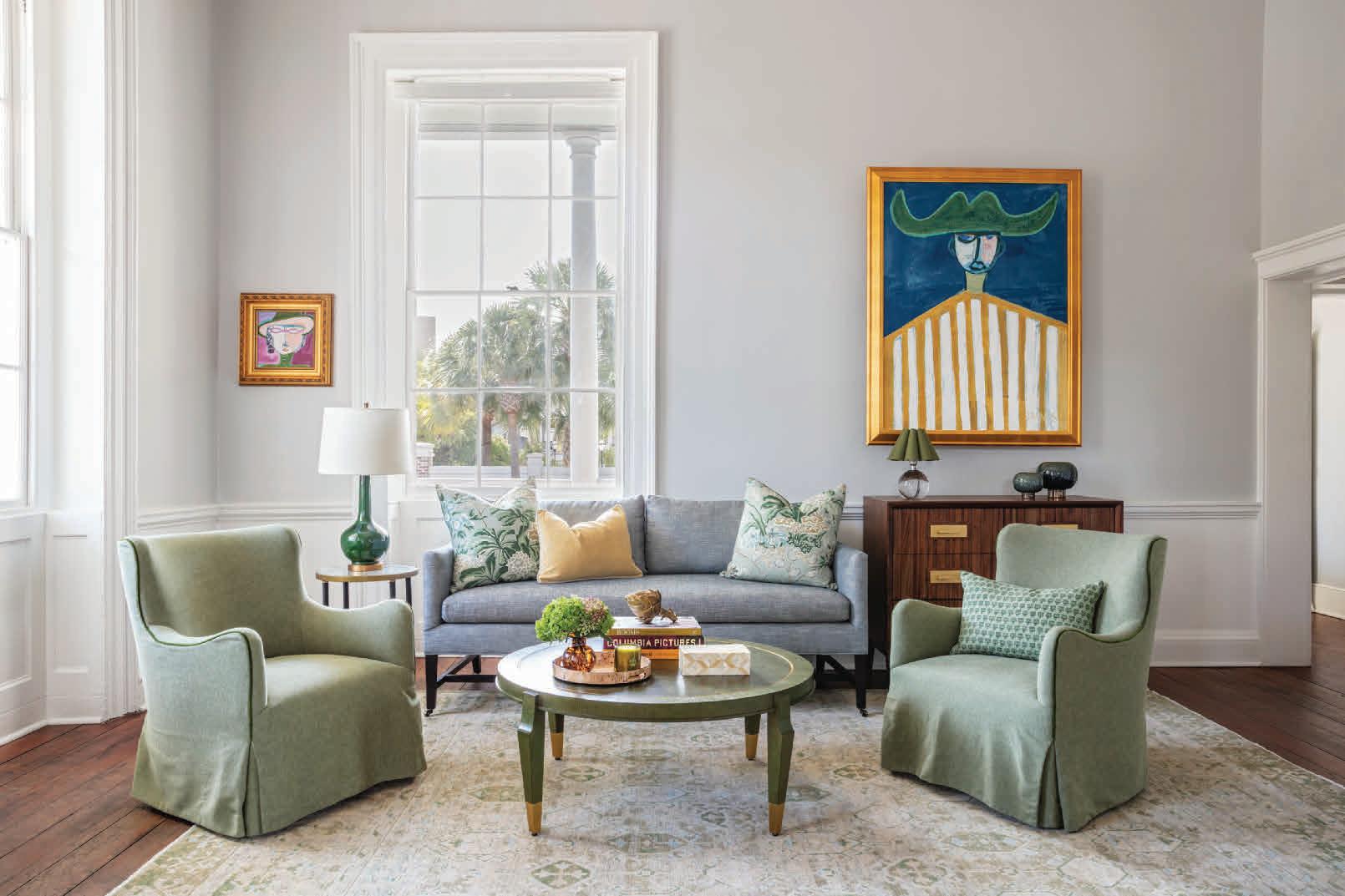
Blake Shorter is a photographer living in Charleston who grew up in the Deep South and spent a decade as a drummer in a touring band. His work now centers primarily on documenting the world of art and design, and he still loves a good road trip.
It was a thrill to see a home built around works by artists with such cultural impact, and it’s easy to see the passion that has driven a lifetime of collecting.
I can still recall the first mind-blowing moment I walked into Cassique. Twenty-five years later that feeling, just like the place, endures.
KATHERINE BARRY VERANO | WRITER
From milestone anniversaries in the Persimmon Room to babies crawling on the greens, Cassique has been the host of many special moments in Katherine Barry Verano’s life. To have the opportunity to share Cassique’s story and tell the indelible tales of its creation, evolution, and legacy ranks right up there as a once-in-a-lifetime experience for this Lowcountry native.
SANDY LANG | WRITER
Writer Sandy Lang of Wadmalaw Island has lived in South Carolina beach towns and islands for much of her life and writes about the people, places, and culture of saltwater locales and their enduring coastal character.
I had fun looking through vintage shell guides and at shells brought back from beach trips. Each one is a little sculpture.
Stephanie Hunt writes about travel, design, conservation, lifestyle, and the arts for regional and national publications, including Garden & Gun, Veranda, Southern Living, Southbound, and Charleston Magazine, where she is editor-at-large.
As a lifelong tennis player, I’m a bit late to the pickleball train, but thanks to the tips I’ve picked up from watching these pros, I’m now a true pickled force.
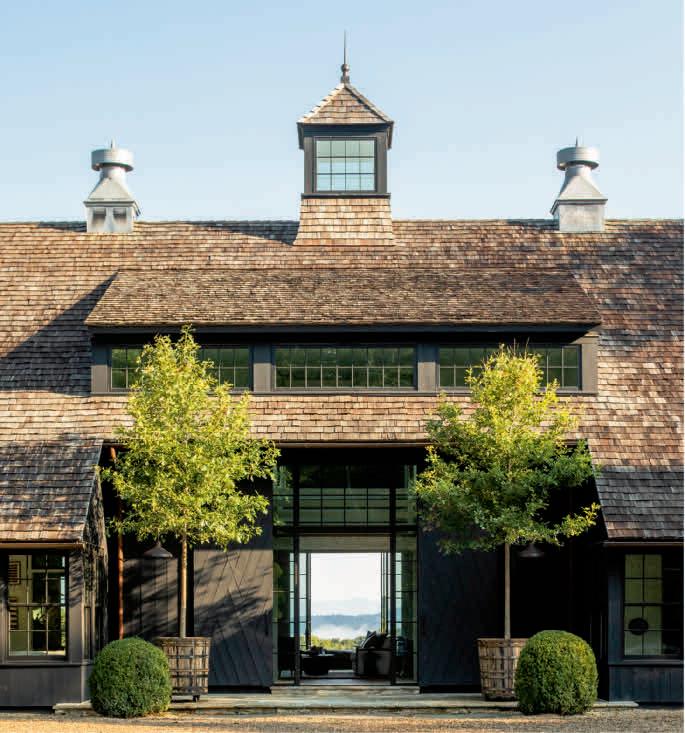
JULIA LYNN | PHOTOGRAPHER
Photographer Julia Lynn is a southwest Virginia native who has called Charleston home for the past twenty-five years. Focusing on architecture, interiors, and gardens, she photographs for a variety of publications including recent work in Veranda , Luxe , and Flower Magazine
This lovely, light-filled Cassique home has so many wonderful details, unique textiles, and wallpapers; and of course the views.
CHRISTINA RAE BUTLER | WRITER
Christina Rae Butler is Provost and Professor of Historic Preservation at American College of the Building Arts and adjunct faculty at College of Charleston and Clemson University. She owns Butler Preservation LC, and she is the author of several books about the Lowcountry.
Exploring the connections between South Carolina and Barbados reminds us how much we were shaped by our Caribbean neighbors.
BARRY KAUFMAN | WRITER
Barry Kaufman has lived in the South Carolina Lowcountry since 2002, the last eighteen years in Bluffton. A freelancer for publications including South and Garden & Gun , he takes particular joy in shelter writing, helping builders and architects translate their work into prose.
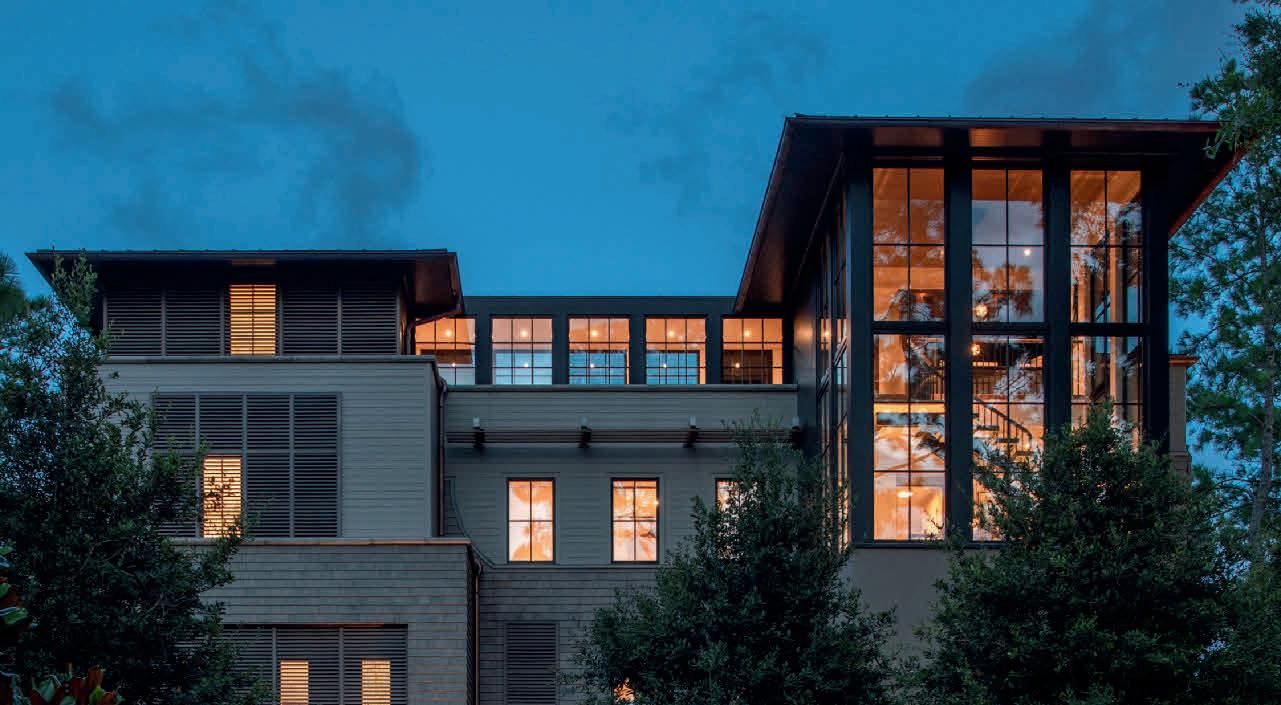
It was fascinating to learn more about the builtfor-sale process and the intense collaboration that goes on behind the scenes!
Sadie is a joy to be around. It is clear her love for the game is only matched by her talent.
PATRICK O’BRIEN | PHOTOGRAPHER
For twenty-five years Patrick O’Brien has created memorable photography for clients across the globe. He learned early in his career that passion, preparation, and discipline are the fundamental traits for sustained creative success. He has been thrilled to collaborate with art directors, designers, and clients who share his passion for creating images that inspire and surprise.

As Cassique marks its 25th year, we’re reminded why it remains one of the most meaningful places on Kiawah, defined by an extraordinary landscape and a golf course that has earned a lasting place in the game’s history. It’s a community built on authentic connection and a reverence for the land. We are grateful to steward a place so deeply loved.
PATRICK, JORDAN, AND CHRIS SOUTH STREET PARTNERS
One of the unexpected privileges of making Legends is the chance to meet the people who shape the character of Kiawah Island. Every Member I speak with has a story about how they arrived here, what caught their attention, what held it, and those stories accumulate into a portrait of a place defined not only by landscape, but by the people who choose to call it home.
Meeting Sandy and Michael Collins for “Life in Color” (pg. 50) was a reminder of that. Their home sits at the edge of the Island, lifted into the canopy, where the marsh opens toward the Atlantic. Inside, their art collection—Frankenthaler, Hirst, Johns, Dine—exists in constant conversation with the views beyond. Experiencing those works alongside the shifting light of Kiawah was unexpectedly moving: a quiet dialogue between the natural world and the creative one. It felt like an invitation into the way they see and move through the world.
Encounters like this are what keep Legends fresh for me, issue after issue. There is always another perspective, another story, another way someone leaves their mark on this Island. This edition also marks forty issues of Legends —a milestone that speaks to the depth and continuity of this community. I’m grateful to be part of telling its story.















At Solaris Inc., we build more than custom luxury homes—we build clients for life For over 30 years, we’ve partnered with clients and architects to bring shared visions to life through exceptional craftsmanship and integrity, creating enduring homes across Kiawah Island and Charleston.




Kiawah Island Club Members
Q Where are you from?
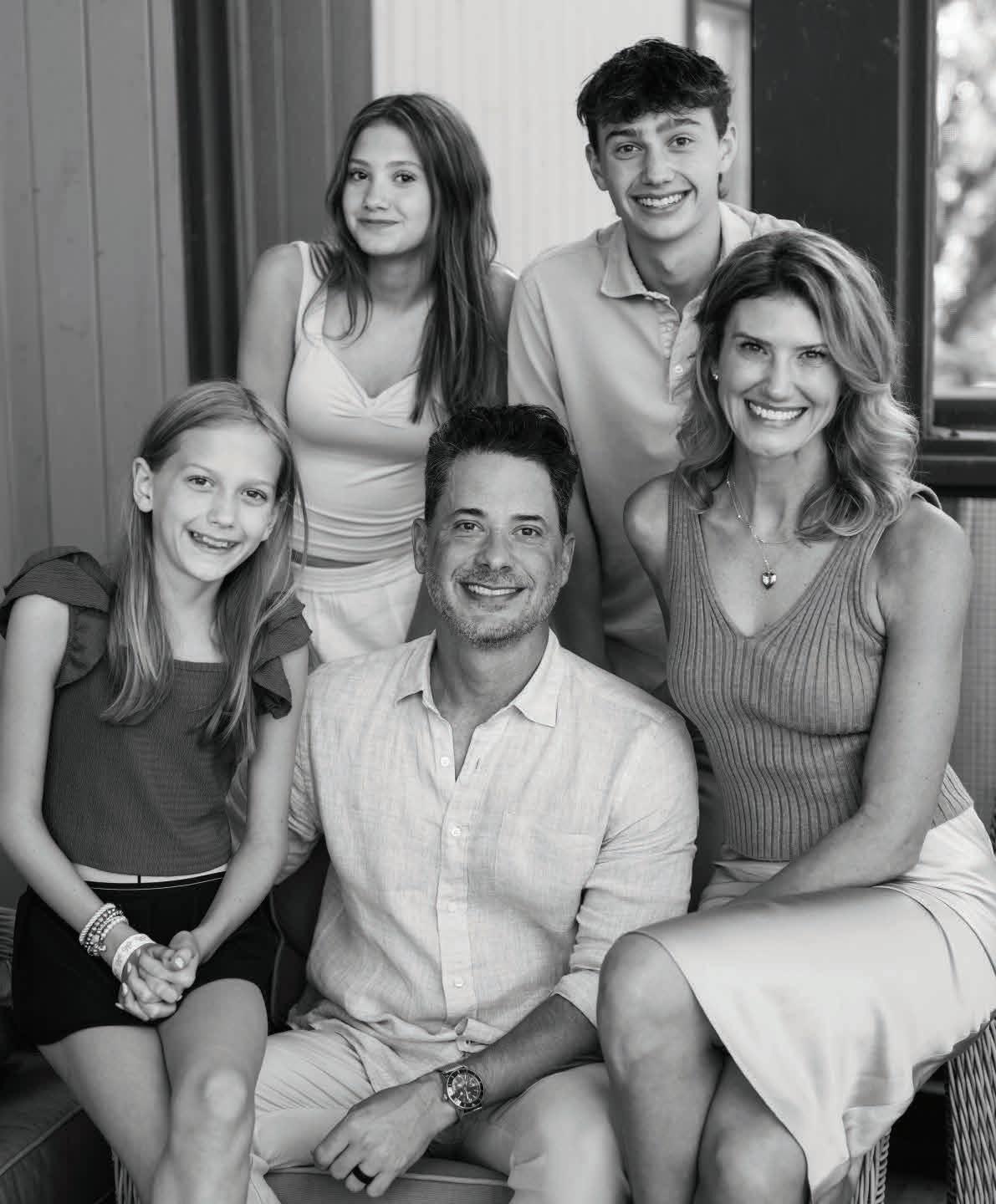
HALLIE & JOHN OLSEN
A Hallie: We’re both from the Midwest. I’m from Iowa, and John’s from Kansas, but we’ve lived in Atlanta for twentyfive years.
John: We met in college. I went to the University of Kansas, and Hallie went to the University of Missouri in Kansas City. She worked with a lot of my fraternity brothers, and we knew each other for a few years. She wasn’t a fan of mine at first! But my roommate and his girlfriend set us up on a date our senior year.
Hallie: Both of us wanted to go to the same concert, and our friends kind of tricked us into going together. I got in the car and realized, Oh, it’s John! And the rest is history. Married, three kids later.
Q How did you find Kiawah?
A John: In 2015, I started playing in an event here called the Friendship Cup, a two-man best ball tournament over three days at the Kiawah Island Golf Resort.
Hallie: He went that first year, and it was all guys. He came back with photos, and I said, That looks amazing. I’m going next year! So a bunch of the wives started going too, and they had events for us while the guys played golf. We had such a blast.
Q What were your first impressions?
John: Hallie started exploring while we were playing, and we realized this place was even better than we thought. When it came time to think about a second home, we came back and toured Kiawah Island Club. I don’t know if there’s a better place in the South. It was a no-brainer.
Q Tell me about finding your home.
A John: We bought a lot on The Ocean Course in 2022. It was incredible, but we realized after a few trips that it was a little too far from everything for us. We decided to sell and bought a condo because we were tired of renting. It was nice to have a place where we could leave things!
We bought a lot on hole thirteen of River Course, and we just got our plans approved!
Hallie: It’s perfect. We love the River Course area—it feels private, but still close to everything.
Q What do you like to do here as a family?
A John: We always rent bikes—it’s the best way to get around. We ride the trails and take long walks on the beach.
Hallie: We love the sunsets. We’ll bring a football or volleyball and play until the sun goes down. The Sports Pavilion, the gym—I love it all. We play a lot of golf too. We were at Cassique yesterday morning. We love playing nine holes before the kids wake up. And tennis! Pace is playing in a tennis tournament on the Island this weekend.
Q Tell me about that!
A Pace: I play a lot! On weekends, I play in tournaments, mostly local, but we’re starting to travel out of state now. I want to play in college, so I just signed with an agency to help with that.
Q What is your long-term plan?
A John: I don’t think the River Course house will be our last one. Maybe one day we’ll end up back on The Ocean Course, or maybe on the beach. The goal is to build something that our kids will always come back to.
Hallie: We’d love it if they ended up nearby, maybe at the College of Charleston. We’re a family with major FOMO. We always want to be together—and Kiawah is the perfect place for that.
Q What do you think makes Kiawah so special?
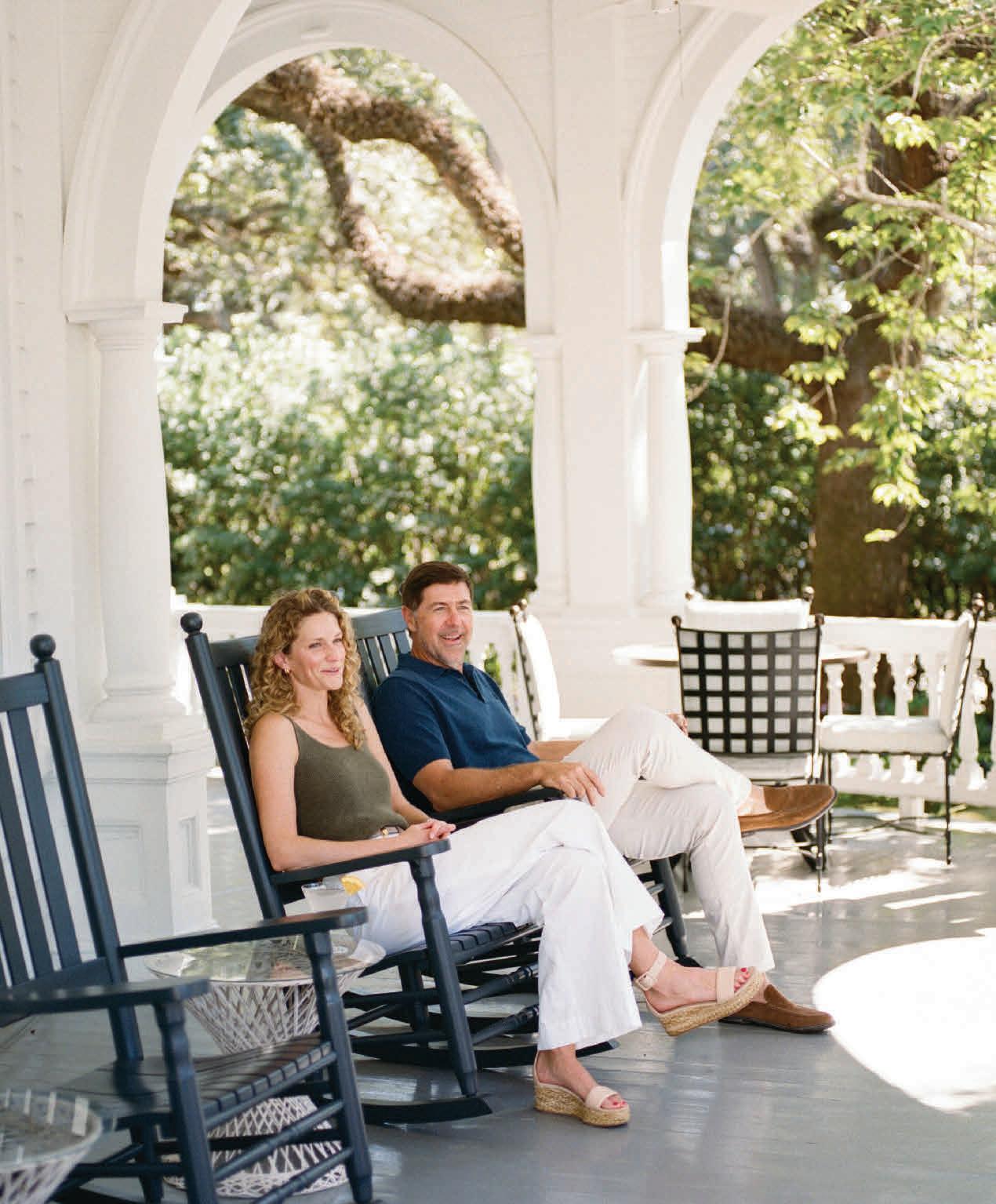
A Hallie: In Atlanta, our lives are so busy—school, sports, traffic. I spend hours in the car every day. Here, our transportation is bikes. We’re together, not running in different directions.
John: It’s the simplicity. We feel like we can really slow down here.
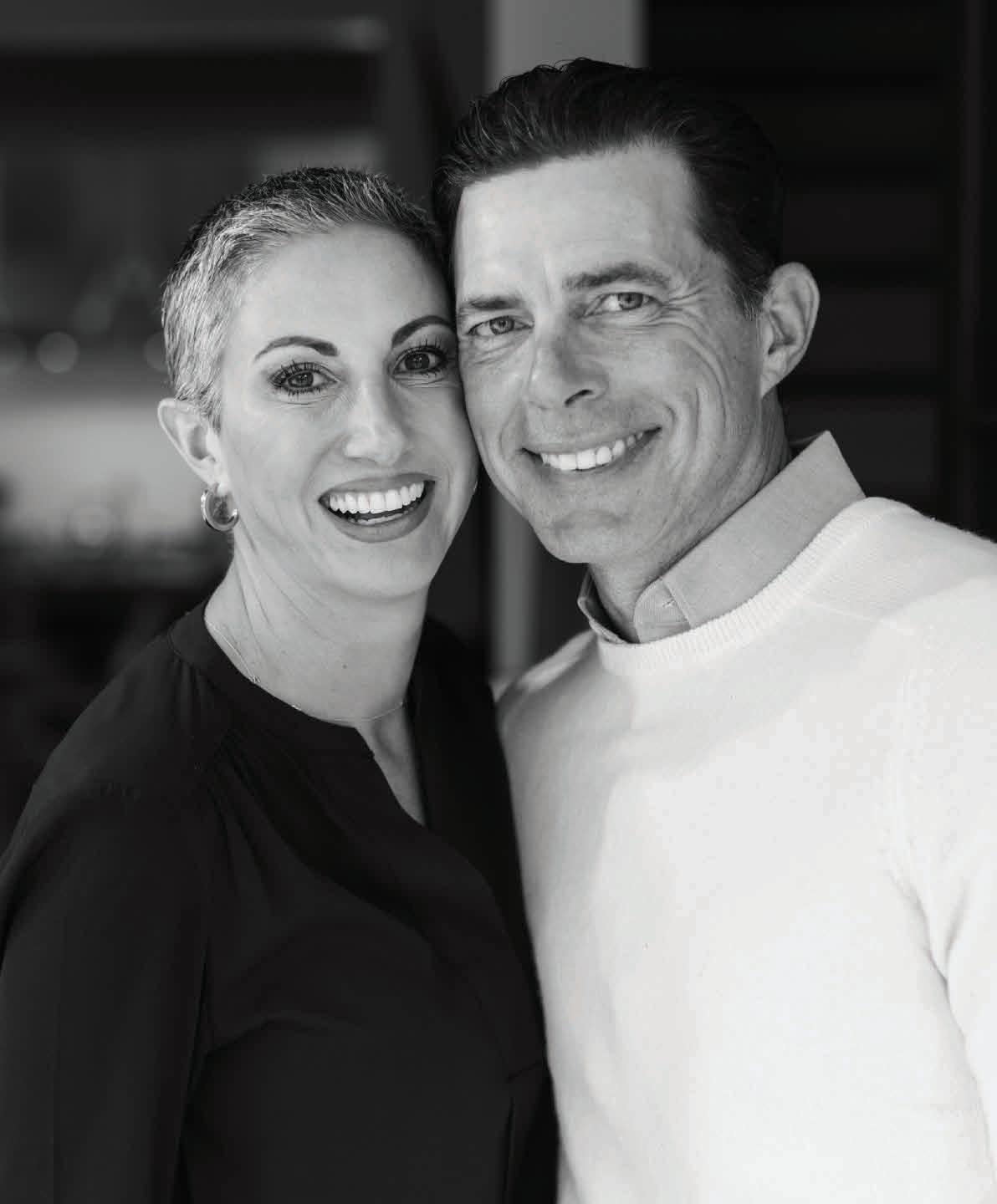
ASHLEY & JOE RUSSO Kiawah Island Club Members
Q Where are you from?
A Ashley: I am from Somerset County, New Jersey. Joe: I am from Colonia, New Jersey.
Q How did you meet?
A Ashley: Our families were friends through the local school and church and knew each other quite well. Joe’s father thought we should meet, and the families were supportive of the idea. But Joe is four years older and was a freshman in college, and I wasn’t in high school yet!
Joe: Ashley went to the same school as my younger siblings, and she really was a local celebrity. She was very beautiful and smart.
Ashley: Joe’s sister had shown me a picture of him from his senior prom, and I was obsessed with him. But when we first met, it was Field Day at my grammar school, and I was wearing ribbons in my hair and green face paint. I was mortified! We started dating when I was in high school. Then I went to NYU, and Joe was in medical school in Chicago, so we spent five years longdistance. We were both very focused on our studies and careers. Once Joe was in his residency, we moved to Bethlehem, Pennsylvania.
Q Tell me about your kids!
A Ashley: Our son, Nolan, is twenty-two and a senior at Lafayette College in Pennsylvania. He’s studying English and history and hoping to go to law school. And our daughter, Renna, is twenty-one. She’s a senior at Pace University in New York City studying psychology.
Q When did you first visit Kiawah?
AJoe: I came on a golf trip in 2010 and went home really excited about it. A few years later, some very good friends of ours, Robin and Walter Wolak, invited us down. We came several years in a row. Ashley fell in love with the Island, and that was it.
Ashley: Robin and Walter were incredible hosts and such advocates for Kiawah. After our third visit, we were at a party together in Bethlehem, and Robin asked me when we were going to buy a house on Kiawah. I told her to find me one! That was on a Friday night. The next morning at 8:07, she sent me the listing for this house. By that
From
PA
evening, we had an accepted offer. We were on our way to Portugal at the time and signed all the paperwork from Newark Airport.
Q What are your favorite things to do on the Island?
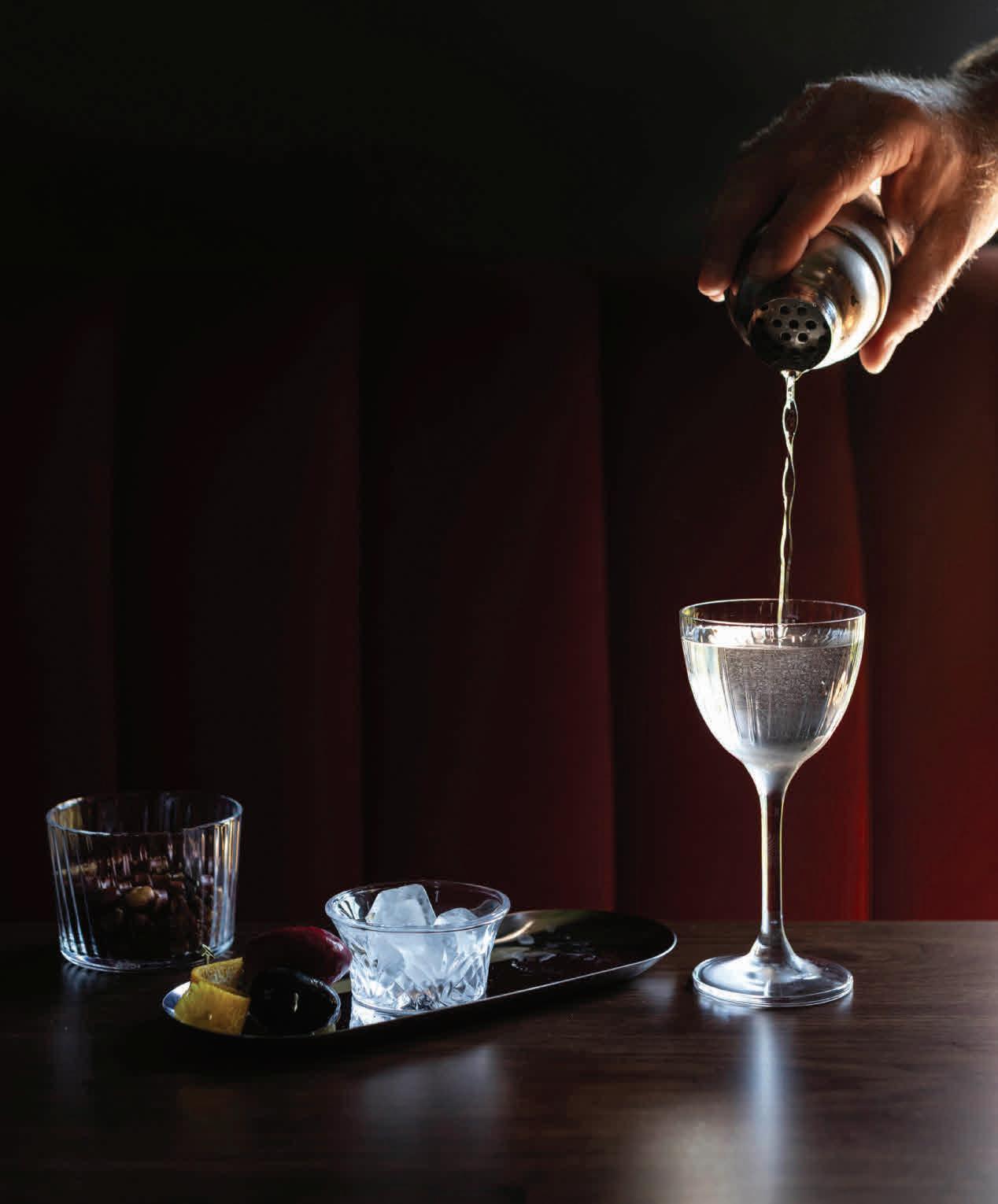
A Joe: I spend mornings at The Sports Pavilion at Cassique. I have my coffee and read the newspaper, and then I work out. And I love a martini at The Oyster Bar at River Course. And Cassique and River [Course] consistently blow me away in quality of play and hospitality.
Ashley: I’m a huge fan of Sasanqua Spa. It’s unbelievable— just the next level of unwinding. I love lunch at Marsh House. The view is indescribable—it feels like the Serengeti. And I love a bike ride on the beach.
Q How would you describe the community?
A Ashley: We’ve been impressed with how philanthropic the community is. Giving back to our community is very important to us. We work a lot with our United Way in Bethlehem, and I am already connected to the executive director here.
Q Tell me about your haircut!
A Ashley: About a year ago, I committed to shaving my head for St. Baldrick’s Foundation for pediatric cancer research. It’s been an amazing journey for our family— we’ve raised about a quarter of a million dollars. In September, I shaved my head in front of two hundred people. It’s given me the opportunity to talk about the cause and the mission of St. Baldrick’s.
Q What about Kiawah draws you in?
A Ashley: It is so peaceful. I feel like I can take a deep breath here. So much in our lives is chaotic, and here we can really pause and let go of all of that.
Joe: I feel the same way. I also love being so close to Charleston. The history there is incredible. We try to go once a week if we can.
Ashley: And we fall in love with it all over again every time someone comes to visit. I don’t want anyone to miss Marsh House or sunset at River Course. And now we have The Cape Club! It brings me so much joy to share this place.
ON
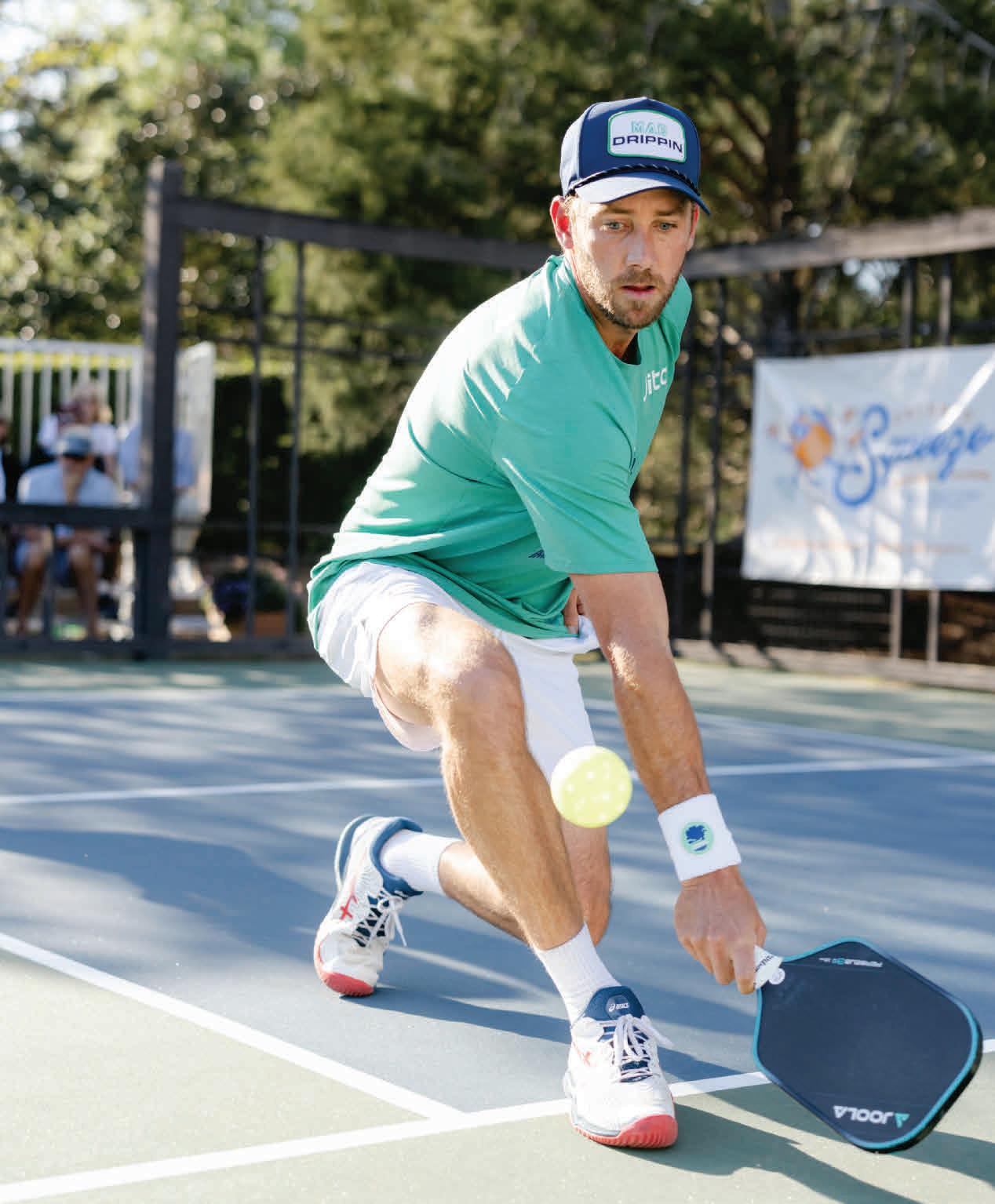
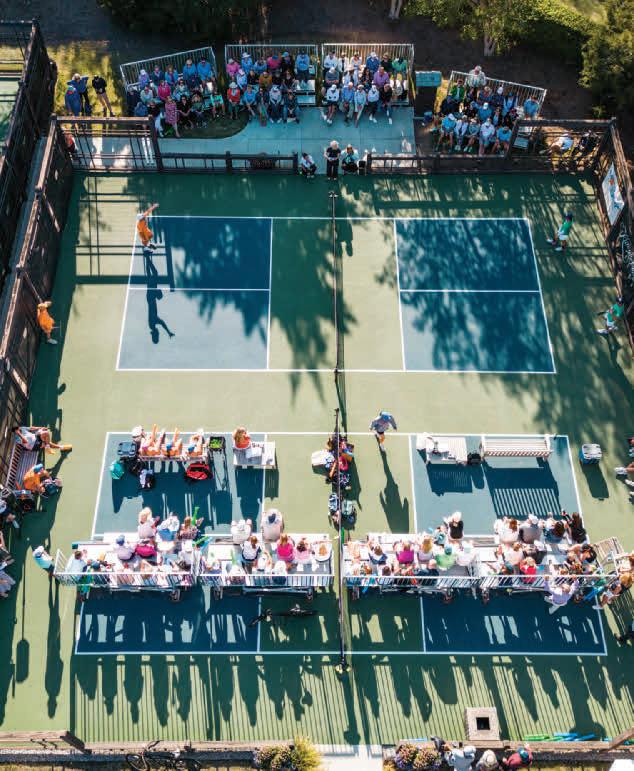
Rather than the quiet formality of other racquet sports, the courts buzzed with friendly competition and world-class play as Major League Pickleball pros from the Los Angeles Mad Drops and Orlando Squeeze took the stage. What stood out wasn’t the speed of the volleys (though they were astonishing), but the warmth: playful teasing, courtside grins, and a sport that, despite its meteoric rise, still manages to feel neighborly.
The lively soundtrack included rapid-fire banter and laughter as well, both on and off the court. “Yeah, so that’s the #1 player in the world, ladies and gentlemen,” Hunter Johnson of the Los Angeles Mad Drops ribbed his chart-topping nemesis, Federico Staksrud of the Orlando Squeeze, after Staksrud totally whiffed an easy serve.
Evidently, pickle can be tricky even for the pros. Staksrud’s
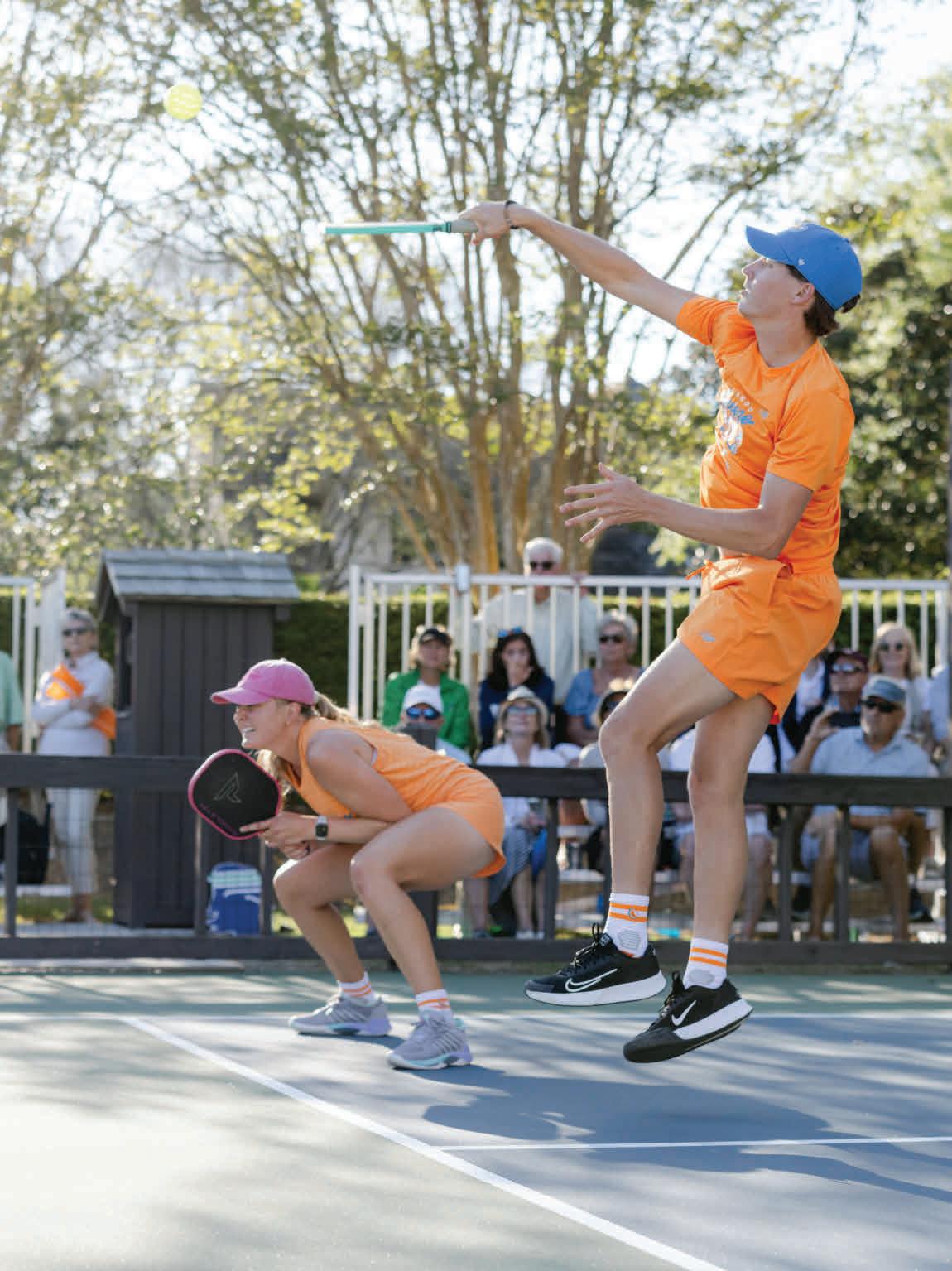
embarrassing boff aside, the level of play on display during the Los Angeles Mad Drops vs. Orlando Squeeze Major League Pickleball (MLP) exhibition match was, as the Gen Z’ers might say, lit. As the unseasonably warm afternoon sun began to slink toward the horizon, the exhibition court radiated and sparked with powerhouse athleticism. Much of pickle’s appeal is its zippy pace, but these pros really ramped it up. A typical point would begin with measured and methodical back and forth after the return of serve—a rally that, frankly, most average players can manage—then wham! Volleys would ricochet at wild speeds, and a winning slam or passing shot would seal the deal. “Holy moly!” and “Did you see that?!” would erupt from the crowd.
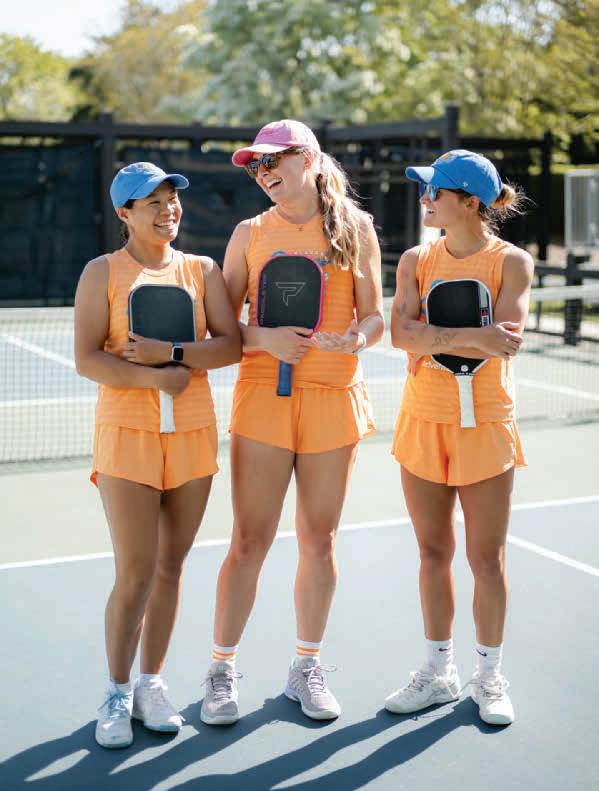
Staksrud was far from the only top-ranked player ponking away. Lacy Schneemann, ranked #12 in singles and #7 in women’s doubles, and Dylan Frazier, ranked #9 in singles and #6 in men’s doubles, joined him on the Squeeze squad, while across the court, the Mad Drops lineup included Catherine Parenteau, currently #2 in women’s doubles and #6 in women’s singles; Hunter Johnson, ranked #4 in men’s singles; and Jade Kawamoto, ranked #18 in women’s doubles.* And here’s what made it so fun: they’re all friends. The professional pickleball circuit, while exploding in popularity, is like a packed jar of dills—they’re a tight-knit group who travel on tour together, competing both as individuals in the Professional Pickleball Association and on their respective MLP teams. Top players can earn over $1 million in a year from tournaments, appearance fees, and sponsorships, with total earnings for top pros exceeding $30 million in 2024. Many are veterans of college and professional tennis circuits as well, so their paths, racquets, and ribbing barbs have crossed courts for years.
“That’s what I love about playing professional pickle,” says Catherine Parenteau, still glistening in sweat and big smiles after the matches. An MLP exhibition match is really a series of four matches in one: women’s doubles, men’s doubles, then two mixed-doubles matches. If there’s a tie after those (and there was at Kiawah), the teams play a rapid-fire, decisive “Dream Breaker” rally to 21, in which players rotate in and out every four points in confusing—but entertaining to watch— climactic chaos.
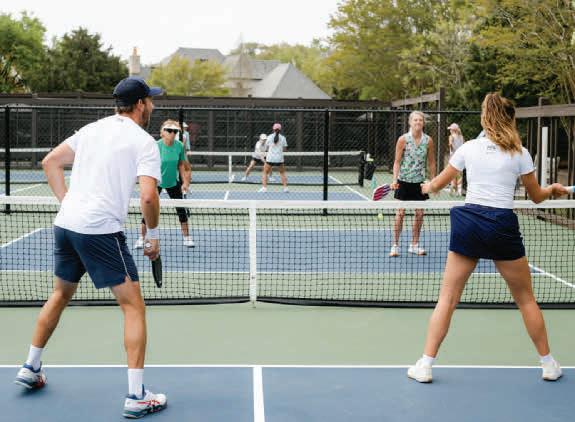
“It’s so fun and friendly. We’re all close, even literally, because the court is so small. You always have a teammate next to you. Yes, I’m super competitive, but I also really like having fun,” says the Montreal native and former Michigan State tennis player. Parenteau, who was drafted to the Mad Drops two years ago, switched to pickleball because it’s such an enjoyable sport—plus one that she can stay active with for years to come. “They say pickleball is easy to pick up, and that’s true. I love that all ages can play—I can have a rally with my grandmother, who’s never played racquet sports before—but it’s hard to master,” adds Parenteau, though watching the ease with which she crushes a winning overhead or smashes a volley makes it appear her mastery has been natural.

"THE PROFESSIONAL PICKLEBALL CIRCUIT, WHILE EXPLODING IN POPULARITY, IS LIKE A PACKED JAR OF DILLS—THEY’RE A TIGHT-KNIT GROUP WHO TRAVEL ON TOUR TOGETHER."
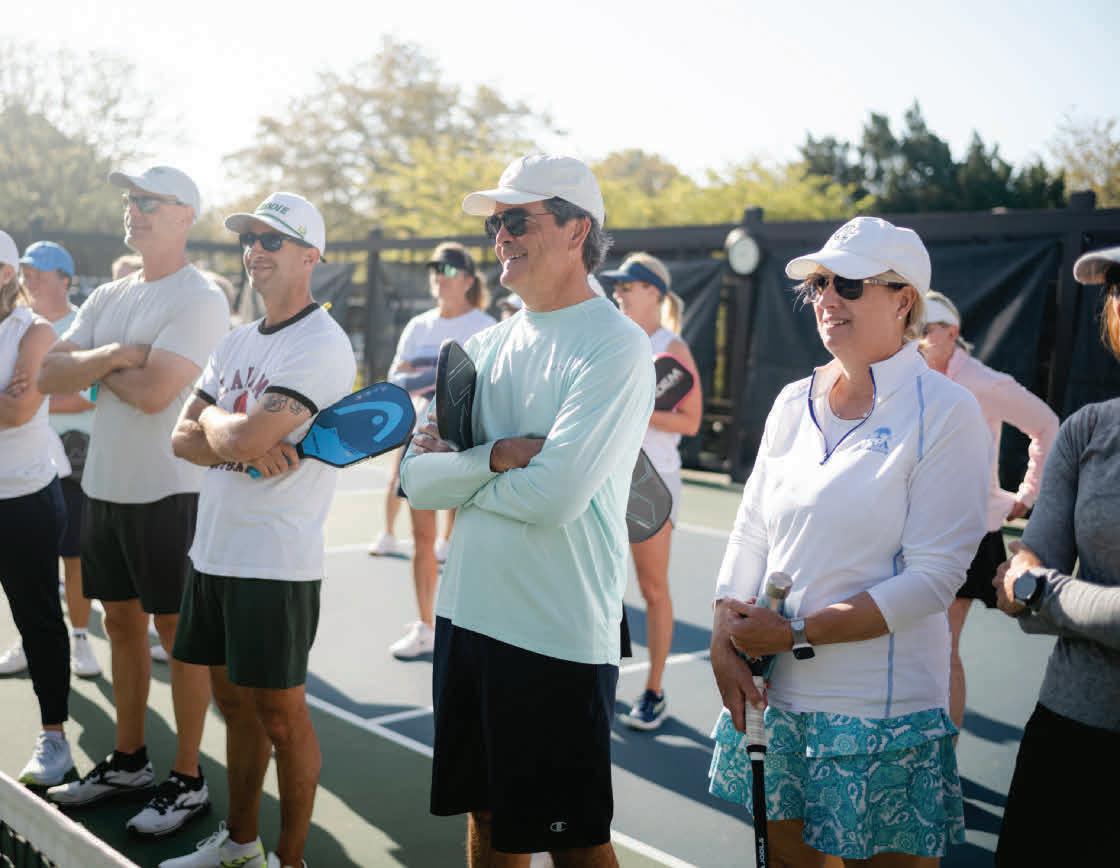
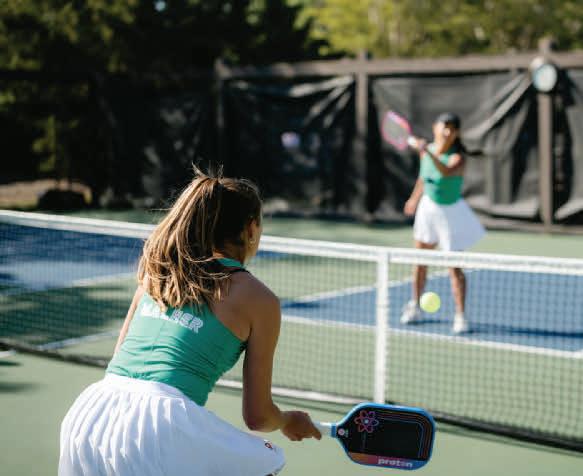
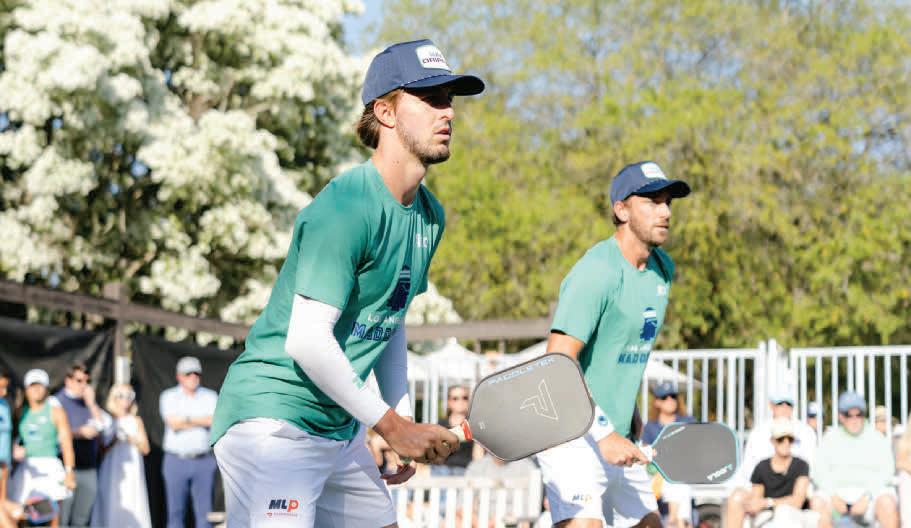
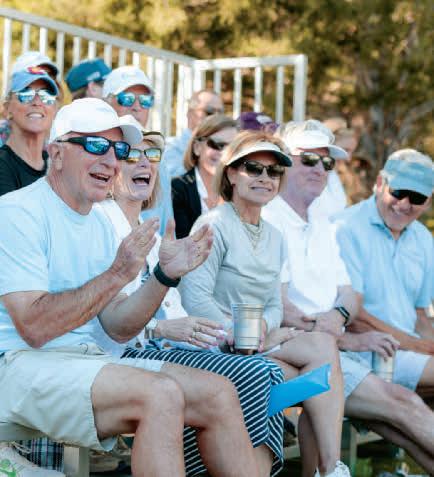
To help Kiawah Island Club’s expanding cadre of pickle enthusiasts better master the game, players from the Squeeze and the Mad Drops hosted a day of clinics on The Sports Pavilion’s six courts prior to the final exhibition match. “As a beginner who’s just starting to play, I wasn’t sure what to expect, but it was so casual and fun. They did a great job really mixing it up,” says Jamie Ryan, who attended the exhibition with her fellow pickleball pals, Toni Wimans and Carol Goldstein.
Between the clinics and the exhibition, the visiting pickle pros had time to enjoy Kiawah as well. “It’s so beautiful here. We had a great time. The guys really loved the golf, and the beach was so lovely,” says Parenteau, holder of fifty championship medals. She’s already hoping they get an invitation to return— and she’s not the only one. “I’d love to see Kiawah host more of these,” says Kiawah homeowner Carol Goldstein. “The clinics helped push my game to the next level. It’s been great.”
*Note: Rankings were accurate as of April 2025 exhibition match but fluctuate frequently.
“AS A BEGINNER WHO’S JUST STARTING TO PLAY, I WASN’T SURE WHAT TO EXPECT, BUT IT WAS SO CASUAL AND FUN. THEY DID A GREAT JOB REALLY MIXING IT UP.”
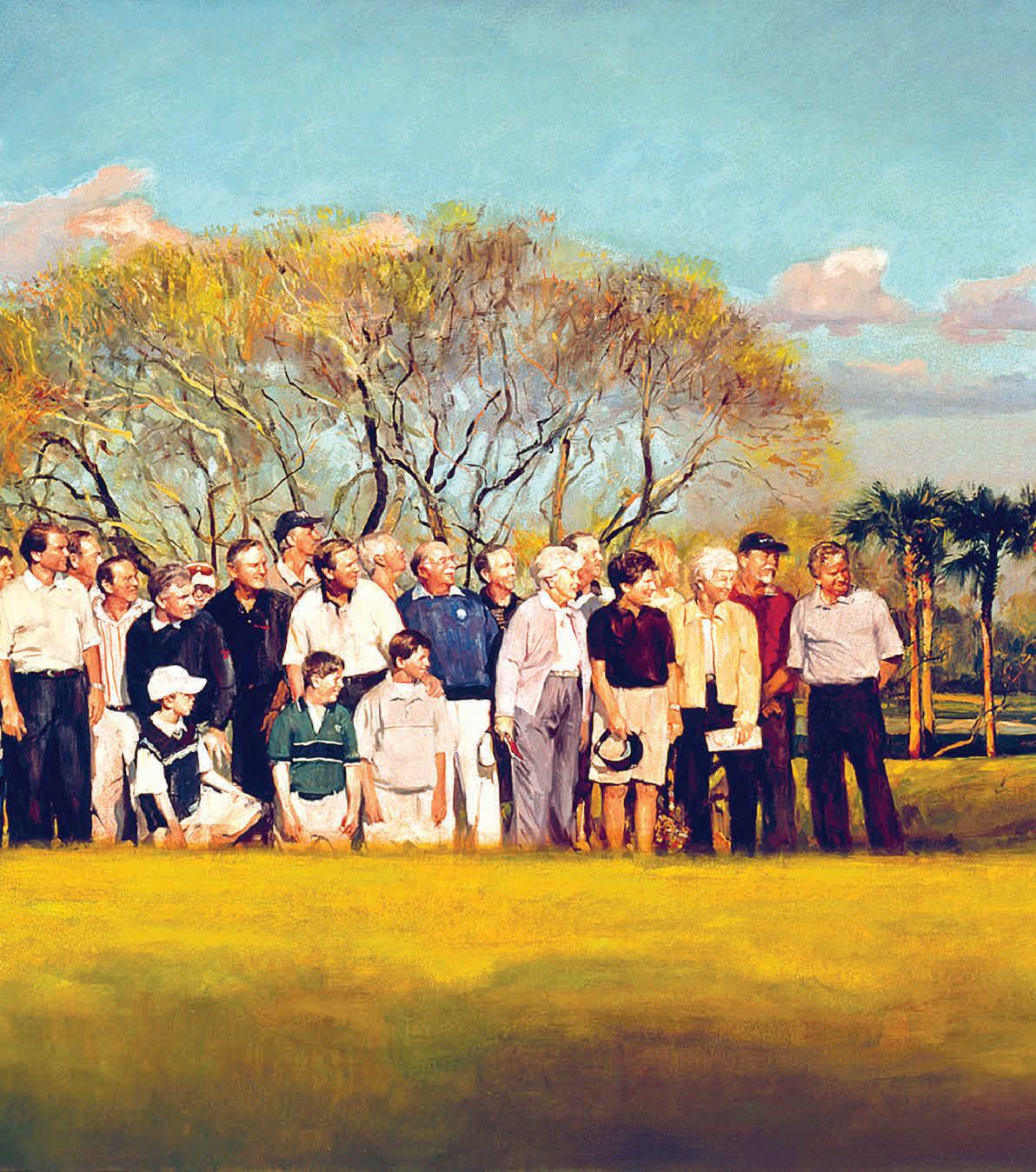
In 1995, just two years after Kiawah Island Club was founded and River Course opened, Membership had grown, and it was time to begin planning a second Club course. To do so, the Kiawah Partners’ design and development team was given a very specific directive: Make it great! What followed over the next twenty-five years was a magical mix of serendipity, creativity, and collaboration that produced one of Kiawah’s most distinctive golf communities.
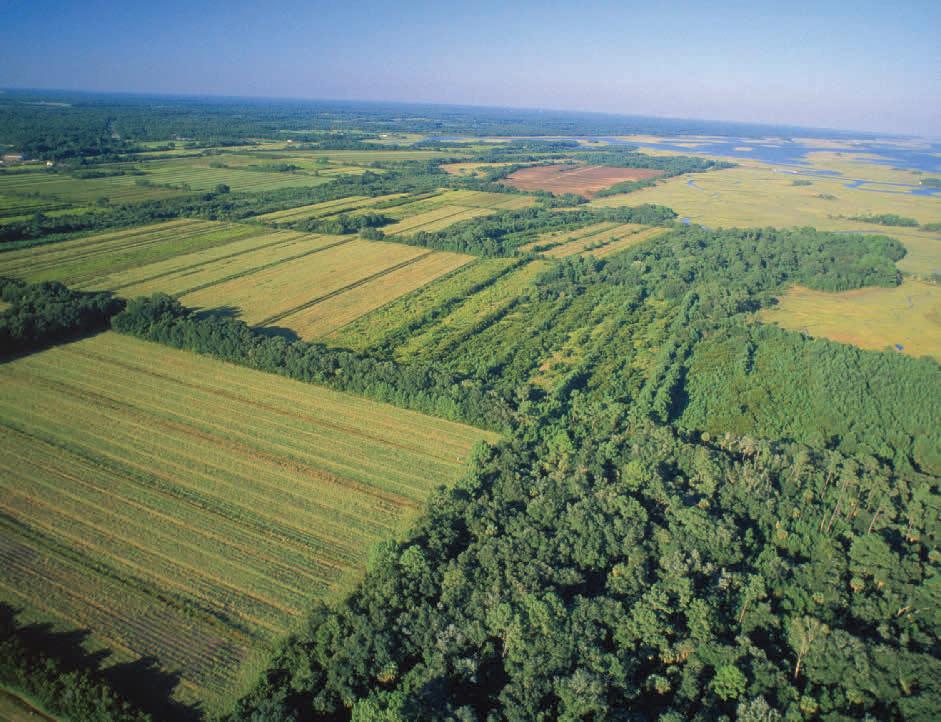
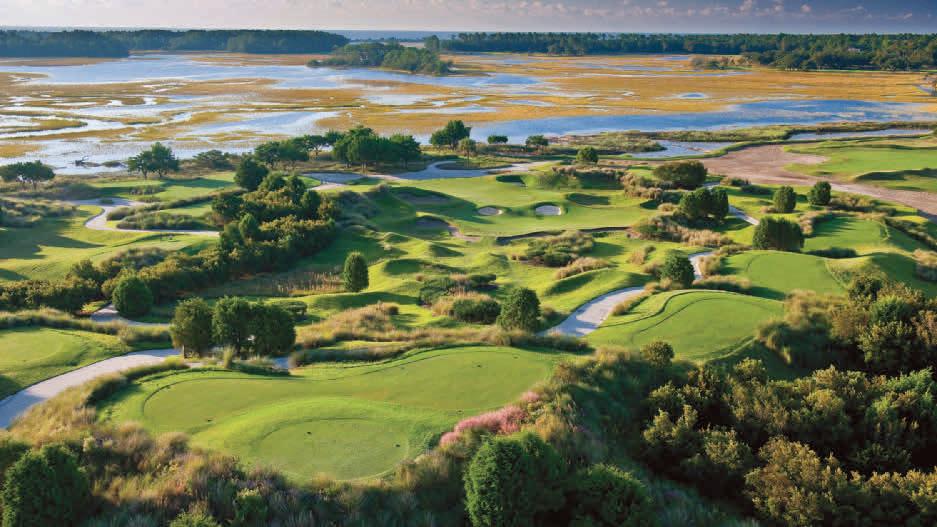
In 1998, Kiawah Partners acquired a 450-acre parcel just southwest of Kiawah’s main gate. Despite the site’s proximity to Kiawah, this off-island landscape was quite different. Where Kiawah was dense maritime forest, this land was flat, open tomato fields. That presented the team with a challenge… and an opportunity. “Historically, we start with a good understanding of the land. That’s what differentiates us from other developers,” says longtime Kiawah land planner and architect Mark Permar. “At Kiawah proper, we’d delicately move things around within the natural framework, but here we had complete freedom, and that was a little scary at first. It was a blank slate, and the whole team had to figure out how to make sense of that.”
The objective was to create a complementary course with completely different play characteristics than River Course.
“The way you do bunkers defines the visual aspects of your golf course,” says Charlie Arrington, Kiawah Partners’ Director of Design and Planning. “We had River Course, which was a modern classic style, so I said how about a links look?” Linksstyle is not something you’d typically find in the South, but the development team had just returned from Scotland and Ireland with the lore of links golf fresh in their minds. They put that experience to work, taking inspiration from such legendary courses as Turnberry, Ballybunion, and St. Andrews, and from another links legend who happened to be in the right place at the right time.
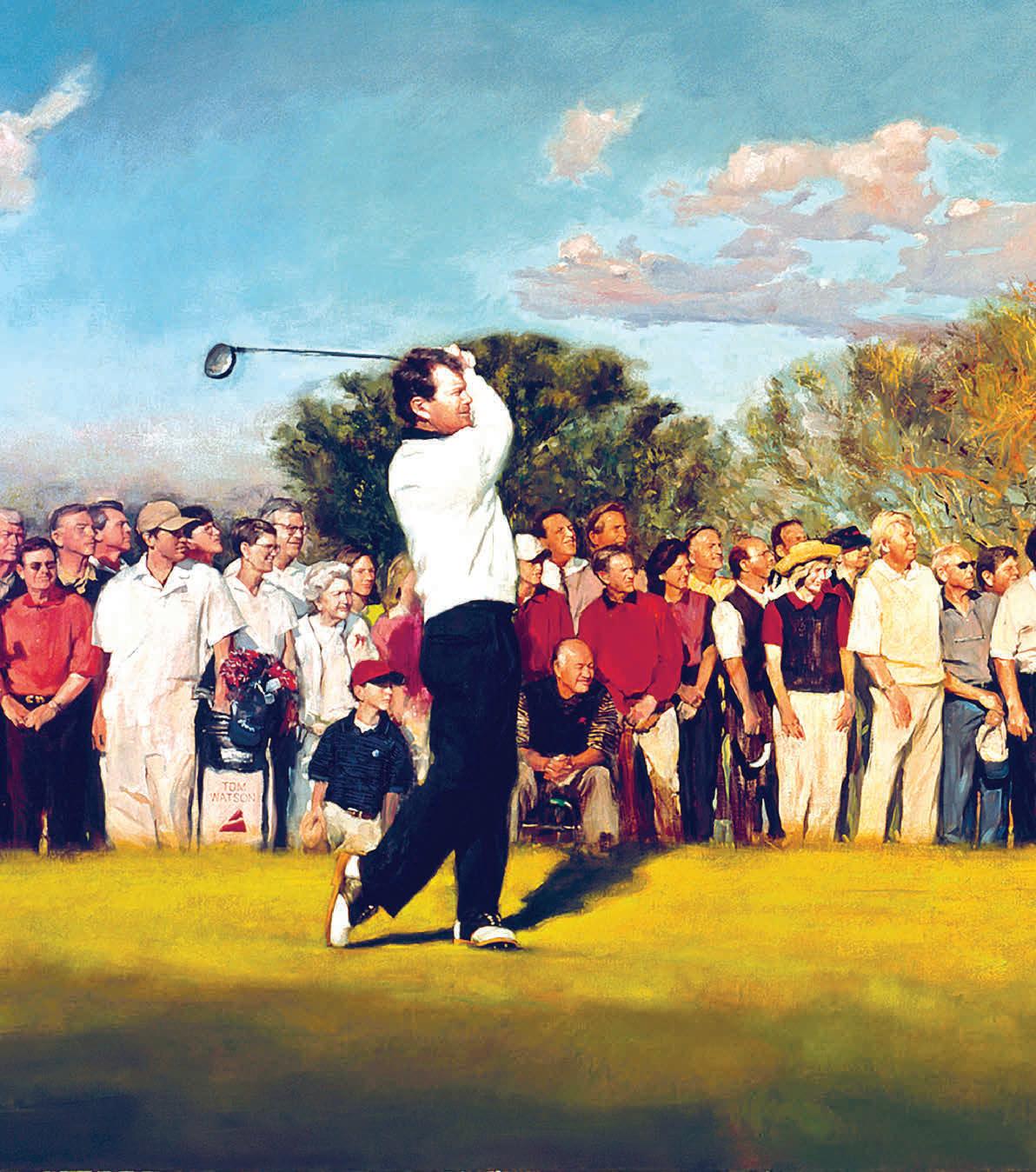
Enter Tom Watson, the five-time British Open Champion and budding golf course designer whose career was made on linksstyle courses. It was serendipitous that during their planning,
the team learned Watson was visiting Kiawah with friends. “I got the call that Tom Watson was here, and the Partners wanted me to play golf with him,” recalls Charlie. “Tom was just starting his design career, and we thought: what if this new course could be his first solo design in the U.S.?” And, as fortune would have it, that’s just what happened.
With Watson on board, the team began crafting the course. “I flew out to Tom’s ranch, and we sat at his dining room table reviewing the massive gradient plan,” recalls Charlie. “We had all this width to play with, so Tom said, Let’s have fun with it! ” That fun resulted in a creative course design that included spectacle bunkers à la Carnoustie, a St. Andrews-inspired “hell bunker” based on the infamous 14th hole sand trap, and an inventive routing plan for the front nine that was part form, part function; Cassique is unique in that the “front nine” is actually ten and a half holes. “I’d always fantasized about designing a course that played two different directions,” remembers Charlie. “So, I sent a stick diagram of my idea to Tom, and he said, Let’s do it! ” The outcome was a routing plan for holes four, five, and six that allows for alternating play paths.
Adapting a links golf concept to the Lowcountry climate and soil conditions was no easy task, especially considering the land’s characteristics. It took major engineering to create the elevation and character that is now intrinsic to the par 72, 7,050-yard course. “It was really something,” recalls Mark. “The front nine was like a big sandbox, and there were huge machines moving it around. It was like we were shaping it with a spoon!”
“Tom was just starting his design career, and we thought: what if this new course could be his first solo design in the U.S.?” And, as fortune would have it, that’s just what happened.
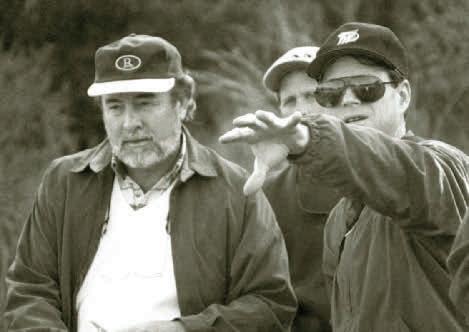
“The front nine was like a big sandbox, and there were huge machines moving it around. It was like we were shaping it with a spoon!”
Construction began in 1998, and when the course opened in 2000, the team had moved nearly a million cubic yards of dirt (from forty-five acres of lakes), transplanted sixty-six trees utilizing the country’s largest tree spade, and built a forty-four-foot high artificial mound affectionately dubbed “Mount Watson.” It was one of many creative solutions the project demanded. “The whole edge of the marsh was lined with cedar trees, and so from the ground, you couldn’t see what the view was going to be,” recalls Mark. “We had a contractor bring in a lift and finally got up high enough to where we could see the beauty of the marsh. It was pure magic!” Charlie concurs, “It really is a magical place… and probably everybody’s favorite par three.”
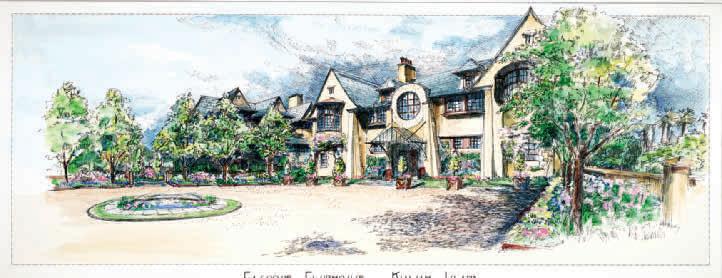
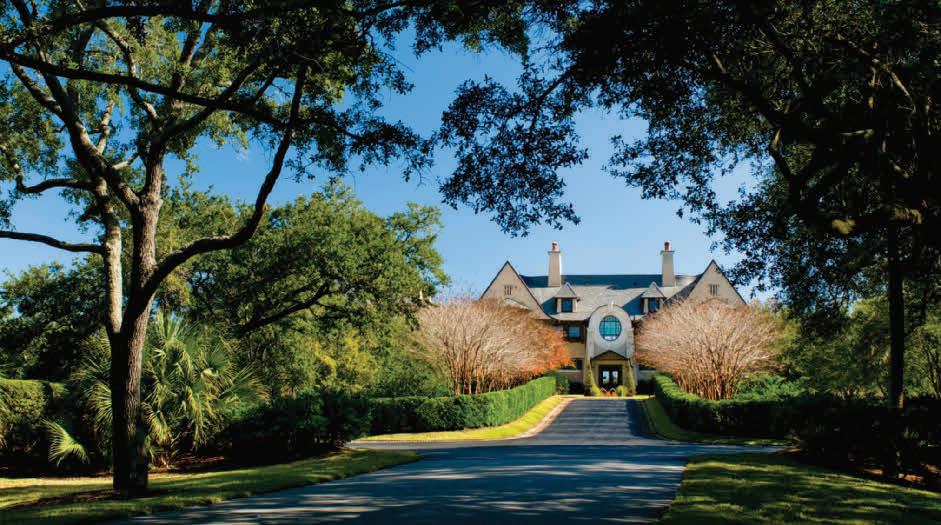
A specific DNA was beginning to emerge at Cassique. It carried with it the notion that the built environment, like the golf, could be shaped by Old World design philosophies. It was a bold idea, but the team took it to the drawing board. “I was familiar with the Arts and Crafts movement of the late 19th century and had a book about the architect C.F.A. Voysey,” recalls Mark. “I found a few images in there that I thought could prompt discussion and prepared a presentation around it.” Little did anyone know that the Voysey book would not just provide inspiration for the clubhouse, it would provide a blueprint. “I had this book marked with a couple of sticky notes and was building my case slowly when suddenly the book flies open to a Voysey house, and Leonard Long (former Executive Vice President of Kiawah Partners) says: That’s it!’’ The risk of employing such a
definitive architectural style was inherent, but the star-studded design team—that included architects Shope Reno Wharton; landscape architecture firms DesignWorks, Ohme Van Sweden, and Wertimer & Associates; interior designer Jackye Lanham; and New York-based architect Peter Bentel—fully embraced the concept (and challenge).
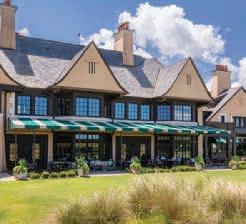
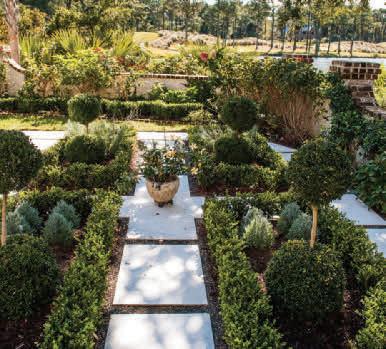
Reminiscent of a 19th-century English country manor, the Voysey-inspired clubhouse has commanding golf and tideland views, and at 30,000 square feet is a commanding presence itself. Its distinct style has had a lasting impact on the surrounding community, and its influence has feathered out in varying interpretations for Club amenities, residential offerings, even landscape design. Following the Designing with Nature playbook, the trees and hedgerows of the British countryside inspired the planning, but live oaks, cedars, and native shrubs were used to create habitat and privacy. Wertimer’s clubhouse garden, for example, is a lovely example of how the team blended Cotswolds composition with Lowcountry native species.
But as Mark reminds us, the work isn’t over when the clubhouse opens. Great places must evolve to remain great, and South Street Partners, who took up the mantle of development in 2013, has guided Cassique’s evolution for the last thirteen years. Part of that evolution included enhanced Club programming and new facilities like the Golf Learning Center. “Activity begets activity,” says South Street Partners’ Jordan Phillips. “One of the first things we did at Cassique
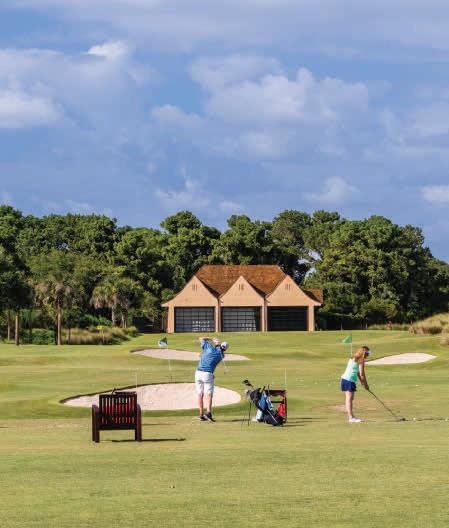
was expand Club programming. Those initial upgrades really created a buzz.” Building on that momentum, the company also made strategic adjustments to the residential design process, launched a custom builder program, and added new residential opportunities like the Clubhouse Village. “Cassique Clubhouse Village was a big part of our early success,” says Jordan. “Having that walkability to the clubhouse was an important component of the community.” The evolution has been well received, a fact that steadily rising property values confirm. “It’s surreal to think about how far we’ve come,” adds Jordan. The team will bring this formula for success to bear in development of its upcoming off-island development at Orange Hill, which will include an 18-hole golf course plus residential.
“The best projects emerge when the entire team buys into a shared vision and freely contributes ideas,” muses Mark. Because of that shared vision and a long-term development approach, Cassique has aged exceptionally well over the last quarter-century. The golf course has been refined over time. The architectural style has softened a bit and integrated more with the landscape. And Tom Watson’s philosophy of creating “fun golf shots” has proven enduring. Cassique was a bold experiment, one that ultimately succeeded through creative execution, collaborative teamwork, and thoughtful evolution. The crafting of Cassique occurred 25 years ago at the intersection of serendipity and alchemy, and the everlasting result is pure gold.
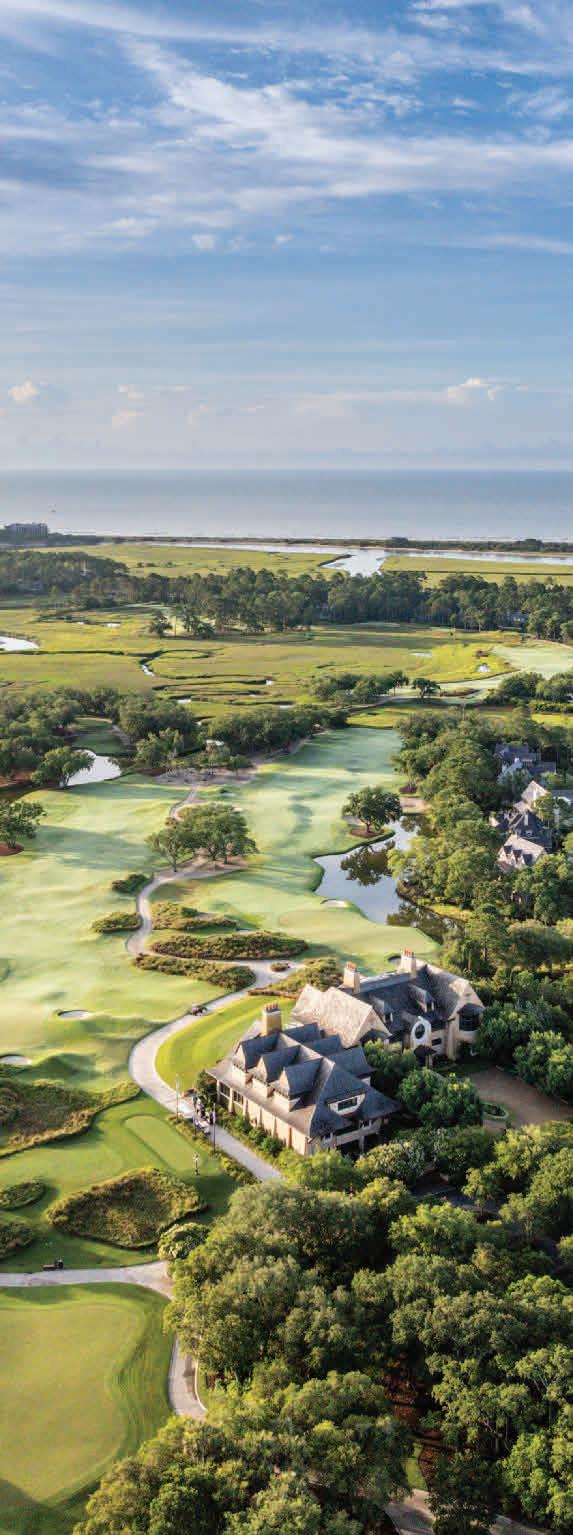
Since becoming the stewards of Cassique in 2013, South Street Partners has decelerated the pace of development, releasing fewer residential properties than the original development plan. This strategic approach has resulted in a sharp increase in property values over the last decade.
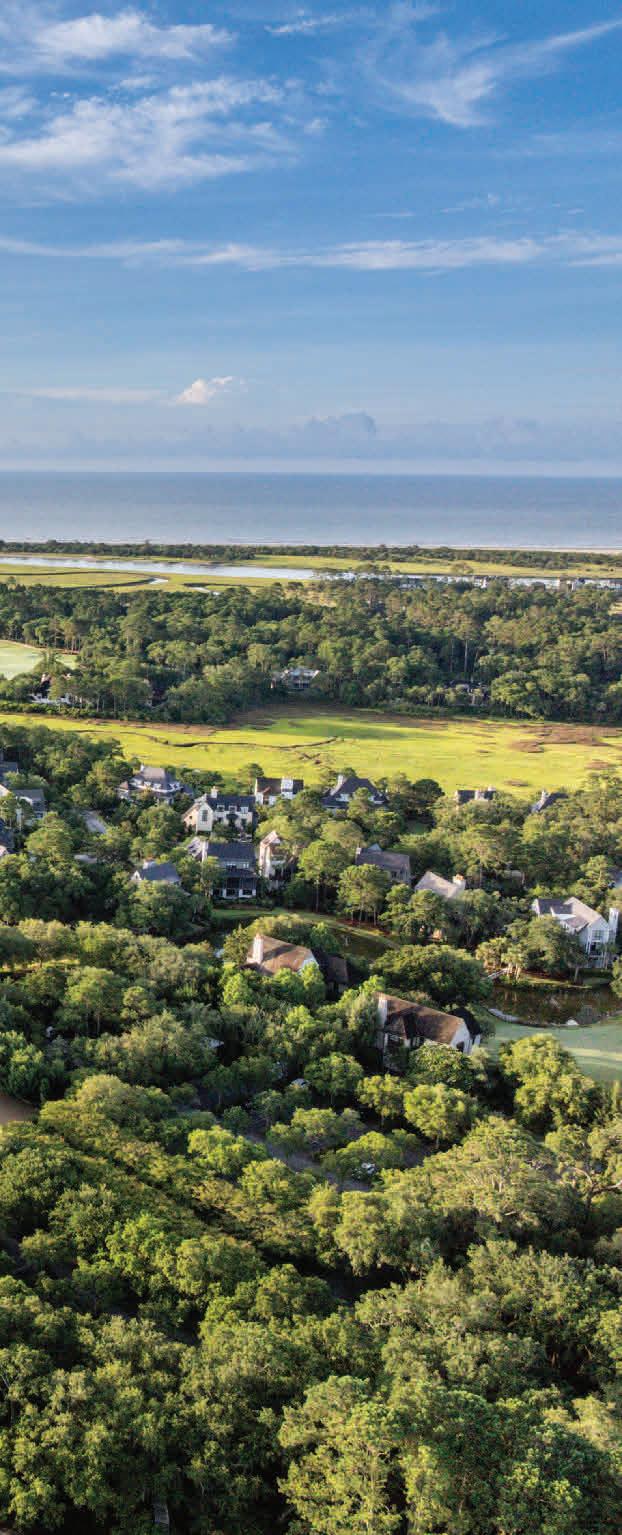
From the onset, the original developers made a conscious decision to prioritize the integrity and experience of golf at Cassique. It meant a lower residential density than planned, and very few holes that are double-loaded with residential properties. That golf-first approach was a unique model that South Street Partners carried forth. “Golf was always the lead story,” says Mark. “What we did differently was find great residential sites that worked with golf as the lead. These weren’t just residential sites on a golf course, but residential sites on a golf course that overlooked the marsh or inlet.”
That distinguishing philosophy set a course for limited property releases over time, a strategy that South Street Partners has not only embraced, but enhanced. Twenty-five years later, South Street Partners is releasing the final developer properties at Cassique. The homes of Upper Burn represent the last chapter in a quarter-century story of focus and dedication. Their prime placement along the opening holes of Watson’s links-style design is a gentle reminder of what makes this community special: a transcending reverence for the game of golf and a deep appreciation for the natural landscape.
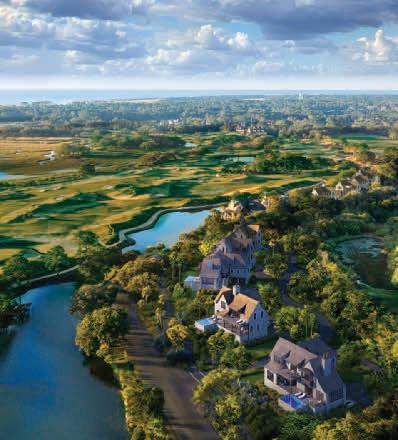
See it here.
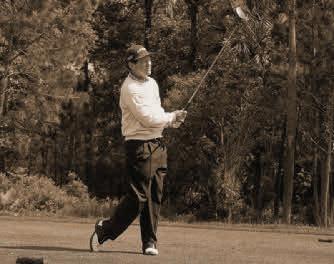
Ground breaks on Tom Watson’s Cassique course.
Cassique’s first phase of homes is released, and the Homeowners Association is established.
The Cassique golf course officially opens and is named to Golf Digest’s Top 10 list of “America’s Best New Private Courses.”

Cassique hosts the Carolinas PGA Section Championship.
The Club partners with Chef Tom Colicchio, inviting his inventive culinary style to define Cassique’s early food and beverage experience.
Cassique hosts the Palmer Cup.
The Cassique community dock launches its first kayak.
The Cassique clubhouse opens, setting the architectural and social tone for the community.
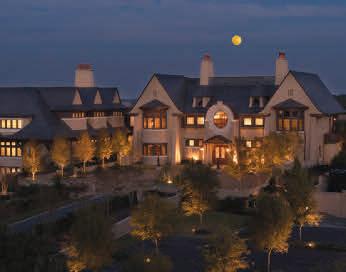
Cassique hosts the final UBS Cup and the South Carolina Four-Ball Championship.
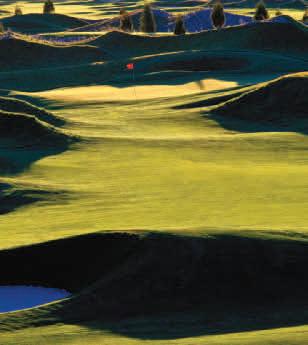
Cassique welcomes players for the USGA Mid-Amateur Championship.
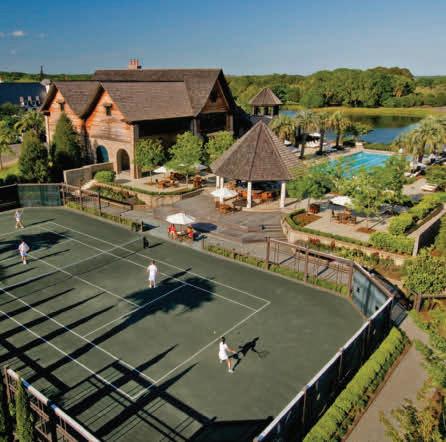
The Sports Pavilion opens, expanding Cassique’s amenities beyond the golf course.
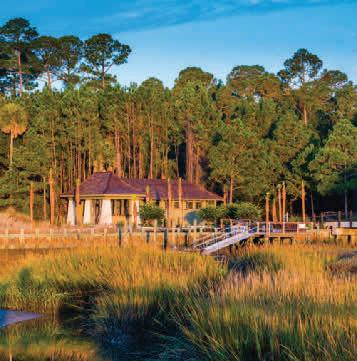
The Cassique Boathouse opens, offering kayak and paddleboard services, along with a gathering space overlooking the 15th green.
Tom’s Pub opens. Named for three “Toms”— Watson, Colicchio, and beloved Club team member Tom Churchill—the space celebrates Cassique’s creative spirit.
A bluestone patio and covered awning are added to the backside of the clubhouse for Members to better enjoy the picturesque view of the 18th year round.
The Cassique Golf Cottages open for Member stays.
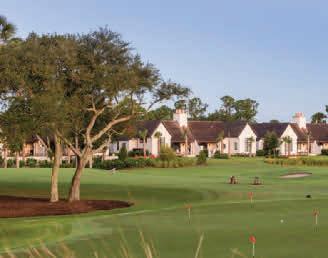
Cassique hosts the inaugural LPGA USGA Girls Golf Academy and Championship.
Cassique again hosts the Carolinas PGA Section Championship.
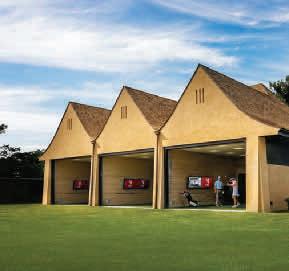
The Golf Learning Center opens, offering Members a state-of-the-art instructional facility.
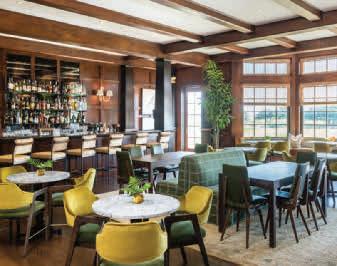
The Living Room opens, serving chefcrafted lite fare and curated drinks in a relaxed atmosphere overlooking Cassique’s 18th hole.
Tom’s is reimagined as an interactive cooking space where Members learn from Club and visiting chefs through classes and demonstrations.
Cassique hosts the USGA U.S. Amateur Four-Ball Championship.
Cassique celebrates 25 years as a premier golf amenity and distinguished community.
The final chapter of Cassique’s developer property opportunities is marked with the release of Upper Burn.

AT THE FAR END OF KIAWAH ISLAND, MICHAEL AND SANDY COLLINS HAVE CREATED A HOME THAT BLURS THE LINE BETWEEN ARCHITECTURE, LANDSCAPE, AND ART. INSIDE, MASTERPIECES BY JASPER JOHNS, HELEN FRANKENTHALER, AND DAMIEN HIRST SHARE SPACE WITH TIDAL LIGHT AND THE SOUND OF MARSH BIRDS. THEIR LIFE HERE IS LESS ABOUT COLLECTING THAN ABOUT LIVING ARTFULLY—GUIDED BY CURIOSITY, GENEROSITY, AND SERENDIPITY.
STORY by HAILEY WIST | PHOTOGRAPHS by BLAKE SHORTER
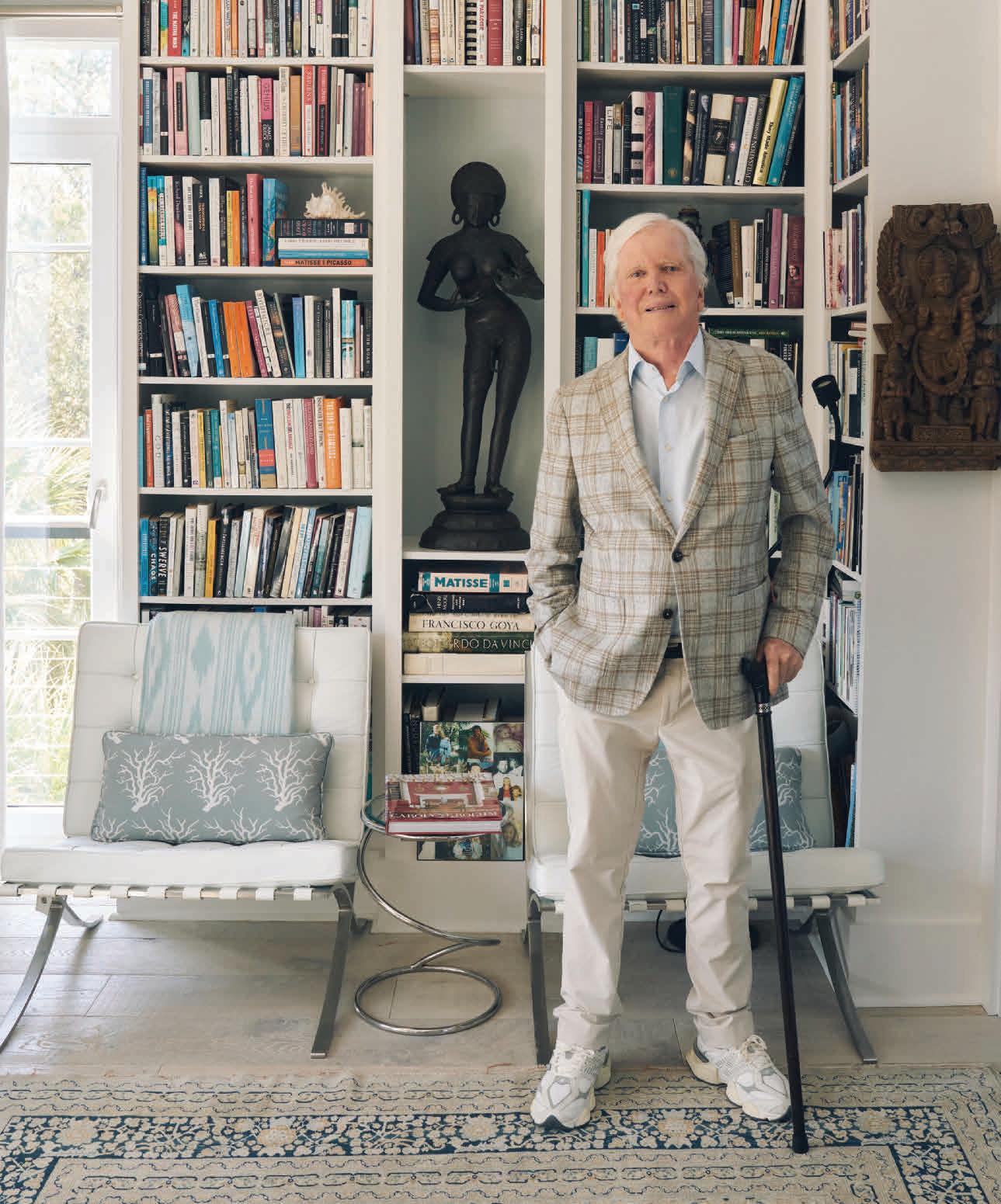
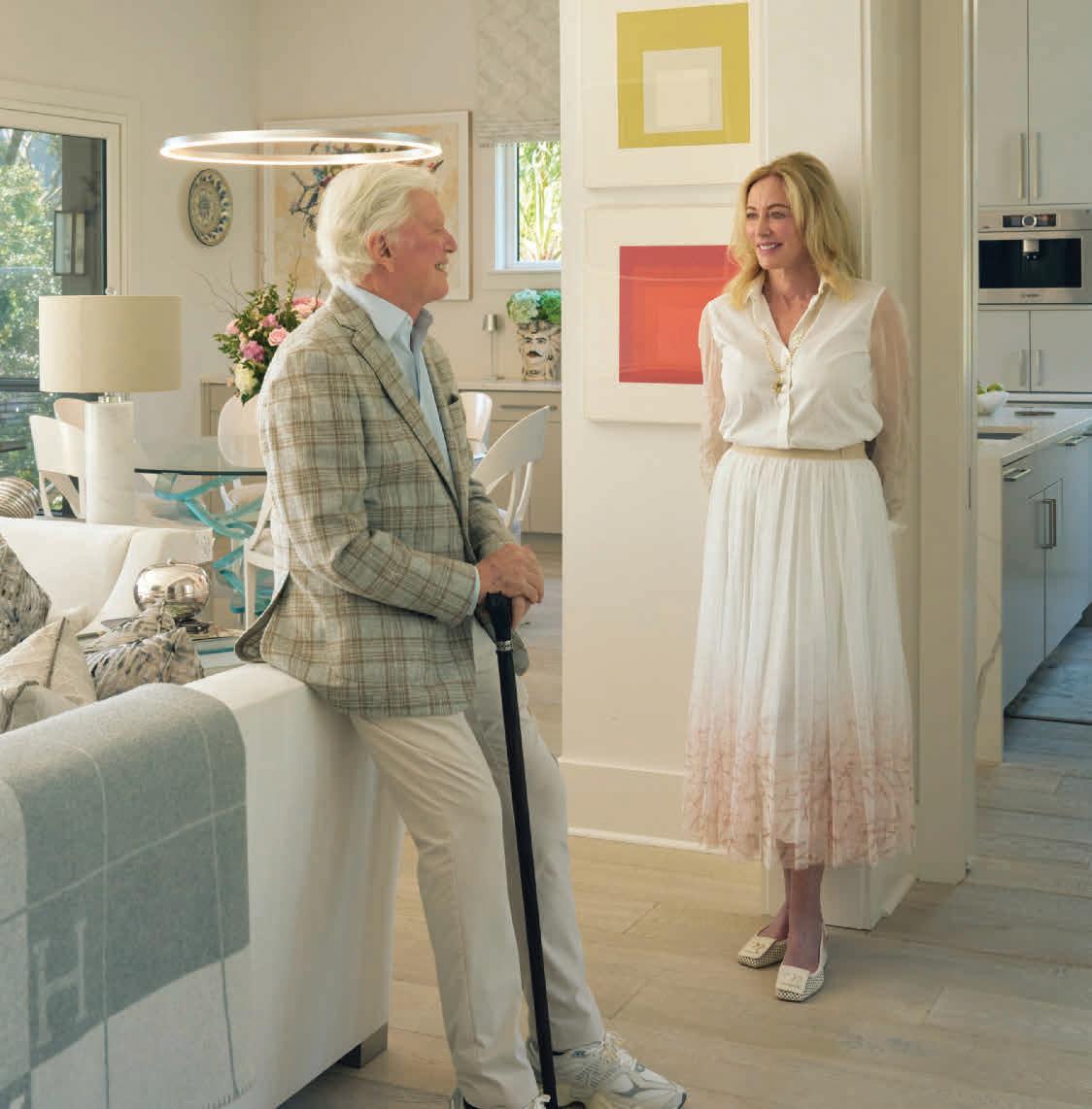
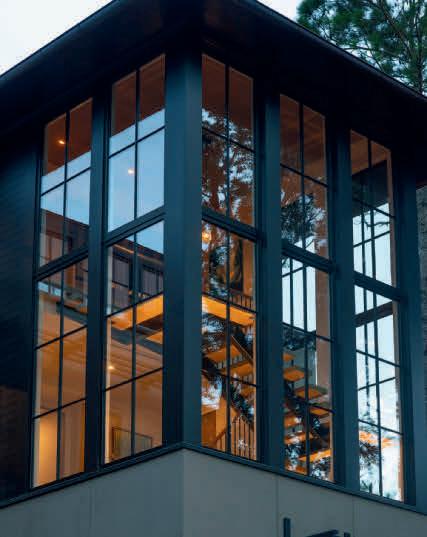
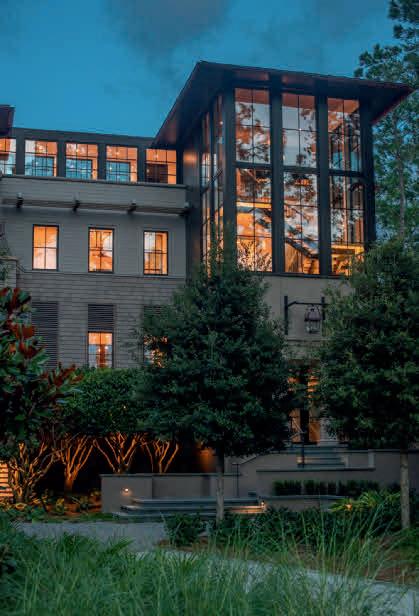
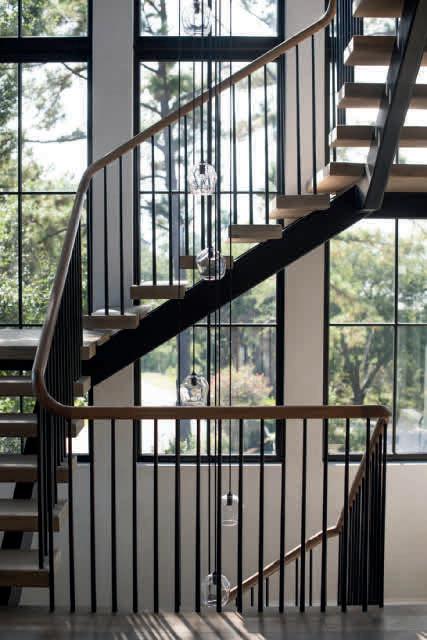
Atthe far end of Kiawah Island, where the forest bends toward the ocean and the tidal creeks run in silver ribbons to the horizon, Michael and Sandy Collins have built a home that feels less like a house than a sanctuary. It rises through the canopy, a tower of glass and clean lines, its rooms open to the sweep of marsh and the Atlantic beyond. Inside, the walls are alive with art—works by Jasper Johns and Damien Hirst, Robert Rauschenberg and Ed Ruscha—an extraordinary collection that speaks as much to a way of living as it does to any aesthetic taste. Being there is like entering a treehouse of ideas: expansive, elevated, filled with clarity.
The Collinses describe themselves as driven by an “insatiable intellectual curiosity,” and it is clear that this force has shaped both their lives and their collection. Michael’s journey began in the 1960s along La Cienega Boulevard in Los Angeles, when a cluster of small galleries defined the city’s emerging contemporary art scene. When he met Sandy, he found her a willing partner in this emerging dialogue with contemporary art.
Their approach has always been intuitive, guided less by strategy than by serendipity—the word they return to again and again, whether speaking of art, of travel, or of the friendships that have shaped their lives. “We’ve never worked with dealers or consultants,” Michael says. “We don’t have a plan. We do all our own selecting.”
That spirit of openness animates their collection, where time collapses and styles collide in unexpected harmony.
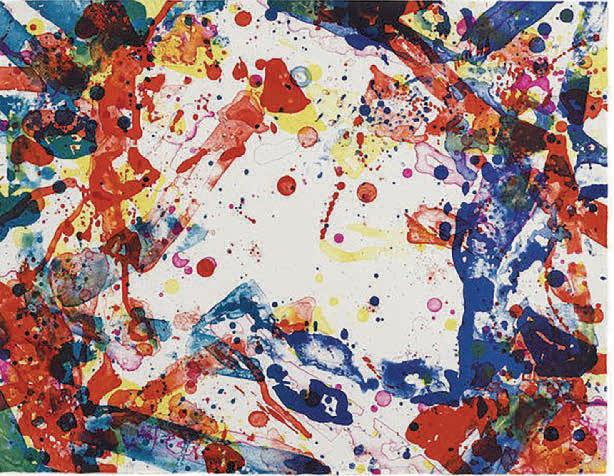
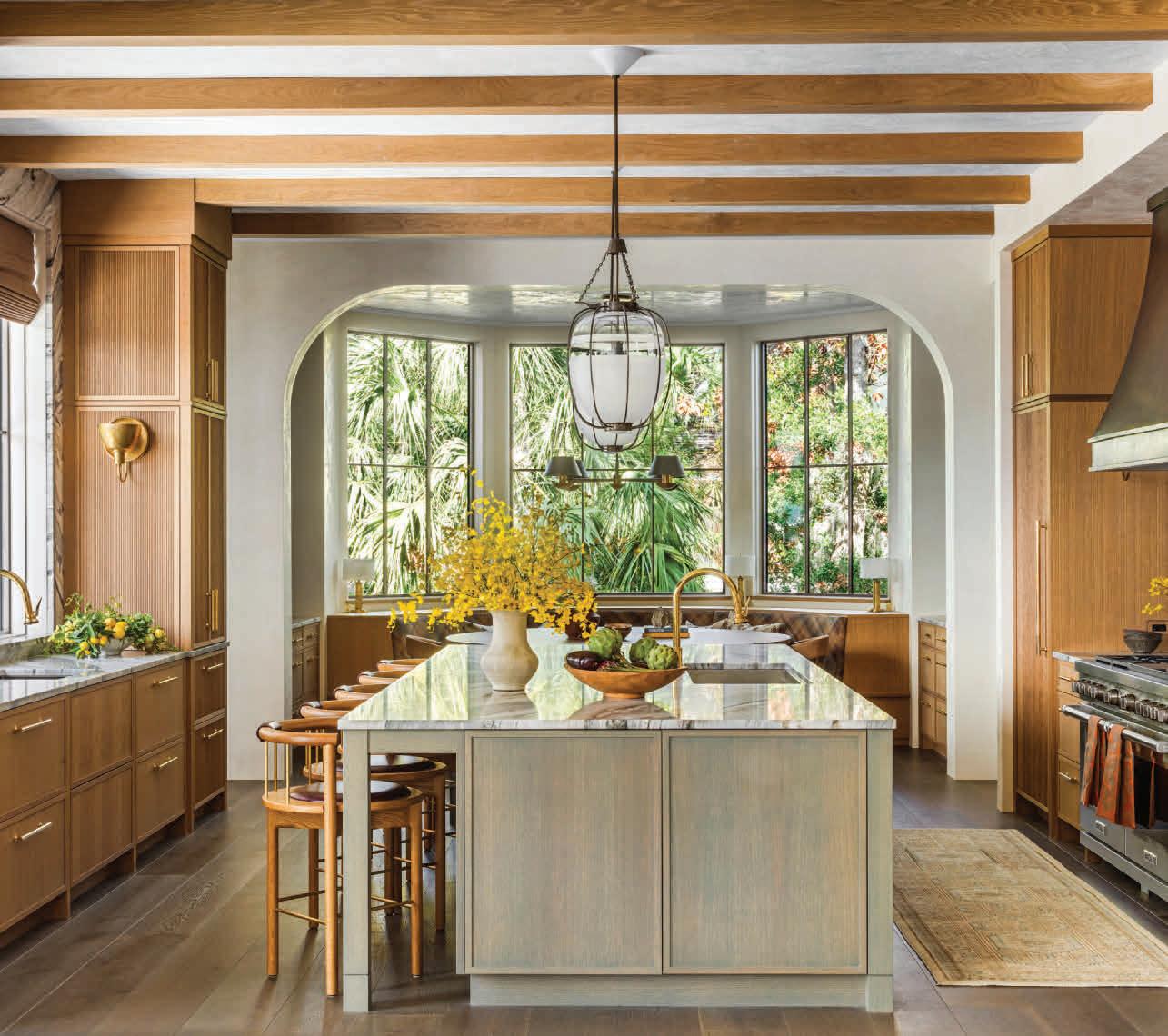
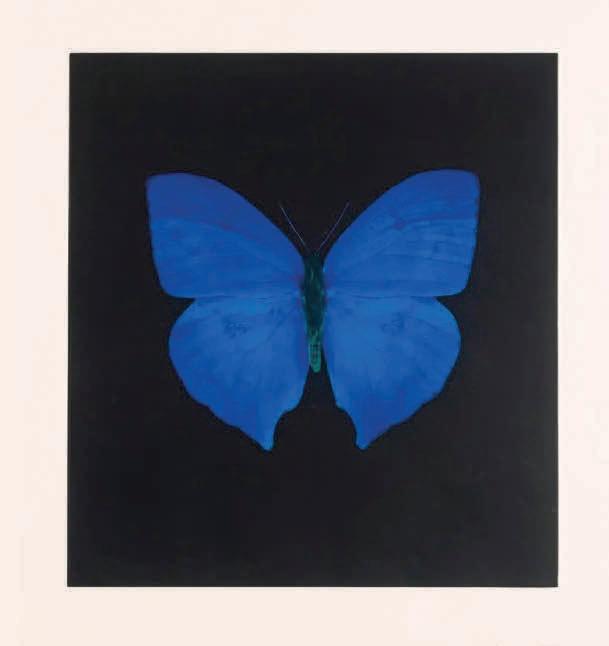
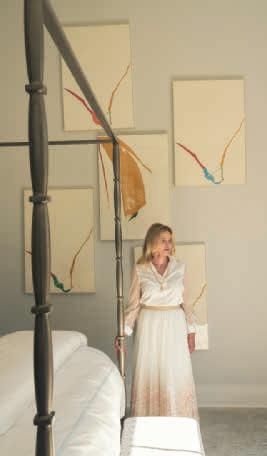
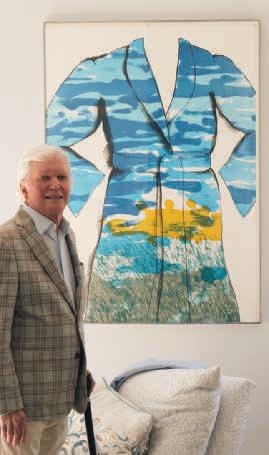
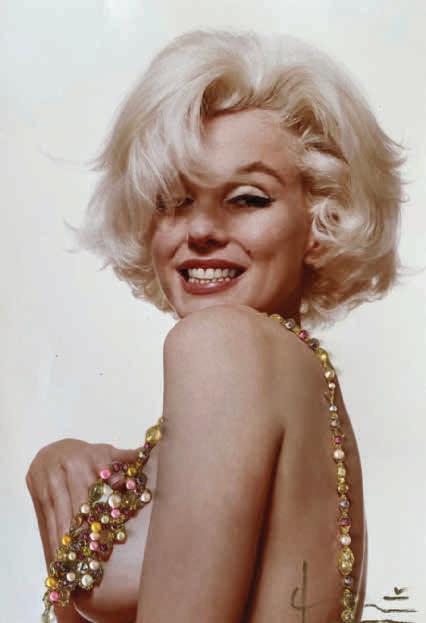
Standing between a Jasper Johns from the 1960s and a Damien Hirst (his iconic butterfly) from the 2010s, Sandy gestures easily from one to the other: “From our point of view, it all fits together.” In the Collins’ bedroom, the view across the marsh is joined by Frankenthaler’s five piece What You Can Do with a Red Line, a Jim Dine robe, and a Marc Quinn eyeball, the effect both serene and electric. In the kitchen, a Sam Francis offers what Sandy calls “a strong cup of coffee,” a Jane Hammond collage glimmers above the dining table, and a Bert Stern portrait of Marilyn Monroe holds a place of honor. Outside on the lawn, a monumental Beverly Pepper sculpture—three thousand pounds of polished steel—gleams against the dense green of the marsh. Everywhere, the eye moves between landscape and artwork, the natural and the constructed, the timeless and the immediate.
Over the years, the Collinses have lived with Jasper Johns’s Colored Numbers, an Andy Warhol print of Marilyn Monroe, and a range of works by artists they knew personally,
like Ed Ruscha. One of Ruscha’s paintings of the Hollywood sign, made in the early 1970s from Pepto-Bismol and caviar, hangs intact in a guest bedroom thanks to careful preservation inside a sealed acrylic box. Yet they are not collectors in the conventional sense. They do not buy art as investments, nor do they sell when their tastes change. If a work no longer fits their home, it is given to family or museums. Nothing goes into storage. For them, the act of collecting is not about possession, but about living with the work—encountering it daily, letting it shape the texture of life.
Their collection is inseparable from their passion for travel and adventure. They have lived in Dallas, Coral Gables, Aspen, and briefly in Florence, where they moved with their children for a year, immersing themselves in language, food, and the Italian masters. It was then that they co-founded Friends of Florence with dear friend, Countess Simonetta Brandolini d’Adda. The nonprofit, now in its twenty-fifth year, allows donors to fund the restoration of specific works— an approach that creates a rare intimacy with the art itself. The Collinses themselves have funded the restoration of
Michelangelo’s David, Botticelli’s Primavera, and Donatello’s Gates of Paradise. “We don’t feel like we have to own something for it to be personal,” Michael says. This is their way of extending their philosophy of collecting into the public sphere—supporting preservation not through ownership, but through stewardship.
This openness to connection has marked Michael’s broader commitments as well. He has served on the boards of The Smithsonian, the Dallas Museum of Art, and Miami’s Museum of Contemporary Art, lending his expertise in acquisitions and strategy. Through the Bohemian Club, he met filmmaker Ken Burns and in a conversation about dream projects discovered Burns’s long-held desire to create a documentary on Leonardo da Vinci. Recognizing the resonance with his work in Florence, Michael and Sandy provided seed funding. The film premiered on PBS in 2024, a testament to the same serendipity that has guided so many of his endeavors.
Adventure has been another thread running through their lives. Michael has floated the great rivers of six continents, trekked the Amazon, and climbed Kilimanjaro with his daughter. In recent years, Sandy has also summited Kilimanjaro and trekked the Dolomites, Mont Blanc, and the Rockies. Their home reflects these journeys as well: Burmese carvings, Mongolian urns, stirrups from Colombia—artifacts gathered not as trophies, but as reminders of lives lived in
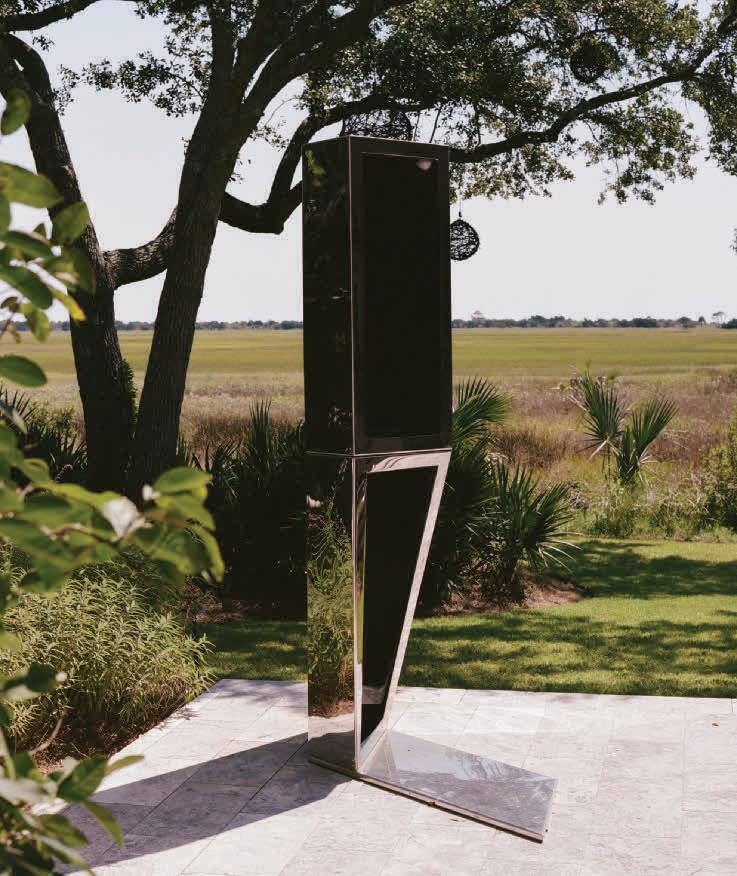
OPPOSITE: DAMIEN HIRST’S BUTTERFLY PAINTINGS EXEMPLIFY HIS EXPLORATION OF BEAUTY, MORTALITY, AND TRANSFORMATION THROUGH NATURAL MATERIALS. | ABOVE: BEVERLY PEPPER’S POLISHED STEEL SCULPTURE EXEMPLIFIES HER MASTERY OF SCALE AND MATERIAL. THE MONUMENTAL WORK REFLECTS PEPPER’S LIFELONG EXPLORATION OF FORM, LIGHT, AND THE RELATIONSHIP BETWEEN ART AND LANDSCAPE. TOP RIGHT: HELEN FRANKENTHALER’S WHAT YOU CAN DO WITH A RED LINE (1970) EXEMPLIFIES HER PIONEERING SOAK-STAIN TECHNIQUE, WHICH HELPED DEFINE POSTWAR AMERICAN ABSTRACTION. | BOTTOM RIGHT: JIM DINE’S ROBE MOTIF, A RECURRING SUBJECT IN HIS WORK SINCE THE 1960S, SERVES AS A STAND-IN FOR SELF-PORTRAITURE.
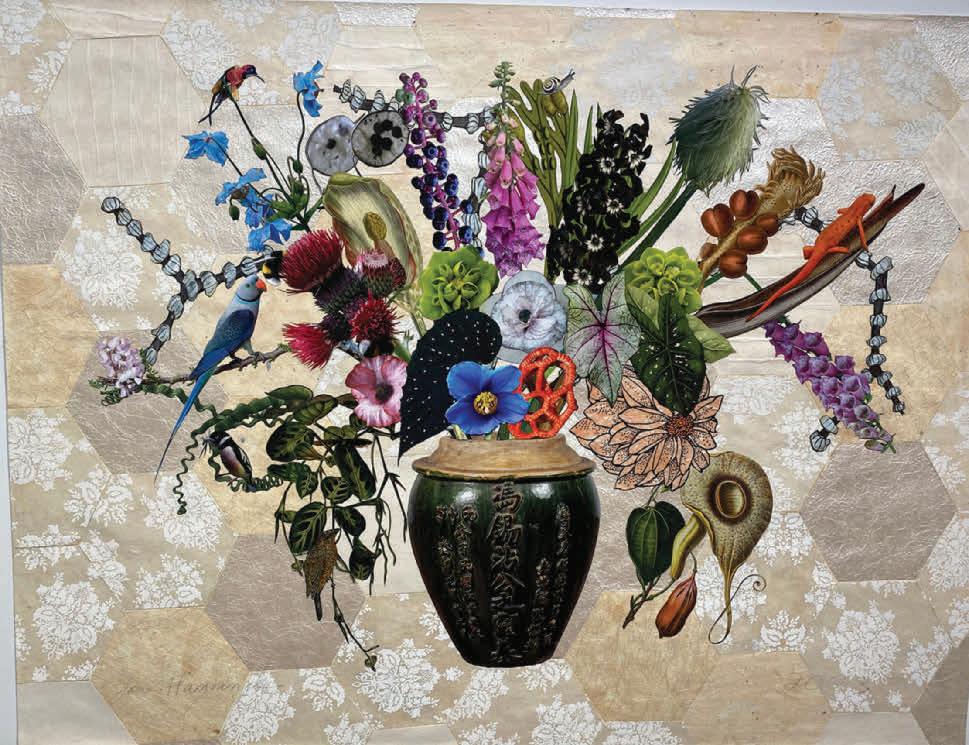
ABOVE: JANE HAMMOND’S MIXED-MEDIA COLLAGE COMBINES FOUND IMAGERY, TEXT, AND LAYERED SYMBOLISM CHARACTERISTIC OF HER CONCEPTUAL APPROACH. THE WORK REFLECTS HAMMOND’S INTEREST IN THE INTERSECTION OF MEMORY, NARRATIVE, AND VISUAL LANGUAGE. | RIGHT: BERT STERN’S PORTRAIT OF MARILYN MONROE, PART OF THE LAST SITTING SERIES FOR VOGUE IN 1962, WAS TAKEN JUST SIX WEEKS BEFORE THE ACTRESS’S DEATH.
full embrace of the world’s variety. In Michael’s upstairs office, walls of books and shelves of objects speak to decades of restless curiosity. Outside, ibis settle into the marsh grasses, and Sandy laughs softly: “It is bird heaven here.”
In more recent years, Michael has turned to ancient Japanese art, collecting pieces from 800 to 1800 CE. For him, the connection to contemporary abstraction is direct. “One of the first times I went to Japan I saw these huge calligraphy pieces, six feet tall,” he recalls. “If you’ve ever looked at those, that’s the purest form of abstract paint.” Sandy is less enamored, relegating most of the Japanese works to the second floor, but together their tastes have largely merged. “We’ve been together thirty years,” Michael says. “It really has been a shared experience.”
The Collinses came to Kiawah knowing almost nothing about it. “After our first excursion under the canopy of ancient oaks and Spanish moss, we looked at each other and said, This is it!” remembers Michael. For him, it was the ocean. For Sandy, it was the seasons. The landscape felt instantly right. Michael lovingly refers to Kiawah as their “little corner of paradise.”
To stand in their home is to understand that what they have built is not a collection so much as a philosophy of life. It is visible in the Frankenthaler in the bedroom, the Pepper in the yard, the Ruscha sealed in acrylic; in the summers spent in Aspen and the winters spent by the ocean; in the long hours in Florence’s museums and the years lived between mountains and sea. It is a life defined by curiosity, by the willingness to be moved, by the pursuit of joy. For the Collinses, art is not an accessory or an asset but a way of being in the world, a reminder that beauty and serendipity are always within reach.
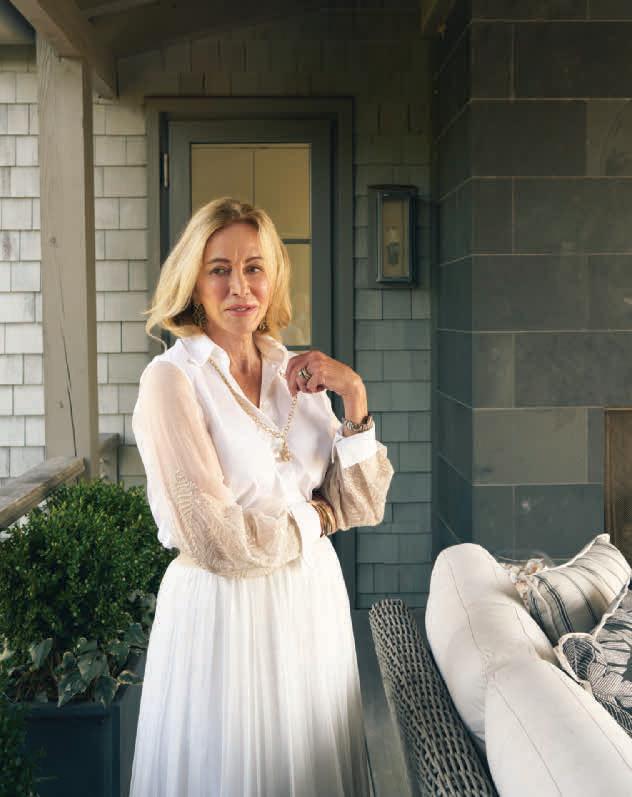
THE ACT OF COLLECTING IS NOT ABOUT POSSESSION, BUT ABOUT LIVING WITH THE WORK— ENCOUNTERING IT DAILY, LETTING IT SHAPE THE TEXTURE OF LIFE.
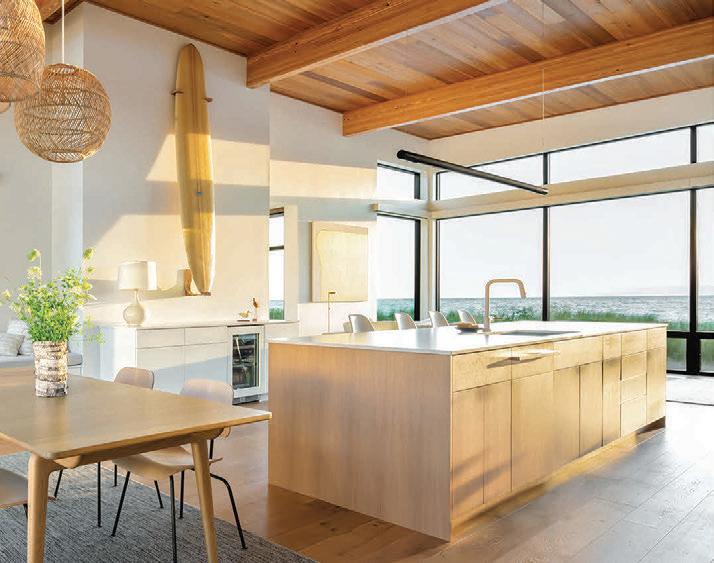
Mar vin window s and door s at Buck Lumber & Building Supply.
Whether it ’ s an ever yday routine or a special ges ture, life is enhanced by the moment s we share. A nd inspired spaces with abundant natural light c an make those moment s even bet ter. T hat ’ s why we par tner with Mar vin to br ing
are beautif ul, so you c an make space for what mat ters mos t to you. V isit our showroom to see for yourself
Email info@bucklumber.com to schedule a tour of our Design Center today.
(843) 795-0150 bucklumber.com Make space for connection.

LANDSCAPE






















STORY by SANDY LANG

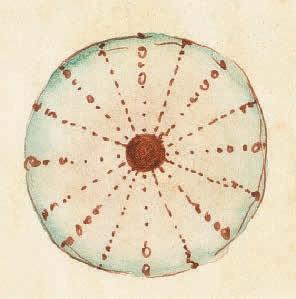
“Moon shell, who named you? I shall give you another name—Island shell. I cannot live forever on my island. But I can take you back to my desk… You will sit there and fasten your single eye upon me. You will make me think, with your smooth circles winding inward to the tiny core, of the island I lived on for a few weeks. You will say to me,‘solitude.’”
Oh, what shells inspire! These poetic words are part of a sweet little book published in 1955, Gift from the Sea by Anne Morrow Lindbergh. The beachside essays are about the patience, openness, and solitude gleaned by paying attention to seashells and the ocean. Such thinking about shells, and life, begins with a natural attraction to the seaside. It’s a familiar feeling for so many of us to be drawn to walk at the ocean’s edge, watching the sand as we step. Sometimes, a shape or a glint catches our attention. Or while sitting on a beach chair or blanket, we begin sifting the sand beside us—letting soft handfuls pass through our fingers.
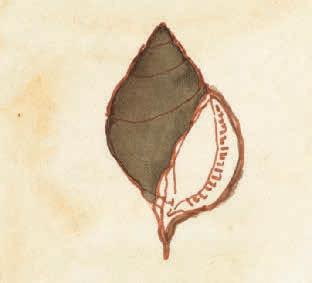
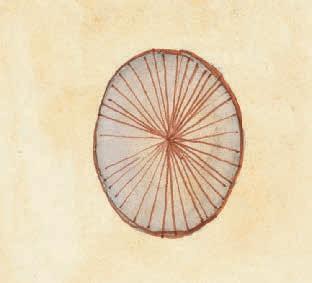
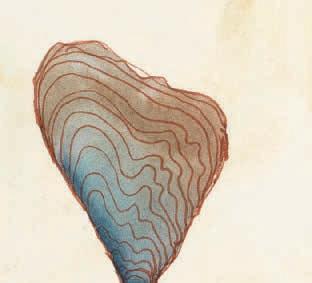
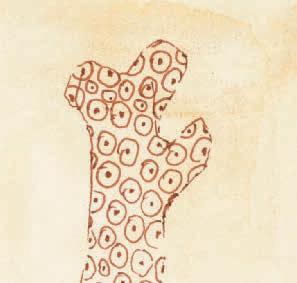
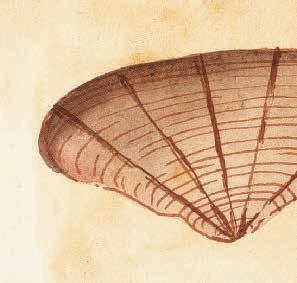
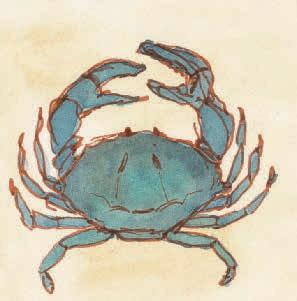
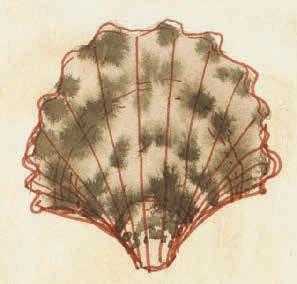
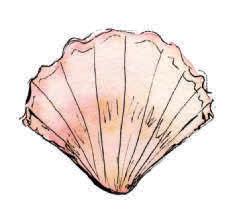
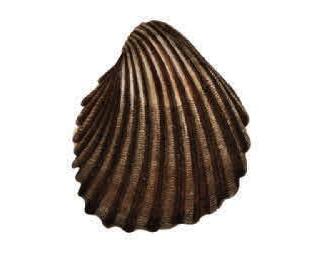
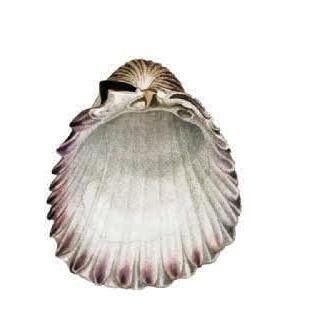
Illustrations Left by Lia Burke Libaire
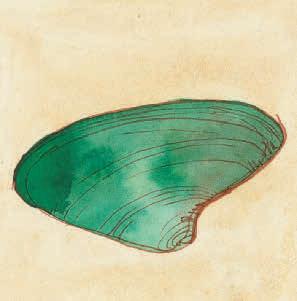
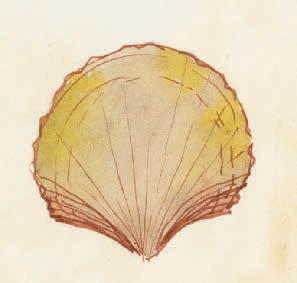
Before long, what’s this? An ancient, worn oyster shell, or maybe a shiny and delicate Jingle shell, the translucent spheres sailors called “ mermaid toes.”
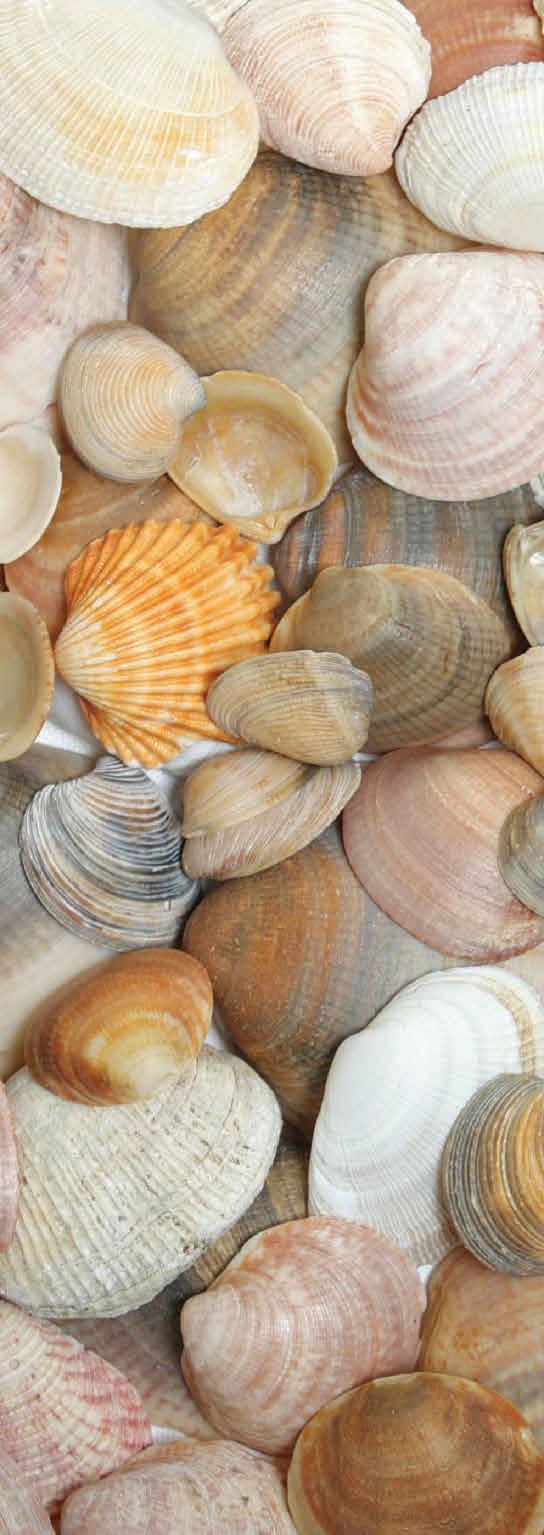
Each shell is a mini sculpture with its own weight, design, smoothness, and color. Sometimes our curiosity takes over. We hold one to our ear to see if we can hear the ocean, as if the sound of the sea itself might live inside.
Before washing up clean and empty with the waves, each seashell was essential to the life of an animal. They are the external skeletons of once-living mollusks, the protective armor and home formed by the mollusk itself. Shells are primarily composed of calcium carbonate from the seawater, mixed with minerals, proteins, and pigment. More than 100,000 species of mollusks exist around the world, with about 1,000 of those in the Carolinas. (Squid and octopus are also in the mollusk family, but don’t create an exoskeleton.)
In the Lowcountry, seashells are a common sight—the bivalve mollusks have two shells, including the clams and oysters that end up on our tables. Single shell mollusks are gastropods, including whelks and lettered olives (the South Carolina state shell). Whatever the shape or color, by the time a shell is found at the beach, it’s a remnant of a life. The mollusk is usually long gone—having died days, centuries, or even millennia earlier.
The durability of some shells around our creeks, marshes, and beaches is legendary. Prehistoric piles of shells known as “middens” often still remain. In Awendaw, the Sewee Shell Ring rises 3-10 feet above the marshland, and is about 225
feet across. The massive ring edges the salt marsh and was built of oyster shells about 4,000 years ago by Native Americans. A neighboring mound of clam shells dates back about 800 years. One theory is that the shells were kept for everyday uses as tools or ornaments, but the details aren’t known. Was there a ceremonial purpose? That adds to the fascination.
Other lasting shell structures include the oyster “tabby” construction of the 1700s and 1800s in Charleston, Beaufort, and on several Lowcountry sea islands. Francois Alexandre Frederic, a French aristocrat who visited Beaufort in the 1790s, described seeing “le taby” poured into wooden forms to create walls. And many tabby structures still exist today, fabricated from a lime made from crushed oyster shells and water, typically with many whole oyster shells mixed in.
Over on Sullivan’s Island, contemporary artist Dawn Nakamura had been curating arrangements of butterflies under glass domes inspired by German Wunderkammer “cabinets of wonder.” One day, she opted to try something similar with shells. She loved the results. “When shells are under glass, the effect is almost like an aquarium,” Nakamura explains.

With a background in home furnishings and interior design in New York City, Nakamura says she’s been inspired by living on a barrier island in recent years, “with the beach in one direction and an estuary in the other.” Her recent projects
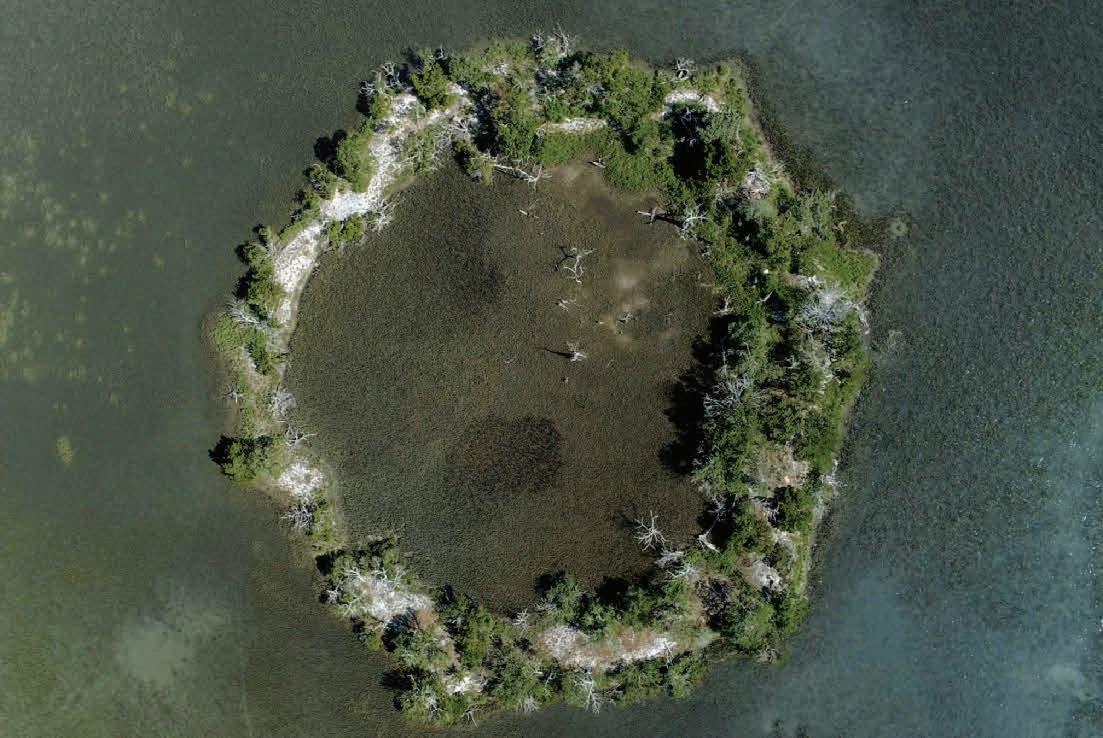
THE FIG ISLAND SHELL RING
LOCATED NEAR EDISTO, THE FIG ISLAND SHELL RING IS ONE OF THE LARGEST AND BEST-PRESERVED SHELL RINGS IN NORTH AMERICA. BUILT MORE THAN 4,000 YEARS AGO FROM LAYERS OF OYSTER, CLAM, AND WHELK SHELLS, IT OFFERS A GLIMPSE INTO THE LIVES OF THE REGION’S EARLY COASTAL INHABITANTS. THE SOUTH CAROLINA DEPARTMENT OF NATURAL RESOURCES OWNS AND PROTECTS FIG ISLAND WHICH IS CLOSED TO ALL PUBLIC ACCESS. PHOTOGRAPH BY JAMIE KOELKER, KOELKER & ASSOCIATES, LLC.
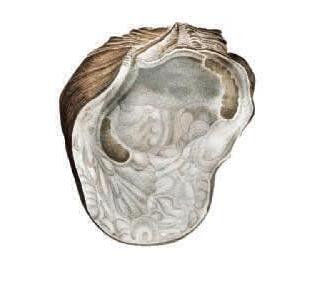
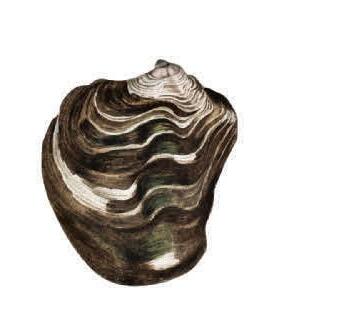
THE FORM OF A SHELL IS A STUDY IN FUNCTION AND ADAPTATION. IN CLAMS AND OYSTERS, THE CURVED, HINGED STRUCTURE PROTECTS THE SOFT BODY WITHIN WHILE WITHSTANDING THE CONSTANT PRESSURE OF WAVES AND SHIFTING TIDES. THEIR RIDGES AND CONTOURS ARE NOT ORNAMENTAL BUT ENGINEERED BY EVOLUTION—EACH GROOVE STRENGTHENING THE SHELL, EACH FOLD REDUCING DRAG AND ANCHORING THE ANIMAL IN SAND OR TO OTHER SHELLS. OYSTERS FUSE INTO REEFS THAT BUFFER SHORELINES, WHILE CLAMS BURROW FOR STABILITY, THEIR SHAPES PERFECTLY TUNED TO THE DEMANDS OF THEIR ENVIRONMENTS. THE ARCHITECTURE OF A SHELL IS NATURE’S DESIGN FOR ENDURANCE, EFFICIENCY, AND RESILIENCE.

One theory is that the shells were kept for everyday uses as tools or ornaments, but the details aren’t known. Was there a ceremonial purpose? That adds to the fascination.
include shell-based, layered designs along fireplace mantels, around mirrors, and on the moldings of bookcases. And she’s begun making shell jewelry that includes gemstones and pearls.
She’s also influenced by historical references, including the Shell House on the Ashley Hall campus. The former aviary is now a lounge for senior students at the school, and features a shell grotto exterior, covered in large conch shells. “It’s a beautiful lost art,” Nakamura says.
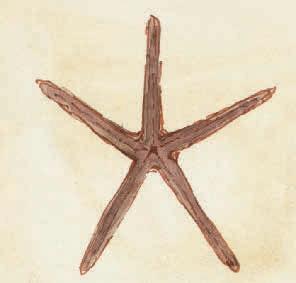
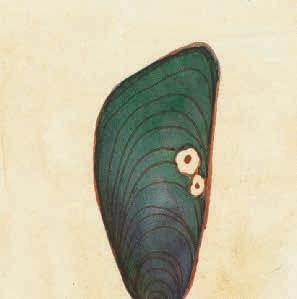
For visual artist and designer Lia Libaire of Charleston, nature has likewise held her fascination. She grew up by the ocean in Massachusetts and says that she’s long been inspired by scientific prints and book plates—especially of botanical subjects, and then shells.
“I’m drawn to things that are recognizable and timeless,” Libaire says. “I keep a huge collection of old books and scientific prints.”
Her paintings of shells have a bit of the feel of a scientific study, but with the softness of watercolor. And besides her original art pieces, she’s created shell wallpaper designs as the co-founder and artist behind textile company Brier and Byrd. One of her sought-after designs, “Shellz,” is on a grasscloth base.
“They are incredible looking, from nature,” Libaire says of seashells, something she’s appreciated since she was a young girl. “Anyone who likes shells probably resonates with nostalgia and has core childhood memories of shells.”
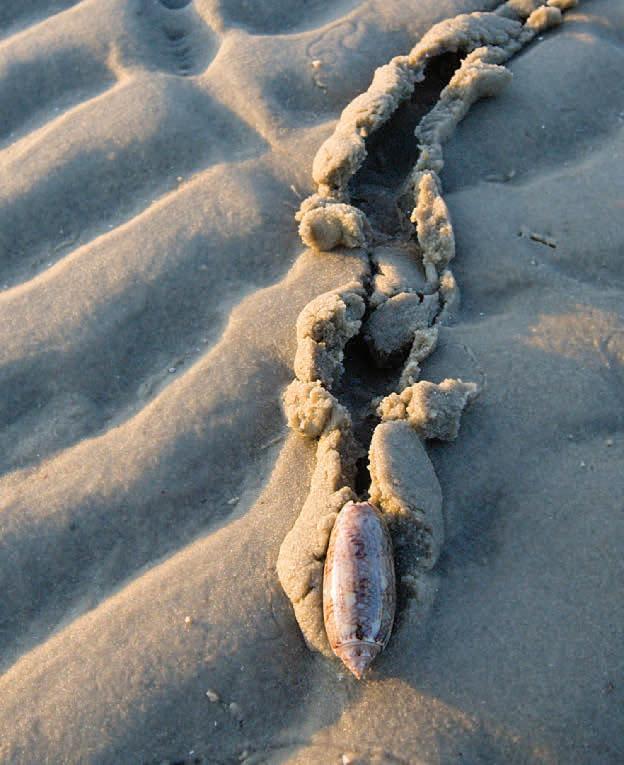
THE LETTERED OLIVE
THE LETTERED OLIVE, SOUTH CAROLINA’S STATE SHELL, IS A SMALL BUT STRIKING EMBLEM OF THE LOWCOUNTRY’S COAST. SLEEK, PATTERNED, AND HIGHLY POLISHED BY NATURE, IT MOVES JUST BENEATH THE SURFACE OF SANDY TIDAL FLATS, BURROWING WITH A QUIET PRECISION. BEYOND ITS BEAUTY, THE LETTERED OLIVE REFLECTS THE RHYTHM OF THE COASTAL ECOSYSTEM—DEPENDENT ON CLEAN, SHIFTING SANDS AND HEALTHY TIDAL FLOW. ITS PRESENCE SIGNALS AN INTACT AND BALANCED SHORELINE. ONCE PRIZED BY EARLY COLLECTORS FOR ITS INTRICATE MARKINGS, IT NOW STANDS AS A SYMBOL OF THE REGION’S NATURAL HERITAGE AND THE DELICATE INTERDEPENDENCE THAT DEFINES LIFE ALONG THE COAST.
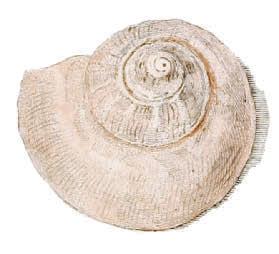
The Moon shell (or Shark Eye), described in Gift from the Sea, is one of many spiral treasures that wash ashore in the Lowcountry. “You can find moon snails, lettered olives, banded tulips, whelks,” says Captain Elliot Hillock, boat captain with Kiawah Island Club. “And the coquinas look like a bunch of little polished gems which are all different colors, pinks and purples and everything in between.”
Hillock grew up on Kiawah and knows the tides and sandbars like an old friend—familiar but always shifting. “After a strong storm comes through, it’ll push shells from the Atlantic
right up on the sand. Low tide, especially a negative tide, is when you’ll find the most.”
Hillock often takes guests out by boat, timing his trips around those ideal tides. “It’s an easy fifteenminute tootle from Rhett’s Bluff over to Bird Key in the Folly River,” he says. “There are big shell banks over there—mostly oysters, but all sorts of other shells mixed in.”
Guests are encouraged to collect responsibly—keeping only a few shells. The rest are returned to the sand, part of the natural cycle that continuously reshapes the Island’s shoreline and feeds its ecosystem.
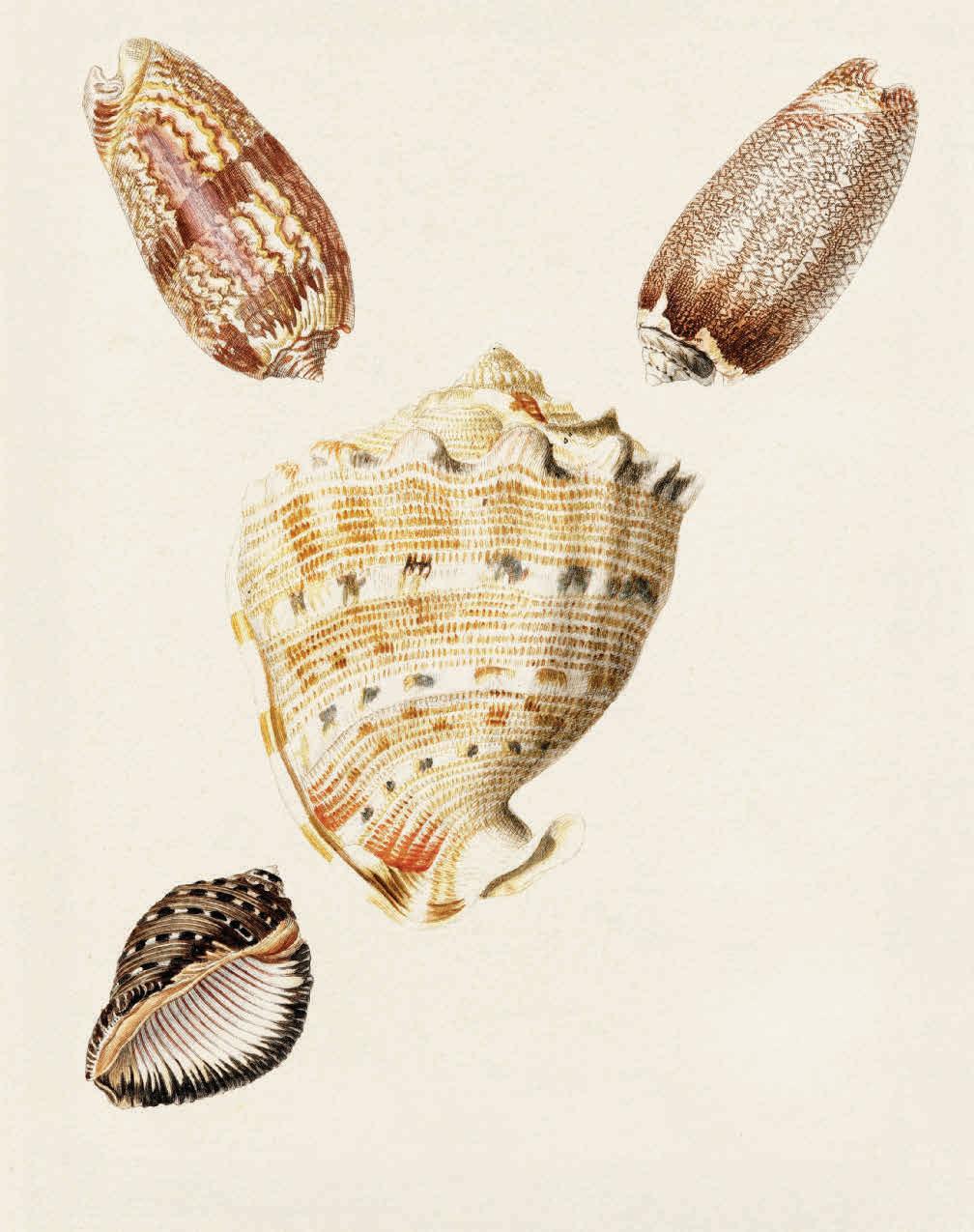
“ After a strong storm comes through, it’ll push shells from the Atlantic right up on the sand. Low tide, especially a negative tide, is when you’ll find the most.”
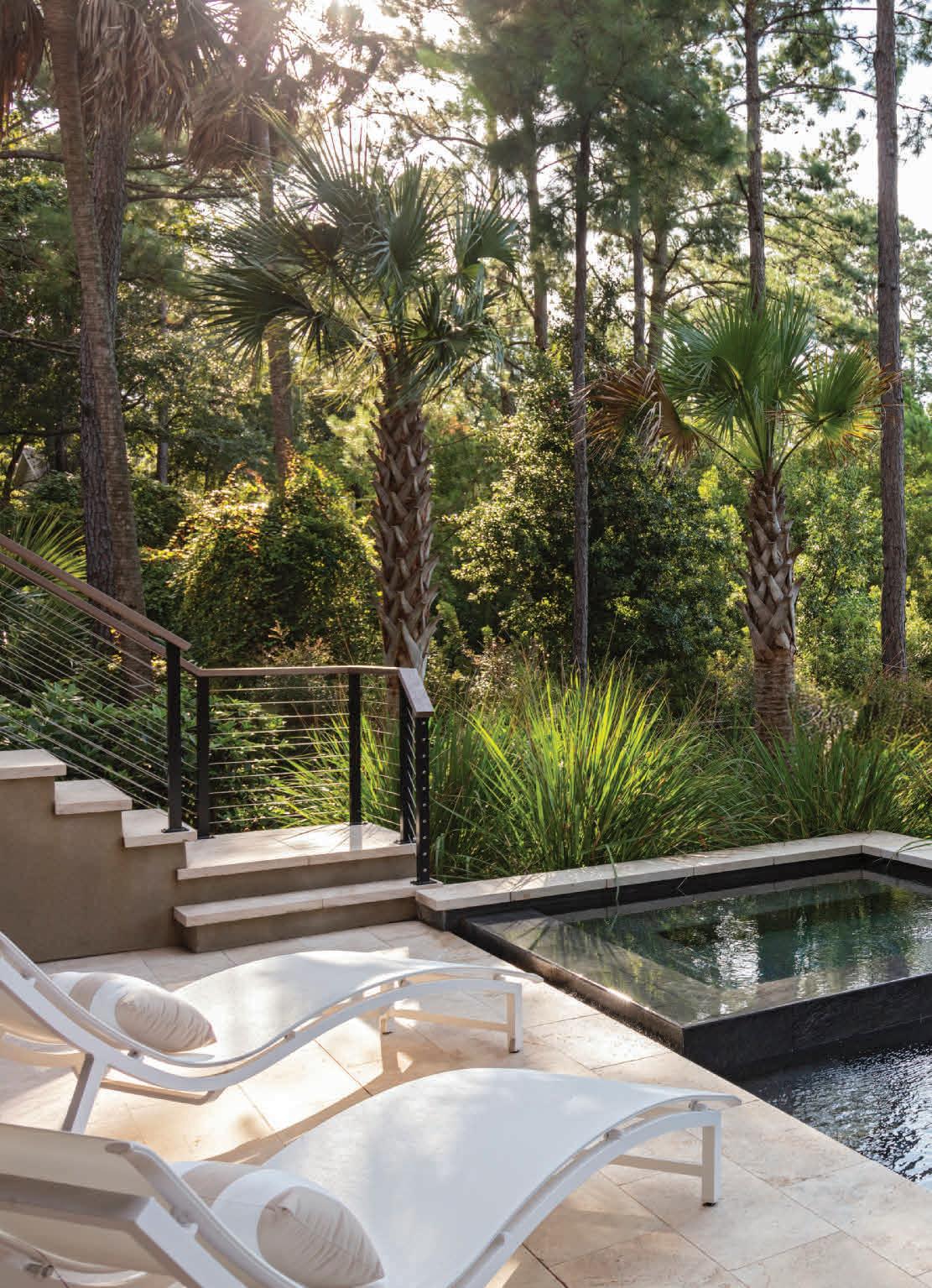
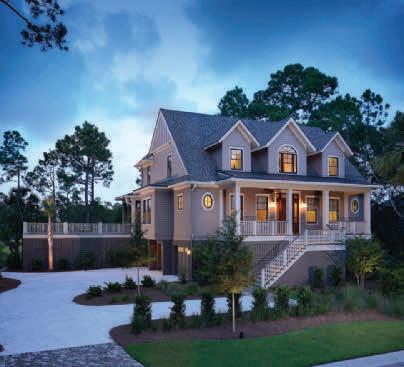
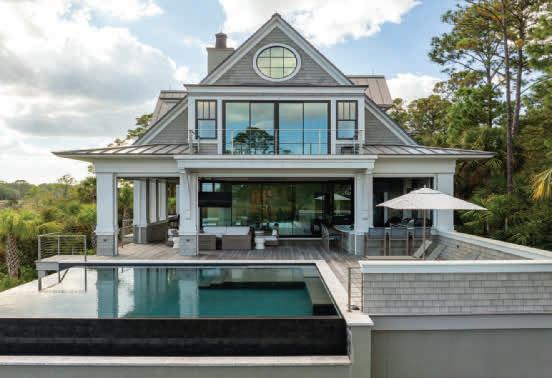
Through its built-for-sale program, Kiawah Partners offers a refined path to ownership in Cassique—one that combines the creativity of custom design with the ease of a move-in-ready home.
FFor many, the idea of building a custom home from the ground up can be daunting. Every choice—from floor plan to finish—rests on the owner’s shoulders, and navigating the Architectural Review Board (ARB) process can add complexity. The built-for-sale program simplifies that journey. Each home begins with a thoughtfully conceived plan developed by architects who deeply understand Kiawah’s design standards and the ARB’s expectations. These plans, already vetted for approval, give buyers confidence and a head start—offering the beauty and individuality of a custom home without lengthy timelines or uncertainty.
Within that framework, homeowners still enjoy meaningful choices: architectural styles, finishes, and furnishings that reflect their personal taste. The result is a faster, more seamless process that preserves what makes Kiawah’s communities so distinctive—architectural integrity, craftsmanship, and harmony with the natural landscape.
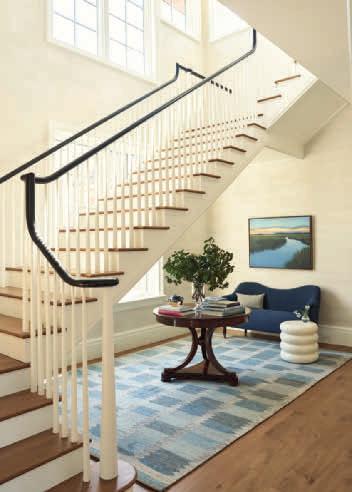
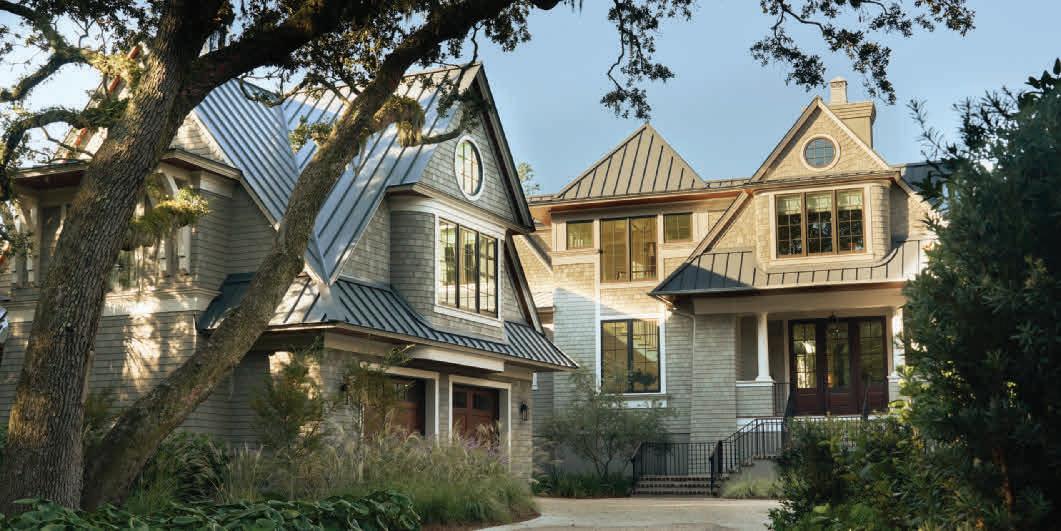
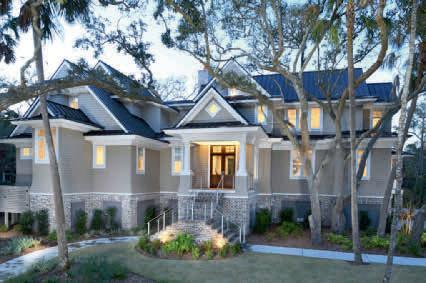
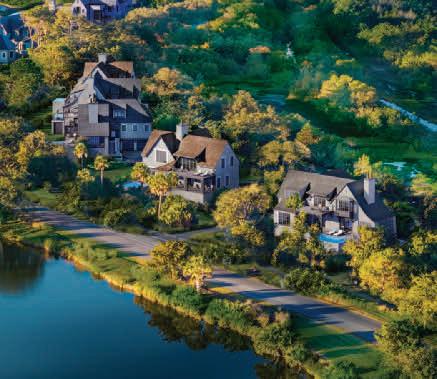
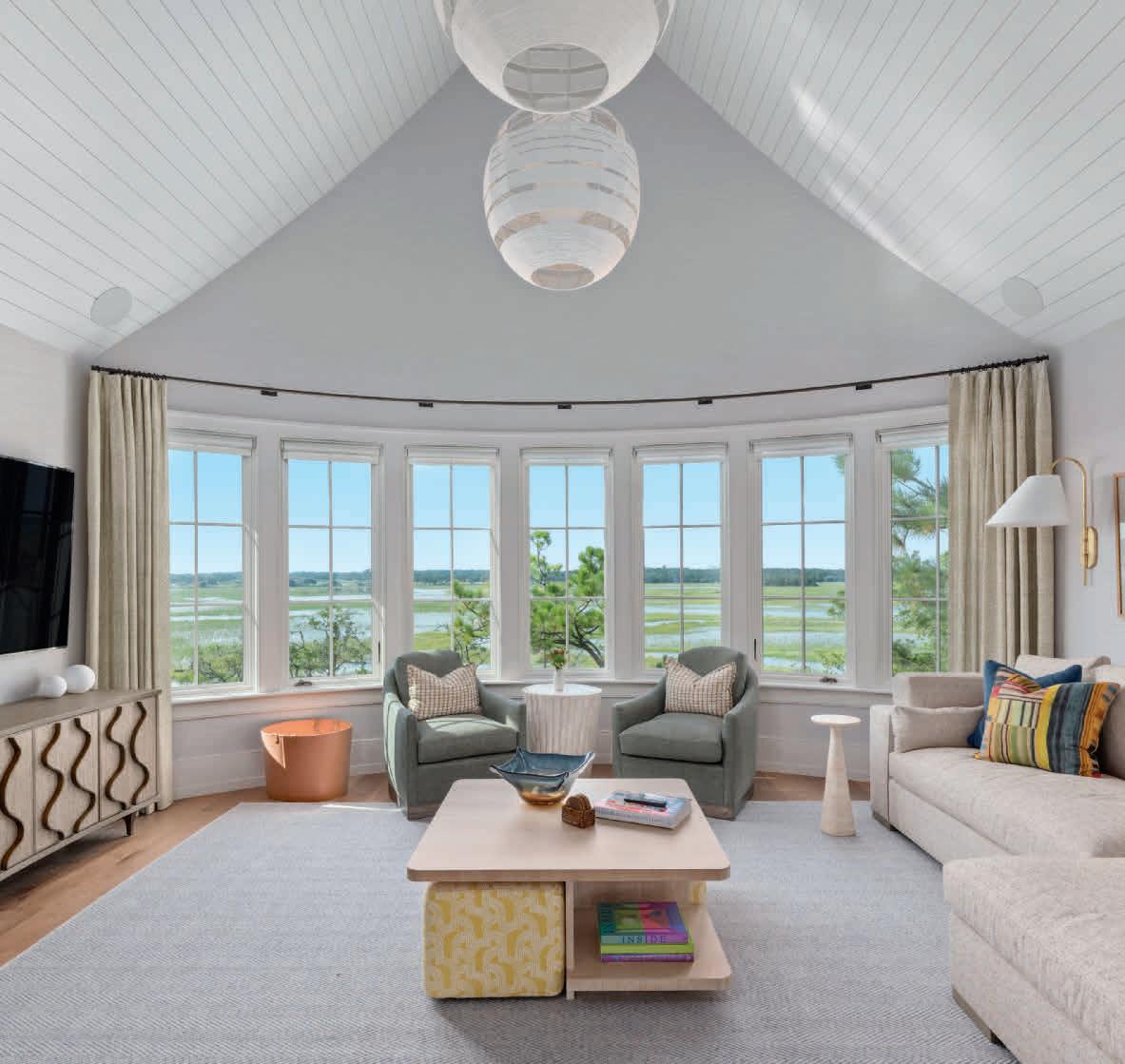
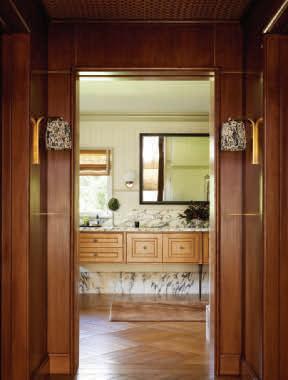
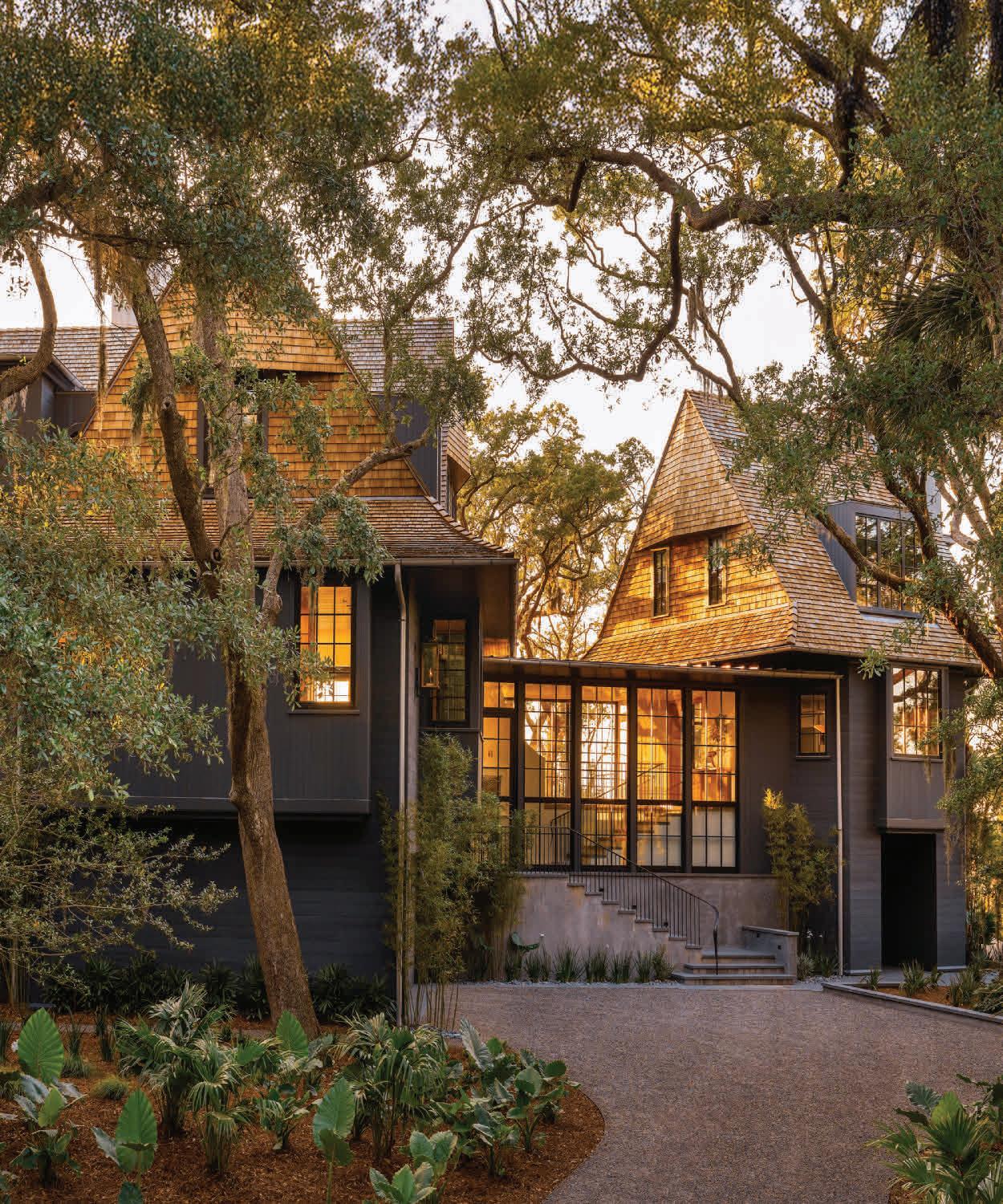
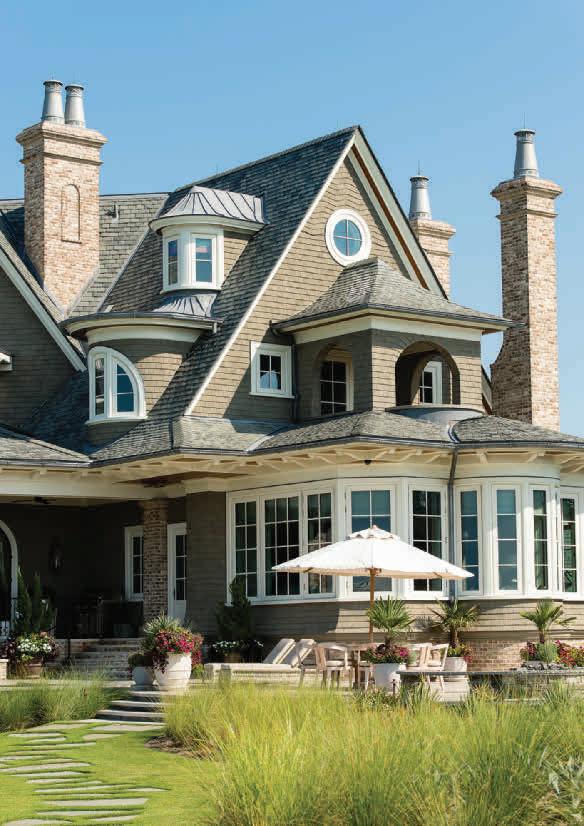
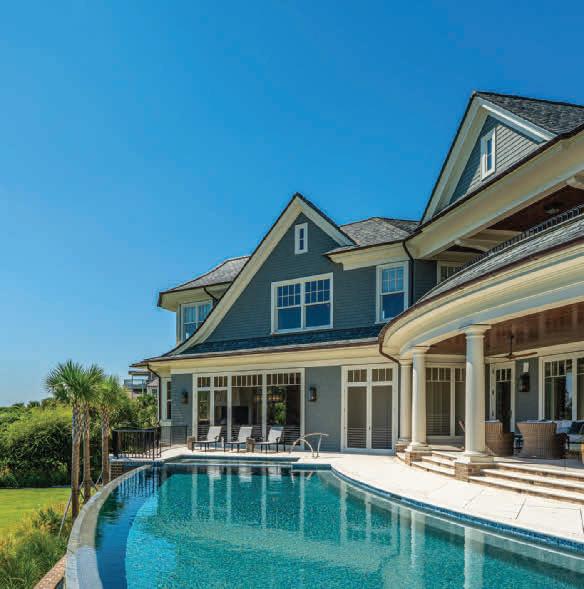
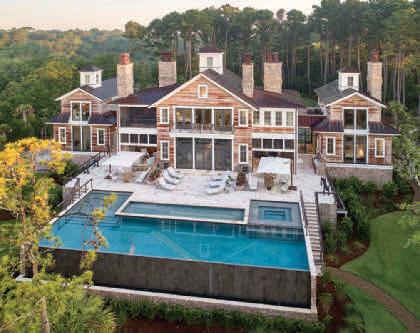
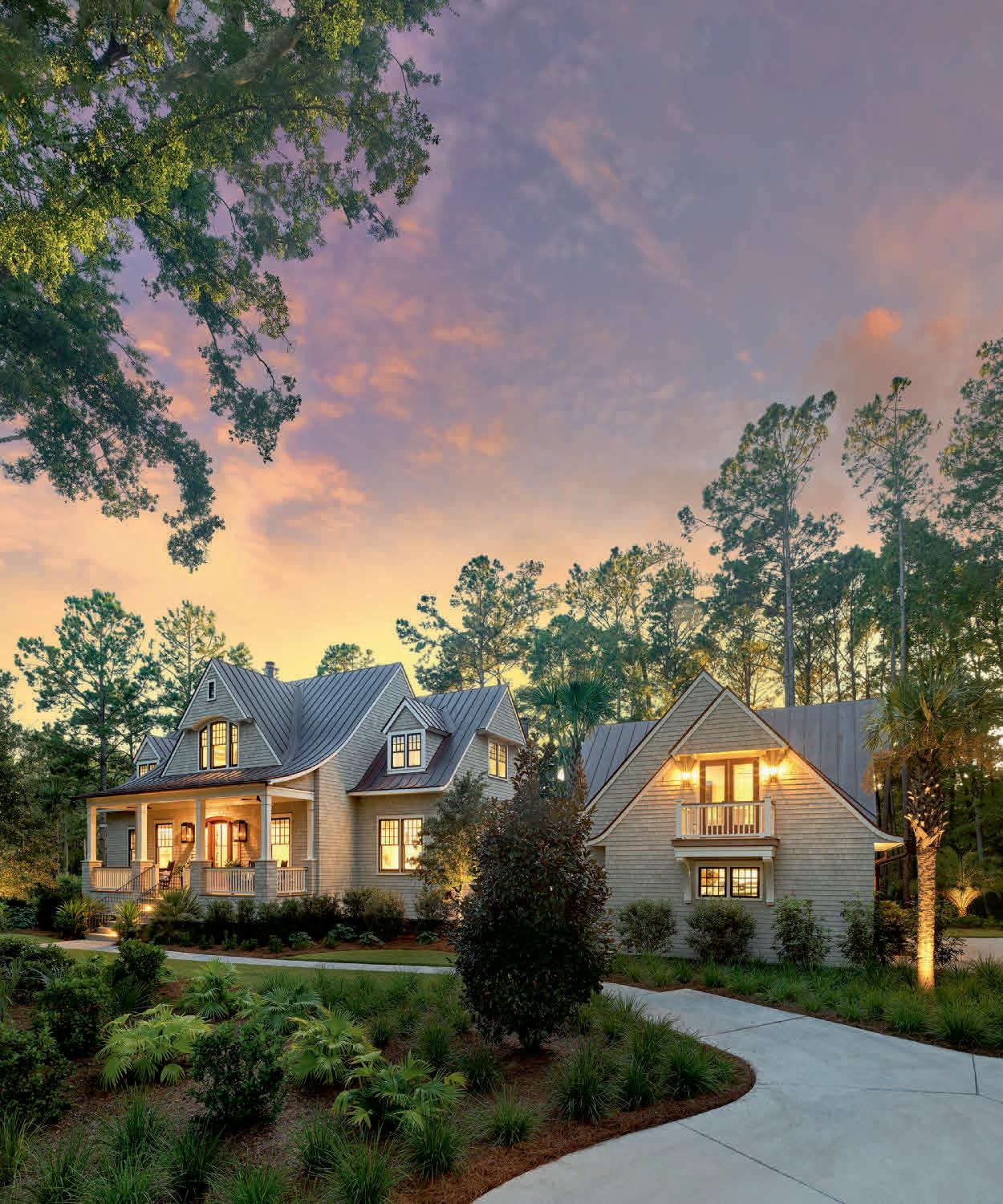
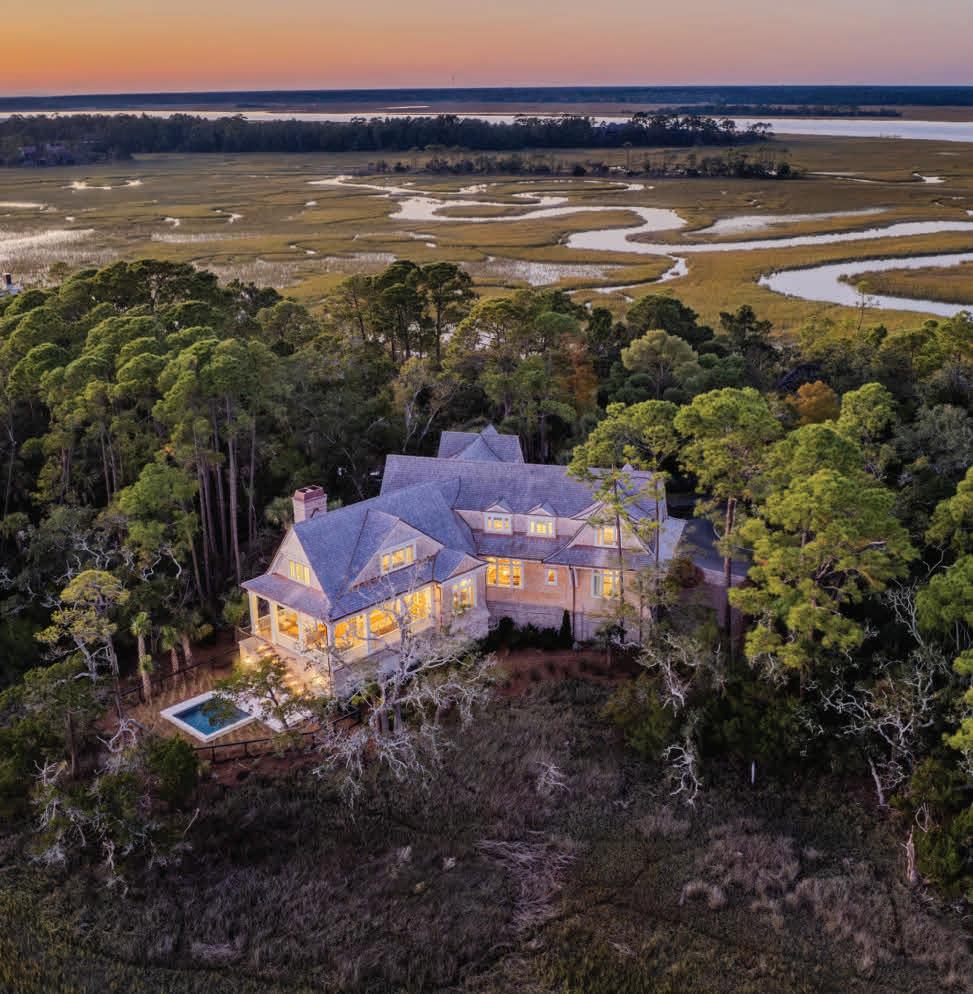
Nowhere is that balance more evident than in this builtfor-sale home on Estuary Lane in Cassique, where a thoughtful collaboration between architect, landscape designer, builder, and interior designer produced a residence that feels both bespoke and deeply rooted in its setting.
“This particular homesite was unique in that when you’re on the course, you see it when you’re looking toward the green,” says Amanda Mole, Chief of Architecture and Design for Kiawah Partners. “This put a unique burden on design
Where a thoughtful collaboration between architect, landscape designer, builder, and interior designer produced a residence that feels both bespoke and deeply rooted in its setting.
colors and landscapes because our goal at Cassique is that the home is a silhouette. This house is a focal point as you’re playing the course, so we challenged the team with making sure the outdoor living was more subtle.”
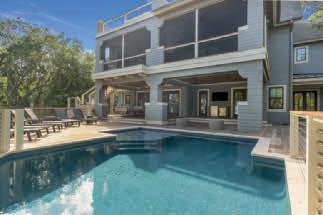
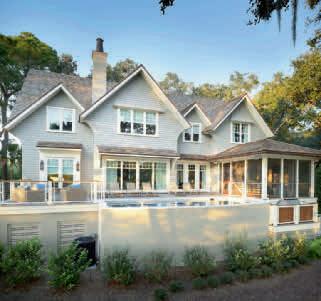
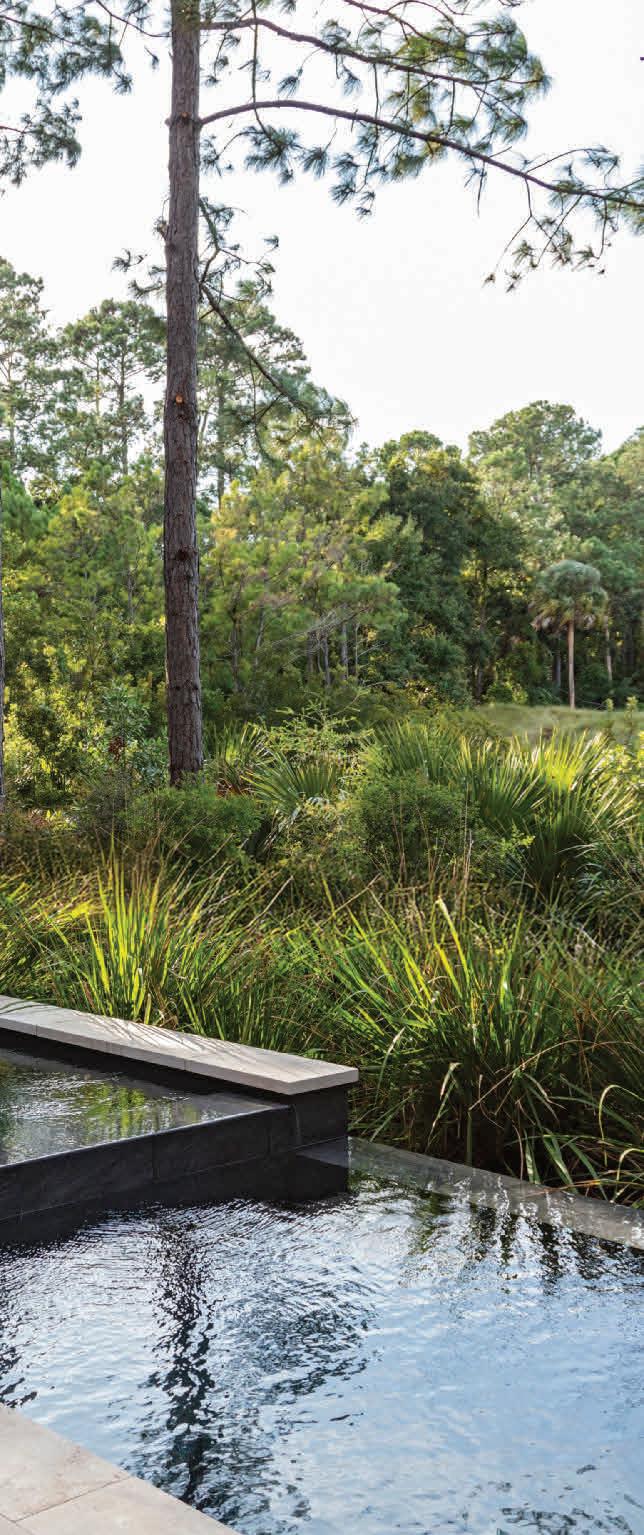
Architecturally, this meant keeping the rear roofline low and sloping, creating a darker color palette that would blend with the surrounding forest, and softening the rim of the infinity pool with natural landscaping.
“It was a matter of screening the pool and patio from the golf while preserving those views,” says landscape designer Josh Dunn. “We did that by putting in a shorter layer of dwarf Fakahatchee grass right around the pool that stays green all year, then sabal palmettos and native grasses toward the pond.”
Like everyone else on the team, Dunn approached the project with the mindset of blending structure and setting— preserving sightlines and adhering to Cassique’s aesthetic— while working closely with the homeowners to fine-tune the design. “Once the owner gets involved, we’ve already come up with the design,” he explains. “It’s not about reinventing the wheel; it’s about making adjustments.”
For Bill Senst of Vinyet Architecture, the built-for-sale framework provides both structure and freedom. “In Cassique there are still limitations and guidelines we have to abide by in terms of the English Arts and Crafts style architecture,” he says. “If you design within those guidelines and that inspiration, you can let the design go.” The home’s façade reflects Cassique’s signature massing and proportions, while a stair element running up the front adds a touch of surprise to the curb appeal. “I’m a big fan of that stair tower—both for the view from the outside and from the inside.”
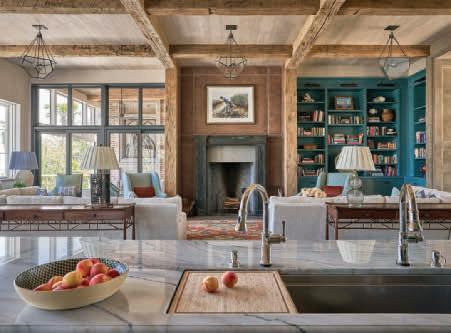
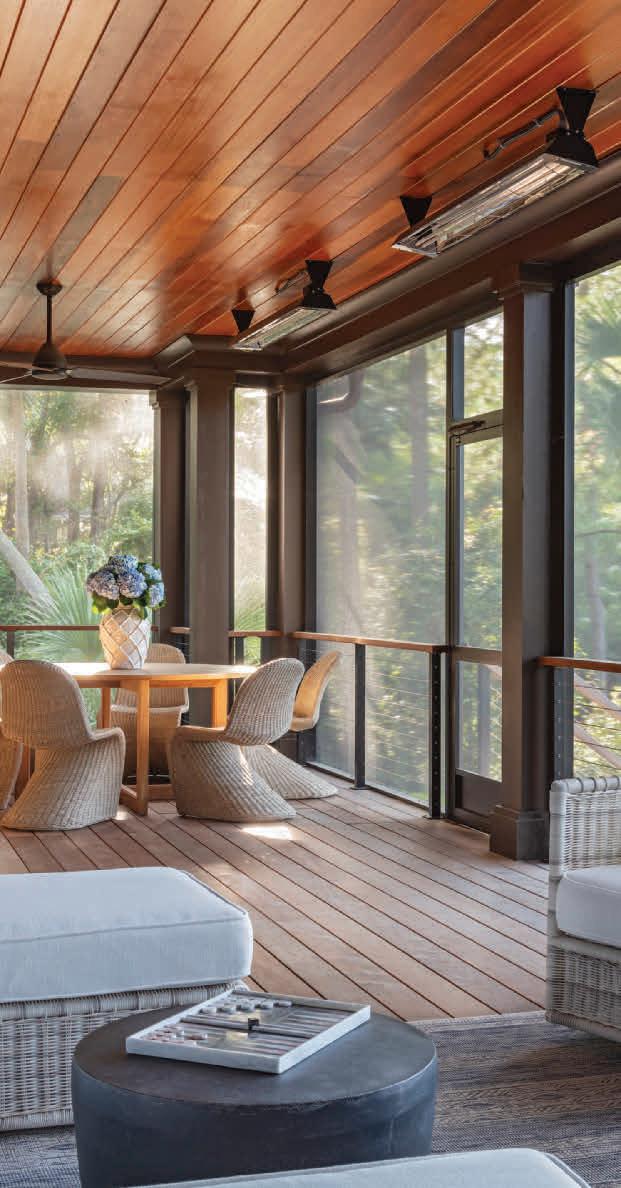
Inside, Senst’s design takes full advantage of the scenery and the breezes that roll off the course, creating an easy flow from indoors to out. The interaction between the great room and porch is a highlight, unified by a bar alcove just off the kitchen that anchors the home’s social spaces. As the owners joined the process, they requested additions—including a room over the garage and a pool—each carefully integrated to meet ARB standards.
“The house wasn’t designed for a pool initially, so we worked closely with the builder and the ARB to make sure it was still meeting those guidelines,” says Senst.
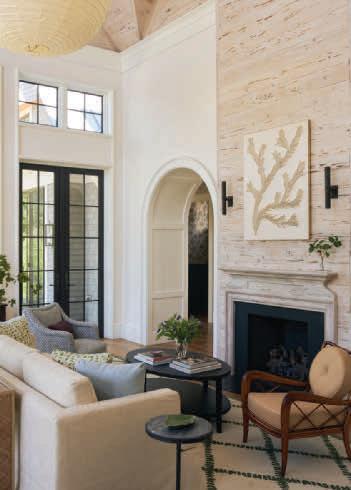
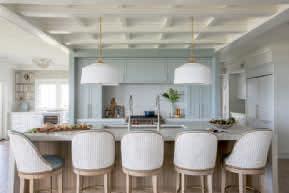
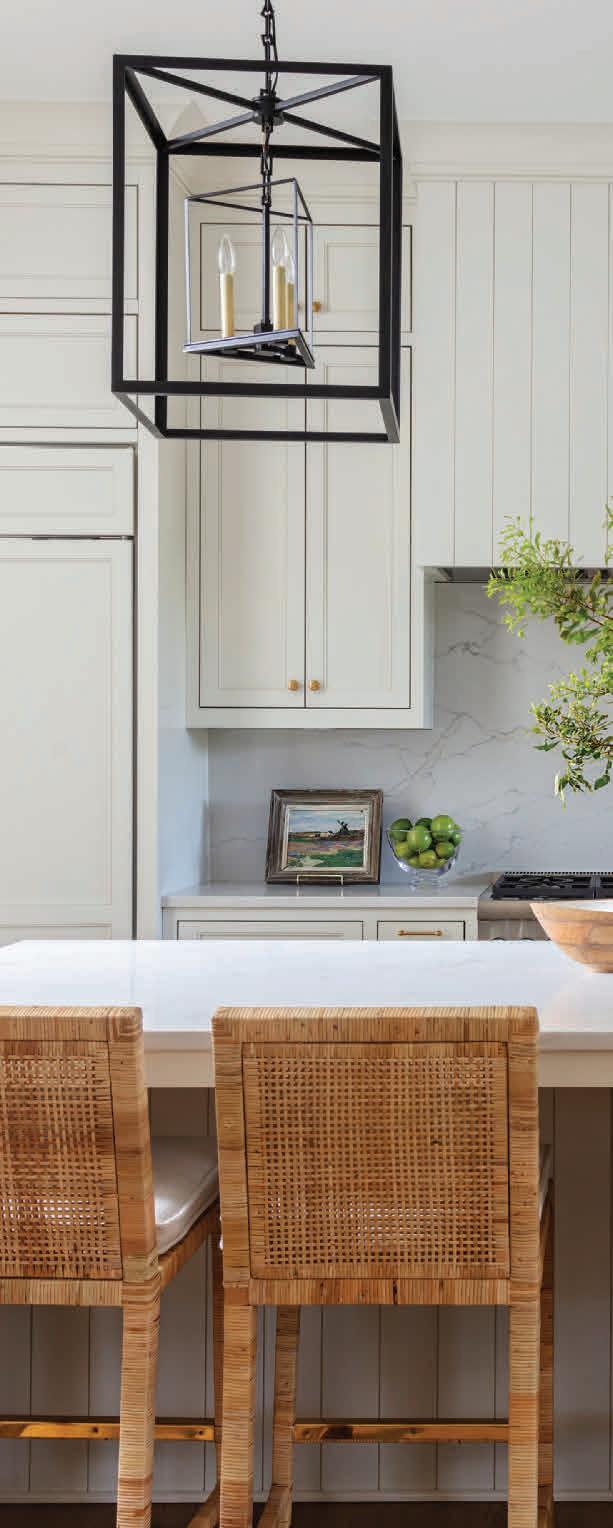
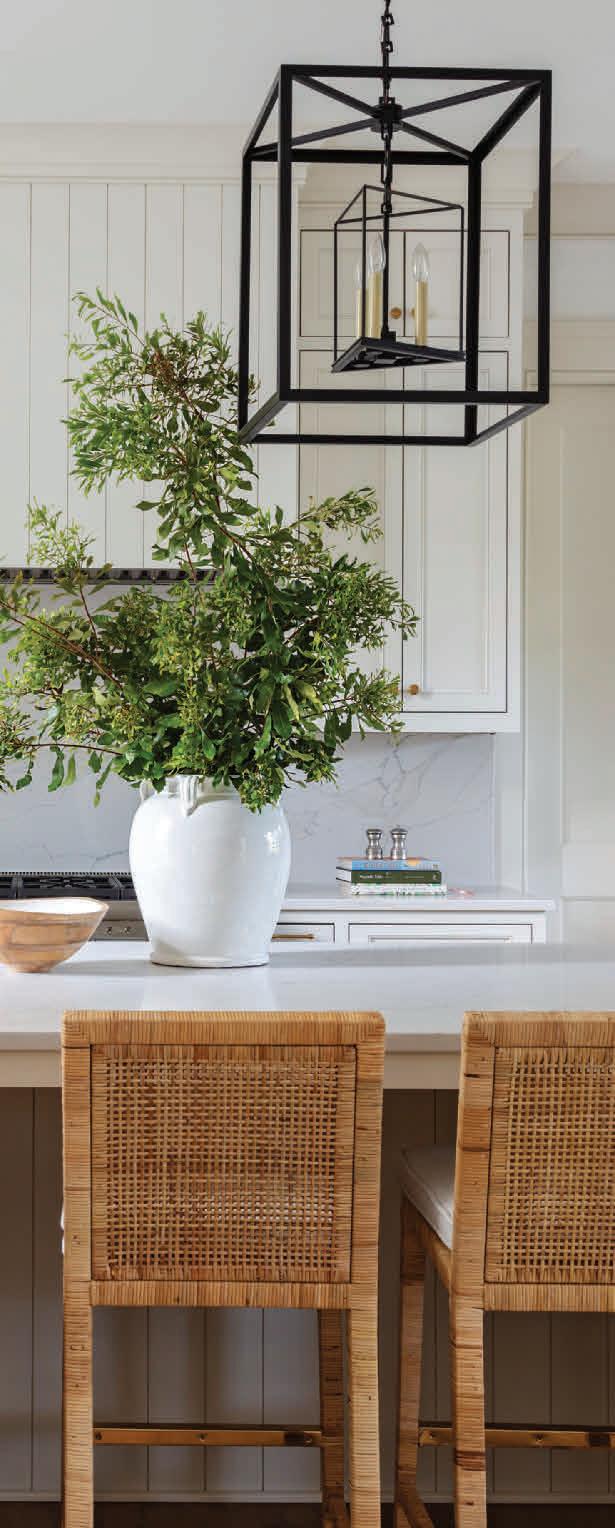
With the home’s exterior and layout finalized, interior designer Stephanie Molster added the finishing touches. In a home where the architecture sets the tone and the owners bring it to life, Molster worked to bridge the two with timeless interiors that could evolve naturally over time.

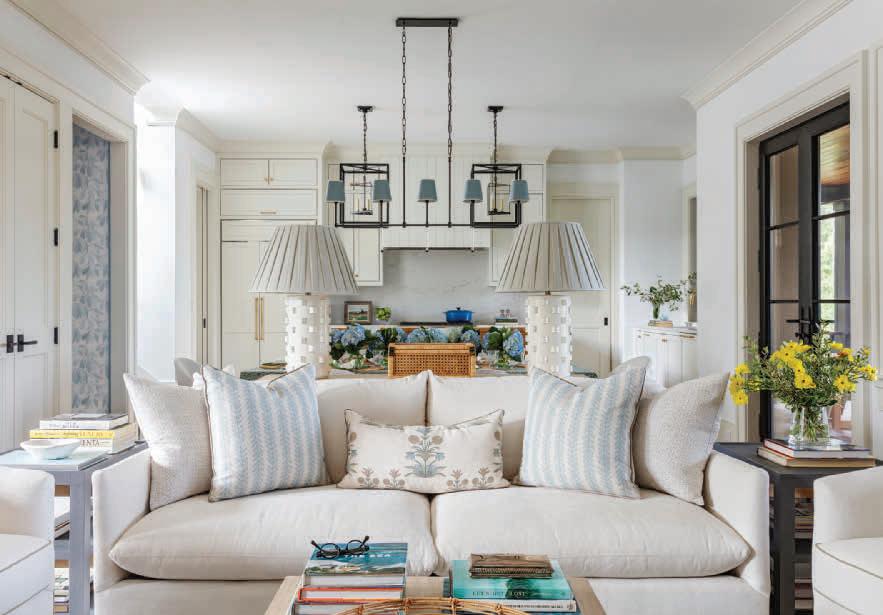
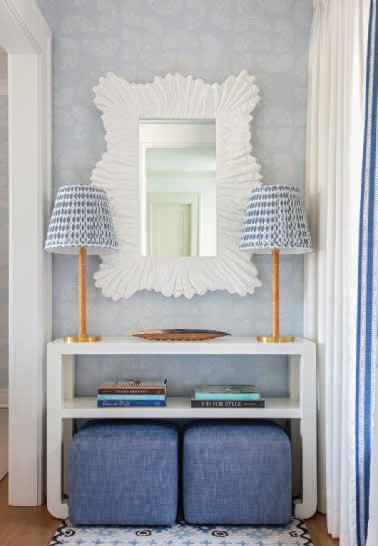
“This put a unique burden on design colors and landscapes because our goal at Cassique is that the home is a silhouette.”
“Initially I start by letting the architecture lead,” Molster says. “This house is inspired by Voysey architecture, with an emphasis on simplicity and functionality. So I ran with that— classic, enduring selections.”
Upon meeting the owners, Molster refined the design, swapping tiles and fixtures so they could make the space their own. As part of the built-for-sale process, each buyer is given ten hours of design time to personalize finishes and furnishings—an opportunity this couple used to great effect. “This house in particular was interesting because the homeowner decided that instead of tweaking the shell and hard surfaces, they wanted to start with furniture plans,” says Molster. “That was their way of personalizing the house and envisioning how they would live in it.”
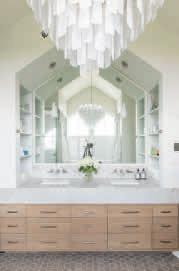
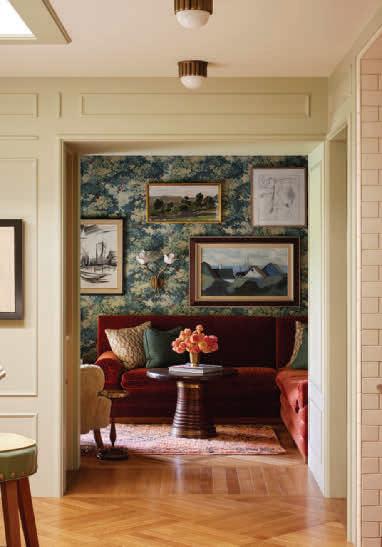
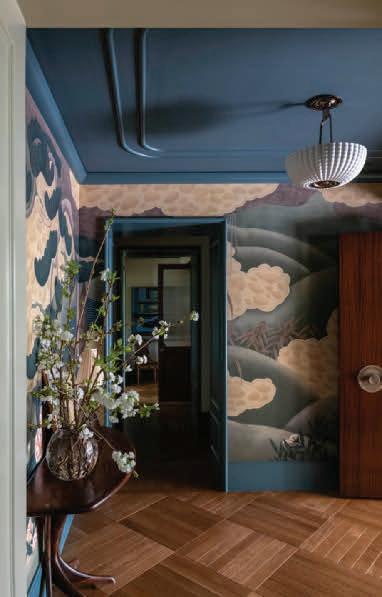
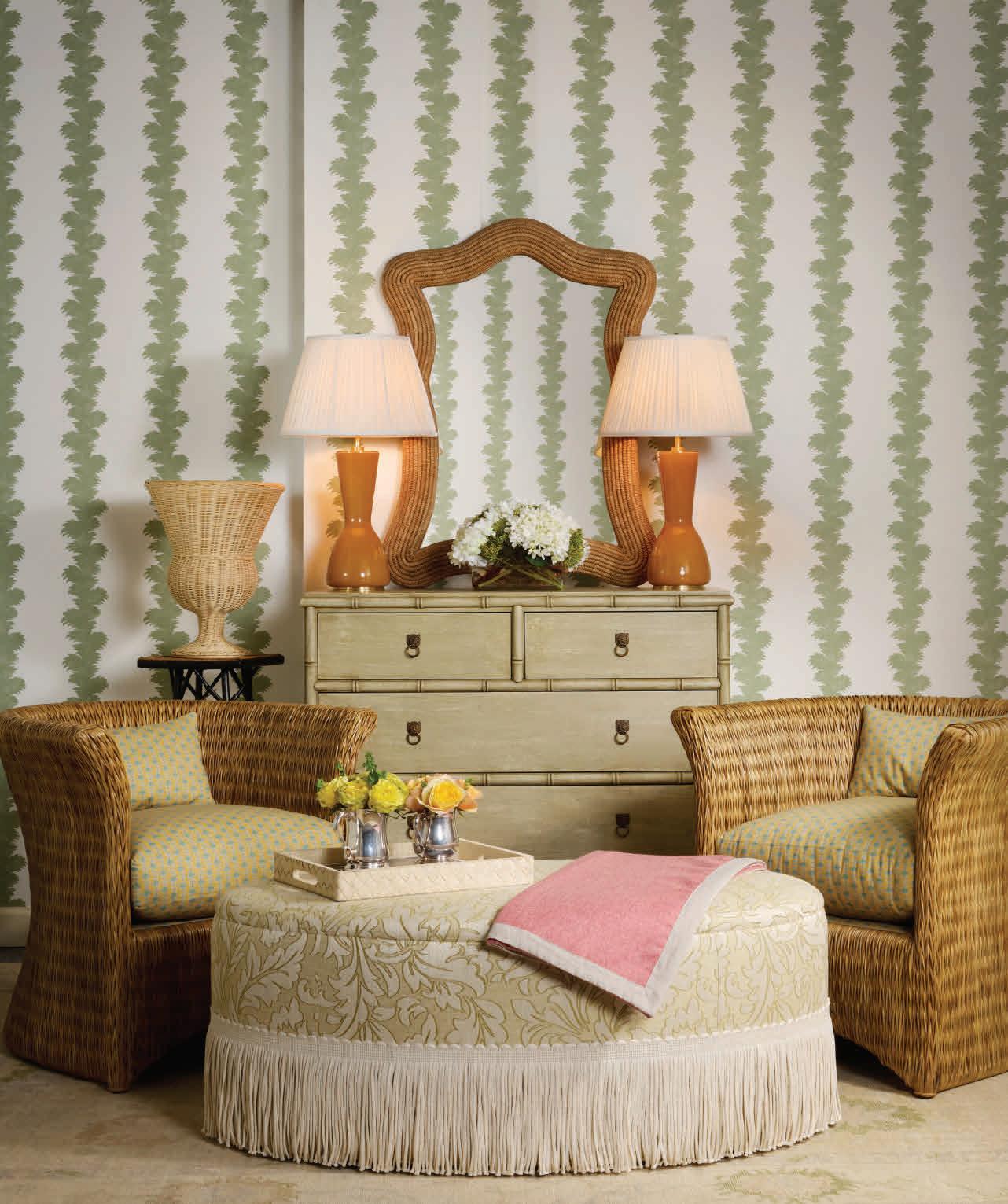
Their vision extended to every detail—from Scalamandré’s Kersti wallpaper in the bar to Currey & Company’s Tirrell chandelier in the primary suite. “It’s much easier when you have the homeowner involved because you can envision how they live in that space,” Molster says. “And the built-for-sale program is a great way for homebuyers to have a starting point. Approaching an empty lot is pretty intimidating, and having a sense of things before they begin is really helpful.”
That head start is a hallmark of the program. Homebuyers work with plans already approved by the ARB, saving time and streamlining construction. They bypass most of the major decisions, reducing stress. And when it’s all said and done, they get a home that feels entirely personal—without the overwhelm of starting from scratch.
“Most builds are fairly lengthy due to the complexity of custom homes, and this shortens that timeframe,” says Mole. “It’s a partnership with the buyers. We give them the opportunity to do things more quickly, but if they pause and tweak the design, that’s just part of the fun.”
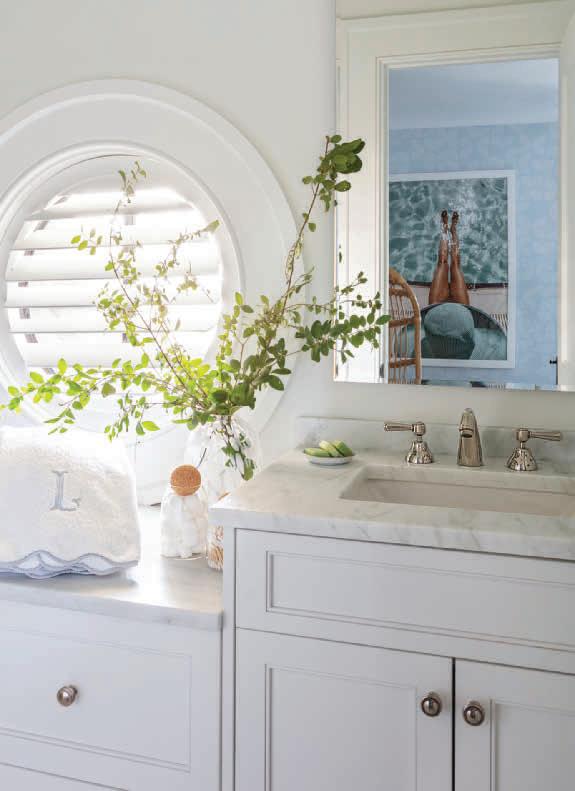
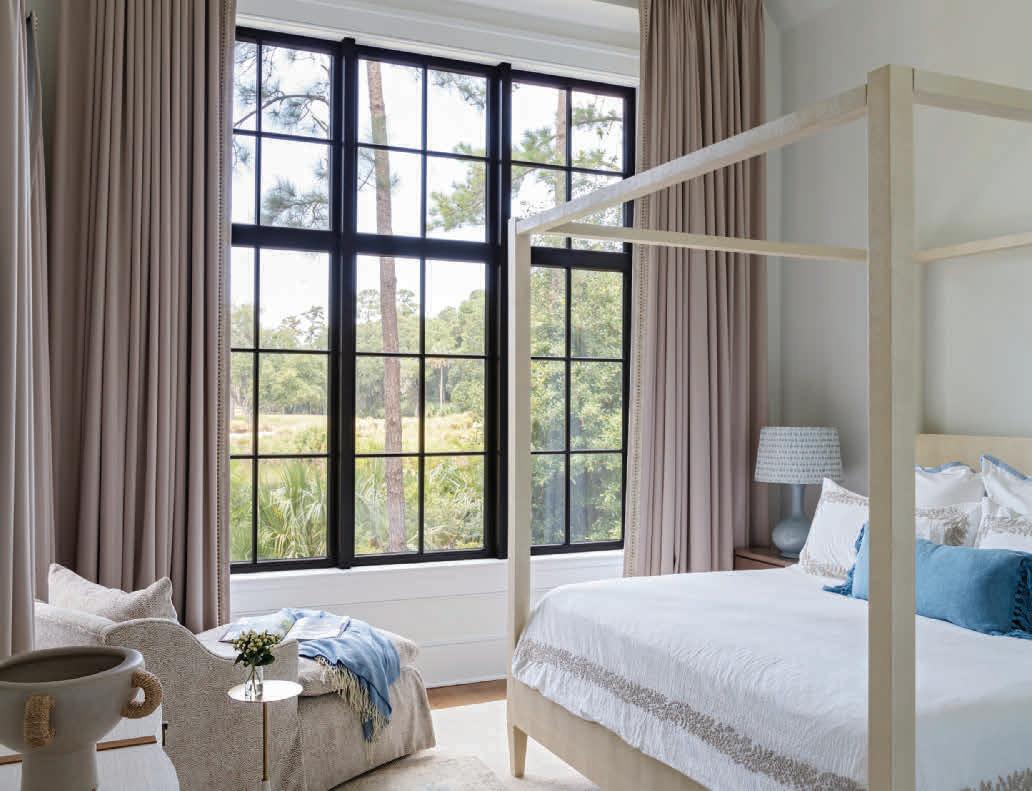
“It’s a partnership with the buyers. We give them the opportunity to do things more quickly, but if they pause and tweak the design, that’s just part of the fun.”
For
more than two decades, Chef Mike Lata has helped define Charleston’s modern culinary identity.
STORY by HAILEY WIST PHOTOGRAPHS by LIZZY ROLLINS
The James Beard Award–winning chef behind FIG and The Ordinary—and the culinary advisor to Kiawah Island Club— brings an ingredient-driven philosophy to everything he does, celebrating the Lowcountry’s farmers, fishermen, and foodways. His wife, Jenni Lata, a recipe developer and food and prop stylist whose work has appeared in acclaimed cookbooks and national publications, shares his eye for craft and beauty. Together, they offer a local’s guide to the city they love—a curated mix of favorite haunts, hidden gems, and beautifully made things that capture Charleston’s creative pulse.
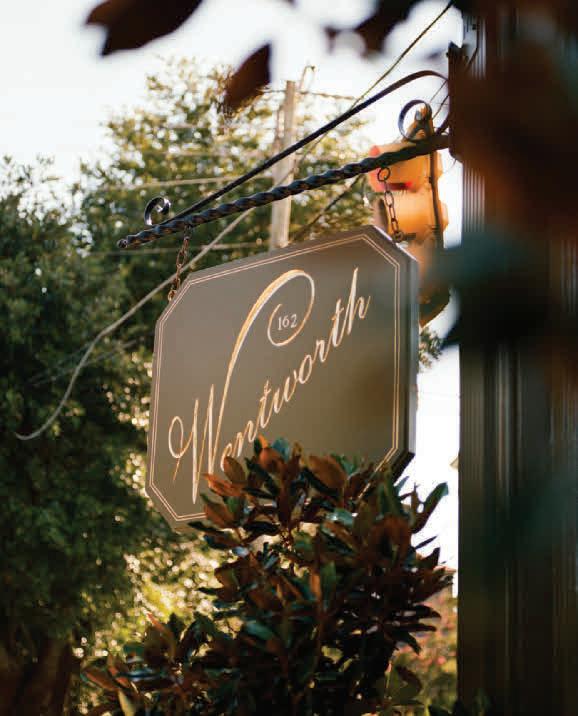
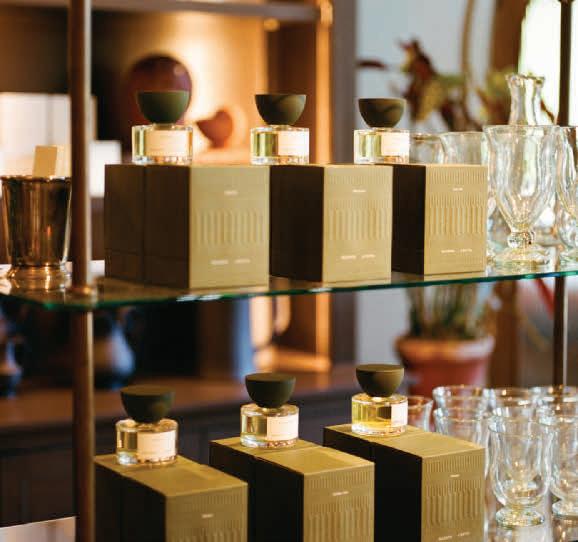
At the corner of Wentworth and Rutledge, Wentworth reshapes Charleston’s design language with a boutique devoted to interiors that are thoughtful, tactile, and beautifully personal. Founded by event designer Gregory Blake Sams, the shop feels like a refined treasure hunt—stacked with vintage silver, hand-blown glass, linens, Limoges porcelain, one-of-a-kind finds, and elegant everyday essentials. Sams envisioned it as an “adult candy shop for the home,” where every piece feels personal enough to live in your own rooms. Open now in a restored nineteenth-century storefront, Wentworth also offers interior design services by appointment, extending its ethos from shop floor to living space.
Wentworth is in a league of its own. Blake is a genius!
I am a food and prop stylist and have a big shed full of props, so I really am like a kid in a candy store at Wentworth. They are sourcing things that no one would know how to get—so unique and unexpected. It really is the most beautiful home store you’ll ever walk into.
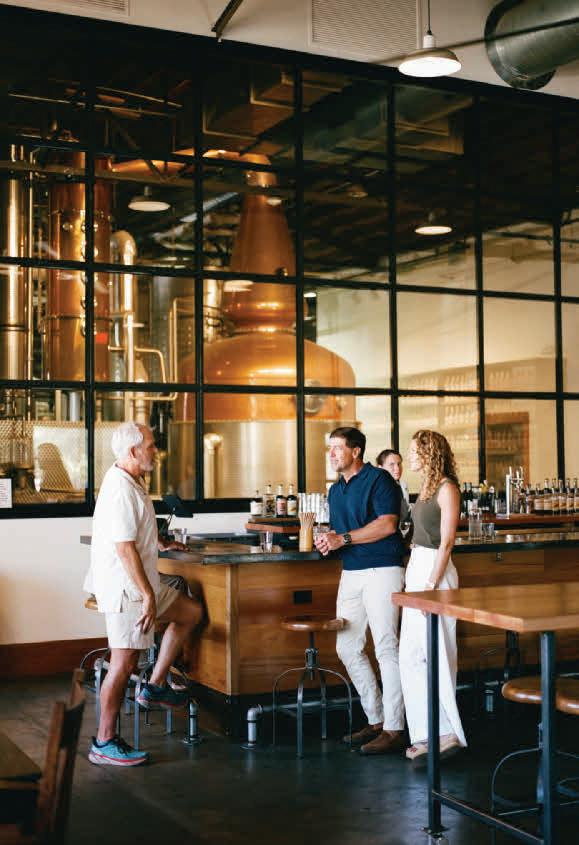
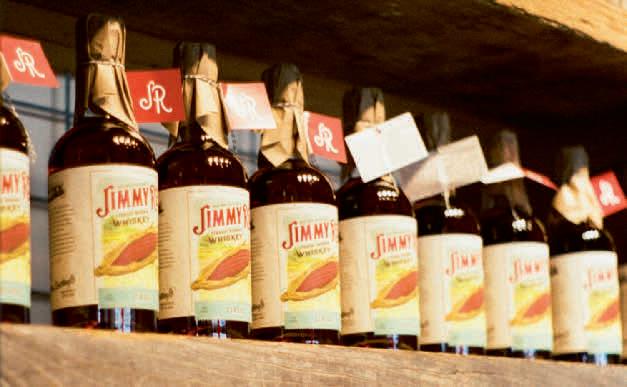
They started making whiskey out of local heritage corn known as Jimmy Red. The difference is evident when you taste their spirits; the texture and the oils are so layered and complex. I’ve toured a notable whiskey maker’s distillery before and quickly realized they are just buying a commodity product. The idea that a distiller could be ingredient-driven is relatively new. From my view, High Wire broke the mold.
311 HUGER STREET
On Huger Street, High Wire Distilling Co. has redefined Charleston’s spirits scene by rooting its craft in the South’s agrarian heritage. Founded by husband-and-wife team Scott Blackwell and Ann Marshall, the distillery partners with South Carolina farmers to revive heirloom grains—Jimmy Red corn, Abruzzi rye, and Carolina Gold rice—transforming them into award-winning bourbons, ryes, and gins. This devotion to sourcing is more than flavor; it’s a philosophy that ties each bottle to the region’s agricultural heritage. Their tasting room and tours highlight not only the craft of distilling, but also the stories of the farmers whose work makes it possible. In a city celebrated for its foodways, High Wire adds a spirited dimension—proof that the future of Southern distilling rests on the roots of its past.
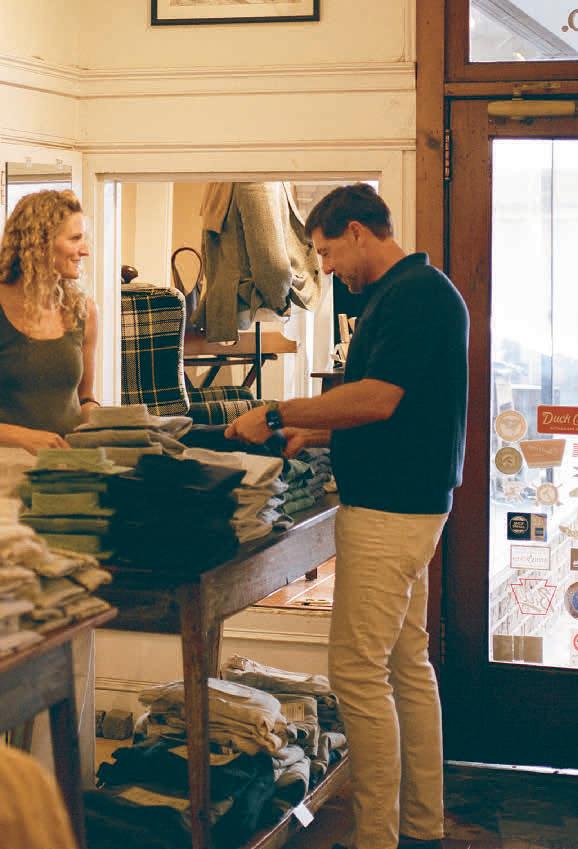
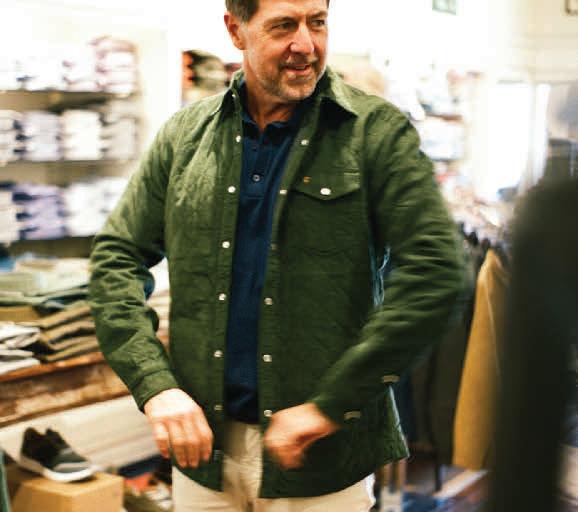
Grady Ervin & Co. defines Charleston menswear with class, craftsmanship, and Old World care. In a city that treasures its past, the shop offers a contemporary expression of tradition, blending heritage and modern relevance. Since opening in 1995, its flagship at 313 King Street has earned Charleston’s first Carolopolis Preservation Award and even features a wrought-iron gate by the legendary blacksmith Philip Simmons. Under the banner “Classic Clothiers to Gentlemen,” the store offers a mix of ready-to-wear and fully custom suits, sport coats, and blazers, plus accessories ranging from handmade bow ties and belts to field sport tools and colognes. The result is a space where timeless style meets exacting detail, crafted for the modern gentleman.
At Grady Ervin, they have a great selection of wellmade clothing.
They can even tailor your clothes on-site—an incredibly convenient service. There is always a great essential piece that I’m not necessarily looking for, a nice polo or jacket. You can also have shirts made there. You pick the fabric, and they will make you a custom shirt. It saves me the trouble of buying five shirts; instead, I just have the one perfect shirt.
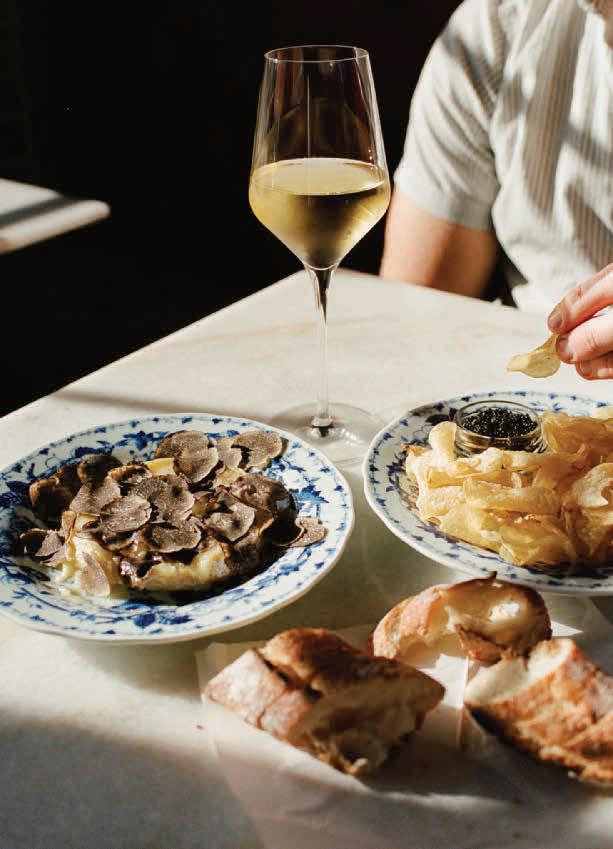
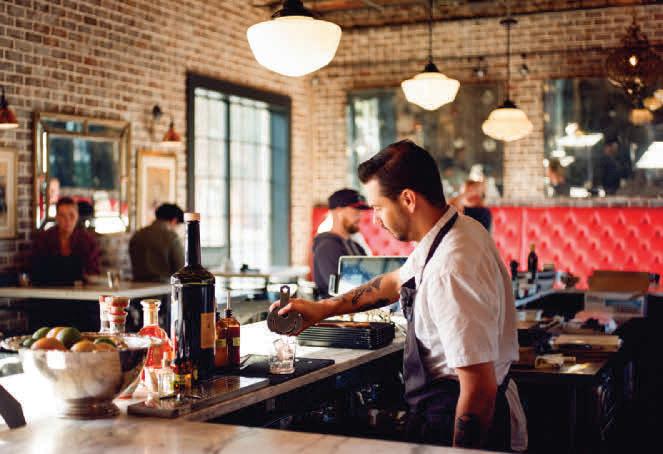
In Charleston’s NoMo neighborhood, Babas on Meeting blends European café flair with Charleston warmth. Inspired by neighborhood cafés across Italy, France, and Spain, Babas serves espresso, house-made pastries, sandwiches, salads, and curated wines and cocktails. During morning and lunchtime hours, its kitchen turns out items like jammy eggs, quiche, pistachio-parm salad, and the “Babas cookie”—a signature brown butter, chocolate delight. With a polished interior and an inviting courtyard, it’s both neighborhood haunt and memorable discovery. Happy hours featuring wine specials and petite cocktails add to the appeal. In a city steeped in tradition, Babas on Meeting keeps café culture elevated and distinctly local.
You have an espresso at Babas, and you can see the brushstrokes all around you.
I want to absorb the vibe and feeling when I go to a place; I want it to feel unique and worth my time. And this is an owneroperator who is really sharing a vision and differentiating himself. It comes down to the integrity of the experience. You can feel how much he cares.
2 MEETING STREET
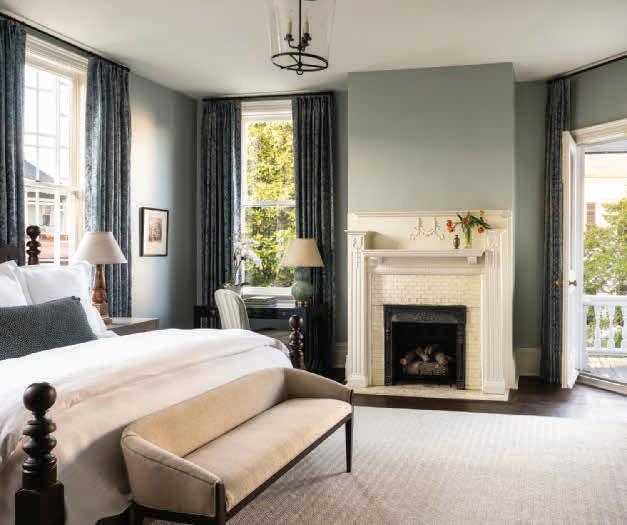
Overlooking White Point Garden, Two Meeting Street Inn is set in one of Charleston’s most picturesque corners. Built in 1892 as a grand Queen Anne residence, it was recently restored by South Street Partners as an elegant retreat for Kiawah Island Club Members. Designer Tammy Connor reimagined the interiors with her signature balance of comfort and refinement, using antique furnishings alongside soft modern touches, layering artwork in sunlit rooms, and highlighting original details like Tiffany stained glass and carved oak. With just eight suites and sweeping piazzas, it offers an intimate home base for exploring the city’s cobblestone streets, galleries, and restaurants.
Our stay was so lovely.
We arrived in the afternoon and just enjoyed the Inn! It was our anniversary, so we walked to dinner at Sorelle. It felt like a really fun staycation.
It’s very unique, like a little oasis.
Tammy Connor did such a fantastic job with the interiors. It’s set in a picturesque but busy part of town, so it feels like such a privilege to have your own private haven in the midst of that.
54 BROAD STREET
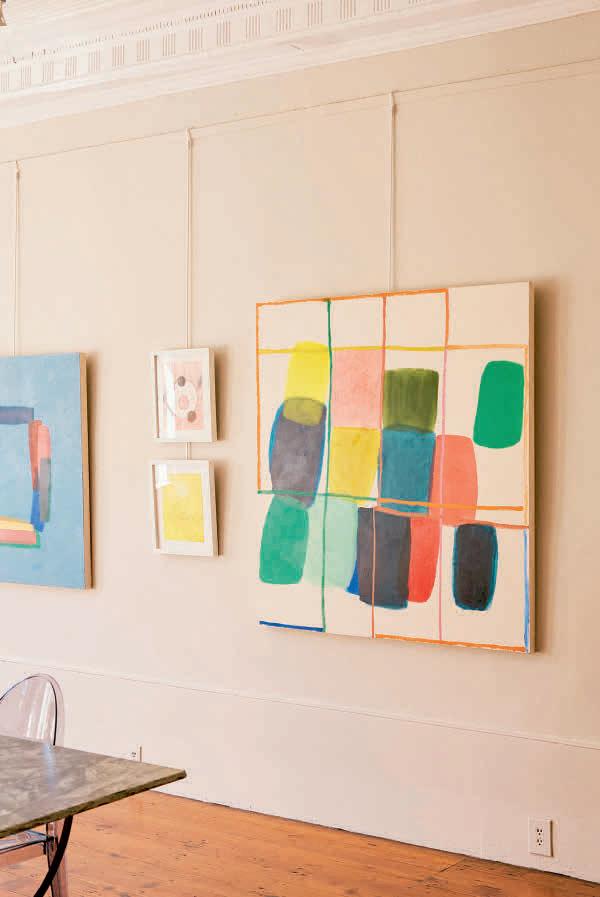
In Charleston’s Broad Street district, The George Gallery brings a fresh perspective to a city often celebrated for its historic past. Specializing in contemporary and modern work, the gallery highlights abstract, nonrepresentational, and postwar-inspired art, offering a counterpoint to the traditional landscapes and portraits that dominate much of Charleston’s art scene. Under the eye of owner-gallerist Anne Siegfried, the roster features nationally and regionally recognized artists, including Vicki Sher, Paul Yanko, Raishad Glover, Tom Stanley, and Catherine Booker Jones. Exhibitions rotate regularly, with opening receptions and artist talks throughout the year.
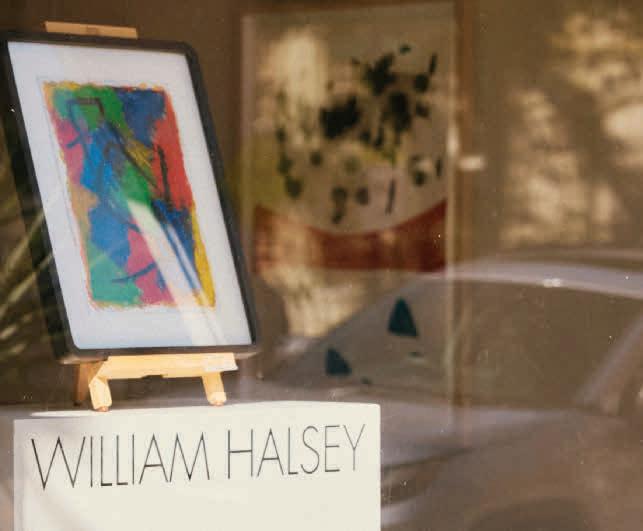
I just love what Anne is doing at The George Gallery. She focuses strictly on abstract, contemporary art, working with such a unique set of artists, estates releasing little by little, and local artists that don’t fit the typical Charleston gallery. She just started representing Isabel Bornstein, whom we love. We have a few of her pieces!
700 KING STREET
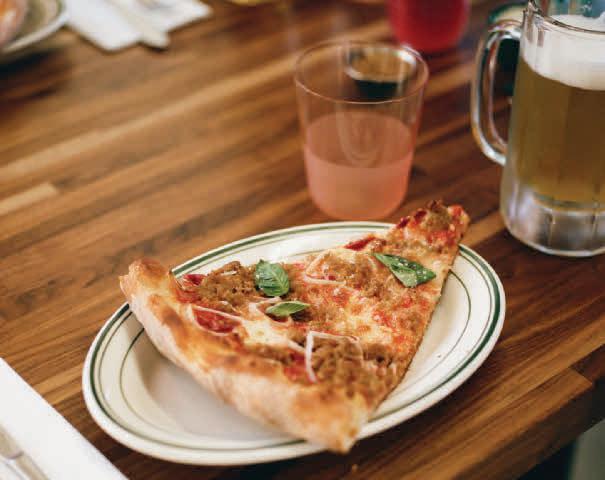
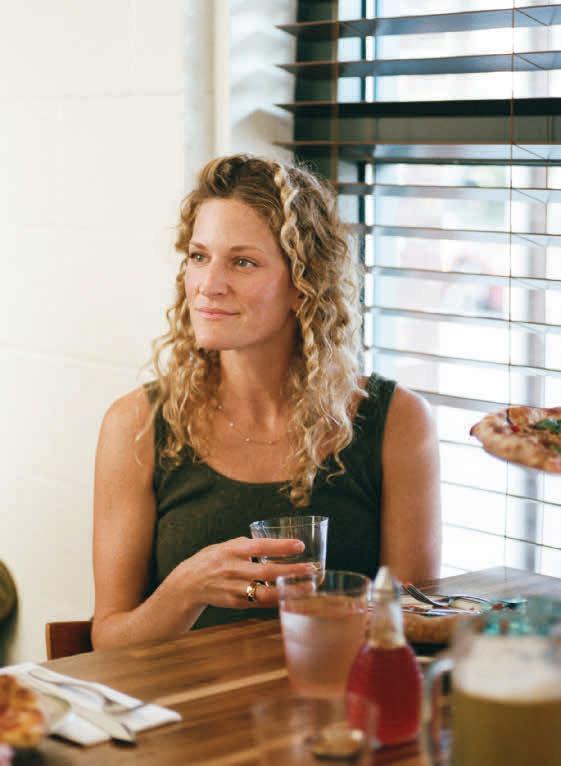
Just off King Street, Tutti channels a fresh energy into Charleston’s dining scene. Founded by Miles White and Femi Oyediran (of Graft Wine Shop) in collaboration with Anthony Guerra of Oakwood Pizza Box, Tutti blends New York-style pizza tradition with a thoughtful wine program. The menu is simple and ingredient-driven, featuring round, square, and gluten-free pies made with meticulous care and market-fresh toppings. Inside, the space feels easy: airy and welcoming for families, with a swankier back room for private gatherings. There’s always a great playlist spinning, music that makes you want to hang for a glass of wine. Tutti proves that casual dining can still feel intentional, soulful, and distinctly Charleston.
It’s delicious every time.
With Tutti, Miles and Femi fill a gap for highly crafted pizza in a New York style. What I love about it is the simplicity—they quiet the noise and focus on simple pies.
The pizza is insane.
We’ve seen nothing but meteoric success from Miles and Femi! Tutti feels super true to Charleston and who they are. We had it for our son Oscar’s fifth birthday party!






STORY by HAILEY WIST PHOTOGRAPHS by PATRICK O’BRIEN
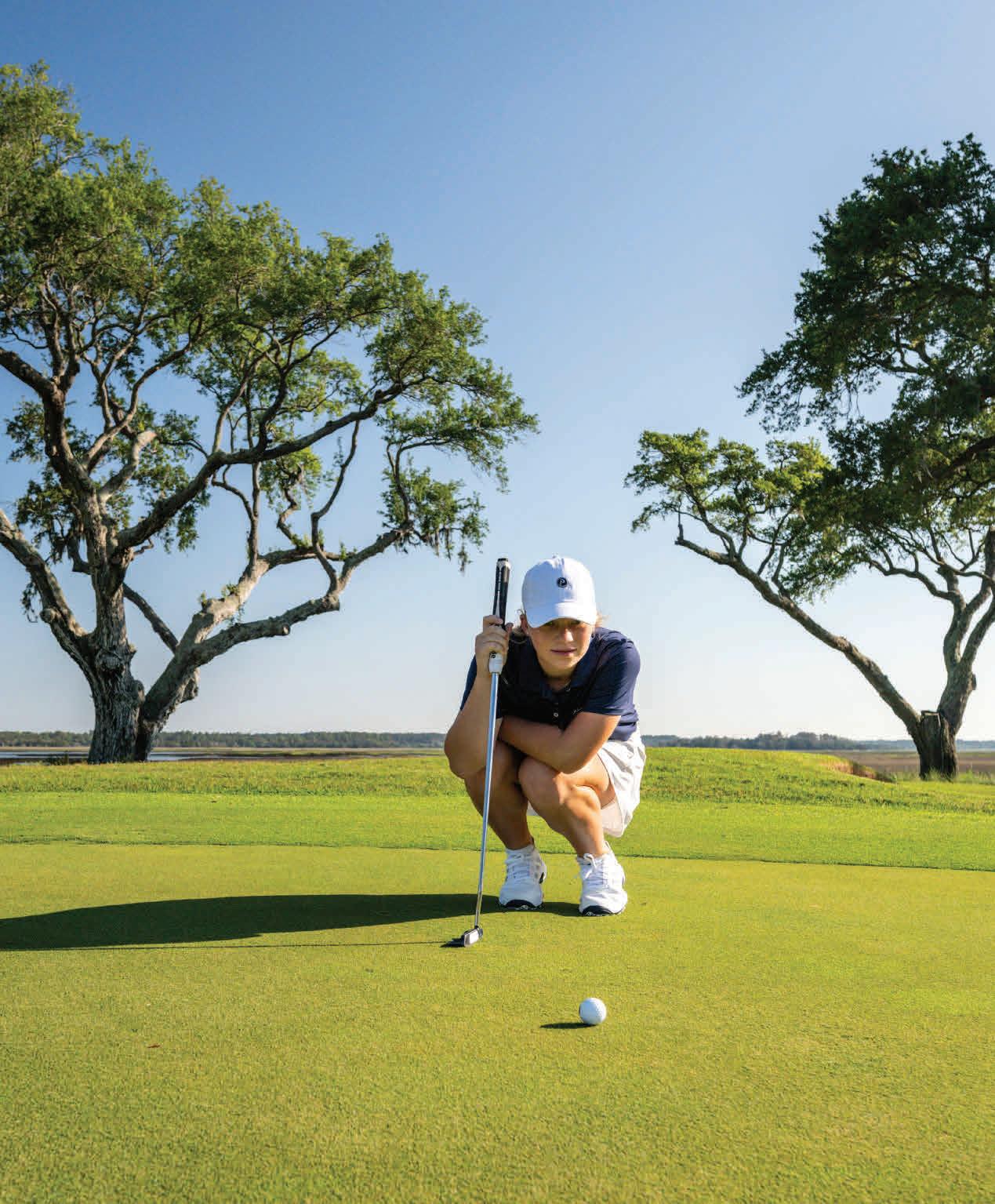
Most fifteen-year-olds are focused on learner’s permits, high school dances, and weekend sleepovers. Sadie Westbrook, on the other hand, is thinking about golf course strategy, reading greens, and how to stay calm in the final holes of a tournament.
A rising star in junior golf, Sadie has built a life that doesn’t look like a typical teenager’s. She attends a virtual school for athletes that allows her the flexibility to practice golf and travel for tournaments. Her week falls into a steady rhythm of schoolwork, practice, and tournaments. “I’ll do a few hours of classes, then head out to the course,” she says. “Some days I take my schoolwork with me and practice between classes.” Fridays are usually full golf days, and weekends are almost always tournaments.
It’s a schedule that might overwhelm some teenagers, but Sadie shrugs it off with the ease of someone who’s already figured out what she loves. “I try to take a day off after tournaments to take a break and reset,” she says matter-of-factly. “But I love it. I’d rather be on the course than anywhere else.”
That love started early. As a little kid, her natural athleticism was evident. She played competitive softball and went to the Junior Olympics to run the 1600. But her dad, Kris, put a club in her hand when she was five, and by eleven she had turned all of her attention to golf. “She realized if she was going to lose, she wanted it to be on her terms,” Kris says. The individuality of the game hooked
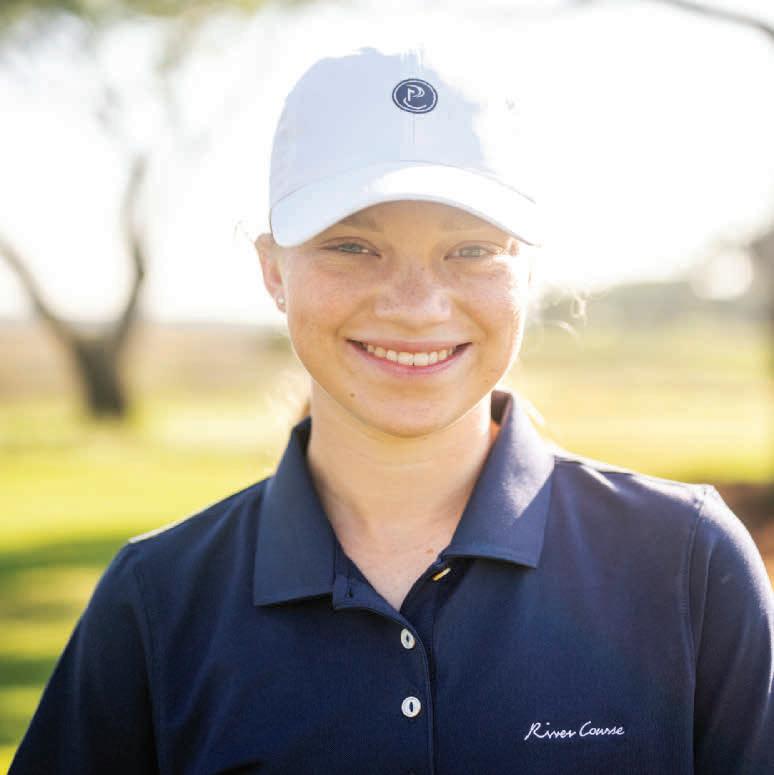

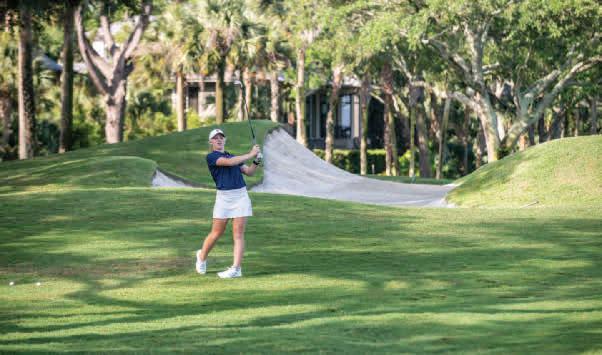
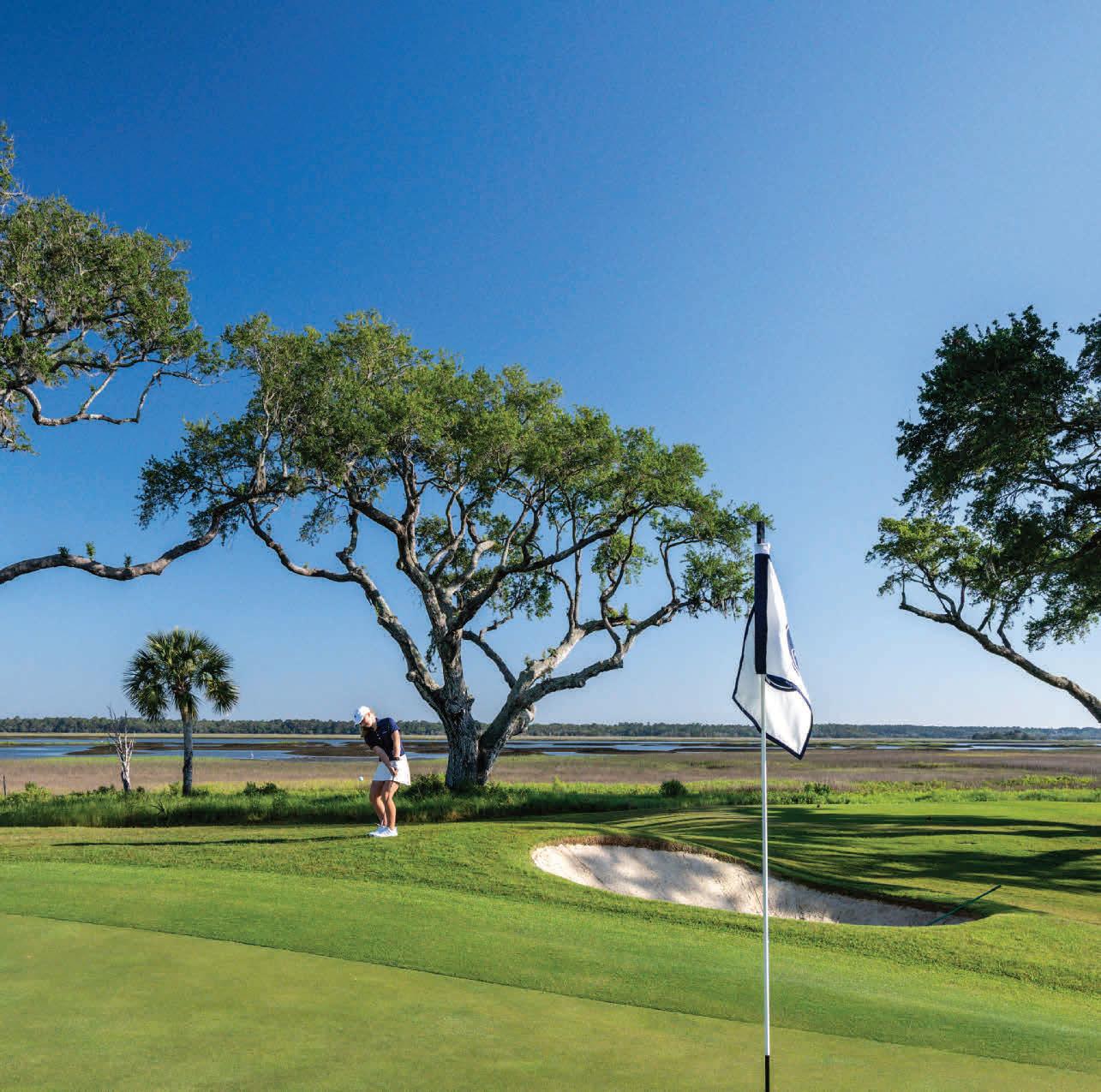
Kiawah Island Club’s River Course has become a home base for Sadie, offering both challenge and inspiration as her game continues to advance.
IN NOVEMBER OF 2024, AT JUST FOURTEEN, SHE WON KIAWAH ISLAND CLUB’S WOMEN’S CHAMPIONSHIP, STORMING BACK FROM THREE SHOTS DOWN WITH FOUR HOLES TO PLAY.
her—and the opportunities didn’t hurt either. More scholarships, more potential, more space to grow.
And grow she has. In November of 2024, at just fourteen, she won Kiawah Island Club’s Women’s Championship, storming back from three shots down with four holes to play. It was raining, forty people were watching, and Sadie played with such composure that only a subtle thumbs up to her dad gave her excitement away.
Part of that calm comes from training her mind as much as her swing. Sadie works with a mental coach who has taught her to reset every three holes: untuck her shirt, tie her shoes, eat a snack. “It makes me feel fresh,” Sadie explains. “Like I get to start over.” If a shot goes sideways, she gives herself ten steps to be mad, then moves on. It’s a routine that works, and one that makes her mom smile. “She’s so much better at resetting now,” Traci says. “It’s amazing to watch.”
Like so many professional athletes, Sadie has quirks and superstitions that define tournament mornings. Breakfast is always the same. Her clothes are laid out the night before. Kris has to choose her ball marker. “And I don’t make my bed,” Sadie says with a grin. “That’s part of it too.” Kris blasts “pump-up music” throughout the house before they leave. The Lumineers are her favorite.
Back in Houston, the Westbrooks have a putting green
in the backyard and a simulator in the garage. “If she can’t be on the course, she and Kris are out there at night practicing,” Traci says. “She loves it.” Sadie doesn’t have many teenage golf buddies in Texas—most of her playing partners are older golfers who are thrilled to watch her talent up close. “They try to get in my head sometimes,” she says, laughing. “But it’s fun. It’s good practice.”
Her younger brother Harrison, thirteen, is equally proud—though quick to remind everyone that he had a hole-in-one before his sister did. Sadie now has one of her own, right here on Kiawah last summer. It was on Cassique, and the pin was tucked behind a hill. “I didn’t even see it! We walked up, and my mom looked in the cup and there it was,” she remembers. The Club made a shadow box, which hangs in their Kiawah house, to commemorate it.
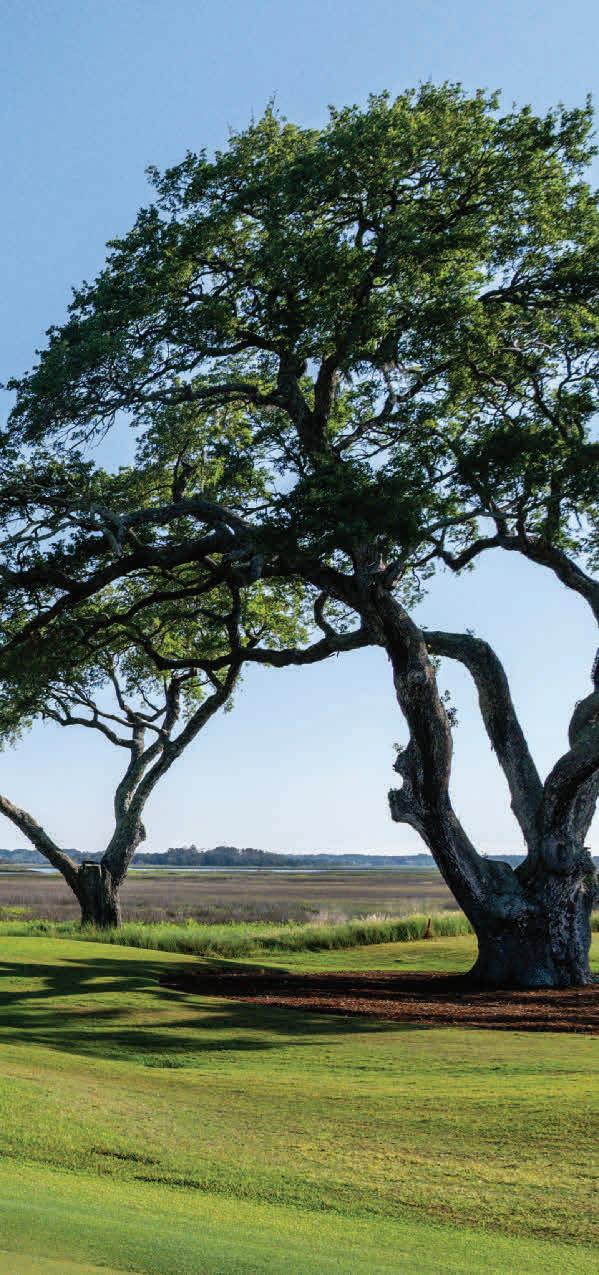
Kiawah has been part of Sadie’s story since she was three, when the family first bought a cottage on the Island. Today, their home near River Course serves as a summer base, a place where golf mixes easily with fishing, bike rides, skim boarding, and nighttime wiffle ball games with neighborhood kids. “It’s so different from Houston,” Sadie says. “Here it’s calm. There are no car horns, no sirens.”
That balance matters. Kris and Traci are intentional about keeping the pressure light, even as they support her unusual path. “She’s the one driving the bus,” Kris says.
KIAWAH HAS BEEN PART OF SADIE’S STORY SINCE SHE WAS THREE, WHEN THE FAMILY FIRST BOUGHT A COTTAGE ON THE ISLAND. TODAY THEIR HOME NEAR RIVER COURSE SERVES AS A SUMMER BASE, A PLACE WHERE GOLF MIXES EASILY WITH FISHING, BIKE RIDES, SKIM BOARDING, AND NIGHTTIME WIFFLE BALL GAMES WITH NEIGHBORHOOD KIDS.
“If she wants a day off, she takes it. I don’t want her to be the best fifteen-year-old—I want her to keep getting better little by little.”
For now, Sadie’s goals are clear. She wants to play Division I college golf. Beyond that? Professional golf is the dream. She studies the swings of Nelly Korda and Ludvig Åberg, copying their movements with an uncanny knack for observation. “She can watch a video and mimic it almost instantly,” Kris says.
But the future can wait. Right now, Sadie is enjoying the journey—the tournaments, the travel, the friendships that spring up across the junior golf circuit, and summers at Kiawah. She is determined, hardworking, competitive— her own words. She’s also still a teenager who celebrates with a fist bump, ties her shoes for a reset, and loves the feeling of a freshly marked ball in her pocket.
SOUTH STREET PARTNERS REDEFINES BARNSLEY RESORT FOR A NEW ERA
Tucked into the rolling foothills of Georgia’s Blue Ridge Mountains—just a little over an hour outside Atlanta—Barnsley Resort is a place where the past lingers in the shadows of a vibrant present. Originally envisioned in the 1840s as a romantic estate by wealthy Englishman Godfrey Barnsley for his beloved wife Julia, the property has long embodied a narrative of love, legacy, and timeless Southern charm.
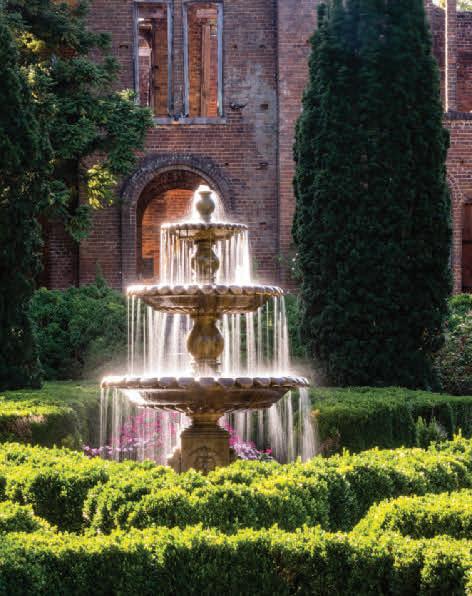
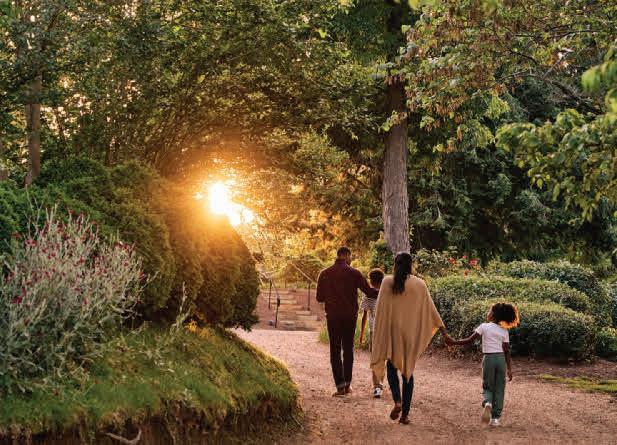
That legacy entered an exciting new chapter in 2022, when South Street Partners acquired Barnsley Resort. With a keen eye for design, preservation, and experience-driven luxury, South Street is now thoughtfully shepherding a comprehensive renovation plan that honors Barnsley’s rich heritage while ushering it into a dynamic future. Like so many properties in the South Street portfolio, the rhythms of nature set the pace— whether it’s a morning horseback ride, an afternoon casting a line, or evenings gathered by the fire. The resort’s timeless setting and intentional design reflect core values: preserving character, elevating guest experiences, and creating spaces that encourage slowing down and being present with the people who matter most.
South Street’s foundational development philosophy is to enhance the natural character and spirit of each of their properties by creating environments that promote long-lasting family experiences. Staying true to this vision, Barnsley’s reimagining was guided by a commitment to preserving its sense of place while redefining it for the future.
At the heart of this transformation is an expression of a modern Southern design vernacular, an aesthetic that reveals and animates the property’s authentic essence. Nowhere is this more evident than in the duet of projects anchoring Barnsley’s renaissance: Charlotte Lucas Design’s meticulous renovation of the cottages and the debut of Jules, the resort’s new signature restaurant.
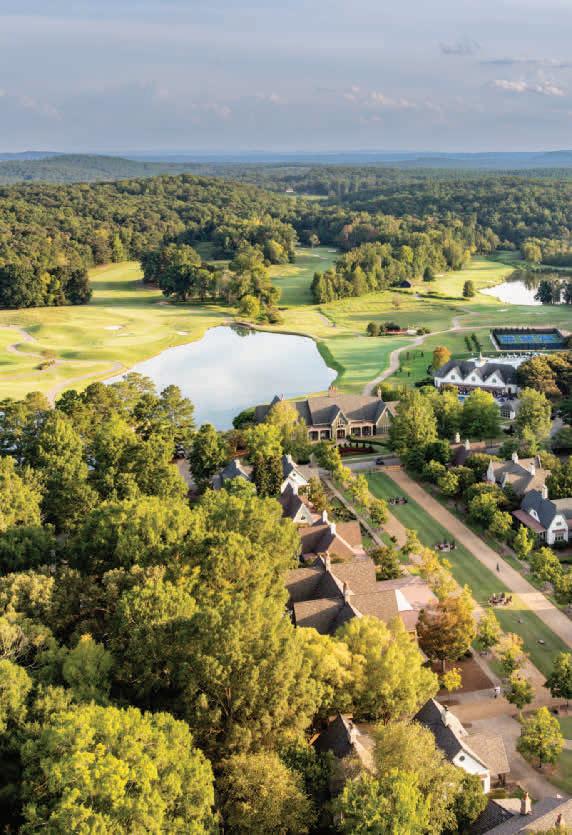
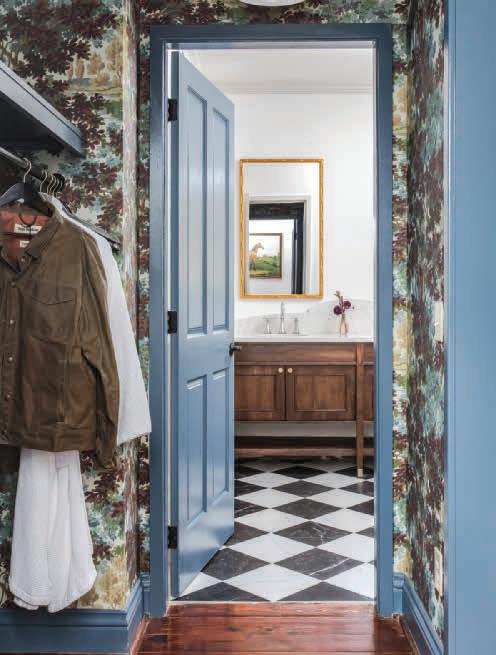
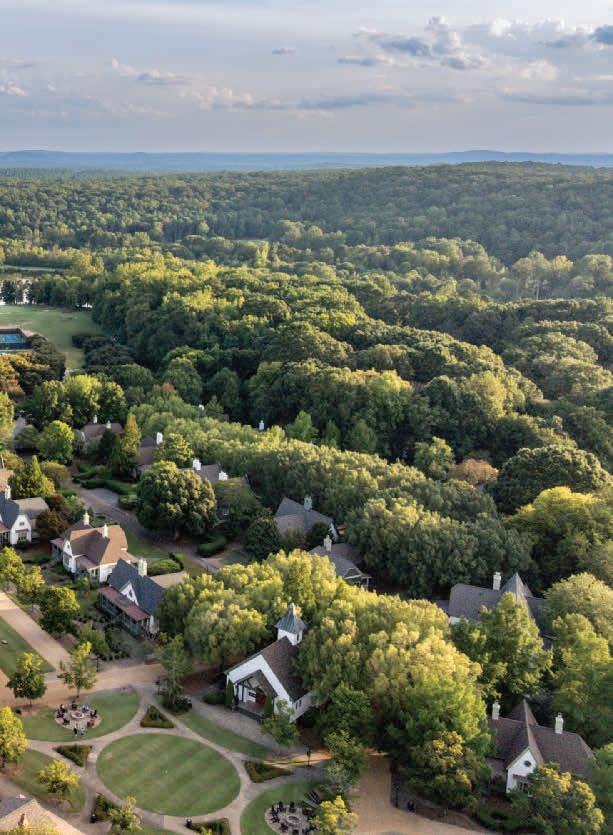
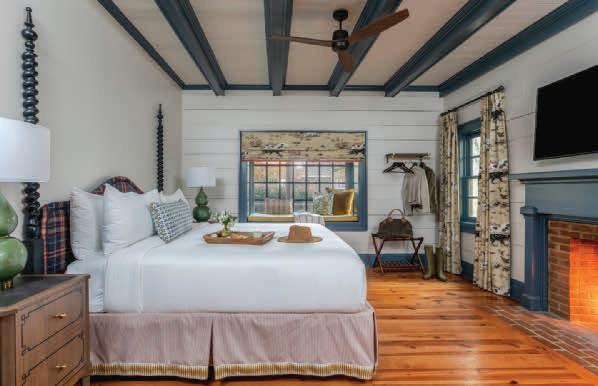
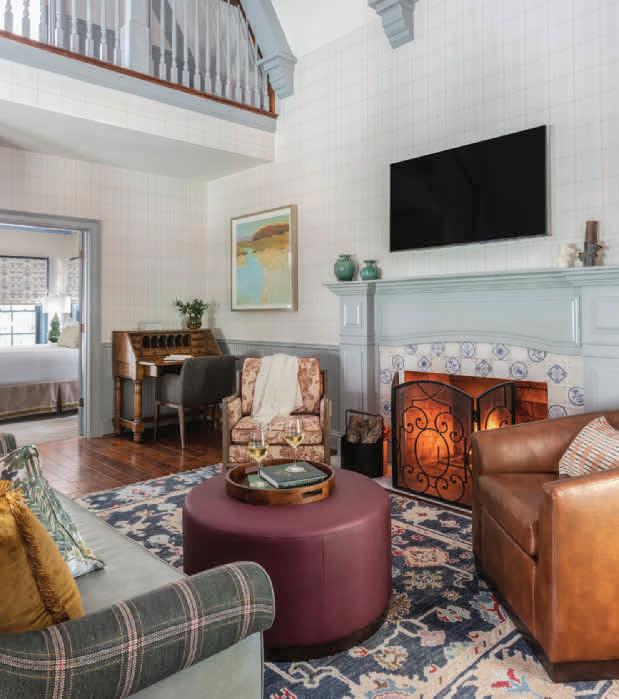
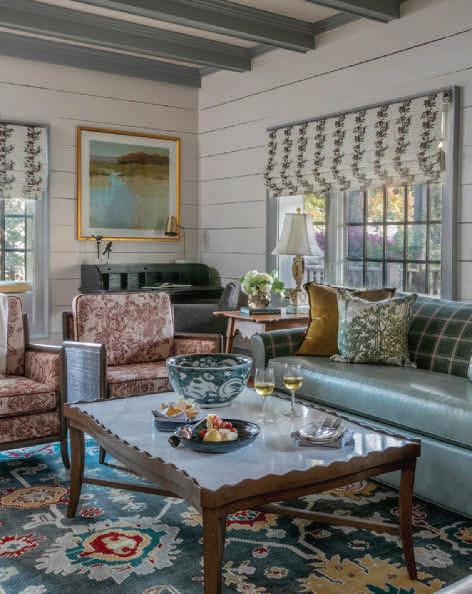
Nestled throughout the walkable English-style village center, the cottages—ranging from one to seven bedrooms, some with wood-burning fireplaces, spacious great rooms, expanded wet bars, and beamed ceilings—are a hallmark of the resort experience. Charlotte Lucas, of the eponymous Charlottebased firm known for its bold use of color and whimsical detail, blended sophisticated patterns with a fresh palette inspired by the region’s flora and fauna. Floor-to-ceiling draperies and accent wall coverings showcase subdued florals and charming sporting dog motifs, creating a vibrant yet timeless feel. Lucas sourced thoughtful accessories including rattan sconces, vintage-inspired lanterns, and other mixed-metal finishes that contribute to the feeling that each space has been lovingly curated over time.
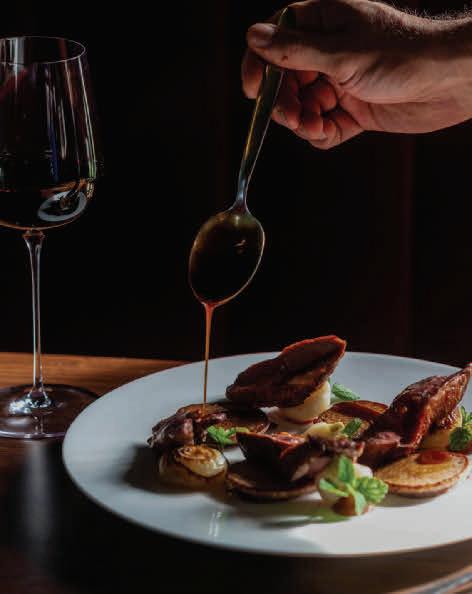
The most highly anticipated part of Barnsley’s new chapter arrived in Fall 2025 with Jules, a dining experience shaped by
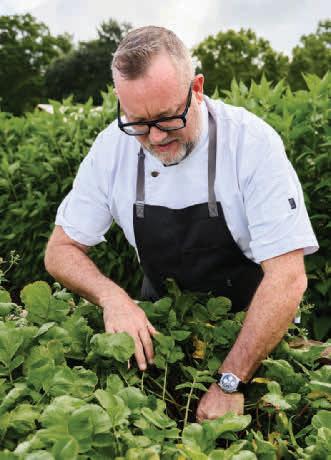
the vision of executive chef Shaun Doty. A celebrated culinary talent, Doty pairs a global pedigree with a deeply personal connection to the South. Sited in a 19th-century farmhouse, with striking interiors from David Thompson Studio, Jules represents the resort’s most significant restaurant project to date. Inspired by Julia Barnsley, daughter of the estate’s original owner, Jules is a warm and intimate culinary destination that joins the recently constructed Biergarten and the beloved Woodlands restaurant on property.
This dinner-only restaurant guides guests on a seasonal journey rooted in Southern heritage, expressed through thoughtfully crafted menus and inspired interiors by David Thompson Studio, the Charleston architecture and design firm behind many acclaimed Southern restaurants, including James Beard award-winning FIG and The Ordinary. The project reunites South Street Partners and Thompson who previously collaborated on the design of B-Liner, Kiawah
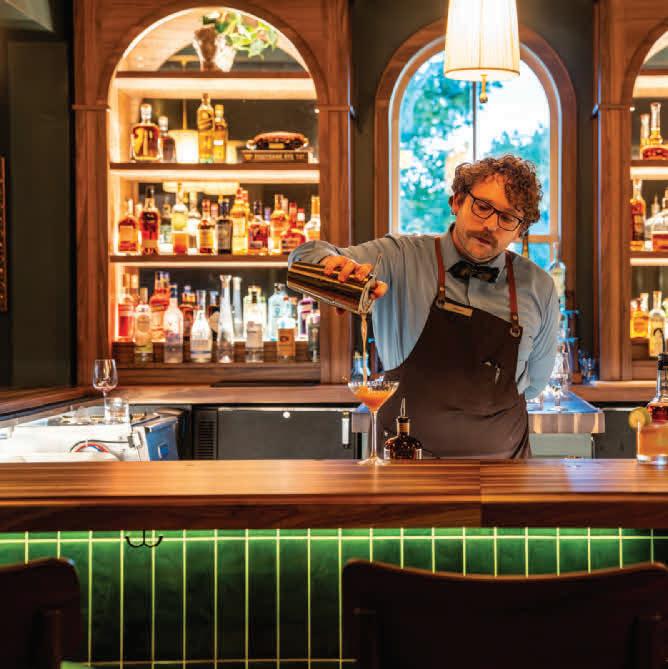
Island Club’s beloved beachfront restaurant. Conceived as a stage for Chef Doty’s purposeful and creative approach, Jules has immediately become an essential element of the guest experience at Barnsley.
The inaugural menu reflects Chef Doty’s global influences and Southern roots, centered around dishes crafted on a Josper charcoal grill for a rustic yet refined flavor. Working closely with chef de cuisine David Doyle, Doty highlights seasonal, locally sourced ingredients from the resort’s farm and regional purveyors that emphasize sustainability. The menu features dishes like heirloom pork schnitzel, Blue Ridge trout with farro and smoked hollandaise, prime steaks, and heritage poultry.
Transcending three centuries, the restaurant’s revitalized interiors celebrate the property’s historic character with fresh finishes that pair authentic sensibilities with contemporary elements. Offering four distinct experiences—the private dining Salon; the Bar; and two connected, yet unique, primary dining
spaces—each room expresses its own aesthetic while living comfortably next to each other to form a cohesive, yet festive, experience. With Jules, Barnsley Resort has introduced a new chapter of Southern dining, one that honors tradition and delights in abundance.
In the Resort Village, the newly built Biergarten invites guests to gather around a two-sided stone fireplace and covered pavilion, featuring a hand-hewn sycamore bar serving German and European brews alongside classic snacks like bratwurst and pretzels. Outdoor enthusiasts can enjoy the expanded Beretta Shooting Grounds, which now include two new 15-station clay courses, a five-stand station for group and introductory experiences, and a dedicated Helice field—an exhilarating Italian shooting sport. Rounding out the recreational offerings, six new lighted pickleball courts provide options for casual play or friendly competition, all with scenic views of the Jim Faziodesigned golf course.
Summer 2025 kicked off with the unveiling of several enhancements to the resort’s saltwater pool overlooking the
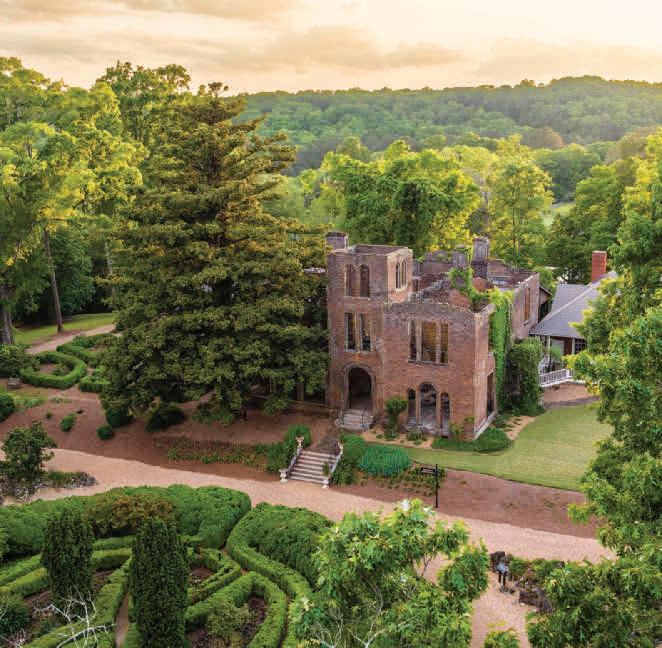
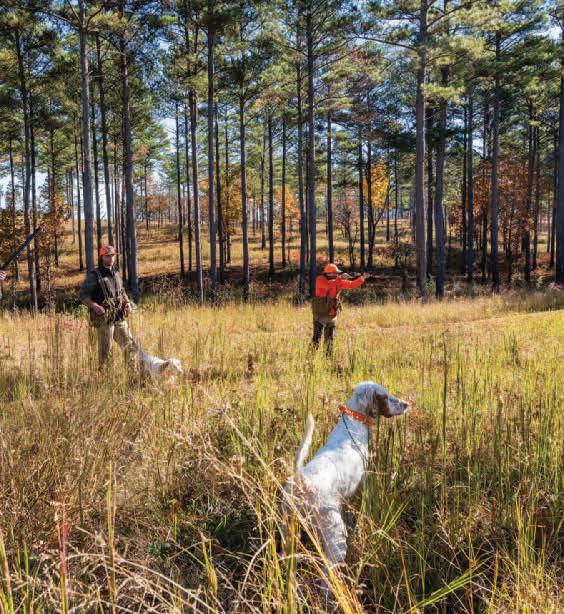
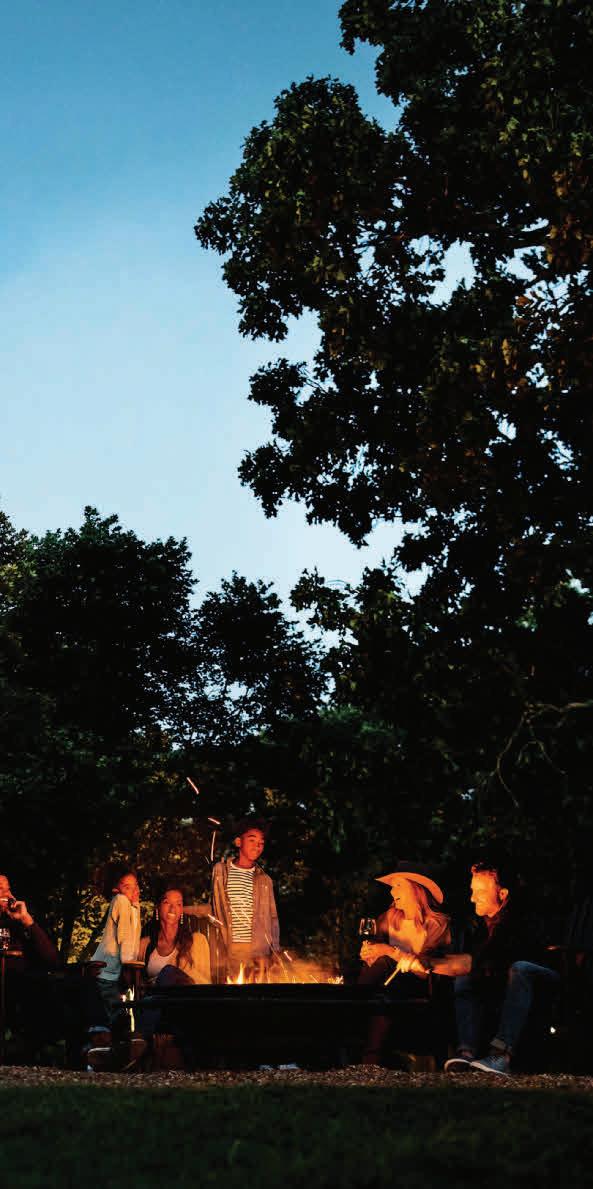
golf course. The expanded pool deck flanked by loungers and eight new cabanas outfitted with furniture, TVs, upgraded amenities, and custom chair covers by Weezie Towels ensures a relaxing and luxurious experience replete with poolside dining and handcrafted beverages. Late summer saw the addition of a second resort-style pool with a zeroentry layout, complemented by a lazy river, new loungers, and seven private cabanas. The Merger, the property’s much anticipated 18-hole Himalayas putting green, opened in Fall 2025 offering a new fun, and accessible, golf experience for players of all abilities and ages.
Barnsley Resort is a logical and inspired addition to the South Street portfolio—an esteemed collection of properties that honor legacy, celebrate meaningful time with loved ones, and embrace the beauty of the natural world. Steeped in history and Southern gentility, Barnsley embodies South Street’s appreciation for places with a story, where effortless multigenerational travel fosters genuine and lasting connections. A hidden gem of the Southeast, long treasured for its quiet elegance and scenic beauty, the new Barnsley has emerged poised to write its next chapter.
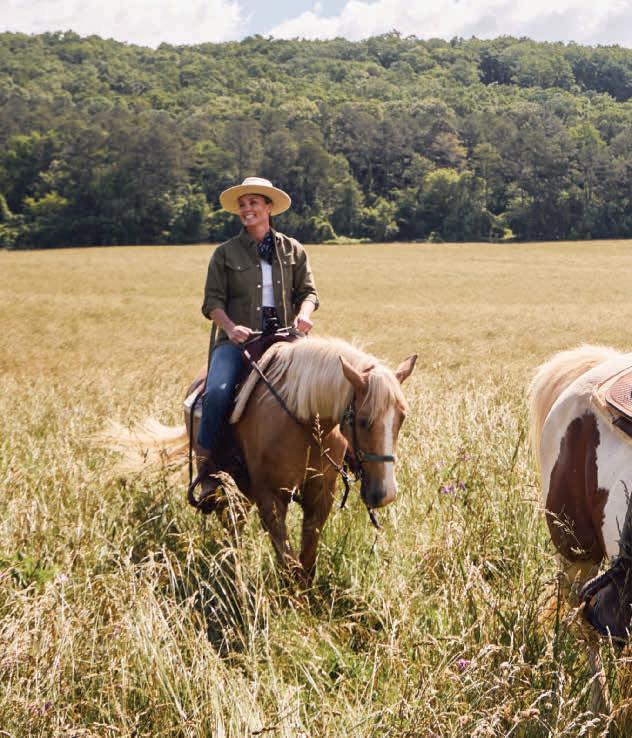
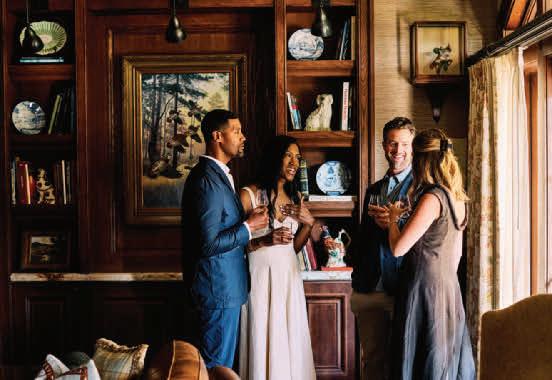
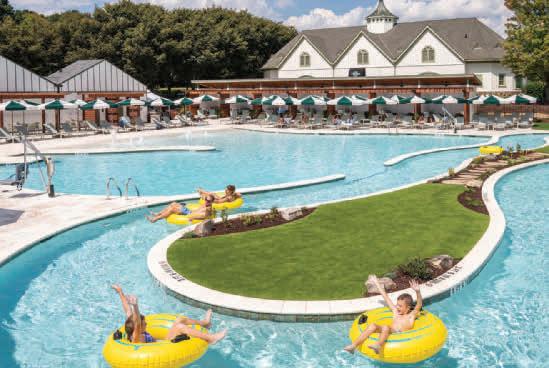
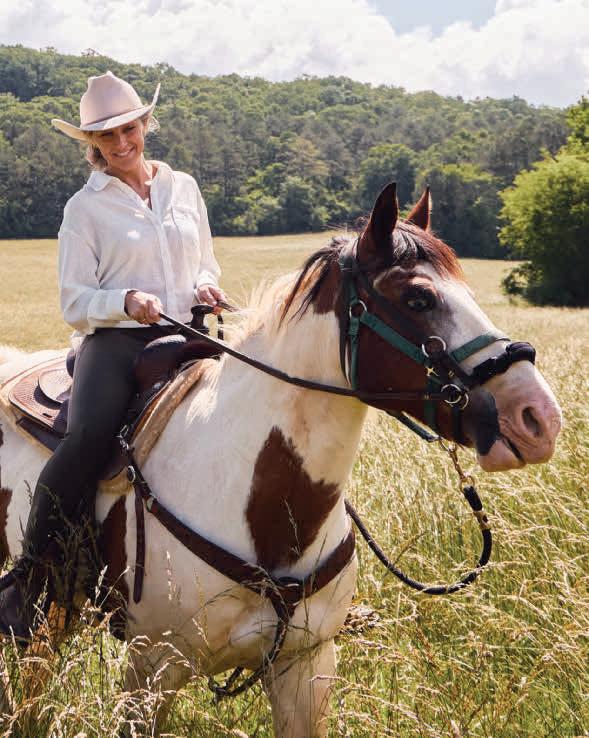
“I’VE HAD THE PRIVILEGE OF WORKING WITH SOUTH STREET PARTNERS THROUGH KIAWAH ISLAND AND THE CLIFFS, SO CONTINUING THAT COLLABORATION HERE WAS AN EXCITING OPPORTUNITY. FOR ME, IT’S ALWAYS INTRIGUING TO UPDATE A CLASSIC—HOW DO YOU BREATHE NEW LIFE INTO AN ESTABLISHED RESORT IN A WAY THAT ENHANCES THE EXPERIENCE WITHOUT DETRACTING FROM OR COMPETING WITH ITS HISTORY? WALKING THE PROPERTY AT NIGHT OR IN THE EARLY MORNING WAS INCREDIBLY MOVING— THE HISTORIC RUINS ARE NOT ONLY ARCHITECTURALLY INSPIRING BUT ALSO GROUNDING. THE STORY OF THE FAMILY AND THE LAND BECAME A TOUCHSTONE FOR THE DESIGN, BUT MORE THAN ANYTHING, IT WAS THE RELATIONSHIP TO THE OUTDOORS THAT GUIDED US. BARNSLEY’S SPORTING LIFESTYLE, PAST AND PRESENT, ALONG WITH A WAY OF LIVING DEEPLY CONNECTED TO THE LAND, INFORMED EVERYTHING FROM THE MATERIALITY AND COLOR PALETTE TO THE ART CURATION.”
SCAN THE QR CODE FOR YOUR EXCLUSIVE OFFER TO DISCOVER BARNSLEY RESORT:
OVERNIGHT STAY IN A COTTAGE SUITE BREAKFAST FOR TWO WELCOME COCKTAIL FOR TWO AT JULES
$100 ACTIVITY CREDIT
SIGNATURE LOGO WELCOME GIFT
OFFER IS VALID FOR RESERVATIONS THROUGH JANUARY 31, 2027. SOME RESTRICTIONS AND BLACKOUT DATES APPLY. SEE ADDITIONAL OFFER
DETAILS AT TIME OF BOOKING.
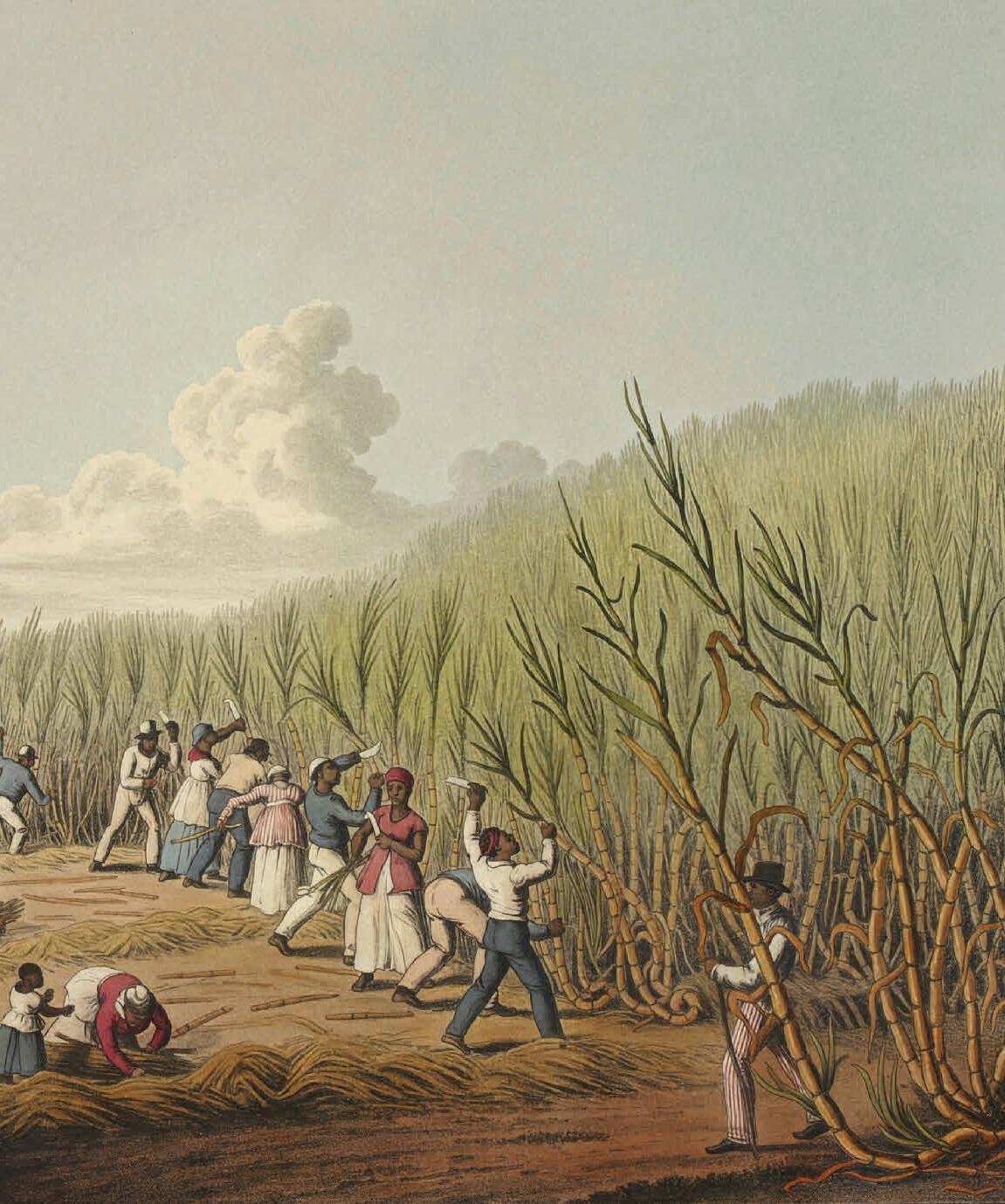
In the seventeenth century, Barbados was the model; Carolina the experiment. What followed was a bond of commerce, culture, and survival that still echoes in both places.
STORY by DR. CHRISTINA RAE BUTLER
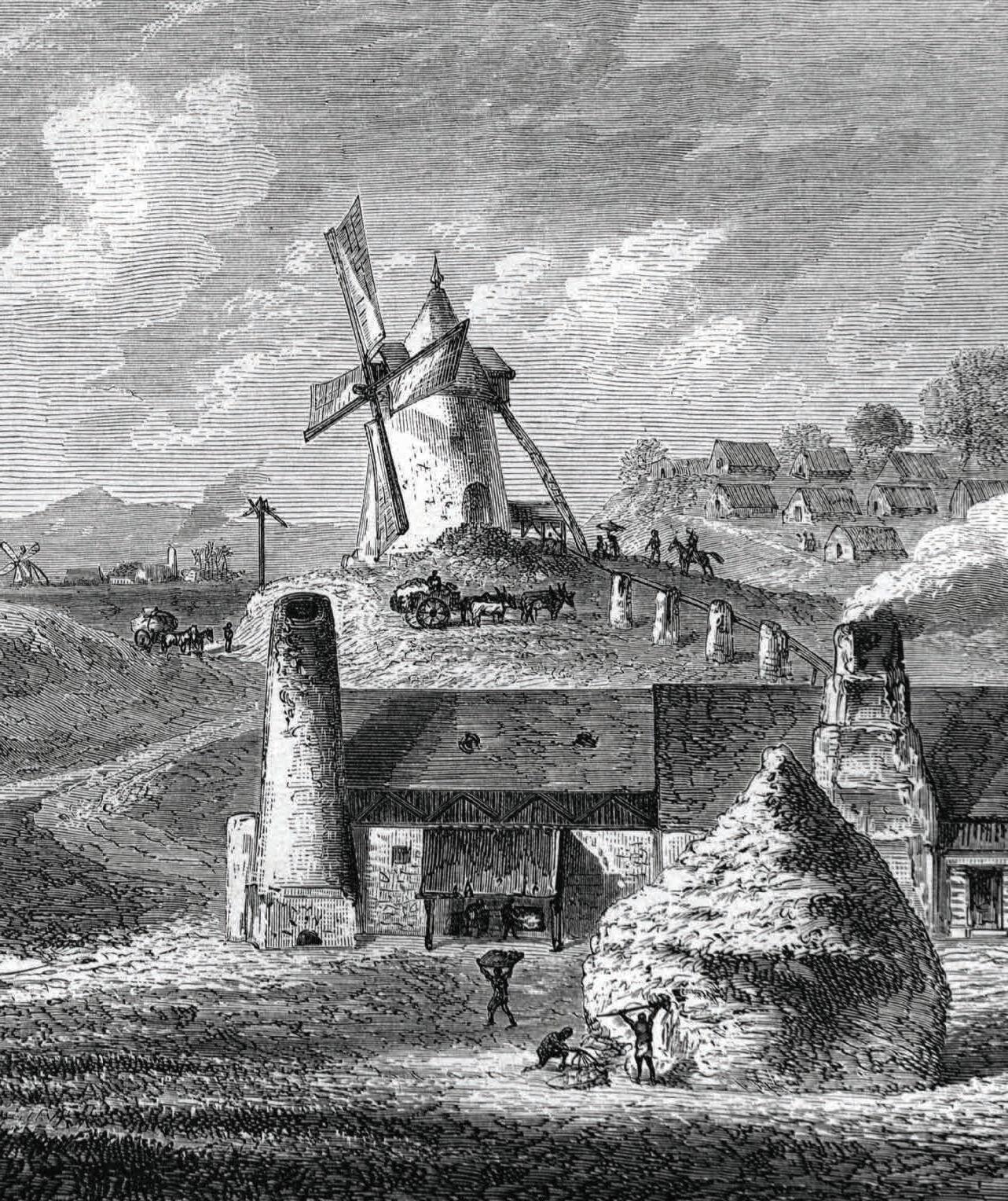
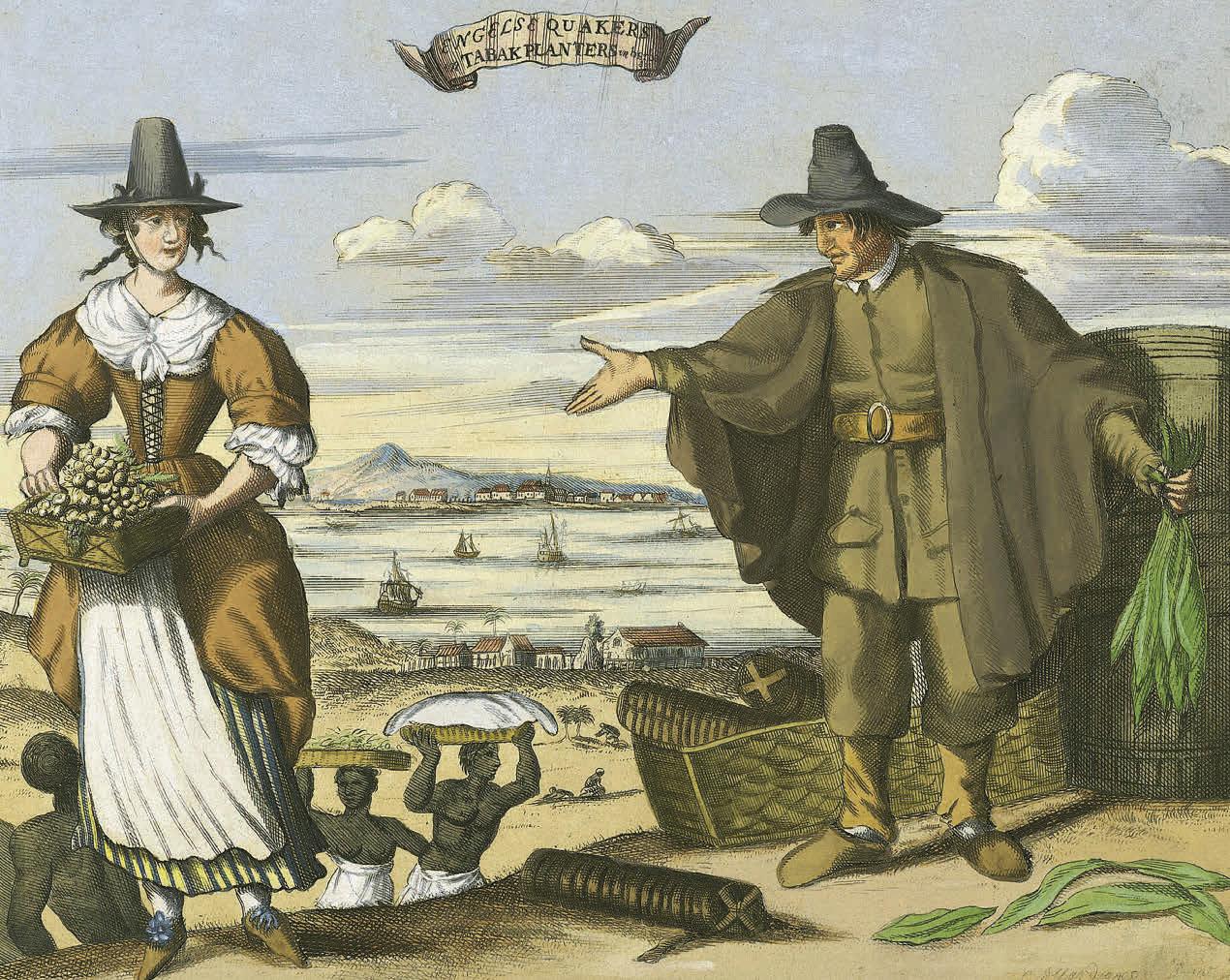
Walk Charleston’s cobbled streets or wander the sugarcane fields of Barbados, and the echoes of a shared past rise quickly to the surface. The heat hangs heavy, the air thick with salt and humidity, storms brewing on distant horizons.
From their beginnings, both places thrived on plantation agriculture sustained by enslaved labor—South Carolina exporting rice, cotton, indigo, and naval stores, while Barbados shipped sugar and rum. Bound to the same British Atlantic world, they inherited Georgian facades, Anglican churches, and English laws and customs, yet each transformed those influences into something distinctly its own. Out of the mix of African, Caribbean, and English traditions, cultures of remarkable depth and resilience emerged. As historian Nic Butler observes, “Before the nineteenth century, Charleston and the Lowcountry of South Carolina had much more in common with the island of Barbados than any one of our neighbors in the United States.”
Barbados is a small, hilly island bound by the Atlantic Ocean and the Caribbean Sea. The western side is low-lying with calm, protective bays, while the eastern shore is rocky and wild, pounded by heavy surf. Today, its landscape remains quilted with tropical forests, scattered sugarcane fields, and bustling port cities such as Bridgetown, the capital, and Speightstown along the coast. Before the British arrived, the island was inhabited by Amerindians and visited by Spanish and Portuguese sailors. When the English claimed it in 1627, they brought free settlers, exiled criminals, and
indentured servants, many from Ireland, who struggled to make tobacco thrive. Within a generation, sugar had transformed Barbados into one of the wealthiest English colonies in the world. Dutch traders and Sephardic Jewish merchants helped push the new commodity into European markets, while enslaved Africans provided the brutal labor to keep the plantations running. By the 1640s, Barbados had become a wealthy plantocracy, and by the end of the century it had a Black majority. Its monoculture economy and unyielding reliance on slavery became a model for South Carolina, the younger colony to the north. The Fundamental Constitutions of 1669 even carried a distinctly Barbadian clause: “every freeman of Carolina shall have absolute power and authority over his negro slaves, of what opinion or religion soever.” By 1706, South Carolina too had an enslaved majority.
The political ties between the two colonies began before English settlers even set foot in Charleston. By the 1660s, Barbados was the richest English colony in the Americas, but at just one-tenth the size of Charleston County, land was scarce and nearly every acre planted in sugar. Provisions were in short supply, and Barbadian
planters began looking outward. As Nic Butler explains, “The Barbadian planters and investors’ desires led to the creation of a new English colony on the North American mainland, a place called Carolina.” Convinced of the potential profits, King Charles II granted a charter in 1663 to eight investors known as the Lords Proprietors— several of whom, like Lord Anthony Ashley Cooper and Sir John Colleton, owned plantations in Barbados.
South Carolina soon became the main provisioner for Barbados, shipping lumber, barrel staves, salted beef, and other supplies to the land-starved island. In return, Barbados sent rum, sugar, and molasses northward, along with its other chief export: migrants. Both white and enslaved Barbadians came to South Carolina in significant numbers. Many of the colony’s first leaders had Barbadian roots, among them governors John Yeamans, James Colleton, and Robert Gibbes. Florence O’Sullivan, the enigmatic Irishman who gave his name to Sullivan’s Island, was another Barbados transplant. He likely left the island as a Catholic soldier of fortune, barred from holding land or office, and reappeared in Carolina as an infantry captain.
The maritime connections between the two colonies also attracted less savory characters. Charleston’s infamous “Gentleman Pirate,” Stede Bonnet, was a Barbadian landowner before taking to the seas. The Goose Creek Men, a faction of wealthy Barbadian planters who settled near Charleston, became notorious for their ruthless pursuit of profit. They supported Indian slave trading, colluded with pirates, and resisted the authority of the Lords Proprietors. Historian Robert Weir described John Yeamans as “an aggressive Barbadian” and “a pirate ashore,” willing to sell desperately needed provisions back to the colony at inflated prices. Robert Daniell, namesake of Daniel Island, and Arthur Middleton, whose descendants became a powerful Carolina dynasty, also moved in these circles. The politics were cutthroat, and allegiances shifted with the winds of opportunity.
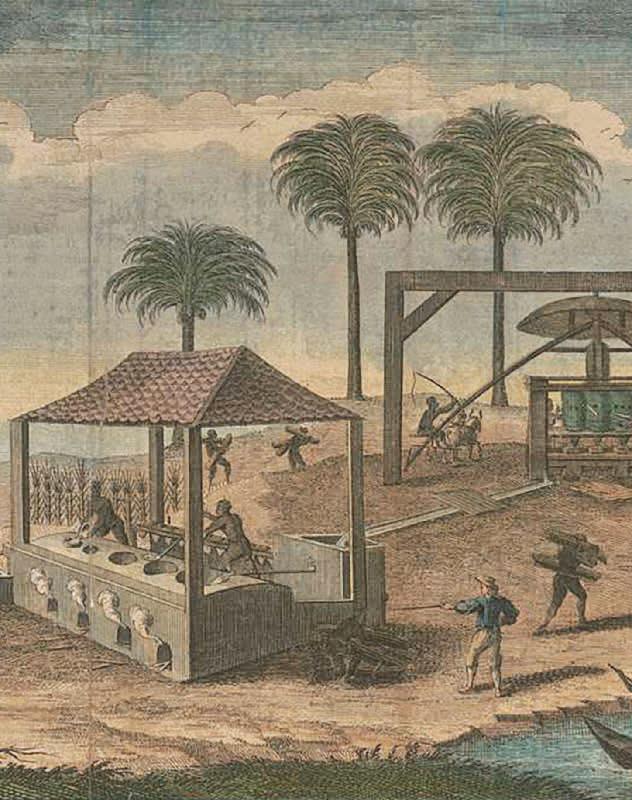
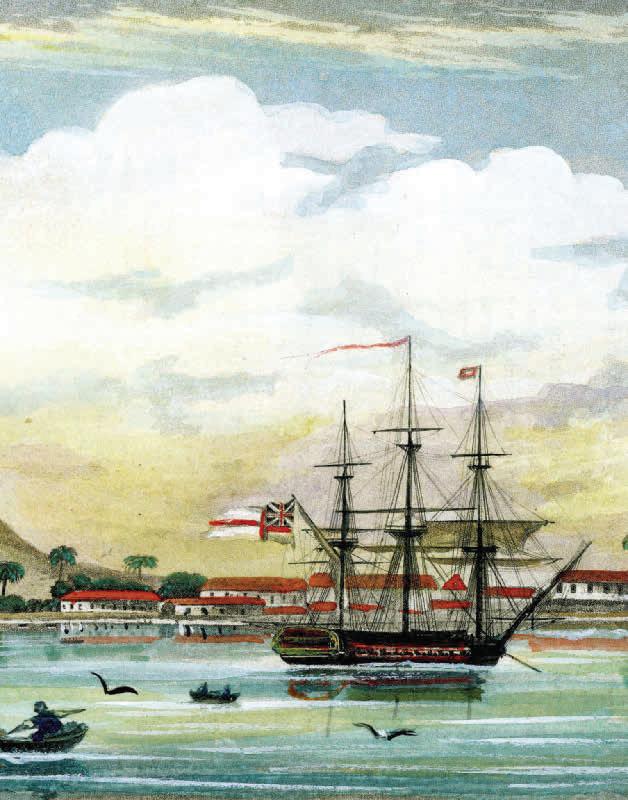
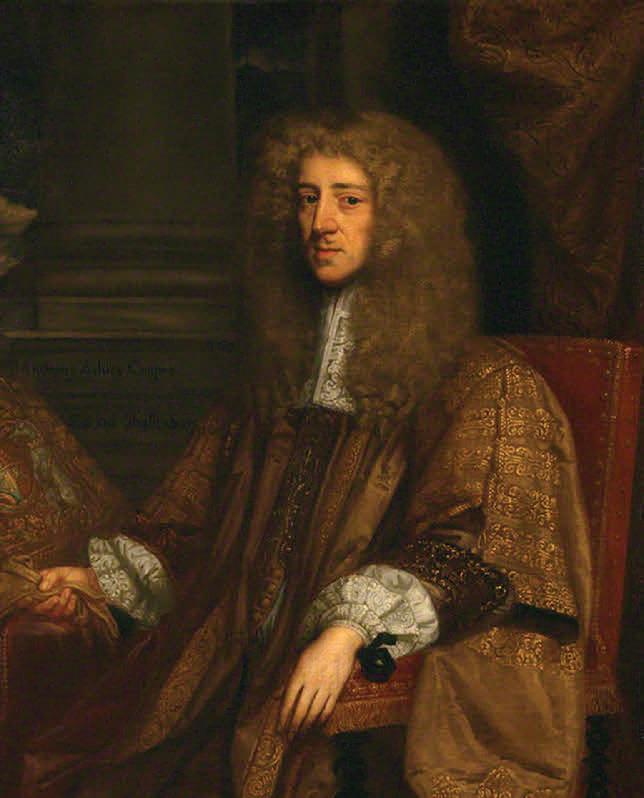
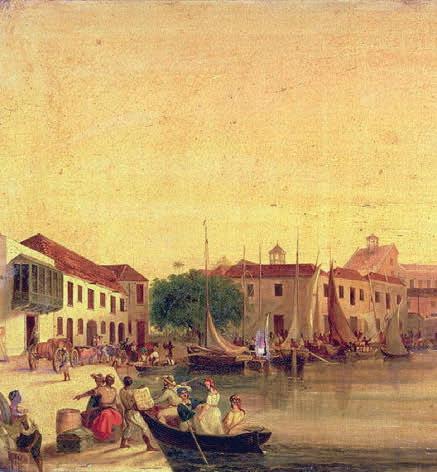
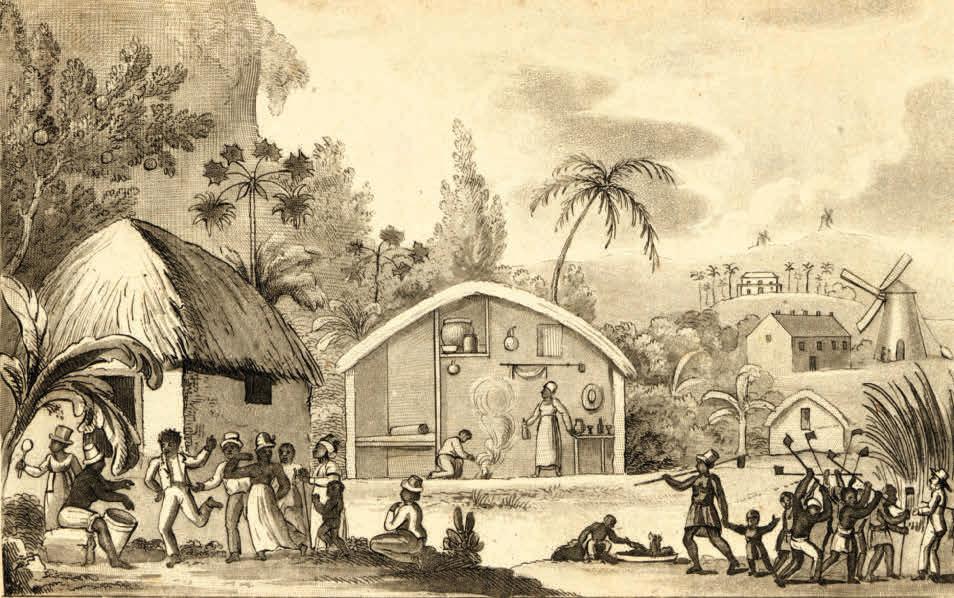
Though plantations in South Carolina sprawled across larger tracts of land, the physical landscapes looked familiar to Barbadian eyes: fields of crops, processing areas (sugar mills on the island, indigo vats in Carolina), housing for the enslaved, and the planter’s “big house” with formal gardens. Enslaved people in both colonies often built their own dwellings from whatever materials were at hand. Both societies were divided into parishes named for English saints—Christ Church, St. Michael, St. Philip, St. John—a pattern still visible in Charleston’s map and mirrored in Barbadian districts. Cuisine carries the imprint as well. Barbados’s national dish, cou-cou with flying fish, recalls the Lowcountry’s shrimp and grits. Staples like fish, crawfish, macaroni pie, okra, sweet potatoes, and pork filled tables in both places. Conkies— cornmeal dumplings steamed in banana leaves—parallel Carolina hush puppies. Chitterlings, pickled pigs’ feet, and hearty, no-waste stews like gumbo appear in both traditions. Even souse—known in the South as hog’s head cheese—was a
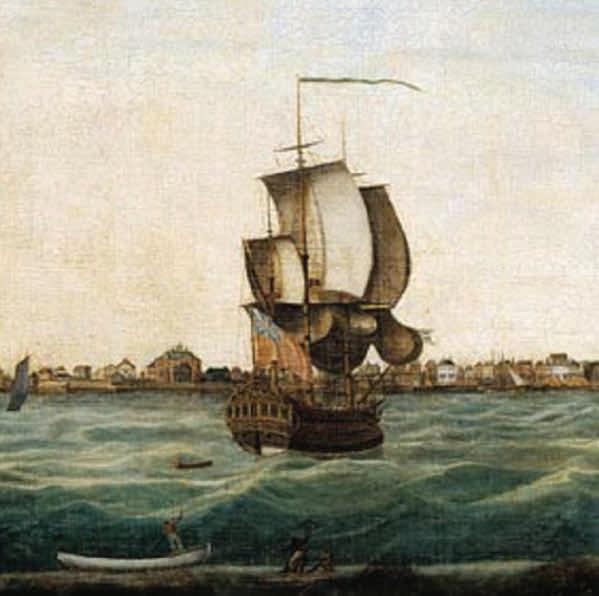
holiday delicacy in both regions. Put simply, Lowcountry soul food would be right at home in Barbados.
Architecture tells the story just as vividly. Barbados’s highstyle buildings were cut from coral limestone and dressed with Georgian details, while Charleston’s elite houses relied on Bermuda stone and local brick. Both borrowed from English neoclassicism, but builders adapted to their tropical settings with steep hipped roofs against storms, wide piazzas to channel breezes, and pastel limewashes to reflect the sun.
The most striking architectural link is Charleston’s single house, a form now rare in Barbados but iconic in the Holy City. Narrow and just one room wide, stretching deep into slim lots, the single house suited dense urban grids and hot, humid climates. The front door, placed halfway along the long side, opened to a central stair hall, while piazzas—Charleston’s word for porches—ran the length of the building. Fires in Bridgetown erased many early examples, leaving Charleston with the oldest survivors, but most scholars agree the form migrated north. Practical and elegant, the single house proved less fire-prone than English row houses with shared walls, and it became Charleston’s defining vernacular.
The continuities between island and mainland still endure. In Barbados, Bajan creole—a blend of British, West African, and Caribbean influences—remains the language of everyday life. In the South Carolina Lowcountry, Gullah culture preserves a similar mix of African and English traditions, strongest in rural and island communities. Both are living testaments to resilience and adaptation in the face of centuries of upheaval.
The Barbados and Carolina Legacy Foundation, led by Rhoda Green, works to sustain these connections through research, exchanges, and cultural celebrations. Thanks to the dedication of Bajan and Gullah peoples, historians, anthropologists, and heritage tourism advocates, the ties between these two colonial sisters continue to strengthen in the twenty-first century. They remind us that the bond between Barbados and South Carolina is not only a story of the past but a living legacy—one still tasted in food, heard in language, and seen in the built landscapes of both places.
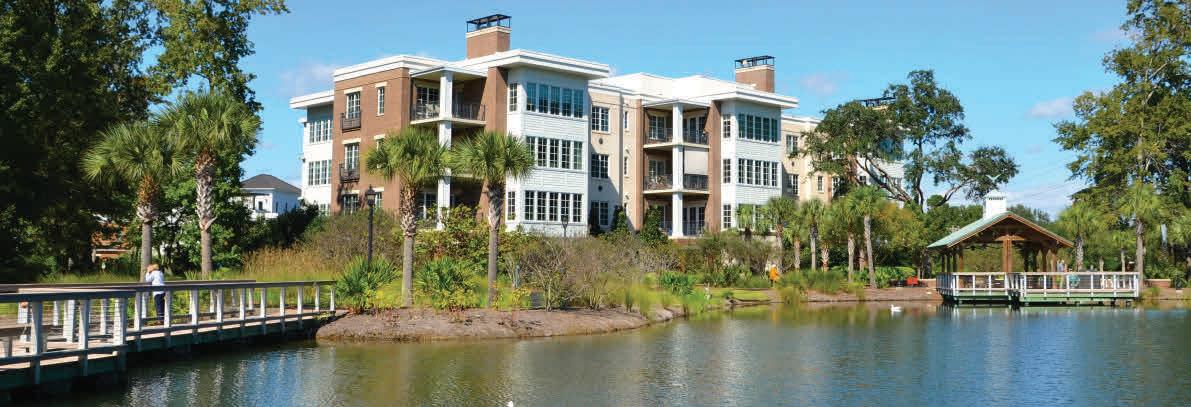
Bishop Gadsden celebrates new beginnings with Seafields, our second community just south of our James Island home. Come and tour the luxury amenities and well-appointed independent living and assisted living residences at the first and only 62+ Life Plan Community in the Kiawah and Seabrook Island area.
Limited Residences Remain. Plan Your Future Today.
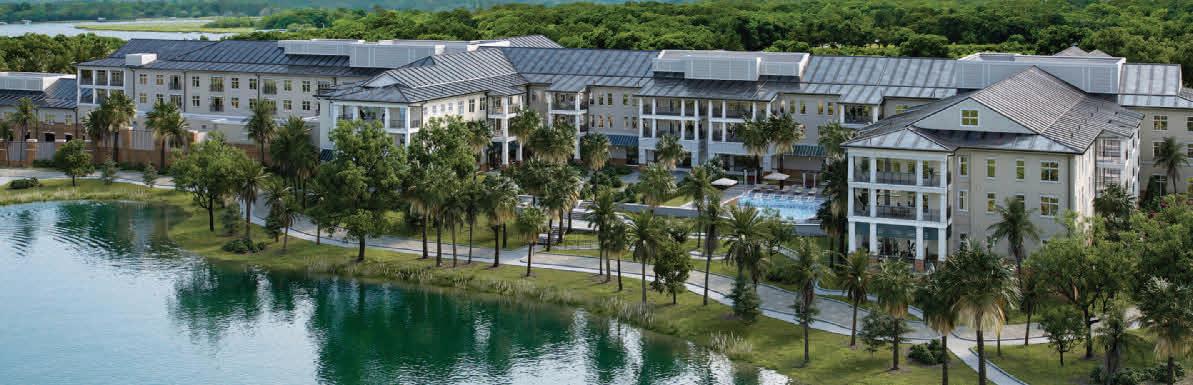
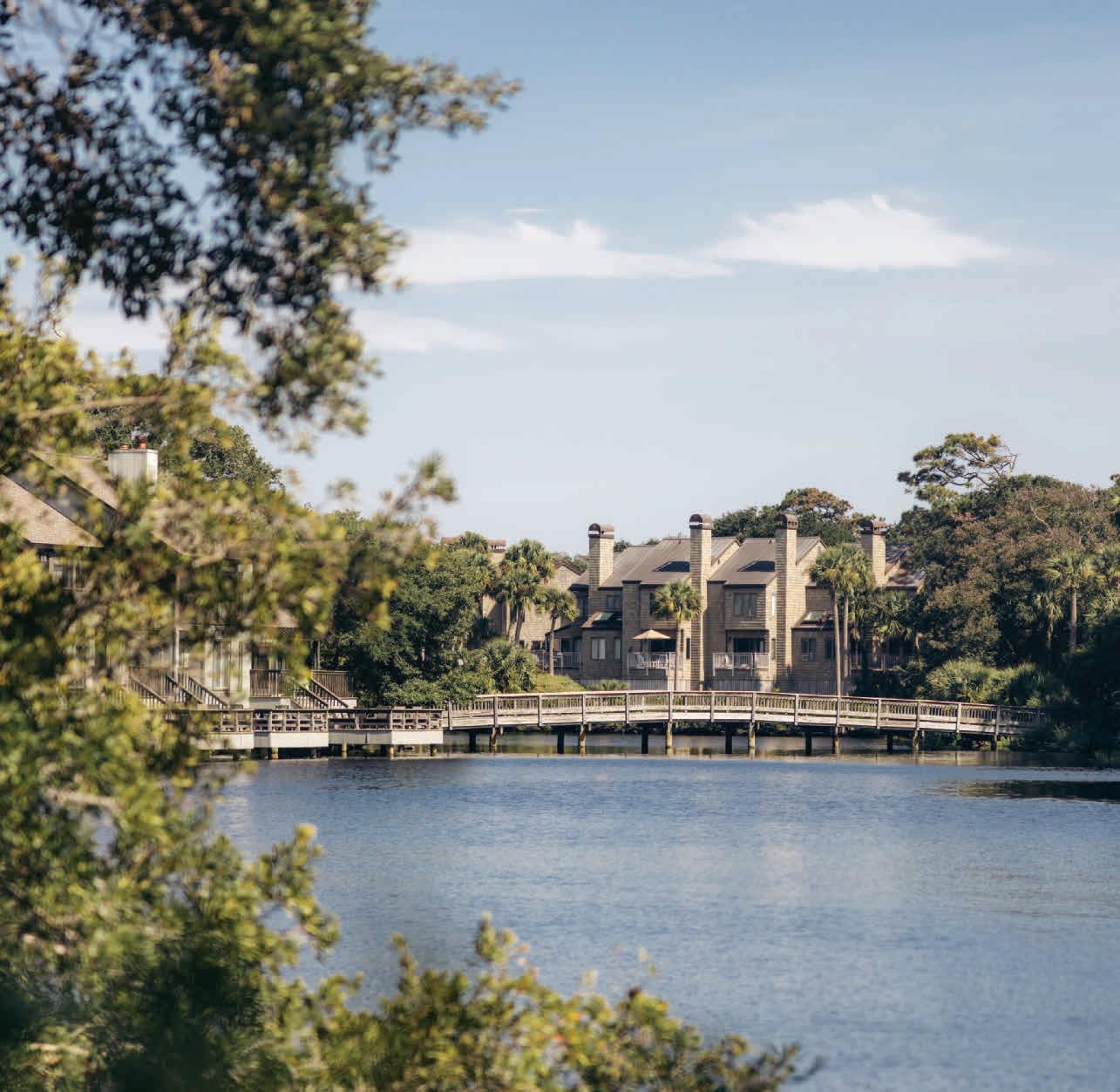
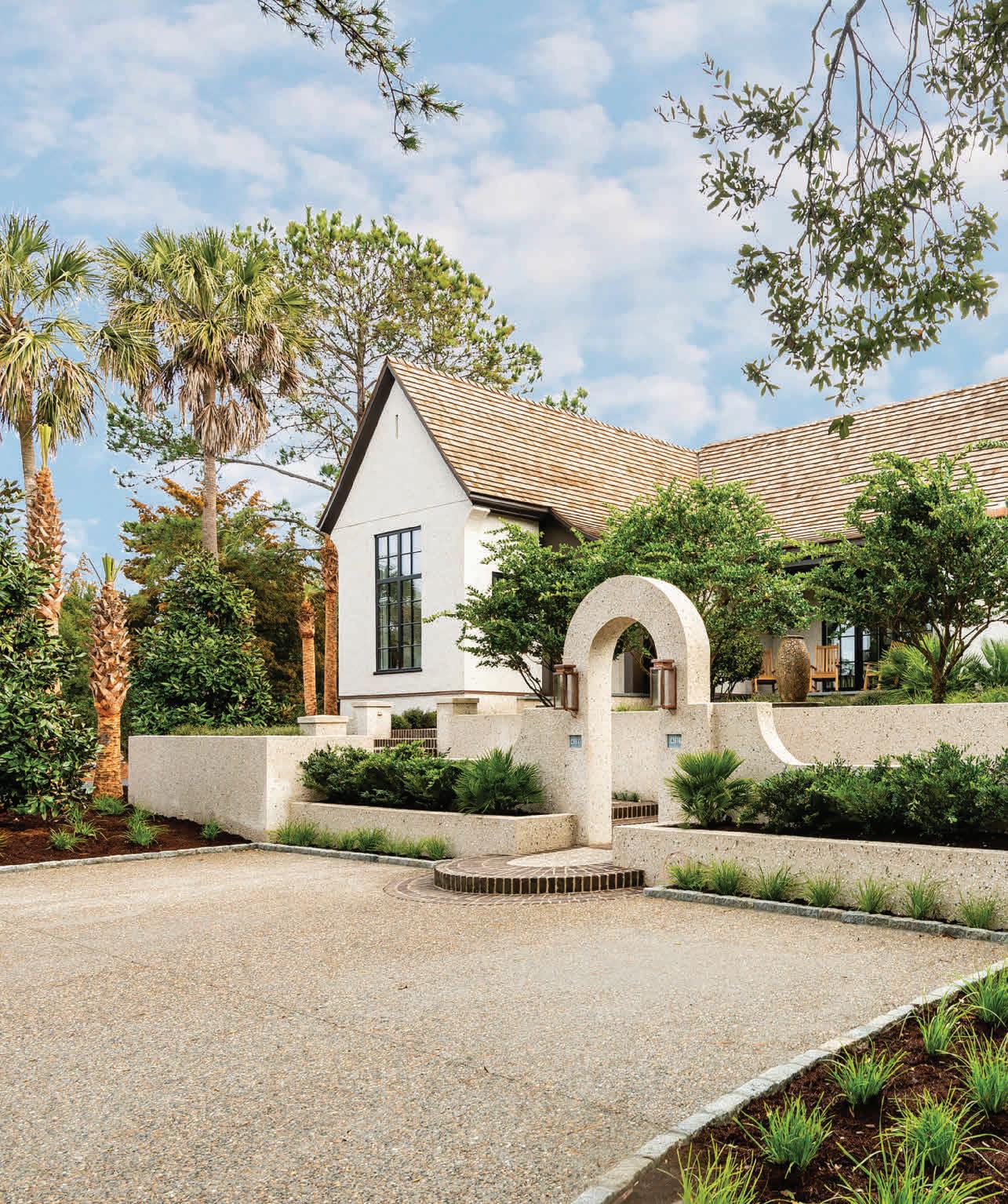
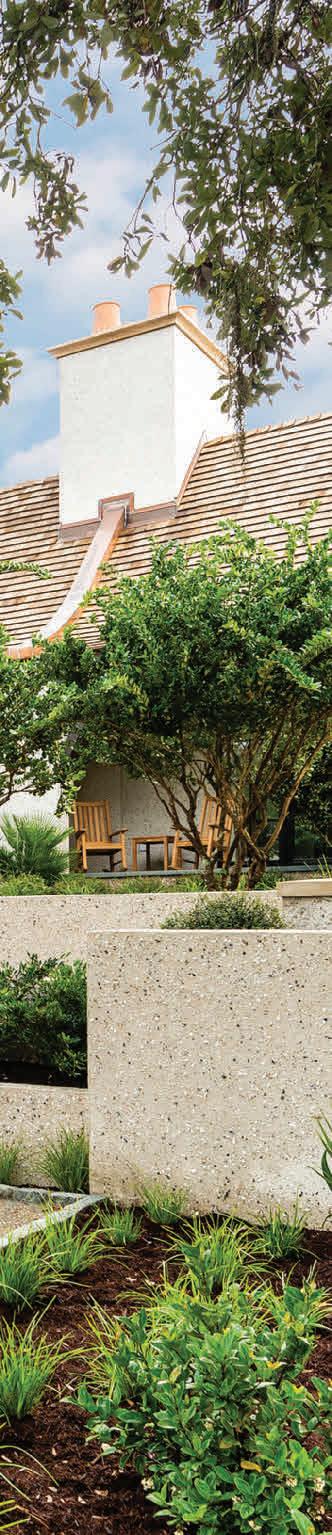
STORY by HAILEY WIST PHOTOGRAPHS by PATRICK O’BRIEN
THERE ARE FEW BETTER WAYS TO EXPERIENCE KIAWAH THAN BY STAYING IN ONE OF KIAWAH ISLAND CLUB’S DISTINCTIVE COTTAGE COLLECTIONS— EACH DESIGNED TO IMMERSE GUESTS IN THE ISLAND’S NATURAL BEAUTY AND RHYTHM OF LIFE. AS A SIGNATURE CLUB AMENITY, THESE COTTAGES ARE AVAILABLE EXCLUSIVELY FOR BOOKING BY CLUB MEMBERS AND THEIR INVITED GUESTS. ALONG THE SOUTHERN MARSHES OF OCEAN PARK, THE COTTAGES AT MARSH WALK PAIR MODERN LOWCOUNTRY ARCHITECTURE WITH LAGOON VIEWS JUST STEPS FROM MARSH HOUSE. ON THE ISLAND’S WESTERN EDGE, THE CAPE COTTAGES BRING A BREEZY COASTAL SOPHISTICATION TO THEIR OCEANFRONT SETTING BESIDE THE CAPE CLUB. AND WITHIN CASSIQUE, THE GOLF COTTAGES REFLECT THE COMMUNITY’S SIGNATURE ENGLISH ARTS AND CRAFTS STYLE, OFFERING A SERENE RETREAT SHAPED BY TRADITION AND CRAFT. THOUGHTFULLY DESIGNED AND BEAUTIFULLY SITUATED, EACH SETTING INVITES GUESTS TO SEE—AND FEEL—KIAWAH AT ITS MOST INSPIRED.
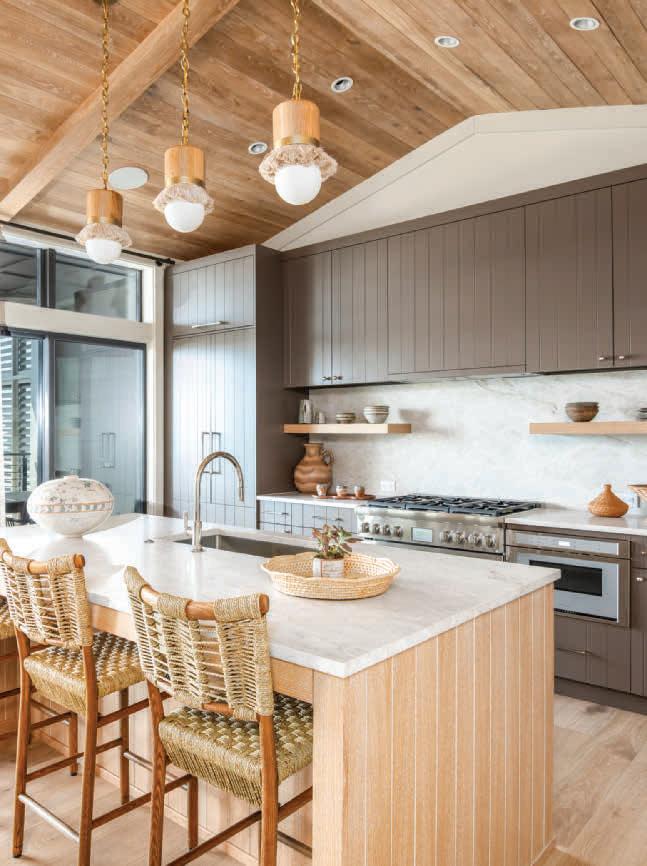
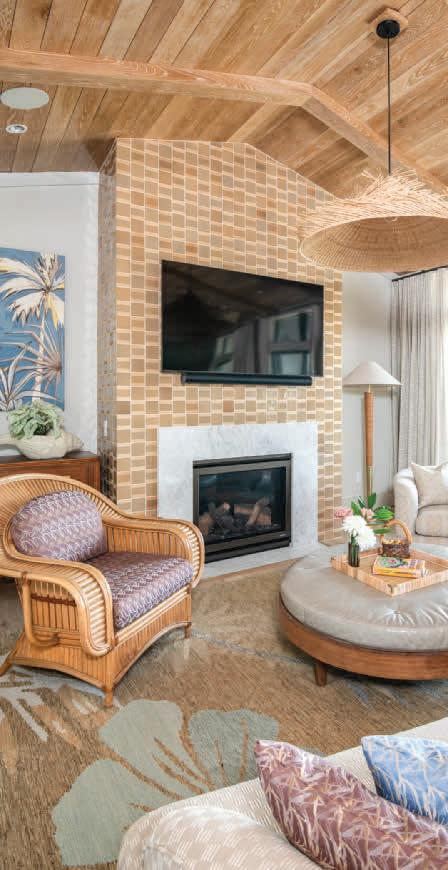
Positioned at the western edge of Kiawah Island, The Cape Cottages occupy a rare stretch of land between the Atlantic Ocean and the Kiawah River. Designed as an extension of the surrounding landscape, the cottages balance contemporary coastal architecture with a respect for the natural environment. Interiors by Cortney Bishop layer organic textures and muted tones, drawing inspiration from the neighboring dunes and maritime forest. Large windows and outdoor living spaces invite light and sea air into every room. Adjacent to The Cape Club, guests have immediate access to the oceanfront pool, restaurant, and boardwalk, making this enclave both serene and connected—a front-row seat to the intersection of river, marsh, and sea.
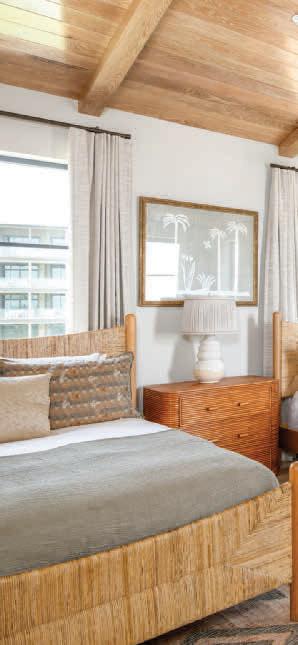
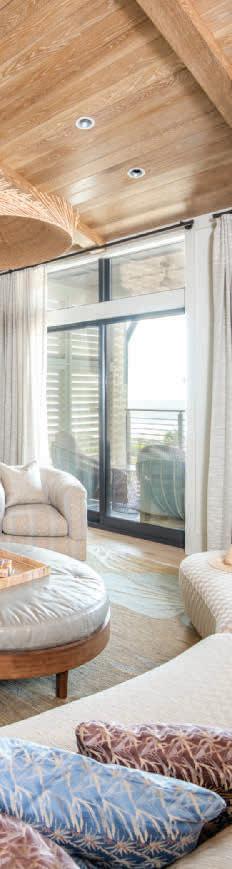
DETAILS: EACH COTTAGE FEATURES TWO BEDROOMS AND ALIGNS WITH THE CAPE CLUB’S POOL-TO-BEACH BOARDWALK FOR SWIFT SHORELINE ACCESS. DESIGNED BY CORTNEY BISHOP, THE INTERIOR PALETTE BLENDS STAINED WOODS AND COASTAL GREENS IN A “RUSTIC SAFARI” MOTIF.
SITUATED WHERE THE KIAWAH RIVER MEETS THE ATLANTIC, THE LOCATION OFFERS OCEAN VIEWS WITH IMMEDIATE BEACH ACCESS.
MEMBERS AND THEIR GUESTS ENJOY SERVICES RANGING FROM STOCKED KITCHENS TO BEACH GEAR RENTAL, ALL COORDINATED THROUGH KIAWAH ISLAND CLUB.
Set at the Island’s western tip, The Cape Cottages sit at the meeting point of river, marsh, and sea.
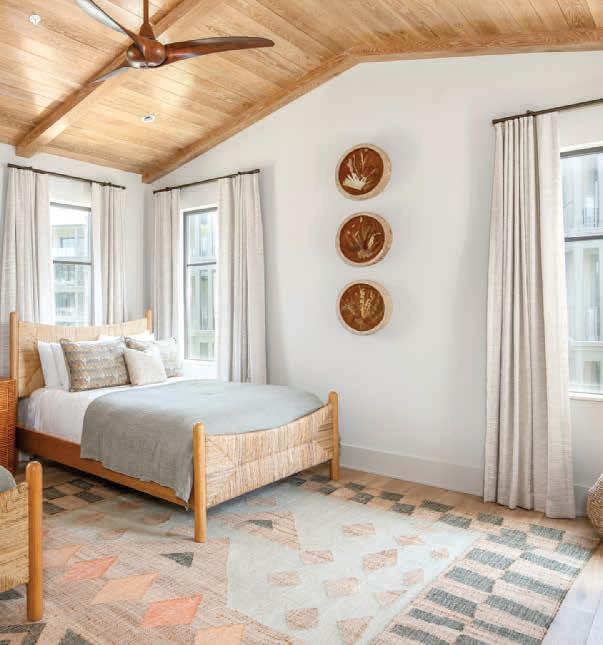
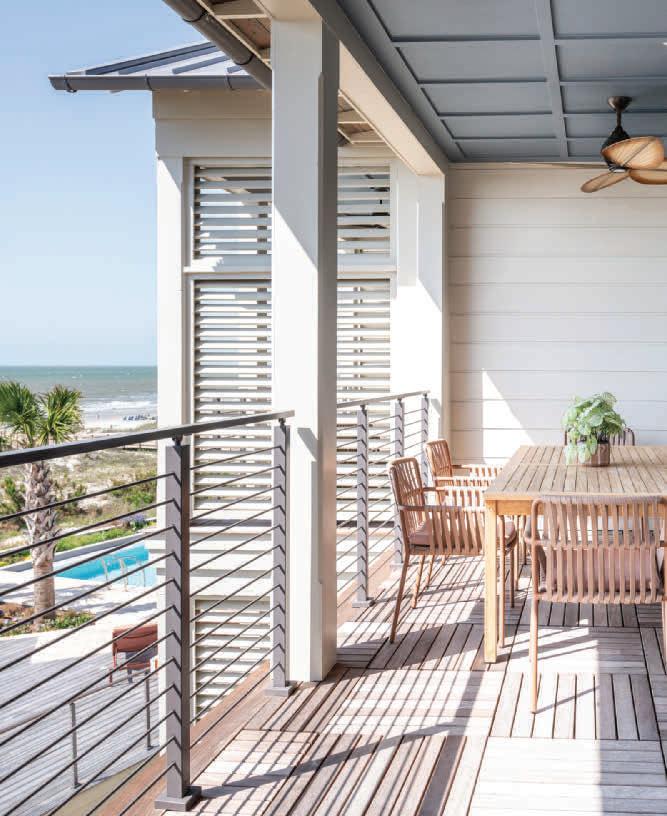
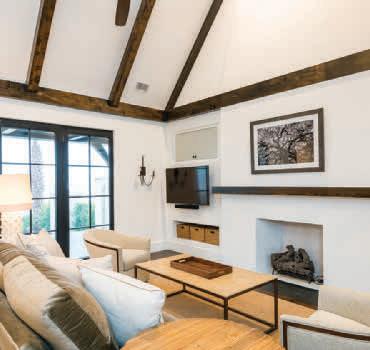
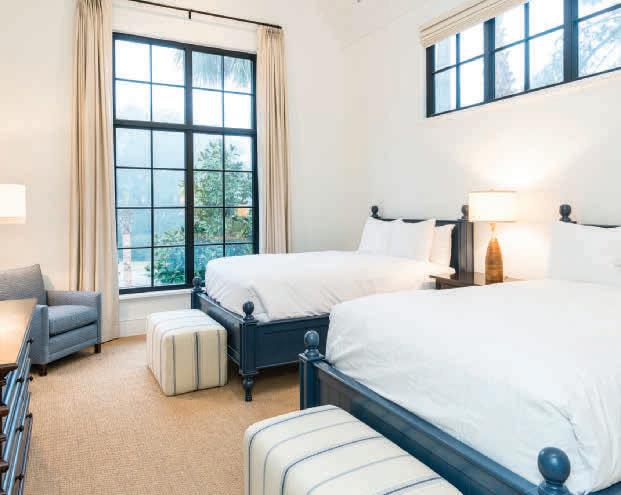
DETAILS: EACH COTTAGE FEATURES TWO PRIMARY BEDROOM SUITES, VAULTED LIVING SPACES, AND OPEN KITCHENS WITH WOLF, SUB-ZERO, AND BOSCH APPLIANCES. SIX COTTAGES ARE ARRANGED IN THREE BUILDINGS, WITH CONNECTING DOORS THAT ALLOW PAIRS TO BE RENTED TOGETHER FOR LARGER GROUPS. INTERIORS WERE DESIGNED BY STEPHANIE MOLSTER WITH WHITE OAK FLOORING, MARBLE FINISHES, AND LIGHT-FILLED OPEN LAYOUTS. LOCATED BESIDE THE CASSIQUE PRACTICE RANGE, THE COTTAGES OFFER DIRECT ACCESS TO GOLF, DINING, AND FITNESS AMENITIES.
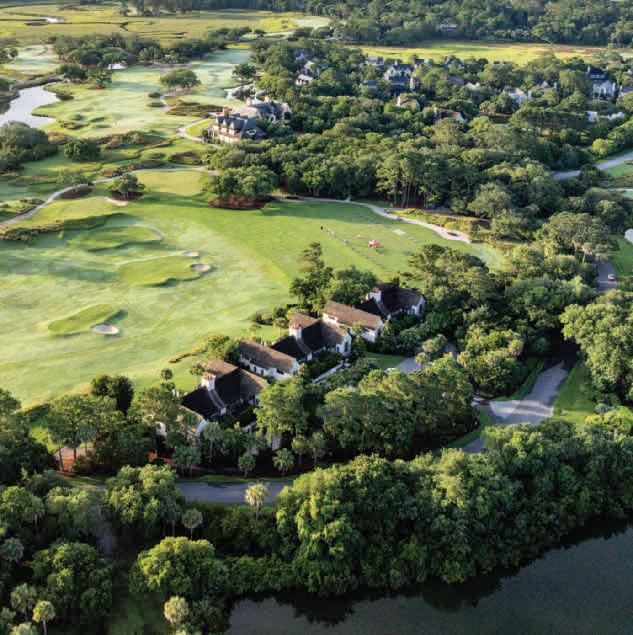
Opened in 2019, the Cassique Golf Cottages embody the craftsmanship and quiet elegance that define the Kiawah Island Club experience. Designed by Kiawah Partners Chief of Architecture and Design Amanda Mole and architect Clay Shackelford, the six cottages draw from Cassique’s English Arts and Crafts heritage, pairing cedar-shingled roofs and copper detailing with interiors that frame sweeping views of marsh, garden, and fairway. Each two-bedroom residence balances grand, vaulted living spaces with intimate architectural moments—a barrel-ceilinged dining nook here, a sun-filled porch there. Steps from the practice range and clubhouse, the cottages invite connection and retreat in equal measure. Guests enjoy the full complement of Club amenities—from dinner at Voysey’s to concierge-arranged tee times—all within Cassique’s walkable, walled-garden setting. Designed for sharing “the good life,” these cottages transform a stay into an experience that feels both deeply personal and entirely of place.
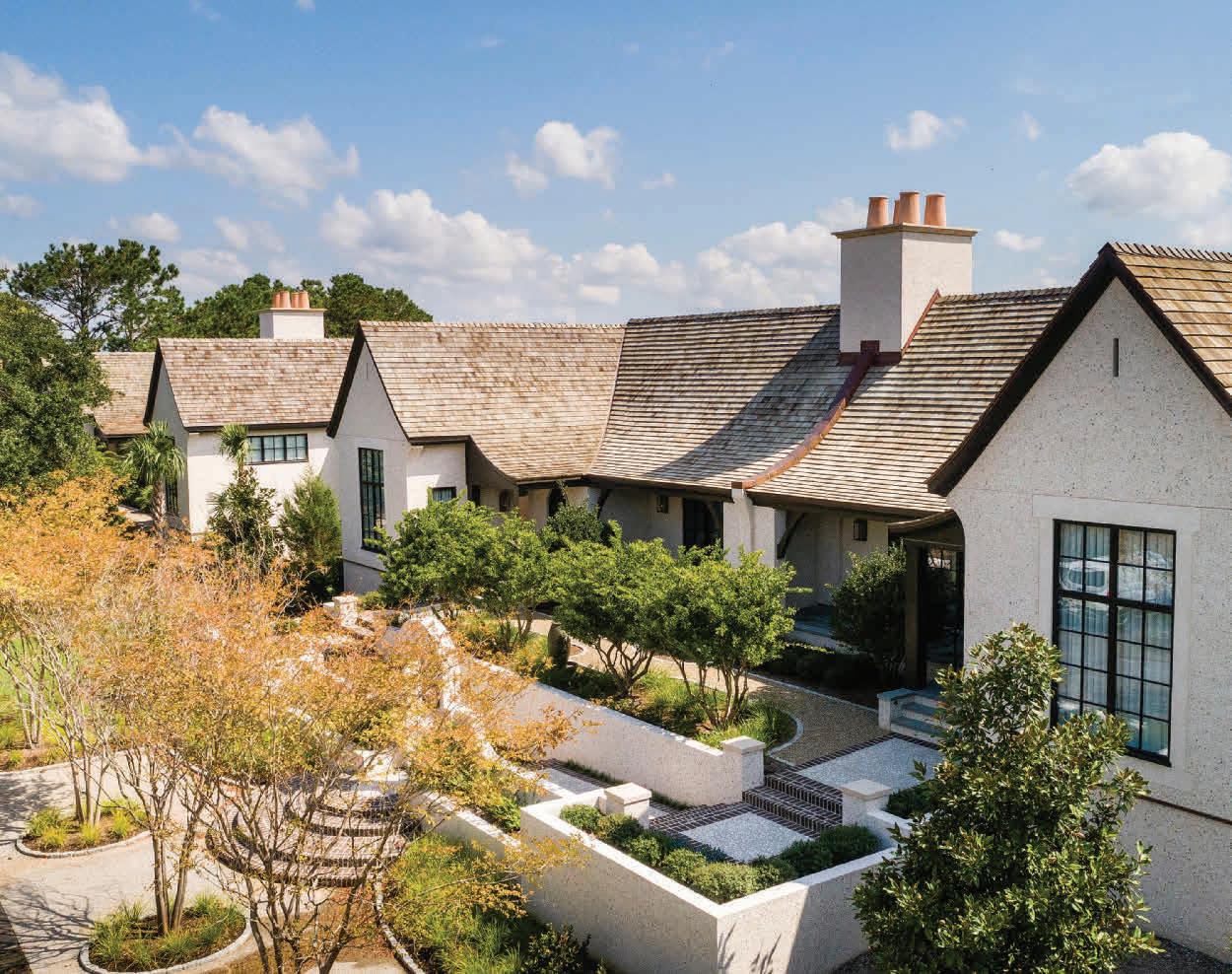
THE COTTAGES AT MARSH WALK
At the edge of Ocean Park, The Cottages at Marsh Walk offer a front-row view of Kiawah’s most cinematic landscape— where marsh, lagoon, and ocean meet beneath an evershifting sky. Designed in harmony with their surroundings, these light-filled cottages open to lagoon views and salt breezes, with screened porches that blur the line between indoors and out. Each home features two primary suites and an airy loft, an ideal configuration for families or small gatherings. Just over 1,900 square feet, the design favors openness and ease, with large windows that frame the water and draw in the day’s changing light. Steps from Marsh House and Ocean Park’s mile-long interior ribbon park and Treehouse, The Cottages at Marsh Walk are both retreat and vantage point—an intimate way to experience the Island’s wild beauty.
The Cottages at Marsh Walk are both retreat and vantage point—an intimate way to experience the Island’s wild beauty.
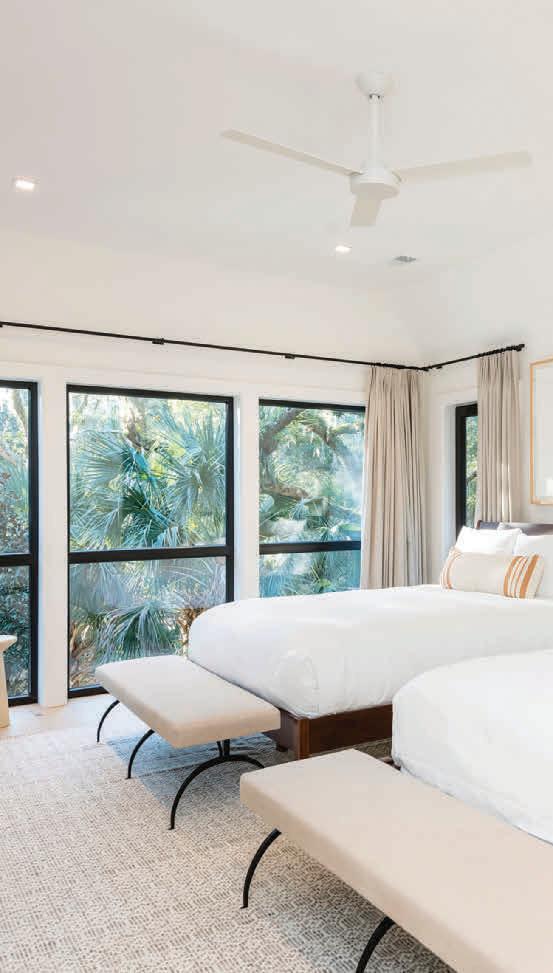
DETAILS: STEPS FROM MARSH HOUSE AND OCEAN PARK’S MILE-LONG INTERIOR RIBBON PARK AND TREEHOUSE, EACH COTTAGE FEATURES TWO PRIMARY SUITES, AN UPPER LOFT, AND OPEN-PLAN LIVING ACROSS 1,900 SQUARE FEET.
LOCATED ON VICTORY BAY LANE, THE COTTAGES AT MARSH WALK OVERLOOK A LAGOON AND THE SOUTHERN MARSHES OF OCEAN PARK.
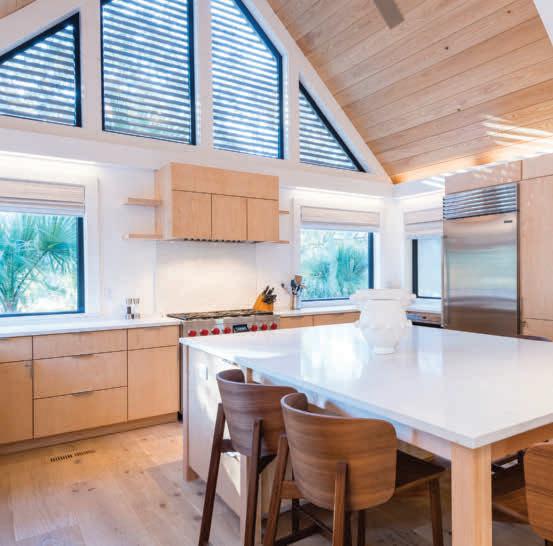

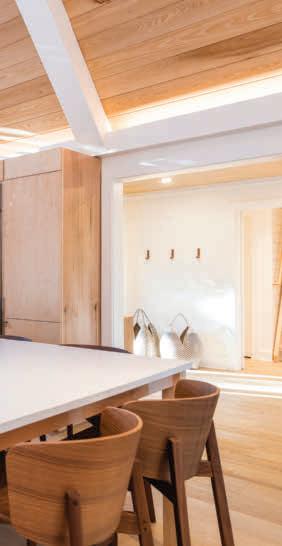
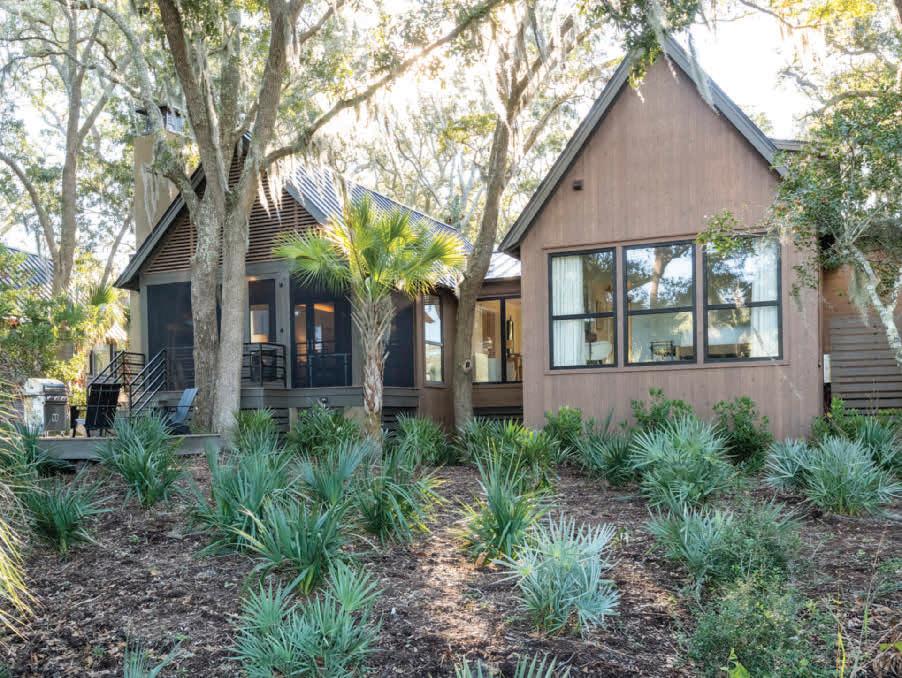
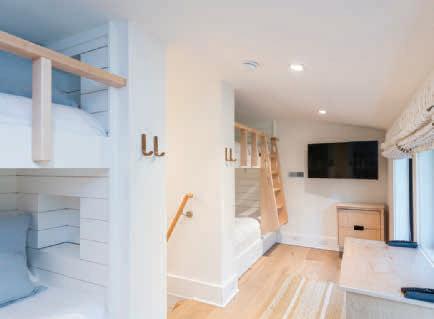
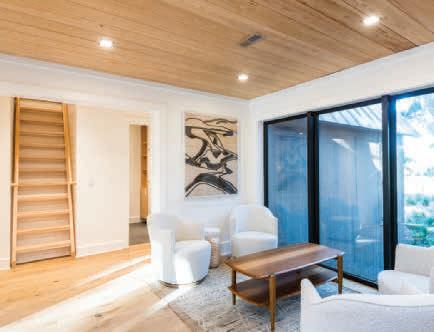
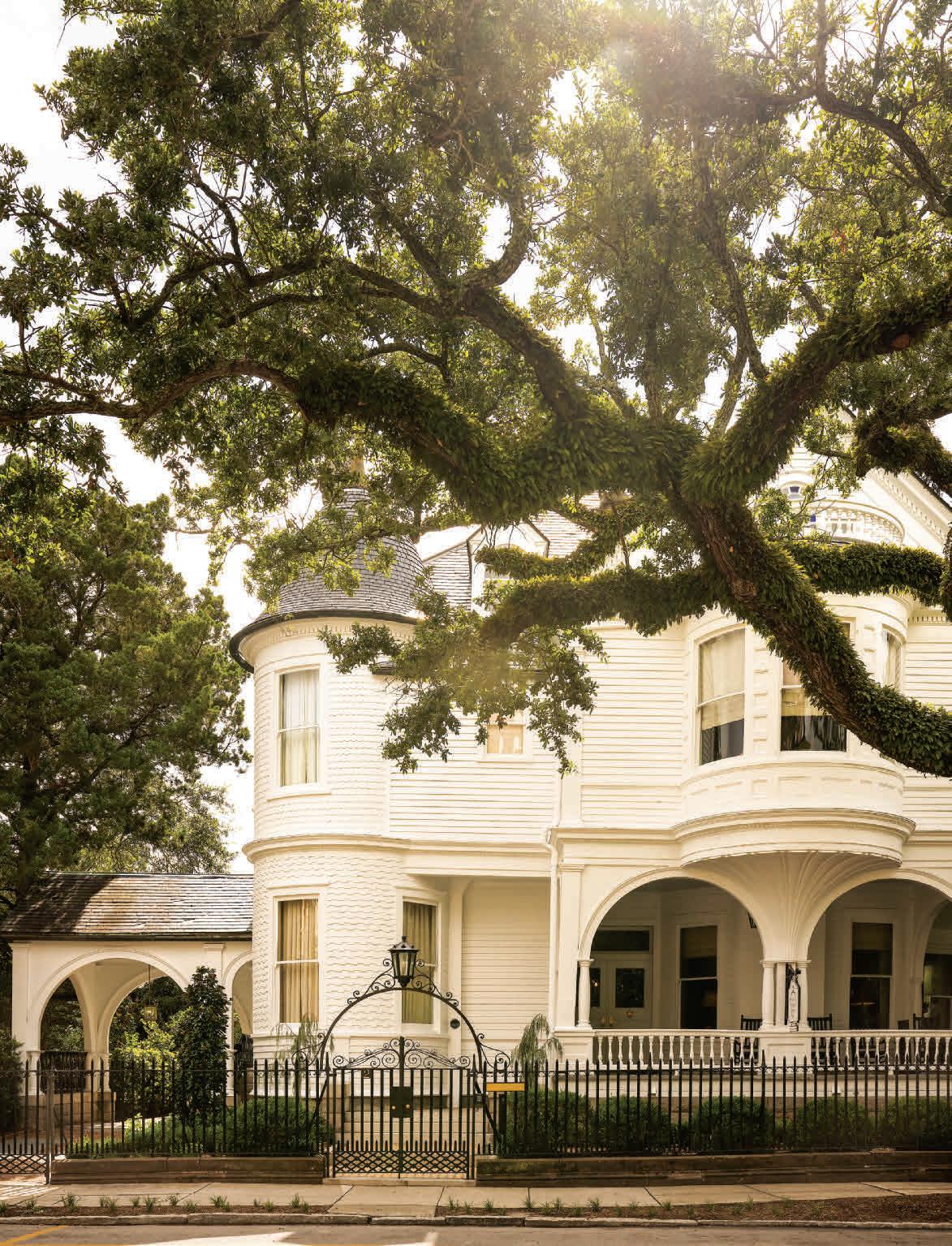
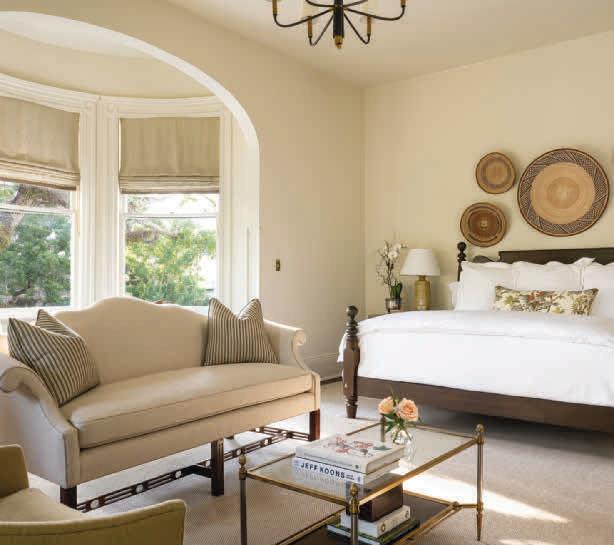
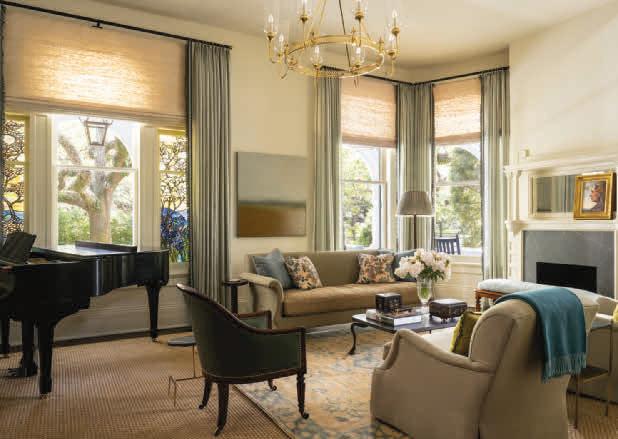
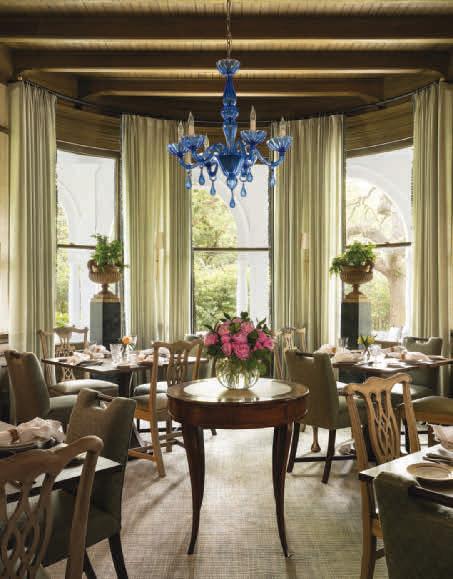
Extending Kiawah Island Club’s collection of distinctive accommodations beyond the Island, Two Meeting Street Inn offers Members a retreat in the heart of historic Charleston. Set at the tip of the peninsula beside White Point Garden, the eight-room 1892 estate pairs preserved architectural beauty with contemporary comfort—a city counterpart to the Club’s coastal cottages.
Photographs by Katie Charlotte

The Charleston Library Society Partners with Kiawah Island Club
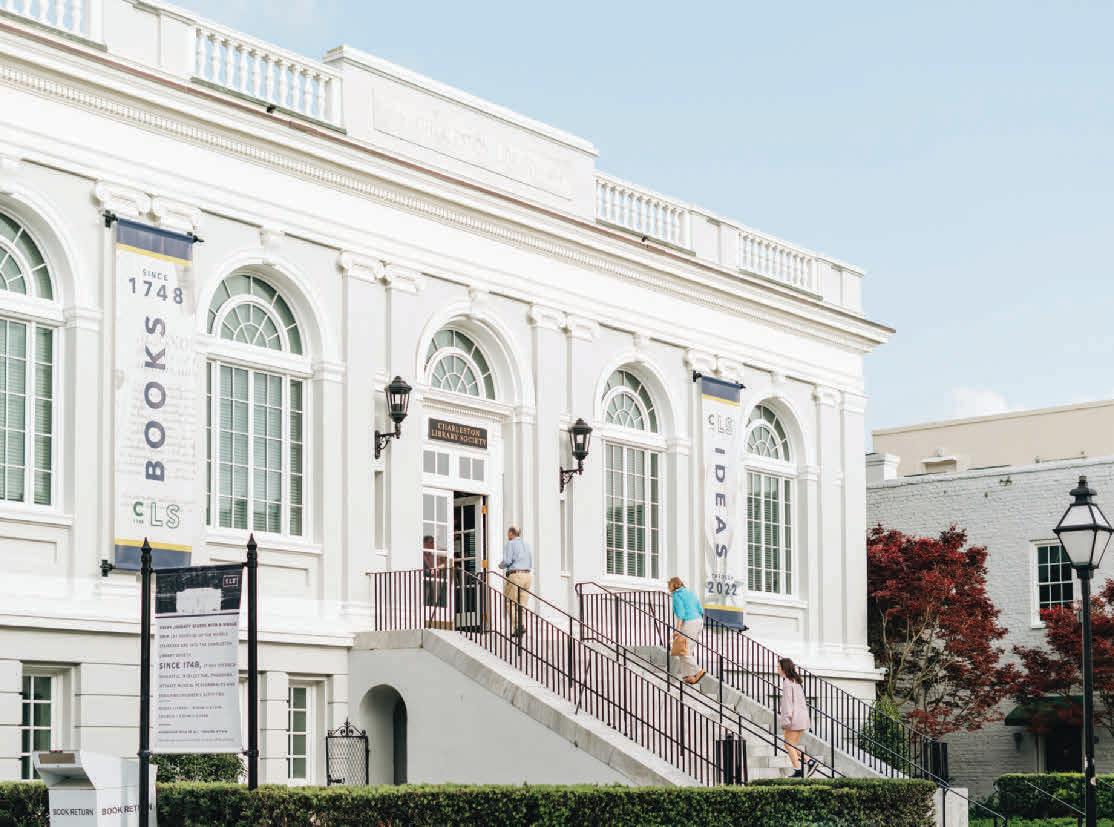
At the center of downtown Charleston, the Charleston Library Society stands as one of the city’s most enduring institutions. Founded in 1748, the Library Society was born of curiosity. A small group of merchants and scholars gathered in the bustling port city to pool their resources and import books from London. They were hungry for ideas, for art, for science, for connection to a world larger than their own. What began as a modest reading group became one of America’s earliest centers of learning.
For nearly three centuries, the Library Society has remained a gathering place for those drawn to knowledge and conversation. This spirit of curiosity helped shape Charleston’s cultural landscape—its members went on to found the College of Charleston in 1770 and to assemble the collections that became the Charleston Museum, the nation’s oldest museum. It was in this way that the Society helped lay the intellectual foundation of the city itself.
Today, the Charleston Library Society continues to reflect its founding ideals. Still a membership-based institution, it is both intimate and outward-looking, welcoming anyone who values ideas, books, and cultural exchange. Its collections include incredibly rare Revolutionary-era pamphlets, hand-drawn maps, first editions, and personal letters that document the region’s intellectual and cultural evolution. Within its walls, lectures, concerts, exhibitions, and discussions create a vibrant rhythm of civic and creative life.
Through programs like The Book Drop, which brings stories to children across the Lowcountry, and ongoing digitization efforts with the Lowcountry Digital Library, the Society continues to balance preservation with accessibility. Nearly three centuries after its founding, it remains a cornerstone of Charleston’s cultural life—linking the city’s past to its evolving intellectual future.
Within its walls, lectures, concerts, exhibitions, and discussions create a vibrant rhythm of civic and creative life.


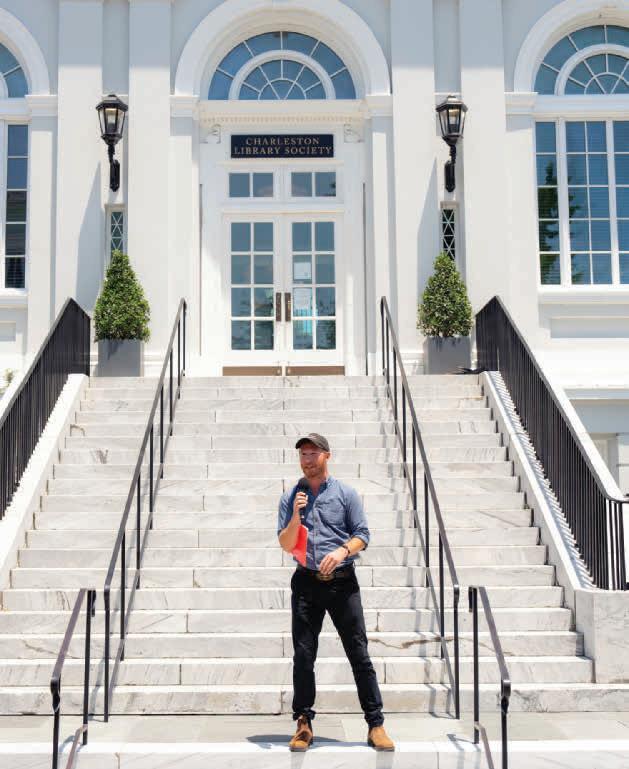
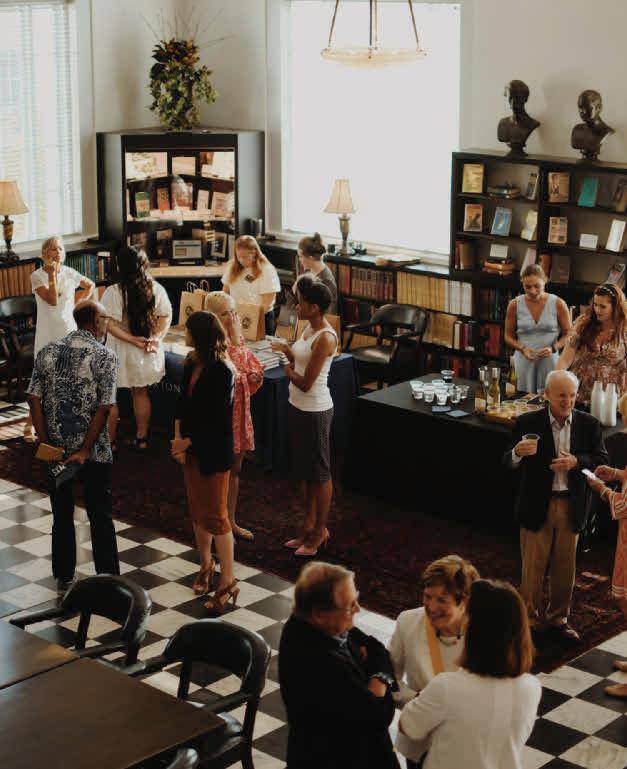
In 2025, the Charleston Library Society and Kiawah Island Club began partnering to bring the Library’s programs to life for a new audience of readers and thinkers. For the Library Society, this is a chance to extend nearly three centuries of tradition beyond its marble foyer on King Street; for Kiawah, an invitation to experience Charleston’s living history in a new way.
The 2025 Spring Speaker Series featured a lineup that reflected the Library Society’s devotion to creativity and conversation. The season opened with Mark Wagner, author of Native Links, who illuminated the Indigenous histories woven into America’s golf courses—stories of land and legacy that invited guests to see familiar greens through a new lens. Soon after, Nicholas Callaway shared the remarkable life and Southern-rooted legacy of his father, Ely Callaway, in celebration of the new memoir The Unconquerable Game. Later, acclaimed photographer Brownie Harris unveiled a five-decade retrospective—a visual chronicle of cultural icons and everyday people alike. His portraits of John F. Kennedy Jr., Andy Warhol, and Carly Simon stood beside images of factory workers and artists, each frame rich with humanity and light.
The Fall lineup carried that same spirit of artistry and inquiry. In September, Jennifer Gracie, fifth-generation owner and creative director of Gracie, shared the 125year legacy behind her family’s hand-painted wallpapers. In October, Mary Whyte, renowned watercolorist and author of An Artist’s Life , reflected on five decades of painting and teaching, offering insights into creativity, authenticity, and the pursuit of meaningful work. November brought a special program with Dr. Jerry Reves and representatives from MUSC, honoring the university’s 200-year history and looking ahead to the new MUSC Health Kiawah Partners Pavilion.
The series embodies what makes the Charleston Library Society and Kiawah Island Club such natural collaborators: a shared devotion to place, culture, and preservation.
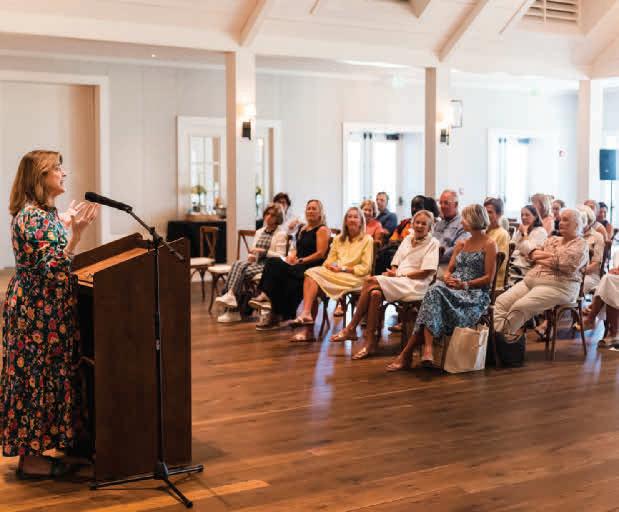

Story by Hailey Wist
Established in 2012, Vision to Learn delivers free vision care to children who need it most. The national nonprofit has extraordinary reach, providing screenings, eye exams, and glasses in low-income communities across the country at no cost to students or their families.
Rather than waiting for families to find eyecare, Vision to Learn brings the clinic to them. Each mobile unit is a fully equipped optometry office on wheels, staffed by licensed professionals and parked directly outside local schools. By removing barriers such as transportation, cost, and scheduling, the organization ensures that every child— regardless of circumstance—has access to the basic vision care they need to learn.
More than 3.5 million children have now been screened nationwide. Over 714,000 have received eye exams, and nearly 600,000 have been given glasses, all at no charge to their families. The program is lean and efficient: the average all-in cost for one child’s exam and glasses is about $150. Funding comes from a mix of philanthropic foundations, corporate sponsors, individuals, and public health partners.
Vision to Learn began working in South Carolina in 2021 through a partnership with MUSC Health and the Charleston County School District. In a state where one in four students fails a basic vision screening, poor eyesight is often mistaken for distraction or disinterest. A child who can’t read the board or follow the lesson slips quietly behind.
South Carolina Vision to Learn optometrist Dr. Nicole Nowling was previously a military doctor. She was drawn to
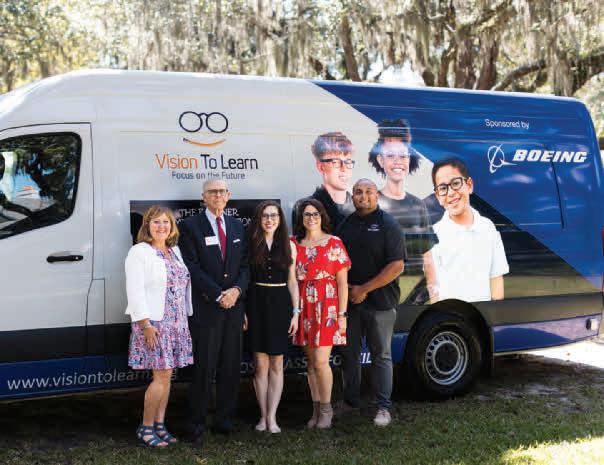
A recent fundraising event on Kiawah Island
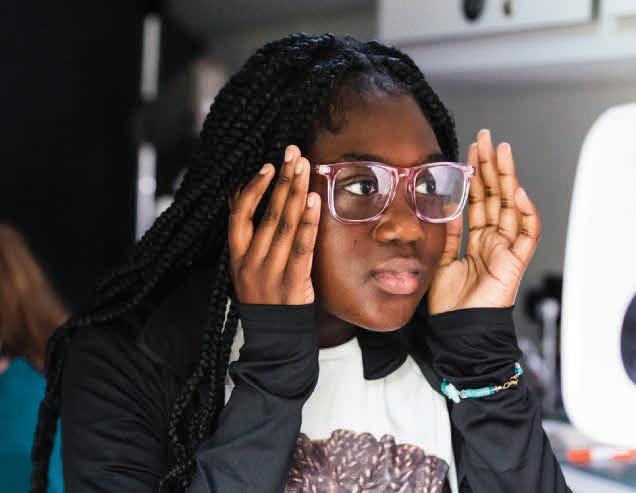



STUDIES SHOW THAT PROVIDING GLASSES TO STUDENTS IN NEED LEADS TO MEASURABLE ACADEMIC GAINS EQUIVALENT TO FOUR TO SIX MONTHS OF ADDITIONAL LEARNING TIME. STUDENTS WITH UNCORRECTED VISION PROBLEMS ARE MORE LIKELY TO ENGAGE IN ANTISOCIAL AND DELINQUENT BEHAVIOR AND HAVE HIGHER THAN NORMAL LEVELS OF ABSENTEEISM. TO CONTRIBUTE TO THE VISION TO LEARN MISSION, CONTACT POPPY GREEN AT PAUL.GREEN@VISIONTOLEARN.ORG.
the on-the-go aspect of Vision to Learn, the simplicity of the model, and the joy of working with young kids. “I love seeing their reactions. They are so cute and excited. And we have so much fun every day!” she says. “When we deliver glasses, it just warms my heart. The kids are like, Oh my gosh, I can see! It is really rewarding.”
Vision to Learn’s simple but transformative model removes every obstacle between diagnosis and care. When a mobile clinic pulls up outside a Title I school, children who fail basic screenings are sent out in small groups. Each student receives a comprehensive exam inside the van, and if glasses are needed, they choose their frames on the spot. Within weeks, their new glasses are delivered to the school.
In just a few years, the results have been remarkable. Across Charleston County, Vision to Learn has conducted more than 10,600 eye exams and provided over 8,600 pairs of glasses. In nearby Dorchester County, the numbers stand at about 4,200 exams and 3,600 glasses distributed. School nurses overwhelmingly support the effort—96% say the program fills a critical gap in care for their students. “Children can’t learn if they can’t see,” says volunteer Henry Blackford. “The mission at Vision To Learn is to make sure all of these students have the glasses they need to succeed in school and to improve their quality of life.”
In classrooms across South Carolina, teachers have begun to notice the difference. Students who once squinted at the board are now raising their hands. Children who used
to fall behind on reading assessments are improving within months. Vision to Learn’s work is not just about eye health— it’s about giving students a fair chance to participate, to focus, and to thrive.
Vision to Learn operates through a combination of philanthropic support, partnerships with school districts, and institutional collaboration. In South Carolina, the partnership with MUSC Health and the Charleston County School District has been key to the program’s growth. Funding remains a mix of private and public support. Charitable foundations and individual donors make up the majority, while state agencies and Medicaid help sustain ongoing operations. The organization’s structure allows for efficiency and accountability—each dollar goes directly toward exams, glasses, and staffing.
The need is still far greater than the reach. Thousands of children across the Lowcountry and throughout South Carolina continue to attend school with undiagnosed vision problems. Scaling up will require more funding, more vans, and more partnerships across districts. But the success so far shows what’s possible when access meets efficiency.
The model works because it is both practical and personal. The work will continue one child, one school, one van at a time. It is a reminder that philanthropy need not be impersonal or grand to be meaningful. Sometimes it is a small clinic parked beside a school and a child who, for the first time, can see her own handwriting in perfect clarity.
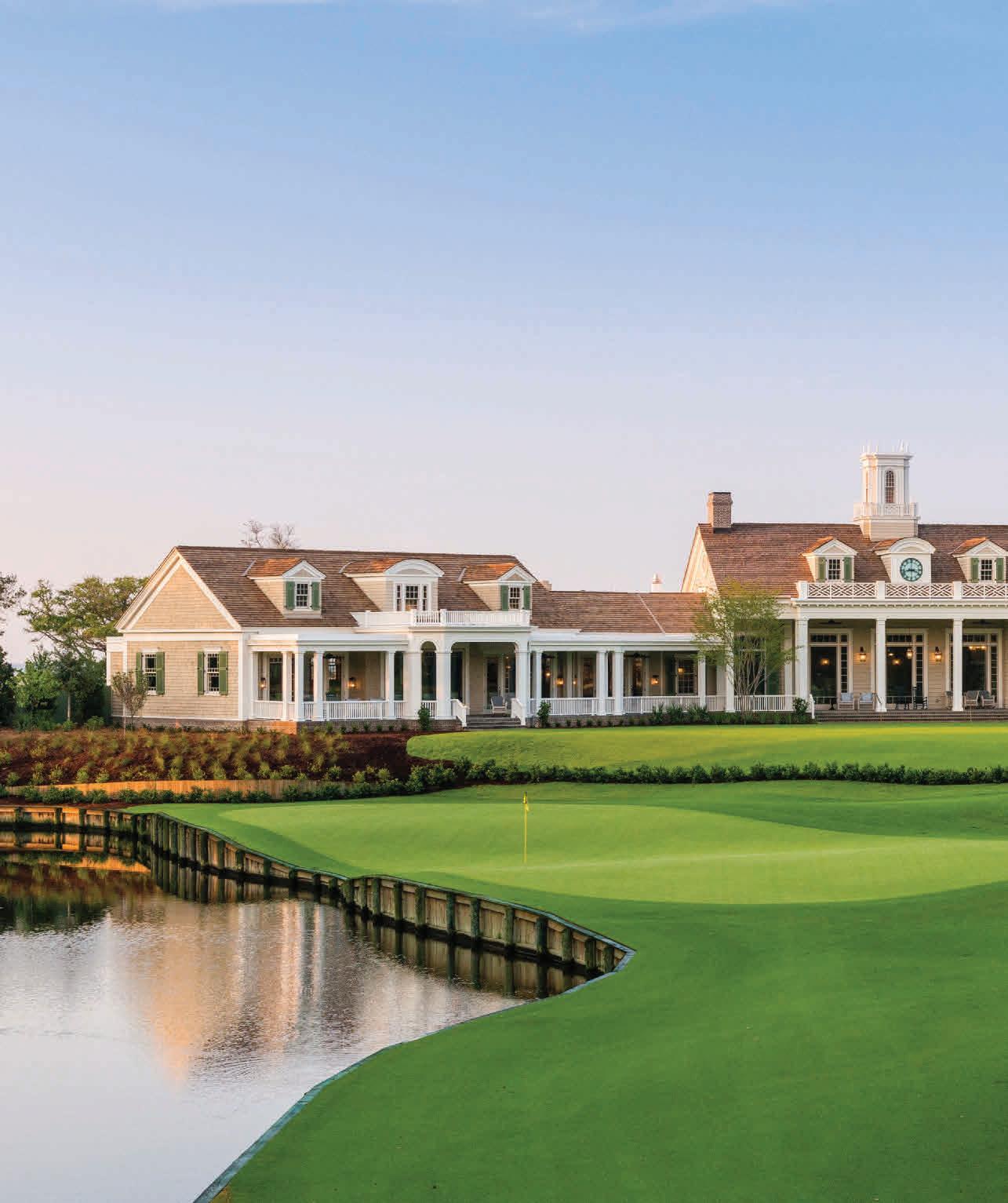
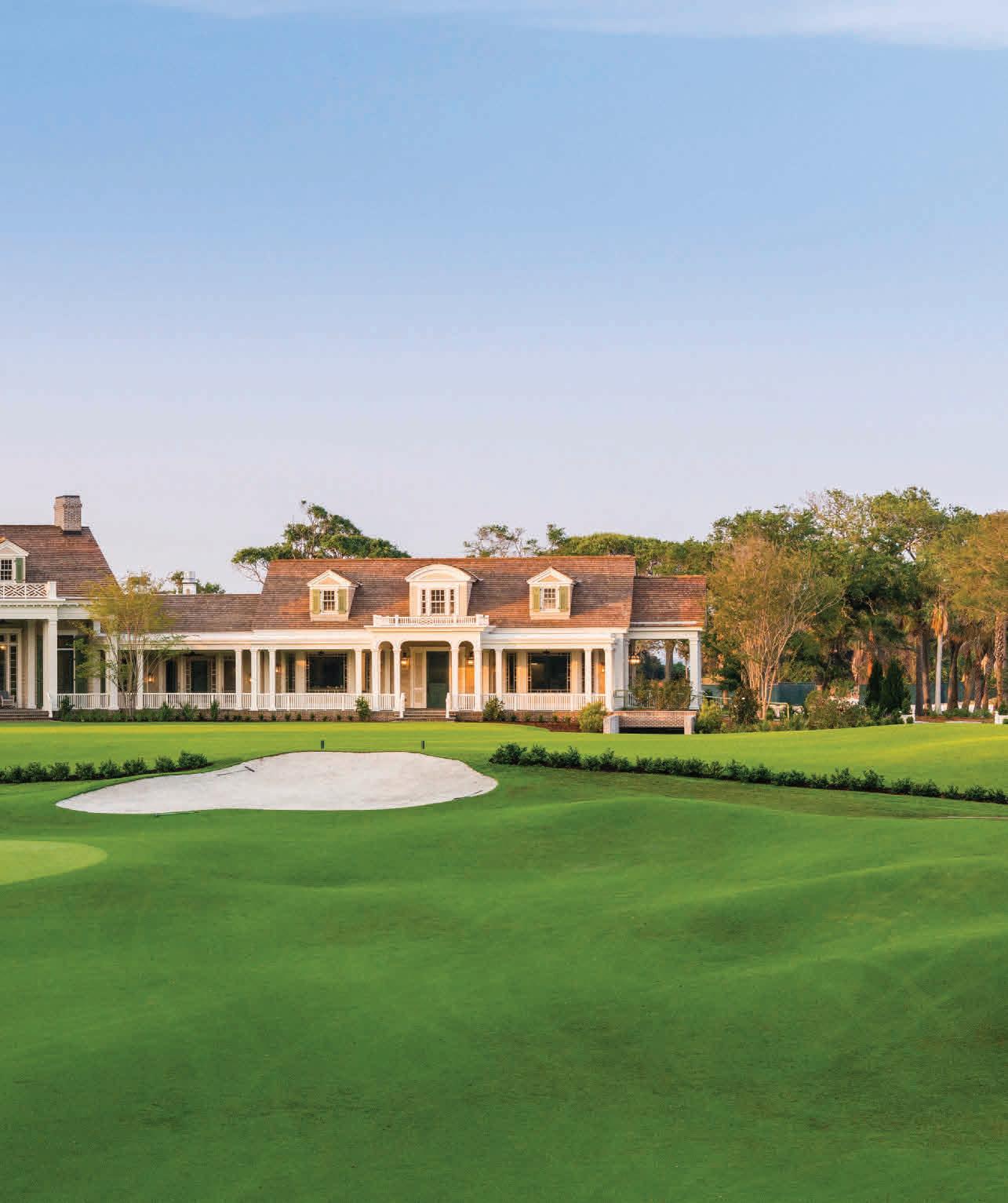
STORY by BRYAN HUNTER
Fifty years ago, Kiawah Island began undergoing a remarkable transformation from a sleepy, private family retreat into one of the world’s most sought-after luxury destinations. Kiawah Island Golf Resort, which officially welcomed its first guests in May 1976, celebrates its golden anniversary this year.
This milestone marks half a century of balancing pristine natural beauty with world-class amenities, creating a legacy defined by unparalleled golf, accommodations, recreational amenities, environmental stewardship, and a commitment to ever-evolving unique guest experiences.
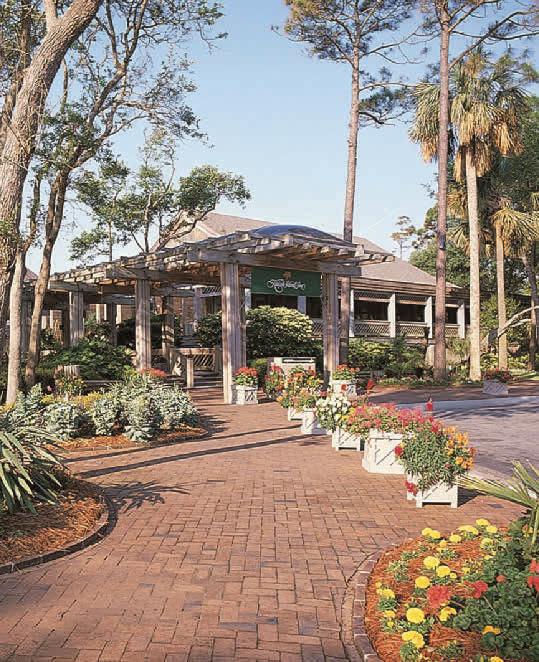
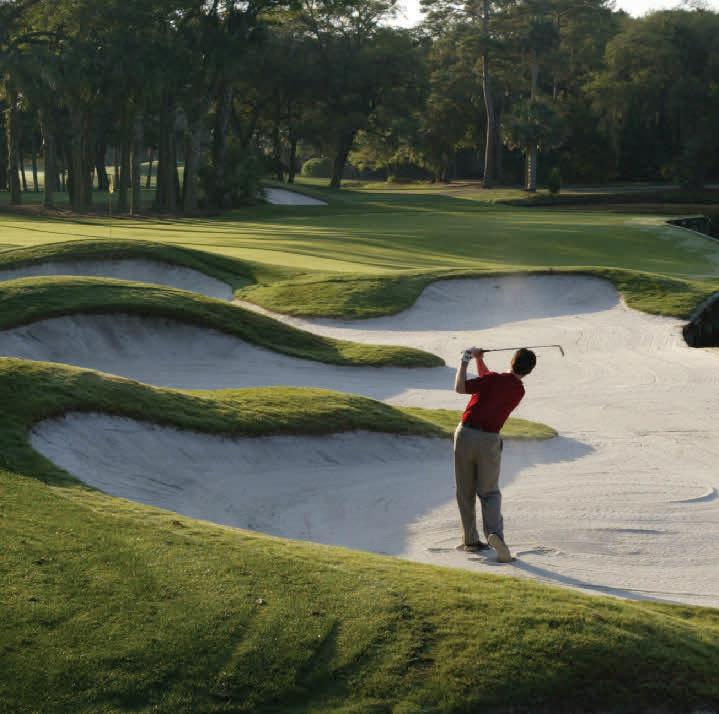
Previous: World-renowned Robert A.M. Stern Architects designed a new clubhouse for Cougar Point, which opened in 2019.
Clockwise from top left: The original Kiawah Island Inn enjoyed a prime spot in West Beach; the Island’s first course, Cougar Point (originally Marsh Point), designed by Gary Player and opened in 1976, received a makeover in 2017; the entrance to the original inn.
when the Kuwait Investment Corporation purchased the land from the C.C. Royal family. The first developers enlisted the Sea Pines Company to create a master development plan that prioritized environmental preservation, something quite unusual at the time when development tended towards maximizing land-use density.
When the resort officially welcomed its first guests, everything was concentrated in a village concept in West Beach—an inn, two restaurants, and a tennis complex, alongside its first golf course designed by the legendary Gary Player, who at the time had just surmounted the peak of his professional playing career.
Since those early days, Kiawah continues to flourish, expanding eastward across the Island while never abandoning its philosophy of designing with nature, remaining a steadfast steward of the Island’s windswept dunes, meandering tidal marshes, swathes of maritime forest, and ten miles of pristine Atlantic beach. The resort’s growth has been organic although intentional, keeping the long view always in sight as it continues its stated mission to “set the standard of excellence by which all other golf resorts will be measured.”
From its inception, golf has remained at the heart of
the resort’s ethos (after all, it’s in the name). The resort now boasts five world-renowned championship courses, each bearing the unmistakable imprint of its designer: Cougar Point (Gary Player), Turtle Point (Jack Nicklaus), Osprey Point (Tom Fazio), Oak Point (Clyde Johnston), and the iconic Ocean Course (Pete and Alice Dye).
The Ocean Course, built to host the 1991 Ryder Cup, is the resort’s crown jewel and consistently ranked among the world’s best courses. Renowned for its breathtaking ocean views—featuring more seaside holes than any other course in North America—it provides a formidable yet fair test of golf. Since it witnessed the dramatic finish of the ’91 Ryder Cup, which resulted in a white-knuckle U.S. victory, its reputation has expanded by hosting two memorable PGA Championships—one in 2012 and another in 2021 (the course is set to host its third Championship in 2031). Phil Mickleson enshrined the latter in golf lore by becoming the oldest major champion by sealing a victory that sent shockwaves throughout the golf world.
While golf often takes center stage, the resort offers a full spectrum of luxury experiences. The Sanctuary, a Forbes Triple Five-Star and AAA Five-Diamond oceanfront hotel,
Below: From the outset, Kiawah Island Golf Resort’s nature programs have introduced visitors to the Island’s ecosystems and the wildlife that thrives in them. Right: This year the resort’s Roy Barth Tennis Center introduced a new-to-the-Island racquet sport, padel.
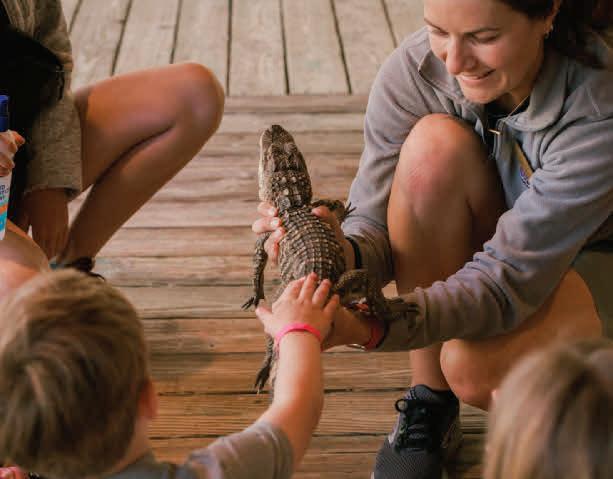
opened in 2004, offering unparalleled luxury tempered by genuinely warm Lowcountry hospitality. Supplementing the hotel and providing guests with nearly infinite flexibility to meet their unique accommodations needs, the resort also manages nearly 500 stand-alone vacation rentals, ranging from single-bedroom villas to rambling beachfront mansions that can accommodate extended families.
Guests can also enjoy a wealth of amenities, including an acclaimed tennis center, an expansive network of walking and biking trails that link the Island from end-to-end, a worldrenowned spa, and more than a dozen restaurants delivering diverse cuisines and levels of experience while showcasing the bounty of Lowcountry ingredients.
Although Kiawah Island Golf Resort reveres its traditions— including its holiday celebrations and authentic Mingo Point Oyster Roast and BBQs—it has always kept its eye towards the future, never content to rest on its well-earned laurels.
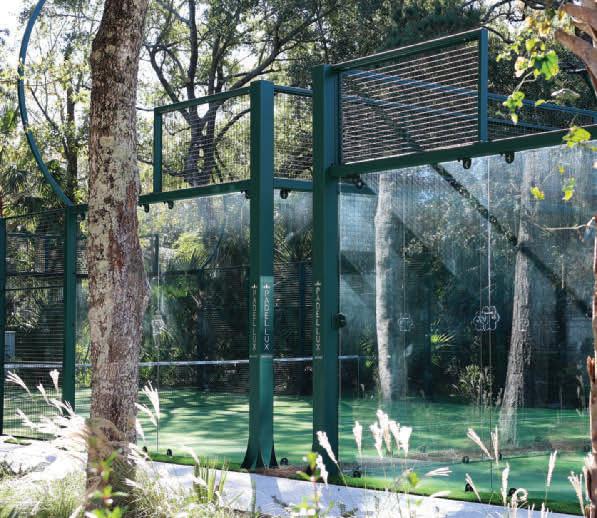
Over the past decade, the resort has undertaken an ambitious campaign of resort-wide expansions and enhancements that have included a new clubhouse at Cougar Point, the striking new West Beach Conference Center, four stunning new golf cottages nestled beside The Ocean Course Clubhouse, the Nest Market & Café, and a new chapel adjoining the east wing of The Sanctuary.
The latest evolution includes an expanded clubhouse at the Roy Barth Tennis Center that also added a burgeoning new racquet sport—padel. And now early this year the epicenter of island life, Night Heron Park, received a reimagined future with the opening of The Treehouse Activity Center, a multipurpose facility housing a phenomenal new Nature Center, eight bowling lanes, a nostalgic old-school arcade, a family-friendly pub (The Perch), two GolfZon simulators, and an art studio encompassing indoor and outdoor space for guests to create.
As Kiawah Island Golf Resort commemorates this golden milestone, it looks back on a rich history of designing a resort community that coexists with its sensitive barrier island ecosystem. The 50th anniversary is not just an opportunity to celebrate its past, but an opportunity to focus on its future with the promise that the second half-century is as spectacular as the first.

of legendary links
At Kiawah Island Golf Resort, golf isn’t played—it’s lived. In rounds shared by generations on five world-class layouts. On rolling fairways and meticulous greens set amongst nature’s most awe-inspiring stage.
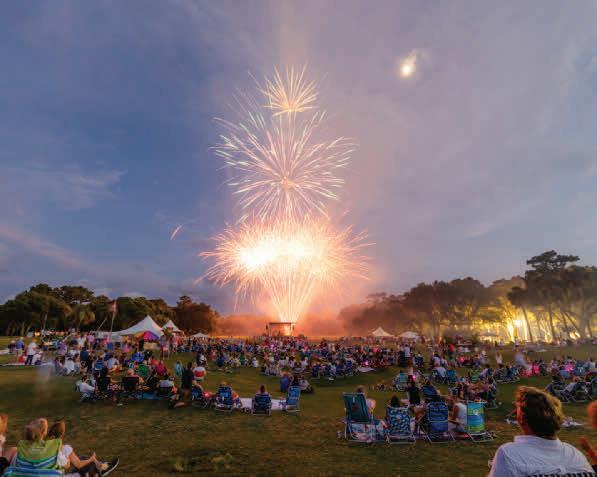
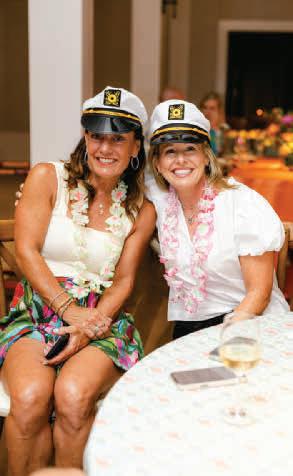
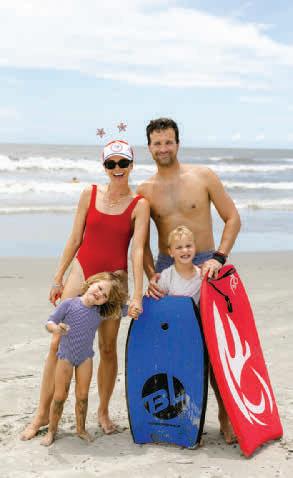
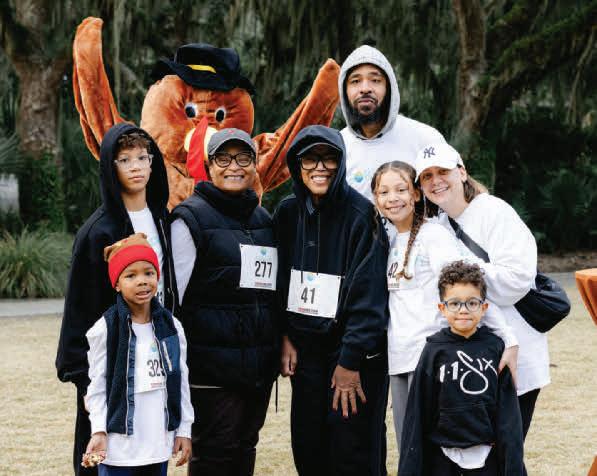
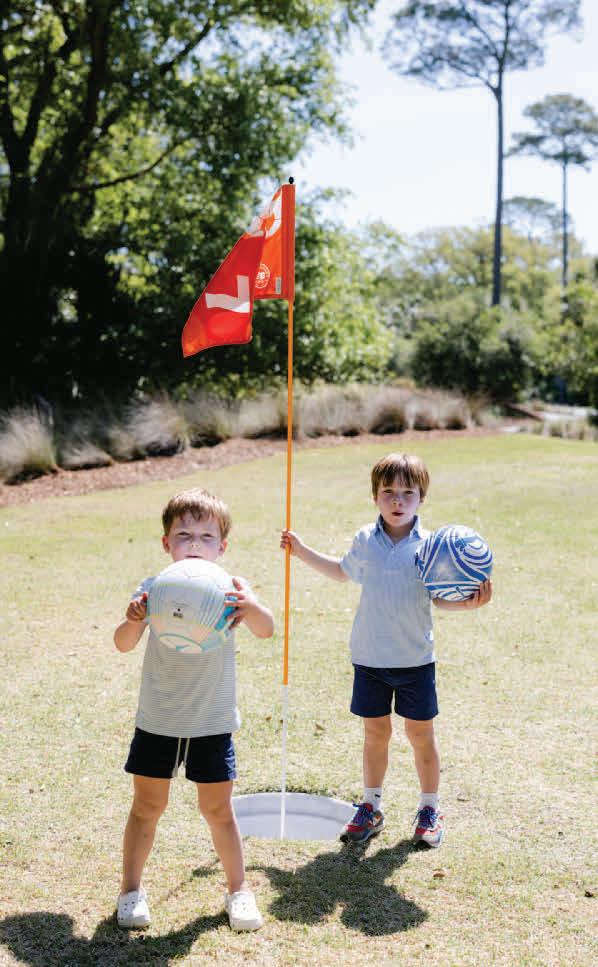
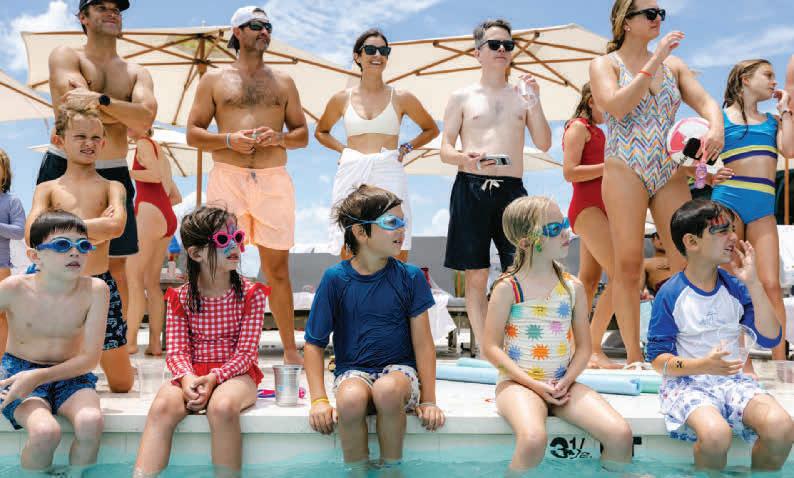
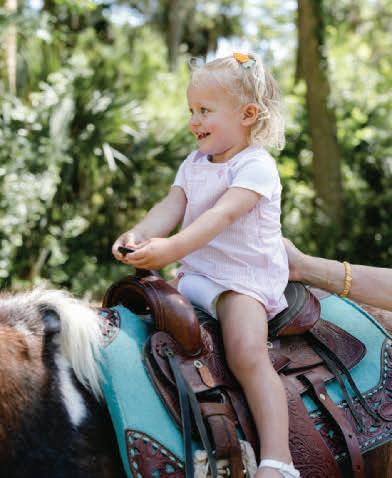
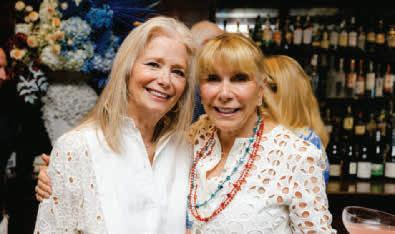
Throughout the year, Kiawah hosts dozens of soirées, outings, and activities. It was a fantastic 2025!
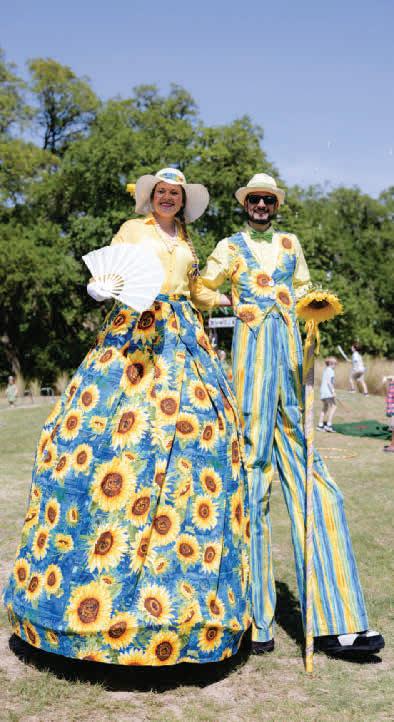
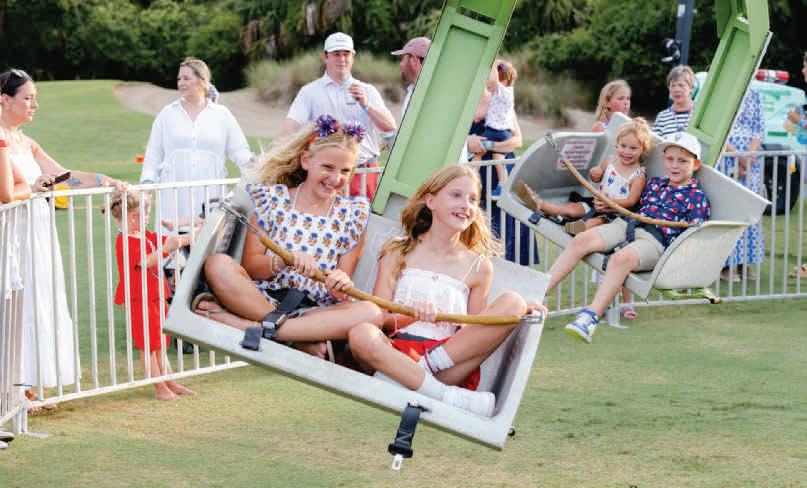
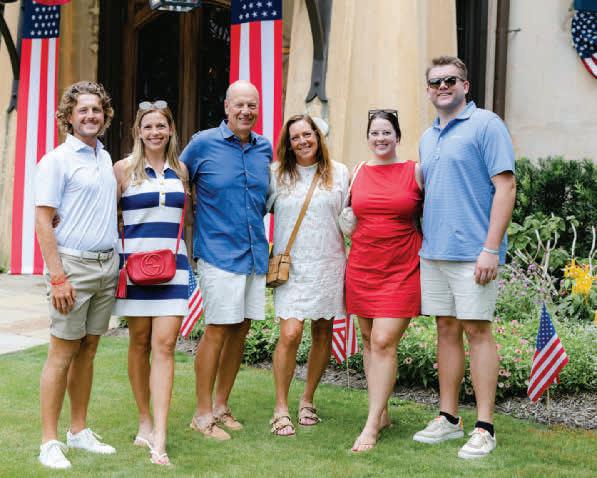
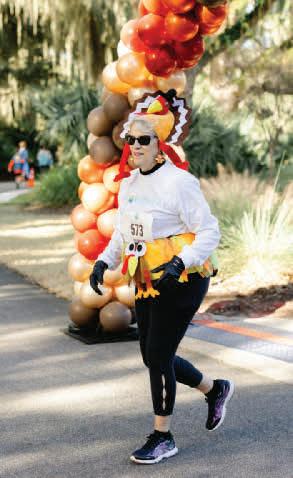
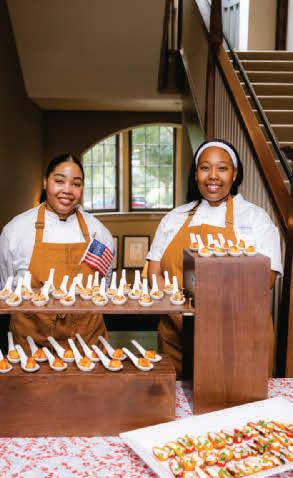
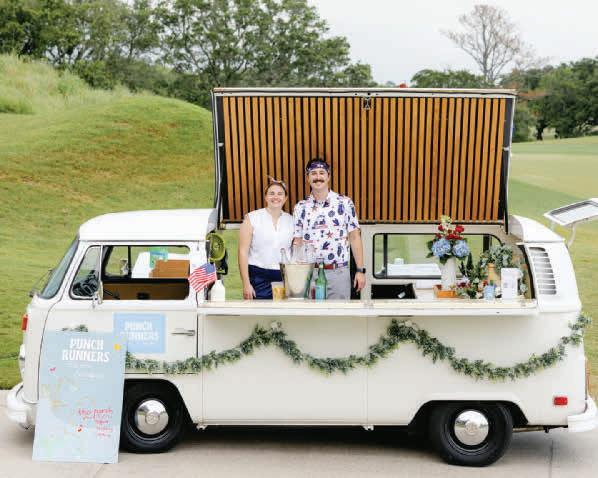
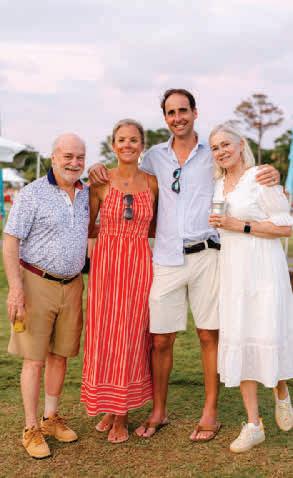
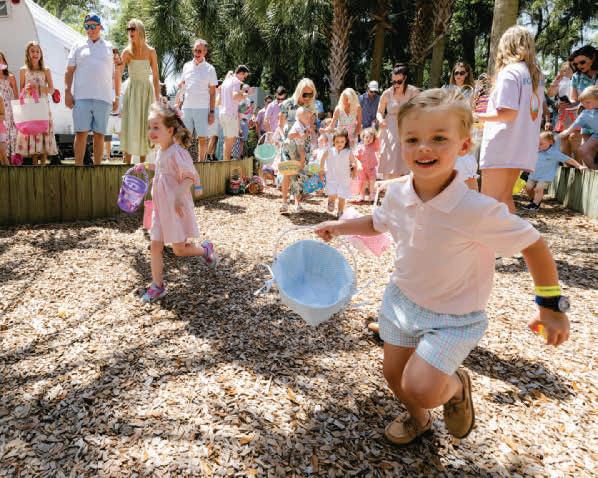
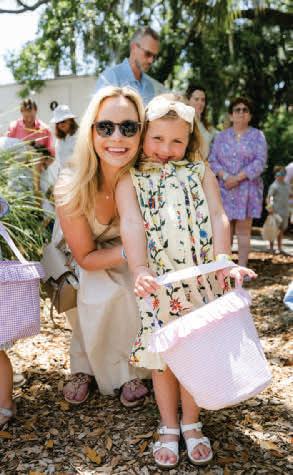
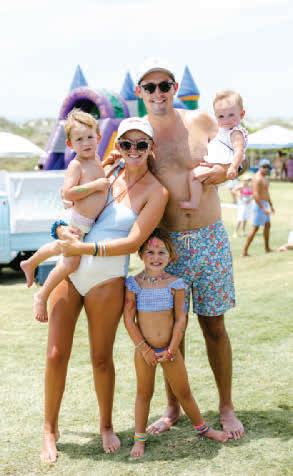
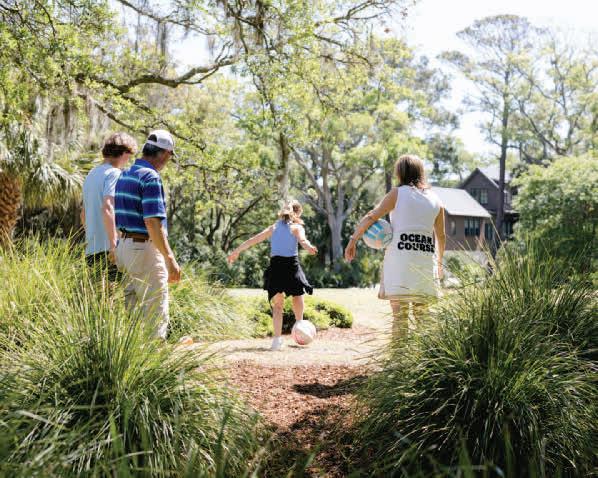
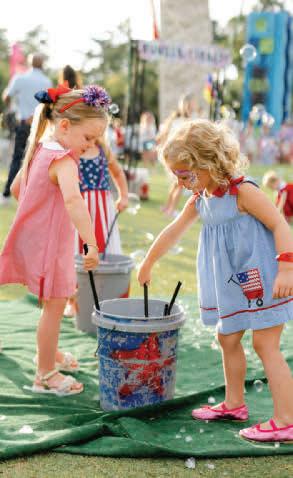
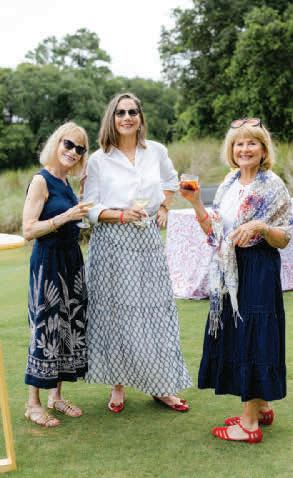
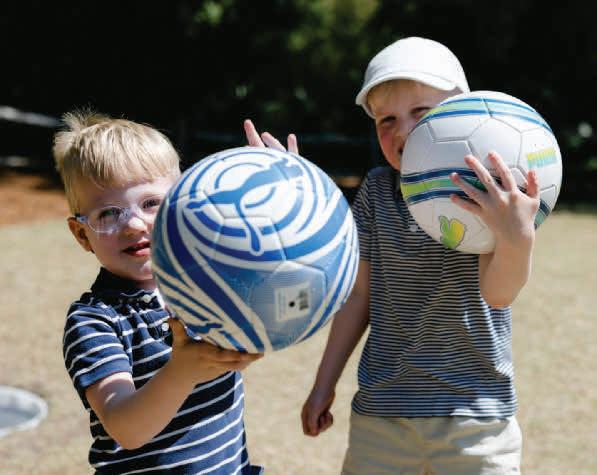
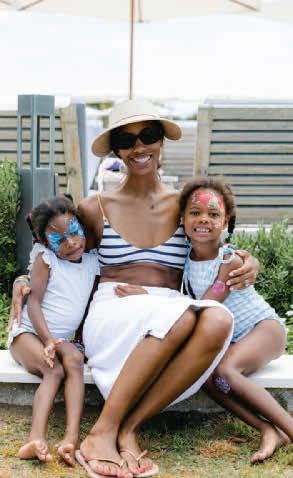
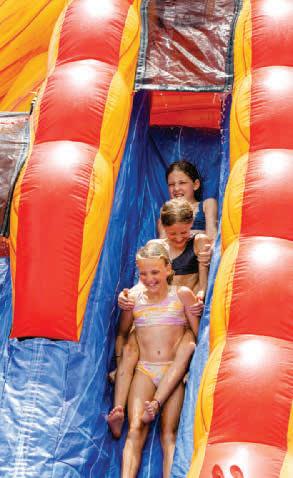
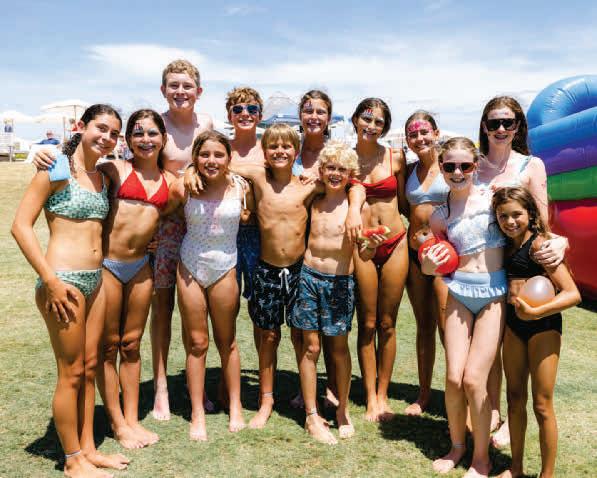
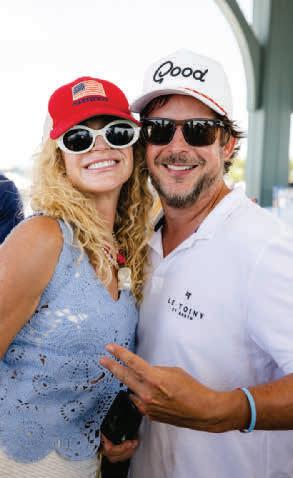
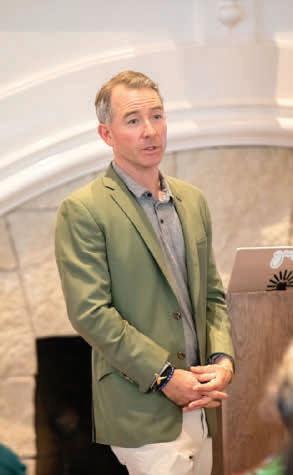
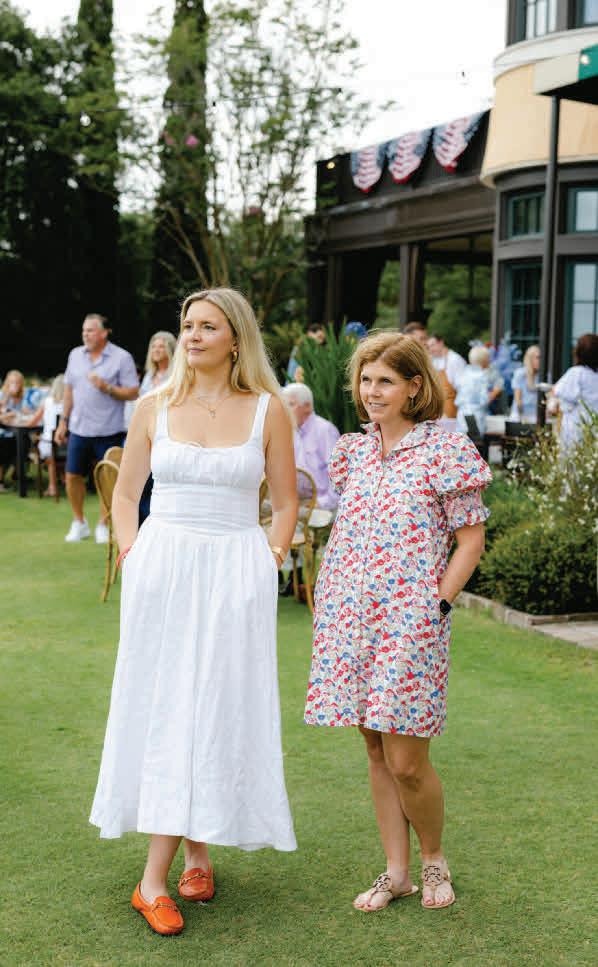
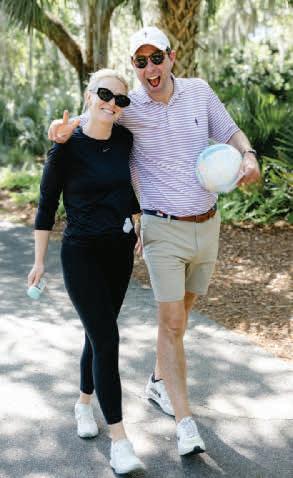
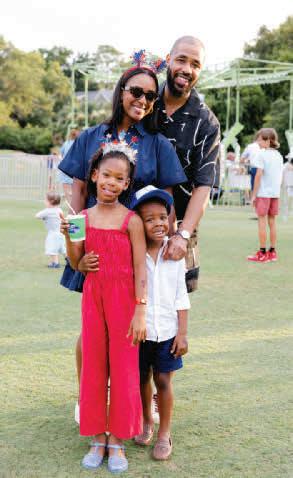
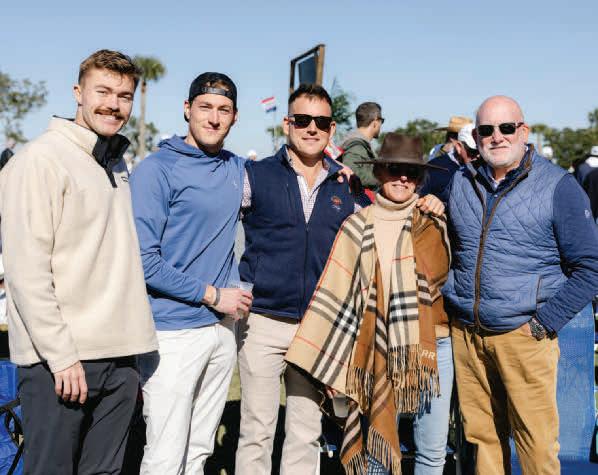

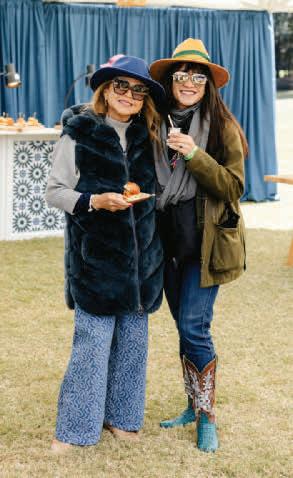
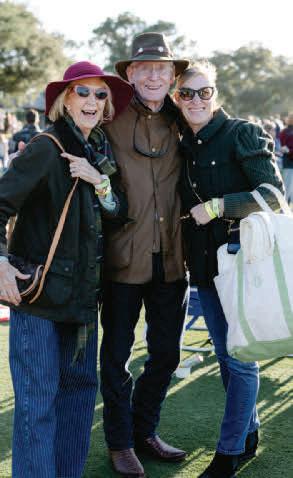
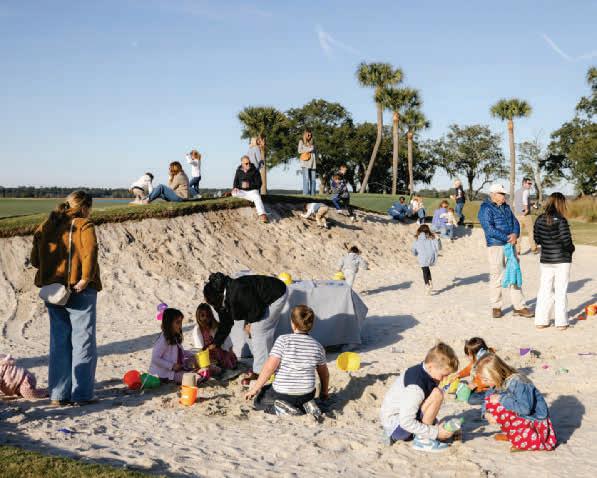
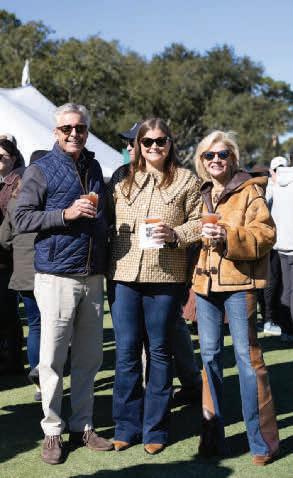
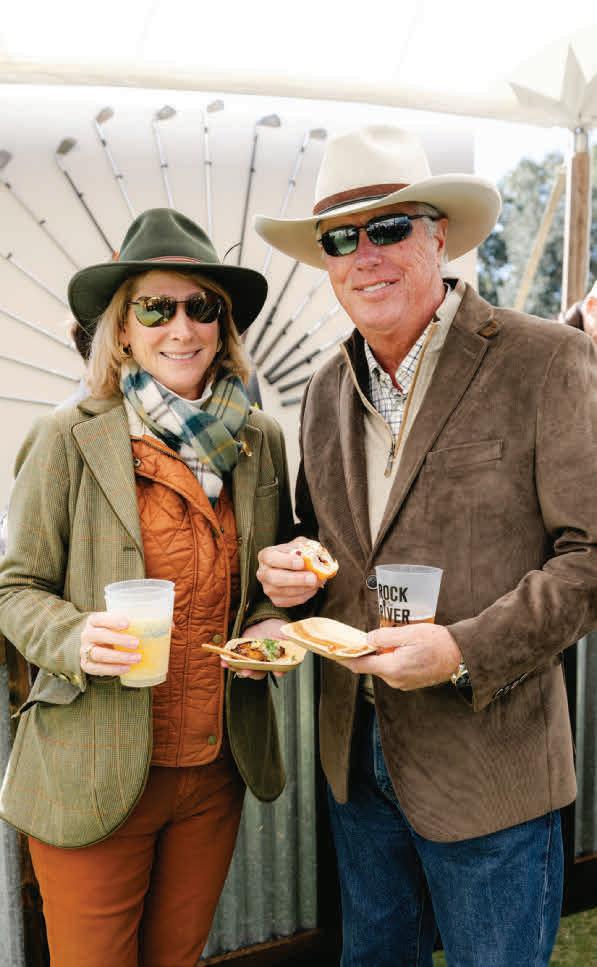
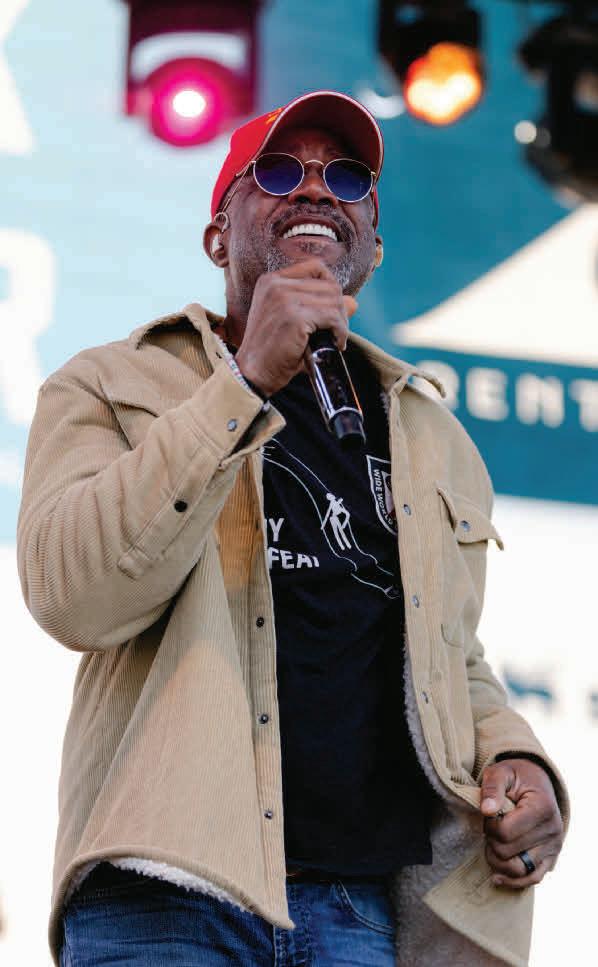
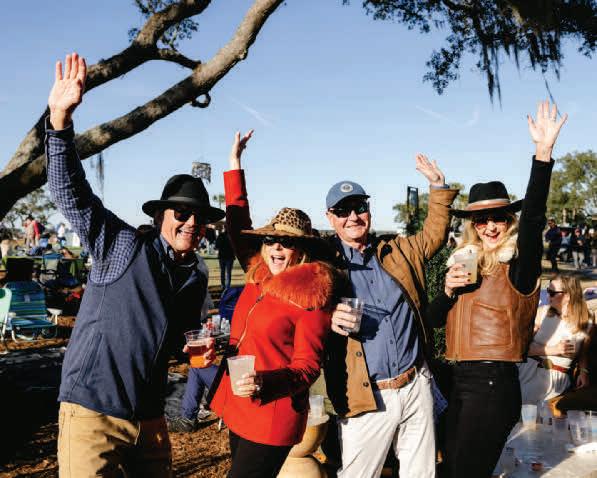
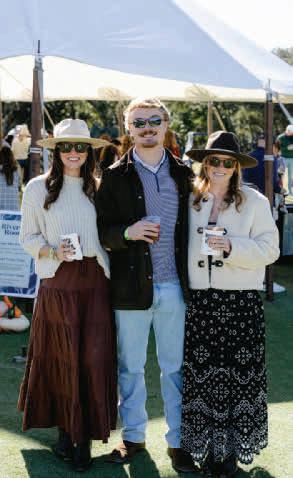
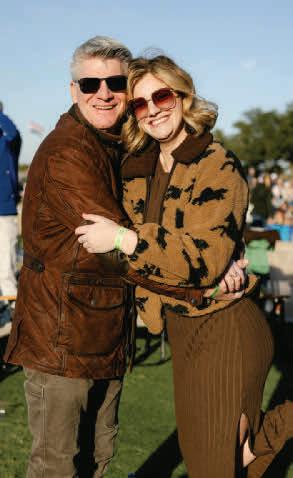
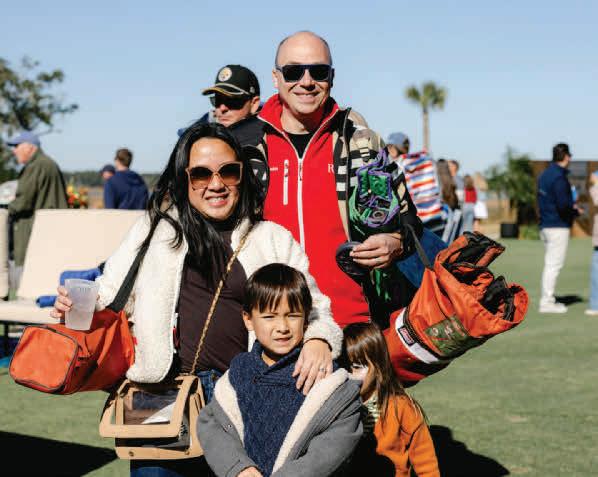
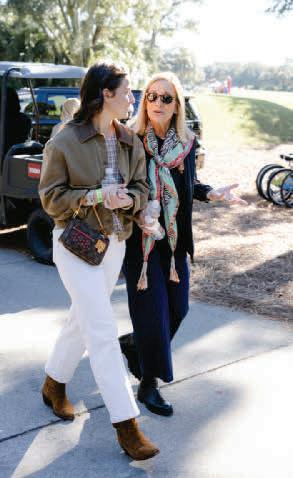
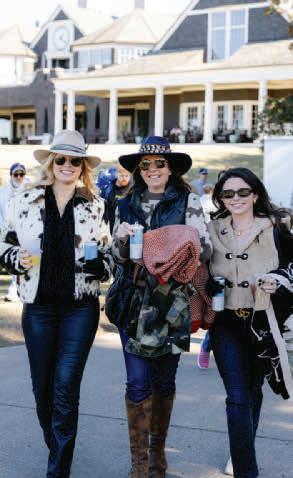
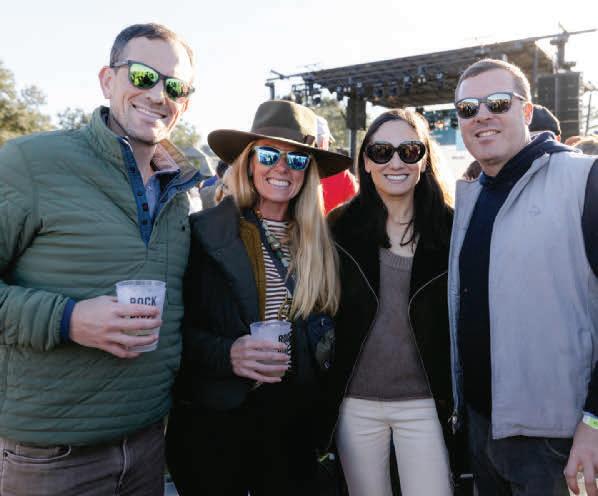
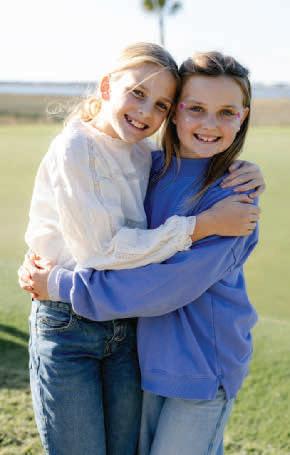
THANK YOU TO OUR 2025 SPONSORS











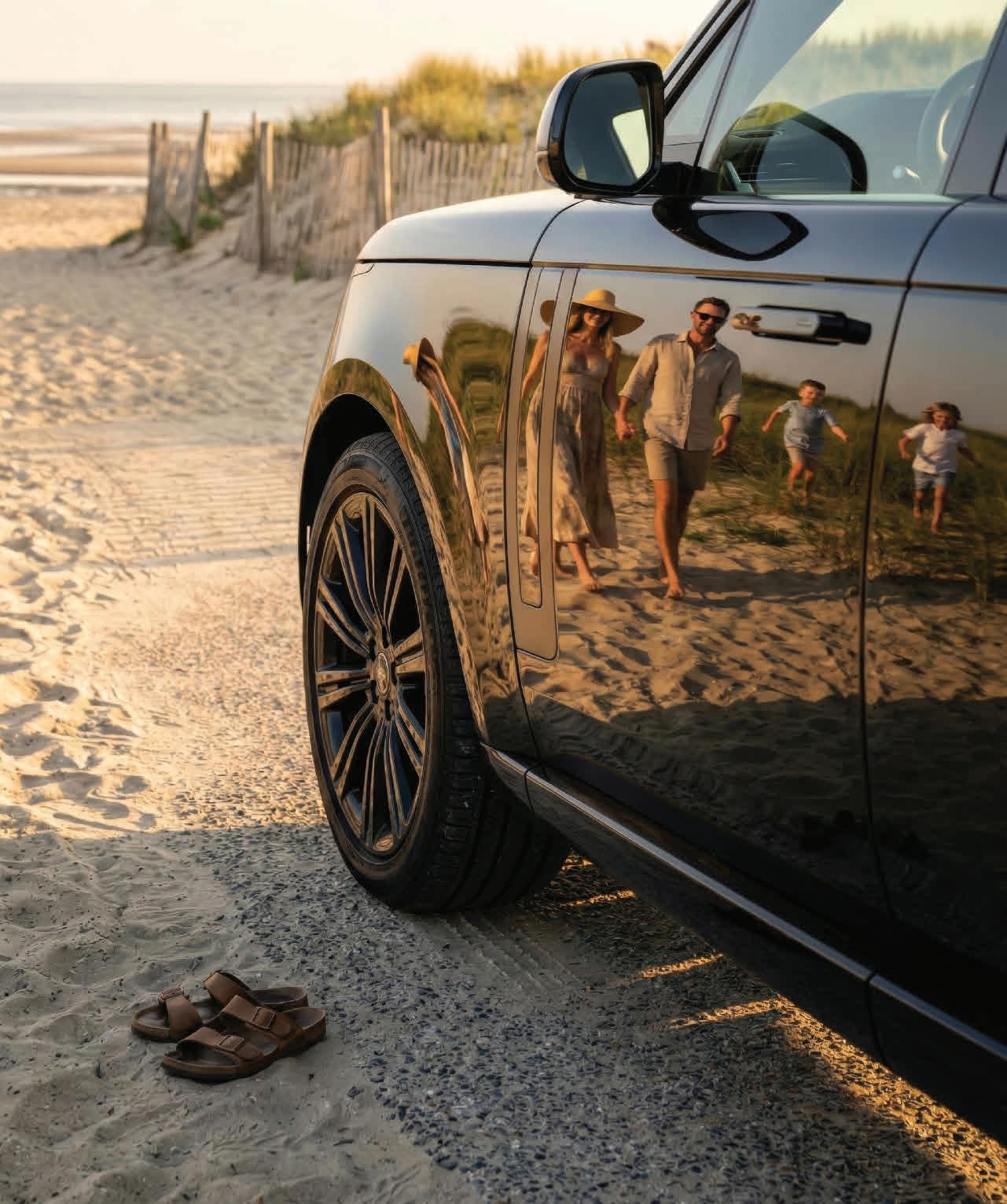















































Our luxury residential and resort communities are de ned by quality, lasting value, and a commitment to designing with nature. Known for thoughtful planning, timeless architecture, and world-class amenities, these highly regarded communities o er residents access to outdoor pursuits and wellness in naturally inspired settings. Each community fosters a strong connection –to place, to people, and to the environment. Discover ownership in one of our coveted residential communities today.
It’s time to revel in the now.
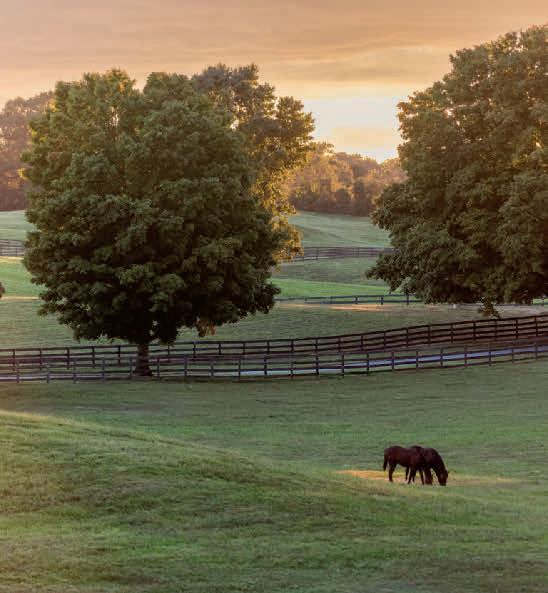
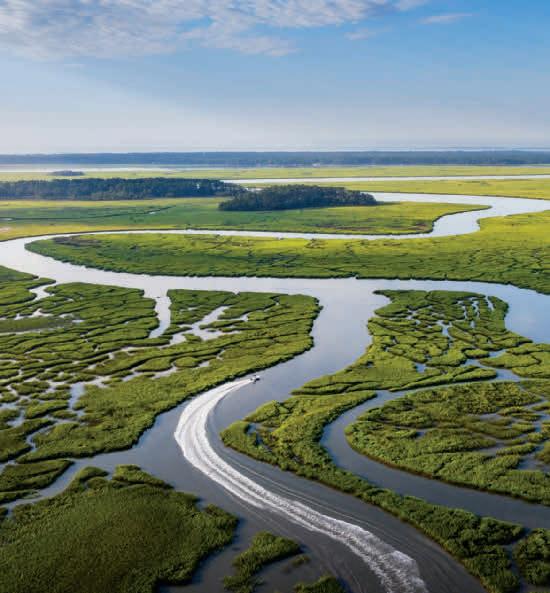


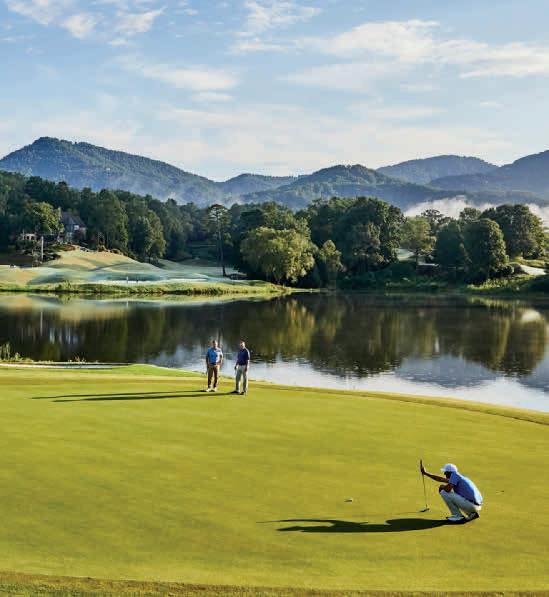






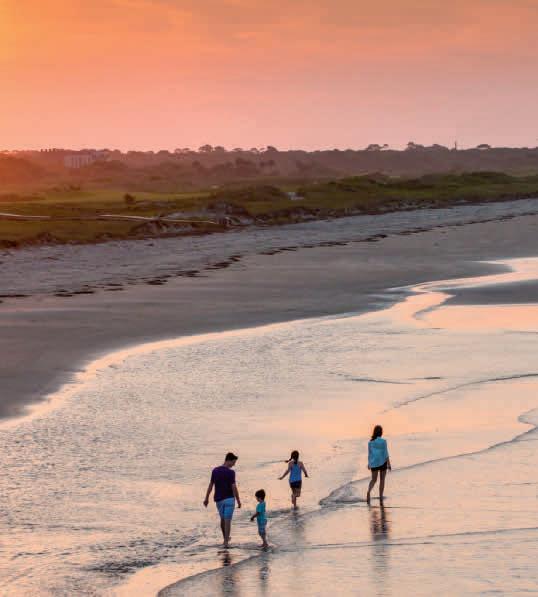
Our Charleston lawyers provide trusted legal counsel in nearly every area of law and represent local, national, and multinational companies across virtually every industry. Backed by our fully integrated global platform, we are positioned to help companies in the region and around the world grow and succeed in today’s fast-paced, 24-hour market. From Charleston to Dublin to Melbourne, we have your legal needs covered.
K&L Gates LLP. Global counsel here in Charleston and across five continents. Learn more at klgates.com.
Matt Norton, Partner 134 Meeting Street, Suite 500 Charleston, South Carolina
T: +1.843.579.5634
matt.norton@klgates.com
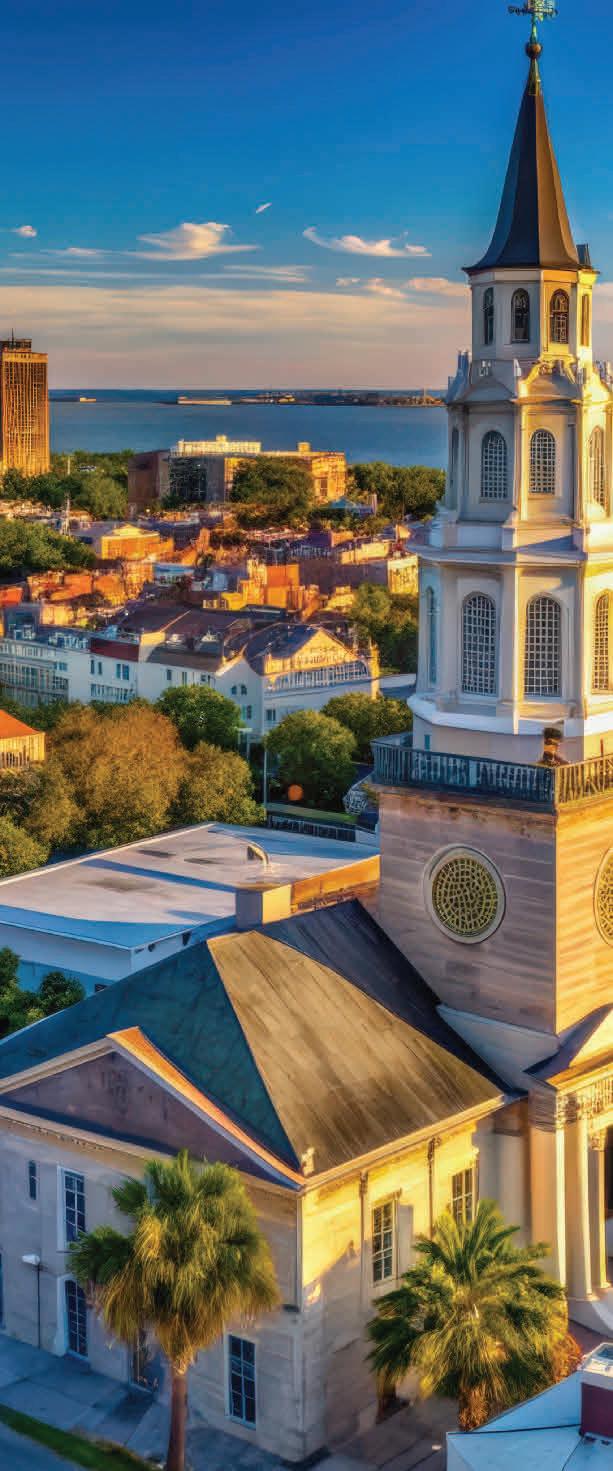
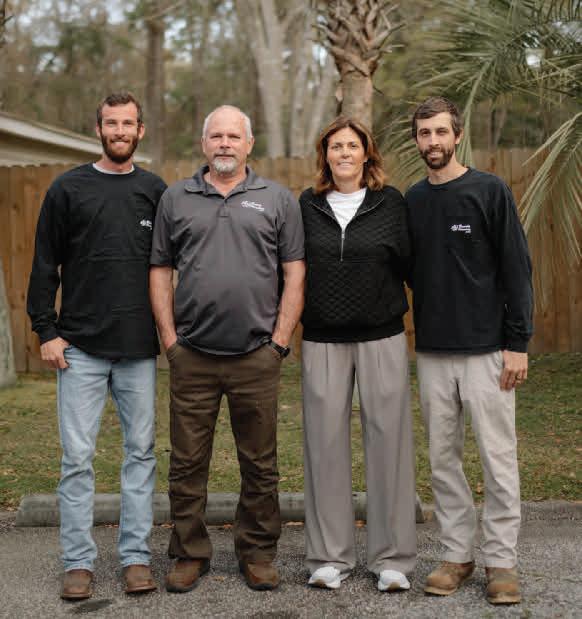




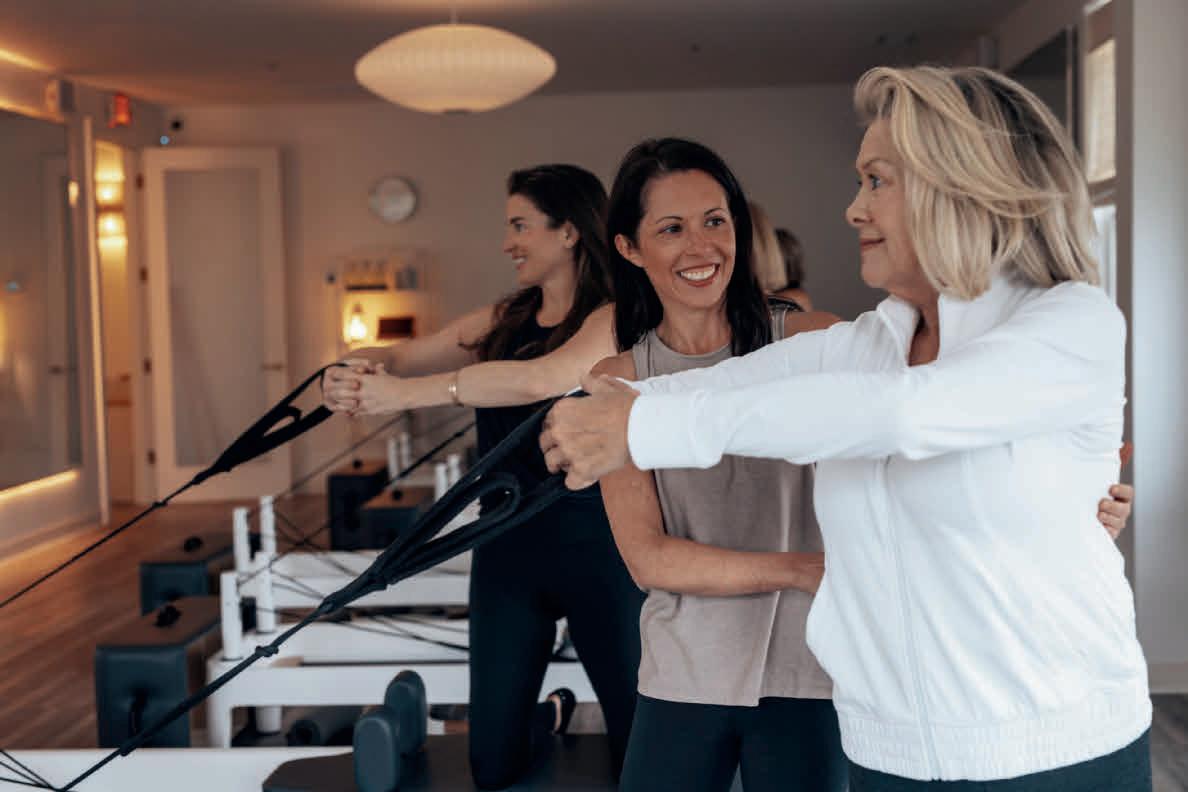

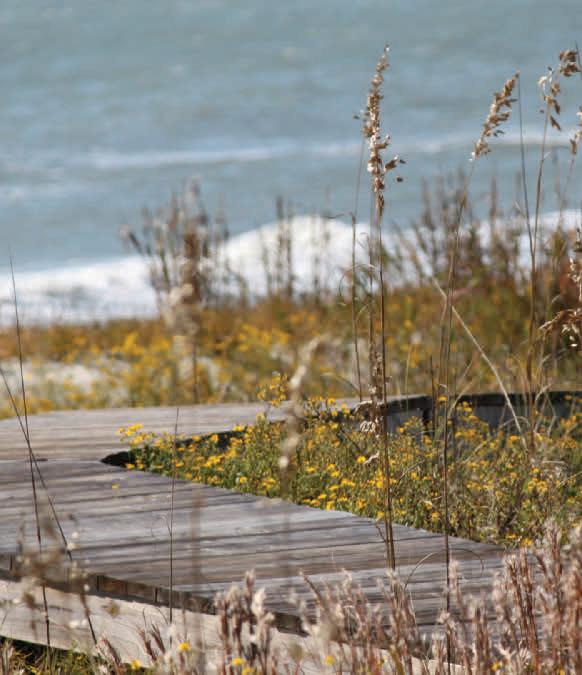

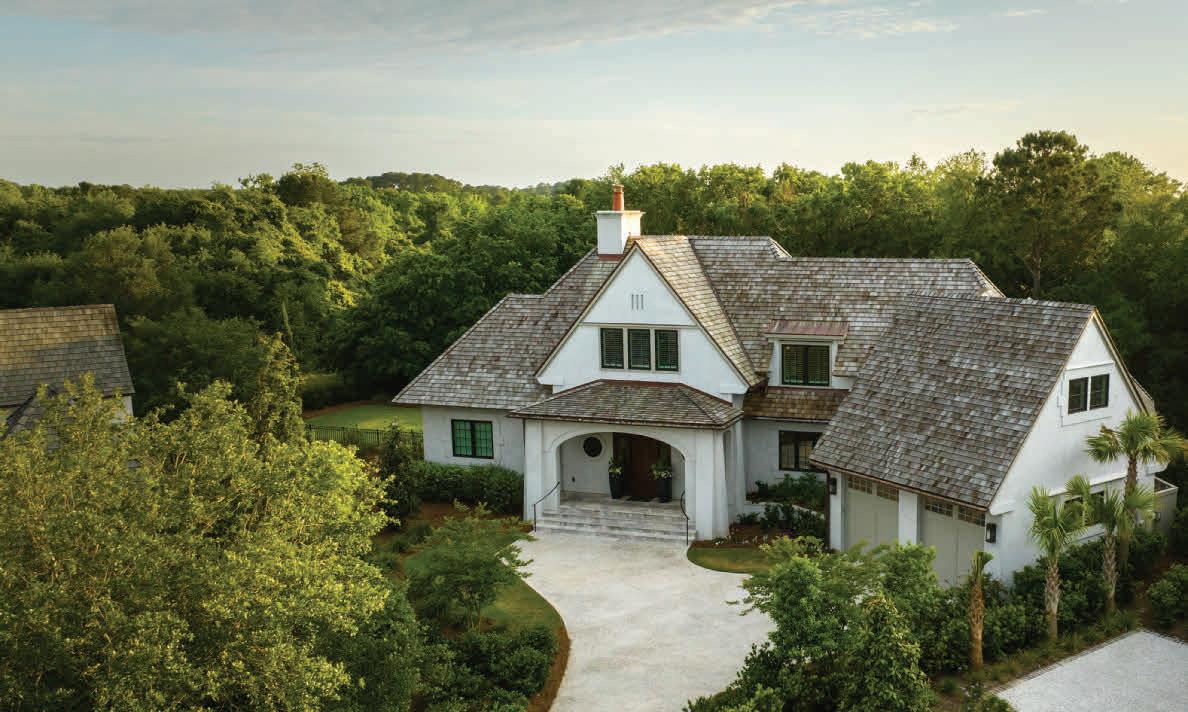




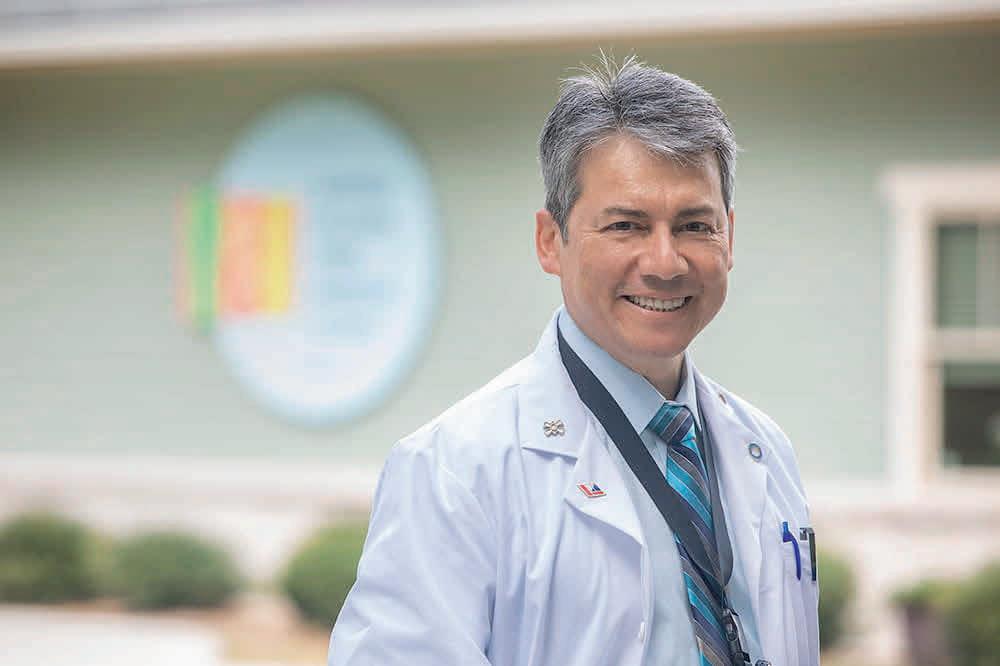


Robert A. M. Stern, the renowned architect who helped shape the architectural identity of Kiawah Island, recently passed away at eighty-six. His influence here is unmistakable—from the iconic Beach Club to the Ocean Course Clubhouse, the West Beach Conference Center, and a beloved residence on Ballybunion Drive. As longtime land planner Mark Permar reflects, “His was a unique voice and influence on the value of creating place… we are fortunate to have his DNA in our world.” Stern’s selection in the early 1990s was an inspired leap, bringing a fresh coastal shingle style to the Lowcountry and setting a design standard that continues to guide Kiawah today.
Photograph Courtesy of Robert A. M. Stern Architects