Tibetan Furniture
From the Andrew R. Rogers Collection
About the Collector
Andrew R. Rogers has lived in Asia most of his life, where he became enthralled with the early monastic furniture of the Tibetans, ranging from the 17th century through the 19th centuries. He purchased his first painted Tibetan trunk from a Tibetan refugee in Kathmandu in the 1970s.
From then on, collecting this aesthetically complex yet utilitarian art form of Tibetan furniture has been a passion of his, which has lasted a lifetime. Mr. Rogers, a world-renowned authority on Tibetan furniture, now lives in Thailand.
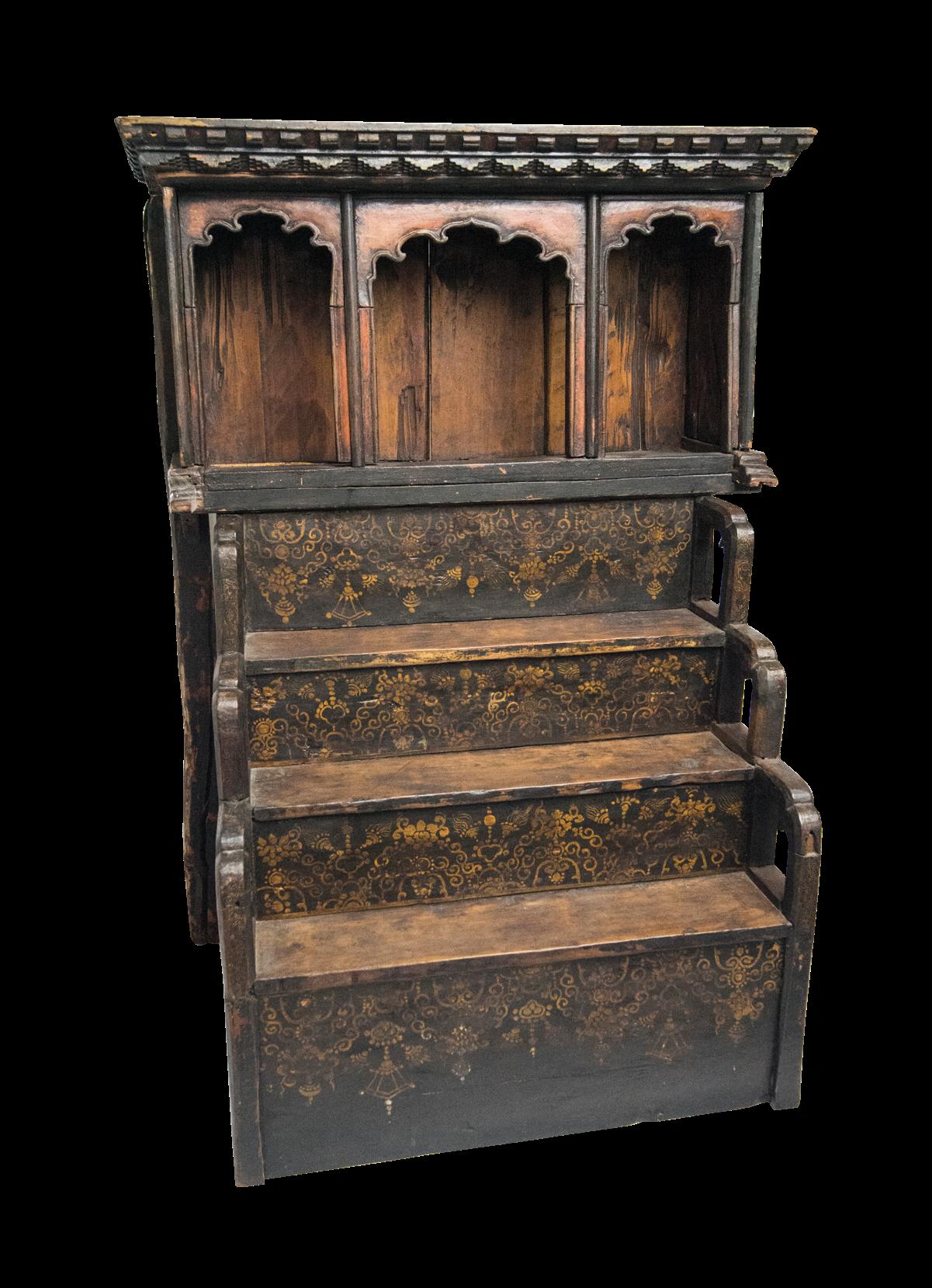
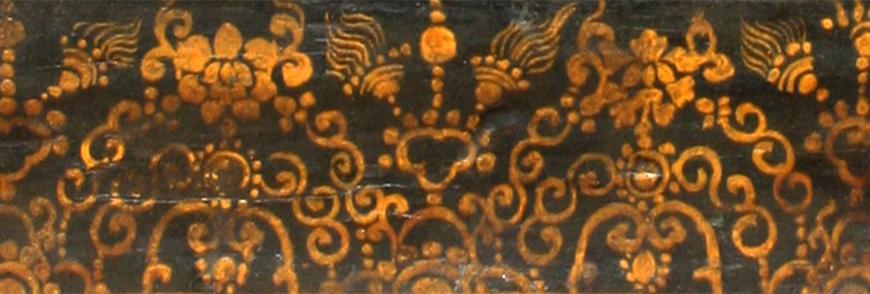
19th Century
This piece of furniture is a shrine upon which small figures of buddhas, bodhisattvas and other tantric deities are placed in the windowed alcoves and atop the stepped shelves, along with other ritual objects. It is typical for Tibetans to place bowls of water, rice, or sweets thereon as offerings to the chosen deities. Jewel-like decorations and auspicious symbols are painted in gold on each step of this fine chösham.
Himalayan Art Resources, Item No. 55388
Gold-Embellished Chösham
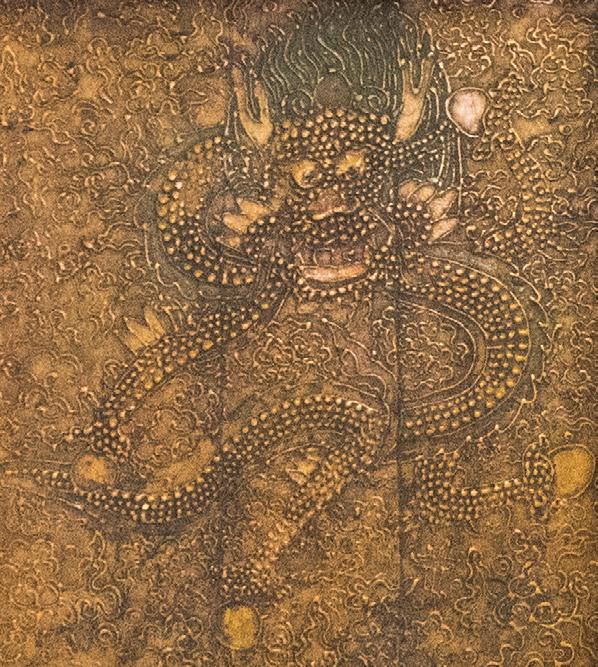
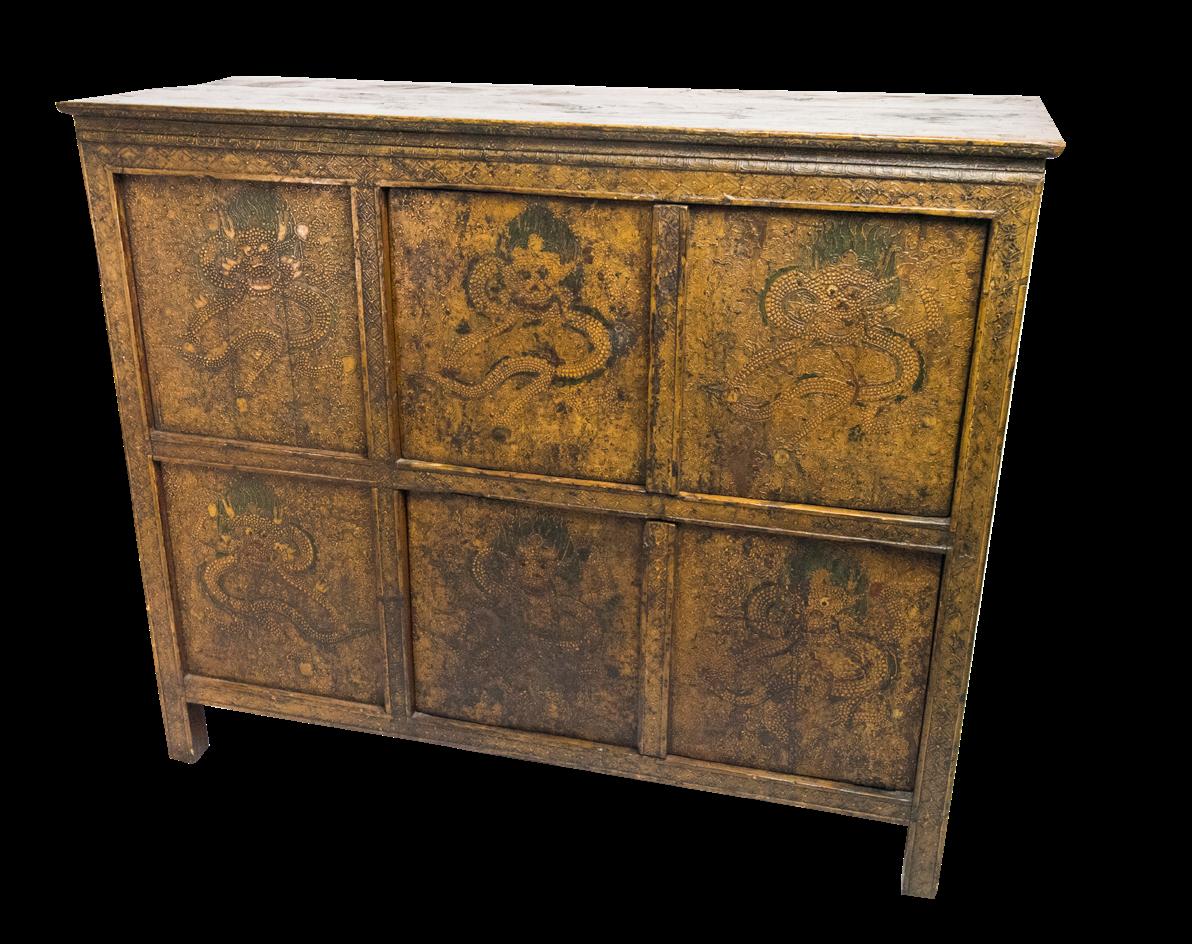
Gold-leaf Dragon Chest
18th Century
The present chest was likely used by a wealthy Tibetan to store their personal belongings. Non-religious symbols like the dragon were popular among lay people, as they were believed to reinforce auspicious outcomes like a long and prosperous life.
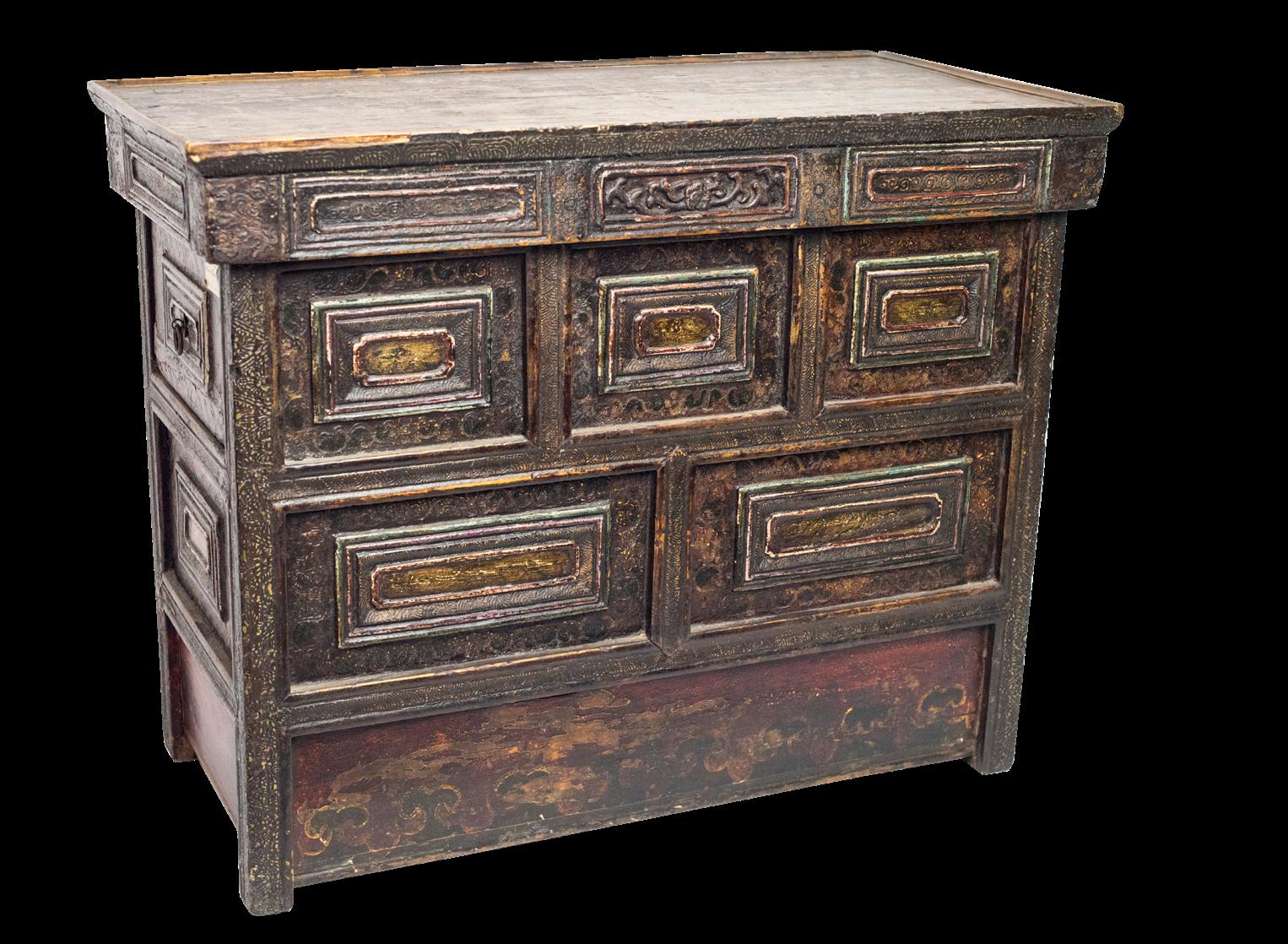
Carved and Gilded Chest
17th-18th Century
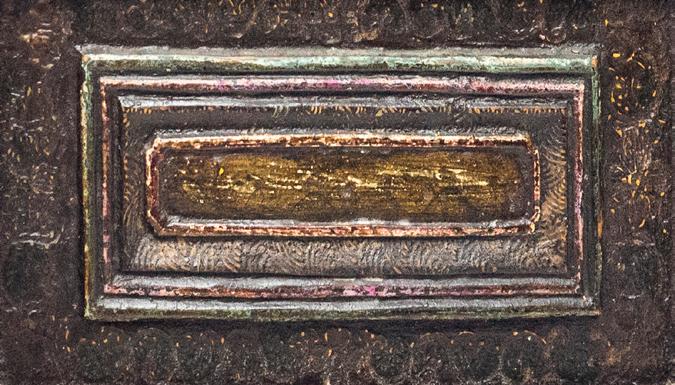
The present chest, like the previous chest, was likely used by a wealthy Tibetan to store their personal belongings, as it is also devoid of overtly religious symbols. It is clear that this chest was once completely covered in gold embellishments. Many remnants of the elaborate gold patterns remain,as do carefully placed, carved flowers. A cloud design appears on the lowermost panel. Himalayan Art Resources, Item No. 55359
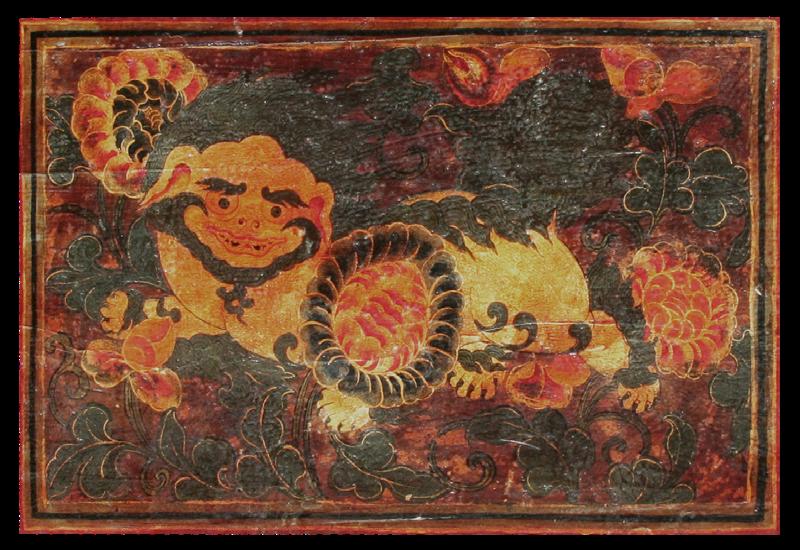
Chest Painted with a Playful Snow Lion, Clouds, with Geometric Motifs
18th Century
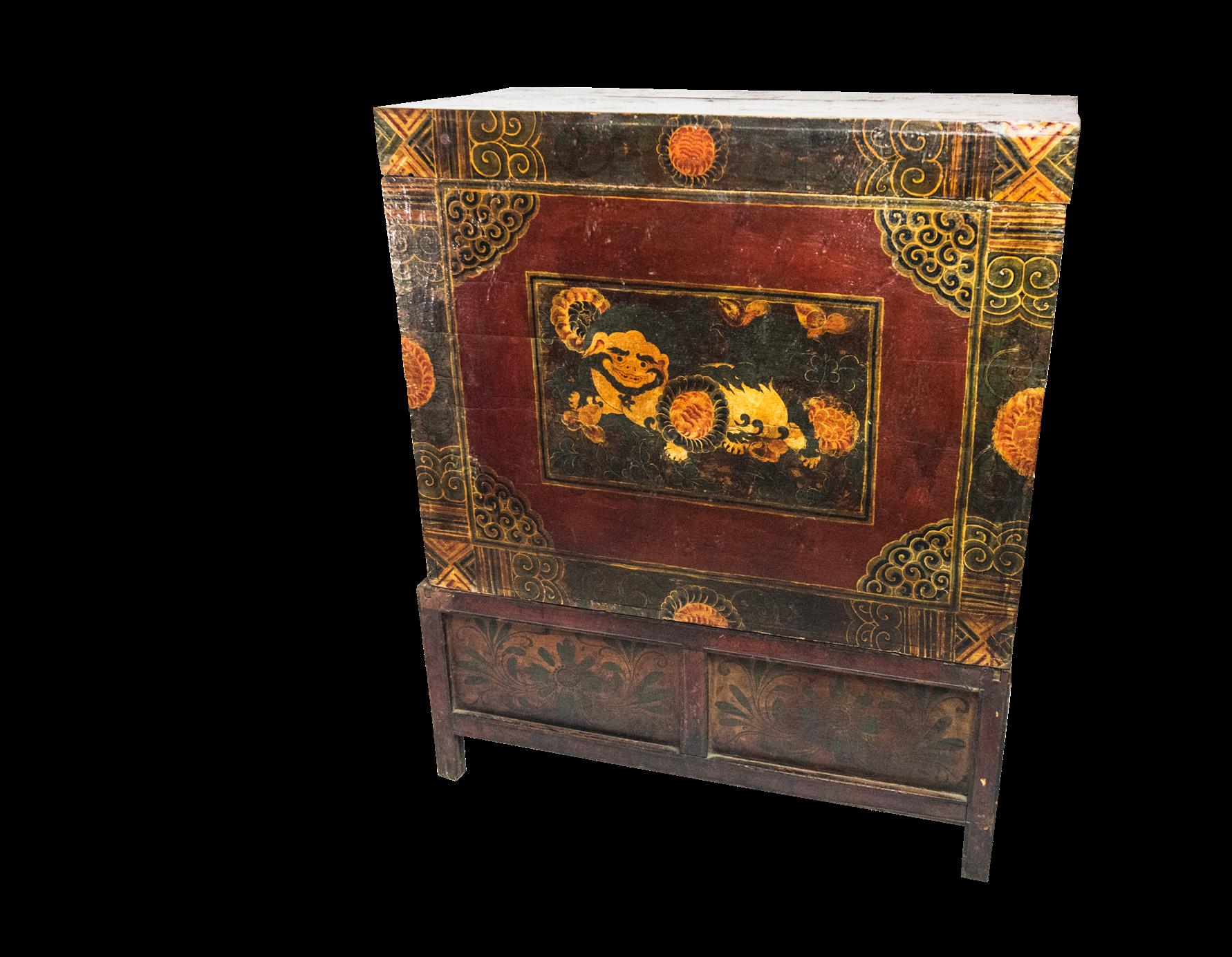
The mythical snow lion is the national symbol of Tibet, hence its incorporation into furniture decoration and artworks. The snow lion is said to be the protector of the Buddha, symbolizing fearlessness and clarity. Himalayan Art Resources, Item No. 55379
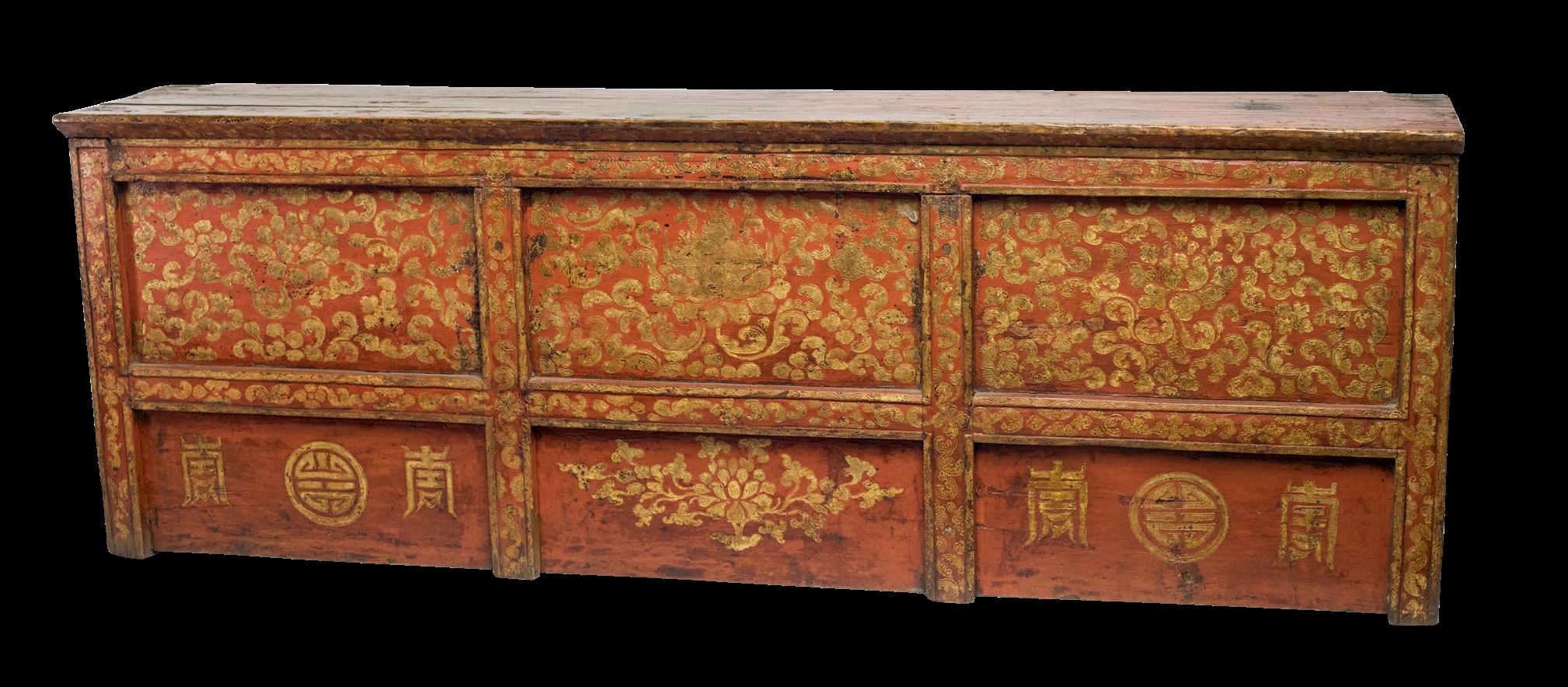
Ritual Table with Elaborate Gold-leaf Embellishments
19th Century
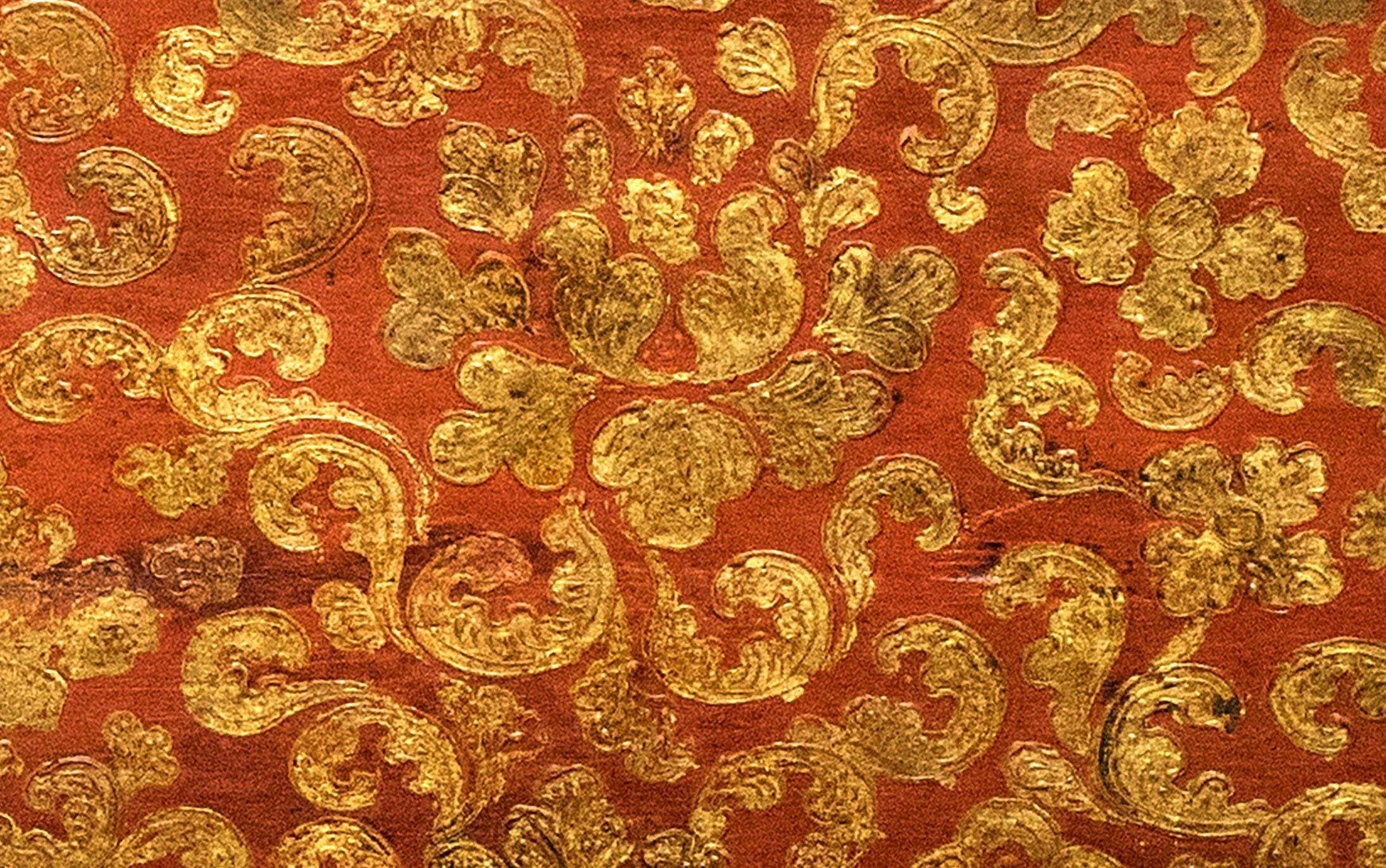
A low table such as the present example is utlized by monks and lamas to place ritual object or religious texts (pecha) during a puja or ritual.
A bowl of jewels appears in the center panel while stylized shou characters appear within the lowermost left and right panels.
Himalayan Art Resources, Item No. 55373
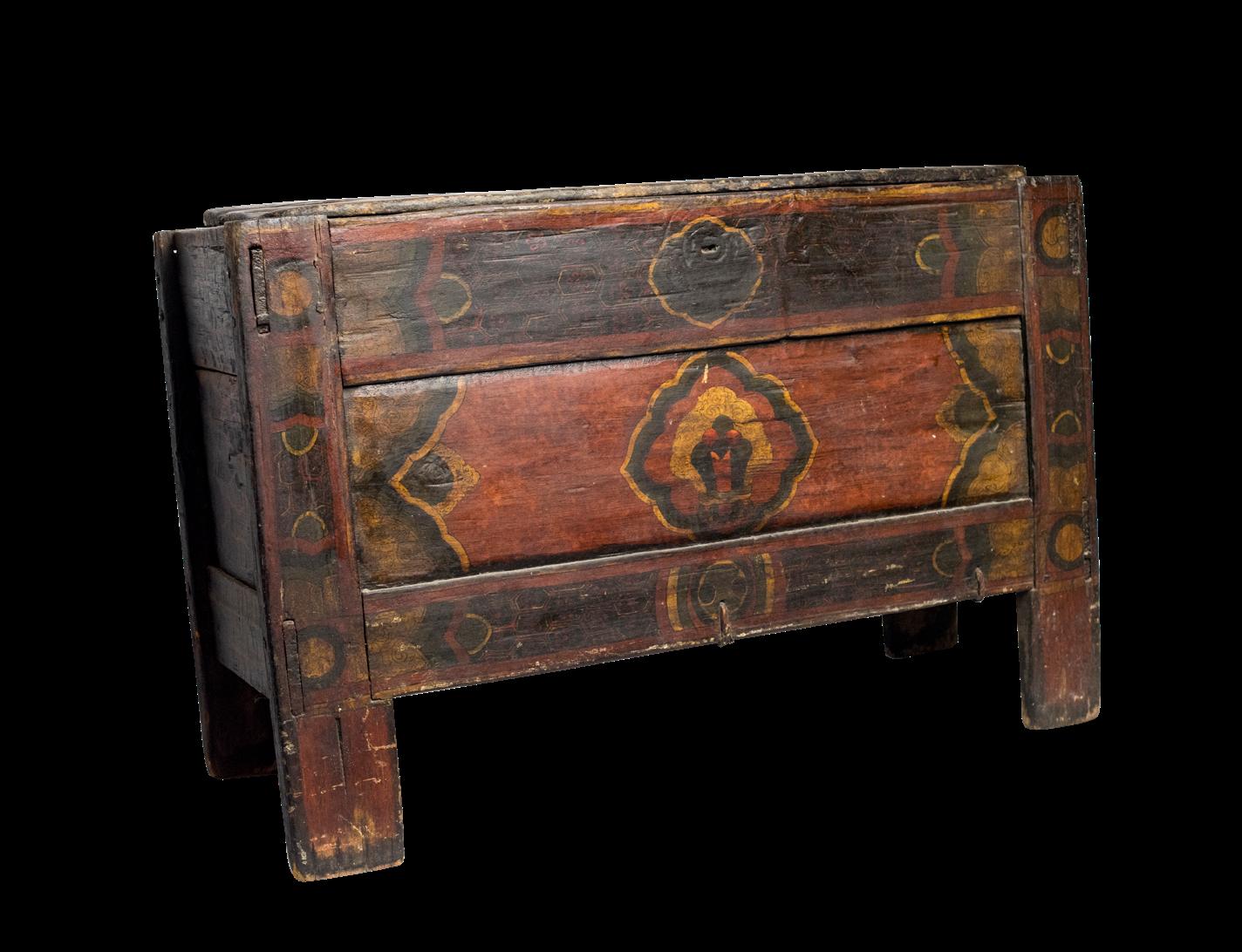
Ritual Table with Jewel and Foliate Motifs
19th Century
A small table like this might have been used for the personal practice of a Tibetan Buddhist monk. The jewel and foliate motifs are typical of tables intended for ritual.
Himalayan Art Resources, Item No. 55381
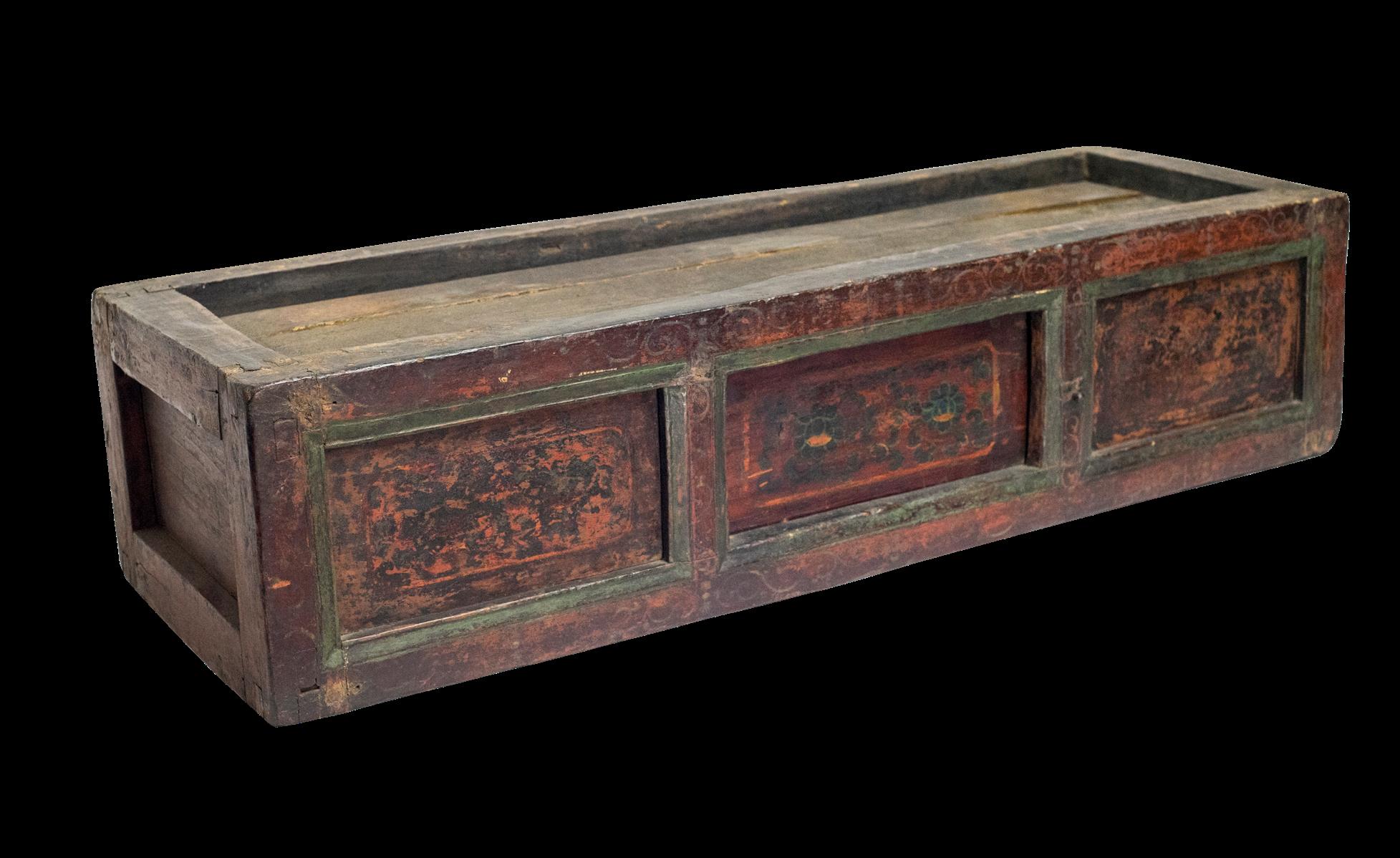
Lower Component of a Cabinet
19th Century
This decorated and carved wooden object should have served as support for a larger cabinet, to give it more height and presence. The present example includes the remnants of an elaborate floral design.
Himalayan Art Resources, Item No. 55357
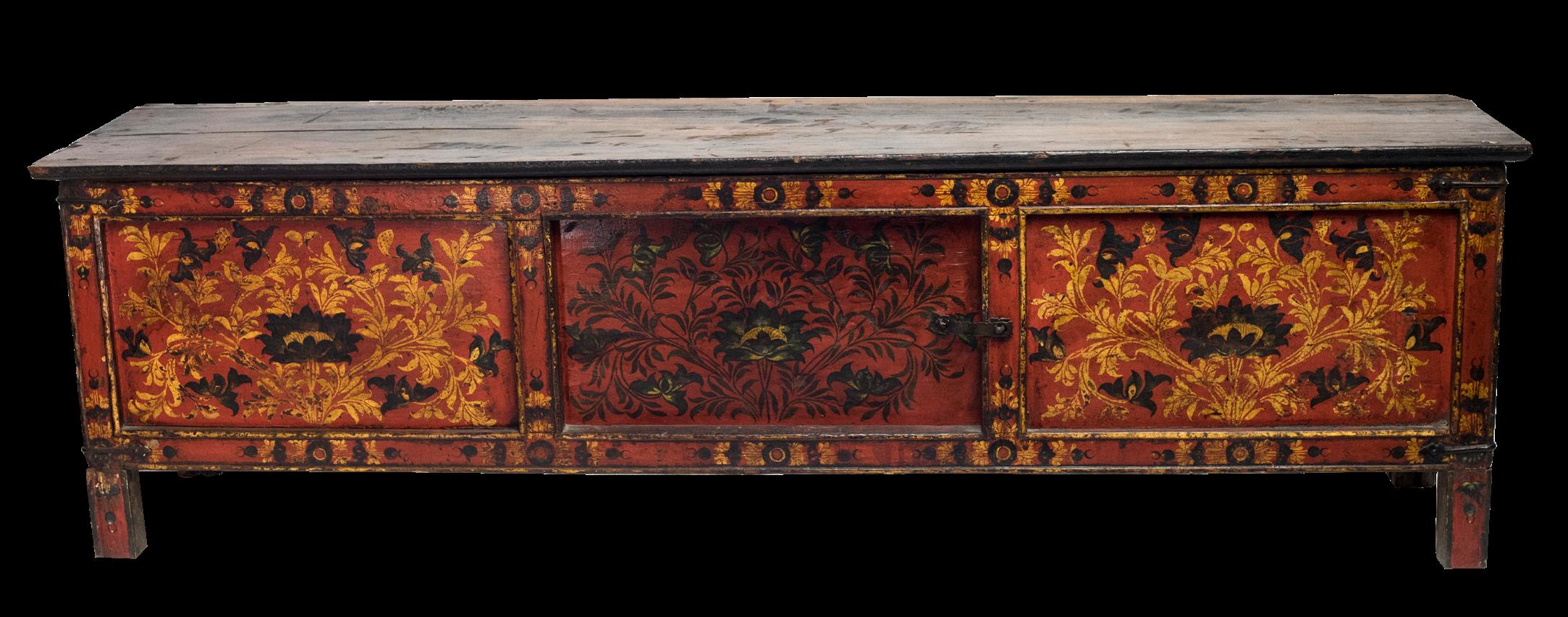
Ritual
Table with Jewel and Foliate Motifs
19th Century
A long table of such height is often found covered in incense, and ritual implements, such as the essential vajra (dorje) and ghanta (drilbu).
This type of beautifully decorated table is likely to be found within a main shrine hall, for use by monks.
Himalayan Art Resources, Item No. 55373
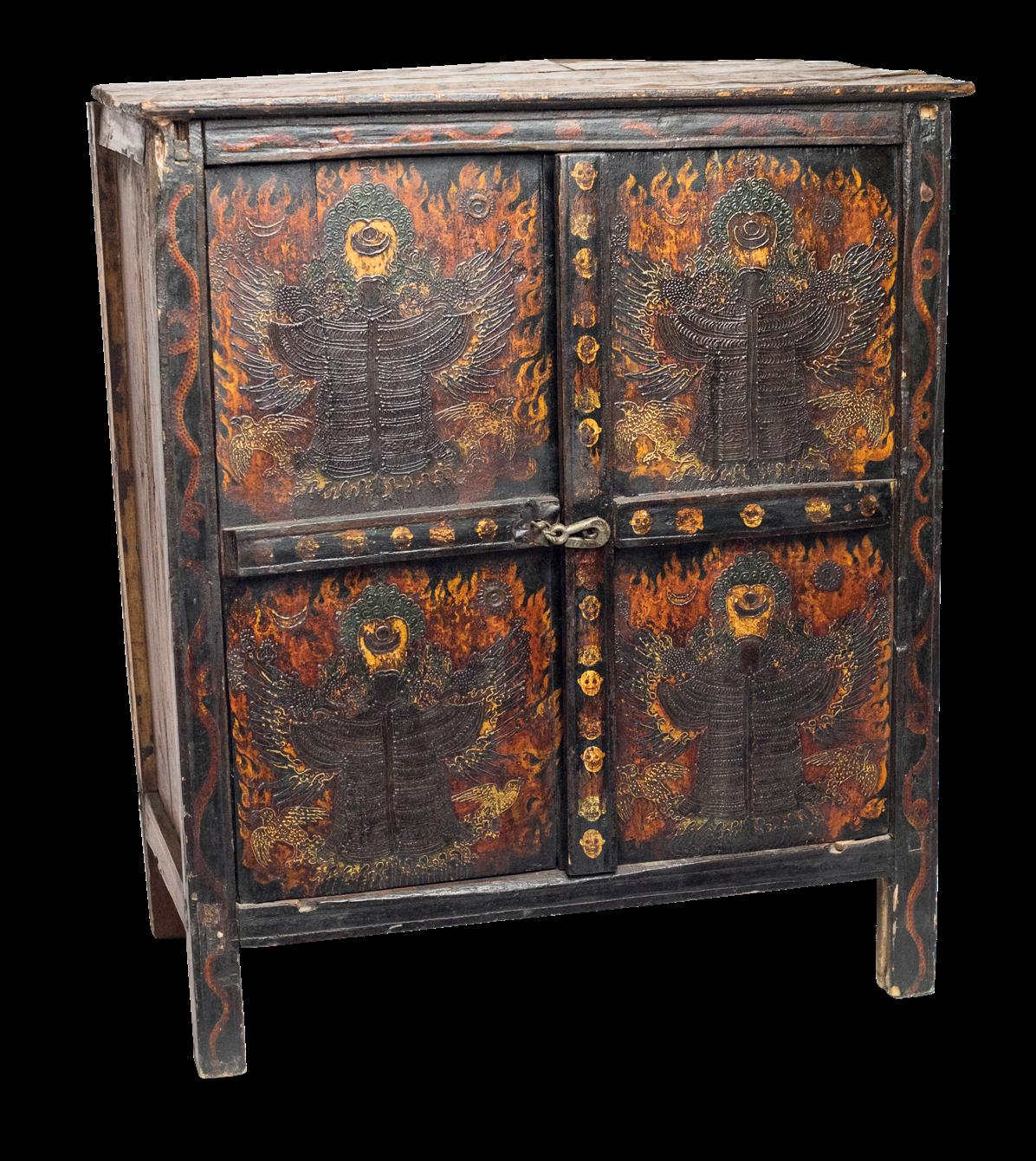
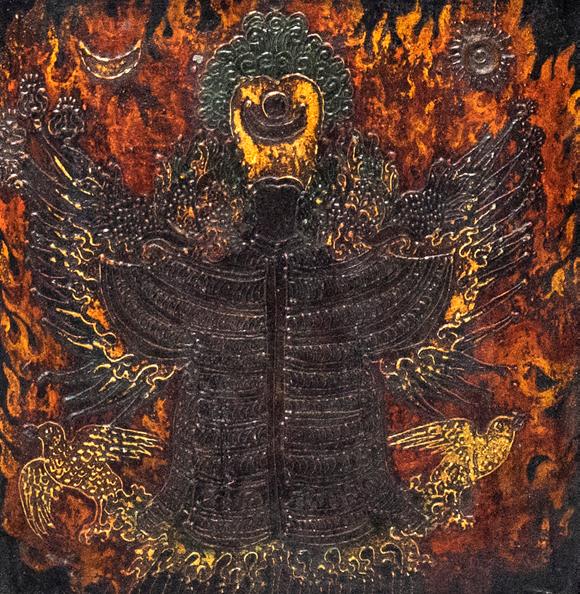
Chest with Heruka, Serpents, and Severed Heads
19th Century
The present chest is decorated with the attributes of a wrathful Tibetan deity known as a heruka (Tib. drag-thung) or ‘blood-drinker’. A chest like this may have been kept in a protector temple, where wrathful deities are propitiated.
Himalayan Art Resources, Item No. 55389
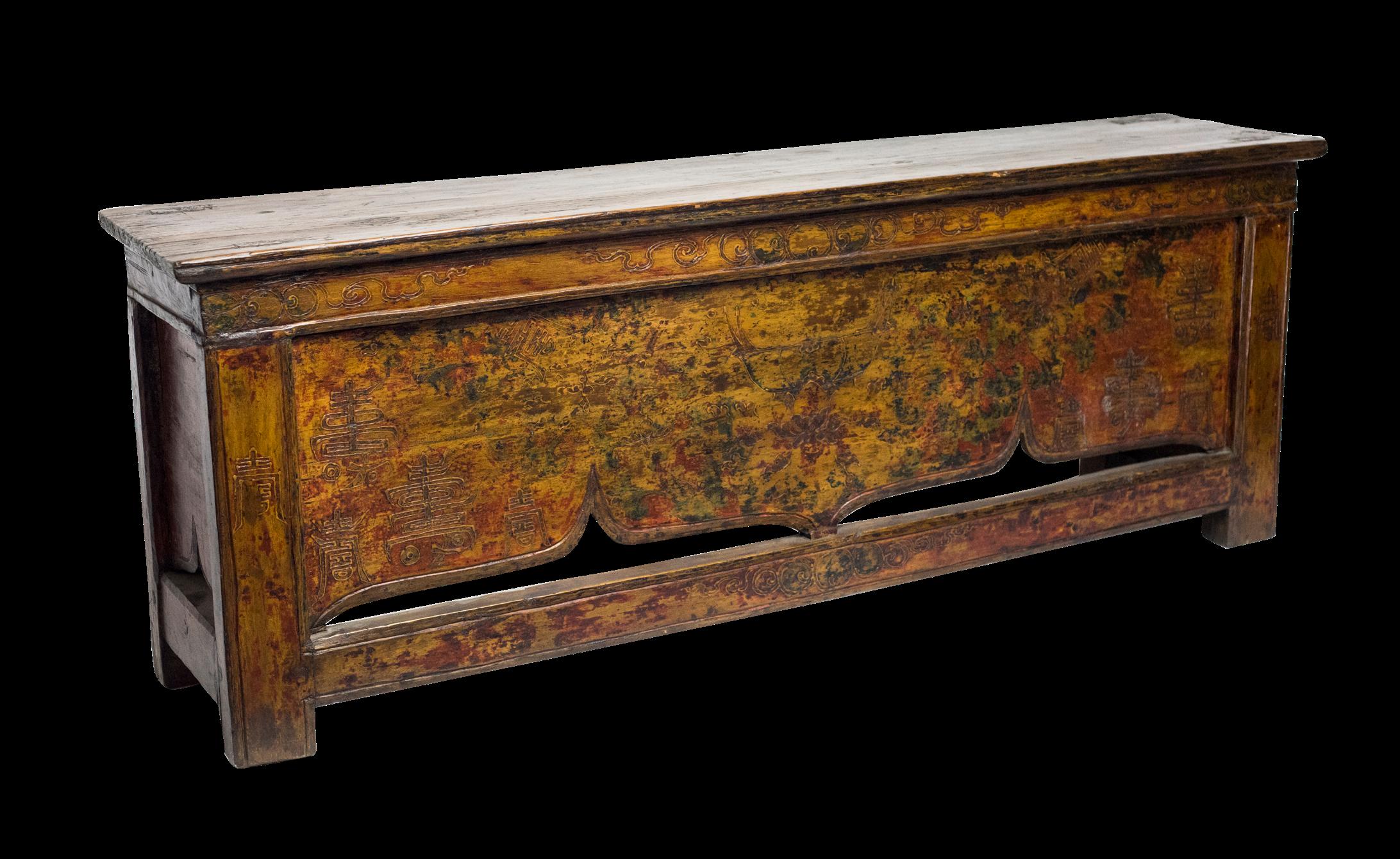
Low Wooden Table with Shou Characters
19th Century
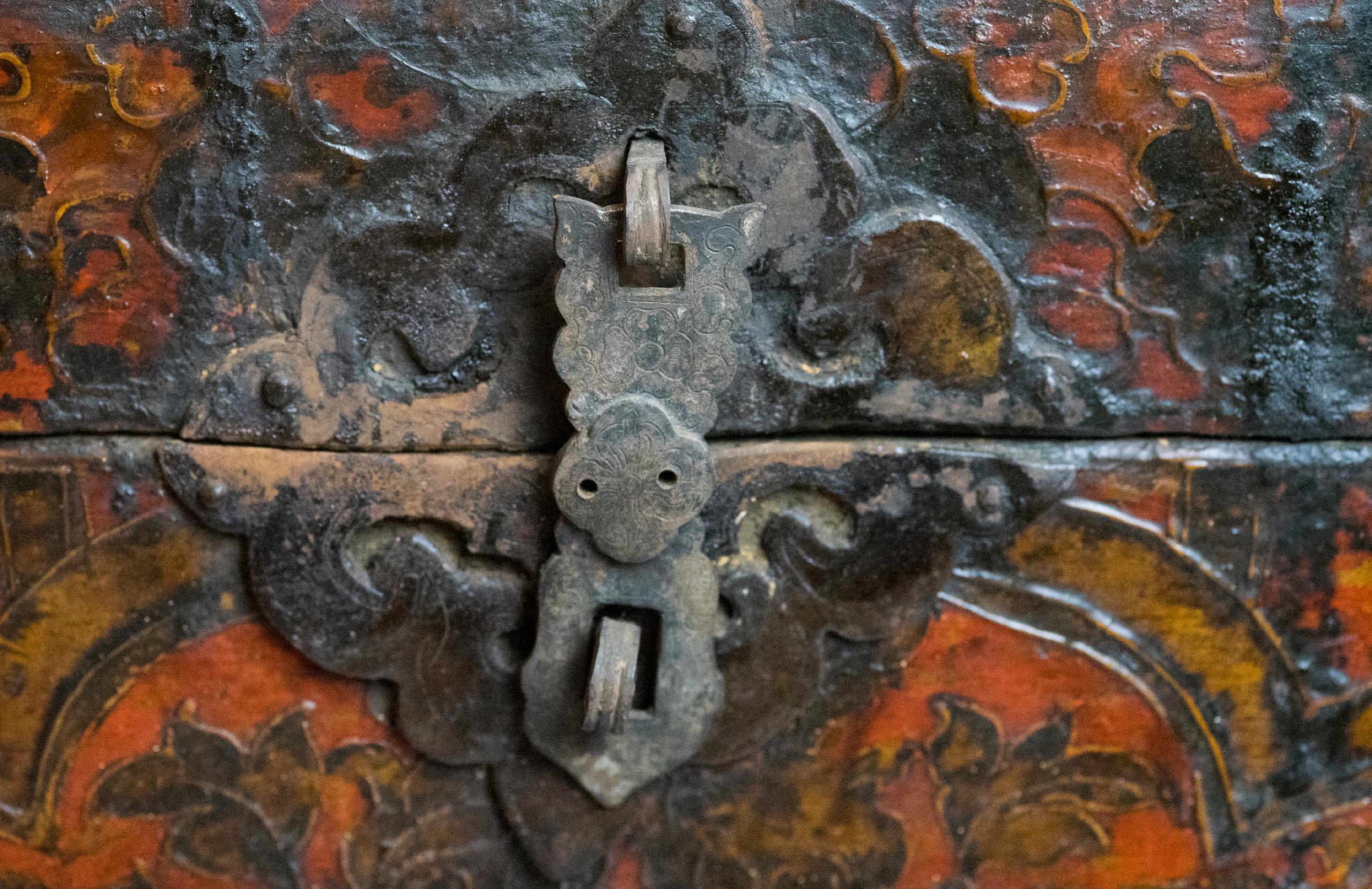
Tibetan Trunks
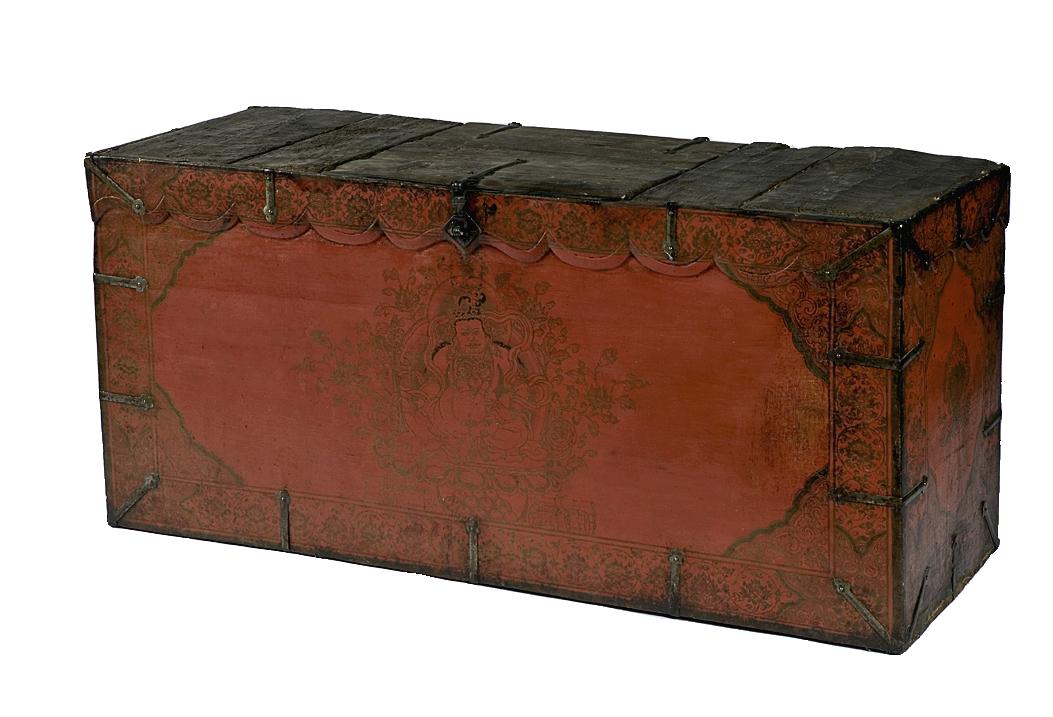
Many of these Tibetan trunks are built with metal braces and a centrally located lock plate, with the intent of being portable. Beyond their utility, however, these trunks are works of art. Each of these Tibetan motifs takes inspiration from the surrounding Himalayan cultures and from Chinese aesthetics.
Yet, a distinct Tibetan style is apparent, as furniture making guilds were formed in the seventeenth century under the fifth Dalai Lama to develop a cohesive approach. The collection that follows includes many fine examples of traditional Tibetan trunks.
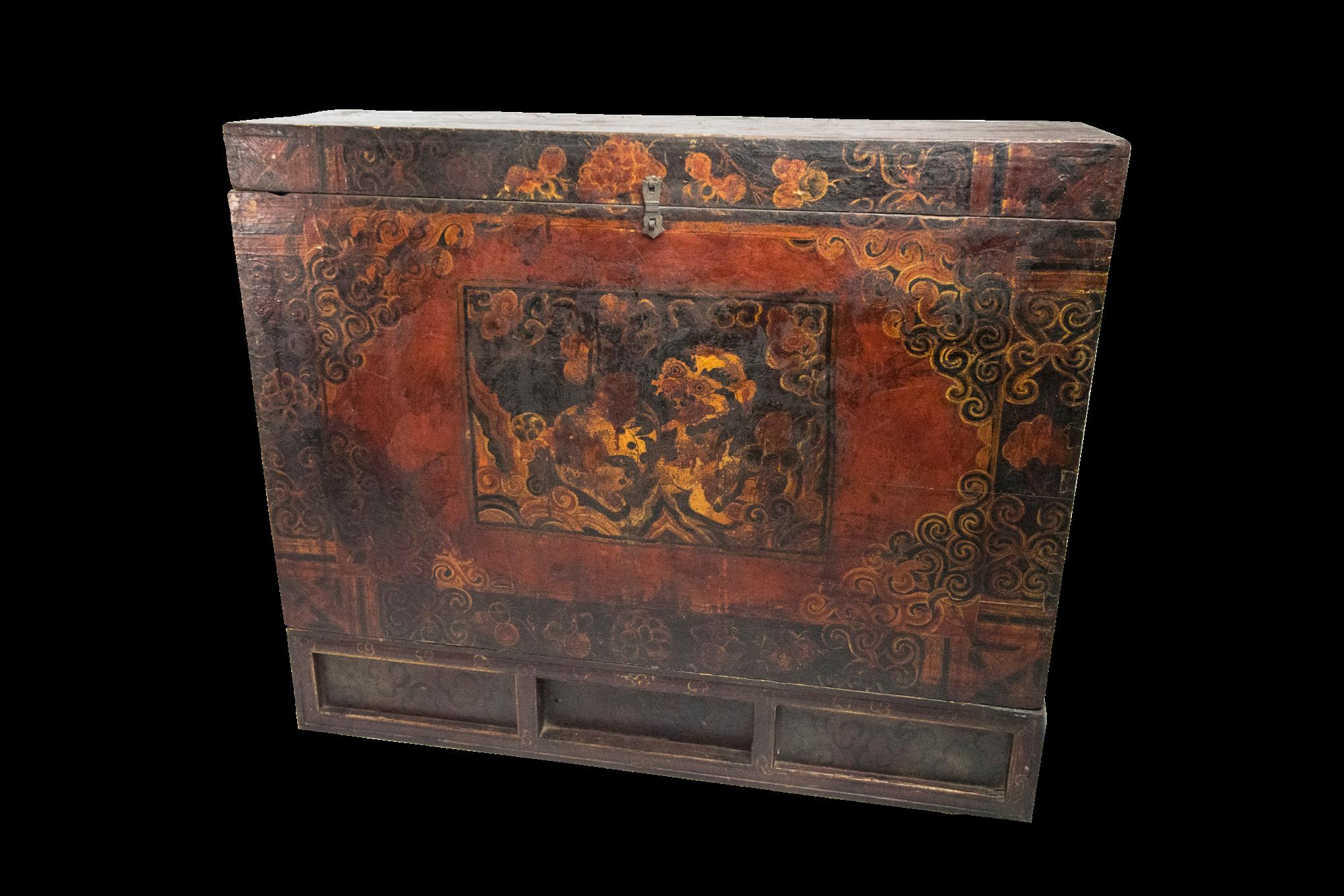
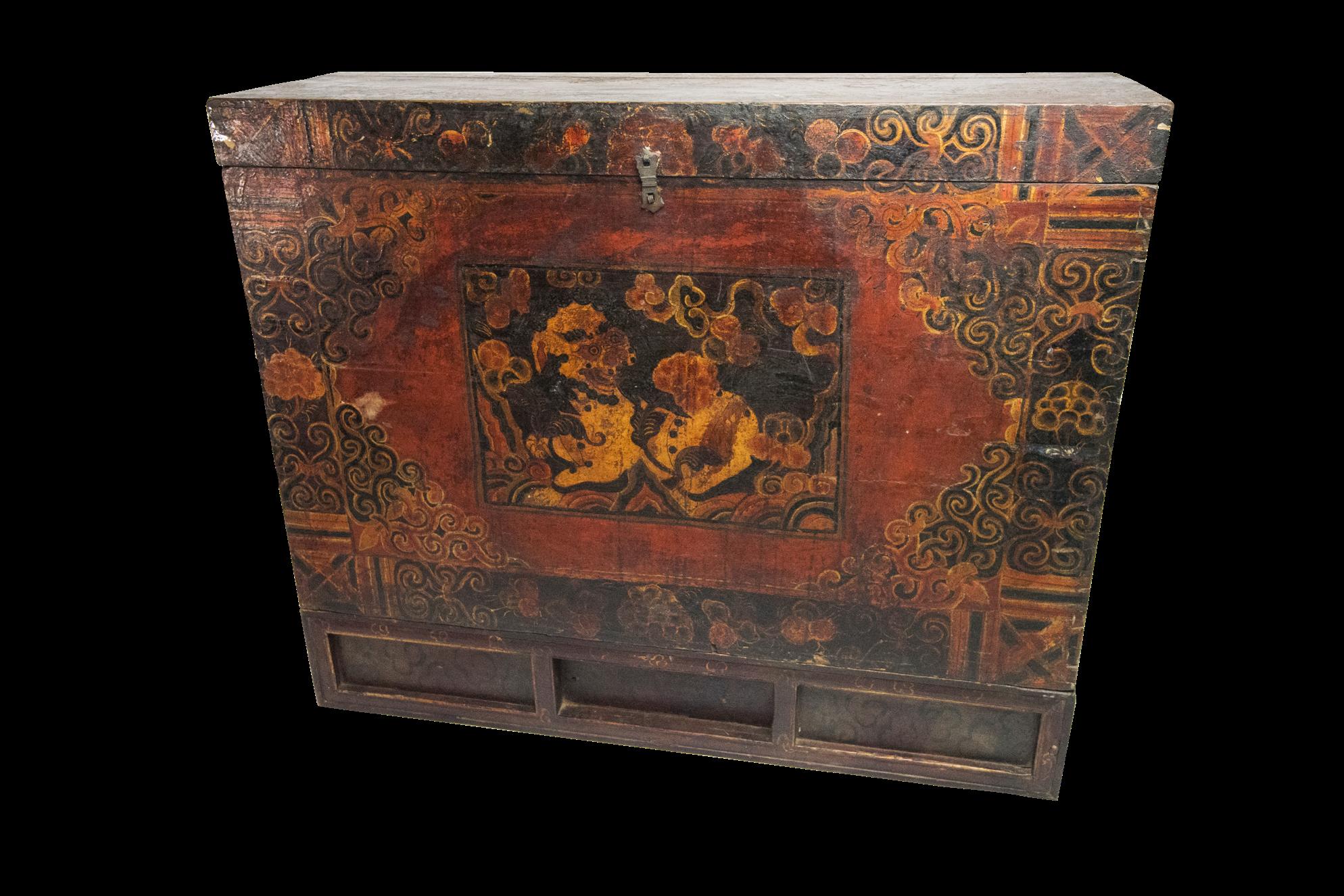
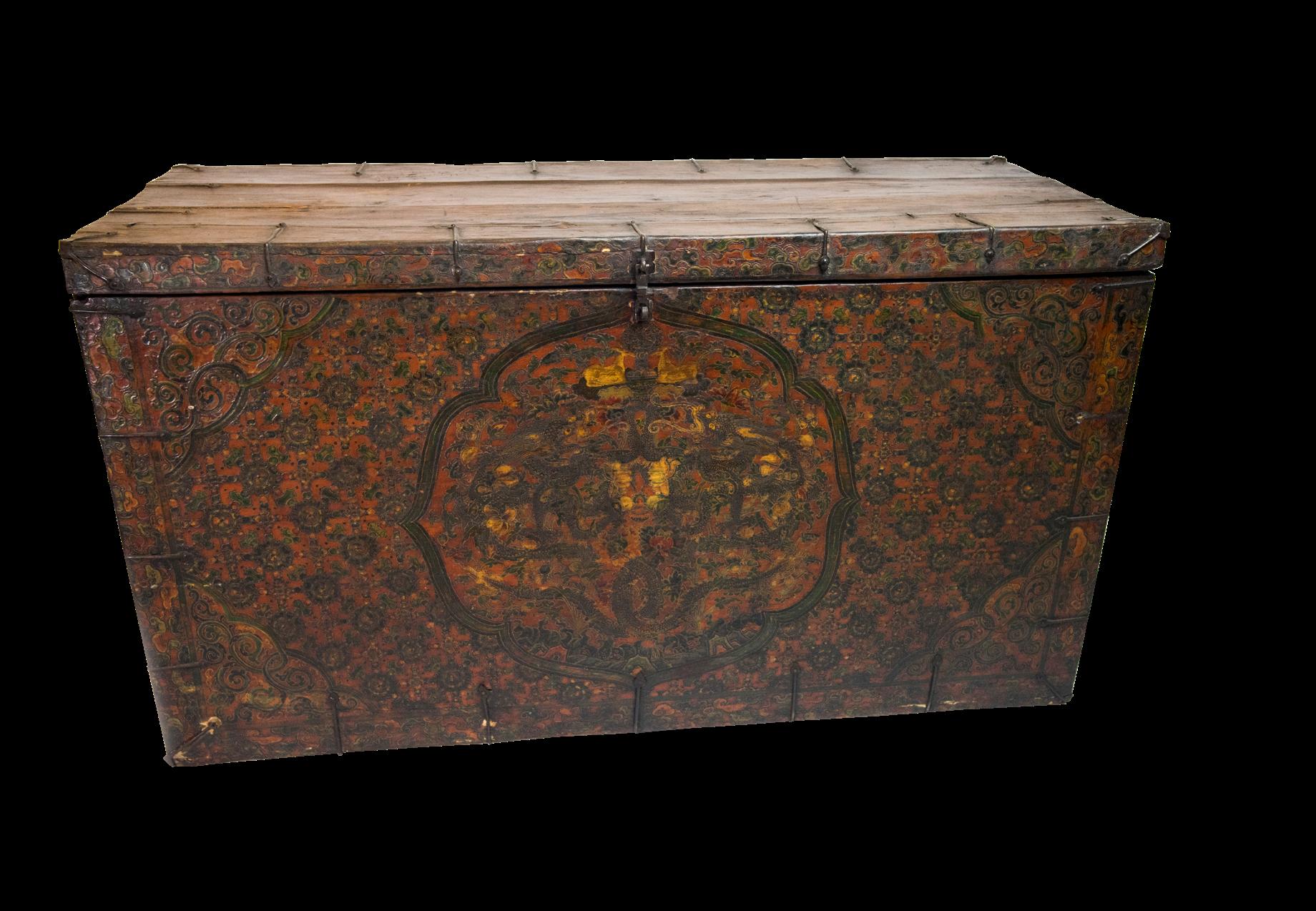
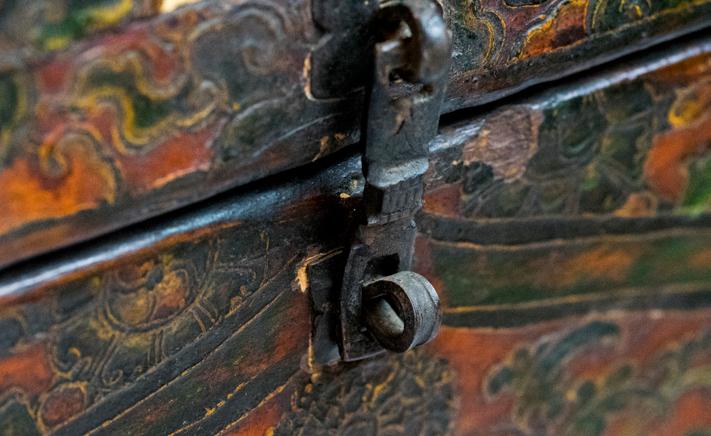
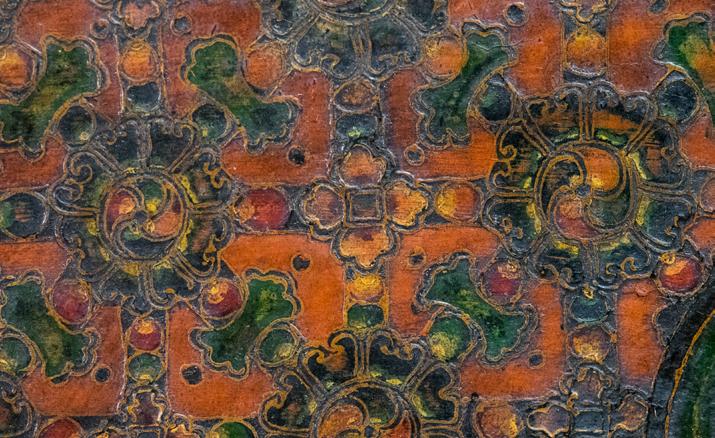
Elaborate Trunk with Dragons and Various Auspicious
Symbols
Late 17th-18th Century
Himalayan Art Resources, Item No. 55366
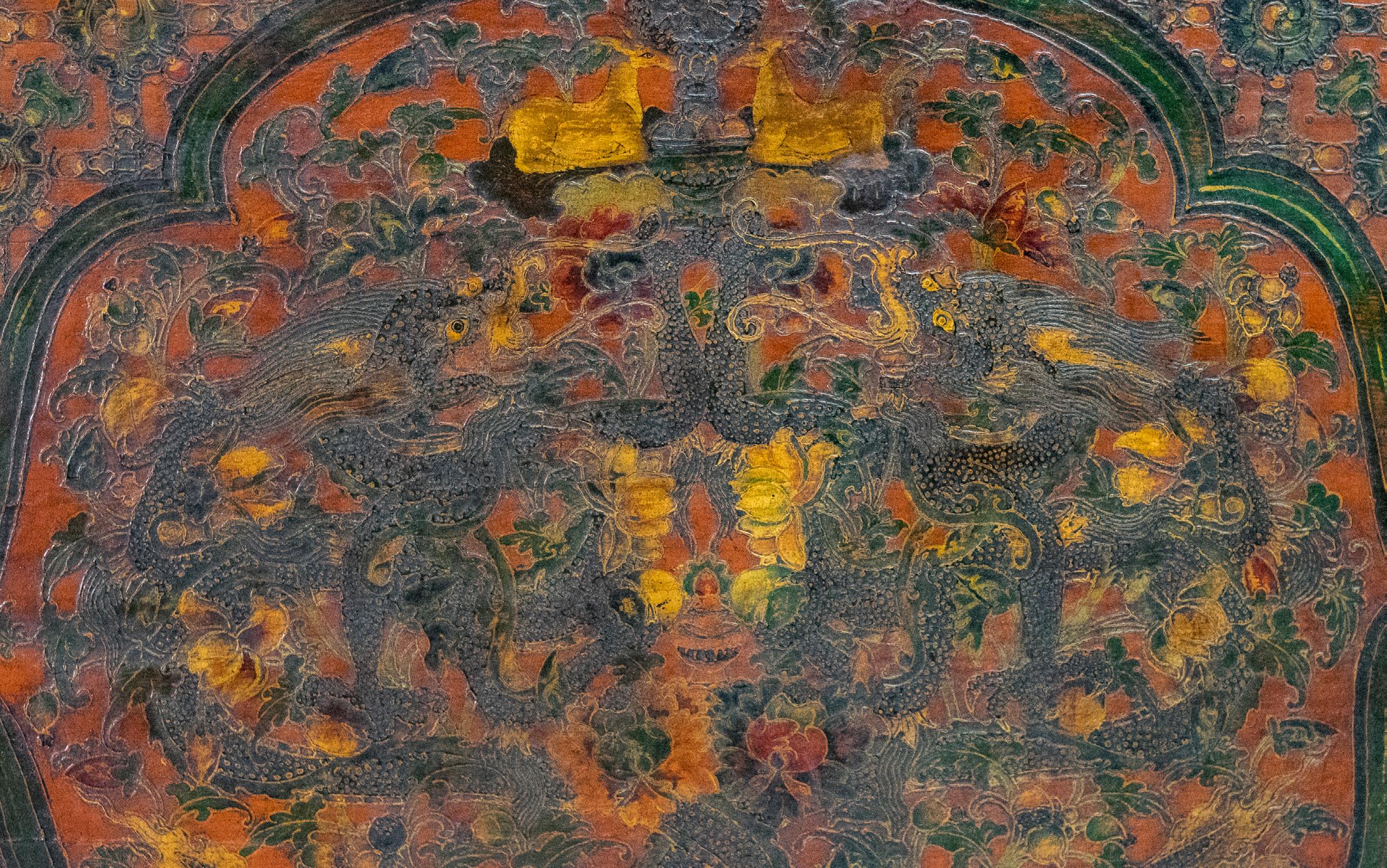
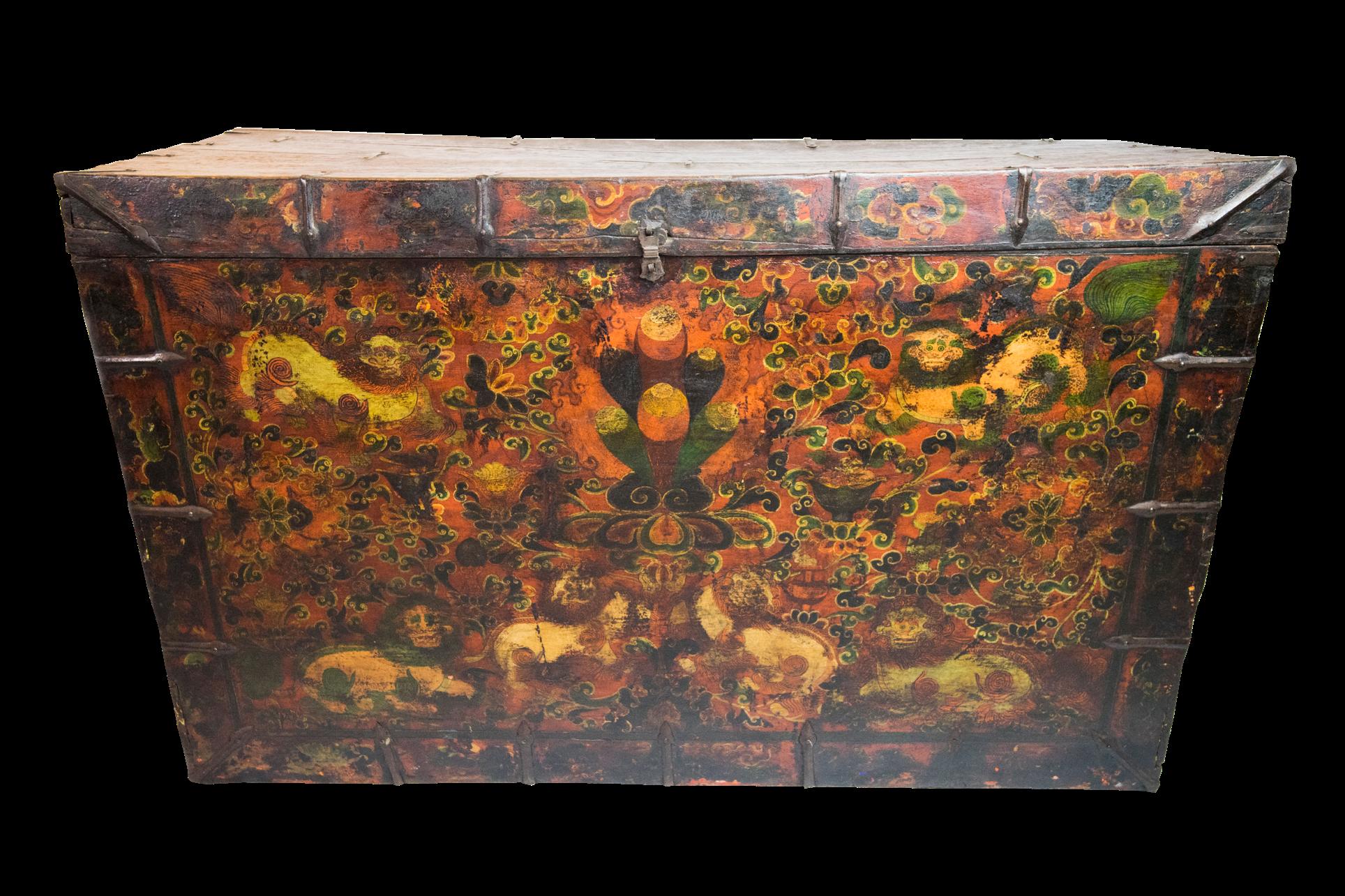
Trunk Adorned with Jewels, Lotuses, and Playful Snow Lions Late 17th Century
Himalayan Art Resources, Item No. 55364
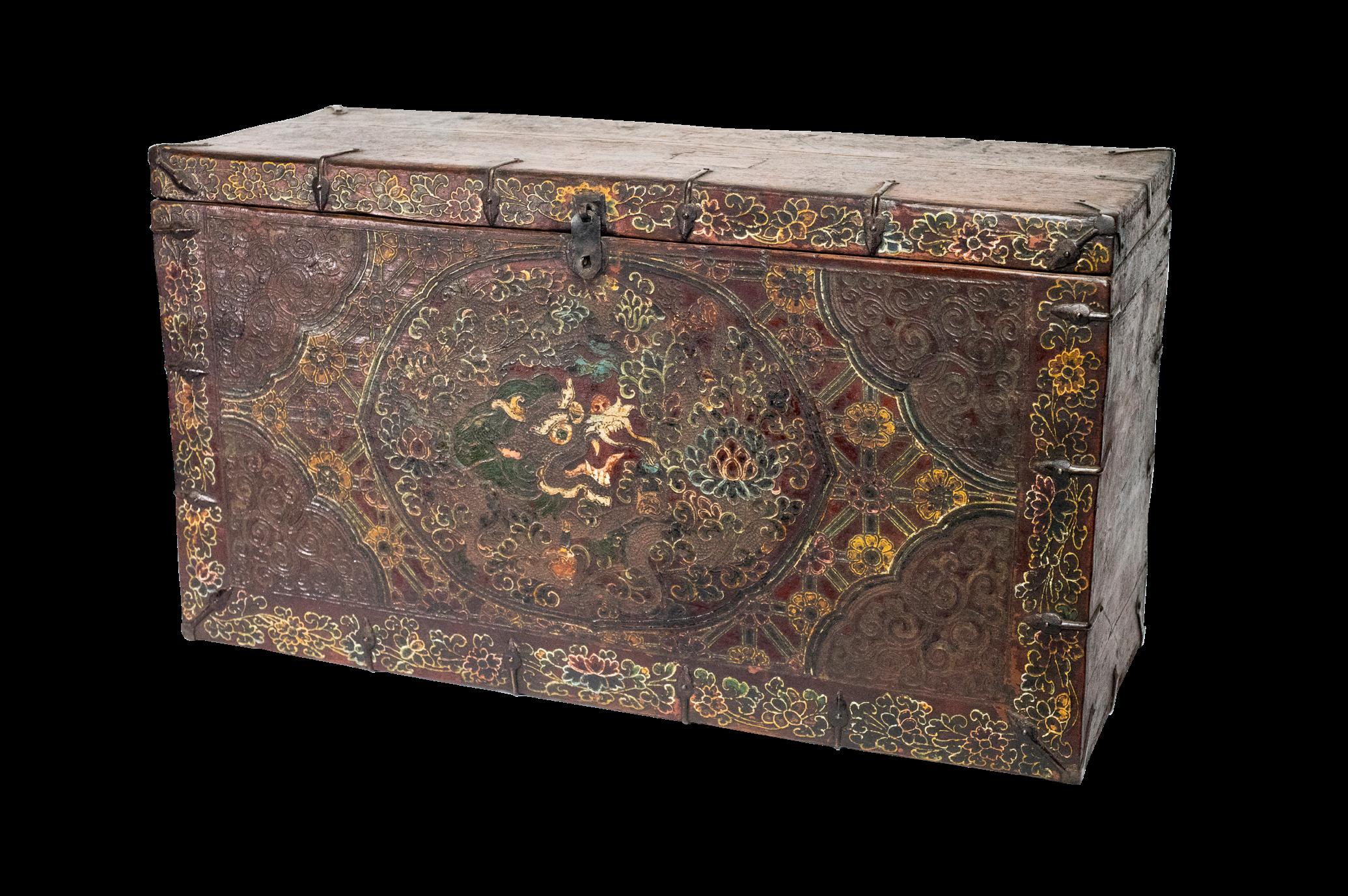
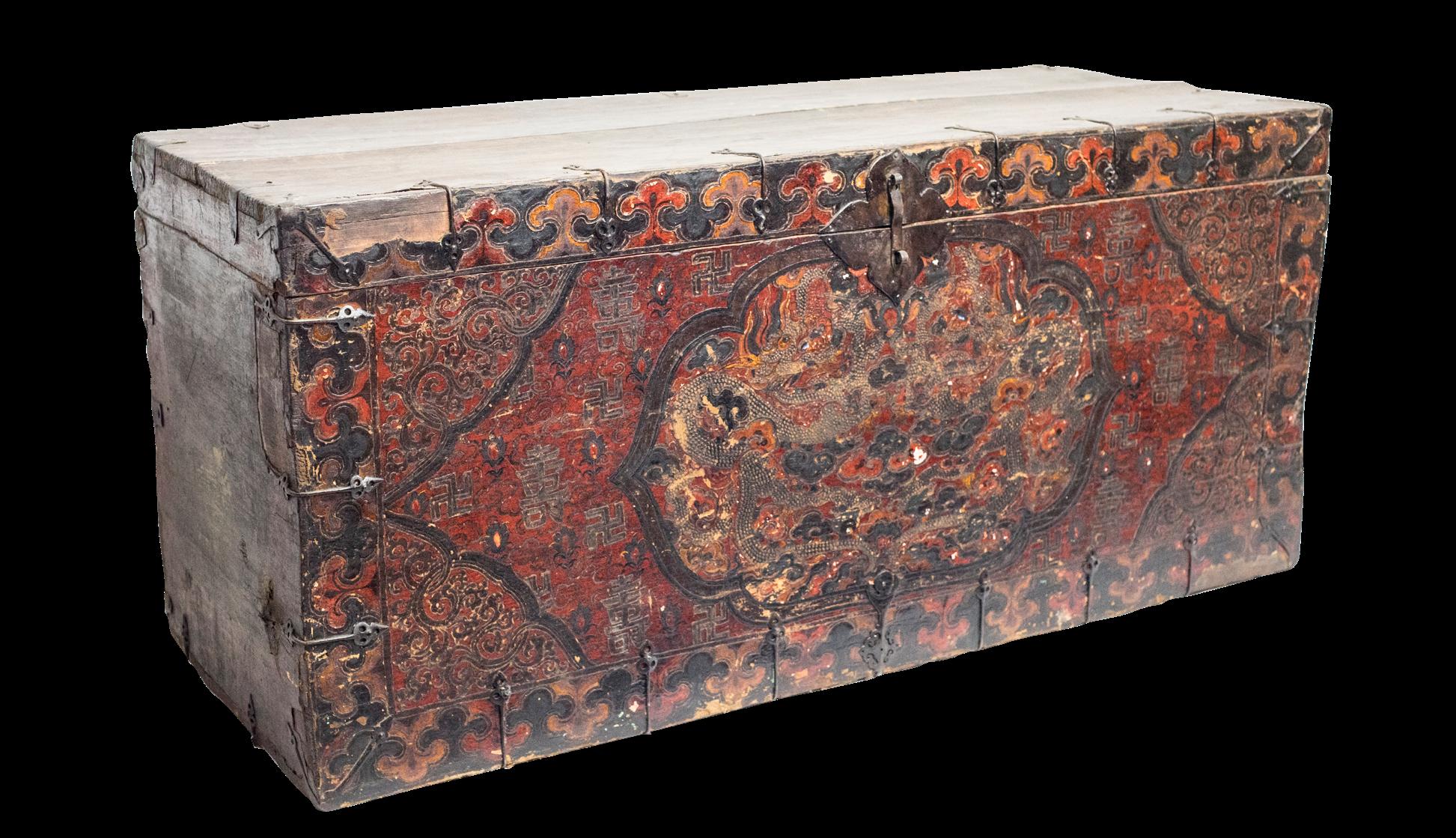
Dragon Trunk with Shou Characters and Swastika ( yung-drung ) Motifs
18th Century
Himalayan Art Resources, Item No. 55356
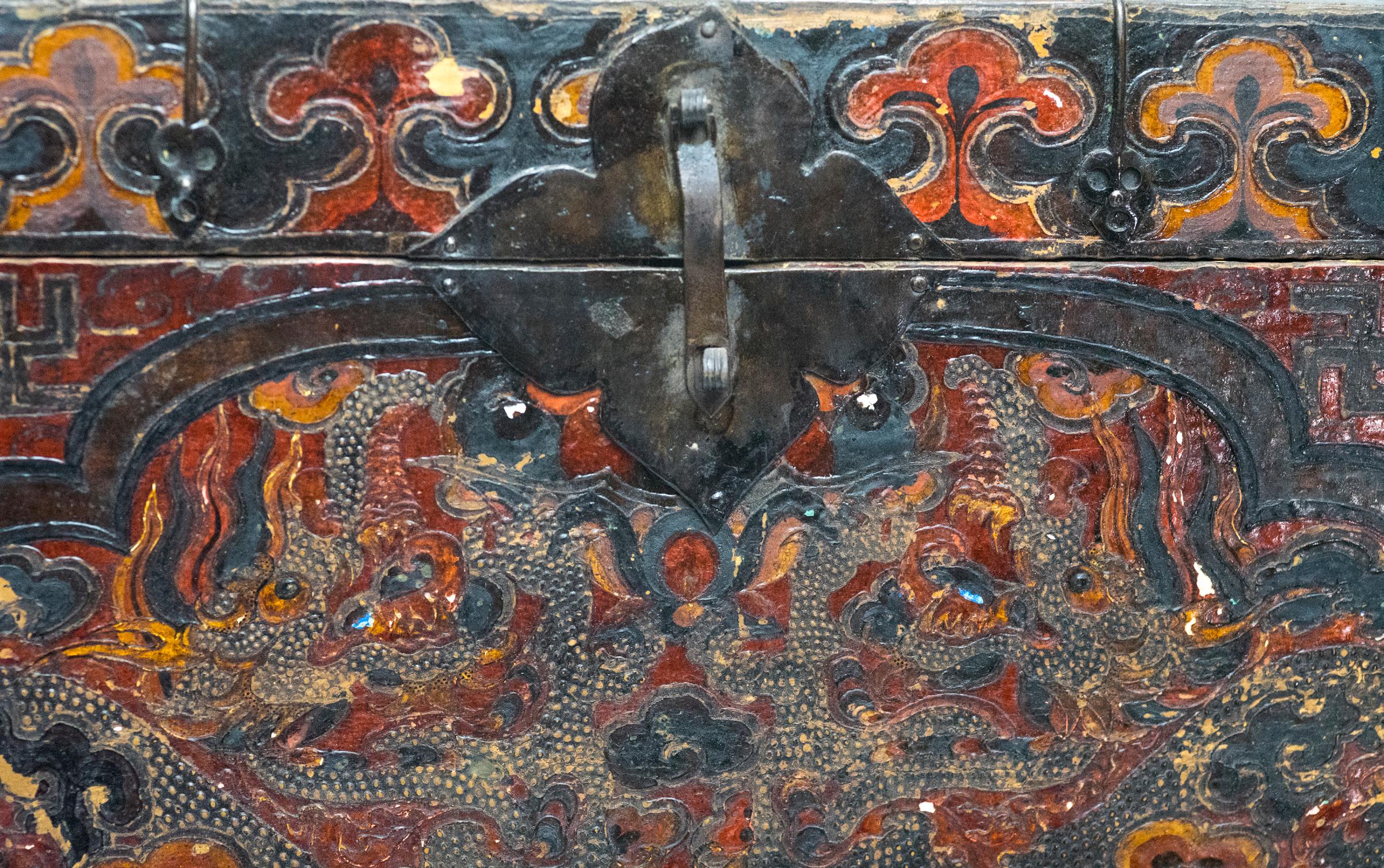
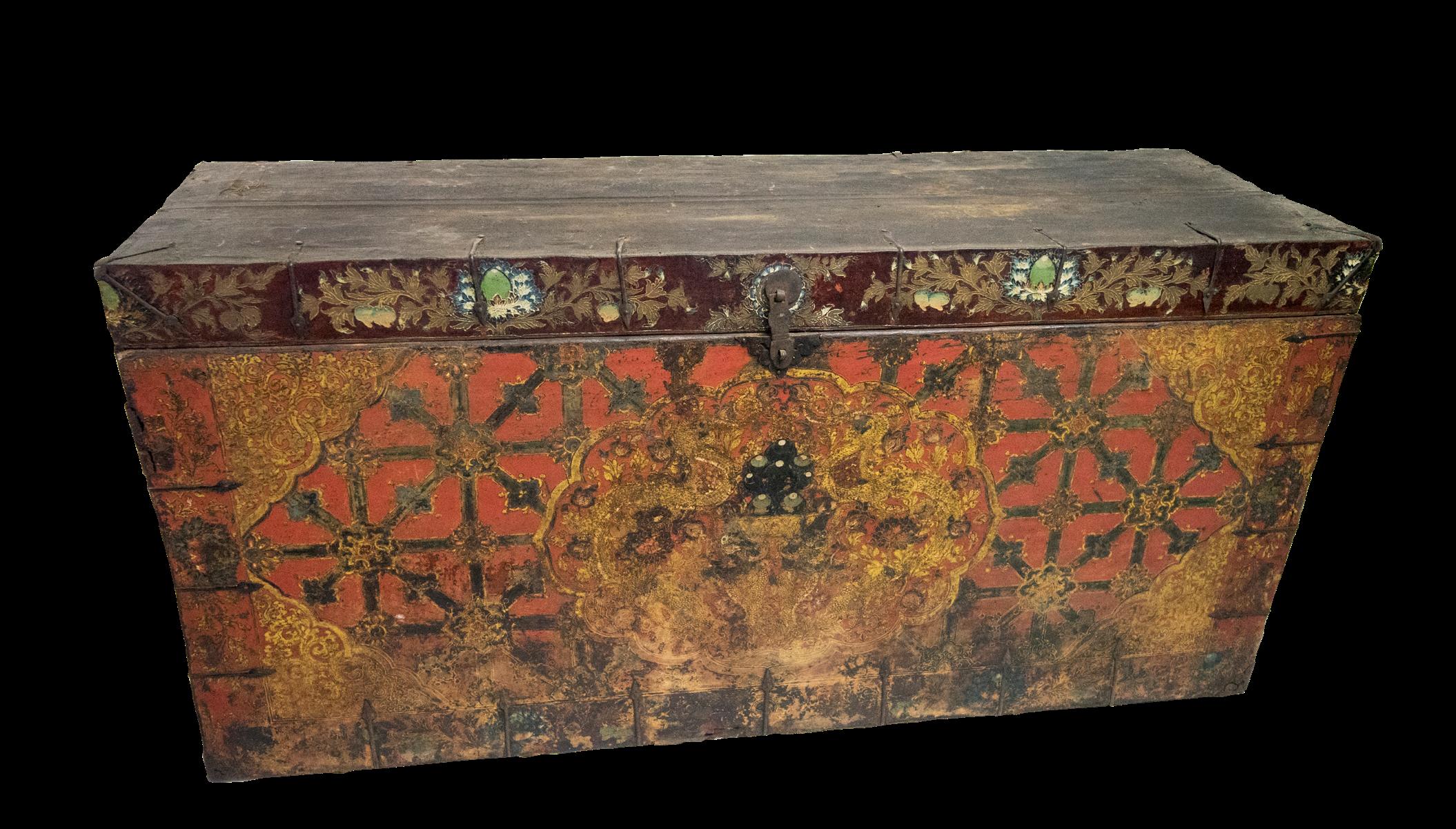
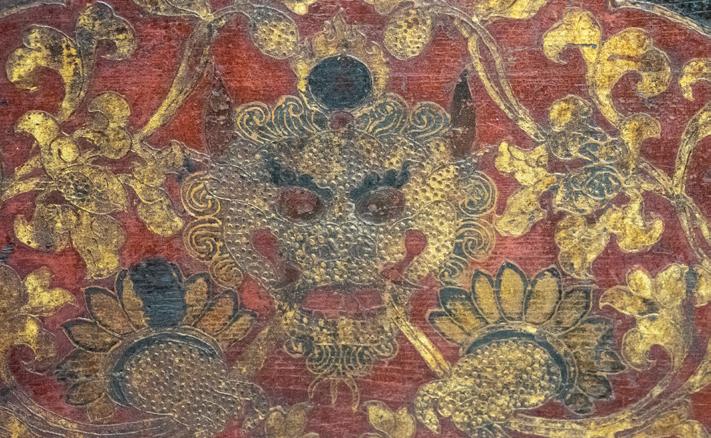
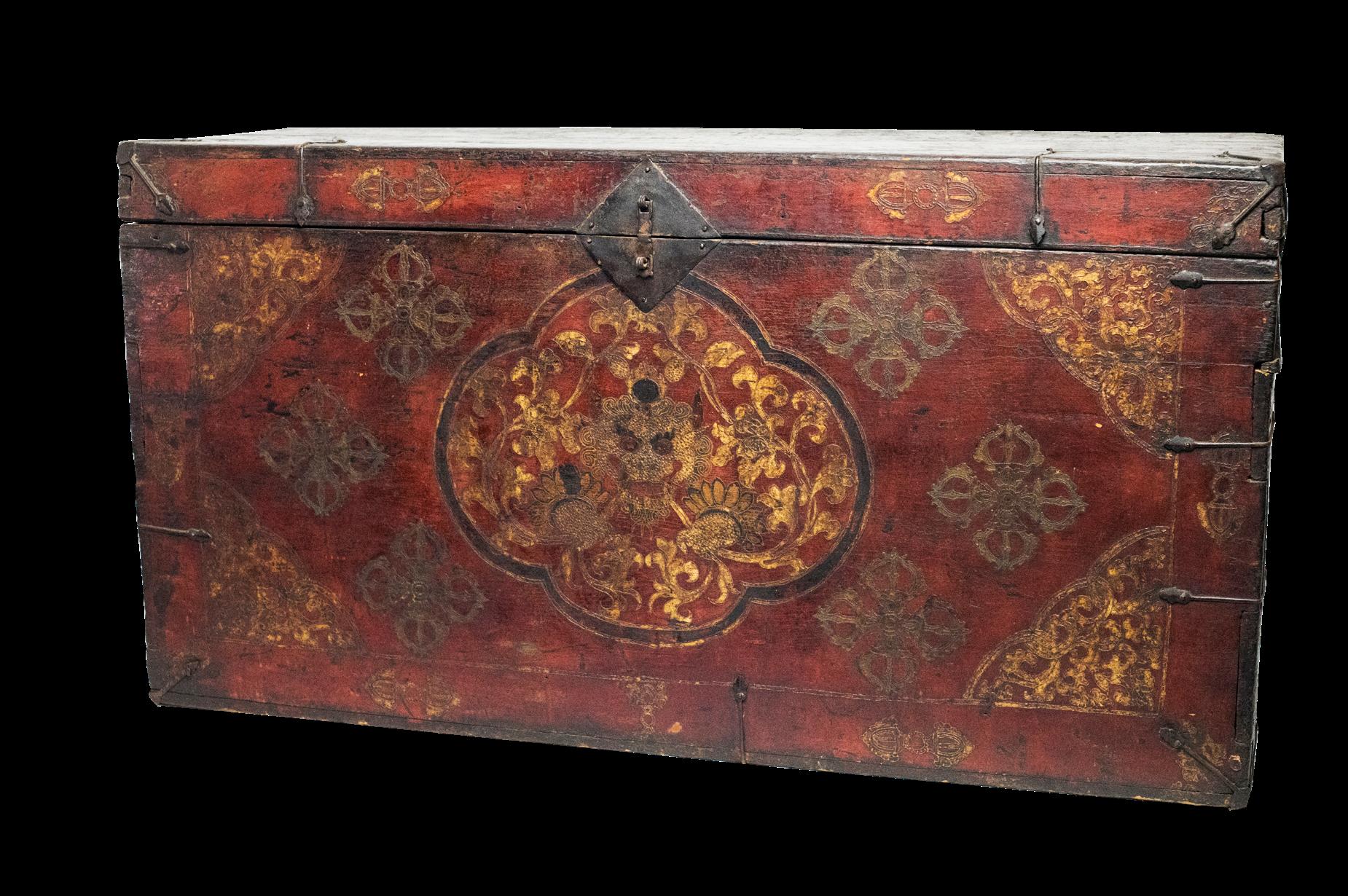
Red Trunk with Kirtimukha ( zi-bag ) and Visvavajra ( dorje gya-tram ) Motifs
18th Century
Himalayan Art Resources, Item No. 55353
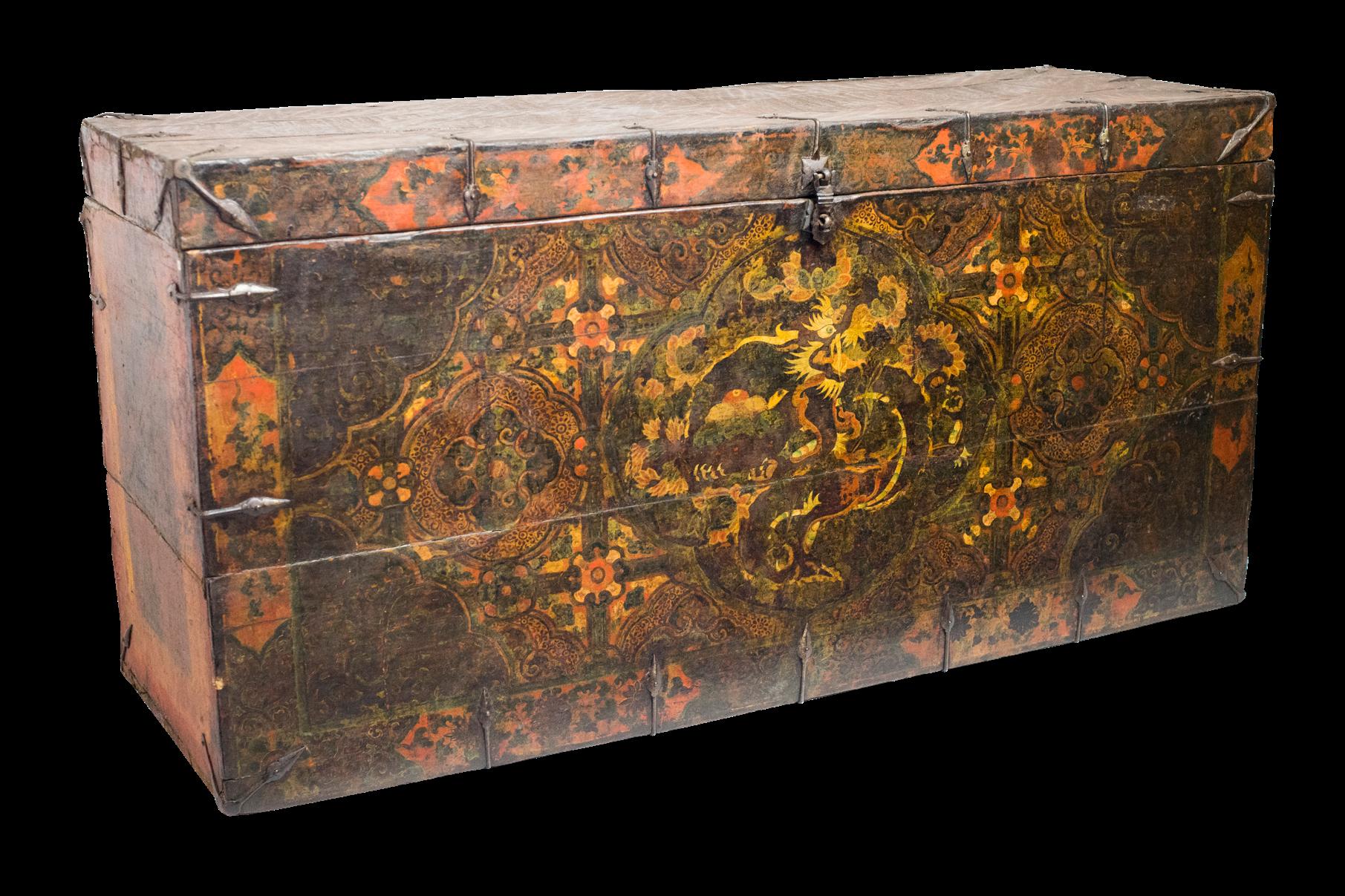
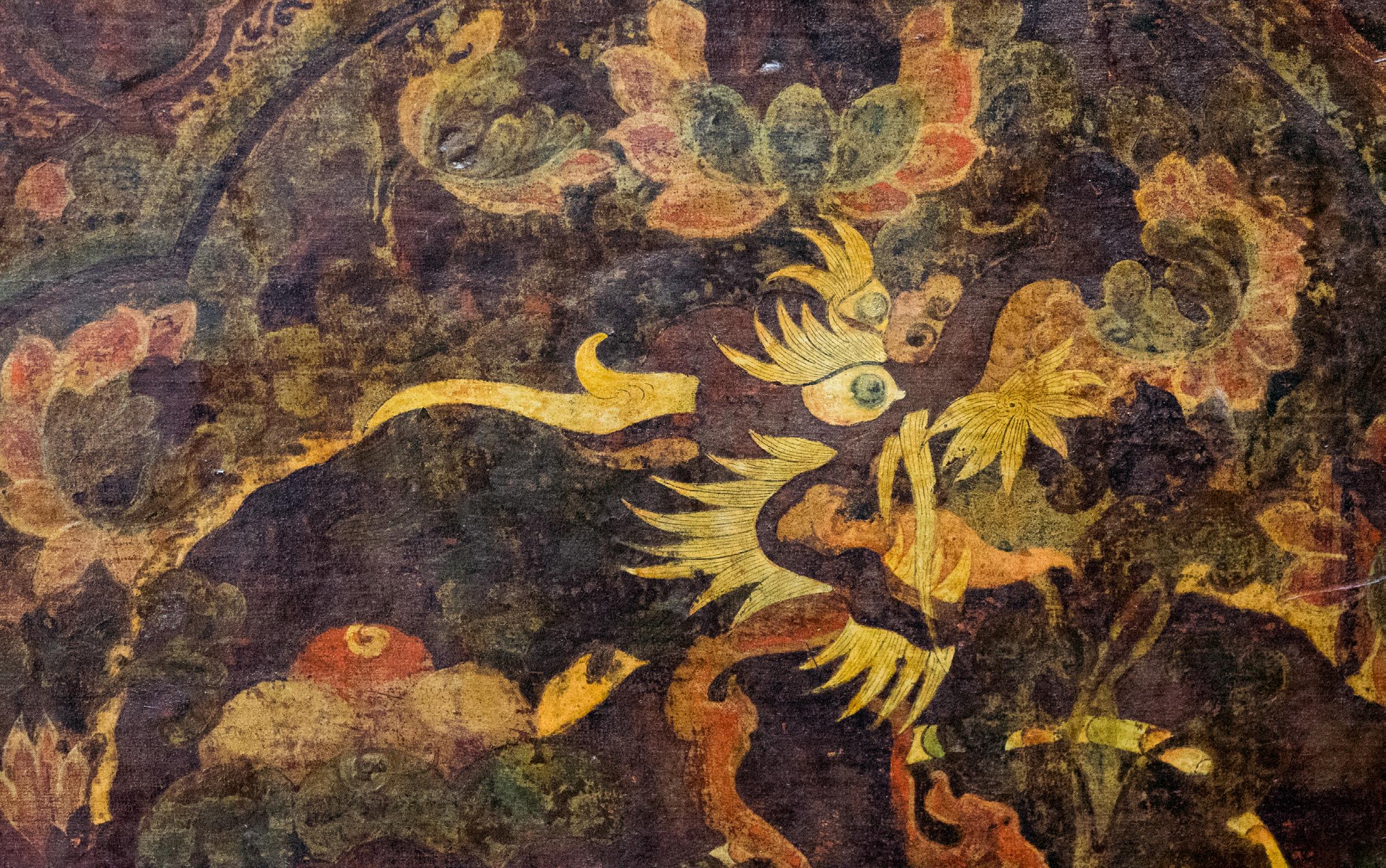
Elaborate Trunk with Entwined Dragons 17th Century
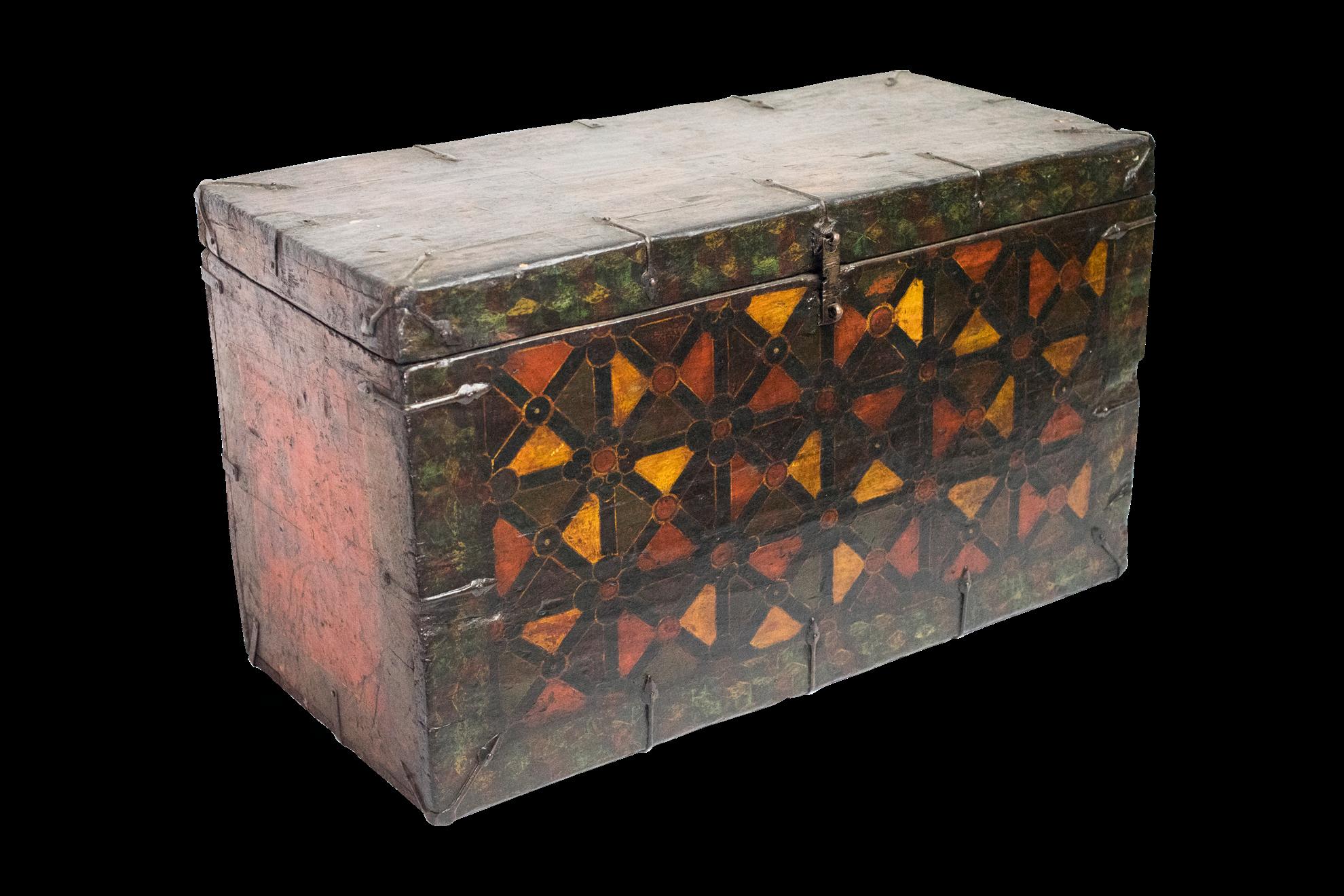
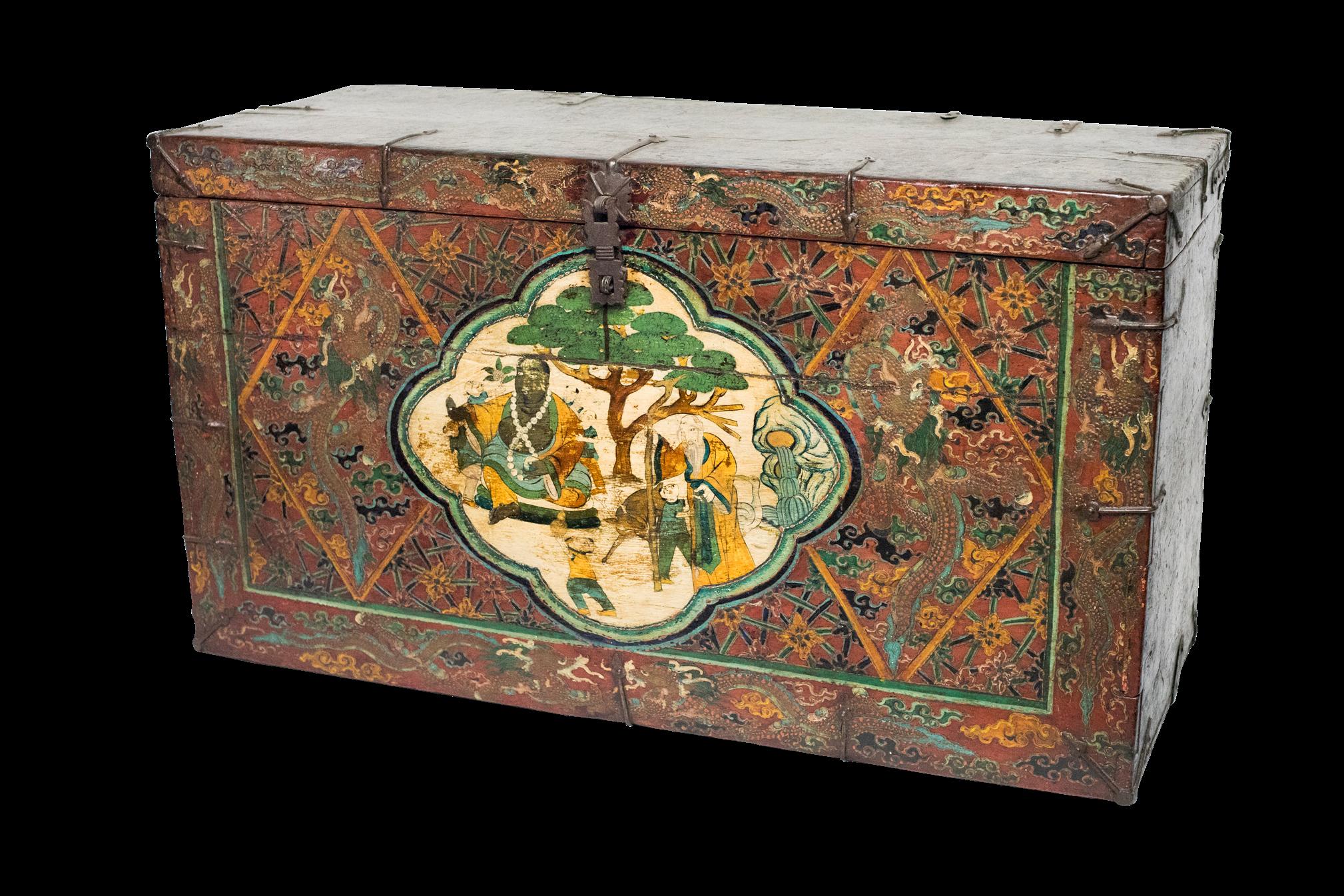
Trunk Depicting the Chinese Monk Hvashang 18th-19th Century
Himalayan Art Resources, Item No. 55360
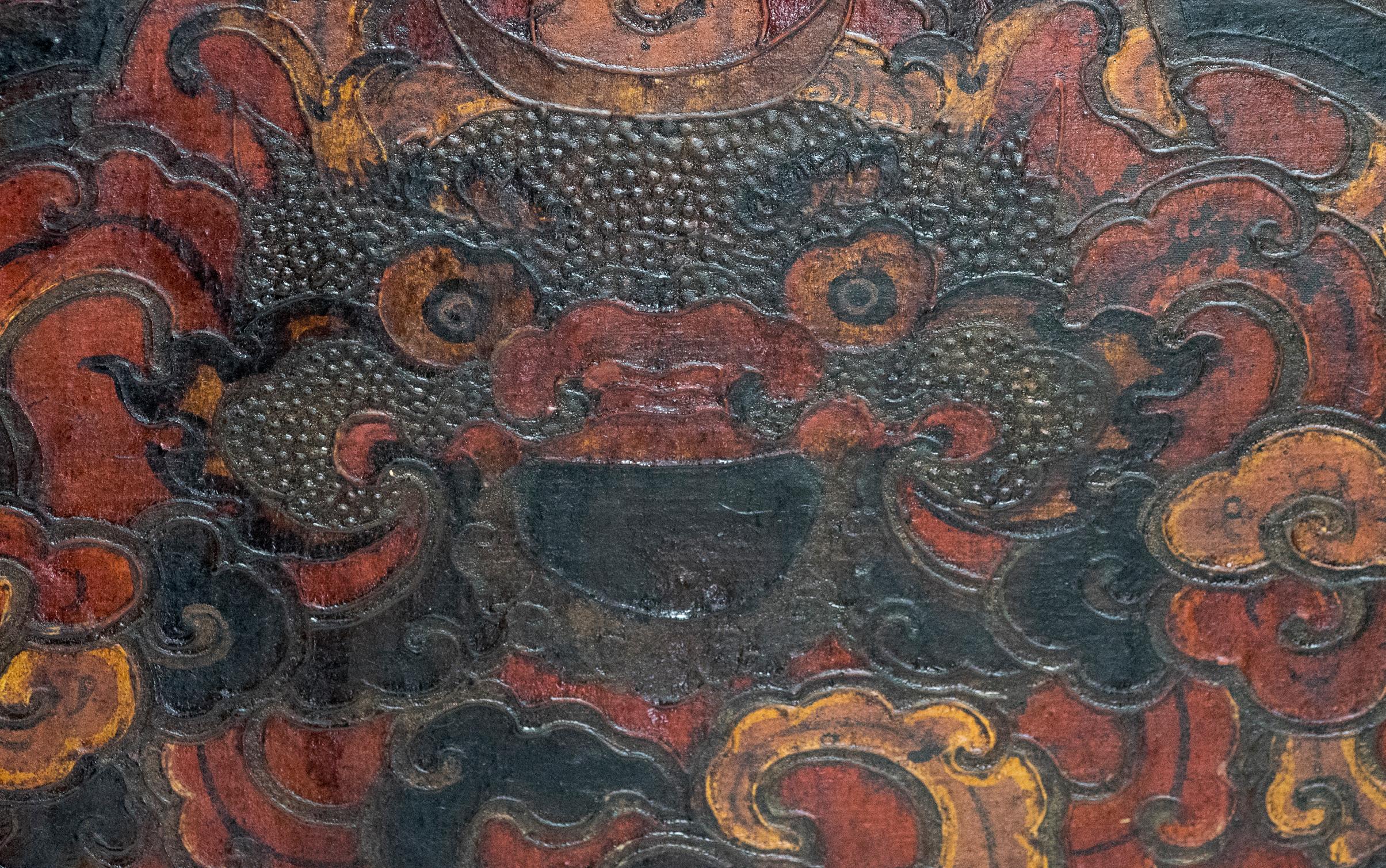
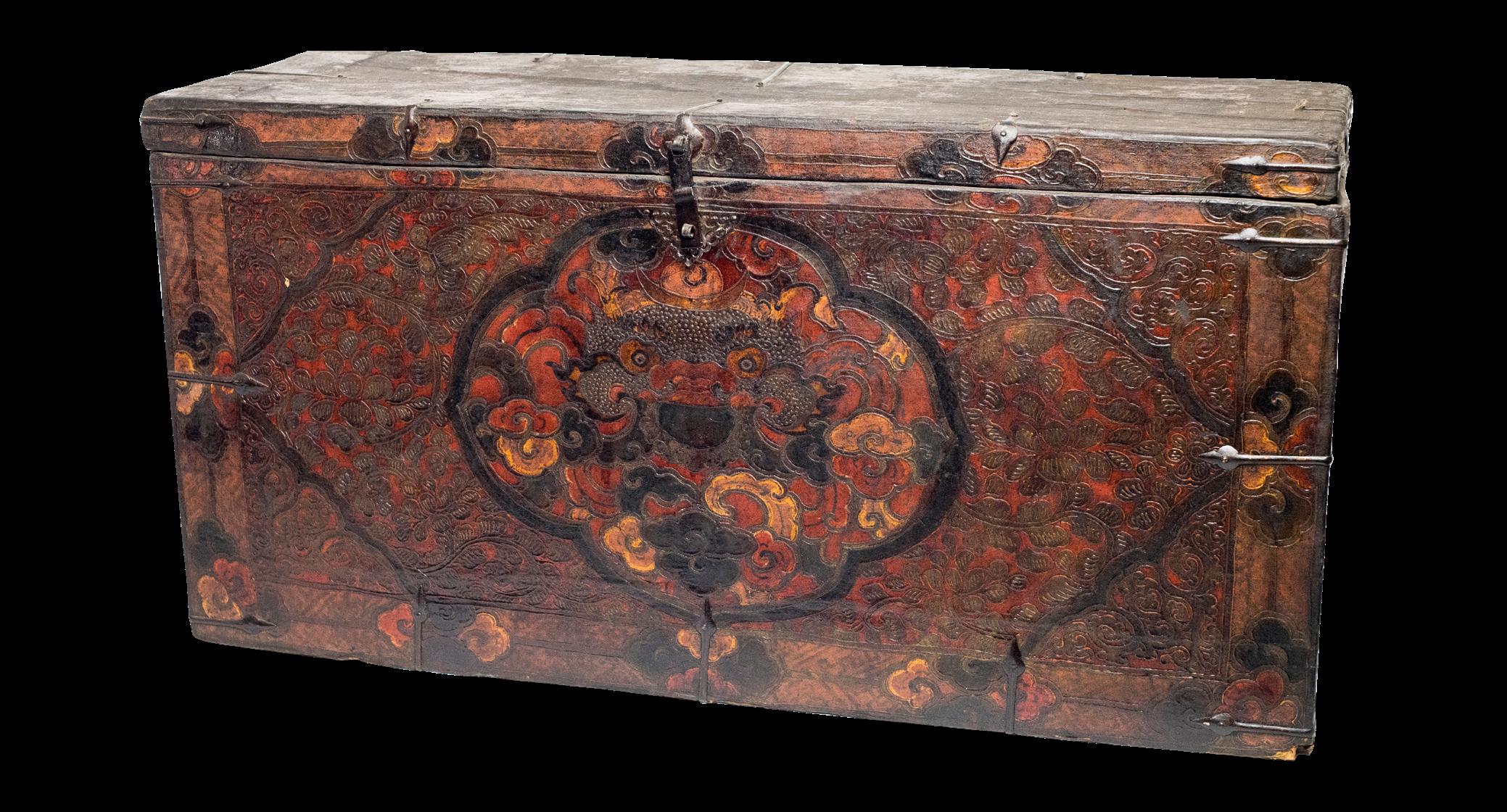
Trunk with Kirtimukha ( zi-bag ) and Cloud Motifs 18th Century
Himalayan Art Resources, Item No. 55354
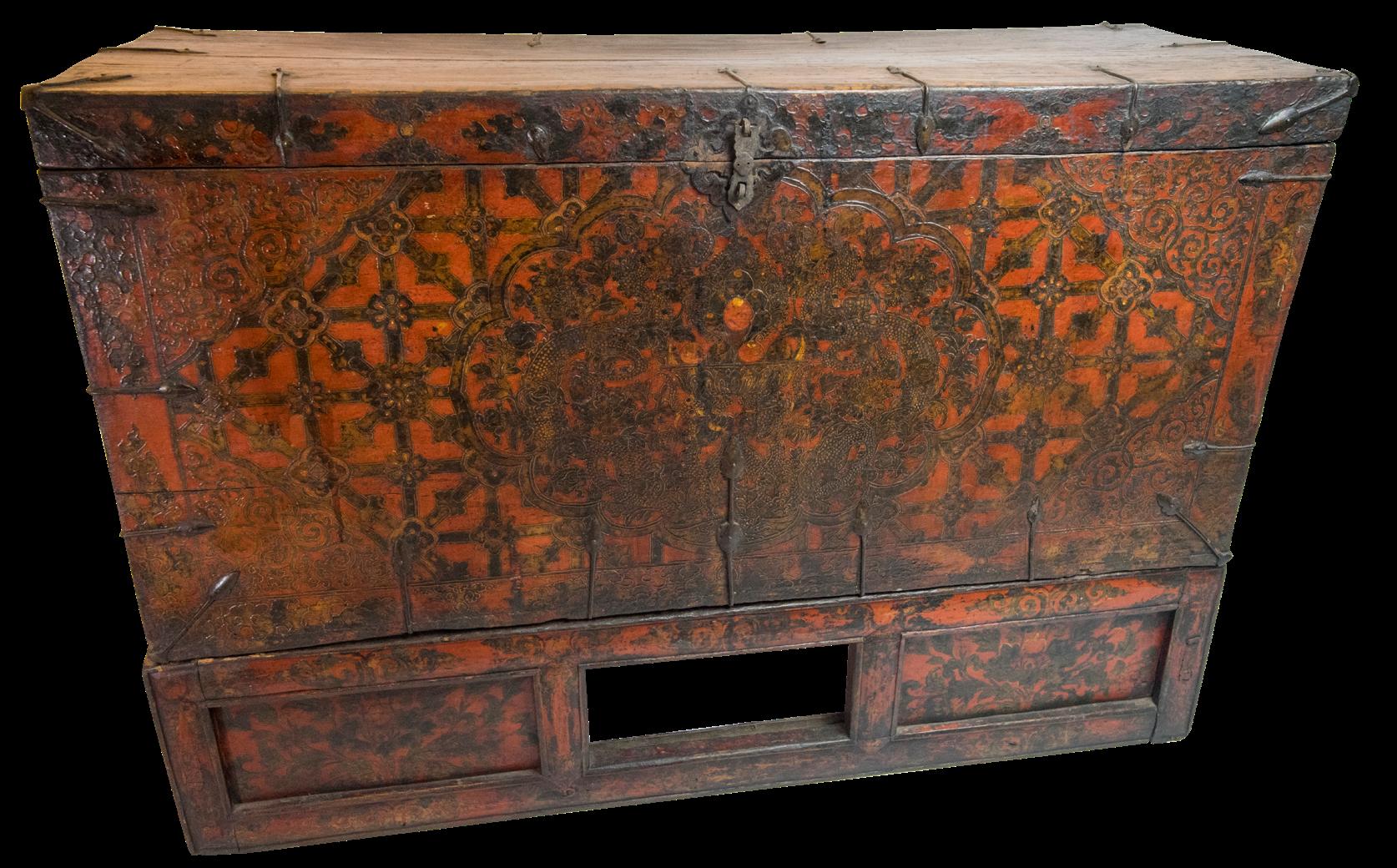
Red Trunk with Dragon, Jewel, and Floral Motifs
18th Century Himalayan Art Resources, Item No. 55371
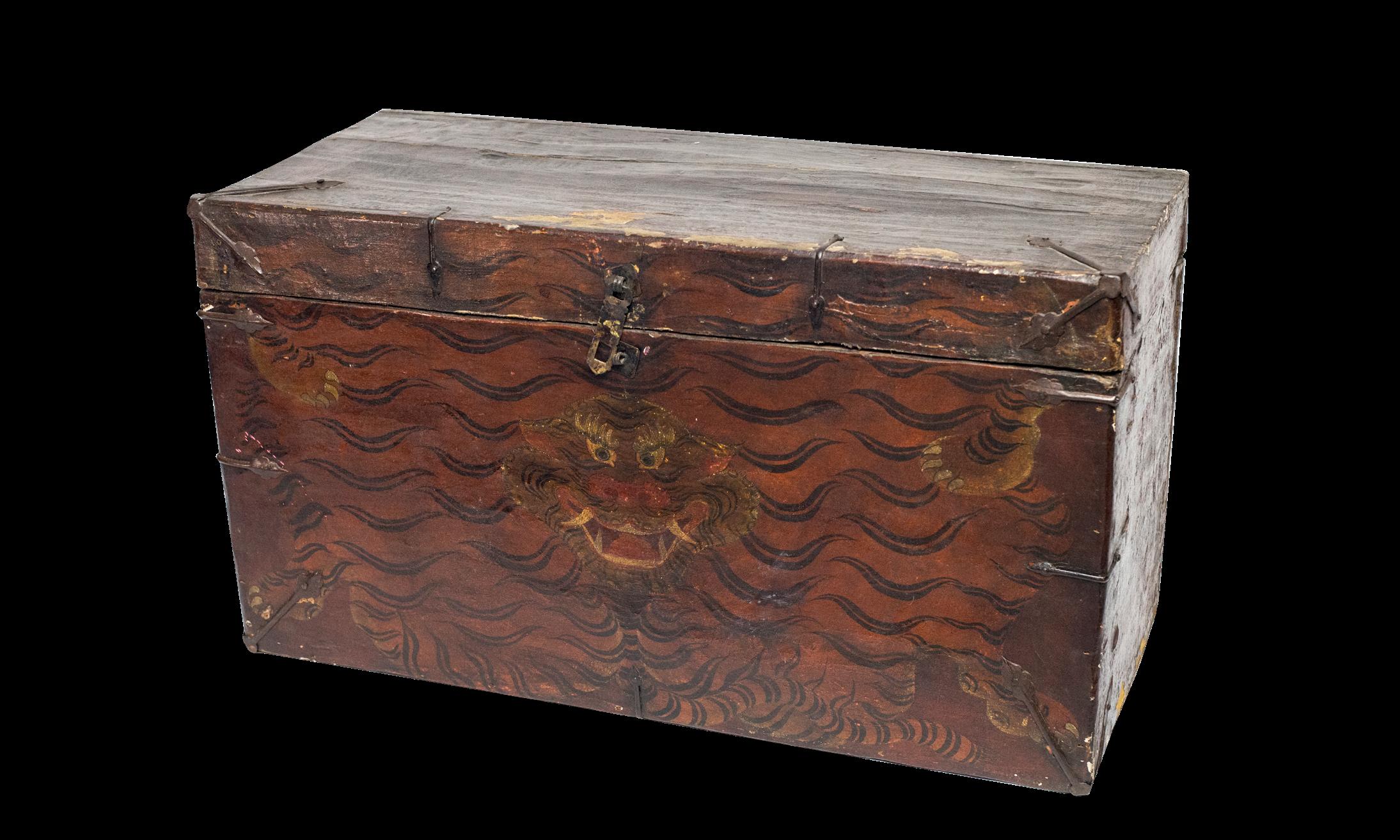
18th-19th Century
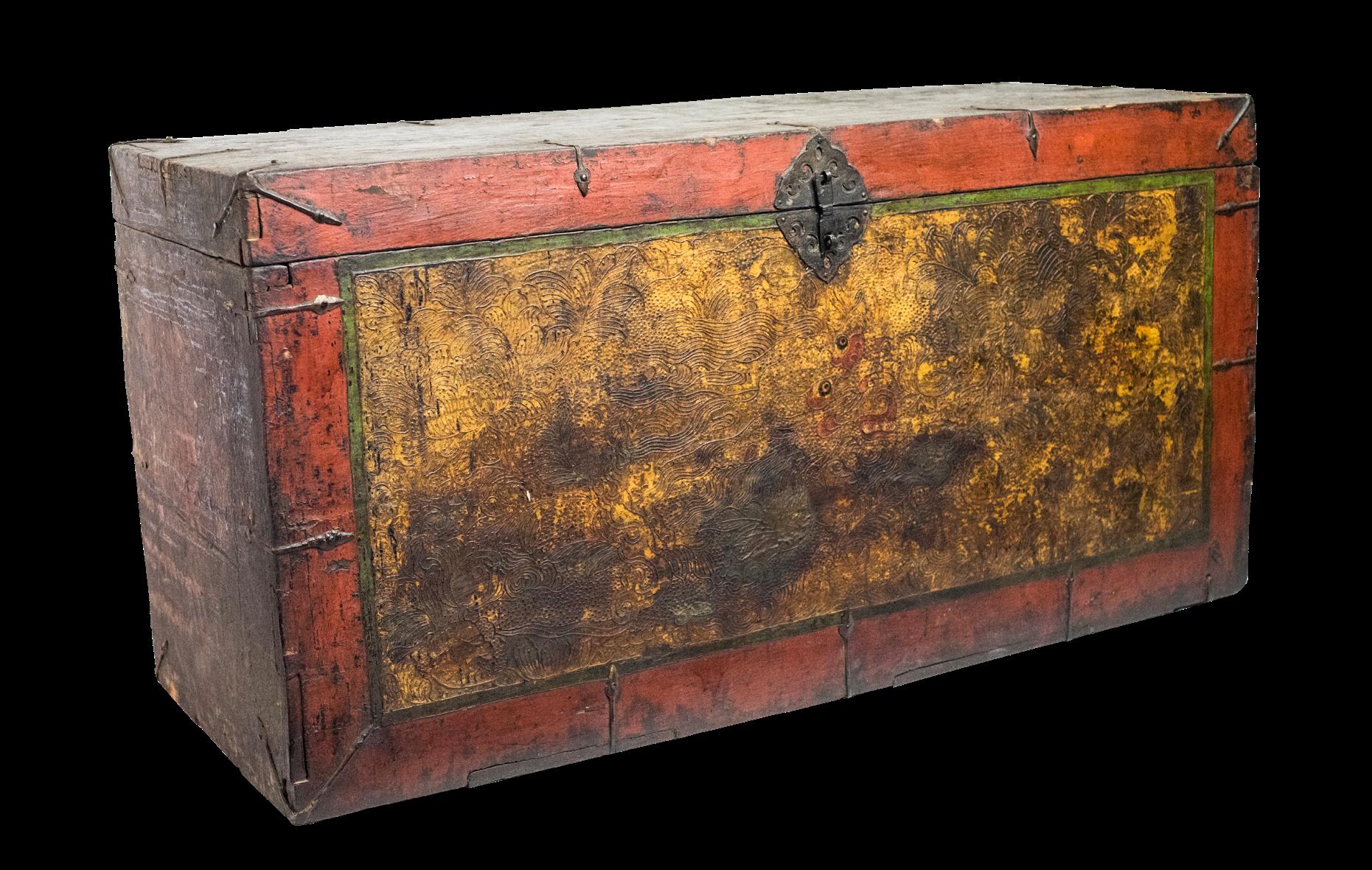
Trunk with Raised Decoration Depicting a Dragon Among Lotuses
18th Century
Himalayan Art Resources, Item No. 55375
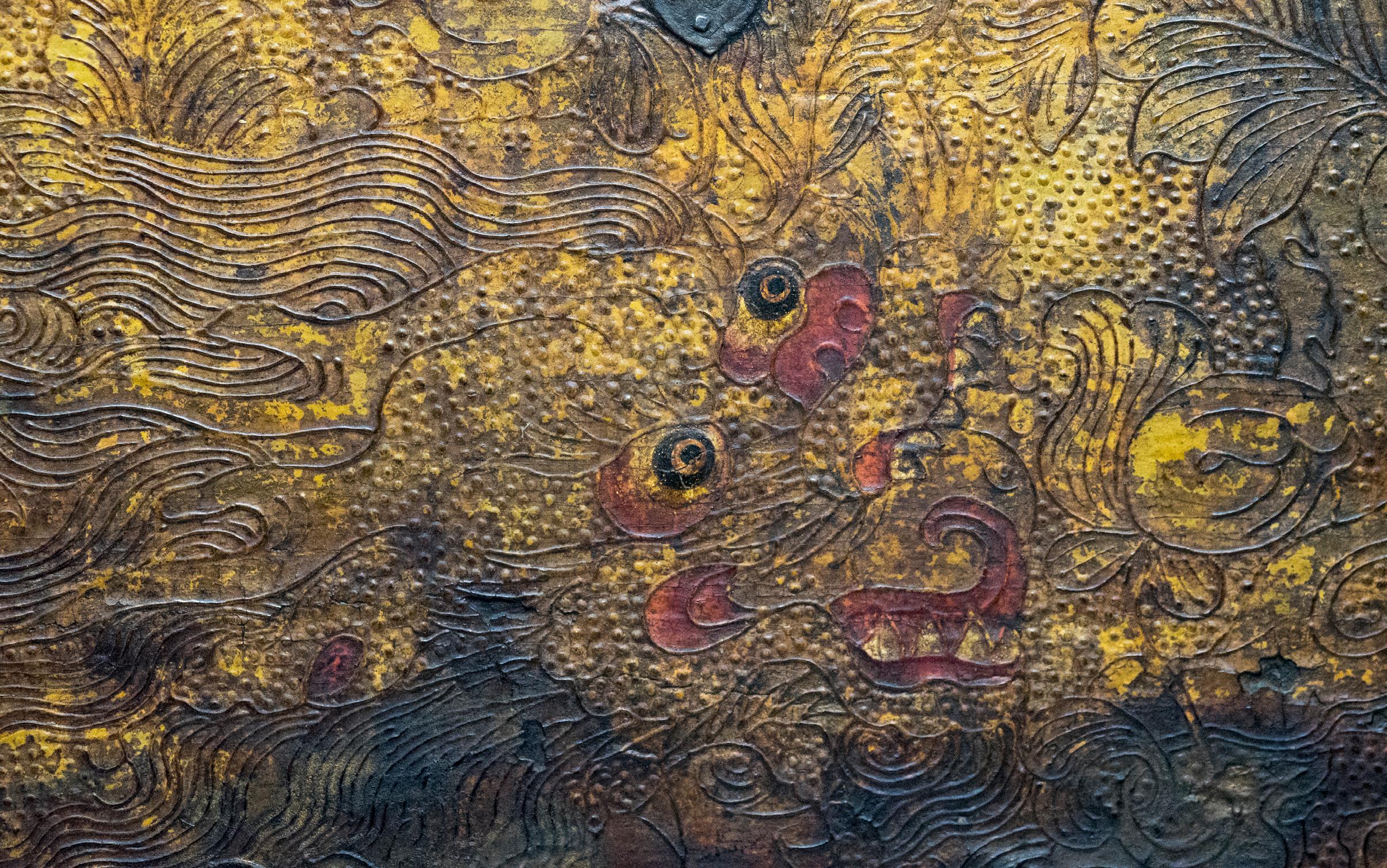
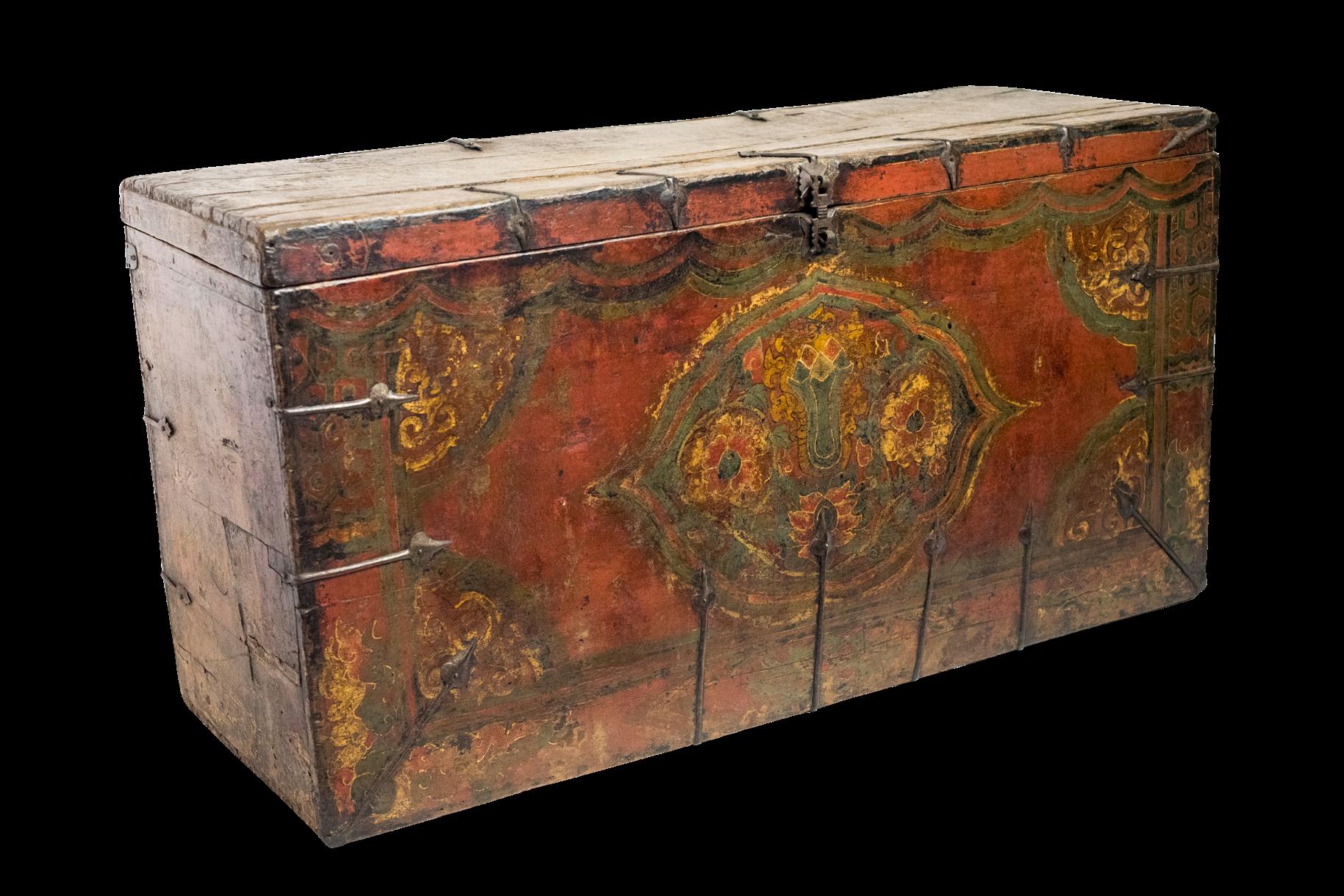
Trunk Decorated with Floral Elements and Flaming Jewels
18th Century
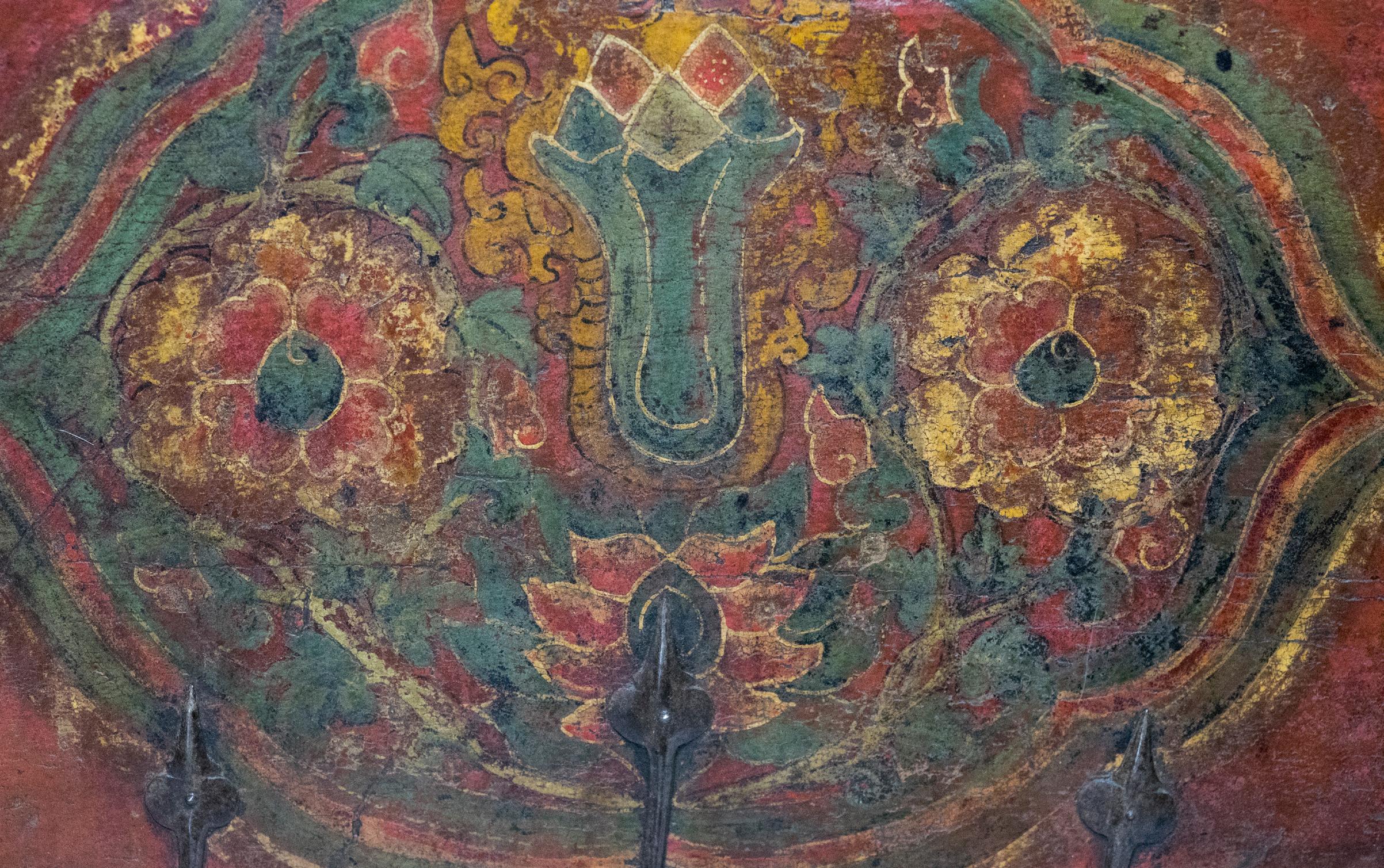
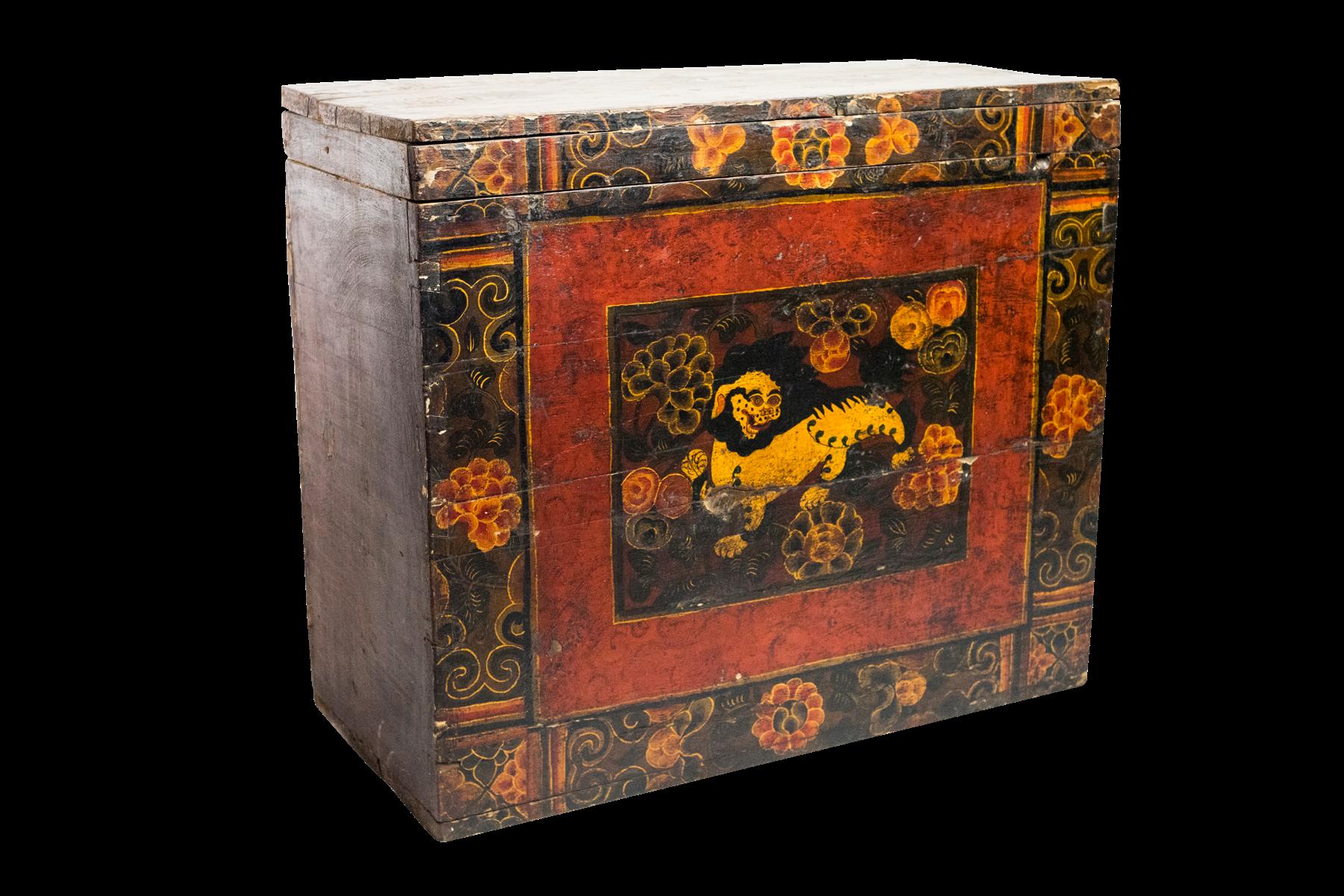
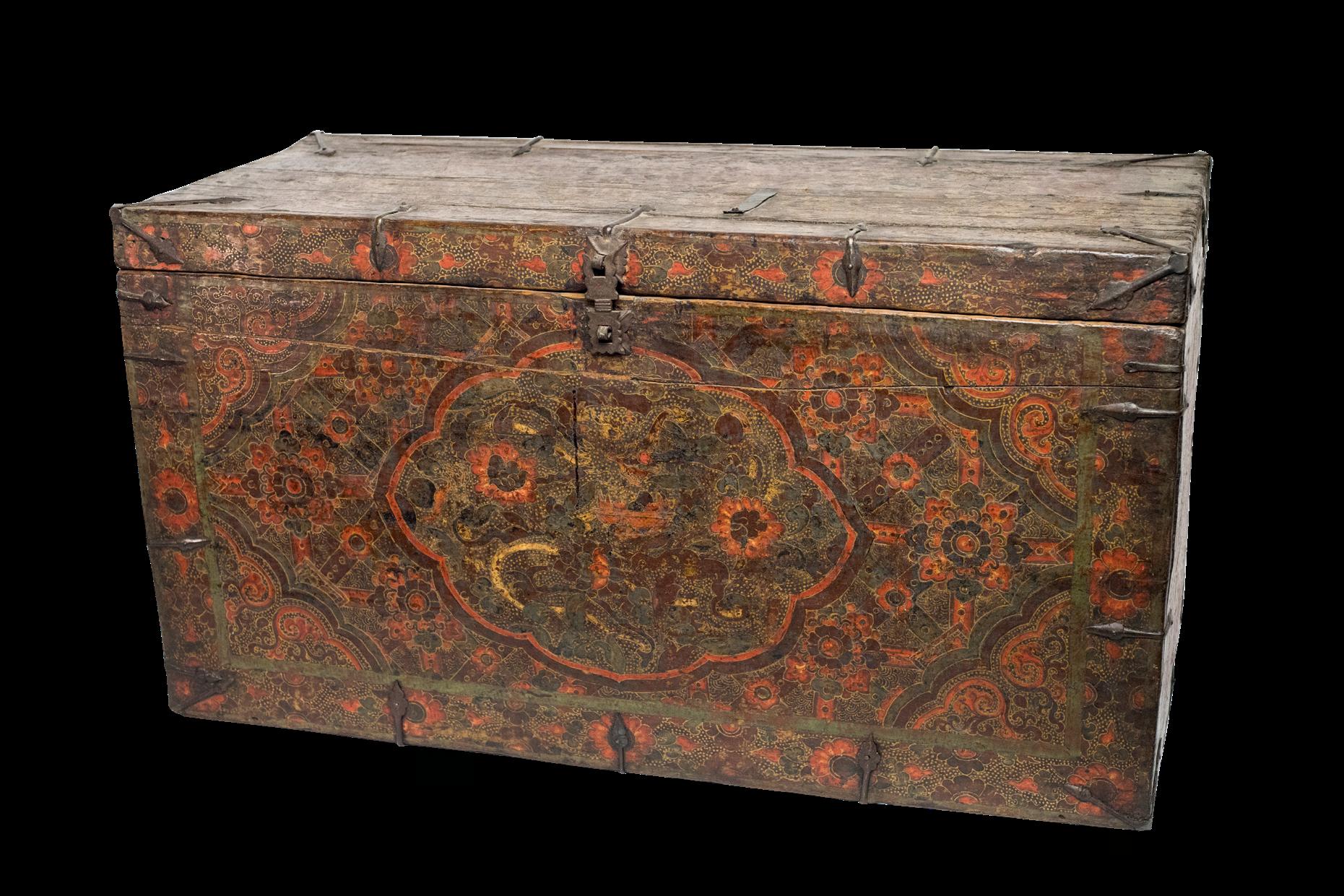
Trunk Depicting a Dragon with a Bowl of Jewels and an Elaborate Geometric and Floral Design
18th Century
Himalayan Art Resources, Item No. 55369
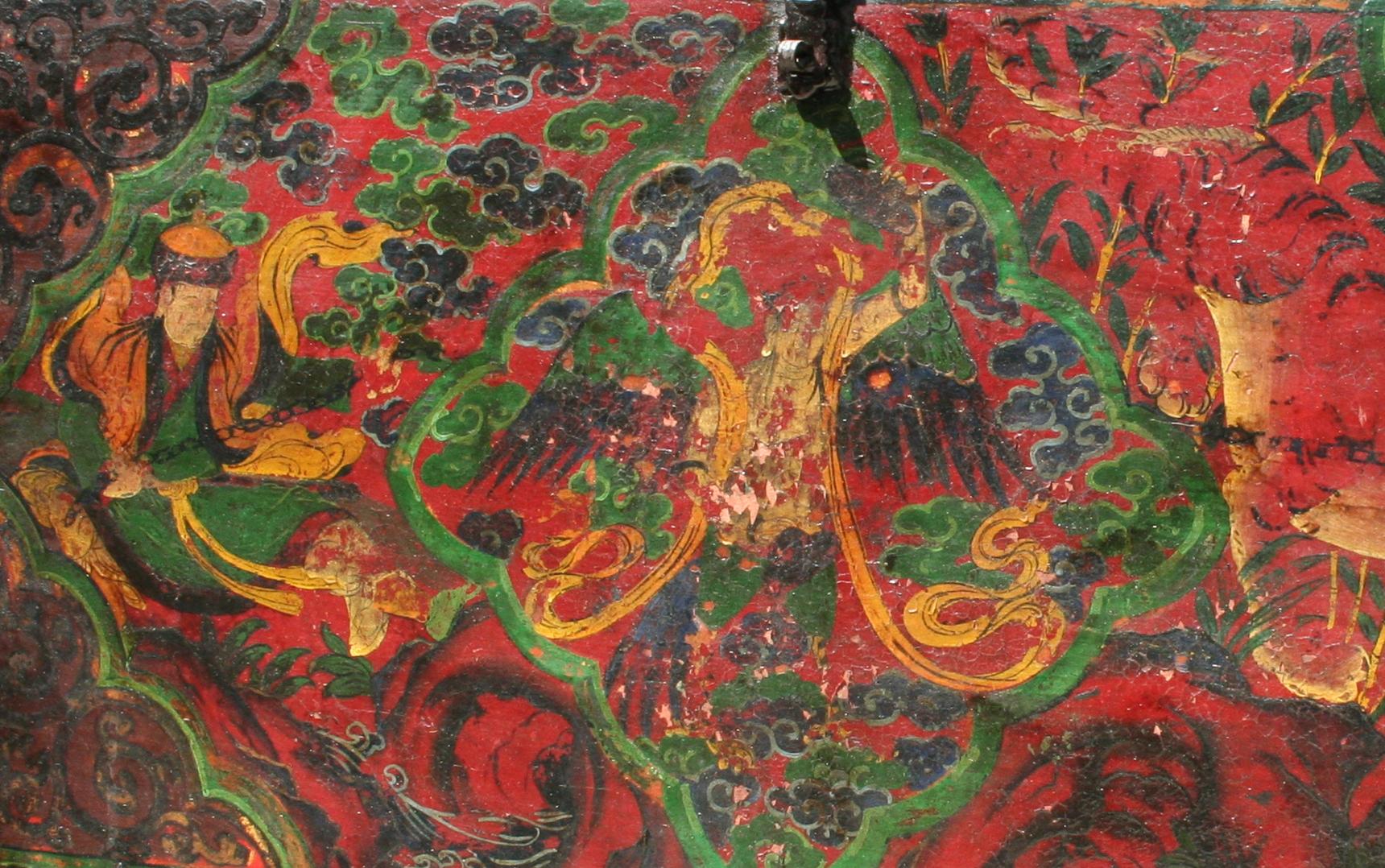
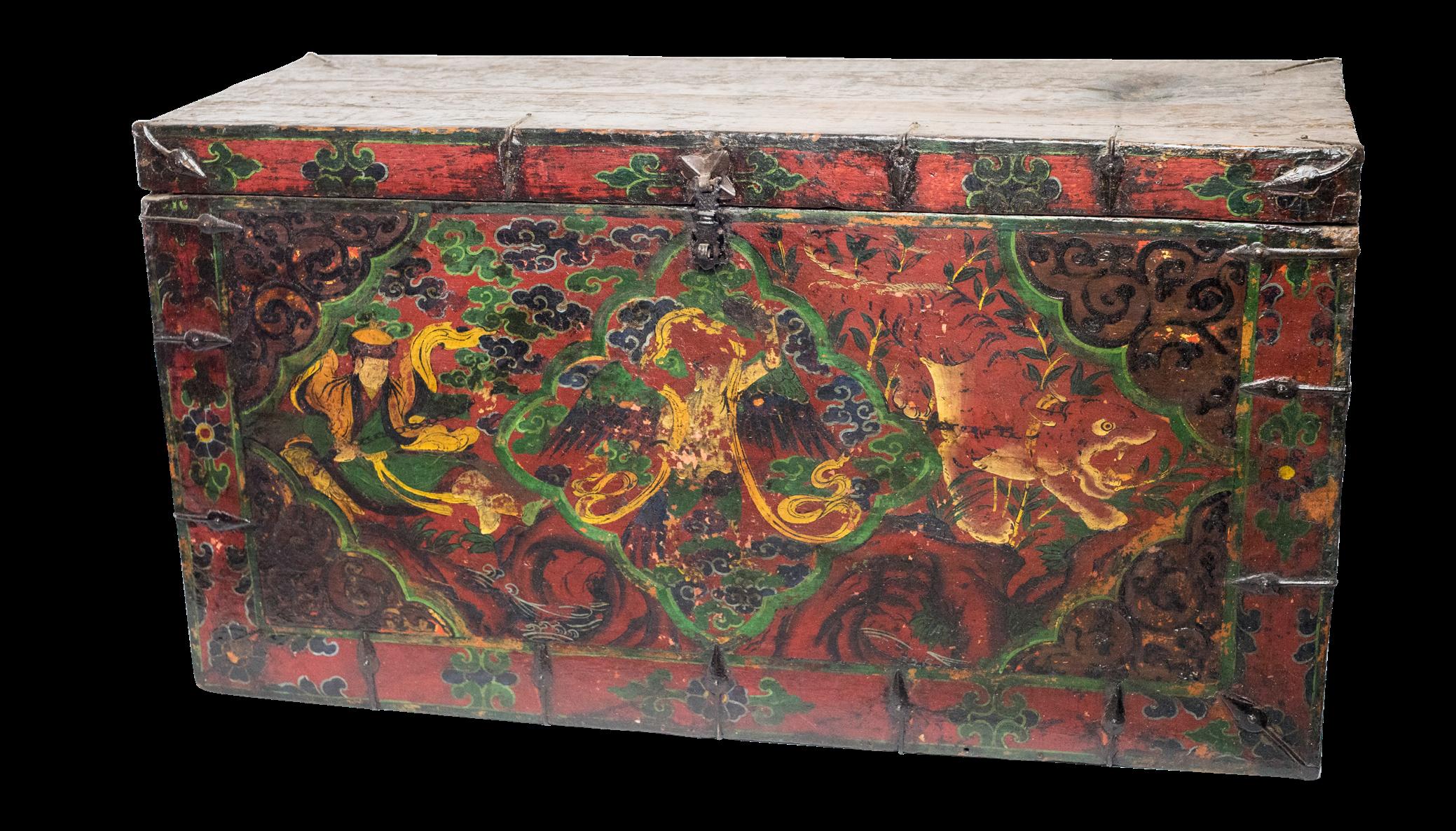
Trunk Depicting a King, Garuda, and a Tiger 18th Century
Himalayan Art Resources, Item No. 55372
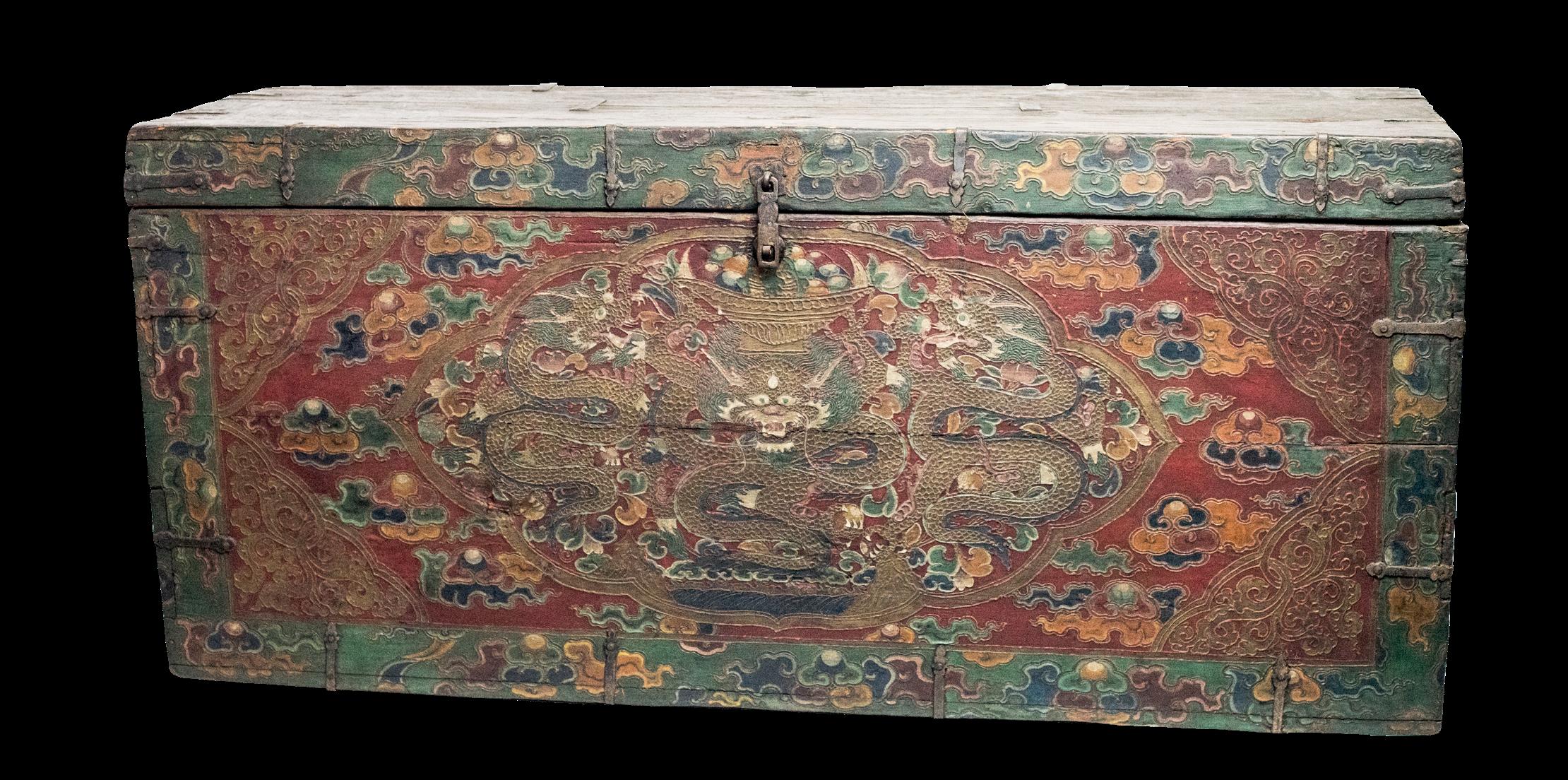
Ornate Trunk Decorated with Three Dragons and Multi-Colored Clouds
18th Century Himalayan Art Resources, Item No. 55376
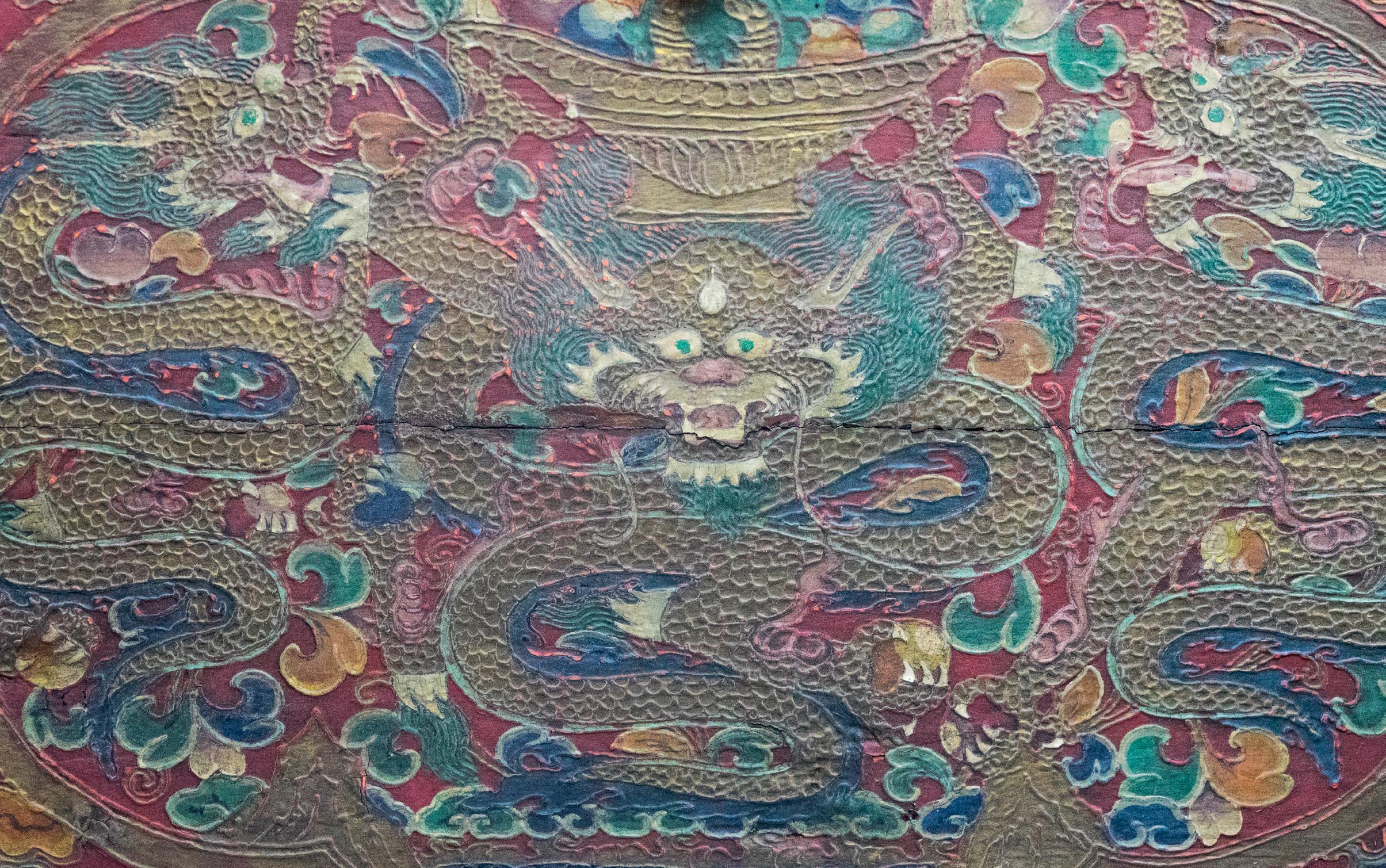
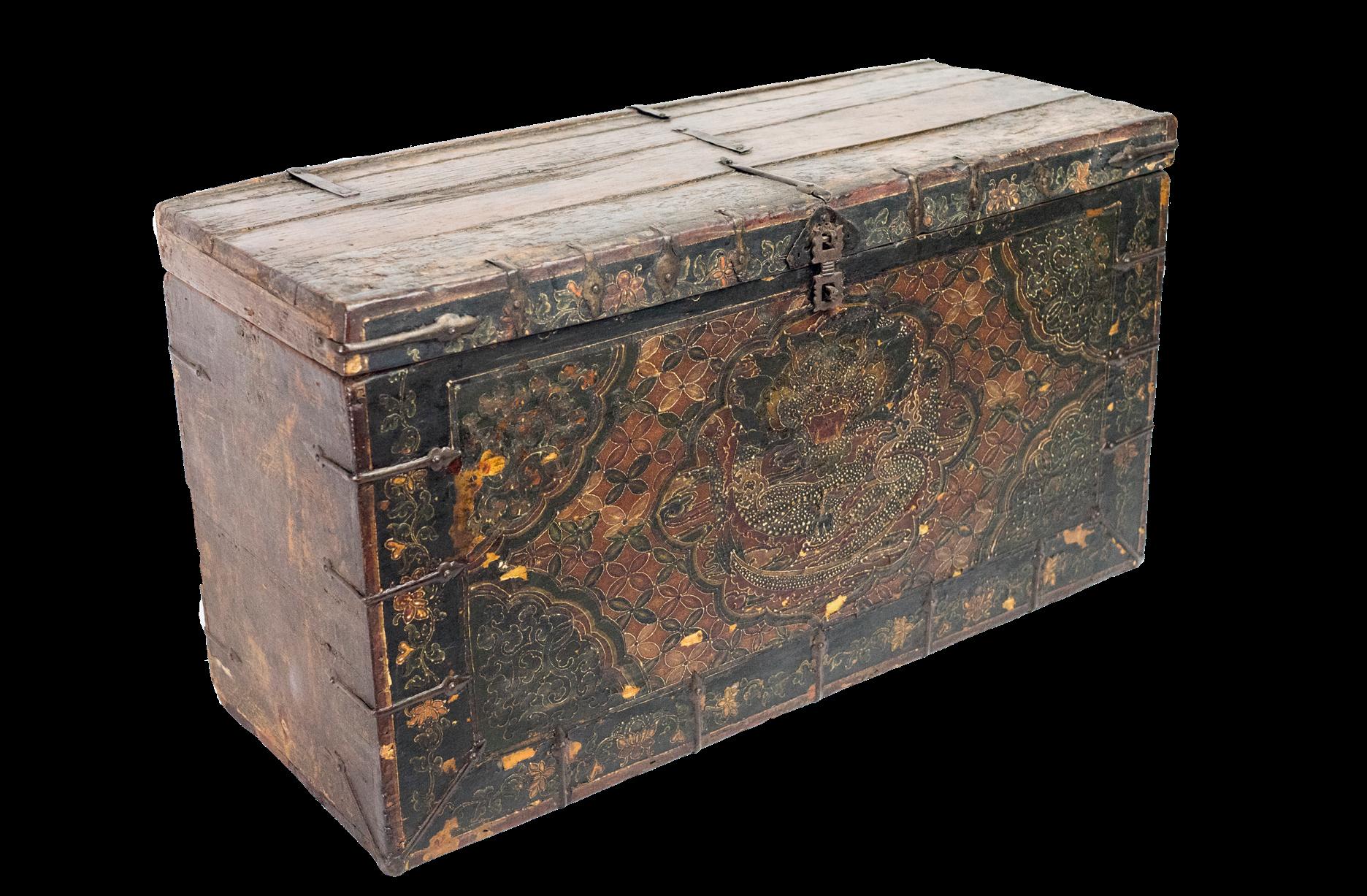
Highly-Embellished Trunk with a Front-Facing Dragon at Center 18th-19th Century Himalayan
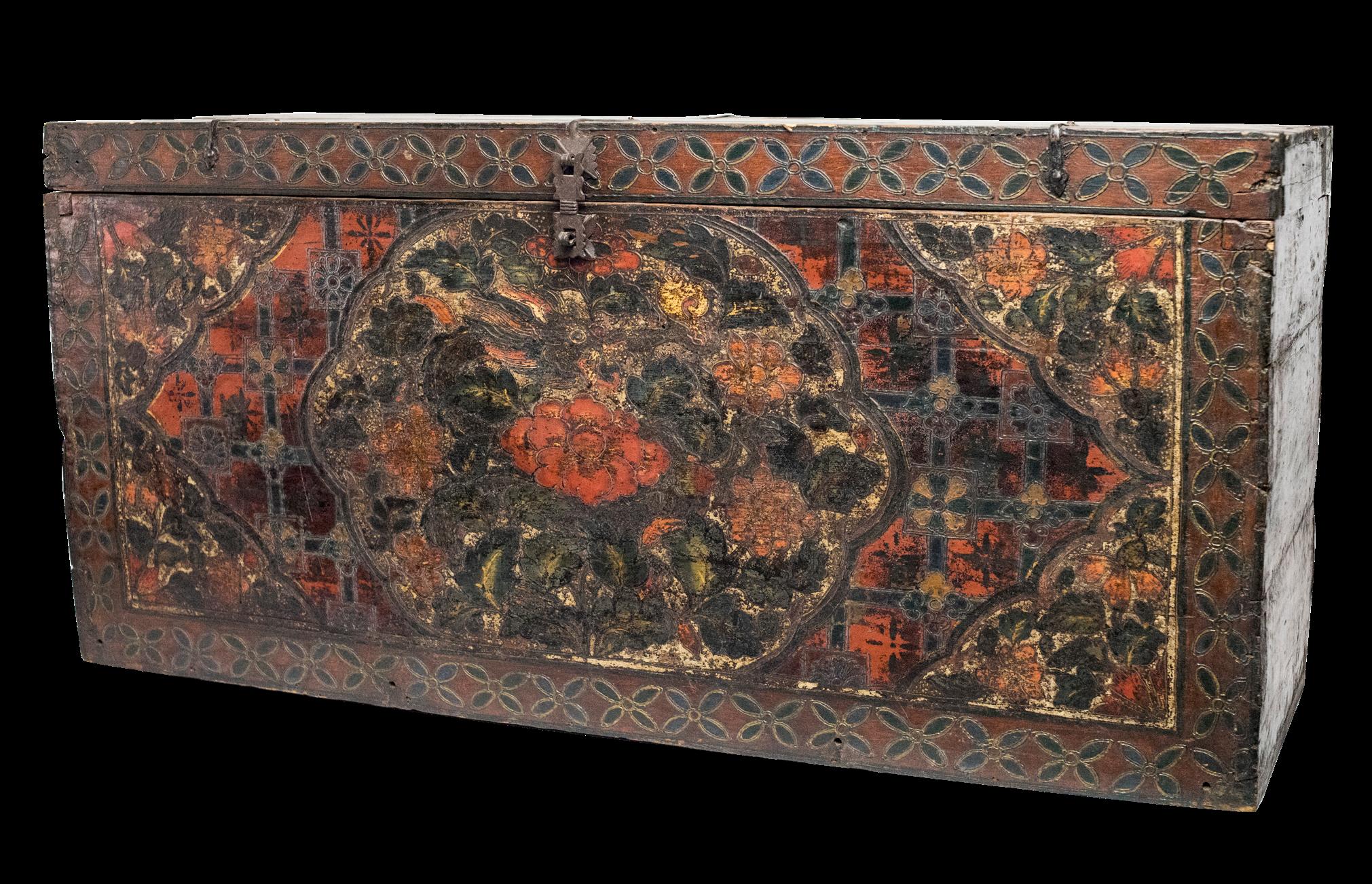
Floral Trunk Depicting a Black Dragon with a Diaper Border
18th Century
Himalayan Art Resources, Item No. 55383
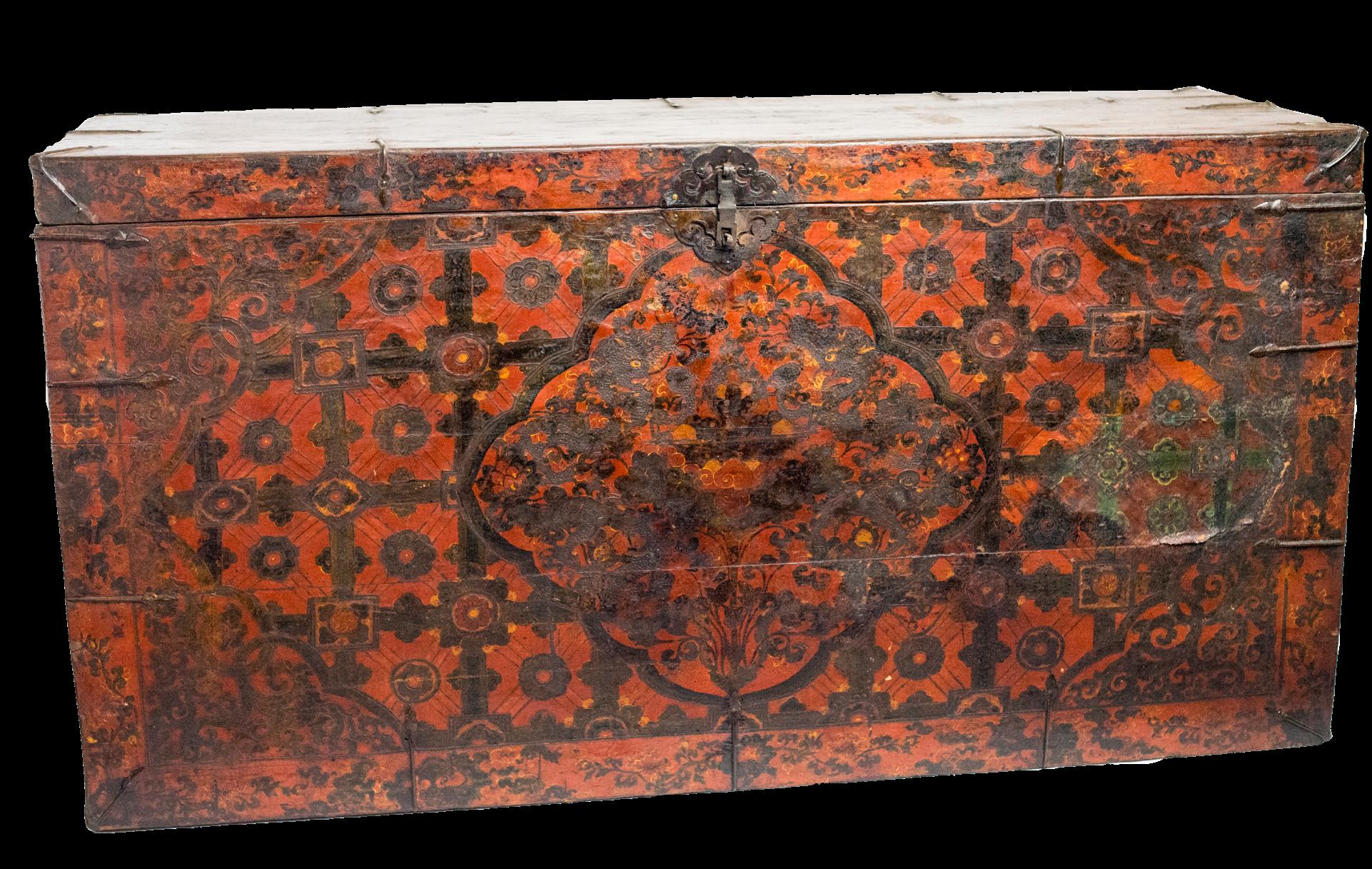
Floral Trunk Depicting Two Dragons
Holding a Bowl of Jewels
18th Century
Himalayan Art Resources, Item No. 55368
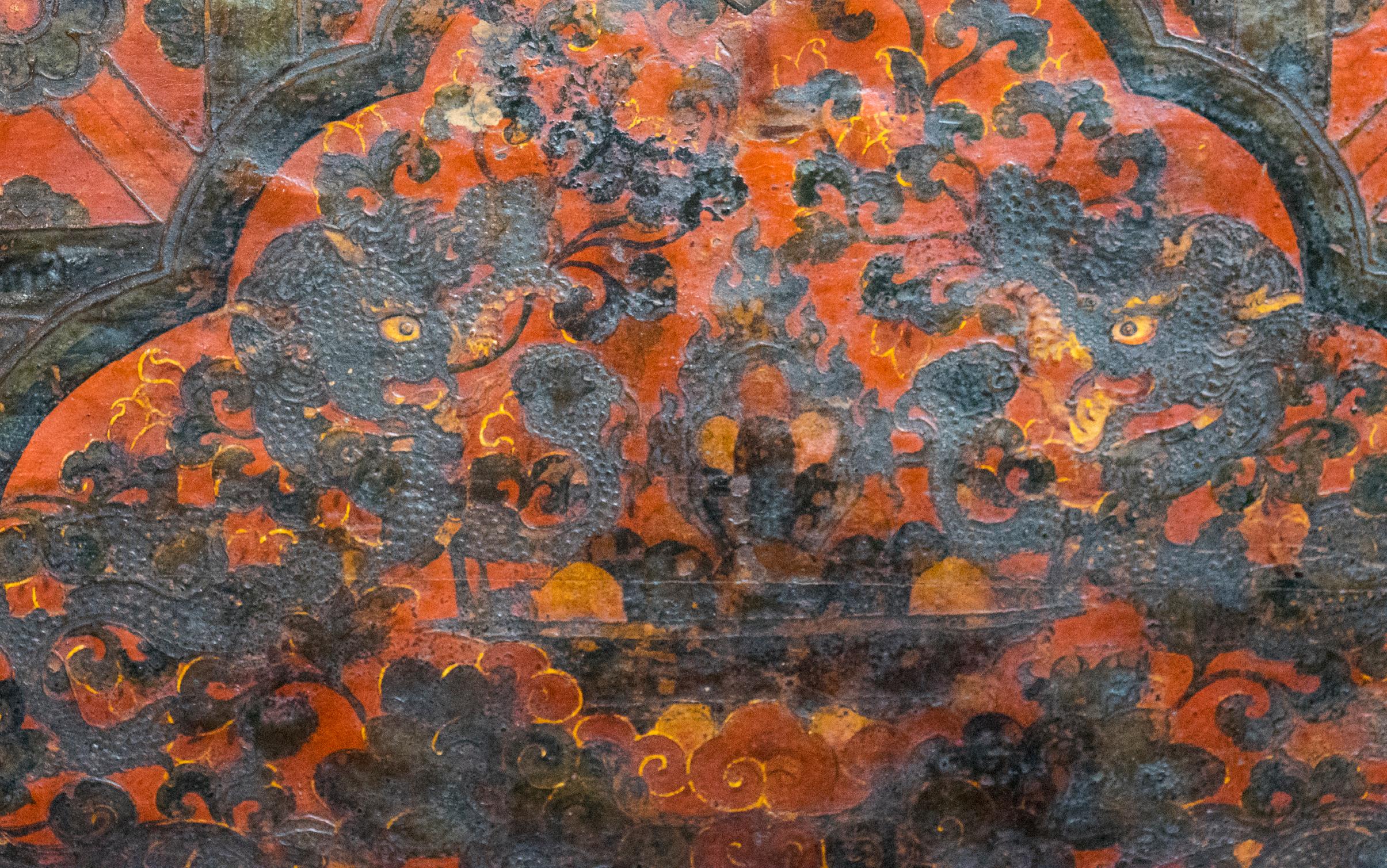
18th Century
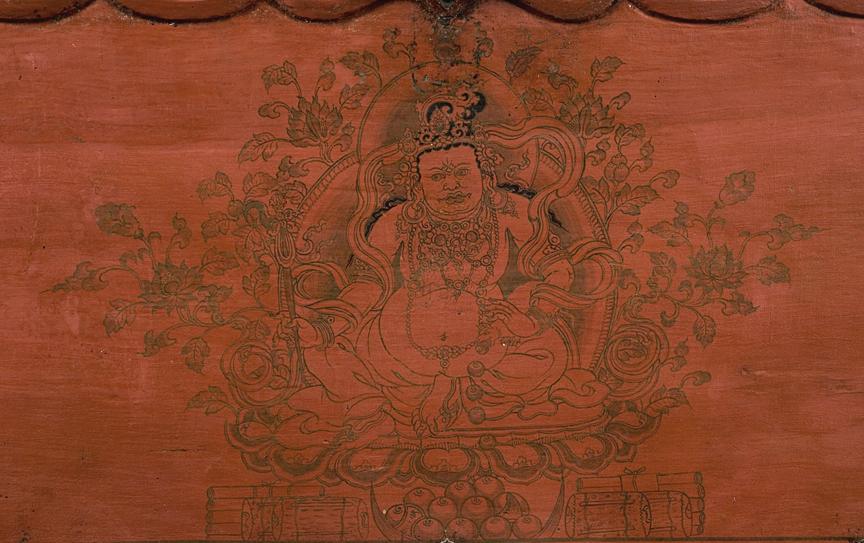
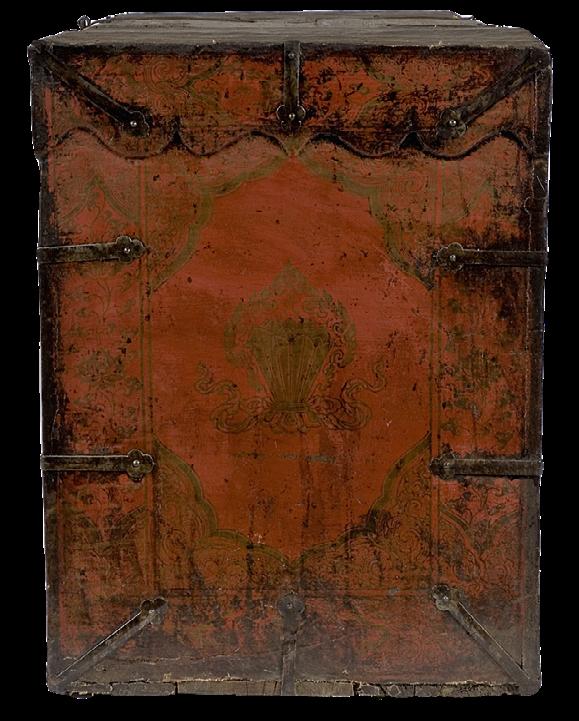
Red Trunk Depicting Jambhala