



As part of Saint Francis Health System, Oklahoma’s largest healthcare network, Warren Clinic offers an extensive range of high-quality primary care and specialty services in Muskogee and Fort Gibson.
For more information about Warren Clinic or to make an appointment, please call 918-910-4306 or visit saintfrancis.com/muskogee
CARDIOLOGY/CARDIOVASCULAR CARE
3340 West OkmulgeeAvenue
Debasish Chaudhuri, M.D
Satish Kohli, M.D.
Tammy Stiles, APRN-CNP
101 Rockefeller Drive
JohnEvans,D.O
BryanLucenta, M.D.
Jackson Wong-Sick-Hong, M.D.
FAMILY MEDICINE
108 Lone Oak Circle, Fort Gibson
CharityJohnson,D.O.
Alicia Childs, APRN-CNP
Bradley Littleton,APRN-CNP
3332 West OkmulgeeAvenue
Sr. GiannaMarie Savidge, R.S.M., M.D.
3506 West OkmulgeeAvenue
RebekahKriegsman, D.O.
GENERAL SURGERY
101 Rockefeller Drive
RichendaHerren, M.D.
Sumit Kumar, M.D.
Patrick Ross, M.D.
INTERNAL MEDICINE
3332 West OkmulgeeAvenue
David Kyger, M.D.
Sr. Grace Miriam Usala, R.S.M., M.D.
OB/GYN
3504 West OkmulgeeAvenue
JonathanBaldwin, M.D.
Edwin Henslee, M.D.
108 Lone Oak Circle, Fort Gibson
Sarah Poplin,APRN-CNM
ONCOLOGY
300 Rockefeller Drive
Fuad Hassany, M.D.
ORTHOPEDICS AND SPORTSMEDICINE
2900 NorthMain Street
Peter Fast,M.D.
Ronald Hood, M.D.
DeborahMcAlister, M.D.
OTOLARYNGOLOGY
(EAR, NOSEAND THROAT)
101 Rockefeller Drive
Edgar Boyd, M.D.
PODIATRY
101 Rockefeller Drive,Suite 204
Patrick Branagan, D.P.M.
Kevin Dux, D.P.M.
PSYCHIATRY
211 South 36thStreet
Paul Matthews, D.O.
RADIATIONONCOLOGY
300 Rockefeller Drive
SelamawitNegusse, M.D.
RHEUMATOLOGY
2900 NorthMain Street
Isabel Vega, M.D.
WALK-IN CLINIC
108 Lone Oak Circle, Fort Gibson
Monday –Friday 8:00a.m. –5:00 p.m.
6 COVID-19
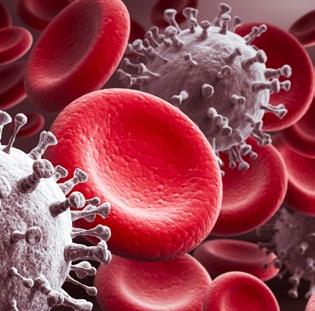
COVID-19 heart problems can complicate recovery for some patients.
10 Fitness trackers
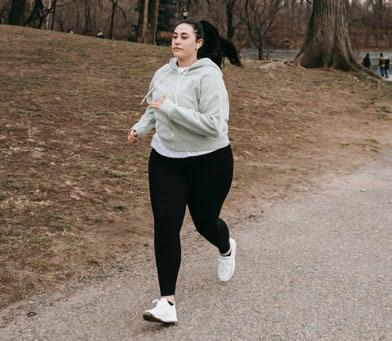
Fitness trackers can empower people to add more activity to their day.
14 Breakfast benefits
Breakfast-eaters have increased chances at living a healthier lifestyle.
16 Exercises for heart
A variety of exercise routines can help strengthen most important muscle in body.
18 Balanced lunch
Picking up healthy eating habits can drastically improve heart health.
20 Cardiologist questions
Ten recommended questions for cardiologist can help get your concerns addressed.
22 Excessive drinking
People with heart conditions at risk with even the occasional beverage.









The coronavirus pandemic can also affect your heart in addition to your lungs.
Johns Hopkins says that lingering COVID-19 heart problems can complicate recovery for some patients.
Coronavirus long-haulers, those that experience the effects of the virus over a long time, report heart problems such as palpitations, dizziness, chest pain and shortness of breath. Cardiologist Dr. Wendy Post says that COVID-19 can damage heart muscles and affect heart function. This is because of the inflammation and cell damage that comes with infection.

After you’ve had the coronavirus, you should talk to your doctor if you have a rapid heartbeat or palpitations. Symptoms of a rapid or irregular heart rhythm include feeling your heart beat rapidly or irregularly; feeling lightheaded or dizzy, especially when you stand; chest discomfort. Less commonly, Post said, people can experience
heart attacks after COVID-19.
“Blood tests have shown that during COVID-19, some people have elevated levels of a substance called troponin in their blood, along with EKG changes and chest pain,” Post said. “During acute COVID-19, elevated troponin levels with an abnormal EKG are linked to higher mortality, but not in patients with a normal EKG.”
Elevated troponin levels are a sign of damaged heart tissue.

An uncommon but serious complication of COVID-19 in children is multisystem inflammatory syndrome. This can cause serious heart damage, cardiogenic shock or heath. Children who survive MIS-C can be left with abnormal heart rhythms and stiffened heart muscles that prevent the heart relaxing and beating properly.
If you have shortness of breath of leg swelling after COVID-19, you should contact your doc -
tor. Those are symptoms of heart failure which, though rare, can be a consequence of coronavirus infection.
Other symptoms also include fatigue and frequent urination at night.
“A heart condition could be exacerbated by severe COVID, but not likely after mild asymptomatic cases,” Post says. “But the effects of the coronavirus on preexisting heart disease are not yet known. We need to know more about potential risks associated with post-COVID syndrome, which in most of these cases is asymptomatic.”

VOTED BEST DOCTORS OFFICE



Caysie N. Garza
Ms.Garza received her degreeasaFamily Nurse Practitioner from the Universityof Ok lahoma in 2015 and is certified by the American AcademyofNurse Practitioners with afocus in women’s health.
Ms.Garza specializes in family practiceand has experienceinurology and gynecology She has practiced in both the private and public sectors in Muskogee and the surrounding communities
Ms.Garza has atrue passion forwellness and centers her patientcareonhealth promotion and disease prevention.
Azzam Almounajjed, M.D. Internal Medicine


Exercise is good for your heart. Studies show that using a fitness tracker can increase your steps, Johns Hopkins University says.








“Being more active and changing your habits is important,” cardiologist Dr. Seth Martin said. “Tracking likely helps a lot of people when combined with a clear goal to shoot for.”
Fitness trackers can be as simple as a pedometer or as complex as a smart watch. No matter which you choose, fitness trackers can provide a record of how much you’re moving. It can coax you into adding more activity to your day — parking farther away at the store, taking the stairs and more.
“It gives people information and empowers them to start making changes for heart health,” Martin said. “And often, their activity level was not something they were paying attention to before they started tracking.”
The cheapest way to get started with a fitness tracker is to get a cheap (or even free; check with your doctor’s office or insurance company, or your employee wellness plan) pedometer. It just tracks your steps as you go through your daily routine. The most common goal is 10,000 steps per day, but always check with your doctor before starting an exercise plan.
There are also more complex trackers that monitor your vital signs as well as distance traveled. Some models can even automatically detect what kind of exercise you’re doing. These wearables may also pair with your phone so you can use them to check messages and listen to music on the go. There are a variety of different models on the market with different capabilities. Ask yourself what kinds of things you’d like it to track, how often you’d like to charge it and which kinds of devices you’d like it to pair with while doing your research.
Fancier trackers may also mean more money even though, again, some insurance and wellness plans may offer a steep discount in exchange for you getting more fit. Some trackers also allow you to connect with friends and family so you can create a little friendly competition to reach your health goals sooner.
“I think technology can be a very powerful tool to get people moving more,” Martin said.
Eating a good breakfast increases your chances at living a healthier lifestyle.
The American Heart Association says breakfast-eaters are less likely to be overweight or obese; have diabetes, heart disease and high cholesterol; use tobacco; not exercise regularly; not get the recommended amounts of nutrients; and eat more calories and added sugars during the rest of the day.
Breakfast doesn’t have to take a lot of time. You might be more likely to eat breakfast if it takes just a few minutes in your morning routine. Some quick breakfast hacks from the Heart Association include:
• Muffins with healthy ingredients like nuts, whole-grain flour, fruits and vegetables. You can make these ahead and freeze them. Thaw it out and you’re ready for breakfast on the go.
• Make instant oatmeal in a mug. Buy it unsweetened and mix in walnuts, applesauce or cinnamon to add a punch of flavor.
• Grab a smoothie in an insulated go-cup. Blend together your favorite frozen fruits with

low-fat milk or yogurt, nut butter, applesauce or fruit or vegetable juice.
• Hard-boiled eggs pack protein and are highly portable. You can also slice them on whole grain toast with avocado or tomato with herbs and spices.
• Whole-grain waffles or English muffins are also a wise choice. Top them with nut butter or low-fat cottage cheese.
You might also choose prepackaged breakfast foods. But the Heart Association warns you to be on the look out for added salt and sugars. The products’ nutrition labels can help you understand what’s in your food and make better choices.
Things you want to look at include the serving information. It should be right there on top and will give you the size of a single serving and the total number of servings per container. You also want to pay attention the total calories per serving and per container. They should be the next line down on the label.
The next part of the label lists out certain nutrients and their proportions. Remember that not all fats are bad, but you should avoid saturated and trans fats along with sugars and sodium. Also check the amount of calcium, dietary fiber, iron, magnesium and vitamins in your food. The Daily Value tells you the percentage of each nutrient in a single serving in the context of the daily amounts you should be getting. Remember that each label is based on a diet of 2,000 calories per day, but you may need more or less than that depending on your age, gender, activity level and other factors. Check with your doctor.
The heart is the most important muscle in your body.
The U.S. Centers for Disease Control and Prevention recommends every adult get at least two hours and 30 minutes of moderate-intensity aerobic exercise a week at intervals of 10 minutes or more.
Cardio exercises improve your circulation, lower your blood pressure and help you control your blood sugar. Some moderate intensity cardio exercises include going for a brisk walk, biking on flat terrain, taking a leisurely swim, gardening and dancing.
If you’re short on time, then no worries. Just go for more vigorous intensity exercise. These exercises include jogging, biking faster than 10 mph, swimming laps, playing soccer and hiking uphill. About one minute of vigorous-intensity exercise is equal to about two minutes of moderate-intensity aerobics.
Remember to check with your doctor or health care professional before starting an exercise routine.
Strength training or resistance training can also im prove heart health. Along with cardio, resistance train ing can help lower your bad cholesterol and reduce your risk of having a heart attack or streak. You should work in some strength training at least twice a week, the CDC says. Strength training increases the strength
of your bones, muscles and connective tissues; lower your risk of injury; increase your muscle mass; and improve your quality of life.
Strength training should work all of your major muscle groups, including your arms, legs, hips, chest, shoulders, abs and back. Some examples of resistance training are pushups, situps, squats and using weights. These exercises should be done in sets of eight to 12 repetitions until it becomes difficult for you to perform another repetition without help.
Flexibility and stretching can improve your flexibility and balance. This reduces your chances of getting cramps, joint aches and muscle pains. Flexibility exercises include activities such as tai chi, yoga and Pilates. And you don’t have to invest in classes or fancy equipment. Just a few stretches in your living room of a morning can be a big help.
Stretch for three to five times during each session, and go slowly and smoothly into the desired stretch until you go as far as comfortable for you without







Chiropractic
• Chiropractic adjustments and spinal manipulation
• Acupuncture
• Massage Therapy
•









Changing your eating habits can be tough, but it can improve your heart health.
Certain foods can increase your risk, such as saturated or trans fats. Keep reading for eating for better heart health from the Mayo Clinic.
Eating too much is just as bad as what you’re eating. Instead of loading up your plate or going back for seconds, use a small plate or bowl to help control your portions. Choose low-calorie, nutrient-rich foods such as fruits and vegetables. Avoid refined, processed or fast foods.
Also, judging serving sizes can be difficult. A serving size is a specific amount of food that’s usually measured in cups, ounces or pieces. Refer to the nutrition label for specific serving sizes and talk to your health care professionals about how many servings of a particular food group you need to shoot for in a day.
Whole grains are great sources of fiber and nutrients that help regulate blood pressure. Up your

whole grains by substituting them for refined grains in your diet. Choose whole-wheat flour, wholegrain bread, high-fiber cereals, brown rice, wholegrain pasta and oatmeal. Ditch white flour, white bread, sugary baked goods, egg noodles, buttered popcorn and high-fat snacks.
Fruits and veggies are low in calories and high in dietary fiber. Noshing on fruits and vegetables may help you avoid high-calorie foods such as meat,

cheese and fast-foods. Keep vegetables and fruits washed and cut in your fridge for snacks. Choose recipes that have vegetables and fruits as the main ingredients. You want to limit some fruits and vegetables, such as coconut, which is high and fat, and vegetables that come covered in creamy sauces or that are fried.
Saturated and trans fats raise your cholesterol and raise your risk of coronary artery disease, heart
attack and stroke. Cut back on these fats by trimming fat off your meat or choosing lean meats to start with. Use less butter, margarine and shortening in your cooking and pick low-fat substitutions. Pick healthier fats such as olive oil, canola oil, vegetable and nut oils, trans fat-free margarine, nuts and seeds and avocados. Avoid butter, lard, bacon fat, gravies and cream sauces, cocoa butter, palm oils and coconut oil.

Acardiologist is a doctor who specializes in finding, treating and preventing issues in the cardiovascular system, including the heart, arteries and veins.
Your primary care or other doctor may refer you to a cardiologist if they suspect you have problems such as congenital heart defects, heart rhythm problems, heart blockages or heart failure, says the University of Iowa.
“Your primary care physician is the gatekeeper

to your care,” said Dr. Tarak Rambhatla at Baptist Health of South Florida’s Miami Cardiac & Vascular Institute. “Many times, primary care doctors send their patients to me because they see a risk or their patient is having symptoms. As a cardiologist, I work with your primary doctor and communicate back to him or her about what any tests uncover and any treatments we recommend.”
Cardiologists undergo rigorous training, including four years of pre-medical education at a college or university, the University of Rochester says. This includes four years of medical school and three years of training in an internal medicine residency program. Then, they have three or more years in a fellowship program.
The University of Iowa suggest these 10 ques-


tions for your cardiologist. It suggests writing the questions down to get your concerns addressed.
1. How does my family history affect my heart health?
2. Is my blood pressure reading normal?
3. What is my cholesterol level and how does this affect my heart?
4. Am I experiencing a heart symptom due to my age, gender or weight?
5. Are my symptoms indicating a heart attack?
6. Are my eating habits causing my heart symptoms?
7. Are my exercise habits causing my symptoms?
8. Is my level of stress or anxiety increasing my risk of heart complications?
9. What are my treatment options for the heart symptoms I’m having?
10. What should I do if my symptoms persist?
The Cleveland Clinic also suggests getting copies of your medical records and test results. Having them on a CD is best for doctors to review along with written reports. You also want to note down your symptoms, when they occur and what makes them worse or better. Bring a list of your medications, including over-the-counter medications, vitamins and supplements.
Your cardiologist may order some testing to get a better idea of your overall health. This can include blood work, electrocardiograms, lifestyle risk assessments and a coronary calcium score.
Everyone knows the dangers of drinking to excess, but even the occasional alcoholic beverage can have consequences if you have a heart condition.
You should always talk to your doctor about any risk factors you have.
Dr. Leslie Cho at the Cleveland Clinic says if you
have cholesterol issues, you need to be careful about the amount of alcohol that you drink. Some people on cholesterol medicines may experience muscle aches, she says, and, additionally, alcohol and cholesterol medicine are both processed through the liver. The competition for use of the organ may cause a bad interaction with your medication.
Some studies show that a glass of red wine per day may lower your risk of heart disease, the clinic says, because of the presence of an antioxidant called resveratrol. It’s found in grape skins (so, your wine), apples, peanuts and other foods. However, the effect, if it exists at all, is likely small, doctors say.

“It’s better not to drink any alcohol at all,” Dr. Cho says.
Drinking too much can cause an irregular heartbeat. It’s called holiday heart syndrome, the clinic says, and it occurs when you’ve eaten too many salty foods and had too much alcohol.
It’s called holiday heart syndrome because the holidays, with the steady flow of salty party foods and festive drinks, is when we tend to overdo it the most.
In the short term, this irregular beat, also called atrial fibrillation, can just be a weird side effect of celebrating. But in the long term, the clinic says it can lead to serious heart issues such as heart failure
and stroke.
Symptoms include:
• Heart palpitations.
• A lack of energy or feeling overtired.
• Dizziness.
• Chest discomfort.
• Shortness of breath.
Plan ahead when attending rounds of parties, the clinic advises, having smaller meals for the rest of the day that you’re attending a holiday bash. Avoid foods heavy in cream, sugar and salt, and limit the number of alcoholic drinks.
“You can have everything you want – except you must have it in moderation and be mindful of what you’re eating,” Cho says.


