HealthQuarterly






January 2026 January 2026 A Special Supplement







January 2026 January 2026 A Special Supplement
Cardiovascular diseases (CVDs) are the leading cause of death around the world, indicates the Centers for Disease Control and Prevention. Globally, CVDs were responsible for around 19 million deaths in 2022. In the United States, heart disease affects around 128 million adults. Learning to recognize symptoms of potential heart conditions can ensure people know when to take action that may prevent further problems down the road.
Heart conditions can present in many ways, and symptoms of various conditions can overlap. This general guide, based on data from the Mayo Clinic and the Cleveland Clinic, serves as a warning and not a diagnosis. Those with any sudden, severe or “not right” symptoms are urged to seek immediate medical attention.
• Coronary artery disease: CAD can result in chest pain (angina), often with exertion. Shortness of breath, fatigue, and pain that may radiate to the arm, jaw, neck, or back are possible.
• Myocardial infarction (heart attack): A heart attack can produce different symptoms in men and women, so it’s best to treat any outof-the-ordinary signs with caution. Intense chest pressure or squeezing; pain spreading to arms, jaw, back, or stomach; shortness of breath; nausea; cold sweats, lightheadedness; fatigue; or back pain merit medical attention.
• Heart failure: Those experiencing heart failure may have persistent shortness of breath; swelling in legs, feet or abdomen; rapid weight gain from fluid retention; fatigue; and difficulty lying flat due to breathing trouble.
• Arrhythmia (irregular heartbeat): Irregular heartbeat can lead to palpitations or fluttering of the heart; dizziness or fainting; shortness of breath; chest discomfort; and fatigue.
• Atrial fibrillation (AFib): AFib is an irregular and often rapid heart rhythm that starts in the heart’s upper chambers. It can cause fast heartbeat; fatigue; shortness of breath; dizziness; and chest discomfort.
Heart conditions can lead to a variety of symptoms, many of which will overlap. For a thorough diagnosis, it is best to first see a primary care physician, who may then refer patients to a cardiologist.











BY EMILEE LEX
SIU MEDICINE
With dozens of texts and calls coming in from anxious homebuyers and sellers, Kerris Osborn’s days are already full. Add in the demands of co-owning a busy deli with her husband, and it’s clear the Jacksonville native has a lot on her plate. Still, she navigates it all with a bright smile and a bubbly demeanor, eager to take on the world. At The Corner Deli, their local hot spot, regulars line up for fresh-cut meats, seafood, cheeses, house-made pasta and more. In talking with some local regulars, this is the place to go.
Being so involved in multiple areas, with so many people relying on her, requires Kerris to keep her health at the top of its game. But about five years ago, Kerris began to notice a troubling shift. She’d be out with groups of friends or colleagues engaging in conversations, conversations Kerris wasn’t aware were taking place because she couldn’t hear them. A true go-getter hoping to
maintain her busy lifestyle, Kerris took matters into her own hands. At the time, she happened to work next door to a hearing aid center. She walked over and purchased a pair of hearing aids.
“They were expensive,” she said, “and they didn’t even work!”
Kerris couldn’t hear any better with the hearing aids. Despite this setback, she continued searching for options to restore her hearing.
One day, while talking to a colleague, she learned about SIU Medicine’s ear, nose, and throat (ENT) specialists. Her friend had recently completed a hearing evaluation at SIU Medicine and had encouraged Kerris to do the same.
After years of dealing with this condition that had worsened and now included ringing in the ears, with sounds of loud whooshing throughout the day, Kerris’s husband finally said, “Enough is enough.”
“He told me, you have got to do some-
thing! People are trying to talk to you and you can’t hear them. You need to be seen.”
So, Kerris made the call. After the conversation with her co-worker, she called SIU Medicine’s Department of Otolaryngology – Head and Neck Surgery to set up an appointment with audiologist Jennifer Berry. A series of tests followed, including one that showed no response in her right ear. That’s when Dr. Zaid Al-Zaghal, an SIU Medicine ear, nose and throat specialist, stepped in.
Dr. Al-Zaghal ordered a CT scan to see if her middle ear bone had collapsed and maybe, just maybe, this was the root cause of all her problems. Hopeful for some answers, Kerris had the cat scan, but unfortunately, nothing showed.
“I cried at those results. I just wanted answers,” she said. But Dr. Al-Zaghal said 5-10 percent of people with collapsed ear bones won’t show that on the scan. They won’t know for sure until they go in surgically to find out. So that’s what we did.”
Soon after, Dr. Al-Zaghal scheduled surgery. Kerris went into the operating room with almost no hearing in her right ear. Ninety minutes later, surgery was over and he had successfully replaced the third bone of hearing in Kerris’ ear. Kerris was one of the 5-10%.
“I woke up and could hear the nurses talking in the room right away,” Kerris said, “It was incredible.”
The surgery successfully restored hearing in her right ear and nearly eliminated all the ringing and whooshing she had been experiencing, which is expected to fully dissipate after her recovery period has ended.
Kerris is eager to return to have this surgery on her left ear as well, which also has hearing loss, though less severe.
“I already asked Dr. Al-Zaghal when I can come back for my left ear,” she said with a laugh. “He said I need to wait six months – I’ll be ready.”
Astate of sleep is necessary to give the body and mind time to recharge and prepare for the next day. Though such benefits are widely recognized, a significant percentage of individuals across the globe are failing to get sufficient rest, a dangerous reality that could be putting people at risk for various diseases and conditions.
Lack of sleep is such a prominent problem that the research team behind a 2024 study published in the journal The Lancet: Diabetes & Endocrinology dubbed insufficient sleep as a “neglected public health issue.” That study surveyed 2,000 adults in the United Kingdom and found that 90 percent of respondents reported current sleep problems, with two-thirds of those individuals indicating they had experienced their issues for more than six years. And it’s not just adults suffering from sleep issues, as a 2023 peer-reviewed editorial written for the Centers for Disease Control and Prevention found that the modern 24-hour lifestyle and pervasive utilization of electronics and social
media is normalizing insufficient sleep among children and adolescents.
Sleeping problems are not to be taken lightly, as the National Institutes of Health notes sleep deficiency has been linked to heart disease, kidney disease, high blood pressure, diabetes, stroke, obesity, and depression. Children who are not getting enough sleep may experience difficulty paying attention, which could adversely affect their academic performance, and might be prone to misbehavior. Of course, many of these side effects can be avoided by getting sufficient sleep. With that in mind, adults, parents, children, and adolescents can consider these strategies to get a better night’s sleep, courtesy of the Sleep Foundation.
• Replace an old mattress. Old mattresses can be uncomfortable and thus make it harder to fall asleep.
• Block out light. Light exposure adversely affects circadian rhythm, so keep external light out of your

bedroom and dim lights as bedtime approaches. Avoiding bright light as you transition to bedtime can contribute to the production of the hormone melatonin, which facilitates sleep.
• Set an appropriate temperature. The Sleep Foundation advises setting a bedroom temperature thermostat to between 65 and 68 degrees Fahr-
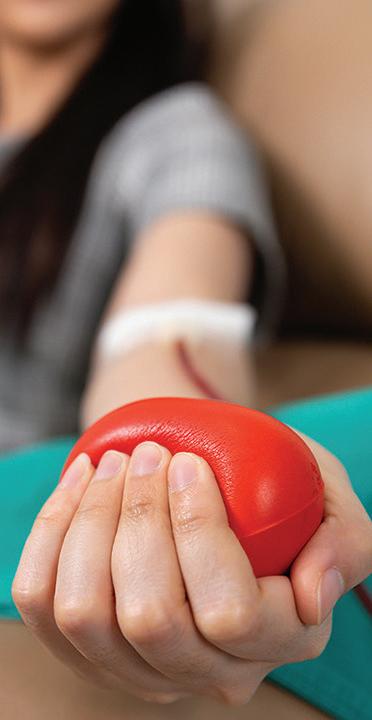
There’s no shortage of ways for people to give back to their communities. Volunteering, coaching kids’ sports teams and participating in charitable fundraisers and food drives are just some of the many ways to strengthen a community. Donating blood is another way to give back and save lives.
The National Institutes of Health notes that blood and plasma donations are crucial for a wide range of reasons. In fact, recognition of the many ways blood and plasma donations are used might compel more people to make this simple and selfless act a bigger part of their efforts to give back to their communities.
• Blood donations are utilized during surgery. The American Red Cross notes donated blood is often
used during surgery, including heart surgeries, organ transplants and operations performed after emergencies. Red cells carry oxygen throughout the body, and the Red Cross notes these are frequently given to trauma and surgery patients.
• Blood donations help cancer patients. The Red Cross notes that platelets are tiny cells in the blood that help to form clots and stop bleeding. Certain types of cancer and cancer treatments prevent patients from forming their own platelets, making platelet donation vital for such individuals’ survival. Platelet donation differs from more routine blood donation, and the Red Cross estimates the process typically takes roughly three hours from start to finish. However, some platelet donations
yield enough platelets for two to three patients, making this well worth the investment of time.
• Blood donations help people with sickle cell disease. The Red Cross notes that patients with sickle cell disease may require multiple blood transfusions every year, and the blood used during such procedures needs to be very closely matched to the recipient’s blood type to avoid complications. Sickle cell disproportionately affects people who are Black or African American, and the most compatible matches tend to be people of the same ethnicity, making blood donated by members of the Black community particularly useful and necessary to help individuals with
Parents recognize that trial and error is part of the job when raising children. That’s especially so with young children at mealtime. Some kids love fruits and vegetables from a young age onward, while others may do all they can to resist such vitamin- and nutrient-rich offerings for years on end. Parents of children who lack enthusiasm for fruits and vegetables may wonder if multivitamins provide a pathway to ensuring kids get the vitamins and nutrients they need to grow up strong and healthy.
No two children are the same, but Rachel Dawkins, M.D., of the Johns Hopkins All Children’s Hospital notes that most kids don’t need to supplement their diets with multivitamins. Dawkins notes that’s because even picky eaters tend to get sufficient nutrients from the foods they eat. The Mayo Clinic echoes such sentiments and adds that some foods and beverages, including cow’s milk, are already fortified.
So why the robust market for children’s multivitamins? Each parent has different reasons for giving a child a multivitamin, which are typically administered daily. But the Mayo Clinic adds that certain conditions may call for vitamin supplementation, including:
• A diet with low levels of vitamin D
• A delay in physical or developmental growth
• A chronic disease
• A diagnosis of lead poisoning
• A limited or restrictive diet
Parents who want to know more about multivitamin supplementation for children are urged to speak with their child’s pediatrician before making a decision. Recognition of the various benefits of vitamins can provide additional insight into why it’s so important that kids eat enough healthy foods to ensure they do not become vitamin-deficient.
• Vitamin A: Nemours KidsHealth® notes that vitamin A facilitates nighttime vision and helps people see color. Vitamin A also strengthens the

immune system, which can help kids fight off infection. Orange fruits and vegetables like cantaloupe, carrots and sweet potatoes are good sources of vitamin A.
• B vitamins: B vitamins provide a range of benefits, including helping the body extract energy from food and utilize it when necessary. B vitamins also help in the production of red blood cells, which Nemours KidsHealth® notes help to deliver oxygen throughout the body. Whole grains, certain types of fish and seafood, poultry, eggs, leafy green vegetables, and beans and peas are good sources of B vitamins.
• Vitamin C: Nemours KidsHealth® indicates that vitamin C keeps body tissues healthy. That’s important for bone strength and healthy gums and blood vessels. Citrus fruits, cantaloupe, strawberries, tomatoes, and broccoli are some examples of foods rich in vitamin C.
• Vitamin D: The sunshine vitamin is important for strong bones and teeth and plays an important role in the body’s absorption of calcium. Milk and other dairy products fortified with vitamin D, fish and egg yolks offer ample amounts of vitamin D. Kids also can get some vitamin D by playing outside in the sunlight.
These vitamins and more can help kids grow up strong and healthy. Parents who suspect their children are not getting enough vitamins through their diets can discuss supplementation with their youngster’s pediatrician.

The ubiquity of devices in twenty-first century life is hard to miss. Whether it’s smartphones, tablets or laptops, devices are seemingly everywhere in modern life. That’s even true with young children, who have a tendency to bring tablets along during car trips or nights out at a restaurant.
Parents walk a tightrope regarding screen time and children. Though media use is often, and understandably, discussed in terms of its potentially harmful impact on young minds, the issue is not exactly as one-sided as it may seem. For example, kids are naturally curious, and parents may not always have the answers to youngsters’ questions. In such instances, devices can fill the gaps by encouraging kids to explore topics that interest them and find answers. Device usage also can teach kids digital literacy, which can help to prepare them for life in an increasingly digital world and also provide a way for children to employ lessons about internet safety emphasized by parents and educators.
The danger of devices in regard to young minds largely concerns overuse. Parents uncertain about how to help kids reap the rewards of media use without overdoing it can consider these recommendations courtesy of the American
Academy of Pediatrics.
• Greatly limit device usage and access with children under age two. The AAP notes that children two and younger learn best when they interact with other people, including parents, siblings, caregivers, and others. The AAP also notes that children two and younger do not easily understand what they see on a screen and how it relates to their world, which makes screens a less useful educational tool for such youngsters than parents may realize. If parents of children between the ages of 18 and 24 months want to introduce screens to their kids, the AAP advises watching only high-quality programming and watching along with them. Reteaching lessons when programs end also can help kids make the most of their limited screen time.
• Limit screen time to no more than one hour per day for kids between the ages of two and five. Children between ages two and five can utilize devices to build their vocabulary, and quality programming like “Sesame Street” can instill valuable social, language and reading skills. The AAP recommends co-viewing with youngsters in this
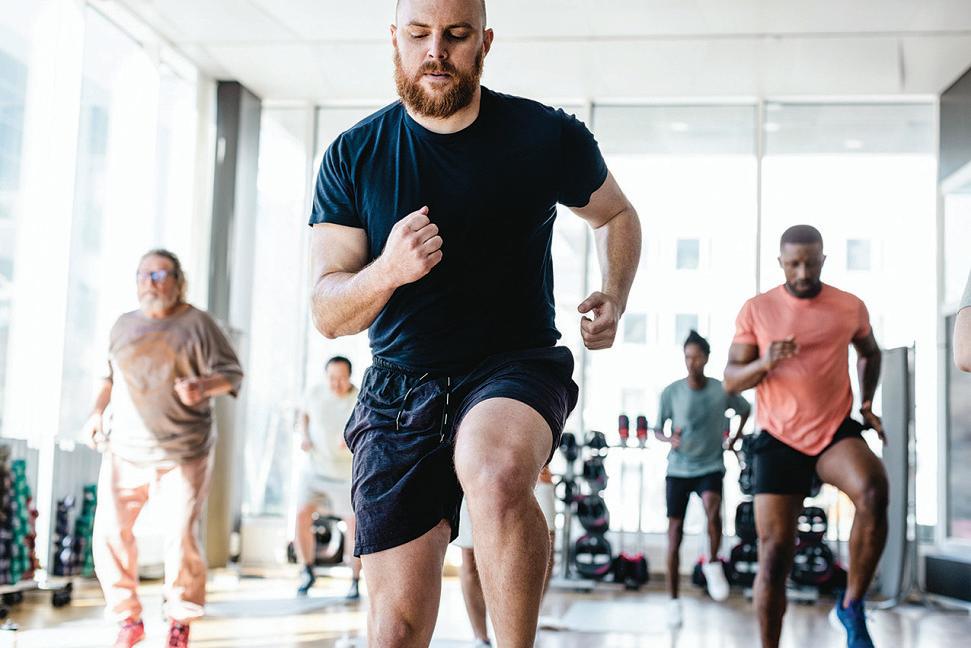
Exercise is an important component of overall health. Experts say that adults should aim for at least 150 minutes of moderate-intensity aerobic exercise or 75 minutes of vigorous-intensity aerobic exercise each week, along with muscle-strengthening activities at least two days a week. Some believe heading to the gym is the best way to get the exercise they need, and it very well may be… unless it’s not. Some people don’t like going to a gym and are therefore unlikely to do so with enough consistency to benefit from a membership. However, the gym is not the only place where individuals can meet fitness requirements.
Those who are not necessarily enamored with the idea of exercising at a gym for a variety of reasons can rest assured that it’s still possible to be fit and healthy. In 2023, Civic Science polled thousands of Americans on how they chose to exercise and found that exercising at home is more popular than heading to the gym. Fifty-two percent of respondents said
they exercised regularly at home, while 28 percent exercised regularly at a gym. At-home exercisers also were 21 percent more likely than gym-goers to say they worked out once a week or more.
People who want to find ways to stay fit without a fitness club membership have plenty of options.
• Get at-home equipment. Setting up gym equipment in a spare room, the basement or the garage can help at-home fitness fans exercise. All it takes is some compact weights, perhaps a treadmill or elliptical and a few additional items to exercise effectively at home.
• Tune into streaming services. Many content providers upload exercise videos online so people can follow along at home or elsewhere. A quick search of YouTube offers a variety of options that fit with the type of exercise one desires. From 30-minute aerobic walking workouts to rebound-

ing to yoga videos, content is there and also may be free to watch.
• Head outdoors. Walking or jogging around the neighborhood or on local trails can be effective. Plus, it exposes a person to sunlight and fresh air, and provides an opportunity to see people
in the community.
• Play a sport and/or join a club. Individuals may want to take up a physical activity, like joining a sports team or participating in a club that has physical activity, such as a hiking club. The Better Health Channel says exercising with a friend is a great way to stay motivated, as each person can spur on the other.
• Turn on some tunes. Dancing around to favorite songs is a fun way to engage in physical activity. If other exercise ideas seem uninspiring, upbeat songs that get a person moving can help. Union Health says keeping one’s heart rate between roughly 114 to 135 beats per minute is a good workout. Search for songs that will help achieve that rate.
If heading to the gym isn’t a person’s first choice for exercise, there are several other ways to exercise.
Exercise is an important component of healthy living at any age. Physical activity helps to maintain a healthy body weight and offers mental benefits like reduced stress and the potential to reduce risk for cognitive decline. But it’s important to point out that appropriate exercise for a person at age 20 may look quite different from the right exercise regimen for someone who is 50 or older.
WebMD says exercise is important for quality of life as one ages and is a key to independence. It is important to think of exercise as a tool, and as with all tools, the right ones should be used with a goal to avoid injury. Fitness after 50 should prioritize some practices and avoid others.
• Focus on resistance training. Cardiovascular exercise is important for heart health and general health, but strength training also is essential to counter some of the normal effects of aging. Continuum Care, a private
duty home care service, says aging results in a decline in bone density and muscle mass. Resistance exercise performed several times each week can help combat muscle loss and bone density decline.
• Opt for low-impact activities. Low-impact exercises that involve less jumping and pounding will be easier on the joints. A doctor, physical therapist or athletic trainer can help to customize or adapt activities based on a person’s limitations or medical conditions.
• Warm up before working out. Older adults are advised to warm up muscles before exercising to avoid injury, particularly if it has been some time since you last exercised. Harvard Medical School recommends five minutes of brisk walking or time on an elliptical machine to get blood flowing to muscles and make them pliable. After working out, it’s advisable to stretch afterwards.
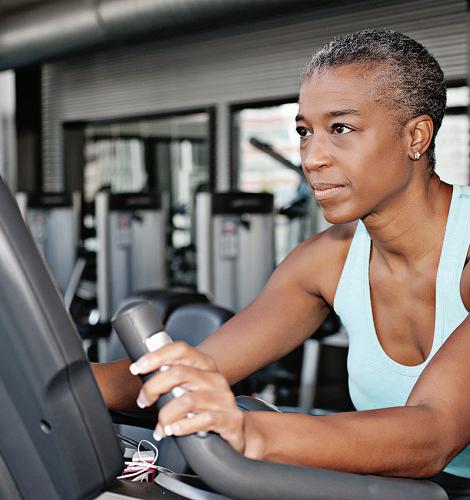
• Switch to interval training. Interval training, which alternates between intense exercises and less demanding “rest” periods, offers greater benefits compared to a consistent exercise pace. Interval training helps burn extra calories and maximizes oxygen consumption. Interval training may
allow for shorter workouts as well.
• Increase the number of rest days. Focusing on recovery after age 50 is important. Tissue takes more time to recover as the body ages, and that may require longer rest periods between workouts.
• Pay attention to what your body is saying. Scripps Health says that even with a doctor or professional trainer guiding workouts, an individual is the best judge if physical activity is too much or too little. Everyone should pay attention to signs of overexertion, such as dizziness, excessive fatigue or chest pain. Other signs of discomfort, such as joint pain, may mean the intensity needs to be dialed down or other exercises chosen.
An exercise regimen may need a reboot after a person turns 50. Modified activities and a slowing of pace can promote a healthy, injury-free lifestyle.
enheit to prevent feelings of being too hot or too cold when going to bed.
• Wake up at the same time each day. A routine that includes the same wake-up time each day can acclimate the body to a healthy sleep routine.
• Begin to relax 30 minutes before bed. A pre-bedtime routine focused on relaxation can facilitate sleep. The Sleep Foundation notes activities like quiet reading, low-impact stretching, listening to soothing music, and mindfulness meditation can help you ease into sleep.
sickle cell disease.
• Plasma donations are pivotal for burn victims. Burn victims typically lose considerable amounts of blood, and the plasma donation experts at Plasmasource.org note that severe burns commonly cause fluid to leak from blood vessels into other tissues. When diminished fluid volume within blood vessels is not addressed, a host
age bracket as well, and be sure kids are watching interactive, nonviolent, educational, and pro-social media.
• Don’t allow devices to become older children’s go-to activity. Many schools now supply devices to children from kindergarten on. While that’s a testament to the educational utility of devices, it also can complicate parents’ efforts to minimize screen time, particularly if kids take tablets or laptops home from school each day. The AAP urges parents to make sure children five and older are not missing out on sleep, family time and exercise due to their device usage. The AAP also recommends that parents monitor kids’
• Avoid devices an hour before bed. The light emitted by tablets, smartphones and laptops can suppress melatonin production, making it hard to fall asleep. Make the hour before bedtime each night a device-free time.
• Exercise each day, but avoid intense activity close to bedtime. Daily exercise has been found to promote sleep, but intense exercise right before bed can make it hard for the body to settle down.
Insufficient sleep is an emerging issue for people of all ages across the globe. Some simple strategies can be employed to facilitate a better night’s rest.
of negative outcomes, including shock and potential organ failure, can occur. Such patients typically require plasma donations to replenish fluid volume and avoid further complications from severe burns.
Blood and plasma donation is a simple and selfless act that annually helps to save millions of lives. More information about the donation process can be found at redcrossblood.org.
Regular physical activity is often associated with immediate effects, and rightfully so. According to the Centers for Disease Control and Prevention, physical activity can improve cognition and thinking, reduce short-term feelings of anxiety, and make it easier for people to manage their weight. But physical activity also boasts some notable long-term benefits, particularly in regard to disease prevention. The CDC notes that regular exercise can reduce risk for cardiovascular disease, type 2 diabetes and metabolic syndrome, infectious diseases like COVID-19 and pneumonia, and various forms of cancer, including cancers of the breast, colon, kidneys, and lungs.
media usage to ensure they’re safe and watching appropriate content.
• Discuss media usage with teens and tweens. Teens and tweens typically consume media without oversight. But the AAP emphasizes the importance of engaging teens and tweens in a dialogue regarding media use, digital citizenship and online content, whether it’s read or viewed. It’s also important that parents keep track of who teens and tweens are communicating with while on their devices.
It’s not easy for parents to navigate their children’s device usage. But the right approach can ensure kids are safe and reaping the rewards of engaging with their world through their devices.