





For seniors looking to stay active, there are plenty of budget-friendly ways to build strength, improve balance and boost overall health.
With a little creativity and a focus on consistency, staying fit can
be both effective and affordable.
Many senior centers, recreation departments and local nonprofits offer free or low-cost fitness classes tailored to older adults. From walking groups to tai chi and chair yoga, these programs often
focus on mobility, balance and joint-friendly movement.
Some Medicare Advantage plans include access to senior fitness programs like SilverSneakers or Renew Active, which partner with gyms and community centers to offer free membership and group classes.
Public libraries may
host fitness events or lend exercise DVDs. Churches, parks and YMCAs sometimes offer wellness activities at little or no cost.
You don’t need a gym to get moving. With a little open space and basic equipment, you can create a full workout routine right
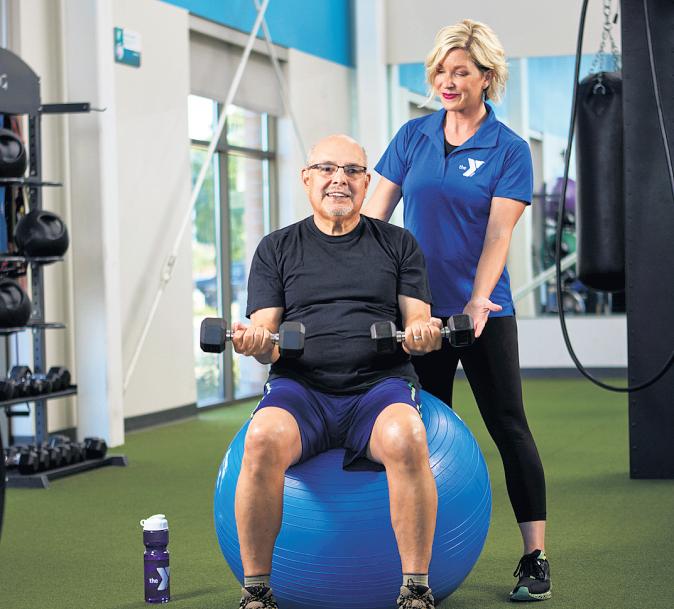
at home. Resistance bands, small hand weights and a sturdy chair can provide all you need for strength training, balance work and flexibility exercises.
Bodyweight movements — like wall pushups, seated leg lifts or step-ups using stairs — can be just as effective as machines. Walking around the neighborhood, dancing in the living room or doing simple stretches each morning can build lasting results.
Wear supportive footwear and move at your own pace to reduce the risk of injury.
TECHNOLOGY THAT MAKES FITNESS EASY
Continued from page 2
Free and low-cost fitness apps can guide seniors through safe, structured workouts. Many apps offer routines focused on joint health, flexibility and low-impact strength training. Some even provide reminders, progress tracking or voice coaching to help keep you on track.
YouTube is another valuable resource, offering thousands of free fitness videos tailored to seniors. Search for terms like “senior fitness,”
“gentle stretching,” or “low-impact cardio for older adults.”
Smart TVs, tablets or laptops make it easy to follow along with professional instructors in the comfort of your home.
Fitness doesn’t have to break the bank. The key is finding activities you enjoy, making them part of your routine and using the resources available in your community. With a small investment of time and energy — not money — you can improve your health, boost your mood and stay strong for years to come.




For seniors looking to stay active, one common question is:
When’s the best time to work out?
The answer depends
on your body, your routine and what you want to get out of exercise. Both morning and evening workouts have their benefits, and understanding the differences can help you find a time that fits your schedule — and your energy. What matters most is consistency. Whether you stretch at sunrise
or take a walk after dinner, regular movement is the key to better health.
Morning exercise has several benefits, especially for those who like structure or want to start the day with a win. Getting active
early can boost energy, improve focus and help you maintain a healthy routine throughout the day. For people managing high blood pressure or blood sugar levels, morning workouts may help regulate those numbers more effectively. Studies suggest that early activity may improve sleep later on, especially when it includes sunlight
exposure.
Many seniors prefer morning classes or walks because their energy is higher, the day is less likely to be interrupted, and outdoor temperatures are cooler — especially in summer months.
On the other hand, some people feel stiffer or more sluggish in the morning. If that’s the case, an afternoon or evening workout may be easier on your body. By then, your muscles are warmer, your joints looser and your coordination a bit sharper. Evening workouts can be a great way to release stress, especially
Continued from page 4 if you’ve had a busy or emotional day. If you struggle with late-day snacking, exercising in the evening may help curb appetite and provide a healthier outlet. Gyms and walking paths are often quieter at night, and some group fitness programs for seniors are available in the early evening.
There’s no single “best” time to exercise. The right time is when you’re most likely to
follow through and feel good doing it. Track your energy throughout the day for a few days, and notice when you feel most alert and mobile. Try scheduling short workouts during those windows. If you take medications or manage chronic conditions, check with your doctor about timing exercise around meals or dosage. Whether you’re a morning mover or a sunset stroller, the best workout is the one that fits your lifestyle. Find your rhythm, stay flexible and make fitness a part of your day — whenever that may be.


Stretching is one of the simplest and most effective ways for older adults to maintain flexibility, mobility and overall comfort.
A few minutes each day can improve posture, reduce stiffness and support better balance and movement.
Best of all, stretching can be done right at home, with no special equipment or gym membership required.
As we age, joints and muscles naturally become tighter and less flexible. That stiffness can lead to poor posture, limited range of motion and a greater risk of injury from everyday activities like bending, reaching or stepping off a curb.
A daily stretching routine helps keep muscles elongated and joints lubricated. It promotes circulation,
reduces tension and may help ease chronic aches — especially in the back, shoulders and hips.
Gentle stretching can be done any time of day. Some people like to begin their morning with a light routine to wake up the body, while others stretch in the evening to relax and unwind.
Start with a warm-up, such as a few minutes of marching in place or shoulder rolls, to get blood flowing.
Here are a few gentle stretches that can be done daily:
• Neck tilt: Gently tilt your head toward one shoulder until you feel a stretch. Hold for 10–15 seconds, then repeat on the other side.
• Shoulder stretch: Reach one arm across your chest and use the opposite hand to hold it in place. Hold 15–20 seconds, then switch arms.
• Seated hamstring stretch: Sit in a sturdy chair, extend one leg straight out with your
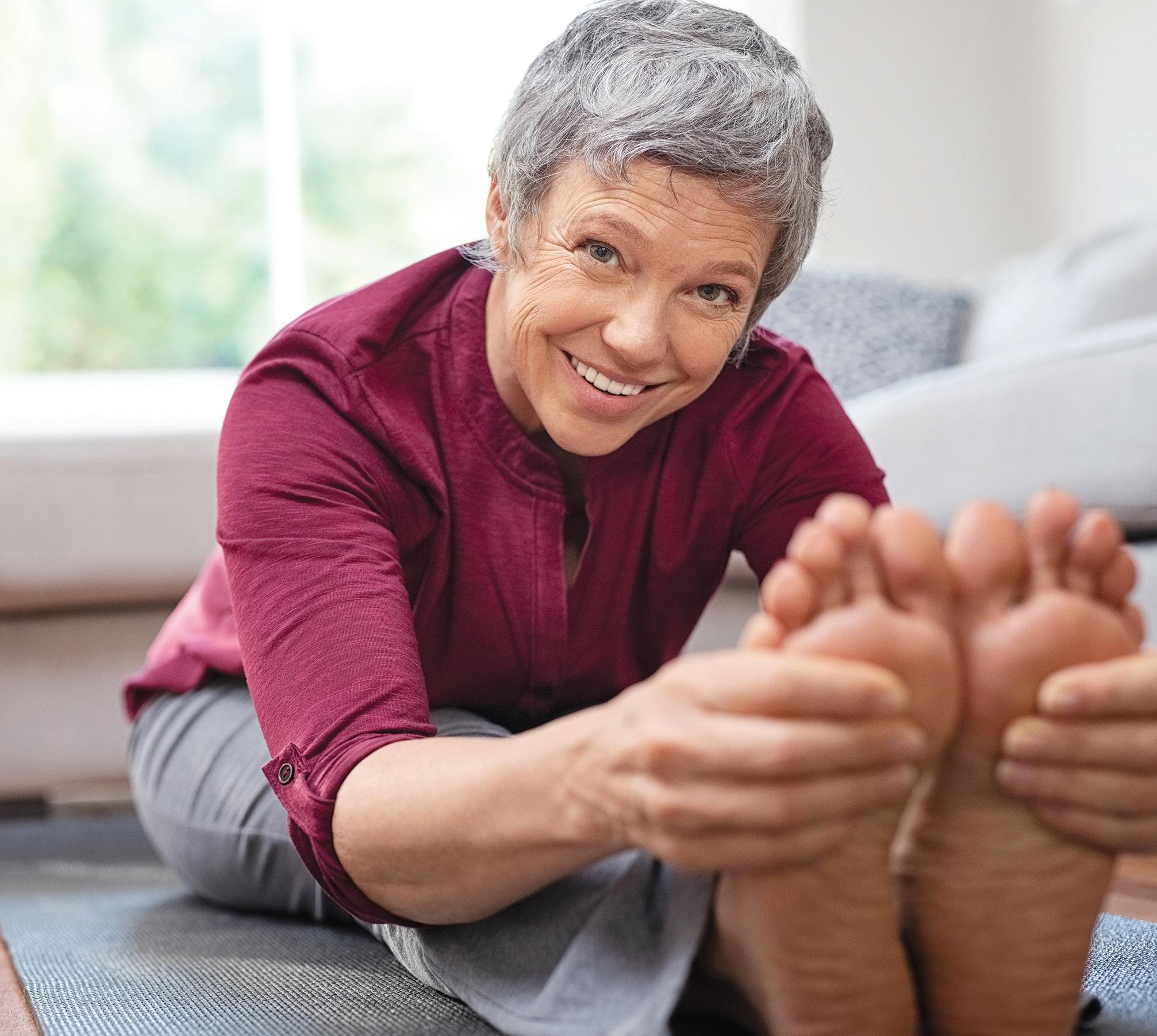
heel on the floor, and gently lean forward until you feel a stretch in the back of your leg.
• Calf stretch: Stand facing a wall, place one foot behind you, and press your heel into the floor while leaning forward. Switch sides after 15–20 seconds.
• Seated spinal twist: Sit tall in a chair, place your right hand on your left knee and gently twist your torso to the left. Hold, then repeat on the other side.
Move slowly and breathe deeply with each stretch. Never
bounce or push past the point of mild discomfort.
Stretching doesn’t have to be long or strenuous. Just five to 10 minutes a day can yield real benefits.
The key is making it part of your routine — something you look forward to rather than skip. By incorporating gentle stretches into your day, you’ll move more freely, feel more energized and help your body stay limber and strong.
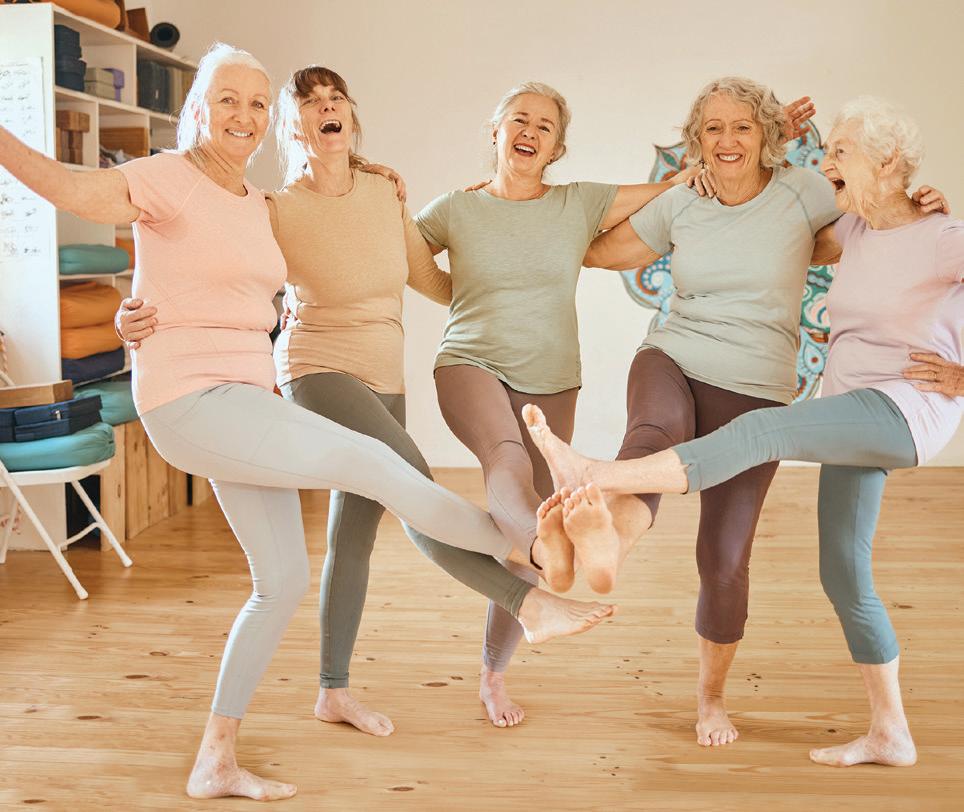
Who says exercise has to feel like work?
For many older adults, dance-based workouts offer a lively, joyful way to stay fit.
Whether it’s Zumba Gold, line dancing, ballroom basics or even Broadway boogie, dance is a powerful form of physical activity that boosts heart health, flexibility and mood — all while keeping a smile on your face. With options suited for all ability levels, dance can be an ideal workout for seniors looking to get
active without hitting the gym.
Dance classes offer full-body movement that gets the heart pumping and muscles working. The rhythm, repetition and coordination required help improve balance, endurance and even brain function.
Zumba Gold, a popular program designed for older adults, features lower-impact choreography set to upbeat music. It combines elements of salsa, merengue and other Latin-inspired moves to deliver a cardio workout that’s easy on the joints.
Line dancing is another senior favorite. With easy-to-follow steps and music ranging from country to pop, line dancing offers a great way to stay active while enhancing memory and coordination. Plus, you don’t need a partner — just a willingness to move.
Ballroom dancing, including waltz, swing or foxtrot, offers a more traditional style of movement. It may be slower paced, but it’s excellent for posture, balance and social interaction.
Regular dance sessions can improve cardiovascular health, muscle tone and joint mobility. Unlike repetitive gym workouts, dance involves varied movements that challenge the brain and keep routines interesting. Many studies have linked dance with improved cognitive function in older adults. Remembering steps, following patterns and syncing movements with music engage memory and attention — skills that stay sharp
with use. Dancing also helps release endorphins, the body’s natural mood boosters, reducing stress and improving overall emotional well-being. It’s an enjoyable way to manage health conditions such as high blood pressure, arthritis and even mild depression.
One of dance’s greatest benefits is its social
aspect. Classes offer a chance to connect with others, make new friends and enjoy group energy. For many, that’s as important as the exercise itself.
Senior centers, YMCAs, dance studios and community centers often offer age-friendly dance classes, many of which can be adapted to meet a range of mobility needs. Some programs also provide
seated dance options for those with limited balance or stamina.
Whether you’re swinging to jazz or stepping in time to a country beat, dance offers a fun, welcoming path to better health. No experience is required — just bring your energy, your enthusiasm and maybe a pair of comfortable shoes.



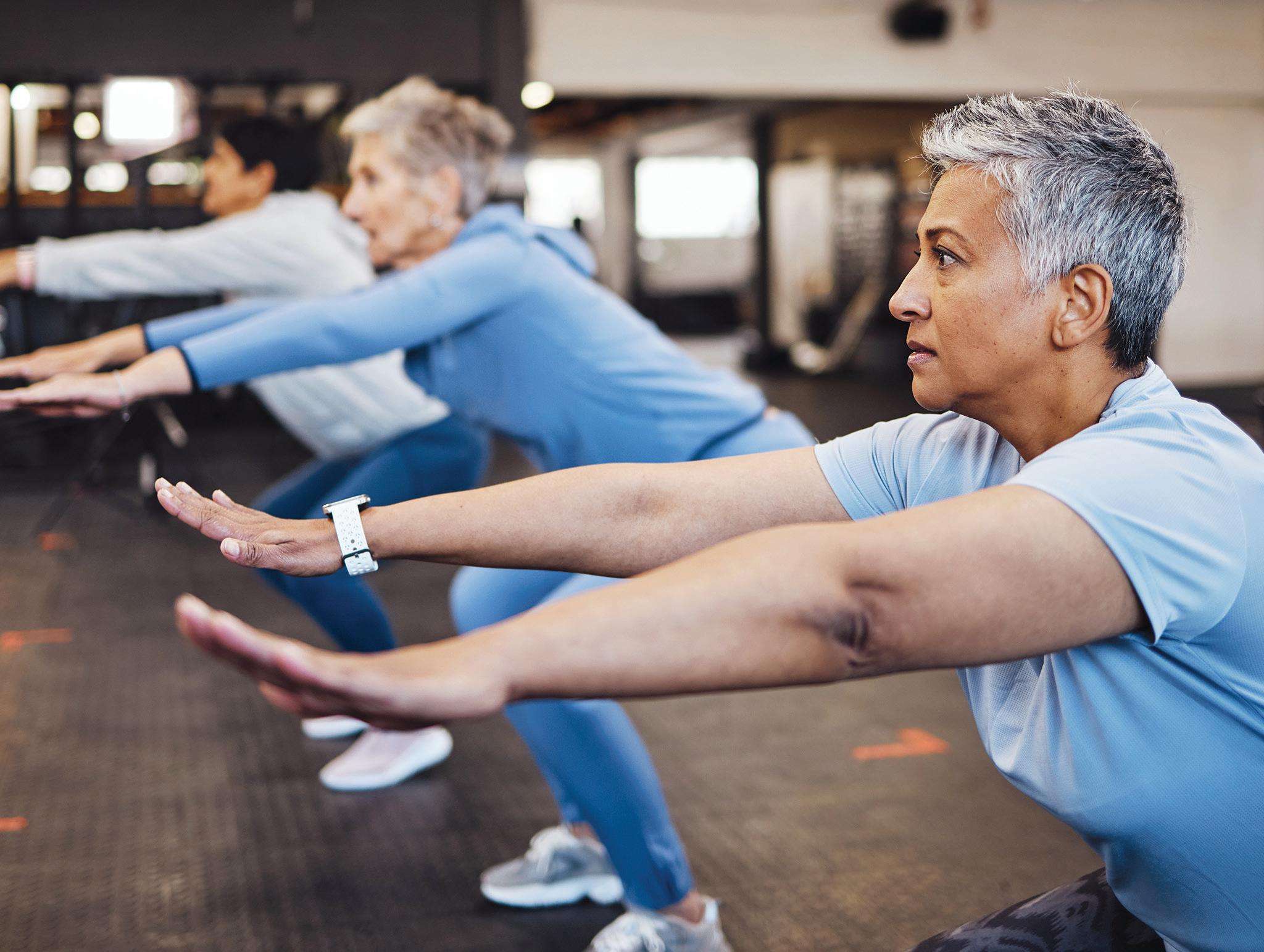
Fitness is important at any age, but staying active can be more enjoyable — and more effective — when it’s shared with others.
Group exercise classes offer seniors a powerful combination of physical health, mental well-being and social connection.
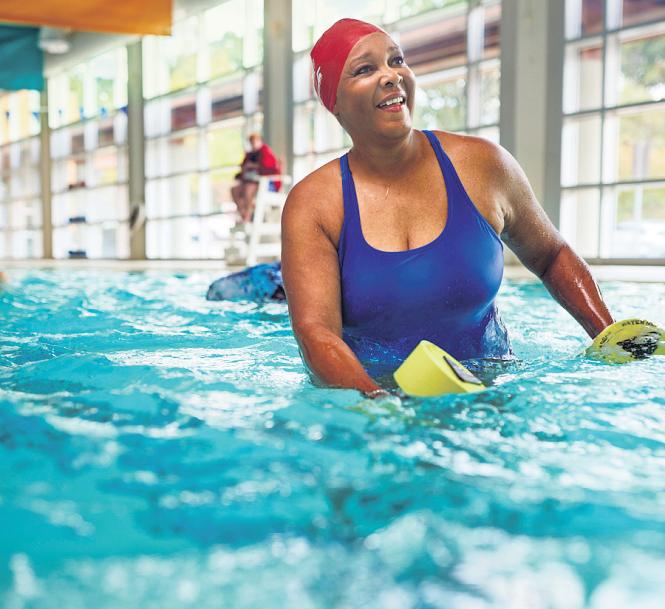
Whether it’s a walking group, a water aerobics class or chair yoga at the senior center, working out with others can provide the structure, support and motivation that solo routines often lack.
One of the biggest challenges in maintaining a fitness routine is sticking with it. Group classes help build commitment by offering a regular schedule, an encouraging atmosphere and a sense of accountability. Knowing others are expecting you can be
just the push needed to show up — even on a sluggish day.
Instructors often bring energy and structure to classes, making workouts feel less like a chore and more like a community event. Plus, the music, variety and group rhythm can help make exercise more fun and time go by faster.
Group settings also make it easier to track progress. When you see improvements in yourself — and in others — it reinforces the value of your efforts and keeps you coming back.
Loneliness and isolation are common concerns for older adults, but group fitness can help counter that. Regularly exercising with others creates opportunities for conversation, friendship and support. Many seniors form lasting relationships through classes, turning fitness into a social event as much as a physical one.
Even brief interac-
tions before and after class can lift spirits and provide a sense of belonging. That kind of positive connection contributes to emotional resilience and overall mental health.
Group fitness classes designed for seniors often include modifica-
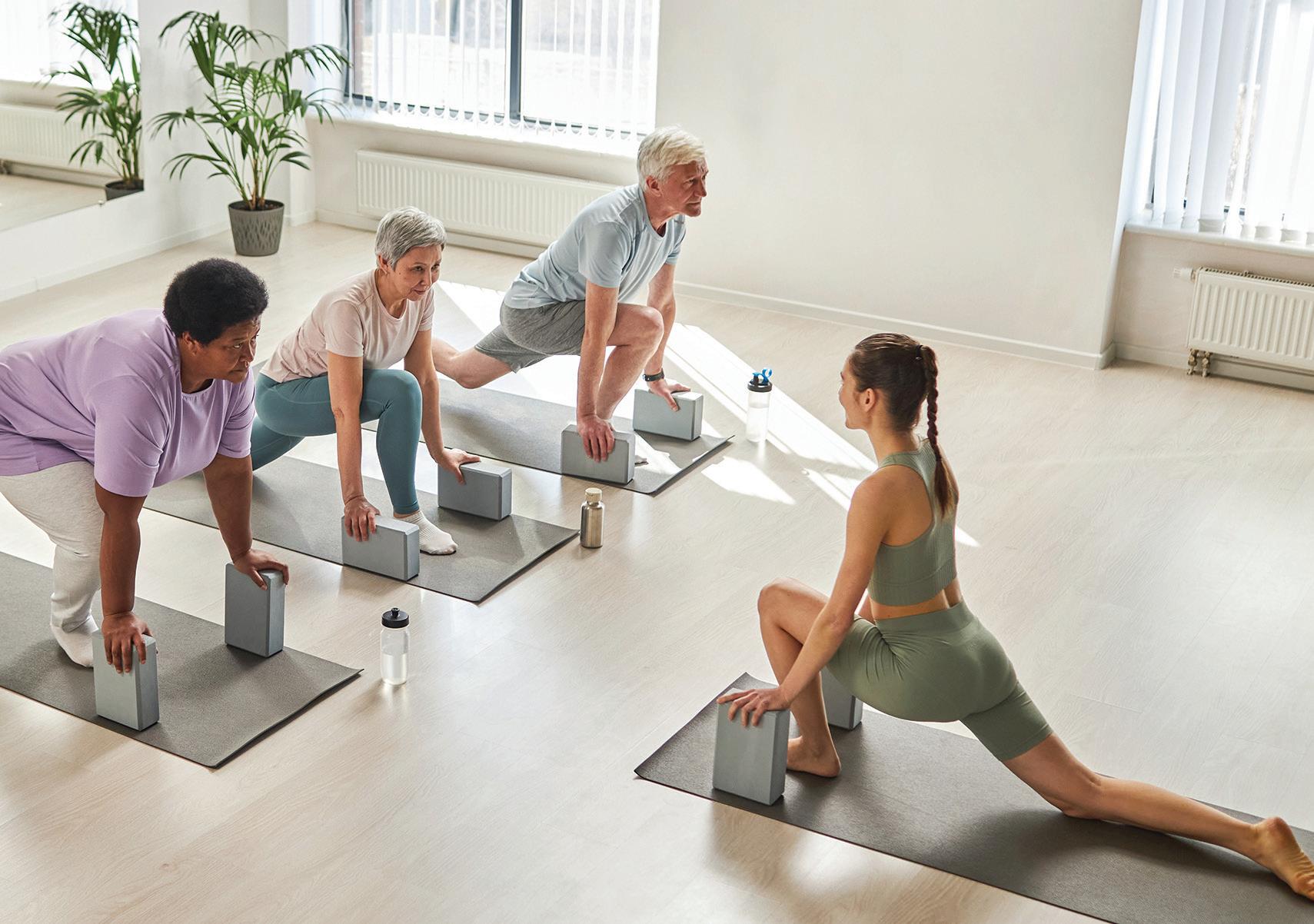
tions to accommodate different abilities, health concerns and mobility levels. Instructors are trained to offer alternative movements and monitor for safety, which helps reduce the risk of injury. Classes like SilverSneakers, tai chi, chair yoga, senior Zumba and balance-focused workouts are widely available through gyms, senior
centers and community programs. Many are free or low-cost, especially when covered by insurance or Medicare Advantage plans.
Participants benefit not only from the instructor’s guidance but also from seeing others at similar fitness levels, which can reduce self-consciousness and encourage gradual progress.
Group fitness isn’t just about exercise — it’s about community, consistency and confidence. For seniors looking to stay active and connected, joining a group class may be the smartest step toward a healthier, happier lifestyle.
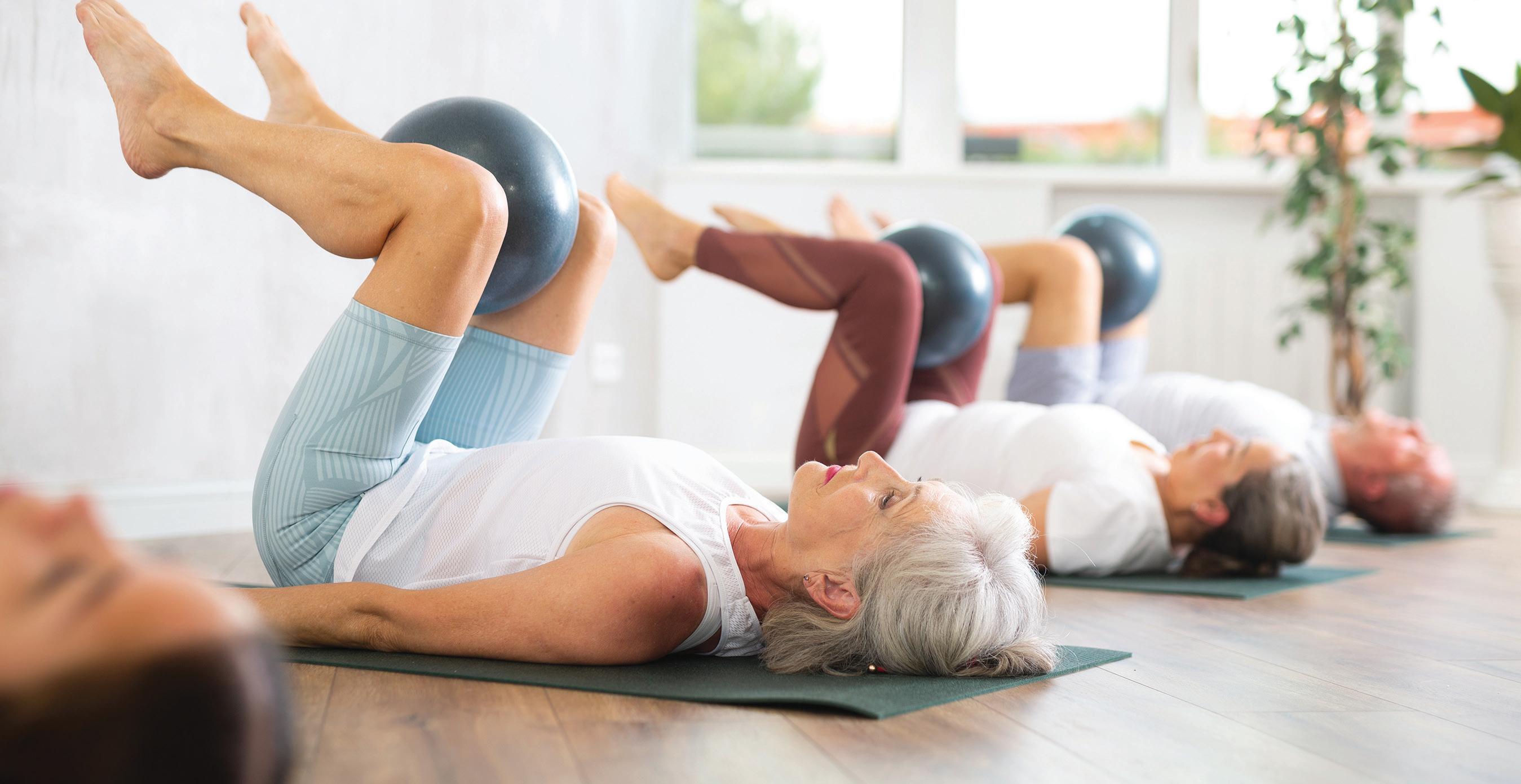
Chronic conditions like back pain, osteoporosis or diabetes don’t mean you have to stop exercising — in fact, physical activity can be one of the best ways to manage these conditions.
The key is knowing how to modify your routine to stay safe while still gaining the benefits of movement.
With a few simple adjustments and guidance from a healthcare provider, seniors can build a fitness routine that supports strength, mobility and overall well-being.
Before beginning any new exercise program, talk to your doctor — especially if you’re managing a chronic condition. They can help identify any limitations and recommend types of exercise best suited to your
needs. You may benefit from working with a physical therapist or certified fitness instructor familiar with senior fitness and chronic illness management.
Many conditions require slight changes to how you exercise — not whether you exercise. Here are a few examples:
• Back pain: Focus
on low-impact activities like walking, swimming or chair yoga. Avoid exercises that involve twisting or bending from the waist. Strengthening the core muscles can help relieve pressure on the spine.
• Osteoporosis: Weightbearing exercise helps maintain bone density, but high-impact moves or deep bending at the waist can increase fracture risk. Choose walking, dancing or resistance training with light weights. Avoid
crunches, toe touches and jumping.
• Arthritis: Gentle movement can reduce stiffness and improve joint function. Modify exercises to avoid highimpact stress on affected joints. Water aerobics, tai chi and stretching are excellent low-strain options.
• Diabetes: Exercise can help manage blood sugar, but stay consistent and monitor levels before and after workouts. Keep snacks nearby in case of low
blood sugar, and wear comfortable shoes to prevent foot injuries.
Pain is a signal, not a goal. Mild discomfort or muscle fatigue is normal when starting a new routine, but sharp or lingering pain is not. Modify intensity, range of motion or rest time as needed. Use props like resistance bands, yoga blocks or a chair for extra support.
Take rest days when your body needs them, and don’t be discouraged by slower progress. Consistency is more important than intensity when managing long-term health.
Exercising with a chronic condition isn’t about pushing limits — it’s about reclaiming mobility, strength and confidence. With the right modifications and support, you can stay active, feel better and enjoy a better quality of life.
active doesn’t have to mean spending hours in a gym.
For many older adults, the best workouts happen outdoors — where fresh air, natural scenery and sunshine can boost both physical health and mood.
From scenic walking trails to backyard gardening and open-air group classes, outdoor fitness offers an enjoyable and accessible way for seniors to stay moving.
Walking is one of the safest and most effective exercises for seniors, and doing it outdoors adds extra benefits. Natural surfaces are often easier on the joints than pavement, and uneven terrain can help improve balance and coordination. Many communities have senior-friend-
ly parks and nature trails with benches, level paths and shaded areas. Choose routes with moderate terrain and wear sturdy shoes, sunscreen and a hat. Walking with a friend or group can add motivation and safety. If you prefer shorter or more structured outings, consider “walk and talk” groups offered by senior centers or community wellness programs. These provide the added benefit of social connection while encouraging regular movement.
Tending to a garden may not feel like a workout, but it’s a surprisingly effective form of physical activity. Digging, planting, weeding and watering all involve bending, stretching and lifting — gentle motions that build strength and flexibility. Gardening supports mental wellness, offering a peaceful and satisfying way to spend time outdoors. Raised beds and adaptive tools can make the activity
accessible even for those with limited mobility or arthritis. Even a few potted plants on a balcony or patio can provide a reason to get outside and move each day.
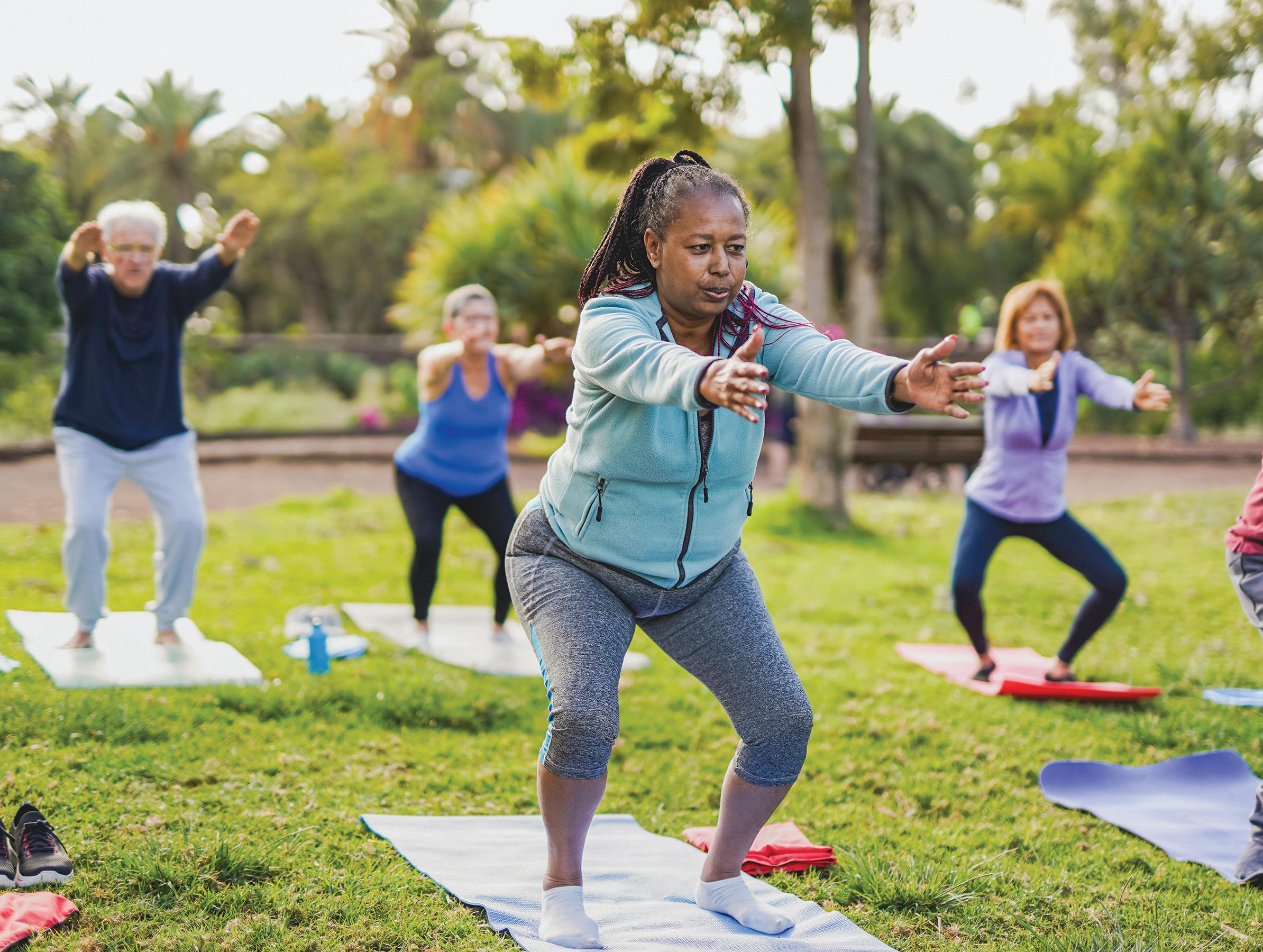
Outdoor fitness classes are growing in popularity, with options ranging from yoga
in the park to tai chi under the trees. These classes often cater to seniors and emphasize mobility, balance and gentle strength training.
Working out in the open air can make exercise feel less intimidating and more energizing. Classes may be offered by senior centers, local recreation departments or fitness instructors
specializing in older adults.
Bring a water bottle and dress in layers, especially during transitional seasons. Most classes offer modifications to accommodate different fitness levels and abilities.
Spending time outdoors supports
vitamin D production, improves mood and can help regulate sleep patterns. For seniors looking to stay active, outdoor fitness offers a refreshing and rewarding path to better health. No matter your activity of choice, nature provides the perfect backdrop for moving, connecting and thriving.
Looking for an innovative approach to maintain your physical fitness?
Yoga fosters strength, awareness and a balance between mind and body. For seniors who are experiencing limited mobility, however, many traditional poses may present a steep challenge – or even a serious health risk.
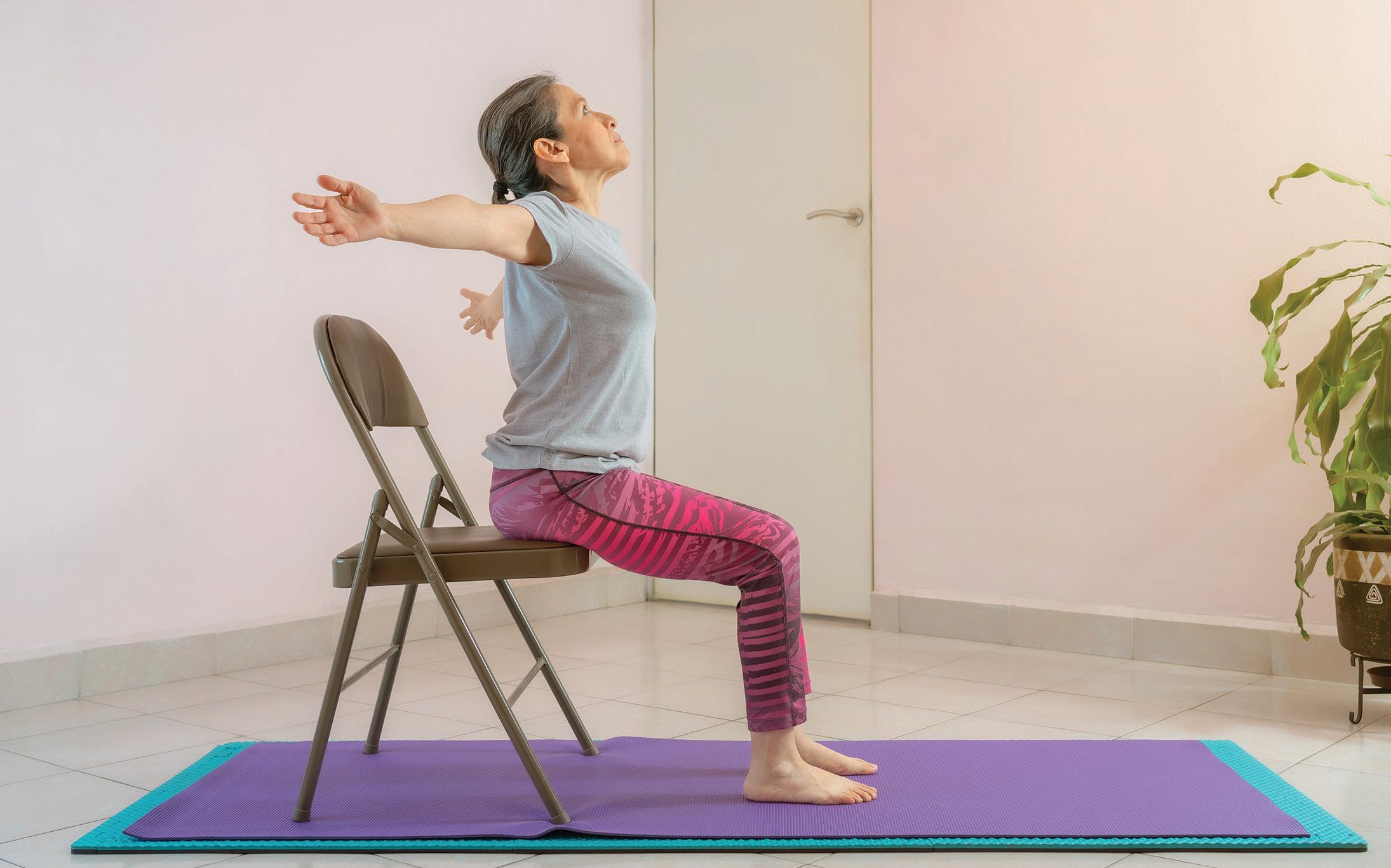
That’s why fitness professionals developed chair yoga, a variant that accommodates these special needs. Chair yoga allows older adults to enjoy many of the same health benefits offered by conventional yoga, but while safely seated.
This form of yoga can aid in pain management while promoting muscle flexibility, improving circulation, lowering blood pressure and helping to alleviate anxiety and stress. Best of all, it’s comfortable for seniors
at any experience level. If certain movements extend beyond your current range of motion, instructors will ask that you perform them to the extent that feels comfortable. As your flexibility improves, you will find these movements becoming increasingly easier to accomplish. You can explore the potential health benefits of this effective workout for seniors in a group setting or from the comfort of your living room. Here’s a look at two chair yoga poses recommended by experts.
The Eagle Arms stretch can provide relief for those experiencing muscle tension. From your seated position, extend your arms out to the sides as you inhale. When you exhale, bring your arms in front of you, intertwining your right arm beneath your left.
Position your hands to simulate a self-hug by gripping your shoulders. After establishing
this grip, elevate your elbows and exhale once more. Relax your shoulders, moving them down and away from your ears, and take several deep breaths while holding this pose.
To get the benefits of the Seated Mountain pose, you’ll need to engage your core while maintaining optimal posture. Begin by taking a deep breath, making sure you are completely relaxed. Sit up straight and extend your spine. Keep your legs positioned at a right angle, with your knees aligned directly above your ankles. As you exhale, gently press down into the chair with the lower part of your tailbone and roll your shoulders down and back.
Draw your abdomen in as you breathe out and lift your toes, firmly grounding the four corners of your feet into the floor.