













e often remind our children that while life may appear to be shaped by big plans and grand visions, it is actually built through a steady accumulation of small, loving choices made day after day. How we speak, how we listen and how we treat one another in ordinary moments are the quiet forces that shape a happy heart—and, over time, a good life.
Love carries a frequency, and it is the most powerful force we have access to. When we choose to live from that frequency with intention—to care for it, protect it, and honor it—we create a sacred space that naturally lifts others and allows them to rise alongside us.
We consider Natural Awakenings a sacred space for love and community. As we upload each issue to the printer for press, we often play Come With Me to the Sea, My Love—a special ritual that marks the moment of release and reminds us to let the work go with love, faith and trust in where it is meant to land.
Before the magazines are distributed, we pause in gratitude.
In a visual meditation, we picture the heart as a source of deep connection. Love flows outward from our hearts, moving down
HEALTHY LIVING HEALTHY PLANET
LOCAL CONTACT
734-757-7929
Publisher@HealthyLivingMichigan.com
HealthyLivingMichigan.com
P.O. Box 2717, Ann Arbor, MI 48106
Natural Awakenings
P.O. Box 2717, Ann Arbor MI, 48106

Natural Awakenings is printed on partially recycled and fully recyclable newsprint with black soy ink.
into the Earth where it grounds itself in something ancient and steady, then rising back up and through in a continuous exchange. As the energy builds, it gathers strength and clarity before releasing outward once more.
That release appears as sparks—like gentle fireworks of light. Those sparks are the magazines themselves, each landing exactly where it's meant to land: in the hands of readers that need the information, the encouragement or the reminder that they are not alone, and in the hands of advertisers and practitioners that feel called to share their work, expertise and talents with our community.
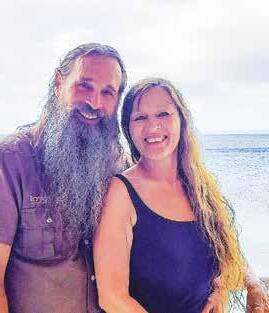
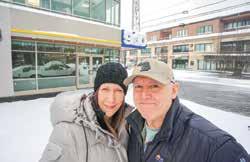
This is how John and I hold our work each month. What we create together is more than a publication; it's an offering shaped by intention, trust, and love—our way of serving our community and honoring our faith.
As you hold these pages, our hope is that you feel that intention. May this issue meet you exactly where you are and remind you that you are supported, deeply connected, and never alone.
With gratitude and love,
Publishers John & Trina Voell III
Design & Production John & Trina Voell III
Ad Design Josh Halay
Editors John & Trina Voell III
Proofreader Randy Kambic
Calendar Theresa Archer
Sales & Marketing John & Trina Voell III Rachel Cara
Distribution Rachel Cara
Website Design Locable
Northern Michigan / Grand Traverse Region
CEO Kimberly B. Whittle
COO Michael Bevilacqua
CMO Vee Banionis
Sr. VP Operations Brian Stenzler, DC
National Editor Sandra Yeyati
Editor Brooke Goode
Copy Editor Melanie Rankin
Print Production Specialist Kevin Rankin
Design Director Agnes Mazeikaite
Production Flip180
Customer Service Dani Bucad
National Contact 350 Main St, Ste 9B Bedminster, NJ 07921 239-206-2000

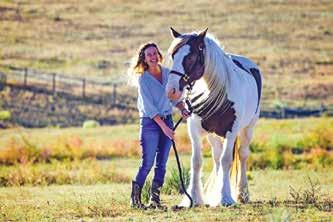

Wildfire Dreams Sanctuary is a non profit organization devoted to healing hearts, spirits and lives. Rooted in the powerful connection between humans and horses, the sanc tuary offers a sacred space where people can reconnect with themselves through presence, awareness and compassion.
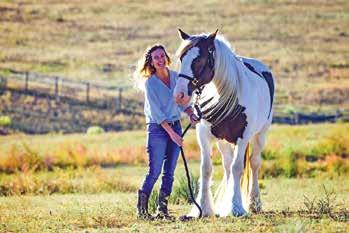
At the core of Wildfire Dreams is a unique approach that blends Gestalt coaching with the intuitive wisdom of their very special herd of five horses and one miniature. “Horses are deeply sensitive and honest beings. They respond to a person’s energy and hold no judgement,” shares sanctuary owner and certified Equine Gestaltist Carolyne Stolzenfels. “In their presence, participants are gently invited to slow down, become aware and listen.”
The sanctuary is more than a place; it is an experience of safety and acceptance. Here, healing unfolds naturally, guided by the horses and supported by Stolzenfels. Each interaction honors the belief that there is a capacity for wholeness, joy and ease even when we feel lost and stuck in a situation.
Wildfire Dreams Sanctuary exists to positively change lives by creating space for transformation. Through the quiet power of connection and the sacred bond between humans and horses, it offers a path toward healing that is both deeply personal and profoundly life-affirming.
Location: 8218 Quarterline Rd., Charlevoix. For more information or to make an appointment, email WildfireDreamsEGC@gmail.com, call 231-758-2277 or visit WildfireDreams.com. See ad on opposite page.
Independent songwriter George Peter Block Jr. continues to capture hearts with his heartfelt reflections on place, memory and belonging.
Originally from Illinois, Block now resides in Michigan, a state whose culture and character have inspired much of his recent work.
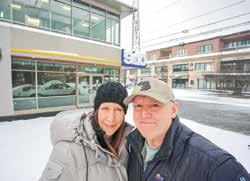
In honor of Michigan’s birthday, Block appeared recently on Northern Michigan’s 9 & 10 News morning show to share “Michiganders,” a song featured on The Michigan LP. The track offers a warm observation of how deeply Michiganders identify with their state—a theme that resonates with many that call the Great Lakes region home.
Known simply as Peter, Block has cultivated a songwriting voice rooted in authenticity, storytelling and a deep affection for the Midwest. The Michigan LP stands as his most personal collection to date, reflecting the humor, introspection and regional pride that define his approach.
His ability to draw from lived experience, without pretense, positions him as a compelling presence in contemporary songwriting. Each lyric carries the weight of place and memory, crafted with sincerity and clarity.
To hear Block’s song “Michiganders,” search YouTube under George Peter Block Jr – Albums – View All – The Michigan LP. (You will find many other songs there as well.)
Vesica Healing Cen ter operates as a supportive and nur turing space for indi viduals seeking nat ural and alternative approaches to health and well-being. The center focuses on whole-person care, integrating physical, emotional, energetic and spiritual support through personalized services designed to encourage balance and long-term wellness.

A diverse range of holistic therapies are offered to meet individual needs. Energy healing sessions support alignment and restoration while encouraging the body’s natural healing abilities. These sessions are customized to each client and emphasize relaxation, clarity and overall vitality. Sound healing therapy is also available, utilizing therapeutic frequencies to address stress, pain, inflammation, trauma, digestive concerns and chronic conditions through noninvasive acoustic methods that promote harmony within the body.
Intuitive readings are provided for those seeking insight, clarity and guidance on personal and spiritual paths. These sessions focus on self-awareness, empowerment and informed decision-making. The center also offers specialized chiropractic services exclusively for women and children. This gentle approach supports women’s health, prenatal and postpartum care and pediatric wellness in a safe and welcoming environment.
By bringing multiple holistic disciplines together, the center supports individuals as they explore natural pathways toward balance, resilience and optimal well-being.
Location: 1030 Hastings Ste. 110, Traverse City. For more info or to make an appointment, call 231-463-2415 or visit VesicaHealingCenter.com.
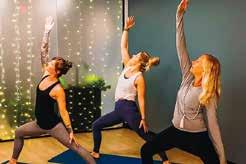
Yen Yoga & Fitness operates as a teacher-based, multidisciplinary fitness studio in downtown Traverse City, offering a welcoming environment where wellness is approached as a personal journey that emphasizes mind, body and spirit. The studio focuses on building community through intentional movement, ethical living and mindful practices designed to support overall well-being.
The studio provides a broad range of classes suited to varying experience levels and wellness goals. Offerings include multiple styles of yoga, Pilates, spinning, meditation, kettlebell training, cardio dance and interval strength training. In addition to regular classes, workshops are hosted on topics related to health, balance and whole living, allowing participants to deepen both physical practice and personal awareness.
Location: 615 E Front St., Inside The Delamar Hotel, Traverse City. For more information, call 231-421-5496 or visit YenYogaFitness.com.

Song of the Morning welcomes spiritual seekers to its serene yoga and meditation retreat center, nestled in 800 acres of pristine forest alongside the Pigeon River in Northern Michigan. Offering a year-round sanctuary, this nonprofit retreat serves individuals from all backgrounds that seek relaxation, spiritual growth and a deeper connection with the Divine.
Founded in 1970 by Yogacharya J. Oliver Black—at the request of his guru, Paramahansa Yogananda—Song of the Morning carries forward a mission of service, simplicity and spiritual awakening. Rooted in the timeless teachings of yoga, the center provides a space for guests to immerse themselves in a balanced yogic lifestyle through personal retreats or guided programs.
Visitors often describe the retreat as an oasis of serenity, where the quiet of the natural surroundings supports introspection, healing and renewal. Whether attending a scheduled retreat or enjoying self-guided time, guests benefit from daily spiritual practices, wholesome vegetarian meals and the supportive energy of a devoted spiritual community.
For more information, call 989-983-4107 or visit SongOfTheMorning.org.
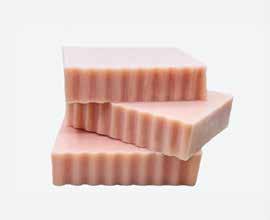
For individuals with sensi tive skin, the daily ritual of cleansing can often feel like a compromise between hygiene and comfort. Harsh chemi cal-laden soaps can strip the skin’s natural barrier, leading to dryness, irritation or even allergic reactions. But there’s a gentler way to cleanse—one that supports both skin health and the environment.

Handmade soaps that are crafted using the traditional hot process method offer a soothing alternative. Unlike mass-produced varieties, these soaps retain natural glycerin, a humectant that draws moisture into the skin. With ingredients like premium plant oils, natural clays, spices and pure essential oils, each bar not only cleanses but nourishes. Free of synthetic dyes and harsh chemicals, they are ideal for those seeking simplicity, purity and a closer connection to nature in their personal care.
NP Home Scent handcrafts each bar in small batches in Northern Florida using all-natural, responsibly sourced ingredients. Their soaps are naturally colored with herbs and spices, hand-poured, hand-cut and made with care to support healthy skin without com promising quality or sustainability.
Wholesale order discounts are provided to local businesses and gift shops. Location: Palm Coast. For more info or to place an order, email NPHomeScent@gmail.com or visit NPHomeScent.com.
relaxation on eye pressure, vessel function and vision.
Twenty-seven adults were randomly assigned to either a one-hour daily reading of a relaxing book or an eye yoga program that included guided eye movements, gentle massage around the eyeball, hand-covering for relaxation and slow-breathing meditation. After one month, the eye yoga group experienced a 6 percent reduction in intraocular pressure. They also improved visual-field measurements and displayed less retinal vessel constriction. Retinal arteries showed mild widening, suggesting improved blood flow, with no adverse events reported. These effects were not observed in the control group. Researchers concluded that this type of eye yoga could be a safe, home-based complement to standard care.
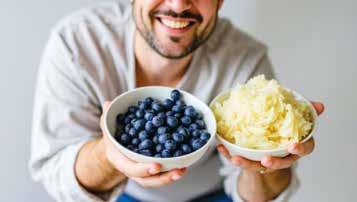
A 2024 randomized, controlled study published in EPMA Journal explored whether a structured “eye yoga” routine could help people with primary, open-angle glaucoma—the most common form of glaucoma that often damages the optic nerve due to increased eye pressure and reduced blood flow. Researchers measured the effects of eye-focused
A 2025 systemic review published in BMC Psychiatry involving 34 clinical trials and more than 3,300 people found that depression symptoms could be effectively treated by targeting gut bacteria with the use of probiotics (beneficial bacteria), prebiotics (nutrients that feed good bacteria) and synbiotics (a combination of both). The therapies were shown to reduce depression scores, increase levels of BDNF (an important protein for brain health) and mitigate systemic inflammation.
Notably, synbiotics exhibited the most pronounced effectiveness, followed by prebiotics and probiotics. Treatment for longer than 12 weeks was not considered helpful. Those without other medical

Bringing back passenger rail to Traverse City and Petoskey from Ann Arbor and Detroit is good for Michigan. TAKE ACTION at GroundworkCenter.org/ a2tc-rail-project/

conditions fared better, while individuals with digestive disorders and pregnant women did not experience the benefits. These findings suggest that enhancing gut health may be a useful complementary tool for depression management.

A 2021 review of 16 studies published in the European Journal of Psychotraumatology found that somatic experiencing, a body-centered therapy for trauma, helped reduce symptoms of post-traumatic stress disorder and also improved emotional and physical well-being. The studies demonstrated notable improvements in anxiety, mood and physical symptoms such as muscle tightness and pain. Benefits were observed in individuals with traumatic histories, as well as those without trauma, suggesting that somatic experiencing may support overall nervous system regulation.
Conceived by Dr. Peter A. Levine, the therapy seeks to address the accumulation of stress, shock and trauma in the body and nervous system. It empowers people to cultivate increasing tolerance for difficult bodily sensations and suppressed emotions by paying close attention to internal sensations, including body tension, breathing patterns and even their heartbeat.
A multisite study published in the Journal of Clinical Oncology involving 587 cancer survivors compared two mind-body programs: Mindfulness-Based Cancer Recovery (MBCR), which incorporates meditation and awareness practices, and Tai Chi/Qigong (TCQ), which uses gentle, slow movements to promote relaxation and balance. The participants—mostly women around age 61—selected their preferred program or were randomly assigned if they had no preference. The most prevalent cancer types among them were breast, prostate and gastrointestinal.
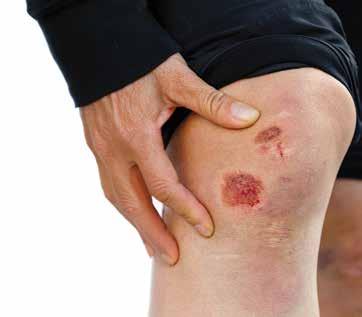
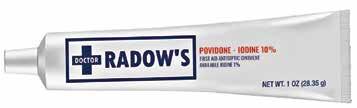
When it comes to cuts, scrapes, burns, or surgical wounds, you need a solution that’s both effective and gentle. Doctor Radow’s Povidone-Iodine Ointment is the clear choice over triple antibiotic ointment (TAO):
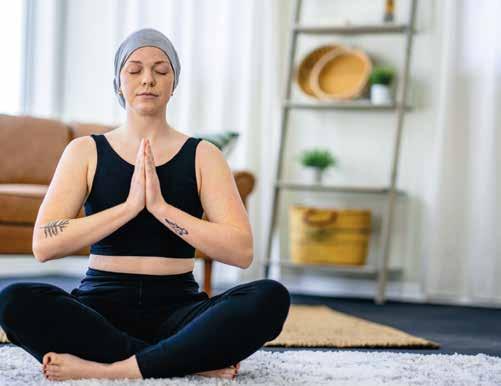
Both MBCR and TCQ demonstrated a positive impact on mood scores, surpassing those observed in the control group. Notably, TCQ produced the most relief from anger and depression, as well as an increase in energy levels. MBCR proved particularly effective in reducing tension and anxiety, although it did not significantly affect depression. Neither program exhibited any effect on confusion or fatigue, and the selection of a preferred program did not influence the outcomes.
FEATURE
Anti-Fungal
Effective Against MRSA
Post-Surgery Application
Recommended for Diabetics
Long-Term Use (Sustainability)
Emergency Use (Hospitals) Contains Antibiotics



by Shae Marcus
Before we crave a getaway, we often crave a landscape: a forest, water, open sky. Something in us knows what we need long before we can explain it.
The pull toward nature is rarely random. When the heart feels tired or overwhelmed, it instinctively reaches for places that offer steadiness and relief. This is where mindful travel begins—not with a destination, but by listening for the environment that feels most supportive right now.
Forests offer a deep sense of safety. Their quiet, filtered light and steady rhythm help the nervous system soften. Time among trees slows breathing and creates a feeling of being held. Forest retreats and woodland stays are often especially nourishing during periods of grief, emotional overload, or burnout—when the heart needs calm more than stimulation.
Water speaks to release. Oceans, lakes, rivers and hot springs invite movement and flow, helping emotions soften and shift. Many people feel lighter near water, as if it gently carries what they’ve been holding. Coastal escapes and lakeside retreats naturally support reflection, renewal and emotional clarity.
Mountains offer perspective. Their vastness creates space between us and our worries, reminding us that not everything needs immediate resolution. Mountain journeys often support insight, strength, and renewed direction, especially when the heart feels uncertain or burdened by decisions.
Wide open landscapes—fields, deserts, expansive horizons—restore breath and possibility. These environments are particularly nurturing when life feels constricting, offering the heart room to expand again.

What makes nature-centered travel so powerful is its simplicity. These landscapes do much of the work for us. We don’t need packed schedules or constant activity. Walking, sitting, breathing and noticing are often enough to help the heart find its rhythm again.
These journeys don’t have to be far away. A local retreat tucked into the woods, a nearby shoreline stay or a short mountain escape can be just as nourishing as traveling across the world. What matters most is not distance, but alignment.
Before planning one’s next trip, consider asking a gentler question: What kind of landscape is calling me right now? When nature leads, travel becomes less about escape and more about returning—to steadiness, clarity and a heart that feels supported once again.
www.Retreat.Guru – A directory of wellness and nature-based retreats searchable by location and setting.
www.BookRetreats.com – A platform for discovering local and global retreats rooted in mindfulness, yoga and restoration.
Shae Marcus, is founder of the 11:11 Experience, which creates intentional journeys where nature, movement and connection meet—inviting women to travel with purpose, presence and a deeper return to self. For more information, visit The1111experience.com.

Cancer cells flourish in acidic conditions and struggle to survive in a balanced, slightly alkaline body that is more oxygenated. Diets high in processed foods, sugars and meats increase acidity, while vegetables, fruits and mineral-rich water promote alkalinity. Taking a teaspoon of baking soda three times a day has been a long-time lowcost way to fight cancer by increasing alkalinity.
CancerFightingStrategies.com, on their pH and Cancer page, covers unique supplements few have heard of for powerfully improving pH and fighting cancer. For example, MetOH is a safe-to-use OH water concentrate with a pH of 11 that is 3 times more powerful than baking soda at increasing alkalinity.
Cancer cells make the environment around them acidic by pumping out the lactic acid they produce. This makes close-by normal cells more likely to turn cancerous and protects cancer cells from immune system detection. GetHealthyAgain’s BLA elixir is a unique way to alkalinize the area around cancer cells. Where you need it the most.
BLA uses frequency instructions to prevent the release of lactic acid from cancer cells.
They produce lactic acid when they metabolize glucose. Stopping this release reduces acidity outside the cancer tumor and protects nearby cells from turning cancerous. Less acidity, more oxygen. Better still, it makes cancer cells too acidic as their lactic acid builds up in them. The more it does, the sicker and weaker they become, and the easier they are to kill.
If you have cancer, it makes sense to change your internal pH around the cancer to create an environment where cancer cannot easily survive.
Location: Grand Rapids, MI. For more information, visit CancerFightingStrategies. com. See ad, this page. For orders, go to Get HealthyAgain.com.
Disclaimer: These statements have not been evaluated by the Food and Drug Administration. The products and information contained herein are not intended to diagnose, treat, cure or prevent any diseases or medical problems. It is not intended to replace your doctor’s recommendations. The information is provided for educational purposes only. Nutritional benefits may vary from one person to another.
by Hannah Tytus
Ahealthy heart is built from the inside out. Each day presents opportunities to nurture vitality through dietary choices, physical activity, restful periods, social connections and personal fulfillment. These ordinary decisions profoundly impact the long-term trajectory of cardiovascular well-being.
According to the World Health Organization, cardiovascular disease is the leading cause of death worldwide, accounting for 32 percent of global fatalities and affecting families across diverse communities. The U.S. Centers for Disease Control estimates that one in three deaths in the United States can be attributed to this devastating disease. Behind these sobering statistics lies the reassuring fact that small, daily choices can help protect the heart.

in cardiology and functional medicine. Her expertise lies in heart disease prevention through holistic, lifestyle-driven care. She is the author of a forthcoming book, Longevity Code: How to Age-Proof Yourself for Optimal Health.
A proponent of the Mediterranean Diet, Druz encourages patients to build a way of eating that feels natural, flavorful and balanced. She emphasizes the significance of meal timing and its alignment with a person’s circadian rhythm. She also often recommends moderate intermittent fasting, as long as it is done safely, sustainably and personalized to the individual.
According to Druz, dietary changes are most powerful when they are part of a larger, three-pillared foundation that includes exercise, nutrition and sleep. She discourages people from searching for a single magic bullet and instead invites them to build a way of eating that feels natural, flavorful and balanced.
Heart-Healthy Foods. Among the most studied heartsupportive eating strategies are the Mediterranean Diet and the Dietary Approaches to Stop Hypertension (DASH) Diet, which help regulate cholesterol levels and reduce inflammation. Both emphasize the consumption of vegetables, fruits, whole grains and nuts, while limiting saturated fat and processed meats. Additionally, eating fatty fish provides whole-food omega-3 fatty acids, which have been shown to be more effective than comparable supplements in supporting heart health, according to a 2018 study published in JAMA Cardiology.
Dr. Regina Druz, based on Long Island, New York, is the founder of Holistic Heart Centers of America and a board-certified specialist
Mindfulness and Mood. The intricate connection between the mind and heart is often underestimated. Chronic stress can elevate blood pressure and induce inflammation, placing a burden on the cardiovascular system. Stress reduction does not have to be complicated. Even a few minutes of mindful breathing or meditation can shift the body into a more relaxed state, offering the heart a small but meaningful reprieve.
Mindful awareness practices appear to have favorable effects on blood pressure, cortisol levels and inflammatory markers, suggesting that everyday mind-body tools can provide meaningful support. A 2007 report published by the Agency for Healthcare Research and
Quality found that Transcendental Meditation (TM), qigong and Zen Buddhist meditation yielded modest reductions in high blood pressure. A 2019 meta-analysis of TM for heart disease demonstrated improvements in blood pressure levels.
Biofeedback involves measuring bodily functions, particularly heart rate variability, to enable individuals to consciously alter these functions. It can track how slow breathing techniques help the heart relax. Notably, biofeedback has been shown to be effective in lowering blood pressure levels, according to a 2024 meta-analysis study published in Nature
is integral to heart health. A 2017 study published in Chest reports an association between insomnia and cardiovascular disease, including high blood pressure and heart failure. Furthermore, a 2011 study in Circulation demonstrates a link between insomnia and a moderately increased risk for a heart attack.
Druz collaborates with sleep specialists that use wearable technology, such as the SleepImage device, to assess sleep quality in real time. She has observed that even modest adjustments to sleep habits can yield significant improvements—from changing sleep positions and recalibrating room humidity to optimizing sleep times and reorienting bed pillows. By tracking sleep patterns over time, individuals can identify subtle shifts that contribute to a quantifiably better night’s rest.
Regular physical activity remains a cornerstone in reducing cardiovascular risk. The 2004 INTERHEART study, involving nearly 30,000 participants from 52 countries, revealed that moderately intense exercise for four or more hours per week reduced the risk of a heart attack by 12.2 percent.
A 2011 cohort study published in Lancet involving more than 400,000 participants showed that engaging in as little as 15 minutes of daily physical activity can reduce the
risk of mortality by 14 percent and extend life expectancy by an average of three years. Each additional 15-minute interval can further decrease mortality across all age groups, including individuals with preexisting cardiovascular disease.
High-intensity interval training (HIIT) has emerged as an effective regimen for promoting cardiovascular fitness. According to Druz, HIIT maximizes VO2 max (the maximum volume of oxygen a body can use during intense exercise), a key indicator of cardiovascular health and strong predictor of longevity. However, she acknowledges that HIIT may not be accessible to everyone because it alternates short periods of intense, explosive exercise with brief recovery periods to the point of exhaustion.
In such cases, she recommends incorporating “exercise snacks” into daily routines, which involve brief bursts of movement throughout the day. Walking the dog, carrying groceries, completing household
chores or simply standing more frequently can contribute to a less sedentary lifestyle. These accessible steps make it easier to integrate movement into daily living.
Nature’s Rewards. Spending time outdoors provides more than aesthetic appeal and access to fresh air. Living closer to nature has been linked to lower incidences of cardiovascular disease, stress, diabetes and stroke. Exposure to green space is associated with lower blood pressure, improved heart rate variability and reduced cardiovascular mortality. A 2016 study in Nutrition, Metabolism and Cardiovascular Diseases involving nearly 12,000 participants observed that the more recreation time someone spends outdoors, the less likely they are to die of cardiovascular disease.
Outlook influences physiology. Positive emotions, optimism and life satisfaction are associated with lower rates of cardiovascular disease and reduced mortality. The American Heart Association (AHA) notes that compared to pessimistic individuals, optimistic people have better vascular health, fewer heart attacks and lower cardiovascular mortality. Among individuals with established disease, those
that are optimistic about their treatment and recovery often experience better rates of long-term survival and enhanced function.
Optimism is a skill, not a fixed trait. The AHA identifies Type D (or “distressed”) personality traits, characterized by negative emotions and increased self-criticism, as being linked to poorer cardiovascular outcomes. Encouragingly, Type D individuals often respond favorably to cardiac rehabilitation programs that combine physical activity with counseling and psychological support.
Volunteer work also contributes to well-being. A 2017 study in BMC Public Health determined that regular volunteering is associated with enhanced self-rated health and reduced mortality. Older adults that engaged in volunteer work at least 200 hours per year experienced a 40 percent reduction in hypertension over a four-year period.
These findings underscore the significance of joy and purpose in human life. They are integral to the biology of the heart. When individuals cultivate a more compassionate perspective toward themselves and others, their hearts experience a measurable positive impact.
Relationships exert a powerful influence on
health. In a 2016 meta-analysis study published in Heart, researchers determined that poor social relationships were associated with a 29 percent increased risk of cardiovascular disease and a 32 percent increased risk of stroke. Humans are inherently wired for connection, and extended loneliness can have measurable physiological consequences.
“We need each other,” Druz emphasizes. “We are living in a sea of loneliness, and loneliness can be a hugely impactful factor on health.” Making time for family, friendships, community groups or new social circles fosters both emotional well-being and heart resilience.
Cardiovascular health encompasses not only disease prevention, but also the cultivation of a lifestyle that enhances vitality, connection, rest and overall well-being. These choices do not need to be drastic. Incorporating more green vegetables, spending more time in the sun, taking a moment to breathe mindfully, taking a short walk outside, getting a good night’s sleep and reaching out to loved ones can collectively contribute to a foundation that can extend life expectancy and enhance the quality of life.
Hannah Tytus is an integrative health coach, researcher and content creator at KnoWEwell, P.B.C., and former writer at the National Institutes of Health.


by Marlaina Donato
In the depths of winter, our sorrow, disappointment and old longings can feel heavier, making us question if sunlight will ever return to our hearts. Like a bare February landscape, pain strips us to the honest bone.
Kintsugi, the Japanese art of mending broken pottery with precious metals like gold, serves as an inspiration for life. When our joy or stability shatters, we can transform the remaining pieces into something beautiful. Our hard-earned wisdom, self-compassion and unwavering faith act like precious metals, softening the edges and filling the deep cracks of our brokenness.
Witnessing a loved one fall apart is challenging, but sometimes our greatest act of support is allowing them the space to
unearth the metaphorical gold needed for their own repair. Healing is a private and unique journey into the deep self, enabling the art of being fully human.
“In three words I can sum up everything I’ve learned about life: It goes on,” said poet Robert Frost, who endured the unspeakable loss of both parents at a young age, as well as the deaths of his wife and four of their six children. Like Frost, who turned tragedy into an artistic legacy, we can cultivate new life from our barren seasons and ruined harvests. We can take our darkest hours in hand to become mended vessels capable of holding future joy.
To embody the ancient metaphorical art of Kintsugi, consider these inspirations:
• Handwrite your losses on one piece of paper and the things that remain on another. Frame the latter and place it somewhere as a daily reminder.
• Tear heavy craft paper into large pieces; write a loss on each one, then reassemble the pieces. Pour metallic paint between the seams, let it dry and frame under glass as an art piece.
• Visualize being a tree with deep roots reaching into an underground river of gold, drawing up nourishment.
Marlaina Donato is an author, artist and composer. Connect at WildflowersAndWoodSmoke.com.
by Sandra Yeyati
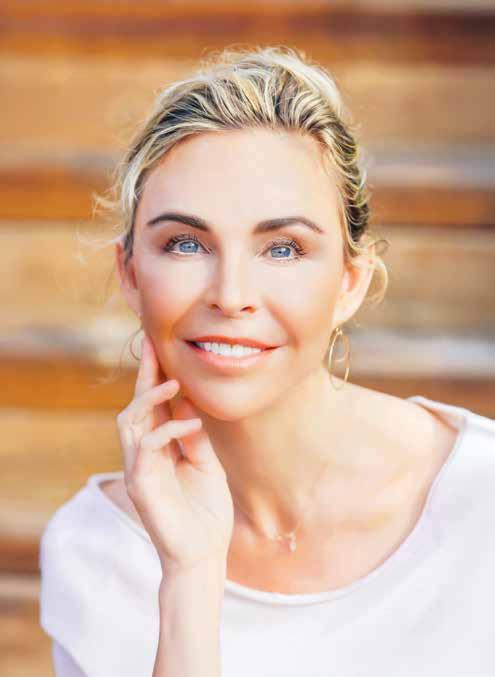
Shauna Shapiro, Ph.D., is a clinical psychologist and professor at the Santa Clara University School of Education and Counseling Psychology, in California. An internationally recognized expert in mindfulness and compassion, she has authored more than 150 peer-reviewed papers and three critically acclaimed books that have been translated into 19 languages. Her TEDx talk, The Power of Mindfulness, has garnered more than 3.5 million views.
A sought-after keynote speaker, Shapiro has presented her research at esteemed academic institutions such as the Stanford School of Medicine, Harvard Law School and Oxford University, as well as global forums, including the World Council for Psychotherapy and the World Happiness Summit. She has delivered evidence-based mindfulness training to Fortune 500 companies like Google, Cisco Systems and LinkedIn, and her work has been featured in media outlets, such as The Wall Street Journal, Harvard Business Review and Forbes. Shapiro has even been invited to share her expertise with His Holiness the Dalai Lama, the King of Thailand and the Danish government.
This conversation features topics explored in her national bestseller Good Morning, I Love You: Mindfulness and Self-Compassion Practices to Rewire the Brain for Calm, Clarity and Joy.
How do you define self-compassion?
Self-compassion involves treating ourselves with the same kindness, understanding and
support we would offer a dear friend, even when we’ve made a mistake. Most of us are overly critical and judgmental of ourselves. The idea is that we are worthy and deserving of love and acceptance, no matter what. We don’t have to prove ourselves or achieve certain goals to earn love.
Scientific research has demonstrated that when we shame and judge ourselves, it shuts down the learning centers of the brain. Self-compassion leads to the release of oxytocin, the hormone of safety and soothing, as well as dopamine, which turns on the learning centers of the brain. This neurochemical soup of safety and kindness ultimately enhances our ability to learn and improve.
How can we cultivate self-compassion?
Neuroplasticity is the most hopeful message we’ve had in brain science in the last 400 years because it shows that the brain is always changing and that it’s never too late to change. Self-compassion isn’t something that just happens overnight. It’s something that we have to practice.
I have a three-step mindfulness approach. The first step is acknowledging and identifying the source of pain, such as fear, frustration or sadness. The second step is to
bring kindness to yourself like you would offer a distressed friend.
The third step, called common humanity, is a little complex. Typically, when we experience pain, we tend to isolate, thinking, “I’m the only one going through a divorce” or “I’m the only one who’s lonely.” But that’s not true. The third step of self-compassion practice is to recognize that you are not the only one having this experience. By extending compassion to those suffering in similar ways, you can then internalize and assimilate that compassion for yourself.
Can you explain your “Good Morning, I Love You” practice?
During my divorce with a 3-year-old son, I grappled with significant shame and negativity. My teacher said, “What you focus on grows stronger. You’re practicing a lot of anger, self-judgment and doubt. It would be helpful to practice some compassion.” She suggested I start saying, “I love you, Shauna” every day. But I felt it was contrived and inauthentic, so she proposed simply saying “Good morning” upon waking.
The following day, I took a deep breath, put my hand on my heart, and said, “Good morning.” It was kind of nice.



Instead of the shame, fear and judgment, I felt this flash of kindness, so I continued to practice it.
That year, I found myself alone on my birthday for the first time in my life. My son was with his father, and I was at the Esalen Institute in Big Sur, California. As I awoke, I remembered my recently deceased grandmother, who had always been an embodiment of unconditional love. Before I knew it, I said, “Good morning, I love you. Happy birthday!” I felt my grandmother’s love, followed by this flood of self-love and compassion for the first time in my adult life.
I’ve been practicing this ever since. Every morning when I wake up, I say, “Good morning, I love you.” Sometimes I feel it. Sometimes I don’t. The point is just to keep planting the seeds—to practice—and what you practice grows stronger. Self-compassion is like a muscle that you’re strengthening. It’s not something that comes easy. You’ll still feel self-judgment and self-doubt at times, but you’re making a commitment to continue to grow toward self-compassion. Practice is what transforms us.
Sandra Yeyati is national editor of Natural Awakenings.



by Marlaina Donato

Fresh garlic is a pungent delight that can jazz up any meal, from hearty winter stews to sautéed vegetables on a bed of healthy grains. Allicin, the compound that gives crushed garlic its distinctive smell, protects the plant from pests and offers humans many health benefits, acting as an antioxidant, antimicrobial and anti-inflammatory agent; improving gut balance; and supporting cardiovascular and immune health.
Research published last year in Nutrition Reviews indicates that consumption of garlic significantly improves key cardiovascular risk markers, including cholesterol and blood sugar levels, blood pressure, oxidative stress and inflammatory biomarkers. In a 2022 article, the Cleveland Clinic suggests that red blood cells respond to the sulfur in garlic by creating nitric oxide and hydrogen sulfide gases, which relax and expand blood vessels. A 2019 meta-analysis of clinical trials published in Experimental and Therapeutic Medicine concludes that supplementation with an aged garlic extract offers similar results to blood pressure-lowering medications. While more research is needed to understand the full-spectrum potential of this kitchen staple, regularly spicing up meals with a clove or two can foster better health.
Mincing, grating or pressing garlic intensifies its pungency, waking up ordinary steamed vegetables when tossed with olive oil or spicing up homemade hummus. Whether regular grocery store-bought, traditional heirloom or locally grown, garlic offers benefits, but following a few easy tips ensures that its nutritious perks remain intact.
According to Natalie Ledesma, a board-certified oncology dietitian and the founder of Natalie Ledesma Integrative & Functional Nutrition Consulting, in San Francisco, it is best to allow chopped or crushed garlic to sit for about 10 minutes before consuming it, cooking with it or adding it to vinaigrettes or other salad dressings. This waiting period maximizes the formation of allicin. Notably, the acidic nature of vinegar or lemon juice compromises allicin’s stability.
“If you compare raw garlic to garlic that has been cooked by various methods, you can see dramatic drops in allicin, one of the purported
active ingredients,” advises Dr. Michael Greger, founding member of the American College of Lifestyle Medicine and author of several national bestsellers, including How Not to Die, The How Not to Die Cookbook and How Not to Age
If garlic must be cooked, he suggests roasting to retain vital qualities that are quickly lost through simmering, high-heat stir-frying and boiling. “It is simple to prepare and can be used to add flavor to almost any dish,” he explains. “After roasting the garlic, you can also puree it in a blender or food processor until smooth, then portion and freeze it for future use.” A head of roasted garlic yields about one-and-a-half to two tablespoons of a delicious paste, which can be slathered on warm bread or sandwiches, whipped into zesty dips, and stirred into creamy mashed potatoes or a bowl of pasta.
“There are other beneficial compounds in garlic that are not deactivated by heat. They include ajoene, diallyl disulfide, diallyl trisulfide and S-allyl cysteine, which have anti-inflammatory and anti-clotting benefits,” advises Dr. Joel Fuhrman, a board-certified family physician, president of the Nutritional Research Foundation and author of several bestsellers, including his Eat to Live Cookbook
Garlic should be avoided by anyone on pharmaceutical or herbal blood thinners. For those that experience stomach or intestinal upset, Ledesma suggests removing the green sprout inside the garlic clove, a prime culprit for indigestion, or eating only the garlic scapes (the curly green flower stalks that
grow on the garlic plant), which are generally well-tolerated.
For less discomfort and added convenience, Fuhrman endorses dehydrated raw garlic granules, noting that they will soften, expand and partially cook when sprinkled over veggies as they are steamed in a pot, enhancing its digestibility.
When purchasing garlic, choose intact heads that are firm to the touch, have plump cloves and do not have a strong odor of garlic—an indication of damage and loss of vital benefits. After chopping or peeling, rubbing cutting boards and hands with fresh lemon juice will remove the pungent garlic aroma.
Marlaina Donato is an author, painter and composer. Connect at WildflowersAndWoodSmoke.com.
*Makes 30 cookies*
1/2 Cup Unsalted Butter, at room temperature
1/2 Cup White Sugar
1/2 Cup Granulated Brown Sugar 1 Large Egg 1 Teaspoon Premium Vanilla Extract, Madagascar 1 1/4 Cups All-Purpose Flour 1/2 Teaspoon Baking Soda 1/4 Teaspoon Kosher Sea Salt Flakes 1 1/2 Cups Dark Chocolate, chopped 1 Tablespoon Smoked Sea Salt






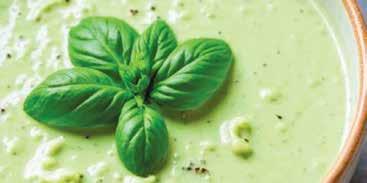
1 12.3-oz package of silken tofu
½ cup water
¾ cup fresh basil, chopped
4 Tbsp nutritional yeast
3 Tbsp gluten-free tamari
1 Tbsp lemon juice
2 cloves garlic, minced
¾ tsp black pepper
Blend all ingredients together in a blender or food processor. Serve over pasta, vegetables or a baked potato.
Recipe courtesy of Natalie Ledesma.

½ cup balsamic vinegar
Juice of 1 freshly squeezed lime
½ cup extra virgin olive oil
1 Tbsp maple syrup or honey
1 fresh garlic clove, minced or grated
½ tsp sea salt or smoked salt
¼ tsp freshly ground black or white peppercorns
Combine all ingredients and hand-whisk until well blended. Drizzle vinaigrette over green salads, potato salad, cold green beans, or grilled tofu or shrimp. Store remainder in the refrigerator for up to 1 week.
Recipe courtesy of Marlaina Donato.



YIELD: 1½ TO 2 TBSP OF GARLIC PASTE
1 whole head of garlic or more
Preheat the oven to 400° F.
Use a sharp knife to cut about ⅓ inch off the top of the whole head of garlic to expose the tops of the garlic cloves. Place the bulb inside a terracotta garlic baker or wrap it securely in parchment paper.
Bake in the oven, cut side up, for 30 to 40 minutes or until the garlic cloves are soft. Remove from the oven and open the garlic baker or parchment paper to let the garlic cool.
Remove one garlic clove and squeeze it over a small bowl, allowing the soft, roasted garlic to slip out of the papery skin. If it is not soft and golden brown, return the rest of the bulb to the garlic baker or rewrap it in parchment paper and bake for a few more minutes.
When the garlic is soft inside and cool enough to handle, squeeze out each roasted garlic clove into the bowl. It is now ready to enjoy. To give it a uniform texture, mash it with a fork or puree it in a food processor.
Tip: Roasted garlic can be stored in the refrigerator in a jar or other container with a tight-fitting lid for up to 5 days or portioned and frozen for up to a month.
Recipe courtesy of Dr. Michael Greger.


by Hannah Tytus
Because heart disease is the leading cause of death in the United States, management of its risk factors, including high blood pressure and high cholesterol, is paramount. “It is easier and more meaningful to prevent disease than to try to reverse the damages,” says Joel Kahn, M.D., a holistic cardiologist, clinical professor of medicine at the Wayne State University School of Medicine, in Detroit, and author of several books, including The Whole Heart Solution and The Plant-Based Solution.
An integrative approach that combines nutrition, exercise, stress reduction and proper sleep is advised. Additionally, certain herbs and nutritional supplements may serve to prevent disease, as well as enhance medical care. From ancient botanicals to targeted nutrients, these natural allies offer powerful
benefits by lowering blood pressure and cholesterol, improving circulation and reducing inflammation.
The Mediterranean Diet and the Dietary Approaches to Stop Hypertension (DASH) Diet are the most researched for cardiovascular health. The Mediterranean Diet emphasizes locally sourced vegetables, fruits, whole grains, legumes, olive oil, nuts and seafood, with moderate consumption of meat and dairy. The DASH Diet, designed by researchers at the National Institutes of Health, prioritizes fruits, vegetables, whole grains, lean proteins and low-fat dairy, while limiting sodium, sugar and saturated fat intake. Both diets are well-supported by scientific evidence to improve heart health and reduce cardiovascular disease risk.
When supplements are warranted, Kahn starts with the basics. “CoQ10 and omega-3s are two very important supplements that work well together,” he asserts. “Most patients on statins [to lower cholesterol] become severely CoQ10 deficient.” CoQ10, a naturally occurring coenzyme, aids in cellular energy production. A 2017 study showed that combining CoQ10 and omega-3s with statins reduced the drug’s negative effects while still lowering blood pressure and cholesterol.
Claudia Joy Wingo, a registered nurse, clinical herbalist and public health educator with more than 45 years of experience, stresses the importance of a nutrient-rich diet over supplements. She prefers whole foods to fish oil supplements. While supplementation can be beneficial, it should ideally accompany whole foods. CoQ10 and omega-3 fatty acids can be found in fatty fish, olive oil and a variety of nuts and seeds.
Emphasizing the importance of addressing underlying vascular issues, Wingo explains, “High blood pressure damages epithelial tissue in your arteries, and your body patches things up by laying down cholesterol and plaques.” Ruptured plaques can block blood flow, causing heart attacks. According to Wingo, the best strategies integrate biomedicine with nutritional and herbal support. Medications control blood pressure, while herbs nourish the surrounding tissue. Many herbs contain antioxidants that fight oxidative stress and anti-inflammatory compounds that may prevent artery damage and atherosclerosis.
Aged Garlic: Although garlic has been used for centuries, modern research has focused on aged extracts specifically for
cardiovascular support, which “lower cholesterol, blood pressure, homocysteine and plaque in heart arteries,” according to Kahn.
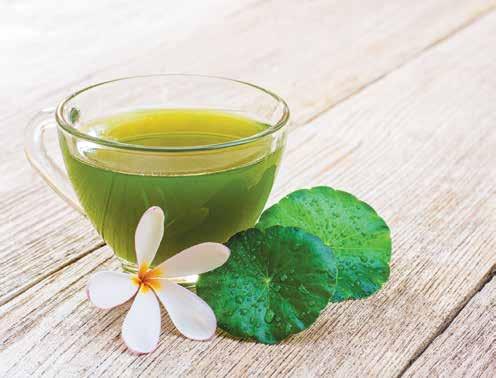
Pycnogenol (French maritime pine bark extract) and Gotu Kola (Centella asiatica): Kahn recommends combining these two botanical supplements, noting that clinical studies show this pairing can reduce vascular calcifications by approximately 10 percent. Wingo uses gotu kola daily as a tonic herb, adding it to teas for its nervous system-supportive properties that promote mental calmness, improve blood circulation and strengthen blood vessel walls.
Hawthorn: A member of the rose family, hawthorn is Wingo’s most trusted plant for cardiovascular health. Historically used as a heart tonic, it benefits the heart and blood vessels by reducing inflammation and oxidative stress, supporting healthy cholesterol levels and protecting the lining of blood vessels. A 2023 review published in Food & Function suggests it may improve circulation, relax blood vessels and prevent the clumping of blood platelets that can lead to clots. Consult with a healthcare provider before starting hawthorn supplements, as it can interact with certain heart medications.
L-Carnitine: To treat people recovering from a cardiac event or those with an arrhythmia or irregular heartbeat, Wingo often turns to L-carnitine, which, she asserts, supports the heart’s mitochondria, thus improving their ability to produce energy.
Ginkgo Biloba: To promote circulation and reduce the risk of plaque-related complications, Wingo occasionally turns to ginkgo biloba to enhance blood flow and help stabilize arterial plaque, lowering the likelihood of rupture.
Polyphenol-Rich Plants: Wingo recommends plants rich in polyphenols for their ability to reduce oxidative stress, including blueberries, cranberries and green tea. For “nervous heart” symptoms, she suggests linden tea, which is used in Europe as a calming agent.
Both experts stress the importance of personalized, guided care. Instead of following online supplement trends, work with a trained professional to create a targeted plan. Kahn points out that many popular supplements lack significant research and advises choosing reputable, third-party-tested brands. Wingo shares similar concerns about self-medicating with multiple herbs that do not suit the patient’s condition. She emphasizes that herbs should complement, not replace, conventional medicine, and they are most effective when used with prescribed treatments.
Their advice is clear: Research thoroughly and seek the advice of an experienced clinician, such as a naturopath or an herbalist registered with the American Herbalists Guild. It is also important to consult the patient’s treating cardiologist when considering an herb or supplement, as they may interfere with heart medications or cause unintended side effects that are counterproductive.





Hannah Tytus is an integrative health coach, researcher and content creator at KnoWEwell, P.B.C., and former writer at the National Institutes of Health. 02/28/26


by Zak Logan
According to the World Health Organization, the combined effects of household and ambient air pollution from particulate matter, ozone, carbon monoxide and burning fuels are associated with 6.7 million premature deaths annually. Air pollution can trigger or worsen asthma, chronic obstructive pulmonary disease, lung infections, cardiovascular disease, cognitive issues and reproductive problems like low birth weight and birth defects.
“While most people think of highways and factories, many of the biggest contributors to everyday air pollution start at home. Gas stoves, wood-burning fireplaces, scented candles and household cleaning sprays can all release harmful pollutants into the air, even when used in moderation,” states David Lu, co-founder and CEO of Clarity
Movement Co., an environmental technology company based in Berkeley, California.
Lu notes, “The decisions people make every day—what they drive, how they cook, the products they use in their homes—shape the quality of the air they and their neighbors breathe.” Although the development of cleaner technologies and fuels is paramount, each individual can also be a catalyst for positive change.
Indoor air quality has significantly deteriorated in recent decades due to synthetic building materials, chemical-laden personal care products and toxic household cleaners, compounded by energy-saving construction practices that can actually
compromise air-exchange systems and lead to the accumulation of particulate matter (PM). PM, or soot, is a complex mixture of tiny particles and liquid droplets that can penetrate the lungs and bloodstream, causing inflammation and oxidative stress, adversely affecting vital organs.
According to the U.S. Environmental Protection Agency (EPA), PM can enter indoor spaces through ventilation, open windows and small cracks in the building envelope. “Particle pollution is made up of several components, including nitrate, ammonium and sulfate compounds, organic compounds, metals, and soil or dust particles,” explains EPA Press Secretary Carolyn Holran. “It can be directly emitted or can form when gases emitted from power plants, industrial sources, automobiles and other sources react in the
air. The reverse—indoor air sources contributing to outdoor air pollution—can also be significant, particularly in densely populated areas.”
Brian Christman, M.D., professor of medicine at Vanderbilt University and national spokesperson for the American Lung Association, highlights radon as the most overlooked indoor pollutant and second-leading cause of lung cancer after smoking. This radioactive, odorless gas can accumulate indoors. The EPA recommends radon testing, followed by professional mitigation for high levels.
Christman suggests avoiding volatile organic compounds (VOCs) from household items like furniture; wood- and coal-burning stoves, fireplaces and heaters; engineered wood and synthetic flooring; and new carpeting. Other sources of VOCs include tobacco smoke, interior paints, nail polish remover, chemical air fresheners, scented candles, cleaning sprays, perfumes and dry-cleaned clothing.
Holran warns of the short- and long-term adverse health effects from VOCs, particularly for children, the elderly and individuals with preexisting respiratory issues. “These pollutants can linger indoors long after the activity is complete, especially in poorly ventilated areas,” she explains.
Lu underscores the toxic impact of idling cars and gas-powered lawn equipment such as mowers and leaf blowers. “These sources may feel small in isolation but collectively have a measurable impact,” he laments. Idling vehicles release toxins linked to serious health effects. According to the EPA, monitoring at schools has revealed high levels of benzene, formaldehyde and acetaldehyde during school pickups. Turning off engines when idling more than 10 to 30 seconds helps. The agency also offers an Idle-Free Schools Toolkit for schools to follow.
An affordable air pollution monitor can assess home air quality, detecting pollutants like PM and carbon monoxide. Holran recommends heat recovery ventilators and energy recovery ventilators to exchange indoor pollutants with fresh air while saving energy.
Christman suggests using heating, ventilation and air conditioning (HVAC) systems on the recycle or recirculation setting to minimize the entry of poor outdoor air; scheduling annual HVAC maintenance; and keeping basements and bathrooms dry to prevent mold. He also advocates for eco-friendly cleaners and plain soap and water.
Ultimately, small changes can yield significant results. “Start by identifying habits that don’t actually serve you,” says Lu. “Do you need to idle the car while waiting? Could an air purifier replace a scented air freshener? Is that gas-powered leaf blower really essential? The cleanest choice often isn’t harder—it’s just different.”



Health!
4G/5G Cell Towers/Antennas; small cell nodes, repeaters, Smart Meters; electric, gas & water, Cell/cordless phones, WiFi, Bluetooth, Computers & Smart devices. Make your Home environment healthier today.
Itching/burning skin, Digestive upset, Breathing distress, Headaches, Nerve pain, Tinnitus, Trembling, Brain fog, Agitation, Blood Sugar & Hormonal imbalance
The is often THE MOST AFFECTED organ! Exposure to EMFs induced pain or pressure in the chest area, heart palpitations and/or an irregular heartbeat. Symptoms may resemble or contribute to a Heart Attack.
Zak Logan is a freelance writer dedicated to healthier living. Call (231) 714-0477 for a FREE phone consult or home survey

by Ruth Roberts, DVM, CVA, CVH, CVFT, NAN
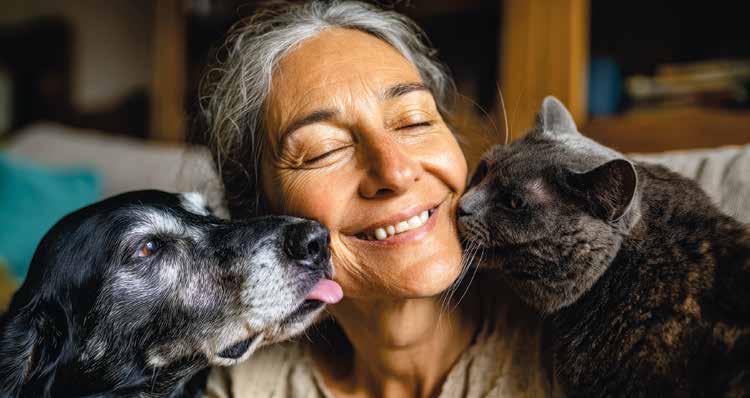
As dogs and cats age, their joints can gradually degenerate, causing stiffness and pain. Instead of vocalizing their discomfort, animals tend to alter their movement patterns and behaviors. Signs may include hesitation on stairs, stiffness after rest, or reluctance to jump or remain active. While conventional medications such as non-steroidal anti-inflammatory drugs are commonly prescribed, they are not the sole best, long-term solution. Natural and integrative therapies can complement standard veterinary care, assisting pets in maintaining comfort and mobility in everyday life.
The most common cause of joint stiffness in older pets is osteoarthritis, a form of cartilage degeneration that can arise from aging, past injuries, excessive body weight, prolonged overuse or poor joint structure, such as hip
or elbow dysplasia, where the joint surfaces do not fit properly. As the cartilage thins, the joint becomes inflamed and painful, leading to decreased movement, muscle loss and further stiffness.
In the 2017 review article “Physical Rehabilitation for the Management of Canine Hip Dysplasia” published in Veterinary Clinics: Small Animal Practice, orthopedic surgeon David Dycus and colleagues highlight the significant impact of osteoarthritis on mobility, particularly in large-breed dogs. They stress the importance of using appropriate support strategies to preserve comfort and mobility. A comprehensive treatment plan may combine medication, weight management, supervised exercise, rehabilitation and complementary therapies such as ice and heat application, massage, acupuncture and other physical modalities.
These restorative therapies work best when veterinarians coordinate their administration within a comprehensive and individualized treatment plan.
Acupuncture has been shown to help alleviate pain and inflammation in pets affected by chronic or mobility-related conditions. This traditional Eastern medicine practice involves inserting needles into specific acupoints to influence nerve pathways, circulation and pain processing. A 2017 prospective study published in The Canadian Veterinary Journal examined 181 dogs with neurological or musculoskeletal disease. Dogs receiving acupuncture exhibited a reduction in chronic pain. A 2023 meta-analysis of 21 animal studies in Frontiers revealed that acupuncture treatment for arthritis increased tolerance to pain and reduced joint swelling.
Underwater treadmill therapy is especially useful for dogs with hip dysplasia. The buoyancy provided by the water supports much of the dog’s weight, resulting in less painful movement, while simultaneously strengthening muscles. Dycus notes that when the water is elevated to hip level, dogs can bear approximately 38 percent of their body weight on their limbs, enabling them to engage in range of motion and endurance exercises without straining their affected joints.
Massage therapy was found to be effective in lowering pain scores and boosting the frequency of positive quality-of-life ratings in 527 dogs with chronic pain, according to a 2021 cross-sectional study published in Veterinary Record
Therapeutic, or cold, laser therapy uses specific light wavelengths to reduce pain, support tissue repair and minimize inflammation. Clinicians apply the laser to designated regions during brief, generally well-tolerated sessions. Over a series of treatments, some pets exhibit a smoother gait and greater willingness to move. Owners see these effects most frequently when they simultaneously optimize weight management, environmental conditions and daily activity levels.
“Keeping joints healthy involves making sure we are providing the causes of health in the foods and treats we feed each patient,” says Dr. Barbara Royal, founder of The Royal Treatment Veterinary Center, in Chicago. She advocates for species-appropriate, nutrient-dense diets made from well-sourced ingredients, while limiting excessive carbohydrate consumption, highly processed additives and environmental exposures that can promote inflammation and compromise joint function. She also emphasizes an individualized approach to joint supplementation, recognizing that no single product meets the needs of every pet.
Royal supports targeted combinations of nutrients that include omega-3 fatty acids from small fish sources like sardines or anchovies to help modulate inflammation, along with turmeric for its antioxidant and anti-inflammatory effects. A 2025 review article, “Nutritional Strategies for Managing Joint Health in Companion Animals”, published in Animal Advances, supports this strategy, highlighting omega-3 fatty acids and antioxidant-rich compounds like curcumin in modulating inflammation and slowing joint disease progression.
Additionally, Royal incorporates cartilage-supporting nutrients such as glucosamine and botanicals like boswellia to promote joint comfort and alleviate the effects of osteoarthritis. Given the influence of gut health on systemic inflammation, Royal frequently recommends probiotics and, in select cases, periodic vitamin B12 supplementation to maintain nerve, gut and joint function as part of a comprehensive care plan.
Ruth Roberts, an integrative veterinarian and holistic health coach for pets, is the creator of The Original CrockPet Diet. Learn more at DrRuthRoberts.com.
“A lot of people are wary about hypnosis, they think it’s kooky or witchcrafty, but really it is a very comfortable relaxation...and it onlyhelps you do what youwant to do.” says onesatisfied client.
With a 95% Success rate, Ariana Joy Arlen guarantees smoke cessation in just ONE visit – and unlike edications, there are no unwanted side-effects!
So what are you waiting for?
never too late to begin a







by Natural Awakenings staff
Repair fairs are free community events where volunteers with various skills guide people in fixing their broken household items like electronics, bikes and toys. Often accompanied by a clothing and housewares swap, these fun community events promote skill-sharing, waste reduction and sustainability; boost DIY self-confidence; and encourage friendly conversation over a cup of coffee.
Originating in the Netherlands in 2009 to combat the throwaway culture, repair fairs have become a global movement supported by the nonprofit Repair Café Foundation, which organizes pop-up events worldwide. By mending, recycling and reusing items, participants safeguard the planet and save money, too.
• RepairCafe.org and TheRestartProject.org list thousands of repair events worldwide and also help individuals start their own local groups.
• Search “repair fair near me” or “repair café near me” on the internet to find nearby events.

• Facebook search for “repair fair”.
• Local newspapers list these events in their calendars and can also help promote a new repair fair.
• Clothing that needs to be mended, patched, hemmed or altered, as well as garments with missing buttons, broken fasteners or stuck zippers
• Bicycles that need to be tuned up or that require repairs to brakes, gears, chains and tires
• Small appliances, including toasters, blenders, coffee makers, mixers and food processors
• Wooden furniture with loose joints or wobbly legs, or that need surfaces restored
• Lamps that need to be rewired
• Toys with broken pieces or mechanisms
• Antiques, books, documents and old photographs that need to be preserved or restored
• Jewelry with broken clasps or that need to be resized or polished
• Miscellaneous items like umbrellas or tools in need of repair
• Electricians to repair small appliances, lamps and other powered items
• General maintenance and repair workers that can fix a variety of mechanical equipment and everyday items
• Carpenters that can fix furniture or other structural items
• Textile and sewing specialists to mend clothing, upholstery or other fabric goods
• Bicycle mechanics for basic tune-ups and repairs
• Jewelry repairers for treasured items
• Electronics technicians for diagnosing and repairing household electronics such as radios or computers
• Bring items in a clean and ready state.
• Prepare a clear explanation of the problem that needs fixing.
• Arrive early, or be prepared to wait.
• Ask questions and bring a notebook and pen to take notes.
• Have fun and engage in conversations.
SUNDAY, FEBRUARY 1
Perennial Film’s Gardening for the Planet Screening – 4-5:30pm. The film highlights the symbiotic relationships between native plants and wildlife, empowering viewers to regenerate local environments by replacing lawns with indigenous flora. $15. The Bay Theater, 214 N Saint Joseph St, Suttons Bay. TheBayTheater.com.
SATURDAY, FEBRUARY 7
Grass River Shiver 5k/10k Snowshoe Race Fundraiser – 10am. Put on your snowshoes and run or walk through the beautiful snow-covered Grass River Natural Area as a fundraiser for our programs. Grass River Natural Area, 6500 Alden Hwy, Bellaire. GrassRiver.org.
WEDNESDAY, FEBRUARY 11
Hemlock Wooly Adelgid Walk – 8-10am. With GRNA’s Conservation Director Emma Fitzgerald. Learn how to identify Hemlock Trees and common look alikes. Help GRNA be proactive by monitoring consistently for early detections of infestations while enjoying a nice winter walk. Grass River Education Center, 6500 Alden Hwy, Bellaire. GrassRiver.org.
FRIDAY, FEBRUARY 13
Owl Prowl – 6:30-8pm. Learn about our local owls and their conservation with an introductory presentation and then head out for a night hike in search of these amazing birds. $10. Grass River Education Center, 6500 Alden Hwy, Bellaire. Must pre-register: GrassRiver.org.
SATURDAY, FEBRUARY 14
Valentine’s Day Hike in an Old-Growth Forest – 10am. Docents Bert, Karl and Nancy will be sure to keep everyone moving along the flat trail through towering pines at an appropriate pace, with brief pauses to reminisce about winter harvests in days of yore. Register: LeelanauConservancy.org.
WEDNESDAY, FEBRUARY 18
Seedling Selection for your Property: Q&A Panel – 4-6pm. Meet with GTCD’s Conservation Stewards and District Forester to ask questions and get personalized advice tailored to your land. Free. Boardman River Nature Center, 1450 Cass Rd, Traverse City. Registration required: NatureIsCalling.org.
THURSDAY, FEBRUARY 26
The Science of Making Maple Syrup –1-4pm. Discover the art of tapping maple
trees by learning both traditional and modern methods. Tap into the science of maple syrup production, tree identification, equipment needs and instructions for small scale DIY projects. Grass River Education Center, 6500 Alden Hwy, Bellaire. GrassRiver.org.
SATURDAY, FEBRUARY 28
Daytime Owl Prowl – 10:30am-12pm. Learn about our local owls and their conservation with an introductory presentation and then head out for a daytime hike in search of our amazing daytime fliers, like snowy owls and the occasional barred owl. $10. Grass River Education Center, 6500 Alden Hwy, Bellaire. Must pre-register: GrassRiver.org.
Free Online Programs – Practical Buddhism, Healing and Compassion Meditation, Group Practice, White Tara Guided Healing Meditation, Sunday Talks. Jewel Heart Tibetan Buddhist Learning Center: JewelHeart.org.
Infinite Path Martial Arts Customized Virtual Learning – For self-defense and fitness with Christopher Scafone. More info: 248-284-3242, IPMAContact@yahoo. com or InfinitePath.net.
Sacred Lights Collective Events – A digital platform and virtual community for seekers and facilitators to walk the spiritual path together offering daily classes, groups and workshops. With Aria Mae Everts. Virtual. 774-578-2762. Sacred LightsCollective.com.
Naturally Purifying and Supercharging Your Body Podcast – 7-7:45pm. Matthew Hazen is the owner of Human Consciousness Support, a company that produces a unique nutraceutical product called MasterPeace. Free. BuzzSprout. com/1206776/14236700.
Mindful and Musical – Classes available for children from newborns through age. An intergenerational class, We’re Better Together, meets within assisted living communities, fostering interaction between young children and elders. Pop-up classes on Sat mornings offer additional opportunities for families. 414 E Eighth St, Traverse City. 231-360-2898. MindfulAndMusical.com.
Second Spring Farm – Find their offerings at the Wed and Sat markets, Traverse City and Tues, Glen Arbor; Sat market, Suttons






Bay, Thurs market, Leland, Fri market, Northport, Sun market, Interlochen. Also at the Mercato in Building 50 on Sat during the winter months. Farm visits available by appt. 7155 E Hoxie Rd, Cedar. 231-944-8946. SecondSpringFarm.net.
SUNDAYS
Soul-Stirring Yoga Sundays – 10am. In-person and live online with Crystal Turner. Each class is a multi-level class, allowing for exploration and expansion to flourish from the inside-out. $20. Karasi Fitness and Healing Arts, 104 S Union St, Ste 204, Traverse City. 231-492-9206. Karasi FitnessAndHealingArts.com.
Kundalini Yoga – 10-11am. A dynamic, powerful tool that is designed to give you an experience of your energetic body. All levels. Sliding scale $10-$20. New Moon Yoga, 10781 E Cherry Bend Rd, Traverse City. 231-392-5813. NewMoonYogaStudio. com.
White Tara Guided Healing Meditation – 10:30-11:30am. In-person & Zoom. Free. Jewel Heart Tibetan Buddhist Learning Center, 1129 Oak Valley Dr, Ann Arbor. 734994-3387. JewelHeart.org.
Sunday Talk with Demo Rinpoche –11am-12pm. In-person & Zoom. Jewel Heart Tibetan Buddhist Learning Center, 1129 Oak Valley Dr, Ann Arbor. 734-9943387. JewelHeart.org.
The Way of Eternal Becoming: Energetic, Spiritual Cultivation Session – 2-3:15pm. Weekly cultivation of internal tools and skills: raising, brightening and engaging your unique true whole self and inherent gifts for a more present and fulfilling way of maneuvering through life’s challenges, successes and day-to-day experiences. Free. Zoom. EternalBecoming.com.
MONDAYS
Cancer Care Support Discovery Call – 6-6:30pm. For those looking to incorporate a holistic, functional element of care into their cancer treatment plan by working in conjunction with your oncologists, surgeons, primary care physician and physical medicine practitioners. More info: MIHolisticMed.com.
TUESDAYS
Charlevoix Senior Center Veteran Social & Lunch – 9am-1pm. 1st Tues. Honoring our veterans. Social beginning at 9am and Free Lunch for Veterans at 11:30am. Charlevoix Senior Center, 06906 Norwood Rd, Charlevoix. Charlevoix.org.
“Sew”cial Day – 10am-6pm. 1st Tues. Grab some interruption-free sewing time with help and support to get you through your projects. A great chance to meet up in a safe space and enjoy some sewing time.
Juneberry Cottage, 220 N Main St, Evart. RSVP: JuneberryCottage.com. Empowerment Circle – 10:30-11:30am. With Heather Zigler. By bringing new light to an ancient and traditional tool used by indigenous people around the globe. Circles are a place to transform ME to WE as a space where the principle of sharing power with each other exists instead of having power over one another. 1st class free. Pure Essence Wellness Center, 1240 E 8th St, Traverse City. 231499-8595. HeatherZigler.com.
Spiritual Guidance and Readings – 11am7pm. With Julie Chai. Receive various forms of spiritual consultations such as clairvoyant readings, aura healings, oracle card interpretations and past life readings. $1/min. Higher Self Bookstore, 313 E Front St, Traverse City. For appt: 231-941-5805. HigherSelfBookstore.com.
Hand Work – 12-4pm. 2nd Tues. Work on a project of your choice. Think of it as the non-electrical side of sewing, piecing and quilting. Juneberry Cottage, 220 N Main St, Evart. RSVP: JuneberryCottage.com.
Traverse City Women’s Circle – 6pm. 2nd Tues. With Be Here Now Baby. Offering women a safe space to connect, share and empower each other. Donation. Dharamsala TC, 869 Robinwood Ct, Traverse City. 231-421-3808. DharamsalaTC.com.
The Gathering – 7-8pm. 2nd & 4th. With Ryan Donahoe. Inter-spiritual space: for our stories to be shared, our beliefs to be explored and community to be nurtured. Free. Carnegie Building, 451 E Mitchell St, Petoskey. My Oasis Center: 231-333-8046 or MyOasisCenter.org.
Neverending Lam of Liberation –7-8:30pm. With Demo Rinpoche. In-person & Zoom. Jewel Heart Tibetan Buddhist Learning Center, 1129 Oak Valley Dr, Ann Arbor. 734-994-3387. JewelHeart.org.
WEDNESDAYS
Morning Flow Vinyasa Yoga – 7:308:15am. Beginner/Level 1; Intermediate/ Level 2. Get up and get your body moving through a series of fluid postures flowing through sequences of sun salutations, standing and seated postures in this energizing class. $14/class. Livestream. Tinyurl. com/3jp9vsbn.
Empowerment Circle – 5:30-6:30pm. See Tues listing. Pure Essence Wellness Center, 1240 E 8th St, Traverse City. 231499-8595. HeatherZigler.com.
Community Slow Roll TC – 6-8pm. With Norte Youth. A weekly ride from Oryana to The Little Fleet. The route is 3-5 miles and the pace is accommodating for all abilities. 260 E Tenth St, Traverse City. 231883-2404. NorteYouthCycling.org.
THURSDAYS
The Goddess Workout Beginner Hula Dance Class – 6:30-7:30pm. For absolute beginners of all ages, sizes and shapes. Learn basic hula moves and combinations. $80/8-wk session, $15/drop-in. First Congregational Church, 8066 W State St, Central Lake. AmiraHamzarRaks.com.
Rest & Regulate: Trauma-Focused Yoga –7:45-8:45pm. Join us in-person or virtually via livestream. Gentle, beginner friendly yoga led by licensed mental health therapist and registered yoga instructor. Learn calming breathwork and somatic techniques. $20. Namaste Yoga Center, 3121 Rochester Rd, Royal Oak. MindfulEmpowermentpllc.com.
FRIDAYS
Witch’s Recovery Circle – 11am-12pm. This is not your average recovery meeting. A sacred virtual space for anyone walking a healing path, whether you are in recovery from alcohol, drugs, food, sex, chaos, co-dependency, trauma, or anything else that has disconnected you from your power. All welcome. Free. IlluminateUnschool.com/sober-witch-recovery-circle.
Meditation: Chanting for Peace – 3-4pm. 1st & 3rd Fri. Explore the healing resonance of their own voices through sacred sound. Guided by Aideen Ni Riada. All levels. $20. Vesica Healing Center, 1030 Hastings St, Ste 110, Traverse City. Register (call/text): 231-499-3649. ConfidenceInSinging.com.
SATURDAYS
Mindful Morning Flow – 8-9am. In-person and online. Gently energize your body and focus your mind, drawing attention to each movement and breath to each posture in this Vinyasa-style practice. $25 in studio, $15 virtually (bundle 6 classes for $120). True Balance Fitness, Nutrition and Wellness, 1128 S Garfield Ave, Traverse City. 231-519-0808. TrueBalanceLife.com.
Eco/EMF shielded home near Grayling available for short to long term stay. Minimal rent/ help caring for dogs & chickens on property. Call 231-714-0477 for details.
HEALTHY HERDERS - Full grown female Aussiedoodle, 13lbs, blue merle, holistically raised since taken in as an older pup. Roscommon. NutritionalRC@gmail.com. 989-275-9976.
NATURE’S TRADING POST
Covering all of Northern MI
NaturesTradingPost.com

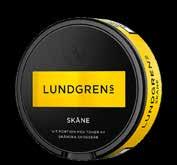
Offering Northern Michigan the Most Natural Smokeless Tobacco Options! Snus, Loose cut & Pouches (With & Without Tobacco)
Offering natural smokeless tobacco options. Delivered free within Northern MI. See ad page 29.
MY CBD
Kelly Young MyTCBD.com
Contact Us For Free Delivery! See Website For More Info -
GOOD WAVES EMF INVESTIGATOR
Serving Central to Northern MI 231-714-0477
EMFInvestigator.com

HEALTHY HERDERS
Roscommon, MI
NutritionalRC@gmail.com 989-275-9976

Full grown female Aussiedoodle, 13lbs, blue merle, holistically raised since taken in as an older pup. Roscommon. NutritionalRC@gmail. com. 989-275-9976..

All-natural CBD products. We source from only organic, environmentally socially responsible companies that believe in cruelty-free testing. Life is too short to feel anything less than your personal best. Ask about our distributor options where you can be your own boss. See ad page 23.
naturestradingpost.com (989) 275-9976 Nicotine Pouches Can Be Used As A Substitute For Patches.

SPICE & TEA MERCHANTS
145 E Front St, Traverse City 231-947-7423
SpiceMerchants.biz/traverse-city-spice-store

Providing the world’s best herbs, spices and teas for your kitchen. We carry over 200 spices from everyday use to the most exotic as well as over 120 different teas. See ad page 19.
Many unexplained health issues are showing links to Cell Phones/Towers/Wi-Fi (with levels now stronger than bodies naturally adapt to). We detect EMF-related causes by determining sources of harmful radiation & offer solutions to mitigate them. See ad page 25..
PROVIDENCE ORGANIC FARM, CAFÉ & NATURAL FOOD MARKET
5695 N Michigan 88, Central Lake 231-599-2020
ProvidenceOrganicFarm.com
Charming farm-market, cafe and natural foods store at their farm, featuring organic espresso and tea bar, kombucha on tap, organic produce and meats, local honey, maple syrup, eggs, cheese, gift items and much more. See ad page 20.
WHOLE HEALTH TRAVERSE CITY
3639 Cass Rd, Traverse City 231-943-2100
WholeHealthTC.org

We help people suffering with chronic joint and muscle pain due to arthritis or injury to decrease their pain, increase their quality of life and maximize their competitive edge through advances in functional neurology and regenerative medicine. See ad page 17.

DOCTOR RADOW’S
POVIDONE-IODINE OINTMENT
DoctorRadows@gmail.com 386-414-1809
DoctorRadows.com

This hospital-grade ointment provides fast, effective healing for cuts, scrapes and wounds—without antibiotics, sting or scarring. Used by medical professionals, it’s now available for home use without a prescription to support clean, confident, everyday care. See ad page 9.
EDSON FARMS
835 S Garfield Ave, Traverse City 231-941-5221
EdsonFarms.com

LIST YOUR BIZ IN THIS WELLNESS DIRECTORY!
Text Now for Special Rates! 734-757-7929
Good for mind, body and soul. Open since 1979 Edson Farms Natural Foods is a Northern Michigan favorite. With impeccable customer service, we have an organic deli and juice bar, coffee bar, produce, groceries, supplements, herbs, bulk foods, allergen friendly foods, body care, coffees and tea, and local products. See ad page 9.The Box building in Traverse City. Trained in NMT, Trigger Point, and Sports Massage therapies. See ad page 21.