














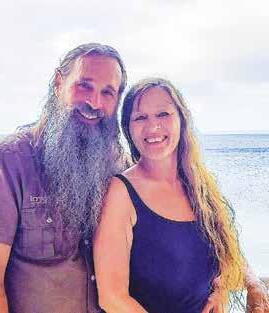
e often remind our children that while life may appear to be shaped by big plans and grand visions, it is actually built through a steady accumulation of small, loving choices made day after day. How we speak, how we listen and how we treat one another in ordinary moments are the quiet forces that shape a happy heart—and, over time, a good life.
Love carries a frequency, and it is the most powerful force we have access to. When we choose to live from that frequency with intention—to care for it, protect it, and honor it—we create a sacred space that naturally lifts others and allows them to rise alongside us.
We consider Natural Awakenings a sacred space for love and community. As we upload each issue to the printer for press, we often play Come With Me to the Sea, My Love—a special ritual that marks the moment of release and reminds us to let the work go with love, faith and trust in where it is meant to land.
Before the magazines are distributed, we pause in gratitude.
In a visual meditation, we picture the heart as a source of deep connection. Love flows outward from our hearts, moving down into the Earth where it grounds itself in something ancient and steady, then rising back up and through in a continuous exchange.
As the energy builds, it gathers strength and clarity before releasing outward once more.
That release appears as sparks—like gentle fireworks of light. Those sparks are the magazines themselves, each landing exactly where it's meant to land: in the hands of readers that need the information, the encouragement or the reminder that they are not alone, and in the hands of advertisers and practitioners that feel called to share their work, expertise and talents with our community.
This is how John and I hold our work each month. What we create together is more than a publication; it's an offering shaped by intention, trust, and love—our way of serving our community and honoring our faith.
As you hold these pages, our hope is that you feel that intention. May this issue meet you exactly where you are and remind you that you are supported, deeply connected, and never alone.
With gratitude and love,
734-757-7929
Publisher@HealthyLivingMichigan.com
HealthyLivingMichigan.com
P.O. Box 2717, Ann Arbor, MI 48106
Subscriptions are available for $120 (for 12 issues) by emailing the above address.

Natural Awakenings is printed on partially recycled and fully
CORRECTION: In last issue's News Brief featuring Dr. Jim Duncan, incorrect contact information was published. We regret the error and wish to note his correct address as 901 Taylor St., Ste. C, Chelsea and phone number as 734-475-2932.
GREATER ANN ARBOR
Publishers John & Trina Voell III
Design & Production John & Trina Voell III
Ad Design Josh Halay
Editors John & Trina Voell III
Proofreader Randy Kambic
Calendar Theresa Archer
Sales & Marketing John & Trina Voell III
Distribution Gordon Kutella
JP Pausch
John & Trina Voell III
Website Design Locable
Website & Social Media
John & Trina Voell III
CEO Kimberly B. Whittle
COO Michael Bevilacqua
CMO Vee Banionis
Sr. VP Operations Brian Stenzler, DC
National Editor Sandra Yeyati
Editor Brooke Goode
Copy Editor Melanie Rankin
Print Production Specialist Kevin Rankin
Design Director Agnes Mazeikaite
Production Flip180
Customer Service Dani Bucad
National Contact 350 Main St, Ste 9B Bedminster, NJ 07921 239-206-2000
© 2026 by Natural Awakenings. All rights reserved. Although some parts of this publication may be reproduced and reprinted, we require that prior permission be obtained in writing. Natural Awakenings is a free publication distributed locally and is supported by our advertisers. Please call to find a location near you or if you would like copies placed at your business. We do not necessarily endorse the views expressed in the articles and advertisements, nor are we responsible for the products and services advertised. Check with a healthcare professional regarding the appropriate use of any treatment.
Ann Arbor HealthyLivingMichigan.com


The Sri Chinmoy Centre will present a three-week class series Yoga Philosophy and Meditation led by Dr. Kapila Castoldi. Taking place from 2 to 4 p.m. on March 10, 17 and 24, the sessions introduce the deeper roots of yoga beyond physical postures.

While Western practices often emphasize hatha yoga—focusing on movement, flexibility and brief meditation—the original purpose of yoga extends far beyond the physical. Rooted in the teachings of ancient Rishis, yoga means “union”, referring to the integration of the body, mind and heart with the soul. These classes aim to reconnect participants with this philosophical foundation through meditation, concentration and visualization techniques.
Castoldi explains that yoga is not simply exercise, but a means to self-discovery. The practice of meditation opens a space for inner awareness and clarity, offering guidance and peace amid the distractions of modern life. The program invites individuals of all experience levels to engage with these ancient teachings in a contemporary context.
This event is offered free of charge. Registration is required to attend. Location: 114 S. Main St., Ann Arbor. For more information or to register, call 734-994-7114 or visit MeditationAnnArbor.com. See ad page 23.
Wildfire Dreams
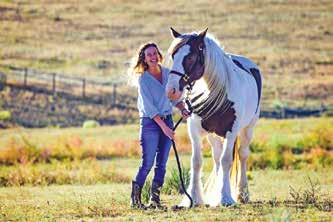
Sanctuary is a non profit organization devoted to healing hearts, spirits and lives. Rooted in the powerful connection between humans and horses, the sanc tuary offers a sacred space where people can reconnect with themselves through presence, awareness and compassion.
Carolyne Stolzenfels. “In their presence, participants are gently invited to slow down, become aware and listen.”
The sanctuary is more than a place; it is an experience of safety and acceptance. Here, healing unfolds naturally, guided by the horses and supported by Stolzenfels. Each interaction honors the belief that there is a capacity for wholeness, joy and ease even when we feel lost and stuck in a situation.
Wildfire Dreams Sanctuary exists to positively change lives by creating space for transformation. Through the quiet power of connection and the sacred bond between humans and horses, it offers a path toward healing that is both deeply personal and profoundly life-affirming.
Location: 8218 Quarterline Rd., Charlevoix. For more information or to make an appointment, email WildfireDreamsEGC@gmail.com, call 231-758-2277 or visit WildfireDreams.com. See ad page 22.
SPENGA Ann Arbor offers a dynamic approach to fitness that strengthens the heart while balancing the body. By combining spin, strength and yoga in every session, this boutique studio delivers a full-spectrum workout that supports cardiovascular endurance, muscle tone and overall flexibility.

At the core of Wildfire Dreams is a unique approach that blends Gestalt coaching with the intuitive wisdom of their very special herd of five horses and one miniature. “Horses are deeply sensitive and honest beings. They respond to a person’s energy and hold no judgement,” shares sanctuary owner and certified Equine Gestaltist

Each 60-minute class is divided into three equal parts—20 minutes of high-intensity cycling for cardio, 20 minutes of strength training for metabolic support and muscular balance, and 20 minutes of yoga to improve mobility and promote recovery. This trifecta not only keeps workouts engaging, but also helps reduce risk factors associated with heart disease, including high blood pressure, poor circulation and chronic stress.
“Our method is designed to challenge every system of the body without overtraining any single one,” says co-founder, Roger McGreal. “The result is a workout that builds strength, supports heart health and enhances flexibility all at once.”
SPENGA welcomes members of all fitness levels and tailors guidance to individual goals. The studio’s upbeat environment, expert coaching and emphasis on community foster both motivation and consistency—two keys to long-term success in any wellness journey.
Whether just starting out or training with a purpose, members benefit from the science-backed design of the SPENGA experience, which is crafted to support full-body health with the heart at the center of it all.
Location: 859 W. Eisenhower Pkwy., Ann Arbor. For more information or to register for classes, call 734-369-4347 or visit SpengaAnnArbor.com.
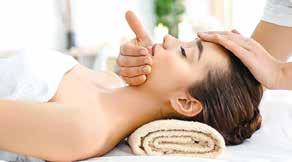
Pacific Acupuncture Herbal Medicine & Fertility, in Ann Ar bor, offers a wholebody approach to heart health ground ed in the principles of Traditional Chi nese Medicine. By integrating acupunc ture, herbal remedies and lifestyle guidance, the clinic supports cardiovascular function while addressing the root causes of imbalance.
Practitioners use acupuncture to stimulate the body’s natural healing processes, promoting circulation, reducing inflammation and calming the nervous system. These effects can help regulate blood pressure, lower stress and enhance heart rhythm stability—key elements in preventive cardiovascular care.
“From a Chinese medicine perspective, the heart is not only a physical organ, but the center of emotional and energetic well-being,” says owner Dr. Simon Xue. “Our goal is to support both the physical and emotional aspects of heart health through individualized care.”
Location: 4470 Jackson Rd., Ste. 101, Ann Arbor. For more info or to make an appoinment, call 734-800-4118 or visit PacificAcupunctureCenter.com.


Haven Wellness Services, in Ann Arbor, is spotlighting a vital, but often overlooked factor in cardiovascular health: mental and emotional well-being. As studies increasingly confirm the connection between chronic stress, anxiety and elevated heart disease risk, the clinic encourages individuals to view therapy as part of a proactive approach to whole-body wellness.
Through individualized counseling, mindfulness strategies and stress-reduction techniques, Haven’s licensed psychotherapists help clients identify emotional patterns that impact physical health. The goal is to reduce the body’s long-term stress response, which can contribute to inflammation, high blood pressure and irregular heart rhythms.
“When we help people manage internal stressors, the ripple effects often include better sleep, greater energy and more stable cardiovascular function,” says founder Kirby Paterson. “Mental health is not separate from physical health—it’s foundational.”
Location: 117 N. 1st St Ste. 106, Ann Arbor. For more information or to make an appointment, call 734-669-1888 or visit A2Haven.com.
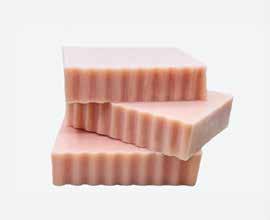
For individuals with sensi tive skin, the daily ritual of cleansing can often feel like a compromise between hygiene and comfort. Harsh chemi cal-laden soaps can strip the skin’s natural barrier, leading to dryness, irritation or even allergic reactions. But there’s a gentler way to cleanse—one that supports both skin health and the environment.

Handmade soaps that are crafted using the traditional hot process method offer a soothing alternative. Unlike mass-produced varieties, these soaps retain natural glycerin, a humectant that draws moisture into the skin. With ingredients like premium plant oils, natural clays, spices and pure essential oils, each bar not only cleanses but nourishes. Free of synthetic dyes and harsh chemicals, they are ideal for those seeking simplicity, purity and a closer connection to nature in their personal care.
NP Home Scent handcrafts each bar in small batches in Northern Florida using all-natural, responsibly sourced ingredients. Their soaps are naturally colored with herbs and spices, hand-poured, hand-cut and made with care to support healthy skin without com promising quality or sustainability.
Wholesale order discounts are provided to local businesses and gift shops. Location: Palm Coast. For more info or to place an order, email NPHomeScent@gmail.com or visit NPHomeScent.com.
relaxation on eye pressure, vessel function and vision.
Twenty-seven adults were randomly assigned to either a one-hour daily reading of a relaxing book or an eye yoga program that included guided eye movements, gentle massage around the eyeball, hand-covering for relaxation and slow-breathing meditation. After one month, the eye yoga group experienced a 6 percent reduction in intraocular pressure. They also improved visual-field measurements and displayed less retinal vessel constriction. Retinal arteries showed mild widening, suggesting improved blood flow, with no adverse events reported. These effects were not observed in the control group. Researchers concluded that this type of eye yoga could be a safe, home-based complement to standard care.
A 2024 randomized, controlled study published in EPMA Journal explored whether a structured “eye yoga” routine could help people with primary, open-angle glaucoma—the most common form of glaucoma that often damages the optic nerve due to increased eye pressure and reduced blood flow. Researchers measured the effects of eye-focused
A 2025 systemic review published in BMC Psychiatry involving 34 clinical trials and more than 3,300 people found that depression symptoms could be effectively treated by targeting gut bacteria with the use of probiotics (beneficial bacteria), prebiotics (nutrients that feed good bacteria) and synbiotics (a combination of both). The therapies were shown to reduce depression scores, increase levels of BDNF (an important protein for brain health) and mitigate systemic inflammation.
Notably, synbiotics exhibited the most pronounced effectiveness, followed by prebiotics and probiotics. Treatment for longer than 12 weeks was not considered helpful. Those without other medical

conditions fared better, while individuals with digestive disorders and pregnant women did not experience the benefits. These findings suggest that enhancing gut health may be a useful complementary tool for depression management.

A 2021 review of 16 studies published in the European Journal of Psychotraumatology found that somatic experiencing, a body-centered therapy for trauma, helped reduce symptoms of post-traumatic stress disorder and also improved emotional and physical well-being. The studies demonstrated notable improvements in anxiety, mood and physical symptoms such as muscle tightness and pain. Benefits were observed in individuals with traumatic histories, as well as those without trauma, suggesting that somatic experiencing may support overall nervous system regulation.
Conceived by Dr. Peter A. Levine, the therapy seeks to address the accumulation of stress, shock and trauma in the body and nervous system. It empowers people to cultivate increasing tolerance for difficult bodily sensations and suppressed emotions by paying close attention to internal sensations, including body tension, breathing patterns and even their heartbeat.
A multisite study published in the Journal of Clinical Oncology involving 587 cancer survivors compared two mind-body programs: Mindfulness-Based Cancer Recovery (MBCR), which incorporates meditation and awareness practices, and Tai Chi/Qigong (TCQ), which uses gentle, slow movements to promote relaxation and balance. The participants—mostly women around age 61—selected their preferred program or were randomly assigned if they had no preference. The most prevalent cancer types among them were breast, prostate and gastrointestinal.
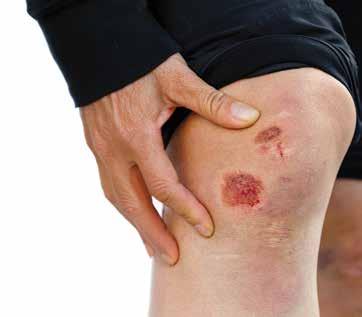
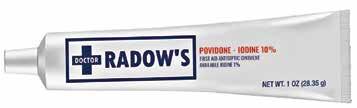
When it comes to cuts, scrapes, burns, or surgical wounds, you need a solution that’s both effective and gentle. Doctor Radow’s Povidone-Iodine Ointment is the clear choice over triple antibiotic ointment (TAO):
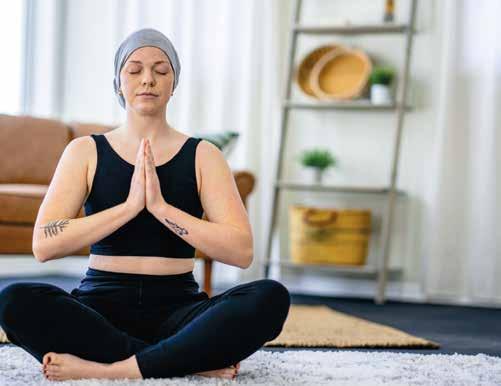
Both MBCR and TCQ demonstrated a positive impact on mood scores, surpassing those observed in the control group. Notably, TCQ produced the most relief from anger and depression, as well as an increase in energy levels. MBCR proved particularly effective in reducing tension and anxiety, although it did not significantly affect depression. Neither program exhibited any effect on confusion or fatigue, and the selection of a preferred program did not influence the outcomes.
FEATURE
Anti-Fungal
Effective Against MRSA
Post-Surgery Application
Recommended for Diabetics
Long-Term Use (Sustainability)
Emergency Use (Hospitals) Contains Antibiotics



by Shae Marcus
Before we crave a getaway, we often crave a landscape: a forest, water, open sky. Something in us knows what we need long before we can explain it.
The pull toward nature is rarely random. When the heart feels tired or overwhelmed, it instinctively reaches for places that offer steadiness and relief. This is where mindful travel begins—not with a destination, but by listening for the environment that feels most supportive right now.
Forests offer a deep sense of safety. Their quiet, filtered light and steady rhythm help the nervous system soften. Time among trees slows breathing and creates a feeling of being held. Forest retreats and woodland stays are often especially nourishing during periods of grief, emotional overload, or burnout—when the heart needs calm more than stimulation.
Water speaks to release. Oceans, lakes, rivers and hot springs invite movement and flow, helping emotions soften and shift. Many people feel lighter near water, as if it gently carries what they’ve been holding. Coastal escapes and lakeside retreats naturally support reflection, renewal and emotional clarity.
Mountains offer perspective. Their vastness creates space between us and our worries, reminding us that not everything needs immediate resolution. Mountain journeys often support insight, strength, and renewed direction, especially when the heart feels uncertain or burdened by decisions.
Wide open landscapes—fields, deserts, expansive horizons—restore breath and possibility. These environments are particularly nurturing when life feels constricting, offering the heart room to expand again.

What makes nature-centered travel so powerful is its simplicity. These landscapes do much of the work for us. We don’t need packed schedules or constant activity. Walking, sitting, breathing and noticing are often enough to help the heart find its rhythm again.
These journeys don’t have to be far away. A local retreat tucked into the woods, a nearby shoreline stay or a short mountain escape can be just as nourishing as traveling across the world. What matters most is not distance, but alignment.
Before planning one’s next trip, consider asking a gentler question: What kind of landscape is calling me right now? When nature leads, travel becomes less about escape and more about returning—to steadiness, clarity and a heart that feels supported once again.
Finding a Nature-Centered Retreat
www.Retreat.Guru – A directory of wellness and nature-based retreats searchable by location and setting.
www.BookRetreats.com – A platform for discovering local and global retreats rooted in mindfulness, yoga and restoration.
Shae Marcus, is founder of the 11:11 Experience, which creates intentional journeys where nature, movement and connection meet—inviting women to travel with purpose, presence and a deeper return to self. For more information, visit The1111experience.com.

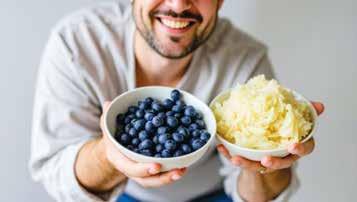
Cancer cells flourish in acidic conditions and struggle to survive in a balanced, slightly alkaline body that is more oxygenated. Diets high in processed foods, sugars and meats increase acidity, while vegetables, fruits and mineral-rich water promote alkalinity. Taking a teaspoon of baking soda three times a day has been a long-time lowcost way to fight cancer by increasing alkalinity.

CancerFightingStrategies.com, on their pH and Cancer page, covers unique supplements few have heard of for powerfully improving pH and fighting cancer. For example, MetOH is a safe-to-use OH water concentrate with a pH of 11 that is 3 times more powerful than baking soda at increasing alkalinity.
Cancer cells make the environment around them acidic by pumping out the lactic acid they produce. This makes close-by normal cells more likely to turn cancerous and protects cancer cells from immune system detection. GetHealthyAgain’s BLA elixir is a unique way to alkalinize the area around cancer cells. Where you need it the most.
BLA uses frequency instructions to prevent the release of lactic acid from cancer cells.
They produce lactic acid when they metabolize glucose. Stopping this release reduces acidity outside the cancer tumor and protects nearby cells from turning cancerous. Less acidity, more oxygen. Better still, it makes cancer cells too acidic as their lactic acid builds up in them. The more it does, the sicker and weaker they become, and the easier they are to kill.
If you have cancer, it makes sense to change your internal pH around the cancer to create an environment where cancer cannot easily survive.
Location: Grand Rapids, MI. For more information, visit CancerFightingStrategies. com. See ad, this page. For orders, go to Get HealthyAgain.com.
Disclaimer: These statements have not been evaluated by the Food and Drug Administration. The products and information contained herein are not intended to diagnose, treat, cure or prevent any diseases or medical problems. It is not intended to replace your doctor’s recommendations. The information is provided for educational purposes only. Nutritional benefits may vary from one person to another.

by Hannah Tytus
Ahealthy heart is built from the inside out. Each day presents opportunities to nurture vitality through dietary choices, physical activity, restful periods, social connections and personal fulfillment. These ordinary decisions profoundly impact the long-term trajectory of cardiovascular well-being.
According to the World Health Organization, cardiovascular disease is the leading cause of death worldwide, accounting for 32 percent of global fatalities and affecting families across diverse communities. The U.S. Centers for Disease Control estimates that one in three deaths in the United States can be attributed to this devastating disease. Behind these sobering statistics lies the reassuring fact that small, daily choices can help protect the heart.

in cardiology and functional medicine. Her expertise lies in heart disease prevention through holistic, lifestyle-driven care. She is the author of a forthcoming book, Longevity Code: How to Age-Proof Yourself for Optimal Health.
A proponent of the Mediterranean Diet, Druz encourages patients to build a way of eating that feels natural, flavorful and balanced. She emphasizes the significance of meal timing and its alignment with a person’s circadian rhythm. She also often recommends moderate intermittent fasting, as long as it is done safely, sustainably and personalized to the individual.
According to Druz, dietary changes are most powerful when they are part of a larger, three-pillared foundation that includes exercise, nutrition and sleep. She discourages people from searching for a single magic bullet and instead invites them to build a way of eating that feels natural, flavorful and balanced.
Heart-Healthy Foods. Among the most studied heartsupportive eating strategies are the Mediterranean Diet and the Dietary Approaches to Stop Hypertension (DASH) Diet, which help regulate cholesterol levels and reduce inflammation. Both emphasize the consumption of vegetables, fruits, whole grains and nuts, while limiting saturated fat and processed meats. Additionally, eating fatty fish provides whole-food omega-3 fatty acids, which have been shown to be more effective than comparable supplements in supporting heart health, according to a 2018 study published in JAMA Cardiology.
Dr. Regina Druz, based on Long Island, New York, is the founder of Holistic Heart Centers of America and a board-certified specialist
Mindfulness and Mood. The intricate connection between the mind and heart is often underestimated. Chronic stress can elevate blood pressure and induce inflammation, placing a burden on the cardiovascular system. Stress reduction does not have to be complicated. Even a few minutes of mindful breathing or meditation can shift the body into a more relaxed state, offering the heart a small but meaningful reprieve.
Mindful awareness practices appear to have favorable effects on blood pressure, cortisol levels and inflammatory markers, suggesting that everyday mind-body tools can provide meaningful support. A 2007 report published by the Agency for Healthcare Research and
Quality found that Transcendental Meditation (TM), qigong and Zen Buddhist meditation yielded modest reductions in high blood pressure. A 2019 meta-analysis of TM for heart disease demonstrated improvements in blood pressure levels.
Biofeedback involves measuring bodily functions, particularly heart rate variability, to enable individuals to consciously alter these functions. It can track how slow breathing techniques help the heart relax. Notably, biofeedback has been shown to be effective in lowering blood pressure levels, according to a 2024 meta-analysis study published in Nature
is integral to heart health. A 2017 study published in Chest reports an association between insomnia and cardiovascular disease, including high blood pressure and heart failure. Furthermore, a 2011 study in Circulation demonstrates a link between insomnia and a moderately increased risk for a heart attack.
Druz collaborates with sleep specialists that use wearable technology, such as the SleepImage device, to assess sleep quality in real time. She has observed that even modest adjustments to sleep habits can yield significant improvements—from changing sleep positions and recalibrating room humidity to optimizing sleep times and reorienting bed pillows. By tracking sleep patterns over time, individuals can identify subtle shifts that contribute to a quantifiably better night’s rest.
Regular physical activity remains a cornerstone in reducing cardiovascular risk. The 2004 INTERHEART study, involving nearly 30,000 participants from 52 countries, revealed that moderately intense exercise for four or more hours per week reduced the risk of a heart attack by 12.2 percent.
A 2011 cohort study published in Lancet involving more than 400,000 participants showed that engaging in as little as 15 minutes of daily physical activity can reduce the
risk of mortality by 14 percent and extend life expectancy by an average of three years. Each additional 15-minute interval can further decrease mortality across all age groups, including individuals with preexisting cardiovascular disease.
High-intensity interval training (HIIT) has emerged as an effective regimen for promoting cardiovascular fitness. According to Druz, HIIT maximizes VO2 max (the maximum volume of oxygen a body can use during intense exercise), a key indicator of cardiovascular health and strong predictor of longevity. However, she acknowledges that HIIT may not be accessible to everyone because it alternates short periods of intense, explosive exercise with brief recovery periods to the point of exhaustion.
In such cases, she recommends incorporating “exercise snacks” into daily routines, which involve brief bursts of movement throughout the day. Walking the dog, carrying groceries, completing household
• Mood Support
• Cancer Support

• Family Medicine
• Holistic Medicine
• Innovative Medicine
• Bioidentical Hormones
Marisa Spradlin RD
Gaia Kile FNP
Danielle Douglas FNP
Malcolm Sickels MD
210 Little Lake Dr., Suite 10
Ann Arbor (west side) www.drsickels.com
734.332.9936
• Easy access from M-14, I-94 & Jackson Road
• Check drsickels.com for directions & insurance info.
MICHIGAN FRIENDS CENTER AT FRIENDS
LAKE COMMUNITY
We offer the holistic community a nature-oriented meeting space for workshops, meetings, counseling, yoga, youth groups, and family gatherings. Main room accommodates 100 pre-Covid, with two smaller classrooms and kitchen facilities. Hiking trails. Weekend rates range from $200-$400, additional for extensive grounds use, camping. Book your next gathering at https://MFCenter.org/rent
chores or simply standing more frequently can contribute to a less sedentary lifestyle. These accessible steps make it easier to integrate movement into daily living.
Nature’s Rewards. Spending time outdoors provides more than aesthetic appeal and access to fresh air. Living closer to nature has been linked to lower incidences of cardiovascular disease, stress, diabetes and stroke. Exposure to green space is associated with lower blood pressure, improved heart rate variability and reduced cardiovascular mortality. A 2016 study in Nutrition, Metabolism and Cardiovascular Diseases involving nearly 12,000 participants observed that the more recreation time someone spends outdoors, the less likely they are to die of cardiovascular disease.
reduced mortality. Older adults that engaged in volunteer work at least 200 hours per year experienced a 40 percent reduction in hypertension over a four-year period.
These findings underscore the significance of joy and purpose in human life. They are integral to the biology of the heart. When individuals cultivate a more compassionate perspective toward themselves and others, their hearts experience a measurable positive impact.
Relationships exert a powerful influence on health. In a 2016 meta-analysis study published in Heart, researchers determined that poor social relationships were associated with a 29 percent increased risk of cardiovascular disease and a 32 percent increased risk of stroke. Humans are inherently wired for connection, and extended loneliness can have measurable physiological consequences.



“We need to preserve a few places, a few samples of primeval country so that when the pace gets too fast we can look at it, think about it, contemplate it, and somehow restore equanimity to our souls.”
– Sigurd Olson
7748 Clark Lake Road, Chelsea, MI 48118 (734) 475-1892 https://MFCenter.org/rent
Outlook influences physiology. Positive emotions, optimism and life satisfaction are associated with lower rates of cardiovascular disease and reduced mortality. The American Heart Association (AHA) notes that compared to pessimistic individuals, optimistic people have better vascular health, fewer heart attacks and lower cardiovascular mortality. Among individuals with established disease, those that are optimistic about their treatment and recovery often experience better rates of long-term survival and enhanced function.
Optimism is a skill, not a fixed trait. The AHA identifies Type D (or “distressed”) personality traits, characterized by negative emotions and increased self-criticism, as being linked to poorer cardiovascular outcomes. Encouragingly, Type D individuals often respond favorably to cardiac rehabilitation programs that combine physical activity with counseling and psychological support.
Volunteer work also contributes to well-being. A 2017 study in BMC Public Health determined that regular volunteering is associated with enhanced self-rated health and
“We need each other,” Druz emphasizes. “We are living in a sea of loneliness, and loneliness can be a hugely impactful factor on health.” Making time for family, friendships, community groups or new social circles fosters both emotional well-being and heart resilience.
Cardiovascular health encompasses not only disease prevention, but also the cultivation of a lifestyle that enhances vitality, connection, rest and overall well-being. These choices do not need to be drastic. Incorporating more green vegetables, spending more time in the sun, taking a moment to breathe mindfully, taking a short walk outside, getting a good night’s sleep and reaching out to loved ones can collectively contribute to a foundation that can extend life expectancy and enhance the quality of life.
Hannah Tytus is an integrative health coach, researcher and content creator at KnoWEwell, P.B.C., and former writer at the National Institutes of Health.

by Marlaina Donato
In the depths of winter, our sorrow, disappointment and old longings can feel heavier, making us question if sunlight will ever return to our hearts. Like a bare February landscape, pain strips us to the honest bone.
Kintsugi, the Japanese art of mending broken pottery with precious metals like gold, serves as an inspiration for life. When our joy or stability shatters, we can transform the remaining pieces into something beautiful. Our hard-earned wisdom, self-compassion and unwavering faith act like precious metals, softening the edges and filling the deep cracks of our brokenness.
Witnessing a loved one fall apart is challenging, but sometimes our greatest act of support is allowing them the space to
unearth the metaphorical gold needed for their own repair. Healing is a private and unique journey into the deep self, enabling the art of being fully human.
“In three words I can sum up everything I’ve learned about life: It goes on,” said poet Robert Frost, who endured the unspeakable loss of both parents at a young age, as well as the deaths of his wife and four of their six children. Like Frost, who turned tragedy into an artistic legacy, we can cultivate new life from our barren seasons and ruined harvests. We can take our darkest hours in hand to become mended vessels capable of holding future joy.
To embody the ancient metaphorical art of Kintsugi, consider these inspirations:
• Handwrite your losses on one piece of paper and the things that remain on another. Frame the latter and place it somewhere as a daily reminder.
• Tear heavy craft paper into large pieces; write a loss on each one, then reassemble the pieces. Pour metallic paint between the seams, let it dry and frame under glass as an art piece.
• Visualize being a tree with deep roots reaching into an underground river of gold, drawing up nourishment.
Marlaina Donato is an author, artist and composer. Connect at WildflowersAndWoodSmoke.com.
by Sandra Yeyati
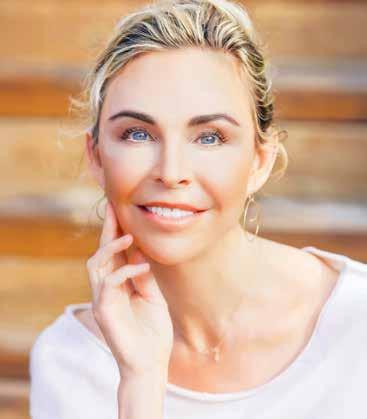
Shauna Shapiro, Ph.D., is a clinical psychologist and professor at the Santa Clara University School of Education and Counseling Psychology, in California. An internationally recognized expert in mindfulness and compassion, she has authored more than 150 peer-reviewed papers and three critically acclaimed books that have been translated into 19 languages. Her TEDx talk, The Power of Mindfulness, has garnered more than 3.5 million views.
A sought-after keynote speaker, Shapiro has presented her research at esteemed academic institutions such as the Stanford School of Medicine, Harvard Law School and Oxford University, as well as global forums, including the World Council for Psychotherapy and the World Happiness Summit. She has delivered evidence-based mindfulness training to Fortune 500 companies like Google, Cisco Systems and LinkedIn, and her work has been featured in media outlets, such as The Wall Street Journal, Harvard Business Review and Forbes. Shapiro has even been invited to share her expertise with His Holiness the Dalai Lama, the King of Thailand and the Danish government.

How do you define self-compassion?
Self-compassion involves treating ourselves with the same kindness, understanding and support we would offer a dear friend, even when we’ve made a mistake. Most of us are overly critical and judgmental of ourselves. The idea is that we are worthy and deserving of love and acceptance, no matter what. We don’t have to prove ourselves or achieve certain goals to earn love.
Scientific research has demonstrated that when we shame and judge ourselves, it shuts down the learning centers of the brain. Self-compassion leads to the release of oxytocin, the hormone of safety and soothing, as well as dopamine, which turns on the learning centers of the brain. This neurochemical soup of safety and kindness ultimately enhances our ability to learn and improve.
How can we cultivate self-compassion?
Neuroplasticity is the most hopeful message we’ve had in brain science in the last 400 years because it shows that the brain is always changing and that it’s never too late to change. Self-compassion isn’t something that just happens overnight. It’s something that we have to practice.
I have a three-step mindfulness approach. The first step is acknowledging and identifying the source of pain, such as fear, frustration or sadness. The second step is to bring kindness to yourself like you would offer a distressed friend.
The third step, called common humanity, is a little complex. Typically, when we experience pain, we tend to isolate, thinking, “I’m the only one going through a divorce” or “I’m the only one who’s lonely.” But that’s not true. The third step of self-compassion practice is to recognize that you are not the only one having this experience. By

extending compassion to those suffering in similar ways, you can then internalize and assimilate that compassion for yourself.
Can you explain your “Good Morning, I Love You” practice?
During my divorce with a 3-year-old son, I grappled with significant shame and negativity. My teacher said, “What you focus on grows stronger. You’re practicing a lot of anger, self-judgment and doubt. It would be helpful to practice some compassion.” She suggested I start saying, “I love you, Shauna” every day. But I felt it was contrived and inauthentic, so she proposed simply saying “Good morning” upon waking.
The following day, I took a deep breath, put my hand on my heart, and said, “Good morning.” It was kind of nice. Instead of the shame, fear and judgment, I felt this flash of kindness, so I continued to practice it.
That year, I found myself alone on my birthday for the first time in my life. My son was with his father, and I was at the Esalen Institute in Big Sur, California. As I awoke, I remembered my recently deceased grandmother, who had always been an embodiment of unconditional love. Before I knew it, I said, “Good morning, I love you. Happy birthday!” I felt my grandmother’s love, followed by this flood of self-love and compassion for the first time in my adult life.
I’ve been practicing this ever since. Every morning when I wake up, I say, “Good morning, I love you.” Sometimes I feel it. Sometimes I don’t. The point is just to keep planting the seeds—to practice—and what you practice grows stronger. Self-compassion is like a muscle that you’re strengthening. It’s not something that comes easy. You’ll still feel self-judgment and self-doubt at times, but you’re making a commitment to continue to grow toward self-compassion. Practice is what transforms us.
Sandra Yeyati is national editor of Natural Awakenings.

by Marlaina Donato
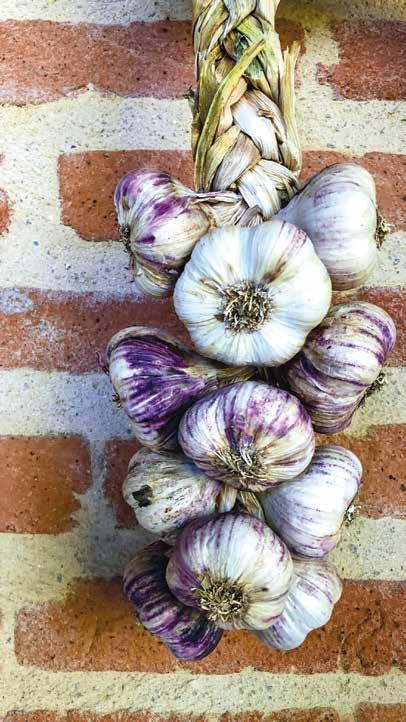
Fresh garlic is a pungent delight that can jazz up any meal, from hearty winter stews to sautéed vegetables on a bed of healthy grains. Allicin, the compound that gives crushed garlic its distinctive smell, protects the plant from pests and offers humans many health benefits, acting as an antioxidant, antimicrobial and anti-inflammatory agent; improving gut balance; and supporting cardiovascular and immune health.
Research published last year in Nutrition Reviews indicates that consumption of garlic significantly improves key cardiovascular risk markers, including cholesterol and blood sugar levels, blood pressure, oxidative stress and inflammatory biomarkers. In a 2022 article, the Cleveland Clinic suggests that red blood cells respond to the sulfur in garlic by creating nitric oxide and hydrogen sulfide gases, which relax and expand blood vessels. A 2019 meta-analysis of clinical trials published in Experimental and Therapeutic Medicine concludes that supplementation with an aged garlic extract offers similar results to blood pressure-lowering medications. While more research is needed to understand the full-spectrum potential of this kitchen staple, regularly spicing up meals with a clove or two can foster better health.
Mincing, grating or pressing garlic intensifies its pungency, waking up ordinary steamed vegetables when tossed with olive oil or spicing up homemade hummus. Whether regular grocery store-bought, traditional heirloom or locally grown, garlic offers benefits, but following a few easy tips ensures that its nutritious perks remain intact.
According to Natalie Ledesma, a board-certified oncology dietitian and the founder of Natalie Ledesma Integrative & Functional Nutrition Consulting, in San Francisco, it is best to allow chopped or crushed garlic to sit for about 10 minutes before consuming it, cooking with it or adding it to vinaigrettes or other salad dressings. This waiting period maximizes the formation of allicin. Notably, the acidic nature of vinegar or lemon juice compromises allicin’s stability.
“If you compare raw garlic to garlic that has been cooked by various methods, you can see dramatic drops in allicin, one of the purported
active ingredients,” advises Dr. Michael Greger, founding member of the American College of Lifestyle Medicine and author of several national bestsellers, including How Not to Die, The How Not to Die Cookbook and How Not to Age
If garlic must be cooked, he suggests roasting to retain vital qualities that are quickly lost through simmering, high-heat stir-frying and boiling. “It is simple to prepare and can be used to add flavor to almost any dish,” he explains. “After roasting the garlic, you can also puree it in a blender or food processor until smooth, then portion and freeze it for future use.” A head of roasted garlic yields about one-and-a-half to two tablespoons of a delicious paste, which can be slathered on warm bread or sandwiches, whipped into zesty dips, and stirred into creamy mashed potatoes or a bowl of pasta.
“There are other beneficial compounds in garlic that are not deactivated by heat. They include ajoene, diallyl disulfide, diallyl trisulfide and S-allyl cysteine, which have anti-inflammatory and anti-clotting benefits,” advises Dr. Joel Fuhrman, a board-certified family physician, president of the Nutritional Research Foundation and author of several bestsellers, including his Eat to Live Cookbook
Garlic should be avoided by anyone on pharmaceutical or herbal blood thinners. For those that experience stomach or intestinal upset, Ledesma suggests removing the green sprout inside the garlic clove, a prime culprit for indigestion, or eating only the garlic scapes (the curly green flower stalks that
grow on the garlic plant), which are generally well-tolerated.
For less discomfort and added convenience, Fuhrman endorses dehydrated raw garlic granules, noting that they will soften, expand and partially cook when sprinkled over veggies as they are steamed in a pot, enhancing its digestibility.
When purchasing garlic, choose intact heads that are firm to the touch, have plump cloves and do not have a strong odor of garlic—an indication of damage and loss of vital benefits. After chopping or peeling, rubbing cutting boards and hands with fresh lemon juice will remove the pungent garlic aroma.
Marlaina Donato is an author, painter and composer. Connect at WildflowersAndWoodSmoke.com.


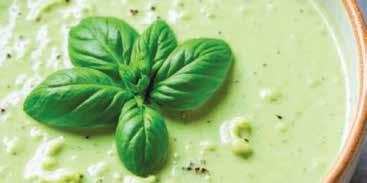
YIELD: 6 SERVINGS, ½ CUP EACH
1 12.3-oz package of silken tofu
½ cup water
¾ cup fresh basil, chopped
4 Tbsp nutritional yeast
3 Tbsp gluten-free tamari
1 Tbsp lemon juice
2 cloves garlic, minced
¾ tsp black pepper
Blend all ingredients together in a blender or food processor. Serve over pasta, vegetables or a baked potato.
Recipe courtesy of Natalie Ledesma.
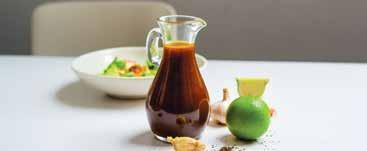
YIELD: 1¼ CUPS FOR APPROXIMATELY 8 SERVINGS
½ cup balsamic vinegar
Juice of 1 freshly squeezed lime
½ cup extra virgin olive oil
1 Tbsp maple syrup or honey
1 fresh garlic clove, minced or grated
½ tsp sea salt or smoked salt
¼ tsp freshly ground black or white peppercorns
Combine all ingredients and hand-whisk until well blended. Drizzle vinaigrette over green salads, potato salad, cold green beans, or grilled tofu or shrimp. Store remainder in the refrigerator for up to 1 week.
Recipe courtesy of Marlaina Donato.
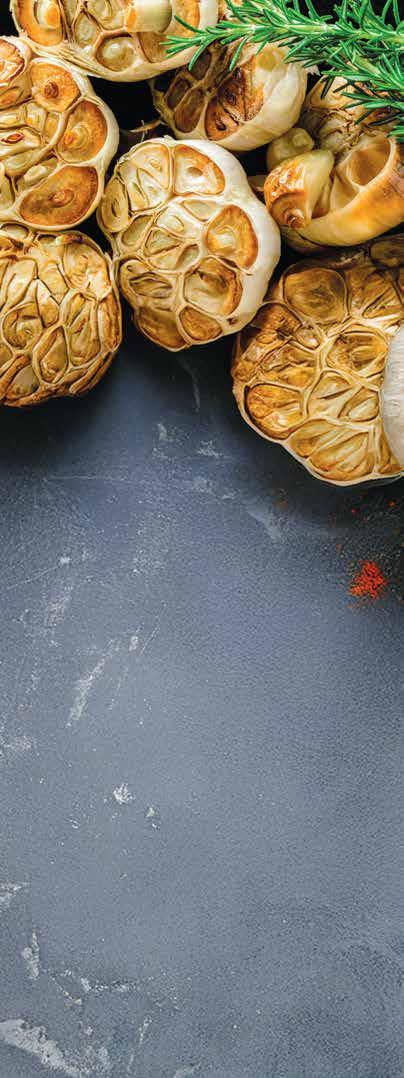
YIELD:
1 whole head of garlic or more
Preheat the oven to 400° F.
Use a sharp knife to cut about ⅓ inch off the top of the whole head of garlic to expose the tops of the garlic cloves. Place the bulb inside a terracotta garlic baker or wrap it securely in parchment paper.
Bake in the oven, cut side up, for 30 to 40 minutes or until the garlic cloves are soft. Remove from the oven and open the garlic baker or parchment paper to let the garlic cool.
Remove one garlic clove and squeeze it over a small bowl, allowing the soft, roasted garlic to slip out of the papery skin. If it is not soft and golden brown, return the rest of the bulb to the garlic baker or rewrap it in parchment paper and bake for a few more minutes.
When the garlic is soft inside and cool enough to handle, squeeze out each roasted garlic clove into the bowl. It is now ready to enjoy. To give it a uniform texture, mash it with a fork or puree it in a food processor.
Tip: Roasted garlic can be stored in the refrigerator in a jar or other container with a tight-fitting lid for up to 5 days or portioned and frozen for up to a month.
Recipe courtesy of Dr. Michael Greger.
“A lot of people are wary about hypnosis, they think it’s kooky or witchcrafty, but really it is a very comfortable relaxation...and it onlyhelps you do what youwant to do.” says onesatisfied client.
With a 95% Success rate, Ariana Joy Arlen guarantees smoke cessation in just ONE visit – and unlike edications, there are no unwanted side-effects!
Make any positive change you’ve been wanting to make! Ariana Joy Arlen is a certified hypnotherapist, & creator of ‘Free at Last! – A Joyful Journey’


by Ruth Roberts, DVM, CVA, CVH, CVFT, NAN
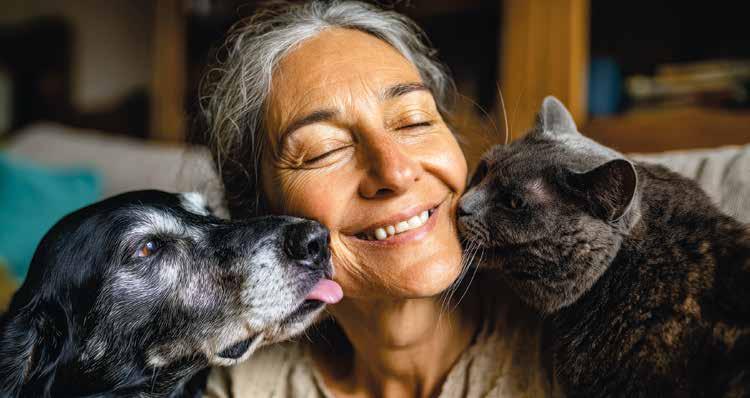
As dogs and cats age, their joints can gradually degenerate, causing stiffness and pain. Instead of vocalizing their discomfort, animals tend to alter their movement patterns and behaviors. Signs may include hesitation on stairs, stiffness after rest, or reluctance to jump or remain active. While conventional medications such as non-steroidal anti-inflammatory drugs are commonly prescribed, they are not the sole best, long-term solution. Natural and integrative therapies can complement standard veterinary care, assisting pets in maintaining comfort and mobility in everyday life.
The most common cause of joint stiffness in older pets is osteoarthritis, a form of cartilage degeneration that can arise from aging, past injuries, excessive body weight, prolonged overuse or poor joint structure, such as hip
or elbow dysplasia, where the joint surfaces do not fit properly. As the cartilage thins, the joint becomes inflamed and painful, leading to decreased movement, muscle loss and further stiffness.
In the 2017 review article “Physical Rehabilitation for the Management of Canine Hip Dysplasia” published in Veterinary Clinics: Small Animal Practice, orthopedic surgeon David Dycus and colleagues highlight the significant impact of osteoarthritis on mobility, particularly in large-breed dogs. They stress the importance of using appropriate support strategies to preserve comfort and mobility. A comprehensive treatment plan may combine medication, weight management, supervised exercise, rehabilitation and complementary therapies such as ice and heat application, massage, acupuncture and other physical modalities.
These restorative therapies work best when veterinarians coordinate their administration within a comprehensive and individualized treatment plan.
Acupuncture has been shown to help alleviate pain and inflammation in pets affected by chronic or mobility-related conditions. This traditional Eastern medicine practice involves inserting needles into specific acupoints to influence nerve pathways, circulation and pain processing. A 2017 prospective study published in The Canadian Veterinary Journal examined 181 dogs with neurological or musculoskeletal disease. Dogs receiving acupuncture exhibited a reduction in chronic pain. A 2023 meta-analysis of 21 animal studies in Frontiers revealed that acupuncture treatment for arthritis increased tolerance to pain and reduced joint swelling.
Underwater treadmill therapy is especially useful for dogs with hip dysplasia. The buoyancy provided by the water supports much of the dog’s weight, resulting in less painful movement, while simultaneously strengthening muscles. Dycus notes that when the water is elevated to hip level, dogs can bear approximately 38 percent of their body weight on their limbs, enabling them to engage in range of motion and endurance exercises without straining their affected joints.
Massage therapy was found to be effective in lowering pain scores and boosting the frequency of positive quality-of-life ratings in 527 dogs with chronic pain, according to a 2021 cross-sectional study published in Veterinary Record
Therapeutic, or cold, laser therapy uses specific light wavelengths to reduce pain, support tissue repair and minimize inflammation. Clinicians apply the laser to designated regions during brief, generally well-tolerated sessions. Over a series of treatments, some pets exhibit a smoother gait and greater willingness to move. Owners see these effects most frequently when they simultaneously optimize weight management, environmental conditions and daily activity levels.
“Keeping joints healthy involves making sure we are providing the causes of health in the foods and treats we feed each patient,” says Dr. Barbara Royal, founder of The Royal Treatment Veterinary Center, in Chicago. She advocates for species-appropriate, nutrient-dense diets made from well-sourced ingredients, while limiting excessive carbohydrate consumption, highly processed additives and environmental exposures that can promote inflammation and compromise joint function. She also emphasizes an individualized approach to joint supplementation, recognizing that no single product meets the needs of every pet.
Royal supports targeted combinations of nutrients that include omega-3 fatty acids from small fish sources like sardines or anchovies to help modulate inflammation, along with turmeric for its antioxidant and anti-inflammatory effects. A 2025 review article, “Nutritional Strategies for Managing Joint Health in Companion Animals”, published in Animal Advances, supports this strategy, highlighting omega-3 fatty acids and antioxidant-rich compounds like curcumin in modulating inflammation and slowing joint disease progression.
Additionally, Royal incorporates cartilage-supporting nutrients such as glucosamine and botanicals like boswellia to promote joint comfort and alleviate the effects of osteoarthritis. Given the influence of gut health on systemic inflammation, Royal frequently recommends probiotics and, in select cases, periodic vitamin B12 supplementation to maintain nerve, gut and joint function as part of a comprehensive care plan.
Ruth Roberts, an integrative veterinarian and holistic health coach for pets, is the creator of The Original CrockPet Diet. Learn more at DrRuthRoberts.com.





by Hannah Tytus
Heart disease remains the leading cause of death in the United States, making prevention and management of risk factors—especially high blood pressure and cholesterol—vital.
“It is easier and more meaningful to prevent disease than to try to reverse the damages,” says Joel Kahn, M.D., a holistic cardiologist and clinical professor at Wayne State University School of Medicine.
Kahn advocates for an integrative approach to heart health, combining diet, movement, stress reduction and sleep. Certain herbs and supplements can also support medical care by reducing inflammation, improving circulation and helping regulate cholesterol and blood pressure.
Two diets stand out for cardiovascular support: the Mediterranean and DASH (Dietary Approaches to Stop Hypertension) diets. The Mediterranean plan emphasizes fresh vegetables, fruits, whole grains, legumes, olive oil, nuts and seafood, with limited meat and dairy. DASH focuses on similar food groups while cutting back on sodium and added sugars. Both are strongly linked to lower rates of heart disease.
When supplements are appropriate, Kahn begins with CoQ10 and omega-3 fatty acids. Statins, commonly used to lower cholesterol,
often deplete CoQ10, which is key for energy production in cells. A 2017 study found that adding CoQ10 and omega-3s to statin therapy reduced side effects while continuing to lower cholesterol and blood pressure.
Claudia Joy Wingo, a clinical herbalist and public health educator, emphasizes a food-first approach. Fatty fish, olive oil, nuts and seeds all supply heart-supportive nutrients. While supplements can help, Wingo believes they work best alongside a nutrient-rich diet.
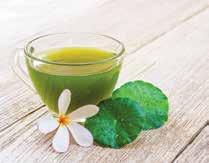
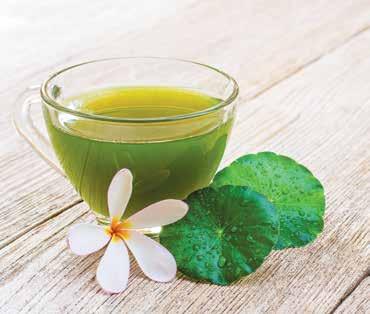
For herbal support, aged garlic extract has shown promise in lowering blood pressure and cholesterol, and reducing plaque. Kahn also recommends a combination of Pycnogenol (French maritime pine bark) and gotu kola to reduce vascular calcification and support circulation. Wingo uses gotu kola daily for its calming, vessel-strengthening effects.
Hawthorn is Wingo’s go-to heart tonic. Long used for cardiovascular support, it may improve blood flow, relax vessels and reduce clot risk. However, because it can interact with medications, professional oversight is essential.
Wingo also turns to L-carnitine for patients recovering from cardiac events or managing arrhythmias, as it helps the heart’s mitochondria produce energy. She occasionally uses ginkgo biloba to support circulation and stabilize arterial plaque. For reducing oxidative stress, she favors polyphenol-rich foods like blueberries, cranberries and green tea. To soothe stress-related symptoms, linden tea offers a gentle, calming effect.
Both experts caution against self-prescribing supplements. “A lot of popular supplements lack solid research,” Kahn says. Wingo agrees, stressing that herbs should complement—not replace—conventional medicine.
They advise consulting trained professionals, such as registered herbalists or naturopaths, and keeping a cardiologist informed. Used wisely, natural therapies can work in harmony with medical treatment, offering a powerful path to heart health.
Hannah Tytus is an integrative health coach, researcher and content creator at KnoWEwell, P.B.C., and former writer at the National Institutes of Health.
TUESDAY, FEBRUARY 3
Open Stage – 8pm. Take your music to the masses. Open Stage nights offer supportive audiences and a terrific space. Performers have 8 mins (or 2 songs) each to do their thing. $3, free/members, students. The Ark, 316 S Main St, Ann Arbor. TheArk.org.
WEDNESDAY, FEBRUARY 4
Wonder Walk: February Thaw –5-6:30pm. Learn about late winter strategies for animal survival. Free. Matthaei Botanical Gardens, 1800 N Dixboro Rd, Ann Arbor. mbgna.umich.edu.
SATURDAY, FEBRUARY 7
Dexter Winter Farmers Market – 9am1pm. Features art and crafts, bread and baked goods, jewelry, fresh produce, eggs, cheese, meats and more. Huron River Methodist Church, 7643 Huron River Dr, Dexter. DexterMarket.com.
Mindset & Anxiety Reset: How to Rewire Stress & Reclaim Calm – 12:15-1pm. This transformative workshop reveals how chronic stress and anxiety are rooted in an overwhelmed nervous system, not a mindset problem. Discover how to rewire
your body’s stress response using simple, science-backed strategies that calm the mind, restore focus and build real resilience. Free. Novi Chiropractic Clinic, 23975 Novi Rd, Ste A101, Novi. 248-380-9444. Novichiropractic.com.
SUNDAY, FEBRUARY 8
Superb Owl Sunday – 10am-12pm. A carnival-style event where you can move through the activities at your own pace. Meet some of our resident raptors, dissect owl pellets, and enjoy owl-related crafts and activities. Leslie Science & Nature Center, 1831 Traver Rd, Ann Arbor. DiscoverScienceAndNature.org.
TUESDAY, FEBRUARY 10
Open Stage – 8pm. Take your music to the masses. Open Stage nights offer supportive audiences and a terrific space. Performers have 8 mins (or 2 songs) each to do their thing. $3, free/members, students. The Ark, 316 S Main St, Ann Arbor. TheArk.org.
WEDNESDAY, FEBRUARY 11
Living with the Seasons in a Native Landscape: Nature’s Wonders and Wild-




life-Friendly Garden Care – 6:30-8pm. Presentation will take a stroll through the year, highlighting small and meaningful moments that often go unnoticed. In-person & online. Matthaei Botanical Gardens, 1800 N Dixboro Rd, Ann Arbor. AnnArbor. WildOnes.org.
SATURDAY, FEBRUARY 14
Keller’s Plaza Valentine Art Show – 11am6pm. Join us for a diverse group of artisans and makers. Many mediums, many styles, a lot of genres and a lot of magic. Free admission. Keller’s Plaza, 100 E Grand River Ave, Williamston. Tinyurl.com/uxdyxfnc.
SUNDAY, FEBRUARY 15
Wonder Walk: Desert Dreaming –1-2:30pm. In the deserts of southern Africa, a remarkable group of plants has evolved into forms so unusual that they often look more like stones than living organisms. Free. Matthaei Botanical Gardens, 1800 N Dixboro Rd, Ann Arbor. mbgna.umich.edu.
Ann Arbor Orchid Society: Sobralia Orchids – 2-4pm. With Deb Boersma. Free. Matthaei Botanical Gardens, 1800 N Dixboro Rd, Ann Arbor. mbgna.umich.edu.
WEDNESDAY, FEBRUARY 18
Wonder Walk: Nature Nurtures – 5:30-




Where style meets sustainability. There’s something for everyone inside! We offer a variety of high quality items at an affordable price. Everything from clothes, purses, shoes, decor, handmade items, jewerly and much more for the whole family. Its not just about shopping, but shopping with intention.
REUSE ~ REPURPOSE ~ RELOVE Mention this ad to get a discount of 20% off entire purchase.
If You Are Reading This, So Are Your Potential

7pm. An evening of self-care and creativity in the warmth and green spaces of the conservatory. Guided tours, watercolors, and easy crafts. Free. Matthaei Botanical Gardens, 1800 N Dixboro Rd, Ann Arbor. mbgna.umich.edu.
Free National Webinar: From Wasteland to Wonder – 7-8pm. With Basil Camu. Explores practical, evidence-based ways to heal suburban and urban landscapes by working with trees, soil, and natural systems, drawing on real world practices from Leaf & Limb and community-centered models for restoring life where we live, work and play. AnnArbor.WildOnes.org.
THURSDAY, FEBRUARY 19
Pet Loss Support Group – 1-2:30pm. With Colleen O’Brien. Features guided discussions, remembrance rituals and opportunities for reflection and connection. In-person or Zoom. Free; donations appreciated. HSHV’s Conference Room, 3100 Cherry Hill Rd, Ann Arbor. 734-6613575. hshv.org/petloss.
VegMichigan’s Dinner Meetup – 5:307pm. Have you visited Plant-Based Coneys since their recent menu relaunch? Escape the winter gloom and have some delicious comfort food with us. Plant Based Coneys, 42 E Cross St, Ypsilanti. VegMichigan.org.
SATURDAY, FEBRUARY 21
Dexter Winter Farmers Market – 9am1pm. Features art and crafts, bread and baked goods, jewelry, fresh produce, eggs, cheese, meats and more. Huron River Methodist Church, 7643 Huron River Dr, Dexter. DexterMarket.com.
Winter Plant ID – 12-1:30pm: Tree ID; 1:303pm: Non-Woody Plant ID. Tantre Farm, 2510 Hayes Rd, Chelsea. WillForageForFood.com.
SUNDAY, FEBRUARY 22
The Ark’s 39th Annual Storytelling Festival Family Show – 1pm. Storytelling for the whole family. The Ark, 316 S Main St, Ann Arbor. TheArk.org.
TUESDAY, MARCH 10
Yoga Philosophy and Meditation Series – Tuesdays, Mar 10-24. 2-4pm. With Dr. Kapila Castoldi. Sessions introduce the deeper roots of yoga beyond physical postures. Program invites individuals of all experience levels to engage with these ancient teachings in a contemporary context. Free. Crazy Wisdom Bookstore, 114 S Main St, Ann Arbor. Registration required: 734-994-7114 or MeditationAnnArbor.com.
Free Online Programs – Practical Buddhism, Healing and Compassion Meditation, Group Practice, White Tara Guided Healing Meditation, Sunday Talks. Jewel Heart Tibetan Buddhist Learning Center: 734-994-3387. JewelHeart.org.
Spenga Ann Arbor Classes – By combining spin, strength and yoga in every session, this boutique studio delivers a full-spectrum workout that supports cardiovascular endurance, muscle tone and overall flexibility. 859 W Eisenhower Pkwy, Ann Arbor. 734-369-4347. SpengaAnnArbor.com.
Tiny Lions Lounge & Adoption Center (TLC) – 12-7pm, Wed-Sun. Offers feline-friendly activities with kittens and cats available to take home. 5245 Jackson Rd, Ste A1, 734-661-3575. TinyLions.org.
Jewel Heart Ann Arbor Programs – Includes courses, weekly meditation and social activities. Jewel Heart Tibetan Buddhist Learning Center, 1129 Oak Valley Dr, Ann Arbor. 734-994-3387. JewelHeart.org.
Jewel Heart Bloomfield Hills Programs – Includes courses, weekly meditation and social activities. Theosophical Society, 27745 Woodward Ave, Berkley. 734-2395985. JewelHeart.org.
Yoga with Crysterra Wellness – Variety of classes Tues-Thurs. Cost varies. For schedule & details: CrysterraWellness.com.
Hudson Valley Humane Society Rescue Reading – 10am-12pm. Includes humane education lessons, group read-aloud and dog meet-and-greet. Drop-off event. $10; space limited. HSHV.org/ RescueReading.
White Tara Guided Healing Meditation – 10:30-11:30am. In-person & Zoom. Free. Jewel Heart Tibetan Buddhist Learning Center, 1129 Oak Valley Dr, Ann Arbor. 734994-3387. JewelHeart.org.
Sunday Talk with Demo Rinpoche –11am-12pm. In-person & Zoom. Jewel Heart Tibetan Buddhist Learning Center, 1129 Oak Valley Dr, Ann Arbor. 734-9943387. JewelHeart.org.
The Way of Eternal Becoming: Energetic, Spiritual Cultivation Session –2-3:15pm. Weekly cultivation of internal tools and skills: raising, brightening and engaging your unique true whole self and inherent gifts for a more present and fulfilling way of maneuvering through life’s challenges, successes and day-to-day experiences. Free. Zoom. EternalBecoming.com.
Guided Group Breathwork – 6-7:30pm. 1st & 3rd Sun. A group session of gentle, connected breathing and breath holds with music, guided by Jackie Miller, certified breathwork facilitator. Free, donations welcome. Huron Valley Aikikai, 1904 Federal Blvd, Ann Arbor. Registration required: ThisBreath.com.
Guided Group Breathwork – 6-7:30pm. 4th Sun. See description above. Dzanc House, 402 S Huron St, Ypsilanti. Registration required: ThisBreath.com.
Weekday Morning Online Meditation – Mon-Fri. 7:30-8am. Insight Meditation Ann Arbor offers a 30-min online group sitting via Zoom. Free; donations gratefully accepted. InsightMeditation AnnArbor.org.
Mindful Dexter – 12-12:30pm. Last Mon. A short 30-min guided meditation that is a simple and practical mindfulness tune-up that you can access from wherever you are. Zoom. Tinyurl.com/mindfuldexter.
Meaningful Mondays – 8pm. SevaLight Retreat Centre warmly welcomes everyone, of all faiths, meditation practices and traditions, to join us virtually. Will gather on video conference sharing in song/chants and inspiring readings from Mata Yogananda Mahasaya Dharmaji’s writings, followed by Pure Meditation and silent prayer. Free. Email by 10am any Mon to receive the info about how to join by video: Info@SelfRealizationCentreMichigan.org.
TUESDAYS
Senior Discount Tuesdays: Castle Remedies – Customers over the age of 65 can receive a 10% discount on their in-store purchases. In the Parkway Center, 2345
S Huron Pkwy, Ann Arbor. 734-973-8990. CastleRemedies.com.
Online Meditation from Anywhere –9-9:30am. Building an international sangha by connecting loving hearts. Donations welcome. To receive a link: CelesteZygmont2@yahoo.com or DeepSpring.org.
Neverending Lam of Liberation –7-8:30pm. With Demo Rinpoche. In-person & Zoom. Jewel Heart Tibetan Buddhist Learning Center, 1129 Oak Valley Dr, Ann Arbor. 734-994-3387. JewelHeart.org. Hatha-Flow Yoga for Wellness – 7:308:30pm. Beginner/Level 1; Intermediate/ Level 2. Moderately challenging yoga practice. Suitable for those with a moderate fitness level, some yoga experience helpful but not necessary. In-person or online. $14/class. Crysterra Wellness, Dexter Early Education Complex, Beacon Gym, 7480 Dan Hoey, Dexter. 734-649-1849. Tinyurl.com/3fw4ezrm.
CEW+Inspire Midweek Mindfulness
Guided Sit – 12:15-12:45pm. This virtual community of practice is open to all, whether new to mindfulness or seeking to deepen an existing practice. Registration is simple; sign up once to receive ongoing access to weekly Zoom sessions. Cew. Umich.edu.
THURSDAYS
Class Observation – 11-11:30am. Also Fri. Ann Arbor School of Massage, Herbal and Natural Medicine, 3684 W Liberty Rd, Ann Arbor. RSVP: 734-769-7794. Naturopathic SchoolOfAnnArbor.net.
Beginner Tai Chi – 6-7:15pm. A series of postures linked together in fluid manner. Focuses on relaxation in motion, balance
and the mind/body connection. Can attend one or both sessions per week (Mon morning &/or Thurs evening). $195. Peaceful Dragon School, 1945 Pauline Blvd, Ste B, Ann Arbor. 734-741-0695. PeacefulDragonSchool.com.
Mindful Dexter – 7:30-8pm. 3rd Thurs. A short 30-min guided meditation that is a simple and practical mid-month mindfulness tune-up that you can access from wherever you are. Zoom. Tinyurl.com/ mindfuldexter.
Gentle Restorative Yoga for Stress & Anxiety Relief – 7:30-8:30pm. Beginner/ Level 1. Create harmony and balance of body and mind through physical postures, breathing techniques and an extended guided relaxation at the end of class. In-person & online. $14/class. Crysterra Wellness, Dexter Early Education Complex, Beacon Gym, 7480 Dan Hoey, Dexter. 734-649-1849. Tinyurl.com/4u9e7jsm.
FRIDAYS
Monthly Women’s Circle – 6:30-8pm. 2nd Fri. A safe and supportive circle to come together to build skills, process emotions, connect with others and foster sisterhood. The circle offers guidance, laughter, sharing, growth and strength in community. $25. Alchemy Holistic Collective, 105 E Middle St, Chelsea. 734-210-1922. AlchemyHolisticCollective.com.
SATURDAYS
Mindful Dexter – 9:30-10:30am. 2nd Sat. Includes a 25-30-min guided meditation, a few minutes of silent meditation, followed by time for comments/questions and a discussion on a mindfulness topic. Dexter Library, 3255 Alpine St, Dexter. 734-476-8474. Tinyurl.com/mindfuldexter.

PRESCRIPTION EARTH
Melissa Anderson L.Ac
517-618-1772
PrescriptionEarth.com

Melissa provides a wide selection of services including acupuncture, acutonics, gua sha and fire cupping. She has treated thousands of patients with medical conditions including (but not limited to) digestive disorders, pain, anxiety, depression, PTSD, women’s health & fertility, and auto-immune diseases. See ad, page 9.
ROSY GLOW AROMATHERAPY
BECKY BORTAK, MA, ACA
Coaching@BeckyBortak.com
248-931-0944
BeckyBortak.com

I believe everyone can create a fulfilling and meaningful life, and I can help you achieve that. I offer one-on-one coaching. My areas of expertise include career coaching and confidence-building.
WISCONSIN
School of Pharmacy
CUW.edu/NPS
Margo Hertzfeld, Certified Aromatherapist 419-360-0169
RosyGlowWellness.com

Clinically certified aromatherapist offers holistic consultations with customized blends of professional quality essential oils. Trust Margo to help you understand the complicated world of aromatherapy. Her holistic approach can help you maximize your benefits from this powerful therapy and minimize side effects. Aromatherapy is a wonderful way to integrate natural healing into your life. Phone consultations are available.
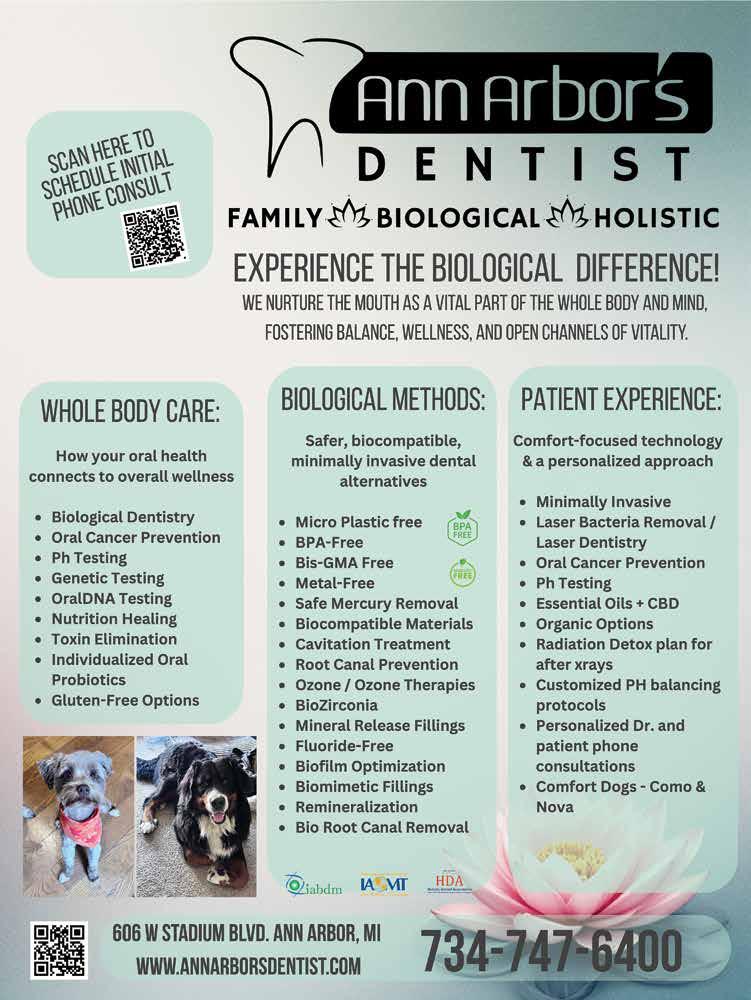
ANN ARBOR’S DENTIST
Dr. W. K. Dobracki, DDS 606 W Stadium Blvd, Ann Arbor, 48103 734-747-6400
DrDobracki@AnnArborsDentist.com AnnArborsDentist.com
Passionate about holistic care while utilizing Bio-Compatible materials and lasers. Our patients can elect to be free from fluoride, mercury and other harmful metals. Filling materials are tooth colored and both BPA & Bis-GMA free. We offer natural oral health products using fine essential oils, and free of gluten and preservatives. See ad page 3.


Take the next step toward a career that makes a difference! Discover Your Future in Natural Product Sciences with our flexible graduate programs. Choose from a 30-credit online Master’s degree or a 12-credit graduate certificate, both designed to fit your life and goals. Specialize in medical cannabis or nutraceuticals, and prepare for exciting roles in healthcare, pharmacy, research and development, manufacturing, business and beyond. See ad page 29.
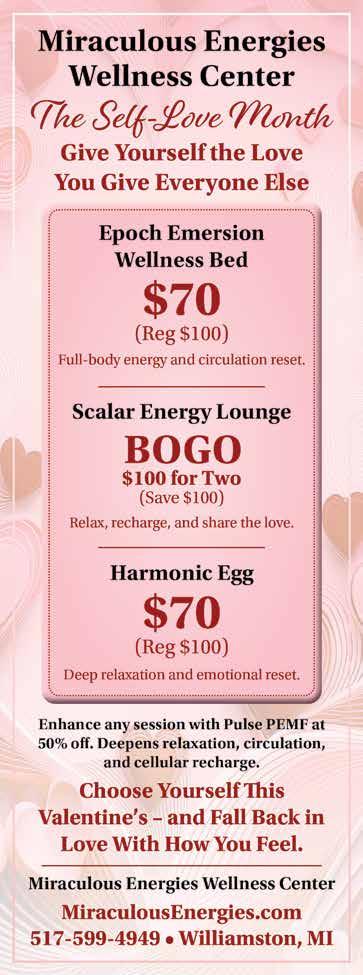
MIRACULOUS ENERGIES
(A Private Membership Association) MiraculousEnergiesAssociation@gmail.com 517-599-4949
MiraculousEnergies.com
The EESystem combines Body, Mind, Spirit and Science. This system generates multiple bio-active life-enhancing energy fields, including scalar waves and a morphogenic energy field, also known as scalar vortex. When combined with light as biophotons, it can interface with the body's DNA matrix and promote wellness. See ad page 5.

BETTER HEALTH MARKET & CAFE
3500 Washtenaw Ave, Ann Arbor 734-975-6613
BetterHealthMarket.com
Michigan's #1 source for organic foods, vitamins and more. Better nutrition at better prices, all backed by better advice from our nutrition experts. You will find; organic produce, all the top-quality vitamins and supplement brands, sports nutrition and proteins, delicious prepared foods, desserts, an organic salads, soup and hot bar, natural bath, body and aromatherapy products, green home products. Get rewards through our APP. See ad page 21.
DR.
210 Little Lake Dr, Ste 10, Ann Arbor 734-332-9936
DrSickels.com

Malcolm Sickels earned his M.D. from the University of Michigan, where he taught fellow medical students about different approaches to health. Board certified in Family Medicine and Holistic Medicine, he is in solo practice on the west side of Ann Arbor. Learn more at Dr. Sickels.com. See ads pages 10 and 16.
2345 S. Huron Pkwy, Ann Arbor In the Parkway Center 734-973-8990
CastleRemedies.com
Serving Michigan for nearly 40 years. Castle Remedies offers over 1,000 homeopathic remedies as well as herbs, essential oils, flower essences, books, unique gifts and jewelry. We carry top-tier nuitional supplement brands such as Metagenics, Ortho Molecular, Xymogen, Integrative Therapeutics, Karuna, NOW, and more. Classes available online. See ad page 18.

BEP MEDICAL GROUP
3045 Baker Rd., Ste. I & K
734-215-5768
BEPMedicalGroup.com
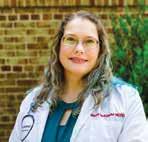
Led by Dr. Marcie Bockbader, MD, PhD, FAAPM&R, FASAM, our multidisciplinary holistic treatment team uses stateof-the-art technology and treatment modalities to treat the entire person: body, mind, spirit, and lifestyle. We firmly believe that addressing health issues requires more than a “one size fits all” approach. Our enhanced TMS (enTMS) and Wellness treatment plans are tailored to each patient to enhance outcomes and provide optimized results. See ad page 9.
WHOLE LIFE VETERINARY SERVICES
WholeLifeVet@gmail.com 517-474-4050
WholeLifeVeterinary.com

Give your horse or pet the benefit of both worlds with a combination of Western medical knowledge and Traditional Chinese Veterinary Medicine and acupuncture in the comfort of your own home or barn. We are committed to providing you with the best holistic pet health. We provide holistic care, in-home euthanasia, and equine lameness care. See ad page 25.
MOLDPRO
John Du Bois, CMI, CMR, CCMI 247 W. Main Street, Milan 734-439-8800 • MoldProllc.com

MoldPro offers chemical-free mold remediation, independent certified mold testing, inspection and consultation services all over SE Michigan specializing in mold biotoxin illness clients.
DOCTOR RADOW’S
POVIDONE-IODINE OINTMENT
DoctorRadows@gmail.com
386-414-1809
DoctorRadows.com

This hospital-grade ointment provides fast, effective healing for cuts, scrapes and wounds—without antibiotics, sting or scarring. Used by medical professionals, it’s now available for home use without a prescription to support clean, confident, everyday care. See ad page 11.
MICHIGAN FRIENDS CENTER AT FRIENDS LAKE COMMUNITY
7748 Clark Lake Road, Chelsea 734-475-1892
MFCenter.org/rent

We offer the holistic community a nature-oriented meeting space for workshops, meetings, counseling, yoga, youth groups and family gatherings. Main room accommodates 100, with two smaller classrooms and kitchen facilities. Hiking trails. Weekend rates range from $200-$400, additional for extensive grounds use, camping. See ad page 16.
CRYSTERRA WELLNESS
Andrea Astley ARCB BO1967 YA 345357 3173 Baker Rd, Dexter 734-649-1849
CrysterraWellness.com
Suffering from the effects of Stress, Fatigue, Hormonal Issues, Burn-out, Inflammation, Chemotherapy, Insomnia, Depression,
Chronic Pain and/or Digestive issues? REFLEXOLOGY CAN HELP! Reflexology can assist in addressing many physical and emotional health concerns. Experience the difference a highly skilled, Board Certified Clinical Reflexologist can make as part of your Wellness Team!
FREE AT LAST! HYPNOSIS
Center - A Joyful Journey
734-883-8775

Stop smoking in one visit. Afraid it’s going to be too painful or too difficult? Our unique specialized and proven system makes it easy. Become a happy and permanent non-smoker today. See ad page 23.
FREE AT LAST! HYPNOSIS CENTER - A JOYFUL JOURNEY
734-883-8775
Lose weight now with hypnosis. Achieve permanent positive life and habit changes through our safe, rapid and effective system. Tap the potential of your mind to create the health and vitality you’ve always wanted. See ad page 23.
THRIVE! WELLNESS CENTER
148 S. Industrial Dr. Saline 734-470-6766
Thrive-Wellness-Center.com
At Thrive! Wellness Center
Shannon Roznay, DC, specializes in Nutrition Response Testing and Activator Chiropractic. Thrive! also carries natural foods, skin and home products. See ad page 19.
LIST YOUR BIZ IN THIS WELLNESS DIRECTORY!
Text Now for Speical Rates! 734-757-7929