Demand for strong wool springs back

PRICES for strong wool have reached 10-year highs as demand grows and buyers scramble to secure limited supply.
Prices have risen 30% in the past year, with quality full length fleece selling at the January 15 auction for $5.30/kg clean, and exporters saying prices could increase further such is the shortage and growing demand.
Wool Impact chief executive Andy Caughey said the sector has reached a pivotal point, and Wools of NZ chief executive John McWhirter said the sector has shifted from being oversupplied to being undersupplied.
While prices have improved, they said direct supply contracts between growers and manufacturers would ensure stable, long-term pricing.
Data collated by market analyst company Fusca shows the strong wool indicator hit 475c/kg on January 15. The last time it was at this level was August 2016, before sliding to a low of 162c/kg in January 2021.
Caughey said the resurgent price was caused by a convergence of multiple factors: reduced supply, China replenishing depleted stocks, and new demand.
“There is a whole lot more happening and we must not lose
focus of the underlying current from new and existing categories using wool.”
Those new uses include acoustic tiles and deconstructed fibre in dyes and pigments.
“We are at a point where returns are meaningful for growers and not price prohibitive for manufacturers,” he said.
This price resurgence is despite India, which traditionally takes about 20% of NZ wool exports, in effect being out of the market as it contends with a 50% import tariff imposed by the United States.
Caughey said the European Union will this year or next require the origins of natural fibres to be traceable, a process that favours direct relationships between grower and manufacturer.
There is potential for further growth in China, where consumers seek natural products and commercial property owners are concerned about the environmental impact of fossil-fuel-based office décor.
An analysis by McWhirter shows that since 2015, NZ’s wool clip has fallen 4% a year.
At that rate, he said NZ’s total clip would have halved from 2015 to 2030.
“The decline in production is a significant factor.”
He estimates an oversupply of 40,000 to 50,000 bales in
Continued page 3
Blueberries pick themselves up after floods
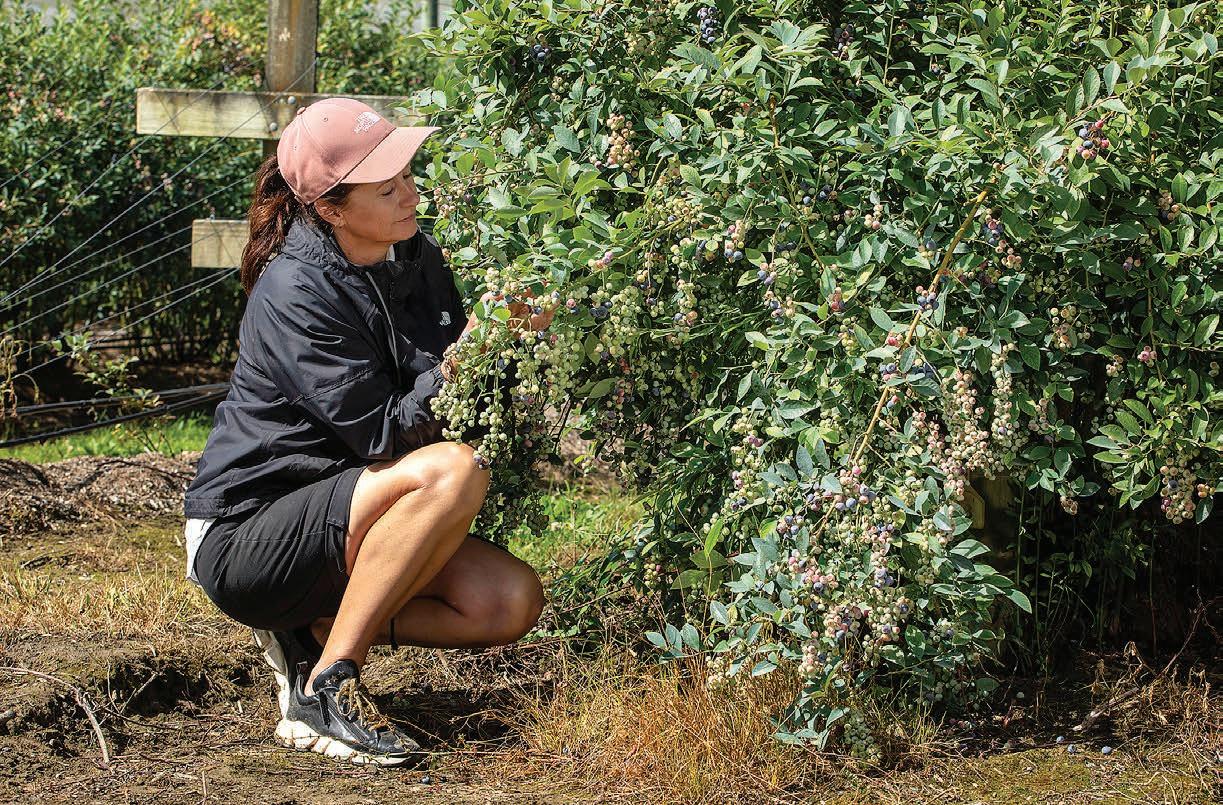
One blow after another left Motueka Valley blueberry growers Nicola Heckler and her husband Don fearing the worst for their crop. But, thanks to support from volunteers and local organisations, most plants survived last year’s floods and are producing early season fruit.
NEWS 4
SECTORFOCUS
Uncertainty over govt forestry policies slash expected planting.
NEWS 3
Crops lay ground for sectoral success
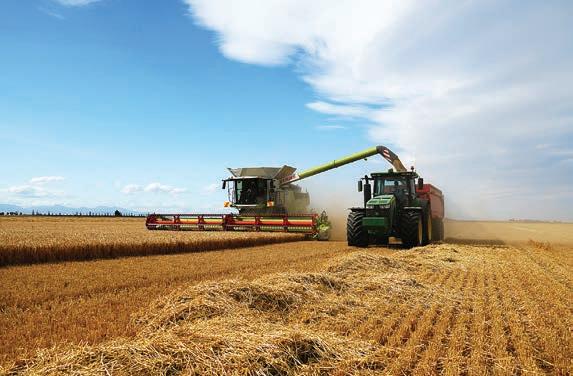
New Zealand cropping production is underpinning the productivity of many key primary industry sectors, according to an economic impact report.
ARABLE 18
Barley, not wheat, copped the worst of Canterbury hailstorms.
NEWS 5
Game Council says hunters sidelined on pest eradication plans.
NEWS 14
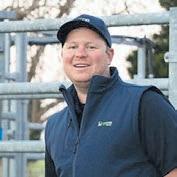
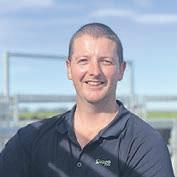
Photo: Tim Cuff
Neal Wallace MARKETS Food and fibre
Get in touch
EDITORIAL
Bryan Gibson | 06 323 1519
Managing Editor bryan.gibson@agrihq.co.nz
Craig Page | 03 470 2469 Deputy Editor craig.page@agrihq.co.nz
Claire Robertson
Sub-Editor claire.robertson@agrihq.co.nz
Neal Wallace | 03 474 9240
Journalist neal.wallace@agrihq.co.nz
Gerald Piddock | 027 486 8346 Journalist gerald.piddock@agrihq.co.nz
Annette Scott | 021 908 400 Journalist annette.scott@agrihq.co.nz
Hugh Stringleman | 027 474 4003 Journalist hugh.stringleman@agrihq.co.nz
Richard Rennie | 027 475 4256 Journalist richard.rennie@agrihq.co.nz
Nigel Stirling | 021 136 5570 Journalist nigel.g.stirling@gmail.com
Isabella Beale | 027 299 0596 Multimedia Journalist isabella.beale@agrihq.co.nz
PRODUCTION
Lana Kieselbach | 027 739 4295 production@agrihq.co.nz
ADVERTISING MATERIAL
Supply to: adcopy@agrihq.co.nz
SUBSCRIPTIONS & DELIVERY 0800 85 25 80 subs@agrihq.co.nz
PRINTER
Printed by NZME Delivered by Reach Media Ltd
Advertise
SALES CONTACTS
Andy Whitson | 027 626 2269
Sales & Marketing Manager andy.whitson@agrihq.co.nz
Janine Aish | 027 300 5990
Auckland/Northland Partnership Manager janine.aish@agrihq.co.nz
Jody Anderson | 027 474 6094
Waikato/Bay of Plenty Partnership Manager jody.anderson@agrihq.co.nz
Palak Arora | 027 474 6095
Lower North Island Partnership Manager palak.arora@agrihq.co.nz
Andy Whitson | 027 626 2269
South Island Partnership Manager andy.whitson@agrihq.co.nz
Julie Hill | 027 705 7181
Marketplace Partnership Manager classifieds@agrihq.co.nz
Andrea Mansfield | 027 602 4925 National Livestock Manager livestock@agrihq.co.nz
Real Estate | 0800 85 25 80 realestate@agrihq.co.nz
Word Only Advertising | 0800 85 25 80 Marketplace wordads@agrihq.co.nz
PUBLISHERS
Dean and Cushla Williamson Phone: 027 323 9407 dean.williamson@agrihq.co.nz cushla.williamson@agrihq.co.nz
Farmers Weekly is Published by AgriHQ PO Box 529, Feilding 4740, New Zealand Phone: 0800 85 25 80 Website: www.farmersweekly.co.nz
ISSN 2463-6002 (Print) ISSN 2463-6010 (Online)
Contents
Focus
1-15
16-17
18
Farmers . 19-22
23-26
27-28
29
30-31
32-35
36
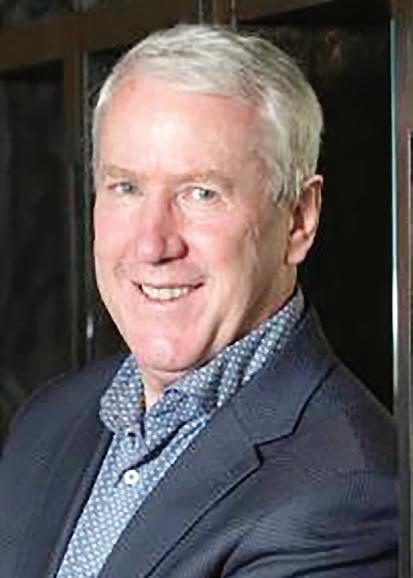
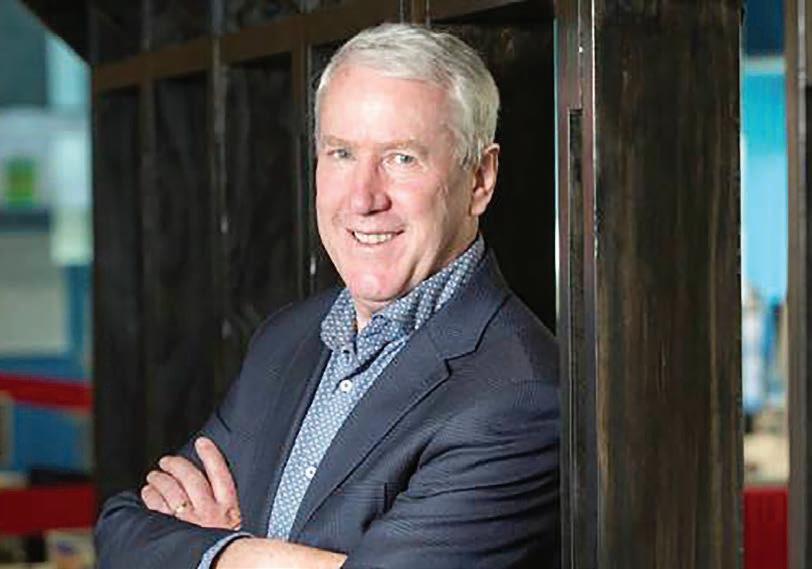
PLANS: After a long career driven by science and ensuring NZ farming is well positioned globally, Mike Manning is stepping down from the NZ Fertiliser Association with plans to pedal around the globe.
P13
News in brief
Modest GDT rise
The second Global Dairy Trade auction for January produced a modest rise in prices for key dairy commodities and a 1.5% increase in the GDT index.
Whole milk powder was up 1% and skim milk powder up 2.2%, while anhydrous milk fat rose 3% and butter 2.1%. The market rise had been predicted by the dairy price futures market and was a welcome confirmation of the unexpected 6.3% GDT index rise on January 7.
Gas secured
Ballance Agri-Nutrients has secured another short-term gas supply contract for its Kapuni gas-to-urea plant.
It means the Taranaki plant will have enough gas supply to continue to be operational until late March. The contract replaces the short-term agreement it obtained in September last year, which provided the plant with gas until the end of 2025.
Exports grow
The value of New Zealand primary sector exports to the United Kingdom grew 25% in the second year of the free trade agreement between the two nations.
Total primary exports to the UK in the year to June 30 2025 were $1.33 billion, up from less than $1bn in 2022, following the lifting of tariffs and quotas in May 2023 as part of the free trade agreement. A report by NZ Foreign Affairs and Trade noted primary exports grew to $1.06bn in the year to June 20 2024, the first year of the FTA.
FAR directors
Three new grower directors have been appointed to the Foundation for Arable Research board in line with revised mandate to eventually have seven farmers on the board.
The appointments follow the retirement of two long-serving directors, Steve Wilkins and Guy Wigley. The new appointments are Edward White of central Hawke’s Bay, Michael Tayler of South Canterbury and Hamish Irwin of Mid Canterbury.



Forestry plantings set to be slashed
Neal Wallace NEWS Forestry
UNCERTAINTY over policies on climate change and forestry has cut the outlook for forecast commercial forest plantings this year by more than two-thirds.
About 60,000 hectares of new forestry were planted in each of the past two years, but the Ministry for Primary Industries expects only about 17,000ha will be planted this year and between 11,000 and 14,000ha for each of the next four years.
New Zealand Forest Owners Association chief executive Elizabeth Heeg said planting intentions have fallen since the adoption of new policies to stop whole-farm conversions to forestry and restrict planting according to land use capability, as well as changes to climate change settings and the Emissions Trading Scheme (ETS).
“While our core focus is the production of timber and value-added wood products,
Continued from page 1
recent years has dampened the market, but that has now been used up.
“We have moved from oversupply to undersupply, which is favourable to farmers.”
Wools of NZ has focused on growing carpet demand as it uses large volumes of strong wool and recently opened an office in Shanghai to service its Chinese customers and to gain insight into that market.
McWhirter said customers understand growers need to be profitable but price rises must be at a sustainable pace. That can be achieved through direct supply contracts, which provide stability and certainty for
the uncertainty around longterm climate change mitigation settings is impacting confidence in our sector,” said Heeg.
The percentage of land in commercial forestry has remained steady at around 6-8% for the past 20 years.
“The changes to the ETS are likely to see this level remain stable.”
An MPI analysis said the
both growers and customers.
“We see the future in long-term stable contracts with international customers who are keen to do that.”
PGG Wrightson South Island auction manager Dave Burridge told Farmers Weekly that the January 15 South Island sale had a 99% clearance and the South Island strong wool indicator rose 38c.
The price of good and average style full fleece were both 9% higher than earlier sales. Second shear was 12% higher and lambswool rose 5%.
Jason Everson, general manager of WoolWorks Grower Direct, said farmers are once again making money from wool.
He said Chinese manufacturers

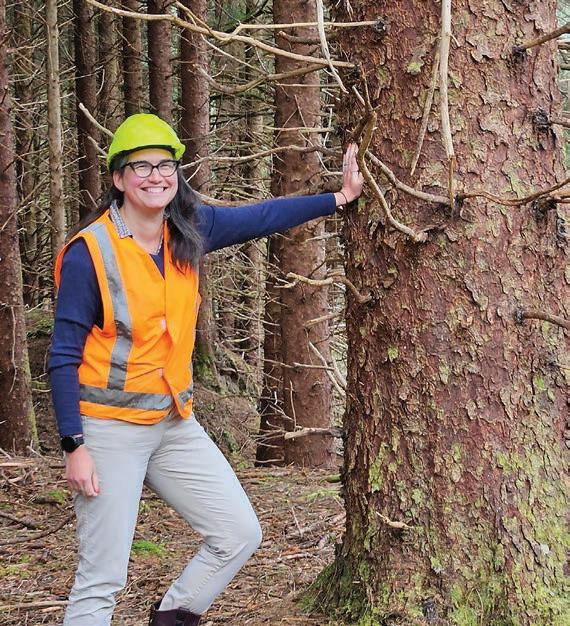
DROPOFF: NZ Forest Owners Association chief executive Elizabeth Heeg says planting intentions have fallen since the adoption of policies on wholefarm conversions and planting according to land use capability, as well as changes to climate change settings and the ETS.
government changes were designed to redirect planting away from high- and medium-versatility farmland, not to reduce planting overall.
“New afforestation will still occur. However, we expect this to be more integrated with existing land uses, rather than whole-farm conversions.”
Patrick Murray, the owner of Murrays Nurseries at Woodville,
are developing new products and fabrics from wool and recently began using it in bedding, which traditionally used down.
Another positive move was the announcement last April that NZ government buildings will preference the use of wool carpets.
Southland grower Adrian Lawson recently received $5.22/ kg clean for his ewe fleece sold through WoolWorks, $1.41/kg more than he got last year.
It was the highest he has made in 10 years. He said he is once again making money from wool and easily covering his shearing costs.
“There’s light at the end of the tunnel and it seems prices will keep rising.”
said seedling sales this year were about 25% less than last year – which was already about 25% lower than 2023.
“At this stage most prospective investors are not doing anything for a year or two until they see how things work out.
“It’s pretty quiet.”
The price of NZ carbon units traded on the ETS has halved in the past year and is now trading at about $32/NZ Unit (equivalent to one tonne of sequestered carbon), further denting confidence.
For the past two years the government’s quarterly auction of carbon units has failed to attract any bids.
Heeg said while this low carbon price is cooling forestry investment, the full implications will take time to play out.
“More broadly, uncertainty around ETS settings is also dampening long-term investor confidence in the forestry sector.”
Nigel Brunel, the managing director of Marex NZ, describes the market as fragile.
“The regulatory risk, the Class 6 restrictions and low NZ Unit [NZUs] price are all feeding into what we are seeing happening.”
The low price could be an opportunity for forest owners to manage current risks by buying back NZU now.
“At lower price levels, buying NZUs forward to match known or expected liabilities can materially reduce long-term exposure.”
This comes as the government announced a proposed 66% reduction in the cost to forest owners of maintaining the ETS.
Forest owners took legal action against the previous government’s decision to charge them an annual fee of $30.25/ha.
Forestry Minister Todd McClay said he initially proposed a reduction to $14.90/ha but now proposes to reduce that to $10.25/ ha.
Euan Mason from the University
Most prospective investors are not doing anything for a year or two until they see how things work out.
Patrick Murray Murrays Nurseries
of Canterbury School of Forestry said the government’s wateringdown of climate change policies and reduction in planting, will make it difficult for NZ to meet its 2050 net zero greenhouse gas emission targets.
“NZ is struggling to meet its climate change commitments anyway and this certainly is not going to help.”
Carbon sequestration from forestry is a component of NZ meeting those climate change obligations.
Mason accepted wholefarm forestry conversions can negatively impact rural communities but said emission targets could be met by planting forests on low-producing farmland.
“We could do it without destroying rural communities.”
tics




Medium-large clover with ver y high total produc tivit y under a wide range of grazing managements
Blueberries bounce back after battering

Terry PEOPLE Horticulture
SIX months ago the future of Mill Creek Orchard looked uncertain. Two major flooding events in the Motueka Valley had not only swamped over 18 hectares of productive blueberry bushes, but had left smashed posts and thousands of tonnes of debris and silt.
Then in October, a major storm tore the plastic off more than half the owners’ 88 tunnel rows in an area unaffected by the floods, and which usually provides the early crop, from October to December. The havoc exposed the fruit to the birds the day before the first pick of the season.
“We lost that entire lot, literally overnight,” said Don Heckler, who owns the orchard along with wife Nicola.
Despite this, incredibly the couple have reported a successful season so far with the early fruit, and have just begun picking from the bushes in flood-ravaged areas, which usually fruit from January to June.
“Although productivity overall for the season will inevitably be lower than usual, it’s been a
relief to get some money coming in, rather than it going out in the recovery effort,” Heckler said.
The first heavy rain and flooding hit the Tasman region in late June last year. A state of emergency was declared.
“We were quite positive after that first event we’d still get fruit because we’d had a reasonably big event four years beforehand on 4ha, and we’d got that tidied up pretty quickly and ended up with a reasonable crop.
Everyone rallied around ... it was pretty bloody heartwarming to be perfectly honest.
“So I knew if we could get the plants cleaned off and the silt out as fast as possible, most of them would bounce back.”
Sticklers for a tidy orchard, the Hecklers had regained some semblance of normality when, at the beginning of July, the region’s second major flood event wreaked further destruction. Civil Defence declared it to be the worst flooding in almost 150 years.
“When the second flood came through it was carnage,” Heckler said.
“The Motueka River was literally roaring that night, it was deafening sometimes, so I knew it was going to be bad. After that we just didn’t know where to start.
“We’d already spent two weeks cleaning up from the first one, and the amount of debris with the second flood was incredible – whole trees, logs, baleage: you name it, it was in the orchard. Posts were broken and we lost an entire 4ha enclosed block to the river.”
To make matters worse, a slight injury Heckler endured during the initial flood became infected in the second, leading to sepsis.
“After the first flood there’d been just a bit of a wound, nothing major, and I hadn’t needed stitches or anything, but then the next flood came through and infection set it.” He was hospitalised and nearly lost his foot.
The couple were grateful for the help of their seven fulltime employees, as well as many volunteers, and the support from organisations such as Enhanced Taskforce Green, MG Group, Foodstuffs South Island and Farmlands.
“Everyone rallied around. The community was incredible. We had 70 to 80 people here cleaning off the plants. We even had food donations. It was pretty bloody heartwarming to be perfectly honest.”
Thankfully, like a large proportion of the blueberry bushes, Heckler’s foot recovered over time.
When the couple bought the property in 2011 it had just 1ha of blueberries planted out. They
picked 6 tonnes in their first season. Last year, having expanded since that time to just over 28ha and 17 varieties, they picked 356 tonnes and, during that summer, employed nearly 150 additional staff.
This year it’s likely they’ll need only 100 extra workers due to the reduced productivity after the floods.
As well as the loss of 4ha entirely, some buds were knocked off in cleaning off the grass and debris to enable the bushes to flower, Heckler said.
“Where we’d usually have big trusses of fruit, up to 30 centimetres long, they’ve all got gaps in them this year.
“Also, some of the bushes got cracked in the crown, and although it wasn’t noticeable initially, they can get an infection. Certain varieties can handle it, certain varieties can’t.
“The full extent of damage and productivity is only just really becoming evident, although we know we’ve lost about 20% of the bushes so far. But given the amount of devastation, it’s wonderful that so many of the plants are bouncing back!”


Fiona
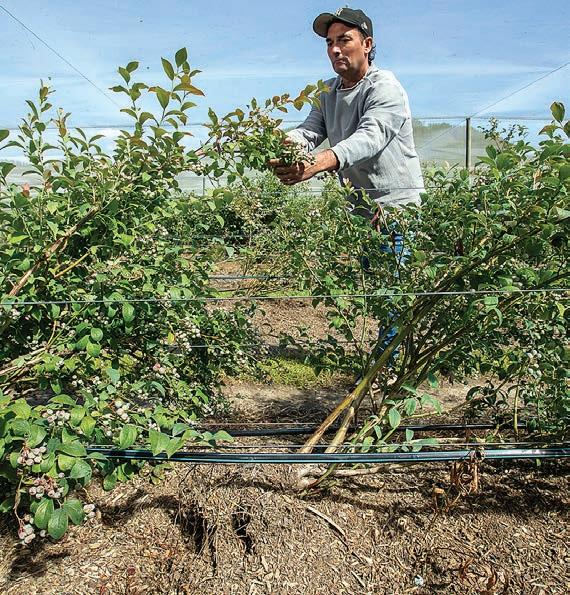
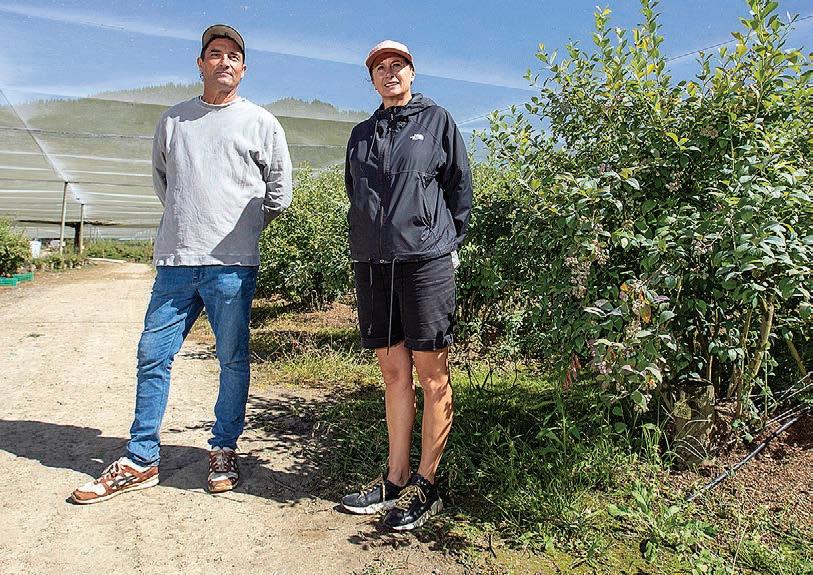
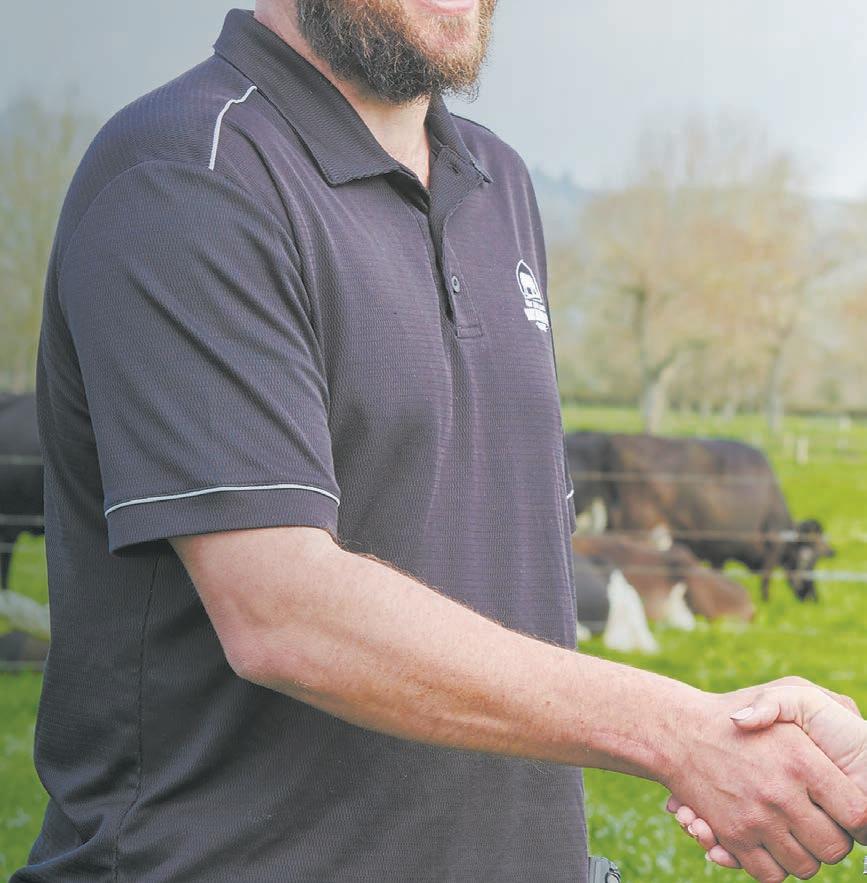
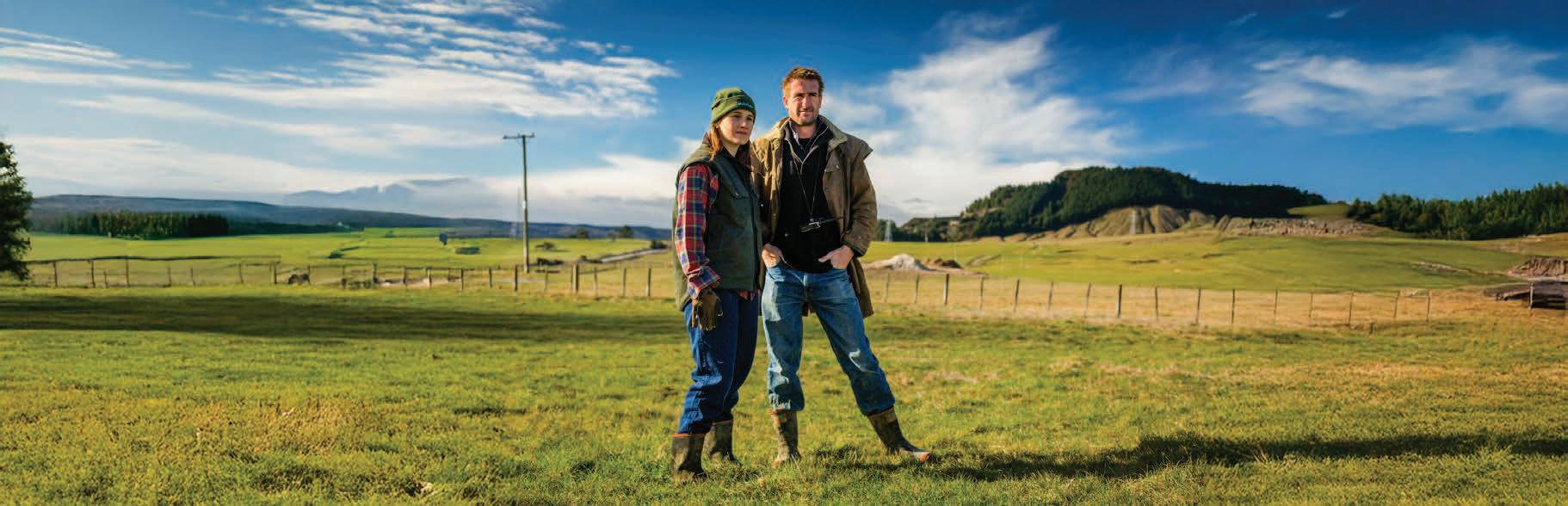
RESILIENT: Don and Nicola Heckler at their blueberry farm Mill Creek Orchard in the Motueka River Valley. The farm has been hit by major flooding events.
Photos: Tim Cuff
IMPACT: Don Heckler among plants that were washed sideways by last year’s floodwaters at the blueberry farm he owns with wife Nicola.
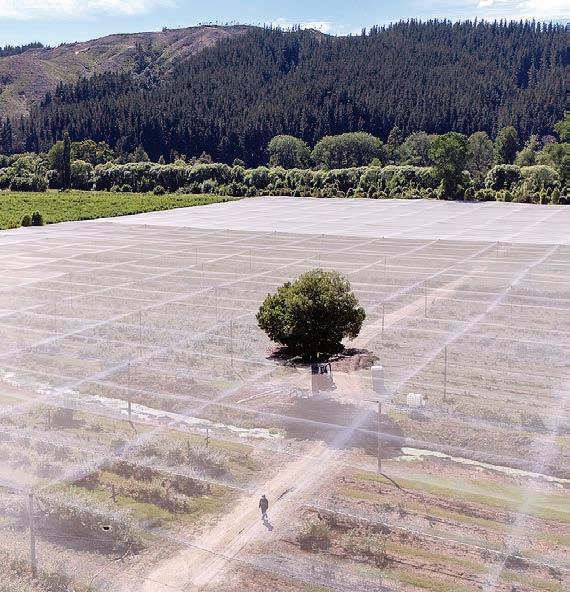
PROTECT: Hail netting covers bushes at Don and Nicola Heckler’s blueberry farm.
Don Heckler Mill Creek Orchard
Cleanup underway after wild summer weather

Gerald Piddock NEWS Weather
FARMERS across much of the central and upper North Island are assessing damage and cleaning up after heavy rain caused flooding in Northland, Coromandel and Hawke’s Bay-east coast.
Late last week heavy rain warnings were also in place for parts of the South Island.
Over 300mm fell in many North Island regions, flooding paddocks and rivers, leaving many without power and causing slips that blocked roads as well as other damage.
The flooding has left staff with a major cleanup job at the awardwinning Whangaroa Ngaiotonga Trust’s farm at Whangaruru, north of Whangārei.
They are using a kayak to access one part of the farm to move stock.
Morris Pita Whangaroa Ngaiotonga Trust
The flooding at the bullfinishing farm took out several culverts, creating challenges with farm access. Farm tracks have been blocked and slips occurred on some of the higher country. Around 2km of fencing was lost.
All of the staff members and livestock on the farm are safe, Whangaroa Ngaiotonga Trust cochair Morris Pita said.
The 1100 hectare farm was last year’s Ahuwhenua Trophy winner for the top Māori sheep and beef farm.
Pita said it looked like the district was the epicentre for much of the damage.
They will have a lot of work once
the rain stops to assess and repair the damage.
“We’ll let it dry out and then we’ll crack on, roll up the sleeves and get on with the process of repairing the damage.
“In one part of the farm, farm manager Matt Payne – who is doing an amazing job along with his 2IC – they are using a kayak to access one part of the farm to move stock.”
Pita said the flooding is affecting the entire surrounding community.
“As a community and as a hapū we’ll come out of this stronger.
The people in the north have a real resilience to them and we’ll come shoulder to shoulder, roll up our sleeves and get on with the cleanup and move forward from here.”
Northland Federated Farmers president Colin Hannah said it was now a waiting game for the water to reside so there can be a proper assessment of the damage.
Fonterra Farm Source regional head for the upper North Island Debra Kells said the road closures have delayed collections from some parts of Northland.
Hauraki-Coromandel president Robert Craw said the region had a lot of road closures from slips and surface floods.
There were reports of a couple of farmers with large portions of their farm being flooded. They were being assisted by the Rural Support Trust.
Most farmers had been proactive and moved stock to higher ground and there are no feed shortages.
“The only issue that we’re going to have now is that there’s a lot of supplementary feed floating away. That could pose a problem later on.”
The power was back on for most farmers but, while dairy farmers could milk their cows, tanker access was an issue and some
farmers may have to dump milk, he said.
“There are areas that have had more rain and more damage than Cyclone Gabrielle.”
The weather led to states of emergency being declared by Whangārei District Council, Thames-Coromandel District Council, in Bay of Plenty, Hauraki District and Tairāwhiti.
Hail carnage a bitter pill for beer

Annette
Scott NEWS Arable
THE hailstorms that pummelled Canterbury cereal crops look to have had more of an impact on barley for beer than on wheat for bread.
Two weeks on and as assessments continue, United Wheatgrowers chair Michael Tayler said wheat crops are not looking so bad as initially expected.
“We do have 75 claims for more than 4500 hectares – that is unprecedented – but overall
looking at a 5% loss. Across the 430,000ha grown around the country, it won’t impact supply to the extent we initially thought.
“The 75 farms hit are across Canterbury, in particular many farms along the top of Mid Canterbury up near the Rakaia River, with one of two in North Otago.
“It does appear now that barley crops are looking to be more affected; I don’t think millers will be affected too much.”
Tayler said once all assessments are complete and reports are tallied up, they will go to FMG and it will be another two to three
weeks before the real impact is known.
Federated Farmers arable sector chair David Birkett said outside the cereal crops, essentially all crops affected have been highvalue crops, vegetable seeds and winter feed crops.
“We are trying to understand now how much damage has been done, what that means for winter feed and what affect that will have to feed livestock over the winter.”
Birkett said the shorter-term effect is being felt in crops such as seed peas.
“They are not going to recover now so it’s time to get inventive. There have been peas harvested just for forage that couldn’t be taken through to seed.
“There will be an impact on export contracts where crops have been completely written off, but we don’t know the full outcome yet.”
Meanwhile it’s a wait with bated breath as cropping farmers look to the skies for every available window of harvest weather.
“We are more worried about the weather now. We need to see the sun, there’s ryegrass and cereal crops very close, there’s grass cut and this rain will be on top of that.
“We just need good weather to get started.”


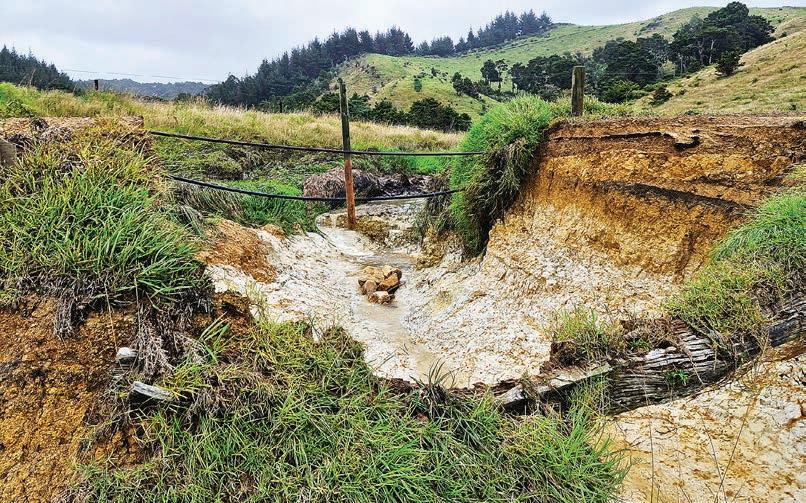
CULVERT: A washed-out farm road and culvert at the Whangaroa Ngaiotonga Trust’s A3 farm near Whangaruru, which was extensively damaged by flooding.
INVENTIVE: David Birkett says it’s been about getting inventive with crops that won’t recover now.
You’re Welcome.


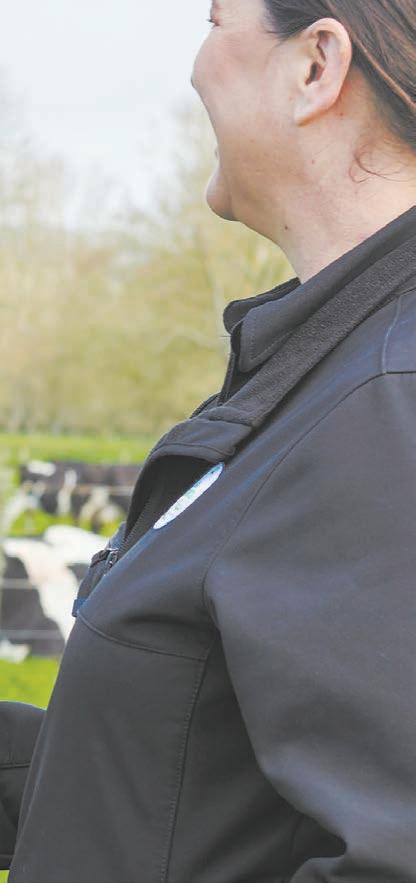
Great outcomes happen when farmers stand together – building scale, reputation, and value that reaches far beyond the farm gate
As we strive to set the bar for what farmers can expect from a processor, we want you to know that when it comes to joining the Co-op, you’re welcome.






Eyes on beef as Mercosur deal advances

BNigel Stirling MARKETS Sheep and beef
EEF exporters are hopeful the fallout from a mega trade deal involving their highestpaying market will be limited.
An agreement between the European Union and the Mercosur group of South American countries, including beef exporting powerhouse Brazil, was signed last weekend after two decades of negotiations.
The agreement with Mercosur – Mercado Común del Sur, or Southern Common Market –still needs to pass through the European Parliament before it can enter into force and tariff reductions commence.
Small quotas negotiated as part of the EU-New Zealand FTA – 3333 tonnes annually, rising to 10,000 tonnes by 2034 – limit how much beef NZ can sell to the EU’s 450 million consumers.
When the agreement was signed in 2022 the Meat Industry Association said in-quota tariffs of 7.5% meant they were likely to
be largely unused by exporters.
However, a director of one major exporter told Farmers Weekly a lot has changed since then.
“The price of beef has probably gone up 40% since, so those tariffs are not as painful.
“The EU has become this phenomenally high-paying market and that quota is gold,” the director said.
Industry statistics show the EU was NZ’s highest paying market for most of 2025, rising from $9 per kg FOB in November 2024 to $13 per kg last November.
While the EU still only accounts for 3% of NZ’s beef exports, these jumped 101% year-onyear, bettered only by the United Kingdom market’s 530% annual increase.
Taylor Preston’s beef marketing manager, Cameron Kyle, said the possibility of a new 99,000 tonne EU quota for Mercosur countries is timely for Brazil as it faces being cut back in the Chinese market following Beijing’s recent investigation into beef imports.
“Definitely ... they would be looking to place some of their
higher-value steak cuts in the EU where they have got access.
“They do already have quite an established presence in the EU and the UK and there is no doubt they will be looking to utilise that.”
ANZCO’s general manager of sales and marketing, Rick Walker, previously worked in Brussels for Fonterra. That background makes him sceptical that the deal will
progress.
Longstanding opposition from European farmers claiming they will be swamped by a deluge of cheap Brazilian beef has not gone away.
European parliamentarians are also likely to be unnerved by estimates of a 25% increase in deforestation that could occur in Mercosur countries as ranchers
The EU has become this phenomenally highpaying market and that quota is gold.
Exporter
clear more rainforest to cash in on increased access to European consumers.
“This deal has been circulating around Europe for years and the Parliament has never been keen so I am not sure why suddenly they would be open to signing it off now.
“The same issues pop up every time,” Walker said.
Walker said he expects the Brazilian beef recently shut out of China will be “scattered” around southeast Asia and North America mostly.
“And remember the projections are that [Brazilian] volumes are going to decrease in 2026 just like in the US and Australia.
“So beef markets are going to be relatively tight.”
MORE: See page 10
Fonterra greenlights South Island organic uptake
FONTERRA is expanding its organic collection to the South Island, where it will take organic milk supply for the first time starting from the 2028-2029 season.
The co-operative has been considering the move for about a year.
Over that time it has engaged farmers to see if they have both the assets and milk volumes to make it possible, Fonterra’s general manager of organics Andrew Henderson said.
“We addressed all of the
questions and got the tick of support to move ahead.”
There is also a group of South Island farmers who have been asking the co-operative to collect organic milk through informal engagement, he said.
The expansion will come on the back of strong global demand over the past few seasons for organic dairy.
“We have a number of customers that would really like us to grow faster and we haven’t been able to keep up with that growth through North Island recruitment.
“We are still very much focused on growing the North Island but we see that to meet that demand in the market growth
requirements, we need to expand into the South Island.”
Some of these farmers are well underway with the organic conversion process and are farming regeneratively, while others are starting at the beginning.
Henderson said he expects that these farmers will meet Fonterra’s certification process by the time they start collecting.
“The milk will be processed at Fonterra’s Stirling plant in South Otago and the co-op will be focusing on recruiting farmers in Southland, Otago and up into Canterbury.
Fonterra’s organic business has been running since 2002, with

Hautapu, Morrinsville and Waitoa UHT producing the majority of the co-op’s organic dairy products. Record highs have been set for the past three years on the back of
SUPPLY: The South Island organic expansion is a result of demand both in the market and from farmers wanting to convert to supply organic milk to the dairy co-operative.
growing demand, culminating in a final payout of $12.35/kg MS last season.
The current forecast for the 2025/26 season is $13.10/kg MS.

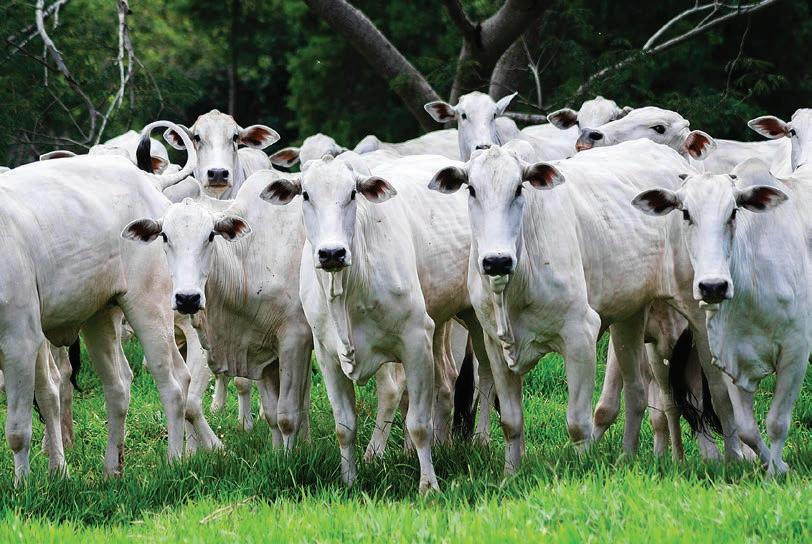
SWAMPED: Longstanding opposition from European farmers claiming they will be swamped by cheap Brazilian beef has not gone away.
Photo: Pexels
Gerald Piddock NEWS Fonterra
Perendale ram fetches top dollar at Gore fair

Gerhard Uys MARKETS
Livestock
APERENDALE ram took top spot at the Ram Fair in Gore.
Annabel Tripp, from Snowdon Station near Rakaia Gorge, sold Lot 1 Snowdon E337/24 for $14,000 to John Henrickson from Wairarapa.
Last year Henrickson paid the top price at the Ram Fair when he laid out $19,000 for another one of the Snowdon rams.
Henrickson said he paid top price both years because he believes both rams were the top rams on the day and will do well on his farm.
Both years, the highest selling ram also walked away with the people’s choice award.
Tripp said E337 is “quite a correct ram, with a lovely jacket of wool. [He’s] a deep ram, with good data, and is well put together.”
She said sheep and beef farmers have had it tough and it’s good to see positivity in the market, particularly as many farmers are
carrying debt to some degree. It’s good to see sheep farmers rewarded for the work they are doing, she said.
Callum McDonald, genetics manager for PGG Wrightson, said bidders chased the top quality rams.
Though the Ram Fair is a stud sale, he said, commercial on-farm sales have been tracking well with buyers wanting the best genetics that will put meat on lambs. They are “wanting rams that will make money”.
It’s nice to see sheep farmers having a good run, he said.
Fraser Darling, chair of the Perendale Ram Fair committee, said although the highest price was lower than last year, the average sale price was up by $500 to $4042.
He said this year proved commercial buyers can buy good rams for decent prices.
There’s buoyancy in the sheep industry that he hasn’t seen for a while, with high lamb prices and crossbred wool making a comeback.
There are more rams going north
E337 is quite a correct ram, with a lovely jacket of wool. [He’s] a deep ram, with good data, and is well put together.
Annabel Tripp Snowdon Station
from the South Island than vice versa, he said.
Other notable Perendales on the day were Lot 4 Mount Guardian 131/24 selling for $8500 and Lot 24, also from Mount Guardian, going for $8000. Lot 14 Gowan Braes sold for $7000.
Romney Lot 127 from Ian Caird
sold for $4758, Southern Texel Lot 125 from Dodd Farming sold for $5800 and Lot 130 From Blacksdale Stud sold for $5400.
HortNZ backs better planning on land use
Neal Wallace NEWS Regulation
HORTICULTURE New Zealand supports government changes to the Resource Management Act that include the selective opening up of some high-class soils for housing development, quarrying and mining.
The proposal, contained in the first tranche of a wholesale rewrite of the RMA, will allow urban development and rezoning on land use capability (LUC) Class 3 land.
The timeframes for councils to map and identify high-class soils so they can be appropriately managed have been extended until the end of 2027, to align with the replacement of the RMA.
HortNZ chief executive Kate Scott said it is sensible to delay the introduction of Special Agricultural Areas until new
resource management systems are in place.
“We also welcome the government’s intent to better balance the continued use of land for multiple purposes, including highly productive land, while still meeting New Zealand’s growing demand for housing.
“Many of our key horticultural regions face both production and housing pressures, and it is critical the system does not treat these needs as mutually exclusive,” she said.
“We believe that if land is to be set aside or recognised for a specific purpose, such as highly productive land, there must be a corresponding and explicit enablement of its use for that purpose.”
Planning needs to enable the growing of food on that land.
That includes access to water, infrastructure, responding to climate and market pressures and giving growers confidence to make
long-term business decisions.
RMA Reform Minister Chris Bishop said the changes would be made to the National Policy Statements (NPS) for indigenous biodiversity, freshwater management, highly productive land and the NZ coastal zone.
These would make it easier to access gravel and rock for infrastructure, do more in the coastal marine area and increase land available for housing.
The current RMA makes it too difficult to get consent for quarrying and mining.
“It is an unavoidable fact that to build more infrastructure and grow our economy, we need quarries and mines,” Bishop said.
The current NPS for highly productive land was gazetted in 2022 to protect NZ’s most valuable soil, about 15% of the country’s land mass, for food and fibre production.
It predominantly protects LUC classes 1, 2 and 3.




Olivia Smith, Commercial Manager, Spring Sheep Milk Co., 2025 Scholar
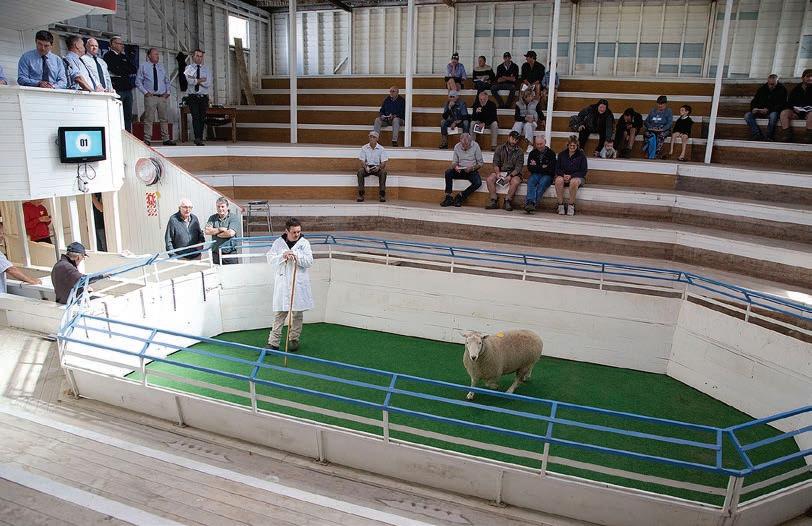
DEMAND: Fraser Darling, chair of the Perendale Ram Fair committee, said although the highest price was lower than last year, the average sale price was up by $500 to $4042.
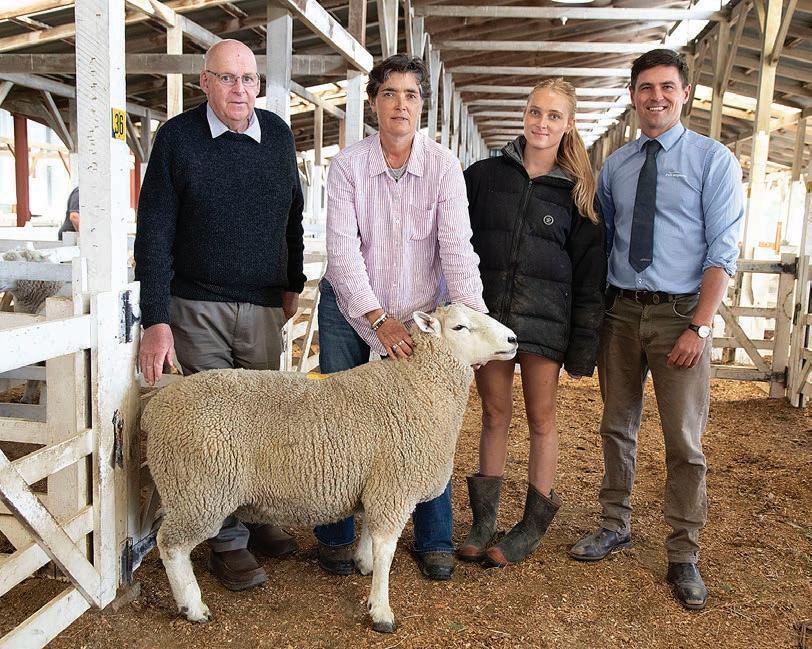
TOP PRICE: From left, John Henrickson, Annabel Tripp, her daughter Georgie and PGG Wrightson auctioneer Ben Mckerchar. Henrickson bought Perendale Lot1 Snowdon E337/24 for $14,000 from Tripp. The ram fetched the highest price at Ram Fair in Gore.
Weirdness, wellness and beer soup on menu

Richard Rennie NEWS Food and fibre
BEER-flavoured soup, the rise of fibre, and the importance of TikTok are all on the radar of food marketers heading into the new year.
Global food market platform
Food Dive has identified a raft of trends for 2026 that include often contradictory consumer expectations, where convenience and indulgence are being sought out in less processed, “cleaner” food products.
Dr Victoria Hatton, head of food research hub Food HQ, said few of the trends identified by Food Dive surprise her as a greater number of younger consumers take more note of their health.
“They want food that gives them a boost, whether it is their brain, their gut or their general health, while some of these products also have a high level of indulgence associated with them.”
While “zero sugar” was a key feature several years ago, the market has moved more towards additives that enhance those health functions.
An example is PepsiCo launching its namesake soda with prebiotics, and Cheetos and Doritos marketed without artificial dyes in them.

MOVING ON: While
‘zero sugar’ was a key feature several years ago, the market has moved more towards additives that promise to enhance health functions, with PepsiCo launching its namesake soda with prebiotics.
milk proteins by a scientist at the Riddett Institute.
“It’s a type of green-washing when, as a consumer, you pick up an oat milk high in protein. You assume all protein is the same. He is unpacking what proteins are better than others.”
She also agreed with Food Dive that “weird is winning” when it comes to getting products across to younger consumers fully engaged with TikTok.
The result is more food companies collaborating with other producers to come up with unexpected combinations, including Campbell’s Company with lager company Pabst Blue Ribbon, for a beer soup.
“Often the longevity is short, but they will be picked up by TikTokkers.
“And if we are going to successfully sell to those consumers, that is where we have to be.”
The continued increase in the use of the GLP-1 type weight loss drug is also driving shifts in food portions and components.
Food HQ’s own work indicates that when the drugs come off patent in China and Canada this year, use is forecast to explode, estimated to reduce grocery spending by 10% per household or $8 billion annually.
No one will be cured of anything by drinking a can of Pepsi with prebiotics in it, but they will feel better about it.
Dr Victoria Hatton Food HQ
She cautioned that NZ exporters may have to seriously consider retooling processing equipment to produce smaller portions and cuts, because of GLP use.
New Zealand dairy is riding a wave of “proteinification” of foodstuffs at present, with many Asian food producers adding protein to multiple food products and touting its health benefits. “No one will be cured of anything by drinking a can of Pepsi with prebiotics in it, but they will feel better about it,” Hatton said. She described this trend of introducing outwardly healthy compounds and ingredients as akin to “dietary green-washing”. It is an aspect of food marketing currently being studied in oat
Food Dive points to fibre as the component coming hard on the heels of protein as the next big functional ingredient.
“Fibre is particularly important when on GLP drugs. Kiwifruit are an example of a NZ-sourced fruit that has enzymes that boost fibre levels in food.”
The upside for NZ food exporters is survey results that have found protein consumption has increased by users of GLPs by as much as 65%, along with an almost 80% increase in fruit and vegetable consumption.
Fast food meals are looking particularly vulnerable to consumption declines.
There is also work being done to develop food-grade bioactives that stimulate GLP-1 production, coming from pulses and vegetables particularly.

High-tech traps tackle northern pests

Hugh Stringleman TECHNOLOGY Pests
TARGET recognition and automatic trap resetting are improving the effectiveness of pest control in two Northland regions.
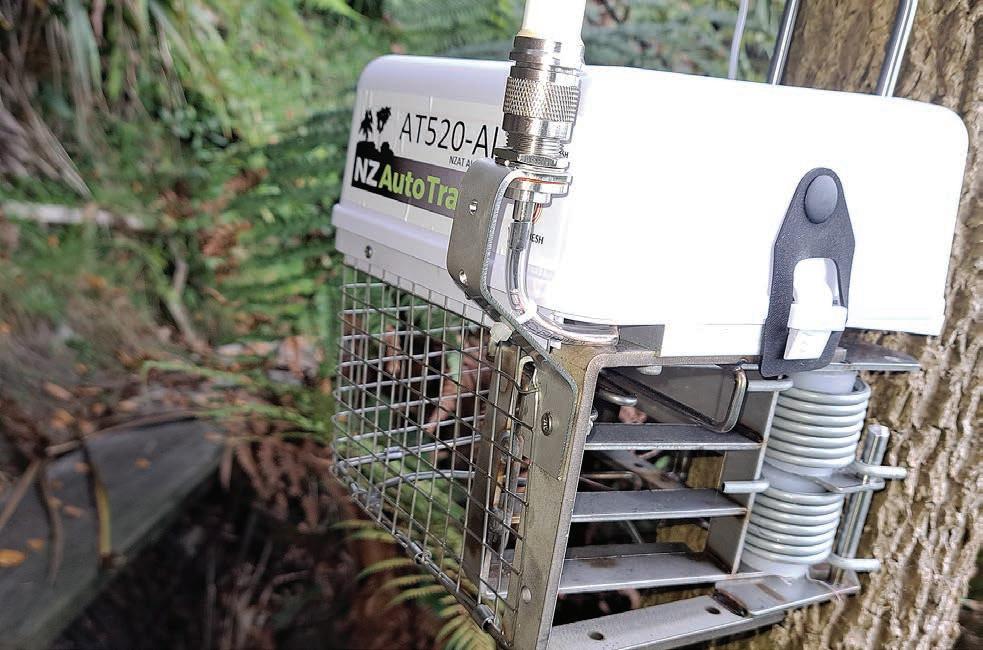
The high-tech NZ AutoTraps AT520-AI traps are activated when target possums and rats are attracted to baits – and turn themselves off when curious kiwi come along.
The new traps have been deployed for a year in the Whangārei Heads and Pēwhairangi Whānui (Bay of Islands) regions along with earlier AT220 models and trail cameras which send back images, as part of the Predator Free project.
Successful pest control is now considered to be elimination of the target species in districts rather than just suppression,
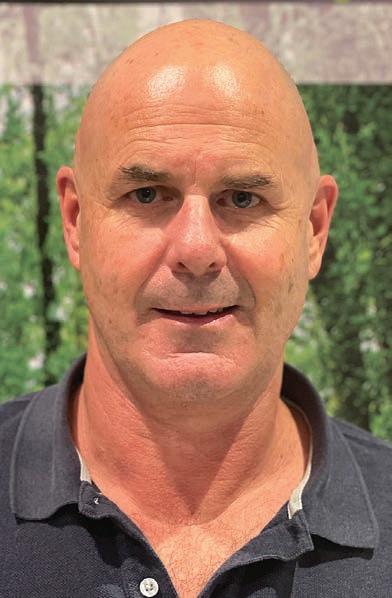
BALANCE SHEET: Trap life, saving labour and data collection are all positives, NZ AutoTrap operations manager Haydn Steel says.
Northland Regional Council (NRC) biosecurity manager Sam Johnson said.
In the southern, harbourside end of the Whangārei Heads zone, no possums have been detected or caught for the past two months, he said.
Biodiversity has increased with native tree and plant growth and very noticeable increases in bird populations.
NRC is delivering the Predator Free project in the Whangārei Heads with its own staff members on the ground.
In the Bay of Islands, three contract delivery entities on three peninsulas – Russell, Rakaumangamanga (Cape Brett) and Purerua-Mataroa– have recruited and trained local staff.
The three-year projects work with local landcare groups, Kiwi Coast, private home owners, farms and forests, public conservation land (Department of Conservation) reserves, Māori ownership, lifestyle blocks and baches.
Predator Free funding will cease in June this year in the Bay of Islands and next year for the Whangārei Heads project.
Work is underway on a means of alternative funding, encouraged by support from ratepayers, councillors and senior managers, Johnson said.
“We have the new proven technology, excellent results and really strong community buy-in,” he said.
“Look at Te Rāwhiti 3B2 Trust on Cape Brett, for example, where whānau have stepped into field work and administrative roles that flow over to other work the trust is doing.”
NZ AutoTraps 520s have solar panels to power the trap mechanisms, release bait and electron-
Five trade hotspots to watch this year
MARKETS Food and fibre
IF LAST year was the year of the tariff, what will the world of trade look like in 2026? There are five things to watch out for:
• It wasn’t just exporters to the United States who cried foul over President Donald Trump’s Liberation Day global tariff attack. US importers – ultimately the ones footing the bill – were also in an uproar, kicking off multiple legal challenges to the US president’s authority to impose them without congressional approval.
The US Supreme Court, where the cases have ended up, is due to issue a ruling before July. While a negative ruling wouldn’t completely shut down Trump’s ability to unilaterally impose tariffs, it could slow him down. Refunds of tariffs already collected are also a possibility. Large NZ exporters, including Fonterra, Zespri and the Lamb Company, also own importing
We have the new proven technology, excellent results and really strong community buy-in.
Sam Johnson Northland Regional Council
ically report daily activities on a yarn mesh network to the owners’ representatives.
The auto-resetting functions mean much longer intervals between trap monitoring and therefore less disturbance to livestock on farms during calving and lambing.
The battery powered AT220 auto-resetting traps are about $500 each and the AT520-AI twice that price.
NRC has 100 of the AT220s and 52 of the AT520s in service, along with eight artificial intelligenceenabled trail cameras, from Cacophony and Sentinel, that relay
images and classify the species captured.
NZ AutoTraps operations manager Haydn Steel said over 1000 of the AT520s are now working around the country, including on the West Coast, Southern Lakes, Bluff, Otago Peninsula and Northland.
In the Southern Alps the AI selectivity is protecting kea while killing pests like possums, rodents, mustelids and cats, he said.
The standard AT220 numbers have now reached 40,000 traps, here and overseas. Production from the NZ AutoTrap plant in Whakatane is up to 13,000 annually and the company has 30 employees, some part-time.
Exporting accounts for 15% of sales, in Hawaii, the Caribbean and the Pacific Islands, where mongoose is the main target species.
Traps are waterproof and very durable and are connected to the network, a cell tower or satellite. Any notified maintenance or lure
businesses in the US, and could receive refunds directly from the US Treasury.
• Section 201 of the US Trade Act is one avenue available to Trump to continue his global tariff attack should the Supreme Court rule against him. Last October American sheep farmers filed a Section 201 petition to Trump’s Trade Representative, calling for tariffs against Australian and New Zealand lamb imports. However, tariffs would only be possible should imports be found by the US International Trade Commission to be causing “serious injury” to US sheep farmers.
The American Sheep Industry Association followed the petition up last month, urging its 100,000 farmers to write to their congressional representatives to pressure Trump to initiate just such an investigation into Australian and NZ lamb imports.
• NZ Trade Minister Todd McClay and Labour MP and trade spokesperson Damien O’Connor will attend the 14th

biennial meeting of World Trade Organisation trade ministers in Cameroon in March. The last time such a meeting yielded a result for NZ agriculture was in 2015, when the membership banned export subsidies.
And while expectations are low this time around the stakes have never been higher. On the agenda for NZ negotiators are remaining agriculture subsidies currently ticking over at more than a trillion dollars a year and agricultural
tariffs left over after the Uruguay round of global trade talks in the 1990s now costing NZ’s dairy industry alone $1 billion a year.
• Without a breakthrough in global trade talks, NZ will continue with its strategy of bilateral and regional trade agreements to reduce tariffs. Exporters will be waiting for ratification of last year’s trade agreement with the oil-rich states of the Gulf Cooperation Council.
NZ’s FTA with India also needs
EFFECTIVE: The NZ AutoTraps AT520-AI trap has selective pest control and remote monitoring.
recharging needed on one trap in a line can be delayed until more must be retrieved, in the interests of operator efficiency.
Lifespan is five to 10 years or more and a trap will stay productive for months, Steel said.
Each trap has two kill zones, the first one to crush smaller animals like rats, mongoose and snakes, and the second to strangle the larger possums.
The traps meet the mandatory New Zealand National Animal Welfare Advisory Committee regulations ensuring the humane dispatch of target species.
The intervals of lure releases can be changed by trap owners through an app.
“The AT traps are more expensive but when you work out the labour saving, data collection and trap life those prices look more reasonable,” Steel said.
Northland holds a record kill rate of 12 possums a night on an AT220 and NRC reported 28 caught in 14 days in an AT520.
With global tensions rising, could 2026 be the year NZ exporters are caught in the crossfire?
to be passed by both countries’ parliaments before tariffs reductions can commence. Beyond that exporters will be asking what’s next for the government’s trade negotiators now that deals have been concluded with countries buying more than 80% of NZ exports.
• With global tensions rising, could 2026 be the year NZ exporters are caught in the crossfire? Meat exporters experienced the chilling effects of so-called secondary sanctions by the US when it effectively shut them out of the Iranian market a decade ago.
By scaring the Australian banks into refusing to repatriate export receipts out of fear they would lose their US banking licences, a hoped-for revival of the meat trade with Iran was nipped in the bud. Would Trump go as far again with countries dealing with China should Beijing follow through on its threats against Taiwan?
ANGRY: US importers were in an uproar over President Donald Trump’s Liberation Day global tariff attack.
Nigel Stirling
Beyond the Farm Gate: Diversi cation or Expansion for NZ Farmers?
Lower Rates, Higher Potential: The Rural Opportunity in 2026
In recent issues of this publication, we have discussed the potential value of adding diversification to your investment portfolio through off-farm investment.
A generational shift is occurring which could see over $150 billion in rural assets change hands, making the question of how best to invest farm capital more valuable than ever. Succession, risk management, and business resilience are top-of-mind for some of New Zealand’s farming families.
There are a range of investment opportunities available, each with their own set of risks and returns. Over the years, we have seen high investor interest in rural commercial property investments, particularly from investors looking for regular income.
As for all investments, returns from property can fluctuate over time as interest rates, market forces and other factors interact. In this article, we will discuss this investment cycle, what we have learnt from investing in this sector, and why MyFarm sees 2026 as an opportune time to consider an investment in rural commercial property.
What we mean by “rural commercial property”
As we know, farming is a cyclical business. At present, we have the bene t of a low exchange rate, reasonable commodity prices, falling interest rates and farm values which are probably trending up, all of which is good. But farming families with foresight are looking through these good times and planning for the long term.
Rural commercial property sits inside the agricultural value chain: think cool stores, distribution hubs, specialist processing and storage facilities, Recognised Seasonal Employer (RSE) accommodation, farm supply outlets, laboratories and genetics facilities that enable the sector to function. As investments, these properties can typically be leased long-term to operating companies, often with regular CPI adjustments and market rent reviews, with most property outgoings passed on to the tenant. In plain English: you receive rent for the tenant’s permitted use of the premises under the lease—not for taking production or price risk. Farmland and rural commercial properties are two types of assets, each offering distinct financial returns.
With more than half of all farm and orchard owners to reach retirement age in the next decade, according to the Rabobank’s 2025 white paper, Changing of the Guard –Stepping up the Succession Conversation in New Zealand Farming, it makes sense that now is the time to plan and prepare. Traditionally, many farmers have chosen to expand their businesses during good times by buying more land. This approach o ers scale, operational control, and a sense of legacy. However, investment considerations are changing, some farmers are contemplating diversi cation through o -farm investments, allocating capital into assets outside the core farm business, such as equities or land-based investments. So, this raises the question, where to from here?
The right answer will depend on your goals, risk tolerance, family
Farmland income depends on production and commodity prices; rural commercial property converts the same agri-demand into lease-backed, often inflationlinked rental income. Returns on the farm often have little correlation with lease income from rural commercial assets—useful
circumstances, and appetite for change. Below, we compare the two approaches, drawing on sector commentary, research, and specialist practical experience.
Diversi cation via O -Farm Investment
in diversifying your investments when you want stability for retirement or intergenerational planning. If you already own or operate an economic farming unit and want more certainty in your off-farm income stream, rural commercial property can help to deliver it.
Why we believe 2026 is a good time to invest
O -farm investment diversi cation means allocating capital into assets beyond the farm gate. This could include
There are several reasons why we consider 2026 an opportune time to invest in rural commercial property.
Lower OCR rates mean lower debt servicing payments: Debt costs have fallen over the past 18-months and are considered by many to be near the trough (or as low as many analysts expect them to go).
Still-recovering property prices provide potential for attractive cap rates and investor returns. Property prices, whilst recovering in places, remain well below their previous highs, providing the ability for attractive cap rates (the comparison of the return you get from lease income compared to purchase price). Based on previous cycles, a period of lower interest rates could lead to further recovery of asset prices in the coming years. Indicators would suggest that the market is closer to the start of an upswing in property prices than the end, meaning now is a good time to buy.
O -farm investments may also help with succession planning, allowing liquid assets to be more easily split among family members or their income used to support Mum and Dad’s retirement independently from the farm business. Certain investment structures may o er tax e ciencies which are complimentary to taxable farm income.
Investing outside the farm gives access to growth sectors like
over 7.5% per annum cash yields, subject to asset, tenant covenant and financing terms.
period benefited most from cheaper debt and firming (increasing) asset values.
Comparative table: O -farm investment vs. buying another farm
Factor O -Farm Investment Diversi cation
Risk
Liquidity
Succession
Returns
Tax
Emotional Value
Resilience
Capital Requirement
In short, we are seeing a favourable balance of market forces for new property acquisitions in 2026: lower debt costs and still-competitive asset prices. This combination provides the opportunity for higher “carry” (rent yield minus cost of debt) and investor returns.
Our experience and learnings As with any investment class, rural commercial property comes with its own set of opportunities, challenges and risks that can affect potential returns. Experience, insight and resilience are all important to help uncover the best opportunities and overcome challenges when they arise.
Spread (multiple sectors, less correlated)
Higher (managed funds, shares, property syndicates)
Flexible (liquid assets, easier to allocate)
management, simpli es decisions, and supports technology adoption. If the farming business grows large enough this can, of itself, provide for family succession.
What ultimately distinguishes an investment manager is not the absence of these challenges, but the capability to navigate them— calmly, methodically, and always with investors’ interests at the forefront.
However, challenges arise when concentrating risk, as income and asset values become dependent upon the risks applying to a single commodity or sector, from market uctuations, climate change, or disease. Liquidity presents another issue, with land periodically being di cult to sell or divide. The complexity of succession is heightened if heirs lack either the interest or the capability to take over the family business. Capital demands may be considerable, requiring substantial initial investment as well as ongoing debt servicing.
As a recent example that reflects MyFarm’s commitment to active management, following Cyclone Gabrielle and the resulting drop in local apple production, a group of cool stores became untenanted. We worked closely with the bank and investors to protect asset value, drew on our networks to secure a new long-term tenant, and, with the support of investors, established a development plan that positions the asset for future growth.
The point is, despite detailed planning and active management, things don’t always unfold as intended and unexpected issues can arise in any asset class. What matters most is having the tenacity to identify solutions quickly and to execute them well.
Ready to learn more?
Whether you choose to expand your farm business or diversify through o -farm investments, the key is to match your strategy to your family’s needs, risk appetite, and long-term vision. As New Zealand’s farming sector faces its largest-ever intergenerational transfer of
Expanding Farm Business (Buying Another Farm)
If 2026 is your year to consider new income streams, or to diversify, we believe rural commercial property deserves a place on the list of considerations.
Concentrated (commodity, climate, sector)
Lower (land can be illiquid, slow to sell)
Complex (hard to split, may force sale)
Management Requires nancial literacy, external advice Requires operational expertise, time, and focus
kiwifruit, solar, forestry, rural commercial property (the o ers that MyFarm have available), or more broadly, managed funds, or equities. The aim is to create income streams that are less correlated with farm returns, reduce exposure to commodity cycles, and provide cash and assets (and liquidity) for succession and retirement.
What we’re targeting in 2026
We’re pragmatic about liquidity: unlisted commercial property should pay a margin over “money in the bank.” With deposits sitting around the low to mid 3% range in late 2025/early 2026 and debt costs aligned to a ~2.25–2.5% OCR, we’re aiming to bring new syndicates that deliver around or
If in the right structure, these assets can provide better liquidity than farms, making cash more accessible for emergencies or new opportunities.
Variable, collectively often more stable and predictable Potentially high in strong years, capital appreciation, can uctuate based on point in cycle.
Passive income, potential tax advantages
Lower (less direct involvement)
Variable, often lower
• Period 2 (2023 to 2025), we saw the cycle turn: interest rates rose sharply, meaning higher debt servicing costs for new acquisitions and slimmer free cashflow. As fixed debt rolled off lower rates, servicing costs rose. Property values fell and cap rates increased. This was hard on existing owners, but better for new acquisitions. Some of our acquisitions during this period benefitted from (and continue to benefit from) investor distributions in the 9-10% p.a. range.
More resilient to downturns in any one sector
kiwifruit, renewables, and commercial property, without the need for direct management.
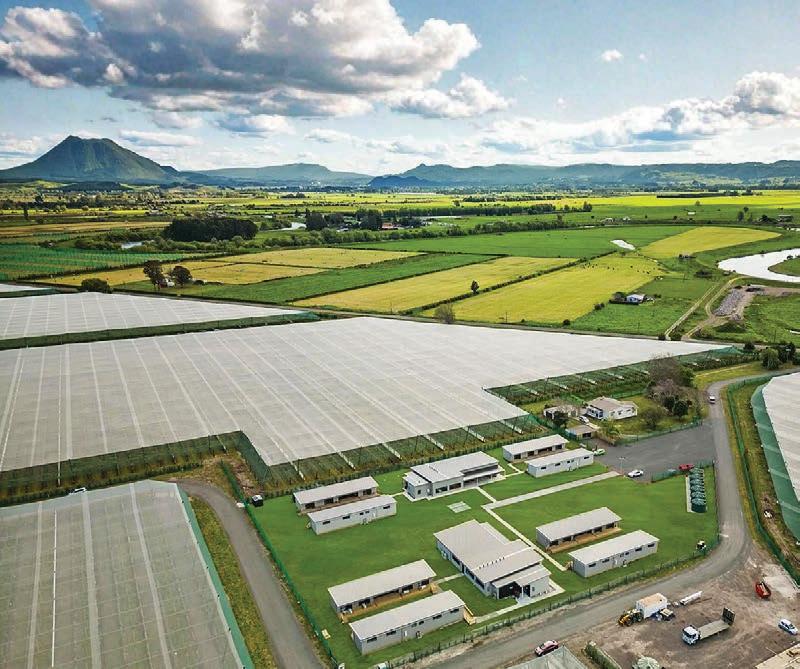
MyFarm has invested across the rural commercial property sector for close to a decade, with a portfolio that includes large scale poultry facilities, RSE accommodation, a modern food distribution centre, and specialist cool store assets. We work alongside nationally recognised partners including Hortus, Southern Cross Horticulture, and Tegel.
Expanding the Farm Business
Active income, need to manage tax
High (connection to land, legacy)
Vulnerable to sector shocks
• Period 3 (2026 onwards), this period is currently characterised by lower debt costs and still-competitive asset prices.
High (land purchase, debt servicing)
MyFarm offers a range of offfarm investment opportunities to wholesale investors, including our current offer, Duncannon Horticulture LP: a lease-based rural commercial property investment, forecast to pay monthly distributions of 7.5% p.a. Visit our website www.myfarm.co.nz to find out more.
Open to wholesale investors only.
wealth, the question is not just how to grow, but how to secure the future.
Disclaimer:
Our experience across multiple market cycles has enabled us to continually adapt to shifting conditions and enhance our strategies. Over the past decade, the investment cycle can be segmented into three distinct periods:
On the ip side, investing o the farm can present several challenges. One is the loss of control, as there is less direct in uence over how these investments perform compared to managing your own farm. This change requires a trust in external managers or advisers to make sound decisions on your behalf.
• Period 1 (2018 to 2022), falling interest rates lead to rising property prices. Our acquisitions early in this
This could be through buying another farm, with the extra land either complimenting the core operation ( nishing block, runo ) or expanding it. This approach is familiar, tangible, often emotionally satisfying, and does provide advantages. Larger scale can lower costs, boost bargaining strength, and improve machinery and labour e ciency. Focusing on one enterprise sharpens
Acquiring a property at a good price is only the beginning of the investment journey. Unless you are purchasing rural commercial property outright and managing it yourself, your long-term outcomes rely heavily on your investment manager’s ability to steer the asset through changing circumstances. Over time, markets evolve, tenant needs shift, and operational issues arise—and no asset is immune from challenge.
Disclaimer:
The information contained in this article is for general information purposes only. Any reliance you place on such information is strictly at your own risk. It is not intended to constitute legal or nancial advice and does not take your individual circumstances and nancial situation into account. We encourage you to seek assistance from a trusted nancial adviser, legal or other professional advice.
The information contained in this article is for general information purposes only. Any reliance you place on such information is strictly at your own risk. It is not intended to constitute legal or financial advice and does not take your individual circumstances and financial situation into account. We encourage you to seek assistance from a trusted financial adviser, legal or other professional advice.
Load up with every thing you need for autumn.
The Ravensdown team has all the tools you ne e d to set up a year of grow th Loc al agronomy advice, 70+ exp er t agri manager s, top - qualit y nutrient s, and the game - changing HawkEye Pro are just par t of the package Together, we’ll help you farm smar ter and make ever y dollar count
C all 0800 100 123 o r talk to you r ag ri ma nage r to day.

Looking back on an enriching career in fert
Annette Scott PEOPLE Fertiliser
ALMOST 40 years with the New Zealand Fertiliser Association have come to an end for Mike Manning as he looks ahead to retirement – and cycling the globe.
Manning’s journey with the NZFA started in 1998 and since his early days, rumoured to include horseback soil testing in remote hill country, he consistently championed smarter, sciencedriven approaches to industry development through education, research and innovation.
Joining the association board as a representative of Ravensdown and Southfert, Manning quickly became a driving force behind key initiatives.
He supported the development of the Fertiliser Code of Practice, recognising early the need to align industry standards with both farmer needs and regulatory expectations in a post-Resource Management Act world.
He played a pivotal role in backing the Sustainable Nutrient Management Courses at Massey and Lincoln universities and the Certified Nutrient Management Adviser Programme, helping establish robust training, qualifications and career pathways, and was a strong advocate for audited standards like Fertmark.
In its citation, the NZFA said that throughout his tenure Manning navigated evolving challenges with clarity, courage and a long-term view. His calm leadership, strategic insight, and commitment to doing what’s right, not just what’s easy, had shaped both the association and the wider agricultural sector, it said.
“Mike’s legacy is one of integrity, wisdom, and tireless support for farmers and the industry.
“His influence is deeply respected, and his contributions will continue to guide us well into the future.”
Manning’s career in the industry started in 1981 when he joined Ravensdown, going on to join the national association board in 1998.
He said his 37 years, many as cochair of the technical board, have been a privilege, “and I don’t say that lightly”.
“As an industry good organisation, the fertiliser association, when compared to what you might see in overseas countries, is generally regarded very highly for the work we do and the development of the likes of the industry Code of Practice.”
The fertiliser association promotes and encourages responsible and scientifically based nutrient management.
Manning said managing nutrients well is in all New Zealanders’ interests, both for economic benefit and environmental management.
“To promote good management practices, the association develops training programmes, funds research, participates in government and local body working groups, and works closely with other organisations in the agricultural sector.
“The Code of Practice is a big part of NZ’s reputation.
“It’s been tremendously valuable engaging with regional councils, with Federated Farmers , DairyNZ, the beef and lamb sector.
“It’s a foundation document that’s an example of the sort of work the association has done to make sure NZ uses the allimportant nutrients really well.
“When you talk to counterparts overseas, they don’t have much to the level we have in NZ and they look at that with a degree of envy.”
Manning’s key driver for his dedication to the industry is, he said “is the obvious – globally, if the world didn’t use fertilisers, food production would quickly halve; nobody would contest that we simply can’t have half the world starving.
“So how do we go about ensuring that we use it as well as we possibly can; not undersupply because there’s a yield effect; not oversupply because it’s an environmental implication.
“That is the motive that drives me. The fertiliser industry is driven by science and to make sure that we have advice and knowledge, so our approaches are science-based,
many continents of the world but now I enjoy cycling.
Globally, if the world didn’t use fertilisers, food production would quickly halve; nobody would contest that we simply can’t have half the world starving.
Mike Manning Ravensdown
available to help NZ Inc to make sure that farming and its advisers are well positioned globally, personally gives me a sense of pride and satisfaction.
“The industry is in good shape, it’s got direction, it’s got structure, a mandate, and funding, so it’s got everything it needs to go forward; in good heart for others to pick up and carry forward.”
The future for Manning?
“I used to run marathons in
“I have cycled the length of NZ and now I want to do other parts of the world.”
At 68, Manning figures he has 10-12 years “while fitness, health and desire allow”.
The first trip is booked to France in July and while not any part of the Tour de France, Manning, accompanied by his wife Nicki, will be wheeling his way around France at the same time.
“For me it’s a combination of personal and family, and then if I can make a contribution to help NZ to stay competitive in an agricultural sense, I am only too happy to do that if opportunities arise.”
Meantime in the transition to full retirement Manning has stepped back to three days a week in his day job with Ravensdown before full retirement kicks in next year.
Molesworth Station lease applications open
Richard Rennie NEWS Conservation
THE ability to offer increased public access and greater recreational opportunities on Molesworth Station could be required for an entity taking on the station’s new lease. With the current lease ending mid-year, the Department of Conservation has made the conditions and terms of the new lease available for parties interested in takingon the operations of New Zealand’s single largest farm entity.
However, interested parties need not apply if they are considering extracting water for irrigation, or mulling game or safari park hunting, exotic forestry, or building new accommodation on the property.
The document clearly rules out all these activities from consideration under what is known as the Molesworth recreation reserve.
The document acknowledges the priority given to outdoor recreation and protection of the station environment, with extensive constraints and
conditions applying to stock grazing over the property’s recognised permissible grazing areas.
At present the current leaseholder, Pāmu, is running the equivalent of 34,000 stock units as 5100 cattle, under a lease stock limit of 6500 adult cattle.
While sheep grazing is not currently an activity, the document says it could be considered under the agreement in areas that can be fenced to avoid impacts on steeper country.
The document notes that a successful leaseholder may be
required to offer greater opportunities for public recreation.
The property currently has about 60km of road through it that is available for public use between October and Easter. The document says calls for greater access, including for year-round activities, have come from individuals and hunting-fishing groups.
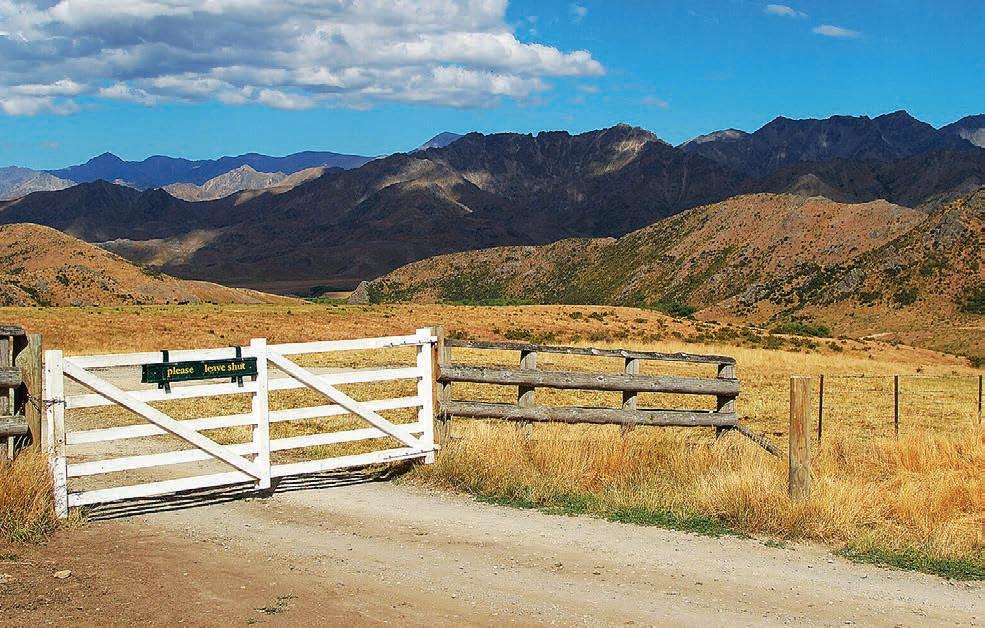
RECREATE: The new lessee of Molesworth may have to offer more public access as part of their new lease conditions.
At present Molesworth has 26 concessions for guided recreational activities including cycling, walking, mountain biking, horse riding and boating. There are also three major events held each year – the Molesworth Run, Mowsworth charity ride and The Graveler cycle race.
Molesworth has a long history of struggling with wilding pine incursions and the document notes the $2.2 million spent a year on their control on Moles-worth.
This programme is expected to continue, but applicants are invited to describe any additional control they would undertake.
The document acknowledges the priority given to outdoor recreation and protection of the station environment.
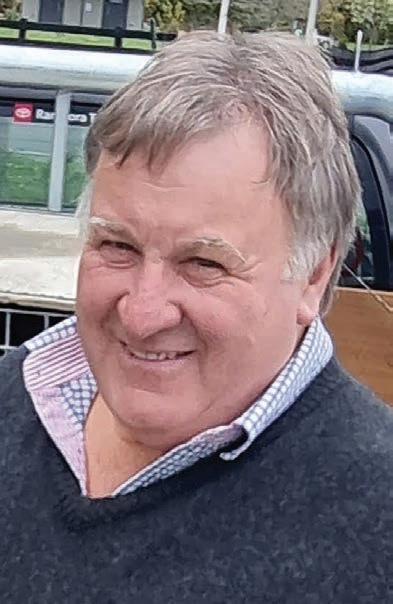
VISION: Molesworth’s ex-manager, Jim Ward has laid out his vision of the station becoming a ‘station for the nation’, enshrining public access alongside a commercial farming operation.
To date the highest profile expression of interest in picking up the lease has come from Molesworth’s ex-manager, Jim Ward.
He laid out his vision of the station becoming a “station for the nation”, enshrining public access alongside a commercial farming operation, and overseen by a charitable trust.
PLANS: After a long career driven by science and ensuring NZ farming is well positioned globally, Mike Manning is stepping down from the NZ Fertiliser Association with plans to pedal around the globe.
Gisborne foresters challenge council
Richard Rennie NEWS Forestry
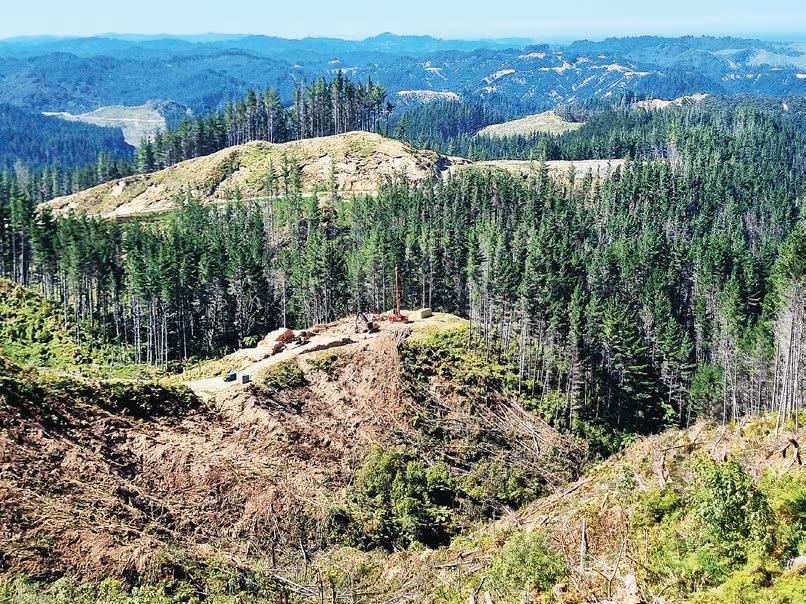
EAST coast foresters continue to push back against a district council they claim continues to fail to balance the region’s economic future alongside forest planting and harvesting regulations.
Eastland Wood Council (EWC) chair Julian Kohn told Farmers Weekly commercial foresters on the coast feel council is “listening to us but not hearing us”.
EWC members account for about 130,000ha of the region’s 150,000ha pine plantation estate. He said this applied to consent conditions laid out a year ago, and more recently to the council’s proposed $359 million transition fund it seeks from government to retire vast areas of erodible land in the region.
Early last year foresters had angrily responded to Gisborne District Council’s new standards for forestry operations, claiming lack of consultation, regulatory overreach, and severe curtailment of the industry’s ability to continue operations on the coast. It had come despite council claiming a new climate of closer collaboration between it and forestry companies as the region began a post-Gabrielle reset and
responded to new standards to manage forestry plantations.
But a year on, Kohn said the concerns over those regulations’ unworkability continue.
“We finally got them (council) to sit down at the table and have two meetings with them, to be told the second would be the last, despite not having locked down everything.”
Gisborne District Council (GDC) CEO Nadine Thatcher Swann said the council’s engagement with foresters since 2023 has been extensive and ongoing.
She said since the severe weather events of 2023 council has undertaken engagement including multiple workshops and hui and had a focused working group with the sector to review and refine a set of standard consent conditions.
“Through this process, council has engaged in good faith and been clear about its responsibilities as the consent authority under the Resource Management Act.
“The majority of issues raised by the sector have been addressed through amendments or clarifications. Council is currently
Hunting sector sidelined in deer control plans
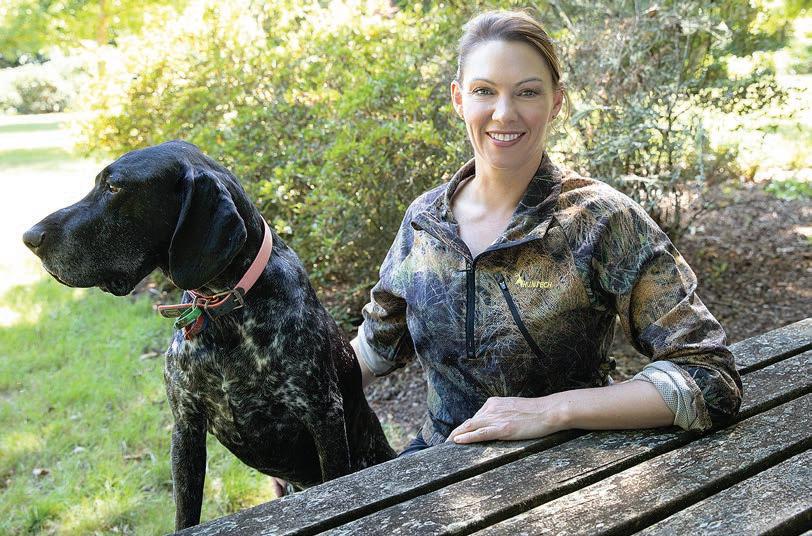
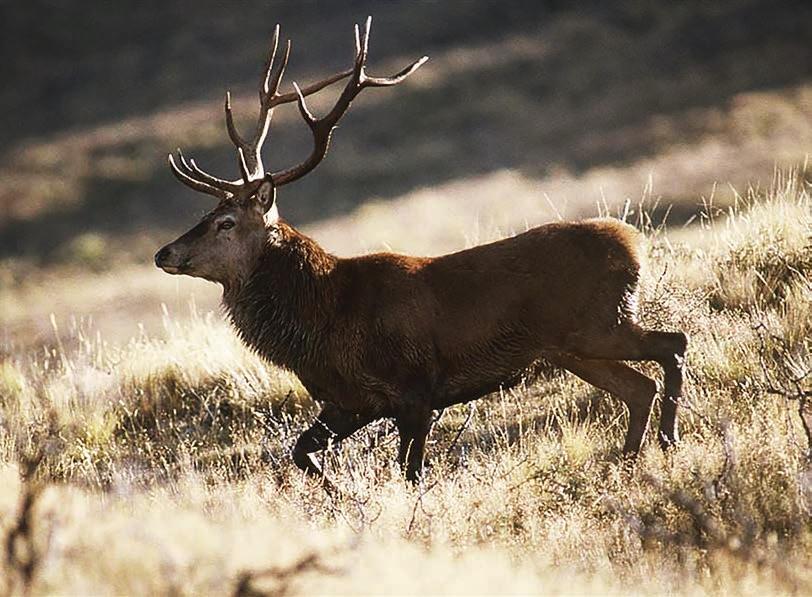
GAME Animal Council CEO Corina Jordan says the hunting sector makes the largest dent in deer numbers, yet has been sidelined in a national initiative to reduce increasing numbers of the pest. In December the Ministry for Primary Industries announced a joint initiative with the Department of Conservation, Federated Farmers, Beef + Lamb New Zealand and Forest and Bird to nationally control and monitor feral pests.
John Walsh, Biosecurity
New Zealand director for pest management said the MPI is reviewing regulations to make control operations easier and improve data collection to enable better coordinated control operations.
The initiative will also run trials at catchment level to help farmers and growers manage the impacts of feral deer on their businesses.
Jordan said no one in the hunting sector has been included in the initiative, even after the council asked for a national strategy five years ago.
She said the hunting sector
awaiting further information from sector representatives on one remaining issue.”
Meantime council have applied to government for a $359 million forest transition fund to retire over 100,000ha of vulnerable land back into native bush as a response to the Gabrielle ministerial inquiry recommendations.
The council is claiming a 4:1 return on the transition spend that proposes a 10-year investment of the funds, plus regional and private contributions of a further $240 million.
Government response to the funding has so far been cool. In December a spokesperson for forestry minister Todd McClay described it to RNZ as realistic, although no decisions have been made.
One forestry insider told Farmers Weekly the council had gone about its transition project the wrong way, first seeking the funding then seeking out industry input, at which point industry “ripped apart” the plan’s principles.
Farmers Weekly understands an independent report of the council’s business case behind the $359 million application is due out very shortly, confirming flaws in the council’s assessment on the impact of retiring significant land areas from commercial forestry.
Thatcher Swann said council
The business case understates the potential risks to our region’s economy, and we believe landowners need to be considered more.
Julian Kohn Eastland Wood Council
was aware of the independent review of the business case being undertaken and remained confident it was supported by robust evidence, sound analysis and extensive local expertise.
She said assertions the business case underestimates the impact of land use changes have not been accompanied by alternative evidence-based analysis.
Kohn said he was reluctant to comment on the report pending its upcoming publication.
“But I do stand by what I said to RNZ.
“The business case understates the potential risks to our region’s economy, and we believe landowners need to be considered more.”
He said the wider economic implications of the council’s proposal for retirement demanded scrutiny, given the significant role forestry played in the region’s economy.
can use recreational hunters, management hunts, that are essentially culls, and aerial control.
Currently commercial aerial controllers focus on large animals for venison, but they need a subsidy to make culling of smaller deer financially viable.
Professor at Lincoln University and data analyst at the Game Animal Council, Geoff Kerr, said there is no national database to report deer numbers killed.
The GAC crunched numbers after a survey of almost 500 hunters in 2024, with results showing recreational hunters killed about 181,000 deer annually, about 125,000 goats and 53,000 wallabies.
The annual kills are estimated by multiplying average annual kills per hunter by the total number of hunters.
Excluded from the analysis is anyone who did any commercial hunting, or reported very high kills, Kerr said.
He said there is also no database of how many deer Wildlife Recovery Operations (WARO) processes for venison each year, but there are estimates of over 20,000.
Unlike other countries, New Zealand hunters do not need a special permit for each species or for specific animals and surveys are the best bet to gather data.
Reporting on the issue in the past by Farmers Weekly has put
some numbers to annual kills.
Founder of Trap and Trigger NZ, Jordan Munn, the largest commercial hunting team in the country, said his operators typically take 3000 - 4000 deer per year, but have shot as many as 10,000 in a year across public, private and forestry land.
Mike Perry, DOC wild animals manager said WARO recovered 3787 deer from public conservation land between July 2024 and June 2025.
DOC does not hold a consolidated national dataset of animals removed by aerial and ground control, but are implementing a new system which will hold this information, Perry said.
“DOC’s monitoring focuses on ecosystem improvements, rather than total animals removed.”
DOC’s annual goat hunting competition removed 10,134 goats in 2023, 12,935 in 2024 and 10,350 in 2025.
There are many private cullers shooting high browser numbers.
Alan Sanderson of Next120Ltd has recently culled 2000 wallaby on an undisclosed high country station in South Canterbury, with Trev Dibben South Island representative for The New Zealand Deer Stalkers Marlborough, saying 312 hunters recently culled 1060 goats and 72 pigs in a single culling operation at Molesworth Station. Last year 1600 goats were shot by Department of Conservation contract operators at the station.
Kerr said there are many culls across all land types that go unreported.
DEBATED: East coast foresters continue to challenge Gisborne District Council about harvesting rules and the business case behind a proposed land use transition fund.
SUBSIDY: Currently commercial aerial controllers focus on large animals for venison, but they need a subsidy to make culling of smaller deer financially viable.
Gerhard Uys NEWS Pests
SUPPORT: Game Animal Council CEO Corina Jordan says if the hunting sector is given the go ahead they can use recreational hunters, management culls and subsidises aerial operators to bring deer numbers under control.


Just pretend
You tell us you want our comprehensive news and market insights service.

Great! But it can’t stay entirely free.
As you read this, pretend it’s not free, and ask yourself:
Would I pay for it? Is this paper worth $2.50? Is it worth $120/year (a fully tax-deductible farm business expense) to have Farmers Weekly online every day, and delivered to my mailbox every week?


1200 have taken out a Voluntary Subscription already. With more support we promise to keep the Farmers Weekly newsroom and analyst teams strong and sustainable.
We’re committed to your farming business success and we’re grateful for every Voluntary Subscriber so far. Thank you for joining the Farmers Weekly family. Our team does this for you.
Dean and Charlie Williamson.


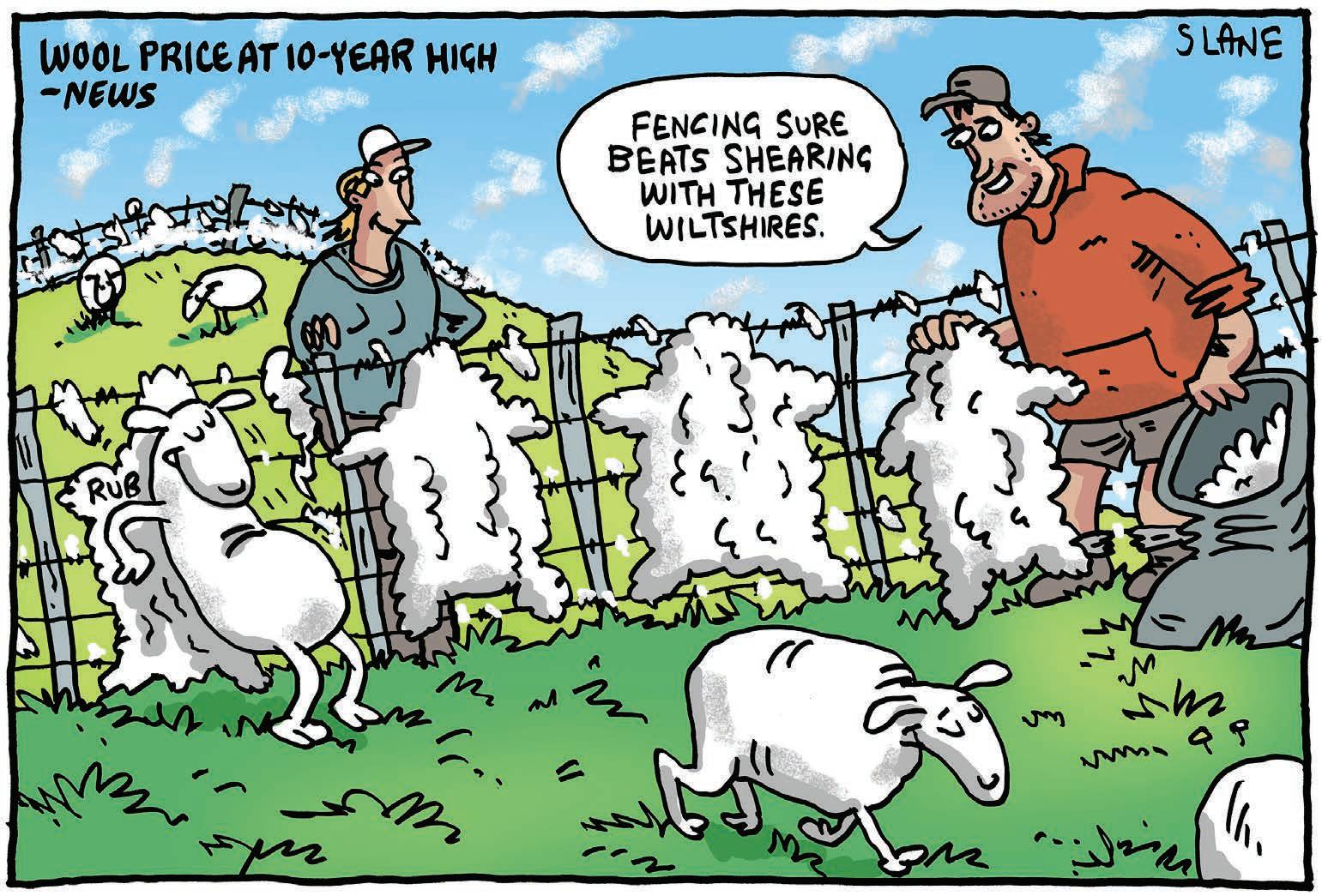
From the Editor
Hacking at forestry when pruning is wanted
TNeal Wallace Senior reporter
OO often we debate issues at a binary level: I am right, you are wrong.
The issue of commercial forestry expansion into traditional drystock country has been framed this way, but in reality the issues are much more nuanced.
For a start, the economy needs forestry’s $5.9 billion in export earnings and the 42,000 jobs it sustains.
What we don’t need is for forestry to continue to be a political football.
Farmers Weekly reports this week that new forest plantings this year are expected to be a lot lower than the annual plantings of the past two years due to uncertainty over government policy on land use and the future of the Emissions Trading Scheme (ETS).
Given the social and economic damage to rural communities and rising tension between farmers and forestry companies, something had to change.
And it appears that it has.
Last year the government imposed a moratorium on full-farm afforestation, and brought in tree-planting restrictions based on land use capability classes.
This is a shift from successive governments that used forestry to pursue their policy agendas.
Forestry was used to stabilise land after Cyclone Bola, and its carbon sequestration ability was hailed as a key tool to offset greenhouse gas emissions and help New Zealand meet its climate change goals.
As a member of Jacinda Ardern’s 2017 coalition government, NZ First implemented its policy to plant a billion trees by 2028 for environmental, economic and social benefits.
In 2018 the government changed the Overseas Investment Act to lower the bar that foreign forestry investors must clear to qualify for the special forestry test.
These policies were incredibly effective, with more than 300,000 hectares of sheep and beef land converted to forestry since 2017, and more than half that bought by foreign entities.
As an aside, governments are quite entitled to ban the sale of land to foreign entities, but operating a two-tiered system that favours foreign forestry investors over those wanting to purchase land and to continue to farm it is less defendable.
In 2022 that special forestry test was removed for foreign investors, meaning
they had to satisfy the same requirement as any other application by a foreign land buyer.
Sitting behind these policies has been the ETS, which generates income for investors from trading NZ Units, which are linked to tree carbon sequestration.
As Farmers Weekly reported last June, a 410ha carbon farm plantation of Pinus radiata earning $60/tonne of carbon dioxide equivalent will at age 16 generate $24,600/ha – a greater return than dairy.
The NZ Unit price has since halved, to about $32/unit, but this additional source of income still enables forestry investors to pay a higher price for land than a drystock farmer can manage to meet.
Uncertain government policy has dampened investor interest in the ETS, with the government issue of new NZ Units going unsold for the past two years.
The forestry sector has issues such as erosion and the management of slash, but it has been unfairly maligned for responding to government policies.
Certainly in recent years land has been planted in trees when it should have remained in pasture, but that aside, we have to find a way for the livestock and forestry industries to co-exist.
Better considered government policies would help.
LAST WEEK’S POLL RESULT
Almost 90% of those who took the poll believe regulations should be relaxed to enable farmers to be buried on their farms.
Last week Farmers Weekly reported that it is tough to get approval to be buried on farms as regulations need to be met with both the Burials Act and the Ministry of Health.
“We have a family farm that’s been in the family for 125 years. I would like to be buried here on a hill in a native planting that we planted. So not productive land, and out of the way,” said one voter.
“Even if farms change hands, the new owner should be honoured to take on land loved and cared for to such a degree that the previous occupants wished to be buried there,” said another. “While scattering ashes is a reasonable compromise, it leaves no site or memorial to visit which many people find helpful as they deal with their grief.” Another summed it up by saying: “Why on earth can’t you be shared with the land that you have busted your arse for? We shall be doing it, with or without permission.”
Of the 10.6% who didn’t think regulations should be eased, one said spreading ashes is fine, particularly if the farm is to be sold. “When the farm is sold you don’t want people coming onto your land to say their Dad is buried at a spot you just put a new house on.”

Growth and strategy under a new world order
Straight talking
Cameron Bagrie
EVERY year economists are asked about their key themes for the year ahead. It is difficult to narrow it down with such a lot going on, but my key themes of 2026 are productivity, geopolitical and geostrategic considerations, inflation and the election.
• It starts with productivity. The New Zealand economy is finally in an upswing phase. The substance behind it is going to be determined by productivity. The agriculture sector is consistently a 2%-peryear productivity story. The problem is that the decade average for the rest of the economy is 0.3%, and down from an average of more than 1% a decade ago. Per capita GDP, or growth per
person, is down 3.3% from its peak in 2023. That personifies a drop in living standards.
Lacking productivity, which is the ability to do more with the same, or the same/more with fewer inputs, any pick-up in demand is going to run into capacity constraints, which risks adding to inflation, forcing the Reserve Bank to lift interest rates.
The United States economy is seeing stronger growth than New Zealand and yet its inflation has receded further. The reason is stronger productivity growth.
Many factors drive productivity. There is a cycle within a trend. We can expect to see a cyclical improvement in productivity, but sustained changes in the trend are more critical. Infrastructure, education, embracing technology such as artificial intelligence, and creating an environment conducive to taking and managing risk are all key. These are not immediate gratification levers.
NZ’s productivity story is not being helped by a failure to riskmanage the transition to becoming less reliant on fossil fuels. Rising energy prices have put pressure on the industrial sector, forcing de-industrialisation in parts. Expect energy policy to get a lot of attention in 2026.
• A new world order: Following the removal of the Venezuelan president by the US, and angst over Greenland, the penny seems to have dropped that the rules-
based system we have been used to for decades has been upended by nations exercising power. If the US can exercise power over Venezuela, what is to stop Russia and China following suit?
Security is being aligned with economic prosperity. Offshoring replaced by onshoring, friendshoring and near-shoring. Commercial imperatives now have a security overlay.
Security in food, energy and technology are paramount.
This change did not suddenly occur in recent weeks. The Ministry of Foreign Affairs identified the shifts in 2023 and the seeds were being sown years prior to that.
Welcome to a world that resembles the 1960s and 1970s as opposed to the 1990s and 2000s era, which is where most people’s experiences come from.
• Is inflation contained? The cost of living, and not the economy, is the top issue for voters. It is also a key issue for businesses. Rising costs hit the bottom line when you cannot pass on price increases and many sectors are price takers, not price makers.
After decades of low inflation, spending many years below 2%, inflation troughed at 2.2% and is now 3%. That is still low but not that low. Business inflation (producer price measures) are around 3%.
Rising energy, local authority rates, insurance and other admin-
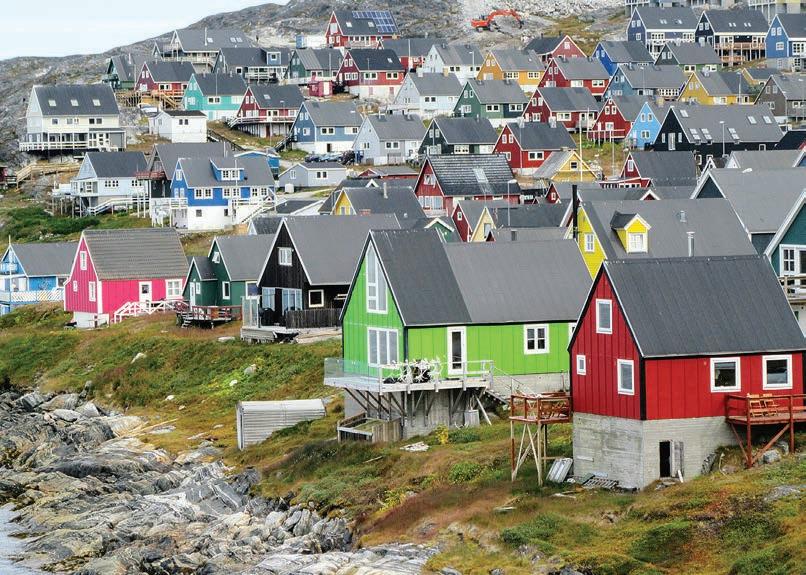
istrative charges are not helping to keep inflation contained. Central and local government are running deficits, which means more income is required and user pays pricing is a lever that can be expected to be used.
The outlook for productivity will have a huge bearing on inflation and the outlook for interest rates. We need to rebuild to the supply side capacity of the economy so demand can strip ahead without generating inflation.
• The 2026 election looks too close to call. The previous government’s economic credentials are poor following the Ardern/ Robertson era of throwing money around like confetti and policies that put ideology over reality. Yet it is still assessed as being able to best handle most of the key issues according to the IPSOS Issues Monitor, in fact 14 of the top 20, including education.
That is a reversal from 2023 when the National Party was assessed as best able to handle 15 of the top 20.
An improving economy should help the incumbent government but the cost of living, not the economy, is the big issue for voters. Winston Peters looks to be in the driving seat.
The bottom line is that the outlook for 2026 is a lot better than 2025 but there will be swings and roundabouts. I expect the OCR to lift, and the NZD/USD to return above 0.60 but not propel too much further.
The real big issues, though, are improving productivity and adjusting to a different world order. The NZ-India free trade agreement is a sign inroads can still be made in a volatile and politically charged world.
• Eating the Elephant will be back next week.
China beef quota headache builds for Aus
Meaty matters
shipments will incur a 55% tariff.
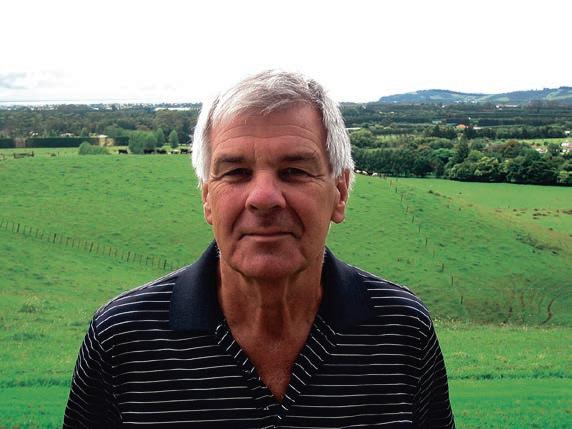
allan@barberstrategic.co.nz, http://allanbarber.wordpress.com
AUSTRALIA’S beef industry has a big challenge on its hands following the imposition of country-specific quotas on China imports.
Last year Australia exported 273,000 tonnes of beef to China, compared with a 2026 quota of 206,000 tonnes, which is the same as New Zealand’s.
There are thought to be 48,000 tonnes already in store in China with a further 30,000 on the water, which suggests Australia could use its total quota by the middle of the year – after which further
The alternative, albeit unpalatable, is to come up with a self-managed quota system that would restrict exports to about 16,000 tonnes per month.
The Beef Central website says this system has worked successfully in the past, but there are serious concerns among industry participants that it has been left too late to implement, especially if federal government legislation is required to enable it.
New Zealand’s free trade agreement with China appears to insulate us from a more stringent limit being imposed on our beef exports, which were well below the quota last year at 164,000 tonnes.
Our other advantage is the competitive tension for grinding beef between China and the United States, which saw the latter willing to pay higher prices last year compared with 2024 and earlier.
Australia’s main problem, assuming it’s not too late already, is to control the volume of lowvalue products using up quota that would preferably be used for higher value cuts of Wagyu and Angus.
Another problem is the risk that customers, unable to gain a consistent 12-month supply of tariff-free Australian high-quality
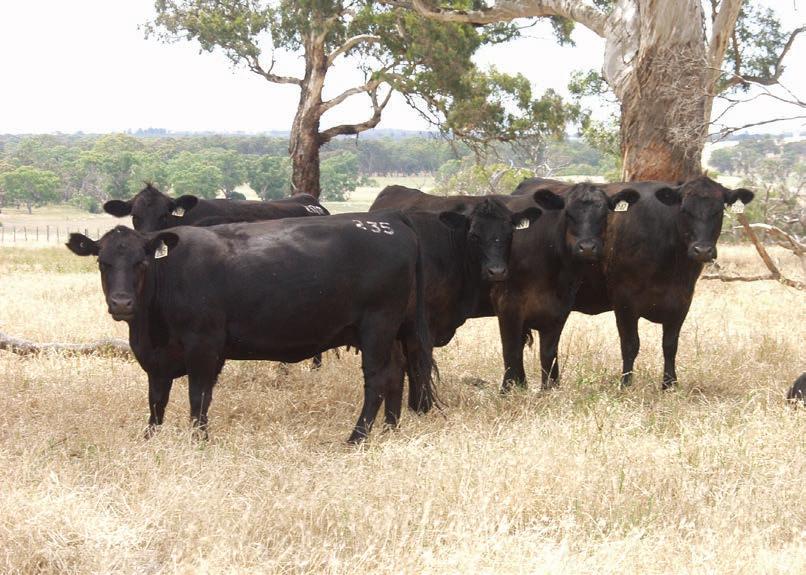
HIGH VALUE: Australia’s main problem is to control the volume of lowvalue products using up quota that would preferably be used for higher value cuts of Wagyu and Angus.
beef, will change their country of supply, making it difficult to find alternative destinations for the product. Regaining those customers would not be easy.
The preponderance of dairy cows in New Zealand’s beef herd automatically solves this problem, at least until the US herd recovers and demand for manufacturing beef drops. New Zealand exporters already have a long history of selling high-value prime beef cuts into widely dispersed markets,
most recently to the United Kingdom and European Union, as well as North America and north and south Asia.
Other major competitors, Brazil, Argentina and Uruguay, have larger quotas than both NZ and Australia. In addition, Brazil has already put a quota management system in place, allocating shipments to its three largest processors. Argentina, with a quota of more than 500,000 tonnes, has elected to allow a first
come, first served approach. It is worth noting that all this activity in China is taking place within the framework of the World Trade Organisation (WTO), which continues to function as intended for most trading nations except for the US.
The worst excesses of US President Donald Trump’s social media pronouncements, threatening tariffs left, right and centre on any country that dares to reject his demands, do not yet appear to have broken world trade agreements.
How long this state of affairs will continue, in the absence of the appointment of judges to the WTO’s appellate body, is unclear. But it is seriously worrying to a small trading nation such as New Zealand, dependent on being able to trade with all countries, big and small.
It goes against the grain to have to swallow our true thoughts about Trump’s behaviour and present US foreign policy, but our foreign minister seems to be determined to avoid causing any offence. Let’s just hope it doesn’t end up offending all our other key partners.

ANGST: Following the removal of the Venezuelan president by the United States, and angst over Greenland, the penny seems to have dropped that the rules-based system we have been used to for decades has been upended by nations exercising power, says Cameron Bagrie.
Managing director of Bagrie Economics and a shareholder and director of Chaperon
Allan Barber Meat industry commentator:
Sector Focus
Hinds Seed Cleaning sold to Carrfields
AFTER more than six decades, the Ellis family have called time on their Mid Canterburybased Hinds Seed Cleaning business.
Founded by Vern and Phyll Ellis in 1962 and owned and operated by the family for 65 years, the specialist seed cleaning, processing and services business has built a strong reputation as an independent, specialist seed processor servicing New Zealand farmers and seed companies.
Starting out with a mobile seed dresser, Vern Ellis would go farm to farm around the local district cleaning harvested seed on farm.
By the late ’60s he had seen the need for a stationary plant and built a shed at Hinds, 10km south of Ashburton. The much modernised and expanded infrastructure and plant is now a world-class seed cleaning and processing facility.
Growth over the years was
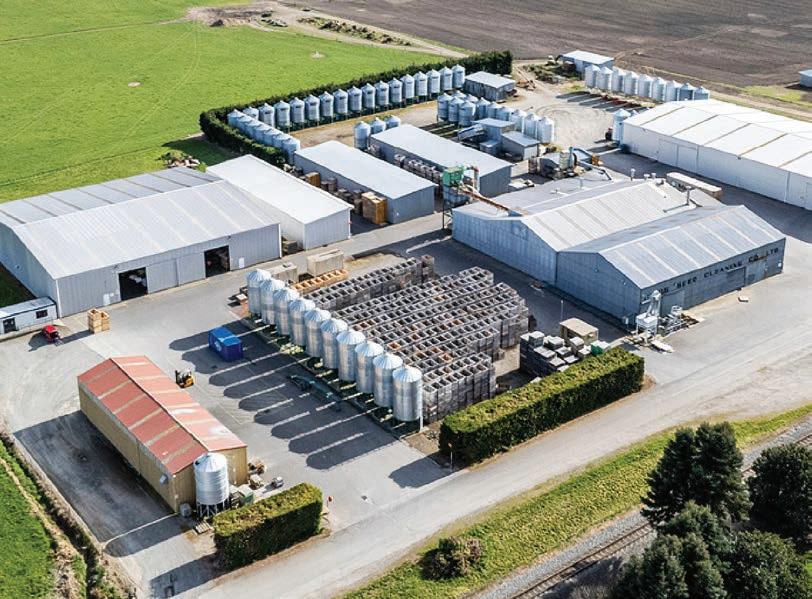
from a shed to house a stationary
boosted by the introduction of irrigation in the region and ongoing multiplication products for international markets that have become a big part of NZ’s seed business.
More recently growth in Canterbury’s vegetable seed
Crops lay ground for
NEW Zealand cropping production underpins the productivity of many key primary industry sectors, according to a threeyearly report on the economic impact of NZ’s arable industry.
The report from Business and Economic Research Limited, released at the end of 2025, shows the arable industry is deeply integrated into NZ’s key livestock industries, primarily through the supply of grains and seeds directly to farmers and industry.
Commissioned by the Arable Food Industry Council (AFIC) and taking in 10 industry organisations connected with research into and the production of arable food, it shows that NZ’s arable sector generated $1.2 billion in direct sales in 2024. This was made up of 1.1 million tonnes of grains, 1.1 million tonnes of maize silage and 83,000t of seeds.
The industry’s contribution
production has opened wider international opportunities for the business.
Managing director Brian Ellis said after much deliberation it was decided to call time on the longrunning family business.
“After 45 years in the industry, I
sectoral success
to total gross domestic product increased from $953 million to $1.2bn between 2021 and 2024.
In terms of food production, arable provides milling wheat for the milling and baking industries, malting barley to brew beer, oats for breakfast cereals and the expanding oat milk industry, as well as seeds for edible oils.
It also provides livestock feed, primarily for dairy cows but also the pig and poultry industries.
The sector is globally recognised for its seed production, producing seed for the domestic pastoral industry as well as export.
Retiring AFIC chair Brian Leadley said expansion of crops such as oats to meet demand for plant-based foods and beverages demonstrates how nimble and adaptable the arable industry is when it comes to meeting market requirements.
“However, it’s got to be competitive with other opportunities,” Leadley said.
Rising consumer preferences for plant-based and health-focused
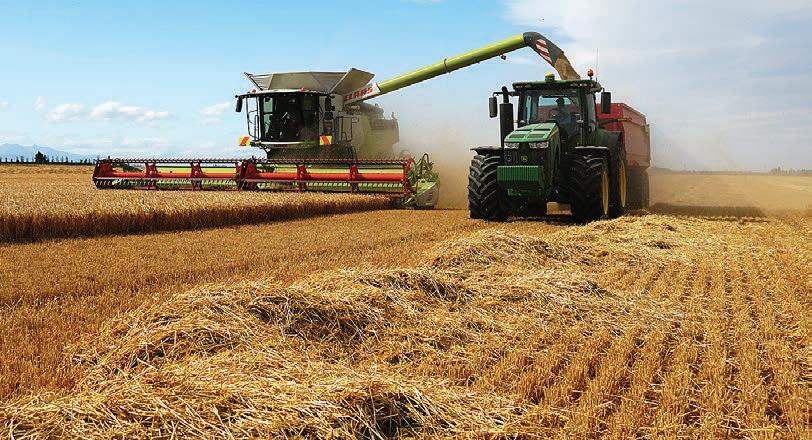
products has led to an increase in sales to industry of oats and pulses, with oats increasing by about 2600 tonnes between 2021 and 2024.
The report said increasing global demand for healthier and more nutrient-rich food will continue to support further growth in sales of brassica and legume seed.
Domestic pastoral seed production means the dairy and sheep and beef sectors don’t have to rely on imported seeds.
“They want varieties bred for NZ conditions with arable production also supported by quality assurance programmes.”
In 2024, direct sales of seeds for sowing in NZ were valued at $411m, with particularly strong sales of grasses, brassicas and legumes.
Direct sales of grain, mainly wheat and barley, were valued at $529m.
The wider economic impact of this generated $500m in total production GDP in 2024, up from $420m in 2021.
Foundation for Arable Research general manager business operations and AFIC member Ivan Lawrie said that while grain volumes remained flat between 2021 and 2024, there was a notable rise in the value of seed exports.
Worth $345m in 2024, these were up $72m from 2023.
Vegetable seeds remain the largest contributor to overall arable export revenue, at 36% followed by ryegrass seed at 28%.
In 2024, seed production generated a total of $389m in production GDP, an increase from $253m in 2021.
have decided it’s time to retire.
“It has been a privilege to work with dedicated staff, loyal clients and valued partners whose support has shaped our success.
“The relationships and trust built over the years mean a great deal to me.” Ellis said.
“Thank you to everyone who has been part of this journey, your support is truly appreciated.”
The business has been sold to agribusiness group Carrfields.
“I wish the Carr family every success as they take the next step and I am confident the business is in capable hands,” Ellis said.
To ensure a smooth transition, he will continue in an advisory capacity until September.
Carrfields Group managing director Craig Carr said the acquisition represents another significant milestone for the group, marking a significant strategic step in strengthening its seed capabilities.
The acquisition is seen as a strategic move given Hinds Seed Cleaning currently processes large volumes of small seeds each year for Carrfields, with
increasing pressure on processing timeframes and priorities to meet both international and domestic customer quality and deadlines.
Carr said the acquisition will enable deeper vertical integration across seed processing, calibration, treatment and packaging, particularly as Carrfields and its subsidiary Winseed invest in new seed processing and calibration equipment not currently available in New Zealand.
The business will continue to operate as a standalone entity, trading as Hinds Seed Cleaning 2026 Ltd with the operation to remain independently managed, with all staff retained and the business continuing to operate as it has historically.
The acquisition comes ahead of a major milestone for Carrfields, with 2026 marking 50 years since the business was founded by Carr’s parents Greg and Glenys Carr.
“As we look ahead to our 50th anniversary, this investment reflects our ongoing commitment to innovation, growth and supporting NZ’s seed industry for generations to come.”
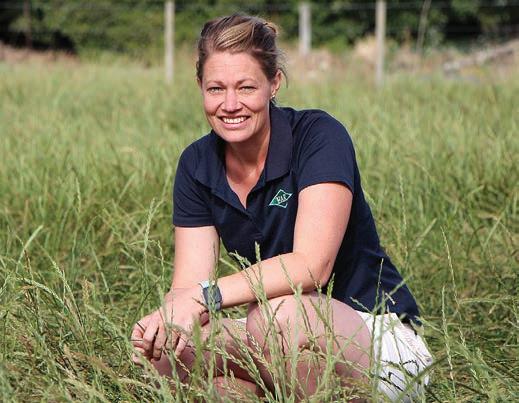
FAR senior field research officer Matilda Gunnarsson urges growers to get suspect weeds tested.
Free testing for herbicide resistance
CROPPING farmers with concerns about weed herbicide resistance can now get suspect plants tested for free.
Foundation for Arable Research (FAR) senior field research officer Matilda Gunnarsson said that prior to harvesting, farmers should get weeds growing in their crops tested for herbicide resistance as, while some weeds will have emerged after the final herbicide application, some may have survived treatment and have resistance.
“To find out, get it tested,” Gunnarsson said.
“Resistance is a numbers game. The more weeds you have in a paddock, the more likely it is that there will be resistance.”
Typical weeds are grass weeds in cereal crops.
“It can be grasses or broadleaf weeds.
“Whatever you suspect is
resistant, get it tested.”
To get the suspect plants tested, farmers need to cut off dry, mature weed seedheads and put them in a paper or plastic zip lock bag then go to the FAR website, print out the herbicide resistance testing form and fill out the details including what herbicides have been used. Send this to the FAR office.
Make sure the weed seeds are viable to achieve a good germination rate at testing and keep the plants in separate bags, as this gives a better understanding of the resistance profile in the paddock.
Seed will be tested free at AgResearch facilities, now part of the Bioeconomy Science Institute.
Depending on the quantity of seed available, samples will be tested over one to six herbicides at label rates to determine resistance.
This includes both pre- and post-emerge herbicides if applicable.
Annette Scott PEOPLE Arable
Annette Scott NEWS Arable
Annette Scott NEWS Arable
YIELD: The company has grown
plant to the Hinds Seed Cleaning of today, modernised over the years to meet international demand.
COMPETITIVE: While geared to meet market requirements, arable has also got to be competitive with other opportunities, says Brian Leadley.
FEDERATED FARMERS
Vol 4 No 3, January 26, 2026

Water protections must have teeth
Federated Farmers is calling for stock water drinking rights to have far stronger protection under the new resource management legislation.
“There’s a lot to like in the proposed laws replacing the RMA — particularly the much higher thresholds before a resource consent is required,” Federated Farmers’ Resource Management Act reform spokesperson Mark Hooper says.
“But there’s still plenty of finetuning to do, and stock drinking water is one area that needs tightening up.
“Ready access to drinking water is critical to animal welfare and food production, yet too many councils are bringing in restrictions and cutting back water takes based on weak environmental impact assessments.”
The RMA allows farmers to take water for the reasonable needs of animals for drinking, so long as this “does not, or is not likely to, have an adverse effect on the environment”.
Hooper says some councils are getting bolder about bringing in rules under that clause, often without strong evidence to back them up.
“If the law is going to protect stock drinking water – and Federated Farmers believes it should –then councils need to meet a high environmental standard before they can restrict it.
“It shouldn’t be enough to simply argue that taking water for stock from a river or aquifer reduces the amount of water available and call
that an environmental impact.
“Decision-makers should be required to properly weigh up the real effects: what exactly are the effects; how serious and sustained are they, are there seasonal components to competing water takes?
“So often in these plan changes and new restrictions, there’s little or no analysis like that.”
Federated Farmers is concerned the relevant clauses in the Natural Environment Bill won’t improve things — and could even make it worse.
The proposed wording essentially mirrors what’s already in the RMA. It gives farmers the right to take water for stock drinking unless there is “an adverse effect on any natural resource”, replacing the current test of an “adverse effect on the environment”.
Hooper says he has two concerns about this.
“First, the law should clearly prioritise the reasonable use of water for domestic needs, and for animal drinking water, over the impacts on natural resources.
“Second, the phrase ‘adverse effect on any natural resource’ is an absolute. It’s not possible to take water without affecting water resources in a way that could be seen as adverse.
“That wording needs to be explained or defined, so planners and water users know what it means and how much impact is acceptable.
“People and businesses rely on natural resources to operate. Reasonable and efficient use should be
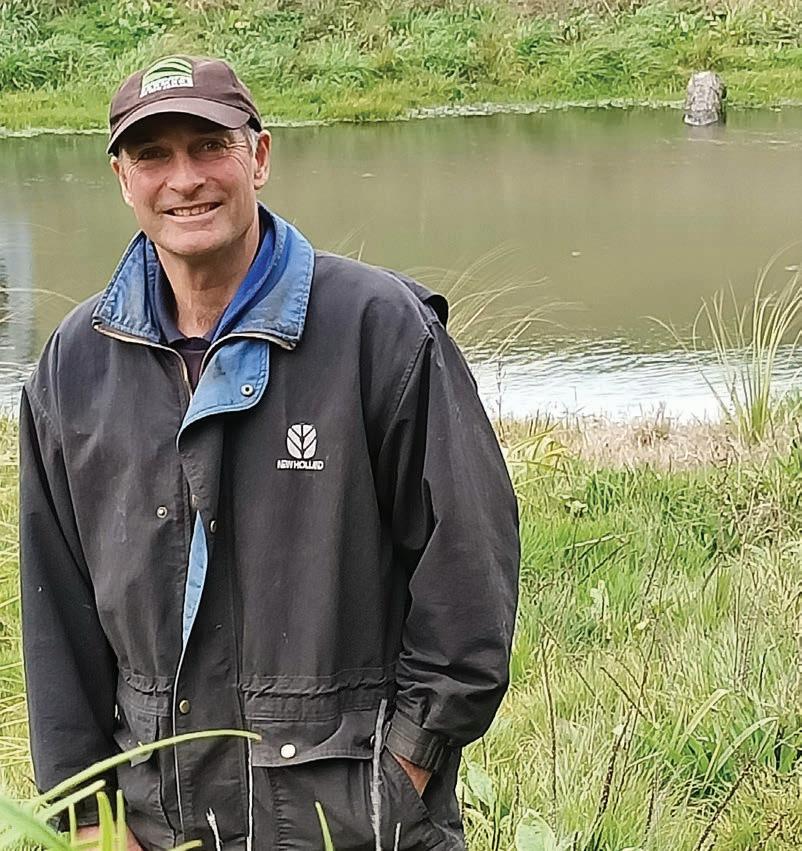
expected – a requirement for zero impact simply isn’t realistic.”
Hooper says that if a council, hearings panel or court wants to override legal protections for stock drinking water, a clear legal test should apply.
That test should put the burden on the decision-maker to prove any adverse effects are substantial and significant.
The issue is already a hot topic for
Hawke’s Bay farmers, where the regional council’s TANK Plan Change 9 – covering the Tūtaekurī, Ahuriri, Ngaruroro and Karamū water catchment – will go in front of the Environment Court this May.
Hawke’s Bay Federated Farmers president Jim Galloway has called on the council to withdraw the plan, or for the Government to step in.
“Unless this is knocked on the head, Hawke’s Bay farmers are
going to be facing significant and unfair restrictions on their land use.
“Major issues with stock water drinking rights and huge costs to meet new stock exclusion rules are looming.”
TANK also covers the Heretaunga aquifer, which is considered overallocated.
Plan Change 9 proposes cutting the total annual consented water take – including from urban areas – from around 160 million cubic metres to 90 million.
Galloway says Federated Farmers agrees water conservation measures are necessary, but that the targets and timeframes are unrealistic for farmers and growers.
“The rules would prohibit further water takes in many catchments, including for things like stock drinking water.
“The rules also require streams to be fenced to exclude stock where a paddock’s slope exceeds 15 degrees or there are more than 18 stock units per hectare,” Galloway says.
“So, the stock can’t drink from a creek, but you can’t put down a bore for reticulated water either. How are farmers supposed to get their livestock water? It’s madness.”
Submissions on the Government’s Planning Bill and Natural Environment Bill are open until February 13.
Hooper says Federated Farmers will be pushing hard for changes to stock water protection and other clauses.
“Getting this right will save farmers money and headaches down the line.”
TANK MADNESS: Jim Galloway says the water restrictions and fencing rules in the Hawke’s Bay Regional Council’s TANK plan will leave farmers high and dry.
Rural school bus review gets wheels turning
Federated Farmers says it’s encouraging to see the Ministry of Education turn its attention to school bus rules that have left many farming families facing growing uncertainty.
The Ministry has confirmed it is starting work on advice for the Education Minister about reviewing school transport assistance policy.
It’s a positive move, but farmers know better than to celebrate too early, Federated Farmers rural education spokesperson Richard Dawkins says.
“Farming communities have been raising concerns for years about a school transport system that no longer reflects rural realities.
“We’ve seen routes quietly trimmed or removed, eligibility rules unchanged, and families often left scrambling to find alternatives at short notice.
“So, it’s great to hear the Ministry will finally be taking a fresh look at the rules and putting together advice for Minister Erica Stanford.
“In saying that, we’re very mindful that there’s still a big journey ahead,” Dawkins says.
The Ministry stresses the work is only at a preliminary stage.
“The Minister always expects officials to explore opportunities to provide more efficient, fairer, and less contested school transport services to students and communities and considers any such advice as it is presented,” the Ministry says.
“This work is in the very early stages and there is no timeline for how long this work will take.
“It is important to note that any changes to the current school
transport eligibility criteria would need to be considered alongside wider government commitments and budget decisions.
“We’ll keep you updated as the Ministry progresses this work, including when there is opportunity to put your thoughts forward.”
Dawkins says it’s important that rural families understand the announcement does not pause the current policy, meaning reviews of bus routes, and potential cuts, will continue in the meantime.
“This does not, unfortunately, mean the current policy is on hold,” he says.
“Route reviews will continue, and that may still mean changes or cuts in line with the Government’s wider fiscal position.
Families shouldn’t be losing access to education because a spreadsheet says a bus route is no longer efficient.
Richard Dawkins Federated Farmers rural education spokesperson
“That’s a real concern for families who are already under pressure.”
Federated Farmers has long argued the school transport system needs greater certainty, common sense, and more focus on safety and access, not just distance thresholds and raw student numbers.
Currently, children must attend their nearest state or state-integrated school, live more than a set
distance away, and meet minimum numbers for routes to remain viable.
Dawkins says those settings might look tidy on paper, but they don’t reflect rural life.
“Short distances can still be dangerous when you factor in logging trucks, narrow roads, no shoulders, and winter conditions,” he says.
“Families shouldn’t be losing access to education because a spreadsheet says a bus route is no longer efficient.”
Federated Farmers is continuing to work closely with partner organisations, including Rural Women New Zealand and rural school leaders through the New Zealand Rural Schools Leadership Association, to push for a more stable and sustainable model.
That collaboration has already included the preparation of a proposal for the Minister and Ministry — making the timing of the scoping work particularly welcome.
“We’ve been engaging constructively with our partners and putting real solutions on the table,” Dawkins says.
“So, it’s encouraging that officials are now looking at the policy settings. We’re ready to engage and contribute in a meaningful way.”
Previous Federated Farmers proposals have included establishing a stable base network of bus routes
LONG ROAD
AHEAD: Federated Farmers welcomes a fresh look at school transport rules, but says rural families remain exposed as bus route reviews continue.
that is not constantly shifted by short-term roll changes.
The organisation has also suggested lowering minimum student thresholds in sparsely populated areas, and allowing more flexible local delivery options such as supported community vans.
Dawkins says the broader stakes are well understood in rural New Zealand.
“When school bus services disappear, it affects far more than just the morning and afternoon commute,” he says.
“It affects whether staff will move
onto a farm, whether families stay in a district, and whether rural schools and communities remain viable.”
While cautious about the road ahead, Dawkins says Federated Farmers sees the Ministry’s move as a genuine opportunity to reset the conversation.
“This is a welcome step, and we look forward to engaging in good faith to help build a school transport system that is sustainable, safe, and fit for purpose,” he says.
“Our rural kids deserve certainty — and our rural communities depend on it.”
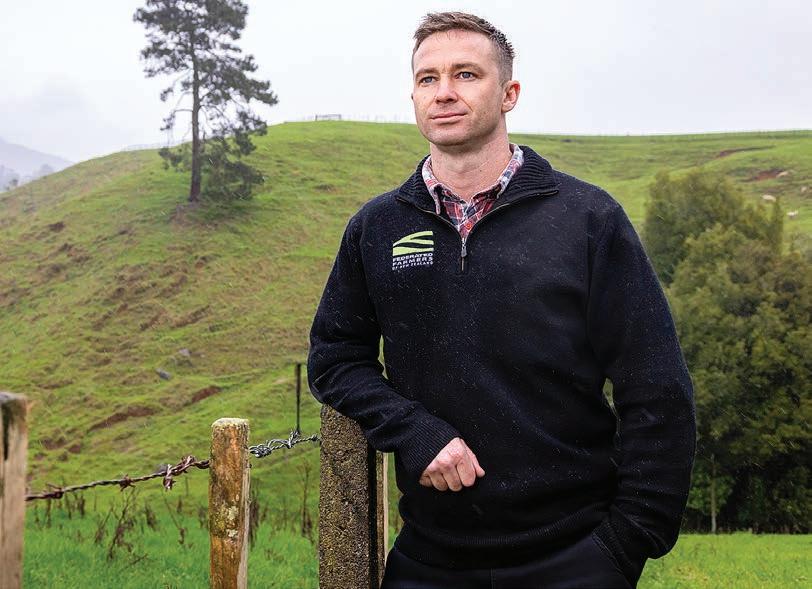
IMPACTS: Richard Dawkins says when school bus services disappear, it affects far more than just the morning and afternoon commute.
Feds backs welcome mat for doctors
Adating app to lure doctors into rural towns may be a step too far, but Federated Farmers is backing another novel idea to tackle the rural health workforce shortage.
Starting next month, a pilot programme in several provinces will see a handful of locum GPs heading out to rural areas and welcomed into the community through organised local support and hospitality.
Federated Farmers Northland president Colin Hannah says the ‘Golden Key’ project is all about turning short rural stints into positive experiences that make doctors want to come back.
“We all know rural areas struggle to attract, then retain, GPs and rural hospital medical staff,” he says.
“Surveys show that if a GP, or a medical student on training, has a good time working in a rural area, they’re much more likely to be willing to return.”
Hannah is on the executive committee of Rural Communities Aotearoa, part of the Hauora Taiwhenua Rural Health Network, which among other tasks is working on ways to boost the rural health workforce.
Mark Eager, CEO of Hauora Taiwhenua’s mobile health group, told Federated Farmers leaders late last year that access to health in rural communities in too many districts is “appalling”.
There’s a shortfall of around 130 rural GPs nationwide, and a 2024 survey found that 35% of GPs and 21% of rural hospital doctor respondents intended to retire within the next five years.
Eager says Hauora Taiwhenua is working on multiple fronts to improve rural health access – with the Golden Key project one of those prongs.
“What often happens is that a locum GP is paid many thousands of dollars to turn up in a rural town,” Eager says.
“They’re there for anywhere between three months and two years and add lots of value. The best
case is that they move permanently to rural NZ with their families.
“But if they have a bad experience, we don’t see them again.”
The same happens with medical students out for practical experience in their third and fourth years.
I’ve tried to pitch for a rural health Tinder dating app. We may not get that, but the reality is if you can get someone hooked up in the rural town and to put down roots, years down the track their kids might come back too.
Mark Eager CEO of Hauora Taiwhenua’s mobile health group
If a community embraces that student or locum, it can change attitudes to working rural, Eager says.
“Just down from Colin’s farm, in Kawakawa, one of the local GPs took on a city-based medical student.
“She said later the three best things she did in her entire medical school career was to go to the Kaikohe saleyards and bid on some
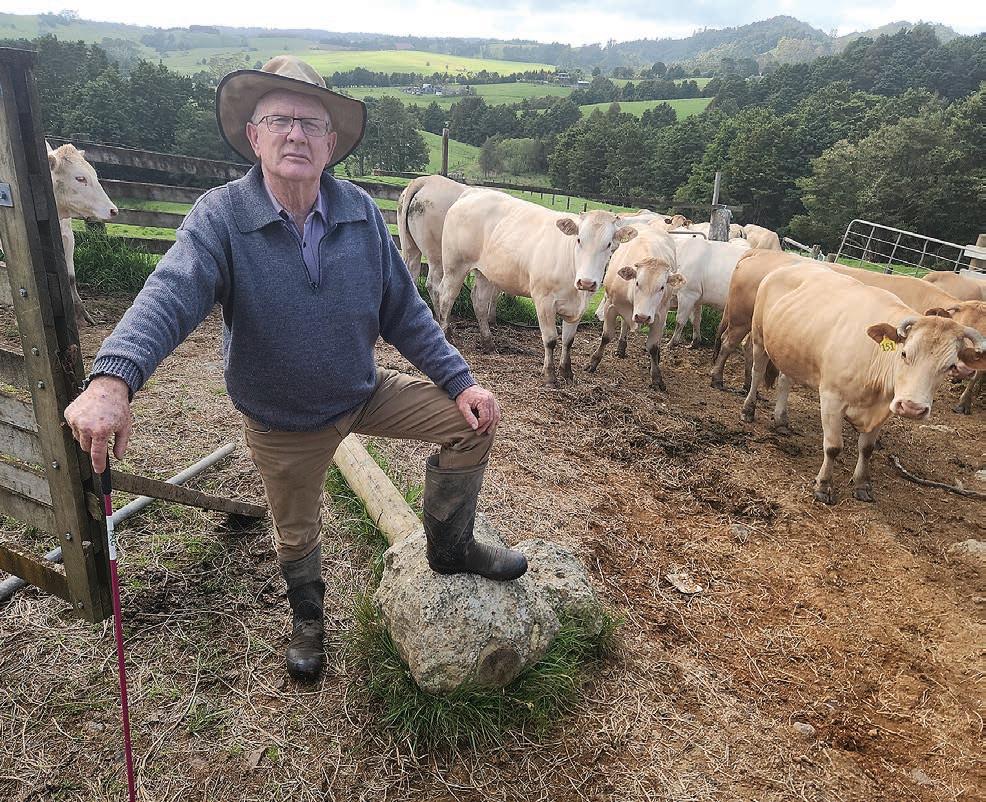
stock; to go tuna fishing in the Bay of Islands, and to join a community catchment group doing ginger grass eradication.”
Another example is Ross Lawrenson, who’s involved with Waikato University’s new medical school.

NUMBERS: There’s a shortfall of around 130 rural GPs nationwide, and a 2024 survey found that 35% of GPs and 21% of rural hospital doctor respondents intended to retire within the next five years.
“When he came from the UK and his family drove down to Te Kuiti, there was a guy in his driveway unloading firewood,” Eager says.
“Rural women had filled the freezer. The family was taken out in a jet boat the next day.
“It’s not just money that will keep medical staff in rural areas; it’s those sorts of experiences.”
Eager told the Federated Farmers leaders that it’s even better if medical students and locums find love while on placement.
“Secretly, we want these people to have sex in your town,” he joked.
“When I stand in the operating theatre of the mobile surgical bus and ask local team members why they’re there, so often the reply is ‘I married a farmer’ or ‘we bought a farm here’.
“I’ve tried to pitch for a rural health Tinder dating app. We may not get that, but the reality is if you can get someone hooked up in the rural town and to put down roots, years down the track their kids might come back too.”
Rural Communities Aotearoa chair
MEDICAL INVESTMENT:
Colin Hannah says making sure medical students and locum GPs feel welcome during rural placements will pay off for provincial health services in the long run.
Gill Genet says Auckland and Otago University medical schools run rural immersion programmes, and Golden Key will complement those.
But first it’s the locums’ pilot. Areas haven’t been decided yet, but Genet will liaise with Federated Farmers once they’re identified to tap into the local Feds network.
“It’s not just the positive wraparound experience for the locum that’s needed,” Genet says.
“If they’ve got a partner or kids and they also feel welcome, that can be a powerful retention factor.”
The locum pilots will be a runway to fine-tune what works best ahead of the first intake from Waikato University’s NZ Graduate School of Medicine being ready for practical experience.
Hannah says Golden Key is the kind of practical, grassroots initiative that appeals to farmers.
“If we give these locums and students a warm welcome and a taste of all the good things that rural life in New Zealand offers, we’ll be helping secure our own medical workforce going forward.”

Micro abattoir vision to cut waste
When homekill specialist
Toby Barkla posted a clip on social media showing the inside of a cow’s udder, he didn’t expect much more than the usual interest.
Instead, the video took off, racking up more than 6.2 million views and attracting a wave of curiosity, questions and commentary from right around the world.
“It blew me away,” says Barkla, who owns Plains Butchery in Edgecumbe and is on the Federated Farmers rural butcher leadership team.
“People were genuinely fascinated by how things work behind the scenes.
“Even a lot of farmers commented that they’d never seen the inside of an udder.”
That fascination speaks to something Barkla is seeing more and more of in his day-to-day work.
“People really want to understand where their food comes from and be able to access it more directly,” he said on the latest Federated Farmers Podcast episode.
It’s a big part of what’s driving his next move, establishing a regulated micro abattoir that will open the door for more Kiwis to buy topquality, locally processed meat.
Homekill has long played an
important role in rural New Zealand, but it comes with tight rules.
Because the slaughter happens in an unregulated environment, the meat can only be returned to the animal’s owner, farm staff, or immediate family.
It can’t be sold, and it can’t enter the commercial food chain.
“There’s no official inspection process in homekill, so you can’t go out and sell meat to the public.
“That’s for good reason too, because we need to protect food safety,” Barkla explains.
It means New Zealand’s eating its best meat, rather than sending it overseas.
Toby Barkla Plains Butchery owner, Fed Farmers rural butcher leader
Those restrictions are what Barkla wants to work around by stepping fully into a regulated system.
His vision is a micro abattoir that operates on a small, local scale, but meets all the food safety and inspection requirements needed for meat to be legally sold.
Barkla, his slaughterman and his partner are nine weeks into
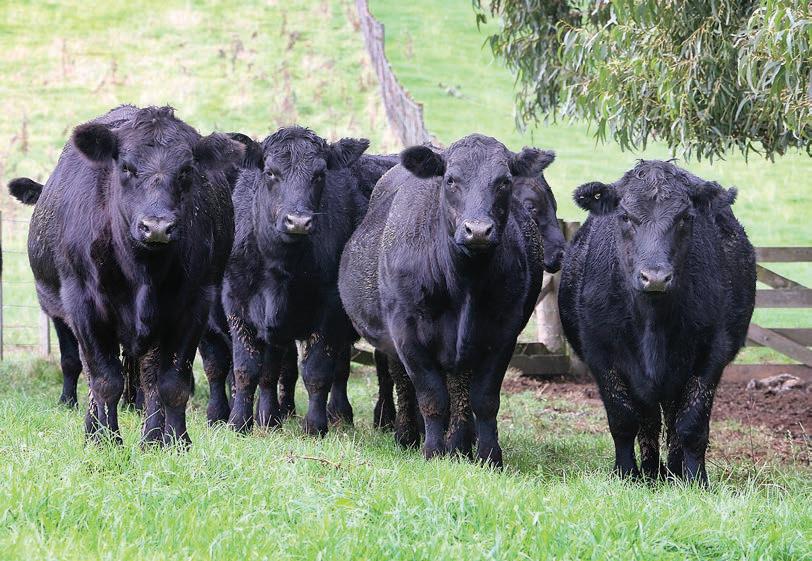
a meat inspector course run by AsureQuality.
They’re currently learning the disease, defect and compliance requirements that underpin regulated processing.
“We’re actually already applying what we’re learning on the course when we’re out on the job,” he says.
“It’s been really good.”
Under the definition, a micro abattoir can process up to 20 animals a day, supplying only the domestic market.
“That scale is important,” Barkla says. “We’re not talking about massive numbers, but it’s big enough to make a real difference in the regions.”
Another driver behind the move is waste — something Barkla says has frustrated homekill operators for years.
“At the moment, we can’t utilise a lot of our byproducts at all, not even for pet food,” he says.
Because homekill meat is unregulated, the hearts, livers, kidneys, fat and bones must be buried on farm or sent to rendering.
Even hides, which once had value, are now frequently treated as waste.
“It sucks seeing it go to waste,” Barkla says.
“If you’ve got a 300-kilogram steer carcass, for example, a third of that is fat and bones as waste product.
“There’s a lot of goodness there and that’s a huge part of why we want to set up a micro abattoir.”
With inspection and traceability in place, Barkla will be able to use the byproducts, dramatically reducing waste and opening up new income streams.
For farmers, especially those in remote areas where small abattoirs have closed, Barkla believes the model could be a real winner.
“It’d be awesome for places like the East Coast,” he says. “It’d mean a lot less travel time compared to sending meat to the big plants.”
There’s also a strong local angle, as micro abattoirs are designed to feed New Zealanders, not export markets.
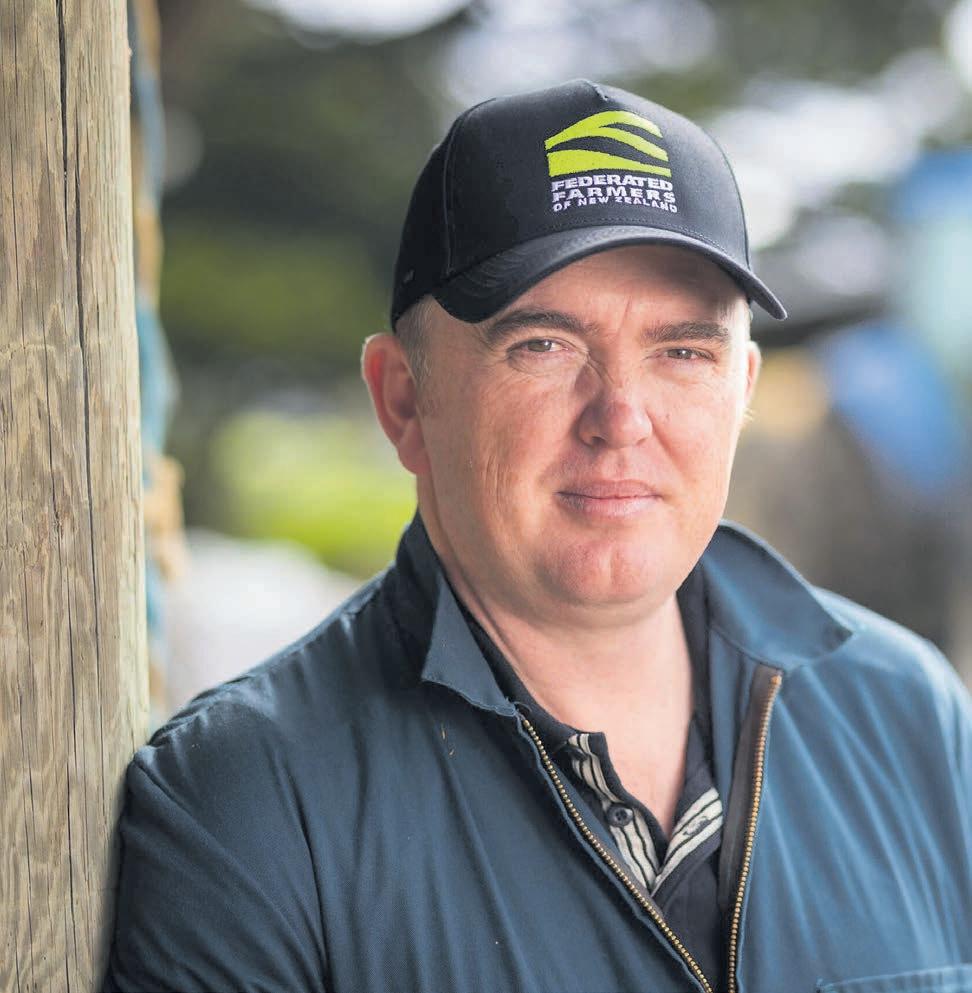
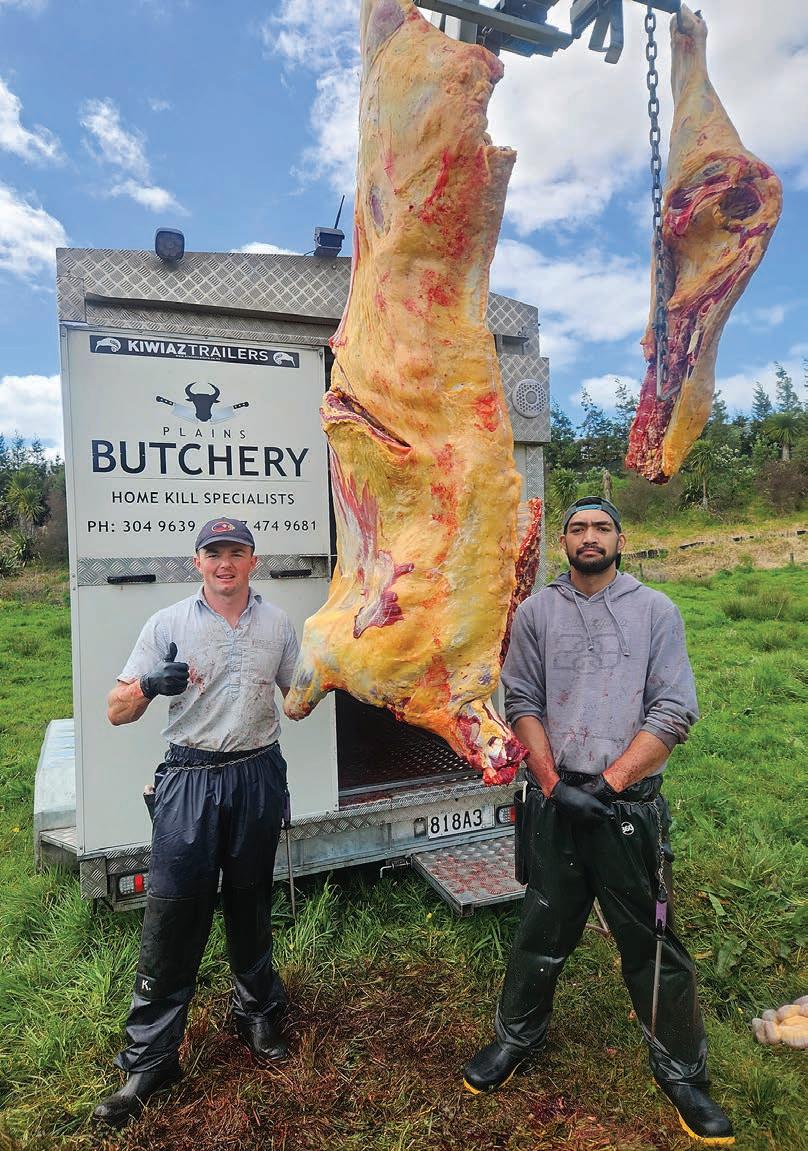
“There’s a real feel-good factor,” Barkla says.
“It means New Zealand’s eating its best meat, rather than sending it overseas.
“It would be neat to be able to pick out some of our prime beef – imagine a beautiful line of nice fat Angus heifers – and make that available to the local community.”
While limited in scale, the model is big enough to support rural employment too.
Barkla estimates a fully operational micro abattoir could employ 15 to
20 people, creating skilled jobs in provincial communities.
“That’s definitely a win for farmers and for towns,” he says.
Barkla’s social media videos may have captured overseas attention, but his next chapter is firmly grounded in the regions.
“I’m really excited about finding smarter, more sustainable ways to get quality Kiwi meat onto Kiwi plates.
“Opening a micro abattoir will open up so many avenues for us to do that.”



HANGING TO GO LOCAL: Toby Barkla and slaughterman Judas Tipu on a homekill job, with plans for a micro abattoir to keep more Kiwi meat close to home.
WINNER: For farmers, especially those in remote areas where small abattoirs have closed, Toby Barkla believes the model could be a real winner.
Mangamahu 3104 Mangamahu Road
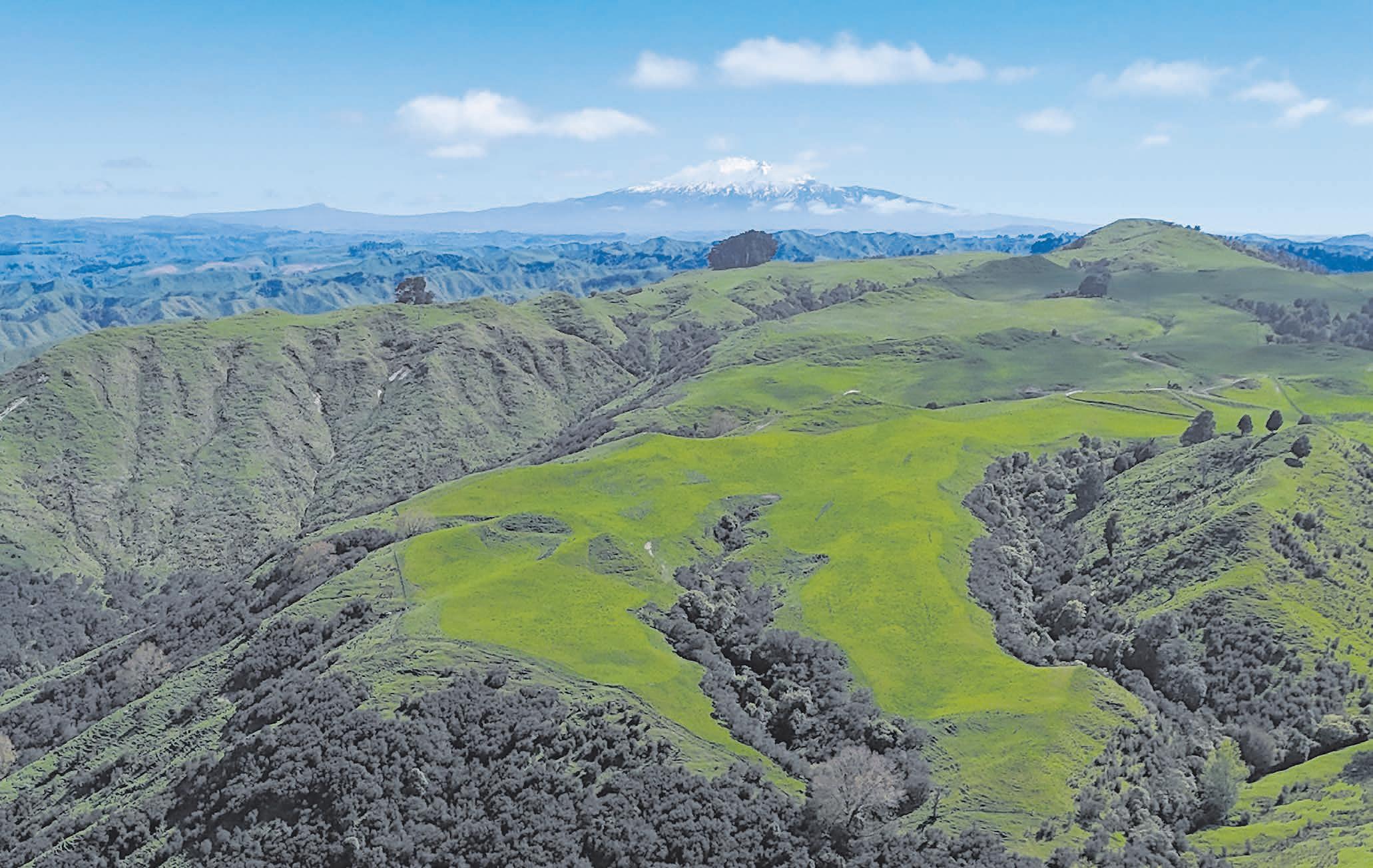
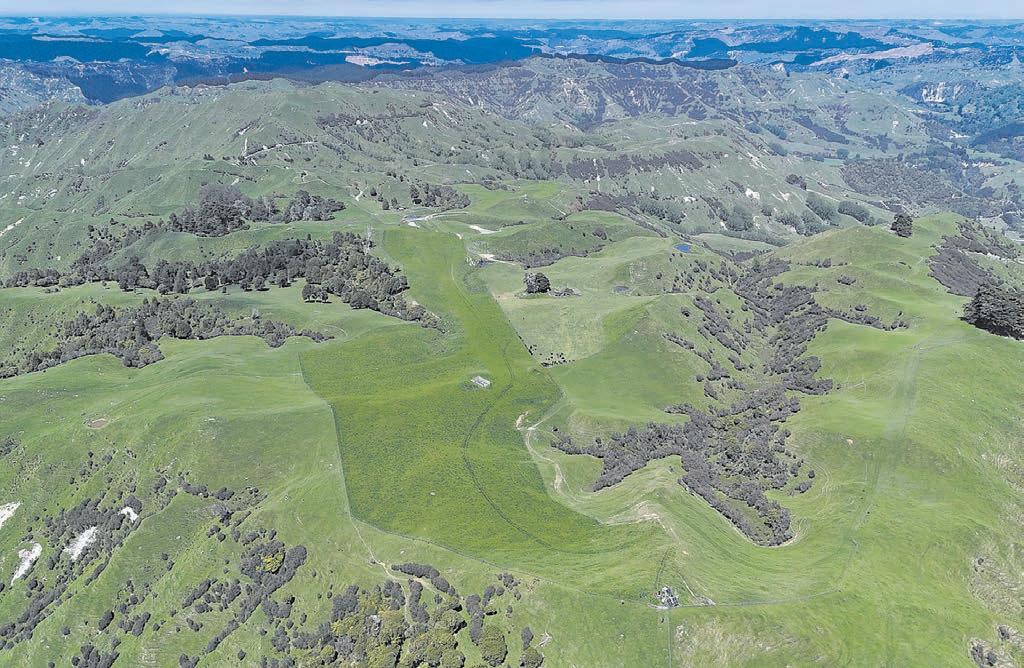
Breeding unit with scale and history
Tender
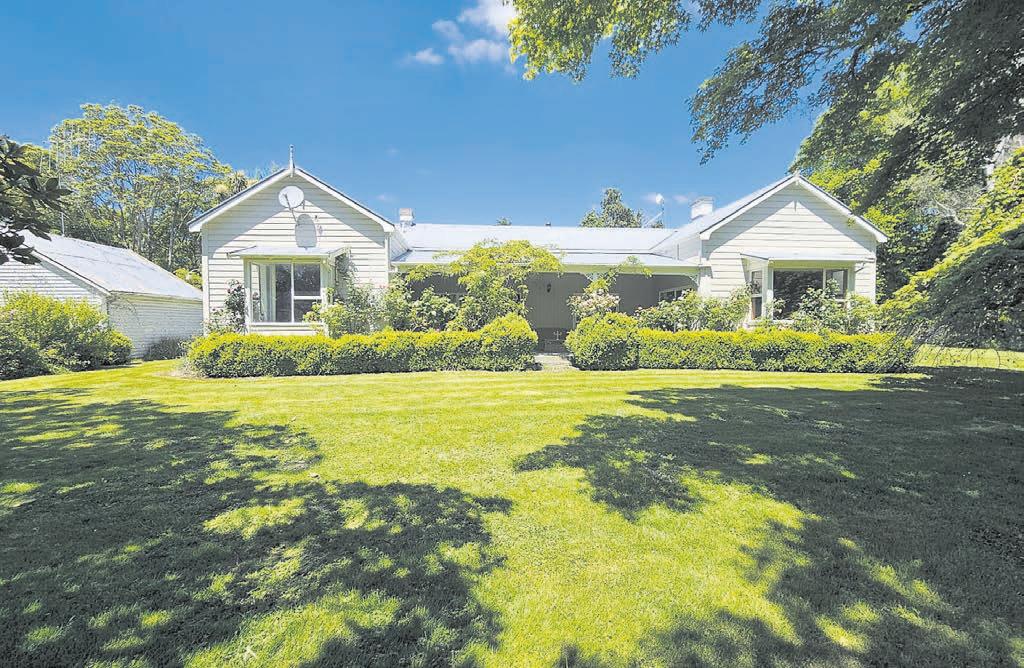
Set in the renowned Mangamahu district, Inzevar station offers an opportunity for the first time in 129 years. Currently run by the fourth and fifth generation, the family have decided it's time for a change in direction We are delighted to offer this substantial breeding unit to potential buyers through a tender process.
Consisting of 981 hectares of mainly steeper class 5-7 contours with a small area of flats and easy rolling country around the front and middle of the property. Currently carrying 6,200 SU the potential to increase would be driven by fertiliser and a scaling down of the current Manuka honey production Infrastructure includes 3 houses, quality woolshed and sheep and cattle handling facilities. This property offers scope as a stand-alone enterprise or an addition to an established operation looking to add to their breeding base.
Open Days: 27/1/26 and 10/2/26, 11am - midday or contact Agents to view.
11 3
Tender closes 2.00pm, Thu 5th Mar, 2026
View Tue 27 Jan 11.00 - 12.00pm Web pb.co.nz/WGR215030


Mark Lourie M 027 273 3458 P 06 281 3714
E markl@pb.co.nz
Paul Gilligan
M 027 354 7171 P 06 345 7714
E paul.gilligan@pb.co.nz
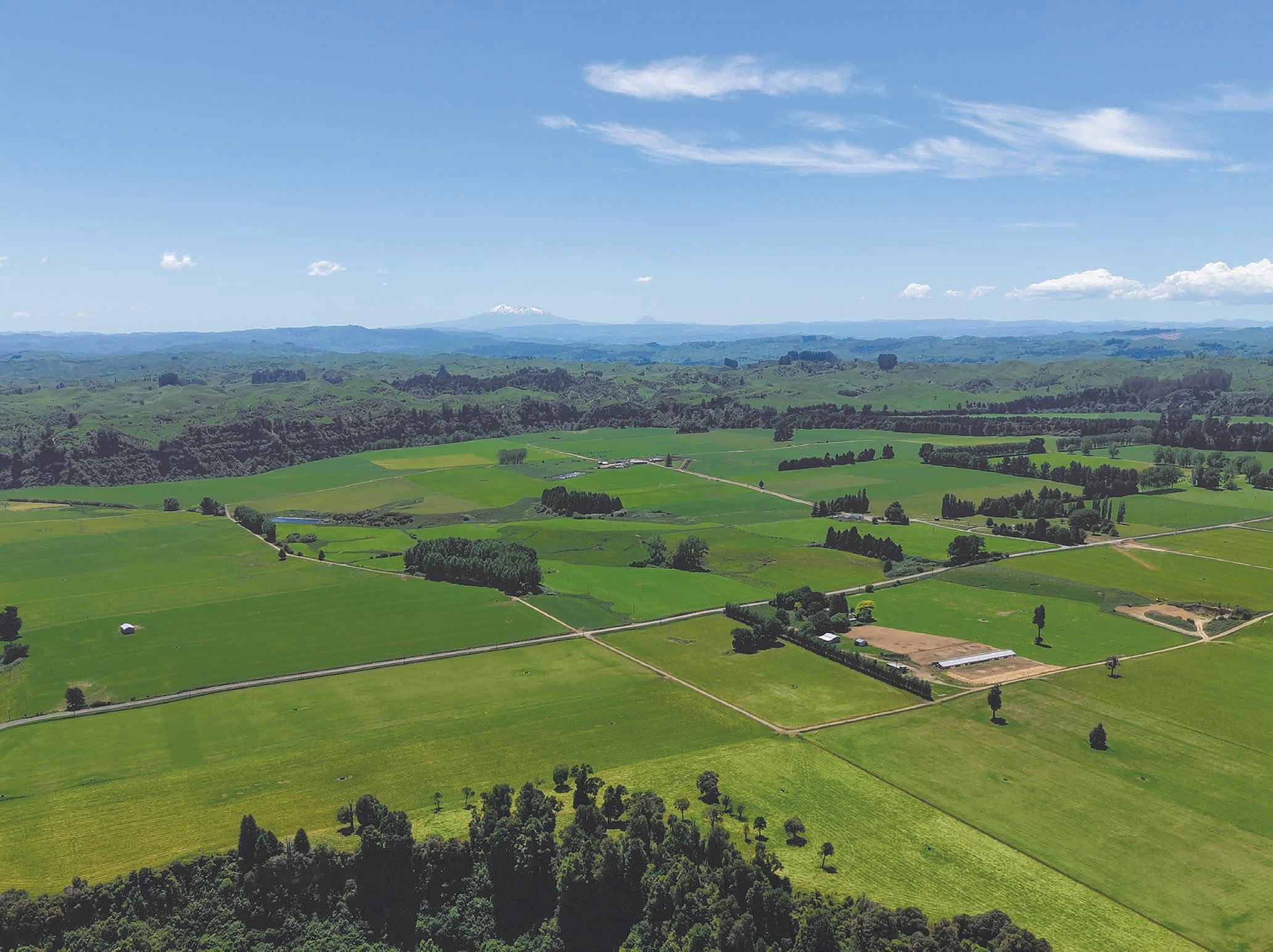
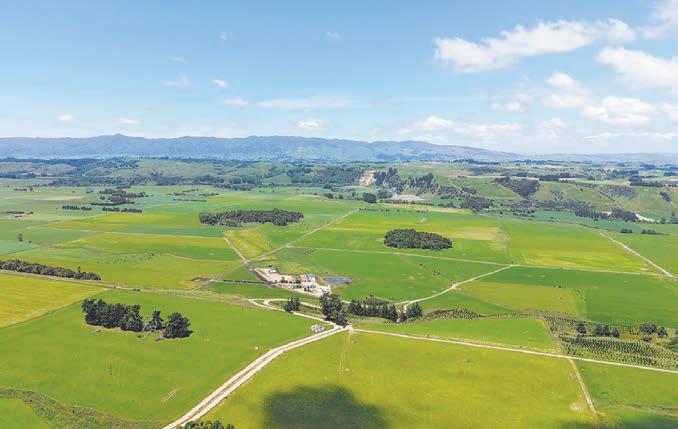
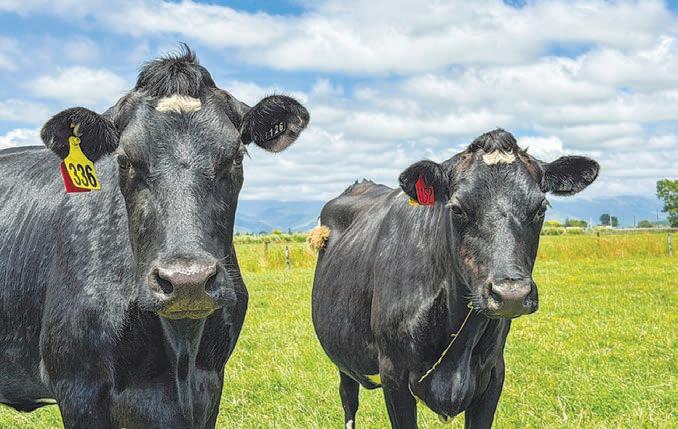
Generational Opportunity


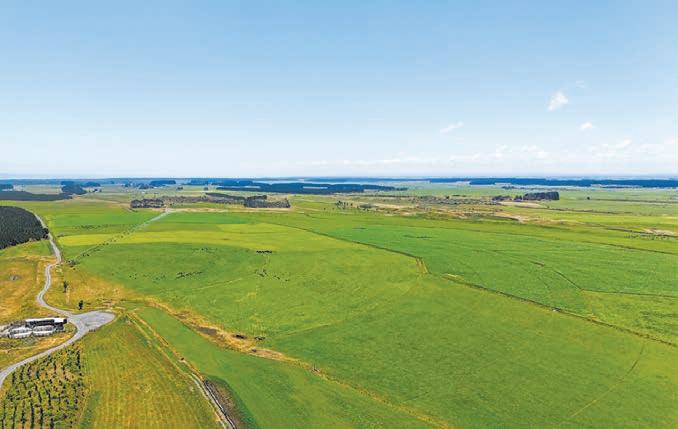
This is a generational opportunity to acquire one of New Zealand’s leading large-scale dairy operations – a business running 5,250 cows, producing 2,288,760 milk solids across 2,369 hectares and a forecast of 2,530,000 milk solids for the 2025/26 season
A fully integrated, medium-input, grass-based system, this business is built around six high-performing dairy farms – Blythe, Grandbend, Te Marama, Tokomaru, Tollbridge and Waihora, supported by the Tahuna drystock unit.
Grandbend 519 Main South Road, Rangiwahia
Te Marama 1974 Kimbolton Road, Feilding
Tahuna 715 Santoft Road, Bulls
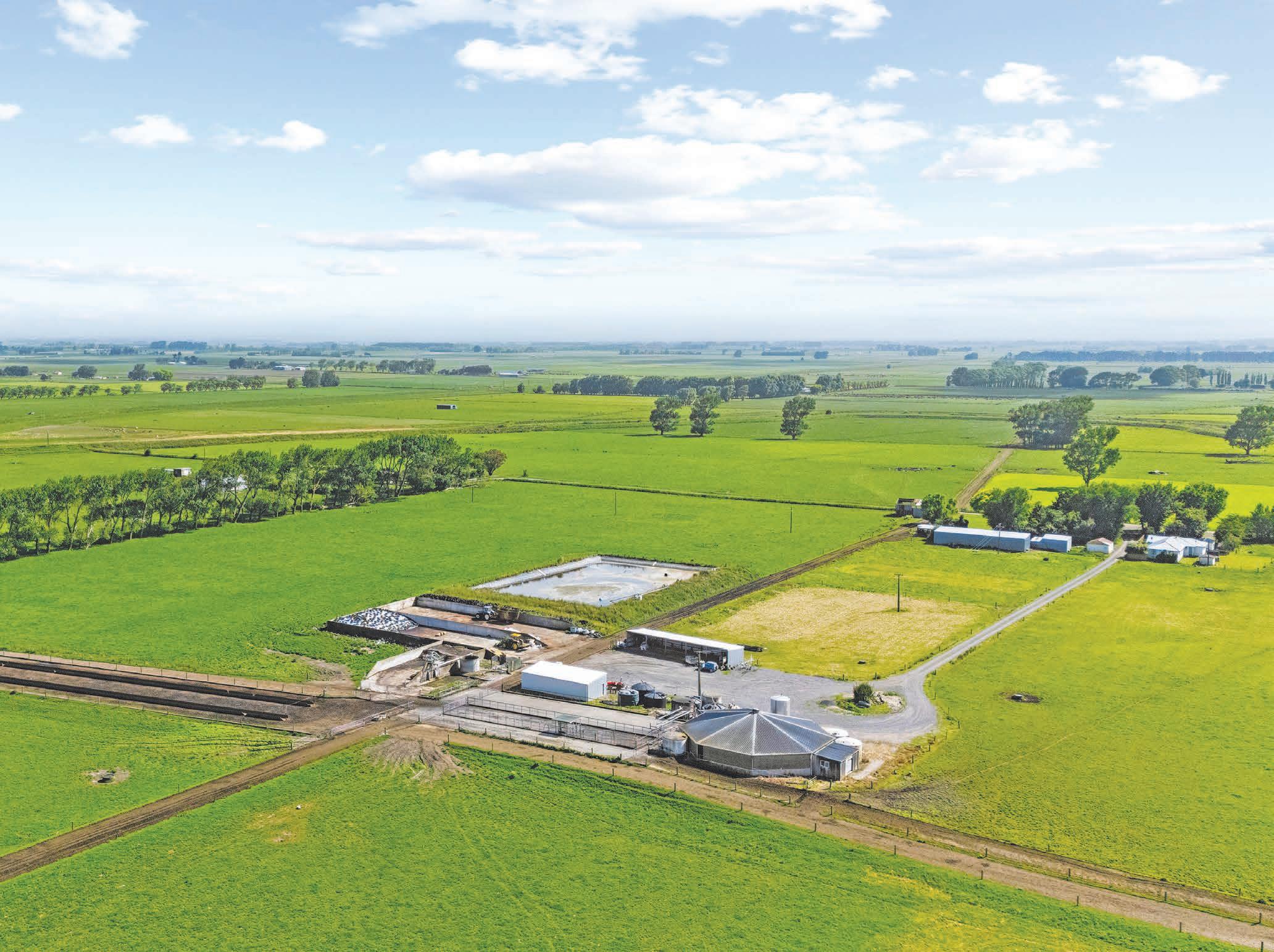







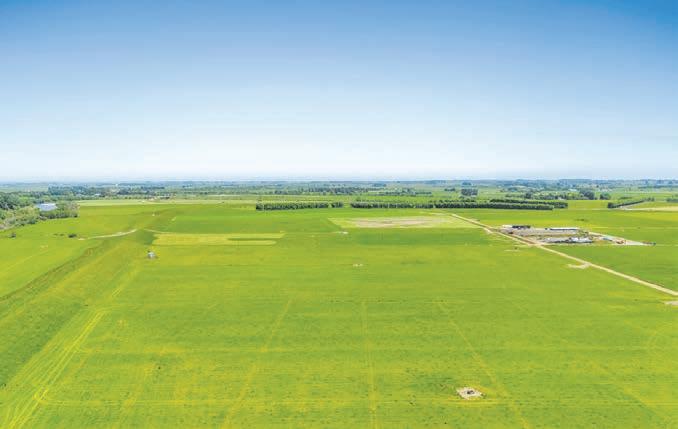
Strategically located across the wider Manawatu and Rangitikei, the portfolio offers strong environmental attributes, proven output, and substantial development upside. The operation is largely self-contained, delivering total control inside the farm gate.
It is run by a highly capable and stable team, with 33+ staff and a full operating management Many of the employees have long tenure, and the management structure is already in place for a seamless transition.
Infrastructure development plans have been prepared to further enhance ease of management, support staff retention, and lift on-farm performance – providing new owners with a clear pathway to future growth. This is a business that ranks its performance into the top 20% profi tability.
The properties are offered for sale either in their entirety as a complete large-scale operation, as clusters, or individually, and are initially being marketed through non-binding expressions of interest
A rare chance to secure scale, performance, and potential – a once-in-a-generation farming opportunity.
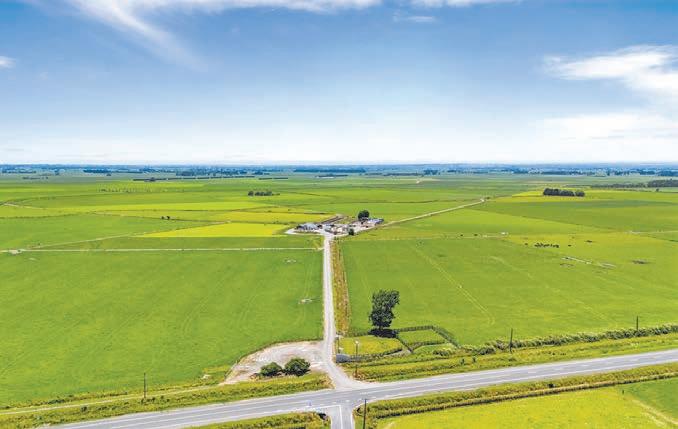

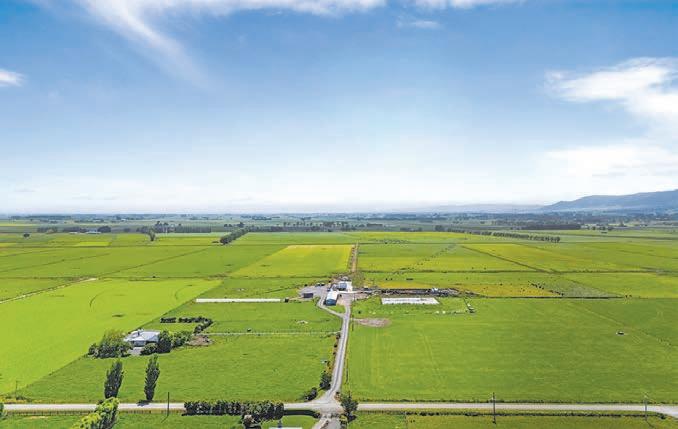
Tender Non-binding expressions of interest by Wednesday 25th February, 2026
View By appointment Web pb.co.nz/FR218384


Blair Cottrill M 027 354 5419 E blair@pb.co.nz
Ted Shannon M 021 833 536 E ted.shannon@pb.co.nz
Tokomaru Dairies 129 Tamatarau Road, Tokomaru
Blythe 145 Campbells Road, Opiki
Tollbridge 1372 Rangitane Road, Tiakitahuna
Waihora 1685 State Highway 56, Tiakitahuna
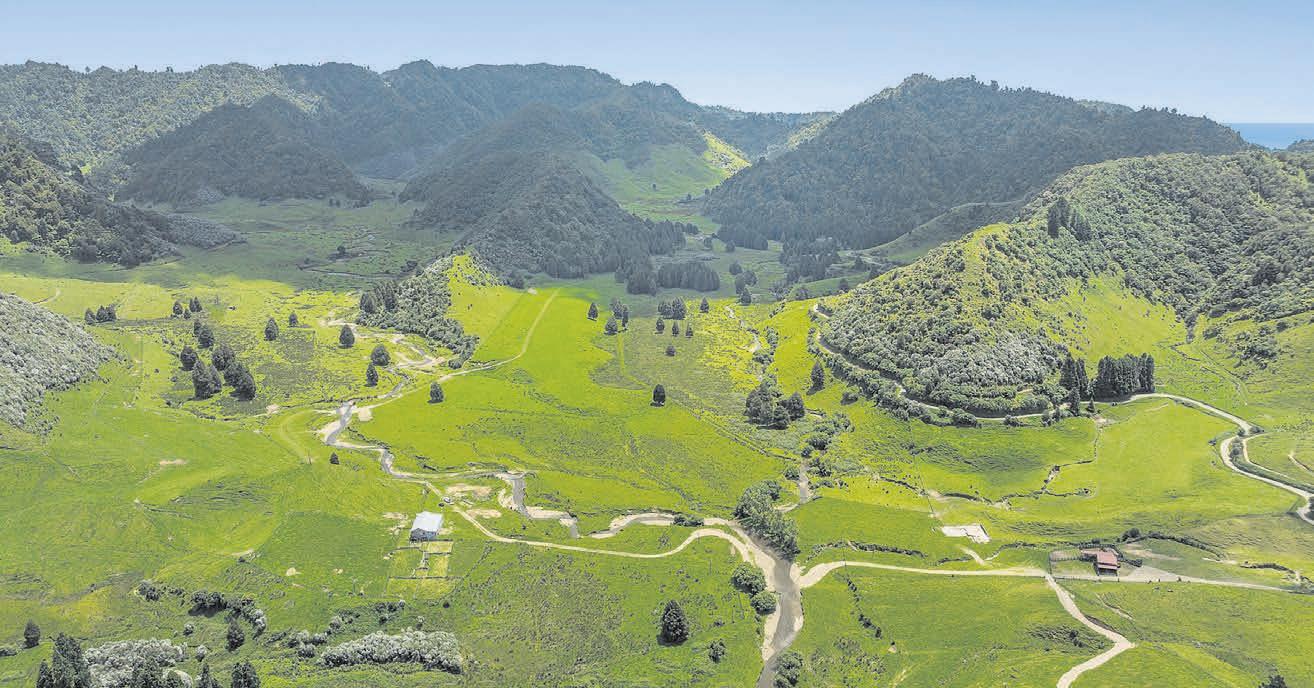
BAY OF PLENTY 2060 Motu Road 1694ha Grazing/Wilderness - Toatoa
2060 Motu Road, Toatoa, is a grazing
which are fenced serviced by sheep and cattle yards.
• Approximately 500 hectares (more or less) grazing with about 150ha regenerating scrub with the
• Improvements include a 1960s/1970s build three bedroom home
• Four-stand shearing shed with covered and open sheep yards/pens
Three-bay implement shed with lean-to Stock yards with two holding pens, a drafting race, crush, weigh pad Load out race and ramp
• Dual water supply, stream and spring supply pressure pumped for domestic use
This Motu Road holding offers a unique chance to secure a piece of Hinterland New Zealand. There is an opportunity
conserve, hunt or develop eco-tourism with this setting offering endless opportunities for the right
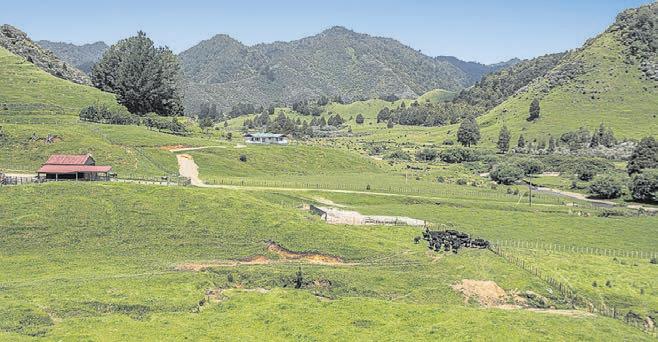
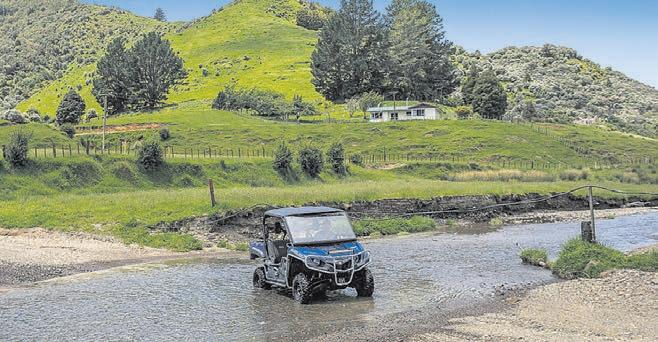
Plus GST (if any) (Unless Sold Prior) Closes 4.00pm, Friday 27 February VIEW 11.00am-2.00pm Thursday 29 January & 5 February

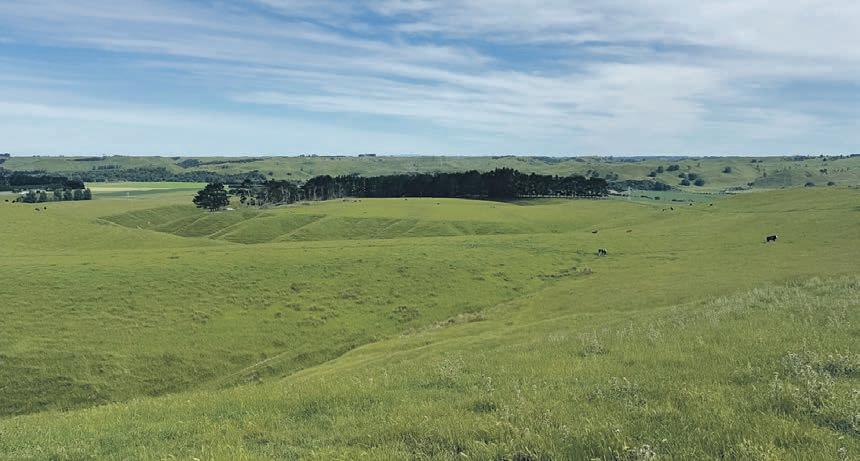
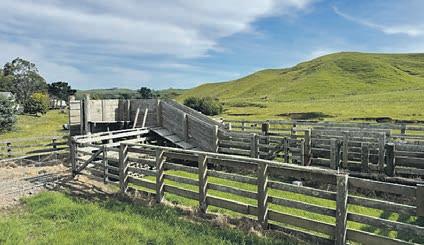
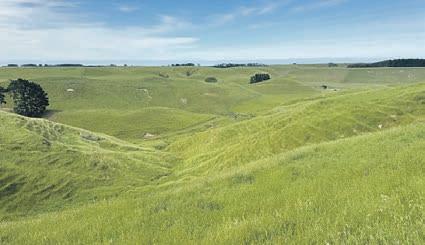
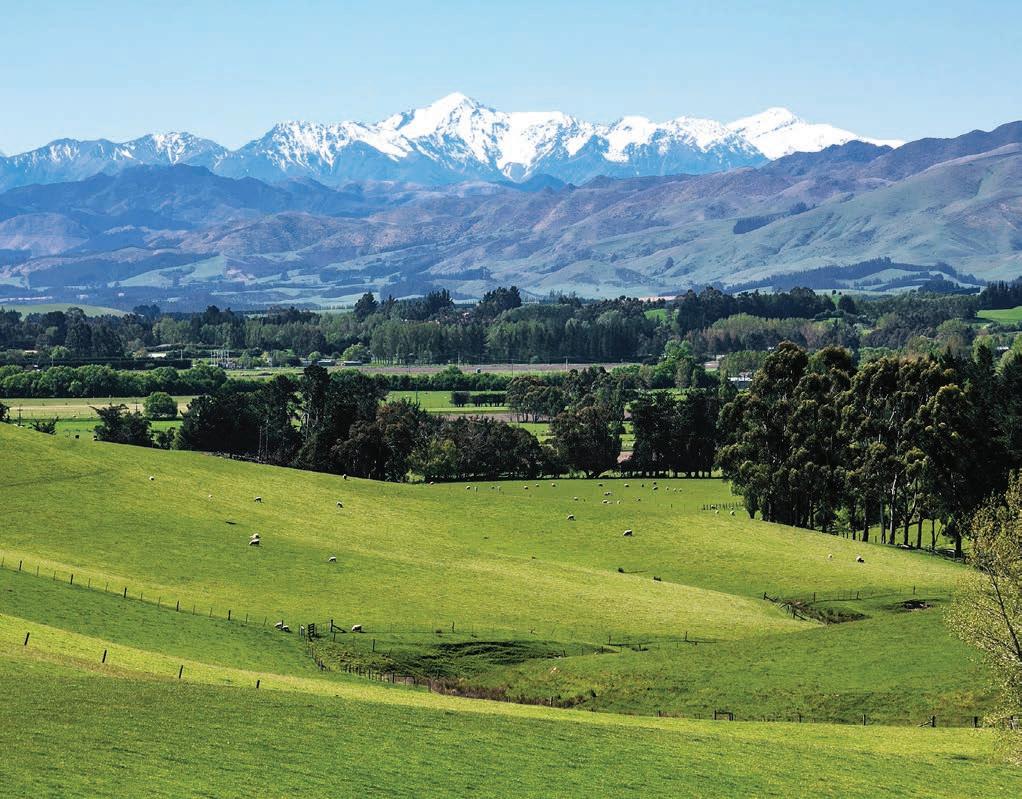
Your agent may suggest you advertise in their brand publication. We suggest you remind them that this is the publication you, and every other farmer you know, reads.

Kernels of wisdom from new tech

Jaiden Drought MARKETS Machinery
HARVEST time is crunch time; luckily not for the seeds and kernels of that precious crop you have been tending to over the last six months, but rather thanks to the tech-packed X and S Series from the global giant with the yellow rims.
These machines are more than just a pulse-raising sight on a late summer evening. They’re at the sharp edge of harvest automation. In this overview, we break down the main features, the benefits of John Deere’s Harvest Automation, Connected Support and Operations Centre, and why all these bells and associated whistles genuinely matter.
Combine harvesters are serious investments, and every minute they’re not running is a minute you’re not earning.
John Deere’s X and S Series combines (powered by advanced Harvest Automation, Connected Support, and the Operations Centre) offer a step-change in how New Zealanders approach harvest. Less time behind the combine checking drop trays and more time getting the crop in; think of it as a digital toolkit that keeps you ahead of the game.
It works through the adaptive Harvest Settings Automation which is included in the premium and ultimate technology packages from the in-cab G5Plus Display. Now I’ve always found combines to be like ploughs. Please, no matter how tempting, just adjust one thing at a time.
However, with Harvest Automation, simply set acceptable limits for grain loss, foreign material, and broken grain. Once set, sensors and data informed logic under the large gull wing
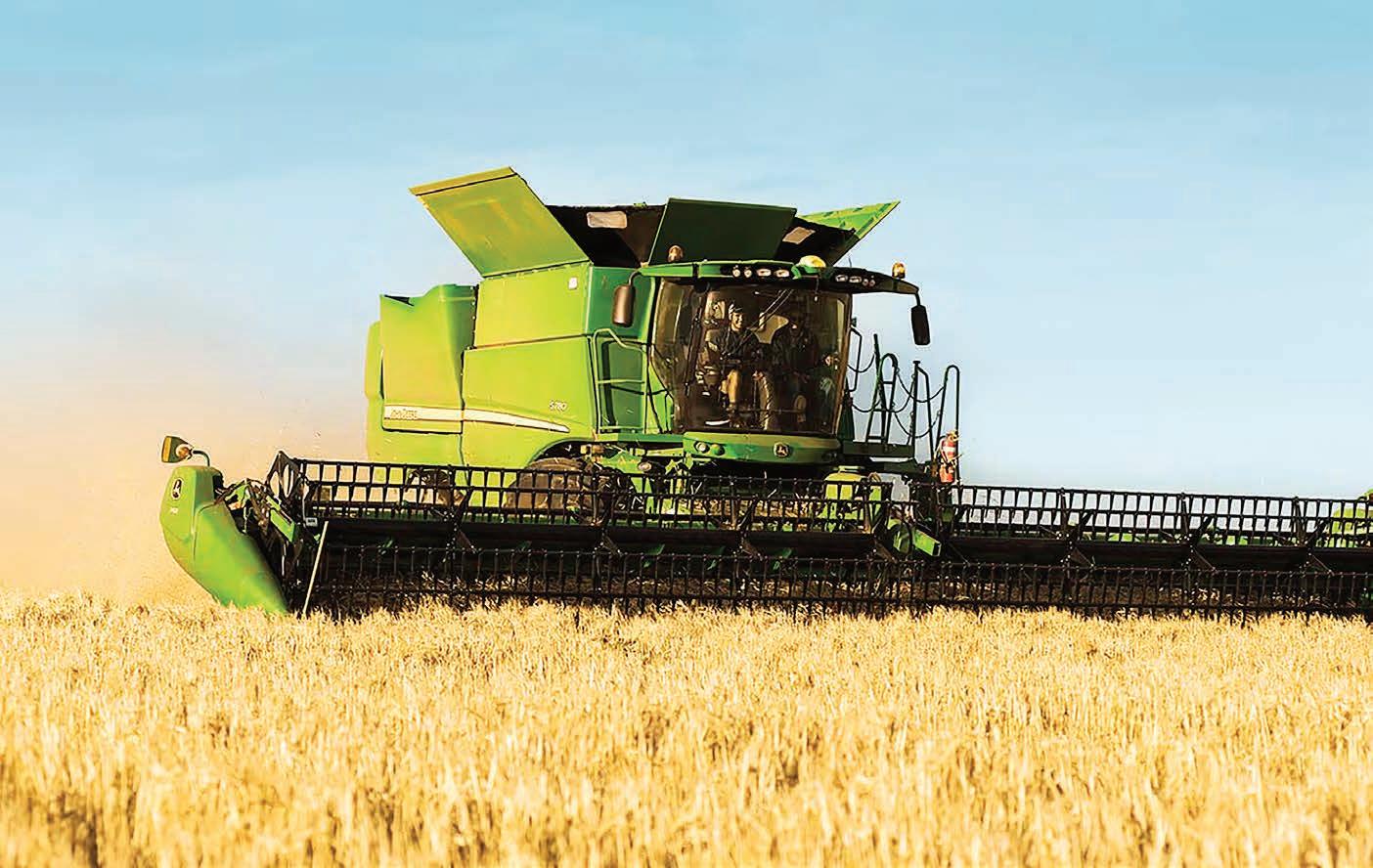
Combine harvesters are serious investments, and every minute they’re not running is a minute you’re not earning.
panels keep an eye on grain quality and losses. It makes live adjustments to threshing, separation and cleaning with the combine automatically adjusting itself to deliver the performance you want. No more manually adjusting rotor speed, fan speed, and concave, chaffer, and sieve clearances.
The top tier ‘Ultimate Technology Package’, includes Predictive Ground Speed Automation. This is next level. Pre-harvest satellite field images
can generate a predictive field map, so while you’re still clearing the timeshare the sparrows have lovingly built over winter, the combine is in the matrix plotting the next field.
Two forward facing cab-mounted stereo cameras constantly measure crop height and volume. The on-board fast processing super computers then take this data and automatically adjust ground speed before entering changing crop areas. The result? You can maintain peak feed rates all day long, even in inconsistent crop conditions. That helps increase combine capacity while minimising grain loss.
For unloading there is more refined sophistication. Machine Sync is the synchronised swimming of the ag world - pure, unadulterated coordination
between combine and tractor during unloading on the go. No more frantic two-way radio calls; instead take a more relaxing approach with your favourite Smokey and the Bandit ‘breaker, breaker’ and 10-4 rubber ducky taglines. This is where the combine ‘talks’ to the tractor (technically it controls it) to keep everything in sync.
John Deere Connected Support is the backup when it all turns pear shaped, because let’s face it, it never breaks down in the shed (although imagine the mechanic’s delight if that was the case). John Deere’s Connected Support brings you real-time remote monitoring.
Dealers can see what’s happening with your combine, often diagnosing issues before you know you’ve even got them.
Remote Display Access (RDA) is
SETTING: With Harvest Automation, simply set acceptable limits for grain loss, foreign material, and broken grain. Once set, sensors and data informed logic keep an eye on grain quality and losses.
NEW APPROACH: John Deere’s X and S Series combines offer a stepchange in how New Zealanders approach harvest.
another game changer, allowing the dealer to log in and help with settings or troubleshooting - without stepping foot on your farm.
That means less time waiting for someone to come out and ‘have a look’, and more time getting the job done. It even goes one step further with Expert Alerts. These are pre-emptive warnings about potential issues, sent straight to your dealer and your phone.
Think of it as having a mechanic riding shotgun, minus the banter, steak and cheese pie and 500ml can of Monster energy.
But the good stuff doesn’t end there. While Connected Support keeps your up time up, with Operations Centre you can see what’s going on from anywhere (think of it as your digital command post).
Harvest isn’t just about what happens in the paddock. The John Deere Operations Centre brings everything together in one dashboard. Field boundaries, yield maps, machine performance data – all ready to review, share, and plan from your phone or laptop. Better still, it shows growth over time where you can build a multi-season record of your land, crop performance, and machine efficiency.
So, whether you want the carnivorous capacity of the hinged draper fronts, the chopping, laying or spreading capacity of the residue management system or removing the pesky weed seeds thanks to the Redekop Seed Control Unit, John Deere’s Harvest Automation isn’t just tech for tech’s sake.
It’s engineered elegance that can genuinely save time and money. So, until next time, may your crops be bountiful and your combine trouble free.
SMARTER HARVESTING. AUTOMATIC ALLY






John Deere’s combine and front-end equipment, precision automation tec hnology, and real-time data keep your operation one step ahead
Cover more ground, faster, with more throughput, adapting to conditions and delivering c leaner grain with fewer losses
And with connec ted dealer suppor t and your operations data, you get more uptime, less stress, and smar ter decisions applied automatically.

Ask your local dealer today about how to make yours a smar ter har vest. TOTAL















DIRECTORSHIP OPPORTUNITY –WOOL RESEARCH ORGANISATION OF NEW ZEALAND (WRONZ)
WRONZ is seeking an additional Director to help guide the organisation through an exciting phase of commercialisation and sector innovation. As the industry’s research and development body, WRONZ invests in science and technology that grows demand for New Zealand strong wool and lifts returns for farmers.
They are looking for someone with senior governance experience, strong commercial and financial acumen, and a solid understanding of research, IP, and the commercialisation of science. Strong connections across the wool and rural sectors, and experience with membershipbased organisations, will be valuable. This is a remunerated, one-year appointment (with potential extension).
The Board meets around seven times a year in Christchurch, plus an annual strategy day and AGM. Travel expenses are covered, and D&O insurance is in place.
If you want to contribute to the future of New Zealand’s wool industry and support the growth of new, high-value wool technologies, we’d love to hear from you.
Applications close: Monday 16 February 2026.
Enquiries and applications to: Tim Lonsdale, General Manager Tim@woolresearch.com



•
•
•
•
•
•

www.boeckmann.co.nz robert@boeckmann.co.nz

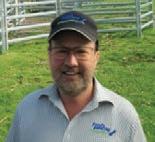


on a 50/50 share basis.
GOATS WANTED FERAL GOATS WANTED. Pick-up within 24 hours. Prices based on works schedule. Phone Vicky Le Feuvre 07 893 8916 or 027 363 2932. QUALITY GRAZING OPPORTUNITY
NZ KELP. FRESH, wild ocean harvested giant kelp. The world’s richest source of natural iodine. Dried and milled for use in agriculture and horticulture. Growth promotant / stock health food. As seen on Country Calendar. Orders to: 03 322 6115




HOPKINS FARMING GROUP CURRENT DAIRY LISTINGS
All well presented, capital stock, with excellent health records and breeding!
AUTUMN LINES FOR SALE:
230x Genuine DNA Profiled Xbred Autumn Calving Herd. BW119, PW187, DTC 15/3/26, Top 30% BW in calf to Sexed Semen
$2,950
67x Outstanding Frsn/FrsnX R2 Autumn Calving Heifers DNA profiled, BW232, PW236 465kg on 20/11/25, DTC 1/3/26
$2,800
76x Frsn/FrsnX Autumn R1 Heifers DNA profiled, BW216, PW208, IMM or FWD delivery
$1,800
SPRING LINES FOR SALE:
102x G3 Xbred In-Calf Heifers. BW298, PW287, DTC 28/7/26.
18 Top BW hfrs in-calf to sexed semen, 01/05 del.
$2,500
113x G3 Weaner Frsn/FrsnX Heifers. BW2219, PW239, immediate or forward delivery options.
$1,100 (IMM Del) or $1,250 (01/05 Del)
Keep an eye out for further livestock listings, plant, and machinery sale information. We've got your livestock needs sorted!

Visit carrfieldslivestock.co.nz
For all enquiries, contact Sam Arends: 027 343 3529, or your local Carrfields Livestock Agent!
Spring Herd Listings:
DH3914 – 200 Frsn OAD Cows DTC 24/7
28 years history, last 8 years OAD
System 1 cows that will shift $2200
Tim Williamson: 027 511 7778 (Northland)
DH3871 – 115 Mixed Breed OAD Cows
DTC 10/7. Mainly 2019-2021 borns Low input 382m/s OAD last season $2500
Craig Couling: 027 292 6828 (Northland)
DH3780 – 200 Frsn Cows DTC 25/7
Closed herd BW98 PW108 RA99%
A very tidy 3rd generation herd $3000
Jasyn Yearbury: 027 655 6551 (Auckland)
DH3910 – 280 Jrsy/JrsyX Cows DTC 9/7
Owned 8 yrs, very good age structure.
System 3, 384 ms/cow last season $2700
Stew Cruickshank: 027 2705288 (Waikato)
DH3909 – 340 Crossbred Cows DTC 17/7
G3, long history, closed herd. All AI no bulls. BW157 PW180 RA100%, 380 m/s $2950
Matt Hancock: 027 601 3787 (Waikato)
DH3837 – 300 Frsn/Xbred Cows DTC 28/7
Hard Working crossbred cows that will shift extremely well. Low input system. $2495
Jack Kiernan: 027 823 2373 (Waikato)
DH3840 – 140 Xbred Cows DTC 24/7
A closed herd of 15 years milked on rolling to steep country, low empty rate $3000
Mike Mckenzie: 027 674 1149 (Waikato)
DH3804 – 360 Frsn Cows (computer split) DTC 20/7. A closed herd, on target for 515m/s. Great udder confirmation. $2980
Stu Langdon: 027 388 6981 (B.O.P)

on-site and online through

Videos and online bidding open Feb 5th at www.meadowslea.co.nz
Vendors: David Giddings 027 229 9760
George Giddings 027 656 3323
Sales: Keith Willson 027 412 5766

DH3861 – 400 Frsn/FrsnX Cows DTC 25/7
Focus on temperament, udder conformation & capacity. Great working cows $2850
Nick Roberts: 027 303 6973 (B.O.P)
DH3919 – 720 Mixed Breed Cows DTC 14/7, BW140 PW199, A hard working herd on rolling to steep farm. $2600ono
Andrew Gordon: 027 487 2044 (B.O.P)
DH3831 – 230 Outstanding Frsn Cows
DTC 14/7, top overseas and NZ genetics.
190 cows are 2,3 and 4 years old. $3050
Jack Kiernan: 027 823 2373 (Taranaki)
DH3869 – 350 Frsn/FrsnX Cows DTC 1/8
40yrs plus of LIC. Hard working low input cows that will shift well. 400+ m/s $2950
Sam Arends: 027 343 3529 (Wairarapa)
DH3860 – 140 Frsn/FrsnX Cows DTC 27/5
Originally LIC, bred to CRV last 3-4yrs. Farmed under the Rimutaka ranges $3000
Sam Arends: 027 343 3529 (Wairarapa)
Spring In-calf Heifer Listings:
DR3841 – 140 Frsn G3 I/C Heifers (CRL)
Capital Stock line, very well grown
DTC 20/7 BW182 PW153 $2750
Darrin Holm: 027 242 2905 (Manawatu)
DR3806 – 108 Frsn I/C Heifers (CRL)
Outstandingly grown, 1st May Del.
DTC 10/7 BW139 PW108 $2750
Kelly Higgins: 027 600 2374 (Waikato)
DR3862 – 106 FrsnX I/C Heifers (CRL)
Good medium frame, DTC 10/7
well-bred on udder confirmation. $2600
Nick Roberts: 027 303 6973 (B.O.P)
DR3785 – 60 Frsn/FrsnX I/C Heifers
DTC 15/7 BW152 PW134 $2500
Well grown G3 capital replacement line
Matt Hancock: 027 601 3787 (Waikato)
DR3859 – 65 FrsnX I/C Heifers
DTC 10/7 BW179 PW192 $2600
Well grown 1st May Del
Paul Kane: 027 286 9279 (Auckland)
DR3857 – 50 Crossbred I/C Heifers (CRL)
DTC 25/7. A long-established closed herd in-calf to DNA recorded Jrsy bulls. $2700
Mike Mckenzie: 027 674 1149 (Waikato)
DR3872 – 40 Crossbred I/C Heifers
DTC 10/7 A well looked after line mated to lowbirth-weight Hereford bulls (7 wks) $2400
Craig Couling: 027 292 6828 (Northland)
DR3870 – 30 Frsn I/C Heifers DTC 27/7
Well-bred with plenty of appeal from a top producing herd. Pick 30 from 35 $2500
Richard Baird: 027 407 0562 (B.O.P)
DR3913 – 30 Frsn/FrsnX I/C Heifers
DTC 24/7 Complete line. A few gaps in recording. Good condition. $2200
Tim Williamson: 027 511 7778 (Northland)
DR3901 – 26 FrsnX I/C Heifers DTC 28/7
3 weeks AI, tailed with Jrsy bulls
Very well grown 1st may Del. $2300
Dara Duigan: 027 511 7778 (Tasman)
Contact your local agent or call: Paul Kane: 027 286 9279 National Dairy Coordinator
To view our extensive listings, visit: www.carrfieldslivestock.co.nz

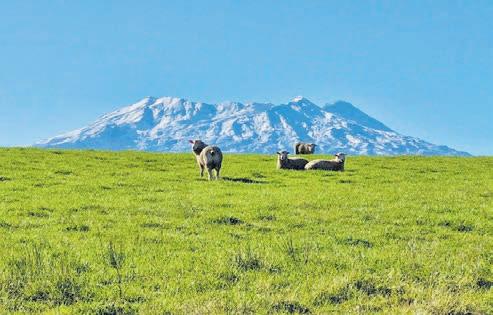


Date: Wednesday 4th February

Address: Cambridge Saleyards, Hickey Rd Start Time: 11:30am will be available for online bidding 64 Pred Frsn Genuine
The genuine autumn calving cows were blanket dry cowed and dried off 1st week of January.
Cows mated to Hereford and Angus bulls due to calve from 14th March, an 8-week mating spread with bulls removed 20th July.
In-calf heifers mated to jersey bull, due to calve from 14th March with bulls removed 25th July.
Cows have been farmed on medium hill country and presented in quality order for auction.


2ND ANNUAL ELITE HIGH INDEX – AUTUMN CALVING COW SALE
Adair Farming Ltd
Morrinsville Sale Yard 3rd February 2026 12 Noon start
A quality line of 151 elite autumn calving cows offered in one standout draft
• Average BW: 243
• Average PW: 495
• Top BW: 408
• Top PW: 933
A well-bred line of Friesian, Kiwicross and Jersey cows, calving from 3rd March
All cows have been mated to AI Friesian, Charolais or Hereford, offering strong genetic potential for both milk production and beef value
These cows represent a proven, high-performing herd with the numbers to back them up — ideal for buyers chasing reliability, production, and future returns
Don’t miss this Elite offering.
Contact:
NZFLL Shaun Bicknell 027 221 1977
Friday 27 Februar y 11am Viewing 1pm star t Tralee
316 Calder Road, Winton
A genuine oppor tunity to purchase well bred top end Southdown high per formance sheep Tralee have invested significantly over the years into purchasing top end genetics and will offer by auction fully recorded SIL and registered Southdown sheep
Approx:
90 Mixed Aged Ewes
• 30 2th Ewes
• 70 Ewe Lambs
• 45 Ram Lambs
Catalogues available by request or on www.bidr.co.nz
Enquiries
Callum McDonald (PGGW ) 0274 336 443
Todd Anderson ( Vendor) 0274 874 355
NZ’s Virtual Saleyard bidr.co.nz
DAIRY STOCK FOR SALE
• 60 G3 Xbred I/C Heifers
BW 254
• 100 Fr Frx I/C Heifers
$2800
BW 200 $2550
• Nominated Friesian I/C heifers $2700
• 80 LIC Jersey I/C Heifers
BW 263
• A2A2 Xbred I/C heifers
$2650
$2750
• A2A2 Xbred Herd BW 130 $3150
• 200 Nom Frsn cows 550 MS $3150
• 140 CRV Nom Frsn cows
50 years $3150
• 350 Nom Frsn Frx cows
LIC splits
• Big Production Xbred herd
$2800
BW 148 $2950
• Northland herd Xbred cows $2690
• Autumn calving Friesian I/C Heifers
$2600
• Autumn calving Xbred cows $2650
• Xbred I/C Holdover cows
BW 283 $2950
• 60 Nom Friesian heifer calves
BW 107 $1600
• 50 G3 Xbred Heifer calves
BW 246 $1400
For more details and information Contact your NZFL or Rural Livestock agent

C.
Alma Baker Trust (NZ) Ltd
Open Day –Limestone Downs
1340 Port Waikato – Waikaretu Rd
Tuesday February 17, 2026 10am at Woolshed
Welcome/introduction:
Chairperson Dame Margaret Millard –acknowledgement of 100 years of Limestone Downs and C Alma Baker.

Topics to be covered:
10.30am Limestone Downs farm performance –Paul Mahoney, Justin Lamb and Brent Neal (Franklin Vets)
11.00am Management of Kikuyu grass –Professor Danny Donnaghy (Massey University)
11.20am What beef systems are most profitable and why (Steve Morris and Paul Kenyon)
11.40am Water intake behaviour of sheep and their interaction with a natural waterway – Rene Corner-Thomas (Massey University)
12.00pm Water Quality Mitigations and Catchment Management – Ranvir Singh (Massey University)
There will be time for questions at the end of each presentation.
12.20pm Lunch
1.15-3.30pm Farm Tour
Note:
- If possible, bring a 4-wheel drive vehicle. Motorbike helmets are required on quads, no passengers are allowed and no riding on the back of farm Utes is permitted.
- Greenlea and Farm Source are kindly providing food and putting on a barbecue for lunch or you can bring your own packed lunch.
- Tea and coffee will be provided. We will proceed wet for fine, so wet weather gear may be required.
Contact General Manager: Paul Mahoney 09 232 9897

Wednesday 4 Februar y Commencing 1pm
On behalf of the Day Family
47 Days Road (Signposted from State Highway 6, Centre Bush)
Tom Day
30 Fully recorded Wiltshire 2th Rams
MT & SM Day
• 500 Wiltshire 2th Ewes
• 1000 Wiltshire Ewe Lambs
A fine oppor tunity to get into an established line of pure Wiltshire
genetics
NO SHEARING, NO DRENCHING, LESS TIME IN YARDS.
Bidr in attendance
Enquiries
Callum McDonald (PGW ) 0274 336 443
Barr y McAlister (PGW ) 0274 416 432
Tom Day ( Vendor) 0275 855 048
Thursday
y 2026
A/C Morunga Station, Matawai Held at Rangiuru Saleyards 230 Young Road, Te Puke, Bay of Plenty
Approx 940 Steers
• 640 Angus Steers
• 70 Hereford/Angus Steers
• 130 Exotic Steers
• 85 Hereford Steers (mainly horned) 17 Sth Devon Steers
Enquiries
David









Key: Dair y Cattle Sheep O ther
Markets
Proudly sponsored by
Aus markets resilient amid challenges
Producers across the Tasman are facing a snowball of climatic, trade and structural challenges.

Alex Coddington MARKETS Sheep and beef
DESPITE an increasingly volatile global backdrop, 2026 is shaping up as a fundamentally strong year. While global trade disruptions continue to dominate headlines, the underlying forces driving prices suggest that elevated returns are becoming the new normal.
That confidence stands in contrast to a lot of the conditions unfolding in Australia, where producers are facing a snowball of climatic, trade and structural headwinds that are threatening the way Australians farm.
Over the past two months, severe flooding in Queensland has removed thousands of cattle from the system, while widespread fires in Victoria have caused extensive damage to farms across the state.
Tensions with China continue to escalate, with Australia expected to exceed its allocated beef quota by mid-year. Beef exported above quota faces a 55% tariff, a development likely to cost the industry more than AU$1 billion.
Biosecurity risks for cattle, including foot and mouth disease and the increasing threat to the live cattle trade from lumpy skin disease in Indonesia, continue to present downside risk and incur a large cost for the industry to continue to mitigate.
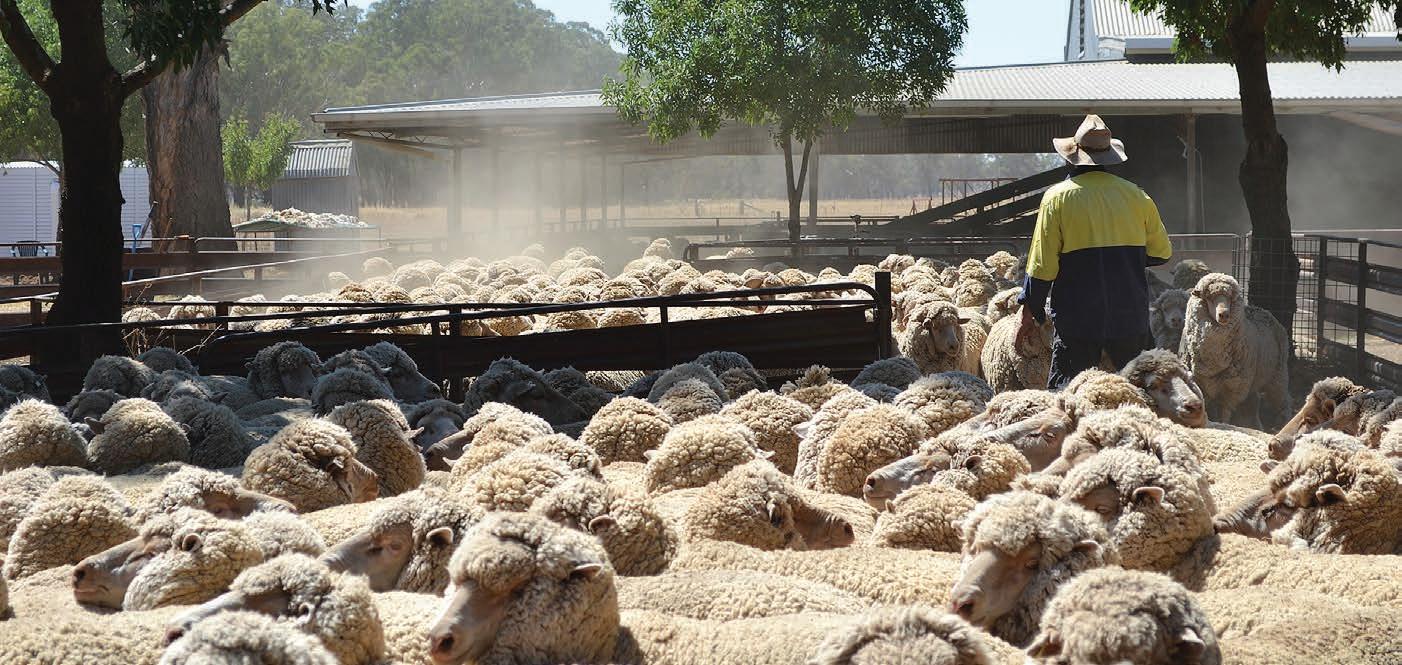
These pressures are expected to increase as the national flock contracts further this season.
Pressures within the sheep sector are even more intense.
The ban on live sheep exports has removed a critical outlet for Western Australian producers, while processors across the country battle with under-utilised capacity and procurement wars.
These pressures are expected to increase as the national flock contracts further this season, while simultaneously remaining more exposed in export markets, with limited access to Europe, and a smaller presence in the United Kingdom compared to their main competitors in New Zealand.
While elevated export prices have supported farmgate returns this far, the lamb market is not
without risk of hitting a ceiling.
High retail prices continue to test consumers, encouraging substitution toward cheaper proteins under cost of living pressures.
However, these risks remain secondary to the broader macrofactors shaping global red-meat markets. When you zoom out, the outlook remains supportive of producers.
Historically, periods of high beef production in Australia have been associated with herd liquidation, drought and oversupply, and went hand in hand with weakness in farmgate prices. What set 2025 apart was a clear break from that pattern.
A mature herd supported elevated export volumes into a global market characterised by tight availability and strong demand.
Combined with constrained production from other major exporters and rising global protein consumption, these conditions


BATTLES: The ban on live sheep exports has removed a critical outlet for Western Australian producers, while processors across the country battle with under-utilised capacity and procurement wars.
point to a structurally higher floor for beef prices than in previous cycles.
Australia’s extensive cattle inventory allowed them to capitalise on strong global beef demand in 2025.
Exporters lifted volumes into their largest, supply-driven markets such as the United States and China while simultaneously expanding market share in highervalue destinations like Japan and South Korea.
This diversification of export exposure has been one of the sector’s most effective defences against the volatility in these uncertain circumstances presenting themselves in 2026.
Australian cattle prices have opened the year firmly, with the Eastern Young Cattle Indicator lifting to AU$8.72/kg cwt, around 30c/kg higher since the start of the year and the equivalent of NZ$10/kg cwt.
Early-year slaughter volumes have exceeded 138,000 head
despite disruptions from floods and fires, running above both last year’s levels and the five-year average.
Meanwhile, Australian lamb prices have opened at AU$10.77/ kg cwt, largely in line with where they left off last year, equivalent to NZ$12/kg cwt.
However, weekly lamb slaughter has eased to just under 440,000 head, around 10% below the same period last year and declining. Mutton continues to step out, with prices doubling over the past 12 months to AU$7.65/kg cwt.
The key takeaway from all of this is that elevated prices are being underpinned by structural supply constraints and durable export demand rather than temporary shocks.
The key risk facing producers is no longer oversupply, but disruptions. Under these circumstances, diverse exports, strong market ties, and risk management will matter more than ever.
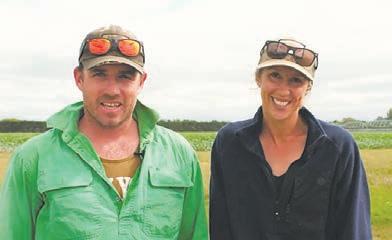




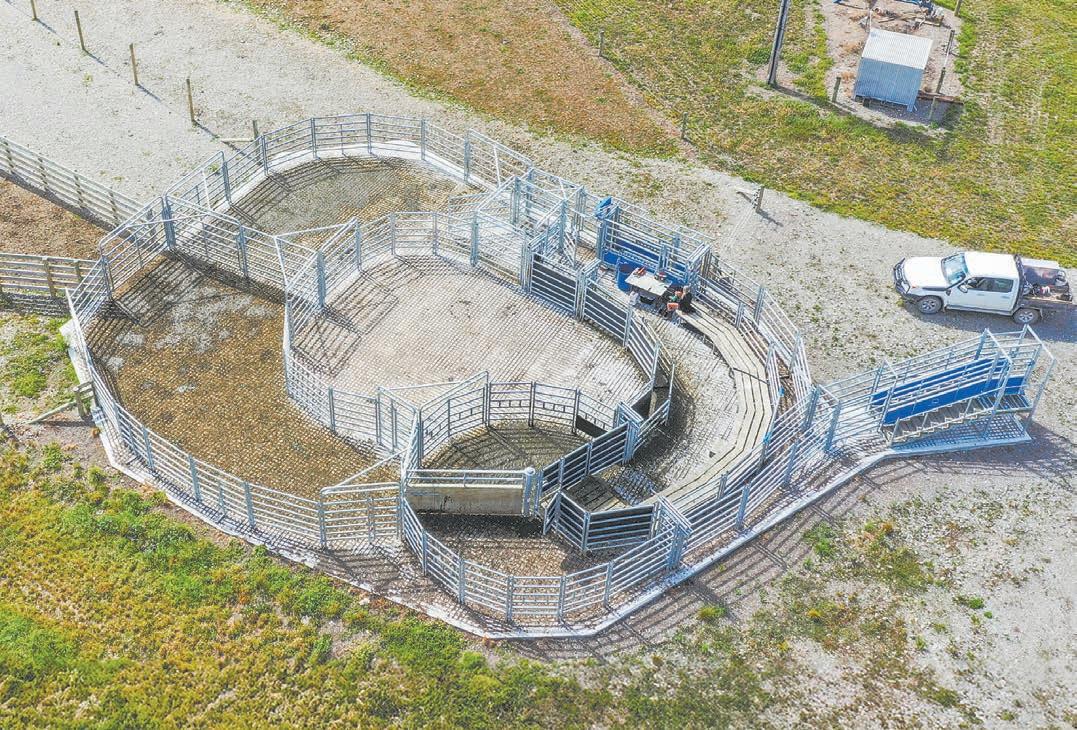


Cattle Sheep Deer

Weekly saleyard results
These weekly saleyard results are collated by the AgriHQ LivestockEye team. Cattle weights and prices are averages and sheep prices are ranges. For more detailed results and analysis subscribe to your selection of LivestockEye reports. Scan the QR code or visit www.agrihq.co.nz/livestock-reports
|

1.5-year
Prime traditional bulls, 665kg
Prime traditional heifers, 445kg
Store crossbred & terminal mixed-sex lambs, most 122-176
Store Halfbred wether lambs, all 146-167
Prime ewes, most 138-254
Prime lambs, all
Canterbury Park | January 20 | 377 cattle, 6405 sheep
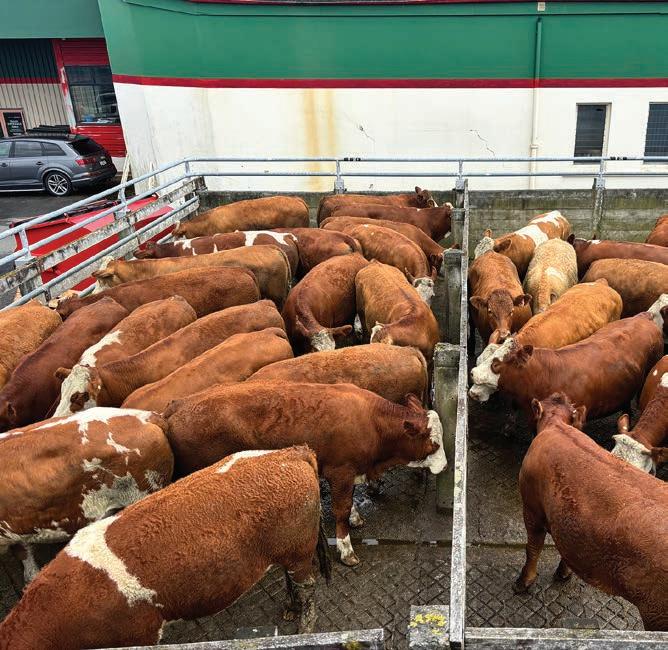
dairy-beef steers, 400kg
dairy-beef heifers, 340kg
Prime dairy-beef steers, 620kg
Prime exotic-beef bulls, 480kg
Prime traditional heifers, 525kg
Prime dairy-beef heifers, 485kg
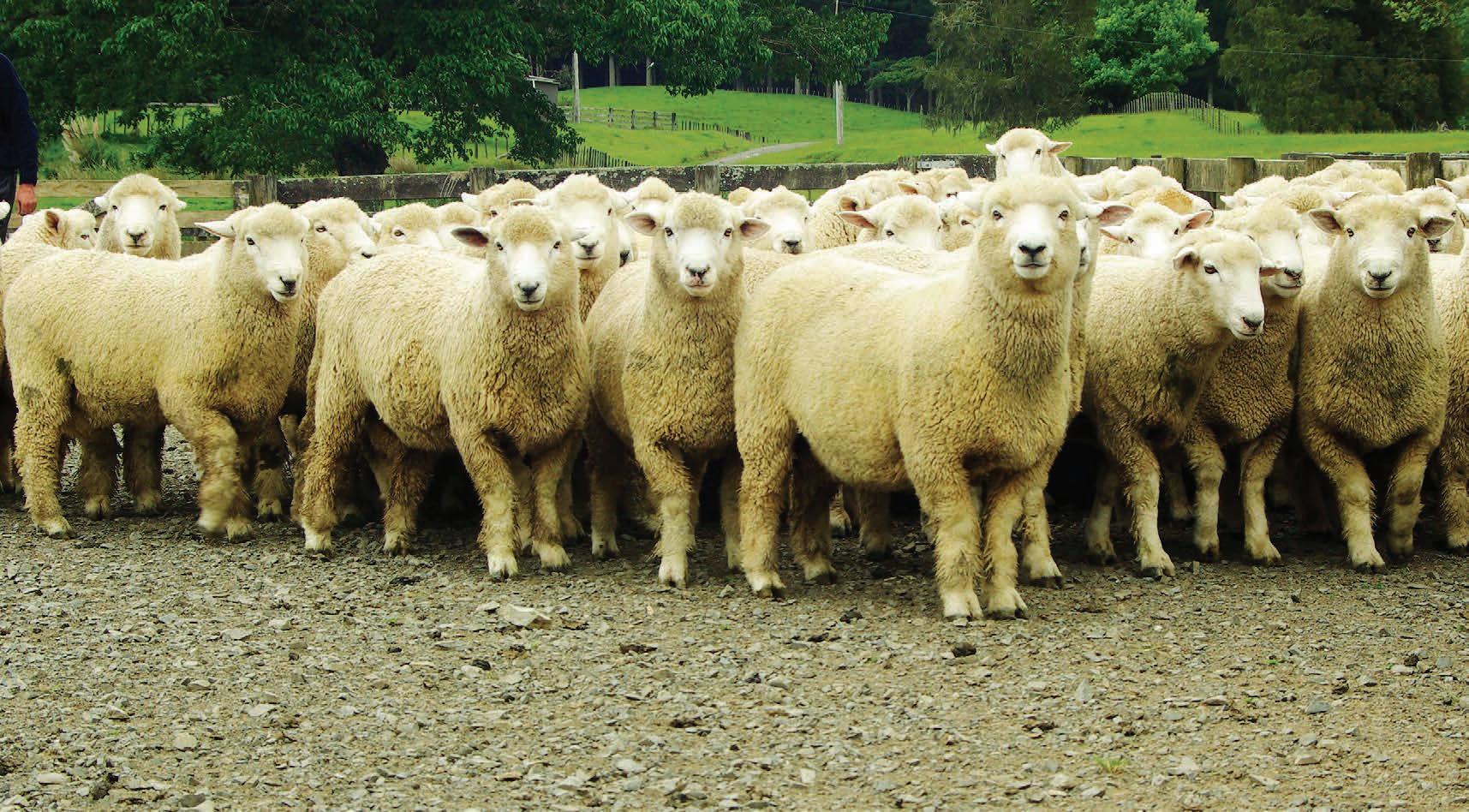

Who do I see about this ‘summer weather’?

AFTER almost a year of very few grizzles and groans about the weather, someone turned on the complaints tap in January as rain, thunderstorms and, for some, colder air has disrupted “summer weather”.
As a mountainous island nation that lies halfway between the Equator and Antarctica, New Zealand never really surprises me, weatherwise. This time a year ago northern Southland had a frost. Now here we are a week after a tropical storm not only brought 300mm-plus to some regions, along with tropical humidity, but we also had gales and a much colder/cooler change behind it in recent days – and lingering into the start of this week.
Many regions are now saturated – especially the top of the North Island but even eastern parts of the South Island – following
weeks of intense thunderstorms, downpours, and of course last week’s tropical low.
The two questions I’m being asked are “When’s summer coming back?” and “When is summer arriving?”
That second question, about when summer weather will even turn up, has mostly come from the lower western North Island –Horowhenua area. To make sense of that, when Hawke’s Bay was close to 40degC the other week, over in Levin it was barely 20degC with cloud and a wind off Cook Strait.
Many in the lower South Island have also commented on the frequently colder days, with fires being lit!
However, summer weather is not over – and we do have some warmer, drier, calmer, high pressure days on the way.
But my comment about this being a “summer of variety” still stands – and when I first said that back in November I based it on two things: 1) La Niña and an increase
in low pressure and tropical storms north of NZ. 2) A more active weather pattern south of NZ.
Those two features remain. Recently high pressure zones have been so far south of NZ they have been responsible for some of the wind, rain and cooler weather.
January finishes with a slightly unsettled pattern – yes, we get some high pressure, but the placement and overall “lack of oomph” means we’ll still get some cooler, showery, sou’westers in the mix.
Early February looks to have a better chance of stronger high pressure moving into NZ and, unlike January where those highs were often south of NZ, hopefully these next highs will be more over the country.
But the same driving forces remain in February – tropical lows trying to drop south to NZ, and Southern Ocean storms trying to come northwards. Both of those regions outside of the NZ area are what I would call “active” –meaning if we don’t have high











































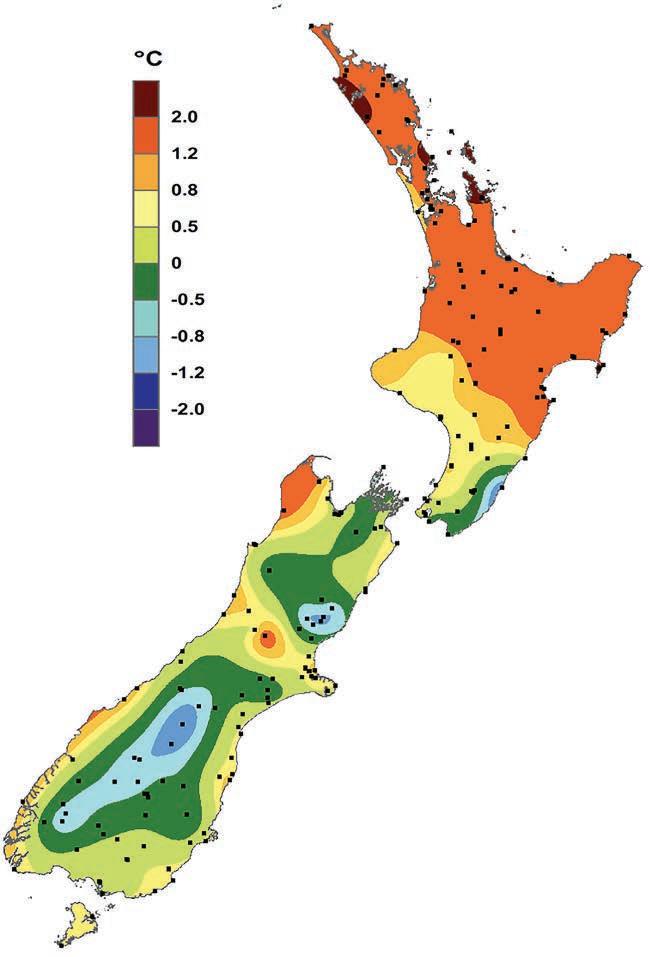
pressure over NZ then we’re highly likely to be affected by a low from either our north or our south.
But following some incredible rainfall in some regions this month so far, high pressure will
Mean Temperature Anomaly 9am 05/01/2026 to 9am 20/01/2026
VARIETY: The 15 days temperature anomaly map (for January 5-20) shows much of the North Island has been much warmer than average, but cooler air has affected inland parts of the South lsland and the very lower NI. Image: Earth Sciences NZ
likely be much more welcome than low pressure.
Expect more variety in the coming weeks – but summer isn’t finished with NZ just yet, even if it is a bit broken.






















































































































Philip Duncan NEWS Weather