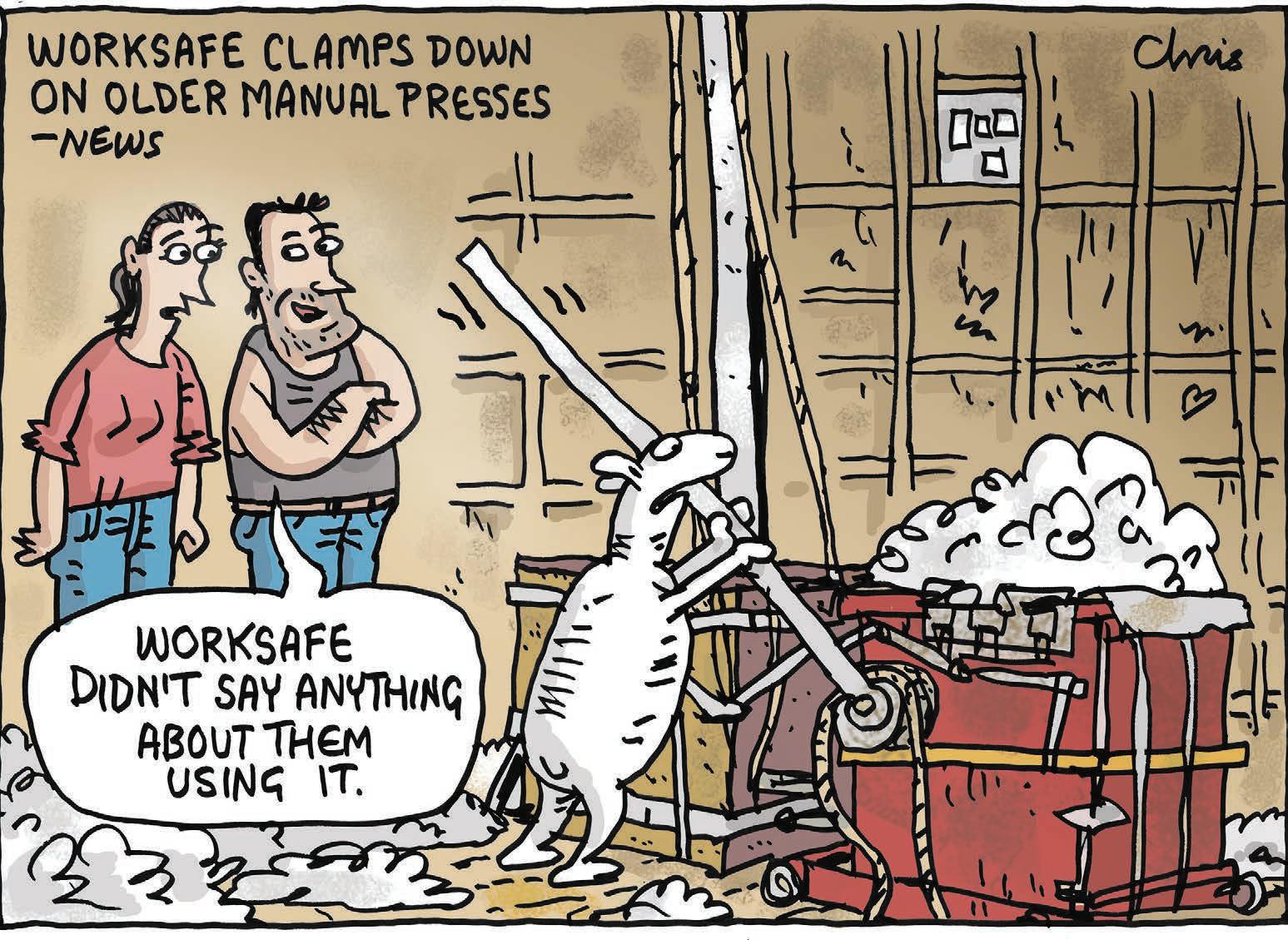
Wool presses run foul of WorkSafe

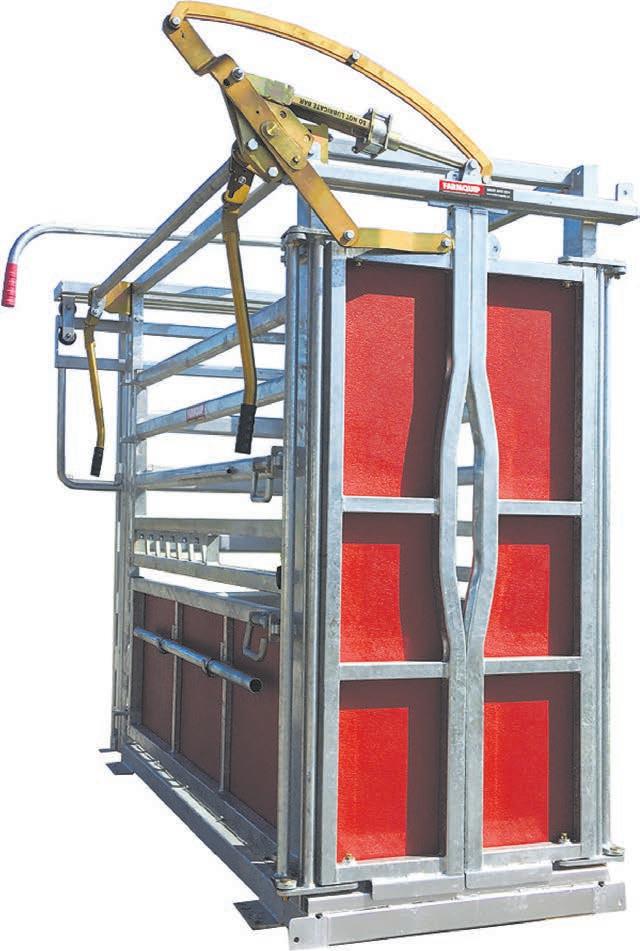
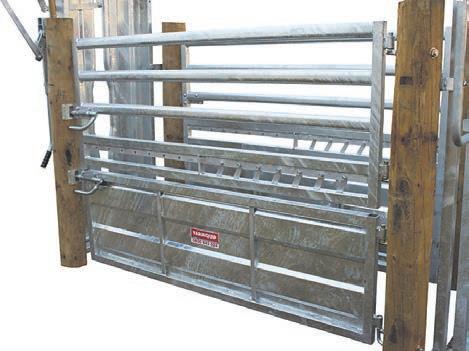
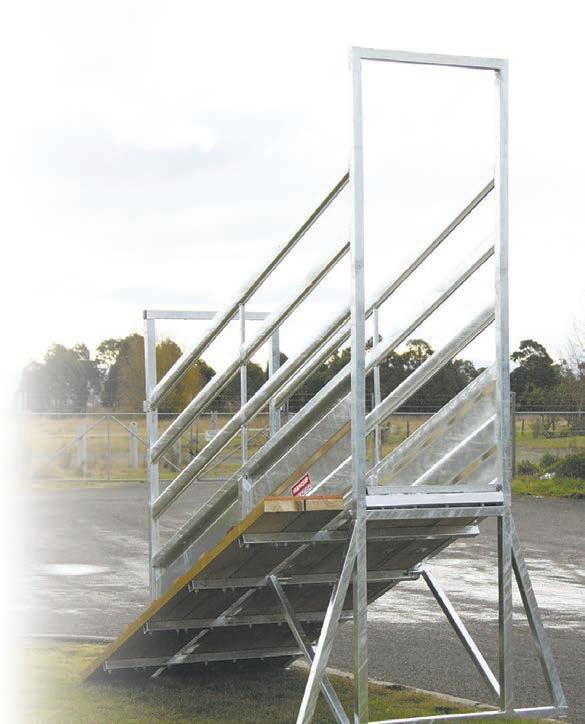
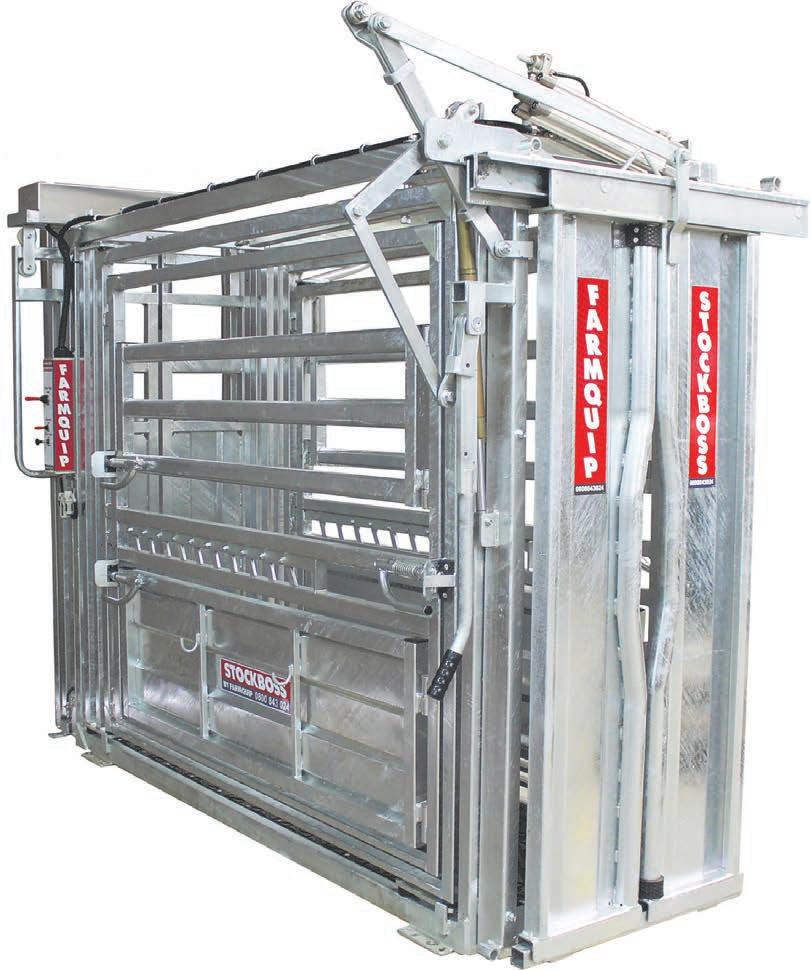
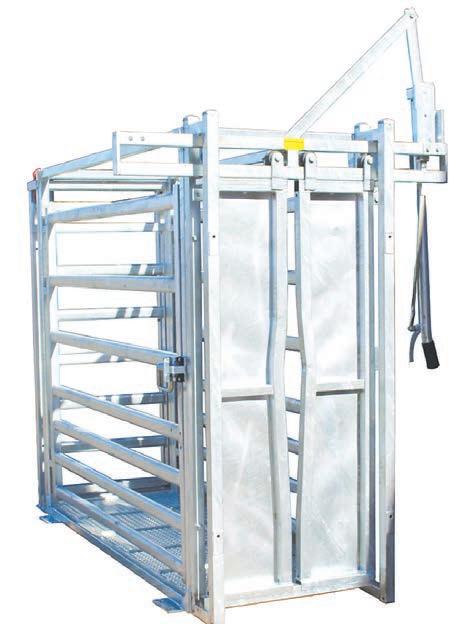
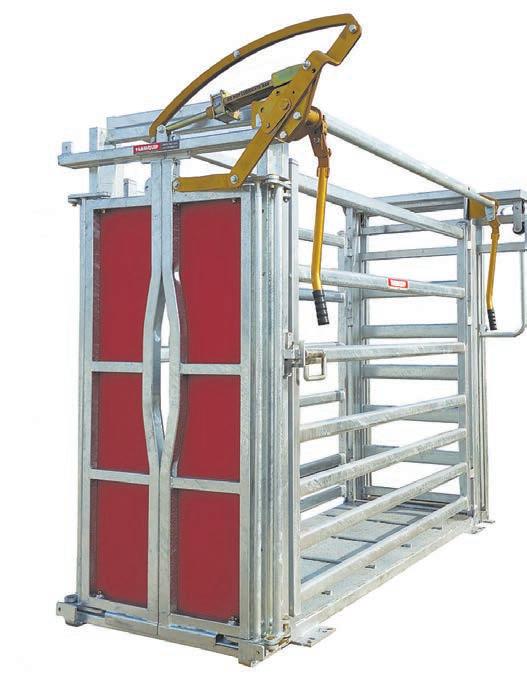
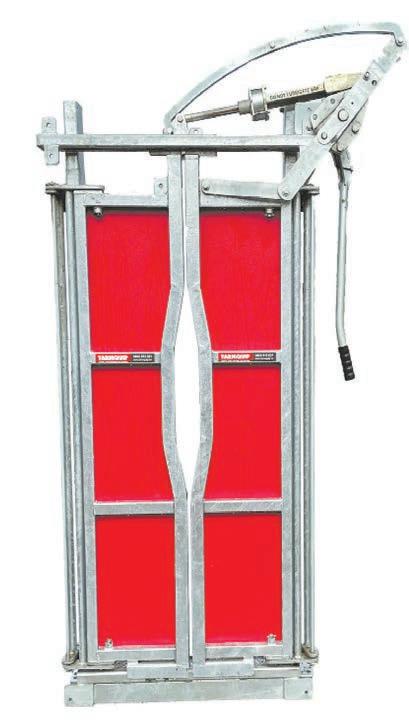
WORKSAFE concerns about the risks around operating older manual and hydraulic wool presses have major financial implications for farmers. Hundreds, perhaps thousands of older presses may need to be replaced and expensive shed strengthening and other modifications carried out to handle heavy electric presses.
North Auckland sheep and beef farmer Mark Withers has challenged WorkSafe to clarify its policy and provide clear recommendations following an on-farm health and safety compliance visit that included the woolshed.
“The statements being issued by WorkSafe are difficult to interpret and challenging to implement,” he said.
Also a chartered accountant, Withers has costed a new electric press at $24,000, plus shed roof extensions and floor strengthening, plus three-phase power – perhaps $40,000 in total. This comes as growers are at last seeing a rise in returns for their wool.
Sheep “must be shorn and the wool baled but there would be no return on that sort of capital expenditure”, Withers said.
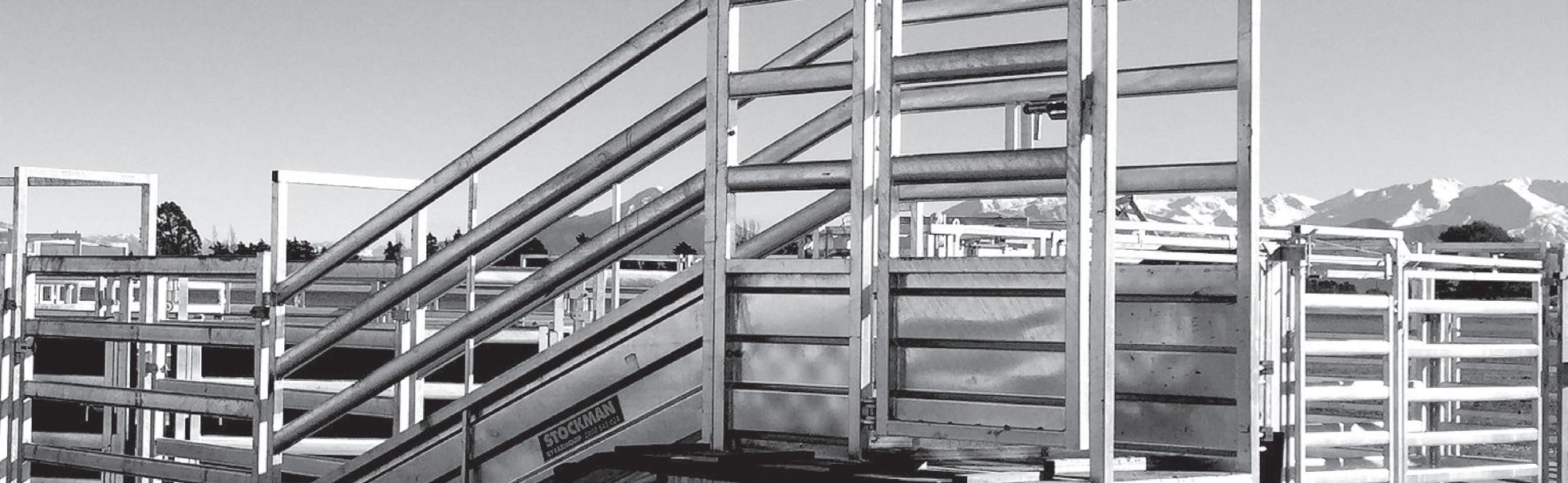
WorkSafe has not prohibited the use of all manual presses, but its
advice, Withers said, is ambiguous and inconclusive.
The Withers Trust farm at Kaipara Flats, north of Warkworth, where Simon Withers senior was a rural accountant for 40 years, is among farms nationwide selected for an ongoing audit of health and safety compliance.
While the press on the farm is fitted with an approved braking mechanism, WorkSafe was nonetheless concerned about the risks associated with the continued use of the old Donalds manual press.
It wanted a certified machinery safety expert to inspect and sign off the press.
Secondly, it recommended that the press not be used, because of the manual handling risks like treading wool, stitching and ejecting bales.
Withers said it has proved very difficult to find a machinery expert willing to travel to the farm.
He is reluctant to spend that money on certifying the soundness of the press when the risks to an operator are inherent in its design and would in no way be mitigated by certification.
“There are risks inherent with all types of wool press – manual, hydraulic and electric – so an upgrade may not remove all user risks,” he said.
“While WorkSafe says it has not banned all manual wool presses, the statement that block and
Continued page 3
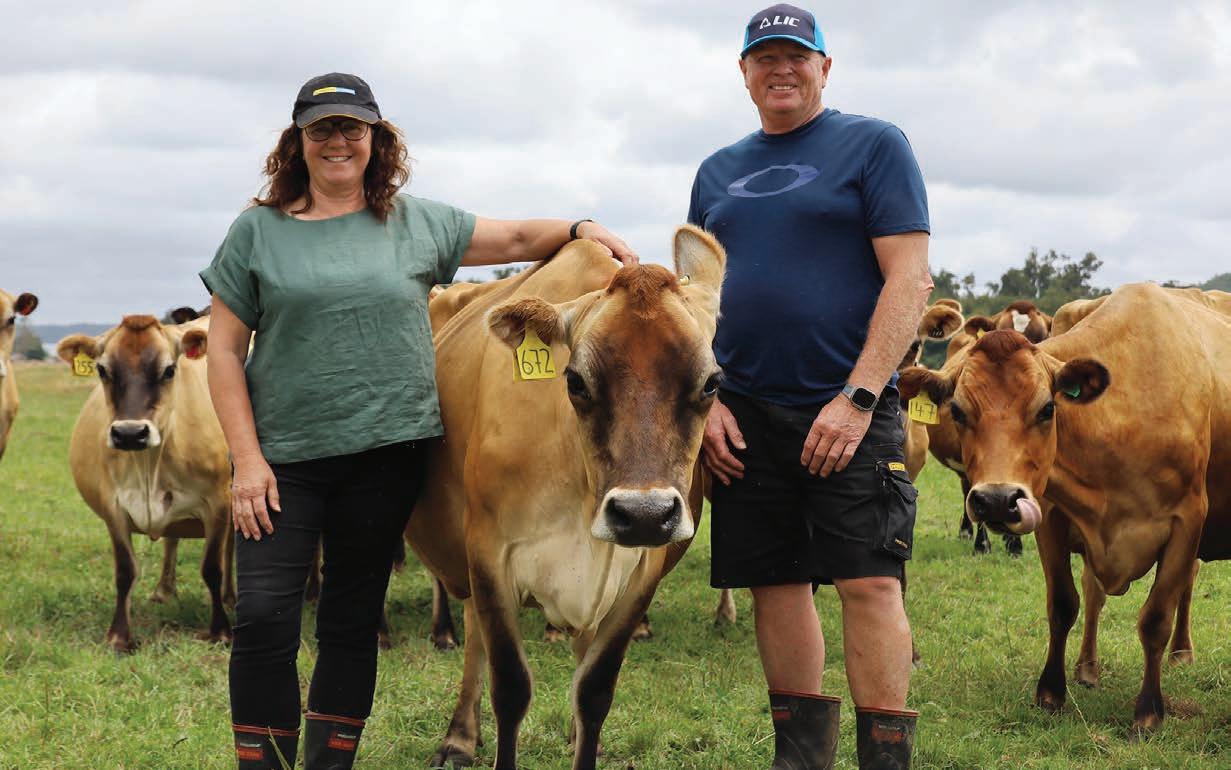
Top Jersey herd on the move
Thirty-five years of dedicated breeding and selection enabled Phil and Sandra Wright to build one of New Zealand’s top dairy herds. Those genetics are now heading to market when the Wrights sell their 500-cow Jersey herd.
DAIRY 16-22
Napier wool auction future in doubt as companies eye Christchurch move.
NEWS 3

Endless rain causes harvest havoc
Mid Canterbury cropping farmer Andrew Fisher is facing $1.5 million in crop losses this season after prolonged rain delayed harvesting. Fisher said 10 days of rain coupled with humidity have led to sprouting issues, and ‘it’s just a devastating result now’. NEWS 5
Uptake of solar on farms and in primary industry processing is on the rise.
NEWS 4

Primary producers must work with, not against, each other, says Colin Jacobs.
OPINION 15

Hugh Stringleman TECHNOLOGY Food and fibre
EDITORIAL
Bryan Gibson | 06 323 1519
Managing Editor bryan.gibson@agrihq.co.nz
Craig Page | 03 470 2469 Deputy Editor craig.page@agrihq.co.nz
Claire Robertson
Sub-Editor claire.robertson@agrihq.co.nz
Neal Wallace | 03 474 9240 Journalist neal.wallace@agrihq.co.nz
Gerald Piddock | 027 486 8346 Journalist gerald.piddock@agrihq.co.nz
Annette Scott | 021 908 400 Journalist annette.scott@agrihq.co.nz
Hugh Stringleman | 027 474 4003 Journalist hugh.stringleman@agrihq.co.nz
Richard Rennie | 027 475 4256 Journalist richard.rennie@agrihq.co.nz
Nigel Stirling | 021 136 5570 Journalist nigel.g.stirling@gmail.com
Isabella Beale | 027 299 0596 Multimedia Journalist isabella.beale@agrihq.co.nz
PRODUCTION
Lana Kieselbach | 027 739 4295 production@agrihq.co.nz
ADVERTISING MATERIAL
Supply to: adcopy@agrihq.co.nz
SUBSCRIPTIONS & DELIVERY 0800 85 25 80 subs@agrihq.co.nz
PRINTER
Printed by NZME
Delivered by Reach Media Ltd
SALES CONTACTS
Andy Whitson | 027 626 2269
Sales & Marketing Manager andy.whitson@agrihq.co.nz
Janine Aish | 027 300 5990
Auckland/Northland Partnership Manager janine.aish@agrihq.co.nz
Jody Anderson | 027 474 6094
Waikato/Bay of Plenty Partnership Manager jody.anderson@agrihq.co.nz
Palak Arora | 027 474 6095
Lower North Island Partnership Manager palak.arora@agrihq.co.nz
Andy Whitson | 027 626 2269
South Island Partnership Manager andy.whitson@agrihq.co.nz
Julie Hill | 027 705 7181
Marketplace Partnership Manager classifieds@agrihq.co.nz
Andrea Mansfield | 027 602 4925
National Livestock Manager livestock@agrihq.co.nz
Real Estate | 0800 85 25 80 realestate@agrihq.co.nz
Word Only Advertising | 0800 85 25 80 Marketplace wordads@agrihq.co.nz
PUBLISHERS
Dean and Cushla Williamson Phone: 027 323 9407 dean.williamson@agrihq.co.nz cushla.williamson@agrihq.co.nz
Farmers Weekly is Published by AgriHQ PO Box 529, Feilding 4740, New Zealand Phone: 0800 85 25 80 Website: www.farmersweekly.co.nz
ISSN 2463-6002 (Print) ISSN 2463-6010 (Online)
Review
41
44-47
48
Livestock Improvement Corporation lifted its revenue 5% to $195 million in the first half of the 2026 financial year, but net profit after tax fell 13.5% to $33.8m. However, underlying earnings were up 9.3% to $36.8m and LIC said this measure is historically useful for investors, as it excludes movement in the bull team valuation, currently $101.2m.
underway
News in brief LIC revenue up Work
Work has begun on Fonterra’s $75 million butter plant expansion at its Clandeboye site in South Canterbury. That work began with demolition and will be followed by excavation, foundation and drainage works – paving the way for construction of the new butter process hall. The exterior of the new building extension will start to become visible by April as the structural footprint takes shape.
Kebbell farewelled
The organic sector has farewelled Jim Kebbell, who died at his home on January 13. Organics Aotearoa New Zealand said Jim and wife Marion helped shape the foundations of organic farming in New Zealand. Founder of BuyPure New Zealand Brendan Hoare said Kebbell had the gift of humour and could defuse tension during negotiations. Even during talks with the government he could “get the whole room laughing at themselves, it’s a talent. He had a real love for people”.
Programme celebrated
Plans are in place to celebrate the 10th anniversary of Beef + Lamb New Zealand’s Generation Next programme. June this year marks the major milestone of 10 years upskilling the next generation of sheep and beef farmers. Launched in 2016 in BLNZ’s Southern South Island region, Generation Next blends practical learning, including farm financial management, personal development and strong networking opportunities.


Napier exodus as wool sales flock south

Neal Wallace MARKETS
Food and fibre
THE future of wool auctions in Napier is in doubt with at least three of the five companies currently selling through the centre either deciding to shift to Christchurch or considering the move.
From May, PGG Wrightson will combine its North and South Island sales in the southern city, and Wools of NZ has announced it is starting plans to also shift. Companies say declining wool volumes have created a need for
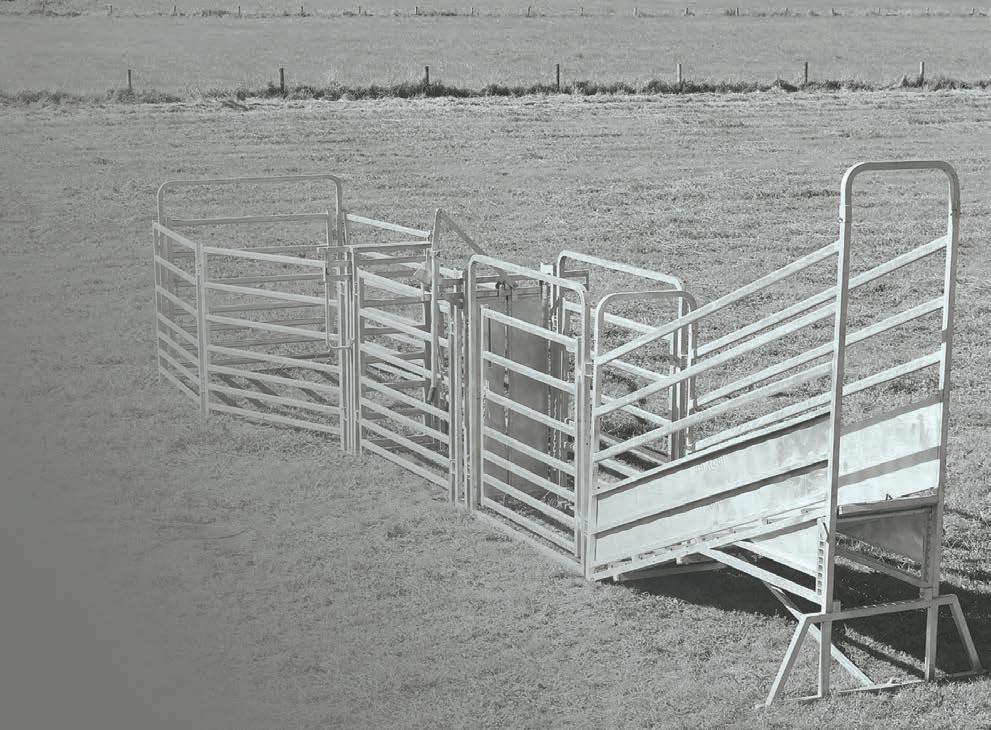
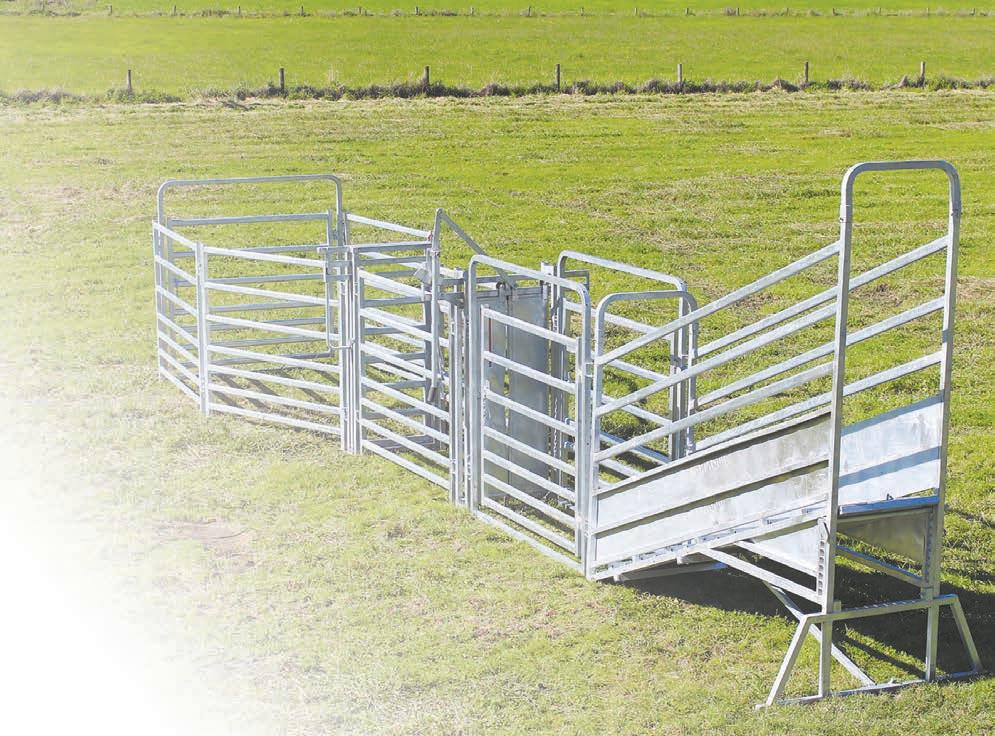
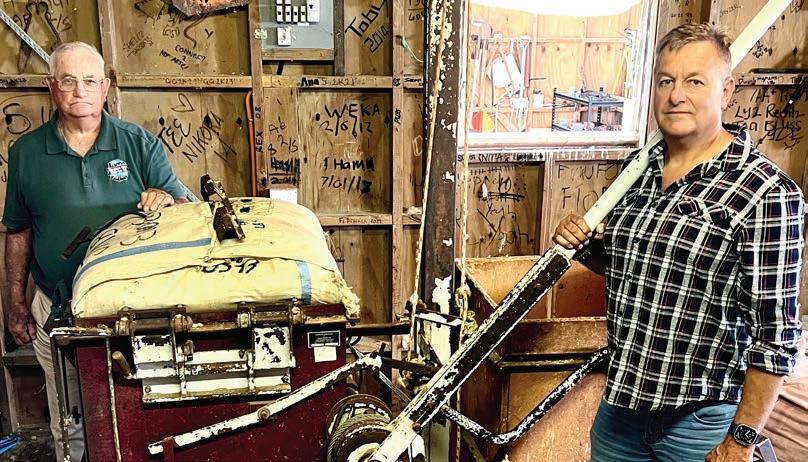
QUANDARY: Simon and Mark Withers have received conflicting comments from WorkSafe on the risks inherent in the continued operation of a braked manual wool press.
centralised auction services.
Scott McLeod, the wool manager with Segard Masurel, said there are benefits from centralised selling. He intends talking to growers and staff before deciding if they will also join the shift south.
Henry Hanson, a director of both Wool Wise and East Coast Wools, said falling sheep numbers mean centralisation is inevitable.
Richard Kells from Kells Wool declined to comment.
PGG Wrightson wool manager Rachel Shearer said the decision to centralise in Christchurch reflects the higher value of wool sold there and the ability to attract the greatest number of buyers due to
Christchurch International Airport. Change is needed to make the auction a sustainable selling method.
“While growers are seeing increased pricing, the reduced volume of wool traded has at times seen auctions being cancelled, impacting their cashflow,” said Shearer.
No PGW Napier-based staff will lose their jobs.
The company successfully trialled a national auction centre late last year to check systems such as shipping samples from Napier and Shearer said she is keen to talk to other companies about collaborating in a centralised
Continued from page 1
tackle and double action ratchet presses are not to be used is in effect a ban on a significant portion of manual presses.
“We were told that adding a brake would make the old press safe and compliant, but that now WorkSafe is saying that in itself is not sufficient.”
Withers has called for WorkSafe to publish guidelines on what a machinery expert would need to do, and a list of suitably qualified people.
In discussion with shearing contractors, he
said, he has been told there are no training courses for press operation and that it happens in the sheds on a needs basis.
Should accidents occur, the burden of responsibility between the farmer providing the press and the shearing gang owner providing the worker to operate it could leave complex liability issues.
“It’s not hard to see WorkSafe dragging both parties into a prosecution despite there not been much practical advice given on how the health and safety obligations on both parties should intersect.”
Federated Farmers national
board member and meat and wool group chair Richard Dawkins said he would want to hear any WorkSafe guidelines on wool press use and the accident rates for different models.
He knows a contractor working on shed renovation in the North Island who says the incumbent presses are one-third manual lever ones, one-third Van-Guard hydraulics and one-third notramp electrics.
“There are plenty of manual presses still out there. What outcome is WorkSafe aiming at, because a ban on their use is a fairly blunt instrument?”
selling centre. She said the auction system needs to change and improved prices mean the time is right.
Changes could include weekly sales during the peak of the season and fortnightly sales on the shoulders and creating a national wool hub that offers freight and logistical efficiencies.
Wools of NZ chief executive John McWhirter described the move as sensible and pragmatic and necessary for the sector to remain viable.
“Our growers also expect us to be proactive and to help lead changes that support a strong and sustainable future for New Zealand
Hugh Stringleman TECHNOLOGY Food and fibre
WORKSAFE says it has not prohibited the use of all manual wool presses, but block and tackle or double-action ratchet wool presses should not be used.
It said poorly maintained or modified wool presses pose significant hazards and that inexperienced users and taking shortcuts can cause accidents and injuries.
The most common serious injuries include trapped limbs, bad cuts, broken bones, damage to teeth and electrocution.
Workers should be adequately trained, maintenance should be regularly completed in line with the manufacturer’s instructions by a competent person, and user checks should be done.
WorkSafe said that user checks for wool presses can be found in the Safe Sheep Shearing Guide published on its website.
wool,” he said.
“We plan to advance towards a single national auction as well and will be discussing this with our people and our growers over the coming weeks.”
McLeod said he would like to continue selling through Napier but accepts change is needed.
“There are advantages in centralisation from a grower perspective with more regular sales and access to the Christchurch International Airport and more overseas buyers.”
Hanson said the sector is changing and the auction system also needs to change to reflect lower wool volumes and fewer buyers.
After a woolshed inspection on the Withers Trust farm in North Auckland, WorkSafe said it does not recommend the use of older manual wool presses, due to manual handling risks associated with treading, compressing with a metal bar, stitching and ejecting bales.
It also listed awkward postures, frequent bending and twisting, and heavy lifting and carrying.
“The cost of safeguarding should not be compared to the machine’s value –the priority is eliminating or minimising hazards,” it said.
“In the event of an accident, the machine would be stopped immediately until appropriate safeguards and safety devices are installed and verified by a competent person. Additional costs could include prosecution, fines, loss of production, and compensation.”
When farmer Mark Withers said that confusion surrounds what is and is not acceptable, WorkSafe said his concerns were valid and further advice would be given.
Sunshine state: farm solar uptake cloudy

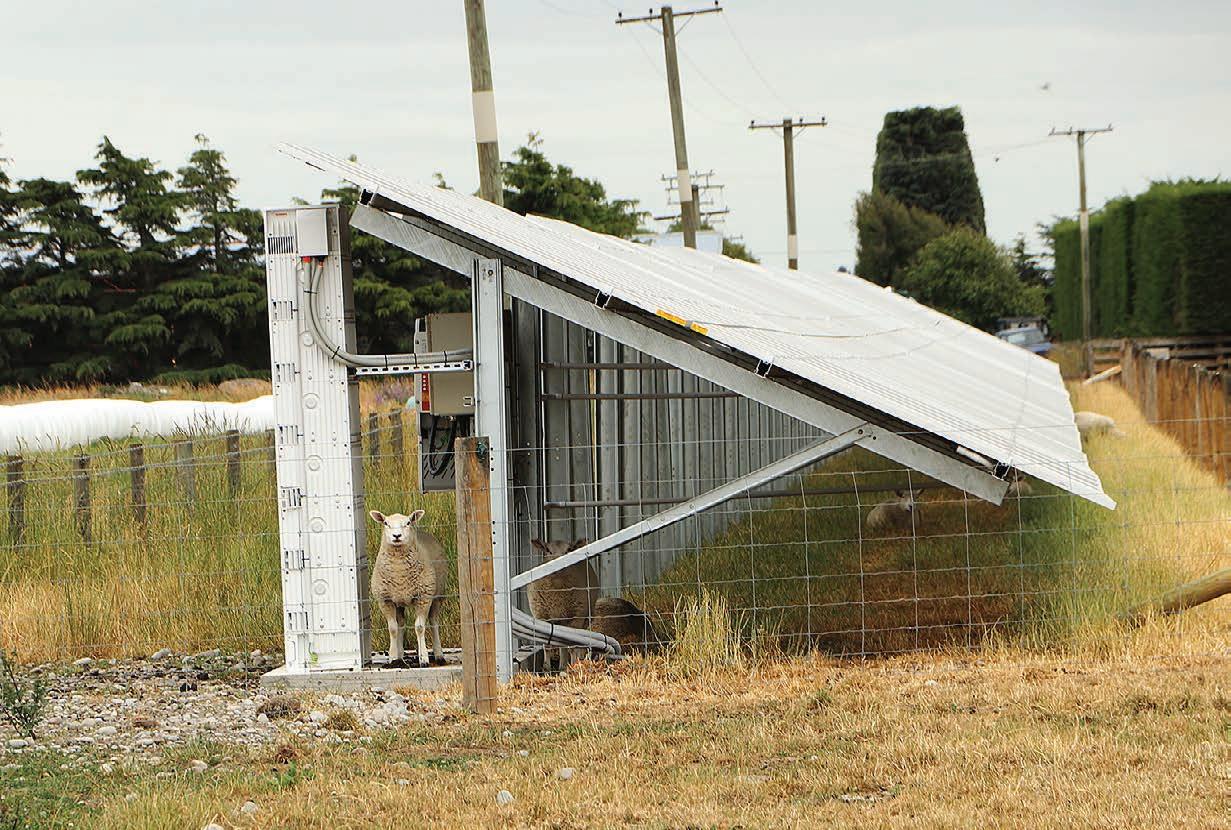
THE uptake of solar on farms and in primary industry processing is increasing, but there is no single organisation keeping tabs on how widespread it is, how much power is generated or how much farmers are selling into the grid.
Energy generators and retailers canvassed by Farmers Weekly, such as Mercury, said their data shows who uses solar to generate power, but can’t tell which users are farmers.
Lisa Hannifin, Meridian chief customer officer, said over the past 12 months, around 18,000 Meridian customers exported about 85 gigawatt‑hours of solar generation back into the grid, enough power for about 12,000 homes.
Of that total around 10% was from farming customers, she said.
A Electricity Authority spokesperson said it tracks solar uptake across four categories: residential, small and medium enterprises, commercial and industrial, and it’s not easy to define a farm within these categories.
Retailers entering their data in the Electricity Registry can categorise farms as industrial, SME or both, with ambiguity around the classification of farms with residential properties, the spokesperson said.
Data over the past 12 years shows solar across all categories has increased, with 2295 connections in 2013 and 80,406 in December 2025. This would include farms.
There are multiple national players in the solar space, with none defining farms.
There are also a number of solar trial farms across the country, such as Fonterra’s Net Zero Pilot Dairy Farm in Taranaki, and multiple solar providers, often not aware of what other players do.
Rural Energy, for example, says on its website that it powers over 400 Waikato farms.
A renewable energy consultant at Ernest Energy in Southland, Tim Campbell, said most new solar installations install an import export meter that allows users to export power back into the grid.
Clients who sell back into the grid usually get a credit on their bill, Campbell said.
To date Ernest Energy has installed solar on sheep and on dairy farms, and quoted for installations on about 50 farms, with about nine installations in progress.
Clients use solar to chill milk, irrigate, run effluent systems and also switch energy supply from the farm to their home when needed.
He speculates only 1% of farmers have adopted solar.
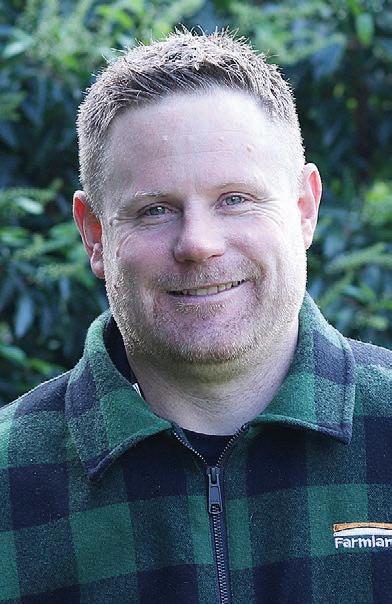
Farmlands Flex key accounts manager Richard Hawke said he expects a tidal wave of installations as the price of solar hardware drops and electricity prices increase.
We charge [batteries] using night rates to start the morning off. When the sun comes up it helps finish off milking and chilling.
Chris Stewart Southland
Farmlands Flex is an electricity trading platform using software to sell power back into the grid on the spot market at times of high demand and high prices, allowing farmers to generate revenue.
Hawke cautioned against getting caught up in payback timeframe promises that ignore the fact that system installations are often financed.
He said solar puts the power back into the hands of farmers and farm owners.
For example, a farm owner can generate power, sell it to a share milker, but also sell it back into the
grid when demand is high.
CEO of Rewiring Aotearoa and cherry orchardist Mike Casey said farmers can contribute to the New Zealand electricity system when it needs it most, during winter, exporting energy when cows are dried off and orchards don’t produce fruit, easing pressure on generators.
He couldn’t tell how many farmers or primary industry users have solar installed, and said it would be hard to find that information.
The cost of commercial solar varies, but could be as low as a third of the price of power from the grid, and as low as a fifth to a 10th the price of diesel, if diesel is used to generate electricity, Casey said.
He knows of sawmills, dairy, and pig and chicken farmers using solar.
Farmers can help New Zealand move away from importing fossil fuels, he said.
Southland dairy farmer Chris Stewart and his business partner use solar because it ticks environmental boxes and creates business resilience.
They run the entire farm off solar, including fences, pumps and chilling milk.
“We charge [batteries] using night rates to start the morning off. When the sun comes up it helps finish off milking and chilling. Solar then generates enough energy to do the afternoon milking and start the battery charging process.”
The farm runs on 137 solar panels generating around 70kW of power, with 200kW of battery storage.
During recent Southland wind storms and power cuts they milked twice a day without dumping milk.
Because dairy uses a lot of energy, the return on investment comes from cutting power costs, Stewart said.
The investment cost about $170,000, including installation.
Stewart hopes to save 60% on their bill once their system is complete.
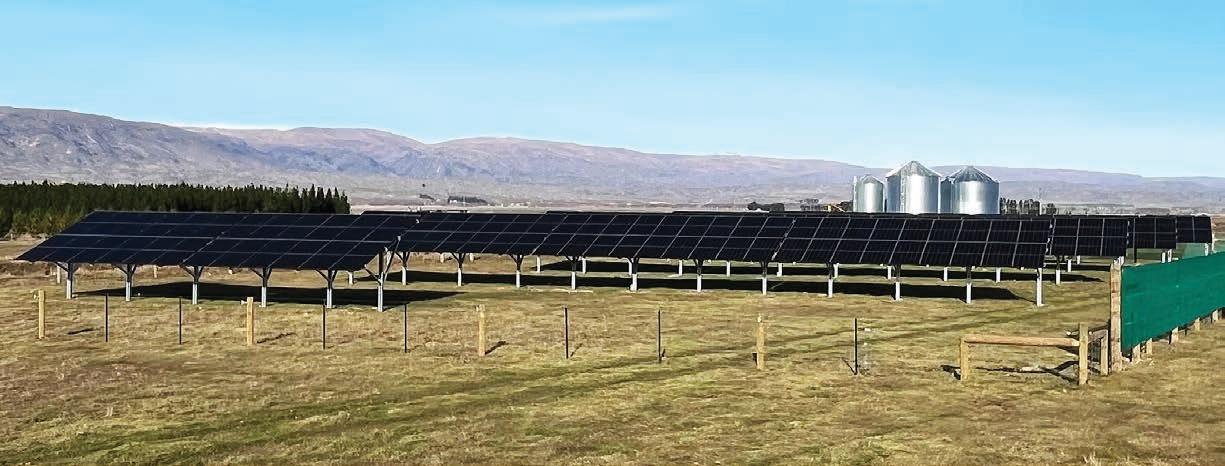
Central Otago farmer Emma Crutchley farms sheep and beef, and irrigates about 460 hectares of forage and crops. Energy costs are a big part of farm working expenses.
Crutchley’s wool shed is supported by solar, with excess energy sold back into the grid.
Commodity price swings should not deter farmers from investing in long term solutions, she said. Low commodity prices are no reason to avoid tackling costs, and neither are high prices, when energy costs appear lower against stronger income, she said.
With the cost of batteries coming down, future investment in solar on the farm will include batteries that will carry irrigation through most of the night, reducing costs significantly, she said.
The farm isn’t making high returns from selling energy into the grid, but the power generated removes a significant chunk off the power bill.
Peanut Butter CEO
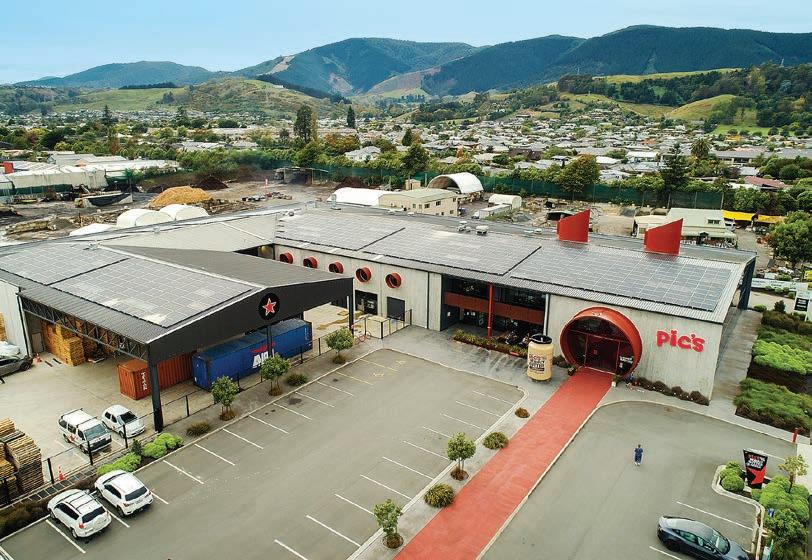
McCammon said Pic’s Peanut Butter World installed 486 solar panels. Overall, solar supplies about 30% of its power needs, with the roaster, which roasts 16 tonnes of peanuts a day, the most power hungry part of operations.
Excluding capital installation costs, solar is a no brainer, she said. Solar makes sense not only because it ticks the sustainability box for Pic’s, which is a B Corp, but also because Nelson, where it is based, is the second sunniest place in New Zealand.
Pic’s
Aimee
PLATFORM: Farmlands can install solar but its primary product is Farmlands Flex, an electricity trading platform using software to sell power back into the grid on the spot market at times of high demand and high prices, allowing farmers to generate revenue.
Photos: Supplied
Gerhard Uys TECHNOLOGY Energy
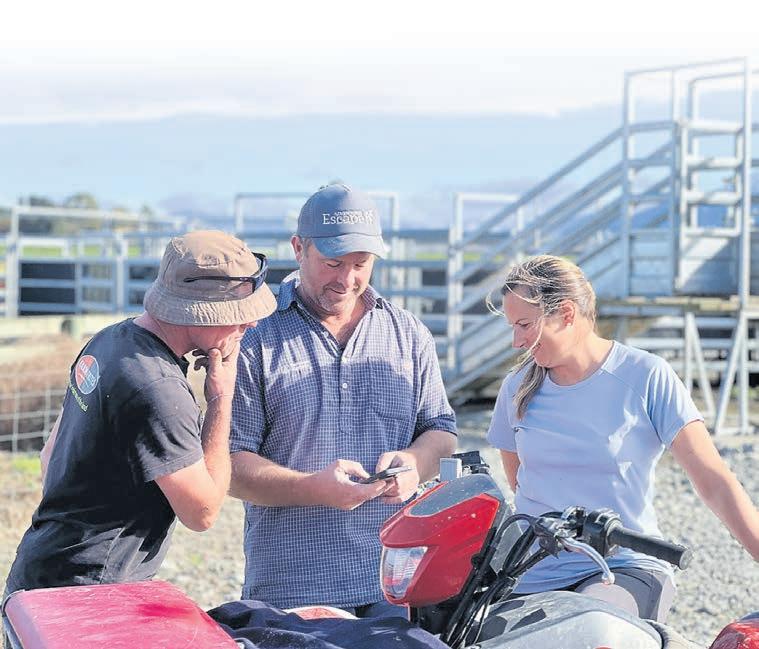
ENERGY: Central Otago farmer Emma Crutchley uses solar to power irrigation, a woolshed and more.
ROASTER: Aimee McCammon, Pic’s Peanut Butter CEO, says 486 solar panels supply about 30% of the power their roaster needs year round.
POWER: Farmlands Flex key accounts manager Richard Hawke says solar puts the power back into farmers’ hands. A farm owner can generate power, sell it to a share milker, or sell it back into the grid for revenue.
Endless rain plays havoc with harvest
Arable
MID Canterbury
cropping farmer
Andrew Fisher is facing $1.5 million in crop losses this season after prolonged rain delayed harvesting.
“It’s a sprouting issue after it just rained day in, night in, for 10 days and with the humidity that went with it. It’s just a devastating result now.”
January has been wet over most of the country, creating an abundance of grass, a nightmare for cropping farmers. There were also devastating storms in the Bay of Plenty, Tairāwhiti, Coromandel and Northland.
NIWA reports that in the two weeks to January 26, virtually every region from north Otago northwards has recorded more than 150mm of rain, with some areas recording 300mm.
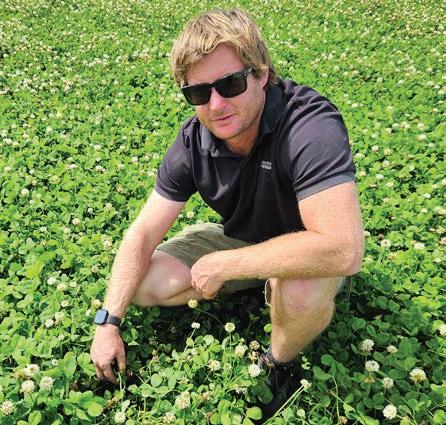
Fisher farms 820 hectares, specialising in clover, of which all 215ha is sprouting.
“We’ve lost 60% of the clover yield, the rape seed has gone to sprout, milling wheat is sprouting and grass seed is going to ruin on the ground,” he said.
“The potatoes are still green so they are okay, and I think the feed wheat will come through okay, when we can get to it.
“At Christmas time everything looked fantastic, we were set up very well and that’s what makes it even worse.
“Last year was a shocking year for clover; now two in a row.”
After 10 bleak days, Fisher was keen to take advantage of improved weather and harvest what he could.
Earlier in the season, growers in Mid Canterbury and South Canterbury were hit by hail, which damaged cereal crops. The extent of that damage is still being calculated.
WeatherWatch senior forecaster Philip Duncan said New Zealand experienced a March weather pattern in January, with weaker than usual high-pressure systems for this time of the year crossing the country.
“They’re still there, it’s just that the conveyor belt of high-pressure systems that we normally get over summer are not lined up over the two islands.”
He expects February weather to be more summer-like albeit still unsettled but warns northern areas could be threatened by tropical storms.
Johnny Svensson of Waitohi Ag in North Canterbury said the start of harvesting was two weeks late and agricultural work was also delayed, leaving staff with little to do.
“We’re up to date with winter maintenance and the workshop floor is quite clean.”
This follows a difficult spring with light lucerne and silage crops, but there is the chance for late cuts once temperatures improve.
Southland Federated Farmers arable section chair Sonia Dillon said rain and cool temperatures have been challenging.
“It is bizarre. I’m spending more on diesel heating my home than on the combine harvester.”
Southland contractor Daryl Thompson said recent rain reversed dry conditions before Christmas and while crops are generally fine, conditions in the coming two to three months will be crucial to replenish supplementary feed.
Luke Kane, the federation’s Otago president, said up to 100mm fell on parts of the province last week, causing some isolated flooding, but the widespread rain has turned the South Island high country green instead of the usual gold of a summer vista.
Two years ago Marlborough
Step into governance
–
DairyNZ seeks associate director
Dair yNZ is New Zealand’s industr y-good organisation for dair y farmers. We support farmers to lead the world in sustainable dair ying by investing in research, innovation, and advocacy, working to deliver a positive future for New Zealand dair y farming.
We are seeking applications from dair y farmers for the role of associate director. This role offers an opportunity for farmers who are already contributing to public-good or sector activities to further support the dair y industr y through participation in governance-level discussion and debate.
The associate director role is also a development opportunity for farmers looking to build their governance capability and gain first-hand experience working alongside an experienced Board
The position is open to levy-paying dair y farmers who demonstrate leadership within their community and/or the dair y sector. Evidence of governance training or professional development will be advantageous.
was running out of water amid a prolonged drought. This January Evan White has tipped 155mm out of his rain gauge.
“Everywhere is green, there is plenty of feed,” said the federation’s Marlborough head.
Waikato Federated Farmers provincial president Phil Sherwood cannot recall when the region’s pastures were as green and lush in January.
“I’m trying to think of a January where it has been this good. It’s certainly a turnaround from last year.”
The growth had caused some delays to feeding out summer feed crops, which had created some unexpected feed storage challenges.
Apart from some localised pockets of wind damage from the recent bad weather, maize crops are also looking good with harvest starting next month
We are looking for candidates who demonstrate:
• Active involvement in the dairy sector
• Emerging leadership with future governance potential
• A proven contribution to their community or the dairy sector through leadership or volunteer roles
• Commitment to ongoing personal and professional development
The federation’s Hawke’s Bay president, Jim Galloway, said pastures are growing again after the latest rainfall combined with previous rain and hot weather.
“It’s starting to build. It will put some grass into the system and slingshot us into autumn and as long as we get some normal autumn rains, we could build up some feed heading into winter.”
His Manawatū counterpart, Ian Strahan, said they have had around 130mm for January with few complaints at the volume of grass growth.
“Anyone wanting pasture growth will be happy. This is as good as it gets.”
Irrigation New Zealand CEO Karen Williams said most of the repairs to the pivot irrigators damaged by winds in October had been completed.
MORE: See page 8
• Previous governance experience or training (desirable)
• Strong interpersonal skills and the ability to contribute constructively to Board discussions
• An interest in DairyNZ and the work we do
• A genuine passion for making a difference in the dairy sector
The associate director is a non-voting position appointed for a one-year term, commencing 1 June 2026. The role requires a commitment of approximately 30 days per year, along with the ability to travel
To apply, please email your CV and cover letter to corporate.secretary@dairynz.co.nz Find out more at dairynz.co.nz/director-vacancy
Annette Scott, Neal Wallace and Gerald Piddock NEWS
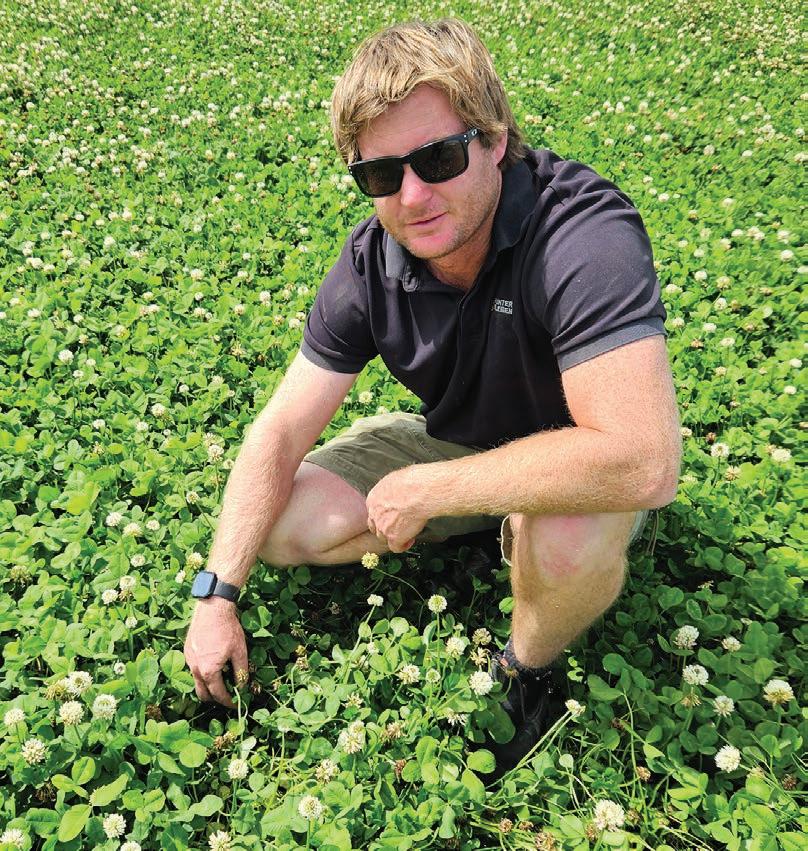
PRETTY USELESS: Andrew Fisher says the clover flowers may look healthy, but they are now worth nothing. Photo: Annette Scott
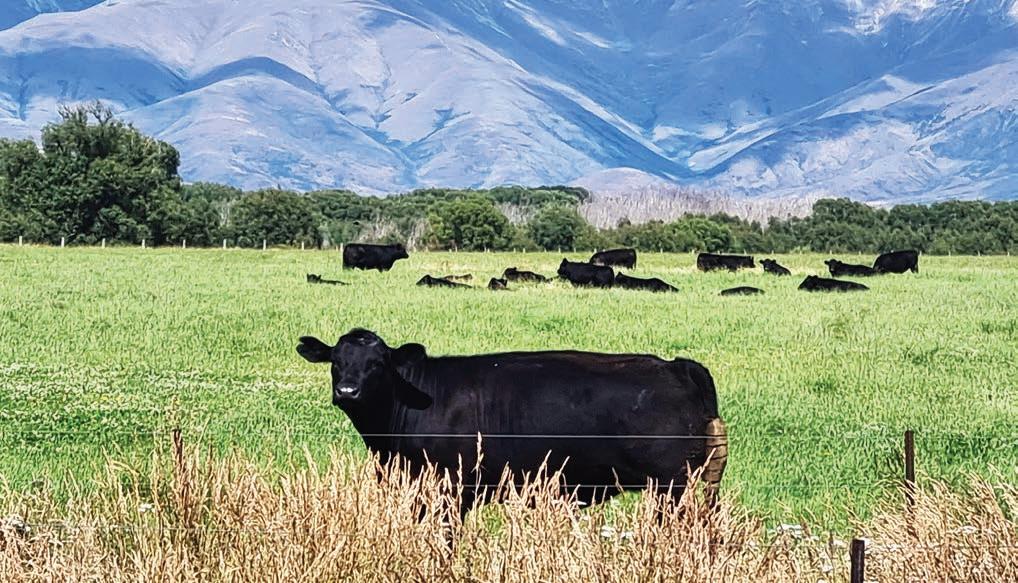
LUSH: Cattle graze lush green pasture near Omarama in North Otago last week, an area that is normally dry and golden in colour at this time of the year.
Photo: Richard Rennie




Buyers bid 2th ewes to beyond $400

Annette Scott MARKETS Sheep and beef
BUYERS were on fire at the Temuka 2-tooth ewe fair, pushing prices upwards of $400.
Supply versus demand ramped up the competition on a generally top-quality yarding of ewes, with Border LeicesterRomneys taking out the top prices of the day.
Offered from the Totara Valley, the top price of the sale was
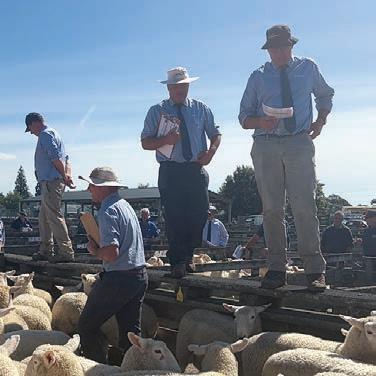
DEMAND: Numbers offered made it a supply versus demand factor with prices a reflection on the high lamb and mutton schedules driving returns, says PGG Wrightson livestock auctioneer Rod Sands.
$410. The same vendor got $260 for his 2ths at the sale one year ago, while the next price down at $405 for ewes from longtime vendor of more than 20 years, Bruce McDonald at Peel Forest, was up $140 on the same sale last year.
“The Border Romneys were certainly the cream of the sale with some superior pens across the sale fetching top dollars for sure,” PGG Wrightson livestock auctioneer Rod Sands said.
“Lower numbers offered made it a supply versus demand factor with prices a reflection on the high lamb and mutton schedules driving returns.
“Buyers picked out the better end of the sheep and competed for them.”
A total 3500 were sold, down on the 4300 sold last year.
The tops of the Romneys made $350 with Romney-Texels selling from $355 to $375 and RomdalePerendale cross $300, while more medium type ewes across all breeds fetched $260-$295.
“All good prices, across the board up an average of $100 on last year. Vendors were very pleased; no complaints,” Sands said.
Wapiti bull sets record with $95,000 price tag
Gerhard Uys MARKETS Deer
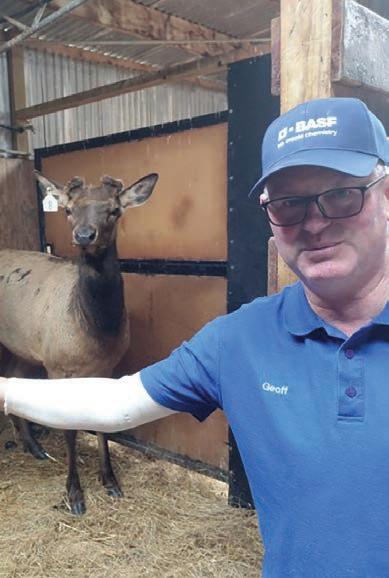
WINTON deer breeder Geoffrey Pullar from Littlebourn Wapiti has sold a three-year-old Wapiti bull for $95,000 in an on-farm auction, a New Zealand Wapiti record.
Pullar said White 8, selling in Lot 3, fetched the price because last year he was the best Wapiti bull around with 11.7kg of velvet, also a New Zealand record.
White 8 also holds the threeyear-old record of 18.1kg of velvet.
Buyers are chasing velvet, Pullar said.
A syndicate that preferred to remain anonymous bought the bull.
Breeding, selection and feeding play key roles in producing good bulls. Mating females with the right males makes a difference, Pullar said.
Feeding animals well a month before button drop, and right through until after velvet, is important. Mothers have to be fed well when they are milking, after having their fawns.
Pullar said he focuses on velvet, but breeds multi-purpose animals. He sells about 20 animals every year.
For multipurpose animals, growth rates, and CARLA – high saliva antibody levels that reduce the need to drench as much – are important.
Feeding animals well a month before button drop, and right through until after velvet, is important.
Geoffrey Pullar Littlebourn Wapiti
His clients, who buy for venison, cross with red deer and kill the progeny.
His father, Jack, began the stud.
The recent auction marks their 37th stud sale.
Pullar took over from his father, who was one of the first to get into deer in Southland, 12 years ago.
He and wife Samantha used to farm sheep, but due to health reasons decided to focus only on deer.
Pullar said a buyer who missed
out on White 8 went on to buy a number of his other stags. He sold all 20 of his bulls on offer for an average of $12,900.
He said Wapiti are doing well, compared to red deer, thanks to the new meat schedule with the United States, and with farmers having the option of selling them at either 60kg or 100kg.
Larger animals are for larger cuts for the US market.
QUALITY: Geoffrey Pullar with White 8, which fetched $95,000 at a recent on-farm sale.
Plea to map out better east coast roading

Gerald Piddock NEWS Infrastructure
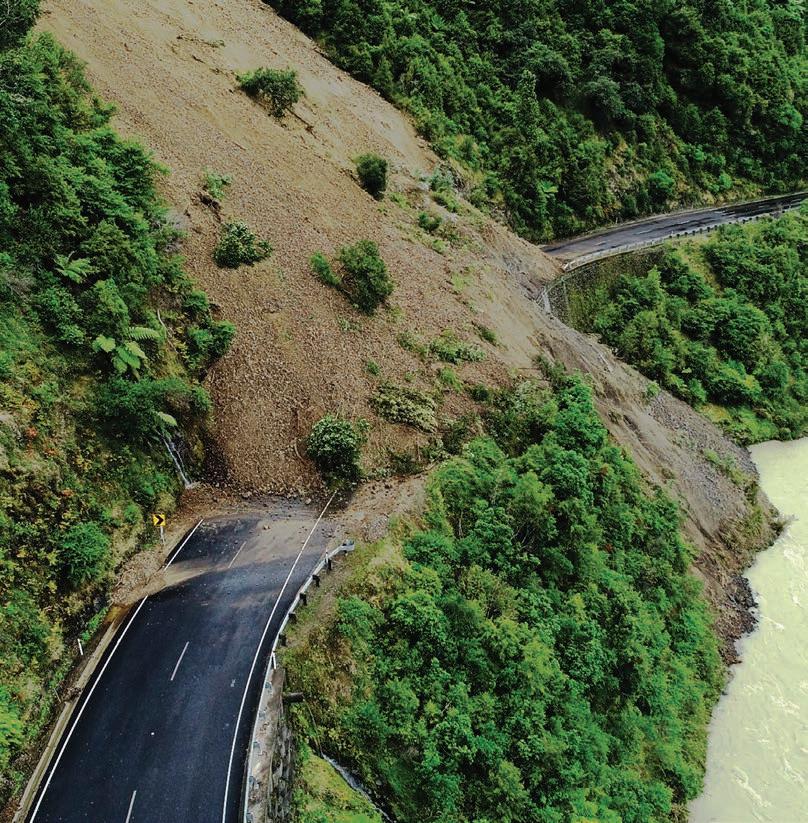
FEDERATED Farmers is calling for a solution to fix the road infrastructure in Tairāwhiti Gisborne after heavy rain caused the closure of State Highway 2, which connects the region to the Bay of Plenty.
If this highway is going to be shut every time there is a storm, there has to be an alternative, Federated Farmers GisborneWairoa president Charlie Reynolds said.
SH35, which follows the eastern coast, has its own issues, he said.
“The NZTA and the government need to sit down and make an actual plan about what to do about the [Waioweka] Gorge. We need a proper, decent plan B road.”
The country needs to make a decision much like it did with the Manawatū Gorge as to how much it is willing to spend to resolve the issue, he said.
Most of the farms in the region came through undamaged, apart from a few isolated pockets, he said It is mainly the roading infrastructure that has been impacted by the recent flooding.
“Certainly, the damage was in the northern part of the district,” he said.
“All in all, we’re pretty good, but having SH2 [closed] in the north is a real kick for the region.”
The storm also led to the closure of numerous other roads from north of Tokomaru Bay.
According to NZTA, SH35 from Ōpōtiki through to Whangaparaoa is closed to the public with access remaining in place for residents, emergency vehicles and local deliveries.
SH35 from Pōtaka through to Te Araroa is also closed, with crews working to clear multiple slips in the area, the biggest of which saw 200,000 cubic metres of land fall across the road.
The NZTA and the government need to sit down and make an actual plan about what to do about the Waioweka Gorge.
Charlie Reynolds Federated Farmers
Horticulture New Zealand chief executive Kate Scott said road and supply chain resilience is the most immediate issue for many growers.
“Road closures and slips are creating extended travel times and higher costs for transport, which in turn impacts the time-sensitive fresh produce supply chain.”
While there were no reports of major crops losses in Gisborne and the east coast, Scott said she is aware of the concern growers have about transport access.
“For HortNZ, this highlights the need for more resilient transport infrastructure to ensure produce can reliably reach markets without unnecessary delay or cost.
“Growers are used to working with weather variability, but the frequency of these intense events clearly highlights the importance of investing in infrastructure and adaptation measures that support rural communities and ensure reliable pathways to market.”
Scott said while the weather brought challenges to growers, there is no widespread or significant damage to crop plantings or orchard infrastructure.
Northland growers reported mostly surface water and wet paddocks without significant horticultural losses, she said.
“For the most part, the rainfall was generally welcomed after a prolonged dry period. Growers are now focused on managing increased pest and disease risk associated with wet conditions, and also the possibility of some fruit drop in some crops. The government has increased its assistance to farmers and growers
in the wake of the storms, providing an extra $200,000 to Rural Support Trusts to further assist recovery efforts. The funding will be made available in Northland, Coromandel, Bay of Plenty, and Tairāwhiti.
This funding is in addition to the $2.2 million announced by Prime Minister Christopher Luxon to support affected regions through Mayoral Relief Funds and to reimburse marae that provided welfare services in response to the event.














DAMAGE: A proper solution is needed to fix road infrastructure after the recent storm damage, Federated Farmers Gisborne-Wairoa president Charlie Reynolds says.
Photo: NZTA
US sheepmeat lobby battles for traction

ANigel Stirling MARKETS
Sheep and beef
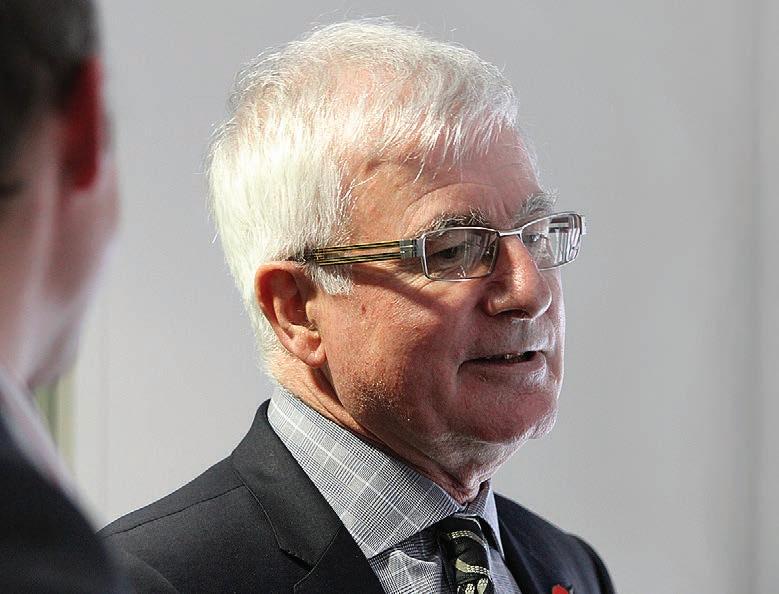
FORMER trade minister says political support in the United States for additional tariffs on Australian and New Zealand lamb is “tiny” if the number of signatures on a letter circulated to members of the US Congress is anything to go by.
However, Tim Groser, who was also NZ’s ambassador to Washington DC between 2016 and 2018, said it is impossible to know for sure how US President Donald Trump would view the bid for tariffs on lamb imports should it cross his desk – and it is a danger NZ should continue to monitor.
The American Sheep Industry Association (ASI) filed a petition with Trump’s Trade Representative Jamieson Greer in October calling for an investigation into lamb imports under sections 201-202 of the Trade Act of 1974.
The Trade Act authorises the president to impose import restrictions, including tariffs, for up to eight years to help domestic producers “adjust” should imports be shown to be causing them “serious injury”.
All of this seems to point to a danger we need to monitor, but it doesn’t feel like a clear and present danger to me.
Tim Groser Former NZ trade minister
According to the ASI, sheepmeat imports surged by 45% between 2020 and 2023, causing the share of the domestic market accounted for by US producers to slip by nine percentage points. Imports now account for 70% of domestic consumption, with Australian and NZ lamb making up the vast majority.
However, Greer had not responded to the petition by December, prompting the ASI to circulate a form letter to members of Congress asking them to sign it and forward it to Greer by January 9.
In an update last week the ASI said it had “mobilised” 29 out of 435 members of the House of Representatives to sign the letter urging the administration “to support the industry”. Just seven out of 100 members of the Senate signed.
Asked whether the low response rate had effectively torpedoed the US industry’s chances of convincing the Trump administration to investigate lamb imports, Groser said it underlined that support for lamb tariffs was limited to politicians from the small number of states where sheep farmers live.
“Nobody can tell precisely what is going on inside the White House on issues like this but rationally it is a very weak signal,” he said.
Trump’s November beef tariff cuts to address cost of living concerns also indicated mounting political headwinds to the US sheep industry’s arguments for its own tariffs.
“Clearly beef is a vastly more important political issue than sheepmeat given the


relative consumption but it still gives me some comfort.”
Groser said the ASI petition is also likely to be swamped by similar requests for investigations by other, politically more important industries, should the US Supreme Court strike down Trump’s Liberation Day tariffs.
“All of this seems to point to a danger we need to monitor but it doesn’t feel like a clear and present danger to me,” Groser said.






VIEWED: Former NZ trade minister
Tim Groser says it is impossible to know for sure how US President Donald Trump would view the bid for tariffs on lamb imports should it cross his desk.
Balance sheet strength points to bright 2026
Hugh Stringleman NEWS Finances
FARM balance sheets are stronger than most people realise, giving reason for optimism in 2026, NZAB director Andrew Laming believes.
“The cost of capital has material-ly reset. Bank appetite for lending to agriculture has improved. Non-bank capital is finally paying attention.
“And succession, long considered one of the most challenging issues in farming, is starting to be solved with better tools and innovative thinking.”
Laming’s reasons for optimism in 2026 begin with the healthy balance sheets of dairy farms.
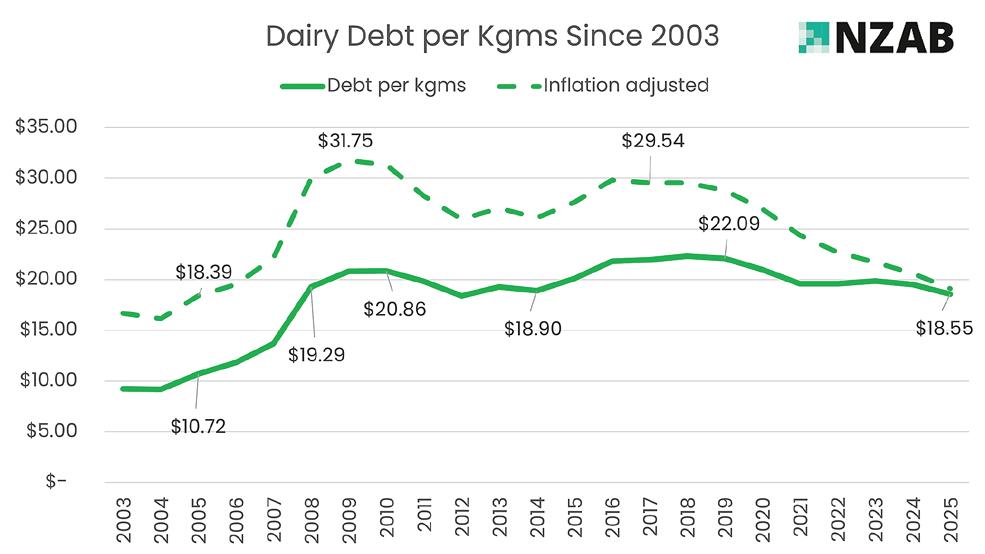
Over the past three to five years dairy debt has fallen from $22/kg milksolids to around $18.50, even more pronounced when inflation adjusted.
Land values, Fonterra share values and livestock values have all increased and that means many balance sheets have experienced $6-$10/kg MS asset value uplift.
“Combine asset appreciation
TRENDING: Dairy debt in terms of milksolids production is down to levels last seen 20 years back.
with debt reduction and the shift is material. A farm that may have been geared at 60% loan-to-value prior to these changes, assuming no major structural changes, could now be sitting closer to 40-45% LVR.”
However, this is not universal.
Sheep and beef incomes have recovered sharply but low transaction volumes mean asset values are still finding their level.
Some horticulture sectors, such as wine and certain apple varieties, are currently at cyclical lows with real impacts on equity.
Laming said lower interest rates have a positive effect on farming cashflows, down from 7-10% to 4-6%, and this translates to 80c/ kg MS for dairy farms, with sheep and beef and cropping farms also feeling the benefit.
With lower rates, capital is being directed into productive investment like businesses, land and growth opportunities.
The sheep and beef sector has roared back into life as global supply and demand has rebalanced in favour of New Zealand producers, with prices at or near record nominal highs.
“The recovery is real, margins
have stabilised, and confidence is returning. That matters – not just for cashflow, but for reinvestment, succession and long-term planning.”
Bank appetite for rural lending is the strongest since 2013-14, but it is highly variable.
“Outcomes depend heavily on how a credit is presented and whether farmers actively create competition.”
NZAB is seeing up to 4% spread in interest rates between bestin-market outcomes to very poor ones for similar risk profiles.
“In general, banks are engaging more constructively with farming businesses, particularly where governance, structure and strategy are clear.”
Non-bank capital is flowing into agriculture because food security is back on the global agenda and productive land is scarce.
Well-run agribusinesses generate real, durable cash yields and loss rates in agricultural lending remain low.
“Both onshore and offshore capital is better educated than it was even five years ago, with NZAB actively bringing new forms of capital to market, across both

We are seeing new lending players, direct investors, and hybrid structures.
Andrew Laming NZAB
debt and equity, institutional and private.
“We are seeing new lending players, direct investors, and hybrid structures.
“In some cases, pricing is competitive with or cheaper than traditional banks, particularly where risk is well-structured.
“Importantly, our farmers now have access to a much broader spectrum of capital. This allows funding structures to be tailored properly, rather than trying to maximise bank debt to get ahead.”
Progress is being made in succession, which has long been farming’s hardest problem, not because families didn’t care, but because the traditional tools are blunt and often arrive too late.
“The real challenge is that the old succession structures still don’t work for modern balance sheets, capital intensity, or family expectations,” Laming said.
“This is where innovation is required, not just better timing, but better capital design and better
HEALTHY: NZAB director Andrew Laming says optimism for 2026 begins with the healthy balance sheets of dairy farms.
connection with capital that wants to participate in farming – even the existing farmer capital that might want to exit but still wants to stay involved to some degree.”
NZAB has helped a large number of new farming entrants with connected and structured capital combining investors or exiting farmers with high-quality farming talent.
Land ownership can be separated from farming operations, equity pathways introduced, and thirdparty capital can de-risk retiring generations.
Better forms of governance are tailored to the personalities of those involved.
NZAB is now seeing the best semi-formal boards or advisory groups focused on the future, not just history or compliance. They also have clear separation of ownership, governance and management – not to follow the textbook, but to free up families to actually do what they are best at or actually want to do in life.
“Succession is no longer a problem to endure, but something that can be designed,” Laming said.
“The opportunity in 2026 is not only to enjoy the current cycle, but to continue to position businesses for the next decade – with the right structure, the right capital, and the right people around the table.”

Rakaia Gorge lamb sales reach new heights
Annette Scott MARKETS Livestock
RAKAIA Gorge on-farm lamb auctions have topped out with record prices – and average sale prices up more than $100 on just two years ago.
“Prime lamb pricing and the shortage of process lambs has certainly assisted the on-farm lamb sales this season,” PGG Wrightson livestock auctioneer Glenn Peddie said.
“The prices achieved reflected the quality of the lambs and the strong genetics being used.
“We sold a run of 14,000 lambs across all three – High Peak, Snowdon and Peak Hill stations –and all use the Snowdon Perendale genetics.
“These [Rakaia] Gorge sales are in the 31st year of running and they usually reach a premium. It’s purely down to the quality and this year was no exception.”
Peddie said it had been a tough early season.
“The Gorge was tight but then the rain brought a lot of late growth. These lambs grew out in great condition, more forward
than last year. They could have done with more sun on them but the one thing that the PerendaleSuffolk cross does, is it gives you a great carcase and the prices reflect that.
“The weather didn’t play ball on sale day but, despite the lambs being soaking wet and the yards a bit of a mess, they were bloody impressive.”
The top price two years ago is the bottom price now, it’s unbelievable from where we have been to where we are now.
Peak Hill sold 3200 lambs for a top price of $288 and an average sale price of $201. Two years ago the average at Peak Hill was $87. A small number of ewe lambs sold at $179. Two years ago the price was $54.
“We’re very pleased with how the sale went – some very strong prices in a good all-round season. Sheep fluctuate but they are going good at the moment,” Stuart Millar of Peak Hill station said.
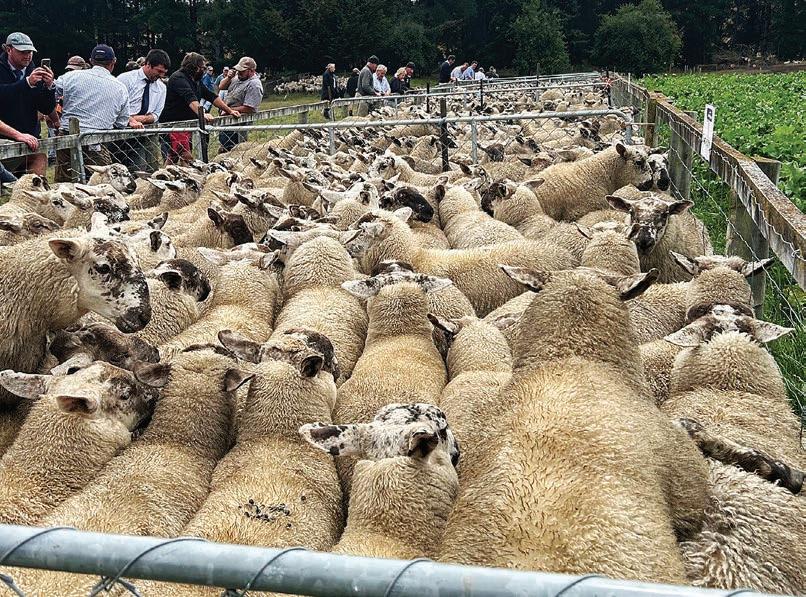
High Peak sold 3800 lambs with the top price at $217, with the average of $155 doubling that of two years ago.
“The top price two years ago is the bottom price now, it’s unbelievable from where we have been to where we are now, it’s fantastic. Let’s hope this is a new level or normality and we can progress on these values,” High Peak Station farmer manager Hamish Guild said. Snowdon offered 7000 lambs,
fetching a top price of $277, with an average of $183.
Annabel Tripp of Snowdon Station said despite the tough start to the season the Rakaia Gorge sale run has been good for everyone this year.
“Genetically it’s very pleasing but that’s only half of it; the other half is the feeding and the stockmanship.
“It’s been a fantastic outcome this year for everyone, it gives people confidence right through-


out the industry, which is what we need going forward.”
Peddie said it’s been an incredible turnaround from the doldrums of two years ago.
“These are amazing averages and reflect perhaps the shortage of sheep and also for prime cuts reflects the shortage of lambs available to kill currently given the amount of feed that’s around and the perception around the store lamb price and all the processors being short.
“Through the auction system we tend to see the competition for the prime stock and that genuinely is the go. People say that’s above the market, it’s out of kilter, but the auction system is the market.
“The fact there is heaps of grass around, people are reluctant to draft their normal weights and why wouldn’t you put another couple of kilos on them? At $11 a kilo that’s incredible, that’s $22, a huge difference.
“This has rewarded the breeders continually investing in their breeding programmes and even for the finisher the margins are still similar.
“I just hope for everyone’s sake that it holds and it keeps people in sheep because we need them.”


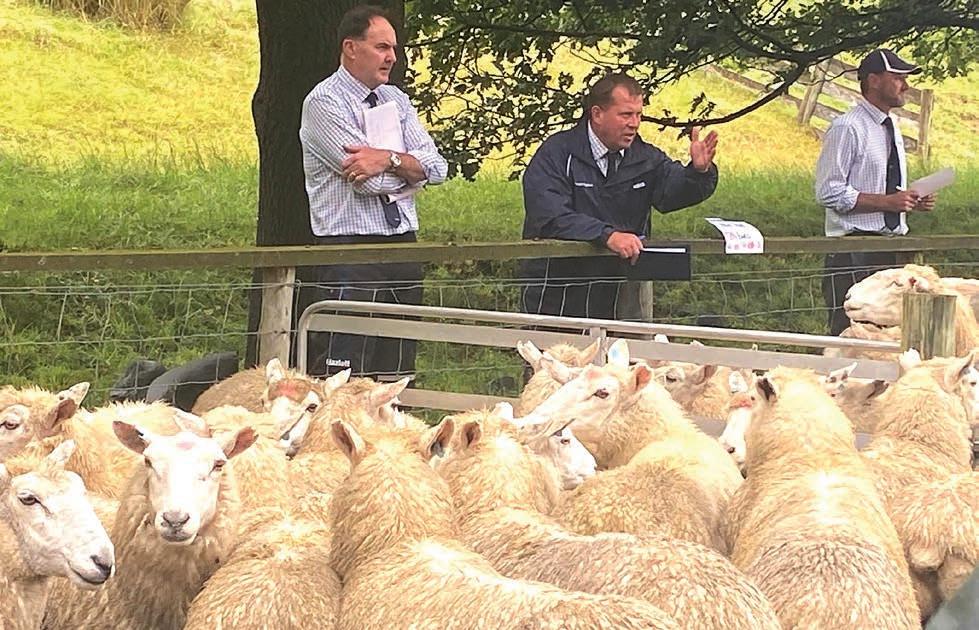
IN CHARGE: Hazlett livestock manager Ed Marfell focuses on bids with auctioneer Phil Manera at High Peak.
Photos: Supplied
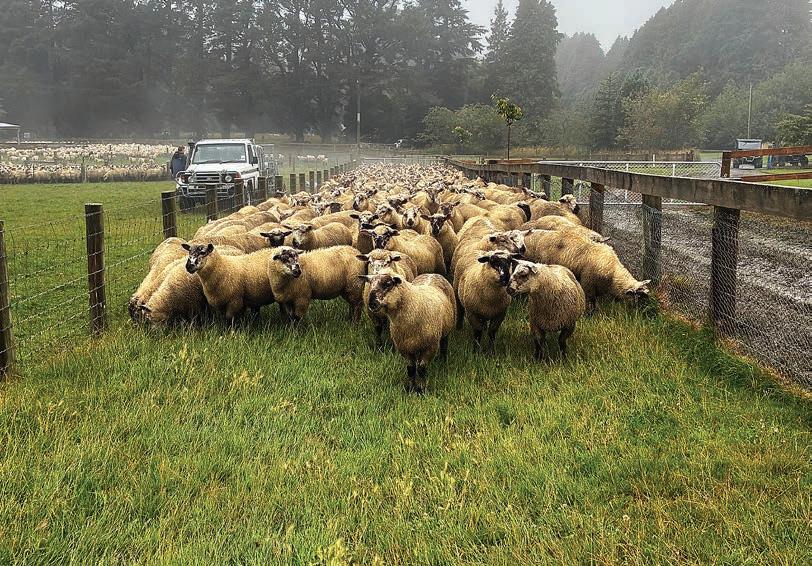
DEMAND: Peak Hill sold 3200 lambs for a top price of $288 and an average sale price of $201.
GOOD: Annabel Tripp of Snowdon Station says despite the tough start to the season, the Rakaia Gorge sale run has been good for everyone this year.
Hamish Guild High Peak Station


Keep it real.
You may have noticed lately the rise of fake and misleading content online generated by Artificial Intelligence (AI).

The lines between real and fake have become so blurred now that new reports suggest more than 50% of all new articles on the internet are AI-generated.
It’s a real problem, with real world consequences.
And it’s why we put so much value behind our team of journalists and analysts – they’re real people, with


years of experience and expertise reporting the primary industry how they see it.
Our question to you now, is how much do you value real people producing real content?
That could be the value of a voluntary subscription. $120 a year, $2.50 per edition.
With your support, we’ll keep it real.
Dean and Charlie Williamson


Living legacy at Lagoon Hill Station

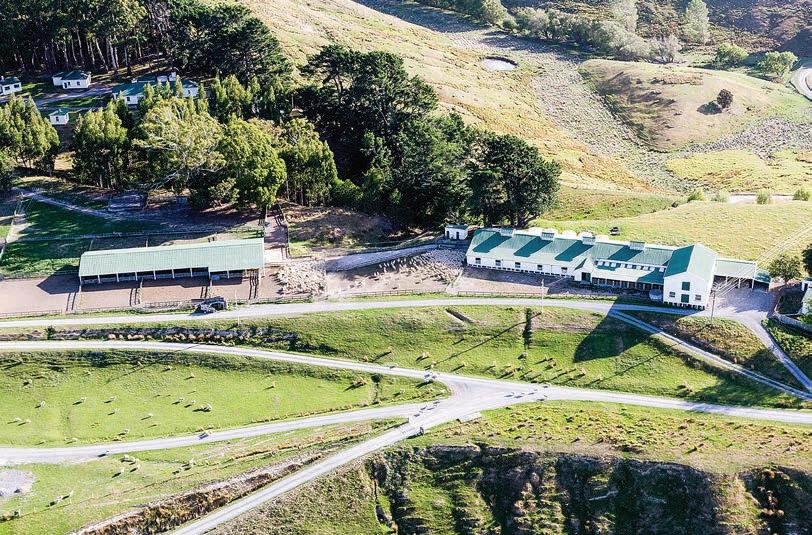
FOR more than a century, the woolshed at Lagoon Hill Station has stood as a quiet witness to the station’s story. Now 112 years old, it still plays an active role, hosting regular shearing and even pheasant shoots, demonstrating that parts of the farm’s history remain very much alive.
The 10-stand woolshed build started in 1911 and was completed in 1914. Matai and rimu milled from the property was used and it was built with five ventilation lanterns, wooden louvres with sash windows, in`an L-shaped design, with a shepherd house, and covered yards to accommodate 2500 sheep.
Now owned by a descendant of
its original owner, Louis Vavasour, and his wife Georgina, the farm was purchased in 2021. With the addition of neighbouring Sunnyside Station last year, the farm now spans about 1550 hectares and runs around 10,000 stock units.
Since taking over, Louis and Georgina have continued the sheep and beef heritage but added a new venture of driven pheasant shooting – a niche concept, with a small but strong New Zealand following.
“There is only a small shooting community in New Zealand, and it’s mostly Kiwis that do it,” Louis said.
“We’re getting a good reputation, people are coming back and we’ve even extended the shooting calendar, but a lot of work goes into it.”
Lagoon Hill has a full-time game
Fighting fire with fleece as risk grows

Fiona Terry NEWS Environment
OHAKUNE sheep and beef farmer
Rita Hammond has been selected by FMG to support its campaign to help rural communities with wildfire preparedness.
Not only is it hoped the initiative will reduce risks, but in using Sustaina Grow’s products, founder Hammond is pleased it will also help raise awareness of the value of wool.
FMG’s campaign, which launches this month, provides advice on practical steps for those living and working rurally, to help prevent damage from wildfires. This includes recommendations of options for low-flammable plantings around homes and farm buildings.
“Given the impact and frequency of wildfires in New Zealand, we’ve considered practical measures our clients can take to reduce risk, disruption, stress and the financial impact for them and their community,” said Phillipa Kennedy, senior marketing specialist at FMG.
As part of the initiative, inform-
keeper, Malcolm Sinclair, who is originally from Scotland. He looks after the bird breeding and management of their habitat.
Every bird shot is used. The meat feeds punters at shoots, and they use the feathers as well as sharing them with the local iwi.
“We also work in with DoC to capture birds and relocate them to different areas.”
Conservation is core to what Louis and Georgina are trying to achieve.
A lot of investment goes into pest control, to support the pheasants and build the native bird life. They have areas of the farm with kowhai trees that are over 300 years old, for example, and want to do everything they can to protect them.
There is some forestry on a newer part of the farm, so they’re also managing deer numbers.
“The deer population in our part of the country, under the snowy range, is quite significant, so we need to be vigilant about managing it.”
Lagoon Hill Station dates back to 1840, when Daniel Riddiford arrived in New Zealand and established one of the first large-scale sheep stations along the Wairarapa coast, known as Te Awaiti. It was over 3200ha and made up of a number of stations – Lagoon Hill as well as Tora, Tuturumuri, Pukeatua and Tablelands.
Louis and Georgina have employed a manager, John Templeton, and his wife, Sharon. Louis and Georgina live on their other farm, 100ha in the Awatere
We’re getting a good reputation, people are coming back.
Valley in Marlborough. They run replacement heifers for the Lagoon Hill commercial Angus breeding programme, and also have 15ha of vineyards that go into the Louis Vavasour wine brand.
Louis travels to Lagoon Hill monthly and the whole family comes up for three months from March for the shoot season, while their children, William, 10, Remy, 8, and Cece, 2, are still young.
There are 5000 Romney ewes on the farm and roughly 300 Angus cows. They fatten around 6500 lambs, selling nearly 70% as store.
The country is mostly hilly, with some flatter areas in the new land they are developing.
They held their first on-farm sale at the end of last year, consisting mostly of store lambs, a few calves at foot, and a few ewes.
Louis said it went really well and provided a great foundation for the future.
Excited to be embracing their family’s history while shaping something new, Louis and Georgina are focused on building a future that respects what has come before. By blending traditional sheep and beef farming with conservation and their growing game enterprise, they’re giving Lagoon Hill a fresh purpose.
And with the woolshed still at the heart of it all, the station’s story continues to evolve, proving that history doesn’t have to stand still to be preserved.
ation packs will be distributed by FMG’s rural managers while visiting clients.
They include Sustaina Grow’s woollen pots with seeds for lowflammable natives, together with preparedness tips.
In preparing the information, FMG also partnered with Fire and Emergency New Zealand.
“Landscaping with lowflammability native plants can help reduce fire fuel loads and create defendable spaces around properties,” Kennedy said.
“We like what Sustaina Grow does with wool and packs of native seeds and they’ve been instrumental, too, with designs to ensure the messaging is strong.”
The topic is dear to Hammond’s heart, given that their property isn’t far from the wildfires that swept through Tongariro National Park late last year.
“They weren’t right in our backyard but we could see the smoke everywhere and it really brought it home how dangerous it can be to rural communities,” said Hammond, whose wool products business began in April 2022.
As well as woollen pots it includes a wide range, from mulch
grow mats and packaging wrap to tree guards and seaweed-infused wool pellets.
“So being part of a wildfire campaign is important for us.
“All around New Zealand, as temperatures rise, wildfires are a real risk, especially to rural towns.
“It’s something we all have to be aware of now, and prepared for –you can no longer say this doesn’t happen in our town.”
Wildfires are increasing globally, said FMG’s client advice manager Abby France.
“We have over 4000 wildfires across New Zealand every year, so
it’s actually a larger problem than most people realise.
“We hear about the big ones, for instance the fire at Ōhau in 2020 which destroyed 48 homes and buildings, and burned over 5000 hectares, making it one of New Zealand’s biggest land fires in recent history.
“A lot of fires and wildfires are caused by embers, so it’s important to think about those defendable spaces around your house or farm buildings.
“Switching out flammable plants for low combustible varieties can be very effective. If you’re going to put in a big native planting area,
PREPARATION: Wildfire preparedness is dear to farmer Rita Hammond’s heart, given that their property isn’t far from the
Switching out flammable plants for low combustible varieties can be very effective.
Abbey France FMG
why not make it a fire break at the same time?
“Working with Sustaina Grow in this initiative enables us to provide a really practical piece to really cement in some of our advice – and we like what they do with wool!”
Samantha Taylor PEOPLE On farm
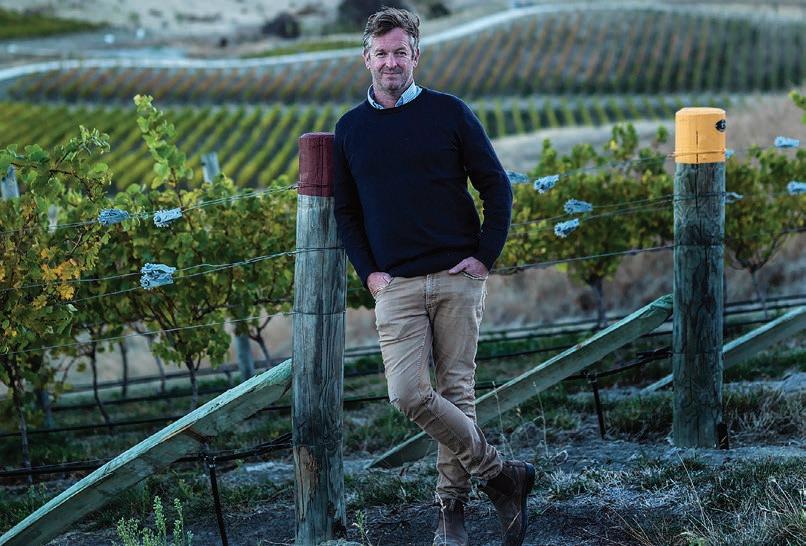
LEGACY: Louis Vavasour is carrying forward a family legacy while shaping a modern, multi-faceted farming future. Photos: Supplied
HISTORY: Built in 1914, the 10-stand woolshed at Lagoon Hill Station remains the heart of the farm, still hosting regular shearing more than a century on.
Louis Vavasour Lagoon Hill
wildfires that swept through Tongariro National Park late last year.
Photo: Tim Cuff
From the Editor
We need to get ahead of the weather
Neal Wallace Senior reporter
EATHER forecaster
WPhilip Duncan was rather understated when describing the summer weather so far as “messy”.
Weather has always been the ultimate determinator, but the nationwide variability this summer has been extreme.
The start of 2026 has been characterised by damaging storms in Northland, Bay of Plenty and Tairāwhiti, dry conditions in Hawke’s Bay, and persistent rain and cool temperatures over most of the South Island.
Much of the South Island high country, normally golden and bone-dry at this time of the year, resembles the green lushness of Southland.
Before Christmas Southland was contemplating drought conditions, which were alleviated by a wet January.
Livestock farmers outside the storm-hit
regions are trying to decide how to manage an abundance of lush summer pasture, weighing up whether there is sufficient margin in the record-setting store stock prices.
South Island cropping farmers do not have such a luxury, potentially facing a disastrous harvest, unable to get a decent run of dry, hot weather.
As one grower commented, she has used more diesel running the central heating in her home than in her harvester.
Uncharacteristically, the notorious Canterbury nor’wester has been largely absent, meaning crops such as grass seed, cut and awaiting harvest, are not drying but starting to sprout.
Those conditions have also devalued significant areas of milling wheat into feed quality.
This follows devastating hail events in Mid Canterbury and South Canterbury earlier in the season, which could result in seven-figure losses for cropping growers.
For some this is a third successive poor harvest, compounding already poor returns. It is proving too much for some. As Farmers Weekly has previously reported, some Canterbury cropping farmers are considering converting to dairy.
In the north, infrastructure has once again been tested and found wanting, with road damage isolating communities, especially in Tairāwhiti.
While this latest weather event was
isolated, it brought back memories of the Auckland anniversary and Cyclone Gabrielle storms, and once again highlighted the vulnerability of rural infrastructure.
Auckland and Hawke’s Bay councils were initially given $1 billion to assist with recovery following the two weather events, of which $275 million was to assist with road repairs and $100m for flood protection.
Last year the government granted the Hawke’s Bay councils a further $219m over three years to assist with roading repairs.
These are large-ticket items with costs that are only increasing. One slip blocking a rural road inland from Hastings reportedly cost $7m to repair.
Councils have long complained that funding for their roading networks is inadequate, and even without storm disruption, annual maintenance for some council roads is becoming unaffordable.
A wider review by central and local government is needed into the question of how we fund maintenance of rural roads.
One question it should ask is if the cutbacks in road maintenance are accentuating damage to rural roads from these storms.
Better road maintenance should provide a higher level of weather tolerance and keep roads open for longer.
There is never any guarantee of immunity from weather events, but the current reactive policy is costly and increasingly unsustainable.
This week’s poll question (see page 1):
Does WorkSafe have too much say in day-to-day farming?
Have your say at farmersweekly.co.nz/poll
LAST WEEK’S POLL RESULT
More than 90% of those who took the poll believe forestry has been used as a political tool by governments.
Last week Farmers Weekly reported that uncertainty over policies on climate change and forestry has cut the outlook for forecast commercial forest plantings this year by more than two-thirds.
“The emotional commentary attached to the industry, used by city dwellers, has been detrimental to all associated within the forestry industry. It’s been along the same lines as the ‘dirty dairying’ terminology – I blame the Greens!” said a reader.
Another said the government has “artificially altered land-based economics to advantage pine planting and disadvantage productive land uses. One can only suspect it’s an attack on farming and disingenuous attempt at a land grab by a minority of affluent liberals that feel hard done by. What sense does it make in the global trade environment?”
Another said it is “a disgrace how the country has vilified forestry and turned farmers against foresters. All farmers should be unified in a collective aim.”
Of the 7.6% who voted no, one said forestry, likely many industries, advocates for its own best interests over environmental and community wellbeing. “Pine trees are a terrible erosion-control strategy and pasture is just as bad. Both forestry and farming under their current business models shouldn’t, and won’t for much longer, exist on steep, erosionprone slopes.”
Last week’s question: Has forestry been used as a political tool by governments?
Chart Title

Forestry is not the enemy of agriculture In my view

Colin Jacobs Jacobs is executive director of Lewis Tucker
ORESTRY is New
FZealand’s third largest export earner, generating $6 billion per annum. Yet it’s become a misunderstood sector, with the prevailing narrative that it’s a threat to our agri economy.
That couldn’t be further from the truth.
You might not believe it, but forestry and farming have worked in perfect harmony with each other across several decades.
Despite angst over our country’s continuous history of land use change, New Zealand has less forestry today than it did 20 years ago. We have approximately 1.8 million hectares in exotic forestry relative to 8.7 million hectares in the Department of Conservation estate, and other rural land of approximately 13 million hectares. As a trading nation, our biggest strategic advantage lies in delivering the greatest value from
our land. All primary producers –sheep and beef, horticulture, dairy, forestry – need to work together to achieve this. We all need to be open to change, as our markets and customers evolve.
It’s worth understanding the performance of our primary sector over the past two decades. Over that period New Zealand’s dairy herd has increased by more than 20% and dairy export earnings have more than quadrupled. The country’s beef cattle herd has decreased in size by more than 15%, but beef export earnings have nearly tripled. Sheep farming has experienced an approximately 70% increase in earnings and export earnings from horticulture more than tripled.
Our farmers and growers have become more diverse, productive, and more profitable over the past 20 years.
We work with farmers every day, helping them raise capital to fund expansion and growth, and to increase productivity. Farmers have invested in their own productivity and helped pull New Zealand out of more economic turmoil than we could reasonably expect of them.
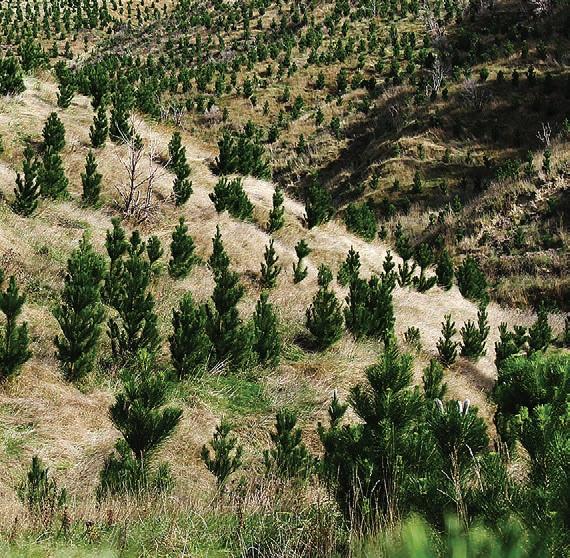
One of the ways some farmers have improved profitability and productivity is through diversification, including into forestry. Many farmers now have forestry on parts of their farms and many have subdivided economically marginal land into forestry to enable succession. They’ve used their land for the best possible returns and to drive productivity.
This is all positive.
What’s not positive is when one subset of our primary economy lobbies against another, and we’ve seen too much of this lately. As a result, there’s been mixed messages, misinformation, and a policy mix that is working against the future of forestry.
Here’s one example. My organisation owns one forest in Wairoa. The trees are five years old. It’s on marginal land that is unable to be farmed economically. We retained 150ha of productive land to keep in pastoral farming. More than 300ha is both unable to be farmed or planted and we left this to regenerate to its natural state.
It is a case study in responsible forestry and using the right land for the right purpose.
However, in July, we received our rates bill for the property. The bill had increased from $30,000 per annum to $200,000 –approximately 2.5% of the value of the property. Hardly a 4% rates cap
TOGETHER: As a trading nation, New Zealand’s biggest strategic advantage lies in delivering the greatest value from the country’s land. All primary producers –sheep and beef, horticulture, dairy, forestry – need to work together to achieve this, says Colin Jacobs.
– try a 563% increase. And it could go up more.
There’s been no explanation but the assumption is the extra $5 million that this property will now pay in rates over the life of the forest will go to pay for the impact of forestry on roads come harvest time.
What it’s really doing is making forestry uneconomic. We don’t intend to have a forestry truck anywhere near this property for probably 25 years but we’re being hit with an extra $5m in costs, simply because the local authority does not like forestry.
Pest control is another area where fingers are being pointed, regardless of fact.
We’ve spent several million dollars over the past five years shooting approximately 30,000 wild deer, goats and pigs that flood onto our land from the DoC estate and neighbouring farms. However, some farming lobbyists are pressuring ministers to impose
a pest control levy on, you guessed it, forestry.
When we shoot properties from helicopters, we offer to also shoot pest animals on neighbouring farms, at no cost. The answer is almost always “no”.
Rather than blame each other, we need to work together on effective action. We’ve also seen forestry severely restricted on certain classes of land, and planting rates continue to fall. Farming lobby groups have been very successful in advocating for these restrictions, even though many of their own members may feel differently.
Forestry is also the linchpin of New Zealand’s Emissions Trading Scheme – the country’s bridge to a low emissions economy. However, despite assurances around protecting confidence in the ETS, confidence continues to go backwards. Forestry is the only part of the scheme making meeting our emissions reduction obligations even remotely possible, but that doesn’t stop lobbying to try to remove forestry from the ETS.
If we are going to keep championing our forestry industry when we’re offshore with trade partners we must stop being so quick to kick it domestically and blame it for our collective failings. Forestry is a core part of the mosaic that makes up our primary production, which farmers benefit from and will continue to.
We will all be so much more successful as a country if we can start working together to maximise our contribution to our country.
Ecological ag sets us up for climate win
In my view
Sam Lang and Sam Hogg
Hawke’s Bay farmers Lang and Hogg are part of the team at Quorum Sense, a network of farmers sharing knowledge and ideas about biological and regenerative farming practices.
FARMING is hard. Margins get slimmer, debt can be heavy, staffing is tricky, the weather is unpredictable, commodity prices change overnight, pests and diseases get harder to manage ... the list goes on. Now, we are being asked to reduce our greenhouse gas emissions – do we have to? And if so, how?
We’ve recently written the agriculture chapter in the upcoming book, Kiwis in Climate – Voices for Climate Solutions. Notably, our list of promising solutions doesn’t mention large-scale pine monocultures, methane vaccines, genetic engineering or any other “silver bullet” technology solution. We don’t see how any of these will benefit farmers or rural communities (they will most likely increase costs), and there are potential negative consequences.
We believe that New Zealand farms can become healthy, productive, carbon-rich agroecosystems that sequester more carbon than they emit, and that this can be done profitably. We’ve started this journey on our own farms and are part of a growing network of farmers moving away from industrial models by taking a more ecological approach.
Ecological farming is about working with natural systems and processes to produce food, fibre and energy. It treats the farm as a living system that thrives by maximising photosynthesis, increasing diversity (especially of plants), limiting disturbance (chemical and mechanical) and using the biological life in our soil and animals to cycle and distribute nutrients.
Rapid improvements in soil, plant and animal health are possible while reducing fossil fuel, fertiliser and chemical inputs. Outcomes also include cleaner water and healthier food, and farmers are generally maintaining or improving profitability, with less stress.
How does this help stabilise our climate? Ecological farm systems can reduce nitrous oxide emissions (12% of NZ’s greenhouse
gas emissions) through improved soil health and reduced need for synthetic nitrogen inputs; sequester large amounts of carbon in soils and trees; reduce methane through stocking at biological capacity; and use less fossil fuel energy.
Ecological farms eventually retain more moisture – staying green for longer – and transpire more water, which also cools the local climate (like standing near a dam or a fountain in summer).
Here are three relatively simple steps we can take to align our farms more closely with ecological principles.
• Reducing synthetic nitrogen fertiliser inputs
Synthetic nitrogen requires a lot of fossil fuel to produce, interferes with the soil’s natural nitrogen cycle when applied at high rates, and exacerbates nitrous oxide emissions from soils.
By managing our legumes and supporting healthy soil microbe populations, we can optimise natural nitrogen fixation and achieve similar or better profitability, without the risks of synthetic fertilisers.
Many farmers have cracked this, with high performing pastures requiring little to no synthetic
nitrogen inputs. Overall, reducing synthetic nitrogen delivers a double climate benefit, reducing fossil-fuel use and reducing nitrous oxide emissions from soils.
• Increase plant diversity
Increasing the diversity of plants in pastures and crops (and forests) is a proven strategy to reduce energy and fertiliser inputs while increasing resilience and maintaining or improving productivity.
Early results from Massey University’s Whenua Haumanu programme have shown large reductions in nitrous oxide emissions with pasture diversity alone. Additionally, some farmers are seeing large increases in soil carbon levels when diverse pastures and crops are combined with other ecological management practices.
• Optimise stocking rates
On intensive farms where high stocking rates are maintained by high fertiliser use and/or imported feed, reducing stock numbers closer to the biological carrying capacity can actually increase long-term profitability (if other aspects of the farm are optimised).
This creates more flexibility and allows the farm to start functioning naturally.
On more extensive and lowerinput farms, improving ecological function through practices such as increased pasture diversity, adaptive grazing, enhancing soil biology, and agroforestry may actually increase pasture production and quality.
This allows for a no-cost increase in stock numbers – translating to improved farm profitability (desperately needed) while sequestering large volumes of carbon in soils and trees.
Our sector is the only one with the potential to not only reduce but reverse our destabilising impact on the climate.
Viewing and managing our farms as “agricultural ecosystems” is a mindset shift. If we embrace it, climate mitigation shifts from a challenge to an opportunity – one that’s aligned with the health of our land, businesses, communities and what our customers are looking for.
• You can read more in Lang and Hogg’s chapter for Kiwis in Climate: Voices for Climate Solutions, to be released in March. Pre-sales are available from www.kiwisinclimate.org

Sector Focus
Top Jersey herd to go under the hammer
Gerald Piddock MARKETS Livestock
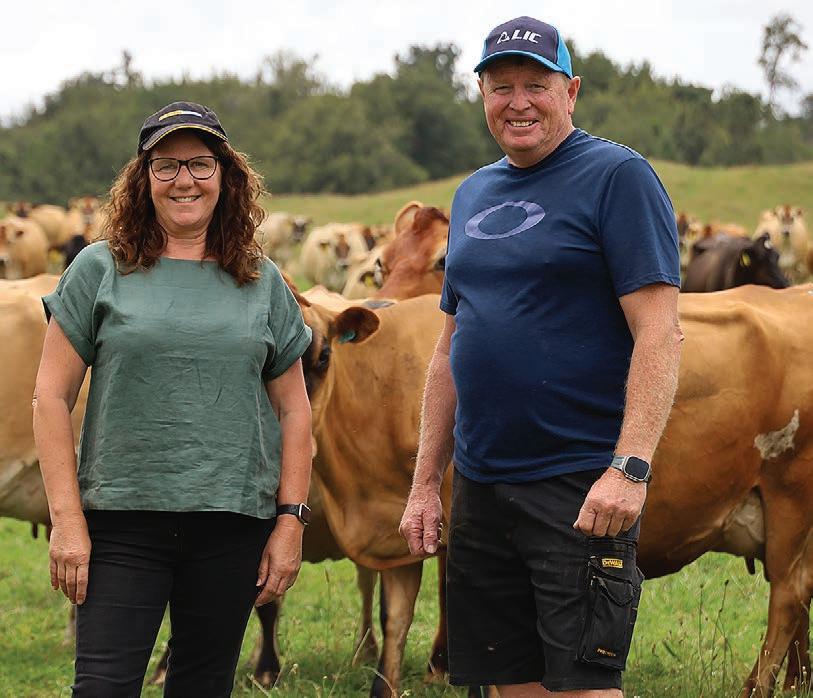
THIRTY-five years of dedicated breeding and selection enabled Phil and Sandra Wright to build one of New Zealand’s top dairy herds. Those genetics will now be available to the market when the Wrights sell their 500cow Jersey herd.
The sale will take place on March 23 on the 200 hectare Rotorua farm that they have sharemilked for iwi-owned Taumanu Land Trust for the past 35 years. Selling the herd was a tough decision, Phil said.
“We’re still struggling with it a bit. We’re very passionate about our stock. Sandra rears every calf, which is up around 200, and we all have our favourites.”
When the time comes, seeing the herd go onto the truck will be hard having dedicated so many years to getting the herd to this point, he said.
The timing suits them, however, with the dairy industry in the middle of an economic high.
The Wrights have purchased 50ha nearby to retire on and are retaining 250 calves, which they will get in-calf and sell as in-calf heifers next year.
The top 200 cows in their herd have the highest breeding worth (BW) in the country.
“It’s not been a focus, but in recent years when we have got to the top, it’s nice to know where we sit,” he said.
It’s validated a lot of their work over the years, Sandra said.
The herd originated with Phil’s father, who bred Jersey cattle in Waikato under the name Awatui Jerseys. After losing a lot of his money when the sharemarket
crashed in 1989, he went sharemilking and ended up on the trust’s farm in 1991.
Phil and Sandra took over the herd when his father retired, buying out his share in 2004.
At the same time, Phil received a cancer diagnosis, which completely changed their farming goals.
“It changed our perspective on life. It wasn’t about farming, as we would have gone out and bought a farm. We stayed here, it’s a nice place with the lakes and we chose to rear our family here.”
Phil and Sandra’s focus has been on having a good quality animal and lifting the BW and production worth (PW) to meet the market.
“We developed our breeding around that, as well as the base of good udders and stature.”
Over the past 35 years they have worked closely with LIC and occasionally CRV.
“We have a very good LIC rep in Caroline Whiteley, who we have
a very good working relationship with. She’s probably one of the biggest helps in advancing this herd.”
The genetics company has contracted 34 of the herd’s top cows to produce a bull for them.
It’s that simple formula of rearing lots of animals and dropping out the tail end all of the time.
Whitely and the Wrights would have long discussions about the herd and what the best options for genetics would be.
“We like stature, we like udders and BW and PW. We choose the best bulls that we can. Anything with a bad udder doesn’t make it, anything small in stature doesn’t make it.”
His focus has always been on the
bottom tier of the herd rather than those at the top.
“I can tell you all of the bad cows in the herd and every year when it comes to culling time, we’ll take the bottom out of the herd using udders, confirmation, mastitis, size and production.”
They keep their heifer calves, which number around 170-190 annually and are reared by Sandra.
Phil does all the artificial insemination himself and decides what genetics to use via a spreadsheet that ranks the cows top to bottom, highlighting each cow’s BW, PW and other traits, as well as information to stop inbreeding.
The farm is a difficult property to run with its pumice soils, long walking distances for the cows for milking, a challenging climate, and ageing infrastructure.
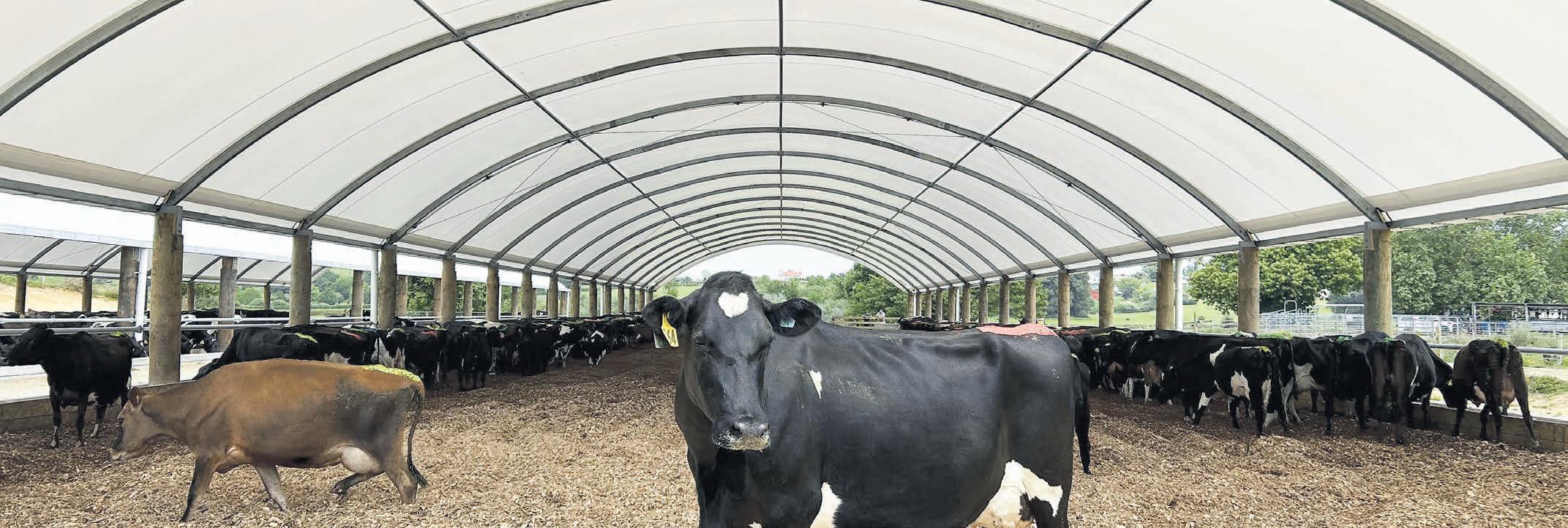
It does have a covered barn, which was built following the
regulatory decision to introduce a nutrient cap to improve the water quality of nearby Lake Rotomā.
Fluctuations in production and milk price also mean they sell their lower tier cows to supplement their income – normally numbering around 120. They also cull around 25-30 cows a year that are the bottom tier.
Production efficiency from an environmental standpoint has been a breeding consideration more recently after Fonterra introduced environmental incentives to its farmers such as the Co-operative Difference payment system.
“That was a natural thing that happened. We had already put that in play before it became a big event,” Phil said.
“It’s that simple formula of rearing lots of animals and dropping out the tail end all of the time.”

The upcoming Milksolids Levy vote is a chance to do what you ’ ve always done for the sector – come together to continue building a stronger future for dairy farming in New Zealand
So, let’s vote – together





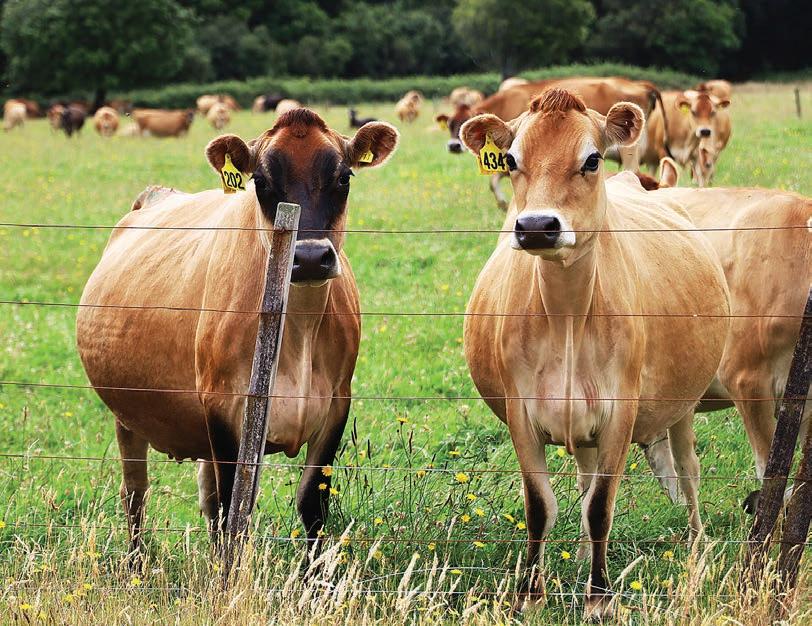
TOP HERD: Phil and Sandra Wright have spent 35 years breeding one of New Zealand’s top dairy herds.
BREEDING WORTH: The top 200 cows in Phil and Sandra Wright’s herd have the highest BW in the country.
Phil Wright Rotorua


setting




ts: Autumn smar


Autumn is a pivotal season on farm as summer days shorten and focus turns to decisions that will shape the year ahead, including checking pastures and selecting which to resow. What ’s done now affects cow performance, staff wellbeing and environmental outcomes.
Hitting Body Condition Score (BCS) targets before dr yoff
Reaching target BC S before dr yoff sets cows up for calving and early lac tation, reducing metabolic issues and suppor ting reproduc tion and produc tion
While herd averages are useful, identif ying individual cows that are above or below target is crucial Cows must be dried off early enough to gain condition, aiming for BC S 5 for mixed age cows and 5 5 for fir st and second calver s at calving
D air yNZ’s updated BC S app and dr yoff calculator can help inform decision making
Attracting and retaining good staff
Balancing employer needs with those of employees is
key to at trac ting talent – and retaining them
While higher pay at trac ts more applicants, clearly stating hourly rates can al so help roles stand out Reliable, fair rostered days off and a positive team culture are just as impor tant as pay and hour s worked
D air yNZ’s job competitiveness calculator and onboarding resources suppor t recruitment and retention
Planning now for a successful winter
Winter success star ts well before wet weather sets in Having a clear plan for managing cow lying time and grazing during wet conditions can prevent issues before they arise Sharing this plan with the team ensures ever yone knows what to do when conditions change
Gradually transitioning cows on to crop helps them adapt to changes in feed, while access to fresh water, shelter and adequate space suppor ts animal welfare Prac tical strategies such as direc tional grazing, back fencing and por table troughs can significantly reduce soil damage by limiting unnecessar y cow movements


D air yNZ’s Winter Grazing Plan Template provides a simple way to map out your approach and prepare for winter
Reducing nitrogen loss
Autumn is a critical window to lock in good nitrogen prac tices A s soil temperatures drop and rainfall increases, the risk of nitrogen leaching rises – but small changes now can make a big difference
Autumn fer tiliser creates profitable and sustainable pasture grow th only when soil temperatures and ground conditions remain favourable for grass grow th Lowering stocking rates by dr ying off lighter or lower-producing cows and using stand- off areas during wet perio ds all help reduce losses, while choosing lower-nitrogen supplements like maize silage, or forages such as plantain or fodder beet, can al so reduce the likelihood of N loss
Getting ef fluent management sor ted
Sound effluent management planning before winter is essential, as irrigation options become limited as soil moisture increases during autumn Applications should only occur during moisture deficit periods
– when soil moisture is below field capacit y It ’ s impor tant to addre ss storage pond capacit y while conditions allow, ensuring adequate storage heading into late autumn and the following spring, when wet conditions of ten make irrigation imprac tical
Running maintenance check s and ensuring irrigator s are per forming well (before they are turned off for the winter period) suppor ts favourable pasture grow th response, reduced costs and greater level of compliance Good effluent decisions made now can provide peace of mind well into the nex t season
Looking ahead
Autumn decisions don’t just solve today ’ s challenges; they al so set the foundation for the months ahead By using research-backed tool s, planning early and making small, prac tical adjustments now, farmer s can head into winter with confidence and position their farm for a more resilient, produc tive season
to














Rethink urged after latest dud dairy deal
TNigel Stirling MARKETS Dairy
HE dairy industry wants the government to take another look at its approach to trade negotiations after once again finding itself outside the winners’ circle following a major trade agreement.
The Dairy Companies Association of New Zealand applauded the government for achieving tariff reductions for a range of primary exports in a trade agreement with India announced late last year, but said the deal once again leaves “unfinished business” for the dairy industry.
It follows meagre wins for dairy in trade agreements negotiated by National- and Labour-led governments going back more than a decade.
“We have seen tariffs come down across the export profile for meat, horticultural products, seafood and forestry and dairy is still sitting there where we have over 85% of global consumption sitting
behind tariff walls of 10% or more,” DCANZ executive director Kimberly Crewther said. “And that includes across the FTA profile where we did not get complete tariff elimination for the EU, Japan, Korea and for India now.”
Currently NZ dairy exporters pay $1 billion a year in tariffs.
Dairy is still sitting there where we have over 85% of global consumption sitting behind tariff walls.
Kimberly Crewther DCANZ
That doesn’t count the opportunity cost of exporters being shut out of some high-paying markets and having to divert products to lower paying ones because of high tariffs.
Since the India FTA announcement, DCANZ has talked to Trade Minister Todd McClay about a reset for dairy in future trade negotiations.
DCANZ said a scheduled review of the European Union-NZ FTA next year looms as an opportunity for improving market access for NZ dairy exporters.
Ongoing negotiations for more countries to join the 12-country Comprehensive and Progressive Agreement for Trans-Pacific Partnership (CPTPP) was another.
The EU FTA also provides a mechanism for NZ to raise concerns about the impact on global dairy prices of European subsidies.
“We want to look out to those opportunities now and make sure there is close engagement between the government and the dairy industry,” Crewther said.
“Not just looking at it trade policy process by trade policy process, but what is the coordinated strategy that we can progress and then what does the industry need to be doing to support the government, whether that is opportunities to look at tariff liberalisation, defence of our trade interests where they need to be defended and also proactive approaches in that subsidy area as well.”
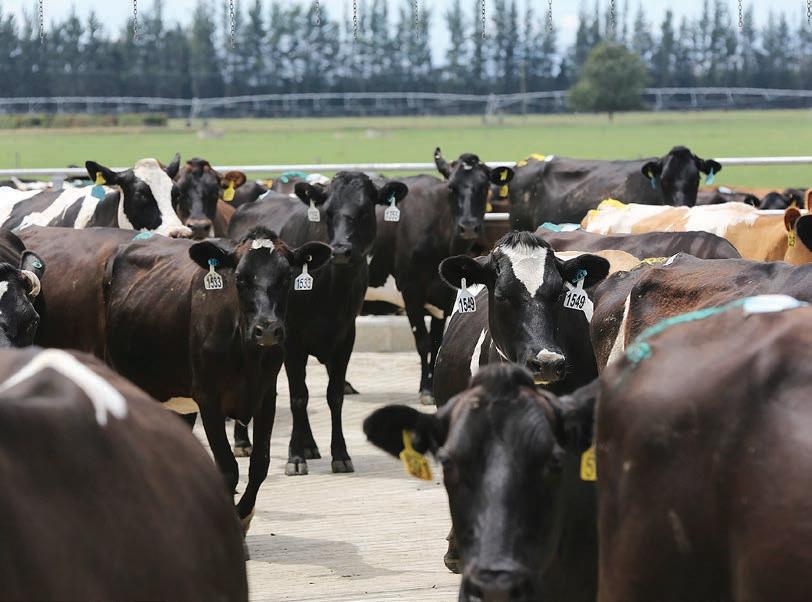
Sector left hanging
More than a decade of trade deals have left the dairy industry hanging: NZ-South Korea FTA, 2014: Initial tariff-free quota for milk powder of 1500 tonnes, equal to two days’ production from Fonterra’s Edendale factory. Out-of-quota tariff of 176%.
CPTPP, 2018: Quotas for NZ exports to Canada equal to 3.3% of the country’s dairy market. Canada had to be sued to get it to live up to even that obligation.
• NZ-EU FTA, 2022: New butter quota was still 20% lower than NZ’s allocation two decades earlier when the EU’s butter market was 20% smaller. Trade Minister David Parker called the offer “insulting” earlier in the talks, but it was what NZ ended up with.
NZ-India FTA, 2025: NZ’s main dairy exports completely excluded.
Fonterra awards first Agri-Teacher Scholarship
THE inaugural Fonterra Agri-Teacher Scholarship recipient, Grace Coogan, is setting her sights on a teaching career where she wants to inspire the next generation of schoolkids to pursue careers in the primary sector. The scholarship will assist her as she begins working towards a year-long Graduate Diploma in Teaching at Massey University via distance learning while living in Taranaki where she works for the regional council as a land manage-
ment officer in its riparian team.
The scholarship, created through a partnership between Fonterra and Agribusiness in Schools, is designed to support aspiring agri-educators, and for Coogan, it represents both recognition and momentum for the path she’s been following towards.
The scholarship extends beyond funding and includes industry alignment.
“Having Fonterra and Agribusiness in Schools behind me made me want to apply,” she said.
Coogan grew up in a rural setting in Hawera with her family all being farmers. After not enjoying most
of her classes, she found her niche in the school’s agribusiness class, taught by Fiona Putt.
“I really thrived in the ag classes at high school. My ag teacher had a lifestyle block and she had studied something previous to teaching and she enjoyed teaching.”
Putt inspired Coogan to follow in her footsteps.
“It’s where I got my passion from, her as a teacher, because I never really wanted to go to university and she was my inspiration to do uni. She never forced me, but she encouraged me to have something else that I should pursue.”
As a result, Coogan completed a Bachelor of Agribusiness, majoring in farm management at Massey University. She then took a year off and is now embarking on her teaching degree this year with assistance from the scholarship.
“I decided that if I had a passion for the industry, then I would love to teach that and be that inspiration for kids in schools just like Fiona was for me.”
Coogan’s experience at the school, in education and working at the council has made her aware for the need for better agri-education, she said.




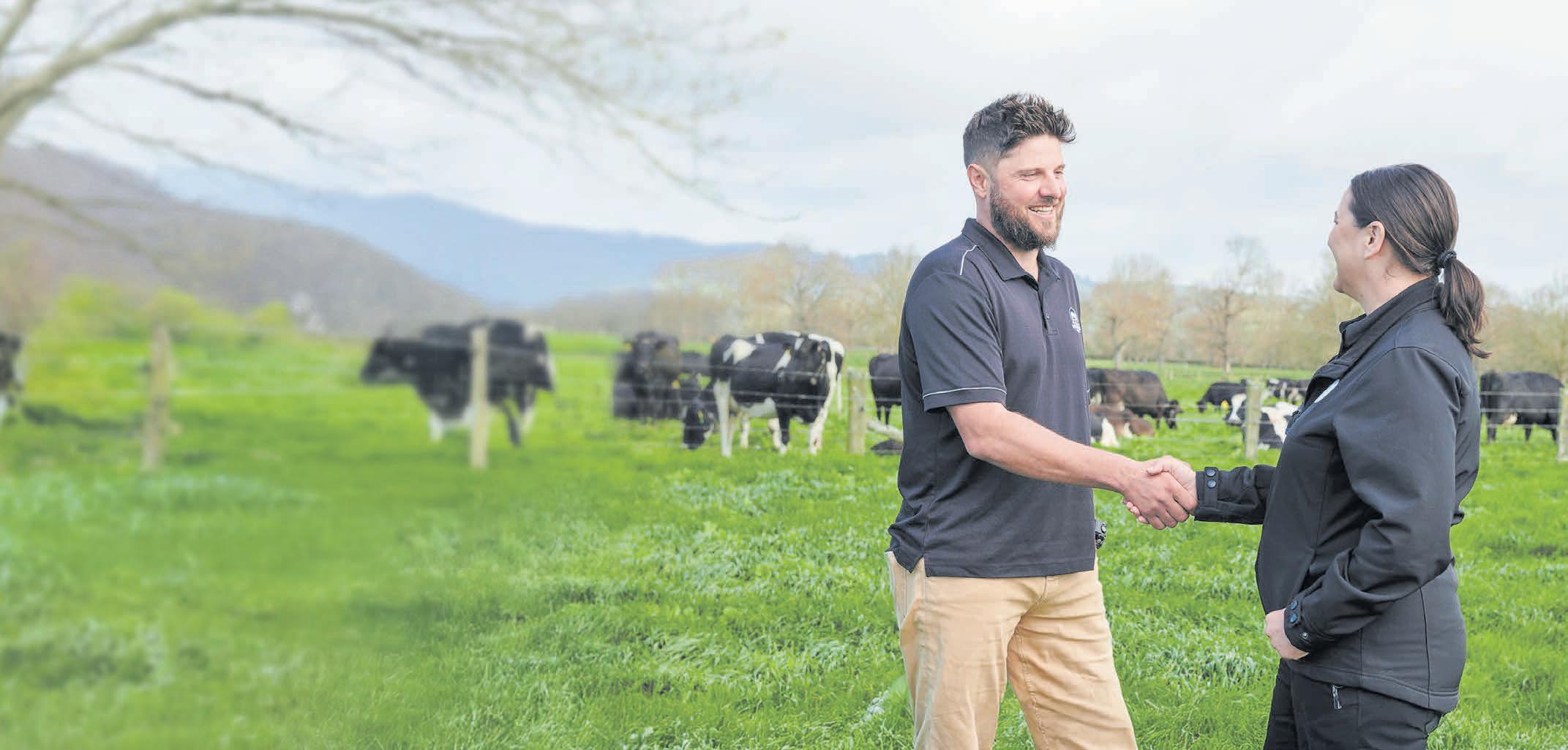


PATTERN: The Dairy Companies Association of New Zealand says the India free trade agreement follows meagre wins for dairy in trade agreements negotiated by National- and Labour-led governments going back more than a decade.
Gerald Piddock PEOPLE Education
TEACHING: Grace Coogan is the first winner of the Fonterra Agri-Teacher Scholarship.
NZ set to roll out Red Dairy carpet
RED dairy cattle breeders from around the world will descend on New Zealand in March, with the international Red Dairy Conference bringing global attention to the country’s pasturebased systems and diverse farming regions.
Held every three years, the conference combines a farm tour with a formal programme of speakers and events. This year’s tour starts in Auckland and finishes in Queenstown 12 days
SEEING RED:
Red dairy cattle, including breeds such as Ayrshire and Milking Shorthorn, will be the focus of discussion and farm visits during the international Red Dairy Conference tour.
later, taking delegates through some of New Zealand’s key dairy regions.
Organiser Russell Tocker said it’s a rare opportunity to showcase the variety in New Zealand dairying.
“They’re going to see a lot of different farming types. We all farm on grass, but Waikato can be summer-dry, there are autumncalving systems, and then down to Canterbury, where irrigation is a big part of the system,” he said.
Around 40 international delegates are expected, alongside a small number of New Zealand farmers who will join for parts of the programme. The tour includes visits to 10 farms, as well as
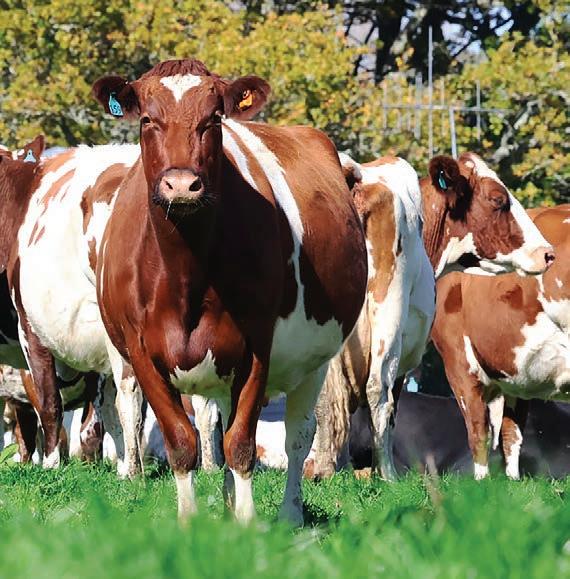
tourist activities in Rotorua and Queenstown and a cruise through Doubtful Sound.
The main conference will be held in Palmerston North from March 6-8, roughly halfway through the tour. From there, delegates will continue visiting farms before heading south.
Speakers are coming from Denmark, Germany, Norway and Finland, alongside two New Zealand presenters sharing local research, including work from LIC and Samen NZ.
Tocker said the conference is open to anyone with an interest in red dairy breeds, and people don’t need to commit to the full tour.
“We’ve got some locals just coming for a day or two, or even just for a dinner event. It’s pretty flexible.”
The programme includes a Youth Report Night, where scholarship recipients share what they’ve learned so far, and a Country Reports session, where each visiting nation presents on their dairy systems and current priorities.
Red dairy breeds include Ayrshires and Milking Shorthorns. In New Zealand they remain niche, with Ayrshires making up just 0.4% of the national herd. There are around 2000 registered Milking Shorthorns.
Tocker farms in Manawatū, milking 740 cows alongside his
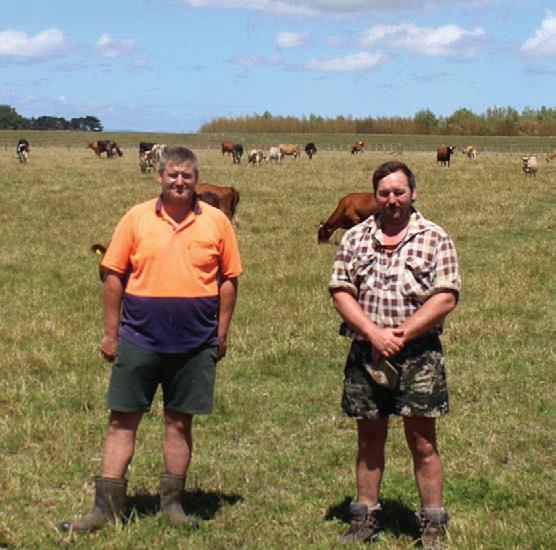
brother Zac. While most of their herd is Friesian and Jersey, Milking Shorthorns are where his personal interest lies.
“I love Milking Shorthorns for their potential.
“They’re not known for high indexes, but that means there’s huge opportunity to lift performance each generation.”
He uses NZ Ayrshire genetics over Milking Shorthorn heifers to produce a smaller-framed cow with strong udders and good capacity.
Tocker is on the Milking Shorthorn sire-proving board and represents New Zealand on the International Red Dairy Breed Federation. He attended the last
DIVERSE: Red Dairy Conference organiser Russell Tocker, pictured with his brother Zac on their Manawatū farm, says the tour will be a great chance to showcase the diversity of New Zealand’s pasturebased dairy systems to an international audience.
Photos: Supplied
conference in Estonia in 2023 and said the experience was eye-opening.
“Their farming was completely different. Long winters, cows housed all year, and forests everywhere. It really makes you appreciate how unique our system is.”
For Tocker, that’s what makes bringing the conference to New Zealand so special.
“This is our chance to show what we do well, connect with breeders from around the world, and keep learning from each other.”
MORE:
Find out more at reddairyconference2026.co.nz
Every health issue in your herd has a cost
Treatments, antibiotics, lost milk, extra labour and involuntary culls all chip away at your bottom line. Often quietly. Often without you noticing. But over a season, those losses add up fast.
The difference is acting early. With smaXtec, you get reliable health data from inside the cow, straight into your pocket – including internal body temperature, water intake and drinking cycles, rumination and activity – so you can detect health issues at the very first immune response, long before clinical signs appear. That gives you time to act, keep cows healthy,
protect production and avoid unnecessary losses.
Proactive health management that pays off
Hayden Slack from Waiuku, Auckland, saw the impact straight away on his 305-cow farm: “We only had one down cow all calving. Before smaXtec we used to have around 10 to 15. The internal temperature alerts picked up milk fever early so we could act straight away. No wasting half an hour minimum on each down cow, no cows lost, no loss of production. I reckon it saved us around $7.5k … and a lot of stress.”
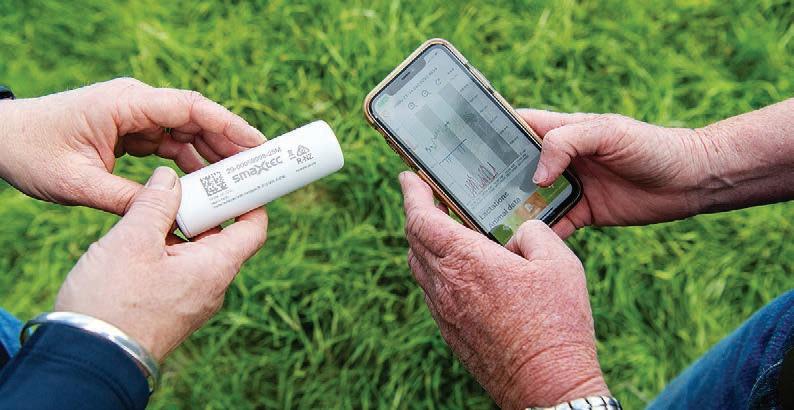
Fewer down cows, less labour, no production losses – and real savings where it counts.
On a larger scale, Sara Russel from Ashburton, milking 750 cows, saw the benefits across her entire operation: “The smaXtec system has saved us around $36,000 in direct antibiotic costs and $6500 in scratchies which we didn’t have to buy for heat detection this season.”
Better health. Better margins
Beyond the obvious savings, smaXtec helps keep your season on track: fewer treatments, no milk losses from withholding, cows reaching peak production without health setbacks and reproduction staying on schedule. These benefits don’t always show up on a single invoice – but they show clearly in the milk tank at the end of the day.
Back smaXtec and make herd health work for your bottom line.
Give us a call on 029 129 7047 or visit www.smaxtec.com/en/ new-zealand/
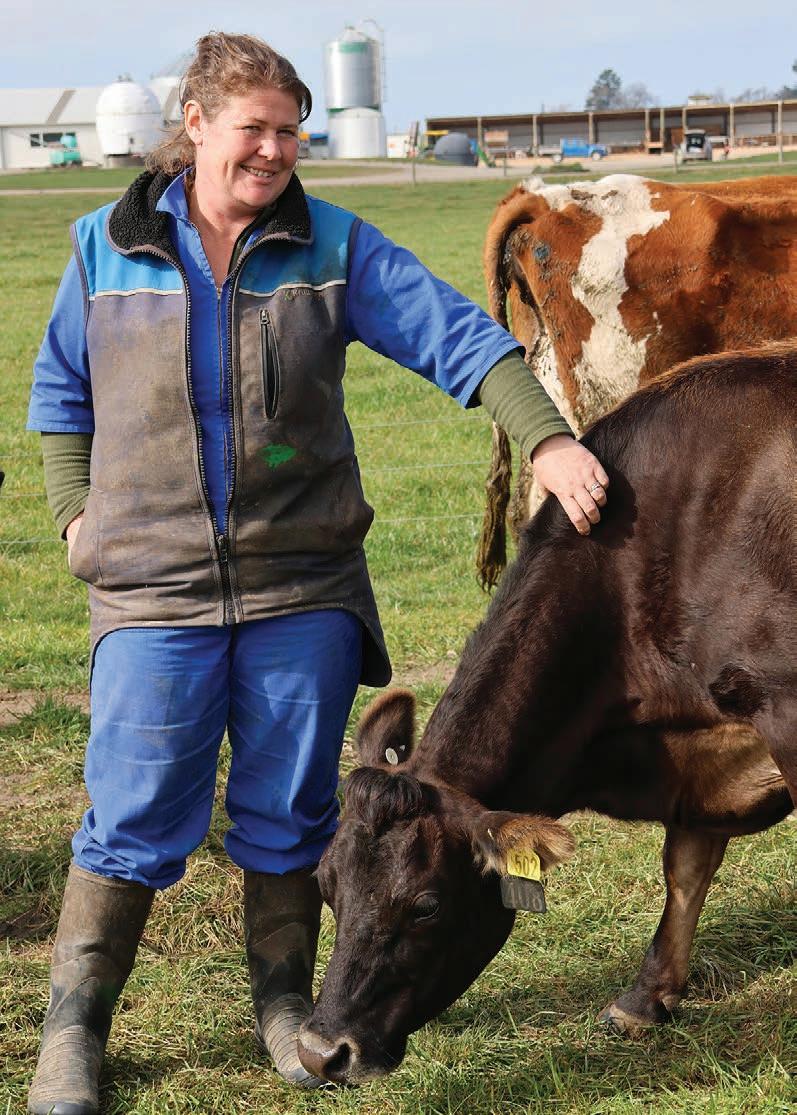
ADVERTISEMENT
Sara Russel, from Ashburton, says the smaXtec system has saved her around $36,000 in direct antibiotic costs.
With smaXtec, you get reliable health data from inside the cow, straight into your pocket.
Samantha Taylor NEWS Dairy













THRESHOLD: The vote will require 75% of Fonterra shareholder votes cast to approve the capital return.
Vote set for Lactalis capital return
was confirmed in December.
Shareholders approved the divestment at a special meeting held on October 30.
Sensors rank quality, yield at every milking
Staff reporter TECHNOLOGY
NEW dairy technology is allowing farmers to rank the performance of individual cows for milk yield and quality at every milking.
FONTERRA will hold a virtual special meeting on February 19, when its shareholders will vote to approve the capital return from the sale of its global consumer and associated businesses, Mainland Group, to Lactalis.
The capital return requires 75% approval of the votes cast at the meeting.
If that threshold is met, Fonterra will seek final court approval to undertake the capital return subject to divestment completion.
The record date for being eligible for the capital return will be within the five business days prior to the payment being made to shareholders and unitholders.
The co-op is expecting to complete the sale of its global consumer and associated businesses, Mainland Group, to Lactalis by the first quarter of this year once remaining regulatory approvals are received.
Lactalis has received approval from Australia’s Foreign Investment Review Board for the acquisition.
OIO approval for the sale
The co-operative is targeting a tax-free capital return of $2 per share to shareholders and unit holders, equivalent to around $3.2 billion, once the sale is complete.
The capital return will be a pro rata return of capital effected by a court approved scheme of arrangement under the 1993 Companies Act.
The process of implementing the capital return involves a share buyback and then cancellation and subdivision of shares. This is so shareholders hold the same number of shares after the capital return as they did beforehand.
It is designed to ensure no shareholder’s compliance with Fonterra’s minimum shareholding requirements or their voting entitlement is affected by the capital return.
The amount paid to shareholders will be treated as a return of capital and not as a dividend for New Zealand income tax purposes. This means the payment will generally not be taxable for shareholders unless made in relation to shares which were acquired for the purpose of resale.
MSD Animal Health’s national commercial manager for automation and monitoring, Austin Heffernan, said the milk yield and quality data, collected by SenseHub Dairy sensors, is automatically transferred to the SenseHub software, which presents it as user-friendly reports.
Heffernan said the individual animal data collected by each sensor allows the performance of every cow in a herd to be ranked at any point in a season for milk yield and several milk quality indicators.
Data on yield and the percentages of fat, protein and lactose for each cow is collected by its SenseHub Dairy MilkPlus sensors, which also calculate the conductivity and check for the presence of blood to monitor for signs of infection.
SenseHub Dairy somatic cell count sensors automatically perform a rapid mastitis test (RMT) within two minutes of cupping for each cow and transfer the results to the SenseHub Dairy software.
Optical warning lights can be installed at the milking point, and these turn green, orange or red depending on the result while each cow is still in the bail, indicating that there may be a potential issue and allowing milking staff to act quickly if necessary.
“The addition of both these sensors will give farmers the data they need to make more informed decisions around breeding, feeding, culling and
drying off their cows,” Heffernan said.
“The data builds a more accurate picture of cow performance for a range of indicators, so our farmers can consider the trends over a longer period of time rather than just the snapshot they get from a herd test on one day in a season.”
Early adopters of the sensors, which are available on monthly subscriptions, are reporting better feed management outcomes and improvements in both their herd mating and culling decisions.
“Having more data available on each cow means our farmers can monitor the impacts of changes in feed and intervene quickly to improve performance if required,” Heffernan said.
“At mating time, more and more farmers are wanting to use high value straws or perhaps sexed semen in their best cows, and mate more of their lower performing cows to beef sires. The extra data collected by our inline milk sensors adds enormously to the selection accuracy of those better performing cows,” he said.
Users see a dashboard display
that highlights problem or at-risk cows, and they can also view and download a range of customisable reports which provide deeper insights into the performance of every cow in the herd for a range of milk yield and quality criteria.
“Our tech team is always working on improvements to the way the data is displayed, so users can expect further enhancements over the coming year or so,” he said.
Daily and weekly yield reports are delivered as standard, along with a combined milk solids report, which builds over the season.
The Herd Shift Summary report provides insight into each milking result by group and compares it to the weekly average. These automated insights enable herd owners and managers to monitor the animals being milked by group, and identify any significant changes in milk production by cow, group and shift.
Both sensors can be retrofitted to herringbone or rotary sheds milking herds fitted with SenseHub Dairy collars.
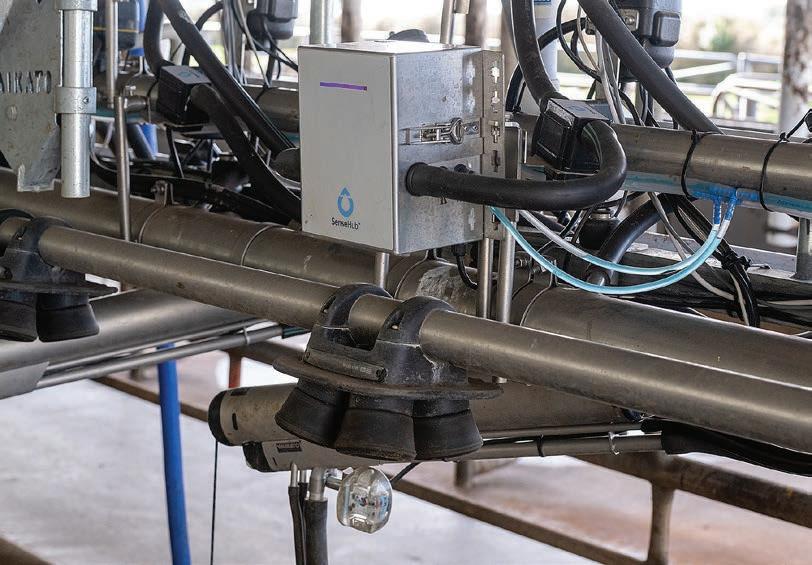




FITTED: Somatic cell count sensors can be retrofitted in both herringbone and rotary milking sheds.
Lessons from the north spread southwards
Hugh Stringleman PEOPLE Dairy
NORTHLAND dairying has much to demonstrate to the dairy industry in the rest of the country, Fonterra’s regional head Mike Borrie believes.
Resilience, sustainability and adaptability are the three key attributes he has witnessed among farmers in the north.
“The management of climate-related impacts and changing community expectations for effluent treatment have been highlights of my time in this role.”
Relationships with the co-operative’s 765 supply farms north of Auckland, all technical support and advisory staff members and the provincial Farm Source stores have been Borrie’s responsibility for the past nine years, one-quarter of the time he has worked in the industry. So far. He has resigned from Fonterra and in early February will take up a new role in DairyNZ, that of chief farm solutions and engagement officer.
His experience before coming to Northland was in Waikato and mainly in retail stores for the co-operative and its biggest legacy company, NZ Dairy Group.
Milk supply aspects and the advent of sustainable dairy advisers and technical specialists were new topics for Borrie and he enjoyed getting to know farmers, sector stakeholders and rural professionals.
“Fonterra has provided so much opportunity for growth and new responsibilities,” he said.
“We have very strong teams in Northland in milk supply, sustainability and retail, which has made my job a lot easier.”
During his decade in the north, sustainability as a company focus began with waterway fencing and riparian planting to improve water quality and has moved on to effluent management and farming intensity to reduce greenhouse gas emissions.
“We have all learned how to meet the new requirements of customers and our farmers have responded magnificently, sometimes ahead of changes in regulations.”
We are ahead of the regulator in some respects, and our team have done a wonderful job working with farmers, with tools to support them.
The numbers of significant noncompliance with discharge and effluent irrigation consents have fallen steadily and from the beginning of this season Fonterra stipulates no discharges to water in its annual terms of supply contracts.
“We are ahead of the regulator in some respects, and our team have done a wonderful job working with farmers, with tools to support them.
“Farmers have invested on-farm in effluent systems and in their management skills.”
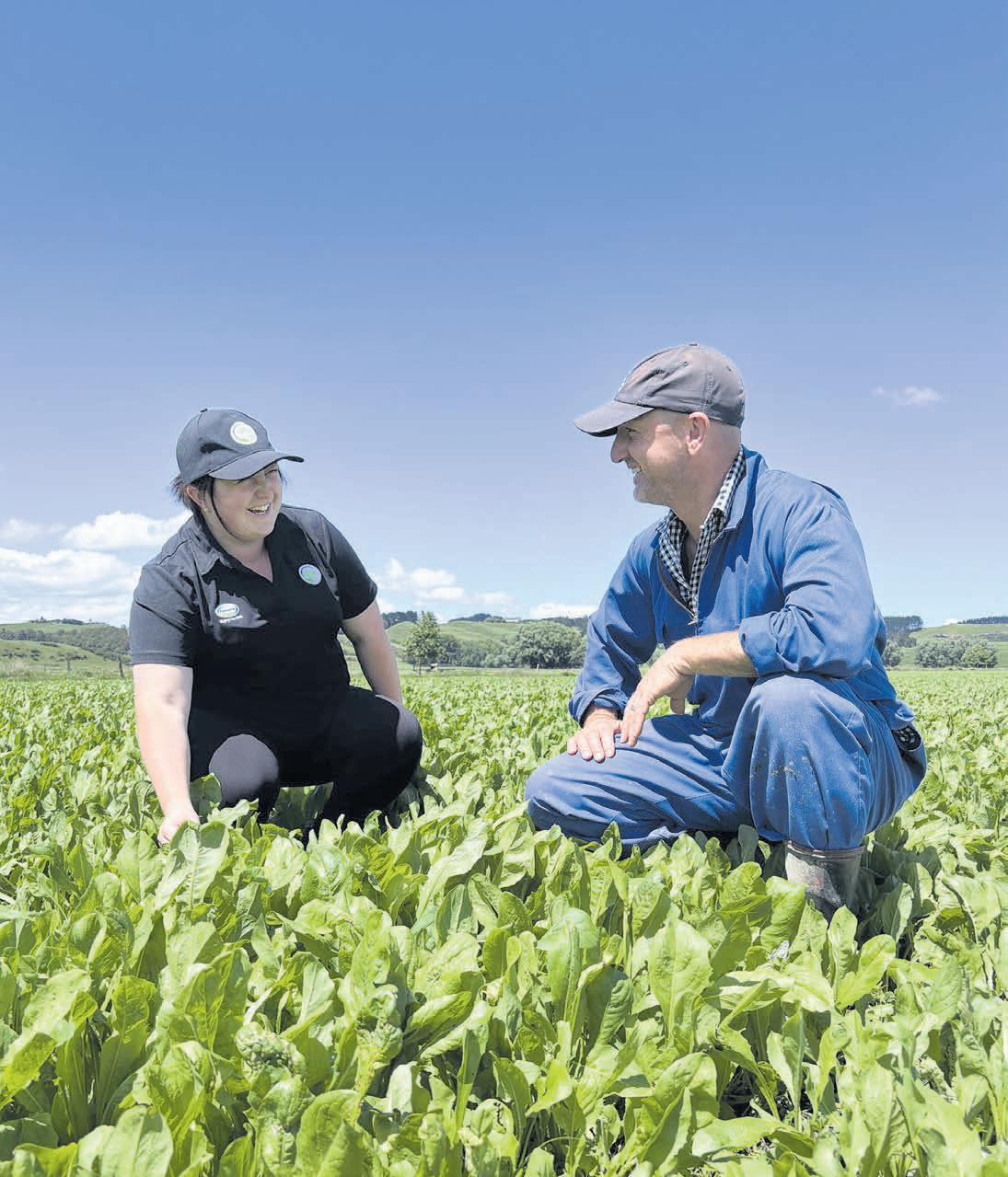
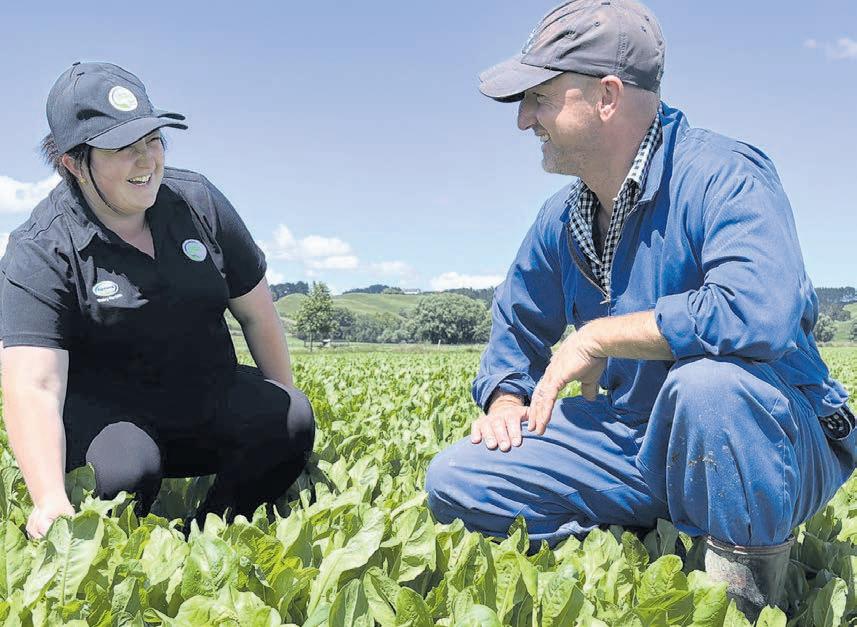
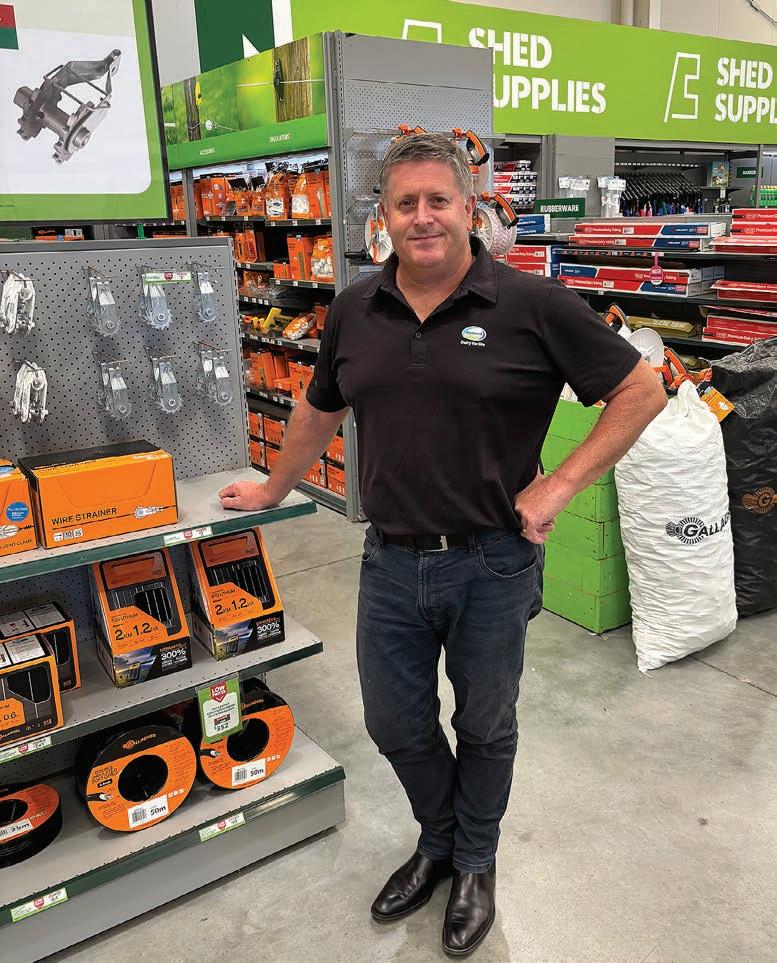
Sometimes with ex-tropical cyclones farming systems get overwhelmed, but that is not the fault of farmers or the regulators.
“In the north, the resilience of farmers and the community collaboration has been impressive.”
Dairy farming in Northland has consolidated over Borrie’s time in the province, from 900-plus farms down to 765 supplying Fonterra currently.
Almost all are owner-operators or share milkers, with a handful of multi-farm families, not corporates.
“The number of supplying farms went down by 25 to 30 each year but the provincial milk production has stayed steady around 85-87 million kilograms.
“Smaller farms exited and consolidated as the regulations and the expectations changed and per cow productivity has grown.
“Another characteristic of northern farming is dairy-beef farms run in association with dairy farms, as closed systems, where the non-replacements are reared and finished.”
Some supply farms are coming back into milk production after periods as drystock units and change of ownership through generations is a constant dynamic.
New resilient pasture and crop species will be trialled on several farms in
Northland and in the same way that kikuyu management was mastered, the province will pioneer adaptation to climate change, he said.
His new role in DairyNZ will continue to have a connection to that programme.
All the benefits of co-operative milk collection and competitive inputs through Fonterra are available to Northland farms as they are with bigger and more intensive dairying regions, Borrie said.
“We get challenged in Northland because there isn’t a choice of company to supply, but the benefits can get lost in the discussion.”
His arrival in Northland coincided with the outbreak of Mycoplasma bovis and the response dictated many on-farm visits and discussions by way of introducing himself.
Another decade-long involvement has been the Kaipara Moana Remediation programme and its predecessors in the Wairua/Wairoa catchment where Fonterra provided expertise and subsidies.
New water storage and irrigation schemes may gravitate towards horticulture as the highest land use, but Borrie believes cropping for supplementary feeding on dairy farms will be encouraged.
“Another industry development is Māori ownership and operation, where we already have over 40 farms in the province.”
Nedap launches in New Zealand
Staff reporter TECHNOLOGY Dairy
DUTCH agri-tech company Nedap has launched into the New Zealand market, making its range of electronic tags, collars, locomotion technology and supporting software available to farmers.
Nedap has a long history in the dairy industry. It claims to have a 40% global market share in livestock management with seven million cows and 10,000 farmers worldwide utilising its technology.
This is backed up by Nedap’s global R&D team.
Oceania Nedap general manager Greg Hamill said the company’s solutions have been available through business partners
here for 20 years – this won’t change.
“Farmers can still access us through those business partners they have previously dealt with, but now they have the ability to come direct to us. It provides another avenue of support.”
Hamill, who was previously the CEO of Maui Milk, said it was exciting to head up Nedap New Zealand and be back to the dairy industry.
“We have technology that will make their farms, and their lives, better, more profitable and more efficient.”
The company’s large scale influences the algorithm behind its technology, he said.
“The sheer volume of animals in the dataset gives accuracy and reliability of information. We pride ourselves on our accuracy, reliability and ease of use.”
Mike Borrie Fonterra
MOVING ON: Fonterra’s Northland regional head
Mike Borrie has a new role with DairyNZ.
FEDERATED FARMERS
Time to pull the plug on outdated water laws
The Government says its resource management overhaul is all about cutting duplication, simplifying rules, and lowering compliance costs.
Federated Farmers fully backs that goal and believes the Natural Environment Bill takes important steps in the right direction.
But in too many areas, the officials who have drafted the legislation have short-changed New Zealanders on Cabinet’s promise of clarity and streamlining.
Water Conservation Orders (WCOs) are a glaring example – farmers and growers are dismayed that these have been left untouched.
These relics date back to the Water and Soil Conservation Act 1967 and were first used in 1981, long before councils needed policies to protect water bodies from being degraded.
Lawyers will be rubbing their hands in glee that WCOs could survive the leap from the old Resource Management Act (RMA) into the new legislation.
WCOs let any member of the public override regional council processes to push for stricter management of freshwater.
Applications go to the Minister, who must appoint a special tribunal to hear the application.
If the WCO is successful, the WCO will set policy objectives the regional council must achieve, even the local community would never have signed up the requirements imposed.
Keeping the orders simply invites more costly, drawn-out legal battles and future freshwater planning headaches.
An example of the duplication caused by WCOs comes from the Ngaruroro River in Hawke’s Bay.
A WCO application lodged in 2015 clashed with the regional council’s own freshwater plan.
The result? Water restrictions imposed on the lower Ngaruroro River catchment through the WCO ended up mirroring the minimum water flow limits the council was already planning in the TANK plan – doubling up unnecessary complexity and red tape.
This came after seven years of submissions, hearings and appeals on the Ngaruroro WCO, which ran alongside the submissions and hearing on the regional plan.
What an absolute waste of rates money and council officer time, never mind the money and energy invested by other parties like Federated Farmers.
WCOs in the proposed new Natural Environment Act would bypass normal policy processes for setting environmental limits.
If regional councils need to give extra focus to protecting outstanding natural water bodies, this can
be achieved through national policy direction.
In fact, even under the current RMA, national policy direction already requires councils protect outstanding natural water bodies. WCOs allow special interest groups to sidestep these processes and regional councils, and establish more rigid and expensive protection than a community would have decided.
This goes completely against a core Cabinet agreed principle for the RMA reform: “Provide faster and cheaper processes with less reliance on litigation, contained within shorter and simpler legislation that is more accessible.”
Federated Farmers argues that the important values of outstanding freshwater bodies can and should be protected under the environmental limits system already established in the Bill.
Existing WCOs can be transferred into the new system by incorporating them into national policy direction, as appropriate.
Keeping WCOs sets us up for future headaches and cost.
For example, there’s no automatic way to review or remove outdated WCO rules if modern freshwater planning rules superseded them.
Revoking an existing rule requires a new application – a process just as tortuous as putting the WCO in place to begin with.
Some WCOs, like the Mataura River

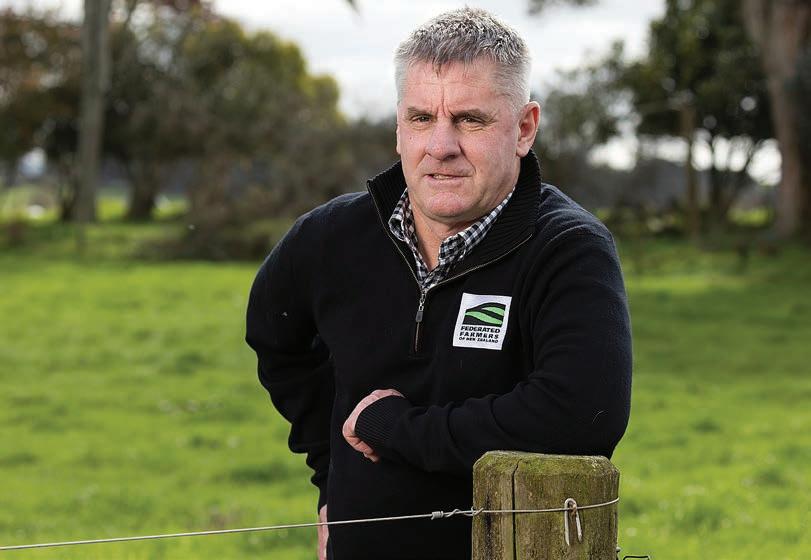
Lawyers will be rubbing their hands in glee that WCOs could survive the leap from the old Resource Management Act (RMA) into the new legislation.
Colin Hurst Federated Farmers freshwater spokesperson
case, have taken up to 13 years to resolve.
This is clearly an inefficient way to go about updating rules.
The WCO process relies on submitters having the time, money and resources to navigate the extensive submissions and hearings.
In their evidence, applicants can conveniently ignore anything that doesn’t support their argument.
Not only is applicants’ analysis
likely to be one-sided, but the decision-making mechanism is also lopsided.
And only those submitters with deep pockets have a chance of pursuing greater scrutiny of WCO decisions through the courts.
All of this shows why WCOs are a poor way to manage scarce freshwater resources that everyone relies on.
Federated Farmers calls for WCOs to be removed from the Natural Environment Bill, with protections for outstanding freshwater values integrated into national policy direction.
We also want to see a separate process introduced to get rid of existing WCOs while protecting sensible existing water allocations for irrigation.
Let’s get this right from the start and avoid embedding unnecessary duplication into how we manage our land, water and development.
SIDEWAYS STEP: Retaining Water Conservation Orders in the new resource management legislation simply invites more costly, drawn-out legal battles and future freshwater planning headaches, Colin Hurst says.
Colin Hurst Federated Farmers Vice President and freshwater spokesperson
Awards a chance to honour farming’s quiet achievers
For Bridie Virbickas, winning a major award at last year’s Primary Industries New Zealand Awards came as a complete surprise – but one that proved deeply affirming.
Nominations for the 2026 awards are now open, and Virbickas is urging people across the sector to take a moment to recognise those quietly making a difference.
“I struggle with a lot of imposter syndrome,” says Virbickas, who won the Emerging Leader Award in 2025.
“When I was first nominated, my reaction was, ‘Absolutely not – there are so many more deserving people.’
“But to then be named a finalist, and to hear the things I’d done reflected back to me, was incredibly validating.
“It made me realise that I actually am achieving things and doing good work.”
Virbickas, Federated Farmers Bay
of Plenty sharemilker chair, says that sense of validation is one of the most powerful aspects of the Primary Industries Awards, particularly because people don’t nominate themselves.
“It’s not like entering an award where you decide you want to win something,” she says.
“This is different. It’s about people around you noticing the work you’re doing and taking the time to acknowledge it.”
For Virbickas, feedback from the judging panel highlighted strengths she hadn’t fully recognised in herself, especially around leadership.
“There was a strong focus on the need for leaders who are out there doing the mahi,” she says.
“Not necessarily people climbing ladders or putting their hands up for everything – but those quietly getting on with it and making a real difference.”
The Primary Industries New
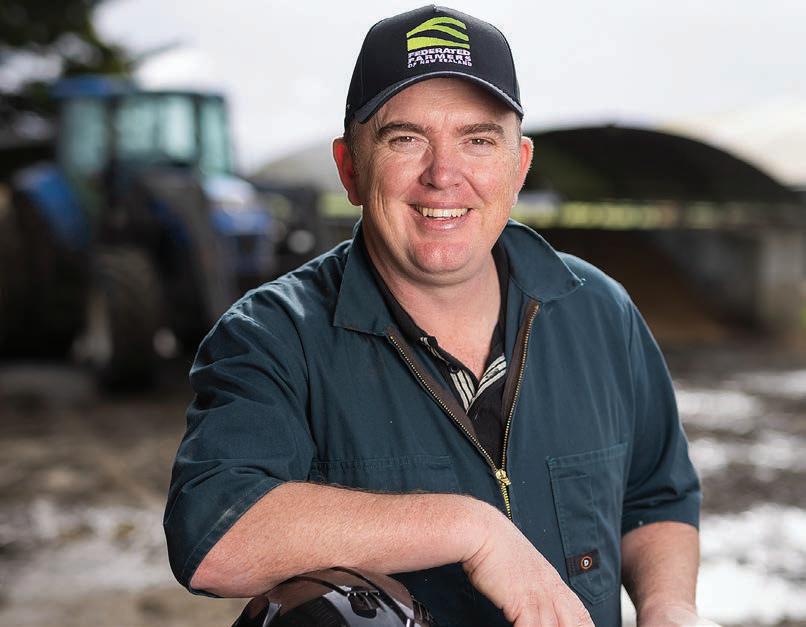
Zealand Awards are presented by Federated Farmers and Brightstar, and form part of an annual two-day summit.
The awards celebrate excellence, innovation and collaboration across the food, fibre and farming sectors.
Federated Farmers president Wayne Langford says the awards showcase the full breadth of talent across the primary sector.
“These are the flagship awards for the primary industries – from farming and horticulture through to forestry, fisheries and the many businesses that support them,” Langford says.
“They’re our chance to step back and recognise the people and teams who are helping move the sector forward, often without any expectation of recognition.”
Langford says the awards are deliberately broad, reflecting the interconnected nature of the sector.
“This isn’t about one industry or one region,” he says.
“If you’re contributing to New Zealand’s food and fibre story, this is the award programme for you.”
Since receiving her award, Virbickas says the confidence boost has carried through into her governance work, particularly her role with AgRecovery, which helps reduce farm waste.
“It’s really helped me feel like I belong in those rooms,” she says. “Like, ‘Yeah – you’ve actually got this.’”
She believes the Primary Industries Awards play an important role in backing the next generation of leaders, especially those who may not see themselves as award material.
“Even just being nominated or becoming a finalist is hugely affirming,” she says.

Awards categories include:
It made me realise that I actually am achieving things and doing good work.
Bridie Virbickas
Emerging Leader Award winner in 2025
“It helps you see what you’ve already achieved – and what you could go on to achieve.”
Her message to those considering nominating someone is simple.
“Look for the quiet achievers, the people on the ground doing great things, who would never put themselves forward.
“This is the chance to make sure they don’t go unnoticed.”
Nominations for the awards open on 29 January and close on 24 March 2026, with nominations open to individuals, teams and organisations.
Winners will be announced at the awards ceremony on 23 June 2026 at The Cordis in Auckland.
Go to brightstar.co.nz/events/ pinz to make a nomination and to purchase tickets for this year’s summit on 23 and 24 June.
Emerging leader award –recognising individuals new to the sector who demonstrate leadership, commitment and passion.
Champion award – acknowledging unwavering commitment to a cause or initiative with significant impact.
• Team & collaboration award – celebrating teams that have worked together to solve problems and overcome challenges.
• Technology & collaboration project award – recognising innovation that supports rural communities and productivity.
• Food, beverage and fibre product award – celebrating a standout food, beverage or fibre product.
• Guardianship & conservation award (kaitiakitanga award) – recognising leadership in conservation and guardianship.
• Outstanding contribution to New Zealand’s primary industries award – honouring long-standing service and dedication.
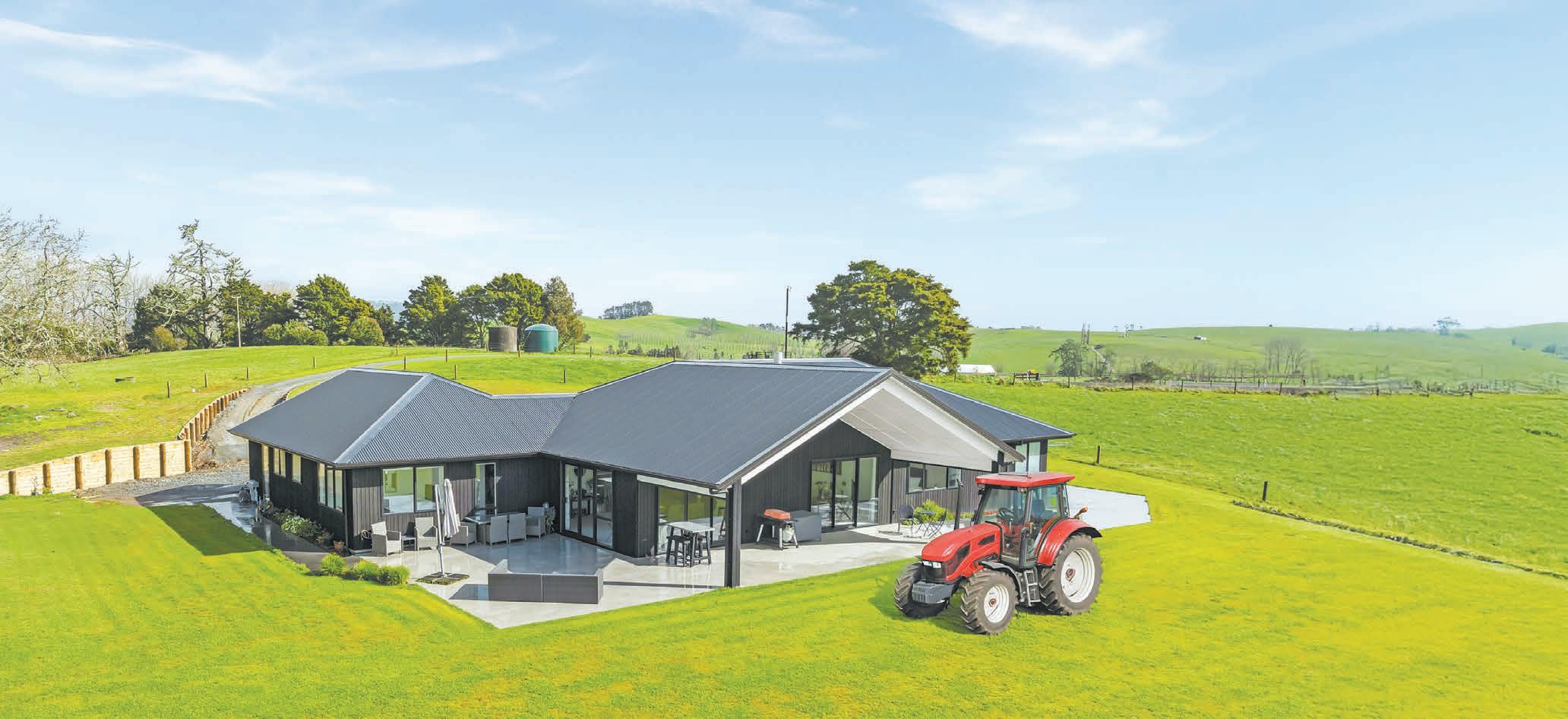
VISIBILITY: For Bridie Virbickas, the Primary Industries New Zealand Awards shine a light on leadership that often goes unseen across the sector.
SHOWCASE: Federated Farmers president Wayne Langford says the awards recognise the people and teams moving the sector forward.
Federated Farmers
Young goat farmer finds her niche in Feds
As a small-scale Angora goat farmer, Anna Agnew isn’t your typical Federated Farmers leader, but she’s found ways to contribute – and to help her own farming journey.
At age 31, Agnew is the youngest member of the Feds Northland leadership team by a long shot, but she feels right at home.
“Before I joined the Federated Farmers executive, I’d been pretty much in my own bubble, with my lifestyle block size of operation.
“It’s been really interesting talking to these other guys in Feds –some of them seem like they’ve been farming forever!
“I’ve enjoyed the opportunities that come from it too, like going to the Primary Industries Summit last year and learning more about what’s happening in farming at a national and international level. That stuff is pretty cool.”
Agnew is on the board of Mohair Producers NZ, which has close links to the Federated Farmers goat industry group.
She hasn’t persuaded anyone
else on the Northland leadership team to get into Angoras yet – but she’s working on it.
“The number of Angora goat farmers in New Zealand has declined, but the opportunities are increasing.
“There’s good returns from mohair, and the goats are easy to incorporate into other farming systems, with a number of benefits.”
Our message to farmers is that there’s good money in Angora goats – their fibre is not just something you put around the apple trees.
from the domestic warehouses for processing and turning into blankets, socks and yarns for knitting.
Angora goats are shorn twice a year, returning about $80 an animal per time.
“The finer, lower micron fibre from young goats fetches about $35 a kilogram and that can push up to $50 for kids’ stuff, but then you don’t get as much off them,” Agnew says.
“Mohair from older goats drops to about $25 and the daggy stuff $8 –but that’s still better than sheep wool, right?”
Agnew grew up on her parents’ dairy farm north of Whangārei, one of five siblings vying for her turn on the quad bike.
She gained a Bachelor of Science degree from Auckland University but was glad to get back home to the farm.
New Zealand’s mohair is mostly exported to South Africa – the world’s hub for the fibre – where it’s auctioned to major fashion brands and buyers from Italy and Japan.
The likes of Wild Earth Yarns in Christchurch also buys mohair
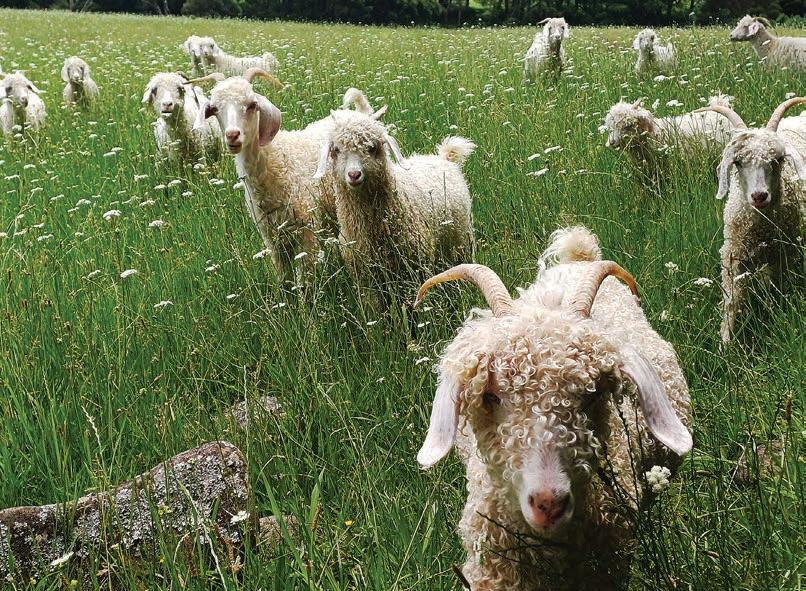
“I didn’t take to the city – too noisy, and not much fun as a poor student.”
She now works at a Whangārei laboratory and specialises in quality testing of roading and construction materials.
However, she keeps her farming ambitions alive thanks to her parents allowing her to run her Angoras on a 30ha run-off block.
Another keen interest is growing organic elephant garlic, which she sells to Northland grower markets.
She’s run up to 100 Angoras in the past but is now down to 40 – a more manageable number given her day job.
She trims their feet and has learned how to shear them herself.
“Growing up, I’d had this picture in my mind of farming sheep. We’d never had goats but I soon found I liked them way better than sheep, and I’ve stuck with them ever since.
“Goats have way more personality. They’re so chill and super easy to tame.
“They’re pretty food-motivated. Once they know you, and you’ve got
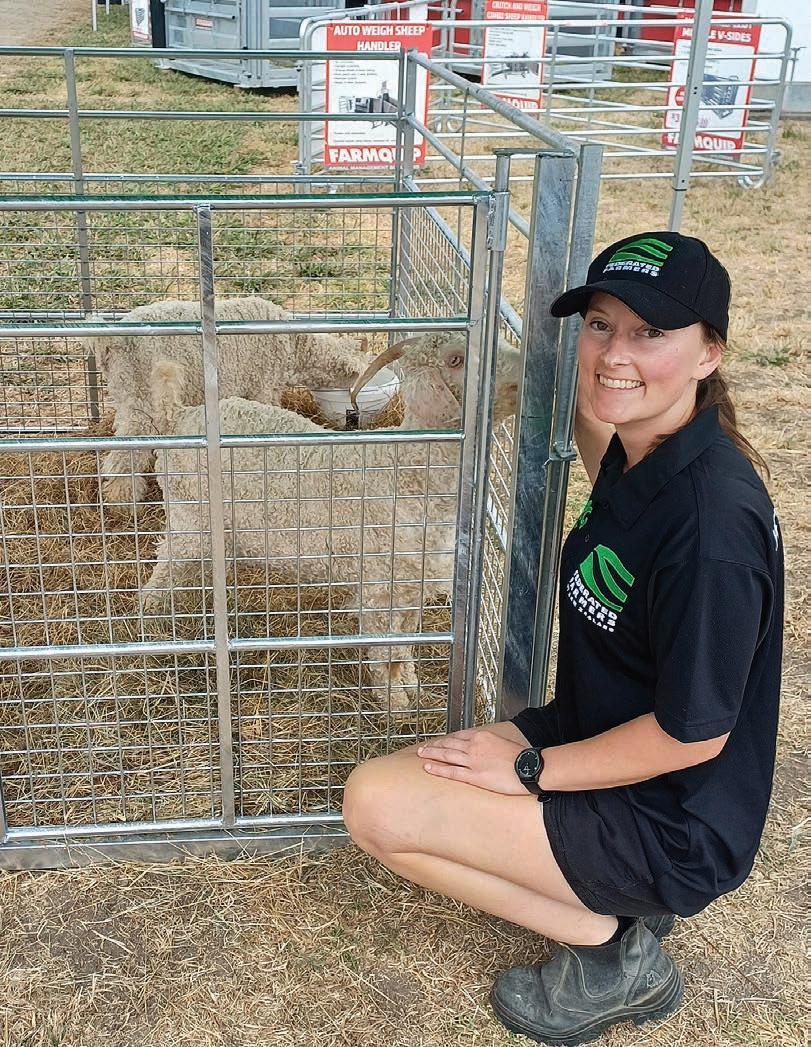
food, they’ll come up for cuddles and stuff.
“You’ve got to watch the older kids; they try to chew on my hair.”
Agnew takes her goats to A&P shows, where they’re a huge hit with children and parents.
The shows double as a chance to spread the word about the benefits of mohair production.
There are 10 Angora goat farmers in Northland and roughly 120 nationwide. That’s a huge drop from the 1980s boom years, when speculation spurred by tax breaks saw corporate investors bump up the price of bucks into the tens of thousands of dollars.
That all imploded with the economic reforms of Rogernomics, and Agnew says there’s still a reputation hangover among older farmers.
“At the same time, there’s a
growing recognition of how well Angoras slot into other farm systems – particularly as a strategy to manage worms,” Agnew says.
“Goats and cattle are susceptible to different types of worms, so having goats on can help reduce pasture contamination for the other species.” Agnew says she’s had great support from Michael Woodward, who she co-chairs the Federated Farmers goat industry group with.
“We’re both really invested in the mission to grow the number of Kiwi mohair producers.
“The more we have, the easier to fill those containers heading for auction offshore.
“Our message to farmers is that there’s good money in Angora goats – their fibre is not just something you put around the apple trees.”
Anna Agnew Federated Farmers Northland goats chair
GROWING: The opportunities are increasing for Angora growers, Anna Agnew says.
FIBRE THAT PAYS: Anna Agnew and her angora goats are a hit with families at field days and A&P shows, and she thinks mohair is a very useful income stream more farmers should investigate.
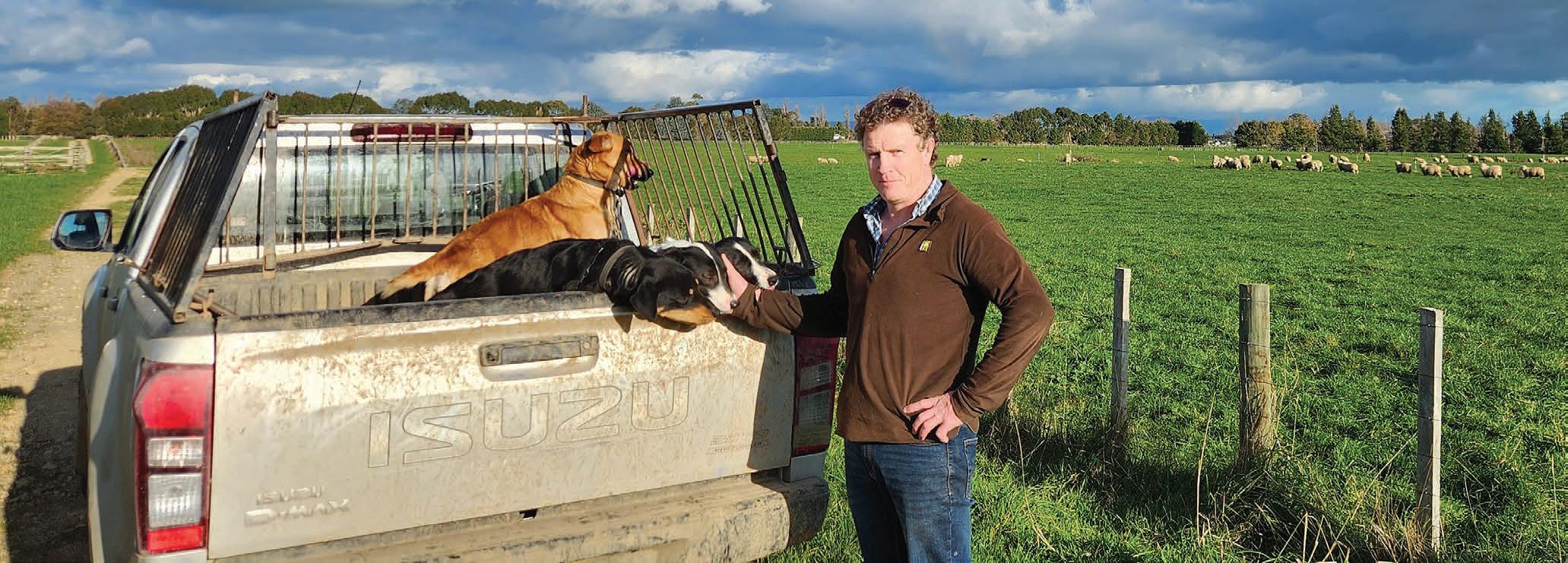
Consent horizon for farmers stuck in limbo
Agroup of Horizons region dairy farmers stuck in consenting limbo for a decade may finally have a way forward, but Ian Strahan says their sorry saga is a symptom of a broken system.
“I’m proud Federated Farmers’ advocacy has been central to delivering more certainty to these 167 farming families, stuck in a bureaucratic nightmare through no fault of their own,” the Feds Manawatū-Rangitīkei president says.
“It’s a terrible example of how unworkable rules from almost 20 years ago have moved at snail’s pace through tortuous council and legal processes, to end with a ruling that is an untidy compromise.
“It also highlights why stripping out the RMA’s complexity, delays and costs with what the Government is now proposing is so important.” Horizons had prepared their regional One Plan based on nitrogen (N) loss levels estimated by the nutrient modelling tool Overseer.
A 2015 Overseer software update left 167 dairy farms in sensitive
catchments without a pathway to consent.
The updated software estimated N losses had risen by as much as 60% in some cases, even with no change in on-farm practice.
The farmers could no longer comply with local rules.
Spurred by Horizons council inaction to tackle this perceived non-compliance, Fish & Game and the Environmental Defence Society in 2017 applied to the Environment Court to make the council enforce the One Plan.
This led to Horizons bringing in Proposed Plan Change 2 (PC2) to provide a workable consenting pathway for the affected farmers. Fish & Game and others again appealed. Federated Farmers joined the proceedings to support the council’s endeavours to enable the farms to gain consent as a controlled activity.
One option was a Nitrogen Risk Assessment Tool (NRAT), similar to the nitrogen scorecard Fonterra uses with its suppliers to ensure milk solids are produced with a
low N-footprint. This doesn’t use Overseer, instead relying on a high to low risk ranking based on onfarm practices, with some climatic assumptions.
A second option was a Specified Reduction Pathway (SRP). Dairy farmers in sensitive catchments would have to reduce N leaching by 20% from a 2012 baseline –or to the 75th percentile of the catchment they’re in – within two years of PC2 becoming operative.
Strahan says SRP still relies on Overseer to model N-loss but the target is “more workable” than the original N limits in the One Plan.
In a ruling released last month, the Environment Court rejected the NRAT pathway as not being sufficiently developed to meet the purposes of the RMA.
It approved the SRP pathway in principle, subject to details about definitions being finessed.
Strahan says a 20% reduction off each farm’s 2012 N-loss baseline is still going to be tough but the farmers now have a pathway to a controlled activity consent giving
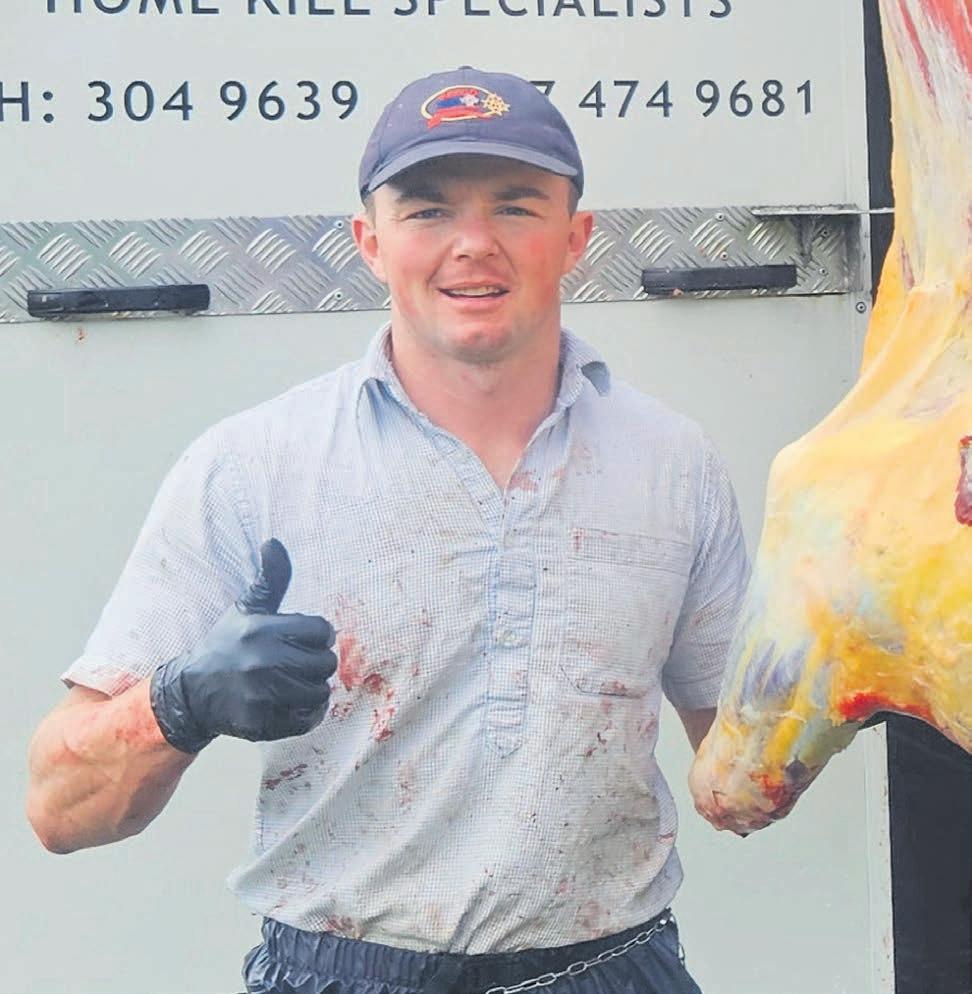


them certainty for the next 10 years.
“It’s a victory for us but it still moves away from a risk-based approach and requires the use of Overseer, which has been universally slammed as not accurate enough for use for regulatory purposes.
“The Environment Court has been forced to make a ruling and they’ve gone down the middle of the road, relying on a tool that can be inaccurate.
“I don’t know that they’ve made anyone particularly happy.”
Following criticism in 2018 by the Parliamentary Commissioner for the Environment and Federated Farmers, the government commissioned an independent scientific review of Overseer.
The findings, released in 2021, found Overseer was not fit for purpose as a stand-alone regulatory tool for estimating N loss.
The review said the model’s structure, use of average climate data, and omission of certain nitrogen components and episodic events made its predictions uncertain in many situations.
Why
“Horizons has been taking a different approach in light of those identified shortcomings,” Strahan says.
“Instead of solely relying on modelled Overseer N-loss number, the council shifted its enforcement focus to ensuring farmers were implementing on-farm mitigations committed to in their consent applications and management plans.
“That’s why the council proposed the NRAT pathway, and why we backed that too.
“It’s frustrating with this ruling that Overseer is still being relied upon.”
Strahan says new resource management laws coming in, with a predicted halving of consent numbers and emphasis on practical and workable Farm Environment Plans, can’t happen soon enough.
“Food production and environmental protection aims can be served, without farmers being strangled by red tape.
“Five years from now, we’ll look back and shake our heads over the time and money we’ve wasted under the current system.”

COMPROMISE RULING: Ian Strahan is proud that Federated Farmers’ advocacy has helped steer a consent pathway for dairy farmers but says it’s a shame the Environment Court-approved method relies on Overseer.
Mangamahu 3104 Mangamahu Road
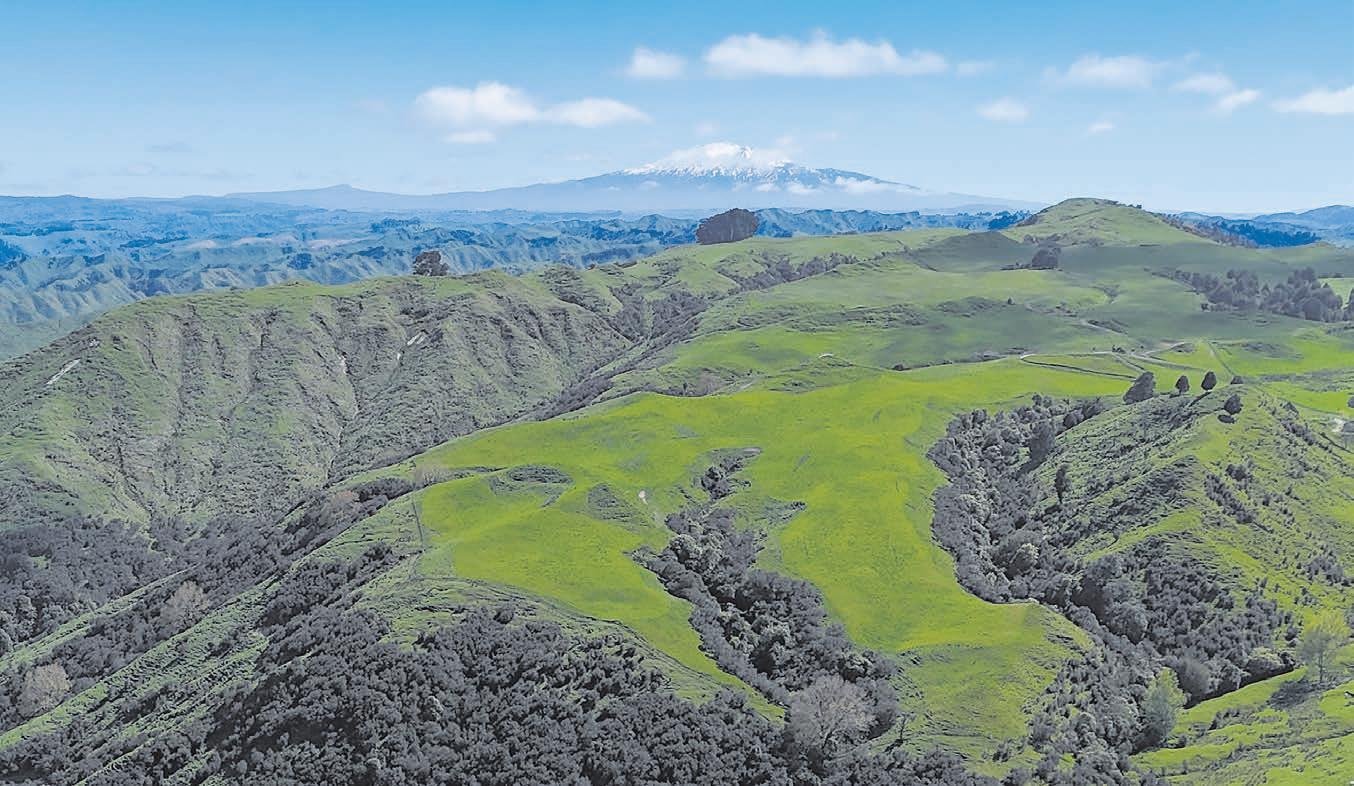
Breeding unit with scale and history
Set in the renowned Mangamahu district Inzevar Station offers an opportunity for the first time in 129 years. Currently run by the fourth and fifth generation, the family have decided it's time for a change in direction, we are delighted to offer this substantial breeding unit to potential buyers through a tender process
Consisting of 981 hectares (approx) of mainly steeper class 5-7 contours with a small area of flats and easy rolling country around the front and middle of the property. Currently carrying 6,200 SU the potential to increase would be driven by fertiliser and a scaling down of the current Manuka honey production. Infrastructure includes 3 houses, quality woolshed and sheep and cattle handling facilities. This property offers scope as a stand-alone enterprise or an addition to an established operation looking to add to their breeding base.
Dannevirke 493 Smith Road
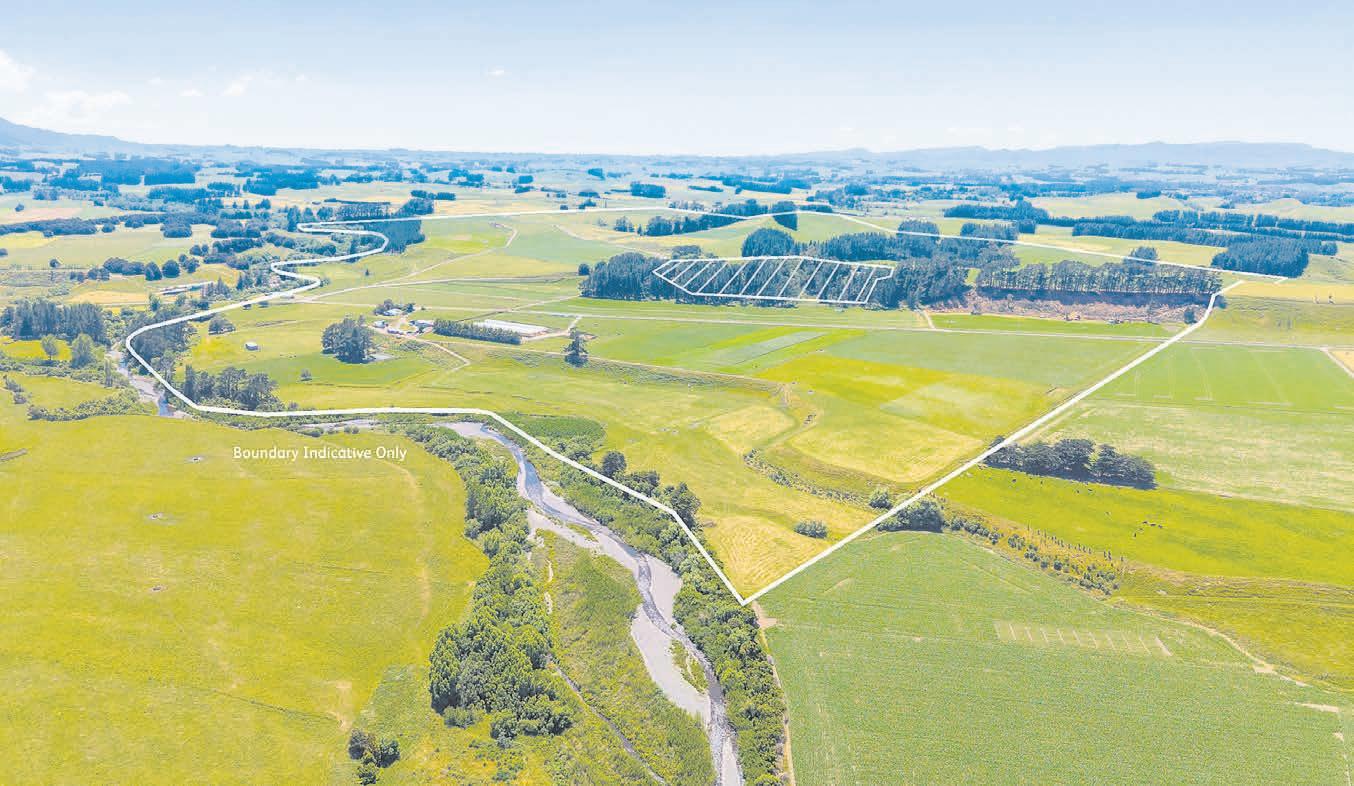
Quality dairy platform - 156 ha (STS)
Located at 493 Smith Road in the well regarded Ruaroa farming district, this well established 156 ha (STS) dairy farm offers a proven production platform in a sought after farming area. With approximately 130 ha classified as milking platform, the farm is currently milking around 380 cows and producing approximately 145,000 kgMS annually. The property operates efficiently on predominantly flat to easy rolling contour, supporting strong pasture performance and ease of management. Milking facilities include a 28 ASHB dairy shed, complemented by a herd home and loafing barn, providing flexibility within the farming system. Supporting infrastructure is well developed and includes a 250 tonne concrete floor silage pit along with multiple implement and storage sheds. Accommodation is well catered for with two dwellings, well located on the farm, offering practical options for owners, managers or staff Available as a complete dairy business or multiple purchase options. *Subject to Survey.
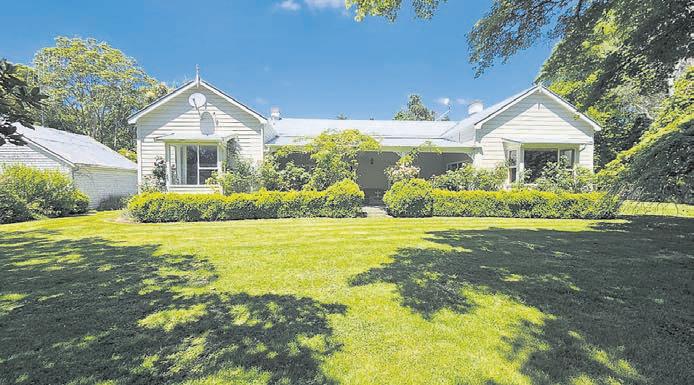
11 3
Tender closes 2.00pm, Thu 5th Mar, 2026
View Tue 10 Feb 11.00 - 12.00pm
Web pb.co.nz/WGR215030


Paul Gilligan M 027 354 7171 E paul.gilligan@pb.co.nz
Mark Lourie M 027 273 3458 E markl@pb.co.nz
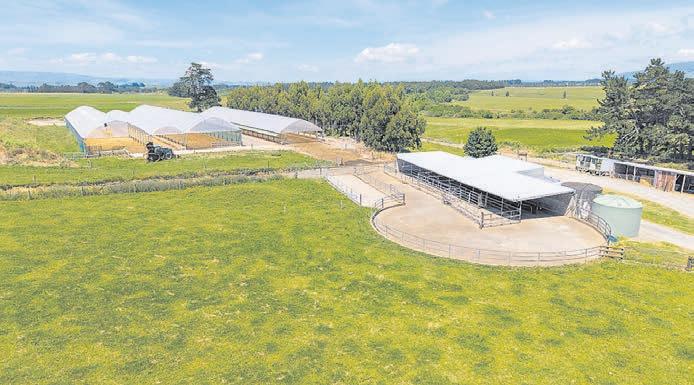
Tender closes 2.00pm, Fri 6th Mar, 2026, Property Brokers, 4 Stanley Street Dannevirke
View By appointment
Web pb.co.nz/DR215764


Sam McNair M 027 264 0002 E sam.mcnair@pb.co.nz
Jared Brock M 027 449 5496 E jared@pb.co.nz
Rangiwahia 519 Main South Road
Grandbend - High efficiency dairy platform
Tender
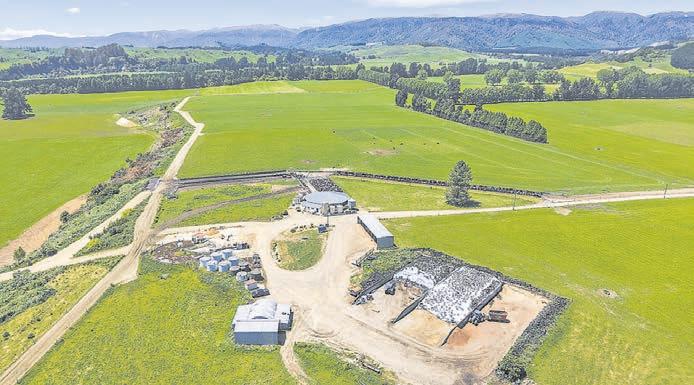
Grandbend presents a large-scale, high-performing dairy operation in the summer-safe Northern Manawat?, supported by centralised infrastructure, modern technology and proven production. The 509 ha freehold property includes a 330 ha milking platform, complemented by approximately 30ha of sidling used for dry cow or beef grazing Peak milking 950 cows, producing 418,942kgMS in the 2024/25 season, tracking 19.6% ahead of last year, with a target of 485,000kgMS for 2025/26. Free-draining soils, extensive race development and expected pasture growth of 14t DM/ha underpin consistency and efficiency. Infrastructure includes a 60-bail rotary, two feed pads, Halter technology, three houses and a single man’s quarters.
Non-binding expressions of interest close 11am, 25/2/2026.
Kiwitea 1974 Kimbolton Road
Te Marama - Large scale dairy operation
Tender
Te Marama is a large-scale dairy farming opportunity offering scale, efficiency and quality infrastructure in a soughtafter location close to Feilding. This well-balanced 429 hectare property combines a 330 hectare milking platform with 23 hectares of dedicated support land, providing strong on-farm feed production and wintering flexibility across highly fertile, free-draining soils. Te Marama is peak milking 922 cows and produced 393,787 kgMS in the 2024/25 season, currently tracking 16.9% ahead of last year with a target of 450,000 kgMS for 2025/26 Infrastructure includes a wellequipped 50-bail rotary dairy with modern plant and systems, supported by two feed pads for efficient feed management. Five houses across the property provide excellent accommodation options With proven production, quality improvements and genuine growth potential, Te Marama represents a turnkey dairy operation of scale
Non-binding expressions of interest close 11am, 25/2/2026.
Tender closes 11.00am, Wed 25th Feb, 2026, Property Brokers, 54 Kimbolton Road, Feilding View By appointment Web pb.co.nz/FR218001


Blair Cottrill M 027 354 5419 E blair@pb.co.nz
Ted Shannon M 021 833 536 E ted.shannon@pb.co.nz
Tender closes 11.00am, Wed 25th Feb, 2026, Property Brokers, 54 Kimbolton Road, Feilding View By appointment
Web pb.co.nz/FR217909
Blair Cottrill M 027 354 5419 E blair@pb.co.nz
Ted Shannon M 021 833 536 E ted.shannon@pb.co.nz
Scan for more
Tiakitahuna 1685 State Highway 56
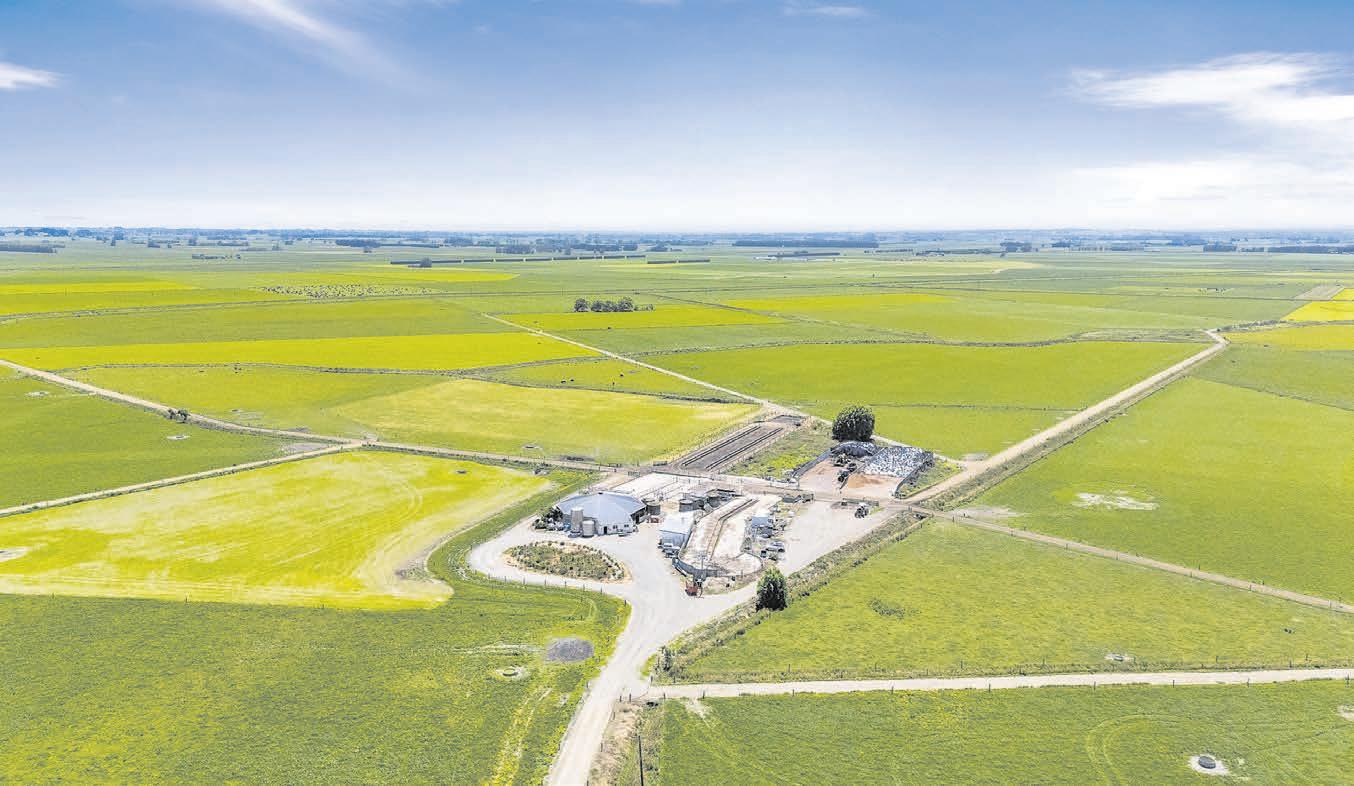
Waihora - High performing dairy operation
Waihora is an exceptionally well-presented, high-performing dairy enterprise offering a simple, efficient layout, strong free-draining soils and a proven history of excellence Located just five minutes from Palmerston North, the property benefits from long-term management and substantial scale including long-held lease land. Comprising 267ha freehold plus 92ha transferable lease, peak milking 1,000 cows, producing 435,421kgMS in 2024/25, currently 7.4% ahead of last season, with a target of 461,000kgMS for 2025/26. Flat contour, free-draining silt loam soils, strong fertility, a highlevel of pasture renewal and summer cropping provide optimal feed production. Infrastructure includes three dwellings, a well-maintained 60 bail rotary dairy with automatic cup removers, auto drafting, feed pad and a updated effluent system.
Non-binding expressions of interest close 11am, 25/2/2026.
Tiakitahuna 1372 Rangitane Road
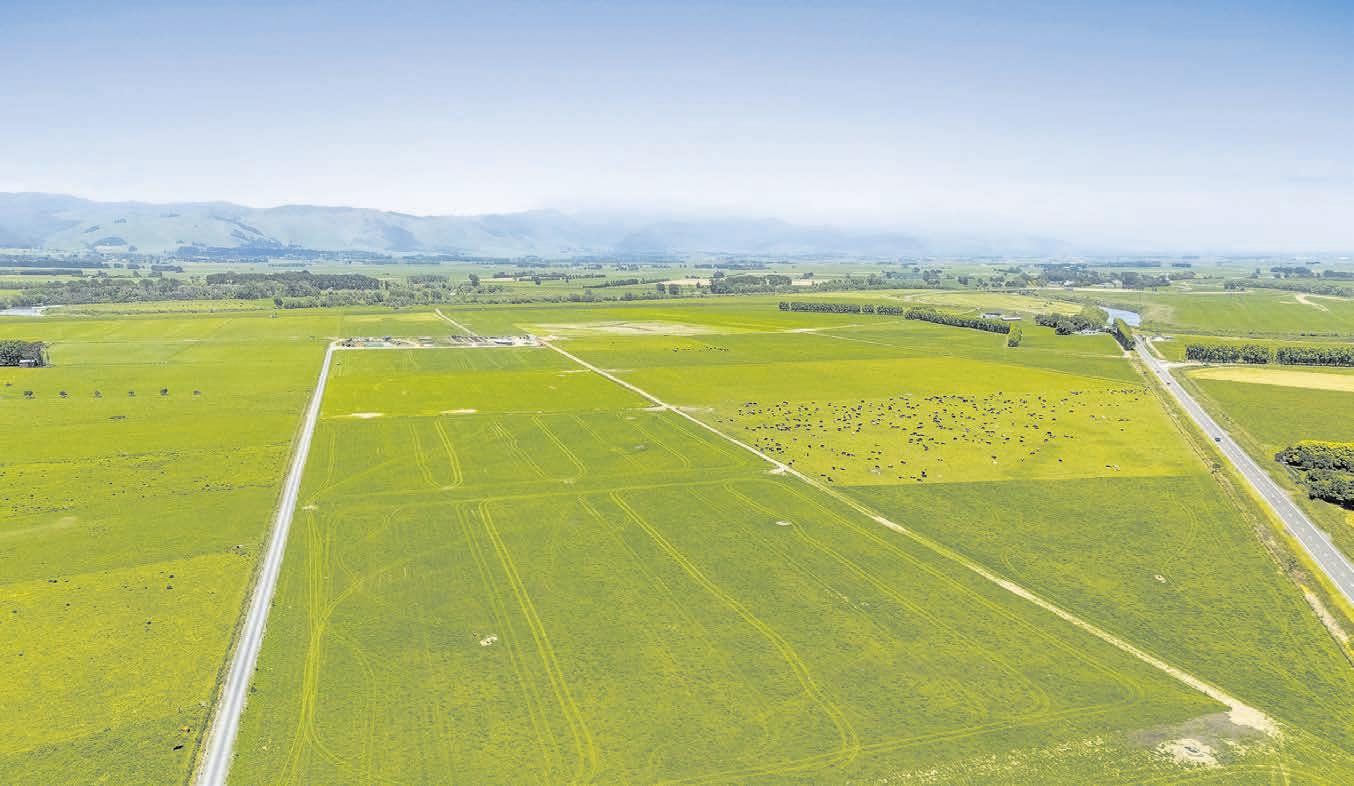
Tollbridge - Well balanced dairy farm
Tollbridge presents a well-balanced, mid-sized dairy operation with strong soils, reliable irrigation and modern infrastructure supporting efficient farm management. Located close to town and complemented by additional leased land, the property offers both security and flexibility. The farm comprises 201 ha freehold plus a 40 ha transferable lease, creating a practical farming footprint. Irrigation covers 100 ha, ensuring consistent pasture growth. Peak milking is 620 cows, producing 283,255 kgMS in the 2024/25 season, up 5.7% year on year, with a 2025/26 target of 307,000 kgMS. Winter milking includes 246 cows. Infrastructure includes a 40-aside herringbone cowshed, 500-cow feed pad, loadout yards and a new Kliptank effluent pond Two houses provide flexibility for staff or family living. A capable operation offering long-term farming security.
Non-binding expressions of interest close 11am, 25/2/2026.
Tender closes 11.00am, Wed 25th Feb, 2026, Property Brokers, 54 Kimbolton Road, Feilding View By appointment Web pb.co.nz/FR218380
Blair Cottrill M 027 354 5419 E blair@pb.co.nz
Ted Shannon M 021 833 536 E ted.shannon@pb.co.nz
Tender closes 11.00am, Wed 25th Feb, 2026, Property Brokers, 54 Kimbolton Road, Feilding View By appointment Web pb.co.nz/FR218197
Blair Cottrill M 027 354 5419 E blair@pb.co.nz
Ted Shannon M 021 833 536 E ted.shannon@pb.co.nz
Scan for more
Opiki 145 Campbells Road
Blythe farm - Fertile dairy unit with scale
Tender
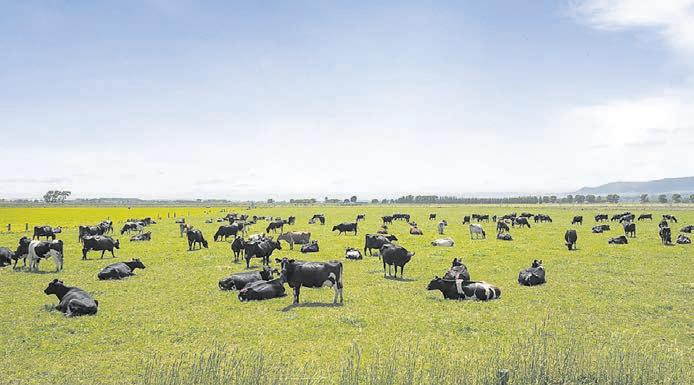
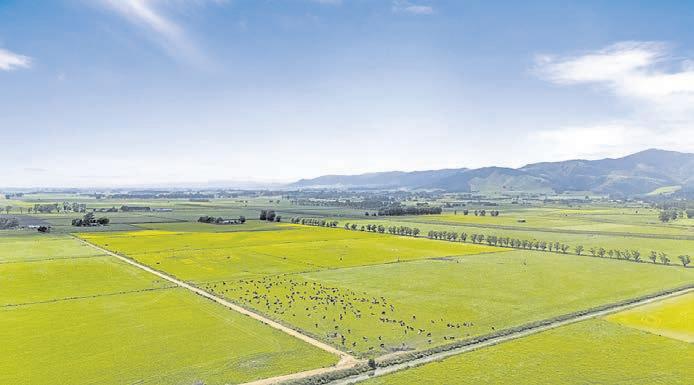
Blythe Farm is a productive, well-located dairy operation offering secure irrigation, fertile soils and strong future development potential. The 278 ha freehold property includes a 245 ha milking platform, a 44-aside herringbone cowshed, and three centre pivot irrigators with water consent secured through to 2038. The addition of 25 ha (included in the 278 ha) provides for further production increases and flexibility going forward. Peak milking reaches 735 cows, with 327,079 kgMS produced in the 2024/25 season—up 19.6% on last year—and a target of 350,000 kgMS for 2025/26. With expansion and diversification options, Blythe Farm represents a versatile, future-focused dairy opportunity.
Non-binding expressions of interest close 11am, 25/2/2026.
Tokomaru 129-139 Tamatarau Road
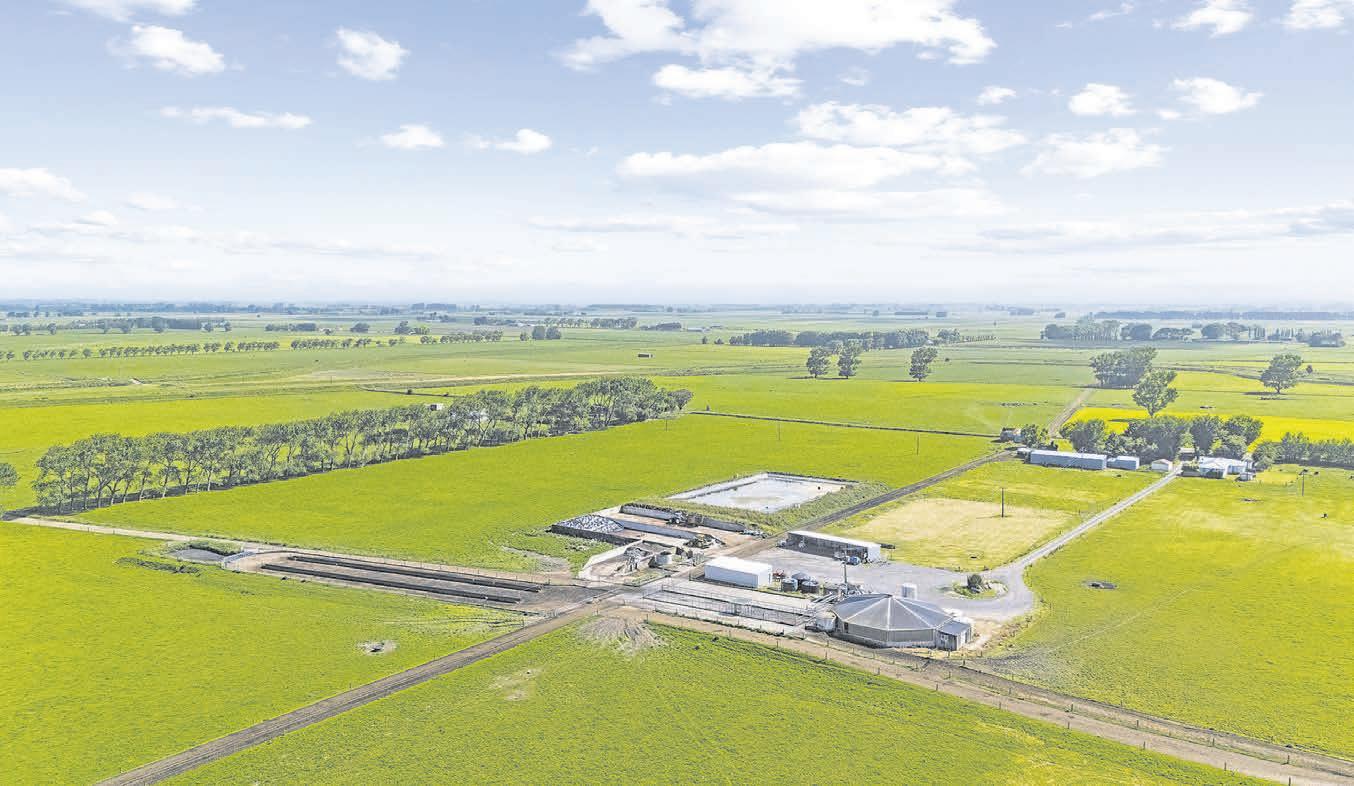
Tokomaru farm - Large scale, fertile dairy unit
Tender
Tokomaru Farm is a substantial dairy operation offering scale, multiple dwellings and a well-balanced mix of soil types With well developed pastures, drainage, upgraded water systems and strong production, the property is well positioned for continued performance. The 320 ha freehold includes a 310 ha milking platform. Peak milking 950 cows, consented for 1,100, with 430,276kgMS produced in 2024/25, up 7.2% on the previous season, and a 2025/26 target of 452,000kgMS. Infrastructure includes a 60-bail rotary with ACRs, feed pad and modern effluent system with solid separator. Six houses provide excellent staffing and family living options Located 20 minutes south of Palmerston North and close to Tokomaru.
Non-binding expression of interest closes 11am, 25/2/2026.
Tender closes 11.00am, Wed 25th Feb, 2026
View By appointment
Web pb.co.nz/FR217959
Blair Cottrill M 027 354 5419 E blair@pb.co.nz
Ted Shannon M 021 833 536 E ted.shannon@pb.co.nz
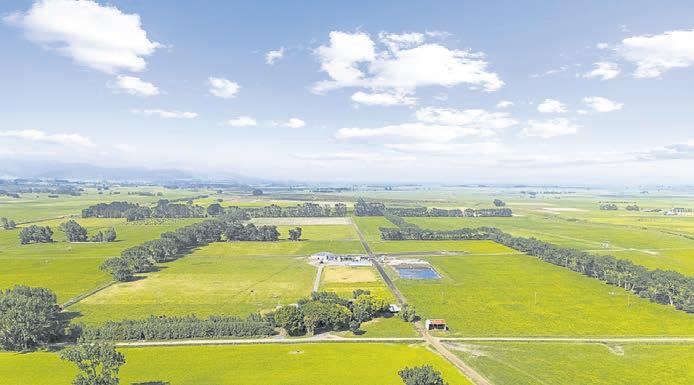
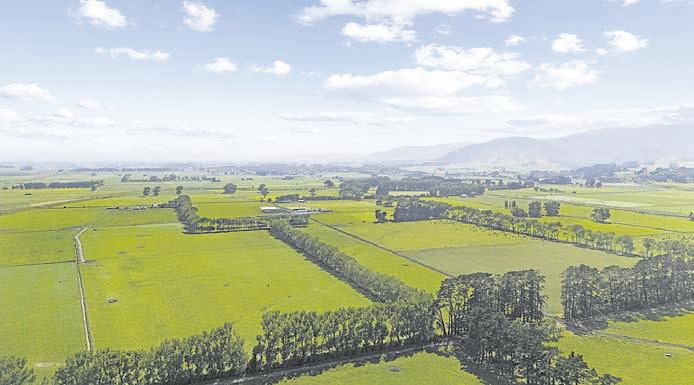
Tender closes 11.00am, Wed 25th Feb, 2026, Property Brokers, 54 Kimbolton Road, Feilding View By appointment
Web pb.co.nz/FR218108
Blair Cottrill M 027 354 5419 E blair@pb.co.nz
Ted Shannon M 021 833 536 E ted.shannon@pb.co.nz
Scan for more
Bulls 715 Santoft Road
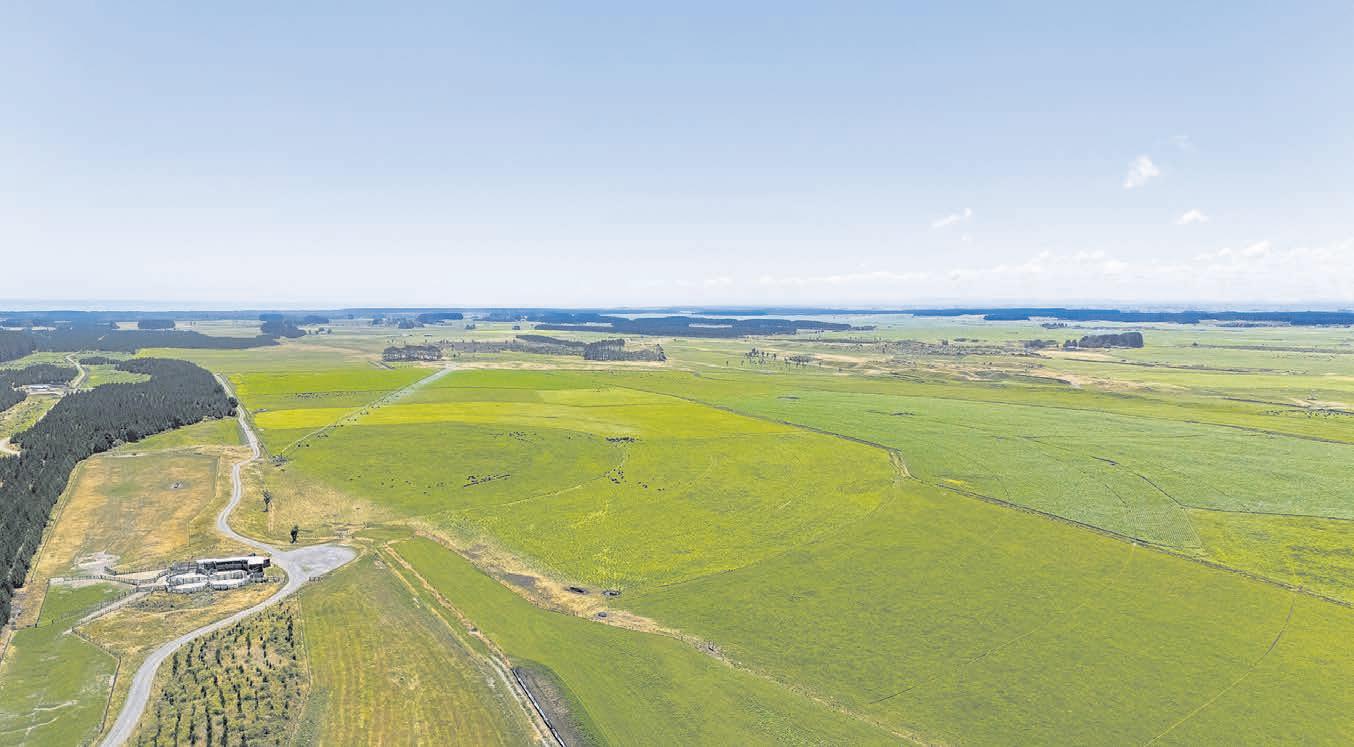
Tahuna - Large scale dry stock unit
Tahuna is a genuine large-scale support unit with extensive wintering infrastructure and reliable irrigation. With previous Intensive Land Use consent and the proven ability to winter over 4,000 cows this property delivers security, flexibility and future development potential. The 366 ha freehold property with one dwelling, benefits from excellent pasture growth, a well-established lane system, cattle yards and load-out facilities Wintering is a key strength, with welldeveloped pads, bins and pasture-based options providing secure and efficient winter grazing. Approximately 250 ha is irrigated, ensuring consistent pasture and crop production. Suited to heifer support, mixed cropping, finishing and with the existing infrastructure for lamb finishing, Tahuna is highly complementary to all large-scale operations
Non-binding expressions of interest close 11am, 25/2/2026.
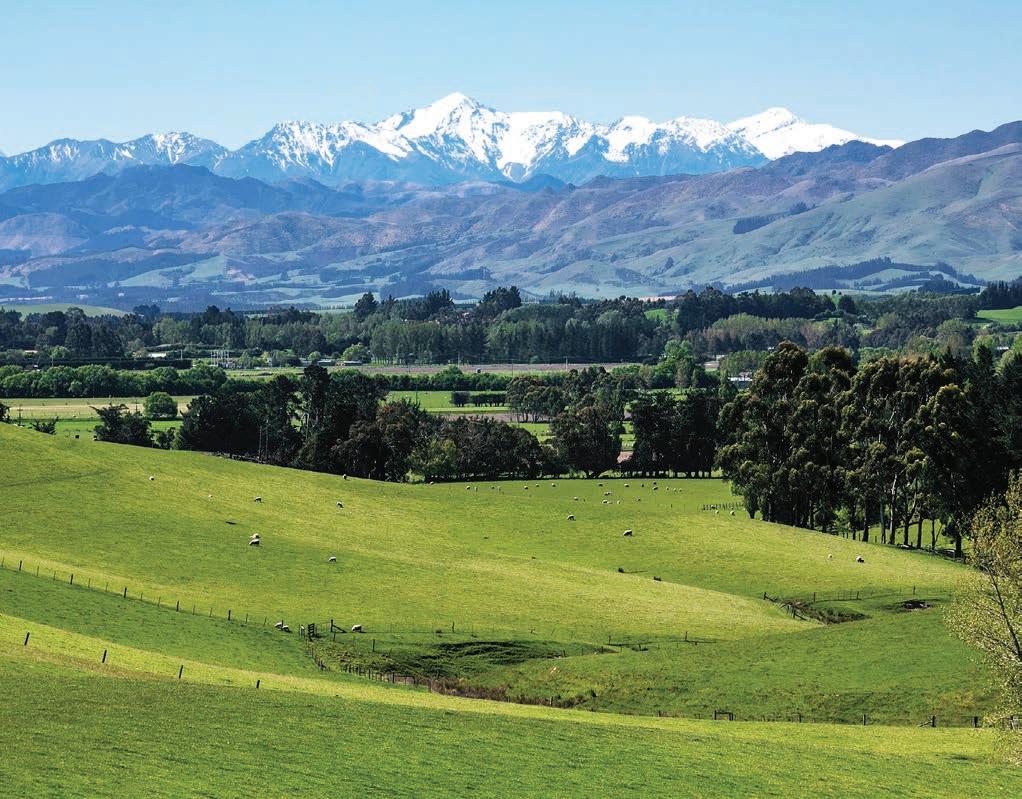
Your agent may suggest you advertise in their brand publication.
We suggest you remind them that this is the publication you, and every other farmer you know, reads.
Tender closes 11.00am, Wed 25th Feb, 2026, Property Brokers, 54 Kimbolton Road, Feilding View By appointment Web pb.co.nz/FR217847
Blair Cottrill M 027 354 5419 E blair@pb.co.nz
Ted Shannon M 021 833 536 E ted.shannon@pb.co.nz
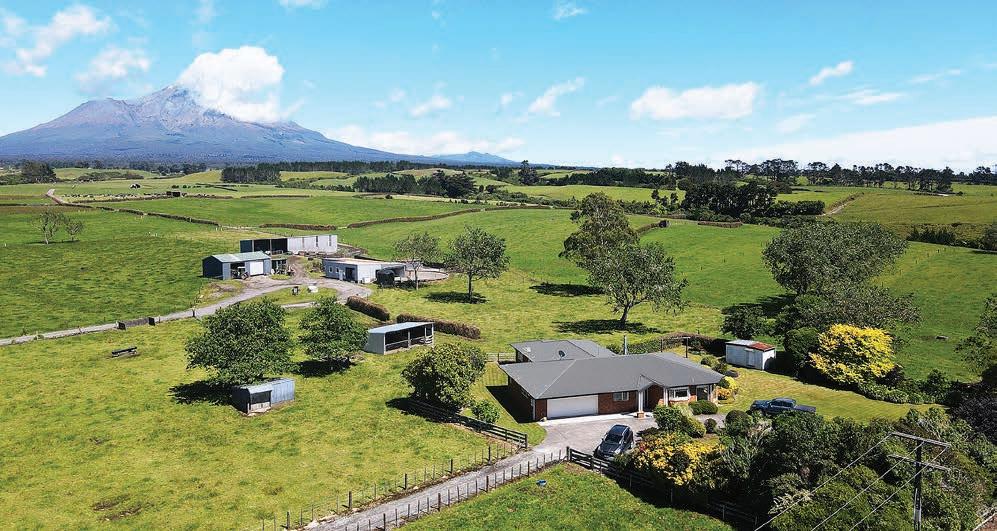

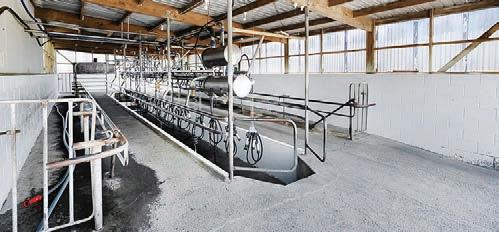
QUALITY STRATFORD DISTRICT DAIRY FARM
492 Pembroke Road, Stratford
Located just minutes from Stratford township, this well-presented dairy farm offers an excellent combination of reliable production, easy contour, and modern living.
Milking 190 cows, the property consistently produces up to 85,000 kg/MS. The farm is well laid out with good subdivision, well-formed races and efficient paddock access.
Infrastructure includes an 18-aside herringbone cowshed. A modern four-bedroom home. This is a tidy, productive dairy unit in a sought-after Stratford location, offering both farming efficiency and comfortable modern living.
OPEN FARM: Wednesday 28th January 2026, 12:30pm-2pm Wednesday 11th February 2026, 12:30pm-2pm
DEADLINE SALE
Best Offers 20th February 2026 unless sold prior.


Scan for more
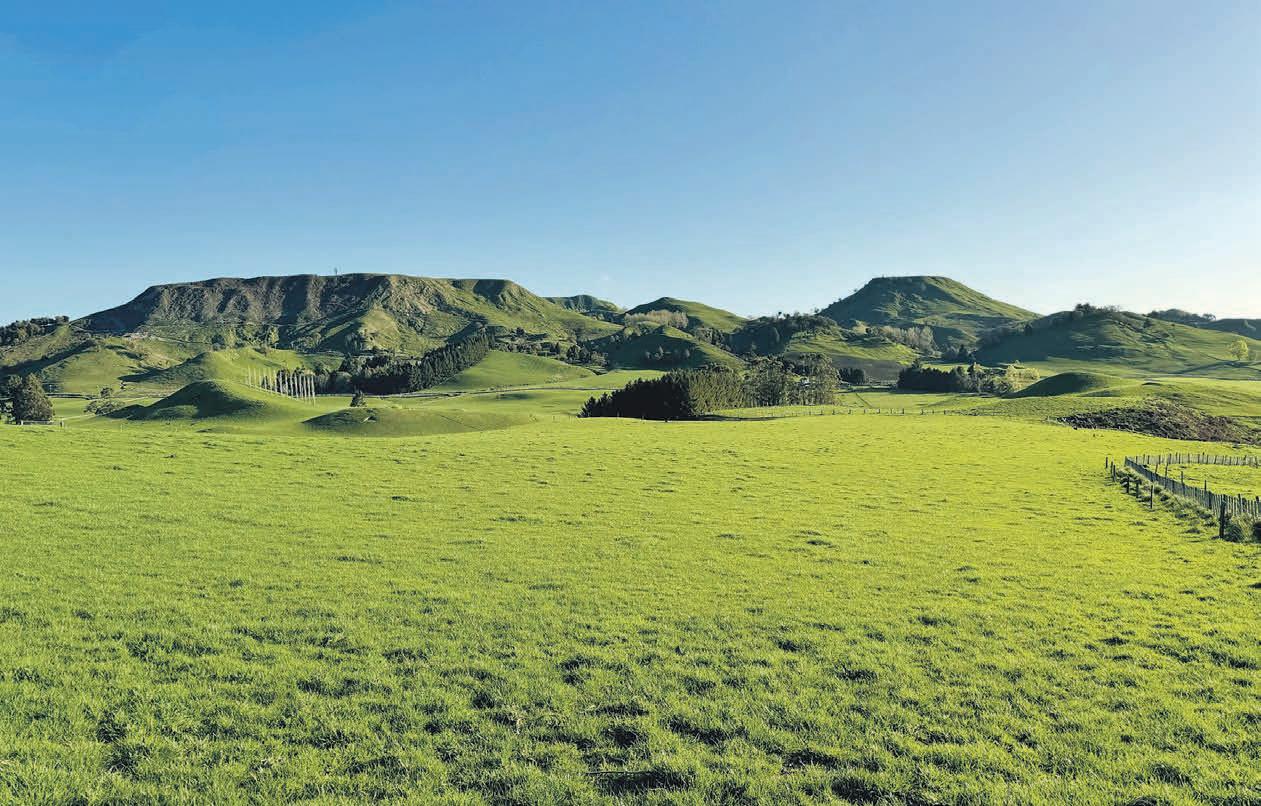
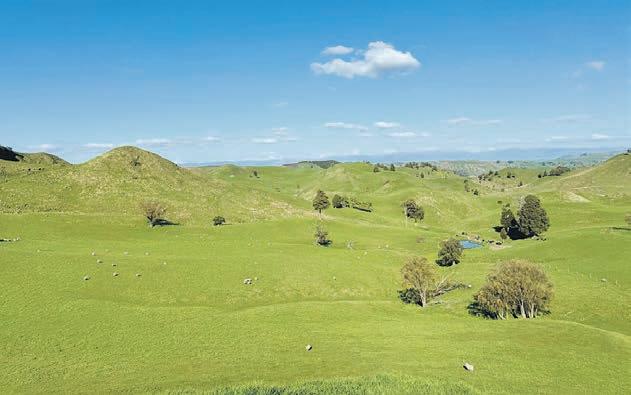
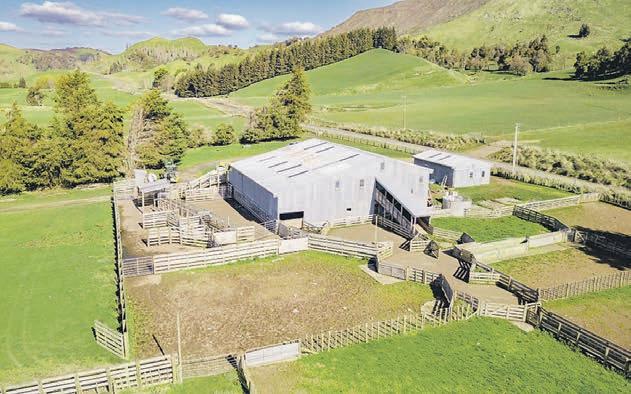
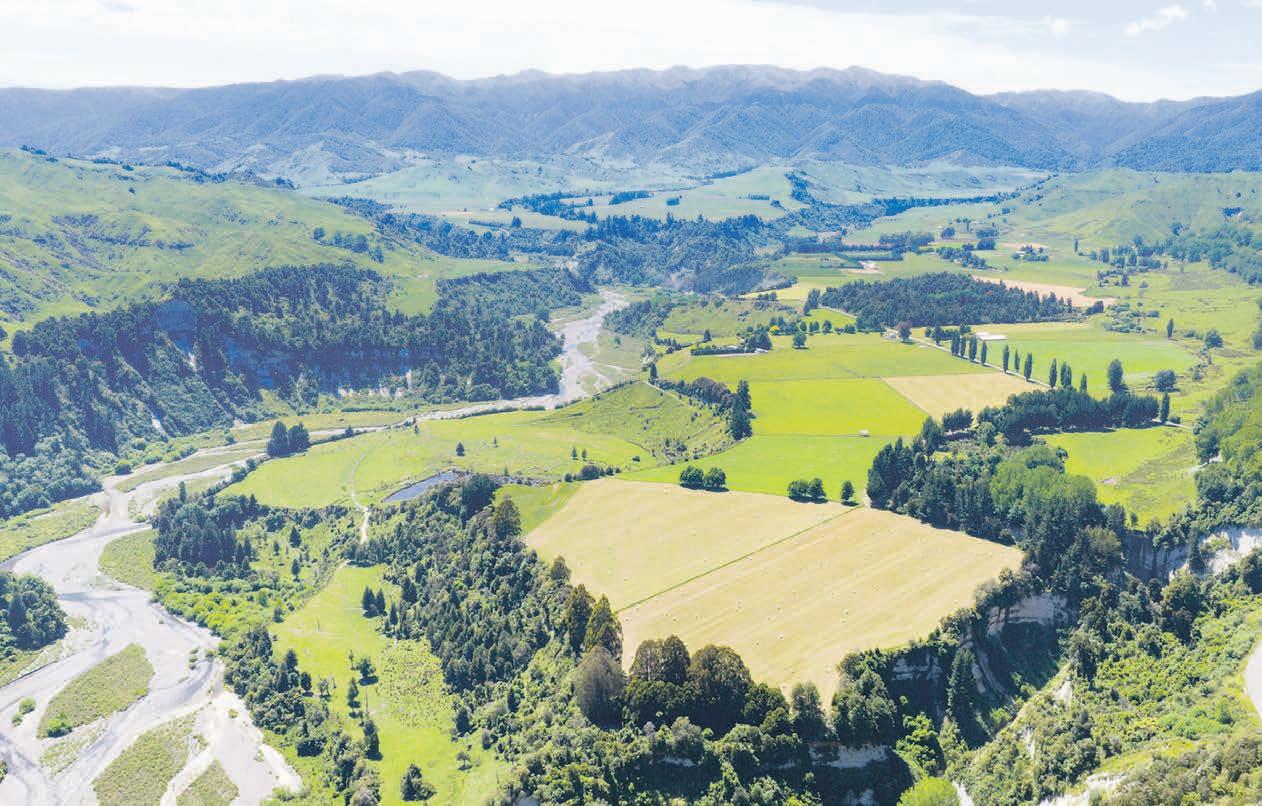
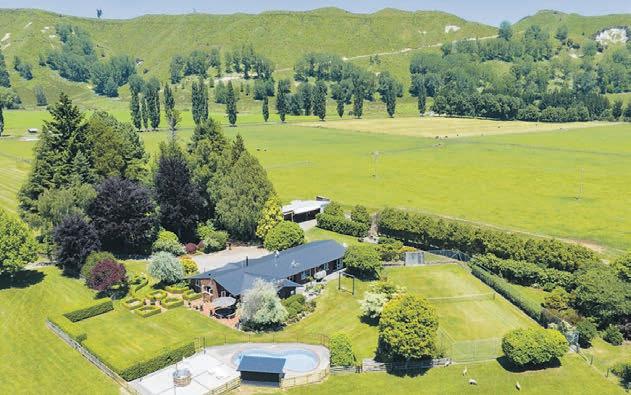
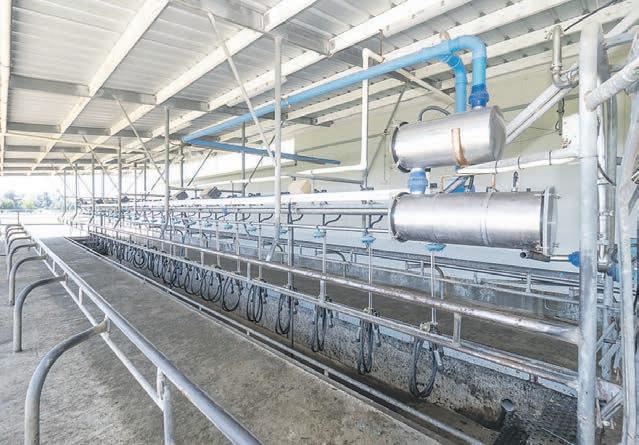
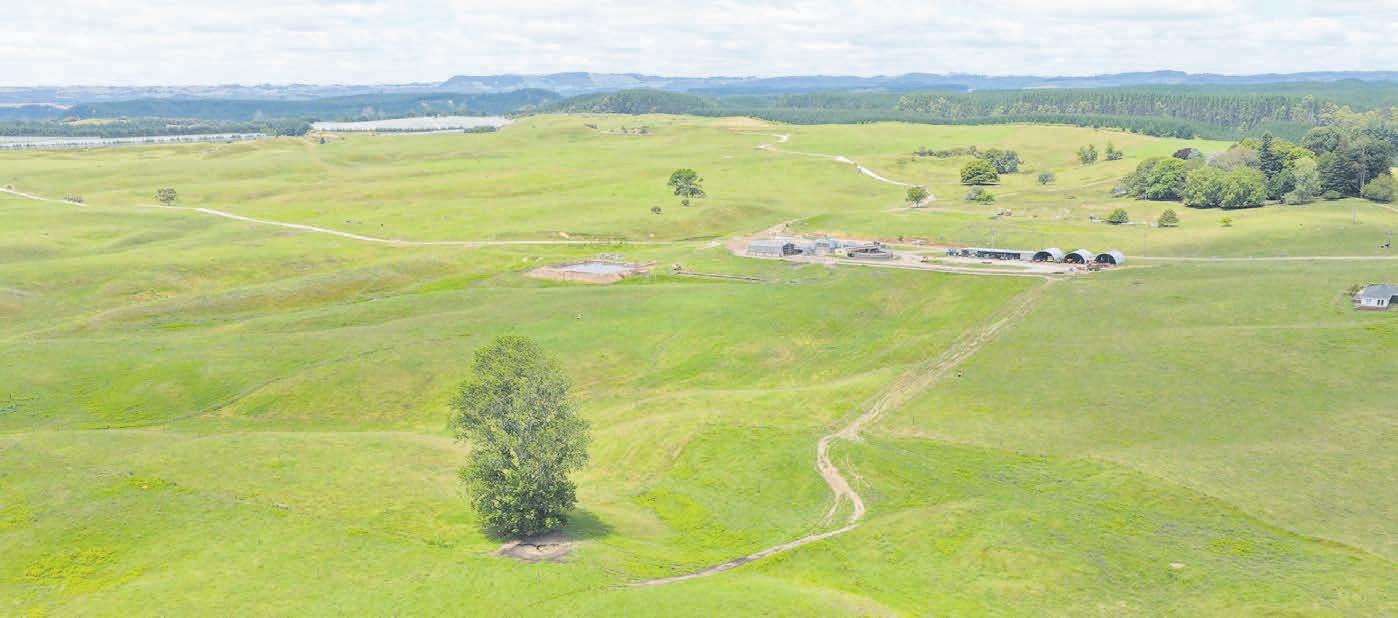

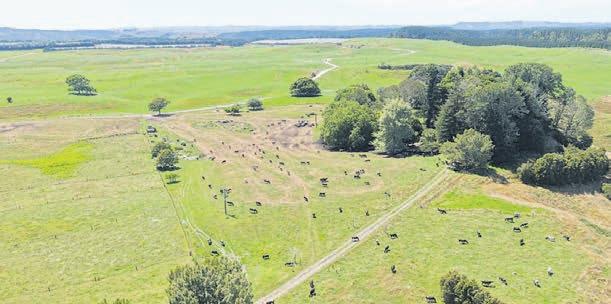
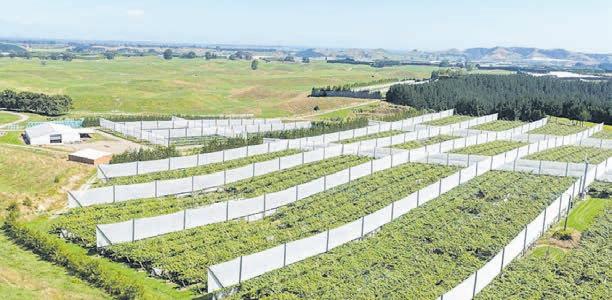
• 177 Johnson Road, Puke hina - 27 kms east of Te Puke
• 358 6 hectares - 2 titles - predominantly easy rolling contour - steeper at rear
• ash & sandy loam soils over pumice; v g water supply from river plus bores
• 676 cows calved; produced 330,164 kgs milk solids during 2024/2025 season
• 60 bail rotary; in-shed feed system; v g effluent system; multip le large buildings
R EAA2008 MREINZ
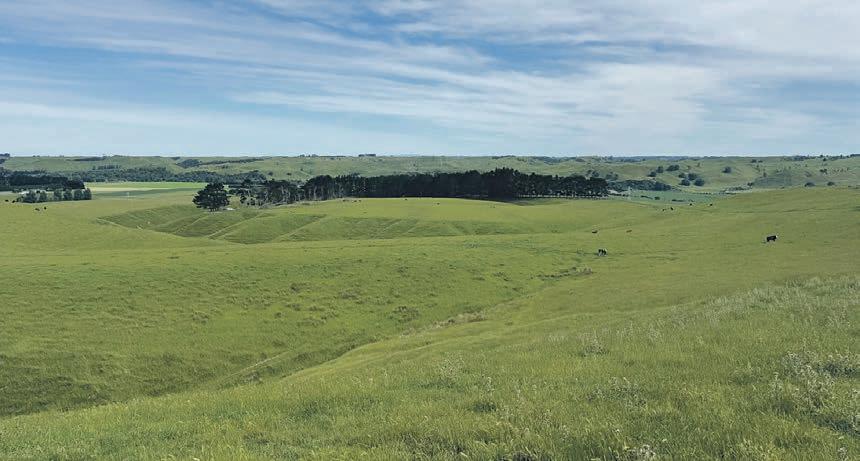
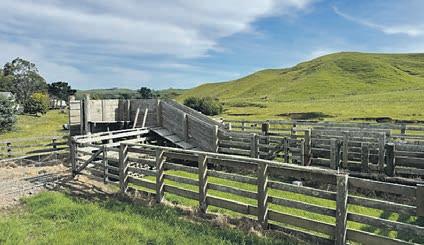
• 20 17 ha Sungold kiwifruit orchard
• gentle contour; extensive shelter from shade-cloth plus hedging
• fully irrigated; quality system with v g water supply; large orchard shed
• 3 dwellings plus office / general purpose buildings
• great location; handy to towns, schools, beaches, golf courses & other amenities
Your agent may suggest you advertise in their brand publication. We suggest you remind them that this is the publication you, and every other farmer you know, reads.
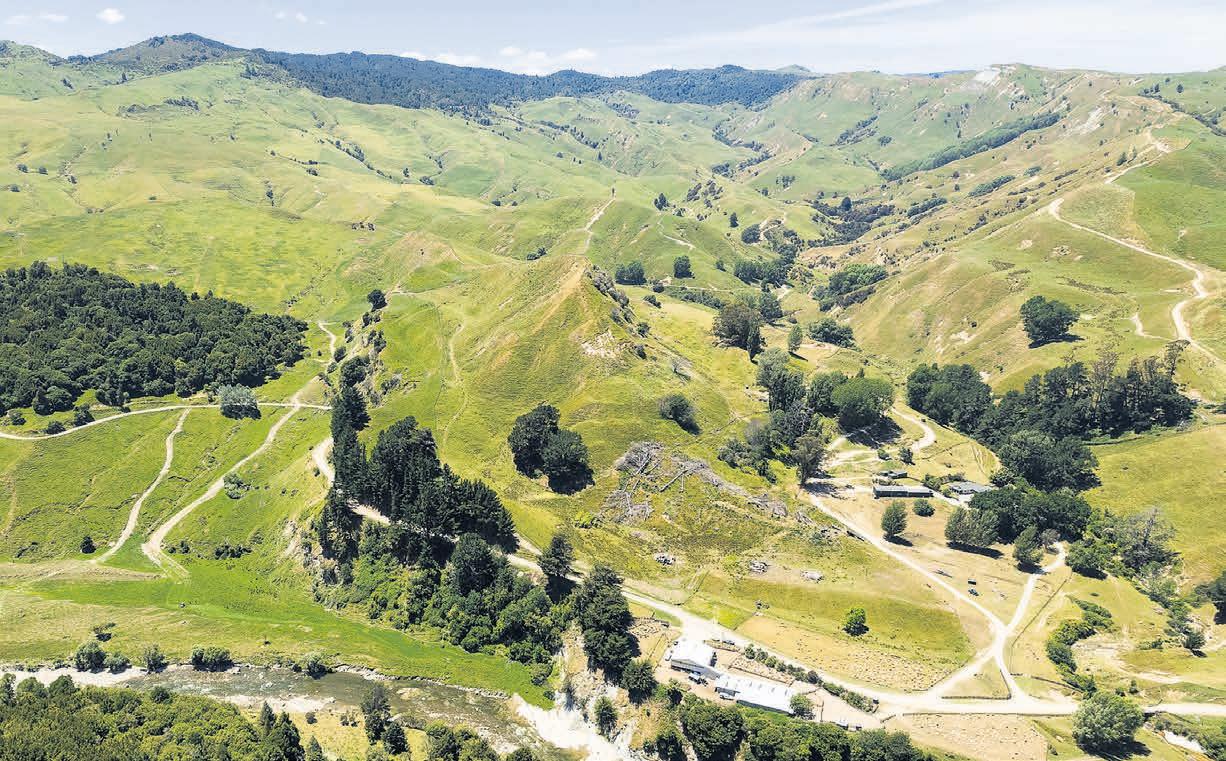
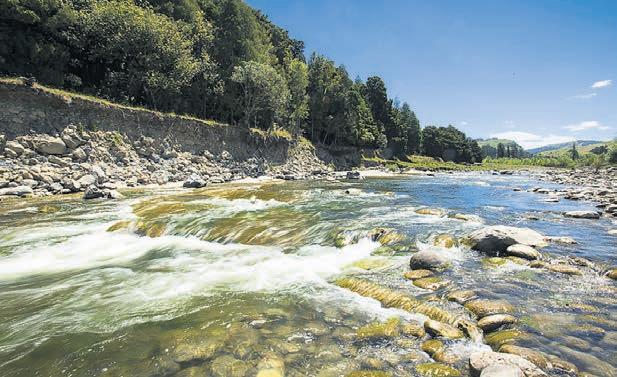
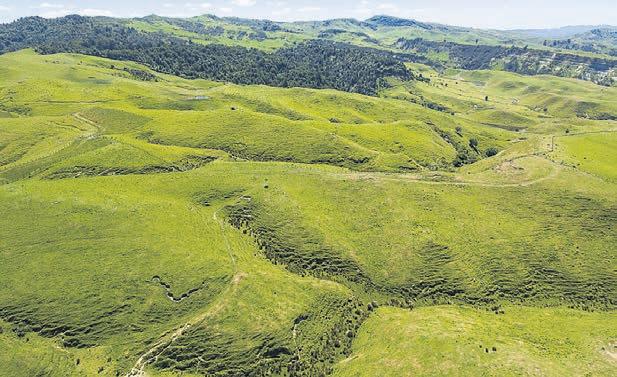
1,225
Norana Station offers 1,225ha (1,110ha effective) on the edge of the Ruakituri River, combining scale, reliable rainfall and proven performance With a 5-year average of 9 850 SU the station is a traditional breeding unit selling fat and forward store stock Strong infrastructure includes a modern woolshed with covered yards, five satellite yards, extensive laneways, sheds, a stable and two homes Native bush, trout fishing, and access to DoC reserves add to the recreational and tourism potential Scale, stock performance and trophy location bayleys co nz/2753797
Ruakituri Norana Station, 696 Papuni Road
Ruakituri riverfront farming estate
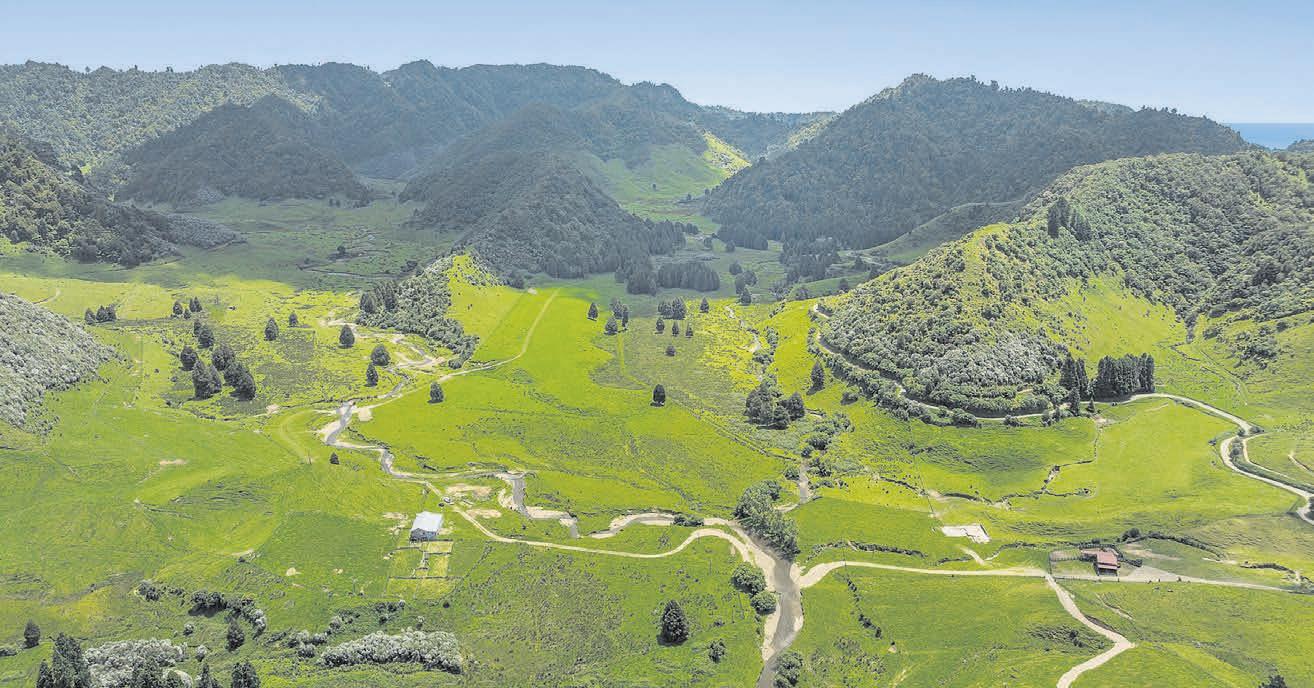
OPOTIKI, BAY OF PLENTY 2060 Motu Road
1694ha Grazing/Wilderness - Toatoa
2060 Motu Road, Toatoa, is a grazing wilderness property comprising a total of 1694.0115 hectares located approximately 40 kilometers from the Opotiki township, and inland to the south east at Toatoa on the Motu Trail Road. The property includes expansive river flats which are fenced serviced by sheep and cattle yards.
• Approximately 500 hectares (more or less) grazing with about 150ha regenerating scrub with the balance in native forest
• Improvements include a 1960s/1970s build three bedroom home
• Four-stand shearing shed with covered and open sheep yards/pens
Three-bay implement shed with lean-to
Stock yards with two holding pens, a drafting race, crush, weigh pad
Load out race and ramp
• Dual water supply, stream and spring supply pressure pumped for domestic use
This Motu Road holding offers a unique chance to secure a piece of Hinterland New Zealand. There is an opportunity here to farm, conserve, hunt or develop eco-tourism with this setting offering endless opportunities for the right buyer.
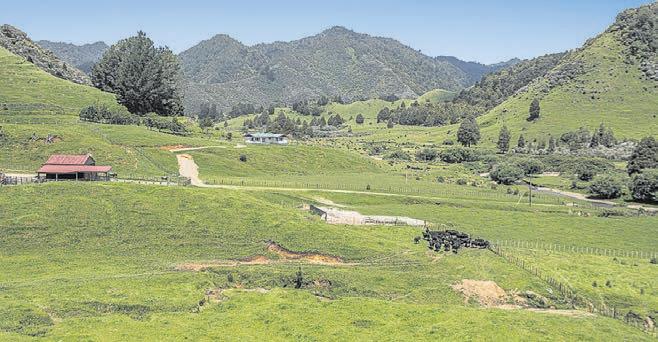
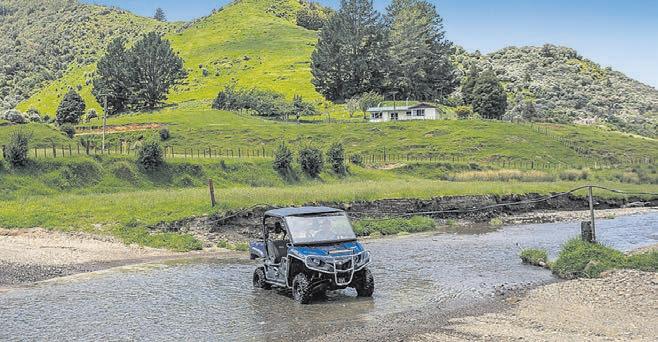
2 1 TENDER Plus GST (if any) (Unless Sold Prior) Closes 4.00pm, Friday 27 February VIEW 11.00am-2.00pm, Thursday 5 February

Your national team.
PGG Wrightson Real Estate are your national team of trusted property experts, connecting people with rural, lifestyle and provincial residential property around the country.
Book a personalised appraisal for your rural, lifestyle or provincial residential property during January or February and you will go in the draw to WIN one of five Weber Family-Q barbeques.*



Scan the QR code to book your appraisal and enter the draw.
*T&Cs Apply






n Ideal for shearing sheep, alpacas, goats and cow tails
n Variable speed from 2600-3500rpm
n Latest brushless motor technology means minimal heat build up
n 1400gms means 100-200gms lighter than standard handpiece
n At 2800rpm the 12v lithium battery will crutch 300-400 sheep or trim up to 400-500 cows tails
n We customise cables for lifestyle shearers
HANDYMAN
We are after a person who is capable of various
and farm duties on a Sheep & Beef station in the Waitomo District. Some of the duties include general machinery maintenance, house maintenance, assisting farm duties where practical, mowing lawns, cleaning gutters etc.
There is a tidy 2 bedroom cottage available.
Hours flexible.
Phone John 027 442 3921 for more details















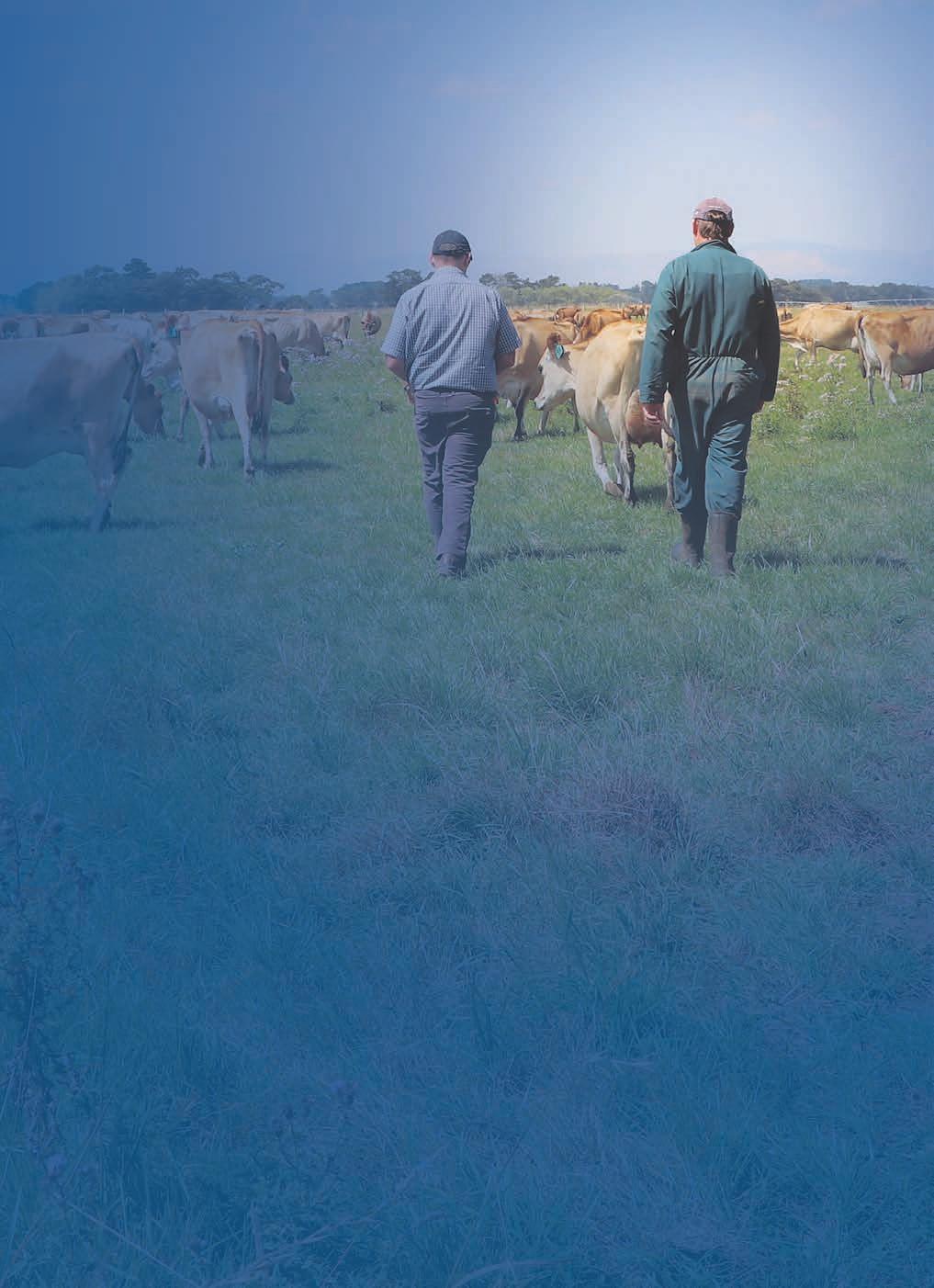


Vendors:
PLEASE
Tuesday 10 Februar y 2026 11:00am
A/C Morunga Station, Matawai Matawhero Saleyards
Approx
Free (Cer t available)
100% traditional beef steers
Farmed in large mobs on hill countr y Cattle renowned for their shifting ability
Buying rebate paid to outside companies by prior arrangement only
Online bidding available via BIDR.
Enquiries
Stephen Hickey (PGW ) 027

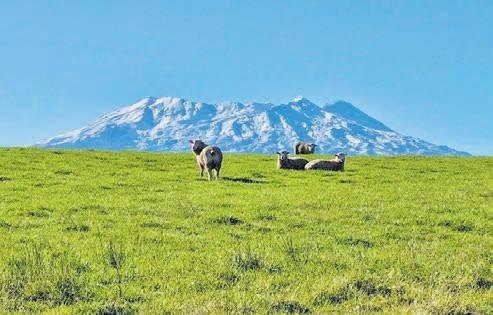








C. Alma Baker Trust (NZ) Ltd
STOCK REQUIRED
Shorn Store lambs 26–38 kg
Aut or Spring Fries Bulls 130–200kg
15mth Here & Ang Bulls 350–450kg (Quiet as for dairy sector)
15mth Angus & Ax Hfrs 280–380kg
15mth Angus Steers 300–400kg
15mth Fries or beef Bulls 330–420 kg FOR SALE
Suftex & Poll Dorset 2TH Rams Priced to sell
info@dyerlivestock co nz www dyerlivestock co nz Ross Dyer 0274 333 381
Open Day –Limestone Downs
1340 Port Waikato – Waikaretu Rd
Tuesday February 17, 2026 10am at Woolshed
Welcome/introduction:
Chairperson Dame Margaret Millard –acknowledgement of 100 years of Limestone Downs and C Alma Baker.
Topics to be covered:













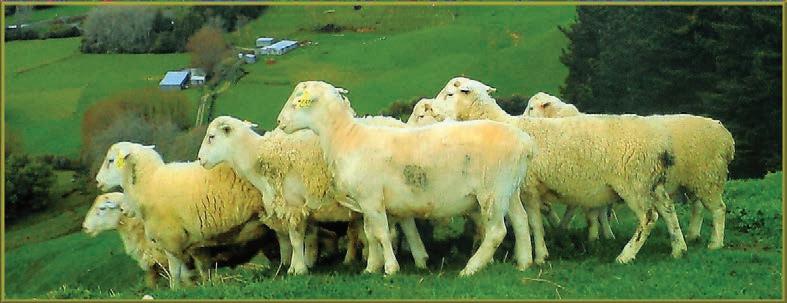

10.30am Limestone Downs farm performance –Paul Mahoney, Justin Lamb and Brent Neal (Franklin Vets)
Advertise
with us
11.00am Management of Kikuyu grass –Professor Danny Donnaghy (Massey University)
11.20am What beef systems are most profitable and why (Steve Morris and Paul Kenyon)
11.40am Water intake behaviour of sheep and their interaction with a natural waterway – Rene Corner-Thomas (Massey University)
12.00pm Water Quality Mitigations and Catchment Management – Ranvir Singh (Massey University)
There will be time for questions at the end of each presentation.
12.20pm Lunch
1.15-3.30pm Farm Tour
Note:
- If possible, bring a 4-wheel drive vehicle. Motorbike helmets are required on quads, no passengers are allowed and no riding on the back of farm Utes is permitted.
- Greenlea and Farm Source are kindly providing food and putting on a barbecue for lunch or you can bring your own packed lunch.
- Tea and coffee will be provided. We will proceed wet for fine, so wet weather gear may be required.
Contact General Manager: Paul Mahoney 09 232 9897

ELITE HIGH INDEXED AUTUMN CALVING DAIRY COW SALE


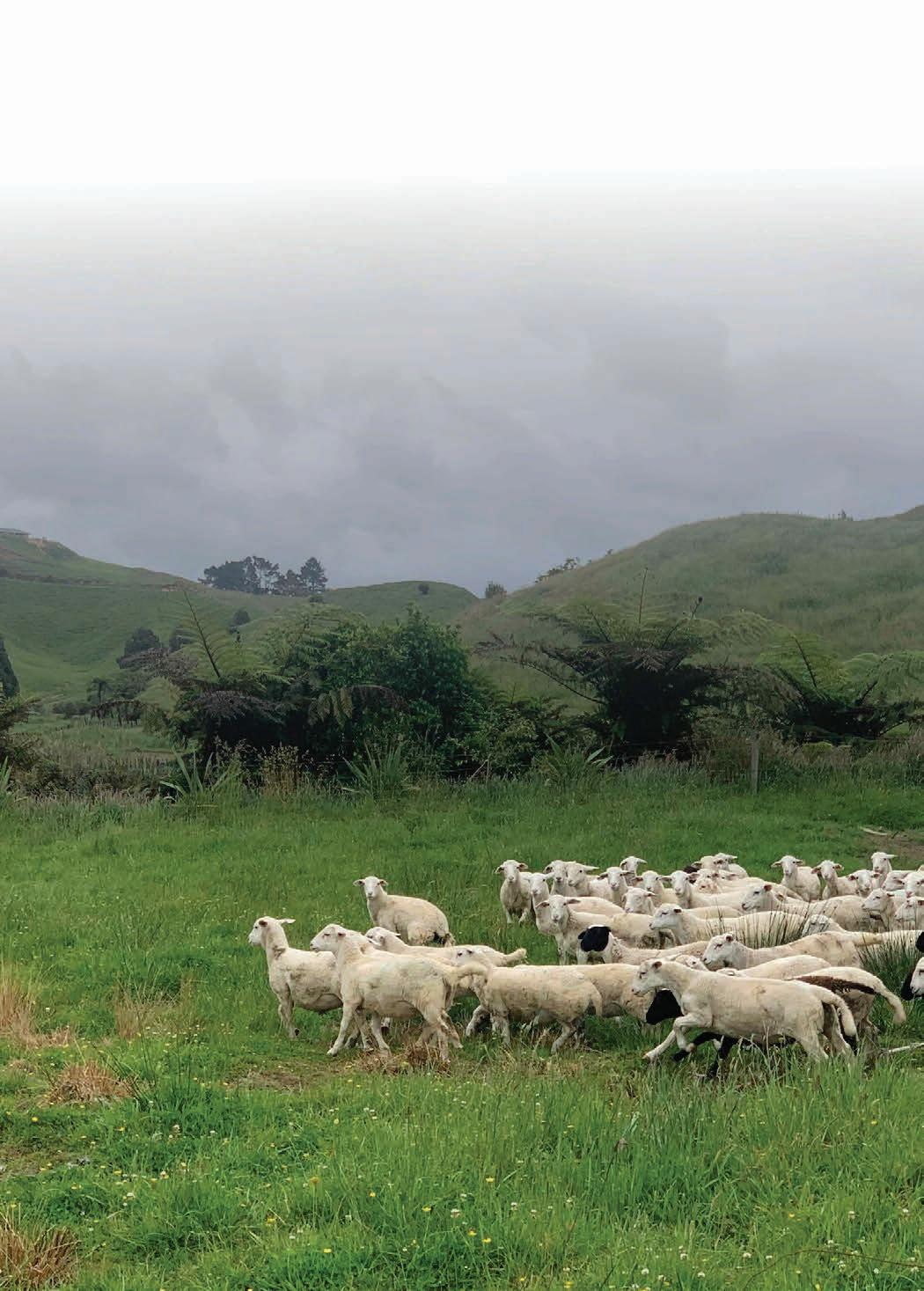
A/C: Te Kuiti Dairies
Date: Wednesday 4th February
Address: Cambridge Saleyards, Hickey Rd

Start Time: 11:30am will be available for online bidding COMPRISING:
• 64x Genuine Autumn Calving Cows Frsn/FrsnX, BW66, PW85, majority G3 profiled, DTC 10th March onwards, mated to Hereford bull from June 3rd, bulls removed July 17th 2025. Cows were Blanket dry cowed on the 1st week of January 2026.
• 130x Carryover Autumn Calving Cows Frsn/FrsnX/Crossbreed, BW55, PW91, DTC 12th March onwards, mated from June 4th to Hereford and Angus bulls, bulls removed 20th of July. All cows were blanket dry cowed
• 31x Complete Replacement Line of Autumn Calving R2 Incalf Heifers Crossbreed/JerseyX, BW136, PW140, DTC 12th March onwards, mated to Jersey bull from the June 4th, bulls removed 20th July
All animals have been farmed on medium hill country, LIC audited to ensure recordings and data transfer, and will be presented in quality condition at sale date; presenting a great opportunity for all potential purchasers.
DELIVERY/PAYMENT TERMS:
Payment due 14-days after the auction. Immediate delivery.
CARRFIELDS LIVESTOCK AGENT:
Ben Deroles M: 027 702 4196
A/c Faraway Farms Ltd (David Van Bysterveldt)
Date: Wednesday 11th February 2026
Address: Matamata Sale Yards
Dairy Pavilion
Start Time: 11:30am will be available for online bidding
COMPRISING:
170 x Mixed Breed & Age Autumn Calving Cows
DETAILS:
• BW: 284 PW: 545 (BWs up to 449, PWs up to 1233)
March & April calving, blanket dry cow.
TB Tested.
All in-calf to AI Charolais only, no bulls used.
AUCTIONEERS NOTE:
This exclusive line of strong Mixed Breed carryover cows were hand-picked from herds from Waikato to the North. Were milked through and mated for autumn calving.
Will come forward in excellent condition. All cows guaranteed sound and in-calf by the vendor.
DELIVERY/PAYMENT TERMS:
14 days after the auction, Immediate delivery
OUR VENDOR: David Van Bysterveldt: 021 189 9888
CARRFIELDS LIVESTOCK AGENT: Reuben Wright: 027 284 6384 Or your local Carrfields agent
























All well presented, capital stock, with excellent health records and breeding!
AUTUMN LINES FOR SALE:
230x Genuine DNA Profiled Xbred Autumn Calving Herd. BW119, PW187, DTC 15/3/26, Top 30% BW in calf to Sexed Semen.
$2,950
67x Outstanding Frsn/FrsnX R2 Autumn Calving Heifers. DNA profiled, BW232, PW236 465kg on 20/11/25, DTC 1/3/26
$2,800
76x Frsn/FrsnX Autumn R1 Heifers DNA profiled, BW216, PW208, IMM or FWD delivery
$1,800
SPRING LINES FOR SALE:
102x G3 Xbred In-Calf Heifers. BW298, PW287, DTC 28/7/26. 18 Top BW hfrs in-calf to sexed semen, 01/05 del.
$2,500
113x G3 Weaner Frsn/FrsnX Heifers. BW2219, PW239, immediate or forward delivery options.
$1,100 (IMM Del) or $1,250 (01/05 Del)
Keep an eye out for further livestock listings, plant, and machinery sale information.

Cheviots a viable farming option
Blair Gallagher President NZ Cheviot Society
Having originated in the Cheviot Hills on the border of England and Scotland the Cheviot sheep is one of New Zealand’s oldest breeds.
First arriving here in 1845 the Cheviot breed has had a major impact on the NZ sheep industry ever since.
The Cheviot is incredibly hardy, thriving in tough conditions, producing fine textured quality meat, and has excellent mothering and foraging ability.
The wool is fine crossbred white wool.
One of the most significant influences the Cheviot has had was through Sir Geoffrey Peren’s research at Massey College, producing the Perendale, by crossing the Cheviot and Romney breeds.
Cheviot are intelligent, smart, and characterised by their compact frame, white open faces and erect ears.
The Cheviot purebred numbers have reduced over the years to the point that there are only twenty-three
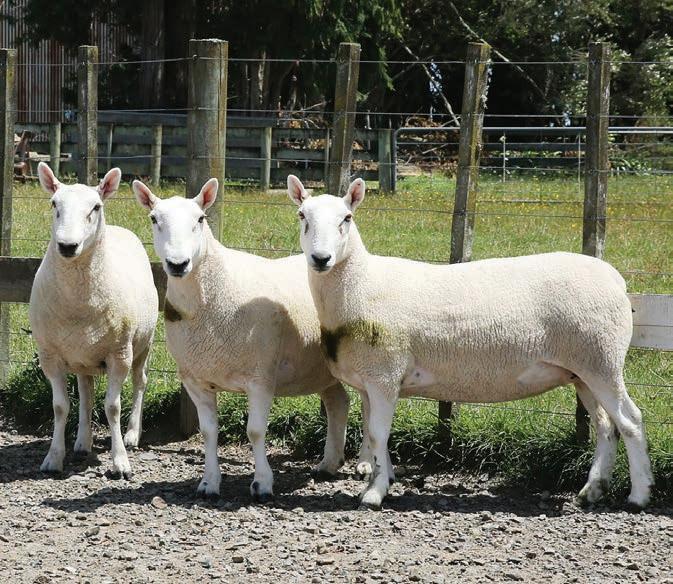
registered but dedicated breeders, all of whom are members of The Cheviot Sheep Society established in 1948.
Today their principal role is for hogget mating, characteristics being low birth weight lambs, good hybrid vigor and lambs quickly up on their feet to suckle, and thick-skinned improving lamb survivability.
They are also used as a terminal sire and crossed with Beltex, Southdown and
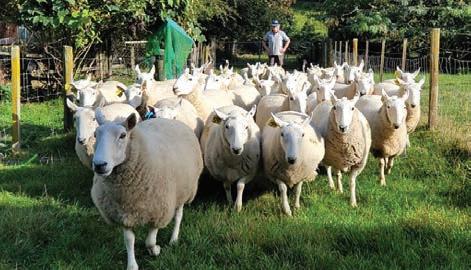
•
Suffolk. A number of Merino farmers use them over their Two Tooths for ease of lambing and the production of a quality lamb.
An increasing number of registered breeders are now on S.I.L. (Stock Improvement Limited), which is giving more consistency to figures and total production is continually improving.
The Cheviot, even with diminished numbers has proved a consistent performer and offers farmers a very viable option.
CHEVIOT
• Perendale, Cheviot and meat breed sires
• 61 years of breeding
• For fertility, bone & muscle
• Conformation & True Breed Type
Enquiries welcome ASHBY Gilbert & Diana Timms 06 362 7829 • 027 348 3365 e: ashbystud@xtra.co.nz Pretoria Rd, RD 4, Palmerston North
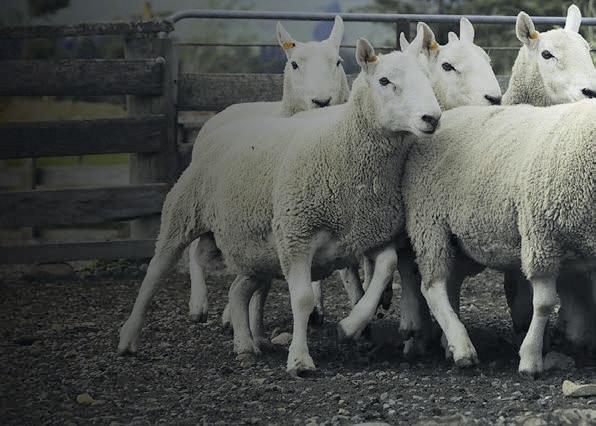
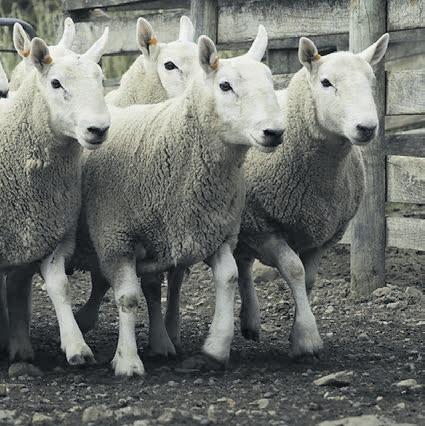
Ashby Stud mixed-age Cheviot ewes.
2025/26 Ram Sales Season Review
In partnership with
Bid for better genetics revs up ram sales
price paid was $1864 and the top individual stud averages just over $3000.
These results were collated with the help of bidr.
SUMMER ram selling was steady as sheep farmers reinvested record lamb prices and competed for higher genetics in both terminal and maternal flock sires.
Farmer confidence in sheep has improved considerably, lifting the top prices paid for ewes well above $300 a head and store lambs better than $5/kg LW.
Widespread rain during January in all the major sheep-farming regions of the country set up good conditions for the mating season, where elite genetics can be passed on.
More than 40 ram sales that were hybrid auctions (on farm and online) between late November and late January resulted in 3682 rams being sold, for $6.8 million.
These were the rams sold during the auctions and not afterwards and the tallies do not include transfer fees.
Some auctions had more than one breed.
The overall seasonal average
Top of the notified ram sale prices this summer was a Kaahu White MeatX ram from Kaahu Genetics, Whakamaru, which sold for $18,000 to an online buyer, Kanuka Hill.
Vendors Murray and Wayne Sargent sold 95 out of 102 offered and their average price was $2620.
Kaahu Whites are shedding sheep based on Australian Whites and Wiltshires.
Top of the Canterbury A&P Association elite ram and ewe fair was a Taronga Suffolk ram for $16,800 to the Carr family of the Omagh stud, Mayfield.
The vendor was Symon Howard, Taronga stud, Lawrence, and that was the highest priced ram he has sold.
Arvidson Wiltshires, Taupō, sold a ram for $15,200 to Malcolm and Bridget Sutherland in Taranaki and also made a sale at $10,200 to Marcus Hildreth, Hildreth Farms.
Vendor David Arvidson sold 42
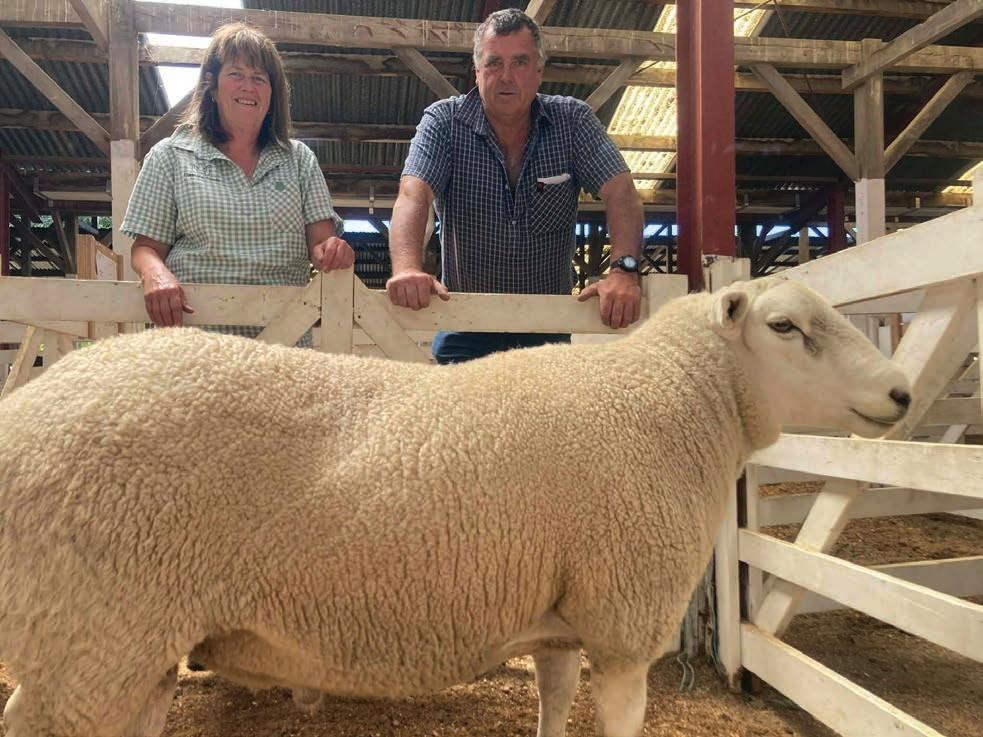
out of 51 offered and the average price was $3385.
Early in the selling season the Proffit family’s Raupuha Stud, Mahoenui, made a top price of $11,500 for a Perendale ram bought by Andrew Savage, St Ledger Stud, Gisborne.
Russell and Mavis Proffit at
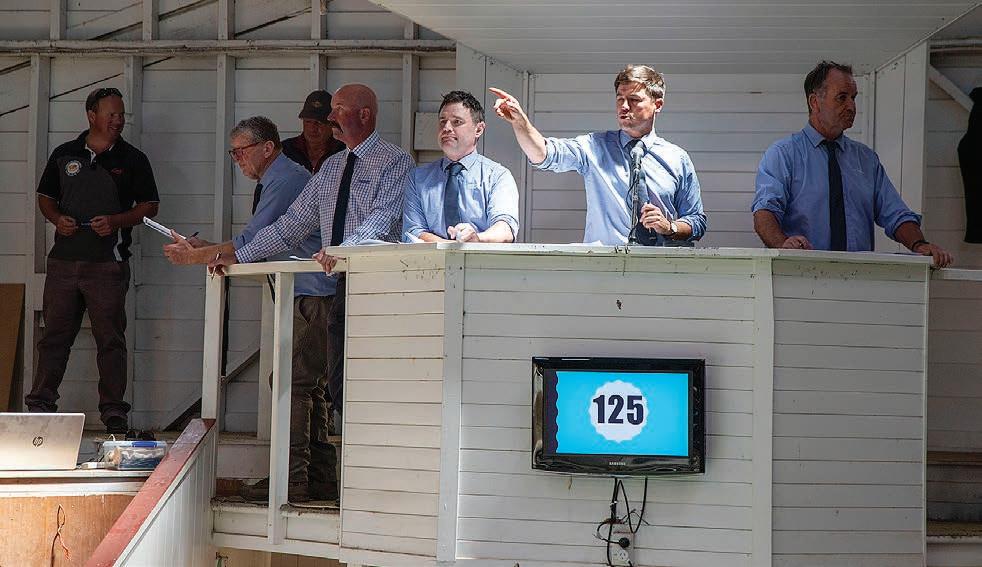
Raupuha sold all 47 Perendales offered, averaging $2791, about $400 higher than last year.
The Proffits had the highestpriced ram in the 2024-25 ram selling season, when $18,000 was paid for a Perendale ram, also purchased by Andrew Savage.
The Gore Ram Fair recorded a top price of $14,000, paid for a Snowdon Perendale ram by John Henricksen in Wairarapa, who also paid last year’s top price of $19,000 for a Snowdon ram bred by Annabel Tripp, Rakaia Gorge.
Other Perendale highlights at Gore were $9200 made by Gowan Braes, Edievale, $8500, $8000 and $7200 made by Mount Guardian, Cheviot, and $5000 for one from Hautere, Dannevirke.
The Southern Texel rams sold well, including $5800 made by Glenvale, Glenham, $5400 made by Blackdale, Riverton, and $4700 by View Hill, Oxford.
PGG Wrightson national genetics
HAPPINESS: Glenvale
manager Callum McDonald said commercial on-farm ram sales tracked extremely well over the summer as buyers chased the best genetics that would put weight on lambs.
At one of the end-season ram sales, Craigneuk – also perhaps the largest on-farm auction in the country – Dorset Down and South Dorsets sold 255 out of 260 with an average of $2275, versus $1600 last year.
Vendor Johnny Duncan said demand was strong and flowed on from higher lamb prices and the pick-up in the wool market. It was his 24th annual ram sale and the top priced Dorset Down ram was $7500, paid by Greer Partnership, Kyeburn.
Other stud transfers were to Totaranui for $3800, Sherwood for $3000 and Glendhu and Okaruru together for $3200.
Southdown breeder Blair Robertson, Merrydowns, Gore, paid $4000 for Southdown Lot 176.







Hugh Stringleman and Gerhard Uys MARKETS
Texel breeders Joy and Nathan Dodd with their ram, which made $5800 when sold to Glendonald Station, Wairarapa, at the Gore Ram Sale.
Photo: Heather Busby
TRANSACTION:
The PGG Wrightson team in action selling the Glenvale Texel rams at the Gore Ram Sale.
Photo: Gerhard Uys
Notice of Movement Controls for Bovine Tuberculosis (TB)
Notice of Movement Controls for Bovine Tuberculosis (TB)
Pursuant to section 131(2) of the Biosecurity Act 1993, TBfree New Zealand declares those parts of New Zealand shown as Movement Control Areas in the maps published with this notice to be Controlled Areas for the purpose of limiting the spread of bovine tuberculosis.
Pursuant to section 131(2) of the Biosecurity Act 1993, TBfree New Zealand declares those parts of New Zealand shown as Movement Control Areas in the maps published with this notice to be Controlled Areas for the purpose of limiting the spread of bovine tuberculosis.
Pursuant to section 131(3)(a) of the Biosecurity Act 1993, TBfree New Zealand gives notice that the movement of cattle and deer within the Controlled Areas is restricted and regulated to the extent of and subject to the conditions specified below.
Notice
Pursuant to section 131(3)(a) of the Biosecurity Act 1993, TBfree New Zealand gives notice that the movement of cattle and deer within the Controlled Areas is restricted and regulated to the extent of and subject to the conditions specified below.
Notice
1. Definitions
1. Definitions
In this notice, unless the context otherwise requires: Herd means:
In this notice, unless the context otherwise requires: Herd means:
a. One or more cattle, or deer, or cattle and deer, managed as one unit; or
a. One or more cattle, or deer, or cattle and deer, managed as one unit; or
b. One or more cattle, or deer, or cattle and deer, kept within the same enclosure or behind the same fence.
b. One or more cattle, or deer, or cattle and deer, kept within the same enclosure or behind the same fence.
Herd of origin means the herd with which a cattle beast or a deer is, for the time being, grazing.
Herd of origin means the herd with which a cattle beast or a deer is, for the time being, grazing.
Order means the Biosecurity (National Bovine Tuberculosis Pest Management Plan) Order 1998.
Order means the Biosecurity (National Bovine Tuberculosis Pest Management Plan) Order 1998.
Controlled Area means any area shown as a Movement Control Area in the maps published with this notice.
Controlled Area means any area shown as a Movement Control Area in the maps published with this notice.
2. Testing Prior to Movement From or Within Controlled Areas
2. Testing Prior to Movement From or Within Controlled Areas
2.1. No cattle beast or deer aged 90 days or more may be moved:
2.1. No cattle beast or deer aged 90 days or more may be moved:
a. from any Controlled Area to a place outside that Controlled Area; or
a. from any Controlled Area to a place outside that Controlled Area; or
b. within any Controlled Area from its herd of origin, or the place or establishment at which the animal is being kept, to a place other than a place occupied by the owner or person in charge of the cattle beast or deer unless it has undergone, within 60 days prior to the date of movement, a negative test for bovine tuberculosis in accordance with the Order.
b. within any Controlled Area from its herd of origin, or the place or establishment at which the animal is being kept, to a place other than a place occupied by the owner or person in charge of the cattle beast or deer unless it has undergone, within 60 days prior to the date of movement, a negative test for bovine tuberculosis in accordance with the Order.
2.2. The restriction on movement in 2.1 does not apply where an animal is being moved directly to a place of slaughter.
2.2. The restriction on movement in 2.1 does not apply where an animal is being moved directly to a place of slaughter.
2.3. Notwithstanding 2.1, an animal may be exempted from the requirement for a test in accordance with the TBfree New Zealand Operational Plan.
2.3. Notwithstanding 2.1, an animal may be exempted from the requirement for a test in accordance with the TBfree New Zealand Operational Plan.
2.4. Where a herd is managed or kept on a property, or group of properties, divided by the boundary of a Controlled Area, then the requirements to test cattle or deer described in 2.1 above apply to the whole herd.
2.4. Where a herd is managed or kept on a property, or group of properties, divided by the boundary of a Controlled Area, then the requirements to test cattle or deer described in 2.1 above apply to the whole herd.
This declaration takes effect from 1 March 2026.
This declaration takes effect from 1 March 2026.
Dated at Wellington on 6 November 2025.
Dated at Wellington on 6 November 2025.
Sam McIvor, Chief Executive, OSPRI New Zealand Limited
Sam McIvor, Chief Executive, OSPRI New Zealand Limited
General Information
General Information
Any animal moved in contravention of this notice may be seized by an inspector or authorised person and destroyed, treated or otherwise dealt with, if it is reasonable in the circumstances to do so. TBfree New Zealand Limited may also recover the cost of testing for bovine tuberculosis pursuant to the Biosecurity Act 1993 and the Biosecurity (Deer and Other Testing Costs) Regulations 1998.
Any animal moved in contravention of this notice may be seized by an inspector or authorised person and destroyed, treated or otherwise dealt with, if it is reasonable in the circumstances to do so. TBfree New Zealand Limited may also recover the cost of testing for bovine tuberculosis pursuant to the Biosecurity Act 1993 and the Biosecurity (Deer and Other Testing Costs) Regulations 1998.
Failure to comply with the requirements of this notice may result in prosecution under the Biosecurity Act 1993. If convicted, an individual will be liable to a term of imprisonment not exceeding three months, or a fine not exceeding $50,000.00, or both. A corporation convicted of an offence is liable to a fine not exceeding $100,000.00.
Failure to comply with the requirements of this notice may result in prosecution under the Biosecurity Act 1993. If convicted, an individual will be liable to a term of imprisonment not exceeding three months, or a fine not exceeding $50,000.00, or both. A corporation convicted of an offence is liable to a fine not exceeding $100,000.00.
Revocation
Revocation
This declaration of Controlled Areas for bovine tuberculosis hereby revokes any previous published declaration of Controlled Areas, with effect from 1 March 2026.
This declaration of Controlled Areas for bovine tuberculosis hereby revokes any previous published declaration of Controlled Areas, with effect from 1 March 2026.
Summary of Changes
Summary of Changes
This declaration has the effect of revocation of the Movement Control Areas located in the Greater Wellington region, Karamea region and the Taramakau/Upper Ahaura region. There will also be reductions to Movement Control Areas affecting Marlborough, and West Coast’s Mikonui –Tōtara Rivers.
This declaration has the effect of revocation of the Movement Control Areas located in the Greater Wellington region, Karamea region and the Taramakau/Upper Ahaura region. There will also be reductions to Movement Control Areas affecting Marlborough, and West Coast’s Mikonui –Tōtara Rivers.
Detailed maps showing changes to Disease Control Areas from 1 March 2026 are available from TBfree New Zealand, freephone 0800 482 463 or visit ospri.co.nz/ disease-control-map TB Disease Control Areas Movement Control Area
Detailed maps showing changes to Disease Control Areas from 1 March 2026 are available from TBfree New Zealand, freephone 0800 482 463 or visit ospri.co.nz/ disease-control-map
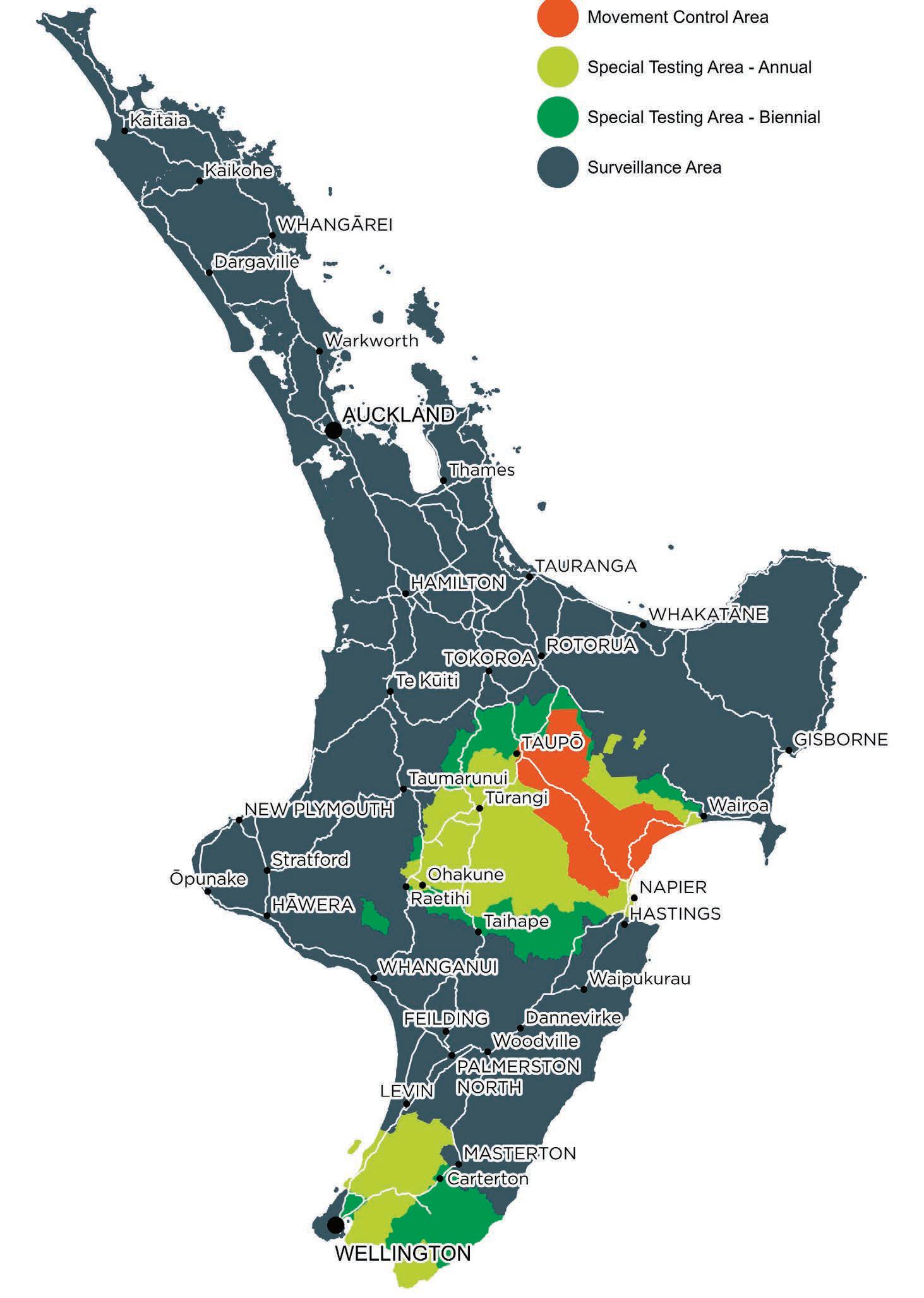
TBfree is an OSPRI programme proudly funded by:
Disease Control Areas from 1 March 2026
Disease Control Areas from 1 March 2026
Further information
For more information about the different types of Disease Control
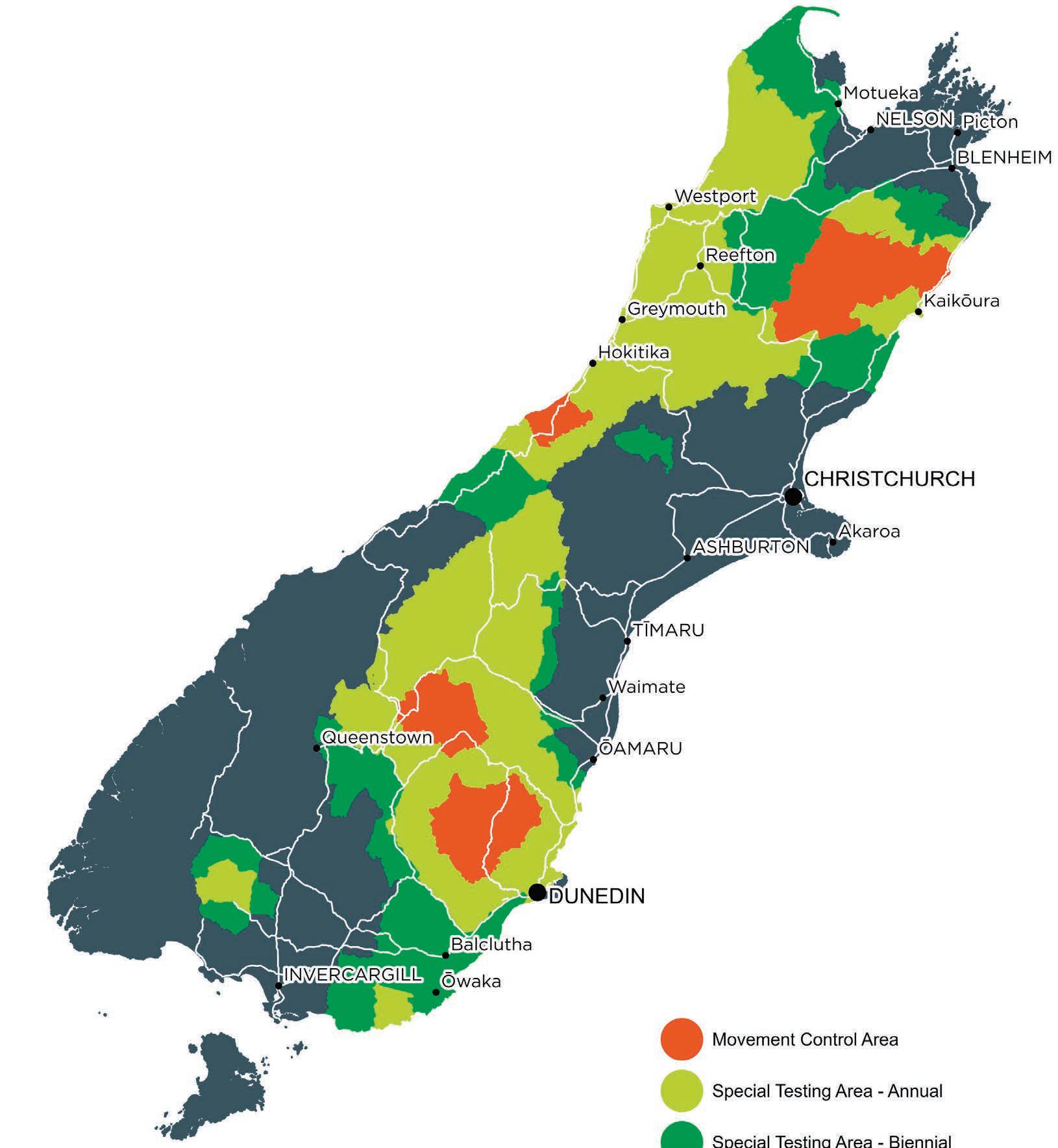
Areas, and the frequency of on-farm TB testing of cattle and deer in each.
Ospri.co.nz/dcamap
Areas, and the frequency of on-farm TB testing of cattle and deer in each. Ospri.co.nz/dcamap 13/1/2026 11:20 am
13/1/2026 11:20 am
Beef’s value holds despite disruptions

IT TAKES only a quick look at results in the saleyards to see that confidence around cattle markets is through the roof.
Obviously, all the rain in the past fortnight has helped keep spirits high and buying orders coming into stock agents, but ultimately this is all a trickledown from overseas – processors are selling beef for huge money, which is pumping schedules up, and anyone who has killed cattle recently is emptying their well-lined pockets into the store market as they search for replacements.
While vendors of cattle are happy to see the value of their stock surge, it’s easy to see how buyers are a bit nervous about what they’re paying and whether it’ll come back to bite them further down the track.
So what are the odds that it all falls down overseas? Through to the end of autumn and likely early winter, the risk is low.
Before Christmas, all eyes were on how the United States market would respond after tariffs on all beef, but especially Brazilian beef, were stripped down to zero.
While the reduced tariffs would effectively increase US buyers’ potential budgets, there were concerns that this would cause a wave of beef to hit the US at the start of the year and deflate imported manufacturing beef prices in the process.
However, China threw a spanner in the works at the end of last year when it announced its new annual beef quota system, which came into effect on January 1.
While this was a non-event for New Zealand exporters – the 206,000 tonne allocation was close to double what New Zealand had shipped to China in 2025 – but both Australia and Brazil drew the short straw and were given much tighter quotas relative to what they’d sold to China last year.
Since these countries were No 1 and 2 on the list of places China bought beef from last year, accounting for 69% of China’s beef imports, this has sparked a buying frenzy in China.
It’s widely expected that both Australia and Brazil will exhaust their quotas somewhere around mid-year.
This has effectively redirected some beef away from the US over the short term and meant any oversupply concerns have been unwarranted.
At the same time, New Zealand’s
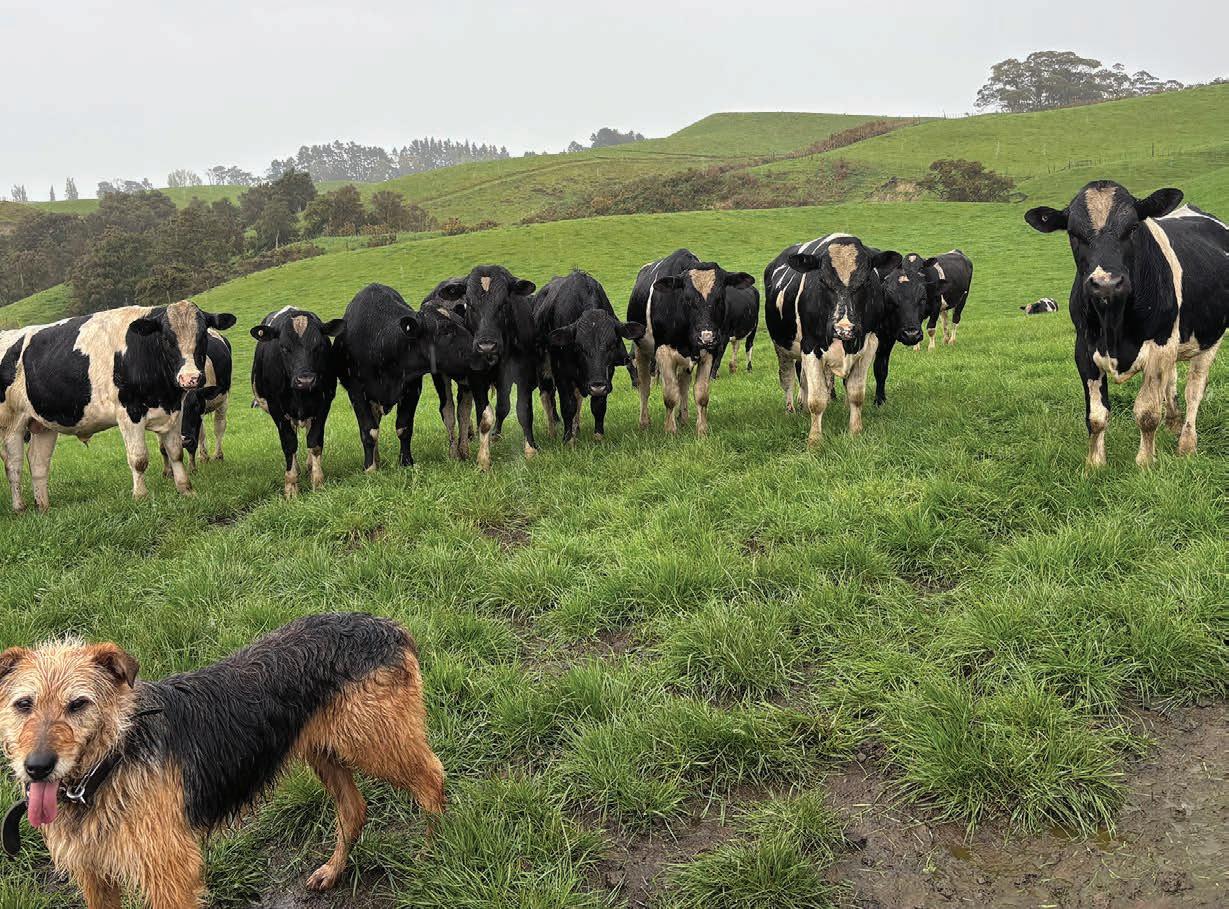
around US$3.80/lb for 95CL bull meat and US$3.60/lb for 90CL cow, both at record levels.
Australia and New Zealand were more reliant on the US.

offerings to the US have been below what some traders over there expected. This has partly been because of the relatively subdued bull and cow kill versus normal since spring, but New Zealand traders are also under less pressure to make sales into the US specifically, as other minor markets have been more active than usual, especially the UK and Canada.
All in all, beef pricing into the US has ranged from steady to firmer since the holidays, last trading at
And, more importantly, it’s expected that these prices shouldn’t go down anytime soon given they’re targeting deliveries for our autumn, and their domestic prices are starting to seasonally increase after a soft decrease in December.
The other key part is there’s little evidence of any major pushback around beef prices from the consumer level.
In the mid-2010s, the US beef market was in a similar position, but it all came tumbling down not long after as the US herd was rapidly rebuilt, foodservice (restaurants/takeaway) was able to easily source cheap alternatives to beef, like chicken, and both
This time around there have only been some minor signs that the US herd is increasing. Total US cattle supplies are shrinking even further due to the ongoing Mexican live cattle import ban, and US inventories of all red meat and poultry were the lowest for the start of the year since 1993, when accounting for population growth.
Where the markets could get interesting is in the second half of the year, when Australia and Brazil have to start redirecting beef elsewhere.
While this should create opportunities for New Zealand in China, the US and other Asian markets will likely come under supply pressure.
WHERE’S THE BEEF: With prices being what they are, anyone who has killed cattle recently is emptying their well-lined pockets into the store market as they search for replacements, says Reece Brick.
Reece Brick MARKETS Livestock
Cattle Sheep Deer

Weekly saleyard results
These weekly saleyard results are collated by the AgriHQ LivestockEye team. Cattle weights and prices are averages and sheep prices are ranges. For more detailed results and analysis subscribe to your selection of LivestockEye reports. Scan the QR code or visit www.agrihq.co.nz/livestock-reports
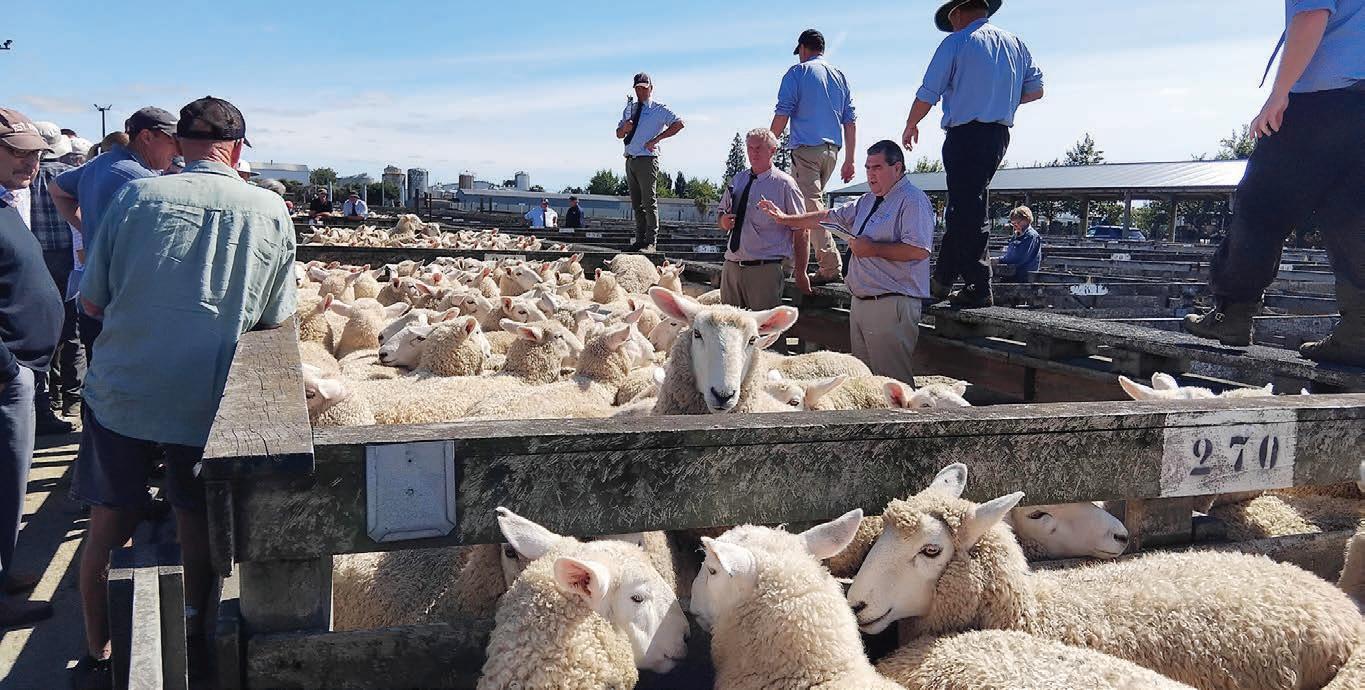
BIG INVESTMENTS: The market was hot at Temuka for the 2-tooth ewe fair on Wednesday, January 28. A regular line of first cross Border Leicester-Romney 2-tooths fetched $410.
590kg
1.5-year traditional steers, 425kg
1.5-year
1.5-year
1.5-year traditional heifers, 315kg 5.10
1.5-year
Store shorn cryptorchid lambs, most 161-194
Store shorn mixed-sex lambs, most 141-185
Store woolly mixed-sex lambs, all 156-186
Feilding | January 26 | 149 cattle, 3660 sheep $/kg or $/hd
Prime traditional bulls, 710kg
ewes, most
lambs, most
Rongotea | January 27 | 277 cattle, 24 sheep
Prime traditional heifers, 505kg
dairy-beef heifers, 520kg
Store terminal-cross mixed-sex lambs, most
Store crossbred mixed-sex lambs, most
Store Corriedale wether lambs, all
Prime ewes, all
Prime lambs, most
Temuka | January 22 | 2625 cattle
Weaner dairy-beef steers, 140kg
Weaner dairy-beef bulls, 125kg
Weaner Friesian bulls, 130kg
Weaner dairy-beef heifers, 120kg
Temuka | January 26 | 586 cattle, 6532 sheep
Prime dairy-beef steers, 590kg
Prime dairy-beef bulls, 575kg
Prime Jersey bulls, 390kg
Prime
Boner Friesian cows, 585kg
Store wether lambs, most
Store ewe lambs, most
Store mixed-sex lambs, most
Prime ewes, most
Prime
lambs, most
Temuka | January 28 | 3406 sheep
2-tooth Romney ewes, most
$/kg or $/hd
1.5-year Friesian bulls, 220kg 5.73
Weaner dairy-beef bulls, 110kg 710
Weaner dairy-beef heifers, 125kg 725
Canterbury Park | January 27 | 138 cattle, 2772 sheep


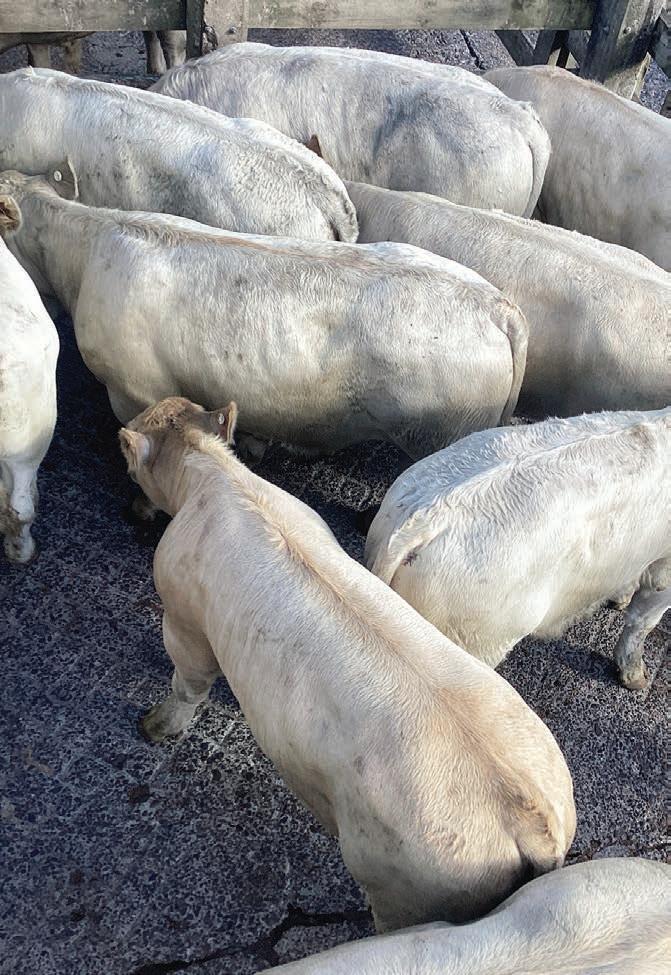




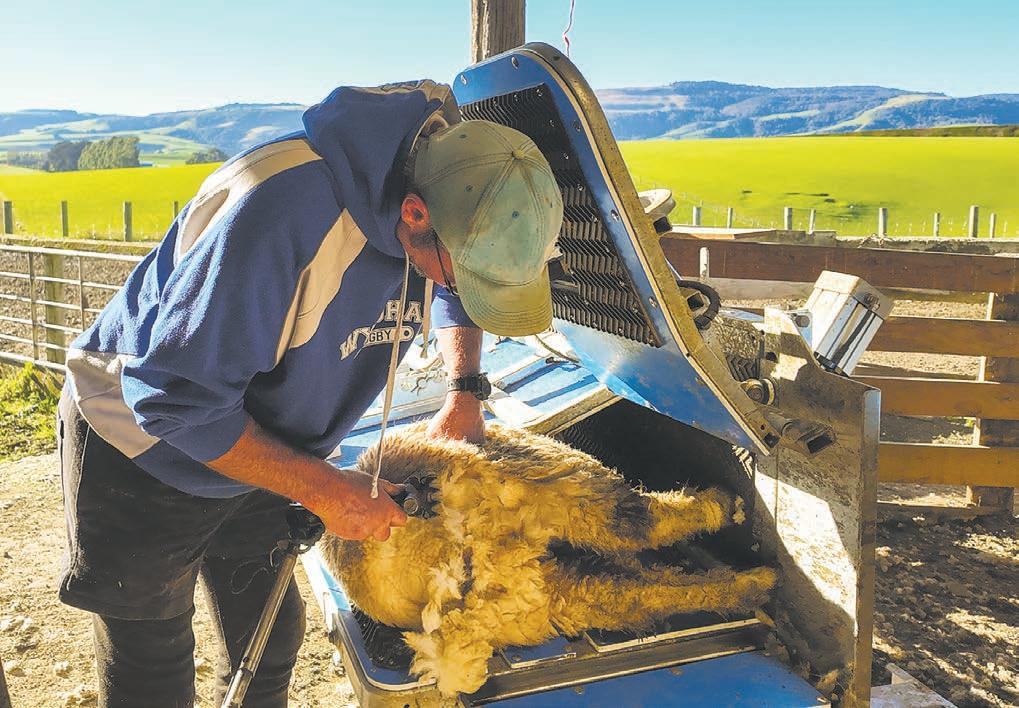


TASTE TEST: These weaner Charolais bulls from Kaikoura were an early test of the beef weaner market. At 277kg, they fetched $1970. Photo: bidr.co.nz
When no-name storms outdo tropical cyclones

THE tropical storm that brought flooding and landslides in New Zealand a couple of weeks ago wasn’t technically a tropical cyclone (although it was close to it) when it left the tropics – but it dealt damage on par to (or worse than) significant, memorable tropical cyclones in our past.
A comment on the WeatherWatch. co.nz website the other day asked why this storm wasn’t talked about in the media very much before it arrived – and the simple answer is that, unlike Cyclone Gabrielle, this low never reached tropical cyclone status when it was north of NZ, so therefore there weren’t days or weeks of official tropical cyclone advice and warnings before it reached our nation.
This highlights the unique situation New Zealand is in. Technically, tropical lows lose their “tropical”
status just north of Northland. It’s quite a simple explanation: A tropical cyclone has warm air at the centre of it, fuelling it. But once it leaves the tropics, like a car going on a journey, it eventually runs out of gas.
That tropical air, specifically in the core of the storm, usually gets used up just as it comes into NZ. At that point colder air floods in and this immediately changes the entire structure and size of the storm – and, usually following a brief weakening phase during this process, it then can power up into something significantly larger.
The first thing you notice is that the cloud and rain become lopsided, followed by the wind. In the tropics a tropical cyclone has gale-force winds all 360 degrees right at the centre, and rain too.
As it comes into NZ you’ll often see the top half of the cyclone shed its rain and cloud, pushing it all into the southern quadrant in particular. But the biggest feature that happens when the warm core is replaced with a
cold core is that it expands the winds outwards.
This reduces the peak winds at the centre, and spreads that energy much further afield. A tropical cyclone, even a powerful one, can be small in size, say just 400km across, but once they reach NZ and get that cold air, they can grow to a few thousand kilometres across.
Even though that energy is being spread further, lows in our part of the world interact with high-pressure zones – something they don’t do much of in the tropics. This can create very large “squash zones” of wind – as we felt a couple weeks ago with that icy gale-force southerly that stretched from near Antarctica to north of NZ.
If rain is stuck in that straight-line wind it can last for days, increasing flooding on one side of NZ.
Our mountains and ranges – and uniquely shaped water catchments –further alter the weather.
This process is why there isn’t a “one size fits all” approach to tropical lows that impact NZ.
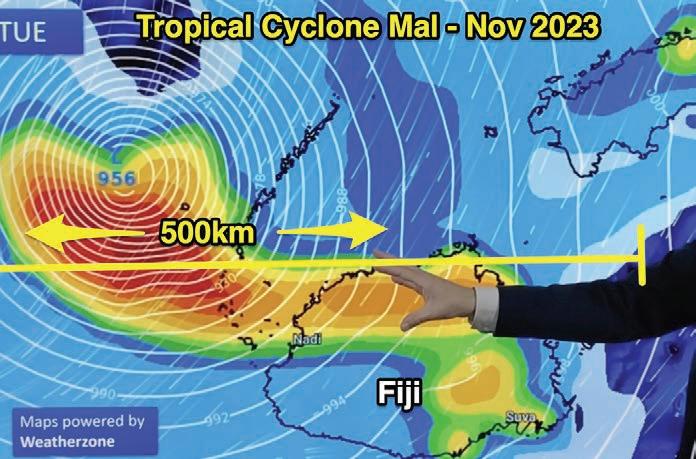
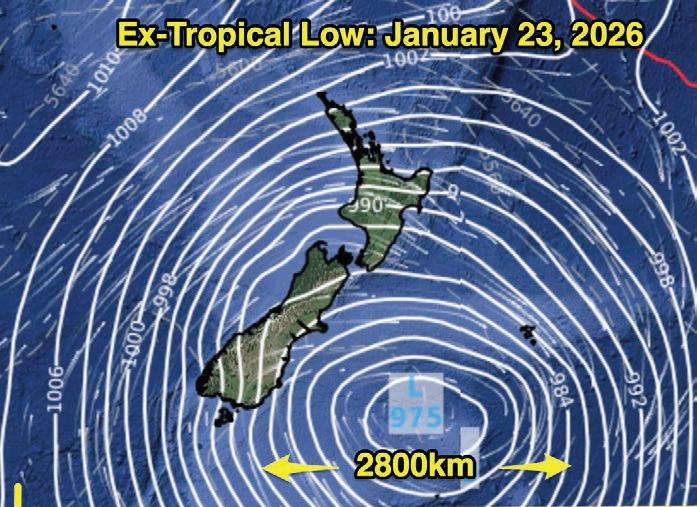






MORE EXTREME: Tropical cyclone (956hPa) vs extra-tropical cyclone (975hPa): The tropical cyclone is more extreme, but compact. The recent ex-tropical low was much larger, slower moving, but less intense at the centre.
Images: WeatherWatch
Philip Duncan NEWS Weather