2025 Impact Report

I’m really excited to share our 2024 Impact Report. It’s a chance to look back at everything we’ve worked on over the past year, across our three key areas: Product, Planet and People.
This report is honest. Sustainability is complex - but our team continue to rise to the challenges with creativity, integrity and heart. I want to acknowledge everyone who’s been part of this journey because there is a lot to be proud of.
We’ve made big strides in using recycled synthetic fibres jumping from 65% in 2022 to 84% in 2024. That’s no small feat.
We’ve supported biodiversity projects, including a personal highlight for me visiting the Galapagos Islands and seeing first-hand the impact of our support for the Whale Sharks Project and Plastic Pollution Free Galapagos through the Galapagos Conservation Trust.
And we were honoured to receive the Green Award for Larger Businesses at the 2025 North West Family Business Awards. It’s great to be recognised, but that’s not why we do this. We do it because it matters.
People are at the heart of everything we do. We continue to build strong relationships with our suppliers and stand by the women working in our factories. In 2025, we’ve already completed renovation work at Savar School in Bangladesh, helping create a safe and joyful space for the children there.
We know we’re not perfect. But we’re setting bold goals, holding ourselves accountable, and doing our best to protect the places we love so future generations can keep exploring and discovering the world around them.


We’ve been passionate about the outdoors since 1965.
Our goal is simple - to create gear that helps people enjoy adventures big and small, and to do it responsibly. We believe exploring the world should be fun and sustainable, and that idea shapes everything we make, from clothing and footwear to equipment designed to make your time outside even better.
Our vision? To be the go-to brand for adventurers everywhere, offering innovative, responsibly sourced gear that’s ready for any environment. We want you to feel confident and equipped for every journey, whether it’s a weekend walk or a once-in-a-lifetime expedition.
Net sales for Craghoppers Limited for 2024 (financial year ended January 2025)
£43.85m
£41.72m
You can find our products in lots of places - our own Craghoppers and Regatta stores, on our websites and through trusted retail partners both in-store and online.
We’re proud to be global, with customers in the UK, across Europe, Asia, North and South America and even as far as Australia and South Africa.
Behind the scenes, we keep things running smoothly with warehouses in Ellesmere Port (UK) and Poznan (Poland). We also have a team in Hamburg, Germany, and our main headquarters is in Manchester, UK.
£38.35m
The Board are regularly informed at their bimonthly meetings on sustainability progress and business endeavours, as board member, Joanne Black, is an owner of the business and responsible for buying and retail at Craghoppers. This ensures that buy-in comes from the top level.
The Regatta Group’s CSR Committee is chaired by Joanne Black and meets twice a year and includes Directors and Senior Managers from across the business.
The Sustainability Committee comprises Managers from across the business, who meet on a quarterly basis to ensure a co-ordinated and effective approach to the delivery of the Sustainability business plan company wide. The Committee includes Managers from operational and facilities, Logistics, E-comms, People, Distribution, Brand Marketing, Product and Sourcing. They are responsible for the day-to-day key climate-related impact areas for the Group e.g. buildings, sourcing, logistics.
They will advise the CSR Committee of any issues. The Sustainability Committee is also responsible for preparing and managing information to ensure correct reporting on the Sustainability business plans KPIs.
In 2024, the Regatta Group brought in a dedicated team member to assist in the development of policies across the Regatta Group, covering ethical, social and environmental responsibilities (The Honesty Project), alongside the CSR committee.
We believe great gear should go the distance. Whether you’re heading out on your first adventure or you’re a seasoned explorer, we’re here to help you get out there with clothing, footwear and accessories that are fantastic quality, durable and made to last. We put real care into every stitch, so you can rely on your kit wherever the journey takes you. ALWAYS EVOLVING
We’re always looking for smarter ways to do things - whether that’s using clever design tools or developing new tech to make your gear even better. From our NosiLife insect-repellent clothing to CO2Renu fleeces made using recycled carbon emissions, innovation is part of who we are.
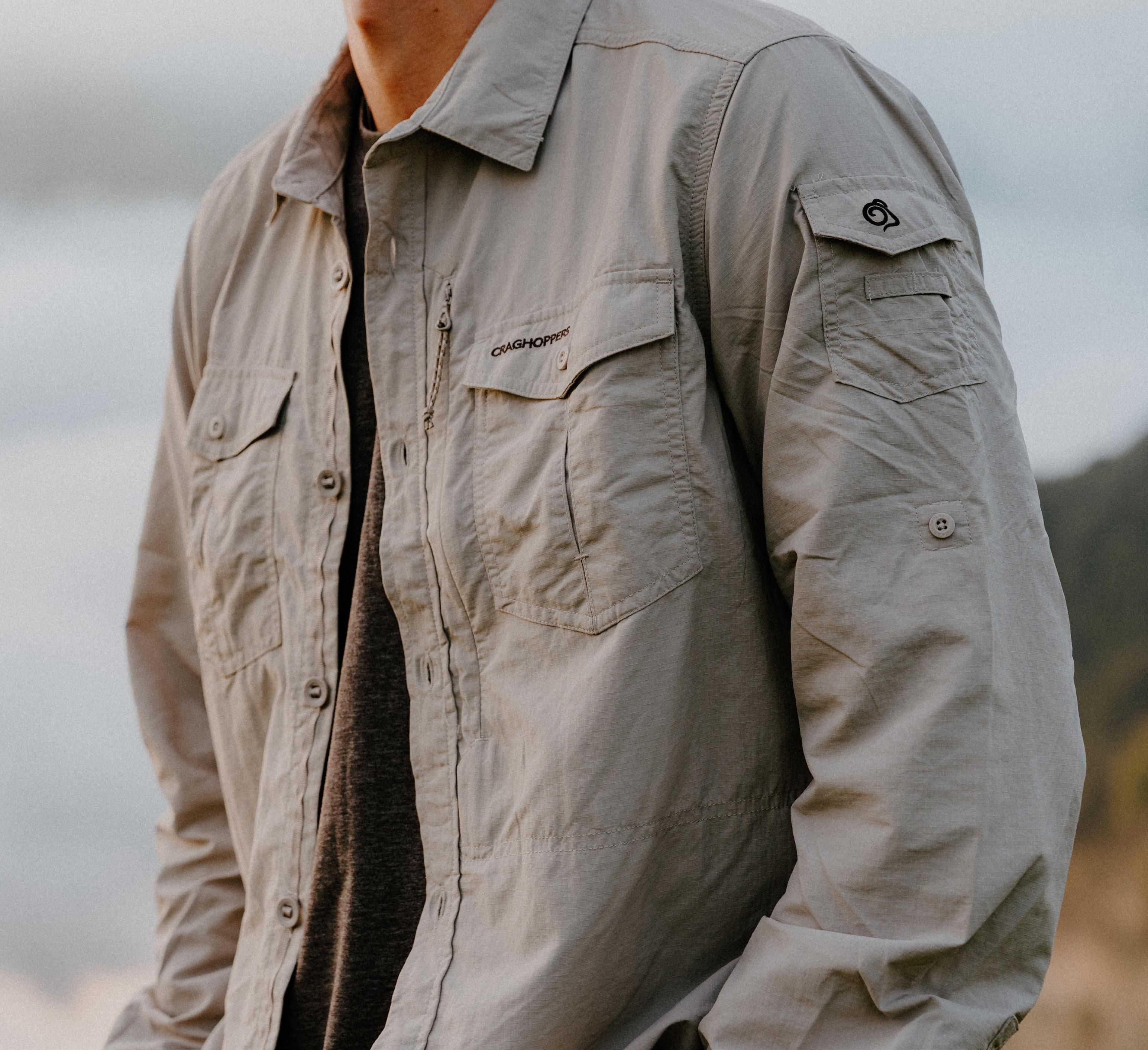
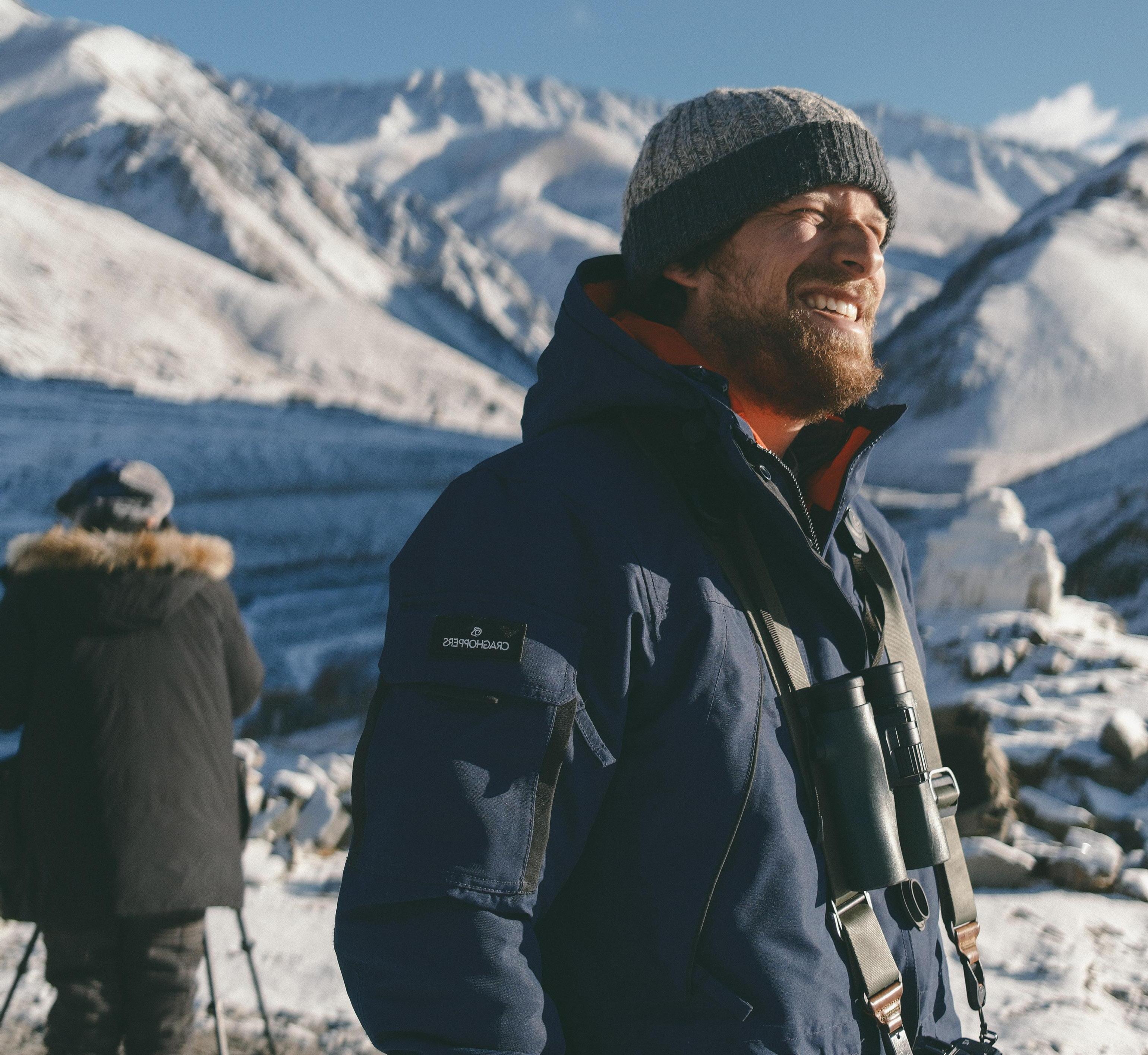
We take our responsibility seriously - towards people and the planet. That means making sure our supply chain meets high ethical and safety standards and being thoughtful about how we use resources. We’re working hard to measure our impact better, so we can keep improving.
Everything we do leaves a footprint, and we’re committed to making ours as light as possible. We’re also proud to support projects that protect nature and help communities thrive - from biodiversity and conservation efforts to social impact initiatives.
14,000
sphagnum moss plugs were planted on Kinder Scout in September 2024 by members of the Craghoppers head office team, supporting the National Trust’s peatland restoration project
100%
of the main fabric in our Classic Kiwi Trousers and Classic Kiwi Shirts was made from recycled materials in 2024
4 214,000 53,000 61% 84%
years after we began supporting Galapagos Conservation Trust, Joanne Black visited in November 2024 to see the projects first-hand
nutritious meals were provided to students at the Savar School in 2024
of our garment suppliers were signed up to the HIGG FEM by the end of 2024 - a globally recognised environmental management standard of our synthetic fibres came from a recycled source
7,700,000
litres of water saved by using more efficient finishing processes and dyeing methods in our Kiwi Trousers and NosiLife collection
people chose one of our PFAS-compliant waterproof jackets while 156,000 people bought one of our Miska or Corey 100% recycled fleeces
131 10% 188
customers got a free product repair from Timpson, so they can enjoy using their Craghoppers gear for longer
hours of private therapy sessions for veterans were funded through our partnership with Walking With The Wounded.
reduction in scope 1 and 2 greenhouse gas emissions
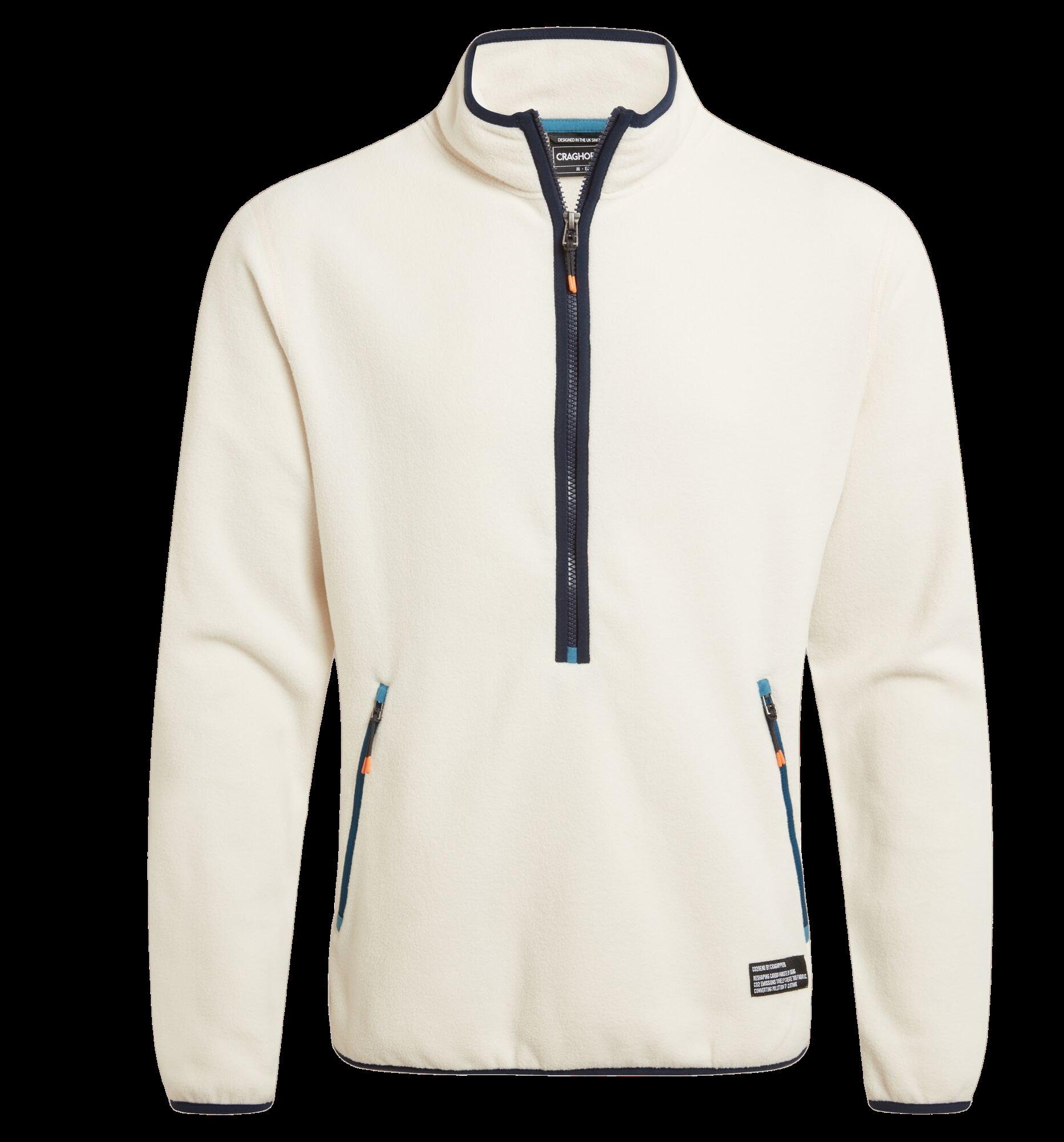
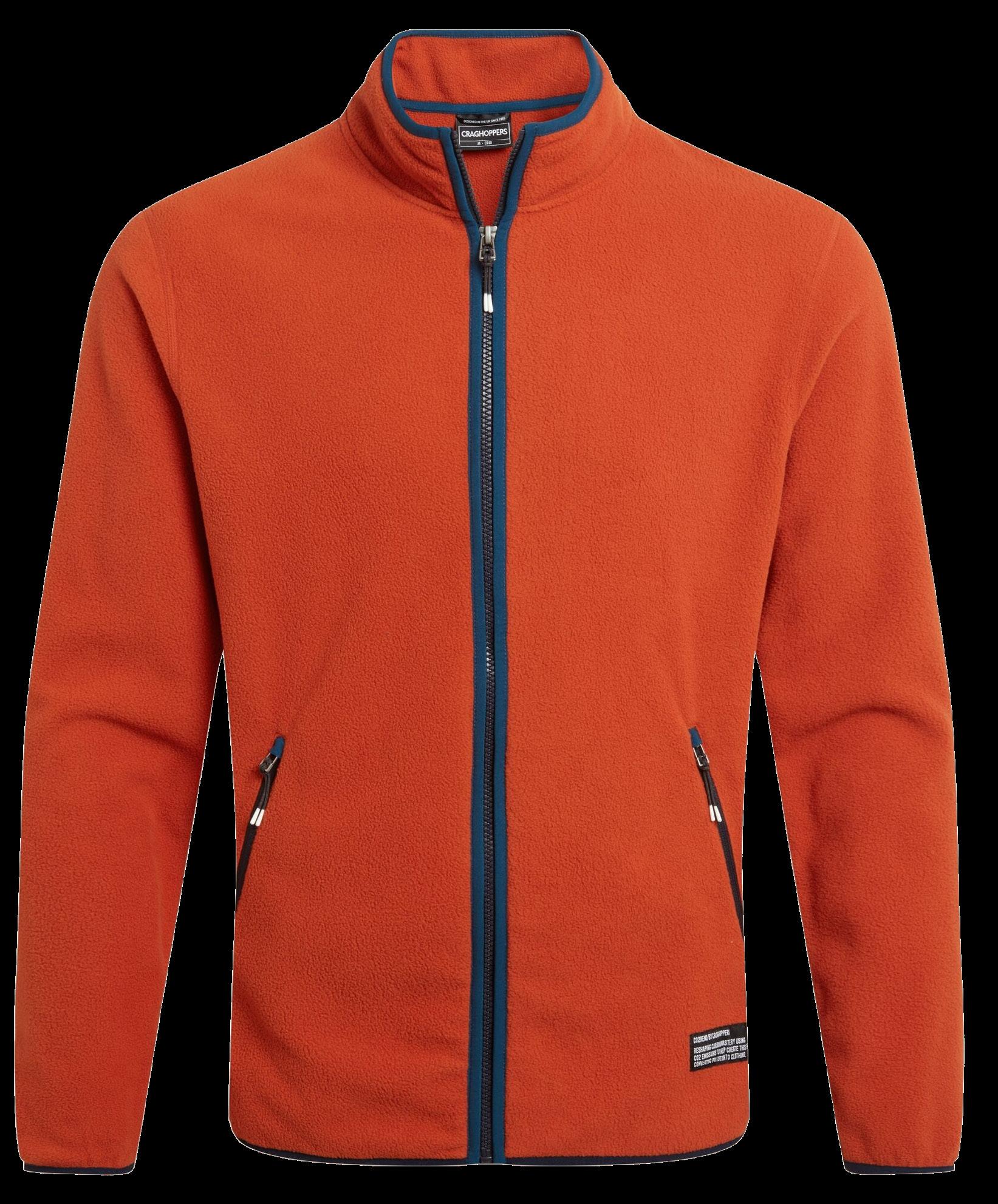
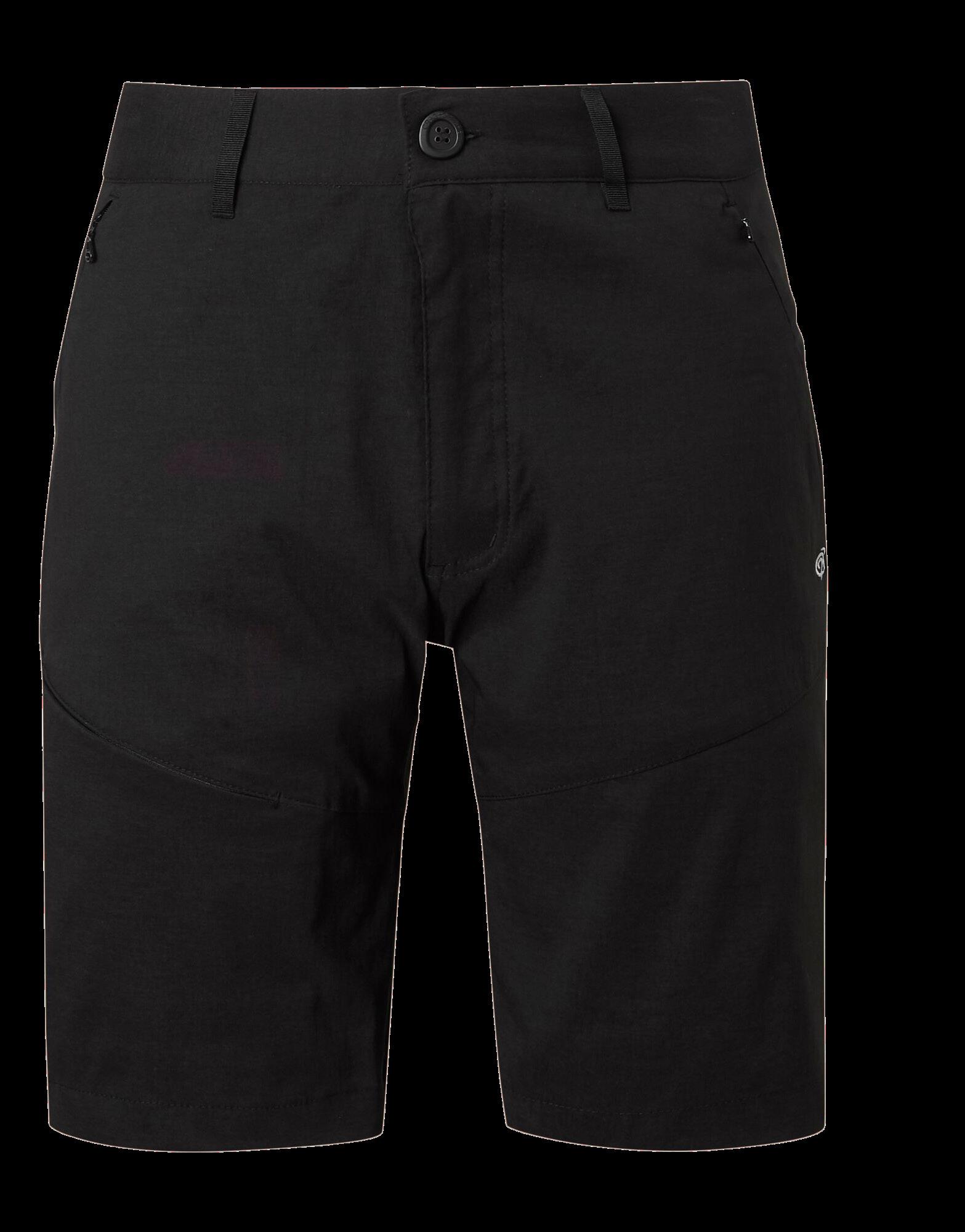

The gear we make; clothing, footwear and accessories, has the biggest impact on the world around us. That’s why we’re working hard to make better choices at every stage, from design to production to packaging. Focusing on quality, durability, innovation and responsibility.
We’re using a 3D design tool to cut down on resources during design & prototyping, it allows us to experiment digitally, creating great gear with less waste and shipping.
We partner with suppliers who share our values minimizing environmental impact and ensuring fair, safe working conditions for everyone involved.
We’re upping our use of preferred materials and making thoughtful decisions about the resources behind our product technologies. At a glance
We believe gear should last. That’s why we build products for a lifetime of adventures and encourage repairs and care to keep them going strong.
Returns and end-of-life products don’t belong in landfill. We donate them to charities for re-purposing whenever possible.
We’re learning how to bring circular products into our range because the future of gear should be sustainable.
We’ve built strong, long-term relationships with the people who make our products. Today, we source from 5 countries, mostly in Eastern Asia. While we don’t own the factories, we take a hands-on approach to make sure we only work with partners who meet our ethical, social, and environmental standards.
To keep things on track, we carry out regular checks and audits based on the Ethical Trading Initiative Base Code for working conditions and the Higg FEM tool for environmental performance. (You can read more about these, and our zero-tolerance stance on modern slavery, in the Planet and People sections of this report.)
By working closely with our suppliers, we can deliver consistent quality, help reduce environmental impact, and make sure fair working conditions and opportunities are in place for everyone involved.
75%
of our clothing production volume for SS25/AW25 (which was produced in 2024) came from suppliers we have been working with for at least 20 years.

“Making good quality clothing, footwear, accessories and equipment should not come at the expense of others.”
Joanne Black
20 years and over
How long we’ve worked with suppliers
Over 10 years
Over 5 years
% clothing production volume in Spring/Summer ‘25 and Autumn/Winter ‘25
UK
Tier 1 - 1 supplier/factory (1 audited)
Tier 2 - 1 supplier/facility
Tier 3 - N/A
China
Tier 1 - 10 suppliers/20 factories (20 audited)
Tier 2 - 19 suppliers/39 facilities (11 audited)
Tier 3 - 35 suppliers/facilities (2 audited)
Supply chain transparency
We want to be open about where and how our products are made and we’re committed to protecting human rights throughout our supply chain. Over the past year, we’ve focused on extending our policies beyond our main suppliers to include 2nd and 3rd tier partners.
We’ve fully audited all of our overseas tier 1 suppliers and are now working on checking more factories further down the chain.
Tier 1 - 3 suppliers/4 factories (4 audited)
Tier 2 - 5 suppliers/facilities (1 audited)
Tier 3 - 23 suppliers/facilities (10 audited)
Portugal
Tier 1 - 1 supplier/factory (1 audited)
Tier 2 - 1 supplier/facility
Tier 3 - N/A
Cambodia
Tier 1 - 1 supplier/factory (1 audited)
Tier 2 - N/A
Tier 3 - N/A
When it comes to making clothes, you’ll often hear people talk about Tier 1, Tier 2 and Tier 3. These are just different stages in the supply chain from the raw materials all the way to the finished garment. Here’s what they cover:
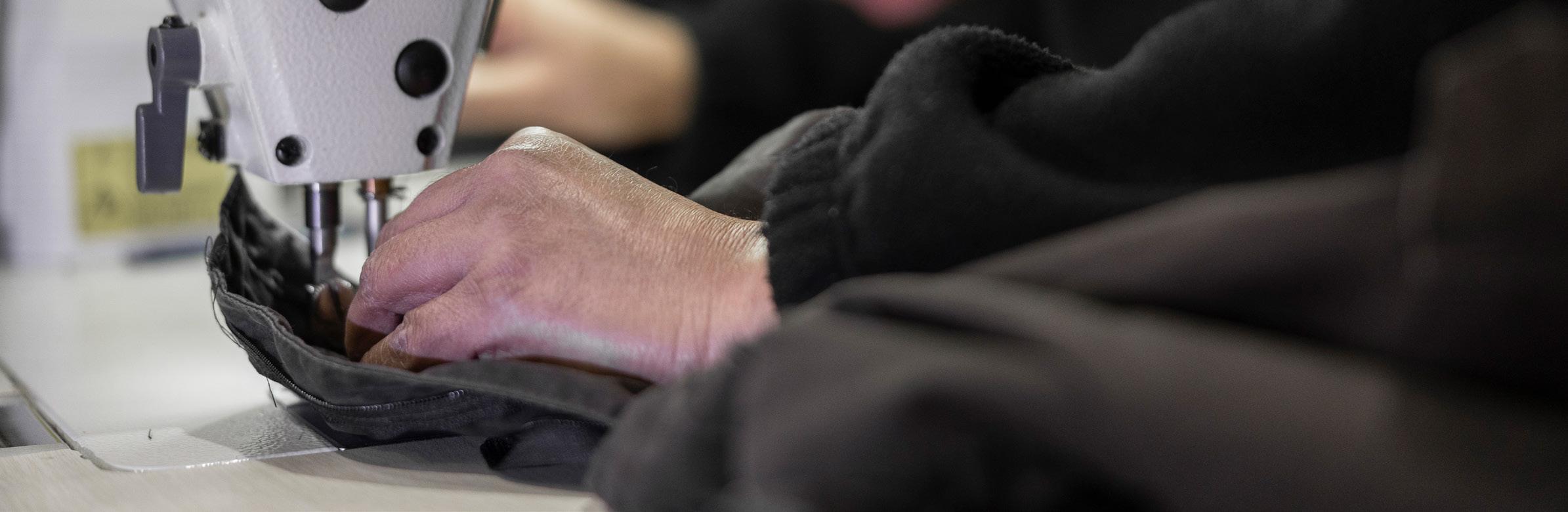
Finished Product Manufacturing (Cut & Sew)
These are the factories that bring everything together. They cut the fabric, sew it into garments and add the finishing touches - labels, trims, and packaging. Once they’re done, the product is ready to ship.
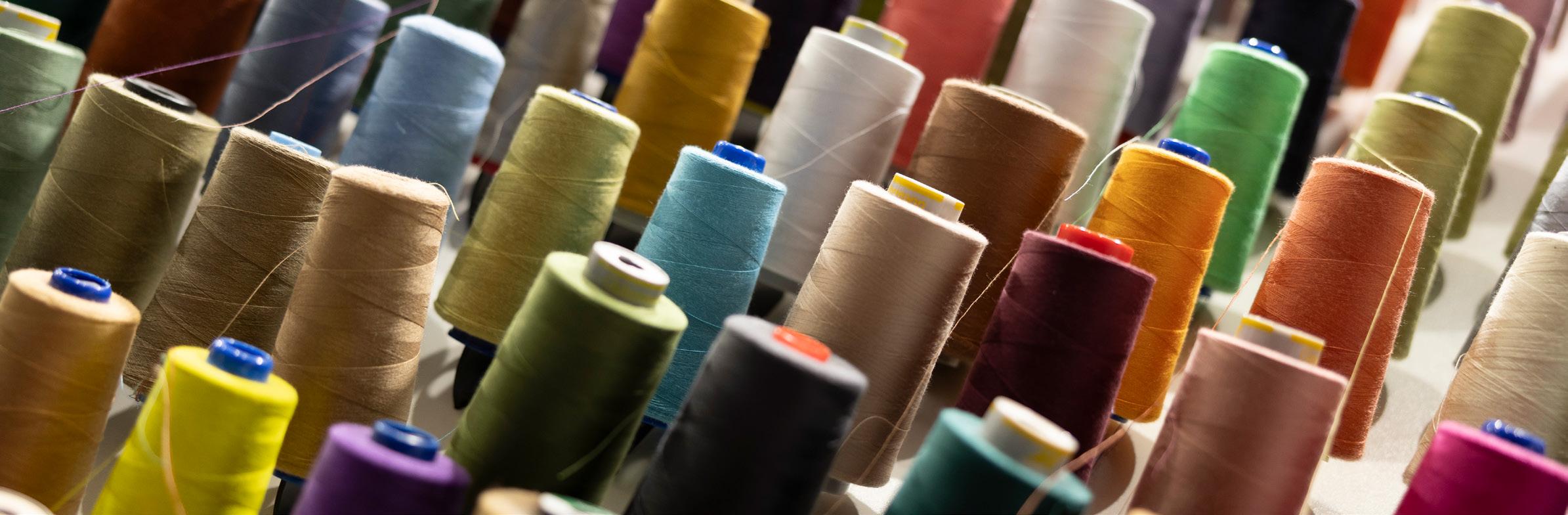
Material Processing (Fabric & Components)
Before Tier 1 can do their job, Tier 2 creates the materials they need. This includes weaving or knitting fabrics, dyeing, printing and finishing. Think textile mills, dye houses, print facilities and makers of trims and zippers.
suppliers
These suppliers provide smaller, locally sourced items to Tier 1 factories - things like care labels, tapes, printing and embroidery.
To keep things fair and transparent, we use a simple Gold/Silver/Bronze scorecard with all our garment and fabric suppliers. It’s updated every six months and helps us see how everyone’s doing.
The whole team gets involved in scoring suppliers on things like communication, on-time deliveries, product development, quality, import processes, ethical trading and environmental efforts. This isn’t just about ticking boxes - it’s about spotting ways to improve and giving useful feedback so we can all do better together.
When selecting the right fabrics and components for our products, we believe it is critical to strike the right balance between environmental impact, quality and performance.
We’re working to use more preferred materials in our productswithout losing the performance, durability and quality you expect from us.
So what do we mean by “preferred materials”? These are fabrics and finishes that are lower impact compared to their conventional alternatives.
To make sure we’re doing this right, we only use recycled yarns from suppliers certified by the Global Recycled Standard (GRS) and we get certification for every production run.
In 2024, all our recycled nylon polyamide came from textile-totextile recycling (that’s 31% of the recycled synthetic fibres we used). Now, we’re starting to look for textile-to-textile recycled options for polyester too.
When we choose fabrics and components, we always aim for the right balance - reducing environmental impact while keeping the quality and performance that make our gear adventure-ready.
fibres from a recycled source
Material Conventional Preferred Material
Polyester Regular Polyester GRS certified, CO2Renu
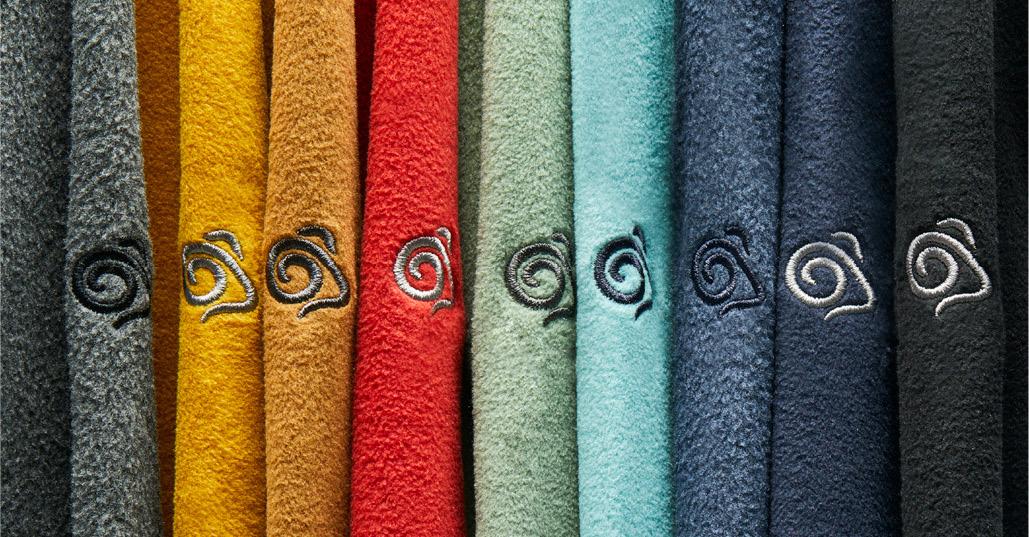
Polyester is the most widely used material in Craghoppers’ products. In 2024, 90% of all the polyester we used was recycled and 98% of polyester based fabrics had over 50% GRS certified content (virtually hitting our 2025 target) .
We believe that we need to work with industry innovators who are trying to find alternative recycled sources other than PET bottles. Polyester has the biggest impact in our fibre usage, and while GRS is a great start we are working towards the next generation of polyester recycling and working with our mills and specialist processors to turn the textile waste from our fabric manufacturing process into usable fabric for garment manufacture.
Our dream is to reuse our own manufacturing waste to make new garments using pioneering Textile to Textile (T2T) recycling processes - so watch this space. We also continue our collaboration with Industry experts, Lanzatech, incorporating CO2 emissions as the starting point for creating our recycled polyester fabric in some of our fleece products.
Nylon Polyamide Regular Nylon Polyamide GRS certified We use nylon polyamide in our products for superior strength and durability. In 2024, 77% of all our nylon polyamide we used was recycled and 97% of nylon polyamide based fabrics had over 50% GRS certified content. All our recycled nylon polyamide is from textile to textile recycling.
Our targets* for 2027
Minimum 70% GRS certified content. Expand use of CO2Renu technology.
Start T2T recycling from fabric manufacturing waste
Minimum 70% GRS certified content
Cotton Regular Cotton Better Cotton/ Organic Cotton/ Recycled Cotton
We are pleased to say that in 2024 we met our 2025 target to ensure 100% of the cotton we use in main fabrics comes from sustainable sources, and where the total cotton content exceeded 50% we achieved 96% Organic.
We choose to use cotton from GRS, OCS or GOTS as it gives us greater visibility in our supply chain, we are able to trace the source of the cotton back through production to the farms where the cotton is grown or where it has been recycled. The production of Organic cotton endeavours to protect the environment where it is grown whilst also providing a stable income with fair wages for those who produce it. Organic cotton uses no chemicals pesticides or fertilizers, limits soil erosion and is less thirsty than normal cotton. Recycled cotton has a lower impact than regular cotton as it uses less energy in its production.
Man Made Cellulosics (MMC) Viscose/Rayon Tencel (Lenzing) Incorporating MMC into some of our fibre blends, offers improved breathability and wicking compared to cotton. We choose to use Lenzing Tencel for our MMC, as it is only produced from sustainably managed PEFC or FSC tree plantations. By using MMC yarns through Lenzing Tencel, we can be assured traceability that the raw material is responsibly sourced.
Wool Regular wool - unregulated Merinonon Museled
*where a minimum % is listed this refers to a portion of the total fibre blend.
As an outdoor brand, we believe using wool in some of our products offers improved performance. We only use wool which has been ethically sourced through a certified body.
Our
Maintain 100% cotton from more sustainable sources.
Where cotton content is over 30% of fibre blend it will be sourced through Organic or GRS recycled.
100% of MMC from traceable sources
100% wool from non-museled sources
Conventional
Leather Regular dyed Leather - unregulated
Gold Star NewHide
We use leather for its unique properties that make it the ideal choice for footwear. We only use gold standard tanneries for our leather boots and shoes. They use better methods of tanning, creating less waste and using less water. We also use flame lamination to apply our AquaDry membrane.
Our NewHide fabric, which was introduced in 2022, uses less water and dyes than our standard leather, up to 60% less.
Our targets* for 2027
100% leather from Gold Star Tannieries. Invest in developing plant based leather alternatives.
Trims Regular materials (Polyester,PET, PU, rubber, metal)
GRS certified Polyester, recycled PET, plant based PU, recycled metal
We nominate the majority of our trims and work closely with our supply partners to source the most sustainable options available, whilst ensuring they are fit for purpose and provide the longevity required.
Currently we use: 100% recycled labels, 25% recycled buttons and toggles, at least 40% recycled pullers and shockcords and 100% recycled zip tapes, on non-waterproof zips. This work is ongoing and reviewed every season, to ensure we are moving forward with any new developments.
Continue to increase the recycled content of all trims
EVA Petrochemical based Biobased EVABloom Byproducts
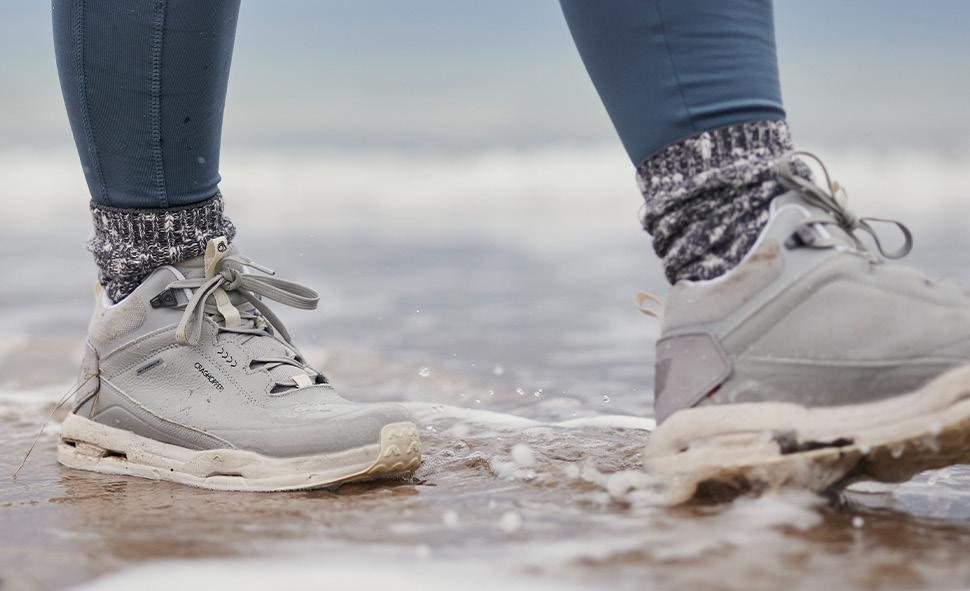
When we started producing footwear in 2022, we wanted to ensure the collection aligned with our material sourcing for clothing. We decided to incorporate BLOOM™ materials which transform waste bio-materials - like excess algae – into renewable materials. This reduces the negative impacts of fossil-fuel based materials found in footwear and other consumer products. In 2023, we started to incorporate BLOOM™ in the peaks of our caps, and in 2024, into our bags, replacing regular EVA where possible.
While this is a move in the right direction, we want to eliminate EVA from our products totally and will look to remove hood peaks where possible in the future. Since our last impact report, we have cleaned 941,232 litres of water (combined figure for 2023 & 2024).
Minimum 50% EVA to incorporate Bloom technology. Eliminate EVA wherever possible
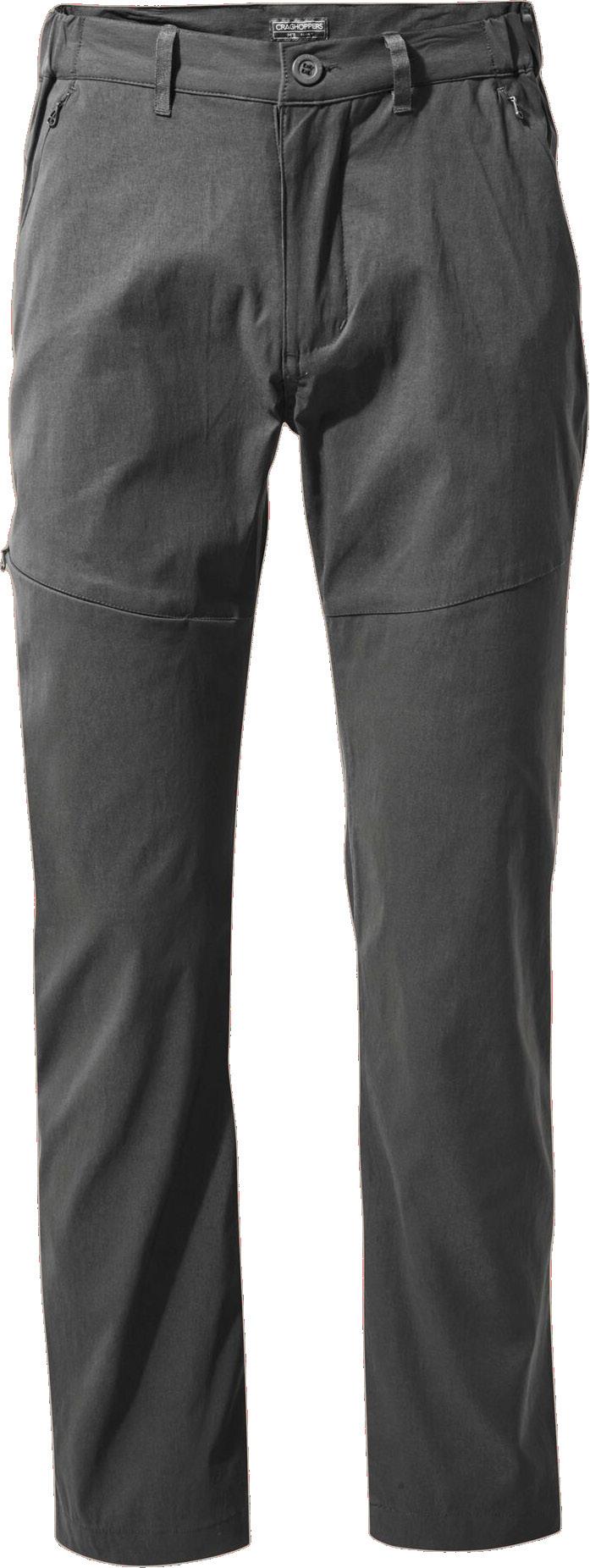
In 2024, we updated 3 of our core line to include more recycled materials in the main fabric.
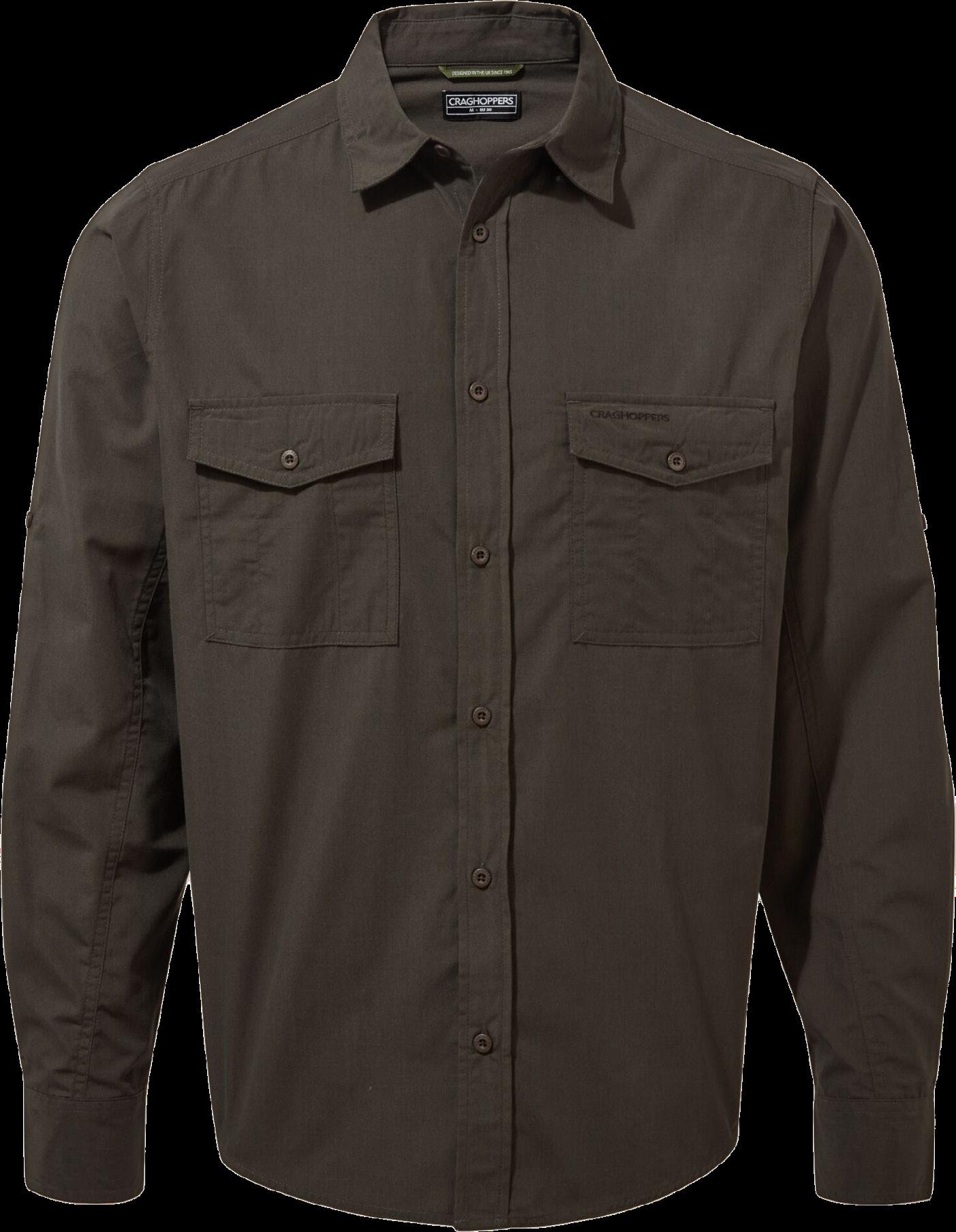
Increased from 65% recycled materials to 100% recycled material in the main fabric (65% recycled polyester and 35% recycled cotton)
Increased from 65% recycled materials to 100% recycled material in the main fabric (65% recycled polyester and 35% recycled cotton)
Increased from 60% to 96% recycled fibres in the main fabric (96% recycled nylon polyamide and 4% elastane)
As an outdoor brand, we need gear that performs, lasts and keeps up with adventure. That’s why we rely on man-made fibres like polyester, nylon and elastane - they help us deliver the qualities you count on when conditions get tough.
Synthetic fibres are great at wicking away moisture, breathing well and drying quickly - perfect for managing sweat, rain and temperature when you’re outdoors.
They’re tough. Resistant to abrasion, UV rays and repeated washing, these fibres make gear that can handle rough terrain and unpredictable weather for years to come.
Man-made fibres let us create lightweight gear that packs down small, so you can move easily without sacrificing performance.
These materials give us the flexibility to add technical features like waterproof membranes, stretch panels and synthetic insulation - so your gear works exactly how you need it to.
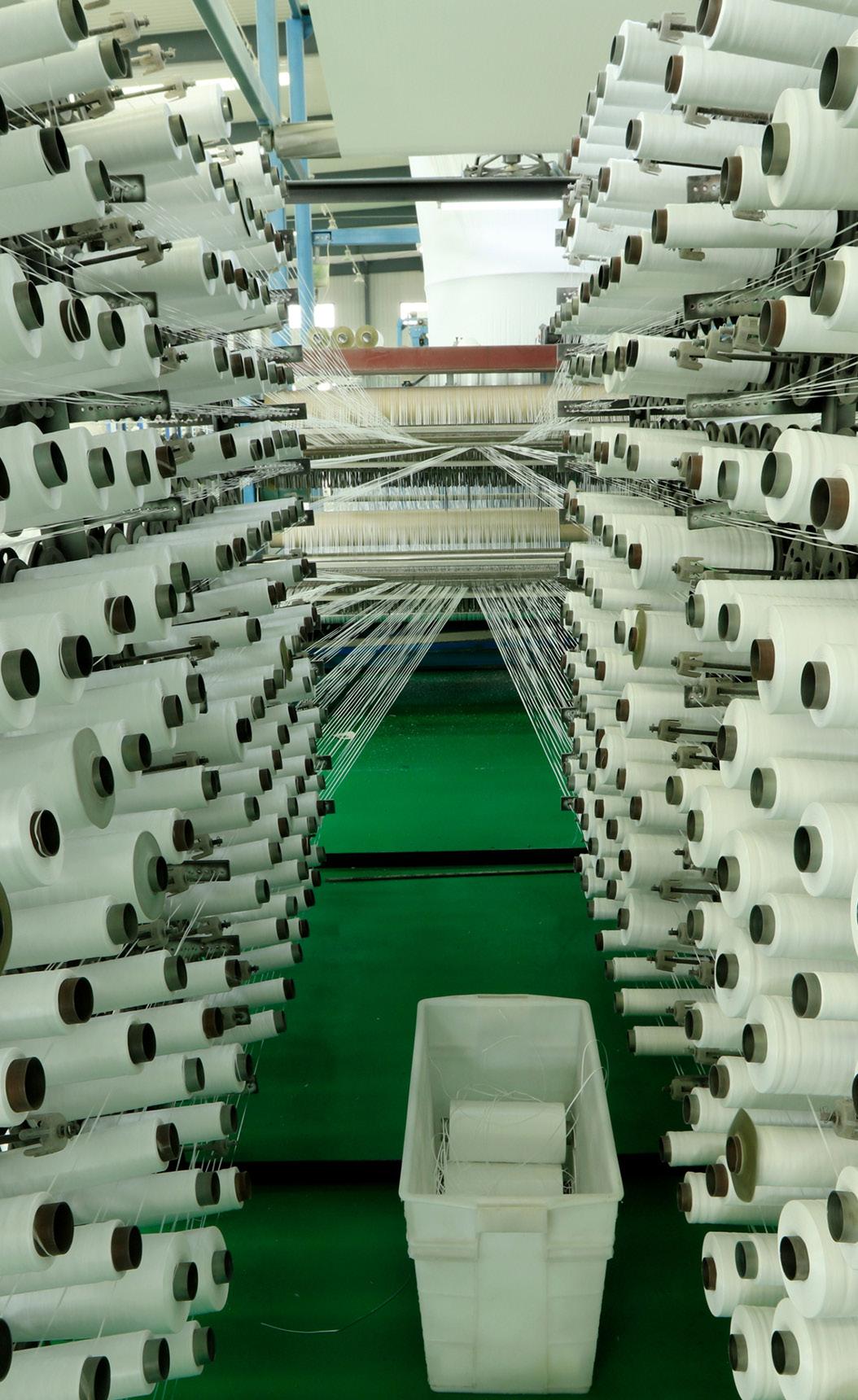
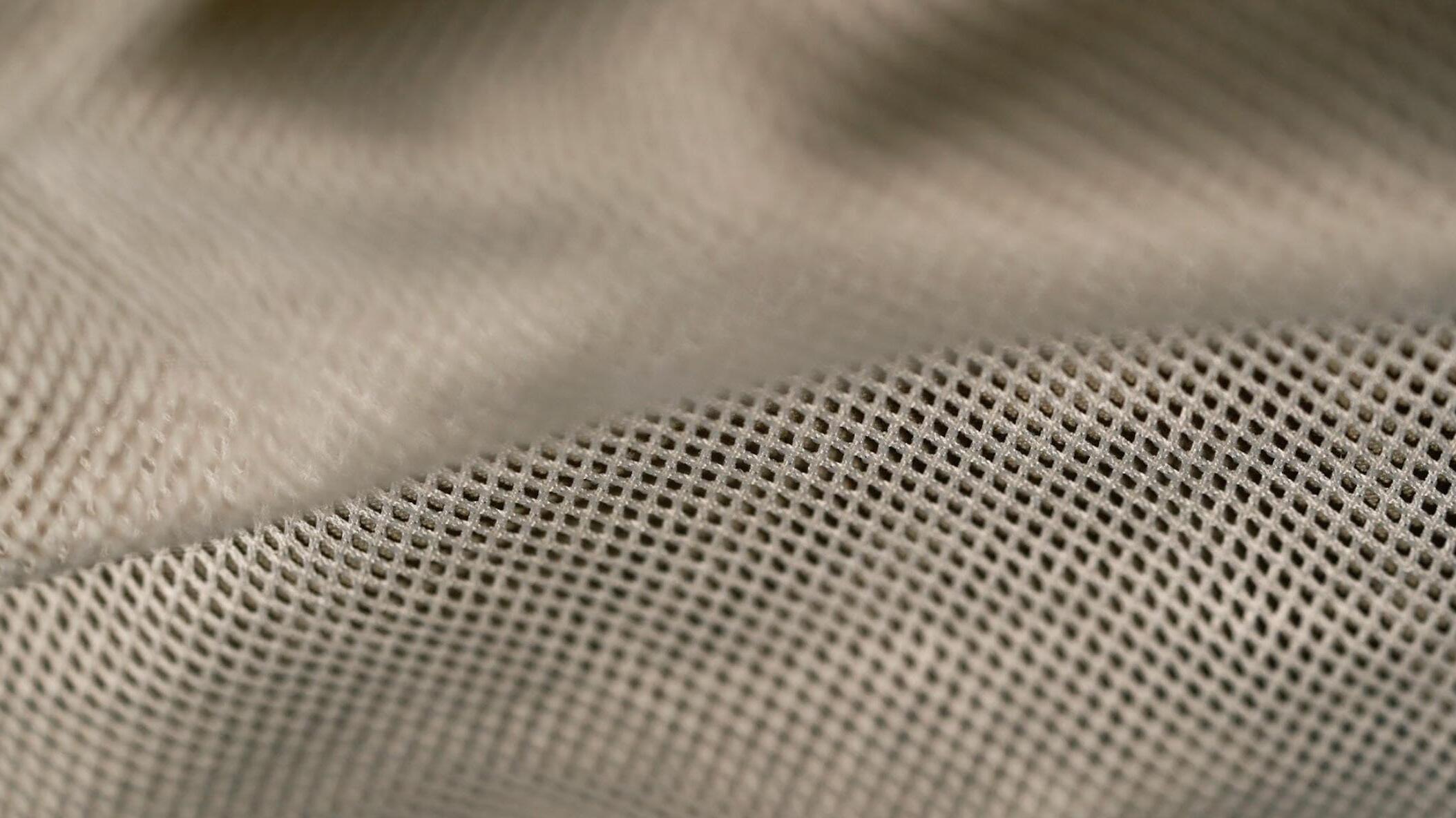
We’re always fine-tuning our technologies to make life outdoors easier and more comfortable. From helping you move freely and stay dry, to keeping things fresh, resisting stains and even protecting against insects. Our gear is built to handle the elements, provide insulation when you need it and keep you ready for whatever the weather throws your way, all year round.
Since 2022, we have updated the following technologies:
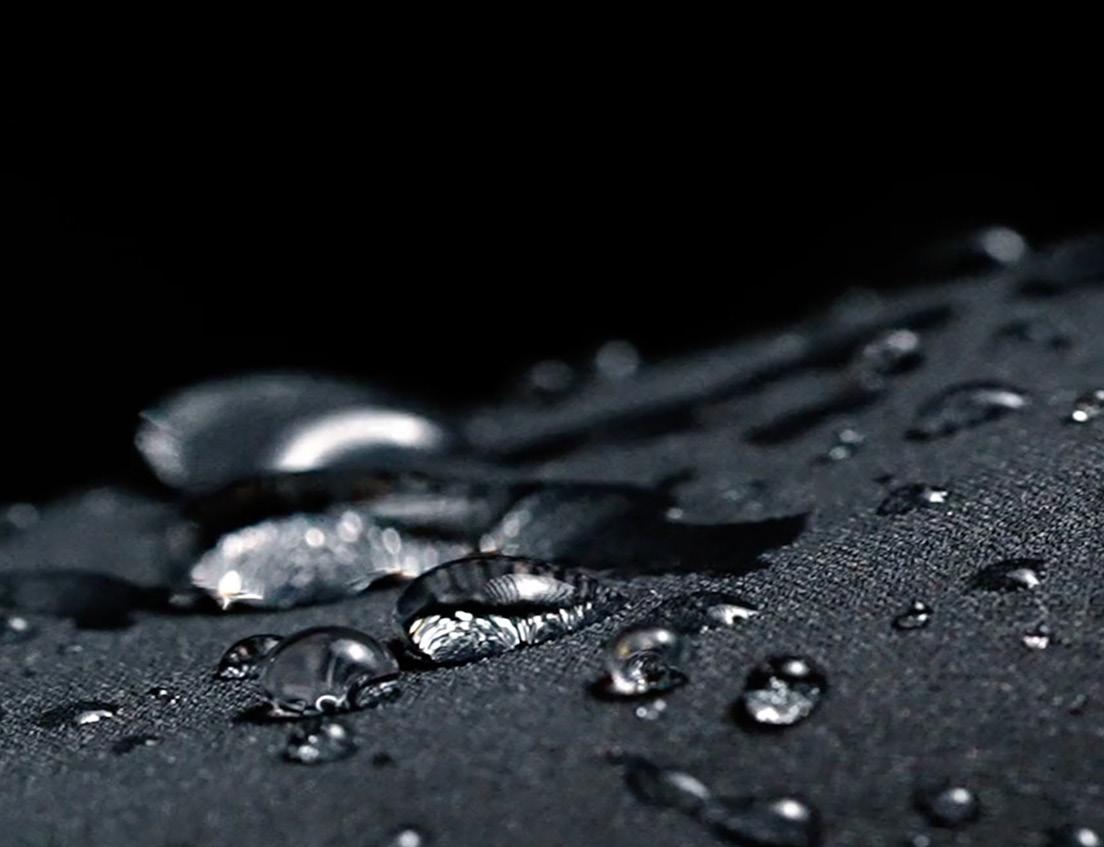

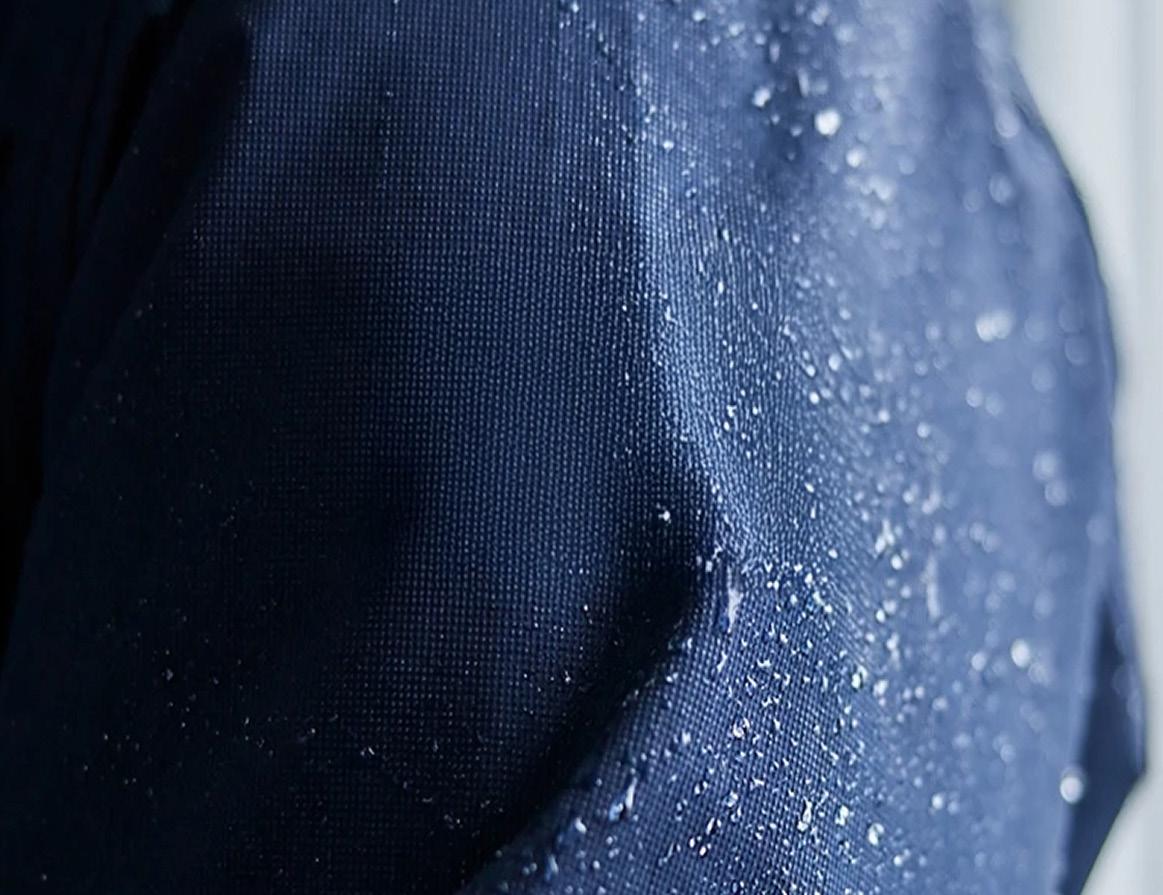
This is our own technology designed to keep you dry, protected from the wind and comfortable all day. It now includes H2OShield, a clever water-repellent finish that helps rain roll right off the fabric while adding extra durability to your gear.
Both AquaDry and H2OShield are PFAS compliant, which means we don’t use fluorocarbons - known as “forever chemicals” in the production of this technology.


Our own durable water repellent (DWR) finish H2OShield helps rain and water-based stains roll right off your clothes - keeping you dry and comfortable.
It’s PFAS compliant, meaning we don’t use any chemicals containing PFAS in the production or finishing process.
It’s also at least 50% plant-based.
Our NewHide leather now comes exclusively from tanneries certified by the 100% Leather Working Group - a mark that they follow top social and environmental standards.
We’ve also switched to an innovative tanning process that uses fewer chemicals, less energy and less water than traditional methods. It’s a smarter, cleaner way to make leather that lasts. Learn

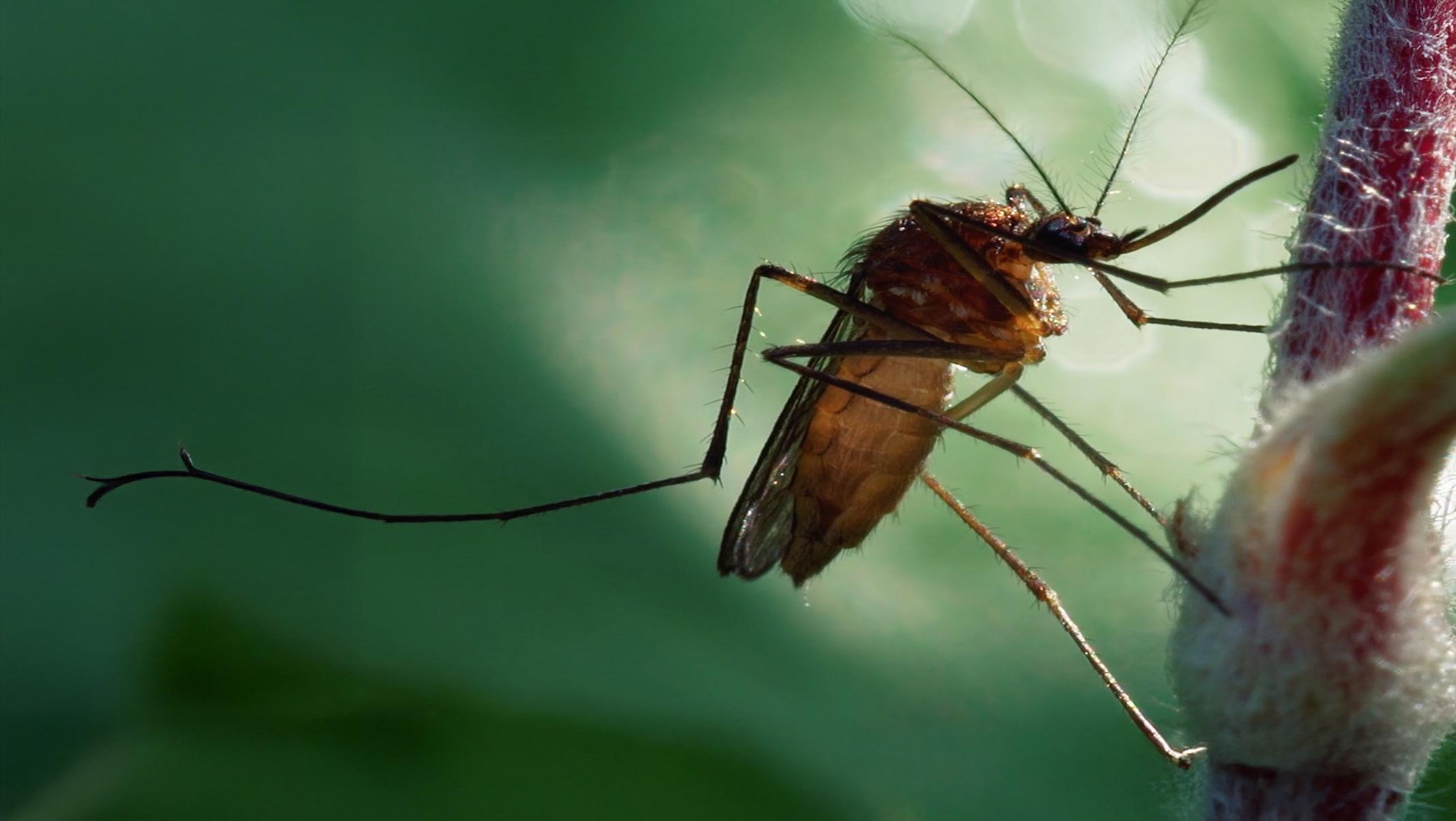
We’ve given our popular NosiLife technology a refresh! It’s now powered by a plant-based insect repellent that also helps eliminate odours - so you stay protected and fresh on every adventure. Even better, the supply chain goes right back to the farmers, making sure the ingredient is grown sustainably - using only plant-based pesticides and fertilisers.
The technology is ZDHC Level 1 certified and we are working towards Level 3 approval. The system has been designed so that any waste can be treated safely at the textile mill before reuse or discharge. And the best part? This protection is built into the fabric and lasts for the lifetime of the garment.
Learn more here.
“Protection
against insect bites
is becoming increasingly important in many areas of the world.
The purely plant-based technology based on eucalyptus repels insects and odours and lasts particularly long because it is integrated into the fabric.”
ISPO Award Jury

Our NosiBotanical technology helps keep biting insects at bay it’s the same active ingredient we use in NosiLife, but because NosiBotanical garments are made with natural fibres, the treatment is applied differently and lasts for up to 30 washes.
BLOOM® takes harmful, overgrown algae from waterways and turns it into foam and rubber for our products. This process helps clean and oxygenate water, restoring balance to the environment.
By repurposing waste algae, we stop it from decomposing and releasing CO₂ and other greenhouse gases - reducing carbon emissions and meaning cleaner air. For example, our Adflex Eco shoes, which include 10% BLOOM RISE™, help clean 60 litres of water and remove CO₂ from 38m³ of air (based on a shoe weighing 267g).
Learn more here.
Learn more here.

We teamed up with the experts at LanzaTech to create CO2Renu - a technology that turns carbon emissions into fabric.
Here’s how it works: Up to 30% of the fibres in CO2Renu come from captured carbon emissions - stopping them before they hit the atmosphere. The process has three steps:
Carbon emissions from industry are intercepted. They’re fermented into liquid ethanol. That ethanol is transformed into Bio3 Carbon Smart Polyester yarns, which we blend with recycled polyester to make our CO2Renu fabric.
We were delighted that this won us an ISPO Award in 2022.
“The CO2 Jacket by Craghoppers shows in an impressive way what is currently possible in terms of sustainable and resource-saving production methods. With this product, the brand makes a statement. It is obvious that the jacket also meets high functional demands.”
Learn more here.
We care about what goes into our products - and what doesn’t. That’s why we have a Restricted Substances List, which sets clear rules to keep harmful chemicals out. It’s based on best practices from the European Outdoor Group and REACH, so you can trust it’s up to industry standards.
Before production starts, every supplier confirms they meet these requirements. We keep the list updated as science evolves and make sure every material we use is traceable. Plus, we work with suppliers who hold certifications to back up their claims.
PFAS (per- and polyfluoroalkyl substances) are chemicals often used for water and oil resistance - but they’re harmful to the environment and living things. They don’t break down easily and can end up in waterways and even our bodies and other living organisms.
We’ve said no to PFAS since 2019. That means that we do not use any chemicals containing PFAS in the production of our products.
Polybags help keep garments safe during shipping by protecting them from moisture, dust and handling damage - cutting down on returns and waste. When they’re made from recycled and recyclable materials, they support circular packaging goals and reduce the need for virgin plastics. They also make packing and logistics simpler, which helps lower energy use in fulfilment. As part of our sustainability journey, we’re focused on using them responsibly - choosing recycled content, ensuring recyclability and right-sizing to reduce overall impact.
Our swing tickets are made from sugarcane (a by-product of the sugar industry, turning waste into resource) or 100% recycled materials. We regularly review what we include and how we present it, so we share useful information with consumers while keeping resource use to a minimum.
of our polybags in 2024 were made from 100% recycled plastic and able to be recycled again. 99%
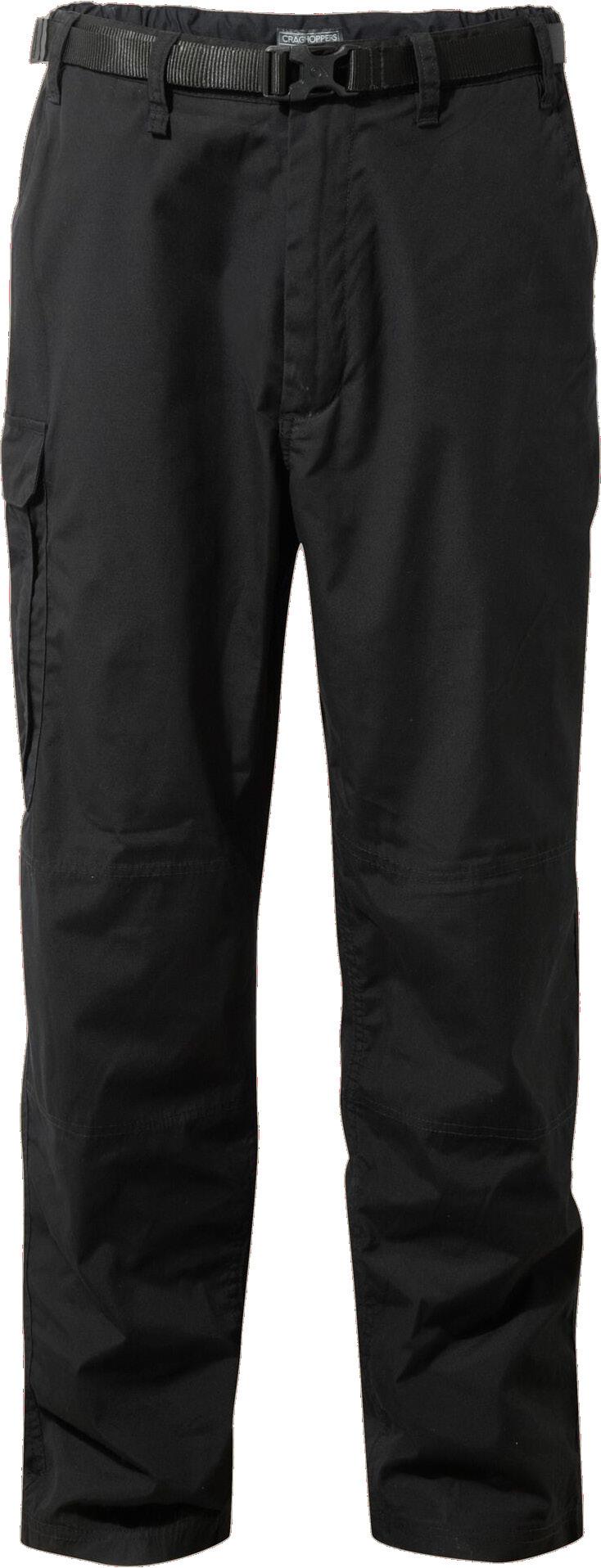
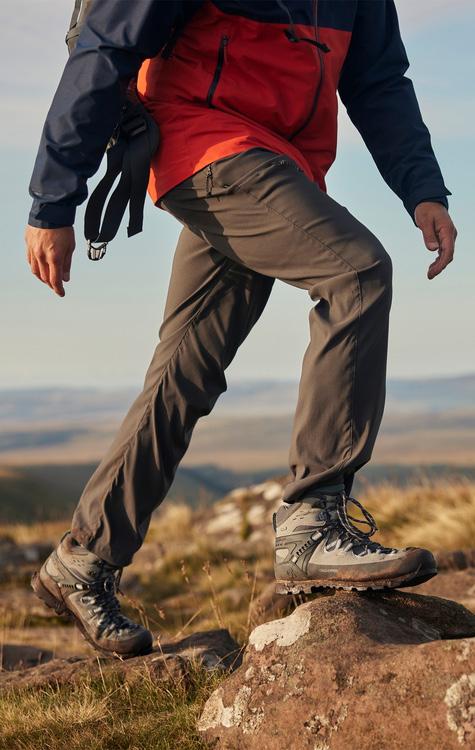
There’s a reason everyone loves our Kiwi Pro trousers. They’re our top sellers - in fact, one pair sells every 30 seconds! Built for adventure, these hiking trousers move with you, thanks to their amazing fit and stretch. No restrictions, just freedom. Trusted by hikers everywhere, their smart design and durable quality make them perfect for any trail - and any adventure you have planned.
• NosiDefence: A clever barrier of carefully constructed fibres that’s tough enough to stop insects like mosquitoes from getting through.
• SolarShield: Built-in sun protection with UPF 50+, so you can enjoy the outdoors without worrying about harmful rays.
• H2OShield: A water-repellent finish that’s PFAS compliant and made with at least 50% plant-based ingredients.
• Main fabric: 96% recycled nylon and 4% elastane for durability and stretch. The recycled polyamide nylon comes from textile-to-textile recycling.
• Pocket bags: 65% recycled polyester, 35% cotton
• Reinforced heel tape for extra strength where you need it most.
• These trousers are made in Cambodia by factories that report through the Higg FEM Index and meet strict ethical, social, and environmental standards.
• Guaranteed for life
We design our products to stick with you for the long haul. That means choosing tough, high-quality fabrics and trims that can handle whatever life throws at them.
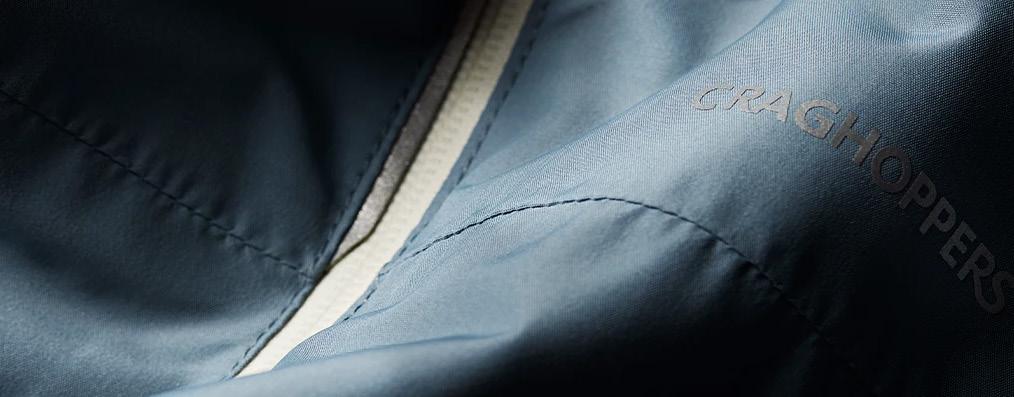
Making products that last is one of the best ways we can care for the planet. That’s why we’re proud to stand behind the quality of everything we make. Our clothing comes with a lifetime guarantee, our footwear for two years, and our luggage for five. Every part of our gear is tested to make sure it’s tough enough for real life.
Our Guaranteed for Life web page was viewed a total of 7,905 times in 2024.

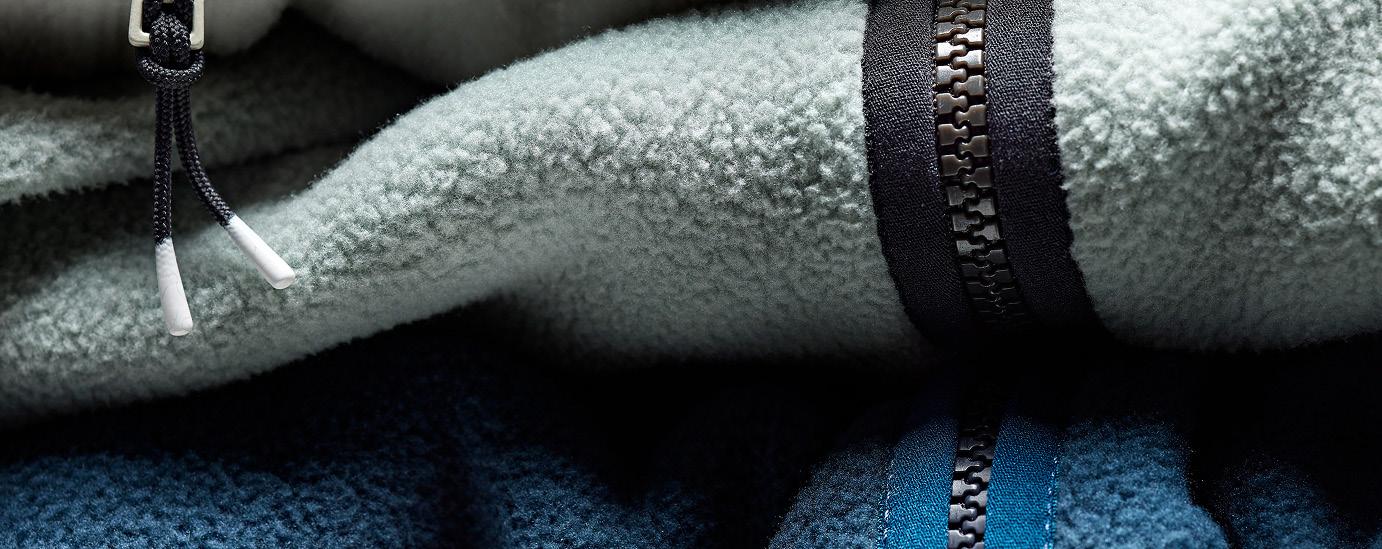
Since 2020, we’ve teamed up with Timpson and Johnsons stores to offer free repairs so you can keep your Craghoppers favourites for longer. In 2024 alone, 131 customers gave their gear a new lease of life with a free repair from Timpson.
Back in 2020, we launched our Clever Care project to make it easier for you to keep your Craghoppers kit in great shape. From washing tips to simple home repair tutorials, we’ve got you covered.
In 2024, we gave our online Care Guide a fresh new look and people loved it! The page was viewed 4,360 times.
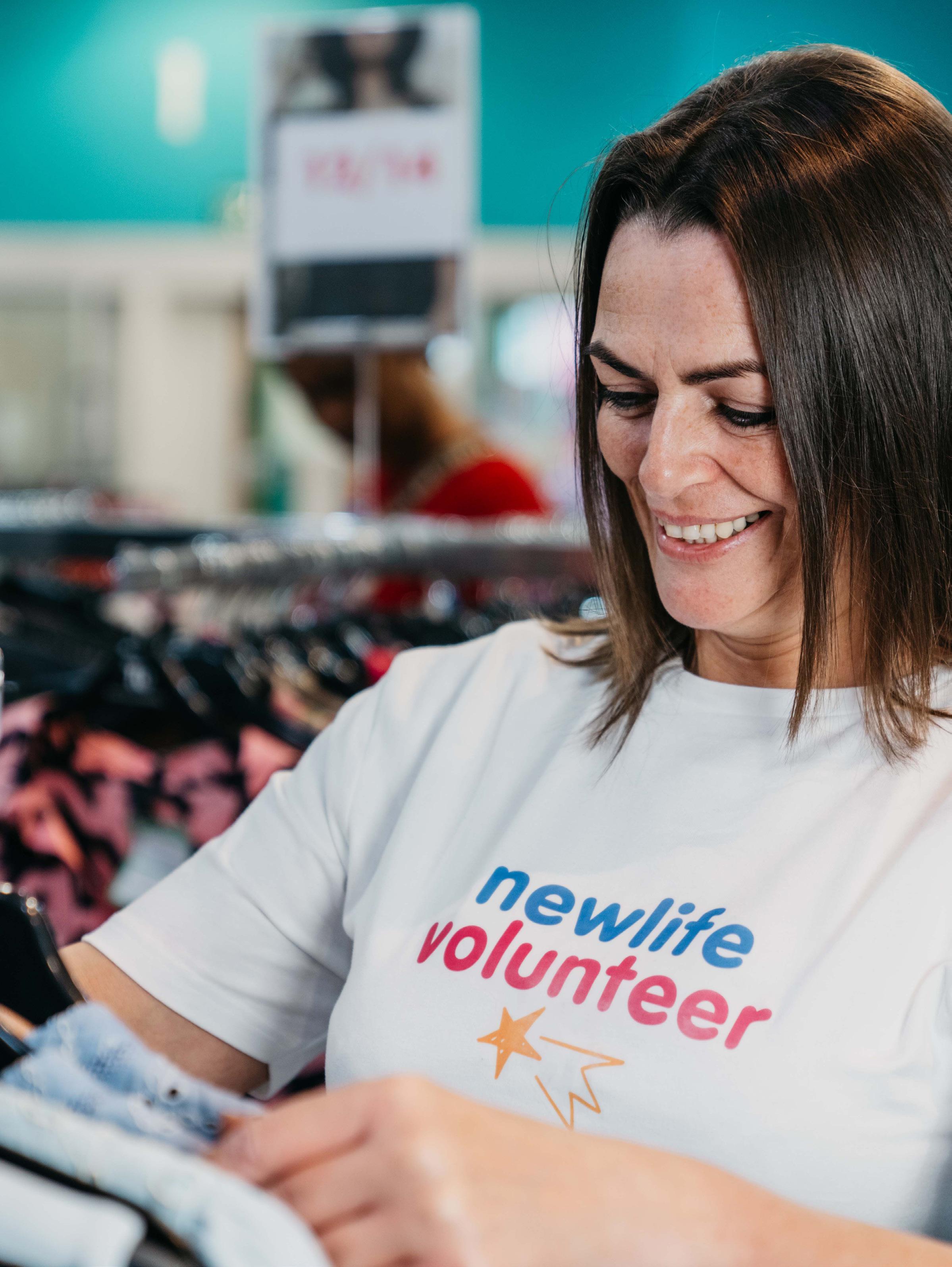
Since 2015, we’ve partnered with Newlife - the charity for disabled children - to make sure returns and end-of-line items don’t go to waste. Instead of heading to landfill, these pieces are re-purposed: Newlife de-labels and resells them, mends them, or breaks them down into components to raise money for the charity.
We also run a take-back scheme in some of our stores. Bring in an old jacket and we’ll swap it for a new Craghoppers one. Your old gear goes to Newlife for recycling and the funds help provide vital equipment for disabled children - giving them the chance to live fuller, happier lives.
In 2023, we took our recycling efforts into Europe by partnering with Ubrania do Oddania in Poland. Instead of throwing away damaged stock that couldn’t be sold, we passed it on for a symbolic amount - giving those items a second chance and keeping them out of landfill.
€11,630
was raised and donated to SOS Children’s Villages, an association that supports abandoned and orphaned children and those at risk of losing parental care.
1,862
83%
cartons of stock were donated to Newlife in 2024 by Craghoppers and other Regatta Group brands. of the donated stock was re-used by the charity (a high rate among donors) with the remaining 17% sent for recycling.
In 2022, we joined a textile-to-textile recycling project led by the European Outdoor Group, aiming to close the loop on clothing waste.
It wasn’t easy - after several trials with different recyclers and materials, none were fully successful. The biggest challenge? Removing trims and sorting garments without contamination, which disrupted the recycling process.
What did we learn? For real circularity, recyclability has to start at the design stage. That insight is now shaping how we create future products - choosing materials, trims and construction that make end-of-life recycling possible.
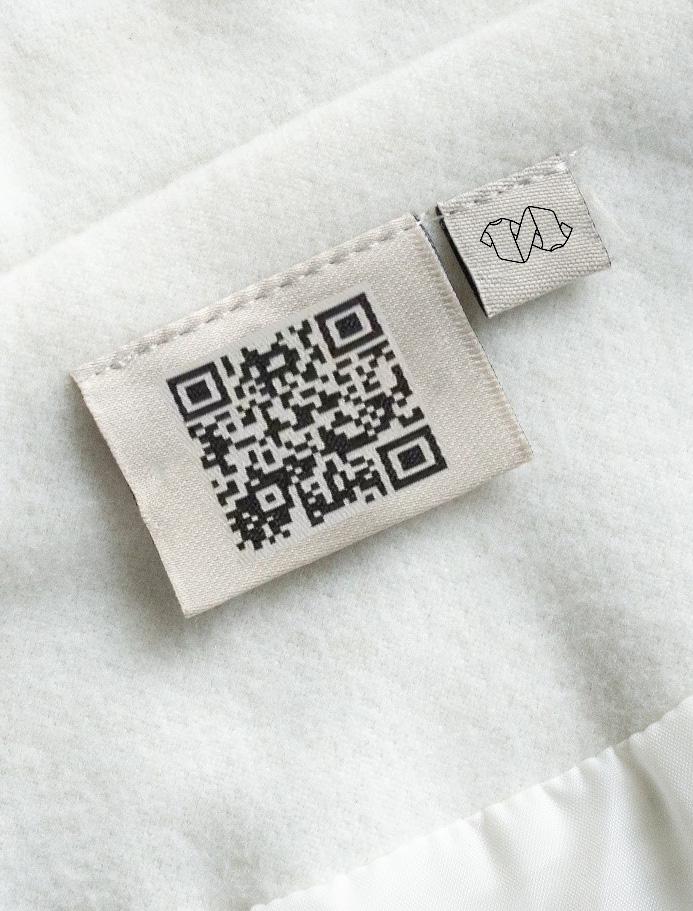
At the end of 2024, we completed our first training session with the Circular Textiles Foundation (CTF), a not-for-profit driving innovation in design for recyclability. Their mission is to connect brands with fibre-to-fibre recyclers and help the UK textile industry move toward a circular future. They provide practical expertise to ensure clothes are designed “with the end in mind.”
We’re now building a business plan to introduce certified circular products into our range.
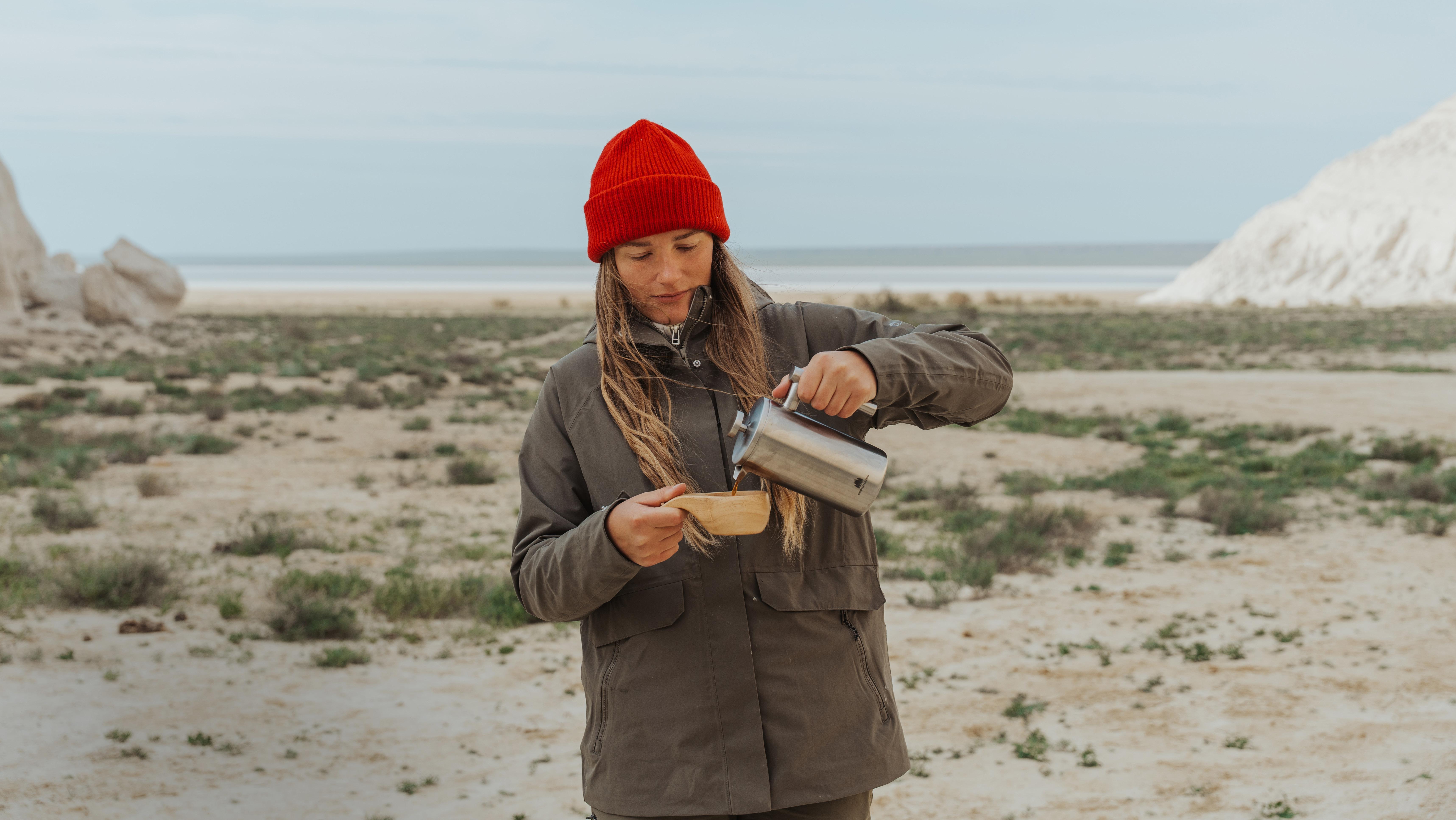
We’re setting clear goals to reduce our footprint and support projects that protect nature and boost biodiversity.
We report through CDP to keep track of our progress. In 2024, we cut our scope 1 & 2 emissions by 10% and scope 3 by 1% compared to 2023.
By switching to smarter finishing and dyeing processes for core fabrics, we’ve slashed water use. And in 2024, 79% of our paper and plastic packaging waste was recycled.
We’re proud to back projects that protect wildlife and habitatsfrom Galapagos Conservation Trust to National Trust in the UK.
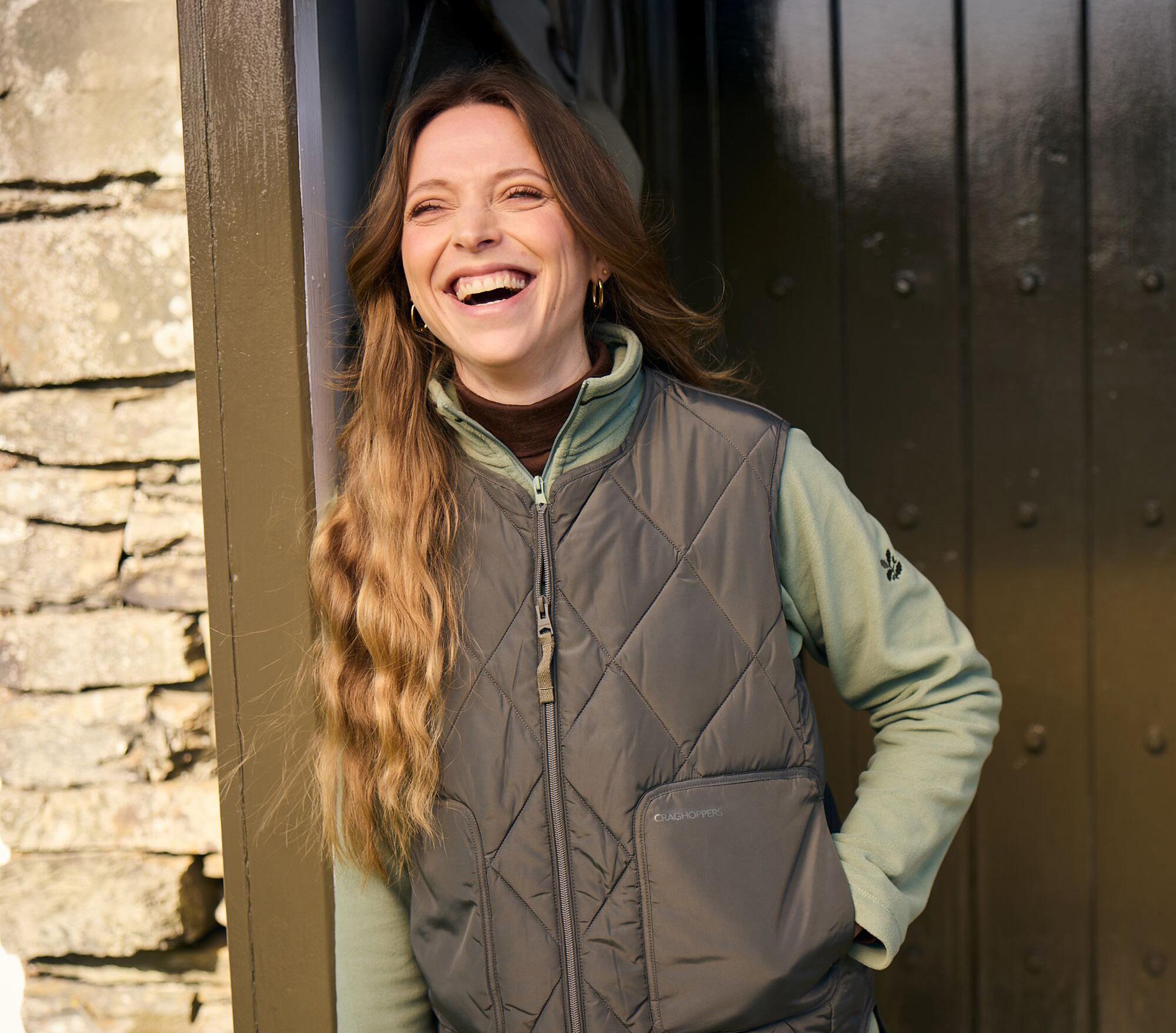
The first step to reducing emissions is knowing where they come from. That’s why we use CDP (Carbon Disclosure Project) to track and report our environmental impact - a process we started in 2022, based on 2021 data.
These cover direct emissions from our operations and indirect emissions from the energy we buy. In 2024, we cut our combined scope 1 & 2 greenhouse gas emissions by 10% compared to 2023. How? By switching company cars to hybrids and EVs - our UK fleet grew from 25 to 45 hybrid/electric vehicles, and globally we added 18 hybrids. In 2024, we also installed another supercharger at our Basecamp HQ, bringing the total to seven.
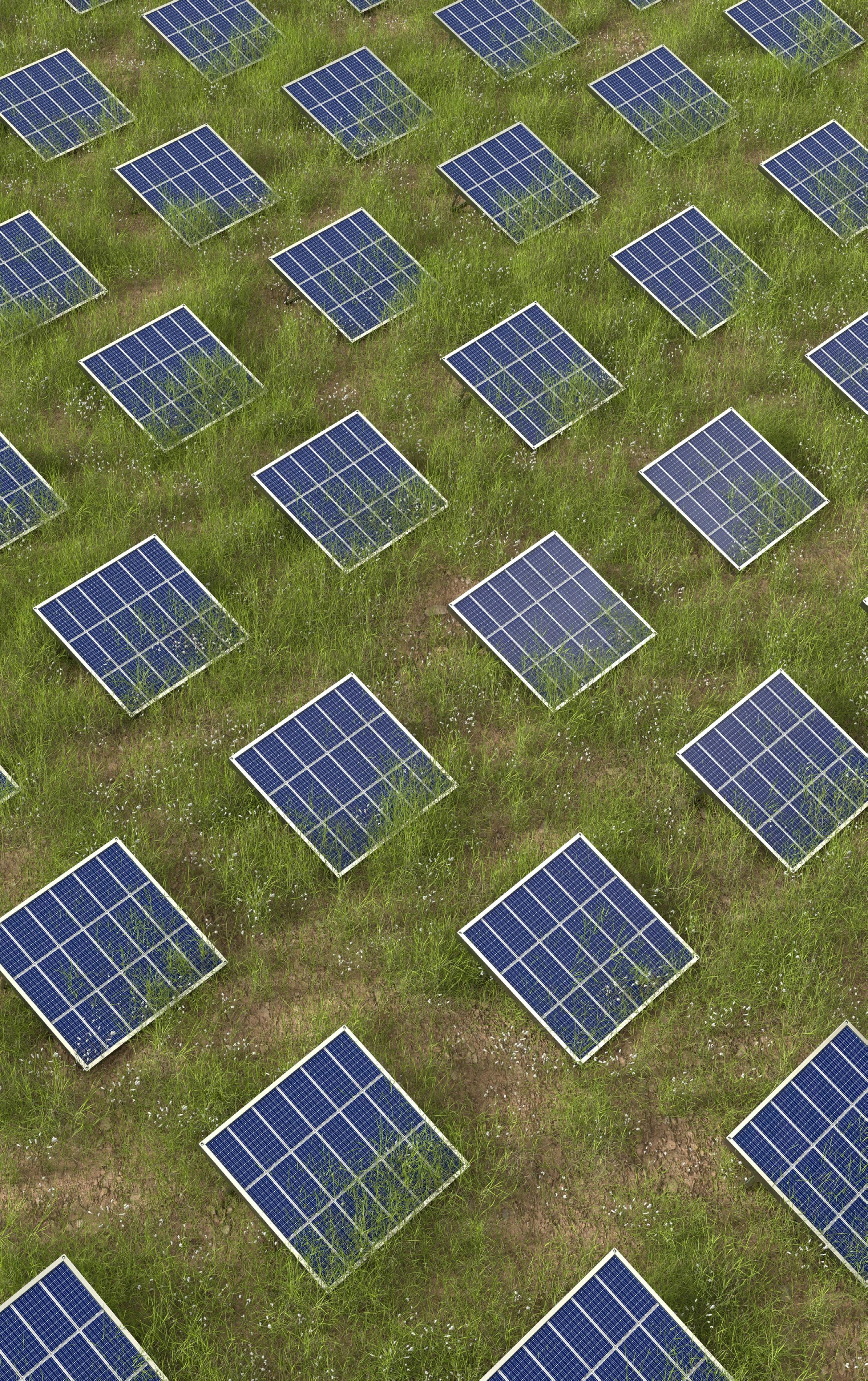
On the energy side, we’ve moved to more renewable contracts and reduced gas use at our UK sites. Our solar panels at HQ in Manchester and our Cheshire warehouse generated 566,942 kWh of clean energy in 2024.

Scope 3 covers the indirect emissions we don’t control directly like those from supplier factories, manufacturing and shipping. This is where our biggest impact lies and it’s also the hardest to change.
In 2024, we managed a 1% reduction compared to 2023. It wasn’t easy to go further because of global challenges. Shipping routes got longer due to the Red Sea crisis, meaning more fuel use and slower journeys. We also had to use air freight for some orders when unrest in Bangladesh delayed production.
These factors increased emissions from transport, but we’re committed to finding better solutions and working with partners to keep improving.
61%
of our garment suppliers (by business volume) were signed up to the Higg FEM by the end of 2024.
80%
Our goal? Getting that to 80% by the end of 2025.
To better understand and reduce our environmental impact, we’re using the Higg Facility Environmental Module (FEM). This tool helps facilities measure how they’re performing on things like energy and water use, and highlights where improvements can be made. It’s a globally recognised standard, so it gives us reliable insights to build smarter sustainability strategies.
We’re also asking our supply chain partners to join us in accurate reporting. Right now, 80% of our dyeing mills (by business volume) are reporting through Higg. This is a big step because dyeing is where most of the energy and water are used in fabric production. By tracking this data, we can work together to cut down on energy consumption and water usage even further.
of water saved in 2024 7.7m litres
In 2024, we saved over 7.7 million litres of water compared to our 2023 baseline, thanks to improvements in our production processes.
To put that into perspective, that’s about 3 Olympic-sized swimming pools or roughly 115,000 showers!
We’ve made some big water savings by changing how we do things.
800,000 litres
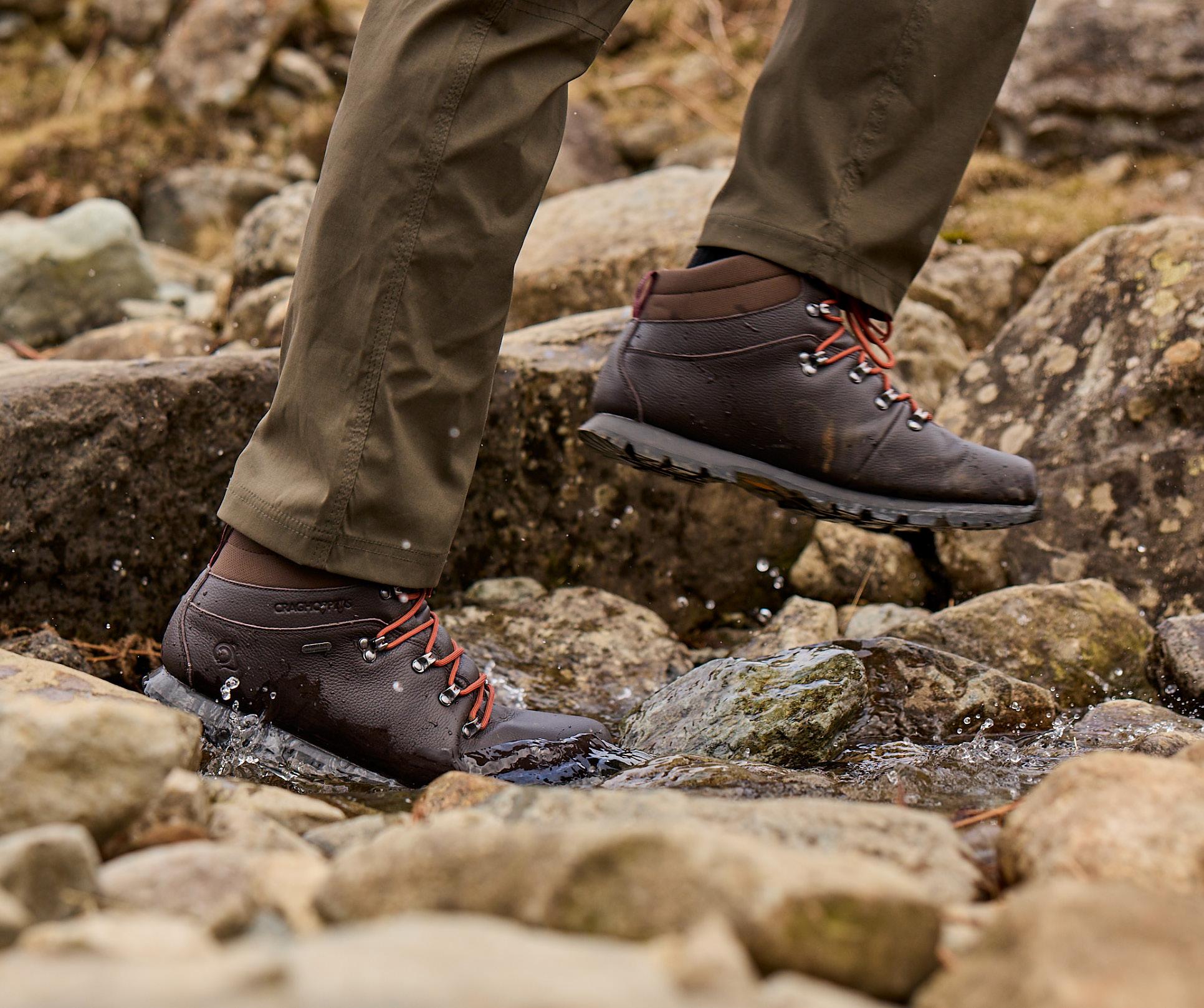
For our fleece and footwear collections, switching to dope dye saved around 800,000 litres of water. Our NewHide leather also uses smart tanning methods that cut down water use.
6,900,000 litres
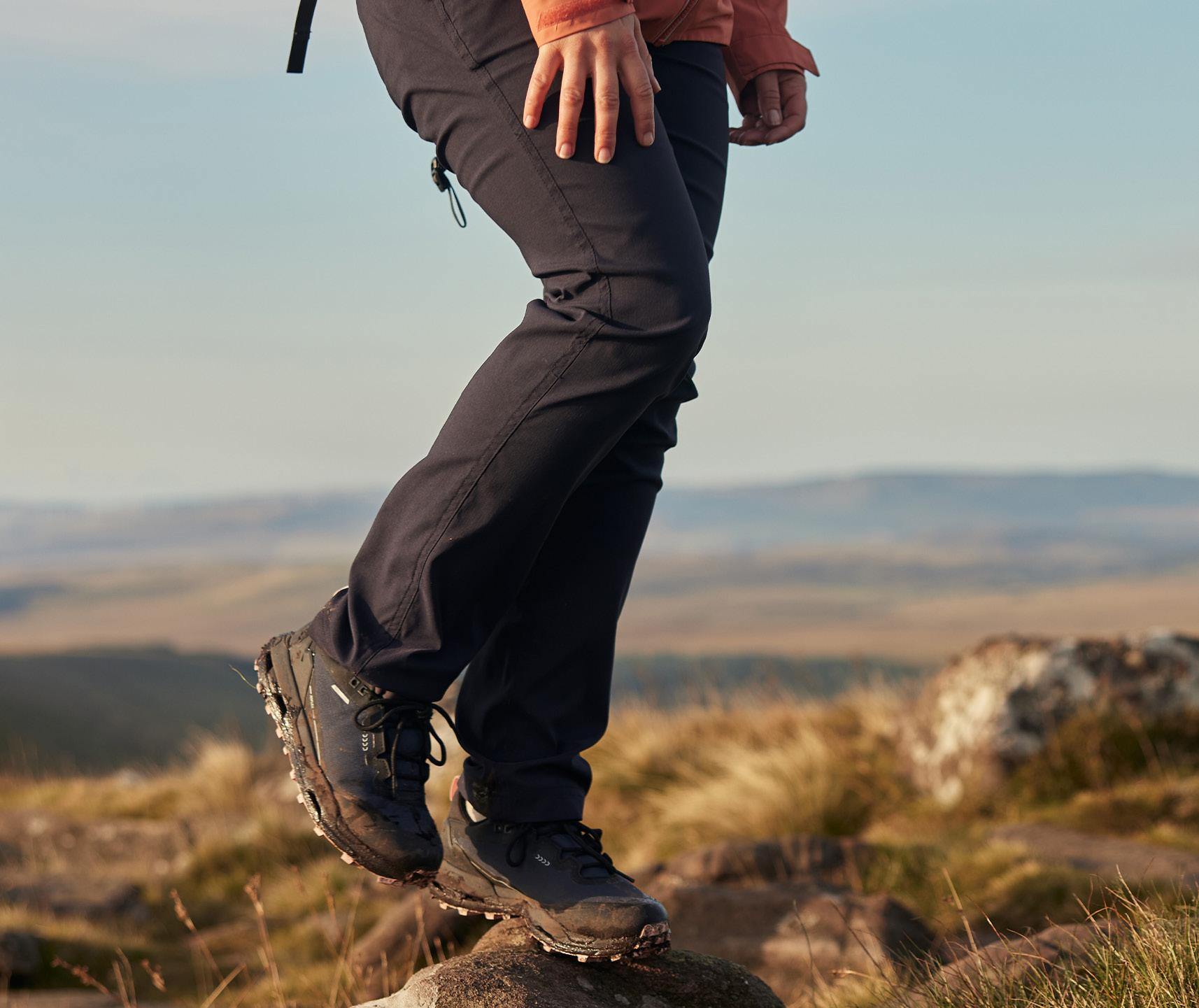
In our NosiLife collection, new dyeing techniques helped us save 6.9 million litres of water.
800,000 litres
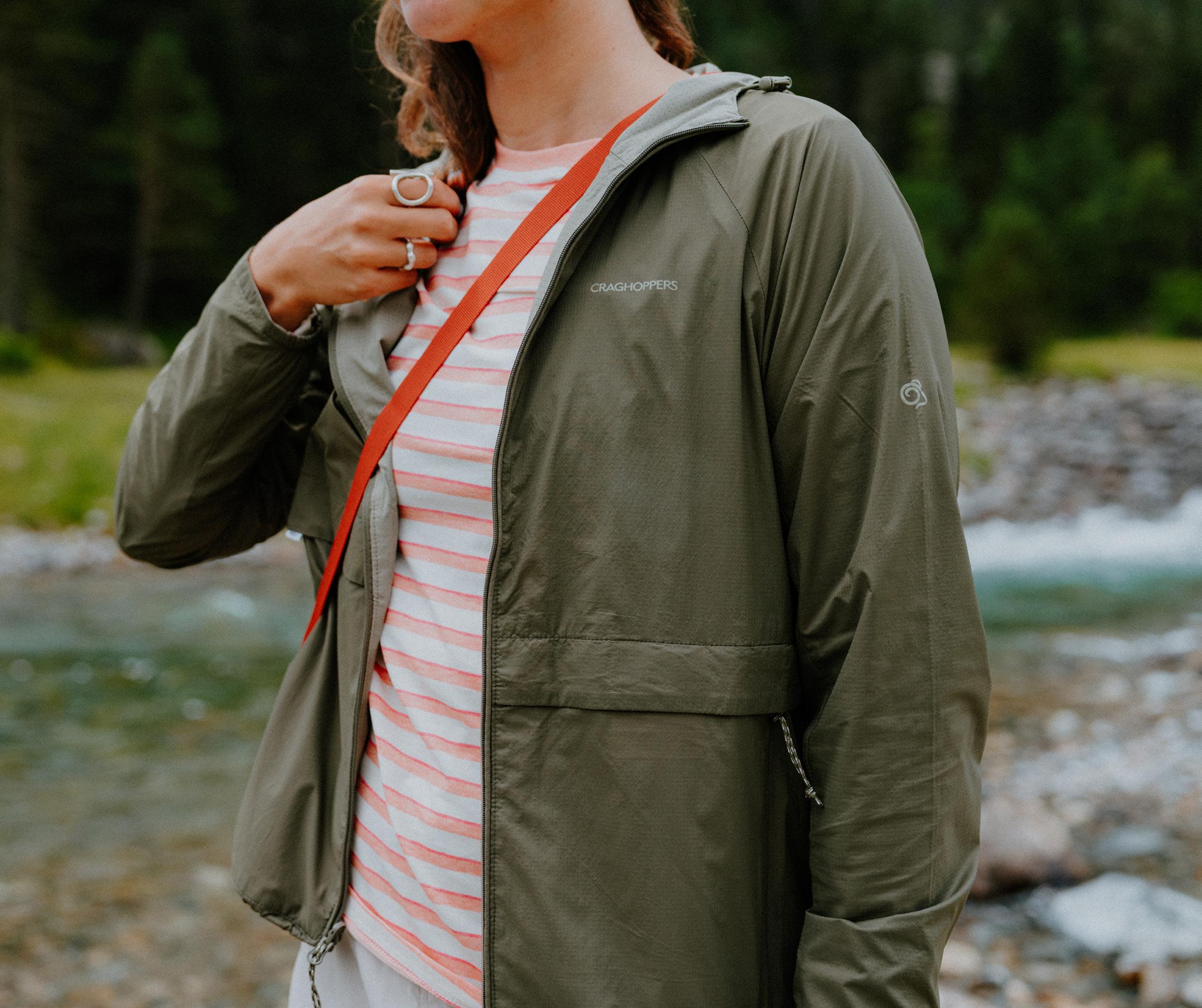
And by tweaking the finishing process on our Kiwi Trousers, we saved another 800,000 litres - and we’re keeping an eye on this for 2025, expecting even more improvements.
801mt 1.96mt
634mt
of packaging waste were reported in 2024 by the Regatta Group from the UK, excluding stores. of plastics were sent for recycling of paper was sent for recycling

We’re passionate about protecting nature and wildlife. That’s why we support conservation and biodiversity projects around the world - through funding and by providing high-quality outdoor gear to the people making it happen.
In 2024, we launched the Craghoppers x National Trust collection, kicking off a long-term collaboration that celebrates the great outdoors.
The Autumn/Winter range was packed with men’s and women’s essentials - warm fleeces with prints and autumn tones inspired by National Trust landscapes, packable jackets, and active legwear. Most of the collection was made from 100% recycled materials, designed for comfort and warmth so you can enjoy nature in any weather.
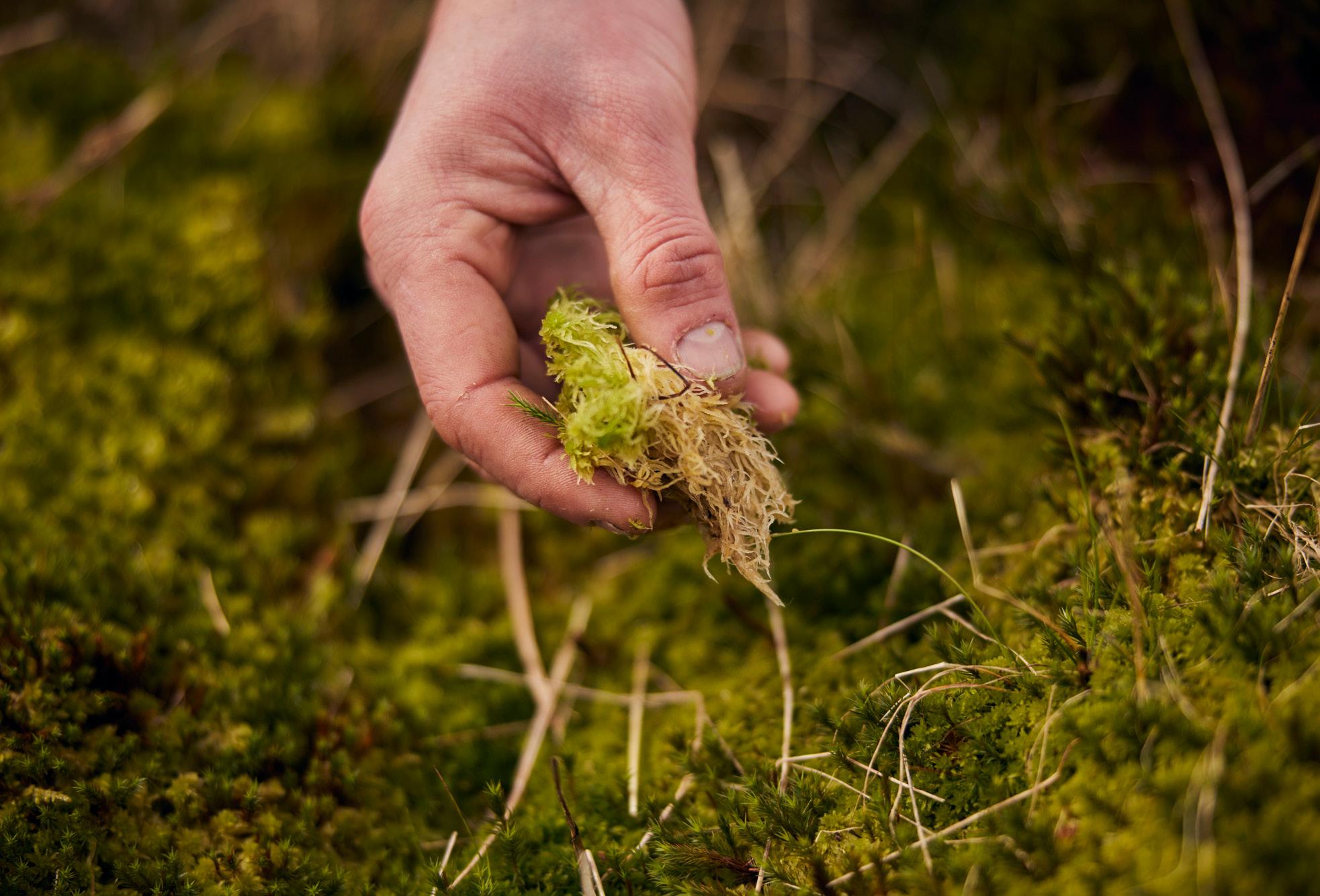
We also give 10% of net sales from each seasonal collection to the National Trust to help protect nature for everyone, forever. In 2024 - 25, this donation funded vital work on Kinder Scout, including installing stone dams and treating bare peat. Plus, during two volunteer days, we planted 14,000 sphagnum moss plugs as part of peatland restoration in the Peak District.
of net sales from each seasonal collection is given to the National Trust. 10%
Through the Regatta Foundation, we’ve been proud to help support three amazing projects with Galapagos Conservation Trust (GCT) and their partners: the Galapagos Whale Shark Project, Plastic Pollution Free Galapagos and Gill’s Club.
In November 2024, our Owner and Director, Joanne Black, visited Galapagos to see some of this work in action.
She spent time in Puerto Ayora, meeting community members running creative up-cycling projects and learning how they’re building a circular economy. Joanne also connected with GCT experts, including Anne Guezou, who works on giant tortoise conservation and microplastics outreach, and featured in our films; Anna Lewis, GCT’s Programmes Manager; and Jess Howard, who leads the Pacific Plastics: Science to Solutions project. Jess also helped bring together the wider plastics network for an important meeting in Quito earlier in the year.
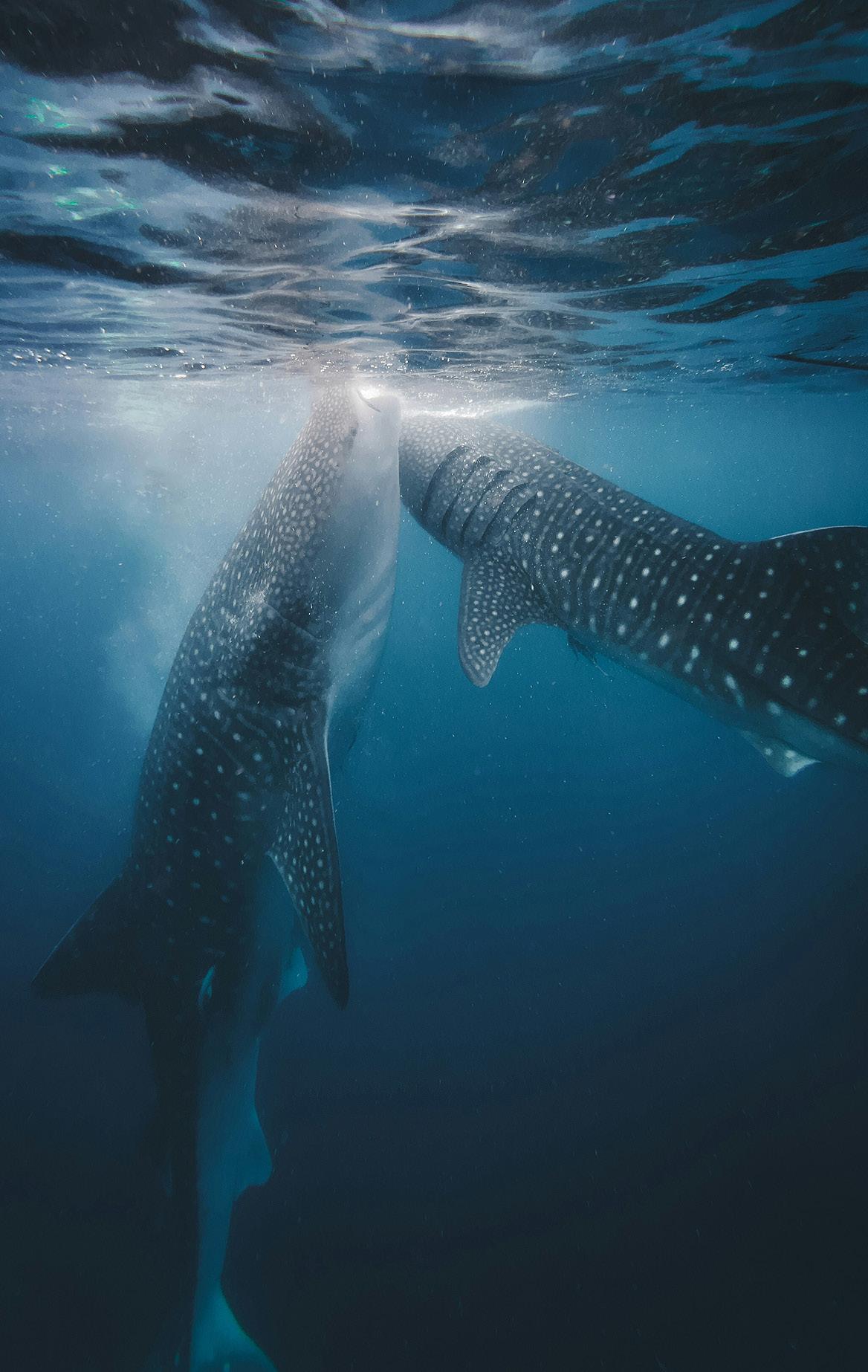
The Galapagos Whale Shark Project (GWSP), founded by Jonathan Green and involving his daughter Sofía Green as principal scientist and data analyst, is all about learning more about whale sharks - the largest fish in the ocean.
Surprisingly, we still know very little about these gentle giants, especially the adult females that visit the Galapagos and where they give birth. The team’s goal is to collect vital data to help shape future conservation strategies and protect whale sharks from threats like overfishing and plastic pollution.
2024 was a milestone year in terms of understanding the biology, behaviour, and conservation needs of whale sharks in the Galápagos Marine Reserve (GMR). With support from our donation, the team headed to Darwin island in the far north of the Archipelago, a hotspot for whale shark sightings. Over 35 dives, they recorded 12 individual adult females - some seen more than once - and successfully tagged six with satellite trackers. Eleven of these sharks were brand new to the database, while one was a familiar face first spotted in Galapagos back in 2014! The team was thrilled to see her again!
The satellite tags are now sending back fascinating data about their epic journeys across the ocean. But this also reminds us how vulnerable they are to illegal fishing, as these sharks can be caught anywhere along their migration routes.
5000km
was the distance travelled by one whale shark tagged this year as it journeyed west of the Galápagos.
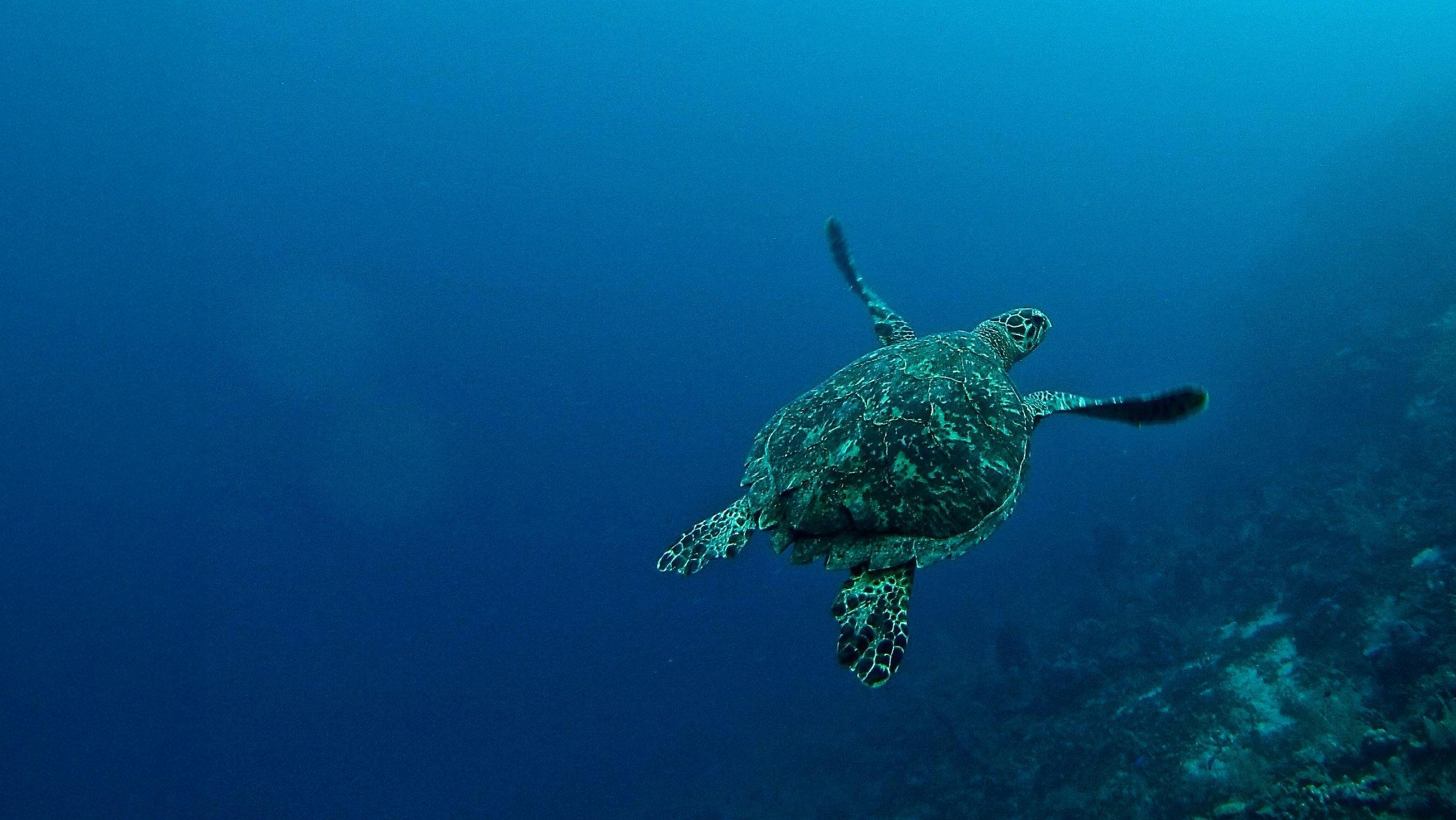
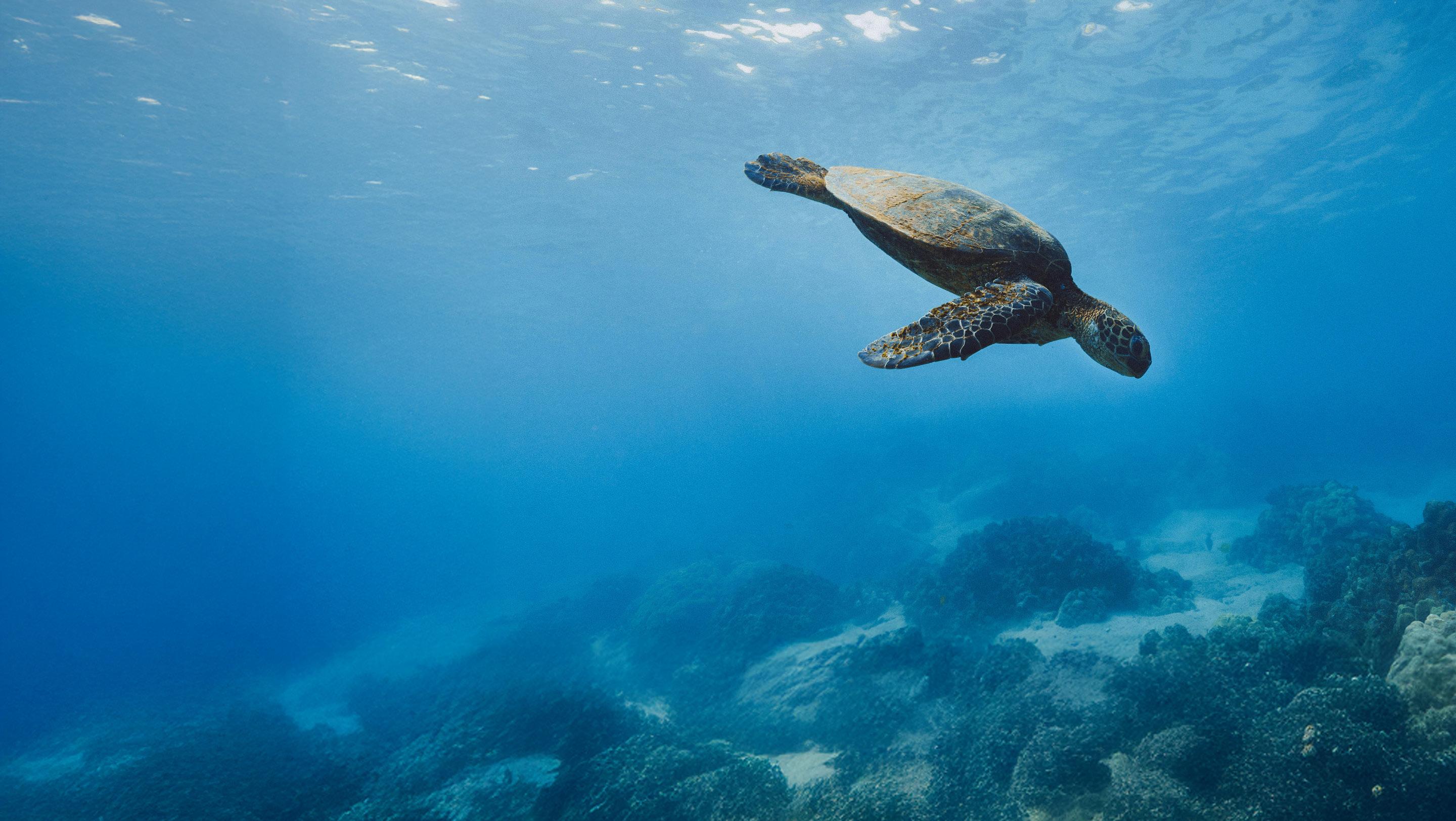
Plastic waste is a serious threat to ocean wildlife - and it also impacts tourism and fishing, which are vital for Galapagos. Every year, the local community removes over eight tonnes of plastic from Galapagos beaches, and at least 52 different species have been found to be entangled in plastic, living in affected habitats or having ingested plastic after mistaking it for food.
The Plastic Pollution Free Galapagos project is working to understand where this plastic comes from, how it affects the Islands and to create practical, community-led solutions. The research shows just how urgent it is for world leaders to agree on a strong, legally binding Global Plastics Treatyone that bans single-use plastics, enforces better waste management at sea, and makes polluters accountable.
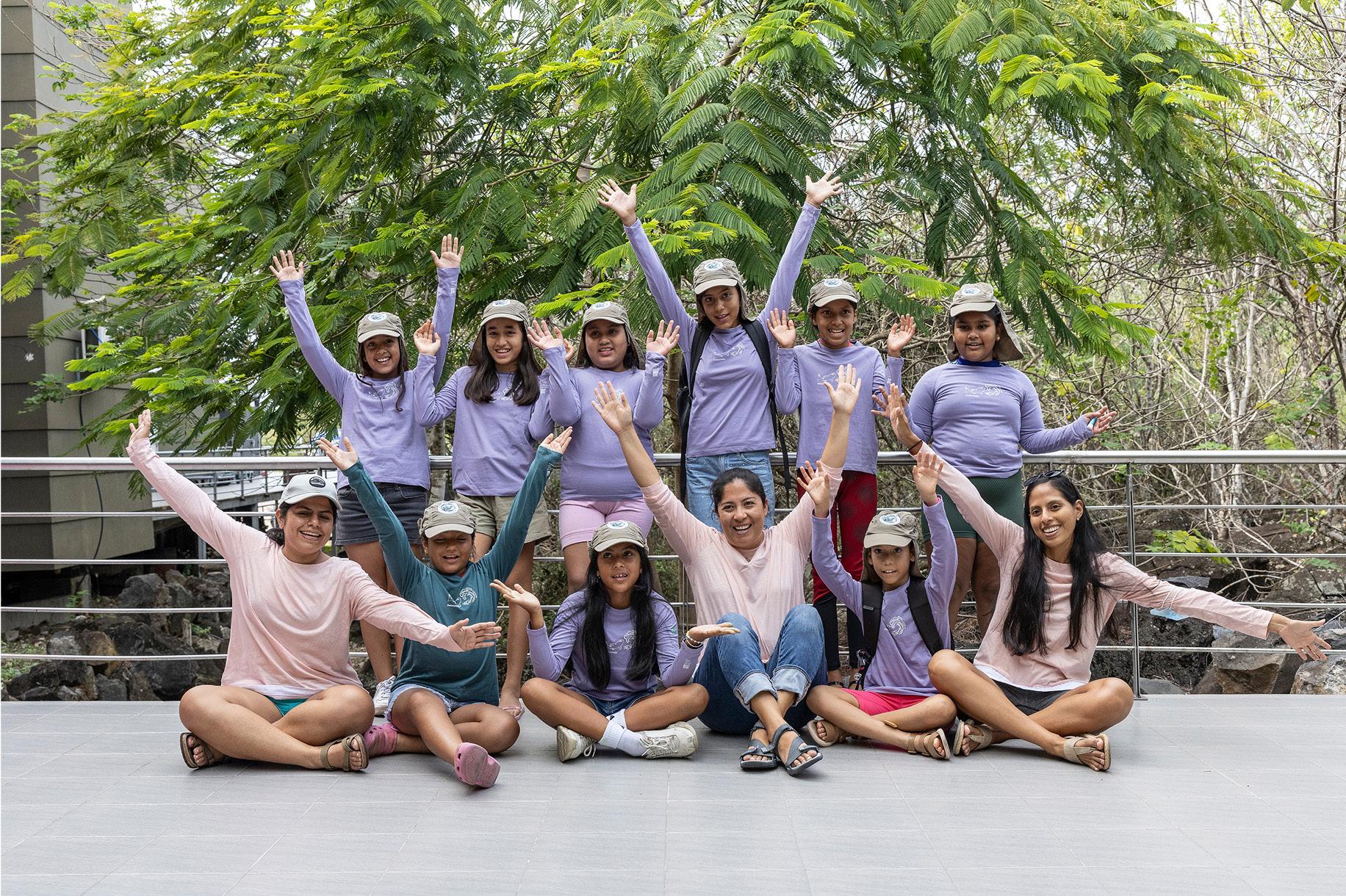
Gills Club (Chicas con Agallas) is an inspiring initiative led by female scientists, Diana Pazmiño and Sofía Green, to spark young girls’ interest in shark science in Galapagos. We’ve supported 12 girls on Santa Cruz island, giving them the chance to learn more about the wildlife and environment around them through hands-on science activities run by the club.
In 2023/24, we filmed three short films in the Galapagos to shine a light on the challenges facing biodiversity: Where LIFE Thrives, Full of LIFE, and A Second LIFE. All three were submitted to short film festivals across the globe in 2024. Full of LIFE, which highlights Gills Club - a science club for girls - was shown at the International Trees and Seas Festival in September 2025 and won the best Short Film Award.
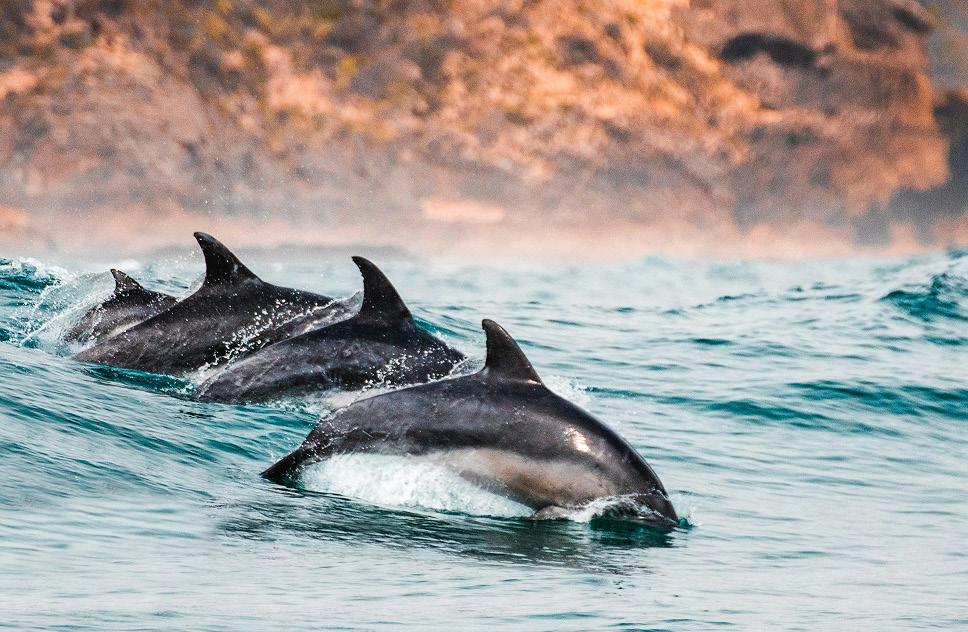
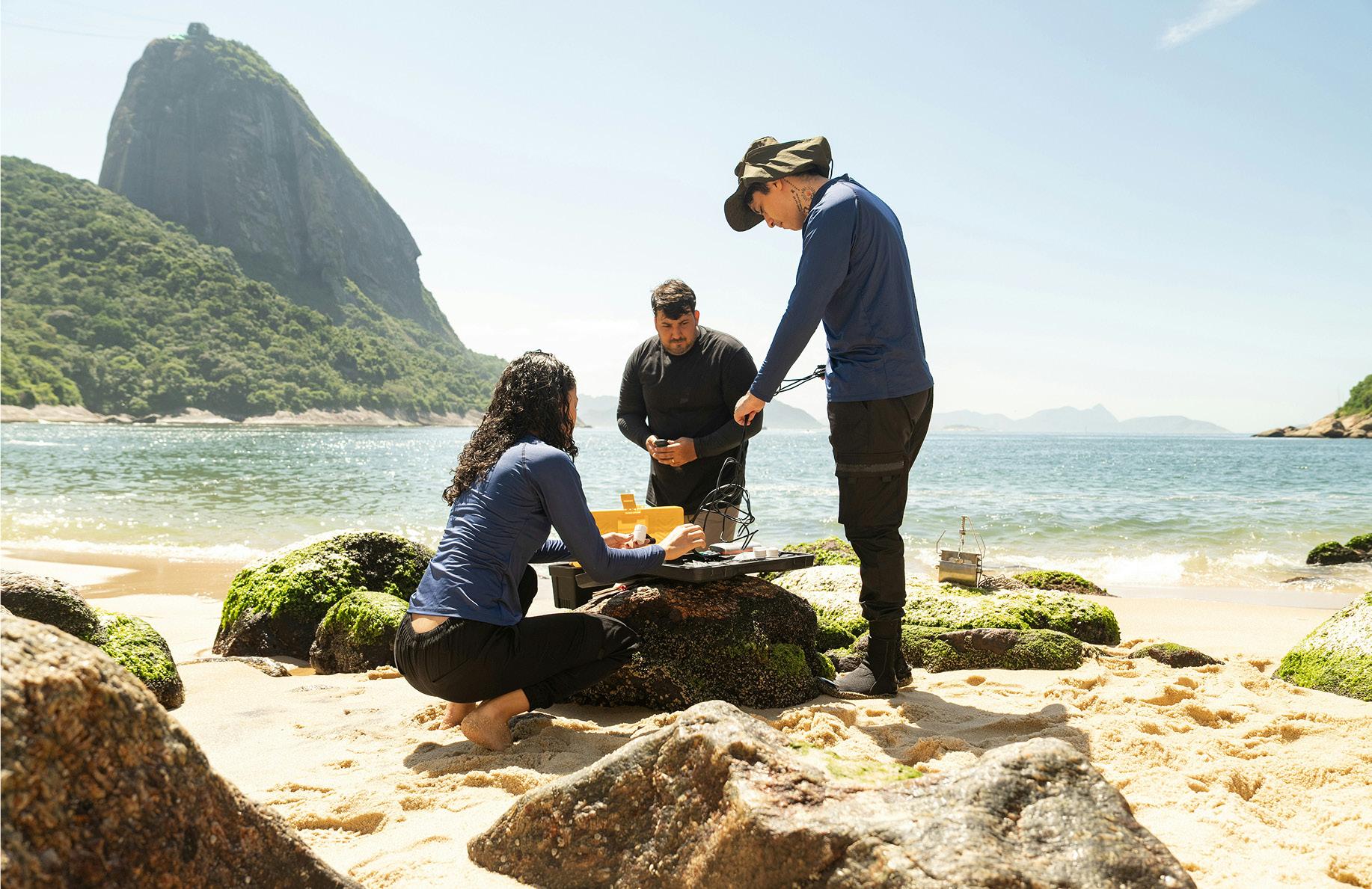
Since early 2024, we’ve been proud to support this project through the Regatta Foundation. Underwater noise from boats, ferries and cargo ships is a growing problem for marine lifeespecially dolphins, who depend on sound to communicate and find their way.
Our funding helped install 9 hydrophones across Cabrera National Park to monitor underwater noise and track dolphin activity. This data will be key in pushing for stronger protections for dolphins. By 2026, Craghoppers will have funded over half of this pioneering project, working with the Regatta Foundation and Conservation Collective to deliver real conservation impact.
For the past 18 years, EOCA has raised nearly €6 million to fund vital conservation projects in 65 countries. Their work focuses on grassroots efforts to protect and restore nature, tackle biodiversity loss and fight climate change.
As proud members, we contribute to EOCA’s fund every year and help choose which projects get supported - making sure the money goes where it can make the biggest difference.
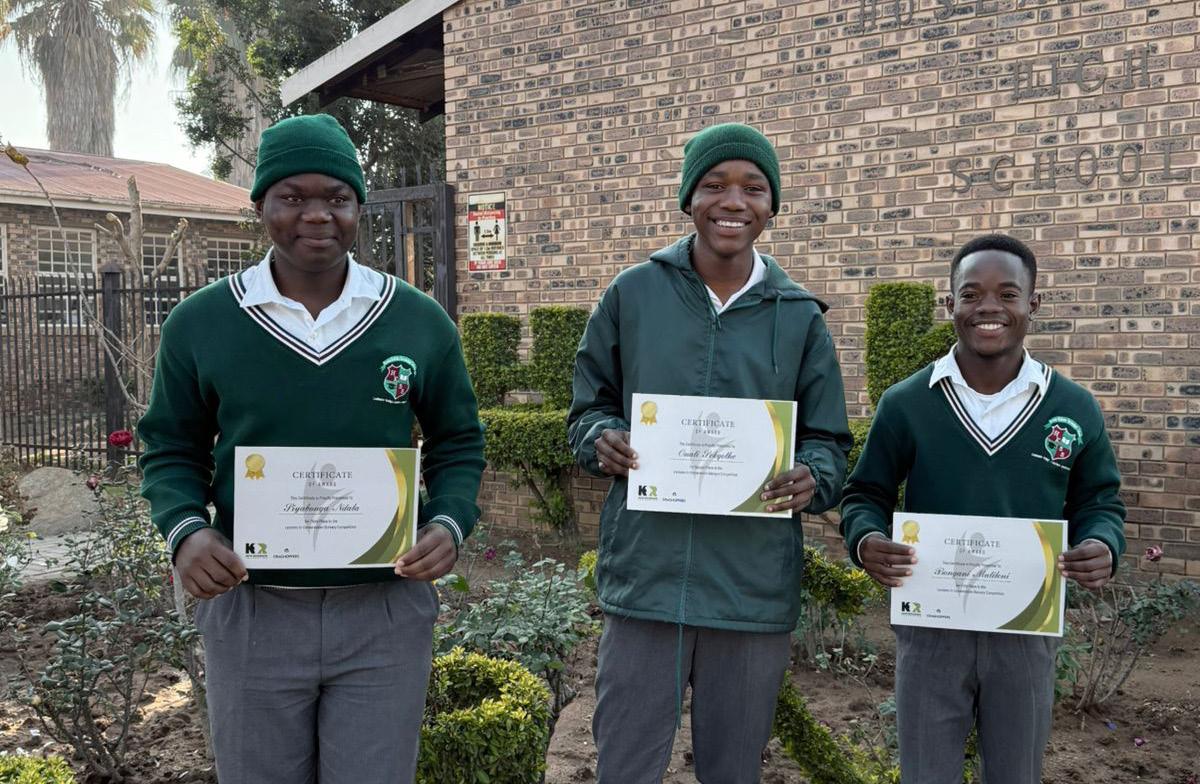
We’ve been proud to support Kevin Richardson - known as The Lion Whisperer - for many years, helping his sanctuary and more recently, projects through the Kevin Richardson Foundation.
In 2024, through the Regatta Foundation, we helped fund a Lessons in Conservation bursary, giving one student the chance to complete a 10-part programme designed to prepare them for a future in conservation. The course teaches essential skills like survival and wildlife tracking.
We’ve also provided clothing for the Endangered Wildlife Trust team, who work tirelessly to protect Africa’s endangered carnivores - such as African Wild Dogs, Cheetahs, Lions, and Leopards - and promote coexistence between people and wildlife.
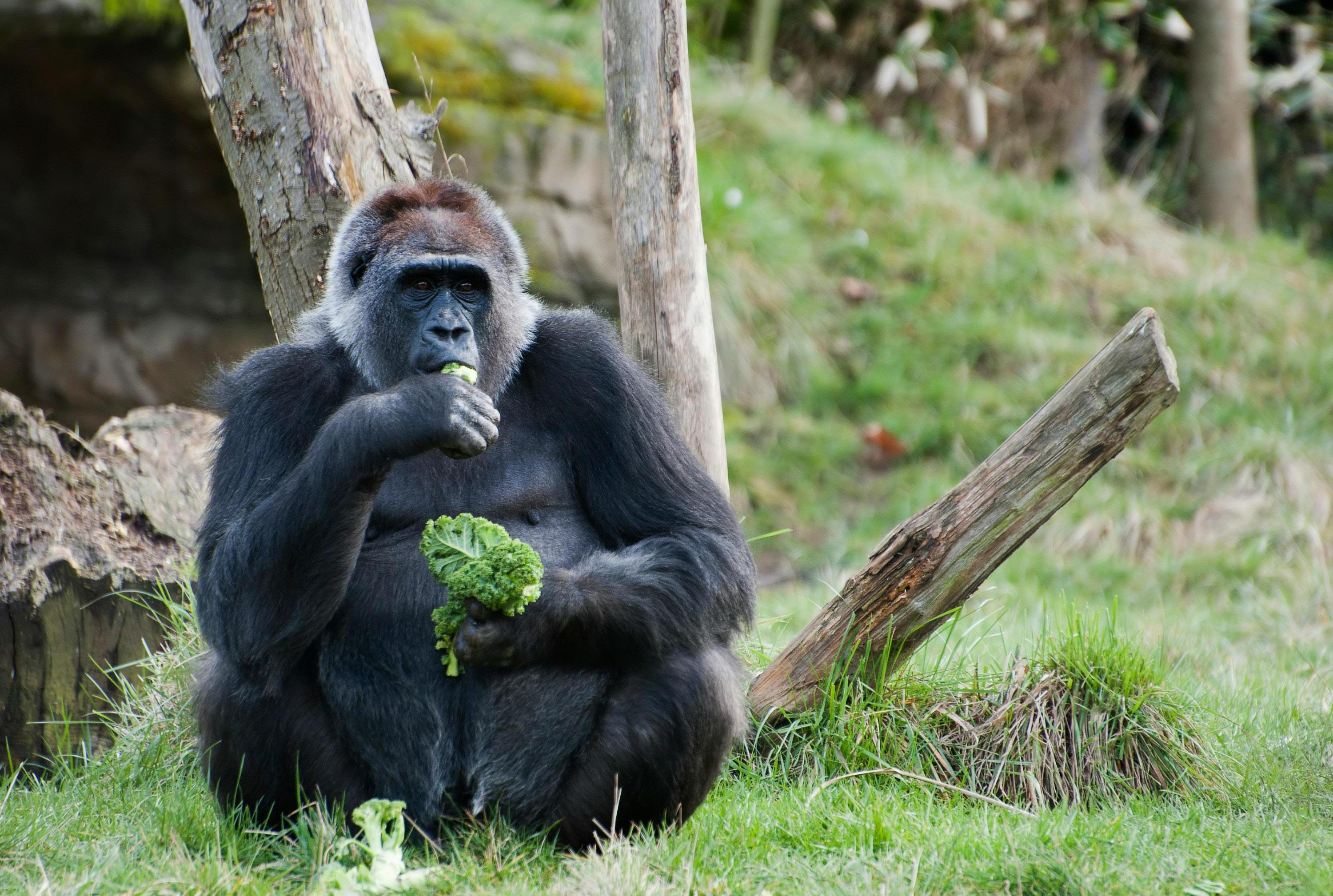
We’ve proudly supported the Dian Fossey Gorilla Fund since 2013. In 2024, we provided uniforms for over 400 incredible conservationists and rangers, helping them stay protected while working in the wild.
These rangers spend long days in the tough, unpredictable forests near the Karisoke Research Centre, so we make sure they’re equipped with durable Craghoppers gear to keep them comfortable and safe as they protect endangered gorillas and their habitat.
We want to make a real difference for the people connected to our business and the communities where we work.
We’re a family business that values being friendly and supportive. Creating a workplace that’s diverse, inclusive and welcoming is important to us. Our team enjoys benefits like paid volunteer days, a cycle-to-work scheme, and opportunities for career development.
As proud members of the Ethical Trading Initiative, we work hard to make sure conditions in our supplier factories meet high standards. We have zero tolerance for modern slavery. For over 15 years, we’ve supported Savar School in Dhaka, Bangladesh, near our garment factories, helping provide education for local children.
We’re committed to supporting a wide range of causes and organisations - from the Alzheimer’s Society to Walking with the Wounded.
Craghoppers is still growing, but you might notice our headcount looks smaller. That’s because our retail team is now part of the Regatta Group, and some roles have shifted over there too as part of an internal restructure.
Length of Service*
Gender split - Head office Extended Leadership Team
*All employee data above is from 2024
At the Regatta Group, we like to keep things simple and genuine. We’re proud of our strong family values and relaxed culture and one of our core beliefs is building great relationships. For us, that means treating people the way you’d want to be treated - being kind, respectful and considerate so everyone feels comfortable and valued at work.
We’ve created spaces and opportunities to support our diverse community, like a multi-faith room, social and support groups and celebrations of different religious festivals. We’re also a Disability Confident Level 1 employer, committed to making our workplace accessible and safe for everyone. We know there’s always more we can do, and we’re working on it.
We love looking after our team, so we offer a mix of lifestyle, financial and wellbeing perks - plus plenty of chances to grow your career.
Here’s what you can enjoy:
• Extra annual leave the longer you’re with us
• Long service awards to celebrate your milestones
• A paid day to volunteer for a cause you care about
• Charity matching to double the impact of your donations
• Big staff discounts across all our brands
• Free secure parking at Head Office and the Warehouse
• Subsidised canteen at both locations
• Hapi benefits app for high street deals and holiday savings
• Training and development programmes throughout the year, plus access to e-learning
The Regatta Group Future Collective is a team of passionate volunteers from across the business who care about making positive changes for people and the planet. Formerly known as Project 5, the group meets regularly to share ideas and inspire action that helps us reduce our environmental impact.
We love hearing suggestions from colleagues - big or small - on how we can do better. Initiatives include litter picks, sewing workshops and screenings of thoughtprovoking environmental films. When ideas turn into real projects, they’re celebrated through nominations for our Lionel Black Awards (2023 and 2025).
Our Wellbeing Champions are part of the Be Well initiative – a group of volunteers based at Basecamp HQ who care about creating a positive, supportive workplace. They’re here to listen, share tips and help make wellbeing a priority for everyone.
The Be Well initiative also offers practical ways to stay healthy, from useful benefits to contacts for expert advice when you need it most. It’s all about looking out for each other and building a culture where mental, emotional and physical wellbeing really matter.
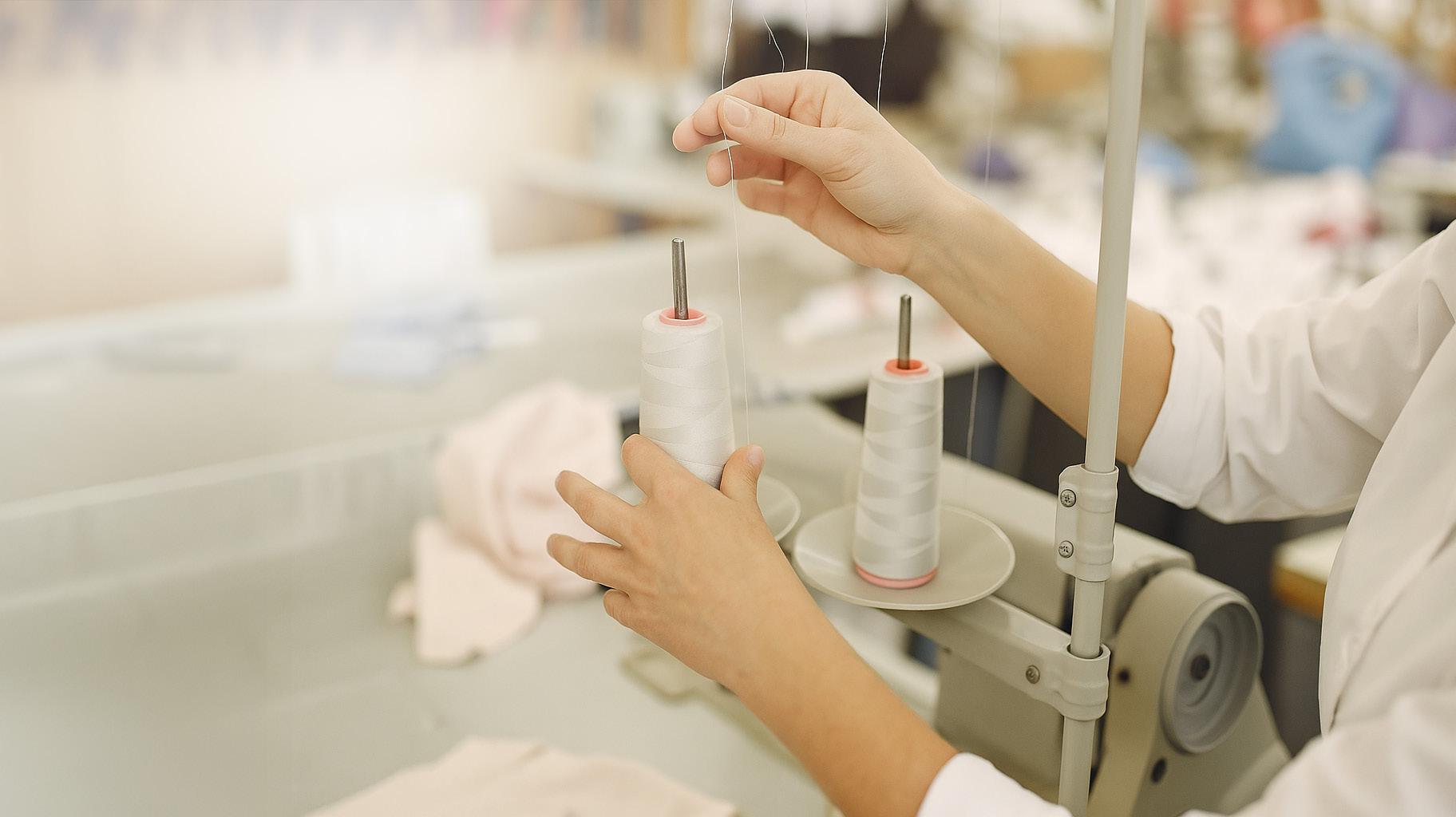
Our ethical approach. It’s not just about sourcing responsibly – it’s about doing good. We want to make a real, positive difference to the world around us and to the communities we’re part of.
We’ve been proud members of the Ethical Trading Initiative since 2012 and we’re committed to making a real difference for the people who make our products. That means working closely with our suppliers to keep workplaces safe, fair and respectful.
Craghoppers has held Achiever Level status since 2017, thanks to regular checks that ensure high standards in our factories. We’re also rolling out management training and creating opportunities for personal development for everyone - women and men alike.
We’re tackling gender bias and pay equality through independent audits and we’re partnering with key fabric mills and garment manufacturers to help them build sustainable business plans.
As part of the Regatta Group, we’re proud to say that in 2024 we met the requirements of the ETI Corporate Transparency Framework, showing how we assess risks and focus on the most important issues.
No harsh or inhumane treatment is allowed
Employment is freely chosen
Freedom of association and the right to collective bargaining are respected
Child labour shall not be used
Living wages are paid
No discrimination is practised
Working conditions are safe and hygienic
Regular employment is provided
Working hours are not excessive
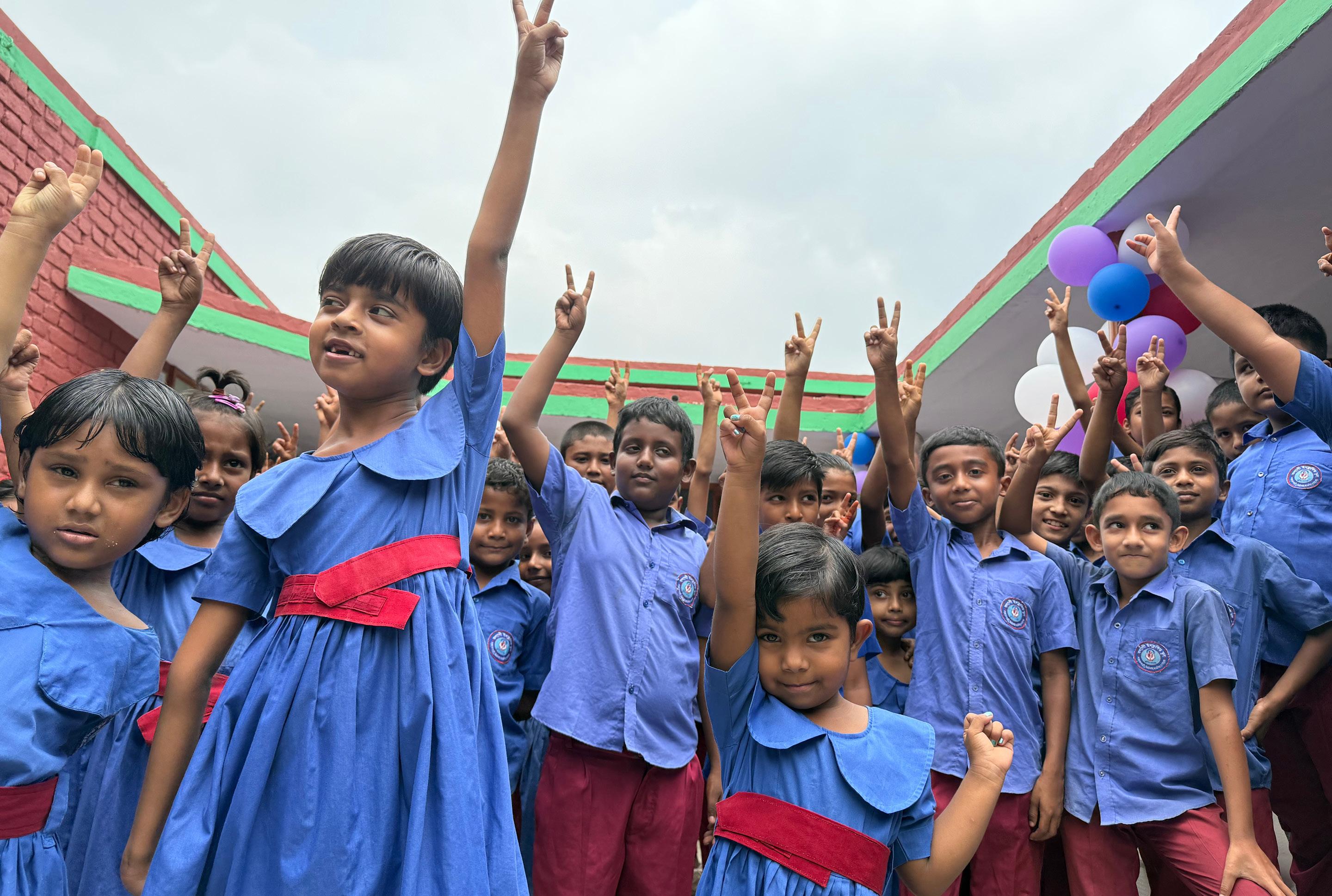
For over 15 years, we’ve been proud to support Savar Primary School in Dhaka, Bangladesh, near our garment factories. The school is a lifeline for local families, giving 262 children aged 4–14 a safe place to learn - including 58 pupils with learning or physical disabilities.
We help provide daily nutritious meals, school uniforms and a well-stocked library. In 2021, we launched a scholarship programme to give primary graduates extra tutoring so they can continue into secondary and higher education. So far, 30 children have benefited, attending three coaching classes a week. Some have achieved grades of 80% or more!
In 2025, we plan to renovate the school buildings to make the space even better for learning.
children have benefited from the Scholarship programme since 2021.
Our Regatta Health Education Programme has been running since 2017, helping empower women in our Bangladesh factories with knowledge on nutrition, workplace health and safety, gender equality and tackling issues like discrimination and harassment.
In 2024, we paused RHEP to prepare for something new - the GEAR programme. GEAR is all about supporting women to stay and thrive in the workplace. It focuses on building confidence, developing technical and leadership skills and making sure gender equality is part of how our factories are managed.
We trialled GEAR in one of our supplier factories and rolled it out in 2025, with plans for more factories to join soon. Once renovations at Savar School are complete, RHEP will continue there for female students, giving them the tools and knowledge to succeed.
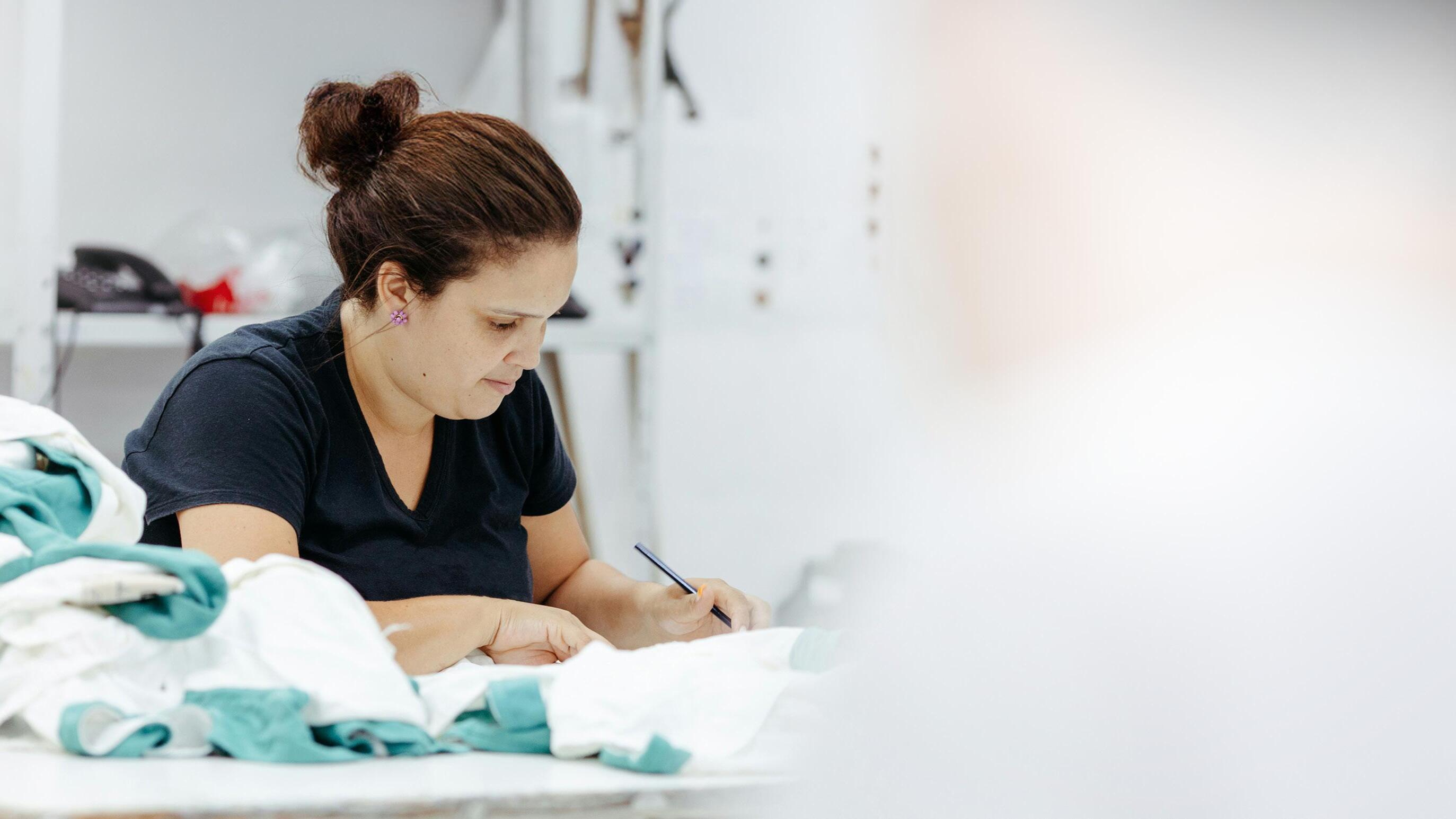
Over time, the programme has reached 15,000 workers - who’ve taken what they’ve learned and shared it with their communities, creating an even bigger impact.
Modern slavery, forced labour, and human trafficking are serious issues that still exist in many industries - and no sector is completely immune.
At Craghoppers, we want you to feel confident that we have a zero-tolerance approach to any form of modern slavery in our operations and supply chain.
We work closely with all brands in the Regatta Group to make sure our supply partners share this commitment. Our latest Modern Slavery Statement explains the steps we’re taking to prevent exploitation and protect workers’ rights.
We carry out detailed risk assessments in every country where we operate, focusing on issues like child labour, working hours and living wages.
Our Supplier Code of Conduct sets clear standards for ethical and sustainable production, protecting both people and the planet. We require transparency from all suppliers and partner with independent auditors to check compliance.
We’re mapping deeper into our supply chain - right down to packaging and printing suppliers - to make sure our policies apply everywhere.
We run worker wellbeing surveys and 3rd party audit reporting to help factories create safer, fairer workplaces.
• Extended wellbeing surveys to 10 more factories and started action plans with management teams.
• Joined the Open Supply Hub and published 10% of our supply partner details on the platform.
• Celebrated International Women’s Day at key partner factories.
• Introduced a childcare standard in our Bangladesh supply chain.
• Updated supplier policies covering unauthorised subcontracting, prison labour, child labour, equal opportunities, environmental commitments and modern slavery.
• We added a new policy and procedure for foreign and metal objects in early 2024.
Read the full Modern Slavery Statement here.
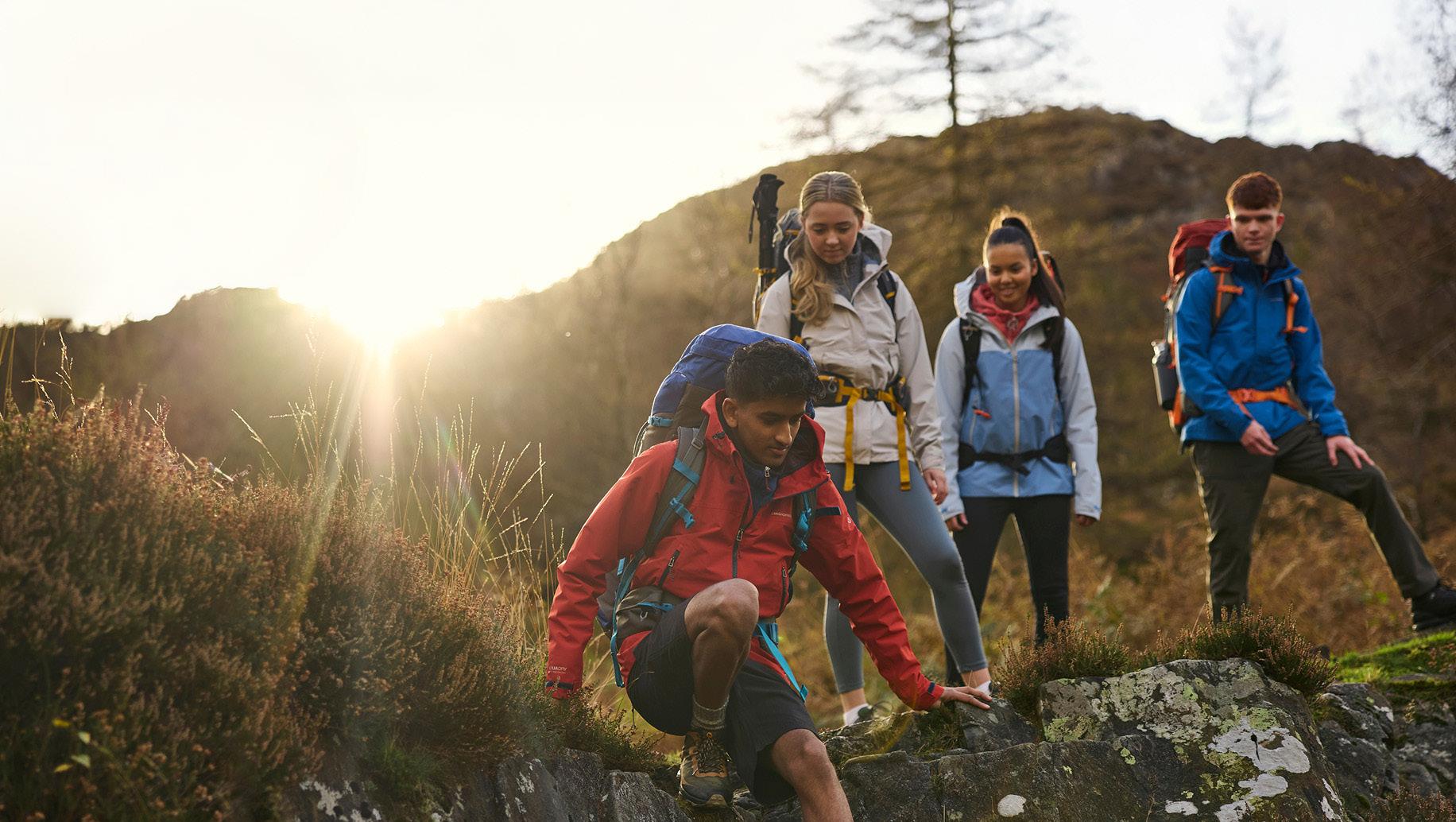
We support a diverse range of initiatives, organisations and valuable causes.

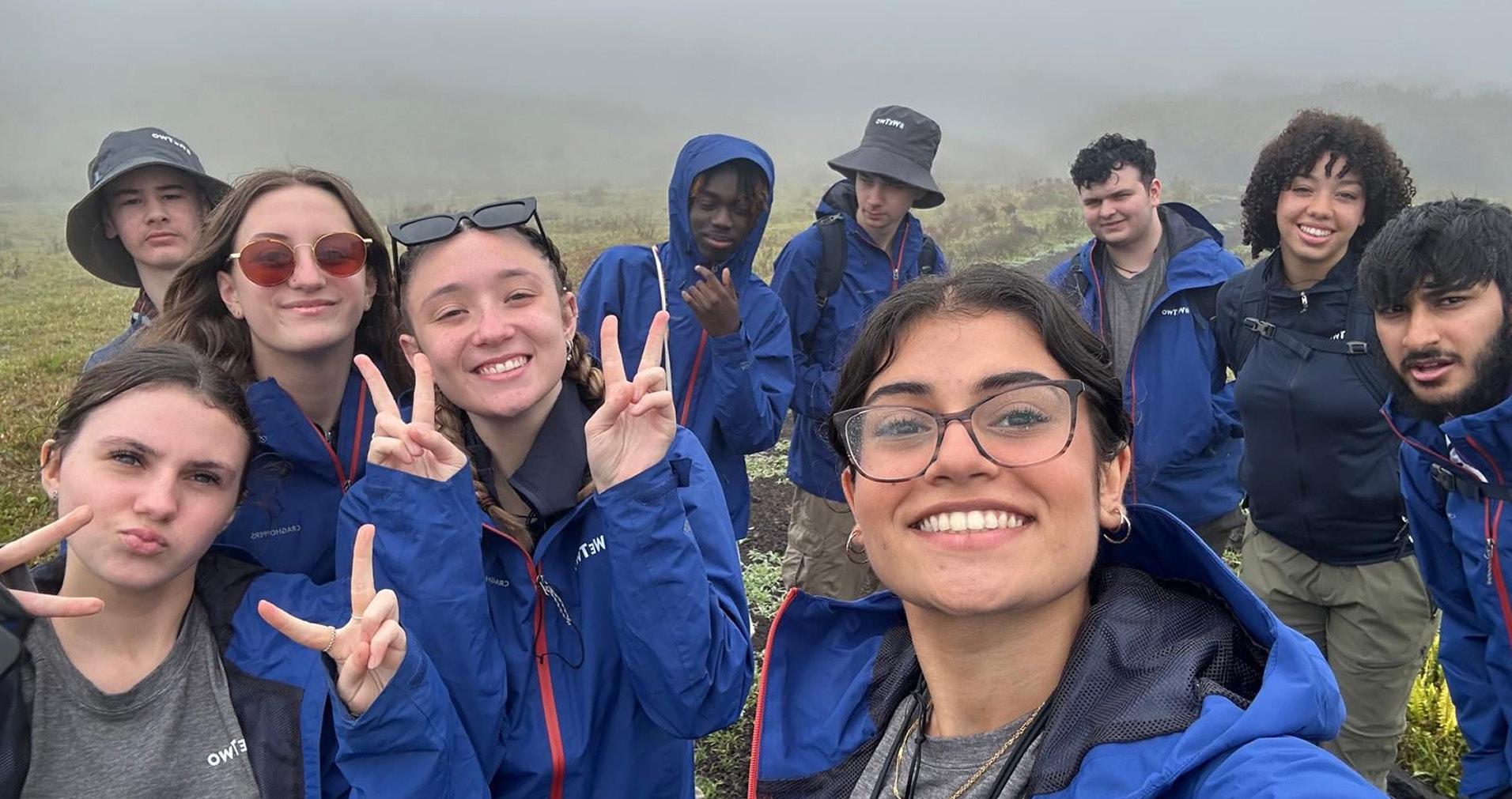


The #WeTwo Foundation was created by adventurers Dwayne Fields and Phoebe Smith to give underprivileged young people (16+) life-changing opportunities. Through expeditions at home and abroad and hands-on wildlife and conservation projects, the foundation helps build confidence and open doors for those who need it most.
In October 2024, we sponsored two places and provided kit for 10 young people on an unforgettable trip to the Galapagos Islands. Led by the founders and filmed by a crew, the group took part in community volunteering projects across the islands.
Each participant was nominated by someone who believed in them - friends, guardians, youth workers - and before setting off, they “paid it forward” by completing environmental projects in their own communities.
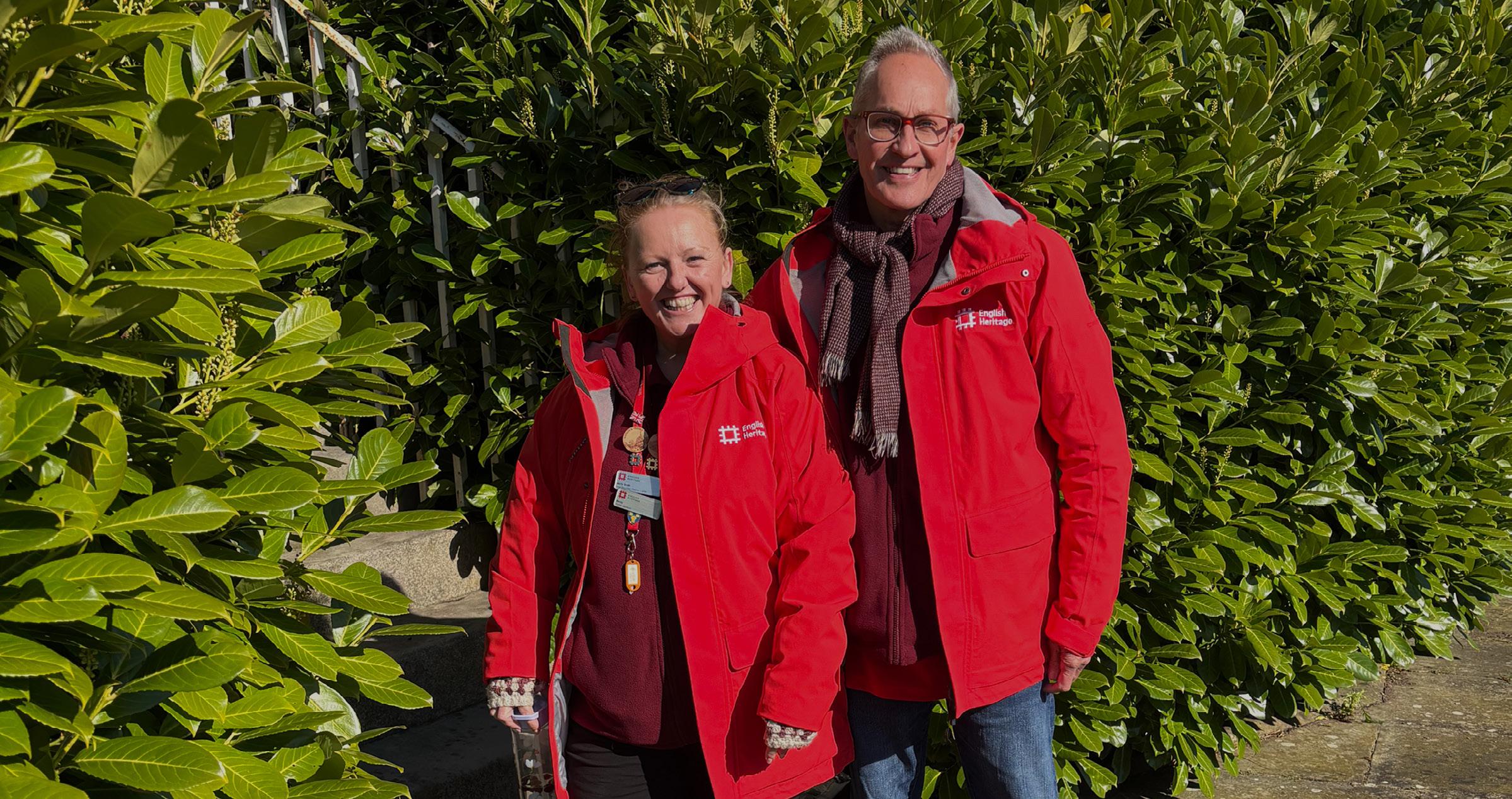
English Heritage looks after more than 400 incredible historic sites across England and we’ve been proud partners since 2020. Our role? Making sure their staff and volunteers stay warm and comfortable with technical jackets, fleeces, and softshells.
We also work with ambassadors from across the estate to share their stories and bring these amazing locations to life. Every year, we create a fun and inspiring film showcasing outdoor adventures at English Heritage sites - check it out on YouTube!
In 2024, English Heritage launched a fresh new look and we were thrilled to help make it happen. We worked closely with their team to design an apparel range that matched their new identity - right down to the perfect shade of red for waterproof and softshell jackets. The result? A bespoke collection that combines practicality with brand consistency.
Thanks to support from the Regatta Foundation, researchers at the University of Manchester - led by Professor Adam Greenstein - are making exciting progress in the fight against dementia.
We’ve long known that people in the early stages of dementia often have reduced blood flow in the brain. After years of research, the team has now pinpointed exactly how arteries in the brain become damaged - and they’re working with a drug development company to stop that damage before it starts.
In 2024, Professor Greenstein and Dr. Harry Pritchard were honoured with a British Heart Foundation Heart Hero Award for their groundbreaking work on vascular dementia. Their research could lead to a whole new way of tackling the vascular causes of dementia - a huge step forward in this vital area.
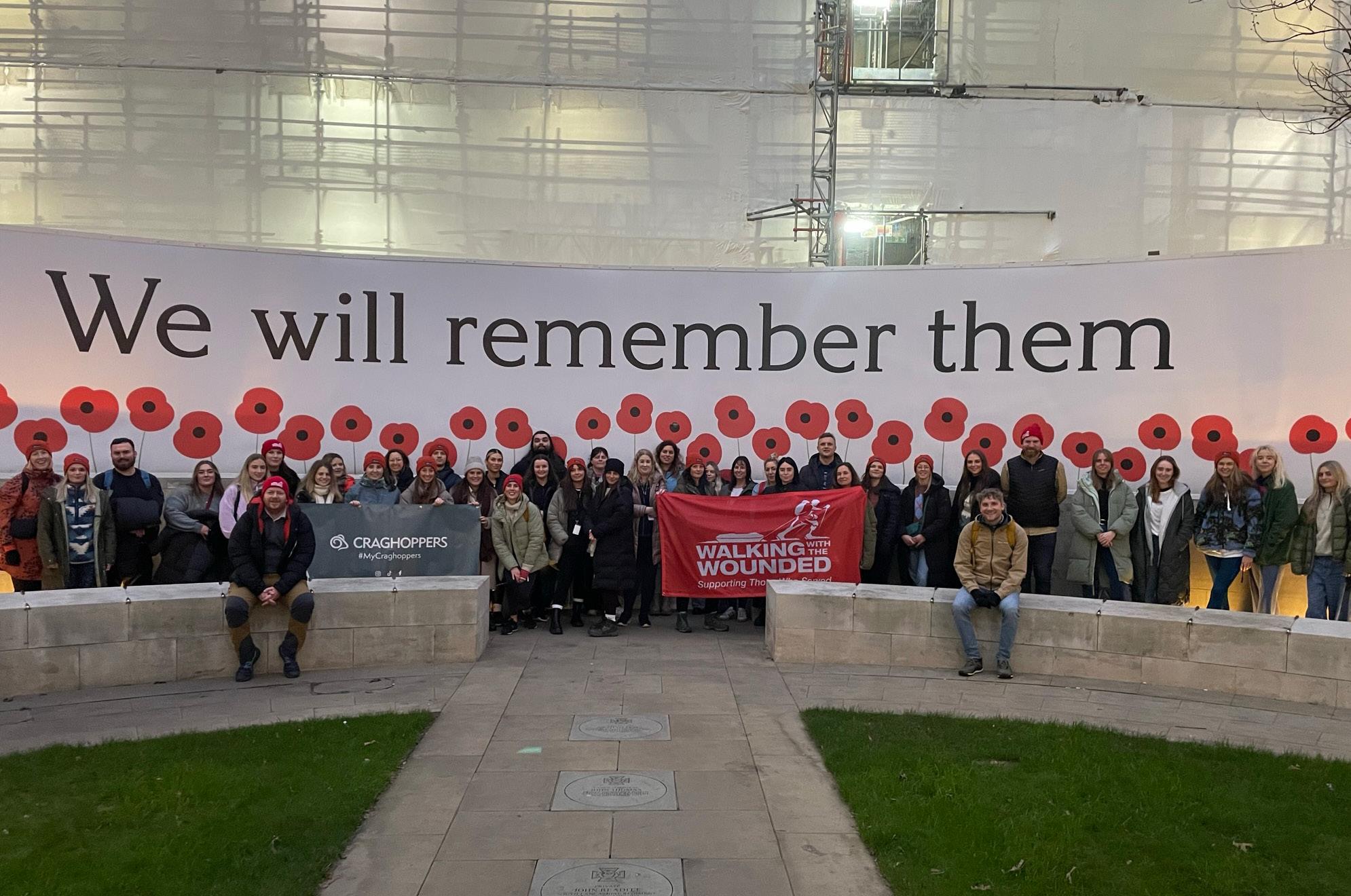
Walking With The Wounded is a brilliant charity that’s been helping veterans and their families since 2010. Their mission is simple: to give those who served the support they need to rebuild their lives and find a new sense of purpose.
Whether someone is struggling mentally, physically, or socially, WWTW offers tailored programmes to help veterans get back on their feet - covering mental health, care coordination and employment support. They focus on those with complex needs and work across the UK, including Scotland and Northern Ireland.
We’ve been proud to support WWTW since 2020, joining challenges and backing Veteran Walks. In 2024, we took things further by donating funds through our Workwear range. That contribution paid for 188 hours of private therapy sessions - giving veterans the chance to start their journey toward better mental health.

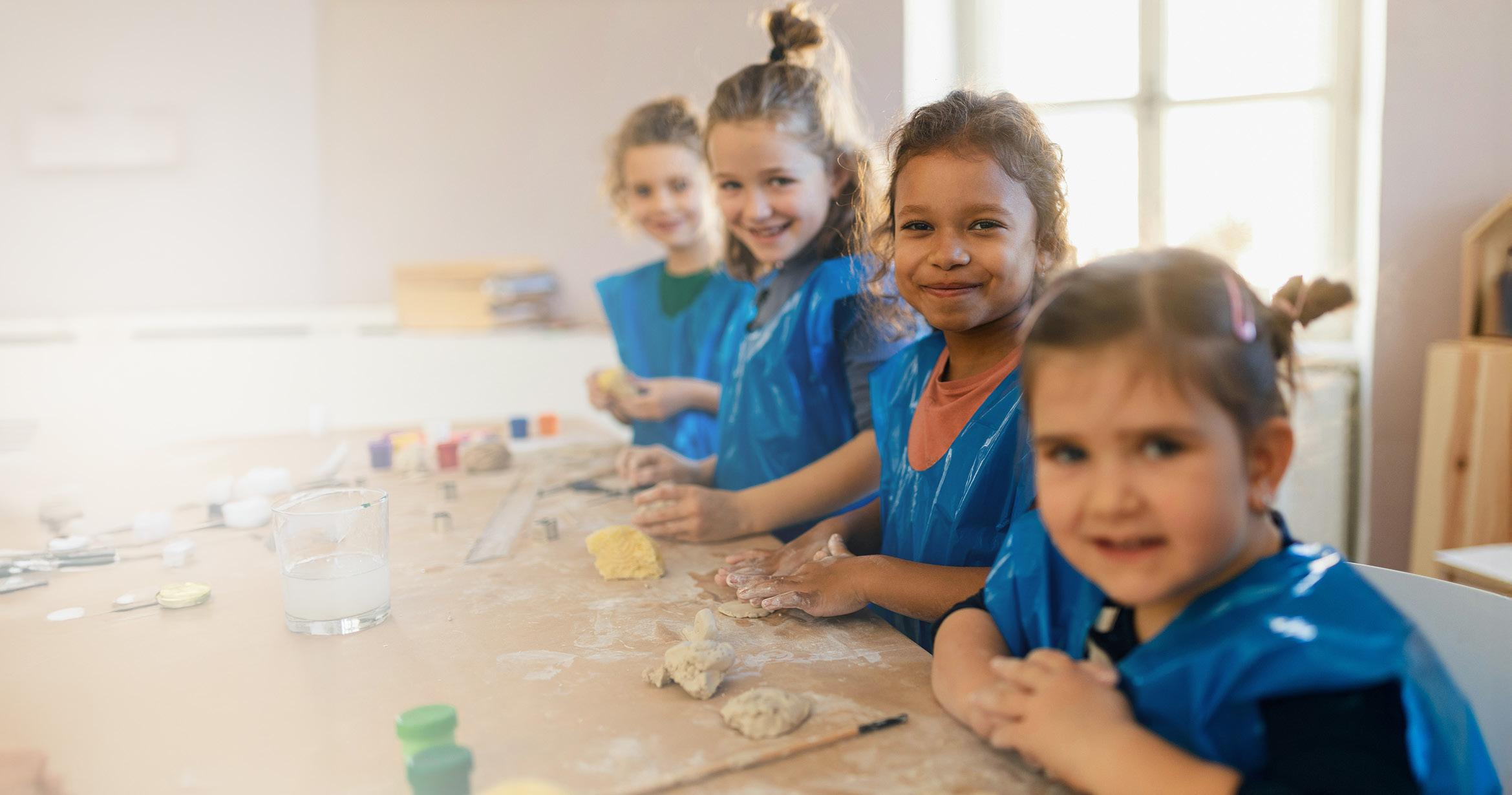
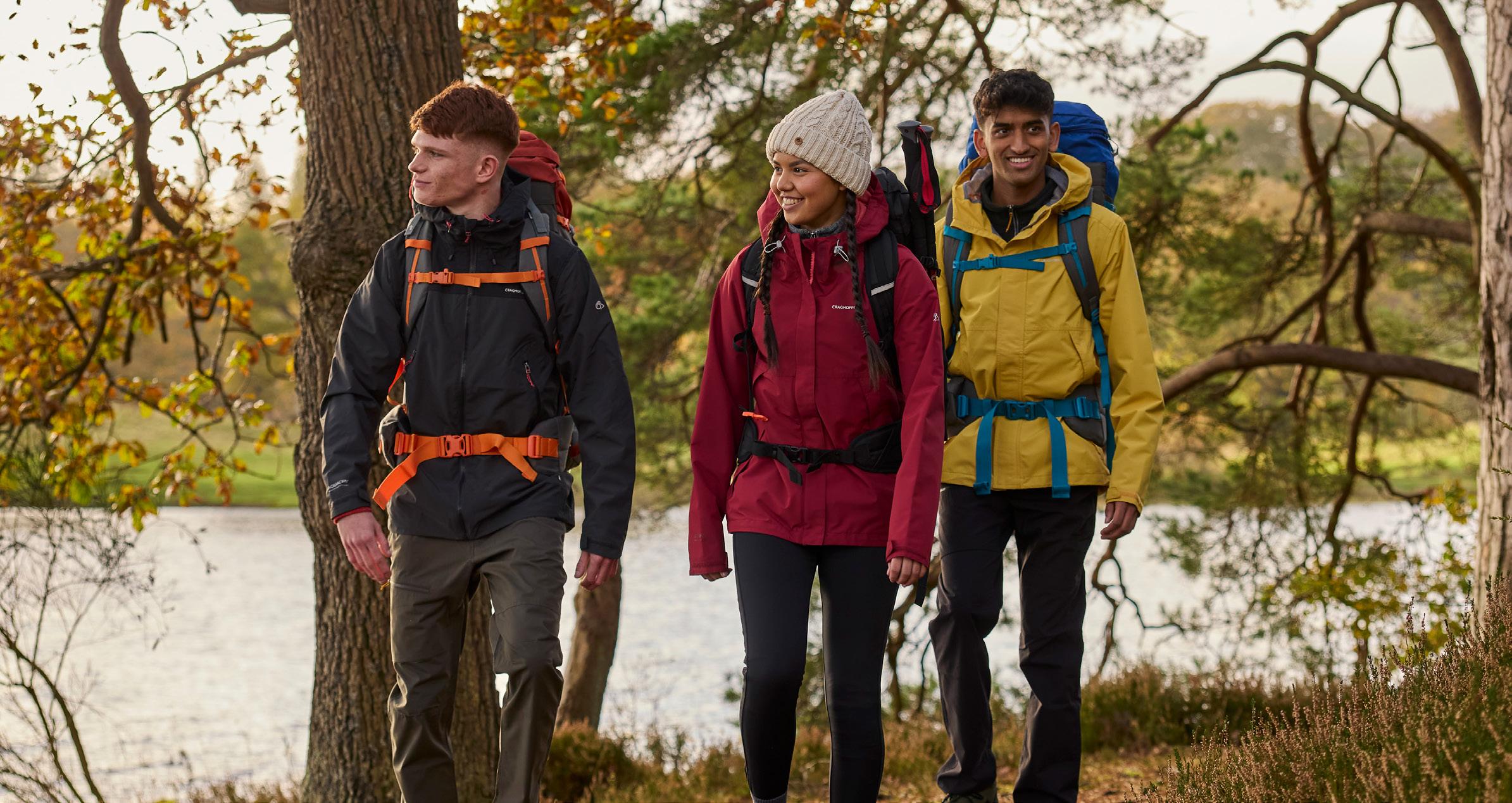
As part of the Regatta Group, we’re proud to be lead sponsors of Alzheimer’s Society’s flagship event, Trek26. Alzheimer’s Society is the UK’s leading dementia charity, working hard to find new treatments and ultimately, a cure. They also provide expert advice, training, and support to help create a dementia-friendly society.
Trek26 takes place at stunning locations across the UK and brings thousands of people together to raise vital funds. Every step helps to power research, improve care and make life better for those affected by dementia.
Within the Regatta Group, we have a small action team who work with primary schools in Trafford and Salford to support children who need a little extra help at key times of the year.
Every Christmas, we pack and deliver over 400 festive bags filled with essentials and treats - things like cupboard staples for hearty breakfasts and meals, plus Christmas crackers, selection boxes, snacks, colouring books, and pens. These goodies come from generous staff donations and company contributions and they’re delivered to schools before the holiday break to spread a little joy.

We’ve been the recommended DofE expedition clothing provider for over 13 years. Our Craghoppers DofE kit is designed for young adventurers - lightweight, durable and reliable, so you can focus on the journey, not your gear.
And here’s the best part: for every item purchased, we donate to the DofE charity. That means more young people from all backgrounds get the chance to take part and achieve their DofE award.

Here’s a summary of some of the key actions we’re focusing on
in 2025.
• Learning more about circular design and putting our new knowledge from our first circular textiles foundation training into practice
• Increasing the percentage of preferred materials used in our products
• Starting to use polyester made from textile-to-textile recycling
• Keeping strong, long-term relationships with our suppliers
• Improving how we measure and track our environmental impact
• Exploring science-based targets as part of the Regatta Group
• Helping garment suppliers to reduce their footprint using Higg FEM reporting
• Continuing to support biodiversity projects
• Completing renovations at Savar Primary School
• Reviewing our GEAR pilot programme and rolling it out to more supplier factories
• Supporting a wide range of initiatives and causes that make a difference
Craghoppers is part of the Regatta Group. That means some things, like our office space, are shared across the group. In this report, we’ve focused on Craghoppers wherever we can, but in some cases, the data covers the wider Regatta Group. For example, items like our scope one and two emissions and some of our partnerships are reported at group level.
For any further questions, please contact