
































✔ Support immune function and coat condition - TRT Mineral Pack
✔ Normalise gut health and rumen function - Unique Yeast Pack



























✔ Support energy metabolism - Essential Oils





















✔ Support immune function and coat condition - TRT Mineral Pack
✔ Normalise gut health and rumen function - Unique Yeast Pack
✔ Support energy metabolism - Essential Oils
EDITORIAL
Editor:
Johann Tasker | T: 07967 634971
E: johann@ruralcity.co.uk
Design:
Mark Shreeve | T: 01502 725839
E: mark.shreeve@micropress.co.uk
Advertisement production:
Jade Soanes | T: 01502 725840
E: jade.soanes@micropress.co.uk
Polly Coleman | T: 01502 725841
E: polly.coleman@micropress.co.uk
ADVERTISING SALES
Danny Lewis | T: 01502 725862
E: danny.lewis@micropress.co.uk
Oscar Grob | T: 01502 725851
E: oscar.grob@micropress.co.uk
Lawrence Kenny | T: 01502 725860
E: Lawrence.kenny@micropress.co.uk
British farmers are being asked to perform a curious trick: invest for the long term while operating under increasingly short-term political horizons.
Recent government moves on inheritance tax show this contradiction starkly. The decision to raise the IHT threshold for farming assets to £2.5m is a tacit admission that the original policy was badly misjudged. Yet it is only a partial retreat. For many family farms has merely been softened, not removed.
This uncertainty lands at a time when margins are already under intense pressure. Grain prices remain subdued, input costs stubbornly high, and global supply plentiful. The comforting idea that farmers can simply grow their way out of trouble no longer holds.

Farmers are urged to plan early for schemes that are not yet fully defined, while absorbing regulatory changes that often raise costs without addressing farming realities. Cheap imports remain the unspoken spoiler in almost every domestic farming reform.
Against this backdrop, it is no surprise that farmers are holding grain in store, delaying sales, or hesitating over investment. Caution is rational when signals are muddled. Yet caution alone will not secure the future of the sector.
One hopeful development is the growing push to treat agriculture as the strategic profession it has always been in practice. Farming today is not simply about production, but about managing risk, capital, data and public value in a volatile system.
Midland Farmer is a controlled circulation magazine published monthly for farmers and growers in the Midlands (Derbyshire, Herefordshire, Leicestershire, Lincolnshire, Northamptonshire, Nottinghamshire, Shropshire, Staffordshire, Warwickshire, West Midlands and Worcestershire) or companies supplying goods and services to the sector. To be included on the circulation list, a farmer must have a minimum of 70 acres of land, or 50 dairy/beef stock, or 50 breeding sows/250 growing stock, or 15,000 laying hens/broiler chickens. Intensive horticulture units are required to have a minimum of two hectares.
If you no longer wish to receive this magazine, please email your name, address and postcode as it appears on the wrapper to gemma.mathers@micropress.co.uk
© Countrywide Publications 2026
Published by Countrywide Publications, Fountain Way, Reydon Business Park, Reydon Suffolk IP18 6DH T: 01502 725800
Printed by Micropress Printers Ltd T: 01502 725800
Evidence from independent agronomy and benchmarking is clear: profitability today is driven less by how much is spent, and more by how precisely decisions are made. The margin for error has narrowed to a sliver.
Policy, meanwhile, continues to pull in conflicting directions. Environmental schemes promise opportunity, but funding windows are short, rules unclear, and competition fierce.
If government wants resilient, productive farms, it must offer policies that reward longterm thinking rather than penalise it. Stability, consistency and respect for farming as a professional, multi-generational enterprise would be a good place to start.
Johann Tasker Editor



• Judge to decide on inheritance tax
• Farmers claim decision ‘unlawful’
• Argument focuses on consultation
The High Court has fast-tracked a judicial review of the government’s decision to impose inheritance tax on farming families.
It follows claims that the government acted unlawfully by introducing major reforms to long-standing tax reliefs after only a limited technical consultation – despite the wide impact on family farms and businesses.
The ruling means a high court judge will decide whether the government acted unlawfully in making changes to agricultural and business property relief without first consulting with taxpayers in line with its then-policy.
Everyone affected Cambridgeshire farmer and lead claimant Tom Martin said the case mattered to everyone affected by the proposed tax changes. “I am proud to speak for the concerns of farmers and business owners whose livelihoods would be impacted.”
He added: “The government improperly denied us the chance to influence the policy and its implementation. I look forward to taking this important case to court.”
Lawyers representing Mr Martin and other farming families will argue that the government’s decision was especially damaging given the likely impact of the changes on farmers and the wider agricultural and commercial sectors.
The claimants say that the lack of a more comprehensive consultation fell well short of longstanding legal standards – and breached the government’s own public law duties towards them and others.

are doomed. Parliament is sovereign.”
I look forward to taking this case to court “
James Austen, of law firm Collyer Bristow, said the claimants would be arguing that the government’s consultation exercise was inadequate and unlawful. He added: “We look forward to putting their case before the court.”
Tax experts are divided over the prospects of a ruling against the government. Dan Neidle, of Tax Policy Associates, said: “These attempts to judicially review primary tax legislation
But Stuart Maggs, tax expert with of Norwich-based Howes Percival, said the court could declare the consultation to have been insufficient in accordance with the government’s rules at the time. “It would be pressure on the government to withdraw the changes.”
The hearing will take place over two days on dates to be announced in February or March. It follows 16 months of upheaval for agriculture – and tractor protests in the heart of London –after the government imposed 20% inheritance tax on farm assets worth more than £1m. A partial climbdown has since seen the government increase the inheritance tax threshold from £1m to £2.5m.
The battle to overturn the government’s decision to impose inheritance tax on farming families will continue, says the Country Land and Business Association.
The fight against the policy will continue despite the government’s partial climbdown which has seen the threshold for inheritance tax increase from £1m to £2.5m, said CLA head of external affairs Jonathan Roberts.
“The threshold increase is welcome –but not enough,” he said. “We fight on.”
Mr Roberts said the threshold increase – which is effectively £5m for married couples – would provide relief to many families. But he added: “Make no mistake: this fight is far from over.”
The change was of limited help for businesses with larger land holdings, di-
verse operations, or significant investment in expensive machinery and infrastructure, said Mr Roberts.
“The policy may now be slightly less dreadful, but it remains fundamentally bad and deeply damaging to the UK economy,” he said. It continued to threaten the viability of productive family businesses and undermine long-term investment in rural Britain.

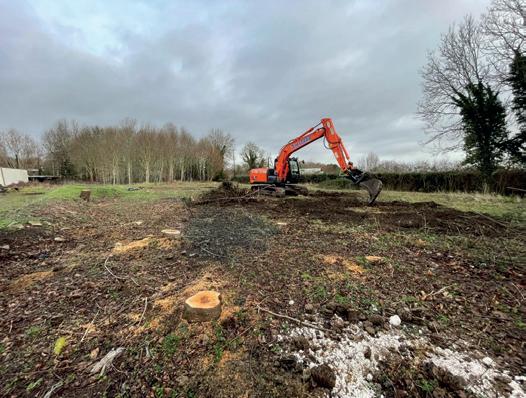
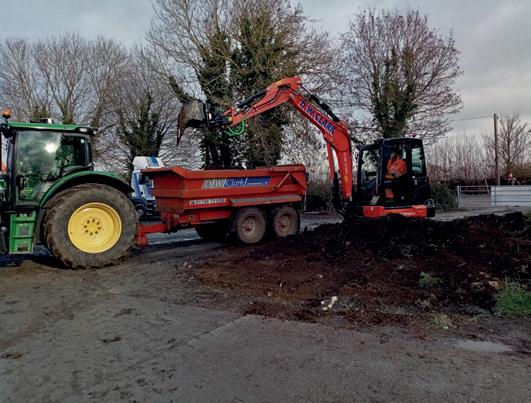
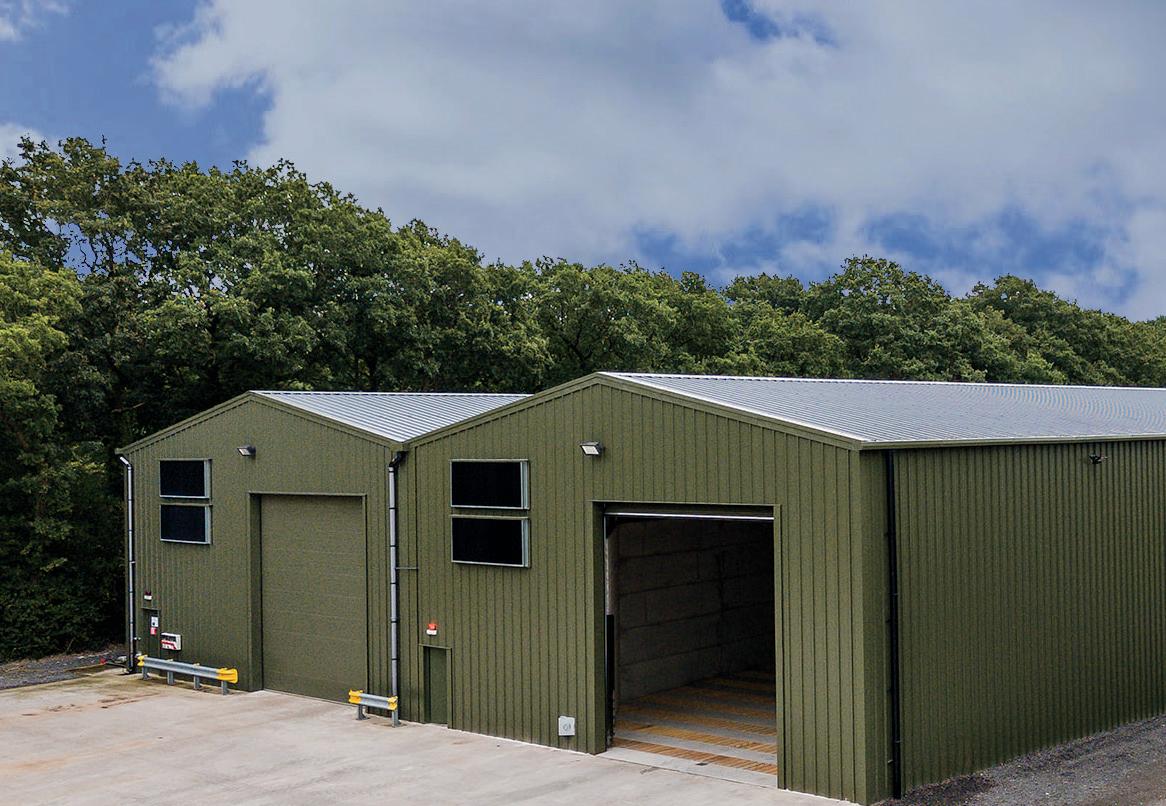
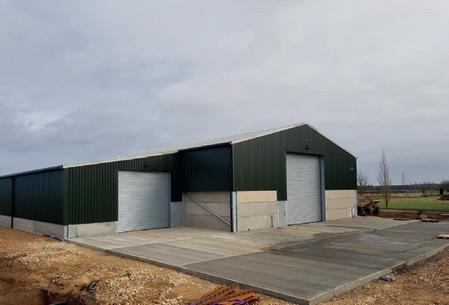
The area is a just under 2,200m2, it will be levelled, base stone installed then compacted and topped off with a compacted layer of type 1.
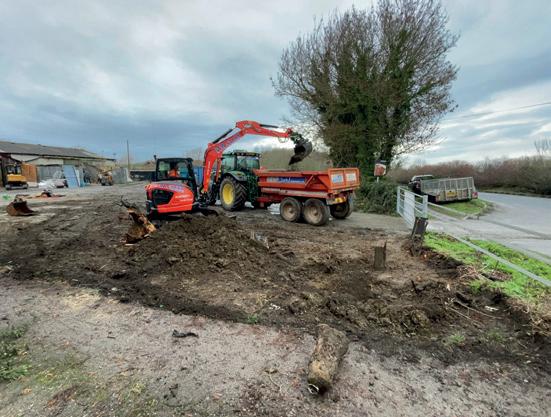
There were some larger Ash trees with Ash dieback that needed bringing down and their stumps pulled out as well as some conifer trees that were chipped and removed from site. All in all, a nice job to kick the year off with.

As you may have gathered by now we do a lot more than just land drainage. You also know that draining on soggy and flooded soils in wet weather is no fun either.
So we were more than happy when we landed a job constructing a new car park for TFM Farm & Countryside at their new site at Badsey, near Evesham, Worcestershire.
SO MUCH MORE THAN JUST DRAINAGE

• Funding could be competitive
• Prepare for shorter deadlines
• Plan early for best opportunity
Farmers are being urged to prepare now for the launch of the revamped Sustainable Farming Incentive later this year.
It follows Defra confirmation that the SFI scheme will re-open for smaller farms and those without an existing agreement before the end of June. Other farms will be able to apply from September.
Farmacy environmental services specialist Hannah Joy said SFI applications were likely to be high once scheme details are published this spring. The government has pledged £2.7bn a year for sustainable farming and nature recovery between 2026 and 2029.
The SFI closed promptly last March after running out of money. Defra secretary Emma Reynolds has confirmed it will reopen during the first half of 2026 – and hinted that it will be more focused with fewer options.
Access to funding could be competitive and the application window could be
Funding could be capped – so be prepared, says Hannah Joy
short, said Ms Joy. Although details are scant, farmers should try to prepare now so they are ready when the scheme is relaunched.
“At the moment, we’re no clearer as to what shape SFI 2026 is going to take, but it’s likely that we could see some kind of capped funding to spread funds more equally, and potentially a short application window,” Ms Joy told an Agriculture & Water event, sponsored by Essex & Suffolk Water.
Plan now so you’re ready to go “
“Our advice is to prepare now, so that you’re ready to go as soon as more details become clear.”
Similar messages were delivered to farmers considering applications to Defra’s Capital Grants scheme, which supports environmental improvements such as water quality measures and natural flood management.
• Check mapping to ensure they are accurate
• Review farm practices and stewardship

• Consider any workable ‘wish list’ options
• Devise a plan for possible scheme measures
• Ensure records and evidence are in order
• Stay engaged with Defra website updates
the best chance of funding. Waiting until the grant application window opens could be too late. In 2024, the capital grant application was just one month long – too short for many farmers to meet the deadline.
Sugar beet herbicides from UPL will be packaged compatible with the EasyConnect closed transfer system this spring, marking a shift towards wider adoption of the technology.
The crop protection manufacturer will introduce EasyConnect-compatible cans across its metamitron, phenmedipham and ethofumesate products, with further formulations expected to follow, says UPL head of business development James Kennedy.
“The investment is being put into our European factories to enable this. In the UK, we
wanted to begin with sugar beet herbicides because having the factory on our doorstep helps us to coordinate the rollout closely.”




The firm plans to extend closed transfer compatibility to co-formulated products such as Volcano (ethofumesate + metamitron). The move aims to break what Mr Kennedy describes as a stalemate between product availability and farm investment.
“It is a chicken and egg scenario. Farmers won’t embrace the sprayer adaptation





without the products – and manufacturers might not produce the products for Easyconnect if few sprayers are equipped. EasyConnect reduces operator exposure by about 95%, lowers the contamination risk and cuts filling time. Some non-compatible stock will remain in circulation this season. New production will carry EasyConnect-branded tape for identification.














SAFETY FIRST
A
UKCA/CE safety specification at an amazing price. With the look of Oz you love combing strength with light weight that redefines the notion that cheaper equates to lesser.
A

Wider fitting with breathable water resistant leather uppers and a premium comfort insole - this is a boot you can wear all day, every day.


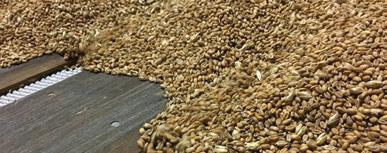




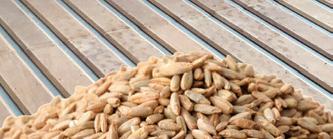
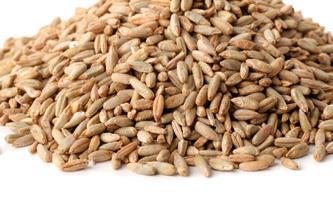





Cerealmanagement will be increasingly important this season amid rising costs, volatile markets and unpredictable weather.
That was a key message at last month’s annual technical agronomy conference, held by the Association of Independent Crop Consultants at Whittlebury Hall, Towcester, in Northamptonshire.
Arable farming faces a perfect storm of flatlining yields, high input costs, reduced direct support, and exposure to global commodity markets over which growers have little control, said Dan Matthews, an agronomist with Ceres Rural.
“Profitability must come first. Without profitability, sustainability is not achievable,” said Mr Matthews. “The challenge for arable businesses today is not just about yield, but managing volatility, risk, and margins far more precisely than in the past.”
Drawing on long-term benchmarking and performance data, Mr Matthews said there was no strong correlation between expenditure on variable inputs and grain yield. Instead, yield and profitability were primarily driven by decisions at a field and crop level.
Independent agronomy was central to this process, said Mr Matthews. It
enabled growers to align inputs with real crop potential rather than historic averages, flex to seasonal conditions, and avoid over-investment driven by fear rather than evidence.
In an environment where yield potential can deteriorate rapidly, particularly in challenging seasons, the financial impact of these decisions has never been greater.
Analysis of wheat crops across a broad sample of Ceres Rural farms suggests higher yields were not simply the result of higher spend, but of better targeting of sprays and fertiliser in response to disease pressure and yield potential.
In many cases, relatively small reductions in input costs, when combined with sound crop management, delivered double-digit percentage improvements in profitability.
ble farming. On a global comparison, the UK has some of the highest variable costs of wheat production, driven by climate, pest and disease pressure, and regulatory constraints.
With inflation eroding returns and input prices remaining stubbornly el-

first
Mr Matthews highlighted the structural challenges facing UK ara-
• Profi tability comes before sustainability
• Yield is driven by management, not spend
• Targeted inputs protect margins in volatile seasons
• Stronger returns from independent agronomy
• Helping arable farmers to invest wisely
greater use of benchmarking, data, and peer-to-peer learning.
Thhe value of technology lay in evidence-based application rather than innovation for its own sake. Independent agronomy provides the critical filter between innovation and on-farm decision-making.
“Evidence from long-term data is clear. Yield is a function of management, not inputs alone. Independent agronomy plays a vital role in helping arable businesses invest wisely, manage risk, and remain profitable in an increasingly uncertain world.”
Oilseed rape growers are being urged to apply a nitrogen-sulphur combination as soon as conditions allow.
Properly nourishing rape crops at an early stage will help unlock their full potential – helping to boost spring growth and strengthen defences against pests such as cabbage stem flea beetle.”
“By getting a first dose of nitrogen and sulphur on the crop as soon as conditions allow, you ensure that the plant has the resources it needs to kickstart growth,” says agronomist and farmer Will Oliver.
“A well-nourished oilseed rape plant plant has a much better chance of withstanding any stress caused by challenging spring conditions and will be much better able to grow away from pest damage.”
Mr Oliver is growing oilseed rape for the first time in five years himself. Drilled in early-mid August, he plans to get a first dose of nitrogen and sulphur on the crop as soon as the ground is travelable and highlights the importance of timing.”
Don’t delay
“The key is not to delay that first pass – you want to get it on before the crop starts to elongate too much. If you wait for perfect conditions, you could miss the window.
“By then, the crop might already be stressed, and it will be much harder for it to recover if hit by poor weather or pressure from flea beetle or other pests.”
For simpler management, OCI Global nutrition specialist Sam Leadbeater of OCI Global recommends a balanced compound fertiliser of nitrogen and sulphur.
“At this point in the growth cycle, sulphur supports healthy vegetative growth, helping the oilseed rape plant establish a strong foundation for future yield potential,” he says.
“Sulphur is also crucial for protein synthesis and oil production in rape crops, especially during the reproductive stages. It enhances nitrogen use efficiency (NUE), ensuring that nitrogen is utilised more effectively within your crop.”
With 27% nitrogen and 4% sulphur, Mer Leadbeater says OCI Dynamax is the ideal nitrogen-sulphur fertiliser for early spring rape nutrition – ensuring a balanced supply of essential nutrients to support crop growth from early spring,
Growers should consult their agronomist for specific timing to maximise nitrogen uptake, says Mr Leadbeater.
































• Reduce waste, protect margins
• Matches nitrogen to soil needs
• Time to trial before wider rollout
Adopting variable rate nitrogen application could help growers offset the cost of the UK’s new carbon border tax without sacrificing yield.
Variable rate applications can trim unnecessary spend by targeting fertiliser where crops are most likely to respond, rather than applying a flat rate across every field, say advocates.
Industry estimates suggest imported nitrogen prices are already £40/tonne higher this spring because the EU’s carbon border adjustment mechanism (CBAM) is already in force on most fertiliser coming into the UK.
Cost pressure
Further increases are expected when the UK introduces its own regime next year. “It isn’t

ideal considering the current grain prices and that nitrogen is already at a high price,” says Ben Foster, product manager for digital agronomy company Rhiza.
Variable-rate application could offset much of that increase. “Although the technology has been available for a long time, some farmers have tried it and decided it wasn’t for them, while others have the required machinery but have never tried it.”
Newer digital tools have made variable rate nitrogen cheaper, easier and more accurate, explains Mr Foster.
“I’d encourage all farmers with the capability of variable rate spreading to look at the technology this season, at least in a trial area, to examine its results on their bottom line.”
Yield maps from combines provide a starting point, he says, particularly as more second-hand machines with mapping capability enter the market.
“I’d recommend looking at the variation in satellite imagery from a platform like Contour in March or April, and overlaying it with historical yield maps,” says Mr Foster.
“In my experience, the variation in spring satellite images will likely correlate very closely with yield data from the summer. This should give farmers the confidence to tweak late spring nitrogen applications to match field potential.”
Peter Cartwright, farms manager at the Revesby Estate in Lincolnshire, adopted variable-rate nitrogen on wheat last season after seeing it trialled through Agrii’s digital technology programme.
“In oilseed rape, it’s straightforward because it’s linked to the green area index,” says Mr Cartwright. “With wheat, we didn’t
know whether to push a backwards crop or hold back on it.
“We are still asking similar questions, but we have a better grasp of it with the information available to us. We signed up for the variable rate Sustainable Farming Incentive action and we are using it across the whole estate now.”
He says the economics have shifted. With nitrogen expensive and grain values lower, the risk of over-application now outweighs the potential reward. “The economic viability of that last 10% of yield has changed.”
Total nitrogen use was similar last season – but it was redistributed. Better-performing areas received more, while poorer zones received less.
Early results, particularly on lighter land in dry conditions, suggest savings are possible without compromising output.
“It’s cheaper, easier and more accurate
Tools such as Contour allow farmers to choose between strategies focused on maximising yield in stronger areas or levelling crop canopies across a field.
“There is no definitive answer to this,” says Mr Foster. “It depends on the season and the farmer’s knowledge of the field.”
With drier springs becoming more common, understanding soil type and underlying geology is increasingly important, he adds. Clay soils or chalk tend to cope better with drought and justify higher nitrogen rates than sandier ground.
For those considering a trial this season, Rhiza offers a pay-as-you-go model. Farmers can access the software across their whole farm but pay only for the area where a variable-rate plan is produced.
• Food chain keen to reduce emissions
• Growers off ered payments for improvements
• Fertiliser effi ciency increasingly important
Cereal growers can claim payments of up to £100/ha thanks to a regenerative farming scheme in conjunction with pet food manufacturer James Wellbeloved.
The company’s Beloved Soil initiative makes the payments according to the sustainable farming practices carried out when growing oats and barley. It is run in partnership with Agrii and Soil Association Exchange.
Sustainability isn’t just about the environment, it’s about ensuring food security and building a resilient and profitable farming sector, says Agrii sustainability and environmental services manager Amy Hardwick.
“With the type of transition growers are now facing combined with the ongoing fluctuations in grain prices and input costs, the industry faces significant challenges,” she says.
“While nobody has all the answers for achieving long-term resilience, Agrii is exploring ways to encourage sustainable practices and offer rewards for growers starting the journey.
“Regenerative farming doesn’t work for everyone, so we are looking at programmes that embrace some of these principles while helping our producers fund the transition to more sustainable farming.”
The first tier of the scheme consists of a guaranteed payment for carrying out basic practices such as an integrated pest management plan, use of cover crops, having a planned crop rotation and having an environmental baseline analysis carried out.
After that, farmers can add supplementary practices into the mix. “The aim is to help incentivise continuous improvement and provide a motive for farmers to continually develop their sustainability practices,” says Ms Hardwick.
The same principles apply to Agrii’s new wheat supply chain programme, run in collaboration with Whitworth Bros and Bunge.
“There is a set of minimum requirements as a starting point for all those taking part in the scheme, with the flexibility to implement additional options that suit their farm.
“While still early days, the new scheme is a very viable opportunity for growers and testimony that different areas of the supply chain are collaborating to deliver positive changes.”
David Powlson, emeritus professor at Rothamsted Research, says modern fertiliser solutions could unlock huge potential for farmers to capitalise on these schemes while cutting input costs and slashing emissions.
“A simple change in nutrient planning alone could deliver 20% of the UK’s ammonia emission reductions required to meet the 2020 Gothenburg convention ceiling,” he says.
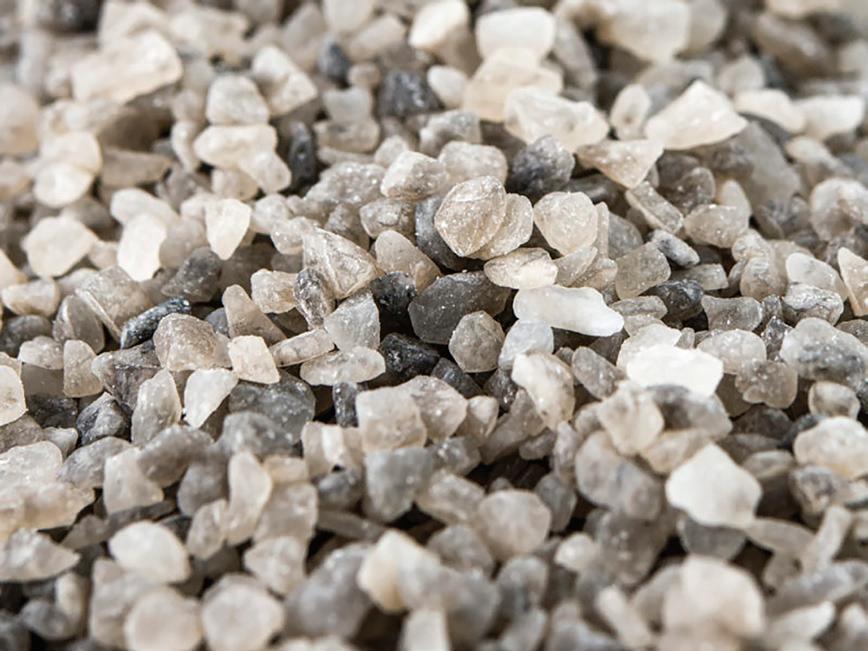
According to a recent review, coauthored by Professor Powlson, replacing manufactured ammonium sulphate fertiliser with naturally occurring polysulphate, for example, could reduce on-farm ammonia emissions by up to 90%.
“Typical ammonium sulphate fertiliser is subject to volatilisation in soils with a pH of 6.5 or above, which account for over 60% of the UK’s arable soils,” he explains.
“This loss of nitrogen as ammonia, which is as great as with uninhibited urea on high pH soils, has received hardly any attention recently, despite
Polysulphate
the concerns over ammonia emissions and efforts to improve nitrogen use efficiency.”
With 40% of UK arable soils at or above pH 7.0, and 21% between pH 6.5 and 7.0, Prof Powlson believes that replacing ammonium sulphate with polysulphate could make a major dent in emissions.
“All sources of sulphur are not the same. While ammonium sulphate is a convenient form of sulphur, it is prone to this ammonia loss so, particularly on high pH soils, polysulphate would avoid this problem.”
Richard Ward, technical sales manager at fertiliser supplier ICL, says polysulphate can play a pivotal role in getting the best out of low carbon nitrogen sources.
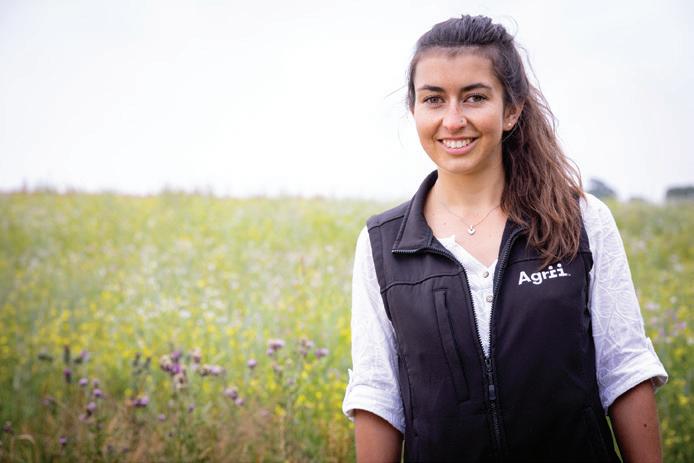
Amy Hardwick: Building resilience
“By supplying sulphur independently of nitrogen, growers can match application timing to crop demand and avoid the ammonia losses associated with ammonium sulphate,” he explains.
“This also gives greater flexibility to integrate new-generation low carbon nitrogen fertilisers into nutrient programmes without compromising yield potential.”
This separation is becoming increasingly relevant as supply chains, from milling wheat to pet food, are setting stringent sustainability targets, says Mr Ward.
“By matching nutrient strategies with the sustainability scorecard, growers can protect yields while meeting low-carbon expectations.”
Prescription fertilisers help you optimise yields and maintain soil indices at target levels. Applying NUTRI-MATCH gives the right prescription fertiliser for your requirements - with no excess, no deficiency, no compromise.
• NUTRI-MATCH is an infinite range of prescription fertilisers where analyses are formulated to match specific soil and crop nutrient requirements
• NUTRI-MATCH is made from a choice of up to 15 nutrients: Nitrogen, phosphate, potassium, sulphur, sodium, boron, calcium, cobalt, copper, iron, magnesium, manganese, molybdenum, selenium and zinc
• NUTRI-MATCH provides targeted nutrition aimed at improving soil, crop and animal health
• Selecting the correct nutrients is more important than if it is applied as a complex or blended compound








t: 03333 239 230
e: enquiries@originsoilnutrition.co.uk www.originsoilnutrition.co.uk
• Focus on end market and users
• Lower area supports premiums
• Forward selling can manage risk
Growers are being advised to focus on proven varieties with strong market flexibility when selecting spring barley seed.
Uncertainty over area, premiums and end-market demand continue to shape decision-making this season, says malting barley trader Laura Jones, of Saxon Agriculture.
Premium possibilities
British farmers consistently produce some of the highest-quality barley in the world, says Ms Jones. But malting premiums have remained under pressure in recent seasons due to an oversupply of barley both domestically and across Europe, coupled with declining demand.
Spring barley area forecast to be down
Early indications suggest spring barley area could fall by more than 15% this year, potentially creating improved premium opportunities compared with the past two seasons.
Changes in cropping plans following recent wet winters are expected to see winter wheat area increase at the expense of winter and spring barley.
Spring barley area is forecast to be down by more than 15%, according to AHDB surveys, which could support premiums. But it is still the UK’s second-largest crop behind winter wheat and good marketing remains essential with demand significantly contracting year on year.
Market uncertainty means growers should consider how and when they market malting barley – as well as what they grow, says Ms Jones.
“In a volatile market, decent yields combined with the opportunity to lock in premiums early can make a real difference,” she adds.
ture’s head of seed trading, says variety selection in malting barley should be














cantly increase risk.”
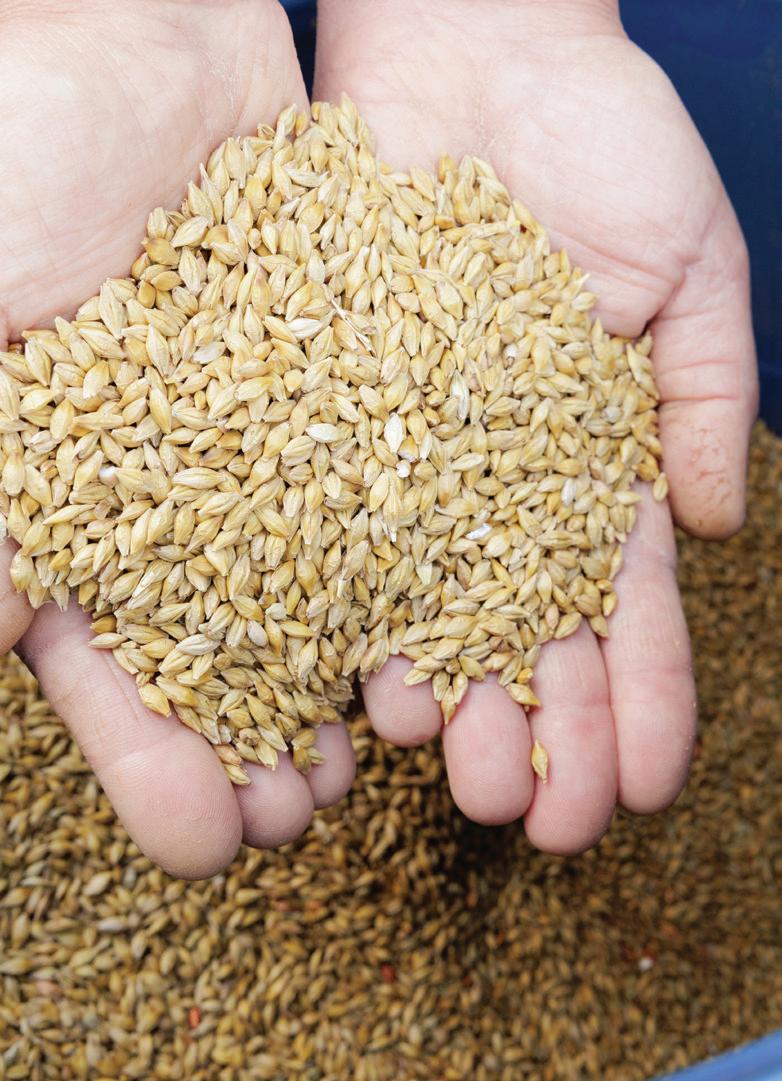
Evidence of this approach includes continued dominance of established varieties. Dual-purpose variety Laureate, suitable for both malting and brewing, currently accounts for around 60% of the certified spring barley seed market.
“Laureate remains popular because it’s well established, widely accepted and gives growers the highest chance of finding a home if quality is achieved,” explains Mr Baxendale..”
Yield potential Skyway, a brewing-only variety, has also gained ground, now accounting for around 14% of the English certified seed market.
It offers higher yield potential than older brewing varieties, alongside a high bushel weight and good straw characteristics.
“The key is choosing varieties that align with realistic marketing routes and having those conversations early.”
Belter and SY Arrow are potential new dual-purpose varieties offering a yield advantage over Laureate.
Annual demand for UK malting barley has dropped from 1.9 million tonnes to 1.7million tonnes over the past two seasons – so early discussions around both variety choice and marketing strategy remain essential, explains Ms Jones.
“This is a year for realism – understanding your market, choosing varieties that offer flexibility, and using forward contracts to protect value.”
Anew range of fertilisers aims to maintain yields while rebuilding soil health, combining instant-release mineral nutrients with phased organic nutrition.
Early trial results suggest improved nutrient retention in wet conditions, alongside greater yield stability, says organic fertiliser producer SoilWorx, which is expanding beyond its Irish heartland to the UK.
SoilWorx says it will continue to support organic farmers while opening up new opportunities for UK farmers considering regenerative and hybrid approaches that blend organic and chemical inputs.
SoilWorx has traditionally served organic farmers with fully certified, products, but business development manager John Paul Gilroy says real benefits also exist for farmers incorporating organic nutrition into their crop plans.
Three agricultural product ranges are launching, with Organo Mineral Fertilisers (OMFs) at their core – products that blend instant-release mineral nutrients with the phased release of organic amendments.
This provides the best of both worlds, says SoilWorx – an instant hit of mineral fertiliser readily available to the crop, followed by the phased release of nutrients from organic matter.
SoilWorx’s core product is a 4-2-3 NPK. But there are higher nitrogen options too. These include an 8-2-2 formulation which is now available and a range of OMF products such as 12-1-1 and 10-4-4 in advanced stages of development.

when spread. SoilWorx pellets work in standard spreading equipment and require no investment in new machinery.
Omex Agriculture has updated its crop nutrition and foliar fertiliser portfolio, rebranding it under the Fortiflo range as part of a wider sustainability push.
The company says the refresh is intended to align product development more closely with science-led performance and on-farm efficiency, as demand grows for lower-emission, resource-efficient inputs.
Omex has supplied crop nutrition products for almost 50 years. The revised Fortiflo range includes biostimulants and fertiliser additives aimed at improving nutrient use efficiency while reducing environmental impact.
“Agriculture is at the dawn of a new sustainable era, and Fortiflo is well positioned to support farmers,” says Omex business growth director Scott Baker.
“We continually evaluate our products through trials and research partnerships to
ensure they meet expectations and help farmers produce more sustainably.”

Omex managing director Sam Bell says the update reflects how the company’s sustainability considerations are being built into product design alongside agronomic performance.

“The refreshed Fortiflo range complements our sustainability strategy, ensuring the right product is available at the right time. Our inhouse research and development, state-of-theart laboratories, and field validation underpin every formulation.”

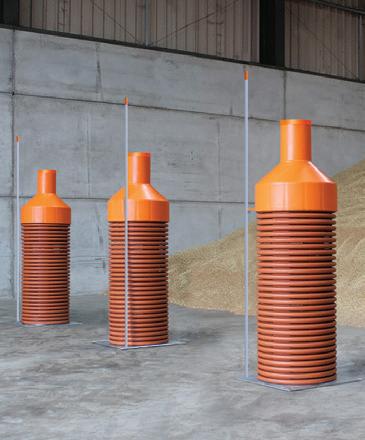


























































Growers continue to hold cereal crops in store in the hope of better prices amid a subdued grain market.
UK wheat markets remained thin during January with farmers weighing up their options. At the same time, commodity trader ADM reported limited urgency from consumers.
“In the near-term, grain markets are likely to remain choppy but capped, with wheat lacking a clear bullish catalyst amid fierce export competition and comfortable stocks,” said ADM in a market report dated 22 January.
Feed barley markets were reported as flat due to weaker export demand. Citing a continued lack of farmer selling, ADM said many growers had been slow to re-engage after the festive period.
Meanwhile, feed barley markets flatlined with export demand dwindling – although domestic demand remained. Farmer selling improved on pre-Christmas levels but was slower than recent weeks with prices becoming stagnant.
Separately, grain futures came un-
der pressure after the USDA’s latest World Agricultural Supply and De mand Estimates report showed an in crease in global wheat supplies.
Feed wheat futures towards the end of January were trading at £167.25/ tonne for May 2026 and 171.40/t for November 2026. On the spot market, feed wheat was trading at £164/t –about £13 down on the same time last year, according to the Agriculture and Horticulture Development Board.
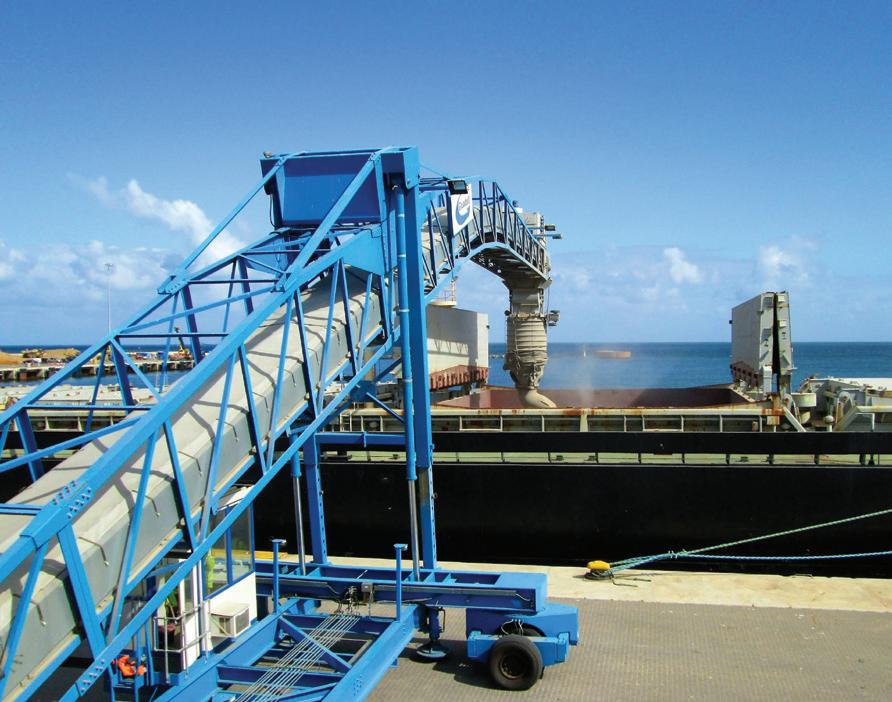
A good autumn planting season in the UK is again expected to see a larger area drilled to winter cereals compared to spring crops – the hope will be that higher yields and a decent harvest will help offset pressure on prices.
Looking at the 2026 wheat crop prospects, the AHDB says market participants are paying close attention to global weather events – including dry weather in the USA and severe frosts in parts of Ukraine.
Commodity experts Expana slightly increased its forecast for the EU 2026 soft wheat crop, raising it from 128.3 Mt in December to 128.6 Mt. Growing conditions remain favourable for win-
The global wheat crop is expected to be the largest ever
“Grain futures have come under pressure
ter crops across most EU countries, says the AHDB.
Looking even further ahead, analysts at the International Grains Council forecast that the 2025/26 global wheat crop will be the largest ever, with strong yields more than compensating for a modest reduction in acreage.
While a repeat of such excellent results is not expected in the 2026/27 season, the IGC says increases in average yields could lift world wheat outturns to consecutive peaks in the following four years.
Constrained by soft prices, the IGC expects the world harvested area to drop slightly in 2026/27. This would mark a third successive reduction and the smallest area in seven seasons.


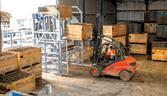


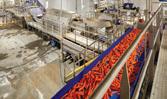


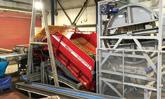
Residue levels of a key chemical used to maintain the quality of stored potatoes continue to fall – but more data is needed, says a cross-industry body.
The Chlorpropham Residues Monitoring Group (CRMG) submitted its second-year draft report to the Health and Safety Executive’s Chemical Regulation Division towards the end of last year.
The group says the report provides new evidence on chlorpropham (CIPC) residues in potatoes stored during the 2024/25 season – helping to inform an annual review of the temporary Maximum Residue Level (tMRL), which is currently set at 0.35mg/kg.
The CRMG report is based on residue data submitted by growers, store managers and supply chain partners. It is seen as key in helping to ensure potato stores with a history of CIPC can still be used – ensuring capacity for the UK potato industry.

In total, some 156 sample results were received from potato stores with a known history of CIPC use. Of these, 21 samples (13.5%) contained detectable CIPC residues, all of which were
Chlorpropham residues are falling – but more data is needed,
CIPC was effectively banned as a sprout suppressant in 2020 due to toxicity concerns. While residue levels continue to decline, the provisional data mirrors Year One patterns, reinforcing the need for the temporary limit, says the CRMG.
Without the temporary limit, many stores would exceed the standard detection threshold and be taken out of use. This would put significant pressure on the UK’s storage infrastructure and supply chain resilience.
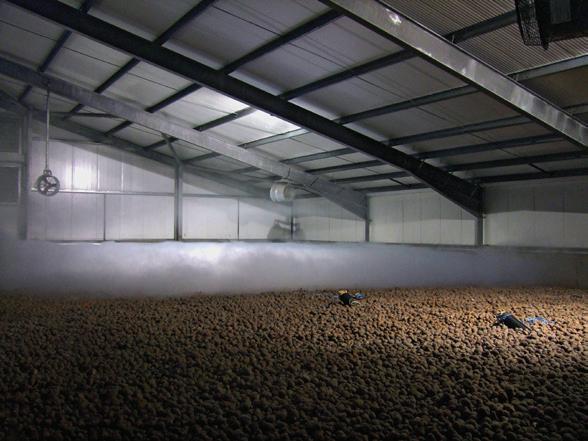




CRMG chairman Adrian Cunnington said: “It is hard to overstate the challenge if we lost our storage capacity – it would be devastating for the industry.
“We are watching residues come down year-on-year, but the biggest challenge remains getting enough samples. It is imperative that we continue to collect and submit residue data if we are to maintain our supply base for years to come.”
The CRMG is now calling on the industry to support a third season of sampling. It says this will help to underpin the 2025/26 submission to the Chemical Regulation Division.






























Our WTM-2 Multi-Store Monitoring System is now available with crop moisture content probes for more informed storage decisions.
• Monitors up to 16 stores from one system
• Up to 32 wireless temperature sensors per store


• New moisture probes for improved crop management
• Additional sensors available: temperature, humidity & CO₂
• All data logged securely in the control box


• Energy-saving automatic ventilation control
Our WTM-2 is an intelligent, intuitive system, quick to set up and easy to use, delivering reliable storage information when you need it most. 01787 310163



• Best practice dissemination
• Technical advice and consultancy
• Regular bulletins by subscription
• Site visits and operational assessment
• Energy use analysis
• Knowledge exchange
• Troubleshooting
• Cost management
• Store design advice
• Auditing and quality
• Training courses and webinars
• Meeting facilitation
• 50 years of experience and knowledge
• Over 4,000 drier installations

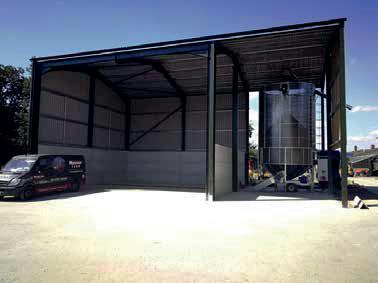
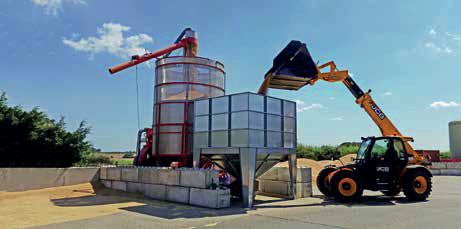
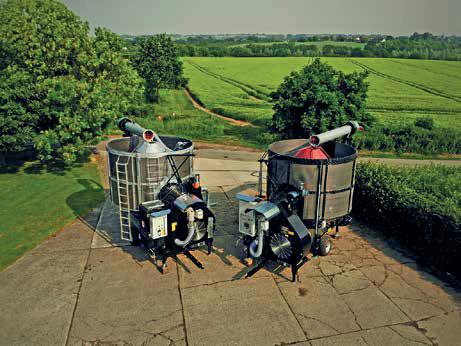
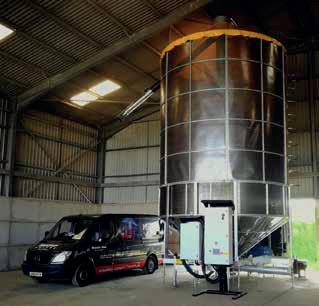
• Unrivalled range of specialised mobile and fixed grain driers with capacities from 5 to 100 tons to the UK and overseas markets
• Full automation and PTO drive options
• Incorporates all the new CE safety features
• Full and comprehensive three-year manufacturer’s warranty with every new drier
• Hire and refurbished options available
• Full after sales support





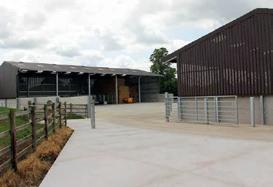
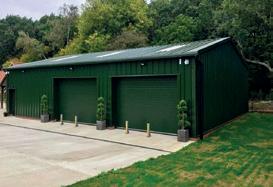




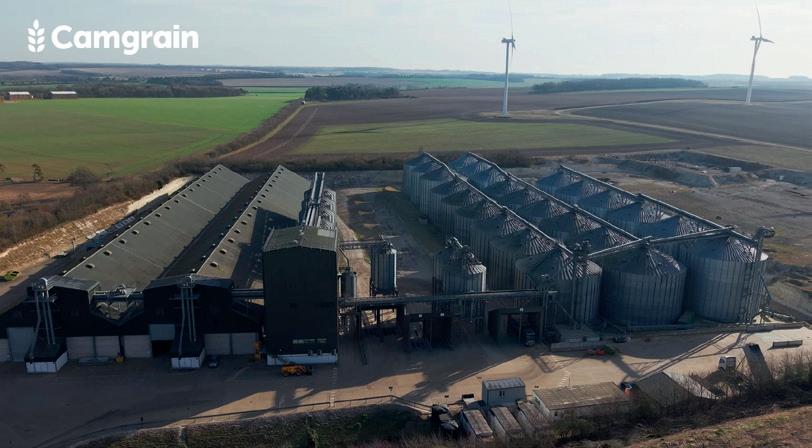
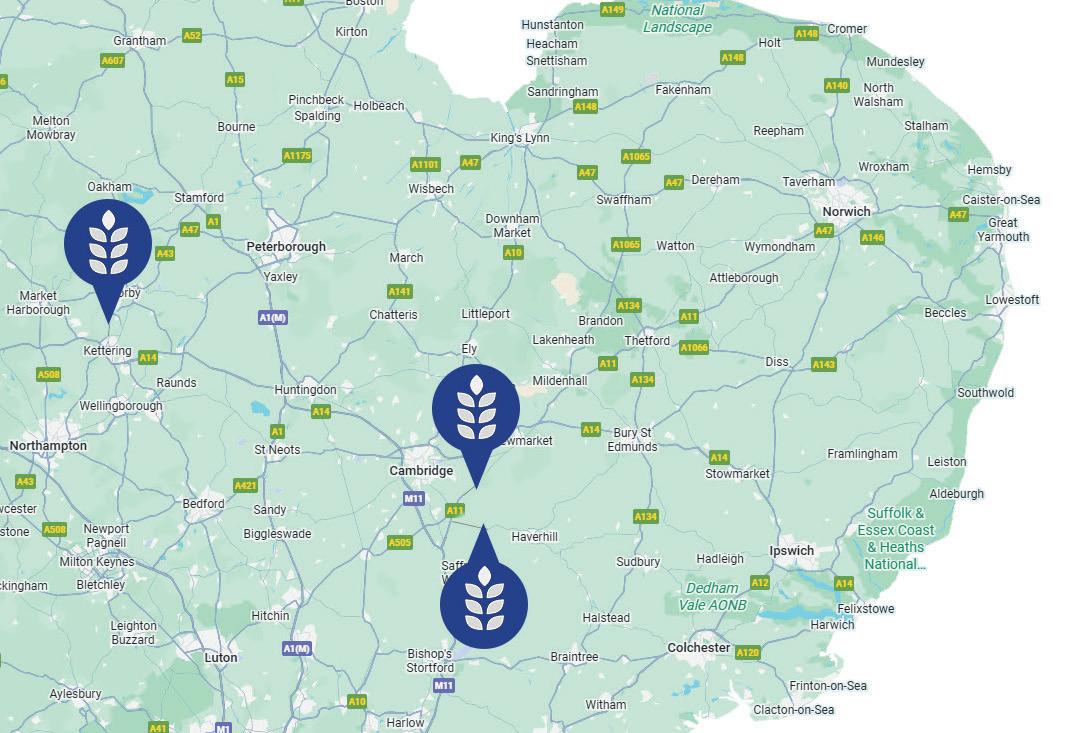
Farmer-owned Camgrain is supporting its members across East Anglia and East Midlands. We spoke to the team there to find out more.
“The catalyst for change was tackling our cost base” explains Camgrain finance director Steve Atherton.
“We had become too expensive, relying on the committed tonnage model. We took £1.9m out of the cost base in the year to 30 June 2025 and are on track to take a further £1.7m out this year.
“When you consider how inflation has impacted all of us in recent times that is a solid achievement. This has meant our storage and handling charge for the year of £9.90 p/t is 55p lower than 3 years ago.”
Camgrain also changed its charging structure for haulage, removing the flat rate £9.45 p/t each member paid for haulage and replacing it with the actual cost for the haul to the member’s closest store.
“By moving from an ‘equal’ to an ‘equitable’ structure we have removed the doughnut effect which made it unattractive for farmers closest to our stores to use us”, explains Mr Atherton.
“Since making these changes, we have sold over 8,000t of storage to new and existing members. Credit to the farmer directors on our Board who have supported these changes, moving away from a charging structure that had operated for forty years”.
The cost of buying tonnage at Camgrain has also helped. Tonnage is advertised on its website at £46 p/t. Compare that to the cost of building on farm storage, associated repair bills, the quality risks of storing on farm and
the opportunity cost of alternative uses for on farm storage, and the benefit case stands out.
Camgrain chief executive Simon Willis says pooling grain at Camgrain delivers some real benefits. “About a third of the 260,000t of member grain in our pools is Group 1 milling.
Our marketing partner has access to premium homes such as Hovis, Allied Mills and Whitworth. They value the high quality homogenous bulks we can supply in volume.
We can also blend into the Group 1 spec. to create more volume at the higher grade. Group 1 premiums have been £57 and £70 in the last two years, although I am sure they will be lower this year”.
“Last year we also paid pool members a protein bonus above 13% (50p per 0.1% above 13%) and paid the Group 1 premium, with claims, down to 11.7% protein. If you were selling this on farm, you would expect it to be low grade milling with much lower premiums”.
“The same blending benefits apply on the barley pool as we blend high and low nitrogen of malting varieties to hit a malting specification. The extra volume sold at the higher grade goes into the feed base price, ensuring all
farmer members in the pools receive a benefit”.
In November 2025 Camgrain also paid a store surplus of £1.25p/t to members for each tonne that had been sold in a Camgrain pool.
Camgrain head of operations Dan Parrott says: “We are excited about a BoMill InSight Protein Sorter that will be delivered in the Spring and installed by TH White. Although there are several in other countries, this is the first one in the UK.
After seeing the kit operating in Sweden, they brought a unit to our Cambridge site to trial our own wheat and barley. An ear of wheat or barley can vary in protein content by up to 2%.
The BoMill analyses each individual kernel and using LED light can sort protein or nitrogen based on the translucency of the grain. We could extract a Group1 spec. from a low protein bulk and a malting barley spec. from a downgraded barley bulk.
This gives us an opportunity to capture more value for our members than we could have previously. The sorter can run at 15t p/h and should be commissioned in time for Harvest 2026”.
The additional premiums obtained from the protein sorter will feed into the feed base price for wheat and barley, ensuring all members who send in wheat or barley to the Camgrain pools, will benefit.
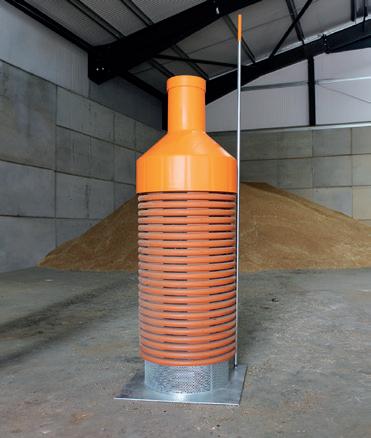
Grain storage specialist Robydome says its remote accessed management system can now manage up to 16 grain stores.
The modular WTM-2 system is also available with the addition of crop moisture content probes for more informed storage information. Other available sensors monitor carbon dioxide, humidity and temperature. Temperature data and other parameters from the company’s range of LS42 and LS43 – which are located in-store – are fed back to
a WTM-2 control box, typically located in the operations room.
Information is available in real time via a secure web page allowing the user to check and implement any changes to the in-store grain temperature control at any time day or night from any location.
The WTM-2 is an intelligent, instinctive system and easy to set up with all logged history data stored in the control box for increased security. Software is described as easy to use, with the latest model boasting
faster and increased storage capacity. No desktop computer is required in the control room, eliminating any risks from dust or humidity. Instead, information is accessed via the operator’s mobile phone, tablet or office-based computer.
Detailed grain quality reports can be generated, showing readings from all in-store sensors. Fans can be automatically controlled and adjusted according to temperature and moisture parameters, helping farms maintain grain quality while saving storage costs.
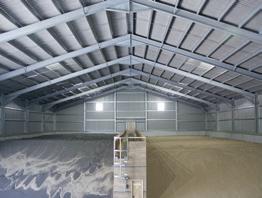

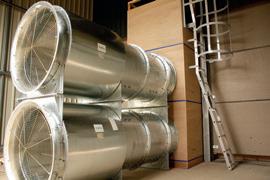
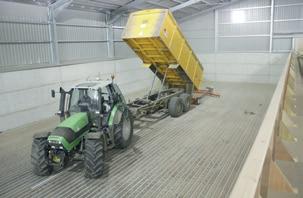
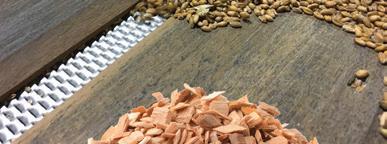
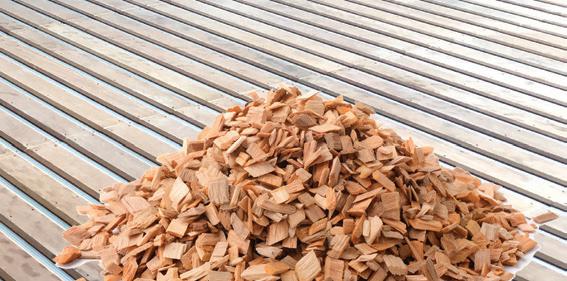
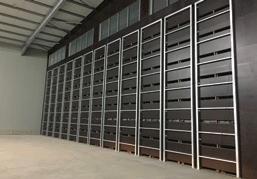
Hardcastle Ventacrop are specialists in the manufacture and installation of hardwood main air ducts and hardwood drive-over drying floors.
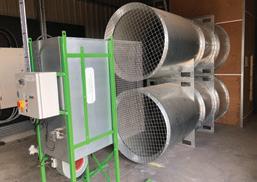
We also supply axial and centrifugal fans, gas heaters and humidity/temperature control equipment.
Visit: www.hardcastleventacrop.co.uk
To avoid disappointment contact us now email: dave@hvc2000.co.uk
Sales: 07970 029 240
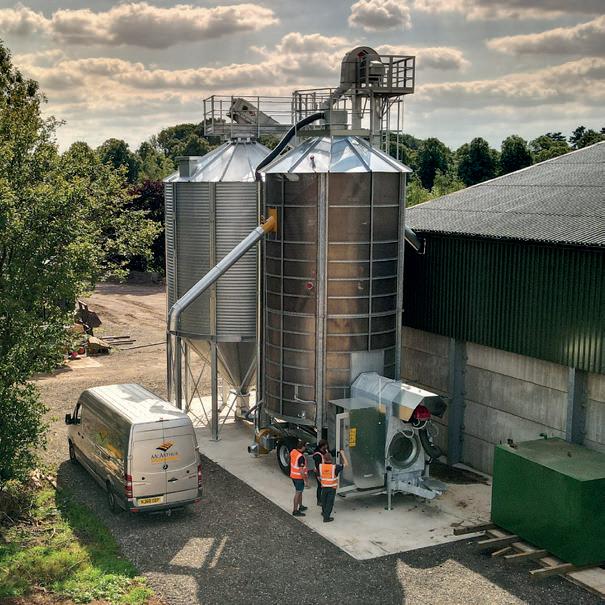
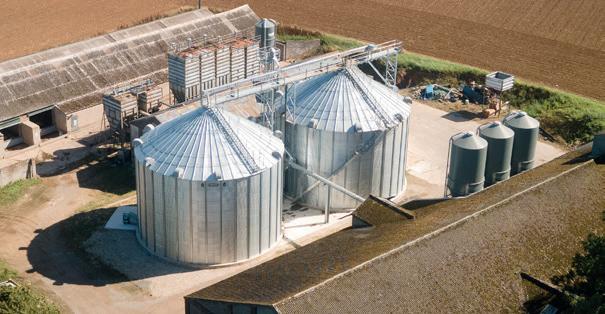
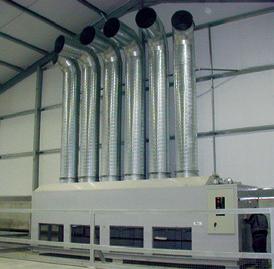

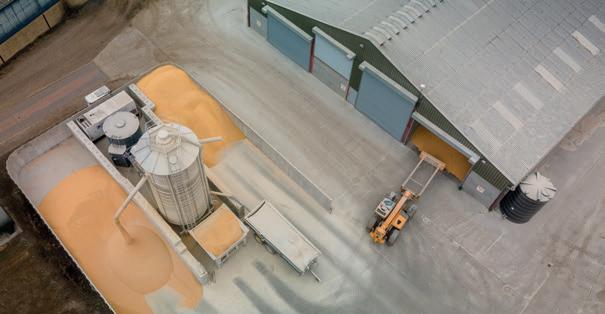

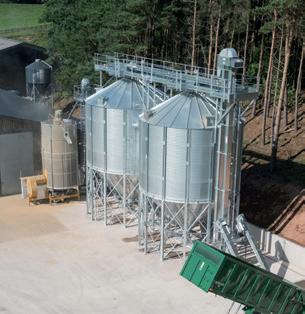
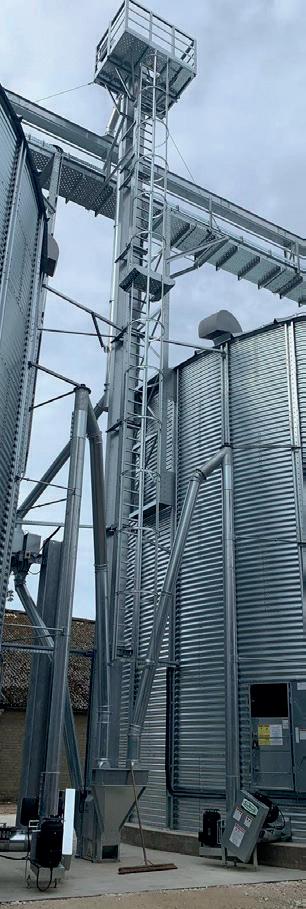
ALincolnshire farmer is offering grain processing services to other growers and grain merchants – helping to add value to their crops.
Harry Strawson, who farms at Waterton Hall Farm, near Scunthorpe, upgraded his on-farm processing plant following problems with ergot. Now he is cleaning and sorting grain for other farmers too.
Mr Strawson initially approached grain handling and storage experts McArthur BDC about installing a colour sorter to handle just his own crop. But he soon realised that a larger sorter and a new fine cleaner would create wider benefits.
Although it meant a bigger investment, Mr Strawson knew a bigger facility would let him leverage the in-
tract drying, cleaning, separating and grain sorting services.
Rather than a basic processing system, Mr Strawson opted to install a JK Machinery VibroMAX vibrating sieve cleaner alongside the biggest available 10 chute Bühler Spark Pro colour sorter.
“The McArthur BDC team immediately understood the need to integrate the new equipment with that already installed in the existing plant, so that I was able to maximise the return on my original investment.”
Grain is sent straight to store or transported to the previously installed Aagaard pre-cleaner and Svegma 40tph continuous flow dryer. If the Svegma is full, grain is taken to the existing storage bins until it can be fed into the dryer.
take through the Aagaard pre-cleaner into storage bins. From there, it goes to the VibroMAX vibrating sieve cleaner for fine cleaning, before being fed through the Spark Pro colour sorter.
Grain is passed through the VibroMAX before being colour sorted. this enables the Spark Pro to handle up to 50 tonnes per hour – with each of its 10 chutes able to cope with up to 5tph.
“The capacity of the Spark Pro means that we can sort grain which arrives by lorry in around 40 minutes,” explained Mr Strawson.
“The driver tips into the intake and then reverses into the bay and can then take a break. Once his load has been cleaned and sorted it is discharged directly into the lorry and is ready to go.”
The existing Skandia Elevator grain handling equipment has been extended to include two belt and bucket elevators and one chain and flight conveyor to transport grain to and from the VibroMAX and the spark Pro.
“We can remotely access the plant’s control panel from the office and see exactly what is happening, control the route we want the grain to take and make any necessary tweaks,” said Mr Strawson.
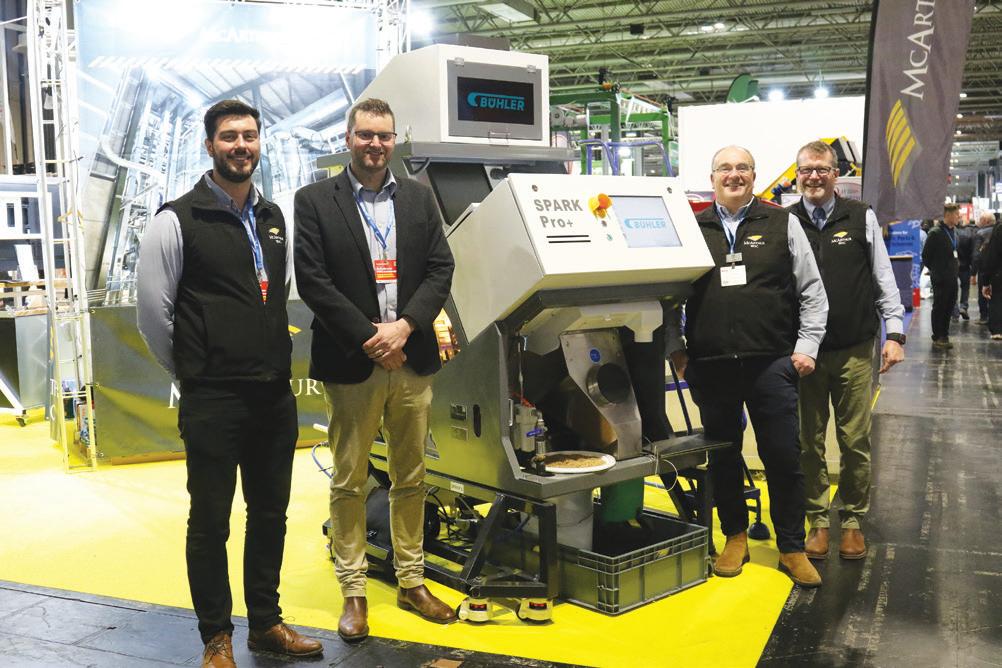
“Drawing on the expertise of the McArthur BDC team means we can add real value to our own crop by fine cleaning, separating and colour sorting on farm.”
With the capacity of processing grain at up to 50tph, and having obtained TASCC assurance, Waterton Hall Farm now offers contract grain processing services to both farmers and grain merchants, through its new enterprise WHF Clean Grain.
For full details about the grain processing service, please visit www.whfcleangrain.co.uk










• Crowds fl ock to two-day show
• Focus fi rmly on farm effi ciency
• Range of machinery launches
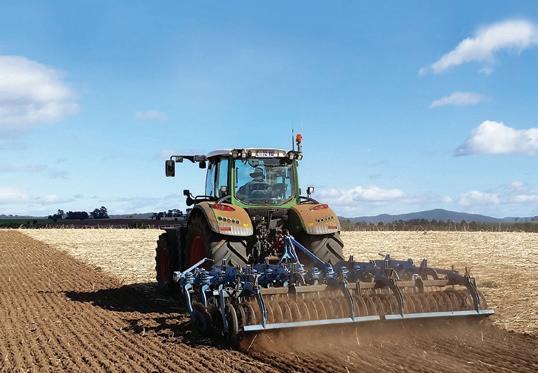
More than 45,000 people and over 800 exhibitors attended last month’s LAMMA event –the highest attendance in the show’s 44-year history, say organisers
A wide range of machinery launches and live demonstrations took place over the two-day event – held on 1415 January at the NEC Birmingham. New features included a Dairy & Beef Hub, Innovation Trail and the Future in Farming Zone
Young people in agriculture were a key focus, including the launch of the 2026 Young British Farming Awards. Now in its third year, the awards celebrate emerging talent and recognise how the next generation is positively shaping British farming.

Visitors were wowed by the latest machines
ways to make regenerative farming profitable; and how to solve labour shortages in the dairy supply chain.
The event included talks and workshops
Both were well attended by farmers and other industry stakeholders.
NFU deputy president David Exwood said: “If we want profitable, sustainable regenerative farming in this country, we need to get young people involved. They work differently, think differently and approach challenges

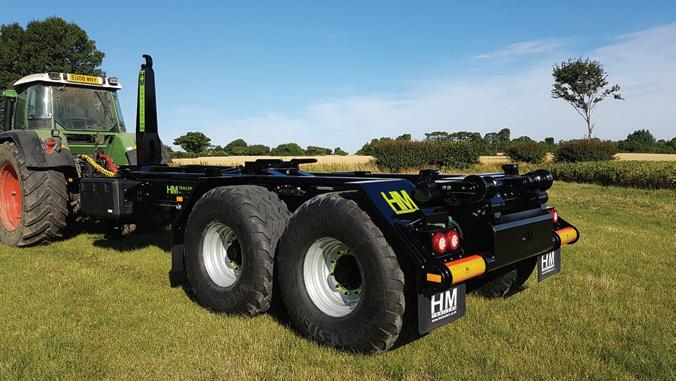
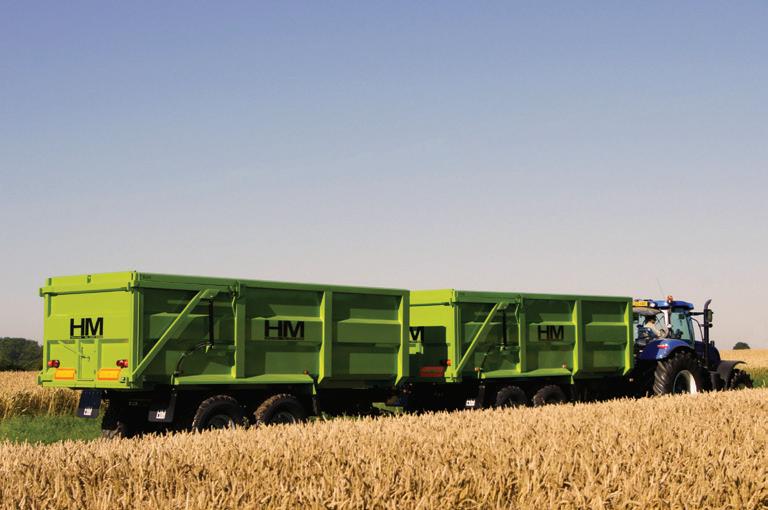
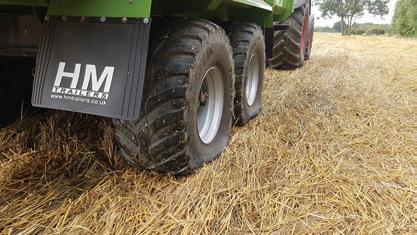
Exhibitors included Essex-based HM Trailers, which exhibited a hooklift trailer and halfpipe body, HM336 low loader Trailer on air suspension, composite bowser trailer and a commercial dump trailer.
JF Hudson won a Bronze Innovation Award for its Ullmanna AI Inter Plant Weeder , which uses artifical intelligence to remove weeds by targeting plant roots rather than leaves.
Industry specialists Bishop Jones reported good interest and footfall on its stand – dedicated to helping machinery dealers optimise profitability and optimise their operations.
The overall 2026 LAMMA Innovation Award, which recognises excellence on agricultural engineering, was won by Agro-Vital for its Triplex nutrient management system. It fought off stiff competition from seven other Gold Award winners.
Triplex is an advanced system which mixes soil and sap analysis with
For added flexibility, our new Fixed Term with Option allows farmers to join for 2–3 years with full benefits and no long-term commitment.
This year we are also increasing the flexibility for members to sell feed wheat and feed barley outside of our pools to other third parties.
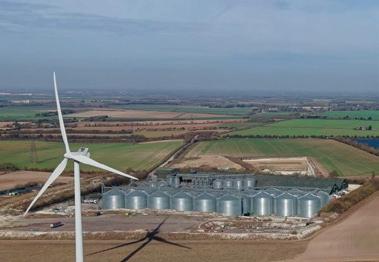
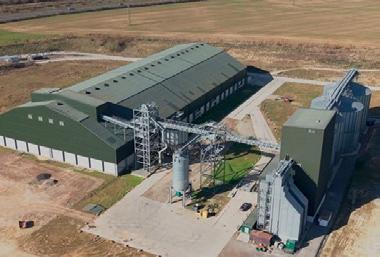
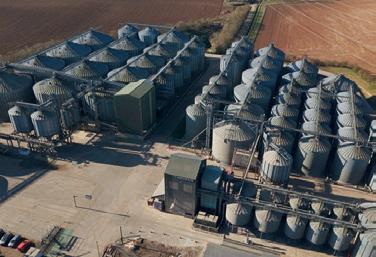
‘It’s the knowledge that my crop is going to be handled professionally and cost effectively, which is the overriding reason to be a member.’
John Jefferies - Farmer Member - Great Gransden
Ergot charges starting from £4.00 per tonne
Drying charges starting from £1.50 per tonne
of marketing options to suit member cash flow






















farm-specific data to create fully tailored liquid and foliar fertilisers, providing measurable productivity and sustainability benefits.
Agro-Vital managing director and owner Andrew Sincock said: “It’s a huge honour – to be recognised here in front of all of our peers is a huge achievement.”
Visitors and exhibitors were largely optimistic – despite a challenging 12 months for the sector. Exhibitors reported strong footfall, good conversations and a willingness from farmers and contractors to explore new machinery and technology.
Machinery manufacturers were positive – despite a slump in tractor sales. The Agricultural Engineers Association says new tractor registrations fell to their lowest level since records began last year.
The mood, though, was largely upbeat across the two days. Neil Macer, marketing manager for Case New Holland said: “LAMMA has been a successful show for CNH this year. With an almost entirely new line-up of machines on display, the stand was busy throughout the day.”
Interest was strongest in the latest technology, said Mr Macer. “It’s been a valuable opportunity to engage directly with our customers, hear their priorities and challenges, and showcase how our innovations can support efficiency in their businesses.”
For the first time, LAMMA included the CropTec event and Low Carbon Agriculture Show. This gave farmers and industry professionals a more connected view of the challenges and opportunities facing agriculture.
The Low Carbon Agriculture Theatre hosted a series of discussions about farm fuels alongside a Q&A with Lord Bamford, which explored JCB’s investment in hydrogen technology.
Machinery giant JCB scooped the Machine of the Year award at the 2026 LAMMA show, held on 14-15 January at the NEC Birmingham.
Judges chose JCB’s all new Fastrac 6000 Series tractor above a host of new agricultural machines launched at the event. The award was presented to the JCB Agriculture team who were attending the two-day show.
JCB Agriculture managing director John Smith said: “We are delighted to be the recipient of this award, an accolade that underscores our passion for innovation in pursuit of performance, cost-efficiency and productivity from all the agricultural machines we manufacture.”
Judges said the Fastrac 6000 as being unique in its power class. The tractor features all-round adaptive suspension all round, resulting in great-
er stability and comfort, with multi-mode fourwheel steering adding to its capabilities.
The new 284hp Fastrac 6260 and 335hp 6300 agricultural tractors expand the iconic highspeed Fastrac range and introduce numerous new features, including the ability to quickly change tyre pressures.
This is done using the iCON touch-screen control and settings display in the cab to optimise tyre performance for field work and road travel. A new high-precision guidance system helps operators achieve accurate field work with maximum productivity.
Mr Smith said: “The new Fastrac sets the highest standards for braking performance with large air-operated external disc brakes and antiskid ABS to prevent the wheels locking up under heavy braking in low grip situations.”
Alandmark moment in agricultural engi neering was revisited at LAMMA as Mer lo marked its 45th anniversary by show casing its original SM30 telehandler.
The company displayed the original SM30 alongside its latest Turbofarmer models, draw ing a direct line between the Italian company’s early innovation and modern telehandler design.
The original SM30 was unveiled at the Paris Ag ricultural Show in 1981, introducing a new cat egory for Merlo. It combined lifting, reach and manoeuvrability in a single unit, replacing the need for multiple pieces of equipment.

Permanent four-wheel drive, four-wheel steering and equal-sized wheels delivered traction and control that rough-terrain forklifts lacked. A hydrostatic transmission improved precision, while the telescopic boom extended reach and flexibility.
The SM30 also reflected a different approach to design by Merlo. Compact dimensions and im-
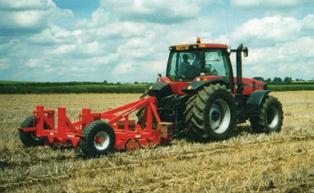
• Well proved design
• Single, twin and three legged machines available
• Mounted and trailed
• Over 40 years manufacturing
The Merlo stand proved popular with visitors proved visibility focused on operator safety and efficiency, setting a template for future models.
Despite being launched more than four decades ago, the SM30 continues to shape Merlo approach today’s farm equipment market.
Later Merlo developments over the years have included the company’s Panoramic range, its rotating Roto machines, the popular Turbofarmer and the Multifarmer.




• Young visitors explore modern farming
• Technology showcases hi-tech careers
• Skills pipeline centre stage at LAMMA
City youngsters saw the technology and talent driving farming forwards at LAMMA 2026 –and the career opportunities available in food and agriculture.
They included the inaugural cohort of AgriFuture Scholars – young people taking part in NFU Education’s scholarship programme with the British Veterinary Ethnicity and Diversity Society.
For many, it was their first encounter with farming and the career possibilities on offers. They spent the first day looking at cutting-edge machinery.
On the second day, Year 9 students from local Birmingham secondary schools took part in interactive workshops and guided activities, in collaboration with organisers Agriconnect, and sponsorship from AGCO.
The visits aim to help ensure that every young person – wherever they live and whatever their background
– has the chance to discover how food is produced and to see themselves as part of farming’s future.
NFU vice-president Rachel Hallos told listeners: “Introducing young people from wide and diverse backgrounds to the agricultural industry is vital for its future sustainability.”
“Whether it’s students from local schools or scholars on our AgriFuture programme, giving them the chance to see modern farming up close helps bridge the disconnect so many feel from where their food comes from.
“Our hope is that these experiences spark ambition and show young people that farming is a dynamic, rewarding and essential industry – one that needs their talent, their ideas and their passion for the future.”
Agriconnect marketing manager Sophie Jackson-Holgate said: “We’re proud to be hosting NFU education students and scholars at LAMMA
2026 as part of the Future in Farming Zone, giving young people direct access to the industry.
“Many young people are unaware of the wide range of career pathways within the agriculture industry, making this a valuable opportunity to showcase the sector’s innovation and technology.
“By connecting students with farmers, manufacturers and industry leaders in this environment, we’re aiming to help them see the breadth of opportunities available and inspiring the next generation to build rewarding careers in agriculture.”
AGCO demonstrated some of the technology, diagnostic tools and faultfinding processes its dealer technicians use every day to identify and resolve electrical issues in modern agricultural machinery.
Ash Briggs from AGCO, said: “We firmly believe that inspiring interest in agricultural engineering at an early stage is essential to securing the longterm future of our industry.”
Next year’s LAMMA event will be held on 20-21 January 2027
Youngsters are vital to our future “


See






See us at Agri Expo -March 7th

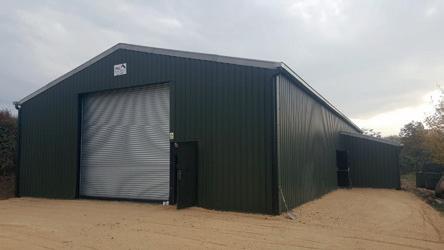

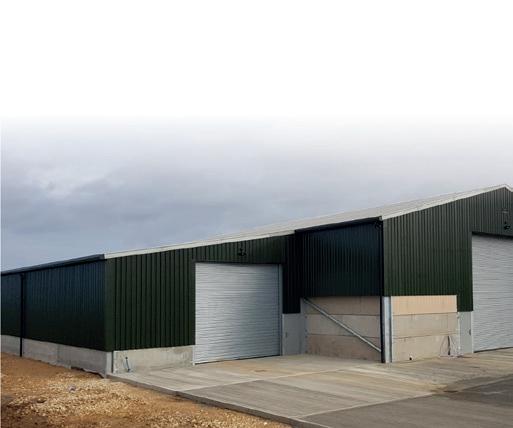
•STEEL FIXING
RUSH, TAMP OR POWER
FLOATFINISHES
•FOUNDATIONS
• POULTRYUNITS AND STABLE YARDS
YARDS

MATERIAL ADVICE AND COSTING

•SILO BASES
•BRUSH, TAMP OR POWER FLOATFINISHES •FOUNDATIONS • POULTRYUNITS AND STABLE YARDS • MATERIAL ADVICE AND COSTING •SILO BASES
MATERIAL ADVICE AND COSTING
•SILO BASES
Wisbech, Cambs
PRONS &SHED FLOORS
RONS &SHED FLOORS
•APRONS &SHED FLOORS •ANAEROBIC DIGESTION TANK BASES •GRAIN, POTATO& MACHINERYSTORES •PATHS, PATIOS AND DRIVEWAYS
•ANAEROBIC DIGESTION
NAEROBIC DIGESTION TANK BASES
TANK BASES
•GRAIN, POTATO& MACHINERYSTORES •PATHS, PATIOS AND DRIVEWAYS •GROUNDWORKS & PREPARATION
•GRAIN, POTATO& MACHINERYSTORES
•PATHS, PATIOS AND DRIVEWAYS
•GROUNDWORKS & PREPARATION
& PREPARATION



Can-Am wooed the crowds by showcasing its first fully elec tric T-homologated ATV at last month’s LAMMA event.
The new ATV has been designed by BRP’s R&D team to combine the abil ity to easily and efficiently handle the demands of utility users and the multi tude of terrains they work across with a quiet emission-free operation.
The Outlander Electric is powered by Rotax’s E-Power powerpack, which is the same as the one that powers BRP’s electric motorcycles and snow mobiles, delivering 47 hp and 53 lb-ft of torque and up to 80 km (50 miles) of range in optimal conditions.
It features instant throttle re sponse, selectable ride modes (Nor mal, Sport, Work) and charges from 20 to 80 per cent in just 50 minutes us ing a Level 2 charger, so there is less down time for the machine.

In addition, it has the Can-Am DNA on full display with 830kg of towing capacity as well as the same carrying capacities of the Outlander HD5 and Outlander HD7, which are 55kg on the front and 109kg on the rear.
It also has the ability to be customised to handle numerous jobs with the
Abusy Kramp stand took centre stage at LAMMA 2026 as a hub for its network of suppliers and Kramp-branded spare parts and products.
“This year’s LAMMA follows a record event for Kramp last year,” says Leo Copping, field sales manager for Kramp. “The stand was buzzing with farmers and dealers for the two days.”
Visitors to the stand were able to see the range of spare parts and accessories available at a typical dealer stocking the Kramp range. Proceeds were added to the company’s Cultivate a Generation grant fund.
LAMMA 2026 took place only a few months after Kramp’s acquisition of the Vapormatic brand and product
help of more than 120 accessories, which include the new LinQLite accessories, auxiliary lights with the new 10” LED bar and a complete cargo offering, to name but a few.
Can-Am’s other ATVs were headlined by the new Outlander 6x6 700 DPS T, the next evolution of the 6x6 range of ATVs. It comes with a com-
The Outlander Electrichas up to 50 miles of range
pletely new chassis with a 830kg capacity for towing and a 454kg capacity for its cargo bed.
It also comes with power steering as standard and the selectable 4x6 and 6x6 options enable it to easily tackle a multitude of terrains. A fhandlebar speed limiter has a programmed minimum speed of 8km per hour.

for visitors wanting to ask the team any questions about the acquisition. Elsewhere on Kramp’s LAMMA stand, visitors were once again able to purchase clothing, Rossi boots, and Bruder toys. Last year’s hugely popular Knipex counter was also to be seen selling its tools on the stand.
A special business zone provided seating, meeting facilities and re-
stand was busy throughout the show
work. This area also featured a Kramp Workshop Solutions display. Brands such as Knipex, WD40, Rossi and Loctite were all well represented.
Farmers and dealers had the opportunity to win £3,500 of workshop racking. And a special area was dedicated to Kramp’s non-OEM private label range featuring hand tools, sprays, paint, lighting and its own label PTOs.































• More transparent supply chain
• Welcome from industry leaders
• Easier deadweight comparison
Sheep industry leaders have welcomed new rules that all sides hope will mean fairer prices for lamb producers.
Government rules mandating classification and price reporting for sheep carcases came into force last month – bringing the lamb sector in line with beef and pork. They aim to ensure farmers are paid more fairly for their livestock at slaughter.
The government brought in the rules following extensive consultation with the industry to establish a consistent and transparent system, giving producers clear information on how animals are assessed and priced at slaughter.
Farm minister Angela Eagle said standardising classification would help farmers respond more effectively to market demand and better understand the characteristics that attract premium prices – supporting a more resilient sector.
“British lamb is rightly recognised worldwide for its exceptional flavour and production standards – and supply chain fairness is vital to ensure farmers and processors are proper-
“ Supply chain fairness is vital
ly rewarded for the quality food they produce.”
National Sheep Association chief executive Phil Stocker described the move as a useful helpful step to simplify and give more clarity to sheep farmers over deadweight price comparisons between processors.
“It also means that for all but the smallest abattoirs we will now see sheep carcase grading come under the control of the Rural Payments Agency, bringing us in line with cattle grading.”
These improvements would build trust through the supply chain. “Farmers selling live through marts won’t be directly affected and we are in a better place with choices and greater transparency in how we choose to sell our lambs.”
The new pricing mechanism caters for two cutting specifications – domestic retailer and export – and uses a coefficient to standardise the price. This will help reduce confusion over carcase values cut to different trim specifications.
NSA policy manager Michael Priestley said: “Moving from a voluntary to a regulated, standardised approach will demystify the lamb market for many.”
Industry leaders say the carcase rules will mean fairer prices
The regulations came into effect in England on 12 January. A new regime for Welsh abattoirs followed on 28 January.
Sheep pregnancy scanners are being asked to share fertility information – and encourage farmers to speak to their vet if scanning results are lower than expected.
Sheep Veterinary Society president Phillipa Page said pregnancy scanners were uniquely placed to flag potential issues early – and concerns around bluetongue meant early conversations mattered more than ever.
“Pregnancy scanning can reveal fertility problems before they’re obvious day-to-day on farm,” she said. “Higher barren rates, or an unusual shift towards singles, can be early indicators of an underlying issue.”
Dr Page added: “Bluetongue serotype 3 is presenting a real challenge and, in cattle herds, we’ve seen substantial impacts on fertility. We need more evidence to understand what this could mean for sheep flocks.
“If farmers raise concerns early, vets can support them sooner and we can build a clearer picture of how significant bluetongue-related fertility impacts may be ahead of the next lambing season.”
The Ruminant Health & Welfare (RH&W)’s Bluetongue Working Group is producing resources specifically for sheep scanners to use to support confident, useful conversations on farm this season.
These materials are designed to help scanners understand what high barren rates might indicate, highlight common causes and support consistent messaging and mythbusting during a busy scanning period.
“Scanning is a high-pressure time,” Dr Page added. “Sometimes the explanation can be something as simple as poor ewe body condition, including the knock-on effects from last summer’s drought.”
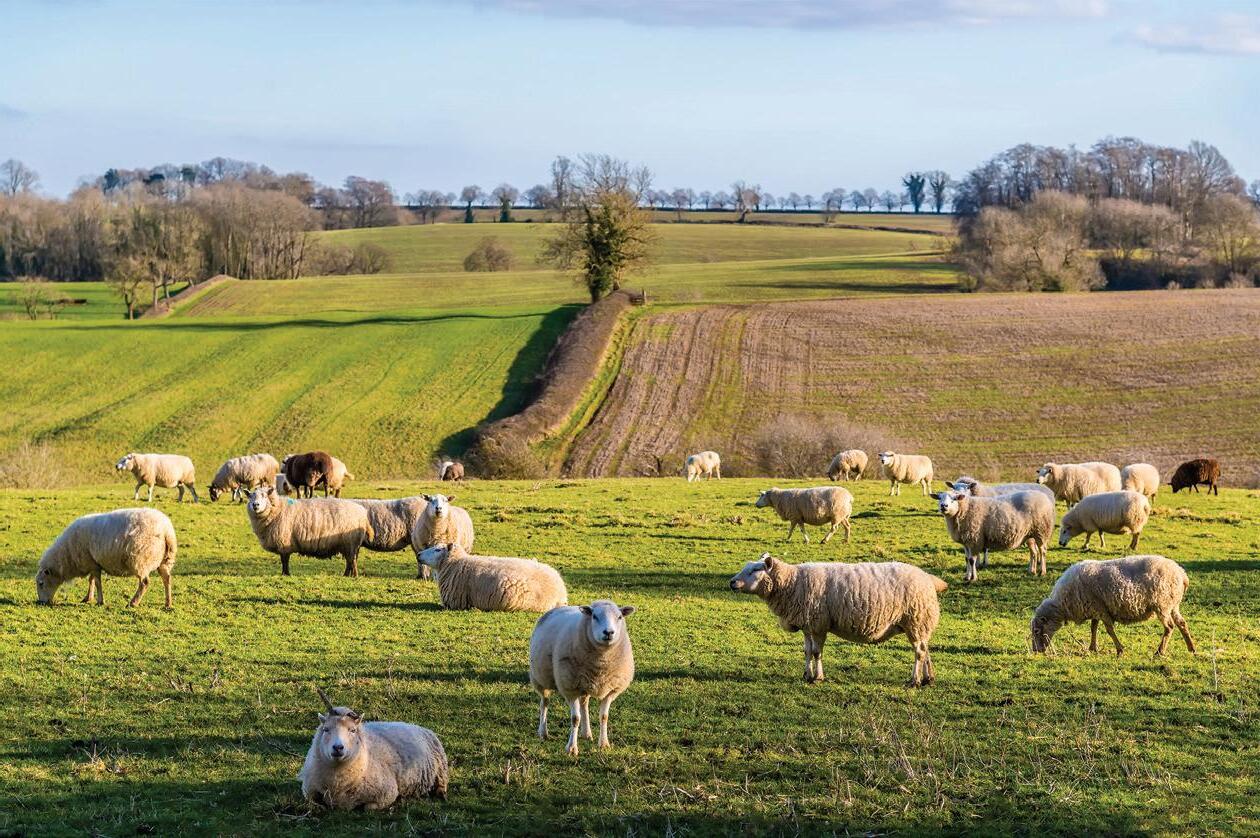















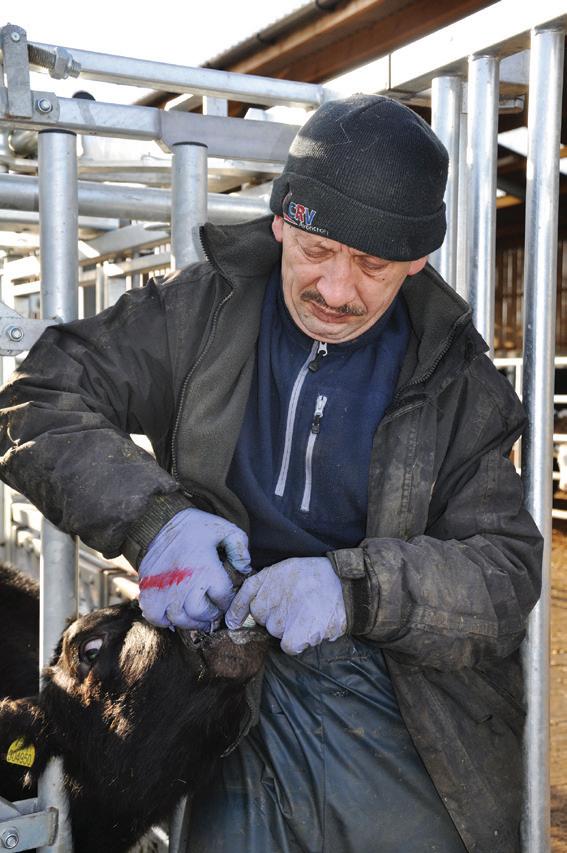
Rising infection rates in cattle are prompting a reassessment of lungworm control ahead of turnout this season.
The warning comes as lungworm –once largely confined to youngstock – is now being reported more widely across age groups, raising the stakes for herd health and productivity.
New research pointing to the reduced efficacy of macrocyclic lactones has intensified scrutiny of current parasite strategies – particularly in grazing systems that rely heavily on routine treatments.
There is also growing evidence of resistance to commonly used wormers. Macrocyclic lactones – including ivermectin and moxidectin – are failing to control lungworm in some
says Kat Baxter-Smith, veterinary adviser with MSD Animal Health.
“There’s been a tenfold increase in lungworm infections since the mid1990s – particularly in Scotland and northern England,” she says.
Economic case
Cases of parasitic pneumonia diagnosed and reported to the GB Veterinary Investigation Diagnosis Network rose by 100% across the UK from between 2018 and 2024, says Dr Baxter-Smith.
Incidents are increasingly seen in adult cattle – not just first- or secondseason grazers. Lungworm spreads rapidly once cattle ingest larvae from contaminated pasture – and infection then cycles back onto grazing ground.
Vaccination offers a more sustainable response to lungworm
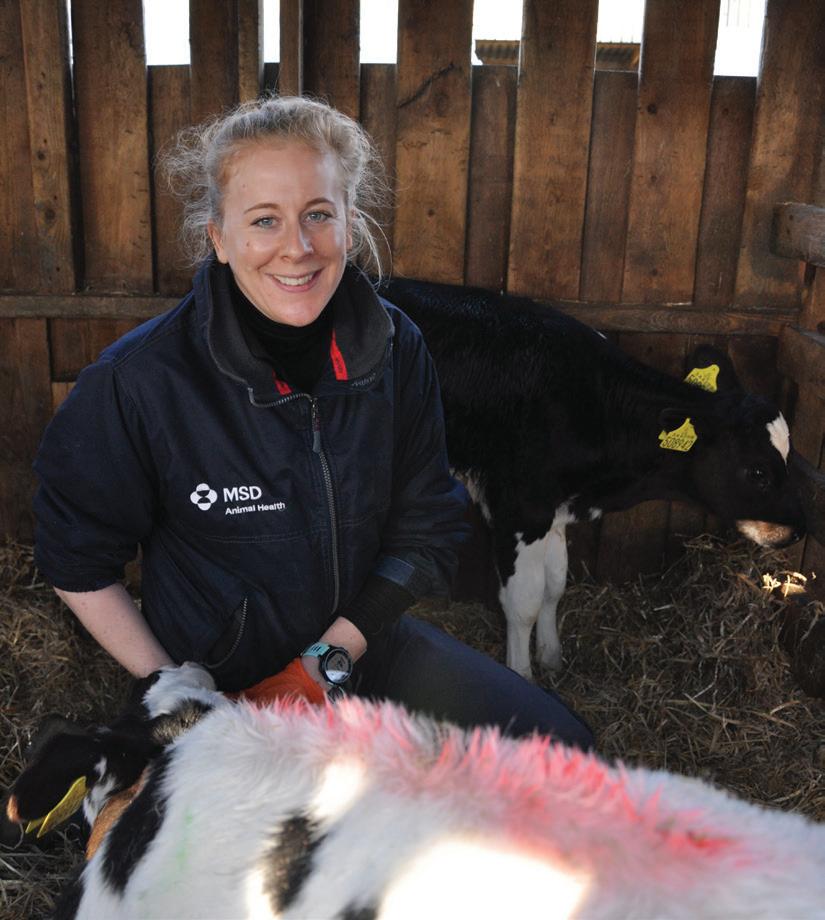
Kat BaxterSmith: protection
“Resistance is now a real
“Vaccination, however, stimulates immunity through controlled exposure to irradiated larvae, offering long-lasting protection without driving resistance.”
The financial logic is clear. “Outbreaks can cost £50–£100 per affected animal, and up to £3 per head per day in lost milk yield in dairy cows, which is far more costly than vaccinating.”
Farmers are advised to review risk with their vet. “Every farm is different,” says Dr Baxter-Smith.
She added: “A vaccination plan tailored to your farm can help safeguard herd health, reduce financial losses, and protect the efficacy of the wormers we still have.”
NSA policy manager Michael Priestley said the process had already prompted useful debate. “The NSA encourages all sheep farmers to engage with the consultation as
The NSA accepts castration and tail docking cause a degree of pain. But it has also voiced caution and concern over unintended adverse welfare outcomes – and the need for
Mr Priestley also warns against one-sizefits-all rules. “British sheep farming is hugely diverse, and this issue presents a raft of challenges depending on the farming con-
text and system,” he said.
The NSA supports farmers questioning whether procedures are always necessary. But Mr Priestley says regulation risks becoming inflexible. “There is a risk that legislation can, through no fault of anyone’s, be a blunt instrument.”
“The big questions sheep farmers can ask is whether either process is necessary, what is needed up to seven days of age, and what will work beyond seven days of age in terms of managing pain and improving welfare.”
The consultation closes on 9 March. For details, visit bit.ly/lambdocking

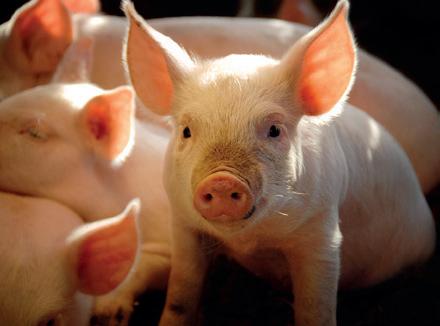




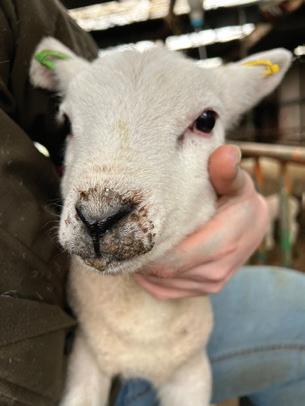
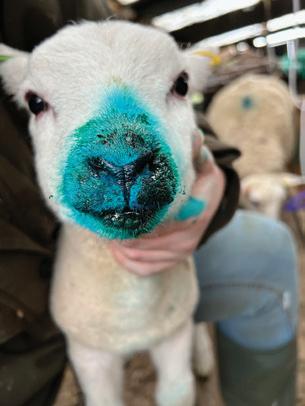
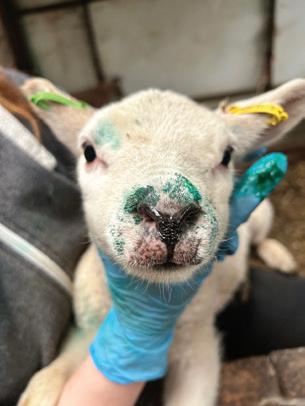
Sheep farmers may be incurring avoidable costs and adding to antibiotic resistance by inappropriately treating viral disease.
Antibiotics are still being used as a routine response to orf – a common viral disease that affects productivity and labour – despite having no effect on the virus itself, suggests a study.
Some 65% of farmers use topical antibiotic sprays to treat orf, according to a survey by the Royal Veterinary College and NoBACZ Healthcare. But this approach delivers little benefit while increasing on-farm costs, time pressures and resistance risk
One in four admitted using injectable antibiotics, even though these are not recommended unless secondary infection is present. By contrast, pain relief was used by 34% of farmers and rock salt licks by 14%.
Orf remains widespread. The disease had been seen on 73% of farms in the past year, with naturally reared lambs most affected. Half of respondents reported cases in ewes, while 11% saw infections in rams. A third of farmers contracted orf themselves.
Despite this prevalence, uptake of vaccination remains low. Only 23% of farmers surveyed were using the licensed vaccine, even though industry guidance recommends vaccination where orf is already present.
The study found a median cost of £5 per affected lamb, driven by treatment time, medicine costs and mastitis in ewes. Poor treatment choices are adding to losses, explains study author and veterinary surgeon David Charles.
“The impact of orf on flocks is huge, and little has been done to assess treatment approaches or the economic impact of orf for over a decade,” he says. “Antibiotics are often not an appropriate choice for the management of orf.”
Clearer guidance and wider adoption of preventative tools could cut costs while supporting responsible antibiotic use across the sector. Proven antibiotic-free alternatives are a more responsible first choice, says Mr Charles.
Ambugreen from NoBACZ Healthcare is one such alternative. It uses a long-lasting and durable gel to provide a physical and microbial barrier to prevent the passage of microbes.

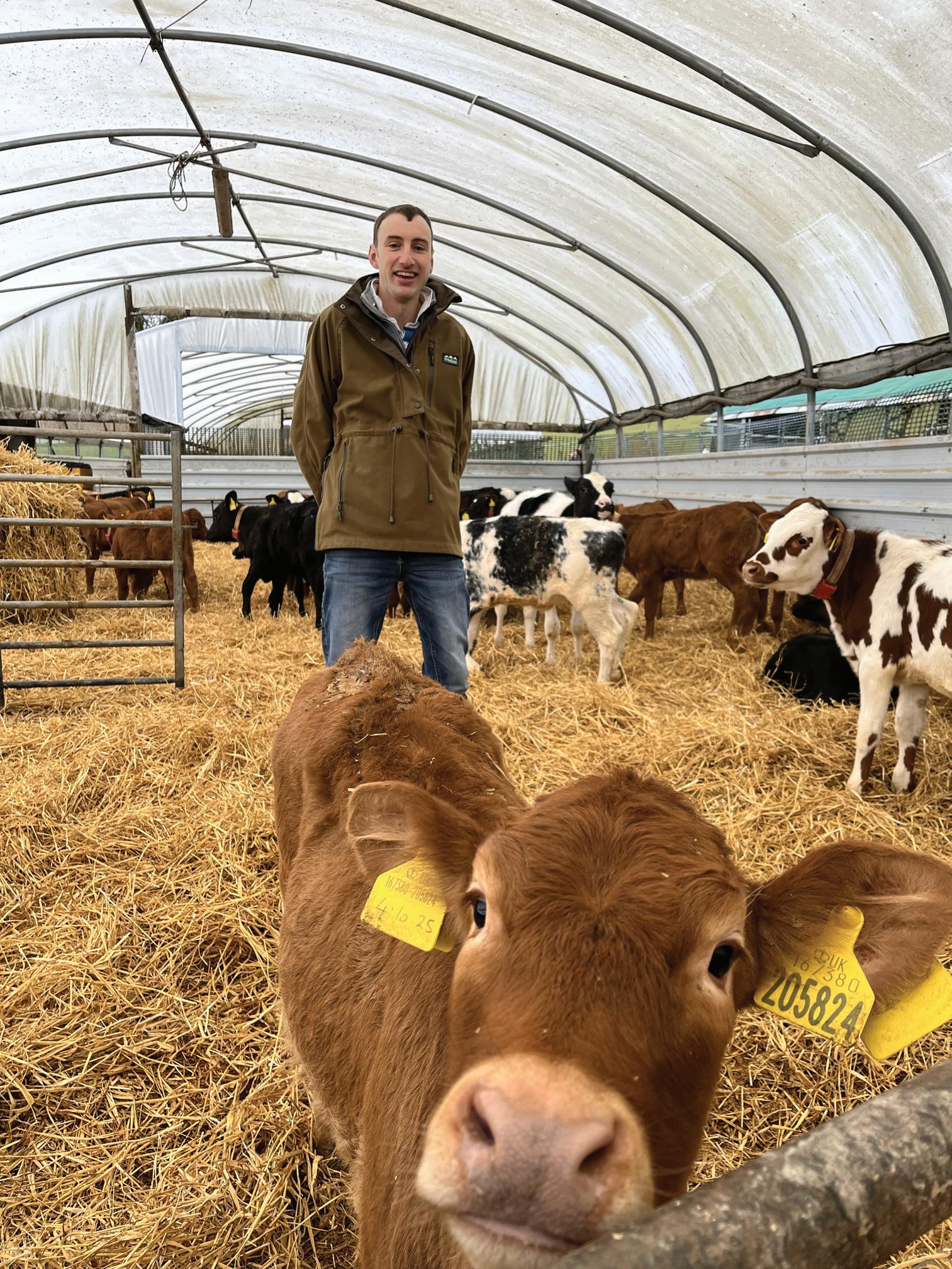
Fourth-generation farmer
Matt Price uses a foragefirst approach and care ful grazing management to help meet the challenge of rising input costs in Shropshire.
Mr Price manages manages a mixed livestock operation with his father and sister at Bockleton Court, Ludlow. He runs 600 Mules and Clun Forest ewes, and 750 cattle – a mix of AberdeenAngus, Limousin and British Blues.
Returning to the farm ten years ago after graduating from Harper Ad ams University, Mr Price combines his experience with the family’s farming heritage to shape a system rooted in forage utilisation to control costs.
Mr Price says: “The aim is always to get as much performance off grass as we can. If we can keep stock doing well without pushing a lot of concentrate, that’s where the margin is.”
The Prices farm around 240 hec tares of owned and rented land plus additional grass keeps. They also grow 32 hectares of winter barley and oats as a break crop and for straw but buy in grain for feed.
Herbal leys
Most of the grassland is in Sustaina ble Farming Incentive herbal ley op tions, though Mr Price is measured about their value.
“Herbal leys look good, and we drench less frequently by having them, but I’m not convinced they beat a de cent ryegrass and clover mix in terms of yield and palatability,” he says.
Mr Price sees the main advantage as financial, particularly on margin al ground or awkward fields previous ly used for cereals.
The Prices are strengthening hedge boundaries where needed and persist ing with the herbal leys, but Mr Price says uncertainty around SFI poses challenges.
“It makes it harder to run a busi ness when the goalposts keep mov ing,” he adds.
Despite last summer’s recordbreaking temperatures, autumn was largely favourable for grass growth in
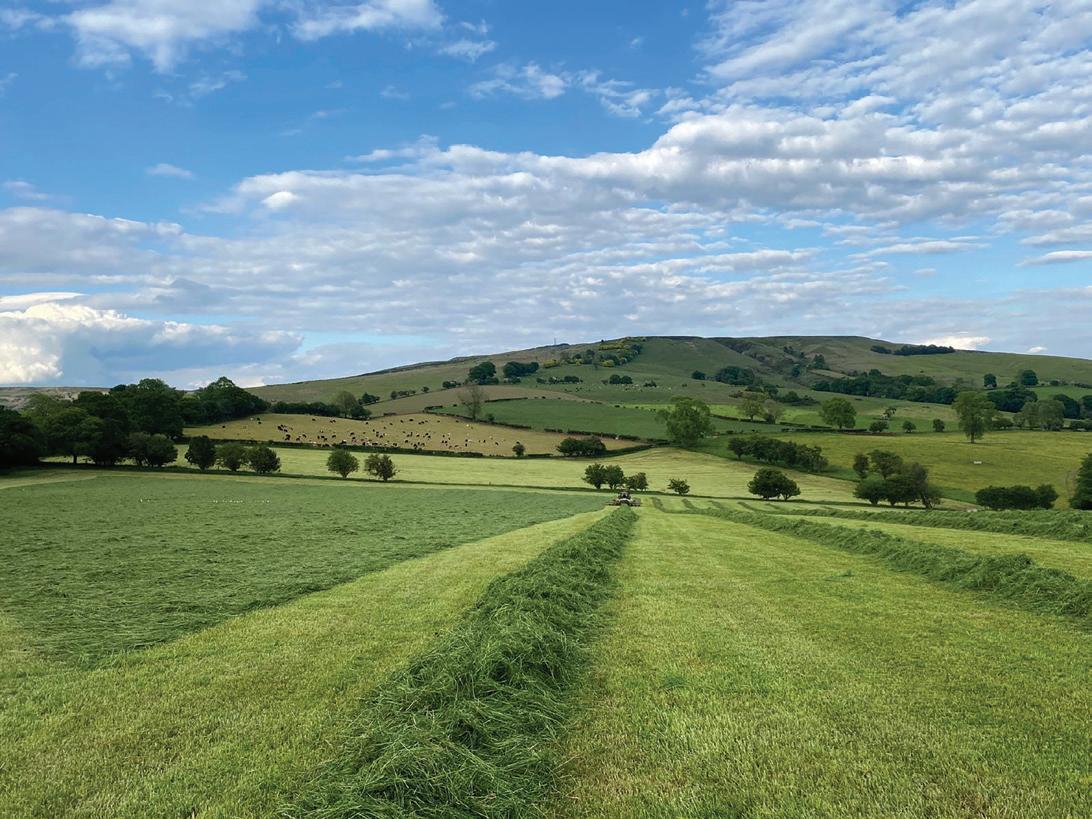
with yields around 20% down on average. Late-cut October silage was wetter at around 10-12% dry matter, says Mr Price. It has been fed to cattle outside on kale to maintain intakes during the winter, while drier first and second-cut material is being used for housed stock and those closer to sale.
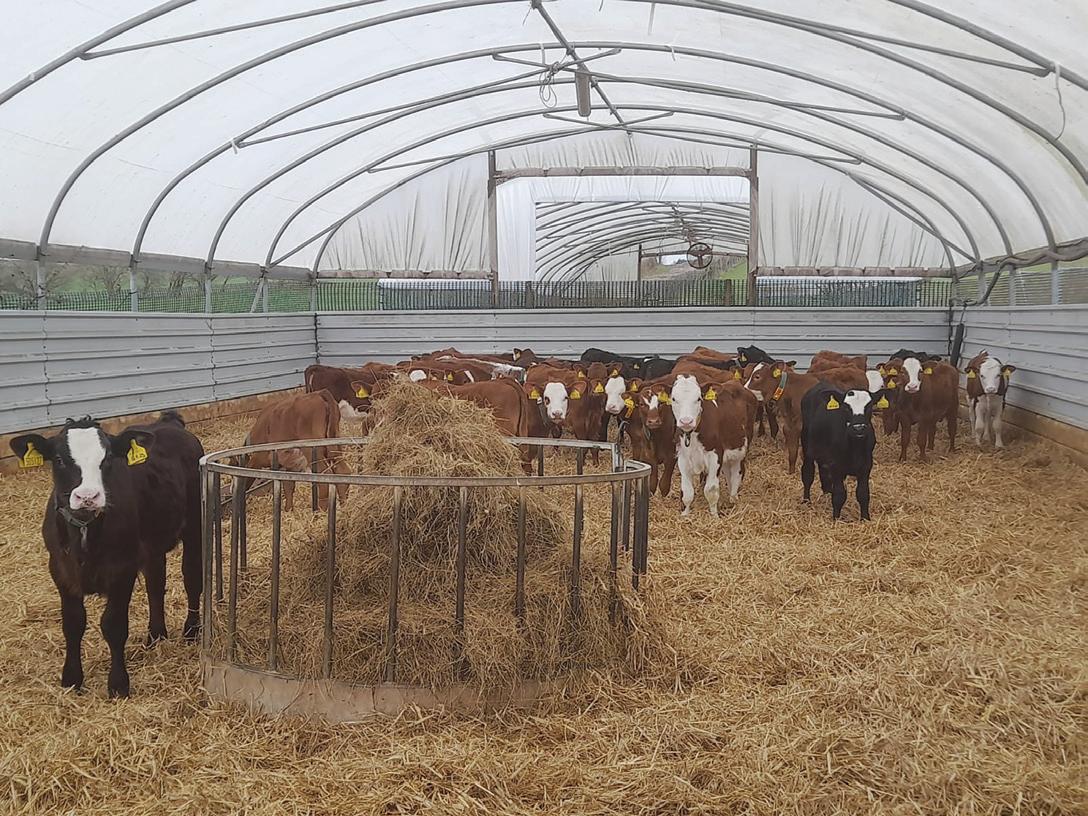
Richard Wynn, head of technical at Crystalyx, says: “With many farmers opening the silage clamp earlier than planned, they should focus on optimis ing available feed and forage.
Match feed to need, avoid overfeeding singles, prioritise lean stock, and use forage strategically Use feed licks, mineral blocks and boluses where needed, especially for labour savings and to cover soil deficiencies
Test, don’t guess with regular forage and blood testing
“When silage stocks are tight and quality may be low, making every mouthful count is the key to success.
“It’s important to balance energy and protein levels while feeding cereals and add structural fibre, like chopped straw or hay to help balance the rumen and avoid triggering subacute rumen acidosis.”
Dr Wynn adds: “When forage quality is down, don’t wait long to supplement and consider the most practical way to get energy in. Acting early can improve forage digestibility and energy intake to maintain performance.”
The farm lambs in three batches, 1 March, 15 March, and 1 April, with most lambing indoors before turn-out.
Last spring, warm weather meant Mr Price could turn sheep and lambs out as soon as they were able; a marked contrast to the previous year, when wet ground forced prolonged housing and increased labour.
Keeping an eye on body condition is key. Ewes are split into lean, mid and fit groups so each receives the grazing or supplementation they require.”
“If they’re in the right shape, scanning percentages are higher and when it gets to lambing, things tend to go smoother and milk quality is better.”
Scanning rates have risen by around 15% over the last five years, something Matt attributes to better mineral management, toxoplasmosis vaccination and flock monitoring.
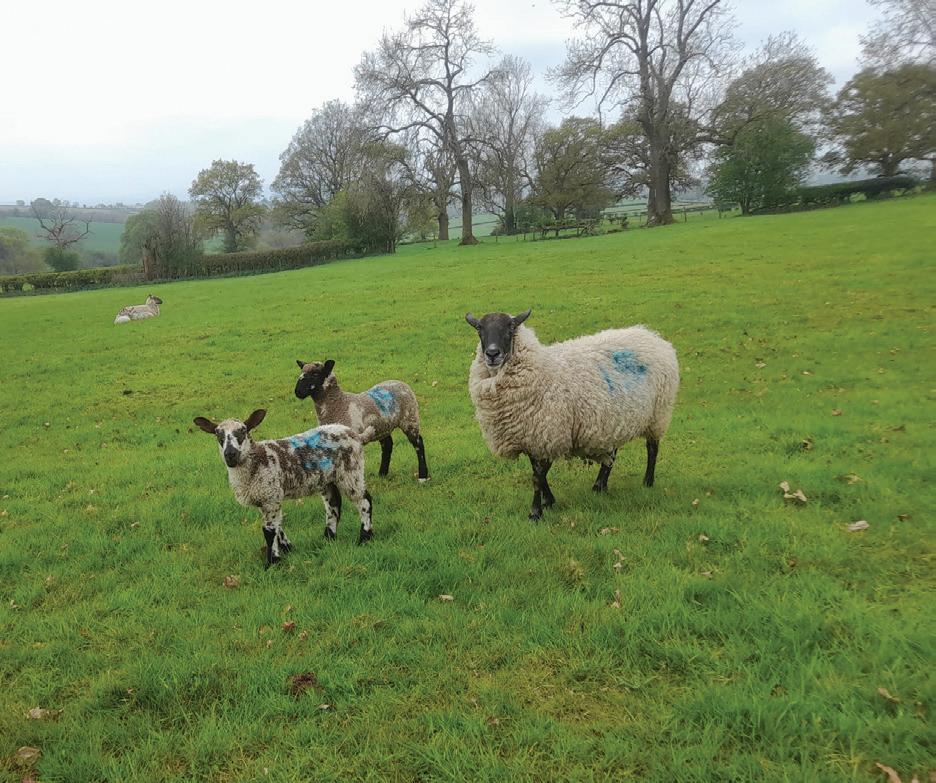
While the Prices are forage-led, supplementation plays an important role particularly where grass quality dips to support macro nutrition and to ensure micro nutrition is covered.
One of the biggest challenges at Bockleton Court is mineral deficiency. Soil and blood testing has shown low levels of selenium, cobalt and copper which fluctuates with the seasons.
“The year before last, because the grass was so wet, we really saw the copper deficiency show up,” says Matt. “Sheep didn’t look as well and weren’t doing as much off the grass.”
This prompted the family to add in a high energy supplement, to support stronger ewe performance.
Mr Price uses a molasses-based high-energy mineral lick for hoggs, store lambs on stubbles, and ewes needing pre-tupping support. Postlambing, he uses high-calcium licks to support milk production and promote lamb growth.
“Taking control of your nutrition, focusing on body condition and making the most of the forage in front of you will give you the best chance of a
It’s easy to glance at lambing percentages and think: “Well, there’s nothing I can do about these now.”
But the real value of scanning lies not in the numbers themselves, but in what they enable us to do between scanning and lambing, writes Nerys Wright.
Scanning figures provide a snapshot of how the flock performed at tupping and, crucially, shape latepregnancy nutrition.
Used well, they help improve ewe condition, reduce feed costs, and ultimately boost lamb survival.
This year’s results are hugely variable across the country. And very high scanning percentages aren’t always a blessing. The thought of managing large numbers of triplets and the occasional quad is enough to make anyone wince.
Scanning outcomes are influenced by many factors: ewe condition last summer, body condition at tupping, posttupping weather,
breed, ram performance, and any disease challenges affecting fertility.
Because of this, there is no universal “target” scanning percentage. When assessing what “good” looks like for a specific flock, I consider ewe condition, historic performance, flock age structure (ewe lambs and shearlings) and breed.




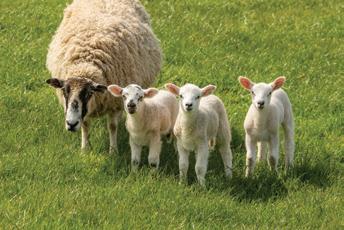
When I receive results, the first figure I look at is the number of empty ewes. In mature ewes, less than 3% empty is the ideal benchmark, alongside a target of more than 80% of ewe lambs inlamb.
Although disappointing, barren ewes offer an opportunity: removing them early reduces pressure on forage resources – and selling them before lambing is often economically sensible.
It also prompts important questions about the cause –age, condition, disease, or






ram issues –helping avoid repeat losses next season. Next, I examine the balance of singles, twins, and triplets – and hopefully very few quads.
While two lambs per ewe is the sweet spot, a mix of singles and triplets can work if there are enough singles to foster triplet lambs onto, reducing orphans and ewes rearing three.
Singles need enough energy to avoid oversized lambs; twins require a rising nutritional plane for foetal growth and colostrum; tripletbearing ewes benefit from consistent highquality forage and close monitoring.
Whatever the split, the priority now is grouping ewes correctly and feeding them according to litter size. In short, scanning isn’t the end of the story – it’s the starting point for making management decisions for a successful lambing season.
The Sheep Geeks podcast is available on all major podcast platforms. Nerys Wright is an independent sheep consultant. For more details, call 07891 187643 or visit sheepconsultancy.co.uk.
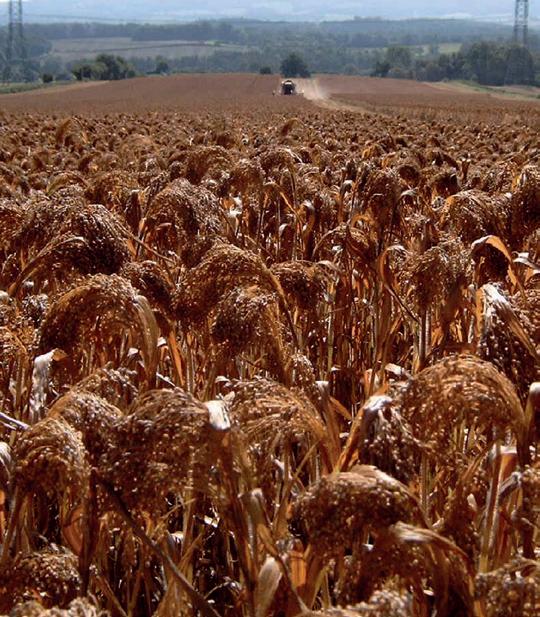















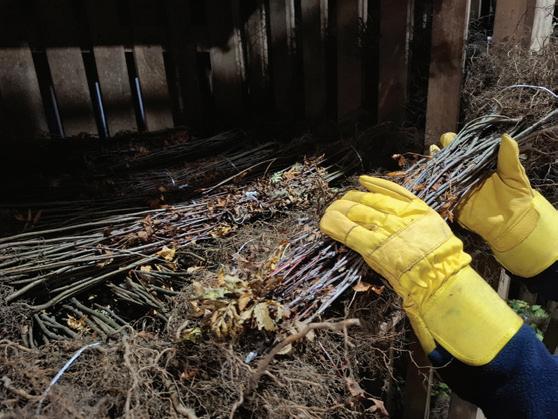
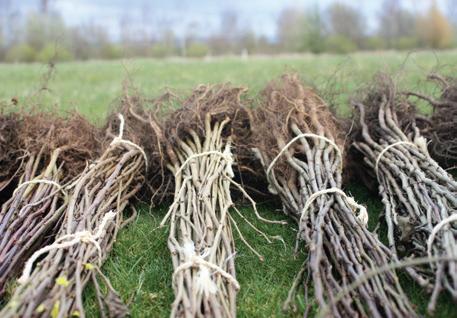

•
•
•
•





























































If you rely on RTK, consistency matters more than promises.
RTKFnet provides independent RTK corrections designed for long-term agricultural use — delivering stable, repeatable accuracy across seasons, machines, and conditions.
Book a demo to see how RTKFnet performs with your equipment and your location.






• Goal to strengthen farm infl uence
• Professional standards put forward
• Chartered status ambition outlined
Anew professional body bringing together farm management and consultancy experts aims give the sector a stronger voice at a time of huge economic and policy change.
Launched last month, the Society of Agriculture (SocAg) brings together the Institute of Agricultural Management and the British Institute of Agricultural Consultants. It plans to help the sector adapt to volatility, regulation and environmental demands.
The new body combines expertise from farming, consultancy, rural business and environmental management, with the aim of improving standards, coordination and influence across the industry.
SocAg chairman Simon Britton said: “UK agriculture is operating in a period of profound transition. These challenges are interconnected and strategic in nature. They demand more than technical competence alone.”
SocAg argues that agriculture

must be recognised alongside other professions that shape economic and environmental outcomes. The organisation will introduce a structured membership framework and formal continuing professional development.
The society’s stated aim is to pursue chartered status for agricultural consultancy and management.
Formal recognition
“Professions such as accountancy, surveying and environmental management have long benefited from the credibility and trust that chartership provides. Agriculture deserves the same formal recognition.”
Supporters believe a unified professional body will strengthen agriculture’s standing with government, industry and the public, while providing clearer career pathways for advisers and managers.
Mr Britton says SocAg will builds on the legacy of its founding organisations to create what it describes as a modern professional home for the

Our aim is to pursue chartered status “
land-based industries – with food production agriculture at its core.
“Agriculture has always been rooted in skill, stewardship and innovation,” Mr Britton said. “With the launch of SocAg, it will also be a profession defined by unity, visibility and confidence.”
The Institute of Agricultural Management marked its 60th anniversary last year. Since it was formed in 1965, it has served as a key catalyst for the development of the use of science and professional skill in agriculture.
The British Institute of Agricultural Consultants was regarded as the main professional home for independent farm advisers, particularly those advising on whole-farm business strategy rather than single inputs or products.
Seven students have graduated and received their Certificate of Higher Education in Livestock Operations and Management.
The four-year programme aims to equip practising livestock auctioneers with the skills needed to meet the demands of a rapidly changing agricultural landscape – including a strategic approach to their profession.
The course was developed by the Livestock Auctioneers Association (LAA) and Harper Adams University. Now in its 15th year, the latest course
concluded with a graduation ceremony on Monday, 5 January.
Harper Adams lecturer Mark Simcock said the course had evolved over the years to reflect the impact of postBrexit changes to farm support and their impact on the wider industry and livestock markets.
Four graduates from England included Zanna Dennis (LAA and Bentham Auction Mart); Lloyd Humphreys and Tom Pritchard (both from McCartneys); and Jack Walton (Hexham and Northern Marts).
Everyone needs to better manage the way we use water – including farmers, says Melvyn Kay explains why
Last year I was asking whether there was ever an ideal time to talk about water for agriculture. After last summer’s drought – and the impact on yields – means that question has been firmly answered.
Restrictions in several catchments means water availability is now a central business risk for many farms – and not just across eastern England. The question farmers are rightly asking is simple: Will there be a drought in 2026?
There is no straightforward answer. The Environment Agency has made it clear that drought-risk remains high without at least long-term average winter rainfall. Under those conditions, most on-farm irrigation reservoirs should refill.
But returning rivers to normal levels would require above-average rainfall, while chalk aquifers – so critical to water supply in eastern England – need around 120% of long-term average rainfall to recover fully.
Against this backdrop, the Met Office forecast suggests a 30% chance of a dry winter, which offers little reassurance.
At the same time, farmers are facing a growing volume of reports, consultations and reviews related to water, climate and land management. Keeping track of these can be time-consuming and, at times, overwhelming.
But it is, of course, important that agriculture remains engaged. A lack of response can easily be interpreted as a lack of interest, at precisely the moment when water policy is being reshaped.
A steady stream of recent policy reports have addressed water for agriculture. The recent Farming Profitability Review was not specifically about water, but it included a highly relevant proposal for a ‘one-stopshop’ dashboard for business advice, grants, schemes and knowledge exchange.
Water for agriculture is currently spread across multiple agencies, plans and funding streams. Bringing these together in one place would improve clarity and access for farmers.
Meanwhile, the House of Lords Environment and Climate Change Committee is undertaking a wide-ranging assessment of drought preparedness in the context of climate change.
Agriculture features strongly, with evi dence from the NFU and regional abstractor groups in Norfolk and Suffolk. Taken togeth er, this evidence amounts to a masterclass in the practical realities of managing irriga tion under increasing water stress.
Importantly, the conversation is not all bad news. Pressure on water resources will continue to increase, but new thinking is emerging. With limited scope for develop ing entirely new water sources, the focus is towards making better use of the water we already have.
This theme will underpin the UK Irriga tion Association conference in March.
While the case for building more on-farm reservoirs remains strong, significant ad vances in electronic sensors, telemetry and artificial intelligence are now transforming how water is managed.
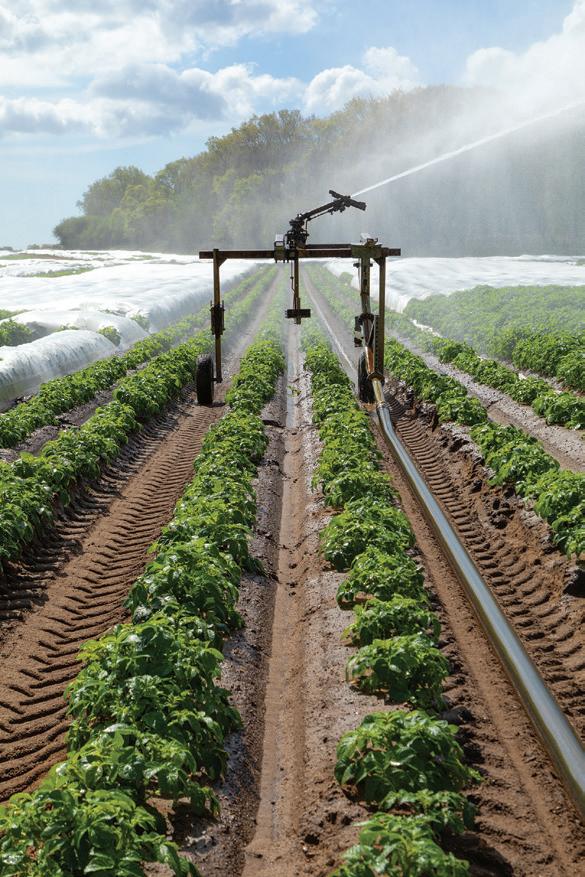
Farmers can increasingly monitor soil moisture, crop demand, and water flows in nearreal time, allowing irrigation to be applied when crops need it, rather than when water is available.
Precision irrigation, smart farming systems and managed aquifer recharge are moving from theory into practice. Equally important are new management approaches. Collaboration between farmers is becoming essential.
Water Abstractor Groups provide a practical mechanism for sharing knowledge, coordinating abstraction and engaging more effectively with regional water planners.
Linking these groups with Regional Water Resource Groups helps ensure that agriculture is properly represented within longterm water resource planning, rather than treated as an afterthought.
At the policy level, a government White Paper on water resources is expected to be informed by the independent Cunliffe Water Commission. This signals renewed attention to long-term water planning and raises an important question: how can farming secure a meaningful seat at the table as decisions are made?
Increasingly, the emphasis is on thinking about water as part of a whole farming and regional system, rather than as a standalone issue.
ening climate resilience, supporting nature recovery and sustaining profitable local food production. In practical terms, this means farmers working together, sharing data and infrastructure, and engaging more effectively with regional water planning.
In lowlying areas of the region, such as the Fens, this joined-up approach is being tested, with farmers collaborating through transition projects supported by Water Resources East to explore how existing water resources can be managed more flexibly and efficiently to benefit both farming and the wider environment.
As the risk of drought becomes a recurring feature rather than an occasional shock, the challenge for agriculture is clear. Preparing for 2026 – and beyond – will require not only infrastructure, but better data, stronger collaboration and a more integrated approach to water management.
Melvyn Kay is executive secretary of the UK Irrigation Association. For details, visit www.ukia.org
Getting the best from available water resources
UK Irrigation Association Conference 4 March, Peterborough www.ukia.org
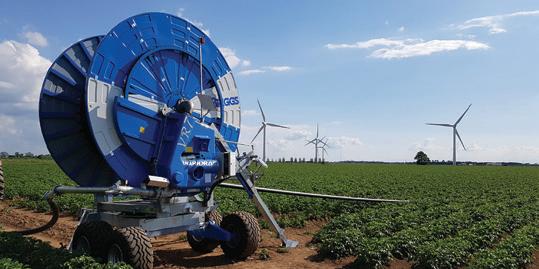

• Booms for lane widths 10 - 96 metres
• Hosereels from 150 - 750m pipe length
• Motorpump range; flow rates 30-200m3/hr

• Raindancer & 7Sense fleet management
• Fixtures, fittings, pipework and more... visit our website: briggsirrigation.co.uk call us on 01536 260338 or email: enquiries@briggsirrigation.co.uk







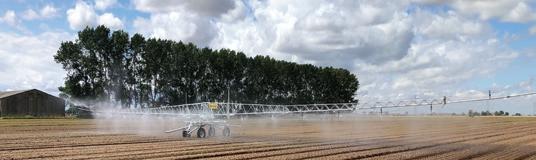










JDP supports the modern farm with products and solutions for livestock and equine feeding, cleaning and hygiene.
• CROP & ANIMAL HUSBANDRY
• LAND DRAIN
• MAINS SUPPLY
• STORMWATER

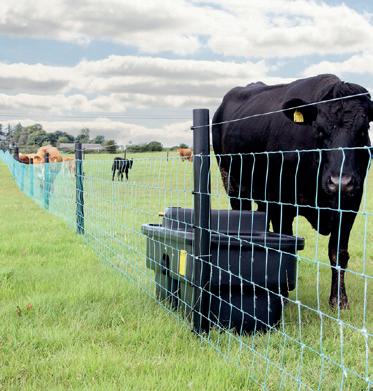








• RESIDENTIAL CONTACT US
JDP Cambridge 01223 654310 cambridge@jdpipes.co.uk






JDP Norwich 01603 931318 norwich@jdpipes.co.uk www.jdpipes.co.uk

A coherent vision is needed to secure a better future for growers and livestock producers, says Clodhopper
Everyone has a right to change their mind – even this muddled up Labour government. But the reason for doing so should be meaningful, rather than an attempt to win votes or generate popularity.
Labour’s partial pre-Christmas climbdown on its disastrous decision to impose inheritance tax on farming families was a good start. But it only goes some way to easing the pain – and more must be done.
Yes, increasing the £1m inheritance tax threshold to £2.5m will be enough for many families. But it does nothing to help others who still face the prospect of having to sell their farm on the death of a family member.
Of course, the government insists it is listening to farmers. Married couples will now benefit from £5m in tax relief, it adds. After that, inheritance tax will 50% of the standard rate and any monies due can be paid over a longer period, interest-free.
is a costly business


It all sounds a positive step to help farmers. But I firmly belief that it falls a long way short to the sort of deal needed for most agricultural businesss – particularly once all assets are valued, including machinery.
Farming is a costly business and it doesn’t take long to reach £1m when counting up the cost of machinery. It isn’t just farmers who will suffer either. Any business due to the withdrawal of business and agricultural property relief will suffer.
It might be a backtrack but it seems Labour has other farming and rural issues in its sights too. Changes in animal welfare regulations could see farmers being under-cut by foreign competition.
All forms of livestock are affected. Beef and sheep farmers especially face changes to management practices and possible reforms on transporting livestock. The reforms claim to put animal welfare first, but they shouldn’t penalise farmers in the process.
Castration and tail docking feature high on the government list. But not doing either is worse. Castration is an important practice that prevents unwanted pregnancies. Taildocking prevents infection.
Pigs and chickens are covered by the new regulations – and it is no surprise to see bans on cage production being mentioned for chickens and a ban on farrowing crates for pigs. It’s just a shame these bans aren’t in place elsehere in the world.


The promise to phase-out such practices means UK producers will find it harder to sell good quality food here in the UK. Why? Because cheaper food items produced using methods that would be illegal here will still come flooding into the country.
Arguments persist over food labels as country of origin does not communicate to shoppers the animal welfare standards. The NFU has long argued for better labels that are clear and easy for consumers to understand.
But how does one define what they should say? The question of being produced in the UK can be misleading. Sometimes meat is imported into the UK only to be packaged here and labelled accordingly.
It has been suggested that high food inflation means many consumers still buy on price rather than country of origin or indeed welfare considerations. Maybe we should launch another campaign for the government to change its mind on that.
After all, months of NFU have already seen the government give some ground as farmers try to get things changed. After a lifetime of non-support for the NFU, maybe it’s time for me to rejoin and help steer the union in the right direction.
What direction that is, who knows? It will still be a tough year for farming – and the government should be wary of underestimating our determination. Maybe we should adopt some French farming tactics.












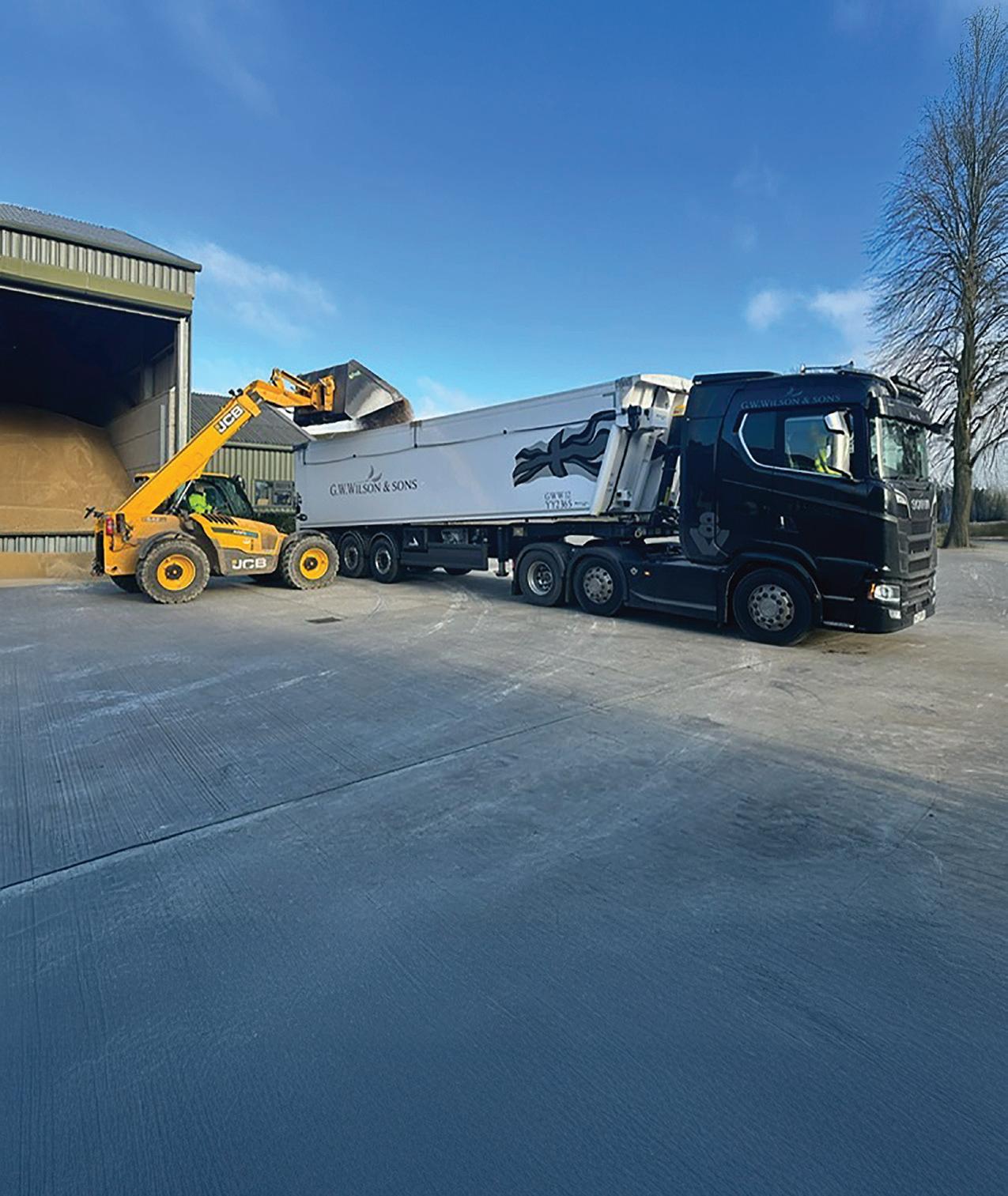




Cleaning – Rotary Screen, Gravity Table and New 7 lane optical colour sorter. Alongside our standard grain cleaning we now have the ability to remove impurities like ergot, wild oats, rodent dropping etc. from cereals and improve bushel weight.
Transport – Being a farmer owned transport company we fully understand the need for close communication via our drivers, throughout collection and delivery of your grain. We will keep you informed and updated with accurate ETAs on collection and delivery.

We commercialoffergrain storage, transport and cleaning of all combinable crops Call us to nominate us as your preferred haulier to benefit from our professional service.

G W WILSON & SONS
Larkstoke Farm • Admington • Shipston on Stour • Warwickshire • CV36 4JH
Mobile: 07971 878519 • Email: paul@gwwilson.co.uk or emma@gwwilson.co.uk

With 40 years expertise in Grain Management, we combine industry-leading experience with state-of-the-art facilities, including an in-house laboratory, continuous flow dryer, and 25,000 tonnes of storage capacity.


Whatever your requirements, we have the capability and confidence to deliver.






Get in touch today:
01785 282255
Edward: 07855 795 856
Brin: 07855 795 856
07889 701 617
07711 205 354
Email: office@hartleygrains.co.uk
Website: grainmanagement.co.uk
Hartley Farms, Bridgeford Hurst Farm
Great Bridgeford, Stafford, ST18 9PS