










Ever see a commercial harbor full of Furuno Marine Electronics and wonder why the pros rely on us?



See why here








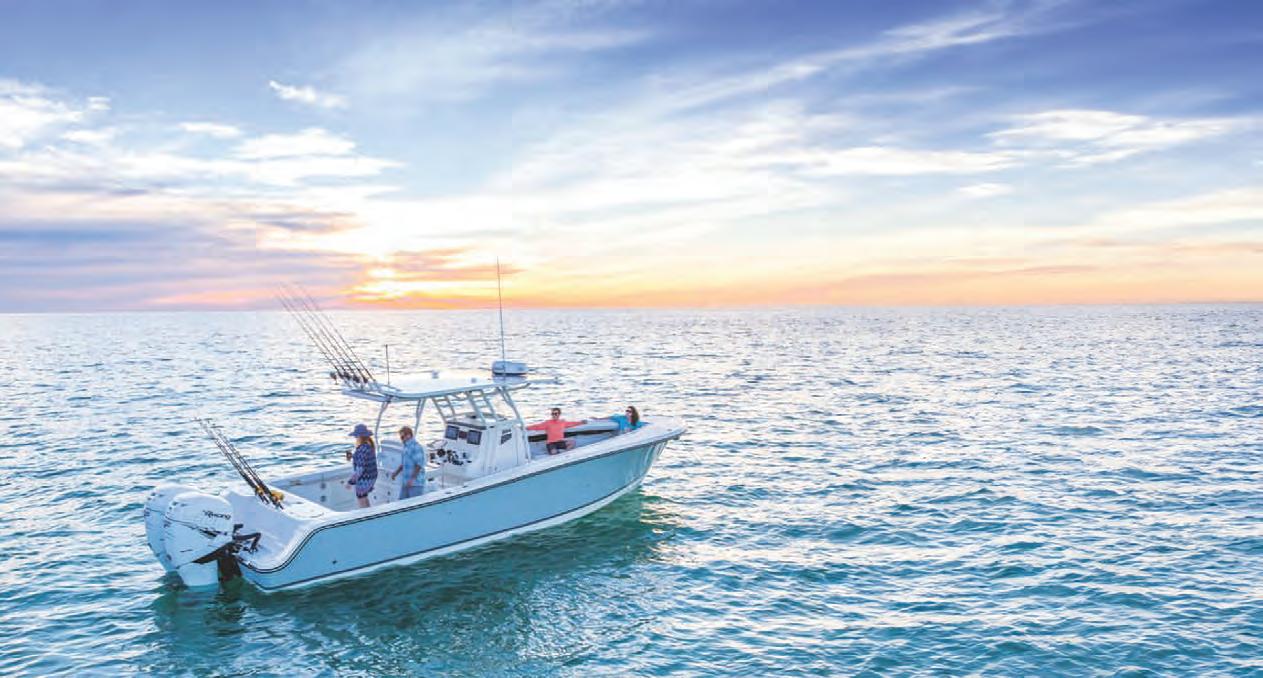
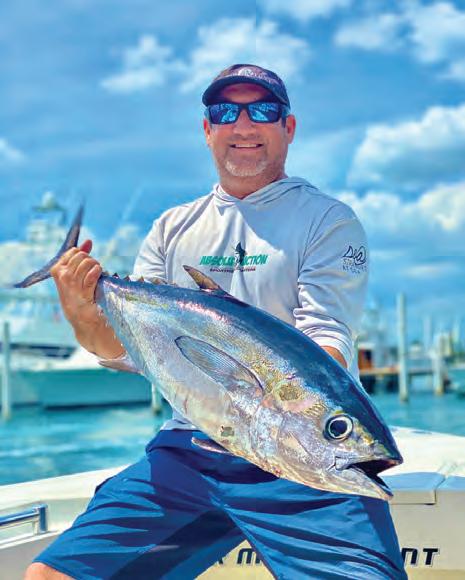



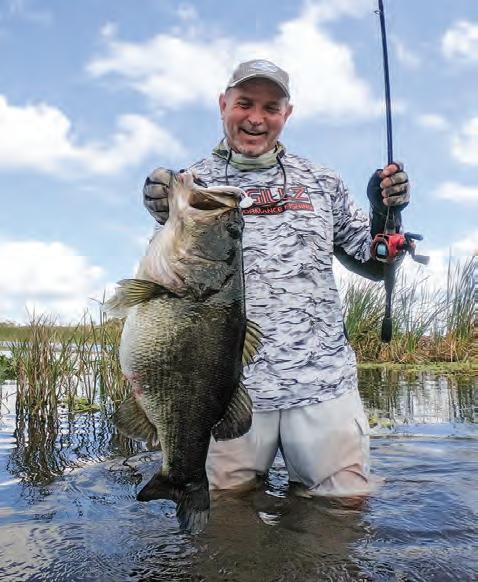

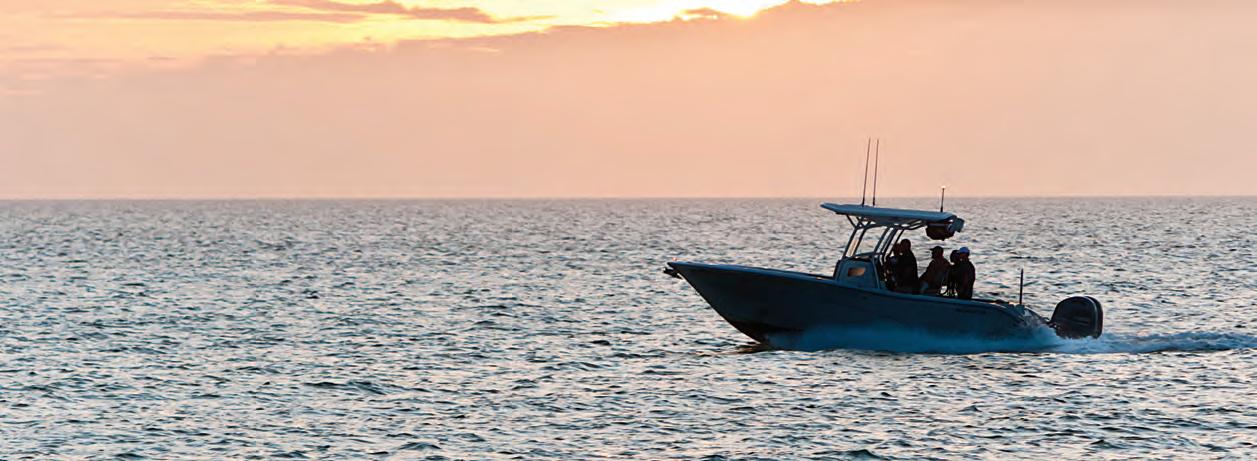
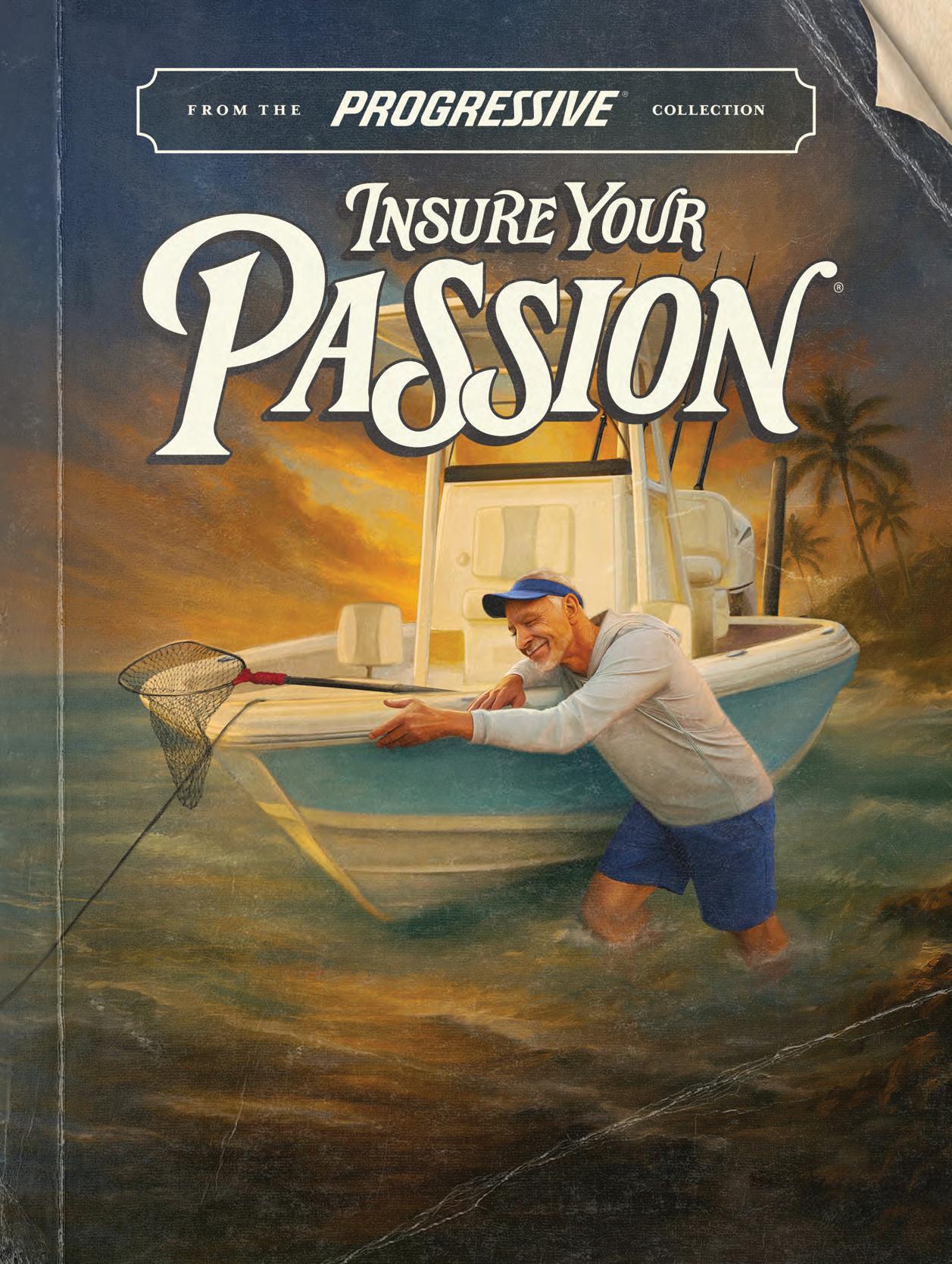
Are you ready to embark on your next on-water adventure? Before you set sail, here are fve things to know about boat insurance.
1. Boat insurance isn’t just for accidents
With comprehensive coverage, you’ll also be protected fnancially for theft, vandalism, and unexpected events like storms if you need repairs or replacements due to damage. 2. Accidents can happen to anyone
When accidents happen, boat insurance offers liability coverage for damages or injuries you cause while boating, up to specifed limits. It can also cover lawsuit costs if you’re sued.
3. Boat insurance can cover medical payments
Boat insurance offers a range of optional medical payments coverage limits, helping to cover medical expenses if you’re in an accident or someone is hurt on your boat, regardless of fault.
4. Most lenders require boat insurance
If you fnanced your boat, you’ll likely need boat insurance since most lenders require boat insurance to protect their investment. Additionally, some marinas or municipalities require proof of insurance for docking.
5. Progressive offers specialized boat coverages
Ever worry about getting stuck on the water?
Progressive’s Sign & Glide® On-Water Towing coverage** can help. It’s an additional coverage that steps in if your boat is disabled or breaks down on the water, paying for on-water towing, jump starts, soft ungroundings, and fuel delivery. Fuel cost isn’t included.
Don’t let unforeseen circumstances disrupt your voyage. Cruise with confdence thanks to Progressive Boat insurance. Because when it comes to your boat, peace of mind is the ultimate luxury.
Scan to get a quote in as little as 4 minutes.
to learn more.












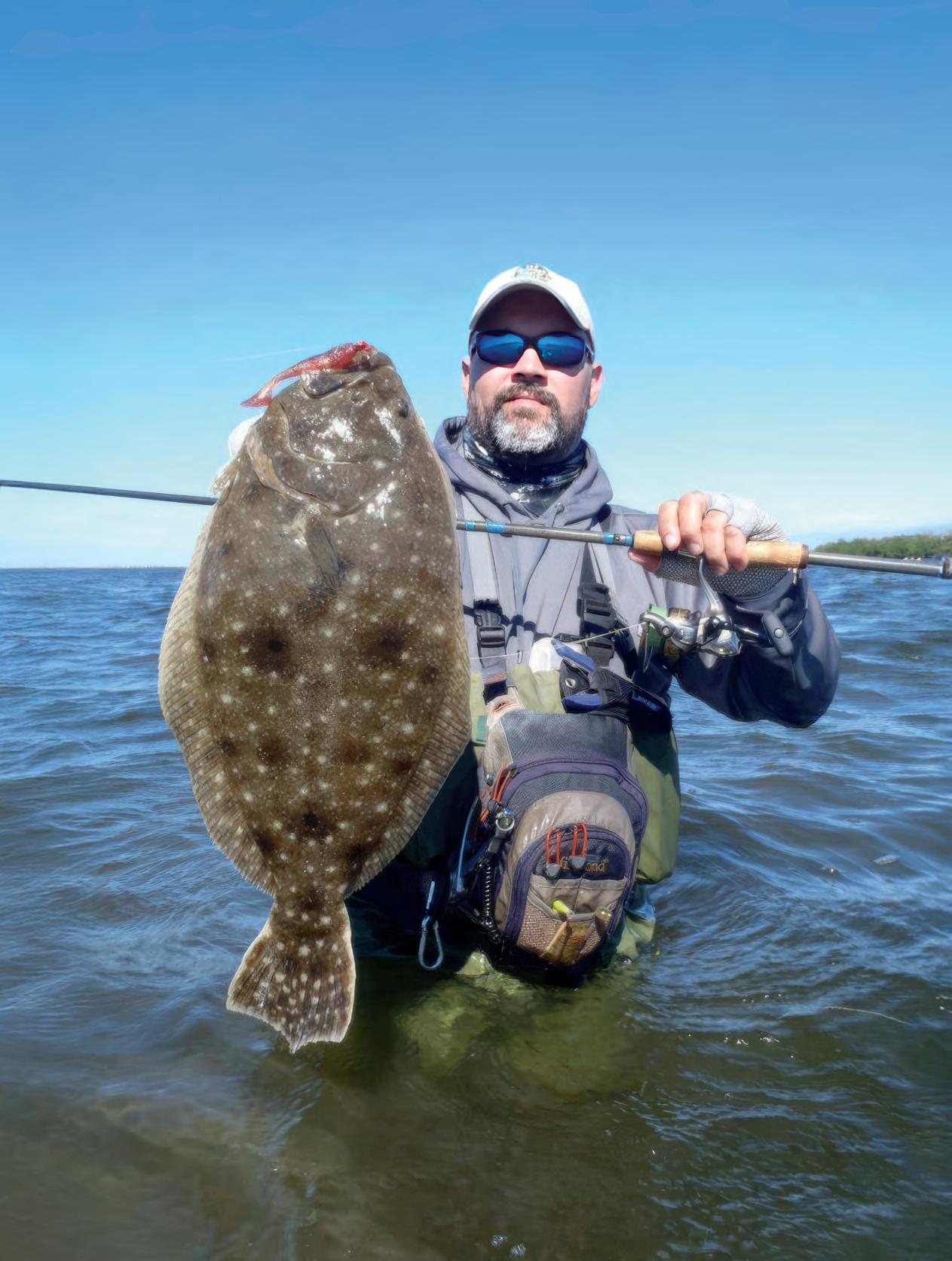
Do you want to catch more !ounder? You will need to nd an area with current, bait and structure for the !ounder to ambush its prey.
Where are they?
Flounder are very prevalent in creek mouths, jetties, sandy points, oyster bars, docks and any other underwater structures. e !ounder will take advantage of the structures to block the current, saving them energy and bringing bait right to their gluttonous mouths.
Flounder are the perfect ambush predator. ey like to bury in the sand adjacent to structures of some kind facing directly into the current. Your lure presentations always need to come from up current or you will spook them.
What do they eat?
CAPT. MIKE SMITH
and bait sh imitations.
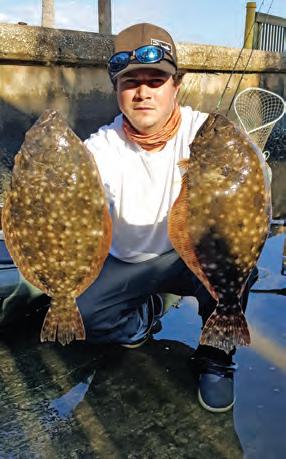
Flounder love to eat unsuspecting shrimp and sh brought to them by the current. e best lures to catch !ounder are scented shrimp
e best colors of lures to use for !ounder are any color as long as it is white. White is by far the best color of lure to catch !ounder. Do other colors work? Yes, if you want to catch fewer !ounders, then use something other than white.
e best lures that I have found for !ounder are Gulp! Shrimp and swimming mullets on a jig head. Start small and go bigger if you notice the bait in the area is large. Having an assortment from 3 to 5 inches will usually be perfect.
A great second choice for a !ounder lure is a white bucktail jig. Add a small piece of shrimp to add odor for best results.
How do you catch a flounder?
Flounder have a very small cone of awareness. ey are very unlikely to notice and
chase a lure that is more than 3 or 4 feet away from them.
ey also have a very small strike zone. ey are very hesitant to rise more than 18 inches o$ of the bottom to eat your lures.
Let’s say you found a beautiful oyster point at the mouth of a creek with plenty of current and bait !owing around it. is scenario is perfect for catching a !ounder.
Cast up current and work the lure on the bottom very slowly in 1 to 3 feet of water. When you think you hooked an oyster, set the hook. Flounder strikes are subtle and o en feel like a hang up.
It is very hard to work your lure too slowly for a !ounder. Old timers will tell you to just drag it on the bottom. I personally like to bounce my lures o$ the bottom being careful to not li it more than 18 inches into the water column.
Pro Tip: Use braided line and !uorocarbon leaders when shing for !ounder. Flouro sinks and helps you present your lures more e$ectively on the bottom. Braid doesn’t stretch and will help you feel a !ounder’s very subtle bites.
If you want to become an o cial !ounder pounder, then follow the tips above and catch more !atties. Go get ‘em!
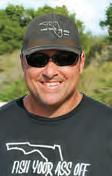
Capt. Mike Smith, owner of Fish Your Ass O Charters, is an inshore "shing guide who has been "shing the inshore waters, oyster bars and grass ats of Florida for more than 40 years. Reach him at (561) 339-2317, email: contact@ "shyourasso .com or visit "shyourasso .com.
By Astrid deGruchy
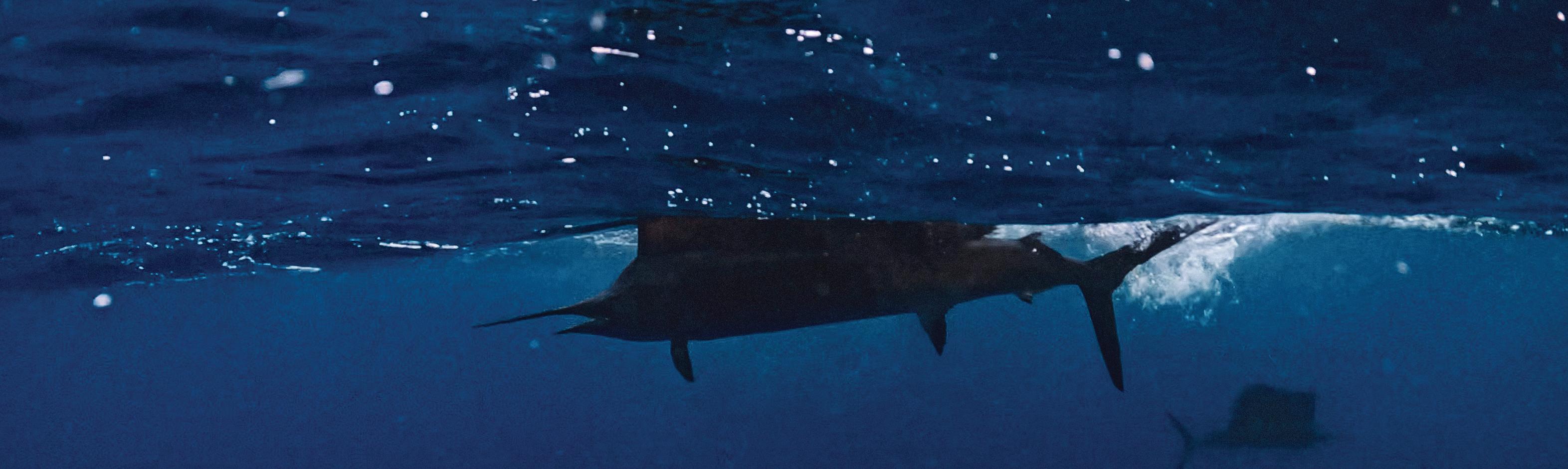
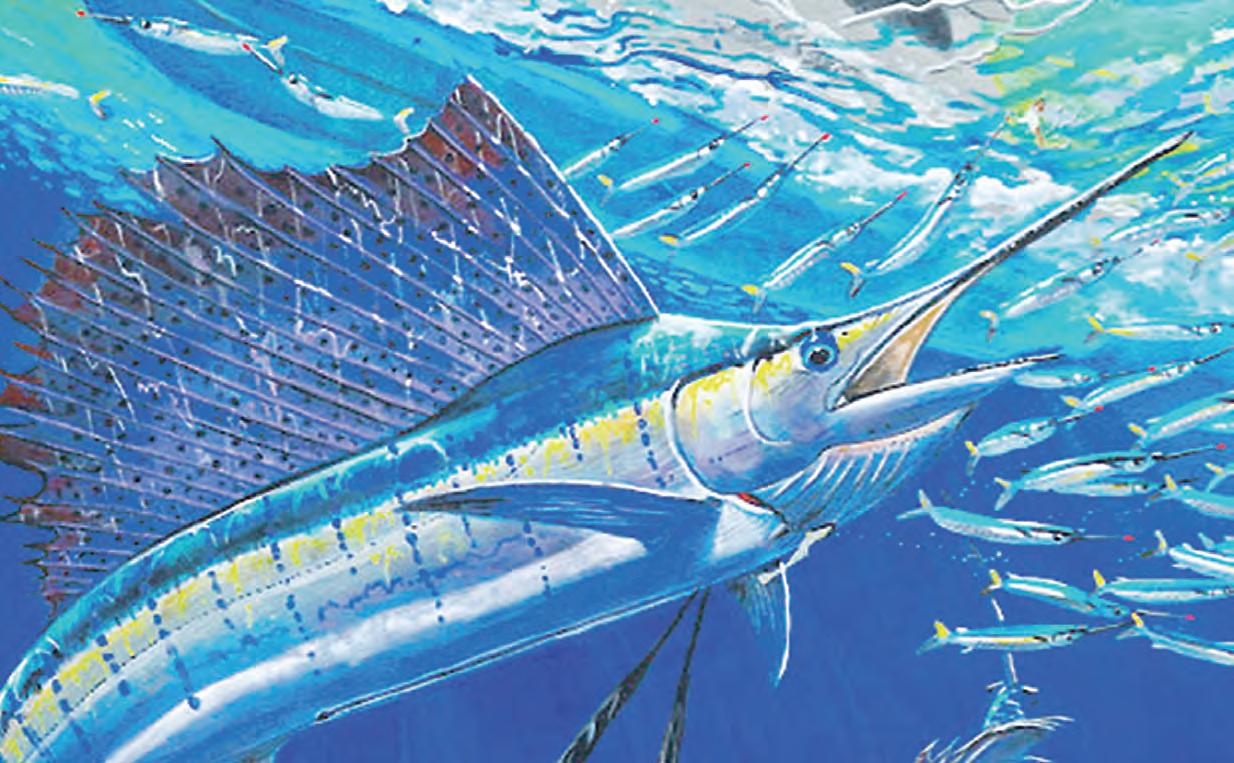
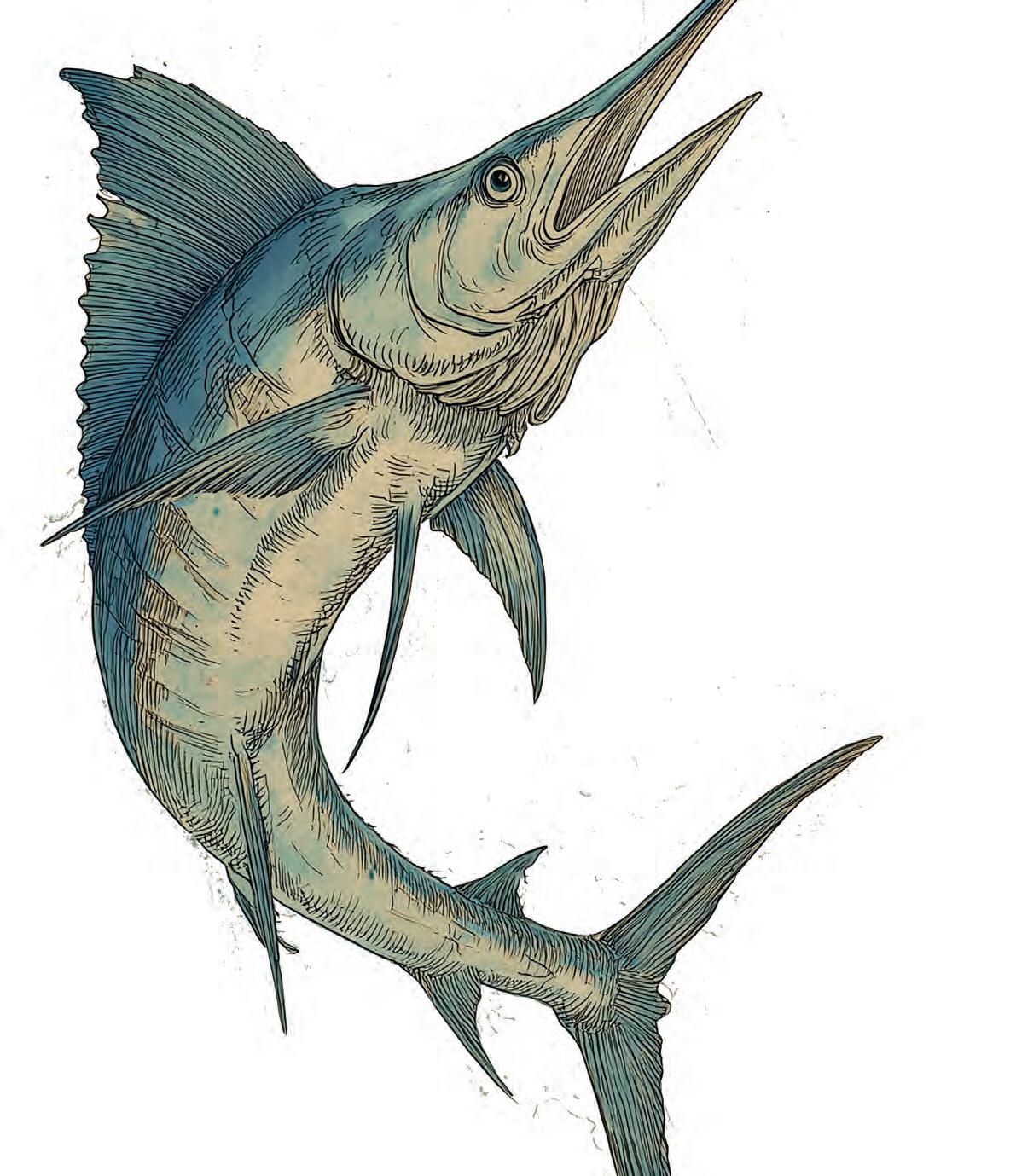
Sailfish are the true showoffs of the Florida Keys. They’re fast, flashy, and love putting on a performance the second you put a bait in the water. One moment everything’s calm and quiet, and the next your reel is screaming while a sailfish is launching itself out of the ocean like it’s trying to win an Olympic medal. It’s the kind of chaos anglers live for.
The Keys are famous for having one of the best sailfish bites anywhere, especially from November through April. Cold fronts push schools of ballyhoo and other bait along the reef, and the sailfish stay right on their heels. Spots like Islamorada, Marathon, Key Largo, and Key West all fire off during the season, with most of the action happening along
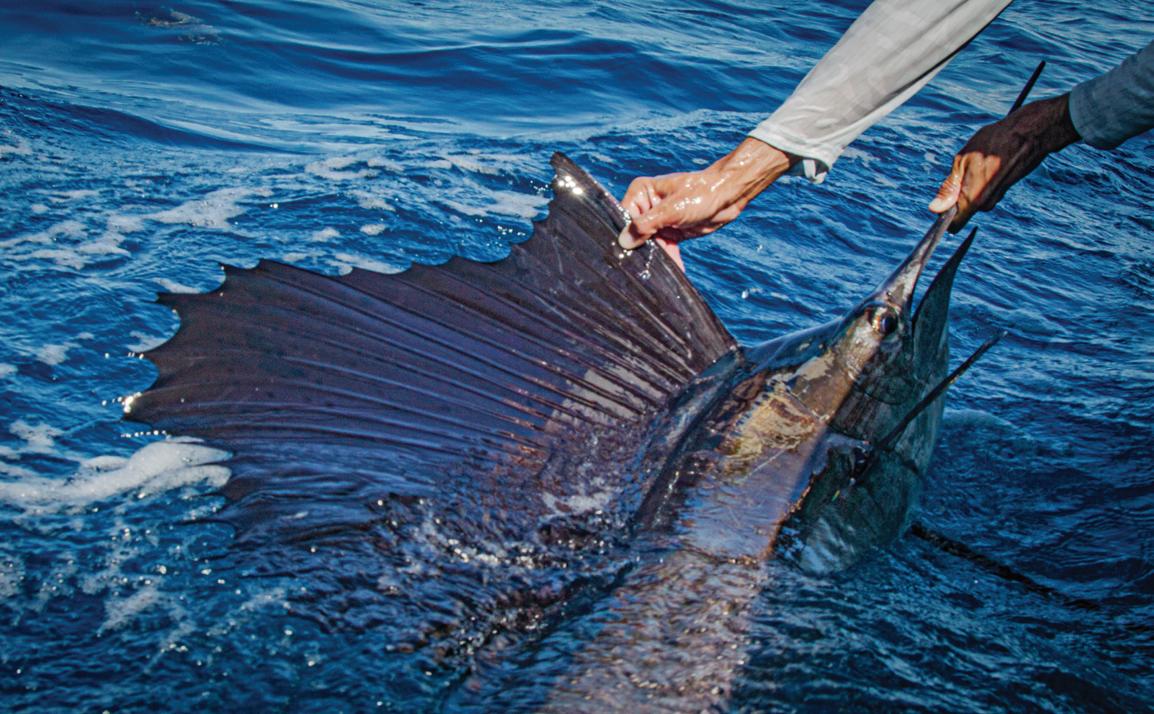
that 80 to 200 foot reef edge. Most captains here rely on live-baiting and kite fishing, two methods that make sailfish practically impossible to resist. There’s nothing like watching a kite bait get
smashed on the surface. And on those calm, clear days after a front, you might even get to sight-cast to tailing sailfish cruising right along the top. It doesn’t get much better than that.
Strong conservation efforts keep sailfish thriving in the Keys, so anglers get to keep making these memories year after year. Whether you’ve done it before or if your someone trying it for the first time, hooking a sailfish here is unforgettable. It’s fast, wild, beautiful and classic Florida Keys fishing.
Follow deGruchy’s adventures at @bean_sportfishing on Instagram and on YouTube @BeanSportfishing.


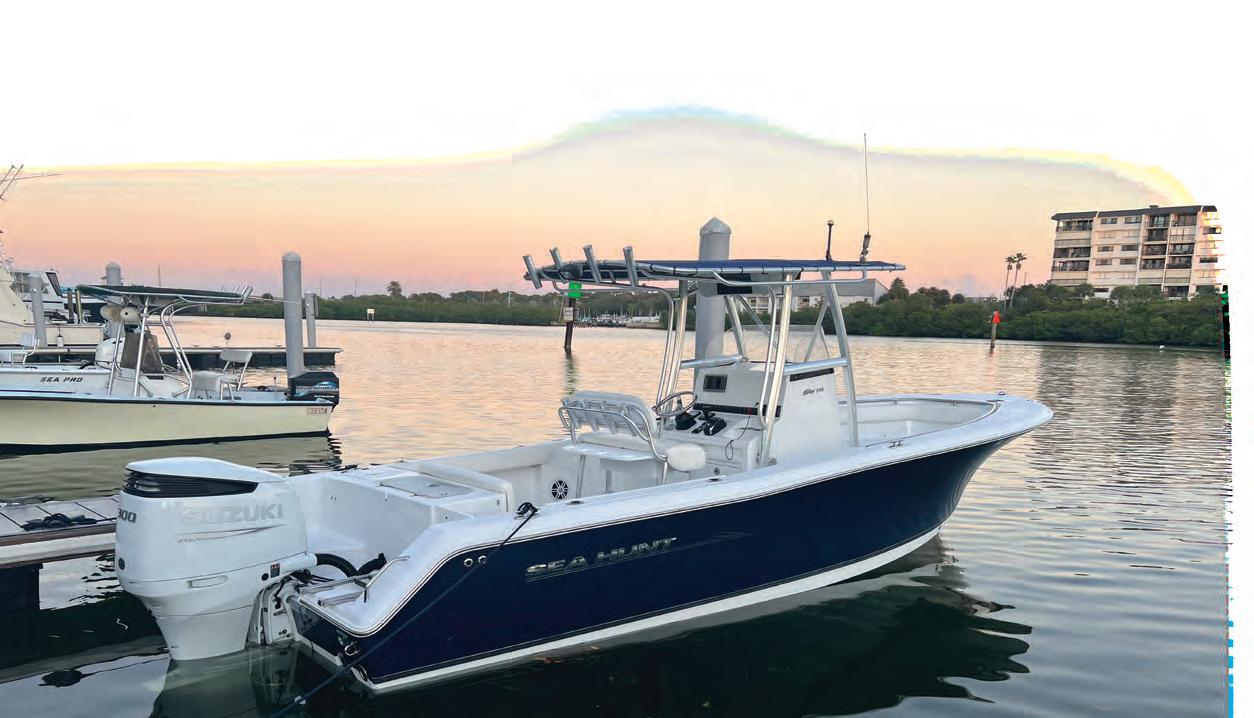
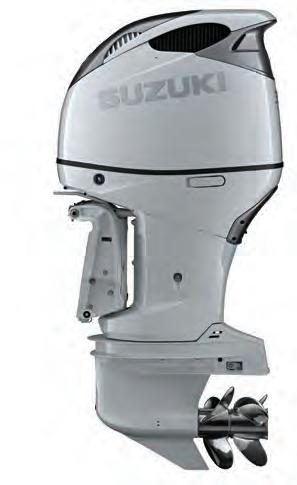
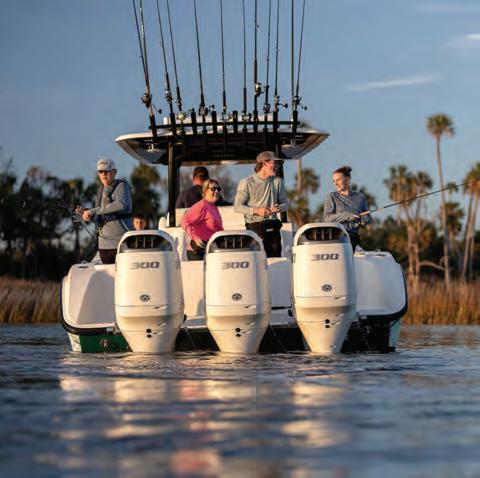
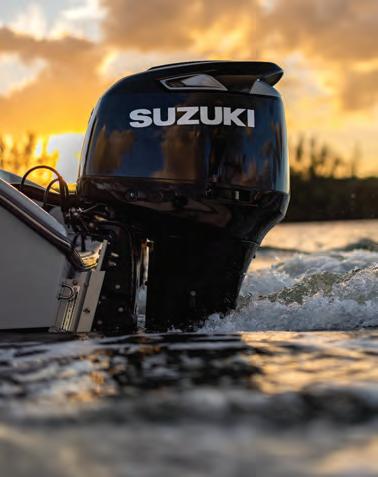
Mastry Engine Center has received the Suzuki Marine Super Service Award and has been ranked #1 in Suzuki Marine US Sales! 60 YEARS OF REPOWER EXPERIENCE!

RePower Packages designed to best ft your needs and not stretch your budget.
Financing available.

Rest assured, all Mastry Suzuki RePowers are backed by Suzuki’s industry leading 5-year factory warranty.

Stationed strategically around the East Coast, all Suzuki RePower Centers have achieved the highest level of Suzuki certifcations to meet and exceed your repower needs.
Stationed strategically around the East Coast, all Suzuki RePower Centers have achieved the highest level of Suzuki certifcations to meet and exceed your repower needs.
When Considering A Repower, Consider These Factors:
•Every Authorized Mastry Suzuki RePower Center has decades of repower experience providing proper rigging, controls, propeller matching and in water testing
•With a Mastry Suzuki RePower, owners gain improved performance, less noise and greater reliability
•Mastry Suzuki RePower’s exclusive Owner’s Edge Program*
•Mastry Suzuki RePower Centers use authentic Suzuki OEM parts and have factory certifed technicians

Since 2014, Mastry Engine Center, has been building the premiere Suzuki Outboard repower network in Florida. Today, Authorized Mastry Suzuki Outboard Centers have been exceeding expectaions in the Southeast for over two decades. Recently Suzuki Marine requested Mastry Engine Center to expand the network throughout the Northeast. Now boat owners from Maine to Florida can be assured of the best support for their Suzuki outboard repower project. All Authorized Mastry Suzuki RePower Centers provide the best options, information and package pricing for excellent performance in repower.

*Get with the Program!
When you purchase a new Suzuki outboard from an authorized Mastry RePower Center you qualify to become a member of the Mastry Suzuki Owner’s Edge. Owners receive an identifcation card that provides them with important information about their Suzuki outboard motor as well as a passport to additional benefts during ownership. Members enjoy a detailed engine maintenance schedule, Mastry Suzuki RePower Trade Program and special pricing from Mastry Suzuki Partners.
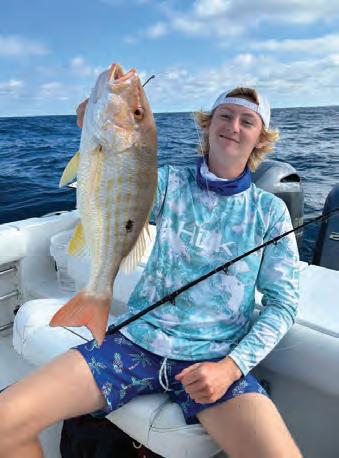
At its November meeting, the Florida Fish and Wildlife Conservation Commission (FWC) approved rule changes for lane snapper in Florida’s Gulf state waters to be more consistent with current and pending federal regulations.
Approved modi!cations of lane snapper in Gulf state waters include increasing the commercial and recreational minimum size limit from 8 inches to 10 inches total length, and establishing a 20-!shper-person recreational bag limit. ese changes are intended to reduce the risk of over!shing, mitigate the likelihood of early closures, and increase consistency between Gulf state and federal waters. e new Gulf lane snapper recreational regulations will go into e ect on April 1, 2026.
For the full Commission Meeting Nov 5-6 agenda including links to background reports, go to MyFWC.com/About and click on “ e Commission” and “Commission Meetings.”







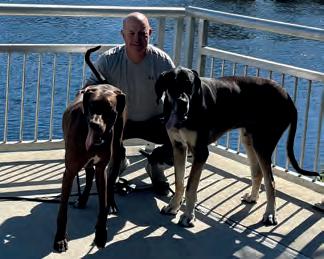
Scott Housel
Sudden Strike Offshore Adventures
him to observe fish behavior below the surface including how they feed, relate to structure, and respond to changing currents and conditions. These underwater insights translate directly into a strategic, informed approach on the water and consistently productive fishing trips.
Captain Housel began fishing at just five years old alongside his father and grandfather, fostering a lifelong respect for the ocean and its resources. Today, he takes pride in sharing that passion with anglers of all experience levels, welcoming families and first-time anglers while also catering to seasoned fishermen looking to target specific species.
Book a trip with Sudden Strike W
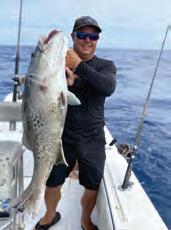
elcome to Sudden Strike Offshore Adventures with Captain Scott Housel, a U.S. Coast Guard licensed 100-Ton Master Captain. Captain Housel has been fishing and scuba diving the waters off Ponce Inlet since 1989, building decades of firsthand offshore experience and local knowledge. His extensive background in scuba diving provides a rare advantage, allowing
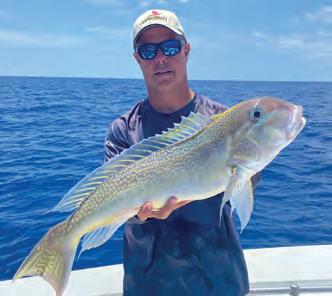
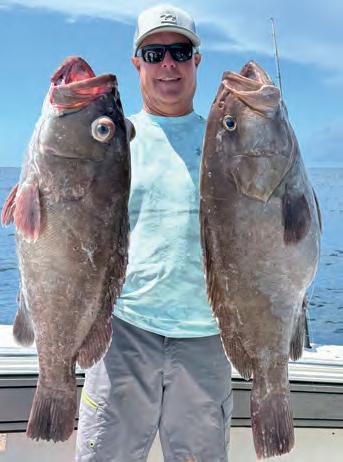
Offshore Adventures and experience the professionalism, knowledge, and dedication that transforms a day offshore into lasting memories.
/ Offshore









Captain Scott Housel
407-314-3355
Sudden Strike Offshore Adventures
Suddenstrikeoffshore.com
Nearshore/offshore
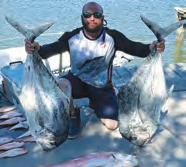
Target Species: Redfish, Flounder, Sheephead, Snapper, Grouper, Triggerfish, Cobia,Amberjack, Mahi Mahi, Wahoo, Tuna, Sailfish, Shark, Golden Tilefish
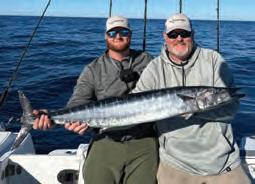
CAPTAIN NICK SICILIANO
386-405-7786
Beast Coast Fishing Charters beastcoastfishingcharters.com
Inshore/ Offshore
Target Species: Redfish, Snook, Tarpon, Sheepshead, Snapper, Grouper, Sharks, Cobia, Grouper, Pompano, Mahi, Triggerfish, Tuna, Wahoo, Sailfish

Captain Sean 386-318-1036Smith
SRC Adventures srcadventures.com
Nearshore/Offshore
Target Species: Wahoo, Mahi, Tuna, Cobia, Sailfish, Kingfish, Tuna, Amberjack, Pompano, Snapper, Grouper, Triggerfish
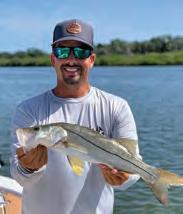
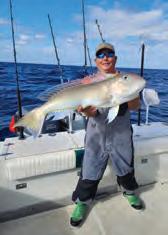

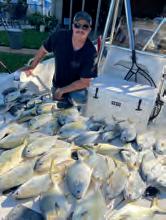
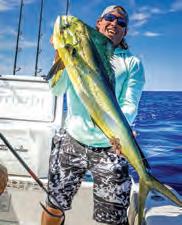
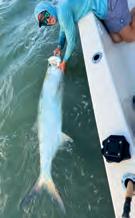
Reel Deal Fishin Charters Reeldealfishin.com
Inshore/ Nearshore
Target Species: Redfish, trout, flounder, shark, kingfish, cobia, and tarpon

CAPTAIN DANIEL LEVESQUE
386-295-4581
Rare Breed Charters rarebreedcharters.com
Offshore/ Nearshore

Ferg’s Guide Service fergsguideservice.com
Inshore/ Offshore
Target Species: Redfish, Snook, Tarpon, Amberjack, Sheepshead, African Pompano, Mangrove Snapper
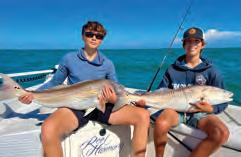
Reel Harmony Fishing Charters reelharmonyfishing.com Inshore/Nearshore
Target Species: Grouper, Red Snapper, Mahi Mahi, Wahoo, Tuna, African Pompano, Alligator, Deer, Hog, Elk, & Wild Turkey CAPTAIN EVAN SANDERS 407-796-2088 SOL FISHING www.solfishing.com Inshore, Nearshore, Offshore
Target Species: Redfish, Snook, Trout, Cobia, Tarpon, Snapper, Triggerfish, Mahi, Kingfish, & Wahoo.
CAPTAIN TIM RUSSELL
386-846-1675
Captain Daddy’s Fishing Charters captaindaddysfishing.com
Inshore/Offshore
Target Species: Redfish, Flounder, Snook, Tarpon, Cobia, Grouper, Wahoo, Snapper, Seabass, Kingfish, Mahi, Sailfish
Target Species: Tarpon, Snook, Redfish, Trout, Flounder, Sheepshead, Cobia, Tripletail & Shark
CAPTAIN JEFF PATTERSON
Pole Dancer Fishin’ Charters 386-451-4992
SmallBoatBigFish.com
Inshore/ Nearshore

Target Species: Redfish, Snook, Tarpon, Flounder, Mangrove Snapper, Spanish Mackerel, Sea Trout, & Tripletail
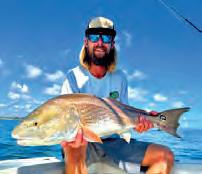
February is typically a super fun month to fish and I personally enjoy it because of the lack of boat traffic we see in colder months. This year has been particularly mild, and the weather already feels like spring, making for excellent fishing days. February and March consistently offer the best sheepshead fishing I see, so that will be my primary focus. They luckily are also not a fish that requires you to be out there at the crack of dawn or sunset so anytime you have free will is just fine to get a bite or a sandwich for the cooler!
I have seen people use all kinds of tricks to get these bait bandits to eat, but as I’ve mentioned many times before my favorite
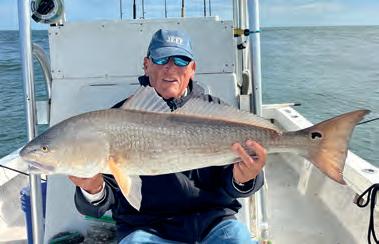
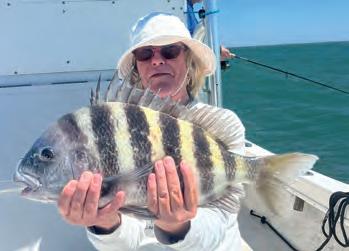
baits to use are sand fleas and fiddler crabs when available. I like to double up on the bait, using two on the hook and tipping it with a fingernail-sized piece of sand flea flavored Fishbites. Even with 2 baits on there it’s crazy how fast they will rob you. That’s why I like the fish bites as it will typically make them peck at your hook a second or third time. While I’ve caught plenty of quality fish on circle hooks, when I’m really targeting sheepshead I prefer an Owner 1/0 needle-point straight J hook. It allows me to jam the hook in between their teeth and into the jaw bone. Often on bigger fish it’s impossible to get the hook out. It’s so jammed in there and the hook will bend or break attempting to get it out,
so I consider it a sacrificial hook on most of my bigger fish. I also like to use a knocker rig with about 12” of 20 lb leader or use a Carolina rig with the same length both with egg sinkers.
While I’m a big fan of strictly using fluorocarbon for leader on almost every species I target, in the past couple years I have switched to mono for leader . Especially when specifically looking for sheepshead with almost no impact on our catch ratio. Plus I have to regularly switch the leader out due to fishing structure and it helps to cut costs. The creeks and flats in the spruce creek and rose bay areas always are a second part of my day routine, as I find a lot of quality redfish and black drum enjoying the warmer shallow water this time of the year. If sheepshead aren’t your thing then get back there and start hunting. As always if you see me on the water say hello and get out and enjoy the area. Give us a shout if you’d like to see what February fishing here in Daytona has to offer!
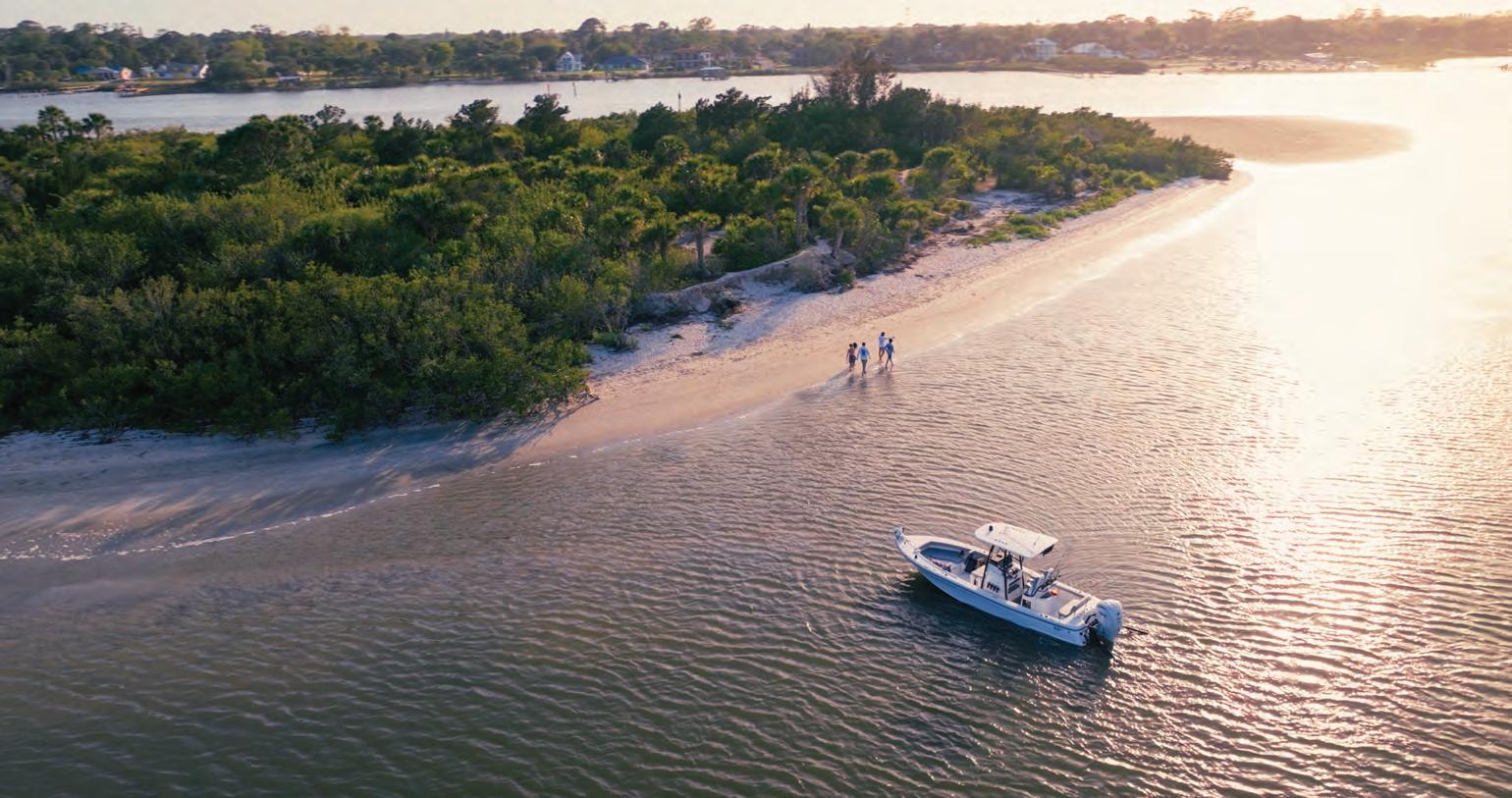

Central Florida Favorites Best Boat Dealership & Best Boat Service & Repair 2025 Winner

February often brings a continuation of winter patterns, though an early spring can begin to emerge if the first several weeks of the year have been mild. If we do have an early spring, expect the early return of coastal migratory fish, including schooling Jack Crevalle, Bluefish, Ladyfish, Pompano, Spanish Mackerel and the over size jumbo Black Drum. Lagoon Redfish can be found on shallow water flats, sloughs, creeks, and drop off edges. The larger reds are deeper into the ICW channel, New Smyrna bridges, Ponce Inlet and Haulover Canal. Shallow reds are a sight fishing target in winter, search slow and quiet as our skinny water schools are notoriously spooky.
You will want to use select size shrimp, small live finger mullet, mud minnows, and crab parts are the best natural baits. Small soft plastics, Gulp baits, and shrimp or crab patterns on fly can be good artificial choices. Seatrout can be found in both shallow and deeper water, with many of the larger fish holding on the flats. Freelined finger mullet are the most popular live bait for soaking, though big specks tend to be skittish in shallow water. Sight fishing often requires spotting fish from a distance and making
long, accurate casts. Mullet, select shrimp, and larger soft plastics can all produce bites.
We should all consider the release of larger Seatrout which are the most valuable breeder females. School size trout are usually deeper on drop offs, holes, and channels. Snook season reopens February 1, with a slot limit of 28–32 inches and a 1 fish per person restriction, requiring a snook permit on your fishing license. Linesiders are ambush feeders, so live bait, artificial lures, and flies can all be effective. They’re commonly found near man-made structures like jetties, bridges, and docks, as well as natural areas in backwaters and lagoons with downed mangroves, branches, drop-offs, and points. Sheepshead are always a winter/spring fish, they will eat fiddler crabs, small live or peeled frozen shrimp, pieces of clam, oyster or any crab. They have a small hard mouth so use a sharp hook of #2 to 1/0 range, as little hardware and weight as possible to make your rig stealthy in the clear winter water.
Fish sheepshead’s favorite hangouts, bridges, dock pilings, rock piles, inlet jetties, and oyster bars. You can chum them in with crushed oysters or barnacles scraped off pilings. Bluefish are open water fish found in the river,
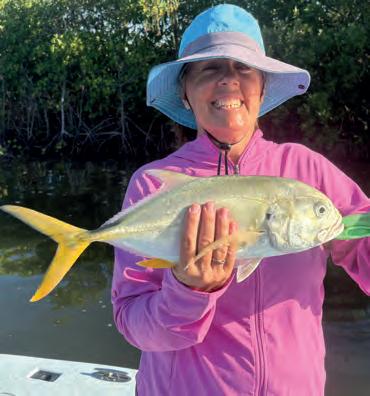
backcountry, inlet, and surf. They are not picky, minnows, shrimp, flies, top water lures, and flashy small lures are all good choices. You can find them near spots holding bait fish schools, jetties, bridges, and back water points with current ambush spots.

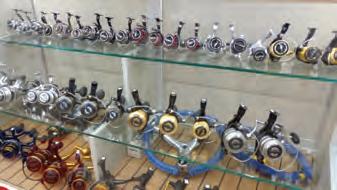

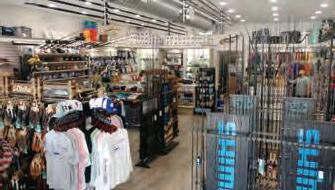
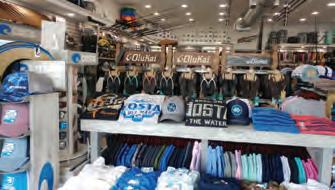
NSB Outfitters specializes in offshore bait and tackle, as well as inshore, flats, and fly fishing gear, with extensive options in apparel and accessories. New Smyrna Outfitters has the knowledge and experience to guide through whatever type of fishing you’re looking to do.
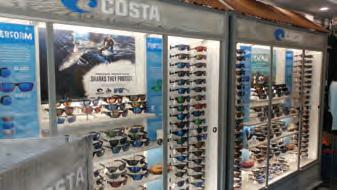
New Smyrna Outfitters specializes in offshore bait and tackle as well as inshore, flats, and fly fishing gear. Along with carrying all of the equipment you need, NSO offers services like rod/ reel repair, line spooling, splicing, rigging, outrigger setup, and much more. If you are not looking for fishing tackle, that’s ok, NSO also offers the best in apparel, eyewear, drinkware, and more. Some of the quality brands include but aren’t limited to Costa, Bajio, Olukai, Free Fly, Marshwear, Aftco, Anetik, Yeti, Stanley, Hemlock, Salty Crew. New Smyrna Outfitters strives to carry the best brands and offer the best customer service.
223a Canal St. | NewSmyrnaOutfitters.com (386) 402-8853 Mon-Sat 9am-6pm | Sunday Closed





Captain & The Kids strives to always promote youth anglers both at the local level as well as nationally through our “Youth Angler Program.” If it was not for passing down techniques, traditions, and the love for the water, it would slowly fade away. It is our mission to always instill conservation and ethical fishing to our youth!
Capt. Evan started the Youth Angler Program after
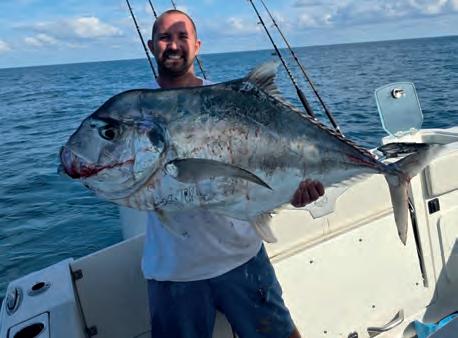
finding out how many kids in the New Smyrna Beach area had never been fishing, never been on a boat, and was born and raised in the area. Since that day Capt. Evan strives to getting more and more youth anglers on the water each and every year! Sol Fishing will do everything possible to make every young man or lady’s fishing dreams come true. It does not matter if the kids want to go offshore or inshore, Sol Fishing will target whichever species they want to catch. Some of the most recent species that the youth anglers have been wanting to target are red snapper, lane snapper, cobia, amberjack, sharks, barracuda, redfish, and snook.
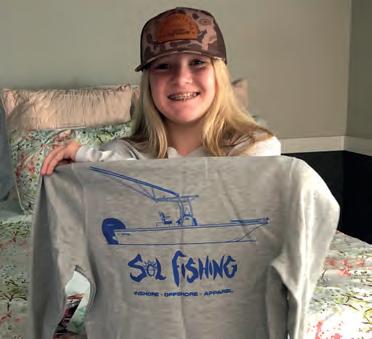
The Youth Angler Program is made possible by all our retailers who stock Sol Fishing’s gear such as our Hats, Decals, and Performance shirts and many more products. Stop by New Smyrna Beach Outfitters Outriggers, Donald’s Bait & Tackle, 38 Live Bait &

Tackle, E & J Bait & Tackle Sunglass Cabana, Shades of New Smyrna Beach, Boaters Exchange, and Pedago of NSB to get your Sol Fishing gear to help support the Youth Angler Program! Sol Fishing’s amazing sponsors such as Tidewater Boats, Legacy Marine, Black Oak LED, Penn, Plano, Fenwick, and many more all make this amazing program possible!



1
2
3
4
5
6



6:07
8 Sun 12:38 2.7 12:42 2.2 6:59 0.3 6:55 0.0 7:07 6:08
9 Mon 1:29 2.6 1:34 2.0 7:53 0.4 7:43 0.1 7:06 6:08
10 Tue 2:29 2.6 2:37 1.9 8:50 0.5 8:36 0.2 7:06 6:09 11 Wed 3:34 2.6 3:45 1.9 9:50 0.5 9:33 0.1 7:05 6:10 12 Thu 4:32 2.7 4:43 2.0 10:48 0.4 10:30 0.1 7:04 6:11
Fri 5:23 2.8 5:33 2.1 11:41 0.3 11:23

It’s winter time, fishing is at its best, and I have a secret weapon sent to me from Massachusetts: giant Quahog clams. Great for clam chowder and baked clams, but I keep a few of them for bait. Sent to me by my good friend Monty Rome, who’s in the fishing industry in Gloucester, Massachusetts. It’s called Inter-Shell. Ya, Mon! It’s time to bamba, so I’m out here on the beach. It’s a classic, clear, bright winter morning. The sun is just coming up, a little chilly, but after an hour or so the sun will burn that off. I have on board four surf fishing poles, each one with different bait. On each pole I have different bait: live shrimp, live crab knuckles, live sand fleas, and I just cut open the quahog clams and they were alive, so let’s see what happens. This is my best bait of the year. The pompano have been running, not in great numbers, but if you put in a few hours, you might get to keep a few of them.
I have on a few sweatshirts and a windbreaker to keep the cold out, but I can handle it. It is fresh out here. I cast out, and I start my wait. It doesn’t take long. The reel with the clam on hits first. It is almost pulling out of its sand spike before it launches into the ocean. I just managed to grab it. Ya, Mon! The fish starts to bamba to the north. I’m being spooled, so trying not to break my line but keep the tension on it, I run down the beach following the big fish, reeling as I go. I start to make some progress, then I lose some ground, but it’s getting closer, and here it is: a beautiful red just inside the slot (which is 18 to 27 inches). This red fish loved that clam and swallowed it. Just then, my other rod starts to bamba.
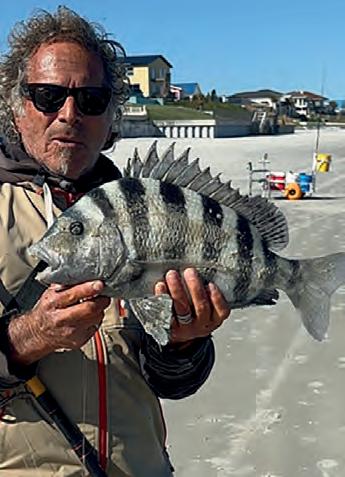
I’m on again! This one bit differently, small bites and then power. It seems like it’s already flopped on its side and I’m reeling it in: a beautiful big sheepshead, which happens to be my wife Sophie‘s favorite fillet. Sheephead are pretty rare on the beach. However, today is a quality fish day, and I got what we call a convict fish (because of the black-and-white stripes). The sheepshead was caught on crab knuckles and a red fish was caught on a sand flea.
The water temperature is starting to drop which means the pompano are heading south. There aren’t as many as there were a few weeks ago, but still a nice fat slab slow traveler now, and then it’s been a great season for catching redfish, black drum, sheepsheads and whiting. The fillet table is all set and cleaned up back at the beach house. Ula, my giant Irish wolfhound, is hanging out waiting for a few scraps. The island sounds of Gregory Isaacs singing about his night nurse plays. The clam chowder is cooking and me and these fillets are heading to the smoker.
MARCO POMPANO

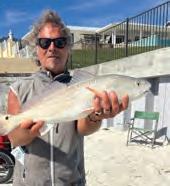

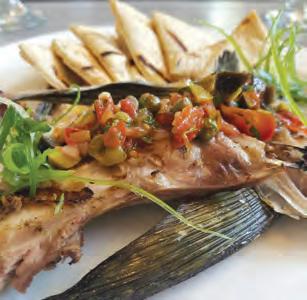
February is an excellent month for offshore fishing, with a wide variety of opportunities when weather windows line up. Wahoo fishing remains a strong highlight this time of year, with both High Speed Trolling (HST) at 14–18 knots and live baiting producing quality fish. The key is locating clean water in the 72–74 degree range, typically found in depths of 100 to 145 feet. When conditions are right, February Wahoo can be aggressive and fastpaced, making for exciting action. Deep dropping for Golden Tilefish can also be extremely productive through February while the season remains open. Target depths of 550 to 1,000 feet and focus on areas with a muddy bottom. Manageable current and calm seas are critical for
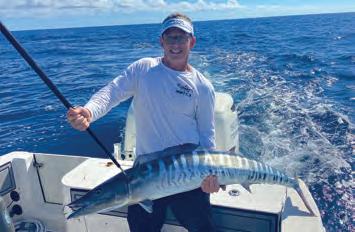
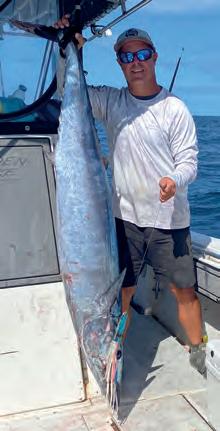
success, but when everything comes together, limits can come quickly and the reward is some of the best table fare in the ocean. Bottom fishing continues to produce steady action in depths ranging from 85 to 185 feet. Anglers are seeing a
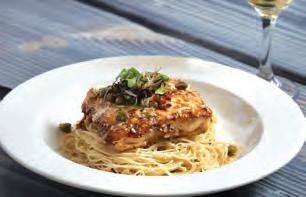
healthy mix of Vermilion Snapper, Lane Snapper, Mangrove Snapper, and Mutton Snapper, making it a great option for filling the cooler when offshore conditions allow. Artificial reefs have also been holding plenty of Cobia, with many short fish around and a few solid keepers mixed in, so it pays to stay ready.
Trolling remains a productive option throughout the month, yielding consistent
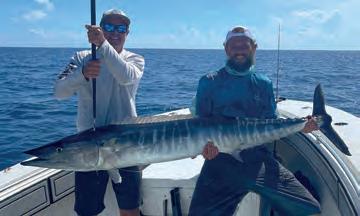
action from Blackfin Tuna, Kingfish, and Wahoo, along with occasional Sailfish and Mahi passing through. February offers a diverse fishery and plenty of chances for memorable days on the water, especially for anglers willing to take advantage of good weather windows.
As always, keep an eye on the forecast, plan around workable currents, and be ready to capitalize when conditions align. Good luck, and tight lines!
Sudden Strike
Offshore Adventures
407-314-3355
Suddenstrikeoffshore.com
Nearshore / Offshore
When it comes to kayak fishing, you almost have to change your style of fishing to adapt to being in a small boat. Whether you are fishing in a bass boat or fishing from the bank, you can’t necessarily fish the same way you would if you were standing on dry land or on the deck of a boat. One bass fishing strategy that may get tricky while fishing off of a kayak is flipping and punching. I entered the kayak fishing world with punching being my all time favorite technique for catching big bass but I quickly came to realize that there was much to learn on how to perfect the craft. When you are flipping heavy cover and set the hook, the most important thing is to keep as much tension on the fish as possible. Being in a kayak, that can be difficult because as soon as you set the hook you begin to pull the kayak to wherever that fish may be.
To help prevent that I use a Micro Power Pole to anchor me into the ground as I pick apart a certain area. I’ll typically flip 10-15 times into a certain area before moving on to the next. When I’m punching heavy cover I’ll use a 7 foot 6 inch heavy rod, although I’m considering going to a 7 ‘9 extra heavy, with a high speed 8:1:1 gear ratio reel. A longer rod helps get better leverage on a hook set as well as making more accurate flips and pitches and you want a high speed reel to quickly get your bait up out of the thick stuff to make another flip. I use 65 lb braid, which some may think is overkill but I have had experiences in the past where I have broken off on fish while punching heavy cover with 50 lb braid.
with using the lightest possible weight that will punch through whatever cover you are fishing. There are two types of vegetation that I look for in specific when I am looking to punch, those being floating mats or hydrilla mats. Floating mats either consist of water lettuce or hyacinths that just sit on the top of the water and create a cover almost like a roof of a house that gives bass shade and comfort. A lot of the time these floating mats will get blown up into reeds and cattails which creates an even better environment for bass.
Big Bass Power Hour tournament out on the Kissimmee chain with one goal in mind: catch a giant bass. This tournament trail paid out $500 to the biggest bass of each hour and a brand new Native Titan X 12.5 kayak to the biggest bass of the day. I went out to a lake that I hadn’t perished but have had good luck in the past.
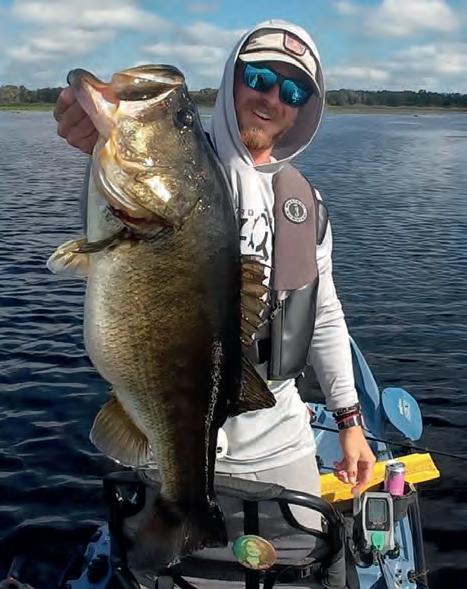
The lake is completely choked out with hydrilla to the point where I was cleaning my NK 180 pro motor off every 20-30 feet. Originally on my punching set up I had a 1 ounce tungsten with a 3/0 flipping hook but it just wouldn’t get through the hydrilla. Around 10:45 I decided to go to an ounce and a half weight which started to get through. Quickly after that change, I caught one little guy and decided to just stick to the mats. I went from hydrilla clump to hydrilla clump for the rest of the day, power-poling down and picking apart each area of the mat before moving to the next. By 11:45 after countless flips I finally made the right one. I noticed a section of the hydrilla matt that stuck out like a peninsula and dropped my punch rig right in there. Felt the thump, set the hook and brought in roughly 30lbs of hydrilla, but just under all that hydrilla was an 8.4 lb 23.50 inch largemouth bass that ended up winning not only the hourly big bass for hour 5 but also the biggest bass of the day taking home a brand new kayak!
When it comes to weight size, I’ll use anywhere from a 3⁄4 ounce weight all the way up to a 2 ounce weight depending on the cover that I’m fishing. Ideally you want to get away
I try to target where the matt meets a different kind of structure, they seem to like the combination. On the other hand, hydrilla mats are a plant that grows here in Florida that some may say completely takes over our waterways. But with that being said, hydrilla creates essentially the perfect cover for bait fish and bass to hide. In the summer hydrilla can grow up to an inch a day and when it runs out of room in the water column it begins to fold over at the top creating that perfect mat when it comes to punching. Just this past weekend, December 6th, 2025, I had fished the Native No Limit
I just went yesterday to Travel Country Altamonte Springs to pick up the Native Titan X and let me tell you, this thing is a beast. So many opportunities to rig this kayak in so many different ways with a ton of cool features. Currently, I fish out of a Bonafide PWR 129 which is a serious yak in itself so I’m excited to put them both to the test to see which I decide to make my tournament rig to travel the country with for the upcoming Bassmaster Kayak Series!

DEVIN HOLBROOK
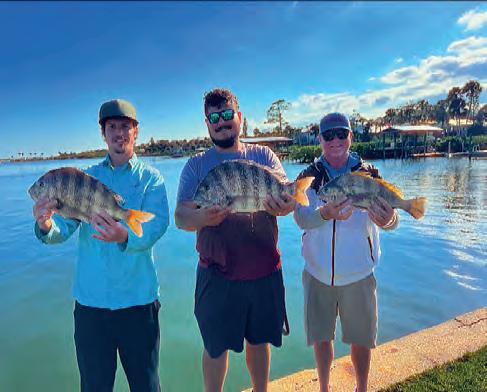
TANNER, ALEX, & TIM (Birds & Boards Fishing Charter)
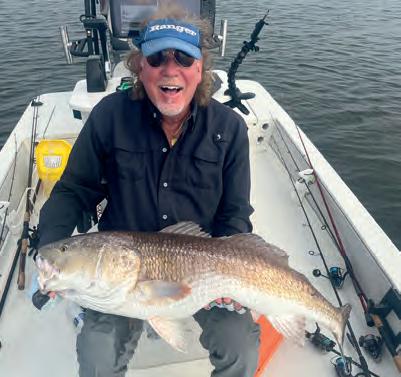
MARK DWYER

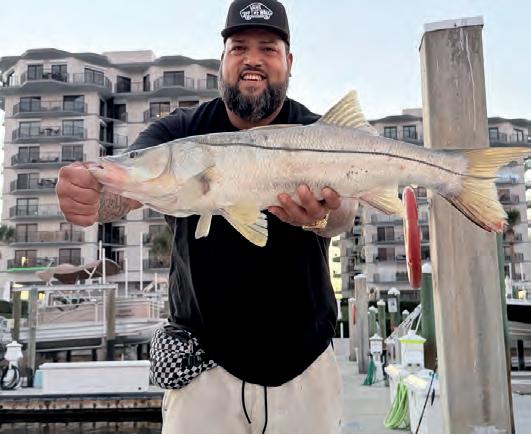
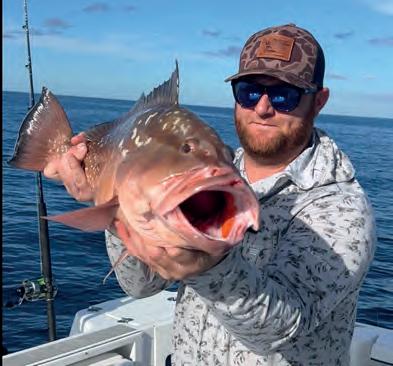
ANDREW LESLIE (SRC Adventures)
Scan the QR code to submit your photo for a chance to be showcased on our Brag Board! Your submission automatically enters you into our monthly random drawing for a $50 Gift Card!
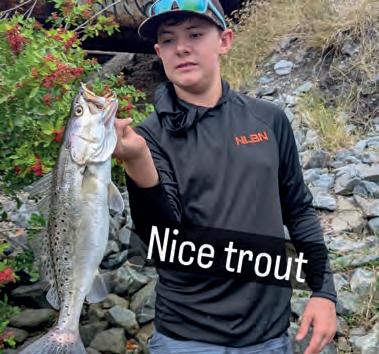
COOPER GILL
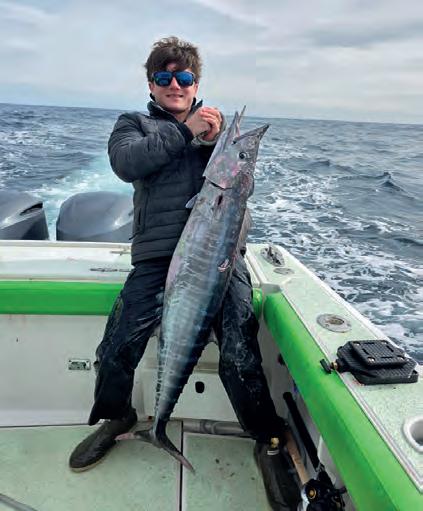
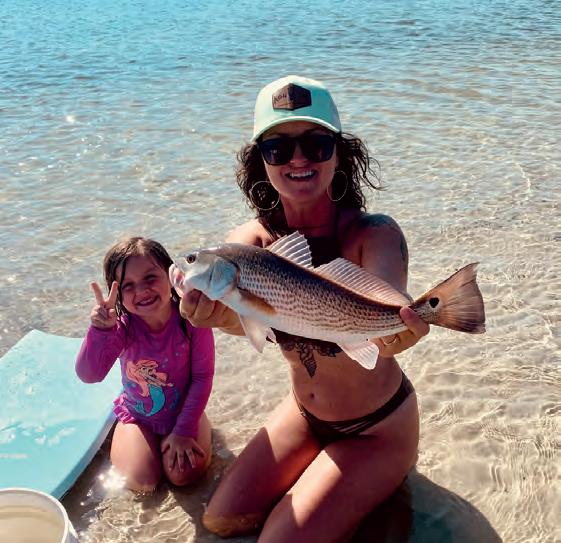
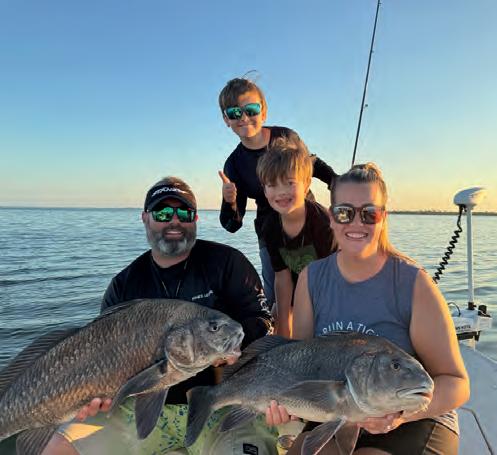
KANE ANTHONY CAMPOCHIARO (Captain Daddy's Fishing Charters)
Along with the gift card, the winner will also get a Gyotaku Fish Printing Kit from Fishin' Prints!

By Don Norton

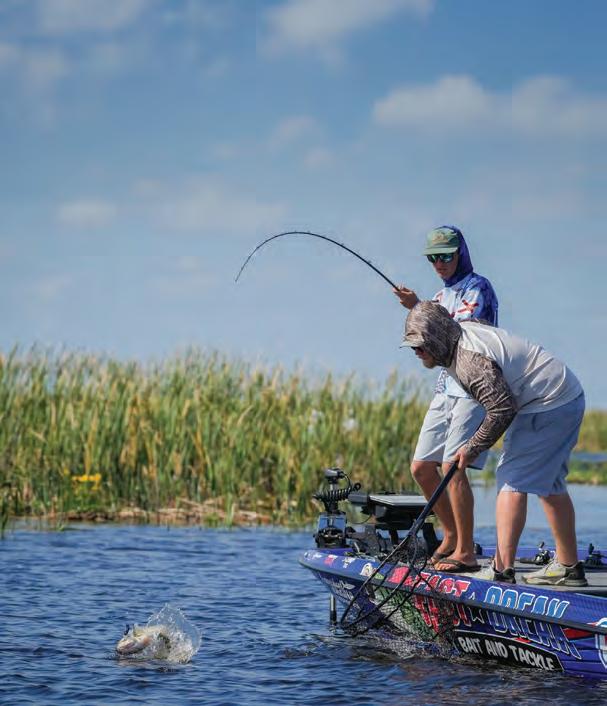
For years, underwater vegetation in Lake Okeechobee has been disappearing, but now it’s making a comeback!
Last December, the U.S. Army Corps of Engineers started a “recovery” schedule for Lake Okeechobee, with the goal of getting the lake below 12 feet
for 90 days or below 11.5 feet for 60 days. !e lower lake level is needed for sunlight to reach the lake bottom and new submerged aquatic vegetation (SAV) to sprout.
Lake Okeechobee level was 12.08 on April 13, 2025, which was 2.82 feet lower than a year ago. By April 15th, the lake fell below 12 feet above sea level.
At the June 5 meeting of the South Florida Water Management District (SFWMD) Governing Board, scientists were hopeful the lake low would stay below 12 feet for the full 90-day target. If the water rises faster than the plants can grow, new plants could be damaged or lost.
!en, by June 22, 2025, the o cial Lake Okeechobee elevation was 10.99 feet.
Last year, on the same day, the lake was at 13.37 feet. And the year before that? A whopping 14.33! Even the historical average for that time of year (1965-2007) was 13.24 feet. !at meant we were sitting about 2.25 feet below average.
What did that mean for you, the angler? Well, lower water levels can concentrate the sh, making them easier to nd…sometimes. But even more importantly, you have to be extra careful navigating those shallower areas.
I don’t normally sh Lake Okeechobee, but thanks to Capt. Robin Clegg and his late summer YouTube videos, I ventured down to the “Big O” a couple of times and had a great time catching bass.
Launching at C. Scott Driver Park, I took Capt. Clegg’s advice and made the short trip to King’s Bar, and for the next couple of hours, caught bass a er bass on a wide variety of lures. !e key was to be there at rst light!
!e water was still pretty low, but as long as you shed the outside reeds, there was plenty of water (and bass).
Capt. Clegg, by the way, works out of Garrard’s Bait and Tackle, located at 4375 US Highway 441 in Okeechobee, just a couple of miles from the boat ramps.
As I write this article in mid-January, the water level is back up to 13.3’ thanks to all the rain we’ve received, the new plants are doing well—and the shing is still excellent!
Don Norton is Co-Publisher of Coastal Angler Magazine’s Okeechobee edition. Contact him at (863) 273-4998 or don@theanglermagazine.com.




Valued at over $90,000 MSRP, only 2500 tickets left.





By Capt. Michael Okruhlik
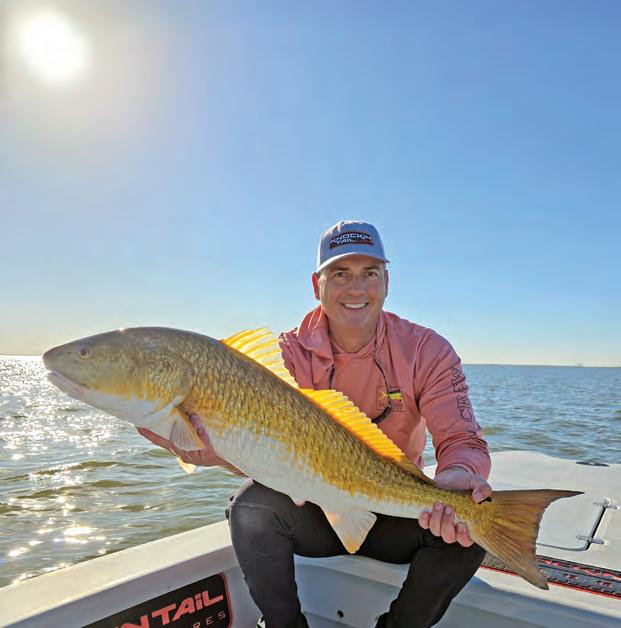
February might not get the hype of spring break or summer tides, but pro cient coastal anglers know a secret: some of the best shing of the year happens when the crowds are gone, the water is cold, and the sh are predictable.
Winter has settled in by February. Water temperatures hover in the upper 40s to low 50s, especially a er a strong north wind. !at cold pushes bait and game sh into tighter zones, turning miles of water into a handful of high-percentage spots. If you can nd warmth, you can nd sh.
Speckled trout are the headline act this time of year. Big trout in particular prefer slow, easy meals in cold water, which is why February is prime time for trophy hunters. Deep guts, channels and drop-o s near shallow ats are key. Trout slide shallow during the a ernoon when the sun warms mud or dark grass, then fall back into deeper water when temperatures drop.
Slow presentations rule. So plastics on light jig heads, suspending twitch baits, and so jerk shads worked slowly can trigger reaction strikes. Make sure you know the gear ratio of your reel. You may think you are moving slowly, but if the reel is taking up a lot of line, you may be o target. Cold-water trout won’t chase far, but they will inhale an easy meal.
Red sh remain a dependable target throughout February. While they may not school as aggressively as in the fall, reds still prowl shorelines, back lakes, and marsh drains—especially on sunny days. Look for black mud bottoms that warm faster and concentrate bait.
Sight-casting opportunities can be outstanding on calm, clear days. Reds cruising skinny water are o en willing biters, even in cold conditions. Gold spoons, paddletails, and weedless so plastics shine here, particularly when worked steadily along shorelines.
February shing success is less about the tide chart and more about the thermometer. Midday is prime time. Early mornings can be brutally slow a er a cold night, but a few hours of sunshine can ip the switch fast. Pay attention to warming trends—two or three stable days can dramatically improve the bite.
Wind plays a major role this month as well. Strong north winds drain water out of bays and expose structure, which can help you locate sh holding in remaining deeper pockets. On calmer days, expect clearer water and more nicky sh.
February rewards patience, observation and con dence. It’s not about covering water—it’s about shing smart, shing slow, and being ready when that unmistakable thump signals a wintertime strike worth remembering.
As I write this article in January, it is near 80 degrees. With that said, if February feels like an early spring, follow your spring shing guidelines. !e sh don’t have a calendar.
Capt. Michael Okruhlik is the inventor of Knockin Tail Lures,® and the owner of www.MyCoastOutdoors.com.
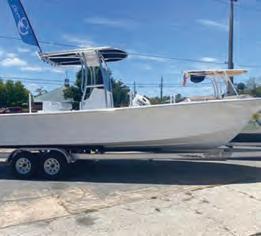
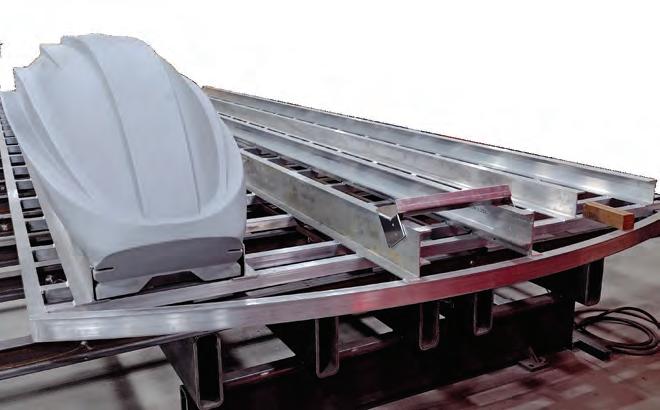
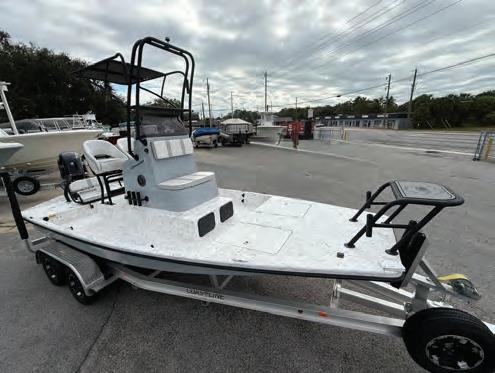
Setting the New Standards in the Pontoon Boat and Offshore Fishing Boat Segments for Exceptional ROOM, RIDE, HANDLING, STABILITY, PERFORMANCE & DURABILITY In Saltwater Conditions. Sold Fully Assembled on its Matching Custom Trailer!
• 88 Gal. In-Tube Fuel Tank
• In-Floor Storage Locker
• One Panel Composite Deck
• Composite Bottom Skin & Side Bumper Guard
• 7.5’ Pull-Out Front Boarding Ramp
• Front and Rear Bow Eyes for Trailer Tie Down
Center Tube is a 32” Dropped 2” Tube with a 30”- 35” High Hp Transom Motor Mount. Outer Tubes Are 30”. Comes with an 18” Side Step Planning Surface for High Hp. Nose Cones generate super high buoyancy for extreme water conditions. Deck as it sits has a 10,000 lbs. Buoyancy Rating.




It’s no fsh tale when you run with a John Deere. You can get everything done faster and easier, so you get more time on the water. Plus, our special offers make them the catch of the day.






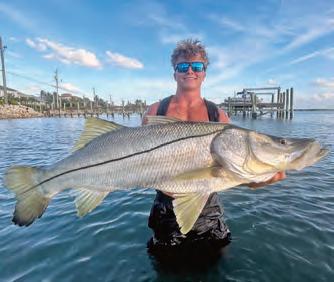
The recreational harvest of snook in the Florida Fish and Wildlife Conservation Commission’s (FWC) Northeast, Indian River Lagoon and Southeast management regions will open February 1 and remains open through May 31. During snook season, anglers may keep one snook per person per day that is not less than 28 or more than 32 inches in total length, which is measured from the most forward point of the head with the mouth closed to the farthest tip of the tail with the tail compressed or squeezed while the sh is lying on its side. Other regulations include:
• No commercial harvest or sale of snook is permitted
• Must remain in whole condition until landed ashore
• When on a for-hire trip, captain and crew may not retain a bag limit
• Allowable Gear: Hook and line only
• License Requirements: Snook permit and recreational shing license !e harvest of snook in all of Florida’s Gulf of Mexico state waters, including Everglades National Park and all of Monroe County, remains closed until March 1. Anglers may catch and release snook during the closed season, but the FWC encourages anglers to handle and release these sh carefully to help ensure their survival upon release. Proper handling methods can help ensure the species’ abundance for anglers today and generations to come. To learn more about sh handling, visit https://myfwc.com/ shing/saltwater/ outreach/ sh-handling/.
For more information, visit myfwc.com/ shing/saltwater/recreational/snook/.


By Capt. Lukas Brickweg
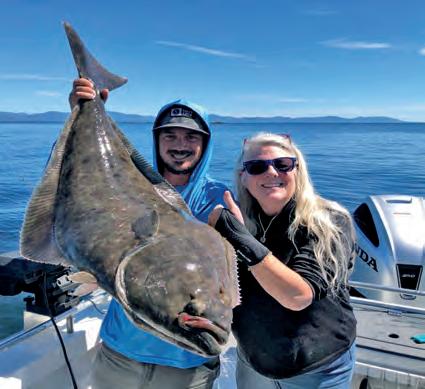
If you’ve ever dreamed about catching halibut and cod in the wilderness of Alaska - rod bent, line screaming, and majestic wildlife abound – now is the time to turn that dream into reality. Every season in Ketchikan, Alaska, May marks the kicko! to world-class halibut and Paci c cod shing, and we are ready to put you on the sh of a lifetime.
May is a special month in Southeast Alaska. e long daylight hours return, the ocean comes alive, and the early-season halibut move onto nearshore waters to feed. Halibut gather on the underwater ledges, humps, and sandy $ats, areas that we know like the backs of our hands, ranging from 200-400 feet.
At the same time, hungry Paci c cod patrol the same bottom structure, adding an action-packed bonus to every trip. “Alaska cod shing chaos” is the best way to describe
this seasonal bite. ere are no limits on retaining Paci c cod, allowing anglers to bring home huge hauls of cod and halibut. is means you can o en pull up a mixed bag of halibut, cod, and rock sh - making for one of the most productive and delicious shing experiences anywhere in the world.
Reeling up cod and halibut until your arms give out is a good way to summarize Alaska bottom shing in May.
May trips tend to ll quickly because the reputation for aggressive sh and minimum shing pressure. is combination equates to an anglers dream scenario. Whether you’re $ying in for our three to four day allinclusive lodging/ shing packages or on a cruise, it’s best to start planning and booking early. Ketchikan provides convenient $ights, accommodating guests from all over the US. Our all-inclusive packages provide airport transfer, lodging, meals, shing and sh processing.
The Bottom Line ere’s shing, and then there’s Alaska shing. And when it comes to halibut and
cod, May in Ketchikan is as good as it gets. So give us a call to book your spot, and come experience the thrill of hooking giants where every trip is a story worth telling.
Book your "Bucket List" trip to Alaska with Capt. Lukas Brickweg, of Ketchikan’s Finest Fishing Charters, at ketchikan shingtrips.com, call (907) 617-4717 or email ketchikan shingtrips@gmail.com.

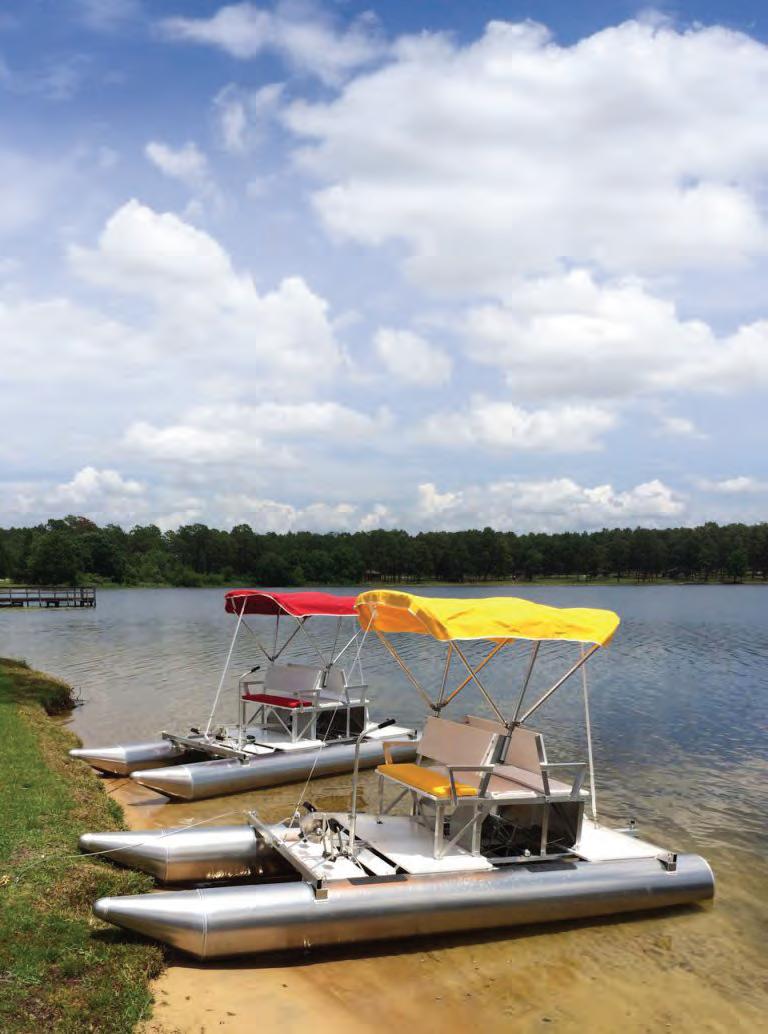
CAPACITY: Four Adults or 800 pounds (reduce by accessories and gear) Rear sun deck with retractable ladder for boarding in deep water. Two passengers face forward and two face backward. The front passengers pedal.
By CAM Sta
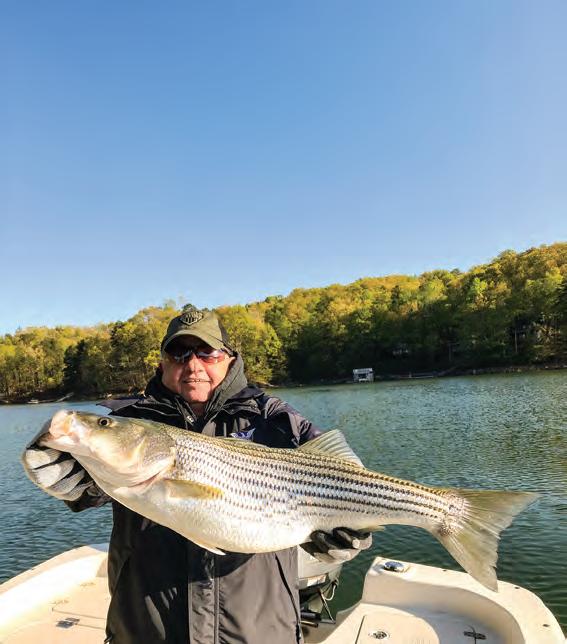
Whether in saltwater or freshwater, excellent striper shing awaits anglers hearty enough to brave winter conditions. So layer up, zip into that parka, and go—some of the biggest sh of the year are feeding right now.
At the southern end of their fall migration, striped bass spend the winter o! the coast of North Carolina. ey follow schools of bait up and down the shoreline from Wilmington to the Outer Banks, feeding heavily along the way. In many years, Oregon Inlet becomes the epicenter of the action, though stripers can be found in most inlets throughout the region.
e key is to follow the birds, which o en reveal bass blowing up on menhaden, glass minnows, or eels. At times the action pushes close enough to shore that surfcasters can hook stripers right from the beaches of the Outer Banks. More o en, however, the best approach is hiring a local captain armed with recent intel and a fast boat.
Farther south, Wilmington provides another winter opportunity as striped bass stack up in the Cape Fear River. ese sh hold near structure, dropo!s, and creek mouths, and can be caught on arti cials—or even on $ies. is resident population is separate from the highly migratory sh wintering o! the Outer Banks. Cape Fear stripers are strictly catch-and-release and must be returned to the water immediately, so keep an eye out for tagged sh.
Meanwhile, freshwater reservoirs across the Southern states and into the Mid-Atlantic also produce solid winter striper shing. While smaller, schoolie-sized sh can become sluggish during the coldest periods, larger stripers continue to feed. e pace may not match summertime downline action over massive schools, but the sh that do bite are o en bigger.

Tactics vary by shery, but when water temperatures stabilize—or during a multi-day warming trend—the largest sh in the lake o en push shallow, sometimes surprisingly so, as they shadow schools of small shad. Find the $ickering bait, and you’ll nd the stripers. You may even see them picking o! prey near the surface. Stealth is critical in these situations, and so plastics like Flukes frequently outproduce live bait. ey’re easier to cast and allow for a slow, controlled retrieve.
Another e!ective approach is covering water by trolling wide spreads of small live baits, pulling umbrella rigs loaded with swimbaits, or combining both methods. When shing this way, good local information is invaluable. On some lakes, stripers spend the winter near the dam; on others, they push far up into the creeks.
Winter may test an angler’s resolve, but for those willing to endure the cold, striper shing can be at its best. From coastal inlets and rivers to inland reservoirs, striped bass remain active and accessible, o en with less pressure and a better chance at trophy-sized sh. Success comes down to preparation, paying attention to bait and bird activity, and adapting tactics to changing conditions. Bundle up, do your homework, and embrace the season—the reward could be the biggest striper of your year.


Coming o! the heels of a record-breaking 2025 season that awarded 11 century belts, saw four- rst time champions (two of which were members of the 2025 rookie class) and garnered over 183 million social media impressions, B.A.S.S. has announced the 101-angler eld for an exciting 2026 Elite Series season.
is year, anglers will be put to the test with the use of forward-facing sonar only being allowed at ve of the nine regular-season Elite events. Anglers will be competing for a $100,000 rst-place prize at each stop of the season, while also accumulating valuable Progressive Bassmaster Angler of the Year points in hopes of making it to the 2027 Bass Pro Shops Bassmaster Classic presented by Under Armour.
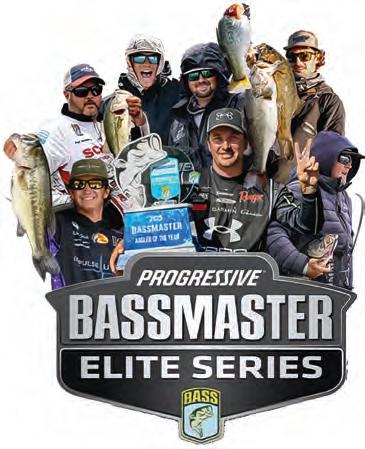
“Each season, the Bassmaster Elite Series showcases the very best in professional bass shing, and 2026 will be no exception,” said B.A.S.S. Elite Series Tournament Director Lisa Talmadge. “We’re excited to welcome 101 incredibly talented anglers who represent the heart of this sport—a mix of proven champions, rising stars and hungry newcomers all ready to compete on some of the most iconic sheries in the country. It’s going to be an unforgettable season for our anglers and fans alike.”
With the exception of one angler, every 2025 Elite Series angler who quali ed is returning next year. e list of anglers includes 2025 Bass Pro Shops Bassmaster Classic champion Easton Fothergill of Grand Rapids, Minn., who won the most coveted trophy in bass shing during his freshman season on the Elites. Two-time Progressive Bassmaster Angler of the Year Chris Johnston will also join the ranks of returning anglers alongside Dakota Lithium Bassmaster Rookie of the Year Tucker Smith, who took home his rst blue trophy at the 2025 Bassmaster Elite at Lake Fork with a 127-pound, 8-ounce winning weight that also earned him a century belt.
Ten anglers from the Nitro Boats Bassmaster Elite Quali ers will also be joining the 2026 Elite roster, including 20-year-old Alabama phenom Fisher Anaya who claimed the 2025 Nitro Boats Bassmaster Elite Quali ers Angler of the Year title. Wisconsin’s Nick Trim clinched an Elite Series spot for himself alongside his big win at the 2025 Mercury B.A.S.S. Nation Championship at Upper Mississippi River presented by Lowrance. e 2026 Progressive Bassmaster Elite Series kicks o! on Alabama’s Lake Guntersville February 5. From there the tournament trail will wind through six states as anglers battle for cash prizes and attempt to qualify for the 2027 Bass Pro Shops Bassmaster Classic presented by Under Armour.
Each tournament will begin with the full eld of anglers on Days 1 and 2 before the eld is cut to the Top 50 on Semi nal Saturday. Only the Top 10 anglers will sh the nal day of the event, with a $100,000 rstplace prize and a blue trophy on the line. For the complete roster, and to keep up with all the action from the 2026 Elite Series season visit Bassmaster.com.

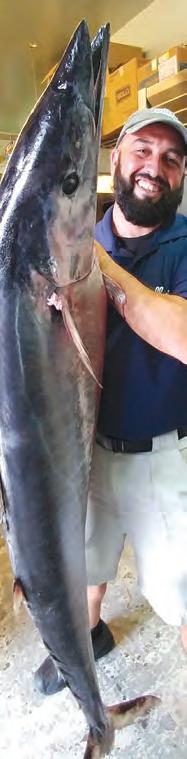
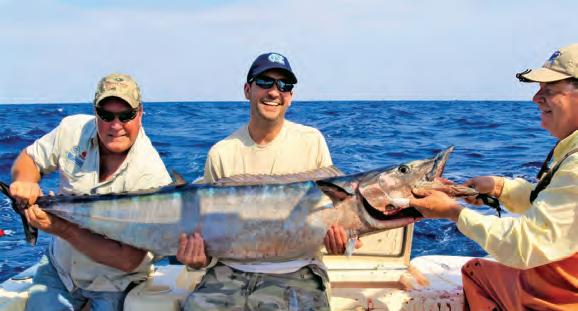
This is the time of year to nd the wall of warmer water and get the wahoo bite going. All of the water nearshore is cold and where the 68- plusdegree water meets that cold water can be an excellent spot for targeting wahoo. is is a great time of year to target wahoo during the rst hour or two of your trip using high speed trolling. You can cover a lot of ground high speed trolling, which speci cally targets wahoo. Once the sun has been up for a few hours your chances at a wahoo bite diminish unless it’s an overcast or rainy day. Wahoo regulate the amount of sun they take in by going deeper as the sun rises, so midmorning is a good time to change tactics.
Slow dri s, kite shing and jigging the column with live baits is a great mid-morning tactic and the bigger the bait the better. ere’s no telling what you’ll raise during these colder days shing the temperature change. Never count out deep dropping near these temperature change areas either. Fishing the entire water column from the surface to the bottom turns a cold day into a cooler full of sh and some awesome dinners.


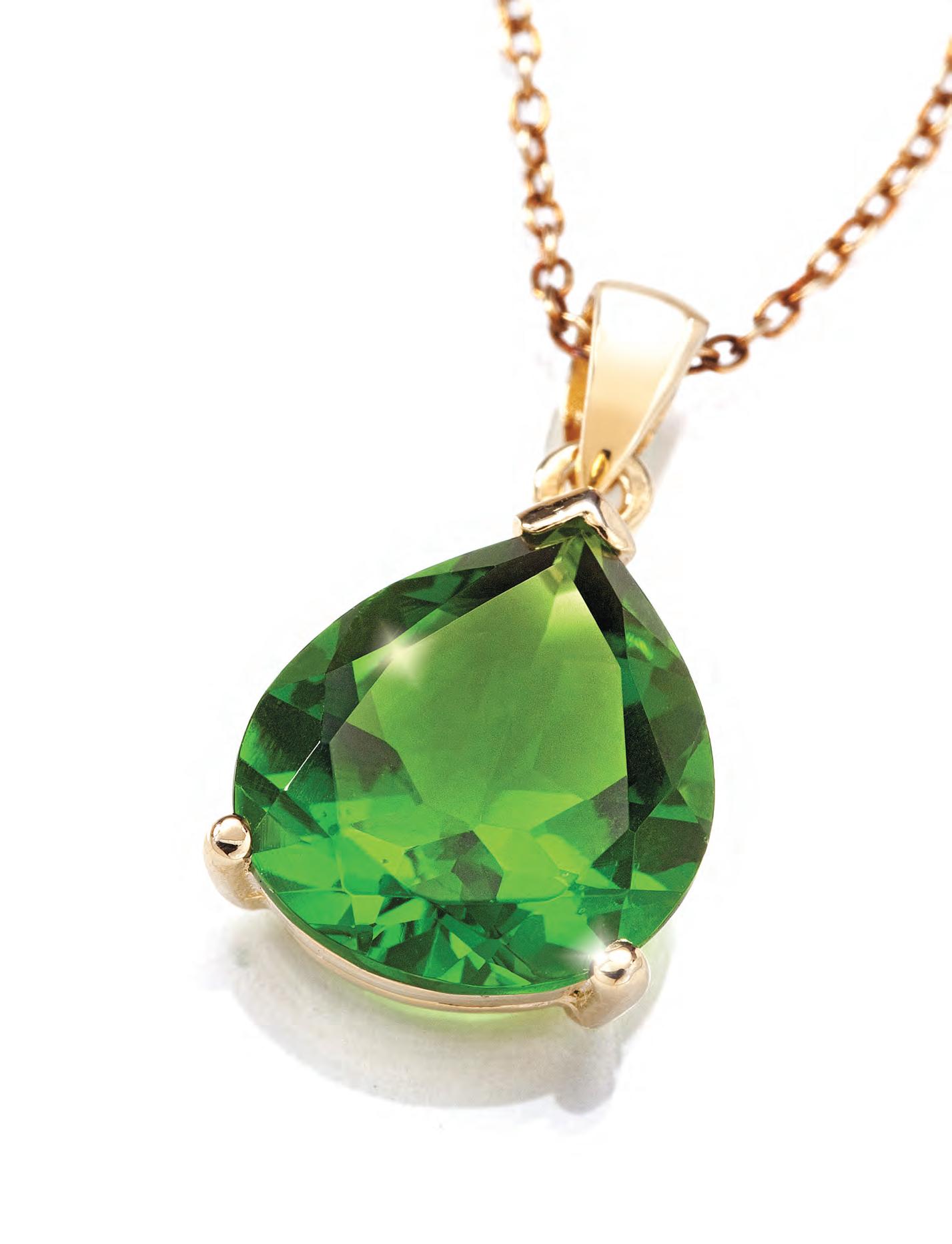
Discover this spectacular 6½-carat green treasure from Mount St. Helens!
For almost a hundred years it lay dormant. Silently building strength. At 10,000 feet high, it was truly a sleeping giant. Until May 18, 1980, when the beast awoke with violent force and revealed its greatest secret. Mount St. Helens erupted, sending up a 80,000-foot column of ash and smoke. From that chaos, something beautiful emerged… our spectacular Helenite Necklace
Helenite is produced from the heated volcanic rock of Mount St. Helens and the brilliant green creation has captured the eye of jewelry designers worldwide. Today you can wear this massive 6!-carat stunner for only $99!
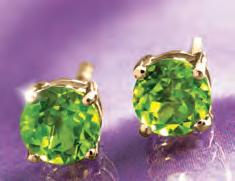
Helenite Earrings -a $99 valuewith purchase of Helenite Necklace
Make your emeralds jealous. Our Helenite Necklace puts the green stone center stage, with a faceted pearcut set in .925 sterling silver finished in luxurious gold. The explosive origins of the stone are echoed in the flashes of light that radiate as the piece swings gracefully from its 18" luxurious gold-finished sterling silver chain. Today the volcano sits quiet, but this unique piece of American natural history continues to erupt with gorgeous green fire. Your satisfaction is guaranteed. Bring home the Helenite Necklace and see for yourself. If you are not completely blown away by the rare beauty of this exceptional stone, simply return the necklace within 30 days for a full refund of your purchase price.
JEWELRY SPECS:
- 6 ½ ctw Helenite in gold-finished sterling silver setting - 18" gold-finished sterling silver chain
Limited to the first 600 orders from this ad only
Helenite Necklace (6 ½ ctw) ............. Only $99 +S&P
Helenite Stud Earrings (1 ctw) ................ $99 +S&P
Helenite Set $198 ........... Call-in price only $99 +S&P (Set includes necklace and earrings)
Call now to take advantage of this extremely limited offer.
1-800-333-2045
Promotional Code HNN213-05
Please mention this code when you call.
color.

“My wife received more compliments on this stone on the first day she wore it than any other piece of jewelry I’ve ever given her.” - J. from Orlando, FL Stauer Client