















Ever see a commercial harbor full of Furuno Marine Electronics and wonder why the pros rely on us?




See why here








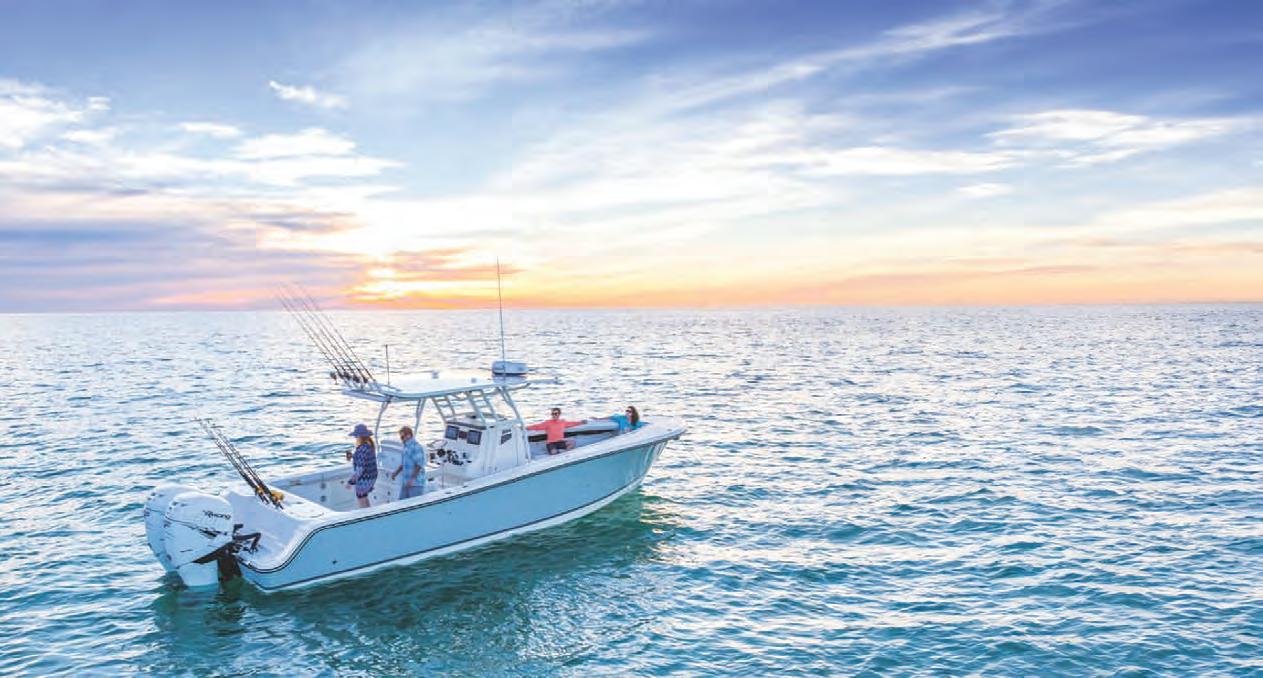






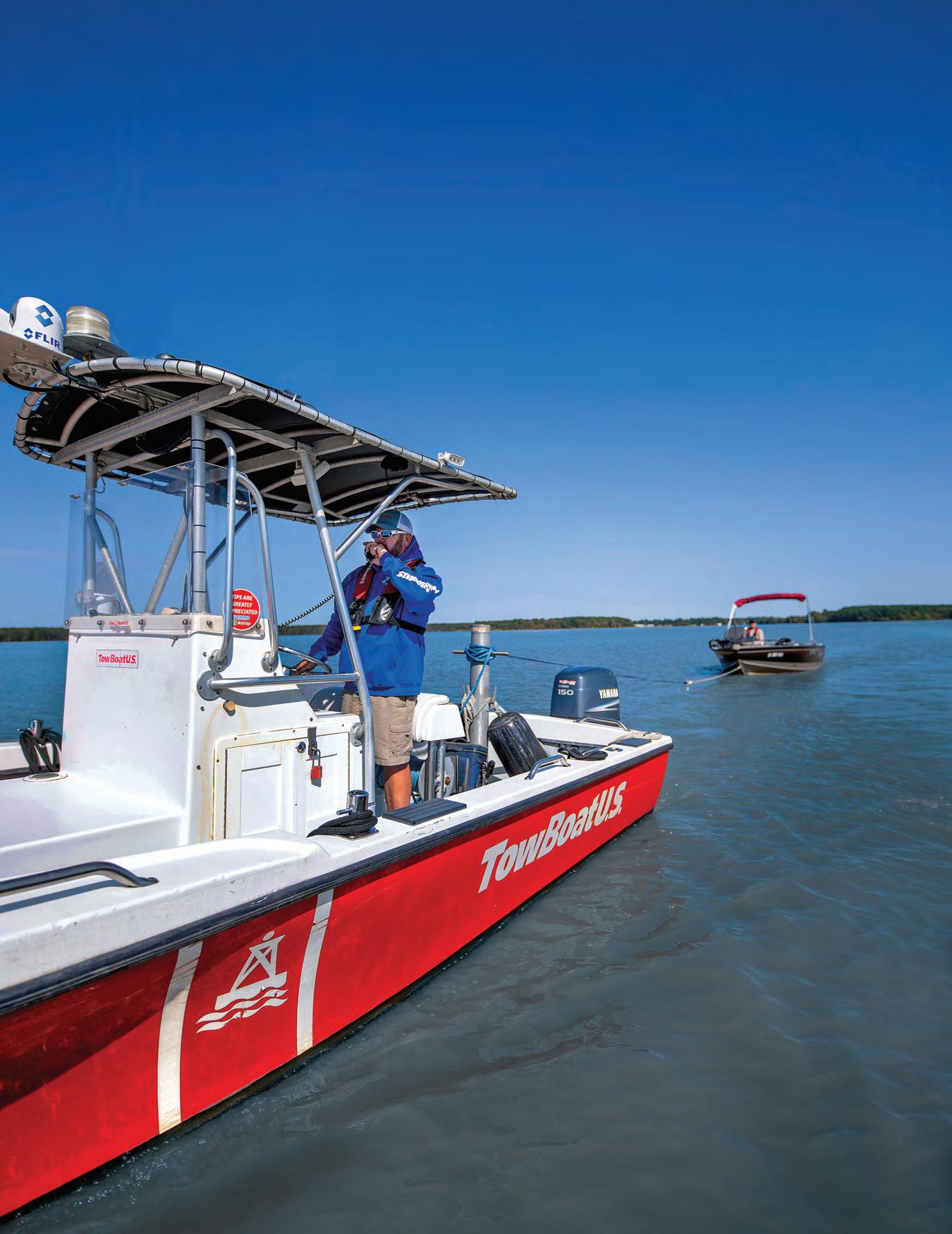
Are you ready to embark on your next on-water adventure? Before you set sail, here are fve things to know about boat insurance.
1. Boat insurance isn’t just for accidents
With comprehensive coverage, you’ll also be protected fnancially for theft, vandalism, and unexpected events like storms if you need repairs or replacements due to damage. 2. Accidents can happen to anyone
When accidents happen, boat insurance offers liability coverage for damages or injuries you cause while boating, up to specifed limits. It can also cover lawsuit costs if you’re sued.
3. Boat insurance can cover medical payments
Boat insurance offers a range of optional medical payments coverage limits, helping to cover medical expenses if you’re in an accident or someone is hurt on your boat, regardless of fault.
4. Most lenders require boat insurance
If you fnanced your boat, you’ll likely need boat insurance since most lenders require boat insurance to protect their investment. Additionally, some marinas or municipalities require proof of insurance for docking.
5. Progressive offers specialized boat coverages
Ever worry about getting stuck on the water?
Progressive’s Sign & Glide® On-Water Towing coverage** can help. It’s an additional coverage that steps in if your boat is disabled or breaks down on the water, paying for on-water towing, jump starts, soft ungroundings, and fuel delivery. Fuel cost isn’t included.
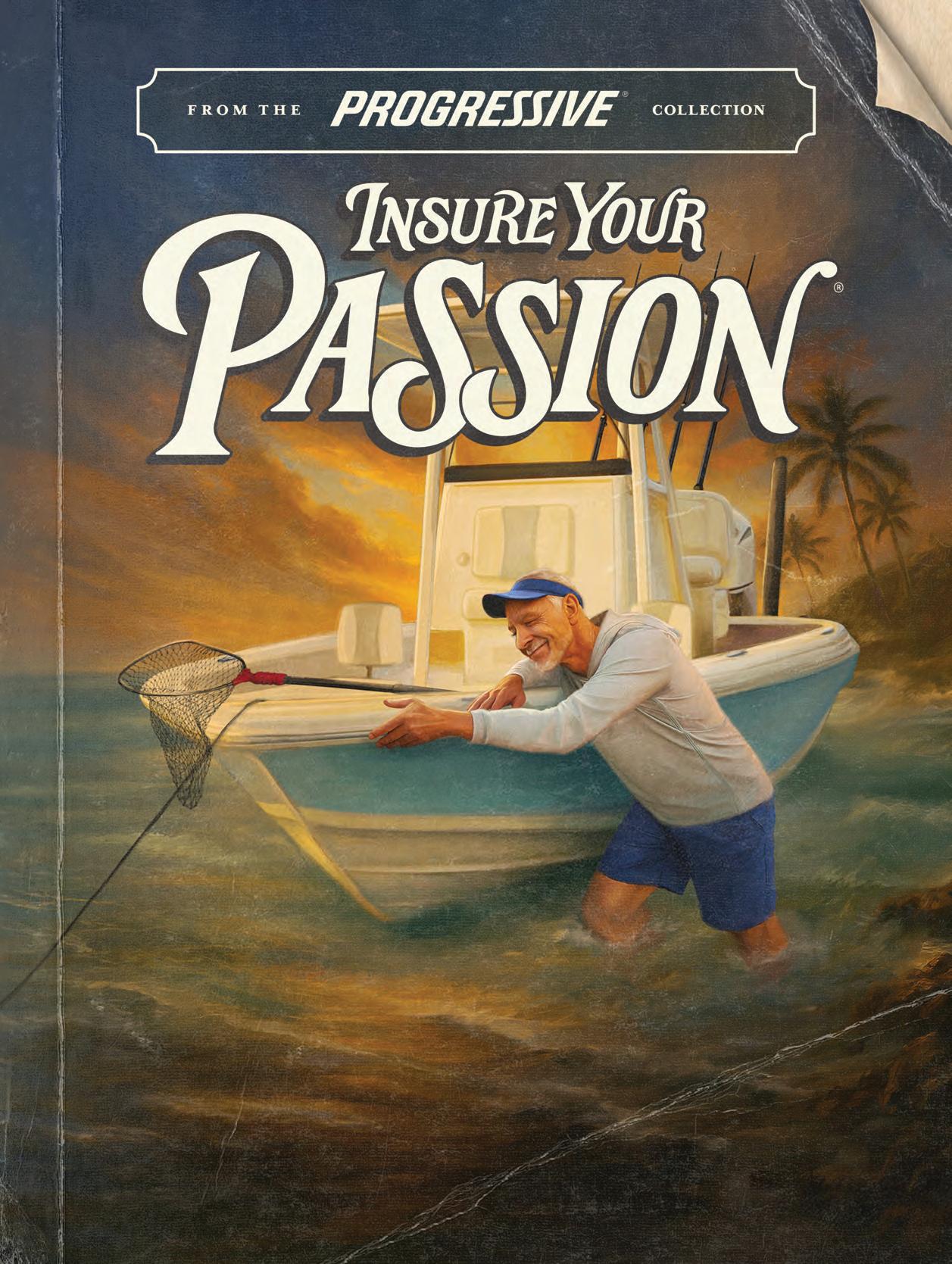
Don’t let unforeseen circumstances disrupt your voyage. Cruise with confdence thanks to Progressive Boat insurance. Because when it comes to your boat, peace of mind is the ultimate luxury.
Scan to get a quote in as little as 4 minutes.
to learn more.














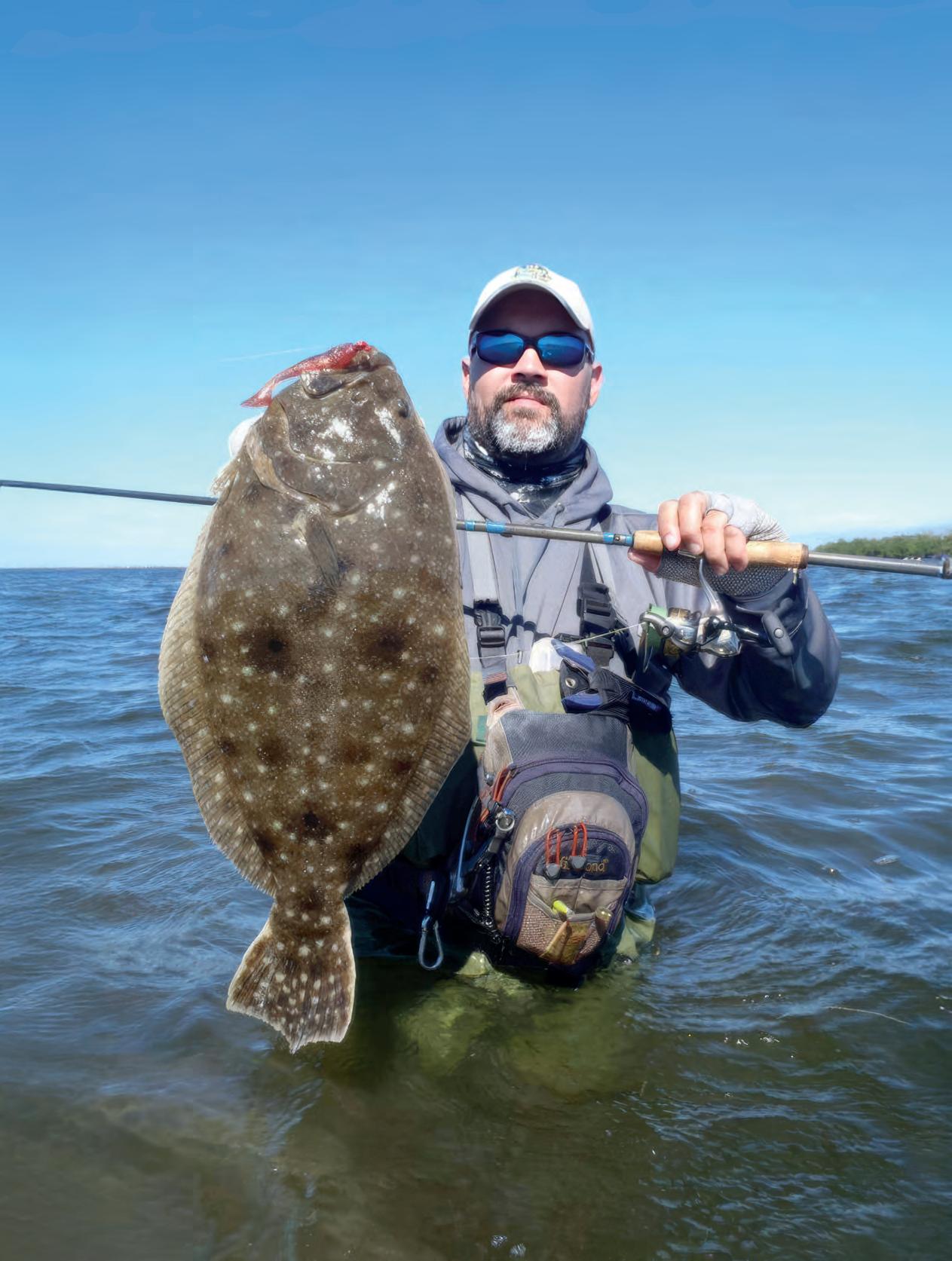
Do you want to catch more !ounder? You will need to nd an area with current, bait and structure for the !ounder to ambush its prey.
Where are they?
Flounder are very prevalent in creek mouths, jetties, sandy points, oyster bars, docks and any other underwater structures. e !ounder will take advantage of the structures to block the current, saving them energy and bringing bait right to their gluttonous mouths.
Flounder are the perfect ambush predator. ey like to bury in the sand adjacent to structures of some kind facing directly into the current. Your lure presentations always need to come from up current or you will spook them.
What do they eat?
CAPT. MIKE SMITH
and bait sh imitations.
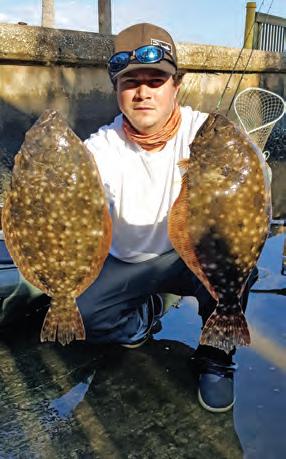
Flounder love to eat unsuspecting shrimp and sh brought to them by the current. e best lures to catch !ounder are scented shrimp

e best colors of lures to use for !ounder are any color as long as it is white. White is by far the best color of lure to catch !ounder. Do other colors work? Yes, if you want to catch fewer !ounders, then use something other than white.
e best lures that I have found for !ounder are Gulp! Shrimp and swimming mullets on a jig head. Start small and go bigger if you notice the bait in the area is large. Having an assortment from 3 to 5 inches will usually be perfect.
A great second choice for a !ounder lure is a white bucktail jig. Add a small piece of shrimp to add odor for best results.
How do you catch a flounder?
Flounder have a very small cone of awareness. ey are very unlikely to notice and
chase a lure that is more than 3 or 4 feet away from them.
ey also have a very small strike zone. ey are very hesitant to rise more than 18 inches o$ of the bottom to eat your lures.
Let’s say you found a beautiful oyster point at the mouth of a creek with plenty of current and bait !owing around it. is scenario is perfect for catching a !ounder.
Cast up current and work the lure on the bottom very slowly in 1 to 3 feet of water. When you think you hooked an oyster, set the hook. Flounder strikes are subtle and o en feel like a hang up.
It is very hard to work your lure too slowly for a !ounder. Old timers will tell you to just drag it on the bottom. I personally like to bounce my lures o$ the bottom being careful to not li it more than 18 inches into the water column.
Pro Tip: Use braided line and !uorocarbon leaders when shing for !ounder. Flouro sinks and helps you present your lures more e$ectively on the bottom. Braid doesn’t stretch and will help you feel a !ounder’s very subtle bites.
If you want to become an o cial !ounder pounder, then follow the tips above and catch more !atties. Go get ‘em!
Capt. Mike Smith, owner of Fish Your Ass O Charters, is an inshore "shing guide who has been "shing the inshore waters, oyster bars and grass ats of Florida for more than 40 years. Reach him at (561) 339-2317, email: contact@ "shyourasso .com or visit "shyourasso .com.


Advertise your business throughout Alabama
ACADEMT FOLEY
BALDWIN WELCOME CENTER
BASS PRO SHOPS
BEACH BUM OUTDOORS
BLUE GILL
BOA/BLUEWATER
BRUNSON’S NET SUPPLY
COASTAL LEADERS GROUP AT THE WHARF
EMERALD COAST MARINE
FELIX’S

GRANDER MARINE
GRANDER MARINE- WHARF
GULF SHORES BOAT SALES
GULF SHORES WALMART
HOOKED UP BAIT & TACKLE
J&M TACKLE
LARTIQUE’S SEAFOOD MARKET
LEGENDARY MARINA
LOST BAY TACKLE
MAGNOLIA BLOSSOM CAFE
MOMENTUM MAINE RV
ACADEMY SPORTS
ACADEMY SPORTS FESTIVAL CENTER
ALABAMA AQUARIUM
BIG BAD BREAKFAST
CAJUN CORNER
CHEVRON
DAUPHIN ISLAND WELCOME CENTER
DIP SEAFOOD MUDBUGS
DOG RIVER MARINA & BOAT WORKS
EZN STORAGE & DETAIL
FULL THROTTLE
GRAND BAY WELCOME CENTER
GREER’S MARKET
JEMISON’S BAIT & TACKLE
LARTIQUE’S ON THE HILL
RECREATIONAL SALES & SERVICES
OBA BOAT SALES
OYSTER HOUSE
PARADISE MARINE CENTER
R&R SEAFOOD
RALPH & KACOO’S
ROBERTSDALE WALMART
SAFE HARBOR MARINA
SAM’S BAIT & TACKLE
SAN ROC CAY MARINA
SAUNDERS YACHTWORKS
WALMART FOLEY
SARALAND WALMART
SHIP & SHORE
SOUTHERN BAIT & TACKLE
UJ CHEVROLET
WEST MARINE
WETLINE APPAREL
WIGMAN’S ACE HARDWARE
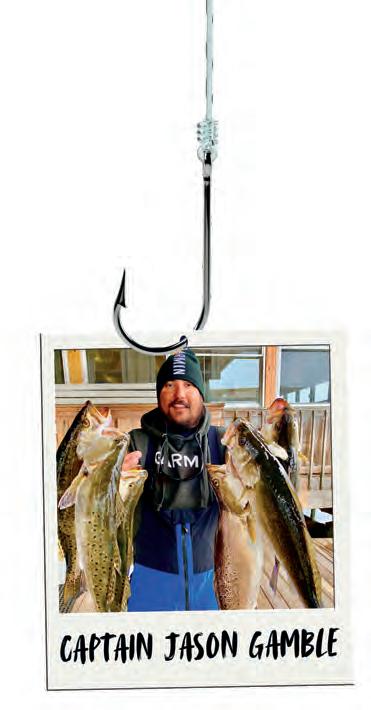
BY: CAPTAIN JASON GAMBLE, RED SKy FISH CO.
One of the things that makes the Mobile Bay fishery so special— and one of the reasons it’s one of my favorite places to fish—is its incredible diversity. Few fisheries allow anglers to target multiple species in the same system year-round, and February is no exception. While we don’t experience a true winter along the Alabama Gulf Coast, this time of year brings its own unique challenges and opportunities, largely driven by weather and fish migration patterns.
February fishing on Mobile Bay is defined by frequent cold fronts. Every 3-7 days, a front will pass through, cooling air and water temperatures and temporarily changing fish behavior. These fronts can create both great bites and tough ones. Typically, the day before the front, or the day of, it can produce strong action due to low barometric pressure. One to two days after a front, conditions begin to stabilize, and fish can still be caught if anglers adjust their approach. Cloudy days tend to fish best, while bright, high-sun days often bring higher barometric pressure and more challenging conditions.
The key to success this month is flexibility. Anglers must be willing to fish where the fish are, not where they think they should be. Following migratory patterns, paying attention to weather trends, and choosing the right bait are critical. Fish can be caught during any month of the year— February included—as long as anglers are willing to adapt.
The most common species this time of year are speckled trout, redfish, and sheepshead. Trout and redfish are present year-round and are very catchable in February, but anglers must understand that these fish have migrated into their winter patterns. Location is everything. Fish can be found throughout the fishery from north to south, but success depends on finding signs of life—baitfish, birds, or ducks. If you don’t see life on the surface, your electronics become invaluable for locating bait schools in higher-salinity water.
February is an excellent time for artificial anglers to target larger trout and redfish. Matching the hatch is especially important this month—whatever baitfish is present in the area, anglers should select lures that closely resemble it. Tournament fishermen love this time of year because big trout often hold in smaller, more concentrated areas, allowing anglers to fish efficiently and target quality fish without covering large distances.
Sheepshead fishing also ramps up in February as we approach their spawn. These fish often occupy different areas than speckled trout, which again highlights the importance of understanding patterns and location. Live bait is key for sheepshead, with effective options including fiddler crabs (purchased or collected along shorelines), barnacles, clams gathered by hand, and live shrimp. Shrimp anglers can also expect opportunities for redfish and the occasional flounder.
In closing, timing cold fronts and understanding migratory patterns can give anglers a major advantage. Fishing before or during a front, when barometric pressure is lower, often produces the best results. Whether you’re throwing artificials for trophy trout or soaking live bait for sheepshead and redfish, February can be one of the most rewarding months in Mobile Bay estuary—if you stay flexible and fish the patterns.

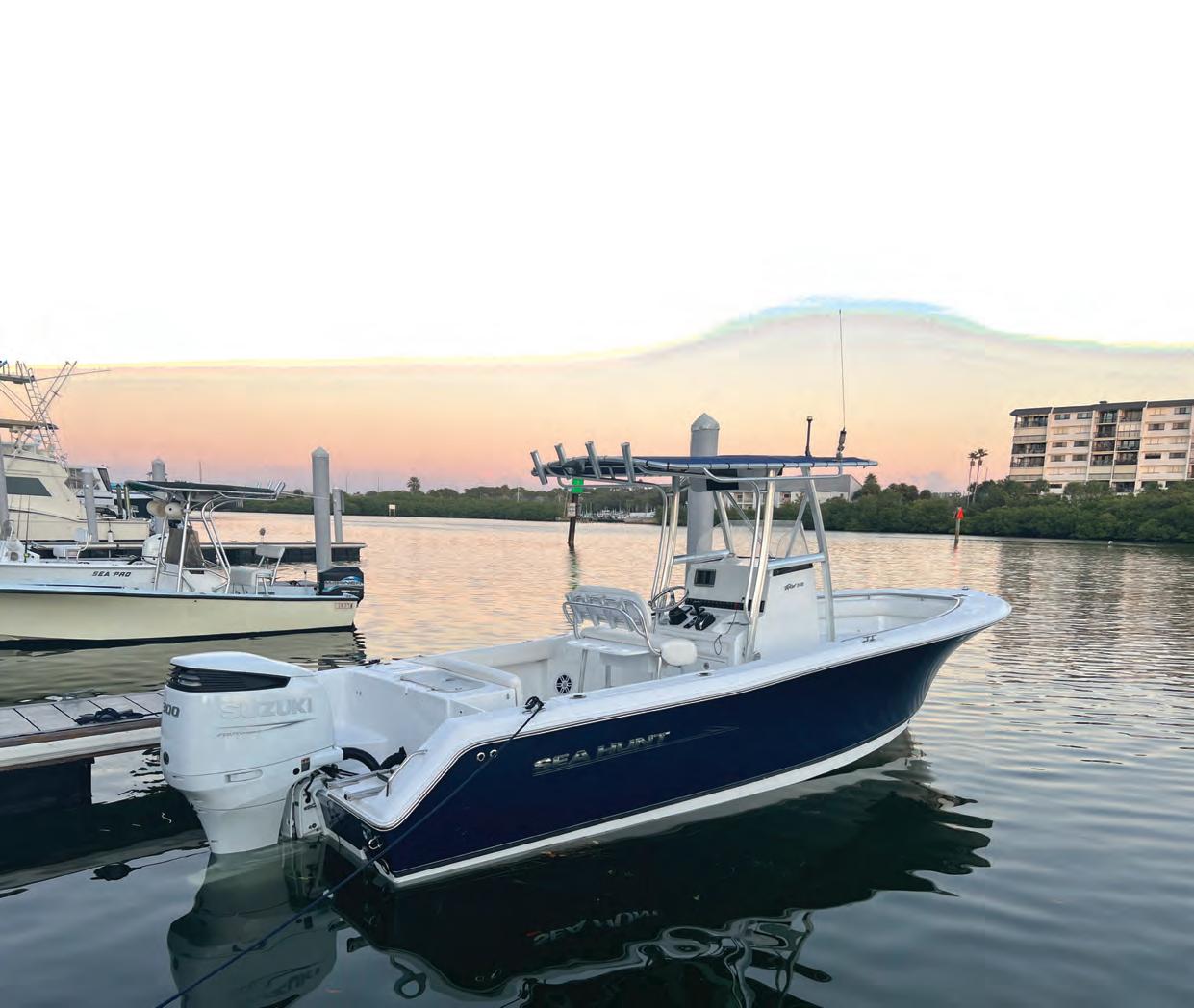









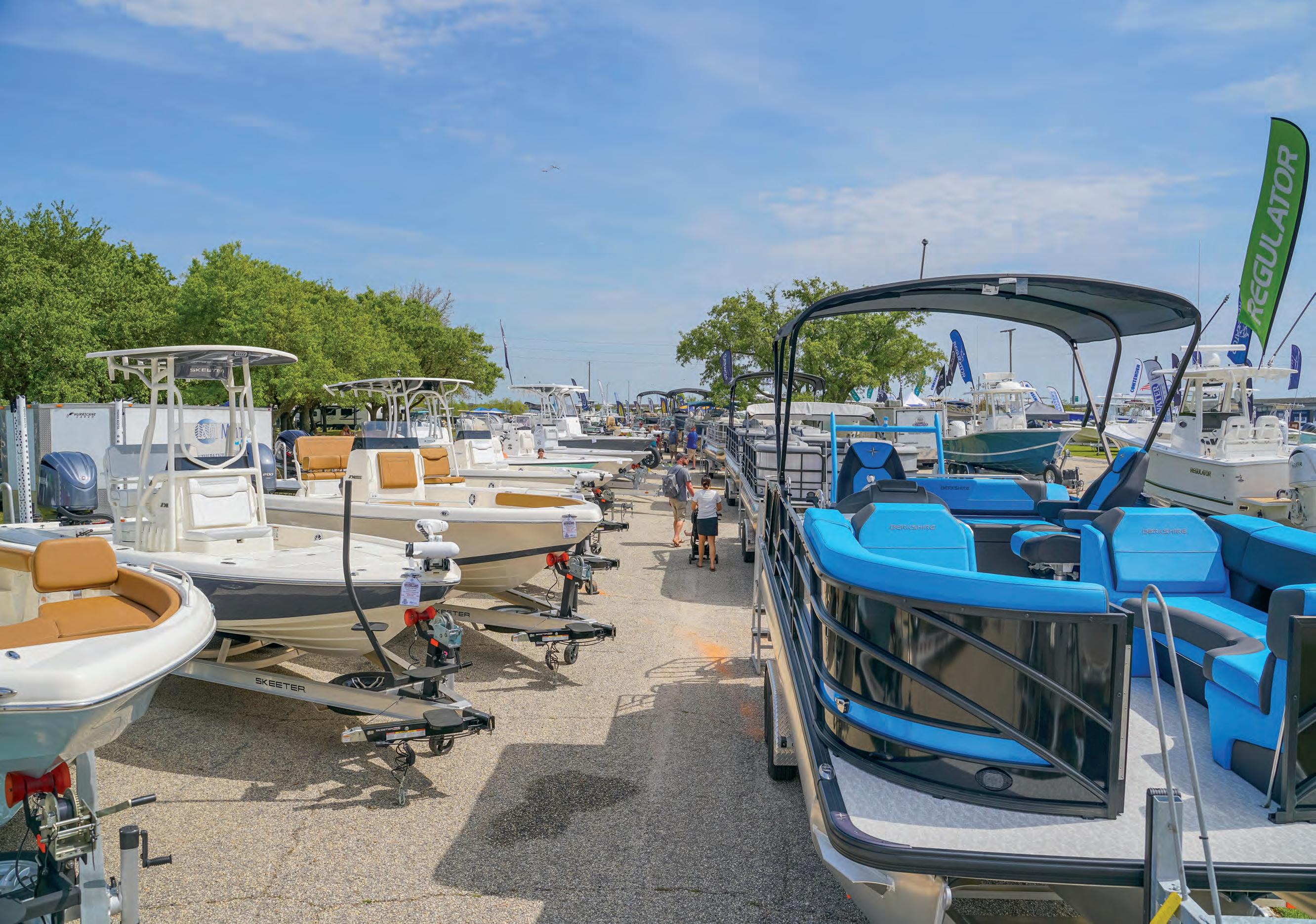





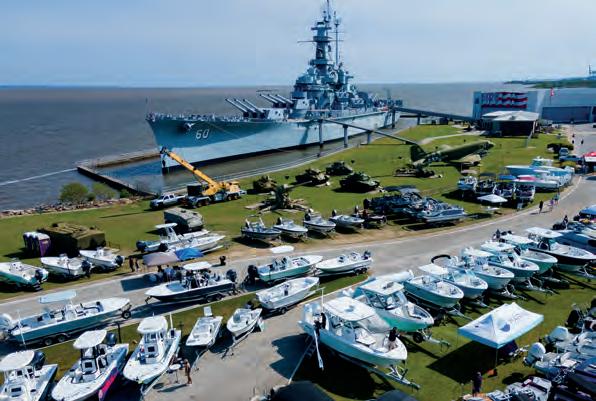
If your perfect day includes salty air, polished gelcoat, good food, and talking boats with people who actually get it, then Boat Show on the Bay belongs on your calendar.
Set against the iconic backdrop of Mobile Bay, this isn’t your average walk-through-the-rows boat show. Boat Show on the Bay is designed for boaters, anglers, families, and coastal locals who want to experience the lifestyle—not just shop it.
From center-console favorites to luxury cruisers, the show brings together top boat brands, marine gear, and local vendors all in one place. But what really sets it apart is the atmosphere. You’re not rushing through convention halls here. You’re strolling, stopping, asking questions, swapping fishing stories, and soaking in the view.
Beyond the boats, Boat Show on the Bay is packed with things that make it a full day on the water—without leaving shore. Expect hands-on exhibits, marine accessories, fishing gear, lifestyle vendors, food, drinks, and interactive experiences for all ages. It’s the kind of event where you come to “check it out” and end up staying awhile.
Whether you’re a seasoned angler, a weekend cruiser, or just someone who loves the coastal way of life, Boat Show on the Bay brings together everything that makes boating on the Gulf Coast special—community, craftsmanship, and a whole lot of time well spent by the water.
So grab your crew, make a plan, and come see why Boat Show on the Bay is quickly becoming a can’t-miss coastal tradition.











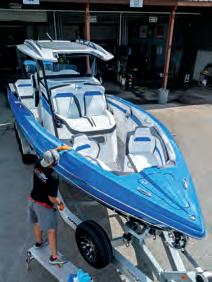
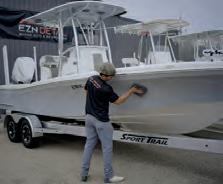
When it comes to taking care of your boat’s gel coat, the biggest thing to understand is this: protection is always cheaper and better long term than correction.
Gel coat is actually designed to oxidize. From the factory, it is meant to slowly break down and scale over time as a way of protecting itself. When you add in sun, salt, and water, that process speeds up. As the gel coat oxidizes, it starts to look dull, chalky, and cloudy. On darker hulls, it can even start to look white.
When that happens, most people think sanding and polishing is the answer. While that does make the boat look good again, there is an important downside most owners do not realize.
Boats are sprayed in a mold from the outside in, which means the best and strongest gel coat is the layer closest to the mold. That outer layer is the highest quality gel coat the boat will ever have. Once a detailer starts sanding oxidation off, they are cutting into that original surface. What is left underneath is more porous.

More porous gel coat oxidizes faster.
That is why you may have noticed that if you have ever had a boat sanded and polished, the oxidation seems to come back quicker the next time. Each time correction is done, more of that original gel coat is removed, and the surface becomes harder and more expensive to maintain.
Modern ceramic coatings do help with this by sealing those pores and slowing oxidation. But once a boat has been sanded and polished, it often takes multiple layers of coating and more labor to protect it properly. The problem is not that it cannot be fixed. It is that it becomes much more expensive to fix.
That is why protecting your gel coat early, especially on new boats, is so important. When you protect the gel coat before heavy oxidation ever sets in, you preserve the best surface the boat will ever have and avoid costly correction later.
Protection first will always save money and keep your boat looking better in the long run.




If you’ve spent enough time fishing the Alabama Gulf Coast, chances are you’ve either been seasick… or you’ve watched someone turn a shade of green that no human should ever be.
Sea sickness doesn’t care how tough you are, how many years you’ve fished, or how confident you felt stepping onto the boat that morning. One minute you’re rigging tackle, the next you’re questioning every life choice that led you offshore. The good news? Seasickness is common, manageable, and—most importantly— avoidable with the right prep.
At its core, seasickness happens when your inner ear, eyes, and body can’t agree on what’s happening. Your eyes may see a steady horizon, but your body feels constant motion. That mixed signal confuses the brain, and the result is nausea, dizziness, and fatigue. On the Gulf, where conditions can shift quickly, even experienced anglers can get caught off guard.
One of the biggest mistakes anglers make is waiting until they feel bad to do something about it. By then, you’re already behind. If you’re prone to motion sickness, start preparing the night before. Get solid rest, stay hydrated, and avoid heavy or greasy foods.


Owners:

Dean Stinson & Wade Williams
An empty stomach isn’t great either—light meals are the sweet spot.
Once you’re on the water, your position matters more than you might think. Stay near the center of the boat where movement is least noticeable, keep your eyes on the horizon, and avoid staring down at tackle trays or electronics for long stretches. Fresh air is your friend. So is staying busy—light activity helps keep your body grounded in the moment.
There’s no shortage of remedies anglers swear by. Motion sickness bands, ginger chews, over-thecounter medication, and even prescription patches all work differently depending on the person. The key is testing what works for you before a long offshore run—not during it.
And if someone in your crew does start feeling rough? A little grace goes a long way. Every angler has been there, and the Gulf has a way of humbling us all eventually.
Fishing the Alabama Gulf Coast should be about tight lines, good company, and stories worth telling—not staring at the deck hoping the ride ends soon. With a little preparation and awareness, you can spend more time fishing and less time fighting your stomach. And that’s a win every angler can appreciate.

Get good sleep, hydrate, and avoid heavy or greasy meals.
A light snack is better than an empty stomach. Crackers, toast, or fruit work well.
Stay near the center of the boat where movement is least noticeable.
Looking at the waterline helps your body stay balanced.
Avoid the cabin if possible and keep air flowing.
Ginger, motion bands, OTC meds, or patches
February fishing on the Alabama Gulf Coast isn’t about chasing numbers—it’s about timing. The mornings are colder, the water is slower, and the bite can feel nonexistent… until it isn’t. Then suddenly, everything happens at once.
This time of year, fish are conserving energy. Speckled trout and redfish aren’t roaming far, which means locating the right water matters more than covering a lot of ground. Deeper channels, bends in creeks, and areas with darker bottoms tend to hold fish longer because they stay warmer and more stable through temperature swings.
Sunshine plays a bigger role in February than many anglers realize. A few hours of warming can activate bait and push fish into feeding mode, especially on calmer days with light winds. That’s why February often rewards those who wait out the cold and fish later in the day rather than racing to the ramp at daylight.
Cold fronts are part of the routine, but they don’t have to ruin a trip. The days immediately after a front can still produce if you slow things down. Smaller baits, subtle presentations, and patience are key. February fish won’t chase far, but they will eat when something easy drifts past them.
February may test your comfort, but it sharpens your skills. It forces anglers to pay attention—to water temperature, tide movement, and timing. And for those willing to layer up and adjust, February offers some of the most satisfying fishing of the year on the Alabama Gulf Coast.











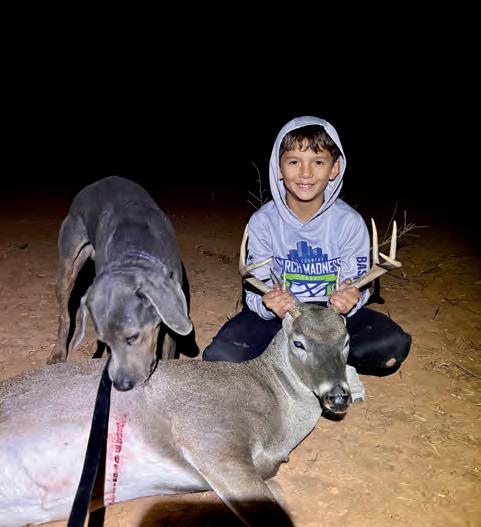
Along Alabama’s Gulf Coast, few traditions capture the connection between people, land, and wildlife like hunting with dogs. At Rising Outdoor Initiative, we’ve recently added a hunting dog to our growing family of outdoor educators, deepening our commitment to teaching heritage skills that tie us to the natural world.
Hunting with dogs is a time-honored practice in Coastal Alabama—rooted in teamwork, trust, and respect. Across the region, retrievers dive eagerly into bay waters to bring back ducks, while pointers and setters sweep through upland fields in graceful pursuit of quail. The excitement of the chase is only part of the experience; the real reward comes from the partnership built through patient training and countless mornings spent outdoors together.
Our newest four-legged team member will help us share that experience with others. Through workshops and community hunts, we aim to introduce participants—especially young or first-time hunters—to the rich traditions and responsible ethics of hunting with dogs. Beyond the field, it’s an opportunity to learn about habitat conservation, stewardship, and the importance of maintaining these coastal ecosystems for future generations.
In a world that moves fast, moments spent in the woods with a loyal dog remind us to slow down, listen, and connect. At Rising Outdoor Initiative, we’re proud to keep these traditions alive, one wagging tail and one sunrise at a time.

Please Visit ROI’s Website (www.risingoutdoorinitiative.org) for more information or to apply for an outdoor experience.
By: Jackie Howell
Along Alabama’s Gulf Coast, few plants are as important—or as tough—as Spartina, the marsh grass that forms the backbone of our coastal ecosystems. As sea levels rise and salinity slowly creeps upward in estuaries and marshlands, scientists are racing to understand how these critical plants will adapt. One of the most promising avenues may come from an unexpected place: tiny fungi living quietly inside the plants themselves.
At the University of South Alabama’s Biology Department, graduate researcher Camille Thompson is wrapping up a Master’s thesis that explores how fungal endophytes— symbiotic fungi living within plant tissues—might help Spartina withstand higher salt levels. Working in the lab of Dr. Jeremiah Henning, Thompson’s research focuses on populations from Dauphin Island, where marsh salinity typically ranges from 15 to 20 ppt (parts per thousand).
Endophytes, which can be fungi or bacteria, often benefit their host plants by increasing nutrient uptake, boosting growth, or improving stress tolerance. To find out whether local endophytes could increase Spartina’s salinity tolerance, Thompson began by collecting Spartina roots from marsh sites on Dauphin Island. Back in the lab, the roots were sterilized, clipped, and placed onto petri dishes to isolate the fungi living inside them. Out of 100 strains recovered and identified, an impressive 91 belonged to the genus Aspergillus, with the remaining isolates representing Penicillium and Chaetomium. Ten strains were ultimately selected for experimental testing.
Her thesis is built around two major experiments. First, the fungal strains were tested alone to see how well they could grow under a range of salt concentrations, from 0 to 40 ppt. Most Aspergillus strains performed best between 10 and 20 ppt and showed only modest declines at higher levels. Chaetomium strains varied—one behaved similarly to Aspergillus, while another maintained slower but steady growth until about 30–40 ppt. Penicillium strains were consistent but slower-growing overall.
Next came the plant trials. Nearly 200 Spartina plants were grown under three salinity conditions—0, 20, and 40 ppt—and divided into inoculated groups along with positive and negative controls. Thompson monitored growth indicators such as plant height, number of leaves, and new shoot production to determine whether the fungi conferred any measurable benefits.
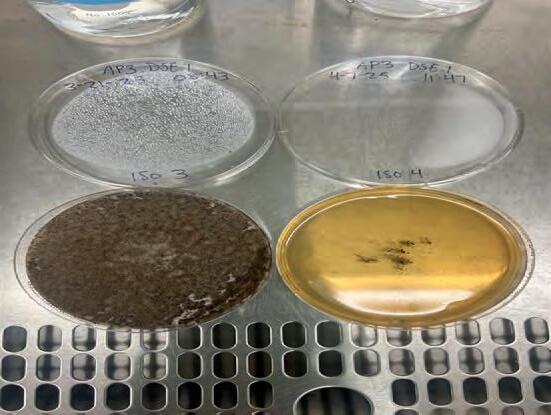
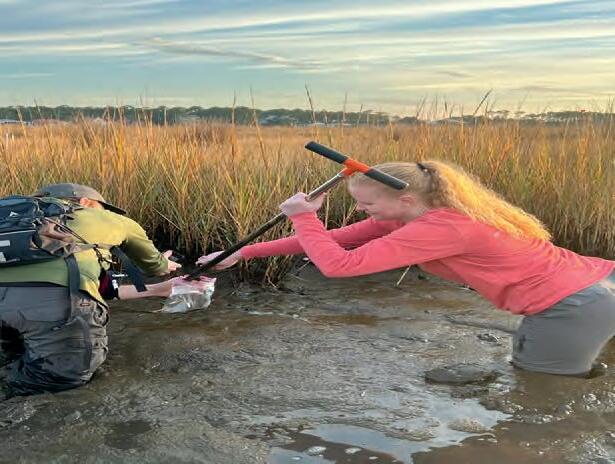
The final phase, the “tear-down,” focused on biomass. Plants were harvested and measured for fresh and dry weight of both above-ground tissues and roots. Digital root scans documented length and branching patterns, and ongoing staining work will confirm fungal colonization. Thompson’s working hypothesis is that inoculated plants may shift energy toward above-ground growth because the fungi help them more efficiently access nutrients.
While the full data analysis is still underway, the implications are already exciting. Strengthening the resilience of foundational marsh plants like Spartina could play a major role in restoring and protecting our coastline. In fact, some inoculated plants from this research have already been incorporated into the Aloe Bay Restoration Project on Dauphin Island, which aims to restore four acres and over 2,000 feet of shoreline.
Thompson isn’t stopping here—she’ll continue this work as she enters the Ph.D. program in USA’s Marine Science Department, expanding her research to include high-salinity Texas marshes.
For anglers, boaters, and coastal residents, healthier marshes mean better habitat, stronger fisheries, and more resilient shorelines. And sometimes, the key to resilience comes from the smallest partners nature provides.
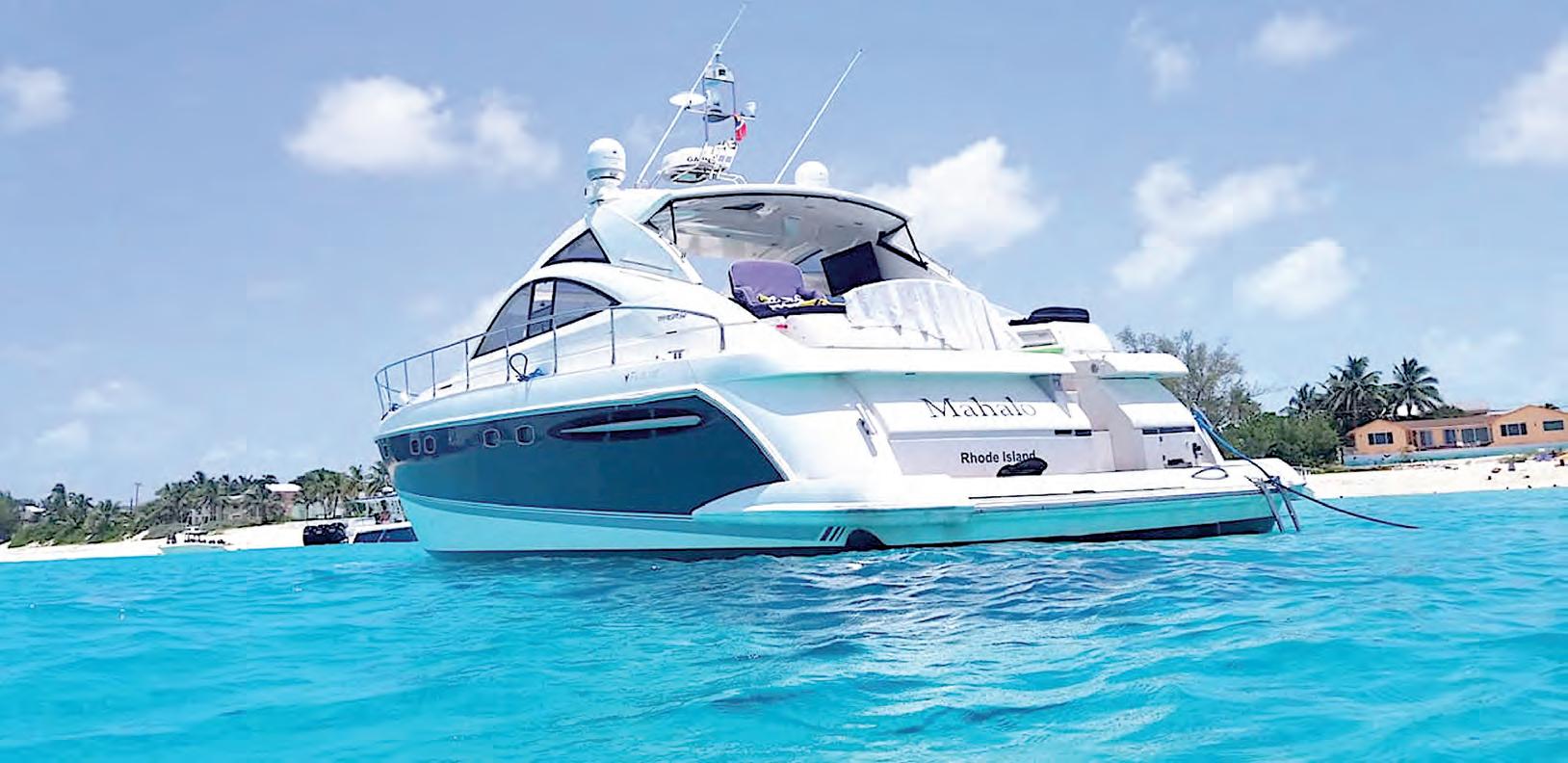


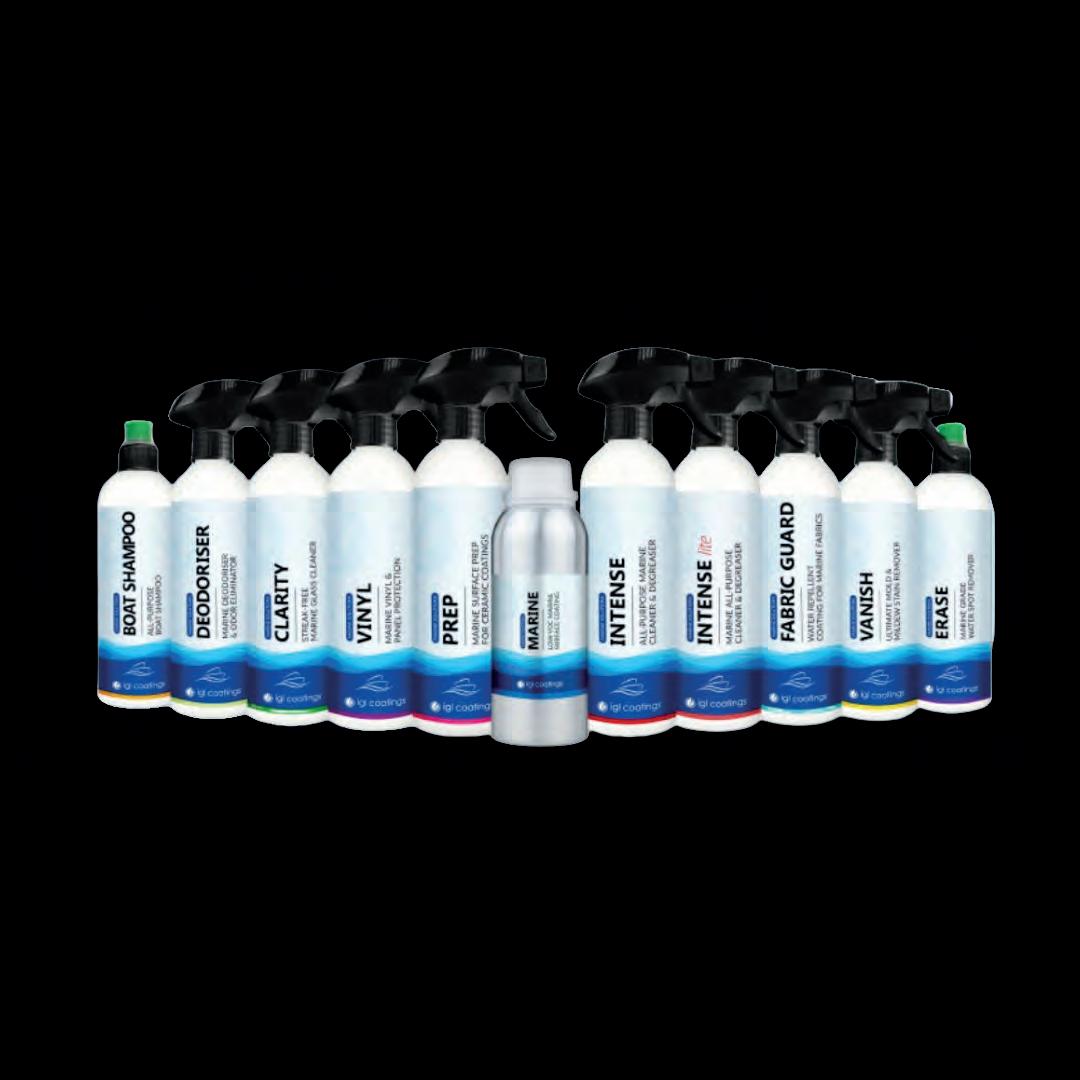


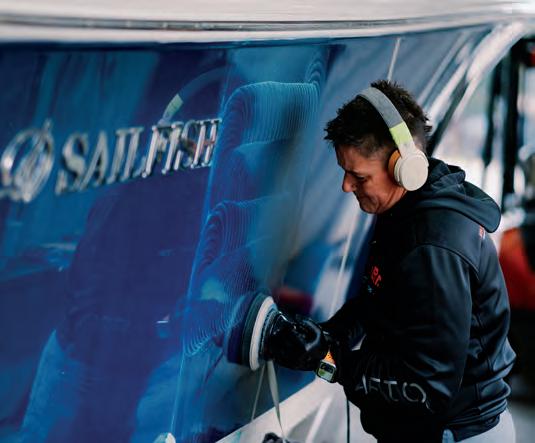
If you spend any real time on the water along the Alabama Gulf Coast, you know the boat becomes part of your routine pretty quickly. It’s early mornings, wet shoes, salt on everything, and that quiet moment at the dock before you head home. Boat care sneaks into that rhythm whether you plan for it or not.
February slows things down just enough to notice the little stuff. Maybe the finish doesn’t shine like it used to. Maybe salt has been sitting a little too long in places you don’t usually look. Nothing major—just signs that the boat’s been doing its job.
This time of year is when taking care of it feels less like work and more like respect. A rinse before you leave the dock. A quick wipe-down while the day’s still fresh. A few extra minutes instead of putting it off for “later.” Those habits don’t feel like maintenance in the moment, but they’re what keep a boat looking right season after season.
The Gulf doesn’t give boats many breaks. Even when you’re not running hard, the air, the moisture, and the salt keep doing their thing. February is one of the few windows where you can slow down, pay attention, and get ahead of it—without the heat or the rush.
Because when spring shows up and the days start stacking up on the water again, the best feeling is knowing your boat’s already ready. No catching up. No fixing things you wish you’d handled earlier. Just turning the key and easing back into the routine that makes being on the water feel like home.
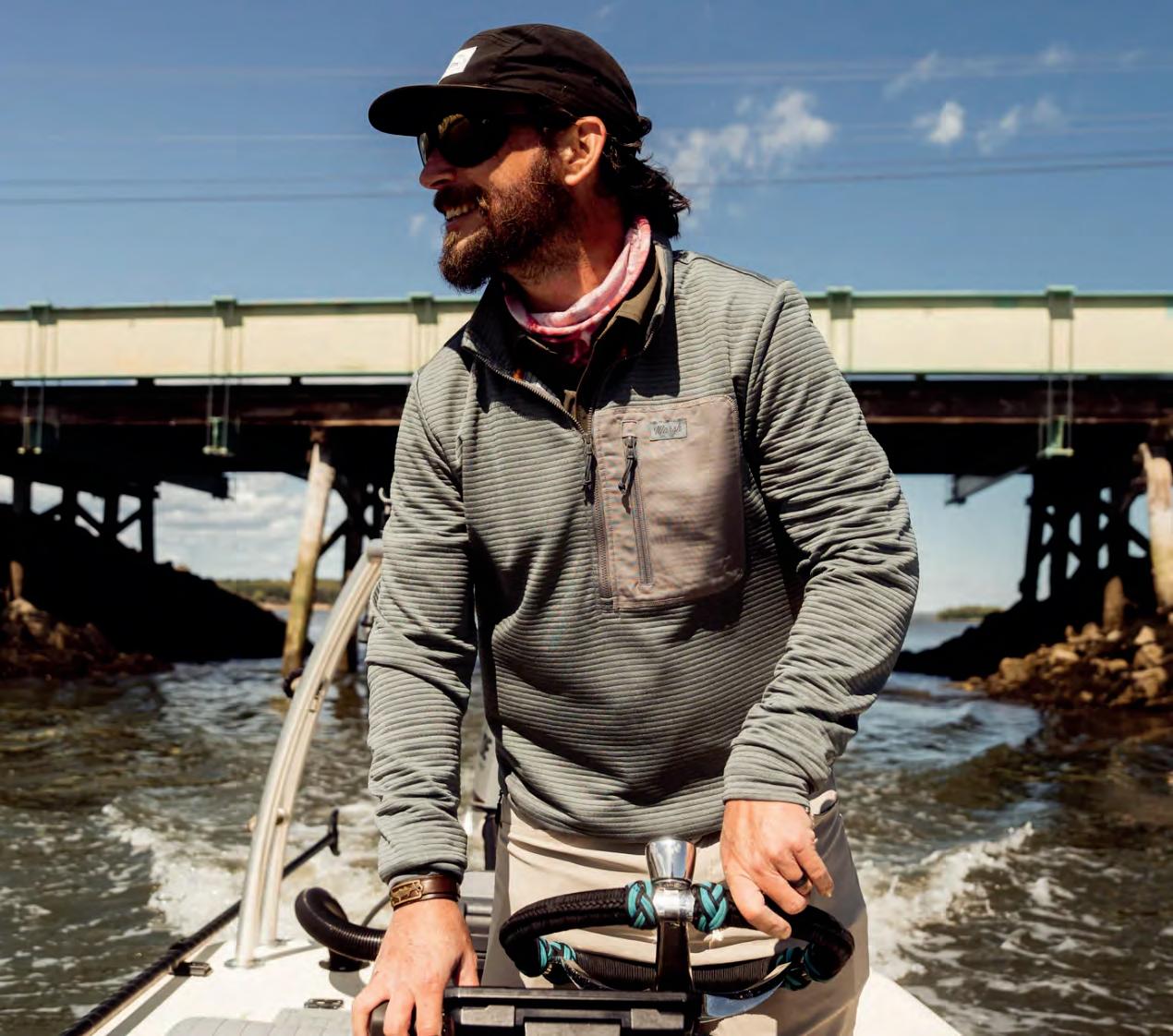







February fishing on the Alabama Gulf Coast is rarely about extremes — it’s about transitions. Cold mornings turn into mild afternoons, north winds fade into calm evenings, and anglers who dress right often stay on the water long enough to catch the best bite of the day.
That’s where smart gear choices make all the difference.
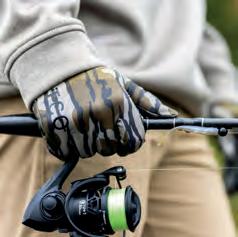
At EZN Outfitters, February is all about versatility. Lightweight layers, moisture-wicking fabrics, and outerwear that blocks wind without overheating help anglers adapt as conditions change.

Cold hands, damp clothing, or restrictive gear can shorten a day on the water quicker than a slow bite. Stretch fabrics, proper fit, and quickdry materials keep anglers focused on fishing instead of fighting their clothing. When you’re comfortable, you’re patient — and patience pays off in winter fishing.
Heavy jackets might feel right at the dock, but once the sun comes out, bulk becomes a liability. A breathable base layer paired with a mid-weight hoodie or quarter-zip allows anglers to adjust without heading back early. Wind-resistant outer layers are especially valuable on open water, where breeze can turn mild temps into uncomfortable ones fast.

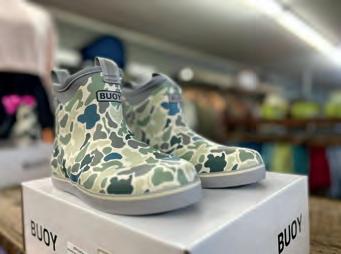
Winter conditions quietly expose weak spots in gear. Zippers, seams, and fabrics all matter more when temperatures drop. February is often when anglers realize which pieces they trust and which ones won’t make it into spring.
The right gear doesn’t catch fish — but it lets you stay long enough to give yourself the best chance.
On the Gulf Coast, February rewards those who prepare for change. Dress smart, fish longer, and let the season work in your favor.



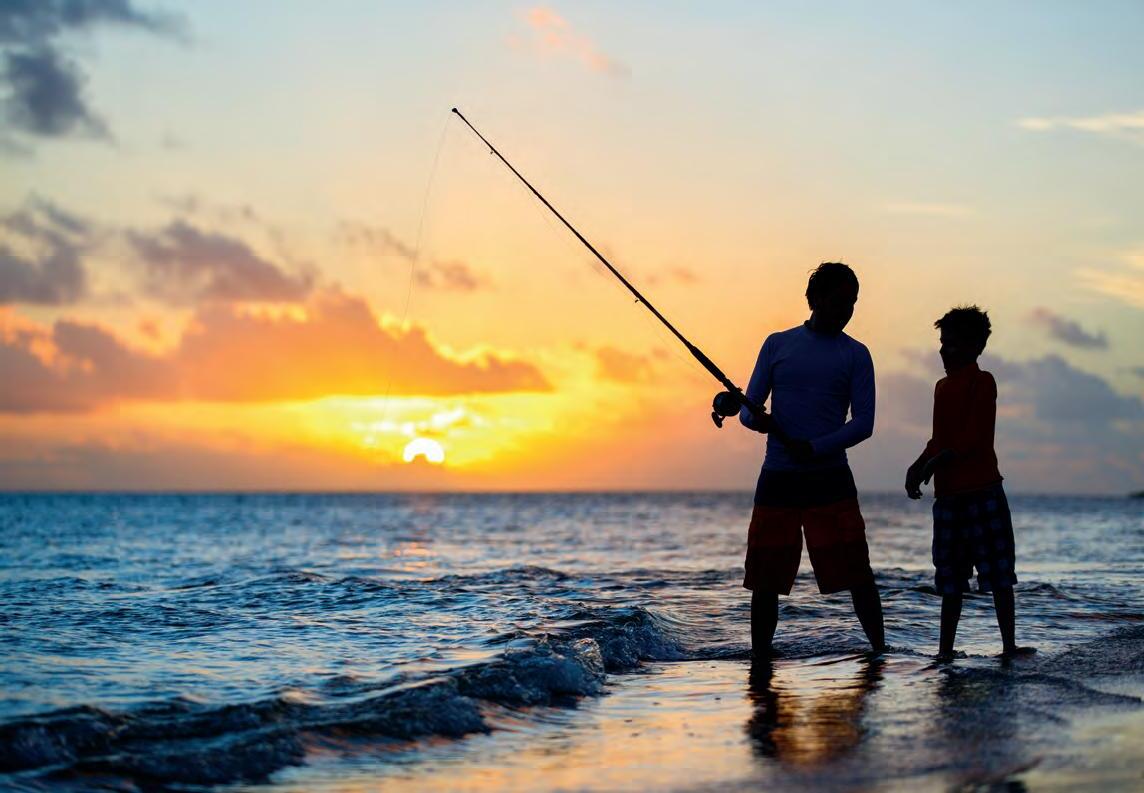


Get in front of 10,000+ outdoor-loving locals and tourists who actually read the ads—because they’re your people.
Build credibility by advertising in a magazine that’s been part of the Gulf Coast community for years. Readers believe what they see here.
Stop waiting on word-ofmouth. Reach high-value customers who are ready to spend—on boats, bait, gear, and everything in between.
Scan the QR Code with your Smartphone to get visit our website and get started!





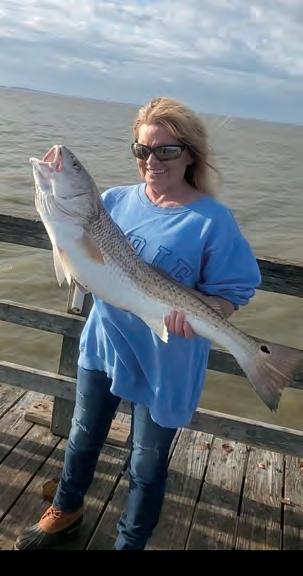
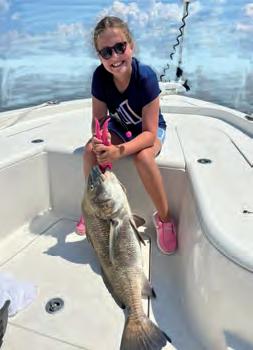

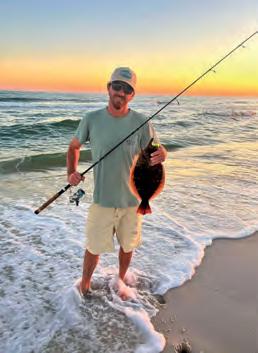
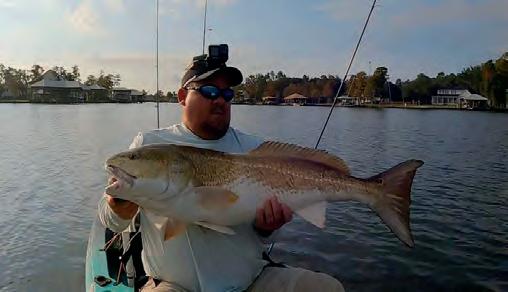

By Capt. Lukas Brickweg
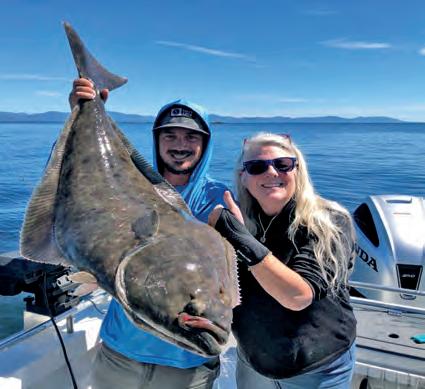
If you’ve ever dreamed about catching halibut and cod in the wilderness of Alaska - rod bent, line screaming, and majestic wildlife abound – now is the time to turn that dream into reality. Every season in Ketchikan, Alaska, May marks the kicko! to world-class halibut and Paci c cod shing, and we are ready to put you on the sh of a lifetime.
May is a special month in Southeast Alaska. e long daylight hours return, the ocean comes alive, and the early-season halibut move onto nearshore waters to feed. Halibut gather on the underwater ledges, humps, and sandy $ats, areas that we know like the backs of our hands, ranging from 200-400 feet.
At the same time, hungry Paci c cod patrol the same bottom structure, adding an action-packed bonus to every trip. “Alaska cod shing chaos” is the best way to describe
this seasonal bite. ere are no limits on retaining Paci c cod, allowing anglers to bring home huge hauls of cod and halibut. is means you can o en pull up a mixed bag of halibut, cod, and rock sh - making for one of the most productive and delicious shing experiences anywhere in the world.
Reeling up cod and halibut until your arms give out is a good way to summarize Alaska bottom shing in May.
May trips tend to ll quickly because the reputation for aggressive sh and minimum shing pressure. is combination equates to an anglers dream scenario. Whether you’re $ying in for our three to four day allinclusive lodging/ shing packages or on a cruise, it’s best to start planning and booking early. Ketchikan provides convenient $ights, accommodating guests from all over the US. Our all-inclusive packages provide airport transfer, lodging, meals, shing and sh processing.
The Bottom Line ere’s shing, and then there’s Alaska shing. And when it comes to halibut and
cod, May in Ketchikan is as good as it gets. So give us a call to book your spot, and come experience the thrill of hooking giants where every trip is a story worth telling.
Book your "Bucket List" trip to Alaska with Capt. Lukas Brickweg, of Ketchikan’s Finest Fishing Charters, at ketchikan shingtrips.com, call (907) 617-4717 or email ketchikan shingtrips@gmail.com.





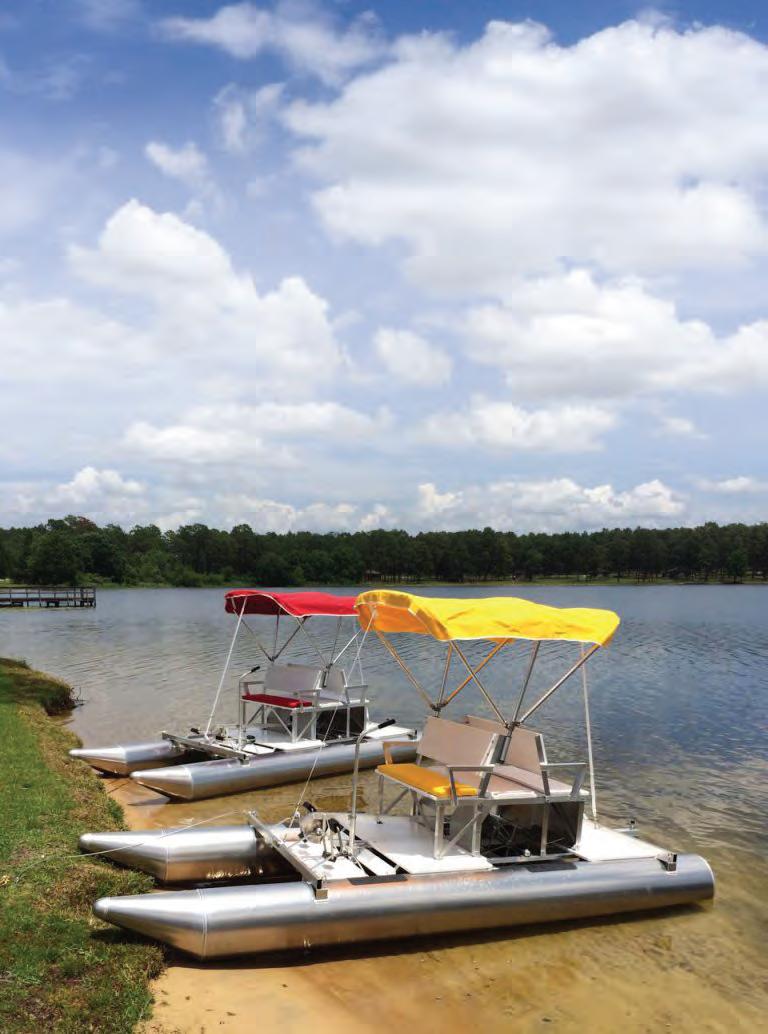
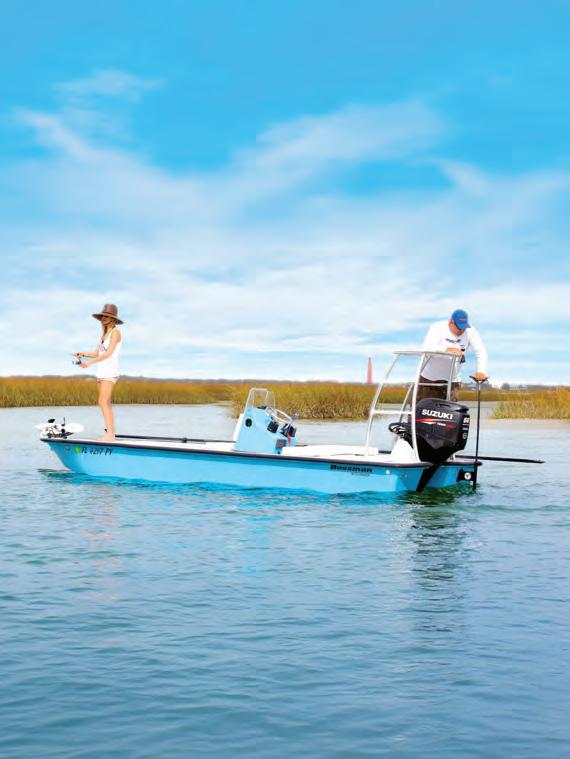
CAPACITY: Four Adults or 800 pounds (reduce by accessories and gear) Rear sun deck with retractable ladder for boarding in deep water. Two passengers face forward and two face backward. The front passengers pedal.
By CAM Sta
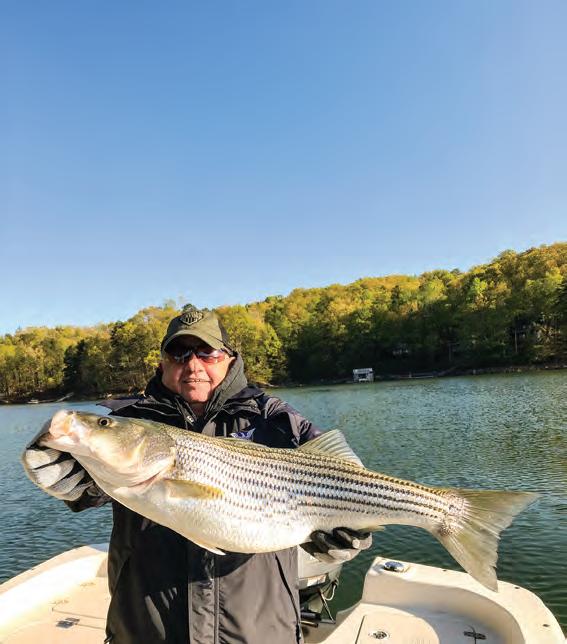
Whether in saltwater or freshwater, excellent striper shing awaits anglers hearty enough to brave winter conditions. So layer up, zip into that parka, and go—some of the biggest sh of the year are feeding right now.
At the southern end of their fall migration, striped bass spend the winter o! the coast of North Carolina. ey follow schools of bait up and down the shoreline from Wilmington to the Outer Banks, feeding heavily along the way. In many years, Oregon Inlet becomes the epicenter of the action, though stripers can be found in most inlets throughout the region.
e key is to follow the birds, which o en reveal bass blowing up on menhaden, glass minnows, or eels. At times the action pushes close enough to shore that surfcasters can hook stripers right from the beaches of the Outer Banks. More o en, however, the best approach is hiring a local captain armed with recent intel and a fast boat.
Farther south, Wilmington provides another winter opportunity as striped bass stack up in the Cape Fear River. ese sh hold near structure, dropo!s, and creek mouths, and can be caught on arti cials—or even on $ies. is resident population is separate from the highly migratory sh wintering o! the Outer Banks. Cape Fear stripers are strictly catch-and-release and must be returned to the water immediately, so keep an eye out for tagged sh.
Meanwhile, freshwater reservoirs across the Southern states and into the Mid-Atlantic also produce solid winter striper shing. While smaller, schoolie-sized sh can become sluggish during the coldest periods, larger stripers continue to feed. e pace may not match summertime downline action over massive schools, but the sh that do bite are o en bigger.

Tactics vary by shery, but when water temperatures stabilize—or during a multi-day warming trend—the largest sh in the lake o en push shallow, sometimes surprisingly so, as they shadow schools of small shad. Find the $ickering bait, and you’ll nd the stripers. You may even see them picking o! prey near the surface. Stealth is critical in these situations, and so plastics like Flukes frequently outproduce live bait. ey’re easier to cast and allow for a slow, controlled retrieve.
Another e!ective approach is covering water by trolling wide spreads of small live baits, pulling umbrella rigs loaded with swimbaits, or combining both methods. When shing this way, good local information is invaluable. On some lakes, stripers spend the winter near the dam; on others, they push far up into the creeks.
Winter may test an angler’s resolve, but for those willing to endure the cold, striper shing can be at its best. From coastal inlets and rivers to inland reservoirs, striped bass remain active and accessible, o en with less pressure and a better chance at trophy-sized sh. Success comes down to preparation, paying attention to bait and bird activity, and adapting tactics to changing conditions. Bundle up, do your homework, and embrace the season—the reward could be the biggest striper of your year.


Coming o! the heels of a record-breaking 2025 season that awarded 11 century belts, saw four- rst time champions (two of which were members of the 2025 rookie class) and garnered over 183 million social media impressions, B.A.S.S. has announced the 101-angler eld for an exciting 2026 Elite Series season.
is year, anglers will be put to the test with the use of forward-facing sonar only being allowed at ve of the nine regular-season Elite events. Anglers will be competing for a $100,000 rst-place prize at each stop of the season, while also accumulating valuable Progressive Bassmaster Angler of the Year points in hopes of making it to the 2027 Bass Pro Shops Bassmaster Classic presented by Under Armour.
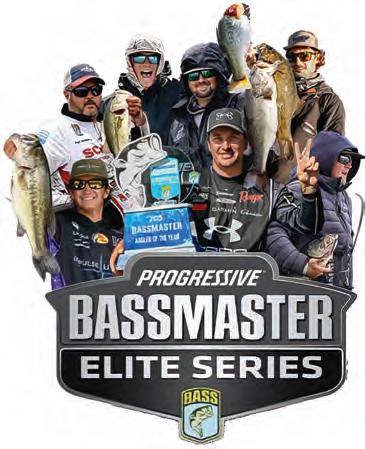
“Each season, the Bassmaster Elite Series showcases the very best in professional bass shing, and 2026 will be no exception,” said B.A.S.S. Elite Series Tournament Director Lisa Talmadge. “We’re excited to welcome 101 incredibly talented anglers who represent the heart of this sport—a mix of proven champions, rising stars and hungry newcomers all ready to compete on some of the most iconic sheries in the country. It’s going to be an unforgettable season for our anglers and fans alike.”
With the exception of one angler, every 2025 Elite Series angler who quali ed is returning next year. e list of anglers includes 2025 Bass Pro Shops Bassmaster Classic champion Easton Fothergill of Grand Rapids, Minn., who won the most coveted trophy in bass shing during his freshman season on the Elites. Two-time Progressive Bassmaster Angler of the Year Chris Johnston will also join the ranks of returning anglers alongside Dakota Lithium Bassmaster Rookie of the Year Tucker Smith, who took home his rst blue trophy at the 2025 Bassmaster Elite at Lake Fork with a 127-pound, 8-ounce winning weight that also earned him a century belt.
Ten anglers from the Nitro Boats Bassmaster Elite Quali ers will also be joining the 2026 Elite roster, including 20-year-old Alabama phenom Fisher Anaya who claimed the 2025 Nitro Boats Bassmaster Elite Quali ers Angler of the Year title. Wisconsin’s Nick Trim clinched an Elite Series spot for himself alongside his big win at the 2025 Mercury B.A.S.S. Nation Championship at Upper Mississippi River presented by Lowrance. e 2026 Progressive Bassmaster Elite Series kicks o! on Alabama’s Lake Guntersville February 5. From there the tournament trail will wind through six states as anglers battle for cash prizes and attempt to qualify for the 2027 Bass Pro Shops Bassmaster Classic presented by Under Armour.
Each tournament will begin with the full eld of anglers on Days 1 and 2 before the eld is cut to the Top 50 on Semi nal Saturday. Only the Top 10 anglers will sh the nal day of the event, with a $100,000 rstplace prize and a blue trophy on the line. For the complete roster, and to keep up with all the action from the 2026 Elite Series season visit Bassmaster.com.

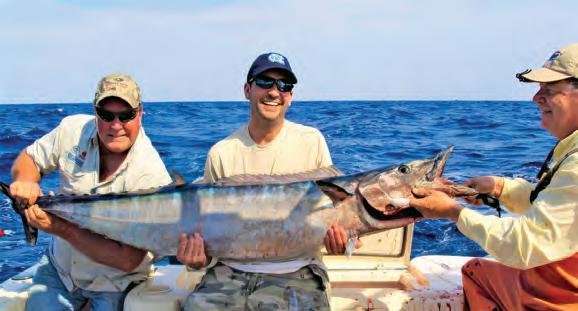
This is the time of year to nd the wall of warmer water and get the wahoo bite going. All of the water nearshore is cold and where the 68- plusdegree water meets that cold water can be an excellent spot for targeting wahoo. is is a great time of year to target wahoo during the rst hour or two of your trip using high speed trolling. You can cover a lot of ground high speed trolling, which speci cally targets wahoo. Once the sun has been up for a few hours your chances at a wahoo bite diminish unless it’s an overcast or rainy day. Wahoo regulate the amount of sun they take in by going deeper as the sun rises, so midmorning is a good time to change tactics.
Slow dri s, kite shing and jigging the column with live baits is a great mid-morning tactic and the bigger the bait the better. ere’s no telling what you’ll raise during these colder days shing the temperature change. Never count out deep dropping near these temperature change areas either. Fishing the entire water column from the surface to the bottom turns a cold day into a cooler full of sh and some awesome dinners.



Discover this spectacular 6½-carat green treasure from Mount St. Helens!
For almost a hundred years it lay dormant. Silently building strength. At 10,000 feet high, it was truly a sleeping giant. Until May 18, 1980, when the beast awoke with violent force and revealed its greatest secret. Mount St. Helens erupted, sending up a 80,000-foot column of ash and smoke. From that chaos, something beautiful emerged… our spectacular Helenite Necklace
Helenite is produced from the heated volcanic rock of Mount St. Helens and the brilliant green creation has captured the eye of jewelry designers worldwide. Today you can wear this massive 6!-carat stunner for only $99!
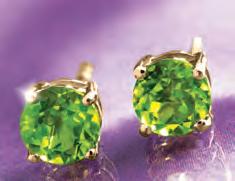
Helenite Earrings -a $99 valuewith purchase of Helenite Necklace
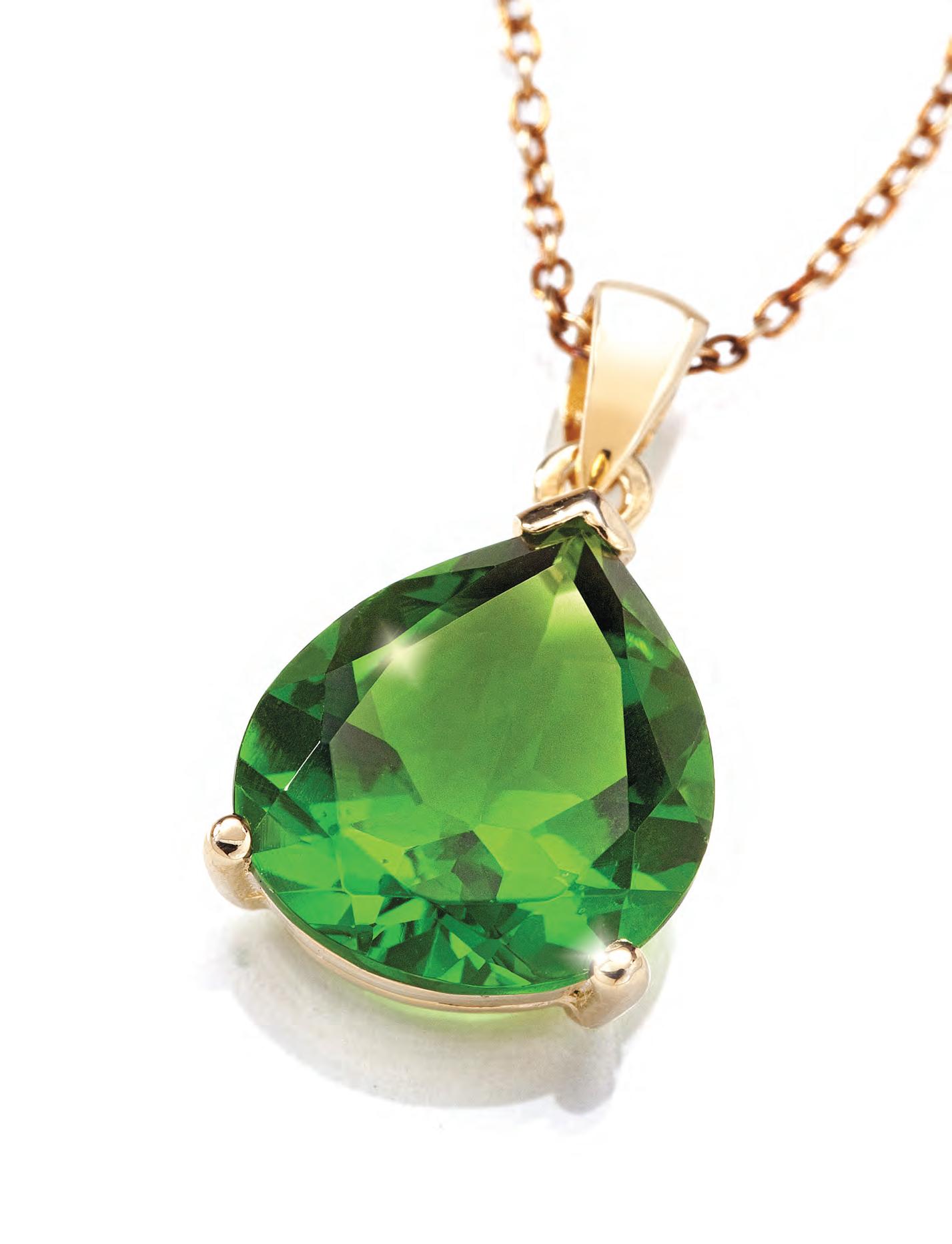
Make your emeralds jealous. Our Helenite Necklace puts the green stone center stage, with a faceted pearcut set in .925 sterling silver finished in luxurious gold. The explosive origins of the stone are echoed in the flashes of light that radiate as the piece swings gracefully from its 18" luxurious gold-finished sterling silver chain. Today the volcano sits quiet, but this unique piece of American natural history continues to erupt with gorgeous green fire. Your satisfaction is guaranteed. Bring home the Helenite Necklace and see for yourself. If you are not completely blown away by the rare beauty of this exceptional stone, simply return the necklace within 30 days for a full refund of your purchase price.
JEWELRY SPECS:
- 6 ½ ctw Helenite in gold-finished sterling silver setting - 18" gold-finished sterling silver chain
Limited to the first 600 orders from this ad only
Helenite Necklace (6 ½ ctw) ............. Only $99 +S&P
Helenite Stud Earrings (1 ctw) ................ $99 +S&P
Helenite Set $198 ........... Call-in price only $99 +S&P (Set includes necklace and earrings)
Call now to take advantage of this extremely limited offer.
1-800-333-2045
Promotional Code HNN213-05
Please mention this code when you call.
color.

“My wife received more compliments on this stone on the first day she wore it than any other piece of jewelry I’ve ever given her.” - J. from Orlando, FL Stauer Client