COMO Business Times | The Why We Love COMO Issue | February 2026
For your business to work, the cash has to flow. That’s just the way it is. But there’s more to life than business. When do you find the time for family game night? A dinner with friends? Or even a quiet moment to yourself? You shouldn’t have to choose between bringing value to your business and the things that add value to your life.
The Bank of Missouri knows that the balance in your account is important, but balance in your life is necessary. Our bankers listen to understand your business and help it grow without losing sight of what matters most. Work with a bank that values your time instead of wasting it.
We’re the bank of finding balance. We’re The Bank of Missouri.
Contributors
February 2026
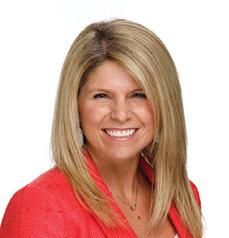
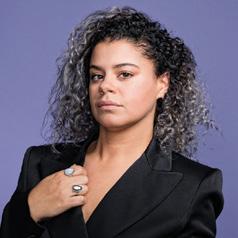
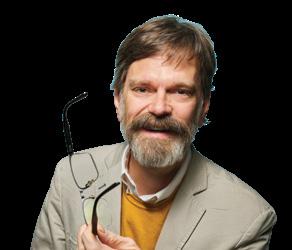
Tahlia Heaton
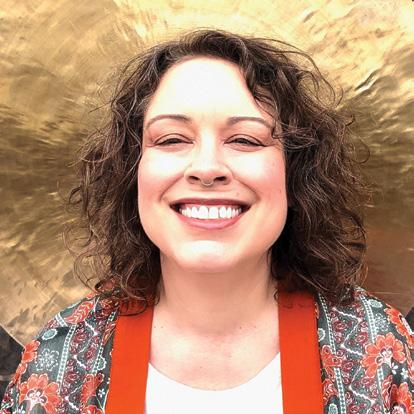
Tahlia Heaton is a Columbia-based writer and small-business owner. Heaton owns two downtown businesses: Regulation, a nervous-system-informed movement and arts studio, and Ladybird Trading Co., a vintage and resale store focused on expressive, size-inclusive style.
Heaton is currently developing a history project focused on the North Village Arts District, documenting the creative communities that shaped the neighborhood. ey are also a somatic practitioner focused on physical and emotional regulation through breathwork, sound, drumming, meditation, movement, and other creative and artistic practices. ey’ve completed peer support training to work with autistic and ADHD adults. ey’re also currently training in canine somatic work. Originally from Mexico, Missouri, Heaton graduated from the University of Missouri School of Journalism and lived in New York City, Austin, Taos, and St. Louis before returning to mid-Missouri. Heaton lives with two cats, Scout and Archie, who are fairly certain they’re in charge.
IN THIS ISSUE OF COMO
A World Beneath Walnut Street
PG 12
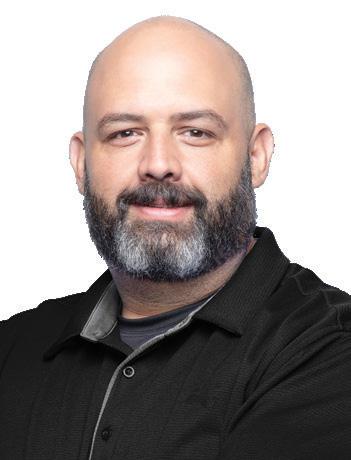
Brian Neuner
As a lifelong mid-Missourian, I have enjoyed participating in and watching the local sports scene for the past forty years. While working at KOMU-TV, along with freelance assignments for Fox Sports, Prime Network, and ESPN, I witnessed some amazing athletic moments and was fortunate to report on them.
With technological advancement, the audience no longer has to watch television or read the paper to follow the outcomes. What they don’t receive is the personality and character of the athletes. In this chapter of my journalism career, I look forward to sharing the stories behind the scores and statistics. That’s what I’m going to deliver in The Game Plan.
IN THIS ISSUE OF COMO
A Football Life: The Second Half
PG 36
PUBLISHING
David Nivens, Publisher david@comocompanies.com
Chris Harrison, Associate Publisher chris@comocompanies.com
Jodie Jackson Jr, Kelsey Winkeljohn, Ashli Eaves, Kerrie Bloss, Brian Toohey, Steve Spellman, J. Scott Christianson, Amy Schneider
SUBSCRIPTIONS
Magazines are $5 an issue. Subscription rate is $54 for 12 issues for one year or $89 for 24 issues for two years. Subscribe at comobusinesstimes.com or by phone. COMO Business Times is published monthly by e COMO Companies.
OUR MISSION STATEMENT
COMO Business Times and comobusinesstimes.com strive to be Columbia’s leading source for timely and comprehensive news coverage of the local business community. is publication is dedicated to being the most relevant and useful vehicle for the exchange of information and ideas among Columbia’s business professionals.
Copyright e COMO Companies, 2026
All rights reserved. Reproduction or use of any editorial or graphic content without the express written permission of the publisher is prohibited.
FEEDBACK
Have a story idea, feedback, or a general inquiry? Email our editor at Jodie@comocompanies.com.
CONTACT
e COMO Companies | 404 Portland,
I GREW UP IN A TEENY, TINY TOWN in Maries County, about seventy miles south of Columbia. When I was in high school — back in the early fourth quarter of the 1900s — when somebody said they were “going to city” for a Friday night movie or a Saturday night drive-in flick and Godfather’s Pizza, they were going to Rolla.
You got dressed up or at least cleaned up nice if you were going to Jefferson City. The only reasons to go to St. Louis or Kansas City were to see the Cardinals or Royals play. If you were going to Columbia, well, that seemed almost foreign. Some of us probably wondered if we needed a passport. As a result, the only pre-2000 memories I have of Columbia involved covering high school athletic championships at the Hearnes Center or the Rainbow Softball Complex.
I covered a handful of Mizzou football and baseball home games for the Jefferson City News Tribune, but Columbia was almost always a pass-through experience otherwise. It was foreign and, in my estimation, unpredictable. No siree, in my old hometown, I knew what to expect. Everyone was, well, sort of like me. White, English speaking (though “y’all” and “you’uns” were specific to the northern Ozark dialect), religious and conservative (weren’t we?), straight (sorry that some of y’all had to pretend), and sure that our little slice of paradise was preferable to Anyplace, U.S.A.
My dad’s words still echo, though, as I remember him telling me, “Don’t let these city limit signs be your limits.” To me, that statement was akin to blasphemy, because I knew he loved the quick and easy access to the Gasconade River, squirreland rabbit-hunting woods — free to use thanks to the deacons in the church he pastored — and the simplicity of it all at least as much as I did. I also had the most epic of all time Wiffle ball fields at each place where we lived. Little Fenway was perfect. Little Wrigley was also great until — and it was the same year the Cubs put up lights at THE Wrigley Field — someone built a house in my center field.
I visited some of my old haunts several weeks ago, again struck by how my old hometown keeps shrinking through the years. And then I sometimes hear Columbia referred to as a “small town,” a statement that is typically accompanied by, “There’s just nothing to do in Columbia.”
Give me a break.
I can’t claim Columbia as my hometown, but it has now been my home for twenty years, and I can use the pronoun “we” in my assessments. We have our blemishes and, too often, too many complaints not accompanied by solutions. But doesn’t that apply to every burg in the U.S. of A.? Recently completing a 125,000-word biography of Ray Beck, our former public works director/city manager, made me love Columbia all the more, as well as the unique soul who refers to himself as Ol’ Beck. Our city has a rich yet complicated history, a tapestry of people, historic buildings and places, and achievements woven alongside lingering generational wounds, side-by-side census tracts of the haves and have nots, and ailing public utility infrastructure.
What was once the Dahl Hardware Store in Belle, Missouri, later became Faith Baptist Church, with my family living on the second floor of the brown recluse-infested building. My bedroom window opened out onto the flat roof of the lower-lying building, which was the initial Sunday school and church meeting area while the spiders were being chased away.
Why do I love Columbia? It’s funny, in a way, this personal evolution. My conclusion is that everyone is not like me, we speak many languages (myself, I’m still trying to master English), and we’re a melting pot of ideas, cultures, and experiences that, not so long ago, I feared as a threat to my identity and position in society. Oh, that I would have been exposed to these elements long before I came here.
Now let’s continue the discussion with you telling me why you love our city — and what could make it better for all of us. I’m listening. Give me a holler … y’all.
JODIE JACKSON JR EDITOR jodie@comocompanies.com
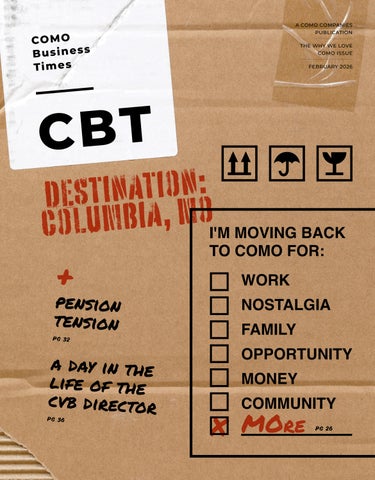
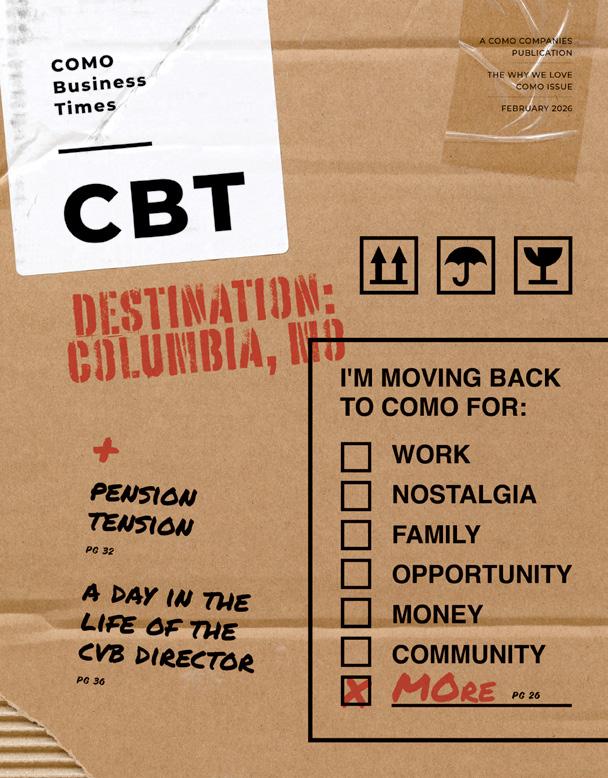
What brings Columbia's sons and daughters back to the city that sent them out into the world? We hear from the "boomerangs" who exemplify the new Columbia, MOre initiative.
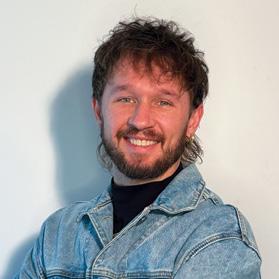
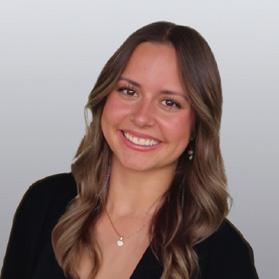
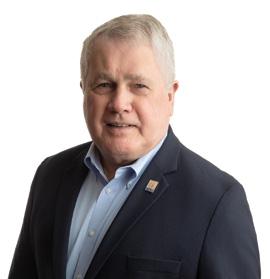
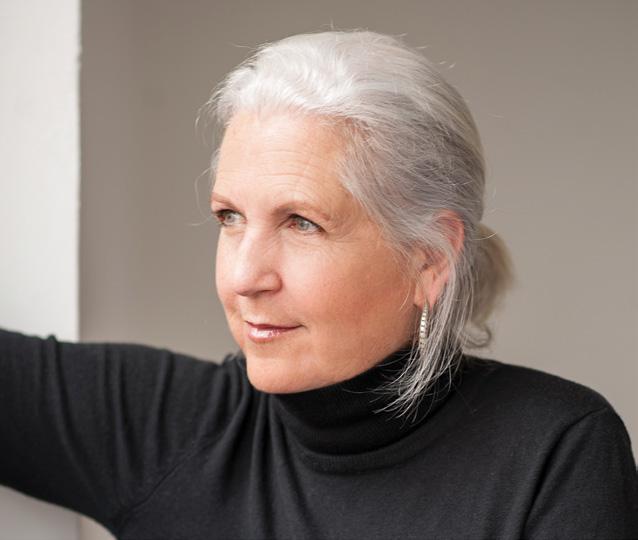
CBT’s Advisory Board
CBT’s
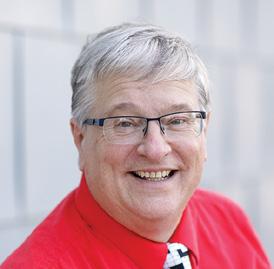
Shawn
Jay
Closer Look
THE EVIL RED SAUCES
Opened in early 2024 by Columbia native Jerry Hyde, e Evil Red Sauces is a one-person operation o ering small-batch hot sauces, BBQ sauce, hot honey mustard, and cherry bourbon habanero pepper jelly.
“I was making hot sauce for my own use and gave some to friends and family, who kept wanting more and giving it to their friends,” says Hyde. “I started bringing it to my friends at the Gerbes beer and wine bar at the Broadway location, and then it rolled into selling it to them and others.”
Hyde grew up alongside a father who worked in the restaurant industry and now looks to bring a unique product to the table himself. His sauces contain no added preservatives, and he aims to keep them gluten-free when possible. He also notes that the bold avors mean less sauce is needed, allowing each bottle to last longer than many comparable products.
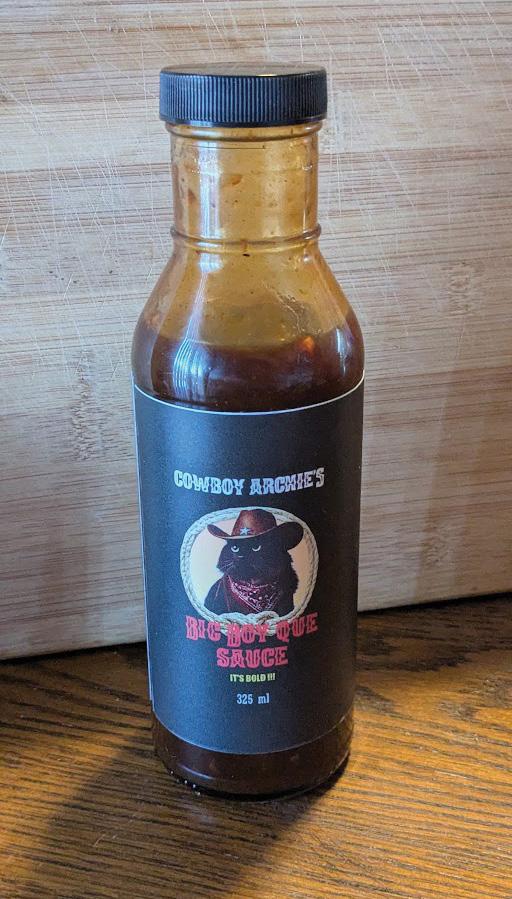
While the business was initially founded on Hyde’s original Evil Red Sauce, the BBQ sauce has since exploded in popularity, outpacing the rest of the lineup. at sauce — Cowboy Archie’s Big Boy Que Sauce — comes with a humorous, family-inspired backstory.
“My wife suggested using our cat Archie on the bottle and calling it Big Boy Que Sauce. Archie is our twenty-pound cat, who is everybody’s friend once they come into our home. Since then, he has become the face of my hot mustard and jelly products.”
admin@theevilred.com | theevilred.com
ELLA vated WELLNESS
ELLAvated Wellness, owned by Ella Otoole, began serving women through online and in-person personal training in September 2025. e business started with free community workout classes last summer and quickly evolved into a full- edged company. Now, Otoole o ers in-person courses for residents of Columbia and online programs for anyone interested across the U.S.
Otoole was born and raised in Columbia and attended the University of Missouri, where she competed in track and eld and cross country. However, she retired early from athletics due to ongoing injuries.
“I’ve had many orthopedic surgeries, so I spent a lot of my athletic career on the sidelines cheering on my teammates rather than out there competing,” says Otoole. “I never knew why I had to go through all those injuries or what my purpose was not competing, but now I see the potential in the people around me and help them bring it to life.”
ELLAvated Wellness doesn’t have a physical location; instead, it o ers convenient training sessions for women in the comfort of their own homes. is approach is especially helpful for moms who may have limited time to t in a workout. Additionally, the program provides an accountability partner to guide them through their exercises.
“I’m here to help remind women that our bodies are worth caring, for and intentional movement is such an essential piece of that,” Otoole says.
Otoole has also recently released an on-demand video workout guide, featuring ve workouts a week, all fully queued and guided by her, so women feel like they are not doing it alone.
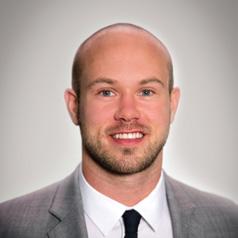
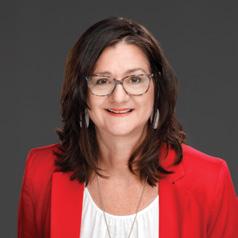
Brian Burks and Robin Wenneker have joined the Ronald McDonald House Charities of Mid-Missouri board of directors. RMHC is a nonprofit organization that serves families with children receiving medical care in Columbia. Additionally, the 2026 board officers are Lindsey Jones, president; Brad Roling, Mid America Bank, vice president; Mel Zelenak, Maly Commercial Realty, treasurer; Jacob Rowe, JTR Holdings, LLC, secretary; and Tom Schwarz, Veterans United Insurance, past president.
SAM FLEURY
Sam Fleury has been promoted to the position of chief strategic communications officer at Columbia College. Fleury has served as assistant vice president for strategic communications the
past three years. In his new position, Fleury will also oversee internal communications initiatives and special projects for the office of the president and the board of trustees.
COLUMBIA INSURANCE
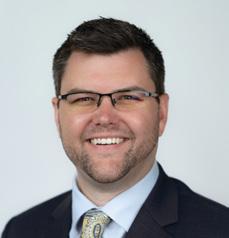
Columbia Insurance has promoted Keith Maciejewski to senior vice president and chief underwriting officer. Maciejewski’s expanded leadership responsibilities include oversight of Columbia’s excess and surplus (E&S) operations and its new subsidiary, Ozark Specialty Insurance Company (Ozark). As part of this transition, Aaron Rieth, vice president of E&S, will report to Maciejewski.
COMO MARKETING
COMO Marketing has welcomed Kyle Gilleland and Brooklyn Greaser to its team. Gilleland joins
the team as a multimedia specialist, creating shortform social content and working closely with clients to tell authentic, compelling brand stories across digital platforms. Greaser joins as a marketing associate, where she assists with marketing strategy and creative initiatives for clients, with a focus on developing engaging and effective social media campaigns.
JIM FRAM
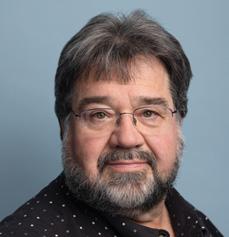
Jim Fram, a Columbia based economic development consultant, has been appointed to serve a two-year term on the International Economic Development Council’s Accredited Economic Development Organization Advisory Committee. The AEDO advisory committee establishes and sets standards for accrediting IEDC member economic development organizations. CBT
Are you or your employees moving up in the Columbia business community? Send us your news at jodie@comocompanies.com
BURKS
FLEURY
FRAM
WENNEKER
GREASER
GILLELAND
MACIEJEWSKI
Briefly in the News
FEBRUARY 2026
ART & CULTURE
Unbound Announces 2026 Keynote Speaker
“Citizen writer” Terry Tempest Williams, an environmentalist, erce advocate for freedom of speech, and author of 15 books has been announced as the keynote speaker for Columbia’s Unbound Book Festival.
e annual festival runs from April 16 to 19, and Williams will speak on Friday, April 17. e festival’s program and speaker schedule were still developing at the time this news was shared. Williams is currently writerin-residence at the Harvard Divinity School, and she is co-founder of the Constellation Project.
NONPROFIT
REALTOR Build 2026
Provided Work on Multiple Habitat Homes
e spirit of collaboration and community was on full display as Realtors came together to make a di erence during the 2026 REALTOR Build, hosted by Habitat for Humanity and facilitated by the Columbia Board
of REALTORS. e event, held at the Habitat construction site on January 14, focused on interior and exterior work for multiple homes, providing support to local families in need of a ordable housing.
e day’s activities included a special lunchtime Stud Wars Award ceremony. Local brokerages and businesses creatively decorated construction studs in hopes of earning the coveted “Stud of the Year” title.
HEALTHCARE
Burrell, Children’s Grove Dedicate Berrywood Clinic Mural
Burrell Behavioral Health and Children’s Grove hosted a mural dedication at the newly renovated Berrywood clinic in Columbia on January 16. e Berrywood project, partially funded by the Missouri Department of Mental Health, expands outpatient therapy and psychiatry services in Columbia and Boone County. With the renovation, Burrell care providers will reintroduce transcranial magnetic stimulation (TMS) and esketamine for treatmentresistant depression and anxiety. Boone County Commissioner Janet ompson and Columbia Mayor Barbara Bu aloe spoke at the mural dedication ceremony. Columbia artist Adrienne Luther Johnson created the mural in collaboration with Children’s Grove. e art is displayed
on the clinic’s third oor in the youth psychiatry waiting area. e interactive piece is designed to inspire creativity and kindness. Burrell Behavioral Health is part of Centerstone, an organization that employs more than 10,000 people in nine states. Children’s Grove is a citizen-driven, allvolunteer organization with a mission to promote a culture of kindness for Columbia’s youth.
HISTORY
CoMo Preservation Gets Tips From County Recorder of Deeds
If you’re ready to dig into the past and uncover the history hidden in Columbia’s buildings and neighborhoods, join CoMo Preservation for a free, hands-on research workshop at the Boone County Recorder of Deeds o ce from 6 to 8 p.m., Tuesday, February 10, in the Boone County Government Center at 801 E. Walnut St. e workshop is designed to help individuals uncover the stories behind the places Columbians treasure. Recorder of Deeds Bob Nolte will guide an overview of how historic records are organized, and participants will have time to explore records on their own. Guests should bring the names, addresses, or locations they want to research. Reservations are required for the free ticketed event. CBT
“COMO changed our business.”
— LITERALLY HUNDREDS OF LOCAL BRANDS
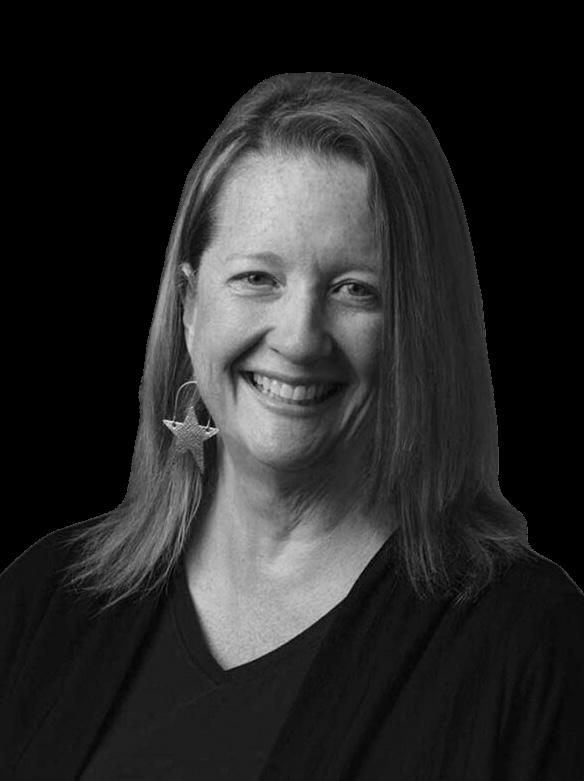
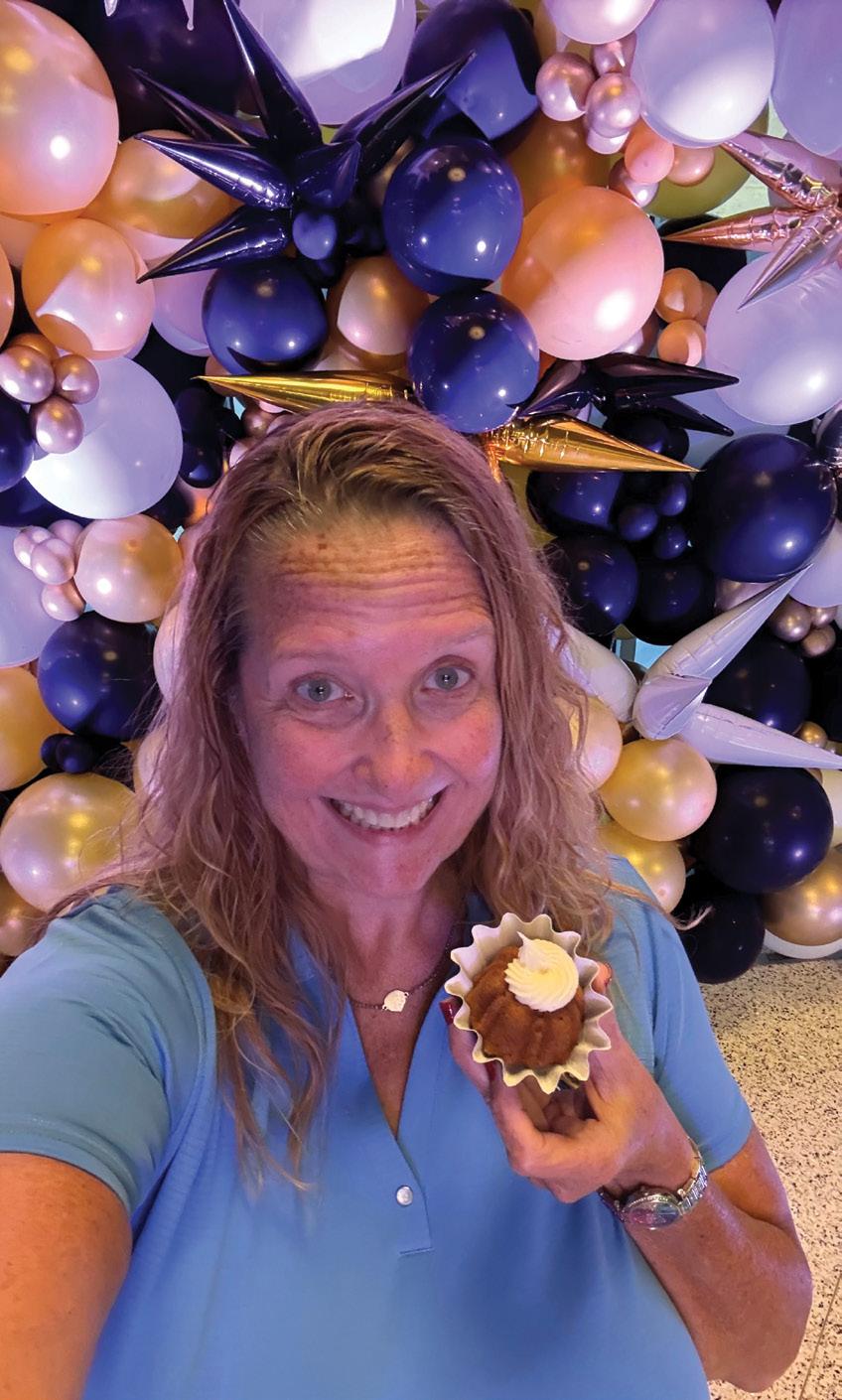
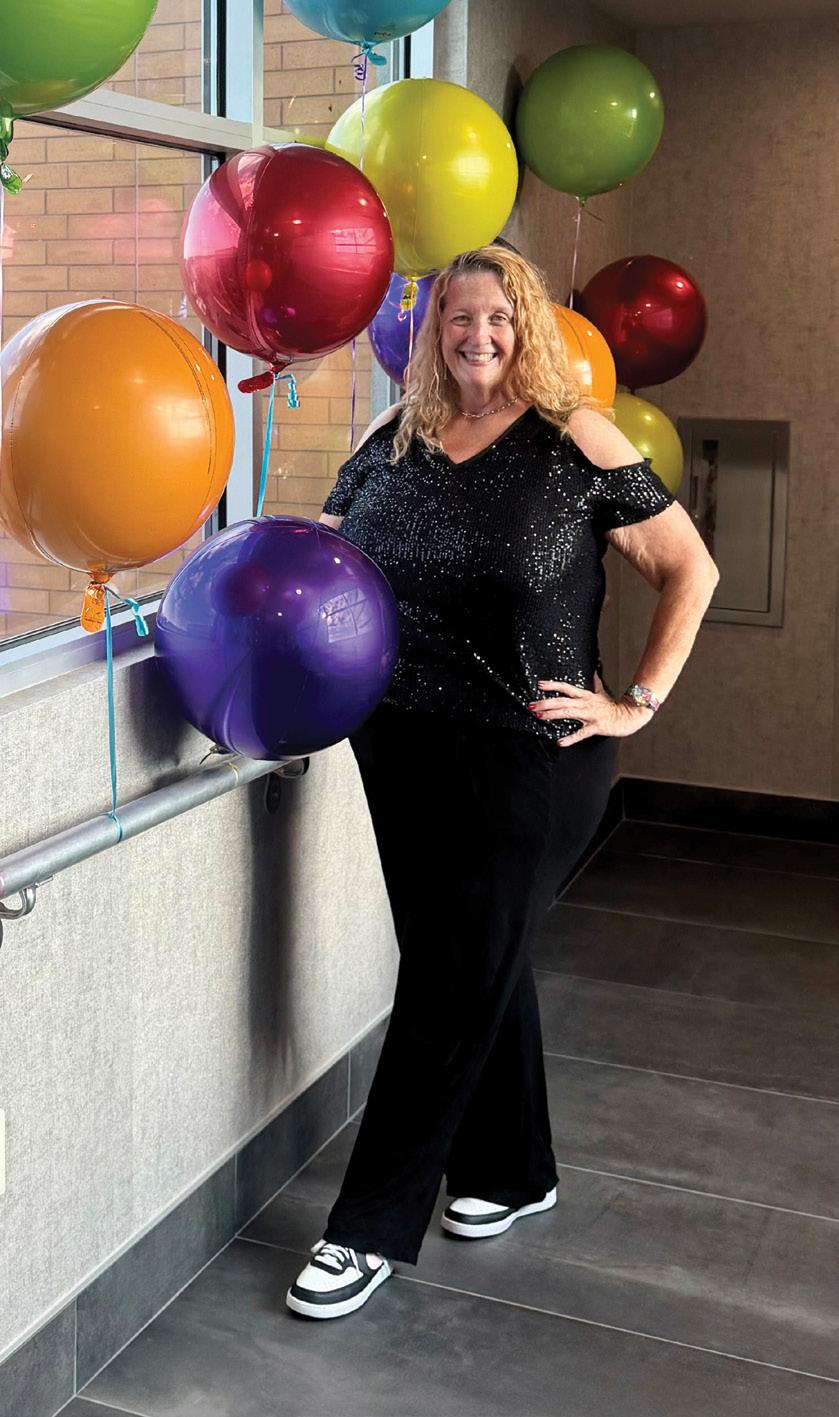
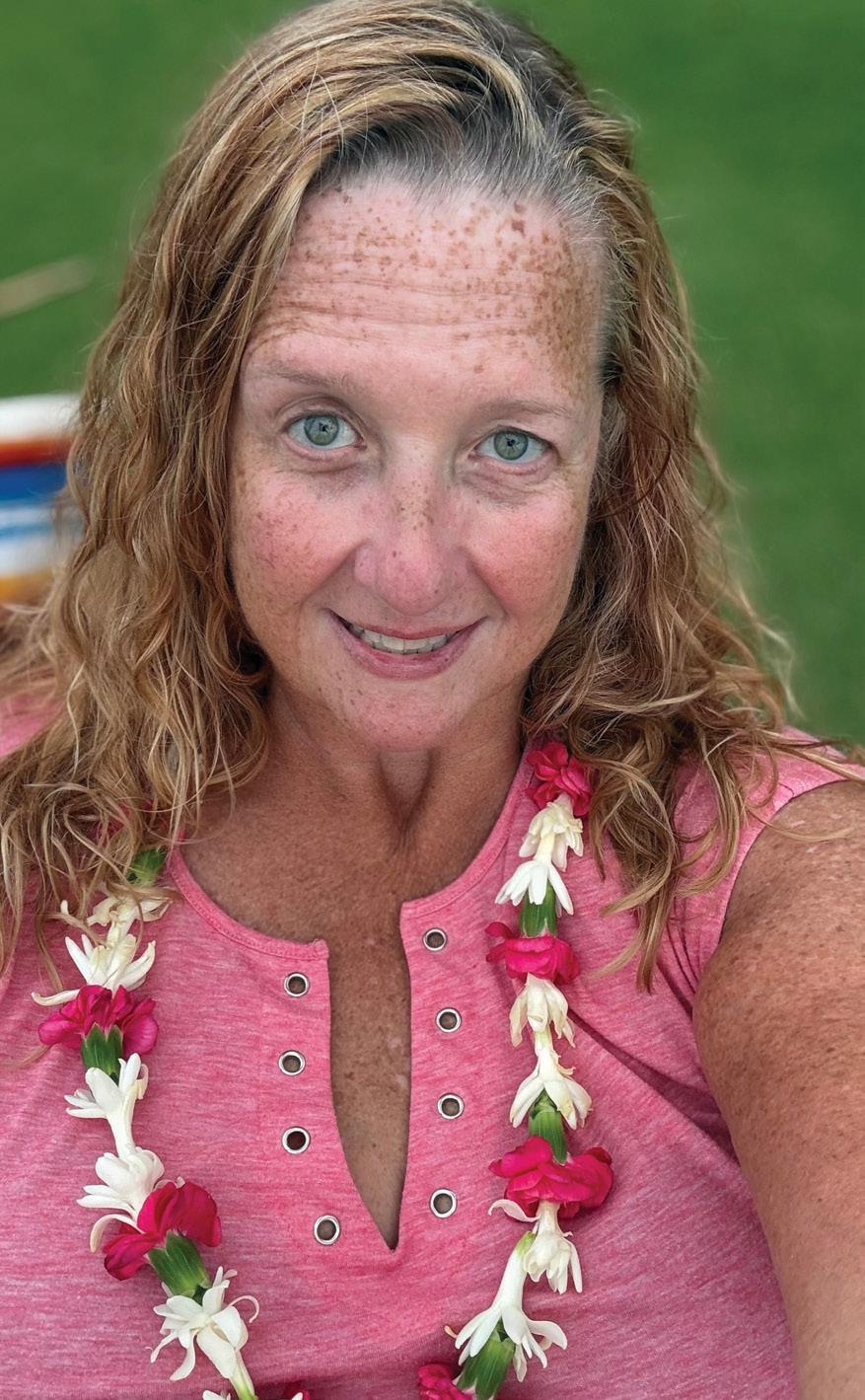
Kerrie Bloss
Marketing Coordinator, Nothing Bundt Cakes
Fund Development Specialist, Community Foundation of Central MO
Account Executive, COMO Companies
Years lived in Columbia: I’ve lived in Columbia for 28 years and four months.
Education: I have a Bachelor of Social Work from Central Missouri State University and have had the honor of attending the Philanthropy Leadership Institute at the Lilly Family School of Philanthropy, learning from the top professors at e Fund Raising School.
Please tell us about the work you have done in the community with nonprofits, the Chamber, and other organizations. When I rst moved to Columbia, one of my goals was to become a Big Sister with Big Brothers Big Sisters of Central Missouri. Within seven months of moving here, I was matched with my then 6-year-old Little Sister, Danielle. A relationship with a minimum of one-year commitment has
now lasted almost twenty-nine years. From her kindergarten graduation to becoming a mom and all the ups and downs and milestones in between, it has been my honor to be alongside her for them all!
From there I jumped head rst into all that Columbia had to o er when it comes to community involvement. I served on the steering committee for the Columbia Festival of the Arts. ( at was the weekend I moved to Columbia in 1997, when it was called Festival of the Arts weekend. My father was a colleague of Marie Hunter, who was at the O ce of Cultural A airs at the time. We dumped my stu in my new home and went downtown to nd Marie. Next thing you know, I am spending the next ten years involved with the festival.) I was part of the inaugural Susan G. Komen Race for the Cure steering committee when we had the races here. I was active in Rotaract and a longtime Rotarian, serving in leadership on both the local and district level. ere are so many organizations I have been part of over the years, whether hands-on volunteering or attending their wonderful events. at is one thing Columbia does not lack — multiple ways to give back and be part of our community.
As I settled into my career here, I joined the Chamber of Commerce and have taken full advantage of all the ways to be involved with the Chamber, Women’s Network, and Ambassadors. I am a proud graduate of Leadership Columbia (class of 2011 — THE BEST, of course, and LC14, which I co-chaired). In 2024 I joined TRC (Total Resource Campaign) to help the Chamber garner support for alI the events and programs throughout the Chamber year (let me know if I can get your business involved!). I have taken on numerous leadership roles in each and truly enjoyed the relationships and lifelong friendships I have built because of my Chamber involvement.
Currently I serve as vice president of the board of Big Brothers Big Sisters of Central Missouri, resource development Chair for Heart of Missouri United Way board, and
secretary of E3 Sports Foundation. I am an active Chamber Ambassador and serve as co-chair of the Business in Motion Committee for the Chamber (secure your booth today!).
You’ve received some awards and recognition for your community involvement. Please fill us in. I have been humbled with some incredible honors over the years. Most notably the ATHENA Young Professional Award, 20 under 40 Award Recipient from COMO Business Times magazine, Columbia Chamber Ambassador of the Year, COMO Magazine IMPACT Awards — Most Impactful Sta Member, and in 2024 I was presented with the Outstanding Citizen Award by the Columbia Chamber of Commerce. In November 2025, I received one of the most meaningful awards, the Sherman Brown Jr. Award, given by the Columbia Missourian at the Missourian Progress Awards. is award is “given to a community member who serves their neighbors, patrons, or customers with the highest esteem and commitment.” Sherman was an incredible man who I had the honor of knowing, who treated everyone like gold. To be part of his legacy with this award means more than I could put into words.
What motivates or inspires you to be so active and engaged in the community? I grew up in a family that was actively involved in the community and in my activities. My family was one that made sure my basketball teammates got to practice and games if their parents couldn’t make it happen. We hosted exchange students or programs that had short stops in our community. If friends were having family issues, mine would open our home to them as they worked through challenges.
Growing up, I was never home — I was in clubs and youth groups and served on local and state levels. I guess you could say it is in my blood and seeing the good and being the good. It takes very little time to make a di erence, and there are so many ways in any community to do that.
If you weren’t doing this for a living, what would you be doing? I used to say I would be doing something in the music industry — so perhaps that or something in the travel industry.
A Columbia businessperson or leader you admire and why: ere are so many, but it is no secret that I am one of Matt Moore’s biggest fans! Matt and I met when he was one of my board members, and our relationship has remained strong over the years as we make the e ort to get together regularly. Matt is a servant leader, a great listener, humble, strong in his faith, gives wonderful advice, shares my love of travel, and is someone I am truly grateful for every day.
Biggest lesson learned in your working life: Never be afraid to ask! If you don’t ask, the answer will always be “no.” Seems very simple, but we are so afraid of rejection we would rather not ask.
Relationships are everything. I have prided myself on building relationships. I never want to be transactional. is has served me well in my life.
Greatest strength: Connecting with people and building genuine relationships.
What you do for fun: Concerts and travel. ose are my top two always — they bring me allll the JOY. Also: enjoying events and festivals in the community, wineries, volunteering, watching Mizzou and Chiefs games, and whatever adventures I can nd.
Favorite place in Columbia: e Blue Note and Rose Music Hall. Give me all the music!
Most people don’t know that you: Sang in an interdenominational Christian singing group in high school (New Generation Singers — St Joseph,
MO) that spent two weeks each summer touring parts of the U.S. and Canada, sharing our program in churches across the country. Perhaps this is where my love of travel began?
In college, my club of choice was called Concert Board. We were responsible for bringing all the bigname entertainment to campus. I spent four years negotiating band contract riders and being part of everything from load in to load out on show day. Being able to work with people like Adam Sandler, Howie Mandel, Sinbad, Sawyer Brown, Candlebox, Clint Black, and numerous others as a college student is one of the reasons why I say I would be in the music industry if I wasn’t doing all the things I am doing now. ankfully I nd ways to keep that love going with partnerships with Downtown Live and Nothing Bundt Cakes — thanks to never being afraid to ask! CBT
How Did the Boone County and Columbia Housing Market Look in 2025?
BY BRIAN TOOHEY
THE NATIONAL HOUSING MARKET
IN 2025 produced measured deceleration, with price appreciation slowing to the low single digits. Some areas even saw price declines, leading to increased inventory and shifting some areas and price ranges into “buyer’s markets.” e Midwest, where homes are more a ordable, had the most consistent housing market in 2025, with existing home sales increasing by 2.1 percent and prices rising 4.5 percent. So, how did the local housing market in Boone County and Columbia fare in 2025?
Year-over-year home sales in Boone County increased just above 5 percent last year, following a minor increase in 2024 and steep declines in 2022 and 2023. Home sales in Columbia also increased, jumping 8 percent for the year. Last year, existing homeowners’ desire to sell their homes was the primary driver of the increase. Existing sales increased 7 percent, while new construction sales declined 6 percent.
Conversely, new-construction sales within the city limits of Columbia declined by just over 1 percentage point.
Local price appreciation since 2019 has been unsustainable over the long term, with an average annual rate of 9 percent, making it increasingly di cult for rsttime homebuyers to purchase. In 2025, prices increased 3 percent, with the median price nishing the year at $335,000, a $10,000 increase from 2024. Prices in Columbia slowed even more, increasing less than 1 percent from last year to $343,000, a $3,000 gain.
e time it takes for a home to sell has almost doubled since 2021. Cumulative days on market (the total days a home has been on the market) averaged 49 days in
2025, up 11 percent from last year. e time it takes for a home to go under contract has grown substantially since 2021, but 49 days remains historically low. e annual average cumulative days on market from 2013 to 2019 was 71 days.
e biggest market shift, resulting in sales increases, slower price appreciation, and longer days on market, has been the growth in market inventory, which dropped 38 percent from 2019 to 2020. e number of single-family homes for sale in 2025 increased 17 percent, with 5,281 homes on the market during the year. Still far below inventory levels prior to 2020, but there has been enough growth to affect sales volume and price increases.
Unfortunately, most of the growth in market inventory occurred in the mid to upper end of the market, which does little to alleviate the hurdles faced by rst-time homebuyers.
e local condo market continued to be hampered by nancing issues in 2025, resulting in annual market volatility since 2021. ere are no condominium developments in Boone County that qualify for
Federal Housing Administration (FHA) nancing. FHA nancing allows for lower down payments, lower closing costs, and lower credit scores for eligible rst-time buyers. Condo sales in 2025 were down 3 percent from 2024, but even with a limitation on eligible buyers, the median condo price increased 8 percent to $187,500. ere are many positive forecasts for the 2026 housing market, with some economists projecting a 16 percent increase in home sales this year. Mortgage rates recently reached a three-year low, and the Trump administration has proposed policies, such as a ban on institutional investors and on purchases of mortgage-backed securities by Fannie Mae and Freddie Mac, to help keep rates low. Continued market inventory growth could also help fuel double-digit sales gains this year.
If mortgage rates continue to fall and sales increase, price appreciation will likely resume further into 2026, so buyers would bene t from purchasing homes sooner rather than later in the year. CBT
Brian Toohey is the chief executive officer for the Columbia Board of REALTORS®.
Back in Session: Offering Direction for the General Assembly
BY STEVE SPELLMAN
OUR MISSOURI STATE LEGISLATURE
reconvenes each January to May, for good or ill.
Funny how, depending on whom you ask, some people think their activities these days are pretty good, while others say they’re really bad. at’s a shame, as state government should be doing things that are good for Missourians in general, not wallowing in contention. What are some things they could do — or not do — this session to help us here in COMO?
KEEP UP THE ROADS
As I described in this column last month, I-70 is getting its long overdue overhaul, which will take the rest of this decade to complete. Part of that e ort involves improvements to the interchange with Highway 63. en just down the road, another project underway at 63 and Grindstone is providing a needed capacity upgrade.
MODOT needs to stay on this path of keeping up the roads by improving Highway 63 through all of Columbia and Boone County in the following decade. We could already use a third driving lane in each direction through town between I-70 and Grindstone, or at least between each exit. And then 63 should be upgraded to an interstatetype limited-access highway all the way to the state capital.
COMO residents who travel to and from Je erson City often navigate the dreaded “tri-level” interchange. If our
state legislature had the proper vision, the Missouri River bridge should be a toll bridge, with all those dollars dedicated toward reconstructing that obsolete spaghetti junction.
NO OCTOPUS-SHAPED
CONGRESSIONAL DISTRICTS
How about having all of Columbia/Boone County represented by a single member of Congress? Ever since the last census, the city and county have been split in half, and then last year the legislature attempted to split us up in yet a di erent way (if the new mid-decade map holds up after predictable court challenges). How in the world does it make sense to have inner-city Kansas City, Concordia, Midway, Centralia, Je City, and Linn all lumped into one octopus-shaped jurisdiction? If your company had sales regions drawn up like this, a reasonable person might suspect management is either incompetent or manipulative. In this case, it’s quite brazenly the latter.
Democratic-leaning folks hate it because their candidates won’t have a snowball’s chance in hell in locally a ected races for the foreseeable future. But being split in half doesn’t serve any of us locals, as we hardly have the in uence of half a town in either district.
DON’T DEPEND ON WASHINGTON ANYMORE
As also discussed here last spring during the emergence of the federal Department of Government E ciency (DOGE), seeking to run a lean ship to serve citizens is
all well and good, but chaotically pulling the rug out from under local partners sure isn’t.
en with yet another government shutdown this fall, it was like “Here we go again,” with even SNAP (aka food stamps) temporarily suspended. With that unusual pause in food benets to lower-income folks, local leaders stepped up to ll the void. e Food Bank kicked into high gear, multiple organizations ran food drives, and even local governments tapped rainy day funds.
Likewise for the future, our state government — and anyone else who depends on federal programs — should develop a Plan B, as our federal government has become an unreliable partner.
GET AHEAD OF NEW TECHNOLOGIES
As new technologies have o ered innovative ways to provide goods and services in COMO, they tend to operate at rst in a free-for-all fashion, then City Hall clamps down too hard. Whether it’s ride-sharing apps (such as Uber or Lyft), short-term rental housing (like Airbnb), or whatever the next thing’s gonna be, state government should be more forward-looking about bringing emerging business o erings into the statewide regulatory and tax environment in a reasonable way.
State government isn’t exactly going to be run like a business, but we can hope that it be run in a more businesslike manner. CBT
Steve Spellman is a lifelong Columbia-area resident and political observer.
COU Boosts Destinations
American Airlines adds nonstop daily flights to Charlotte International Airport.
BY JODIE JACKSON JR
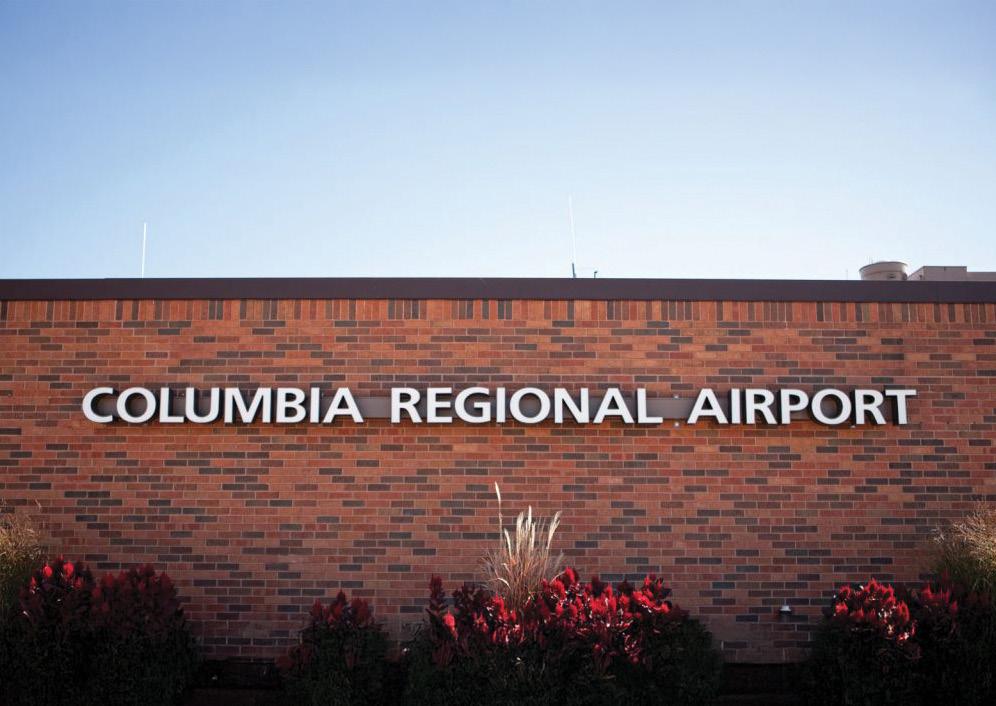
IT WASN’T EXACTLY A SURPRISE when Columbia Regional Airport and city o cials announced in December that American Airlines will begin daily ights to Charlotte International Airport in June. But there was an almost audible sigh of relief that the long-awaited connection with the East Coast had nally come to pass.
e wheels were in motion in 2019 for a Columbia-to-Charlotte connection, which would add some additional 180 destinations for air travelers taking direct ights to Charlotte. But then came COVID, grounding the progress, and like so many other aspects of life and the economy, the pandemic paused the plan’s launch.
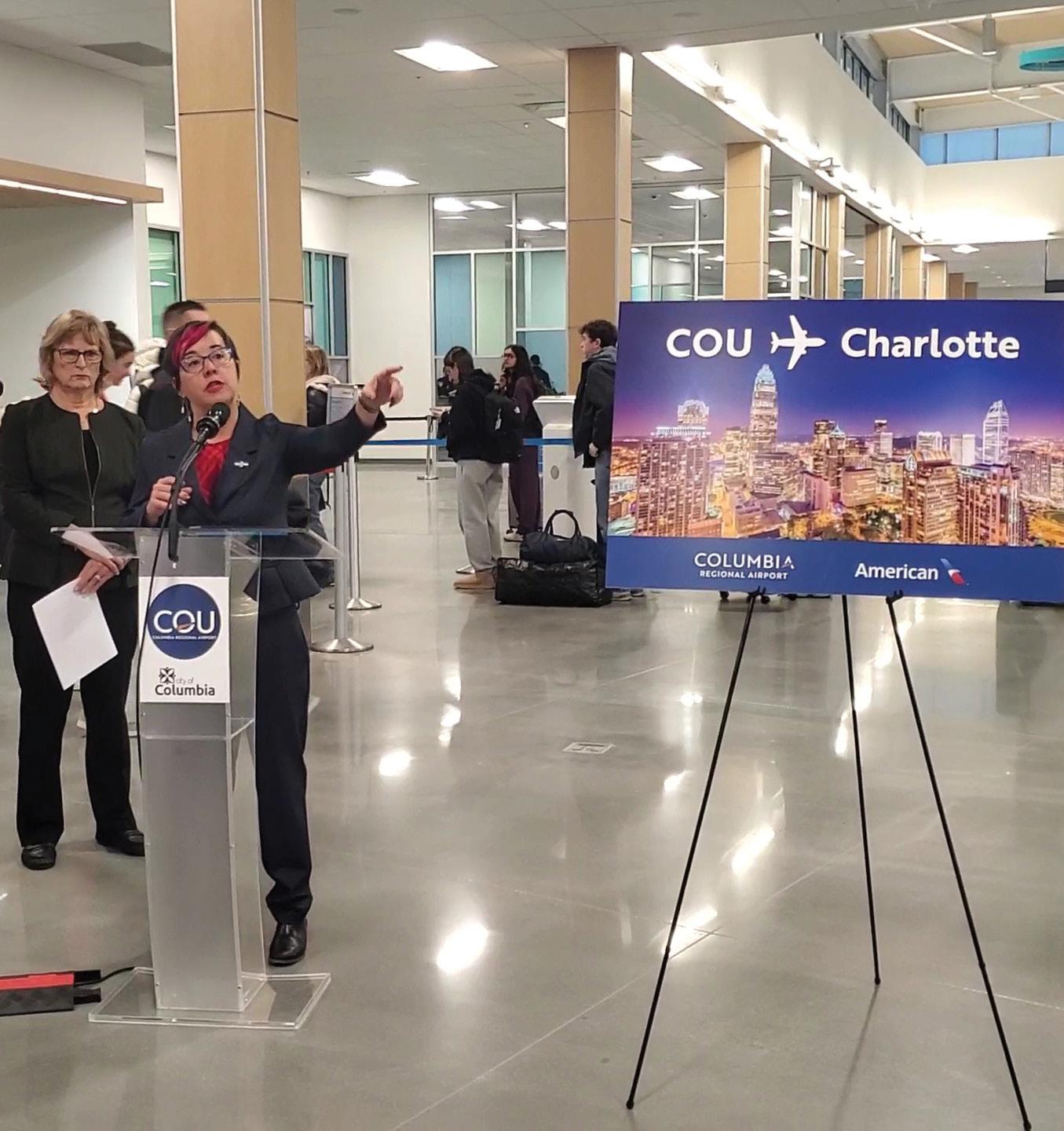
“Charlotte was one of our top priorities from our community summit last year,” Mayor Barbara Bu aloe explained at a December news conference announcing the new connection. Daily, nonstop service to Charlotte International, which is American’s second-largest hub, will start June 4. Ticket sales began on December 22.
Bu aloe praised COU Manager Mike Parks for his dedication to the airport’s growth and for fostering and nurturing valuable relationships with the airport’s carriers: American Airlines, United Airlines, and Allegiant. Airport Advisory Board Chair Randa Rawlins echoed Buffaloe’s kudos.
“ is is a project that has been many, many years in the making,” Rawlins said. “ is is a huge bene t for Columbia.” She led a round of applause for Parks. “It’s
taken years to be where we are today. We wouldn’t have had that opportunity without Mike Parks.”
Parks, in response to a reporter’s question, said airport o cials are “continuing to have conversations” with other carriers about adding COU to their options.
“We’re always evaluating demand. We know there are a lot of destinations that people really want,” Parks added. He indicated that the “tremendous demand” for a COU connection to Charlotte and the East Coast convinced American to make that desire a reality.
Boone County Presiding Commissioner Kip Kendrick said that after the airport announced in the spring that Delta was returning to COU in September, then adding
stops for Allegiant and celebrating record passenger activity in November, the Columbia-to-Charlotte announcement was “a great way to close out the year.” e Charlotte connection is “massive,” he said, noting, “ is is a big deal for Columbia, the University of Missouri, and all our partners. ... is progress demonstrates the strength of the local economy” and the commitment residents have to air transportation.
Ryan Rapp, executive vice president for nance and operations at MU, and former chairman of Regional Economic Development Inc., spoke on behalf of university o cials.
“We couldn’t be more excited to see this,” he said, also giving a nod to Parks
Mayor Barbara Buffaloe
for the diligent and persistent work that went into making the Charlotte connection a reality. “ is took a while. is isn’t just something he woke up a couple of weeks ago and thought about doing.”
Speci cally, Mizzou athletics will bene t from the additional connection, fans will now have more options for getting to and from Columbia, and it will be easier for students to travel home for breaks and holidays, Rapp said.
Next on the airport's list of improvements is ongoing work to expand parking. One FAA-funded parking project on the west side of the airport is wrapping up, and additional gravel lots will be paved. Parks said the airport could have between 300 to 500 additional spaces by June.
Meanwhile, airport and city o cials were waiting for a nal draft of a new airport master plan that is expected to call for additional hangars and jet bridges and adding more seating in the terminal. e new Charlotte route enables mid-Missouri travelers to reach more than 300 global destinations with just one connection, complementing existing American service from COU to Chicago O’Hare International Airport (ORD) and Dallas/Fort Worth International Airport (DFW). In the last few months, COU has added new, nonstop service on United Airlines to Chicago and Denver, as well as nonstop service on Allegiant to two destinations in Florida: Destin-Fort Walton Beach and Orlando.
In October, COU recorded 14,202 departing passengers, setting a new record in the airport’s history. Total passenger tra c reached 28,810 arrivals and departures combined for the month of October. A news release from the city said those gures send “a clear signal that mid-Missouri travelers are embracing convenient, local air service options close to home.”
As the airport’s December news conference wound down, Rawlins urged city residents and o cials to make the most of the airport’s growth with the addition of the Charlotte connection.
“ is is a really important milestone for COU,” she said. “Let’s prove to American that this is a good decision.” CBT
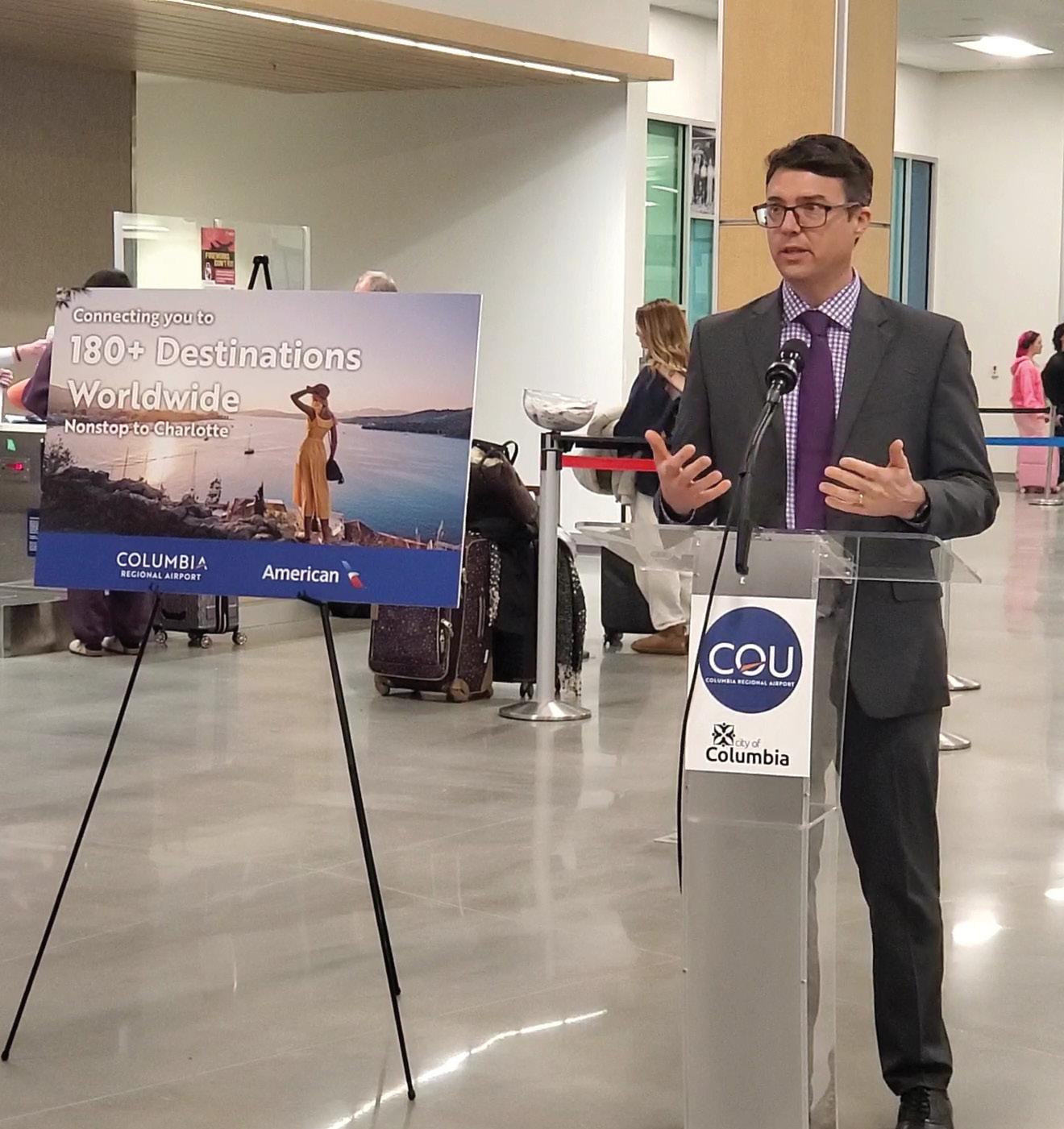
Boone County Presiding Commissioner Kip Kendrick
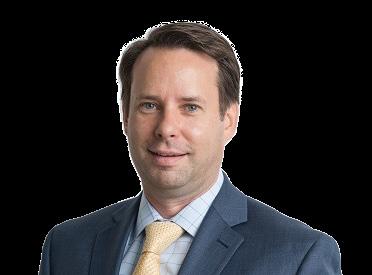
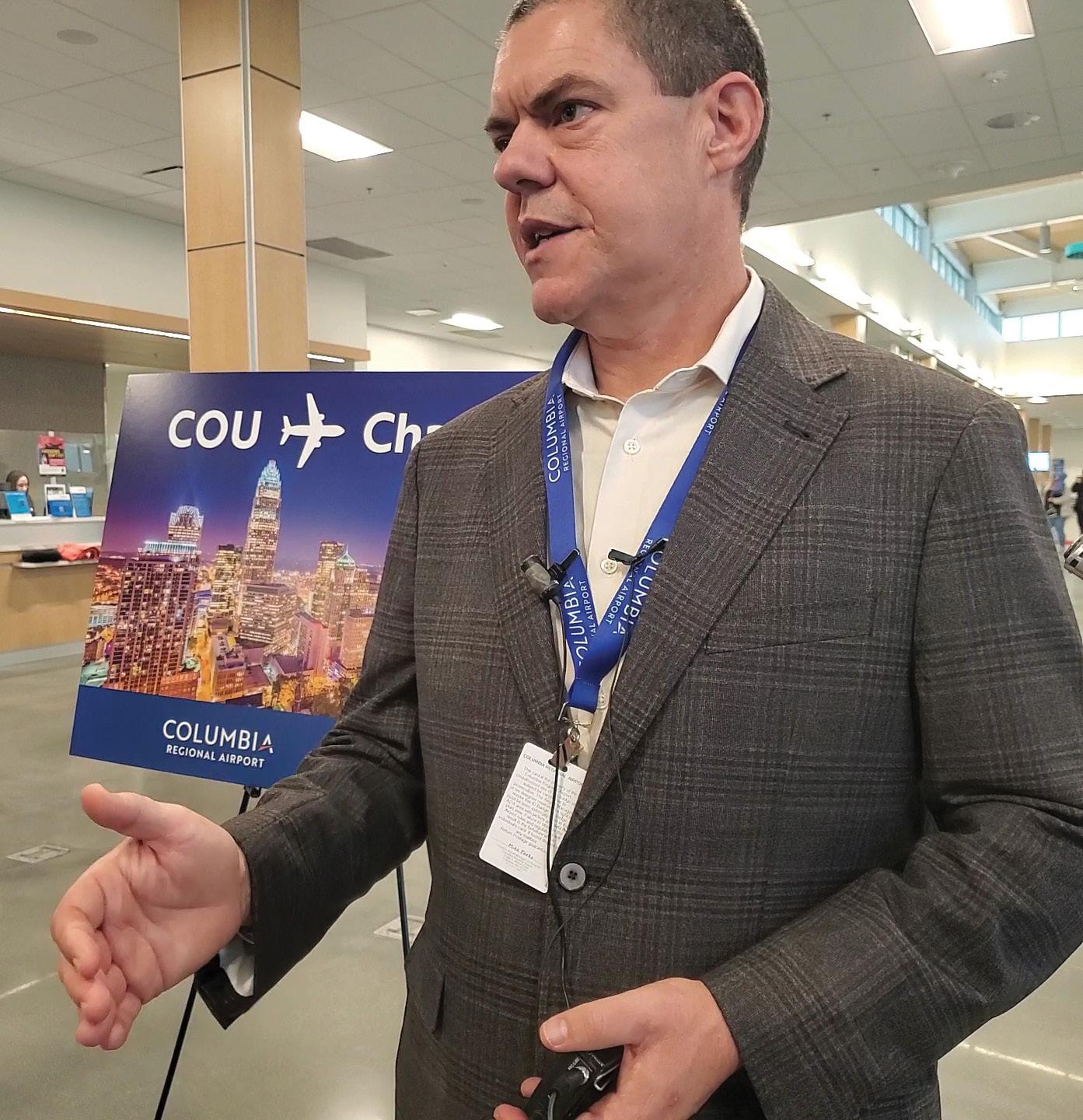
COU Manager Mike Parks
The AI Bubble Won’t Pop — It Will Burn
BY J. SCOTT CHRISTIANSON
GENERATIVE AI IS THE MOST overhyped technology I’ve seen in forty years of watching tech. And last year, GenAI dominated the stock market’s growth, inating a handful of valuations to absurd levels and triggering widespread fears of an imminent bubble burst.
Gartner created the “Hype Cycle” to track this — from the “Peak of In ated Expectations” through the “Trough of Disillusionment” to the “Plateau of Productivity.”
Not every technology follows this pattern, but plenty do. e dot-com boom is a classic case: In the late 1990s, when the information “superhighway” was at maximum hype, just about any “.com” company could raise money. e bubble burst spectacularly in 2000, wiping out hundreds of companies. But the web itself survived and became indispensable. e hype cleared away the noise, leaving the genuine innovations standing.
Yet AI hype has grown extremely large in just a short time. And unlike the dotcom boom, which was spread across hundreds of companies, AI’s frenzy has driven outsized valuations in just a handful of companies.
IS STAR TREK TO BLAME?
My theory as to why so many people have fallen for the AI hype is that science ction has primed us to believe intelligent machines are inevitable. Since the 1960s, movies showed us both malevolent (HAL 9000, the Terminator) and benevolent (C3PO, Star Trek’s Data) examples of AI. We watched humans interact with machines that could reason and talk like us. When ChatGPT arrived, people didn’t see pattern-matching algorithms, they saw the future they’d been promised. Compare that to the web. Nobody grew up watching movies about networked
computers. AI? We’ve been expecting it for fty years. Science ction showed us what AI would be: robots functioning at human level or beyond.
AI companies have exploited this, driving massive investment and sky-high valuations. But these numbers only make sense if they deliver what sci- showed us on screen: computers that function better than humans.
Take OpenAI, maker of ChatGPT. Despite $20 billion in revenue last year, it’s deeply unpro table, yet it has committed to $1.4 trillion in infrastructure spending over eight years. Investors value it at $500 billion, with speculation of $1 trillion when it goes public.
To justify these numbers, OpenAI needs to produce arti cial general intelligence (AGI) — AI that can completely replace human workers. OpenAI CEO Sam Altman has repeatedly claimed AGI is just around the corner, perhaps only years away. e problem? ere’s no pathway from ChatGPT to AGI. Large language models can write, summarize, and code, but they’re pattern-matching systems, not thinking machines. Expecting ChatGPT to become Commander Data isn’t optimistic — it’s magical thinking.
THE WILDFIRE, NOT THE POP
What happens when investors gure out that the technology can’t deliver on the
promises? Well, I don’t think we’re headed for a traditional bubble “pop” in the stock market. I think we’re facing what one Silicon Valley veteran calls an “AI wild re.” Wild res clear underbrush while leaving strong trees standing. Tech giants — Microsoft, Google, Amazon, Nvidia — are the oaks that will survive with their deep cash reserves and diversi ed businesses. But the wild re will destroy companies spending more than they make: AI apps with nothing unique and products anyone can copy. Ironically, OpenAI itself, maker of ChatGPT and center of the hype, is one of the most vulnerable.
But here’s the upside: e wild re will leave useful infrastructure. e dot-com crash gave us cheap servers and bandwidth that powered Google, YouTube, and Facebook. e AI correction will leave cheap computer and trained models for the next generation of companies to build on.
So what should we do while we wait for the wild re to burn out? I use AI tools every day; not to replace my work, but to change how I work. In my next column, I’ll explore “vibe prototyping” and other practical ways to use AI that don’t require believing in AGI or betting your career on magical thinking. CBT
For related links and more information, visit cbt.profc.io.
J. Scott Christianson — aka “Prof C” — is the former director of Mizzou’s Center for Entrepreneurship and Innovation.
WHAT THE PROS KNOW BUSINESS
THE RISE OF AUTHENTICITY AND STORYTELLING ON SOCIAL MEDIA
By Charles Bruce III charles@comocompanies.com
Social media has become a real-time space for connection, reaction, and conversation. In 2026, everything points back to one driving force: authenticity. Brands that want to stand out need to do more than maintain a presence. Audiences are drawn to honesty — to knowing the people and values behind what’s being shared.
As platforms evolve and users grow more discerning, the message is clear: perfection matters less than being real. Here’s what’s shaping the social landscape this year and how your brand can stay ahead.
1. Authenticity is the New Currency
Forget overly curated feeds and filtered perfection. Audiences now engage more with brands that are honest, transparent, and even a little imperfect. Realness wins trust, whether you’re a local business sharing behind-the-scenes moments or a CEO speaking candidly about challenges.
In 2026, authenticity isn’t a trend, but rather, an expectation. Content that feels genuine is more likely to be shared, saved, and acted upon. That means embracing unpolished photos, live video, and usergenerated content that reflects your true identity.
2. Storytelling That Connects Emotionally
People don’t remember products; they remember stories. This year, the bestperforming brands are those that lead with narratives. Think short Instagram Reels showing a customer’s transformation, or a series of posts highlighting your mission and values.
CHARLES BRUCE III Director of Client Relations
Charles Bruce is the Director of Client Relations for COMO Companies, which owns COMO Marketing, COMO Magazine, and COMO Business Times. He received his Bachelor’s Degree in Business Administration and his MBA from the University of Dubuque. When Charles isn’t being the life of the party, he can be found climbing a large mountain. In December 2023 he climbed the Imja Tse mountain in Nepal.
Storytelling brings your brand to life. It humanizes your message and makes you relatable. Whatever your business or organization may be, consistent and emotionally resonant storytelling can create a loyal community.
3. Creator Collaborations
Over Celebrity Influencers
Influencer marketing is evolving. Instead of chasing reach, brands are now choosing creators who align with their values and speak to their niche communities. These creators may have smaller followings, but their impact is greater because their audiences trust them.
In 2026, expect to see more collaborations that feel like partnerships instead of promotions. Using anything from co-creating content to running live Q&As, creators help brands feel more approachable and personal.
4. AI With a Human Touch
AI tools are everywhere, helping brands generate content, analyze performance, and plan strategies. But the key in 2026 is balance: AI-generated content must still sound human. Let AI support your creativity, not replace it.
Audiences can spot robotic posts from a mile away. Use AI to help you save time, but edit with empathy. Your brand voice
573-577-1965 | comomarketing.co
still matters and your audience still wants to hear it.
5. Short-Form Video Content is Still King
Short-form video is still the most effective way to stop the scroll, spark curiosity, and drive engagement. But there’s a shift happening: instead of chasing viral moments, smart brands are focusing on sustainable content strategies. That means consistently delivering value in bite-sized formats.
• Educational and informative content like quick tips, how-tos, and explainer clips build trust fast.
• Phone-shot content still performs well.
• Consistency outweighs perfection.
Posting regularly with helpful, relatable content builds trust—and turns scrollers into loyal fans.
Show Up, Be Real, Tell Stories
In a world full of marketing noise, the brands that will stand out in 2026 are the ones that choose depth over flashiness. Focus on being real, sharing your story, and building connections that go beyond the algorithm.
Remember: people don’t follow products. They follow people, values, and stories. Start there and social media will follow.
TOP REASONS WHY YOUR BUSINESS NEEDS AN IT SERVICE PROVIDER
By Andrew Gilstrap agilstrap@gfidigital.com
Running a business today means balancing growth, operations, security, and customer expectations while technology continues to evolve rapidly. Cyber threats are more sophisticated, compliance requirements change frequently, and even brief downtime can disrupt productivity and revenue. Without dedicated IT expertise, these challenges can slow progress.
An IT service provider offers more than technical support. The right partner helps maintain reliable systems, reduce risk, and ensure technology supports your business goals. Instead of reacting to issues after they occur, organizations benefit from proactive monitoring, ongoing maintenance, and informed planning.
Here are key areas where an IT service provider can make a meaningful impact.
1. Closing Critical Knowledge Gaps
Technology environments are complex, and most businesses cannot manage every component internally. An IT service provider brings a team experienced in cybersecurity, network infrastructure, cloud platforms, system maintenance, compliance, and data protection. This ensures systems are managed properly, updates are applied consistently, and risks are identified early. A single provider simplifies IT management and reduces strain on internal teams.
2. Getting More from Your IT Budget
Reactive IT management often leads to unpredictable costs. An IT service provider stabilizes spending through proactive services and planned support. Routine monitoring, patching, backups,
ANDREW GILSTRAP Vice President
Andrew graduated from the University of Missouri, Columbia with a Bachelor’s degree in Finance. Before joining GFI Digital in 2016, he served as Director of Operations for Sangita Capital Partners and brought over eight years of sales and management experience. He has held leadership roles including Sales Manager in St. Louis and Managing Director in Kansas City. Andrew now serves as Vice President in St. Louis, overseeing all aspects of the Technology Services Sales Team and taking pride in coaching and developing his team to achieve their goals.
and issue prevention reduce downtime. Businesses also benefit from predictable costs, scalable solutions, and access to modern technology without additional internal training or staff. The result is more efficient use of resources and fewer disruptions.
3. Developing a Technology Strategy That Drives Growth
Beyond daily support, IT service providers like GFI Digital help businesses plan for the future. They assess current systems, identify areas for improvement, and align technology with business objectives. Providers assist with technology roadmaps, manage upgrades, and monitor performance. Regular checkins ensure systems continue to meet operational needs while adapting to business changes.
Putting Strategy into Action with GFI Digital
Once the value of proactive IT management is clear, choosing the right partner is essential. GFI Digital delivers Managed IT Services with a strong local presence and personal service. Our team works closely with clients and conducts continuous quarterly reviews to evaluate performance, address risks, and refine strategies as needs evolve.
Ready to Strengthen Your IT Strategy?
Technology should move your business forward, not hold it back. At GFI Digital, we combine local expertise, responsive support, and ongoing strategic reviews to help businesses operate with confidence. Contact us today to see how our Managed IT Services can support your growth. Visit us at GFIDigital.com.
GET READY FOR TAX SEASON
A Simple Banking Checklist for Small Businesses
By Brad Roling broling@midambk.com
February Is Tax Prep Month (Whether We Like It or Not)
Nobody starts a business because they love tax forms. Still, how you prepare for tax season can make a big difference in your stress level and your bottom line. February is the perfect time to get ahead of things so April does not sneak up on you. A little work now with your bank and your books can save you hours of scrambling later.
Pull Together the Big Picture
Start by getting a clear view of last year. Log in to your business online banking and download statements for the full year, plus January of the new year in case anything slipped into the next month. Make sure your business and personal accounts are truly separate so your CPA does not have to play detective.
Next, export your transactions into your accounting software or a spreadsheet. Sort by category so you can see income, cost of goods sold, payroll, rent, utilities, marketing, and other key buckets. You do not need perfect categories on day one. You just need everything in one place where you and your tax professional can review it.
Match Your Records With Reality
Once you have your numbers, take a few minutes to reconcile them. Does the revenue in your bookkeeping system match what shows in your bank deposits? Are there checks that
BRAD
ROLING
Market President – Columbia
Brad Roling is the Columbia Market President for Mid America Bank. Brad has more than 10 years of banking experience that he uses to help businesses in and around Columbia thrive. When he is not helping your business with its financial needs, Brad is serving the community in a variety of capacities. He is proud to serve on the Ronald McDonald House Mid-Missouri Board of Directors as Vice President, the Columbia Chamber Foundation Board as Treasurer, Heart of Missouri United Way Board of Directors, Executive Board for Scouting America, Great Rivers Council, and Beta Theta Pi Advisory Board. Brad is a proud Mizzou grad and loves cheering on the Tigers!
573-998-8900 | midambk.com 4601 Stellar Drive, Columbia MO
never cleared or old charges that are still hanging around? This is also a great time to review merchant services statements so you understand your processing fees and total card volume.
If something looks off, February is early enough to fix it before everyone is in full tax crunch mode. Your banker can help you pull specialized reports, old statements, or transaction images if needed.
Plan for the Tax Bill Before It Arrives
No one loves writing a check to the IRS, but it is a lot easier when you have planned for it. If you expect to owe taxes, consider moving money into a separate business savings account now so you do not accidentally spend it on something else. Some owners like to move a set percentage
of every deposit into that account as a simple rule of thumb.
If cash is tight, talk with your banker about options such as a short term line of credit. Used wisely, it can bridge the gap between when your tax bill is due and when your receivables hit your account.
How Mid America Bank Can Help
You do not have to navigate tax season alone. Mid America Bank can help you pull the right statements, set up or fine-tune business online banking, open a dedicated savings account for tax funds, and explore lending options if you need short-term support. Sitting down with a local banker in February, instead of in a panic in April, can turn tax season from a fire drill into a manageable part of running your business.
SOME INTERESTING FACTS ABOUT OUR 77-YEAR-OLD COMPANY
By Vaughn Prost info@prostbuilders.com
You know us as a General Contractor, Design-Builder, and Historic Restoration and Renovation experts, but here is more about our company. Prost Builders won the Better Business Bureau’s Torch Award for Ethics in Business in 2025! Our solar arm partner, Missouri Solar Applications, presented Vaughn Prost with the MOSEIA (Missouri Solar Energy Industries Association) Award for working to provide solar for customers all over Missouri in 2025 and the MOSEIA Solar Champion Award in 2016. We received the Missouri State Capitol Renovations award from Governor Parsons for our extensive restoration and renovation work at the State Capitol from 2015-2020.
We have employees with longevity, such as 20 years for Pamela Windsor, 22 years for Steve Jurgensmeyer, 36 years for Vaughn Prost, plus Doug Carr and Richard Townlain with 10 years, and Randy Eubank with 11 years with Prost Builders and Mo Solar Apps.
We can build anything an architect designs! The Air Traffic Control Tower was a very unusual project, but Prost Builders is working to complete it for Jefferson Memorial Airport and its passengers. We also built the unique, round-shaped Cathedral of St. Joseph in Jefferson City-which was different from those that came before and after it. We historically restored Mark Twain’s boyhood home in Hannibal-but first we designed and built another structure that enclosed it completely for protection from the elements during restoration.
What other clients have said about us:
“Although I added several improvements
VAUGHN PROST Owner & President
Vaughn Prost is the owner and president of Prost Builders lnc., a design/build and construction services firm located in Columbia. Vaughn has over forty years of domestic and international design and construction experience as a cost and scheduling engineer, structural engineer, owner’s construction representative, and general contractor.
to the project, I was still able to come in under my total budget. I was very proud of that since this was my first construction project. Selecting Prost Builders to construct our manufacturing facility was the smartest decision.”
— Linda Haak, VP of Everlast Manufacturing Corporation New Manufacturing, Warehouse and Office Facility, 302,000 sq ft.
“I have long been convinced of Prost’s exceptional building and construction skills. But more important, I am convinced of your integrity, ethics, and general all-around goodness.”
— Patsy Ponder Dalton, Former Commissioner, Boone County Courthouse Addition, Courthouse Renovation and Restoration.
“We contracted Prost Builders for the design and construction of our new building and each step of the way your
(573) 635-0211 | prostbuilders.com 3305 Crawford Street Columbia, MO 65203
people were very cooperative and expressed a real interest in our project, almost as if it were their own.”
— Charles Caine, Chairman of the Building Steering Committee, Memorial Baptist Church Addition.
“This 45-unit apartment complex in Jefferson City, Mo has been constructed with the utmost quality, and I recommend Prost Builders without any reservation. I appreciate the cooperation and effort put forth on this project and based on your performance, we will be using Prost on our future projects.”
— Mike Harris, President of Harris Development Company, New Capital City Apartments.
Satisfied clients are our goal, so call or email Prost Builders when you’re ready to grow your business at 573-690-1616 or virginia@prostbuilders.com.
Leaving, Learning, Returning
Stories of Columbia’s boomerangs.
BY KELSEY WINKELJOHN
IN COLLEGE TOWNS LIKE COLUMBIA, conversations around “brain drain” — when educated individuals leave in search of more lucrative career opportunities elsewhere — are ongoing. With the University of Missouri, Columbia College, Stephens College, and Moberly Area Community College drawing students from all across the country and around the world, the city sees both a steady in ux of minds to shape and a notable exodus once those individuals reach key milestones. is phenomenon greatly impacts the local economy and the talent pool across various industries.
According to an April 2025 article in COMO Magazine, more than 1,000 people leave Columbia each year after graduating, completing an internship, or nishing a medical residency. at reality helped spark the Chamber of Commerce’s Boomerang Marketing Campaign — formally known as Columbia, MOre — a strategy that has recently come to fruition following COMO Companies’ successful bid in June 2025. is years-long initiative aims to reconnect with individuals who have ties to Columbia but may have moved away for work, school, or other life circumstances. e campaign serves as a reminder that home is never too far away and that while people hope to continue growing, Columbia is also developing alongside them as an ideal place to live, learn, work, and play.
Columbia, MOre’s website, created by COMO Companies’ subsidiary COMO Marketing, o cially launched in November 2025, marking the start of the campaign. e site serves as a resource for each focus area highlighted in the initiative, including local employment opportunities, a cost-of-living calculator, and guides to the places and events that de ne the city. And for those still unconvinced, testimonials from fellow “boomerangs” o er personal insight into what drew them back.
From Capitol Hill to the Heart of Missouri
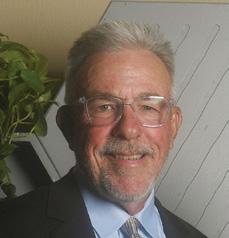
When Breck Dumas, former editor of COMO Business Times and current partner at A nity O ce Furniture, was twenty-eight years old, she received the call of a lifetime: an o er of a position as a legislative aide to Sen. Kit Bond in Washington, D.C.
“D.C. was quite an adventure for me,” Dumas recalls, emphasizing how momentous it was to experience Capitol Hill, where she lived and worked. “[Moving to D.C.] showed me that anything is accessible. Sometimes people think about faraway places, like D.C., New York, or LA, and think, ‘I could never do that.’ But you really can.”
e contrast between Washington, D.C., and Columbia was immediate and stark. Adjusting to life in a bustling city required learning to navigate public transportation and starting over socially, all while living far from family, friends, and the familiarity of home.
Dumas spent two years furthering her education in politics, eventually serving as an aide to Sen. Rand Paul, while exploring what the city had to o er outside of work, including the arts, culture, and historical monuments.
“I treated [living there] like I was a professional tourist,” she says with a laugh. “When I wasn’t at work, I was out going to museums.”
While she relished her time in D.C. and the opportunities it presented, Dumas found herself missing aspects of her hometown — particularly those the much larger city struggled to match. Aside from the pull of family and close friendships, two factors stood out: cost of living and safety.
“Senate pay was not enough to survive in D.C., and while I was o ered a more lucrative career there, I missed my family and friends here,” Dumas says. “I also felt like when I was in D.C., I had to always be on guard. I felt a lot safer in Columbia.”
One day, while walking on Capitol Hill with another aide, Dumas realized she didn’t want to start a family in Washington. e city’s high cost of living and crime rate weighed heavily on her, as did the desire to raise a child near loved ones in a place she had cherished since childhood.
She points to Columbia’s schools as a major draw, saying they o ered far more than what she felt D.C. had to provide. Supporting Dumas’ point, the Columbia, MOre website summarizes some of Columbia Public Schools’ (CPS) accolades, including:
• A+ accreditation by the Missouri Department of Elementary and Secondary Education
• Recognition on the AP Honor Roll for expanding access and performance in Advanced Placement programs
• A graduation rate above the state average (91 percent)
• O erings such as STEM programs, gifted education, and career technical education through the Columbia Area Career Center
• Emphasis on equity and inclusion, with services for multilingual learners, special education, and low-income support
Dumas also highlights the abundance of family-friendly recreation — far beyond the skating rink she grew up with — including Level Up, Sky Zone, Tiger Bounce, and Bonkers.
“[Leaving Columbia] gives you an appreciation for some of the great things that make Columbia what it is,” Dumas says. “I left intentionally to learn. I was really interested in the political process and how it worked, and that’s something I carried through my career — even back in Columbia. I feel like I have more to contribute to the local conversation. I was glad I went on the adventure, and I was glad I came home.”
Adam Brietzke
Coming Around to COMO
Adam Brietzke wasn’t born in Columbia, nor did he feel the immediate connection to the city that others sometimes describe upon arriving. Instead, his relationship with Columbia began with an unexpected move during a pivotal moment in his life.
“I rst moved here when I was a junior in high school. My family moved from Bethesda, Maryland, where I had a very tight-knit circle of friends and was excelling in my school, and my extracurriculars were ful lling,” says Brietzke.
e move uprooted him from a familiar environment and forced him to start over socially and academically, shaping an early and less-than-positive view of Columbia.
“When I came to Columbia, it was always kind of one of those like, ‘OK, it’s just two years, and then I’m out of here,’” he says.
After graduating from Rock Bridge High School in 2004, Brietzke went on to
Breck Dumas
earn his Bachelor of Fine Arts in Acting from Missouri State University. He later spent time in the lm industry before transitioning into retail management, overseeing operations for GameStop stores in Louisiana. Despite living in a more populated area, Brietzke found that the communal experiences he was seeking weren’t there.
“Where I lived in Louisiana, it was a big city, but it just never felt like anything was open or anything was going on,” Brietzke explains. “ ere just wasn’t as much community activity.”
He describes it as people existing in proximity to one another but rarely engaging in meaningful ways. e most significant shift in his perspective, however, came during a period of personal hardship.
“I went through a tough divorce in 2015 while I was living in Shreveport and found myself at a crossroads both personally and professionally,” he recalls. “I needed a fresh start, and since my parents made such a good home in Columbia, I decided it was worth the e ort to try it again.”
In 2016, Brietzke took a leap and relocated back to mid-Missouri, intentionally working to rebuild his sense of community — and found that in Columbia, doing so came naturally. He began by getting involved in community theater, an activity he had enjoyed in school and knew he excelled at. From there, his circle expanded through volunteering and nonpro t work.
“[Being involved in arts and the nonpro t world] has enriched my idea of what I expect from a community,” Brietzke notes. When he rst came to Columbia as a teenager, Brietzke says his sense of community consisted of “‘What do my friends and I want to do?’ or ‘Where do we want to hang out?’ Now, that has grown into ‘What are the issues that I see in the community and how can I improve those?’”
Today, Brietzke is the marketing and development director for Big Brothers Big Sisters of Central Missouri — one of nearly 900 nonpro ts in Columbia — and
remains highly involved in the local arts scene as a member of Talking Horse Productions’ improv group, e Ponies.
Brietzke's experience demonstrates that nding community often starts with knowing where to look. For those inspired to follow a similar path, Columbia, MOre's website o ers a categorized list of volunteer opportunities, including:
• Youth and Family (Boys & Girls Club, Big Brothers Big Sisters, Coyote Hill)
• Housing and Basic Needs (Show Me Central Habitat for Humanity, Central Missouri Community Action, e Food Bank)
• Art, Culture, and Civic Engagement (Columbia Art League, Ragtag Film Society, Friends of the Public Library)
Looking back, Brietzke sees his initial resistance to Columbia less as a re ection of the city itself and more as a re ection of what the move represented. Arriving during his teen years, Columbia became tied to the loss of a familiar life he hadn’t chosen to leave behind. Now, the city serves a di erent role. What once felt temporary has become grounding.
Amy Schneider
All Roads Lead Home
Working behind the scenes of the Columbia Convention and Visitors Bureau, Director Amy Schneider has experienced
life in several cities, from Manhattan, Kansas, to Sioux Falls, South Dakota — but in the end, Columbia became a permanent xture for her.
Schneider rst moved to Columbia in 1989 to attend the University of Missouri, where she studied hospitality management and administration. Her rst attempt at college didn’t go as planned, so she entered the workforce with the intention of returning when the timing felt right.
“[I was o ered a job] at a hospitality company, and I was what they called a ‘traveling manager,’” says Schneider. “So I moved to where they need people to look over their hotel.”
e role often required relocating every few months — a lifestyle that could have kept her on the road inde nitely. Eventually, Schneider was transferred from Kansas City back to Columbia after about ve years, bringing her unexpected clarity.
ough a di cult decision, she decided to leave the company because she knew she wouldn’t want to leave Columbia again upon returning. While her career had taken her to larger cities, Schneider says what she missed most about Columbia was its people. Building community elsewhere proved di cult, while Columbia o ered something she hadn’t found on the road.
“When people realize that you want to become involved [in Columbia] and know that you are new to the community, I feel like they do go out of the way to make you feel welcomed,” says Schneider.
Beyond her career, Columbia’s supportive community became even more important to her family. One community that has been particularly warm is CPS. Schneider recalls an anecdote of when her daughter was in middle school, and her husband had fallen ill.
“I was able to talk to the counselors and teachers, and they really had my daughter’s back to make sure she was doing OK during that time,” says Schneider. “I will always respect them for that.”
Now, Schneider’s daughter teaches for CPS, highlighting the family’s continued investment in the city and its education system.
Schneider also admires the various art communities in Columbia, as well as the number of community events that take place year-round, from Art in the Park to the True/False Film Fest. When asked what her favorite community event is, she simply laughed and said it was like asking a mother to pick her favorite child.
“I get to come to work daily and nd out about all of these cool things — festivals and events — that are going on,” says Schneider. “I get to talk with the people planning all of these special events — the people who make Columbia move and groove, and I feel blessed that we have a community like that.”
e Columbia, MOre website includes a variety of activities and events going on in Columbia throughout the year, including but not limited to:
• Club sports and intramurals that are open to the public
• Music in iconic live venues like the Missouri eatre, e Blue Note, and Rose Music Hall
• 3,600+ acres of parkland and 90+ miles of trails
• True/False Film Fest, Art in the Park, Show-Me State Games, and First Fridays in the North Village Arts District
“I was out in di erent parts of the Midwest and saw di erent cities, and in between cities, I would come back to Columbia,” Schneider explains. “Every time I came back to Columbia, I knew it was where I wanted to end up. I may have been ready to get out with that rst job, but as soon as I came back, I knew I would do whatever it took to make sure I moved back for good because it just felt like the place I needed to be.”
Schneider invites people interested in moving to Columbia to come check it out — even if for two or three days, just to get a feel for what the city has to o er. She guarantees a visit will lead to a longer stay.
Singing the Praises of Mid-MO
Melissa Bohon-Webel always knew she was destined to be a theatrical star — and having a number of creative outlets in Columbia was a noteworthy contributor to her landing on the Broadway stage.
Bohon-Webel attended Rock Bridge High School, where her father, Bob Bohon, taught performing arts.
“I had a lot of opportunities to perform at Rock Bridge,” says Bohon-Webel, “but growing up, I also did community theater at places that are still around, like Columbia Entertainment Company, Maplewood Barn, and the Mizzou Summer Repertory.”
In addition to theatrical performances, Bohon-Webel mentions having a local church community she would sing for when needed. She also had access to dance opportunities at Dancearts of Columbia
While it’s not quite in Columbia, BohonWebel highlights Arrow Rock Lyceum eatre — a forty- ve-minute drive from the city — as the spot where she gained signi cant theatrical experience in such roles as Scout in To Kill a Mockingbird and Helen Keller in e Miracle Worker.
One of the things that stuck out most to her while performing at the Lyceum, known for its Broadway-caliber productions, was that the expectations for her — a community member of Columbia — were the exact same as for an Equity actor from New York.
“When I was playing Scout, a lovely gentleman there asked me what I wanted to do when I graduated. I was like, ‘Well, I kind of want to do this.’ And he looked at me, and he said, ‘You should.’ It was that moment that I was like, ‘I should.’” By the time Bohon-Webel graduated from Rock Bridge, she had already worked in environments that demanded discipline, consistency, and a level of professionalism that mirrored what she would later encounter on much larger stages. is allowed her to attend the University of Cincinnati College-Conservatory of Music, one of the nation’s most competitive performing arts programs, where her older brother, a fellow Broadway star, also studied.
“We did trimesters for four years,” says Bohon-Webel, “and in our fourth year, we had two [regular] trimesters, and the third, we auditioned for a talent agent who came to Cincinnati and saw us perform contrasting pieces.”
Bohon-Webel was invited to New York to audition for the role of Ado Annie in Oklahoma! at a theater in Long Island and was o ered the role right away. With a job on the books, she moved to New York.
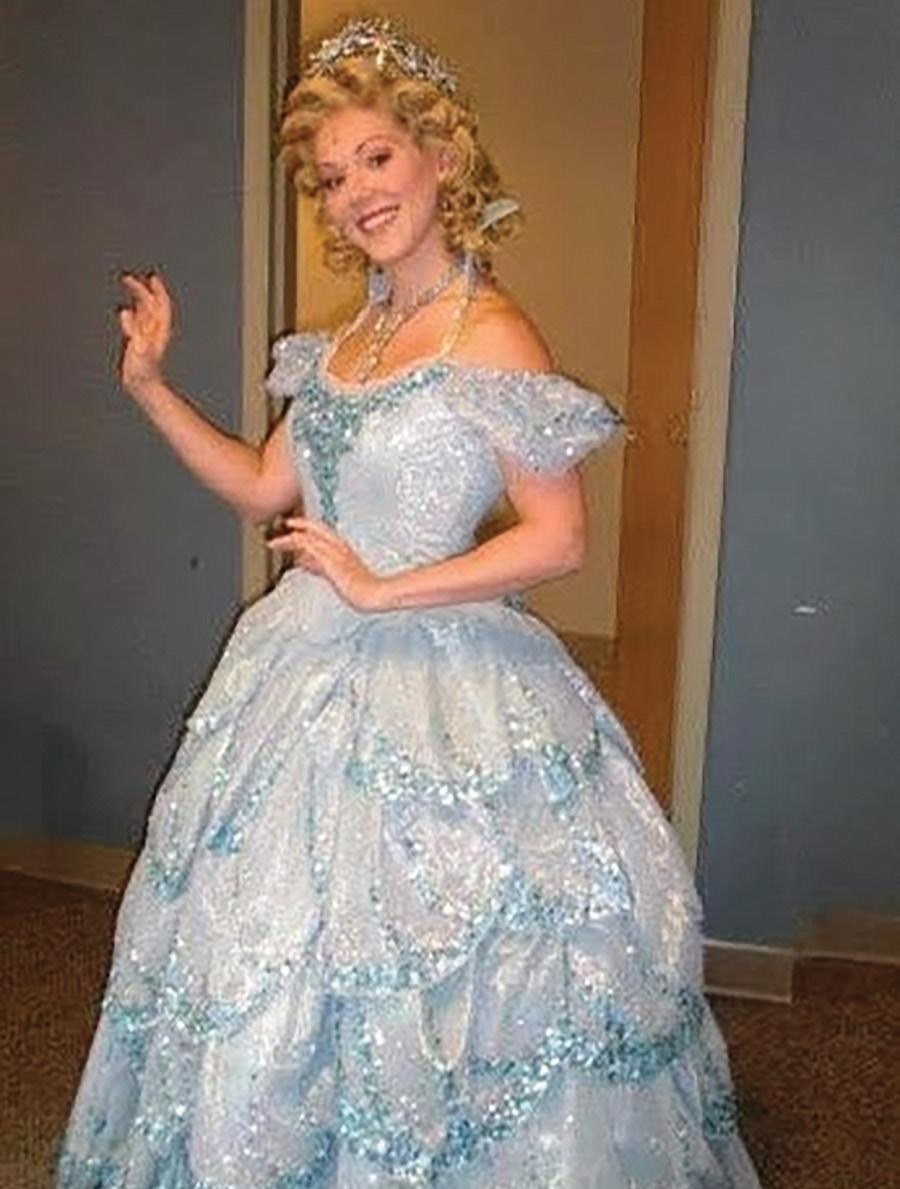
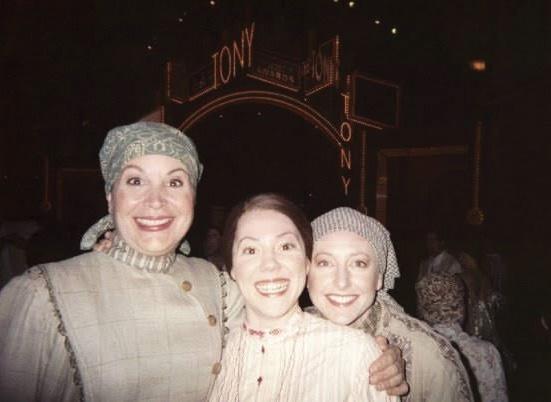
It wasn’t long after that she booked Fiddler on the Roof on Broadway, where she played Chava. Her career continued to ourish with the role of Glinda on the rst national tour of Wicked , which took her all around the country.
As Wicked wrapped up, Bohon-Webel was ready to slow down a little and spend time with her husband, Corey, from whom she had spent considerable time away while on stage (though she says he was a bit of a Wicked groupie while in grad school). She was also ready to start a family.
“I left the tour and went back to Delaware for his last year [of grad school], and then we moved to Union City, New Jersey,” says Bohon-Webel. “We’d been married for almost ve years, and we wanted a family.”
During her pregnancy, she found that living expenses out East were hefty,
Melissa Bohon-Webel
“I really do owe a lot to this city and to this community to be able to even do something like this.”
and while her husband had a good job at Montclair State University, she was mostly doing small jobs here and there. As Bohon-Webel wryly observes, “ ere’s not a lot of pregnant women's roles in theater.”
After experiencing the heartbreaking stillbirth of her son, Colton, and the showering of love from family who came to visit, she realized how much she missed being at home and closer to family. e birth of her daughter, Emma, truly solidi ed a need for change.
“I now had a living baby, and I didn’t want to leave her,” she admits. “In theater, you’re gone a lot, so even when I auditioned for Broadway shows and national tours, I’m just not sure my heart was really in it.”
When her husband was o ered a job at MU in the math education department — a job that BohonWebel describes as “written for him” — the couple and their daughter made the move back to Columbia. At rst, Bohon-Webel wasn’t entirely sure what she wanted to do once she returned. It would be a major change after living in the Big Apple, and she worried for a time that moving back would make her a “failure” since her Broadway career had ended.
Now, Bohon-Webel co-owns ShowMe eatricals, a local production company aiming to bring high-quality, accessible theater experiences to Columbia, with fellow star and Columbia native Shelby Ringdahl Cox. Its rst musical production, Merry Ol’ Missouri , took the stage at the Missouri eatre in December 2024 and again in 2025, featuring Rockette-inspired kick lines, experienced vocalists, and photos with Santa.
“We had so many people [from the audience and cast] tell us how much they enjoyed the experience,” BohonWebel says. “Shelby and I have always said, ‘It’s people rst.’ It has to be, especially in a community like this. I think that’s also what makes this particular show very unique. It has that
level of professionalism, talent, crazy vocalists and instrumentalists, and dancers.”
Merry Ol’ Missouri of course gives a nod to the state in its title, but the co-founders make it especially Columbia-centric by collaborating with a number of local groups, such as e Missouri Highsteppers (a Columbia-based drill and dance troupe) and the Fairview Falcon Choir. BohonWebel also made sure to include Hallie Rainwater — the new owner of Dancearts, where she had taken classes — in the production as choreographer.
“I really do owe a lot to this city and to this community to be able to even do something like this,” Bohon-Webel says.
In many ways, her journey mirrors the very stories Columbia hopes to tell through its boomerang narrative — that leaving can be just as important as returning. e opportunities BohonWebel had here gave her the condence and skill to thrive on Broadway, while the experiences she gained elsewhere helped her return with a clearer sense of purpose, new perspective, and the opportunity to give back to the community that helped her grow.
At its heart, the Columbia, MOre initiative is about reconnecting people to the place that helped shape who they are. For anyone considering a return, or for those who know someone who might, the Columbia, MOre website o ers an insightful starting point. With career opportunities, relocation resources, and everyday perks of living in Columbia, the site is designed to answer questions and open doors.
rough the MOre Connections form, individuals can share their story, explore next steps, or simply start a conversation about what life, work, and community look like in today’s Columbia.
Sometimes, all it takes to nd your way back is knowing that there’s a community ready to welcome you home. CBT
Pension Tension
How to fix Columbia’s underfunded police and firefighter pension funds? It’s complicated.
BY MICHELLE TERHUNE
Columbia’s underfunded police and re ghter pension funds were a hot topic during the 2025 mayoral and city council elections, and the temperature has not gone down. By all accounts, o cials on both sides of the pension situation are not taking the matter lightly, although there are varying opinions about the best path forward to deliver on bene ts promised.
HOW SHORT ARE THE FUNDS?
Understanding the basics of the ongoing pension tension requires knowing some terms that certainly are a mouthful and a mindful. ere are a few key percentages at play here, including unfunded actuarial accrued liability (UUAL), actuarial value of assets, market value of assets, and actuarially determined contribution (ADC). Some percentages sound better than others.
For example, Matthew Lue, Columbia’s director of nance, says the city is making 100 percent of the actuarially determined contribution to both pension funds, which is accurate. For the scal year ending September 30, 2024, for example, the city matched the re ghters’ pension ADC of $9,566,824. Still, that doesn’t mean the pension fund is whole.
Missouri’s Joint Committee on Public Employee Retirement tracks funding of pensions. Any fund that falls below 70 percent lands on its Watch List. On the 2025 list, the market value of assets for Columbia’s reghters’ pension is $130,564,357, and the actuarial value of assets is $120,719,034. Market value is the real value the fund’s assets could be sold for now. Actuarial value calculates likely gains and losses of the assets over time. e re ghters’ pension liabilities are $210,497,029, meaning only 62 percent of the market value and 57 percent of the actuarial value are funded. at’s up from 52.7 percent and 55 percent, respectively, in FY2023.
e police pension fares worse, at 55 percent of market value and 52 percent of actuarial value, although that’s an improvement over FY2023’s 48 percent and 50 percent, respectively. While there’s a long way to go before the pension is whole, the numbers are moving in the right direction. For investment purposes, the police and re ghters’ pension funds are combined, although accounting and administration of them are separate. e city contributed an additional $1 million this year — $500,000 per fund — and has committed to doing the same
If every police o icer retired today, the market value of the pension assets would cover just 55 percent of the liabili , or what’s currently owed.
next year, which should decrease the unfunded actuarial accrued liability even further.
What does the UAAL mean? In simple terms, if every police o cer retired today, the market value of the pension assets would cover just 55 percent of the liability, or what’s currently owed. While mass retirement is highly unlikely, the funds need to catch up.
HOW DID UNDERFUNDING HAPPEN?
What’s happening to the plans is comparable to Social Security. e massive baby-boom generation is retiring, and the contributions of successive, smaller generations in the workforce can’t keep pace. e same is true for the city’s police and re ghters, but there’s another problem. And that issue led to a restructuring of both pensions that a ected anyone hired on or after October 1, 2012.
“ e pre–2012 pension is so rich that it probably would have bankrupted the city,” Lue said. “It overpromised. It was unattainable. So, we had to restructure it, which resulted in the post-2012 plan. To get the post-2012 plan approved, they probably had to make concessions, like lowering the employee contribution percentage.”
Many underfunded pension plans increase employee contributions and eligibility requirements to make up ground. New employees may pay a higher percentage of their salary into the pension than previous hires. ey may also have to provide more years of service before they can collect. at isn’t what happened with the post2012 hires in Columbia. Requirements were reduced, but so were the bene ts.
For example, pre-2012 re ghters, referred to as Tier 1, contribute a whopping 16.32 percent of their pay to their pension and can collect at age 65 or after 20 years of service. Pensioners collect 3.5 percent of their highest compensation during their rst 20 years of service plus an additional 2 percent of highest compensation during the next ve. ey max out at 80 percent of their active compensation during retirement.
Post-2012, referred to as Tier 2, contributes only 4 percent of pay and can collect at age 55 with only one year of service, or when their combined age and years of service equal 80. Pensioners collect 2.5 percent of their highest compensation multiplied by years of service. at means if a re ghter was making $60,000 a year and worked 20 years, their annual pension would be about $30,000, or roughly 50 percent of their active compensation.
The pre–2012 pension is so rich that it probably would have bankrupted the city. It overpromised. It was unattainable.
— MATTHEW LUE Columbia’s director of finance
WHAT ARE POTENTIAL SOLUTIONS?
ere are no easy solutions to correcting an underfunded pension plan. But Lue said putting its management into full-time hands is a great option. In this case, the manager would be the Missouri Local Government Employees Retirement System, or LAGERS.
“ e city is not in the pension business,” Lue explained. “When you have a state-run pension like LAGERS, that is where the pension should be. LAGERS employs full-time investment professionals and is able to spread risk and return on investments due to economies of scale. From the city’s perspective, this would be a win-win because we are not taking away the pensions of those in the pension [plan].”
He added, “We’re not going to tell them they have to move [to LAGERS]. at pension will still be in place for them, and we still have the obligation to fund that pension. What we’re saying is that we should make a break for new employees and any current employees who want to go to LAGERS.”
Who moves is where the separate administration of the re ghters’ and police pensions comes into play. ey don’t have to make the same decisions, and right now, the two groups don’t appear to be on the same page.
e quarterly meeting of the Investment Committee is bookended by meetings of the Fire ghters’ Retirement Board and the Police Retirement Board. During the re ghters’ meeting, discussion indicated a desire to have Tier 2 and future hires move to LAGERS, leaving only Tier 1 participants in the existing pension. e Fire ghters’ Retirement Board is ready to get numbers from LAGERS as soon as they’re available.
“Every year we wait, it gets a little more expensive,” Justin Collins, a captain at the Fire Department and chair of the Fire ghters’ Retirement Board, said at the meeting.
e Police Retirement Board appears to be more on the fence because they have more questions. Structurally, the re ghters and police pensions are di erent. And according to Mark Fitzgerald, assistant chief of police, chair of the Police Retirement Board, and member of the Investment Committee, that can make moving to LAGERS a less attractive option for some.
Fitzgerald also has another concern. e city’s contribution to the existing pension is based on a percentage of participant payroll. Move out participants and contributions are reduced, which could further compromise the fund’s condition.
The current average ci contribution to the police fund is 46.57 percent of payroll. That means that when the ci hires a new o icer, it’s essentially paying for one and onehalf o icers because it’s paying both the position and the pension.
“ e mechanics of exactly how that gets done could bene t or hurt the bene ciaries of the fund,” Fitzgerald said. “It could bene t the fund by reducing future liabilities, but it could also hurt the fund by having less total payroll dollars available, which is how the contributions are made to the fund as a percentage of payroll.”
In the September 30, 2024, Actuarial Valuation Report provided by Gabriel, Roeder, Smith & Company, the current average city contribution to the police fund is 46.57 percent of payroll. at means that when the city hires a new o cer, it’s essentially paying for one and one-half o cers because it’s paying both the position and the pension. For the Fire Department, the employer contribution is 60.56 percent.
ose percentages are a combination of the employer normal cost and the UAAL, the cost to play catch-up on the underfunding. For example, the normal cost for police is 15.86 percent, and the UAAL cost is 30.71 percent.
Employees who move to LAGERS make no contribution to their pensions. e total employer contribution rate as of November 30, 2024, would be 14.5 percent for police and 21.6 percent for re ghters. at could change if the funds start falling behind. Plus, the city would continue paying the normal cost and UAAL for those who remain in the existing pension plan until the plan is fully funded. And if the city continues making the additional $500,000 annual contribution to both funds, they could reach 100 percent years earlier.
Lue says that’s why the city is looking for a dedicated revenue source to make extra contributions until the existing city-managed pension funds are whole. Although there’s no consensus yet on what that revenue source should be, an example is a voter-approved dedicated public safety tax. Such a measure was successfully passed in Spring eld and Joplin in recent years. But those discussions and debates are for another day.
Meanwhile, the retirement boards and Investment Committee will meet again with LAGERS in the near future to discuss the pros and cons of moving and, if so, who may be moving and who won’t.
e LAGERS funds would have no UAAL right out of the gate, but that’s not a guarantee there won’t be a shortfall down the road. It all depends on how the LAGERS investments fare on Wall Street. If the assets can’t keep pace with a growing Columbia police and reghter workforce, Main Street will have to gure out how to make them whole again. CBT
A DAY IN THE LIFE OF THE
Convention and Visitors Bureau Director
Amy Schneider is the director of the City of Columbia Convention and Visitors Bureau.
What does the CVB director do? In short, the CVB director oversees the operations of the Convention and Visitors Bureau, including the budget, sales and marketing e orts, and administrative functions. e role also focuses on building strong partnerships and laying a foundation for both immediate success and long-term growth in Columbia’s tourism economy.
Tell us about yourself. How would other people describe your personality and your skills? People would probably describe me as genuine and approachable, with a straightforward style. I value honesty and transparency; it’s just easier to focus on solutions than to keep track of anything that isn’t true. I’m good at seeing the big picture and guring out how the pieces t, and I know when to take the lead and when to step back and let others shine.
Your job requires you to wear a lot of hats. How do you manage wearing all those hats — and what takes up most of your time? It’s really about prioritization. I focus rst on what needs immediate attention and then work my way down the list based on urgency and need. Planning plays a big role in that process, and I’m a big believer in a good to-do list and sticky notes! Much of my time is spent planning and collaborating with my team to bring those plans to life. Success in this role is never about one person: It truly takes a village, and I’m grateful every day for the strong team we have at the CVB.
Where does your passion for the CVB’s work come from? It comes directly from my background in hospitality. I spent
many years working in hotels, focused on creating positive, memorable experiences for guests. at mindset aligns closely with the CVB’s mission — we’re promoting experiences that showcase what makes our community unique and leave visitors wanting to return. At the end of the day, it’s still about people, places, and the feeling they take home with them.
Tell us about some of your favorite projects? I’ve been fortunate to work on many meaningful projects, from the 2017 Solar Eclipse and Columbia’s Bicentennial to working with the mayor’s task force
on medical tourism. I’ve also valued the opportunity to work with community groups celebrating Juneteenth and to serve alongside the board of the Blind Boone Home, which is truly a community treasure. Most recently, I’ve been involved in conversations around the future of the McKinney Building — an exciting project still taking shape.
Speaking of recent projects, we hear that Columbia is playing a vital role in the World Cup in Kansas City this summer. How so? With Kansas City serving as a host city, Columbia
has a unique opportunity to welcome visitors and showcase what makes our community special. Our focus will be on helping the community prepare by sharing resources through a World Cup landing page on our website, o ering outreach on best practices for working with international visitors, and supporting local events that may take place during that time. It’s about making sure our businesses, organizations, and residents feel ready and excited to be part of a global moment.
What time does your day start? What’s your morning, pre-work routine? My day usually starts between 6 and 6:30 a.m., when I wake up fully committed to becoming a morning workout person. Reality sets in quickly, though, and most days begin on the couch with a cup of co ee, a dog in my lap, the news on in the background, and answering emails. It may not be a tness routine, but it’s a pretty great way to ease into the day.
What’s usually at the top of your to-do list when your workday starts? at really depends on the day; some mornings start straight into meetings or events. On days I head into the o ce, I like to settle in with another cup of co ee and take a walk around to see what everyone is working on. It’s a great way to catch up with the team.
Some people are better at planning and strategizing. Some are better at executing the plans. Where do you fall on that scale? I’d say I fall somewhere in the middle. I love dreaming up big ideas and guring out how they could work, especially how they t with plans we already have in motion. I used to do more
of the hands-on execution myself — and I still can when needed — but I’m lucky to be surrounded by people who are even better at making things happen. It’s a good balance that lets ideas ourish while knowing they’ll actually get done.
THIS is non-negotiable. You won’t be distracted from doing THIS. What is THIS? Following through on promises. If I say I’m going to do something, I make sure it gets done, no excuses.
What was your professional journey before coming to the CVB? Before joining the CVB, I spent many years in hotels, working my way from the front desk to general manager and every role in between. I also spent a few years traveling throughout the Midwest as a traveling manager for a hospitality company. After taking a few years o to stay home with my daughter, I returned to the hotel industry in Columbia before making the move to the CVB.
If you could tell your younger self what you wish you had known or knew to look out for, what would that be? Believe in yourself and don’t be afraid to make mistakes. Mistakes can be the best teacher. You’ll learn more from them than anything else.
So what time is lunch? What are you having? Lunch really depends on the day; there’s no set time. I usually reach for a good salad when I can, but let’s be honest: It’s nearly impossible to say no to a cheeseburger every now and then!
What do your friends not understand about what you do? e great thing about my friends is that work is the last
thing we talk about. I love that we can just sit down and chat about life and family; work rarely comes up. When it does, I’ve been doing this long enough that they pretty much get what I do. Sometimes I do have to remind them that, yes, I’m a department of city government.
What time is your workday finished? My workday really depends on the day. Every rst and third Monday, you’ll nd me at City Council meetings, and I also attend some evening events. Most days, though, I like to make sure I’m home by 6.
What’s for dinner? Who will you share that meal with? My husband and I play the classic, “I don’t care, what do you want?” game every night. He’s the main chef in our house, so dinner usually ends up being whatever he feels like cooking. It’s just the two of us — plus our dog, who likes to taste what’s on our plates.
What do you do to unwind in the evening and what time does your head hit the pillow? I love to unwind by watching TV. We have a few shows we watch weekly, and we’re always on the hunt for something new to stream. I’m usually in bed by 11:30.
What are your dreams? (Literal or figurative, of course.) My dreams are simple but meaningful. I want to continue having a happy, healthy family. On a broader scale, I hope Columbia’s residents keep working together to create a community that’s safe, thriving, and full of character — a place where people are proud to live, work, play, and visit. When we all pull in the same direction, the possibilities for our city feel endless. CBT
Street Talk
MACC aviation program is ready to soar; Rash leaves MOSY post.
BY JODIE JACKSON JR
Up, Up, and Away
Well, not on a beautiful balloon, but on the wings of Moberly Area Community College’s new aviation training program at Columbia Regional Airport.
Applications are now open for MACC’s inaugural aviation commercial pilot program’s class in fall 2026. MACC made the announcement in a recent Facebook post. e two-year degree program prepares students to enter the eld of aviation as a commercial pilot with ground and ight training, certi cations, and courses at COU. Application packet, session dates, and registration links are available at macc.edu/ aviation.
Trent Rash Steps Down at MOSY
After six years on the job as the Missouri Symphony’s executive director, Columbia arts and culture guru Trent Rash has resigned. In a January 9 Facebook post, MOSY announced that Rash “has made the di cult decision to leave MOSY,” noting that Dominique Archambeau, the current director of operations, had agreed to serve as MOSY’s interim executive director. e post also thanked Rash for his dedication and service, adding best wishes in all his future endeavors.
MOSY’s upcoming concerts, education programs, and community initiatives are proceeding as planned.
“I just knew my time had sort of wrapped up there,” Rash told COMO Business Times. “I’m not leaving there in a bad way at all.”
He also o ered best wishes for MOSY’s future and success.
“2025 was a rough year for me” with some personal setbacks and the demanding MOSY work and schedule, he said, noting that he led the organization and its home at the Missouri eatre through the COVID pandemic and post-pandemic era, adding, “I’m proud of everything I did.”
“It will probably seem abrupt to a lot of people, for but me, I’ve been thinking about it a while,” Rash explained. “I’m OK with a little bit of down time.” He’ll be checking opportunities in education, higher ed, and the nonpro t world and said he will strive for a more manageable work-life balance.
Quick Hits …
Be still, my beating heart! Can you imagine our collective reactions to hearing that a Buc-ee’s is coming to Boone County? But don’t stop reading there. e Buc-ee’s o cial website has a rundown of all the new locations coming in 2026 and beyond, and that includes a Buc-ee’s store in Boone County … Indiana.
A TIF for The Loop?
You’ve probably heard by now that city leaders are considering a proposed tax increment nancing (TIF) district along Business Loop 70 to aid redevelopment. Join us in keeping our ears on the city council rails for further details. One of the city’s two established TIF districts covers downtown for hotel development. TIFs are similar to but di erent from transportation development districts (TDDs) to fund signi cant infrastructure and revitalization projects. In fact, Columbia already has thirteen TIF districts, with varying additional sales tax rates, which is why Happy Meals don’t cost the same at every McDonald’s in town. (And, speaking of which, COMO is getting a seventh McD’s. See the “What’s Going Up?” section in this issue for more.)
Marking Women’s History
A group of local writers/historians is working with CoMo Preservation to create a walking tour highlighting “Where Women Made History.” Dianna Borsi-O’Brien, one of the nonpro t’s co-founders, is directing and editing the project, which entails collecting and writing stories about notable Columbia women with speci c ties to historic structures. e initial focus will be on the downtown area from Stephens College to the University of Missouri. Borsi-O’Brien is “95 percent certain” the project will lead to a walking tour to mark Women’s History Month in March. Some of the notable names on the initial list for “Where Women Made History” includes Jane Froman, Mary Coleman, Ann Covington, Sophie Cunningham, Annie Fisher, Muriel Battle, Mary Paxton Keeley, and Mary Anne McCollum. CBT
Street Talk is a monthly overview of “word on the street” business and community news. Street Talk is sponsored by e Bank of Missouri.
New Business Licenses
Issued December 2025
Frontier Landscaping Services LLC
6120 E. Richland Rd., Columbia
Riddles Automotive Solutions LLC
4300 Bold Venture Dr., Columbia
COMO Golf Club LLC
801 N. College Ave., Columbia
Russellbilt Cabinetry LLC
4017 Bollard Rd., Columbia
The Herbal Joint LLC
12 S. Ninth St., Columbia
Slyman Brothers of Columbia MO Inc.
Darlene Kassen
1801 Westfall Dr., Columbia
Romantic, Timeless Weddings & Events LLC
1808 Americus Dr., Columbia
Open Door Korean 1607 Birmingham Court, Columbia
First Choice Tile and Flooring, LLC
950 W. Akeman Bridge Rd., Columbia
Park Avenue Housing Development Group, LP
Randy Cole
201 Switzler St., Columbia
C.M. Stoll Construction Services LLC
3716 Prescott Dr., Columbia
RBW Narration
3801 Woodrail on the Green, Columbia
Tech Electronics of Columbia, LLC
Kurt Canova
1406 Range Line St., Columbia
Reform Pilates Studio LLC
3617 Discovery Parkway, Columbia
Essentialz Mart Express
922 E. Business Loop, Columbia
Cornerstone Caregiving East, LLC
Michael Hillman
2718 Forum Blvd., Columbia
Tranquil Essence LLC
551 Veterans United Dr., Columbia
Hotel Finto
Todd Guess
701 E. Broadway, Columbia
Hair By Taylor LLC
900 Rain Forest Parkway, Columbia
Next Phase Projects LLC
5851 E. Mexico Gravel Rd., Columbia
Friendly University Property Acquisition, LLC
936 Hampshire Health Dr., O’Fallon
J&S Home Renovations LLC
4505 W. Millbrook Dr., Columbia
Dooling Homes, LLC
4790 E. Dee Woods Rd., Ashland
All Pitch Roofing LLC
Mark Portillo
3803 Panther Dr., Columbia
Hawkeye Property Management LLC
2531 Bernadette Dr., Columbia
Tru by Hilton
Bruce Odle
4401 S. Ponderosa St., Columbia
Guns Mobile Auto Repair
Dey Enterprises LLC
4313 Rice Rd., Columbia CBT Issued
What’s Going Up?
Former Hardee’s on S. Providence is transforming into Columbia's seventh McDonald’s.
BY JODIE JACKSON JR
NEARLY TWELVE MONTHS after receiving a plan for another fast-food eatery to replace the shuttered Hardee’s at 200 S. Providence, the Columbia Building and Site Development o ce has issued a building permit for the plan.
e site will become Columbia’s seventh M c DONALD’S , according to the city’s December 2025 building permit report. e Hardee’s-to-McDonald’s conversion entails nearly 3,500 square feet, at an estimated project cost of $1.5 million. e general contractor is Douglas Cook Enterprises LLC of Metairie, Louisiana.
e Hardee’s at that location, next to the Columbia Chamber of Commerce
and across the street from Raising Cane’s, closed in spring 2023.
Con rmation of Columbia’s seventh McDonald’s was one feature of the December report that showed Columbia issued 100 building permits with a combined valuation of $16.32 million. Boone County’s o ce of Resource Management issued 57 permits with a total valuation of $10.18 million.
City and county data for single-family dwellings accounted for 35 permits and $17.4 million of the total valuation.
e city-county total for single-family dwelling permits issued in December 2024 was 44 permits with a $21.3 million valuation.
e city building permit report for December 2025 included:
• Single-family dwelling: 21 permits, $9.7 million valuation
• Re-roof: 38 permits, $660,029
• Duplex: 2 permits, $467,297
• Deck only: 6 permits, $430,648
• Commercial, new: 3 permits, $223,927
• Commercial, multi-family: 1 permit, $69,390
• Residential, alteration: 9 permits, $760,084
• Commercial, alteration: 12 permits, $2.9 million
• Auxiliary Dwelling Unit (waived fees): 1 permit, $105,475
• AUD: 1 permit, $40,000
• Addition, residential: 5 permits, $936,916
• Addition, commercial: 1 permit, $1,200
Notable building permits included:
A $200,000 interior renovation project at 1402 Hathman Place, Suite 100, titled "WOODHAVEN DAY PROGRAM RENOVATION ," will make room for small group training sessions as well as o ce support functions. e general contractor is 5 Oaks Associates.
e JIMMY JOHN’S at 912 Rain Forest Parkway, Suite A is being remodeled. Grove Construction is the contractor. e 1,918-square-foot project is valued at $60,000.
e DELTI XI HOUSE at 901 Richmond Ave. is undergoing alterations for a laundry room. Septagon is the contractor; J-Squared Engineering LLC is the engineer. e project is altering a portion of
The public safety child care center under construction on the Boone County sheriff's campus could be in operation later this summer.
the basement oor of the two-story sorority house to accommodate the new laundry room. e permit listed a valuation of $175,000 for the project.
AMERICA’S BEST CONTACTS & EYEGLASSES will go into the space between Tropical Smoothie Cafe and Mattress Firm at 403 N. Stadium in e Shoppes at Stadium. e site was previously occupied by NextCare Urgent Care. e $243,179 project involves demolition of the previous tenant’s layout, including non-loadbearing partitions, doors, and frames, ceiling grid, lighting, other nishes, and furniture and equipment. Turnkey Solutions Inc. of St. Clair, Missouri, is the general contractor. Subcontractors include Reed Heating & AC and Johnson Plumbing.
Coil Construction is the contractor for cosmetic changes to the interior and exterior of the existing JOE MACHENS MAZDA dealership at 1310 Vandiver Dr. e two- oor project entails 15,000 square feet and has a permit valuation of $500,000.
A portion of the interior at 33 E. Broadway, Unit 100 will be remodeled for a FLOW’S PHARMACY . Septagon is the contractor. e permit listed a 2,269-square-foot project with a valuation of $50,000.
A building permit for 2800 Paris Road described the work there as “shell/ vanilla building” that will include structural, architectural, interior, and utilities work. e common project name is Columbia, MO DOLLAR TREE AND FUTURE TENANTS . Project applicant Eric Eisenbarth of Mobile, Alabama, declined to provide additional details when contacted by COMO Business Times. e permit listed a valuation of $98,000 and 35,679 square feet for the project.
Discovery Development, LLC is building a TRIO OF NINE, FOURBAY GARAGES under 2018 ICB located in parking areas near Endeavor Avenue and Artemis Drive. e buildings will be single story. e total valuation of the three permits was roughly $230,000.
NEW RESIDENTIAL DUPLEXES are going up at 507 and 509 Hickman Ave. in the Nowell’s Addition. On Point Construction of Higbee is the general contractor. Both duplexes will be 1,396 square feet, with valuations of $233,649 each. Subcontractors include Korb Electric LLC, of Columbia, Show-Me Heating & Air Conditioning Inc. of Hartsburg, and Murray Plumbing of Hartsburg.
Single-family homes receiving building permits in December range from a 1,422-square-foot, $275,000 home in the Fox Creek development o Kestrel Loop to a 6,468-square-foot, $801,936 walkout ranch in e Gates o Fillingham Court. e builders are Anderson Homes and Lombardo Homes of Columbia LLC, respectively.
e Boone County Resource Management o ce’s building permit report included:
• Single-family residential: 14 permits, $7.7 million valuation
SMITHTON CROSSING CONDOS is replacing 23 exterior decks on two di erent buildings at 4008 and 4100 W. Worley St. e permit listed a valuation of $344,529 for the project, with Brandtonies Construction LLC of Shawnee Mission, Kansas, as the contractor. WHAT’S GOING UP?
Housing permits range in value from four $190,000 townhomes o Cone ower Avenue in Columbia to a $1 MILLION home o Amber Way in Columbia. e builders, respectively, are Timber Ridge Builders and Welek Construction. CBT
The Columbia Parks and Recreation Department manages
79 parks spanning
3,800 acres, with more than 60 + miles of developed trails.
6
Limestone columns stand on MU’s Francis Quadrangle. (Six columns, but one thing we love about Columbia.)
76,000
Square footage of the State Historical Society of Missouri at Sixth and Elm in downtown COMO.
Columbia will soon have its
7th
McDonalds at the former Hardee’s spot at 200 S. Providence.
1946
The year Ernest Lewis opened Ernie’s Steakhouse at 1005 W. Walnut St.
13,808
Total miles Columbia volunteer Chris Cummins drove in 2025 as a dog rescue transporter.
The Art of Financial Planning: Why Your Plan Is Always a Work in Progress
BY ASHLI EAVES
ART RARELY REACHES COMPLETION IN A SINGLE MOMENT. A painter revisits a canvas, a sculptor smooths the surface again and again, and a designer continually re nes a room’s layout. Even when a piece appears nished, the artist’s eye often sees room for adjustment. Financial planning works in much the same way: technical discipline provides structure, but judgment, context, and evolution shape the outcome. Financial planning isn’t a static blueprint to be drafted once and led away. It’s a living process — one that requires both rules and interpretation. e most meaningful re nements are typically driven not by short-term market movements, but by evolving goals and life circumstances.
Why Plans Evolve
Over the last decade, my own nancial plan has evolved alongside changes many families recognize — career shifts, moves, growing children, changing income, and new responsibilities that required us to revisit earlier assumptions. Priorities around education savings shifted, protection strategies were reassessed, and retirement contributions were recalibrated as income and obligations changed. ese experiences are not unusual; they re ect the kinds of transitions most families expect to in uence a nancial plan over time. While life events typically drive meaningful adjustments, periods of market volatility can serve as a visible test of whether a plan was built with exibility in mind.
Scan the QR code to read the rest of this story on our website.
Kick it in CoMo: CVB Launches Initiative to Capture World Cup Fever
INTERNATIONAL AND DOMESTIC SOCCER FANS
coming to Kansas City for the FIFA World Cup in June and July will have money to spend on lodging, meals, and other necessities. e Columbia Convention and Visitors Bureau has that economic potential in the crosshairs of its “Kick It In CoMo” campaign to welcome visitors and to foster community involvement.
With Kansas City as a host location for six of the World Cup matches, Columbia is in a prime location to serve as both a celebration hub and a welcoming waypoint for travelers attending the matches.
“Our proximity to Kansas City, combined with our engaged community, makes Columbia a great destination for travelers from around the world and across the country to visit during the World Cup,” CVB Director Amy Schneider said in a news release on January 15. “It’s also a great opportunity to partner with local businesses and events to make a positive local impact. We’re excited to welcome people to CoMo to kick it with us and share the excitement of this once-in-a-lifetime event.”
Kansas City will host six FIFA World Cup 2026 matches at GEHA Field at Arrowhead Stadium, including four group stage games in mid-June (16, 20, 25, 27) and two knockout matches: a round of 32 game on July 3 and a quarter nal on July 11, 2026.
rough Kick it in CoMo, the Columbia CVB will serve as the central hub for information, coordination and promotional resources. Kick it in CoMo includes:
• A dedicated page on the CVB’s website featuring information for visitors, the community, industry partners, and local businesses.
• Marketing both regionally and internationally to attract potential international and domestic visitors to the area. Scan the QR code to read the rest of this story on our website. CBT