2025 2025
At the OSU Center for Health Sciences, research is a catalyst for transformation — advancing knowledge, strengthening communities, and improving lives. This year’s Sponsored Programs Annual Report showcases the unwavering commitment of our faculty, students and staff, who continue to drive discovery, reimagine instruction, and serve Oklahoma through purposeful outreach and integrity.

In FY2025, OSU-CHS investigators were awarded $44,054,736 in external grants and service contracts and submitted proposals totaling $58,733,828. On the expenditures side, OSU-CHS processed a record $45.6 million in sponsored program funds, including nearly $9.5 million in research expenditures. These figures represent more than financial milestones — they reflect the trust our sponsors place in our mission and the strength of our commitment to improving health outcomes across Oklahoma and beyond.
Our research portfolio continues to grow in depth and impact, spanning biomedical innovation, rural and tribal health, forensic science and public health infrastructure. These achievements are powered by collaboration — across disciplines, across institutions and across the state.
I am especially proud of the strides made in mentoring early-career investigators, streamlining administrative processes, and fostering a culture of cross-training and operational resilience. These efforts ensure that our research enterprise remains agile, inclusive and prepared for the future. I extend my deepest gratitude to the OSU-CHS community for their vision, perseverance and collaborative spirit. Together, we are building a research environment that not only meets the moment — but shapes what comes next.
Go Pokes!
Dawn Underwood, PhD OSU-CHS Vice President for Research
88
Proposals Submitted
114 Awards Accepted $44,054,736 Awarded YEAR IN REVIEW BY THE NUMBERS
$58,733,828
Proposed
$45,642,814
Sponsored Program Expenditures*
$9,413,066
Research Expenditures*
2025 2025
INITIATIVES AND ACCOMPLISHMENTS
RESEARCH WEEK
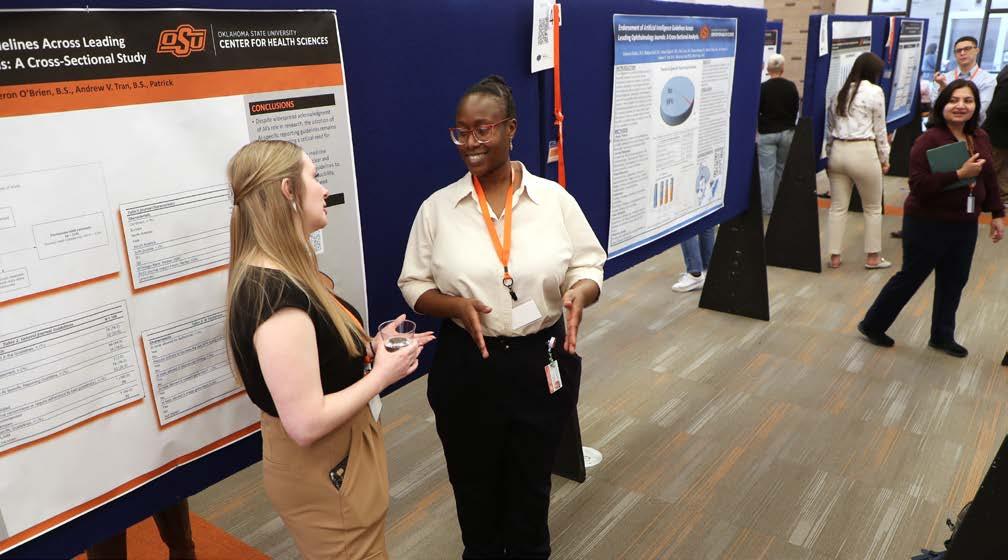
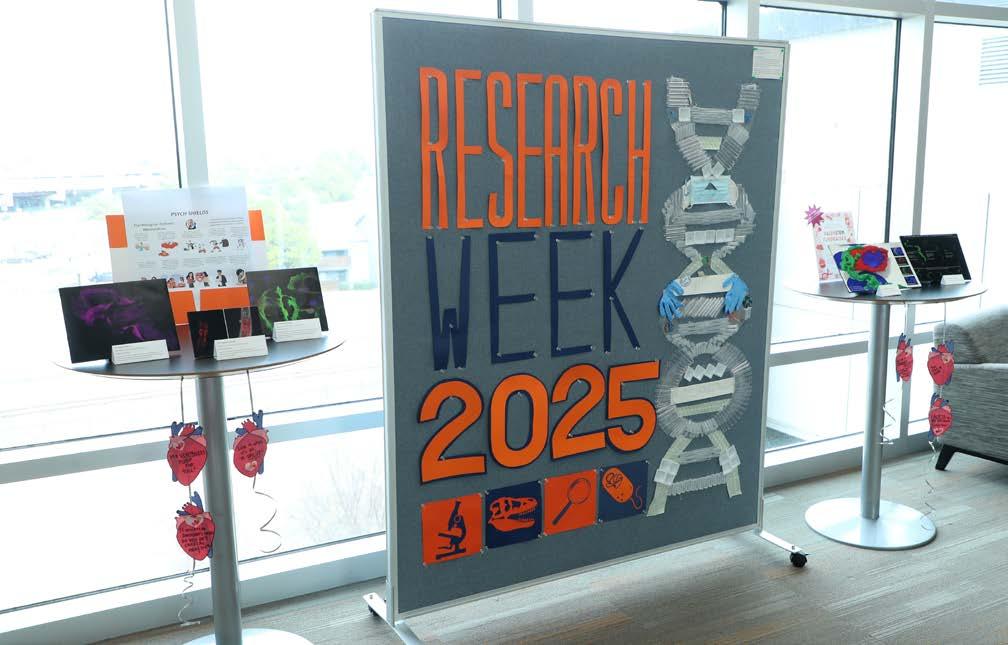
Research Week, held in February, showcases OSU Center for Health Sciences research conducted by students, faculty, staff, residents and post-doctoral students. More than 100 abstracts and posters were submitted by OSU-CHS researchers across multiple disciplines, giving students the experience of attending a scientific conference during oral and poster presentation sessions.
The STRIDE, Symposium on Tribal and Rural Innovation on Health, brings together experts in rural and Indigenous health care. The conference goals are to examine the long-standing health care disparities and inequities that continue to face individuals who live in rural and/or Indigenous communities. The program explores sources of systemic inequities, economic disadvantages and environmental exposures that prevent individuals and their communities from achieving optimal health, leading to differences in health outcomes. A record number of abstracts, 85, were received for STRIDE in September 2025.
2025
MEDICAL STUDENT RESEARCH
IN 2025, medical students across OSU Center for Health Sciences Tulsa and Tahlequah campuses collectively produced more than 65 peer-reviewed publications and over 100 conference presentations, establishing one of the most productive medical student research programs around. Their work appeared in leading journals such as Journal of Clinical Epidemiology, Blood Advances, British Journal of Anaesthesia, Regional Anesthesia and Pain Medicine, Journal of Racial and Ethnic Health Disparities, Journal of Autism and Developmental Disorders, Drug and Alcohol Dependence, Annals of Allergy, Asthma & Immunology, and the Journal of Osteopathic Medicine.
The 2025 research portfolio reflects both depth and breadth. Tulsa students concentrated heavily on meta research, publishing cross-sectional analyses of trial reporting practices, data-sharing policies and
diversity in clinical trials across multiple specialties, while also advancing scholarship in emerging areas such as artificial intelligence in medical publishing and drug pricing policy. Tahlequah students produced work on health disparities, particularly among American Indian and Alaska Native populations, and contributed studies on adverse childhood experiences, mental health, emergency medicine and maternal and child health. Together, the campuses complement each other, with Tulsa driving forward methods, transparency and equity in biomedical evidence, and Tahlequah connecting these questions directly to community and population health.
Collectively, this body of work demonstrates that OSU-CHS medical students are engaged in scholarly activity and publishing in high-quality venues on nationally relevant topics.
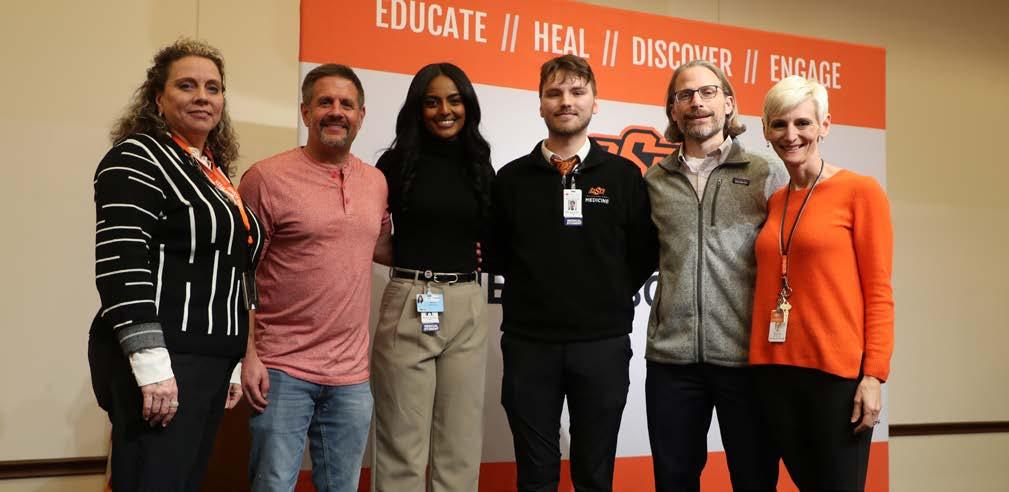
STUDENT RESEARCHER OF THE YEAR
The 2025 Student Researcher of the Year Award was presented to Merhawit Ghebrehiwit from the OSU College of Osteopathic Medicine at the OSU-CHS campus in Tulsa and Zach Monahan from the OSU College of Osteopathic Medicine at the Cherokee Nation campus in Tahlequah. The Student Researcher of the Year Award is presented annually by the Council of Osteopathic Student Government Presidents, a council of the American Association of Colleges of Osteopathic Medicine. It’s given to student researchers who demonstrate excellence in their commitment to research during medical school. Each osteopathic medical school selects their student researcher of the year and they go on to compete in the National SROY Award.
2025 2025 AWARDS BY UNIT
2025 AWARDS
SPONSOR TYPE
n Federal
$20,754,150
n State
$11,615,637
n Non-Profit/Foundation
$5,719,363
n Other
$4,064,340
n Private
$1,901,246
ACTIVITY TYPE
n Outreach
$23,925,885
n Instruction
$8,576,801
n Research
$7,370,679
n Construction/Facilities
$4,000,000
n Clinical Trial
$181,371
2025 2025 PROPOSALS BY UNIT
PROPOSALS
SPONSOR TYPE
n Federal Government
$46,031,198
n Non-Profit/Foundation
$6,467,814
n State Government
$3,289,418
n Private
$1,949,200
n Other
$996,198
ACTIVITY TYPE
n Research
$39,694,318
n Outreach
$11,530,074
n Instruction
$7,328,065
n Clinical Trial
$181,371
RESEARCH IMPACT
OKCAPMAP BECOMES SPARK
In 2025, the Oklahoma Child Adolescent Psychiatry and Mental Health Access Program (OKCAPMAP) expanded and rebranded as Statewide Psychiatry Access, Resource and Knowledge (SPARK) Program. It is funded through HRSA’s Pediatric Mental Health Care Access Program (PMHCA) with the Oklahoma Department of Mental Health and Substance Abuse Services.
EXPANSION AND SUSTAINABILITY
The OKCAPMAP to SPARK rebrand expanded the program’s reach beyond pediatrics to include adult psychiatry, perinatal mental health, and addiction medicine. The launch of okspark.org created a statewide hub for consultation, training and referral resources, making tools more accessible for providers. Sustainability has been strengthened through funding from the Humana community grant and the pursuit of CHIP funds, which help support provider enrollment, outreach and education. Collaboration with tribal partners, including the Chickasaw Nation, further expanded resources, ensured culturally responsive services and provided training for Oklahoma providers. Expansion services continue to develop in emergency settings and virtual care, broadening access and closing critical mental health service gaps across Oklahoma.
CONSULTATION AND REFERRAL
To date, SPARK has provided 840 consultations, with the majority, 89%, supporting practices in rural and underserved communities. Provider engagement continues to grow, with 531 registered clinicians statewide now serving 49 counties, including 45 designated as underserved. Providers have access to a database of more than 2,100 resources, covering outpatient, inpatient, crisis, disability and family support services. Nintey-six percent of referral resources completed support children in rural and underserved areas.
EDUCATION AND TRAINING
Education and professional development remain a top priority, with 700-plus providers trained to date. In May 2025, the Bridging the Gap Conference, co-hosted with the Chickasaw Nation PMHCA program, brought together 128 participants. The House Calls model expanded rural access with flexible CME/CEU trainings, complemented by eight online modules and new opportunities through Project ECHO. The program has developed “What to Know” caregiver fact sheets and presented and exhibited at 10 state and national conferences, elevating visibility and sharing best practices. In April 2025, the team published in the Journal of Osteopathic Medicine, highlighting SPARK’s impact on provider enrollment and access barriers in Oklahoma.
96% of referral resources completed support children in rural and underserved areas.
2025
RESEARCH IMPACT
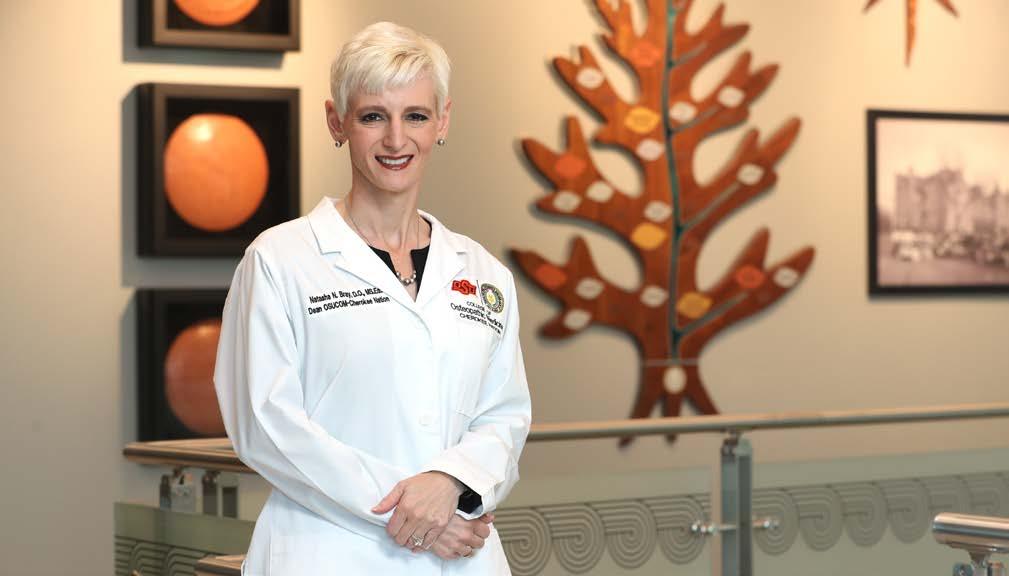
MEDICAL STUDENT EDUCATION PROGRAM
Oklahoma State University Center for Rural Health continues to drive innovation in medical education through the HRSA-funded Medical Student Education Program (MSEP). Under the leadership of Principal Investigator Dr. Natasha Bray, and in close collaboration with Dr. Denna Wheeler and the OSU Center for Rural Health team, the program leverages combined expertise to enhance the educational experience for OSU-CHS students and strengthen training pathways dedicated to rural and underserved communities.
This year, the MSEP expanded learning opportunities for students committed to serving rural, tribal, and urban underserved populations across Oklahoma. A total of 149 students enrolled in specialized medical education tracks, and 91 students completed immersive summer externships. The Graduate Certificate in Medical Sciences remains a vital recruitment pipeline, with 44 students expected to matriculate into OSUCOM’s Class of 2028.
Clinical training capacity also continued to grow statewide. OSU-COM is now partnering with 82 rural and tribal clinical sites, with new rotations launched in Lawton, Oklahoma City and Tulsa. The program added 27 new clinical sites this year and is upgrading 11 rural hospitals to provide dedicated student housing. Financial support increased as well, with more than $2 million in scholarships and stipends awarded to students from 56 counties, reducing barriers and enabling hands-on learning in high-need areas.
The outcomes reflect the program’s impact: 50% of OSU-COM’s Class of 2025 matched into primary care residencies, and 56% chose to remain in Oklahoma. With strong leadership and collaboration the MSE Program is not only preparing future physicians, but is also ensuring that patients in every Oklahoma community have access to high-quality medical care close to home.
Principal Investigator Natasha Bray, DO
RESEARCH IMPACT
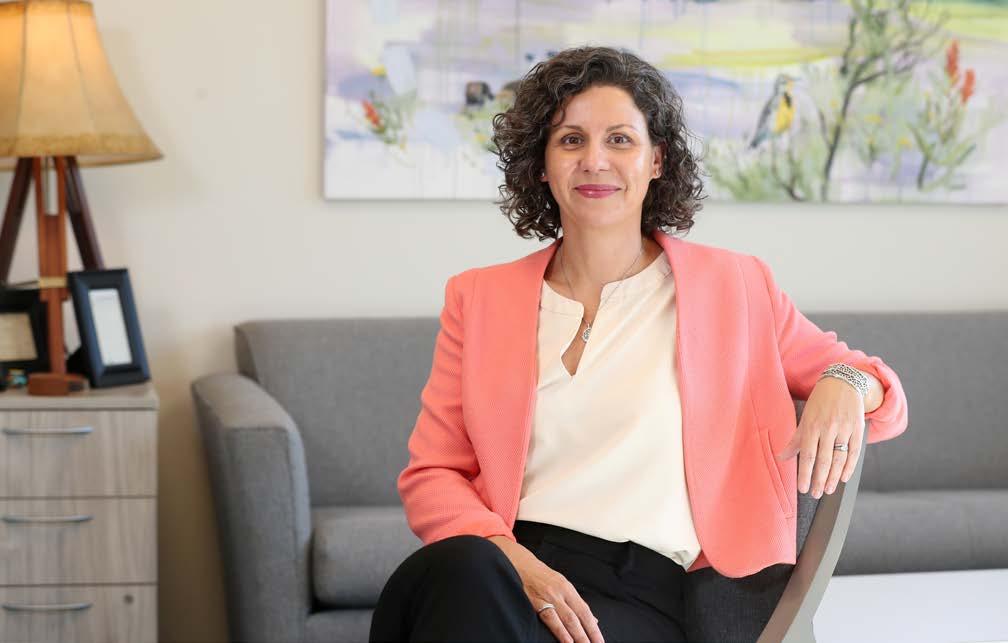
CENTER FOR INTEGRATIVE RESEARCH ON CHILDHOOD ADVERSITY (CIRCA)
Fiscal year 2025 marked a pivotal year for the Center for Integrative Research on Childhood Adversity (CIRCA) at OSU Center for Health Sciences, with major growth and a leadership transition. Dr. Jennifer Hays-Grudo, CIRCA’s founding principal investigator, retired after years of groundbreaking work in Adverse Childhood Experiences (ACEs) research. Stepping into the role of PI is Dr. Julie Croff, a long-time collaborator and expert in public health and substance use prevention, bringing fresh energy and strategic direction to the center.
Backed by a $9.5 million NIH award, CIRCA continues to drive interdisciplinary research and community engagement aimed at reducing the impact of childhood adversity. This is a multi-year project, and $1,333,332 was received in Fiscal Year 2025, underscoring the sustained investment in CIRCA’s mission. In FY25, the center launched a new round of pilot funding — up to $100,000 per project — to support innovative, early-stage research aligned with its mission. CIRCA also supports core facilities like the Flow Cytometry Lab and plays a key role in OSU-CHS initiatives focused on rural and underserved populations, virtual care and public health infrastructure.
With strong leadership, sustained funding and a growing network of collaborators, CIRCA is well-positioned to lead transformative, community-informed research that improves outcomes for children and families across Oklahoma.
CIRCA principal investigator Julie Croff, PhD
2025
RESEARCH IMPACT
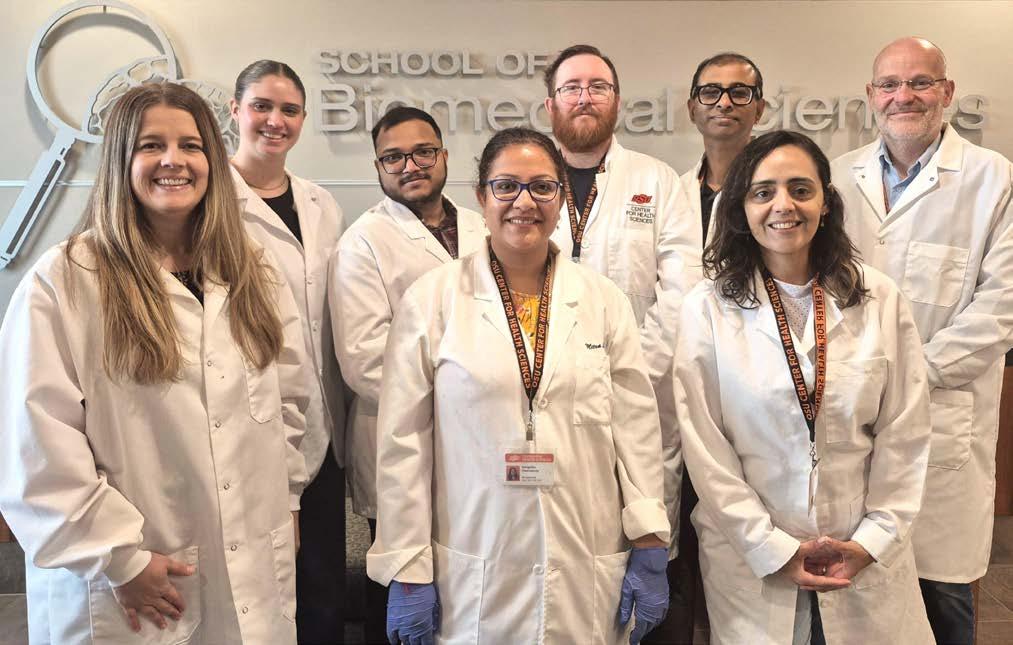
MITRA LAB
The Mitra Lab at OSU Center for Health Sciences has secured industry funding from Palatin Technologies to explore innovative treatments targeting the melanocortin system for obesity management. This partnership supports a cutting edge research initiative focused on identifying and evaluating compounds that influence key melanocortin pathways in the brain — pathways known to play a critical role in appetite regulation and energy balance. Early-stage studies have produced highly promising results, culminating in a provisional patent for a novel combination therapy that could represent a significant advancement in obesity treatment.
Building on this momentum, the lab is now conducting preclinical trials using genetically modified mice that lack specific melanocortin genes. These models allow researchers to assess both the efficacy of lead compounds in promoting weight loss and their mechanisms of action within the central nervous system. The goal is to better understand how these therapies interact with neural circuits involved in hunger and metabolism, paving the way for more targeted and effective interventions.
This research not only reflects the lab’s commitment to translational science but also positions OSU-CHS as a leader in the development of next-generation obesity treatments. With continued support and collaboration, the Mitra Lab is advancing toward solutions that could have a meaningful impact on public health.
OVPR SEED GRANT PROJECTS
Every year OSU’s Division of the Vice President for Research accepts applications for the pilot/seed program. This program supports preliminary studies with the intent of making projects competitive for external funding from NIH, HRSA or other external funding agencies. Four seed grant projects from OSU-CHS researchers were approved in 2025:
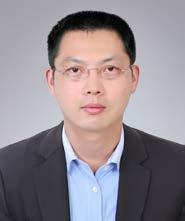
$6,588
“Hidden Hunger and Type II Diabetes Among Native Americans”
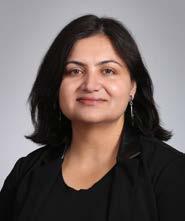
$10,000
“Investigating How Interactions Between Gilal Cells Influence Signaling Pathways Related to Prenatal Exposure to Oxycodone in Rodents”
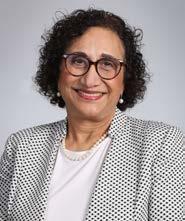
$10,000
“Estrogen Receptor Regulation of Hepatitis C Viral Protein Induced Pathogenesis in the Liver”
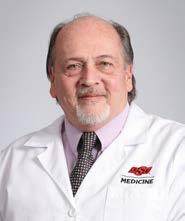
$10,000
“Anticancer Therapies from Native American Indigenous Plants”
David Wallace, PhD
Wenjie Sun
Rashmi Kaul
Malabika Maulik
2025 YEAR IN REVIEW
155
IRB Determinations
The OSU Center for Health Sciences Institutional Review Board (IRB) is responsible for overseeing research involving human subjects to ensure that it meets ethical and regulatory standards. The IRB made 131 new protocol determinations in FY25, ensuring that research is conducted with respect to participant rights, safety and welfare. The IRB’s work is essential in maintaining public trust and fostering a research environment where human participants are protected. The increased volume of determinations underscores the growing scope of research activities at OSU-CHS. 12
IACUC Protocols
The OSU Center for Health Sciences Institutional Animal Care and Use Committee (IACUC) is responsible for overseeing and evaluating the use of animals in research, teaching and testing. The IACUC approved 12 new protocols for animal research in FY25, ensuring that research is conducted in compliance with federal, state and institutional guidelines to prioritize animal welfare while supporting scientific advancement. The IACUC’s work is vital in balancing ethical responsibility with the need for scientific discovery. With a newly constructed 12,000-square-foot vivarium, which opened in March 2025, the animal program is poised for significant growth, further enhancing our capacity for cutting-edge research.
9
IBC Protocols
The OSU Center for Health Sciences Institutional Biosafety Committee (IBC) is responsible for overseeing research involving biohazardous agents and recombinant DNA to ensure it meets safety and regulatory standards. The IBC approved seven new protocols for biosafety research in FY25, ensuring that all research involving biological risks complies with safety regulations and mitigates potential hazards to researchers and the public. The committee’s oversight is essential in fostering a safe and compliant research environment.