

Induction


Induction
Please come to the event having undertaken the following:
1. Familiarise yourself with the contents of the participant event resource pack and slide deck
2. Read three of the research summaries in the table below (one from each DfE content area), making notes on the key points and any implications for your leadership practice
3. Watch/read with one of the four sets of four leader case studies in Resource 4
4. Please ensure that you bring the slide deck and participant resource pack to the face-to-face event (either electronically or as paper copies)
5. Have available an up-to-date copy of your completed induction cycle LDR completed, and a blank cycle one LDR ready for completion during the event.
Read one of:
Deans for Impact (2015). ‘The science of learning’
Education Endowment Foundation (2018). ‘Improving secondary science guidance report’
Section 1
Section 3
Recommendation 1
Recommendation 4
Rosenshine, B. (2012). ‘Principles of instruction: research-based strategies that all teachers should know’. American Educator, 36
Introduction
Section 1
Section 2
Section 5
Section 6
Section 8
Section 9
https://deansforimpact.org/wpcontent/uploads/2016/12/ The_Science_of_Learning.pdf
https:// d2tic4wvo1iusb.cloudfront.net/ eef-guidance-reports/science-ks3ks4/ EEF_improving_secondary_science .pdf
https://www.aft.org/sites/ default/files/periodicals/ Rosenshine.pdf
And read one of:
Coe, R., Aloisi, C., Higgins, S., and Major, L. E. (2014). ‘What makes great teaching? Review of the underpinning research’. Durham University
Deans for Impact (2015). ‘The science of learning’
Education Endowment Foundation (2018). ‘Teaching and learning toolkit: metacognition and selfregulation
And read one of:
EEF (2019). A school’s guide to implementation online course.
Executive summary (pages 2–5)
Rosenshine section (pages 14–15)
Pages 17–21
Section 2
Section 4
All sections
Sharples, J. M., Albers, B., Fraser, S., and Kime, S. (2018). ‘Putting evidence to work – a school’s guide to implementation’. London: EEF
Albers, B., and Pattuwage, L. (2017). ‘Implementation in education: findings from a scoping review’. Melbourne: Evidence for Learning.
Module 1: Introduction
https://www.suttontrust.com/ wp-content/uploads/2014/10/ What-Makes-Great-TeachingREPORT.pdf
https://deansforimpact.org/wpcontent/uploads/2016/12/ The_Science_of_Learning.pdf
https:// educationendowmentfoundation. org.uk/education-evidence/ teaching-learning-toolkit/ metacognition-and-self-regulation
Summary of recommendations (pages 6–8)
Recommendation 1 (pages 10-11)
Section 5.3 (pages 21–28)
https:// educationendowmentfoundation. org.uk/courses/a-schools-guideto-implementation-online-course
https://dera.ioe.ac.uk/31088/1/ EEF-Implementation-GuidanceReport.pdf
https://www.researchgate.net/ publication/ 319176978_Implementation_in_E ducation__Findings_from_a_Scoping_Revie w
‘Learn that’ ‘Learn how to’
3.1. Learning involves a lasting change in pupils’ capabilities or understanding.
3.3. An important factor in learning is memory, which can be thought of as comprising two elements: working memory and long-term memory.
3.8. Requiring pupils to retrieve information from memory, and spacing practice so that pupils revisit ideas after a gap, are also likely to strengthen recall.
Explain important ideas about how pupils learn to colleagues, including by:
3.a. Introducing ideas about working and long-term memory.
3.b. Articulating the role that prior knowledge plays in learning.
Support colleagues to help pupils learn by:
3.f. Highlighting the importance of sequencing lessons so that pupils secure foundational knowledge before more complex content.
4.1. A school’s curriculum enables it to set out the knowledge, skills and values that its pupils will learn, encompassing the national curriculum within a coherent wider vision for successful learning.
4.4. Secure subject knowledge helps teachers to motivate pupils and teach effectively.
Support colleagues to design a carefully sequenced, broad and coherent curriculum by:
4.a. Ensuring colleagues recognise the inherent structures within subjects and identifying important knowledge, skills and concepts within them and the relationships between these components.
4.b. Emphasising the value of ensuring pupils’ thinking is focused on important ideas within the subject and that multiple opportunities are provided to revisit these ideas over time.
‘Learn that’
9.1. Implementation is an ongoing process that must adapt to context over time, rather than a single event. It involves the application of specific implementation activities and principles over an extended period (e.g. implementation planning, ongoing monitoring).
9.4. Effective implementation begins by accurately diagnosing the problem and making evidenceinformed decisions on what to implement.
9.5. Thorough preparation is important: time and care spent planning, communicating and resourcing the desired changes provides the foundation for successful delivery. Teachers and leaders should keep checking how ready their colleagues are to make the planned changes.
Plan and execute implementation in stages by:
9.a. Ensuring that implementation is a structured process where school leaders actively plan, prepare, deliver and embed changes.
Make the right choices on what to implement by:
9.d. Identifying a specific area for improvement using a robust diagnostic process, focusing on the problem that needs solving, rather than starting with a solution.
Prepare appropriately for the changes to come by:
9.l. Developing a clear, logical and well specified implementation plan, and using this plan to build collective understanding and ownership of the approach.
Sustain changes by:
9.r. Using reliable monitoring and evaluation to review how the implementation activities are meeting the intended objectives and continue to align with school improvement priorities.
Your leadership learning and practice
Use your completed Induction Cycle LDR (leadership development record) and Practice Activity feedback as prompts to focus your individual review.
In which areas and for which statements has your understanding developed the most?
How have you applied your understanding and what impact has it had on:
a) your leadership?
b) school practice?
What leadership behaviours (Resource 8) have you demonstrated?
What areas do you need to continue to work on and develop?
How will you address these?
Highlight here the key points arising from the research and case studies to consolidate your new knowledge, articulate what you have understood about each of the content areas’ key themes and raise any misconceptions for correction.
Content areas Themes
How pupils learn (Session three) Memory
Subject and curriculum (Session four)
Prior knowledge and misconceptions Sequencing and retrieval practice
Subjects
Leader case study set
Name of leader and setting Phase Case study
Set 1 Helen Pugh
Tytherington School Secondary
Set 2 Carmen Palmer
St Richard’s CE Primary School
Primary/SEND
Set 3 Ark Schools Secondary/Primary/remote settings
How pupils learn (Session three)
https://youtu.be/TO2U8iokhjs
Subject and curriculum (Session four)
https://youtu.be/PIEnm6WliBM
How pupils learn (Session three)
https://youtu.be/qEL3W4isMAg
Subject and curriculum (Session four)
https://youtu.be/OzaISIV95R8
How pupils learn and Subject and curriculum (Sessions three and four) ‘Curriculum sequencing for primary and secondary case study’
Set 4 The Bridge School SEND
Written case study below
How pupils learn and Subject and curriculum (Sessions three and four)
‘The Bridge School curriculum case study: Intent, implementation and impact’
Written case study below
Department for Education, 25 November 2020
School closures have led to pupils missing opportunities to learn, and teachers have had fewer opportunities to assess the knowledge and understanding of their pupils.
Teachers and leaders in our network have been worried that this will lead to too great of a focus on recovering lost learning at the expense of future learning and over-testing pupils to diagnose every possible gap.
In working across the Ark Schools network, and with hundreds of other schools through Ark Curriculum Plus, we’re helping teachers use curriculum sequencing to focus on the most essential knowledge and maximise the impact of diagnostic assessment.
Rather than redoing or reviewing summer units, we’ve identified core knowledge from the summer that is a vital prerequisite to this year’s learning, and designed transition resources that help pupils move forward. For example, on return to school in September, our baseline diagnostic found that many year 8 pupils could not identify the structure of a metaphor.
English teachers will know that metaphors are often used to help pupils develop their analysis of the impact of a writer’s words, and that this contributes significantly to achieving the aims of the national curriculum at key stage 3 in English.
Although pupils revisit and consolidate the use of metaphor throughout key stage 3, we know that pupils are likely to perform more poorly in subsequent units that have been designed to build upon pupils’ understanding of them. Having identified the significance of metaphor, we developed a two-week poetry booster unit that focused on this core knowledge.
We prioritised poems such as, ‘What is the sun?’ by Wes Magee, ‘Ironing’ by Vicki Feaver and ‘The Tyger’ by William Blake. These varied poems play with metaphor in obvious but complex ways. The lessons were designed to quickly and efficiently secure and assess pupils’ knowledge.
Teachers found the booster units had an impact on both pupil knowledge and confidence. A subject leader explains:
“All our pupils made progress in the two weeks. When we retested the poetry section of the baseline assessment, they could all do it. It made the pupils feel much calmer, their anxieties were allayed – perhaps that closure in March hadn’t impacted on year 8 as much as they thought it had. They saw for themselves that they had caught up – they could analyse the metaphor. So much so that period 5 on a Friday, my year 8s forgot to leave because they were so busy reciting poetry to each other!”
Careful sequencing of opportunities to address missed education
While some core knowledge has been identified as a vital prerequisite for the year ahead – and addressed through booster units – to reteach all the core knowledge from the summer term in the autumn would clearly leave pupils further behind.
We therefore mapped all the remaining core knowledge from the summer term (as well as some learning from the previous autumn and spring terms that would usually have been consolidated in the summer) against the year ahead.
This means that teachers can look ahead to the most appropriate opportunities to revisit or reteach problem content. We’ve also identified key exposition and practice resources from the summer, and mapped these into the curriculum for the year ahead, so teachers can access high-impact resources precisely at the moment that pupils most need them.
Let’s take the example of year 5 maths. In the summer term of year 4, pupils would usually study 3-D shape, position and direction, and reasoning with patterns and sequences.
Short, daily sessions of engaging consolidation and practice are an established component of our mathematics programme – we call these Maths Meetings. We’ve determined that much of the 3-D shape and position and direction content in our year 4 summer term programme can be effectively taught through Maths Meetings.
However, we’ve added an extra week focussed on shape to the end of the autumn term for year 5 this year because we think the amount of new 2-D shape learning in year 4 is too great to teach through Maths Meetings. This is because a lot of important shape language is introduced in year 4, and the summer term of year 5 builds on this – expanding 2-D shape vocabulary and revising and applying all previous 2-D shape learning to solve problems. So, teaching the year 4 content in the autumn term of year 5 this year allows time for consolidation of vocabulary, which can be built upon in the summer.
We’re expecting that, by the end of this year, our pupils will have learnt all the content we’d expect, so they are prepared to meet or exceed the expectations for their age.
Diagnostic assessments
We use four different diagnostic assessment types:
baseline assessments
termly tests
fortnightly quizzes
lesson exit tickets
All are designed to embed learning by returning to key concepts. Let’s take an example from English with a word like ‘corrupt’ that pupils would learn during the Oliver Twist unit at the start of year 7. The word ‘corrupt’ will appear in a lesson exit ticket, and then a fortnight later it will come up in a fortnightly quiz to help them embed it, then it’s also in their end of term test.
We’ve chosen concepts and words that will be revisited in future texts. For example, when pupils study Animal Farm in year 8, they’re coming back to that word, ‘corrupt’. The diagnostic assessment is looking both forwards and backwards.
Assessment results are mapped forward in the curriculum so that teachers can pinpoint in the upcoming curriculum when the best time to revisit and reteach to close gaps will be. Rather than trying to close all of the gaps in that moment, teachers can sequence lessons and topics to meet the needs of their class.
Linking with home
We also make sure that the curriculum we provide for pupils at home, in case it’s needed, is fully aligned with the in-school curriculum.
For subjects including English, science and geography, we have developed pupil workbooks that have been designed for easy setting of work remotely, especially for pupils without IT facilities.
A teacher exposition section presents new information in pupil-friendly speak and addresses key misconceptions. Our authoring teachers adapted ‘turn and talk’ to become ‘stop and jot’. We interspersed the text with short tasks to help pupils stay on track whilst at home. We’ve also included a formative assessment element with pupils guided to complete various ‘fix-it’ activities depending on the exit ticket answer they give.
These workbooks offer consistency for both our pupils and our teachers. During time at home, pupils can follow the lessons in the booklet, and when they return to learning in school they can do so seamlessly. Our teachers are finding that, since introducing the workbooks, the quality of work that pupils are producing at home is significantly improved.
For those pupils who have access to digital resources over the internet, we have launched an online learning platform to enable independent learning, SpArk. The new platform offers an array of purposefully curated, exciting, curriculum-aligned resources to spark curiosity and enable ongoing, independent learning at home. All of the resources on the platform are free to access and have been carefully chosen, often from third-party sites such as the BBC, to allow pupils to gain a deeper understanding of the subject that they are learning.
Additionally, for our maths and music programmes, pupils can benefit from fully aligned curriculum resources and lessons through Oak National Academy
There is no doubt it has been a hugely challenging time for everyone working in education. At Ark, we’re keen to share knowledge of what we’ve learned about ways to maintain the integrity of curricula in times of severe disruption and hope you find this information useful.
At all key stages, the overall intent is that each pupil engages, achieves and makes the most personal progress they can over time to enable them to have the most fulfilling, enjoyable and independent life possible.
The school has mapped out:
for pupils working at below pre-key stage standards that are pre-subject specific, the intended progression of fundamental key skills and knowledge. The National Curriculum subjects provide a context for multi-sensory delivery to engage pupils in learning and to achieve the pre–subject-specific/crosscurricular skills and knowledge and also the 12-month outcomes set with parents/carers at annual review of EHCP. Some pupils will access elements in the continuum in the subject-specific skills and knowledge based on their next steps.
for pupils who are working towards/within subject specific learning the school has mapped out the intended progression of skills and knowledge leading to the end points that are outlined in the National Curriculum. Pupils work on 12-month outcomes set with parents/carers at annual review of EHCP. The outcomes target key next steps to achieve and retain.
For each pupil, their next step will be based on their assessed previous skills and knowledge rather than for their age or year group; it will be highly personalised. Due to the particular special needs of an individual pupil, some pupils may not have an even profile and steps may be broken down and further personalised. The curriculum provides the opportunity for pupils to access a broad and balanced curriculum at a differentiated level meeting statutory requirements.
The following form the foundation of all delivery:
engagement and enjoyment
communication and understanding
personal and social development including increasing awareness of self, their own emotions and relationships with others
independence, including life-skills
Progression is not necessarily about movement up a ladder of skills and knowledge. Lateral progression is important in being able to apply the skills and knowledge that have been learned, e.g., to different contexts, situations, with less scaffolding and support, with different people and in different environments. Retention of the foundation fundamental skills and knowledge to embed into the long-term memory is also important – to know more, do more and remember more. We want all pupils to have a successful transition into and out of our setting.
The Bridge School provides high-quality teaching. Teachers carefully assess each pupil’s abilities. Teachers work with parents/carers and any linked professionals to target the next key steps in priority areas that include communication/understanding, personal and social development and key skills. These are agreed through 12month outcomes set as part of the EHCP process and are reviewed every 6 months with parents/carers. Teachers also plan the next individual pupil steps in all curriculum areas. Teaching is informed by the planned and sequenced knowledge and skills in all areas.
Alongside this, teachers identify the strategies that each pupil needs to access the curriculum and engage to achieve and make progress. This is individual to each pupil. Strategies include: Intensive Interaction, structured visual support, PECS, work/reward/multi-sensory delivery, repetition, etc. Teachers use a range of strategies to support pupils to learn and retain information. In partnership with parent/carers, elements of an NHS healthlinked professional therapy programme may be implemented or integrated into the school day, balanced with the educational access to the wider curriculum.
English and Maths are taught through daily functional skills sessions and timetabled lessons. They are based on careful assessment of pupils’ abilities and needs and their progressive sequenced next step of learning. Pupils are also supported through the whole curriculum where communication and understanding, early literacy and maths skills and knowledge, and personal development are integrated into all learning as appropriate. The sequence of learning, as it is in all subjects, is personal to the pupil or groups of pupils based on their prior learning, and
engagement in learning is central to all. Maths and English have a bank of resources and activities that can support teachers in the work with each pupil.
For other subjects, the curriculum overview outlines the units of work to be delivered across the rolling programme. The rolling programme allows pupils to be placed in mixed-age classes in each key stage. This therefore allows pupils to be grouped in classes based on a range of factors, e.g., pupil needs, abilities and friendships. The content has been carefully planned to enable repetition over time. Please see links below for further information.
Pupils with profound learning difficulties, for whom the units provide a multi-sensory varied theme context for the pre–subject-specific knowledge and skills progression, may access a reduced number of units to enable time for other priorities. For pupils working at this early stage of development, the planned curriculum units provide a theme/context for multi-sensory delivery. Pupils work on cross curricular priority areas of learning often including those set in the 12-month outcomes of the EHCP. The planned curriculum units enable pupils to access a wide range of creative and exciting planned activities to extend and build on known interests and motivations. The curriculum theme also enables repetition to sustain each pupil’s achievements. There is an intensive focus on all aspects of communication and personal outcomes and engagement through the themes. The planned units have the same titles as our pupils who are working on subject-specific learning, so that it leads to shared opportunities for all to learn together and it does not create a ceiling for pupils’ progress.
Parents/carers are informed about the curriculum units being covered in termly newsletters. The units enable key skills and knowledge to be worked on in each unit within an exciting and motivating context. Each subject has skill and knowledge progression mapped, but each pupil will work on their next steps and teachers will break down into further small steps or widen due to the unique nature of each pupil and how they engage and access the curriculum.
Pupils also benefit from a wide range of enrichment activities that are mapped to curriculum where possible.
The aspiration for all pupils who attend the Bridge School is that they achieve their potential in all aspects of their development. All pupils who attend the Bridge School have severe/profound learning difficulties. Many pupils have additional needs such as autism, physical disabilities, sensory impairments, complex medical needs, etc. We work in a determined way to ensure that all pupils achieve the most they can.
The outcome of the curriculum is highly individual. All achievement and progress is celebrated. Progress for our pupils can be demonstrated by:
Pupils making progress towards/achieving their intended outcomes set with parents/carers for 12 months within the EHCP annual meetings. These outcomes are informed by any relevant professionals working with the pupils.
Pupils making progress towards outcomes when reviewed in 6-month review meetings with parents/carers.
Pupils making progress/achieving in the curriculum planned by teachers. Progress and achievement in all subjects are within reports to parents in either EHCP (annual review) report or annual curriculum report.
Achieving external accreditation for secondary-aged pupils, e.g., OCR accreditation.
Using existing skills in a wider range of contexts.
Supported transition within, in and out of the setting.
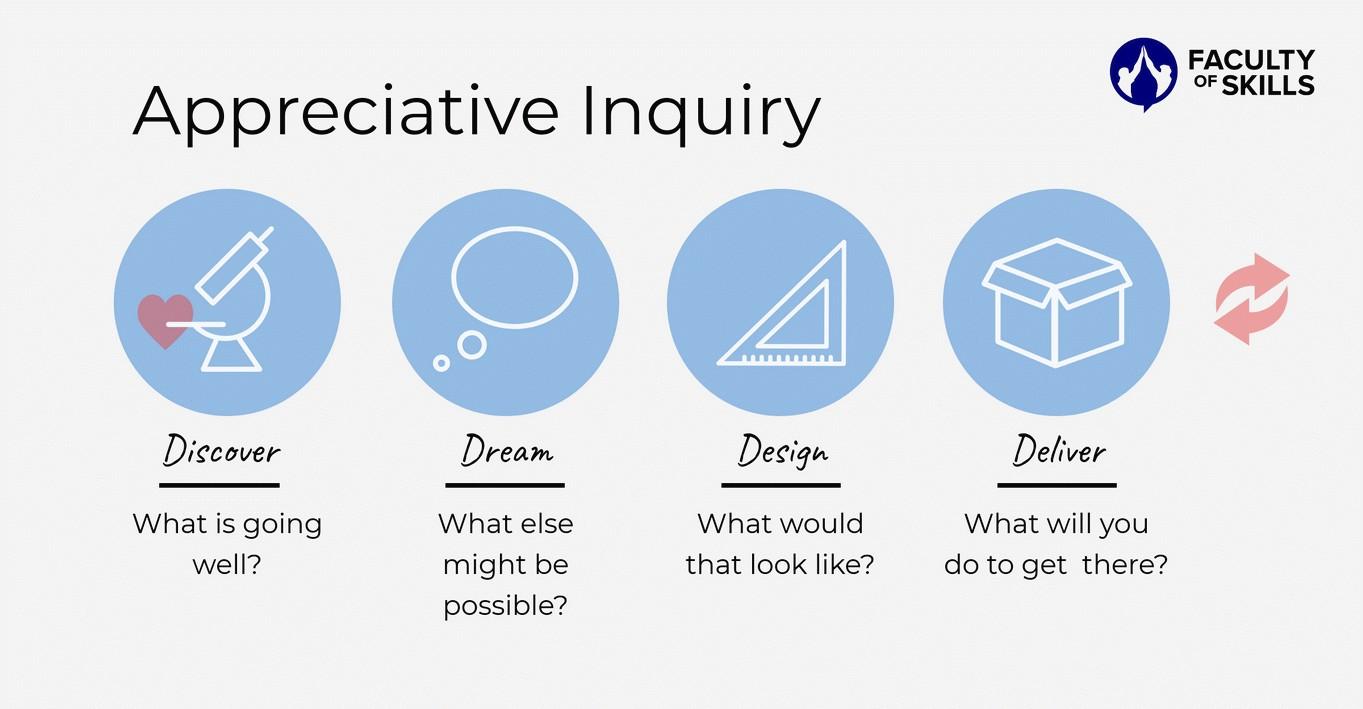

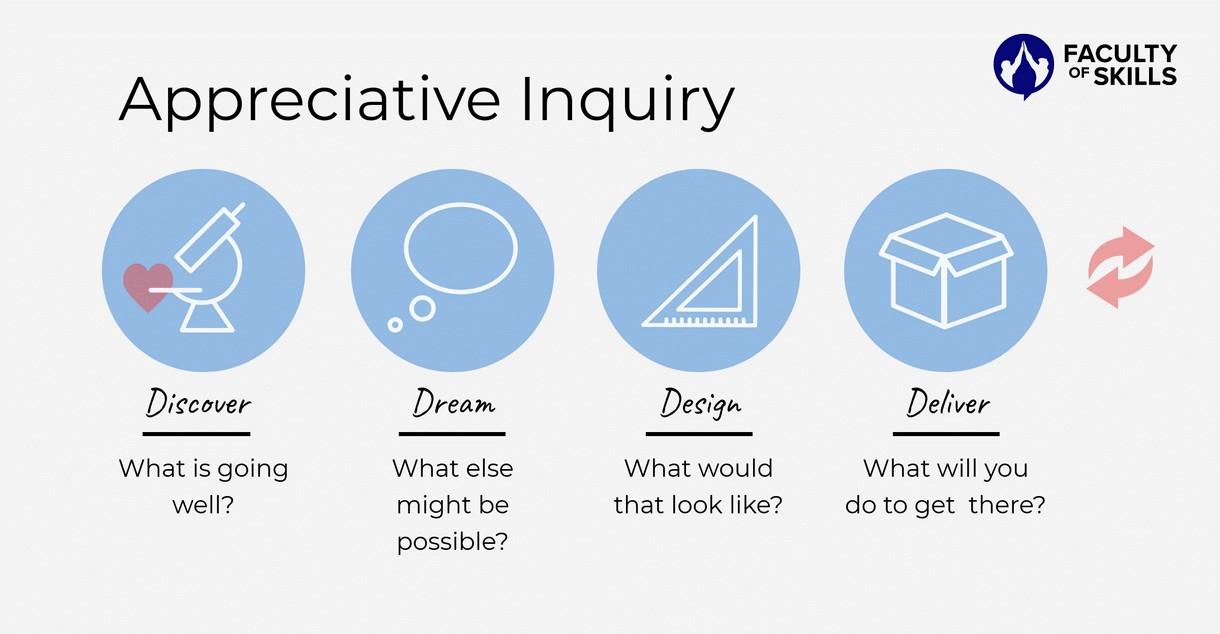
Setting/team/individual strengths and abilities already in place
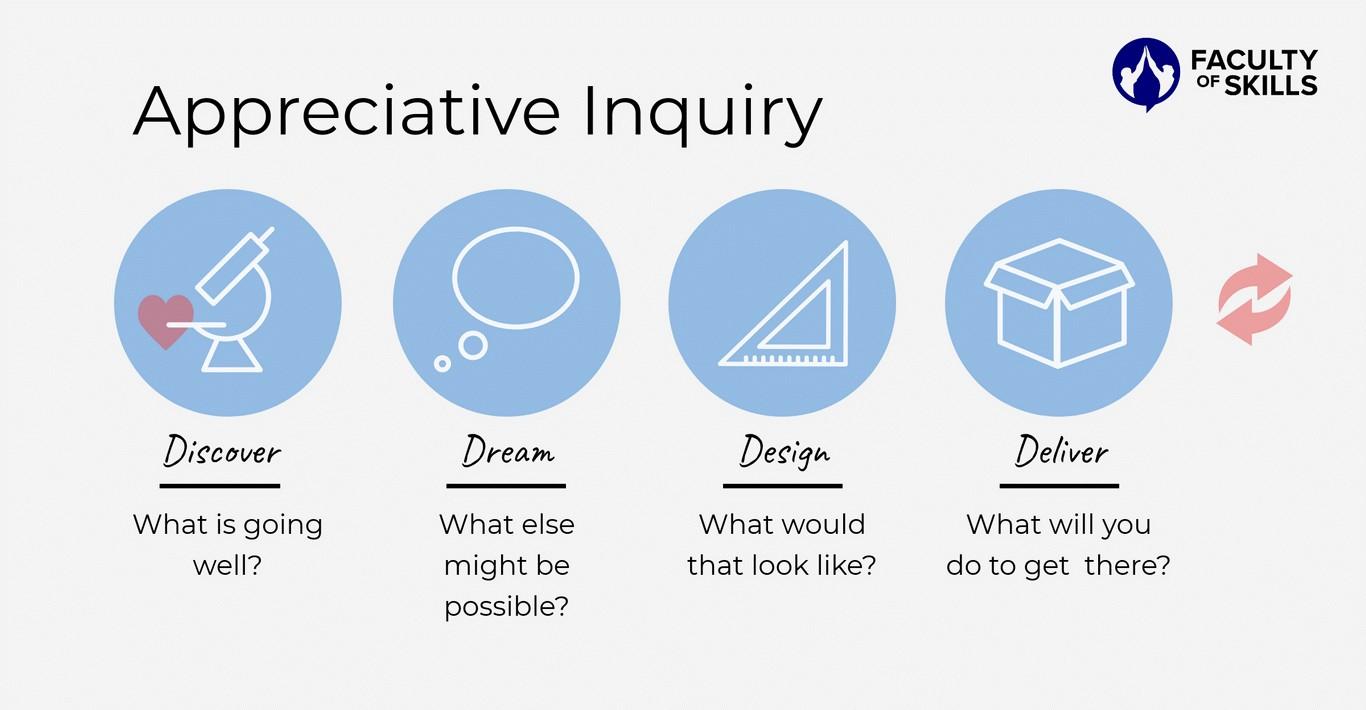
Imagining what could be ideal and possible – the big picture ‘dream’ vision
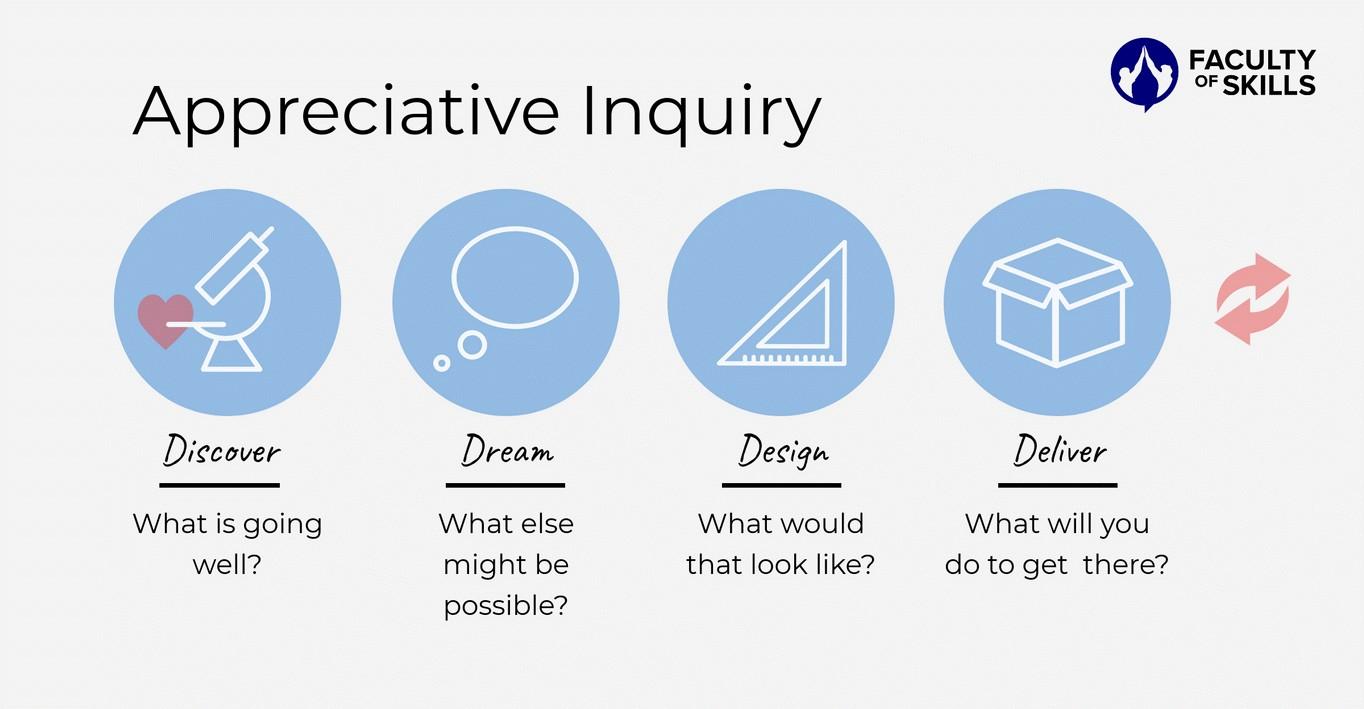
The realistic version of the big picture ‘dream’ in the context
What are the setting’s current strengths here?
What are my and others’ leadership strengths here?
What are the current pockets of strength (individuals, teams, departments, whole settings, community, etc.) relevant here?
Which statements (below) are already effective in my setting?
What would I see if my vision was realised (practices)?
What would I hear if my vision was realised (language)?
What would I feel/sense if my vision was realised (culture/norms)?
What research would be evident if the vision was realised?
Which statements (below) need to
What aspects of the dream are possible? Why?
Which aspects of the dream are not possible? Why not? Are they really not possible?
Which aspects of research do I not want to lose when scaling down the dream to reality?
Which statements (below) need to remain when I scale down the dream
Implementation actions, strategies and processes to achieve the vision (including Implementation Plan)
How will the vision be enacted?
What planning needs to take place?
What do I know about effective implementation to ensure (the realistic version of) my vision is realised?
What do I/we need to achieve to realise the vision?
Which statements (below) would I need to consider to successfully
feature in my vision?
vision to the realistic vision? implement my vision?
Discover, Dream, Design
How will we ensure that learning is taking place for all pupils where it involves a lasting change in pupils’ capabilities or understanding? (3.1.)
How will we ensure strategies respond to what we now know about the capacity of working memory and transfer of information to long-term memory? (3.3.)
What will retrieval practice look like, given what we know from the evidence? (3.8.)
How will I successfully explain important ideas about how pupils learn to colleagues by introducing ideas about working and long-term memory? (3.a.)
How will I successfully explain important ideas about how pupils learn to colleagues by articulating the role that prior knowledge plays in learning? (3.b.)
How will I successfully support colleagues to help pupils learn by highlighting the importance of sequencing lessons so that pupils secure foundational knowledge before more complex content? (3.f.)
How will I successfully improve pupil outcomes?
How will we ensure that the school’s curriculum enables us to set out the knowledge, skills and values that our pupils will learn (encompassing the national curriculum within a coherent wider vision for successful learning)? (4.1.)
How do we ensure teachers have secure subject knowledge? (4.4.)
How do we ensure that teachers utilise their subject knowledge to teach effectively? (4.4.)
How do we ensure that teachers utilise their subject knowledge to motivate pupils? (4.4.)
How do we support colleagues to recognise the inherent structures within subjects and identifying important knowledge, skills and concepts within them and the relationships between them, in order to design a carefully sequenced curriculum? (4.a.)
How do we support colleagues to build a carefully sequenced curriculum that emphasises the value of ensuring pupils’ thinking is focused on important ideas within the subject and revisited over time? (4.b.)
How do we ensure that our subjects and curriculum are built from our knowledge of how pupils learn?
How will I successfully improve pupil outcomes?
How will we ensure that implementation in my school is treated as an ongoing and structured process that must adapt to context over time, rather than being treated as a single event? (9.1., 9.a.)
How will we ensure that all implementation begins with accurately diagnosing the problem and making robust, evidence-informed decisions on our implementation focus? (9.4., 9.d.)
What will we need to do to ensure preparation is through in terms of time, care spent planning, communications and resourcing? (9.5.)
How do we ensure our implementation plan is clear, logical and well specified in order to build collective understanding and ownership of the approach? (9.l.)
How will we ensure our monitoring is reliable and clear in order to be able to improve the approach over time whilst still meeting the intended objectives? (9.r.)
How will I ensure I stay focused on successfully improve pupil outcomes?
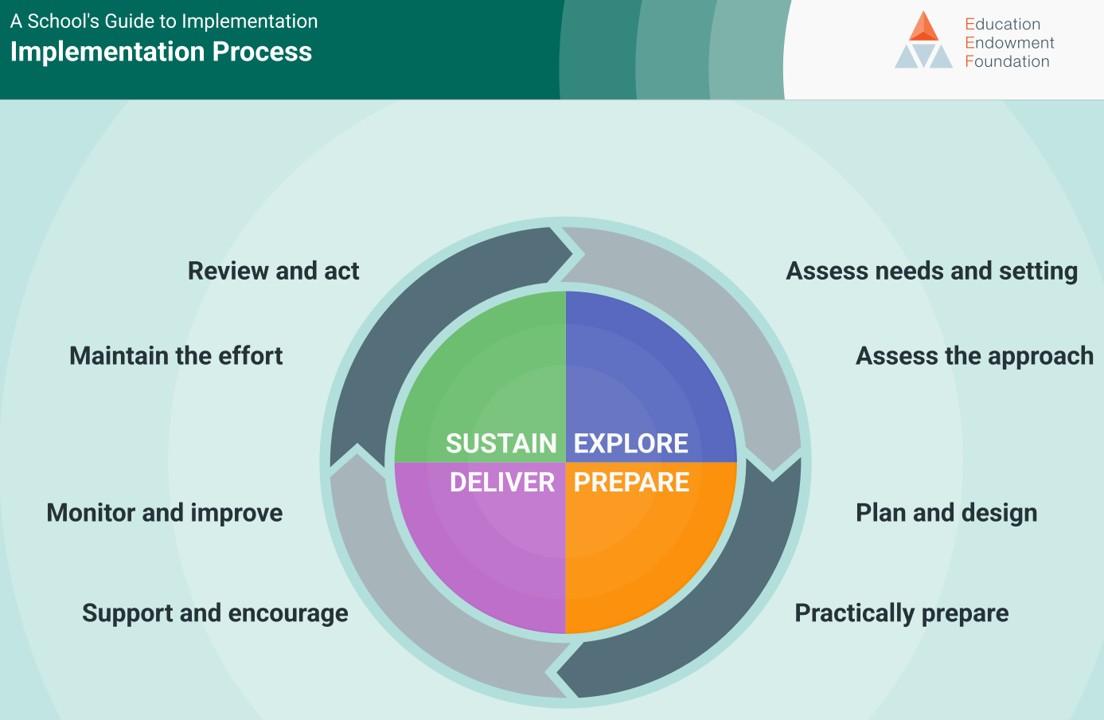
Resource 7: Bedlington Academy Implementation Plan and template
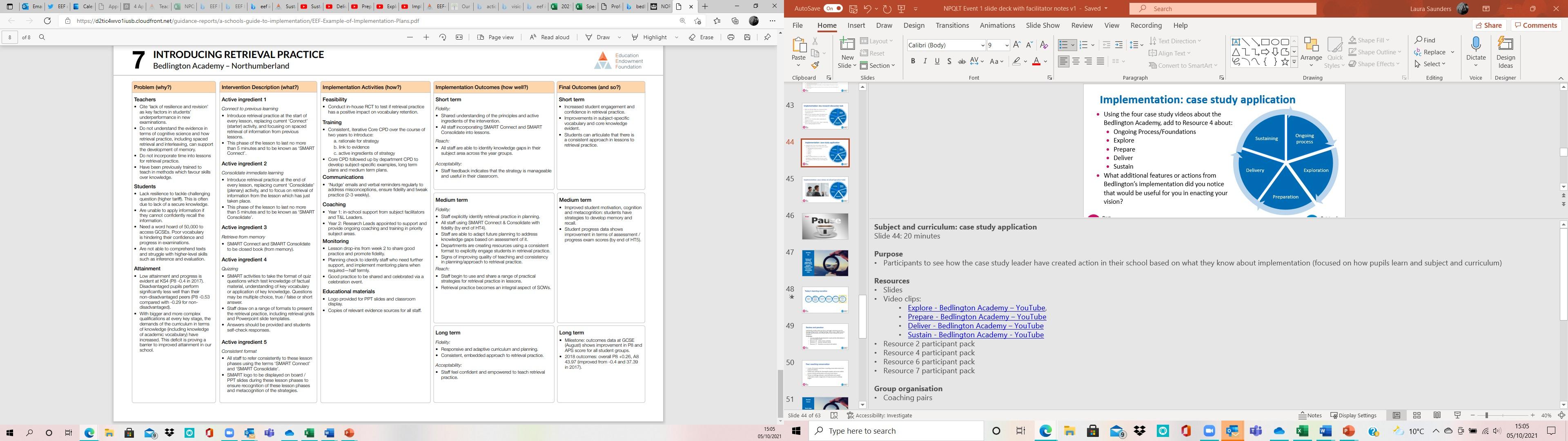
Problem/Issue (why?)
Behaviour Explanation
Self-awareness
Integrity
Resilience
Impact and influence
Effective leaders will know themselves and their teams, continually reflect on their own and others’ practices, and understand how best to approach difficult or sensitive issues. They are aware of their personal strengths and areas for future growth and understand how their own behaviour impacts others.
Effective leaders act with honesty, transparency and always in the interests of the school and its pupils. They are able to gain the respect of others by acting in line with their own values, as well as making decisions or choices with the best interests of education and pupils in mind.
Effective leaders remain courageous and positive in challenging, adverse or uncertain circumstances. They are able to respond appropriately, manage uncertainty and bounce back even in the most trying of situations.
Effective leaders have a positive impact on students, colleagues and the wider community through persuading, convincing and bringing others round to their perspective. They understand others’ perspectives and priorities and tailor their communication to suit their audience.
Delivering continuous improvement
Learning focus
Developing others
Respect
Effective leaders secure and maintain positive improvement through articulating a clear vision, setting high expectations and leading a cycle of research, planning, monitoring, analysis and change. They demonstrate the ability to combine operational action with strategic planning, securing short term improvements whilst building sustainable change.
Effective leaders keep learning and pedagogy at the core of the whole-school curriculum and at the heart of their leadership practice. Their strong knowledge and understanding of learning theories (both adult and children) and pedagogies allows them to use their leadership to influence and improve effective teaching and learning. They encourage a culture of dialogue – formal and informal – about pedagogy, learning, curriculum design and development (assessment).
Effective leaders develop and empower colleagues. They proactively look for ways to develop others, seeking opportunities to develop colleagues through activities such as mentoring, supporting, championing and guiding, in order to bring out the very best in them.
Effective leaders respect the rights, views, beliefs and faiths of pupils, colleagues and stakeholders.
Commitment
Effective leaders are committed to their pupils and understand the power of worldclass teaching to improve social mobility, wellbeing and productivity.
Critical knowledge and understanding of research techniques and self-management
Critical enquiry, review, analysis and evaluation
The best leaders undertake and use research, drawn from a range of sources, to support decision making and strategy development – using their time effectively within disciplined and well-organised systems and methodologies.
The best leaders use critical thinking, statistical and data analysis tools, techniques and concepts to identify strengths and areas for development. They design effective leadership plans to support intervention, direction and development. They analyse the implications of change, deploying well-evidenced research to frame school self-evaluation and improvement.
Challenge
Dealing systematically and creatively with complex issues
The best leaders use challenge effectively and adopt a range of strategies in the best interests of achieving progress – demanding ambitious standards for all pupils and a strong sense of accountability in staff for the impact of their work on pupils’ outcomes.
The best leaders have clear systems and protocols in place that enable them to consider and find solutions to issues, as they arise, in a way which deals most effectively with the barriers and challenges they face. The systems in place do not constrain but create a firm foundation for taking positive action.
Priority identification
Clear articulation and application of knowledge
The best leaders scan the horizon to anticipate change, taking a long-term view of the implications of change and improvement needed to identify short- and longterm priorities and goals, with specified milestones to ensure effective leadership and management.
The best leaders take time to reflect and learn from their leadership activity and apply this knowledge to bring about improvements in themselves and their work.
Self-direction and originality
The best leaders have clear and ambitious targets for themselves as leaders, for their pupils and for their schools. They take a unique strategic view of situations and their implications for long-term impact and outcomes – sometimes using unexpected actions to get the best for those concerned.
The best leaders take time to reflect and evaluate their practice and effectiveness in their leadership and as leaders. They are aware of the education landscape, understand the context of their school and its needs and direct professional practice and intervention appropriately.
Implementation
Plan and execute implementation in stages
Make the right choices on what to implement
Prepare implementation
Deliver implementation
Sustain implementation
Expert practice
How pupils learn
Explain important ideas about how pupils learn
Support pupils to help pupils learn
Expert practice
Subject and curriculum
Support colleagues to design a curriculum
Support colleagues to develop pupils’ literacy
Expert practice
Select three of the following nine activities to submit to your leadership mentor.
Choose an activity based on your areas of interest and the results of the diagnostic review undertaken at the start of the course.
In the scenario in the self-study pack lesson Make the right choices on what to implement, Dash explained how she used a range of internal and external data sources and benchmarked school data to against the national average to ensure she could confidently diagnose a need for implementation.
What can you learn from the case study about using a robust diagnostic process?
How can you ensure the reliability of data and evidence you use to inform your own implementation project?
Submit a summary of your response to your leadership mentor (maximum 200 words).
The EEF's 'School's guide to implementation' includes guidance on identifying and prioritising the 'active ingredients' of a project. Read the guidance, paying attention to section e. Use the active ingredients to anchor the implementation process.
What key learning can you take away from the guidance?
How will you apply what you have learned to help you identify and prioritise the key ingredients of a project?
Submit a summary of your response to your leadership mentor (maximum 200 words).
EEF Implementation theme - Active Ingredients
The EEF's 'School's guide to implementation' includes guidance on supporting implementation with professional development. Read the guidance, paying attention to the recommendation to reinforce initial training with expert follow-on support. Consider the implications of this for implementation activity in your school.
How will you apply what you have learned to your own activity to improve the quality of teaching?
Submit a summary of your response to your leadership mentor (maximum 200 words).
EEF Implementation theme - Professional Development
Read Deans for Impact's 'The science of learning' and pay attention to the cognitive principles.
How could you communicate these principles and their implications for teaching to your colleagues? (For example, analysing artefacts, learning walks, team-teaching, sharing research and reading)
Make a note of ways you could model the use of these principles and create a list of potential examples to share with colleagues. Why are these useful?
Submit a summary of your response to your leadership mentor (maximum 200 words).
Deans for Impact (2015) The science of learning
In the self-study pack lesson Support colleagues to help pupils learn, Emma Geall and Jo Turner discuss their approach to supporting teachers to sequence effectively. The strategies included setting expectations, providing scaffolds and holding collaborative planning sessions.
What aspects of the approaches could be applied in your own school? Why?
Submit a summary of your response to your leadership mentor (maximum 200 words).
Coe et al.'s. 'Great teaching toolkit' (2020) reviewed the evidence of the impact of using worked examples. They found that the use of worked examples can be helpful in introducing new ideas, but evidence suggests that worked examples are not as effective for more advanced pupils with a secure knowledge of a subject.
In this case, activities which encourage pupils to think hard and apply existing knowledge to new contexts, questioning and problem solving, are more effective.
What are the implications of this research for supporting teaching practice in your school?
How can you support teachers to make appropriate and effective use of worked examples? For example, what activities, artefacts and examples could you use to help colleagues understand how to use worked examples effectively?
Submit a summary of your reflection to your leadership mentor (maximum 200 words).
Coe, R., Rauch, C. J., Kime, S., & Singleton, D. (2020) Great teaching toolkit: Evidence review
Evidence highlights the importance of subject-specific knowledge of what to teach and how to teach it. In the practice piece in the self-study pack lesson, Supporting curriculum design and sequencing, Sarah Bailey explained how she worked with her local maths hub to help develop teachers' subject knowledge at her school.
Talk to subject leads in your school to identify organisations that could help develop teachers' subject knowledge. Make a list of contacts and resources. Why are these useful and how can they help improve teacher subject knowledge?
Submit a summary of your response to your leadership mentor (maximum 200 words).
The evidence suggests that phonics programmes are more effective than whole language approaches, but effective phonics techniques are usually embedded in a rich literacy environment for early readers and are only one part of a successful literacy strategy. Read the EEF guidance on supporting literacy development in key stage 1.
What are the implications for supporting literacy development in your school?
Make a note of the recommendations you would like to implement or areas of practice that could be improved. Why have you chosen these areas?
Submit a summary of your response to your leadership mentor (maximum 200 words).
EEF (2020) Improving literacy in key stage 1
The evidence supports the need to develop disciplinary literacy and focus on teaching reading comprehension for older pupils. Read the EEF guidance on supporting literacy development in secondary schools.
What are the implications for supporting literacy development in your school?
Make a note of the recommendations you would like to implement or areas of practice that could be improved. Why have you chosen these areas?
Submit a summary of your reflection to your leadership mentor (maximum 200 words).
EEF (2020) Improving literacy in secondary schools