Instant digital products (PDF, ePub, MOBI) ready for you
Download now and discover formats that fit your needs...
(eBook PDF) Textbook of Histology 4th Edition by Leslie P. Gartner
https://ebookluna.com/product/ebook-pdf-textbook-of-histology-4thedition-by-leslie-p-gartner/
ebookluna.com
Textbook of histology 4th Edition Leslie P. GartnereBook PDF
https://ebookluna.com/download/textbook-of-histology-ebook-pdf/
ebookluna.com
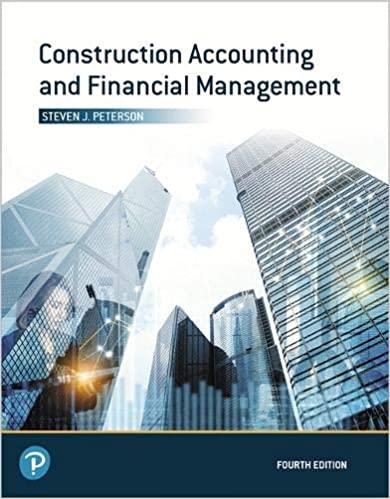
(eBook PDF) Construction Accounting and Financial Management 4th Edition
https://ebookluna.com/product/ebook-pdf-construction-accounting-andfinancial-management-4th-edition/
ebookluna.com
(Original PDF) Thirteen Theories of Human Nature 7th by Leslie Stevenson
https://ebookluna.com/product/original-pdf-thirteen-theories-of-humannature-7th-by-leslie-stevenson/
ebookluna.com
7.4Spoilage,reworkandscrapinjobcosting219
Normalandabnormalspoilage219
Rework221
Scrap221
Spoilageopportunitycosts221
7.5Usesandlimitationsofjobcost information222
Uncertaintiesinmeasuringjobcosts222
Uncertaintiesinestimatingfuturejob costs222
Summary224
Keyterms225
Self-studyproblems226
Questions228
Exercises229
Problems232
Acknowledgements236
CHAPTER8 Processcosting systems237 8.1Accountingforthecostofmass-produced goods238
Assigningdirectmaterialsandconversion costs238
8.2Workinprocessandequivalentunits238
8.3Processcostingmethods240
Processcostreportswithoutbeginningor endingWIP—firstmonth(March)241
ProcesscostreportswithendingWIP— secondmonth(April)243
Processcostreportswithbeginningand endingWIP—thirdmonth(May)244
8.4Journalentriesforprocesscosting246
8.5Productioncostsandmultiple productiondepartments247
Transferred-incostsandtimingofdirect materials247
8.6Accountingforspoilageinprocess costing250
8.7Usesandlimitationsofprocesscosting information252
Monitoringprocessqualityandcosts253
Processcostinginformationanddecision making253
Uncertaintiesandmismeasurementofcost flows253
Workinprocessunitsatdifferentstagesof completion253
Hybridcostingsystemsandoperation costing254
Appendix8A255
Summary256
Keyterms257
Self-studyproblems258
Questions260
Exercises261
Problems262
Acknowledgements268
CHAPTER9 Absorptionandvariable costing269 9.1Differentmeasuresofcostfordifferent purposes270
Absorptioncostingandvariable costing270
Absorptioncosting270
Variablecosting271
Absorptioncostingcomparedtovariable costing272
Reconcilingabsorptionandvariablecosting incomes274
Incentivestobuildupinventories276
Disincentivestobuildupinventories276
Uncertaintiesaboutdesirableinventory levels276
9.2Acloserlookatabsorptioncosting usingnormalcosting277
Motivationfornormalcosting277
Allocationratedenominator considerations278
Volumevariancewithnormalcosting278
Evaluatingdenominatorchoices278
9.3Comparisonofabsorptionandvariable costing279
Summary283
Keyterms284 Self-studyproblems284 Questions288 Exercises289
Problems291
Acknowledgements295
CHAPTER10 Flexiblebudgets,standard costsandvariance analysis296 10.1Flexiblebudgets297
10.2Standardcosts297
Developingstandardcosts297
10.3Varianceanalysis298
Pricevariances299
Efficiencyvariances299
Decidingwhichvariancestoinvestigate300
Analysinginteractionsbetweenincentives andvariances300
10.4Flexiblebudgetinginpractice301
Managerconclusionsandactions303
Summary308
Keyterms309 Self-studyproblems309 Questions311 Exercises311
Problems313
Acknowledgements317
Processingajointproductbeyondthe split-offpoint410
Uncertaintyandbiasinincrementalrevenue andcostestimates411
Jointproductsandby-products411
Jointproductcostingwithasalesmix413
Usesandlimitationsofjointcost information416
Summary417
Keyterms420
Self-studyproblems420
Questions424
Exercises424
Problems432
Acknowledgements440
PART2 Managementaccounting, extendingperformance measurementand strategy441 CHAPTER14 Strategyandcontrol442 14.1Managementaccountingandcontrolin a‘flatworld’443
14.2Introductiontostrategyandcontrol444
14.3Frameworksforstrategyandcontrol446
FerreiraandOtley’sperformance managementsystems framework446
Simons’leversofcontrolframework448
KaplanandNorton’sstrategymap framework449
IttnerandLarcker’svalue-based managementframework450
Flamholtz’scontrolsystem framework451
14.4Managementresponsibilityand accountabilitypractices453
Summary456
Keyterms456
Self-studyproblems456
Questions457
Exercises457
Problems459
Endnotes460
Acknowledgements460
CHAPTER15 Capitalbudgetingand strategicinvestment decisions462 15.1Capitalinvestmentdecisions463
Capitalbudgeting463 Decisionalternatives463
15.2Relevantcashflows464
15.3Netpresentvalue(NPV)method465
Presentvalueofaseriesofcashflows465
Netpresentvalueofaproject466
Identifyingareasonablediscountrate467
15.4Uncertaintiesandsensitivityanalysis467
Cashflowuncertainties467
Projectlifeanddiscountrate uncertainties468
Estimationbias468
Sensitivityanalysis468
15.5Alternativemethodsusedforcapital investmentdecisions470
Internalrateofreturn470
ComparisonofNPVandIRRmethods471
Paybackmethod471
Accrualaccountingrateofreturn method472
15.6Strategicconsiderationsforinvestment decisions472
Thetypeofinformationrequiredin decisionmaking472
Movingbaselineconcept473
Projectchampion473
Costofreversingthedecision473
Reputation,risks,environment,qualityand community474
Makingandmonitoringinvestment decisions477
15.7Incometaxesandthenetpresentvalue method478
Calculatingincrementaltaxcashflows478
15.8Inflationandthenetpresentvaluemethod479
RealandnominalmethodsforNPV analysis479
Appendix15A481
Summary489
Keyterms490
Self-studyproblems491
Questions494
Exercises494
Problems498
Endnotes504
Acknowledgements504
CHAPTER16 Thestrategicmanagementof costsandrevenues505 16.1Valuechainactivitiesforcontinuous costimprovement506
Valuechainandsupplychainanalysis506
16.2Customerprofitability509
16.3Buildingdesiredprofitintodecisions514
Targetcosting515
16.4Kaizencosting519
Usingtargetandkaizencostingover time522
16.5Lifecyclecosting522 viii CONTENTS
16.6Pricemanagement:pricingmethods523
Cost-basedpricing523
Market-basedpricing525
Cost-basedversusmarket-based pricing527
Otherinfluencesonprice528
Pricinginnot-for-profitentities528
Governmentregulations,ethicsand pricing529
Summary530
Keyterms532
Self-studyproblems533
Questions534
Exercises535
Problems539
Endnotes544
Acknowledgements545
CHAPTER17 Strategicmanagement control:alean perspective546 17.1Leanthinkingphilosophy547
17.2Theoryofconstraints550
Throughputcosting551
TOCperformancemeasurement553
Benefitsandlimitationsofthetheoryof constraintsandthroughput costing553
17.3Just-in-time(JIT)production557
17.4Totalqualitymanagement(TQM): managingquality559
Valuechainapproachtoquality management560
Summary563
Keyterms564
Self-studyproblems564
Questions565
Exercises566
Problems571
Endnotes572
Acknowledgements573
CHAPTER18 Responsibilityaccounting, performanceevaluationand transferpricing574 18.1Decision-makingauthorityandresponsibility575
Centralisedanddecentralisedentities575
Generalversusspecificknowledge576
Technologyandglobalisation577
18.2Responsibilityaccounting577
Costcentres578
Revenuecentres578
Profitcentres579
Investmentcentres579
Responsibilitycentresandsuboptimal decisionmaking579
18.3Income-basedperformanceevaluation579
Returnoninvestment580
AdvantagesanddisadvantagesofROI582
Residualincome583
Advantagesanddisadvantagesofresidual income584
Economicvalueadded584
AdvantagesanddisadvantagesofEVA585
Income-basedperformanceevaluationinthe publicsector586
18.4Transferpricing586
Transferpricesandconflictsamong managers587
Settinganappropriatetransferprice588
18.5Additionaltransferpriceconsiderations592
Internationalincometaxes592
Transferpricesforsupportservices592
Settingtransferpricesforinternal services593
Transferofcorporateoverheadcosts593
Summary594
Keyterms595
Self-studyproblems596
Questions597
Exercises598
Problems601
Endnotes605
Acknowledgements606
CHAPTER19 Thebalancedscorecardand strategymaps607 19.1Measuringorganisationalperformance608
Financialandnon-financialmeasures608
19.2Strategymaps612
19.3Thebalancedscorecard614
Financialperspectiveandrelated measures615
Customerperspectiveandrelated measures615
Internalbusinessprocessperspectiveand relatedmeasures615
Learningandgrowthperspectiveandrelated measures617
Roleofsocialmediaperformance measures620
Usingthebalancedscorecarddiagnostically orinteractively(leversofcontrol)621
Beliefsystems,boundarysystemsandthe balancedscorecard622
19.4Stepsinimplementingabalanced scorecard622
Clarifyvision,corecompetenciesand strategies623
ABOUTTHEAUTHORS AlbieBrooks
DrAlbieBrooks,BCom,DipEd,MBus,PhD,FCPA,isaSeniorTeachingFellowintheDepartmentof AccountingattheUniversityofMelbourne.Histeachingispredominantlyintheareasofmanagement accountingandmanagerialcontrol.Albie’steachingexperienceincludesbothundergraduateandpostgraduatelevelsinbothdomesticandinternationalsettings.Hehasaparticularinterestincreatingand developingstudentengagementinthestudyofaccounting.Hisresearchactivitiesrelatetoteachingand learning,managementaccountingandcorporategovernanceissues.
JudyOliver DrJudyOliver,BBus,MBus,PhD,joinedSwinburneUniversityin2008asaSeniorLecturerin Accounting.Overthepast24years,shehasalsoheldappointmentsatVictoriaUniversityandthe UniversityofTasmania.Judyteachesfirst-yearaccountingandmanagementaccountingatboththe undergraduateandpostgraduatelevels.Herresearchinterestsareintheareasofmanagementaccounting controlsystemsandcorporategovernance.Shehaspublishedinjournalssuchasthe AustralianAccounting Review,InternationalJournalofQuality&ReliabilityManagement andthe JournalofAccounting& OrganizationalChange
GillianVesty
Dr GillianVesty,BBus(Acc),MBus(Res),PhD(Melb),CPA,isaSeniorLecturerinManagement Accounting.ShecoordinatesanundergraduatemanagementaccountingcourseatRMIT,teachingin campusesinAustralia,Singapore,IndonesiaandVietnam.Havingspent20yearsinthehealthcaresector, Gillian’sresearchinterestsincludepublichospitalfundingmodels,performancemeasurementandcapital budgeting.Hermorerecentresearchfocushasbeenonsustainabilitymanagementaccountingand,together withAlbieBrooks,hasbeendevelopingcomputersimulationsforenhancedstudentlearning.
RodneyDormer DrRodneyDormer,CA,B.Com(Auck.),MMgt(Well.),PhD(Well.),teachesmanagementaccountingand publicsectoraccountingandmanagementatundergraduateandpostgraduatelevelsatVictoriaUniversity ofWellington,NewZealand.Hehaspreviouslyheldseniorfinancialandoperationalmanagement positionsinboththeprivateandpublicsectors.Hisresearchinterestsarefocusedonhowinformation isusedtodefineanddirectorganisationalperformanceandhow,attimes,competingperspectivesshape thatdefinition.
VijayaMurthy
DrVijayaMurthy,MCom,MPhil,GradDipl,CMA,PhD,isaSeniorLecturerofAccountinginthe UniversityofSydneyBusinessSchool.Priortothis,VijayaworkedforNationalAustraliaBankin variouscapacities.ShestartedhercareerasaLecturerinAccountinginIndiateachingbothmanagement accountingandfinancialaccounting.Currently,Vijayaspecialisesinteachingmanagementaccounting, andhasdevelopedmanagementaccountingcurriculumandcoordinatedthemanagementandconductof theManagementAccountingProgramatundergraduatelevel.Shealsoteachesmanagementaccounting atthepostgraduatelevel.Vijayaisanactiveresearcherinthemanagementaccountingfield,specifically inrelationtotheuseofnon-financialinformationbymanagersandmanagementcontrols.
NicholasPawsey
DrNicholasPawseyisaSeniorLecturerinAccounting.DrPawseyjoinedCharlesSturtUniversity,Albury campusin2016.HehasextensiveacademicexperiencehavingpreviouslyheldthepositionsofAcademic CoordinatorfortheLaTrobeBusinessSchool,Wodongacampus,andLecturerinAccountingatCharles SturtUniversity,Bathurst.
Hisresearchinterestsincludeinternationalaccountingconvergence,waterpolicyandmanagement, publicsectoraccounting,andaccountingeducationandhehaspublishedanumberofjournalarticles, bookchaptersandconferencepapersinrelationtothesetopics.
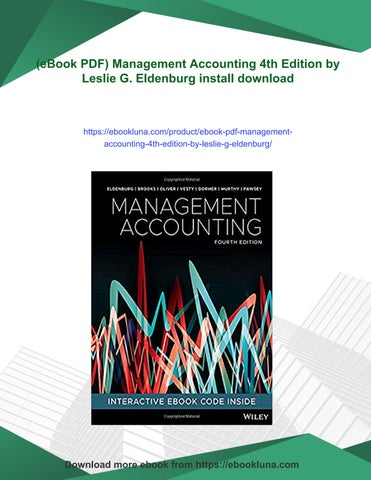
PREFACE ManagementAccounting,fourthedition,combinesthebasictechnicalissuesassociatedwithcostmanagement,managementaccountingandcontrolwithmorerecentandemergingthemesandissues.This providesstudentsofcostandmanagementaccountingwithamorecompletepictureofthediscipline. Thetextfocusesonhelpingstudentstolearnthroughtheapplicationofcostandmanagementaccounting methodstoavarietyoforganisationalsettings,andbyprovidingadiversesetofstudenttasksattheend ofeachchapter.
Hallmarkfeaturesofthefourtheditioninclude:
• anintroductiontothevaluechainframeworkinchapter1andtheuseofthisframeworkasavehicleto explorearangeofmanagementaccountingissues
• afocusonmanagementaccountinginformationfordecisionmaking
• astudent-friendlystylewiththeuseofdiagramsforillustrativepurposesandcomprehensiveexamples withinandattheendofchapters
• expandedcoverageonjob,processandabsorptioncosting
• achapterfocusedspecificallyonsustainabilitymanagementaccountingthatisalsolinkedtoother chaptersinthetext.
TheauthorswouldliketothankDrKennethKefromCurtinUniversityforproducingthePowerPoints forthenewedition,andDrJayceNaidoofromVictoriaUniversityforupdatingthetestbank.
Chapterfocus Part1Managementaccountingandcostmanagement Chapter1Theroleofaccountinginformationinmanagementdecision making
Chapter1providesanoverviewoforganisationaldecisionmakingandintroducesstudentstotheuse ofmanagementaccountinginformationindecisionmaking.Abriefhistoryofmanagementaccounting isprovided,alongwithdiscussionoftheemergingUber-stylevaluenetworksandkeyinfluenceson managementaccountingsystemdesigns.Techniquesforidentifyingandusingrelevantinformationare reviewed.Amodelfordevelopinghigherqualitydecisionsisintroduced.Wethenprovideanintroduction tosomekeytermsanddetailthevaluechainasaframeworkforconsiderationofarangeofmanagement accountingissues.
Chapter2Costconcepts,behaviourandestimation Wefirstreviewaccountingtermsthatrelatetocostbehaviourandexplainthecostfunction.Atthispoint wealsodiscusslimitationsoftheinformationproducedbycostfunctionsandproblemswithuncertainties andbiasindevelopingcostfunctions.Thisfocusallowsstudentstoconsiderthequalityofinformation astheylearncostaccountingmethods.Wepresentandillustratecostestimationtechniquesthatareused todescribecostbehaviour(engineeredestimates,analysisattheaccountlevel,thetwo-pointmethodand regressionanalysis).Scatterplotsandregressionanalysisareintroducedasawaytoprovideadditional informationaboutcostbehaviour.Linearandnonlinear(forexample,learningcurve)costfunctionsare presented.
Chapter3Acostingframeworkandcostallocation Inthischapterwefirstexploretheconceptsofcostobjects,anddirectandindirectcosts.Wethenoutline acostingframeworkandusethisframeworktoexplorecostallocationissueswithaparticularfocuson serviceentitysettings.Wethenusethecostingframeworkinasupportdepartmentsettingbyexploring thedirect,step-down,andreciprocalmethodsofallocation.Finally,wediscusssomeofthelimitations,or risks,ofallocatedcostinformation.
Chapter4Cost–volume–profit(CVP)analysis Wefirsthighlightthemeaningofcost–volume–profitanalysisanditsimportanceindecisionmaking.Then, singleandmultipleproductexamplesareusedtoexplorethedevelopmentanduseofCVPinformation, beforeandaftertaxes.Themarginofsafetyandoperatingleverageareintroducedandusedtoanalyse riskofoperations.ExamplesshowtheuseofCVPinformationforbothdecision-makingandmonitoring
purposes.Examplesofspreadsheetswithinputsectionsandcellreferencingareintroducedintheappendix sothatstudentscaneasilyperformsensitivityanalysis.Additionalinformationisprovidedontheuseof spreadsheetsinperformingCVPanalysis.
Chapter5Planning—budgetingandbehaviour Thischapteremphasisesthestrategicnatureofplanningandbudgetingthroughaconsiderationofplanning mechanismstotestalternativecoursesofaction(strategicbudgeting),planningissuesincostcentresand contemporaryapproachestobudgeting,includingthere-invigorationofzero-basebudgetingtoreignin corporateexcesses.OthertechniquessuchasprogrambudgetingandBeyondBudgetingprinciplesare discussed.Thedysfunctionalandbehaviouralimplicationsofbudgetingarehighlighted.
Chapter6Operationalbudgets Budgetingissuesareexploredasatoolforbothshort-termandlong-termplanning.Weoutlinetherole ofthemasterbudgetanddemonstratethecompilationofkeycomponentsofthemasterbudget.We thendescribeandillustratetheroleofthecashbudget,followedbytheuseofbudgetsasperformance benchmarksthroughtheapplicationofstaticandflexiblebudgets.
Chapter7Jobcostingsystems Chapter7introducesjobcostingasitrelatestothefinancialreportingprocess.Thefirstpartofthechapter demonstratestheflowofcoststhroughthemanufacturingprocessandcalculatestheinventoriableproduct costforcustomisedproducts.Actualversusnormaljobcostingmethodsarecompared,andcalculations foroverandunderappliedoverheadareexplained.Wealsoincludeadiscussionofthecostsofspoilage, reworkandscrapinjobcosting,describingopportunitycoststhatarisefrompoorquality.Behavioural implicationsoftheaccountingmethodsusedtorecordspoilageareexplored.
Chapter8Processcostingsystems Chapter8presentsprocesscostingmethodsusingFIFOandweightedaverage.Wedevelopasingleformat thatisusedtocalculateequivalentunitsforboththeFIFOandweightedaveragemethodsandhelpstudents understandthedifferencebetweenthetwomethods.Inaddition,accountingmethodsforthespoilage, reworkandscrapthatariseinmassproductionareillustrated.Finally,weexploretheusesandlimitations ofprocesscostinformation.
Chapter9Absorptionandvariablecosting Absorptionandvariableincomestatementsarecomparedandcontrastedinthischapter.Factorsthataffect thechoiceoffixedoverheadallocationratevolumemeasures(theoretical,practical,normalandbudgeted) areexplored.Theusesandlimitationsofinformationproducedbythesethreeincomestatementsare discussed.Severalexamplesandproblemsaddresstheincentivesunderabsorptioncostingofinventory builduptoimprovethecurrentperiod’sincome.
Chapter10Flexiblebudgets,standardcostsandvarianceanalysis Thedevelopmentanduseofdirectandoverheadcoststandardsandvariancesarepresentedinthischapter. Weexplorehowstandardsareestablishedandhowvariancesarecalculatedandthenanalysed.Theuse ofstandardsallowsthe‘flexing’ofthestaticbudgettoenableactualperformancetobeassessedagainsta budgetfortheactuallevelofactivity.
Chapter11Varianceanalysis:revenueandcost
Thischapterfurtherexplorestherevenueandcostvariancesintroducedinchapter8.Thevariancesare furtherbrokendowntoprovidemoreinsightintothevariance,whetherthisisduetomarketconditionsor operatingprocesses.Tofurtherexplorethevariancesbetweenactualsalesandbudgetedsales,therevenue variancesarefurtherbrokendownintomarketsize,marketshareandproductmixvariances.Thefocus onoperatingactivitiesisseenintheanalysisofthedirectcostandoverheadcostvariancesintopriceand efficiencycomponents.
Chapter12Activityanalysis:costingandmanagement Activityanalysisforcostingandmanagementareintroducedinthischapter.Asacostingtool,comparisons aredrawnbetweenactivity-basedcosting(ABC)derivedcostsandconventionallyderivedcosts.We introducetheABCcosthierarchyandexplorethebenefits,costandlimitationsofABCandactivity-based
management.Withafocusonmorerecentdevelopmentsincosting,weillustratetime-drivenABC.We usebothservice-entityandmanufacturingsettingswithinthechapter.
Chapter13Relevantcostsfordecisionmaking Non-routinedecisionssuchasspecialorder,makeorbuy,keepordrop,productemphasisandmaximising constrainedresourcesarecoveredinthefirsthalfofthischapter.Asthechapterprogresses,weconsiderthe impactofuncertaintiesandlimitationsofnon-routineoperatingdecisionsaswellasinformationquality issues.Thesecondhalfofthechapterdiscussesandillustratesissuesassociatedwithjointcostingusing physicalvolume,salesatthesplit-offpoint,netrealisablevalueandconstantgrossmarginNRVmethods.
Part2Managementaccounting,extendingperformance measurementandstrategy Chapter14Strategyandcontrol Thischapterintroducesandreinforcesthelinksbetweenstrategyandthemanagementaccounting/control system.Weexploremanagementaccountingina‘flat’world,andanumberofexistingframeworks ofstrategyandcontrolincludingthoseproposedbyOtley(1999),Simons’s(1995)leversofcontrol framework,KaplanandNorton’s(2008)strategymapframework,IttnerandLarcker’s(2001)value-based managementframeworkandFlamholtz’s(1996)controlsystemframework.Theseprovidealternative waysofviewingthestrategyandcontrolrelationship.Weconcludethechapterwithadiscussionof managementresponsibilityandaccountabilitypractices.
Chapter15Capitalbudgetingandstrategicinvestmentdecisions Netpresentvalueanalysis,internalrateofreturnandothercapitalbudgetingtechniques(paybackand accountingrateofreturn)aredescribedandcomparedandcontrastedinthischapter.Theseareexploredin thecontextofaprocessforaddressingcapitalbudgetingdecisions.Exampleswithincreasingcomplexity developcapitalbudgetingwithincometaxes.Uncertainties,sensitivityanalysisandbiasincapitalbudget informationareemphasisedinthischapter.Thechapteralsoexploresstrategicconsiderationsforcapital investmentdecisionswhichimpacttraditionalmodelsforcapitalinvestmentdecisions.Inflationeffectsare consideredintheappendixusingboththerealrateandnominalratemethods.
Chapter16Thestrategicmanagementofcostsandrevenues Chapter14exploresarangeofissuesrelatingtothestrategicmanagementofcostsandrevenues,including valuechainanalysisandcontinualcostimprovement,customerprofitabilityanalysis,targetcostingand kaizencosting,lifecyclecosting,alternativepricingmethodsandrevenuevarianceanalysis.Eachofthese isexploredastoolstoachievelonger-termefficiencygainsandprofitabilityimprovement.
Chapter17Strategicmanagementcontrol:aleanperspective
Thefocusofthischapteristheconceptofleanaccounting,whichisexploredinsomedetail.Othertopics exploredinthechapterincludethetheoryofconstraints,totalqualitymanagement(TQM)andcostsof quality,andissuesassociatedwithjust-in-timemanufacturing(JIT).Overallthefocusisonpracticesthat utiliseforward-lookingtechniquestoreduceinventories,streamlineprocessesandeliminatewaste.
Chapter18Responsibilityaccounting,performanceevaluationandtransfer pricing
Inthischapter,weinitiallyexploreissuesassociatedwithresponsibilityaccountingandresponsibility centreclassification.Wethenexploretheuseofincome-basedperformancemeasuresandcompareuse ofreturn-on-investment(ROI),residualincome(RI)andeconomicvalueadded(EVA)askeyfinancial performancemeasuresattheinvestmentcentrelevel.Transferpricingissuesarethenaddressedthrougha considerationandcomparisonofdifferenttransferpricingmethods.
Chapter19Thebalancedscorecardandstrategymaps
Thischapterfirstlyemphasisestheroleofstrategymaps,particularlytooperationalisestrategyandasa tooltoinformthedevelopmentofbalancedscorecards.Thebalancedscorecardisthenintroducedasa methodthatcanbeusedtocombinefinancialandnon-financialperformancemeasurestogaugeprogress andmotivateemployees.Thestrengthsandweaknessesofthebalancedscorecardarediscussed,including
uncertaintiesaboutthebestchoiceofmeasures,mistakesinimplementationandtheeffectsofbiason performancemeasurechoices.
Chapter20Rewards,incentivesandriskmanagement Wecommencethischapterwithadiscussionoftherelevanceofagencytheorytorewardsystemsand incentives.Wethenfocusonarangeofissuesassociatedwiththeincentivecomponentofrewardsystems, includingthekeycomponentsofincentiveplans,theadvantagesanddisadvantagesofcashandequity askeycomponentsofincentiveplans,andhowcompensationisusedtomotivateperformance.Wethen exploreanumberofemergingthemeswithrespecttorewardsystems,includingrelativeperformance evaluation,pay-for-performanceandtheimpactofgovernmentandregulatoryauthorities.Thechapter concludeswithanexplanationofriskmanagementandtheroleofperformancemeasurementand incentivesinriskmanagement.
Chapter21Sustainabilitymanagementaccounting Chapter21emphasisestherelevanceofstrategicmanagementaccountingforasustainabilityculture. Theemergingandveryrealglobalsustainabilitylandscapehasincreasedthescrutinyonorganisational, environmentalandsocialpractices.Inthischapter,examplesofhowsustainabilitymanagementaccounting canprovidemanagerswithstrategicallyrelevantinformationforsustainabilityperformancereporting andmanagementdecisionmakingareprovided.Theaimistoincreasestudentawarenessoftheglobal sustainabilityparadigmandtherolethatsustainabilitymanagementaccountingcanplay.
Chapterfeatures ManagementAccounting,fourthedition,usesanumberofpedagogicalfeaturesandacommonstructure ineachchaptertoenhanceteachingandlearning.Eachchaptercontains:
• abriefintroductionandsetoflearningobjectives,whichalsoserveasthebasisofthechaptersummary attheendofeachchapter
• theuseofillustrativeexampleswithineachchapter,withmostcontainingoneormorecomprehensive examples
• achaptersummaryattheendofeachchapter
• self-studyproblemswithsuggestedsolutionoutlinesforstudentstochecktheirprogressandunderstanding
• gradedtasksattheendofeachchapter,classifiedintodiscussionquestions,exercisesandproblems.
PART1 MANAGEMENT ACCOUNTINGAND COSTMANAGEMENT Inpart1ofthistextweintroducearangeofmanagementaccounting/controltechniquesandpractices, withanemphasisoncost-relatedtechniques.Thecontentofthechaptersinpart1comprisesthe foundationofanymanagementaccountingsysteminanorganisation.Followinganintroductiontothe valuechainasaframeworkformanagementaccountinginchapter1,subsequentchaptersexplorea rangeofcost-relatedtechniques.Inpart2,weextendourcoveragetoarangeofbroadermanagement accounting/controlpractices.
1 Theroleofaccountinginformationinmanagementdecisionmaking2
2 Costconcepts,behaviourandestimation25
3 Acostingframeworkandcostallocation62
4 Cost–volume–profit(CVP)analysis105
5 Planning—budgetingandbehaviour141
6 Operationalbudgets167
7 Jobcostingsystems209
8 Processcostingsystems238
9 Absorptionandvariablecosting270
10 Flexiblebudgets,standardcostsandvarianceanalysis297
11 Varianceanalysis:revenueandcost319
12 Activityanalysis:costingandmanagement360
13 Relevantcostsfordecisionmaking393
Theroleofaccounting informationin managementdecision making LEARNINGOBJECTIVES Afterstudyingthischapter,youshouldbeableto:
1.1 recognisethetypesofdecisionsmanagersmakeforanorganisation
1.2 discusstheroleofcostandmanagementaccountinginformationinmanagementdecisionmaking
1.3 communicatehowmanagerscanmakehigher-qualitydecisionsusingaccountinginformation
1.4 describethevaluechainframeworkanditsapplicationsinmanagementaccounting.
INBRIEF Managersusecostandmanagementaccountinginformationtohelpthemmakedifferenttypesofdecisions. Theseincludedevelopingorganisationalstrategies,creatingoperatingplans,andmonitoringandmotivating organisationalperformance.Higher-qualitydecisionsareachievedbyusinghigher-qualityrelevantinformation anddecision-makingpractices.Thevaluechainprovidesuswithasuitableframeworkfromwhichtoexplorea rangeofmanagementdecisionsaswellasaframeworkformanyoftheissuesraisedintheremainderofthetext.
1.1Managementdecisionmaking LEARNINGOBJECTIVE1.1 Recognisethetypesofdecisionsmanagersmakeforanorganisation. Peopleatdifferentlevelswithinanentitycontinuallymakemanydifferentkindsofdecisions.Theserange fromlong-termdecisions,suchaswhichmarketsandcustomerstheorganisationwillpursue,todetailed operationalandshort-termdecisions,suchashowtorespondtospecificcustomerenquiriesonaday-todaybasis.Figure1.1presentsanoverviewofthedecisionsthatmanagersmakeinorganisations.Italso suggeststherolethatinformationsystemshaveinmeasuring,monitoringandmotivatingperformance.We willbrieflydiscusseachofthecomponentsillustratedinfigure1.1.
Organisationalvision Themostfar-reachingdecisionmanagersmakeistoidentifyandshapetheorganisation’svision.The organisationalvision isthecorepurposeandideologyoftheentity,whichguidestheentity’soverall directionandapproachestowarditsvariousstakeholdergroups.Stakeholdergroupsincludeshareholders, owners,employees,customers,suppliers,lenders,localcommunitiesandthebroadersociety.Organisationalsuccessincreaseswhenemployeesunderstandtheorganisationalvisionandworkcollectively toachieveit.Toclarifyandcommunicatethevisiontoemployeesandotherstakeholders,managers sometimesdividethevisionintooneormorewrittenstatements.Thedefinitionsofthesestatementsvary fromentitytoentity.Ingeneral,avisionstatementisatheoreticaldescriptionofwhattheorganisation shouldbecome.Amissionstatementisahigh-leveldeclarationoftheorganisation’spurpose.Acorevalues statementisasummaryofthebeliefsthatdefinetheorganisation’sculture.Somemanagersalsopublish codesofconductorstatementsdescribingtheorganisation’ssocialorenvironmentalresponsibilities.Of course,whatisreallyimportantisthatthebeliefsandvaluesunderpinmanagerialactionandare‘lived’ ratherthanjustbeingwrittenindocuments.
Organisationalcorecompetencies Organisationalcorecompetencies aretheentity’sstrengthsrelativetocompetitors.Theorganisational visionandcorecompetenciesarecloselyrelated.Tocreatevalueforstakeholders,anorganisationmust havestrengthsrelativetocompetitors.Thevisionshouldbuildonexistingandachievablestrengths.Of course,thesecorecompetenciesneedtoberevisitedfromtimetotimeasboththeinternalandexternal environmentschange.
Organisationalstrategies Organisationalstrategies arethetacticsthatmanagersusetotakeadvantageofcorecompetencieswhile workingtowardstheorganisationalvision.Althoughtheterm strategies canmeandifferentthingsto differentpeopleandorganisations,itcommonlyrelatestoprovidingdirectionandguidinglong-term decisions.Tomonitorstrategicprogress,managersestablishandmonitorlong-termgoalssuchasmarket leadershiporhigh-qualitycustomerservice.
Broad-basedorganisationalstrategiesarecommonlyclassifiedas:
• lowcost,wheretheemphasisisoncompetingoncost
• productdifferentiation,wheretheemphasisisoncompetingonpointsofdifferencesuchasqualityof serviceorproductattributes.
FIGURE1.1 Overviewofmanagementdecisionmaking
Thestrategyoftheorganisationisakeyinfluenceonthestructureandnatureoftheorganisation’s informationsystemand,inturn,themanagementaccountingandcontrolsystem.
Operatingplans Operatingplans involvespecificshort-termdecisionsthatshapetheorganisation’sday-to-dayactivities suchasdrawingcashfromabanklineofcredit,hiringanemployeeororderingmaterials.Operatingplans oftenincludespecificperformanceobjectivessuchasbudgetedrevenuesandcosts.
Actualoperations Actualoperations arethevariousactionstakenandresultsachievedoveraperiodoftime.Actual operationsincludecustomerordersreceived,revenuesearned,numberofemployeeshired,costsincurred, unitsofgoodsorservicesproduced,cashreceivedandpaid,andsoon.Dataaboutactualoperations arecollectedandmeasuredbytheorganisation’sinformationsystemandthenusedtomonitorand motivateperformance.
Measuring,monitoringandmotivatingperformance Managersneedinformationtohelpthemmakethetypesofdecisionsindicatedinfigure1.1.Forexample, managersneedinformationaboutcoststohelpthemdecidewhethertosellaparticularproductorwhat pricetoset.Theyalsoneedinformationtomeasureactualoperationssothattheycanmonitorthe successoftheirdecisionsandmotivateemployeestoworktowardstheorganisationalvision.Decisions aremonitoredbycomparingactualoperatingresultstoplans(suchasbudgets)andtolong-termgoals. Desirableemployeebehaviourisoftenmotivatedbytyingemployeeperformanceevaluationandpayto long-termorshort-termresults.Anorganisation’sinformationsystemcanbedesignedtomeasureand reportinformationusedfordecisionmakingaswellasformonitoringandmotivating.
Whileorganisationalinformationsystemswillcommonlyhaveanumberofcomponents,witheach focusingonspecificsupport(forexample,humanresourcesinformation,technologyinformation,marketinginformation,productioninformationandaccounting-relatedinformation),ourfocusinthistextison theroleofcostandmanagementaccountinginformation.
Wewillrevisitanumberoftheseissuesinchapter14,whichintroducesthesecondpartofthetext.
1.2Costandmanagementaccountingfor decisionmaking LEARNINGOBJECTIVE1.2 Discusstheroleofcostandmanagementaccountinginformationin managementdecisionmaking.
Costaccounting informationisusedforbothmanagementandfinancialaccountingactivities.TheInstitute ofManagementAccountants(IMA)defines costaccounting as‘atechniqueormethodfordetermining thecostofaproject,process,orthing’.1 Costaccountingiscommonlyregardedastheprecursortothe morerecentlydevelopedterm managementaccounting,whichhasasomewhatbroaderperspective.
Costaccountinginformationoftenservesasaninputintobroadermanagementaccountingandfinancial accountingsystems.Inthisway,costaccountingisoftenviewedasasubsetofmanagementaccounting inparticular,andfinancialaccountingtoalimitedextent. Managementaccounting istheprocessof gathering,summarisingandreportingfinancialandnon-financialinformationusedinternallybymanagers tomakedecisions.Anexampleofcostaccountinginformationthatisalsomanagementaccounting informationisabreakdownofcustomerservicecostsbybothproductlineandaveragecostpercustomer servicecall. Financialaccounting istheprocessofpreparingandreportingfinancialinformationused mostfrequentlybydecisionmakersoutsideoftheentity,suchasshareholdersandcreditors.Anexample ofcostaccountinginformationthatisalsofinancialaccountinginformationisthevaluationofending inventoryshownonthestatementoffinancialposition(alsocalledthebalancesheet).
Managersusemanytypesofinformationtohelpthemmakedecisions.Informationcanbegatheredformallyorinformally.Formalmethodsincludepoint-of-serviceopticalcharacterreaders,such asthoseusedwhencustomerspurchasemerchandiseatretailstores.Suchsystemstrackinventory levels,geographicdistributionofsales,trends,therelationshipbetweenpricesandsales,andsoon. Informalmethodsarealsoimportantforcollectinginformationfrominsideoroutsidetheorganisation.
Forexample,individualsinsideacompanyoftengatherproductpricinginformationbyreadingindustry tradejournalsorexaminingcompetitors’websites.
Mostorganisationshavemanydatabasesthatcontaininformationcollectedformallyorinformallyfrom internalorexternalsources.Accesstodatabaseinformationisoftenrestrictedtospecificindividuals.In addition,muchvaluableinformationisnotreadilyaccessiblebecauseitisheldinthemindsofemployees. Thisinformation,called intellectualcapital,isnotformallycapturedbytheinformationsystem.Thus,it isdifficultfordecisionmakers,evenwithinanorganisation,togainaccesstoalloftheinformationthey mightwishtouse.Itiseasytoarguethatmanagersshouldobtainmoreandbetterinformationtohelpthem makedecisions.However,thebenefitmustexceedthecostofgeneratingtheinformation.
Tofacilitateinternaldecisionmaking(oftenaroleformanagementaccounting)andmeetexternal reportingrequirements(akeyroleoffinancialaccounting),accountingdepartmentswithinorganisations usesoftwaretogenerateavarietyofinternalandexternalreportsthatsummariseorhighlightinformation. An internalreport isadocumentthatpresentsinformationforuseonlyinsideanorganisation.An externalreport isadocumentthatpresentsinformationpredominantlyforuseoutsideanorganisation. Figure1.2summarisescommontypesofinternalandexternalreports.
FIGURE1.2 Examplesofinternalandexternalreports
Information systems
Information gathered from inside the organisation (e.g. actual operations, design specifications for a new product)
Databases and software
External reporting
Shareholder reports
• financial statements (generally accepted accounting principles and accounting standards)
• news releases
Other stakeholder reports
• credit reports
• inventory reports for suppliers
Government reports
• tax returns
• cost reports (Medicare, defence contractors etc.)
Information gathered outside the organisation (e.g. economic trends and customer preferences)
Internal reporting
Support organisational strategies
• capital budgets
• product development
• analysis of potential acquisitions
Support operating plans
• operating budget
• analysis of product mix
• cash flow plan
Monitor and motivate
• actual versus planned performance
• bonus calculations
• supplier quality
Internalreportsaredesignedtoprovideinformationforavarietyofmanagementdecisions.Some internalreports,suchasmonthlysalessummaries,areissuedregularly.Otherinternalreports,suchas theanalysisofapotentialbusinessacquisition,aregeneratedforone-timeuseandcommonlyservea specialpurpose.
Externalreportscanbedistributedtodifferentconstituenciesformanypurposes.Someexternalreports, suchasincometaxreturns,aremandatory.Othersarediscretionary,suchasanewsreleaseaboutajoint ventureagreement.
Althoughreportsaredevelopedforaspecificaudience,theymaybeusedforotherpurposes.For example,internalreportssuchasquarterlysalesdatacanbesharedwithpeopleoutsidetheorganisation. Similarly,externalreportssuchasfinancialstatementsaresometimesusedwithintheorganisation.In addition,organisationsusereportspreparedoutsidetheorganisation(forexample,byconsultantsor vendors)forinternaldecisionmaking.Withincreasingdemandsforinformationbothinternallyand externally,somemightarguethatthedifferencesbetweeninternalandexternalinformationarebecoming increasingblurred.
Keyinfluencesonmanagementaccountingsystemstructure
Likeanysystem,themanagementaccountingsystemrequiresinput,processingandoutputstages.The managementaccountingsystemislikelytobelinkedtothefinancialaccountingsystem(asoutlined earlier)butwillcommonlyalsohaveitsowndomainandreportingmechanismstomeettheneedsof managers.Whileanymanagementaccountingsystemwillcompriseanumberofcomponents(suchas costing,performancemeasurementandevaluation,andbudgeting),someofthekeyinfluencesonthe natureofthemanagementaccountingsystemmightinclude:
• organisationalstructure,whichrelatestosuchthingsasthelevelofcentralisationversusdecentralisation andhowhierarchicalorflatthestructureis
• theavailabilityofinformationtechnologyandtheuseofthattechnologyaspartoftheinformation systeminterface
• organisationalstrategies,suchastheuseofalow-coststrategyordifferentiationstrategy
• cultureandorganisationalvision
• howthemanagementaccountingroleisviewedwithintheorganisation,whichrelatestowhether managementaccountingassumesaproactiveorreactiverole,aninformation-provider-onlyroleoran information-provider-and-decision-makerrole
• thetypesofdecisionsmanagersareconfrontedwith,suchaslong-termstrategicdecisionsandshorttermoperatingdecisions
• externalinfluences,suchasenvironmentalandotherregulations.
Themanagementaccountingsystemwillcommonlybeacombinationofregular,routinereporting andone-offspecialstudiesornon-routinereporting.Wewouldexpecttofindmanagementaccounting informationperformingarolein:
• developingstrategiesthroughtheprovisionofinformationonalternativestrategiesandpossible outcomes
• routinemeasuring,monitoringandfeedbackprocessestomanagersrelatingtooperations
• developingsuitablecostandperformancemeasures
• developingspecificinformationdatabasestomeettheneedsofindividualmanagers/departments
• participatingindecision-makingmeetingsaswellasprovidinginformationforsuchmeetings
• linkingperformancemeasurestoincentiveplans.
Costandmanagementaccounting,yesterdayandtomorrow Costaccountingtechniquesdatebacktotheindustrialrevolutionandbecamepopularintheearly1800s. Asorganisationsizeincreased,theneedformeasuring,monitoringandmotivatingperformancegrew.By themid1800s,costaccountingpracticeswerewelldeveloped.Forexample,intheUnitedStates,railroad accountantscalculatedthecostperton-mileandoperatingexpensesperdollarofrevenue.OneoftheearliestdetailedcostingsystemswasdevelopedforthesteelmillsofAndrewCarnegie(USsteelmanufacturer andphilosopher),forwhichmaterialandlabourcostinformationwasproducedonadailybasis.Then,in theearly1900s,organisationswererequiredtoprovideexternalreportssuchasfinancialstatementsandtax returns.Becausethecostofkeepingtwosetsofbooksforseparateinformationrequirementswasrelatively high,costaccountingfocusedprimarilyoninformationforincometaxreturnsandfinancialstatements.
Fromtheearly1900suntilthemid1970s,costaccountingpracticesseeminglychangedverylittle. However,asthebusinessenvironmentbecamemoreglobal,competitionincreased.Inturn,demandgrew formoresophisticatedcostaccountinginformation,andtermssuchas managementaccounting wereused toencapsulatetherangeofactivitiesnowundertaken.Recenttechnologicalinnovationhasenabledcost accountantstodeveloppreviouslyinfeasiblecostandmanagementaccountingsystems.Today,costand accountinginformationisusedforavarietyofpurposes,includinginternaldecisionmaking,measuring andmonitoringperformanceatalllevelsoftheorganisation,andaligningemployeeandstakeholder goals.Furthermore,managersnowusecostaccountinginformationtoanalysetheprofitabilityof customersandtocoordinatetransactionswithsuppliers—extendingtraditionalcostaccountingbeyond theorganisation’sboundaries.
Asorganisationscontinuetochangeandadapttotheirenvironment,managementaccountingwill similarlyneedtoadapttothechangingorganisationalenvironment.Thisiscriticalifmanagement accountingasafunction,andmanagementaccountantsasprofessionals,aretocontinuetoaddvalue totheirorganisations.Forexample,thereisanincreasingdemandfororganisationstomeasureand monitortheirenvironmentalperformancesuchasmeasuringcarbonfootprints.Managementaccounting andcontrolhasanimportantroletoplaywithinorganisationsforenvironmentalperformanceandwill
beexplainedindepthinchapter21.Throughoutthistextweexplorearangeofmanagementaccounting techniques,toolsandpracticesrelevanttoorganisations.Someofthesetechniques,toolsandpractices havebeenaroundforalongtime(suchasstandardcosting,cost–volume–profitanalysisandcapital budgeting),whileothersaremorerecentdevelopments(suchasthebalancedscorecard,activity-based costingandsustainabilitymanagementaccounting).Furtherdevelopmentsinmanagementaccounting toolswillundoubtedlysurface.Ultimately,thechallengeformanagementaccountantsandthemanagement accountingfunctionistoensurethattheorganisationaldecision-makingneedsareappropriatelymatched withtheavailablemanagementtechniques,toolsandpractices.
Thedetailandqualityoforganisationaldatahaveimprovedinrecentyears.Historically,organisations usedoneaccountingsystemthatfocusedonconformancetogenerallyacceptedaccountingprinciples, whichwereusedforbothexternalandinternalreporting.Thistypeofinformationwasnotalwaysideal formanagementdecisionmaking.Morerecently,enterprise-widesystemssuchasenterpriseresource planning(ERP)andsystemsapplicationsandproducts(SAP)systemshavebettercombinedfinancial andmanagementaccountinginformation.However,evenwiththeavailabilityoftheseERPandspecificpurposemanagementaccountingtools,theorganisationofthetwenty-firstcenturyfacessignificantrisks. Themanagementoftheserisksiscritical.Moreover,eventheavailabilityofhigh-qualityinformation systemsdoesnotguaranteesuccess.Theglobalfinancialcrisisof2008–09,inwhichwewitnessedthe collapseorbailoutofmajorbanksandcorporationsaroundtheworld,isareminderoftheneedtocontinuallydevelopsuitabledecision-makingsystemsandfororganisationstobevigilantintheirapplication.
Recentinformationsystemdevelopmentshavefocusedonbusinessintelligenceanddisruptivetechnologiesandinnovation.Theinternetandbusinessintelligencesoftwareprovideopportunitiesformanagers tosavecostsandimproveprofitabilityinthefollowingways:
• integratingsystems:
– throughoutanorganisation
– betweenanorganisationanditscustomersandsuppliers
• improvingmanagementof:
– customerrelationships
– supplychains
– workteamswithinanorganisation
• disruptivepurposes:
– newstart-upinternetcompanieswithinnovativeprofitofferings
– disruptingestablishedmarketsandchangingtraditionalrolesforindividuals.
Weshouldmakesomedistinctionbetweenmanagementaccountantsasprofessionalswithinorganisationsandthemanagementaccountingfunction.Mostorganisationswillhaveamanagementaccounting functioninoneformoranother.Evenstart-upinternetcompanieswoulddrawonamanagementaccounting function.Insomeorganisations,thisfunctionmightbeperformedbyavarietyofdifferentlyqualified andtrainedstaffsuchasaccountants(financialormanagement),costingclerks,engineers,andotherstaff withmanagementtrainingorexperience.Insomecases,thelabel managementaccountant mightnoteven beused,butthemanagementaccountingworkisstillperformedasafunction.Moreoften,though,the label managementaccountant,orsomesimilarlabelsuchas resourceanalyst or internalmanagement consultant,mightbeused.Whatevertheterminologyadopted,themanagementaccountingfunctionneeds tobeperformed.Muchofthistextrelatestothetechniques,toolsandpracticesthatcommonlycomprise themanagementaccountingfunction.
Relevantinformationfordecisionmaking Akeyfocusofmanagementaccountingistheprovisionofinformationfordecisionmaking.Thisrequires theabilitytodistinguishbetweeninformationthatisrelevanttoadecisionandinformationthatisnot. Relevantinformation helpsthedecisionmakertoevaluateandchooseamongalternativecoursesof action.Relevantinformationconcernsthefutureandvarieswiththeactiontaken.Ontheotherhand, irrelevantinformation doesnotvarywiththeactiontakenandthereforeisnotusefulfordecision making.Althoughtheinformationmaybeaccurate,itsimplydoesnothelpthedecisionmakerevaluate thealternatives.Managersarelessefficientandmakelower-qualitydecisionswhentheyallowirrelevant informationtoinappropriatelyinfluencetheirchoices.
Whetheragiventypeofinformationisrelevantorirrelevantdependsonthedecisionandotherfactors. Supposeastudentisdecidingwhethertosignupforaparticularuniversitycourse.Ifthestudenthas selectedadegreeprogramandwishestograduateasquicklyaspossible,relevantinformationincludes whetherthecoursecountstowardsgraduation.However,ifthestudent’sgoalistotakecoursesinavariety
Other documents randomly have different content How One Winter Came IN THE LAKE REGION ELECTROTYPED AND PRINTED BY H. O. HOUGHTON AND CO.
The Riverside Press CAMBRIDGE, MASS., U. S. A.
Transcriber's Notes:
Inconsistent punctuation changed as follows:
Quotation mark removed before Thoseholydreams(The Tree of Truth, stanza 11, line 2).
Added quotation mark after fivemoredays!(Unabsolved, stanza 11, line 11).
Added quotation mark after Togreatlyfall(Phaethon, stanza 1, line 71).
THE FULL PROJECT GUTENBERG LICENSE PLEASE READ THIS BEFORE YOU DISTRIBUTE OR USE THIS WORK
To protect the Project Gutenberg™ mission of promoting the free distribution of electronic works, by using or distributing this work (or any other work associated in any way with the phrase “Project Gutenberg”), you agree to comply with all the terms of the Full Project Gutenberg™ License available with this file or online at www.gutenberg.org/license.
Section 1. General Terms of Use and Redistributing Project Gutenberg™ electronic works 1.A. By reading or using any part of this Project Gutenberg™ electronic work, you indicate that you have read, understand, agree to and accept all the terms of this license and intellectual property (trademark/copyright) agreement. If you do not agree to abide by all the terms of this agreement, you must cease using and return or destroy all copies of Project Gutenberg™ electronic works in your possession. If you paid a fee for obtaining a copy of or access to a Project Gutenberg™ electronic work and you do not agree to be bound by the terms of this agreement, you may obtain a refund from the person or entity to whom you paid the fee as set forth in paragraph 1.E.8.
1.B. “Project Gutenberg” is a registered trademark. It may only be used on or associated in any way with an electronic work by people who agree to be bound by the terms of this agreement. There are a few things that you can do with most Project Gutenberg™ electronic works even without complying with the full terms of this agreement. See paragraph 1.C below. There are a lot of things you can do with Project Gutenberg™ electronic works if you follow the terms of this agreement and help preserve free future access to Project Gutenberg™ electronic works. See paragraph 1.E below.
1.C. The Project Gutenberg Literary Archive Foundation (“the Foundation” or PGLAF), owns a compilation copyright in the collection of Project Gutenberg™ electronic works. Nearly all the individual works in the collection are in the public domain in the United States. If an individual work is unprotected by copyright law in the United States and you are located in the United States, we do not claim a right to prevent you from copying, distributing, performing, displaying or creating derivative works based on the work as long as all references to Project Gutenberg are removed. Of course, we hope that you will support the Project Gutenberg™ mission of promoting free access to electronic works by freely sharing Project Gutenberg™ works in compliance with the terms of this agreement for keeping the Project Gutenberg™ name associated with the work. You can easily comply with the terms of this agreement by keeping this work in the same format with its attached full Project Gutenberg™ License when you share it without charge with others.
1.D. The copyright laws of the place where you are located also govern what you can do with this work. Copyright laws in most countries are in a constant state of change. If you are outside the United States, check the laws of your country in addition to the terms of this agreement before downloading, copying, displaying, performing, distributing or creating derivative works based on this work or any other Project Gutenberg™ work. The Foundation makes no representations concerning the copyright status of any work in any country other than the United States.
1.E. Unless you have removed all references to Project Gutenberg:
1.E.1. The following sentence, with active links to, or other immediate access to, the full Project Gutenberg™ License must appear prominently whenever any copy of a Project Gutenberg™ work (any work on which the phrase “Project
containing a part of this work or any other work associated with Project Gutenberg™.
1.E.5. Do not copy, display, perform, distribute or redistribute this electronic work, or any part of this electronic work, without prominently displaying the sentence set forth in paragraph 1.E.1 with active links or immediate access to the full terms of the Project Gutenberg™ License.
1.E.6. You may convert to and distribute this work in any binary, compressed, marked up, nonproprietary or proprietary form, including any word processing or hypertext form. However, if you provide access to or distribute copies of a Project Gutenberg™ work in a format other than “Plain Vanilla ASCII” or other format used in the official version posted on the official Project Gutenberg™ website (www.gutenberg.org), you must, at no additional cost, fee or expense to the user, provide a copy, a means of exporting a copy, or a means of obtaining a copy upon request, of the work in its original “Plain Vanilla ASCII” or other form. Any alternate format must include the full Project Gutenberg™ License as specified in paragraph 1.E.1.
1.E.7. Do not charge a fee for access to, viewing, displaying, performing, copying or distributing any Project Gutenberg™ works unless you comply with paragraph 1.E.8 or 1.E.9.
1.E.8. You may charge a reasonable fee for copies of or providing access to or distributing Project Gutenberg™ electronic works provided that:
• You pay a royalty fee of 20% of the gross profits you derive from the use of Project Gutenberg™ works calculated using the method you already use to calculate your applicable taxes. The fee is owed to the owner of the Project Gutenberg™ trademark, but he has agreed to donate royalties under this paragraph to the Project Gutenberg Literary Archive Foundation. Royalty
law in creating the Project Gutenberg™ collection. Despite these efforts, Project Gutenberg™ electronic works, and the medium on which they may be stored, may contain “Defects,” such as, but not limited to, incomplete, inaccurate or corrupt data, transcription errors, a copyright or other intellectual property infringement, a defective or damaged disk or other medium, a computer virus, or computer codes that damage or cannot be read by your equipment.
1.F.2. LIMITED WARRANTY, DISCLAIMER OF DAMAGES - Except for the “Right of Replacement or Refund” described in paragraph 1.F.3, the Project Gutenberg Literary Archive Foundation, the owner of the Project Gutenberg™ trademark, and any other party distributing a Project Gutenberg™ electronic work under this agreement, disclaim all liability to you for damages, costs and expenses, including legal fees. YOU AGREE THAT YOU HAVE NO REMEDIES FOR NEGLIGENCE, STRICT LIABILITY, BREACH OF WARRANTY OR BREACH OF CONTRACT EXCEPT THOSE PROVIDED IN PARAGRAPH 1.F.3. YOU AGREE THAT THE FOUNDATION, THE TRADEMARK OWNER, AND ANY DISTRIBUTOR UNDER THIS AGREEMENT WILL NOT BE LIABLE TO YOU FOR ACTUAL, DIRECT, INDIRECT, CONSEQUENTIAL, PUNITIVE OR INCIDENTAL DAMAGES EVEN IF YOU GIVE NOTICE OF THE POSSIBILITY OF SUCH DAMAGE.
1.F.3. LIMITED RIGHT OF REPLACEMENT OR REFUND - If you discover a defect in this electronic work within 90 days of receiving it, you can receive a refund of the money (if any) you paid for it by sending a written explanation to the person you received the work from. If you received the work on a physical medium, you must return the medium with your written explanation. The person or entity that provided you with the defective work may elect to provide a replacement copy in lieu of a refund. If you received the work electronically, the person or entity providing it to you may choose to give you a second opportunity to receive the work electronically in lieu of a refund.
Project Gutenberg™ is synonymous with the free distribution of electronic works in formats readable by the widest variety of computers including obsolete, old, middle-aged and new computers. It exists because of the efforts of hundreds of volunteers and donations from people in all walks of life.
Volunteers and financial support to provide volunteers with the assistance they need are critical to reaching Project Gutenberg™’s goals and ensuring that the Project Gutenberg™ collection will remain freely available for generations to come. In 2001, the Project Gutenberg Literary Archive Foundation was created to provide a secure and permanent future for Project Gutenberg™ and future generations. To learn more about the Project Gutenberg Literary Archive Foundation and how your efforts and donations can help, see Sections 3 and 4 and the Foundation information page at www.gutenberg.org.
Section 3. Information about the Project Gutenberg Literary Archive Foundation The Project Gutenberg Literary Archive Foundation is a nonprofit 501(c)(3) educational corporation organized under the laws of the state of Mississippi and granted tax exempt status by the Internal Revenue Service. The Foundation’s EIN or federal tax identification number is 64-6221541. Contributions to the Project Gutenberg Literary Archive Foundation are tax deductible to the full extent permitted by U.S. federal laws and your state’s laws.
The Foundation’s business office is located at 809 North 1500 West, Salt Lake City, UT 84116, (801) 596-1887. Email contact links and up to date contact information can be found at the Foundation’s website and official page at www.gutenberg.org/contact
Section 4. Information about Donations to the Project Gutenberg Literary Archive Foundation Project Gutenberg™ depends upon and cannot survive without widespread public support and donations to carry out its mission of increasing the number of public domain and licensed works that can be freely distributed in machine-readable form accessible by the widest array of equipment including outdated equipment. Many small donations ($1 to $5,000) are particularly important to maintaining tax exempt status with the IRS.
The Foundation is committed to complying with the laws regulating charities and charitable donations in all 50 states of the United States. Compliance requirements are not uniform and it takes a considerable effort, much paperwork and many fees to meet and keep up with these requirements. We do not solicit donations in locations where we have not received written confirmation of compliance. To SEND DONATIONS or determine the status of compliance for any particular state visit www.gutenberg.org/donate.
While we cannot and do not solicit contributions from states where we have not met the solicitation requirements, we know of no prohibition against accepting unsolicited donations from donors in such states who approach us with offers to donate.
International donations are gratefully accepted, but we cannot make any statements concerning tax treatment of donations received from outside the United States. U.S. laws alone swamp our small staff.
Please check the Project Gutenberg web pages for current donation methods and addresses. Donations are accepted in a number of other ways including checks, online payments and
credit card donations. To donate, please visit: www.gutenberg.org/donate.
Section 5. General Information About Project Gutenberg™ electronic works Professor Michael S. Hart was the originator of the Project Gutenberg™ concept of a library of electronic works that could be freely shared with anyone. For forty years, he produced and distributed Project Gutenberg™ eBooks with only a loose network of volunteer support.
Project Gutenberg™ eBooks are often created from several printed editions, all of which are confirmed as not protected by copyright in the U.S. unless a copyright notice is included. Thus, we do not necessarily keep eBooks in compliance with any particular paper edition.
Most people start at our website which has the main PG search facility: www.gutenberg.org.
This website includes information about Project Gutenberg™, including how to make donations to the Project Gutenberg Literary Archive Foundation, how to help produce our new eBooks, and how to subscribe to our email newsletter to hear about new eBooks.