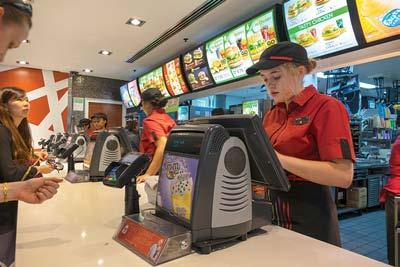
(ebook pdf) management, 7th asia-pacific edition by john r. schermerhorn - Get the ebook in PDF form

Page 1


(eBook PDF) Management, 7th Asia-Pacific Edition by

install download

https://ebookluna.com/product/ebook-pdf-management-7th-asiapacific-edition-by-john-r-schermerhorn/

Instant digital products (PDF, ePub, MOBI) ready for you

Download now and discover formats that fit your needs...

(eBook PDF) Management 6th Asia-Pacific Edition by John R. Schermerhorn

https://ebookluna.com/product/ebook-pdf-management-6th-asia-pacificedition-by-john-r-schermerhorn/

ebookluna.com

(eBook PDF) Management 4th Canadian Edition by John R. Schermerhorn

https://ebookluna.com/product/ebook-pdf-management-4th-canadianedition-by-john-r-schermerhorn/

ebookluna.com

(Original PDF) Exploring Management 6th Edition by John R. Schermerhorn

https://ebookluna.com/product/original-pdf-exploring-management-6thedition-by-john-r-schermerhorn/

ebookluna.com

(eBook PDF) Management Asia Pacific Edition 5th by Samson

https://ebookluna.com/product/ebook-pdf-management-asia-pacificedition-5th-by-samson/

ebookluna.com

Endnotes156

Acknowledgements158

CHAPTER7

Informationanddecision making159

Introduction161

7.1Informationtechnologyandthe newworkplace162

Workandthevirtualoffice162

Howinformationtechnologyischanging organisations163

Howinformationtechnologyischanging business164

7.2Informationandinformationsystems165

Whatisusefulinformation?166

Informationneedsoforganisations166

Developmentsininformationsystems167

Decisionsupportsystems167

Informationsystemsandthe manager’sjob168

7.3Informationanddecisionmaking171

Typesofmanagerialdecisions171

Decisionconditions172

Howmanagersapproachdecisions173

7.4Thedecision-makingprocess173

Stepsindecisionmaking173

Behaviouralinfluenceson decisionmaking176

Individualandgroupdecisionmaking177

Ethicaldecisionmaking178

7.5Knowledgemanagementand organisationallearning178

Whatisknowledgemanagement?178

Organisationallearning179

Summary180

Keyterms180

Appliedactivities181

Endnotes182

Acknowledgements183

CHAPTER8

Planning184

Introduction186

8.1Howandwhymanagersplan187

Theimportanceofplanning187

Theplanningprocess189

8.2Typesofplansusedbymanagers191

Short-rangeandlong-rangeplans191

Strategicandtacticalplans192

Policiesandprocedures193

Budgetsandprojectschedules193

8.3Planningtools,techniquesand processes194

Forecasting194

Contingencyplanning195

Scenarioplanningandcontingency planning195

Benchmarking198

Staffplanners199

Managementbyobjectives199

Participationandinvolvement200

Summary202

Keyterms202

Appliedactivities203

Endnotes203

Acknowledgements204

CHAPTER9

Strategicmanagement205

Introduction206

9.1Sustainablestrategic competitiveness207

Whatisorganisationalstrategy?207

Strategicmanagement208

Strategicmanagementgoals208

9.2Thestrategicmanagementprocess210

Analysisofmission,valuesand objectives211

Analysisoforganisationalresourcesand capabilities213

Analysisofindustryandenvironment214

9.3Strategiesusedbyorganisations216

Levelsofstrategy216

Growthanddiversification strategies217

Restructuringanddivestiture strategies218

Cooperationinbusinessstrategies219

Onlinestrategies220

9.4Strategyformulation220

Porter’sgenericstrategies221

Productlifecycleplanning222

Portfolioplanning224

Adaptivestrategies225

Incrementalismandemergent strategy226

9.5Strategyimplementation226

Managementpracticesand systems226

Corporategovernance227

Strategicleadership227

Summary229

Keyterms230

Appliedactivities230

Endnotes231

Acknowledgements233

Ethicsandthelimitstopower325

Leadershipandempowerment326

13.2Leadershiptraitsandbehaviours326

Searchforleadershiptraits327

Focusonleadershipbehaviours327

13.3Contingencyapproachesto

Fiedler’scontingencymodel329

Hersey–Blanchardsituationalleadership model331

House’spath–goalleadershiptheory332

Vroom–Jagoleader-participation model333

13.4Issuesinleadershipdevelopment334

Transformationalleadership335

Emotionalintelligence336

Genderandleadership337

Drucker’s‘old-fashioned’leadership337

Moralleadership338

Summary340

Keyterms340

Appliedactivities341

Endnotes341

Acknowledgements344

CHAPTER14

Communicationand interpersonalskills345

Introduction346

14.1Thecommunicationprocess347

Whatiseffectivecommunication?347

Persuasionandcredibilityin communication348

Barrierstoeffectivecommunication348

14.2Improvingcommunication351

Transparencyandopenness351

Activelistening352

Bodylanguage352

Constructivefeedback353

Useofcommunicationchannels353

Proxemicsandspacedesign355

Technologyuse356

Valuingcultureanddiversity357

Languageandorganisationalchange357

14.3Perception358

Perceptionandattribution358

Perceptualtendenciesanddistortions359

14.4Communicationandconflict management360

Consequencesofconflict360

Causesofconflict360

Howtodealwithconflict361

Conflictmanagementstyles362

Structuralapproachestoconflict management363

14.5Negotiation364

Negotiationgoalsandapproaches364

Gainingintegrativeagreements364

Avoidingnegotiationpitfalls365

Cross-culturalnegotiation366

Ethicalissuesinnegotiation366 Summary368

Keyterms369

Appliedactivities370

Endnotes370

Acknowledgements372

CHAPTER15

Motivationand rewards373

Introduction374

15.1Whatismotivation?375

Motivationandrewards375

Rewardsandperformance375

15.2Contenttheoriesofmotivation377

Hierarchyofneedstheory377

ERGtheory379

Two-factortheory379

Acquiredneedstheory380

Questionsandanswersoncontent theories381

15.3Processtheoriesofmotivation382

Equitytheory382

Expectancytheory383

Goal-settingtheory385

Self-efficacytheory385

15.4Reinforcementtheoryofmotivation387

Reinforcementstrategies388

Positivereinforcement388

Punishment389

Ethicalissuesinreinforcement390

15.5Motivationandremuneration390

Payforperformance391

Incentiveremunerationsystems392 Summary395

Keyterms396 Appliedactivities396 Endnotes396

Acknowledgements399

CHAPTER16

Individuals,jobdesign andstress400

Introduction401

16.1Themeaningofwork402

Psychologicalcontracts402

Workandthequalityoflife403

16.2Satisfaction,performanceandjob design404

Jobsatisfaction405

Writingthebusinessplan504

Choosingtheformofownership505

Businessstart-upfinance505

19.4Entrepreneurshipandbusiness development506

Intrapreneurshipandlargeenterprises506

Businessincubation507

Summary508

Keyterms508

Appliedactivities509

Endnotes509

Acknowledgements511

CHAPTER20

Operationsandservices management512

Introduction514

20.1Operationsmanagementessentials514

Productivity514

Competitiveadvantage515

Operationstechnologies515

20.2Valuechainmanagement517

Valuechainanalysis518

Supplychainmanagement518

Inventorymanagement519

Break-evenanalysis520

20.3Serviceandproductquality521

Customerrelationshipmanagement521

Qualitymanagement523

Statisticalqualitycontrol524

20.4Workprocesses525

Howtore-engineercoreprocesses525

Process-drivenorganisations526

20.5Physicalfactorsintheworkplace527

Lightingtheworkplace527

Ergonomicworkstations527

Climatecontrol527

Summary529

Keyterms529

Appliedactivities530

Endnotes530

Acknowledgements531

Case1532

Case2535

Case3538

Case4540

Case5544

Case6546

Case7549

Case8552

Case9555

Case10557

Strategycase1560

Strategycase2567

Index572

ABOUTTHEAUTHORS

JohnR.SchermerhornJr

DrJohnR.SchermerhornJr istheCharlesG.O’BlenessprofessorofmanagementemeritusintheCollege ofBusinessatOhioUniversity.JohnearnedaPhDinorganisationalbehaviourfromNorthwesternUniversity,anMBA(withdistinction)inmanagementandinternationalbusinessfromNewYorkUniversity,and aBSinbusinessadministrationfromtheStateUniversityofNewYorkatBuffalo.Hepreviouslytaught atTulaneUniversity,theUniversityofVermont,andSouthernIllinoisUniversityatCarbondale,where healsoservedasheadoftheDepartmentofManagementandassociatedeanoftheCollegeofBusiness Administration.

ManagementeducatorsandstudentsalikeknowJohnastheauthorofseveralleadinginternational textbooks,including ExploringManagement and Management 13thedition,andasaseniorco-author of OrganizationalBehavior 13theditionand CoreConceptsofOrganizationalBehavior.Johnhas alsopublishednumerousarticlesinleadingmanagementjournalsandisamemberoftheAcademyof Management.

PaulDavidson

DrPaulDavidson isassociateprofessorofmanagementintheQueenslandUniversityofTechnology BusinessSchool.Hehas40years’universityteachingexperience,andhaspublishedmorethan100 academicpapersandninebooks..HehasstudiedandtaughtattheUniversityofQueensland,theUniversity ofBirmingham,theUniversityofGeneva,theUniversityofOtago,StanfordUniversityandSouthernCross University.Hehasdegreesinscience(psychology),theologyandbusinessadministration.Inaddition,Paul hasconsultedandtaughtnationallyandinternationallytomanypublicandprivatesectororganisations, includingtheSheratonHotelGroupinAustraliaandAsia,RoyalDutchShellintheNetherlandsandthe UnitedStates,andextensivelytotheRoyalAustralianNavy,asareserveofficer.Hehasbeenavisiting professorinmanagementatReimsManagementSchoolandGrenobleGraduateSchoolofBusinessin France,JyväskyläPolytechnicinFinland,EuromedBusinessSchoolatMarseilleinFrance,andatthe UniversityofTexasatAustinintheUnitedStates.

Hisdoctoralresearchwasintheareaofmanagementeducationanddevelopment,andhiscurrent researchandteachinginterestsareinthedevelopmentofHRmanagementcompetenciesandinternational humanresourcemanagement,andinprojectmanagement.Priortohisacademiccareer,Paulwasanofficer intheRoyalAustralianAirForceandaclinicalpsychologist.Betweenacademicappointments,hehas beenchiefexecutiveofficerofacompanywithsome650employees.Hewasastatecouncillor(1994–2007)andpresident(2000–05)oftheAustralianHumanResourcesInstituteinQueensland,andchairman ofitsNationalAccreditationCommittee(2004–10),aswellasbeingafellowoftheAustralianHuman ResourcesInstitute.HeisalsoafellowoftheAustralianInstituteofCompanyDirectorsandhasrecently completed10years’serviceasadirectoroftheQueenslandCancerCouncil,amajorcharityforresearch andsupportincancertreatment.

AssociateProfessorPeterWoods isamembertheDepartmentofBusinessStrategyandInnovation,Griffith BusinessSchoolandtheDirectorInternationaloftheGriffithBusinessSchool.Histeachinghasbeen recognisedbymultipleawards,includingtheprestigious2010AustralianLearningandTeachingCouncil AwardforTeachingExcellence(Internationalisation);GriffithUniversity’sExcellenceinTeachingAward (BusinessandLaw)in2010;andhewasaco-recipientofthePro-ViceChancellor’sawardforinnovation in2011.In2012,hewasawarded‘Brisbane’sBestLecturer’bytheGoldenKeyInternationalHonour Society.PeterhasalsoservedasacademicfellowattheGriffithLearningFutures,helpingacademicstaff toimproveteachinginthemulticulturalclassroom.HespecialisesinteachingdoingbusinessintheAsia Pacific,introductorymanagement,interculturalmanagement,andstrategicmanagement.

Peterhasprovidedmanagementconsultingtomultinationalcorporations,tertiaryeducationinstitutions, governmentagenciesandprivatesectorbusinesses.Hehasdeliveredcross-culturaltraininginAbuDhabi, HongKong,NewZealandandmanyAustraliancities.Peterisindemandasakeynoteconferencespeaker internationallyandnationally,providingtrainingfortertiaryeducatorsininstitutionssuchastheUniversity ofQueensland,UniversityofCanberra,UniversityofVictoria(Wellington,NZ),UniversityofCanterbury (NZ)andmanyIndonesianuniversities.HeisaspeakerofMandarinChineseandBahasaIndonesia.

PriortojoiningGriffithUniversity,Peterworkedformanyyearshelpingtoestablishnon-government organisations,includingtheBrisbane’sMulticulturalCommunityCentre.Priortothis,heworkedata numberofhospitalsasasupervisingmedicalsocialworker,specialisinginrehabilitationandagedcare. PeterisamemberoftheAcademyofManagementandtheGriffithAsiaInstitute.Peterreceivedhis PhDin2007afterresearching‘Cross-CulturalPerformanceManagementintheExpatriateContext’.His researchinterestsincludecross-culturalmanagement,Chineseleadership,ChineseinvestmentinAfrica, performancemanagement,diversitymanagement,internationalisationofthecurriculumandteachingin themulticulturalcontext.HehasreceivedmultipleinternationalandAustralianawardsforhisresearch andhaspublishedinleadinginternationalacademicjournals,includingthe JournalofBusinessEthics and InformationTechnologyandPeople.

AharonFactor

AharonFactorisanexperiencedMBAfacilitatorworkingonSouthernCrossUniversity’sonlineMBA program.AfterextensiveacademicexperienceinAustralianuniversities,andworkinggloballyinbusiness consulting,AharonnowworkscloselywithSouthernCrossMBAstudentsbringingtogethertheoryand practice.Hehasalsorecentlyestablishedasustainabilityconsultingfirm,SustainableSME.Aharonhas alsocompletedanAustralianFederalgovernmentresearchgrantthatadvisedgovernmentofthechallenges thatsmallandmedium-sizedbusinessesfaceinbecomingenvironmentallysustainable.Inaddition,hewas amemberoftheAustralianAcademyofSciencesthink-tankonclimatechange.Hiseducationbeganat KingsCollege,UniversityofLondon,andheholdsaPhDfromtheAarhusBusinessSchool,University ofAarhus(Denmark).

AlanSimon

DrAlanSimon isaPrinciplesofManagementandEffectiveCommunicationslectureratTaylor’sCollege. PreviouslyhewasanassociateprofessorinmanagementintheUniversityofWesternAustralia’sBusiness Schoolforalmost14years,andretiredin2017.Hehas35years’universityteachingexperienceandmore than80publicationstohiscredit,includingseveralbooksandmonographs.Hehastaughtintroductory management,managingorganisationalchange,strategiccapabilitiesandorganisationalsuccess,and businessresearchmethodsatMonashUniversityandtheUniversityofWesternAustralia.Hehaswon ExcellenceinUndergraduateandPostgraduateTeachingAwardsatUWA,andwasawardedthePearson prizeforAustralianandNewZealandAcademyofManagementEducatoroftheYearin2012.His doctoratewasawardedbyRhodesUniversityandinithedevelopedanewmethodforconductingresearch.

AlanhasconsultedwidelytoindustryandgovernmentandheworkedandconsultedfortheP&S BusinessConsultingGroupinMelbourneformanyyears.Hehasalsodeliveredseveralshortcourseson management,bothinAustraliaandoverseas.Hisclientlist,tonameafew,includestheAustralianInstitute ofManagement,BarclaysBank,ComcaterCCE,CPAAustralia,Holden’sEngineCompany,LendLease, MainRoadsWA,MercorConsultingandPioneerConcrete.HewasamemberoftheAustralianandNew ZealandAcademyofManagementandtheBritishAcademyofManagementformanyyearsbeforehis semi-retirement.

Hehasplayedandcoachedcricket,rugbyunion,competitionsquashandmixedtouchrugby.Heisalso aboatingenthusiast,holdinganoffshoreskipper’sticket.

EllenMcBarron

EllenMcBarron isalecturerinmanagementandHRandisbasedattheBrisbanecampusoftheAustralian CatholicUniversity.Herbackgroundincludes30yearsinthefinanceindustry,wheresheleftasanational trainingmanagerin1999tomovetoacademia.Shehastaughtatbothundergraduateandpostgraduate levelsinBurma,Thailand,HongKongandChina.Ellenisanexperiencedmanagerandleader,actively researchingtheorganisationmanagementofexpatriates,andhasexperiencewithinternationalHRM, performancemanagement,socialentrepreneurshipandrefugeeemployability.Sheisactivelyinvolved insocialjusticeissueswithintheuniversitycommunity,andhasregularconsultancyworkwiththe QueenslandGovernmentandtheminingindustry.EllenwonaCarrickAwardforthedevelopmentof areplicableandsustainablemodelthatdeliversempoweringtertiaryeducationtocamp-basedrefugees.

FatimaJunaid

DrFatimaJunaid isalecturerintheSchoolofManagementatMasseyUniversity’sBusinessSchool situatedinPalmerstonNorth,NewZealand.ShepreviouslytaughtatvariousbusinessschoolsinPakistan foroveradecade.Shespecialisesinteachingintroductorymanagementandorganisationalbehaviour.

APPLICATIONSATA GLANCE

Thereal-worldexamplesin Management,7thAsia–Pacificedition,havebeencarefullychosentoincludea balanceofsmalltomedium-sizedenterprisesandlargermultinationalcorporationsoperatinginourregion, andadiverserangeofrelevantproductandserviceindustries.

1 Thecontemporary workplace

Thecurrent Australianworkplace

2 Historical foundationsof management

3 Environmentand diversity

Lookingbackto lookforward

McDonald’sgoes‘Glocal’(globalisation)

Thechallengeofmanagingacrosscultures (diversity—Asian)

Routinesandprocesses:thefoundationsof organisationalcapability(counterpoint)

Theappealofthe‘flat’organisation—why somefirmsaregettingridofmiddlemanagers (counterpoint)

ClassicalmanagementintheHaierGroup (innovation—Asian)

Blackmoresrewardsstaffwithsliceofprofits (innovation)

Asia–Pacificleadersvalueautomation (globalisation—Asian)

Thinkaboutyourmanagementtheories (counterpoint)

Theproblemof workplacediversity inNewZealand

4 International dimensionsof management

5 Ethicalbehaviour andsocial responsibility

6 Sustainability

Uber:thegood,the badandtheugly

Interactionthroughscreensreplacesface-to-face contact(technology)

Carbontaxesandemissionstradingschemes (sustainability) Dirtymoney(ethics)

Queenslandwomenmotorcyclepolicebeatingthe odds(counterpoint)

Diversityandthemulticulturalorganisationin Singapore(diversity—Asian)

DoctorsWithoutBorders(globalisation)

Newchallengestoglobalisation:Trump,Brexit andChina’s‘OneBelt,OneRoad’initiative (counterpoint)

Australia,NewZealandandtheUnitedStates (diversity)

Supplyanddemandoflabour—aglobal phenomenon(globalisation)

Usingcorporate socialresponsibility fortheirown agenda?

Deoderantpowers cementproduction —areyoukidding?

Australia’smostethicalcompany?(ethics)

Bangladeshclothingfactories:aretheysafenow? (ethics)

CorporatesocialresponsibilityinSouth-EastAsia (sustainability—Asian)

Makingeventssustainable(sustainability) Amodernmanagementdilemma(globalisation)

7 Informationand decisionmaking

Whataretech companiesdoing aboutethicaluseof data?Notmuch

8 Planning PlanningforPort Shorts

9 Strategic management Qantas—enduring painforgain

Thedownsideoftechnologyandglobalaccess (globalisation)

Whyalgorithmswon’tnecessarilyleadtoutopian workplaces(counterpoint)

Planningforcorporatesocialresponsibility (socialresponsibility)

BPplansforagreenerfuture(sustainability)

Planningforinnovation(innovation)

Theabsurdityofplanninginarapidlychanging globaleconomy(counterpoint)

Thefutureofretailing(globalisation—Asian)

Whydoesstrategyfail?(counterpoint)

Risingnationalismandbusinessstrategy (diversity)

The‘gigification’ofdisabilityservices(innovation)

10 Organising

Doesthe‘no manager’company reallywork?

11 Controlling Controland cryptocurrencies (Asian)

12 Humanresource management

TheGooglewalkout isawatershed momentin21st centurylabour activism

Operationsbaseathomeorabroad? (globalisation)

Coulddownsizingbeagoodthing?(counterpoint)

Sexualassaultandharassmentintheworkplace (diversity)

Innovation,rubbishandsustainability (sustainability)

ApplePark:aspeciallydesignedHQ(technology)

Organisationstructureasaformofcontrol(social responsibility—Asian)

TheChineseperceptionofquality(counterpoint —Asian)

Threebusinessleadersonhowolderworkerscan boostyourbusiness(diversity)

DiscriminationatworkinAsia (counterpoint—Asian)

Ispsychtestingagreattooloragreat disappointment?(counterpoint)

Workingfour-dayweeksforfivedays’pay? Researchshowsitpaysoff(innovation)

Thegenderpaygap(counterpoint)

13 Leading Whenleadersfailto lead—Australia’s bankingsector

Whenwinningatallcostsisnotwinningatall —crisisintheleadershipofCricketAustralia (counterpoint)

Shouldtheinnovatoralwayslead?ElonMuskand Tesla’sbumpyride(technology)

Breastfeedingwhileincharge—theNewZealand leaderwhoshowsthewayforward(diversity)

14 Communicationand interpersonalskills Communication goesmobile

Thefragilityoforganisationalreputation (technology)

Selfawarenessandstaffengagement (counterpoint)

(continued)

15 Motivationand rewards

Atlassian’s ‘motivate-toinnovate’approach: anAustralian successstory

16 Individuals,job designandstress

Managingstressin Filipinostart-ups

GlaxoexposedinChinesescandal (globalisation—Asian)

PwCandBHPBilliton:creatingopportunitiesfor diversityandinclusion(diversity)

NovartisdrivesmotivationandleadershipinChina (globalisation—Asian)

TheriseofextrabenefitsinAustralia (counterpoint)

YoungChineseworkerswantsociablehours (socialresponsibility—Asian)

Asia–Pacificemployeesdissatisfiedinthe workplace(globalisation—Asian)

TheAustralianNetworkonDisability:recognising disabilityasadiversityissue(diversity)

PersonalanalyticsemergesinAsiaPacific:an ethicaldilemma(ethics)

Singaporeexecutiveskeenforflexiblework (socialresponsibility—Asian)

17 Teamsand teamwork

18 Leadingand managingchange

TeambehindCanva Australia’sbest workplaceawards

Howtheopen bankingAPIcould transformfinancial servicestobenefit consumers

IsthatHouston?Melbournetechcompany connects(technology)

Rewardtheteamortheindividual?(counterpoint)

DriversforsuccessatSocieteGenerateAsia Pacific(diversity)

Firsttherewasabrick,nowthere’saniPhone (technology)

Australia—aninnovativecountry(innovation)

Cryptocurrencytoattractadifferenttypeof traveller(counterpoint)

Potentialinconstraints:findingotheravenuesto exploitinaflourishingindustry(sustainability)

Chanceandfatedetermineorganisationalsurvival (counterpoint)

‘Dismal’lackofculturaldiversityinleadership sparkscallfortargets(diversity)

19 Entrepreneurship andnewventures

GenZ—thedigital entrepreneurs

20 Operations andservices management

Forgetsiestas, ‘greenmicro-breaks’ couldboostwork productivity

Entrepreneurialsuccessstories(innovation)

Embracingdiversitywhilebridgingthedivide betweensocialworkandbusiness:thesocial entreprenuer(diversity)

Mildura’sfirstcoworkingspaceopensforlocal entrepreneurs(technology)

FindingauniquepathforAustralia’s manufacturingfuture(sustainability)

Socialmediasuccess(technology)

TheInternetofThings(technology)

OPENINGCASE

ThecurrentAustralianworkplace

Adecadeonfromtheglobalfinancialcrisis,today’s managersandemployeescontinuetofacearange ofcontentiousissuesintheworkplace.The2018 ClosingtheGapreportemphasisedcontinuing challengesinachievingequalityandprosperityfor IndigenousAustraliansandTorresStraitIslander peoples,includingineducationandemployment.1

The#MeToomovement,originallyexposingworkplacesexualharassmentintheUnitedStatesfilm industry,quicklyspreadtoAustralianshores.Bank misconductandparliamentaryleadershipspills causedwidespreadmistrustinourinstitutions.2

Environmentalissuessuchastheresponsibleminingandburningofcoalandtheuseofsingle-useplastic bagscontinuetobedebated.ButwhatinfluencehavethesescandalsanddebateshadontheAustralian workplace?Whatvaluesandidealsdotheyreflect?

Officially,badbehaviourintheworkplacewillnotbetolerated.Australianworkplacesareunder unprecedentedscrutinyforabuseofpower,corruptionandimproperpractice.Ifstakeholdertrustis compromisedororganisationsarefoundtoexploitworkersorpollutetheenvironment,thoseinauthority arelikelytobeheldaccountable,publiclyandquickly.

Unofficially,however,abuseofpowerandpeoplecontinues,andtheemploymentrelationshipisfraught withcomplexities.Hierarchyand‘acceptedorder’inorganisationsisalsoincreasinglyunderchallenge. Respectforauthorityisnolongeragiven,andstandardsforwhatconstitutes‘goodmanners’andcivility intheworkplaceareinflux.Workplacebullyingisincreasinglyseenastotallyunacceptable,yetstilloccurs andisfrequentlypublicisedinthemedia.

Technologyintheworkplaceisseenasbothservantandmaster.Welikewhatitcandoforusbutnot whatitdoestous.Someresentitsimpactonourelusivework–lifebalance.Welikeapsinourtechnology thatmakeroutinetaskseasy,butwecomplainaboutthefloodofemailswehavetomanageeveryday. Wearestillfiguringouthowtoworkwithrobots.

Morethananything,wewantapeacefullifethatletsusworkunhinderedbyracial,religious,age-based andgender-baseddiscrimination.Gradually,buttooslowly,weareaddressinginequalityofopportunity. Webelievewearethe‘luckycountry’andthe‘landofthefairgo’,butdoestherealitymeetour expectations?ManyAustralianspridethemselvesontheirsunnyoptimismanda‘she’llberight’attitude —let’shopetheyareprovenright.

QUESTION

Howhastheworkplacechangedinthepast20yearsandwhataretheimplicationsofthesechanges? Wherearethetrendslikelytotakeusinthenext20years?

Introduction

The21stcenturyhasbroughtdemandsforanewworkplace—oneinwhicheveryonemustadaptto arapidlychangingsocietywithconstantlyshiftingexpectationsandopportunities.Learningandspeed are in;habitandcomplacencyare out.Organisationsareevolving,asisthenatureofworkitself.The globaleconomyissustainedbyinnovationandtechnology.Eventheconceptofsuccess—personaland organisational—ischangingascareerstakenewformsandorganisationstransformtoservenewcustomer expectations.Suchdevelopmentsaffectusall,offeringbothunparalleledopportunityandunprecedented uncertainty.Inthisageofcontinuouschallenge,acompellingmessagemustbeheardbyallofus—smart peopleandsmartorganisationscreatetheirownfutures!3

Inthequestforabetterfuture,thebestemployersshareanimportantcommitmenttopeople.Amid highperformanceexpectations,theyoffersupportiveworkenvironmentsthatallowpeople’stalentsto befullyusedwhileprovidingthemwithbothvaluedrewardsandrespectforwork–lifebalance.Inthe bestorganisationsemployeesbenefitfromflexibleworkschedules,onsitechildcare,onsitehealthand fitnesscentresanddomesticpartnerbenefits,aswellasopportunitiesforprofitsharing,cashbonusesand competitivesalaries.Inshort,thebestemployersarenotjustextremelygoodatattractingandretaining talentedemployees.Theyalsoexcelatsupportingtheminahigh-performancecultureworkplacesothat theirtalentsarefullyusedandtheircontributionshighlyvalued.

Today’sdynamicnewworkplacealsohashugeimplicationsforhowindividualsmanageandshape theircareers.Employeesareincreasinglycommittedtotheirowndevelopment.Theiraimiscontinuous improvementinordertooptimisetheirchancesofemployment.Fewerandfeweremployeesdependonan organisationfortheiridentityandtheyarenolongercommittedtojustoneemployer.

Afterstudyinghigh-performingcompanies,managementscholarsCharlesO’ReillyandJeffreyPfeffer concludedthatthosecompaniesachievesuccessbecausetheyarebetterthantheircompetitorsatgetting extraordinaryresultsfromthepeopleworkingforthem.‘Thesecompanieshavewonthewarfortalent’, theysay,‘notjustbybeinggreatplacestowork—althoughtheyarethat—butbyfiguringouthow togetthebestoutofalloftheirpeople,everyday’.4 This,iswhat Management andyourmanagement courseareallabout.Botharedesignedtointroduceyoutotheconcepts,themesanddirectionsthatare consistentwiththesuccessfulmanagementoforganisationsintoday’shigh-performanceworksettings. Asyoubegin,considerfurtherthechallengeposedbythetitleofO’ReillyandPfeffer’sbook: Hidden Value:HowGreatCompaniesAchieveExtraordinaryResultswithOrdinaryPeople.Letyourstudyof managementbedevotedtolearningasmuchasyoucantoprepareforacareer-longcommitmenttogetting greatthingsaccomplishedthroughworkingwithpeople.

1.1Workingintoday’seconomy

LEARNINGOUTCOME1.1 Discussthechallengesofthecontemporaryworkplace. Aspainfulastheglobalfinancialcrisisbecame,wenowliveandworkinapost–globalfinancialcrisis economy,markedbychallengingopportunitiesanddramaticuncertainty.5 Itisanetworkedeconomy inwhichpeople,institutionsandnationsareincreasinglyinfluencedbytheinternetandcontinuing developmentsininformationandcommunicationstechnology(ICT).6 Whereoncetheinternetwasthe keytoanexcitingfuture,understoodbyonlyafew,itisnowexpectedasathresholdtechnologyand relieduponroutinelybythemany.Massiveconnectivitybetweensystemsandpeopleandcomprehensive automationofseeminglyalloureverydayprocessesisnowsimply‘businessasusual’.Theneweconomy isaglobaleconomywhosescopeincreasesdaily.Thenationsoftheworldandtheireconomiesare increasinglyinterdependent,andthisglobalisationgeneratesgreatchallengesaswellasopportunities. Theneweconomyisknowledge-driven.Wemustallacceptthatsuccessmustbeforgedinworkplaces reinventedtounlockthegreatpotentialofhumanintelligence.Thehigh-performancethemesoftheday are‘empowerment’,‘respect’,‘participation’,‘flexibility’,‘teamwork’,‘creativity’and‘innovation’.

Undoubtedly,theneweconomyisperformancedriven.Expectationsoforganisationsandtheirmembers areveryhigh.Successisnotguaranteed,butmustbeearnedinasocietythatdemandsnothingless thanthebestfromallitsinstitutions.Organisationsareexpectedtocontinuouslyexcelonperformance criteriathatincludeinnovation,concernsforemployeedevelopmentandsocialresponsibility,aswell asmoretraditionalmeasuresofprofitabilityandinvestmentvalue.Whenorganisationsfail,customers, investorsandemployeesarequicktoletthemknow.Forindividuals,therearenoguaranteesoflongtermemployment.Jobsaresubjecttoconstantchange.Increasinglytheymustbeearnedandre-earned everydaythroughperformanceandaccomplishments.Careersarebeingredefinedintermsof‘flexibility’, ‘skillportfolios’and‘entrepreneurship’.Today,ittakesinitiativeanddisciplineandcontinuouslearningto navigateone’sowncareerpath.Tomorrow’schallengesarelikelytobeevengreater.Whatthenaresome ofthechallengesaheadformanagers?

Intellectualcapital

Thedynamicpathwaysintothefutureareevidentamongnewbenchmarksbeingsetinandbyprogressive organisationseverywhere.Manywillbeintroducedthroughout Management.Whatwillbecomeevident isthattheultimatefoundationsofanorganisation’ssuccessareitspeople—whattheyknow,whatthey learnandwhattheydowithit.Theycarrynotjustthecorporatememory,butalsorepresentthefirm’s intellectualcapital —definedasthecollectivebrainpowerorsharedknowledgeofaworkforcethat canbeusedtocreatevalue.7 Indeed,theultimateeleganceofthenewworkplacemaywellbeitsability tocombinethetalentsofmanypeople,sometimesthousandsofthem,toachieveuniqueandsignificant results.

Thisistheageofthe knowledgeworker —someonewhosemindisacriticalresourceforemployers andwhoaddstotheintellectualcapitaloftheorganisation.8 Ifyouwantasuccessfulcareerinthenew economyyoumustbewillingtoreachfortheheightsofpersonalcompetencyandaccomplishment.

Youmustbeaself-starter,willingtolearnfromexperiencecontinuously,eveninanenvironmentthatgrows dailymorecomplexandchallenging.Tonegotiatethisenvironment,weneedtohavehighlydeveloped ‘soft’skills:theabilitytoformcriticalandvaluablerelationshipswithstakeholders,andtoinfluence groupbehaviour.9

Globalisation

JapanesemanagementconsultantKenichiOhmaesuggestedthatthenationalboundariesofworldbusiness havelargelydisappeared.10 Attheveryleastwecansaythattheyarefastdisappearing.MostHondamotor vehiclesarenowbuiltintheUnitedStates,VolkswagensarebuiltinChinaandBMWsarebuiltinSouth Africa,Thailand,theUnitedStatesandGermany.Whocanstatewithconfidencewheretheirfavourite athleticsshoesorthepartsfortheirpersonalcomputerweremanufactured?Doesitmatteranyway?More andmoreproductsaredesignedinonecountry,theircomponentpartsaremadeinothersandtheassembly ofthefinalproducttakesplaceinyetanothercountry.TopmanagersatApple,Sonyandotherglobal corporations,forexample,havenorealneedfortheword‘overseas’ineverydaybusinessvocabulary.They operateasglobalbusinessesthatviewthemselvesasequidistantfromcustomersandsuppliers,whereverin theworldtheymaybelocated.‘Overseas’becomesapermanentstateofmind,notanationstateonamap. Withtheirvastpopulationsandparticularlyvibrantmiddleclasses,IndiaandChina,alongwithIndonesia andthePhilippines,arelikelytobecomeevenmoresignificantproducersandconsumers.Managersin ‘Western’countriesfindtheyneedtothinkglobally,actlocally,andthenincorporateIndiaandChinain anystrategicdecision.

Thisispartoftheforceof globalisation,theworldwideinterdependenceofresourceflows,product marketsandbusinesscompetitionthatcharacterisesourneweconomy.11 Inaglobalisedworld,countries andpeoplesareincreasinglyinterconnectedthroughthenews,intravelandlifestyles,inlabourmarketsand employmentpatterns,andinbusinessdealings.Governmentleadersnowworryaboutthecompetitiveness ofnationsjustascorporateleadersworryaboutbusinesscompetitiveness.12 Theworldisincreasingly arrangedinregionaleconomicblocs,withNorthandLatinAmerica,EuropeandtheAsia–Pacificregion askeyanchors,andwithAfricayettoclaimitseconomicpotential.Likeanyinformedcitizen,wemust understandtheforcesofglobalisationandbepreparedtoparticipateinit.

GLOBALISATION

McDonald’sgoes‘Glocal’

McDonald’shaslongbeendemonisedbyantiglobalisationactivists.Theyallegethatitcrushes nationalcuisinesandindependent,family-run restaurantswiththejuggernautofUnitedStates fast-food,corporateimperialism.Inreality,its globalstrategyisacarefulblendofglobalstandardisationandlocaladaptation.

McDonald’smenusfeatureanincreasingnumber oflocallydevelopeditems.Theseinclude:

• Australia: GourmetAngusTruffleandCheese, EnglishBrekkieWrapandFrozenCoke

• France: CroqueMcDoandLeBlueCheeseand BaconBurger

• HongKong: MixedVeggiesandEgg,MiniTwistyPastaandMangoLayerCake

• India: McSpicyPaneerandMcAlooWrap

• SaudiArabia: McArabiaKoftaandMcArabiaChicken

• Switzerland: QuinoaCurryandOvomaltine

• UnitedKingdom: SoSimpleAppleandCherryPorridge,FishFingers,PeriPeriSnackWrap,Cadbury CrunchieMcFlurry

• UnitedStates: SausageBurrito,MapleBaconDijonwithArtisanGrilledChickenandFruitandYoghurt Parfait.

Therearedifferencestooinrestaurantdecor,serviceofferings(e.g.homedeliveryincertaincountries) andmarketpositioning(outsidetheUnitedStates,McDonald’sismoreupmarket).InIsrael,most McDonald’sarekosher:therearenodairyproductsanditisclosedonSaturday.InIndia,neitherbeefnor porkisserved.InGermany,FranceandSpain,McDonald’sservesbeer.Akeyreasonthatmostnon-US outletsarefranchisedistofacilitateadaptationtonationalenvironmentsandaccesstolocalknow-how.

manypeopleagedover65inbothcountriesastherearepeoplebetween15and40.15 TheAustralian workforceconsistsofalargeproportionofemployeesagedover45years.Theglobalfinancialcrisishas severelyimpactedsuperannuationfunds,somuchsothatmanypre-retireeshavedeferredtheirretirement, andmanywhohaveretiredhavesoughttorejointheworkforce.Consequently,asincreasingnumbers oftheworkforcebelongtoolderagegroups,itcouldbeexpectedthatagecouldbecomeanimportant basisforthedevelopmentofdiversitymanagementinitiatives.However,researchon7500Australian companieshasfoundthatlessthanoneinthreefirmsareattemptingtoattractmature-ageworkers.16 Thisissurprisinginviewofthebenefitswhenolderworkersareemployed:moretaxesarepaid,wisdom andexperiencearecontributedtotheworkplace,andproductivityincreases.Withoutanincreaseinthe participationratebymature-ageworkers,theburdenonthepublicpurseofpensionsandhealthcare willincreasesteeply,perhapstounaffordablelevels.AttheOlderAustraliansAtWorkSummit,the AgeDiscriminationCommissioner,SusanRyan,stated:‘Ratherthaninflictinganintolerableburden onthedecliningproportionoftaxpayingworkersagedlessthan60years,wecanspreadtheloadbya straightforwardchange:bylengtheningtheworkinglifeofallAustralians’.17 Furthermore,itwasreported that:

Increasingemploymentofolderpeoplewillhaveextraordinarybenefits.Anincreaseof5percentinpaid employmentofAustraliansovertheageof55wouldboosttheeconomyby$48billion...eachyear.Such achangepresentsopportunitiesforbusinessesaswell.Asacohort,olderAustraliansarediverse,talented, energetic,andwillingtowork.18

Theterm workforcediversity isusedtodescribethecompositionofaworkforceintermsofdifferences amongthemembers.19 Thesedifferencesincludegender,age,race,ethnicity,religion,sexualorientation andable-bodiedness.InAustralasiathelegalcontextofhumanresourcemanagementisverystrictin prohibitingtheuseofdemographiccharacteristicsforstaffingdecisionssuchashiringandpromotion. However,discriminationagainstolderemployeescontinuesinsomesectors.Australasianorganisations havebeenreluctanttohireolderstaffinspiteofevidencetoindicatethatbeliefsintheirlessenedcapacity arefalse.Similarly,otherformsofdiscriminationpersist,despitelawsdesignedtopreventthem.Thisis discussedinlaterchapters.

Theissuesofmanagingworkforcediversityextendbeyondlegalconsiderations.Today’sincreasingly diverseandmulticulturalworkforceoffersgreatopportunitieswithrespecttopotentialperformance gains.20 By‘valuingdiversity’organisationscantapintoarichtalentpoolandhelppeopleworktotheir fullpotential.Butwhatdoesthisreallymean?Itshouldmean‘enablingeverymemberofyourworkforce toperformtohisorherpotential’.Avice-presidentatAvononceposedthechallengeofmanaging diversitythisway:‘consciouslycreatinganenvironmentwhereeveryonehasanequalshotatcontributing, participating,andmostofalladvancing’.21 Althougheasytosay,meetingsocialresponsibilitiestotruly valuediversityhasprovendifficulttoaccomplish.Eventhoughprogressinequalopportunitycontinuesto bemade,lingeringinequalitiesremainintheworkplace.Notonlywillthecompositionoftheworkforce changeinthefuture,butthenatureoftherelationshipspeoplehavewithorganisationswillalsocontinue tochange.Thepasttwodecadeshavebeencharacterisedbyanupwardtrendinalltypesofnon-standard formsofemployment.Therehasbeenanincreaseincasualwork,temporarywork,outsourcingand offshoring,theuseofagenciesandotherlabour-marketintermediaries.Giventhecontinuingneedfor organisationstorespondquicklyinthemarketplace,itcouldbeexpectedthattheseformsofflexible employmentwillincrease.Differencesinapproachestopay,conditionsofemploymentandopportunities fordevelopmentarereadyexamplesoftheinequalitythiscaninvolve.22 Diversitybiascanstillbealimiting factorintoomanyworksettings.Managingadiverseworkforceneedstotakeintoaccountthedifferent needsofmembersofdifferentidentitygroups.

Prejudice,ortheholdingofnegative,irrationalopinionsandattitudesregardingmembersofdiverse populations,setsthestagefordiversitybiasintheworkplace.Thisbiascantaketheformof discrimination thatactivelydisadvantagespeoplebytreatingthemunfairlyanddenyingthemthefullbenefitsof organisationalmembership.Itcanalsotaketheformofanybarrieror‘ceiling’thatpreventspeoplefrom risingaboveacertainleveloforganisationalresponsibility.ResearcherJudithRosenersuggeststhatthe organisation’slossis‘undervaluedandunderutilisedhumancapital’.23

DIVERSITY

Thechallengeofmanaging acrosscultures

Managinginatransnationalenvironmentisa significantchallengefororganisationalleadersin multinationalcorporations.Managingacrossculturesisnevereasy,andundertakinginternational leadershiprolescanbeparticularlydifficult.Global supplychains,marketingstrategiesandhuman resourcemanagementapproachesrequireconstantcoordinationandfine-tuning.Whetheryou wishtoleadaglobalcorporationoneday,orsimply hopetodevelopinternationalleadershipskills,an expatriateassignmentcanprovideanarrayofnew skillsandexperiences.

Asurveyof300Australiangeneralmanagersfoundthatthetraditionalhighlyindividualistic,consultativeAustralianleadershipstyleisinappropriatewhentransferredtothehierarchical,group-oriented culturesofmanyAsiancountries.Aglobalmindsetisrequiredinwhichmanagersadapttheirstyletothe culturesinwhichtheyoperate.Thismindsetcanbedevelopedthroughregularexposuretothebusiness culturesofAsia–Pacific,andaninternationalassignmentisoneobviouswaytoachievethis.Undertaking internationalmanagementandcross-culturalstudiesinuniversityisalsohighlyrecommended.

WorkersinAsiancountriescanoftenbeexpectedtoshowgreatrespecttoseniorsandthosein authority.Incontrast,inWesternculturessuchasinAustraliaandNewZealand,workersmaybeexpected toemphasiseself-interestsmorethangrouployalty.Outsidersmayfindthattheworkplacesinmore ‘masculine’societies,suchasJapan,displaymorerigidgenderstereotypes.Also,corporatestrategiesin organisationswithmorelong-termculturesarelikelytobejustthat—morelong-termoriented.Potential reasonsforthesephenomenaarediscussedinrelationtothewell-knowninternationalstudyconducted byGeertHofstedeinthechapterontheinternationaldimensionsofmanagement.24

QUESTION

Bydefinition,culturesaredifferentfromeachother,withdifferingvalues,attitudes,feelingsand behaviours.Isitpossibletohaveanapproachtomanagementthatfliesoverallthesedifferences,like aone-size-fits-alltheorythat’sinfinitelyadaptable?

Ethics

Whenawell-knownbusinessexecutivegoestoprisonforsomecorporatemisdeed,wenotice.Whena majorenvironmentalcatastropheoccursbecauseofabusinessmisdeed,wenotice.In2015,Volkswagen famouslyadmittedtosystematicfraudbydeliberatelyinstallingsoftwarein11millionofitsdieselcarsto allowthemtopassemissionstests.Oncethecarswereoutofthetestinglaboratorythesoftwaredeactivated theircontrolsandtheenginesspewedfumesatupto40timesthepermittedlevel.25 TheVolkswagenCEO, MartinWinterkorn,resignedbutthereputationalandfinancialdamagetothecompanywasimmense. HisdeparturefromVolkswagenin2018,thoughwith$6.5millionperformancepayundiminishedbythe scandal,raisedethicalquestionsabouttheconductoftheformerlyhighlyrespectedGermanautomobile manufacturer.

Increasingly,wenoticethe‘moral’aspectsoftheeverydaybehaviouroforganisations,theirexecutives andemployees.26 Societyisbecomingstrictinitsexpectationthatsocialinstitutionsconducttheiraffairs accordingtohighandtransparentmoralstandards.Aglobalrecession,coupledwithaspateofcorporate failures,poorcorporategovernanceandtheapparentindifferenceofsomebusinesspeopletoshareholders, employeesandlocalcommunitiesarereasonsforsomebusinesses’poorimage.Addtothisanegative reactiontoglobalisation,cost-cuttingandthegapbetweenthewagesofworkersandthoseofsenior executives,andableakpictureemergesregardingtheimageofAustralianbigbusinesses.27 Theseissues havealsoputthespotlightonthequalityandmoralstandardsofAustralianboardsandmanagers.Equally, thecollapsesoffinancialservicesorganisationsinandaftertheturmoiloftheglobalfinancialcrisis hasraisedseriousquestionsaboutmanagementincompetence,greed,corruptionandCEOremuneration; indeed,aboutcorporateethicsgenerally.

Other documents randomly have different content

surroundings, he keeps his good spirits, he sings to his work, and he plays the violin in his leisure hours.

I need hardly repeat the commonplaces about the music of the Hungarian Gypsy, and the legends concerning Catalani and Liszt. Strolling bands, in civilized attire, and performing upon divers instruments, are and have been for some time well known to the capitals of Europe. So great is the contrast between their art and their surroundings, that more than one traveller has suspected this marvellous gift of pathetic strains to be a “language brought with them in their exile from another and a higher state of existence.” I find in it only the marriage of Eastern with Western melody, the high science of the former, so little appreciated by the ignorant AngloIndian, with the perfect practice of the latter.

Though utterly unalphabetic, these people have a strange power of stirring their hearers’ hearts. They play by ear, in style unsurpassed by the best training, the violin, the ’cello, and the zither, with which London is now familiarized. The airs, often their own, tell a thrilling national tale in a way that makes an indelible impression upon the stranger. Now it is the expression of turmoil, battle, and defeat, followed by a long wail of woe, of passionate grief, mostly in the minor key. Then it suddenly passes to the major in a wild burst of joy, of triumph, of exultation, of rapture, which carries along with it the hearer in irresistible sympathy. It has all the charm of contrast; of extremes, excitement and depression; subjection and deliverance, delight and despair. The strains rob the excitable Hungarian of his reason; he drinks in the music till he is drunk.

The Gypsy is capable of a noble self-sacrifice, and Mr. Crosse tells a tale which proves it. He passed in a wild, romantic glen a steep, overhanging rock known throughout the land as the “Gypsy’s stone.” About the middle of the last century, it is supposed, there was a famine; and the Czigany, poorer than their neighbours, were reduced to beg or starve. When turned away by certain hardhearted villagers, one poor fellow refused to go, declaring that his children were dying of hunger. “Then,” said one of the boors in a

mocking tone, “I will give your family a side of bacon, if you will jump from that rock.” “You hear his promise!” cried the Czigan, appealing to the crowd. Without another word he rushed from amongst them, clambered up the rock, and took the leap, which was —death.

This is exactly what we might expect under the circumstances from a Hindu. The system of Badli—in plain English, paying a man to “take blame” and to be hanged for you—is the best proof.

It should be remembered that a Hungarian was the first to publish the “Indic origin” of the Romani tongue. At the end of 1765 an interesting communiqué was addressed to the Vienna Gazette by Captain Szekely de Doba. He related that the Protestant parson Stephen Vali while studying at Leyden made acquaintance with certain Malabar youths sent there by the Dutch Government, and their vernacular reminded him of the Gypsy tongue which he had heard in his home at Almasch. They also assured him that in Malabar there is a district called Zigania (?), which suggested a comparison with the German Zigeuner. At their dictation he wrote down almost a thousand words, and returning to Almasch he was surprised to find the Czigan understanding them.

Then set in the first period (1775-1800) of Sanskrit and Zend study, accompanied by publications of Bengali, Urdu, and others of the eighteen Prakrit tongues still spoken in the great Peninsula. This led to careful study of Romani. The celebrated Mezzofanti did not hesitate to assign it high rank amongst the thirty-two languages he had studied; and when he lost his mind (1832) he never confounded it with other idioms. Then followed in 1837 the Gospel of St. Luke translated into Spanish Caló by “Gypsy Borrow,” who, however, inserted Castilian words from Father Scio instead of forming them from Gypsy roots.

§ 2. TheGypsiesofSpain.

We have ample material for studying the Spanish Gypsy, or Flamanco, as he is contemptuously called, probably because he entered Andalusia in the train of the Flemings during the first third of the fifteenth century. Yet it is somewhat remarkable that Europe believed up to the end of that century the purely Spanish origin of the Gypsies.

Pasquier, describing the arrival of these “penitents” in Paris A.D. 1427, adds that from that time all France was infested by these vagabonds, but that the first horde was replaced by the Biscayan and other peoples of the same origin. This suggests an early occupation of the Peninsula; although Francisca de Cordova in his Didasculia declared they were first known in Germany, and the general belief now is that the last horde entered Europe by the highroads of Andalusia and Bulgaria, or rather Greece, and they must have been settled for many years in these countries.

Northern Spaniards find in Andalusian blood a distinct Gypsy innervation.

In Spain, as elsewhere, the Gypsy made himself hated by his systematic contempt of the laws of meum and teum; whilst he was protected by two widely different conditions: the first was his poverty (“As poor as a Gypsy” is still a proverb); secondly, he was a spy equally useful to Christian and unbeliever. Yet action was not wanting. In 1499 was published the Gran Pragmatica (Royal Ordinance) of Medina del Campo, under the influence of a fanatic archbishop, banishing on and after the term of sixty days the Egyptian and foreign tinkers (caldereros), and forbidding return under pain of mutilation. This Pragmatica was renewed under Charles V. by the Cortes of Toledo and of Madrid, with the additional punishment of perpetual slavery for those found wandering a third time. Yet in 1560, on his marriage at Toledo with Isabelle of France, Gypsy dances formed part of the festivities. He was comparatively mild, and after moderating the old rigorous laws he ordered the

to his dominions under pain of fire and steel, denying to them even the right of asylum in sacred places. This terrible decree was renewed in 1746-49.

Better days now began to dawn. The racial hatred and brutality suffered by the Gypsies became by slow degrees to be considered the abrogations of past ages. Already, in 1783, Don Carlos of Spain followed the Emperor Joseph of Germany, 1782, and revoked the ultra-Draconian laws which aimed at the extinction of a people, and substituted decrees contrasting strongly with the Pragmatica of 1499; he even threatened pains and penalties to those who hindered the Gypsies in their occupations. In fact, the Gitano, no longer the Egipciano, was allowed intermarriage with his caste, his family rights were recognized, and he was allowed to choose his own trade. He was forbidden only to wear any special dress, to display his language in public, or to exercise the ignoble parts of his calling. Briefly, after having been for centuries of persecution a social pariah, he became a subject. The change must be attributed only to the French philosophical school, and the works of the encyclopedists, which presently led to the greatest benefits of modern ages, the first French Revolution of 1789. It made men and citizens where it found serfs and slaves.

These humanitarian measures bore their natural consequences. Under the effect of toleration the Gypsies lost much of the savage wildness which distinguished them in the depths of the Toledo Mountains, the Sierra Morena, and the wild Alpujarras. They flocked to the valleys of the Ebro, the Tagus, and the Guadiana, where many, waxing rich and caring little for a community of goods, lost much of their devotion to caste and their fear and horror of their Christian fellow-citizens. And the grey-beards did not fail to complain that the Zincálo was speedily becoming a Gacho or a Busno, opprobrious terms applied to non-Gypsies.

The Gitanos of Spain are supposed to number from fifty to sixty thousand, and the increased toleration of society is rapidly concentrating them into the great towns. They abound in Madrid,

Cadiz, Malaga, Granada, Cordova, Ciudad Real, Murcia, Valencia, Barcelona, Pamplona, Valladolid, and Badajoz. In parts of Upper Aragon and the Alpujarras Mountains they are troglodytes rather than nomad hordes. Even in the northern provinces, Old Castile, Asturias, and Galicia, where they formerly were most hated and feared, they are now freely allowed to settle. A complete assimilation is expected from the position which they have acquired in places like Cadiz and Malaga. They are beginning to educate themselves in a country where hardly 20 per cent. can read, and where a grandee of the last generation was a kind of high-caste chalan (horse-cooper) or torero (bull-fighter)—the Gitano’s peculiar trades. Though they preserve the Gypsy tradition, some of them traffic largely in cattle and own extensive butcheries; they keep inns and taverns; they deal with the chief merchants; and they live in luxury. Gitanos of the poorer classes buy and barter animals; act jockeys and race-riders; people the bull-ring (especially in Andalusia); work nails and ironmongery, as at Granada and Cordova; and plait the coloured baskets for which Murcia, Valencia, and Barcelona are famous. Their women sell poultry and old rags; prepare buns (buñuelos) and black puddings (morcillasdesangre); engage themselves as tavern cooks; are excellent smugglers; and find in interpreting dreams, in philterselling, and in fortune-telling the most lucrative industries. They sing and play various instruments, accompanying the music with the most voluptuous and licentious dances and attitudes; but woe to the man who would obtain from these Bayaderes any boon beyond their provocative exhibition. From the Indus to Gibraltar the contrast of obscenity in language and in songs with corporal chastity—a lacha ye drupo, “body shame,” as they term it—has ever been a distinctive characteristic. No brothel in Europe can boast of containing a Gypsy woman.[209] The mother carefully watches and teaches her child to preserve the premices for the Rom, the Gypsy husband. At marriages they preserve the old Jewish and Muslim rite, that disappeared from Spain only with the accession of the house of Austria. Even Isabella of Castile, when she was married at Valladolid to Ferdinand of Aragon, allowed her “justificative proofs” to be

displayed before the wedding-guest. Gypsy marriages, like those of the high-caste Hindus, entail ruinous expense; the revelry lasts three days; the “Gentile” is freely invited; and the profusion of meats and drinks often makes the bridegroom a debtor for life. I have explained this practice in Hindustan as the desire to prove that the first marriage is themarriage.

The Spanish Gypsies are remarkable for beauty in early youth: for magnificent eyes and hair, regular features, light and well-knit figures, easy gait, and graceful bearing. Their locks, like the Hindus, are lamp-black, and without a sign of wave; and they preserve the characteristic eye. The form is perfect, and it has an especial look to which is attributed the power of engendering grandespassions—one of the privileges of the eye. I have often remarked its fixity and brilliance, which flashes like phosphoric light, the gleam which in some eyes denotes madness. I have also noted the “far-off look” which seems to gaze at something beyond you, and the alternation from the fixed stare to a glazing or filming over of the pupil.[210] Hence the English song:

A Gypsy stripling’s glossy (?) eye Has pierced my bosom’s core, A feat no eye beneath the sky Could e’er effect before.

And in Spain it is remarked that the Gypsy man often makes a conquest of the Busno’s wife.

The women are more voluble in language and licentious in manners than the men. These characteristics, combined with the most absolute repulsion for other favours, even to the knife, explain how many sons of grandees and great officials took part in the nightly orgies and by day favoured the proscribed caste. Moreover, the Gitana protected herself by the possession of family secrets. Besides soothsaying and philter-selling, she had a store of the Raizdelbuen Baron (the goodman’s, i.e. the devil’s, root), alias Satan’s herb, which relieved incommodious burdens. At fairs, while the husbands

The Romi also has retained the dress worn till lately in Andalusia, and now gradually becoming obsolete. The gleaming hair is gathered in a Diana knot at the neck, and lit up with flowers of the gaudiest hue; it lies in bands upon the temples, and the whole is often covered with an embroidered kerchief. A cloak of larger or lesser dimensions thrown over the shoulders hardly conceals the bodice and the short, skimpy petticoat (saya), which is embroidered, adorned with bunches of ribbons, trimmings, and other cheap finery.

The Spanish Gypsies have not preserved, like the Hungarian, their old habit of long expeditions for begging and plundering purposes. Consequently they have lost the practice of the Pateran or Trail, the road-marks by which they denote direction. These are fur twigs, or similar heaps of newly gathered grass disposed at short distances. At cross-roads the signs are placed on the right side of that followed. Sometimes they trace upon the ground a cross whose longer arm shows the way, or they nail one stake to another. The Norwegian Gypsies trace with their whips a mark on the snow called Faano; it resembles a sack with a shut mouth. In the course of ages they have lost that marvellous power of following the spoor which their kinsmen on the Indus preserve to perfection. They retain a peculiarly shrill whistle, for which the Guanches were famous. By the signs and the whistles two parties could communicate with each other; and if anything particular occurred, messengers were sent to report it.

The Gypsy language was looked upon as a mere conventional jargon, and its Indian origin, as has been shown elsewhere, was not recognized before the middle of last century. It was, moreover, confounded with the Germania (Thieves’ Latin), whose vocabulary, collected by Juan Hidalgo of Saragona, has found its way into the Diccionario de la Academia. The only Gypsy words it contains are those borrowed from the Caló by the bullies and ruffians of the days of Quevedo. Many corruptions and barbarisms, however, have been introduced into books by pseudo-literati of “white blood,” who prided themselves upon their knowledge of Romani. For instance, Meriden means Coral; and as in Spanish reduplication of the consonant changes the word, an inventor, in order to express Corral (Curral,

Kraal, cattle-yard), produced the most barbarous term Merridden. This was the work of aficionados (fanciers) like the Augustine friar Manso de Sevilla in the Cartuja or Carthusian convent of Jirez, whose famous breed of horses brought them into direct communication with the Gypsies. Happily, however, the language was spoken, not written; and thus, as Mr. Buckle held of legend and tradition, its purity was preserved.

Gypsy verse is generally improvised to the twanging and tapping of the guitar, sometimes to the guitar and castanet, and oftentimes without music. Much that has been printed appears to be of that spurious kind unintelligible to the Gypsies themselves. The favourite form is in quartettes, more or less carefully rhymed; they are impressed upon the hearers’ memory; and thus they pass from mouth to mouth throughout Spain. Borrow gives a few translations of Gypsy songs in Romani. The Cantes Flamancos of Demófico, in phonetic Andalusian, chanted at the fairs and markets, in the cafés and ventas, the streets and alleys of Seville, date from the last century. The poetry is weak, the moral is not always irreproachable; but the sentiment is strong and touching. These Cantes are sung by many a tailor and many a barber who have not a drop of Gypsy blood in their veins. They can hardly be accepted as genuine Gypsy work.

FOOTNOTES:

[206] Hence probably the Hungarian Hunyadis are popularly supposed to have Gypsy blood. John’s mother (A.D. 1400) is said to have been a fair Wallach, Elizabeth Marsinai, possibly of Romani blood. The legend of the boy recovering his unknown father’s ring from a plundering jackdaw, his appearance at Buda, and his receiving the gift of Hunyad town and sixty villages, is well known. The Turk’s bell was first heard in invaded Hungary during the reign of Sigismund. John Hunyadi drove them from Servia and Bosnia, and vainly proposed a league of Christian powers. When Corvinus passed away after a reign of forty-two years, the lieges said of him, and still say, “King Matthias is dead, and Justice died with him.”

[207] Hungary and Transylvania, 1839. Before 1848 the Church, the State, and the nobles were the only landowners; the peasant, however, had leave to occupy certain tracts (session-lands) under his lord.

[208] Mr. Andrew F. Crosse, Round about the Carpathians (Blackwoods, 1878), declares (p. 146) that this “conscription was enforced with every species of official brutality.” Austria was dealing with a conquered and a peculiar, stiff-necked people. Lord Palmerston’s hatred of Austria was, we are told, the best passport to Hungarian sympathy.

[209] The brothels of Buda-Pesth and other large cities of AustroHungary have often one Gypsy woman among their inmates.

[210] I find my opinion confirmed by an older observer: “The peculiarity of the Gypsy eye consists chiefly in a strange, staring expression, which, to be understood, must be seen, and in a thin glaze which steals over it when in repose, and seems to emit phosphoric light” (The Gypsies, by Samuel Roberts).

CHAPTER VIII

THE GYPSY IN AMERICA

TheGypsiesoftheBrazil

The Romá of the North American Republic are well known, and their emigration is of modern date. During the wars between England and France which followed the great Revolution many of them exchanged a wandering life for the service of the country, having been either kidnapped or impressed, or having taken the shilling. Of course, after obtaining a passage to the American colonies, they deserted the army, found friends, and settled in the country. The half-bandit bands of Scottish Gypsies were mostly broken up in this way.

On the other hand, South America is very little known; and yet the part with which I am most familiar, the Brazil, is full of Gypsies. When Ferdinand and Isabella the Catholic (A.D. 1492) issued the exterminating edict against Moors, Jews, and Gitanos, the latter slunk into hiding-places; they were again proscribed by Charles V. (A.D. 1582); and Philip III. (A.D. 1619) issued from Belem in Portugal an order for all the Gypsies to quit the country within six months—an order renewed by Philip IV. in A.D. 1633. There was some reason for this severity. The “masterful beggars” had made themselves infamous by turning spies to the Turks and Saracens; and if the general prejudice against them was unfounded, it rested at least upon a solid foundation—their hatred of the Christian Busno, Gacho, or non-Gypsy. Thus every maritime city of the Brazil to which the exiles were shipped presently contained a Gypsy bairro, or quarter, the Portuguese Moreria (Moorery) corresponding with the Spanish Gitaneria, and not a little resembling the Ghettos of the Italian Jews. For instance, the Rocco, now the handsomest square in superb Rio de Janeiro, was of old the Campo dos Ciganos—the Gypsies’ Field. The “Egyptian pilgrims” thence spread abroad over the Interior,

where their tents often attract the traveller’s eye; and some of them became distinguished criminals, like the Gypsy Beijú, one of the chief Thugs, whose career, ended by hanging for the murders which long disgraced the Mantiqueira Mountains, I have described in the HighlandsoftheBrazil(i. 63).

Wandering about the provinces of S. Paulo and Minas Geraes, I often met Gypsy groups whose appearance, language, and occupations were those of Europe. They are here perhaps a little more violent and dangerous, and the wayfarer looks to his revolver as he nears their camp at the dusk hour; yet they are hardly worse than the “Morpheticos” (lepers), who are allowed to haunt the country. Popular books and reviews ignore them; but the peasantry regard them with disgust and religious dread. They protest themselves to be pious Catholics, yet they are so far the best of Protestants, as they protest, practically and energetically, against the whole concern. Their religion, in fact, is embodied in the axiom: “Cras moriemur—post mortem nulla voluptas.” We may well believe the common rumour which charges them with being robbers of poultry and horses, and with doing at times a trifle in the way of assassination.

On May 3, 1866, when riding from Rio Claro to Piracicava Saõ Paulo, I visited a gang of these “verminous ones”; and attended by my armed servants, I spent a night in their tents. The scene was familiar: the tilt-tent swarmed with dark children, the pot hung from the triangle, and horses and ponies for carriage, and perhaps for sale, were picketed about. The features and complexion were those of the foreign tinkler; the women, besides trumpery ornaments of brass, coral, and beads, wore scarlet leg-wraps; and some of the girls were pretty and well dressed as the memorable Selina, of Bagley Wood, Oxford. Apparently they were owners of negro slaves, possibly runaways. According to the Brazilians, they are fond of nomes esquisitos (fancy names); Esmeralda and Sapphira are common, and they borrow from trees, plants, and animals.

Turn static files into dynamic content formats.

Create a flipbook
Issuu converts static files into: digital portfolios, online yearbooks, online catalogs, digital photo albums and more. Sign up and create your flipbook.