Binnie LAB
Redefining Recreation Across Canada
Contact us to discuss how Elevate Roofing Systems can enhance your next project:


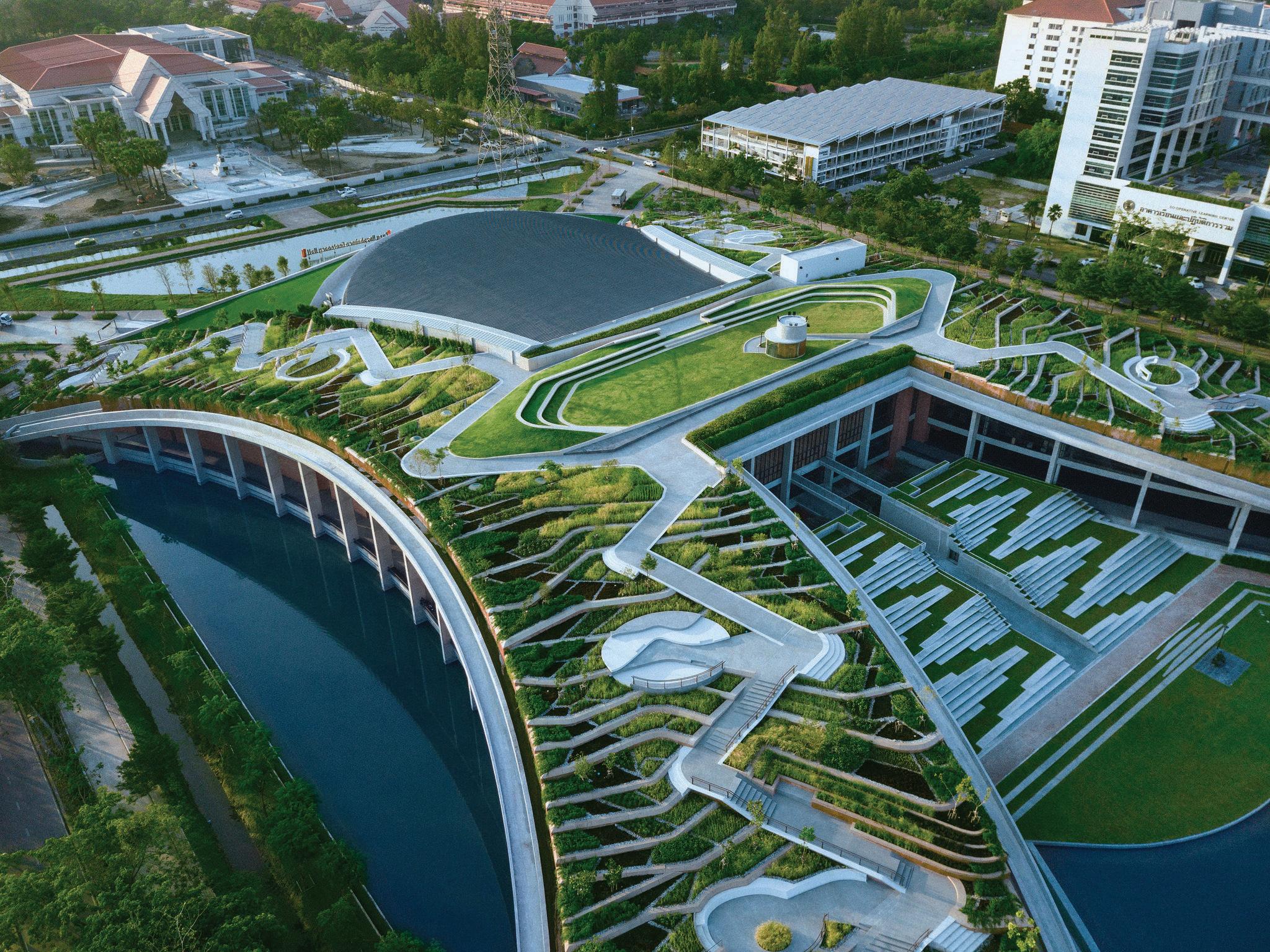
Asia's largest urban rooftop garden at Thailand’s Thammasat University protected by UltraPly TPO
5
RAIC PERSPECTIVE
The blueprint for successful urban design.
6
REIMAGINING THE LANDSCAPE OF CIVIL ENGINEERING
With the launch of Binnie LAB this year, Binnie continues its mission to offer versatile services that meet the unique needs of every client.
9
FINDING THE CURE
The impact of rising investments and 3D printing on the world of precast concrete. 17
ROOTED IN VISION
Uncovering the ever-evolving palette of landscape products.
Escalating demand and cutting-edge R&D is transforming Canada’s engineered wood industry.
Roofing and cladding are being inspired by everything from Passive House to techniques from Japan.
Technology and statement-making styles are at the forefront of this year’s door and hardware trends.
Trailblazing trends and bold visions in sustainable design.
Innovative
A
dive into revolutionary waterproofing products
Dan
dchapman@canadawide.com
604.473.0316
EDITOR
Bruckner nbruckner@canadawide.com
SENIOR
Scott Laurie slaurie@canadawide.com
CONTRIBUTING
Robin
Stacey McLachlan
604.299.2116


by GIOVANNA BONIFACE Chief Implementation Officer, RAIC
The Blueprint For Successful Urban Design
The Royal Architectural Institute of Canada (RAIC), the Canadian Institute of Planners (CIP), and the Canadian Society of Landscape Architects (CSLA) recently announced the recipients of the 2024 National Urban Design Awards.
The National Urban Design Awards are awarded every two years and recognize the important link between architects, planners, and landscape architects in achieving successful urban design. They strive to raise awareness of the crucial role that urban design plays in maintaining and improving the quality of life in Canadian cities and acknowledge the efforts of individuals, organizations, firms, and projects in this field.
According to the jury, “The submissions were consistently very high quality, and focused on many of the topics we as designers are all focusing on in our ever-changing world – justice, equity, diversity and inclusion, on climate change, on resiliency, and as always, on high quality design for the many end-users we strive to serve.
“Projects were described in the submissions with high quality graphics, photos of built projects and evidence that these projects have made significant changes to the quality of life of Canadians across the country.”
Twelve recipients have been selected from the six National Urban Design Award categories:
• Esplanade Tranquille, Les architectes FABG (Civic Design Projects)
• sθәqәlxenәm ts’exwts’áxwi7 – Rainbow Park, DIALOG BC Architecture Engineering Interior Design Planning Inc. (Civic Design Projects)
• Kids Reimagine School Streets, SPECTACLE Bureau for Architecture and Urbanism (Community Initiatives)
• Fields and Flows: Harmonizing Township Development with Riverine Health Through the Local Industrial Use and Cycling of Sedimentary Materials, Preston Stronach (Student Projects)
• Maisonneuve Library Restoration and Extension, EVOQ Architecture + civiliti (Urban Architecture)
• Stadium Station, GEC Architecture (Urban Architecture)

• Queen’s Marque, MacKay-Lyons Sweetapple Architects (Design Architects) in association with FBM (Prime Consultants), (Urban Architecture)
• Downsview Framework Plan, Henning Larsen, KPMB Architects, SLA, Urban Strategies Inc., Northcrest Developments, Canada Lands Company (Urban Design Plans)
• Exchange: Realizing RiverWalk West, groundcubed + HEREBY (Urban Design Plans)
• Skeena Terrace Community Plan, Perkins&Will (Urban Design Plans) Bentway Staging Grounds, SHEEEP in partnership with Agency—Agency, and The Bentway Conservancy (Urban Fragments)
• The Ring / L’Anneau, CCxA Architectes paysagistes Inc. (Urban Fragments)
To learn more about the award recipients, see pictures of their work and read jury comments, check out the recipient webpages.
2024 National Urban Design Awards Jury members:
• Martin Brière, oaq, mirac
• Audrey Farias, rpp, mcip, pmp, muds, barch, leed ap
• Trevor McIntyre, mla, fcsla, oala, aala, apala, asla

About the Canadian Institute of Planners
The Canadian Institute of Planners (CIP) works on behalf of over 9,000 diverse planning professionals and has served as the voice of Canada’s planning community since 1919. Planners safeguard the health and wellbeing of urban and rural communities by addressing the use of land, resources, facilities, and services with consideration to physical, economic, and social efficiency.
About the Canadian Society of Landscape Architects
The Canadian Society of Landscape Architects (CSLA) is a non-profit, national members-based professional organization. It is dedicated to advancing the art, the science and the practice of landscape architecture and celebrates 90 years of support to and advancement of the profession in 2024.
Reimagining The Landscape Of Civil Engineering
With the launch of Binnie LAB this year, Binnie continues its mission
to offer versatile services that meet the unique needs of every client
by NATALIE BRUCKNER | photography courtesy BINNIE LAB
The realm of civil engineering carries a legacy steeped in tradition, offering stability and reliability through centuries-old practices. Venturing beyond these conventional boundaries demands more than just resolve; it necessitates a readiness to challenge the norm and cultivate lasting client relationships.
Binnie, a versatile civil engineering firm, embodies this spirit while placing a paramount focus on client relations. With an unwavering commitment to understanding their clients’ needs, the team at Binnie fearlessly embark on a journey of continual improvement, standing steadfastly alongside those they serve.
This year marked a pivotal moment in their journey with the launch of Binnie LAB – an innovative initiative poised to revolutionize integrated landscape
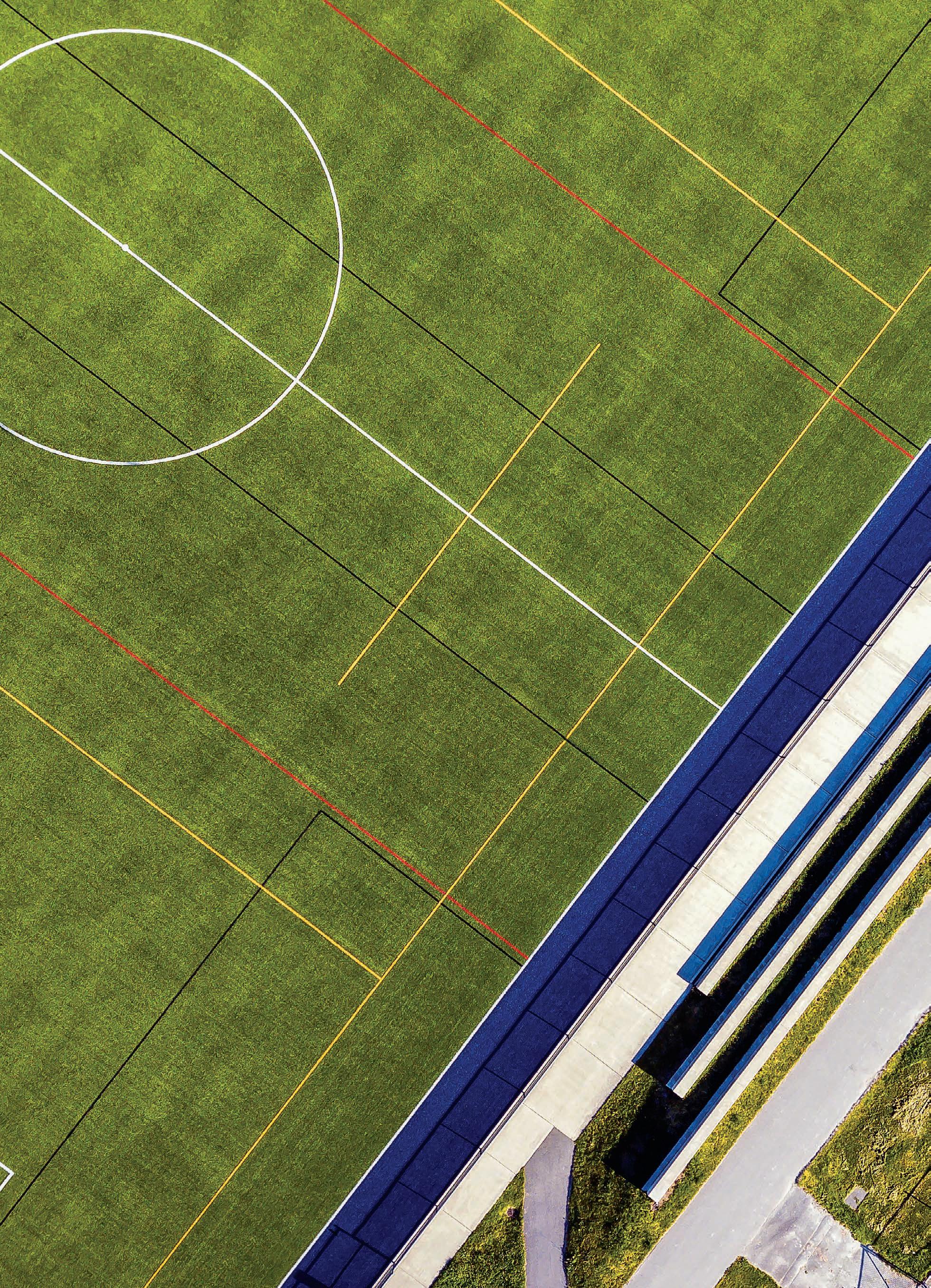
architecture. Serving as a testament to their forward-thinking approach, the Binnie LAB – led by Blair Arbuthnot and Catherine Eiswerth – offers a trifecta of design solutions: sports, recreation, and open spaces. Its inception reflects Binnie’s relentless pursuit of reimagining the landscape of civil engineering.
Bolstered by a team of dedicated professionals, Binnie LAB is an integrated team comprising landscape architects, civil engineers, irrigation specialists, arborists, site inspectors, and world-renowned artificial turf field specialists. As a multi-disciplinary firm, Binnie takes pride in offering versatile services to meet diverse needs. The Binnie LAB aspires to create spaces that not only inspire but also nurture a sense of belonging and well-being for generations to come.
To better understand how the company landed at this point, we need to step back to its humble beginnings. Binnie started as a husband-and-wife team in
Seylynn Park, North Vancouver, B.C.

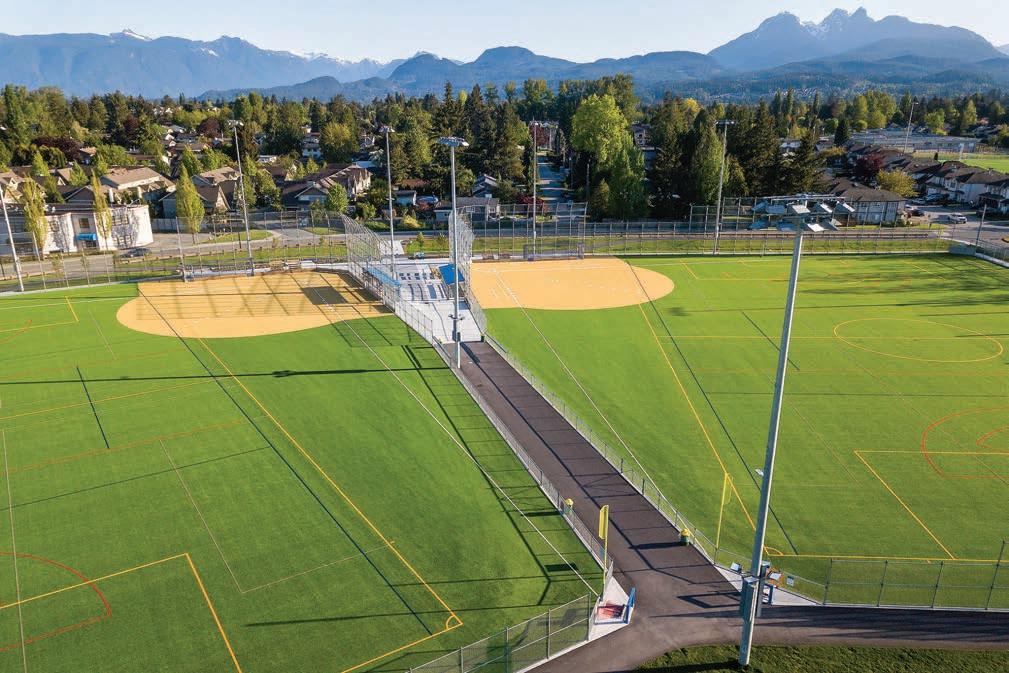
1969 and by the 1980s the company had expanded to 20 employees. During that time, the world had witnessed dramatic transformations – from manual surveying and typewriters to smartphones and 3D scanning – and Binnie was evolving just as rapidly.
“From our humble beginnings to our growth into a multi-disciplinary firm with a team of dedicated professionals, our focus has always been on fostering connected communities across Western Canada, and improving our neighbourhoods and cities,” says Richard Bush, president and CEO.
The team at Binnie has indeed always had a passion for problem-solving, “and our staff feel rewarded when they see the tangible outcome of their work – whether it’s a small roadway upgrade or a large master-planned community,” adds Bush.
Today, Binnie comprises a dynamic team of more than 350 staff spread across six offices in B.C. and Alberta. As the company has grown, so has the breadth, scale, and complexity of its projects. It has added more disciplines to its established surveying and civil engineering teams, including landscape architecture, project management, water resources, highways design, and sustainable infrastructure solutions that consider climate change. “This means we are always evolving in how we use our skills and integrate our various disciplines across the company and offices to create solutions for our clients,” says Bush.
The advent of the Binnie LAB this year heralds a new chapter, positioning the company as a frontrunner in Canadian sports and recreation design solutions. “Binnie has continued to stay on the leading edge of the sports and recreation design process due to our fully integrated design process between our landscape architects and civil engineers working within a single division, and our design teams cross training on each project. By blurring the design lines between the two traditional disciplines, we can reach aesthetic design solutions backed by strong technical excellence,” says Arbuthnot.
Indeed, this isn’t a new area of expertise for the team; in fact, they have long been renowned for their pioneering sports complexes, meticulously crafted running tracks, dynamic sport courts, enchanting playgrounds, lush parks, and meandering trails.
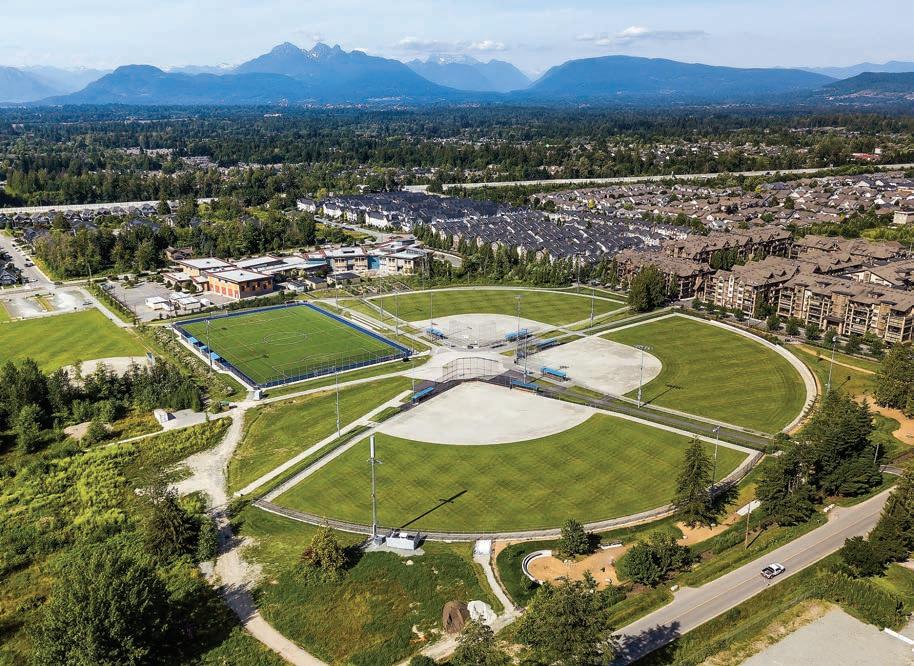
Back in the early 1990s, the team at Binnie was involved with the Burnaby Lake Sports Complex – one of the largest artificial turf facilities in North America at the time. This ultimately led to the development of dozens of turf fields throughout the Greater Vancouver area, significantly increasing the local capacity to support sports and recreation programming through all seasons.
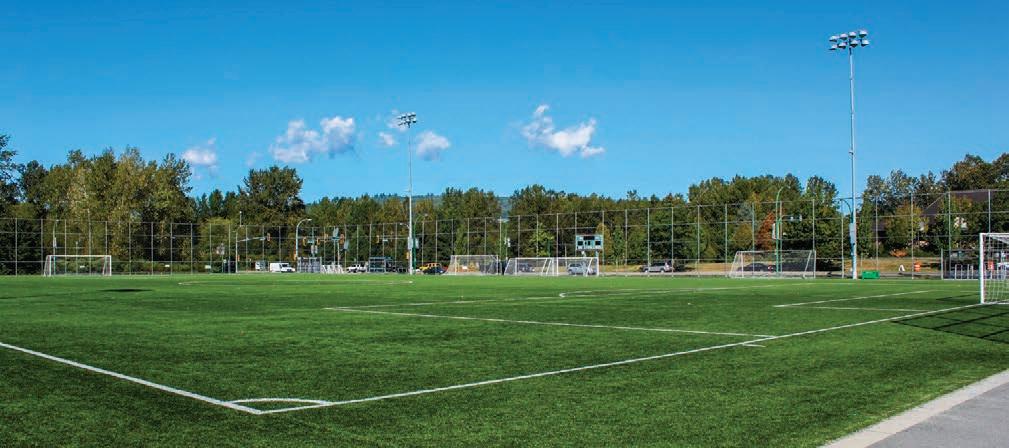
There are, of course, all manner of standout projects in this realm that Binnie has been involved in, including the Fen Burdett Stadium, where The City of North Vancouver retained Binnie for the full detailed design of a synthetic turf field, community recreation track, and fitness park. “Our design focused on creating a multi-use facility that emphasized inclusiveness, a feature often absent from sports-oriented complexes. By using created landforms we eliminated ball control fencing, while also creating a sense of enclosure around the field. We also prioritized passive use open space and incorporated hilly jogging trail loops into the complex to link the new fitness stations,” says Arbuthnot.
In addition to the Fen Burdett Stadium, Binnie was involved in other notable projects such as the Telosky Stadium Synthetic Turf Field Facility, which consists of two full-size soccer/softball synthetic turf fields and associated amenities including bleachers, dugouts, pathways, and a field house. Another noteworthy project is Grant Park, designed with utmost accessibility in mind – the park design includes a wheelchair-friendly synthetic baseball field and a specially designed diamond with synthetic turf that provides a perfect level playing surface. The City of Abbotsford was awarded the BC Recreation and Parks Association Award in Park Design Excellence for this project in May 2022.
“From multi-purpose sports fields to playgrounds, parks, and bike paths, we envision, design, and construct vibrant open spaces that not only enhance human interaction but also elevate the quality of life within communities,” states Bush.
As Binnie celebrates another significant milestone this year, its team maintains an unwavering focus on the core values that have always defined the company: prioritizing the needs of people and communities, regardless of the pace at which the world changes.
“It is an exciting time to be in the consulting space and shape the communities we work and live in. The rate of change and advancement in technology will further enhance and improve our ability to collaborate and execute the vast variety of projects we are involved with. Our purpose is creating connected communities that are resilient, safe, and reliable, ranging from roads and utilities to parks and public spaces. While technology, work methods, and products continue to change at an accelerated rate, Binnie will always be about people, and the communities that we serve,” concludes Bush. A
Fen Burdett Stadium, North Vancouver, B.C.
Yorkson Community Park, Langley Township, B.C.
Telosky Stadium Synthetic Turf Field Facility, Maple Ridge, B.C.
Burnaby Lake Sports Complex, Burnaby, B.C.
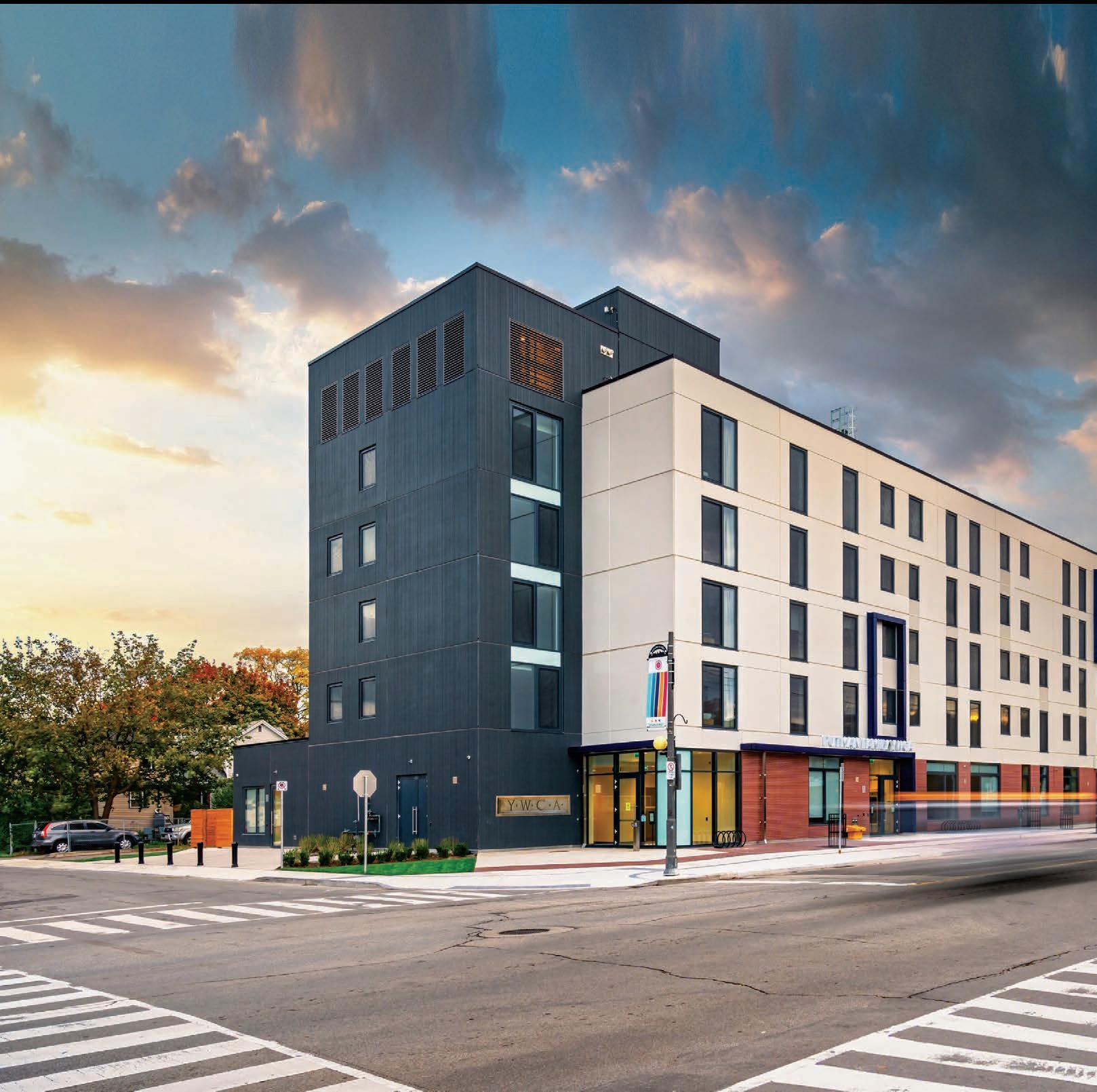
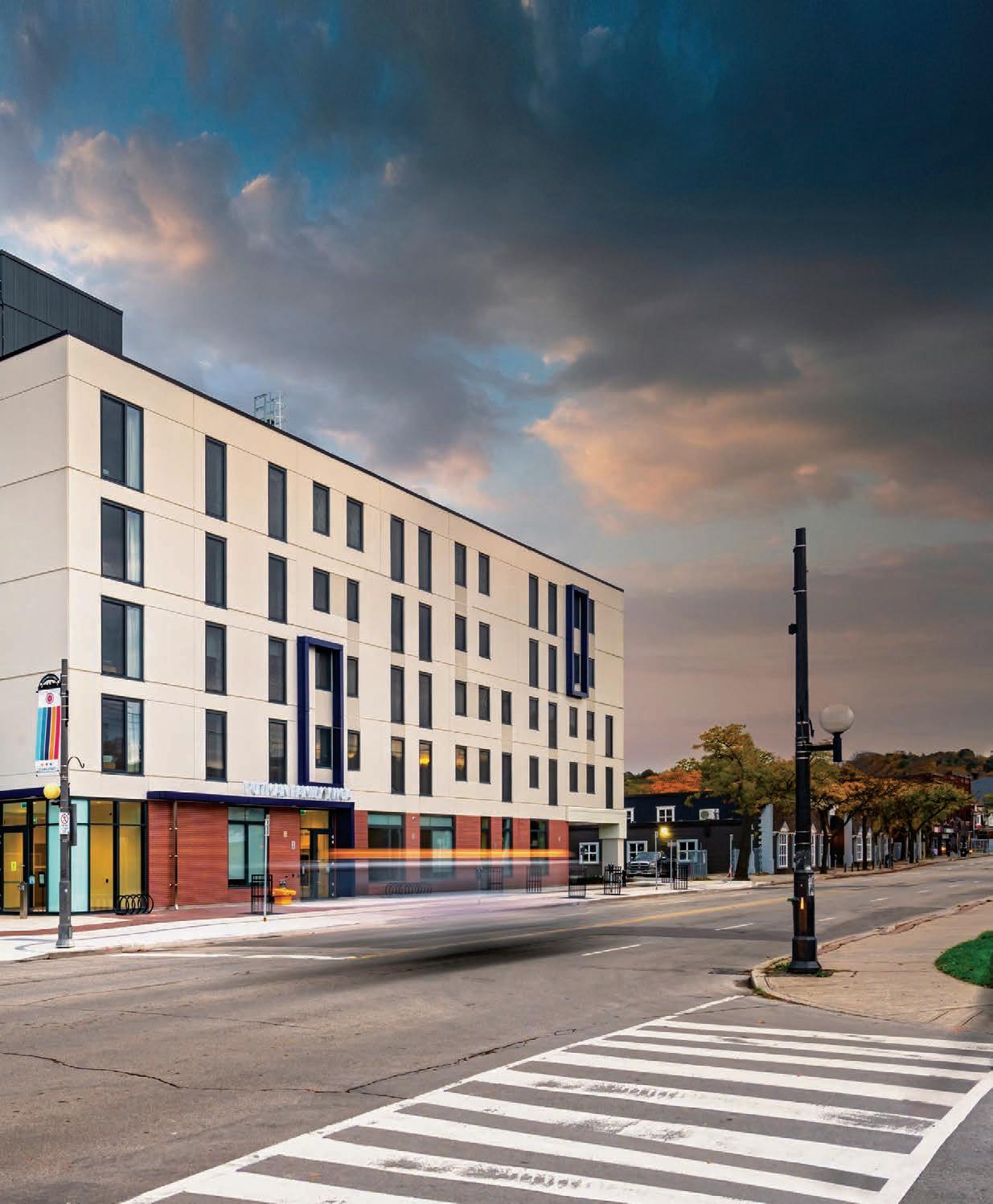
Total Precast Concrete Key Attributes to Passive House Development are:

· Manufactured in local precast facilities under controlled conditions
· The whole building envelope in one composite panel; air barrier, moisture control, insulation and the structure
· Hollowcore floor slabs allow for a much lower depth to span ratio
· Hollowcore provides the lowest GWP per m2 of concrete floor area
· Precast concrete dramatically reduces the construction schedule, site congestion, noise and environmental impacts


For more information and educational presentations check out Learn on Demand, a 24/7/365 Educational Platform. Visit: cpci-learnondemand.com/
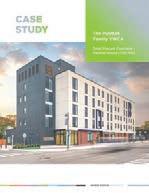

For more information on Passive House Total Precast Concrete, visit www.cpci.ca/publications to download your free copies of the Structural Solutions Guide and the Putman Family YWCA Total Precast Concrete Case Study.
Project: The Putman Family YWCA, Hamilton, ON Architect: Kearns Mancini Architects Inc., Toronto, ON
Finding The Cure
The impact of rising investments and 3D printing on the world of precast concrete
by ROBIN BRUNET
Precast specialists are finding themselves extremely busy in many sectors across Canada in 2024, and a boom in one sector is credited directly to the problems that arose during the COVID lockdowns.
Dominic Colpron, engineering manager for Peikko North America says, “The lockdowns and resulting supply shortages taught us not to be so reliant on offshore manufacturing, and as a result governments in the U.S. and Canada are making massive investments in new facilities, which in turn is benefitting precast companies and related equipment firms.”
Colpron cites multi-billion-dollar investments made by Samsung in the Austin, Texas region for new semiconductor and microchip plants as one of many such projects Peikko is busy supplying. “The work began three years ago, there are dozens of tower cranes operating on these sites, and the work is expected to continue for the next 10 years,” he says.
Colpron adds, “We’re also involved in the second phase of the Sofidel pulp plant expansion in Columbus, Ohio.” This $185-million undertaking will expand the facility by 500,000 square feet and is expected to be completed in 2025.
For both projects, Peikko is supplying HPKM Column Shoes used to connect precast columns to
foundations and to connect columns together. The Ohio project is also using Peikko’s BECO Beam Shoes and COPRA Anchoring Couplers, a fast and economical solution for creating a moment connection between precast beams and columns.
Peikko is heavily relied upon to supply a large selection of concrete connections and composite beams for both precast and cast-in-situ situations in a wide variety of applications, and Colpron is optimistic about the volume of work coming down the turnpike due to what seems to be a concentrated push to revitalize North America’s manufacturing capabilities. “Another project soon to commence that we’re involved with is a Dow Chemical Plant in Fort Saskatchewan,” he says. “So, while opportunities in the residential sector have diminished somewhat due to inflation, industrial work is intense.”
From the perspective of Brian Hall, managing director at the Canadian Precast/Prestressed Concrete Institute, a major push in his sector continues to be lowering carbon emissions. “In 2023, CPCI’s members made a solid commitment to work with our designers, producers, and suppliers to reduce the emissions of the precast concrete industry in Canada,” he says. “This requires full transparency from CPCI members during this decarbonization process to declare our emissions and commit to working together to reduce baseline emissions of the precast concrete industry. Industry experts have developed a document for CPCI members that provides a pathway toward decarbonizing our sector.”
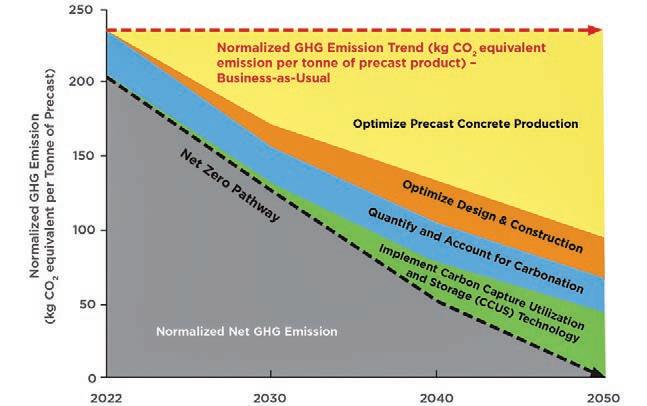
CPCI is also working with its affiliates to provide tools and the necessary training for members to develop on-demand plant and product-specific Environmental Product Declarations (EPDs) for various precast concrete products and assemblies. “Quantifying and reporting our emissions will be very important for us in tracking and reporting the progress of our industry in the decarbonization process,” Hall says.
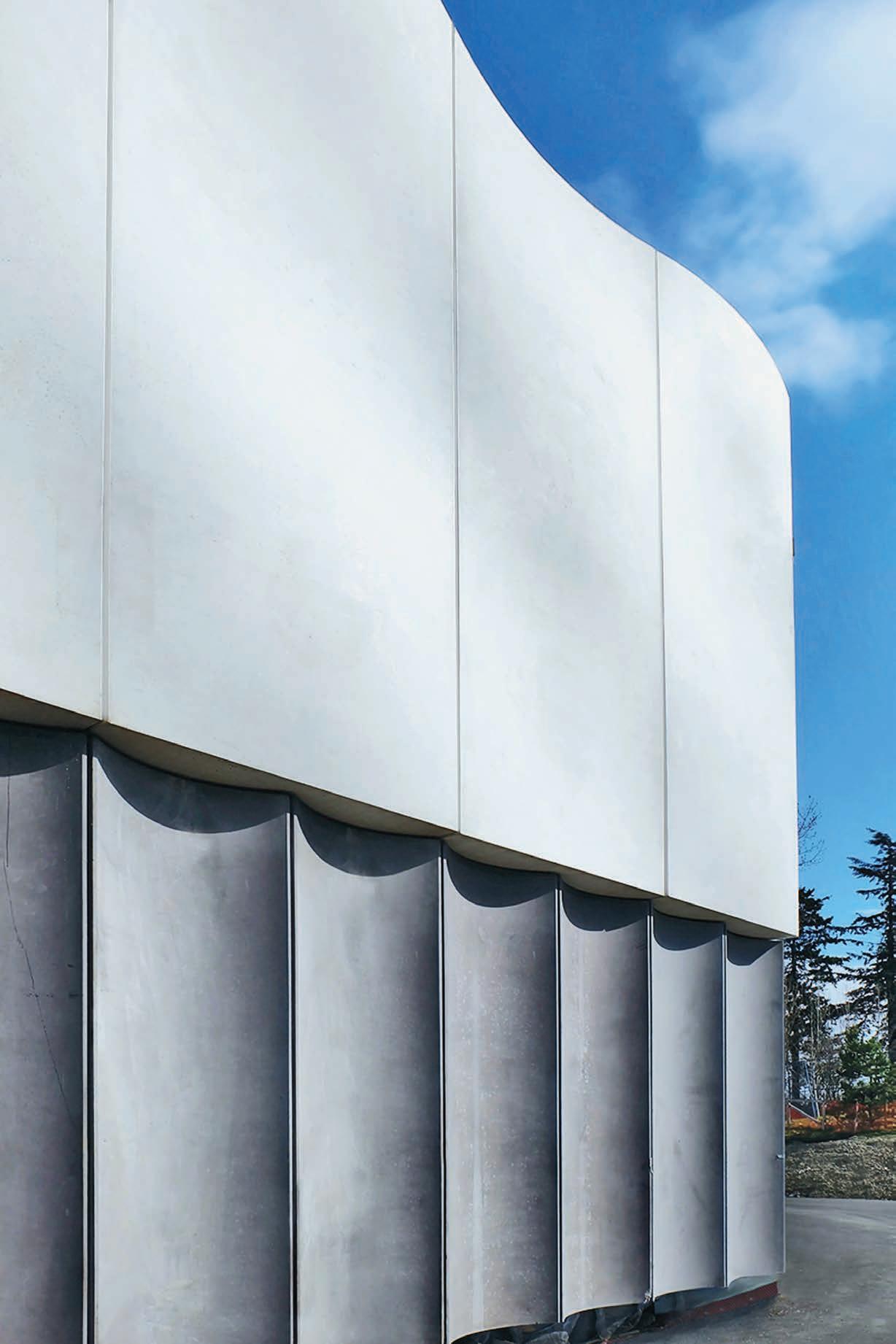
Precast concrete cladding panels at the Clayton Reservoir, Surrey, B.C.
Net Zero Pathway to 2050.
Lower the carbon footprint of your next construction project
EcoCem® was developed as part of our ongoing commitment to significantly diminish CO2.
The use of EcoCem® reduces CO2 emissions in concrete by as much as 10% to 22%. When using EcoCem®PLC or EcoCem®PLUS from Heidelberg Materials, you’re able to produce concrete with the same level of strength and durability as that manufactured with ordinary portland cement. Designed for use in the production of concrete block and pavers, concrete pavement and soil stabilization and advantageous for all ready mixed concrete applications.
Visit our website to learn more about our sustainable products:



Business in 2024 is brisk for Heidelberg Materials and Justin Arnott, Calgary-based area VP and general manager for Precast Concrete Pipe says, “While most of our market is residential development, we’re noticing a push in infrastructure projects in Western Canada, especially in B.C.”
As a result, certain processes are gaining traction to facilitate the work, and Arnott cites the increasing instances of microtunneling in situations where traditional open cut pipe laying is not feasible.
Microtunneling (also known as pipe-jacking) is a non-disruptive method of installing utility tunnels and conduits by thrusting pipes through the ground as controlled excavation is undertaken at the face. Pipes manufactured in a variety of materials to include concrete, clay, and steel can be jacked and standard pipe diameters generally range from 150 millimetres (mm) to 2,400 mm, or greater when required, and lengths can be in excess of one kilometre depending on pipe diameters, ground conditions, and excavation methods.
Arnott says, “We’ve had good success with the process in B.C., with projects including the Trans Mountain Pipeline and currently the Burnaby Lake interception project. Since an increasing number of areas are being built out and regions are become urbanized, the need for microtunneling grows.”
For the concrete and precast concrete industry in general, another evolving innovation is the use of 3D printing to facilitate construction, and one example showcasing the potential of this technology is Kakatoosoyiists, 16 one-bedroom units being built across four buildings on the Siksika Nation about 100 kilometres east of Calgary. This is the first 3D concrete-printed housing initiative in Alberta and the largest in the country, with external walls being 3D printed with concrete using a four-foot tall robotic arm to pour the substance.
Arnott says Heidelberg Materials Pipe has established an in-house 3D operation “to help solve nitpicky problems associated with the limitations of sand casting, and we use it to create custom jigs. It’s a fabulous aid to the bespoke work we do, and 3D has potential as a game-changer in the precast world.” Heidelberg Materials has vast experience in 3D concrete printing materials, supplying dry mortars in Europe to some precast operators. In North America, the 3D operations are mostly focused on single family homes and concrete furniture or landscaping elements.
As for Heidelberg Materials’ ongoing commitment to achieve and maintain sustainable standards, its Manitoba concrete pipe plant in January shifted from 30 percent production with EcoCem Plus to 100 percent, and Arnott says it’s just a matter of time before the company’s other plants across Canada follow suit. “We’re getting the same strengths from EcoCem Plus compared to normal cement and its workability is great,” he says of the blended Portland Limestone Cement that is produced by inter-grinding clinker, fly ash, limestone, and gypsum (and can lower the carbon footprint by more than 22 percent compared to General Use cement).
John Carson, executive director at AltusGroup, Inc. says, “The precast industry in North America is very strong with many significant projects in a wide mix of markets – but the future is somewhat cloudy due to high interest rates, material inflation, and other factors. In general, schedules are sliding somewhat and demand is heavily dependent on regional economic activity and growth.” AI continues to drive data centre project development.
Carson points to the recent opening of the new Knife River prestressed and precast plant in Spokane, Washington, as an example of the industry scrambling to fill the need for precast projects. One of Knife River’s early accomplishments has been
supplying a new electric car dealership with a precast roof system as an alternative to steel roof joists; the company built the system in the space of a week and finished installation in six months, hence the use of precast.
Carson, who toured the plant, says, “It’s doing lots of wall and transportation projects, and the industry overall is also adding capacity through internal capital expenditures.”
Carson notes that in addition to manufacturers continuing to seek ways to improve productivity, achieve footprint reduction, and manage labour shortages, technological innovations continue to inform their work. “New fibre reinforced polymer connection systems and design methodologies like CarbonCast and the use of composite design in wall assembly makes precast a desirable selection for builders and GC’s,” he says. “Ultra and high-performance concrete admix technology continues to gain attention, and less cement and lighter weight elements are drivers for new sustainable systems.”
CarbonCast High Performance Insulated Wall Panels are composed of two concrete wythes separated by continuous insulation. With very low thermal conductivity, the high-strength C-GRID connectors help deliver insulation values up to R-37 depending on the thickness and type of board foam insulation used.
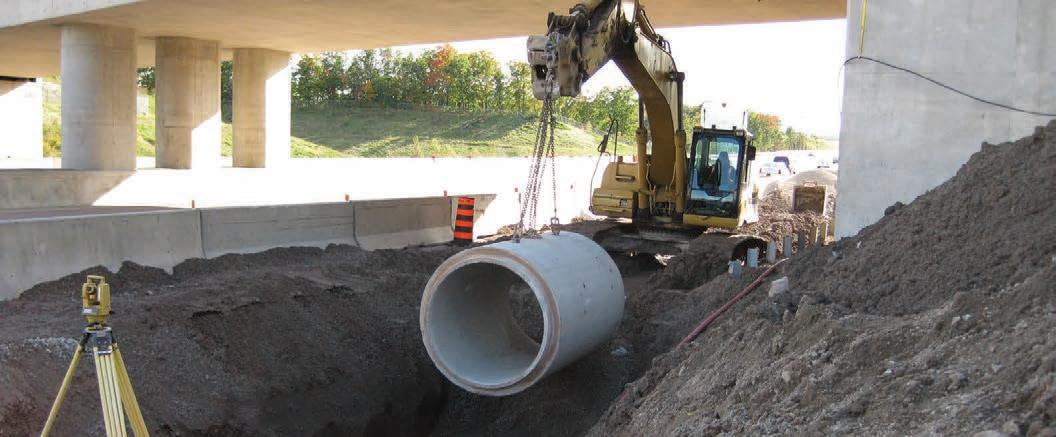
Twin precast box culvert line installation, Bonnybrook Wastewater Treatment Facility Outfall, Calgary, AB.
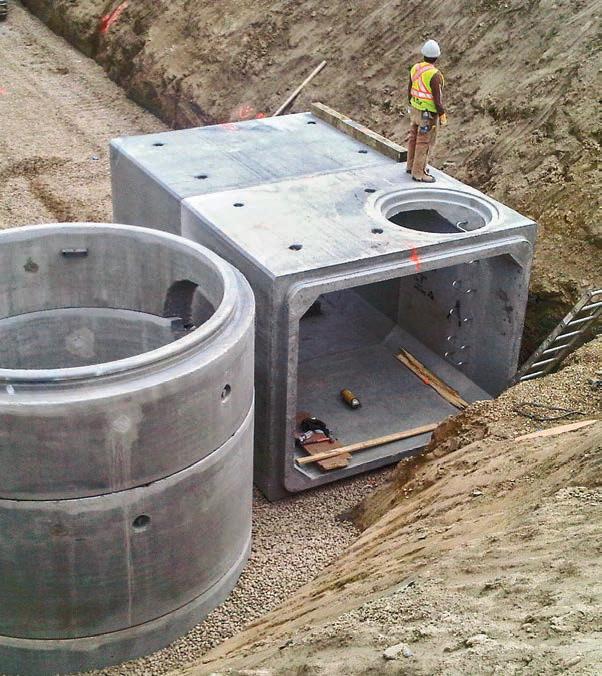
Oil/Grit Separator installation, Balzac, AB.
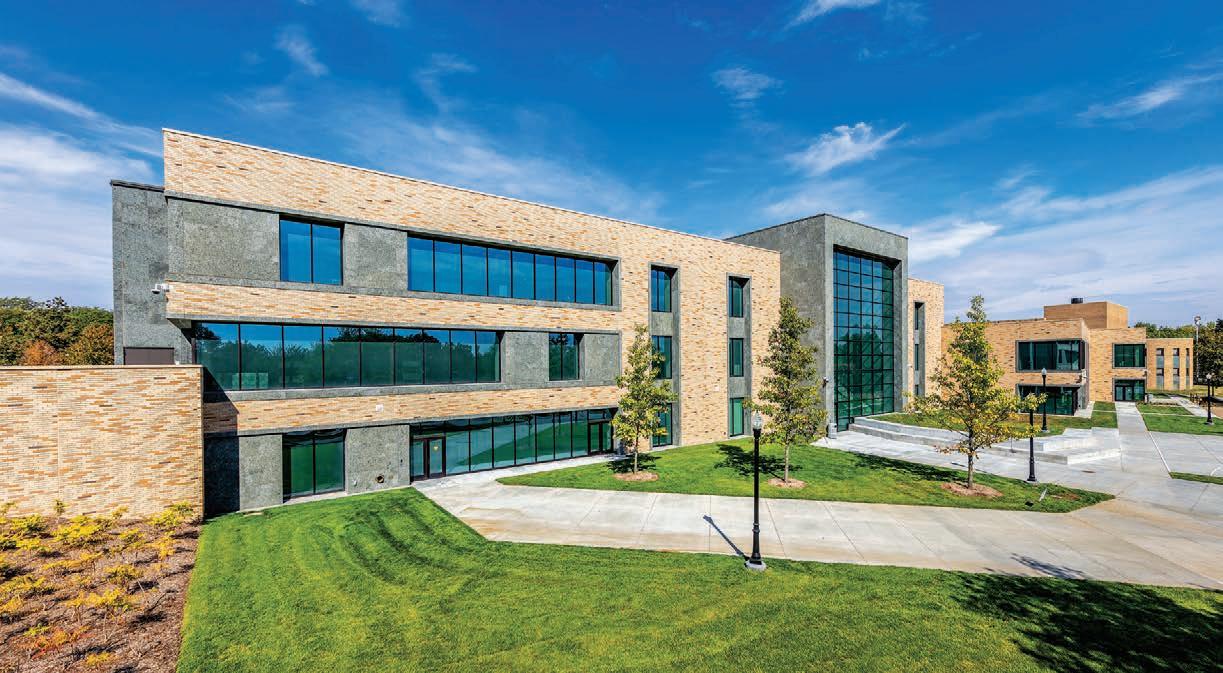
CarbonCast High Performance Insulated Wall Panels, Boys Town School, Omaha, NE.

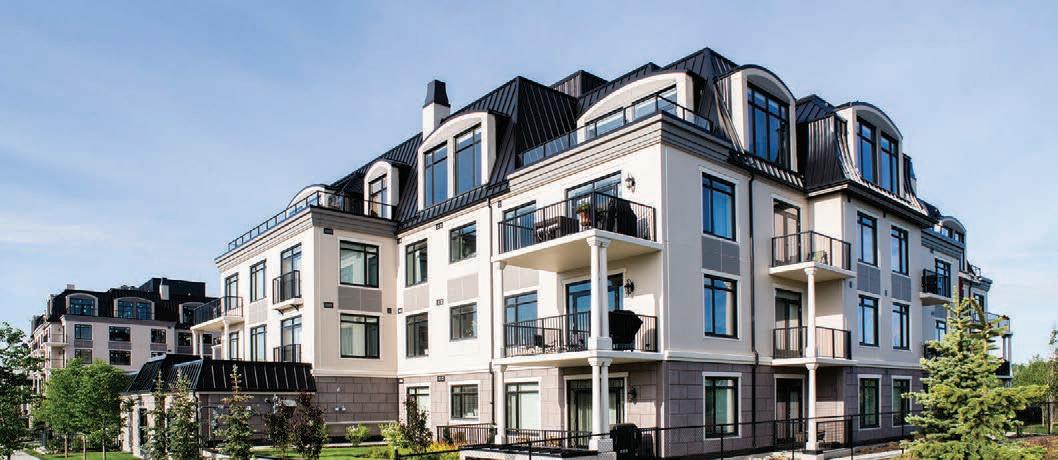
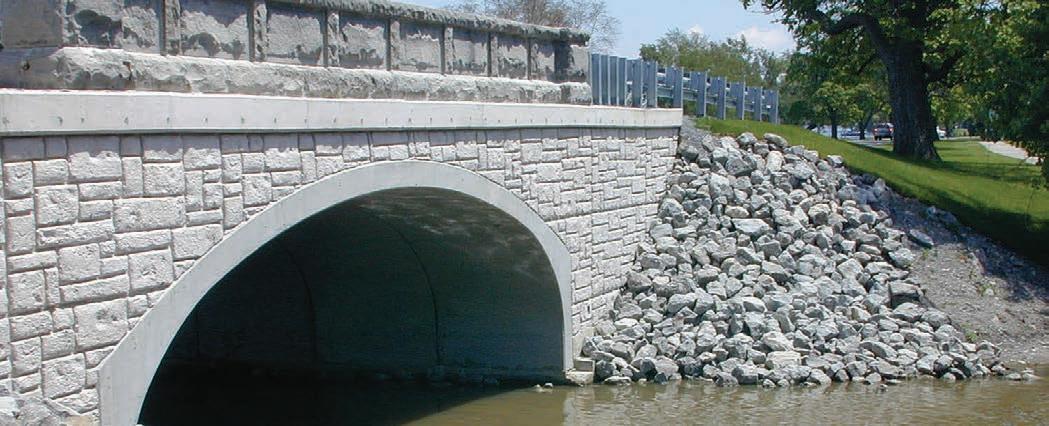
*(CPCQA) CERTIFICATION PROGRAM BY PROCESS OFFERS KEY BENEFITS TO ARCHITECTS, CONTRACTORS, ENGINEERS, GOVERNMENT AUTHORITIES AND OWNERS.
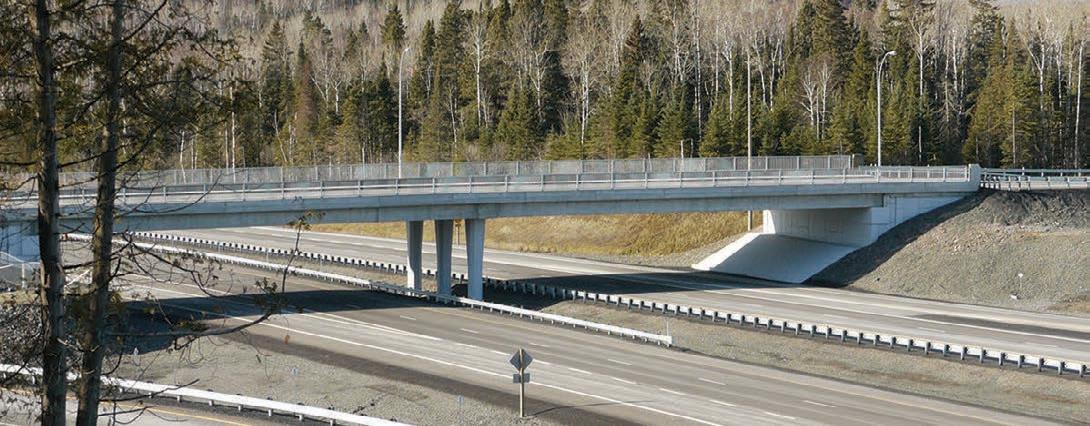
Project: Champagne Quarry Park, Calgary, AB Architect: Gibbs Gage Architects
However, precast is not exclusively about sustainability or even efficiency, as crucial as these factors are. The best precast manufacturers have a keen ability to produce structures that are aesthetically pleasing, and Lafarge in Western Canada (where the company’s precast services are focused) extends this value to projects that would otherwise be considered utilitarian.
Case in point: for the Clayton Reservoir in Surrey, B.C., Lafarge Precast Edmonton created 161 white and charcoal precast concrete cladding panels, curved in a 3D circular/wave effect to maintain the natural ambiance of the area. A more traditional example of precast’s aesthetic appeal is the Eagle Ridge affordable housing project in the Fort McMurray region. Eagle Ridge was notable for its use of precast concrete as the primary building material, including the superstructure, flooring, and exterior cladding. “The use of precast allowed for expedited construction, high-quality finishes, and affordable housing in the Fort McMurray area,” says Kristen Marston, communications and marketing manager for Lafarge Canada Inc.
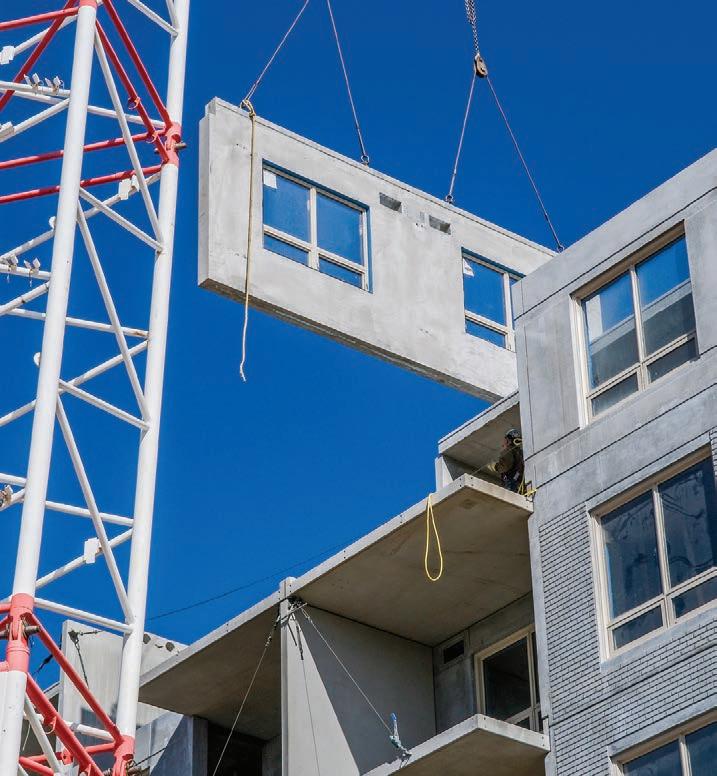
Marston adds, “By prioritizing our goals in precast, including integrating modern technology, such as our newest hollowcore extruder, we’ve successfully minimized cross-sections while preserving strength, thus reducing cement usage and our environmental footprint. Innovation isn’t a buzzword; it’s ingrained in our processes and products, defining our commitment to building a more sustainable future.”

Coreslab Structures is well known in the precast sector for its structural and architectural expertise, facilitated by 17 manufacturing facilities across North America. Its strength for developers lies in the fact that it works with clients from initial design and planning to fabrication and installation, thus helping to ensure that projects are completed to the highest standards.
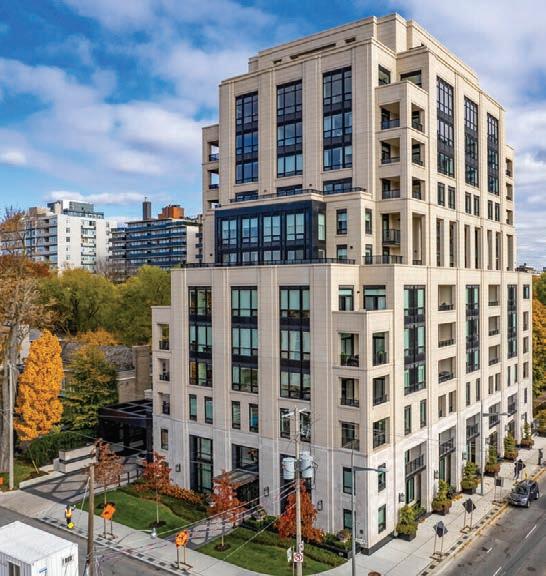
One example of Coreslab’s materials capability in Canada is Blendtek Ingredients Inc.’s 85,000-square-foot headquarters in Cambridge, Ontario. Built by Jackman Construction Ltd., the facility required 21,915 square feet of precast hollowcore and solid slabs, as well as 32,258 square feet (150 pieces) of insulated precast walls each measuring 42 feet (’) by 7’, to meet both SQF and organic certifications.
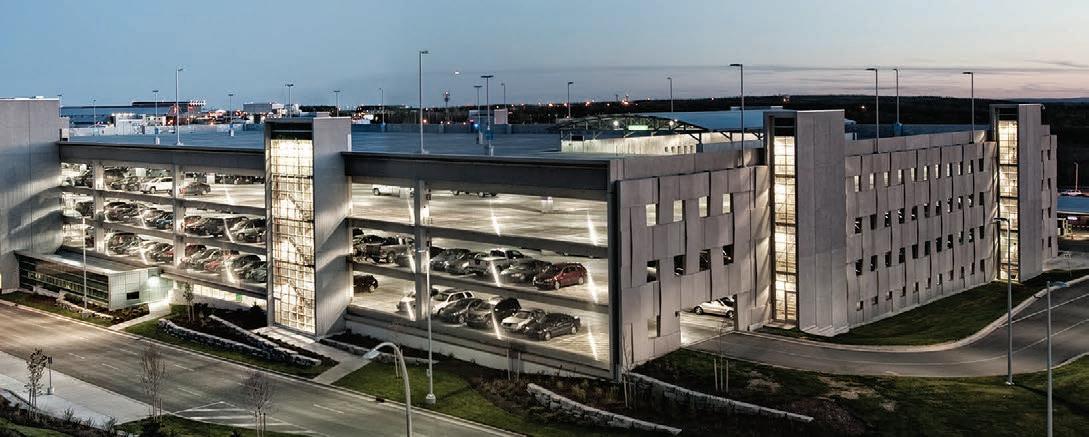
Coreslab’s work on the 10th & Wyandotte Parking Garage in Kansas City, MO is a showcase for the aesthetic benefits of precast structure. The five-storey design features unique blackouts in its precast exterior panels, which were achieved using custom moulds and ceramic artwork. Also, thanks to precast the project was able to cover 72,000 square feet with 281 pieces in just 10 months.
Finally, the general contractor NZ Builders is unique in that it pushes the envelope of design and building science by building a variety of high-performance passive solar homes on Vancouver Island.
One such home in Victoria is especially noteworthy in that it boasts a diverse array of concrete finishes, including one entire exterior panel featuring a life-size image of a Garry oak tree, etched permanently into the concrete. The flooring is polished concrete, and mixed media and textured walls are throughout the build. The entire home required Concrete Insulated Panels (CIP), R-16 effective wall assembly, R-40 slab insulated footings, and an R-40 roof assembly. A
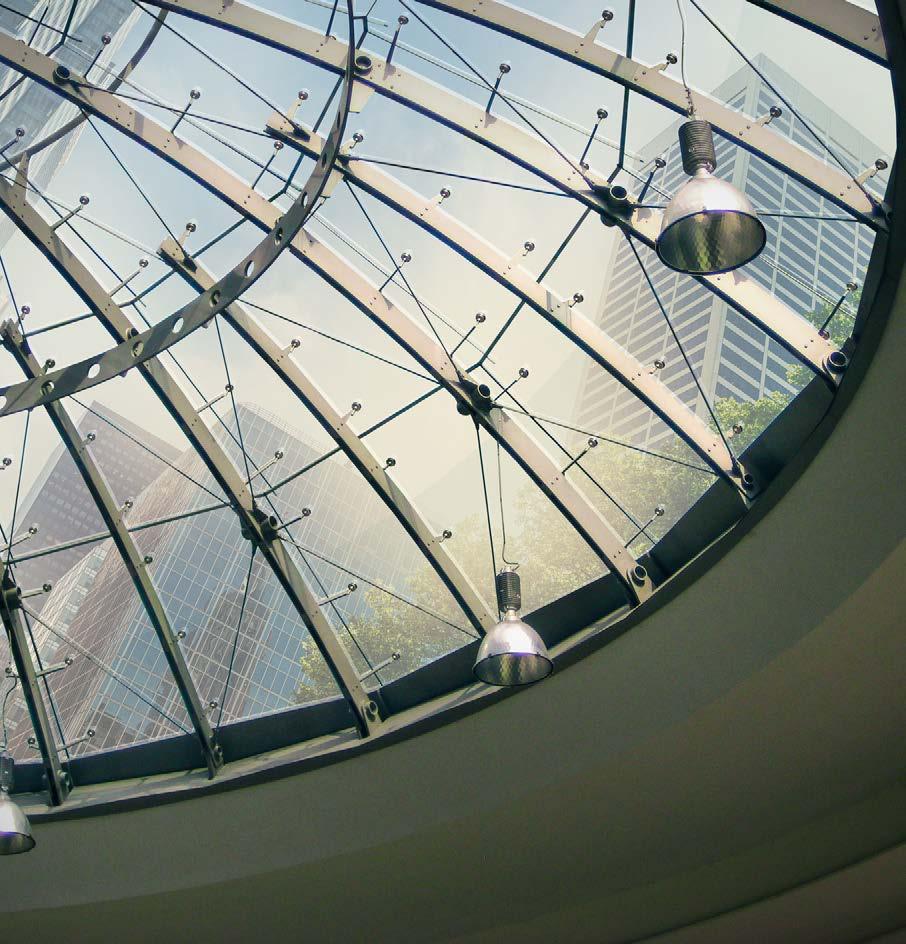
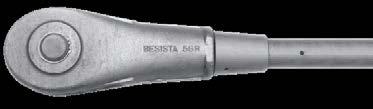
Peikko BESISTA® tension rod and compression bar systems set the standard for seamlessly bracing buildings and other load-bearing structures. With detailed aesthetics and patented safety and installation features, BESISTA is your first choice for load-carrying connections that boldly stand out.
Precast construction at the Eagle Ridge affordable housing project, Fort McMurray, AB.




Rooted In Vision
Uncovering the ever-evolving palette of landscape products
by ROBIN BRUNET
When it comes to landscaping products, regardless of the properties they’re intended for, design and colour trends are subtle rather than seismic, and everything old eventually becomes new again.
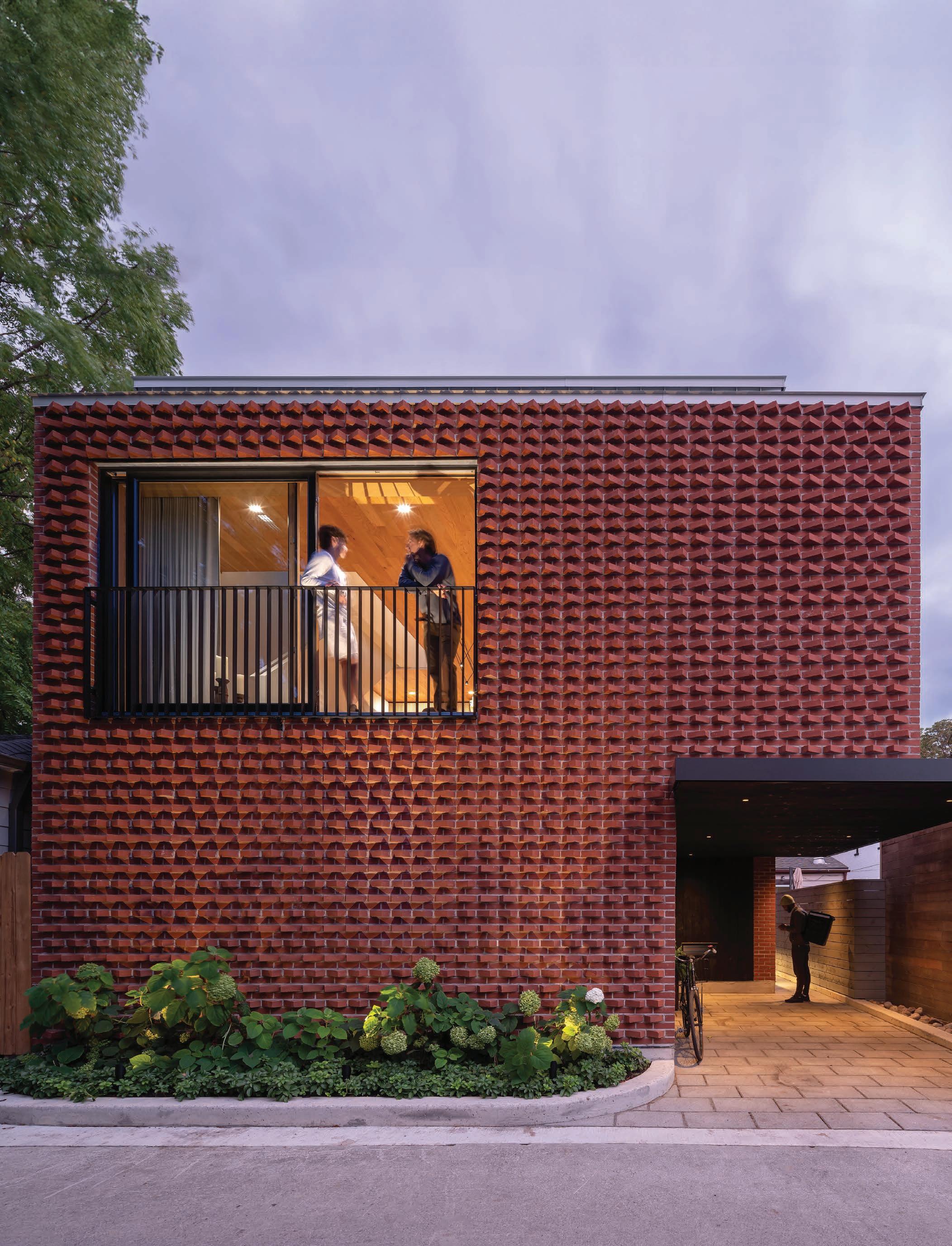
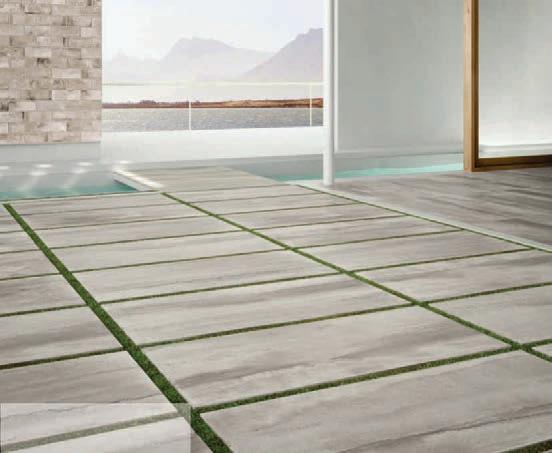
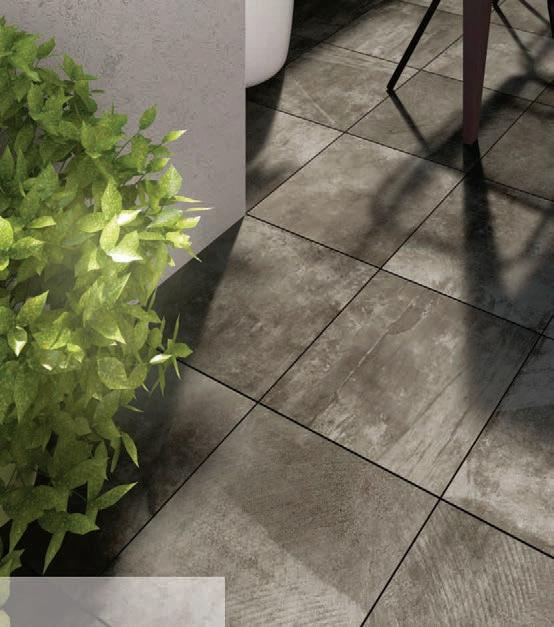
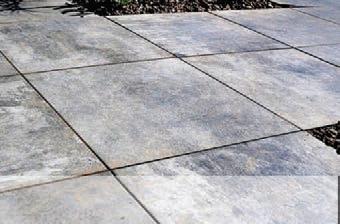
Vito Lore, sales manager, Canada, at family-owned Mutual Materials (whose 13 manufacturing plants and 18 branch offices provide high-quality masonry and hardscape products to a wide range of customers), says, “The preference for larger format slab sizes, which began some years ago, is still a trend. We carry 120 inch [”] by 24” and 24” by 24” units, but we also have 8” by 12” and 16” by 24” units, because a lot of the standard sizes are still popular too.”
Mutual’s masonry offerings include brick, blended brick, structural brick, and concrete masonry units in many colours, shapes, and textures. Its hardscape products include paving stone, patio slabs, and garden and retaining walls.
Lore notes that elsewhere, “There seems to be a new interest in different shapes such as geometric shaped pavers and larger slabs. Conversely, Romanstyled, tumbled worn pavers were very popular for a number of years, but now the move is towards cleaner and more linear; it’s a matter of evolving aesthetics.”
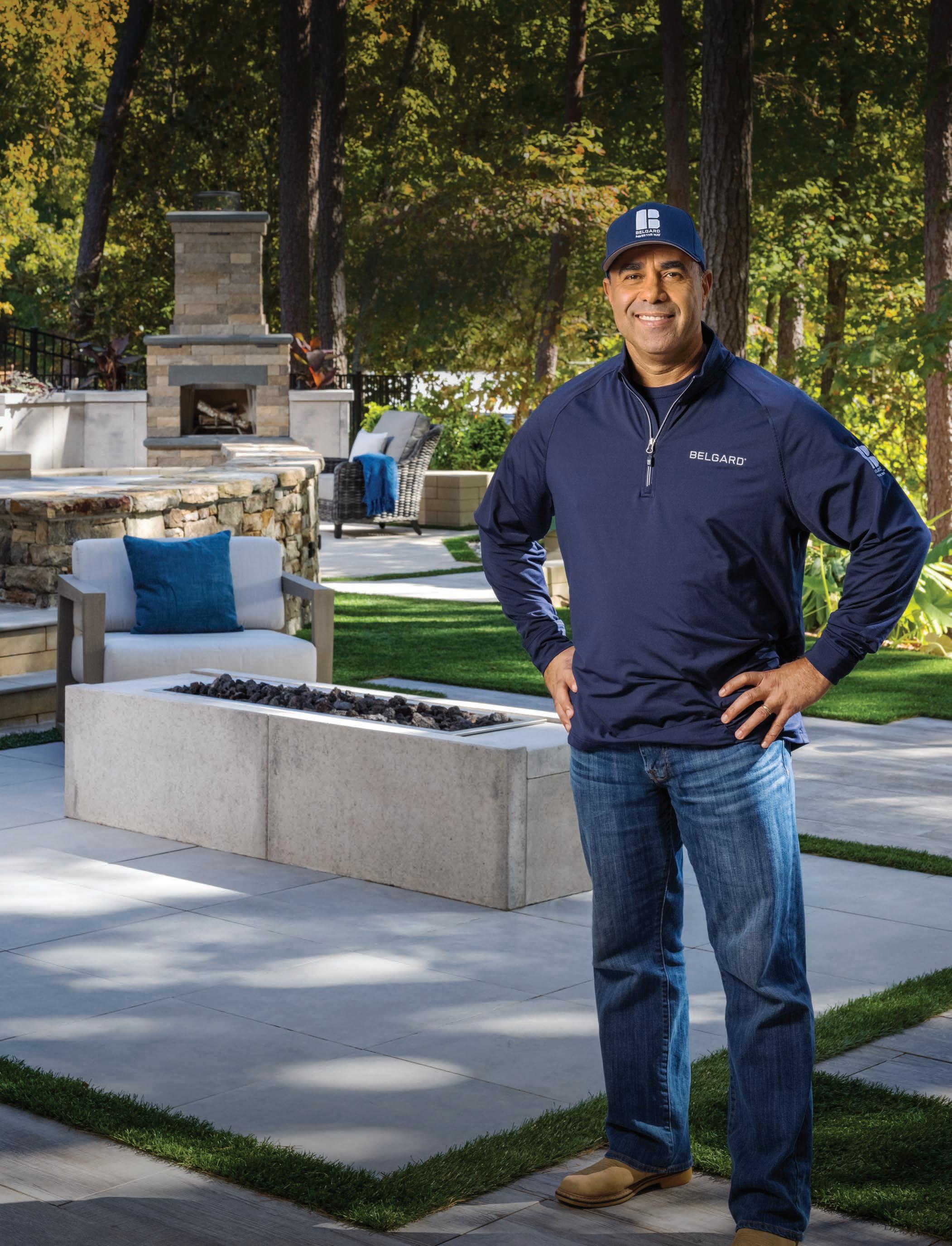
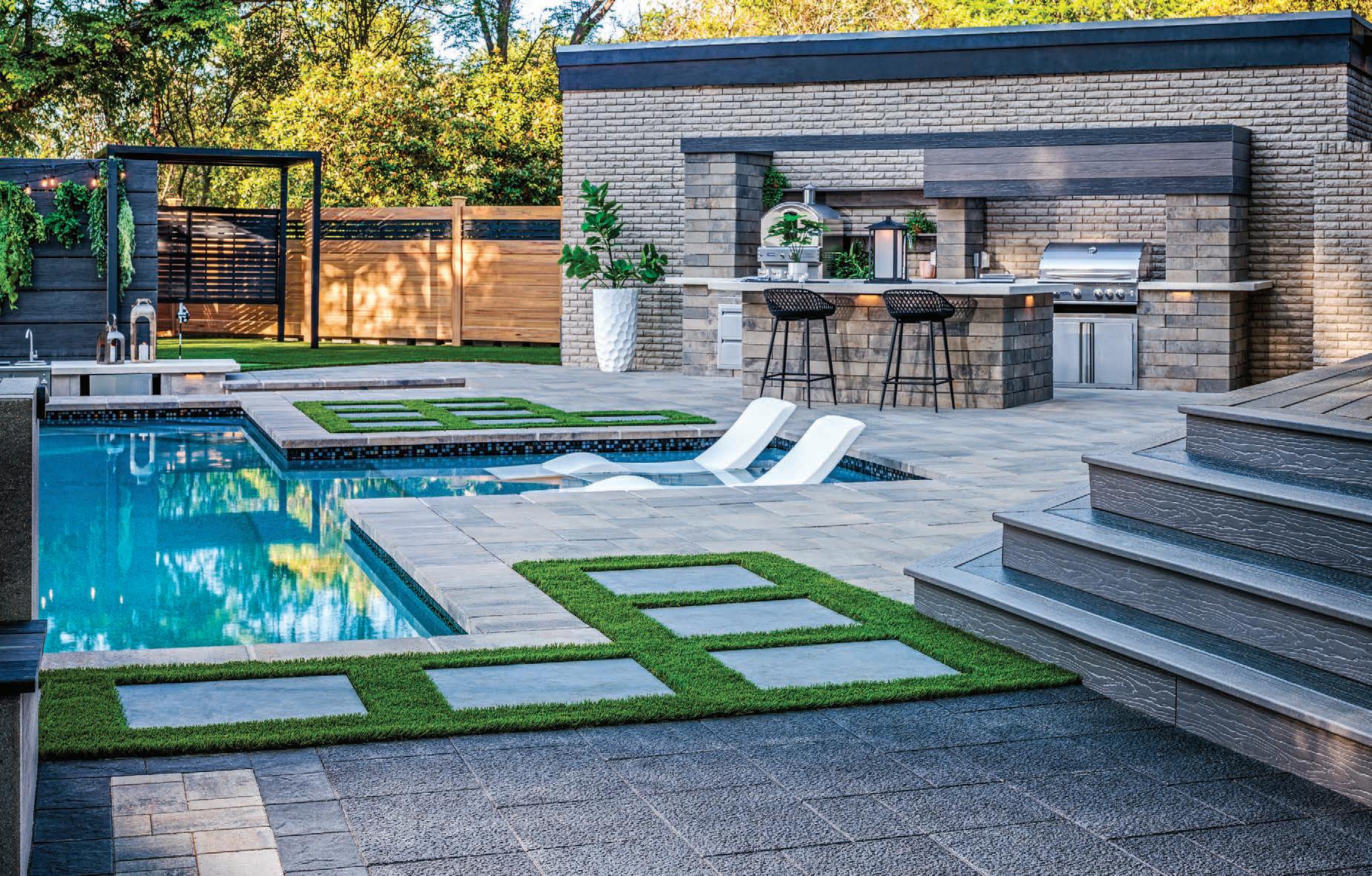
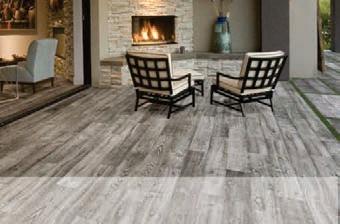
Belgard remains at the forefront of product design innovation. The hardscapes company recently launched several new paver styles within its already extensive portfolio of offerings, ensuring there is a style that goes with each and every project, no matter the design or aesthetic.

Belgard has a dedicated focus on modularity, which makes design and installation easier. Modular design uses individual parts to create a holistic plan more efficiently; modular pavers work off nominal sizes, which allows contractors to play more with shape, size, and texture within the design.
The company also understands the importance of combining aesthetics and function and has introduced new textured paver designs that offer depth and dimension without compromising quality.
Part of Belgard’s Artisan collection, the Papyrus paver, offers a unique, organic textural experience with a touch of modern elegance. It features clean edges with a unique face that mimics the look of hand-tooled striations and the texture of organic textiles. It comes in true three-inch increments for optimized pallet layouts and job site efficiencies, which delivers reduced cuts, installation time, and waste. In addition, its modular format allows for increased options for creative patterns, simplified quoting, and design of projects.
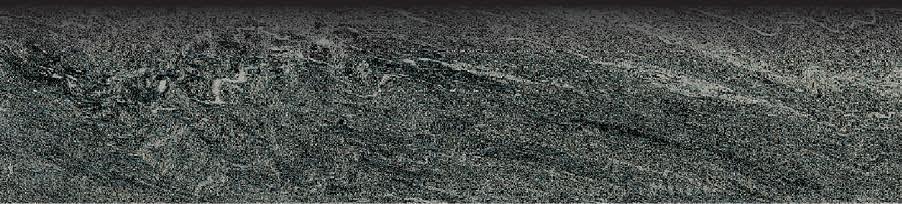
The Basalt paver is also part of Belgard’s Artisan collection and features the distinctive character of flame-textured stone. It has the same modular benefits as Papyrus and is compatible with other Belgard modular paver lines.
Large slab pavers from Mutual Materials.
The Basalt paver from Belgard’s Artisan collection.
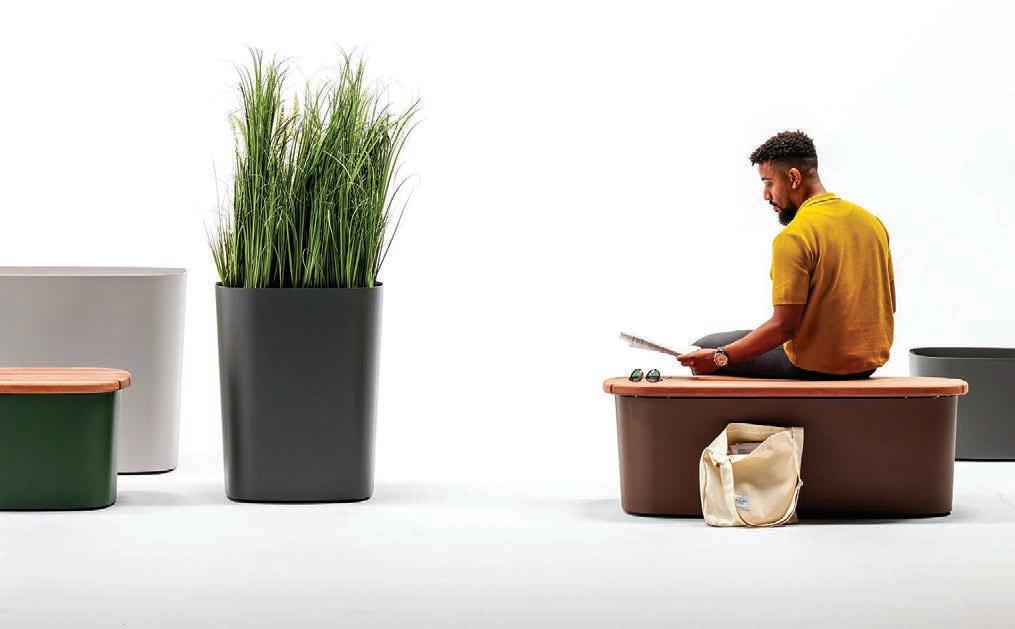
Landscape Forms, North America’s leading designer and manufacturer of high-design site furniture, structure, LED lighting, and accessories, recently released the new Plains & Pods – two complementary systems of modular seating, surfaces, and planters created with London-based design studio, Industrial Facility. Plains & Pods are sibling products that work elegantly either together or separately, with a minimalist, non-prescriptive design to enhance its versatility.
Rectilinear and architectural, Plains are comprised of large format platforms and a trestle, varying in height and width to create customizable settings of layered seating and surfaces. Constructed of naturally weathering wood, powdercoated metal, or a combination thereof, Plains are offered in four widths each with short and tall heights, as well as optional metalbacks and attaching side tables, thus providing a level of detail only rivalled by custom solutions.
Pods are seating and planters designed to be grouped together in multilayered clusters of respite space and attractive greenery. Different groupings of Pods modules give users the opportunity to determine how they interact with space – from large and open communal zones and areas for privacy to single seating and quick individual touch-down points.
Interplay between Plains’ crisp right angles and Pods’ friendly curves offers added aesthetic richness, and combination installations create a variety of opportunities for different social experiences. “Together, these two products are all about layering space and experiences to create pockets of recognizable design DNA that are totally non-prescriptive,” says Ryan Heiser, director of design for Landscape Forms. “People can approach a Plains & Pods installation from 360-degrees and determine exactly how they want to use it.”
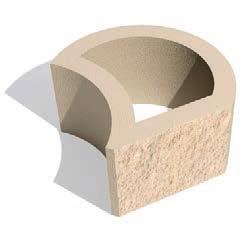
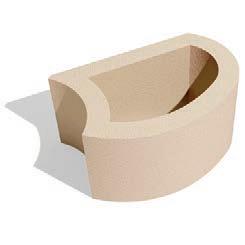
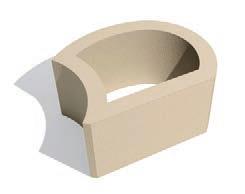
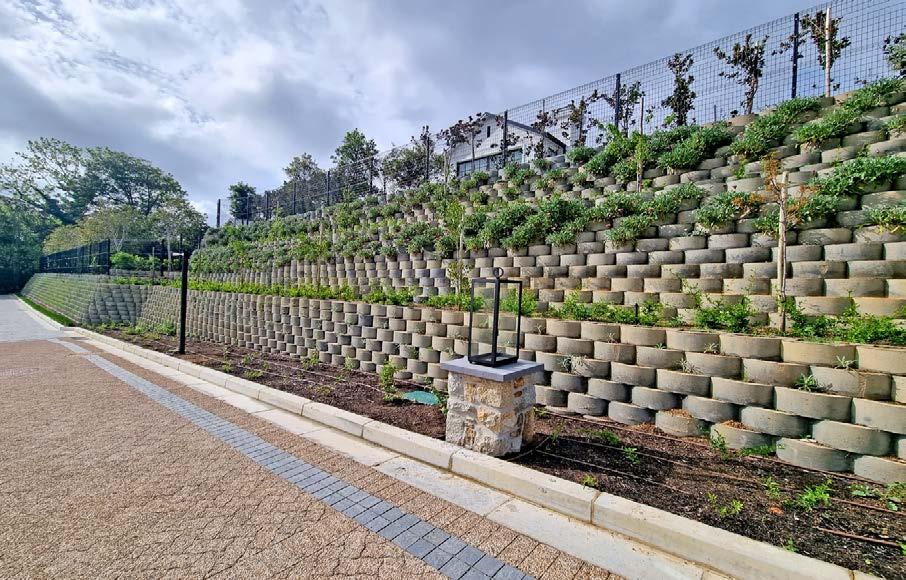
Holger Rust, head and founder of South Africa-based Terraforce, continues to offer the Canadian market what it is famous for in its home country and across the world: the original, reversible, hollowcore retaining block.
Versatility is one key to Terraforce’s prominence in so many countries: its interlocking Terraforce 4x4 steps blocks can be used for stairs or seating arrangements, depending on which way they’re laid.
While Terraforce’s full potential is yet to be realized in Canada, Rust notes that his company is busy “with some very interesting projects that demonstrate the effectiveness of our retaining walls, including a significant airport project in India.”
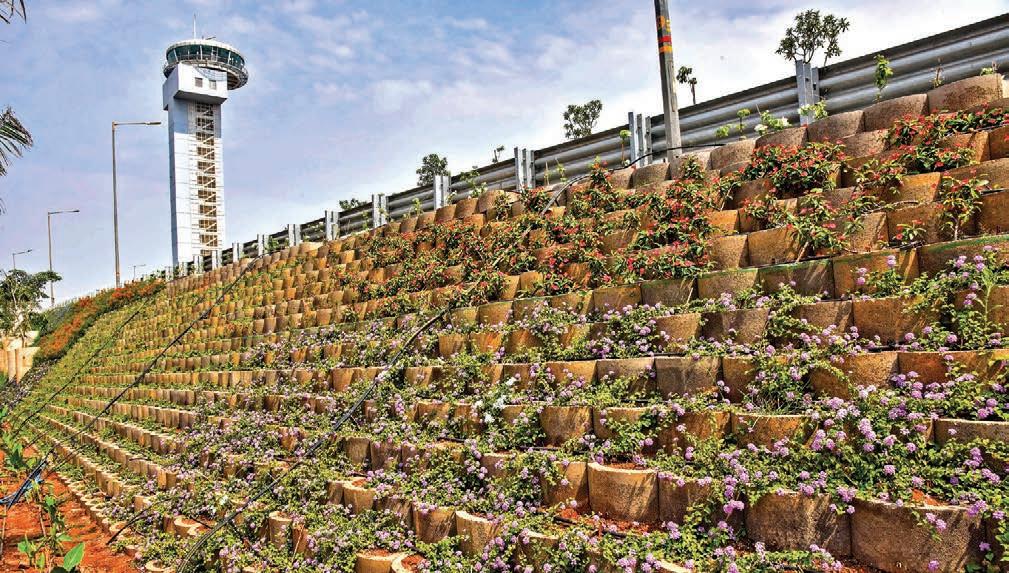
Rust is referring to India’s Kempegowda International Airport at Bengaluru, for which Terraforce supplied over 110,000 L12 blocks for the construction of retaining walls on both sides of Terminal Boulevard, a new 10-lane thoroughfare that feeds directly into the airport.


Plains & Pods from Landscape Forms.
Terraforce retaining wall at the Kempegowda International Airport.




Approximately 1.2 kilometres (km) of the road has been lined with retaining walls on both sides, covering a total surface area of 9,000 square metres. The Terraforce retaining wall system was chosen for several reasons, aesthetics being a major consideration. The blocks also allowed the planting of flowers and other vegetation, and the inclusion of hume pipes facilitated the planting of trees. In addition, the Terraforce option required less soil excavation and was more cost-effective than reinforced concrete or reinforced earthen walls would have been.
One of the main challenges of this project was that additional cutting into the embankments for the installation of geogrid reinforcement was not possible. So, soil nailing was specified and involved drilling 115-millimetre (mm) diameter holes of up to 9 metres (m) in length, perpendicular to the slope of the embankment. Nails were inserted into the holes and grouted, then PVC drainage pipes up to 2.5-m long and wrapped in a geotextile membrane were installed in pre-drilled holes. The slopes were then covered with a geodrain membrane, two layers of 8mm steel mesh and 100mm of shotcrete.
More procedures followed, then reinforced concrete shear-key blocks were cast to form the foundations of the Terraforce walls. A mock-up section of the embankment was built to identify constraints and improve the installation process.
Aside from its value as a reinforcing material in infrastructure projects, shotcrete is increasingly becoming sought as a solution for elaborate retaining wall systems. In 2005, Vancouver Shotcrete & Shoring Inc. (VSS) debuted to provide customers with viable and sustainable options for their construction needs. VSS has serviced various municipalities and private companies while completing over 850 top-tier shotcrete projects.
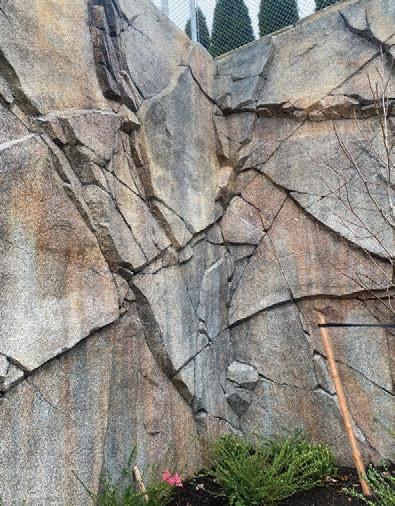
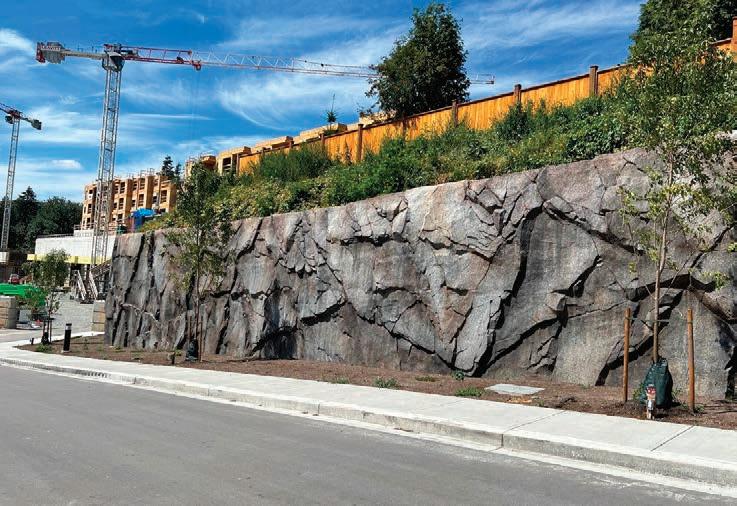
Jesse Ebenal, general manager at Vancouver Shotcrete & Shoring Inc., says, “Business is great, and there are lots of large-scale retaining wall projects in the residential, commercial, and infrastructure fronts. Nevertheless, several recent projects are showcases for the level of quality we provide, one being the Highline at Garibaldi Springs rockscape retaining wall for a townhouse development in Squamish, B.C.”
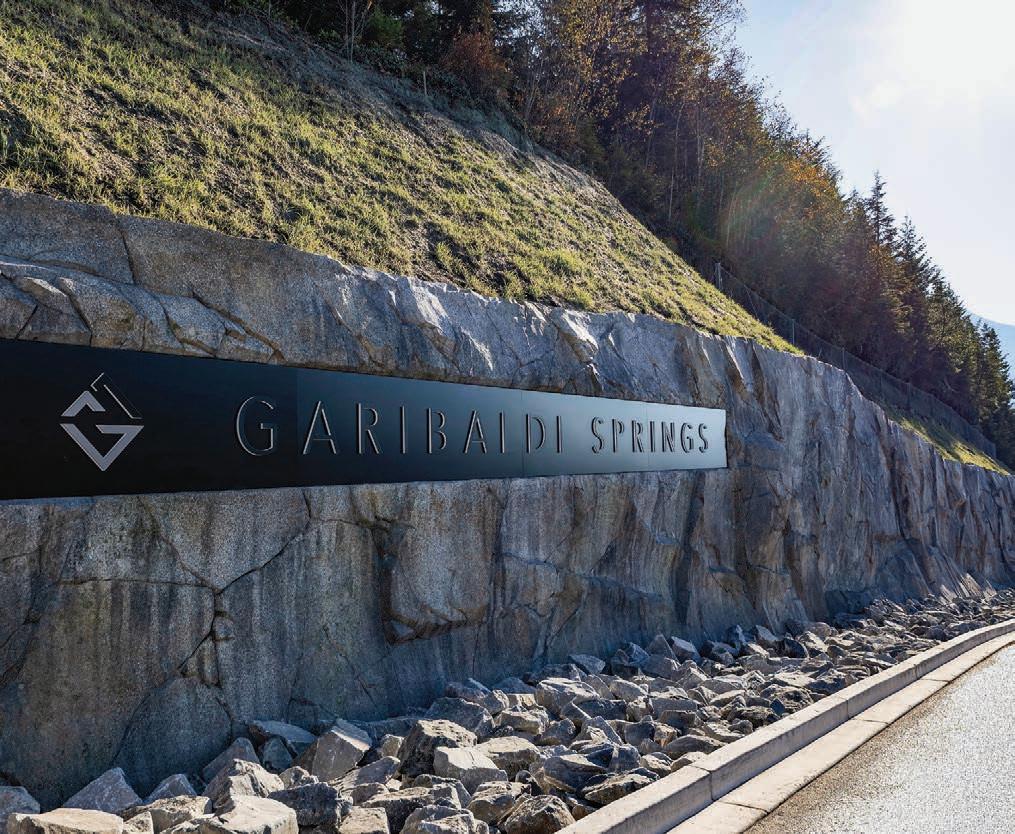
According to Ebenal, the shotcrete retaining wall was designed to be anchored by Titan 40 IBO anchors with a test load capacity of 52,000lbs each, spaced every two metres on centre. Temporary shotcrete was reinforced with welded wire mesh; the permanent, structural shotcrete layer was reinforced with one layer of 15mm rebar placed 300mm apart, in order to span the load between anchors and bridge the joint between the shotcrete and bedrock interface.
Ebenal says the construction team faced numerous challenges due to poor ground conditions, including loose rock and sand backfill, blasting of adjacent bedrock, running sands, and underground water. The procedure of applying a structurally reinforced shotcrete coat was time sensitive, and after many other steps a decorative rockscape finish was applied, hand shaped, and carved by VSS’s in-house finishing crews.
Rockscape retaining wall at Garibaldi Springs, Squamish, B.C.
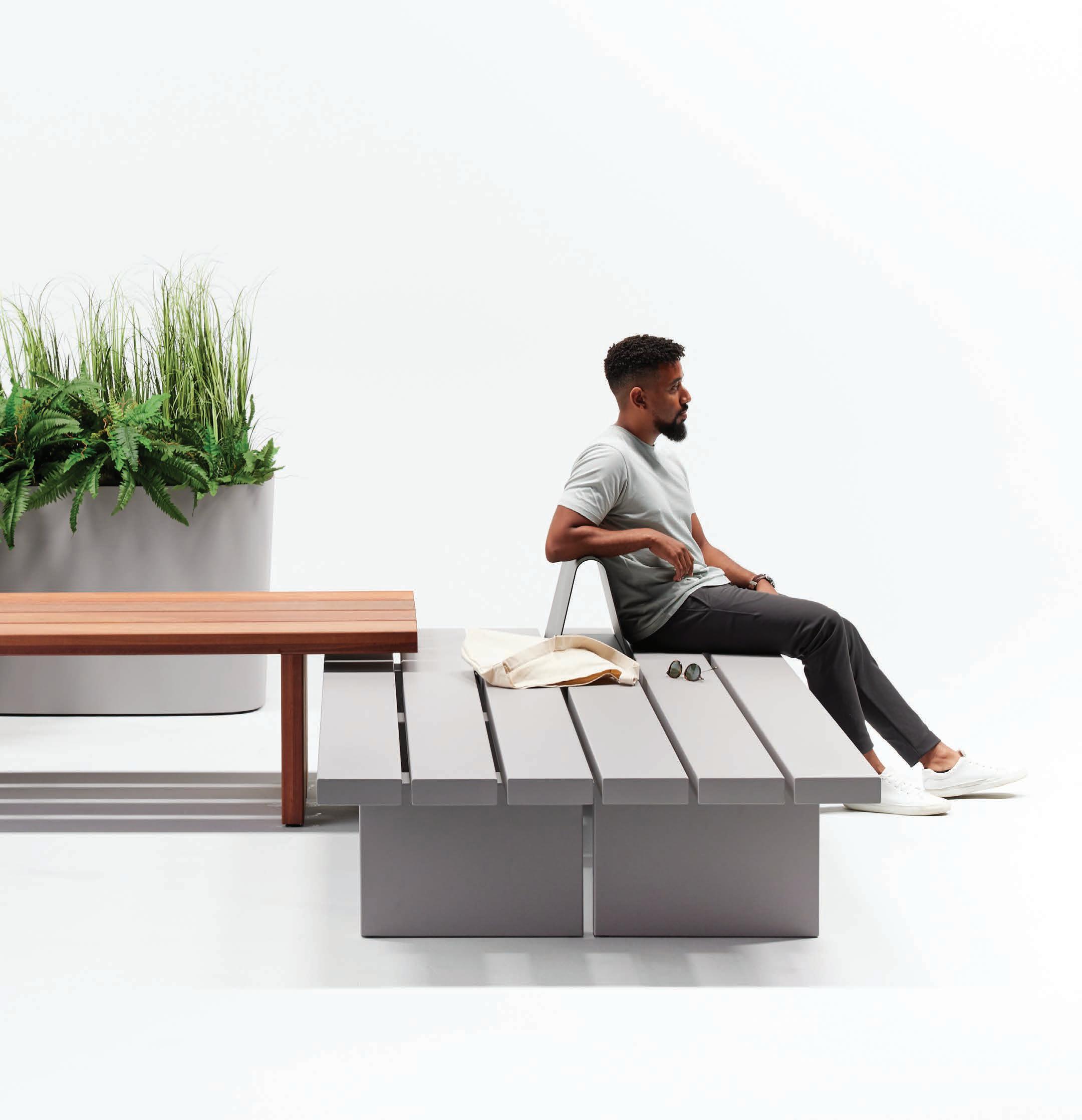
Design Without Limits Plains & Pods : Outdoor experiences open to interpretation.
Designed by Industrial Facility
Landscape Forms
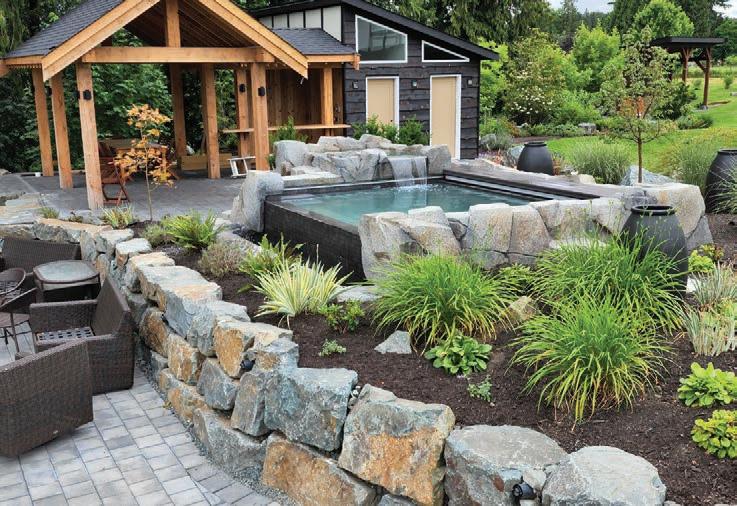
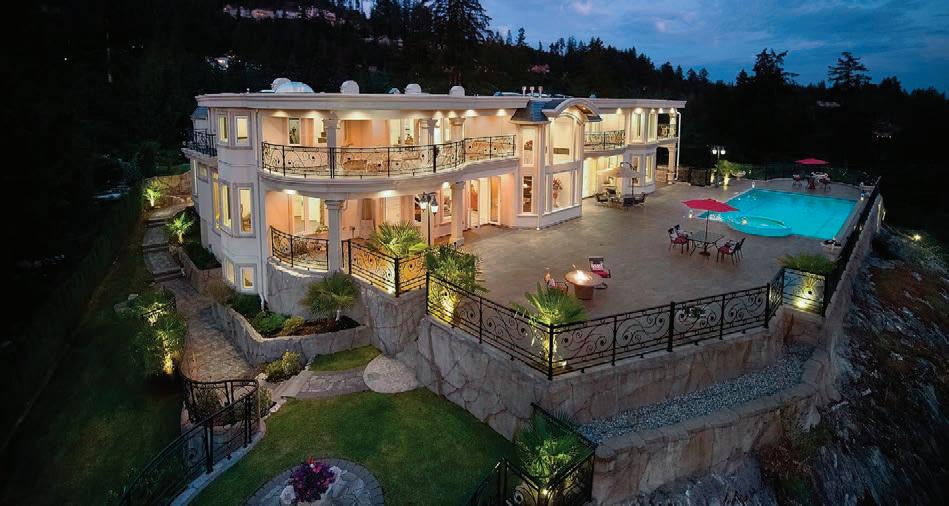
At VSS, we specialize in crafting bespoke, hand-carved faux rock shotcrete retaining walls, each one a testament to our commitment to blending artistry with functionality.
From cascading water features to intricately carved rock formations, our designs are as diverse as the landscapes they inhabit. We believe in harnessing the beauty of nature to create spaces that are visually stunning.
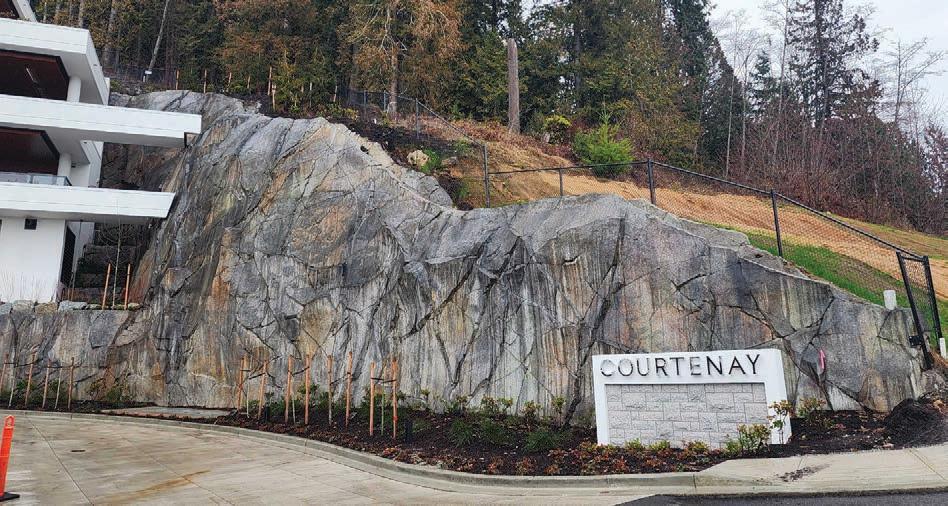
With VSS, you’re not just getting a retaining wall; you’re getting a work of art that harmonizes seamlessly with its surroundings. Let us help you transform your space— constructing nature, one retaining wall at a time.”
Reach out to one of our highly skilled team members to begin constructing the retaining wall of your dreams.

Finally, in the realm of landscape maintenance, ensuring that trees are healthy is often a tricky and costly business, and as more and more areas become built up, trees become more valued as an environmental asset.
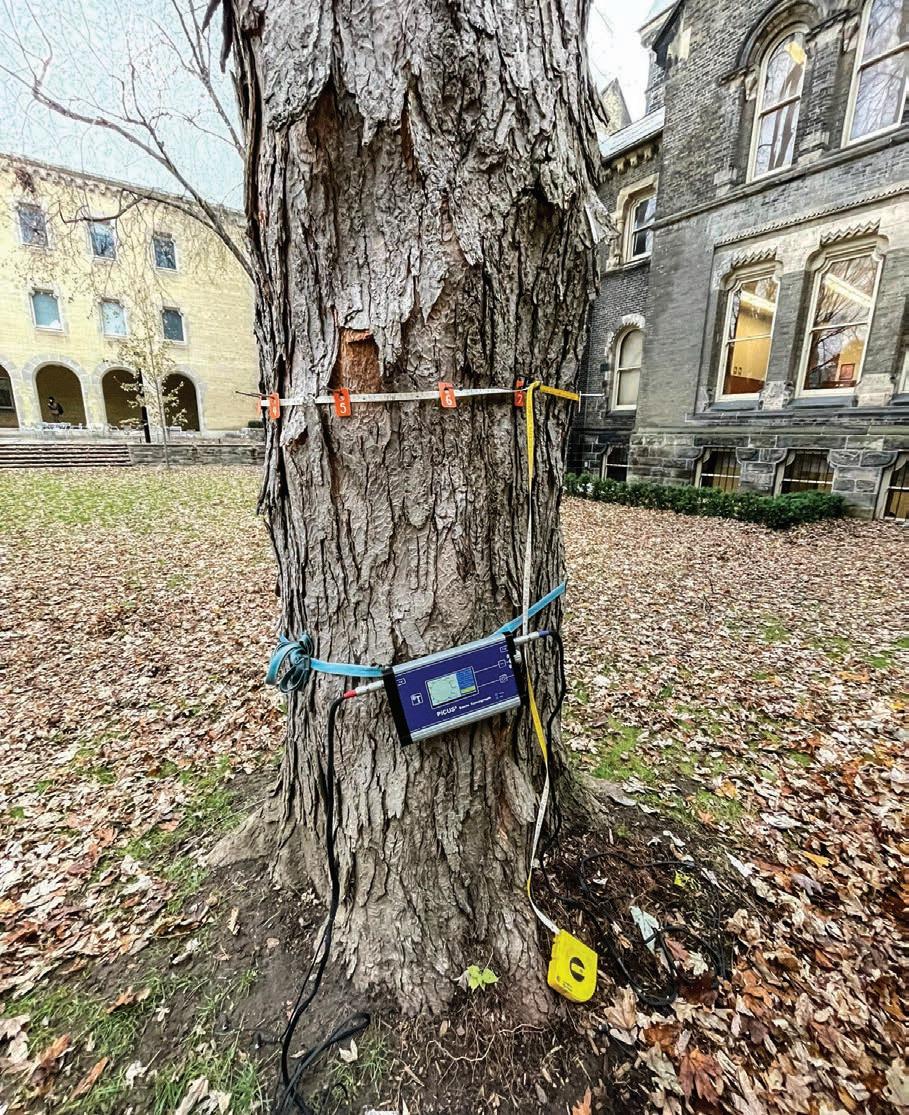
Enter Cohen & Master Tree and Shrub Services Ltd., which has always placed great importance on a proactive method of tree care. “Most recently we took big steps in analyzing and evaluating mature trees with specialized equipment known as Sonic Tomography and Resistograph drilling,” says Cohen & Master director Tait Sala.
Sala goes on to explain this relatively new deployment of technology in North America is an advanced level of tree inspection. “The thing about mature trees, especially in urban areas, is that the outer wood can cover old injuries and defects. With Sonic Tomography we place sensors around the trunk and penetrate it with sound waves, and the rate by which they penetrate reveals defects.”
With Resistograph drilling, a digital drill with a very fine bit penetrates the tree, and fluctuations in the velocity of the bit reveals defects and decay. “By overlaying the data from both devices we can learn a lot about what’s going on, and we’ve saved a lot of heritage trees in this manner that may look damaged on the outside due to lightning strikes or other phenomena but are in fact sound on the inside,” Sala says.
Sala adds, “The information allows us to make critical decisions about vital preservation and retrenchment pruning and or tree removal when the defect and level of risk are too high. This is the future of advanced level tree assessment, and we’re excited about spearheading a science-based approach to preserving the urban canopy.”




Mature tree inspection using Sonic Tomography.

Shiver Me Timbers
The forecast for the global engineered wood market between 2024 and 2031 indicates a substantial upward trajectory. In Canada, this surge is notably fuelled by government initiatives, increased acceptance of engineered wood, and heightened education regarding its versatility.
Rory Koska, program director of Alberta Wood WORKS!, agrees that the demand being seen is due in part to a significant surge in the acceptance and utilization of engineered wood, now widely recognized as a credible and sustainable complement to traditional materials. “It’s no longer viewed as a
boutique solution,” emphasizes Koska. “We’re witnessing a shift towards considering it a viable and reliable option, backed by education, data, and increased experience.”
Koska highlights the growing interest in residential projects surpassing four storeys, where engineered wood offers both construction efficiency and design flexibility. Furthermore, its incorporation into educational facilities and Indigenous community buildings underscores a commitment to holistic well-being and eco-conscious practices.
Projects like Métis Crossing’s community centre and The Boutique Lodge in Smoky Lake, Alberta, showcase a blend of traditional methods like heavy timber and stud framing with newer engineered
Escalating demand and cutting-edge R&D is transforming Canada’s engineered wood industry
by NATALIE BRUCKNER
wood products such as glulam and engineered lumber. This combination serves as an excellent example of what can be achieved. As Koska says, understanding that engineered wood, when used in conjunction with other materials like steel and concrete, can offer the most efficient and cost-effective building solutions.
One of the most impactful developments, according to Shawn Keyes, executive director at WoodWorks BC/Canadian Wood Council, is the recent implementation of mass timber incentives by the City of Vancouver. Keyes explains, “This policy offers an additional two or three storeys for mass timber projects over eight storeys, effectively incentivizing more sustainable construction practices.”
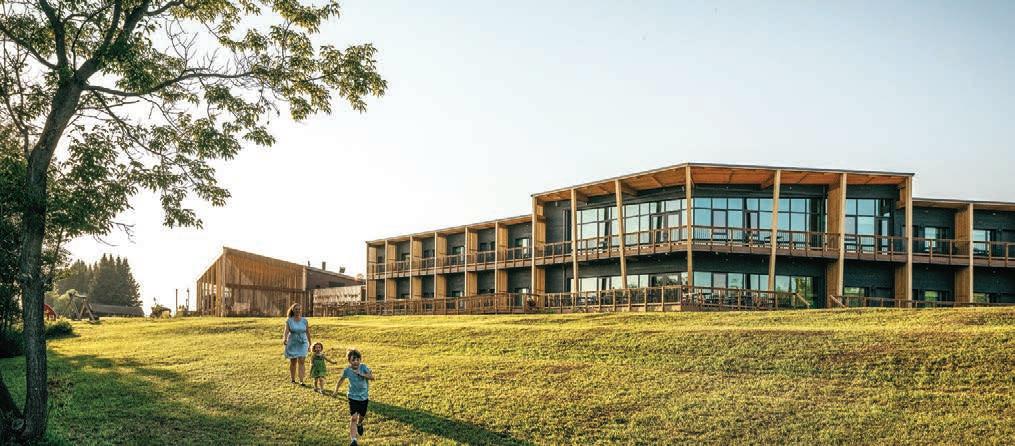
The Boutique Lodge, Smoky Lake, AB





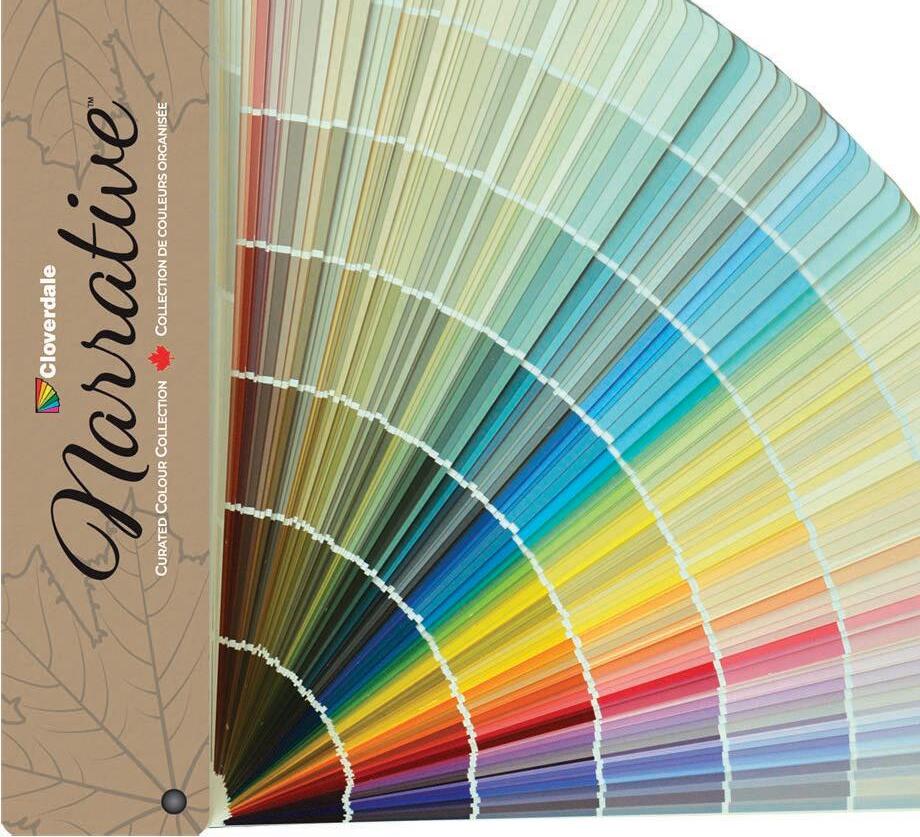
WHAT’S YOUR Colour Narrative?
Urban or Rustic?
Neutral or Colourful?
Modern or Classic?
Find your Colour Narrative in our fullspectrum palette that captures more of the widely specified paint colours from across Canada, determined by our Customers and Colour Experts.










He further elaborates that “such initiatives help developers mitigate cost and risk premiums associated with newer construction methods, fostering the growth of the mass timber market.”
B.C., Quebec, and Ontario have also announced plans to expand their building codes to permit 18-storey Encapsulated Mass Timber Construction (EMTC) with additional occupancies and reduced encapsulation requirements. Keyes notes, “This alignment with the International Building Code [IBC] in the U.S. opens up new markets for mass timber, simplifying code compliance pathways processes previously limited to alternative solutions.”
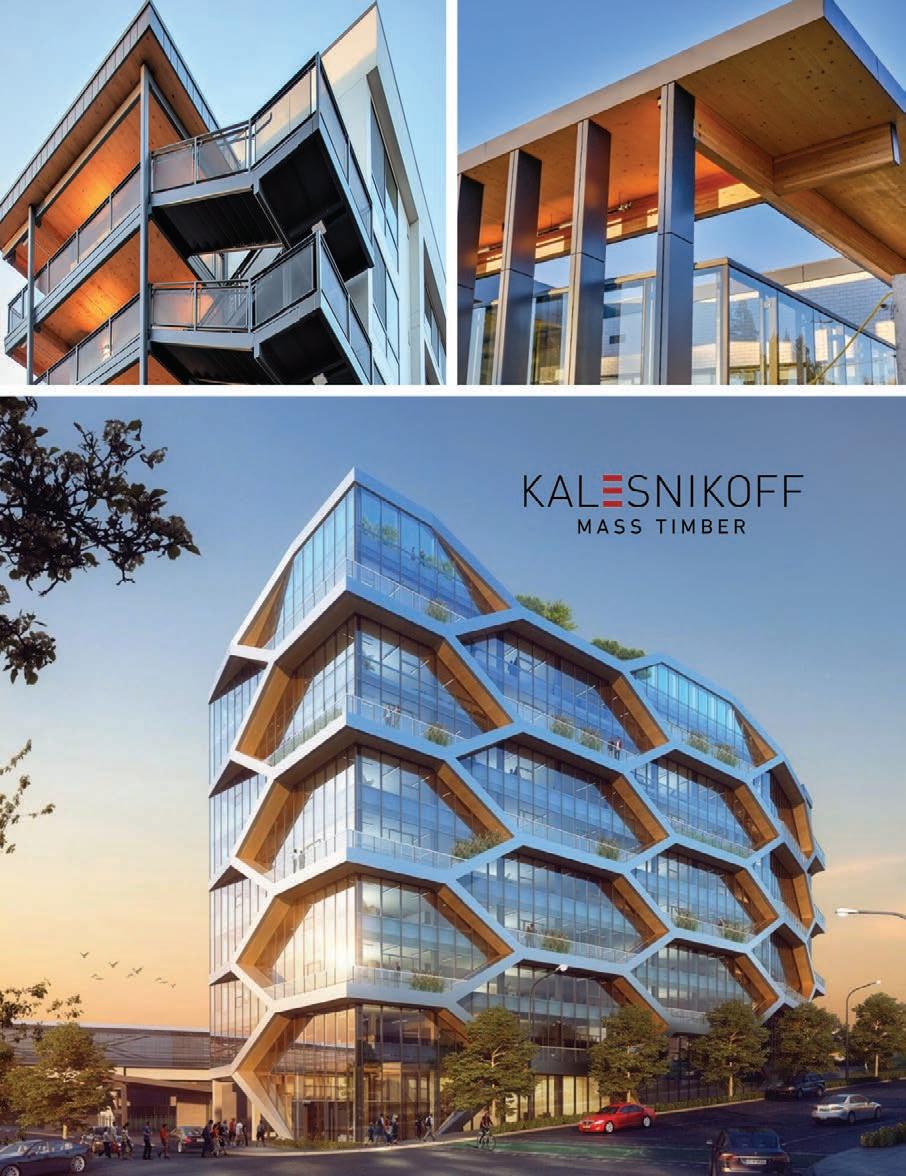
Keyes highlights The Hive, a 10-storey mass timber commercial office building in Vancouver, as an exemplary project. Notably, it employs a lateral system comprising CLT shear walls and timber braced frames. Once completed, it will stand as North America’s tallest timber-braced frame building, showcasing the possibilities of engineered wood products, particularly in seismic regions like Vancouver.
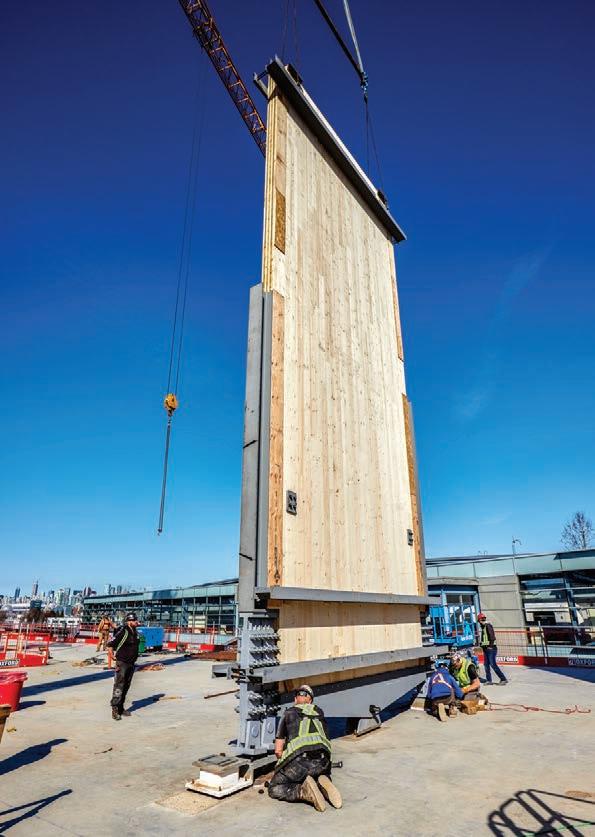
Looking ahead, Keyes anticipates a growing demand for affordable rental properties in the seven to 18 storey range, presenting a significant opportunity for mass timber. He also notes that engineered wood products, including I-joists, excel in mid-rise applications for five or six storey buildings, offering affordable construction options with low embodied carbon.
ESCALATING DEMAND
This heightened interest spans across diverse sectors, as evidenced by the experiences of Beam Craft, which is witnessing a significant uptick in demand.
Jason Beamish, partner, sales and marketing at Beam Craft, elaborates on this trend: “We’re now seeing the emergence of multi-storey structures,” he explains. “This year, we’re embarking on a five-storey condo project in Saskatoon, marking our first multi-storey endeavour in Saskatchewan. Previously, our focus in the region had been primarily institutional projects. Additionally, we’re undertaking another multi-storey project at the
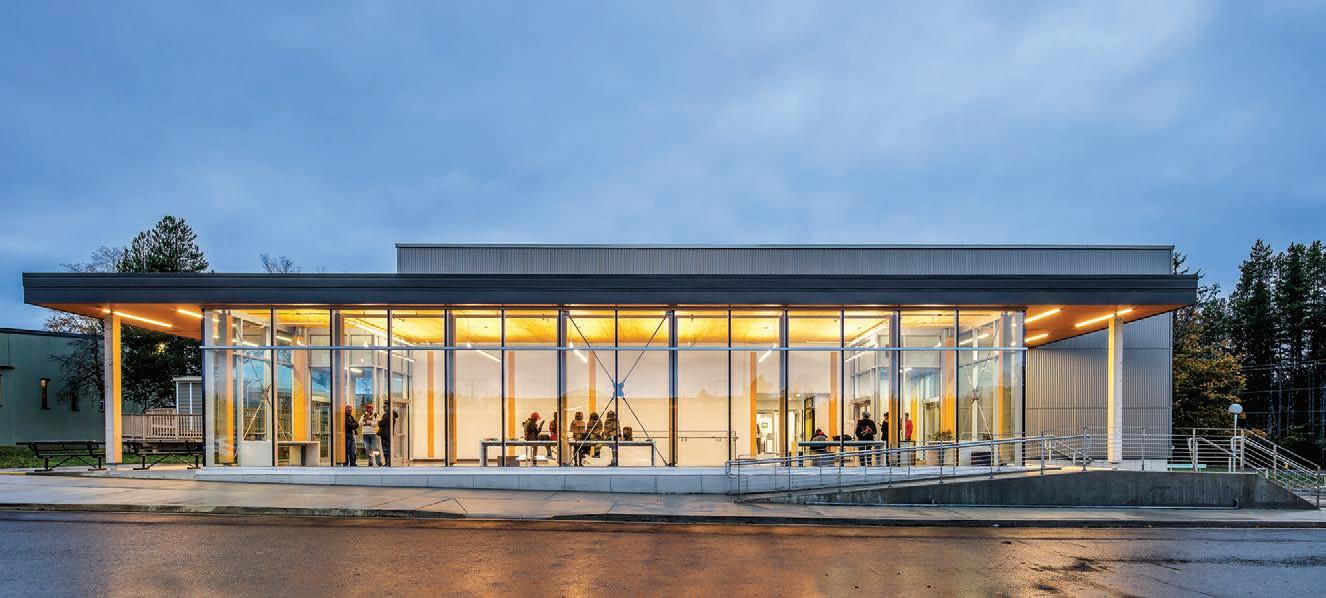
University of the Fraser Valley, and of course educational institutions have been instrumental in driving mass timber initiatives.”
Like Koska, Beamish notes the rise in hybrid structures, where combining materials presents both opportunities and challenges. “While ‘hybrid’ is the buzzword in our sector, we must address challenges such as quality assurance. Ensuring precision in bearing locations when transitioning between mass timber, steel, and concrete is crucial. Although we possess the techniques and technology, continual improvement is imperative for the industry.”
MEETING THAT DEMAND
As engineered wood’s popularity continues to soar, evidenced by Kalesnikoff Mass Timber’s expansion plans, meeting that demand is imperative. With the announcement of a third facility and new product lines, expected to open at the end of this year, Kalesnikoff aims to solidify its position as a leader and innovator in meeting the evolving needs of the construction industry.
“We have experienced consistently strong interest and demand in our initial mass timber investment announced almost exactly five years ago,” said Chris Kalesnikoff, COO of Kalesnikoff Mass Timber. “This additional offering of leading mass timber products and services for the North American construction industry will support mass timber buildings including student and workforce housing, prefabricated housing, and other mass timber projects.”
The expansion includes offerings such as modular construction, prefabricated mass timber, and light frame components, catering to the increasing demand for sustainable building materials.“This new initiative creates more opportunity to work in partnership with current and new construction industry customers to create and manufacture customized pre-fabricated solutions and products for growing and evolving housing types and needs.”
PROJECTS HIGHLIGHT VERSATILITY
The innovative use of engineered wood in projects like the City of Sunnyvale’s mass timber building exemplifies the remarkable versatility of this sustainable construction material. Kinsol Timber Systems was involved in the construction of the building that was spearheaded by XL. Together, the design-build team completed the five-storey office structure in a remarkable 12 weeks.
This project stands as a pioneering endeavour in the Bay Area, utilizing the emerging sustainable construction material. The 92-foot-tall fully electric office building features exposed timber beams, wooden ceilings, and concrete flooring.
Moreover, the project underscores the significance of collaborative partnerships in advancing sustainable initiatives. Achieving LEED Platinum certification, the building boasts a compelling narrative of co-operation – from the City’s commitment to sustainability to the visionary designs by Michael Green Architecture and SERA Architects, supported by the structural expertise of Equilibrium, and the dedication to excellence of mass timber innovators like Kinsol Timber Systems and Elevated Construction Services.
EMERGING TRENDS
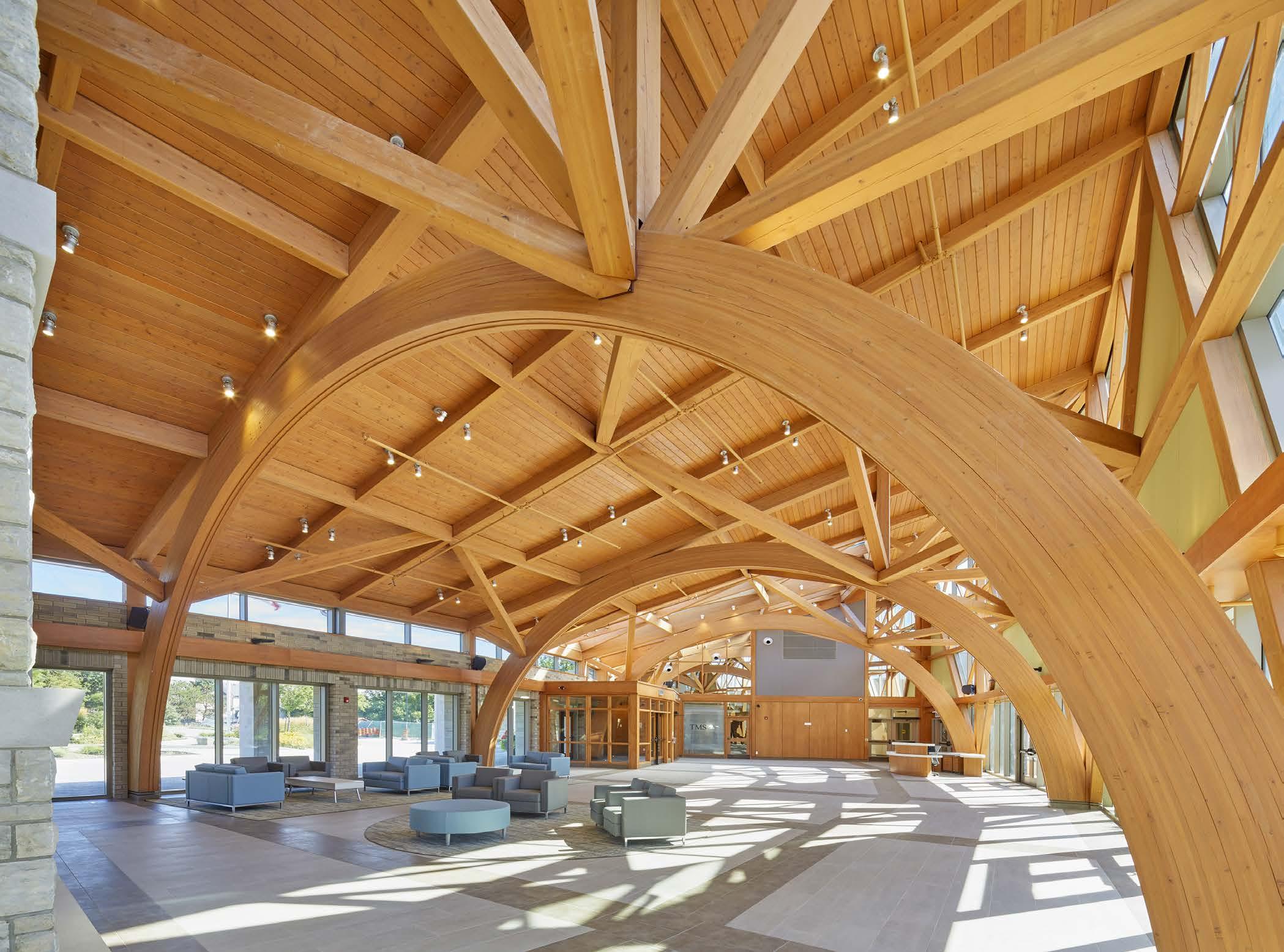
When it comes to trends, one that is being observed by the experts at Western Archrib is a growing interest in Spruce glulam. According to Andre Lema, manager of business development, this trend is attributed to its light and bright wood tones, offering a consistent look and colour across laminations. He notes that the product is also receptive to stains/ custom finishes.
Since joining the Northland Group of Companies in 2021, Western Archrib has experienced remarkable growth. Lema emphasizes the synergy between the two entities and the role Spruce Pine has to play: “Our collaboration with Northland has been instrumental in meeting the growing demand. Their focus on producing Spruce aligns perfectly with our needs, providing the highest quality input fibre and guaranteed supply,” explains Lema, speaking from the International Mass Timber Conference in Portland.
CLT shear wall installation at The Hive, Vancouver, B.C.
PHOTOGRAPHY BY UPPER LEFT PHOTOGRAPHY/COURTESY NOVACOM BUILDING PARTNERS
Waap Sa’mn (House of Spruce), Coast Mountain College, Terrace, B.C.
Spruce Pine glulam on display at Saddle Lake Elementary School, Saddle Lake, AB.
Western Archrib’s recent expansion includes the acquisition of a 130,000-square-foot facility, with an additional 40,000 square feet added. Lema adds, “We’re in the process of commissioning the new manufacturing facility with state-of-the-art machinery and it is scheduled to be fully operational in about 18 months. This will significantly enhance our production capacity to meet the increasing demand for mass timber across North America.”
Amidst a flurry of projects, Western Archrib is involved in several exciting endeavours, such as a 14-storey academic wood tower at the University of Toronto and the Ādisōke facility, a hybrid steel structure housing the Ottawa Public Library and Archives Canada. Lema remarks on the company’s busy schedule and the challenges of meeting demand in this high growth industry, expected to grow at an annual rate of around 14.5 percent annually. “Now more than ever it is important for architects and general contractors to engage early with mass timber manufacturers if they are considering building with mass timber.”
Another trend being seen is an interest in Dowel Laminated Timber (DLT), as witnessed by International Timberframes, which leads the way in this realm with its Wood100 DLT, a glue and nail-free 100 percent wood product. The recent introduction of a custom-built DLT production line not only boosts capacity but also underscores the company’s dedication to innovation.
Swiss Master Timberframer and founder, Sigi Liebmann, notes a surge in activity over the
past year, citing increased recognition of mass timber’s significance among architects and engineers. “Architects and engineers are contacting us early in the design process as they recognize the importance of the expertise upfront,” he says.
Primarily focused on environmentallyfriendly, healthy residential projects, the company is also engaged in larger commercial ventures, combining DLT with traditional timber framing and other mass timber.
Despite industry challenges like fluctuating lumber prices and skilled manpower shortages, Liebmann emphasizes their proactive approach: “We invest constantly in team training to handle complex projects and meet demand.”
SOUND CHOICE
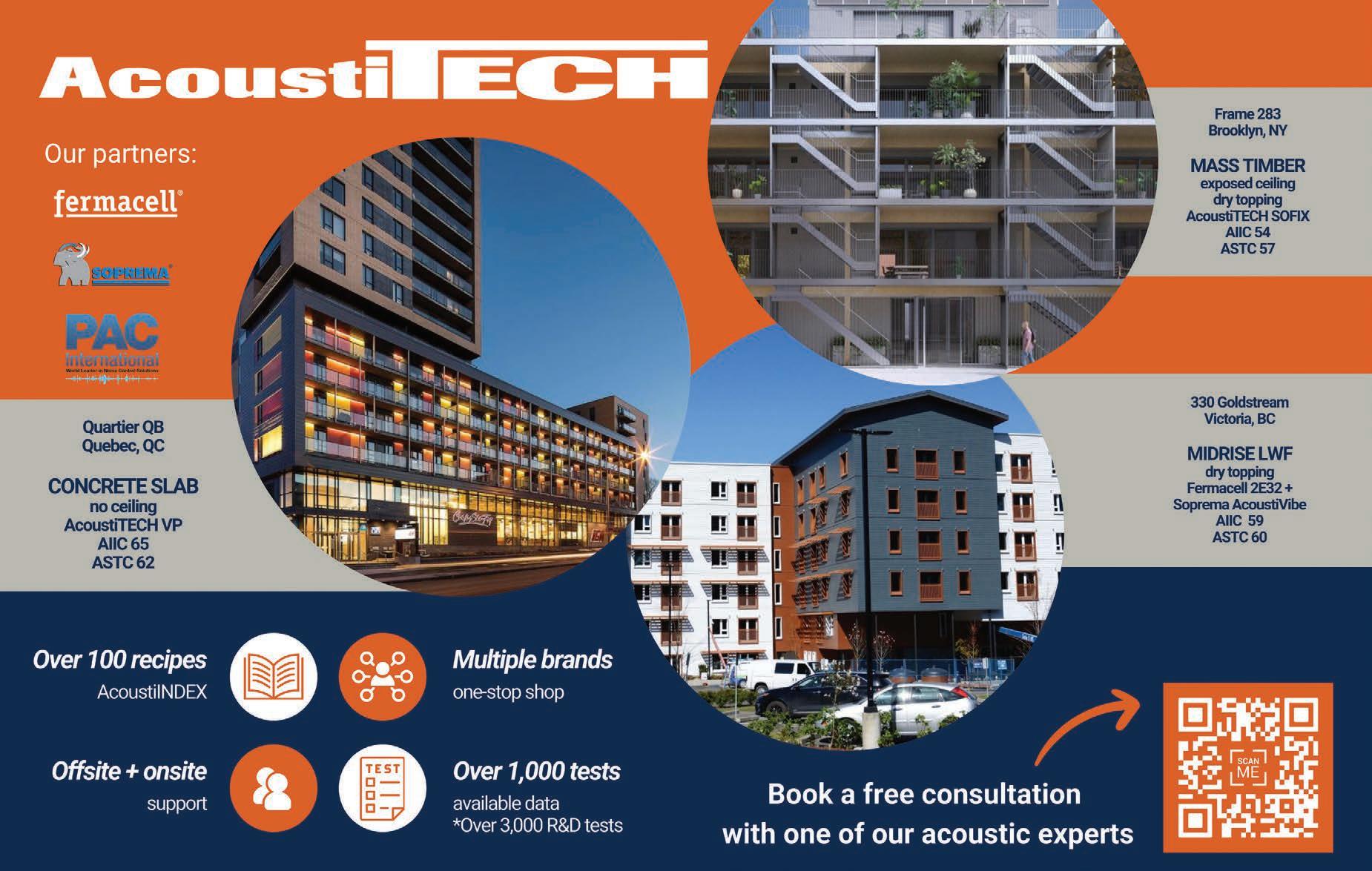
Staying ahead of the curve in innovation is a fundamental strategy adopted by industry leaders, exemplified by companies such as AcoustiTech.
André Rioux, co-owner and VP of sales and marketing, underscores how the recent housing shortage has catalyzed the construction sector to expedite the delivery of more units while exploring innovative solutions to meet escalating demand. For instance, the increasing popularity of prefabricated and modular wood structures offers a rapid and durable alternative to traditional construction methods.
However, as occupants’ expectations for acoustic quality continue to rise, significant innovations have emerged. “Dry systems tailored for light wood frame and mass timber structures incorporate advanced soundproofing materials, ensuring
effective sound insulation while streamlining construction timelines and reducing overall weight, thereby leading to cost savings,” explains Rioux.
He adds that, simultaneously, new standards focused on reducing carbon footprints are dictating the future of construction. “Upcoming new building codes emphasize low-carbon materials, encourage the use of eco-friendly and sustainable solutions, while guaranteeing optimal acoustic performance,” he says.
PROTECTING EWP
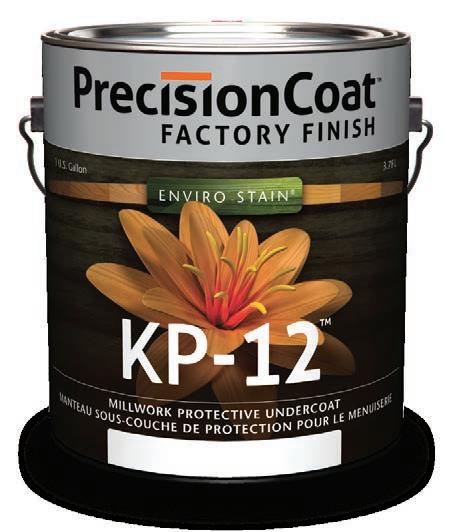
With more than 35 years of success in largescale wood construction, Sansin’s Precision Coat line is tailored for pre-finishing and machine application. KP-12 is one of the most effective products for engineered wood in the Precision Coat line. It is a penetrating protective undercoat that enhances dimensional stability and protects wood from UV degradation and moisture absorption. KP-12 protects wood during the manufacturing and construction process, and dramatically improves topcoat performance.
“Mass timber manufacturers, architects, and builders have come to rely on KP-12 as an ‘insurance policy’ to ensure their engineered wood is protected against damage from weather,” explains Sjoerd Bos, Sansin’s managing director. “Construction sites can be wet and dirty, and projects are often delayed. The best practice is to apply a penetrating, breathable protective treatment like KP-12 in the factory as part of a comprehensive coating system to protect the investment in wood.”

Your masterpiece deserves the best wood protection.
Sansin Precision Coat products offer unparalleled beauty and durability in an environmentally friendly formula. Contact us about our specification program so we can help you achieve the perfect finish and protection, every time. Warrantied for up to 20 years, Precision Coat factory finishes deliver the color, transparency and performance that architects, engineers and builders can count on.
Toronto Montessori School | Richmond Hill, Ontario
Photography Courtesy of Timber Systems | © Tom Arban Photography Inc.
PLAYING TOGETHER TO GIVE SUPPORT FOR BC’S KIDS
As we eagerly anticipate the 29th Annual Building for Kids Charity Golf Classic on July 18, 2024, BC Children’s Hospital Foundation extends its deepest gratitude to our sponsors and participants for their unwavering support.
Join us at Morgan Creek Golf Club for an even more impactful event this year, uniting BC's construction and development industry to support children in need.
TOURNAMENT SPONSORS

THEME SPONSORS

Last year’s tournament successfully raised $472,000, adding
the tournament’s cumulative total of $4.1 million to date. Funds raised will help us enhance the physical space of the Heart Centre to create a more comfortable and healing environment for patients and their families.
Below is a list of our 2023 supporters and sponsors -- to learn more about the event please contact golf committee chair Gavin Yee GYee@ventanaconstruction.com or visit bcchf.ca/bfk.















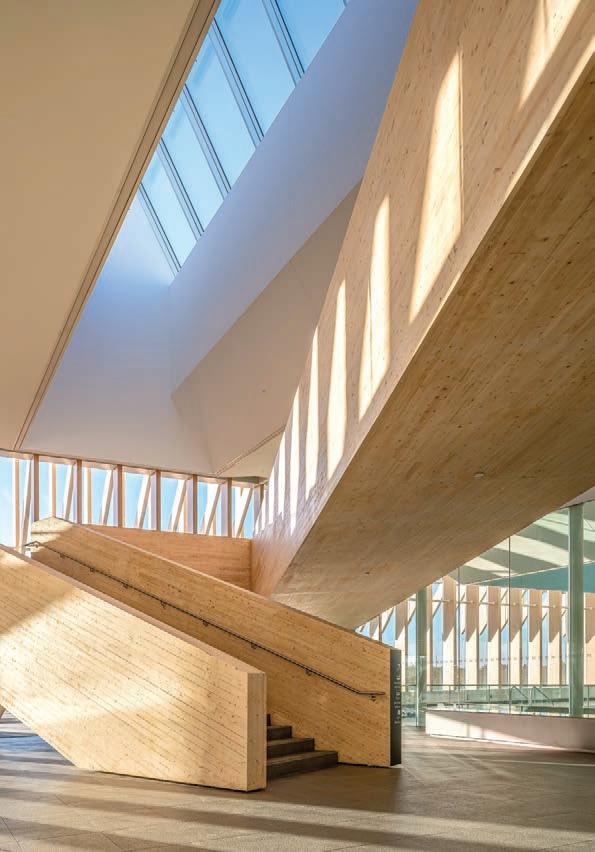
Because KP-12 is imperceptible, it is ideal for projects where beautiful clear or light wood tones are desired. An example is the Churchill Meadows Community Centre, designed by MJMA Architecture & Design, which uses Canadian-made mass timber products as the focal point of the structure. The
glulam columns and CLT timber beams, manufactured by Sansin partner Nordic, run along the full length of the park side of the building.
Inside, the glulam and CLT showcase stairway is protected with a complete system of Sansin’s architectural finishes, including: KP-12 UVW, SDF Topcoat (in washed white), and Precision Coat Topcoat (clear).
RESEARCH & DEVELOPMENT
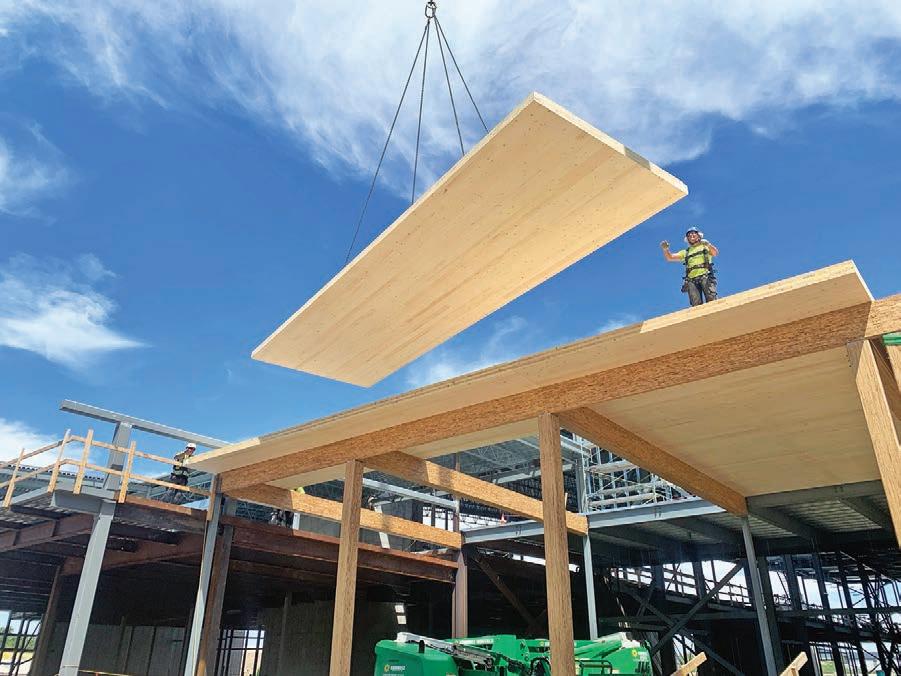
In an era where innovation is paramount, the engineered wood industry faces an imperative to push boundaries, a commitment embodied by StructureCraft’s unwavering dedication to pioneering research and development. During an international engineering conference, StructureCraft’s Ben Moerman presented findings from an experimental study on three types of balloon-framed cross-laminated timber (CLT) shear wall configurations: a single wall; a coupled wall with a half-lap joint between wall piers; and a coupled wall with steel link beams between wall piers.
Three-storey, two-thirds-scale CLT wall specimens were cyclically tested to failure at the University of Canterbury, and the beam coupled wall demonstrated the best seismic performance among the wall configurations, showcasing its feasibility to be designed for lateral load resisting systems in buildings.
The firm has also pioneered software development with Branch, a next-generation software platform for building structure design which cuts across traditional boundaries between design and manufacturing in AEC. Branch seamlessly

integrates real-time structural analysis and design, 3D modelling/detailing, and fabrication into a single, integrated design environment.
StructureCraft believes in an intensely practical, efficient approach to engineering – showcased through their built work such as the KF Aerospace Spiral Stair in Kelowna, B.C., which uses doublycurved CLT composite with concrete to create a 70’ free-spanning spiral staircase. Thorough structural testing was required to achieve this world-first design, pushing the boundaries of what is possible with material design.
INNOVATIONS IN ADHESIVES
The significance of adhesives in engineered wood cannot be overstated, and Henkel remains at the forefront of sustainability in construction with its bio-based PUR adhesives designed for load-bearing timber. These innovative solutions significantly reduce CO2 emissions, with the new Loctite ECO variants cutting emissions by over 60 percent. Developed with bio-based materials, they maintain high performance standards while promoting environmental responsibility.
Loctite HB S ECO and CR 821 ECO offer excellent safety, durability, and productivity, crucial for modern wood construction. These adhesives continue Henkel’s legacy of success in wood construction while significantly lowering environmental impact. With certifications and documentation ensuring sustainability throughout the supply chain, Henkel’s commitment to innovation drives a greener future for the industry. A
Churchill Meadows Community Centre, Churchill, MB













Under The Covers

Roofing and cladding are being inspired by everything from Passive House to techniques from Japan
by ROBIN BRUNET
In this era, where lowering carbon footprints on one hand and dealing with steadily escalating costs on the other dominate building development, it’s no surprise that companies involved with roofing and cladding continue to be focused on achieving sustainability as well as surpassing traditional energy efficiency standards.
In the cladding realm, the fact that Engineered Assemblies (EA) recently achieved Passive House certification from Germany for its TcLip system inspires EA’s senior technical advisor, Jeff Ker, to talk about his company’s approach to encouraging the Passive House movement across North America.
“Even though genuine, 100 percent passive houses are still extremely few in number in Canada, we think the movement is really about applying Passive House integrity to as many projects as possible.”
Ker adds, “There’s no question that a growing number of architects only want to deal with Passive House-certified products, partly because such certification speaks to their resiliency and superior performance. It was a long and involved process for us to get our TcLip certified, but well worth it.”
EA’s patented TcLip is a contractor-preferred thermal clip for façade installations; it is one of the highest performers among leading systems, is adjustable for sub-wall misalignment, and often requires half the number of clips compared to other systems.
When asked what else EA is venturing into in 2024, Ker replies, “We’re taking a big stand on Indigenous construction in Canada.” Indigenous design and art in the building development realm is something EA has long been interested and involved in, and a good example is the kindergarten to grade 9 school built
on the Paul First Nation Reserve, 70 kilometres west of Edmonton. EA was able to transfer a student-created beadwork design pattern onto exterior grade phenolic panels that became the outside face of the new school. The company’s technical team provided early guidance to the architects to ensure they could achieve the desired scale and effect of the artwork utilizing a large-format custom panel building façade system; the team also assisted the fabricator with conversion of the shop drawings to artwork files needed by the phenolic laminate process.
Ker says, “We are placing special focus moving forward on integrating Indigenous art into facades using customizable material that is also high performance, which is in keeping with the Indigenous value of not harming the environment.” He cites the Elsie Fabian Fort McKay First Nation School as a current work in progress: “First Nation beadwork art was chosen as the exterior phenolic panel pattern on a feature area of the school.”
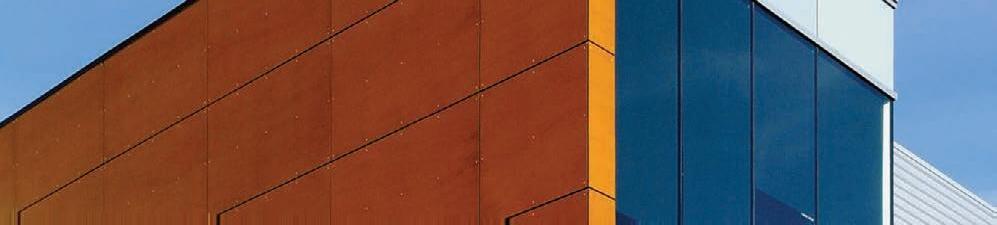
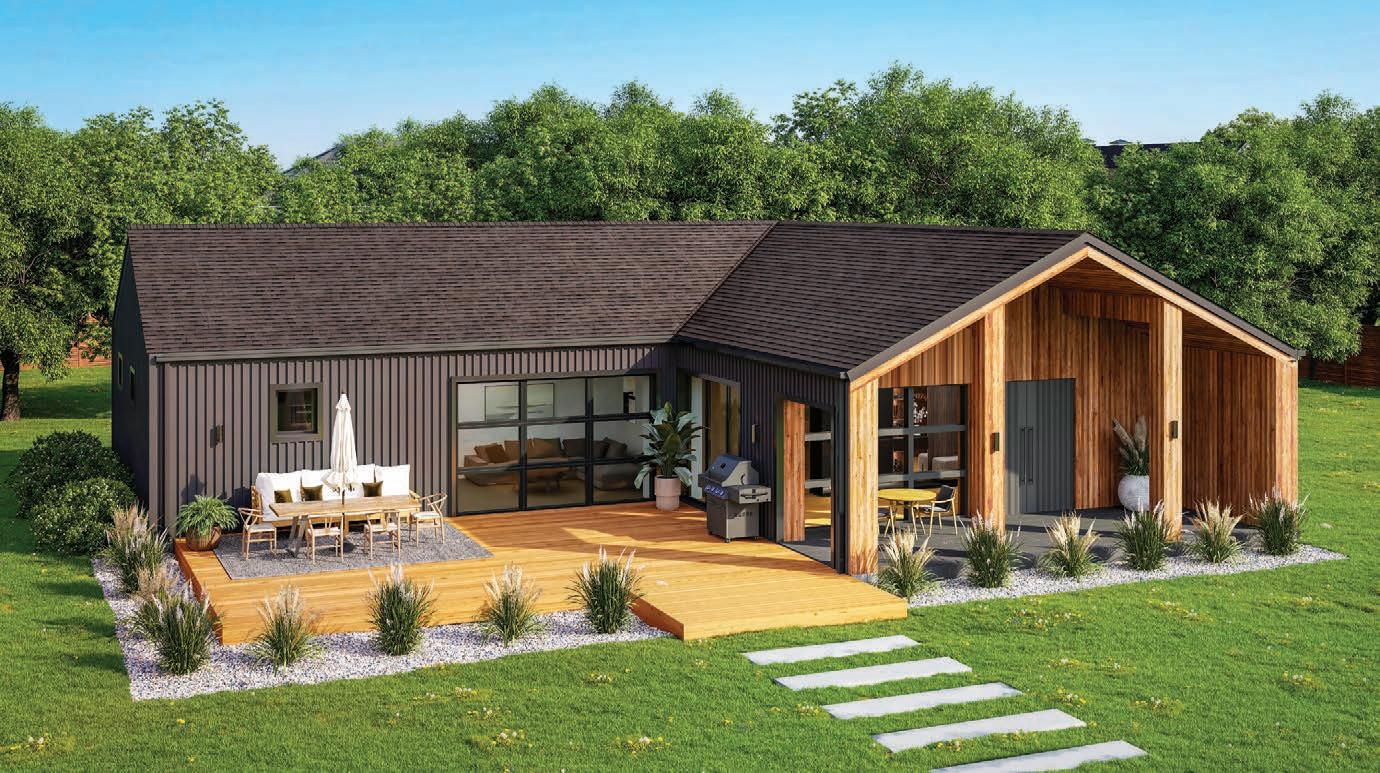
Denise Barcia, marketing director at NewTechWood Canada, says, “Since launching our Shou Sugi Ban profile last year we’ve been getting tremendous feedback on the product, and we continue to receive an equal amount of enthusiasm from the architectural and design community for our Norwegian and exterior fluted siding, which are our best-selling products.”
The Shou Sugi Ban, or ‘burnt cedar’ siding replicates a Japanese technique popular in architecture; like fluted wood it is a unique look, and while NewTechWood doesn’t actually burn the wood (a process that increases resistance to wear, mould, and insects) comparable high strength qualities are inherent in the wood composites.
Exterior grade phenolic panels, Paul First Nation School, Edmonton, AB.



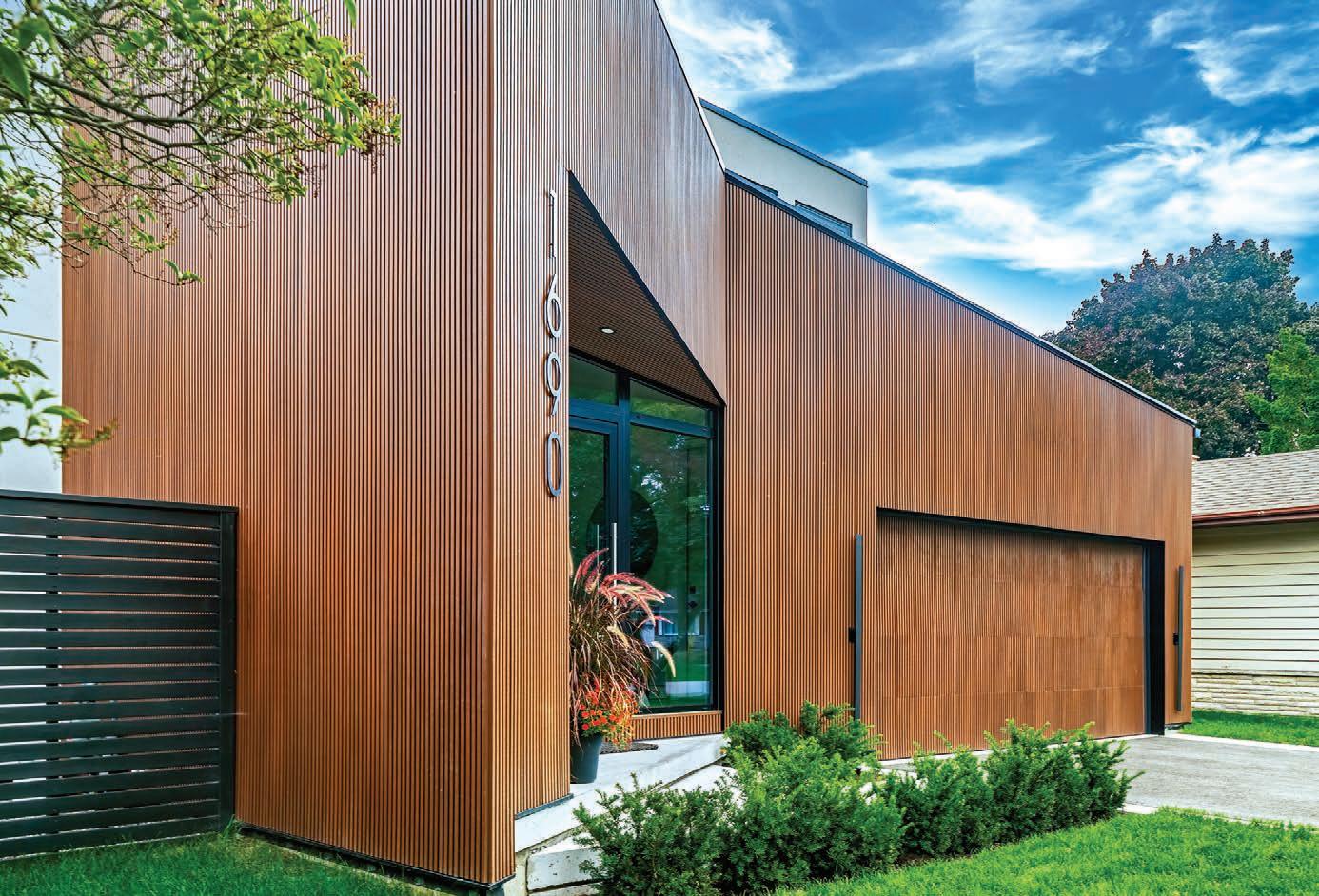
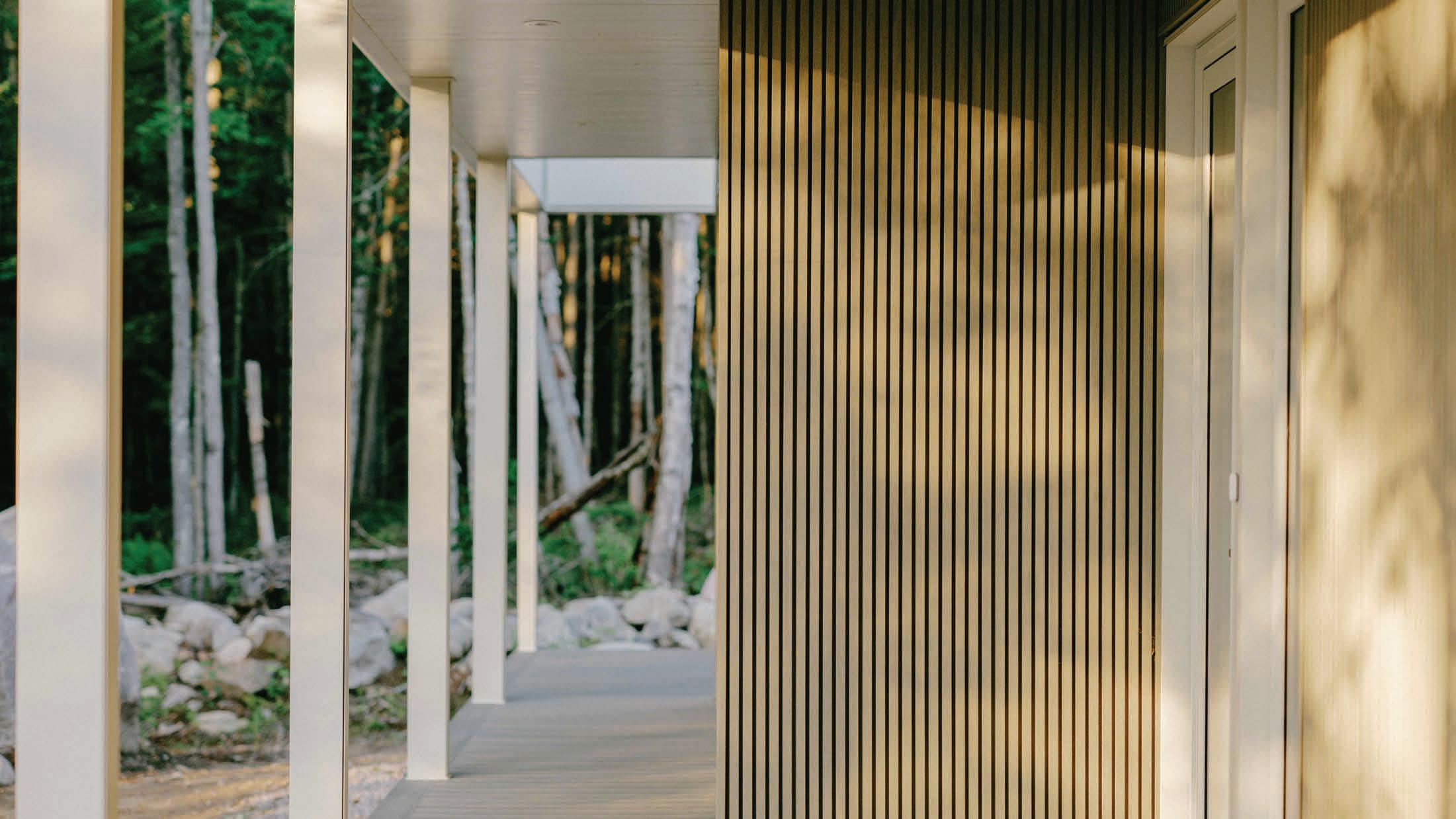
Shou Sugi Ban is a fully finished product, meaning it doesn’t need to be treated with a moisture barrier. Being fully capped, the boards are impervious to water absorption, and the timber-look cladding will stand up to all weather conditions, without requiring maintenance.
NewTechWood’s fluted composite wall panels can, thanks to the company’s UltraShield technology, withstand even the constant humidity and salt air of coastal B.C. These panels make stunning facades and beautiful accent walls, among other applications, and are available in large strips (Belgian), and thin strips (Norwegian).
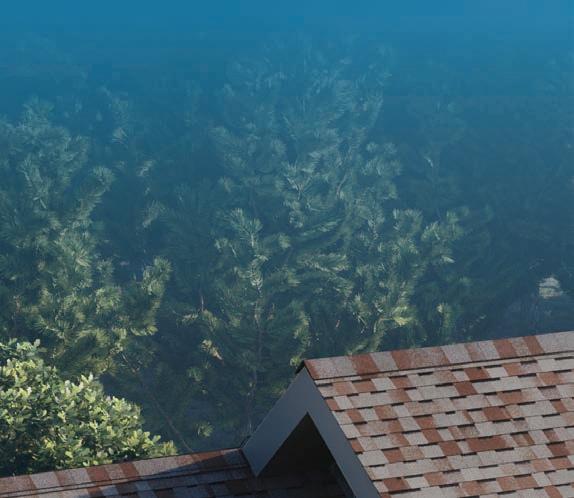
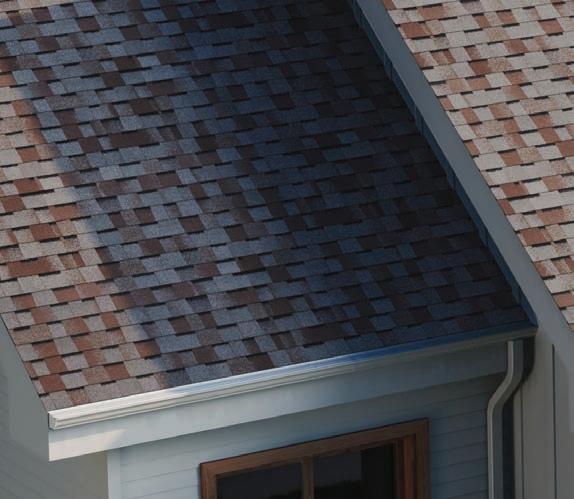
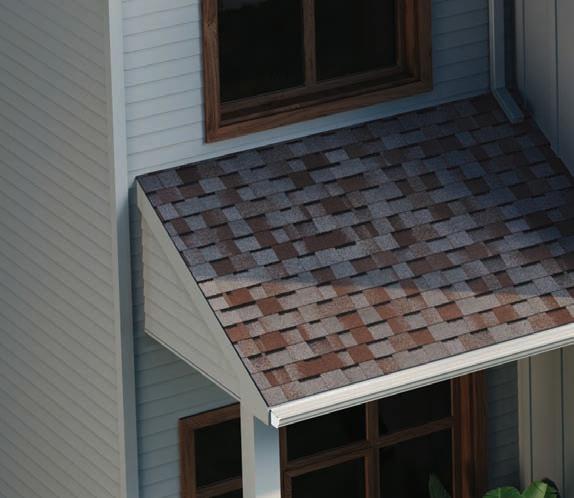
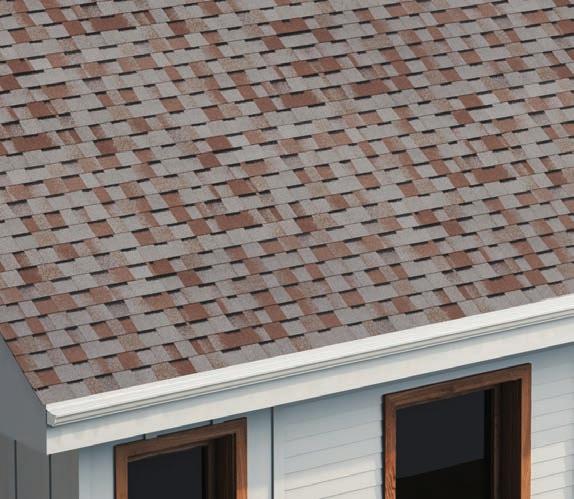
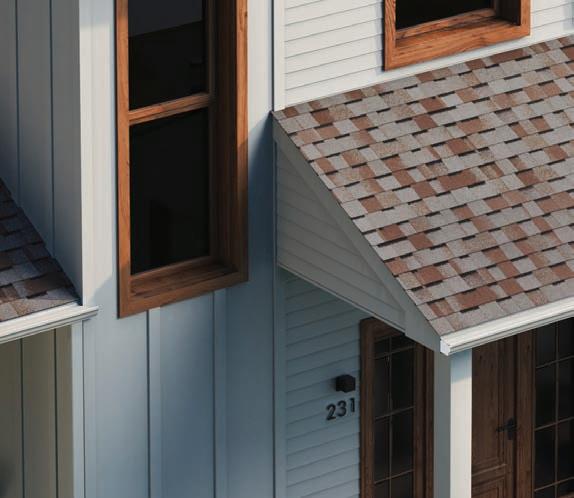
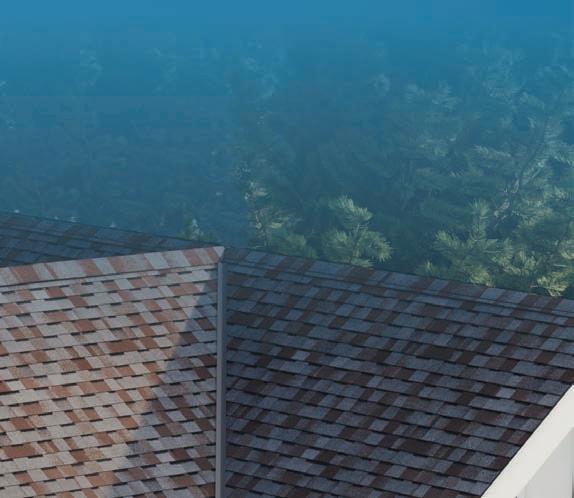
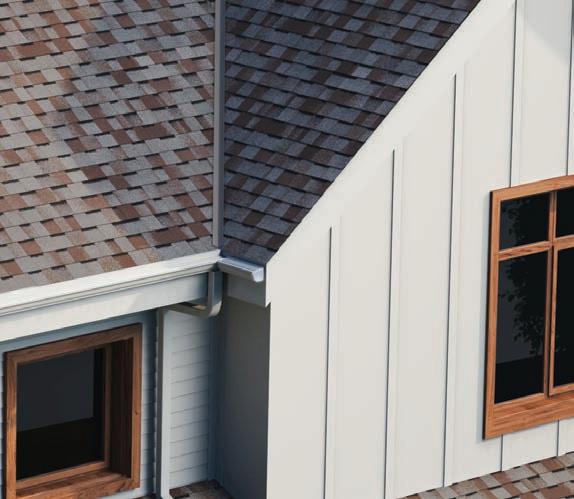
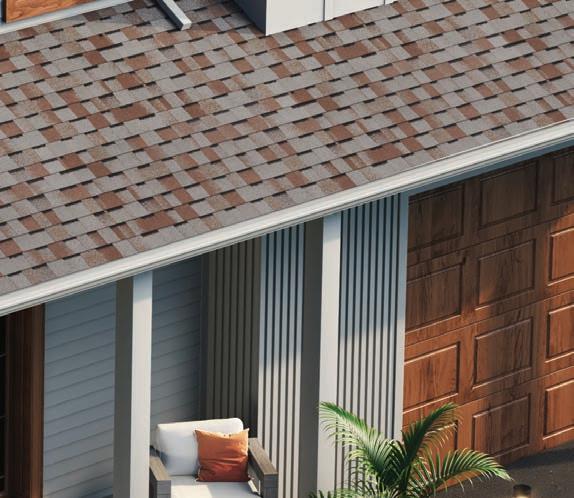
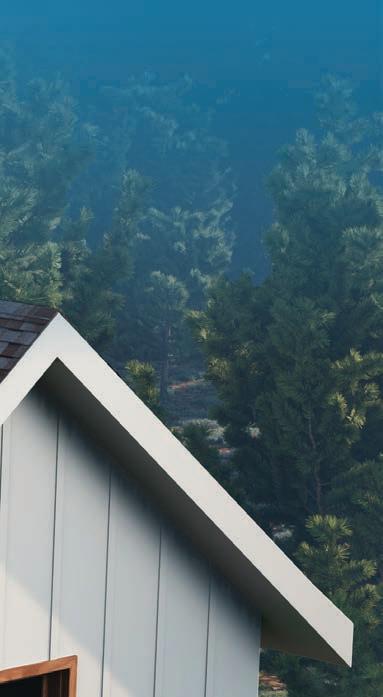
The roofing sector in 2024 is characterized by an equally vigorous display of new product development. Building Products of Canada’s Signature series is the latest example of the innovation and creativity that are hallmarks of the company. These shingles, launched at the end of 2023, are designed to resist even the worst weather conditions (including winds up to 135 miles per hour, with no special installation required) and come in 12 colours in Eastern Canada and 10 in the West, intended to reflect both modern and traditional aesthetics (the colours, developed by BP’s Chroma Color Lab, pair well with any type of exterior finish).
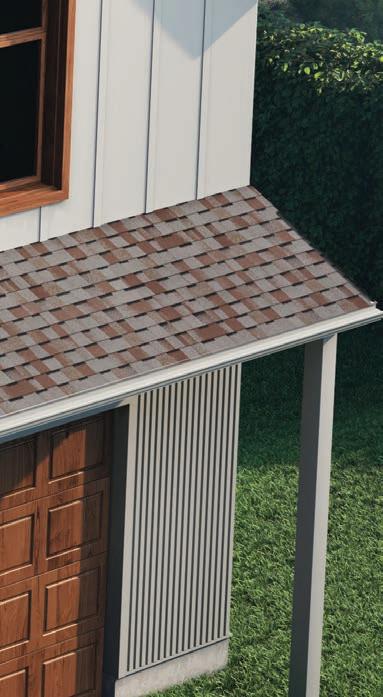
Elevating the colour offering is Chroma Color Lab’s proprietary new Profusio design patterns that merge two shingle colours and alternates them over successive rows to create a third colour to produce a complementary or contrasting visual effect.
The Signature series shingles have a high resistance to nail pullthrough and were made with BP’s WeatherTite technology, a patented roofing shingle system featuring two sealant bands. While the continuous band ensures maximum adhesion, the discontinuous dotted band increases the shingle’s adhesion, keeping winddriven rain flowing off the roof.
BP Canada marketing director Nathalie Lambert says, “The Signature line brings new life and a modern twist to traditional shingles, which have barely seen a change in tints in decades. We’re giving homeowners a first-of-its-kind opportunity to affix their signature to their roofs with unique natural looks that set their
properties apart and blend into a home’s facade like never before.”
Polyglass, which is part of the Mapei Group, has led the industry in the development of high-quality modified bitumen roofing and accessories; its APP and SBS membranes provide outstanding protection, durability, and life expectancy, and are also environmentally friendly, energy efficient, UV-resistant, and of course visually pleasing.
March was a busy month for Polyglass in the U.S. with the unveiling of two new breakthrough products. PolyVap SA S is engineered for superior performance in commercial low-slope roofing applications and features a high-strength polypropylene sheet with an aggressive acrylic based adhesive on the bottom, ensuring a bond with most substrates. This carrier-less membrane is surfaced with a slip-resistant top surface to enhance walkability and can serve as a temporary roof for up to 180 days.
PolyVap SA S is an ideal air/vapour barrier in low-slope roofing applications, for use on steel, OSB, plywood, gypsum, and thermal boards. Its top surface is compatible with approved coverboards and Polytherm insulation, allowing for mechanical attachment or adhesion with Polyglass LRF CR (low-rise foam) adhesive. It is impermeable to air, moisture, and water, and the aggressive self-adhesive makes for exceptional wind uplift performance.
Also in March, Polyglass launched Modifleece, a revolutionary fleece-backed Styrene-Butadiene-Styrene (SBS) modified bitumen roofing membrane base sheet. Designed for the use in multi-ply low-slope roofing systems, Modifleece, thanks to an innovative laminating process, integrates a specially formulated dual compound into the polyester fabric, creating a seamless bond between the two components. The self-adhered side laps are safeguarded by a protective release film; the film is removed during application to reveal the aggressive selfadhered SBS compound, ensuring watertight seams.
Modifleece serves as a strong and durable waterproofing substrate for additional roofing membrane plies, ensuring long-lasting protection. It is suitable for application directly over irregular or semi-rough substrates, including Lightweight Concrete (LWC), and as a recover option over existing modified bitumen roofing systems.
Shou Sugi Ban timber-look cladding.
Wood Composite
Siding · Decking
Fencing · Beams
95% recycled materials
Maintenance-free
Sustainable · Fade resistant


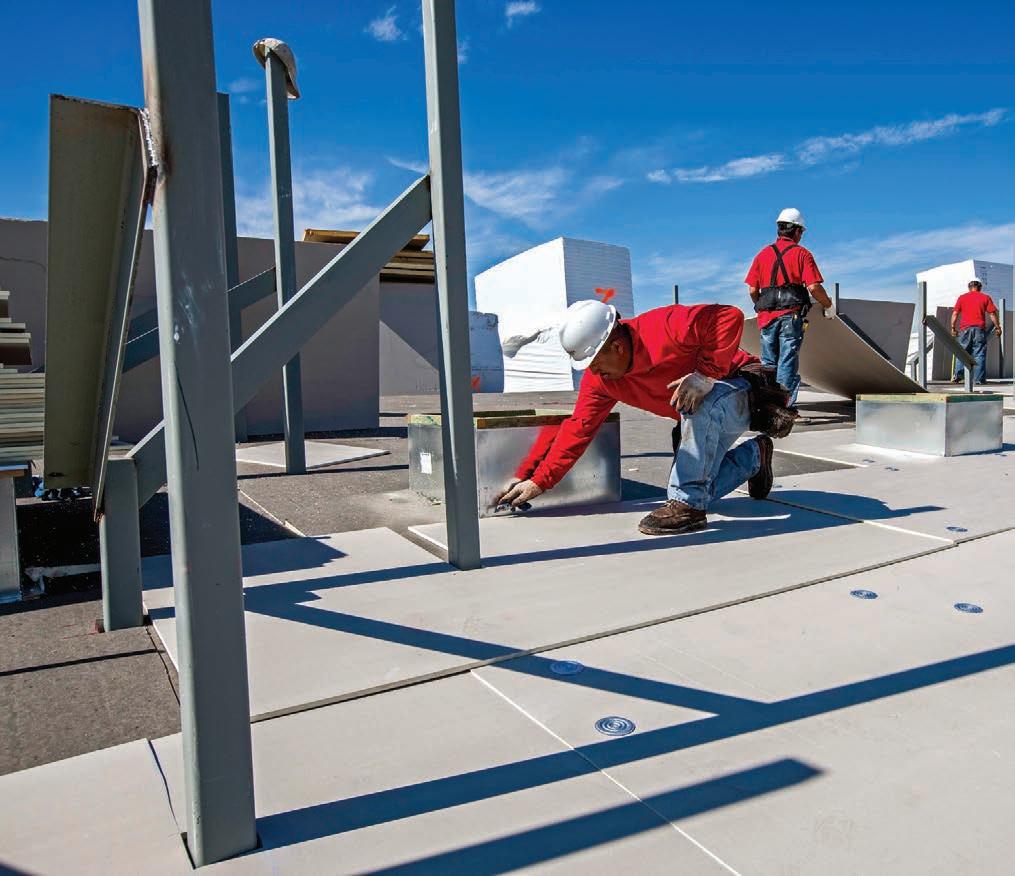
Jasmeet Deol, senior manager, product marketing at Holcim Building Envelope, says Elevate’s ISOGARD polyiso insulation continues to be recognized as among the very best thermal insulation products for commercial and other projects. “ISOGARD provides the highest R-value per inch in colder mean temperatures,” he says.
Drilling down into ISOGARD’s unique properties, Deol, explains, “The product is tested at an average of 24 degrees Celsius; when the mean temperature is on the low side the R-value actually increases from 5.7 to 6.2. So, if a building is prone to wide temperature variations, the same level of ISOGARD insulation gives better performance, resulting in cost savings.”
This is possible partly because polyisocyanurate, or polyiso, is a thermosetting type of plastic, closed-cell foam that contains a low-conductivity, hydrochlorofluorocarbon-free gas in its cells. In short, it is a rigid foam board insulation made up of closed cells pressed together so tightly that air and moisture can’t squeeze between them or into the foam. Elevate’s ISOGARD takes things a step further by being the first insulation product on the market that meets ASTM C1289 required and recommended thermal performance values.
Deol also reports that Holcim Building Envelope “continues to make headway with our Roofing Waste Diversion program, whose purpose is to look at ways to reduce waste in the construction process and is focused on the waste generated from the over 400 million square feet of commercial roofing systems installed annually.”
In partnership with Geocycle Canada, Holcim Building Envelope is supporting landfill diversion options for commercial roofing materials from retrofit and re-roofing projects (a lot of the roofing waste is co-processed in cement kilns).
“Also, old roofing ballast that would traditionally end up in landfill is instead collected and reused as granular A road base,” Deol says.
Finally, Carlisle SynTec Systems has not only been a leader in the commercial single-ply roofing industry for more than 50 years (with products including Sure-Seal EPDM, Sure-Weld TPO, Sure-Flex PVC, and FleeceBACK membranes), the company is also dedicated to the advancement of people in the industry through training and education.
This is evident with its blog, TecTopics, whose goal is to provide applicators, installers, building owners, and architects with information and guidance on matters such as material installation, system detailing, roof maintenance, and current roofing industry issues. Proper installation, maintenance, and warranties of single-ply roofing systems are also covered.
Another blog, SpecTopics, focuses on industry-wide topics that affect building product specifications, code approvals, and technical information for roofing, insulation, and air and vapour barrier products. It provides design solutions for common architectural problems utilizing new and innovative products and systems as well as the necessary language to incorporate those products and systems into project specifications. A



















Installation of Elevate’s ISOGARD polyiso insulation.
WEST COAST CONTEMPORARY LINE
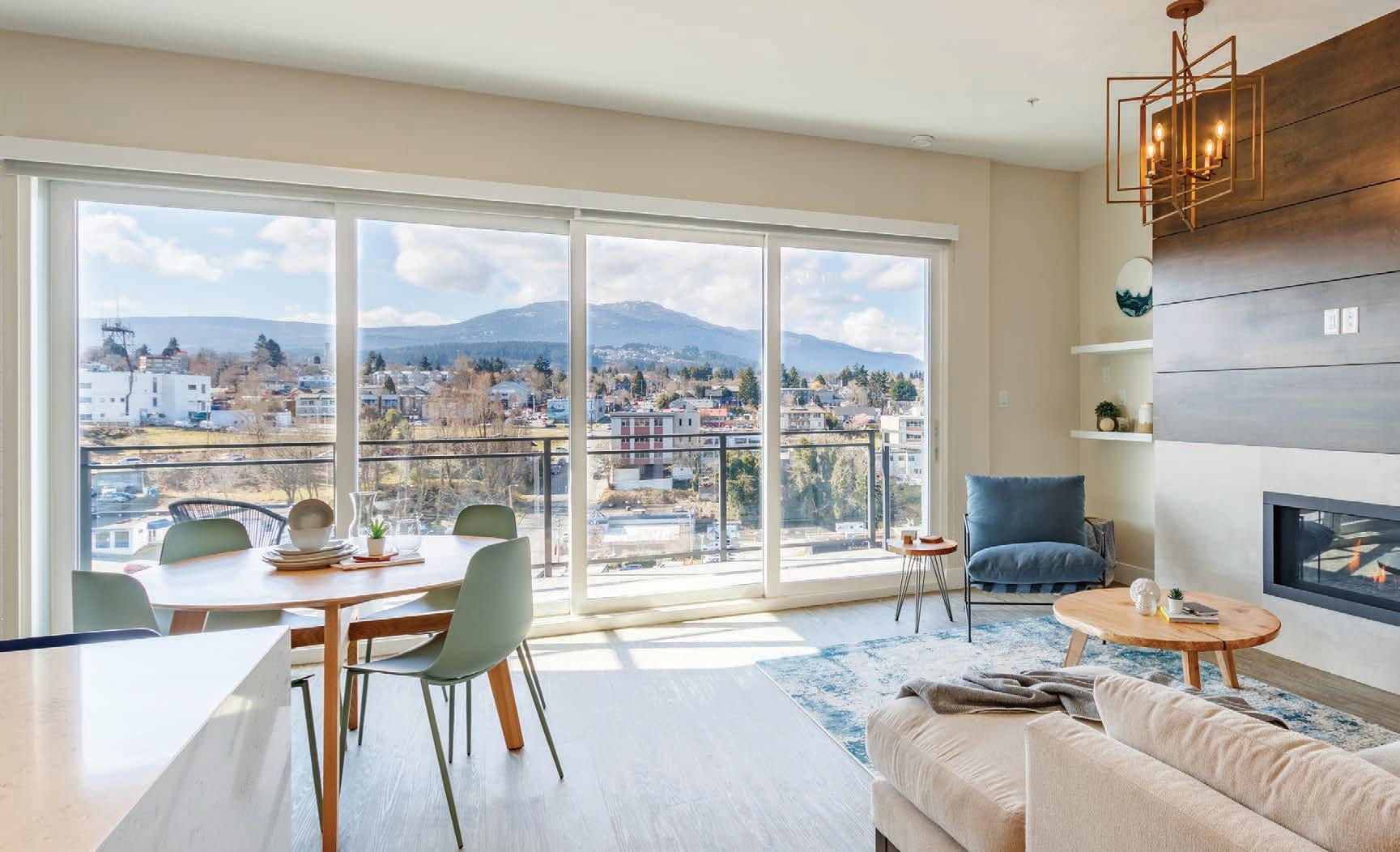


A custom home build is quite often the single largest investment in one’s life. This is a tremendous responsibility to entrust to the construction community.
Understanding this concept and exceeding customers’ expectations are what Westeck strives for and is at the core of the Westeck culture.
BIG PRODUCTS FOR ALL SIZES EMBRACE THE PATIO EXPERIENCE INDOOR/ OUTDOOR LIVING VANCOUVER 1480 Kootenay St, 1‑877‑606‑1166 CHILLIWACK 8104 Evans Rd 1‑877‑606‑1166
westeckwindows.com sales@westeckwindows.com
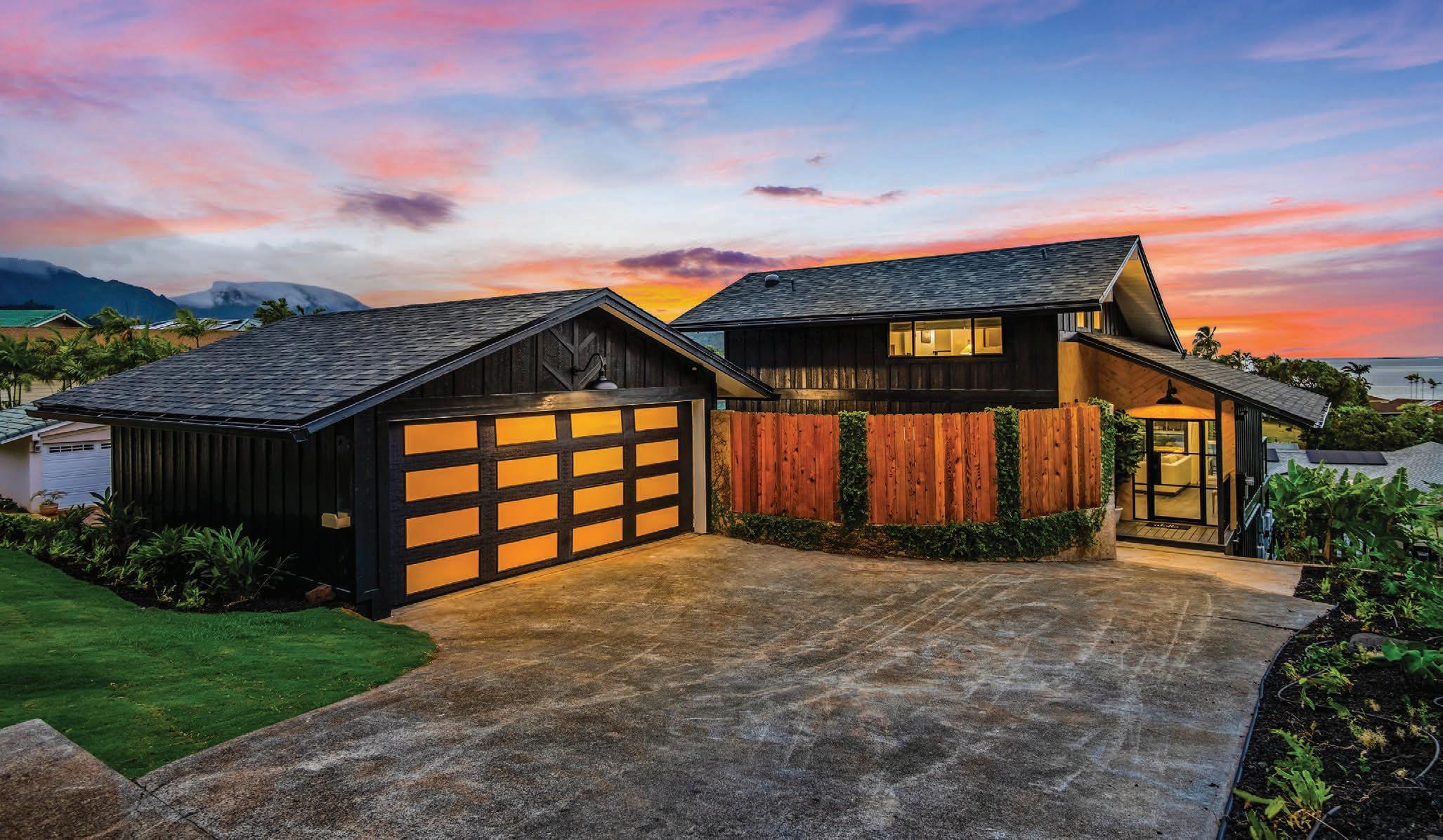
UNLOCKING ACCESS ALLURE
Technology and statement-making styles are at the forefront of this year’s
door and hardware trends
by STACEY MCLACHLAN
From the bold, expressive colours adorning today’s residential entrances to the high-tech security systems that feel straight out of a sci-fi movie, the doors and hardware on the market today have something for everybody.
The industry’s offerings hinge on a striking fusion of aesthetics and technology. If you’re looking for inspiration for your next project, you’ll find it here: door manufacturers are creating innovative options like high-performance products, advanced access systems, and finishing touches perfect for selfexpression. Read on as we open the door on this year’s most compelling industry trends.
PERSONAL TOUCH
Doors aren’t just an entrance or exit: they’re an opportunity to make a statement. No wonder there’s a continued consumer demand for aesthetic customization options for commercial doors – such as colour variations – as businesses prioritize the visual appeal of their properties.
“The visual appeal of doors and hardware plays a significant role in consumer decision-making, with a growing emphasis on enhancing the overall look of
their property or business,” says Lana Winterfield, manager of marketing and communications for Creative Door. That being said, she also points to the importance of affordability in the door market: “It’s a primary concern for consumers, alongside quality and durability.”
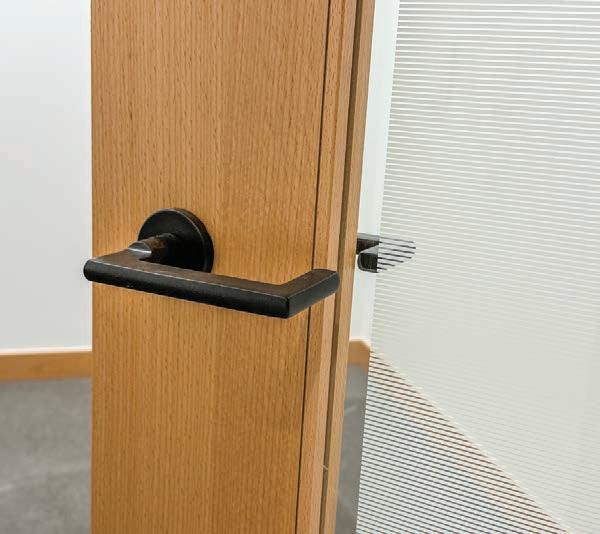
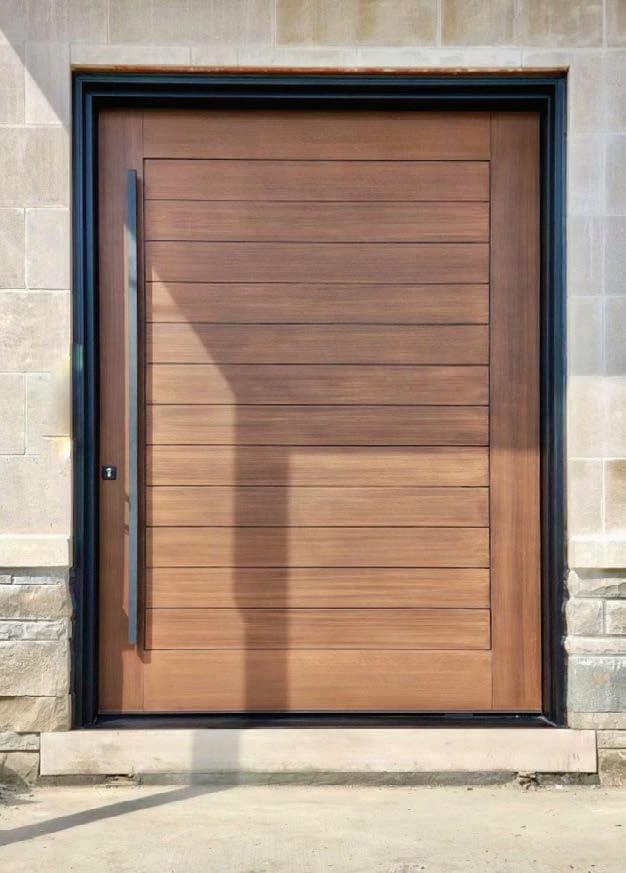
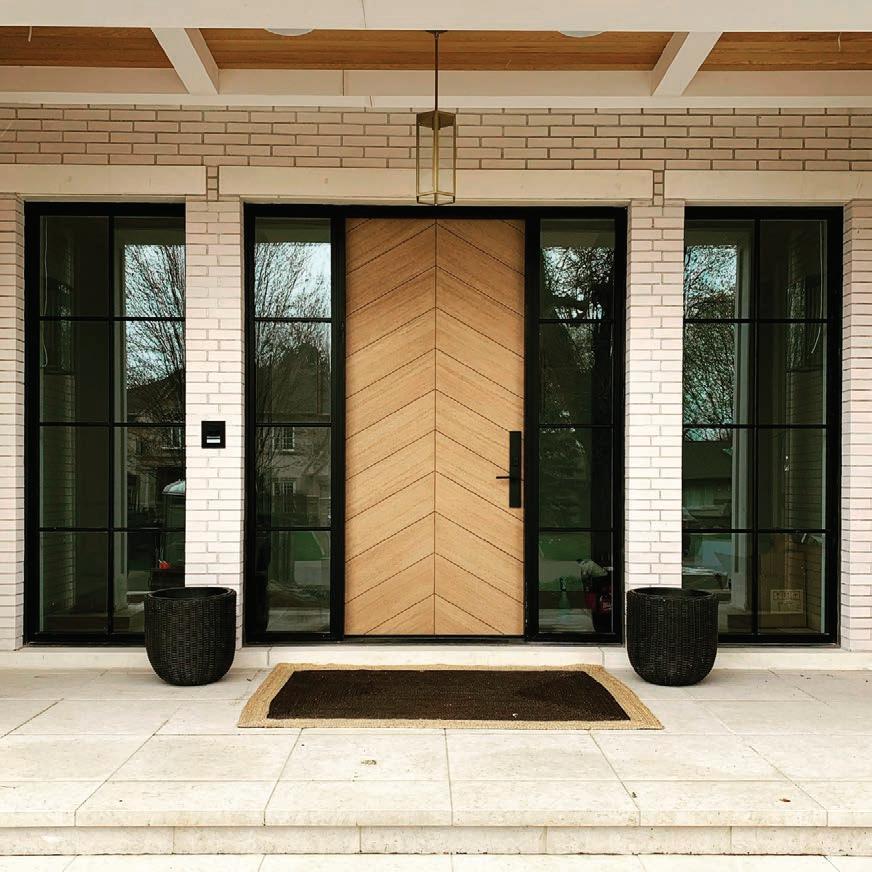
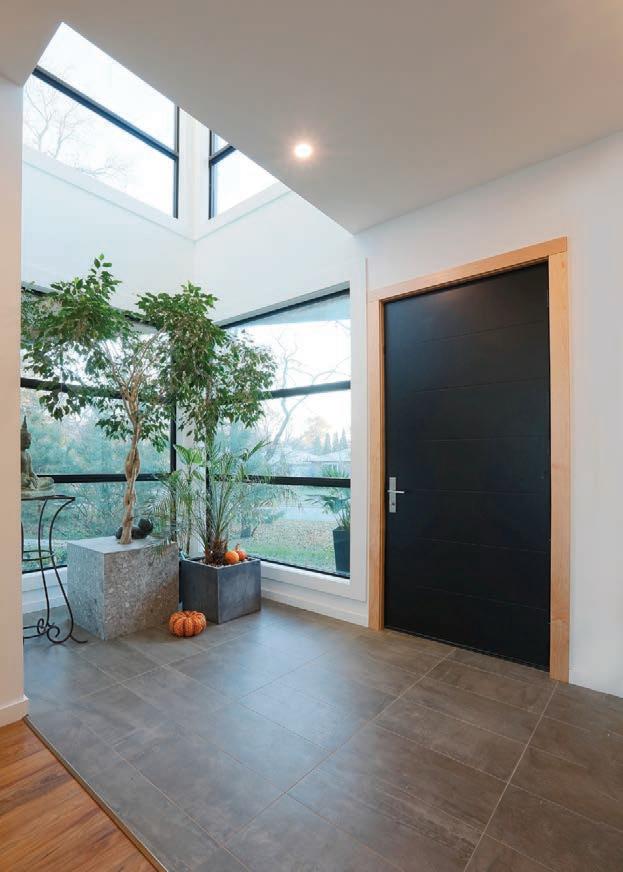
For residential projects, black doors are a popular choice; it’s a look that emphasizes a sleek and modern aesthetic. Geoff Mainprize, principal of Trillium Architectural Products notes that white hardware is on the rise, commonly specified these days for levers and hinges. “It looks like the next hot trend,” says Mainprize. He also points to the rising relevance of ‘colour contrast’ as a design/accessibility requirement. “Spaces where doors have a dark stain or paint finish are being specified with lighter toned hardware, and vice versa,” he notes. But it’s not just an aesthetic choice: “Colour and brightness contrast is important to provide more visibility and make the operation of doors more accessible for everyone.”
Commercial customers are also shifting away from standard colour options, preferring to choose colours that seamlessly integrate with the rest of the building. Lilac, for instance, has emerged as a highly sought-after option, complemented by a
variety of architectural styles and colour palettes. Navy blue, sage, and terracotta are hot for 2024, too, reflecting a trend toward natural and earthy tones. Hardware, meanwhile, runs the gamut, reflecting a diversity in personal tastes: vintage bronze adds an element of elegance and warmth, matte black offers a bold and modern appeal, and satin brass provides versatility and a touch of sophistication.
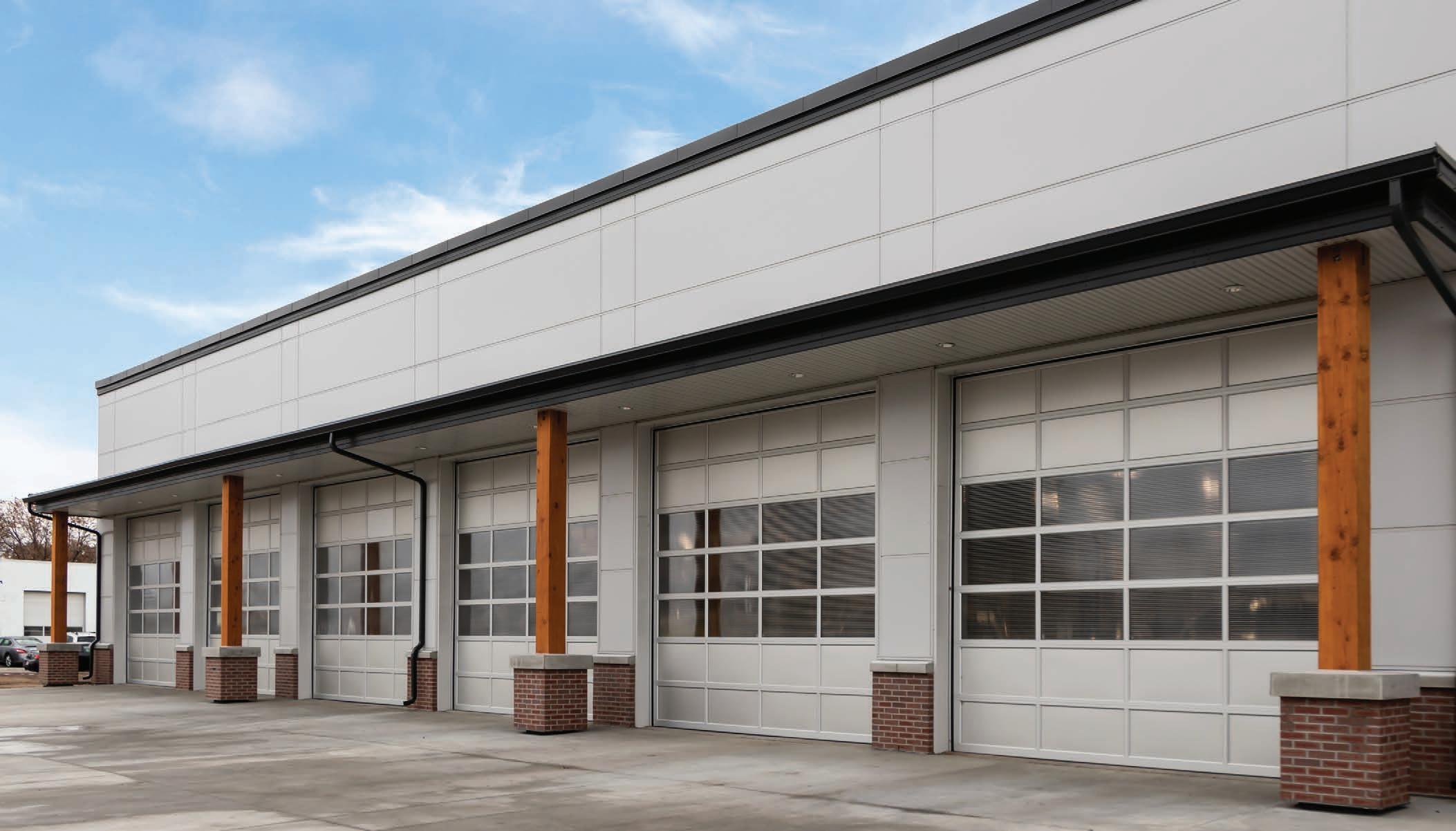
Wayne Dalton residential garage doors from Creative Door. Colour contrast provides visibility and accessibility.

Elevate Your Building with SILEX Fiberglass Windows and Doors
Proudly Canadian. Unmatched Durability. Custom Contemporary Design.
Superior Strength: Built to endure the toughest weather conditions. Energy Efficient: Keeps your home comfortable and reduces energy costs. Elegant Styles: Modern designs to enhance any architectural aesthetic.
WI-FI OH MY
Increasingly, consumers are seeking smart door solutions with Wi-Fi connectivity for added convenience and control. “Wi-Fi access is becoming increasingly prevalent in commercial door electric openers, enabling seamless connectivity and control for enhanced convenience and security,” says Winterfield. “Innovations in smart technology for residential applications are transforming door operations, enabling features such as remote access for delivery companies to safely deposit orders inside homes, enhancing both convenience and security.”
Homeowners are looking for products that offer convenience, peace of mind, security, and energy efficiency, and want to have the ability to control conditions at home even when they are away. Smart home technology is top-of-mind with an increased desire for automation to improve convenience.
“We are witnessing an exciting era driven by advancements in smart technology and security systems,” says Michael Hicks, operations manager for Silex Fiberglass Windows and Doors. Companies around the globe are incorporating features such as biometric authentication, keyless entry systems, and advanced access control technologies to enhance both convenience and security for customers.
Over at Silex, the team has been particularly focused on integrating innovative solutions, such as the Danalock smart lock system, into a product lineup that includes a multipoint locking system. Danalock offers smartphone control, keyless entry options, and seamless integration with popular smart home platforms like Apple HomeKit.
“Imagine having the ability to assign temporary digital keys that expire to a babysitter or house sitter, providing enhanced peace of mind,” says Hicks.
(Marvin’s recently unveiled Marvin Connected Home is another high-tech hardware product – a first-to-market smart solution that makes it easy for homeowners to operate doors with a home automation system, voice assistants, the Marvin Home app, a wall switch, or on-unit control buttons.)
SETTING THE ENERGY BAR HIGH
There’s an ever-increasing interest in building envelope energy efficiency, and doors and hardware are a huge part of that puzzle. The industry is in the process of transitioning from R-value to U-factor as per DASMA testing standards, signifying a major change in how insulation efficiency is measured.
Wayne Dalton (one of the brands carried by Creative Door) stands out with the best U-factor in the industry, emphasizing superior thermal performance and energy efficiency.

Wayne Dalton Garage Doors.
Danalock smart lock system.




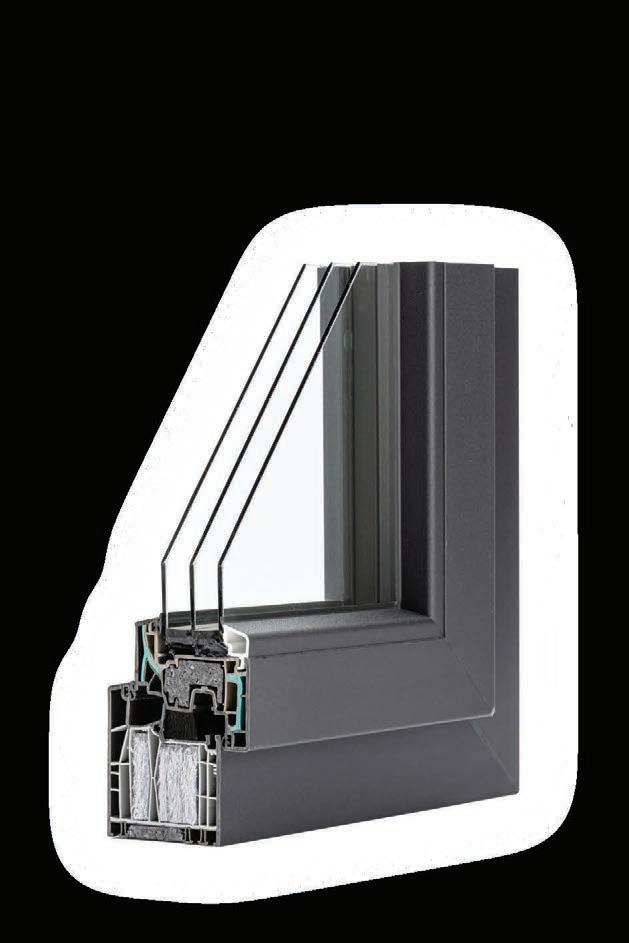
Innotech Windows and Doors, a B.C.-based manufacturer of high-performance windows and doors, is one company leading the way in passive house design and energy efficiency with its Defender 88PH+ system. The product represents a significant advancement in the North American fenestration industry, delivering the performance needed to meet the pinnacle of energy-efficient design and construction. The Passive House Institute (PHI) certified component stands out for its exceptional thermal insulation, enhanced resistance to air, water, and sound, and demonstrated long-lasting quality.
It’s also worth noting that the door manufacturing industry has taken significant strides towards sustainability in the past few years. Embracing environmentally friendly practices, manufacturers are now heavily investing in materials that minimize ecological impact. This shift is evident in the increased use of recycled materials like steel and aluminum, and sustainable sources like bamboo and FSC-certified wood. Production processes have evolved, too, with reduced waste and energy consumption, and advanced techniques in manufacturing now ensure that the carbon footprint of door production is significantly lowered.
It all signifies a commitment by the industry to the well-being of the planet, while meeting the needs of modern construction and design – a move that warms our homes and hearts.
OPEN UP
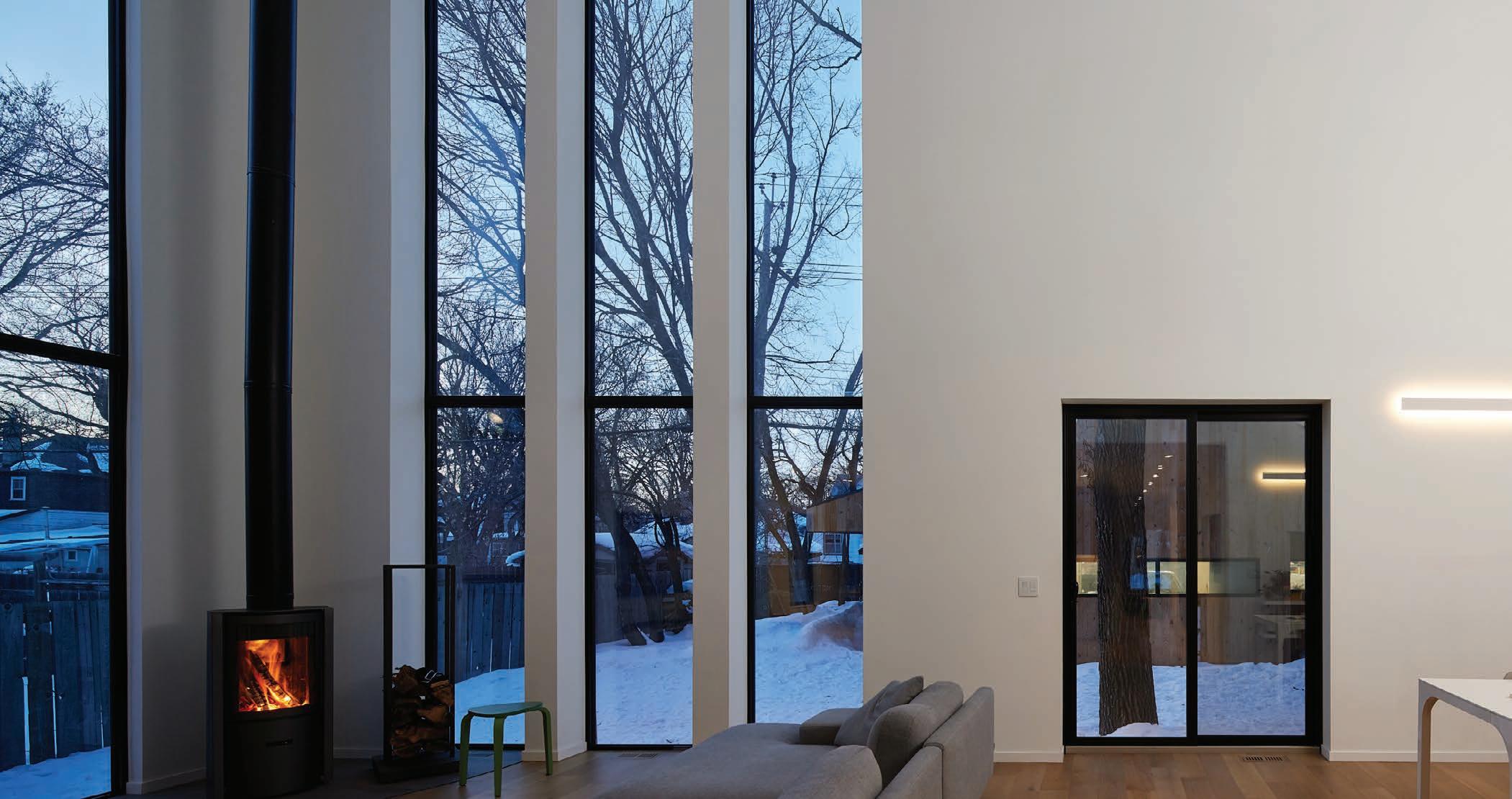
The trend towards large doors has not slowed in

drawn to expansive glass panels that allow for uninterrupted views and a seamless transition between indoor and outdoor spaces,” says Michael Wandschneider, director of product management at Marvin. It’s not surprising, given the growing popularity of indoor-outdoor living. “They’re blurring the
boundaries between their interior and exterior environments, prioritizing connection with nature and maximizing natural light in their homes,” he adds.
Luckily, ever-improving technology enables larger high-performance windows and doors that address this demand. Increased glass, expansive views and enhanced access to natural light within residential spaces is now easily achievable. For instance, there’s Marvin’s latest sliding glass door innovations: the Ultimate Sliding Door and the Ultimate Sliding French Door G2, products intended to elevate the aesthetic appeal of a space, while offering practicality for long term use.
Sectional doors have long been a popular option for creating indoor-outdoor spaces in residential projects, but we’re seeing more and more in commercial spaces now, too. Bars, event centres, and restaurants are utilizing sectional doors to enhance both the aesthetics and functionality of their dining and event areas. “By incorporating various types of full-view doors, these establishments create versatile spaces that seamlessly blend indoor and outdoor environments, catering to evolving consumer preferences for open, airy atmospheres, and dynamic event experiences,” explains Winterfield.
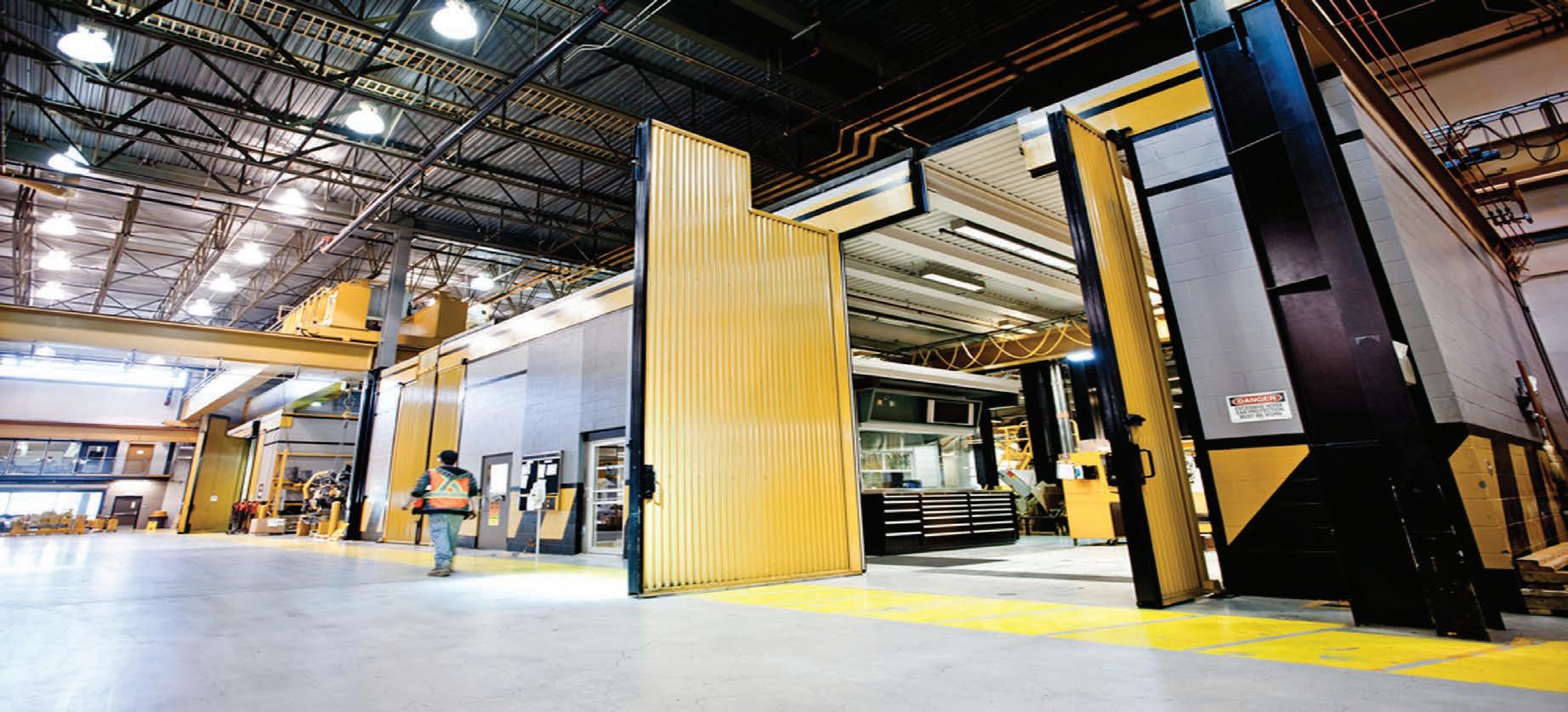
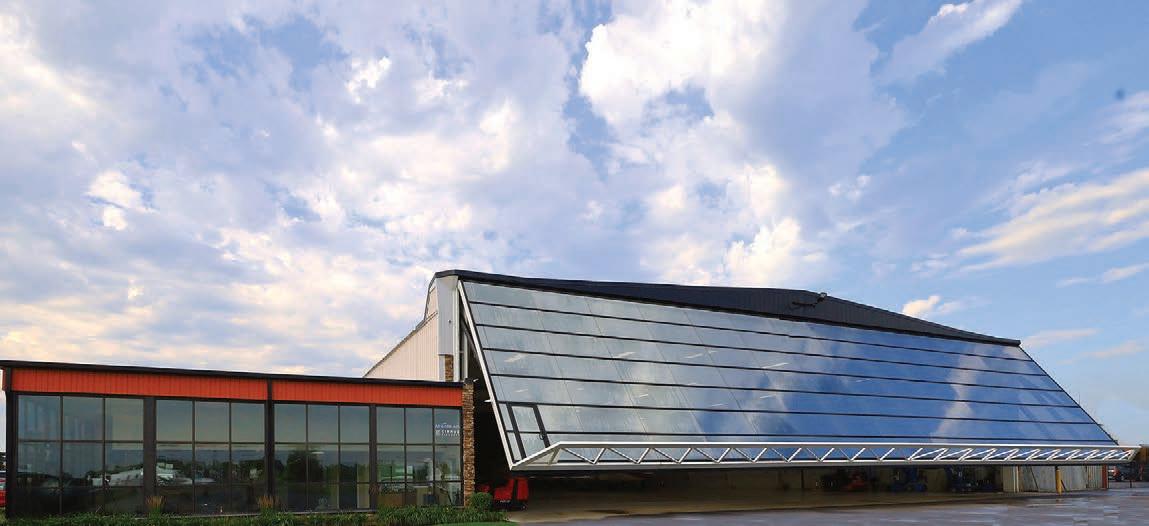
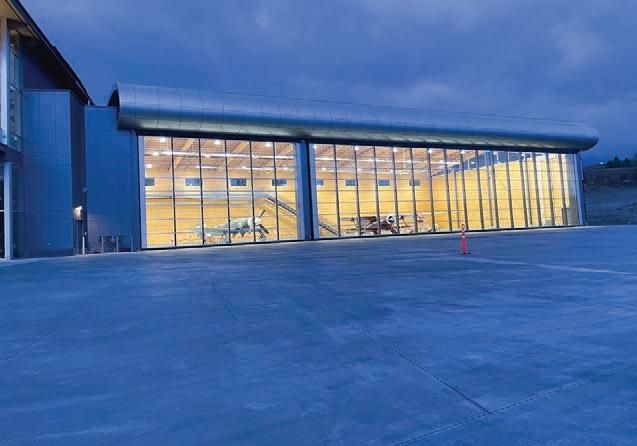
Commercially speaking, “people are trying to push the limits of what can be done,” says Zach Campbell, an engineer with PowerLift Doors. “They’re getting more creative.” His company has recently produced glass-panel doors in size ranges as large as 110feet wide and 25- or 30-feet tall. (Even at this scale, however, efficiency is still high. “These designs are very thermally efficient,” Campbell explains.
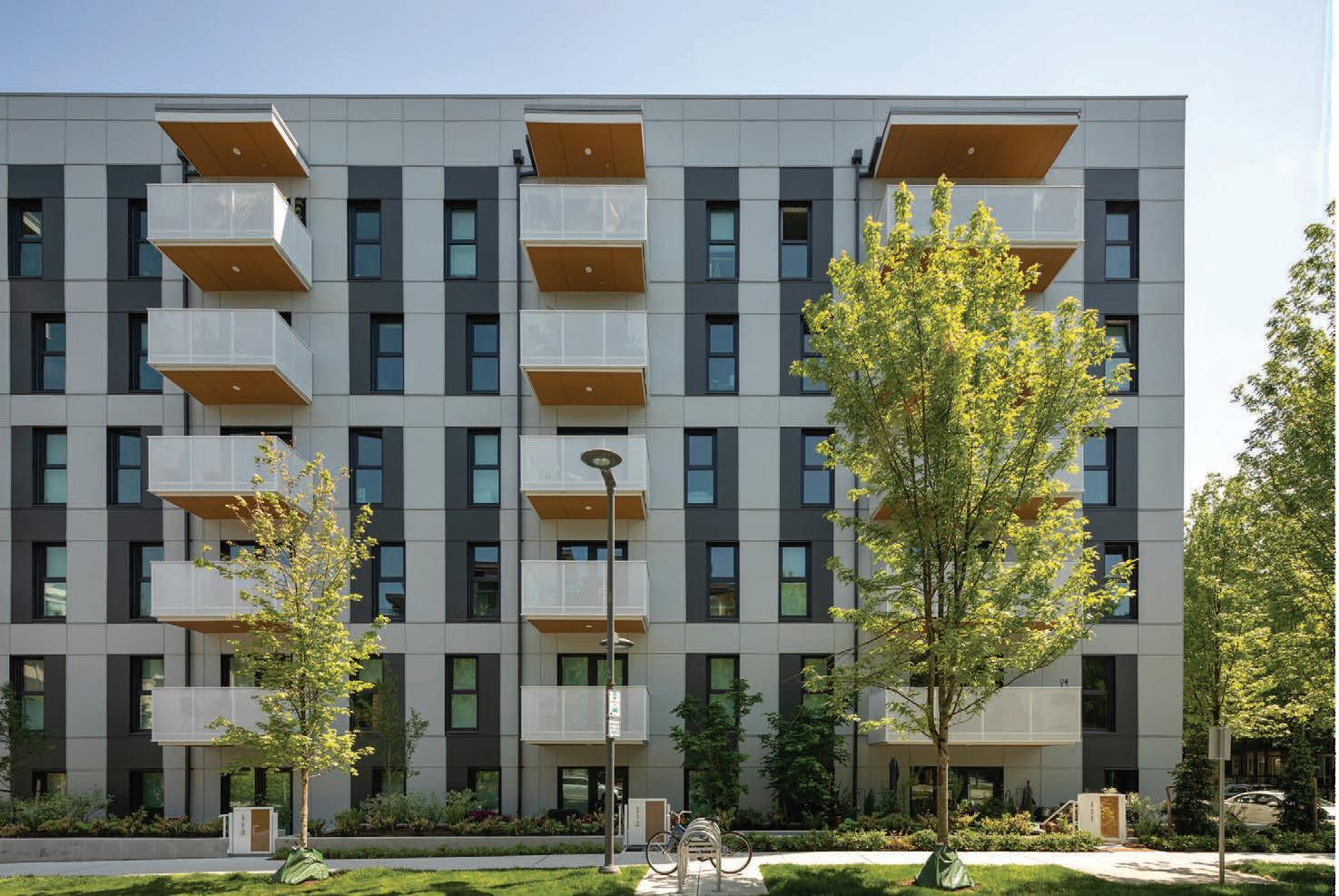
Windows + Doors for Passive House Projects
Innotech Windows + Doors is a Canadian manufacturer of high-performance windows and doors. The Defender 88PH+ System combines decades of fenestration knowledge to deliver a robust window and door system that is not only Passive House Institute certi ed, but that also delivers the air, water and structural performance required for highly sustainable housing developments.
Defender 88PH+ door certified by the Passive House Institute.
EVOLVE IN VANCOUVER, BC
Passive House Multi-Family Project by ZGF Architects and Peak Construction.




FUTURE-PROOFED FUNCTIONALITY
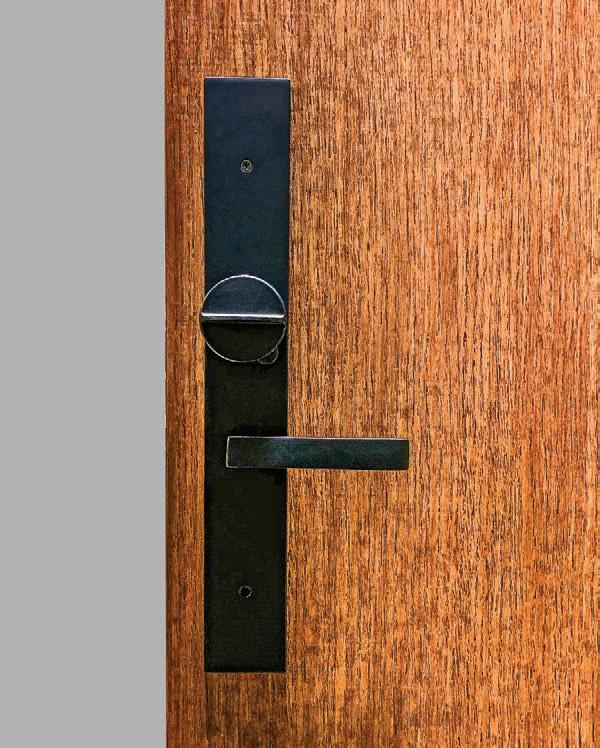
According to a recent U.S. News and World Report study, 93 percent of aging adults intend to age in place – and the door industry has taken note, with a renewed focus on ergonomic door handles and architectural hardware for ease of aging in place.
“We know that homeowners prioritize convenience and future preparedness when considering remodelling choices,” says Wandschneider. “Factors such as ease of use, peace of mind, adaptability, and integration of smart home technology are gaining prominence, all while ensuring that design and aesthetics remain uncompromised.” Lever-style designs in particular are gaining traction for their comfort and ease of use; these are styles that cater not only to aesthetic preferences but also to practical considerations such as accessibility.
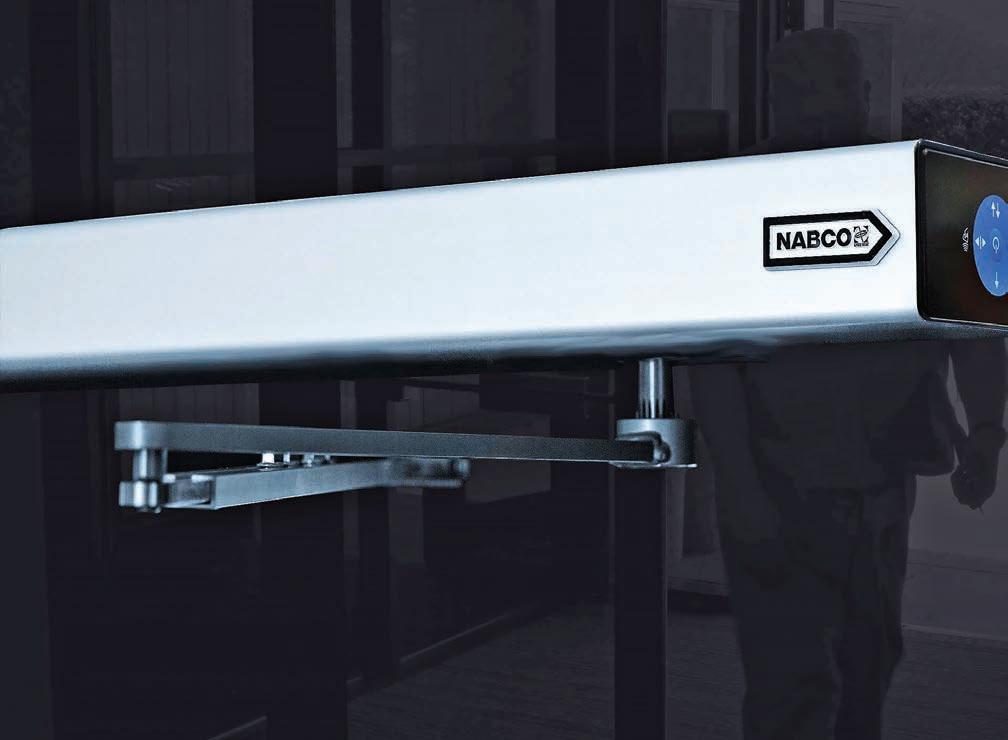
And speaking of the future: the new NABCO Swing Door is a state-of-the-art option for projects. The low-noise, smooth-operating door sets up easily, making it the ideal product for converting manual doors to automatic operation. (It can also handle up to 330 lbs of door weight with minimal energy.) “With a sleek, low-profile design, the NABCO Swing is non-handed, allowing it to be used on both left- and right-handed swing door applications,” says Pete Woodfine, sales manager for NABCO Canada. But what really makes this product state-of-theart is that it’s able to be controlled remotely through the NABCO Connect IOS and Android App; users can switch between programmed daytime and nighttime modes or open and close the door with their phones from afar.
RUBBER SOUL
Front doors aren’t the only type of door engineers and architects need to consider when they’re working on a project… particularly a commercial one or a multi-family tower. Consider the humble parking garage door, for instance. Parkade door panel replacements can accumulate expenses rapidly, impacting productivity and energy consumption for a business. Rubber doors mitigate these costs by minimizing the need for frequent replacements. “They also offer energy-saving benefits, particularly in heated parkades, due to their faster operational speeds,” explains Winterfield.
Beyond the functional benefits, customers are increasingly recognizing the cost efficiency of investing in rubber doors for parkades. “While the initial upfront cost may be higher compared to traditional sectional doors, the long-term ownership expenses are significantly lower,” explains Winterfield. Another benefit of rubber doors? They’ve got quick reset times and operational readiness within minutes, reducing the necessity for specialized tools or extensive training.
The door and hardware industry in 2024 is a remarkable blend of style, functionality, and sustainability, evolving to meet both aesthetic desires and practical needs. Doors embrace bold and nature-inspired hues; the integration of smart technology in both sectors is revolutionizing security and convenience; and the industry’s commitment to sustainability and energy efficiency is a gift to our planet. Taken together, these trends paint a picture of an industry always looking to the future. We can’t wait to see what’s next. A
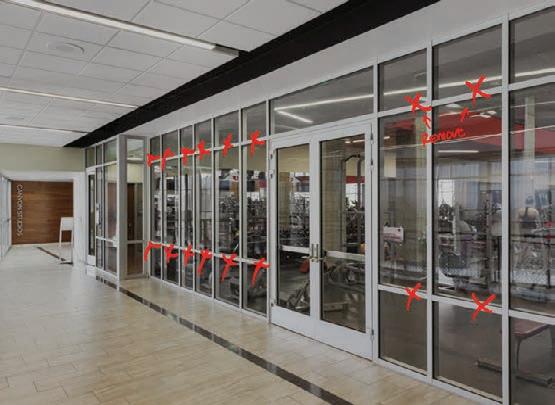


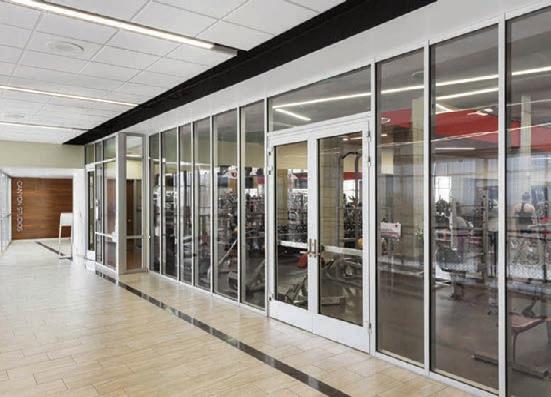
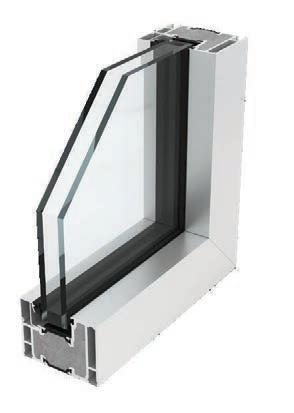
The new NABCO Swing Door.

J0791 GIALLO EVORA
Shaping Tomorrow’s Skyline

Trailblazing trends and bold visions in sustainable design
by NATALIE BRUCKNER
Today, sustainable design isn’t just about buildings – it’s a dynamic force reshaping our world. From inception to demolition, it revolutionizes every phase of construction. It’s the heartbeat of an industry in constant motion, driven by a relentless pursuit of environmental harmony, adaptability, and human flourishing. Fuelling this unstoppable force are passionate experts dedicated to advancing our understanding and implementation of sustainable design. Together, they’re pioneering solutions that not only elevate architecture and construction but also redefine our relationship with the environment.
RJC Engineers is a perfect example of this. RJC continues to be at the forefront of sustainable design practices, integrating cutting-edge principles and guidelines to enhance climate resilience and reduce carbon footprints. Leveraging resources like BC Housing’s Climate-Ready Housing Design Guide and the Climate Resilience Guidelines for BC Health Facility Planning & Design, RJC meticulously evaluates hazards and embeds climate readiness considerations early in project development.
Terry Bergen, managing principal with RJC, stresses the importance of utilizing these guides to inform proposals, facilitating thorough hazard identification, and providing actionable recommendations during schematic design. Committed to low carbon and zero carbon building standards such as the Zero Carbon Step Code (ZCSC) in B.C. and the CAGBC Zero Carbon Building standards, RJC adeptly integrates these frameworks into their designs, ensuring sustainable practices from conception to completion.
As a signatory of SE2050, RJC has embraced a holistic approach to sustainability, catalyzing internal initiatives to align with those goals. Through comprehensive awareness programs and revisions to internal design guidelines, RJC Engineers embeds sustainable practices into every facet of their projects. This commitment extends beyond compliance, “empowering RJCers to recognize the pivotal role they play in reducing the lifetime carbon footprint of buildings.”
Bergen underscores the transformative potential of their efforts, envisioning a future where sustainable design becomes synonymous with responsible engineering practices. As he reflects, “Just think, in a near net-zero or net-zero operational building, the carbon embodied in the structure may represent as much as 90 percent of the building’s lifetime carbon footprint – in this context our efforts can have the greatest positive impact on carbon reduction of any aspect of the building.”
RESILIENCE RISING
Trends may come and go, but those with a lasting impact only continue to thrive and grow. “At Parkin, we’re witnessing two key trends in sustainable design: decarbonization and resilience,” explains Haritha Bothireddy, associate, architect at Parkin Architects. “While achieving net zero emissions in buildings is crucial, ensuring a sustainable future requires more than this alone.”
Bothireddy highlights the growing emphasis on resilience, which involves preparing for future challenges such as pandemics and power outages.
Bothireddy cites examples like the Cowichan District Hospital Replacement project, which aims to become Canada’s first CaGBC Net Zero Carbon Design hospital and the first all-electric hospital in B.C. This project integrates innovative decarbonization and resilience measures, including a 75 percent reduction in GHG emissions, enhanced resilience design, and backup power provision.
Another standout project is the Western Memorial Regional Hospital, featuring an expansive geothermal system as its primary heating and cooling source.
“This sustainable solution eliminates the need for rooftop cooling towers, reducing both acoustic and visual impacts on the building design by creating quieter environments inside and out,” Bothireddy notes.
LEAP FORWARD
With the increasing focus on sustainable design, there of course come challenges, as Lindsay Oster, principal architect at Prairie Architects, explains:
We’re finding low-carbon energy in unlikely places
We’re finding low-carbon energy in unlikely places
Like biogas captured from compost to create Renewable Natural Gas1 (RNG). It’s a low-carbon2 energy that can be used in homes and businesses across the province—and we’re adding more to our supply every year.
Like biogas captured from compost to create Renewable Natural Gas1 (RNG). It’s a low-carbon2 energy that can be used in homes and businesses across the province—and we’re adding more to our supply every year.
Our gas system can provide RNG to buildings and developments to reduce greenhouse gas emissions. This means buildings can meet strict emissions guidelines without expensive upgrades or retrofits.
Our gas system can provide RNG to buildings and developments to reduce greenhouse gas emissions. This means buildings can meet strict emissions guidelines without expensive upgrades or retrofits.
Find out more about RNG at fortisbc.com/rngbuild.
Find out more about RNG at fortisbc.com/rngbuild.
“Increasingly, we are seeing projects seeking higher levels of sustainability, notably with net-zero carbon and aggressive energy targets. This is due, at least in part, to the various funding streams available at both federal and provincial levels. Which is great – if we are to meet our global commitments to the climate crisis, we need everyone pulling in the same direction. However, we, and likely others in the design profession, find ourselves on the constant merry-go-round of ‘value engineering’ as project scopes and sustainable aspirations simply don’t align with budgets.”
Amidst these challenges, Oster highlights that there’s no doubt that these budgets are still feeling the impact of inflation and high-interest rates, as well as the ramifications of the pandemic and global conflict “I think there remains a fundamental disconnect between the intent and the implementation. This is especially hard for non-profit groups who are often cobbling together various streams of staged funding and have to ‘just jump and build wings on the way down.’ In many ways, I think that’s what we are all having to do when it comes to addressing this beast of an issue,” she says.”
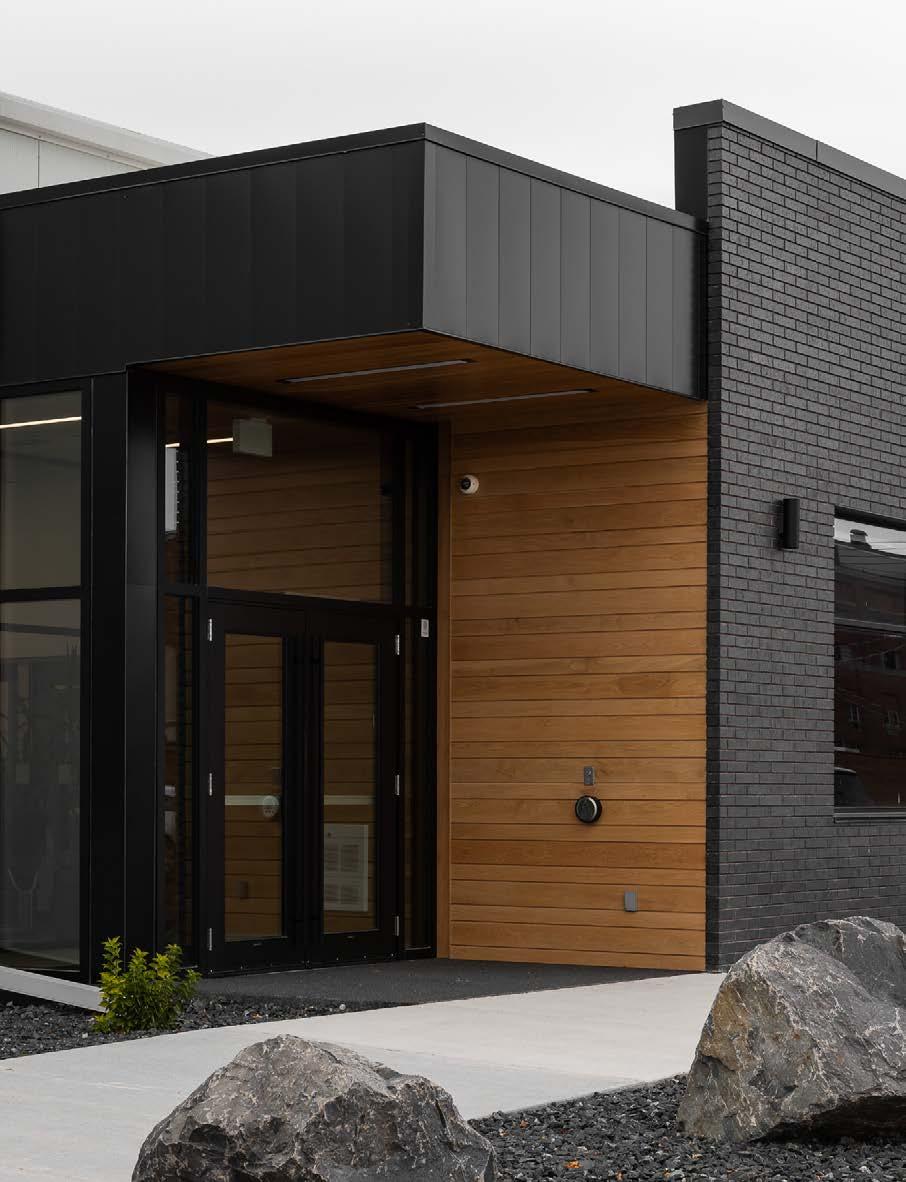
Proudly contributing to a more sustainable approach to building in the prairies.
ROI REALITIES
When it comes to investing in sustainable design, it’s all about striking a balance between economics and the environment. According to Jim Gilliland, director of engineering services at Williams Engineering, “there’s definitely an eagerness to be sustainable, but for owners and investors it’s about spending money responsibly.” Gilliland notes that carbon sustainability, particularly the life cycle assessment (LCA) of carbon, is gaining traction, especially in select jurisdictions like Vancouver. “There is a growing movement to take a holistic perspective, especially the end-of-life piece, about what will happen to a facility when it can no longer fulfill its original intended use.”
He acknowledges that while progress is underway, there’s still a long way to go. “Basically, the industry is in the process of establishing carbon measurement standards. We need the whole industry to step up and start reporting its carbon footprint and how it is calculated. Otherwise you get a lot of information that can be difficult to interpret.”
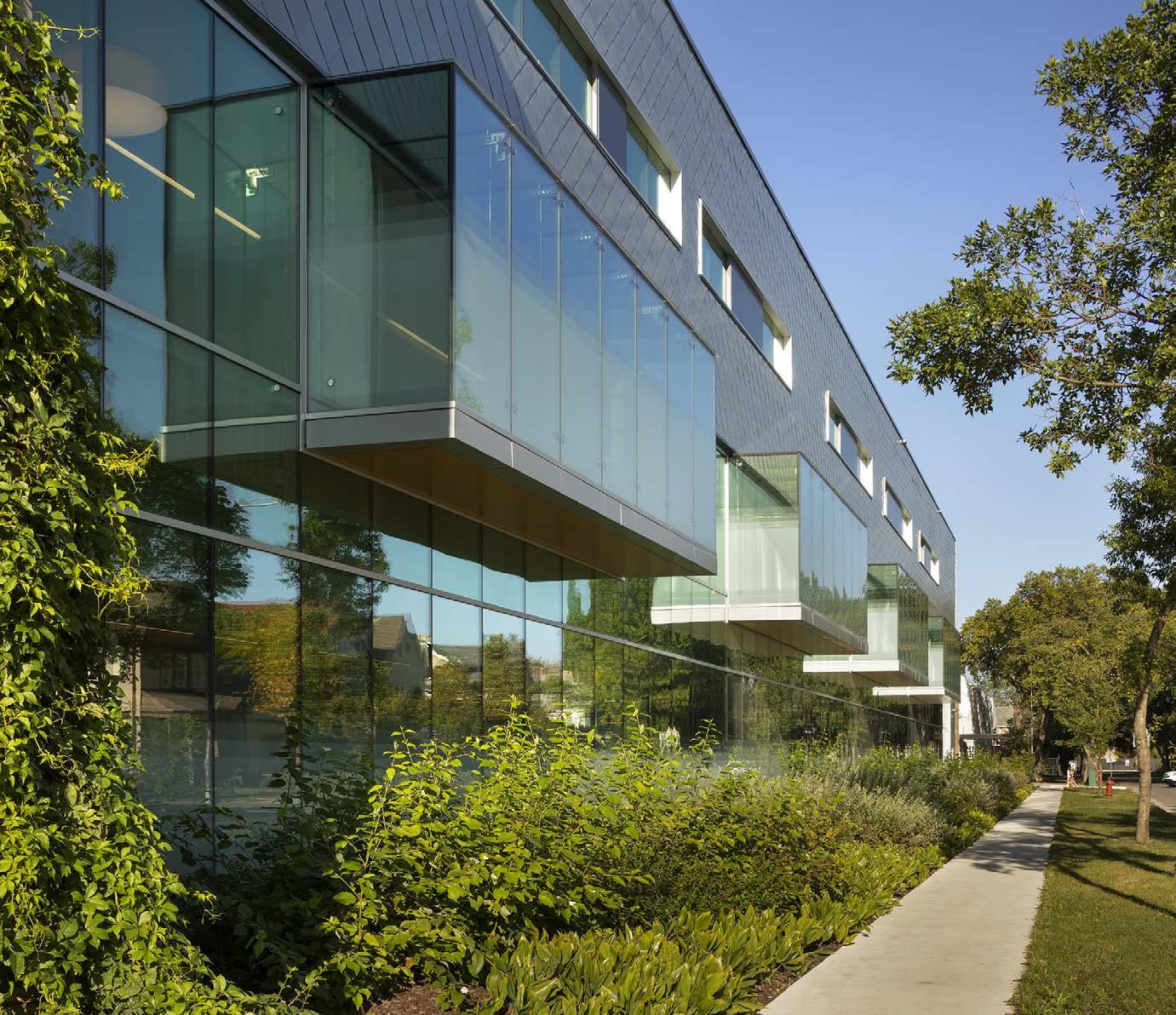


Galvanize Better.
Corbec is the leading hot-dip galvanizer in Canada, offering unrivaled service, unparalleled expertise and bold innovation.
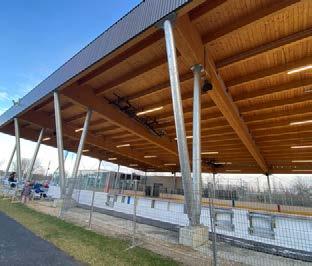

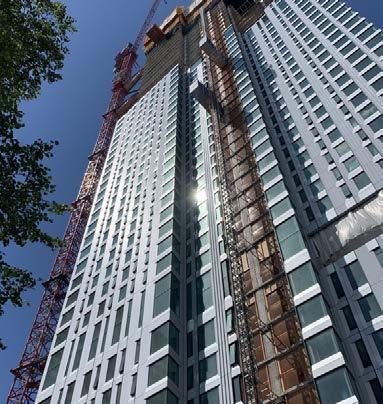
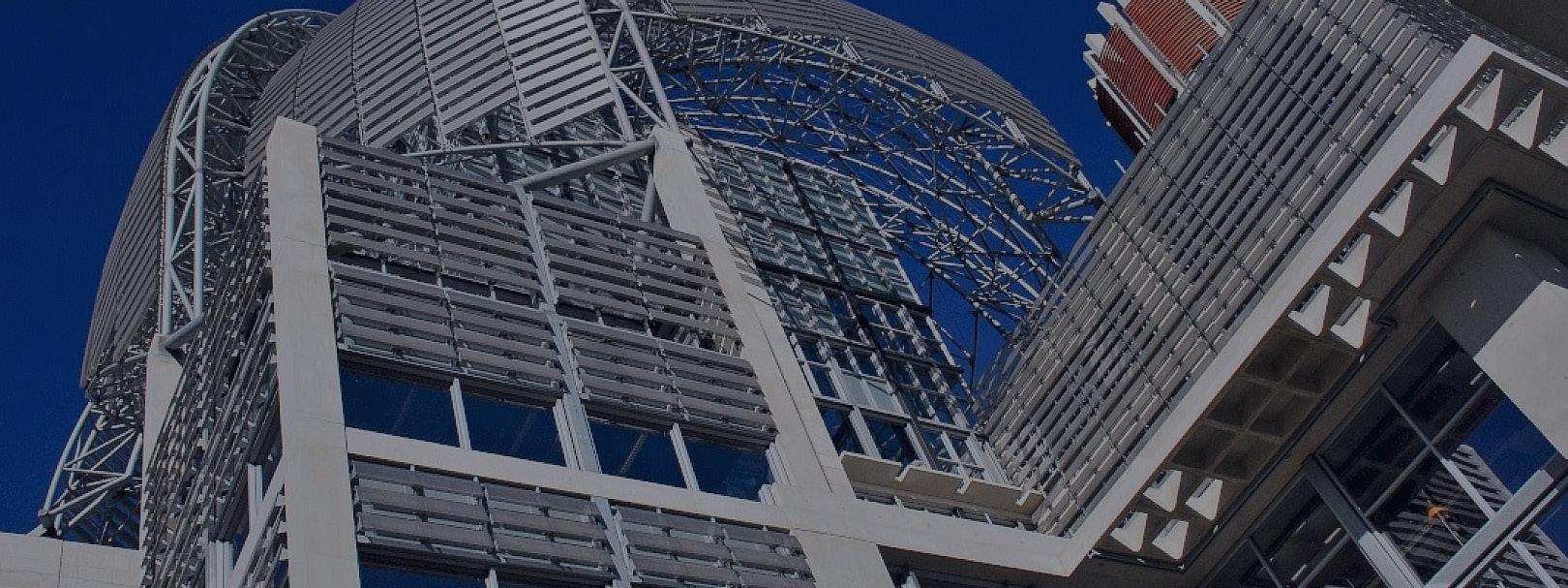
Why Galvanize?
Maximum Protection
Galvanizing forms a durable barrier against corrosion, for prolonged structural integrity.
Durability & Adaptability
The robust zinc coating is resilient, withstanding harsh conditions, extreme weather, and diverse environments, resulting in long-lasting performance and versatility.
Maintenance Free
Galvanizing offers the optimal and best performing protection saving time, resources and money.
Longer Lasting than any Coating
Galvanizing guarantees longevity against corrosion and wear, more than any other coating, as confirmed by industry and indicated in codes.
Best Return on Investment
Galvanization delivers an unmatched value, a cost-effective solution, maximizing your investment and peace of mind.
Sustainability
To Corbec what Matters is:
• Galvanizing Better
• Quality & Innovation
• Expertise & Quality Assurance
• Service - Pre-During and After the project
• Collaboration and assistance to the project team

It’s the lowest carbon footprint option – The durable solution that offers protection without maintenance and no added costs throughout the Life Cycle of the project – Zinc is Recyclable and Reusable.
Galvanize Better!
Hamilton Montreal Quebec Halifax
Buildings Bridges
Galvanized Rebar Steel Structures
San Diego Central Library, Credit: AGA
One promising sustainability trend Williams is exploring is bio-inspired design, where building systems function look like, or use, natural processes to achieve technical or design solutions. “Nature knows how to do it in the most efficient way and we are seeing technology coming along that is game-changing. For instance, cladding systems that can passively respond to changing environmental conditions using moisture or thermally-driven mechanisms rather than mechanical actuation. Expansion or contraction of building components due to solar heating, cooling, or changes in moisture content can increase ventilation without the need for electrical or mechanical systems. This natural ventilation process helps to release hot air and moisture from the envelope of a building, ultimately reducing heat gain inside, and preventing moisture from entering a building.”
TECH TALK
With the goal to reduce emissions and improve energy efficiency, FortisBC believes gas absorption heat pumps (GAHP) provide an effective replacement for conventional gas heating equipment. Because they can run on gas or renewable and low-carbon fuels, such as Renewable Natural Gas, the experts at FortisBC say they’re a particularly attractive option in locations experiencing electricity grid constraints or capacity issues.
FortisBC has pilot tested various GAHP models in real-world settings since 2019 and offers a growing number of rebates on models that can achieve efficiencies of more than 100 percent. To further support the adoption of this emerging technology, they’re also sharing the knowledge and insights gained from these pilots in the Gas Absorption Heat Pumps Best Practices Guide. Developed for building design experts, the guide covers important aspects of the technology including the principles behind the process, the equipment and materials required, and best practices for implementing.
EDUCATION
Education is indeed key to progress, and Glotman Simpson Consulting Engineers excels in this realm. With a dedicated educational blog called GS On Track, which is informed by internal research reports, and a commitment to internal education, the company stands out.

“In 2023, we made it our mission to keep our team at the forefront of sustainable building design research. Our efforts ensured that our team not only stayed up-to-date with the latest developments but also actively engaged in shaping a lower-carbon future. By fostering a culture of continuous learning, we are positioning ourselves as leaders in sustainable structural engineering,” explains Rachelle Habchi, director of sustainability.
Another focal point for Glotman Simpson is reducing embodied carbon. Its Sustainability Committee has collaborated with its automation and BIM teams to develop innovative technology tools for building design. These tools redefine the trajectory of projects by providing more information about embodied carbon and reduction strategies in the initial design phases and beyond.
“As more clients embrace sustainable building design principles, as more jurisdictions enact embodied carbon policies, and as emerging technologies make lower-carbon design more feasible, we are excited to be part of the change during these critical years,” says Habchi.
LONG-TERM PROTECTION
Sustainable design isn’t complete without a focus on preserving both existing and new structures for long-term viability. In this crucial endeavour, Corbec Inc. emerges as a pioneer in Canada’s hot-dip galvanizing industry, exemplifying unparalleled standards in quality, innovation, and sustainability.
With a seasoned team adept in galvanizing techniques, Corbec extends its expertise across diverse structures and metal products. From towering buildings and expansive bridges to essential components like galvanized rebar and electric power grids, their galvanizing services offer comprehensive protection and durability. Their specialized solutions encompass towers, steel structures, OEM products, and beyond.
Corbec emphasizes that galvanizing isn’t merely about shielding against corrosion; it’s also about fostering sustainable construction practices. As articulated in a recent news release: “With the lowest carbon footprint option available, zinc is recyclable and reusable, aligning with environmental goals, while providing durable solutions.” A
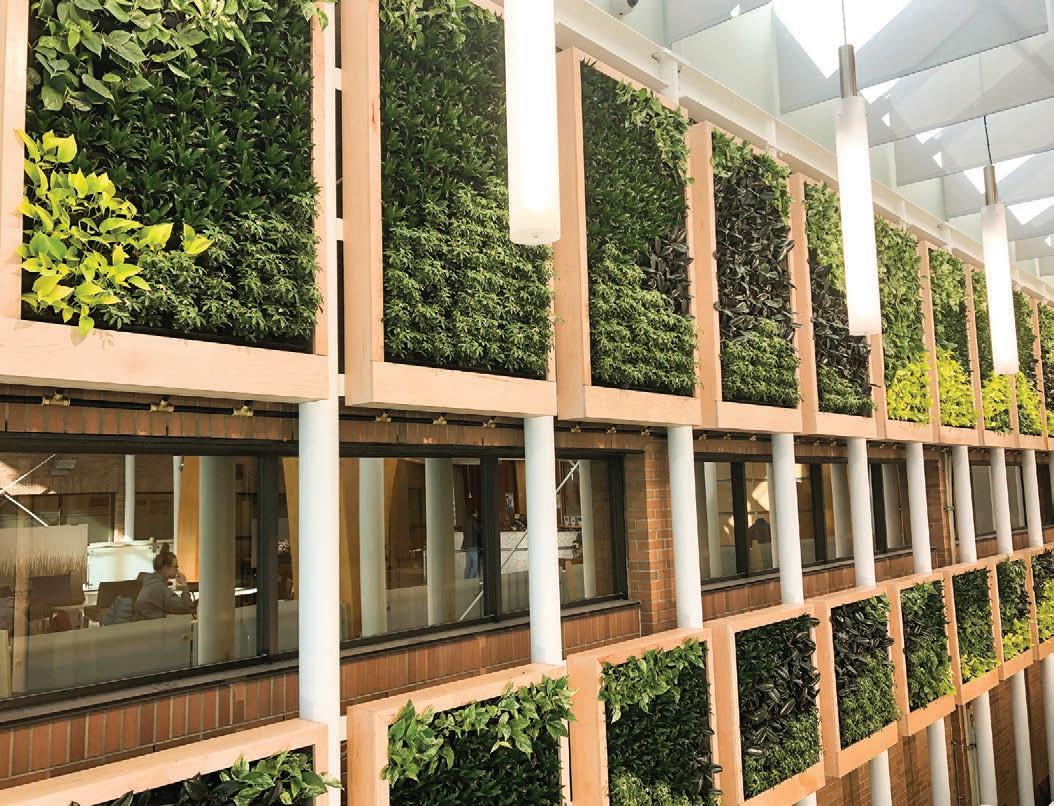


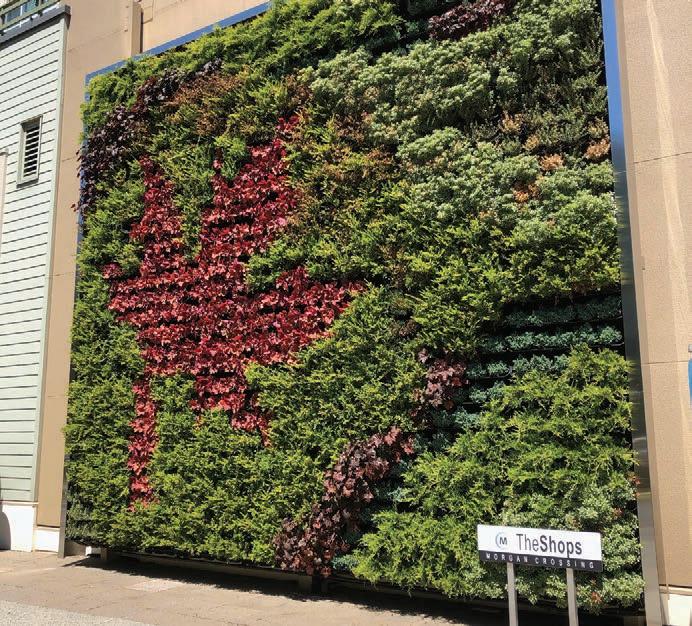


Above Left - Versa Wall picture is “The College of the Rockies” in Cranbrook BC
Above Right- Versa Wall XT is “The Shops at Morgan Crossing” in Surrey BC. GSKY HAS CREATED 1,000 WALLS IN 20 COUNTRIES
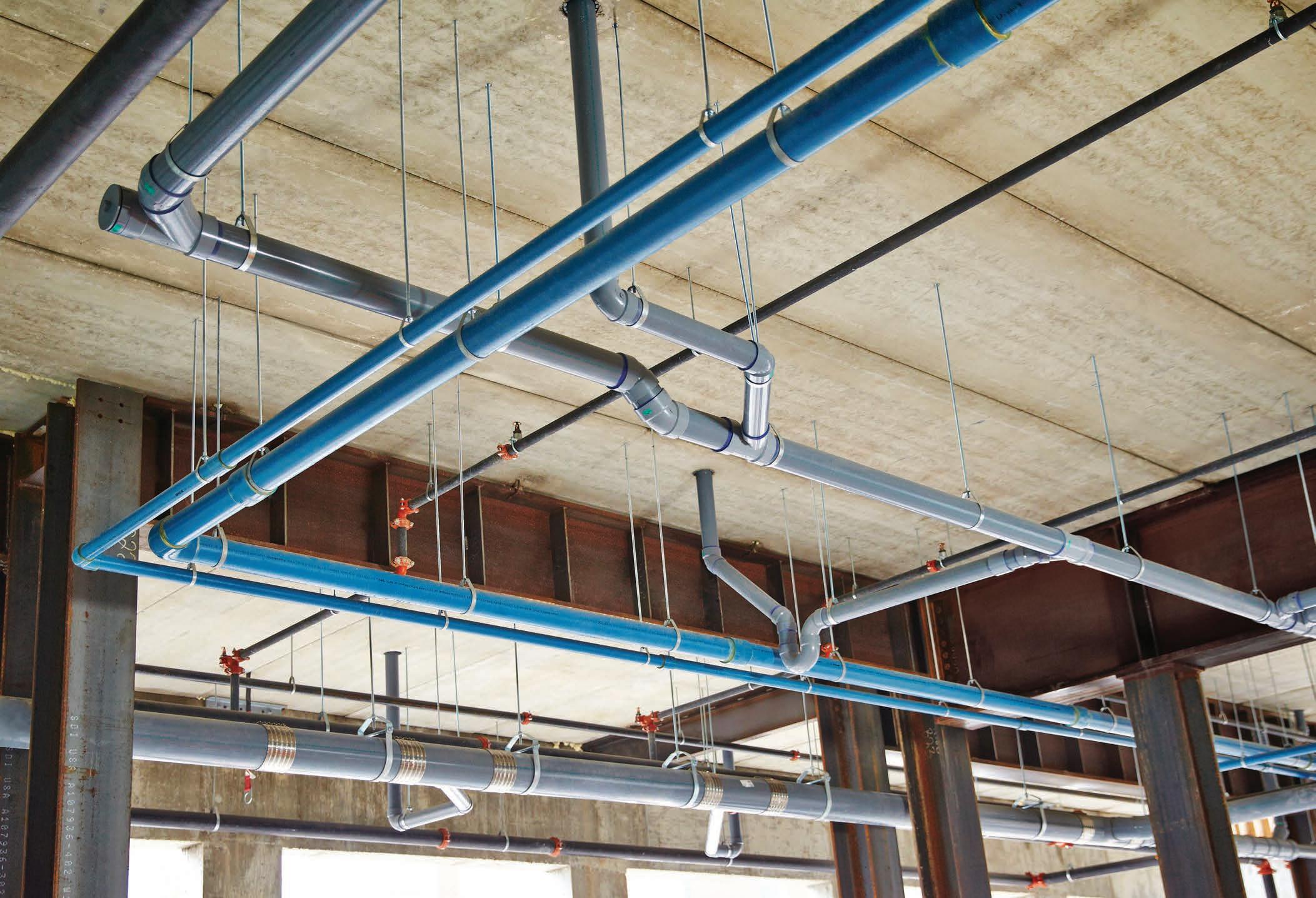



PLAYING IT COOL
Increasingly, HVAC and mechanical companies are expected to fulfill the drive to radically improve energy efficiency in buildings, and 2024 is replete with breakthroughs, new products, and even amalgamations to achieve that goal.
Thermenex’s patented Thermal Gradient Header (TGH) is a game-changer for heating and cooling efficiency, and continues, slowly but surely, to be recognized and accepted as such.
TGH is a hydronic approach to HVAC systems and utilizes a patented piping framework and corresponding standardized control logic. The header is built to serve as the core of an efficient, effective, sustainable HVAC system, and integrating a TGH framework into a holistic HVAC design allows engineers to create a system that outperforms anything else in both energy consumption and carbon emissions.
The curious aspect of this technology is that achieving thermal efficiency using a pipe with hot water at one end and cold water at the other seems counterintuitive. The TGH has six distinct temperature regions that are separated using a simple hydronic design, which allows matching of source temperatures with the variable load requirements of a building.
Jeff Weston, president and CEO of Thermenex, cites the St. Vincent’s Brock Fahrni assisted living pavilion, which won Providence Health Care the International Federation of Healthcare Engineering 2022 Global Healthcare Energy Award, as a showcase for what TGH can achieve. “The latest operational data, which was compared to data from past years, shows that our contribution to this hospital renovation has resulted in an 80 percent carbon reduction and a 60 percent energy savings.”
The momentum of projects seeking Thermenex’s services has allowed Weston to tweak his system with the aim of making it more accessible and easier to grasp for engineers and end-users. “I’m also working on a document that can be used to explain exactly how TGH works without having eyes glazing over,” he says. “And as more and more clients seek to reduce their carbon output, we’re on the cusp of marketing our system across North America, especially to health-care organizations.”
The DualCore technology from Tempeff has proven itself to be a remarkable solution for a wide variety of commercial projects, including the Montreal Planétarium, which was developed to be a showcase of sustainability on multiple fronts. The main energy strategy for the Planétarium was to recycle excessive heat or cooling from an adjacent biodome, which runs on an open-loop geothermal
Innovative products and strategic partnerships drive advancements in mechanical and HVAC systems
by ROBIN BRUNET

system (this wasted energy would supply more than half the Planétarium’s energy needs).
The complementary demands of the two buildings optimizes the use of the geothermal open well system. Extreme weather demands are supplied by high-efficiency gas boilers which also act as an emergency back-up system.
The hybrid ventilation and heat recovery systems manufactured by Tempeff met the acoustic requirements of NC20 while recapturing 85 to 95 percent of the sensible heat energy and up to 70 percent of the latent energy from the exhaust air, both in winter and summer. The fresh-air central system also has a water atomization humidification adiabatic system, which allows low temperature energy usage as a source of heat.
Tempeff’s DualCore system is simple yet enormously effective. It uses two heat exchangers instead of the common single exchanger in conventional units. Outside air goes through one exchanger for a minute or so at a time before switching to the other exchanger, so it doesn’t have time to build up frost.
Tom Todoruk, national sales manager at Tempeff, notes that his company has expanded its success by
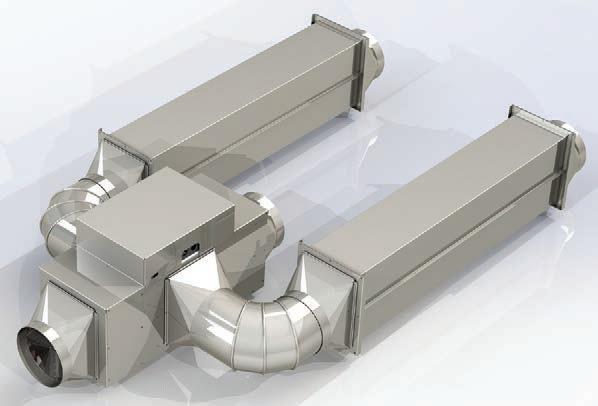
developing a unit that can be placed in residences and small commercial buildings. “The RGSP-K units that have been in use for the past year achieve the same 90-plus percent efficiency as our commercial systems and are very cost effective.” Due to its inherent design, the technology also does not give frost the chance to build up, meaning energy recovery is constant around the clock.
Aqua-Tech is the Canada-wide (excepting Quebec) master distributor for Lochinvar boilers and water heaters. It recently unveiled Lochinvar’s latest
RGSP-K configured unit with DualCore technology.
Thermal Gradient Header installation, Vancouver Island Cancer Centre, Victoria, B.C.
Tempeff’s Driving Innovation on Dedicated Outdoor Air Systems.

Tempeff’s Dedicated Outdoor Air Systems continue to not only stay current with industry changes, they LEED them. Orchestrating sustainability while conditioning the use of 100% outdoor air, and drastically removing outdoor contaminants improving indoor air quality. The use of Tempeff’s DOAS reduces the heavy load on other HVAC equipment to maintain longevity of all equipment, with the benefit of huge cost savings long term.
Find out more about Tempeff’s dedicated outdoor air systems at tempeff.com


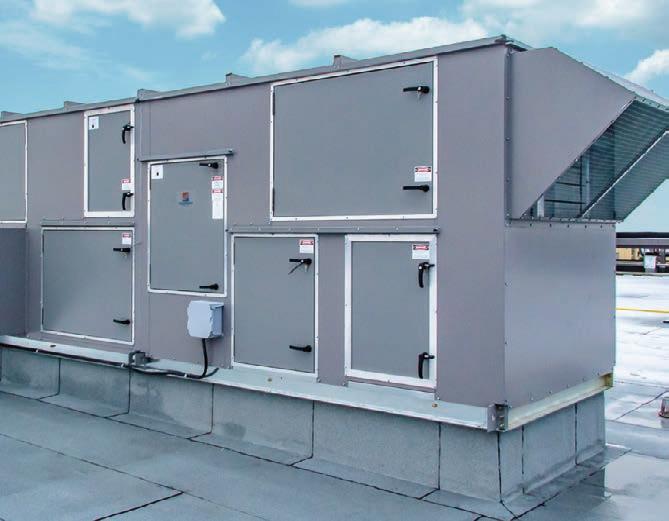
innovation, the Lectrus commercial electric boiler, whose variety of kW inputs and voltage options makes it a great electric option for a spectrum of hydronic heating and indirect hot water applications.
All models in the Lectrus family feature ASME construction, and they are set up and operated with the same interface incorporated in other Lochinvar product lines. Plus, Lectrus’s modulation control board allows for precise boiler control.
Also from Aqua-Tech is the Veritus air source commercial heat pump water heater, in which ECM pumps, coils, refrigerant, fans, and a scroll compressor work together to operate with a high coefficient of performance, optimize heat transfer, and minimize emissions.
Darryl Singleton, president of Aqua-Tech Sales and Marketing Inc., points out that, “One of the lingering concerns in the wake of the COVID lockdowns is security of the supply chain and consistency of product performance, and the unfortunate reality is that so many heat pumps and related equipment come from offshore. But Veritus, which was launched in March, is a domestic product using North American components; it was showcased at the CMPX Trade Show and was so well received that already we’ve got jobs in the light commercial sector calling for its installation, in Alberta and Ontario.”
Singleton adds, “there’s definitely an interest in products made in North America that exhibit good design and deliver consistently on performance.”
In February, MCW Custom Energy Solutions Ltd. announced that it will be a delivery partner for
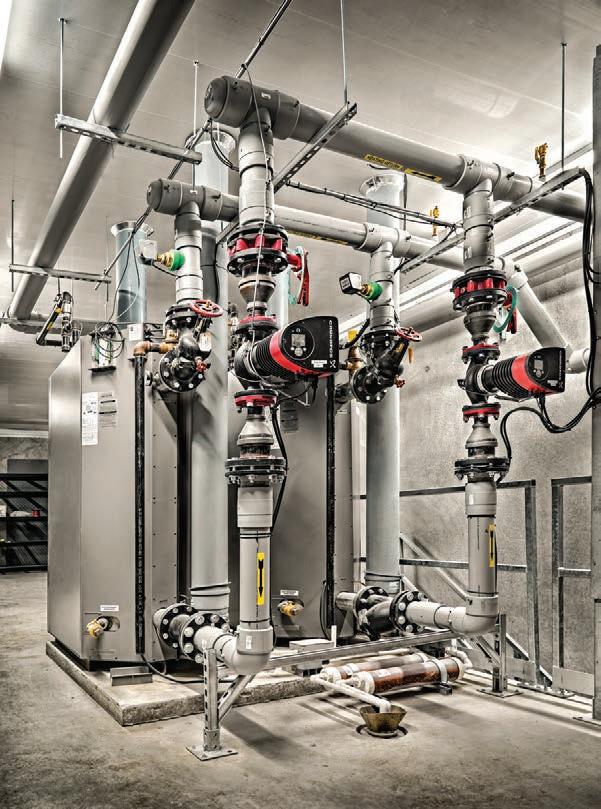
University of Toronto’s Project LEAP, a $138-million initiative whose goal is to cut annual greenhouse gas (GHG) emissions on the St. George Campus by over half. This will be accomplished through strategic heating electrification, thermal energy recovery and redistribution, and retrofits across many of the campus’ most energy-intense buildings.
Through joint efforts by MCW’s Toronto, Moncton, and Winnipeg offices, the detailed study phase of Project Leap was completed last November and the implementation phase has begun; detailed design started in earnest in January 2024, and construction on site is set to begin in the summer.
MCW, which specializes in the design, development, and delivery of engineered, single-source Energy Performance Contracts (EPCs) throughout the Canadian Public Sector, is no stranger to such initiatives. In partnership with the University of British Columbia, MCW implemented what was at the time (2003) the largest single-phase energy management project ever undertaken by a Canadian university at the Vancouver campus. The project included major improvements to the central steam plant and distribution system in order to reduce GHG emissions; the replacement of steam absorption chillers with high-efficiency electric chillers; metering utilities; and the installation of low water consuming plumbing fixtures.
More recently, MCW CES delivered an Energy Performance Contract in Dalhousie University’s Sir Charles Tupper Medical Building & Clinical Research Centre. The project achieves energy savings through conservation and facility renewal improvements to mechanical, electrical, and building systems in the facilities. The results of this EPC were an impressive reduction in the complex’s energy consumption and costs (formerly the highest energy intensity on Dalhousie’s Halifax campuses) and an improved indoor environment for the Faculty of Medicine. A


Crest Condensing Boiler from Lochinvar.






Watertight Solutions
A deep dive into revolutionary waterproofing products currently making waves
by ROBIN BRUNET
Product development continues to be intense in the waterproofing realm, for the simple reason that water ingress is the biggest potential hazard for any type of enclosure, whether it is a building or sub-surface infrastructure.
One prominent solution continues to be crystalline technology. The products from Xypex Chemical Corp. have for over 50 years been trusted by designers, engineers, and contractors to resist hydrostatic pressure, permanently seal hairline cracks, and reactivate and selfheal whenever water is present, thanks to creating a crystalline structure deep within the concrete to prevent penetration of liquids.
Xypex recently released a new product that incorporates crystalline waterproofing for a new environment. Xypex Bio-San protects concrete in harsh sewage conditions where hydrogen sulphide causes microbial induced corrosion, by combining potent antimicrobial properties with Xypex crystalline waterproofing technology.
Xypex Bio-San contains mineral solids that remain permanently fixed within the concrete throughout the life of the sewage structure. These kill acid-generating microbes such as Thiobacillus, and combined with Xypex’s crystalline technology, Bio-San protects concrete from infiltration and exfiltration as well as resisting acid and sulphate attack.
Xypex Bio-San is recommended for use in sewage systems especially in areas where hydrogen sulfide gas is likely to accumulate. This includes sewer lines with long retention times (flat, long, low flow) and sealed or unvented manholes.
Another new product from Xypex is Xypex Megamix II with Bio-San, a resurfacing mortar specifically designed for the restoration of deteriorated concrete surfaces caused by microbial induced corrosion, abrasion/erosion, and chemical attack. It is formulated for ease of application, superior bond, low shrinkage, high strength, and resistance to microbial, acid, and sulphate attack. This single component mortar can be spray or trowel applied at a thickness of 10 to 50 millimetre per layer.
Master Builders Solutions, a leading manufacturer of concrete admixtures, approaches waterproofing in two ways. This first employs pre-injection and post-injection technologies to stop unexpected water ingress and poor ground conditions during mining and tunneling operations. Secondly is Master Builders’ crystalline waterproofing to help achieve watertight concrete structures. The MasterLife 300 series are integral crystalline capillary waterproofing admixtures designed for use in above- and below-grade applications to reduce concrete permeability and help seal hairline cracks, should they occur.
However, crystalline products in and of themselves are not sufficient to achieve proper waterproofing. John Andersen, territory manager, Western Canada, at Kryton International Inc., says, “A challenge I see on jobsites is a disconnect between the design and construction people and the people actually installing products. Part of this is due to ongoing labour shortages and unskilled workers assigned to complex tasks, resulting in a lot of things crucial to waterproofing systems being missed – despite everyone’s best intentions and efforts.”
To avoid reports of installation deficiencies, Kryton is increasingly becoming involved early in the design stages of building development, to review specifications and subsequently give site support. “Under our Krystol Assurance Program, our technical teams are kept busy, but one advantage is that our reach is international thanks to site meetings and even product installation
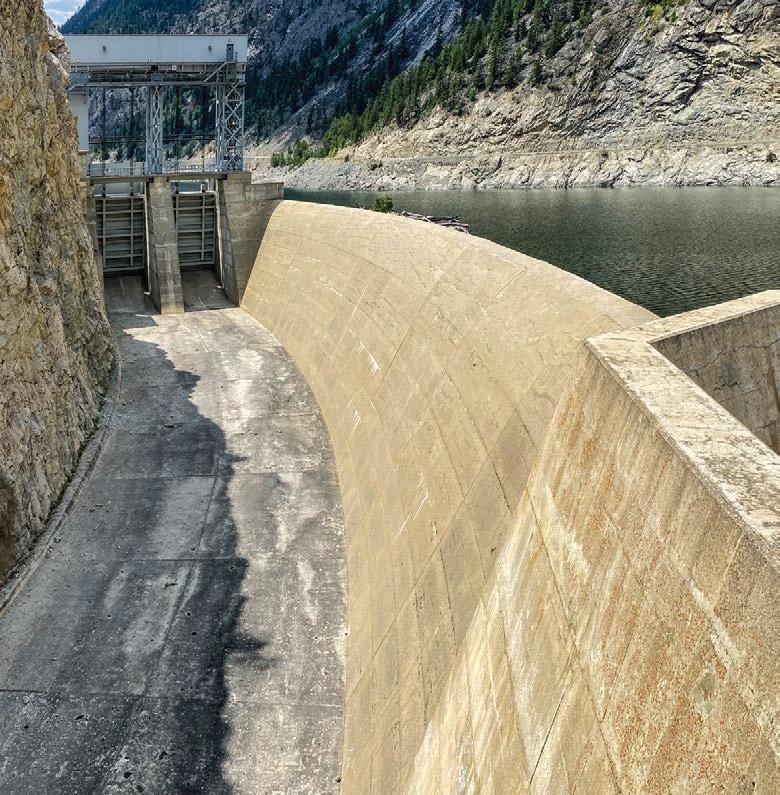
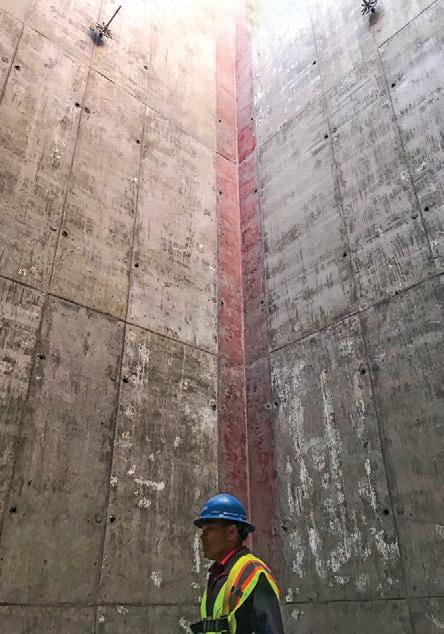
demonstrations being conducted via Zoom and other online platforms,” Andersen says. “It’s easy for us to conduct reviews and train installers, and this results not only in a sound waterproofing system with Kryton products, but it also advances the skillsets of new labourers.”
This is a crucial service considering the importance of waterproofing in many of the projects Kryton is relied upon to provide, such as remediating the deterioration that had occurred over 55 years at the Seton Canal in Lillooet, B.C. Kryton’s crystalline waterproofing and repair products were chosen for their long history and proven reliability; the walls and floor of the canal were pressure washed in sections, cracks and spalls were repaired, and the surfaces were coated using Kryton’s Krystol Crack Repair and Surface Treatment system. Over 11,000 kilograms of Kryton’s repair products were used to restore and waterproof the massive concrete structure.
In a related development, Kryton offers an extended service package for its products, “plus our crystalline waterproofing products have extended warranties for high-risk projects,” according to Andersen.
Jasmeet Deol, senior manager, product marketing at Holcim Building Envelope, points out that a well-developed roof system “is an integral component to waterproofing, and our Elevate SA product is part of a waterproofing system that continues to eliminate a lot of waste and helps contractors save time on the job, in addition to its remarkable performance merits.”
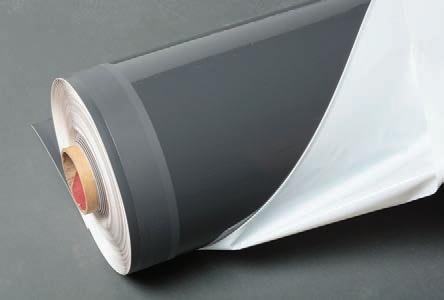
Deol is referring to Elevate’s portfolio of self-adhering membranes that install faster than traditional application methods and with fewer people required. Specifically, Elevate’s single-ply self-adhering membrane can be installed up to four times faster depending on site circumstances (RubberGard EPDM SA and UltraPly TPO SA can reduce man hours by up to 77 percent per square on membrane installation). Plus, since the Elevate portfolio is free of VOCs, it means there is no intense odours during application enabling businesses to stay open and occupied.
As for performance, both RubberGard EPDM SA and UltraPly TPO SA install in temperatures as low as minus seven Celsius. Secure Bond Technology ensures uniform adhesion coverage across the entire membrane and helps widen the installation weather window. Moreover, any piece of membrane can be cut and used for detail applications, thus eliminating waste.
Xypex Bio-San, River Islands Sewage Pump Station, Lathrop, CA.
Krystol Crack Repair and Surface Treatment system, Seton Canal, Lillooet, B.C.
UltraPly TPO SA.
W. R. Meadows, Inc. designs, manufactures, and markets high quality building materials; its expertise in the waterproofing realm is well known, and one new product recently rolled out is the Knightshield range of roof coatings for roof restorations.
The Knightshield line is a practical alternative for reviving different types of roof membranes, systems, and substrates, as opposed to undertaking the financial and logistical challenges of full roof replacements. The collection comprises an array of products, such as high solids, silicone roof coatings, walk-pads, primers, and cleaners. The products within this line are designed to work in tandem with each other, establishing a full-fledged, warrantable system.

Jonathan Speaks, Knightshield business manager – roofing, says, “By focusing on real-world challenges, we’ve engineered solutions that transform and extend the life of existing roofs.”
Knightshield follows the earlier release of two water-based sealers with active silane content: Pentreat 244-40 W/B with 40 percent silane content and Pentreat 244-20 W/B with 20 percent silane content, both water repellent sealers for reducing chloride-induced rebar corrosion, scaling, spalling, and freeze-thaw damage.
With regard to coatings, different chemical formulations lay claim to being the most popular for specific applications. Elastochem specializes in bringing outstanding polyurethane and epoxy-based materials for a variety of industries, and its Hygrothane waterproofing membrane is the only Polyurea waterproofing system on the Canadian market that meets and exceeds the Bitumen Standards for Roofing as well as the National Building Codes.
Developed as a result of Polyurea quickly becoming the waterproofing coating of choice in commercial, industrial, and residential applications, the fast-curing Hygrothane’s many benefits include its use as a coating for foundations, roofs, and other surfaces. Also, Hygrothane is seamless, eliminating

conventional seams that are subject to high failure rates (there is no limit on pass thickness, and it can also bridge cracks and seals joints).
Additionally, Hygrothane bonds well to a variety of substrates, including green concrete, metal, and wood. It is also extremely compatible with ICF blocks, plus it is applicable to substrate temperatures as low as -5°C, regardless of ambient air temperature.
Flexstone Coatings Inc.’s showcase product is the Flexstone multi-layer system that provides lifetime waterproofing for sundecks, flat roof decks, garage floors, and other surfaces. This waterproofing solution is not a paint-on thin film, or roll-on coating: Flexstone lasts decades and was developed to stand up to harsh Canadian climates.
New to Flexstone is a FSC Polyaspartic clear coat that Demi Christou, general manager at Flexstone, says, “is easy to install because it is a single-component coat, no mixing, which also means no catalyst and no wasted materials because once you’re finished with a coating job and there is product left over, you simply seal up the can and use it later.”
Christou describes polyaspartics as a sensible middle-ground between urethanes and epoxies; polyaspartic membranes are quickly becoming the most popular coating option for concrete patios on grade, garage floors, and many other floors. “They’re incredibly strong, easy to apply, and eloquently fill the gaps between what urethanes and epoxies can do.”
The FSC clear coat is designed to withstand heavy abuse, making it an outstanding solution for nearly any flooring job, from residential garages and showrooms, to vehicle parkades, retail floors, or even warehouse environments. “The FSC Aspartic also cures in two hours or 48 hours for vehicular traffic, which helps mitigate any dust, debris, bugs, or other shrapnel from sticking to the surface during the drying period,” Christou says. A

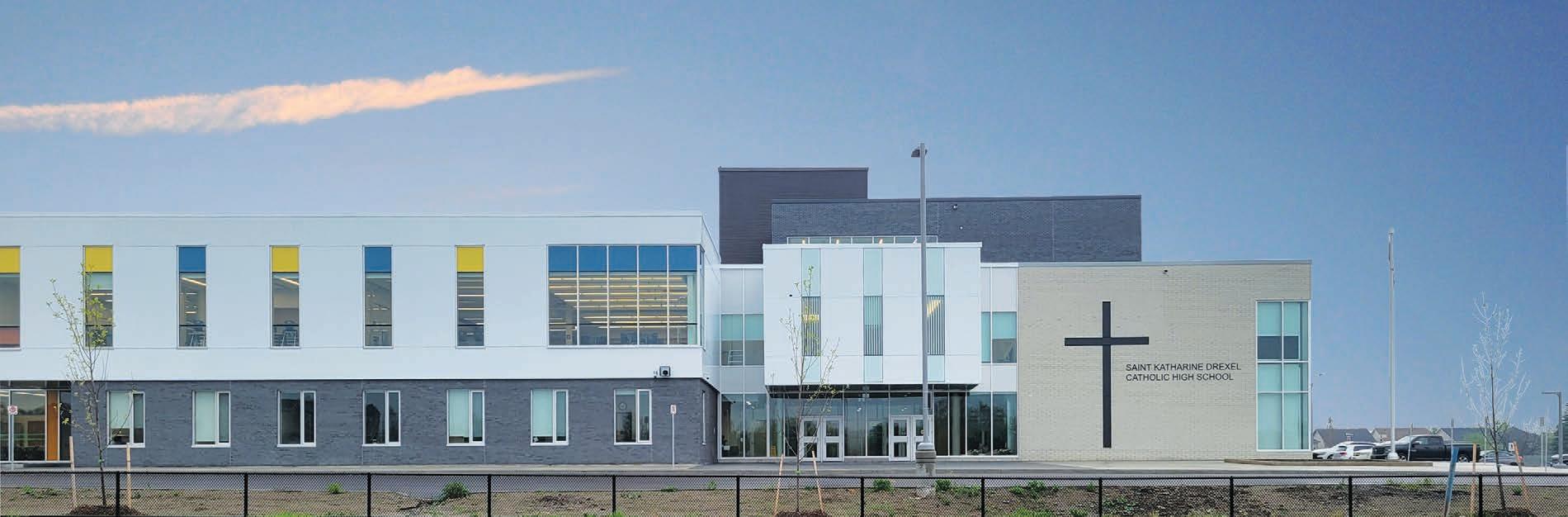
STOUFFVILLE MULTI-USE FACILITY
by NATALIE BRUCKNER
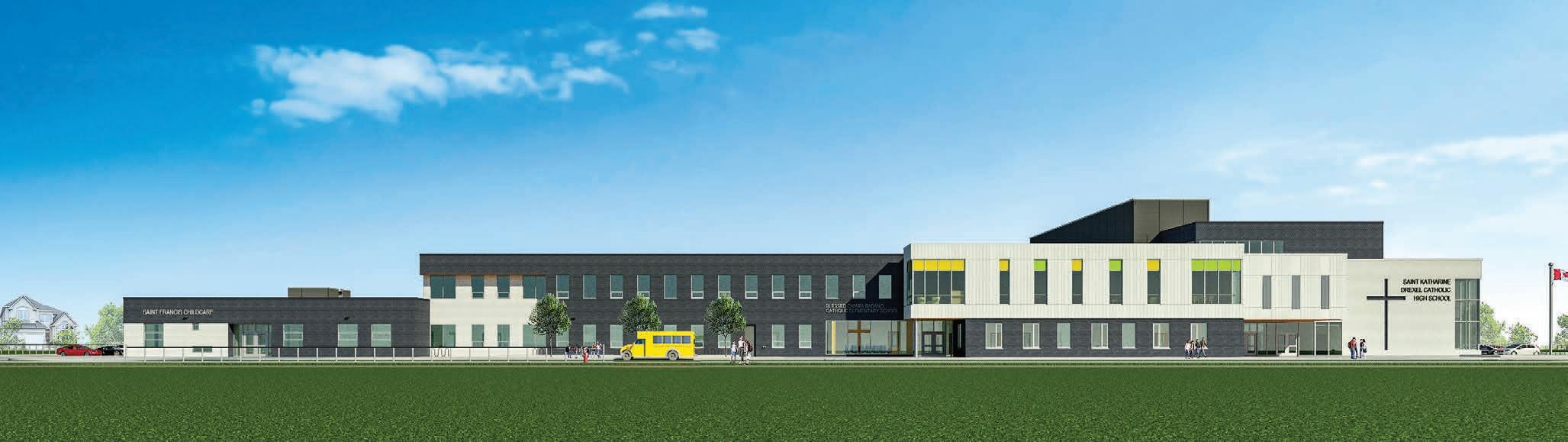
In the rapidly growing community of Whitchurch-Stouffville, Ontario, a beacon of educational excellence rises from what was once sprawling farmland. The new Stouffville MultiUse Facility stands as a testament to perseverance, innovation, and community spirit.
“It was almost 10 years ago that we began the application to the Ministry of Education for a new school,” recalls Elizabeth Crowe, chair of the York Catholic District School Board (YCDSB). “Our schools were massively overcrowded. We needed an opportunity for at least another elementary school, plus the community didn’t have a high school. We wanted to develop a unique solution to alleviate the overcrowding in the elementary and have a high school in the area.” With the community’s diverse needs in mind, the vision for the new facility also included provisions for French immersion programs and a daycare.
After years of planning, the Ministry of Education granted final approval for the construction of the multi-use facility in late 2021. Spanning an impressive 153,085 square feet on a 15-acre property, the facility – which consists of a threestorey High School, a two-storey Elementary, and a one-storey daycare – is set to become a cornerstone of education in Stouffville.
CS&P Architects had been brought on early in the process to work with the developer and get site plan approval. “We started off with visioning sessions with trustees, the superintendent of education, chair of the board, and the director of education to understand how important this project was,” explains Maureen O’Shaughnessy, principal, CS&P Architects. “It’s a hugely communityfocused school, from infants all the way to grade 12. The design was meant to indicate that.”
The site, once fertile farmland, presented its own set of challenges and
opportunities. Frank Perricone of Percon Construction explains: “The site was originally farmland, so the only challenge was a slight issue with some bearing capacity for the footings, but that got resolved fairly quickly.”
As visitors approach the facility, they are greeted by an L-shaped building, with the upstairs chapel serving as a focal point where the wings converge. “The exterior design relies on a combination of masonry cladding,” says Hamza Alhbian, architect, CS&P Architects. “The lighter material is where you find the communal spaces like the learning commons and the cafeteria, and the darker material is for the general educational spaces.” Perricone adds, “The architects did an amazing job of breaking up the massing using a variety of materials.”
Stepping into the main entry of the Facility, visitors are welcomed into a vibrant space that epitomizes the intersection of education and community engagement. Designed as the secondary school entry, this central hub serves as a bustling nexus of activity, embodying the facility’s commitment to inclusivity and collaboration. “When you walk into the main entry of the school you are immediately in a place that has all those community uses. It’s a dynamic space,” explains O’Shaughnessy.
Here, at the “knuckle” of the school, a diverse range of amenities awaits, including a triple gym, a performance commons, and the school cafeteria. This strategic layout ensures that the facility caters to the needs of students, staff, and the wider community, fostering a sense of belonging and connectivity. With the elementary wing extending from one side and the secondary wing from the other, the main entry serves as a unifying space.
Inside, Alhbian explains that the use of steel provides not only structural integrity but also future flexibility to adapt to evolving educational needs. Throughout the facility,
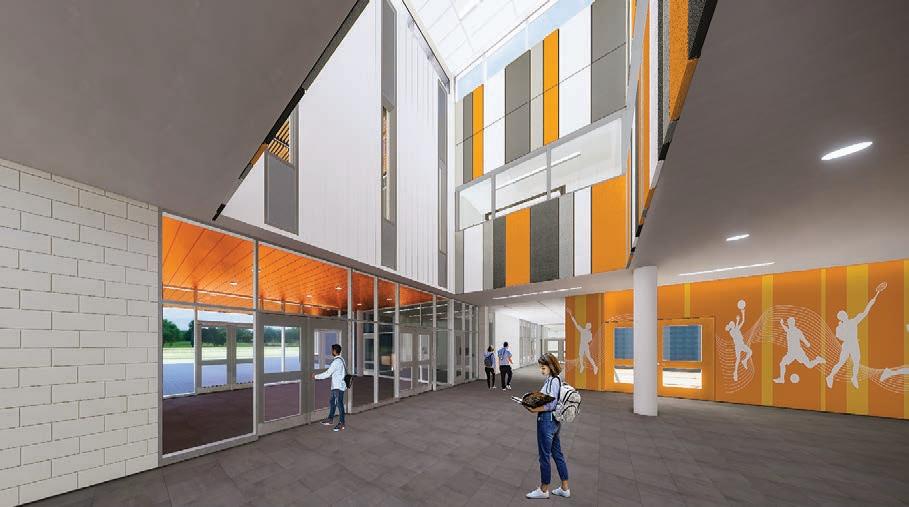
strategic use of colours and natural light serve as a guiding beacon, aiding wayfinding and enhancing the learning experience. “A lot goes into developing the palette for schools,” Alhbian explains. “We used a more neutral palette and strategically used colours and accents to highlight special areas, like breakout and collaboration areas.”
The learning commons emerges as a centrepiece of innovation – a versatile space that seamlessly transitions between multiple uses and activities.
“The learning commons is definitely a highlight,” emphasizes Crowe. “It has two zones all in one open continuous space. It can be an instructional space or a space to hang out. It really can be so many different things at the same time.”
The triple gymnasium is another highlight of the project and it is here that the identity of the two schools comes together, with school logos on the floor and identifying colours.
Back outside, the Facility boasts a plethora of recreational amenities, including a full running track, soccer pitch, and versatile playing areas, blending hard surfaces with lush grassy expanses to accommodate various sports and outdoor activities.
O’Shaughnessy reflects on the collaborative efforts that have brought the Stouffville Multi-Use Facility to fruition, emphasizing the importance
of strong relationships and a shared vision. “There were some really good relationships that informed this building that made it great,” she observes. “A real desire to work together to create something special. And to have that vision built and them now occupying it is the most exciting part for me.”
Crowe concludes: “The feedback I have received from touring groups has been great. They are amazed at the amount of natural light that comes into the school, which creates such a wonderful learning environment. We are excited about our fall opening.” A
LOCATION
55 Meridan Drive, Whitechurch-Stouffville, Ontario
OWNER/DEVELOPER
York Catholic District School Board
ARCHITECT
CS&P Architects
GENERAL CONTRACTOR
Percon Construction
STRUCTURAL CONSULTANT
Stephenson Engineering Ltd.
MECHANICAL/ELECTRICAL CONSULTANT
MNE Engineering Inc.
LANDSCAPE ARCHITECT
MWLA Landscape Architects
TOTAL SIZE
153,085 square feet
TOTAL COST
Undisclosed
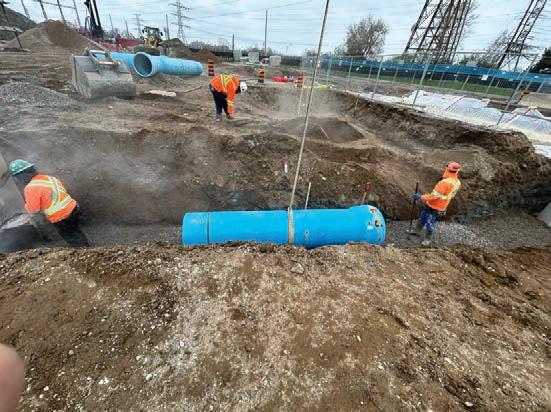
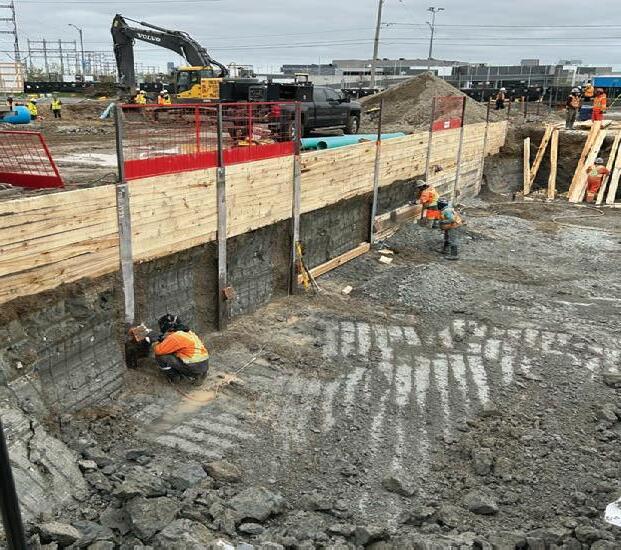
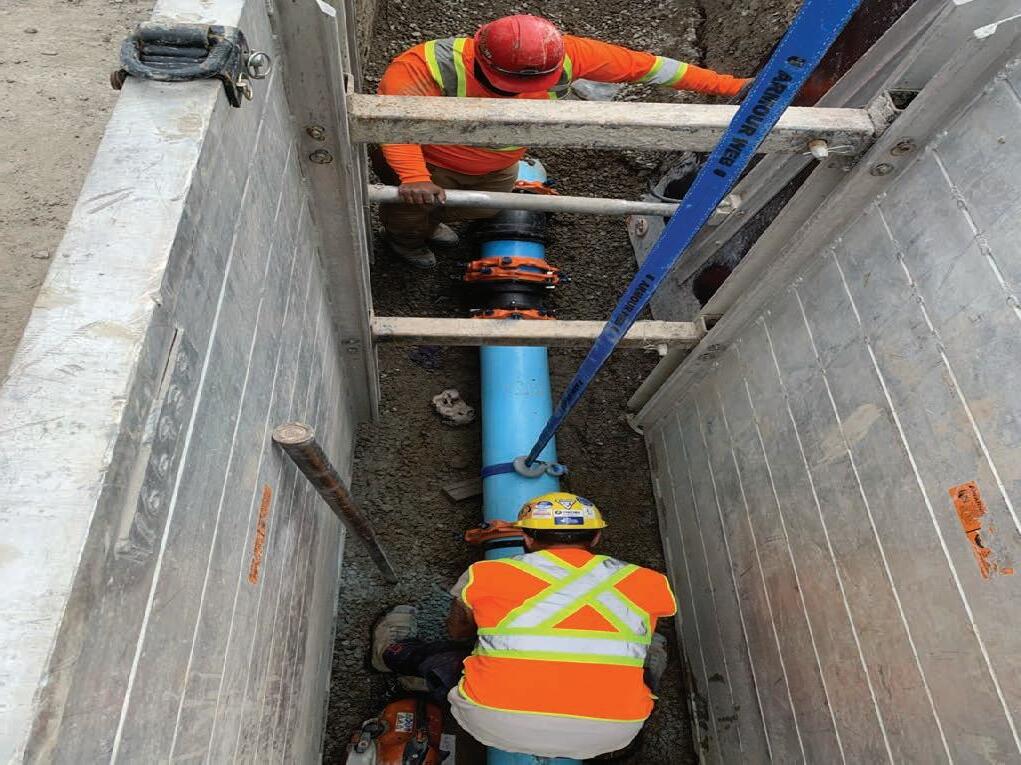
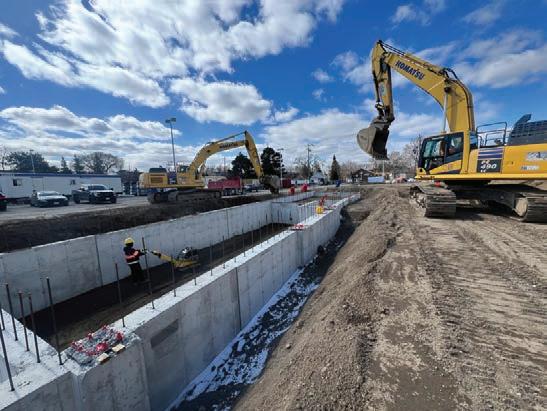
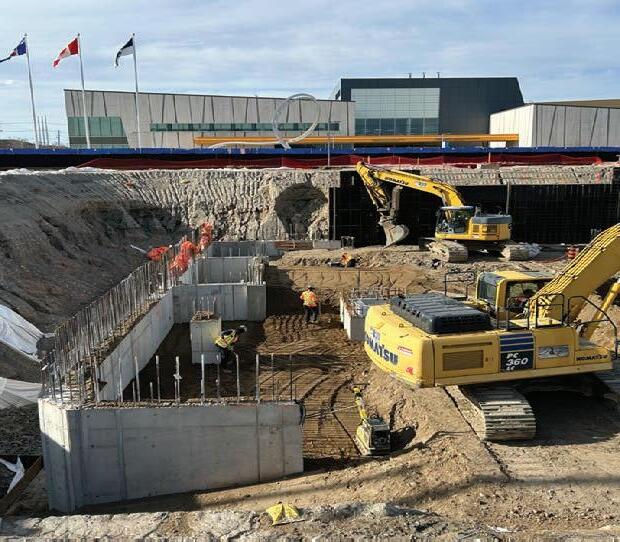
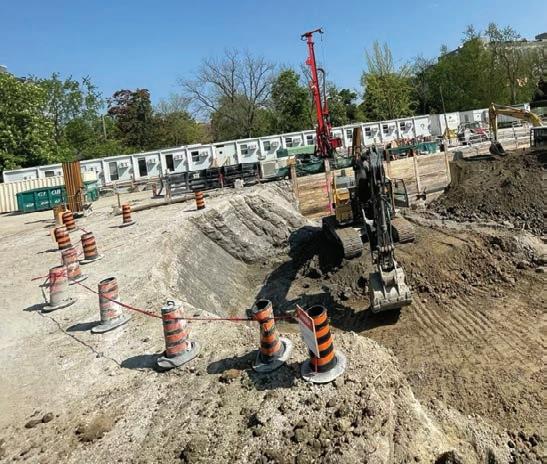
Our proficiency in large scale projects, high profile projects and any other challenging projects makes us the ideal partner for your next project.
“CONGRATULATIONS TO PCL CONSTRUCTORS CANADA ON THE SUCCESSFUL COMPLETION OF THE LAKERIDGE GARDENS LTC PROJECT.”
We are committed to enhancing our capabilities across all our divisions in order to effectively address the evolving needs of our clients, through a continuous process of diversification.
ARZANI CONSTRUCTION INC. DIVISION
OF AGC (Arzani Group of Companies) THE PROUD PARTNER FOR THE EARTHWORK OPERATION.
Proud Trade partner with PCL for the CAMH Research Building project, Proud Trade partner with EllisDon for the Trillium Health Partners Broader Redevelopment (Queensway Health Centre) and Scarborough Academy of Medicine and Integrated Health (UTS SAMIH) projects, Proud Trade partner with Atlas Constructors for the Scarborough Gardens Arena project and many more.







Trillium Hospital Q-site Project (Excavation)
Trillium Hospital Q-site Project (Site Servicing)
UTSC Parking Project (Excavation)
CAMH Project (Excavation)
UTS SAMIH Project Project (Excavation)
Scarborough Gardens Arena Project (Excavation)
CAMH Project (Site Servicing)
BRAMPTON COURTHOUSE ADDITION & TORONTO REGION BAIL CENTRE
by ROBIN BRUNET
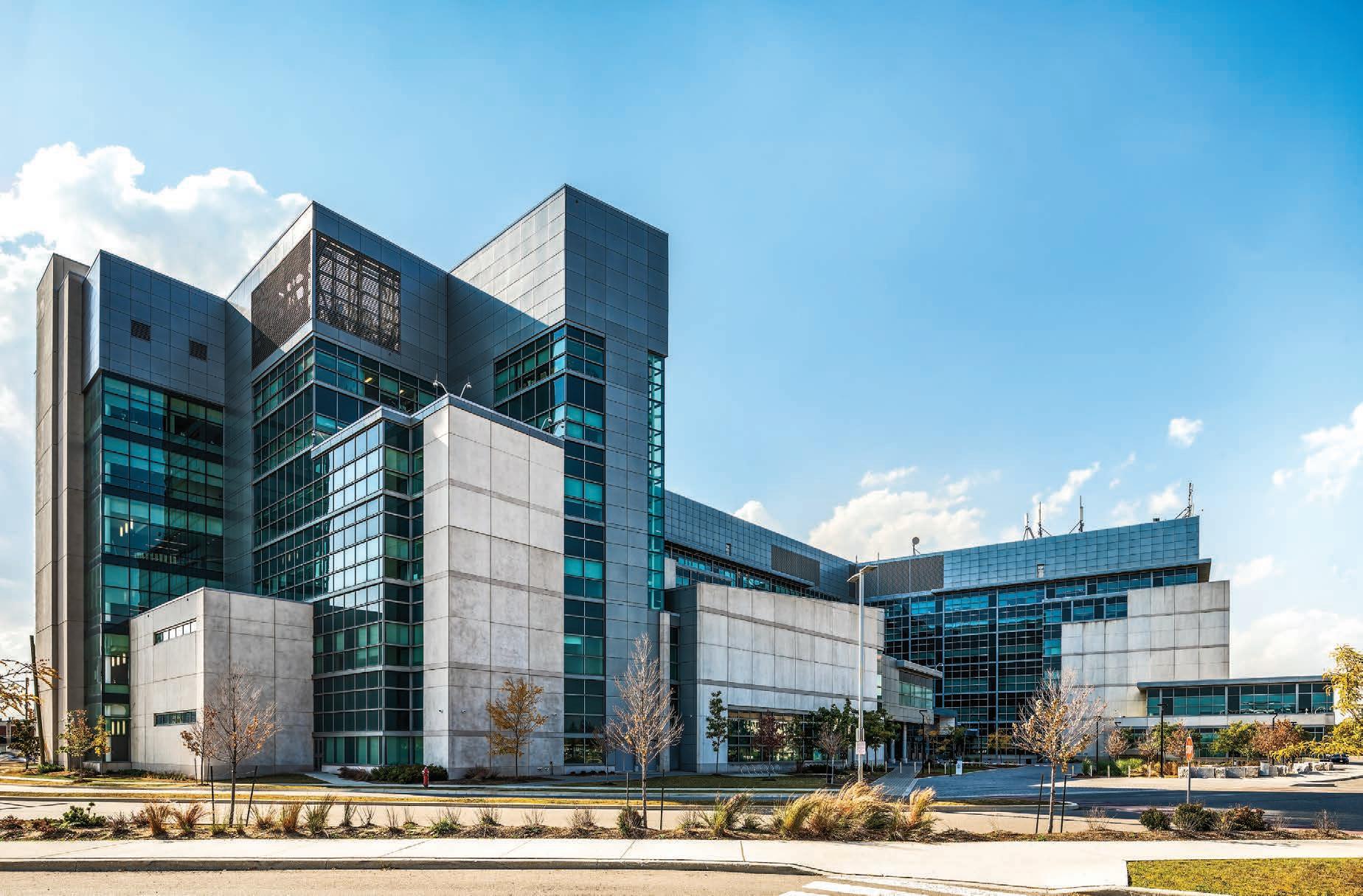
According to Infrastructure Ontario (IO), the A. Grenville and William Davis Courthouse in Brampton is the busiest courthouse in the province; and to address growing courtroom pressure, a twophase project to build an addition to the existing building was approved eight years ago. The first phase consisting of a six-floor addition plus partial fit-out was completed in 2020.
Phase 2 involved the fit-out of floors three to six of the addition at Brampton, as well as the partial renovation of the existing courthouse (level 1, 5, and 6), the adjacent Land Registry building. The Phase 2 project was bundled with the renovation at the Toronto Regional Bail facility at 2201 Finch Avenue West. “Following an extensive delivery options analysis process, IO recommended that a bundled P3 DBF [design–build–finance] model was the most suitable approach for successfully delivering these two facilities,” says Abbas Mehdi, senior project manager at Infrastructure Ontario.
The Land Registry building updates included the renovation of the ground floor to create public service counters and offices for the small claims courts. A security
screening station was added along with administrative and amenity space. The Bail Centre work involved renovating existing courtrooms to add private telephone consultation rooms, the addition of new holding cells, and new consultation cubicles to address capacity issues, upgrading the existing consultation cubicles, and renovations of the intake court areas so they met current MAG standards.
David Clusiau, vice president, design, at NORR, says of Phase 2’s facilities, “In both cases the approach was to work in harmony with the existing complex, reinforcing the architectural expression as a dignified and welcoming public environment, while maintaining overall building continuity and aesthetic cohesion.”
Considerable stakeholder input was focussed on maximizing the efficiency of layouts, ensuring that spaces were functional and incorporate accessibility. “At the Brampton Courthouse, the architectural expression had been established by the original build and was reinterpreted and modernized in an earlier phase of the renovation/addition project,” Clusiau says. “This approach was extended into Phase 2. Where areas were being completely redone,
such as the public counters, a fresher and more contemporary approach and material palette was adopted.”
Mehdi says the primary goal of Brampton Courthouse Phase 2 was to improve the client experience, increase courtroom capacity, provide modern technology, and refresh and expand administrative spaces: “The newly fit up courtrooms and administrative spaces reflect the architectural expression established in Phase 1 and included finishes and design components that reflect courtroom decorum in accordance with provincial ministry standards.”
Clusiau describes the renovation of the Toronto Bail facility as “pragmatic and surgical interventions of a small scale, completed throughout the complex. Design clues were taken from the surrounding space to ensure that continuity was maintained.”
Clusiau goes on to note that the biggest challenge his company tackled was meeting new accessibility standards in the existing buildings, “and to reach a satisfactory resolution required a persistent exploration of alternatives as well as a negotiated process with the client as to what was achievable within the limitations of the existing building.”
LOCATION
7755 & 7765 Hurontario Street, Brampton, Ontario (Brampton Courthouse) 2201 Finch Avenue West (Toronto Regional Bail Centre)
OWNER/DEVELOPER
Infrastructure Ontario
ARCHITECT/INTERIOR DESIGN NORR
DESIGN BUILD FINANCE CONTRACTOR Pomerleau Inc.
STRUCTURAL CONSULTANT Entuitive
MECHANICAL/ELECTRICAL CONSULTANT Smith + Andersen
ACOUSTICAL CONSULTANT Thornton Tomasetti
TOTAL SIZE
160,400 square feet
TOTAL COST
$82.3 million
Dare to Accelerate Change
BUILDEX







Construction, which primarily took place after business hours, involved the creation of temporary swing space and the relocation of numerous departments to facilitate the construction activities. The transition planning required a thoughtful, multi-staged phasing strategy, and Pomerleau and NORR collaborated to develop and refine it throughout the construction period.
Mehdi says, “Maintaining constant communication and close collaboration between site operations and the project management team and building occupants was required throughout the project.”
The Toronto Region Bail Centre reached interim substantial completion in December 2022 and the Brampton Courthouse Addition reached substantial completion in December 2023. “This project serves as another testament to the advancement that IO and our partners consistently achieve, despite ongoing challenges confronting the industry across the world,” Mehdi says. “Considering how busy the courthouse is on a day-to-day basis, it’s great to see the impact of the expanded and renovated spaces that ultimately help accommodate the growing needs of Ontarians in the region.” A
MIRVISH VILLAGE
by ROBIN BRUNET
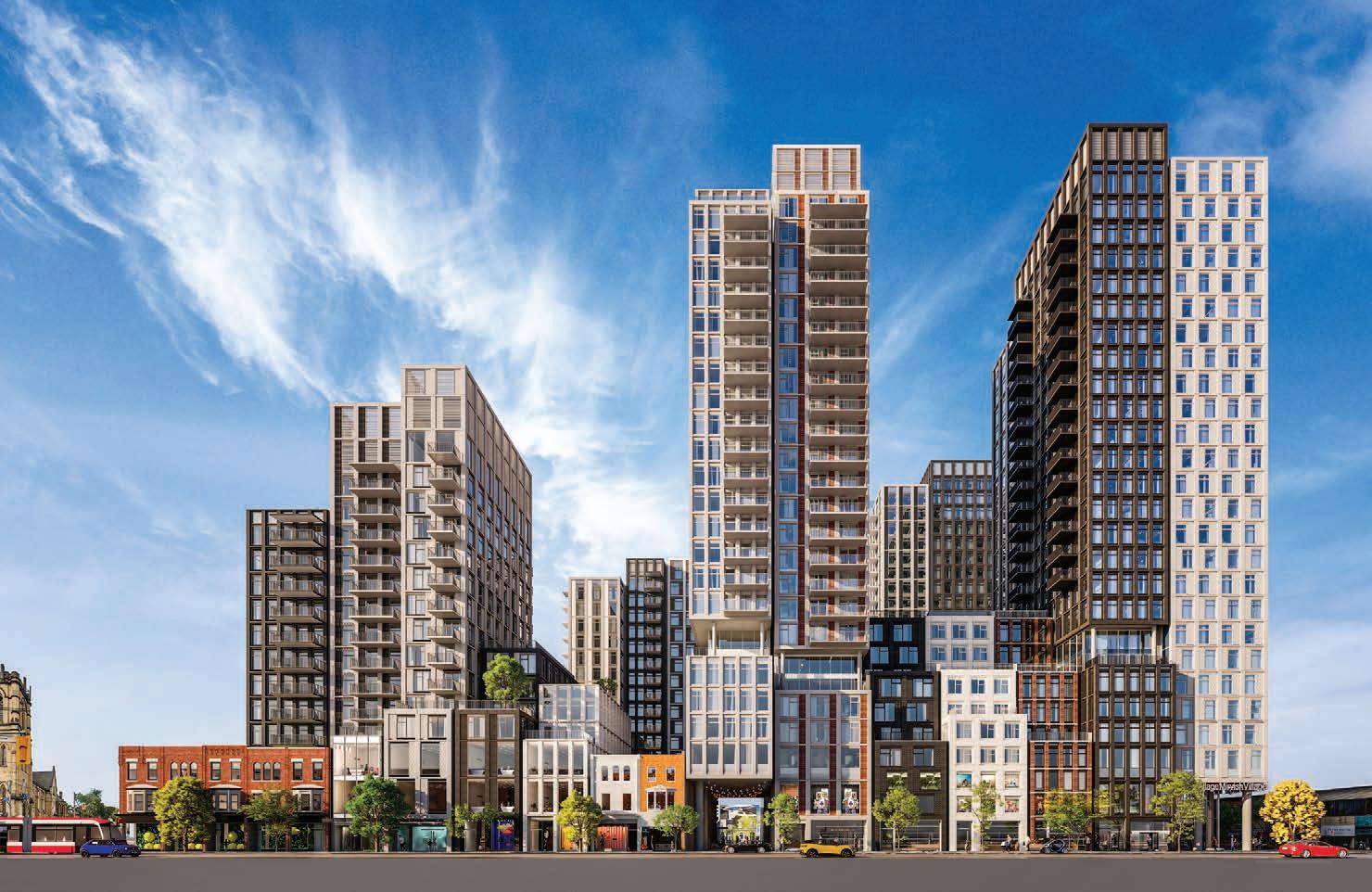
Long-time Toronto residents fondly remember Honest Ed’s as being a place that for decades brought the community together with festivals, street parties, and food. Historically, the immediate surroundings were also home to an artists’ colony and for Jewish, Italian, Portuguese, Jamaican, and other immigrants.
When Westbank and Peterson purchased the site from the Mirvish family in 2013, they understood its importance. Over three years of planning, they engaged upwards of 30,000 Torontonians on their proposal for the redevelopment of Honest Ed’s into Mirvish Village (named after the store’s founder, Ed Mirvish), working with the community to ensure the Village would continue the site’s legacy as a community hub.
When designing the project, rather than create a single monolithic building, Westbank and Henriquez Partners Architects were inspired by the smaller floorplates so abundant in Tokyo and came up with a design integrating varying façade typologies, including low- and mid-rise buildings and a series of micro-towers. The resulting project is of a fine grain character, conserving 24 heritage buildings across the 4.5-acre site and restoring two heritage facades, effectively creating narrow shop fronts at street level that form the character of the new buildings.
Additionally, the project encompassed the restoration of Markham Street as a pedestrian-focused thoroughfare of boutiques, restaurants, and a new public park. When completed, Mirvish Village, with nearly 900 rental homes, will be home to over 2,000 Torontonians – and will be
designed to LEED Platinum ND standards and Toronto Green Standard Tier 2 designations.
With Henriquez as the master planner responsible for creating the overall vision of Mirvish Village, Diamond Schmitt Architects was retained as the executive architects. “Also on board was ERA Architects who acted as our heritage architects, as well as Batay-Csorba Architects,” says Diamond Schmitt principal Donald Schmitt, adding that the latter designed the 30,000-squarefoot indoor/outdoor Mirvish Village Kitchen and Music Venue. “Westbank wanted this project to have a mix of different design strategies, in keeping with the complex’s mixed-use vision.”
As the heritage consultant to the project, ERA undertook extensive research and prepared a multi-faceted heritage interpretation strategy, contributing to the overall goal of achieving balance between heritage conservation and renewal.
Five buildings, ranging from eight to 28 floors, were dedicated to the residences (including 366 affordable units) and incorporated into the Village tapestry, which Henriquez points out is infused with echoes of the past, “including the bazaar-like quality of Honest Ed’s in the new Market, the narrow 19th and 20th century store frontages on Bathurst Street in the towers, and the theatricality of Honest Ed’s signage in the new alley.” Adaptive re-use and landscaping also conserved the intimate scale of Markham Street and its turn of the 20th century buildings.
Construction commenced on the residential and retail components in 2017, and soon five tower cranes dominated the site. Schmitt says of
LOCATION
589 Bloor St. West, Toronto, Ontario
OWNER/DEVELOPER
Westbank and Peterson
ARCHITECT
Henriquez Partners Architects
EXECUTIVE ARCHITECT
Diamond Schmitt Architects
HERITAGE ARCHITECT
ERA Architects
KITCHEN AND MUSIC VENUE ARCHITECT
Batay Csorba Architects
CONSTRUCTION MANAGER
Icon West Construction
STRUCTURAL CONSULTANT
Glotman Simpson
MECHANICAL CONSULTANT
Reinbold Engineering Group
ELECTRICAL CONSULTANT
Nemetz (S/A) & Associates Ltd.
LANDSCAPE ARCHITECT
Janet Rosenberg & Studios Inc.
TOTAL SIZE
900,000 square feet
TOTAL COST
Undisclosed

the challenges faced by Icon West Construction, “They had lots of laydown areas but otherwise had to cope with the usual complexities, including co-ordinating work and deliveries in a tight urban setting. Also, many different cladding systems meant dealing with many, many trades, so everyone had to be at the top of their game.”
With sustainability in mind, a centralized heating and cooling district energy system coupled with a ‘behindthe-meter’ micro-grid with combined heat-and-power (CHP) was designed. This system, designed and operated by Creative Energy to adhere to the Toronto Green Standards at the time of design, is climate resilient, grid resilient, and unlocks additional low-carbon solutions through electrification.
Commercial tenants including Niagara College and an LCBO began moving into the Village in mid-2023 while construction continued, and
the long pedestrian thoroughfare cutting through the eastern block of the site was finished enough for retailers to prepare setting up shop. The project’s retail is now largely completed, save for the Markham Street Heritage Houses and the Kitchen Music and Food Hall. The park and landscaping elements, as well as the residential components remain under construction, with expected completions to begin soon.
Mirvish Village is considered a model for collaboration between the City, community, and developers as well as for taking an holistic approach to urban redevelopment. Westbank states that each one of the Village’s components “could stand alone as precedent-setting for the City of Toronto, but together, they provide the building blocks for a project we hope sets the standard for city-building and lives up to the legacy of Ed Mirvish.” A
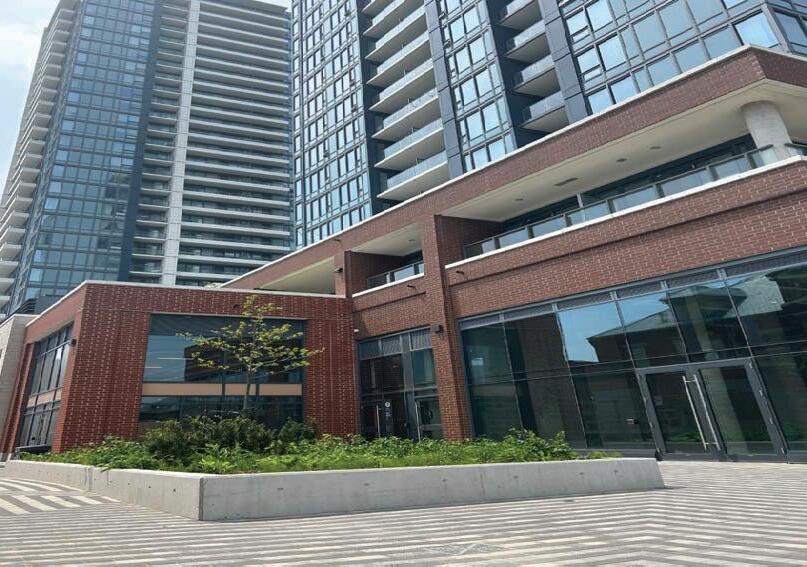



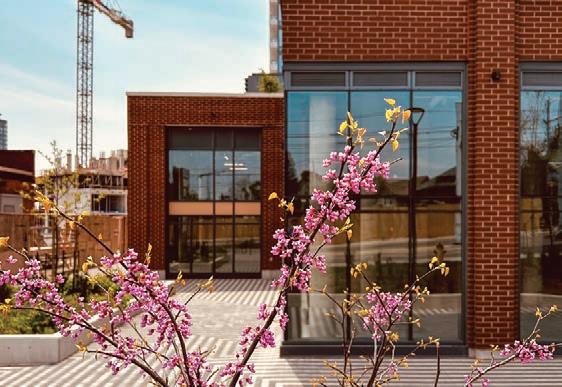
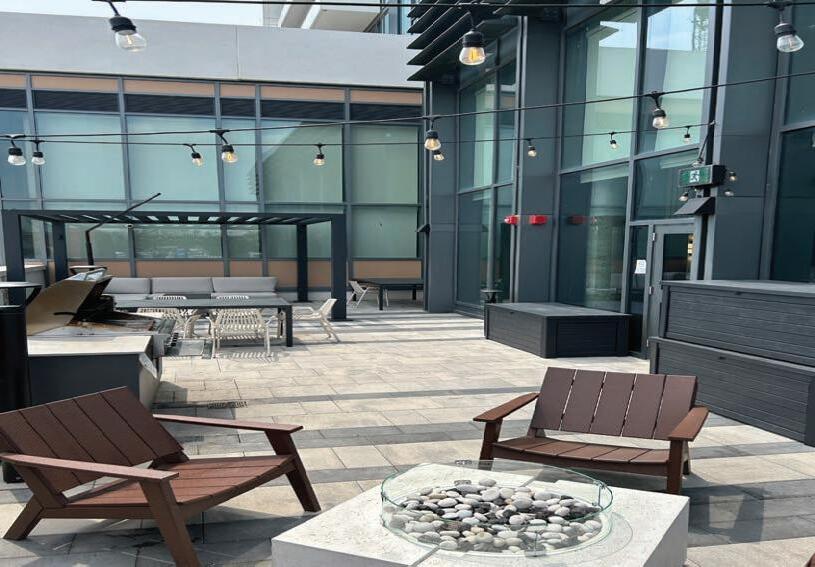
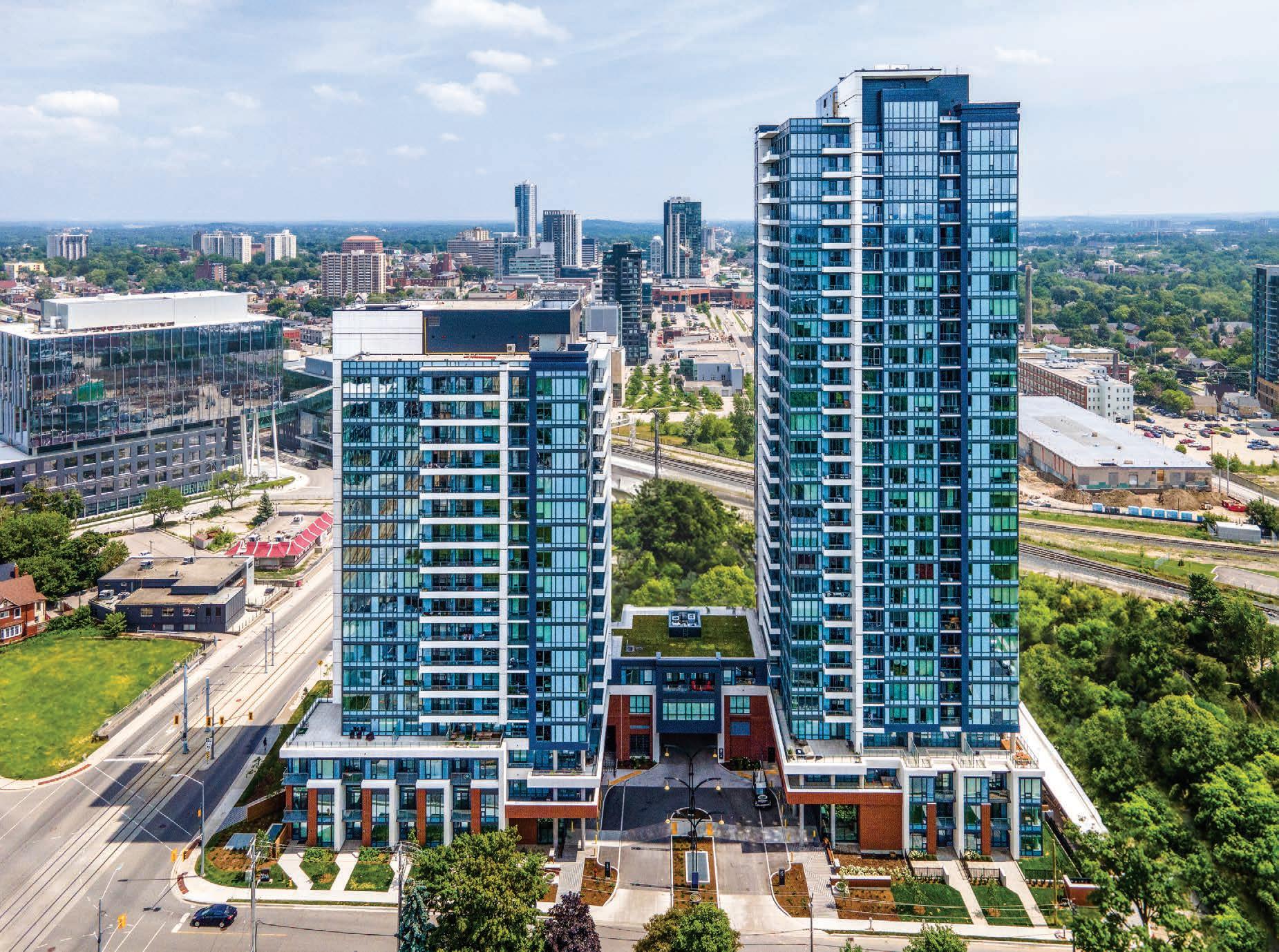
UNION TOWERS – STATION PARK
by JESSICA KIRBY
Station Park – a five tower development centred around one acre of urban park and an iconic heritage home – has already begun to transform Kitchener, Ontario’s downtown. The master-planned community is unfolding over three phases that aim to bring the city to residents’ front doors with greenspace, plenty of retail, amenities galore, and even a dog park onsite.
“Ultimately, the vision for Station Park is to become a restaurant and outdoor urban park mecca,” says Paul Leveck, project manager for Urban Legend Developments.
Stage one of Station Park is Union Towers – two stunning towers that rise to 18 and 28 storeys, providing 190,000 and 270,000 square feet, respectively, spread over podium level commercial space and 583 residential units on the rest of the floors.
Clifford Korman, architect and partner with Kirkor Architects and Planners, says the towers were planned and designed to provide a lifestyle centre experience to visitors and residents. As lifestyle centres tend to establish their own style, while providing opportunities to shop and eat, the team had to be respectful of the surrounding historical context, including the rail lines, King Street, and the adjacent Kaufman House.
“The towers are more modern in design and break away from the plaza both visually and physically as they create part of the new Kitchener skyline,” Korman says. “Therefore, the project does not shy away from the modern approach of condominium design but takes into consideration the historical context at its base along the plaza and streetscape not to overpower but celebrate the adjacent Kaufman House.”
Kaufman House is an historic, Victorian gothic mansion constructed by famed Kitchener industrialist, Jacob S. Kaufman in 1897. It will be restored and remain nestled among the modern amenities of Station Park, solidifying Kaufman as an icon in Kitchener’s history.
“We will be adding a rear addition and exterior patios and connecting it to all three levels of the underground parking garage,” Leveck says. “We have strong intentions for it to become a high-end restaurant serving the community, along with several other planned restaurant and retail spots within the project.”
Taking cues from the Kaufman House, as well as other historically significant buildings along King Street, Station Park’s design implements materiality and colour according to coursing textures and warmer tones. “Storefronts
facing the plaza were inspired by commercial main streets from small European towns, while the use of metal panels was an establishment of Union Towers own style,” Korman says. “We wanted these factors to create a harmony of Kitchener’s eras culminating into a positive user experience.”
Leveck says the building is a typical cast-in-place concrete structure with three storeys of underground parking. The podium’s exterior comprises white precast concrete panels combined with masonry architectural block and brick – materials that reappear throughout each building at the podium level for continuity and flow.
“Each phase is slightly different in its initial architecture, but there will be continuity at the base,” Leveck says. “As we move up the building, we continue into precast and stamped panels, and above that window wall glass.”

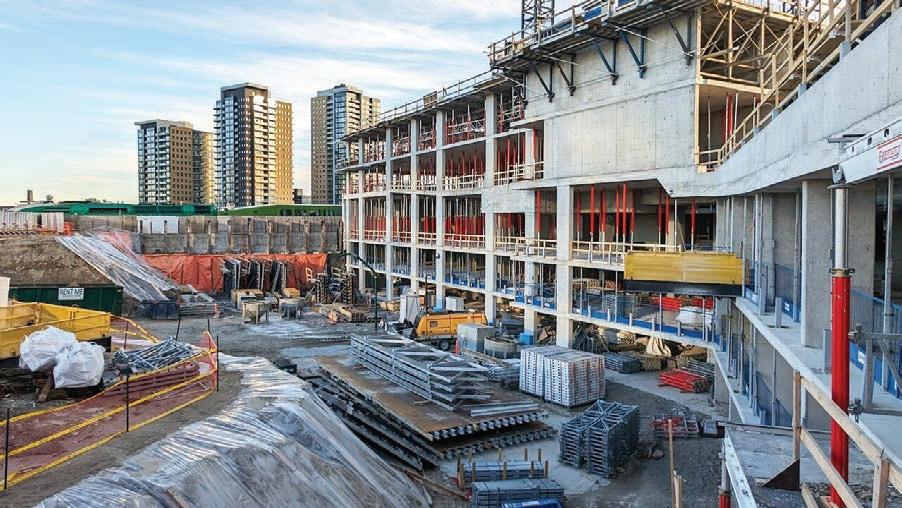
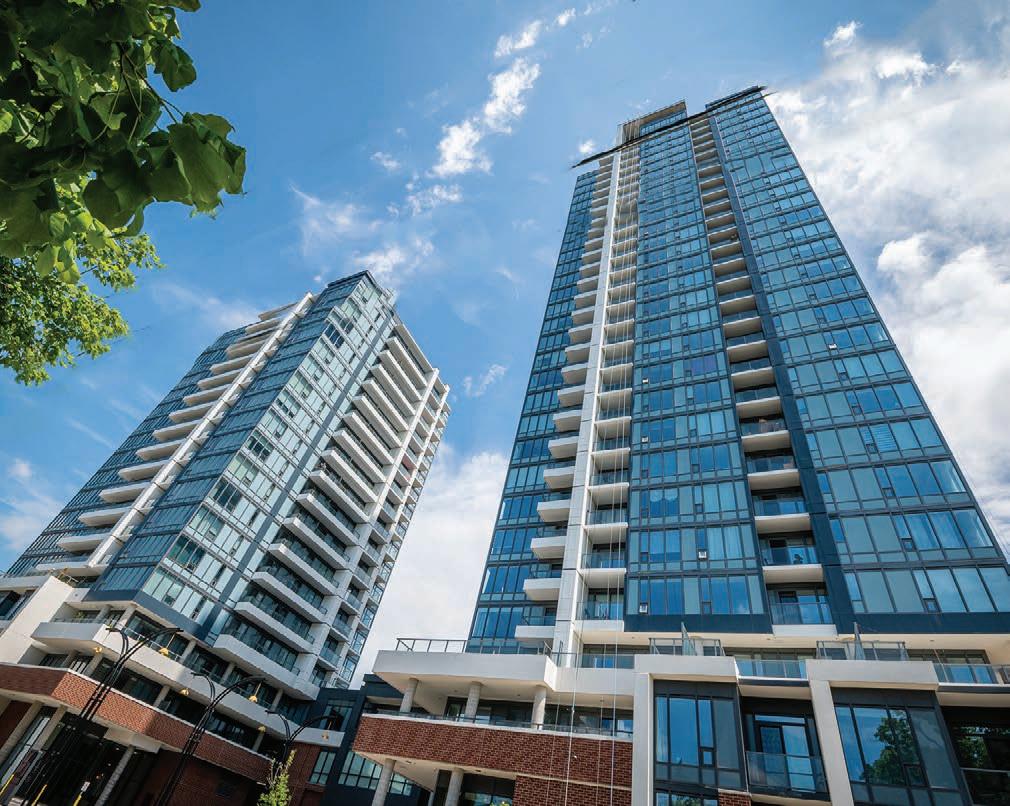

CPE Painting & Decorating Inc. played a pivotal role in the transformation of the Station Park project in Kitchener, Ontario, bringing their expertise in both interior and exterior painting to this landmark development.
As a leader in the painting and coatings industry, CPE Painting & Decorating Inc. was entrusted with enhancing the aesthetic appeal and durability of the project’s multiple high-rise towers. Their work involved meticulous attention to detail, ensuring that both residential and commercial spaces reflected the project’s modern and vibrant vision.
By using high-quality materials and advanced techniques, CPE Painting & Decorating Inc. contributed to the creation of a cohesive and visually striking environment, solidifying Station Park’s status as a premier urban destination.
On the interior, the full-height, double-glazed window walls meet smooth, painted ceilings, and contemporary, wide-plank laminate floors. The aesthetic is minimalist and streamlined with crisp lines, geometric shapes, and earthy materials like stone or wood. Beautiful sliders or swing doors open to balcony views, and bright and airy bedrooms and living spaces with ample storage space and design customizations stretch narrow floorplans, necessitated by high unit counts.
The goal was to keep the mechanical systems simple and to optimize mechanical efficiency along with passive architectural interventions. Heat recovery units maximize proficiency in the large amenity spaces while louvers were added, creating a brise soleil. “Throughout the other shared spaces and private units, we reduced the window-to-wall ratios to mitigate heat loss, while still providing bright public and private spaces,” Korman adds.
Union Towers experienced a series of interesting challenges, beginning with its phasing. “These two towers integrate seamlessly with the upcoming two phases, which meant sequencing for plaza use, parking, and construction were paramount,”

Korman says. “Phasing plans were developed to allow for existing buildings from the previous commercial plaza to remain functional while awaiting demolition.”
There were some interesting grade changes with a 10- to 12-metre difference along King Street and five to seven metres change along Wellington.

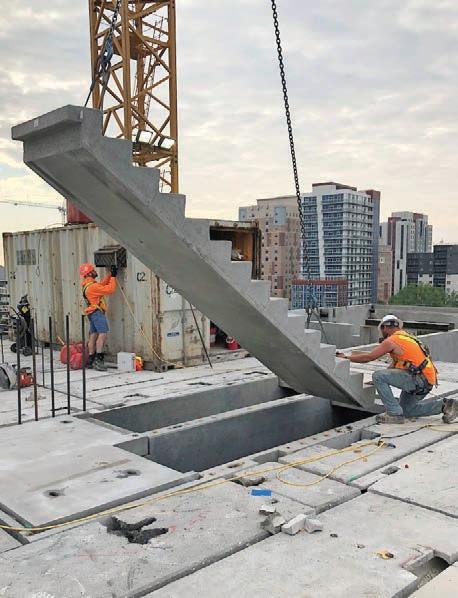
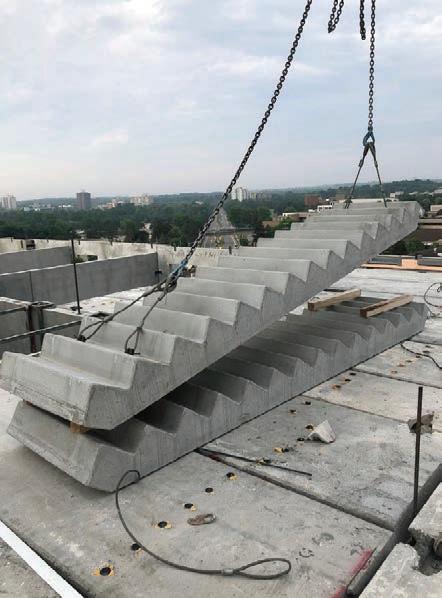
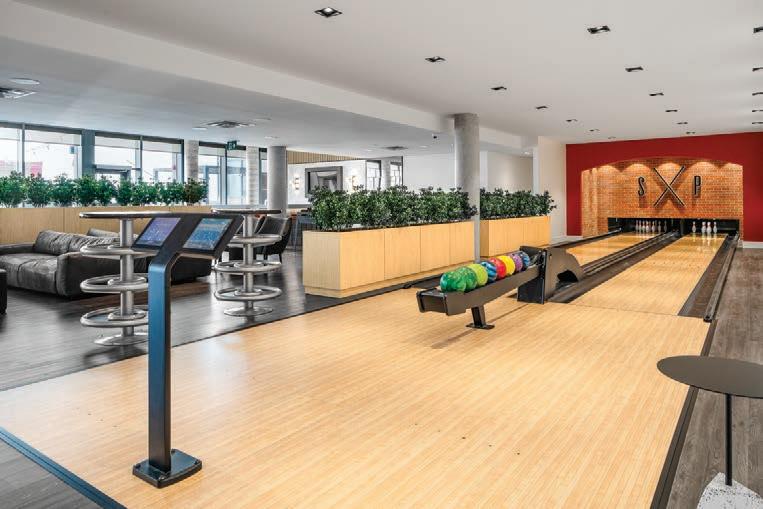
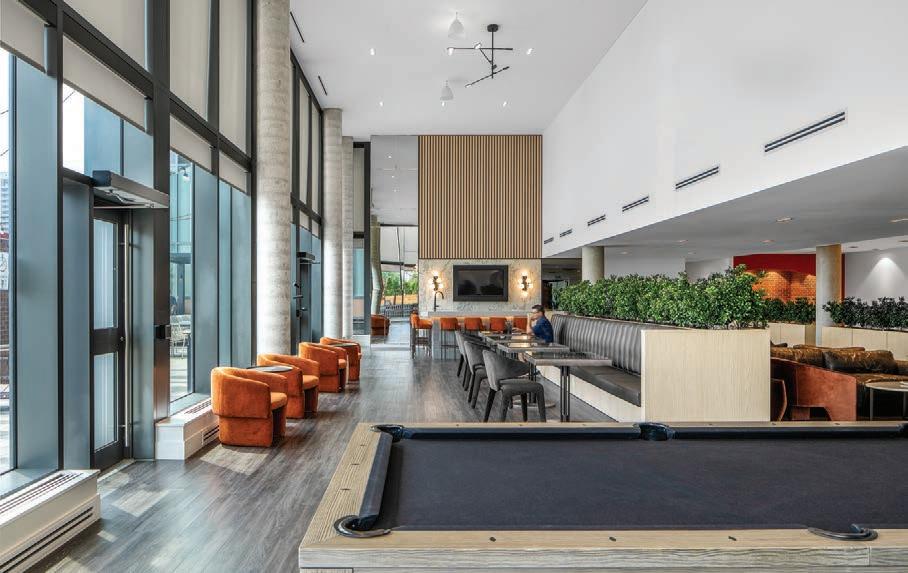
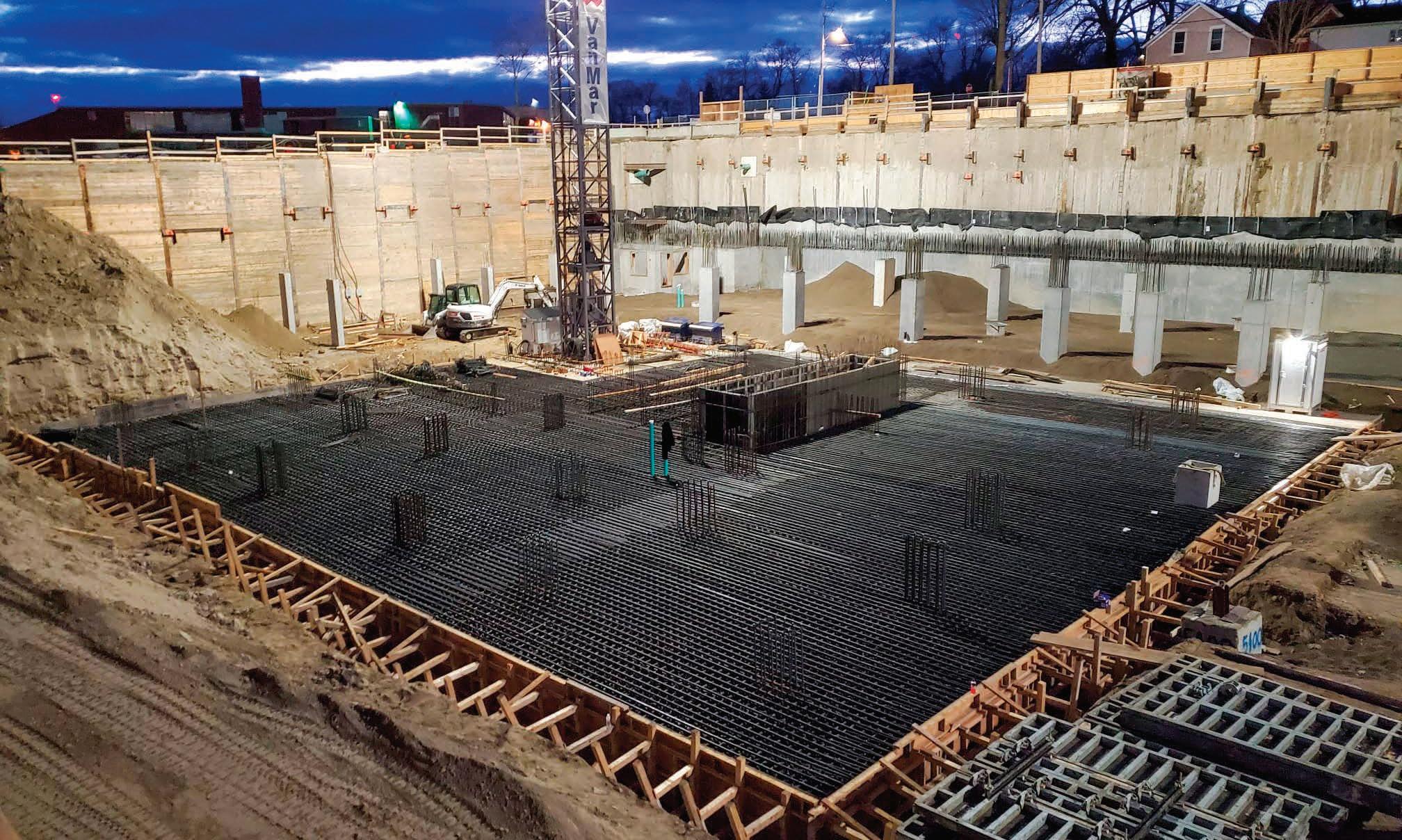
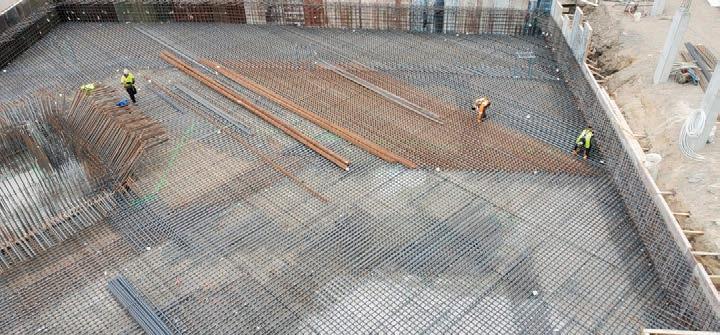

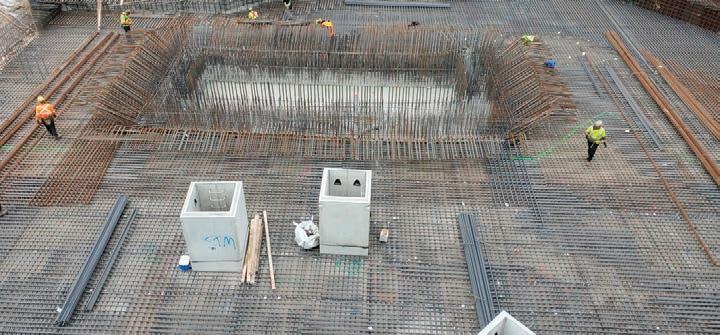
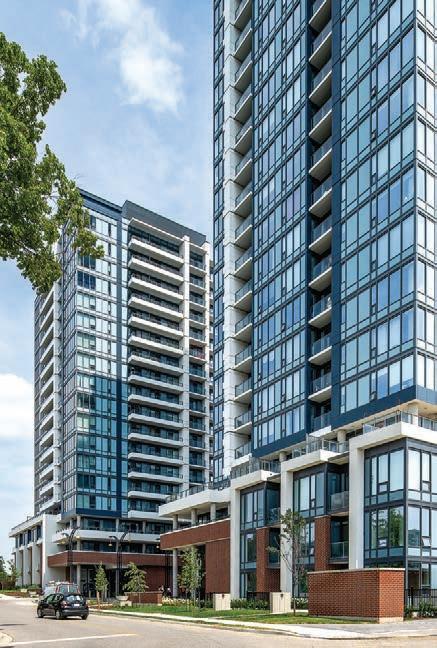
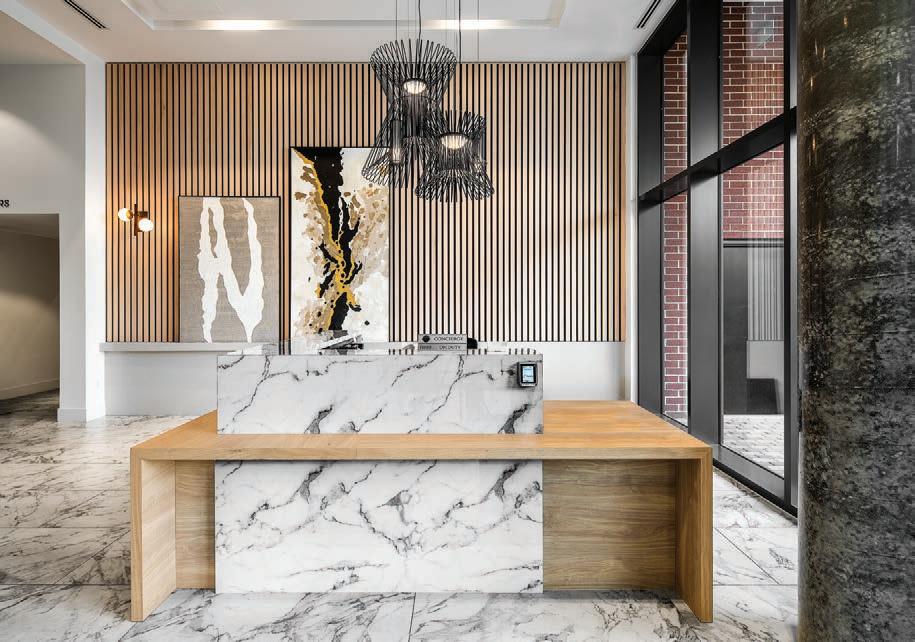
“The most complex part of this project was the transfer slab at grade,” Leveck says. “We have a sizable slab coming up from the garage and transferring to the tower, which split the ground floor at two levels. It was logistical gymnastics to design, but we had a very good formwork contractor.”
Another complexity involved the three-storey underground parking, which follows the building site’s oblique shape. It is part of a shared
parking model, which makes it accessible to the public as well as the Station Park residents and retail users.
“We must be able to manage multiple different user groups, including the public, residents, retail users, and visitors to the public skating rink in the courtyard, plus 50,000 square feet of restaurant and grocery,” Leveck says. “We are working to understand how people will use the space comfortably, while thinking ahead to the next phases
of development. It can be difficult to predict what the conditions will be like in the last three years of a 10-year project.”
But by far the largest challenge was building through COVID. “We had just started construction,” Leveck says. “There were severe labour and supply chain shortages. As construction managers, Vanmar had to be extremely proactive and diligent in managing the schedule and trades to minimize the impact to the schedule and budget.” A


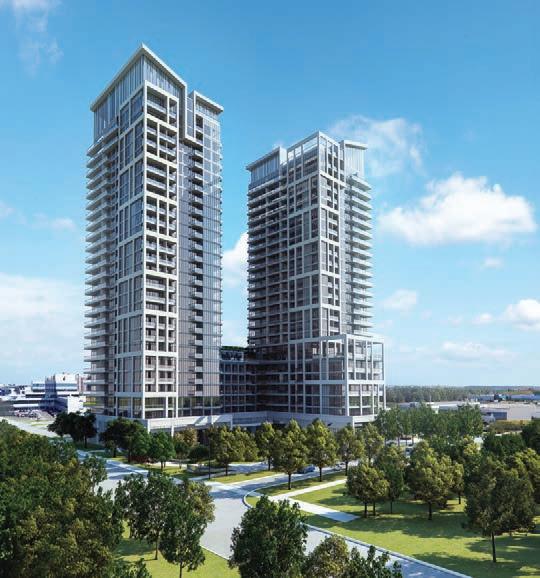

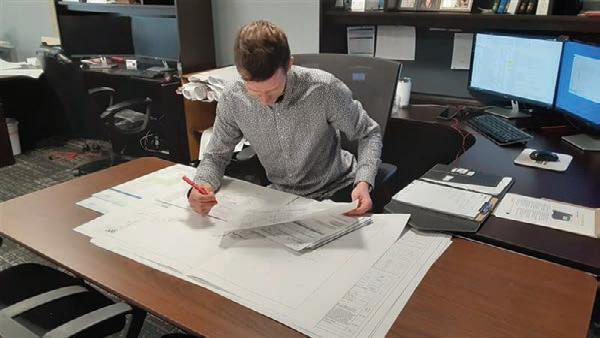


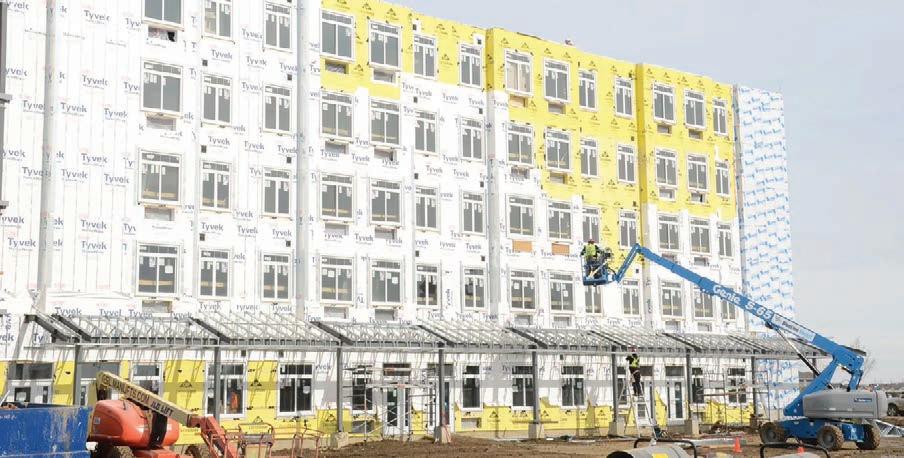



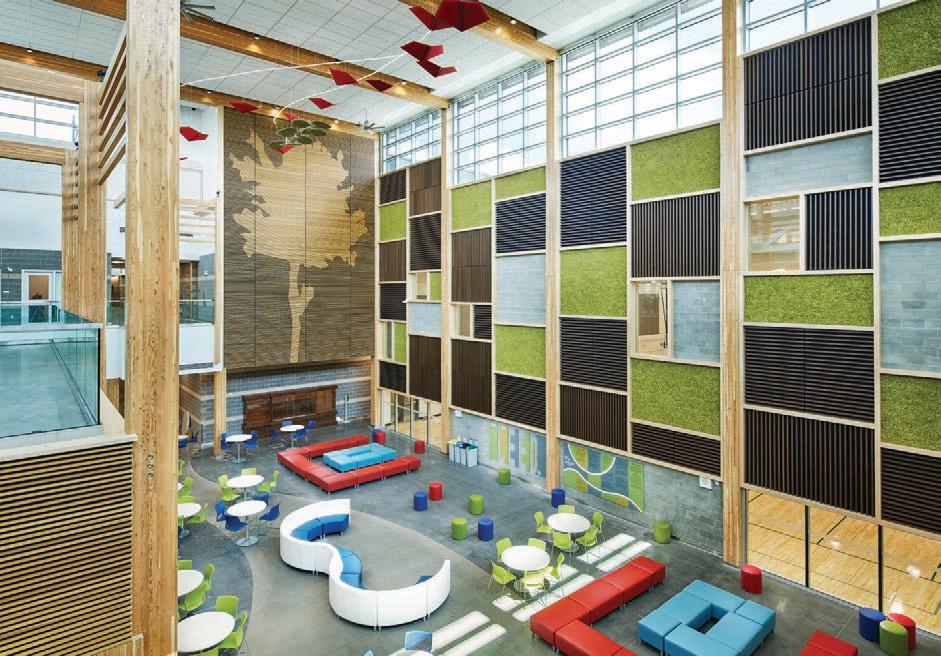
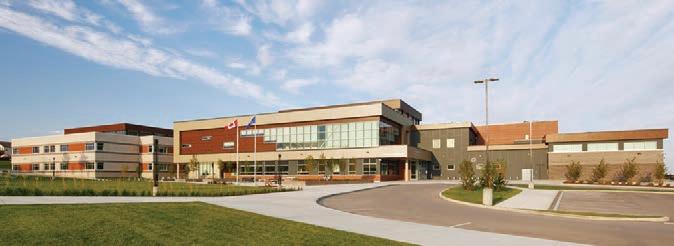
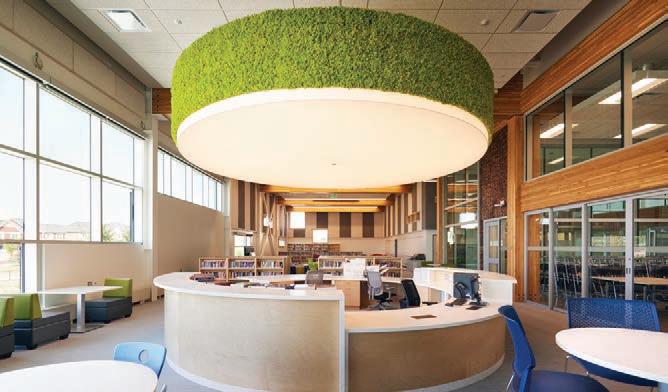
Photos:

STUDENT RESIDENCE KELOWNA – OKANAGAN COLLEGE
by CHRISTINA MORRISSEY
Okanagan College’s Kelowna campus is poised on the brink of a transformative milestone. With the final touches soon to be completed on its first on-campus student residences in more than three decades, the college exemplifies its dedication to meeting growing demand. The addition of the new sixstorey light-frame wood and mass timber Student Residence will more than double the number of students living on campus in Kelowna, with an increase of 216 beds, bringing the total capacity to 360.
This is one of three student-housing projects for Okanagan College, with the Province investing $66.5 million into the construction of residences in three locations: Kelowna, Vernon, and Salmon Arm. “Having a stable and affordable place to live is critical to the success of learners,” explains Neil Fassina, president of Okanagan College. “By adding housing at three Okanagan College campuses, we aim to foster more inclusive and equitable access to education, ultimately transforming the lives of our students.”
The new Student Residence in Kelowna is strategically located to
improve pedestrian connections to campus buildings and the western entrance along West Campus Road. With students primarily approaching from the northwest corner and the existing promenade, the project focuses on developing new sidewalks for a safer, more walkable campus.
The site presented a couple of challenges, but Bird Construction adeptly navigated them. “Firstly, a high water table extended beyond our building foundations and engineered fill layers. To address this, we implemented a comprehensive dewatering system around the building footprint, effectively lowering water table levels and preventing flooding during excavations. Secondly, we employed Rapid Impact Compaction [RIC] to bolster soil stability and rock structure. By strategically placing six-inch blast rock in lifts below the footings and utilizing RIC, we ensured the structure’s ability to support the building’s weight. This innovative approach eliminated the need for large raft slabs or pile foundations, optimizing both cost and efficiency,” explains Stuart Huckabay, project manager at Bird.
Several factors were considered in the building’s design. The design-build team engaged with representatives from the Westbank First Nation (WFN) to review the project design and gather feedback on integrating Indigenous design principles in a meaningful and culturally relevant manner. Additionally, the College conducted surveys and facilitated focus group discussions with Indigenous communities, Elders, and students to ensure their perspectives were incorporated into the design process.
In selecting materials, prioritizing wood speaks to the vital connection between nature and the building’s occupants. A high-performance building envelope, emphasizing air tightness and thermal efficiency, aims to reduce overall energy consumption to meet the Thermal Energy Demand Intensity required by Step Code 4. “With an emphasis on efficiency, we chose a wood-framed structure, requiring meticulous preplanning of structural openings. About 95 percent of the structure was prefabricated off-site, highlighting the importance of design accuracy. Any alterations to walls affected multiple suites, emphasizing
the necessity for precise planning and execution,” explains Huckabay.
Incorporating structural steel columns into the project demanded meticulous attention to wood shrinkage. “We anticipated a compression of ¼-inch per floor during fabrication, which impacted various elements including elevator stops, steel connections, and stairwells. This proactive approach guaranteed the seamless integration of different materials, while upholding structural integrity throughout the building’s lifespan,” explains Huckabay.
The exterior metal sunshades serve as a canvas for integrating Indigenous art, aiming to narrate the traditions and stories of the Syilx People of the Okanagan Nation across the building facade. Syilx artist Clint George’s feather sculpture is intricately incorporated into the building’s exterior solar shades. George, a member of the Penticton Indian Band, lends his cultural perspective to the project, adding depth and authenticity to the narrative woven into the building’s design.
Inside the student residence, meticulous attention to detail continues. Artist Les Louis, an Okanagan


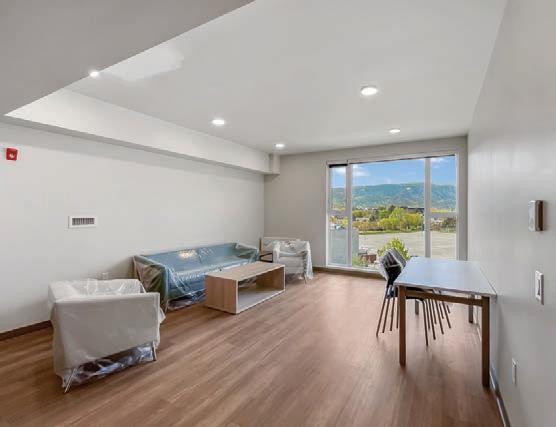

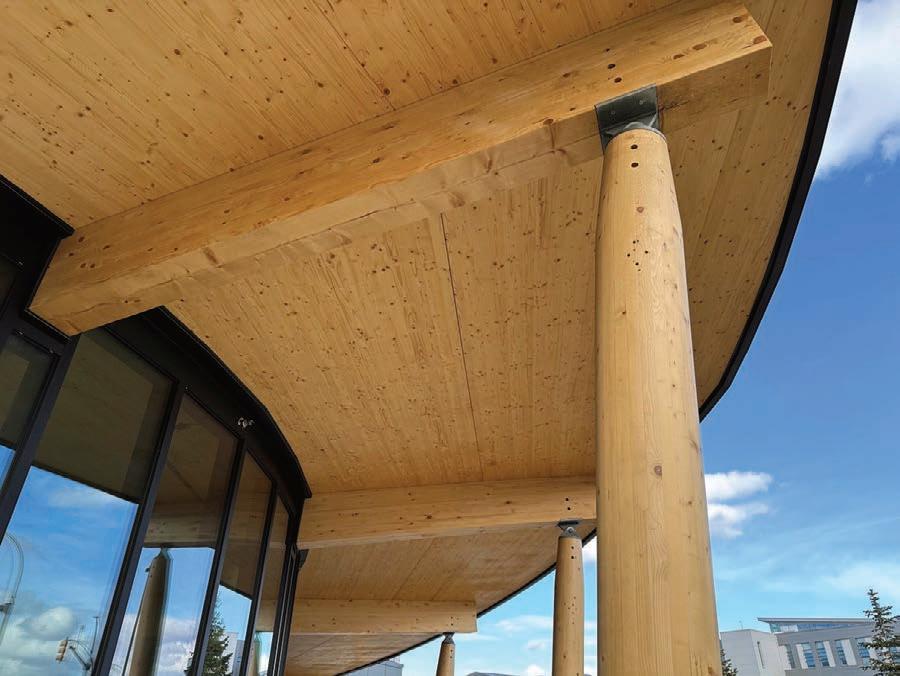
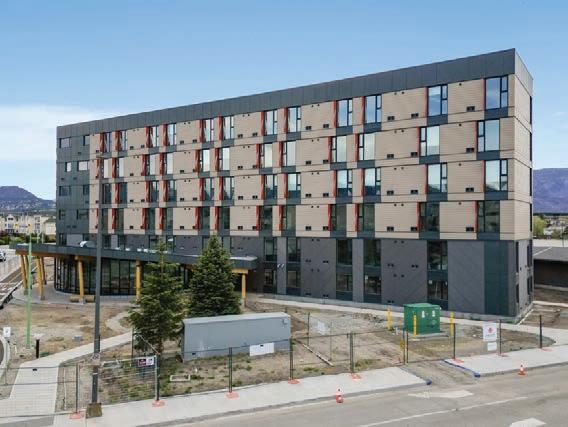
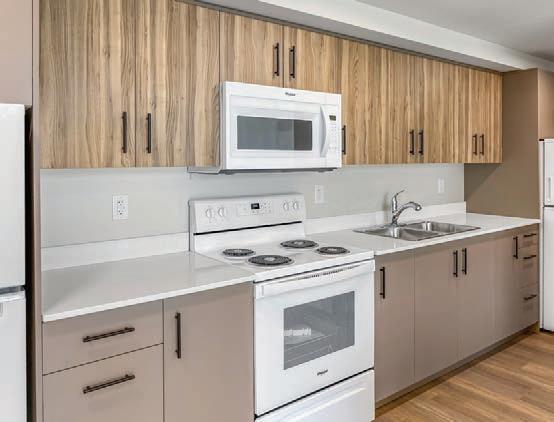
College alumnus hailing from the Lower Similkameen Band, has adorned the interior entrance with story pole designs, cultivating a warm and inviting atmosphere.
Mass Timber construction is utilized for the Club and Play room, visible from KLO Road. The inclusion of large windows throughout individual suites, multi-purpose spaces, club room, and play room seamlessly connect interior and exterior spaces, offering ample daylight, panoramic views, and access to fresh air through operable windows.
A variety of common amenity spaces cater to diverse activities and needs of the residents. Each floor features a central multi-purpose area adjacent to the elevator core, accommodating various activity levels, whether it be quiet study or lively gatherings.
Sustainability was a central focus throughout the project. Not only was the facility designed to comply with BC Energy Step Code Step 4, but it also aimed to reduce the embodied carbon intensity associated with its structural design, aligning with the College’s goal for carbon neutrality. The designbuilder utilized the SE2050 Embodied Carbon Estimator Tool to estimate the embodied carbon in the building’s structural components.
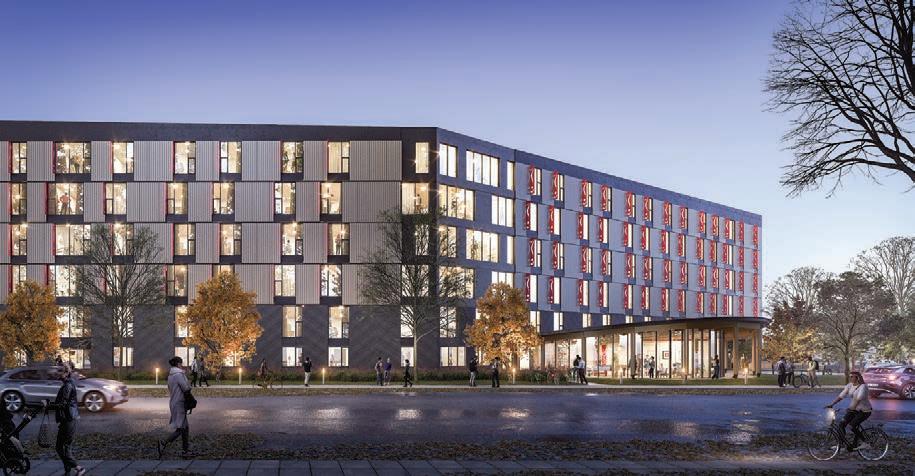
The mechanical systems selected for the building play a significant role in reducing energy consumption and lowering greenhouse gas emissions. Air heat pumps are utilized in both the suite terminal units and the central ventilation unit, allowing the building to operate almost entirely on electricity, with backup gas heat for ventilation during lower ambient temperatures. This comprehensive approach to sustainability ensures the facility operates efficiently, while minimizing its environmental impact.
GEC Architecture emphasize that human connection is a central theme both inside and outside the residence.
“By prioritizing connection both indoor and outdoors, we have not only provided essential housing but also cultivated a vibrant community space where students can thrive and feel welcomed.” The design heavily emphasizes creating numerous gathering spaces for students, including a celebration space, an area dedicated to a ‘talking circle’, a garden featuring native plants of the Okanagan region, and outdoor cooking amenities. By placing the celebration space at the heart of the talking circle, the aim is to create an inclusive gathering place for everyone.
Anne Kang, Minister of Advanced Education and Skills Training,
encapsulates the project by stating: “Together with Okanagan College, we are investing in student housing that will benefit generations of learners who can focus on their studies without worrying about where they will live. We are working diligently to deliver 8,000 new student housing spaces on campuses throughout B.C. by 2028, and to date, we have more than 6,800 new spaces open or underway throughout the province.” A
LOCATION
860 KLO Road, Kelowna, B.C.
OWNER/DEVELOPER
Okanagan College
ARCHITECT
GEC Architecture
DESIGN BUILD CONTRACTOR
Bird Construction
STRUCTURAL CONSULTANT
RJC Engineers
MECHANICAL CONSULTANT
AME Consulting Group Ltd.
ELECTRICAL CONSULTANT
Smith + Andersen
LANDSCAPE ARCHITECT WSP





























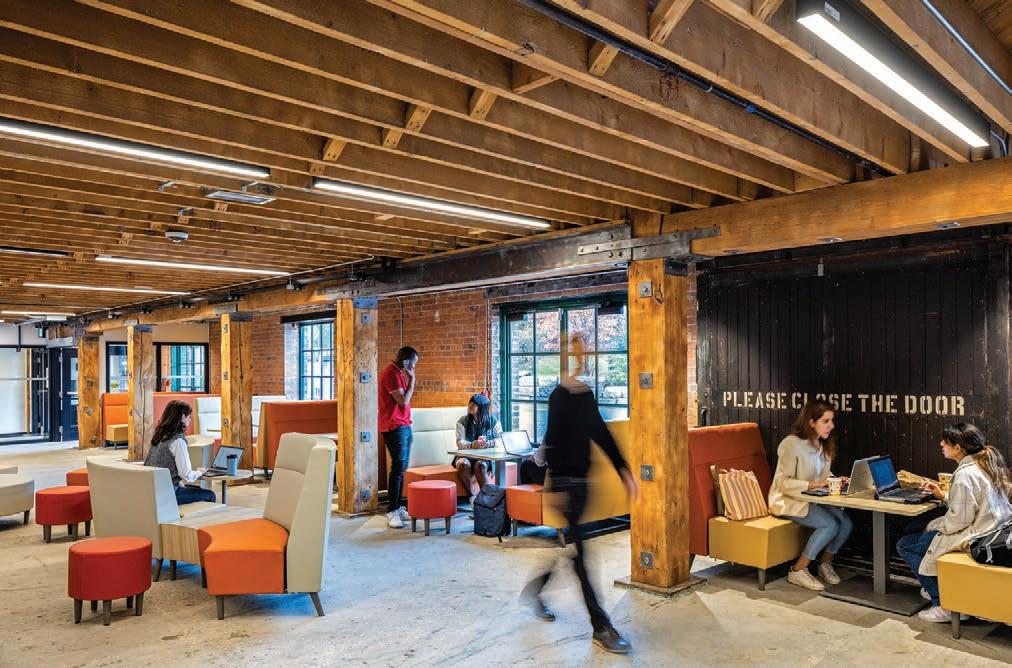

LOCATION
The Distillery District, 60 Distillery Lane, Toronto, Ontario
OWNER/DEVELOPER
Cityscape Development Corporation / Dream Unlimited Corporation
ARCHITECTS
ERA Architects / BDP Quadrangle
GENERAL CONTRACTOR
Ledcor Construction Limited
STRUCTURAL CONSULTANT
Entuitive
MECHANICAL/ELECTRICAL CONSULTANT
BK Consulting
FURNITURE CONSULTANT
Global Furniture Group / Hollend Furnishings
TOTAL SIZE
4,500 square metres
TOTAL COST
Undisclosed
COLLÈGE BORÉAL – DISTILLERY HISTORIC DISTRICT
by ROBIN BRUNET
The renovation of two landmark historic buildings to accommodate the new Collège Boréal campus in Toronto is a rare collaboration of four teams of architects working in concert: the Distillery District Development Consortium led by Jamie Goad, architect; Collège Boréal as tenant/user/occupant, led by Terry Comeau, architect with the College; ERA Architects (building envelope and historical preservation consultant); and BDP Quadrangle, interior architecture.
Once located in a downtown office complex, the Distillery District was chosen as the College’s new home: “To expand our rapidly growing campus, but more importantly, to establish a strong sense of community and increase our brand exposure,” Comeau says. “The Distillery District, with its focus as an arts, culture, and entertainment destination was the perfect setting for us.”
Comeau notes that the Distillery District development consortium, composed of Cityscape Development Corporation and the Dream Unlimited Corporation, had been responsible for transforming close to 50 Victorian heritage buildings and 10 cobblestone streets since the year 2000. “The development team were great facilitators, working with the College, the architectural teams, and the heritage consultants, the latter of whom reviewed every aspect of our historical restoration work, right down to the placement of signage.”
Comeau goes on to note that “the main challenge was threefold: the historical restoration itself, the fit-up work necessary to meet the institutional needs of the college, and the furniture design and
finishes needed to create a sense of community within the spaces.”
BDP Quadrangle renovated the two historic warehouse spaces to suit the demands of modern campus life and the college’s specific academic, immigration, employment, and continuing education programme requirements. “This directly led to a collaborative design process with ERA Architects for the thoughtful restoration of the historic 1927 Case Goods Warehouse and a floor of the adjacent Cannery building, linked by one of the District’s distinctive wooden bridges,” says Yves Bonnardeaux, associate, senior architect, at BDP.
Jordan Molnar, senior associate at ERA, adds, “The idea was to preserve the original wood and brick structure and leave it exposed as an architectural feature.” ERA was responsible for the building envelope retrofit and all aspects of the historic restoration (it was also the architect of record for the base building work, including co-ordinating the consultant team), while BDP presided over the interior architecture and led the engineering and specialty consultant team.
The overall design philosophy emphasized sustainability, transparency, and the vertical integration of the interior’s relatively small spaces. “The Case Goods Warehouse also had a low ceiling height, which obliged us to tuck as much of the mechanical and electrical infrastructure between the joist spaces as possible,” Bonnardeaux says (less work was required on the Cannery building, which had much higher and more open spaces). A highefficiency variable refrigeration flow mechanical system for cooling and heating reduced the physical impact of bulkheads; piping and ductwork
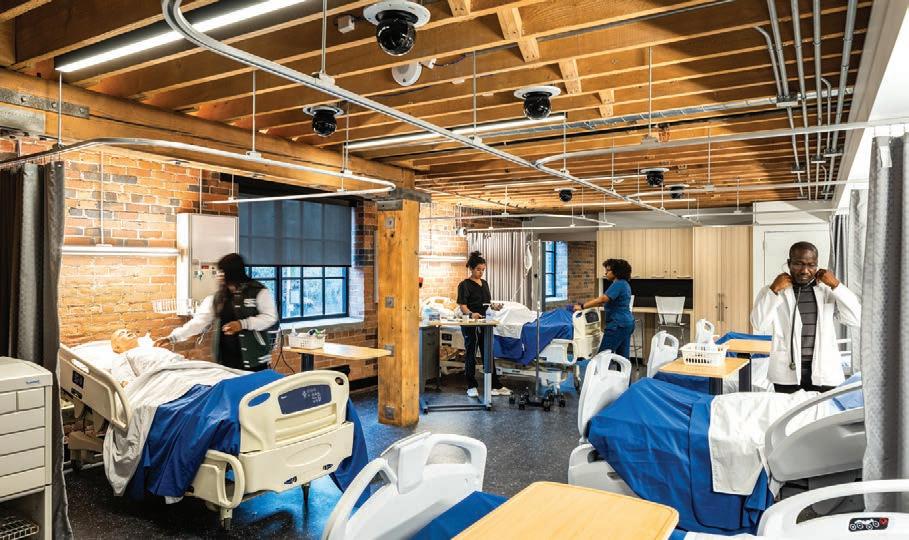
were located in corridors to reduce visual impact, and improve efficiency.
The reclamation of heritage artifacts is most evident near the main reception, where the team retained a rare, two-storey radial gravity conveyor, complemented with modern suspended custom lamps. Meanwhile, the classrooms were designed with compact footprints and maximized both functionality and district views; careful planning was required to optimize sightlines throughout the building’s heavy timber column structure.
While Ledcor’s restoration of the building’s original character in the interior was achieved mainly through mild abrasive cleaning, there were challenges in achieving energy efficiency. “The walls couldn’t be insulated on the inside due to the softer type of brick, so Ledcor insulated the roof and replaced the original steel-frame windows with thermally insulated aluminum frame steel replica windows, approved by the heritage consultants,” Molnar says.
Comeau, who was responsible for the furniture design and finishes, credits the Global Furniture Group for “a unique sole source programme that gave Boreal the freedom to customize and highlight our French culture and community.”
Considering construction took place during the pandemic, the team had to deal with an all-too-familiar difficulty: “Mechanical components, electrical systems, windows, doors, and many other items were delayed, so as much as possible was ordered early,” Molnar says, to which Bonnardeaux adds, “Rooftop components arrived literally on the day the inspectors were scheduled to pay a visit.”
As a result of visionary developers and great interdisciplinary teamwork, Collège Boréal is now an integral part of the Distillery District, and the college couldn’t be more pleased with the outcome. “The collaborative spirit between so many designers, consultants, and builders was memorable,” Comeau says. “The enthusiasm and talent coming together to make this happen was unforgettable.” A
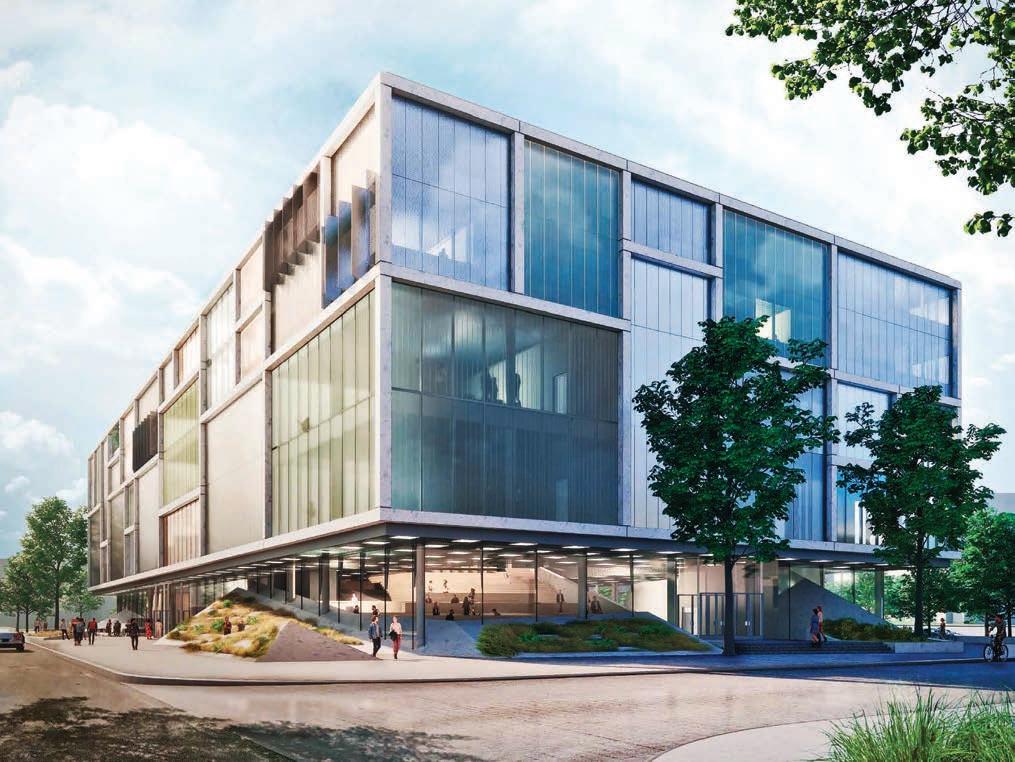

SAM IBRAHIM BUILDING –UNIVERSITY OF TORONTO SCARBOROUGH
by NATALIE BRUCKNER
The University of Toronto Scarborough has long been recognized as a pioneer in educational innovation, dedicated to academic excellence and vibrant student communities. The new Sam Ibrahim Building (SIB) stands as a shining testament to this commitment. Designed to inspire and empower, it exemplifies the University’s dedication to crafting environments where students not only learn but thrive.
The five-storey SIB is the continuation of a classroom inventory expansion at the University’s emerging North Campus, featuring 21 classrooms of various sizes and configurations, from a 500-seat theatre-in-the-round auditorium to smaller 24-seat active learning environments.
“The president’s priorities of reinventing undergraduate education was key for us with the SIB. We recognized an opportunity to do something very different, so we engaged our leadership team in reimagining classroom design and functionality. Our goal was to create unique spaces that cater to modern student needs and enhance the campus experience. This gave us license to feel comfortable that a radical design approach was going to be worthwhile,” explains Andrew Arifuzzaman, chief administrative officer at the University.
Centrally aligned with the University campus’ Master Plan vision, the site occupies a very prominent location playing a key role in establishing an eastern edge and an important façade condition on the east side of a future “Campus Green.”
“The building needed to be a centrepiece of the North campus. It will eventually become part of a pedestrianized pathway across the north
campus, so it needed to stand proud and strong,” explains Paul Stevens from ZAS Architects, who worked extremely closely with CEBRA architecture.
The design of the SIB embodies a harmonious blend of functionality and metaphor, seamlessly integrating with its surroundings while conveying a deeper narrative. Building on the notion of a building floating above a constructed landscape of mounds, Stevens explains that the recessed grade level façade is a highly transparent, mullion-free structural glass plane with full-height glass panels. Glass fin mullions support this glass plane from grade level to the cantilevered soffit above. The mound landforms that will ultimately extend across the Campus Green leading to the Highland Creek ravine have a natural appearance – bush-hammered precast concrete tiles with a terrazzolike aggregate on facing surfaces.
Drawing inspiration from the simplicity and versatility of a Printers Tray, traditionally used to store movable type in 19th-century letterpress newspaper printing, the structure takes on a pure, rectangular form that maximizes views and enriches the adjacent public realm.
“The facades mirror the diverse hierarchy of rooms and stimulating educational environments within,” explains Lars Gylling, associate partner and architect at CEBRA architecture. “They exhibit the interior activities and make the diversity of learning situations visible from the outside so that both the external and internal elevations become a backdrop of memorable atmospheres and diverse spatial settings for students.”
As visitors step inside, they’re greeted by an inviting atmosphere and a variety of social spaces, such as a café,
LOCATION
1050 Military Trail, Scarborough, Ontario
OWNER/DEVELOPER
University of Toronto Scarborough
ARCHITECTS/INTERIOR DESIGN
CEBRA architecture / ZAS Architects
CONSTRUCTION MANAGER
EllisDon Corporation
STRUCTURAL CONSULTANT
Thornton Tomasetti
MECHANICAL CONSULTANT
The Mitchell Partnership
ELECTRICAL CONSULTANT
HH Angus
LANDSCAPE ARCHITECT
Land Inc.
TOTAL SIZE
199,060 square feet
TOTAL COST
$140 million
student welcome areas, and informal collaboration spaces, strategically positioned to encourage movement towards the building’s edges.
The atrium of the SIB is particularly lively and dynamic and features what Arifuzzaman describes as a “standout staircase that is reminiscent of something out of Harry Potter. It seems to almost float as it connects the third and fourth floors, adding to the building’s unique charm.”
For the classrooms, the architects took a very forward-thinking approach, as Gylling explains: “When we designed the classrooms and interstitial spaces, we focused on creating memorable experiences through their diverse atmospheres, not only by employing colours but also by varying materials and room layouts. Furthermore, we named the different rooms to capture and recall their atmosphere. This composes a multitude of coded spaces where various learning and work activities are linked with the diverse physical surroundings in which they occur.”
The Arrow Group Innovation Hall, an octagonal lecture theatre belowgrade is a perfect example of this. “It’s a truly remarkable space, unlike any other I know of in Canada,” remarks Stevens. Arifuzzaman adds, “Despite its size in being able to accommodate 500 students, the room maintains an intimate atmosphere, with the furthest student just eight rows away from the teacher. This layout challenges conventional teaching methods, as there’s no distinct ‘front’ of the class.”
Throughout, a blend of innovative and flexible learning spaces coexist with traditional ones, offering faculty members the freedom to select the ideal environment for their teaching needs and materials. Arifuzzaman
emphasizes that this diversity empowers educators to adapt their teaching styles effectively.
Up on the fifth floor is where you find the student hub, a centralized space housing a multitude of student services. “The decision to put this up on the top floor was driven by the need to streamline our student services, which were previously dispersed across multiple buildings,” explains Arifuzzaman. “By centralizing these services in a vibrant student space equipped with hangout areas and lounges, we aim to enhance visibility and accessibility for students.”
Sustainability was a key focus in the design process, with targets set to meet Toronto’s Green Standards requirements and achieve a 40 percent reduction in energy consumption compared to baseline building standards. These goals are being realized through various strategies, including highly efficient thermal insulation of the building envelope and the implementation of a geothermal energy plant. Window systems are equipped with triple-glazed operable windows, enhancing energy efficiency and indoor comfort.
Innovating the boundaries of learning spaces, the SIB promises to be a magnet for students seeking an enriching educational experience. Arifuzzaman concludes by saying, “As we near completion, our focus shifts to measuring its effectiveness. We understand that the true measure of success lies in the building’s ability to transform undergraduate education. While architectural accolades are welcome, our ultimate reward will be in demonstrating tangible change in how people experience learning. We’re committed to incorporating lessons learned into future projects, ensuring continued improvement and innovation.” A


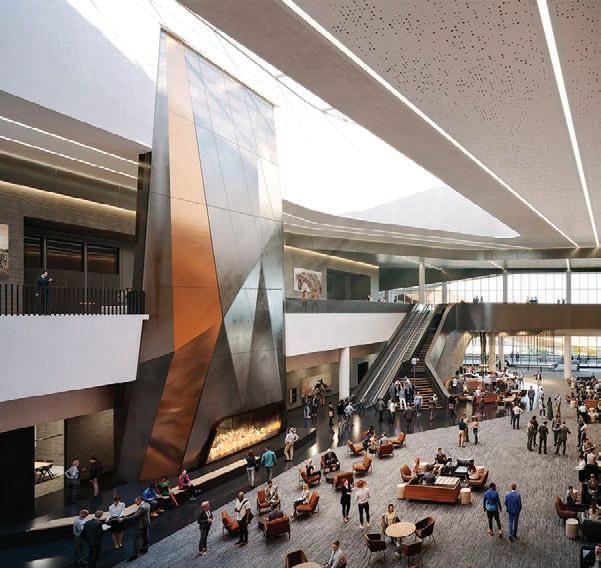
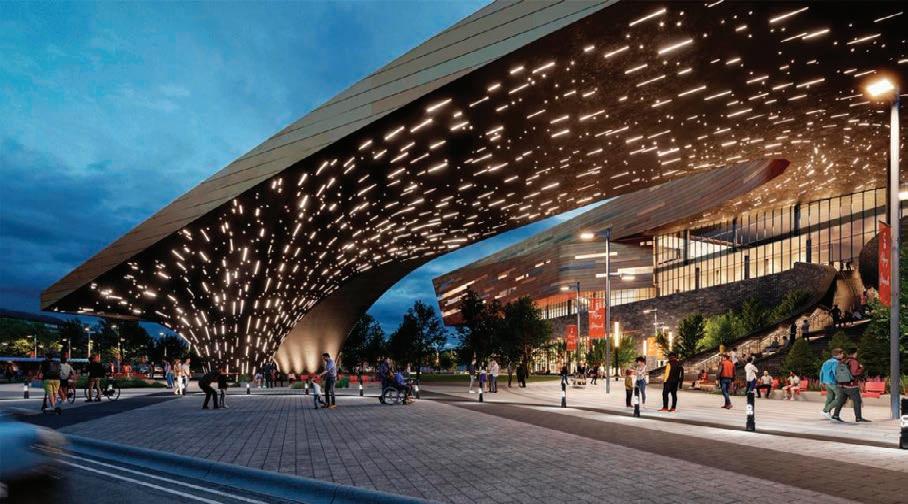
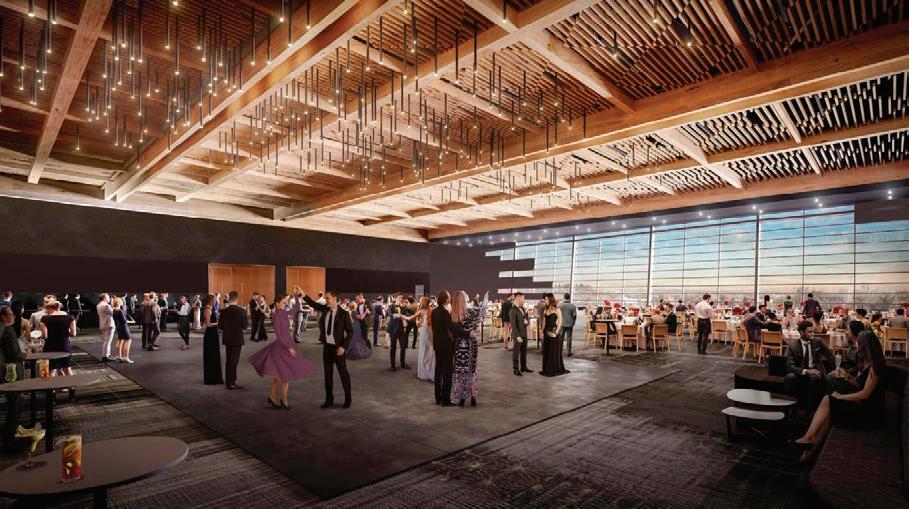
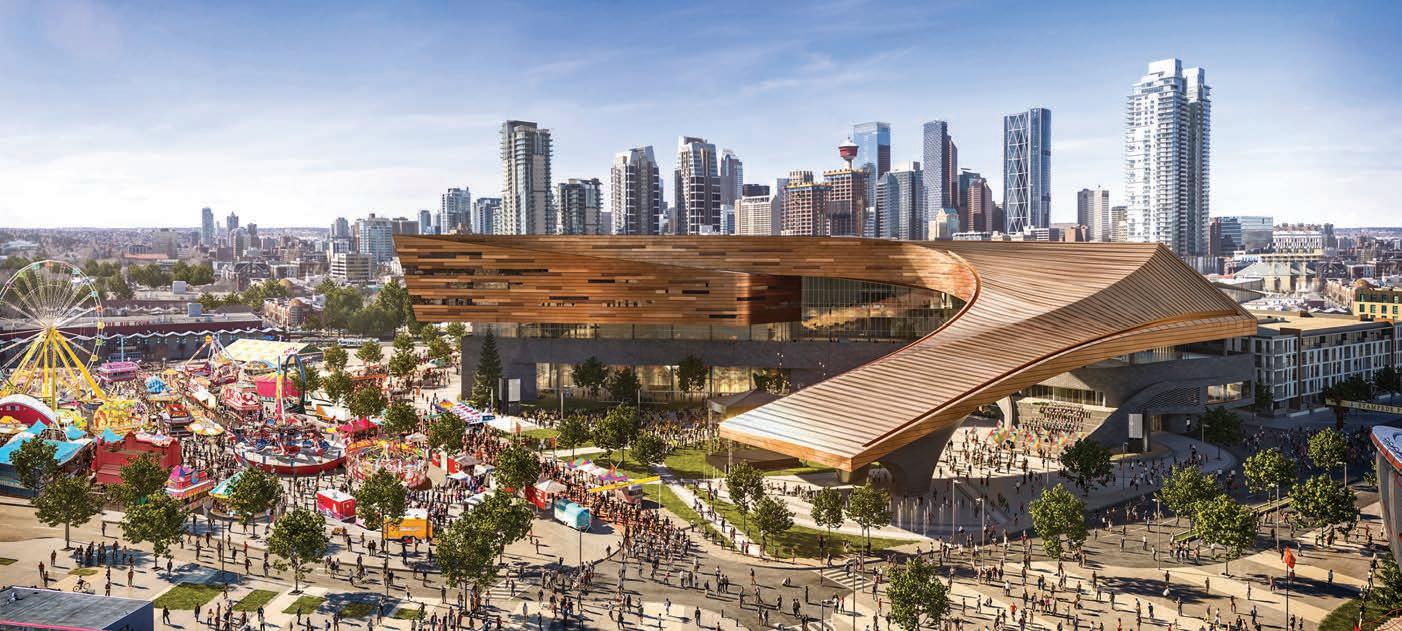
BMO CENTRE EXPANSION
by NATALIE BRUCKNER
The BMO Centre Expansion in Calgary is undeniably one of the most remarkable projects in the region, for several compelling reasons. Beyond redefining Western Canada’s event hosting landscape through meticulous design, it also reverently honours the heritage, spirit, and distinctiveness of its location. Spanning over one million square feet, this expanded BMO Centre not only claims the title of the largest convention centre in Western Canada but also establishes a new pinnacle for innovation and excellence in architectural ambition and community focus.
The idea for the expansion has been in the works for some time. Following a rigorous international Request for Qualifications (RFQ) and Request for Proposals (RFP) process in 2019, Stantec, Populous, and S2 (SPS) emerged as the prime design consultants. Overseeing construction management was PCL Construction, with project management handled by M3 Project Management.
The expansion encompasses an impressive 565,000 square feet, effectively doubling the facility’s rentable area to accommodate a combined occupancy of 33,000. Notable additions include over 100,000 square feet of new exhibition space, 38 state-ofthe-art meeting rooms, two expansive ballrooms totalling 70,000 square feet, and a captivating central gathering space known as The Exchange.
Kelly Coles, VP of Building & Infrastructure at Calgary Municipal Land Corporation, highlights the project’s emphasis on creating a world-class facility that reflects Calgary’s spirit and aligns with the aspirations of the Culture + Entertainment District. “Every aspect of the design has been carefully
crafted to enhance the visitor experience, foster community engagement, and contribute to the vibrant cultural landscape of our city,” says Coles.
Executing such an impressive feat demanded a dream team – a collective with the foresight to push boundaries and the courage to challenge conventional limits. As Michael Lockwood, senior principal at Populous aptly puts it, “Understanding that the biggest risk is not taking a big enough risk.”
Having fully immersed themselves in the energy of not only the Calgary Stampede but also the cosmopolitan and forward-thinking city, the team set about designing an expansion that would resonate with the history, context, and location, as well as the vision of BMO Centre & Stampede Park Events.
“The guiding philosophy behind the design of the BMO Centre expansion has always been about connecting people – allowing attendees to connect with the outdoors, the expansive Calgary sky, and, most importantly, with each other,” explains Greg Newton, general manager of BMO Centre & Stampede Park Events. “We recognized the innate human desire for connection and designed the building with this in mind. How can the building facilitate serendipitous connections? To address this question, we prioritized the design of public spaces, such as The Exchange, the central gathering space in the expansion. Rather than designing meeting and event spaces first, we focused on creating public spaces that fostered interaction, with meeting and event spaces organically surrounding them.”
The resulting three-level building truly captures Calgary’s sense of place in every small detail. “The
LOCATION
20 Roundup Way SE, Calgary, Alberta
OWNER
Calgary Stampede
DEVELOPMENT MANAGER
Calgary Municipal Land Corporation
PROJECT MANAGER
M3 Project Management
ARCHITECTS
Stantec (Prime Consultant, Architect of Record, Mechanical/Electrical Consultant)
Populous (Design Lead)
S2 Architecture (Construction Administration)
CONSTRUCTION MANAGER
PCL Construction
STRUCTURAL CONSULTANT
RJC Engineers
LANDSCAPE ARCHITECT
02 Planning + Design
TOTAL SIZE
565,000 (expansion)
TOTAL COST
$500 million
design incorporates many aspects of the Stampede and Calgary; from the movement of a lasso and the agility of barrel racers [seen in the sweeping, composite metal panel façade and roofline] to the idea of grit, with the facility grounded by a charcoal grey brick plinth rooted in the site,” explains Lockwood. Additionally, the copper-coloured cladding is textured and reflective, emulating the shine of a belt buckle and presenting a modernist interpretation of rustic barn boards commonly found in rural settings.
Léo Lejeune, VP at Stantec and principal-in-charge of the design team, explains that what also makes Calgary’s region unique is its topography, which has been woven into the design: “From the rolling foothills that transition into the Rocky Mountains to the carved riverbanks of the Bow and Elbow Rivers, the building’s form captures this sculptural expression.”
This attention to detail extends to the inside. Upon entering one of the multiple entrances, purposefully designed to accommodate large numbers, visitors find themselves being naturally moved through the main floor that features an incredibly impressive escalator. They are greeted by The Neon Cowboy, a marquee interior installation and a 1:1 replication of the art piece that once adorned the exterior of the old Corral. Heading up to level two is where you find The Exchange – a central gathering space anchored by Canada’s largest indoor fireplace, standing 21-metres tall.
This is also where you find the Brand Room, named after the brands of the Stampede’s “Big Four” founders. Welcoming guests into the Brand Room are leather-wrapped doors by the Alberta Boot Company featuring
the iconic Calgary stitch pattern, further highlighting the Stampede’s Western heritage. The 3,000-squarefoot space features natural light and elevated finishes, including charred wood, leather, and copper accents. The space is complemented by an 11,000-square-foot covered outdoor balcony offering sweeping views of Stampede Park year-round.
The third floor is where you’ll find the grand ballroom, positioned on a 45-degree axis with floor-to-ceiling glass, allowing guests to enjoy breathtaking views of the Rockies to the west. Thanks to the building’s structure, constructed of 10,000 metric tonnes of steel, with the longest span measuring 180 feet in length and 19 feet in depth – equivalent to the dimensions of an Olympic swimming pool – the result is a remarkable column-free grand ballroom.
Lockwood explains that The Ballroom’s design was inspired by the image of a cowboy, silhouetted in a barn door. Lejeune adds, “Imagine opening barn doors and looking out with light pouring in. Guests get to enjoy beautiful views of the Canadian Rockies and the city of Calgary. At night, the lights in The Ballroom can be seen from street level on 17th Avenue below.”
Additionally, the exterior canopy of the expansion spans 100 metres in length and incorporates 508 individually controlled LED luminaires within perforated lightboxes, dispersed across thousands of unique lighting soffits. The expansive outdoor plaza on the expansion’s south side, totaling 40,000 square feet, offers a generous year-round gathering space. It features amenities such as retail and café spaces, a pavilion, and public art installations.
It’s a project that, as Lockwood rightfully says, needs to be seen in person to truly understand its magnificence, from the small details like the medallions in the terrazzo floor to the Grand Stair, perfect for performances. “I have never worked on a project with this much investment and passion from the client to get it right and do the right thing, and from a team truly invested,” says Lejeune.
With the grand opening this June, anticipation builds among Calgarians and visitors alike, eager to witness the awe-inspiring achievement realized by this dedicated team.
Newton sums up the project by saying: “The BMO Centre Expansion is fundamentally a different kind of convention centre, setting new standards in architecture, functionality, and visitor experience. It also epitomizes a new era of convention facilities that seamlessly integrate with their environment and community. This comprehensive approach ensured a facility that not only showcases innovative design but also delivers unmatched functionality and adaptability to accommodate diverse event needs. Alberta, and more specifically, Calgary, has been a flyover location for major national and
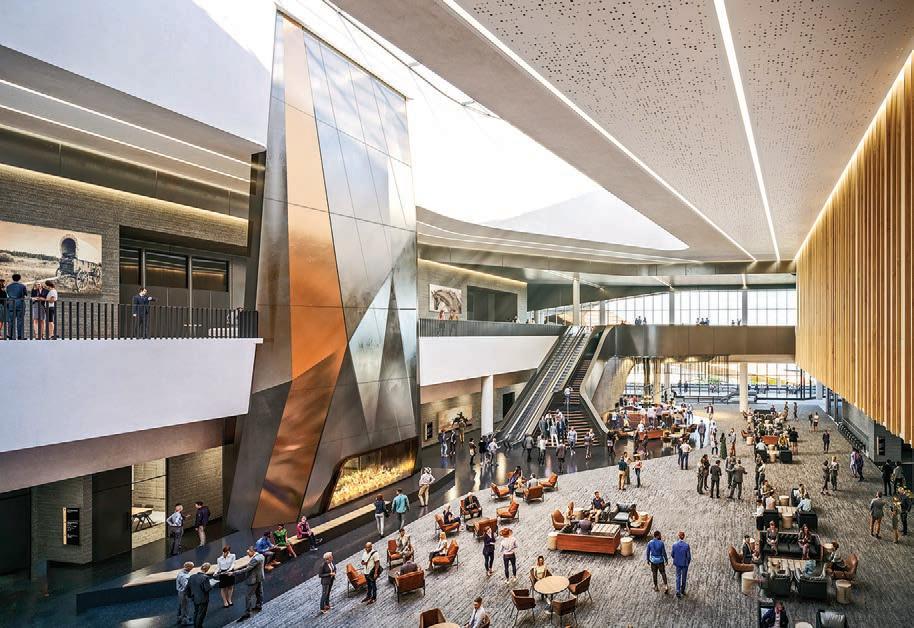
international conventions. Knowing the largest portion of the tourism economy has been focused on the individual business traveller, we were looking to diversify the mix and add another layer to Calgary’s tourism economy.” And it’s fair to say, this has now been achieved, and more. A

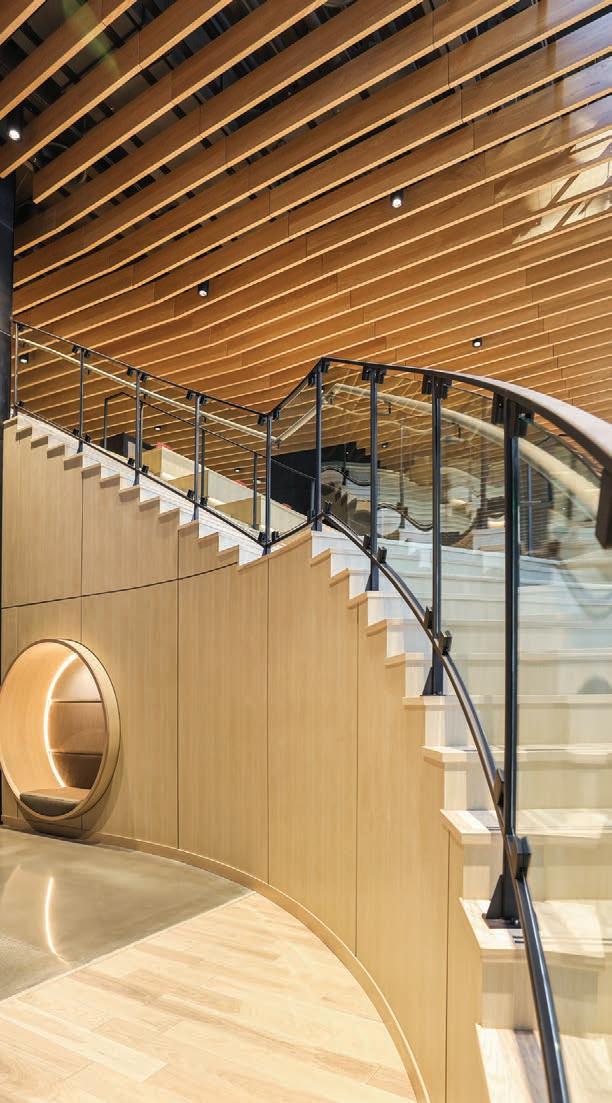

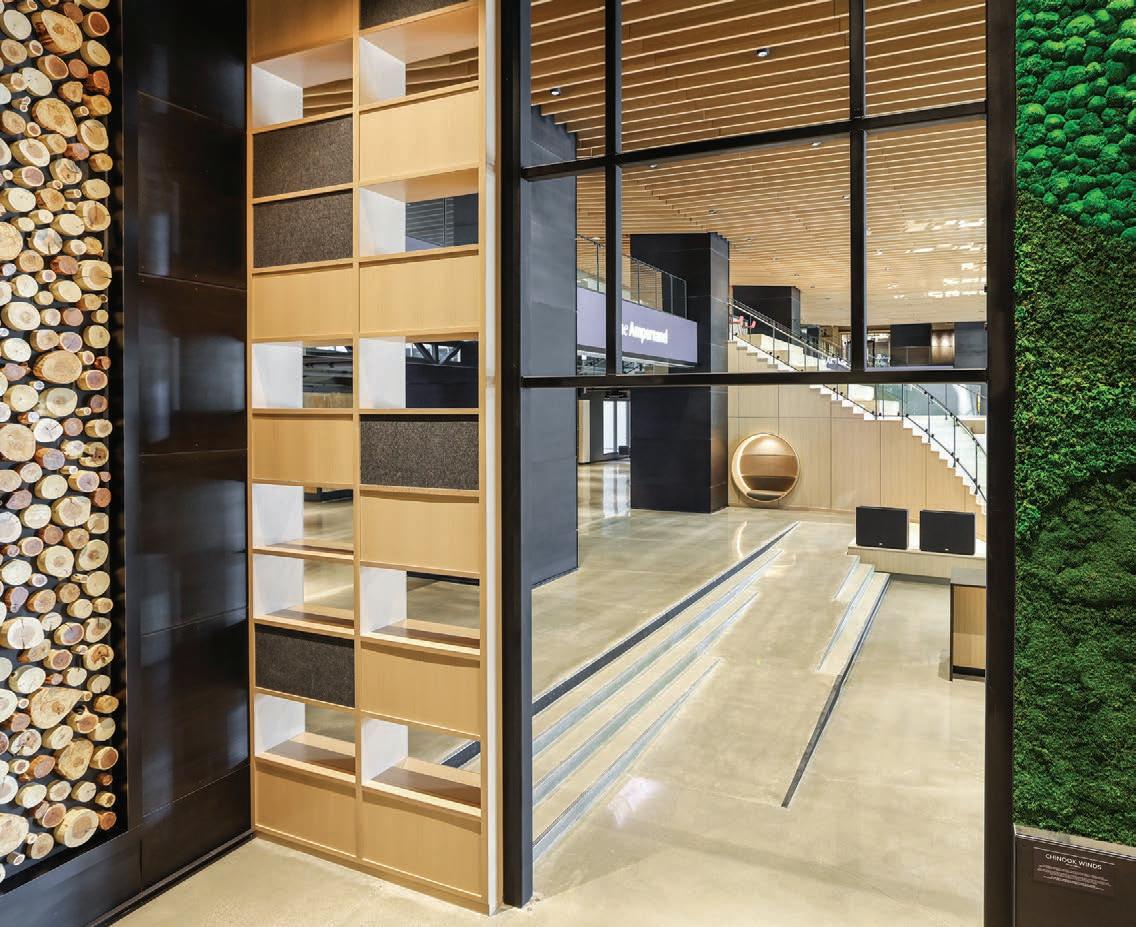
SILENT ICE CENTER
by ROBIN BRUNET
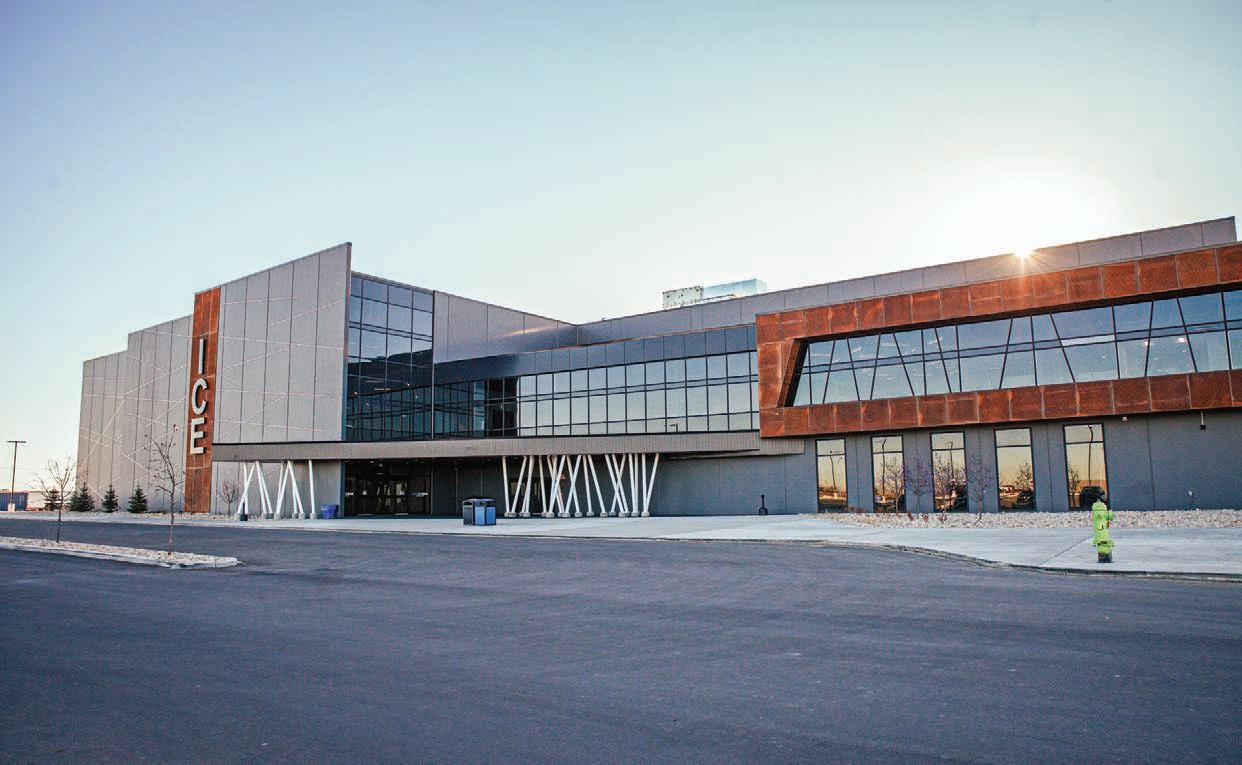
Dan and Lindsey Leckelt, brothers and developers of the Nisku Twin Rink Recreational Facility (aka the Silent Ice Center) are hockey guys at heart: they played for the Senior AAA Stony Plain Eagles and wound up owning the Eagles, plus the Spruce Grove Junior “A” Saints and the Western Hockey League’s Seattle Thunderbirds.
Their passion for the sport was crucial to the creation of the Silent Ice Center: the brothers regarded it as their dream project, as well as the solution to the lack of ice time for athletes of all ages and skill levels in Alberta.
“Physical and mental health wellbeing has become more important in our society, and the intent of the project was to provide a legacy opportunity for the community to exercise and socialize,” says Dan Leckelt.
The facility consists of two NHLsized ice rinks, box office, fitness area with change rooms, a pro room with sauna and steam room, player’s lounge, and coach’s room. A second level consists of media spaces, offices, concession, and box suites. The third level contains a 7,500-square-foot restaurant and serving bar plus balcony seating that overlooks both rinks.
While these components may seem standard, the way they were designed and delivered makes the Silent Ice Center a unique sport facility that could influence how such centres are designed in the future. Todd Voshell, partner at Voshell Architecture + Design (VOSH), credits the Leckelts for a collaboration that would be the envy of other architects. “Basically, I dreamed, within reason, and they turned it into reality,” he says, adding that their inclusion of Eagle Builders in the design build project resulted in a high-quality facility that met timeline and budget requirements, resulting in a facility
with a much lower budget than a conventional taxpayer funded project.
According to Voshell, who is also a hockey enthusiast and who had worked with the Leckelts in the past, Dan approached him in 2020 to design the twin rinks: “I said, ‘But I’ve never done a rink before,’ and he replied, ‘You’re doing it anyway,’ and by partnering with Eagle Builders, who had expertise in this realm, the Leckelt family allowed me incredible creative freedom.”
Together and through a process consisting of numerous checkpoint presentations, the team developed a facility that advanced ice arena design substantially. “In addition to eliminating no direct lighting on the rink, we were able to double the number of washroom fixtures required by code – no waiting lines in here – by utilizing what would normally be the under-utilized corners of the rink areas,” Voshell says.
To avoid creating a larger concourse surrounding the rinks, the angle of the seating was slightly steeper as it tiered up, which also contributed to the goal of providing optimal viewing. “Additionally, the owners wanted a space for spectators to watch games while eating, and this led to adding a restaurant as a third level between both rinks utilizing base building columns to help reduce costs,” Voshell says. “Plus, their desire for a balcony led us to create three tiers of seating cantilevered out from the restaurant on both sides, 55 feet in the air, for a truly spectacular viewing experience.”
Voshell adds, “At one point I remarked tongue-in-cheek that it would be interesting to provide a pizza oven so the players could make their own meals after a game, and the response was ‘Done!’ So, the Silent Ice Center has only one of three imported electric woodfired ovens in North America.”
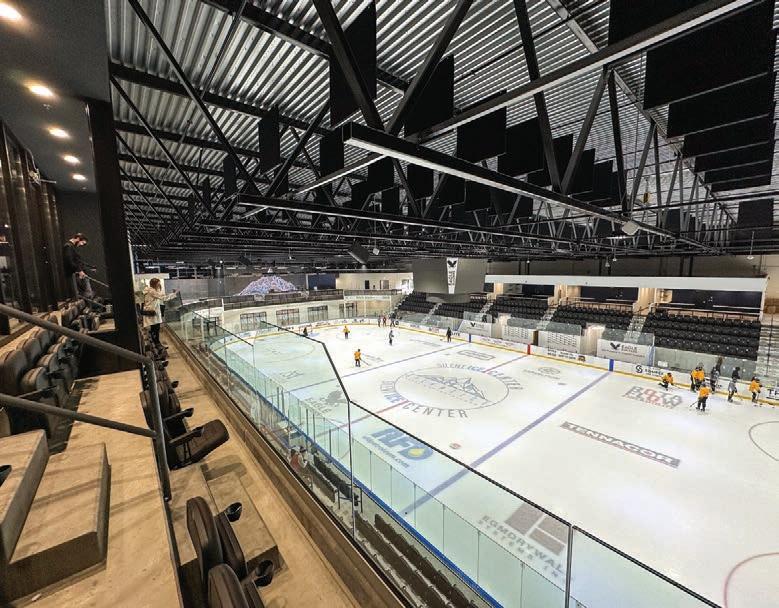
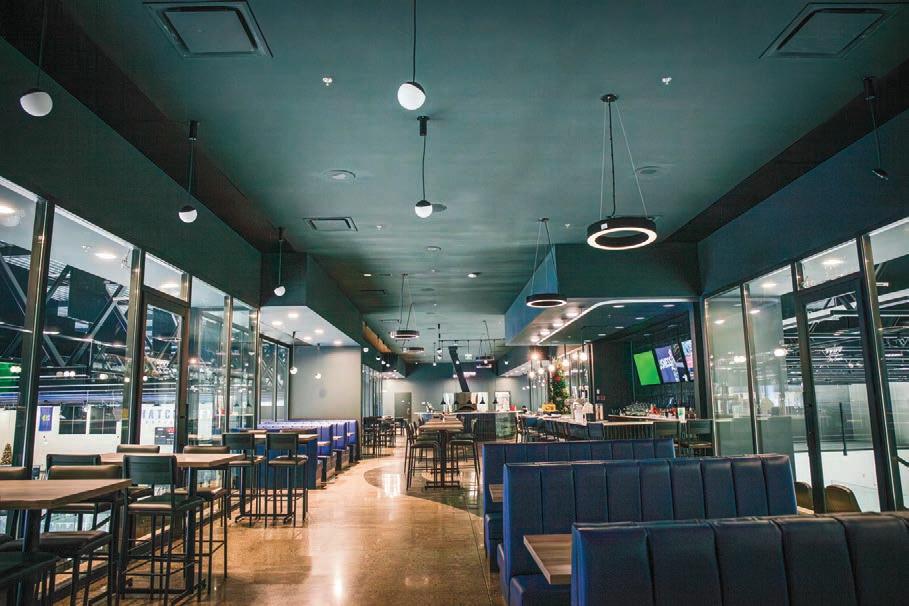
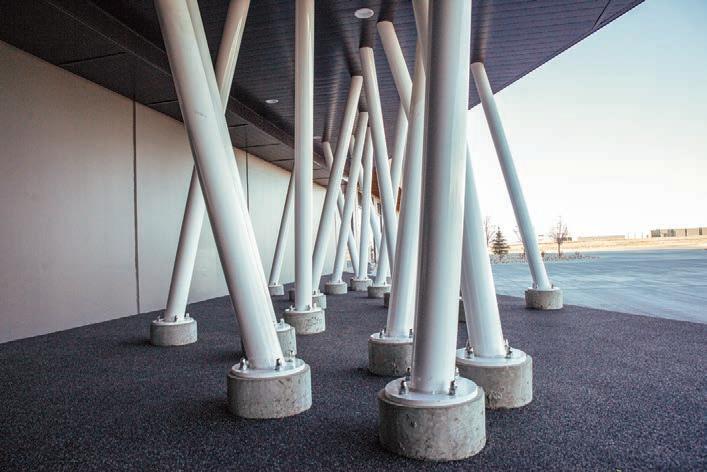
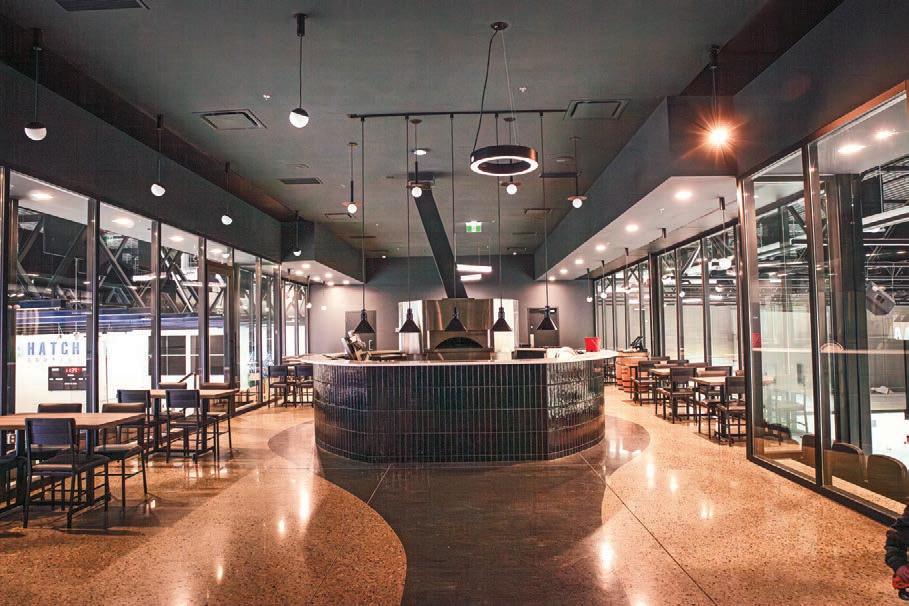
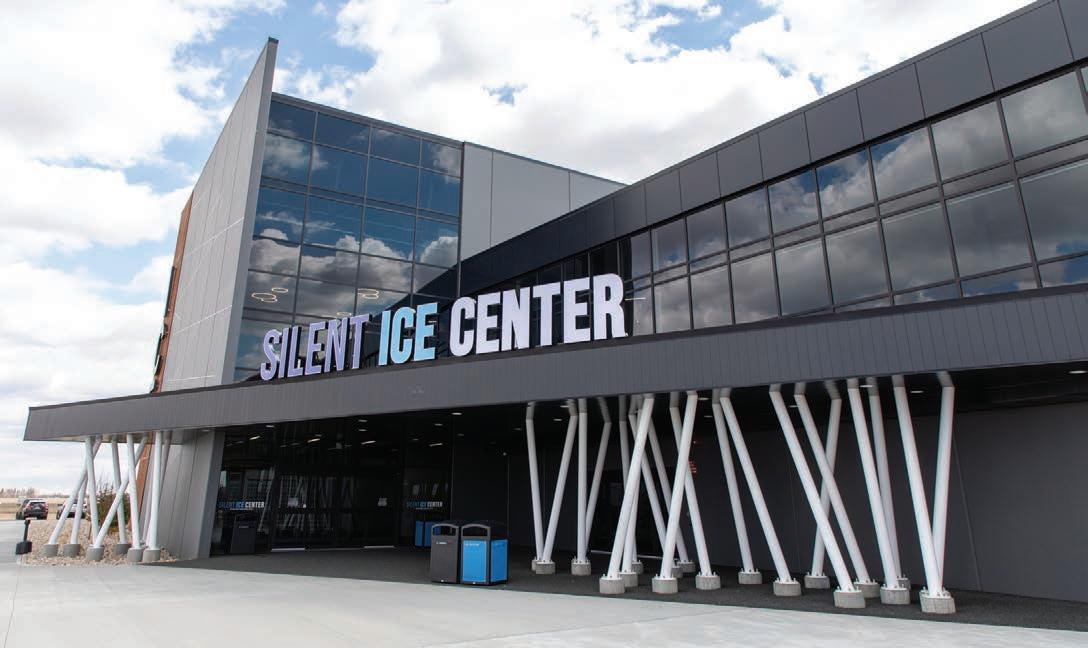
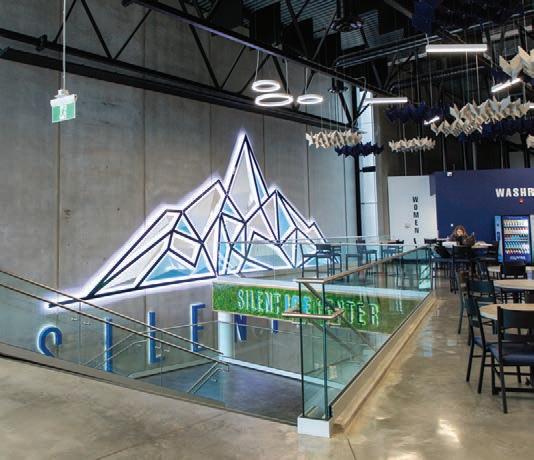

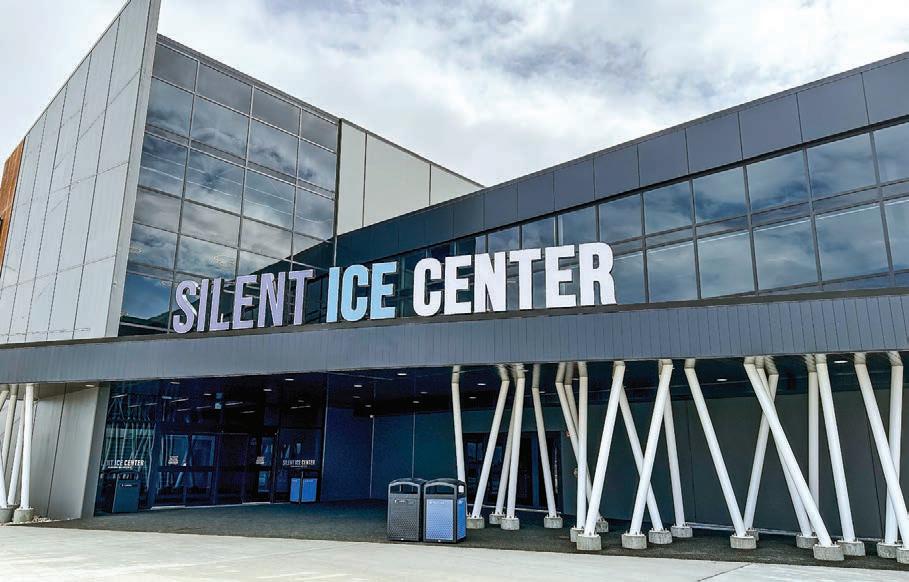
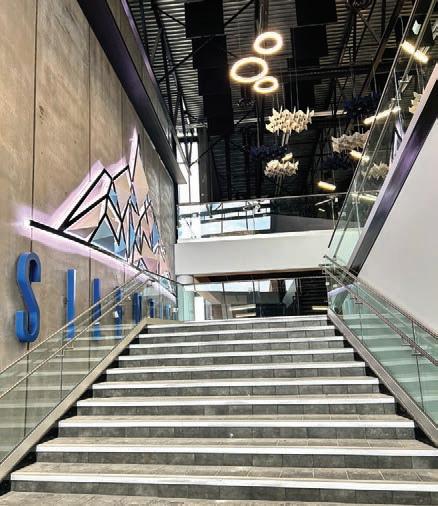
LOCATION
1515 35 Avenue, Nisku, Alberta
OWNER/DEVELOPER
Silent Ice Sports & Entertainment
ARCHITECT
Voshell Architecture + Design (VOSH)
DESIGN BUILD CONTRACTOR
Eagle Builders
STRUCTURAL CONSULTANT
Grubb Engineering
MECHANICAL/ELECTRICAL CONSULTANT
908 Engineering Incorporated
TOTAL SIZE
132,466 square feet
BUILDING CONSTRUCTION COST
$51 million
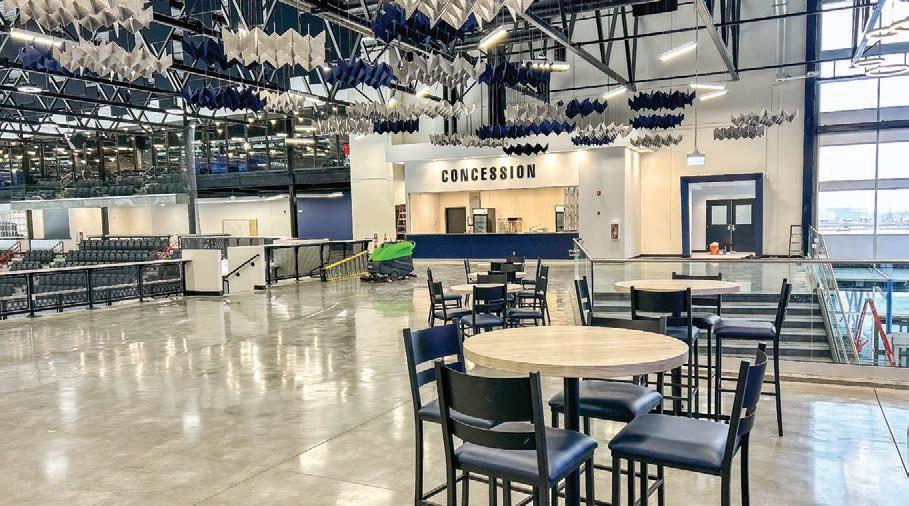
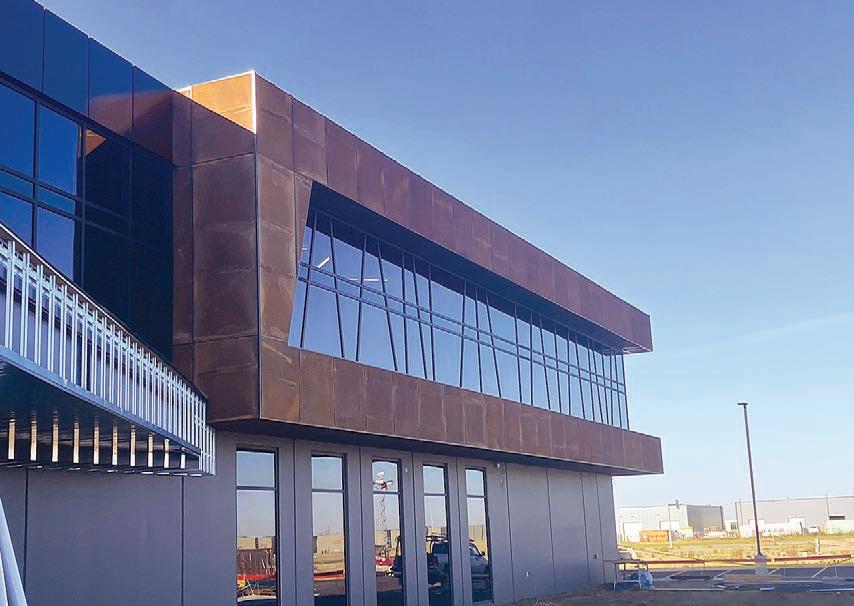

Allrose Exteriors has served homeowners and businesses in Central Alberta since 1979. Our experienced installers offer custom home and business exteriors using beautiful, long-lasting materials from some of the highest-quality brands in the market. We are reliable exterior contractors from Red Deer. Our prices are competitive and our workmanship is unmatched. Request a free estimate today and get started on your exterior project with us.
Feel confident in our superior craftsmanship guaranteeing the finest quality and accuracy for your project, and inspiring confidence throughout the process. With help from our trusted suppliers who deliver premium materials renowned for their durability, efficiency, and curb appeal, your project is destined for lasting beauty and resilience.
Unlock the potential of your project today! Request a free estimate and discover how our unmatched craftsmanship can bring your vision to life.
Eagle Builders, a precast specialist, broke ground on the green field site in August of 2022 and contributed to what would be a major visual element of the exterior: three 52-by56-foot massive precast wall slabs with 10- to 12-foot random criss-cross reveals with LED strips running their length. “The strips represent skate marks on the ice, and since the entire building is black, these strips really pop out at night,” Voshell says.
Another unique visual design constructed by Eagle Builders is an entrance canopy of steel supported by columns set at different angles: an abstract representation of an ice shard. Eagle Builders finished work on the first rink within 10 months and the second rink several months later; the completed facility opened in November of 2023.
Voshell stresses that the collaboration between the owners, builders, and his team as well as the consultants and trades was the key to Silent Ice Center’s success. “It would have been impossible for me to come up with and implement all the special parts and pieces that make this facility unique,” he says. “It really was a dream project for all of us.” A
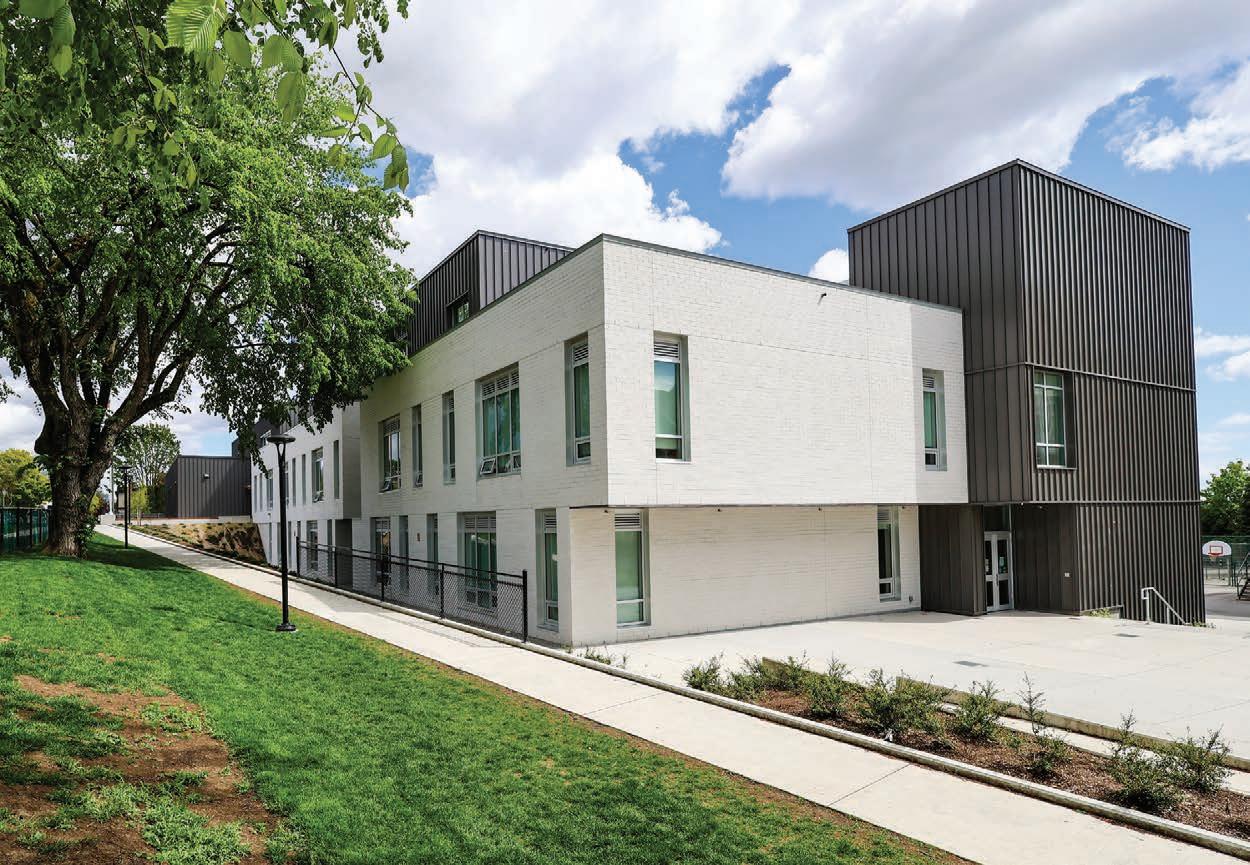
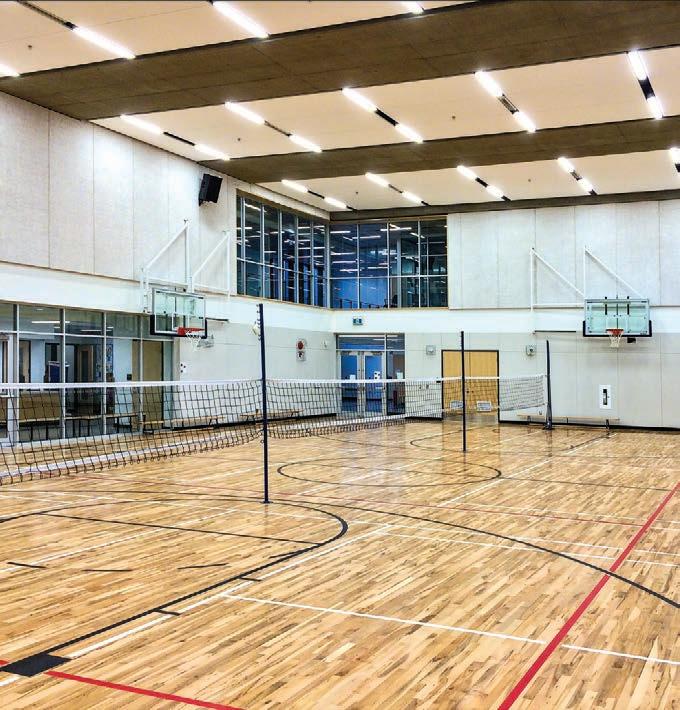
DAVID LLOYD GEORGE ELEMENTARY AND CITY OF VANCOUVER CHILD CARE
by CHRISTINA MORRISSEY
David Lloyd George Elementary has become a landmark in the Marpole neighbourhood of Vancouver. The original brick school was built in 1921 and a twostorey wing with a gymnasium was added in 1954. Today, however, a new chapter unfolds as the brandnew two-storey David Lloyd George Elementary School emerges, embodying modernity, accessibility, and safety at its core, with the capacity to accommodate 440 students from Kindergarten to Grade 7. The facility will be gifted a new indigenous name, honouring the unceded lands of the Musqueam Nation on which it stands.
Designed with a keen focus on energy efficiency, this building boasts a seamless blend of functionality and sustainability. Amidst its innovative features lies a dynamic learning commons, fostering collaboration and group work among students and teachers alike.
Moreover, the school’s transformation extends beyond its walls with the addition of a Neighbourhood Learning Center space, tailored to meet the needs of both the school community and the surrounding neighbourhood.
“The David Lloyd George Elementary replacement school project was part of the Ministry of Education and Child Care’s [MECC] Seismic Mitigation Program and is the latest school project completed by the Vancouver School Board [VSB],” explains Ajaz Hasan, director of the Vancouver Project Office (VPO) at the
VSB. “The replacement option was determined to be the most cost-effective approach compared to upgrading the original school buildings.”
During schematic design, architects hcma held an envisioning workshop with stakeholder groups including teachers, resource staff, and childcare providers to determine the vision and character of the new school.
Kent Grier, VPO project manager for the project explains: “Architects hcma guided the stakeholders through a series of gaming sessions, one of which involved arranging cut-out shapes representing different functional spaces on the site plan. These sessions directly influenced the design of the new school, creating a sense of ownership within the school community.”
This led to an inspired concept featuring a central ‘heart’ or hub area that links the gymnasium, the library, and the main administration office at the core of the school. Classrooms and resource rooms are situated to the west, while gymnasiums and multipurpose rooms are located to the east. These spaces are interconnected along a central corridor.
Architects hcma also connected the lower level of the hub to the second level with an open interior stair and a two-storey atrium space filled with natural daylight. “Interior glazing allows views from the administration area into the gymnasium and the library. The central heart naturally serves as a hub of interconnectivity as students move through the
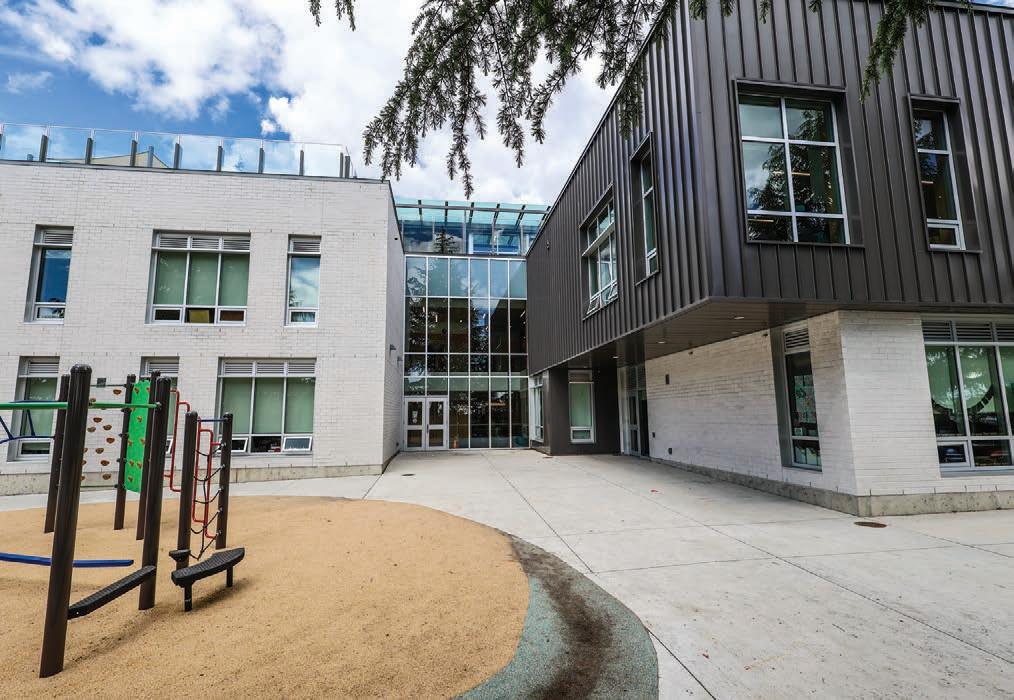
building on their way to and from the gym or the library,” explains Grier. Other design features include generous proportions for the windows in the classrooms, allowing ample daylight into the interior spaces and providing views out of each classroom. The design team also incorporated 21st-century learning principles by creating student commons between groups of four classrooms interconnected along the main corridor. Interior glazing from the classrooms into the commons allows views of activities that might be held in the commons. Additionally, operable folding walls
were used to open classrooms to each other and to the common area, facilitating team teaching opportunities.
The City of Vancouver (COV) partnered with the VSB to construct a child care facility atop the two-storey school. The new child care space is built with a steel structure, spanning 11,641 square feet and providing 69 spaces for children from infant to preschool age. It features rooftop outdoor play areas offering views of Mount Baker and airplanes arriving and departing from the YVR airport. The child care facility opened on April 2, 2024, marking the fourth project where the COV collaborated
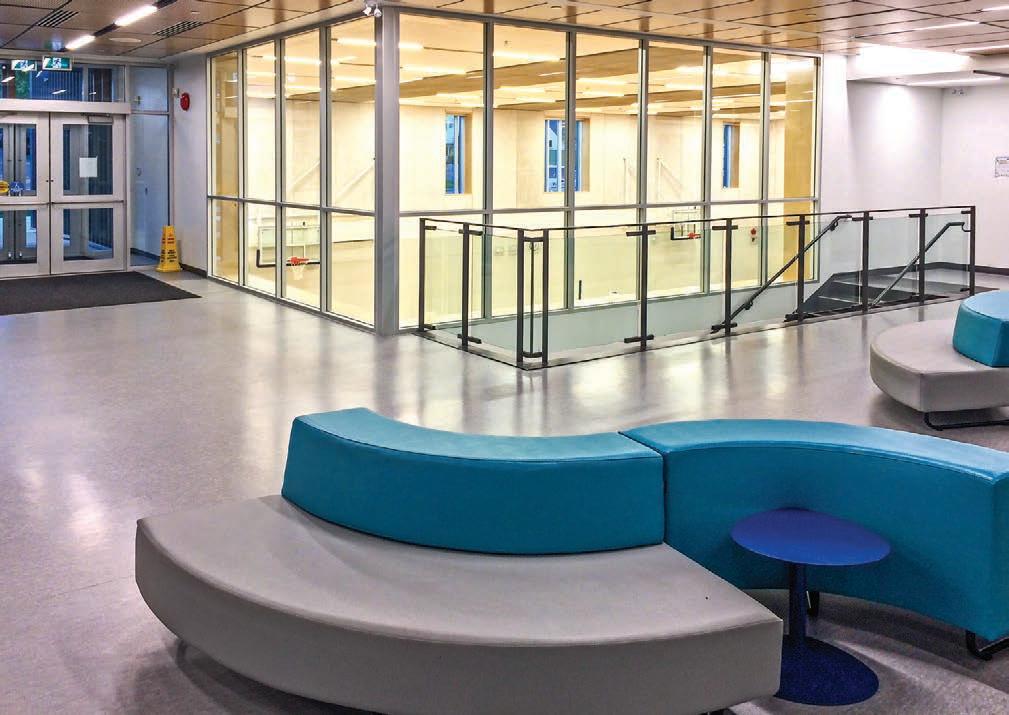
with the VSB to establish a new child care facility atop a new school.
The site massing of the new building was also very successful, as Grier explains, due to the sloped nature of the site from the northeast to southwest. This configuration allowed for the main school entrance off 67th to lead directly into the second level central hub of the school. The lower
gymnasium volume was integrated into the site, while the third level of the building, housing the child care facility, visually appears as a two-storey building height to neighbouring residents along 67th. The ground level of the school connects with the lower west and south portions of the site.
A new primary playground area was constructed on the south side of
the school, featuring a rain garden designed to capture surface runoff during heavy rainfalls. The site also boasts existing mature coniferous trees that naturally shade a portion of the south exposure of the multipurpose rooms and the new library.
While the construction of the building faced the challenges posed by the COVID-19 pandemic, including labour and material shortages, Chandos Construction demonstrated their experience and adeptness in navigating these obstacles. “The two-storey school, constructed primarily from concrete, encountered delays due to a concrete strike in Vancouver during a portion of the construction period.
“Additionally, there was a shortage of aluminum windows, doors, and hardware. However, through perseverance and teamwork, the contractor, Chandos Construction, completed the project successfully. The new facility is poised to serve the Marpole Community for many years, providing seismically safe and accessible educational, child care, and community spaces,” says Hasan.
With a new and seismically safe school and child care facility, the Marpole neighbourhood can rest assured that students and staff are

learning and working in a safe, accessible, and modern environment.
“The main takeaway from the project is the success achieved through stakeholder consultation, including public open houses and envisioning workshops. The school community and the child care really enjoy their new building, positively influencing how students perceive their learning environment,” concludes Grier. A
LOCATION
1338 West 67 Ave, Vancouver, B.C.
OWNER/DEVELOPER
Vancouver School Board
ARCHITECT hcma
GENERAL CONTRACTOR Chandos Construction
STRUCTURAL CONSULTANT WHM Structural Engineers
MECHANICAL CONSULTANT
ELECTRICAL CONSULTANT WSP
LANDSCAPE ARCHITECT
Prospect and Refuge
SIZE

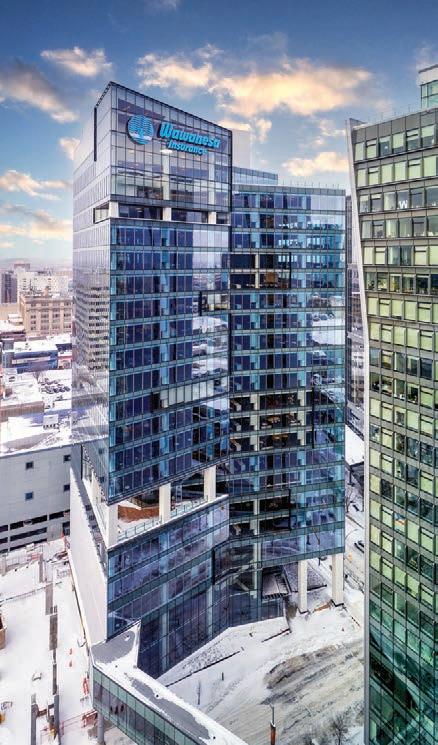
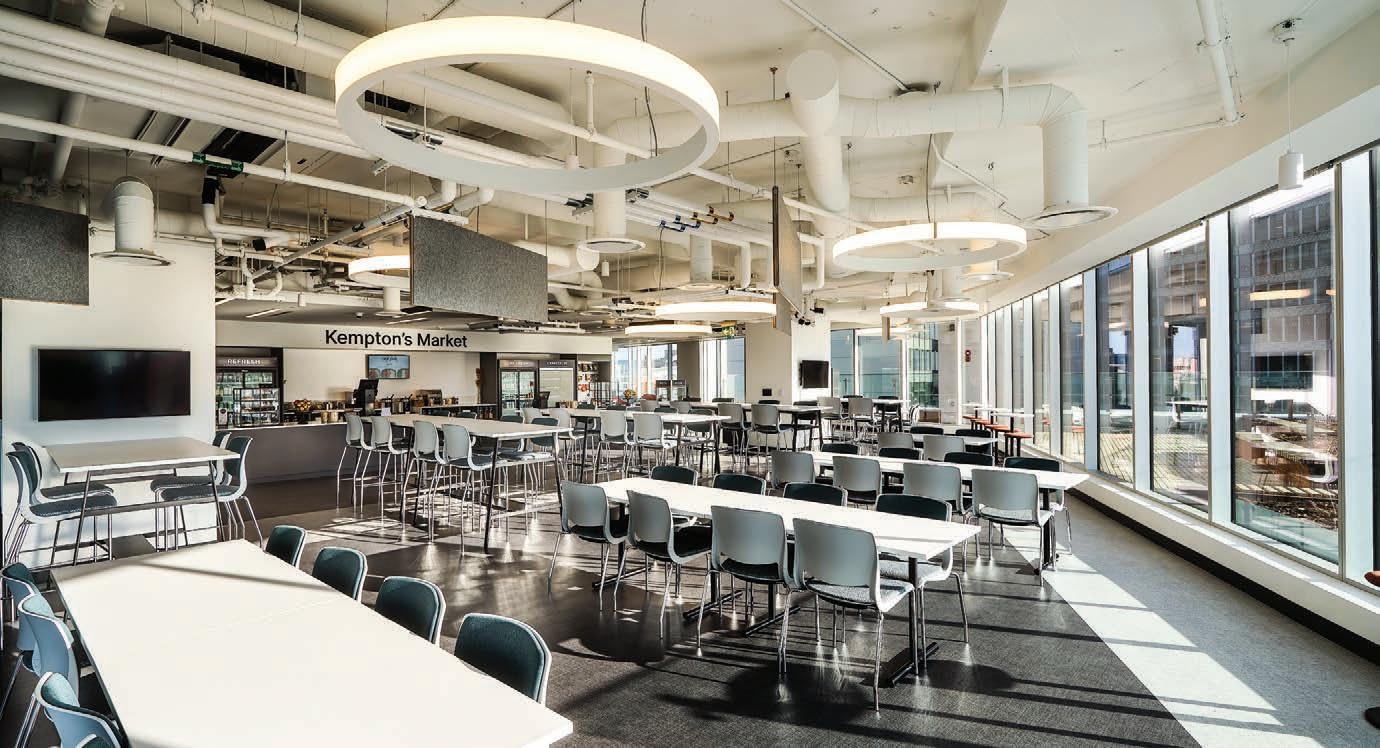
WAWANESA INSURANCE – TRUE NORTH SQUARE
by JESSICA KIRBY
True North Square – an iconic mixed-use development in the heart of Winnipeg’s burgeoning downtown – brings together working, living, socializing, and gathering in a 1.5-million square foot footprint in the city’s sports hospitality and entertainment district. The project’s three towers comprise residential, commercial, and office space, including 375,000 square feet for Wawanesa Insurance, Canada’s largest mutual insurer founded in Manitoba in 1896, and the sole tenant in the development’s latest building.
True North Real Estate Development’s president, Jim Ludlow, says both True North Real Estate Development and Wawanesa brought unique and complementary perspectives to this project.
“Together, we had an opportunity to hit several important and meaningful notes that would resonate for owner and tenant and for Winnipeg’s downtown and the broader community,” he says. “Our shared vision centred around bringing life, density, and activity downtown. We wanted to enhance connectivity; set a new standard of employee-centric design, amenities, and architectural excellence; and create a new catalyst for the continued growth and vibrancy of Winnipeg’s core through a state-of-the-art and uniquely Manitoban office tower that would add to Wawanesa’s rich history and legacy, and to the legacy of our city.”
Early design studies between Architecture49, True North Real
Estate Development, and Wawanesa established the aspirational goals for the design – aspirations that had to balance the design visions of two very different organizations.
“We quickly understood that a common theme in our design discussions was the importance of community and how the design of a national headquarters could also reflect an organization’s external connection to the city and country, while still paying homage to their place of origin – the community of Wawanesa,” says Michael Conway, architect with Architecture49.
The river and valley as an archetypal prairie form that defines the location and physical shape of the Wawanesa community was a starting point for the design. That an abstracted valley and Souris River could be used as ordering design principles for the building was a poetic idea that resonated with both Wawanesa and True North.
“This is represented architecturally by the inward tilting of the façade and the linear ‘river’ that winds up and around to sculpt each of the major public common areas, both external
and internal,” Conway says. “Our design intent was to speak to the powerful interconnection between people and place: the sense of shared experiences and of mutual reliance.”
The river and its geometric resolution required careful technical consideration of both the structural and envelope design. “The shifting planes of the facades required careful detailing and co-ordination between disciplines as well as trades, to ensure a tight and continuous envelope that met the stringent energy performance targets that were set for the project,” Conway says.
“Aesthetically, the glazing subtly changes to a high-visibility, low-iron glass at each interior and exterior ‘pocket park’ – the common areas within the building – signifying the narrative importance of these spaces externally, but also improving views and daylight penetration internally.”
The project’s environmental program began with siting in at a reclaimed brownfield location within a dense urban context, making it walkable with direct access to amenities, public transit, bike storage, and charging for electric
vehicles. The project was built to LEED Gold Core & Shell certification and WELL v2 Gold Interiors certification – together creating a balanced approach to sustainability.
The curtain wall system was designed to optimize energy performance of the high-efficiency mechanical and electrical systems. “We were also strategic in the placement of internal functions to balance energy use with employee wellness, by optimizing the floorplates to benefit from light and views,” Conway says. “Areas with less potential for access to daylight and views were selected for mechanical spaces and opaque facades with higher insulative value, for an overall blended energy response.”
The project was moving into schematic design at the start of the global pandemic. Envisioning a postpandemic workplace resulted in provisions for resilience and flexibility, such as a full wellness centre with massage rooms, exercise equipment and a fitness studio, as well as rooms for faith-based worship (including foot baths), quiet rooms for neurodivergent staff, generous collaborative spaces, a balance of gendered and gender-neutral washrooms, and childcare spaces that are on the way.
“Out of this, the Wawanesa building became a symbol of rebuilding healthy communities at all scales, offering tangible solutions that respond to now endemic challenges in the contemporary workplace,” Conway says. “It was designed to promote true work/life balance, inclusion and
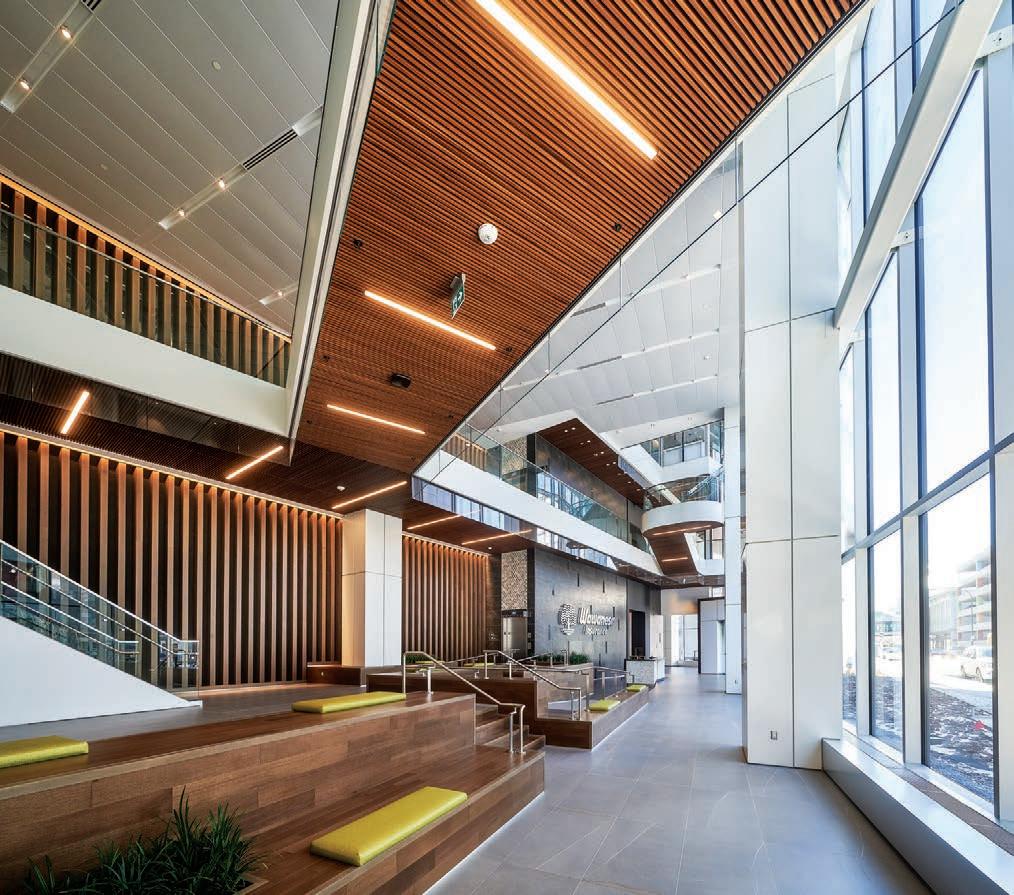
diversity, and the healthy activation of the public realm.”
David Van Hooren, senior construction manager for PCL Constructors Canada Inc. in Winnipeg, says the structure is cast-in-place concrete on rock socket caissons and driven steel H pile foundations. PCL primarily used PERI forming systems during the
construction of the concrete structure, including self-climbing core forms, and Skytable for the floor slabs.
The exterior is primarily custom fabricated curtain wall using Kawneer aluminum extrusions and triple-paned insulated glass units, and the building has two outdoor terraces – one at level 6, the café level, which
is inset from the façade to create the two-level terrace mid-building. The second is on Level 21 and is open to the sky above.
“Both required careful co-ordination to ensure the desired spaces could be constructed while ensuring a proper building envelop transition,” Van Hooren says. “There is also the signature skybox at the top of the building, which features a 50-foothigh curtain wall section that creates grand spaces on Levels 20 and 21.”
Thanks to a “project first” mentality and a team approach, the project overcame labour disruptions and supply chain issues resulting from the global pandemic, and an abnormally adverse winter encountered during concrete construction.
“January to April of 2022 was terribly cold, windy, and snowy,” Van Hooren says. “Crews battled the elements to keep the site moving; however, much time was still lost during this period. Once the weather stabilized, PCLs crews were able to accelerate the concrete work and recover the time lost during the winter. It was a true effort from everyone involved including our subcontractors, suppliers, testers, and consultant inspectors.”
“We couldn’t be more pleased with our partnership with Wawanesa, the exceptional teamwork and collaboration of all involved, and the resulting stunning space which hits all of our visionary notes,” Ludlow says.
“Wawanesa’s National Headquarters epitomizes the synergy between visionary architecture, state-of-theart interior design, strategic urban development, and local connection, commitment, and legacy.” A
LOCATION
236 Carlton Street, Winnipeg, Manitoba
OWNER/DEVELOPER
True North Real Estate Development
ARCHITECT
Architecture49
GENERAL CONTRACTOR
PCL Constructors Canada
STRUCTURAL CONSULTANT
Entuitive Corporation
MECHANICAL CONSULTANT
The Mitchell Partnership
ELECTRICAL CONSULTANT
Mulvey & Banani International
TOTAL SIZE
375,000 square feet
TOTAL COST
Undisclosed