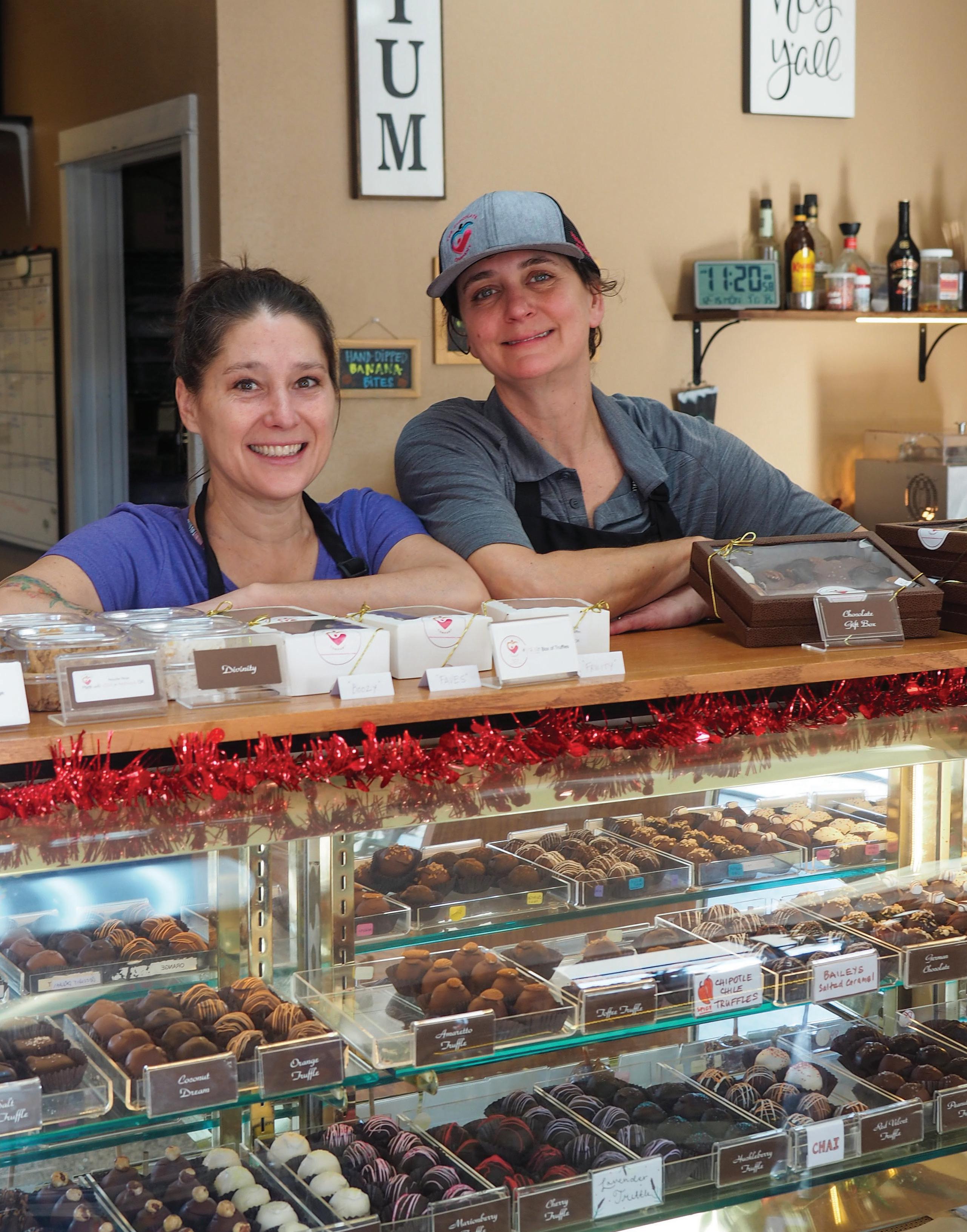

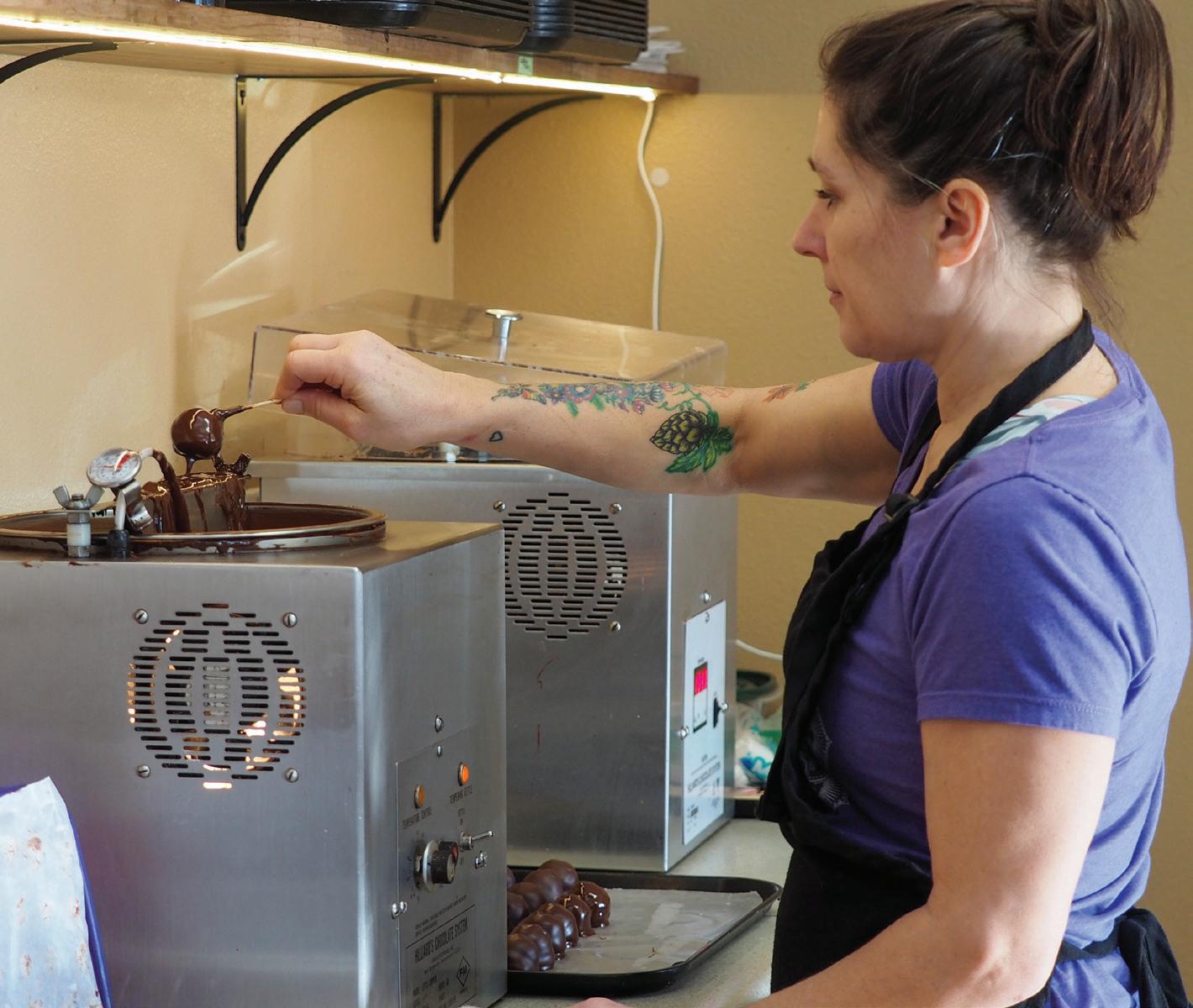
At The Chocolate Company, Stephani Whitney, left, and Stephanie Voss create a variety of sweet treats in Redmond. PHOTO BY COURTNEY COBB



February 2026 • Volume 73, No. 2
CEO Michael Shepard
SENIOR VP OF CONTENT Leon Espinoza
EDITORIAL DIRECTOR Chasity Anderson, CCC
DEPUTY EDITORIAL DIRECTOR
Noble Sprayberry
SENIOR EDITOR Jennifer Paton, CCC
LEAD CONTENT EDITOR Victoria Hampton, CCC
ASSISTANT EDITORS David Herder, CCC; Sable Riley, CCC; Nina Todea, CCC
ASSOCIATE EDITOR
Valeri Saldanha Rosa
PUBLICATIONS PRODUCTION SR. MANAGER
Elizabeth Beatty
SENIOR PUBLICATIONS COORDINATOR
Alyssa McDougle
Ruralite (USPS 397-460) is published monthly for members for $5.73 per year, plus postage, by Pioneer Utility Resources Inc., 5625 NE Elam Young Parkway, Suite 100, Hillsboro, OR 97124—a not-for-profit Oregon cooperative corporation—to serve the communication needs of 46 consumer-owned electric utilities in Oregon, Washington, Alaska, Idaho, Nevada and California. Preferred periodical postage paid at Hillsboro, Oregon, 97123 and additional mailing offices. © 2026 Pioneer Utility Resources. All rights reserved. Reproduction in whole or in part without written permission is prohibited.
Postmaster: Send address changes to Ruralite, 5625 NE Elam Young Parkway, Suite 100, Hillsboro, OR 97124-6454
HOW TO CONTACT RURALITE
Subscription services:
Nonmember subscriptions $15 (U.S.) per year; $25 per year (foreign). Prepayment required. Allow 4-8 weeks for first issue. Be sure to identify which local edition you want to receive.
Address Changes:
Utility members, contact your local utility. Subscribers, call us at 503-357-2105, option 3, or email mailingdept@pioneer.coop.
Back issues:
Back issues and extra copies are $3. Prepayment required. Supply is limited. Be sure to identify edition, month and year. Call first if ordering back issues to check availability.
To contact Ruralite: Ruralite magazine is published by Pioneer Utility Resources, P.O. Box 1306, North Plains, OR 97133-1306; 503-357-2105; email: info@pioneer.coop. For more information, visit pioneer.coop.
DISPLAY ADVERTISING INQUIRIES
American MainStreet Publications
611 S. Congress Ave., Suite 504 Austin, TX 78704
800-626-1181 or 512-441-5200

For supplemental and interactive content, search @Ruralite on your favorite social media sites.
Sometimes, meaningful discoveries wait just beyond where the crowds gather.
This month’s exploration of the West’s hidden treasures reminds me why I love what we do at Ruralite. While millions flock to the Grand Canyon each year, equally stunning wonders exist in places most travelers never think to visit—Thor’s Well swallowing the Pacific along Oregon’s coast, Alaska’s Wrangell-St. Elias stretching larger than Yellowstone and Yosemite combined or California’s spiritual Mount Shasta rising above ancient caverns.
These destinations share something beyond their beauty: They require intention. You won’t stumble upon the world’s largest Sitka spruce by accident. The City of Rocks won’t appear on your route unless you choose to seek it. These places reward those willing to venture off the main highway, to trust that something extraordinary awaits around the next bend.
The same principle applies to people in our communities. Take Mary Adams, whose pioneering spirit shaped early California in ways that ripple forward to today. Her story isn’t plastered on billboards, but it plays a role in understanding who we are and where we came from.
Even our cold-curing soups reflect this theme.
Each recipe represents generations of knowledge. Italian Penicillin Soup, Avgolemono and Thai curry are comfort foods that traveled far from their origins to warm us on February’s coldest days. Someone had to seek out these flavors, adapt them and share them forward.
Dave LaBelle’s photography column explores how winter’s sharp light creates shadows that reveal rather than obscure. He writes about waiting an hour for the right moment, for someone to walk through a specific frame. That patience, that willingness to seek the perfect shot rather than settle for the convenient one, separates snapshots from art.
Though the shortest month, February can feel longer than the others. The excitement of New Year’s resolutions fades, spring remains distant and gray days test our resolve. But this is precisely when we need to remember that some discoveries—whether places, people or moments— often require us to look beyond the obvious, to seek rather than simply accept what’s before us. What hidden treasures exist in your community? What stories deserve to be told, what places deserve to be celebrated? I’d love to hear about them at editor@pioneer.coop.
Until next time, Chasity Anderson Editorial Director
Aunt Mary’s legacy lives on in Crescent City, California Up Close, Page 10
Destinations worth the detour Spotlight, Page 12
In the Kitchen, Page 16



By Courtney Cobb
Walk through The Chocolate Company’s doors and the sweet smell of chocolate, caramel and popcorn can overwhelm the senses. Old-fashioned candy cases filled to the brim greet guests with something for everyone’s sweet tooth.
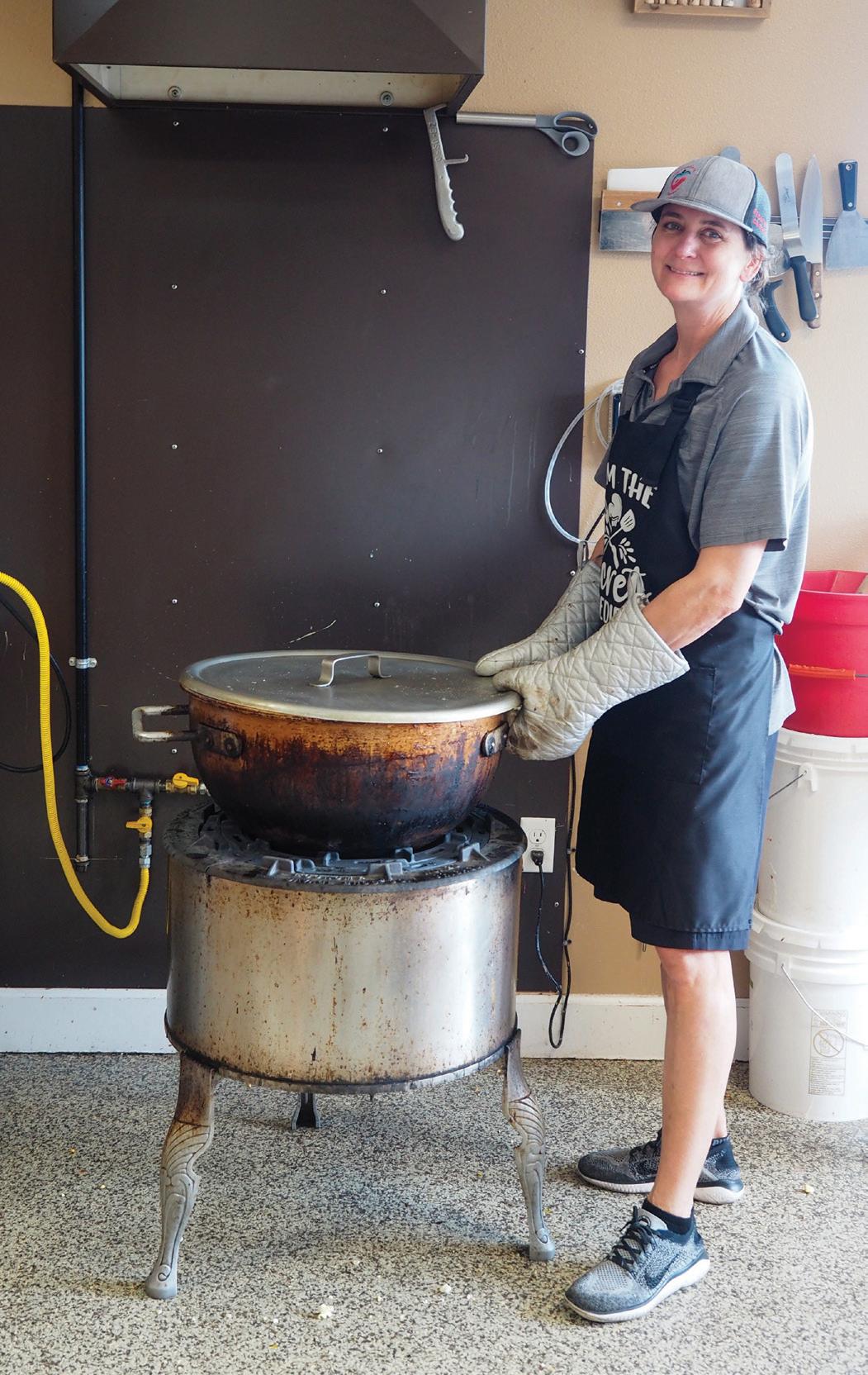
Behind the counter, you may find the owners, Stephani Whitney and Stephanie Voss, who proudly hand-dip truffles or work a copper kettle to make a new batch of caramel popcorn.
In 2022, the women looked for a change from the hustle and bustle of big city life on Oregon’s west side.
“I really wanted to move somewhere smaller, and this place happened to be for sale,” Whitney says. “There was also a cupcake shop for sale in Medford. I’m so glad the chocolate shop won, because I’m a terrible baker.”


The women agree the adventure has been learning a new trade and living in a smaller town. They say they couldn’t imagine living anywhere better than Central Oregon.
A personal trainer and fitness instructor, Whitney says she learned the tricks of the chocolate-and-candy trade from the previous owner.
“My partner and I basically had Russ Newton teach us everything,” she says. “He was fantastic and patient with us and basically taught us everything that we know over eight months.”
The Chocolate Company orders its chocolate in bulk, including dark, milk and white chocolate, as well as some vegan chocolate. The store has something for every dietary need, from dairy-free to sugar-free and gluten-free. Whitney says they don’t sell much in the sugar-free line, but they keep some on hand just in case.
Almost all treats at The Chocolate Company are made on-site. Three machines help temper the chocolate, keeping it at a constant melted temperature.
“The machines are a godsend because otherwise it would be microwave and stir, stir, stir, stir kind of production,” Whitney says. “It definitely saves time in the process.”

One of the most popular items, besides homemade caramel chocolates, is hand-dipped truffles. Creating melt-in-your-mouth delights is quite the process. First, Whitney makes a ganache and then cools it to a hardened state, where she can form balls. From there, the truffles are placed in the freezer again to harden before they are hand-dipped in a final layer of chocolate.
“Ideally, it’s a three-day process,” Whitney says. “Good things come to those who wait. I make 40 each batch but can make hundreds in a day.”
The truffles are works of art.

“When we create the truffles, we decide everything from the filling to what’s the best topping,” Whitney says. “For example, we have a sea salt caramel porter truffle made with beer from Cascade Lakes Brewery. We decided a few little sprinkles of toffee and sea salt on top would be fantastic. It’s just thinking about the flavors and seeing the final product.”
Special flavors take trial and error.

“The first beer truffle we made, we were like, ‘Hmm.’ It was mushy, and it wasn’t good,” she says with a laugh. “There was some trial and error as you figure out less beer, more cream,

BACKGROUND: The Chocolate Company offers a wide range of truffles in milk chocolate and dark chocolate, including classics and unique flavor combinations. PHOTO BY COURTNEY COBB
BELOW: Homemade dark chocolate and milk chocolate peanut butter cups are designed to melt in your mouth. PHOTO COURTESY OF THE CHOCOLATE COMPANY
different chocolate ratio. Overall, everything has a lot of variety. It’s almost like a science.”
The kitchen serves as the science lab to create the final product. On the granite slab table behind the counters, the women go to work making a variety of concoctions, including various flavors of homemade fudge and caramel corn.
Caramel corn is a customer favorite. Voss has perfected the recipe Newton gave her, and she is a master.

“(Our caramel corn) is made in a big copper pot,” Voss says. “We dump it on this granite slab and then drizzle chocolate on it. Everything is handmade, and it’s an intense process, but I feel like it just tastes better than trying to use a machine to make it.”
Other tasty treats customers can find include caramel apples, caramel nut clusters, nut clusters, dipped Oreos, dipped chips, rocky road, peanut butter buckets, milk chocolate and dark chocolate salted toffee, chocolate-covered marshmallows, crispy rice treats and chocolate-dipped Twinkies.
Some of the busiest seasons for the store occur around Christmas and Valentine’s Day. Whitney says she starts to think about Christmas inventory in early November and tries to make as many products ahead of time as possible.
“We are not a bakery, so we can make items ahead and pull them out as needed,” she says.
The other busy season is Valentine’s Day, and chocolate-covered strawberries are the favorite. However, Whitney advises that those who plan to buy this delicious treat for their sweethearts should order ahead.
“Valentine’s Day is a blur,” she says. “It sweeps in and out so fast, and our chocolate-covered strawberries always sell out quickly. I always feel bad when guys come in looking for the strawberries, and they are all sold out. I try to make extra beyond our preorders.”
The Chocolate Company also takes special orders but asks customers to plan and call ahead.
“I love dipping strawberries or any of that stuff, I just need


a little notice,” Whitney says. “I can’t always keep them on hand, because strawberries go bad really fast.”
Special orders can be placed online or in person.
“I am more than happy to help anyone put things together, from boxes of chocolates to gift baskets,” Whitney says.
No matter the craving, the Stephani(e)s and The Chocolate Company have their customers covered. n

The Chocolate Company is in Nolan Town Center at 895 SW Rimrock Way, Suite 102, Redmond. Visit thechocolatecompanies.com for more information or to place an order.




By Cathy Cash and Jennifer Paton
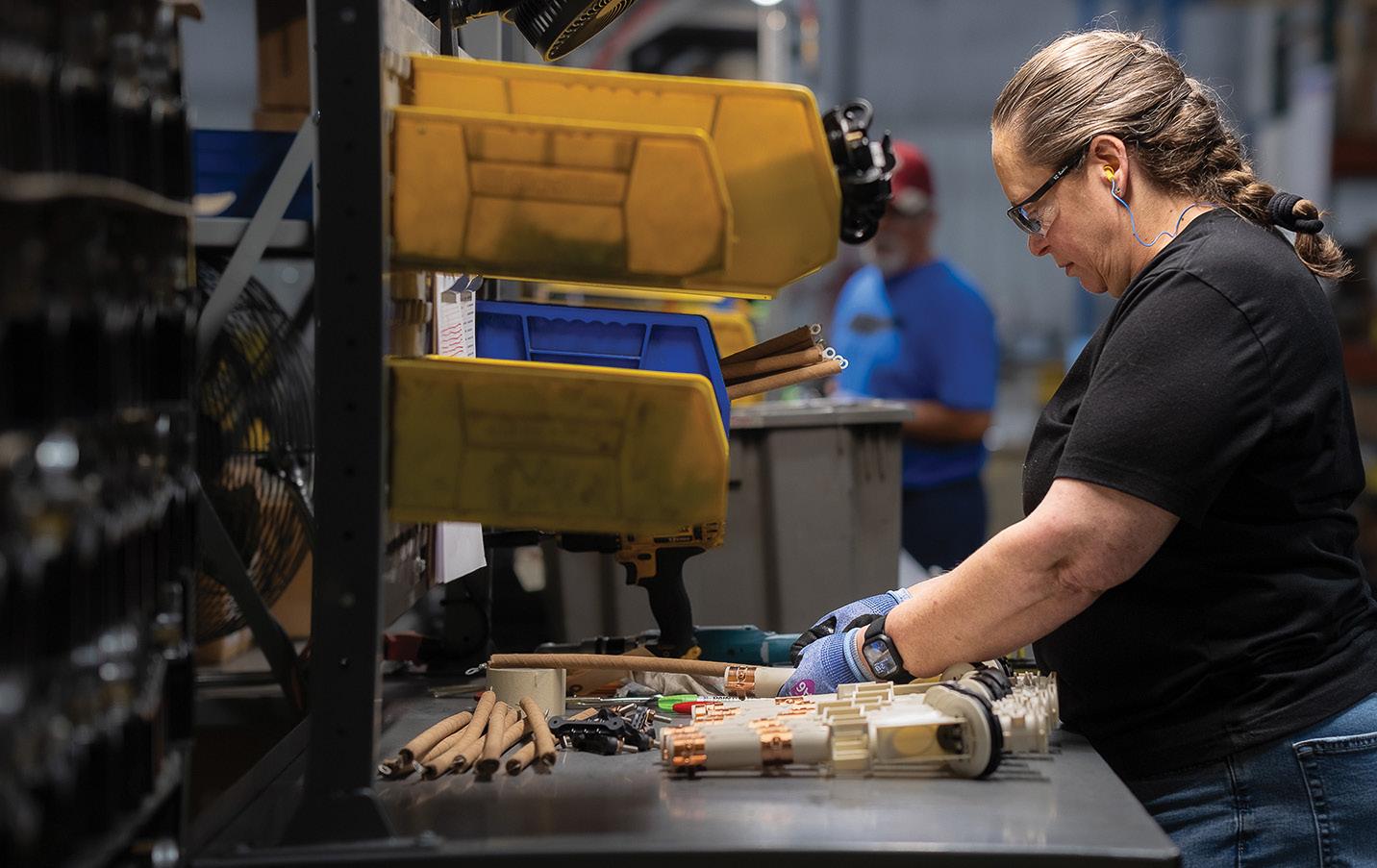
Supply chain issues that sprung up during and after the COVID-19 pandemic may be in the rearview for regular consumers, but bottlenecks in the flow of goods and services are challenging electric utilities’ ability to deliver affordable and reliable service. The circumstances squeezing the supply chain for electric utilities are unlikely to ease in the foreseeable future.
From phones to thermostats, daily life is filled with digital devices. To sustain the growing digital economy, data centers with healthy appetites for electricity are sprouting up across rural America and rural electric utility service territories. Electric vehicles and everyday electronics continue to tap into resources as well.
Even in a post-pandemic world, there remains a scarcity of materials, equipment and workers to build new power generation sources. While higher demand for electricity is driving supply issues, supply
of equipment needed to maintain or build more power plants has not kept up. Then there’s a skilled labor shortage to get the job done and tariffs on imported materials. All these things add up to delayed energy projects at increased costs.
In 2020, the pandemic forced manufacturing to shutter for months.
According to the National Rural Electric Cooperative Association, many experienced employees retired or never returned to their jobs making transformers and other equipment essential to distributing electricity. The supply of some transformers has never been fully replenished, and the lack of a skilled workforce today makes that a constant game of catch-up.
U.S.-based engineering, procurement and construction firms are scrambling to meet work orders for new power projects as there is more demand than they can keep up with, says NRECA Regulatory Affairs Director Stephanie Crawford.

Electric utilities are “finding that these firms cannot respond to requests, they’re charging price premiums or that planning for projects four years out is already ‘too late,’” she says.
As a result, equipment crucial for electricity projects—from new substations to power plant maintenance to post-storm outage repairs—are on delay and coming in at much higher prices.
NRECA reports electric utilities are seeing lag times of up to four years between an order for a transformer and its ultimate delivery. Prices are up 70% to 100% compared to 2020. Lead times for new gas turbines for a power plant can range from three to six years, and the turbines cost 25% more than just three years ago.
“Costs have certainly escalated since COVID across the board,” says Shawn Filice, director of operations and engineering at Roseburg, Oregon-based Douglas Electric Cooperative. “Lead times

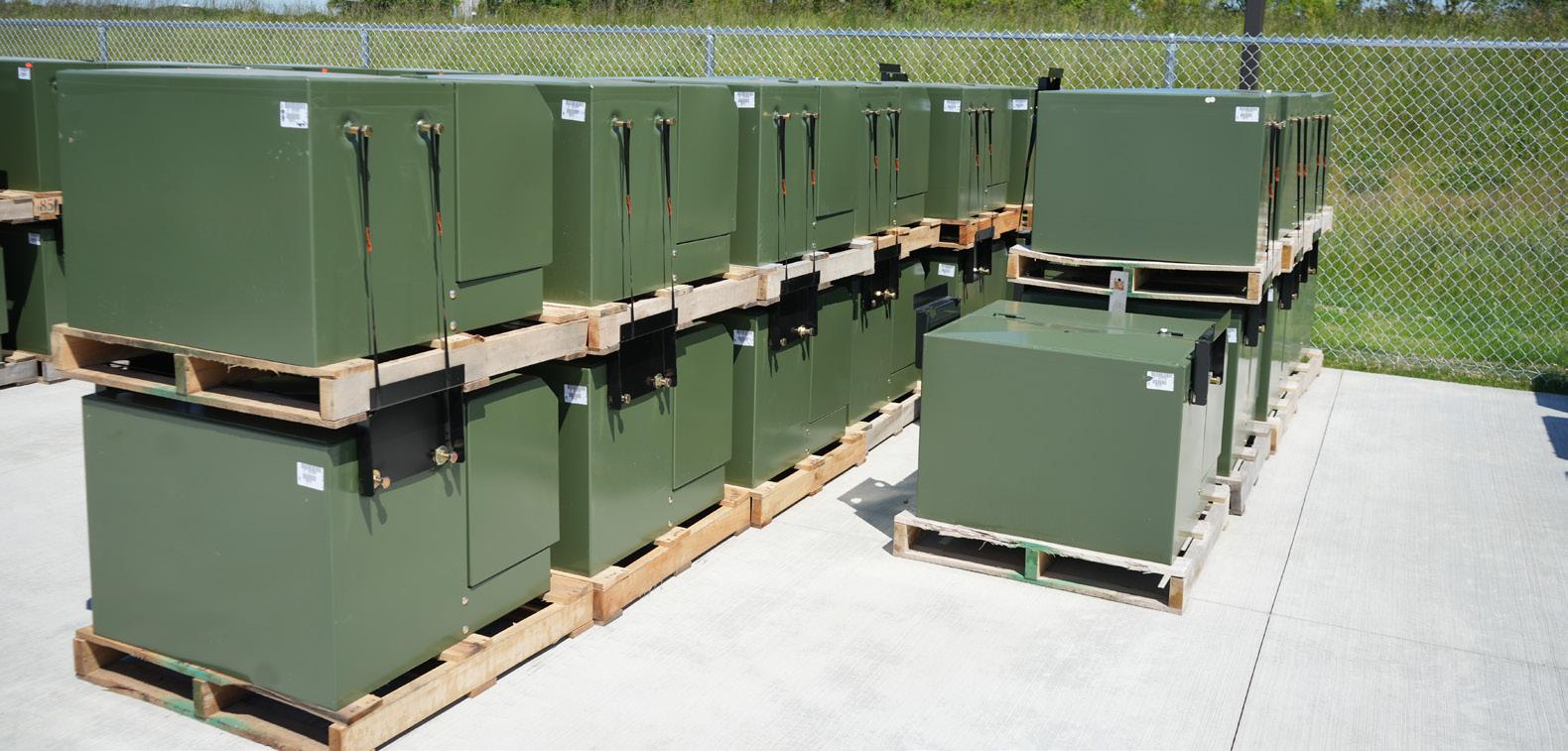
have been improving for most goods, except for transmission equipment—e.g., substation transformers, circuit breakers, circuit switchers and high-voltage current transformers. Vehicles have improved from five-year to three-year delivery, but the prices remain high.”
While the lead time for a 40-foot, class 4 wood pole is back to normal, Shawn says the $499.12 price tag in 2022 jumped to $679.61 in 2025.
“Substation rebuild projects increased in cost from $250,000 in 2018 to nearly $800,000 in 2026,” he says.
To maintain reliable and affordable service, publicly owned electric utilities are relying on a principle deeply rooted in their core values: collaboration. Electric utilities are working with equipment suppliers and contractors closer than ever. They are also planning their orders years in advance of construction to work out the snags of the current supply chain.
Knowing their exact inventory and
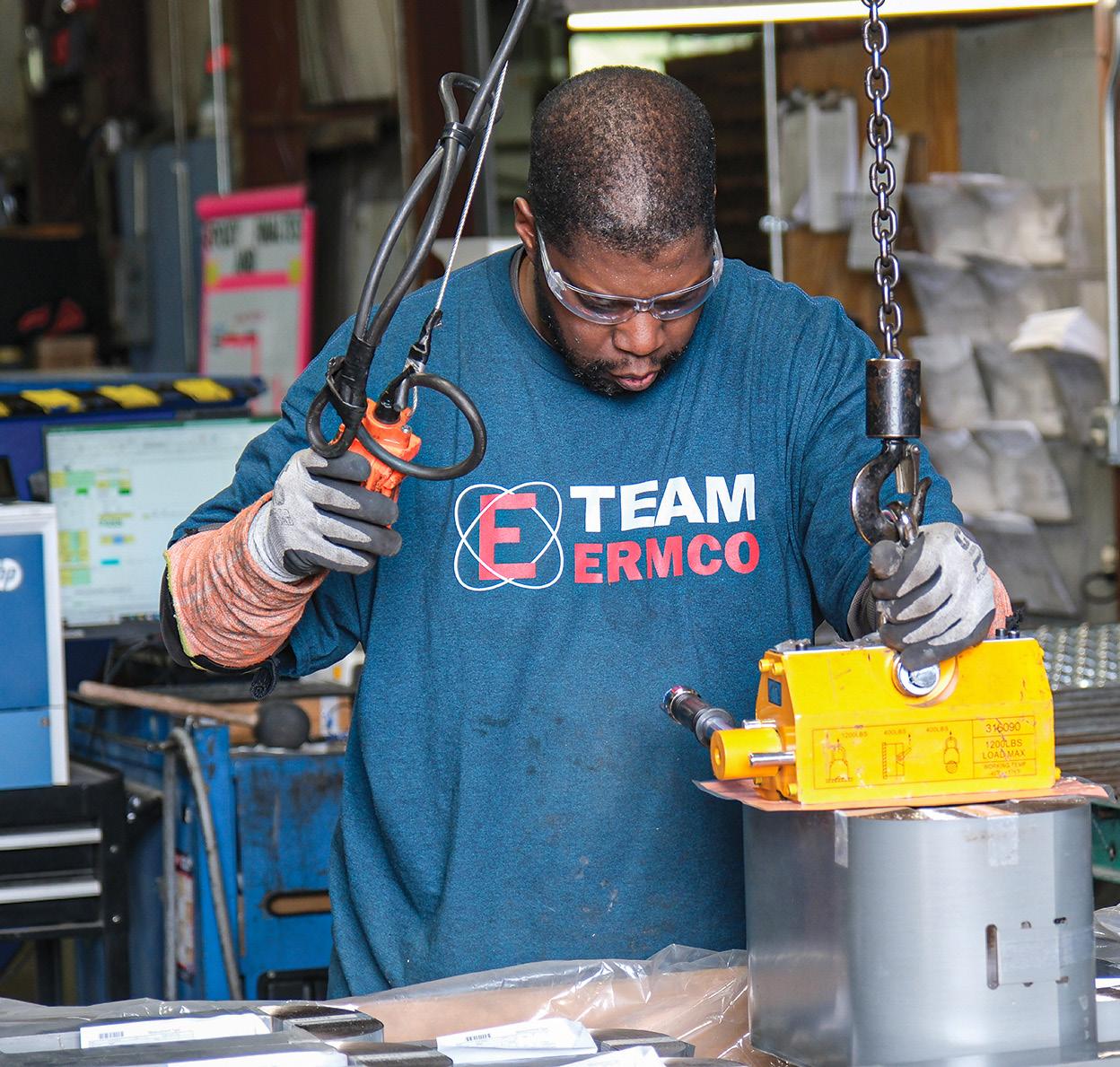
Electric utilities are seeing lag times of up to four years between orders and delivery of transformers at double the prices compared to pre-pandemic times.
The biggest challenge right now is navigating uncertainty, says ERMCO President and CEO Tim Mills.
“The best path forward is to develop a long-term sourcing strategy and work closely with suppliers to lock in future needs,” Tim says. “We need to embrace a more collaborative model between (electric utilities) and their suppliers.”

physical storage space also helps utilities keep necessary equipment on hand, materials flowing and projects as near to schedule as possible.
“We tend to carry more inventory than we had in the past,” Shawn says. “We issue purchase orders to truck manufacturers five years in advance of the planned replacement of vehicles.”
He says DEC’s substation project designs must be completed years before the physical work is planned to allow for material lead times.
Representing a supplier’s viewpoint is ERMCO, a subsidiary of Little Rockbased Arkansas Electric Cooperatives. The company makes distribution transformers with American-made steel at its facilities in Tennessee and Georgia, and is not experiencing price spikes or delays on the materials it needs. Still, the transformer market is not immune to price pressures affecting other manufacturers reliant on imported cores made with foreign steel.
As public power consumers see rising utility costs reflected in their monthly electricity bills, power providers are working behind the scenes to ensure increases are sensible.
“As a member-owned cooperative, we take a long-term approach to decisionmaking,” says Lindsay Forepaugh, general manager of Wasco Electric Cooperative, based in The Dalles, Oregon. “Adjusting rates thoughtfully and proactively helps us avoid more dramatic increases in the future and ensures we can continue maintaining the electric system that serves our communities. This includes preparing for rising wholesale power costs, maintaining infrastructure, responding to outages quickly and planning for future projects across our service territory.”
By working as a team, electric utilities, manufacturers and their industry partners can improve forecasting their equipment needs, stay ahead of potential demand changes and experience a smoother supply chain. n
Your photo could be on the cover of Ruralite magazine.
Central Electric Cooperative is hosting a Ruralite cover photo contest. We seek dynamic images that capture the culture, community and the natural beauty of our service territory. CEC’s member services team will judge the photos.
The top three winners earn $100, $75 and $50 Visa gift cards, respectively. The winning photo is featured on the cover of Central Electric’s May edition of Ruralite.

X The contest is open to Central Electric Cooperative members only. We strongly encourage youth to participate.
X All photos must be taken within CEC’s service territory.
X Each member can submit up to two original photos.
X Submitted photos must be vertical (portrait) orientation.
X Submissions must be high-resolution, digital images in JPEG format and at least 300 dpi at approximately 8-by-10 inches.
X Each submission must include the photographer’s name and detailed caption information.
X Photos previously published in Ruralite ARE NOT eligible.
X Prints ARE NOT accepted.
X Email cecmemberservices@cec.coop with the subject line “2026 Photo Contest Submission.”
X The contest deadline is March 13.
X By submitting your photos, you give CEC the right to use your images on Ruralite’s cover and on CEC’s social media pages.
X Make photos around sunset or sunrise. The low light makes for prettier landscapes.
X Include people doing interesting things, such as skiing, snowshoeing, kayaking, hunting, fishing or biking.
X Get close to your subject, but leave room at the top for the magazine’s masthead.
X Only send your best photos.









By Cheré Coen
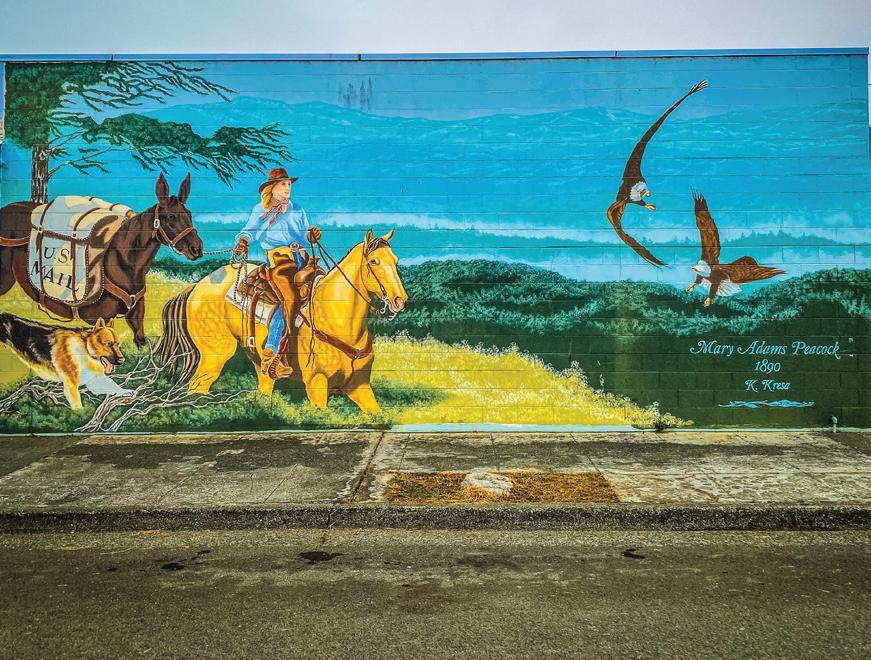
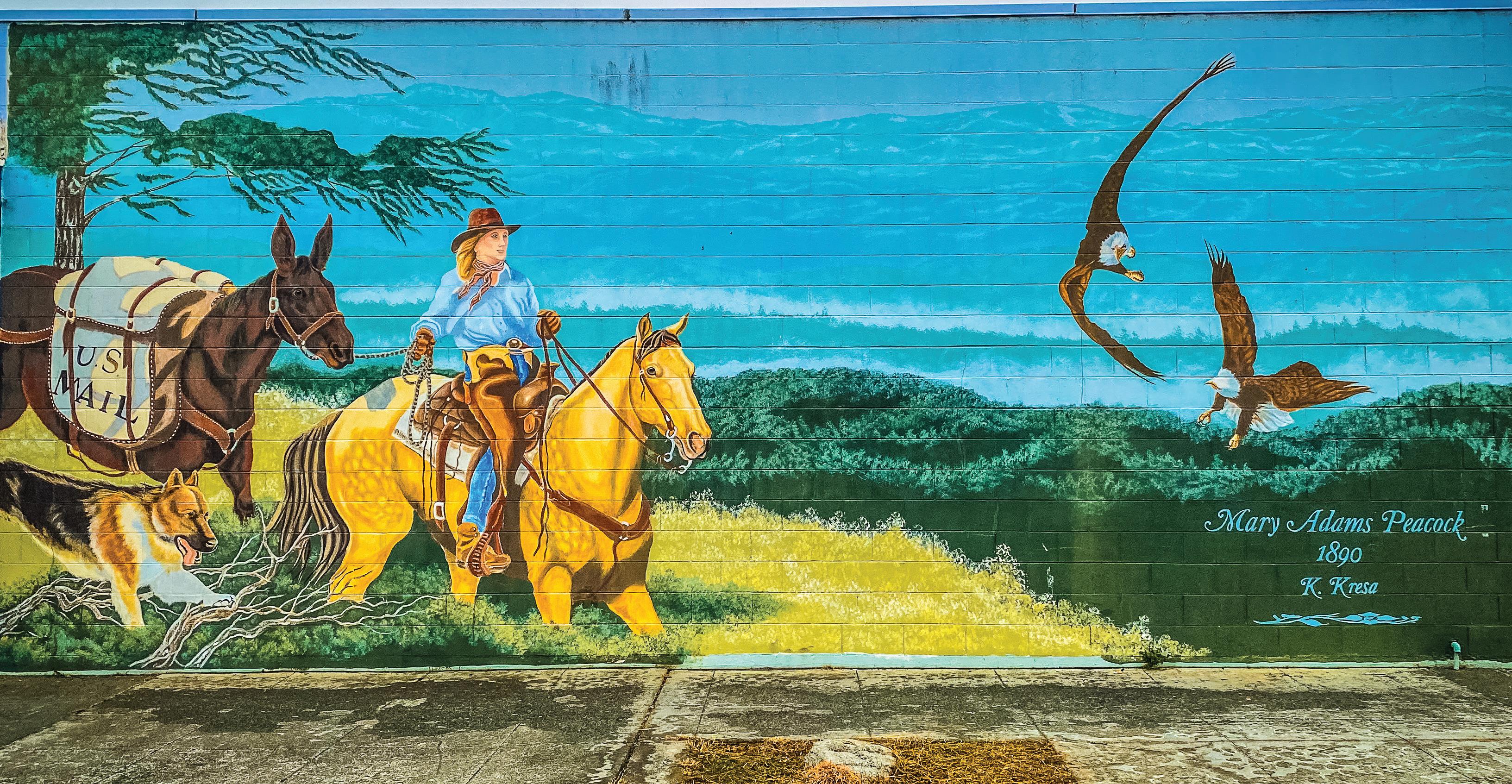
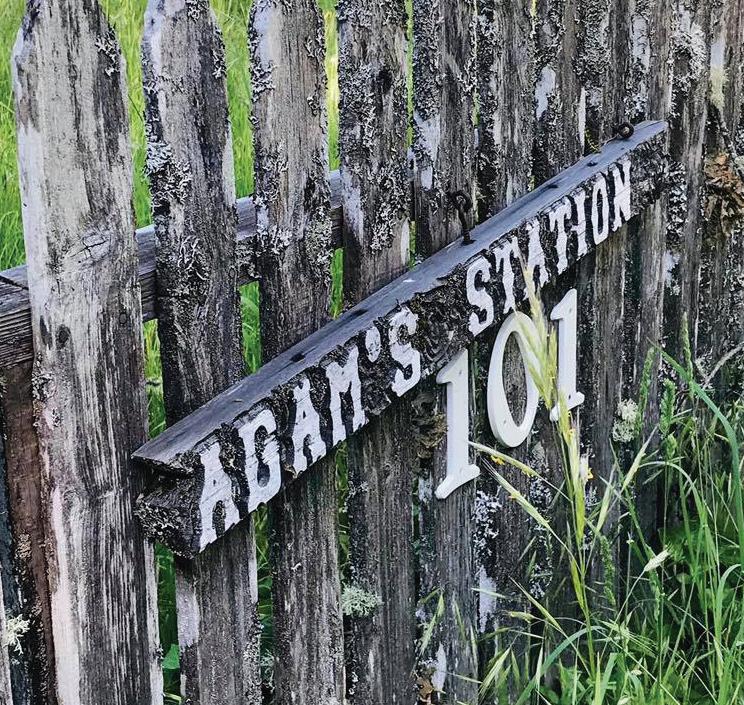
Visitors to the Del Norte County Mural Trail are greeted by a rider on horseback carrying the U.S. mail along the California coastline. The mural, by artist Kathleen Kresa, at Third and First streets in Crescent City depicts Del Norte County pioneer Mary Adams Peacock, who ran the Adams Station on the Crescent City-Grants Pass Stage Road. There she cooked, delivered the mail, and ran a hotel and stage stop.
Lovingly known as “Aunt Mary,” this remarkable woman was also a dressmaker and earned national recognition for her hotel. Aunt Mary taught school and studied botanical species along the mail route. Two native plants that grow along that route, anemone adamsiana—commonly known as Adams’ windflower—and valeriana adamsiana, are named for her.
In addition, a bridge across the Smith River on U.S. Highway 199 near Gasquet is called The Mary Adams Peacock Memorial Bridge. It was the first bridge in California to be named
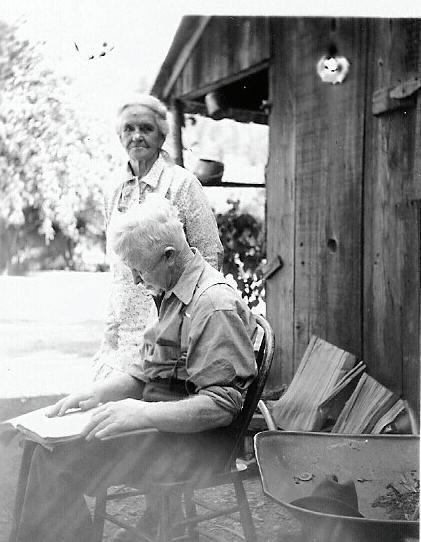
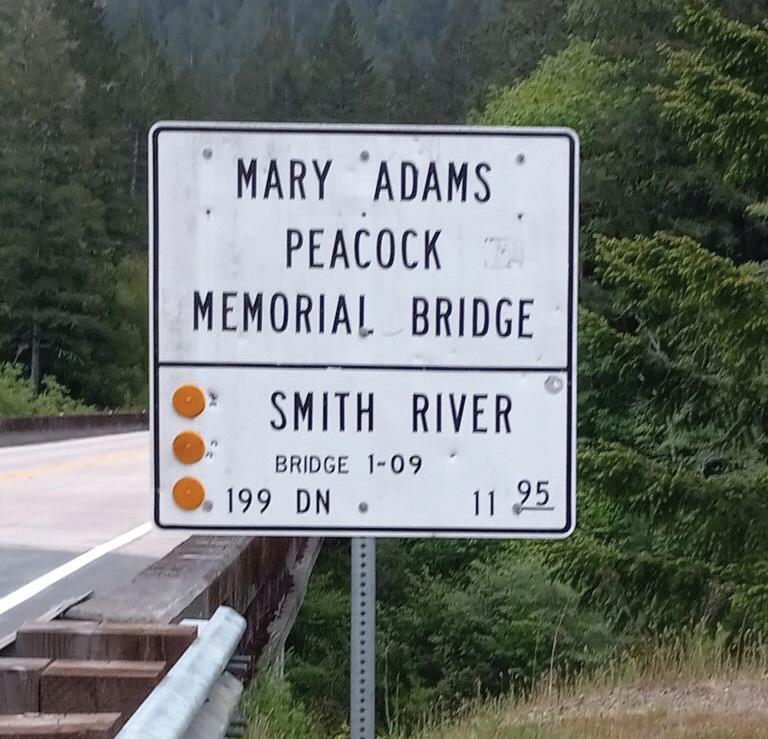
for a woman. The plaque erected by the Women’s Club of Crescent City in 1932 reads: “Dedicated to Mary Adams Peacock, a Pioneer.”
“Perhaps no other person in Del Norte County more truly symbolized the pioneer spirit of the West than Mary Adams Peacock,” wrote the Del Norte Triplicate of Crescent City.
Mary Adams was born in 1861 in Waldo, Oregon, where her Irish immigrant father ran a hotel.
Mary briefly studied dressmaking in San Francisco and started a dressmaking business with a friend in Grants Pass, Oregon. But when runaway horses killed her father in the 1880s, Mary’s mother moved to Gasquet, and Mary began working as a housekeeper and cook for an area resident.
In 1898, following Horace’s death, Mary secured a 22-acre land patent near the Gasquet post office and established Adams Station, which served as a stage coach station and hotel. She earned a reputation as a mule driver and delivered mail between Grants Pass and Crescent City for 10 years.
Mary’s hotel served home-cooked meals, such as roast beef dinners and fruit pies for dessert, earning a Duncan Hines mention—which acted as a “stamp of approval” for travelers seeking reliable food in an era before widespread inspection.
For many years, Mary was also the only nurse between Waldo and Crescent City.
A July 30, 1898, announcement in the Del Norte Record said this of her establishment: “Miss Mary Adams, who some three years ago began to build a home and resort near Gasquet, has succeeded wonderfully in a short time. Miss Adams has a nice house, large enough for all present demands of tourists and offers fine accommodations to those who wish to spend an outing in the region.
“Trees and flowers in profusion are being planted, and in a few years the place bids to rival Gasquet’s hostelry, which for years has been the favorite rendezvous for Crescent City people,” the newspaper continued. “All who may visit that section are assured of courteous treatment by Miss Adams and a pleasant time.”
Mary married one of her hotel lodgers, Peter Peacock, in 1908, increasing her land holdings. Despite the change in
Mary’s surname upon marriage, the stage stop continued to be known as Adams Station.
In 1938, National Geographic magazine writer J.R. Hildebrand had dinner with the Peacocks for his article on “California’s Coastal Redwood Realm.”
“In the article, the author appropriately referred to Aunt Mary as ‘the heroine of mining days who was a cook,’” writes Esther Ruth Smith in “The History of Del Norte County, California.” “Her kindness to the lonely wayfarer and the reputation of her heavily laden tables were always recalled by those who stayed at Adams Station.”
Mary died in 1946 at her home in Gasquet.
The Art Mural Trail of Del Norte County spotlights the region’s heritage, wildlife and Native American culture. There are more than 40 art murals in Crescent City, Smith River and Klamath, made possible by the Redwood Mural Society and the artists. Tourism agency Visit Del Norte County offers an online map and addresses of the murals, including the one honoring Mary, at visitdelnortecounty.com. n
Story and photos by Cheré Coen
Visit the Grand Canyon on any given day, and you'll hear many languages spoken. One of the country’s most visited national parks attracts visitors from around the world, many of whom plan road trips to explore several natural masterpieces of the West.
This time of year, the gloom of winter can dishearten even the strongest adventurers and turn many of us into hermits inside our homes. But the western United States is home to some of the world’s most spectacular natural features and plenty of off-the-beaten-path wonders. So, while you’re snuggling by the fire, now is the perfect time to make plans to explore the outdoors when warm weather arrives.
We’ve compiled a few destinations worth adding to your spring bucket list.
California
There’s something spiritual happening in Northern California near Redding. Folks seeking ethereal guidance and comfort flock to the region to take in several natural sites believed to be connections to another world.
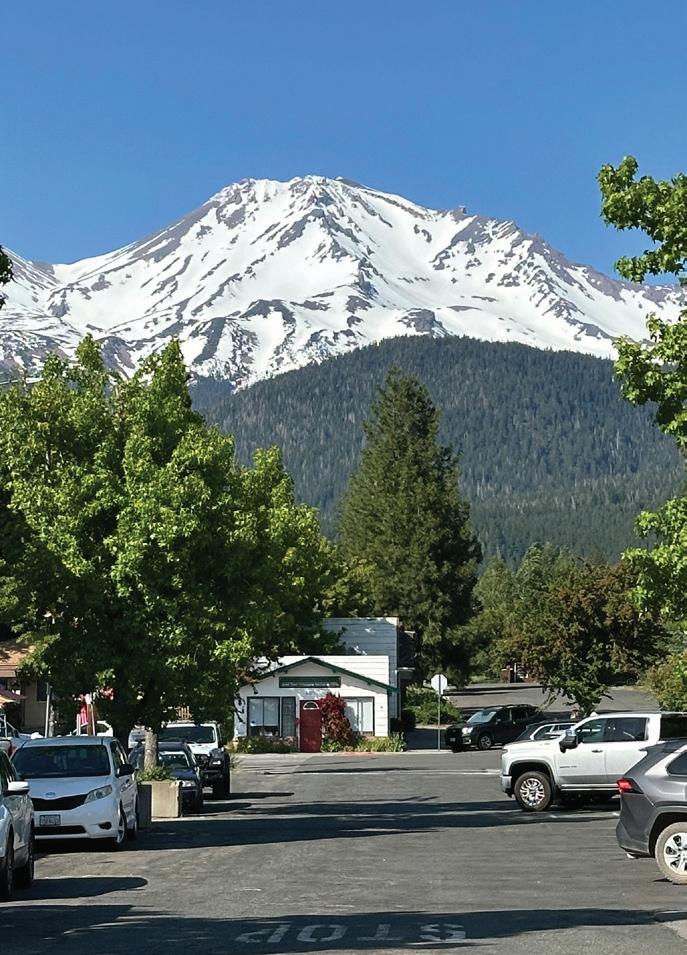
The largest and most popular is Mount Shasta, a 14,179-foot volcano that rises dramatically from the surrounding landscape and is the second-highest peak in the Cascade Range. The mountain formed over hundreds of thousands of years as magma generated by the subduction of oceanic tectonic plates beneath the North American Plate built up successive layers of volcanic rock.
Local tribes credit the mountain in creation stories, and spiritual seekers believe it to be a portal to other worlds. UFO sightings have been reported here, and some people believe there is a hidden or supernatural city inside the mountain.
In the shadow of the mountain, visitors stop at Mount Shasta Park, where underground springs bubble up to the surface and form the headwaters of the Sacramento River. Many quench their thirst with the cold, clear water and some believe they receive spiritual sustenance as
well. Nearby, there are many hiking paths and campgrounds on the mountainside, including the high-elevation alpine meadow, Panther Meadows, where supernatural beings are said to appear.
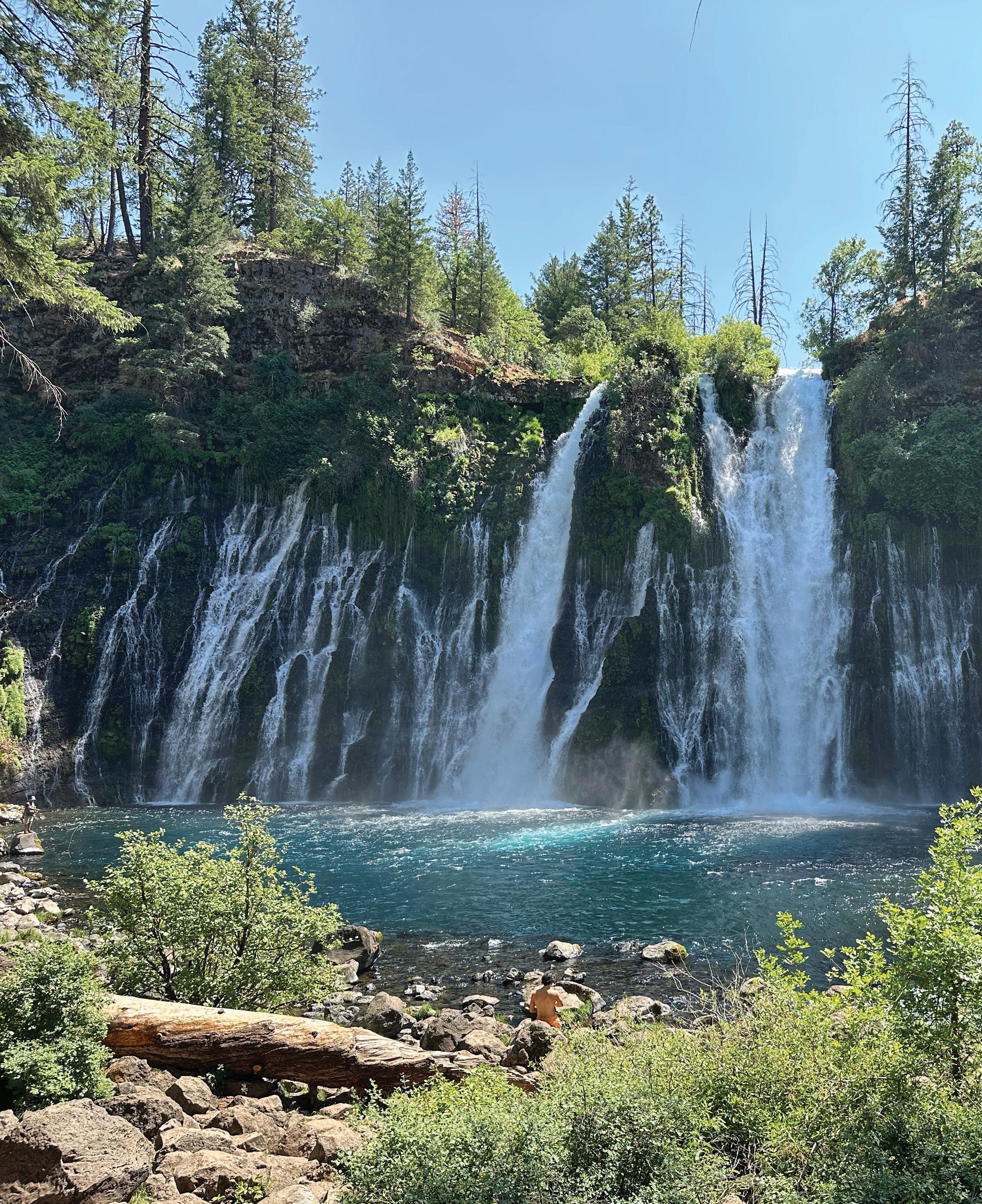
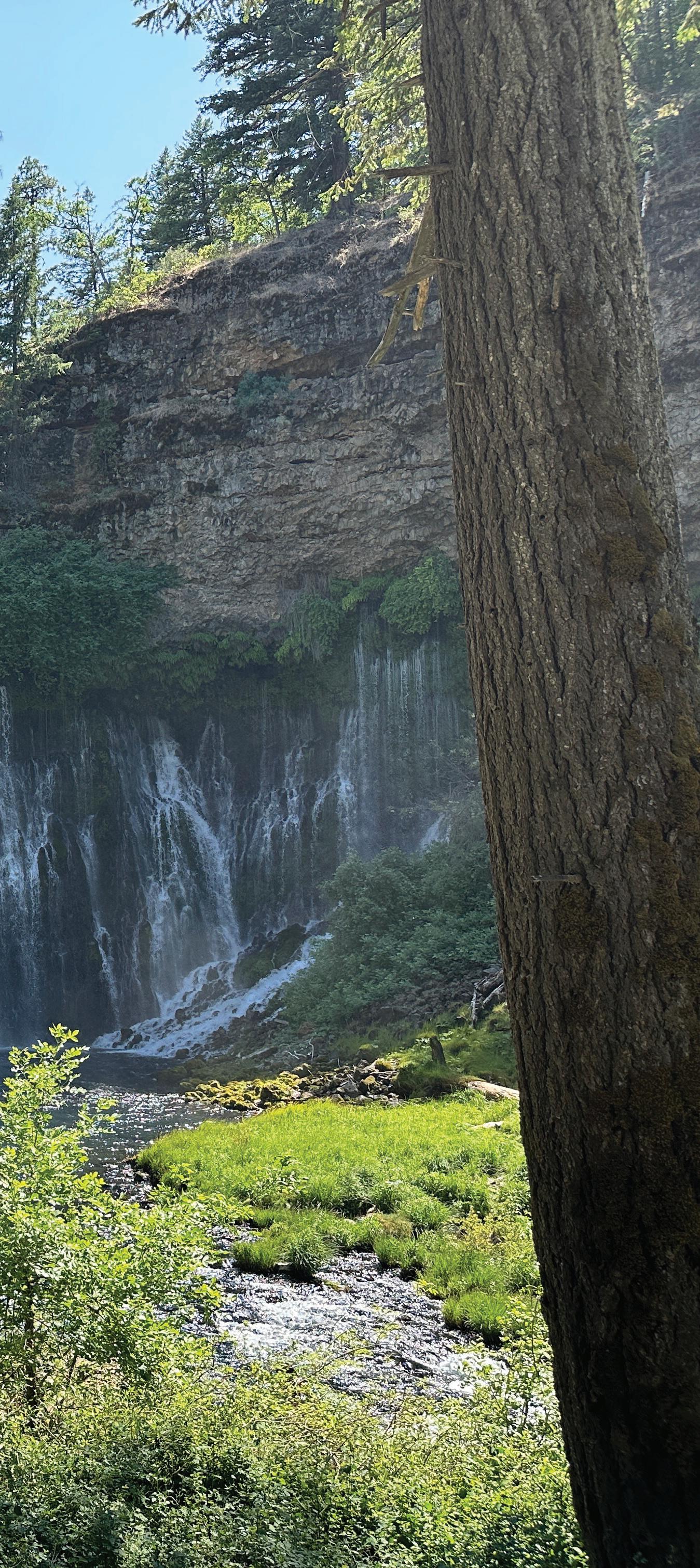
An hour northeast of Mount Shasta lies breathtaking natural beauty that also holds spiritual significance. Theodore Roosevelt called the magnificent 129-foot Burney Falls “the eighth wonder of the world.” The falls, fed by underground springs, are considered sacred to the Pit River Tribe and attract thousands of visitors to McArthur-Burney Falls Memorial State Park every year.
Farther south along Interstate 5, about 20 minutes north of Redding, visitors can take a boat across Shasta Lake, then ride a bus up a mountainside to visit Shasta Caverns.
The caverns reopened last spring after a major lighting renovation decreased its power consumption by nearly 80%. The new LED system limits unnatural algae growth in the cave, helping protect its bat population.
These caverns were once home to the Wintu tribe, and both Native Americans and modern spiritual seekers consider them sacred.
“We get visitors from around the world,” General Manager Matthew Doyle says.
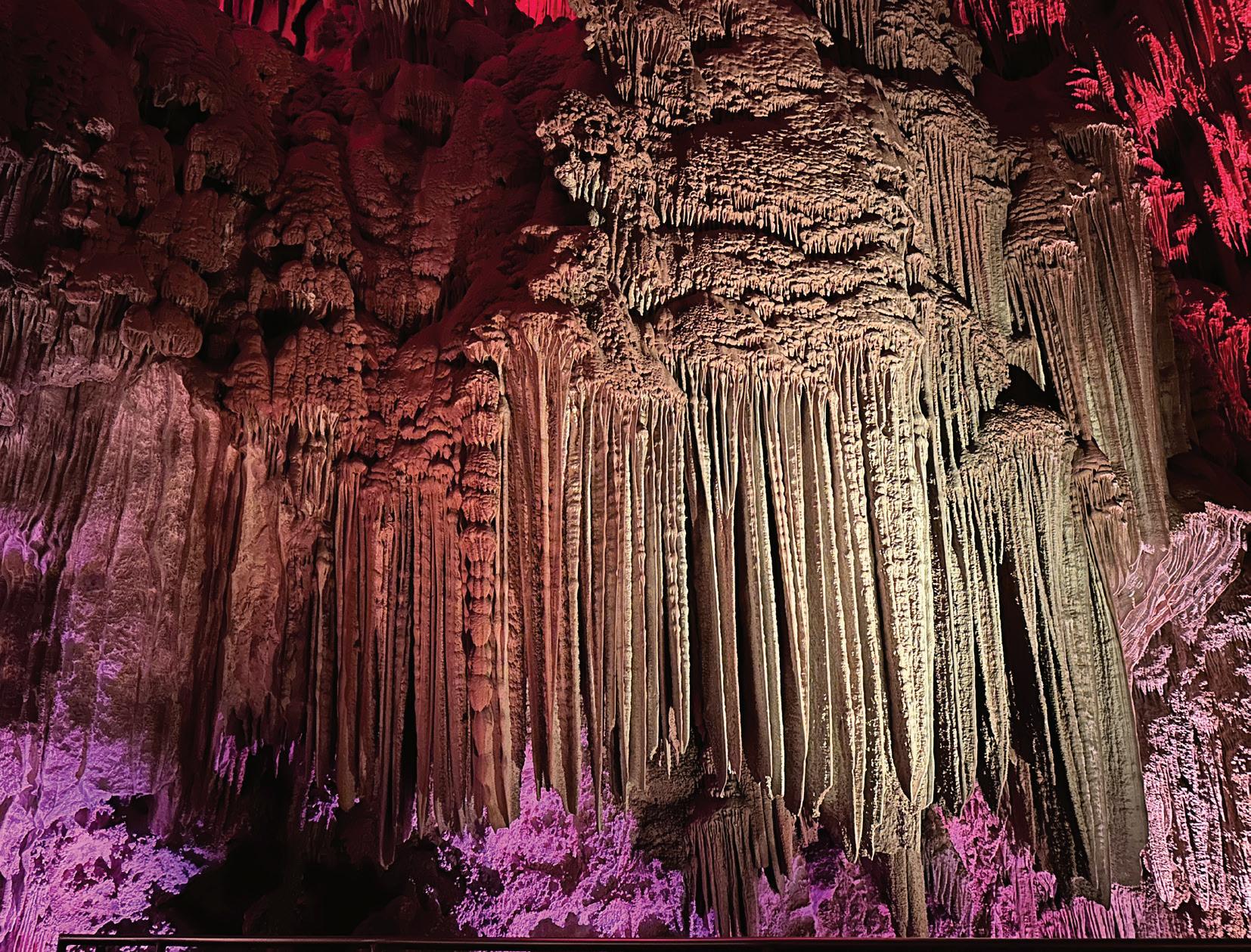
Most visitors come to Shasta Caverns to see the limestone formations, including stalactites, stalagmites, soda straws, columns and flowstone and the dramatic light show made possible by the upgraded lighting. An added feature is the wildlife many guests spot, from bats inside the caverns to bobcats, bears and deer on the ride up the mountain.
One spot to include on any trip to the area is Shasta Dam, where it’s possible on clear days to spot Mount Shasta to the north and the peaks of Lassen Volcanic National Park to the east. The manmade Shasta Lake, an engineering marvel, reflects surrounding mountain peaks.
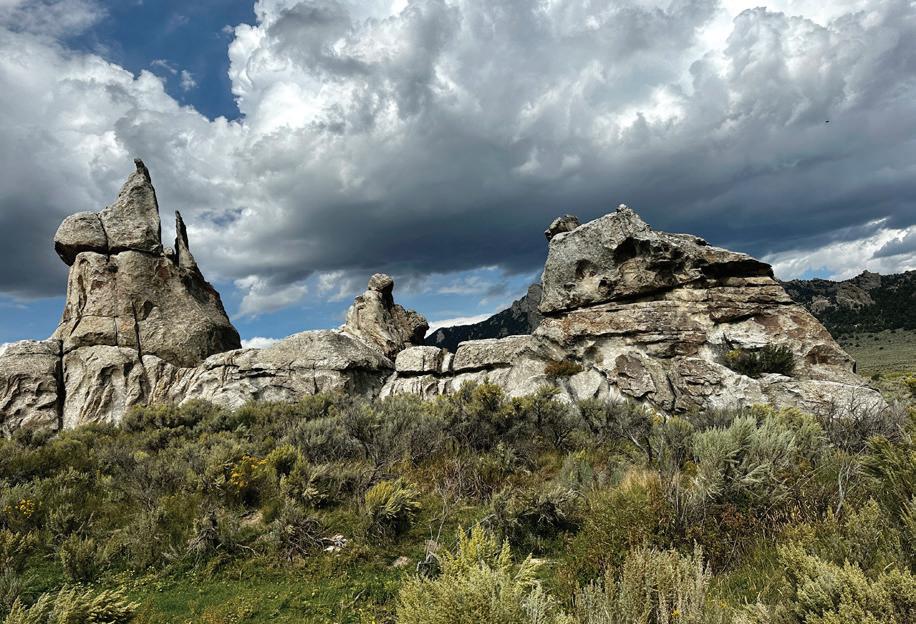
Travel writer Heidi Brandes enjoyed a natural tour of Idaho and came away with many amazing adventures, including riding massive Class IV rapids through Hells Canyon on the Snake River. One of her favorite spots was City of Rocks National Reserve near Almo in the southern region of the state, about 45 minutes from the Utah border.
“City of Rocks National Reserve stands as one of the state’s most spectacular hidden treasures, where heart-stopping scenery and otherworldly geological architecture create a landscape that feels both ancient and alien,”
Heidi says. “This backcountry natural area captivates visitors with its towering granite formations featuring dramatic arches, natural windows, mysterious panholes and soaring spires that rise like stone cathedrals from the high desert floor.”
Heidi cites the park’s transformation throughout the day as what sets City of Rocks apart. The natural landscape changes shape when fierce storms roll in, she says, “casting dramatic shadows across the bizarre rock formations.”
At night, visitors are treated to crystalclear skies, untouched by light pollution, revealing a glittering tapestry of stars overhead.
“This remote preserve offers opportunities for rock climbing, camping, hiking and stargazing, while also serving as a portal to American history where Oregon and California Trail emigrants once carved their names into Register Rock,” Heidi says. “For travelers seeking Idaho’s wild heart, bring camping gear, plenty of water and prepare for an experience that will redefine your understanding of the American West’s raw beauty.”
A large natural phenomenon exists just south of the small hamlet of Yachats. Drive the Oregon Coast Highway into the Siuslaw National Forest to find Thor’s
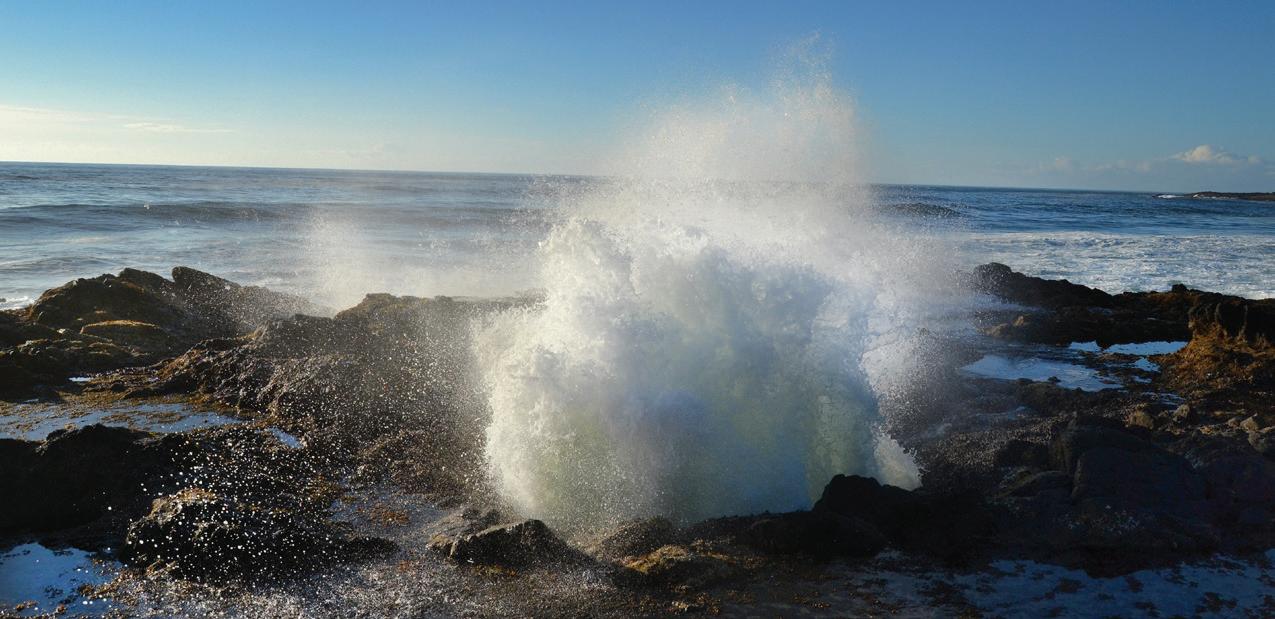
Well, a phenomenon that appears to be a bottomless sinkhole.
“The Well,” as it’s known to locals, is estimated to be about 20 feet deep, but the illusion created by crashing waves make it appear to swallow seawater into a deep rocky chasm. When the tide rolls in, the disappearance of seawater offers a spectacular display.
“It’s such a cool example of the Oregon Coast—rocky and lots of tide pools,” says Stephen Hoshaw, senior director of tourism marketing at Travel Lane County, which represents the central Oregon Coast. “You can hike to the water and watch the waves flow, churn and then spout. Thor’s Well is a great example of that because it’s a huge chasm.”
To view Thor’s Well, start the roundtrip hike from Cape Perpetua Visitor Center. The paved trail takes visitors through coastal woods, an old Civilian Conservation Corps camp and Native American shell middens on the way to the coastal tide pools.
The best time to view Thor’s Well in action is near high tide or slightly before to watch the formation fill up. Keep your distance—the natural rock formation can be highly dangerous, and large sudden waves, called “sneaker waves," can sweep visitors into the ocean.
“Watch it, check it out, but don’t go near it,” Stephen says.
For more seafaring fun, head south to visit the picturesque Heceta Head Lighthouse, sea lion caves and the largest stretch of dunes in North America.
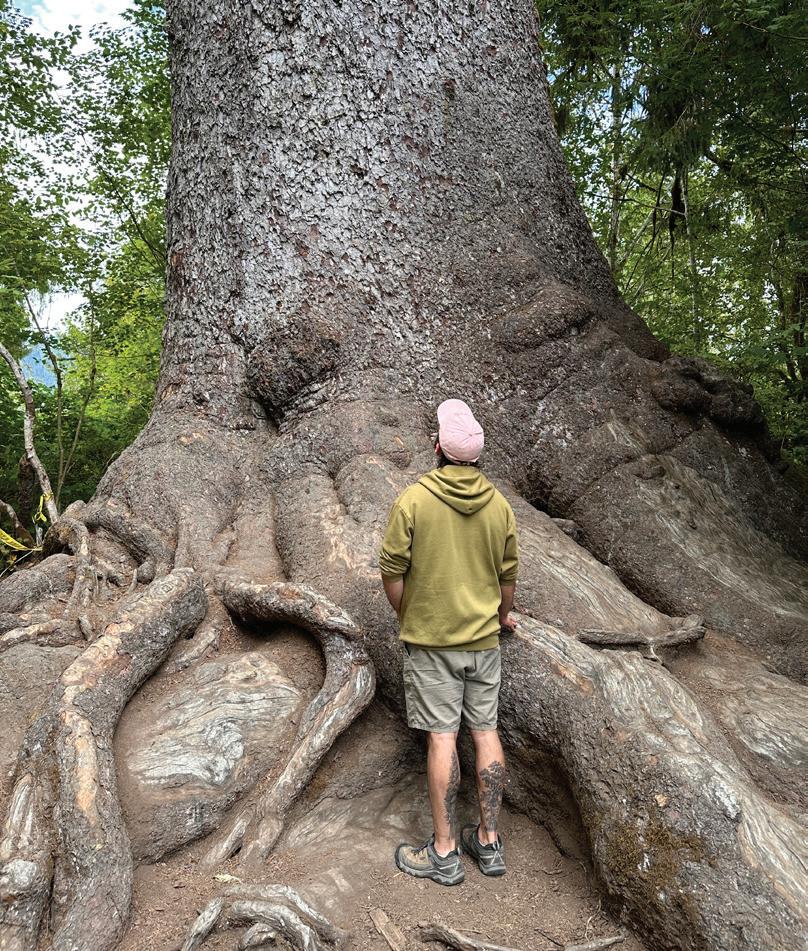
Washington Trees grow large in the Pacific Northwest, but one spruce remains the father figure of them all. The world’s largest Sitka spruce—with a circumference of 58 feet, 11 inches, and reaching 191 feet into the sky—rests on the shore of tranquil Lake
Quinault. And it’s not alone. This massive beauty is one of several trees claiming world status in an area known as Valley of the Giants. There are enormous western red cedars, Douglas firs, mountain hemlocks, and the country’s largest yellow cedar and western hemlock.
Folks visiting the worldrenowned Sitka spruce, as well as nearby coastal and inland sites within the Olympic National Forest on Washington’s Olympic Peninsula, often use Lake Quinault Lodge as a base camp. This rustic lodge was built in 1926 and visited by President Franklin D. Roosevelt in 1937. The lodge sits near 15 hiking trails that run through the temperate rainforest of these silent giants.
Another unique Sitka spruce lies 45 minutes north, near Kalaloch Campground in Olympic National Park. Erosion displaced soil beneath the tree’s center roots, but its outlying roots keep it alive like outstretched arms over empty space. Because of its exposed roots and tenuous life, the spruce is dubbed the Tree of Life and is an inspiration for many.
Wrangell-St. Elias National Park and
Preserve is the nation’s largest national park, stretching from the Gulf of Alaska to an elevation of 18,000 feet. It has the distinction of sharing park space with a Canadian national park and containing a historic copper mine from the early days of Alaska settlement.
A park the size of Yellowstone, Yosemite and Switzerland combined can present transportation challenges. Visitors who would rather not rough it may travel by car along Edgerton Highway and McCarthy Road or by plane to the small town of McCarthy near the base of the Wrangell Mountains. Accommodations are available at Kennecott Glacier Lodge.
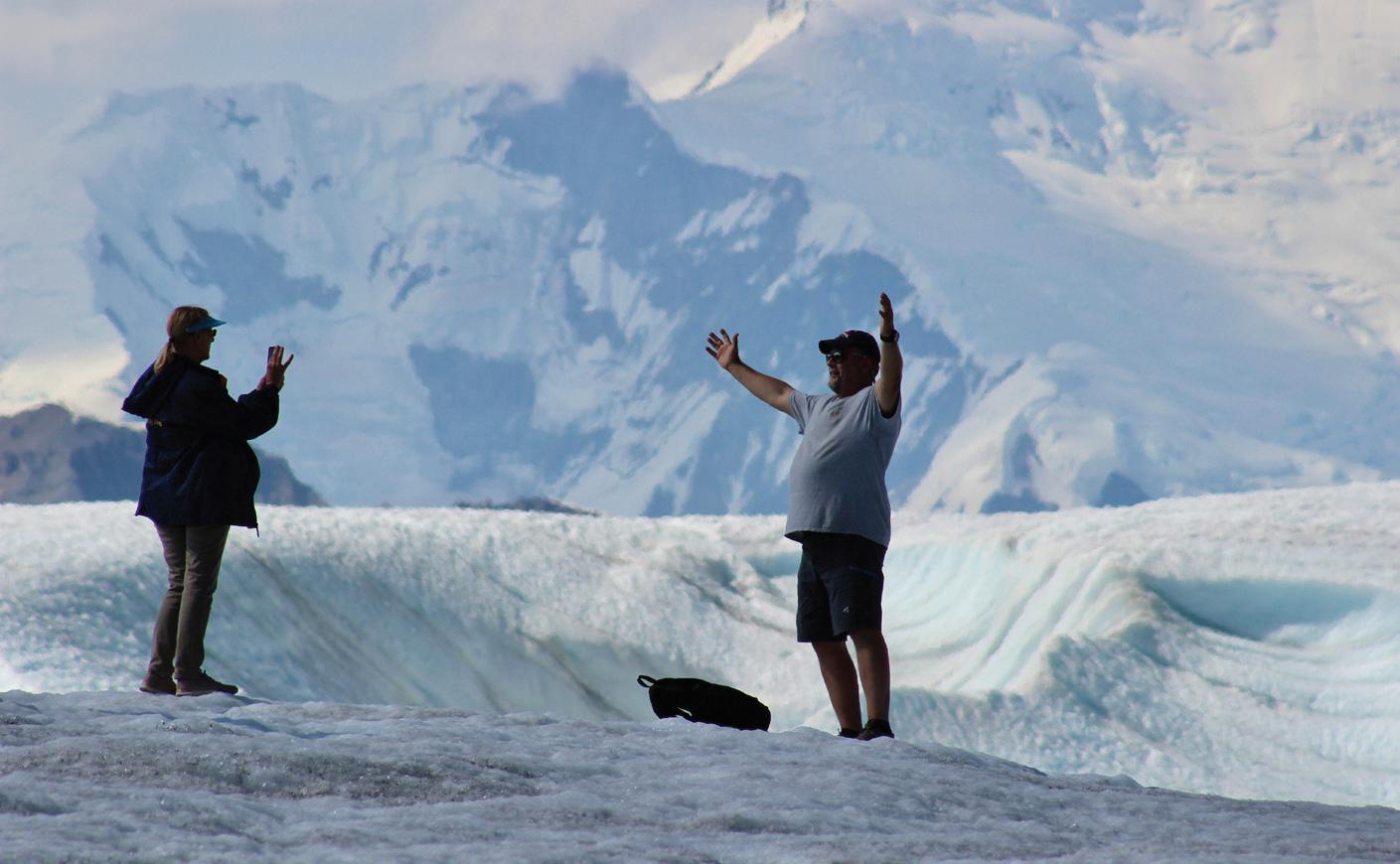
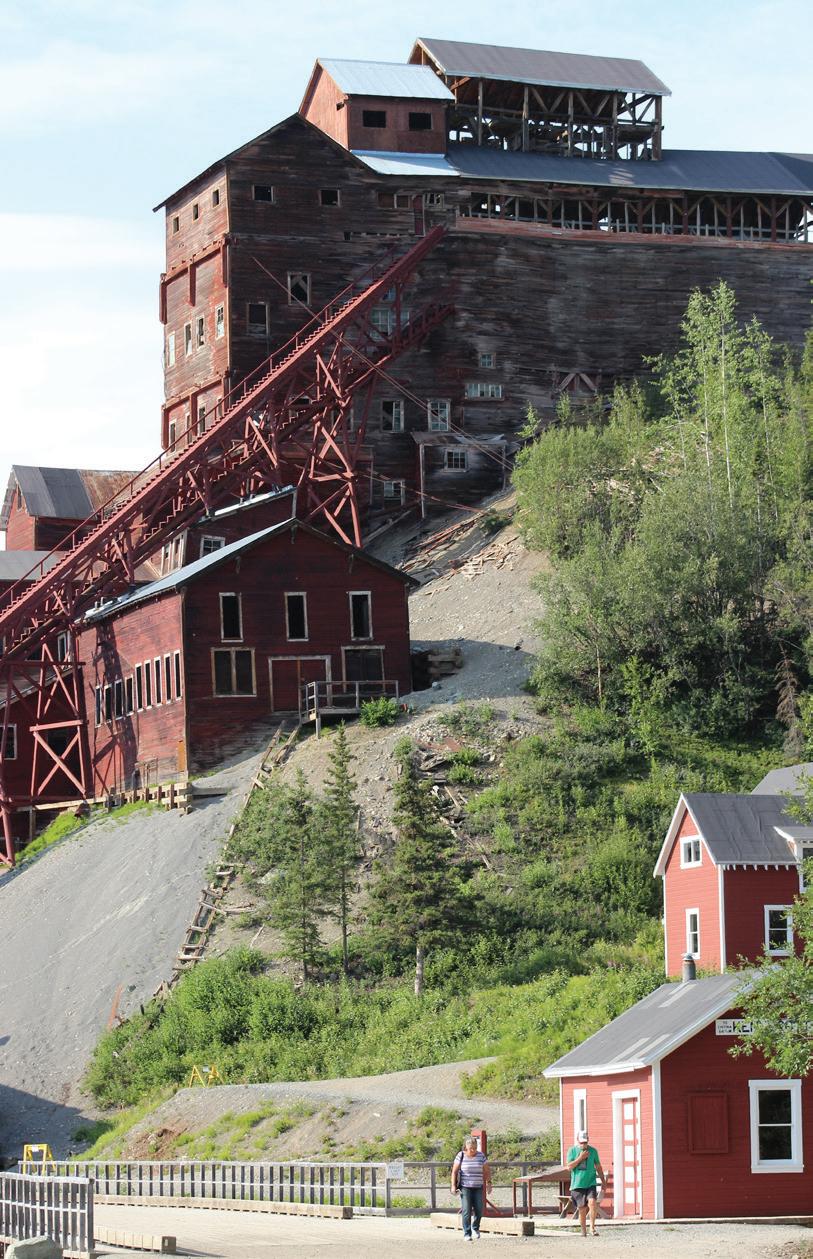
Kennecott was once a bustling copper mining village alongside a massive glacier. Visitors can explore the early-1900s mine and the buildings that once supported the industry and hike the countryside. A trail along nearby Root Glacier’s enormous moraine—an accumulation of the glacier’s rock and dirt—takes visitors to the edge of the ice field.
Visitors are warned about stepping onto the ice, which can be unstable, but most accept the challenge. Some even dip their toes into the depressions holding frigid glacier water. To explore on the safer side, schedule a glacier tour with one of the companies near the visitor center and Glacier Lodge.
The world-renowned Grand Canyon remains one of the most visited national parks in the country. One of the least visited in Arizona—which attracts only a fraction of its big brother—revolves around a dead forest. That's what makes it fascinating.
Located near the New Mexico border, between Interstate 40 and U.S. Highway 180, Petrified Forest National Park not only contains remants of an ancient forest, but an ancient village occupied by the ancestral Puebloan people and petroglyphs more than 600 years old.
The park is open only during the day, and does not offer camping or lodging. Visitors can learn about the process of wood petrification at Rainbow Forest Museum, then hike prairie and woodlands with pauses to enjoy dramatic views of the Painted Desert.
Italian Penicillin Soup
1 onion
2 carrots
2 celery sticks
4 garlic cloves
6 cups chicken stock
1 Parmesan rind
Salt and black pepper, to taste

1 cup acini de pepe pasta
Optional garnishes: chopped parsley, drizzle of olive oil, fresh-ground black pepper, fresh-grated Parmesan, ¼ teaspoon turmeric, ¼-inch minced ginger, tempered egg and/or a squeeze of lemon
Roughly chop the onion, carrots, celery and garlic cloves.
Pour the stock into a large pot. Add the chopped vegetables and Parmesan rind. Season well with salt and black pepper. Cover. Simmer for about 20 minutes over medium-high heat.
Using a fork, check if the vegetables are cooked. They should be soft and tender. Remove the rind, then strain out the vegetables using a slotted spoon.
Add the cooked vegetables to a blender with ½ cup of water. Blend until smooth. Pour the blended vegetables back into the pot with the vegetable broth. Stir, then taste for seasoning.
Bring soup back to a boil. Add pasta. Stir every minute or so to ensure it doesn’t stick to the bottom of the pot. Alternatively, cook pasta separately and add to soup bowl with broth when ready to eat. Top with garnishes of choice before serving.
8 ounces rice noodles
1 tablespoon olive oil
1 zucchini, diced
1 onion, chopped
4 cups low-sodium chicken broth
15-ounce can light coconut milk
2 tablespoons fish sauce
2 tablespoons red curry paste
2 cups shredded cooked chicken
1 tablespoon lime juice
2 tablespoons fresh basil, julienned
2 tablespoons fresh cilantro leaves
Cook rice noodles according to package directions. Set aside.
In a stockpot, heat olive oil over medium-high heat. Add zucchini and onion. Cook until crisp-tender, about 3 minutes.
Add chicken broth, coconut milk, fish sauce and curry paste. Simmer until zucchini is soft, about 8 to 10 minutes. Add chicken, lime juice and cooked rice noodles. Simmer until heated through.
Garnish with basil and cilantro before serving.
1 tablespoon extra-virgin olive oil
1 cup finely chopped carrots
1 cup finely chopped celery
1 cup finely chopped green onions
3 garlic cloves, finely chopped
8 cups chicken stock
2 bay leaves
1 cup rice
Salt and pepper, to taste
2 cooked boneless chicken breast pieces, shredded
1/2 cup freshly squeezed lemon juice
2 large eggs
Fresh parsley, for garnish
In a large Dutch oven or heavy pot, heat olive oil on medium-high heat. Add carrots, celery and green onions. Toss together to saute briefly, then stir in the garlic. Add the chicken stock and bay leaves. Raise the heat to high. Once the liquid has come to a rolling boil, add the rice, salt and pepper. Turn the heat to medium-low. Simmer for 20 minutes or until the rice is tender. Stir in the cooked chicken.
Whisk together the lemon juice and eggs in a medium bowl. While whisking, add 2 ladles full of stock from the cooking pot to help temper the eggs. Once fully combined, add the sauce to the chicken soup. Stir. Remove pot from the heat immediately.
Garnish with fresh parsley before serving.
Ginger and Turmeric Carrot Soup
1 tablespoon olive oil
1 cup chopped fennel
1 leek, cleaned and sliced
3 cups chopped carrots
1 cup chopped butternut squash
3 garlic cloves, minced
1 tablespoon grated ginger
1 tablespoon turmeric powder
Salt and pepper, to taste
3 cups vegetable broth
14.5-ounce can light coconut milk
Heat the olive oil in a large Dutch oven or saucepan. Add the fennel, leek, carrots and squash. Saute for 3 to 5 minutes until the veggies start to soften. Add the garlic, ginger, turmeric, salt and pepper. Saute for a few more minutes.
Add the broth and coconut milk. Bring the mixture to a boil. Cover and simmer for 20 minutes.
Once the soup is cooked, add it to a blender, and blend until creamy. Alternatively, use an immersion blender.
6-ounce package long grain and wild rice blend, quick-cooking version with seasoning packet
1/2 teaspoon ground black pepper
1/2 cup all-purpose flour
6 cups chicken broth
2 boneless chicken breast halves, cooked and cubed
3/4 cup butter
1 cup diced carrot
1 cup diced celery
1 cup diced onion
3 cups half-and-half
Open rice. Remove seasoning packet, and set aside.
In a small bowl, combine pepper and flour. Set aside.
In a large pot over medium heat, combine broth and chicken. Bring to a boil, then stir in rice. Cover, and remove from heat.
In a medium saucepan over medium heat, melt butter. Add carrots, celery and onion. Saute for 5 minutes. Stir in contents of seasoning packet. Continue cooking vegetables until softened, about 5 minutes. Add seasoned flour gradually while constantly stirring to form a roux. Saute roux for 3 to 4 minutes.
Whisk in half-and-half, a little at a time, until fully incorporated and smooth. Cook until thickened, about 5 minutes. Stir cream mixture into broth and rice. Cook over medium heat until heated through and rice is done, about 15 to 20 minutes.
I would like your unwanted pennies. I am working on a cool project. Thanks in advance. I also have some unwanted buttons if anyone is interested.
Rosaline Ferry 109 Raven Lane Careywood, ID 83809-0074 idarose33@yahoo.com
Our mom turns 96 this month. She and Dad raised nine children, teaching us to farm, garden and work hard. Mom loves painting flowers and visits from her many friends and relatives. Please send your thoughts to Marie Holdener, 1301 67th, #12A, Auburn, WA 98092. Thank you.
Diana Cole Graham, Washington
We would like to have our dear uncle acknowledged for his 95th birthday early this month. He is the sweetest, soft-spoken gentleman one could ever meet. He has taken care of two wives until their passing, as well as his sister, and he was very good to his parents and everyone around him. He served our country for many years in the U.S. Air Force. Now he is living in a rest home. He rarely needs glasses, has a full head of beautiful white hair and attends Bible study twice a week. It would surprise him to no end to receive birthday cards on his special day. He never asks for anything or complains. Send cards to Aubrey Ledbetter, 2221 S. Real Road, No. 125, Bakersfield, CA 93309-5233.
Kath Smotherman Roseburg, Oregon
Our dear friend, Alice Dresel, turns 100 years young this month. She has been a chapter member of Beta Sigma Phi, an international women’s organization in cultural and community service, since 1949. For 76 years, she has supported numerous community programs and raised needed funds for families in crisis, Christmas for children, sober graduations, and more. She is a shining light and a kind and memorable lady. We would love to have her receive birthday wishes for this milestone. Please send birthday cards to Alice Dresel, 925 Cherry Terrace, Susanville, CA 96130.
Karen Fletcher Janesville, California
My aunt turns 91 this month. She is the kindest person you will ever meet. She was never married and lives with her sister, Elda, who turned 88 in January. It would be wonderful for her to receive birthday wishes from some great folk. Send to Maralyn, 550 Larkspur, Apt. J132, Ponderay, ID 83852.
Susan Tarr Portland, Oregon
My mother turns 85 early this month. Please help brighten her day by sending her cards. My mom retired from the Forest Service and loves to spend time in her beautiful yard full of flowers, gardening, decorating her house and yard for all the holidays, and finding different recipes to try out. Please send cards to Elnora “Noanie” Graham, 4292 SW Runnion Court, Pendleton, OR 97801.
Shannon Franklin Pendleton, Oregon
My mom, Dandy, and I want to thank readers for sending her about 300 birthday wishes. She received a few dollars and some small gifts as well to help her celebrate turning 92. Your thoughtful generosity really brightened her birthday month.
Vicki Johnson Hines, Oregon
To all of the readers who sent materials to us on Anderson Island in Washington for our Operation Christmas Child Shoebox project, we thank you with grateful hearts. If any of you are planning to send materials, please use the following address: Barb Hummel, 10309 Matthews Way, Anderson Island, WA 98303. Thank you for your generous hearts.
Peggy Hodge Anderson Island, Washington
Send your request (no attachments) to readerexchange@ruralite.org or mail to Reader Exchange, 5625 NE Elam Young Parkway, Suite 100, Hillsboro, OR 97124. Fill in the subject line with Reader Exchange.
Acceptance, scheduling and editing are at the editor’s discretion. Single requests only, please. No duplicates. If replying to a reader submission, please only send what is requested.
Submissions are handled first-come, first-served as space allows. We cannot honor every request.
Please affirm you have authorization from all appropriate parties before submitting. By submitting, you indemnify Reader Exchange, Pioneer Utility Resources Inc., its officers, directors, employees, utility clients and insurers from all legal liability incurred by the publication of information. We no longer accept pen pal requests. You may submit a pen pal request as a Marketplace ad (pricing applies).
When submitting a milestone request, please send it at least two months before the milestone.
Phone numbers are not published. Email addresses are if they are part of the ad, but you must include a postal address.
Requests must include the name and address of the electric utility that provides your magazine.











Watch thousands of gallons of water shoot into the air at
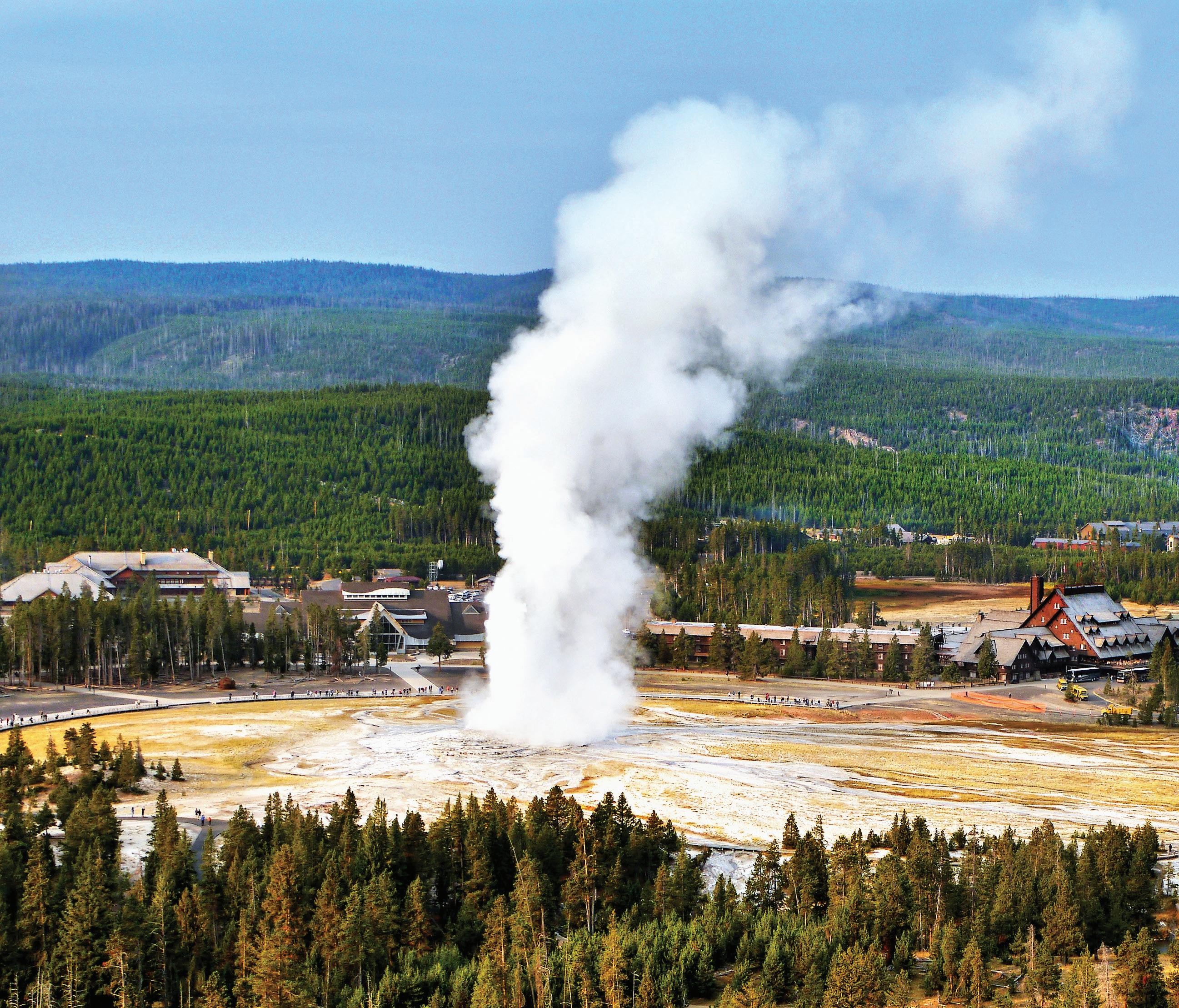
Pass mountains and waterfalls on your way to one of the world’s best collections of hydrothermal features—such as hot springs and geysers—at Yellowstone National Park. The park covers more than 2.2 million acres across Idaho, Montana and Wyoming. Multiple historic volcanic eruptions shaped the park’s landscape. Today, magma still heats water, creating the park’s geysers.
First National Park Yellowstone became a national park in 1872—before Idaho, Montana and Wyoming were even states. Native Americans knew the area well—the governor of the Louisiana Territory wrote in 1805 that he’d been shown a map with a volcano on the Yellowstone River. After the Civil War, Americans made more formal expeditions to Yellowstone. The most influential is the 1871 Hayden Expedition, which included botanists, a zoologist, an ornithologist and more. Photographs and art from the trip convinced Congress to make Yellowstone a national park.
More than half of the world’s active geysers are in Yellowstone— between 500 and 700 erupting every year. The most famous is Old Faithful, which expels more than 3,700 gallons of water every 90 minutes, on average. The park has so many hydrothermal features because magma gets close to the Earth’s surface here, heating water and creating hot springs. Geysers are hot springs with constrictions that prevent heat from escaping. As water heats, steam forms and expands, eventually building enough pressure to erupt.
Yellowstone is home to 67 different species of mammal. Visitors may see both grizzly and black bears. A 2024 count found more than 1,000 grizzlies living in the greater Yellowstone ecosystem. The park is also home to bison, bighorn sheep and martens—a small, furry, weasellike mammal. When wildlife watching, be sure not to approach wild animals—they can be dangerous—and stay on boardwalks and trails, especially in thermal areas. Always check the park’s current conditions to learn about closures that impact what parts of the park you can visit.
Yellowstone can get significant amounts of winter weather, with snow and ice sometimes shutting down parts of the park. Now is a good time to start planning late spring or summer trips. To learn more, call 307-344-7381 or visit www.nps.gov/yell.



North Plains, OR 97133
By Dave LaBelle
Above all, photography is about light and shadow—literally and metaphorically.
God provides the light, man adds the content.
The way we see and use light changes the way we feel and see the world.
One of the things I like best about winter is the clear, crisp sky that creates sharp shadows, contrasting landscapes and eyecatching silhouettes. Then there are the breathtaking sunset silhouettes, captured as an orange ball melts into a glimmering ocean.
Too many gray, sunless days wear on me emotionally. And while these shadowless, overcast days are wonderful for portrait photography, I need to see the sun, especially in winter. Because of this recognition, I have chosen not to settle in the Pacific Northwest, a part of the world I truly love.

I waited at least an hour for something or somebody to pass through this road along the seawall in historic Maysville, Kentucky, one of the underground railroad locations. Shadowy shapes of historic riverfront hotels and buildings from the Civil War era are cast on the seawall built to keep the Ohio River from flooding the town. For me, this is not just a silhouette of a man walking. It’s someone walking through history, through a community where brave people risked their lives to help other humans struggle to get to freedom.
PHOTO BY DAVE LABELLE
See if you can make a photograph that captures the extremes of light and dark. Remember to make your exposure for the highlights not the medium tones, which allows the shadows to stay as dark, rich tones. A dark foreground against a light backdrop can create depth, scale and even mystery.
Email your best image—just one—with caption information, including an explanation of how it affects you, to gph@pioneer.coop. We may share submissions on our website and social media channels.
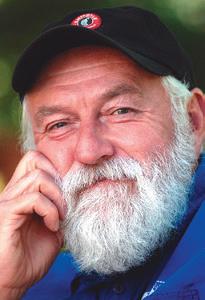
Photographer, author and lecturer Dave LaBelle has captured special moments for more than half a century, sharing photo tips and life perspectives with readers. For more of his writings, visit davidlabelle.com and his blog at bridgesandangels.wordpress.com.
I realize photographing someone in silhouette, especially from a distance, does impersonalize or objectify them. They become a graphic element, a softer shape against a sharper backdrop.
While I am a believer in talking with subjects, often after I photograph them, there are times I don’t feel like talking to anybody. Instead, I appreciate nameless forms becoming part of the compositional furniture, adding scale, contrast and life to a lifeless scene.
Often, it’s that anonymous figure that’s needed to compliment or complete a photograph.
While the art of photography is about using and recording highlights, medium tones and shadows, sometimes it’s fun to purposely expose for the highlight areas and allow the shadows to stay dark, rich tones. n
If you have a home office, look for opportunities to save energy in your workspace. Use Energy Star-rated equipment, which consumes up to 50% less energy than standard models.
Set printers, scanners and similar equipment to automatically switch to sleep or energy-saver mode when not in use. In addition to saving energy, the equipment will stay cooler, helping extend its life.
Another way to save energy in your home office is to use efficient lamps for task lighting. Replace any older bulbs with energy-saving LEDs.
Source: energy.gov





Reinforced custom-sized pond liners (39 cents/sqft). Hay covers, greenhouse covers, any width and length. Truck tarps and more. High puncture and tear strength. Best price guaranteed. Celebrating 43 years in business. btlliners.com; 541-447-0712. 0426
Reforestation tree seedlings for sale: Doug. Fir, Ponderosa, W. Larch and Aspen. $1.75 each. Discounts available on 250-plus quantity per species. 208-997-9572, DearyAcres@gmail.com. Deary, ID. 0226
Buying antiques and collectibles: advertising signs, porcelain signs, gas pumps, beer signs, antique toys, cast-iron coin banks, neon signs and more. Jason, 503-310-3321 or tjabaughman@yahoo.com. 0326
Buying American Indian collectibles, Navajo jewelry, blankets, rugs. CA/AZ baskets and beadwork. Quality paintings of the early Southwest and Americas. Call 760-409-3117 or send photos to amer.ind.baskets@gmail.com.
Buying older baseball cards, collections, from the 1960s and older. Will pay cash or pay via PayPal. budandvicky@msn.com; 541-430-6900.
2005 Ford F-150 Pickup; Auto; 6 cylinders; 6 ft. box; good condition; $3K, OBO. 541-517-9867; dalekamrath@yahoo.com. 0226
2010 GMC #2500; 2WD; 8 cylinders; automatic; 8 ft. utility box w/lumber rack; runs great; $12.5K, OBO. 541-517-9867; dalekamrath@yahoo.com. 0226
1986 Chevy ¾-ton pickup; 8 cylinders; automatic; 4WD; runs good; needs body love; 8 ft. box; $3.5K, OBO. 541-517-9867; dalekamrath@yahoo.com.
2003 #2500 extended cab pickup; automatic; 8-cylinder 400; 4WD; runs great; good condition; 8 ft. box; $10K, OBO. dalekamrath@yahoo.com; 541-517-9867.
Books, Magazines, Videos
Book restoration. Bibles, cookbooks, cherished family heirlooms. Beautiful work. We give renewed life, more durable than original, to last for generations. 775-537-7066; salacanstudio@gmail.com. 0226AR
Business Opportunities
For sale: quaint hardware store in Maupin, OR. Inventory and interior store recently updated and refreshed. See ad on bizbuysell.com or email Maupincountrystore@gmail.com. $129K.
Ads 25 words or fewer are $35 a month. An extended ad of up to 35 words is $50 a month. Contact information is included in the word count. Phone numbers and emails count as one word.
Longer ads may be placed. Contact 503-357-2105 or info@pioneer.coop for pricing information.
Ads are for customers of member co-ops, public utility districts and municipals only. Subscribers and nonmembers may inquire about pricing at 503-357-2105 or info@pioneer.coop.
Ads must be direct and in first person, and are subject to approval and editing.
Closing deadlines (in our office): April issue—March 2
If submitting ad by mail, send appropriate payment with your name, address, email, phone number and the name of the electric utility that provides your magazine to: Marketplace, P.O. Box 1306, North Plains, OR 97133. Make check or money order payable to Ruralite.
We accept credit card payments for ads submitted by email. Send ad to info@pioneer.coop.
Call 503-357-2105 to pay by credit card.
Advertisements are accepted in good faith. Pioneer Utility Resources is not liable for interactions between buyers and sellers.
Community Events
10th annual Fiber Arts & Jewelry Exhibit, with featured artist Megan McGuinness: Feb. 6-March 28 at Art Center East in La Grande, OR. artcentereast.org. 0226 Free Items
Free materials—church/government unite. National Sunday Law. TBSM, P.O. Box 374, Ellijay, GA 30540. tbsmads@yahoo.com; 1-888-211-1715. 0426AR
Help Wanted
Camp hosts/caretakers wanted for the Tucannon River RV Park, a small (33 sites), modern RV Park located in rural SE WA on the Lower Tucannon River. Prefer active, retired couple able to meet and greet, take reservations, pull hoses, mow, general maintenance. RV required, with FHU provided, plus stipend. Call 509-382-2759 with questions. 0226
Miscellaneous
Celestron NexStar 8SE telescope with tripod, computer and carrying case for sale. Includes eyepiece and filter set. Like new. Retail price for both more than $1.6K. Asking $1.1K. 541-239-7219; moyerrob@outlook.com. Located in Eastern, OR. 0226
Granite cemetery markers at affordable prices. Will ship to most places. For more info: highdesertmemorials.com; Joe, 541-815-8906 or highdesertmemorials@gmail.com. 0226
Attention landowners. Grants available now. Wildland fire fuel reduction service. Steep ground, remote, rocky, small lot, big acreage are no problem. Blue Mountain Defensible Space LLC. Bluemountainbrush@gmail.com; bluemountainbrush.com; 509-399-3473. 1126
Animal and human wilderness tracking school materials. Writings, slides, physical displays, teaching materials and books. Enormous collection for anyone interested in tracking. Dave, fairbanksaircraft@comcast.net. 0226
Tulsa 3-stage planetary gear reduction, bought surplus from Link Belt Crane, utilized as final drive for P&H and LB 100-ton crawler cranes. Best use 4-ft. tunnel drill using ROTEK turntable bearing, $5K. 6 truck tires, 50% tread, Patagonia mud and snow. LT215/R8516, 60% tread. $600. Ted, 458-910-3727. 0326
Real Estate
Custom home on 5-plus acres up Canyon Creek. Private, architectural accents, 3/3. $395K, #1177. Duke Warner Realty, 541-987-2363; ddwr@ortelco.net. 0226
320 acres east of Adel, OR. Borders Hart Mountain views, Steens Mountain and Beaty Butte. Landowner tags, very rural. $147K. Quick sale, due to injury. For maps: 541-659-1573; thejugglingman3@gmail.com.
Let me help you buy or sell ranch, farm and recreation property in OR. Fourth-generation Oregonian, prior ranch owner. For sale: Deschutes Canyon Mountain views, 118 acres, riverfront. $14.9M. John Gill, 541-480-9161; johngill@landandwildlife.com. Land And Wildlife brokerage. 0226
For sale: 5-bd., 2-story home built in 1880s. Original stain glass windows, newer metal roof, garage. Granite, OR. $395K. 541-755-5016.
Private 10-acre wild tree farm near Sandpoint, ID, with older 3-bd. mobile home, countymaintained road, good building sites. $395K. Steve, 208-290-6505. 0226
Mobiles to mansions. Cabins to castles. Brookings, OR, area Principal Broker Pat Piper, Century 21 Agate Realty. Helpful. Educated. Caring. 28 years area experience. 541-251-2152; patpiperbroker@gmail.com.
For sale/rent: 20-acre developed land, 3,600sqft. shop with “barndominium” potential. Weddings/events, horse property, RV hookups, creek, views. $575K. Seller financing. Goldendale, WA. 509-378-5886. 0226
27 acres forested with pasture; approved hilltop view building site; adjacent historic Unity covered bridge in Lowell, OR. well; power; 2 sheds. $559K. PamDietz@kw.com; 541-729-9217. 0226
20 acres in northeastern NV. 26-ft. Mallard travel trailer. 20-ft. Conex, welder, generator and tools go with it. Off-grid living. $18K. geopup58@gmail.com. 0226
Recreational Rentals
Sunshine and sand—Book your summer dreams at WaveCatcher for 2026. Oceanfront cottage with direct beach access, on the spectacular Central Oregon Coast. Sleeps 6. All house amenities. Winter closure November-March. Reservations, information email: relax@wavecatcherbeachrentals.com, or text 541-740-2846 or 541-740-9953. 0226
Oceanview Maui vacation rental. Spring break for the month of March. Was $210, now $185. One-time cleaning: $150, 2 TVs, king-size bed, queen-size sofa bed. Beach chairs and umbrellas. Great view. 503-812-6689.
Recreational Vehicles
2022 Newmar Dutch Star 3736 Class A motorhome. Excellent condition. 14.7K miles. 1½ ba., 450 Cummins, solar, 10K lbs. towing, heated floors. Zero issues. No pets and nonsmokers. $349K. Can send pics. 541-815-3753; kmarshall@ykwc.net. 0226
Dawn Till Dusk Masonry. Brick, block, stone and pavers. Small jobs and repairs welcome. dawntillduskconstructionmasonry.com; 541-388-7605; 541-410-6945. License #245760 bonded and insured. La Pine, OR. 0226
Blue Mountain Defensible Space LLC Wildfire Fuel Reduction: clearing brush, thinning trees, animal habitat enhancement. Expert service. Grant money available OR, WA, ID. Bluemountainbrush@gmail.com; 509-3993473; bluemountainbrush.com.1126
Attention rural property owners: Are you looking out at large, leaning, aging or damaged trees on your property? In rural settings, a single failing tree can pose a significant danger to your home, cabin and outbuildings. Don’t wait for a storm to create a disaster— be proactive. Call Blue Mountain Defensible Space for a free hazard tree estimate. bluemountainbrush.com; 509-399-3473. OR, ID, WA. 0226
Forest Management and Logging consulting, also do logging jobs too small for larger operators. 50 years of experience in forestry, log marketing and logging management. References available, free on-site estimates. 541-430-6900; budandvicky@msn.com. 0626
Gold, silver, coins/currency, buy, sell. Collections wanted. Fair prices paid. 45 years in retail store. Baker City, OR. 800-556-2133; garrymclin@aol.com. 1026
Buying American Indian collectibles, Navajo jewelry, blankets, rugs. CA/AZ baskets and beadwork. Quality paintings of the early Southwest and Americas. Call 760-409-3117 or send photos to amer.ind.baskets@gmail.com.
Old carpenter tools, planes (wood/metal), levels, chisels, slicks, adzes, axes, hatchets, handsaws, old rulers, spoke shaves, wrenches, shipwright tools, old tool chests. 503-659-0009; 971-666-0659. 0226
Watchmakers, estates wanted. Buying watchmakers, estates and watch collections. 541-760-1050. Will travel. 0226

Choose from among more than 400 recipes—including Maui Mango Pie, Chocolate Drop Cookies and Turtle Cake—in this booklet from the 1996 recipe contest. The 8½-by-11-inch indexed book is $10 (includes postage).
TO ORDER BY MAIL:
Submit payment with cookbook title, your name, address and number of cookbooks wanted to:
Ruralite Cookbooks
P.O. Box 1306
North Plains, OR 97133
TO PAY BY PHONE:
Call 503-357-2105 for credit card payments with Visa, MasterCard, Discover or American Express.
TO ORDER ONLINE: Visit www.ruralite.com.
Please allow two to three weeks for delivery.
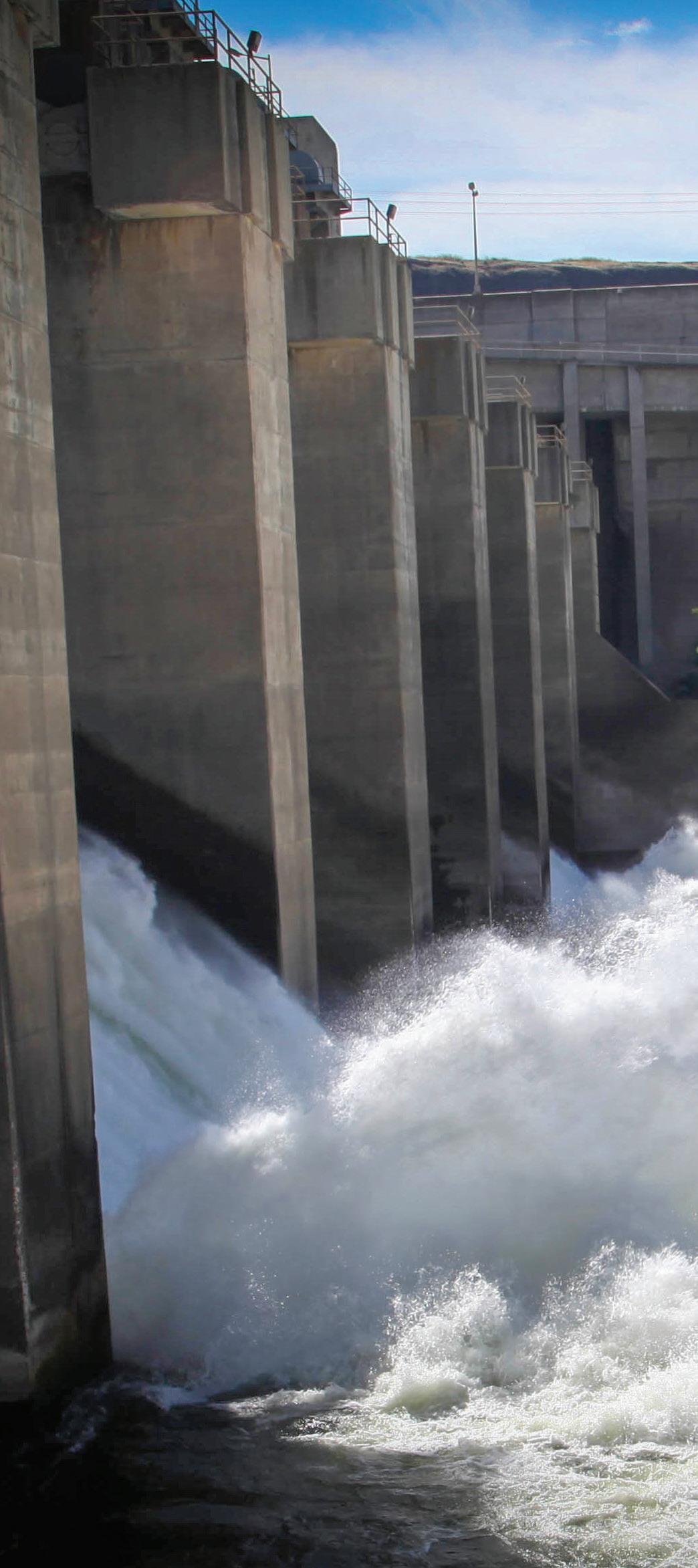
The price of Oregon’s litigation is a more expensive, less reliable and more carbon-intensive electric system.
By Ted Case
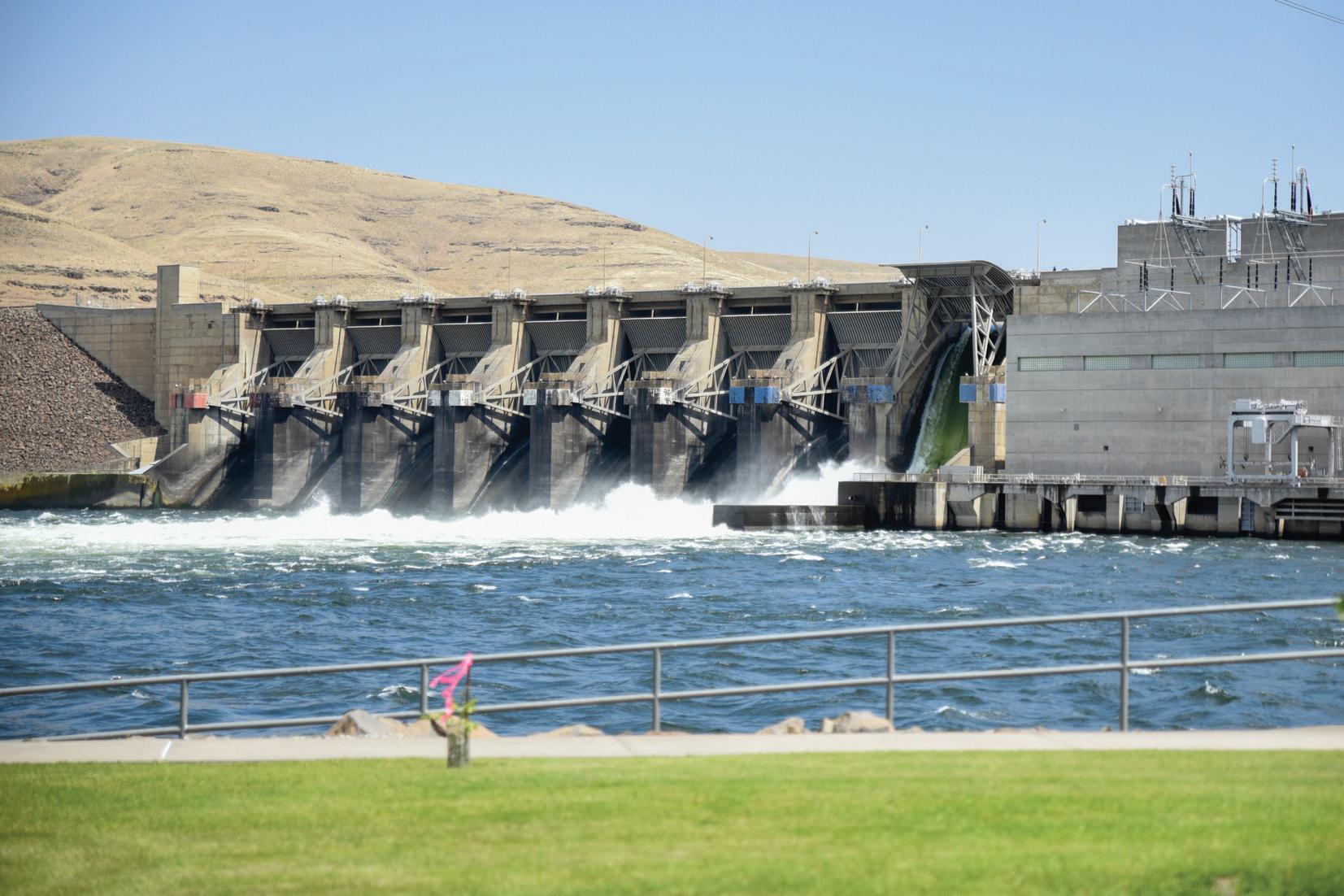
On Oct. 14, conservation groups and the state of Oregon filed suit in federal court asking for an urgent reduction in the amount of power generated at eight federal dams on the lower Snake and Columbia rivers. The litigation, aimed at altering the operations of federal hydroelectric dams for salmon, will have dire consequences for more than 1 million Oregonians who rely on the affordable, clean energy produced by the backbone of Oregon’s clean energy infrastructure—the Federal Columbia River Power System.
In October, leaders of 34 of Oregon’s consumer-owned utilities—known as COUs—across the state wrote Oregon Gov. Tina Kotek that the litigation could dramatically increase electricity rates, especially for low-income households already struggling with rising energy costs. The letter points out that the governor herself has acknowledged that “too many Oregonians are struggling with high energy bills.”
The problem is about to get worse.
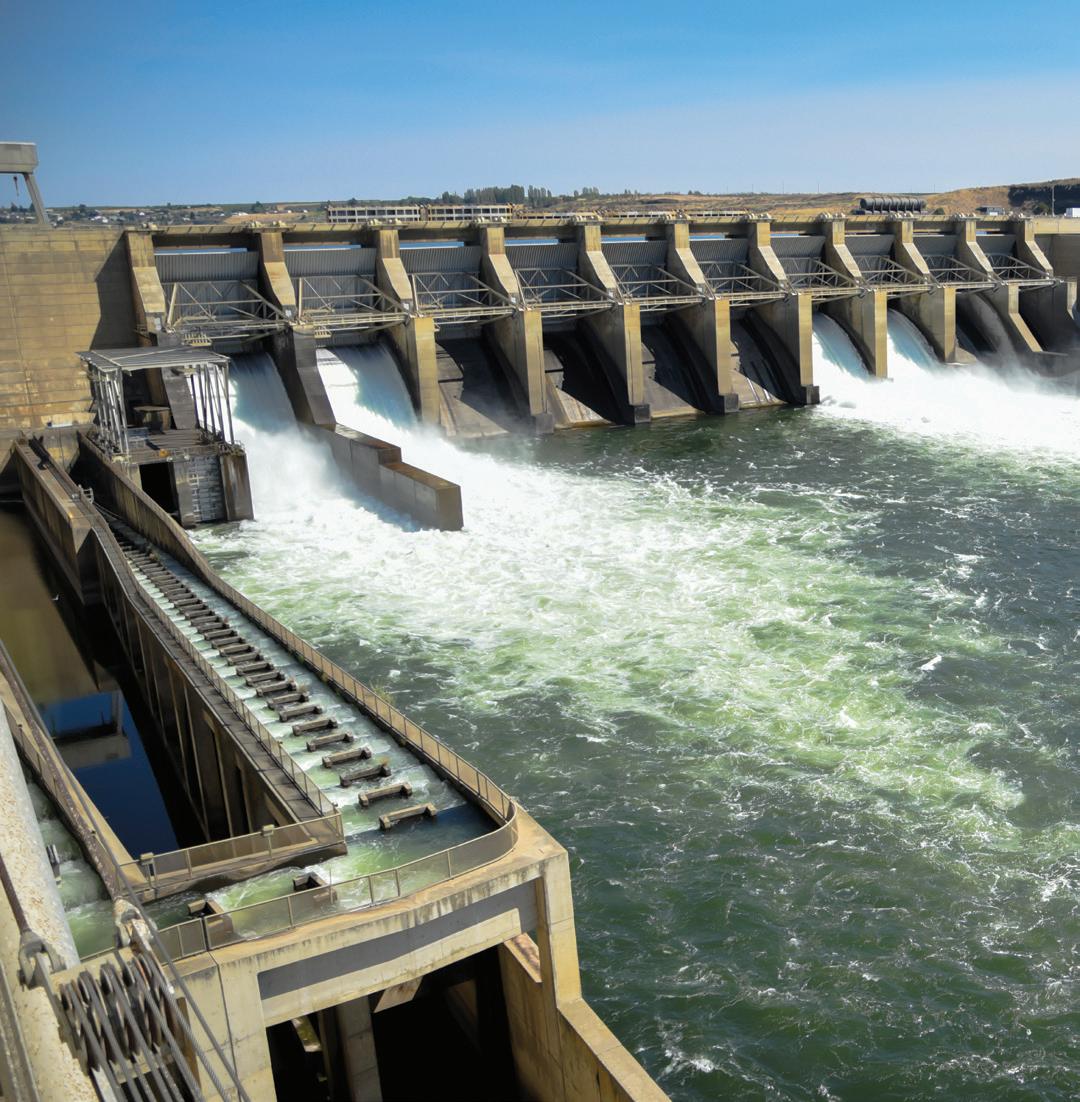
Some experts have correlated the operational changes to the river in the lawsuit to a high-spill alternative in the 2020 Columbia River System Operations Environmental Impact Statement. The CRSO-EIS determined this alternative could lead to pressure to raise Bonneville Power Administration’s wholesale power rates by as much as 40%.
Oregon’s COUs will have no choice but to increase retail electricity rates, which fall disproportionately on low-income households and those on fixed incomes.
Pacific Northwest utilities face growing uncertainty and mounting pressure to add generating resources to bolster the grid and serve a projected increase in demand for electricity. The litigation, however, threatens grid reliability for a state that has already faced near-blackout conditions during heat domes and ice storms.
“Instead of channeling energy into lawsuits, we’re calling on Washington Gov. Bob Ferguson, Oregon Gov. Tina Kotek and other leaders to channel their energies into pragmatic partnership rooted in science and progressive values,” former U.S. Rep. Peter DeFazio wrote in a recent op-ed for The Seattle Times.
“I have serious concerns about (the
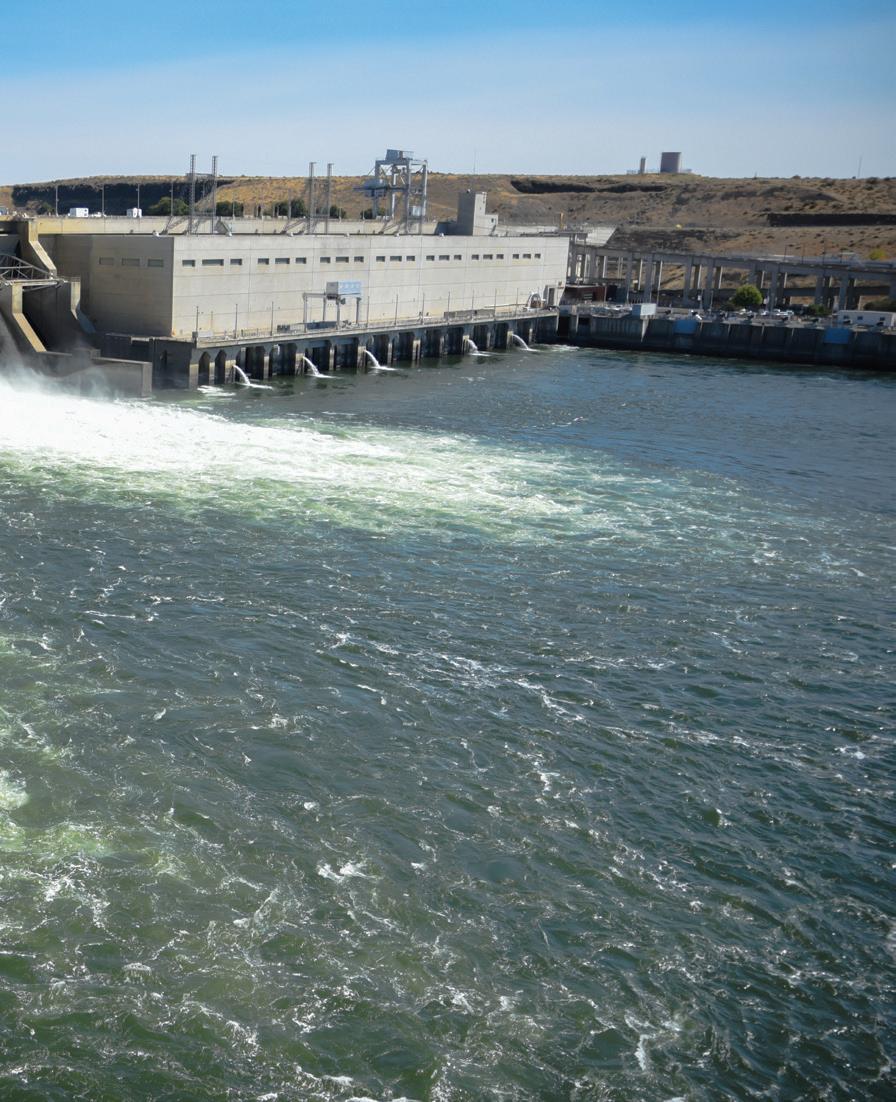
lawsuit),” former Bonneville Power Administrator Randy Hardy told Clearing Up. “Hydropower from the Columbia and Snake river dams provides nearly emission-free electricity and serves as a critical buffer during extreme weather events.”
The lower Snake River dams, for instance, supply roughly 25% of BPA’s operating reserves, enabling rapid response during outages or demand spikes.
The 2020 EIS noted the high-spill option had “the probability of power shortages … with blackouts or emergency conditions in roughly one of three years.”
The option would also require “substantial additional resources” to maintain regional reliability, including natural gas, at a cost of $242 million.
Furthermore, the EIS makes clear that if a substantial amount of hydropower is reduced—as it would under Oregon’s lawsuit—“additional generation from existing thermal resources, such as natural gas, would likely be used to balance for the variable nature of renewable resources.”
This outcome is counter to Oregon’s energy strategy, which calls for the state to be a leader in reducing greenhouse gas emissions.
The COU letter to Gov. Kotek also points
out these utilities are the primary funders of the world’s largest fish and wildlife mitigation program. At Lower Granite Dam, salmon and steelhead returns have more than quadrupled since 1975, according to data from the University of Washington’s DART system.
“We have never shied away from our responsibility to support salmon recovery,” the letter states. “We are committed to continued progress.”
Perhaps most troubling to COUs is the lack of consultation with the very utilities that rely on the federal hydropower system to serve more than 1 million Oregonians. In 2022, Gov. Kotek promised COUs would have a seat at the table in discussions about the future of the federal hydropower system.
This table should also include ports and other community organizations that have rejected renewed litigation and instead called for a collaborative, science-based process to protect and enhance Columbia River salmon populations and sustain affordable, reliable hydropower.
“There is a better way to meet these objectives than in a courtroom,” the letter concludes. “We strongly encourage you to step out of the courtroom and back to the table.” n
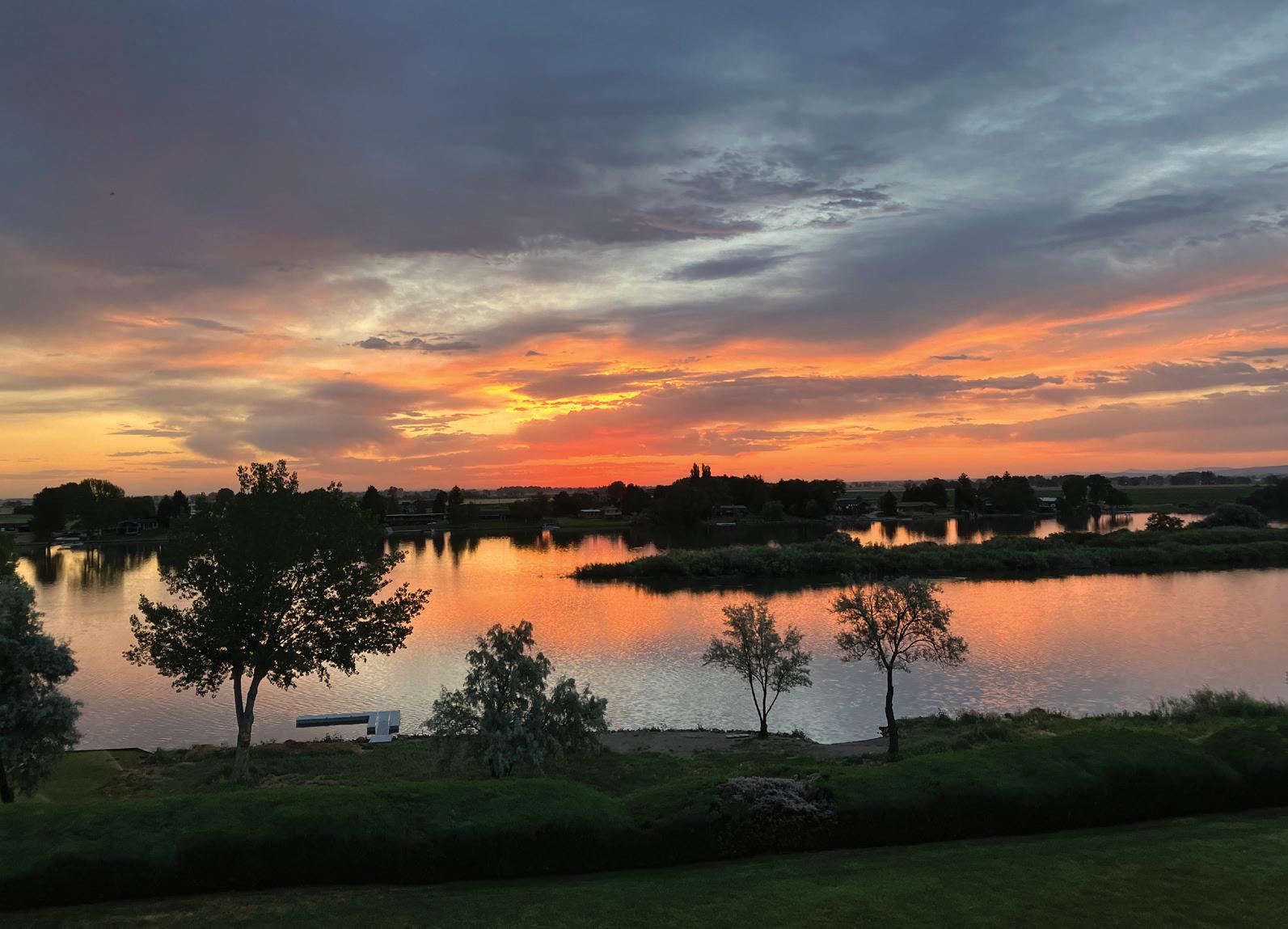
Nature surprises us through sunsets, picturesque landscapes and even by friendly wildlife visits to our backyards.
Ann Brown got an early start to the day, only to be greeted by a summer sunrise along the Snake River in Idaho.
To submit your photo, email a JPEG to photos@pioneer.coop. Include “Before You Go” in the subject line and share a bit about what inspired you to make your photo. n







St. Jude patient Keeton blood cancer
with his mom, Ginna
Keeton’s family didn’t give up. We won’t either.
When Keeton was found to have blood cancer, his family was referred to St. Jude for treatment, where he’s undergoing two-and-a-half years of chemotherapy. “St. Jude means everything to me,” said Keeton’s mom. “They’re saving my baby’s life.” Treatments invented at St. Jude have helped push the overall childhood cancer survival rate from 20% to more than 80% since it first opened more than 50 years ago. We won’t stop until no child dies from cancer.



Central Electric Cooperative DIRECTORS
Chairman Kip Light, Madras
Vice Chairman Kelly McFarlane, Powell Butte
Secretary/Treasurer Kenneth H. Miltenberger, Alfalfa
Mark Christie, Sisters
Beverly Clarno, Redmond
Boyd Keeton, Tumalo
Sam McKenzie, Prineville
Dan Steelhammer, Bend
Tom Strand, Terrebonne
Attorney Thomas M. Grim
Cable Huston LLP, Portland STAFF
President & CEO
Brad Wilson
Vice President of Finance & Accounting
Shane Morgan
Vice President of Operations & Engineering
Kevin Rohde
Vice President of Information Services
Phillip Franklin
Vice President of Member & Public Relations
Brent ten Pas
Vice President of Customer & Energy Services
Ryan Davies
24-HOUR PHONE NUMBERS:
Call 541-548-2144 or toll-free 800-924-8736.
Mission Statement
The aim of Central Electric Co-op is to make electric energy available to its members at the lowest cost consistent with sound economy and good management.
The board meets the third Thursday of each month at the CEC office, 2098 NW Sixth St., Redmond, Oregon. cec.coop
OR-12
The year is off to a productive start, with solid progress already underway.
Central Electric Cooperative continues to work hard to keep your lights on and our rates affordable while investing in new and ongoing capital projects to enhance the safety and reliability of the electric system to meet future growth in our service territory.
While managing and operating an electric cooperative, we need to keep an eye on the Oregon Legislature, whose decisions can adversely affect the members we serve. It convenes this month for the 83rd Legislative Assembly.
Funding the Oregon Department of Transportation will dominate the Legislature’s time and newspaper headlines, but there are other issues we want to keep at the forefront of their attention, such as wildfire mitigation and the importance of our federal hydropower system.
We never stop planning for the next wildfire season, even during the winter. As in the last legislative session, we will use this time in Salem to continue educating lawmakers about the uncertainty that comes with wildfire liability—and that the time has come for the state to recognize we need healthy forests and healthy utilities.
We will also raise awareness of the state of Oregon’s lawsuit against the federal hydropower system that supplies carbon-free, reliable and affordable electricity to our homes and businesses.
According to Northwest Requirements Utilities, Oregon’s lawsuit could raise rates by 22% and increase the chance of rolling blackouts by 30%. It is unfortunate Oregon would take this action after the last legislative assembly focused on keeping power bills affordable for Oregonians.
Your voice is needed, too. Oregon Voices for Cooperative Power is part of a grassroots network of more than 1.1 million advocates working to influence energy policy. This collective effort brings the voices of cooperative members directly to decision-makers locally, in Salem and in Washington, D.C. By joining VCP, you can help ensure rural communities across Oregon continue to have access to clean, safe, reliable and affordable electricity. Learn more and sign up at voicesforcooperativepower.com/oregon.
We thank our legislators for their service and look forward to working with them to advance policies that keep your electricity affordable and reliable.
President and CEO Brad Wilson