


A PUBLICATION OF MPD ELECTRIC COOPERATIVE FEBRUARY 2026


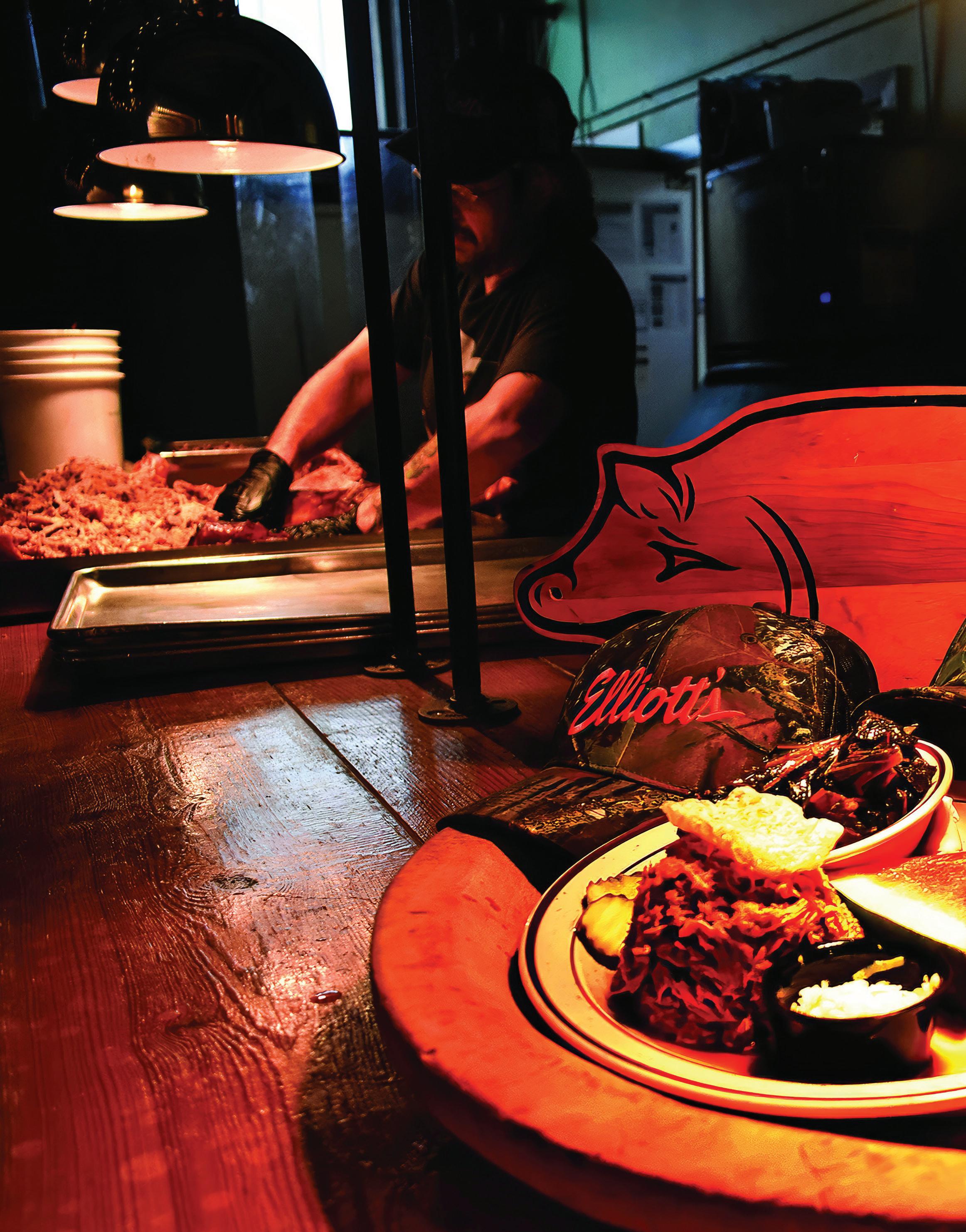
Elliott Moss honors whole-hog traditions while bringing something new to the experience Page 6
PHOTO BY JOHN D RUSSELL

Only Stauer can give
You may think you understood the concept of “priceless” jewelry. For years, “priceless” meant “astronomically expensive.” That is, until now ...

Stauer smashes the luxury status quo with the release of our FREE* 200-Carat Lusso Amethyst Necklace That’s right, we said FREE ... as in “priceless.” No charge.* ZERO dollars.* Call now and we’ll send you this impressive helping of genuine amethyst (independently appraised at $295) for FREE. We cut the price 100%. You only pay $24.95, our regular charge for shipping and processing. We’ll even pay you back with a $30 discount certificate –– that’s our Better Than Free Shipping!
A collection of purple perfection. Your Lusso Amethyst Necklace is a 200-carat symphony of smooth purple genuine gemstones. Each gemstone’s shape and translucence ignites the velvety, violet hues. The polished amethysts are hand-strung on double-knotted jeweler’s thread, and the stunning 18" necklace (with 2" extender) secures with a gold-finished lobster clasp.
Too good to pass up. Too good to last long. Amethyst is one of the world’s most coveted gemstones and our supply is extremely limited. We can only offer such an outrageous deal for a short time every few years. Over 30,000 thrilled customers were lucky enough to get this promotion last time.
We only have about 2,500 left in stock. Act now!
Necklace Specifications:
• 200 ctw of genuine amethyst
• Gold-finished spacers
• 18" + 2" length necklace
Lusso Amethyst Necklace:
Lusso Amethyst Necklace (200 ctw) $249** FREE*
*Pay only shipping & processing of $24.95. Special price only for customers using the offer code.

“This necklace is beautiful. I could not believe my eyes ... GREAT!” — Bonnie from Longs, SC
amethyst necklace limited to just the first 2,500 responders to this ad!




MPD Electric
Cooperative
mpd.coop
OFFICE LOCATIONS
1301 E. Pocket Road
P.O. Box 100561 Florence, SC 29502
843-665-4070
676 Highway 9 E. P.O. Box 1057
Bennettsville, SC 29512
843-479-3855
REPORT POWER OUTAGES
866-747-0060
OFFICE HOURS
8 a.m. to 5 p.m. Monday through Friday
PRESIDENT/CEO
William L. Fleming Jr.
BOARD OF TRUSTEES
John Alford
Melvin Carabo
Preston Gainey
James Goodson
Eddie Gordon
David Howell
Sam P. “Bo” McInnis Jr., Chairman
Robert Norton
Hamer Parnell
Jeff Quick, Secretary
Ronald “Ronnie” Quick
Janelle Sauls
LaShon Sellers, Vice Chairman
Charles R. “Ricky” Smith
Don R. Teal
Patricia Ann Toney
Lee C. White
CO-OP NEWS EDITORS
Katie W. Wilcox, CCC kwilcox@mpd.coop
Matt Haynie
mhaynie@mpd.coop
MISSION STATEMENT
Our mission is to serve the energy needs of our members today and in the future at the lowest cost consistent with sound economic principles and management.
MPD Electric Cooperative Inc. is an equal opportunity provider and employer.
February is recognized by the American Heart Association and other health organizations as American Heart Month—a time dedicated to raising public awareness about heart disease, the leading cause of death for men and women in the United States.
This month, let’s take the opportunity to focus on our own heart health and support the well-being of those we love.
Heart disease encompasses such conditions as coronary artery disease, heart attacks, heart failure and stroke, and it affects people of all ages and backgrounds. Many of these conditions develop gradually and are influenced by such factors as high blood pressure, high cholesterol, smoking, poor nutrition, physical inactivity and stress. The good news is that many of these risk factors are within our control.
Making intentional lifestyle choices—such as eating a balanced diet rich in fruits and vegetables, staying physically active, getting enough sleep and managing stress—can significantly improve heart health. Numerous online tools and resources can help set clear health goals and track progress, and partnering with a friend or family member can provide added motivation and accountability.
American Heart Month also highlights the importance of regular health screenings. Knowing your blood pressure, cholesterol and blood sugar levels can help identify potential issues early, whether they stem from genetics or lifestyle.
Nearly half of adults in the United States have high blood pressure, yet only one in four has it under control. It’s easy to delay checkups due to busy schedules, but postponing care doesn’t make health concerns disappear. Seek out screening opportunities in your community or schedule a routine physical with your health care provider to understand where you stand.
Education is another critical component of heart health. Knowing how to recognize the warning signs of a heart attack or stroke and when to seek immediate medical attention can save lives. Helpful resources from www.heart.org are listed at right for your reference.
An often-overlooked aspect of heart health is learning CPR. Each year, more than 350,000 cardiac arrests occur outside of hospitals, and 70% happen at home. By learning CPR, you can be prepared to act if someone you love—or anyone in need—experiences a cardiac emergency.
Throughout February, red serves as a powerful symbol of heart health. By educating ourselves, supporting one another and committing to healthier habits, we can make heart health a lifelong priority.
EDDIE GORDON Trustee

Most heart attacks involve discomfort in the center of the chest that lasts more than a few minutes, or goes away and comes back.
Discomfort or pain in one or both arms, the back, neck, jaw or stomach.
Shortness of breath with or without chest discomfort.
Other signs may include breaking out in a cold sweat, nausea or lightheadedness.
Does one side of the face droop, or is it numb? Ask the person to smile.
Is one arm weak or numb? Ask the person to raise both arms. Does one arm drift downward?
Is speech slurred, are they unable to speak or hard to understand? Ask the person to repeat a simple sentence. Is the sentence repeated correctly?
Call 911 if the person shows any of these symptoms, even if the symptoms go away.
CEO Michael Shepard
SENIOR VP OF CONTENT Leon Espinoza
EDITORIAL DIRECTOR Chasity Anderson, CCC
DEPUTY EDITORIAL DIRECTOR
Noble Sprayberry
SENIOR EDITOR Jennifer Paton, CCC
LEAD CONTENT EDITOR Victoria Hampton, CCC
ASSISTANT EDITORS David Herder, CCC;
Sable Riley, CCC; Nina Todea, CCC
ASSOCIATE EDITOR
Valeri Saldanha Rosa
PUBLICATIONS PRODUCTION SR. MANAGER
Elizabeth Beatty
SENIOR PUBLICATIONS COORDINATOR
Alyssa McDougle
South Carolina Currents (issue 80) is published monthly, except in December, by Pioneer Utility Resources, 5625 NE Elam Young Pkwy. Ste. 100, Hillsboro, OR 97124. Preferred periodical postage permit number 23830 paid at Hillsboro, Oregon 97123 and additional mailing offices.
POSTMASTER: Send address changes to: South Carolina Currents, 5625 NE Elam Young Pkwy. Ste. 100, Hillsboro, OR 97124. Subscription price of $9.89 per year includes postage.
HOW TO CONTACT CURRENTS
Have a problem receiving your edition of South Carolina Currents? Utility members should contact MPD Electric Cooperative.
Reprint permission: Direct all requests to Pioneer Utility Resources.
MANUSCRIPTS AND PHOTOGRAPHS
Please do not send unsolicited materials. If interested in writing for South Carolina Currents, query first. Include a selfaddressed stamped envelope for writers’ guidelines. Address requests and queries to Pioneer Utility Resources.
DISPLAY ADVERTISING INQUIRIES
American MainStreet Publications 611 S. Congress Ave. Ste. 504 Austin, TX 78704 800-626-1181 or 512-441-5200
© 2026 Pioneer Utility Resources. All rights reserved. Reproduction in whole or in part without written permission is prohibited.
Willie Wiredhand is the longtime mascot and spokesplug of electric cooperatives around the United States. He was adopted in 1951 by the National Rural Electric Cooperative Association. Here’s your task: Willie is hidden somewhere in every issue of Currents. See if you can find this friendly face among the news and stories as you read!





Soups for the Sniffles Comfort comes in bowls of medicinal soup Page 34 Page 12













Elliott Moss honors whole-hog traditions while bringing something new to the experience
By Libby Wiersema
Long before the sun rises and the morning commute bustles to life, Elliott Moss moves through the shadows in the self-imposed, solitary confinement of a smokehouse. He torches the burn barrel and watches as the firewood sparks. It will take an hour to reach a peak blaze and longer still to deliver the gold—blistering wood coals with the power to turn whole hogs into melt-in-your-mouth barbecue.
“The crackling of the fire, the hissing of grease on the coals, the sweat, watching the sun come up while I work—I embrace it all,” Elliott says. “It’s kind of a lonely job, but that’s part of why I love it.”
If smokehouse magic is only as mighty as the pitmaster conjuring it, then Elliott is a barbecue wizard of the highest order.
The Florence native spent years shapeshifting from pupil to pitmaster. His affinity for smoked meat, cultivated in the Pee Dee backyards of family members, deepened as an adult. He decided to travel the smokehouse circuit, observing barbecue masters in action, filing away shared bits of wisdom and honing his skills under the tutelage of renowned pitmasters Rodney Scott and Sam Jones.
He was already a fixture on the Asheville food scene when he started garnering recognition while at The Admiral and, subsequently, Buxton Hall BBQ.

Nationally acclaimed pitmaster. Critically lauded barbecue joint. Regionally celebrated whole-hog barbecue. James Beard-nominated Best Chef.
This is just a sampling of the accolades. Such a dizzying array of kudos is enough to make just about anyone stand a little taller and walk a little prouder. But for Elliott, the praise brings a mix of satisfaction and discomfort. The selfdescribed introvert and barbecue nerd wears humility as naturally as a greasestreaked apron and baseball cap.
“I have trouble thinking of myself as a chef, much less a pitmaster,” he says. “I won’t lie, the recognition is nice. But in the end, I’m just a student of whole-hog barbecue.”





Buxton Hall BBQ is now closed, and Elliott’s formative culinary years in Asheville are done, too. A lot went down during that chapter of his life to bring him where he is today—back home working to restore Florence’s reputation as a whole-hog barbecue destination.
“The restaurant business is tough,” he says. “COVID was especially hard, and my wife had an accident and faced a long recovery. At one point, it seemed the whole world was spinning off its axis, but you just have to regroup and hopefully find a way forward. I didn’t know what that would look like.”
The next steps became clear when entrepreneur Tim Norwood, who was buying Seminar Brewing, approached Elliott and offered him a chance to establish a barbecue restaurant in his hometown.
“It was like a door opened at the right time,” Elliott says.
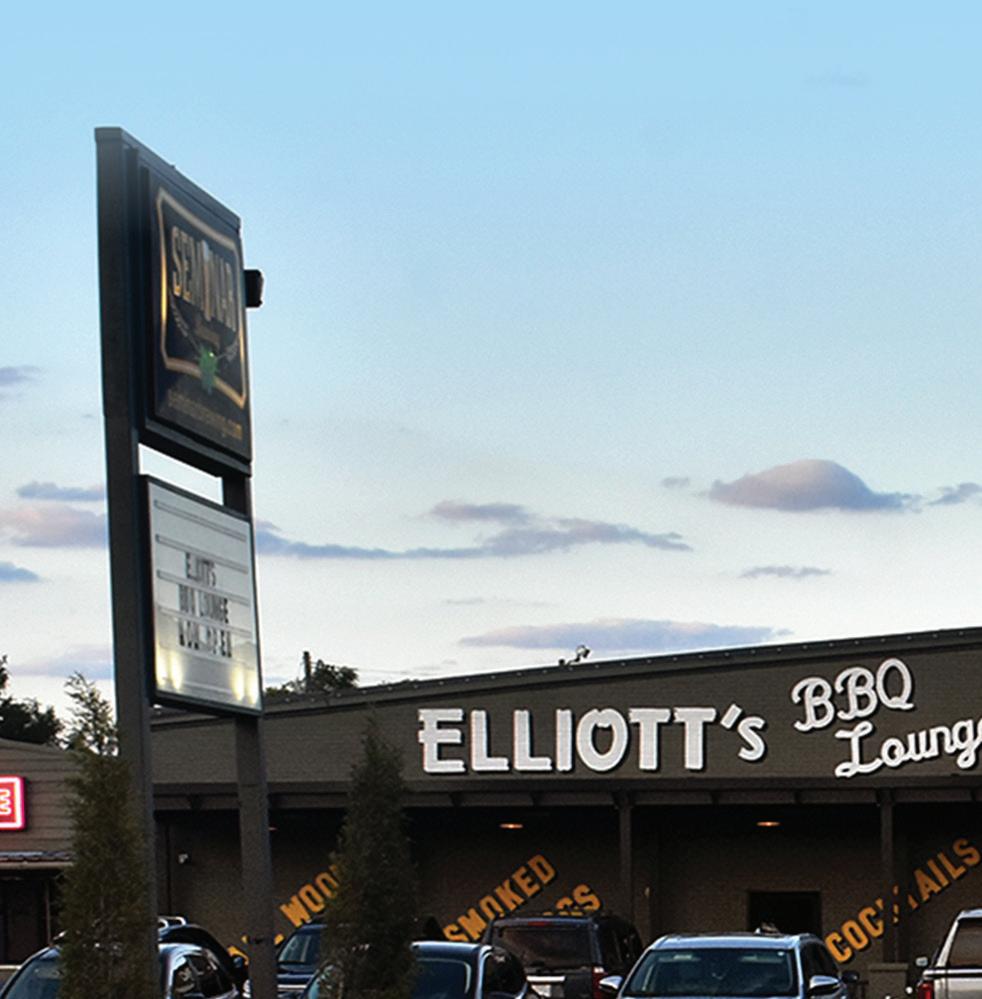
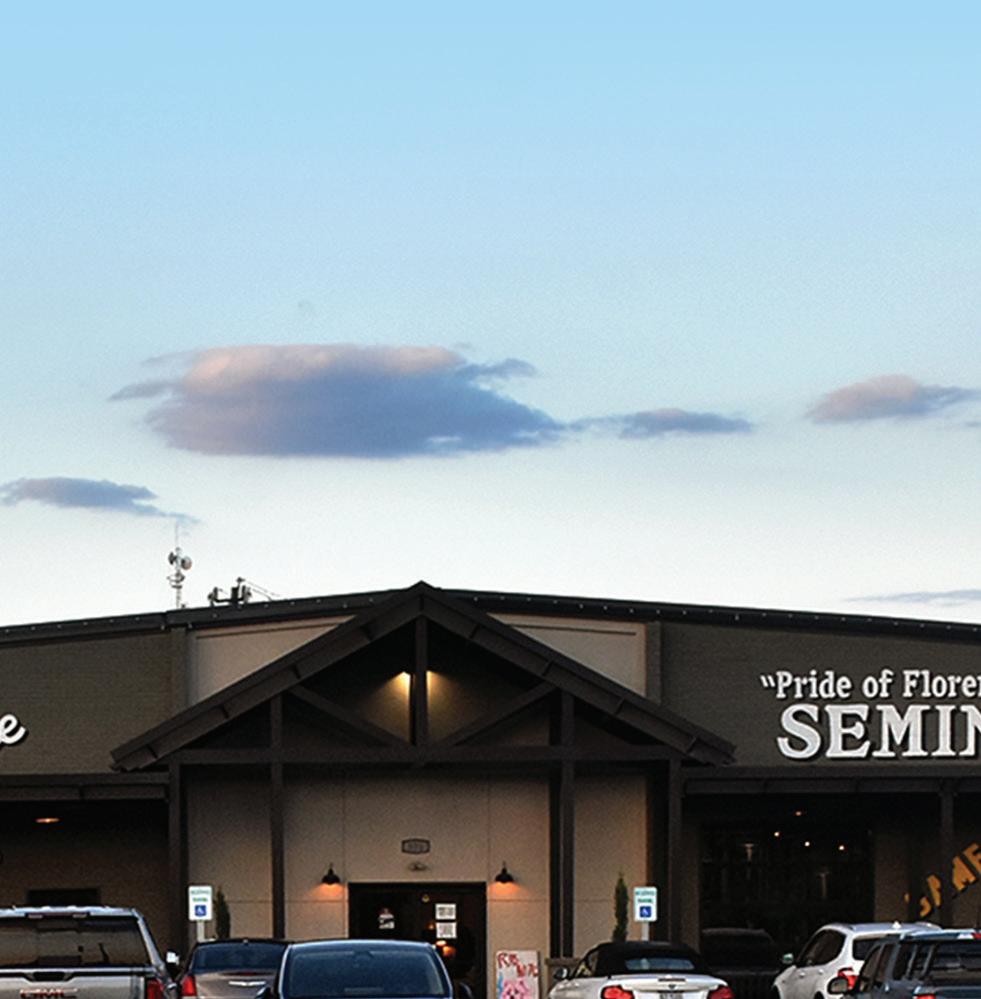
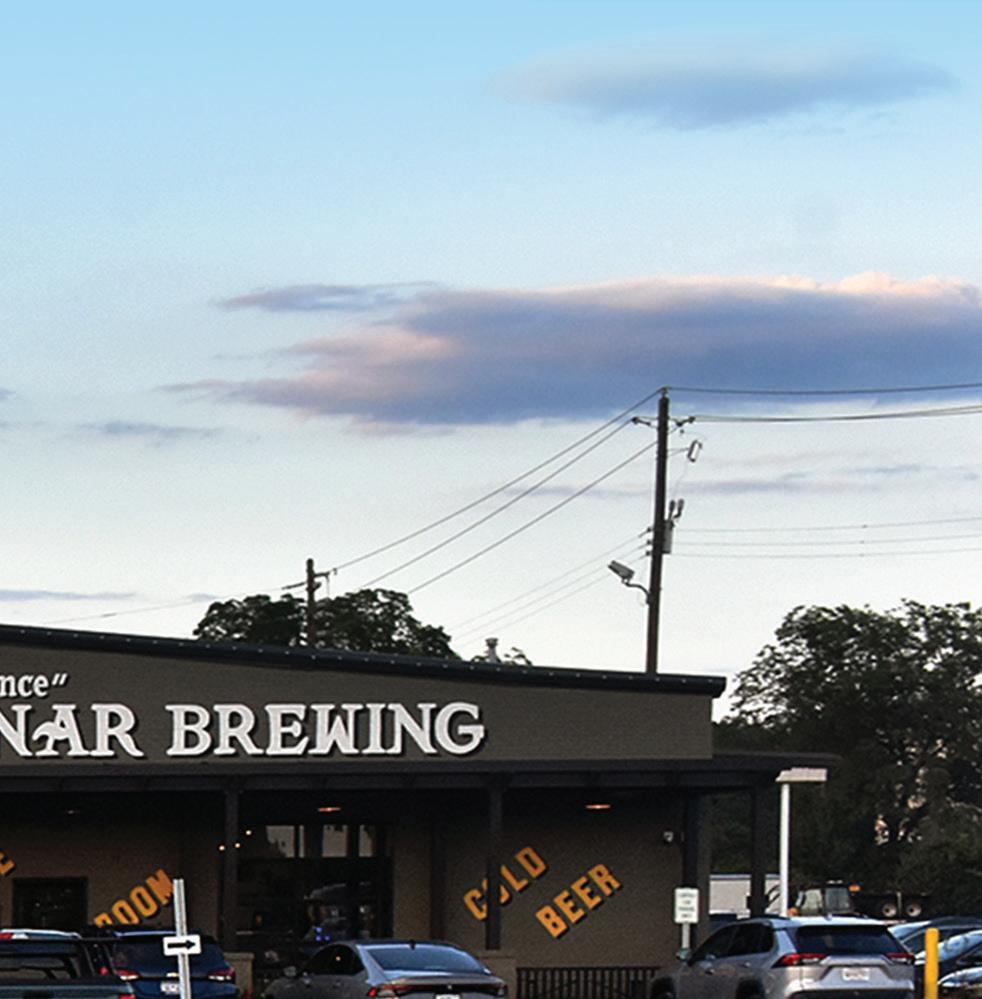
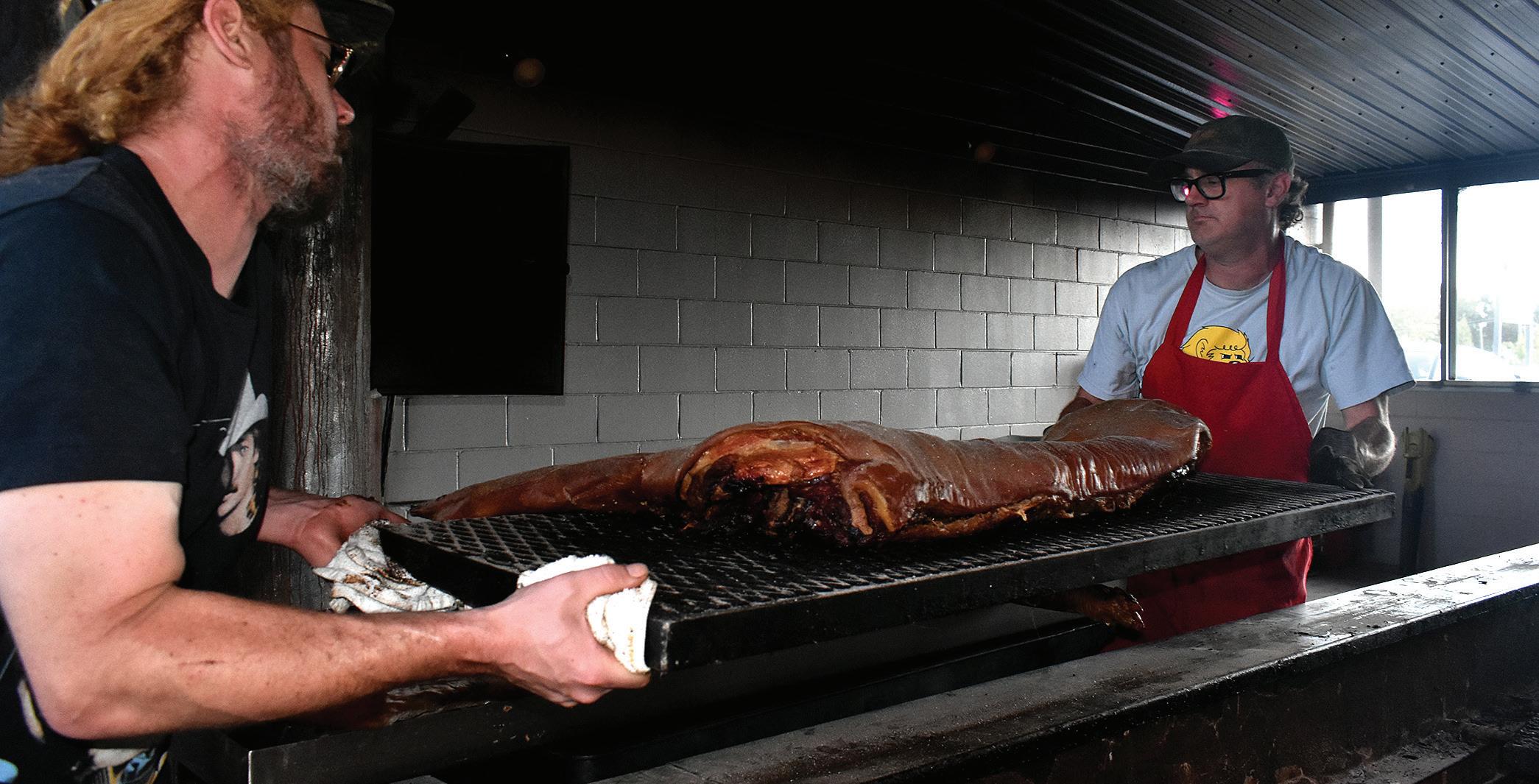
He walked right through that open door and became an equity partner. In March 2025, service began at Elliott’s BBQ Lounge at Seminar Brewing on West Lucas Street in Florence, the site of the former Young Pecan facility where a young Elliott once sold buckets of nuts collected from his backyard.


The brewery had a kitchen, but a smokehouse was added, Carolinastyle pits were built and a burn barrel was fashioned from a large propane tank. The dining got a cool makeover, and more property upgrades are underway.
“It’s been a fun process getting everything just the way I need it,” Elliott says.
The vibe is familiar yet novel for these
experience with something for everyone.

“I am excited to think about a new generation of kids experiencing the tradition of whole-hog ’cue and having a good time doing it,” Elliott says.
The crackling of the fire, the hissing of grease on the coals, the sweat, watching the sun come up while I work—I embrace it all.
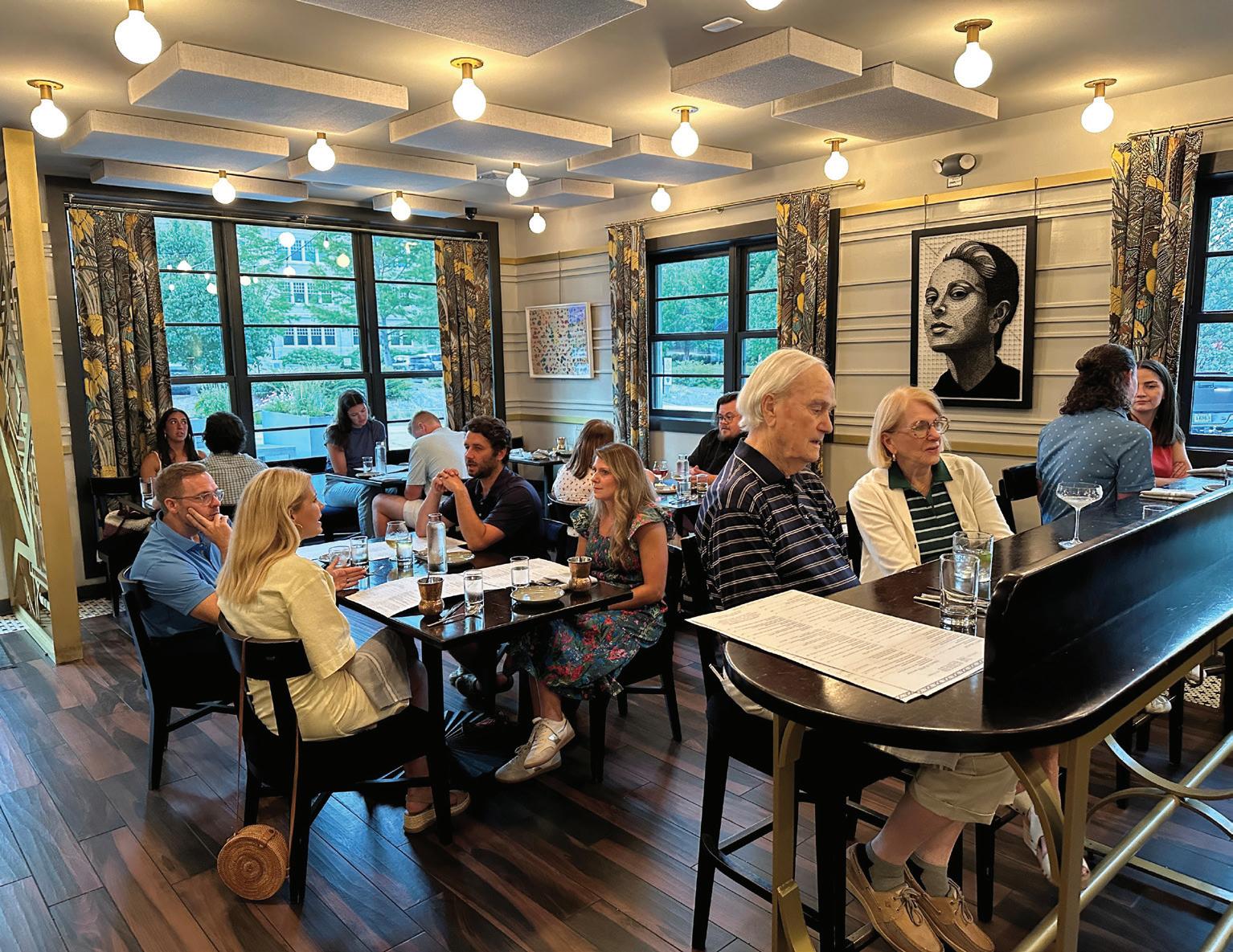
parts. It is old-school barbecue joint meets hip gathering place. Come for the ’cue, grab a cold craft beer, sip your favorite cocktail, play a little pinball and enjoy the fun art on the walls. Snag a seat at the bar and nosh on barbecued chicken nachos while watching the game. Or settle in at a table for a family meal, complete with ice cream cones for dessert.
On the way out, flip through Elliott’s collection of classic vinyl and take home a nostalgic album. This barbecue lounge is designed to feel familiar yet fresh each
“Not many barbecue houses in the region are doing whole hog these days,” Elliott says. “The truth is that it’s really hard, time-consuming work and costly, were
— Elliott Moss
Not only has Elliott’s restaurant been a boost for the brewery, it’s injecting new life into the food scene. Amid Florence’s obsession with chain restaurants, Elliott’s offers a local flavor experience that pivots on a thoughtfully envisioned menu and skillfully prepared fare.

too. While I hate to see this tradition disappear, I understand why it happens.”
So, how hard is it? Elliott counts the ways.
First, the burn barrel is loaded with oak or sometimes pecan wood, and a fire is started. The hogs are salted, then placed cut-side down on the grate.
About an hour or so later, the hardwood is reduced to coal. The hot coals are ready to be shoveled into a pan beneath the hog. The lids are closed, and the smoking begins.
Over the next few hours, the burn barrel is filled repeatedly, so hot charcoal can be continually added to maintain a temperature between 200 and 220 degrees. Sauce is not applied until the hog leaves the smoker.
“I personally think that mopping sauce on the hog while it’s smoking is more of a showy thing,” Elliott says. “It can disrupt
the formation of the bark and doesn’t really do much to make the meat moister.”
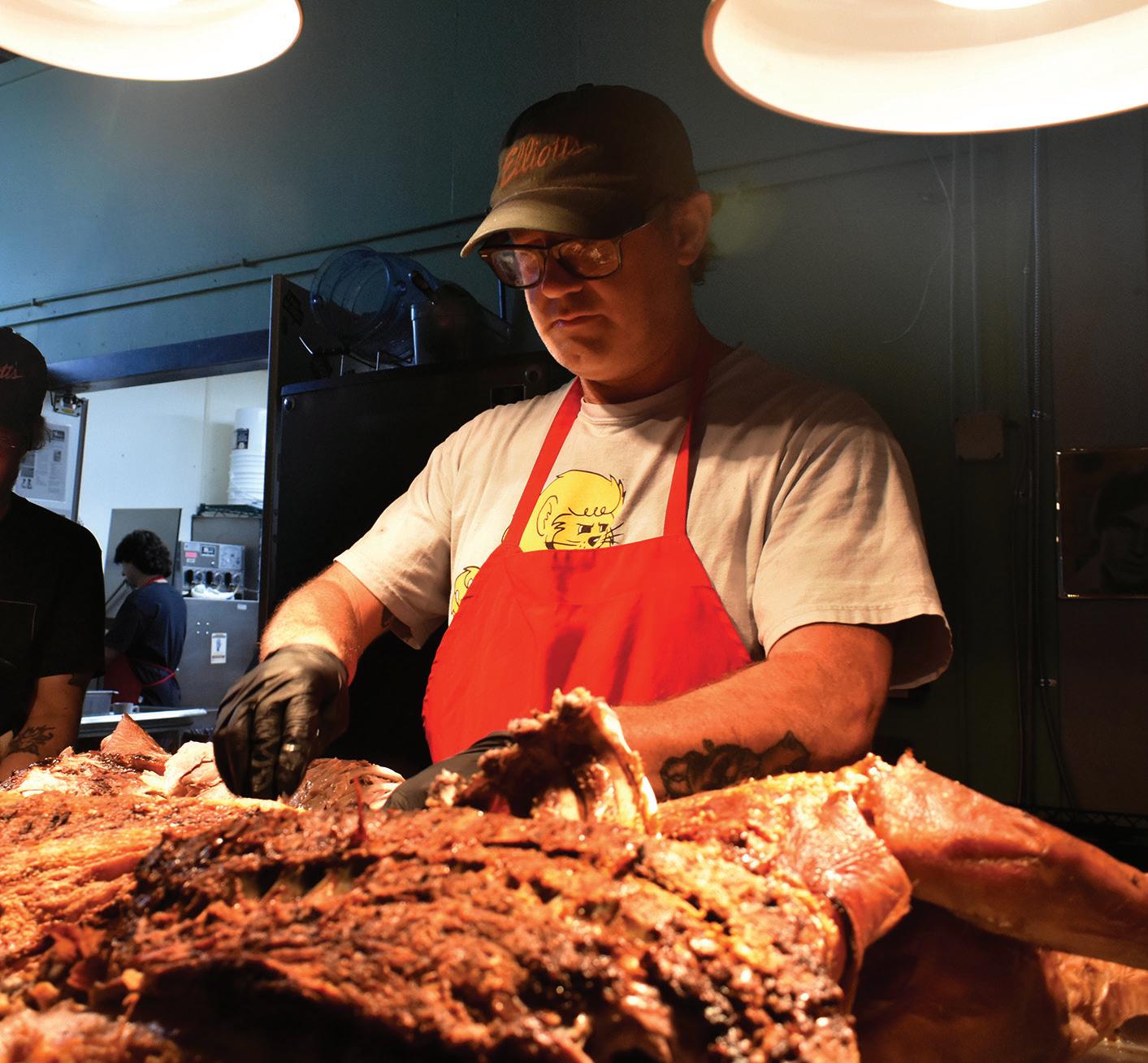
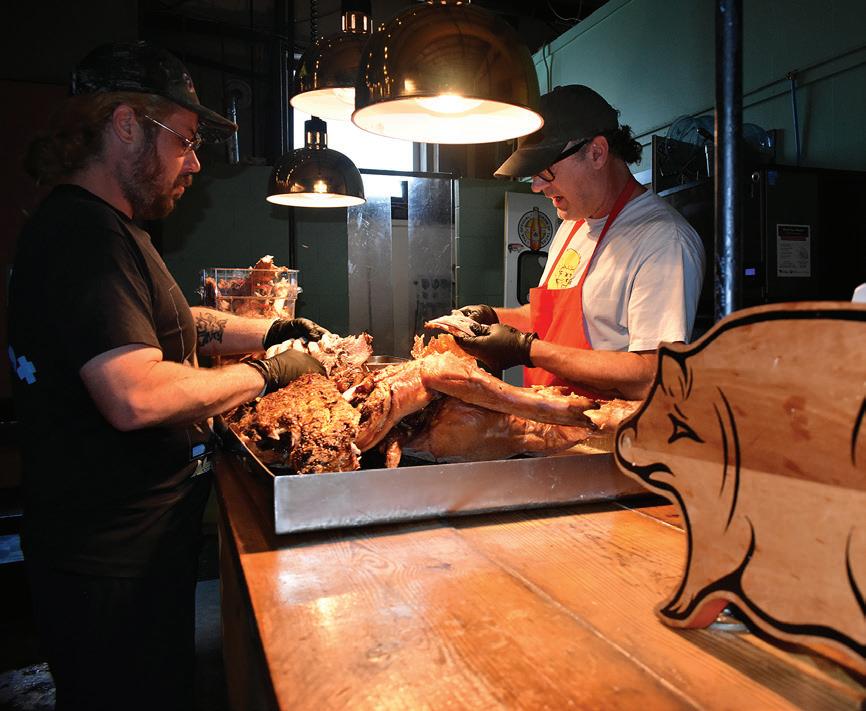
About nine to 12 hours later, the meat is done. It takes two people to carry the cooked hogs inside and flip them, skin side down, onto a flat surface where they will rest for a few minutes to allow juices to seep back in.
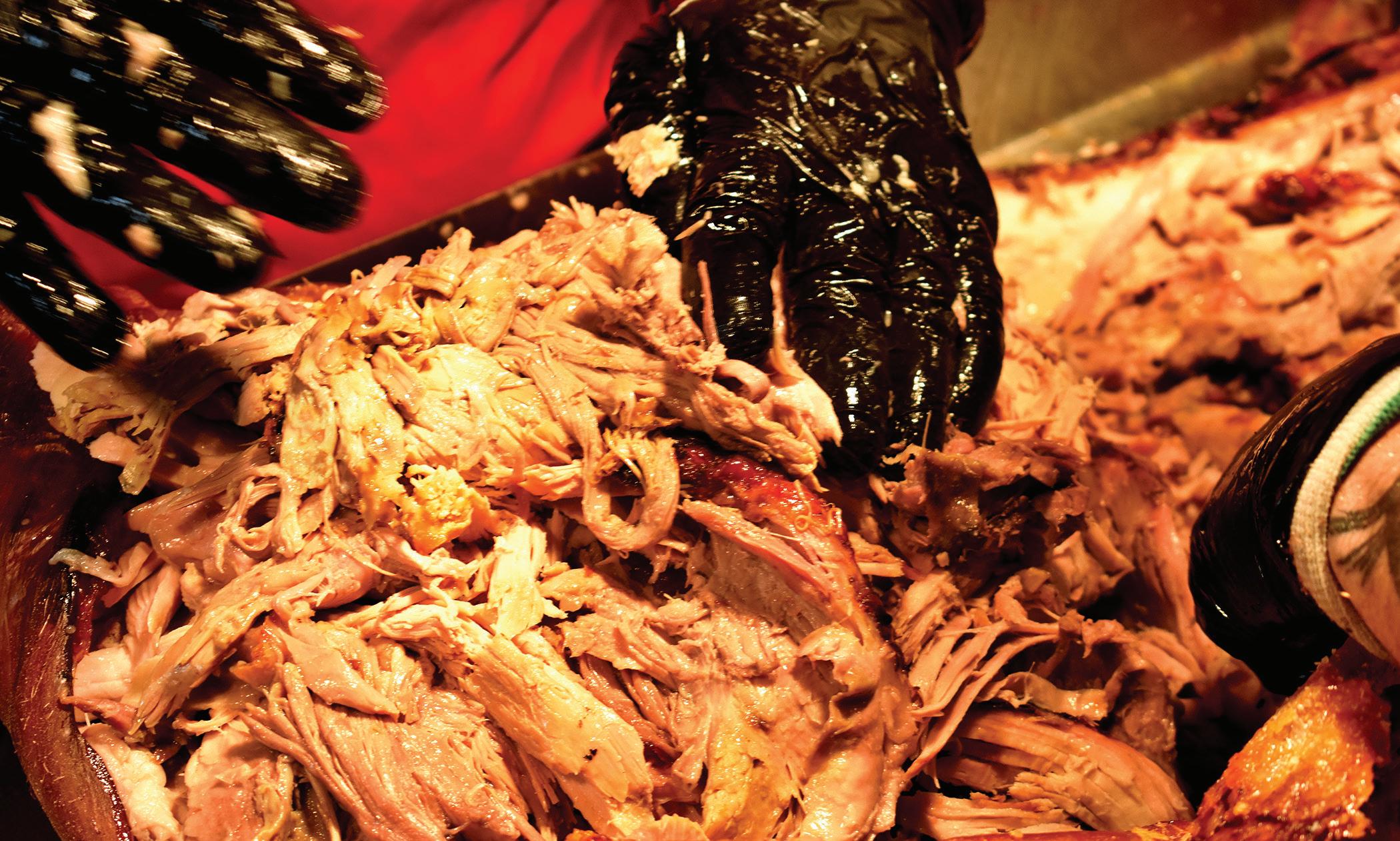
Then the picking begins. It takes an hour or more for two people to thoroughly pull the meat. Gloved hands carefully separate the good stuff from bones and large pieces of fat. Both are reserved for making stock and to use as flavoring in other dishes.
“I come from a family with a long tradition of smoking hogs,” Elliott says. “They believed in using everything, so there was little waste.”
Once the picking is done, the pulled pork is given a rough chop and, finally,
a dousing with a vinegar-pepper sauce. Though this is Elliot’s sauce of choice, customers can choose their favorite style based in mustard, tomato or mayo.
“We want to make every customer happy, so I offer them all on the side,” he says. “But vinegar-pepper is the only one I use on the pulled pork.”
There is more to the menu at Elliott’s than pulled pork. There are ribs, chicken sandwiches, wings, hand-battered strips and specials that include everything from chicken bog to catfish stew.
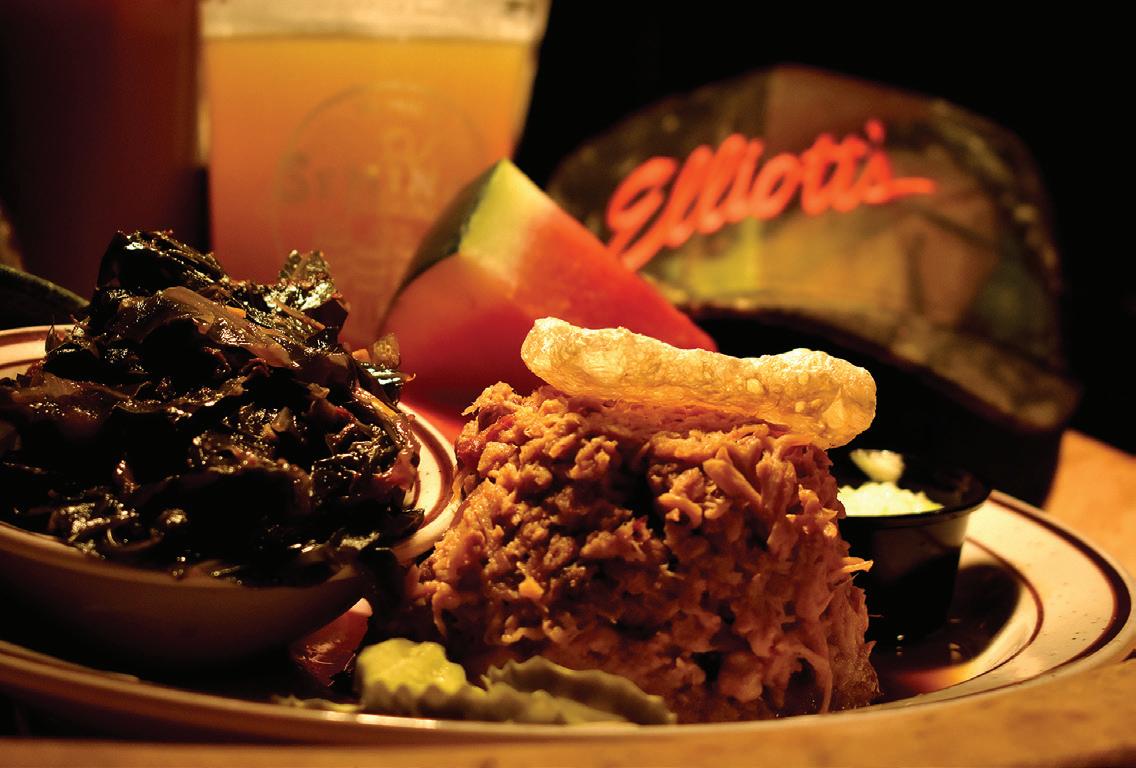
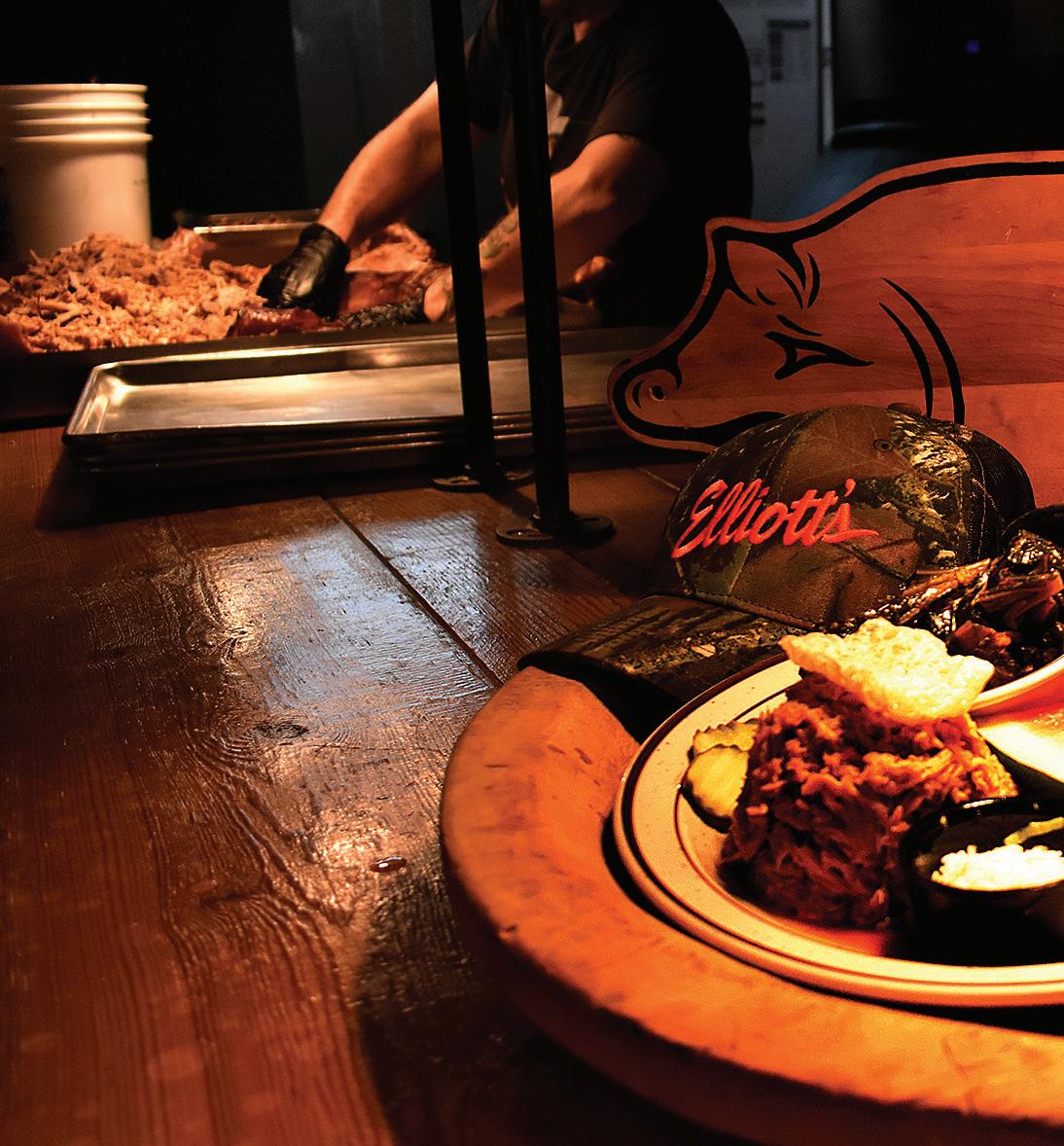
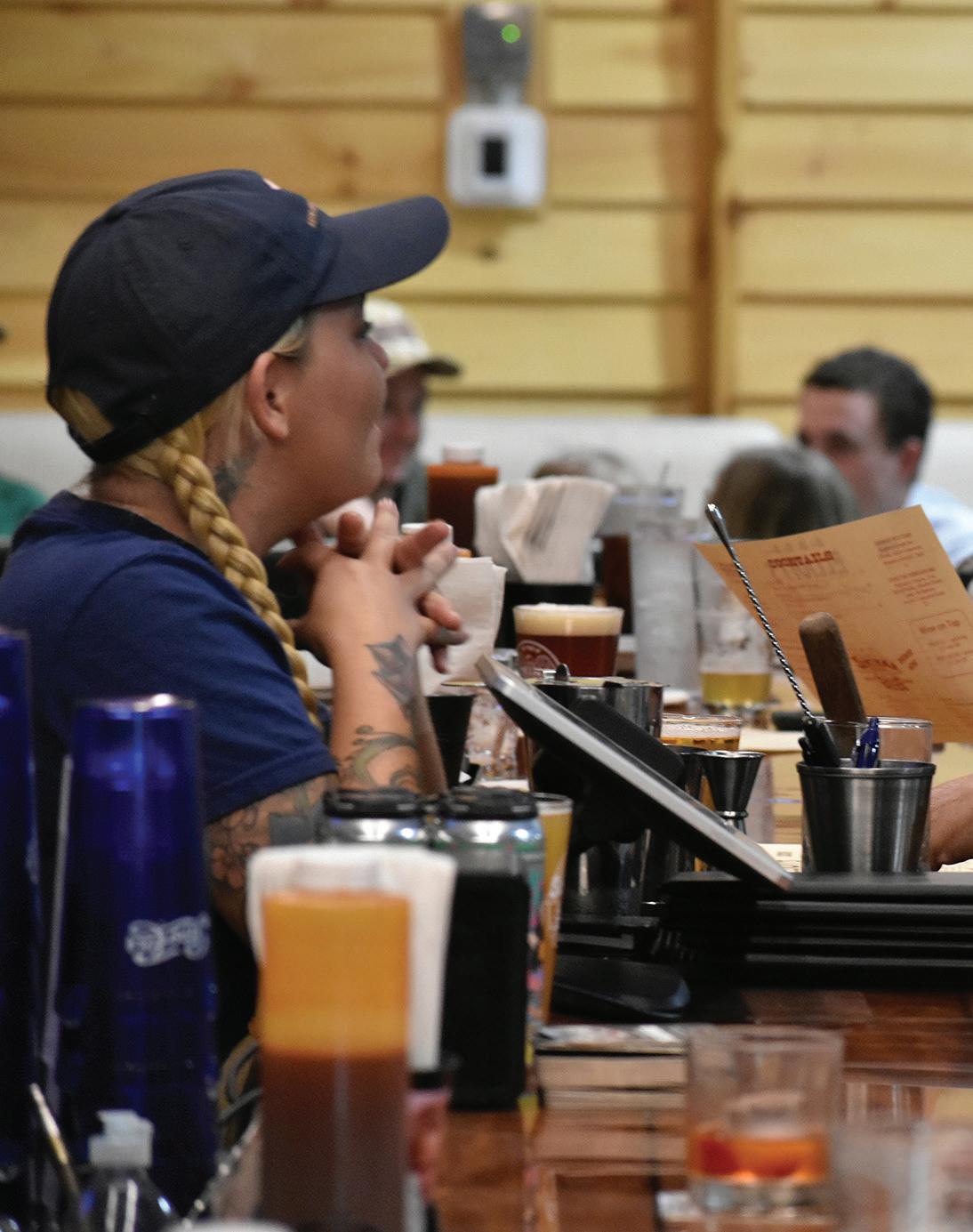
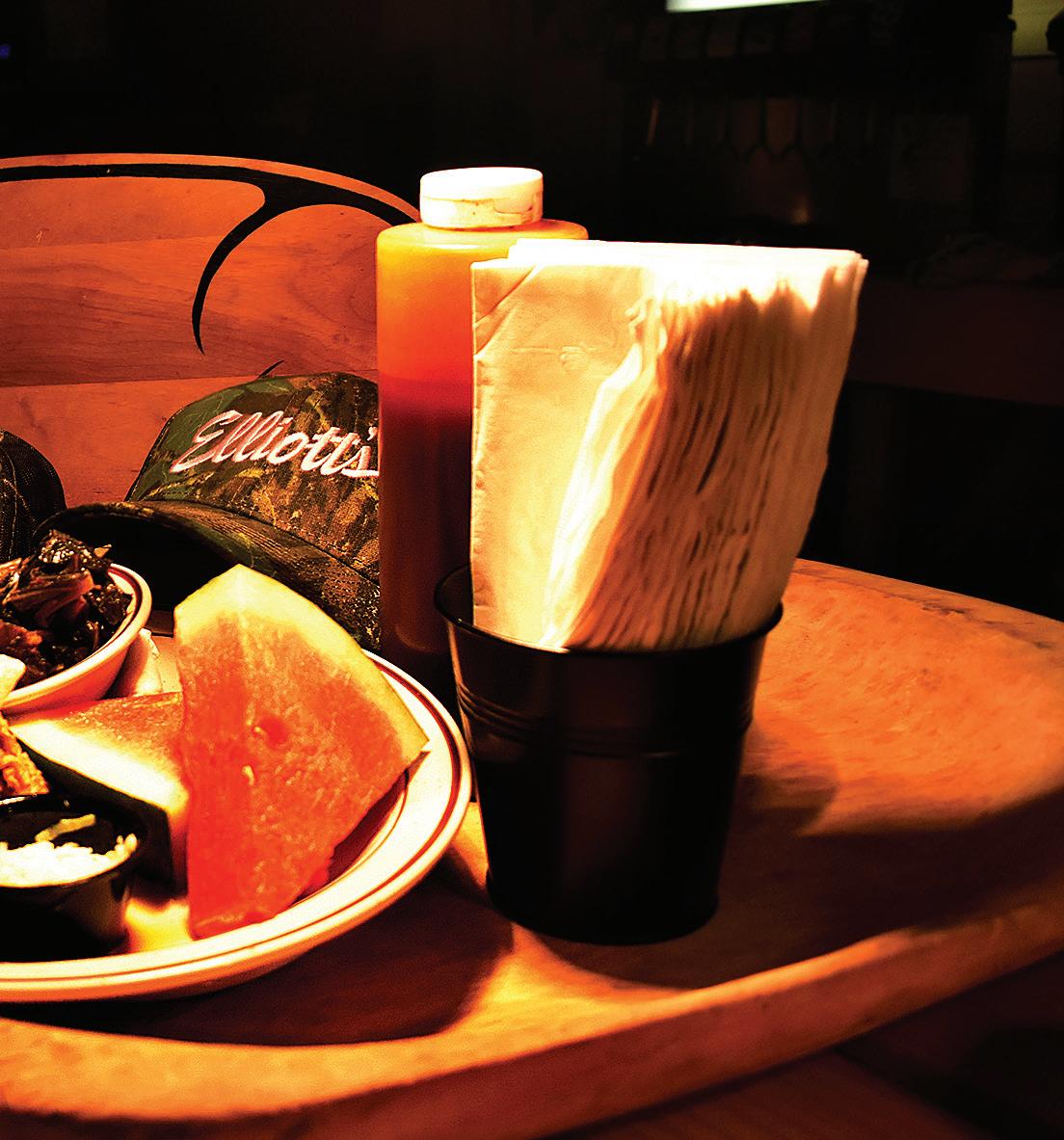
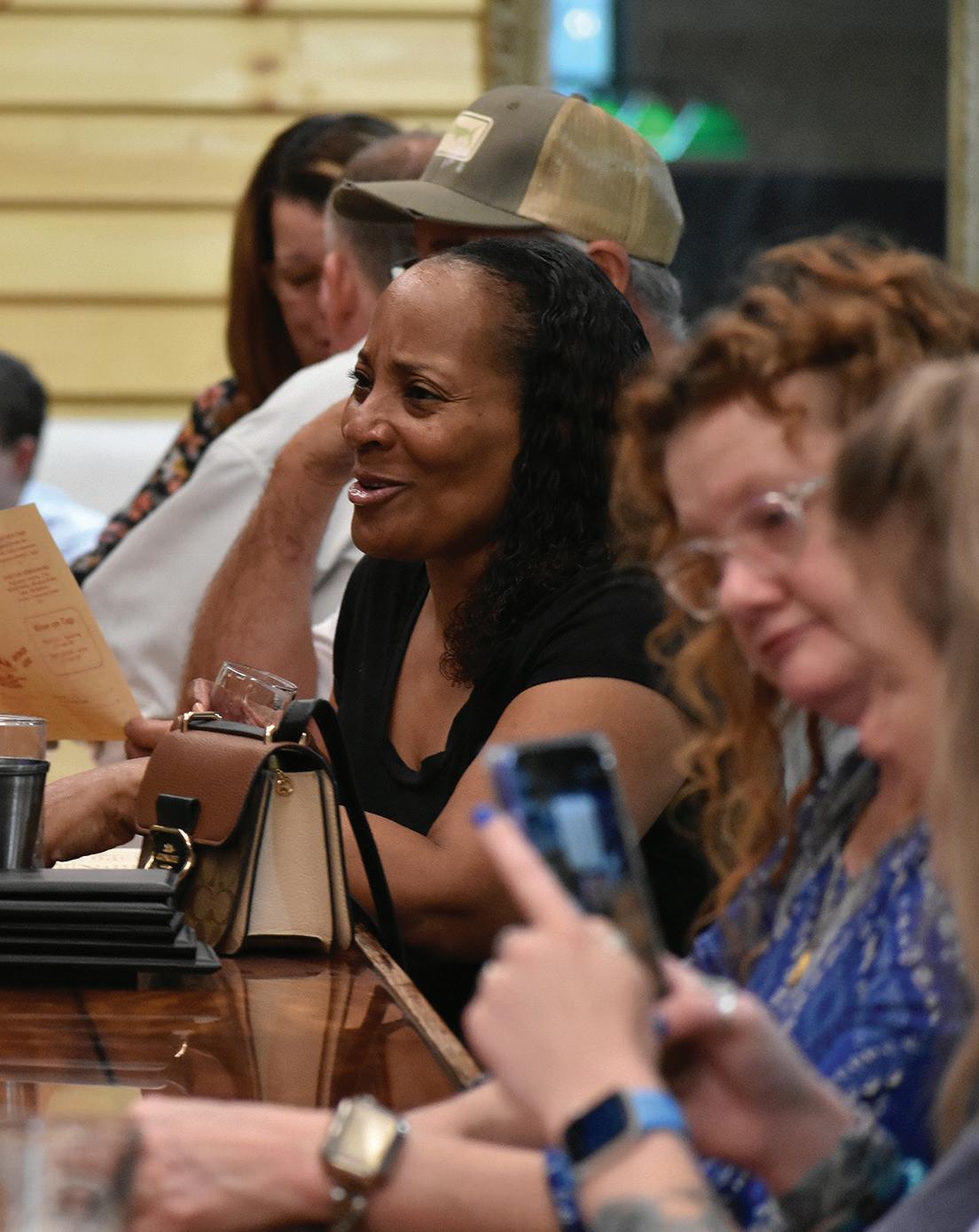
CLOCKWISE FROM RIGHT: After hours of slow-and-low smoking over wood coals, the whole hog gets VIP treatment with a painstaking pulling and picking session by Elliott and his staff. Once the “undesirable” has been separated from the “desirable,” the pulled pork makes its way to the plate. Extra napkins are a must for eating extra-juicy ribs and pulled pork. For al fresco dining, grab a table on the covered front porch or head to the adjacent beer garden. Getting the smoked hog to the kitchen is a two-person job. Good food and a lively atmosphere keep the customers coming.












“I do have people come in from time to time asking for brisket or commenting that there is not a lot of smoke on the meat,” Elliott says. “We do not do Texasstyle barbecue here. This is Carolina-style barbecue, so there’s only a hint of smoke. That’s how it’s done in this region.”
But that seems to be working out just fine. Elliott’s is developing a strong base of regulars who show up time and again for their favorites.
“I almost always get the pork steak,” says Todd Norris, who is part of the after-church crowd on Sundays. “It’s pretty amazing.”
South Carolina barbecue traditionalists may be happy to know Elliott’s has its own version of hash. Fans of the liver variety, however, might be disappointed.
“I don’t use any organ meats in my hash,” Elliott says. “I pretty much took what I consider to be the best elements of the different kinds of hash from around the state and put them together with a few special seasonings.”
You can get a serving of this tasty “barbecue gravy” over rice or, when it is on the lineup, opt for the Flotown Poutine, a mound of fries covered in hash, Cooper sharp beer cheese and pickled banana peppers. Pretty creative, right? Well, do not be surprised. After all, Elliott may be a chef and pitmaster, but he is an artist at heart. Watercolor is a medium he particularly loves to work in.
“It is just another way I can center
myself and express my creativity,” he says. “I consider what I do here an art form, too. But instead of paint, smoke is my medium. I hope people enjoy what I am creating here.”
Last September, food writer Robert Moss named Elliott’s to his annual Southern Living roster of the 50 best barbecue joints in the South.
“South Carolina gained an impressive new whole-hog operation this year when Elliott Moss opened Elliott’s BBQ Lounge …” he wrote.
It seems like Elliott’s smokehouse alchemy is already working its magic right here in the Pee Dee.
Elliott’s BBQ Lounge is at 551 W. Lucas St., Florence. Call 843-665-9200 for more information. The lounge is open 11 a.m. to 9 p.m. Tuesday, Wednesday and Thursday; 11 a.m. to 10 p.m. Friday and Saturday; and 11 a.m. to 3 p.m. Sunday.
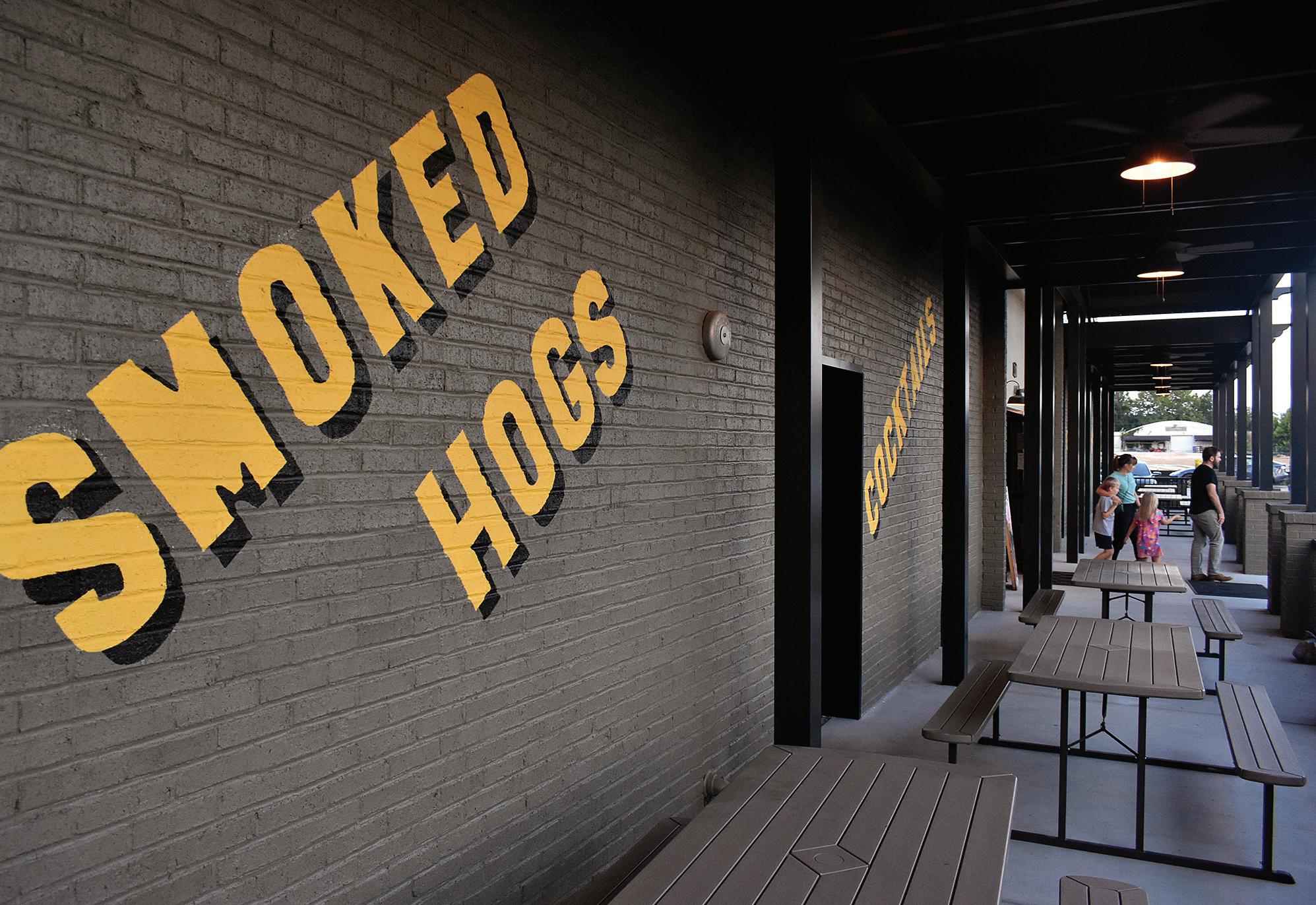
Every month, MPD Electric Cooperative features a new, recognizable spot from somewhere in the Pee Dee. Check out next month’s page for the answer.



Tucked just off Rosenwald Road, outside of rural Society Hill in Marlboro County, a line of rusted vintage cars and trucks sits along the roadside. This unexpected landmark forms a makeshift fence for an empty field. The land once held a junkyard full of these classic vehicles. However, only these few weathered antiques remain after the field was cleared. They rest quietly among tall grass and pines, their faded metal frames serving as a nostalgic reminder of decades past.

On any outdoor adventure, Mother Nature’s job is to present you with challenges. Some days she’s more demanding than others. And on those days, you’d better come prepared. The Stauer Survival Box is a near-guarantee you’ll be up to the challenge. The stainless steel multitool offers wire cutters, knife, bottle opener, file, a set of screwdrivers, a pair of pliers and much more. The powerful flashlight has three different settings, and the tactical loop watch is a reliable, water-resistant timepiece that clips to your hip and never leaves your side. All told, opening the Survival Box gives you instant access to nine different tools for JUST $29.
Regularly sold for $99, we’re offering this collection of survival essentials to you for A FIFTH OF THE NORMAL PRICE! Why? Because we’ve had an incredible year and we feel like giving back to our valued customers. As this kit has proven to be one of our all-time best sellers, we can only extend this offer while supplies last. Of our initial run of 1,737, more than half have already sold. Your move, Mother Nature.
Survival Box Specifications:
• Multitool: 3 1/4" x 1" folded
• Flashlight: 3 1/2" x 1", 260 lumens, takes AA batteries (not included), three LED light modes: strong, medium and caution flashing
• Watch: 2 3/4" x 1", battery type SR626SW (included)
Survival Box $99 $29* + S+P Save $70
*You must use Insider Offer Code: SVB329-02 to get this price. California residents please call regarding Proposition 65 regulations before purchasing this product.

Regularly priced at $99, take advantage of this special offer while supplies last!
Praise for Stauer’s Survival Box “[It] has everything!” — Carol T., Anaheim, CA
Box includes flashlight, watch and multitool with wire cutters, knife, bottle opener, file, screwdrivers, pliers and more!

























Story and photos by Libby Wiersema
Got the sniffles? If so, you are not alone. It has been a banner season for colds, flu and other viral illnesses. As of this writing, I have managed to avoid them. But should winter sickness strike my household, I will follow my late Nonna’s cue and whip up a pot of what she called medicinal soup.
My two favorites are chicken-based and rooted in Mediterranean traditions: pastina and avgolemono. Both deliver a soothing dose of deliciousness and seem to chase the sniffly sneezies away. So, it was no surprise to me that research has shown chicken soup to have anti-inflammatory properties.
Add these soups to your medicinal arsenal and see for yourself. At the very least, you get delicious hydration, nourishment and a balm for that scratchy throat and stuffy head.
If your loved one is the one fighting a
cold or other malady, nothing says “I love you” better than a hot bowl of magic soup.
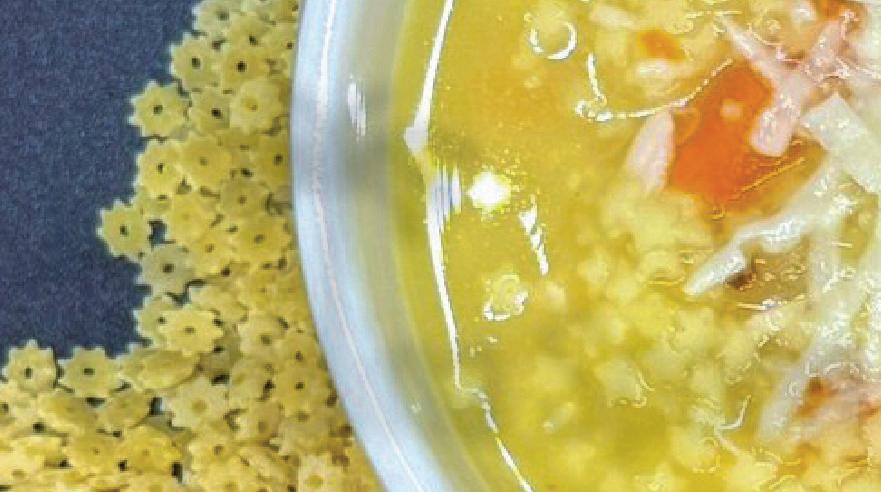
If you have ever seen packages of teenytiny pasta and wondered what they were for, wonder no more. These little gems are for making pastina soup, aka Italian penicillin.
Pastina means “little pasta.” If the pastina is shaped like stars, it is called stelline. You can also use pastina shaped like little beads called acini di pepe, which means “little pepper seeds.”
Piping hot bowls of pastina soup are part and parcel of Italian households. While its healing properties are mystical, the ingredients are simple: garlic, onion, carrot, celery, olive oil, chicken broth and plenty of pastina to thicken it. Some people like to add shredded chicken to the mix. A bit of grated Parmesan is a traditional finishing touch.
This Greek standard is wondrous medicine in a bowl. Avgolemono means “egg-lemon,” which are two key ingredients in this recipe.
Egg and freshly squeezed lemon juice are whisked then tempered with hot broth before incorporating into the soup pot. This creates a creamy texture profile for this bright and satisfying soup.
Like pastina, the ingredients are magical yet simple: onion, celery, carrots, olive oil, chicken broth, shredded chicken, rice or orzo, egg, lemon, salt and pepper to taste and fresh herbs to garnish. If you adore lemon, you can serve more lemon slices on the side.
Between the tart lemon and the creamy consistency, this soup perks up the palate and warmly coats the throat. One bite, and you just might forget you are sick.
Try these family recipes to comfort— and maybe cure—what ails you.
1 medium onion, diced
3 ribs celery, thinly sliced
3 carrots, diced small
2 cloves garlic, minced
2 tablespoons extra-virgin olive oil
6 cups chicken broth
1 cup cooked shredded chicken breast (rotisserie chicken is fine)
1 Parmesan rind, optional but recommended for added flavor
1⁄3 cup pastina (add more if you prefer a less-brothy soup)
Salt, to taste
Pepper, to taste
Grated Parmesan, to garnish
In a soup pot over medium heat, saute onion, celery and carrots in olive oil until onions are translucent. Add the garlic, and saute for 2 more minutes, stirring occasionally. Add the chicken broth, shredded chicken and Parmesan rind, if using.

Bring the soup to a boil, then reduce heat. Simmer, uncovered, for 15 to 20 minutes, stirring occasionally. Remove the Parmesan rind.
Add pastina and continue simmering until the pasta is tender, about 5 to 6 minutes. If you use acini de pepe, add 2 to 3 minutes, because it is a little denser.
Remove the pot from the heat. Cover, and let sit for 5 minutes. Adjust salt and pepper to taste. Ladle into bowls, top with freshly grated Parmesan, pick up a spoon and slurp your cure.

2 ribs celery, thinly sliced
1 medium onion, diced
2 carrots, diced
2 tablespoons olive oil
6 cups chicken broth
½ cup uncooked rice or orzo
2 large eggs
4 to 5 tablespoons fresh lemon juice
2 cups cooked, shredded chicken breast (rotisserie chicken is fine) Salt, to taste
Pepper, to taste
Fresh parsley leaves or dill fronds, to garnish
In a soup pot over medium heat, saute celery, onion and carrots in olive oil until onions are translucent. Add broth and rice or orzo. Bring to a boil, then reduce heat and simmer, uncovered, for about 15 minutes or until rice is tender.
Whisk together eggs and lemon juice until frothy. Slowly add a cup of the hot broth, whisking constantly to create a thick sauce. Incorporate into the soup pot, and add the shredded chicken. Adjust salt and pepper to taste.
Ladle into bowls, garnish with parsley or dill, and serve with extra lemon. Take up a spoon and enjoy a little instant relief.



Above all, photography is about light and shadow—literally and metaphorically.
God provides the light, man adds the content.
The way we see and use light changes the way we feel and see the world.
One of the things I like best about winter is the clear, crisp sky that creates sharp shadows, contrasting landscapes and eyecatching silhouettes. Then there are the breathtaking sunset silhouettes, captured as an orange ball melts into a glimmering ocean.
Too many gray, sunless days wear on me emotionally. And while these shadowless, overcast days are wonderful for portrait photography, I need to see the sun, especially in winter. Because of this recognition, I have chosen not to settle in the Pacific Northwest, a part of the world I truly love.

I waited at least an hour for something or somebody to pass through this road along the seawall in historic Maysville, Kentucky, one of the underground railroad locations. Shadowy shapes of historic riverfront hotels and buildings from the Civil War era are cast on the seawall built to keep the Ohio River from flooding the town. For me, this is not just a silhouette of a man walking. It’s someone walking through history, through a community where brave people risked their lives to help other humans struggle to get to freedom.
PHOTO BY DAVE LABELLE
See if you can make a photograph that captures the extremes of light and dark. Remember to make your exposure for the highlights not the medium tones, which allows the shadows to stay as dark, rich tones. A dark foreground against a light backdrop can create depth, scale and even mystery.
Email your best image—just one—with caption information, including an explanation of how it affects you, to gph@pioneer.coop. We may share submissions on our website and social media channels.
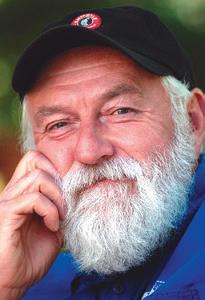
Photographer, author and lecturer Dave LaBelle has captured special moments for more than half a century, sharing photo tips and life perspectives with readers. For more of his writings, visit davidlabelle.com and his blog at bridgesandangels.wordpress.com.

I realize photographing someone in silhouette, especially from a distance, does impersonalize or objectify them. They become a graphic element, a softer shape against a sharper backdrop.
While I am a believer in talking with subjects, often after I photograph them, there are times I don’t feel like talking to anybody. Instead, I appreciate nameless forms becoming part of the compositional furniture, adding scale, contrast and life to a lifeless scene.
Often, it’s that anonymous figure that’s needed to compliment or complete a photograph.
While the art of photography is about using and recording highlights, medium tones and shadows, sometimes it’s fun to purposely expose for the highlight areas and allow the shadows to stay dark, rich tones.

Open to children of current MPD Electric Cooperative members, this scholarship is available to those who plan to, or are currently attending any 2-year or 4-year college as a full-time student. Annual awards available are up to $9,500!
Apply online at www.mpd.coop
The application deadline is Friday, March 28th!
• Selected applicants will be required to provide a final transcript before issuance of scholarship.
• Scholarships will be renewed each semester of attendance, not exceeding the two- or four-year limit, based on cumulative GPA obtained within each year the scholarships have been applied. Payment will be sent to the financial-aid business office of the applicant’s chosen school each qualifying semester and applied to the recipient's school account.
• To renew the scholarship, recipients must maintain a minimum GPA of 2.70 or higher, based on a 4.0 scale.
• Student progress will be reviewed annually following each academic school year. Students who fall below the minimum GPA requirement and full-time status of at least 12 hours each semester will be ineligible to further receive the scholarship.
• Funds are not eligible for Summer School or Graduate School.
• Students who are eligible for the LIFE or HOPE scholarships, or other academic scholarships, are eligible to receive the scholarship. In such cases, the amount of the MPD Scholarship may be used to supplement the other scholarships received, but the total scholarship package may not exceed the total cost of the college’s tuition and fees.
Deadline March 27, 2026. Current transcript and completed scholarship application
Please submit online at mpd.coop
For questions, call Katie Wilcox at 843-292-4387.
Applications will be narrowed down and selected for an interview process in May.

Weatherization and efficiency upgrades mean lower bills, more comfort

Heating and cooling your home accounts for nearly 50% of yearly energy costs, according to the U.S. Department of Energy. Preparations for winter weather can make your home more comfortable and save you money.
Don’t overlook your home’s windows when preparing for colder temperatures. Heat loss through windows can be responsible for 25% to 30% of residential heating and cooling energy use. Finding and fixing air leaks can significantly reduce heat loss.
If your current windows are in good condition, taking steps to improve their efficiency may be the most cost-effective option to increase the comfort of your home and save on energy costs.
There are several ways to improve the efficiency of your existing windows:
• Check existing windows for air leaks.
• Use caulk and weatherstripping.
• Add energy-efficient window coverings.
• Add storm windows or panels.
• Add solar control film.
• Add exterior shading, such as awnings, exterior blinds or overhangs.
With any efficiency improvements, take steps to ensure proper installation and check for air leaks again after the project.
Adding insulation to an uninsulated area can help consumers save big on their utility bills. Having appropriate insulation based on such factors as climate, size and condition of the home can save homeowners an average of 15% on their electricity bills.
While it may feel like the sun abandons us during winter, opening curtains and blinds on west- and south-facing windows during the day allows sunlight to heat your home and can save 2% to 12% on heating costs.
Regular maintenance on your heating, ventilating and air-conditioning system or heat pump—including cleaning and replacing filters—helps your equipment run more efficiently.


Adding a smart thermostat to your system can also help you control costs. Program the thermostat to 65 to 68 F during the day. Lower it to 58 to 60 F while you’re asleep or away.
If your home uses a heat pump, turn the thermostat down no more than 3 degrees at night.
Keep these in mind for stick-built homes: Close fireplace flues tightly when not

• Air-seal gaps in attics, crawl spaces or basements using caulk or foam sealant.
• Add insulation to your attic hatch, and check soffit vents for proper airflow.
• Upgrade HVAC to a heat pump system.
• Upgrade single-pane windows to double-pane.
Keep these in mind for manufactured homes:
• Close fireplace flues tightly when not in use.
• Inspect and replace door sweeps if worn.
• Install weatherstripping on windows and doors.
• Apply caulk around window and door frames as needed.
• Install electrical outlet and switch gaskets on exterior walls.
• Cover foundation vents with insulating vent covers, such as Styrofoam plugs.
• Use heavy-duty plastic window insulation film on single-pane windows.

• Air-seal marriage joints where sections meet, and on windows and doors.
• Seal and repair ductwork, especially crossover ducts under the home.
• Improve underbelly insulation and install a moisture barrier. Protect with skirting.
• Add attic insulation if accessible.
• Upgrade HVAC to a heat pump system.



• Upgrade single-pane windows to double-pane.

Inspect and replace door sweeps if worn. Install weatherstripping on windows and


Apply caulk around window and door frames as needed.


Install electrical outlet/switch gaskets on exterior walls.




Cover foundation vents with insulating vent covers, such as Styrofoam plugs.




Use heavy-duty plastic window insulation film on single-pane windows.



The more energy efficient your home is, the less money you need to spend to keep it comfortable, especially in the cold winter months. Taking a few simple steps now can help you and your family enjoy a cozier home with lower energy bills. in use. doors. film
Seal attic access doors, and ensure they are insulated.



You may qualify to receive energyefficiency rebates when you weatherize or upgrade insulation, windows, doors, heating and cooling systems, appliances and more. Contact MPD Electric for more information.

Rebel____a Cause
1 “Rebel ____ a Cause,” 1955 James Dean film (7)
James Dean (7) see that coming!" (5)
5 “____ see that coming!” (5)
8 Brownstone steps (5)
9 Enormous or vast (7)
10 Hollywood’s business (13)
11 Half of a circle’s diameter (6)
12 Be present at school (6)
Brownstone steps
15 Concern for others—that’s something to think about (13)
18 Tournament participants (7)
19 Lightbulb moments (5)
Enormous or vast Hollywood's business (13) of a circle's diameter (6)
20 Meal extras (5)
21 Horse race victory units (7)
1 Garbage, rubbish (5)
2 Ran at a moderate pace like a horse (7)
3 Favorable circumstances (13)
4 King of council on “Survivor” (6)
5 Exhibition; familiar bit of research in office presentation (13)
present,....school
6 Hard to get through or get through to (5)
7 Given care (7)
11 Houston NBA team (7)
Concern for - that's something to think (13) Tournament participates (7)
13 Unmistakable, obvious (7)
14 Cutter, clipper or cup (6)
Lightbulb moments extras (5)
Horserace victory (7)
Garbage.



Hoppin’ John is a quintessential Southern dish that’s been served at New Year’s celebrations for generations. For many, this humble dish is a delicious tradition. It’s also believed to bring good luck and prosperity in the year ahead.





Where did this traditional dish come from?



How did it get its name?

At its most basic, Hoppin’ John is a dish made of black-eyed peas, rice and some form of pork—usually bacon, ham or a smoked ham hock for that deep, savory goodness. Plant-based versions substitute savory mushroom bacon for the pork. The dish is seasoned with onions, garlic and a pinch of spices, such as cayenne or bay leaves, which turns the simple ingredients into a comforting symphony of flavors.


While the dish is often associated with the United States’ Southern region, its roots stretch back much further. Food historians believe Hoppin’ John was influenced by West African culinary traditions, where beans and rice are staple foods. It’s said that enslaved Africans brought their culinary knowledge to the Americas, incorporating ingredients such as black-eyed peas, which were grown widely in the Southern United States. The peas themselves—small, round and speckled—have long been symbolic of good fortune in various cultures, which is likely why Hoppin’ John became the go-to dish for ringing in the new year.
Hoppin’ John may be a corruption of the French word for pigeon peas—pois pigeon—which, if you say it in a French accent, pwah pijohn, rhymes with Hoppin’ John. Another local legend links the name to a limping Charleston street vendor, apparently nicknamed Hoppin’ John.
Why Hoppin’ John for New Year’s?





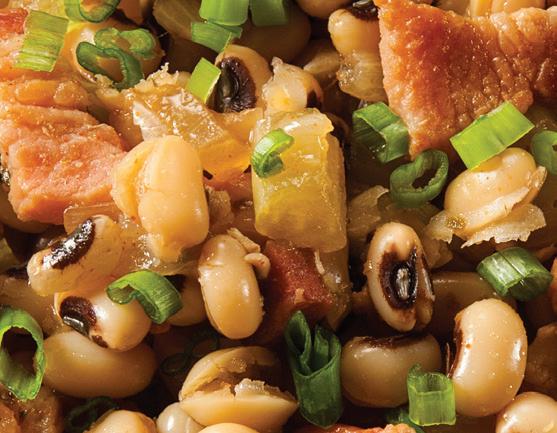
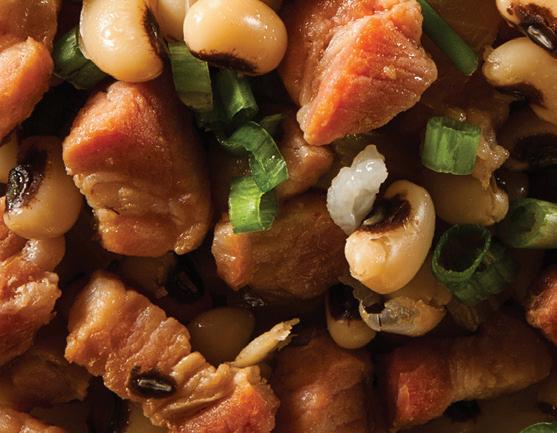



The peas are thought to symbolize coins, so the more you eat, the better fortune you’ll attract. The pork, rich in flavor and fat, represents wealth, and the rice symbolizes abundance. Some variations even include a coin hidden in the dish. Whoever finds it will be blessed with extra luck for the year.



In the South, it’s said, “Eat poor on New Year’s Day, and you’ll be rich the rest of the year.” This refers to the black-eyed peas, often considered humble fare, being eaten as a sign of starting the year with thrift, which paves the way for a prosperous year ahead.






Eating Hoppin’ John becomes more than just a tasty meal. It’s a symbolic act that sets the tone for your financial future.
So, if you sit down to a steaming bowl of Hoppin’ John during next year’s holiday, don’t just think of it as lunch. Consider it your ticket to a year of prosperity, abundance and good fortune. Whether you’re eating it for tradition, the flavor or because you like the idea of starting the year with a full belly, remember that Hoppin’ John is more than food. It’s history, culture and superstition—all wrapped up in a savory, soulful package.








Ed Salley is MPD’s IT guy. Ed not only knows a lot about technology, he knows a lot about everything. Send your question to asked@mpd.coop, and it may be featured in next month’s Ask Ed column.









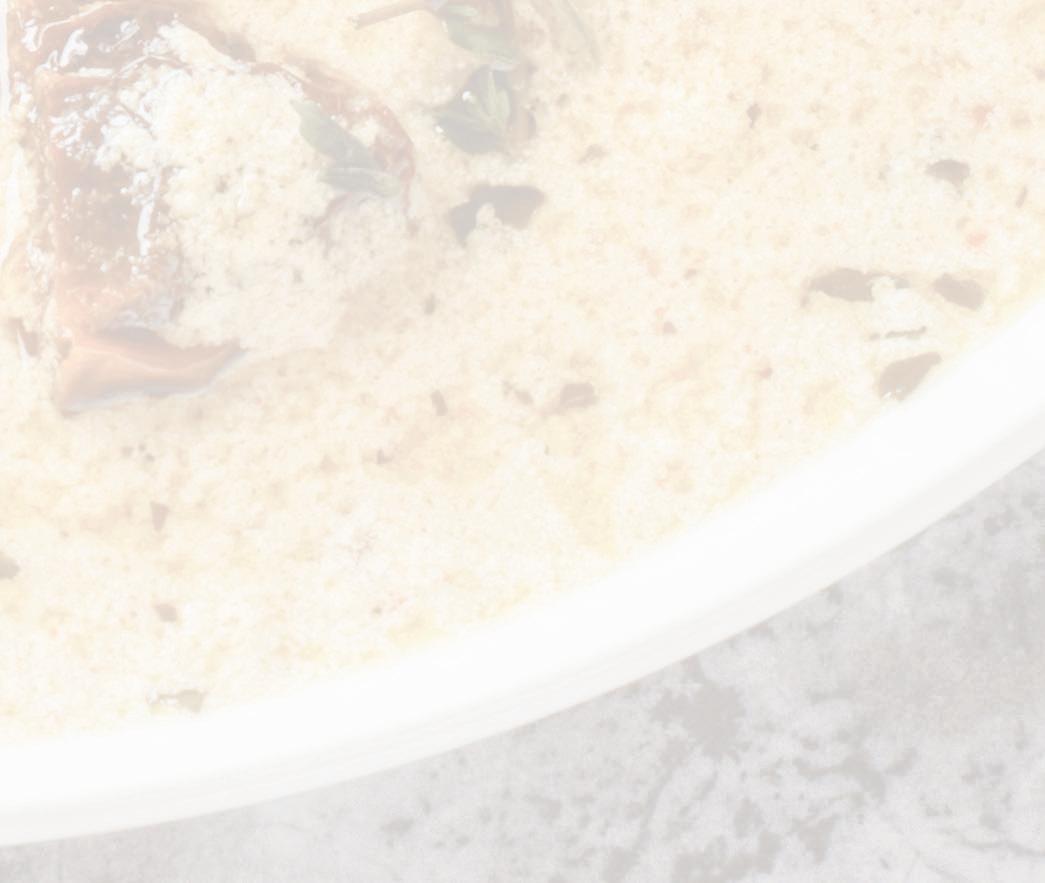
Marry Me Slow-Cooker Chicken
4 chicken breasts, boneless and skinless, about 2 pounds
1 teaspoon kosher salt
½ teaspoon ground black pepper
1 tablespoon olive oil
1 tablespoon salted butter
1 cup chicken stock
1 tablespoon cornstarch
4 cloves garlic, minced

¾ teaspoon crushed red pepper, optional
½ teaspoon dried oregano
¼ teaspoon dried thyme
½ cup sundried tomatoes packed in oil, chopped
1 cup heavy cream, warmed slightly
¾ cup Parmesan cheese, grated
1 tablespoon fresh basil leaves, chopped


Season chicken with salt and pepper. Heat olive oil and butter in a skillet over medium heat, then sear chicken for 2-3 minutes per side until lightly golden. Transfer to slow cooker along with any leftover butter and juices from the skillet.
In a bowl, whisk chicken stock with cornstarch, garlic, crushed red pepper, oregano and thyme. Pour the mixture over the chicken in the slow cooker.
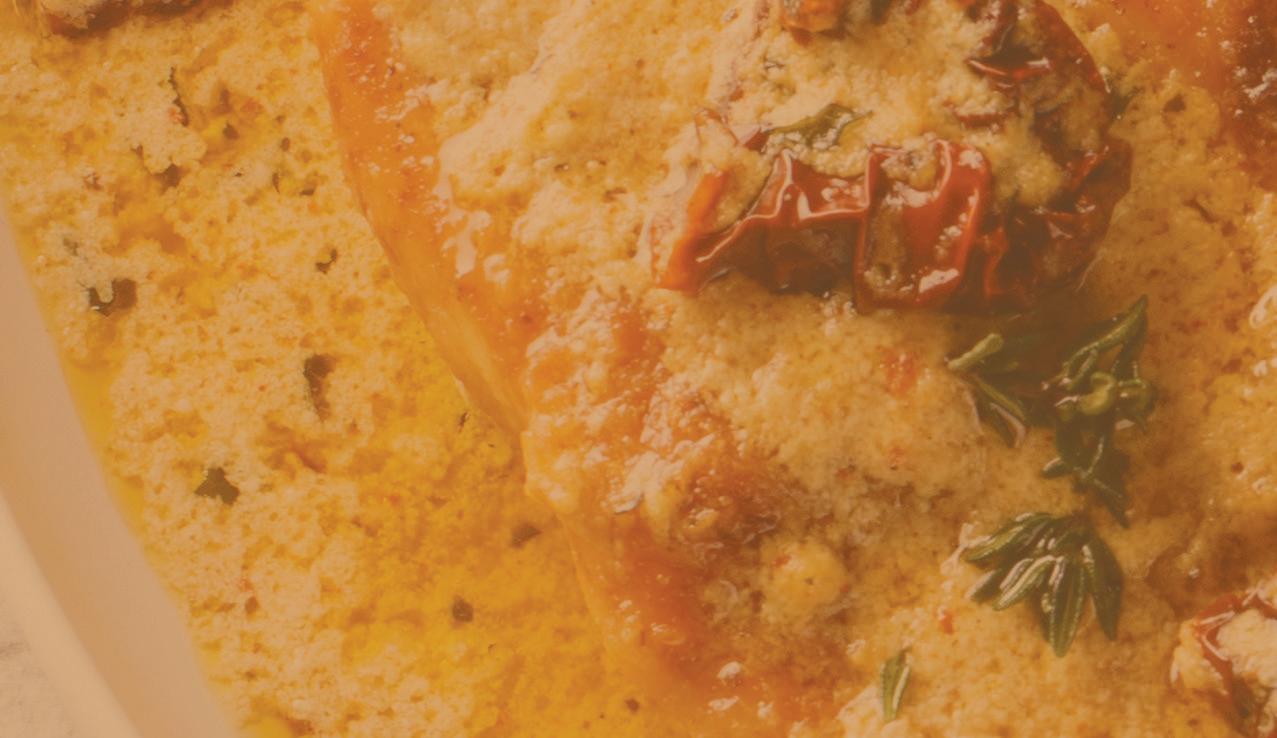
Top each chicken breast with chopped sundried tomatoes. Cover. Cook on low for 3-4 hours or on high for 1½-2 hours, until chicken reaches 165 degrees. Remove chicken to a plate, and keep warm. Stir heavy cream and Parmesan into the hot liquid in the slow cooker until smooth. Return chicken to sauce. Spoon sauce over the top, and let rest for 5-10 minutes on warm.
Garnish with basil before serving.

Marry Me Chocolate Cake
18.25-ounce package devil’s
food cake mix
3.9-ounce package instant chocolate pudding mix
2 cups sour cream
1 cup melted butter, cooled
5 eggs
1 teaspoon vanilla extract
2 cups semisweet chocolate chips
Strawberries, optional
Powdered sugar, optional
Heat oven to 350 F. Coat a 10-inch tube pan with nonstick cooking spray.
In a large mixing bowl, combine cake and pudding mixes. Make a well in the center, and add sour cream, butter, eggs and vanilla extract.
Beat on low speed until blended. Scrape bowl, then beat for 4 minutes on medium speed. Mix in chocolate chips by hand.
Pour batter into greased pan, and bake for 50-55 minutes. Let cool in pan for 10 minutes, then turn onto a plate and cool completely. Garnish with strawberries and sprinkle with powdered sugar, if desired.
1 cup drained sundried tomatoes packed in oil, sliced, plus 4 tablespoons tomato oil, divided
1 pound large shrimp, peeled, deveined, tails removed
Kosher salt
Freshly ground black pepper
16 ounces rigatoni or penne pasta
4 garlic cloves, finely chopped
2 tablespoons tomato paste
¼ teaspoon crushed red pepper flakes
2 cups chicken broth
1 cup heavy cream
1 teaspoon Italian seasoning
5 ounces baby spinach
1 ounce Parmesan, finely grated, plus more for serving
Torn fresh basil leaves, for serving
In a large heavy skillet over medium-high heat, heat 2 tablespoons tomato oil. Season shrimp with salt and pepper, to taste. Cook in oil, stirring occasionally, until pink and opaque, about 3 minutes. Transfer shrimp to a plate. Meanwhile, cook pasta in a large pot of boiling salted water. Stir occasionally, until al dente, according to package directions. Drain.
In the same skillet over medium heat, cook garlic, tomato paste, red pepper flakes and remaining tomato oil. Stir until tomato paste deepens in color, about 1 minute. Add sundried tomatoes, broth, cream and Italian seasoning. Bring to a simmer, scraping up any browned bits. Cook, stirring occasionally, until sauce slightly reduces, about 5 minutes. Add spinach. Cook until wilted, 1-2 minutes.
Add pasta, shrimp and Parmesan. Cook, stirring, until pasta is coated and sauce is glossy. Season with salt and black pepper. Remove skillet from heat. Cover, and let sit 2 to 3 minutes. Stir pasta again to coat.
Divide the mixture among bowls. Top with basil and more Parmesan.
Marry Me Chicken Soup
1 tablespoon olive oil
½ cup yellow onion, diced
2¼ teaspoons salt, divided Pepper, to taste
1 teaspoon garlic powder
1 teaspoon dried thyme
3 tablespoons tomato paste
6 cups chicken stock
1⁄ 3 cup sundried tomatoes in oil, chopped
3 cups shredded cooked chicken
2 cups small-shape pasta, such as orecchiette
½ cup heavy cream
½ cup grated Parmesan cheese
2 cups baby spinach
1 teaspoon red wine vinegar
Heat a large pot or Dutch oven over medium-high heat. Add olive oil, onion, ¼ teaspoon salt and black pepper. Cook for 3-5 minutes, stirring frequently, until the onion begins to soften.
Sprinkle in garlic powder and thyme. Cook for about 1 minute, stirring constantly, until fragrant. Add tomato paste and cook for 30 seconds, stirring constantly.
Pour in chicken stock, scraping up any browned bits from the bottom of the pot. Stir in 2 teaspoons salt and sundried tomatoes. Add chicken, and stir to combine. Cover, and bring to a boil. Once boiling, add pasta. Stir.
Cover, and reduce heat to a strong simmer. Cook for 8-15 minutes depending on the pasta type. Stir occasionally, until pasta is just cooked through.
Turn off heat. Add cream, Parmesan cheese, spinach and vinegar. Stir to combine and melt the cheese.
18 ounces ground chicken
2 teaspoons dried oregano, divided
2 teaspoons paprika, divided
½ cup grated Parmesan, divided
Pinch of sea salt
Pinch of freshly ground black pepper
1 tablespoon olive oil
3 garlic cloves, peeled and crushed
5 ounces sundried tomatoes, roughly chopped
¾ cup heavy cream
1 cup chicken stock
½ lemon
Basil leaves, for garnish
Place the ground chicken, 1 teaspoon oregano, 1 teaspoon paprika and ¼ cup Parmesan in a bowl. Add a pinch of salt and pepper. Use clean hands to mix everything together, then roll mixture into 16 meatballs.
In a large, deep frying pan, heat oil over medium heat. Fry meatballs, stirring occasionally, for 10 minutes until golden all over. Remove them to a plate.
Add garlic, sundried tomatoes and remaining dried oregano and paprika. Cook for a few minutes until garlic has softened. Add cream, stock, remaining Parmesan, and additional salt and pepper, to taste. Stir well. Add meatballs, and cook for 5 minutes. Make sure meatballs are cooked through, then remove the pan from the heat.
Squeeze lemon juice and sprinkle basil over the top.




























By Judy Garrison
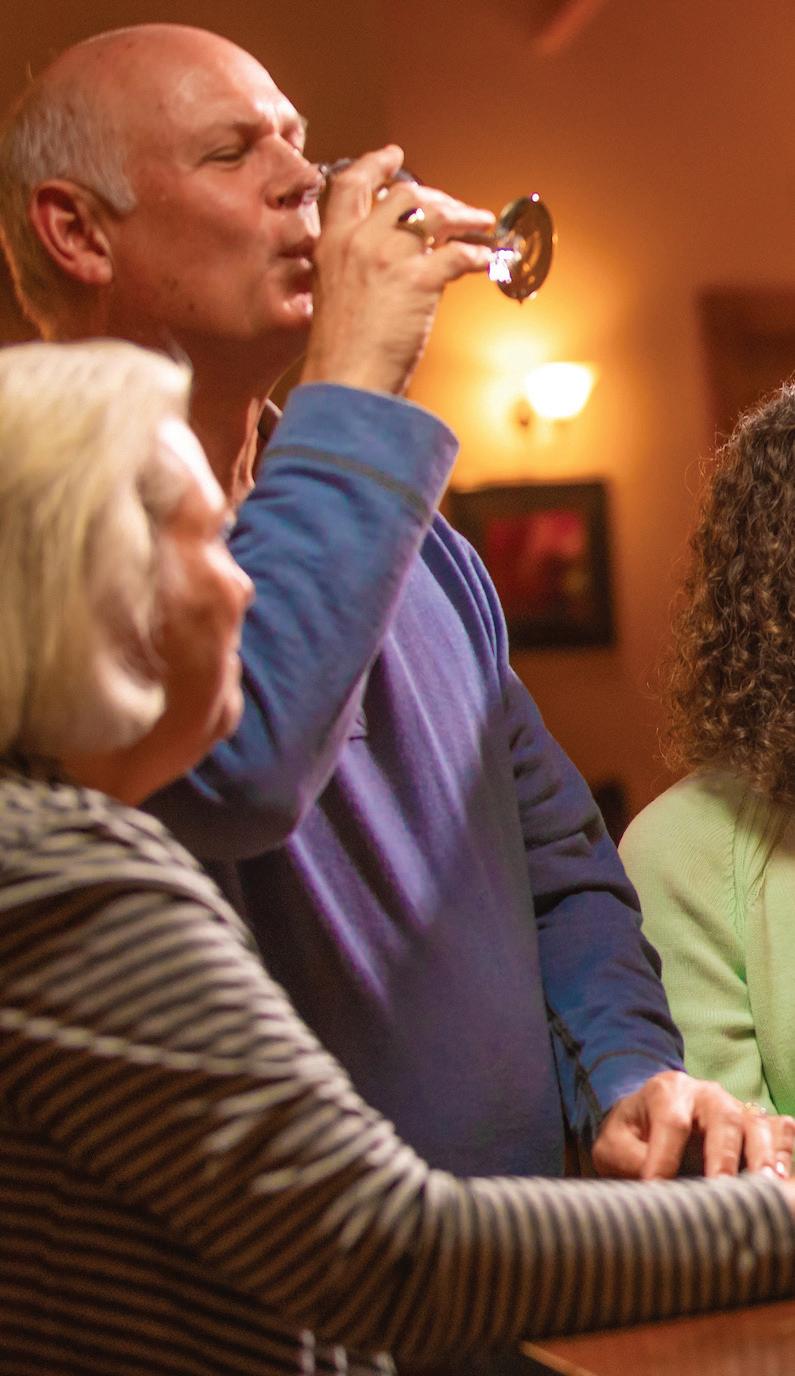
Don’t let the cooler temperatures keep you inside this winter. The Yadkin Valley, one of the most beautiful locations in North Carolina, woos visitors with the Winter Wine & Beer Passport, offering opportunities to sip and savor the best tastes the Piedmont region has to offer.
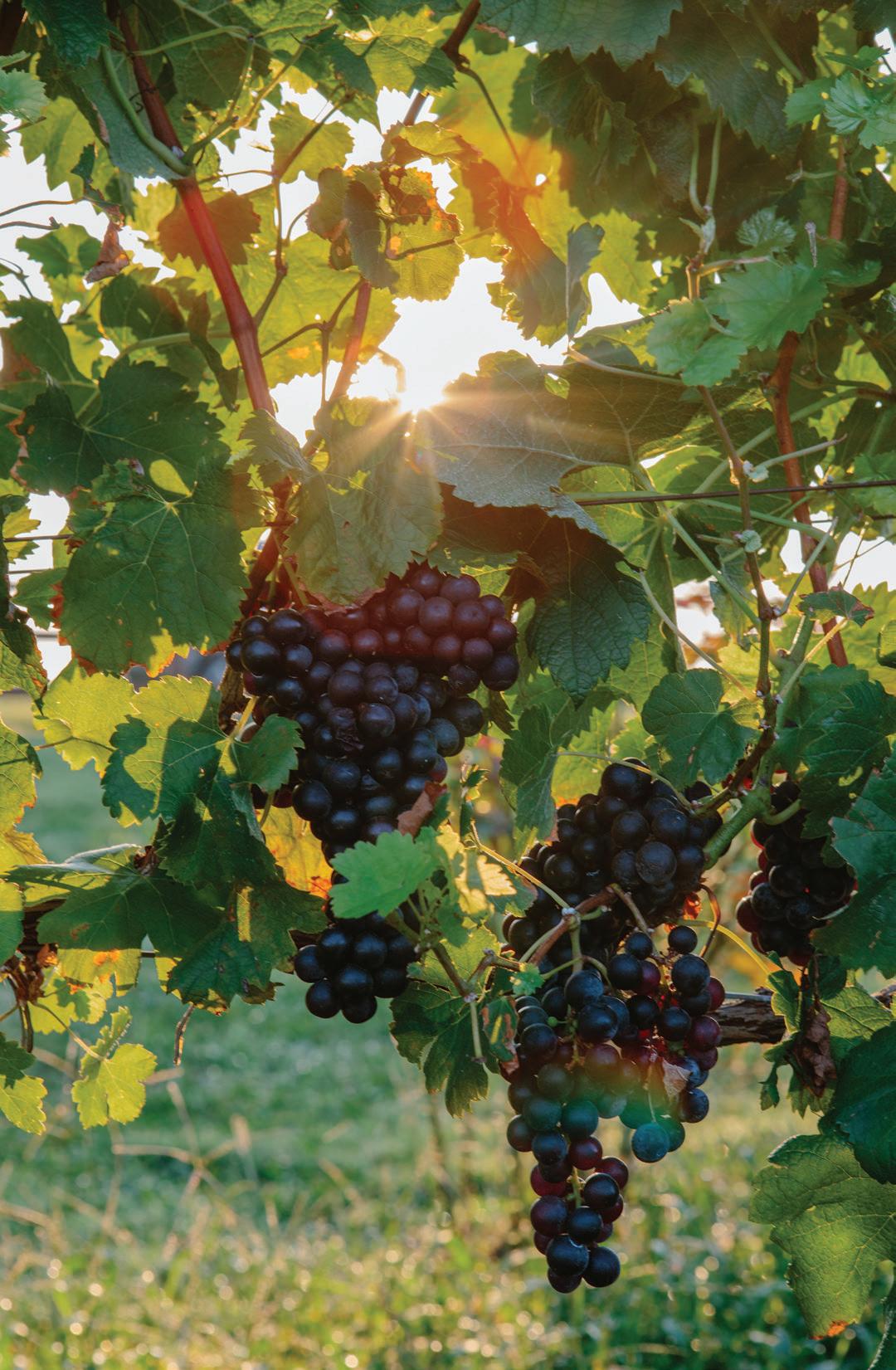
Known as an American Viticultural Area, much like California’s Napa Valley, Yadkin Valley vineyards produce a variety of reds and whites. With about 44 wineries in North Carolina’s AVA, there’s no doubt you’ll return home with a favorite—and possibly a few bottles to remember the visit.
The passport warms the season with tastings at wineries and breweries in the towns of Dobson, Elkin and Mount Airy. Beginning the weekend following Thanksgiving and continuing through the end of March, the purchased passport unlocks opportunities to taste a variety of beverages. Not sure if you’re a



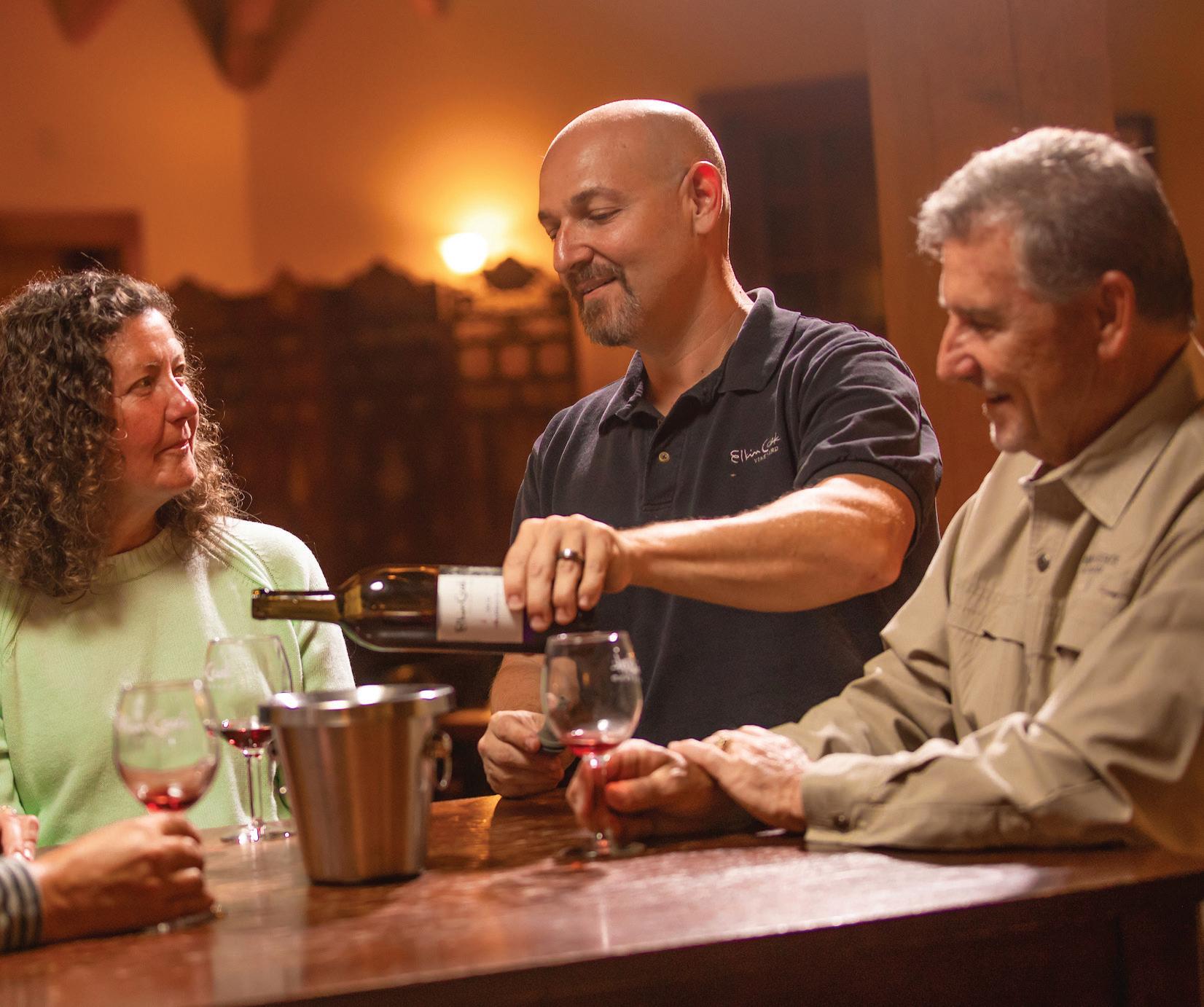
wine lover? The passport offers a great way to gather with friends without committing to an entire bottle.
Louis Jeroslow, of Elkin Creek Vineyards, believes this is a great way to explore the valley, the scenery and promote the artisans of the area. “It’s a fantastic value and a perfect excuse to fight that cabin fever in the wintertime,” he says. “Elkin Creek Vineyard is a beautiful, secluded spot at the confluence of the Elkin Creek and Grassy Creek with French, Italian and German style wines.” Visit the vineyard on Sunday and enjoy its fresh brick oven pizzas.
In addition to tastings, passport holders receive discounts at local restaurants, accommodations and merchants. With an estimated value of $350, the Winter Wine & Beer Passport is the perfect gift for any special occasion.
Purchase an individual or party-of-two passport through the Yadkin Valley Chamber of Commerce in Elkin. They are also available at participating wineries and breweries.
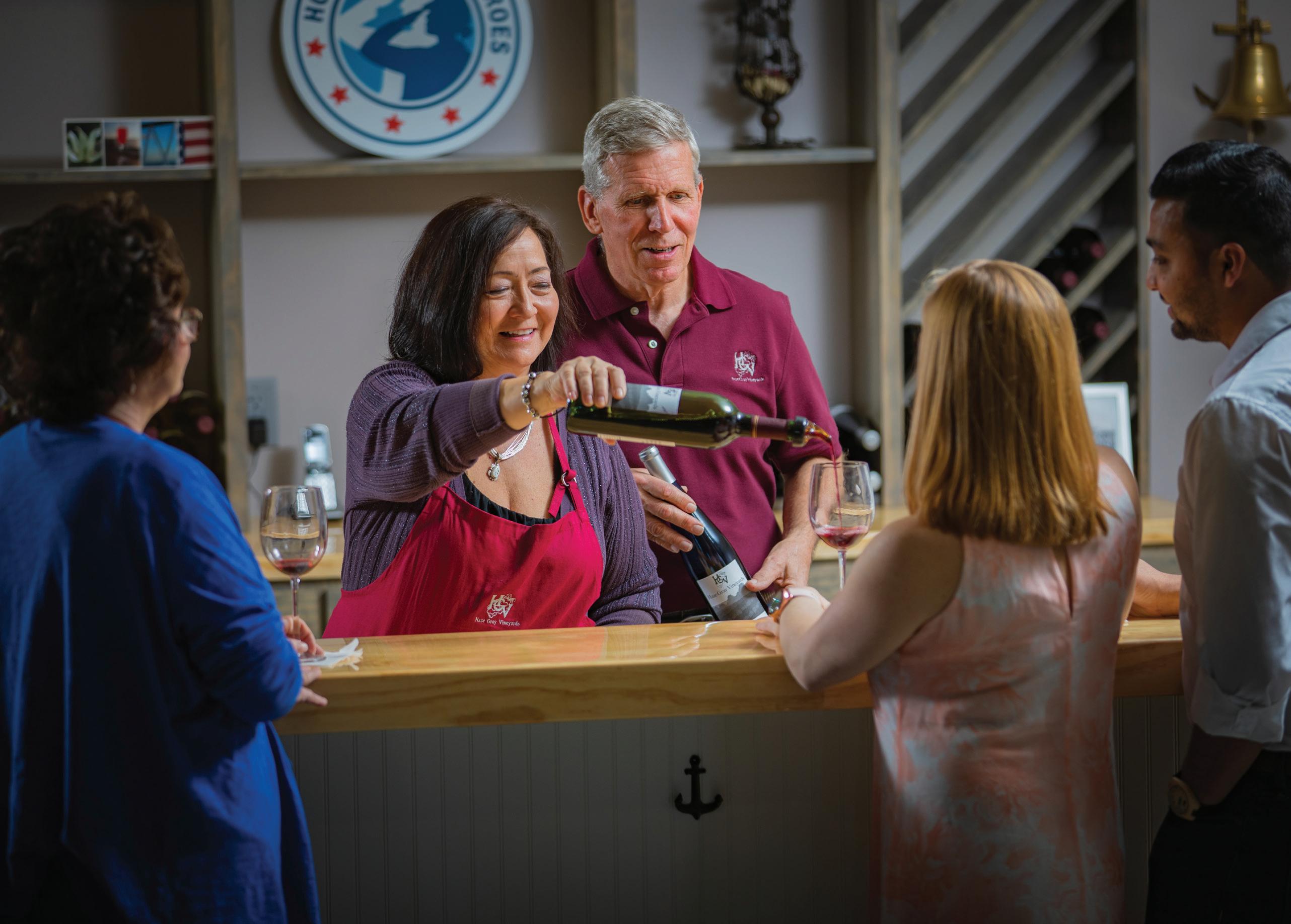
As president of the North Carolina Wine Growers’ Association, Becky Muhlenberg, co-owner of Haze Gray Vineyards, welcomes visitors to the Yadkin Valley region to support the wineries during the colder months.
“The Winter Wine & Beer Passport allows visitors to experience a variety of wines at tasting rooms in a quieter atmosphere,” she says. “Many of the owners are staffing the tasting room in the winter, so it is a great opportunity to get to know them better. It is also a great opportunity to go visit some of the local breweries with several having food available, too.”
With such a variety of wines available in the region, there is one to satisfy everyone’s taste. Two new vintners, Adagio Vineyards and Carolina Heritage, are on the passport this season. In Mount Airy, grab a pint at the new brewery on the passport: Angry Troll at its new downtown location.
“The beauty of the season is just as much a reason to visit


as the wine itself,” Becky says. “In the fall, our rolling hills are framed by vibrant foliage, creating a breathtaking backdrop for a glass of estate-crafted wine.
“As the weather cools, tasting rooms offer a warm, welcoming retreat where guests can relax with rich reds and barrel-aged whites that perfectly complement the season,” she adds. “Winter brings a quiet charm to the vineyard—crisp air, peaceful views and the cozy glow of our indoor spaces—making it the ideal time to gather with friends, savor award-winning wines and enjoy the tranquility that only this time of year can bring.”


military veterans,” says Deane, who is eighth generation U.S. military. His family traces its history of service back to the Revolutionary War. In addition to Deane’s 30 years in the Navy, Becky grew up in an Army family, and their son currently serves in the United States Air Force.
Visiting the tasting room feels like coming home, gathering with friends to share stories. The visual space honors the generations of the Muhlenberg family, dressed in uniform, and invites visiting veterans to add their photos to the wall.

As with every vineyard owner in the region, there’s a story behind every vine and bottle.
As owners of Haze Gray Vineyards, Becky and her husband, Deane Muhlenburg, have been planning, growing and tasting wine in the foothills of the Blue Ridge Mountains since 2015. Inspired by the color of U.S. naval ships and being a veteran-owned boutique winery, it only seemed fitting to draw upon their love and service of the military and commitment to veterans, thus the name Haze Gray.
Fulfilling a lifelong dream of running a farm and vineyard, Deane is the winemaker and vineyard manager. Haze Gray is currently in the process of becoming an estate winery—only using grapes from its own 9-acre vineyard. Its wines are primarily French style, except for pinot grigio, which is Italian.


“The vineyard is a certified Homegrown by Heroes Farm signifying agricultural products produced by United States

“We are traditionalists and still offer wine tastings inside at the bar,” Becky says. “We also offer indoor and outdoor flights, wine by the glass or bottle and slushies year-round.”
During the winter months, they share their special recipe for mulled wine made with their red wine. Most wine drinkers choose red wine over white during the winter, with Becky’s favorite being the cabernet franc.






For four months, the Yadkin region opens its winery and brewery doors to holders of the Winter Wine & Beer Passport, introducing the area’s best winemakers and brewers of Surry, Wilkes and Yadkin counties.
Participating wineries include Adagio Vineyards, Carolina Heritage Vineyard, Christian Paul Vineyards, Elkin Creek Winery, Grassy Creek Vineyard, Haze Gray Vineyards, Roaring River Vineyards and Shelton Vineyards.
Participating breweries are Angry Troll Brewing, Thirsty Souls Community Brewing and White Elephant Beer Company.

FEB. 6
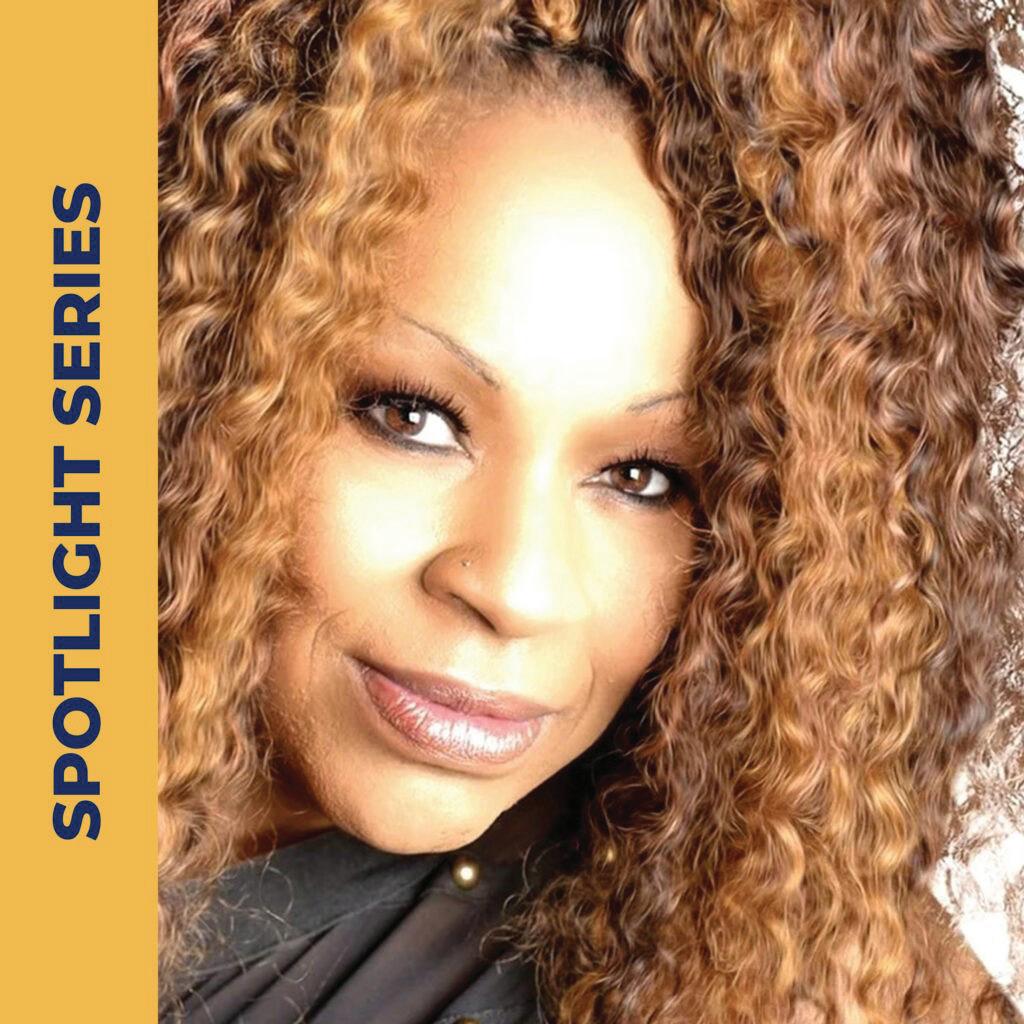
Alfreda Sings the Divas of Soul
Alfreda Gerald performs songs of iconic and musically groundbreaking female artists, such as Aretha Franklin and Tina Turner.
7:30-9 p.m.
FMU PERFORMING ARTS CENTER
201 S. Dargan St., Florence
FEB. 6-7
Florence Stampede and Pro Rodeo
Experience the action of professional bull riding, barrel racing, roping and all the classic rodeo thrills. This annual rodeo tradition brings top-tier cowboys and cowgirls from across the region to compete for bragging rights and big wins. Dust o your boots and join them for the wildest show in town! Tickets can be found at orencecenter.com.
7-9 p.m.
FLORENCE CENTER
3300 W. Radio Drive, Florence
FEB. 7
Ralph Stanley II and Tigertown Roots
The Southeast Bluegrass Association is excited to welcome back Grammy Award winners Ralph Stanley II and The Clinch Mountain Boys. Ralph Stanley II began performing professionally in 1995 and has carried The Clinch Mountain Boys on since. Their opening act will be Tigertown Roots, a group comprised of Clemson University students who perform Bluegrass and Roots music at the highest level. Join them for an evening of bluegrass music at its nest.
4-9 p.m.
GRAND OLD POST OFFICE
201 Pearl St., Darlington
FEB. 6
Alfreda Sings the Divas of Soul
FEB. 7
IceBreaker
Witness the 2026 racing season roar to life at the IceBreaker. Drivers shake o the o season frost and battle for earlyseason momentum in an action-packed day of high-intensity short-track racing. 2-11 p.m.
FLORENCE MOTOR SPEEDWAY
836 E. Smith St., Timmonsville
FEB. 19-20
Coker College Faculty and Guest Artist Dance Concert
Watch choreography by Coker dance faculty Meredith Sims and Natalia Schradle, as well as university dance students. General admission is $10.
7-9 p.m.
WATSON THEATER
300 E. College Ave., Hartsville


FEB. 28
“Wall-E” Movie
Bring your whole family for a night of journeying to the distant future. This is a G-rated animated lm. No need to worry about bringing snacks, as they are provided alongside juice.
10:30 a.m.-12:15 p.m.
TIMMONSVILLE PUBLIC LIBRARY
298 W. Smith St., Timmonsville
One of the coolest trends in bars and restaurants is nonalcoholic cocktails. We’re not talking about that sad glass of lemon-lime soda with a cherry thrown in. These drinks are upping the game and are nothing like the mocktails your aunt used to make at family parties.
More and more people are saying “No thanks” to alcohol, but that doesn’t mean they want to miss out on the fun drinks. Whether you’re the designated driver, taking a break from alcohol or want to sidestep a hangover, there’s never been a better time to skip the alcohol while still enjoying a fantastic drink.
Beyond the innovative drinks, this movement represents a broader cultural shift toward inclusivity in social spaces, where everyone can enjoy a sophisticated beverage experience regardless of their relationship with alcohol.
The Secret Sauce (Minus the Sauce)
Making a great nonalcoholic cocktail isn’t as simple as leaving out the vodka. Bartenders are getting creative with drink recipes that are just as exciting as their alcohol-infused counterparts by experimenting with interesting ingredients like fresh herbs, spices you’d usually find in your kitchen and fruits you might not expect. Have you ever had a drink with roasted pineapple and black pepper? What’s not to like?
The ingredients for these drinks reads like a foodie’s shopping list. Forget about that everyday juice—we’re talking about house-made syrups infused with ingredients such as lavender and lemongrass. Some places even make their own nonalcoholic spirits that taste surprisingly like the real thing, minus the buzz.
Remember kombucha? That fizzy, fermented tea your health-nut friend wouldn’t shut up about? It’s becoming a star player in the nonalcoholic cocktail game, adding complex flavors and bubbles that make these drinks anything but boring.
Some of the most popular nonalcoholic cocktails are incredible garden-fresh drinks such as muddled cucumber with mint, lime and a splash of elderflower that tastes like summer in a glass. There are spicy numbers that wake up your taste buds with ginger and chili peppers. Wellness warriors might enjoy trendy ingredients such as adaptogenic mushrooms and CBD—where it’s legal, of course. Who knew healthy could taste so good?
In some parts of the country, nonalcoholic bars are becoming a thing, and regular bars are catching on, too. It turns out people are willing to pay good money for a fancy drink, alcohol or not.
Seedlip pioneered the nonalcoholic spirits category with its Garden 108, Spice 94 and Grove 42 variants. Each offers a unique botanical profile perfect for sophisticated mocktails.
Lyre’s is known for creating nonalcoholic versions of traditional spirits, from gin alternatives to coffee liqueur substitutes. Their
attention to flavor detail makes them a bartender favorite. Monday specializes in zero-alcohol whiskey and gin that captures the complexity of traditional spirits. Its products work exceptionally well in classic cocktail recreations.
Three Spirit focuses on functional botanical drinks that offer unique effects through natural ingredients. Its Social Elixir, Nightcap and Livener each serve different purposes.
Ritual produces zero-proof alternatives to tequila, gin and whiskey, focusing on recreating the burn and mouthfeel of traditional spirits.
Bittermilk, based in Charleston, is one of the most notable producers in the nonalcoholic cocktail space. It’s known for handcrafted cocktail mixers and has expanded into the nonalcoholic beverage market. While Bittermilk initially focused on mixers for alcoholic cocktails, it adapted to create sophisticated zero-proof options.
High-quality mixers are essential to a high-end cocktails. Fever-Tree’s premium mixers—especially its ginger line and tonic waters—add sophistication to any mocktail.
Bitters & Soda produces ready-to-drink nonalcoholic beverages using aromatic bitters for complexity.
East Imperial offers premium mixers for nonalcoholic drinks, including yuzu tonic and Thai ginger ale flavors.
The key to mocktails is treating them with the same respect and attention to detail as traditional cocktails.
1. Invest in quality nonalcoholic spirits as your base.
2. Use fresh ingredients, especially citrus and herbs.
3. DIY flavored syrups for unique profiles.
4. Don’t forget texture. Egg whites or aquafaba can add body.
5. Garnish with intention because presentation matters.
With these recipes and products, you can create sophisticated, nonalcoholic drinks that stand on their own merits.
Nonalcoholic cocktails aren’t just a fad—they’re here to stay, and they’re only getting better. Whether you’re sober, sober-curious or just looking to mix things up, there’s never been a better time to explore the world of boozefree beverages.


The nonalcoholic beverage market has exploded with innovative products and recipes that make creating sophisticated mocktails easier than ever. Here’s a guide to standout recipes and the producers leading the charge.
2 ounces Seedlip Garden 108
1 ounce fresh cucumber juice
½ ounces rosemary syrup
3 drops cardamom bitters
Premium tonic water
Garnish: cucumber ribbon and rosemary sprig
Combine all the ingredients except the tonic in a shaker with ice. Strain it into an ice-filled wine glass and top with tonic.
2 ounces Monday Zero Alcohol Whiskey
¾ ounces fresh lemon juice
½ ounces honey syrup
2 sage leaves
Fever-Tree Smoky Ginger Ale
Muddle the sage with honey syrup and add all ingredients except the ginger ale. Shake with ice, strain it into a rocks glass and top it with ginger ale.
2 ounces Three Spirit Social Elixir
1 ounces passion fruit puree
½ ounces lime juice
Fresh mint leaves
Coconut water
Muddle mint with lime juice, then add all the other ingredients except the coconut water. Shake with ice, strain it into a tall glass and top it with coconut water.

Valentine’s Day doesn’t have to be loud, flashy or store-bought to be meaningful.
Long before grocery aisles were filled with ready-made cards and novelty gifts, people found a way to celebrate Feb. 14 with simple gestures, handmade gifts and time spent together. Bringing some good, old-fashioned valentine traditions back into the home is a way to slow the season down and show children that love is something you should express through care, effort and attention.
Here are seven activities that can help make Valentine’s Day more meaningful, memorable and fun for the whole family.
Few things feel as special as handwritten notes. Encourage children to write short messages to parents, siblings, grandparents or friends. The notes don’t have to be long—a simple “I love you” or “You are special” can do the trick. Fold these little love notes into envelopes, tie them with twine, or slip them into a pocket or lunchbox for a sweet little surprise.
Baking together is another timehonored tradition to be treasured. Bake up some goodies like cookies, fudge or rice Krispies into little hearts. Let the children dip pretzels, strawberries or marshmallows into chocolate, and top them with fun sprinkles for an extra festive touch. Allow them to help measure, roll out dough, stir or decorate, then package these valentine treats in parchment paper and ribbon, or tuck them into tins to share with others. Watch their little faces beam with pride as they taste or gift something they helped create.
It’s important to teach children the joy of giving without expecting recognition. Have them leave small valentine notes or small gifts for neighbors, teachers, or siblings quietly and anonymously. This tradition helps children understand that kindness and thoughtfulness is meaningful even when no one knows who gave it.
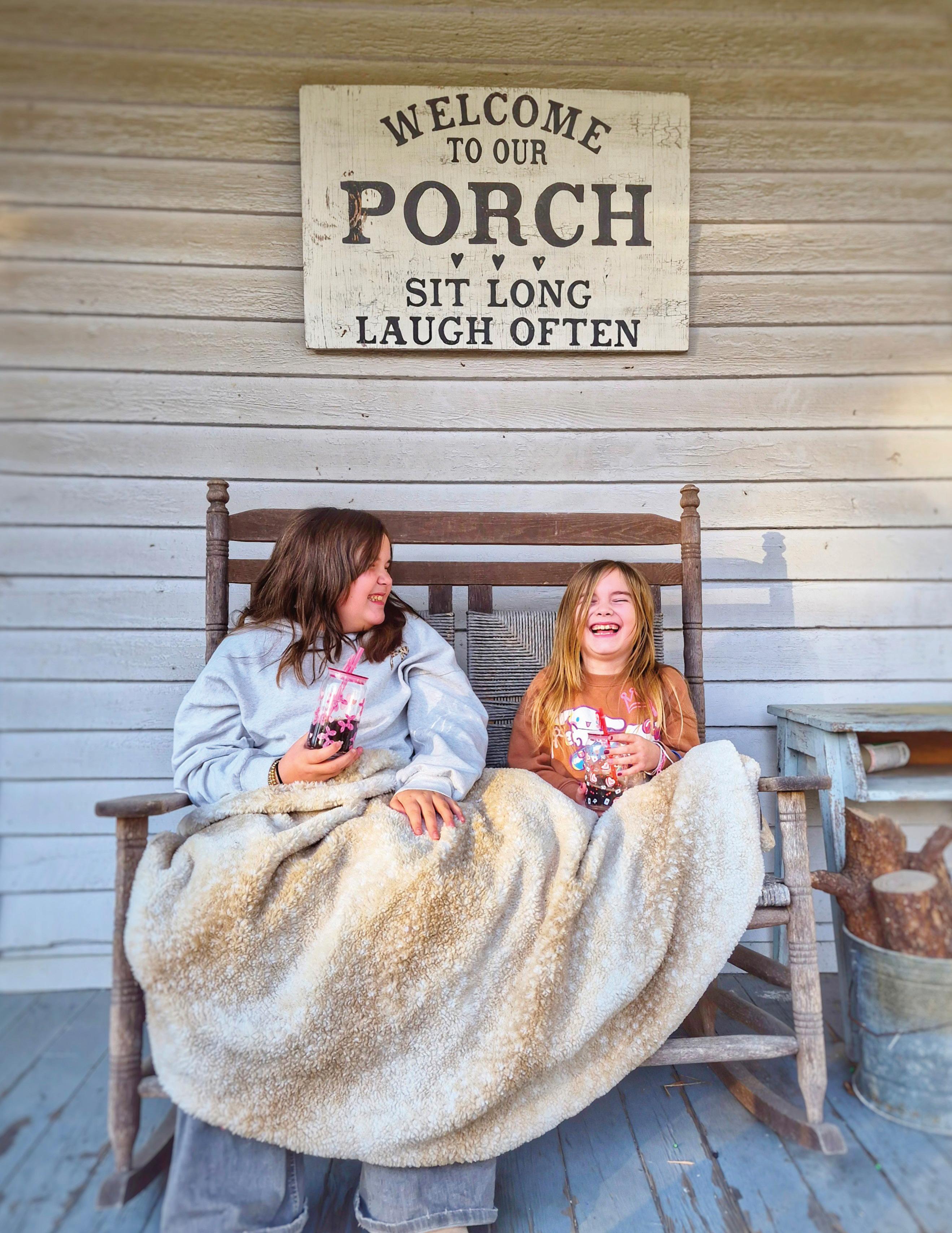
The front porch has always been a place for conversation and connection. Bundle up, grab a few blankets if it’s chilly and spend time talking together as a family. Share stories about favorite memories, past valentines, family traditions and times when someone showed kindness. These simple porch talks teach children that love is found in listening and being present.
Set out paper, crayons, colored pencils and stickers, and let children create unique cards. Encourage them to focus on one person per card and add a few thoughtful words or doodles.
In an age of emojis and digital messages, love expressed with pen and paper adds a lot more of a personal touch. Save these handmade keepsakes in drawers or boxes as they are something special to reread and reflect on throughout the years.
A heart garland made from paper or felt is a simple craft that can spruce up the home for the holiday. Let them cut out little hearts and string them together using yarn or twine. You can hang the garland across a mantle, window, doorway, or staircase railing to add a touch of
seasonal charm that can be saved and brought out for future holiday decorating.
Family Love Jar
Set aside a jar and slips of paper and invite children to write loving notes of gratitude, compliments or kind thoughts about family members. Add notes throughout the week and read them all together on Valentine’s Day or at the end of the month. This easy activity inspires gratitude and helps children express their appreciation in words.
From handwritten notes to homemade treats and front-porch conversations, these seven old-fashioned activities can help turn Valentine’s Day into something children won’t just celebrate but remember long after the holiday has passed.








Brandi Faulk and her family are excited to share their homesteading journey with MPD Electric members. Their home, built in 1895, is a former railway hotel and farmhouse in Chesterfield County. Search “faulkfamilyfarmhouse” to see more photos of their experiences on Instagram.
For some, quality time is the best gift you can give, so grab some blankets and spend time talking with those you love.
Fall in love with your little everyday treasures with this beautifully handcrafted trinket dish from Apricity Ceramics.
This little dish is made in Atlanta, Georgia, by artist Sophia Keys. Each dish is made by hand, giving it subtle variations that make every piece one of a kind. Whether used to catch jewelry at the end of the day or hold loose change, keys or other small everyday items, it brings a sense of order without feeling fussy. The opalescent glaze, gold luster rim and different motifs at the center adds the perfect touch of romance to any nightstand, vanity or entryway table.
More than just a pretty dish, it’s a thoughtful keepsake that makes a great gift. Whether treating yourself or gifting someone special, it brings a little sparkle, a touch of romance and a reminder that beauty lives even in the smallest of details.
If you can’t get enough of Sophia’s work, Apricity Ceramics offers an entire

collection of handcrafted treasures, including trays, trinket dish designs, vases, planters, mugs and jewelry.
ApricityCeramics.com
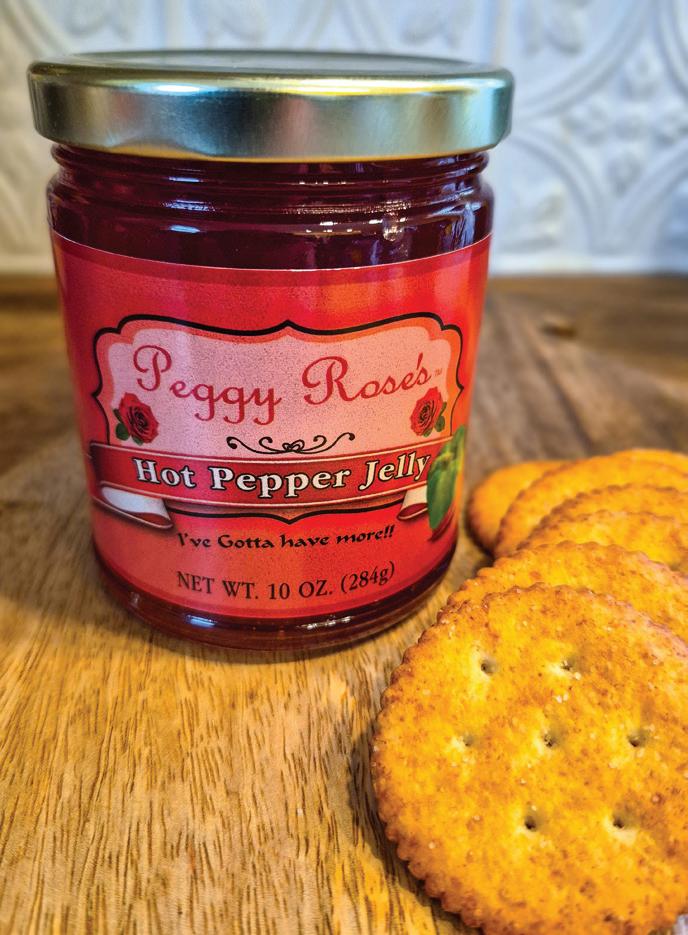
Sweet meets heat in every spoonful of Peggy Rose’s award-winning Hot Pepper Jelly.
This small batch favorite is proudly made with care out of Raleigh, North Carolina. From Peggy Rose’s farm to your family’s table, each jar is smooth, glossy and full of flavor. It’s the kind of condiment that elevates even the simplest dish into something memorable.
Spread it generously over warm biscuits or buttered toast, spoon it on top of cream cheese for an effortless appetizer, or glaze it onto chicken, pork or shrimp for a sticky flavorful finish. It brings a welcome pop of heat to roasted vegetables, sandwiches and
charcuterie boards.
This sweet and spicy southern staple makes the perfect addition to any gift. Tuck a jar into a gourmet gift basket, paired with artisan cheese and crackers for a Valentine’s Day worth savoring.
Beyond its signature hot pepper jelly, Peggy Rose offers a tempting lineup of products made with the same attention to quality and flavor. From additional pepper jellies to complimentary spreads and farm butters, its collection invites you to explore, mix and savor a little Carolina-made goodness with every bite.
peggyrosesjellies.com
Raw Crunch Bar (Box of 12), $33
Fuel your day with the Raw Crunch bar, a snack that’s handcrafted and made fresh to order in Indian Trail, North Carolina. These snack bars are made with a blend of organic ingredients that are soaked and dehydrated, rather than cooked, to maintain their original concentrated nutrients and enzymes. Made for busy mornings, postworkout refuels or mid-afternoon slumps, each bite delivers a crunch and a perfect balance of sweet and salty. For those who love variety, the brand’s mixed box of flavors


offers something for every craving, including citrusy blueberry lemon, cranberry orange, goji berry, tropical mango coconut, dark chocolate and dark chocolate cherry. The Raw Crunch bar makes smart snacking still feel like a treat. You can purchase a box online or grab a bar when you visit Raw Crunch and Coffee, and their Indian Trail coffee shop.
rawcrunchbar.com









By Cheré Coen










Greenville is gaining quite a bit of publicity these days, but that doesn’t bother neighboring Spartanburg. The smaller metropolis down the road is home to a charm all its own as well as a revived downtown, new public art displays and a professional baseball team that debuted in 2025.

“We’re staying true to ourselves and growing in a good way,” says Zach Fox, director of communications for OneSpartanburg, the city’s tourism arm.
The city of approximately 39,000 residents between Atlanta and Charlotte attracts visitors with its many walking and biking trails, waterways and parks. The culinary scene includes breweries, coffee shops, down-home Southern diners and specialty food markets. Throughout downtown, sculptures, murals and markers on the Spartanburg Music Trail detail the city’s rich music history. Boutiques, art galleries and one of the South’s finest bookstores add to downtown’s mix. There are even artistic crosswalks.


“Downtown has really grown and developed in the last 10 years,” Zach says. “That leads to a lot of people feeling good about it.”
And then there’s the fun aspect of visiting Spartanburg, from ax throwing and golf simulation to enjoying a beef Spartanburger while watching the Hub City Spartanburgers play ball at the city’s sparkling new baseball stadium, Fifth Third Park.
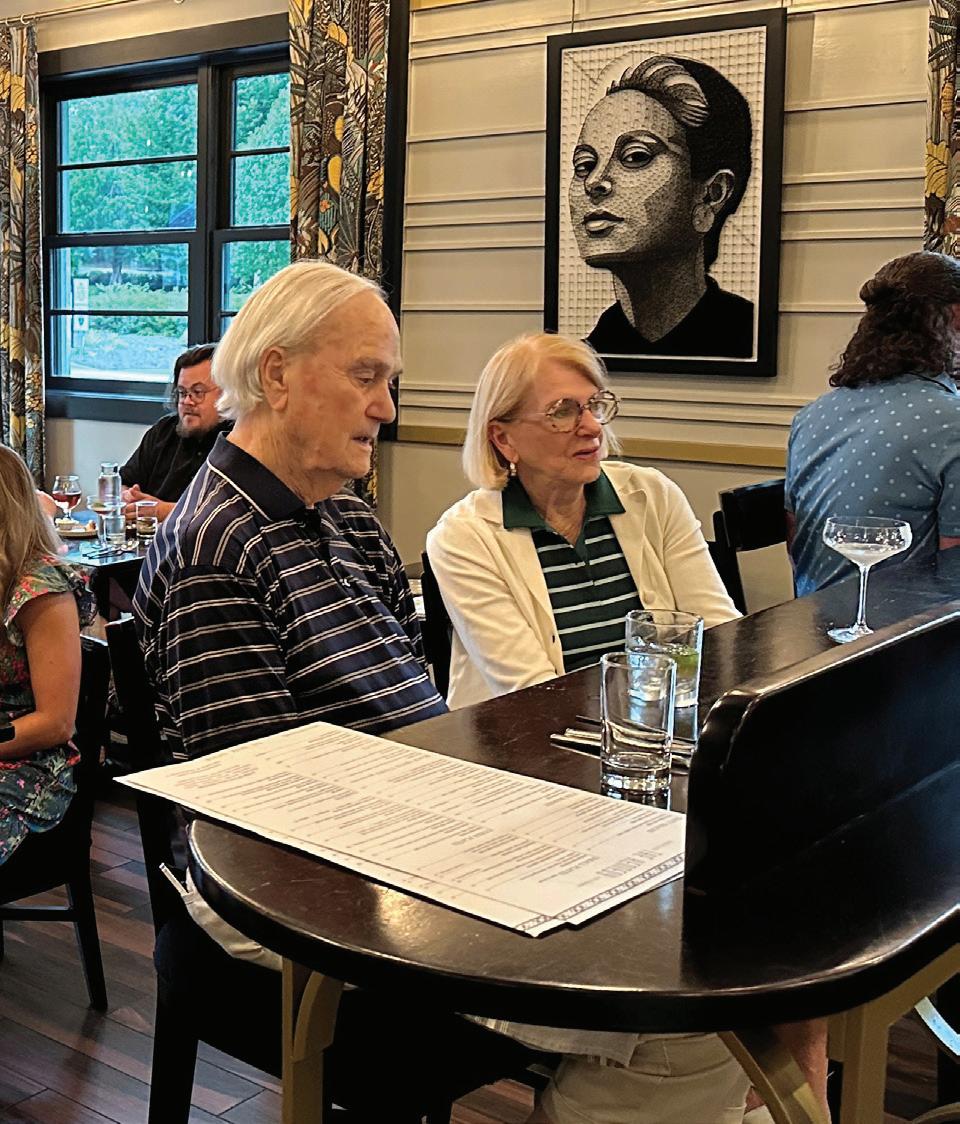
Spartanburg makes for an ideal weekend getaway. In the center of things lies the new boutique AC Hotel Spartanburg that blends in with neighboring properties as if a renovated historic building. It’s so convincing, we were astonished to find the owners built the hotel from the ground up. Guest rooms are spacious and elegant, and the lobby features curated artwork from Black Mountain College. Dining options range from the lobby’s casual restaurant and bar—complete with pool table—to Level Ten, an awardwinning fine-dining restaurant with a dramatic rooftop view.


Street, visitors can sample a former Cribb’s Burger Cook-Off winner, such as the Berry Poppin Smash with its smashed beef patty, beer-whipped cream cheese, white American cheese, bacon and fried jalapeno topped with a raspberry sauce. Cribb’s may be known for its burgers, but do not miss the pimento cheese fritters.
Next door, Rockers Brewing Co. serves up craft brews and food in its restaurant and expansive taproom. Both areas are family friendly. If wine’s more your style, Bond Street Wines serves up pours from around the world in a cozy environment.
It’s an eclectic menu of Southern, seasonal and global dishes at The Kennedy, Spartanburg’s fine-dining restaurant that also features a cozy, but hip, bar. Enjoy full entrees or do what we chose, a combination of small dishes of grilled carrots, cheddar biscuits with yummy whipped butter and potatoes bravas, crispy potatoes topped with Aleppo aioli, roasted garlic crema, scallion and chili oil.


Attractions range from the arts at the Johnson Collection and the multiplatform Chapman Cultural Center to the familyfriendly Spartanburg Science Center and the new Spartanburg County Public Libraries Planetarium Learning Center. If you plan your visit on the third Thursday of the month, don’t miss the Spartanburg ArtWalk with participating galleries and museums offering refreshments.
As for the public artwork, pieces are literally everywhere, including 28 fiberglass light bulbs, part of the Lighten Up Spartanburg project. The largest concentration, naturally, is within the Downtown Spartanburg’s Cultural District with its 38 murals and many statues. Look for the statue of Chaser the border collie, the beloved dog of Wofford College professor Dr. John W. Pilley Jr., who studied the intelligence of dogs. According to its marker, Chaser had the largest tested vocabulary of any animal, which brought her international fame as “the smartest dog in the world.”

There’s nothing like using a name to promote a meal, which is why there’s naturally a Spartanburger Trail. Right across Main


Did you know the Marshall Tucker Band, the Sparkletones, the New York Philharmonic’s Carlos Mosley and Pinkney “Pink” Anderson—one of two blues musicians who gave Pink Floyd its name—all hailed from Spartanburg? Visitors may learn about the city’s musical heritage at its many Spartanburg Music Trail markers.



Spartanburg’s 7-acre Barnet Park offers a walking trail, amphitheater, artwork and more. ADOBE STOCK






Other historical sites include a marker honoring suffrage leader Dr. Rosa H. Gantt, and the old Woolworth building where a group of Black youths protested segregation in 1960 with a sit-in at the lunch counter.
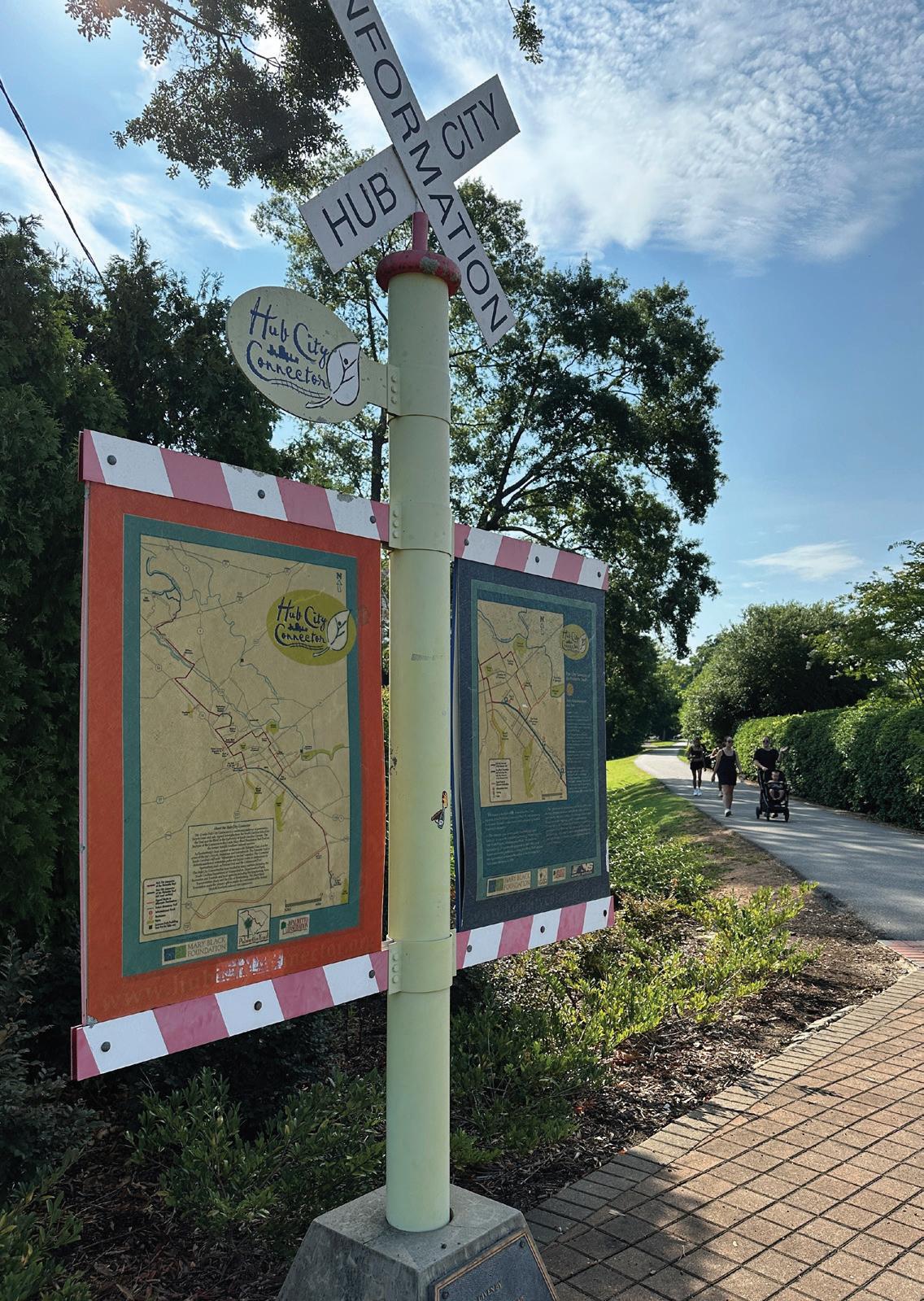
The city is home to many parks and trails, including the Mary Black Foundation Rail Trail. The 1.9-mile paved urban trail was converted from a former Norfolk Southern railroad corridor to become part of the Daniel Morgan Trail System and a point of connection with the statewide Palmetto Trail. The tree-lined MBF Rail Trail cuts through the city as a premier bike and walking path south of downtown, passing by Fretwell—a community hub that hosts live music, events, yoga classes, artisan markets and food trucks. Bookmarking Fretwell is the Little River Coffee Bar, where residents gather to enjoy craft brews, fresh pastries and more before heading off on the trail.
Other ways to enjoy the great outdoors include visiting Croft State Park with its more than 7,000 acres and a lake for paddling. Cottonwood Trail Preserve features 4 miles of trails through a variety of ecosystems, and Strawberry Hill Cooley Farms, the largest strawberry farm in South Carolina, has a cafe with a menu highlighting fresh produce.
If you’re a nature lover, do not miss the award-winning Hatcher Garden and Woodland Preserve. When Josephine and Harold Hatcher retired to Spartanburg in 1969, they reveled in the South’s balmy climate that was perfect for gardening, and they went to work on their property. As their efforts expanded and developed, several community organizations became involved, and the 13 acres turned into a natural paradise.
Today, Hatcher Garden and Woodland Preserve is a hidden gem at 820 John B. White Sr. Blvd., complete with waterfall, ponds
and creeks, thousands of plants, trees and bird stations to view our feathered friends. Special events occur monthly. It’s an ideal spot for weddings, and the trails provide education for area youth. Best of all, it’s free.
Morgan Square serves as the heart of downtown, and Brig. Gen. Daniel Morgan its guardian. The bronze statue of Morgan, designed by John Quincy Adams Ward and erected in 1881, looks upon downtown visitors from a granite pedestal as a reminder of the country’s origins. Morgan led patriots against the British at the American Revolutionary Battle of Cowpens in 1781, defeating 1,000 British and loyalist troops.
Andrew Pickens also fought at Cowpens and called his militia the Spartan Regiment, which is where Spartanburg got its name. Visitors may follow the footsteps of these patriots at Cowpens National Battlefield, about a 20-minute drive from Spartanburg, and learn more about the battle in the park’s museum.
To learn how these residents lived, visit Walnut Grove Plantation, which once belonged to British colonists Charles and Mary Moore and their family. The property tells the story of early South Carolina backcountry life of both free and enslaved people and includes a manor house, kitchen, cabin and other structures. During the Revolutionary War, the Moores supported the patriot cause, and their eldest son, Thomas Moore, and son-in-law, Andrew Barry, fought with local militia at the Battle of Cowpens. Their graves are at the back of the property in the family cemetery. Tours of the property are given, but self-guided tours are available as well.
For more information on Spartanburg and its attractions, visit onespartanburginc.com.
By Robin Howard
Every February, bird watchers grab their binoculars, find a comfy spot and start counting birds. This is the Great Backyard Bird Count, a fourday event that elevates everyday bird watchers to citizen scientists.
The Great Backyard Bird Count, started in 1998 by the Cornell Lab of Ornithology and the National Audubon Society, has grown from a small North American project into a global phenomenon.
In 2013, the project partnered with eBird, a free app where bird enthusiasts—who call themselves “birders”—can record their observations from anywhere in the world. Last year alone, birders from more than 190 countries submitted more than 300,000 checklists, documenting millions of individual birds.
If you’d like to take part in the GBBC next year, it’s easy. You don’t need to be a bird nerd, and you don’t really need binoculars. Participants only need to spend 15 minutes observing birds on at least one of the four days. Identifying even a few common species in your backyard makes a valuable contribution.
The count this year is Feb. 13-16, providing researchers with a valuable snapshot of bird populations just


before the spring migration begins.
To get started, set up a bird feeder you can see from your house. You can also visit a local park or nature center to do your counts over the four days. Wherever you choose, it’s important to watch and count from the same location for consistency so the data shows changes over time. Record the species and the number of birds you see, then submit your observations through the eBird app.
The data collected during the GBBC serves several purposes. Researchers use the information to track bird population trends, understand how weather affects bird distribution and monitor changes in migration patterns.
Combined with other citizen science projects, these observations help create a holistic picture of bird life worldwide.
One of the count’s most exciting aspects is its ability to document unexpected findings. You may spot rare birds or species outside their typical range, which can alert scientists to shifting migration patterns or expanding territories, often early indicators of environmental changes. For example, recent counts have helped document the northward expansion of several Southern species, possibly due to climate change. If you see a bird you
can’t identify, the eBird app can help find a birding community on social media through hashtags such as #GBBC.
The GBBC’s educational impact extends beyond the enjoyment of bird watching. Schools often incorporate the count into their curriculum, which helps students learn about data collection, species identification and the scientific method. The count provides hands-on experience with actual scientific research and shows students how their observations contribute to a more extensive scientific understanding.
In the last 26 years, the annual count’s social aspect has evolved into a four-day global online party. Expert and newbie birders often share their experiences and photos on social media, creating a sense of community among bird enthusiasts worldwide.
The count has also revealed concerning trends. Data collected through the GBBC and similar projects have helped document declining populations of common birds such as sparrows and meadowlarks. These findings have prompted conservation efforts and further research into the causes of these declines.
The February count is strategically timed. It provides a late-winter

snapshot of bird populations, helping scientists understand how birds survive the cold months and where they’re finding food and shelter. This information is particularly valuable as climate change affects traditional winter patterns and bird behavior.
February in upstate South Carolina offers bird watchers a mix of yearround residents and winter visitors. The region’s varied habitats, from suburban backyards to wooded areas and lake shores, provide excellent bird-watching opportunities during the late winter months.
Common backyard visitors include Northern cardinals—whose bright red males stand out in the winter branches—and several species of woodpeckers, including red-bellied, downy and the striking pileated.
Eastern bluebirds often gather in small groups, adding splashes of color to the landscapes, while Carolina chickadees and tufted titmice busily flit between feeders and trees.
Winter also brings visitors from the north. Dark-eyed juncos, sometimes called “snowbirds,” spend winters in the upstate, often foraging on the ground in groups. Yellow-rumped warblers, one of the few warbler species to brave the Carolina winter, can be spotted darting through trees and shrubs.
Around lakes and wetlands, you might spot ring-billed gulls, great blue herons and various duck species, including buffleheads and hooded mergansers. Turkey vultures and redtailed hawks circle overhead,
while American robins and cedar waxwings often gather in large winter flocks to feed on holly and other winter berries.
At feeders, expect to see whitethroated sparrows, house finches and American goldfinches in their duller winter plumage. Brown thrashers and Eastern towhees scratch in the leaf litter below, while noisy flocks of American crows and fish crows call from trees and waterside bushes.
Some lucky observers might even spot a red-shouldered hawk perched in a nearby tree, watching the feeder activity with interest.
Every year, the GBBC improves. This year, organizers are focused on increasing participation in underrepresented regions and developing better data collection and analysis tools. They’re also exploring ways to make the count more accessible to people with disabilities and those in urban areas with limited access to natural spaces.
For many participants, the GBBC is a gateway to deeper involvement. What starts as a simple backyard count often leads to year-round bird watching, habitat improvement projects and advocacy for bird conservation.
The GBBC shows that everyone can play a role in scientific research and conservation. As we face increasing environmental challenges, programs like the GBBC become even more valuable, helping us understand and protect the birds in the world.
Whether you’re an experienced bird watcher or just curious about the feathered visitors in your yard, the GBBC offers an opportunity to contribute to science while enjoying the simplicity of watching birds.