
Tyler Berl: What the Pandemic Taught Us About Strength
in Healthcare
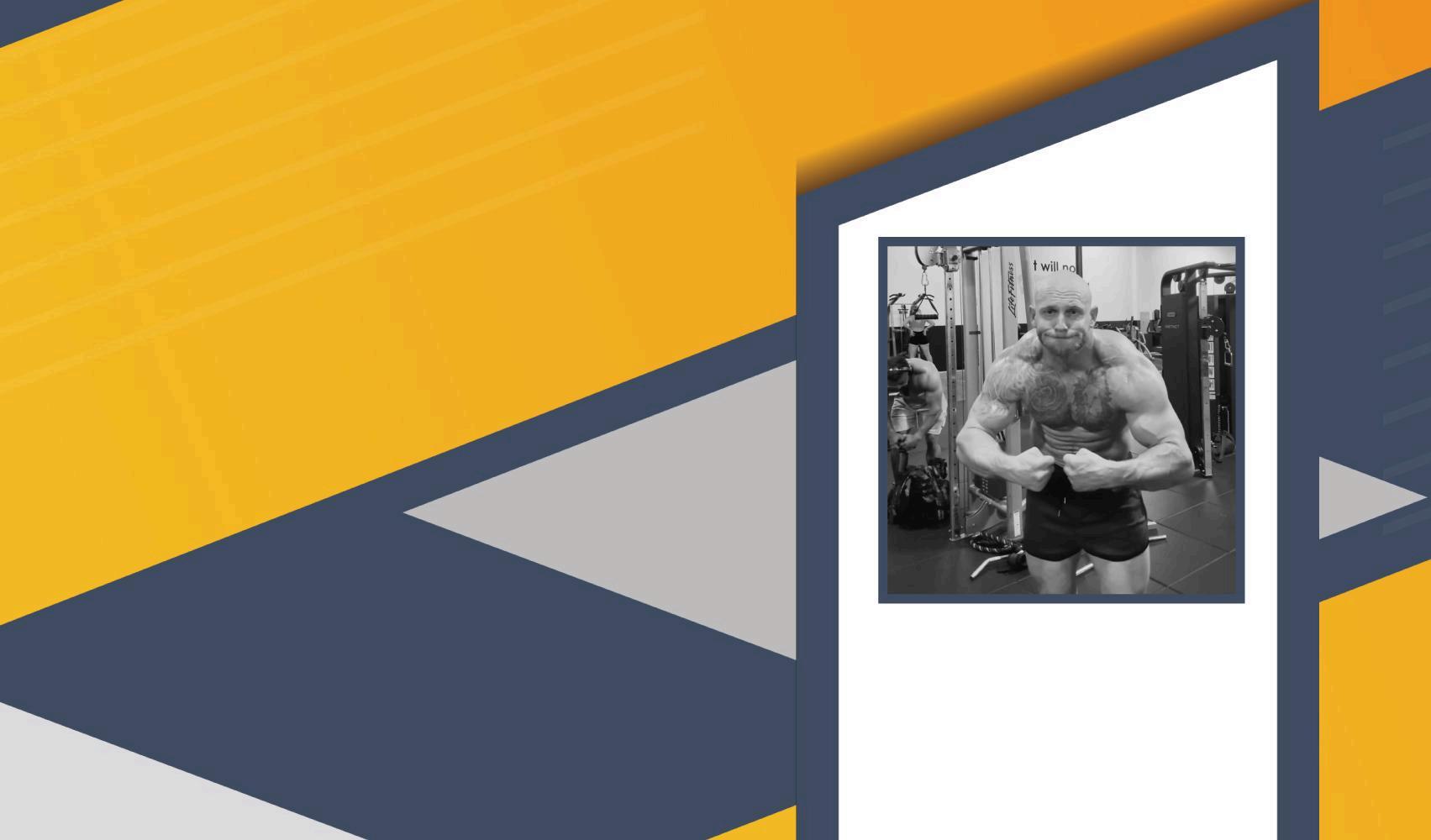
The COVID-19 pandemic challenged healthcare systems across the world in ways few could have imagined. Hospitals faced overwhelming patient volumes, limited resources, and rapidly changing medical information Through these unprecedented circumstances, frontline healthcare professionals demonstrated remarkable resilience, adaptability, and dedication Their experiences provide valuable lessons that continue to shape the future of healthcare today, as noted by Tyler Berl
One of the most important lessons from the pandemic is the value of preparedness. Many healthcare facilities discovered gaps in emergency planning, supply chain management, and staffing capacity As a result, healthcare organizations have placed greater emphasis on maintaining strategic reserves of essential equipment, improving crisis response protocols, and investing in training programs that prepare staff for future public health emergencies These efforts aim to strengthen healthcare systems and improve their ability to respond effectively to unexpected challenges
The pandemic also highlighted the importance of flexibility and innovation. Healthcare professionals had to adapt quickly to new treatment guidelines, evolving safety measures, and changing patient needs Telemedicine became a critical tool for delivering care while reducing the risk of virus transmission. Many providers adopted digital solutions that improved
communication, patient monitoring, and access to healthcare services These innovations demonstrated that technology can play a significant role in expanding care delivery and improving patient outcomes
Another key lesson is the importance of supporting healthcare workers. Frontline staff faced long hours, emotional stress, and significant personal risk while caring for patients Their experiences highlighted the need for mental health resources, workplace wellness programs, and organizational support systems Healthcare leaders now recognize that protecting the well-being of medical professionals is essential for maintaining a strong and effective workforce
The pandemic also reinforced the value of teamwork Physicians, nurses, respiratory therapists, support staff, and administrators worked together under difficult conditions to provide patient care. This collaboration helped organizations respond more effectively to rapidly changing circumstances and highlighted the importance of communication across all levels of healthcare
Perhaps the most enduring lesson is the deep connection between healthcare and community Public health efforts, patient education, and community partnerships played critical roles in managing the crisis. The pandemic showed that healthcare extends beyond hospital walls and depends on cooperation between providers, public health agencies, and the public
As healthcare systems continue to evolve, the experiences of frontline professionals during the pandemic remain a powerful source of insight Their dedication and perseverance revealed both the strengths and vulnerabilities of modern healthcare, providing valuable guidance for building a more resilient future.